Your last vacation probably left you needing another vacation to recover. Between jam-packed itineraries and racing from landmark to landmark, you came home exhausted instead of recharged. What experiential travel means is building trips around what you want to feel instead of what you want to see, and planning a trip around it starts with choosing a home base that supports actual experiences like cooking together, learning from locals, and leaving space between activities to just breathe.
TLDR:
- Experiential travel focuses on active participation over sightseeing, think cooking classes with locals instead of museum tours.
- Plan one core activity per day maximum and book popular experiences 3-6 months ahead to avoid over-scheduling.
- Group trips split costs for private chefs and guides while creating shared memories that outlast solo travel.
- Choose accommodations in real neighborhoods with full kitchens to shop local markets and cook regional ingredients.
- AvantStay manages 2,300+ group properties across 65+ markets with in-app concierge for booking chefs and experiences.
What Is Experiential Travel and Why Does It Matter?
Experiential travel flips the traditional vacation script. Instead of checking off landmarks from a list, you’re cooking pasta with a Roman grandmother, learning to surf from a local in Costa Rica, or foraging for ingredients at a farmers market before preparing dinner with your group. The focus moves from seeing to doing, from observing to participating.
This isn’t a passing trend. Experiential travel saw a 2,647% surge in online searches, revealing a fundamental change in how people want to spend their vacation time. Travelers in 2026 are trading museum audio guides for hands-on workshops and hotel room service for cooking classes in local homes.
The distinction matters because it changes how you plan. Experiential travel demands different accommodations, different timing, and a different mindset. You need space to gather, cook, and share stories after a day spent learning something new.
Why Travelers Are Choosing Experiences Over Itineraries in 2026
The pandemic rewired how people think about time off. Travelers watched years slip by and decided that future trips wouldn’t be about snapping photos in front of monuments. They wanted memories that stick, stories worth retelling, and connections that outlast the flight home.
Research from Hilton’s 2026 trends study across 14 countries showed that trips are now driven by emotional needs: the desire to rest, the urge to reconnect, and a longing for experiences that feel meaningful. Vacations became less about escape and more about intention.
Rigid itineraries started feeling suffocating. The old model of rushing from attraction to attraction left people exhausted instead of recharged. In 2026, travelers are building trips around what they want to feel instead of what they want to see.
Cultural Immersion
Step into daily life somewhere new. Attend a tea ceremony in Japan, learn traditional weaving in Guatemala, or spend an afternoon with a Moroccan family preparing tagine. The focus is on understanding local customs beyond watching them.
Culinary Adventures
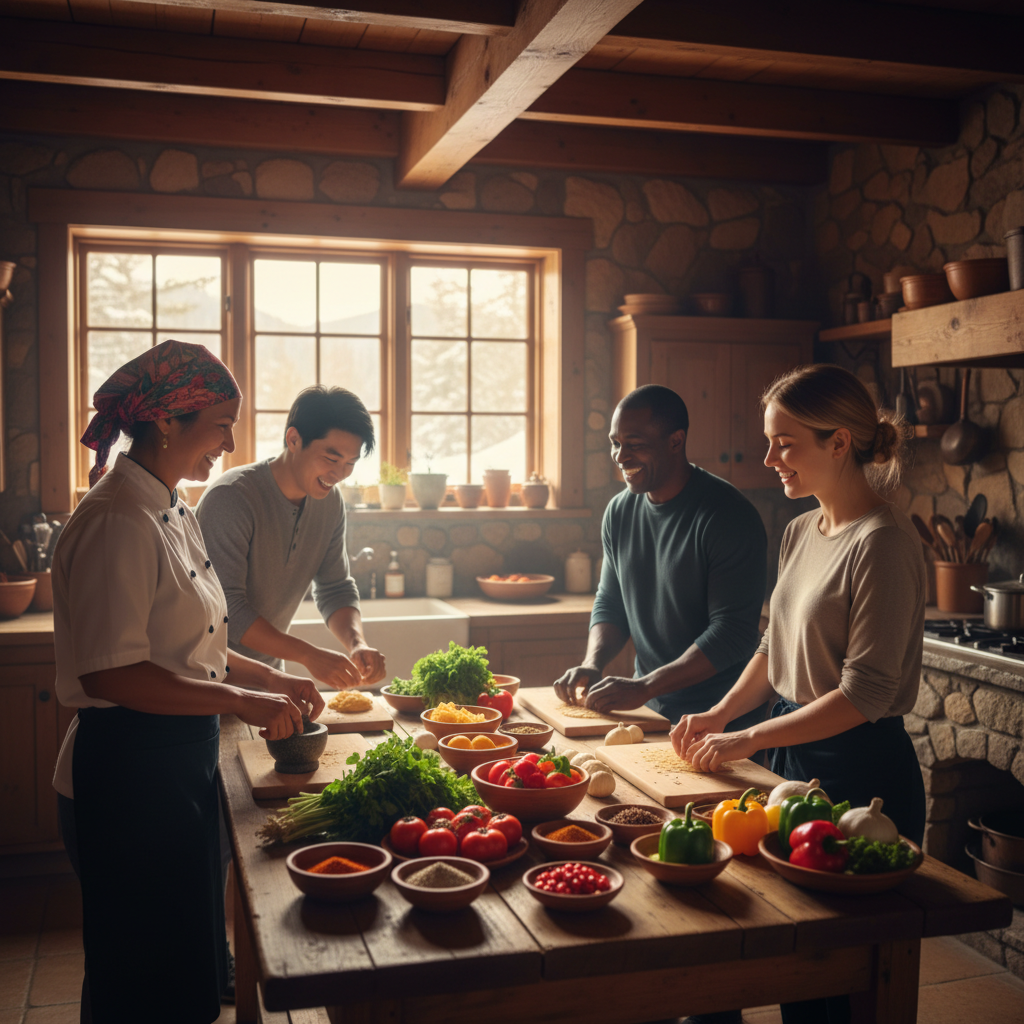
Food-focused trips go beyond dining out. Consider foraging tours in the Pacific Northwest, wine blending workshops in Sonoma, or market-to-table cooking classes in Thailand where you shop for ingredients before learning traditional recipes.
Wellness Retreats
These focus on rest over activity. Yoga retreats in the Berkshires, meditation workshops in Sedona, or spa getaways in Palm Springs help you return home recharged instead of needing recovery time.
Adventure Tourism
Active trips like guided backcountry hikes, whitewater rafting, rock climbing instruction, or multi-day cycling tours. You’ll build skills while local guides share regional knowledge.
Volunteer Travel
Service-focused trips where you contribute to conservation projects, community building, or educational programs. Vet organizations carefully to confirm the work creates genuine impact.
Types of Experiential Travel to Consider for Your Next Trip
Experiential travel takes many forms depending on what draws you in. Here are the main types to consider.
Travel Type | Best For | Planning Time Needed | Ideal Group Size | Budget Range |
|---|---|---|---|---|
Cultural Immersion | Travelers seeking authentic local connections and traditions | 2-4 months | 2-6 people | $$-$$$ |
Culinary Adventures | Food lovers wanting hands-on cooking and tasting experiences | 3-6 months | 4-8 people | $$-$$$$ |
Wellness Retreats | Those seeking rest, rejuvenation, and mental health | 1-3 months | 2-10 people | $$$-$$$$ |
Adventure Tourism | Active travelers building skills with expert guides | 3-6 months | 4-12 people | $$-$$$$ |
Volunteer Travel | Mission-driven travelers wanting to give back | 4-8 months | 6-15 people | $-$$$ |
The Real Benefits of Planning an Experiential Trip
Experiential trips deliver returns that last long after you unpack. You gain actual skills you can use at home, whether that’s knife techniques from a cooking class or photography tips from a local guide. These aren’t passive memories of things you saw but active knowledge you carry forward.
The psychological benefits run deeper. Research shows 86 percent of travelers now seek immersive experiences over sightseeing, partly because active participation combats burnout better than passive tourism. When you’re learning to make pottery or helping harvest grapes, your mind engages differently than when you’re standing in another museum line.
Cultural understanding becomes personal instead of theoretical. Sharing a meal you helped prepare with locals breaks down barriers faster than any guidebook. The confidence boost is real too. Trying something unfamiliar in an unfamiliar place, then succeeding, reminds you that growth happens outside comfort zones.
How to Choose the Right Destination for Experiential Travel
Start with what pulls you in. If you want to learn textile arts, research regions where weaving remains a living practice, not a museum exhibit. Culinary interests point toward farm-to-table regions or fishing villages. Adventure seekers should target areas like Lake Tahoe with proven guide networks and safety infrastructure.
Cultural authenticity requires digging past tourism websites. Look for destinations with community-based tourism programs where locals lead experiences instead of outside companies packaging culture for profit. Read travel forums, follow regional bloggers, and check whether experiences benefit residents directly.
Timing shapes what’s available. Harvest seasons open culinary opportunities. Festival periods offer cultural immersion but require advance booking. Weather affects outdoor activities. Research the local calendar before committing to dates.
Step-by-Step: Planning Your Experiential Travel Itinerary
Start planning three to six months out if you need to book popular experiences or travel during peak season. Begin by identifying two or three must-do activities that require advance reservations like cooking classes with limited spots, guided foraging tours, or workshops led by local artisans. Book these first, then build around them.
Block out your days in thirds instead of hours. Morning, afternoon, evening. Assign one planned activity per day maximum, leaving other blocks open for wandering, rest, or opportunities you find on arrival. This structure prevents the trap of over-scheduling while keeping you from wasting days wondering what to do.
Research local guides for activities that benefit from expertise. Hire them for nature hikes where route knowledge matters, cultural experiences requiring translation or context, or skill-based activities like photography or cooking. Save self-guided exploration for neighborhoods, markets, and casual discovery where getting lost is part of the fun.
Build buffer days between intensive experiences. If you’re taking a full-day kayaking trip, don’t schedule another physical activity the next morning. Leave space for tired muscles, for processing what you learned, or for following a local’s restaurant recommendation you picked up along the way.
Finding Authentic Local Experiences Beyond Tourist Traps
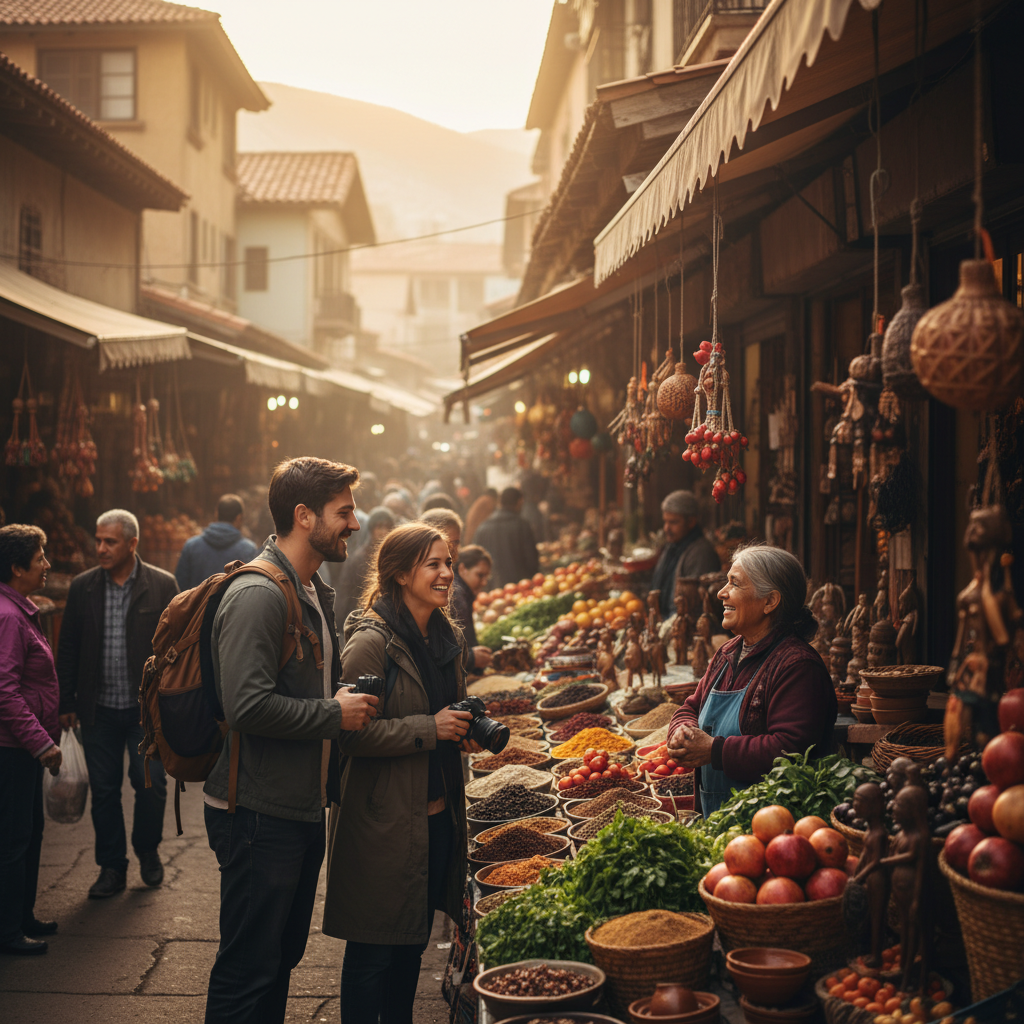
Skip the official tourism office brochure. Real local experiences come from asking baristas, Uber drivers, and shop owners where they actually eat and what they do on weekends. These conversations surface neighborhood festivals, family-run food stalls, and weekly markets that never make it onto visitor guides.
Look for experiences run by residents instead of tour companies headquartered elsewhere. A weaving workshop taught by the artist in their studio beats a crafts demonstration staged for busloads. Your payment should land in local pockets, funding family businesses instead of corporate operators extracting profit from someone else’s culture.
Avoid anything described as “hidden gem” in a top-ten list. If 50,000 people read about a secret beach, it stopped being secret.
Booking Accommodations That Support Experiential Travel Goals
Your lodging choice shapes your ability to connect with a destination. Vacation homes situated in real neighborhoods place you near local coffee shops, markets, and the authentic rhythm of daily life. Fully equipped kitchens let you shop farmers markets and prepare regional ingredients. Outdoor spaces designed for gathering give your group room to reflect after a day spent out.
AvantStay properties function as experiential home bases where groups can cook together, share stories around fire pits, and wake up inside the destination instead of sealed off from it.
Why Group Travel Amplifies Experiential Adventures
Experiential travel gains depth when shared. A cooking class becomes richer when six people tackle different stations, then compare techniques over the meal you made together. Someone in your group will notice the street musician you walked past, another will catch the architectural detail you missed, and together you piece together a fuller picture of a place.
Group trips are growing because connection matters more than ever. Friends are choosing multi-day trips over backyard parties, trading brief hangouts for extended time together. Splitting costs unlocks experiences solo travelers skip: private guide services, exclusive tastings, or renting an entire farmhouse for a hands-on culinary weekend.
The real amplification happens at night when everyone reconvenes, each person bringing back different fragments of the day to weave into collective memory.
Experiential Travel Made Easy With Professionally Managed Group Properties
Professionally managed vacation homes solve the logistical challenges that come with experiential trip planning. When you’re coordinating cooking classes, hiring private chefs, or arranging guided hikes, you need a home base that supports your itinerary. Properties across 65+ markets sit inside destinations worth experiencing, from wine country in Sonoma to festival season in the Coachella Valley to mountain towns in Colorado.
Our in-house design team builds interiors that reflect where you’re staying. Desert properties lean into regional aesthetics, mountain homes channel alpine sensibility, and coastal spaces mirror their surroundings. These spaces feel connected to place while giving groups room to cook together, gather around fire pits, and debrief the day’s adventures.
The Butler app handles the coordination experiential trips demand. Book a private chef through your phone, arrange fridge stocking before arrival, or request mid-stay services without hunting down a property manager.
Final Thoughts on Building Trips Around Doing Instead of Seeing
Your accommodations matter more when you’re focused on experiential travel because you need space to process and practice what you learn. Kitchens become classrooms for testing new techniques, and gathering areas give groups somewhere to compare notes on the day’s adventures. Choose experiences that appeal to your genuine interests instead of what you think you should do, and schedule less than feels comfortable so you have time to actually absorb where you are.
Block your days in thirds (morning, afternoon, evening) and assign only one planned activity per day maximum, leaving other blocks open for spontaneous discoveries, rest, or local recommendations you pick up along the way.
Experiential travel focuses on doing and participating through activities like cooking classes, workshops, and cultural immersion, while traditional sightseeing centers on observing landmarks and attractions from a distance.
Start planning three to six months ahead if you’re traveling during peak season or want to secure popular experiences like cooking classes or guided workshops that have limited spots and require advance reservations.
Yes—properties with full kitchens let you prepare regional ingredients from local markets, while the Butler app helps you book private chefs, arrange fridge stocking, and coordinate guided experiences without hunting down a property manager.
Shared experiences gain depth when multiple people participate—each person notices different details, learns different techniques, and brings back unique perspectives that weave into richer collective memories when you reconvene at night.