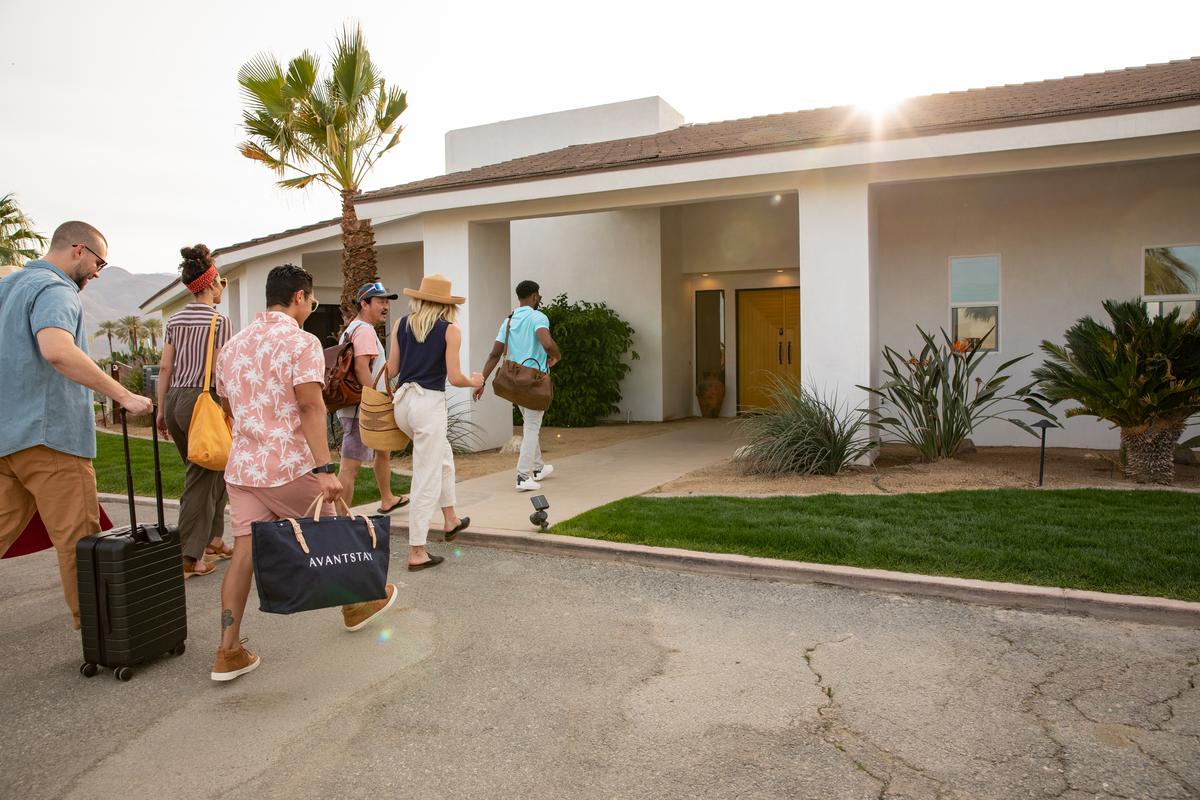
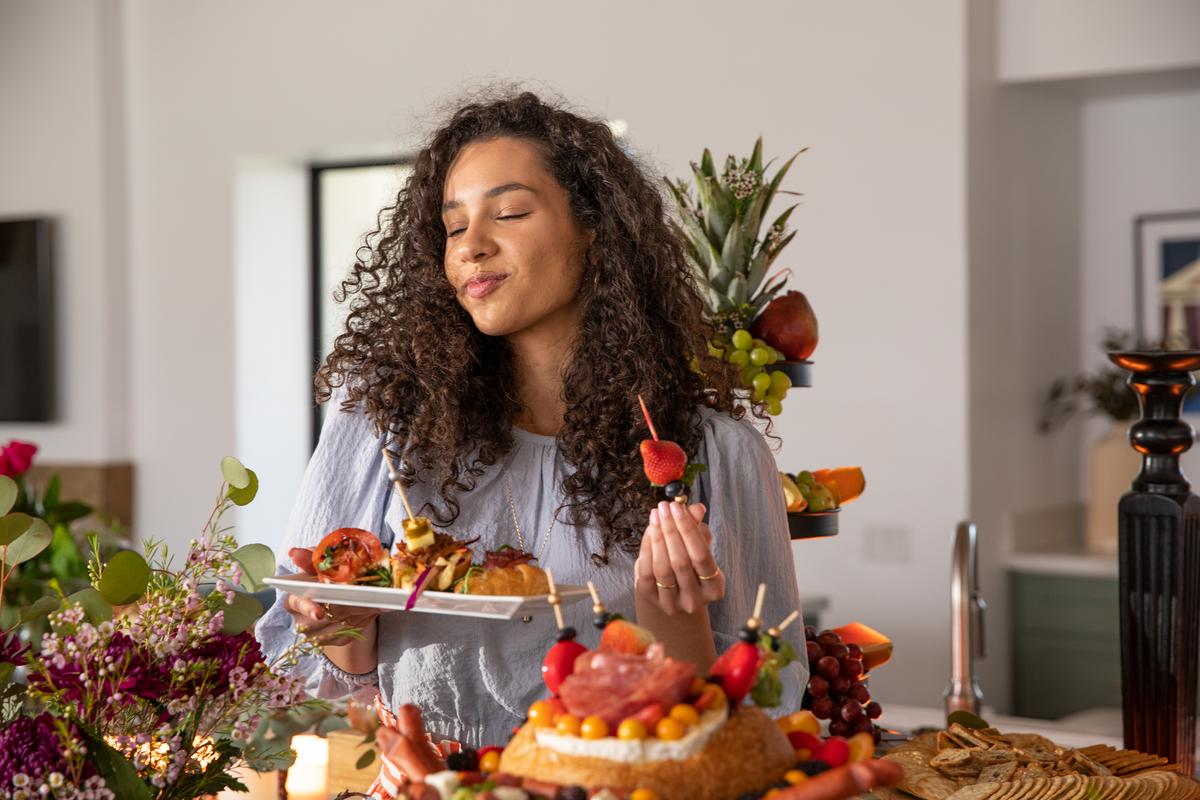
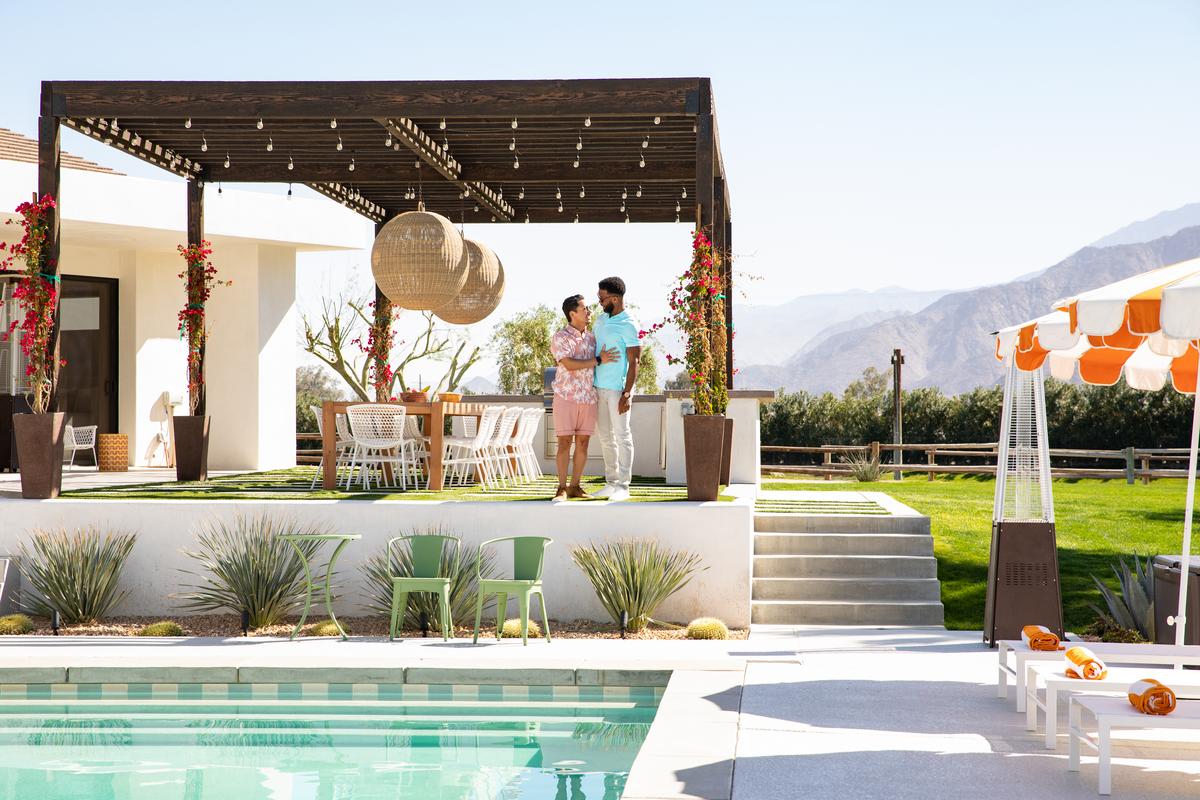
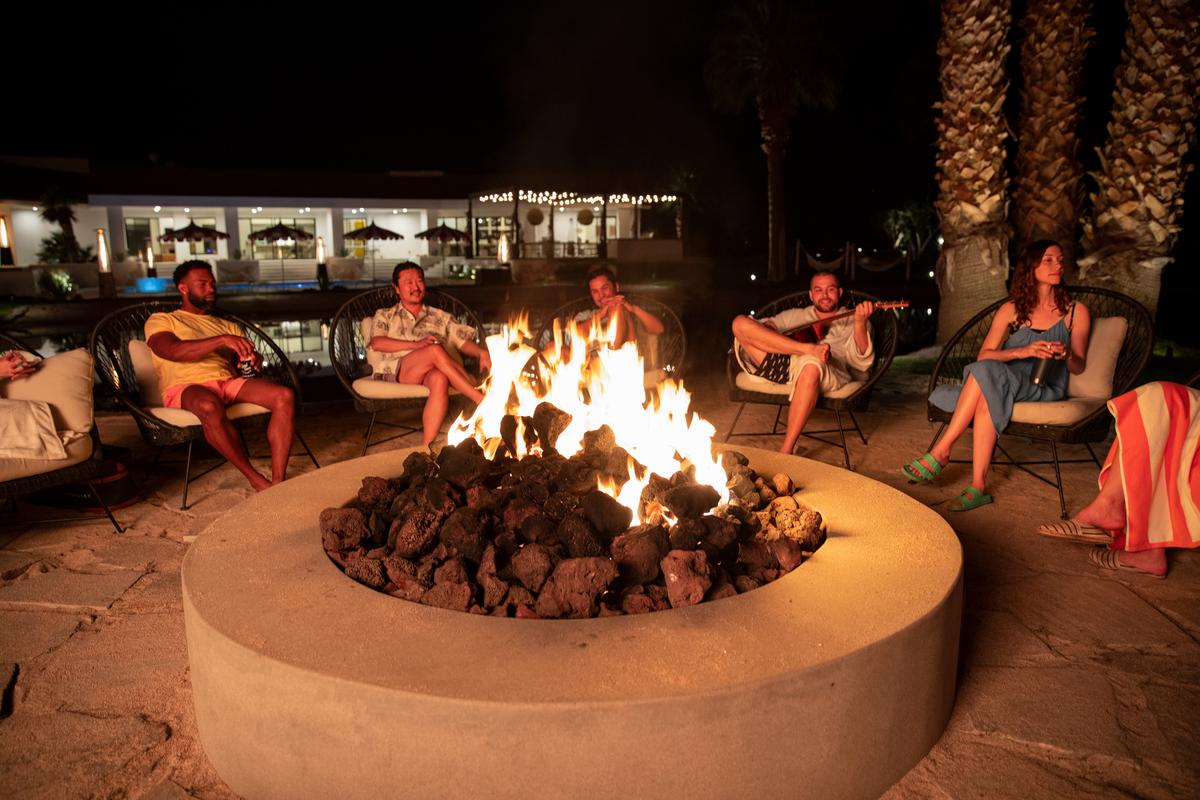
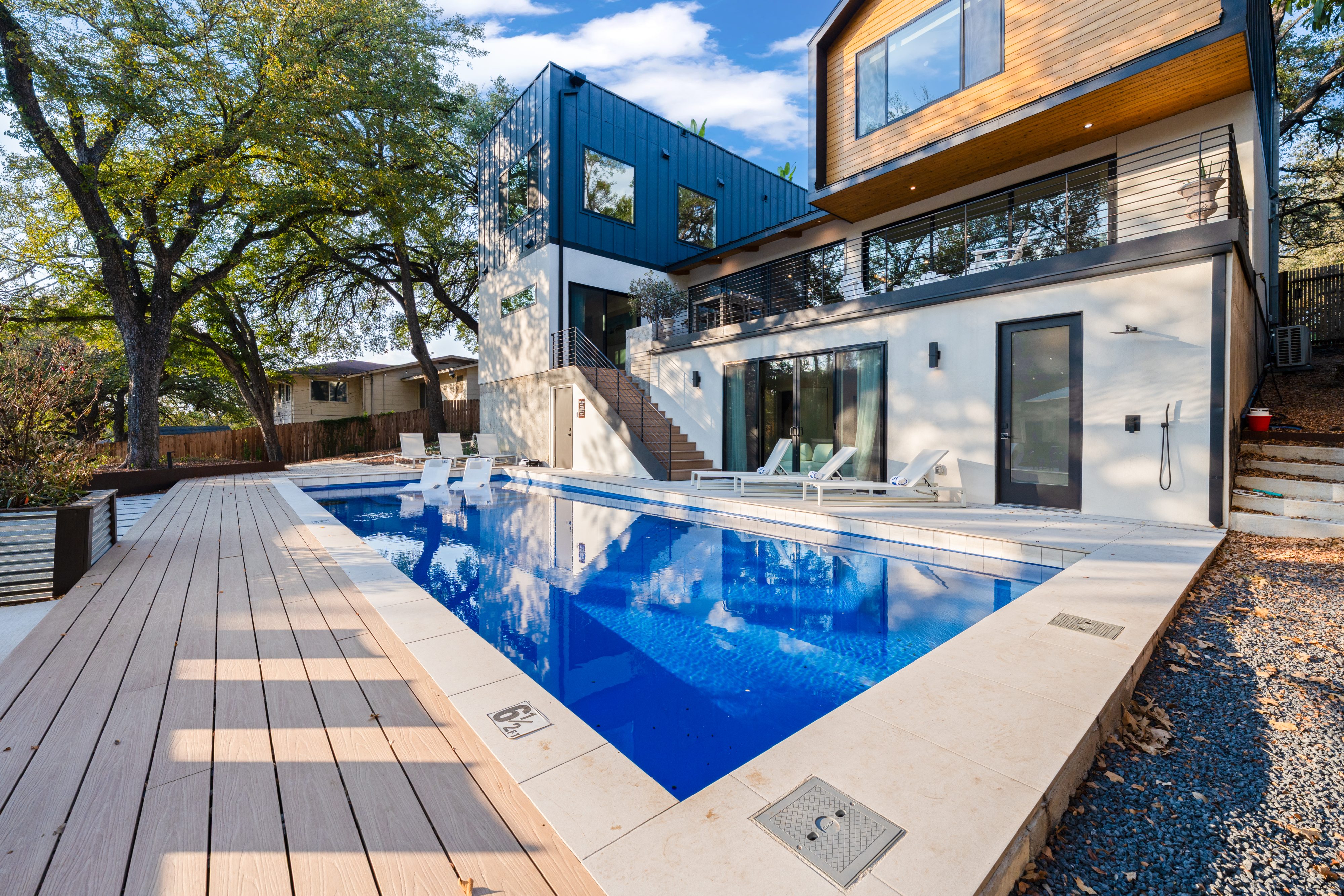
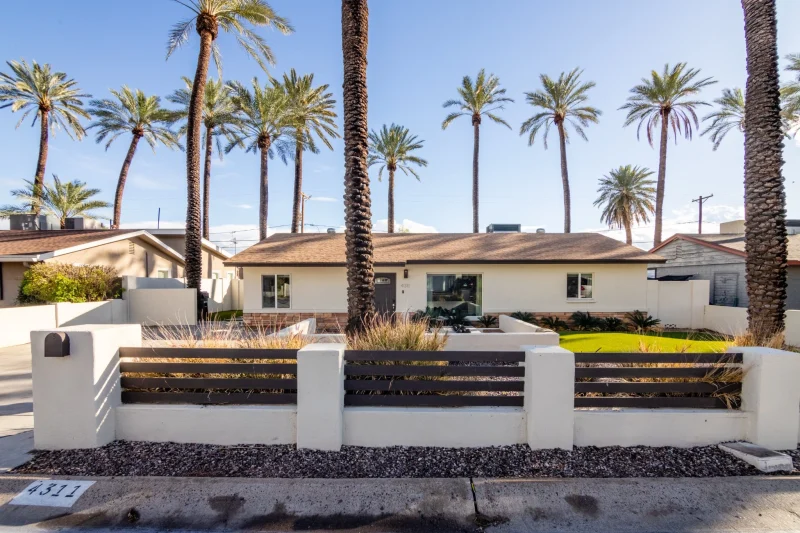
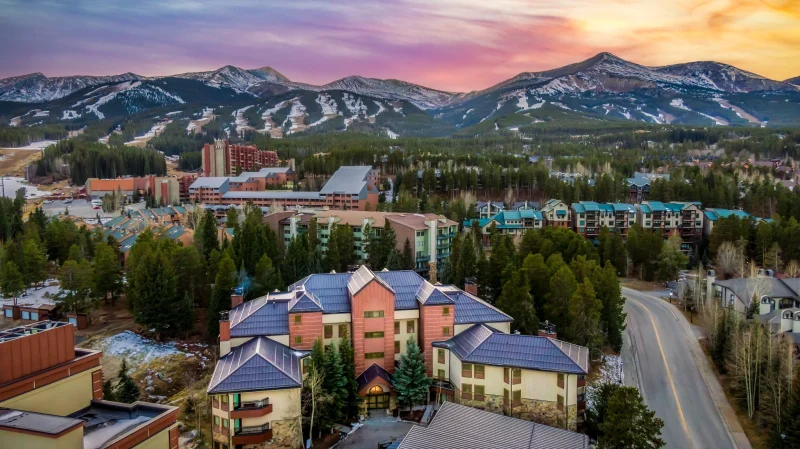
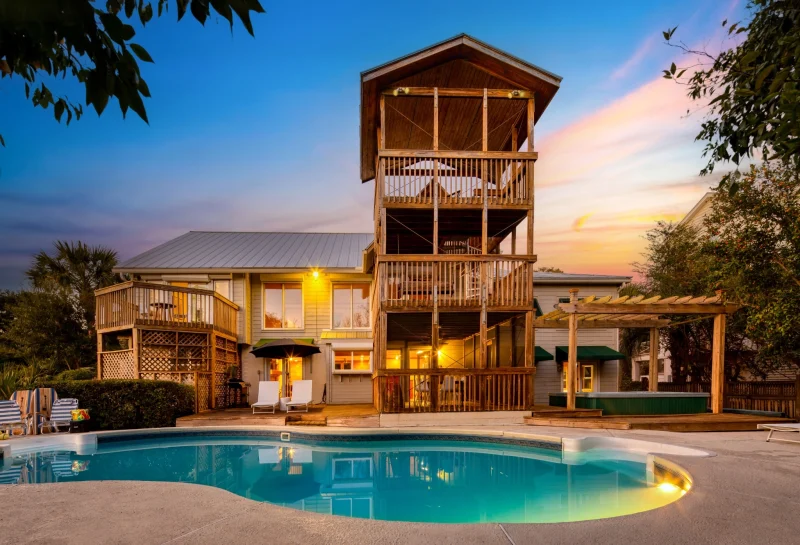
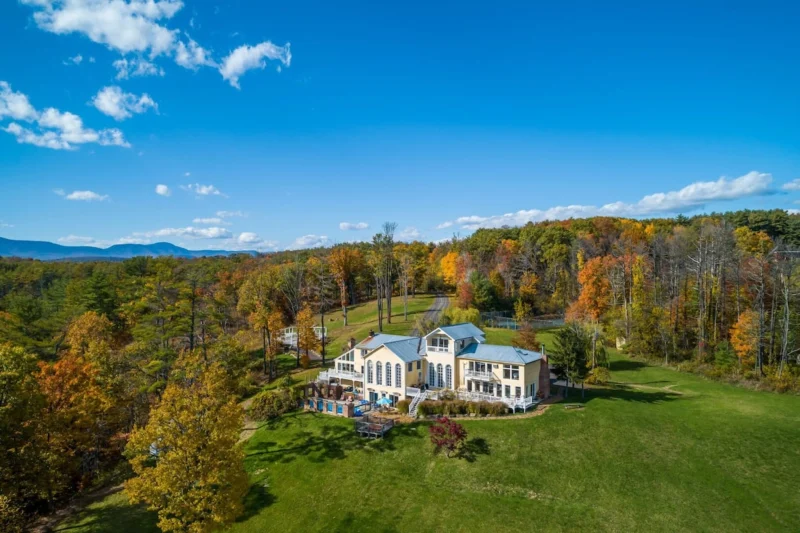
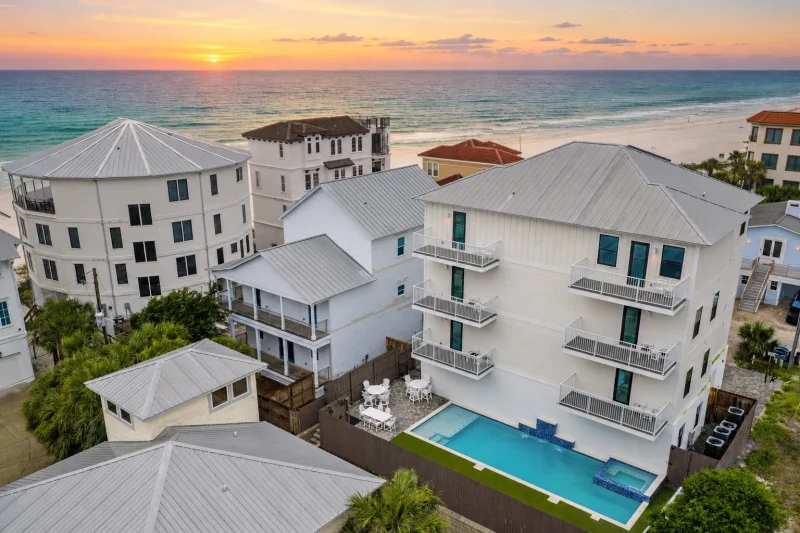
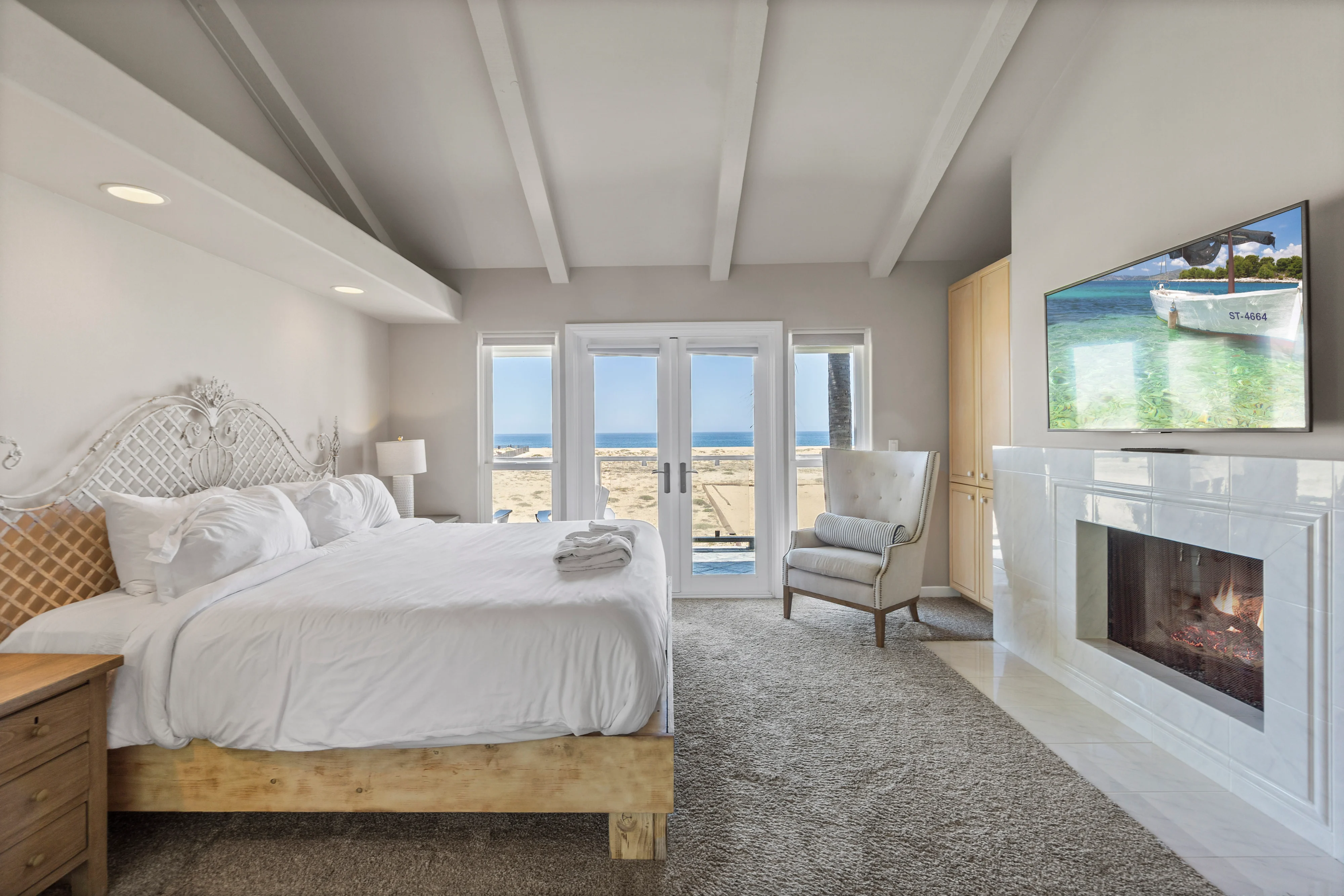
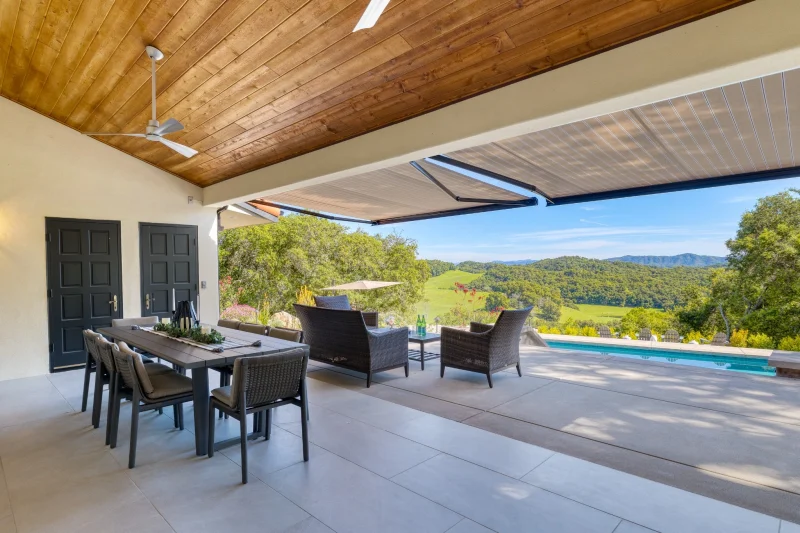
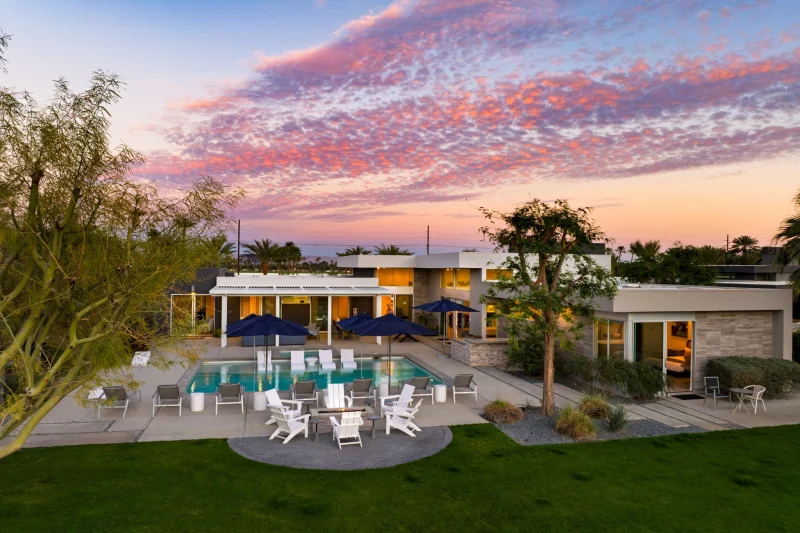
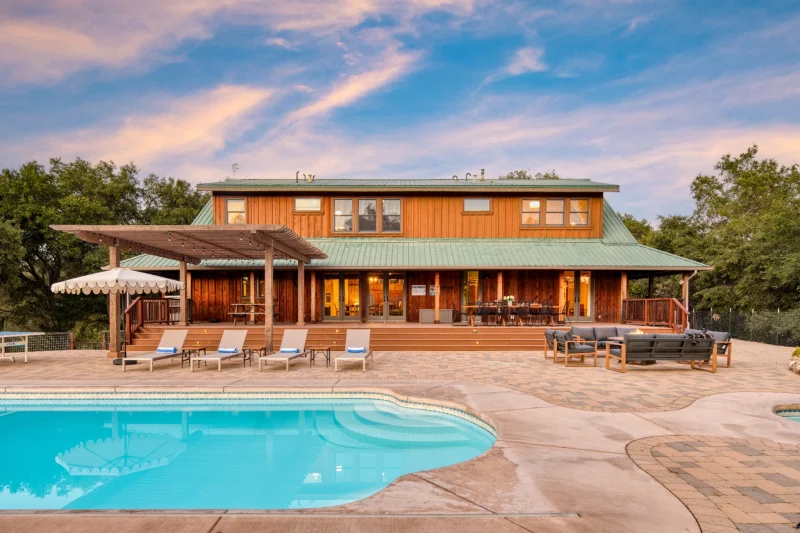
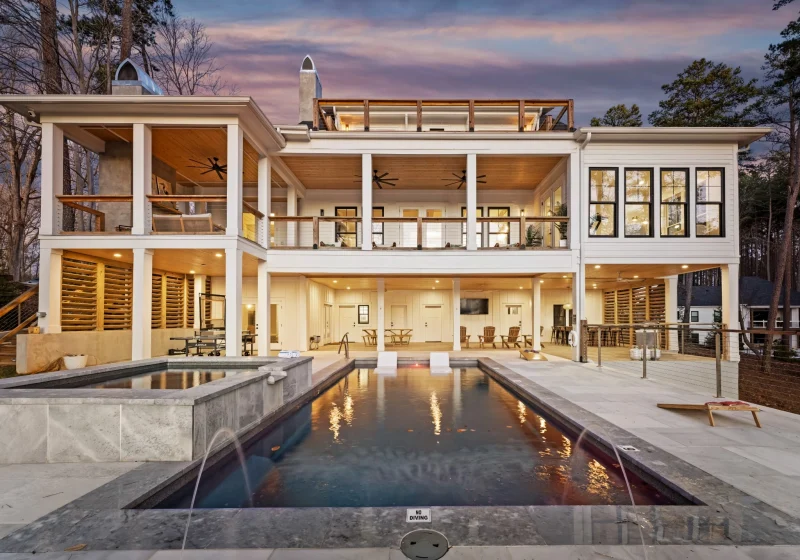
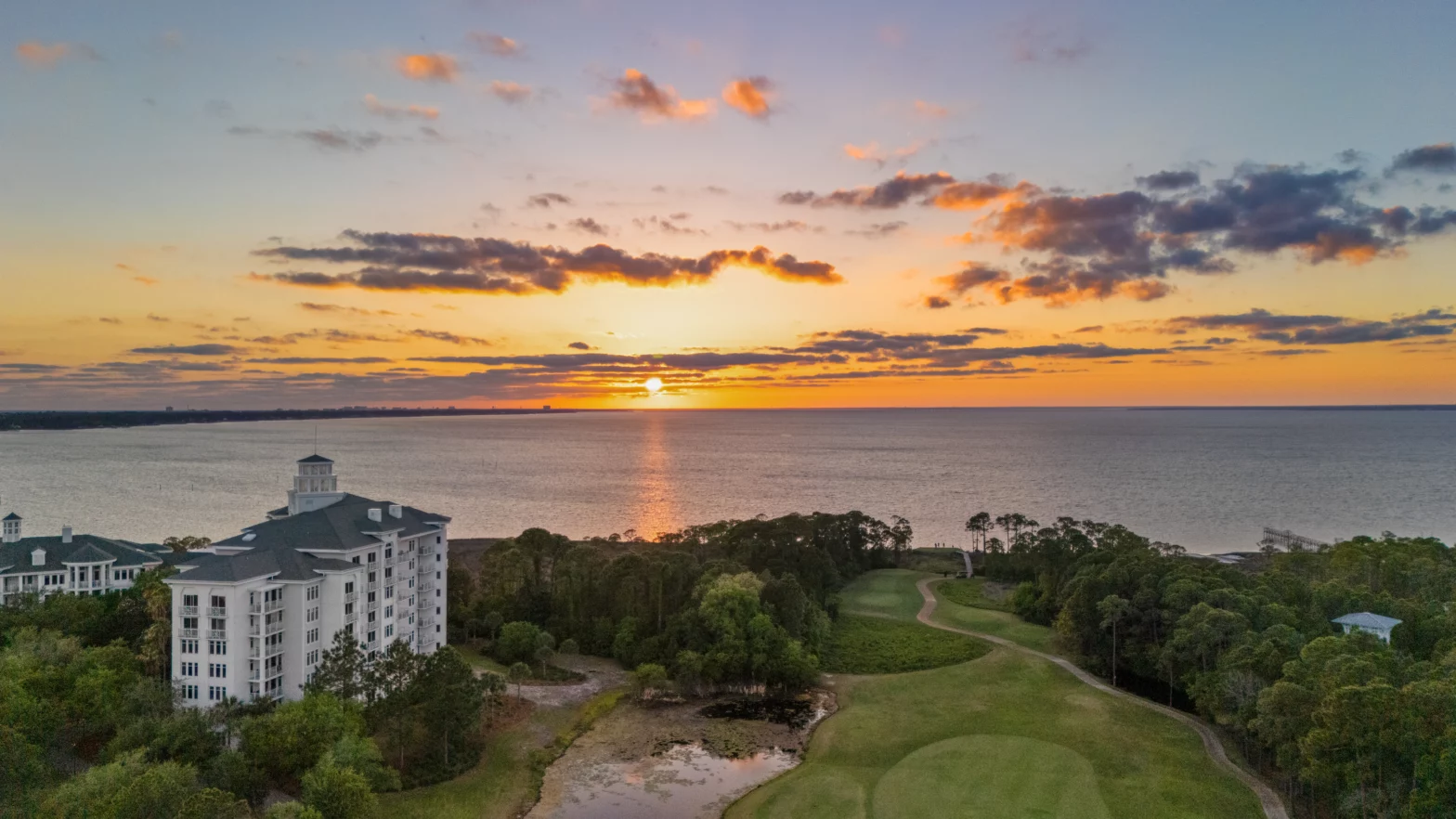
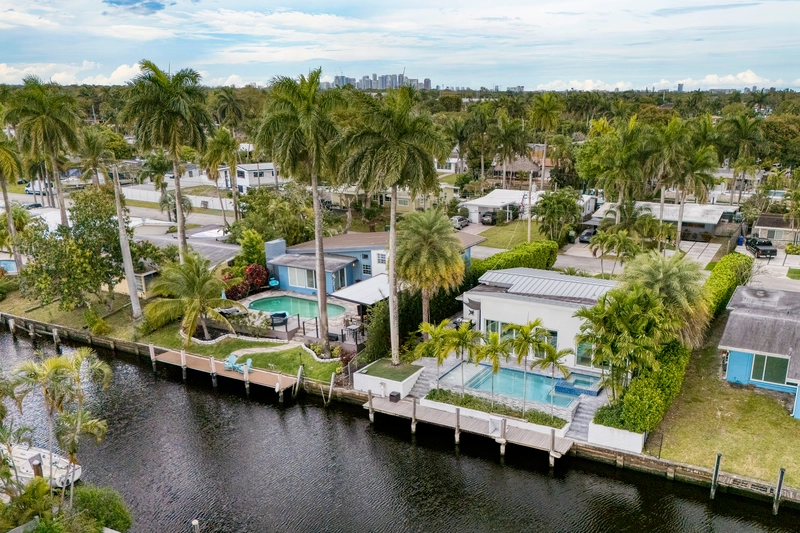
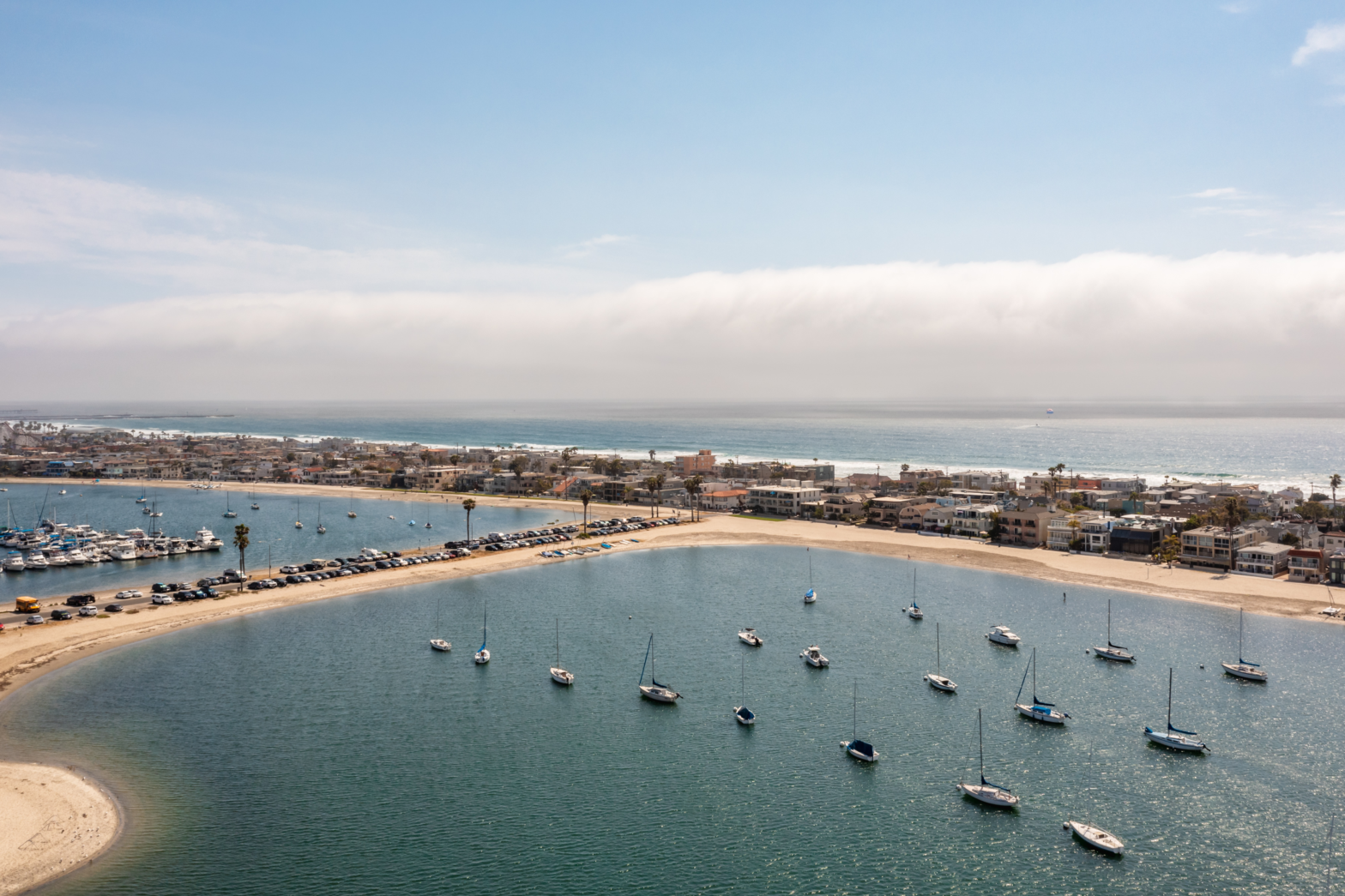
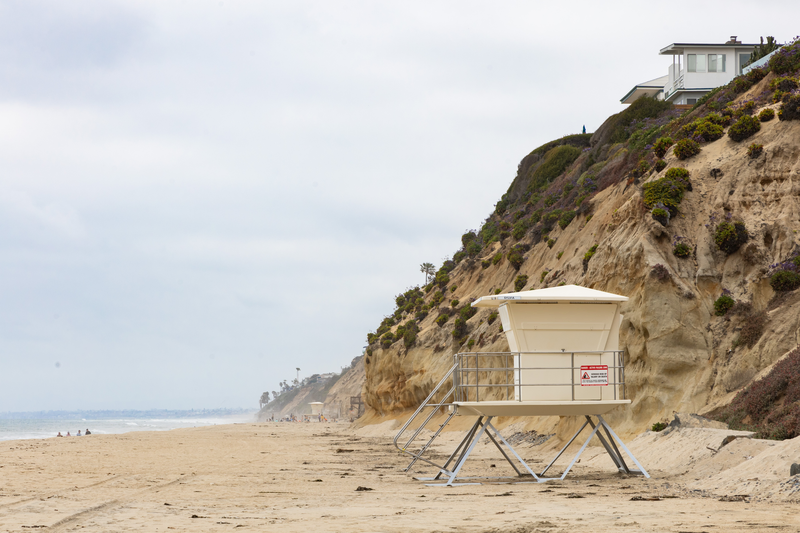
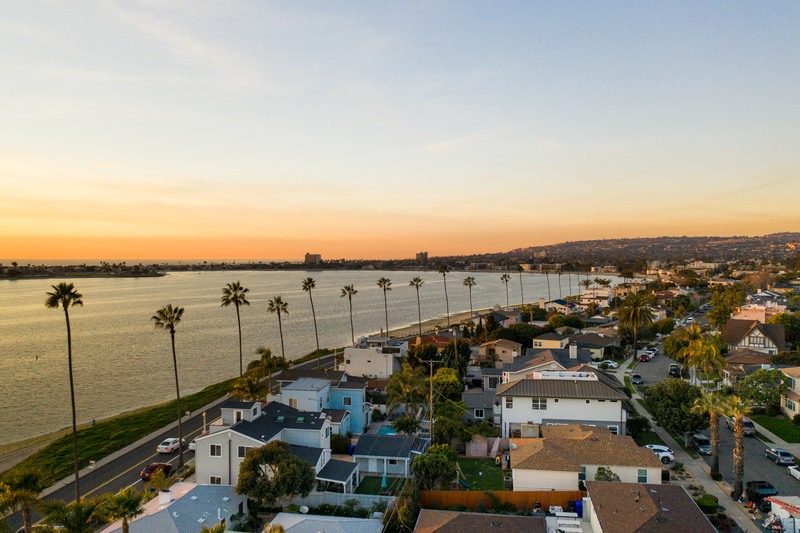
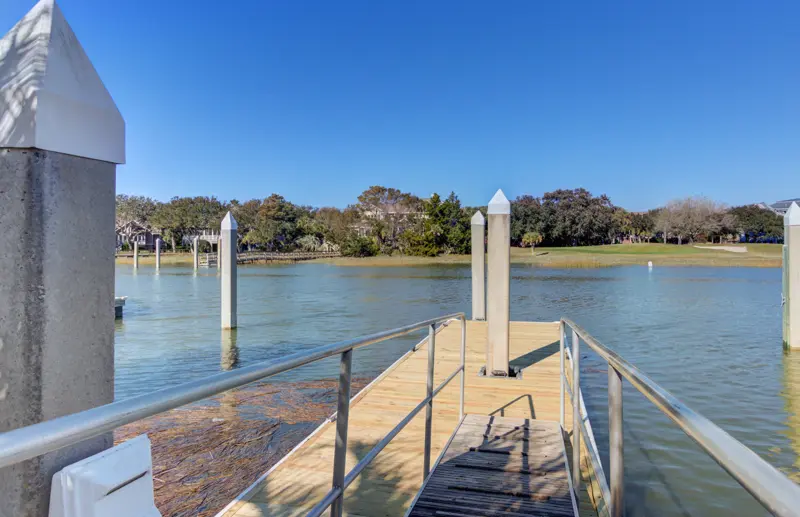
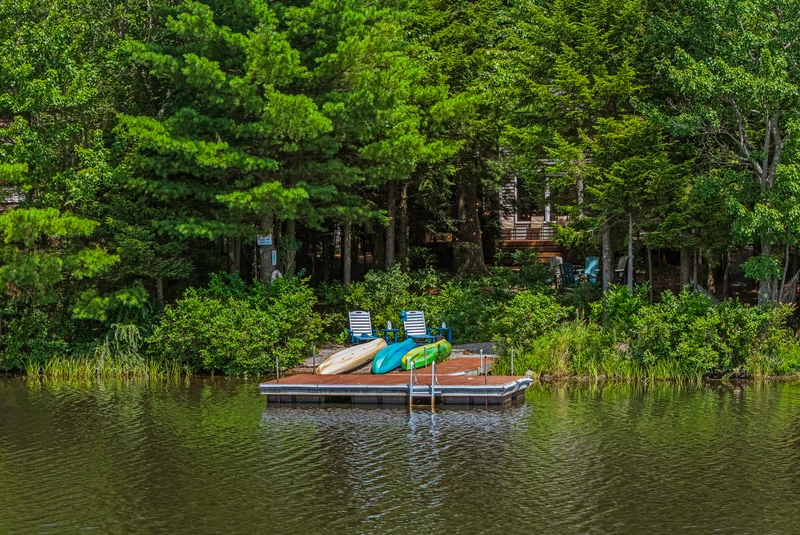
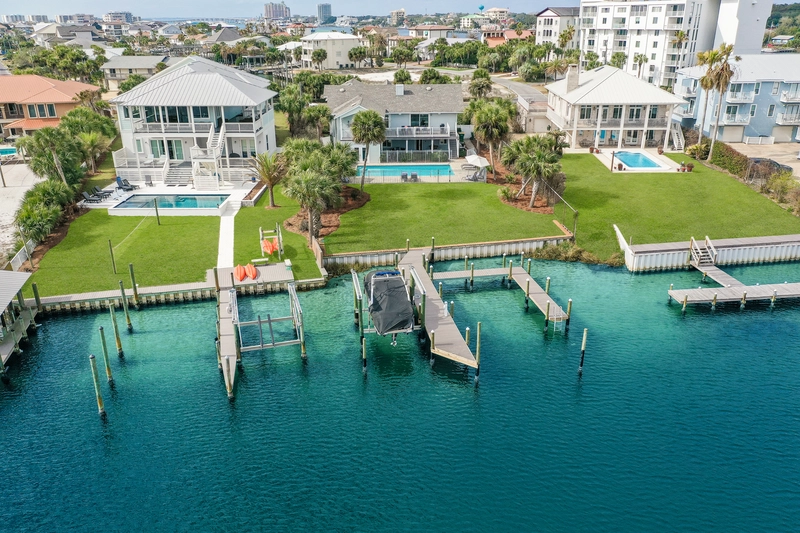
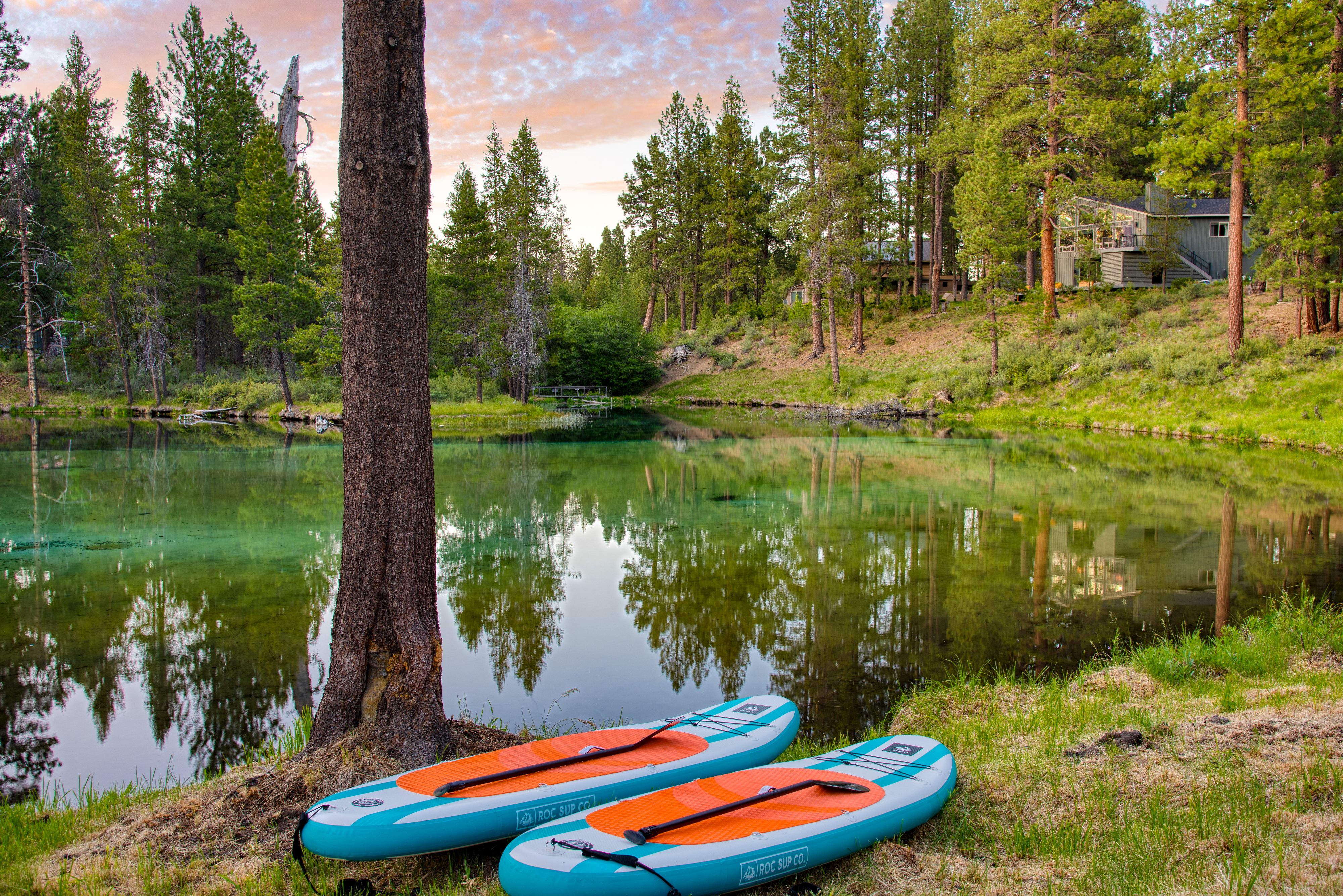
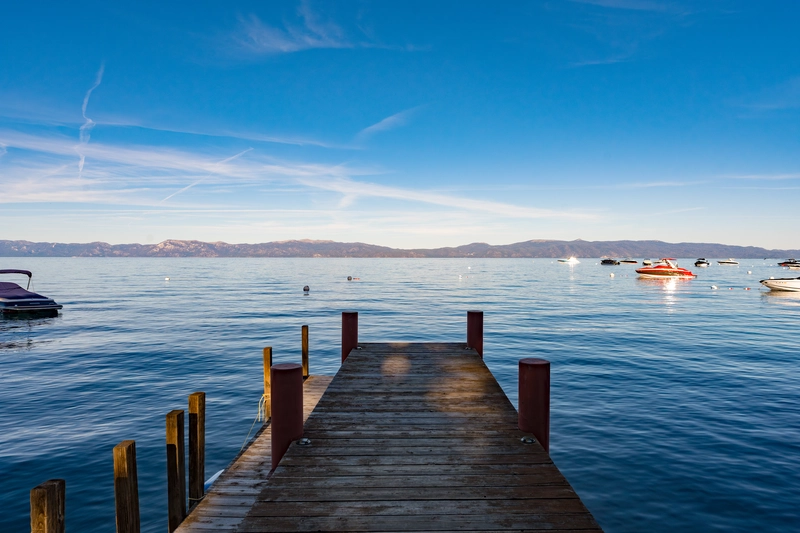
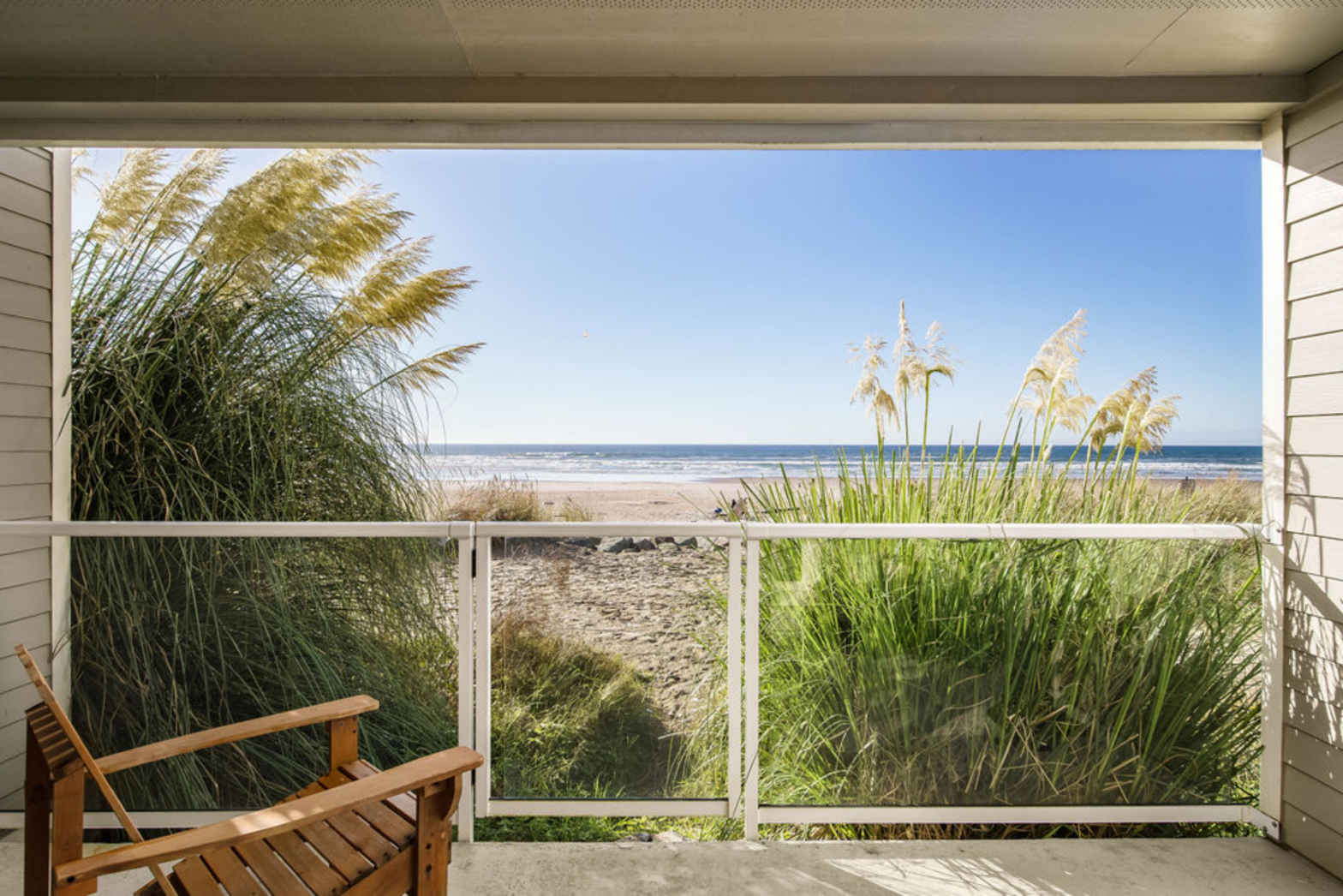
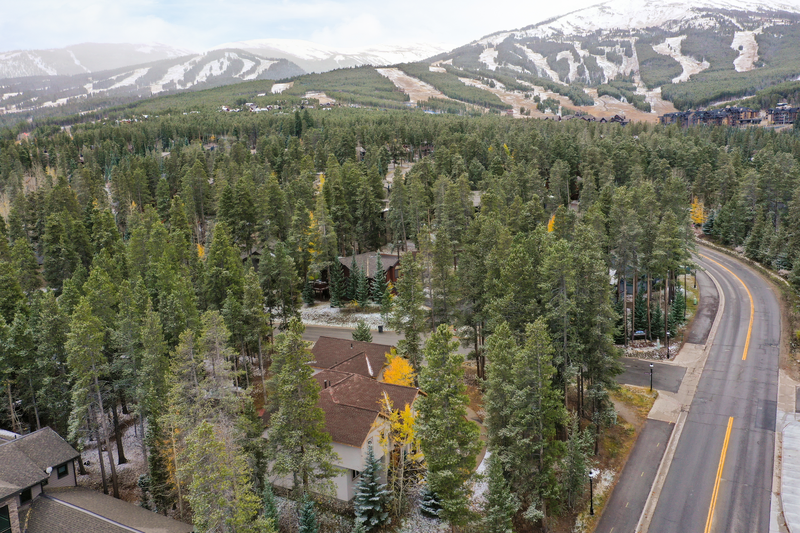
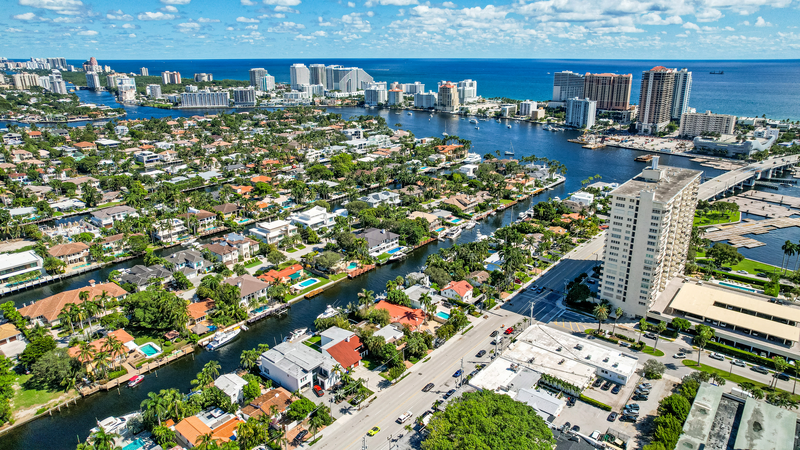
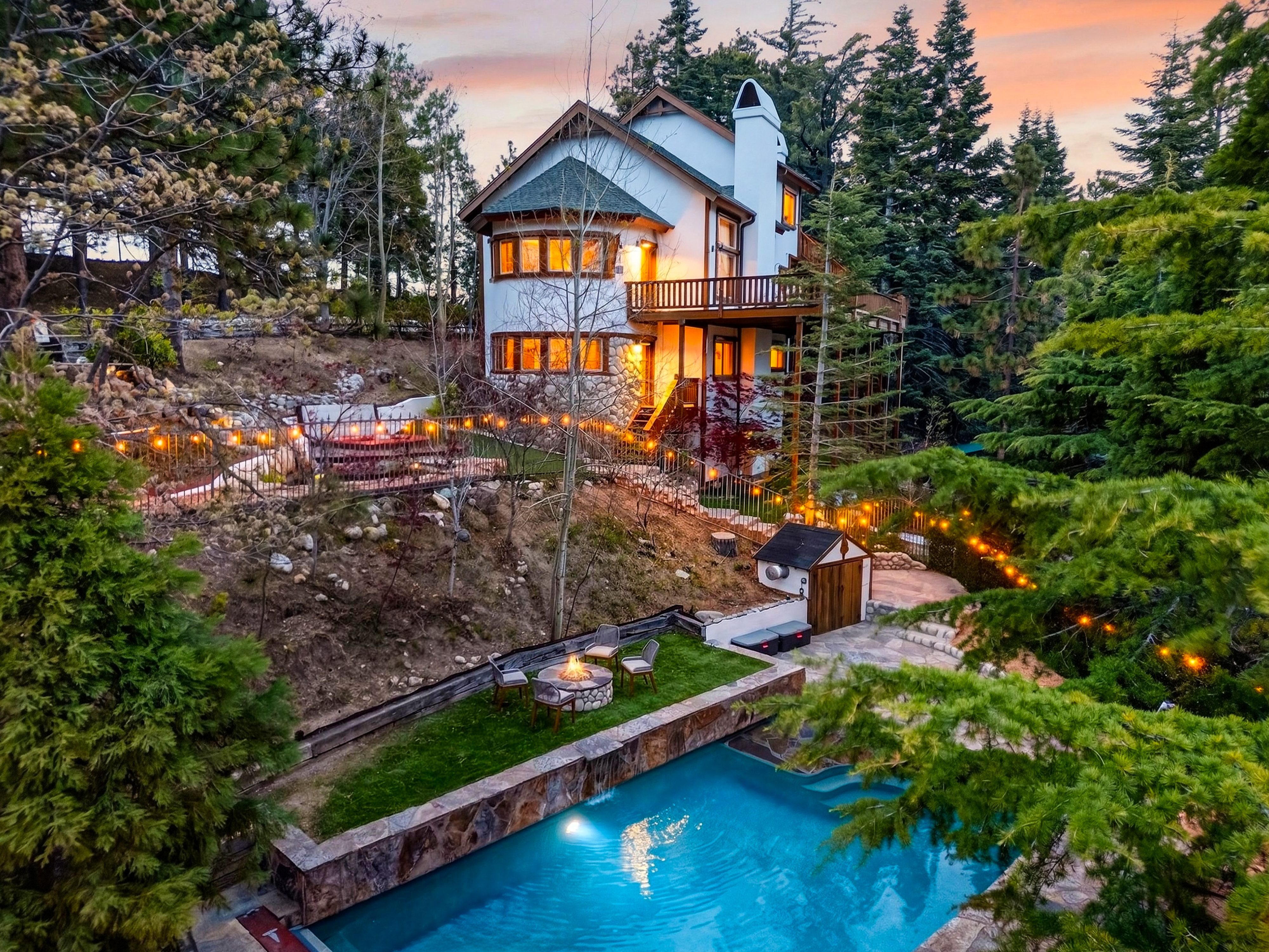
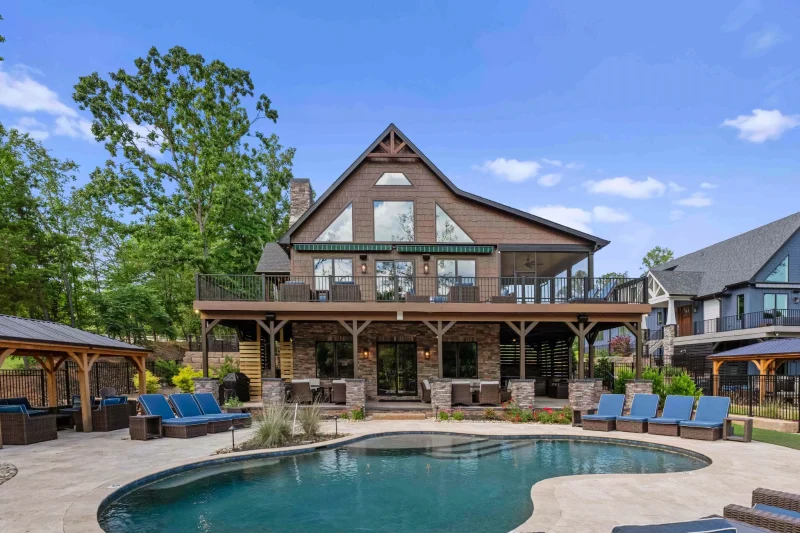
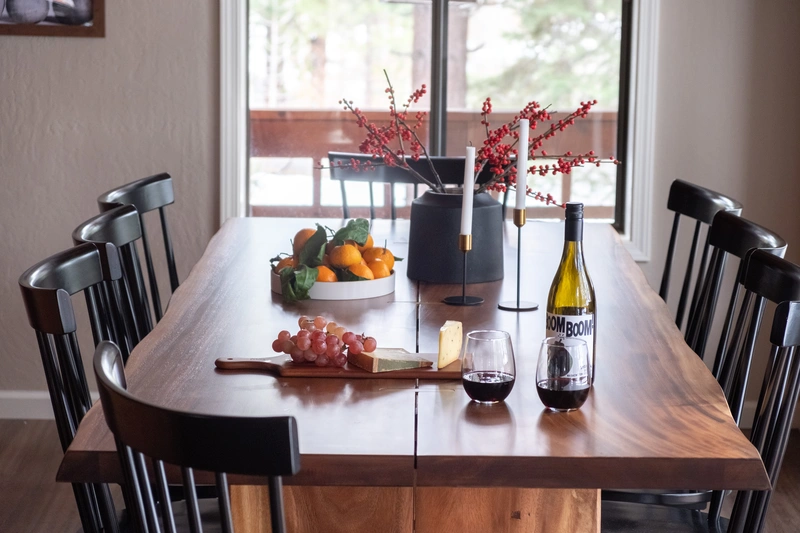
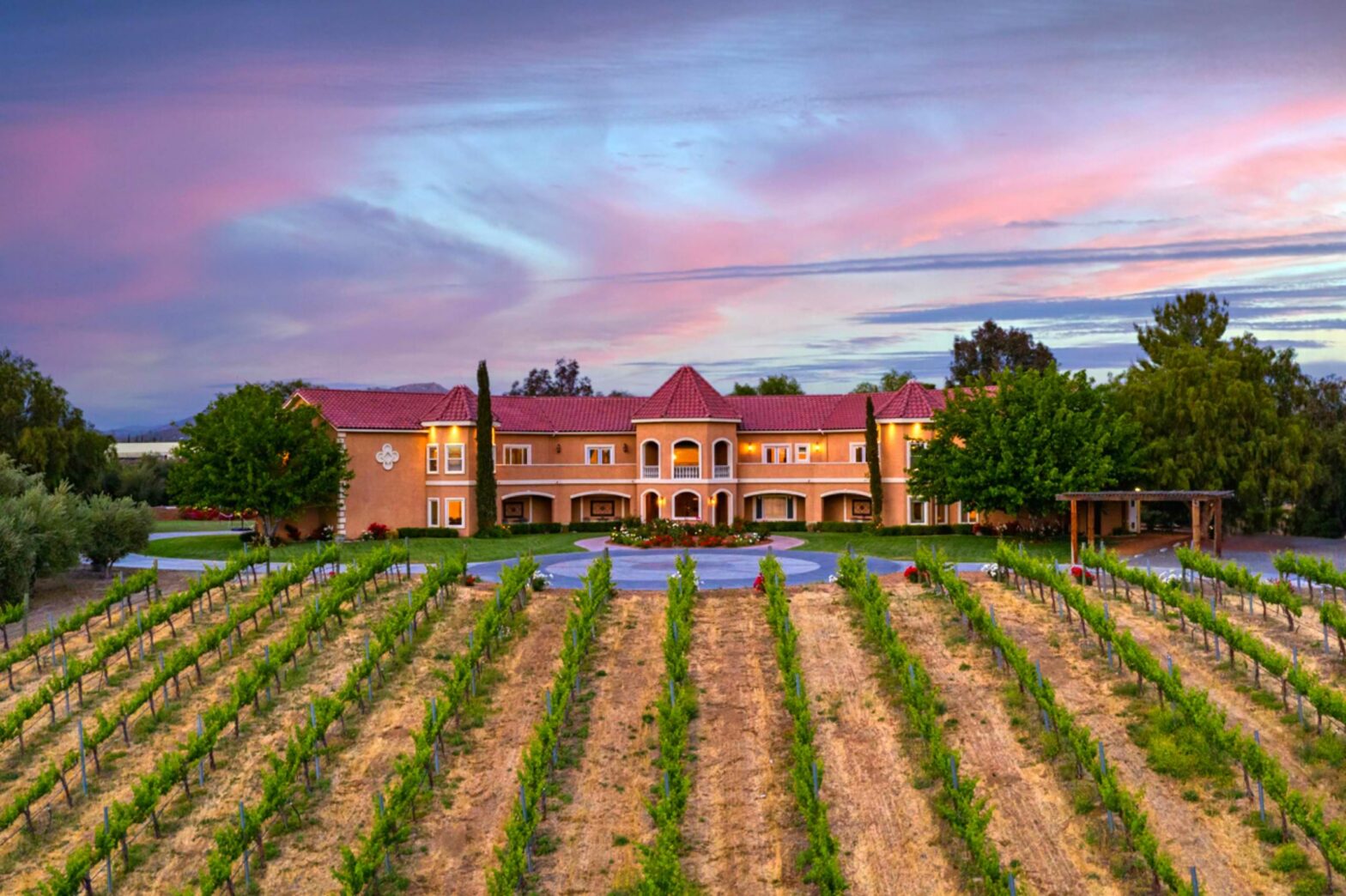
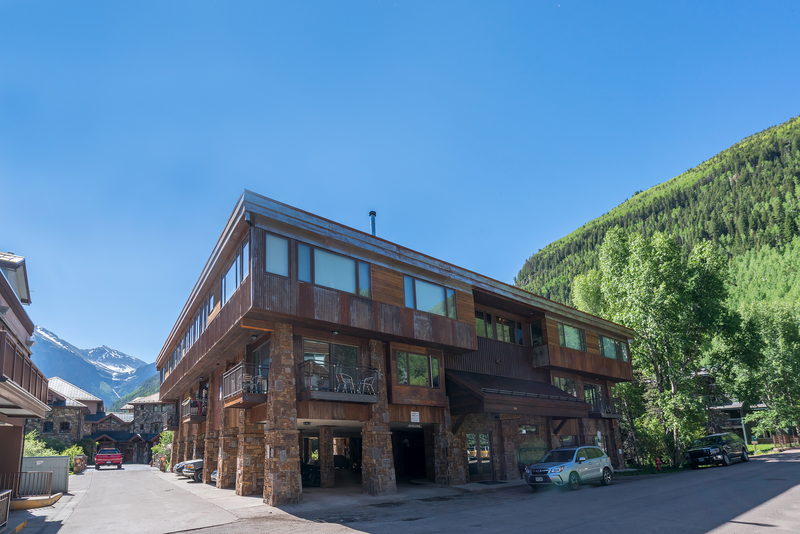
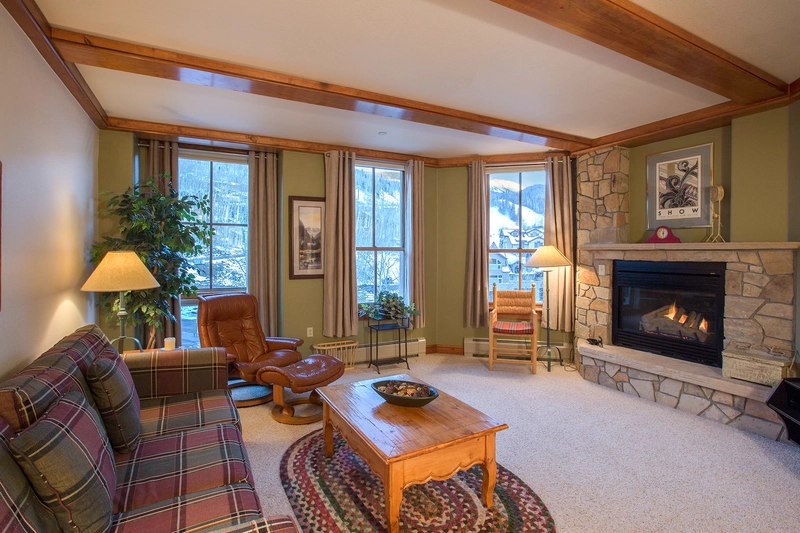
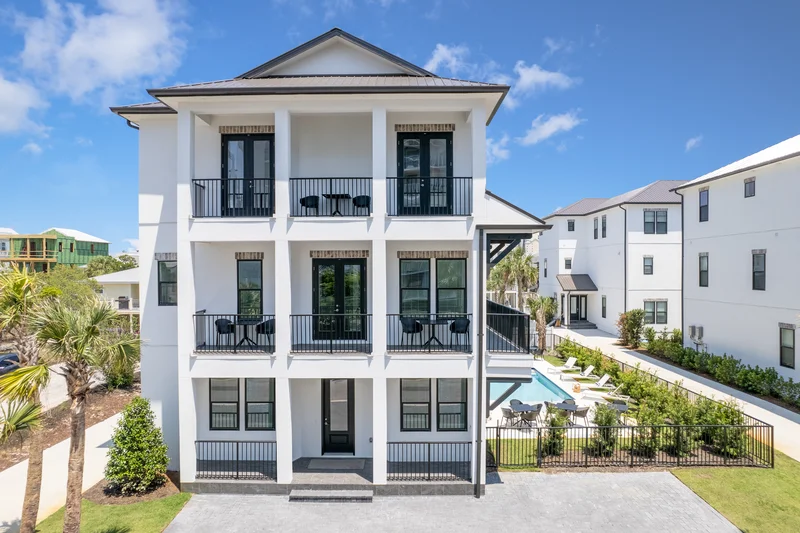
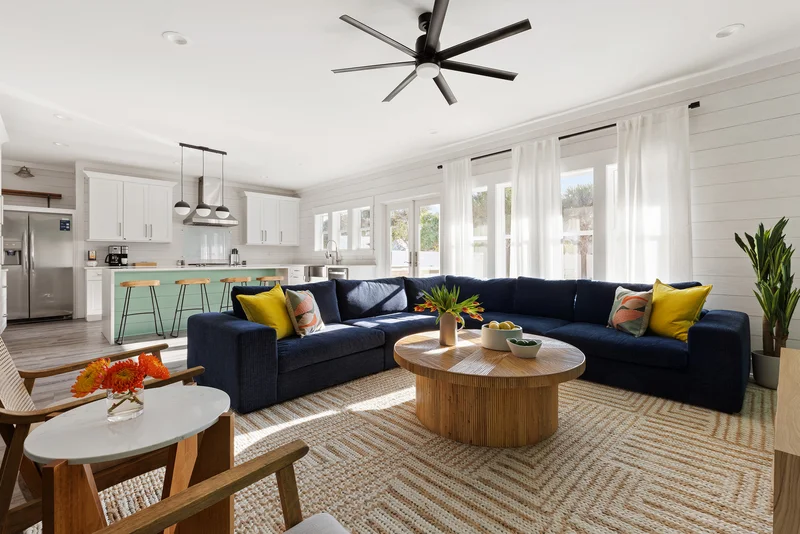
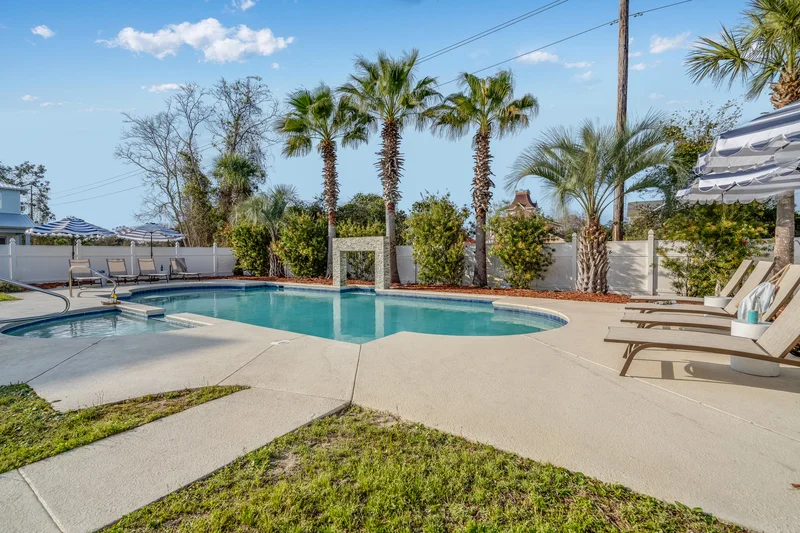
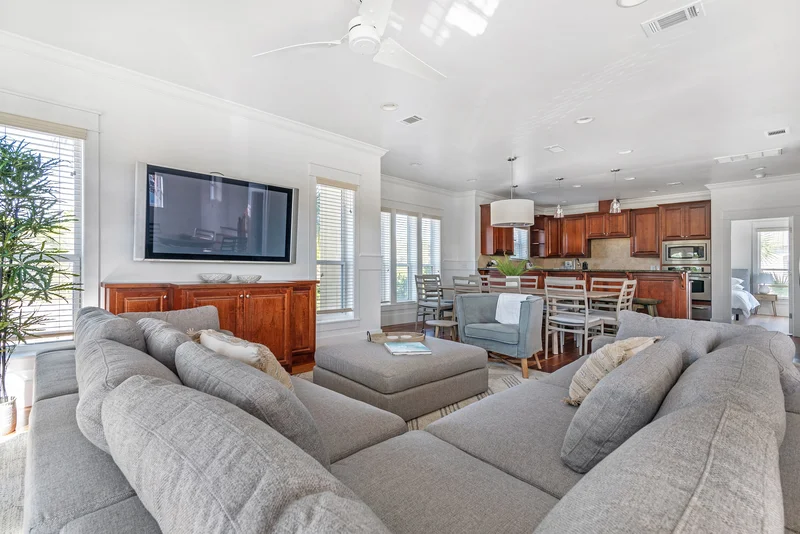
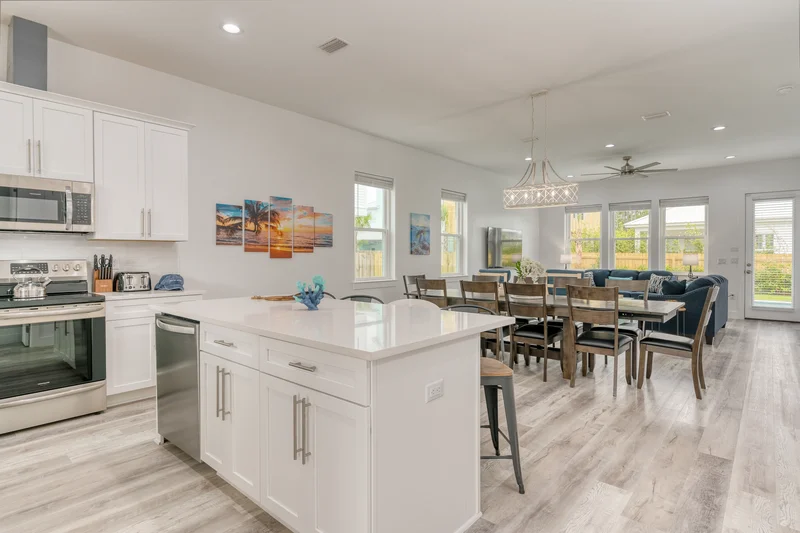
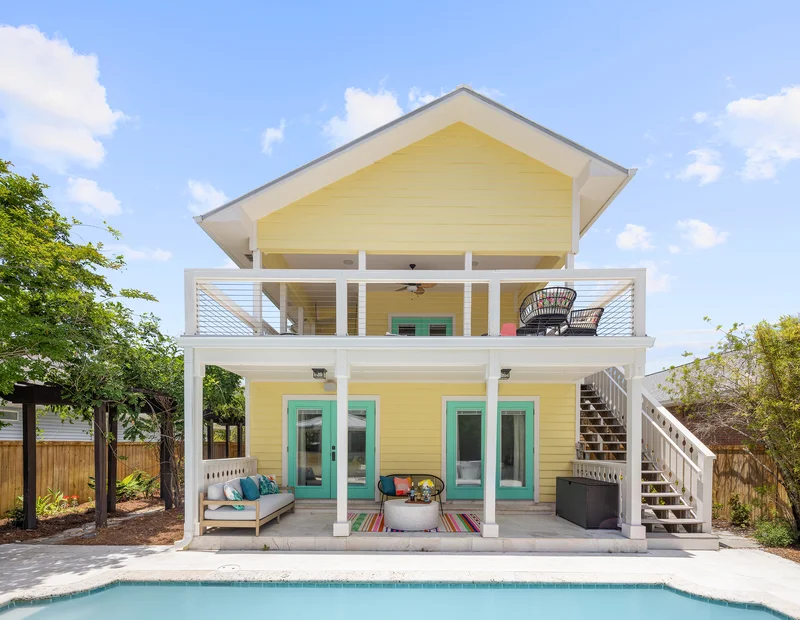
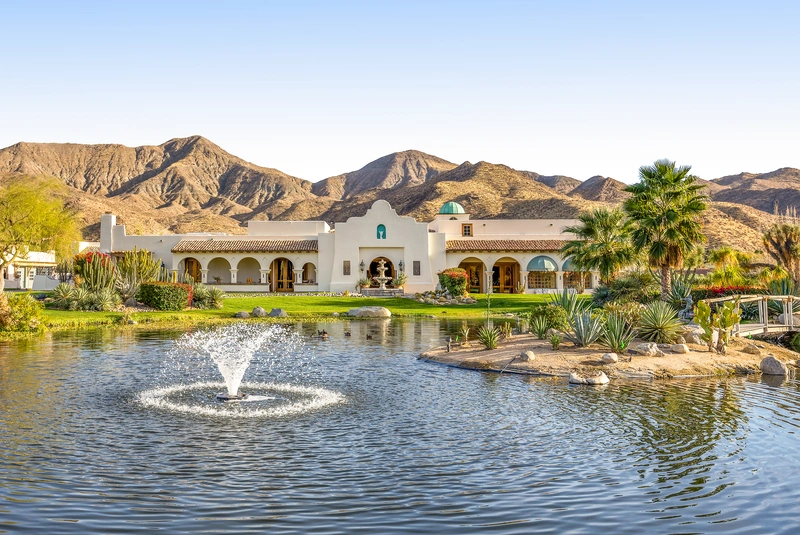
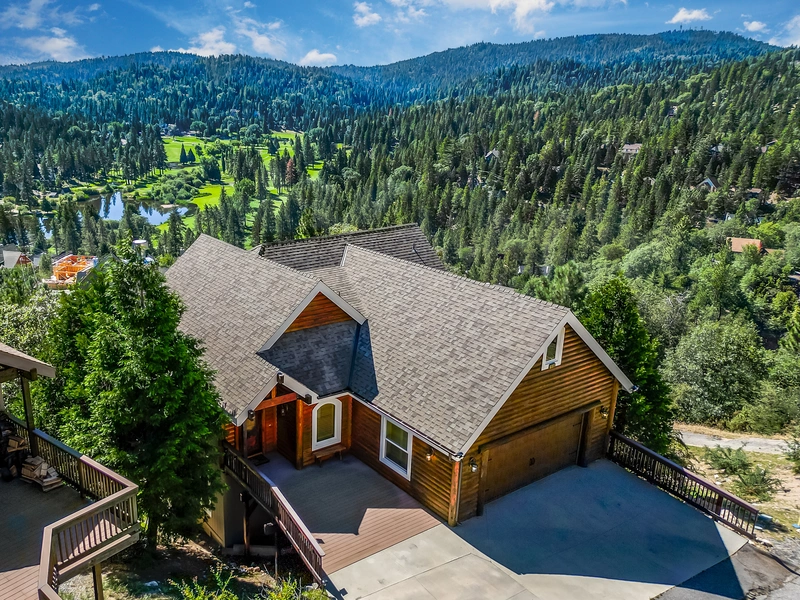
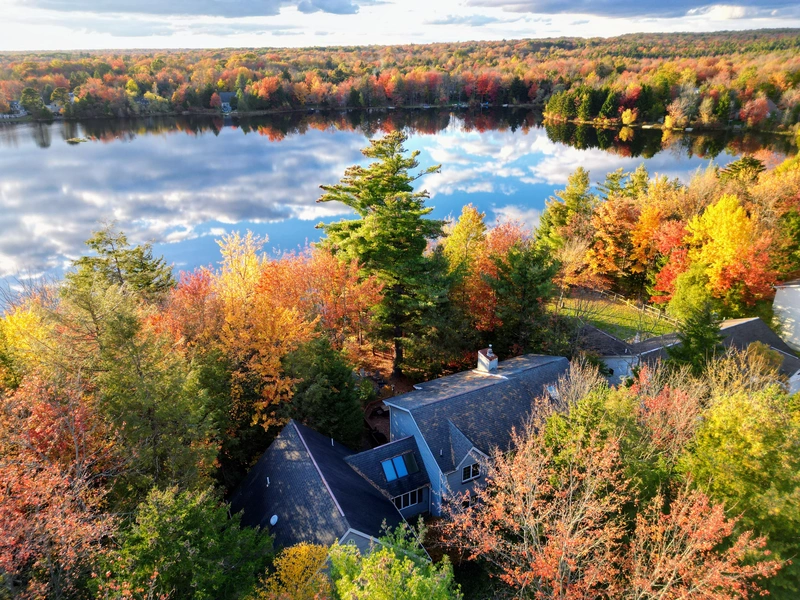
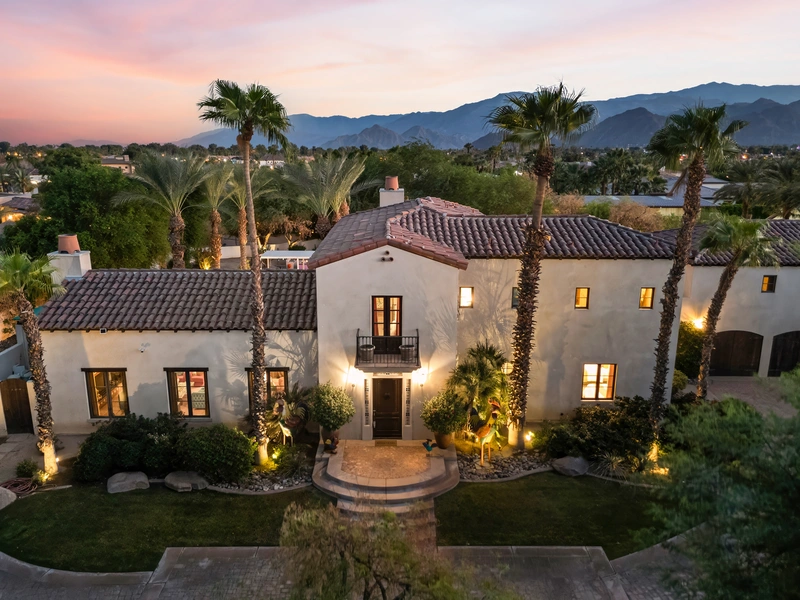
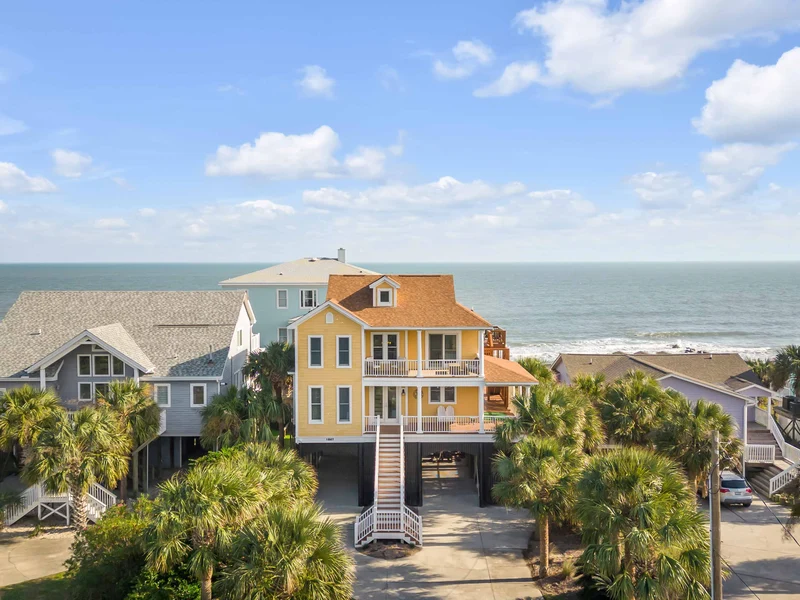
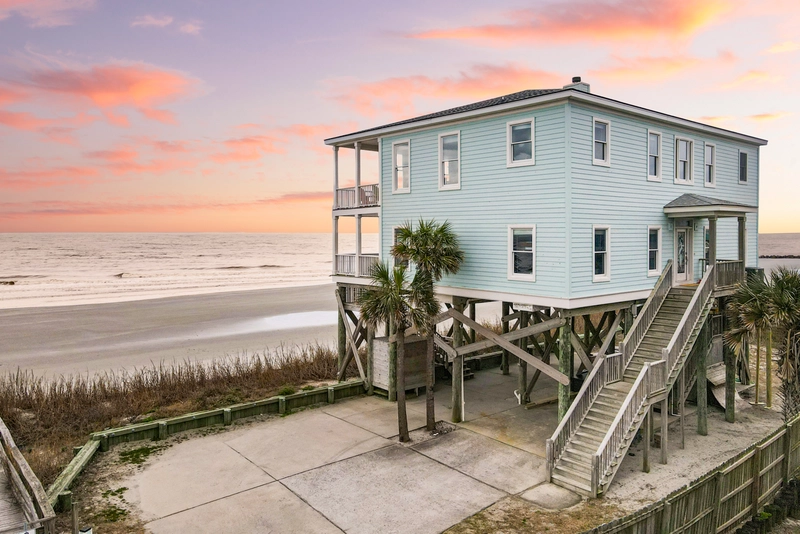
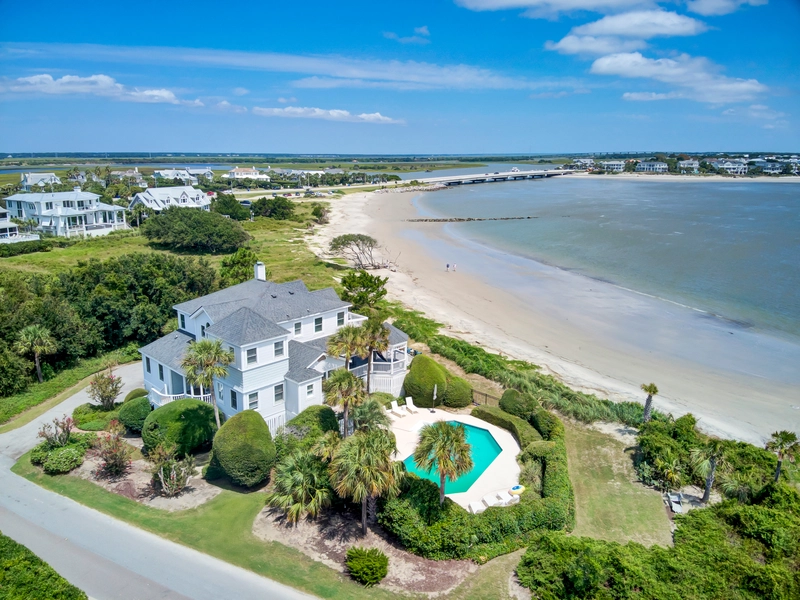
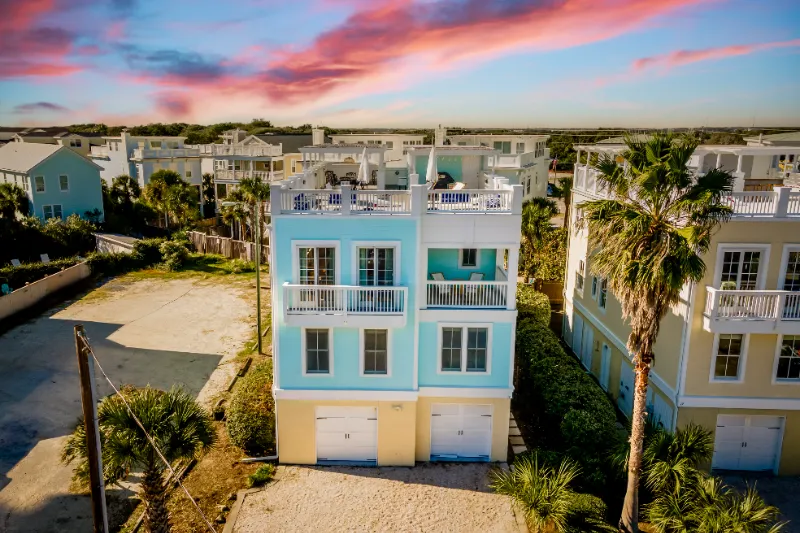
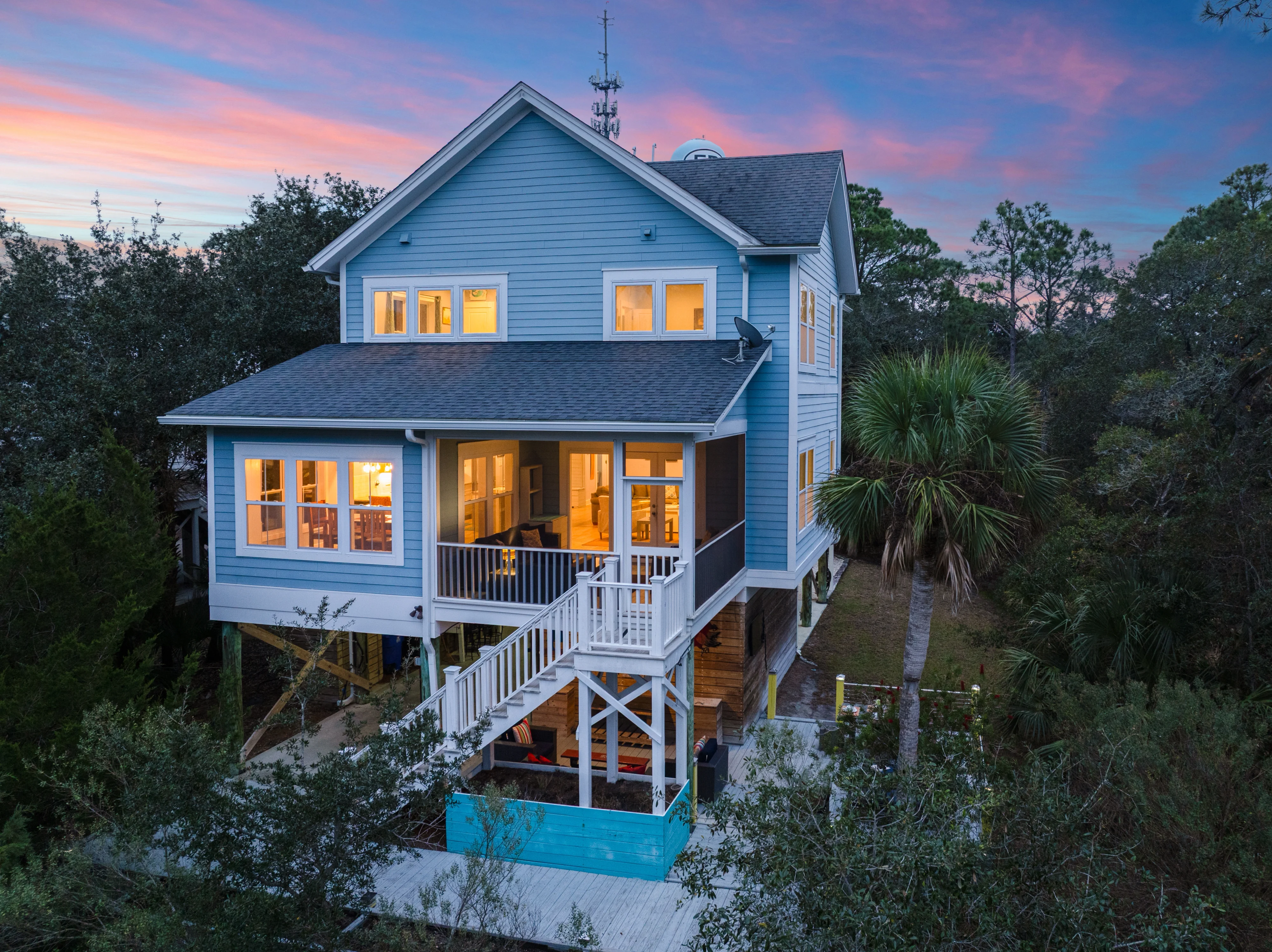
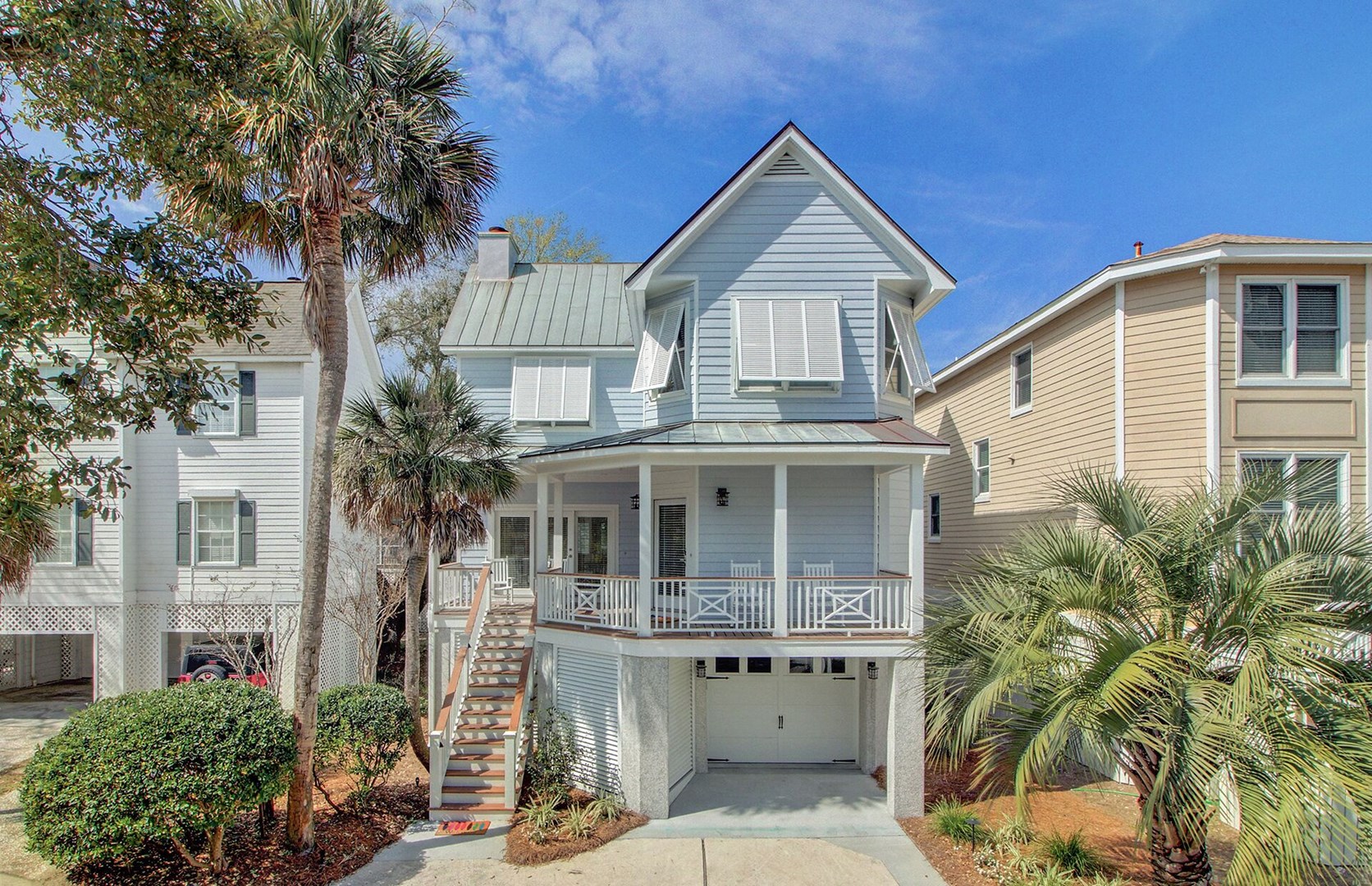
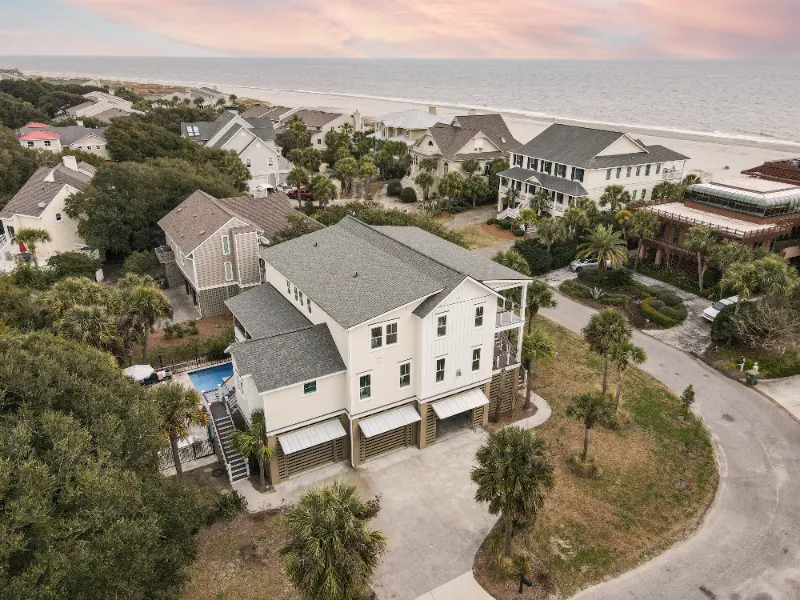
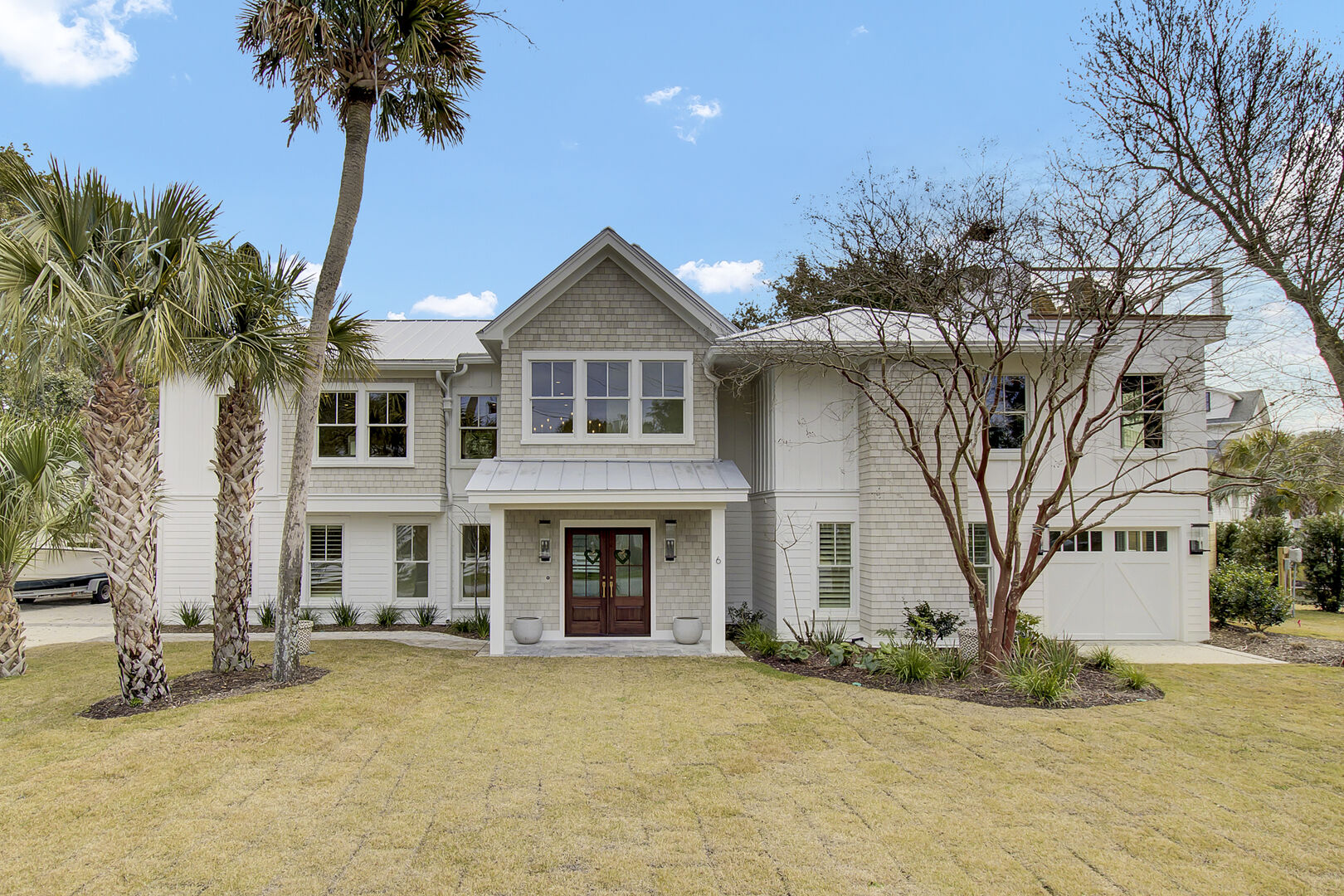
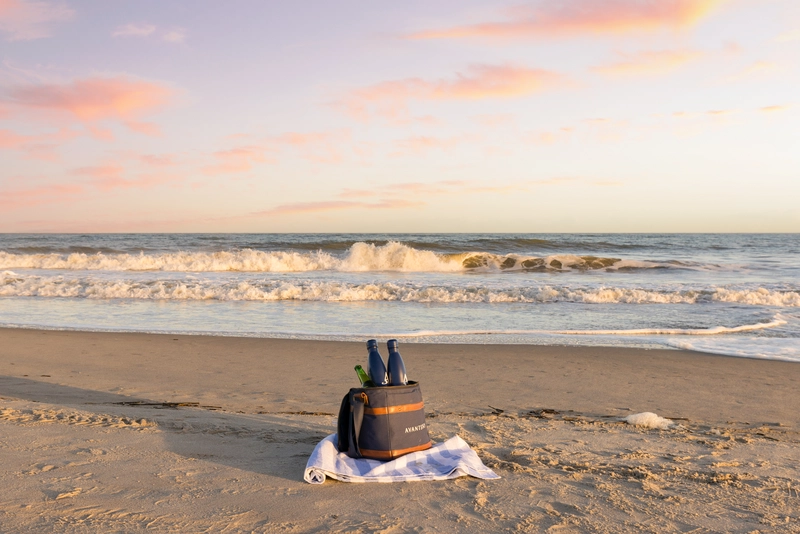
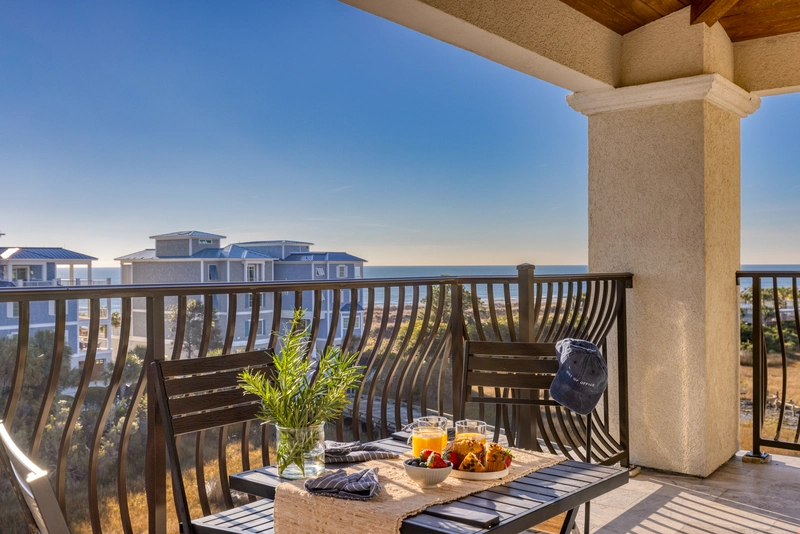
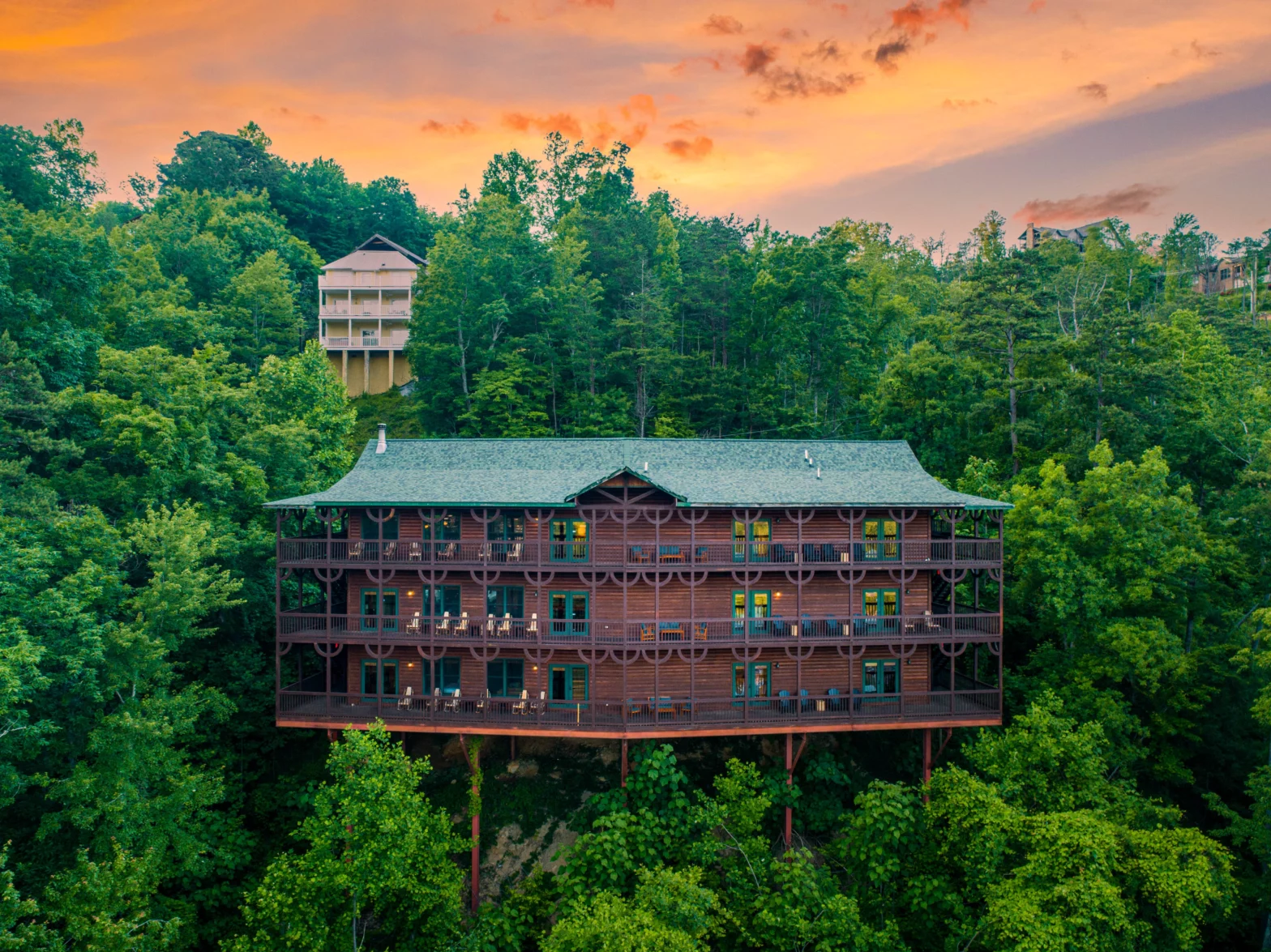
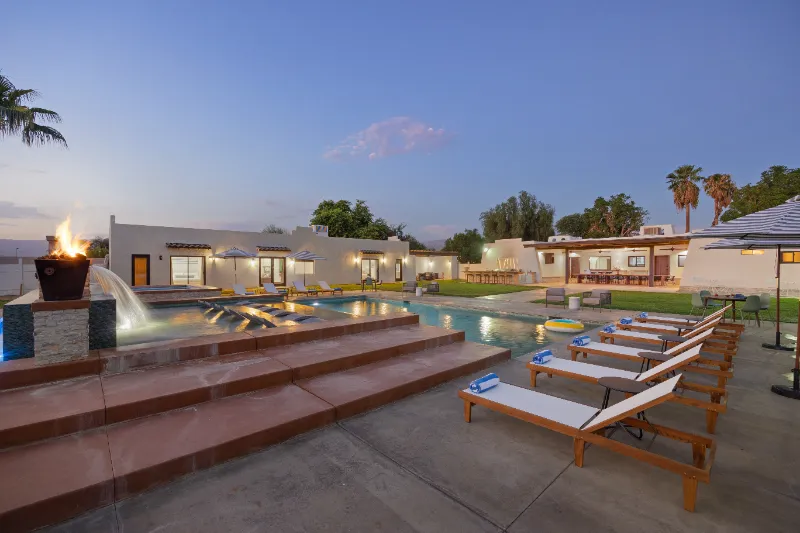
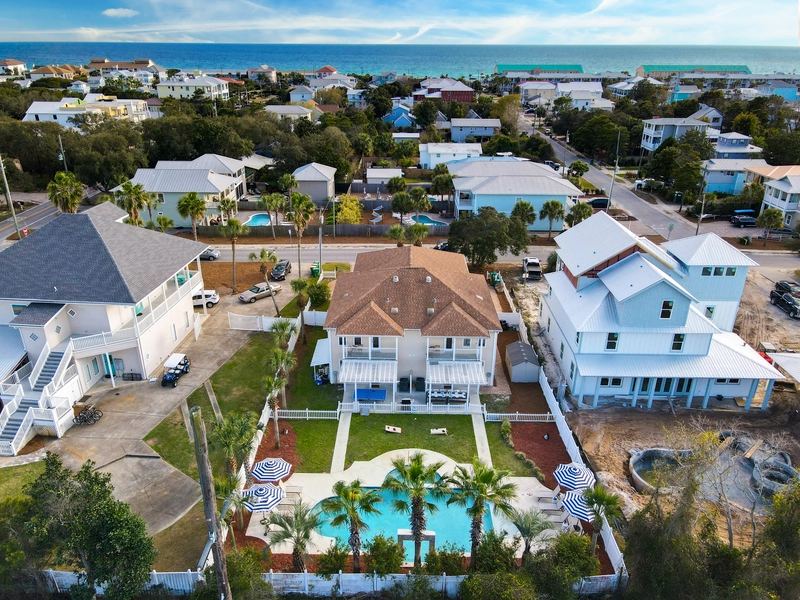
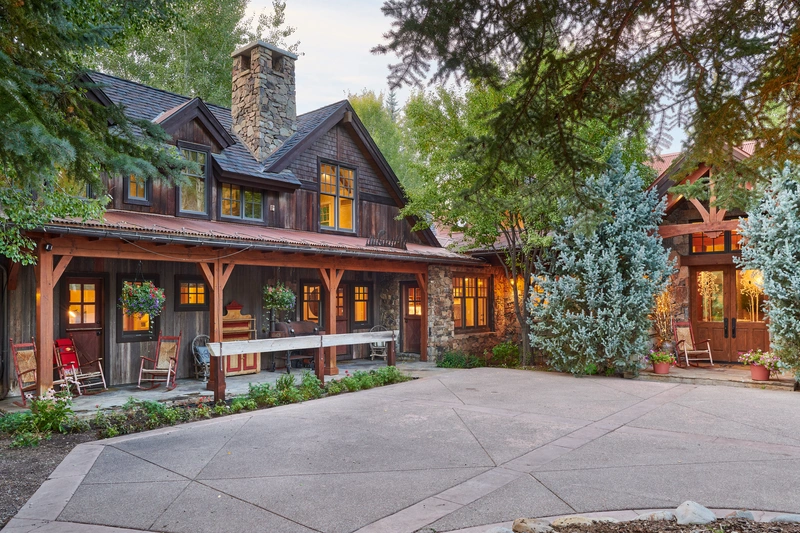
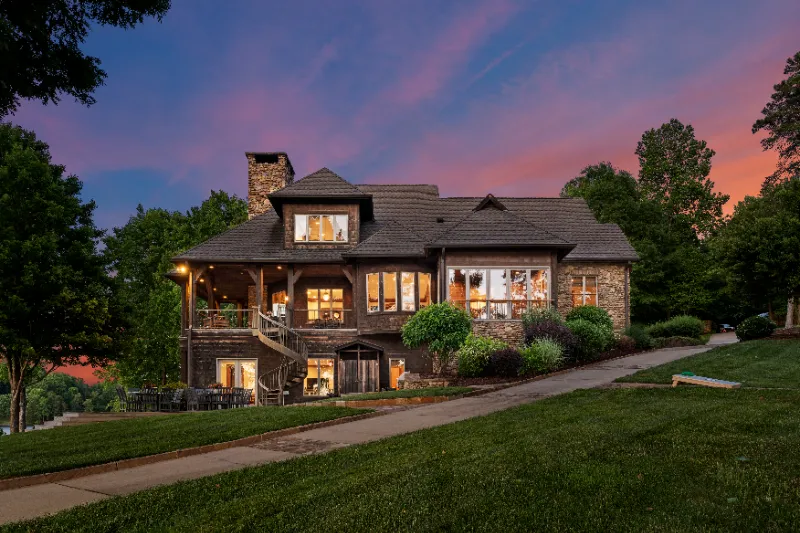
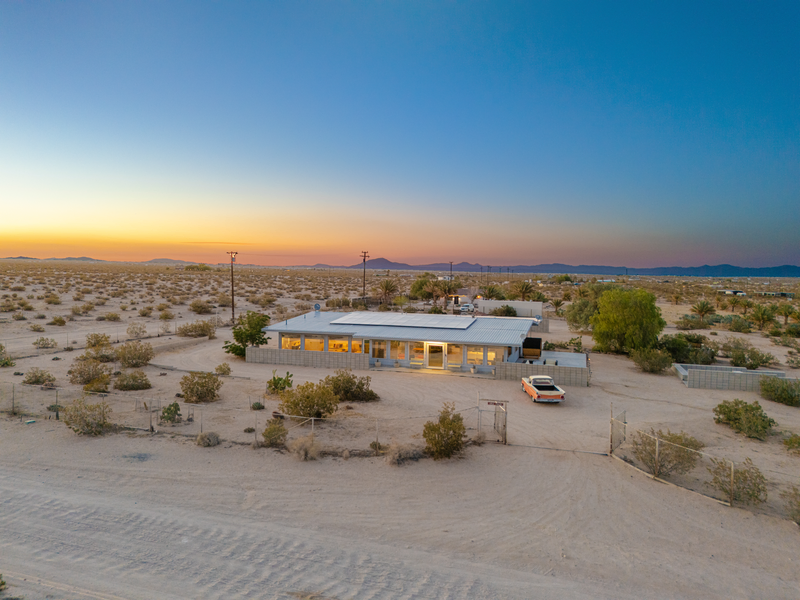
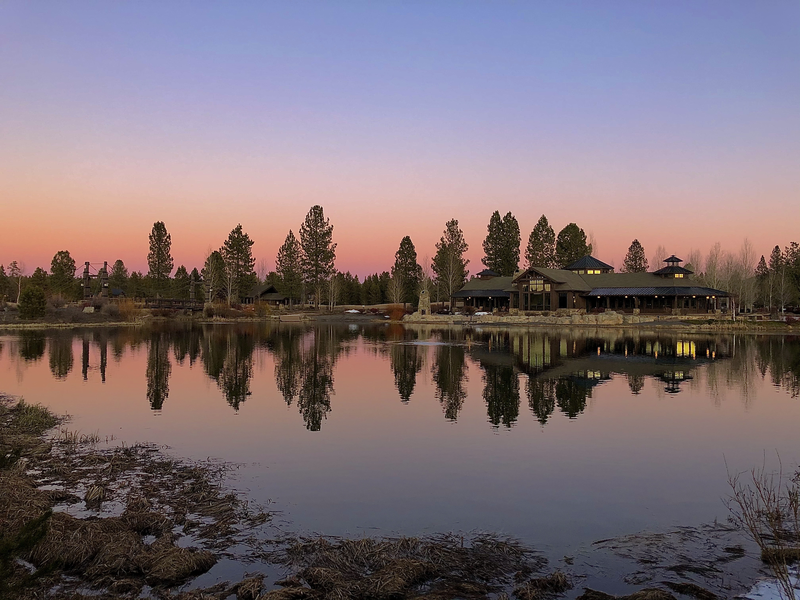
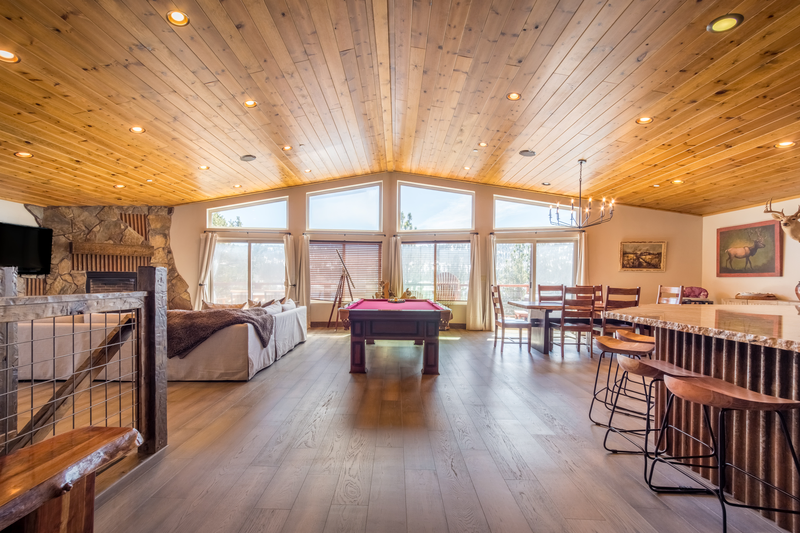
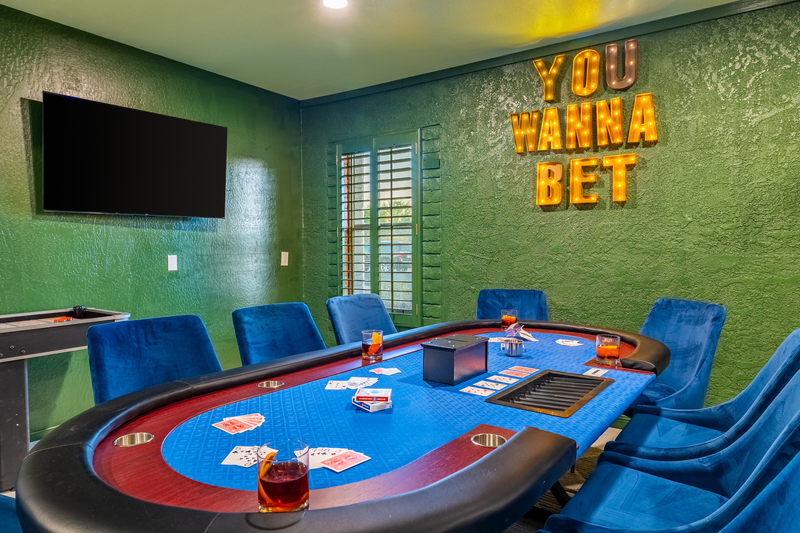
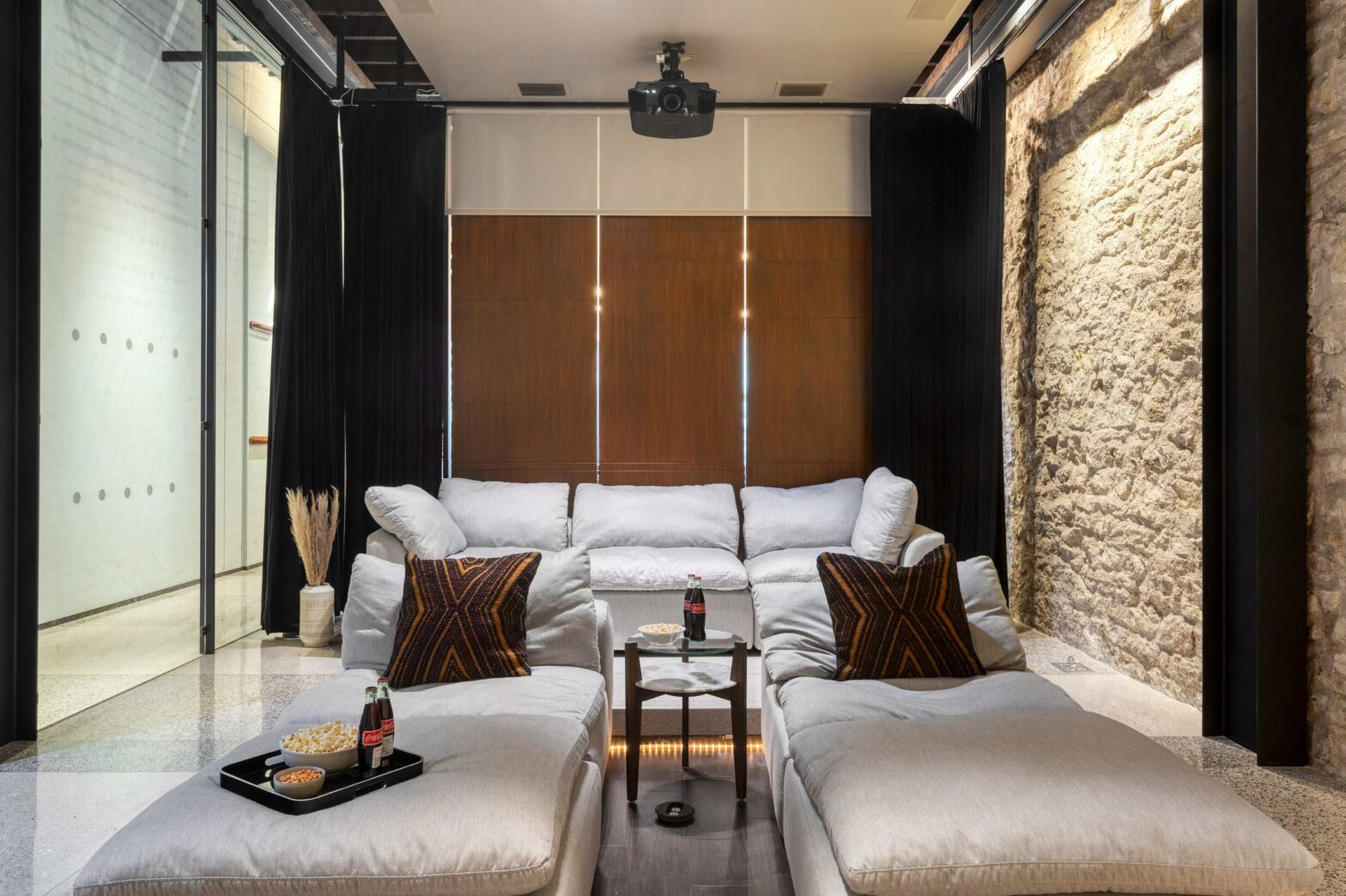
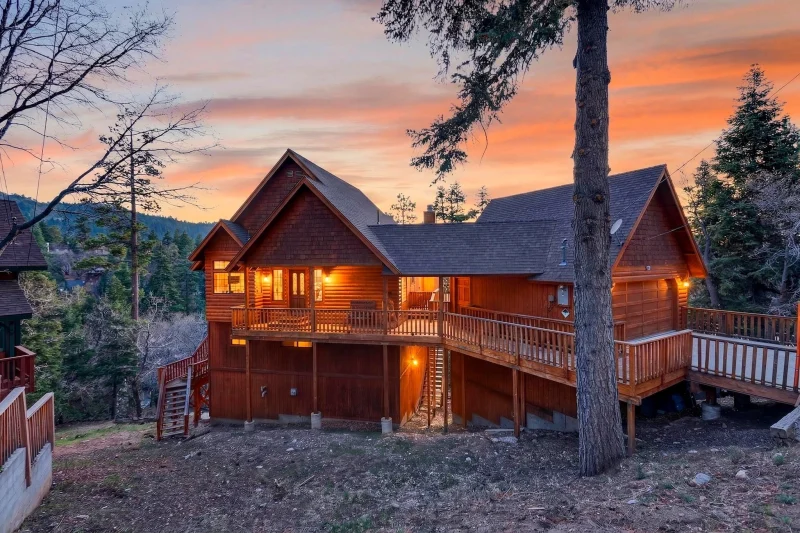
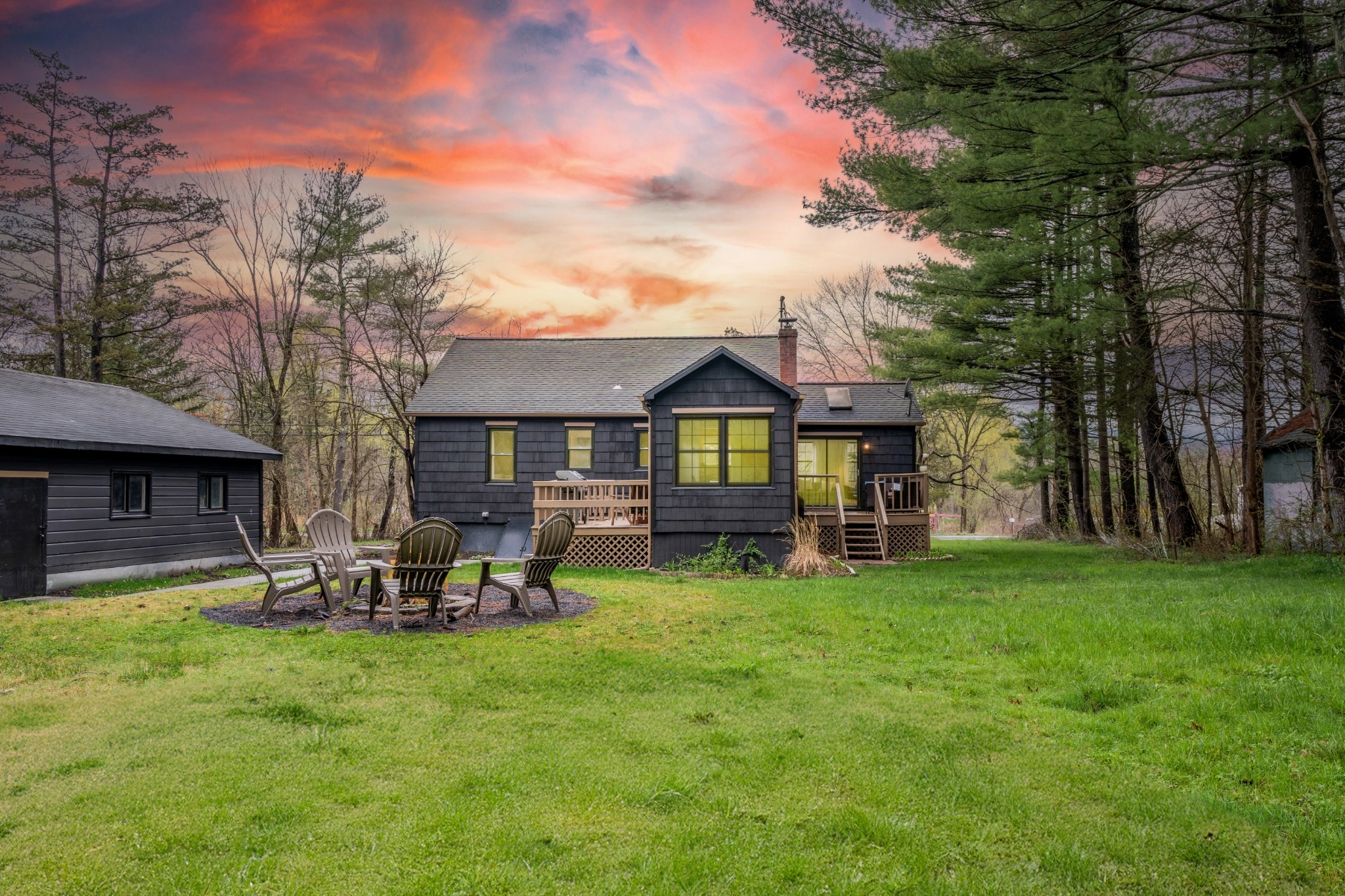
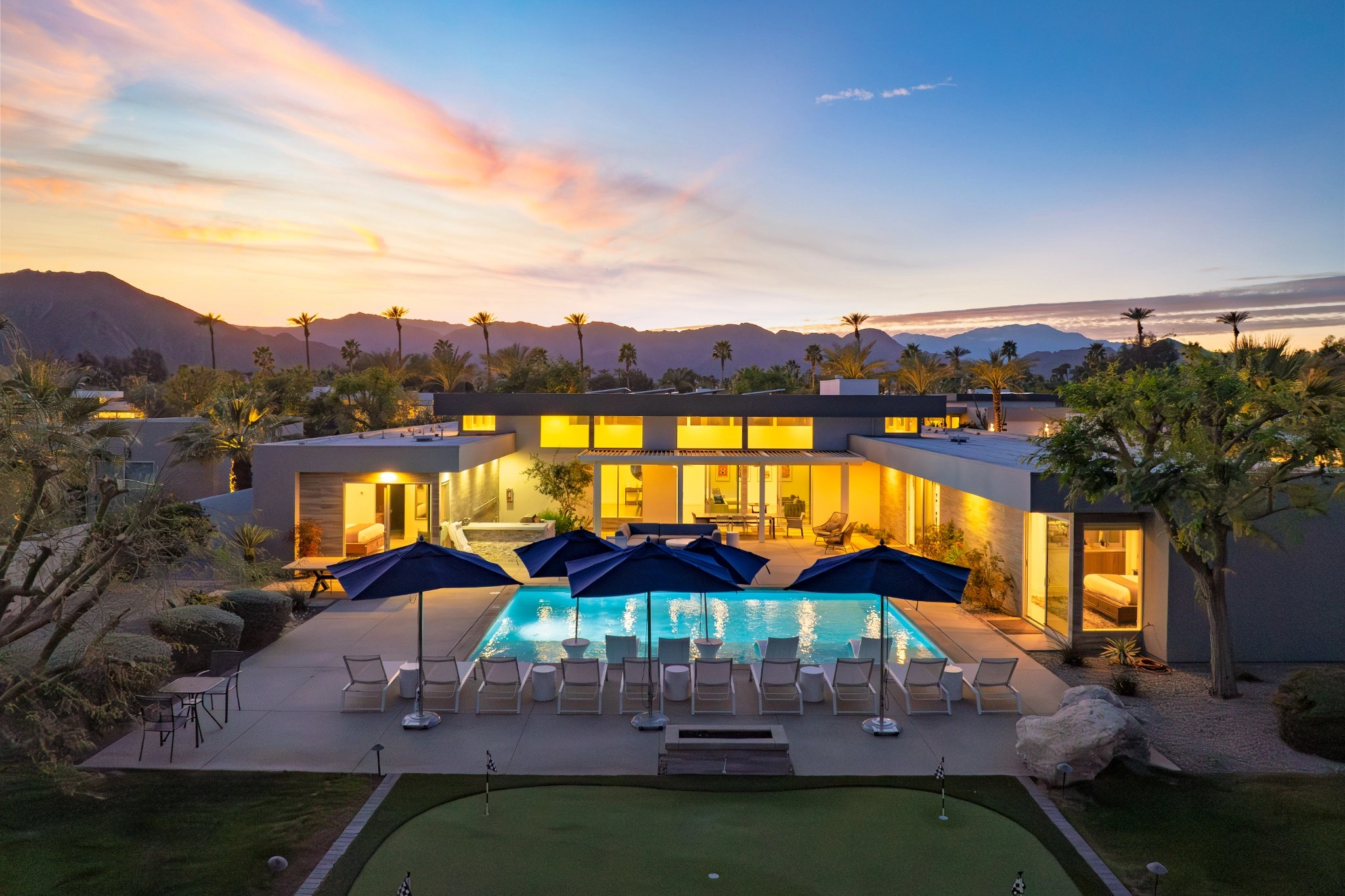
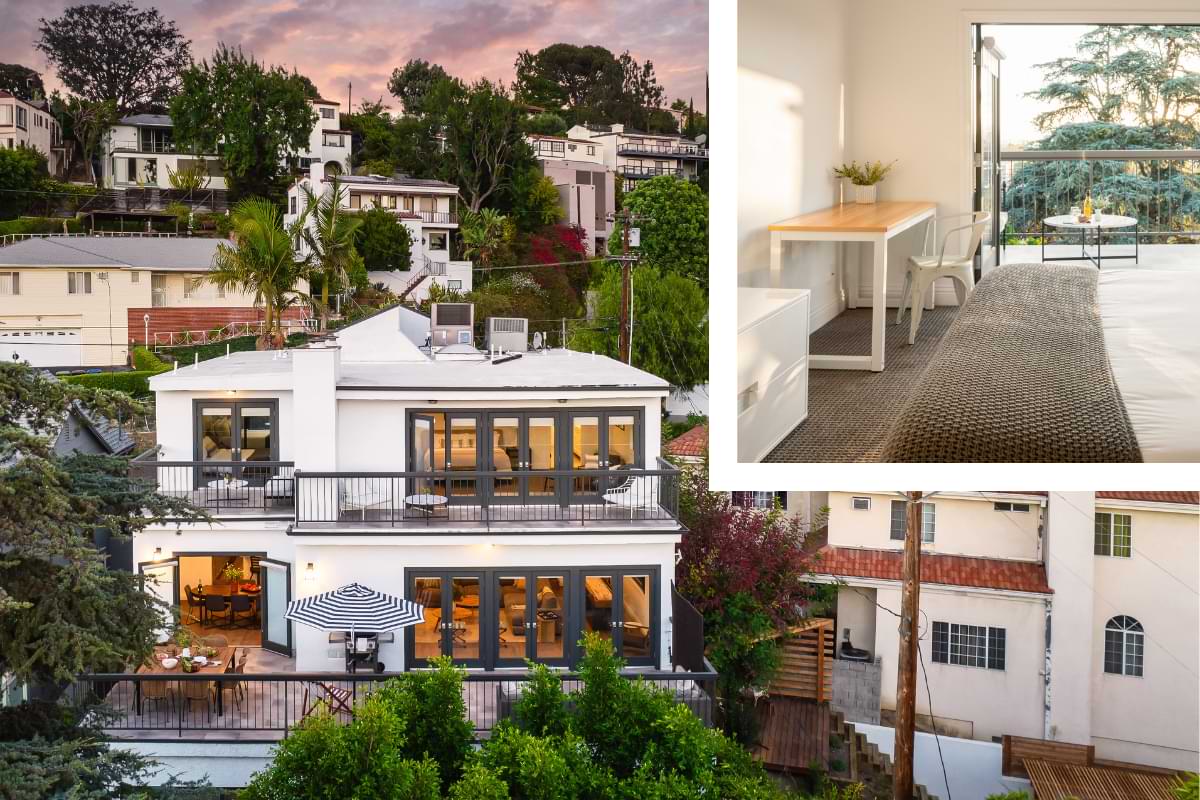
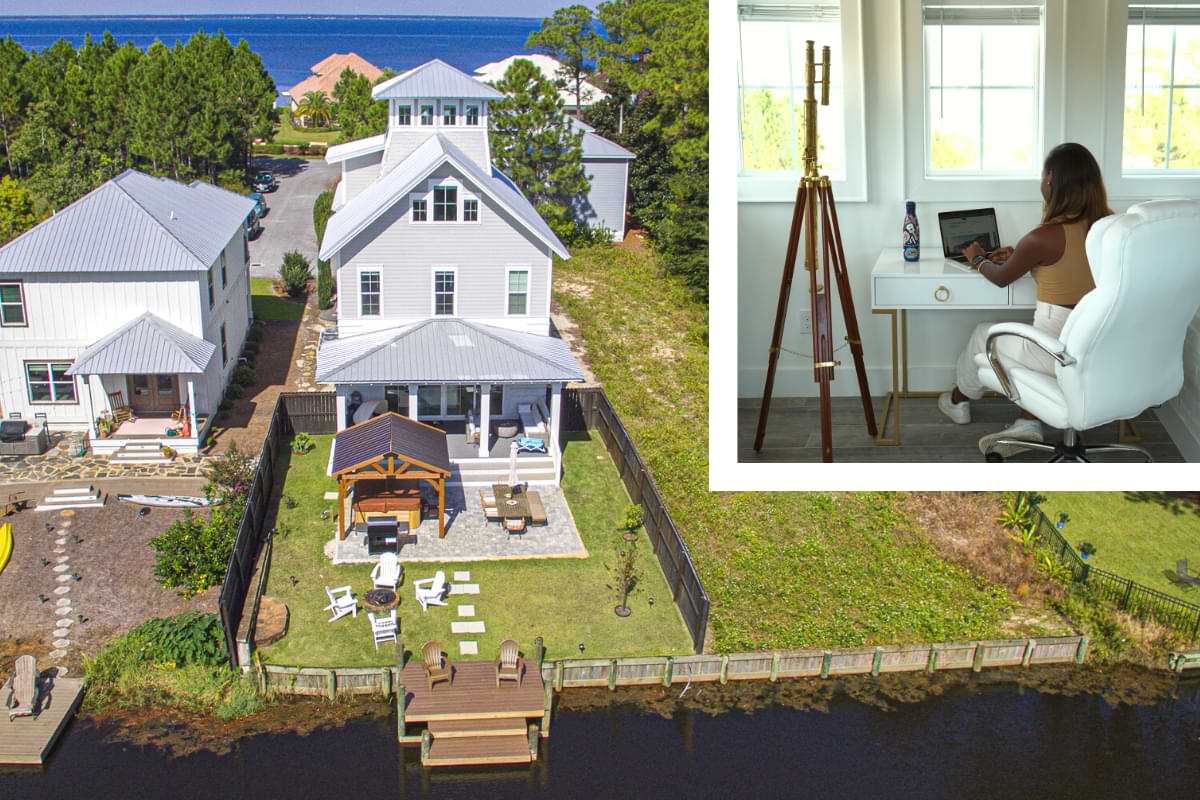
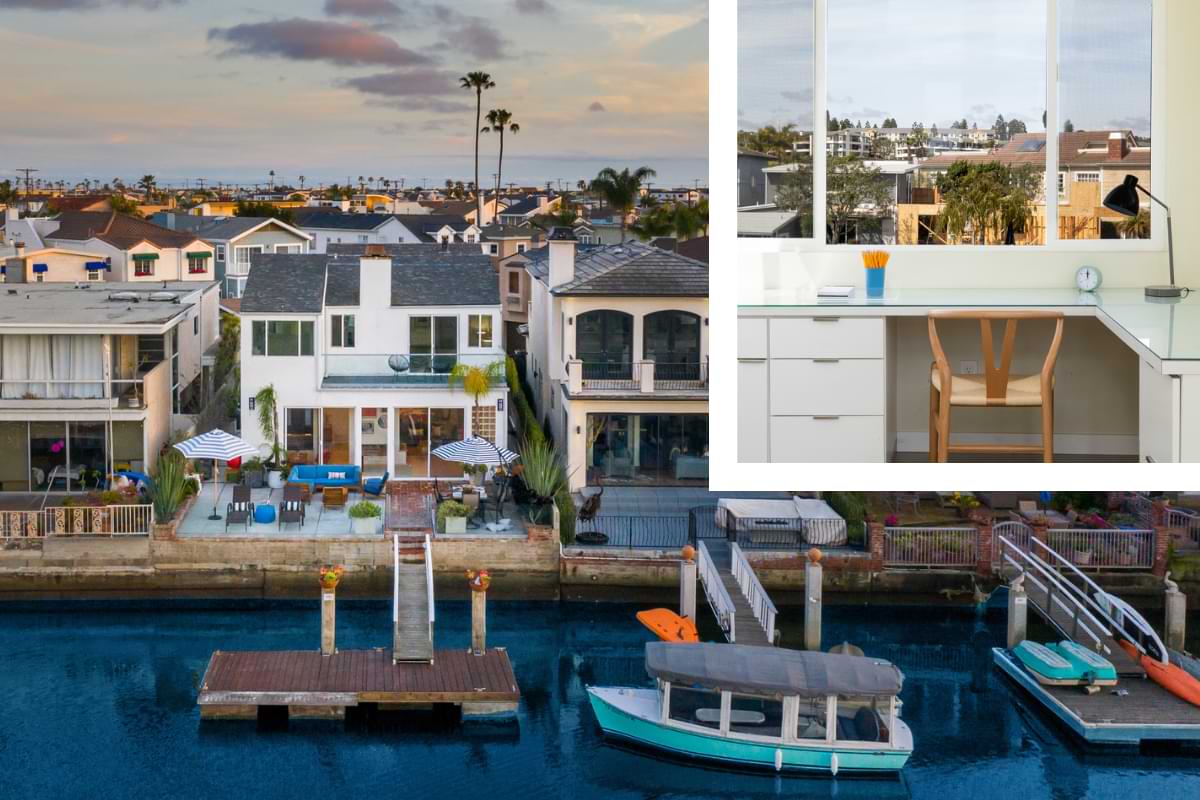
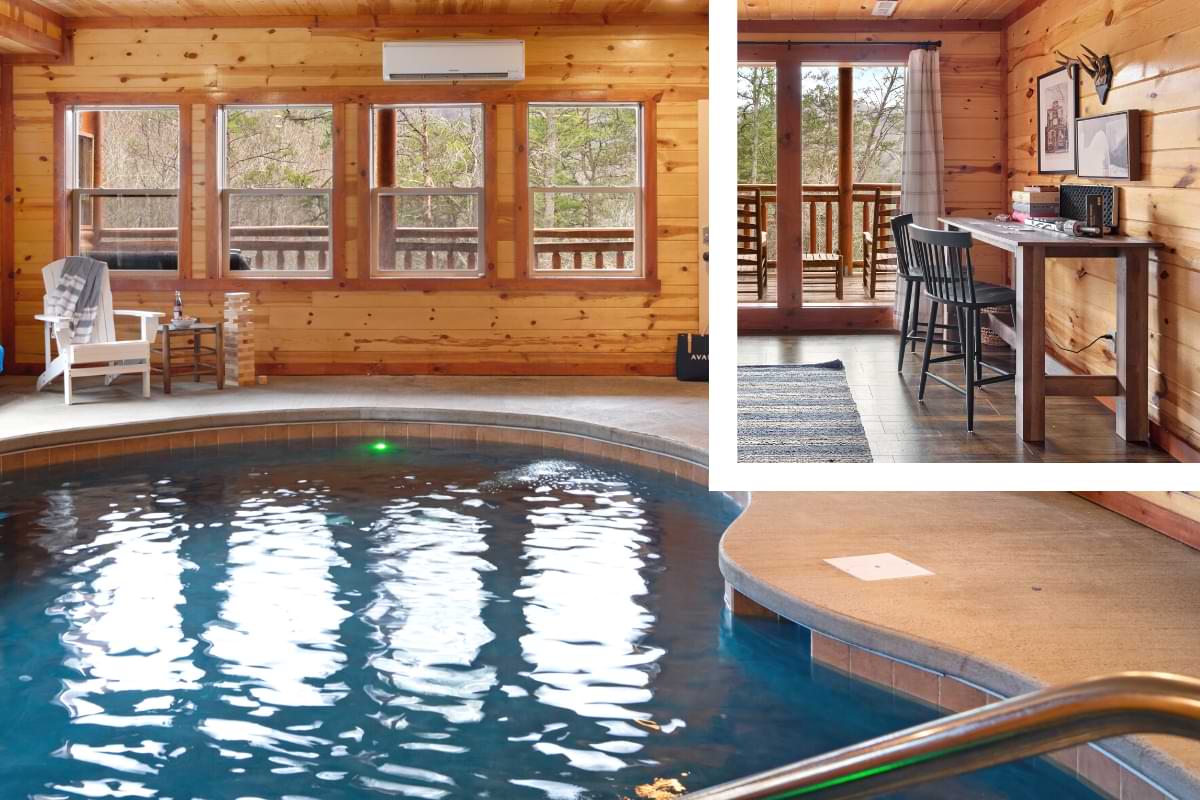
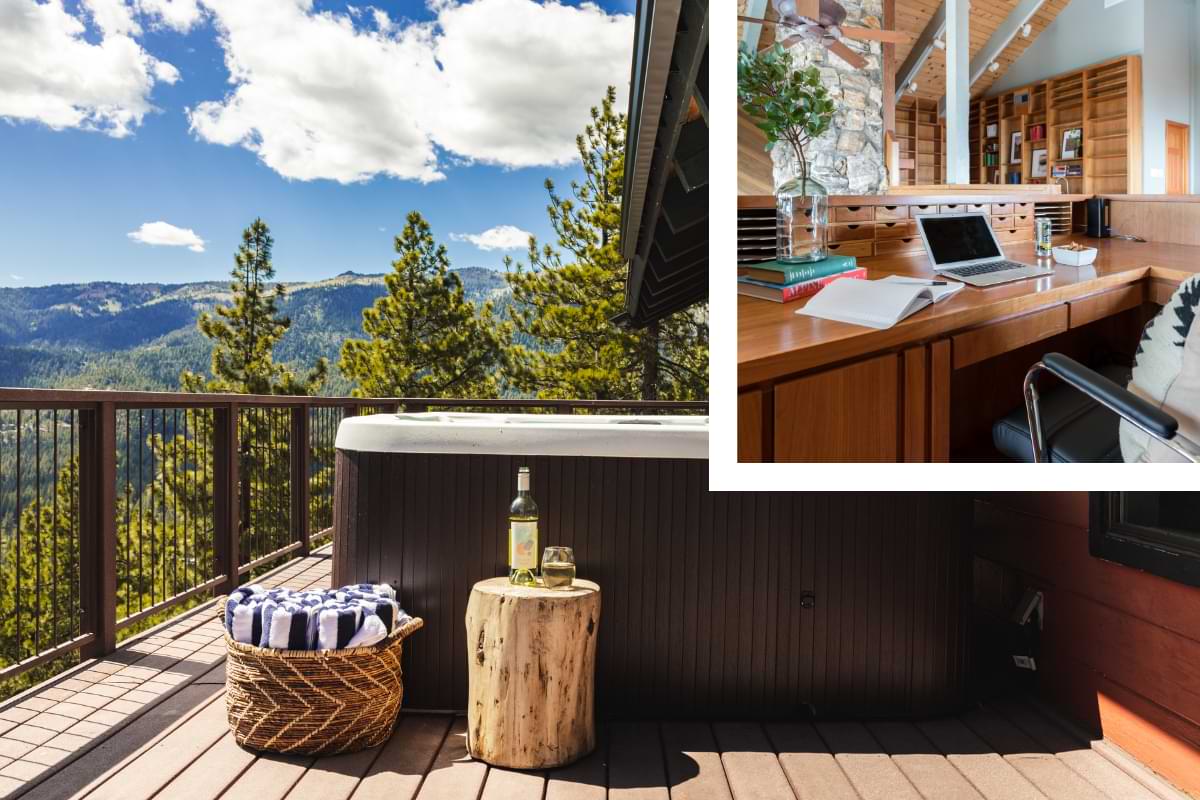
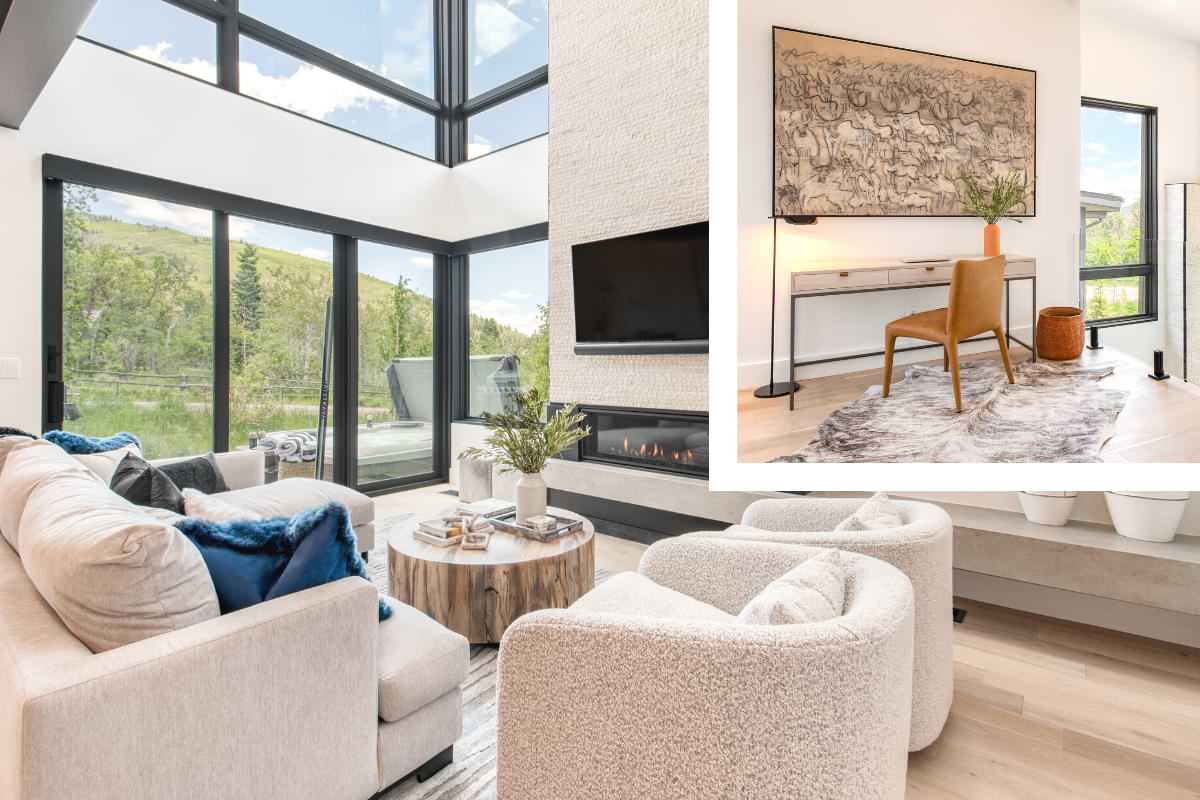
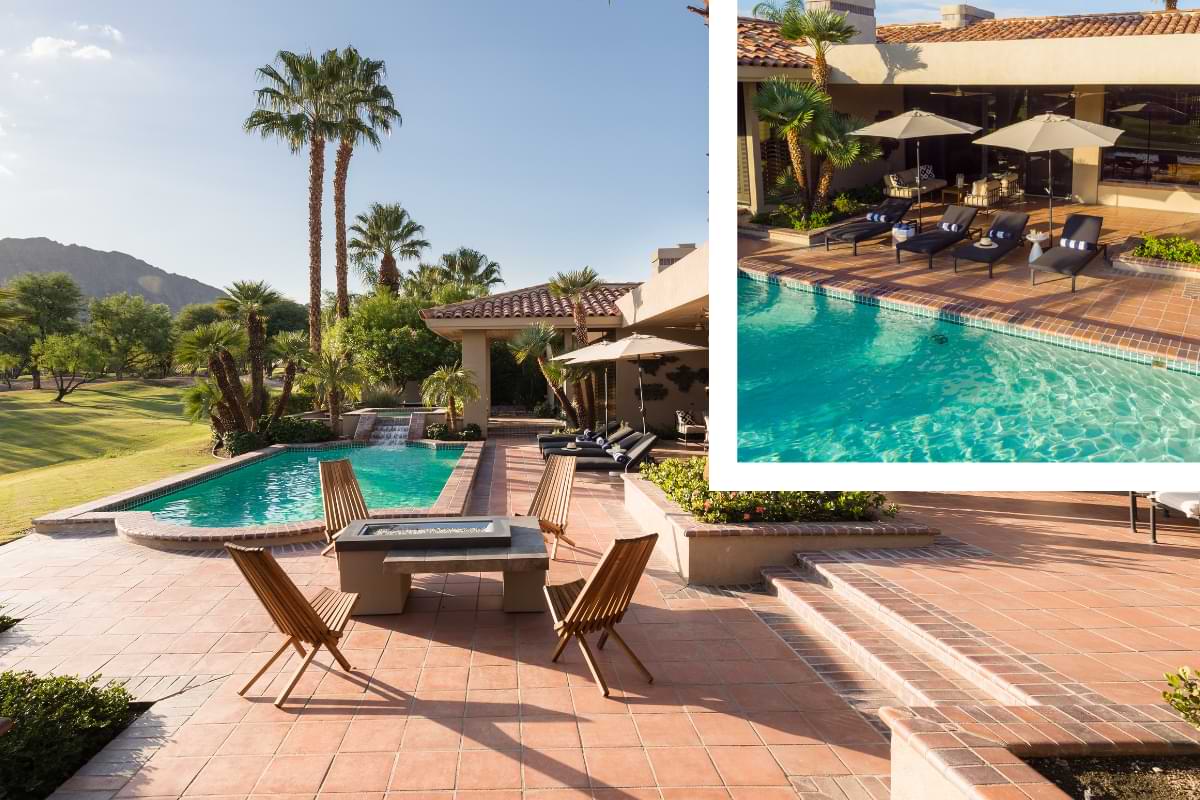
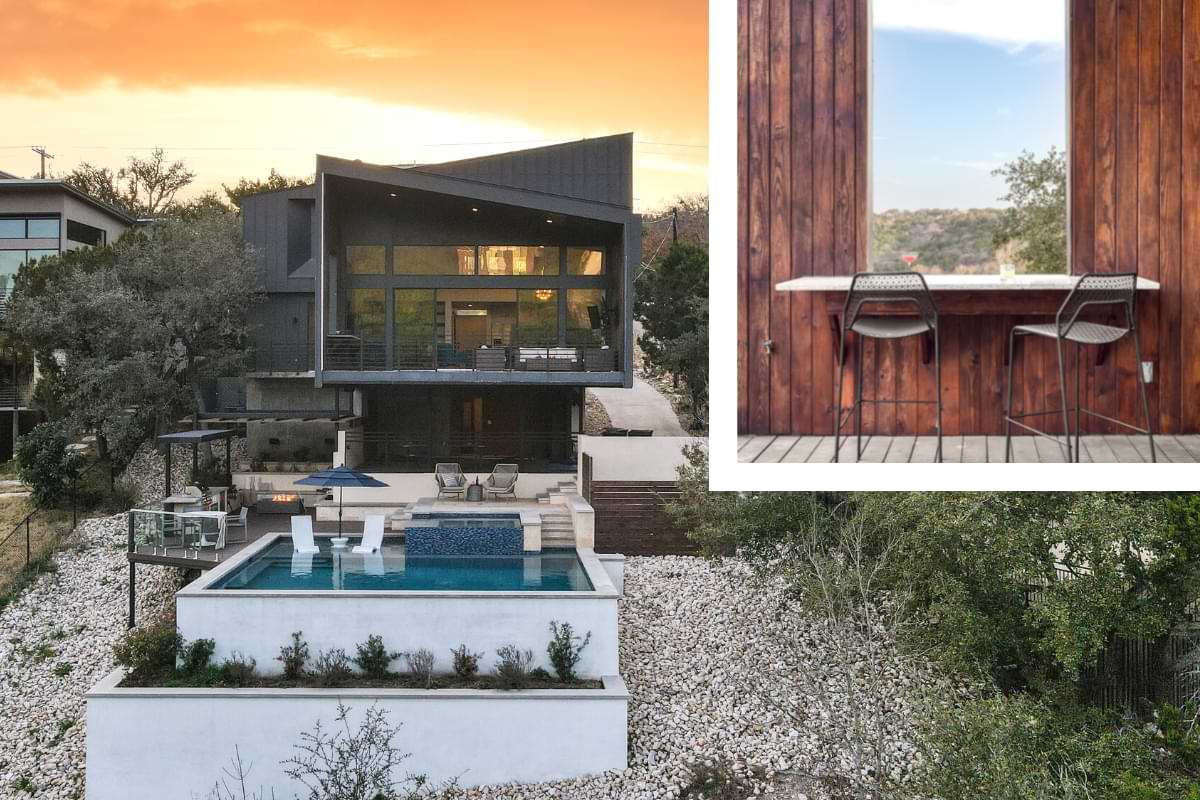
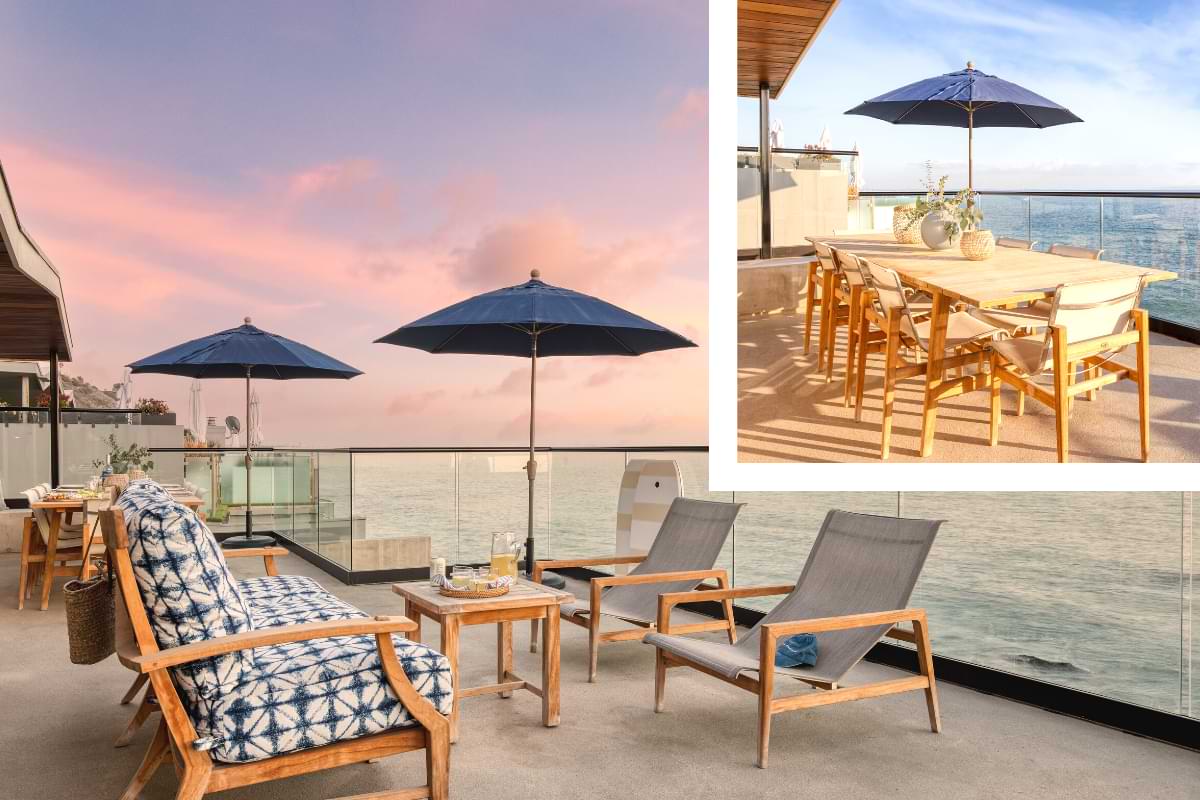
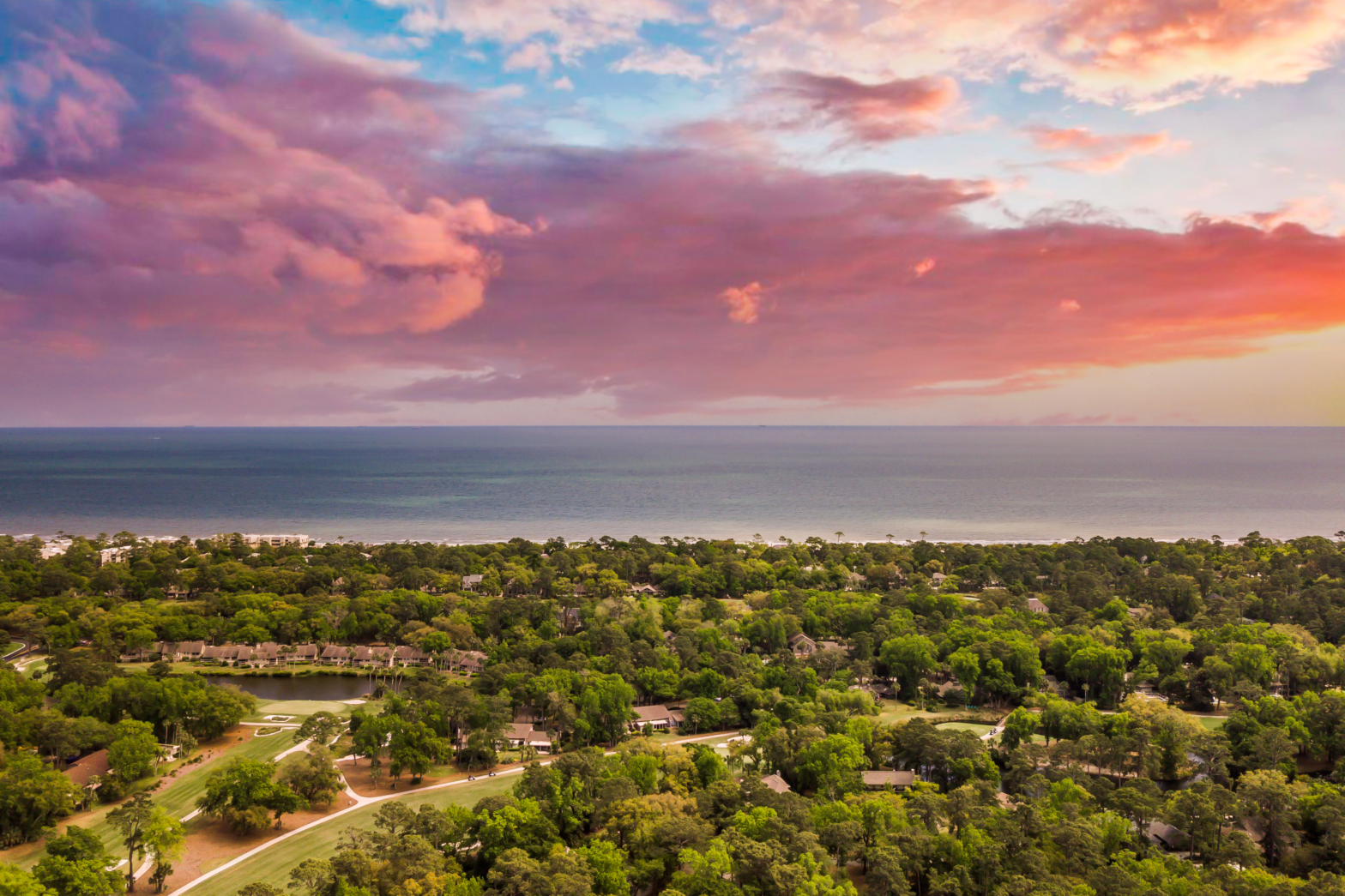
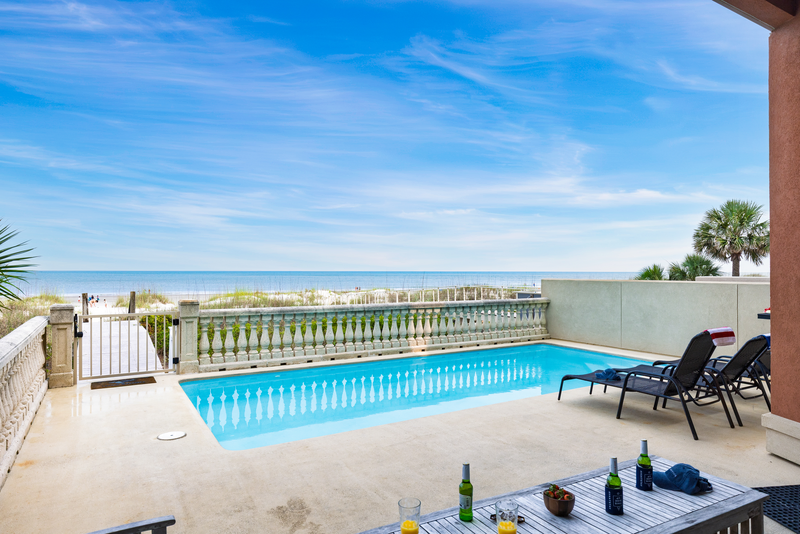
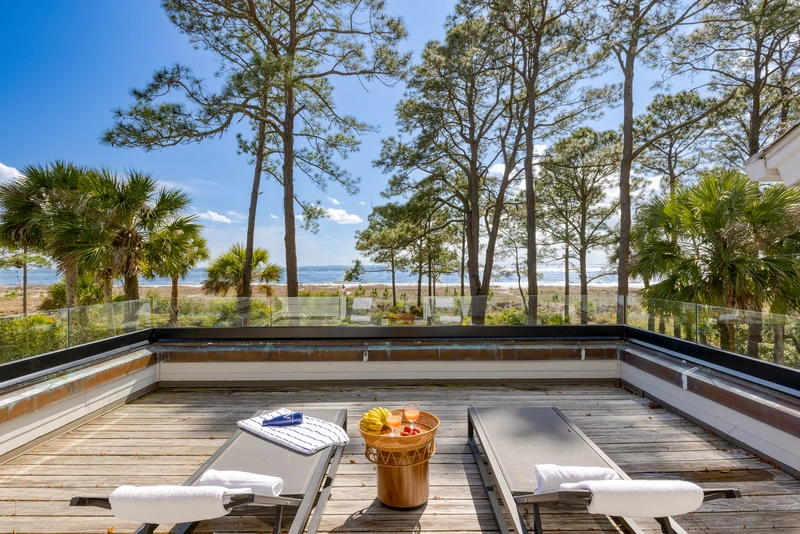
Welcome to AvantStay! We believe you deserve so much more than an ordinary short-term vacation rental experience. But what makes AvantStay different? We’re all about what you can dream. Every travel experience should be one-of-a-kind, delightful, and stress-free. We shine with our attention to detail, commitment to customer service, hotel-quality amenities, and upgrades and experiences that help ensure every stay with us is more memorable than the last. In choosing us, you’re not just choosing another short-term rental company—you’re choosing an elevated experience.
Homes Catered To Groups
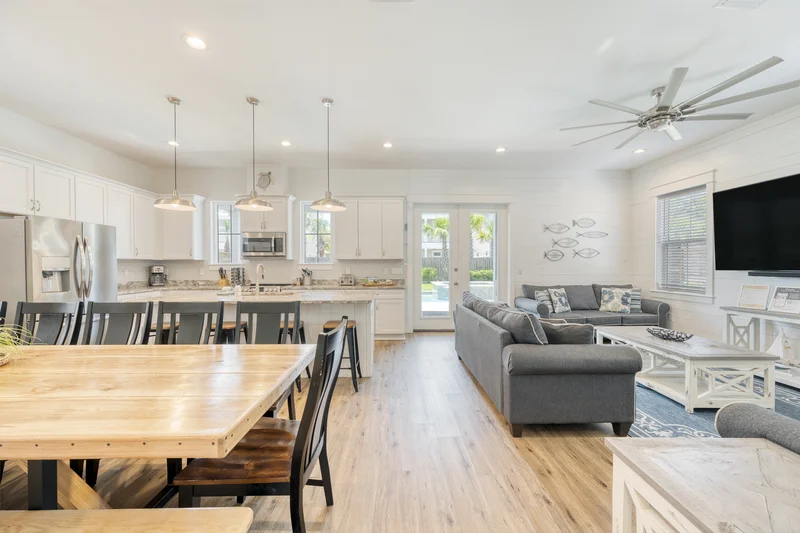
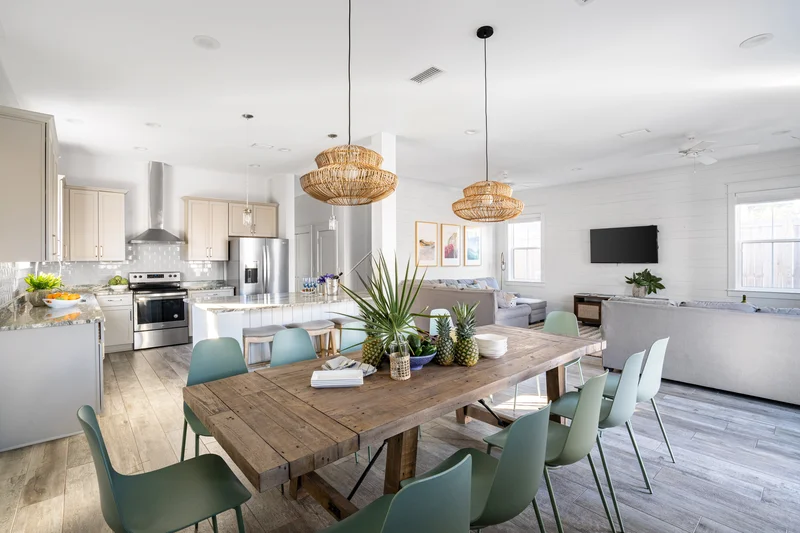
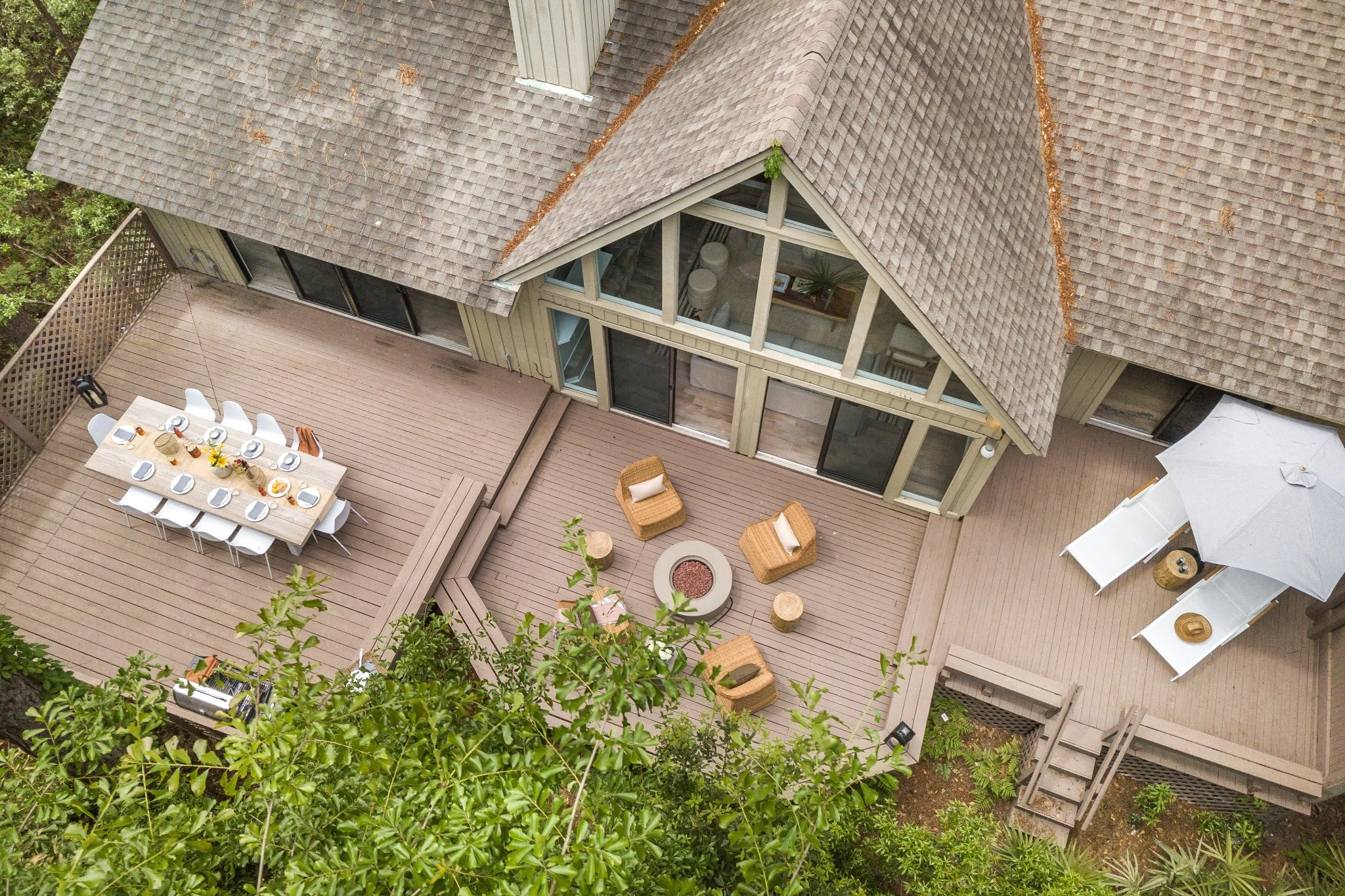
We have homes of all types, but most of our homes are best experienced with friends and family. Large We have homes of all types, but most of our homes are best experienced with friends and family. Large dining areas, state-of-the-art kitchens, and yards great for gatherings make getting together with all your loved ones a breeze. Plus, plenty of bedrooms (many with their own bathrooms) means no one’s sleeping on the couch this time.
An Elevated Experience
With luxurious upgrades and experiences available at the touch of a button, you can let your imagination run wild when it comes to trip activities. To start, our app gives you front-row access to services you would expect at a five-star hotel — in-room massages, mid-stay cleanings, and private transportation. But, when you stay with us, the sky’s the limit! From booking a private chef to prepare dinner for the family, to pre-stocking your fridge with groceries before you arrive, the AvantStay app makes it easier than ever to make your vacation dreams a reality.
Award-Winning Design
As travelers ourselves, we know how crucial the interior design of a home can be when planning the vacation of your dreams. We’ve actually built an in-house interior design team. And it’s not just any interior design team—they’ve actually won awards for it, including best design from Marriott Homes & Villas in 2021. We make sure our homes match the vibe of your trip, whether it be on the coast or in the woods, so you’re fully immersed in the magic of your vacation.
Our homes are also decked out with amenities, so you’ll never be sitting around wondering what to do next. From cornhole to board games, from billiards to the hot tub, we believe fun comes in all shapes and sizes and is best experienced with your loved ones. The amenities for each home are different (our estates collection has some truly awe-inspiring ones), but we can promise that you will never be bored.
Customer Service By Humans, For Humans
Our dedicated area managers are here to make sure your experience is delightful. We also have team members available 24/7, so even if you need something in the middle of the night, we’re there to help. That way, you aren’t at the whim of the homeowner’s availability and you won’t get a computer trying to help you in a crisis. We want every aspect of your experience to be as relaxing as possible, because that’s why you go on vacation in the first place.
Happy Homeowners
On top of the personal relationship we keep with our guests, we also take deep care and thoughtful steps to ensure our homeowners feel proud and reassured when their property is in our hands.
We pride ourselves on:
Best-in-class in-field operations
Smart-home technology to keep our homes and guests safe
Complimentary updated interior design
A proprietary software platform that manages it all and keeps homeowners informed
We care for these homes as though they were our own (some are even employee-owned), and we continue to build and grow sustainably to build value for our homeowners. If you’re interested in partnering with us, you can learn more about our Vacation Rental Management.
While most of our properties are homes designed for group travel as mentioned above, we also have cozier rentals and even boutique hotels, because sometimes you just want to get away without the crowd. Most importantly, we’re ever-growing to fit the needs of the modern-day traveler, meaning we’re adding new properties in new destinations all the time.
Our homeowners say it better than we can. Below are public posts from owners across the country about having AvantStay manage their vacation home. Browse by destination, or open any post to see it in full.
West Coast & Hawaii
Big Bear, CA
Pinetree Place · Levon Khachatryan
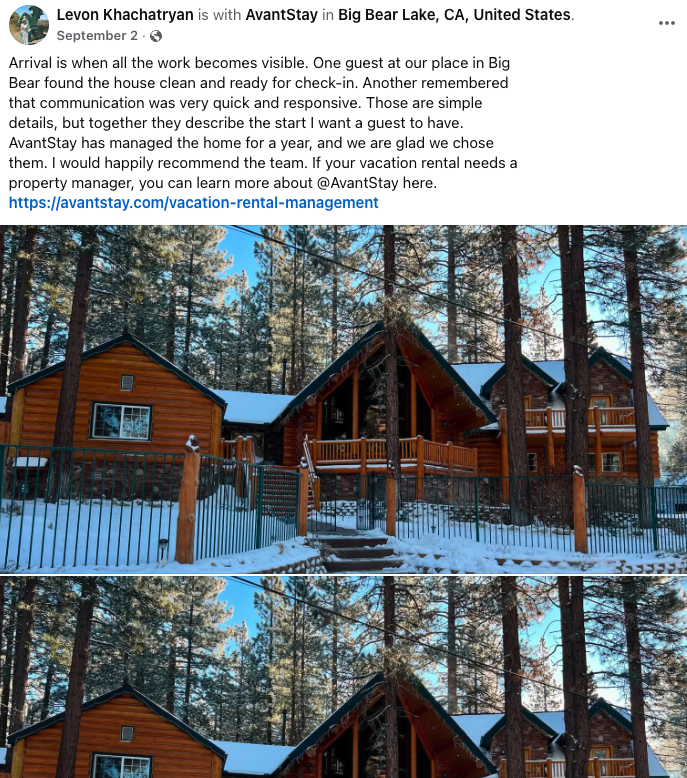
Arrival is when all the work becomes visible. One guest at our place in Big Bear found the house clean and ready for check-in. Another remembered that communication was very quick and responsive. Those are simple details, but together they describe the start I want a guest to have. AvantStay has managed the home for a year, and we are glad we chose them. I would happily recommend the team.
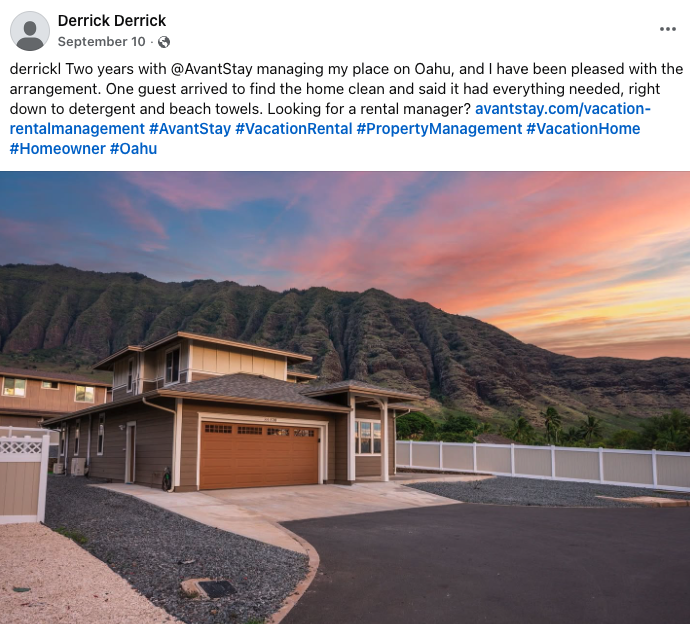
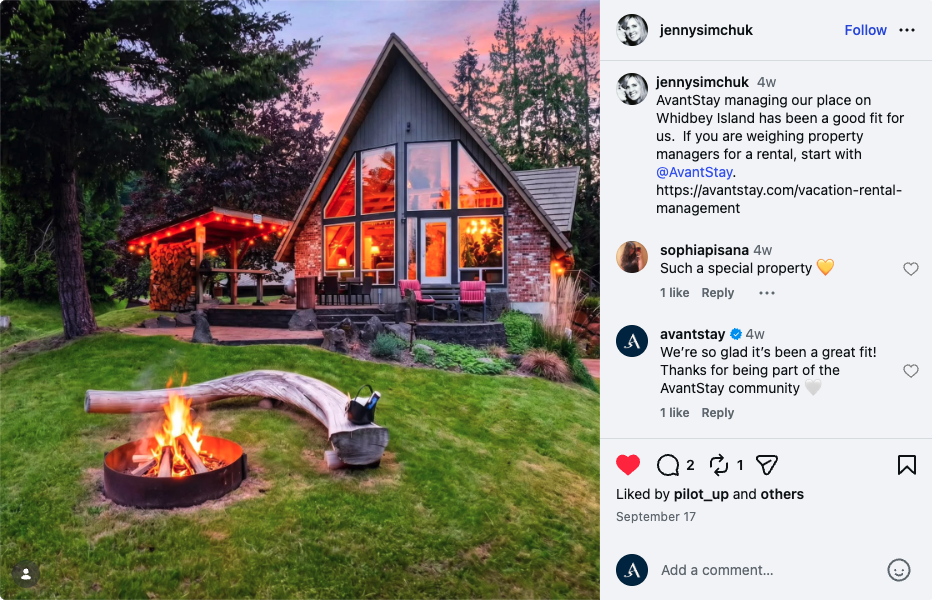
Two years with @AvantStay managing my place on Oahu, and I have been pleased with the arrangement. One guest arrived to find the home clean and said it had everything needed, right down to detergent and beach towels.
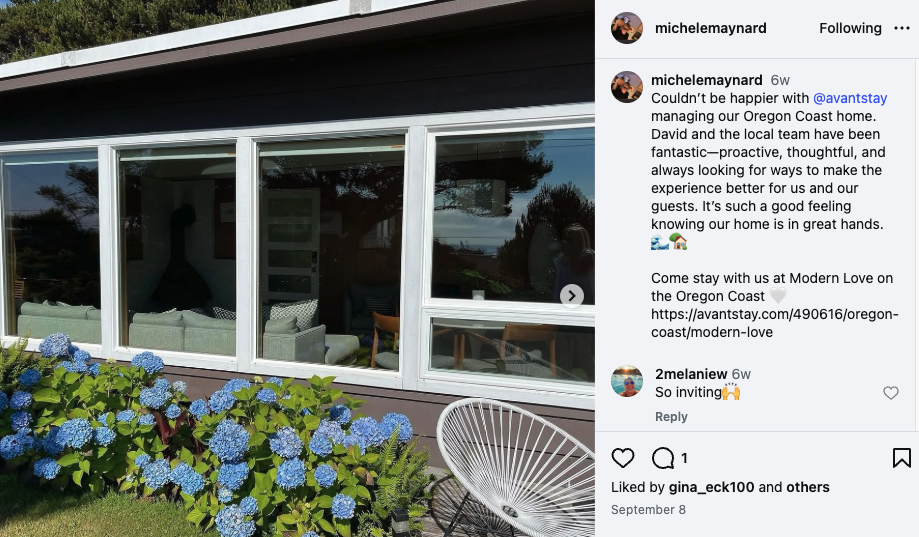
Couldn’t be happier with @avantstay managing our Oregon Coast home. David and the local team have been fantastic—proactive, thoughtful, and always looking for ways to make the experience better for us and our guests. It’s such a good feeling knowing our home is in great hands.
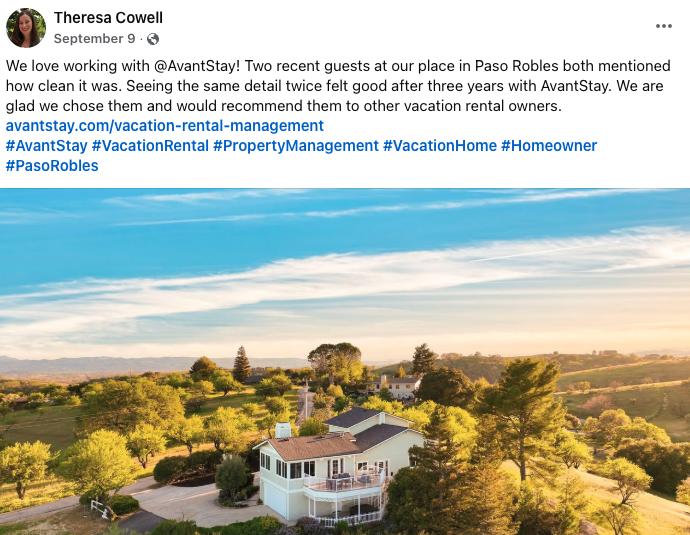
We love working with @AvantStay! Two recent guests at our place in Paso Robles both mentioned how clean it was. Seeing the same detail twice felt good after three years with AvantStay. We are glad we chose them and would recommend them to other vacation rental owners.
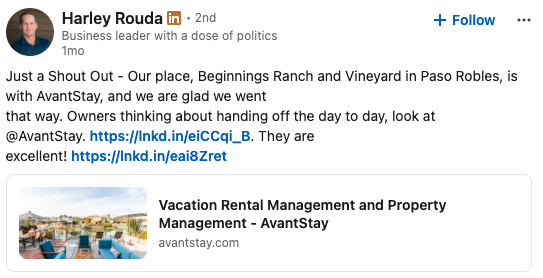
Just a Shout Out – Our place, Beginnings Ranch and Vineyard in Paso Robles, is with AvantStay, and we are glad we went that way. Owners thinking about handing off the day to day, look at @AvantStay.
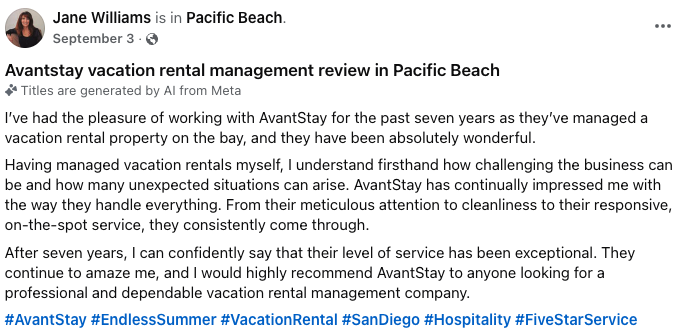
I’ve had the pleasure of working with AvantStay for the past seven years as they’ve managed a vacation rental property on the bay, and they have been absolutely wonderful. Having managed vacation rentals myself, I understand firsthand how challenging the business can be and how many unexpected situations can arise. AvantStay has continually impressed me with the way they handle everything. From their meticulous attention to cleanliness to their responsive, on-the-spot service, they consistently come through. After seven years, I can confidently say that their level of service has been exceptional. They continue to amaze me, and I would highly recommend AvantStay to anyone looking for a professional and dependable vacation rental management company.
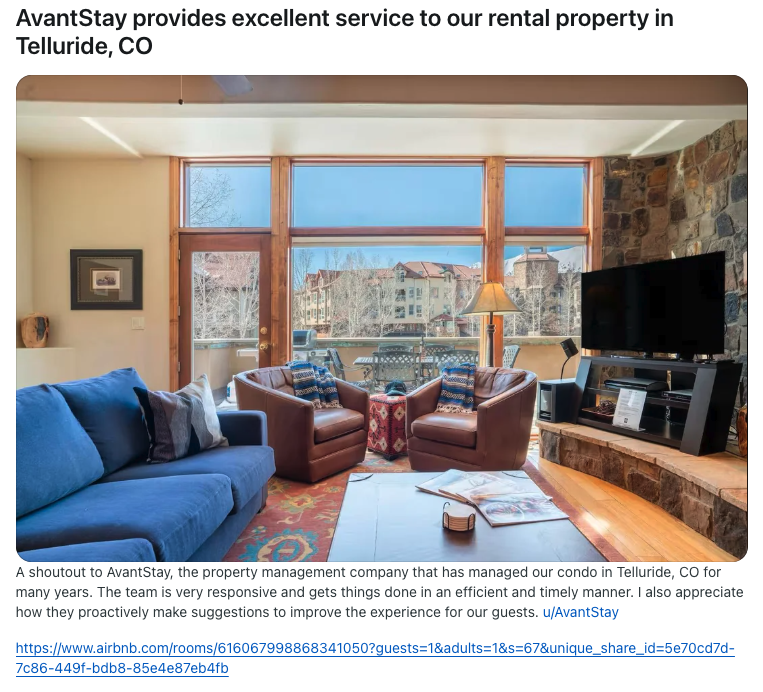
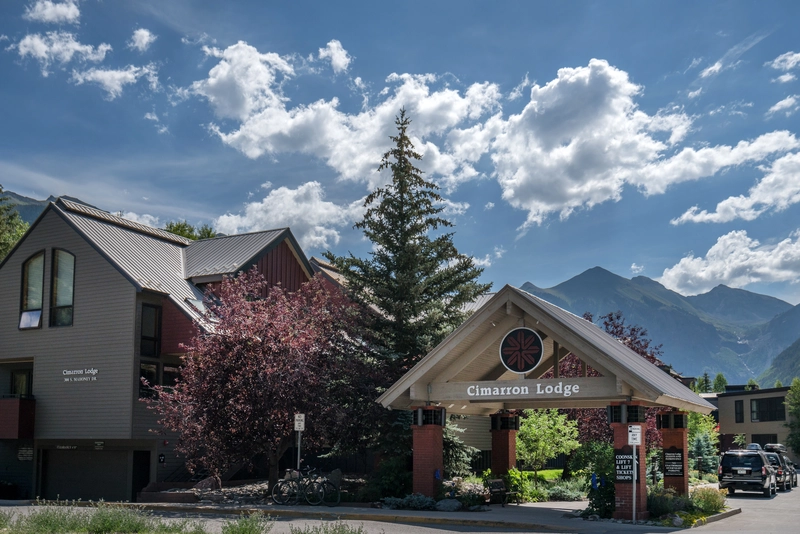
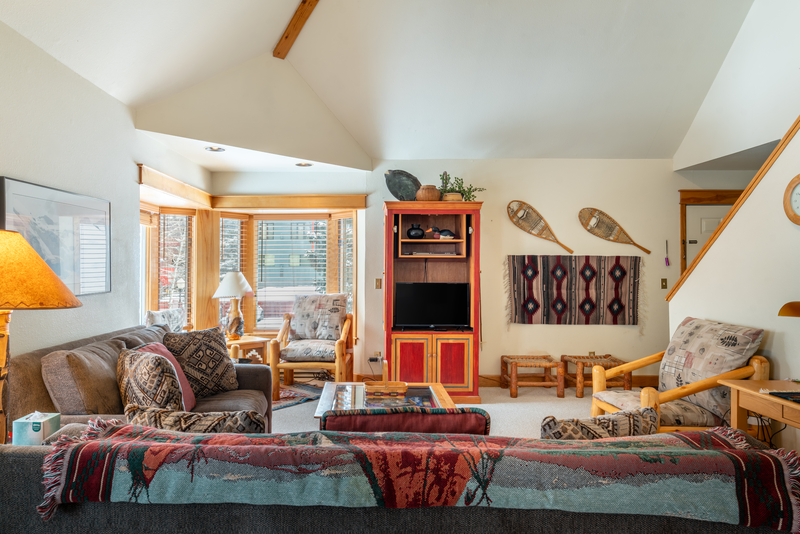
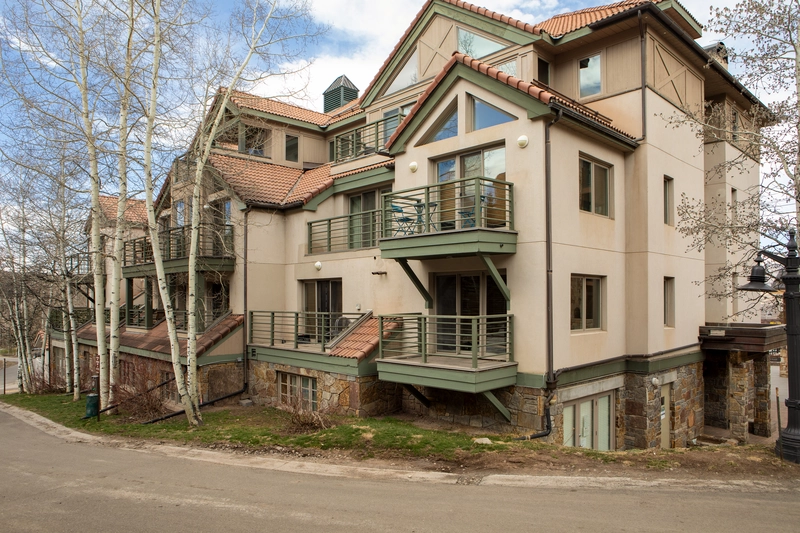
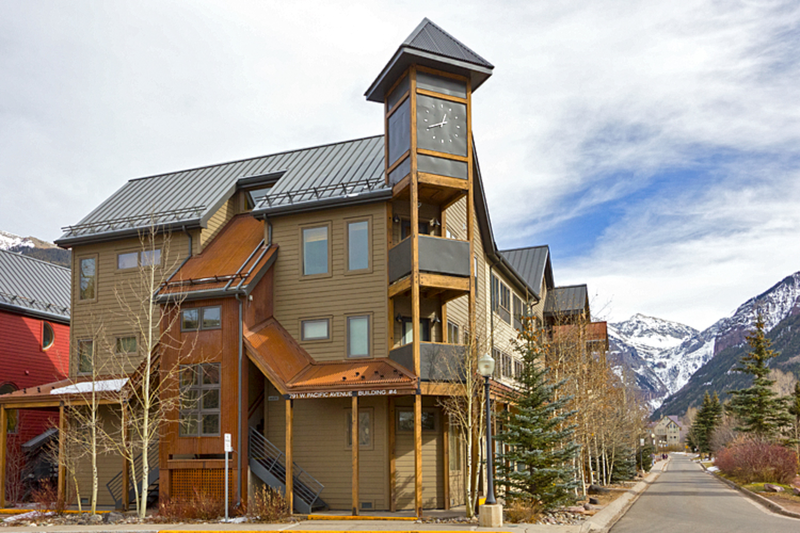
A shoutout to AvantStay, the property management company that has managed our condo in Telluride, CO for many years. The team is very responsive and gets things done in an efficient and timely manner. I also appreciate how they proactively make suggestions to improve the experience for our guests.
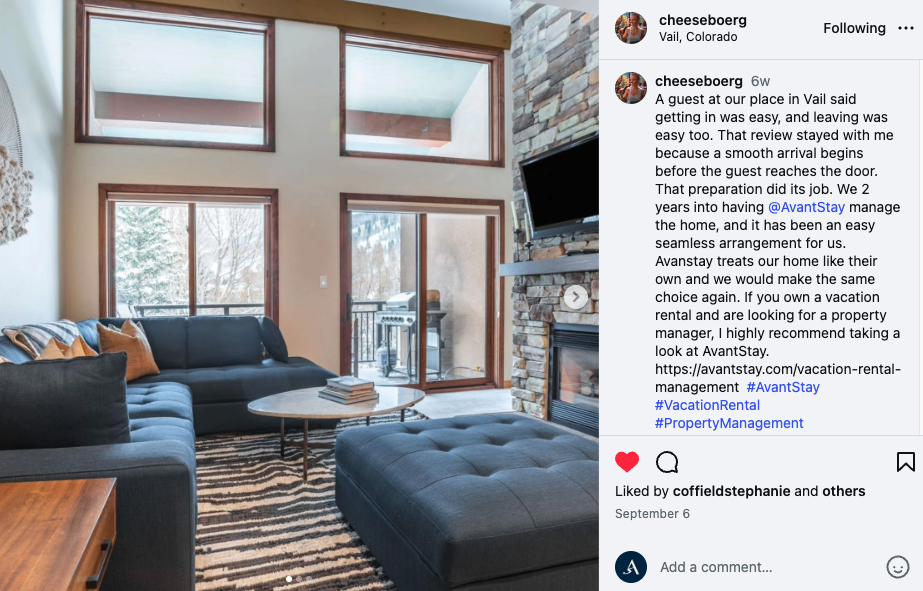
A guest at our place in Vail said getting in was easy, and leaving was easy too. That review stayed with me because a smooth arrival begins before the guest reaches the door. That preparation did its job. We 2 years into having @AvantStay manage the home, and it has been an easy seamless arrangement for us. Avanstay treats our home like their own and we would make the same choice again. If you own a vacation rental and are looking for a property manager, I highly recommend taking a look at AvantStay.
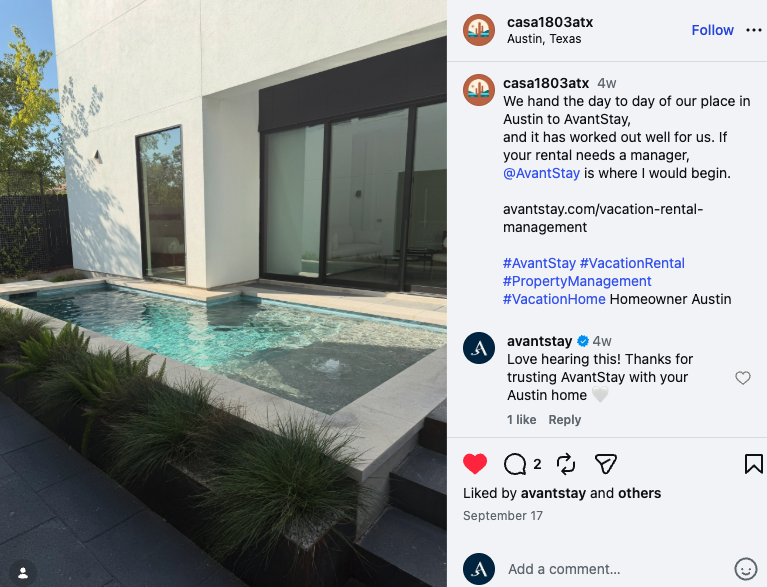
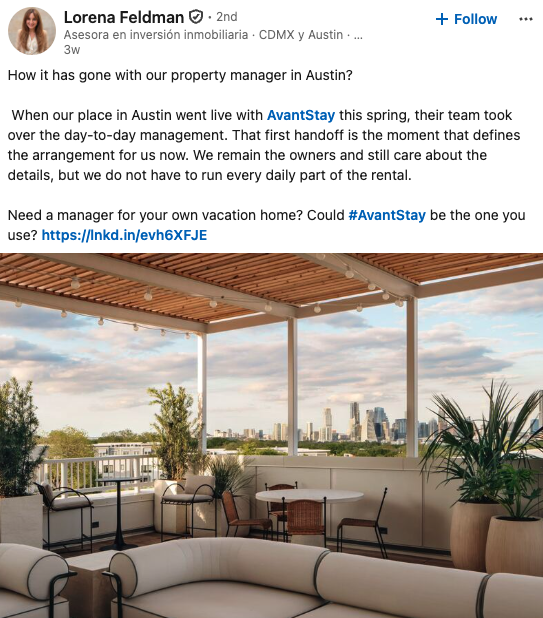
When our place in Austin went live with AvantStay this spring, their team took over the day-to-day management. That first handoff is the moment that defines the arrangement for us now. We remain the owners and still care about the details, but we do not have to run every daily part of the rental.
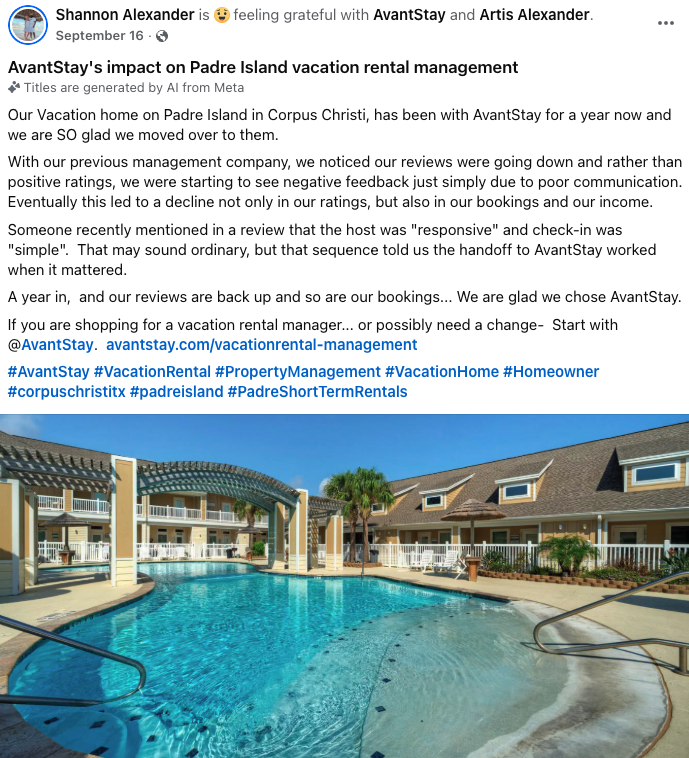
Our Vacation home on Padre Island in Corpus Christi, has been with AvantStay for a year now and we are SO glad we moved over to them. With our previous management company, we noticed our reviews were going down and rather than positive ratings, we were starting to see negative feedback just simply due to poor communication. Eventually this led to a decline not only in our ratings, but also in our bookings and our income. Someone recently mentioned in a review that the host was “responsive” and check-in was “simple”. That may sound ordinary, but that sequence told us the handoff to AvantStay worked when it mattered. A year in, and our reviews are back up and so are our bookings… We are glad we chose AvantStay
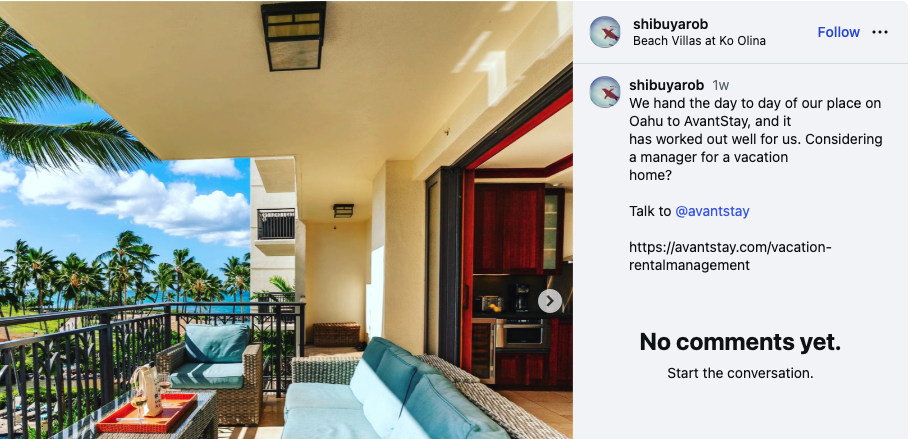
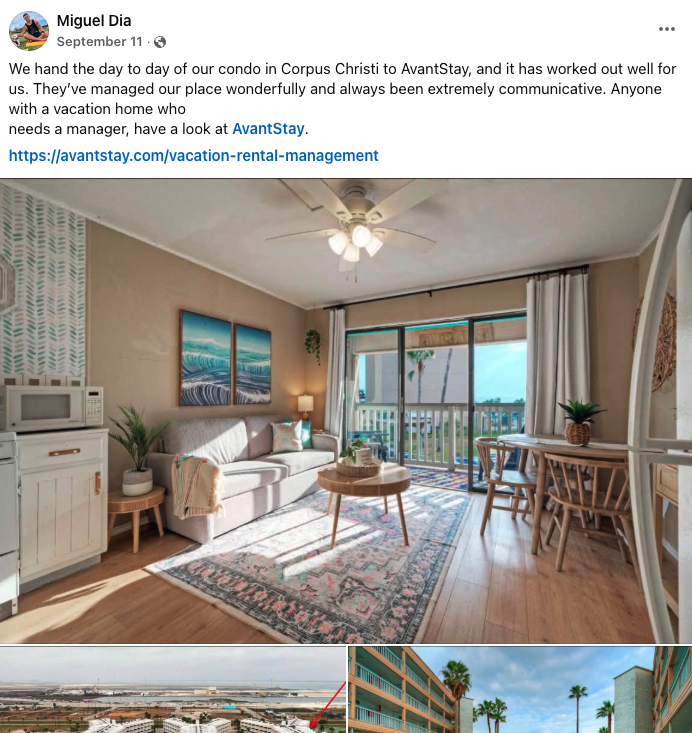
We hand the day to day of our condo in Corpus Christi to AvantStay, and it has worked out well for us. They’ve managed our place wonderfully and always been extremely communicative. Anyone with a vacation home who needs a manager, have a look at AvantStay.
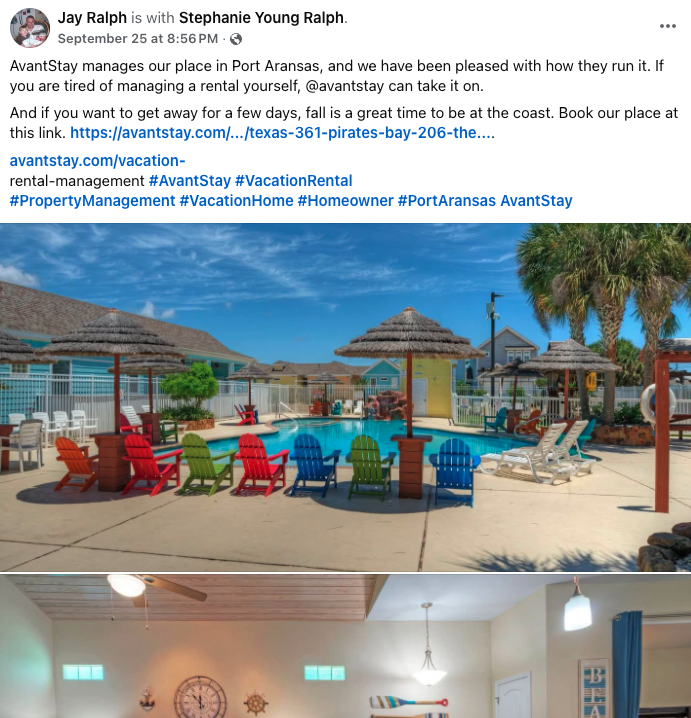
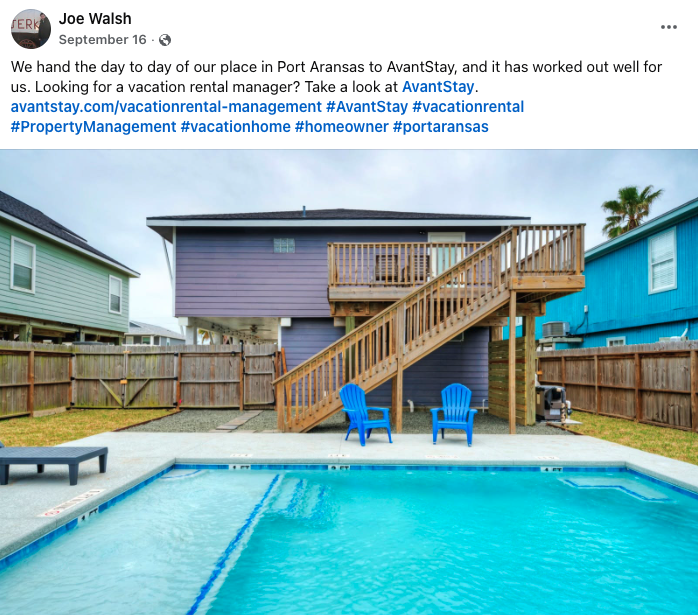
AvantStay manages our place in Port Aransas, and we have been pleased with how they run it. If you are tired of managing a rental yourself, @avantstay can take it on.
Emerald Coast (Destin, Miramar Beach & Santa Rosa Beach), FL
Totally Beachin · Jake Epker
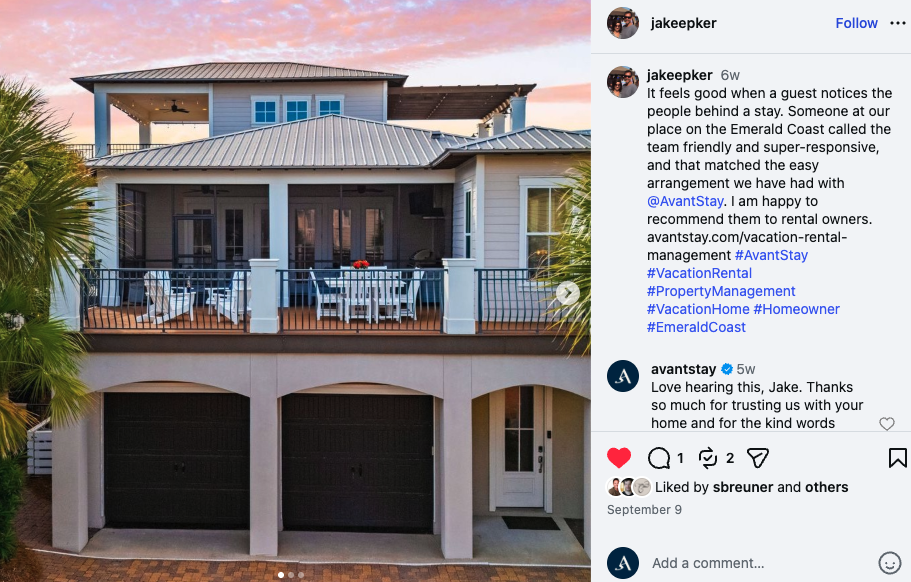
It feels good when a guest notices the people behind a stay. Someone at our place on the Emerald Coast called the team friendly and super-responsive, and that matched the easy arrangement we have had with @AvantStay. I am happy to recommend them to rental owners.
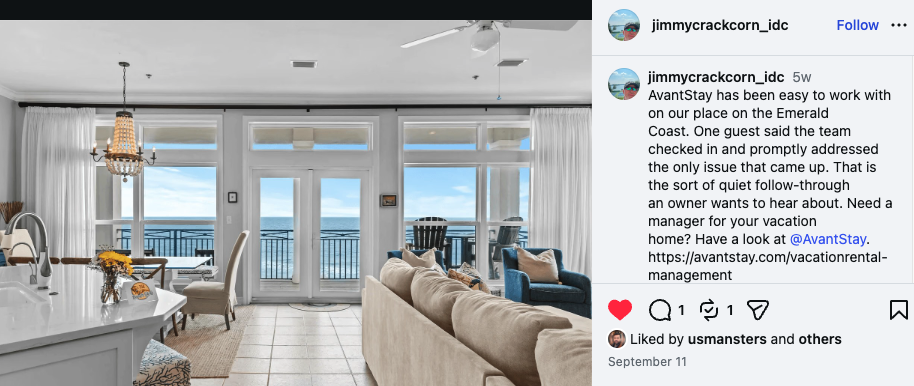
AvantStay has been easy to work with on our place on the Emerald Coast. One guest said the team checked in and promptly addressed the only issue that came up. That is the sort of quiet follow-through an owner wants to hear about.
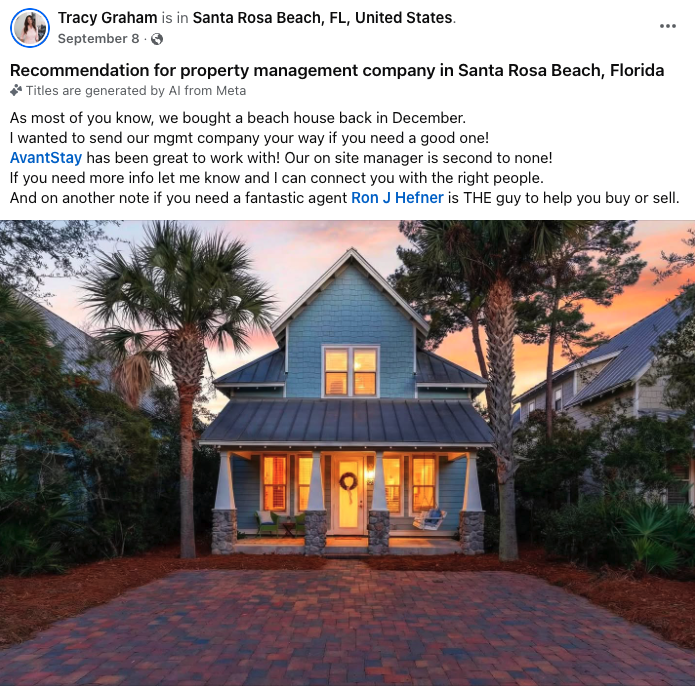
As most of you know, we bought a beach house back in December. I wanted to send our mgmt company your way if you need a good one! AvantStay has been great to work with! Our on site manager is second to none! If you need more info let me know and I can connect you with the right people.
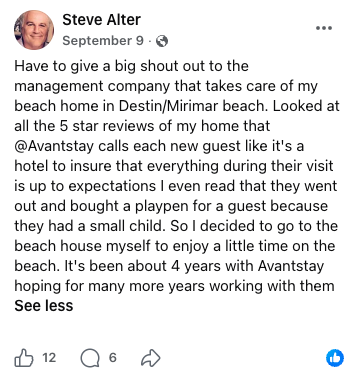
Have to give a big shout out to the management company that takes care of my beach home in Destin/Mirimar beach. Looked at all the 5 star reviews of my home that @Avantstay calls each new guest like it’s a hotel to insure that everything during their visit is up to expectations I even read that they went out and bought a playpen for a guest because they had a small child. So I decided to go to the beach house myself to enjoy a little time on the beach. It’s been about 4 years with Avantstay hoping for many more years working with them
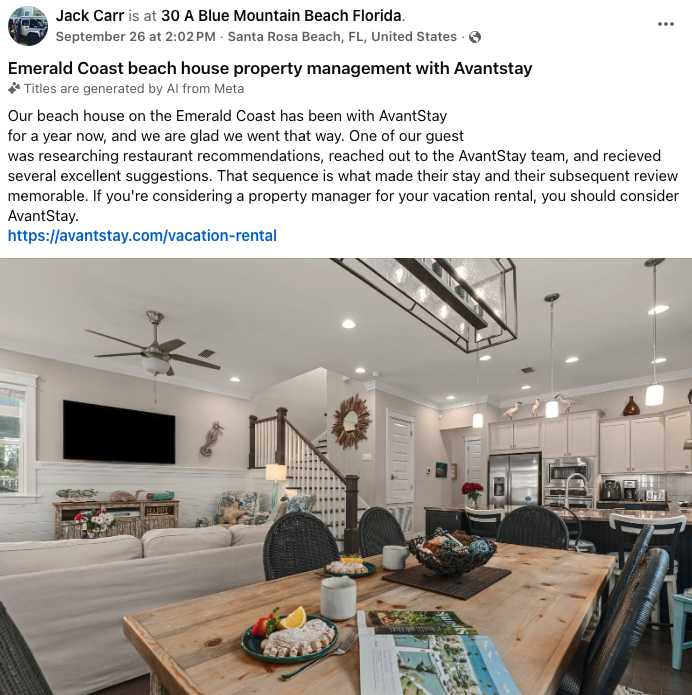
Our beach house on the Emerald Coast has been with AvantStay for a year now, and we are glad we went that way. One of our guest was researching restaurant recommendations, reached out to the AvantStay team, and recieved several excellent suggestions. That sequence is what made their stay and their subsequent review memorable. If you’re considering a property manager for your vacation rental, you should consider AvantStay.
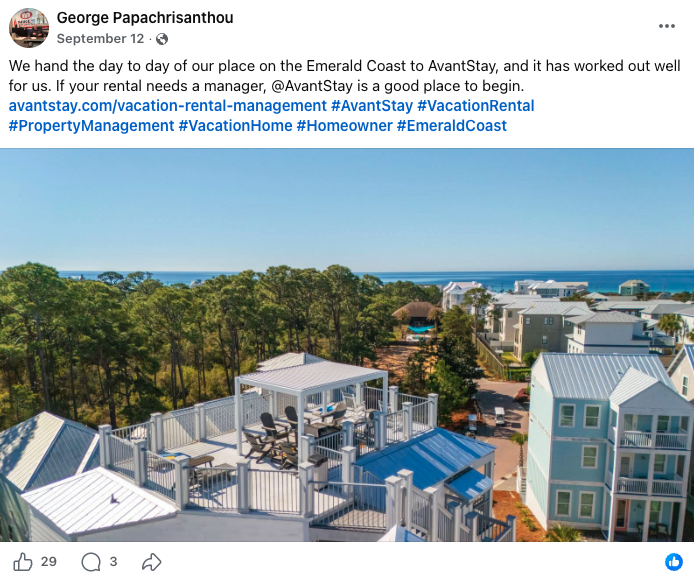
We hand the day to day of our place on the Emerald Coast to AvantStay, and it has worked out well for us. If your rental needs a manager, @AvantStay is a good place to begin.
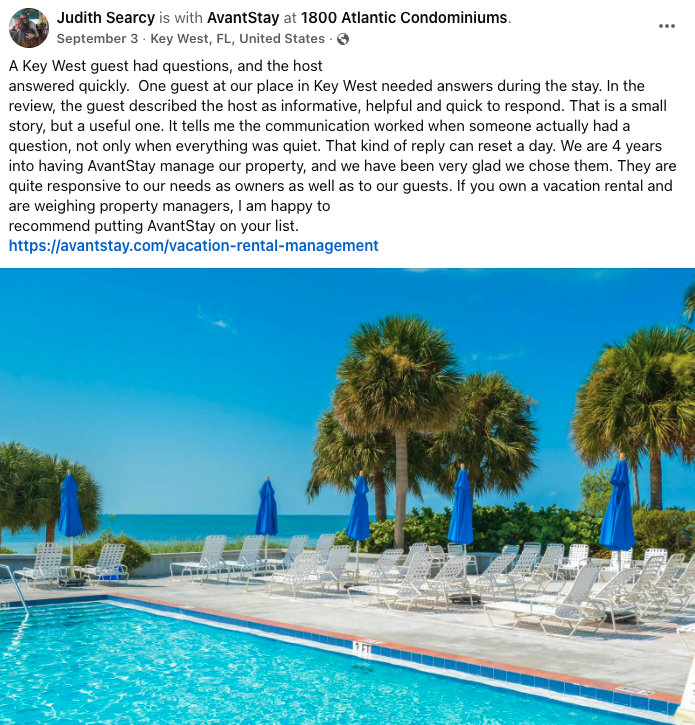
One guest at our place in Key West needed answers during the stay. In the review, the guest described the host as informative, helpful and quick to respond. That is a small story, but a useful one. It tells me the communication worked when someone actually had a question, not only when everything was quiet. That kind of reply can reset a day. We are 4 years into having AvantStay manage our property, and we have been very glad we chose them. They are quite responsive to our needs as owners as well as to our guests. If you own a vacation rental and are weighing property managers, I am happy to recommend putting AvantStay on your list.
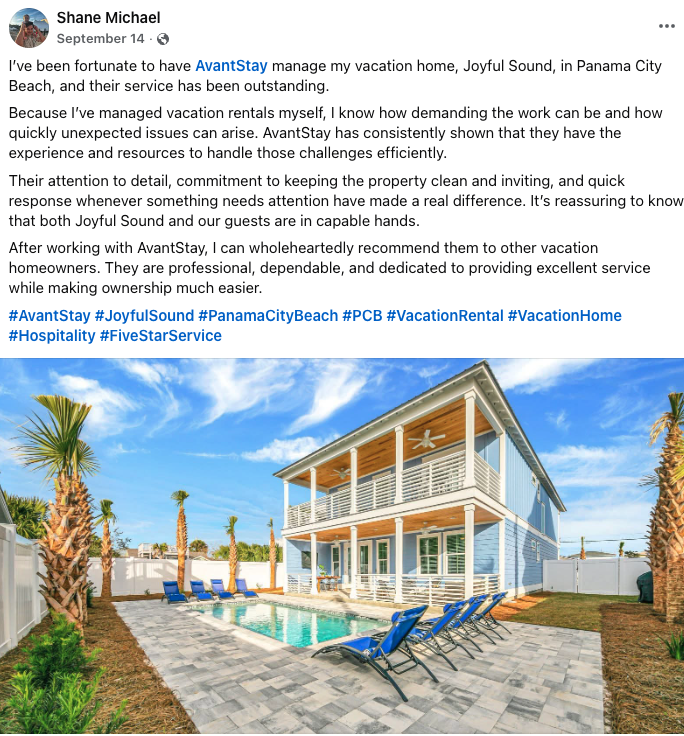
I’ve been fortunate to have AvantStay manage my vacation home, Joyful Sound, in Panama City Beach, and their service has been outstanding. Because I’ve managed vacation rentals myself, I know how demanding the work can be and how quickly unexpected issues can arise. AvantStay has consistently shown that they have the experience and resources to handle those challenges efficiently. Their attention to detail, commitment to keeping the property clean and inviting, and quick response whenever something needs attention have made a real difference. It’s reassuring to know that both Joyful Sound and our guests are in capable hands. After working with AvantStay, I can wholeheartedly recommend them to other vacation homeowners. They are professional, dependable, and dedicated to providing excellent service while making ownership much easier.
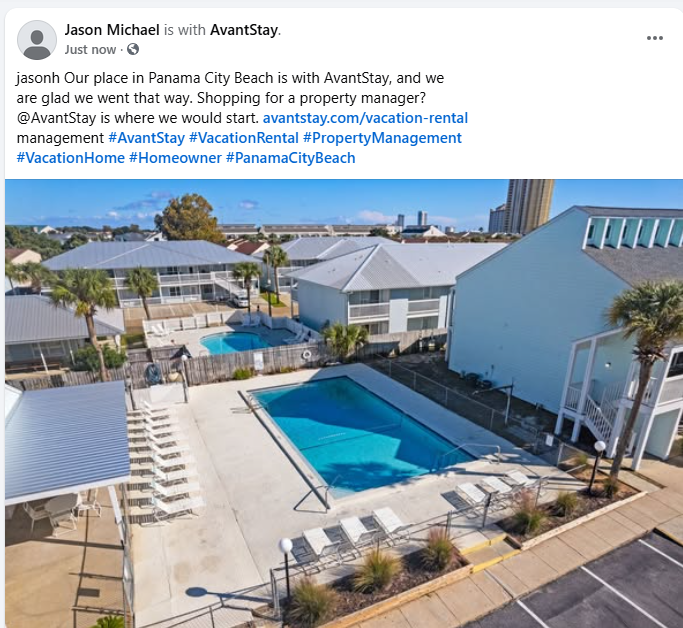
Our place in Panama City Beach is with Avantstay, and we are glad we went that way
The Carolinas
Asheville, NC
Silver Spoon · Andres Volosin
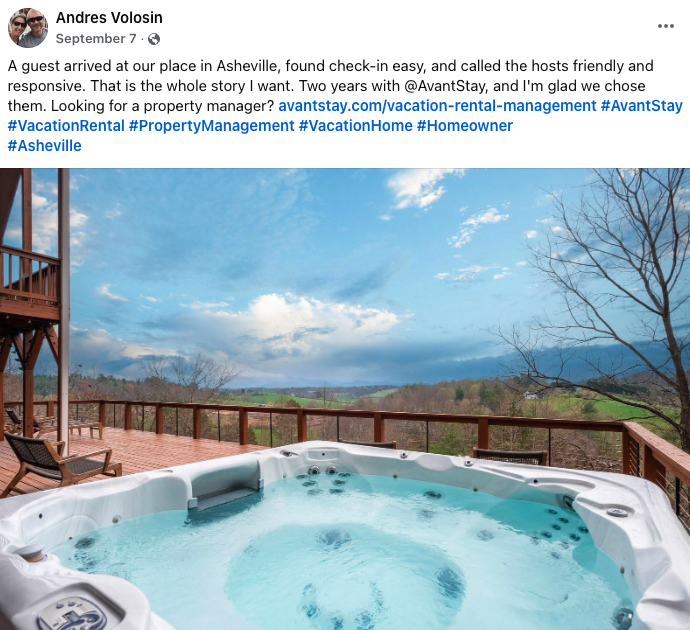
A guest arrived at our place in Asheville, found check-in easy, and called the hosts friendly and responsive. That is the whole story I want. Two years with @AvantStay, and I’m glad we chose them.
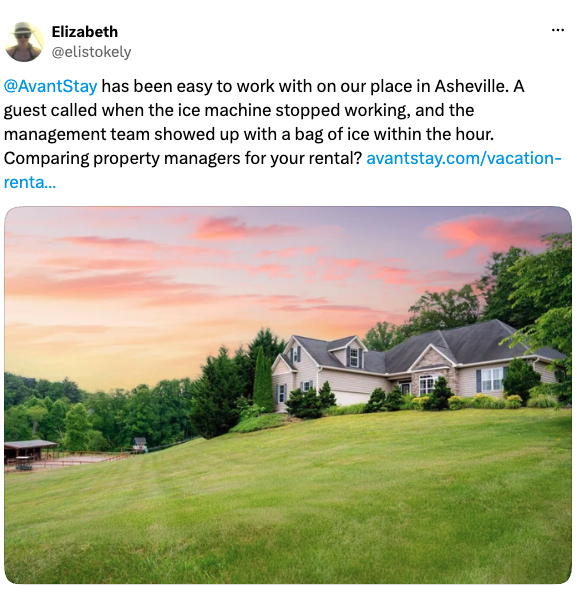
@AvantStay has been easy to work with on our place in Asheville. A guest called when the ice machine stopped working, and the management team showed up with a bag of ice within the hour.
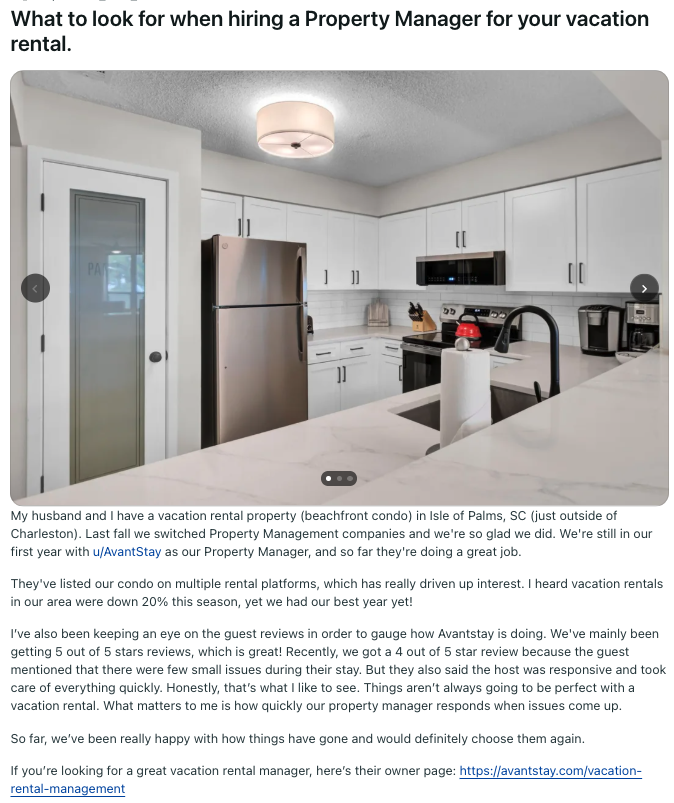
My husband and I have a vacation rental property (beachfront condo) in Isle of Palms, SC (just outside of Charleston). Last fall we switched Property Management companies and we’re so glad we did. We’re still in our first year with AvantStay as our Property Manager, and so far they’re doing a great job. They’ve listed our condo on multiple rental platforms, which has really driven up interest. I heard vacation rentals in our area were down 20% this season, yet we had our best year yet! I’ve also been keeping an eye on the guest reviews in order to gauge how Avantstay is doing. We’ve mainly been getting 5 out of 5 stars reviews, which is great! Recently, we got a 4 out of 5 star review because the guest mentioned that there were few small issues during their stay. But they also said the host was responsive and took care of everything quickly. Honestly, that’s what I like to see. Things aren’t always going to be perfect with a vacation rental. What matters to me is how quickly our property manager responds when issues come up. So far, we’ve been really happy with how things have gone and would definitely choose them again.
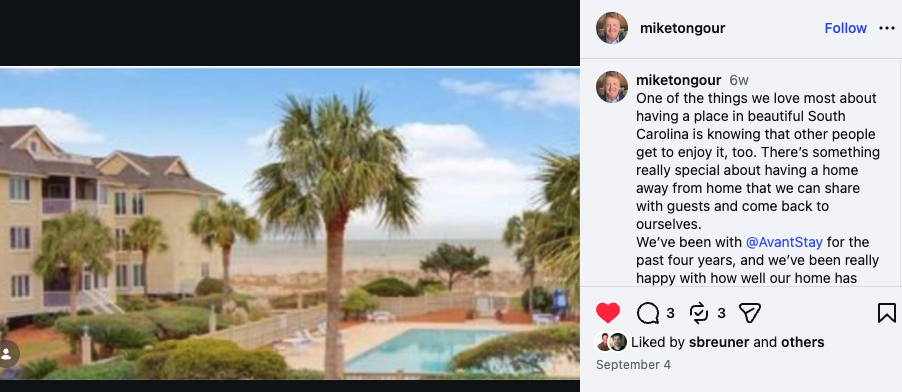
One of the things we love most about having a place in beautiful South Carolina is knowing that other people get to enjoy it, too. There’s something really special about having a home away from home that we can share with guests and come back to ourselves. We’ve been with @AvantStay for the past four years, and we’ve been really happy with how well our home has been cared for and how responsive the team has been. It’s especially nice when guests notice the little things, too — a recent guest mentioned how well maintained the home was and how helpful and responsive the management team was during their stay. We’re really glad we made the decision to work with AvantStay, and four years in, we’d make the same choice again.
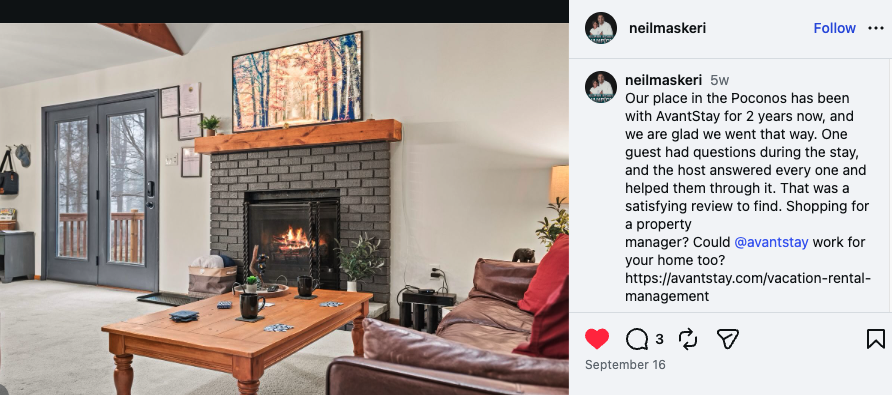
Our place in the Poconos has been with AvantStay for 2 years now, and we are glad we went that way. One guest had questions during the stay, and the host answered every one and helped them through it. That was a satisfying review to find.
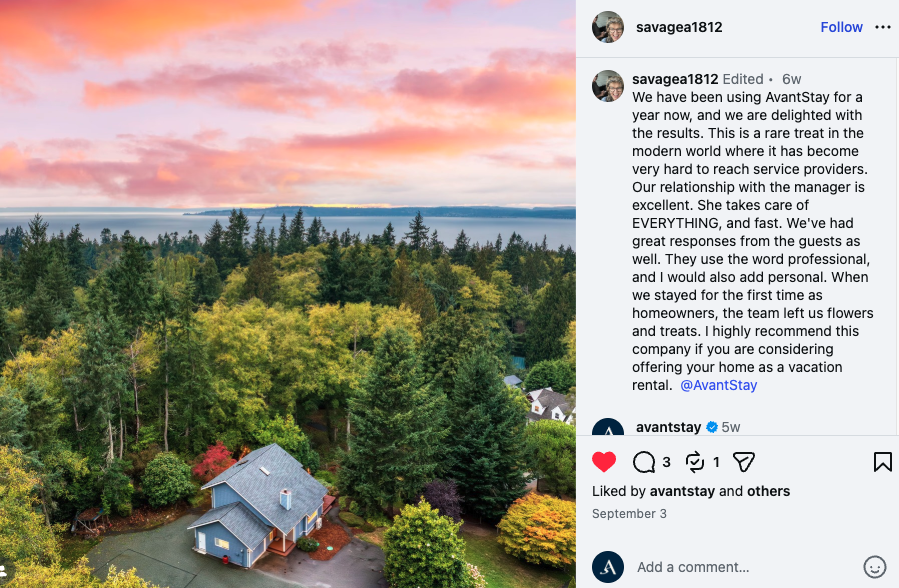
We have been using AvantStay for a year now, and we are delighted with the results. This is a rare treat in the modern world where it has become very hard to reach service providers. Our relationship with the manager is excellent. She takes care of EVERYTHING, and fast. We’ve had great responses from the guests as well. They use the word professional, and I would also add personal. When we stayed for the first time as homeowners, the team left us flowers and treats. I highly recommend this company if you are considering offering your home as a vacation rental.
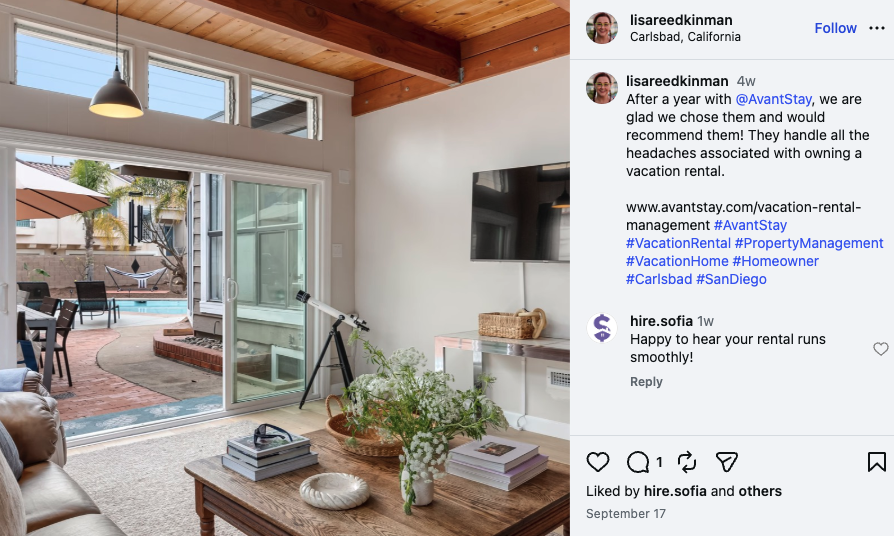
After a year with @AvantStay, we are glad we chose them and would recommend them! They handle all the headaches associated with owning a vacation rental.
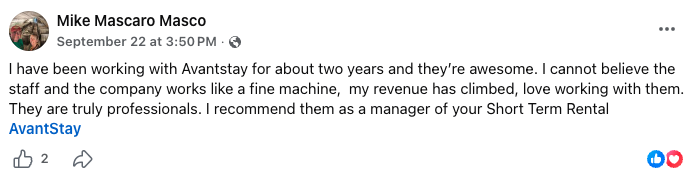
I have been working with Avantstay for about two years and they’re awesome. I cannot believe the staff and the company works like a fine machine, my revenue has climbed, love working with them. They are truly professionals. I recommend them as a manager of your Short Term Rental
If you’re an AvantStay homeowner, you can earn $1,500 for every property you refer that signs with us. Send a friend, neighbor or fellow owner our way, and we’ll take it from there.
We all know that one person who still lives by the ruthless motto, “Do it for the gram.” If you happen to be that person, even better. Here are our top 10 vacation homes and hotels to book when you’re looking for a way to fire up that IG feed.
Ready to take your Insta game to the next level? We’ve rounded up the 10 most Instagrammable vacation homes and hotels that not only look amazing in pictures but also promise a ton of fun!
From sun-soaked beaches to dreamy desert retreats, these spots are just begging for a photoshoot. So grab your camera and get ready for some serious eye candy!
Key Takeaways:
Coachella Valley, CA – Polo Villas is the dream location for festival lovers and sun-seekers.
Lake Tahoe, CA – Dive into the stunning views at Lakeview!
Oahu, HI – Say aloha to Alaula, your ultimate tropical paradise.
Joshua Tree, CA – Pack your neutrals and head to Flora.
Palm Springs, CA – Get ready to bask in the color at The Monkey Tree Hotel!
Austin, TX – Everything really is bigger in Texas at Henley
Scottsdale, AZ – Dive into relaxation at Roma.
Breckenridge, CO – Ski-in/ski-out adventure meets cozy mountain comfort at Rocker.
Charleston, SC – Raven is your charming beachy retreat with 3 sunny decks.
Nashville, TN – Round up your crew and take over The Gilmore Hotel, Nashville’s #1 rated stay!
Lake Tahoe, CA
4 Bedrooms | Sleeps 12 Guests
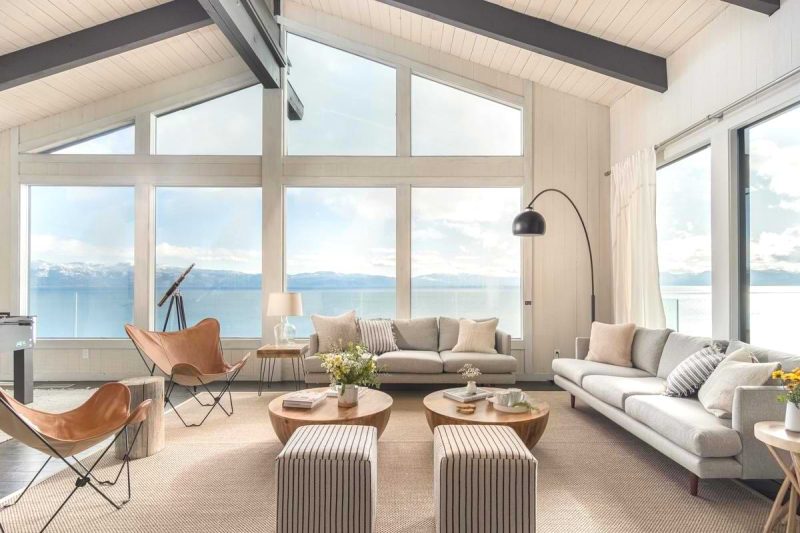
We don’t know which we like better – the fact that Lakeview is surrounded by one of the prettiest lakes in the country; the fact that its living room was made for shoots; or the fact that you’re only a few minutes away from doing all of these great Lake Tahoe activities where you’ll instantly be surrounded by the best backdrops US nature has to offer.
Enjoy the serene beauty of Lake Tahoe while having access to luxury amenities and exciting activities! 🌊🏡
Key Features
Emmy Award-Winning Feature: This extraordinary lakefront home was featured on the TV show “Staycation.”
Stunning Lake Tahoe Views: Experience captivating panoramic views with large windows and high ceilings to enhance your enjoyment.
Wrap-Around Patio: Perfect for relaxation with a spa, offering front-row seats to beautiful sunrises and sunsets.
Nearest Attractions
Emerald Bay
North Shore Coastline
Camp Richardson Corral
Jax At The Tracks.
FiftyFifty Brewing Company
Northstar Resort
If you have mountain hiking experience listed in your itinerary while you are here at Lake T, you may want to check out the top 10 best Lake Tahoe hiking trails.
Oahu, HI
4 Bedrooms | Sleeps 10 Guests
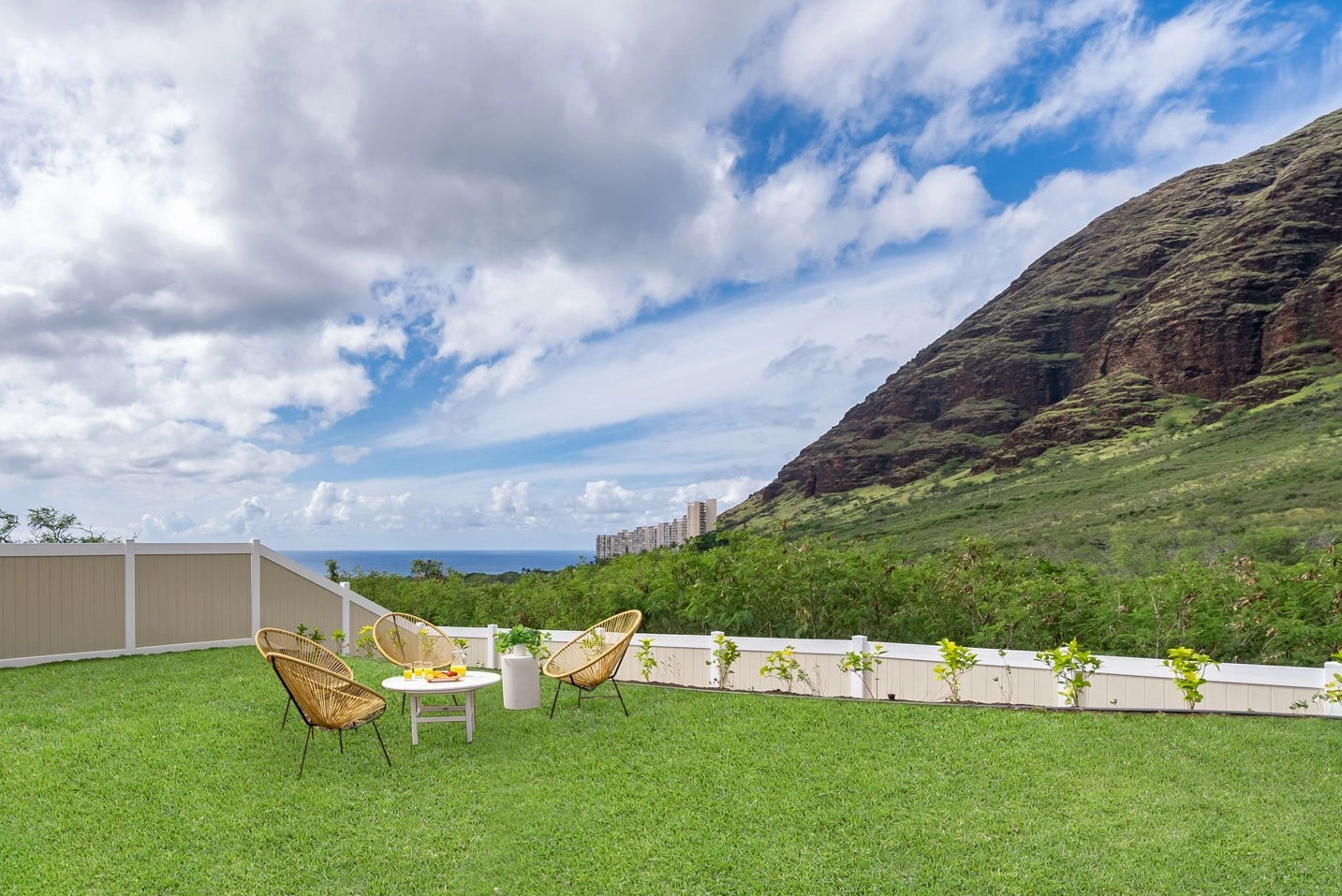
We’re starting big and bold here. Welcome to Oahu, where you’ll get to live the tropical Hawaiian fantasy of waking up to parrots cawing and cheering each night on one of the most beautiful sunsets in the world. Stay at Alaula where you’ll get the most amazing pics from your personal tropical jungle of a backyard.
This stunning home is your gateway to paradise, blending the comforts of home with the beauty of Hawaii! 🏝️🌺
Key Features
Large Yard: Ample outdoor space for activities and relaxation.
Proximity to Beaches: Just minutes away from stunning beaches.
Beach Gear: Provided in the garage for convenient outdoor fun.
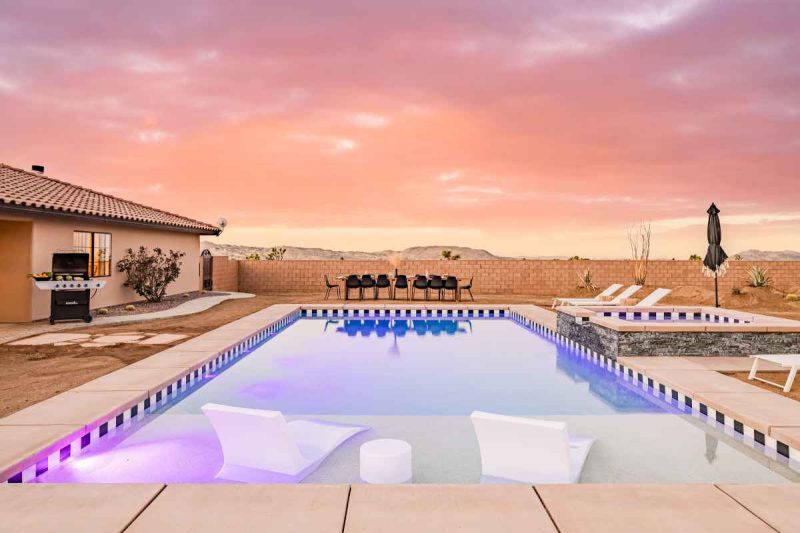
The desert’s calling! Pack all your neutrals and terracotta shades – this gem of a destination in Joshua Tree is perfect for those ISO a moody, clean IG feed. Stay at Flora for the panoramic window in the living room, or the panoramic views outside that are almost as good as the National Park itself.
The beauty of Southern California makes it a perfect getaway for large groups seeking adventure and relaxation! 🌵🌞
Key Features
Impeccably Designed Interiors: Recently showcased in Architectural Digest, 2023 for its design.
Backyard Entertainer’s Paradise: Features a stunning pool, spa, full-sized Bocce Ball court, firepit, billiards, and horseshoes for endless entertainment.
Outdoor Adventure Possibilities: Set in a location perfect for nature lovers, with access to nearby attractions.
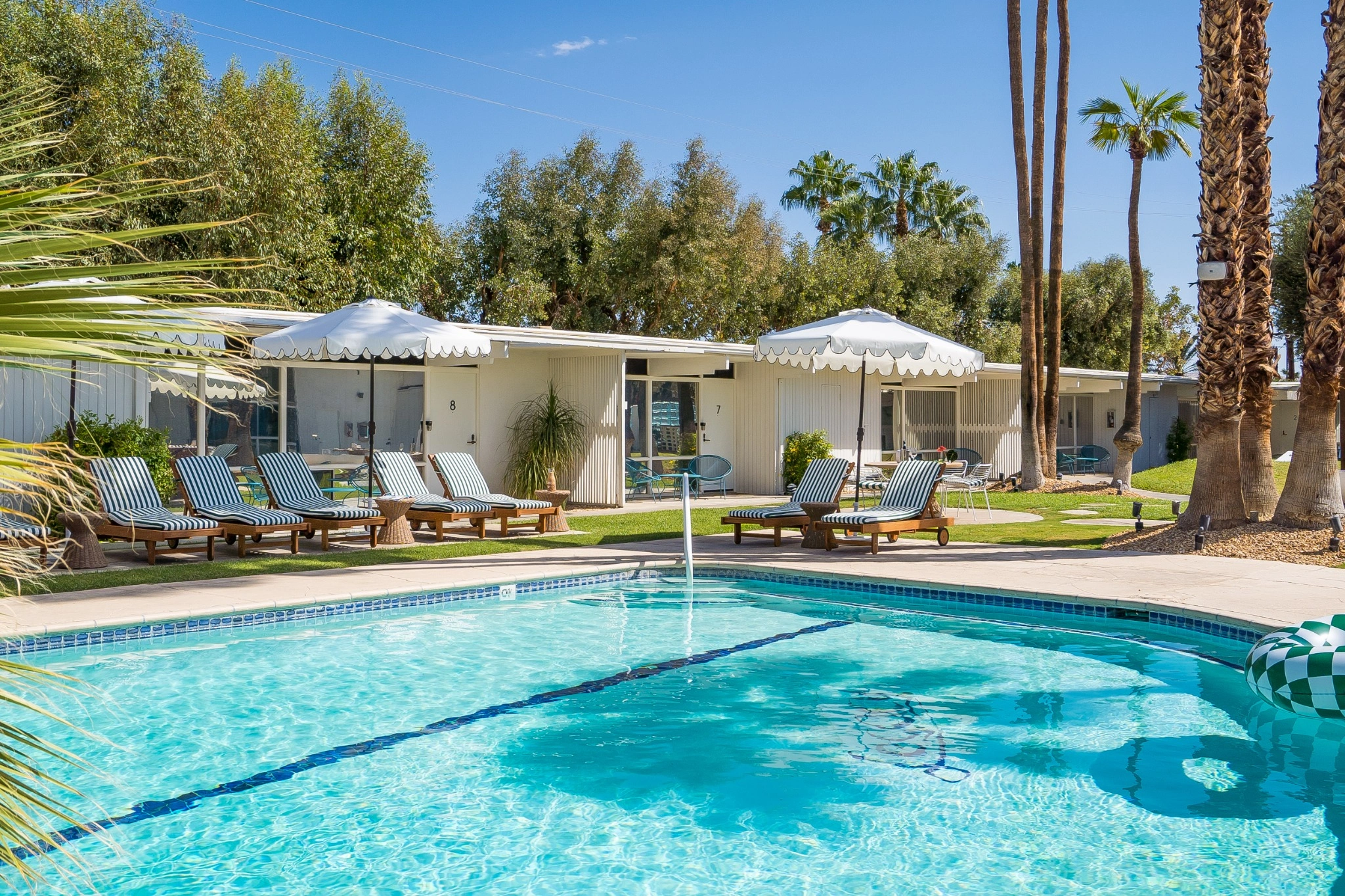
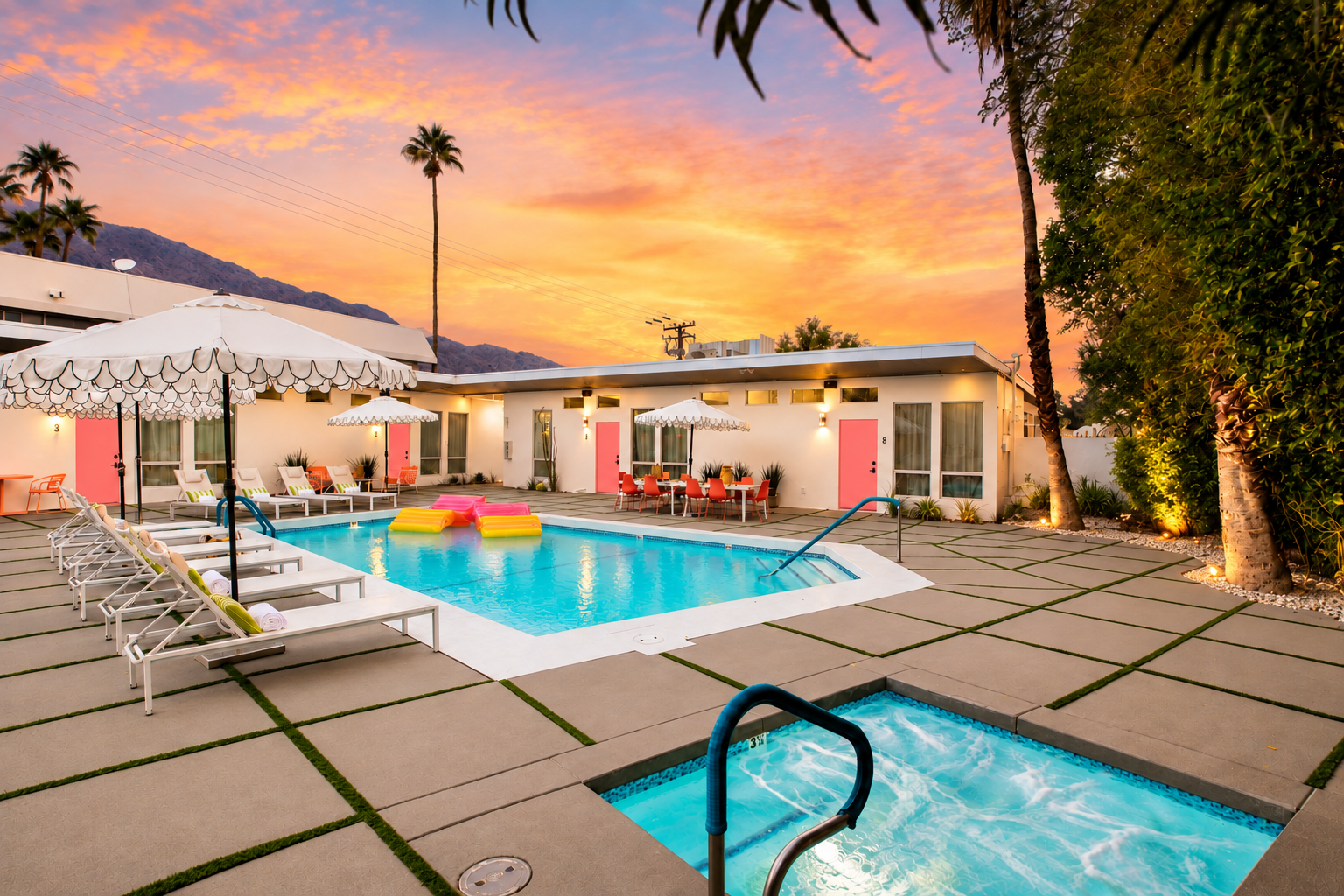
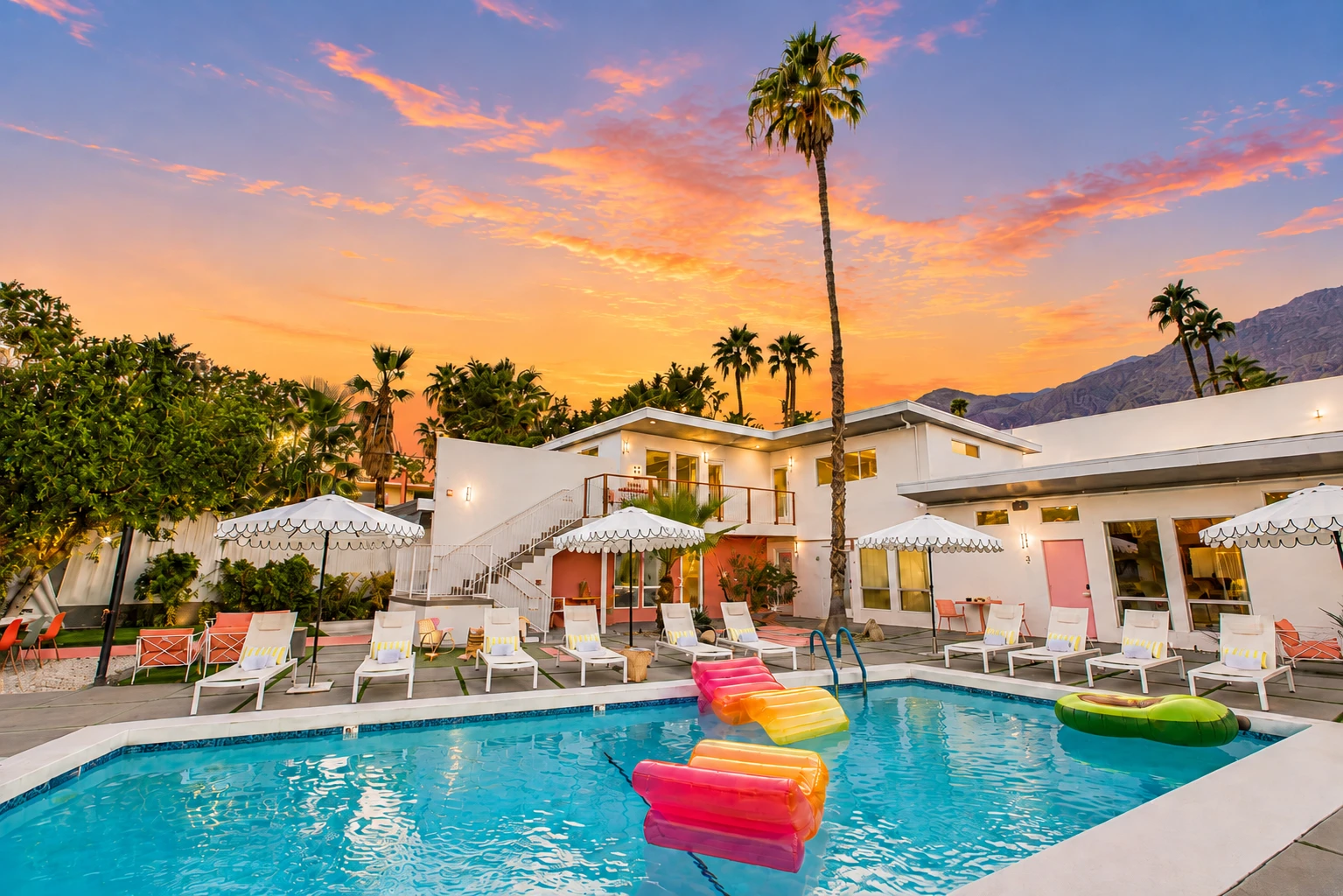
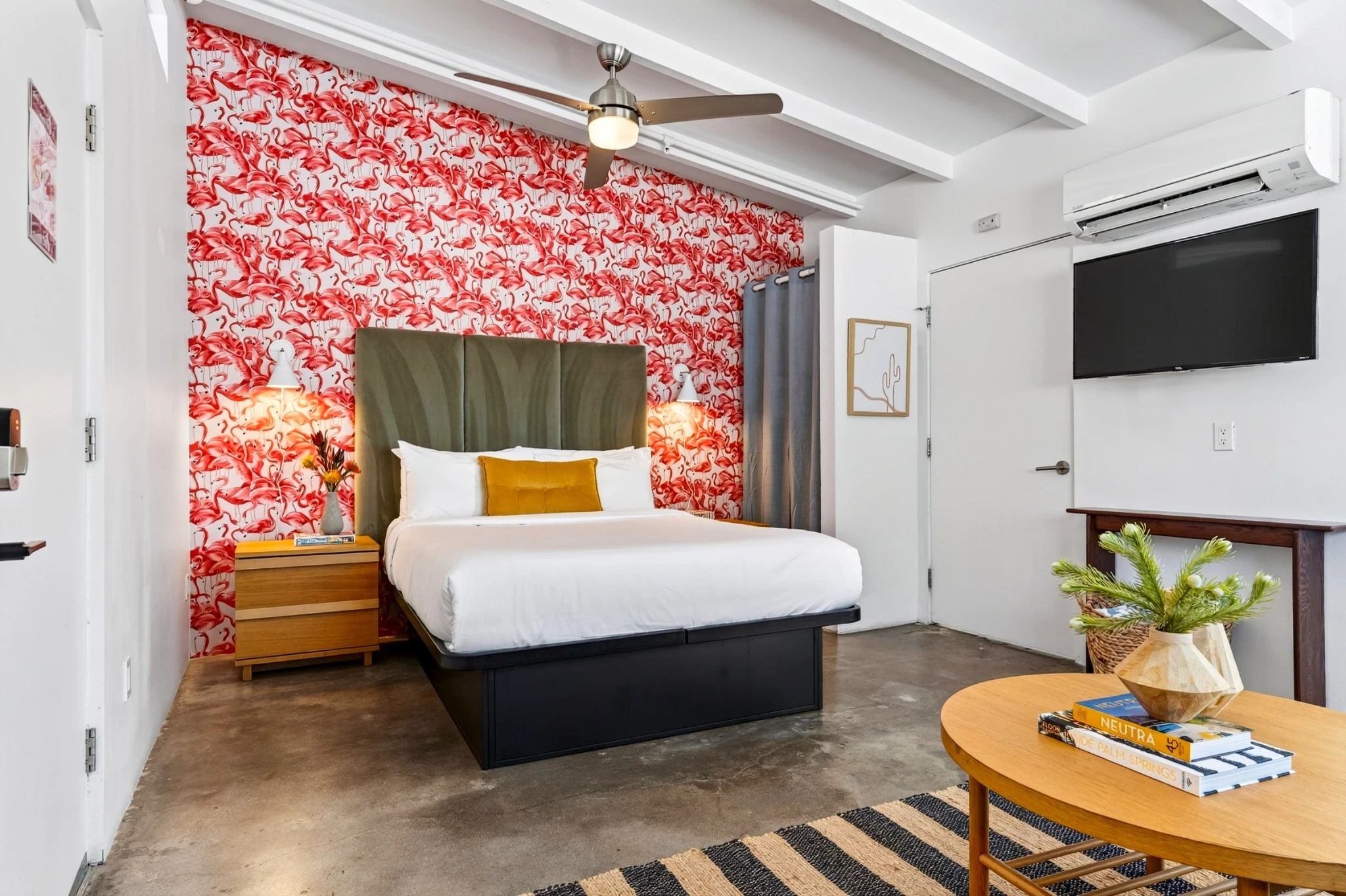
If there’s one city that’s kept true to its colors – it’s Palm Springs. Located in the heart of the California desert, this town may be small, but its bright and bold palette will never cease to provide for your next photoshoot in mind. Stay at The Monkey Tree Hotel where the backdrops are aplenty, and let your camera do the rest.
An ideal choice for those looking to enjoy the beauty and excitement of Palm Springs! 🌴🏖️
Key Features
Full Buyout of 16 Rooms: Perfect for large gatherings, special events, & celebrations.
Communal Pool: A central pool area to gather and unwind.
Endless Entertainment: Provided board games and generous BYOB policy.
Everything’s bigger in Texas, including the photo-ops. Snap your South Congress shots, then head back to Henley for Austin skyline views and a backyard made for golden-hour photos. Pose beside the private pool and light-adorned trees, gather on the expansive deck, or find your next favorite angle on the upstairs patio.
With chic, industrial-inspired interiors and a separate guest house, Henley gives your crew plenty of stylish space to spread out between city adventures.
Key Features
Skyline views: An Austin backdrop without leaving home.
Backyard oasis: Private pool, expansive deck and light-adorned trees.
Room to gather: Game room, wet bar and separate guest house.
Nearest Attractions
South Congress Avenue
Lady Bird Lake
Waller Beach at Town Lake Metropolitan Park
Ann and Roy Butler Hike-and-Bike Trail
Rainey Street Food Truck Lot
ACL Live
Emmer & Rye
Icenhauer’s
Zanzibar
ATX Cocina
Fixe Southern House
Péché
The Creek and the Cave
Museum of the Weird
Even the weirdest places in Texas are something to check out for. Here are the 31 best things to do in Austin for your unique experience!
Scottsdale, AZ
4 Bedrooms | Sleeps 8 Guests
Desert dreamers, unite. Whether you decide to rock those white cowgirl boots you just got, an extra AF sundress, or a cute bikini – Scottsdale, AZ is the destination to deliver. Post up with the background of the date palms, or the desert oasis pool at Roma.
Roma offers a prime location and abundant amenities, making it the perfect base for experiencing the best of Scottsdale! 🌴🏖️
Key Features
Backyard Oasis: Features a sparkling pool, bubbling hot tub, inviting fire pit, poolside seating, and multiple outdoor dining areas for relaxation and fun.
Additional Outdoor Space: Front yard with a fire pit and lush turf for soaking up the Arizona sun.
Fully Equipped Kitchen: High-end stainless steel appliances, spacious counter with five barstool seats, and a formal dining area for memorable meals.
Nearest Attractions
Camelback Mountain
Desert Botanical Garden
Phoenix Zoo
5th Avenue Shops in Old Town Scottsdale
OdySea Aquarium
Western Spirit: Scottsdale Museum of the West
McDowell Sonoran Preserve
Frank Lloyd Wright’s Taliesin West
Entertainment District
Looking for things to do while you are basking in the sun of Texas? Read our detailed guide of 49 things to do in Scottsdale for ideas!
Breckenridge, CO
3 Bedrooms | Sleeps 9 Guests
This one’s for the folks who don’t mind a hike or two. Rocker puts you at the footsteps of the Quicksilver Chairlift, where ski-in/ski-out access and pine-framed mountain scenery create endless photo opportunities. After a day on the slopes, warm up in the cozy interiors or head to the Village at Breckenridge’s indoor/outdoor pool, hot tubs, sauna and fitness center.
With Main Street just a short walk away, Rocker makes it easy to capture the best of Breckenridge by day and settle into a comfortable mountain retreat by night.
Key Features
Ski-in/ski-out access: Steps from the Quicksilver Chairlift.
Mountain amenities: Access to an indoor/outdoor pool, hot tubs, sauna and gym.
Walkable location: Close to Breckenridge Main Street, dining and local attractions.
Came for the beach, and stayed because the house you rented was just too cute to resist. Welcome to Charleston, SC, where you’ll indulge yourself in some of the best biscuits of your life (we recommend Callie’s Hot Little Biscuit), then spend the rest of your afternoons posing by the pool, the hot tub, or one of the 3 decks that our home Raven has to offer.
Enjoy the beauty of Charleston with charming beach aesthetics! Making it a delightful getaway for friends and families. 🌊✨
Key Features
Beachy Retreat: Just minutes from the beautiful Sullivan’s Island beach and nature trails.
Entertainment Options: Equipped with a wet bar, a game room with a pool table, and a record player for a fun and lively atmosphere.
Multiple Outdoor Spaces: Four balconies and a large deck, including a covered alfresco dining area, provide easy access to the outdoors and sunshine.
Nearest Attractions
Sullivan’s Island’s Beach
Sealand Adventure Sports
Sullivan’s Island Nature Trail
Fort Sumter National Monument
Station 18 Beach
Port Moultrie
Sullivan’s Island Lighthouse
Local Dining Options: Okra Grill, Acme Lowcountry Kitchen, Poe’s Tavern, The Obstinate Daughter, and Republic Ice Cream
Let’s go girls! Grab your boots, crew, and booze, and get ready to photoshoot. We recommend going absolutely wild and booking out the entire The Gilmore located in downtown Nashville. Pose by the What Lifts You wings, then go at it in any of the rooms with wallpaper born to be the backdrop for your next shots.
Experience the vibrant culture and hospitality of Nashville where flexibility, luxury, and fun converge! 🎶🏙️
Key Features
Versatile Booking Options: You can reserve individual rooms, suites, an entire floor with a living area and full kitchen, or the entire building for large groups or events.
Ideal for Events: Perfect for corporate gatherings, weddings, and special events, including a luxurious Penthouse Suite and superior king suites with bunk rooms.
Extensive Amenities: Includes kitchens, breakout spaces, lounges, and a banquet/meeting room that can seat up to 32 guests.
Nearest Attractions
Broadway
Nashville Farmer’s Market
Ryman Auditorium
Honky Tonks
Bridgestone Arena
Centennial Park
Local Dining Options: Monell’s, Rolf and Daughters, Henrietta Red, and O-ku
We saved our favorite for last, because duh! Coachella Valley, CA is indeed a 10 when it comes to IG photoshoots, simply because it has it all. Snap some pics in the desert dunes, at the Cahuilla Tewanet Scenic Overlook, or by your oasis of a pool at The Polo Villas.
Experience the vibrant Coachella Valley in luxury and style, where adventure and relaxation come together for unforgettable group getaways! 🌵🎶
Key Features
11-Home Buyout: Offers the option to book individual villas or reserve all 11 homes.
Flexibility for Events: Perfect for corporate retreats, wellness events, or special celebrations with customizable packages including catering and activities.
Private Gated Community: Enjoy the security and seclusion of a private neighborhood, just a mile from the Coachella Music & Arts Festival grounds.
No matter where you end up going, just know that with a list this great, your IG pics are guaranteed for greatness. For more fun IG-inspo, be sure to follow us @avantstay! Happy Instagramming 📸
Delivering a consistent, first-class hospitality experience for every guest is the standard at which we operate. We give guests all the amenities of a hotel paired with the comfort of a private space to create a one-of-a-kind vacation.
By going above and beyond for our guests, we receive more five-star ratings than the competition, drive more bookings, and maximize homeowner income. Of course, we couldn’t do it without our owners’ stunning homes.
Check out some of our favorite guest reviews.
Stay Salty — Isle of Palms, South Carolina
Mary K. | ★★★★★
“The house was amazing and had the best stock kitchen for cooking and intertaining. Cleaming supplies are Organic Basic Branch. House was very clean. Communication with the team was effiencent and reliable. Location to the beach was just steps away. It would of been helpful to know they had beach chairs and beach sand toys. My kids and their kids had the best of times! We love everything about the house and IOP.”
“Overall had a great experience and everything was advertised. The indoor tennis court in the back is in great condition. The industrial fridges outside made it easy to store food and beverages for easy access to the pool and outdoor grill. The saltwater pool is a great gentle touch on the skin and eyes! Otherwise we really enjoyed our stay and the house was as advertised and the property matched the pictures and was as expected. I would definitely stay here again!”
“This house is a jewel. Full of light and with panoramic Hudson River views. Lovely common spaces and a very pleasant pool, all insulated from the neighbors by wide lawns and a long private drive.”
“This property was absolutely perfect for our corporate retreat! The location was ideal, with such a quick and easy walk to the beach. Everyone had their own private space, while the spacious communal living areas were perfect for a group our size.The amenities were also amazing — we had plenty of refrigerator space, multiple dishwashers, and enough washing and drying machines to easily accommodate everyone. Everything was thoughtfully designed for a large group, and we couldn’t have asked for a better place to stay.We had an amazing experience and will definitely be back!”
“The location of the home was great. Extremely close to balboa and easy access to Newport Beach Pier. The house is well equipped with bikes to easily get around the peninsula. There is a path directly down to the beach right off the house which creates easy access to get the beach, especially with kids! The hosts were super responsive and accommodated all of our needs during the stay.”
“Great property in a beautiful area. Massive yard that is beautifully kept with every yard game you can think of. Plenty of space for our very large family. Really lovely property set up for a crowd. Well stocked kitchen with 2 islands and 2 dishwashers which we lreally utilized. Would stay here again most definitely!”
“This property is gorgeous! Secluded in the hills of Paso Robles, it was the perfect, quiet, serene home for our corporate retreat. The house is immaculate, we all really enjoyed the beautiful updates throughout and amenities. We brought our own food to do our cooking and the kitchen had everything we needed. Every kitchen tool, pot/pan, serving dishes, plates, etc. It also has a separate bar with an ice maker but that ice is super stuck so I recommend you bring your own bags of ice. We stayed during a time when the weather was 105 degrees so upon check-in the house was warm and it took a few hours to cool down but eventually the AC did the trick. Because of it’s location, you definitely need to log on to the house Wi-fi or your phone may not have reception. There were no neighbors around and the views are gorgeous! We didn’t have to contact the host at all during our stay, so I really appreciate that. There were instructions to everything throughout the house, making it all easy and smooth. We will definitely stay again!”
“We had a wonderful family vacation at this AvantStay property and would highly recommend it. The home was exceptionally clean, well maintained, and offered plenty of space for our entire family to relax and enjoy our time together.One of the highlights was the amazing backyard and pool area. There was something for everyone, from the beautiful pool to the ping pong table, putting greens, and outdoor grill. We spent countless hours outside enjoying the space and making great family memories.We visited during a particularly hot stretch of summer, with temperatures reaching the low 100s, but the air conditioning performed exceptionally well. The house stayed cool and comfortable throughout the day, making it easy to escape the heat when needed.Overall, this property exceeded our expectations. The combination of a spacious home, outstanding outdoor amenities, and excellent maintenance made for a truly relaxing and enjoyable vacation. We would absolutely stay here again and highly recommend it to anyone looking for a memorable family getaway.”
“What a find. We celebrated my wife’s 50th with our closest friends and the property was spacious, well thought out and clean. The kitchen was well stocked, with labeled drawers. Every evening we’d have deer visit adjacent the property fence while we soaked in the pool. The host was responsible and their checking and out process was not overwhelming… turn key! If you book this property, take some time during the evening to layout on the deck and take in all the stars. Amazing view”
Southern Belle Estate — Mooresville, North Carolina
Emma | ★★★★★
Guest review
“This property is stunning! Exactly as pictured. We enjoyed our stay. Not only is the property well laid out, but the design is beautiful. The owners communicated very well. The neighborhood is nice and quiet and you are right on the lake with your own dock. If you have small kids or pets, the backyard where the pool is, is completely fenced in so that is a plus. The kitchen has everything you could ever need plus more, there are plenty of beach towels and any little thing you may need like laundry detergent, etc. we enjoyed our stay and plan to go back!”
A high-quality guest experience is the backbone of a successful vacation rental business. Why not partner with the leading hospitality platform to bring that to your vacation rental?
We ensure that each home is stocked with anything guests might need during their stay, including an array of high-quality consumables and thoughtful, localized welcome packages. If guests need additional supplies or want to begin their stay with a fully stocked fridge, they can easily request that upgrade via our app.
AvantStay guests also have access to 24/7 live support via SMS, email, or phone, and we troubleshoot every issue to ensure they are well cared for so you can sit back and relax. By resolving 90% of guest issues on the first call, we receive higher ratings and better guest satisfaction scores than any other manager in the space.
Interested in learning more about how AvantStay delivers a premium experience that leaves guests eager to book again? Our team is ready to help.
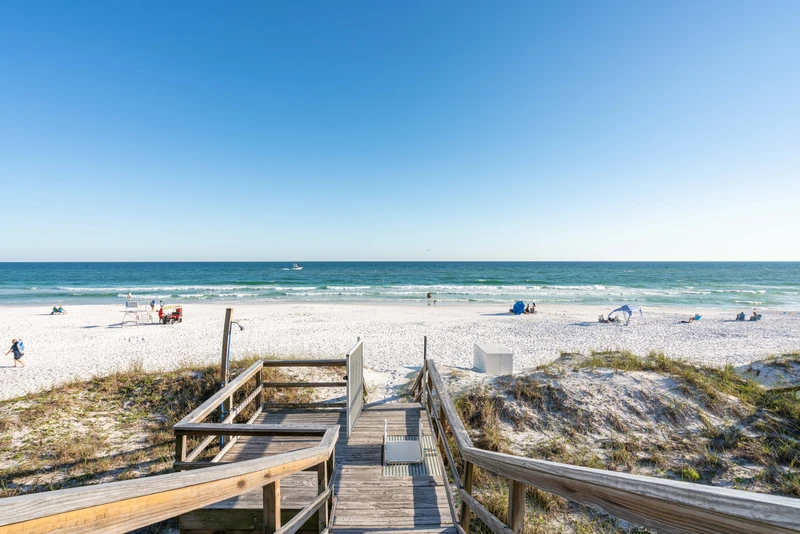
The coastal town that fishing enthusiasts call “The World’s Luckiest Fishing Village.” Where sugar-white sand beaches squeak under your feet, emerald green waters so clear you can see fish swimming below, and fishing boats returning with their daily catch as pelicans soar overhead.
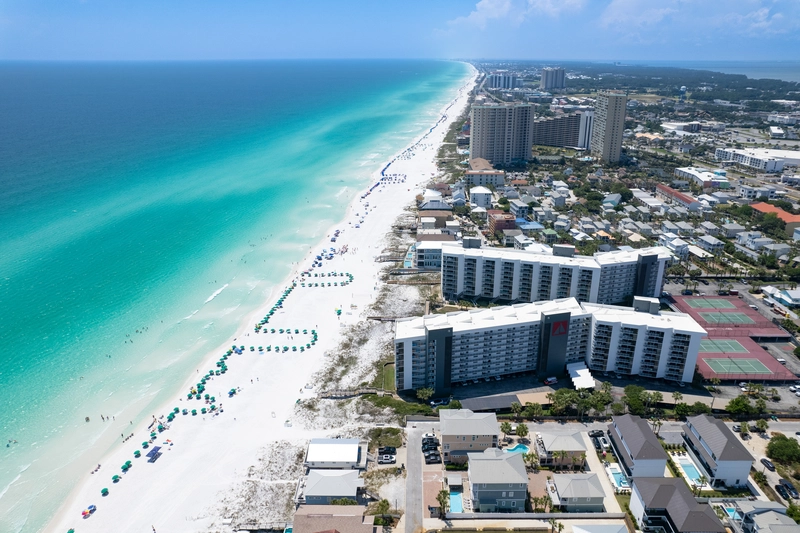
Welcome to Destin, Florida! Find yourself exploring Crab Island, The HarborWalk Village that comes alive at night with waterfront restaurants, live music, and families watching the sunset, and the beaches that stretch for miles with sand so white it looks like powdered sugar.
The Gulf Coast climate here means warm temperatures most of the year. But picking the right time makes all the difference. Summer months can feel hot and sticky with frequent afternoon storms. Winter offers mild, comfortable weather perfect for outdoor activities. Spring and fall bring ideal temperatures with varying crowd sizes.
Ready to discover the perfect time for your beach adventure? Let’s explore when to visit Destin and uncover what each season offers in this Gulf Coast paradise.
About Destin, FL
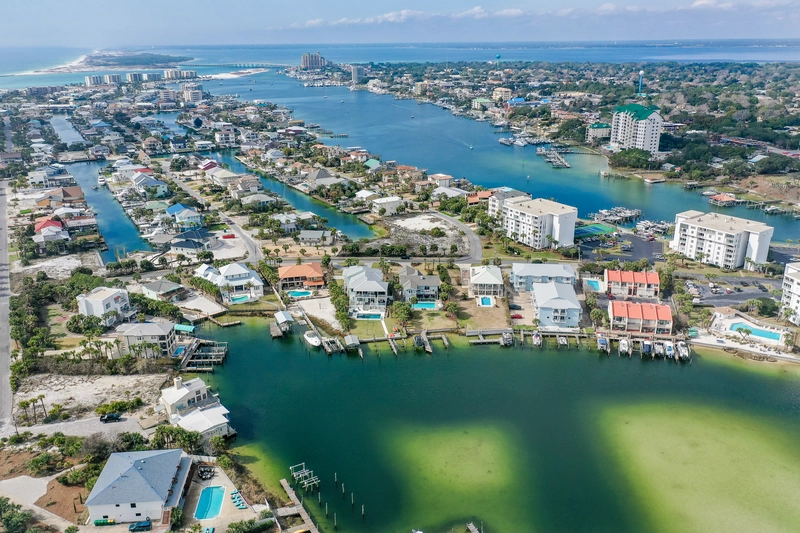
Destin sits along Florida’s Emerald Coast, where Choctawhatchee Bay meets the Gulf of Mexico. This former fishing village has grown into a premier beach destination while keeping its laid-back coastal charm. The area is famous for its championship golf courses, world-class deep-sea fishing, and some of the most beautiful beaches in America.
The subtropical climate means summers are long, hot, and oppressive; winters are cool and windy; and it is wet and partly cloudy year-round. Over the year, the temperature typically varies from 46°F to 88°F and is rarely below 32°F or above 92°F.
The wetter season lasts 2.9 months, from June 9 to September 6, with a greater than 40% chance of a given day being a wet day. The month with the most wet days in Destin is July, with an average of 17.5 days with at least 0.04 inches of precipitation. This means you can count on mostly sunny weather during fall, winter, and spring.
Destin Travel Seasons at a Glance
Here’s when beach lovers crowd the Emerald Coast and when you’ll have more space to enjoy the water.
Peak Times: June to August and March to May
Summer brings families on vacation and perfect beach weather, making it the busiest time. Spring break season also draws large crowds, especially in March and April. Hotels cost more, and beaches get packed.
Great Times: April to May and September to October
These shoulder months offer excellent weather with fewer people around. You’ll find better accommodation deals and shorter lines at popular attractions while still enjoying great beach conditions.
Quieter Times: November to February
Winter has the fewest visitors and the lowest hotel rates. While it’s too cool for swimming, the weather stays pleasant for other outdoor activities, and you’ll practically have the beaches to yourself.
Why Visit Destin?
This coastal town has much more than beautiful beaches to offer. You can take dolphin cruises where friendly dolphins swim right up to your boat. The fishing here is legendary – both deep-sea charters and bay fishing produce incredible catches. Crab Island becomes a floating party every weekend where hundreds of boats gather in shallow water.
The restaurant scene focuses heavily on fresh seafood. From casual beach shacks serving fried shrimp to upscale establishments with Gulf-to-table menus, every meal showcases the day’s catch. Different areas have distinct personalities. HarborWalk Village buzzes with nightlife and waterfront dining. The beaches feel peaceful and family-friendly.
Destin embraces water activities year-round. You can rent pontoon boats, try parasailing, go snorkeling, or just float in the calm Gulf waters. The town sits right on the water, so you’re never more than a few minutes from the beach.
The climate allows outdoor fun almost every day of the year. Even winter brings comfortable temperatures perfect for beach walks, golf, and exploring the many waterfront areas.
Your Month-by-Month Guide to Destin
Destin in January: Cool and breezy, very quiet, perfect for golf and peaceful beach walks
Destin in February: Mild weather, still few tourists, great for outdoor dining and fishing
Destin in March: Getting warmer, spring breakers arrive, wildflowers bloom in coastal areas
Destin in April: Beautiful weather, busy season begins, ideal for all activities
Destin in May: Warm and pleasant, festival season, excellent temperatures for everything
Destin in June: Summer heat begins, beach weather peaks, perfect for swimming
Destin in July: Hottest month, afternoon storms, peak tourist season
Destin in August: Still very hot, most rain, best water temperatures for activities
Destin in September: Heat continues, but crowds thin, and comfortable evenings return
Destin in October: Perfect fall weather, busy again, ideal for outdoor activities
Destin in November: Cool and dry, fewer tourists, excellent for walking and exploring
Destin in December: Mild winter, holiday events, pleasant temperatures all day
When Is the Best Time to Visit Destin?
The best time to visit Destin is April through May and October through November when temperatures stay comfortable between 65°F and 80°F. Based on tourism and weather scores, these are the best times of year to visit Destin for general outdoor tourist activities, with a peak score in the last week of April. You’ll get perfect beach weather, clear skies, and ideal conditions for fishing, boating, and exploring without extreme heat or large crowds.
These months provide the classic Destin experience – comfortable days, beautiful sunsets, and weather that makes every beach activity enjoyable.
Visiting in Spring (March to May)
Spring in Destin brings some of the year’s most enjoyable weather. The cool season lasts for 3.1 months, from December 4 to March 6, with an average daily high temperature below 66°F. As spring progresses, days warm into the 70s and 80s while nights stay comfortable in the 50s and 60s. The Gulf waters begin warming up, making swimming more pleasant.
This is excellent weather for fishing charters, dolphin watching, and spending long days on the beach. The pleasant temperatures make walking around HarborWalk Village and outdoor dining really enjoyable.
Spring weather makes every outdoor activity shine. Fishing charters become really popular as the weather warms and fish become more active. The beaches feel perfect for long walks, beach games, and starting to enjoy swimming as water temperatures rise.
Boat rentals pick up as the weather improves, and outdoor restaurants with waterfront views become perfect for lunch and dinner.
Destin Events in Spring
Destin Fishing Rodeo (October, but spring prep events) – Major fishing tournament preparations
Spring Break Season (March-April) – College students and families flood the beaches
Easter Celebrations (March/April) – Family-friendly events at local venues
Crab Island Season Opening – Boats begin gathering at the famous sandbar
Deep Sea Fishing Tournaments (April-May) – Prime fishing competition season
Local Eats in Destin During Spring
Spring weather makes waterfront dining irresistible. Restaurants with outdoor seating and Gulf views become perfect spots for trying fresh seafood while enjoying comfortable temperatures. The pleasant weather makes it fun to explore different restaurants along the harbor and beachfront areas.
Destin Travel Tips During Spring
Spring attracts large crowds, especially during spring break season in March and April. Book accommodations and restaurants well in advance. Pack layers since mornings can be cool, but afternoons warm up quickly. This is the busy season, so expect higher prices and more people at beaches and popular spots.
Visiting in Summer (June to August)
Summer gets seriously hot with the hot season lasting for 4.1 months, from May 26 to September 30, with an average daily high temperature above 83°F. The hottest month of the year in Destin is July, with an average high of 88°F and a low of 77°F.
This is also the wettest time with the month with the most wet days in Destin being July, with an average of 17.5 days with at least 0.04 inches of precipitation. But if you love perfect beach weather and don’t mind afternoon thunderstorms, summer offers the warmest water temperatures and longest beach days.
Summer is perfect for all water activities. The time of year with warmer water lasts for 3.9 months, from June 9 to October 5, with an average temperature above 80°F. The month of the year in Destin with the warmest water is August, with an average temperature of 85°F. Swimming, snorkeling, parasailing, and boat rentals are at their peak. Crab Island becomes a floating party destination with hundreds of boats anchored in the shallow water.
When afternoon storms roll in, many people head to indoor attractions like shopping at Destin Commons or trying indoor entertainment venues.
Destin Events in Summer
Fourth of July Fireworks (July) – Spectacular fireworks over the harbor
Summer Concert Series (June-August) – Live music at various waterfront venues
Fishing Tournaments (June-August) – Peak season for deep-sea fishing competitions
Crab Island Peak Season – Daily floating parties at the famous sandbar
Beach Festivals (July-August) – Various music and food festivals on the beach
Local Eats in Destin During Summer
Summer dining focuses on cold drinks, fresh ceviche, and seafood dishes perfect for hot weather. Many restaurants offer special summer hours with later seating when temperatures cool down. Frozen cocktails and cold soups become popular menu items.
Destin Travel Tips During Summer
Book accommodations with excellent air conditioning and pools. Plan beach time for early morning and late afternoon when it’s cooler. Bring umbrellas for afternoon storms that usually pass quickly. Summer is peak season, so expect the highest prices and largest crowds.
Visiting in Fall (September to November)
Fall brings relief from summer heat and humidity while maintaining great beach weather. September still feels quite warm, but October and November offer some of the year’s most comfortable conditions. Days stay warm and pleasant while nights become cool and perfect for outdoor dining.
Tourist crowds decrease after Labor Day, so you’ll find better deals and less crowded beaches while still enjoying excellent weather.
Fall weather brings back comfortable conditions for all outdoor activities. Fishing becomes excellent as the waters cool and the fish become more active. Beach visits feel perfect without summer’s intense heat and humidity.
This is ideal weather for boat tours, exploring nature areas, and enjoying the many outdoor restaurants and bars that make Destin special.
Destin Events in Fall
Destin Fishing Rodeo (October) – Month-long fishing tournament and festival
Seafood Festival (October) – Celebrating Gulf Coast seafood and local restaurants
Fall Fishing Tournaments (September-November) – Peak fishing competition season
Baytowne Wharf Events (September-October) – Various festivals and live music
Holiday Light Setup (November) – Preparation for winter holiday displays
Local Eats in Destin During Fall
Fall weather makes waterfront dining comfortable again. Restaurant patios and outdoor seating areas become perfect for enjoying fresh seafood while watching boats in the harbor. The pleasant temperatures make it enjoyable to explore different neighborhoods and their dining scenes.
Destin Travel Tips During Fall
Fall offers excellent weather with moderate crowds, especially in October and November. September can still feel quite warm and humid, so early fall requires summer planning. Pack light layers since days are warm but evenings can be cool.
Visiting in Winter (December to February)
Winter brings cool and windy conditions, with the coldest month being January, with an average low of 46°F and high of 61°F. While too cool for swimming, winter offers some of the most peaceful times to visit Destin. The drier season lasts 9.1 months, from September 6 to June 9. The month with the fewest wet days in Destin is October, with an average of 6.6 days with at least 0.04 inches of precipitation.
This is the quietest tourist season with the lowest accommodation prices and practically empty beaches, perfect for long walks and shell collecting.
Winter weather is perfect for activities that don’t require swimming. Golf courses offer ideal playing conditions, beach walks become peaceful and refreshing, and fishing remains excellent. Many restaurants have heated outdoor areas for comfortable dining.
This is perfect weather for exploring the area without crowds, taking nature walks, and enjoying the many non-beach attractions Destin offers.
Destin Events in Winter
Holiday Light Displays (December-January) – Beautiful decorations throughout the area
New Year’s Celebrations (December) – Waterfront parties and fireworks
Winter Fishing (December-February) – Excellent offshore and bay fishing
Restaurant Week (January) – Special menus and deals at local restaurants
Winter Bird Watching (December-February) – Great time to see migratory birds
Local Eats in Destin During Winter
Winter weather makes cozy indoor dining appealing, but many restaurants still offer heated outdoor seating for enjoying Gulf views. The comfortable temperatures make it pleasant to walk around and explore different dining options without summer heat or crowds.
Destin Travel Tips During Winter
Winter offers the best deals on accommodations and the fewest crowds. While swimming isn’t comfortable, all other activities remain enjoyable. Pack layers since days can be mild, but evenings and early mornings get cool. This is perfect for visitors who want to experience Destin without the summer rush.
Best Time of the Year to Visit Destin (By Interest)
Here’s when to visit based on what matters most to you:
For Fewer Crowds: November to February and Weekdays Year-Round
Best Time to Visit Destin for Fewer People
Winter months have the fewest tourists due to cooler weather. Visiting Tuesday through Thursday, any time of year, means less crowded beaches and restaurants, plus shorter waits at popular attractions.
For Perfect Weather: April to May and October to November
Best Time to Visit Destin for Ideal Temperatures
These months offer the best combination of comfortable temperatures, clear skies, and minimal rainfall. Perfect for every outdoor activity Destin offers without extreme heat or cold.
For Beach Activities: May to September
Best Time to Visit Destin for Swimming and Beach Fun
The warmest months with the best water temperatures for swimming, snorkeling, and water sports. Gulf water reaches its peak temperature in August at an average of 85°F.
For Fishing: March to May and September to November
Best Time to Visit Destin for Deep-Sea and Bay Fishing
Cooler months bring more active fish and comfortable conditions for spending long days on the water. Spring and fall offer the best fishing with pleasant boat weather.
For Water Sports: June to September
Best Time to Visit Destin for Boating and Water Activities
Peak season for parasailing, jet skiing, boat rentals, and Crab Island visits when water temperatures are warmest and conditions are most favorable for water activities.
For Cheaper Prices: November to February and January to March
Best Time to Visit Destin on a Budget
Off-season months offer the best deals on accommodations, restaurants, and activities. You’ll still enjoy pleasant weather for non-beach activities while saving money.
For Events and Festivals: April to May and October
Best Time to Visit Destin for Special Events
Spring and fall bring the biggest events like fishing tournaments, seafood festivals, and outdoor concerts that take advantage of perfect weather conditions.
Where to Stay in Destin
Discover incredible vacation homes that capture Destin’s beachy Emerald Coast vibe. These properties offer stunning Gulf views, beach access, and all the amenities you need for the perfect coastal getaway. Here are some amazing Destin vacation homes you can book with AvantStay:
Seacrest – A bright duplex just two blocks from Destin’s famous white sand beaches.
Sunset Mirage – Perfectly positioned to capture the spectacular Gulf Coast sunsets.
Promenade – Best for exploring Destin’s waterfront boardwalks and harbor activities.
Create Your Destin Itinerary
Ready to plan your Emerald Coast adventure? Let our team help you set up everything for your Destin escape! We can arrange fishing charters, dolphin cruises, boat rentals, restaurant reservations, and unique local experiences that show you the real Gulf Coast lifestyle.
Just contact us or download the AvantStay App to book extra activities, get recommendations from locals, and manage your entire trip through one simple app.
No matter when you visit, Destin’s pristine white sand beaches, emerald green waters, world-class fishing, and laid-back coastal charm will create memories that last forever. The town offers the perfect mix of beach relaxation and water adventure. Every visit brings new discoveries and authentic Gulf Coast experiences.
Your perfect Destin vacation home is waiting for you. Book with AvantStay today and discover how amazing beach getaways can be when you experience Destin’s legendary beaches, fishing, and Emerald Coast beauty.
FAQs
Is Destin expensive to visit?
Destin can be costly during peak season from June through August and spring break months when hotels charge premium rates because of perfect beach weather and high demand from families on vacation. However, you can save considerable money during the winter months when you’ll find great accommodation deals, restaurant specials, and fewer crowds, while still enjoying pleasant weather for golf, fishing, and exploring the area.
How crowded does Destin get?
Peak season brings heavy crowds, especially during summer months and spring break, when beaches, popular restaurants, and Crab Island get packed with visitors. For a more relaxed experience, visit during the fall or winter months, or explore during weekdays when there are fewer tourists and shorter waits at attractions and restaurants.
When to avoid Destin?
Summer months from June to August bring intense heat, humidity, and frequent afternoon thunderstorms that can make beach activities uncomfortable during midday hours. However, this is actually perfect weather for swimming and water sports when Gulf water temperatures peak. Spring break season in March and April sees the highest prices and biggest crowds because of perfect weather. Still, Destin’s year-round mild climate and focus on water activities make it a great destination any time if you plan for the season and know what to expect.
Unwind with a glass of wine on a deck overlooking the forest, stargaze from a private balcony, or enjoy a board game by a crackling fireplace. There’s something about Big Bear that slows life down in all the right ways. This Southern California mountain town delivers the kind of calm we all crave.
In every season, Big Bear brings a new way to recharge—snowy adventures in winter, wildflower hikes in spring, lake days in summer, and golden leaves in fall. And the best way to enjoy it all? A cozy cabin, a quiet deck, and a home that feels just right.
So if you’re planning a family getaway, group trip, or solo reset, these 15 Big Bear Airbnbs are packed with everything you need for a restful, memory-making stay. Let’s find your perfect mountain escape!
Lakeside on Lagunita is the kind of place where you can sip coffee with a view, share laughs over dinner, and watch the sun dip behind the water. It’s peaceful, quiet, and perfect for slow mornings or weekend celebrations with family or friends. Whether you’re hanging out on the deck or enjoying the calm of the lake by the dock, this is the stay that helps you feel present and recharged.
House Highlights You’ll Love:
Waterfront with a private dock, hot tub paired with lake views
Fireplace, BBQ grill, designated work area, outdoor deck for lounging
Just minutes from Big Bear Lake village and scenic trails
Hear From Our Recent Happy Guests:
“PERFECT TO A TEE!!! From booking to checkout everything was smooth, easy, PERFECT! The photos are great, but in person it was extremely PERFECT!!! AvantStay- customer service agents were SUPER HELPFUL! Timothy and David are very very responsive! THANK YOU!!! Airbnb thank you for the prompt action and response with all the inquiries. The place is GOOOORRRGEEEOUUUS!!! We all fell inlove! The house has everything you need! From kitchen, bathroom, bedroom and other things…they provide ALL as in ALL that you need! Celebrated my bf’s birthday with some friends and this gave us exactly what we needed; SERENE AND IMMACULATE! U have full access to the lake! The hot tub is perfectly situated in the property and gives u a perfect view of the lake. Each room has balcony access which was great! The kitchen has view of the lake and so as the outdoor dining where you can also enjoy ur meal while enjoying the breeze and the view. THANK YOU SO MUCH AVANT STAY we will def comeback and stay with you!”
Life slows you down in the best way when you stay at Shoreline Lakehouse. A waterfront home where mornings here are quiet and calm, and afternoons are all about spending time with your favorite people, laughing, playing, and taking in the Big Bear Lake views. No matter the season you are visiting—summer, winter, fall, or spring—this home provides an effortless setting to connect and savor the present.
House Highlights You’ll Love:
Direct lake access with a private dock, big yard for lakeside lounging
Firepit, fireplace, hot tub, and game room with poker table
Great for family trips—close to ski slopes, town, and trails
Hear From Our Recent Happy Guests:
“Wonderful house on the lake with gorgeous views. Plenty of room. Nice fully equipped kitchen. Lots of games to play. Outdoor fire pit was wonderful and we enjoyed the spa!”
“This lovely well maintained and well stocked log cabin was everything my family hoped for and exceeded our expectations! It was just the right size for our family and we all appreciated having a bathroom co-joining each bedroom. The outdoor space was perfect for all the range of activities our family( ages from a 2 yr. old to grandparents) wished to engage in! The view of the lake and surrounding mountains was exquisite! Thank you for sharing your cabin with my family!!”
Bearpaw is your cabin that makes it easy for families and friends to actually enjoy time together. You can swap stories by the fire, challenge someone to a game in the rec room, or just kick back and watch the sun dip behind the trees. It’s the perfect place to relax after a day of hiking, boating, or exploring town. If you’re planning a small celebration, a family weekend, or a cozy reunion, this is the cabin that will make it all unforgettable.
House Highlights You’ll Love:
Hot tub and fireplace made for chill nights after big adventures
Rec room with card table, foosball, and a kids’ play zone
You will be near Big Bear Lake, Ski Beach Park, and downtown shopping
Hear From Our Recent Happy Guests:
“Thanks for having us you guys have amazing service and plan to come back soon!”
“Great location. Very easy to reach out and communicate. Had lots of space and it suited our needs for our family.”
“The place is gorgeous, my friends and I really enjoyed our stay. Clean and with plenty of room for 10 of us.”
When the view stretches for miles and the air smells like pine, you know you’ve arrived somewhere special. At Views at Wolf Lodge, you’ll love how days get slower—whether you’re sipping coffee on the deck or laughing with friends after a day on the trails. A peaceful, cozy escape that still keeps you close to all the adventure. Come for the views, stay for the feeling of total calm.
House Highlights You’ll Love:
Expansive deck with a hot tub for the best ski slope views
Indoor sauna, firepit, and fireplace for the needed wind-down
Just minutes from Bear Mountain and Snow Summit resorts
Hear From Our Recent Happy Guests:
“Great spot for a big group of friends! Jacuzzi and sauna were awesome. Kitchen had everything we needed. Prime location.”
If you’re chasing good times and fresh mountain air, Clover is the perfect place to land. Gather your crew, kick back by the fire, and soak in the pine-scented air after a day on the slopes. Whether you’re playing games, telling stories on the porch, or simply enjoying the views, every moment here feels like a small adventure. This cabin is made for slow mornings, cozy nights, and a whole lot of memories.
House Highlights You’ll Love:
Private hot tub, outdoor fire pit, BBQ grills, fireplaces, and big porches to relax on
Separate game room with pool, foosball, air hockey tables, and a bar area
Ski-in/ski-out access near Big Bear’s best slopes and trails
Hear From Our Recent Happy Guests:
“If you are skiing bear mountain, and not snow summit, this is a fabulous place to stay.”
Built for easy, happy memories, Zen Den is the cabin where you can breathe in the pine air and enjoy the little things that make a mountain trip special. Start your day by stretching on the private deck, and end the night with friendly games and stories around the fireplace. Whether you’re gathering family, celebrating a weekend, or just escaping the city noise, Zen Den is the perfect place to be.
House Highlights You’ll Love:
Private and spacious deck with hot tub and outdoor lounge seating
Foosball table, pool/hockey combo table, and Cozy spaces with a fireplace to relax
Close to Big Bear Lake Village, ski resorts, and trails
Hear From Our Recent Happy Guests:
”My family and I had an excellent time at this cabin. I almost don’t want to leave a review because I want to gate-keep so I have it available for later. Will stay again when I am back in Big Bear.”
“Beautiful home. Very big and accommodating for our group. We’d definitely stay here again!”
If you’re catching up with friends or escaping the city with family or loved ones, Oak and Luna feels like your own private design-forward retreat in the trees. Bright and calm yet cozy where your trip will be filled with movies, games, and easy conversations. This home gives you a fresh, relaxed space to unwind and reconnect. Every corner feels intentional, like it was made for a great weekend.
House Highlights You’ll Love:
Vaulted ceilings with big windows to let the sunlight in
Game room with ping pong & pool table, hot tub, and a private theater
Minutes from Moonridge shops, slopes, and Big Bear Lake
Hear From Our Recent Happy Guests:
“This cabin was just so much fun! It was perfect for my girls bachelorette trip! So much room and perfectly set up! The living room was so lovely to spend time in! Overall, such a great stay and loved all the memories made on this trip and in this house! Would definitely book this home again!”
“Beautiful house in gorgeous area with incredibly responsive host. Thank you”
Where cozy moments and mountain memories come together with ease, welcome to Paw Print! This spacious log cabin is where your group can laugh over a game, unwind by the fire, or just enjoy the fresh air and quiet views. Whether it’s a weekend escape or a seasonal tradition with your family and friends, this home gives you space to truly unplug, relax, connect, and feel right at home in Big Bear.
House Highlights You’ll Love:
Two living rooms, pool table, jukebox, and jacuzzi tub for evening fun & relaxation
Hot tub, BBQ, outdoor lounging, and picnic table by the deck
Just 8 minutes to Big Bear Marina and nearby ski slopes
Hear From Our Recent Happy Guests:
“This house was just as described my family and I had a great stay. The house was big and spacious and very clean. Pool table and hot tub were definitely a plus. We definitely would love to stay at this location again.”
“If you plan on having a great time at big bear This house won’t disappoint , minutes away from everything , zoo across the street ! My family and I had a great time . The inside was spacious and most importantly clean . Recommend 100 percent. Hope the next families enjoy the Jenga game I left ! :)”
“Great place! Very cozy, good space in every room, we loved the pool table, hot tub and location! The kitchen has everything you need!”
If you’re visiting to explore Big Bear or simply unwind with your fave people, Endless View lives up to its name with sweeping mountain scenery from nearly every room. With just enough for quiet reflection or group laughter on the deck, this home gives you space, comfort, and a front-row seat to nature’s beauty. It’s a true escape that feels both big and personal, yet cozy and truly relaxing.
House Highlights You’ll Love:
Wrap-around deck with lounge chairs to enjoy the endless mountain views
Backyard with hot tub and swing, converted garage with pool & ping pong tables
A few minutes to Bear Mountain and close to Big Bear Zoo and lake access
Hear From Our Recent Happy Guests:
“Lovely spacious home in a beautiful location. Enough space for three families to be together and apart all at the same time. Amazing views of the mountains and lake. Great access to the town near by with cute little stores and restaurants to enjoy. Lots of fun activities for the kids with the local zoo and sledding! Would recommend it to anyone looking to get away!”
“The place was very spacious and comfortable. easy check in instructions and the kitchen was fully stocked – overall a great stay!”
The mountain escape that invites everyone to slow down and settle in, say hello to Angels Camp Lodge. Soak in the quiet forest views or play games together after a day outdoors; every corner of this home feels calm and comfortable. Tucked just off the trailheads and minutes from the slopes, it’s a great home base for both adventure and rest. Big enough for the whole crew, but cozy enough to feel personal.
House Highlights You’ll Love:
Outdoor deck space for al fresco dining, lounging, and soaking in the hot tub
Game room with pool table, poker, shuffleboard, & more, fireplaces, firepit, and bar seating
Near Bear Mountain, hiking trails, and village shops
Hear From Our Recent Happy Guests:
“This cabin was perfect!!! I had 7 teenagers, ages between 16-19 years old, and they too loved the cabin. Everything we needed was there, plenty of entertainment from them as well as for us Adults. The amount of space was perfect for the family bonding as well as personal space for when a break from the family was needed. The property was amazingly large and felt like we were out in the woods but close enough to town, less than 10 mins down to Main Big Bear road. Even dropped the kids off at the village to shop and hang for a few hours. This cabin had was beautifully perfect!!!”
“Was such a smooth rent with Avant. Communication was on point. Directions were clear. Not once did I feel left to try to figure anything out on my own. The place was gorgeous and wish I could have stayed longer. Again, thank you for everything and hope to run into you all again. Rent this place!”
Slowing down feels natural, and so does spending time together at Penticton Lodge. A warm and welcoming space that feels both spacious and tucked away. Gather around the fireplace, swap stories in the loft, or watch the sunrise views from the private balcony. This is the home that lets everyone find their own moment of peace. Cozy where it counts, it’s the cabin where mornings linger and evenings come with a side of laughter.
House Highlights You’ll Love:
Wraparound decks, balconies with outdoor lounging & BBQ space
Hot tub, fireplace, and game room with pool & card table for end-of-day wind-downs
Just minutes to ski resorts, trailheads, and Big Bear Village
Hear From Our Recent Happy Guests:
“Penticton Lodge is a great home for our family short weekend trip in Big Bear. We loved the Lodge! It is perfectly decorated and very homey. Big windows that shows the views of the mountains, love the scenic views and we had great pictures. Easy to find on the location, quiet and private. Close to downtown and some parks. Thank you Avantstay.. we had a great time.”
“Had a wonderful time celebrating our son bday. Would definitely come back to this location. Lovely views, very enjoyable. Everything was close by which made it very convenient and comfortable.”
“This stay was perfect with the AvantStay team responding and answering any questions I had, as well as being friendly and understanding. The place it self was beautiful and the view of the mountain outside the windows were amazing. This stay was worth every cent and will most definitely be going back again hopefully when it actually snows.”
Whether you’re catching up over dinner, hosting game night, or just soaking up the pine-scented air, Lazy Bear Lodge is the cabin that makes it easy to relax and enjoy each other’s company. It’s modern, welcoming, and just minutes from all the fun Big Bear has to offer. Made for memory-making, afternoons here are full of play, and nights bring everyone together around the fire.
House Highlights You’ll Love:
Spacious backyard with BBQ grill, a picnic table, swing, fire pit, lawn games, and hot tub
Game room, shuffleboard, poker, ping pong, pool table, and more
Walkable location, near ski shuttle, shops, and trails
Hear From Our Recent Happy Guests:
“A few of my family friends and our little ones stayed at this home, and it was comfortable, roomy, and most importantly it was clean. Everything that we needed to work worked perfectly including the fire place, hot water, fridge, grill and stove. The kitchen was equipped, which was very helpful in making our stay feel like a home away from home. There was a pool table, a large dinner table and overall a lot of fun space for the kids to play. They didn’t want to leave the cabin! The location of the cabin is also ideal. Close enough to the town, but far enough to get nice and quiet at night time. Communicating with our property manager was very easy and quick as well as the check in and check out process. If we ever make it back to Big Bear Mountain, we will definitely want to stay at this place again. Such a positive experience!”
“We really loved this cabin and will be booking again. It has everything you need and lots of activities to keep you entertained. Definitely recommend booking.”
Viewtopia is one of those homes where the stunning view truly lives up to its reputation. Whether you’re unwinding in the hot tub under the stars, grilling a feast on the patio, or gathering around the fire pit for stories, it’s all about making memories with your crew. It’s a home that brings everyone together, with space to unwind, play, and reconnect. From quiet lake moments to lively game nights, your group getaway starts here.
House Highlights You’ll Love:
Indoor hot tub and bar & screened sunroom patio with front lake views while you lounge
Decks with fire pit, game room with arcade, poker, foosball, arcades, and pool table
Just 7 minutes away from Snow Summit and The Village
Hear From Our Recent Happy Guests:
“The house was exactly as described, there were tons of things to do so it kept the whole family entertained- which was important since there ended up not being any snow. They were very communicative, check out was super easy, we had a great time. I’d definitely stay here again.”
“Everything was great host was very responsive and helpful and nice. Enjoyed every part of the property. Hot tub was a great added feature.”
“This is a very comfortable cabin. Close to the water ,and great place to walk to for fish. our family had a great time here over Thanksgiving.thank you !”
Feel like your own private lodge built for unforgettable moments at Big Bear Castle. Whether you’re gathering for a birthday, family reunion, or just looking for some mountain peace, this home gives your group the space to spread out and come together. From the wood-beamed great room to the storybook-style guest house, everything about this place feels personal and grand.
House Highlights You’ll Love:
Private main house with a “castle bridge” that brings you to the guest casita & courtyard
Multiple fireplaces, jacuzzi tubs, lounge spaces, a fire pit, and a huge game room
Perfect for reunions, milestone celebrations, and group retreats
Hear From Our Recent Happy Guests:
“Very nice location. I spent my birthday dinner. Very cool that can give you options for check in and check out and with private chefs and much more. Thank you for your placd”
“My family rented this house to hold a memorial for my parents. This location and home worked out perfectly.”
“Everything was perfect. AvantStay team was always responsive and friendly.”
Slow mornings and cozy mountain evenings come naturally at Teddy. Vaulted wood ceilings, floor-to-ceiling windows, and modern furnishings give this welcoming cabin a bright, relaxed feel, while the open living space makes it easy to cook, gather, and reconnect. Spend the afternoon exploring Big Bear, then return for a soak in the hot tub or an easy backyard barbecue. It’s a mountain escape made for unwinding with your favorite people.
House Highlights You’ll Love:
Hot tub, gas firepit, and patio with a barbecue grill for outdoor dining
Foosball table and arcade game for friendly competition
Vaulted wood ceilings, expansive windows, and an open kitchen, dining, and living area
Hear From Our Recent Happy Guests:
“We had a wonderful stay at this beautiful Big Bear cabin. It was cozy, peaceful, and beautifully maintained—the perfect place to relax and enjoy time with family. We truly loved our stay and would gladly return.”
“Very nice and spacious place, very close to the lake and downtown, definitely worth it! Will come again.”
“We had our family of 8 spend the week here and it was ideal. Lots of space to be around the house with some privacy. It’s ideally located for Big Bear activities, food, shopping, etc. We enjoyed everything about the time!”
Big Bear has something to offer every season. The best time to visit Big Bear really depends on the kind of relaxing getaway you’re craving or needing. Here’s what to expect and how to prepare for the best possible trip.
❄️ Winter (December to March)
Visiting Big Bear during winter, from December to March, is perfect for snow lovers. It is a snowy wonderland where the ski and snowboard season is in full swing during this time, and the cozy cabin vibes are unmatched.
Our tip is to book early—this is Big Bear’s busiest time and houses rent out fast! Plus pack tire chains (they’re required by law during storms).
🌸 Spring (April to May)
Spring at Big Bear brings fresh mountain air, quieter trails, fewer crowds, and crisp mornings. It’s ideal for a peaceful solo mountain escape or a couples retreat. If you are looking for a calming and serene visit, try going during this time.
This is the best time to find deals on lodging before summer rates return. Our other tip is to bring layers of clothes as mornings and evenings here are still a bit chilly.
☀️ Summer (June to August)
When you visit Big Bear during summer, expect to have fun around the lake. It is lake season, think kayaking, paddleboarding, swimming, and biking with warm evenings around the BBQ. The town buzzes with events, live music, and family-friendly energy.
Our tip is to pack sunscreen, reusable water bottles, and a cooler for lakeside lunches. Book lakefront homes early—they’re the first to go.
🍂 Fall (September to November)
The fall season in Big Bear is underrated and beautiful. It is a hidden gem where you’ll get to see colorful foliage, experience cool hiking weather, and enjoy better booking deals before ski season kicks in.
Our tip is to not forget hiking boots and a camera, as trails like Castle Rock and Pine Knot are gorgeous this time of year. It’s also a great time for lower rates & last-minute getaways.
✨ Our Best Tip
If you want both snow play and shorter lift lines, aim for early December or mid-March. For lake fun without peak season prices, June or September are your sweet spots.
The Mountains Are Calling — Book Your Escape
No matter the season, Big Bear offers the kind of stillness, beauty, and togetherness that’s hard to come by these days.
Traveling with family, planning a birthday weekend, or just needing to unplug for a few days? There is a cozy cabin tailor-made for your kind of getaway. Book today!
Golden hour strolls, poolside lounging, salty air, and enough frozen drinks to keep your blender busy. Chase tan lines, beach days, or just need a break from the same four walls, this slice of South Florida paradise has everything you want in a warm-weather escape.
We’ve rounded up 7 of the best Fort Lauderdale Airbnbs that were made for spring break squads, summer chillers, and long weekends. From beachfront hideaways to Airbnbs with private pool oases, these homes are packed with the kind of amenities and vibes that make checking out feel optional.
So pack your flip-flops, grab your shades, and get ready—because the ultimate spring & summer escape starts right here!]
Let’s be real: some vacations are for exploring, and some are just for maxing out the chill meter. Gulfstream is for the latter. This sunny, open-air home feels like it was built with spring break in mind. Float in the pool, grill up lunch with your crew, and snap golden hour selfies from the patio. There’s a spot for everyone to relax, vibe, and repeat. Plus, with five bedrooms, it’s roomy enough for your whole squad — no sleeping on the couch (unless you want to).
Highlights:
Private waterfront with a dock (no fixed bridges)
Large pool, bubbling hot tub, BBQ grill, and outdoor lounge area
Fully equipped chef’s kitchen and spacious living setup
Large TV and luxe suites, and bathrooms
Near Las Olas Blvd and Fort Lauderdale Beach
Book This Home!
Chill days by the pool. Dinner parties by the grill. Waterfront mornings with iced lattes. This is your Fort Lauderdale glow-up.
Slow mornings, pool afternoons, and evenings around the firepit: Al Mare gives your spring break crew room to settle in. Its open kitchen and living space make gathering easy, while four ensuite bedrooms give everyone a place to recharge. Spend the day exploring Fort Lauderdale, then come back for dinner outdoors under the pergola.
Highlights:
Private pool and pergola-shaded firepit lounge
Outdoor dining area and games
Four bedrooms, each with an ensuite bathroom
Beach gear available for days on the sand
Flagler Village location, with Las Olas Boulevard and Fort Lauderdale Beach a drive away
Book This Home!
Pool time or beach time? At Al Mare, your crew can make room for both.
Laid-back, sunny, and big on comfort—Charlie’s Place is exactly where you wanna be for the chill side of spring break. Named after a dog with legendary energy (we love you, Charlie!), this house is all about good times and good company. Giving you space to hang and a backyard to lounge in, you can enjoy late-night dips in the hot tub, afternoon naps under the sun, and enough space to actually relax after a day of beach hopping.
Highlights:
Private fenced yard and property
Two living rooms mean more space to chill or play
Outdoor patio with hot tub, BBQ grill, and al fresco dining setup
Backyard with a fire pit to gather around
Quick drive to Fort Lauderdale, Hollywood, and Pompano Beach
Book This Home!
Spacious and homey, Charlie’s Place is made for families, friend groups, and anyone who wants a spring break that’s more sunshine and less chaos.
If sunshine, snacks, and sand are your holy trinity this spring break, Tidal is your best choice. A spot where you’ll start the day with iced coffee by the pool with zero regrets and call it a day by the backyard oasis where your chill vacation dreams fulfill your game-day squad goals. Palm trees swaying, the cornhole bags flying, and your friends arguing over who’s winning volleyball—all while the grill sizzles and the drinks stay cold.
Highlights:
Private pool with a volleyball net for water games and fun
Covered lounge area and al fresco dining setup
Fully equipped kitchen with a spice rack
Cornhole and other card & board games
Just a 10-minute drive to Fort Lauderdale Beach
Book This Home!
It’s a choose-your-own-adventure setup—play hard, chill harder, and enjoy your private slice of the Florida sunshine.
👉 Book on Airbnb | Book on AvantStay Direct (Best Price!)
Sea Breeze
5 bedrooms | Up to 10 guests | Pet-friendly
A perfect spring break means flip-flops, ocean sounds, and zero stress, and Sea Breeze is calling your name. Just steps—yes, literally steps—from Fort Lauderdale Beach, this breezy beach house has everything you need for max chill and sunny vibes. Wake up, grab your shades, and head straight across the street for sandy toes and salty air. Or, if staying home sounds more like your vacay, the private pool, loungers, and backyard games got you.
Highlights:
Right across the street from Fort Lauderdale Beach
Private pool with loungers, bocce ball, cornhole & a waterfall
Fire pit, BBQ grill & al fresco dining for evening hangouts
4 bikes are available for guests’ use
Quick drive to downtown, Las Olas, and the best spring break spots
Book This Home!
Beach access and backyard fun without choosing between the two. Sun, sand, snacks, and splash-ready vibes all in one spot.
👉 Book on Airbnb | Book on AvantStay Direct (Best Price!)
Soleil Oasis
4 bedrooms | Up to 12 guests
Every squad needs a home base that knows how to slow it down, and Soleil Oasis is exactly that. Picture it: a screened pool you can float in all afternoon (zero bug drama), a covered patio for lazy grilled dinners, and a firepit that keeps the good conversations going long after sunset. With a bunk room for the crew and two king suites for the ones who called dibs, there’s space for everyone to crash and recharge before the next beach day.
Highlights:
Screened private pool—all the sunshine, none of the bugs
Covered outdoor dining plus a BBQ for group cookouts
Firepit lounge made for late-night hangs
Bunk room + two king ensuite suites for flexible sleeping
Quiet neighborhood, minutes to Lauderdale-by-the-Sea and Las Olas
Book This Home!
Whether you’re a beach bum, BBQ master, or sunset soaker, this Fort Lauderdale escape is built for serious and balanced chill.
Beach right across the street? Check. Infinity pool with ocean views? Double check. Beach Haven is the place that will make you feel like you’ve landed in your own private resort, minus the wristbands and crowds. It’s big, it’s breezy, and it’s perfect for your spring break or summer crew where there’s plenty of space to sprawl, chill, and connect—whether that’s over a movie night in the living room or a group dinner by the dining table.
Highlights:
Private infinity pool and hot tub with front-row ocean views
Outdoor dining area with BBQ grill and lounge chairs for sunset dinners
Two full guest suites with kitchenettes and private patios
Beach chairs, a wagon, and pool towels are available for beach use
Across the street from the beach, an easy drive to Miami or Hollywood
Book This Home!
It’s beachside bliss with a side of privacy. Whether you’re team pool or beach (or both!), Beach Haven brings the views and the vibes.
Your Flip-Flops Have Never Been Closer to Paradise
Sure, Miami gets the hype—but Fort Lauderdale? With its crystal-clear water, white-sand beaches, and iconic canals, this coastal city is basically made for sun-soaked adventures. Whether you’re a beach bum, boat lover, foodie, or shopaholic, there’s something for every vibe and every crew.
1. The Beaches? Chef’s Kiss.
From the calm waters to the action-packed shoreline at Fort Lauderdale Beach, the sand here is always sun-kissed, and the water stays that dreamy Caribbean blue. Need help choosing? Our Guide to the Best Fort Lauderdale Beaches breaks it down.
2. Boats, Breezes & the “Venice of America” Vibe
With over 165 miles of scenic canals, you can kayak, boat, paddleboard, or hop on the Fort Lauderdale Water Taxi and see the city from a totally different angle. It’s basically a tropical Venice—minus the gondolas and plus a beach.
3. Pool Party Central (Your Airbnb Counts Too)
Beach days are indeed amazing, but don’t sleep on the pool scene! With sunny skies nearly every day, you’ll want to dip into one of these homes, and Cannonballs are actually encouraged, but stay safe!
4. Foodies + Fun = Las Olas Blvd
This vibrant strip is your go-to for brunches that turn into happy hour. From rooftop bars to sushi spots and Cuban cafés, it’s where flavor meets nightlife. Add in some boutique shopping and you’ve got your full day covered.
5. Nonstop Things to Do (No Really, 30 of Them)
Snorkeling, deep-sea fishing, jet skiing, gallery hopping, outdoor concerts—we’ve made a whole list because there’s that much to do. Check out our 30 Best Things To Do in Fort Lauderdale for more inspo.
Spring Break Mode: ON
Ready to make it official? Find the Fort Lauderdale homes that put you in vacay mode and book them today!
Endless beaches where yacht owners dock beside party boats, canals that wind through neighborhoods like liquid highways, and a city that never stops celebrating the good life.
Every day feels like a vacation here in Fort Lauderdale, Florida. It’s where the Atlantic Ocean and beach culture collide. You’ll cruise past mansions lining the Intracoastal Waterway, where mega-yachts park like luxury cars in driveways.
The beaches stretch for miles with soft white sand that’s perfect for lounging or volleyball games. Las Olas Boulevard brings high-end shopping and sidewalk cafes to life, while water taxis ferry people between neighborhoods through scenic canals. The Riverwalk connects downtown to beaches through parks and cultural spots. And the restaurants? Fresh seafood meets international flavors with waterfront views that make every meal special.
The weather here shapes everything about your trip. Winter draws snowbirds and yacht owners escaping cold climates. Summer brings afternoon storms that cool things down, perfect for indoor shopping or museum visits. Spring means calm seas and blooming gardens, while fall delivers hurricane season but also fewer crowds and great deals.
Ready to discover when Fort Lauderdale shines brightest? Let’s explore each season so you can plan your perfect coastal getaway.
About Fort Lauderdale, FL
Fort Lauderdale sits along Florida’s southeastern coast, with 23 miles of Atlantic coastline and more than 300 miles of navigable waterways, earning it the nickname “Venice of America.” About 183,000 people call it home, creating a city large enough for world-class dining but intimate enough for neighborhood charm.
The climate stays warm year-round, with temperatures typically ranging from 61°F to 89°F, making outdoor activities possible in every season. The city enjoys a tropical climate with distinct wet and dry seasons rather than traditional four-season weather patterns.
Most rainfall occurs during summer months, with afternoon thunderstorms that usually clear quickly. The ocean moderates temperatures, keeping coastal areas cooler in summer and warmer in winter than inland locations.
Fort Lauderdale Travel Seasons at a Glance
Here’s when everyone arrives and when you can enjoy the city with more space to breathe.
Peak Times: December Through April
The best time to visit Fort Lauderdale is between December and April, which also means the busiest and most expensive time. Snowbirds flock here, escaping winter weather up north. Hotels charge premium rates, restaurants stay packed, and beach chairs fill up early.
Great Value Times: May and November
These shoulder months offer excellent weather without peak season crowds. Hotel rates drop significantly, restaurant reservations become easier, and you’ll have more beach space while still enjoying beautiful conditions.
Quiet Times: June Through October
Summer and early fall bring heat, humidity, and afternoon storms, plus the possibility of hurricanes. But you’ll find the best deals on accommodations, shorter lines at attractions, and a more local experience as tourist crowds thin out.
Why Visit Fort Lauderdale?
This isn’t just another beach town – it’s a sophisticated coastal city with personality. The Intracoastal Waterway runs right through downtown, lined with million-dollar yachts and waterfront restaurants where you can watch the boat parade from your dinner table.
Las Olas Boulevard connects the beach to downtown with art galleries, boutique shops, and sidewalk cafes. The strip comes alive at night with rooftop bars and live music venues. Each waterfront neighborhood has its own character – from the party atmosphere of Fort Lauderdale Beach to the quiet luxury of Harbor Beach.
Water activities rule here. Charter a deep-sea fishing boat, rent a pontoon for Intracoastal cruising, or try paddleboarding in calm canals. The beaches at Fort Lauderdale offer everything from volleyball courts to upscale beach clubs with cabana service.
Cultural attractions include the Broward Center for Performing Arts, NSU Art Museum, and historic sites like Bonnet House Museum and Gardens. The Riverwalk connects many attractions through scenic waterfront paths perfect for walking or biking.
Your Month-by-Month Guide to Fort Lauderdale
Fort Lauderdale in January: Perfect beach weather, peak crowds, highest prices
Fort Lauderdale in February: Dry season continues, boat shows bring excitement
Fort Lauderdale in March: Spring break energy, warm days, busy beaches
Fort Lauderdale in April: Ideal conditions before summer heat arrives
Fort Lauderdale in May: Great weather with fewer crowds, good value
Fort Lauderdale in June: Summer heat starts, afternoon storms begin
Fort Lauderdale in July: Hottest temperatures, regular afternoon rain
Fort Lauderdale in August: Peak hurricane season, highest humidity
Fort Lauderdale in September: Storm season continues, best hotel deals
Fort Lauderdale in October: Weather improves, crowds still light
Fort Lauderdale in November: Dry season begins, perfect temperatures return
Fort Lauderdale in December: Snowbirds arrive, holiday events, prices climb
When Is the Best Time to Visit Fort Lauderdale?
December through April offers the most reliable weather for Fort Lauderdale visits. Temperatures hover between 70-80°F with low humidity and minimal rainfall. Ocean breezes keep conditions comfortable for beach days, outdoor dining, and water activities.
You’ll experience Fort Lauderdale at its most polished during these months – every restaurant and attraction operates at full capacity, boat tours run daily schedules, and the social scene buzzes with energy from visitors and locals alike.
Visiting in Winter (December to February)
Winter in Fort Lauderdale feels like paradise for anyone escaping cold climates. Days reach the mid-70s to low 80s with cool, comfortable nights perfect for waterfront dining. This is dry season, meaning very little rain and endless sunny skies.
Perfect conditions for boat tours, beach lounging, outdoor shopping along Las Olas, and exploring attractions without overheating. Ocean temperatures stay warm enough for swimming and water sports.
Fort Lauderdale Weather in Winter
December: 61°F to 78°F | About 2 inches of rain
January: 59°F to 77°F | About 2 inches of rain
February: 62°F to 79°F | About 2 inches of rain
Things to Do in Fort Lauderdale During Winter
Beach activities become irresistible with comfortable temperatures and gentle ocean breezes. Water taxis operate full schedules for canal tours and transportation between neighborhoods. Outdoor dining patios fill up with people enjoying meals without air conditioning.
Boating conditions are ideal – calm seas, clear skies, and comfortable temperatures for deep-sea fishing or Intracoastal cruising. Beach volleyball courts stay busy, and walking the beach becomes a daily pleasure rather than an endurance test.
Fort Lauderdale Events in Winter
Winterfest Boat Parade (December) – Decorated boats cruise the Intracoastal
Fort Lauderdale International Boat Show (October/November) – World’s largest in-water boat show
Las Olas Art Festival (January) – Artists display work along the famous boulevard
Miami Marathon Weekend (January/February) – Many visitors extend trips to Fort Lauderdale
Food Scene in Winter
Waterfront restaurants extend patio seasons with perfect evening temperatures. Fresh seafood arrives daily at dockside markets. Happy hour crowds gather at rooftop bars with ocean views. Food festivals and outdoor markets operate on comfortable schedules.
Winter Travel Tips
Book accommodations months in advance – this is peak season with premium pricing. Make restaurant reservations early, especially for waterfront dining. Arrive at the beaches before 10 AM for the best parking and chair selection. Pack light layers for evening temperature drops.
Visiting in Spring (March to May)
Spring delivers Fort Lauderdale’s most balanced experience. March brings spring break energy with warm days perfect for beach activities. April and May offer excellent weather as humidity stays manageable and afternoon storms remain infrequent.
This transition period showcases the city’s versatility – comfortable enough for outdoor exploration but warming toward summer water activities.
Fort Lauderdale Weather in Spring
March: 66°F to 82°F | About 3 inches of rain
April: 70°F to 85°F | About 3 inches of rain
May: 74°F to 88°F | About 6 inches of rain
Things to Do in Fort Lauderdale During Spring
Ocean temperatures warm up beautifully for swimming, snorkeling, and water sports. Beach walking becomes more comfortable in the morning and evening hours. Boat tours operate in ideal conditions with calm seas and clear visibility.
Las Olas Boulevard shopping and dining work perfectly with mild temperatures. Art galleries and museums offer comfortable indoor options during the warmest afternoon hours.
Fort Lauderdale Events in Spring
Spring Training Baseball (March) – Multiple teams train in nearby areas
Fort Lauderdale Air Show (May) – Beach aerial demonstrations
Seafood Festival (March/April) – Waterfront celebration of local catches
Art and Jazz Festival (April) – Music and culture along the beach
Food Scene in Spring
Restaurant patios extend operating hours with pleasant evening temperatures. Stone crab season continues through April. Outdoor festivals feature local seafood and international cuisine. Happy hours move to waterfront locations.
Spring Travel Tips
May offers the best value before summer rates kick in. Pack sunscreen – UV intensity increases significantly. Book water activities early as demand grows with warming temperatures. Consider morning beach visits to avoid afternoon crowds.
Visiting in Summer (June to August)
Summer in Fort Lauderdale means heat, humidity, and daily afternoon thunderstorms. But it also brings the most authentic local experience as tourist crowds thin out dramatically. Temperatures climb into the upper 80s with high humidity, making air-conditioned activities very appealing.
This is when Fort Lauderdale shows its true personality – locals take over restaurants, hidden gems become accessible, and the pace slows to match the climate.
Fort Lauderdale Weather in Summer
June: 76°F to 88°F | About 9 inches of rain
July: 78°F to 90°F | About 6 inches of rain
August: 78°F to 90°F | About 8 inches of rain
Things to Do in Fort Lauderdale During Summer
Early morning beach visits become essential before the heat and crowds arrive. Water activities gain popularity as ocean temperatures reach their warmest points. Indoor attractions like museums, shopping centers, and aquariums provide comfortable refuges.
Afternoon storms usually pass quickly, leaving cooler evening temperatures perfect for waterfront dining and nightlife.
Fort Lauderdale Events in Summer
Fourth of July Celebrations (July) – Beach fireworks and waterfront parties
Summer Concert Series (June-August) – Outdoor evening performances
International Swimming Pool & Spa Expo (Summer) – Pool and spa industry showcase
Food Truck Festivals (Various weekends) – Mobile dining experiences
Food Scene in Summer
Indoor dining gains appeal with powerful air conditioning. Fresh tropical fruits peak in local markets. Ice cream shops and frozen drink stands become essential stops. Late-evening dining becomes popular as temperatures cool.
Summer Travel Tips
Book indoor activities for afternoon hours when storms typically arrive. Start beach days early to beat heat and storms. Pack lightweight, breathable clothing and rain gear. Take advantage of significant hotel discounts during this off-peak period.
Visiting in Fall (September to November)
Fall brings Fort Lauderdale’s most complex season – hurricane potential balanced against excellent deals and improving weather. September remains hot and stormy, but October and November deliver some of the year’s most pleasant conditions as humidity drops and storm frequency decreases.
This is when smart travelers find the best value while still enjoying beautiful weather.
Fort Lauderdale Weather in Fall
September: 77°F to 89°F | About 8 inches of rain
October: 73°F to 86°F | About 5 inches of rain
November: 68°F to 82°F | About 3 inches of rain
Things to Do in Fort Lauderdale During Fall
October and November see more stable weather, with pleasant temperatures and fewer rain showers, making outdoor activities comfortable again. Beach conditions improve significantly as storm season winds down.
Boating and water sports become enjoyable again with calmer seas and comfortable temperatures. Walking tours and outdoor dining return to popularity.
Fort Lauderdale Events in Fall
Fort Lauderdale International Film Festival (October/November) – Cultural celebrations throughout the city
Halloween Celebrations (October) – Themed parties at waterfront venues
Holiday Boat Parade Preparations (November) – Practice runs for December’s main event
Seafood and Music Festivals (October/November) – Outdoor celebrations resume
Food Scene in Fall
Outdoor dining patios reopen as temperatures become comfortable. Stone crab season begins in October. Happy hour crowds return to waterfront locations. Food festivals resume outdoor operations.
Fall Travel Tips
Monitor hurricane forecasts if traveling in September or early October. November offers some of the year’s best weather and value combinations. Book accommodations early as snowbirds begin arriving in late November. Pack layers for variable temperatures.
Best Time of the Year to Visit Fort Lauderdale (By Interest)
Choose your ideal time based on what matters most for your trip:
Dry season brings reliable sunshine, comfortable temperatures, and minimal rainfall. Ocean breezes keep conditions pleasant for any outdoor activity. This is when Fort Lauderdale showcases why it’s called a tropical paradise.
For Best Value: Shoulder Seasons
Best Time for Budget Fort Lauderdale Travel
May and September through November offer significant savings on accommodations while maintaining good weather conditions. You’ll find easier restaurant reservations and less crowded beaches while still enjoying warm temperatures.
For Beach Activities: Dry Season Plus
Best Time for Fort Lauderdale Beach Life
December through May provides optimal beach conditions with comfortable temperatures and minimal rain. Add October and November for excellent value with improving conditions as storm season ends.
For Water Sports: Year-Round Opportunities
Best Time for Fort Lauderdale Water Activities
Warm ocean temperatures make water sports possible year-round. Peak conditions occur during the dry season when seas are calmest, but summer months offer the warmest water temperatures for swimming and diving.
For Nightlife: Peak Season Energy
Best Time for Fort Lauderdale Social Scene
December through April brings the city’s most vibrant nightlife scene. Rooftop bars, waterfront restaurants, and beach clubs operate at full capacity with comfortable outdoor temperatures extending party hours.
For Local Experience: Summer Season
Best Time for Authentic Fort Lauderdale
June through September reveals Fort Lauderdale’s local character as tourist crowds disappear. Restaurants offer regular seating, beaches provide plenty of space, and you’ll experience the city as residents do.
For Shopping: Climate-Controlled Comfort
Best Time for Fort Lauderdale Shopping
Year-round shopping opportunities exist, but December through April provide the most comfortable conditions for outdoor shopping along Las Olas Boulevard and waterfront areas.
Where to Stay in Fort Lauderdale
Discover incredible vacation homes that capture Fort Lauderdale’s waterfront lifestyle – ocean views, sophisticated comfort, and luxury amenities that make every moment special. Here are some amazing Fort Lauderdale homes you can book with AvantStay:
Beach Haven – Ultimate beachside retreat just steps from golden sands with a large private infinity pool overlooking the beach.
Al Mare: A Flagler Village retreat with a private pool and firepit lounge, a quick drive from downtown, Las Olas Boulevard, and the beach.
Palm Court: A Victoria Park getaway with a private pool, close to Las Olas dining and a short drive from the beach.
Gulfstream – Premium waterfront home situated by a serene canal leading to the South Fork New River.
Soleil Oasis – Screened poolside retreat on a quiet residential street, minutes from Lauderdale-by-the-Sea and Las Olas.
Create Your Fort Lauderdale Itinerary
Ready to plan your coastal adventure? Let our team help you organize everything for your Fort Lauderdale getaway! We can arrange boat charters, restaurant reservations, beach club access, and local experiences that showcase the real waterfront culture of this amazing city.
Just contact us or download the AvantStay App to book activities, get local recommendations, and manage your entire trip through one simple platform.
Whatever season you choose, Fort Lauderdale’s waterfront lifestyle, world-class beaches, sophisticated dining scene, and year-round boating culture create unforgettable memories. This city blends coastal relaxation with urban sophistication perfectly. Every visit brings new discoveries and authentic waterfront experiences.
Your perfect Fort Lauderdale vacation home is waiting. Book with AvantStay today and discover how incredible coastal getaways can be when you experience Fort Lauderdale’s legendary charm, luxury, and Atlantic Ocean beauty.
FAQs
Is Fort Lauderdale expensive to visit?
Fort Lauderdale costs significantly more during peak season from December through April when snowbirds and spring breakers drive up demand. Hotels and restaurants charge premium rates because everyone wants those perfect 75-degree days. But visit in summer or fall, and you’ll find excellent deals on waterfront accommodations while still enjoying warm weather and beautiful beaches.
How crowded does Fort Lauderdale get?
Peak season brings serious crowds, especially around spring break and winter holidays. Beaches fill up early, waterfront restaurants need advance reservations, and boat tours book solid. December through March sees the heaviest traffic. Visit during the summer months for a much more relaxed experience with locals and plenty of space to enjoy the coast.
When should I avoid Fort Lauderdale?
Hurricane season runs from June through November, with September and October seeing the most activity. But modern forecasting gives plenty of warning, and many storms miss the area entirely. The weather is actually quite pleasant most summer days, just with afternoon thunderstorms that cool things down. There’s really no bad time to visit if you plan appropriately for the season.
Wondering when to go to San Diego? You’ve come to the right place.
San Diego is a coastal paradise in Southern California that offers year-round appeal, but depending on your preferences. Whether it’s perfect beach weather, festival excitement, or budget-friendly travel, certain times of year truly stand out.
We’ll guide you through San Diego’s seasons, monthly weather patterns, major events, and must-do activities, plus help you discover the ideal accommodation. If you’re drawn to surfing, sightseeing, or simply soaking up that famous California sunshine, here’s everything you need to know about choosing the best time to visit San Diego and crafting your perfect getaway.
About San Diego, California
San Diego is renowned for its pristine beaches, world-class attractions, and enviable year-round climate. From the iconic Balboa Park and San Diego Zoo to the vibrant Gaslamp Quarter and stunning coastline, this Southern California gem attracts millions of visitors annually. Thanks to its Mediterranean-like climate and coastal location, San Diego maintains comfortable temperatures throughout the year, making it one of America’s most consistently pleasant destinations.
San Diego Travel Seasons at a Glance
Understanding San Diego’s seasonal patterns will help you plan the ultimate vacation. Here’s your quick reference guide.
High Seasons: June to August and December to January
These periods see the biggest crowds and highest prices. Summer brings perfect beach weather and school vacation travelers, while winter holidays attract visitors seeking warm weather escapes. Expect packed attractions and premium accommodation rates, but also ideal conditions for outdoor activities and beach time.
Shoulder Seasons: March to May and September to November
These months offer the sweet spot of pleasant weather, manageable crowds, and reasonable prices. Spring brings blooming flowers and comfortable temperatures, while fall delivers warm days and fewer tourists. These seasons provide excellent value with near-perfect weather conditions.
Low Season: February
Winter’s quietest month offers the best deals and smallest crowds. While temperatures are cooler, San Diego’s mild climate still makes outdoor activities enjoyable. This is prime time for budget-conscious travelers seeking peaceful experiences.
Why Visit San Diego?
If you’re questioning whether San Diego deserves a spot on your travel list, the answer is absolutely yes. San Diego captivates visitors with its stunning Pacific coastline, world-famous attractions like the San Diego Zoo and Balboa Park, thriving craft beer scene, and incredible outdoor recreation opportunities.
The city offers everything from championship golf courses and surfing beaches to cultural districts and family-friendly theme parks. San Diego’s perfect climate creates an outdoor playground where you can hike, bike, surf, and explore year-round.
There’s something truly special about San Diego, whether it’s watching the sunset from La Jolla Cove or exploring the historic streets of Old Town. From Comic-Con and Pride celebrations to craft brewery tours and beach volleyball, there’s always something happening. You’ll never exhaust the beaches, trails, or rooftop bars with ocean views.
Your Month-by-Month Guide to San Diego
San Diego in January: Mild winter days, whale watching season, lowest prices
San Diego in February: Pleasant weather returns, fewer crowds, great deals continue
San Diego in March: Spring blooms appear, perfect temperatures, festival season begins
San Diego in April: Ideal beach weather, comfortable evenings, outdoor events
San Diego in May: Warm sunny days, June Gloom hasn’t started yet
San Diego in June: Beach season begins, occasional morning marine layer
San Diego in July: Peak summer heat, Comic-Con excitement, busy beaches
San Diego in August: Warmest temperatures, perfect ocean conditions, high season continues
San Diego in September: Excellent weather returns, smaller crowds, comfortable temperatures
San Diego in October: Beautiful fall weather, harvest season, ideal outdoor conditions
San Diego in November: Comfortable days, pleasant evenings, holiday preparations
San Diego in December: Holiday celebrations, mild winter weather, vacation season begins
When Is the Best Time to Visit San Diego?
The best time to visit San Diego is during late spring (April-May) and early fall (September-October). These periods offer the perfect combination of warm, sunny weather, comfortable ocean temperatures, and manageable crowds. You’ll experience daily highs in the mid-70s to low 80s with minimal rainfall, making it ideal for beach activities and sightseeing.
Visiting in Spring (March to May)
Spring ranks among San Diego’s most delightful seasons, offering a perfect blend of comfortable weather and emerging natural beauty. This time of year showcases San Diego at its most vibrant, with blooming wildflowers throughout the county’s canyons and parks.
Spring is undeniably one of the most rewarding times to experience San Diego’s charm. From March through May, temperatures range from the mid-60s to mid-70s, creating perfect conditions for beach activities, hiking, outdoor dining, and exploring the city’s many attractions.
This season brings colorful displays of wildflowers across the region’s natural areas, creating stunning backdrops for photography and outdoor adventures.
Spring weather in San Diego is perfect for exploring famous beaches like La Jolla Cove, Mission Beach, and Coronado Beach. The comfortable temperatures make hiking trails like Torrey Pines State Natural Reserve and Cabrillo National Monument particularly enjoyable, and it’s ideal weather for exploring Balboa Park’s gardens and museums.
Many visitors enjoy harbor cruises, whale watching tours, and scenic drives along the Pacific Coast Highway. You can also explore the historic Gaslamp Quarter, take brewery tours in neighborhoods like North Park, or visit the world-famous San Diego Zoo.
San Diego Events in Spring
San Diego Festival of the Arts (April) – Showcasing local and international artists in a beautiful outdoor setting.
Wildflower Festival (March-April) – Celebrating the region’s spectacular spring blooms with guided tours and educational programs.
San Diego Earth Fair (April) – One of the largest Earth Day celebrations in the world, held in Balboa Park.
Cinco de Mayo Celebrations (May) – Vibrant festivals throughout the city celebrating Mexican heritage and culture.
Local Eats in San Diego During Spring
Spring brings fresh seafood and farm-to-table dining to San Diego’s restaurant scene. Look for dishes featuring local fish, spring vegetables, and craft beer pairings at spots like The Prado or Panama 66. Many restaurants offer expanded patio seating to take advantage of the perfect weather, featuring seasonal menus with fresh, local ingredients.
San Diego Travel Tips During Spring
Spring attracts many visitors, so book accommodations, restaurant reservations, and popular tours in advance. The weather can vary between warm afternoons and cool evenings, so pack layers. Don’t forget sunscreen and comfortable walking shoes for exploring the city’s diverse neighborhoods and attractions.
Visiting in Summer (June to August)
Summer in San Diego delivers the quintessential Southern California beach experience, though it also brings the year’s largest crowds and highest prices. While inland areas can get warm, the coastal location keeps temperatures more moderate than other parts of Southern California.
Summer features San Diego’s famous “June Gloom” phenomenon, where marine layer clouds create overcast mornings that typically clear by afternoon, revealing sunny skies perfect for beach activities.
Summer is prime time for beach activities like surfing at Pacific Beach, swimming at Mission Bay, or snorkeling at La Jolla Cove. The warm ocean temperatures make water sports particularly appealing, while the long daylight hours are perfect for harbor cruises and sunset watching.
Air-conditioned attractions like the USS Midway Museum, California Building, and Seaworld San Diego provide comfortable midday options. Evening activities like rooftop dining, beach bonfires, and outdoor concerts take advantage of the pleasant summer nights.
San Diego Events in Summer
San Diego Comic-Con International (July) – The world’s largest pop culture convention, drawing hundreds of thousands of fans.
San Diego Pride Festival (July) – A massive celebration of diversity and inclusion with parades, festivals, and community events.
Summer Concert Series (June-August) – Outdoor concerts at venues like Humphreys Concerts by the Bay.
Del Mar Racing Season (July-August) – Historic horse racing at the beautiful Del Mar Racetrack.
Local Eats in San Diego During Summer
Summer dining in San Diego centers around fresh seafood, craft beer, and outdoor dining. Popular spots like Liberty Public Market and Stone Brewing offer perfect summer fare with ocean breezes. Fish tacos, ceviche, and cold craft beer become staples, while rooftop restaurants and beachside cafes provide the ideal summer dining atmosphere.
San Diego Travel Tips During Summer
Summer is peak tourist season, so expect crowds at popular attractions and beaches. Book accommodations well in advance and consider staying slightly inland for better rates. The marine layer can make mornings cooler than expected, so bring a light jacket. Take advantage of early morning and evening hours for outdoor activities when temperatures are most comfortable.
Visiting in Fall (September to November)
Fall in San Diego offers some of the year’s most perfect weather with warm, sunny days and comfortable evenings. Many locals consider this the absolute best time to visit, as the summer crowds thin out while excellent weather continues.
This season brings some of San Diego’s most beautiful weather, with crystal-clear skies, warm ocean temperatures, and comfortable conditions for all activities. The famous Santa Ana winds occasionally bring exceptionally clear, warm days with incredible visibility.
Fall weather is exceptional for longer beach days, hiking adventures in places like Mission Trails Regional Park, and exploring the city’s outdoor attractions. The comfortable temperatures make it perfect for walking tours of neighborhoods like Little Italy, harbor activities, and extended exploration of Balboa Park.
This is also prime time for golf at courses like Torrey Pines, cycling along the Mission Bay bike path, and enjoying the many outdoor festivals that take place throughout the season.
San Diego Events in Fall
San Diego Beer Week (November) – Celebrating the city’s incredible craft beer scene with special events and tastings.
Fleet Week (October) – Military appreciation with air shows, ship tours, and patriotic celebrations.
San Diego Film Festival (September-October) – Showcasing independent films from around the world.
Halloween Events (October) – Including haunted attractions, costume parties, and family-friendly celebrations.
Local Eats in San Diego During Fall
Fall harvest brings seasonal menu changes to San Diego’s restaurants, featuring locally sourced ingredients and comfort foods. Look for restaurants offering harvest-themed dishes, wine pairings, and outdoor dining with views at spots like George’s at the Cove. The comfortable weather makes it perfect for exploring food halls, craft breweries, and farmers markets.
San Diego Travel Tips During Fall
Fall offers some of the best weather and value combinations of the year. While not as busy as summer, popular attractions can still draw crowds on weekends, so plan accordingly. The significant temperature difference between day and night means layered clothing is essential. This is an excellent time for outdoor photography and exploring the city’s many neighborhoods on foot.
Visiting in Winter (December to February)
Winter in San Diego offers mild, pleasant weather that visitors from colder climates find incredibly appealing. While it’s the coolest time of year, temperatures rarely drop uncomfortably low, making it a popular escape destination.
This season brings occasional rainfall, which keeps the landscape green and creates beautiful clear days between storms. Winter also offers the best accommodation deals and smallest crowds at most attractions.
Winter is perfect for whale watching, as gray whales migrate along the coast. Indoor attractions like the San Diego Natural History Museum, Fleet Science Center, and numerous art galleries become more appealing. The mild weather still allows for hiking, golfing, and exploring outdoor attractions during the warmest parts of the day.
Many visitors enjoy the peaceful atmosphere for spa treatments, shopping in areas like Seaport Village, and experiencing the city’s cultural attractions without crowds.
San Diego Events in Winter
Holiday Bowl (December) – Major college football game with festivities throughout the city.
New Year’s Eve Celebrations (December) – Harbor fireworks and downtown celebrations.
Restaurant Week (January) – Special menus and promotions at top restaurants citywide.
Chinese New Year (February) – Cultural celebrations and festivals, particularly in the Asian Pacific Historic District.
Local Eats in San Diego During Winter
Winter menus feature heartier fare and comfort foods, though San Diego’s year-round growing season means fresh ingredients remain available. Many restaurants offer cozy indoor dining and special winter cocktails. This is an excellent time to explore the city’s diverse culinary scene without summer crowds, with easier reservations at top restaurants.
San Diego Travel Tips During Winter
Winter offers the best deals on accommodations and attractions, making it ideal for budget-conscious travelers. Pack layers and a waterproof jacket for occasional rain. Take advantage of the fewer crowds to explore popular attractions like the San Diego Zoo and Balboa Park. Indoor backup plans are helpful for occasional rainy days.
Best Time of the Year to Visit San Diego (By Interest)
San Diego’s diverse attractions and year-round pleasant climate make timing your visit important for optimizing your experience. Each season offers distinct advantages, and knowing the best time to visit San Diego depends on your priorities and interests.
Here are some key factors to help make your decision easier and faster. Consider your primary purpose or interests such as:
For Smaller Crowds: February and Mid-Week Periods Year-Round
Best Time to Visit San Diego for Smaller Crowds
February offers the quietest period, while visiting Sunday through Thursday any time of year helps avoid weekend crowds at popular attractions.
For Perfect Weather: April to May and September to October
Best Time to Visit San Diego for Perfect Weather
These months provide the ideal combination of warm, sunny days and comfortable evenings, with minimal rainfall and excellent conditions for all activities.
For Beach Fun: June to October
Best Time to Visit San Diego for Beach Activities
Ocean temperatures are warmest and weather is most consistently sunny, making this the prime period for surfing, swimming, and all water sports.
For Outdoor Adventures: March to May and September to November
Best Time to Visit San Diego for Outdoor Adventures
These seasons offer comfortable temperatures for hiking, biking, and extended outdoor exploration without the intense heat or unpredictable weather.
For Festivals & Events: March, July, October, and December
Best Time to Visit San Diego for Festivals and Cultural Events
Major events like Comic-Con in July, various spring festivals in March, fall celebrations in October, and holiday events in December showcase the city’s vibrant culture.
For Budget Travel: January to February and November
Best Time to Visit San Diego for Best Value
Off-peak seasons offer significant savings on accommodations and attractions, with winter providing the deepest discounts overall.
For Family Travel: June to August and December to January
Best Time to Visit San Diego for Family Travel
School vacation periods and holiday breaks make these times ideal for family trips, though expect higher prices and larger crowds.
Where to Stay in San Diego
Book a place that feels like home—but with ocean views and premium amenities. Here are five exceptional San Diego vacation homes available to rent with AvantStay, which you can book starting now:
Shoreline – Six-bedroom Mission Beach retreat with direct beach access, ocean views, and a beachfront deck.
Topaz – Sophisticated coastal cottage just a few minutes to the beach.
Seascape – Contemporary Del Mar retreat with blue water views and a sunset firepit.
Jewel – Elegant property with the best views of the bay and sunset.
Kokomo – Tropically inspired, waterfront getaway that you’ll love.
Create Your San Diego Itinerary
Need assistance creating your San Diego itinerary? Elevate your San Diego experience and let us handle all the trip details! Our concierge team can arrange everything for you.
Simply contact us or download the AvantStay App to book additional experiences, get insider tips, and manage your entire stay from one convenient platform.
Regardless of when you choose to visit, San Diego’s coastal magic and year-round appeal will leave you spellbound. It’s guaranteed to exceed expectations. Don’t forget your camera and make your stay unforgettable with AvantStay.
We have the perfect oceanside retreat waiting for you. Book with AvantStay today and discover how incredible vacations can be when you travel in perfect harmony with San Diego’s endless summer vibes.
FAQs
Is San Diego expensive to visit?
San Diego can be costly, particularly during peak seasons (summer and winter holidays), when accommodations and attractions command premium prices. However, budget-friendly options exist. Travel during shoulder seasons (spring or fall), book vacation rentals with kitchens to reduce dining costs, and enjoy San Diego’s natural attractions for free—beaches, hiking trails, and stunning coastline views.
How busy does San Diego get?
Peak seasons (summer and winter holidays) see the largest crowds. If you prefer quieter beaches and less congested attractions, consider visiting during February or weekday periods throughout the year.
When to avoid San Diego?
There’s rarely a truly bad time to visit San Diego due to its mild climate. However, if you dislike crowds and high prices, avoid summer months (June-August) and winter holidays (December-January). June can also bring “June Gloom” with overcast mornings, though afternoons typically clear up beautifully.
Wake up to sunlight dancing across glassy water, coffee in hand, watching your boat gently bob at your private dock just steps from the back door. No marina fees, no crowded launches, no hauling gear across parking lots.
From serene mountain lakes to coastal waterways, these vacation rentals with boat docks transform lake trips from logistical nightmares into seamless adventures where you drop anchor at your own slice of waterfront paradise.
Experience dock-to-dip convenience that makes spontaneous sunset cruises, early morning fishing, and lazy afternoon paddleboard sessions actually happen instead of staying on your “someday” list.
If you’re planning wakeboarding adventures, peaceful kayak explorations, or simply floating with a good book, direct water access from your rental changes everything about lake vacations.
💡 Looking for more waterfront options? Check out our guide to the best waterfront homes for more lakeside or beachside properties
Lake Living – Lake Norman, North Carolina
Can accommodate up to 22 guests | 8 beds and 8 baths
Two adjacent lakefront homes here at Lake Living create an epic compound perfect for family reunions or friend groups wanting everyone close but not cramped. Jet ski ramps flank the boat slips, making launching water toys ridiculously easy instead of the usual hassle.
Why You’ll Love Lake Living: The two private boat docks will become your lakeside hangout spot for afternoon drinks, sunset watching, and those late-night conversations that make vacation memories stick.
Best Home Features:
Swimming pool, two hot tubs, and kayaks are provided
Multiple kitchens, living areas, patios, and balconies with lake views
Near Lake Norman State Park, Jetton Park, Birkdale Village, and NASCAR Racing Experience
“The houses were perfect for our multiple ages. The rooms were spacious. We were surprised to have paper products and all soaps, detergents and cleaning supplies at a surplus provided. The dock had jet ski ramps along with the boat slip. We were able to cook at ease since all pans and cookware were provided. I appreciated the keurig and drip coffee maker. Everyone enjoyed the grounds with the pool and hot tubs.”– Lori C.
Can accommodate up to 10 guests | 4 beds and 4 baths
Shoreline Lakehouse is a Big Bear gem that sits in deep water, unaffected by fluctuating lake levels. This home solves the common Big Bear dock problem. No more beach launch struggles, no public dock crowds, just tie up and walk inside for dinner.
Why You’ll Love Shoreline Lakehouse: Your private dock extends into Big Bear Lake’s deep water and the area’s most popular fishing holes. This is an angler’s dream location, letting you pull your boat right up after cruising the lake all day.
Best Home Features:
Well-kept, sizable back yard, hot tub, outdoor fire pit, and fireplace
Game room with a poker table and bar, multiple decks, and lakeside lounging
Near Bear Mountain and Snow Summit ski resorts, Big Bear Marina, and Alpine Zoo
What Our Past Guests Are Saying:
“Wonderful house on the lake with gorgeous views. Plenty of room. Nice fully equipped kitchen. Lots of games to play. Outdoor fire pit was wonderful and we enjoyed the spa!”– Debbie W.
Can accommodate up to 15 guests | 6 beds and 4 baths
Tucked into a charming fishing village along Laguna Madre Bay, Keeper Trout has a serious fishing enthusiast vibe. The location between Corpus Christi and North Padre Island means you’re central to everything without being stuck in tourist trap territory.
Seventeen private boat slips in the community, plus a nearby ramp, solve all your boating logistics instantly.
Why You’ll Love Keeper Trout: Community boat dock access with 17 private boat slips, plus a nearby ramp, means your vessel parks steps from your door instead of miles away at some crowded marina. The shallow-water bay setting also works perfectly for fishing boats.
Best Home Features:
Community pool with ocean views and a shaded cabana with loungers
Two balconies with outdoor dining, BBQ grill, and a lower patio
10 minutes to North Padre Island Beach, Mustang Island Beach, and the Texas State Aquarium
What Our Past Guests Are Saying:
“⭐️⭐️⭐️⭐️⭐️ We had such a great stay at this AvantStay property! The home was super spacious and spotless, with a beautiful fresh remodel that made it feel brand new. We especially loved having four bathrooms, which made it perfect for a group stay, and the balcony view was stunning. The location couldn’t be better—close to the beaches, shops, and restaurants—and the price was very reasonable for what you get. Absolutely loved our time here and can’t wait to come back!”– Alex P.
Can accommodate up to 18 guests | 11 beds and 5 baths
Bright Water Cove turns a Lake Norman getaway into a private waterfront playground. Set along approximately 250 feet of shoreline, the home has its own peaceful cove, dock, pier, and boat ramp, making it easy to spend every day swimming, paddling, or cruising the lake.
Why You’ll Love Bright Water Cove: Bring your boat or launch into the water from the private ramp, then tie up at the dock between adventures. With kayaks, paddleboards, and life jackets already provided, your group can head straight from the backyard onto Lake Norman.
Best Home Features:
Private dock, pier, boat ramp, kayaks, paddleboards, and life jackets
Private pool, 50-foot beach area, shaded gazebo, and stone fire pit
Spacious waterfront setting with room for large families and groups
What Our Past Guests Are Saying:
“Great property for 8 adults and 7 children under the age of 8. Enjoyed the pool, the dock and the kayaks. Kitchen is very well stocked. Host was available and responsive.”– Jerry S.
Can accommodate up to 10 guests | 4 beds and 3 baths
Lake Tahoe’s crystal-clear waters literally lap at your back door at Lakefront Haven. This is where the dock and paddleboards wait for spontaneous water adventures. The location near cafes and restaurants means you’re never far from quality coffee or good meals.
Why You’ll Love Lakefront Haven: Step from your back door onto a private dock extending into Lake Tahoe’s famously clear waters, where you can see the bottom even in deep sections. Paddleboards come with the rental, and the dock will surely become your favorite spot.
Best Home Features:
Access to the lake and the Homewood Mountain Resort
Spacious deck with outdoor dining and BBQ grill, hot tub, and fireplace
Two paddleboards, one canoe, and life vests are included
Steps from cafés and restaurants, near Squaw Valley and Alpine Meadows
What Our Past Guests Are Saying:
“We had a wonderful stay here! The home was very clean, cozy, and exactly as described. The location is perfect—just steps away from great cafés and restaurants, with gorgeous scenery right out the back. AvantStay was quick and responsive to any requests, which made everything smooth and easy. The rooms were well made and comfortable, and we especially loved the dock and paddleboards, which were perfect for our time on the water. Honestly, it was so peaceful and enjoyable that it was hard to leave for our adventures. Highly recommend!”– Josh T.
20 Morgan Place Drive – Coastal Charleston, South Carolina
Can accommodate up to 8 guests | 4 beds and 3 baths
Boating convenience is what you’ll expect here at 20 Morgan Place Drive. A coastal property where a private dock accommodates your vessel, making anyone stepping into this place keep returning. Plus, the dock location is accessible for spontaneous afternoon cruises.
Why You’ll Love 20 Morgan Place Drive: Your private boat dock is now updated with electrical power. This means overnight boat charging without extension cords. Just tie up your boat after exploring Charleston’s waterways and Low Country creeks, then walk inside for dinner.
Best Home Features:
Community pool and Wild Dunes amenities, and recreation access
Well-maintained property, multiple outdoor spaces, and a grill are available
Easy drive to Sullivan’s Island, Mount Pleasant, and Historic Charleston
What Our Past Guests Are Saying:
“Great location. 4th visit and house is always clean. I love the dock for my boat. They recently updated power to the dock which helps a lot… The left boat tie downs on the dock need replacing. One is loose and scratched my boat but it’s very minor. 5 star overall for sure.”– James C.
Can accommodate up to 16 guests | 5 beds and 3 baths
Poconos peace starts with kayaking and boating that happens right from your backyard at Tranquil Waterside. Nature surrounds the property, creating that true mountain lake escape where wildlife sightings outnumber neighbor encounters.
Why You’ll Love Tranquil Waterside: Private boat dock access opens Pocono lake exploration without dealing with crowded public launches. Simply kayak from your dock into peaceful coves instead of jet ski traffic. The dock setup welcomes your own boat, too.
Best Home Features:
3 kayaks, 1 rowboat, and life jackets are provided
Community pool, with an EV charger, fireplace, and a dedicated office space
Game room with pool table, ping pong, and foosball, fitness equipment available
Near Stroudsburg Borough Outdoor Ice Skating Rink and Kalahari Waterpark.
What Our Past Guests Are Saying:
“This property was so beautiful and peaceful, exactly like the pictures and description. Kayaking and boating was amazing, as well as enjoying the nature around the firepit outside. Inside, there is an abundance of activities, from pool to table tennis to foosball. The hosts were responsive and friendly as well! I greatly recommend”– Mofei W.
Can accommodate up to 18 guests | 7 beds and 7 baths
Destin beach access and private harbor docking are what Harborside is. This is the home where you enjoy both Gulf beaches and calm harbor waters, while being near the beach. Alternating between ocean swimming and harbor boating is also incredibly easy.
without ever moving your car. Multiple families vacation together comfortably here, making it perfect for friend groups or extended family needing space without hotel hallways.
Why You’ll Love Harborside: The private boat dock keeps your vessel secure in calm harbor waters. The dock location also gives you best-of-both-worlds access to Gulf fishing, harbor island hopping, and waterfront restaurant docking.
Best Home Features:
Private swimming pool, lower patio lounge with outdoor dining setup
Ping pong table, BBQ grill, and a small wet bar
Near Destin Harbor and beaches, waterfront dining, and Emerald Coast attractions
What Our Past Guests Are Saying:
“Beautiful home with private dock, just a 5 min walk from the beach. The house was perfect for our groups of families vacationing together. We will stay here again!”– Ann B.
Can accommodate up to 13 guests | 4 beds and 3 baths
Spring River Retreat is the Pacific Northwest escape Central Oregon dreams are made of — a serene cabin nestled along a pristine spring-fed pond with direct access to the Spring River, surrounded by whispering pines and just minutes from downtown Bend, Mt. Bachelor’s slopes, and Sunriver Resort.
Why You’ll Love Spring River Retreat: Your private shoreline opens onto a still spring-fed pond perfect for paddling out at first light, while the Spring River sits within easy reach for fishing and floating. After a day exploring Bend’s trails or Mt. Bachelor’s slopes, unwind in the jetted hot tub under a star-filled sky, then gather around the lakeside firepit with Adirondack chairs for s’mores and stories.
Best Home Features:
Private spring-fed pond shoreline with direct Spring River access
Spacious decks, jetted hot tub, lakeside firepit, outdoor BBQ
Adirondack-chair fire pit for stargazing and s’mores
What Our Past Guests Are Saying:
“Absolutely gorgeous home in an unbelievably beautiful location. Only 5 mins from downtown Sunriver and 20 mins from Mt. Bachelor… The house itself is truly incredible: exactly as described, impeccable construction, the materials and appliances are very high end. The hot tub was also an awesome addition at the end of a long ski day. AvantStay was very responsive and even delivered a space heater for the bunk room… Cannot recommend this place more highly! 5 stars!“
Boat docks aren’t just convenient parking for watercraft. They fundamentally change how you experience lake properties by removing barriers between you and the water.
When the boat waits at your back door instead of across town at a marina, spontaneous adventures actually happen instead of getting talked out of due to logistics.
Here’s why choosing a vacation rental with a private boat dock is worth it:
Skip the Marina Hassles
Public marinas mean fees, waiting lists, and driving to your own boat like it belongs to someone else. Private docks eliminate monthly slip fees that add hundreds to vacation costs. You control launch times instead of waiting for ramp availability during peak hours when everyone wants to be on the water simultaneously.
Spontaneous Water Adventures Happen
Private dock access turns “let’s go for a sunset cruise” from a 90-minute production into a 5-minute reality. Kids jump off the dock between activities without elaborate planning. Early morning fishing happens because walking to your dock beats driving to public access points before coffee even kicks in.
Your Gear Stays Organized
Dock boxes store water sports equipment instead of cluttering garages or creating vehicle Tetris every lake day. Life jackets, ropes, tubes, and fishing gear live where you use them. Loading the boat happens incrementally throughout the day instead of one frantic pre-launch scramble where someone always forgets the cooler.
Make the Most of Your Lake Vacation
Private dock access opens endless water-based adventures that hotel pools and beach walks just can’t match.
Imagine sunrise fishing to midnight stargazing from the dock, and end the day with an evening hangout with your family by the dock. Family stories being told for years: someone catches an unexpected fish, loons call across the water at sunset, or meteor showers appear overhead.
These experiences don’t happen at properties where water stays perpetually three parking lots away. And staying in a vacation rental with a boat dock means these homes create vacation experiences that stick in memory long after tan lines fade and vacation photos get buried in phone galleries.
Ready to wake up where the water is? Browse these incredible AvantStay waterfront homes and experience how private dock access transforms ordinary lake trips into those vacations everyone remembers forever.
Summer’s heat fades into perfect weather. Crowds disappear from popular spots. September brings the sweet spot for travel adventures, and it delivers America’s most comfortable travel conditions!
This golden month offers crisp mountain air, warm ocean waters, and stunning fall colors just beginning to emerge. Labor Day weekend also kicks off this season. Then come weeks of perfect conditions for outdoor adventures and cozy escapes.
From coastal beaches to mountain retreats, September provides ideal weather for exploring diverse destinations. Each location offers unique seasonal attractions and activities that make September special.
We’ve selected 7 incredible destinations where September truly shines. These spots showcase the best weather, seasonal events, and outdoor activities the month has to offer. We have also carefully chosen locations that pair perfectly with luxury vacation home rentals that you can book right now.
1. Breckenridge, Colorado
Breckenridge transforms into a mountain paradise during September. The summer crowds disappear. Crisp mountain air returns. Golden aspen leaves begin their stunning fall display across the Rocky Mountains.
September brings perfect hiking weather to Breckenridge. The summer heat fades into comfortable temperatures. Clear blue skies stretch endlessly above snow-capped peaks. This creates ideal conditions for outdoor adventures and mountain exploration.
Top Activities:
Hike scenic mountain trails with perfect weather and stunning fall foliage beginning to emerge
Ride the gondola for breathtaking views of changing aspen trees and alpine landscapes
Explore historic downtown Breckenridge with charming shops, restaurants, and mountain culture
Experience world-class mountain biking on famous trails with cooler temperatures
Where to Stay: Retreat to Cherry Ridge, an expansive mountain home featuring a weight room, game room, opulent bedrooms, and a grand staircase for epic group gatherings in Colorado’s stunning mountain setting.
Fort Lauderdale reaches its peak in September. Hurricane season winds down. Summer’s oppressive heat and humidity ease into perfect beach weather. The Atlantic Ocean remains beautifully warm for swimming and water sports.
September visitors enjoy fewer crowds on beautiful beaches. Hotel rates drop from summer peaks. The city’s famous boating and yachting scene continues with comfortable temperatures. This makes September ideal for exploring the “Venice of America.”
Top Activities:
Enjoy pristine beaches with warm Atlantic waters and fewer summer crowds
Take boat tours through famous canals and waterways with perfect weather conditions
Explore Las Olas Boulevard’s shopping, dining, and entertainment with comfortable temperatures
Experience world-class deep-sea fishing and water sports in ideal September conditions
Where to Stay: Unwind at Beach Haven, a private Fort Lauderdale beachside retreat with a sparkling infinity pool, a dreamy hot tub, and unbeatable proximity to the sand and nightlife.
The Oregon Coast becomes absolutely magical in September. Summer’s crowds disappear from popular beaches. Storm season hasn’t arrived yet. The result is perfect conditions for coastal exploration and outdoor adventures.
September offers the Oregon Coast’s best weather of the year. Fog lifts earlier in the day. Temperatures remain mild and comfortable. Ocean conditions are ideal for whale watching as gray whales migrate south along the coastline.
Top Activities:
Explore the dramatic coastline with fewer crowds and perfect weather for beachcombing and photography
Go whale watching during peak migration season with excellent viewing conditions
Hike coastal trails and state parks with comfortable temperatures and clear skies
Visit charming coastal towns like Cannon Beach and Newport with comfortable September weather
Where to Stay: Discover SeaGrove, a coastal forest retreat featuring a 4-bedroom main house and 2-bedroom carriage house tucked into atmospheric pines with sea views and a wind-sheltered patio with fire pit.
Corpus Christi shines brightest in September. The brutal Texas summer heat starts to ease. Gulf of Mexico waters remain perfectly warm for swimming. Hurricane season typically calms down, creating ideal coastal conditions.
September brings comfortable temperatures for exploring this vibrant coastal city. Outdoor activities become enjoyable again. The famous Corpus Christi bayfront offers perfect conditions for water sports, fishing, and beach activities.
Top Activities:
Enjoy warm Gulf waters and beautiful beaches with more comfortable temperatures
Visit the Texas State Aquarium and USS Lexington Museum with pleasant weather for outdoor exploration
Go deep-sea fishing and water sports with ideal September conditions
Explore downtown’s bayfront and cultural attractions with cooler temperatures
Where to Stay: Relax at The Beautiful Place, a hidden gem townhouse featuring a private yard and patio, community pool, game room with foosball and Pac-Man arcade, just minutes from White Cap Beach.
5. Newport Beach, California
Newport Beach offers Southern California’s perfect September experience. Summer’s intense heat fades into ideal beach weather. The Pacific Ocean remains warm from months of summer sun. Crowds thin out, making this upscale coastal city more accessible.
September provides Newport Beach’s best conditions for luxury coastal living. Harbor activities continue with perfect weather. The famous Balboa Island and harbor areas become more enjoyable without summer’s peak crowds.
Top Activities:
Experience luxury harbor cruises and world-class sailing with perfect September weather
Explore Balboa Island and ride the historic Fun Zone Ferris wheel with comfortable temperatures
Shop at Fashion Island and enjoy upscale beachfront dining with ocean views
Enjoy pristine beaches with warm Pacific waters and fewer summer crowds
Where to Stay: Indulge at Sea Glass, a beautiful beachfront villa featuring pastel walls, beachy wicker furnishings, a private balcony with sparkling water views, and direct beach access.
Coachella Valley starts its glorious season in September. Desert summer heat begins to ease. Pool weather continues with more comfortable temperatures. This marks the beginning of the desert’s most enjoyable months.
September signals the return of outdoor activities to the Coachella Valley. Golf courses become playable again. Hiking trails open up as temperatures drop. The area’s famous resort lifestyle resumes with perfect pool and spa weather.
Top Activities:
Play golf at world-famous courses with temperatures becoming more comfortable
Explore Indian Canyons hiking trails as the desert heat starts to ease
Enjoy luxury resorts and spas with perfect pool weather, continuing
Experience Palm Springs’ vibrant arts scene and downtown with more pleasant temperatures
Where to Stay: Experience luxury at Villa Verbena, a sprawling 1.71-acre Mediterranean estate featuring a pool, fire pit, basketball court, guest house, and upscale interiors across this impressive desert property.
30A becomes absolutely perfect in September. Summer crowds return home after Labor Day. Hurricane season typically calms down. What remains are pristine beaches, warm Gulf waters, and ideal weather for coastal relaxation.
September offers 30A’s most peaceful and enjoyable conditions. Beach access becomes easier. Restaurants and attractions are less crowded. The famous sugar-white sand beaches provide perfect conditions for swimming, sunbathing, and water sports.
Top Activities:
Enjoy world-famous beaches with warm emerald Gulf waters and fewer crowds
Explore charming coastal towns like Seaside, Alys Beach, and Watercolor with comfortable weather
Experience excellent conditions for paddleboarding, fishing, and beach activities
Visit local shops, restaurants, and attractions without summer’s peak crowds
Where to Stay: Discover 30A Born 2 Beach, a magnificent modern coastal home featuring a large backyard pool with tanning shelf, swim-up table, spa, outdoor kitchen, recreation area, and sleeping for up to 28 guests.
September marks the transition from summer’s intensity to autumn’s comfort. This sweet spot creates ideal conditions for nearly every type of vacation you can imagine.
Temperatures become more comfortable across most of the United States. Beach destinations still offer warm water and sunny skies. Mountain areas provide crisp air perfect for hiking. Desert locations start cooling down from summer’s heat.
Fewer Crowds, Better Experiences
Tourist crowds thin out significantly after Labor Day. Popular attractions become more accessible. Hotels and vacation rentals often offer better rates. You’ll find shorter lines and more peaceful experiences at destinations that were packed all summer.
September Travel Tips for Perfect Vacations
Planning your September getaway requires some specific considerations. Here are essential tips for making the most of your September vacation:
Weather Preparation
September weather can vary significantly by location. Coastal areas often remain warm and humid. Mountain destinations may experience cool evenings. Pack layers to accommodate temperature changes throughout the day.
Booking Advantages
September offers excellent value for travelers. Many destinations reduce rates after Labor Day. Hotel availability increases significantly. Vacation rental options become more plentiful and affordable.
Activity Planning
September provides ideal conditions for outdoor activities in most locations. Plan hiking adventures, water sports, and sightseeing for the best weather. Many outdoor festivals and events take place during this perfect weather month.
Make September Your Best Travel Month
The blazing summer temperatures cool down. Tourist crowds head home. Prices often drop from peak summer rates. What remains is pure travel magic across the United States.
Indeed, September delivers everything great about American travel. This magical month offers unique opportunities that don’t exist during other times of the year.
And your September memories deserve exceptional accommodations.Discover the perfect September retreat and transform this month into an unforgettable adventure. Make September unforgettable with our most spectacular vacation homes. Book with AvantStay today!
Continue Your Year of Adventures
September marks just the beginning of autumn’s travel opportunities. Each season brings unique experiences and destinations worth exploring. Continue planning your year of adventures with these seasonal guides:
Formerly The Wesley, the refreshed property introduces a new identity, redesigned accommodations and an enhanced desert retreat experience.
PALM SPRINGS, Calif., September 10, 2026 – AvantStay, the premier hospitality platform redefining group travel, today announced the debut of The Rosalie by AvantStay, a newly reimagined boutique hotel in Palm Springs formerly known as The Wesley.
Located at 711 S. Riverside Drive, The Rosalie combines the privacy and ease of a residential stay with the shared spaces and social energy of a boutique hotel. The new name and identity follow a property-wide renovation completed in August 2026, introducing refreshed interiors, upgraded outdoor spaces and a new design vision inspired by the color, warmth and effortless spirit of Palm Springs.
“The Rosalie represents a fresh chapter for this special property,” said Chloe Buss, Director of Operations, Hotel and Multifamily Portfolio. “Our goal was to create a welcoming desert escape where slow mornings, sun-soaked afternoons and memorable moments with friends unfold naturally.”
The renovation transformed guest rooms with new bed frames, headboards, mattresses, rugs, lighting, artwork, mirrors, seating and refreshed finishes. Kitchens and private patios received updated furnishings and design details, while the pool and courtyard were revitalized with new lounge seating, umbrellas, side tables, a hammock and firepit chairs. Additional improvements include a new putting area, refreshed landscaping and concrete finishes, and new signage throughout the property.
Together, these updates create a distinctly new guest environment while retaining the intimate scale and laid-back appeal travelers have long appreciated about the location.
The Rosalie reopened following the completed renovation on August 15, 2026, and officially debuted under its new name on September 10, 2026. The hotel’s updated photography and visual identity now reflect the property’s brighter, more contemporary take on classic Palm Springs style.
The Rosalie is now welcoming guests for relaxed getaways, group trips and celebratory stays in the heart of the desert.
For more information and reservations, visit https://avantstay.com/hotels/palm-springs-hotels/296360/the-rosalie or follow @therosaliehotel on Instagram.
—
About AvantStay
AvantStay is the largest and highest-rated luxury vacation rental management company in the U.S. With a diverse portfolio of more than 3,000 premier properties across 65 markets, AvantStay delivers exceptional travel experiences while helping owners earn more with less effort. In 2019, AvantStay became one of the initial twelve partners of Homes & Villas by Marriott International and is now the preferred villa provider for Capital One cardholders. AvantStay was founded by experienced real estate and technology entrepreneurs Sean Breuner and Reuben Doetsch. For more information about AvantStay, visit https://www.avantstay.com
Saunter through forests painted in brilliant reds, oranges, and golds during peak fall foliage season. Or listen to the Boston Symphony Orchestra under the stars at Tanglewood on a perfect summer evening. These are the moments that make the Berkshires truly special.
Nestled in western Massachusetts, the Berkshires have rolling mountains, pristine lakes, and small towns that capture the heart of every visitor. This cultural haven has breathtaking natural beauty and world-class arts and dining.
It is also a mountain paradise that spans across western Massachusetts, featuring historic towns like Lenox, Stockbridge, and Great Barrington. Mount Greylock, the state’s highest peak at 3,491 feet, offers panoramic views stretching up to 90 miles on clear days.
The four-season New England climate creates perfect conditions for different activities year-round. And the best time to visit the Berkshires is during the summer, fall, and early winter months. Each season brings unique experiences that draw visitors worldwide.
And if you’re curious about the Berkshires and their seasonal wonders, read on to know each time of the year, so you can build your itineraries and perfect your New England trip.
About the Berkshires, MA
The Berkshires stretch across western Massachusetts as a premier four-season destination known for spectacular fall foliage, world-class cultural attractions, and year-round mountain adventures. With a sophisticated arts scene, it creates an environment that attracts culture enthusiasts, outdoor lovers, and families throughout all seasons.
The humid continental climate features warm summers and cold, snowy winters. Over the course of the year, the temperature typically varies from 15°F to 80°F and is rarely below 0°F or above 88°F. Mount Greylock stands as the highest point in Massachusetts at 3,491 feet, offering views up to 90 miles away on clear days.
The region boasts numerous pristine lakes perfect for swimming, fishing, and boating, along with extensive trail systems for hiking and winter sports. Summer brings peak tourism season to the Berkshires due to Tanglewood and various cultural festivals, so accommodation prices tend to be higher during these months, while outdoor activities remain popular throughout most seasons due to the diverse four-season climate.
Berkshires Travel Seasons at a Glance
Here’s when culture lovers and outdoor enthusiasts visit, and when you can find peaceful trails and quiet museum moments.
Peak Times: July Through August and Fall Foliage Season
Summer draws the biggest crowds as Tanglewood’s season runs from late June through early September, filling local accommodations and restaurants. Fall foliage typically peaks from late September to the end of October, creating the region’s busiest tourism period as leaf peepers arrive from across New England.
Great Value Times: April Through June and November Through December
Late spring provides mountain adventures with pleasant weather and blooming wildflowers throughout the region. Early winter delivers comfortable conditions for cozy inn stays and cultural activities before the heavy snow season arrives.
Peaceful Times: January Through March and Mid-Week Visits
Winter months offer the most tranquil mountain experiences with snow-covered landscapes perfect for cross-country skiing and winter hiking. Weekday visits year-round provide peaceful museum experiences and easier restaurant reservations without weekend crowds.
Why Visit the Berkshires?
The Berkshires provide authentic New England experiences with world-class cultural attractions, including Tanglewood, home of the Boston Symphony Orchestra, and renowned museums like the Norman Rockwell Museum and Mass MoCA. The region features stunning mountain scenery, historic Gilded Age mansions, and New England villages with white steeple churches.
The area maintains genuine mountain character with local farms, historic inns, and farm-to-table restaurants serving regional specialties made from local ingredients. Cultural dining showcases seasonal New England cuisine while offering spectacular mountain and valley views from restaurant terraces.
Annual events celebrate the region’s natural beauty and cultural heritage, including the famous Tanglewood season, harvest festivals, and holiday celebrations. Fall brings fiery foliage, pumpkin patches, crisp mountain air, and harvest festivals that draw visitors from across the Northeast and beyond.
Your Month-by-Month Guide to the Berkshires
Berkshires in January: Cold and snowy weather, cozy inn atmosphere, perfect for fireside retreats
Berkshires in February: Peak winter conditions, great for winter sports, romantic mountain getaways
Berkshires in March: Late winter weather, maple sugaring season begins, quiet cultural venues
Berkshires in April: Spring awakening, warming temperatures, museums reopen extended hours
Berkshires in May: Perfect spring weather, hiking season begins, wildflowers emerging
Berkshires in June: Early summer warmth, Tanglewood season approaches, ideal outdoor weather
Berkshires in July: Peak summer season, Tanglewood concerts, busy cultural attractions
Berkshires in August: Continued summer warmth, peak Tanglewood season, outdoor festivals
Berkshires in September: Early fall comfort, foliage beginning, harvest season starts
Berkshires in October: Peak fall foliage, spectacular colors, perfect hiking weather
Berkshires in November: Cool autumn weather, late fall colors, peaceful mountain atmosphere
Berkshires in December: Winter arriving, holiday decorations, cozy cultural venues
When Is the Best Time to Visit the Berkshires?
The best times to visit the Berkshires are during the summer, fall, and winter seasons. Each period offers unique advantages: summer provides perfect weather for Tanglewood concerts and outdoor activities, fall showcases world-famous foliage displays, and winter delivers cozy New England charm with snow-covered mountain landscapes.
Spring can still be lovely for visiting the Berkshires—rates are typically lower during this time—but weather can be unpredictable with mud season affecting some trails.
Visiting in Winter (December to February)
Winter transforms the Berkshires into a New England wonderland perfect for cozy inn stays and cultural exploration. The region receives regular snowfall, creating beautiful mountain scenery and excellent conditions for cross-country skiing, snowshoeing, and winter hiking on Mount Greylock.
This season offers the most intimate cultural experiences with uncrowded museums, longer conversations with local artisans, and cozy fireside dining perfect for romantic retreats.
Berkshires Weather in Winter
December: 20°F to 40°F | Early winter with increasing snow
January: 15°F to 35°F | Peak winter conditions with regular snowfall
February: 18°F to 38°F | Continued winter weather with maple season beginning
Things to Do in the Berkshires During Winter
Winter activities center around cozy cultural experiences in heated venues and peaceful winter sports. Museums offer special winter exhibitions and programs, while historic inns provide warm gathering spaces with fireplaces and seasonal menus.
Mount Greylock offers seasonal activities, including skiing, snowmobiling, and educational programs led by local park rangers. Cross-country skiing and snowshoeing provide peaceful alternatives on groomed trails throughout state forests.
Berkshires Events in Winter
Winter Cultural Season – Museums and galleries offer special exhibitions and programs
Maple Sugaring Season – Late winter brings traditional maple syrup production tours
Cozy Inn Season – Perfect time for fireside retreats and cultural immersion
Food Scene in Winter
Restaurants feature hearty New England comfort foods and warming dishes perfect for cold mountain days. Many establishments offer cozy fireside dining with mountain views and seasonal specialties highlighting preserved local ingredients.
Winter Travel Tips
Pack warm layers and proper winter gear for outdoor activities. Winter provides the most romantic New England atmosphere but requires advance booking for holiday periods. Consider mid-week visits for better rates and quieter cultural venues. Some mountain roads may require snow tires or chains during heavy snow periods.
Visiting in Spring (March to May)
Spring offers the best accommodation values and fewer crowds, though the weather can be changeable with mud season. Spring sees visitor numbers beginning to increase as cultural venues expand their hours and outdoor activities become more comfortable.
Mountain wildflowers begin blooming throughout the region, while maple sugaring season provides unique cultural experiences at local farms and sugarhouses.
Berkshires Weather in Spring
March: 25°F to 48°F | Transitional weather with possible late snow and mud season
April: 35°F to 60°F | Pleasant spring temperatures with wildflowers beginning
May: 45°F to 72°F | Ideal late spring weather
Things to Do in the Berkshires During Spring
Spring provides excellent conditions for hiking as trails become accessible and wildflowers begin blooming. Mount Greylock hiking provides panoramic vistas across the New England landscape and has inspired writers like Herman Melville.
Cultural venues reopen with extended hours and new exhibitions, while maple sugarhouses offer tours and tastings during the traditional sugaring season. Spring fishing becomes excellent on mountain streams and lakes.
Berkshires Events in Spring
Maple Sugaring Season – Traditional New England maple syrup production experiences
Spring Wildflower Season – Beautiful blooms throughout mountain forests and meadows
Cultural Season Opening – Museums and galleries expand hours with new exhibitions
Spring Hiking Season – Perfect weather for exploring mountain trails
Food Scene in Spring
Restaurants begin expanding outdoor seating as the weather improves, featuring fresh seasonal ingredients and lighter fare. Spring menus highlight local maple products and early seasonal produce perfect for comfortable outdoor dining.
Spring Travel Tips
Pack layers for unpredictable spring weather and waterproof shoes for muddy trail conditions. Spring offers the best accommodation deals before peak season pricing. Check trail conditions as mud season can affect some hiking areas. Maple sugaring viewing reaches its peak in March and early April.
Visiting in Summer (June to August)
Summer provides peak cultural and outdoor recreation conditions, with the famous Tanglewood season running from late June through early September. Warm temperatures and long daylight hours create ideal conditions for hiking, concerts, and all outdoor activities.
This season features the most active cultural scene with Tanglewood concerts, summer theater, and numerous festivals operating at full capacity.
Berkshires Weather in Summer
June: 52°F to 75°F | Perfect early summer weather for all activities
July: 58°F to 80°F | Peak summer warmth with comfortable humidity
August: 56°F to 78°F | Continued excellent summer conditions
Things to Do in the Berkshires During Summer
Summer activities include swimming in lakes, listening to outdoor concerts, and hiking Mount Greylock. The famous Tanglewood music festival features the Boston Symphony Orchestra and world-renowned guest artists in outdoor pavilion settings.
Benedict Pond in Beartown State Forest offers swimming, fishing, and boating opportunities, while the 12,000-acre reserve provides excellent hiking trails. Museums operate with extended hours and special summer exhibitions.
Berkshires Events in Summer
Tanglewood Season – World-class classical music concerts and festivals
Summer Theater – Outdoor performances and cultural events at various venues
Outdoor Festivals – Music festivals, art shows, and community celebrations
Peak Cultural Season – All museums and attractions operating with full schedules
Food Scene in Summer
Mountain restaurants maximize outdoor seating with valley and mountain views. Summer menus feature fresh local ingredients, seasonal produce, and light fare perfect for warm-weather dining after cultural events or outdoor adventures.
Summer Travel Tips
Book accommodations well in advance, as summer represents peak season with highest demand, especially during Tanglewood performances. Purchase concert tickets early as popular shows sell out quickly. Pack light layers and rain gear for changing mountain weather. Make restaurant reservations ahead for weekend visits.
Visiting in Fall (September to November)
Fall delivers the Berkshires’ most spectacular natural displays with world-famous foliage that attracts visitors from around the globe. Late September to mid-October is considered the ideal time for fall foliage trips, though the season typically lasts only a couple of weeks.
This season has excellent weather. With breathtaking natural beauty, sugar-maple reds and honey-locust yellows can be seen along scenic mountain roads.
Berkshires Weather in Fall
September: 48°F to 72°F | Excellent early fall weather for all activities
October: 38°F to 62°F | Peak foliage season with comfortable temperatures
November: 30°F to 50°F | Cool autumn conditions with late fall colors
Things to Do in the Berkshires During Fall
Fall provides perfect weather for hiking with spectacular foliage displays throughout mountain trails. October is peak foliage month in Lenox and the Berkshires, with trees turning colors all month long. Scenic drives showcase autumn colors while cultural venues offer harvest-themed exhibitions and programs.
Apple picking, pumpkin patches, and harvest festivals celebrate the season throughout the region, while hiking Mount Greylock provides spectacular elevated views of the colorful canopy.
Berkshires Events in Fall
Peak Foliage Season – Peak color often coincides with the third week of October
Harvest Festivals – Apple picking, pumpkin patches, and seasonal celebrations
Fall Cultural Events – Special autumn exhibitions and harvest-themed programs
Scenic Drive Season – Perfect weather for exploring mountain roads and viewpoints
Food Scene in Fall
Restaurants feature seasonal menus celebrating harvest flavors and warming dishes. Apple cider, pumpkin specialties, and comfort foods become popular offerings with stunning foliage views from restaurant windows and terraces.
Fall Travel Tips
Peak foliage season requires advance booking, especially for October weekends when leaf peeping is at its best. Pack layers for significant temperature variations between day and night. Fall provides excellent photography opportunities with spectacular color displays. Check foliage reports for optimal timing, as weather conditions can affect peak viewing periods.
Best Time of the Year to Visit the Berkshires (By Interest)
Your day might start with hiking Mount Greylock to catch sunrise views, continue with exploring the Norman Rockwell Museum, then end with dinner at a cozy inn while watching snow fall outside your window.
Feel free to choose your perfect timing based on what draws you most to this beautiful New England destination
Late September through mid-October provides spectacular autumn foliage displays with vibrant reds, oranges, and golds throughout the mountain region, creating some of New England’s most stunning color shows.
For Ideal Hiking Conditions: Extended Season
Best Time for Berkshires Hiking and Outdoor Adventures
May through October offers perfect hiking weather with comfortable temperatures, accessible trails, and long daylight hours for exploring Mount Greylock, state forests, and mountain peaks.
For Avoiding Crowds: Off-Season Tranquility
Best Time for Peaceful Berkshires
November through March provides the most tranquil mountain experiences with uncrowded museums, easy restaurant access, and peaceful trail systems without peak season crowds.
For Best Overall Value: Shoulder Seasons
Best Time for Affordable Berkshires
April through May and November through February offer the best combination of pleasant weather, fewer crowds, and excellent accommodation values before and after peak season pricing.
For Cultural Activities: Summer Season
Best Time for Berkshires Arts and Culture
June through September provides peak cultural experiences with Tanglewood concerts, summer theater, and all museums operating with extended hours and special programming.
For Winter Sports: Snow Season
Best Time for Berkshires Winter Adventures
December through March offers excellent cross-country skiing, snowshoeing, and winter hiking conditions with reliable snowfall and perfect temperatures for winter sports.
For Photography and Nature: Seasonal Beauty
Best Time for Berkshires’ Stunning Views
October offers spectacular foliage photography opportunities, while June through August provide summer wildflowers, pristine lakes, and endless natural beauty opportunities.
Where to Stay in the Berkshires
Experience exceptional mountain homes that capture the Berkshires’ four-season New England lifestyle – cultural access, mountain views, and luxury amenities that enhance every moment of your Massachusetts mountain getaway. Here are some spectacular Berkshires homes you can book with AvantStay:
Forget-Me-Not – A bold, modern retreat perched above Lake Garfield with multiple living areas, a spacious kitchen, hot tub, sauna, pool table, ping pong, and a large deck overlooking the water, perfect for groups.
Woodland Zen – Modern luxury home surrounded by lush woodland with floor-to-ceiling windows, spacious deck, and stunning natural views on a private lot.
Chester – This is a country home situated in the tranquil town of Austerlitz, where you’ll have many amenities that make this home a vacationer’s paradise.
Whitney – Enjoy the fresh air and the surrounding foliage from this private retreat. It has a large yard and amenities that will make you cozy and create memories.
Cordelia – A sophisticated and chic New England cottage that will make you feel romantic, cozy, and like living in a modern cottage core aesthetic.
Create Your Berkshires Itinerary
Ready to plan your New England adventure? Let our team help you organize everything for your Berkshires getaway! We can arrange Tanglewood concert tickets, museum reservations, hiking guides, and authentic experiences that showcase the real character of this incredible cultural destination.
Just contact us or download the AvantStay App to book activities, get local recommendations, and manage your entire Berkshires experience through one convenient platform.
No matter which season calls to you, the Berkshires’ spectacular mountain scenery, world-class cultural attractions, authentic New England charm, and genuine Massachusetts hospitality create memories that last forever. This destination perfectly balances cultural sophistication with outdoor adventures and cozy mountain retreats. Every visit reveals new discoveries and authentic New England experiences.
Your perfect Berkshires mountain home awaits. Book with AvantStay today and discover how incredible mountain getaways become when you experience the Berkshires’ legendary beauty, cultural richness, and New England mountain magic.
FAQs
Is the Berkshires expensive to visit?
The Berkshires cost significantly more during peak summer months from July through August when Tanglewood concerts and cultural festivals fill every mountain inn and restaurant. Hotels and dining establishments charge higher rates because demand increases for perfect weather and world-class cultural events. But visit during shoulder seasons in spring or late fall, and you’ll find excellent deals on mountain accommodations while still enjoying comfortable weather and access to most cultural attractions.
How crowded does the Berkshires get?
Peak summer months and fall foliage season bring substantial crowds, especially during Tanglewood performances and October foliage weekends, when popular hiking trails and scenic drives require early arrival for parking. However, the Berkshires’ extensive trail network and numerous cultural venues provide ample options even during busy periods. Spring and winter offer fewer crowds with pleasant weather, while weekdays provide the most peaceful experiences.
When should I avoid the Berkshires?
There really isn’t a bad time to visit the Berkshires since the four-season climate provides distinct experiences perfect for different activities year-round. Spring weather can be unpredictable, with mud season affecting some trails, while peak foliage season in October can be extremely crowded. The key is matching your visit to seasonal activities – come for Tanglewood in summer, foliage in fall, winter sports in winter, or value and fewer crowds in spring.
Walk barefoot on sugar-white sand that squeaks beneath your feet. Watch dolphins play in crystal-clear emerald waters while sipping your morning coffee. That’s the everyday beauty you’ll find along scenic Highway 30A.
Stretching 20 miles along Florida’s stunning Emerald Coast, 30A showcases some of the world’s most beautiful white sand beaches and turquoise waters. This coastal paradise has colorful beach towns and communities like Seaside, Alys Beach, and Grayton Beach.
Each is offering boutique shopping, world-class dining, and endless beach activities. The famous 30A bike path connects these charming towns, while state parks provide pristine nature experiences just steps from luxury beach resorts.
The subtropical climate creates ideal beach conditions for most of the year. If you want to know the best time to visit 30A, it is during the spring, early summer, and fall months. And each season offers something special.
Ready to explore 30A’s coastal treasures? Let’s discover each season so you can build your perfect Florida beach itinerary.
About 30A, FL
30A winds along Florida’s Emerald Coast as a premier beach destination known for pristine white sand beaches, crystal-clear Gulf waters, and distinctive coastal communities. This scenic highway connects charming beach towns that blend luxury resort amenities with laid-back beach vibes, creating an atmosphere that attracts beach lovers, families, and adventure seekers year-round.
The average air temperature year-round is 72 degrees, with the average temperature of the Gulf at 75 degrees. The average number of clear days per year is 106, making 30A one of Florida’s most reliable beach destinations for sunshine and warm weather.
The area features some of the world’s most beautiful beaches with sugar-white sand and emerald-colored waters perfect for swimming, paddleboarding, and beach activities. Summer brings the busiest tourism season to 30A, so accommodation prices tend to be higher during peak months, while beach activities remain enjoyable throughout most seasons due to the mild subtropical climate.
30A Travel Seasons at a Glance
Here’s when beach lovers visit and when you can find peaceful shorelines and quiet coastal moments.
Peak Times: June Through August and Major Festival Seasons
The beach towns of the Panhandle are very busy from May through October. There are tons of festivals and events throughout these months, and since approximately 60 million people live within a day’s drive, it can get pretty busy. Summer represents the busiest period with families filling beachfront rentals and coastal restaurants.
Great Value Times: March Through May and November Through December
April and May are often considered the best times to visit this special area of the Florida coast. The sun is shining and the temperatures are comfortable (expect highs in the mid-70s and 80s). This is the calm before the busy summer season. Early winter provides comfortable beach weather and excellent accommodation deals before peak season returns.
Peaceful Times: January Through February and Mid-Week Visits
Winter months offer the most tranquil beach experiences with uncrowded shores and peaceful coastal walks. Weekday visits year-round provide serene beach time and easier access to popular restaurants without weekend crowds.
Why Visit 30A?
30A provides authentic Florida beach experiences with world-renowned white sand beaches and emerald Gulf waters perfect for swimming, surfing, and water sports. The area features distinctive coastal architecture, charming beach towns, and the famous 30A bike path connecting communities from Seaside to Grayton Beach.
Each beach community maintains its unique coastal character with locally-owned shops, art galleries, and fresh seafood restaurants serving Gulf-to-table cuisine. Coastal dining showcases the day’s catch and Southern favorites while offering spectacular Gulf views from beachfront patios and rooftop terraces.
Annual events celebrate the area’s beach culture and coastal lifestyle, including seafood festivals, art shows, and outdoor concerts. The year-round growing season and mild climate create consistent beach experiences that draw visitors from across the Southeast and beyond.
Your Month-by-Month Guide to 30A
30A in January: Cool but comfortable weather, quiet beaches, cozy beachfront dining
The best times to visit 30A are during the spring, early summer, and fall seasons. Each period offers unique benefits: spring provides excellent beach weather with fewer crowds, summer delivers peak beach conditions with warm Gulf waters, and fall showcases comfortable temperatures with beautiful sunsets and coastal festivals.
Winter can still be wonderful for visiting 30A—rates are typically lower during this time—but water temperatures may be cooler for swimming and some outdoor activities.
Visiting in Winter (December to February)
Winter transforms 30A into a peaceful coastal retreat perfect for romantic beach walks and cozy beachfront dining. The mild subtropical climate means comfortable temperatures for most outdoor activities, though occasional cool fronts can bring chilly weather.
This season offers the most intimate beach experiences with uncrowded shorelines, longer conversations with local business owners, and peaceful sunrises perfect for couples’ getaways.
30A Weather in Winter
December: 45°F to 65°F | Mild winter weather with occasional cool fronts
January: 42°F to 62°F | Coolest temperatures with some chilly days
February: 45°F to 65°F | Pleasant winter conditions with warming trends
Things to Do in 30A During Winter
Winter activities focus on peaceful beach walks, cozy restaurant dining, and exploring beach towns without summer crowds. Many local shops offer winter sales and special events during this quieter season.
Outdoor activities like biking the 30A path and visiting state parks become especially pleasant with cooler temperatures and comfortable humidity levels. Winter fishing provides excellent opportunities with fewer boats and calmer waters.
30A Events in Winter
Holiday Beach Celebrations – Special seasonal events and festive decorations
Winter Romance Season – Perfect timing for couples’ beach retreats
Quiet Season Specials – Many restaurants and shops offer winter discounts
Peaceful Beach Season – Ideal time for meditation walks and beach photography
Food Scene in Winter
Restaurants feature hearty comfort foods and warming dishes perfect for cool beach evenings. Many establishments offer cozy indoor dining with Gulf views and seasonal seafood specials with winter preparation styles.
Winter Travel Tips
Pack layers for variable winter weather and comfortable walking shoes for beach exploration. Winter provides the most romantic atmosphere and requires less advance planning for restaurant reservations. Consider mid-week visits for even better rates and more personal attention from local businesses. Some water activities may be temperature-dependent.
Visiting in Spring (March to May)
Spring offers some of the best overall conditions with comfortable temperatures and blooming coastal vegetation. Spring visitor numbers begin increasing as college spring breakers and early vacationers discover the area’s beauty.
Coastal wildflowers bloom throughout nearby state parks, while Gulf waters begin warming for comfortable swimming and water sports.
30A Weather in Spring
March: 50°F to 72°F | Pleasant spring temperatures with wildflowers beginning
April: 58°F to 78°F | Perfect spring weather for all outdoor activities
May: 65°F to 83°F | Ideal late spring conditions
Things to Do in 30A During Spring
Spring provides excellent conditions for all beach activities with comfortable temperatures and warming Gulf waters. Biking the 30A path becomes especially popular with perfect weather for exploring all the coastal communities.
Beach activities like paddleboarding, kayaking, and fishing become comfortable as waters warm and the weather stabilizes. State parks offer excellent hiking and bird watching with spring migrations and blooming vegetation.
30A Events in Spring
Spring Wildflower Season – Beautiful blooms throughout coastal dunes and state parks
Beach Festival Season – Various outdoor events and community celebrations
Perfect Weather Season – Ideal conditions for all outdoor activities
Spring Break Activities – Family-friendly events and beach activities
Food Scene in Spring
Restaurants expand outdoor seating as the weather improves, featuring fresh seasonal seafood and lighter fare. Spring menus highlight Gulf catches and seasonal ingredients perfect for patio dining with ocean breezes.
Spring Travel Tips
Pack layers for variable spring weather and reef-safe sunscreen for beach activities. Spring offers excellent accommodation values before peak season pricing. Book popular restaurants early as visitor numbers increase. Beach access parking fills up earlier as the weather improves.
Visiting in Summer (June to August)
Summer provides peak beach conditions with warm Gulf waters and long sunny days ideal for all water activities. This represents the busiest tourism season with all beach amenities and activities operating at full capacity.
This season features the most active beach scene with extended business hours, numerous festivals, and perfect conditions for swimming, surfing, and water sports.
30A Weather in Summer
June: 70°F to 87°F | Perfect early summer beach weather
July: 74°F to 89°F | Peak summer warmth with high humidity
August: 74°F to 89°F | Continued excellent beach conditions
Things to Do in 30A During Summer
Summer activities center around beach life with swimming, surfing, paddleboarding, and fishing in warm Gulf waters. The 30A bike path becomes busy with families exploring coastal communities and stopping at beach access points.
Beach festivals, outdoor concerts, and evening events create vibrant nightlife throughout the summer months. Water sports rentals and beach equipment are readily available at all beach access points.
30A Events in Summer
Beach Festival Season – Peak time for outdoor concerts and community events
Water Sports Peak – Ideal conditions for all Gulf water activities
Family Vacation Season – Numerous family-friendly activities and events
Evening Entertainment – Outdoor dining and beachfront concerts
Food Scene in Summer
Beach restaurants maximize outdoor seating with Gulf views and ocean breezes. Summer menus feature fresh Gulf seafood, tropical drinks, and light fare perfect for hot-weather dining after beach activities.
Summer Travel Tips
Book accommodations well in advance, as summer represents peak season with the highest demand and prices. Arrive early at beach access points for parking and prime beach spots. Pack plenty of sunscreen, water, and light clothing for hot, humid weather. Make restaurant reservations well ahead of time for weekend visits.
Visiting in Fall (September to November)
Fall delivers some of 30A’s most comfortable weather with lower humidity and spectacular sunset views. This season combines excellent beach conditions with the excitement of fall festivals and harvest celebrations.
Fall brings comfortable temperatures perfect for all outdoor activities while maintaining warm enough Gulf waters for swimming and water sports.
30A Weather in Fall
September: 70°F to 86°F | Excellent early fall beach weather
October: 60°F to 80°F | Perfect fall temperatures with lower humidity
November: 50°F to 73°F | Comfortable autumn conditions
Things to Do in 30A During Fall
Fall provides perfect weather for all beach activities with comfortable temperatures and less intense sun. Biking the 30A path becomes especially pleasant with cooler temperatures and beautiful fall light for photography.
Beach activities continue with comfortable conditions, while fall festivals and events add cultural experiences to beach vacations. Fishing becomes excellent with cooler weather and active Gulf waters.
30A Events in Fall
Fall Festival Season – Harvest celebrations and seasonal community events
Perfect Weather Season – Ideal conditions for all outdoor activities
Sunset Season – Spectacular fall sunsets with clearer skies
Harvest Celebrations – Local food festivals and seasonal dining events
Food Scene in Fall
Restaurants feature seasonal menus celebrating fall harvests and comfort foods. Gulf seafood remains excellent while fall ingredients create special seasonal dishes perfect for comfortable outdoor dining.
Fall Travel Tips
Fall represents excellent value with comfortable weather before winter rates drop further. Pack layers for temperature variations between day and night. Fall provides excellent photography opportunities with beautiful lighting and spectacular sunsets. Hurricane season continues through November, so monitor weather forecasts.
Best Time of the Year to Visit 30A (By Interest)
You might begin your day with sunrise walks on empty beaches here at 30A or spend your afternoon exploring colorful beach towns by bike, then enjoy fresh seafood dinners with your toes in the sand.
Whatever it is, you can always choose your perfect timing based on what attracts you most to this beautiful coastal destination:
April through October provides ideal beach conditions with comfortable temperatures, warm Gulf waters, and perfect weather for all coastal activities and water sports.
For Ideal Swimming Conditions: Peak Season
Best Time for 30A Water Activities
May through September offer the warmest Gulf water temperatures and perfect conditions for swimming, surfing, paddleboarding, and all water sports activities.
For Avoiding Crowds: Off-Season Tranquility
Best Time for Peaceful 30A
November through February provides the most serene beach experiences with uncrowded shores, easy restaurant access, and peaceful coastal walks without peak season crowds.
For Best Overall Value: Winter Season
Best Time for Affordable 30A
November through March offers the best combination of pleasant weather, fewer crowds, and excellent accommodation values before peak season pricing returns.
For Family Beach Activities: Summer Peak
Best Time for 30A Family Fun
June through August provides the warmest weather, most family-oriented activities, and optimal conditions when all beach amenities and water activities operate at full capacity.
For Romantic Beach Retreats: Winter Season
Best Time for 30A Romance
December through February offers the most intimate beach experiences with peaceful shores, cozy beachfront dining, and romantic sunsets perfect for couples’ getaways.
For Photography and Sunsets: Fall Season
Best Time for 30A Stunning Views
September through November offers spectacular sunset photography, comfortable weather for golden hour shoots, and beautiful fall light perfect for capturing coastal beauty.
Where to Stay in 30A
Experience exceptional beach homes that capture 30A’s coastal lifestyle – beachfront access, Gulf views, and luxury amenities that enhance every moment of your Florida beach getaway. Here are some spectacular 30A homes you can book with AvantStay:
30A Ohana Grande – A spacious Santa Rosa Beach retreat for 23, with a private pool, sun shelf, hot tub, game room, and private theater.
30A Southern Sugar – Built for group fun, this seven-bedroom home sleeps 26 and pairs a private pool and hot tub with foosball, arcade games, and a golf cart for beach trips.
The Salty Pearl – A three-story coastal home with screened balconies, a private pool and hot tub, and walkable access to Dune Allen Beach.
30A Shady Palms – A single-level Seagrove Beach home made for multi-generational stays, with six bedrooms, a private pool, a fenced yard, and room for up to two pets for a fee.
Totally Beachin – Just between Rosemary Beach and Alys Beach, this house has 8,400 square feet of living space that can comfortably accommodate large group gatherings.
Create Your 30A Itinerary
Ready to plan your beach adventure? Let our team help you organize everything for your 30A getaway! We can arrange beach equipment rentals, restaurant reservations, activity bookings, and authentic experiences that showcase the real character of this incredible coastal destination.
Just contact us or download the AvantStay App to book activities, get local recommendations, and manage your entire 30A experience through one convenient platform.
Want more ideas and activities to add to your itinerary? Check out our guide to the best things to do in 30A!
Plan Your 30A Adventure
No matter which season calls to you, 30A’s pristine white sand beaches, crystal-clear emerald waters, authentic coastal charm, and Southern hospitality create memories that last forever. This destination perfectly balances beach relaxation with outdoor adventures and cultural experiences. Every visit reveals new coastal discoveries and authentic beach town moments.
Your perfect 30A beachfront home awaits. Book with AvantStay today and discover how incredible beach getaways become when you experience 30A’s legendary beauty, coastal culture, and Florida beach magic.
FAQs
Is 30A expensive to visit?
30A costs significantly more during peak summer months from June through August when families fill every beachfront rental and coastal restaurant. Hotels and dining establishments charge higher rates because demand increases for perfect beach weather and water activities. But visit during winter months or early spring, and you’ll find excellent deals on beach accommodations while still enjoying pleasant weather and beautiful beaches.
How crowded does 30A get?
Peak summer months bring substantial crowds, especially July and August, when beaches become busy and popular restaurants require reservations. However, 30A’s 20-mile stretch provides plenty of beach space even during busy periods. Fall and winter offer fewer crowds with pleasant weather, while weekdays provide the most peaceful beach experiences.
When should I avoid 30A?
There really isn’t a bad time to visit 30A since the subtropical climate provides excellent beach conditions year-round. Hurricane season runs from June through November, with peak activity from August through October, though direct impacts are relatively rare. Winter can have occasional cool fronts that may affect water activities. The key is matching your visit to seasonal activities – come for peak beach conditions in summer, comfortable weather in spring and fall, or peaceful beaches in winter.
The best Christmas vacation is when families come together under one roof. The smell of pine, the warmth of a crackling fire, and the laughter of loved ones echoing in the winter cabin create moments that last forever.
And there’s something special about spending the holidays in a cabin where everyone can slow down, reconnect, and enjoy the season without distractions. But even finding the best Christmas destination can feel overwhelming.
You want somewhere cozy enough for hot chocolate by the fire but spacious enough for everyone to gather. A spot where kids can play in the snow while adults relax with a glass of wine.
These top 8 Christmas cabins give you exactly that: a home away from home where holiday magic happens naturally. Plus, it’s still available to book today!
Best Cabins for Christmas
Jump to the cabin that fits your last-minute Christmas plans. Each one brings something special to your holiday celebration:
Coyote Cabin sits in Lake Harmony with plenty of room for the whole family to spread out and celebrate Christmas together. The stone fireplace in the main living area sets the stage for holiday movie nights while the open floor plan keeps everyone connected.
Why You’ll Love Coyote Cabin:
This cabin can handle big family reunions without anyone feeling cramped. Christmas morning feels extra special here because the cabin gives families space to open presents, cook holiday meals, and gather around the fireplace without stepping on each other’s toes.
Best Cabin Features:
Hot tub on covered patio surrounded by forest views
Pool table and entertainment area downstairs
3 minutes from lake-front restaurants and skiing at Big Boulder
What Our Recent Guests Say:
“We made our Hallmark Christmas memories in their Lake Harmony Cabin. While planning and trying to make everything perfect with the trip, the AvantStay group was very accommodating, helpful, patient, and friendly. They have the BEST response time ever! The cabin was nice in the pics, but looked better in person. It was very clean and well equipment with the essentials plus more. I would definitely book them again and recommend them to everyone I know.”– Diann F.
Tucked away on a secluded ridge near Glenwood Springs, Elkstone Lodge has the best snow-capped peak views in every window. The wood-clad ceilings, walls of glass, and a stone fireplace become the natural gathering spot after exploring Colorado’s winter playground.
Why You’ll Love Elkstone Lodge:
The location can be between seclusion and convenience. You’re close enough to Glenwood Caverns Adventure Park and the famous hot springs for day trips, but far enough away that the lodge feels like your own private mountain escape.
Best Cabin Features:
Private hot tub and alfresco dining at the wooden deck
Game room with pool and foosball, piano in the great room
Minutes from Glenwood Hot Springs and Sunlight Mountain Resort
Attached cabin with a kitchenette for bigger groups
Be the first to leave a review at this incredible mountain lodge and share your Christmas experience with future guests!
Living up to its name with fun amenities, things to do when it’s cold outside, and to keep everyone entertained during downtime between adventures in Sevierville. All Fun & Games is a cabin mansion that welcomes everyone for holiday feasts and fun with the whole crew.
Why You’ll Love All Fun & Games:
Kids never run out of things to do here, which means adults actually get to relax. This cabin works perfectly for families who want both outdoor exploration and indoor entertainment without leaving the property.
Best Cabin Features:
One-of-a-kind indoor pool and hot tub for year-round swimming
Game room with pool table, Hoop Fever, air hockey, Skee-Ball, and arcade games
Private movie theater with 3 rows of cinema-like seating
Short drive to Dollywood and Great Smoky Mountains National Park
What Our Recent Guests Say:
“This ‘cabin’ was awesome. It’s more of a cabin/mansion! It has everything….many bedrooms, a pool, hot tub, game room, etc. My family of 7 stayed here VERY comfortably. We had a spectacular time for the 4 days. The place was extremely clean and set up with everything for a stay.” – William DH.
Perched on a mountain hill, Views at Wolf Lodge has endless views of Big Bear’s timberline and ski resorts. This cozy cabin keeps you connected to the mountain scenery while keeping everyone warm during a cold Christmas season.
Why You’ll Love Views at Wolf Lodge:
The sauna sets this cabin apart from other Big Bear rentals. After a cold day on the slopes, warming up in the sauna before moving to the hot tub creates the ultimate winter wellness routine.
Best Cabin Features:
7-person hot tub and 7-person sauna for the best après-ski relaxation
Three-in-one game table for bumper pool and poker nights
Game room with a basketball hoop and a ping pong table
Minutes from Bear Mountain and Snow Summit ski resorts
What Our Recent Guests Say:
“There were 6 of us staying here (all couples in our 30’s) for 2 nights and we were very impressed with the amount of space, the cleanliness, small gifts upon arrival and the view was absolutely incredible from the balcony. You could easily fit 10+ people in this home as the rooms are all very sizable. We were able to use the spa both nights and it easily fit 6 of us as well. Would highly recommend staying here… Will definitely be back!”– Kyle W.
Honeycomb Hideaway is a modern A-frame cabin nestled in the trees at Fairview. This cozy retreat has an expansive deck that looks out over the Blue Ridge Mountains, while the courtyard firepit creates the perfect spot for evening s’mores and stargazing.
Why You’ll Love Honeycomb Hideaway:
This cabin earned recognition as a finalist in the 2025 AvantStay Awards for good reason. For couples or small families wanting an intimate Christmas, this cabin creates that cozy holiday feeling without feeling cramped.
Best Cabin Features:
Lofted sleeping area through a spiral staircase
Wood-burning fireplace in the living area
Two outdoor spaces, including a deck and a firepit courtyard
Close to downtown Asheville, Chimney Rock, and Lake Lure
What Our Recent Guests Say:
“My ten year old son and I stayed in this beautiful cabin to celebrate my birthday and we LOVED it! It was so cozy yet unique. I was nervous to go back down the mountain the first night staying (I drive a Subaru Impreza) since it had rained recently so the gravel path up the mountain was a little rough, but I was able to DoorDash. The driver just didn’t want to come up the driveway (the steepest part) luckily one of the avantstay hosts had come to change out the carbon monoxide detector and assisted me getting the food. This was by far the best experience through any rental service I’ve ever used. I plan on staying here again and I would highly recommend staying here to anyone/everyone.”– Kat R.
Tarly rests among aromatic pines in Incline Village with privacy and mountain views at every turn. This two-story cabin features high wood-beamed ceilings and an open floor plan that flows from the living room to the chef’s kitchen, making cooking Christmas dinner easy.
Why You’ll Love Tarly:
The cabin’s location among the pines creates that classic Tahoe feeling. You’re close enough to skiing and lake activities, but tucked away enough to feel like you’ve escaped everything. The two large patios also provide outdoor space for grilling and taking in the forest scenery.
Best Cabin Features:
Private hot tub by the green pine trees
Fireplace and a foosball table in the main area
Close to Northstar and Diamond Peak ski resorts
What Our Recent Guests Say:
“Perfect Cabin Getaway in the Woods! Our stay at this beautiful cabin was absolutely wonderful. The space was spacious yet cozy, with all the great amenities you could need for a comfortable stay. The living area was peaceful and inviting—perfect for relaxing after a day outdoors. The kitchen was well equipped, making it easy to cook and enjoy meals together. The master bedroom was stunning, and the soak-in tub was such a treat. If you’re looking for a serene escape surrounded by nature while still enjoying modern comforts, this is the perfect spot. We can’t wait to come back!”– Ameth B.
Tucked into the forested hills above Lake Arrowhead, Pines & Stone is the kind of lodge Christmas was made for. Soaring beamed ceilings, arched windows that frame the pines like living artwork, and a grand stone fireplace anchor the main room, with the kitchen flowing straight into the dining and living areas so nobody gets stranded away from the group.
Why You’ll Love Pines & Stone:
Ten people can spread out here without actually splitting up. Someone’s cooking, someone’s claimed the seat closest to the fire, someone’s lost in a book by the windows — and everyone’s still in the same room. When the group wants different energy, the garage game room absorbs the overflow, which is exactly what you want on day three of a family holiday.
Best Cabin Features:
Grand stone fireplace beneath soaring beamed ceilings and arched forest-facing windows
Elevated hot tub set just above pool level, so you soak with the treetops at eye level
Garage game room with pool table, foosball, and free weights
Firepit, BBQ grill, and expansive deck — minutes from Lake Arrowhead Village
What Our Recent Guests Say:
“By far the best house we’ve had so far. Everyone enjoyed the game room, pool, spa & the view. Beds were all very comfortable & nicely equipped kitchen. Totally appreciated the entire property is fenced in for the safety of our pet. Any questions we had had were answered in minutes. Keep in mind that this is a 3 story house, so alot of stairs A definite return is in planning. Thank you”– Patricia J.
Black Bear Lodge brings together the charm of a cozy cabin, the calm of a lakefront escape, and the amenities of a private resort. Set on Lake Norman, this spacious lodge offers a private sandy beach, pool, hot tub, and wrap-around porch where everyone can gather.
Why You’ll Love Black Bear Lodge:
The private dock makes it easy to spend the day kayaking, paddleboarding, or taking in the views from the quiet cove. When the weather turns chilly, settle in for a movie in the luxe theater, then gather around the outdoor fire pit for s’mores under the stars.
Best Cabin Features:
Private dock, sandy beach, kayaks, and paddleboards
Pool, hot tub, grill, and outdoor fire pit
Luxe movie theater for cozy indoor entertainment
Lakefront views with room for the whole family
What Our Recent Guests Say:
“The house was absolutely pristine and beautiful probably the cleanest place we’ve ever stayed on Airbnb. The hosts were very responsive and proactive checking in on us. The location was quiet would definitely go again..”– Michael
A little planning goes a long way when packing for a Christmas cabin getaway. Whether you’re heading into the mountains or settling by a quiet lake, these essentials will keep your trip cozy, festive, and stress-free.
Prepare for cozy indoor nights and snowy outdoor adventures with these must-pack items for your Christmas cabin getaway:
Layered Winter Clothing and Gear
Pack versatile layers to handle fluctuating mountain temperatures. From mittens and thermal base layers for snow play to waterproof boots for hiking trails or shoveling paths. Include hats, scarves, and insulated jackets for evening firepit s’mores sessions.
Holiday Baking and Game Night Supplies
Bring festive essentials like rolling pins, cookie cutters, sprinkles, and mixing bowls to whip up gingerbread houses by the fireplace. Don’t forget board games (Monopoly, Clue), card decks, and gift wrapping paper, tape, and ribbons for surprise present sessions.
Tech and Entertainment Gadgets
Charge up portable power banks for long cabin stays without outlets, plus streaming sticks (Roku, Fire TV) for holiday movie marathons. Add noise-canceling headphones for carols and peaceful reading by the tree.
Packing smart means you can focus less on logistics and more on making memories. Whether that’s baking cookies, playing games, or exploring destinations, with the right essentials, your Christmas cabin stay becomes effortless, cozy, and truly unforgettable.
Have a Holly, Jolly, & Cozy Christmas with AvantStay
Celebrate the holidays together in a cabin designed for quality time. With spacious layouts, multiple bedrooms, and family-friendly amenities, AvantStay cabins make it easy to gather, relax, and enjoy every moment.
Trade the crowds for a peaceful holiday retreat. Crackling fires, winter views, and warm nights spent unwinding together. From snowy mornings to cozy nights by the fire, everything you need is right where it should be.
Book your Christmas cabin with AvantStay today!
Our Christmas cabins book fast, especially for larger groups. Luckily, these homes are still available. Secure your dates now and give your family the gift of a stress-free, unforgettable holiday getaway.
Temecula Valley is a popular day-trip destination for Southern California wine enthusiasts. The area’s gentle, rolling hills, lush greenery, and rich wine culture are better appreciated during a long weekend or extended getaway. There’s a lot to enjoy in this hidden Inland Empire gem, so round up your closest pals and discover the 22 best things to do in Temecula.
Award-winning, small-batch vintages from over 50 nearby wineries are waiting for you and your crew to sample them. Given SoCal’s year-round perfect weather, there’s no bad time to sip on Malbec or Petite Sirah Rose while watching hot air balloons drift overhead and dot the horizon.
Of course, you don’t need to drink to enjoy Temecula. Quaint antique shops and offbeat boutiques line the streets, waiting for you and your crew to browse inside or just pose for photos for the ‘gram outside the historic, Western-style buildings. Plus, once you’ve done enough exploring, there’s no shortage of soaking tubs in the area’s numerous spas. After a day of touring vineyards and trekking across hiking trails, a massage table or hot tub is the perfect end-of-day destination.
Munch Your Way Through A Smorgasbord of Dining Options
1. Indulge in Spanish Flavors at Bolero at Europa Village
Located on more than 45 acres of rolling hills in the Temecula Valley, Bolero at Europa Village is the first of three distinct stops within Europa Village. Complete with a boutique, a Spanish-inspired restaurant, and a beautiful wine cave and tasting room, it’s the perfect place to engulf yourself in local culture. Bolero Restaurante serves breakfast, lunch, and dinner with menus to celebrate the centuries-old tradition of tapas. Shareable plates include seafood, steak, roasted vegetables, olives, European cheeses, and charcuterie.
For the perfect home base near Europa Village, consider a stay at Bordeaux by AvantStay.
2. Enjoy Casual Bites and Drinks at The Cantina at Bolero
On the more casual side, The Cantina at Bolero is a rustic bar offering tapas, house wines, private-label beer, and cocktails. Best of all are the options, totaling 13 indoor and outdoor venues within the resort’s 15,315 square feet.
After enjoying the tapas and drinks at The Cantina, unwind at Merlot by AvantStay, a comfortable retreat located just a short drive away.
3. Savor Gourmet Cuisine with a View at Altisima Winery’s Gaspar’s Restaurant
Altisima Winery‘s tasting room offers magnificent, must-see views, courtesy of its hillside site. This legacy winery is in partnership with eight local families. Wine isn’t the only thing on the menu, though. Gaspar’s Restaurant, named after Spanish explorer Gaspar de Portola, is part of the winery, featuring a gourmet menu for dining indoors and outdoors.
For a charming and comfortable retreat with easy access to Altisima Winery and its stunning vistas, consider booking Chardonnay Charm by AvantStay.
4. Dine Bistro-Style in Old Town at Small Barn
In Old Town Temecula, Small Barn restaurant serves bistro-style menu selections in The Antique Cottage’s former home on Old Town Front Street. The owners hired former Top Chef contestant Angelo Sosa as culinary director to create charcuterie, salads, and soups.
Enjoying the bistro-style delights at Small Barn in Old Town Temecula? Retreat to the nearby tranquility of De Luz!
5. Experience Authentic Italian Cuisine at Bottega Italia
Bottega Italia offers a touch of Italy without international travel. The Prestifilippo family prides itself on authentic and quality products and five-star service. Using fresh and sustainable ingredients in classic recipes, perhaps the most valued item on the menu is Chef Gimmy Piperku’s pizza.
For a welcoming and comfortable stay near the authentic Italian flavors of Bottega Italia, consider a stay at Casa del Arbol.
6. Share Delicious Plates at Oscars Brewing Company
The menu at Oscars Brewing Company (OBC) is designed for foodies who love sharing. Executive Chef Nick Tall takes pride in creating a balance of healthy and decadent menu options. OBC is a scratch kitchen and bakery that supports local farms, non-GMO produce, humane agriculture, and sustainable food sources while reducing the carbon footprint by using biodegradable and compostable materials. This eatery is open for brunch, lunch, and dinner, as well as indoor and outdoor dining.
Extend your Temecula experience beyond the delicious offerings of Oscars Brewing Company with a stay at the conveniently located Grand Contento.
7. Excite Your Palate with Charcuterie at Grazing Theory
If you love quality charcuterie and nosh time with a cheese board front and center, Grazing Theory is for you. Owner Gina LaMora elevates the experience in presentations meant to wow. If you’re seeking to entertain a group, you can schedule a Wine & Cheese Pairing Charcuterie Workshop. Several wineries in Temecula offer mini charcuterie boxes and pre-ordered boards for wine tasting, including Doffo Winery, Akash Winery, Danza del Sol Winery, Peltzer Winery, Vitagliano Winery, and Batch Mead.
Order to-go delivery to picnic at a winery or wherever you’re staying, such as the AvantStay Palazzo Del Sol, where you can enjoy dinner on the upstairs veranda deck while gazing out at the home’s beautiful mountain views.
8. Taste Local Brews at Temecula Brewing Company
Temecula Brewing Company, located in Vail Headquarters, began in a garage. Today, the brand has grown, and its logo pays homage to Temecula Valley’s ranching history with the traditional cattle skull. The arrows represent the Luiseño people of the Temecula Valley region, and the wheat ends of the arrows speak to the craft of brewing, as does the hop head symbol on the skull.
Looking for a charming place to stay after enjoying the history and brews at Temecula Brewing Company? Summit Ranch by AvantStay offers a wonderful option in the heart of wine country, with a private vineyard and infinity pool just beyond the back porch.
Get Your Thrills at the Outdoor Activities in Temecula
9. Explore Temecula Wine Country by E-Bike
Temecula Wine Country E-Bike Rentals allows you to pedal at your own pace to enjoy the trails and explore the region. These state-of-the-art electric bikes are designed for a smooth and easy biking experience along paved and dirt roads. Bring a water bottle and your cell phone to place in the bike’s appointed cage storage. You’ll get your own bike lock, helmet, and maps with your rental, and you have the option to rent a picnic bag.
For a fantastic home base while you pedal your way through Temecula’s vineyards with an e-bike rental, why not book a stay at Villa Verdot?
10. Experience Local Culture at the Starlight Bazaar
Starlight Bazaar at the Vail Headquarters is held on the last Friday of every month from 6-10 p.m. This nighttime festival showcases local music, art, food, and culture.
11. Saddle Up for a Horseback Riding Adventure
Saddle up and channel your inner equestrian at one of these spots to take a horseback ride tour or attend a spectator event:
Temecula Carriage Co. is the place to reserve a horse-drawn carriage ride or a private dining carriage for dinner.
Galway Downs, a race-horse training facility, is also where you’ll want to take in a dressage show. Be sure to check out the upcoming events.
Wine Country Trails by Horseback offers riding experiences through the beautiful vineyards of the Temecula Wine Country. Take a 90-minute guided tour along with breathtaking views of the Maurice Car’rie Winery vineyards on docile and gentle horses led by seasoned tour guides.
Book your Fine Wine and Horses adventure at Vin Hesten Trail Rides to take a professional horseback riding lesson before an hour-long trail ride with a stop for wine tasting at a partner winery.
12. Try Your Luck at Pechanga Resort and Casino
Feeling lucky? The Pechanga Resort and Casino has the largest casino floor in California and features over 5,000 slot machines, 158 table games, a non-smoking poker room with 38 tables, and an ultra-modern, 700-seat bingo facility. You can also purchase tickets to concerts such as “The Go Go’s,” or grab a seat inside the Comedy Club. Treat your friends to dinner with your big win and enjoy Italian-inspired culinary plates at Paisano’s or slurp a dozen oysters at Umi Sushi & Oyster Bar. Meat eaters will want to book a reservation at The Great Oak Steakhouse before heading back to the roulette table.
Looking for a peaceful escape after a night of fun at Pechanga Resort and Casino? Grapevine is a wonderful option for your Temecula getaway.
13. Discover Local History at the Temecula Valley Museum
Step back in time at the Temecula Valley Museum and experience the rich history of Temecula Valley’s old town from its discovery to today. After stepping back in time, enjoy a comfortable and convenient stay at Cleveland Vista, located just a short drive from Old Town.
14. Tee Off at Temecula Creek Golf Club
Temecula Creek Golf Club is the place to strut your put. Awarded a Four-Star rating from Golf Digest, these three Temecula golf courses offer challenging play in a one-of-a-kind, scenic setting. For golfers seeking a relaxing and convenient stay after a round of golf, consider booking Via del Sur by AvantStay.
15. Take a Breathtaking Hot Air Balloon Ride
Be sure to rise up, up, and away in a hot air balloon ride for a mix of peace and adventure. A gentle sunrise floats above the picturesque rolling hills, and vineyards are available year-round.
California Dreamin’ offers a post-landing light European breakfast served in a private rose garden, complete with mimosas and local fare.
Magical Adventure balloon rides include a flute of premium champagne, juice, or mimosa to make a toast to the start of a glorious day. Continental breakfast is also part of the package. Nobody leaves without their commemorative flight certificate, complimentary souvenir photo taken by a professional photographer, two-for-one wine-tasting tickets, and more discounts to six local wineries.
A Grape Escape adventure begins at sunrise. You’ll be invited to help inflate your beautiful hot air balloon or simply observe others. Once in the basket and in the air, your pilot, a.k.a. “tour guide,” will point out areas of interest and take questions about the region. Once grounded, toast to a successful flight with a mimosa and light breakfast served picnic style in the gardens at Europa Village Winery, and leave with a souvenir certificate of flight.
Sip the Finest at the Best Wineries in Temecula
16. Explore the Calle Contento Wine Trail
Hit the Calle Contento Wine Trail for vino tastings “off the beaten road,” or at least located along a less busy trail off Rancho California Road. Wineries worth the turn off the road include:
The Patel family’s Akash Winery, if only for a taste of Dreamville Brosé.
Briar Rose Winery, a land of enchantment said to be the first cult winery of Temecula.
Turn into Falkner Winery for a taste sure to please your palate, especially considering that 80 percent of the wines on their tasting menu are award-winning.
Lumiere Winery is where you can taste a 2017 white merlot, a rare offering in the wine world.
Peltzer Family Cellars offers more than a winery, but its wine options are worthy of a stop alone. From Prosecco to Malvasia Bianca, Barbera, and more, the wines aren’t all you’ll find here. This property is land to a pumpkin farm, and there are train rides and live music events to enjoy. Oh, and they also have an ice skating rink open during the winter months, featuring 8,400 square feet of skating space, complimentary gliders, picnic benches, hot cocoa, snacks, local food truck eats, and a bar serving Peltzer wines, of course.
Vindemia Vineyard & Estate Winery offers varieties, including a popular “More Cowbell” label with a blend of zinfandel, cabernet, viognier, and syrah. The backdrop to this winery is its 100 olive trees, which they harvest and press for fresh, delicious olive oil, available at certain times of the year.
If you’d like to experience living by a winery, book Wilson Creek Manor for a truly immersive Temecula wine country experience, just a stone’s throw from many of these fantastic vineyards.
Shop ‘Til You Drop in Downtown Temecula
17. Shop for Handmade Bath & Body Products at Downtown Apothecary
In the Vail Headquarters historic district, its Downtown Apothecary is the place to purchase small-batch handmade bath and body products. Essential oil blends and sea sponges are among its popular products.
18. Find Unique Treasures at Big Horse Feed & Mercantile
Big Horse Feed & Mercantile began with a few horse-related items and feed for sale, but today, it offers much more than feed. You can find unique items for pets, humans, and your home, and come October, there’s a festival that’s complete with a corn maze.
19. Design Your Dream Furniture at Bucket of Nails
At Vail Headquarters, Bucket of Nails is the go-to place for custom-built furniture and home décor. Want to design your dream table? This is a good place to start!
20. Purchase Alpaca Goods at Temecula Valley Alpacas
Temecula Valley Alpacas is the perfect place to purchase hats, wraps, and more, all handmade from fabric shed by the animals you’ll greet upon entrance.
21. Explore Old Town’s Specialty Shops
Old Town specialty shops worthy of a visit include:
Farmers’ Markets are held on Saturdays in Old Town, Tuesdays in Vail Headquarters, and Wednesdays in Promenade. Shop here for local produce, artisan, and handcrafted goods.
A visit to Temecula guarantees an authentic, memorable experience, especially if you hit a few items on our list. From locally sourced cuisine and Alpaca-oriented boutiques to vineyard tours and hot air balloon rides overlooking the city, Temecula has it all. Explore Temecula firsthand at one of AvantStay’s Temecula properties.
March whispers promises of warmer days ahead, longer daylight hours, and the first hints of spring’s gentle arrival. It’s that magical time when winter’s grip finally loosens, and nature begins its spectacular bloom.
For travelers, March offers something truly special. The perfect balance between comfortable weather and fewer crowds makes it an ideal month to explore some of America’s most beautiful destinations.
Whether you’re craving sunshine after months of gray skies, seeking outdoor adventures in perfect weather, or simply wanting to witness nature’s “renewal” firsthand, March has incredible opportunities to reset, recharge, and reconnect with the beauty around us.
Get ready to discover destinations where spring arrives early, where outdoor adventures await, and where the promise of warmer months ahead feels absolutely tangible. Each destination we’ve selected offers unique experiences through our carefully curated AvantStay vacation rental homes.
From beachfront properties perfect for sunrise walks to desert retreats ideal for stargazing. March travel isn’t just about escaping winter, but it’s about embracing the energy of new beginnings and celebrating the season of growth and possibility.
1. Fort Lauderdale, Florida
The “Venice of America” comes alive in March with absolutely gorgeous weather, hovering in the upper 70°F, and sunshine that feels like pure liquid gold. Fort Lauderdale transforms into a playground where winter’s chill becomes a distant memory, and every day feels like a celebration of spring’s early arrival.
March brings the perfect sweet spot: warm enough for beach days but not yet scorching hot. It is ideal for exploring the city’s famous waterways, pristine beaches, and bustling cultural scene. The energy is infectious as locals and visitors alike embrace the beautiful weather for outdoor dining, beachside festivals, and endless water activities.
Top Activities:
Take a scenic boat tour through the intricate canal system and marvel at stunning waterfront homes
Stroll Las Olas Boulevard for world-class shopping, dining, and people-watching
Enjoy beach volleyball, paddleboarding, and swimming in perfectly warm Atlantic waters
Explore the vibrant arts district and catch outdoor concerts and festivals
Where to Stay: Unwind at Beach Haven, a private Fort Lauderdale beachside retreat with a sparkling infinity pool, a dreamy hot tub, and unbeatable proximity to the sand and nightlife.
Paradise is found on Florida’s Gulf Coast, where March brings the most delightful weather imaginable at 78 to 82°F of average temps. Marco Island offers a more tranquil alternative to busier Florida destinations, with calm turquoise waters, pristine beaches, and that laid-back island atmosphere that makes every moment feel like a vacation.
The Gulf waters are particularly inviting in March—calm, clear, and perfect for swimming, kayaking, or simply floating while watching dolphins play in the distance. This is when the island shows off its natural beauty without the intense summer heat or peak winter crowds.
Top Activities:
Explore the pristine beaches of Tigertail Beach and South Beach for shelling and wildlife watching
Take sunset cruises through the Ten Thousand Islands for breathtaking views and dolphin encounters
Enjoy world-class fishing in the calm Gulf waters
Discover the island’s nature preserves and walking trails perfect for spring exploration
Where to Stay: If you’re craving island life, Marco Polo has a sparkling infinity pool and private waterfront patio with tranquil surroundings of Marco Island.
3. Oahu, Hawaii
March in Oahu feels like nature’s own celebration of spring, with temperatures dancing between the upper 70s and low 80s, tropical flowers blooming everywhere, and the Pacific Ocean at its most inviting. This is when the island truly comes alive with cultural festivals, active marine life, and that perfect Hawaiian weather that makes every day feel like a gift.
The timing couldn’t be better as whale watching season is still in full swing, the tourist crowds are manageable, and the island’s natural beauty is at its most spectacular. March offers the perfect balance of adventure and relaxation in one of the world’s most beautiful settings.
Top Activities:
Experience incredible whale watching tours to see humpback whales in their winter habitat
Hike Diamond Head crater for sunrise views that will take your breath away
Explore the vibrant cultural scene in Honolulu with festivals and local markets
Snorkel at Hanauma Bay or enjoy world-class surfing at Waikiki Beach
Where to Stay: Wake up to gorgeous ocean views at Makaha Villa and experience the true spirit of aloha from your island retreat.
Desert dreams come true in March when Coachella Valley transforms into a spring paradise. With temperatures settling into the perfect mid-70°F, this is when the desert shows off its most spectacular side. Wildflowers blooming across the landscape, pools becoming irresistible, and the mountain backdrop providing stunning views for every adventure.
March is the sweet spot before the intense summer heat arrives, making it ideal for golf, hiking, poolside relaxation, and exploring the valley’s incredible cultural offerings. The desert’s unique beauty is most accessible now during this month, with comfortable temperatures for both active adventures and peaceful retreats.
Top Activities:
Play golf on world-renowned courses with stunning mountain backdrops
Experience the famous desert wildflower blooms in nearby desert parks
Enjoy poolside relaxation in perfect weather with mountain views
Explore the vibrant Palm Springs scene with its mid-century modern architecture and boutique shopping
Where to Stay:Rancho Mirage is your luxury desert retreat with a stunning pool area, putting green, and mountain views.
Scottsdale feels like stepping into a desert paradise in the month of March, where everything is perfectly balanced. The weather sits comfortably at 70°F, the hiking trails beckon with perfect conditions, and the entire city buzzes with spring energy. This is when Scottsdale truly shines for outdoor adventure, luxury amenities, and distinctive Southwest charm.
The timing is absolutely perfect for experiencing everything Scottsdale has to offer. Spring training baseball adds excitement to the air, golf courses are at their most playable, and the desert landscape provides stunning backdrops for every adventure.
Top Activities:
Catch spring training baseball games and feel the excitement of the new season
Hike Camelback Mountain or explore the McDowell Mountain trails in perfect weather
Play golf on championship courses with breathtaking desert and mountain views
Indulge in luxury spa treatments and enjoy the refined desert resort atmosphere
Where to Stay: Soak up the Arizona sun at Desert Village Vista, which is a modern luxury townhouse with access to amenities, the best mountain views, and luxe indoor-outdoor living.
America’s Finest City lives up to its reputation in March, when the already-perfect weather becomes absolutely sublime at 66 to 67°F. With mild temperatures and endless sunshine, San Diego in March has the ideal conditions for exploring beaches, parks, and the city’s incredible cultural offerings. Locals and visitors alike will definitely fall in love with the city’s natural beauty during this season.
This is the perfect time to be warm enough for beach activities but comfortable enough for walking tours, outdoor festivals, and exploring the city’s diverse neighborhoods. The spring energy is palpable as everyone embraces the beautiful weather and outdoor lifestyle.
Top Activities:
Explore Balboa Park’s world-class museums and gardens in perfect weather
Enjoy the beaches of La Jolla and watch sea lions bask in the spring sunshine
Take sunset cruises in San Diego Bay with stunning city skyline views
Discover the vibrant food scene with outdoor dining and farmers’ markets
Where to Stay: Live the beachside dream at Belmont. A San Diego gem just steps from the boardwalk, perfect for families and groups seeking sun and surf.
Step into a living postcard where spring arrives in the most spectacular way imaginable at Charleston. Historic gardens burst into bloom in March, the weather becomes perfect for walking the cobblestone streets at an average high of 70°F, and the city’s incredible culinary scene moves outdoors with festivals and al fresco dining.
This is the month when Charleston’s legendary charm reaches its peak. The azaleas and camellias paint the city in brilliant colors, the historic architecture looks its most beautiful, and the spring air carries the scent of blooming magnolias and the promise of incredible adventures.
Top Activities:
Take guided tours of historic plantations and gardens showcasing spectacular spring blooms
Explore the French Quarter and Rainbow Row with their stunning historic architecture
Enjoy the incredible food scene with outdoor dining and spring food festivals
Take carriage rides through the historic district in perfect weather
Where to Stay: The Southern charm is State St B. Your stylish Charleston hideaway is nestled in the heart of the Historic District with walkable access to everything.
A desert wonderland where the weather becomes absolutely perfect for outdoor exploration. Joshua Tree during March comes with comfortable temperatures, with an average of 74°F and clear skies. This is when the Mojave Desert shows off its most spectacular side: the iconic Joshua trees stand tall against brilliant blue skies, and the landscape becomes a playground for hikers, climbers, and stargazers.
The timing couldn’t be better for experiencing this unique desert ecosystem. It is the month of balanced warm days and cool nights at an average of 46°F, making it ideal for camping, hiking, and those unforgettable desert sunsets that paint the sky in brilliant colors.
Top Activities:
Explore Joshua Tree National Park with its unique desert landscapes and iconic trees
Experience world-class rock climbing and bouldering in perfect weather
Enjoy incredible stargazing opportunities in one of the world’s best dark sky locations
Discover desert wildlife and unique plant life in comfortable temperatures
Where to Stay: Serenity and stargazing bliss. Experience these at Asteroid, a design-forward retreat with a cowboy pool, fire pit, and immersive desert vibes.
It’s about time to start embracing renewal, growth, and new possibilities during this month. Align your travel with spring’s natural rhythm of awakening and fresh starts with our early spring vacation guide.
Celebrate Nature’s Awakening
March represents more than just a month on the calendar. Take advantage of March’s weather, which offers warm, comfortable weather without summer’s intense heat or peak season crowds. Many destinations also celebrate spring with special events, from food festivals in Charleston to spring training in Arizona, offering unique cultural experiences while not feeling too hot or too cold.
Spring Blooms and Gardens
March offers spectacular natural displays from desert wildflowers in California to historic garden blooms in Charleston. As national parks reopen trails and facilities, visitors can experience spring’s first blooms and awakening wildlife.
Wildflower Watching and Scenic Trails
Trail networks in the Great Smoky Mountains and Shenandoah reveal blossoming dogwoods and redbuds. Wildflower meadows in Texas Hill Country and California’s Anza-Borrego become vivid with color as animals emerge from winter dens.
Prime Birdwatching Season
Migration season transforms wetlands like the Everglades and Pacific Northwest lakes into birdwatcher hotspots, where rare species can be admired against blooming wildflower backdrops.
Garden Tours and Botanical Experiences
Guided garden tours flourish in March, featuring camellias, tulips, and daffodils at botanical gardens and historic estates. With March’s beautiful weather and natural beauty, it is a non-negotiable to take unlimited photos to capture memories at these vibrant landscapes.
Reconnect with Nature
After months indoors, March provides perfect opportunities to reconnect with outdoor activities such as hiking, swimming, or dining al fresco.
Adventure Activities and Desert Explorations: Rock climbing in Joshua Tree is especially comfortable with mild temperatures and flowering trees. Desert explorations in Southern California and Arizona showcase spectacular wildflower carpets of poppies and lupines.
Waterfall Hikes and Coastal Trails: Spring rains awaken waterfalls and reveal secluded gardens along coastal trails and California’s rolling hills.
Sunrise and Sunset Rituals: March’s longer days offer more opportunities for sunrise hikes or sunset beach walks with quiet moments of reflection that can be profoundly restorative.
Pack for Unpredictable Spring Weather
Spring weather can be unpredictable, so packing layers is essential. Prepare for fluctuating temperatures by including lightweight jackets, waterproof gear, and breathable clothing suitable for both warm days and cool evenings. Don’t forget comfortable hiking shoes, sun protection, and insect repellent, especially if visiting areas with early insect activity.
Manage Allergy Triggers
Allergy season is a reality in spring for many travelers. Carry necessary allergy medications and stay updated on local pollen forecasts to manage symptoms. Additionally, be mindful of local health guidelines, which may change with the season and crowd density, as spring often brings an influx of tourists to popular natural spots.
A Complete Sensory Experience with AvantStay
Your March getaway should feel like a celebration of possibilities. With AvantStay’s Concierge services, you can enhance your spring travel experience with special touches that make your trip truly memorable:
Outdoor Activity Planning: From guided hikes to beach excursions, we can help you make the most of March’s perfect weather
Wellness Services: Book in-home spa treatments, yoga instructors, or wellness practitioners to support your spring renewal
Local Experience Curation: Discover seasonal farmers markets, spring festivals, and unique local experiences
Healthy Meal Planning: Arrive to find fresh, seasonal ingredients or enjoy private chef services featuring spring cuisine
By combining the thrill of early spring blooms and outdoor adventures with practical travel advice and the region’s seasonal culinary delights, your March holiday becomes not just a trip, but a full sensory celebration of nature’s renewal.
Experience a March getaway that celebrates renewal, growth, and the joy of spring’s arrival. Download the AvantStay app to discover how our Concierge services can make your spring escape truly unforgettable.
Answer Spring’s Call to Adventure
The magic of March travel lies in its perfect timing. You’ll find ideal weather, fewer crowds, and destinations that are eager to welcome you with their finest spring offerings. From the Gulf Coast’s calm waters to the desert’s spectacular blooms, from historic gardens to tropical beaches, March offers something for every type of traveler.
These eight destinations offer the perfect settings to answer that call. And if you’re ready to embrace the early spring blooms, here’s your guide to the perfect March adventure.
Book with AvantStay today and discover how beautiful vacations can be when you travel in perfect harmony with the seasons.
Plan Your Year of Seasonal Adventures with AvantStay
Each season brings its own magic, too! Here are more destinations where you can make every season an adventure. With AvantStay as your trusted partner in creating unforgettable travel experiences, you can now plan your year of adventures with our seasonal travel guides:
Did you know that Telluride’s earliest condos were built in the 1970s to help expand town lodging beyond old mining cabins? Many of these were designed to blend rustic mountain charm with the emerging ski culture, and today, they’re still some of the most sought-after stays in town!
Wake up to mountain views, grab your gear from your private ski locker, and walk just a few steps to the gondola or the slopes. Whether you’re here for bluebird ski days, a cozy fall retreat, or golden summer at Telluride, these condos put you in the heart of it all.
Beyond the unbeatable locations, condos offer what hotels can’t: full kitchens, private balconies, fireplaces, and plenty of space and things to do after a day of exploring. It’s relaxed, easy, and built for the way real travelers live. Whether you’re cooking a casual breakfast before a hike or warming up in a steam shower after a powder day.
Best Telluride Airbnbs
If you want to experience living like a local, but with way better views, these 15 Telluride Airbnbs are your mountain-town condos with effortless access and cozy upgrades that turn a good trip into a great one.
With the gondola just steps away and the ski school practically next door, Westermere 311 puts you in the center of Mountain Village life. From sunny mornings on the deck to movie nights by the fireplace, this mountain-view condo is made for easy-going family time with a cozy, elevated twist. After a day on the slopes or trails, kick off your boots, pour something warm, and settle into the kind of space that feels like coming home but better.
What Makes This Condo Special?
Perfect for families with kids or newly married couples
Stone fireplace, jetted tub, and deck with pond views
Condo living perks like an elevator, garage parking, and in-unit laundry
🌟 Also available in the same building: Westermere 311 – 2. Perfect for booking together!
What Our Recent Guests Are Saying:
“This is the second time we have stayed in this condo. We love staying here! It is the perfect location and the condo is spacious, yet cozy. Our favorite place to stay when we visit Telluride!”– Collin S.
At River Edge A, mountain mornings begin with coffee by the river and easy walks to everything you love about Telluride. Nestled right by the San Miguel River, this stylish condo feels like a tucked-away retreat, but you’re near the gondola, ski lifts, and downtown buzz. Come home to cozy up by the fireplace, unwind with a steam shower, and let the quiet beauty of riverfront living do the rest after spending a day on the trails or the slopes.
What Makes This Condo Special?
Cozy gas fireplace paired and sunny garden-level windows
Walkable to the gondola, skiing, and historic Telluride core
Heated garage parking with private ski locker for easy gear storage
What Our Recent Guests Are Saying:
“River Edge was a wonderful place for our family of 5. The location was perfect for us, close to the local grocery store, restaurants and just down from the gondola. The river trail was just outside our door which made walking and bike riding very accessible. With the windows open you can hear the river rushing and feel the cool evening breeze. The kitchen was generously stocked with everything you would need to cook for a large family. Plenty of closet and storage space for equipment.”– Amanda T.
If you’re dreaming of mountain mornings with a view, then why not stay at Gold Dust Crossing A4?. This polished condo has luxury finishes with a relaxed, mountain-town feel, just a short stroll to the gondola. Expect to see jaw-dropping views of Telluride’s Box Canyon and prepare to be captivated by the awe-inspiring and unforgettable panoramic Ballard Peak. It’s the kind of place where you can ski all day, soak all night, and never feel rushed.
What Makes This Condo Special?
Gas fireplaces, jetted tubs, and steam showers for peak relaxation
Two private balconies with stunning views of the mountains
Walkable to the gondola and Telluride’s charming downtown
What Our Recent Guests Are Saying:
“We loved this condo! Best location, was bigger in person than it looked online, and had everything we needed. Would definitely stay there again!”– Mary Caroline N.
Riverside Condos B204 is all about those mountain views and cozy mornings spent watching the light pour into the box canyon. This bright, top-floor condo puts you close to everything you love about Telluride—town, trails, and the gondola—all while giving you a peaceful spot to unwind. Every corner here invites you to slow down, unwind, and reconnect with yourself and your loved ones. Breathe a little deeper and rediscover the simple pleasures of life.
What Makes This Condo Special?
Vaulted ceilings, fireplace, and stunning floor-to-ceiling windows
Very near to downtown Telluride, the gondola, and the Bear Creek Trail
Access to two outdoor communal hot tubs with forest and mountain views
🌟 Need more space? We also offer nearby units in the Riverside complex: A102, B101, C102, C202, and D01. Best to book if you’re coming in bigger groups.
What Our Recent Guests Are Saying:
“We loved this condo! It’s perfectly located by the Gondola & the Historic District. The place was spotless and clean! Just a beautiful cozy place to relax and soak in the fabulous scenery!”– Dyann Frazier C.
If easy mornings and true ski-in, ski-out living and experience sound like your style, then head over to Cimarron Lodge 14! Tucked along the San Miguel River, this spacious three-bedroom condo makes it effortless to spend your days on the slopes and your evenings unwinding in cozy comfort. Whether you’re gathering in the two-story living space or soaking in the communal hot tubs after a long day, this spot brings simple, mountain-town living to life.
What Makes This Condo Special?
True ski-in/ski-out access with Lift #7 right outside
Access to two communal hot tubs, gas grills, and a private washer/dryer in the unit
Walkable to shops, trails, and restaurants in downtown Telluride
🌟 We also have other units at Cimarron Lodge if you’re traveling with a bigger crew: 51, 7, 20, 27, 50, 14!
What Our Recent Guests Are Saying:
“We came into town for a wedding. This was a beautiful place to stay that had plenty of for us 5 adults and 1 infant. It was a great location where we were able to walk to restaurants and other places in town. Would highly recommend. Thank you for the great stay and experience for our first time in Telluride.”– Dominic O.
Smuggler B is your sunny, family-friendly condo where cozy afternoons and ski town convenience are the best match. Just a short walk to Lift #7 and Telluride’s buzzing main street, this updated space has all the right ingredients: a bright living area for movie nights, a private loft area, and comfy spaces to kick back after a day on the mountain. It’s everything you want from a Telluride escape: easy, welcoming, and made for memory-making.
What Makes This Condo Special?
Freshly remodeled kitchen and bathrooms, plus a private patio
Easy walk to skiing, trails, restaurants, and more
Perfect and comfortable setup for families or groups
What Our Recent Guests Are Saying:
“Great stay! The place was clean, comfortable, and in a convenient location in town. Close to everything I needed and had a parking sport for anything that we needed to drive to. I’d definitely stay here again.”– Bernie C.
Ski, stay, and soak up the mountain views at Blue Mesa Lodge, where the lifts are just steps from your door and the village plaza buzzes below. This cozy, lofted condo makes it easy to roll straight from bed to first chair, and even easier to be back afterward with a drink on the balcony. Whether you’re here for a quick ski escape or an easy summer retreat, Blue Mesa’s central location means the best of Telluride is always within reach.
What Makes This Condo Special?
Ski-in/ski-out access near Lifts #1 and #4
Balcony overlooking San Sofia Ridge and village plaza views
“My wife and I loved staying at the Blue Mesa Lodge! We were celebrating our anniversary in the Telluride area and were looking for a nice place to stay for a couple of nights. The Blue Mesa Lodge in Mountain Village was just the thing. The room was spacious, clean, and had a stove top for us to cook with too. The staff with Avant Stay were so kind to us, and often checked with us to see if we needed anything. They even gave us a complimentary bottle of wine and chocolate to celebrate our anniversary. The lodge is in an ideal location too if you want to explore Mountain Village or take the gondola down to Telluride. All in all a wonderful stay. Thank you Avant Stay Team.”– Marc D.
Make mountain-town life effortless at Lulu City 5C. Set across the street from the San Miguel River and Lift #7, this renovated condo puts ski days close at hand and downtown Telluride about a 10-minute walk away. After exploring, settle into the comfortable living space and watch sunset colors spread across the open Valley Floor.
What Makes This Condo Special?
Easy access to skiing at Lift #7 and a walkable downtown location
West-facing Valley Floor views from the living room
Access to the complex’s shared pool and hot tub when open; both close in April, May, October and November
🌟 We also have Lulu City 4B available if you need more space for larger groups or multi-family getaways!
What Our Recent Guests Are Saying:
“We had a great experience. The unit was amazing, very clean and super comfortable. The location was perfect; walkable to everything we needed. We truly enjoyed our stay and definitely will be back.” -Aref
Set right along the River Trail at the Bear Creek Falls trailhead, Riverside Condos D01 puts you two short blocks from downtown, the gondola, and Lift #8 — close enough that you can park the car on arrival and forget about it. Inside, wood-beamed ceilings and mountain-inspired decor make for easy après-ski evenings, and sliding doors open onto a covered balcony looking toward Mt. Emma, San Sophia Ridge, and the valley beyond.
What Makes This Condo Special?
Gas fireplace, fully equipped kitchen with breakfast bar, and in-unit washer/dryer
Covered balcony with seating and views of Mt. Emma and San Sophia Ridge
Access to the complex’s outdoor hot tubs surrounded by trees and mountain views
Ski locker just outside the door, plus one onsite parking spot
🌟 More Riverside units nearby if you need extra space: A102, B101, B204, C102, and C202.
What Our Recent Guests Are Saying:
“We absolutely loved our stay!!!! It was perfect for us. We had eloped in Telluride, we’re from Arkansas. We WILL be back!!!! Ty for being a wonderful host.”– Missy W.
You’re not just close to the action, you’re right on it when you spend your days at Etta Place 5. Ski straight from your door in the morning and stroll downtown by evening, all while soaking in incredible valley views. Simple, bright, and packed with everything you need, this cozy condo is made for easy adventures and slow mornings alike. Whether you’re chasing first tracks or laid-back hikes, this is true condo living by the slopes at its best.
What Makes This Condo Special?
True ski-in/ski-out access near Lift #7
Stunning valley views from your living space
6-minute drive to downtown Telluride and the Valley Floor trails
“Great spot on the end of town that’s a short walk to Clark’s market and easy access to the river trail. Enjoyed my stay while hiking in Telluride in the summer.”– Jennifer C.
Tucked upstairs in the historic district of Telluride, Hruza Hideout feels like your own private lookout in the heart of Telluride. This bright, cozy condo gives you soaring views of Mendota Peak and quiet corners to truly unwind. Start the day in the breakfast nook, relax by the fireplace, or watch the sun dip behind the mountains. This hideout is all about simple luxuries and an unbeatable location.
What Makes This Condo Special?
Gas fireplace, vaulted ceilings, and cozy house interiors
Steam shower and jetted tub with skylight for full après-ski relaxation
Quick walk to downtown Telluride and easy access to the free town shuttle
What Our Recent Guests Are Saying:
“Hruza Hideout was such a great place to stay. The location couldn’t be better. We were so close to our favorite restaurants and a few blocks from the gondola and river trail. The washing machine just so happened to go out during the stay prior to ours, but the property manager was so kind to have out laundry picked up, washed and returned within just a few hours. The place was clean, check in and out was seamless, communication was speedy. 10 out of 10 recommend and we plan to stay again!”– Leah R.
If you’re looking for sleek, stylish, and steps-from-everything convenience, Ore Station 2 is your perfect downtown basecamp. This is a modern condo with hardwood floors, an updated kitchen, and a cozy living space waiting when you come back from your day’s adventures. Get easy strolls to Telluride’s best dining, and everything you need is right here. Telluride’s best dining and everything you need are only just a short walk away.
What Makes This Condo Special?
Half a block to Lift #8 and the free gondola
Gas fireplace, private balcony, and modern, open living space
Outdoor hot tub, elevator access, ski lockers, and private carport parking
What Our Recent Guests Are Saying:
“The location is great. Just steps from the gondola and a short walk to markets, many restaurants and the Main Street with shops. It was well stocked with everything you need in the kitchen and bathrooms. We had 4 adults and had plenty of space for everyone and everyone was happy. The hot tub is right outside the door and was clean.”– Cindy D’A.
Ghostriders 5 is where you want to be, steps from Main Street, the river trail, and all of Telluride’s top adventures. From your balcony overlooking the San Miguel River to your spot around the cozy fireplace, this bright and comfortable condo makes it easy to unwind after a day spent hiking, biking, or skiing. Everything you love about Telluride is right outside your door, just waiting to be explored.
What Makes This Condo Special?
Walkable to the gondola, Town Park, Main Street, and Bear Creek Trail
Gas fireplace, balcony with river views, and private ski locker
Access to a communal outdoor hot tub and laundry room
🌟 Ghostriders 2 is the additional space you need if you are coming to Telluride with another set of family or friends!
What Our Recent Guests Are Saying:
“Telluride is one of my favorite places to visit! This is my 6th time there and I’ve only stayed overnight once I usually just pass through so it was really great to have a nice place to stay while I was there this time!! Very cozy and I’m obsessed with the couch I need it!! Loved that it was warm inside the place because it was cold outside and we arrived at night so it was chilly. Brown dog pizza is my favorite place to eat at when I’m here and what a great surprise that they do buy 1 get 1 pizza free in Monday nights!! My friends and I had a great time in glad we got to show them Telluride and how amazingly walkable it is! Thank you”– Franchesca F.
The view isn’t just good at Palmyra 4G, but it’s a full-on backdrop to your stay. Perched in the Mountain Village Core with views of the Village Pond and Palmyra Peak, this bright and well-appointed condo invites you to slow down, stretch out, and savor every mountain moment. With ample windows, high-end finishes, and a location steps from the slopes and free Gondola, it’s the kind of place where relaxing feels like second nature.
What Makes This Condo Special?
Full kitchen and stunning views of Village Core Pond and Palmyra Peak
Lobby-level ski locker, heated garage parking, and elevator access
Just a 5-minute walk to lift 4/1 and a complimentary Dial-A-Ride shuttle service
What Our Recent Guests Are Saying:
“We spent 5 nights at the condo and could not be happier! The location is top notch – right in the heart of Mountain Village core – and steps away from the gondola. The place was very well equipped, spotless, a real pleasure to stay at. Hoping to return to beautiful Telluride someday. Thank you, AdvantStay!”– Lisa S.
Perfectly placed seconds from the gondola and ski school, Le Chamonix I makes family mountain getaways effortless and full of cozy and unforgettable moments. With two sunny private balconies, you can see breathtaking mountain views that beg you to slow down, reflect, and soak it all in. This two-story condo is your comfort, space, and location into one unforgettable alpine stay.
What Makes This Condo Special?
A gas fireplace where you can gather around the cozy sofa
Access to the elevator, hot tub, and ski lockers
Near the gondola, skiing, and dining in Mountain Village
🌟 Check out Le Chamonix B and our other Le Chamonix units available for group or multi-family stays!
What Our Recent Guests Are Saying:
“We spent 5 nights at the condo and could not be happier! The location is top notch – right in the heart of Mountain Village core – and steps away from the gondola. The place was very well equipped, spotless, a real pleasure to stay at. Hoping to return to beautiful Telluride someday. Thank you, AdvantStay!”– Lisa S.
🏢 Why Condo Living Makes Your Telluride Trip Even Better
When it comes to planning the perfect Telluride escape, where you stay matters, and condo living gives you the best experience. Here’s why:
Location, Location, Location
Most Telluride condos—like our Airbnbs—are right where you want to be: steps from the gondola, the slopes, the river trail, and downtown. Forget about driving, parking hassles, or waiting for shuttles. If you stay in a condo, the town and trails are basically your backyard.
Built for Adventure and Fun
These ski-in/ski-out homes are designed for mountain living. With features like ski lockers, boot warmers, cozy gas fireplaces, steam showers, and in-unit laundry, you can hit the slopes hard, and have fun even harder without ever feeling cramped or crowded.
Perfect for Groups, Families, and Longer Stays
Having a full kitchen, spacious living areas, multiple bathrooms, and sometimes even multiple balconies makes it easy to gather your people or spread out when you need a little downtime. Whether you’re traveling with kids, friends, or extended family, condos make it easy to stay connected without being on top of each other.
Feels A Little More Like Home
Cooking a quick breakfast before hitting the trails, doing a little laundry after a powder day, or just kicking back in your pajamas in front of the fireplace. Condo living gives you the comforts of home, but upgraded with soaring mountain scenery and an alpine air environment.
🌟 Not sure when to go? Check out our guide on the best time to visit Telluride so you and your group can get started planning your next winter vacation.
Stay Closer to the Mountains
Ready to wake up just steps from the gondola, trails, and Telluride’s best views? Find your perfect Telluride condo with AvantStay. Browse more of our collection of condos designed for every kind of traveler, whether you’re here for ski season, festival weekends, or a well-earned getaway.
Planning a beach trip with your favorite people? Bring the whole family, the friend group, or a little bit of both; Destin is where group vacations go very right. But let’s be honest—finding a place big enough for everyone can be tricky. Plus, don’t get us started with the things and activities you can do while staying in!
But we know this and expected that everyone would want private pools, epic bunk rooms, big kitchens, and backyard hangout zones. That’s why we’ve rounded up our top 20 Destin Airbnbs that were practically made for group getaways.
If you are ready to make this the trip everyone talks about for years, let’s find your beach base.
Tidal Wave
Tidal Wave is here for your summer fun involving beach days, pool hangs, and a house big enough for the whole gang. Just a short walk from the sugar-white sands of the Gulf, this coastal home is basically your personal launchpad for sun-soaked days and breezy nights, where the vibe is always on, and your biggest decision of the day is pool or beach (or both).
✅ Why Book This Home for Summer: It’s the ultimate group getaway house—spacious, stylish, and steps from the beach. Tidal Wave makes sure everyone has their moment, even if you’re in cannonball or cocktail-on-the-patio.
Sleeps 16 guests with 7 bedrooms and 9 beds
Private pool, hot tub, firepit & hammock with Adirondack chairs
Fully stocked kitchen with bar seating and two dining areas
Outdoor living space with BBQ grill
Short walk to the beach and close to Destin shops & restaurants
You know that dream you have where you’re poolside with your favorite people, someone’s mixing drinks at the tiki bar, and the kids are fully entertained for hours without needing a screen? Yeah—Miramar Dream House is that dream. If your crew’s the type to turn every beach trip into a memory-packed event, this is the one.
✅ Why Book This Home for Summer: Ideal for groups, buzzing with personality, and close enough to the beach that sandy feet are basically inevitable.
Sleeps 18 guests with 7 bedrooms and 11 beds
Private pool, hot tub, and backyard tiki bar
Game room with arcade, bowling table, board games & more
Indoor exercise equipment is available
The driveway can accommodate a maximum of 7 to 8 cars
Your summer HQ for beach days, lazy poolside lounging, and low-key evenings–welcome to Blue Surf Lane! Tucked into a quiet corner of Miramar Beach, this coastal gem brings all the good vacation vibes of sunny poolside afternoons, grill nights under the stars, and that “let’s stay one more day” energy.
✅ Why Book This Home for Summer: Built for good times with your favorite people, that has big open spaces, a resort-style backyard, and all the little comforts that make summer feel infinite.
Sleeps 14 guests with 6 bedrooms and 9 beds
Private pool, fire pit, and backyard lounge area
Full kitchen with bar seating and spacious indoor dining
If you’re into serious beach energy but also want room to spread out and do your thing, Destin Dream totally gets it. This two-level gem gives you twice the kitchens, twice the hangout spots, and just the right mix of chill and fun—perfect for multi-family escapes, friend groups, or reunions where everyone’s doing vacation their way.
✅ Why Book This Home for Summer: Two full floors, one awesome location, and all the room your crew needs to eat, play, and relax without ever feeling crowded. When it comes to doing summer right? This house does it.
Sleeps 15 guests with 5 bedrooms and 8 beds
Two separate floors, each with full kitchens and living areas
If you’re dreaming of an intimate beach trip that starts with palm trees and ends with a waterfall pool, start small with Luau Eastern Sky is your spot. This bright and breezy king studio sits inside Sandestin Resort, just a 2-minute flip-flop walk to the sand—close enough to feel the ocean breeze before you’ve even unpacked your sunscreen.
✅ Why Book This Home for Summer: Resort perks and private comfort, with the beach literally down the block. Whether you’re team lounge-by-the-pool or team ocean-all-day, you’re never far from the fun (or your next frozen drink).
Sleeps 4 guests with 1 bedroom and 2 beds
Just a 2–3 minute walk to Miramar Beach
Access to a newly upgraded resort pool with waterfall and loungers
Full kitchen for quick meals and beach snack prep
Located within Sandestin with pickleball, golf & more on-site
Ideal for couples or small families who want fun + convenience
This place is part beach house, part grown-up summer camp—and we mean that in the best way. At Miramar Beach Jewel, you’ve got space for your whole crew where it’s bright, fun, and has that instant vacation feeling from the second you walk in. Pack the crew and roll up—summer starts now!
✅ Why Book This Home for Summer: It’s got everything a big crew could want—private pool, sunshine-soaked patio, arcade games for the kids, and stylish, beachy interiors that make it feel like your very own slice of vacation magic.
Sleeps 18 guests with 7 bedrooms and 11 beds
Backyard with private pool, string lights, and patio dining
Kid-friendly bunk room with arcade games, board games, and more
Has a private pool with heating option (additional fee)
Gated neighborhood, walkable to Miramar Beach in 10 mins
Bright, shiplap interiors with cozy furnishings throughout
Summer mode: officially activated. When it’s time to hit the beach, there’s no need to haul your stuff on foot—just hop on to Carmine where you can fully relax, play, and repeat. Fully refreshed from top to bottom, this bright and breezy beach retreat will want you to grab your sunnies and toss your flip-flops by the door.
✅ Why Book This Home for Summer: Chill by the lagoon pool, trolley to the beach, and still have space for the whole group to spread out. Remodeled, relaxing, and ready to roll, where group texts get fired up and sunscreen is packed early.
Sleeps 14 guests with 6 bedrooms and 9 beds
Private balconies with pool views
Front patio with a BBQ grill
Updated interior with new furniture, lighting & floors
Full kitchen with bar seating and open-concept living area
Seasonal trolley to Pompano Street Beach Access (with beach gear!)
👉 Book on Airbnb | Book on AvantStay Direct (Best Price!)
Backyard Beach
default
At Backyard Beach, the Gulf is quite literally in your backyard. A private sandy trail leads straight from this Miramar Beach retreat to the sugar-white sand and blue water. Start mornings with coffee on the private balcony, gather for sunset dinner on the upper deck, and end the day soaking in the beachfront hot tub. With unobstructed ocean views from all three outdoor spaces, every moment comes with a coastal backdrop.
✅ Why Book This Home for Summer: Direct beach access meets a group-ready layout, giving your crew plenty of space to gather, unwind, and enjoy front-row Gulf views.
Sleeps 16 guests with 4 bedrooms, 8 beds, and 4.5 bathrooms
Private sandy trail with direct beach access
Three outdoor spaces with unobstructed ocean views
Upper deck, private balcony, and shaded beachfront seating
For summertime energy and all-out fun, bring your crew and your favorite floaties to Calico Scallop. Your colorful hub is made for beach days followed by game nights, cannonballs, and sunset barbecues. This place keeps the good times rolling without missing a beat, where every space invites you to relax, play, or post up with a cold drink.
✅ Why Book This Home for Summer: Big on style, big on fun, and a block from the beach—this house has space for everyone and every mood.
Sleeps 14 guests with 5 bedrooms and 10 beds
Private pool, hot tub, and outdoor grill with lounge chairs
Converted garage game zone with ping pong, arcade & putting green
Cozy den with an air hockey table and foosball
Washer and dryer available for use
Pet-friendly (additional fee) and has driveway parking
Destin Dolphin is the kind of beach house that makes you forget what day it is—in the best way. From the moment you arrive, it’s all about simple pleasures: walking barefoot to the beach in two minutes flat, floating in the pool surrounded by palm trees, and grilling dinner under the stars while the kids play in the yard.
✅ Why Book This Home for Summer: The layout’s perfect for families or multiple couples traveling together, with privacy where you want it and room to hang when you don’t. Steps to the beach, a fully private outdoor oasis, and a layout that balances downtime.
Sleeps 12 guests with 3 bedrooms and 7 beds
Private pool with outdoor kitchen, grill & smoker, and dining space
Outdoor bar with a television
Just a 1-minute walk to the beach
4 driveway parking spaces
Beach gear credit included for this house
👉 Book on Airbnb | Book on AvantStay Direct (Best Price!)
Kool Beanz
A summer made just for you; Kool Beanz is the beachy-chic home that sets the mood before you even unpack your swimsuit. Painted in seafoam and sunshine tones, this is what summer is supposed to feel like–sipping coffee on the porch rocking chairs, or making poolside memories under the gazebo, the vibe here is all about maxing out your relaxation.
✅ Why Book This Home for Summer: It’s bold, it’s bright, and it’s built for a big, happy beach gang who want their own slice of Destin fun, just blocks from the shore where everyone gets their own corner to crash in.
Sleeps 18 guests with 6 bedrooms and 14 beds
Private pool with loungers and a pool house
Front porch with rocking chairs
Fully equipped kitchen with island and indoor dining
Arcade machines and board games are available
Short walk to the beach and a quick drive to shops & restaurants
Big group? Big plans? Clear Sky is your choice with room for the whole crew. A light-filled retreat that is all about breezy morning walks, splashy afternoon swims, and sunset hangs that turn into late-night laughs. Practically built into your routine, everyone gets their own slice of quiet.
✅ Why Book This Home for Summer: Everything’s big here, and if summer had a headquarters, this might be it. Just a quick stroll to the sand, you can now have unforgettable group memories—no beach cart left behind.
Sleeps 20 guests with 8 bedrooms and 12 beds
Private pool with sun loungers and hot tub in the backyard
Beachy vibes meet great summer getaway. Just three minutes from the sand, Bohemian Beach Retreat is your breezy villa for laid-back fun. Start your morning with a stroll to Crystal Beach, come home to your sun-shelf pool for some midday lounging, then gather around with your loved ones for bocce, beers, and backyard hangs that stretch late into golden hour.
✅ Why Book This Home for Summer: Checks all the boxes—close to the beach, packed with perks, and built for those who know how to have a good time. Plus, everyone gets the royal treatment here.
Sleeps 16 guests with 6 bedrooms and 12 beds
Private pool with sun shelf and loungers
Hot tub, lounge chairs, and bocce court in the backyard
Every adult bedroom has a king-sized bed (yes, every one)
Board games and a foosball table are available
Just 3 minutes to Crystal Beach and next to Henderson State Park
Rocking chairs, hot tub soaks, and sunset views from the patio? Seacrest is where you recharge between adventures. This 2 story town home is where everyone finds their thing. Coffee on the balcony with a salty breeze? Check. A massive pool for all-day lounging? Got it. Bunk beds that feel like summer camp dreams come true? You bet.
✅ Why Book This Home for Summer: A sweet spot for families or groups who want a quick beach walk, tons of lounge space, and a pool that’s big enough to float in the water without bumping elbows.
Sleeps 20 guests with 8 bedrooms and 16 beds
Private king-size pool, hot tub, and patio with rocking chairs
If you’re rolling into Destin with the agenda of pool days, beach hangs, and group dinners that turn into card games and belly laughs—Golden Horizon is calling your name. This Miramar Beach gem is bold, bright, and built for togetherness, where you can have coffee in hand between pool dips, hot tub soaks, and breezy lunch breaks on the patio.
✅ Why Book This Home for Summer: Spacious, stylish, and made for memory-making. Golden Horizon gives you all the room and reasons to relax and reconnect. It’s the kind of home where you unpack once and then never want to leave.
Sleeps 20 guests with 6 bedrooms and 10 beds
Private pool, hot tub, grill, and patio
Laptop-friendly workspace areas
Two master suites with Jacuzzi tubs
Game-ready at the 4th-floor tower room with a wet bar
5-minute walk to Miramar Beach and close to restaurants, coffee & shopping
👉 Book on Airbnb | Book on AvantStay Direct (Best Price!)
Sunset Mirage
Kick off your flip-flops and settle into coastal cruise control—because Sunset Mirage is where the vibe stays high and the pool stays cool. A retreat where spring break dreams and summer glow-ups come to life. It’s clear this place was made for memory-making, from having pancakes on the patio to popping the popcorn during movie night.
✅ Why Book This Home for Spring or Summer: Nothing says “seasonal bliss” like a backyard pool, beach down the block, and space for your entire fam under one sunny roof while basically at a beachside.
Sleeps 24 guests with 10 bedrooms and 13 beds
Private pool and hot tub with sun loungers
Backyard with outdoor table & chairs and grill
On-site movie room with projector and plush seating
Have your own perfect slice of vacation and paradise at Flipper and make it ridiculously easy to live your best summer life. Giving your room to do summer your way, this house is bright, breezy, and ready with seriously, seven king bedrooms. No one has to flip a coin for the good room!
✅ Why Book This Home for Summer: This one’s made for big group energy—spacious, social, and just nearby on everything Destin has to offer.
Sleeps 20 guests with 8 bedrooms and 11 beds
Private pool with outdoor dining and grill setup
Open-concept layout with a fully equipped kitchen and dining
Can park 3 to 5 cars
Located in a gated community near the beach and public access
13-minute drive to Henderson Beach State Park
👉 Book on Airbnb | Book on AvantStay Direct (Best Price!)
Aquamarine
Aquamarine is like your group’s summer playlist—everyone’s going to love it! Your go-to Destin escape that deserves more than just “plenty of space.” All about the extras made for families, friend groups, or anyone rolling deep and looking to relax hard. If you’re here for sunshine, seafood, or just some overdue chill time, this house wraps it all.
✅ Why Book This Home for Summer: Spacious, stylish, and just a short drive to the beach. Come for the location, stay for the vibes. Aquamarine is the house your group will talk about next summer, too.
Sleeps 25 guests with 7 bedrooms and 16 beds
Private pool, hot tub, and sun loungers
Covered outdoor deck with alfresco dining space
Fully stocked kitchen and island seating
Covered patio with mini kitchen and BBQ grill
A washer and dryer are available
Driveway parking for 5 cars
👉 Book on Airbnb | Book on AvantStay Direct (Best Price!)
Lyle
From the moment you roll up, the breezy balconies at Lyle welcome you like an old friend. You can start your mimosa on one of the balconies (there are plenty), then head out to explore the white sands nearby, making memories that last longer than your tan. And as golden hour hits, you can gather for laughs, cannonballs, and cocktails.
✅ Why Book This Home for Summer: The place where you can chill and post up for the whole weekend without ever leaving the backyard—and still feel like you got the full Destin experience.
Here’s the thing—some beach homes just feel like summer. Goals of sunshine, pool hangs, and casually living your best life a block from the beach is what Woodward Way gets you. The way the sunlight hits the pastel trim, or the fact that you can actually hear the beach from the porch, will certainly pump you up for a good time.
✅ Why Book This Home for Summer: Between the short walk to the sand, the sun-kissed backyard, and the freshly redesigned interiors, this place is all vibes and zero stress. There’s even a place in this home where you can have your own little corner of peace.
Sleeps 10 guests with 5 bedrooms and 6 beds
Private pool, hot tub, backyard cabana with shaded outdoor dining
Secret garden nook with a vine-wrapped pergola and fountain
Less than 5 minutes walking to Crystal Beach access
Bright, recently redesigned interiors with a pop of summer
Destin: The Go-To Beach Destination Made for the Whole Crew
Whether you’re planning a family reunion, bachelorette party, friend-cation, or multigenerational getaway, Destin is built for making group memories. This area offers something for everyone—sugar-white beaches for the chill crew, deep-sea fishing and water parks for the adventurers, and a food scene worth rallying the whole table for.
Most of our homes here are designed with gathering in mind: spacious kitchens, multiple bedrooms with en-suites, bunk rooms for the kiddos, and outdoor spaces that make sunset BBQs and poolside hangs the main event.
Destin makes it easy to vacation together, without stepping on each other’s flip-flops. And oh! If you are looking for activities to do, here are our recommended top things to do while in Destin.
So you’ve assembled the dream team—now all you need is the perfect place to drop your bags and let the good times roll. Big groups mean big memories—and Destin delivers. So what are you waiting for? Book that Airbnb where your best summer stories start!
Electric vehicle ownership transforms how you plan vacations. Gone are the days when your destination choices are a result of your forced detours due to crowded public charging stations or rental houses that don’t even have it.
Modern travelers nowadays want accommodations that match their sustainable lifestyle, where plugging in your Tesla or EV feels as natural as connecting to WiFi. Our vacation houses with EV charging stations solve the biggest headache electric vehicle owners face during trips.
Instead of mapping charging stops, timing your arrivals around station availability, or paying premium rates at highway fast chargers, you simply park, plug in, and wake up to a fully charged battery.
Your car powers up overnight while you’re sleeping, swimming, or enjoying dinner, making the next day’s adventures possible without planning entire itineraries around charging infrastructure.
From desert estates to mountain retreats, these properties prove you don’t sacrifice luxury when choosing green travel options.
EV-Ready Vacation Homes
These thoughtfully equipped homes deliver more than just charging convenience. They represent a new generation of vacation rentals where smart features, sustainable amenities, and modern technology create seamless experiences for eco-conscious travelers.
Can accommodate up to 20 guests | 11 beds and 10 baths
The Pond Estate is a 12-acre luxury compound that redefines desert entertaining. Three separate homes, indoor and outdoor pools, and a 3,000-square-foot game house create an entertainment complex most resorts envy.
The property’s recent Architectural Digest-featured renovation makes groups spread across multiple living spaces without ever feeling cramped. This home is indeed perfect for multi-family vacations or friend reunions where everyone needs their own space.
Why You’ll Love The Pond Estate: The EV charging station means your electric vehicle stays powered throughout your desert adventures without hunting for public chargers in Palm Springs.
The home features hot tubs, a private tennis and pickleball court, a private pond with landscaped grounds, a cinema room, a home gym with sauna and steam room, and a yoga/meeting space perfect for wellness retreats or corporate gatherings.
What Our Past Guests Are Saying:
“Beautiful property, would definitely recommend to others and will be back again! Hosts were wonderful and ready to accommodate.”– Khloe W.
Can accommodate up to 10 guests | 4 beds and 3 baths
Mountain views from every level make this Lake Arrowhead retreat feel worlds away from Southern California’s urban sprawl. The open floor plan in Sky Canyon Lodge creates gathering spaces where families actually want to spend time together instead of hiding in separate rooms.
Top balcony positioning gives perfect vantage points for Lake Arrowhead’s famous fireworks displays, creating spontaneous celebration moments that become everyone’s vacation highlights that nobody planned.
Why You’ll Love Sky Canyon Lodge: Charge your EV in the garage while exploring Lake Arrowhead’s alpine beauty without worrying about finding charging stations in mountain towns.
The home features a game room with entertainment options, a hot tub for mountain sunset soaking, a fire pit perfect for s’mores and stargazing, decks with lake and mountain views, and proximity to hiking trails, lakes, and skiing within short drives.
What Our Past Guests Are Saying:
“The home was beautiful, clean with lots of open space. The kitchen was easy to work in, everything we needed was there. Family enjoyed the game room, and especially the hot tub. Bonus feature- we enjoyed the lake arrowhead fireworks from the top balcony, while roasting marshmallows for our s’mores on the fire pit. Perfect location to make family memories in an amazingly beautiful area. Lakes, hiking, just a short drive away. Lovely bedrooms, plenty of bathrooms, lovely wood floors, and decor!! Thank you 🙏”– Mary F.
Can accommodate up to 16 guests | 5 beds and 3 baths
Large families or groups find Tranquil Waterside a space for quality time without feeling cramped. Bedroom views showcase natural beauty that makes waking up feel like a vacation instead of just another morning.
You are literally located on the lake, so expect lake views everywhere you go! Plus, the convenient layout means everyone accesses common areas easily while maintaining privacy in sleeping quarters.
Why You’ll Love Tranquil Waterside: Charge your EV on-site while enjoying Pocono’s lake activities without stressing about finding charging stations in rural mountain areas.
The home features a private boat dock for kayaking and water adventures, a game room with a pool table, ping pong, and foosball, a fire pit for evening gatherings under stars, and Poconos community amenities access.
What Our Past Guests Are Saying:
“This is a fantastic home for large family members or groups. The space is very convenient to good quality time. The views from the bedrooms are stunning. Very nice location and very helpful Host it was great time.”– Kipa S.
Can accommodate up to 16 guests | 7 beds and 5 baths
This Coachella Valley property accommodates large groups where everyone finds space. The layout at Villa del Gallo creates private areas where families retreat when needed, while maintaining gorgeous common spaces for gathering.
Beautiful decor also adds the colorful personality of this home, without feeling overwhelming; it makes every photo you take in this home look Instagram-worthy without trying.
Why You’ll Love Villa del Gallo: Charge your electric vehicle overnight while enjoying desert adventures across the Coachella Valley without hunting for public charging stations.
The home features a private swimming pool with tons of lounge seating, a spa that heats quickly for desert evening soaks, a game room packed with board and table games, comfortable beds across multiple bedrooms, and a well-stocked kitchen with quality appliances.
What Our Past Guests Are Saying:
“This house was perfect for our group of 15 women! The house was beautiful and the decor was colorful and fun! Beds were comfortable, kitchen was well stocked, pool area had tons of nice lounge seating, spa heated quickly, game room was so much fun, EV charger was a nice amenity – what more could we need?! Location was great too – not far from La Quinta, Palm Desert or Indio. I would definitely recommend this house for a large group of friends, or it would be a great spot for families too. Given the home layout, you could comfortably fit 4 families (or more) and all feel like you had your own private areas to retreat to.”– Lindsay P.
Can accommodate up to 18 guests | 7 beds and 4 baths
Stay at Otter Banks. A Poconos property that accommodates large families or friend groups, where everyone gets comfortable and prevents morning traffic jams. The location has peaceful surroundings with convenient access to restaurants, shops, and stunning nature spots.
Kids can find plenty of space for running around, while adults can start appreciating the layout that keeps noise contained to certain areas. Everyone is guaranteed to have a comfortable sleeping arrangement and enough bathrooms in this home.
Why You’ll Love Otter Banks: Park your electric vehicle and plug into the charging station while enjoying Pocono adventures without range stress.
The home features a hot tub perfect after hiking or skiing, a deck with outdoor seating, a cozy fireplace, a foosball and pool table for rainy day entertainment, arcade games, a Nintendo Switch for kids, and eight community amenity wristbands for pool and lake access.
What Our Past Guests Are Saying:
“We had a really wonderful stay at this Airbnb! The house was clean, comfortable, and perfect for our family. The kids loved having space to play and the cozy setup made us feel right at home. We especially enjoyed relaxing in the hot tub in the evenings after exploring nearby attractions. The location was peaceful yet close to restaurants, stores, and beautiful nature spots. The host was friendly and responsive throughout our stay, which made everything smooth and easy. Overall, it was a great family getaway. We’d definitely love to come back again!” – Zahirul I.
Can accommodate up to 13 guests | 4 beds and 3 baths
Whidbey Island’s natural beauty frames this waterfront property. Fairway Harbor View is where the deck overlooks the bay and becomes everyone’s favorite spot. Two families can fit comfortably here without feeling like they’re living on top of each other.
Morning coffee and evening sunsets also happen from the deck chairs, where the harbor views will remind you why island getaways beat city vacations every time.
Why You’ll Love Fairway Harbor View: Charge your EV overnight while exploring Whidbey Island’s beaches, forests, and charming towns without worrying about limited island charging.
The home features a wonderful deck with stunning bay views, peaceful island setting with easy beach access, a well-equipped kitchen for family meals, proximity to Whidbey’s art galleries, restaurants, and outdoor activities that include kayaking and hiking.
What Our Past Guests Are Saying:
“This was a great house for our 2 families. Plenty of space for both kids and adults. Wonderful deck overlooking the bay was perfect for mornings and evenings.”– Nick D.
Can accommodate up to 12 guests | 3 beds and 2 baths
Asheville’s arts scene, brewery culture, and mountain backdrop are the balance you are looking for. Modern Escape sits in a quiet neighborhood that feels peaceful while staying close enough to downtown for easy brewery hopping and restaurant exploring.
This home’s garage solves one of electric vehicle owners’ biggest vacation headaches in mountain destinations, where public charging often requires driving back to main roads.
Why You’ll Love Modern Escape: The garage EV charger keeps your electric vehicle powered for Blue Ridge Parkway drives and Biltmore Estate visits without hunting for public stations.
The home features a hot tub for relaxation, a fire pit to gather around with your loved ones, a quiet location perfect for relaxation, a short drive to downtown Asheville’s breweries and restaurants, and proximity to hiking trails and mountain activities.
What Our Past Guests Are Saying:
“Fantastic place to stay! Perfect, quiet location and a short drive to downtown Asheville. The house is well equipped and having a garage with an EV charger was a definite plus. Highly recommend!”– Paul H.
Can accommodate up to 4 guests | 2 beds and 2 baths
Sonoma wine country living peaks at Grapevine Cottage, where a mini vineyard creates an authentic wine region atmosphere. The outdoor area still has privacy and space that hotels simply can’t match.
This home makes it perfect for couples seeking romantic getaways or small groups wanting intimate celebrations. The comfortable interior and well-equipped kitchen mean you can cook meals with local ingredients purchased at Sonoma farmers’ markets.
Why You’ll Love Grapevine Cottage: Power your EV on-site while exploring Sonoma’s hundreds of wineries and culinary destinations without range anxiety.
The home features a beautiful outdoor space with a private hobby vineyard, proximity to dozens of Sonoma wineries and tasting rooms, and easy access to Healdsburg, Glen Ellen, and downtown Sonoma’s restaurants and shops.
What Our Past Guests Are Saying:
“We thoroughly enjoyed our stay. The property was beautiful with the mini vineyard. We loved the outdoor area, which offered plenty of space and was very private. The house was comfortable with everything we needed, and the kitchen was well-equipped. We would definitely consider returning.”– Kelly S.
Can accommodate up to 12 guests | 9 beds and 3 baths
Trade 30A for a Port Aransas beach escape with room for the whole crew. Whatabeach has four bedrooms, an open living and dining area, and a backyard made for afternoons between beach outings. Swim in the private pool, try the putting green, or gather around the cabana bar. The beach is about six blocks away.
Why You’ll Love Whatabeach: Charge your EV on-site with the home’s 50-amp Level 2 CCS charger while enjoying the private pool, putting green, outdoor dining area, and easy access to Port Aransas.
What Our Past Guests Are Saying:
“A fantastic place. The 4B/3B home has much to offer. A great front and back deck to converse on. A VERY private swimming pool that is just the right size. Great WiFi. An outdoor putting green for the golfers. A great indoor video game console. An open concept kitchen/living room. Right across the street from plenty of golf cart rental businesses. A very short walk/drive to a CVS pharmacy and grocery store. Great communication with the property owners. A Tesla charging station that is complimentary. The Rainfall shower in the Master bedroom was so relaxing. What more do you need.”– Timothy
Can accommodate up to 14 guests | 7 beds and 4 baths
Velvet Sand I is a bright seaside escape just steps from Newport Beach. With five bedrooms, an airy open layout, and a rooftop with ocean views, this home makes it easy to relax between beach days, boardwalk strolls, and harbor adventures.
Why You’ll Love Velvet Sand I: The home’s EV charger makes it easy to recharge overnight while you explore Newport Beach, Balboa Island, and the surrounding coast.
The home features a private rooftop with a hot tub, outdoor dining, a BBQ, and ocean views, plus a spacious kitchen, flexible sleeping arrangements, and easy access to the beach, pier, marina, shopping, and dining.
What Our Past Guests Are Saying:
“Absolutely amazing home we had the max capacity and it we didn’t feel crowded at all. The space has plenty of parking which is hard that close to Newport and was so close to the beach. The rooftop hot tub was also absolutely incredible definitely will be staying here again!”– Nick.
Choosing vacation homes with EV charging requires more consideration than just confirming a charger exists. Understanding these factors before booking prevents surprises and ensures your electric vehicle stays powered throughout your trip.
1. Charging Speed and Compatibility: Level 2 chargers deliver 25-30 miles of range per hour, making overnight charging sufficient for most daily adventures. Level 1 standard outlets add only 4-5 miles per hour, requiring longer charging times that might not work for active vacation schedules.
Tesla owners should confirm whether properties offer Tesla Wall Connectors or universal J1772 chargers requiring adapters. Most modern EVs handle universal chargers fine, but knowing beforehand prevents arrival-day stress.
2. Power Source and Reliability: Not all charging setups are created equal. Homes powered by solar or equipped with dedicated EV circuits tend to offer more stable charging without tripping breakers or competing with household power use.
If you’re visiting a remote cabin or mountain retreat, double-check that the property isn’t running on a limited generator or off-grid systems that may restrict charging hours. For peace of mind, look for listings that clearly state “dedicated 240V outlet for EVs.”
3. Parking and Accessibility: Properties with garage charging offer weather protection and security superior to outdoor driveway setups. Confirm the parking situation handles your vehicle size, since some garage spaces fit sedans but not SUVs or trucks.
Shared parking lots with charging stations work fine if you don’t mind coordinating with other guests, but dedicated spots eliminate those awkward “is that your car blocking the charger” conversations that ruin vacation vibes.
Stay, Charge, and Explore Effortlessly
Stop letting charging anxiety dictate your destination choices or force elaborate route planning around charging stops.
These thoughtfully equipped vacation houses with EV charging stations mean that you can easily plug in once you arrive, then forget about charging for the rest of your stay.
Your car powers up automatically while you’re creating memories, exploring destinations, and actually relaxing instead of watching charging progress bars at highway rest stops.
Plan your next adventure with us! Browse AvantStay’s collection of EV-ready vacation homes and discover how seamless sustainable travel becomes.
Located in Broward County in South Florida, Fort Lauderdale is a popular tourist destination known for its beaches, arts and culture scene, and an array of activities. The city is situated on the Atlantic coast and has many canals and waterways, giving it the nickname “Venice of America.”
Fort Lauderdale is also home to Port Everglades, one of the busiest cruise ports in the world. The subtropical climate, geographical location, and ample sunshine make it a perfect place to enjoy the outdoors and take part in swimming, sunbathing, paddle boarding, sailing, and fishing.
So, if you’re looking to make Fort Lauderdale your next vacation destination, what beach will you make your home away from home? Whether you’re a first-time visitor or a longtime local, here’s our guide to the best Fort Lauderdale beaches to explore along Florida’s majestic coastline.
Few places can boast the natural beauty of Deerfield Beach. Located in Ft. Lauderdale, Deerfield Beach’s clear blue waters and soft white sand make it a perfect place to relax and enjoy the incredible views of the Atlantic ocean.
The beach is ideal for staying busy, with activities ranging from swimming and sunbathing to fishing and kayaking. Many charter companies lie within proximity of the beach, too, if you want to spend a day fishing or exploring the deeper depths. In addition to the many activities available here, the beach is in immaculate condition and well-maintained, with trash cans and showers always available.
Deerfield Beach is near many other attractions in Ft. Lauderdale, such as Las Olas Boulevard and Intracoastal Waterway, and many restaurants, bars, and shops. Ultimately, there’s a little something for every type of beach-goer at Deerfield.
Hollywood Beach is one of the best beaches in Ft. Lauderdale. It’s wide and clean, with plenty of space to set up a beach chair and umbrella. The water is usually pretty calm, making it perfect for swimming, boating, jet skiing, and fishing.
The boardwalk offers a scenic walk and an opportunity to bike ride or just people-watch. Of course, the most impressive of all is the stunning views of the Atlantic Ocean.
In addition to relaxing on the beach or splashing around in the cool blue sea, Hollywood Beach is a shopper’s delight. The beach is home to many boutiques and malls for those looking to indulge. And, when you wear yourself out from the sun and shop, you can relax at one of the many oceanfront bars and restaurants.
Located just a short drive from downtown, Hillsboro Beach is a charming place to get away from the hustle and bustle of the Ft. Lauderdale city style. This convenient pristine stretch of sand is perfect for relaxing, swimming, and immersing in the incredible views. Plus, the water is clean and clear, and the sand is fluffy and white, like a dream beach.
Once you’re here, you’ll have access to lots of parking and amenities. And, if you’re lucky, you might spot a sea turtle or two, or three. Hillsboro Beach is a popular destination among sea turtles, specifically for nesting. You’re most likely to see this phenomenon throughout the spring and summer and sometimes into the fall.
Hillsboro is much more than a gorgeous beach for relaxing on. The three-mile stretch of coast also contains several historical sites. In particular, you can find the majestic Hillsboro Lighthouse and see the unusual Barefoot Mailman statue—a tribute to one of the most iconic symbols of Florida.
If you’re looking for the best beaches in Ft. Lauderdale, look no further than Pompano Beach. Otherwise known as the Heart of the Gold Coast, Pompano Beach is well-known for its beautiful white-sand beaches and clear blue waters that look as if they belong on a postcard.
Visitors can enjoy various activities along the beachfront, such as swimming, sunbathing, fishing, and many nearby restaurants and bars. When you need a break from the sand, you can explore all the town offers, from its vibrant shops and restaurants to its historic pier. This beach is also pet friendly so travel with ease knowing your furbabies can join along in the fun.
Pompano Beach is also relatively close to neighboring cities, like Miami and Palm Beach. So, if you want to explore more of South Florida, you can hop in your car for a short drive to set out sightseeing the rich culture in the Ft. Lauderdale neighborhood.
Fort Lauderdale Beach Park is a stunning destination, boasting sand that is white and powdery, and water that’s crystal clear. You will also have abundant tropical shade thanks to numerous palm trees and other tropical plants. On any given day at this paradise, you’ll see a mix of locals and tourists enjoying the sun, surf, and amenities.
Speaking of amenities, Fort Lauderdale Beach Park has a diverse variety, including showers, picnic tables, and a family-friendly playground.
The best time to visit the beachside is early in the morning when the beach is relatively deserted. As the day goes on, the crowds build up at Ft. Lauderdale Beach, so arrive early if you want to get a spot in the shade.
Most people associate Fort Lauderdale with its plethora of beaches, and for good reason. The city is known for its stunning stretches of sand, and Las Olas is one of the most beautiful beaches in the state.
Located in the heart of downtown, Las Olas Beach is a popular spot for locals and tourists. As such, you can expect to find a hearty mix of families and singles, all enjoying the Florida sun. The beach is in excellent condition and offers plenty of amenities, including showers, changing rooms, and restrooms.
Beyond the beach’s impressive amenities, you’ll find many shops, restaurants, and bars along the popular Las Olas Boulevard. While this small stretch of beach is charming and welcoming, keep in mind the college spring break schedule. Unless you’re in the mood to get a bit rowdy, you might want to avoid the beach at that time since college kids flock to the area.
Dr. von D. Mizell-Eula Johnson State Park, often simply called Neighborhood Beach by locals, is one of the best beaches in Fort Lauderdale for swimming, sunbathing, picnicking, and fishing. In addition, the park has a boat ramp, making it a popular spot for boaters as well.
The park is named for two important figures in the history of civil rights in Fort Lauderdale. Dr. Von Mizell was a prominent physician and civic leader who fought for racial equality, while Eula Johnson was a highly respected educator who worked to improve conditions for African American students in Broward County. This state park was the first beach to be accessible to African Americans in the country.
Besides its historical significance, the park is beloved for its natural beauty and vibrant wildlife. The wide, sandy beach is flanked by coral reefs, which protect the shore from waves and create a tranquil lagoon for swimming and snorkeling.
With its proximity to the airport, Dania Beach is an optimal place to catch some sun and waves before or after a flight. The beach is wide and open, making it ideal for swimming, sunbathing, and playing beach sports. Dania Beach has a blue wave certification, a classification that can only be met if a beach maintains a high standard of cleanliness.
If you fancy yourself an angler or love the serenity that fishing offers, Dania Beach’s iconic pier will be a must-visit. There, you can walk the stretch for some leisurely exercise or cast your pole into the crystal depth to catch a prize fish or at least a guppy.
Elsewhere, restaurants and cafes abound with a great selection of food and drink, and the dune walkovers provide access to the beach for visitors with disabilities. Whether you’re looking for a place to relax or play, Dania Beach is worth experiencing.
Hallandale Beach is one of the best beaches in Ft. Lauderdale for swimming, sunbathing, and simply taking in the stunning views. The average water temperature is a comfortable 78 degrees Fahrenheit, making it perfect for swimming year-round. Expect to find a well-maintained beach, with ample umbrellas and chaise lounges for visitors.
The town itself, located in the Greater Fort Lauderdale area, is home to lots of entertainment. So, if you get sick of the sea and sun, you can retreat to a race track or casino for fun. What’s more, this beach has an active nightlife with clubs and ballroom dance spaces for you to make a night off your beach trip.
While you might find a vendor or two on the beach for a bite to eat, you cannot beat the fine-dining restaurants nearby. Ultimately, Hallandale Beach is a relaxing escape with a touch of upscale style.
Lauderdale-by-the-Sea is one of the best beaches in Fort Lauderdale. With its sparkling white sand and clear blue waters, it’s no wonder that it is a popular spot for locals and visitors alike. Crucially, it’s clean and well-maintained, with plenty of trash cans and regular beach cleanings.
Here, you’ll find various beach amenities, including a playground, a pavilion, showers, and restrooms to make your trip comfortable and convenient. And, if it’s safety you’re worried about, Lauderdale-by-the-Sea always has a lifeguard on duty.
When you feel your stomach grumble or need to quench your thirst after a day in the sun, you’ll find no shortage of delicious restaurants and bars just a short walk from the seaside. The only downside is that it can be a bit crowded on weekends. But overall, Lauderdale-by-the-Sea is a memorable spot to have a day in the sun.
Sebastian Street Beach has got everything you could want in a beach: soft sand, clear water, palm trees, and abundant space to spread out and unwind. And it’s not just us humans who love it. Sebastian Street is also a popular spot for dolphins, who often come close to shore to play in the waves. If you’re lucky, you might even spot a manatee or two.
Sebastian Street Beach is well-known for being an LGBTQ+ friendly community beach. You’ll find it near many LGBTQ+-friendly resorts and businesses, making it a popular tourist destination.
Despite being a popular tourist and local destination, Sebastian Street Beach isn’t too crowded to the point that it’s unbearable like some other neighboring beaches. In addition to its reputation and beautiful sandy shore, the beach has a boardwalk that runs along the shore, which is perfect for walking, jogging, or riding bikes.
Loggerhead Park beach is situated on a barrier island, so there’s lots of natural beauty to enjoy. Even though the beach is located in the park, there are numerous spots for swimming, sunbathing, fishing, and playing games. For picnics, you’ll find several tables and grills offering meals with a view.
The best time to visit Loggerhead Park is definitely during the week when the crowds are smaller and the atmosphere is more relaxed. In terms of specific months, March to May is recommended as it is when the weather is warm and the water is calm. So if you’re looking for a great beach in Ft. Lauderdale, be sure to check out Loggerhead Park during this period for an unforgettable time.
Final Thoughts
If you’re looking for a great beach to relax on, Fort Lauderdale has got you covered. With miles of coastline and world-famous beaches, there’s something for everyone in the greater Fort Lauderdale area.
Whether you’re looking for family-friendly fun or want to find a spot to catch some rays in peace, we’ve got the perfect beach for you. So what are you waiting for? Pack your swimsuit and sunscreen and head to Fort Lauderdale Beach. And, if you’re looking for beach rentals, you might want to check out Beach Haven, a gorgeous four-bedroom Ft. Lauderdale vacation home.
The breezy porches with swinging and rocking chairs. Set the soundtrack of crashing waves and surround yourself with the sounds of the ocean. Ah, summer in Charleston – is there anything better?
As the temperatures rise, the allure of the coast becomes irresistible. Stepping straight from your door onto the sandy shores, taking a leisurely stroll to the beach with your gear in tow, or diving into the cool embrace of your very own private pool, we’ve got the perfect Charleston Airbnbs to make your summer dreams a reality.
New to Charleston or just looking for more information about this place? Read our guide for the best ideas!
Beware, this is a long list! To help you find the perfect house, we have categorized our Airbnbs depending on the criteria you might be looking for in your beach escape.
1. Beachfront houses:
Lighthouse
Big Turtle
Folly Ocean Breeze
Poseidon
Haven
2. Walking distance to the beach:
Sea Shell
Tidecrest
37 Grand Pavilion
Pelican
3. With a private pool:
Windward House
Raven
Southern Oasis
3001 Palm Boulevard
Sawyer
Beachfront Houses
Dive straight into paradise with these best waterfront homes where the sand is your front yard!
1. Lighthouse
6 Bedrooms | 14 Guests
Lighthouse is your beautiful coastal escape right on the shores of Folly Beach. This sun-soaked home has a grand staircase leading directly to the beach, and you’ll feel like you’re living in a vacation postcard. Spend your days lounging on the beach, catching some waves, and soaking in the salty breeze, then unwind in the evening by the upper deck while you watch the sunset over the Atlantic.
Enjoy the scenic ocean views from the living areas or cozying up inside with your favorite people, this home has the perfect setup for your summer vacation.
Experience Folly Beach, AvantStay style—where the sand meets the sea, and the fun never ends. If you’re looking for a laid-back day at the beach or exploring the local sights, Big Turtle is your perfect coastal home. This spacious home offers a luxurious and laid-back experience, perfect for extended summer stays of 30 nights or longer, with direct beach access and a private pool.
Just a few walks, you are now at your own personal paradise for an unforgettable summer. Sink your toes into the soft sand and swim in the sparkling waves!
The magic of oceanfront living is right at Folly Ocean Breeze, a stunning escape designed for the best summer vacation of sunshine and sea breezes! Located just one house away from the beach entrance, you’ll be able to walk right to the sand for surfing, kayaking, and beachcombing. The best highlight of this retreat is its elevated saltwater plunge pool and decks that offer panoramic ocean views.
Lounge by the poolside, soak up the South Carolina sun, or enjoy an alfresco meal together – Folly Ocean Breeze is your ticket to an unforgettable summer getaway.
Be captivated by the breathtaking beauty of Poseidon because everyone is! Your stunning beachfront retreat is right on the sands of Folly Beach, which makes this home irresistible to miss. With its ocean-facing balconies, it offers jaw-dropping views from nearly every corner, making it a true dream come true for your summer vacation. Wake up to the sun glistening over the Atlantic and step straight out of your rental onto the beach for a day of seaside fun.
Watch the dolphins play, enjoy a refreshing afternoon drink, or dine al fresco with the gentle rhythm of the ocean; Poseidon indeed is the experience you’ll long to return.
Additional Amenities:
Direct beachfront access
Hot tub on the upper deck
Dining setup and Adirondack chairs
BBQ grill
Washer and dryer
Pack n’ play, travel crib, and high chair are available
Another oceanfrontHaven on beautiful Folly Beach! Haven is your coastal sanctuary, which is a stunning beachfront gem nestled on the Atlantic coast. This modern cottage chic with traditional Southern style lets you experience the breathtaking ocean views as your backdrop, followed by sipping mint juleps on the fully furnished wrap-around porch, soaking in the salty air and beachside bliss.
If you’re up for unwinding with family and friends in true coastal style, relaxing on the porch, playing games in the open spaces, or soaking up the scenery, then Haven is your best bet.
Additional Amenities:
Direct beach access via a designated path
Private swimming pool
Fully furnished wrap-around porch
Fully equipped kitchen and BBQ grill
Washer and dryer
Pack n’ play, travel crib, and high chair available
*Please note that while the ocean is right at your doorstep, this particular stretch of beach is not recommended for swimming due to riptides, but the nearby Isle of Palms offers fantastic beach options.
Sun’s out, stroll’s out! These fantastic homes put the beach within easy reach!
6. Sea Shell
6 Bedrooms | 14 Guests
You wake up, grab your coffee, and in just a few minutes, your toes are sinking into the warm sands of Isle of Palms, Charleston Beach. That’s the surprise you find yourself in here at Sea Shell, a fantastic beach house that’s practically shouting “summer fun!” from its doorstep, just one block away from paradise (we’re talking a breezy 5 minute stroll, tops!). With its multiple balconies, you can easily find your own little slice of serenity to enjoy the ocean breeze.
Sunset views and al fresco dinners? Yes, please! This is the perfect spot to unwind and share stories of your beach adventures.
Additional Amenities:
Rooftop patio with built-in bar
Community pool access
Tennis court access
BBQ grill
Washer and dryer
Pack n’ play, travel crib, and high chair available
Just two blocks from the sand and a short ride from Folly Beach’s lively Center Street, Tidecrest is an easygoing coastal retreat made for relaxed group getaways. Spend the morning walking along the shoreline, head into town for local restaurants and surf shops, then return to a bright, comfortable home with plenty of room to gather.
The open-concept living, kitchen, and dining area keeps everyone connected, while the covered outdoor lounge and downstairs entertainment space make it easy to enjoy the coastal air from morning through evening.
Additional Amenities:
Two blocks from the beach and five blocks from Center Street
On-site golf cart available to rent
Covered outdoor lounge, BBQ setup, dining table, and basketball hoop
Fully stocked kitchen, high-speed Wi-Fi, washer, and dryer
Every direction you turn at 37 Grand Pavilion, something good is waiting. Head east and stroll the Grand Pavilion croquet lawn straight down to the warm sands of Isle of Palms Beach — no car, no fuss. Head north to the boardwalk for two oceanfront pools, a beach café, an ice cream shop, a surf shop, and a beach bar. Head west and you’re at the Harbor Golf Course and the community playground. This beautifully appointed Wild Dunes home wraps it all in hardwood floors, a wraparound kitchen bar, and a shaded screen porch framed by ancient oak trees. Summer doesn’t get much easier than this.
Morning coffee on the swinging chair? Check. Al fresco dinners with the whole crew? Double-check. Pelican is the ultimate coastal playground to soak up the sun and have some summer fun. Step into your own little slice of paradise by perfecting your tan or taking refreshing dips whenever the mood strikes. Just a hop, skip, and a jump from the beach (2-3 minutes walk, actually!), this place is for creating lasting memories.
And as the sun begins to set and paints the sky with beautiful colors, whip up your favorite cocktails and toast to the special moments you’re sharing with your favorite people.
Additional Amenities:
Private pool
Outdoor kitchen with a BBQ grill
Hanging porch swing
Outdoor firepit
Foosball, ping pong, and a poker table
Pack n’ play, travel crib, and high chair available
Less than a block from the Isle of Palms shore, 6 36th Avenue is a newly renovated coastal gem that delivers on every front. Step through the door to sun-drenched interiors, a gourmet kitchen with Viking appliances, and living spaces made for lingering. Out back, a brand-new pool and hot tub beckon, while the rooftop porch — stocked with Adirondack chairs — is your front-row seat to those famous Lowcountry sunsets. When you’re ready to hit the sand, the beach access path is just around the corner. It’s the kind of home that’s hard to leave — which, honestly, is the whole point.
Sun’s out. Fun’s out. Windward House is a Mediterranean-inspired retreat on Folly Island where coastal living gets a serious upgrade. An 8-minute leisurely stroll) away from the beach or a quick 2-minute car ride if you’re feeling extra beachy, this house gives you the best of both worlds: poolside bliss and sandy toes in no time. Plus, the vibrant dining scene on Center Street is just minutes away, so you can easily satisfy those post-swim cravings.
Everything you might need for an unforgettable island escape is already here at Windward and is ready to host your epic summer getaway with family and friends.
Have a bird’s POV on the bird’s nest and fly like a Raven in this truly unique retreat, just a stone’s throw away from the natural beauty of Sullivan’s Island! Be wowed by the expansive, open floor plan – it feels like you’ve entered your own cool, coastal haven. This isn’t your ordinary cookie-cutter beach house; it’s a place with personality to host your crew for an unforgettable summer escape.
Put on some tunes with the record player and set the perfect vacation vibe. Indeed, a perfect perch for a summer filled with good times and great memories
A taste of Southern hospitality and beachy bliss can be experienced here at Southern Oasis – your dreamy getaway on the Isle of Palms! Pull up a seat on that oh-so-inviting front porch, grab a sweet tea, and sway your worries away. Just a breezy 30-minute drive from the historic excitement of downtown Charleston, this home is your perfect escape for relaxation and fun in the sun.
There’s room for everyone to spread out and relax, even the kiddos will find their own slice of paradise!
Sun, swim, repeat — that’s the only itinerary you need at 3001 Palm Boulevard. This beautifully updated Isle of Palms retreat sits just across from a beach access path, so the sand is always seconds away. But with a brand-new 15′ x 31′ private pool and spa in the backyard, plus a cabana with a built-in grill and multiple ocean-view decks furnished with oversized swings, you may find it hard to leave the property at all. Inside, the chef’s kitchen wows with custom oyster shell countertops and top-of-the-line appliances — perfect for whipping up a post-beach feast. Oh, and bring the dog. This one’s pet-friendly!
Additional Amenities:
Private pool and spa (fully renovated 2025)
Outdoor cabana with built-in grill
Multiple elevated decks with ocean views
Chef’s kitchen with Thermador appliances and wine cooler
Live the outdoor life like a local at Sawyer – close enough to the action but still offers plenty of peace and quiet, with coastal relaxation and convenient access to all that Charleston has to offer. As the sun dips below the horizon and the stars begin to twinkle, gather around with your favorite drinks and share stories of your day’s adventures with friends and family. It’s the perfect way to end a dreamy beach day with laughter and good company.
Giddy up and set your sights on this delightful retreat as your perfect port of call for a relaxing and memorable vacation.
With a list this good and comprehensive, we bet more than one caught your eye! Don’t let the upcoming summer vibes and obligatory sunburn tan slip away. Book that unforgettable summer adventure today! Check availability here on the AvantStay website.
Pristine beaches stretch along a barrier island. This is where the Atlantic Coast creates an exceptional year-round getaway just four hours from Atlanta and two hours from Charleston.
Every season at Hilton Head offers different coastal adventures in South Carolina’s most beloved resort destination. Walk miles of uncrowded beaches collecting seashells early in the morning, then enjoy lunch at the best restaurants serving fresh local seafood with stunning marsh views.
The island features over 20 championship golf courses and world-class tennis facilities that attract sports enthusiasts from around the globe. Coligny Plaza offers family-friendly shopping and dining, while Harbour Town showcases the iconic red-and-white striped lighthouse surrounded by boutique shops and waterfront restaurants.
Spanish moss drapes over centuries-old live oak trees, creating natural canopies throughout the island’s bike paths and nature preserves. Indeed, the Southern charm defines every corner of this barrier island paradise.
The best time to visit Hilton Head is April and May, as well as September and October, when spring and fall shoulder seasons offer fewer crowds and warm weather. Throughout most of the year, the subtropical climate creates comfortable conditions for outdoor activities. Summer brings peak beach season with hot temperatures perfect for swimming and water sports, while winter offers mild weather ideal for golf and outdoor exploration.
If you want to learn more about when Hilton Head offers its most amazing coastal experiences, let’s explore every season so you can plan the perfect Lowcountry island adventure.
About Hilton Head, SC
Hilton Head Island sits off the coast of South Carolina as a 12-mile-long barrier island known for world-class golf courses, pristine beaches, and preserved natural beauty. The island combines luxury resort amenities with authentic Lowcountry culture, creating an atmosphere that attracts families, couples, and sports enthusiasts year-round.
The subtropical climate features hot and oppressive summers, mild winters, with temperatures typically varying from 42°F to 89°F throughout the year. The period of May, June, July, August, and September is widely regarded as the peak season for visitation, when beach activities and water sports reach optimal conditions.
The island enjoys over 12 miles of beautiful beaches perfect for swimming, sunbathing, and beachcombing. Golf season runs year-round with peak conditions in spring and fall, while tennis and outdoor activities remain popular throughout most seasons due to the mild climate.
Hilton Head Travel Seasons at a Glance
Here’s when beach lovers arrive and when you can enjoy peaceful shores and quiet island moments.
Peak Times: May Through September and Holiday Weekends
Summer attracts the largest crowds as families and beach enthusiasts fill every oceanfront rental and beachside restaurant. Memorial Day through Labor Day represents peak beach season with hot temperatures perfect for swimming and water activities. Spring break and major holiday weekends also see increased visitor numbers.
Great Value Times: March Through April and October Through November
Spring offers leisurely vacation opportunities with temperatures ranging from mid-60s to low 70s in March, highs in the 70s in April, and highs in the low 80s in May. Fall provides comfortable weather with fewer crowds while maintaining access to most outdoor activities and beach recreation.
Peaceful Times: December Through February and Mid-Week Any Season
Winter months offer the most tranquil island experiences with mild temperatures perfect for golf and outdoor exploration. Weekday visits throughout the year provide peaceful beach walks and easier restaurant availability without weekend crowds.
Why Visit Hilton Head?
Hilton Head offers unmatched coastal experiences with 12 miles of pristine beaches perfect for swimming, shelling, and relaxation. The island features over 20 championship golf courses designed by legends like Jack Nicklaus, Arnold Palmer, and Pete Dye, making it one of America’s premier golf destinations.
The island maintains authentic Lowcountry character with historic plantations, nature preserves, and cultural sites showcasing centuries of Southern coastal heritage. Fresh seafood restaurants serve locally-caught shrimp, oysters, and fish while overlooking scenic marshlands and waterways.
Spring brings the RBC Heritage golf tournament, and in the fall is Hilton Head’s motoring festival, bringing tens of thousands of people to the island. The Hilton Head Island Concours d’Elegance & Motoring Festival honors rich tradition with southern flair, curating rare automotive collections against a distinctive Lowcountry backdrop.
Your Month-by-Month Guide to Hilton Head
Hilton Head in January: Mild winter weather, peaceful beaches, excellent golf conditions
Hilton Head in February: Comfortable temperatures, fewer crowds, perfect for outdoor activities
Hilton Head in March: Spring emergence, warming weather, wildflowers blooming
Hilton Head in April: Ideal spring conditions, comfortable beach weather, RBC Heritage tournament
Hilton Head in May: Perfect temperatures, beach season begins, shoulder season pricing ends
Hilton Head in June: Summer season launches, hot beach weather, peak family vacation time
Hilton Head in July: Peak summer heat, busy beaches, optimal swimming conditions
Hilton Head in August: Continued summer perfection, warmest ocean temperatures, high humidity
Hilton Head in September: Early fall comfort, warm ocean water, fewer families
Hilton Head in October: Perfect fall weather, comfortable temperatures, peaceful beaches
Hilton Head in November: Cool but pleasant, excellent golf weather, Motoring Festival
Hilton Head in December: Mild winter beginning, holiday decorations, quiet island atmosphere
When Is the Best Time to Visit Hilton Head?
April and May, as well as September and October, represent the best times to visit, offering fewer crowds, warm weather, ocean breeze, warming sunshine, and a tranquil atmosphere. For peak beach conditions, summer months provide hot temperatures perfect for swimming and water sports.
April and May offer maximum daytime temperatures of 22-30°C (72-86°F) with daily sunshine hours of 10 hours or more.
Visiting in Winter (December to February)
Winter showcases Hilton Head’s mild climate advantages with comfortable temperatures perfect for golf, tennis, and outdoor exploration without summer heat and humidity. Average peak temperatures rise steadily from 57.4°F (14.1°C) in January, making winter activities pleasant and enjoyable.
This season offers the most peaceful island experiences with uncrowded beaches, easy restaurant reservations, and optimal conditions for nature walks and bike rides throughout the island’s extensive trail system.
Hilton Head Weather in Winter
December: 45°F to 65°F | About 3 inches of rain
January: 42°F to 60°F | About 3 inches of rain
February: 45°F to 65°F | About 3 inches of rain
Things to Do in Hilton Head During Winter
Winter golf provides ideal conditions with comfortable temperatures and minimal crowds on championship courses throughout the island. Beach walks become incredibly peaceful with miles of shoreline available for shell collecting and wildlife observation.
Nature activities include bike rides through Sea Pines Forest Preserve, bird watching at Pinckney Island National Wildlife Refuge, and dolphin watching from shore or charter boats operating year-round.
Hilton Head Events in Winter
Holiday Light Displays – Festive decorations throughout resort communities
Winter Golf Tournaments – Taking advantage of perfect playing conditions
New Year’s Celebrations – Beachfront and resort festivities
Lowcountry Cultural Events – Indoor performances and art exhibitions
Food Scene in Winter
Restaurants focus on fresh seafood and Lowcountry specialties with cozy indoor dining perfect for mild winter evenings. Oyster roasts and seafood festivals celebrate the region’s maritime heritage while providing warming comfort foods.
Winter Travel Tips
Pack layers for temperature variations between morning and afternoon. Winter offers the best golf course availability and pricing. Take advantage of peaceful beaches for long walks and photography. Many outdoor activities remain available due to the mild subtropical climate.
Visiting in Spring (March to May)
Spring represents one of the ideal times to visit, with temperatures ranging from mid-60s to low 70s in March, highs in 70s in April, and highs in the low 80s in May. This season combines perfect weather with manageable crowds before summer peak season arrives.
Wildflowers bloom throughout the island while ocean temperatures gradually warm to comfortable swimming conditions by late spring.
Hilton Head Weather in Spring
March: 50°F to 70°F | About 4 inches of rain
April: 58°F to 76°F | About 3 inches of rain
May: 65°F to 82°F | About 4 inches of rain
Things to Do in Hilton Head During Spring
Beach activities become increasingly popular as temperatures warm and ocean conditions improve for swimming and water sports. Golf courses showcase spring beauty with blooming azaleas and perfect playing conditions.
Spring brings the RBC Heritage golf tournament, one of the PGA Tour’s most prestigious events held annually at Harbour Town Golf Links, attracting golf enthusiasts and professionals from around the world.
Hilton Head Events in Spring
RBC Heritage Golf Tournament – PGA Tour event at Harbour Town Golf Links
Spring Wildflower Walks – Guided tours showcasing the island bloom season
Easter Celebrations – Family-friendly events and egg hunts at resort communities
Outdoor Music Festivals – Taking advantage of perfect spring weather
Food Scene in Spring
Restaurants expand outdoor seating as the weather becomes ideal for waterfront dining. Spring menus feature fresh local seafood and seasonal ingredients, while outdoor bars and beach clubs reopen patios with marsh and ocean views.
Spring Travel Tips
Book accommodations early, as spring represents excellent value before summer rates begin. Pack light layers for temperature changes throughout the day. Spring offers optimal conditions for bicycle tours and nature activities. Golf course reservations become more competitive during tournament season.
Visiting in Summer (June to August)
Summer delivers peak beach season with high temperatures reaching 87.1°F (30.6°C) and 87.6°F (30.9°C) in July and August, respectively. Hot temperatures create perfect conditions for swimming, water sports, and beach activities while ocean water reaches its warmest temperatures of the year.
This season features the busiest beaches, most family activities, and peak resort atmosphere with all amenities and attractions operating at full capacity.
Hilton Head Weather in Summer
June: 70°F to 85°F | About 6 inches of rain
July: 74°F to 89°F | About 7 inches of rain
August: 74°F to 89°F | About 7 inches of rain
Things to Do in Hilton Head During Summer
Beach activities dominate summer experiences with swimming, boogie boarding, beach volleyball, and sandcastle building. Water sports include kayaking, paddleboarding, jet skiing, and parasailing with numerous rental operators throughout the island.
Charter fishing trips target summer species, including king mackerel, cobia, and tarpon, while dolphin watching tours operate multiple times daily from Harbour Town and other marinas.
Hilton Head Events in Summer
Independence Day Fireworks – Spectacular Fourth of July celebrations over Broad Creek
Summer Concert Series – Outdoor performances at various island venues
Beach Olympics – Family-friendly competitions and activities
Beachfront restaurants maximize outdoor seating with ocean breezes and sunset views. Summer menus highlight fresh local seafood, tropical cocktails, and light fare perfect for hot-weather dining. Ice cream shops and frozen treat vendors become essential stops during beach days.
Summer Travel Tips
Book accommodations far in advance, as summer represents peak season with the highest demand. Arrive early at popular beaches for parking and optimal spots. Pack sun protection, light clothing, and stay hydrated during hot, humid conditions. Make restaurant reservations well ahead for weekend visits.
Visiting in Fall (September to November)
Fall provides some of the year’s most pleasant conditions, with September and October offering fewer crowds and warm weather. Ocean temperatures remain warm from summer heat, while air temperatures become more comfortable for outdoor activities.
This shoulder season combines excellent weather with reduced crowds and often provides the best overall value for island vacations.
Hilton Head Weather in Fall
September: 70°F to 85°F | About 6 inches of rain
October: 62°F to 78°F | About 3 inches of rain
November: 52°F to 70°F | About 2 inches of rain
Things to Do in Hilton Head During Fall
Beach activities continue through October with warm ocean temperatures and comfortable air conditions. Golf courses experience ideal playing conditions with lower humidity and consistent temperatures throughout the day.
Fall features Hilton Head’s motoring festival, with the Concours d’Elegance & Motoring Festival honoring rich tradition with southern flair, attracting automotive enthusiasts and collectors to this distinctive Lowcountry event.
Hilton Head Events in Fall
Hilton Head Island Concours d’Elegance & Motoring Festival – Prestigious automotive celebration
Fall Golf Tournaments – Taking advantage of perfect playing conditions
Seafood Festivals – Celebrating local harvest and maritime culture
Thanksgiving Beach Walks – Traditional holiday activities with beautiful weather
Food Scene in Fall
Restaurants feature seasonal menus celebrating local harvest and fresh seafood. Outdoor dining remains popular with comfortable temperatures and stunning fall sunsets. Many establishments offer special events and wine dinners, taking advantage of pleasant weather.
Fall Travel Tips
September and October offer the best combination of pleasant weather and manageable crowds. Pack light layers for temperature variations between day and evening. Fall provides excellent photography opportunities with clear skies and dramatic lighting. Hurricane season officially ends on November 30th, though Hilton Head rarely experiences direct impacts.
Best Time of the Year to Visit Hilton Head (By Interest)
Choose your perfect timing based on what draws you most to this premier coastal destination:
Best Time for Hilton Head Swimming and Water Sports
June through September provides the hottest temperatures and warmest ocean water, perfect for swimming, water sports, and all beach activities with peak summer conditions.
For Ideal Golf Conditions: Shoulder Seasons
Best Time for Hilton Head Championship Golf
March through May and September through November offer optimal golf weather with comfortable temperatures, lower humidity, and perfect playing conditions on world-class courses.
For Avoiding Crowds: Off-Season Peace
Best Time for Peaceful Hilton Head
December through March provides the most tranquil island experiences with mild temperatures, uncrowded beaches, and easy access to restaurants and attractions without peak season crowds.
For Best Overall Value: Spring and Fall
Best Time for Affordable Hilton Head
April and May, as well as September and October, offer the best combination of fewer crowds, warm weather, and excellent value before and after peak summer pricing.
For Family Activities: Extended Summer
Best Time for Hilton Head Family Fun
May through September provides the warmest weather, most family-oriented activities, and optimal beach conditions when all attractions and water activities operate at full capacity.
For Tennis and Outdoor Sports: Comfortable Seasons
Best Time for Hilton Head Active Adventures
March through November offers ideal conditions for tennis, biking, nature walks, and outdoor activities with comfortable temperatures and minimal weather disruptions.
For Photography and Nature: Year-Round Beauty
Best Time for Hilton Head Natural Experiences
All seasons offer unique photographic opportunities from winter’s peaceful beaches to summer’s vibrant activity, spring’s wildflowers, and fall’s perfect lighting conditions.
Where to Stay in Hilton Head
Experience exceptional beachfront homes that capture Hilton Head’s coastal lifestyle – beach access, ocean views, and luxury amenities that enhance every moment of your Lowcountry island getaway. Here are some spectacular Hilton Head homes you can book with AvantStay:
Dory – Just a quick walk to Hilton Head’s beautiful beaches, this is a three-story retreat designed for groups with complete amenities.
30 Bradley Circle – A charming boardwalk to the beach is one of the best features of this spacious home. It offers premium accommodations for group getaways.
Hilton Ivory – Get to have a luxe retreat, as everything you need to enjoy the surrounding golf courses and beaches is already here in this property.
Heron’s Rest – With families and group travel in mind, this waterfront Sea Pines retreat features beautiful views of Braddock Cove, a private dock, and a deck made for sunset gatherings. You’ll also be just a short walk from South Beach Marina, Salty Dog Cafe, and Hilton Head’s iconic beaches.
Sea Pine – As stunning as it is comfortable, this sophisticated home will let you embrace the island life and enjoy the best of what Hilton Head can offer.
Create Your Hilton Head Itinerary
Ready to plan your Lowcountry coastal adventure? Let our team help you organize everything for your Hilton Head getaway! We can arrange golf tee times, beach equipment rentals, restaurant reservations, and authentic experiences that showcase the real character of this incredible island destination.
Just contact us or download the AvantStay App to book activities, get local recommendations, and manage your entire Hilton Head experience through one convenient platform.
No matter which season calls to you, Hilton Head’s pristine beaches, world-class golf courses, authentic Lowcountry culture, and genuine Southern hospitality create memories that last forever. This destination perfectly balances beach relaxation with outdoor adventure and cultural experiences. Every visit reveals new discoveries and authentic coastal experiences.
Your perfect Hilton Head vacation home awaits. Book with AvantStay today and discover how incredible coastal getaways become when you experience Hilton Head’s legendary charm, natural beauty, and Lowcountry magic.
FAQs
Is Hilton Head expensive to visit?
Hilton Head costs significantly more during peak summer months from June through August when families fill every beachfront rental and oceanside restaurant. Hotels and dining establishments charge premium rates because demand stays high for perfect beach weather and water activities. But visit during shoulder seasons in spring or fall, and you’ll find excellent deals on luxury coastal homes while still enjoying comfortable weather and access to most activities.
How crowded does Hilton Head get?
Peak summer months bring substantial crowds, especially July and August, when beaches become busy and popular restaurants require advance reservations. However, Hilton Head’s 12 miles of beaches provide ample space even during busy periods. Spring and fall shoulder seasons offer fewer crowds with warm weather, while winter months provide the most peaceful island experiences.
When should I avoid Hilton Head?
There really isn’t a bad time to visit Hilton Head since the subtropical climate provides comfortable conditions year-round for different activities. Summer can be hot and humid for some visitors, while winter offers milder temperatures perfect for golf and outdoor exploration. Hurricane season runs from June through November, though Hilton Head rarely experiences direct impacts. The key is matching your visit to seasonal activities – come for beach fun in summer, golf in spring and fall, or peaceful relaxation in winter.
Forget boring get-togethers, we’re taking you to a full-blown memory-making extravaganza! Family reunions that’ll go down in history, 50th birthday bashes that’ll make you feel like you’re 21 again, and bachelorette parties that’ll have everyone saying ‘YAS!’
And guess what? We’ve got the secret sauce: Our huge 8-bedroom houses can fit your whole crew under one roof. Private pools for splashing, hot tubs for chilling, yards that scream ‘let’s play!’, and enough space for everyone to unleash their inner party animal.
Let’s find your dream getaway, shall we?
10 of Our Best 8-Bedroom Vacation Rentals
Think less ‘cramped quarters’ and more ‘epic adventure base.’ We have compiled our top 10 picks bursting with space and fun!
Get ready to settle into Celebrity Oceanfront Estate, your jaw-dropping oceanfront palace in La Jolla’s Bird Rock neighborhood, San Diego! This 9,100-square-foot mansion was literally featured on MTV’s The Real World, and once you see it, you’ll know why. Panoramic Pacific views, rooftop amenities, and simply overlooking the ocean. It’s basically living like a celebrity, because… well, it was built for them!
Come to Smoky Mountains for a stay with a gorgeous wooden pavilion, hot tub, and sprawling multi-level decks (yes, 3-floored deck) for all your gathering needs. Inside Hickory Ridge, revel in the high-ceiling space, a sleek kitchen, and eight bedrooms, each with its very own bathroom! End the day of fun by gathering in the spacious living areas by the wood-burning fireplace for cozy evenings with your family and loved ones.
River Rock is your cozy group-friendly ski retreat nestled among the pine trees. Just a quick bus ride from Peak 8 and a short walk to Breckenridge’s Main Street, coming back to this welcoming haven is truly an ease (and delight). After a day of adventure, unwind in the hot tub or sip a drink on the gazebo. You can also enjoy the home’s stone-walled fireplace, spacious kitchen, game room/home theater, and multiple living areas for groups to spread out.
💡 Check out our other 8-Bedroom Breckenridge Home: Cherry Ridge.
Amenities:
Charming stone-walled fireplace
Expansive kitchen
Game room/home theater
Hot tub
Gazebo
Near local attractions (restaurants, shopping, etc.)
Attention bachelorette groups—we’re looking at you. Starlight Estate in Coachella Valley has an exclusive indoor tennis court with air conditioning, guaranteeing endless fun regardless of the weather. When it’s time to cool off, a luxurious pool area with waterfalls and a jetted hot tub awaits. Dine with your “I Do Crew” with a view of the covered lounge area, sip cocktails at the bar and grilling area, or relax on the additional terrace. Let your crew’s desert adventure begin!
Hey beach lovers and fun seekers! Just two blocks from the famous white sands of Destin, Seacrest is made for groups of up to 20 guests. This split duplex setup gives everyone space to spread out while staying close, perfect for multi-family vacations or friend reunions. The private backyard becomes your personal Florida fun zone with an oversized pool, bubbling hot tub, and ping pong action all day long!
Welcome to Twin Creeks Ranch, a 25-acre Rocky Mountain paradise just 20 minutes from downtown Aspen. This 8,200-square-foot retreat sits along Snowmass Creek and Capitol Creek, creating a private haven where elk and deer can roam freely across the property at dawn. Adventure awaits around every corner with a private lake, picturesque hiking trails, and pickleball and basketball courts for friendly competition.
7. Sunset Shores Resort – The Grand House – Lake Norman, NC
From the moment you step through the beautiful glass double doors, you’ll be greeted by floor-to-ceiling windows that frame breathtaking Lake Norman views. Sunset Shores Resort – The Grand House is a stunning lakeside retreat with room for 22 guests. With 3 floors of living and entertaining space. Imagine detailed millwork, 5″ maple flooring, and natural light pouring in from every angle, plus expansive outdoor areas, you’ll have room to get used to the lake life.
💡 Check out our other 8-Bedroom Lake Norman Home: Lake Living
For a beach getaway with room to spread out, Dream Beach Estate puts your group right on Malibu’s Broad Beach. Eight bedrooms across the main house and guest house sleep up to 16 guests, with ocean-facing gathering spaces for time together and a little extra privacy when you want it. Spend the afternoon by the pools, then head from the deck straight onto the sand.
Amenities:
Direct access to Broad Beach
Two private pools and expansive oceanfront decking
Eight bedrooms, each with an ensuite bathroom
Entertainer’s kitchen and separate guest-house kitchen
Hey Disney lovers! Shadow Mountain is a 3,900 square feet themed magic home. It is just 10 miles from Disney World with exclusive access to ChampionsGate Resort amenities. There is a game room that features arcade games packed with dozens of options, bar seating, and a large flatscreen for sports. Kids will definitely lose their minds over the themed bedrooms. Plus, there’s a custom playroom perfect for hide-and-seek adventures!
💡 Looking for more homes with themed rooms for your kiddos? Check out our Orlando Airbnbs!
Amenities:
Three stand-up arcade games with dozens of games
Custom playroom with slide and children’s loft
Game room with bar seating
Themed kids’ bedrooms (Lego, Marvel, Jungle)
Shaded private pool and spa
ChampionsGate Resort access (lazy river, waterslide, tiki bar)
Resort fitness center, movie theater, and arcade access
Perched among towering pines with serene lake views, Waterview brings mountain lodge vibes to your Big Bear getaway for up to 18 guests! The grand living room features vaulted ceilings, a stunning brick fireplace, and a custom chandelier, creating that cozy cabin atmosphere. Head downstairs to the game room where basketball toss, foosball, pool table, and a secondary kitchen keep everyone entertained for hours.
Experience the Best of Group Travel and Stay with AvantStay
If you’re searching for the perfect place to stay with a large group, our 8-bedroom vacation rentals have just what you need. Spend the day indulging, then return to a peaceful home-away-from-home with all the amenities (and more) that you’re already used to.
Comfortable bedrooms, spacious backyards with pools, and spectacular views are just some of the things you’ll enjoy during your stay. Book your group home with AvantStay!
Planning a bachelor party is more than just picking a place—it’s about creating unforgettable memories with your closest friends before sealing the deal. Whether you’re envisioning a weekend filled with adventure, relaxation, or vibrant nightlife, choosing the best bachelor party destinations will set the tone for the entire celebration.
From sun-soaked beaches to bustling cityscapes, the perfect spot awaits to match your group’s vibe and preferences. Whether you’re aiming for laid-back luxury or non-stop excitement, these locations offer the ideal backdrop for your pre-wedding festivities.
To help you get started, we’ve curated a list of top destinations that cater to every type of bachelor party. Read more!
Discover why AvantStay properties are the perfect choice for hosting unforgettable events, offering group-friendly amenities, and exceptional experiences.
Planning a big group getaway? Learn the top vacation rentals that comfortably accommodate 20+ guests—perfect for bachelor parties and milestone celebrations.
Table of Contents – 21 Best Bachelor Party Destinations for Every Type of Groom
Hit the right note with AvantStay. Our upscale properties place you in the heart of the action, offering spacious accommodations perfect for group celebrations.
Nashville, Tennessee – The Music City Bash
Nashville, affectionately known as “Nashvegas,” is a top pick for bachelor parties seeking lively nightlife and rich musical heritage. Enjoy proximity to Broadway’s honky-tonks, renowned barbecue joints, and live music venues, ensuring your party keeps rocking all night long.
Located just a stone’s throw from Downtown and Music Row, this Nashville escape can comfortably accommodate up to 10 guests. It is a multi-story group retreat named after Dolly Parton’s character in “9 to 5.” Perfect for groups looking to stay together while enjoying Nashville’s vibrant nightlife.
SoBro Guest House places your crew right in the heart of Nashville’s legendary nightlife scene. Located just minutes from Broadway’s honky-tonks and live music venues, this boutique-style stay offers multiple stylish suites that can be booked together for the ultimate bachelor party headquarters. Spend the day exploring Nashville’s best restaurants and record shops, then regroup on-site before heading back out for another round of live music and late-night celebrations.
The Magnolia offers a collection of stylish apartments featuring elegant furnishings,with its red-brick exterior and proximity to Nashville’s iconic attractions. You can unwind in the shared sunlit courtyard and enjoy the vibrant culinary scene right at your doorstep.
Austin’s eclectic music scene, food trucks, and outdoor activities make it ideal for bachelor parties. AvantStay offers homes close to South Congress, providing easy access to the city’s best attractions and Austin’s best restaurants.
For bachelor groups looking to go big, Bouldin Collective delivers a true compound-style experience in the heart of Austin. This multi-unit property can accommodate large groups across several connected homes, making it easy to keep everyone together while still having space to spread out. Spend your days exploring nearby South Congress and Barton Springs, then bring the crew back for poolside hangs, grilling, and pregame drinks before heading out to Sixth Street. With its scale, flexibility, and prime location, it’s built for groups that want a high-energy weekend without compromise.
This brand-new condo offers modern amenities and is situated near popular spots like Rainey Street and Sixth Street. With a swimming pool, fitness center, yoga studios, a dog park, and balconies, it’s a guest’s favorite, wanting to stay active while being entertained.
A peaceful lakefront home on Lake Travis, which offers 3 bedrooms, a fully equipped kitchen, and a spacious deck with outdoor seating. It’s an ideal retreat for those wanting to have fun by the water while still being a short drive from downtown Austin.
For those seeking a mix of beach vibes and city nightlife, Los Angeles offers diverse experiences. AvantStay’s properties in LA provide stylish accommodations near top attractions, from Hollywood to Santa Monica.
City Living
This 2-bedroom home offers panoramic views of downtown LA, a spacious outdoor area with a gas grill, and a large lawn. It’s perfect for anyone wanting urban excitement and the best relaxation during a bachelor party.
Perched in the Hollywood Hills, A-Lister is a hideaway offering a private pool, hot tub, sunset views, and a large patio with al fresco dining. Its proximity to West Hollywood’s nightlife and attractions makes it a prime choice for those looking to experience the glamour of LA.
Situated steps from the iconic venues like the Hollywood Pantages Theatre, Rock n Roll is a vibrant pink home with bold decor and modern aesthetic, offering you an authentic Hollywood experience.
For those with a discerning palate, these destinations offer a refined experience amid rolling vineyards and elegant tasting rooms. Indulge in the art of winemaking and savor the moment.
Paso Robles, California – Wine Country Retreat
For a more laid-back yet luxurious experience, Paso Robles offers rolling vineyards and top-tier wineries. This place is indeed an ideal spot for a laid-back yet luxurious bachelor party. Explore local tasting rooms by day and enjoy serene evenings under the stars.
Situated on a gated 40-acre working vineyard, Wellsona is a spacious estate featuring a main house and guest house connected by a breezeway. Amenities include a private pool, hot tub, and wine cellar, providing a serene setting for groups looking to unwind like the classics.
Set on sprawling grounds in the heart of Paso Robles wine country, Rancho de Robles delivers the kind of laid-back luxury that bachelor parties are made for. Spend your days hopping between nearby wineries, then bring the celebration back home for poolside hangs, grilling, and sunset drinks with the crew. With expansive outdoor space and plenty of room to gather, it’s an easy place to turn a casual weekend into a full-blown celebration.
Located in nearby Templeton, Cathedral offers German-style 7 bedrooms and 4 bathrooms. This property features a big swimming pool, stunning views of the rolling hills, and lots of spots to gather, making it ideal for a relaxing bachelor retreat.
Combine the charm of wine country with group-friendly amenities in Temecula. If your bachelor party includes wine tastings and celebratory dinners, then this is the place to choose. Enjoy the scenic beauty and relaxed atmosphere as you toast to the groom’s next chapter.
A 6-bedroom home that has an infinity pool, spa, entertainment area with a pool table, and outdoor fire table. Its unique design and proximity to renowned wineries make it ideal for wine tastings and celebratory dinners.
Offering 10 bedrooms and 10 bathrooms, this mansion accommodates up to 20 guests. Being in the Wilson Creek Winery is the best feature of this home but it also includes a private pool and spacious living and dining areas, providing a luxurious setting for large bachelor groups.
Camila is a mansion on top of the hill that sleeps up to 18 guests. With a private pool paired with the best views of Temecula, it’s perfect for groups seeking a luxurious and comfortable stay during wine country getaways.
Sonoma offers a scenic Sonoma County wineries experience with its renowned vineyards and charming towns. Indeed, a classic and elegant setting for wine tastings and gourmet dining.
Located between Napa and Sonoma Valley, this estate features a custom pool with spa, entertainment barn, and chic remodeled interiors. It’s minutes from downtown Sonoma Square and world-famous vineyards.
This 4-bedroom retreat offers incredible views, an expansive pool, and curated interior design. It’s conveniently located near a selection of wineries and tasting rooms, making it an excellent base for wine enthusiasts.
A luxurious and modern mansion in the heart of wine country, featuring an infinity pool, hot tub, expansive outdoor living, and lounge areas. It’s designed for relaxation and entertainment for the ultimate bachelor party experience.
Beach days and lively evenings await. These destinations offer the perfect blend of sun, sand, relaxation, and excitement for the unforgettable bachelor weekend.
Destin, Florida – The Ultimate Beach Party Hub
Known as the “World’s Luckiest Fishing Village,” Destin offers more than just fishing. With its sparkling white beaches, vibrant nightlife, and a plethora of water activities, it’s a top choice for bachelor parties.
A luxurious and traditional 7-bedroom beach house featuring a private pool, double balconies, and a crow’s nest, all facing the ocean with the best views of the waves. It is perfect for large groups seeking upscale coastal celebrations.
Designed for group getaways, this stylish 7-bedroom Destin retreat is just a short walk from the Gulf’s white-sand beaches. Its private backyard features a pool, hot tub, firepit, covered patio, and BBQ area, giving the crew plenty of space for poolside afternoons and laid-back evenings before exploring Destin’s restaurants and nightlife.
Step directly onto Miramar Beach from this oceanfront escape via a private sandy trail. With 4 bedrooms, a bonus bunk area, multiple decks, unobstructed Gulf views, a beachfront hot tub, and a BBQ grill, Backyard Beach offers plenty of space for the crew to relax and celebrate by the water.
Sun, sand, and sea set the stage for an epic bachelor party along 30A, Florida’s Emerald Coast. Stretching along Florida’s Gulf Coast, the Emerald Coast boasts charming towns, scenic highways, and pristine beaches.
Gather the crew at this spacious coastal retreat featuring six bedrooms, a private pool, and a fenced backyard built for laid-back group celebrations. Grill by the pool, relax on the covered patio, or take the six-seat golf cart to nearby beach access. With an open living area, fully stocked kitchen, and sleeping space for 16, 30A Shady Palms makes an ideal bachelor-party base along the Emerald Coast.
Built for memorable group getaways, Villa Anesi features five bedrooms, a private pool, and multiple spaces for the crew to gather. Grill and unwind poolside, challenge your friends to cornhole or a game-table matchup, then head to the rooftop deck for sunset cocktails around the firepit and panoramic Gulf views. A six-seat golf cart and nearby beach access make exploring 30A easy.
Bring the whole crew to this spacious seven-bedroom retreat near Gulf Place. Sleeping up to 20 guests, it features a private heated pool and spa, an outdoor entertainment area, multiple balconies, and a chef’s kitchen with an oversized island. Grill and relax by the pool, explore nearby dining and nightlife, or head three blocks to the beach for a sun-soaked bachelor weekend.
For those seeking beach relaxation and city excitement, Fort Lauderdale is another destination to pick. You can choose an ideal spot for bachelor groups looking to enjoy both daytime beach activities and the city’s lively nightlife.
Just minutes from Las Olas Boulevard and Fort Lauderdale Beach, this is a luxurious 4-bedroom waterfront home with a private dock, pool, and hot tub. Enjoy spacious interiors, a chef’s kitchen, and a patio ideal for sunset cocktails.
This stylish home features a hot tub, BBQ grill, and al fresco dining setup, perfect for serene and simple bachelor getaways. Located minutes from the beach, it’s perfect for groups where everyone can enjoy the vibrant nightlife and dining options nearby.
Tidal
Offering a relaxing pool, yard to gather, pool valleyball, and proximity to Fort Lauderdale Beach, this cozy home is ideal for bachelor parties looking to combine beach fun with comfortable accommodations.
Explore the stark beauty of desert landscapes by day and enjoy mesmerizing stargazing under clear night skies. You can have a bachelor’s celebration with unique desert experiences.
Coachella Valley, California – Desert Festivities
If your crew is into music festivals or desert adventures, Coachella Valley is the place to be with its vibrant music culture and stunning desert landscapes. It is an ideal base for exploring the desert landscape or attending nearby events for a memorable bachelor party.
A sprawling 9-bedroom estate on over 40 acres, featuring a private lake, saloon-style wet bar, game room, and bonfire area. Ideal for large groups seeking a luxurious and private desert retreat, it is perfect for hosting memorable bachelor party events.
This estate has been the best choice for bachelorette trips, and we know why. It offers a resort-style saltwater pool, jacuzzi, game room, tennis court, and many more amenities to enjoy. Providing everyone with ample space for group gatherings and celebrations in a serene setting.
Nestled on 1.71 acres in Bermuda Dunes, Villa Verbena is a luxurious retreat featuring expansive outdoor spaces, a private pool, and its own basketball court. The expansive living and dining areas are perfect for groups seeking relaxation and entertainment in the desert.
For a blend of relaxation and excitement, Palm Springs delivers. Our properties offer private pools, cabanas, and stylish accommodations where you can enjoy poolside lounging by day and explore vibrant nightlife by night.
Villa Valentina
A sleek 4-bedroom retreat nestled against the foothills of Mount San Jacinto State Park, just 5 minutes from Downtown Palm Springs. This home features a private pool, hot tub, outdoor dining area, and modern interiors designed for your stylish bachelor.
An exclusive hotel experience awaits, offering a private pool, spa, fire pit, and multiple patios by the desert. Located steps from downtown nightlife, it’s the ultimate party pad for bachelors seeking privacy and luxury.
Challenge your groom’s friends for basketball and pickleball at this home. Enjoy the game garage, private pool, hot tub, and a spacious lawn perfect for games and activities. This estate in Palm Desert is the best desert home designed for groups seeking entertainment.
Joshua Tree offers a unique desert experience with its stunning national park and artistic community. And our homes are here to provide serene settings for stargazing and exploration during your trip.
Just 20 minutes from Joshua Tree National Park, this design-forward desert oasis was created by executive producer Chris Hanley that offers five bedrooms and an expansive open-concept layout. Featuring a private resort-like backyard with complete amenities.
Surrounded by cacti and native flora, this tranquil oasis has a plunge pool, hot tub, and chic interiors. It’s a perfect base for intimate bachelor gatherings, morning hikes in the park, and evenings around the outdoor fireplace.
This is the home where everyone from your group can unwind after exploring Joshua Tree’s famed trails and galleries. Offering 3 bedrooms, a pool, a cowboy tub, a fire pit, and stylish lounge spaces, it’s the home for bonding, storytelling, and late-night talks with your crew.
Embark on an unforgettable bachelor party surrounded by nature’s grandeur. From mountain peaks to serene forests, these destinations offer thrilling adventures and cozy retreats.
Central Oregon – Outdoor Adventure Hub
For the outdoorsy groom-to-be, Central Oregon provides a playground of activities. We have homes that offer hot tubs, fire pits, and easy access to hiking, fishing, and skiing. After a day of adventure, relax in spacious accommodations designed for group comfort.
This expansive retreat near Sunriver offers a private pool, hot tub, sauna, fire pit, and a massive backyard. With elegant interiors, 5 bedrooms, and game-ready entertainment spaces, it’s tailor-made for group getaways filled with fun and adventure.
Nestled among towering pines, this beautifully renovated 4-bedroom home features a private dock, wraparound deck, hot tub, and cruiser bikes that are free to use. With access to nearby hiking trails and the Deschutes River, it’s the ultimate home for your adventurous bachelors.
A charming lakeside cabin in Bend, this home has the coziest setting with wood interiors, stone fireplaces, and a spacious outdoor spa. The home also comes with a fire pit, foosball table, and a large dining area—perfect for post-exploration hangs with your crew.
If outdoor activities are your group’s preference, Breckenridge offers skiing, hiking, and more. Selected AvantStay’s properties provide ski-in, ski-out access, a hot tub, and a game room, ensuring both adventure and relaxation.
This massive home sits in the heart of Breckenridge and features a deck with views of the snowcapped mountains, a game room, and a private hot tub. With spacious common areas and unbeatable access to nightlife and ski lifts, it’s designed for unforgettable group celebrations.
A luxury retreat with panoramic views of the mountains, this home features a bubbling hot tub, a pool table, and a large dining table to gather. Located minutes from Main Street, it’s perfect for groups wanting upscale comfort and easy access to trails and breweries.
A sleek 5-bedroom alpine escape with soaring windows, a hot tub, and a spacious deck ideal for après-ski lounging. With its modern rustic vibe and close proximity to slopes and town, it’s a stylish home for bachelor adventures in the Rockies.
For a rustic yet comfortable experience, Big Bear is the ultimate mountain escape for bachelor parties seeking adventure. With its year-round appeal—from snow-covered slopes in winter to hiking and lake days in summer—this alpine town offers something for the outdoor-loving crew.
Nestled near the slopes, this home features a private hot tub, fire pit, and a spacious game room equipped with billiards, foosball, shuffleboard, and air hockey. With cozy interiors and plenty of entertainment, it’s perfect for an active bachelor weekend in the mountains.
Alpenglow Chateau
This sprawling 5-bedroom mountain home has a chef’s kitchen, a foosball and pool table, alfresco dining, and multiple balconies with forest views. The expansive and luxe layout and outdoor seating make it a top pick for large groups looking to spread out and enjoy Big Bear.
Situated right on Big Bear Lake, this stunning lodge offers lake fun, a game room, and breathtaking water views. Enjoy sunset cocktails on the deck, unwind in the hot tub, and soak up the peaceful vibes after a day of outdoor adventures or boating.
Tee off in style and unwind in luxury. These destinations offer premier golfing experiences paired with upscale accommodations, ensuring your bachelor party is both thrilling and relaxing.
Scottsdale, Arizona – Golf Geek’s Dream
Scottsdale is a golfer’s paradise with over 200 courses set against stunning desert landscapes. After a day on the greens, enjoy the city’s vibrant nightlife and upscale dining. AvantStay offers luxurious accommodations close to top courses and entertainment venues.
Fairway Oasis is the perfect retreat designed for entertainment and lounging. Practice your swing on the private putting green, challenge friends in the game room or at a basketball hoop, unwind in the hot tub, and soak in the pool. The backyard makes it perfect for group gatherings.
Red Rock
Featuring sleek modern interiors, a private pool and spa, a fully equipped outdoor kitchen, and a personal bar, this 4-bedroom home is just minutes from top golf courses and Old Town Scottsdale. It is ideal for daytime tee times and vibrant nights out with your bros.
Sonoran Sunshine offers 4 bedrooms and a backyard designed for entertainment, including a private pool, putting green, ping pong table, and BBQ area. Its location provides easy access to numerous golf courses and Scottsdale’s attractions.
La Quinta, California – Desert Fairways & Nightlife
La Quinta is renowned for its world-class golf courses, and with its rich golfing heritage and diverse course offerings, La Quinta offers an unparalleled experience for golf enthusiasts in your bachelor’s group. Plus, you can cap off your evenings with a round of cards!
Olivano Ranch is built for competitive bachelor weekends where the games don’t stop after the golf course. Spend the day teeing off at nearby PGA West courses, then head back for poolside hangs, hot tub sessions, and friendly tournaments in the game garage. With a spacious lawn, multiple outdoor gathering areas, and plenty of room for the whole crew, it’s the kind of desert retreat where post-round drinks easily turn into late-night bragging rights.
These two sister homes are surrounded by golf courses and feature a pool, hot tub, and a spacious outdoor dining area, making this home ideal for group gatherings. Plus, Quinta Blue has its own putting green!
Located on the PGA West Golf Course, Moonshine offers the best panoramic views of the Santa Rosa Mountains, a pool, fire pit, and stylish interiors, offering a luxurious retreat for golf enthusiasts.
Lake Tahoe offers unique high-altitude golfing experiences with breathtaking views. Our properties in the area provide comfortable accommodations near top courses and the lake’s recreational activities.
For good talks with the gang, this cabin is just moments away from the Grays Crossing Golf Course. With 3,600 sq ft of space to lounge and celebrate, it offers luxury and privacy, featuring a spacious patio, modern amenities, and proximity to Prosser Lake.
Nestled among pine trees, this 5-bedroom cabin offers panoramic views of Martis Valley. Its proximity to Northstar Golf Course, luxurious amenities, and areas to gather, including two expansive decks and a hot tub, make it an ideal spot for golf enthusiasts in your group.
This 4-bedroom home offers a bright, open-concept layout with cozy interiors and forested surroundings. Just minutes from Lake Tahoe Golf Course, it features a spacious deck, fire pit, and hot tub—ideal for unwinding after a day on the fairways.
Level up your bachelor’s party with endless entertainment! Packed with high-tech game rooms and immersive experiences, perfect for the groom who loves a good challenge.
Orlando, Florida – Theme Parks & Gaming Galore
Orlando isn’t just about theme parks; it’s a haven for gamers in your bachelor’s, too. Futuristic game rooms with arcade games, a massive projector screen, and a Star Wars-themed theater are just some of the fun features, ensuring endless entertainment for any age and kid at heart.
This home delivers next-level fun with a room full of entertainment, from a pool table, air hockey, and console setups. With 9 bedrooms, a private pool, and spacious lounges, it’s built for all-day play and late-night hangouts of your gaming crew.
Just minutes from Disney World and Universal Studios, this home is the perfect launchpad for bachelor groups ready to have adventure with downtime. Unwind by the pool, hang out in the spacious areas, or kick off the night with drinks before heading out to Orlando’s nightlife.
A pop culture paradise for a bachelor with a youthful spirit, a futuristic game room that has arcade machines, foosball, air hockey, and a massive projector screen awaits here. Upstairs, a Star Wars-themed theater and themed bedrooms create a fully immersive entertainment zone.
San Diego is the perfect place for bachelor parties that want to keep the energy high from day to night, with its stunning coastline, vibrant nightlife, and endless entertainment options.
This luxurious coastal escape in La Jolla features oceanfront views and a hot tub for sunset hangs. Inside, enjoy a sleek game room and multiple living areas perfect for movie nights or poker with the crew. Putting you minutes from the beach, downtown, and buzzing nightlife.
With a modern open-concept design, Indigo is a simple seven-bedroom home. It has a rooftop deck with ocean views and multiple indoor lounges that your bros will love. Just a short drive from Pacific Beach and Mission Bay, it’s best for casual gaming and hangouts as a party.
Solmar
Solmar sets the stage for a bachelor weekend that moves seamlessly from daytime hangs to late-night competition. Bright open living spaces make it easy to spread out for cards, consoles, or just catching the game, while the outdoor areas are built for grilling, drinks, and unwinding between rounds. Close to San Diego’s beaches, bars, and nightlife, it’s the kind of home base that keeps everyone together without missing out on the action.
Charleston stands out as an exceptional choice for a bachelor’s party, due to its captivating history and vibrant contemporary experiences. Its cobblestone streets, antebellum architecture, Instagrammable beaches, and views set the stage for a memorable celebration.
Cast Away
Just a block from Isle of Palms Beach, this bright and airy beach house invites you to gather close friends for an unforgettable trip. The game room is equipped with foosball, shuffleboard, and poker tables, while the deck offers lounge chairs and a hot tub for relaxation.
Located in the heart of downtown Charleston, this home has ample entertaining space, such as a pool table, perfect for a bachelor group. Enjoy the rooftop deck with skyline views, and walk to King Street nightlife in minutes.
A block from Isle of Palms Beach and loaded with ways to compete, Pelican is a five-bedroom coastal retreat built for groups who don’t want the fun to stop. Challenge the crew to poker, foosball, or table tennis inside, then head out to the private pool and covered open-air lounge with TV for al fresco hangs. When the sun goes down, the fire pit takes over — the perfect spot for sunset cocktails and post-game trash talk before heading out to explore Charleston’s nightlife.
Quick Tips for Planning the Perfect Bachelor Party
Know the Vibe: Decide if your group prefers nightlife, nature, golf, or gaming for your celebration. Pick a destination that fits the mood, and everything will follow.
Be Budget-Smart: Talk money as early as now. Choose spots that offer fun and value for you, like large homes that cost less per person than hotels.
Keep Travel Simple: Pick destinations with major airports and short drives—this makes it easy in and easy out for everyone coming to your party.
Match the Destination to the Activities: Go beachside, hit the mountains, tee off on desert fairways, or geek out at theme parks, just choose what fits your crew.
Choose the Right Stay: Book a full-home rental with group-friendly features like hot tubs, game rooms, and lots of space to gather and dine together.
Use Concierge Perks: Many homes offer extras like fridge stocking or private chefs. Take advantage of these for a smoother trip with AvantStay. Learn more here.
Ready to Lock It In? Book Early!
Did you know that the best bachelor party homes go fast? Lock in your dates as early as today for the best selection. Secure your stay now and get first pick of top-tier group properties before they’re gone. Book now at AvantStay!
We’re getting oh-so-close to the Big Game! Whether you’re just interested in The Puppy Bowl or actually can’t wait to see your team win, we’ve created a roundup with the best Airbnbs with private movie theaters for you to watch this year’s Super Bowl. Bring your best guac, and we’ll bring the stays – these homes are sure to be a winner in your book.
Game On: Celebrating the Super Bowl
The Super Bowl is more than just a game—it’s an American tradition, a cultural phenomenon, and an excuse to gather with friends and family. Since its inception in 1967, the Super Bowl has grown into one of the most-watched sporting events in the world, with memorable moments both on and off the field.
From the Green Bay Packers’ victory in Super Bowl I to Patrick Mahomes leading the Kansas City Chiefs to multiple championships in recent years, each game has its own unique story. Iconic halftime shows, unforgettable commercials, and nail-biting finishes have all contributed to its legendary status.
Now imagine experiencing next year’s Super Bowl in one of our 12 luxurious Airbnbs. Our homes are tailored for the ultimate viewing experience, featuring private movie theaters that bring the excitement of the game right into your living space. Whether you’re cheering for your team or enjoying the halftime show with friends, our properties offer:
State-of-the-art theaters for immersive viewing.
Spacious layouts are perfect for hosting Super Bowl parties.
Premium amenities like pools, gourmet kitchens, and game rooms.
Privacy and comfort, far from crowded bars or stadiums.
Our Airbnbs are not just places to stay—they’re destinations for creating unforgettable Super Bowl memories with your family, friends, and loved ones!
1. Sugar Pine – Big Bear, CA
4 Bedrooms | 10 Guests
Trade the big game for big mountain views at Sugar Pine, a stylish A-frame retreat tucked into the pines of Big Bear. Gather around the large TV in the living room, settle in for movie night in the dedicated movie room, or challenge your crew to a friendly game of pool.
When halftime calls for fresh air, step onto the deck for a BBQ, outdoor dining, and sweeping views of the forest, nearby lakes, and distant ski slopes. With Bear Mountain, Snow Summit, Big Bear Lake, and The Village all close by, Sugar Pine brings together game-day comfort and classic mountain adventure.
Super Bowl Sunday just found its perfect hideout at Charcoal Chalet. This moody-meets-modern retreat in the Hudson Valley is built for game-day hype. Post up in the cozy living room with a big-screen TV and foosball table, where every play feels like a front-row seat.
Halftime? Fire up the BBQ on the deck for a classic tailgate feast, or take the celebration to the firepit, where the crisp night air keeps things cool while the flames keep you warm. With four spacious bedrooms and plenty of lounge space, there’s room for the whole crew to kick back. Whether you’re here for the game, the commercials, or just the snacks, Charcoal Chalet is your spot for an unforgettable Super Bowl weekend.
Bring the whole crew to Polo Villa 10 for a Super Bowl weekend with a desert twist. Settle into the bright great room, where a big-screen TV and Sonos surround sound make it easy to catch the action. The open kitchen and dining area keep snacks and conversation close to the game.
At halftime, fire up the BBQ at the outdoor kitchen, take a dip in the private pool or spa, or challenge a friend on the putting green. As the desert evening cools, gather around the fire pit and make a night of it.
New to Palm Springs? Explore our guide to the best local attractions and activities! Here are 33 things to do in Palm Springs.
4. Among the Clouds – Asheville, NC
3 Bedrooms | 6 Guests
You’re calling the plays, and Among the Clouds is delivering the ultimate game-day setup. Watch every play unfold from the cozy living room, where the gas fireplace keeps things warm and the satellite TV keeps you locked in.
Need a break from the action? Step outside to Asheville, breathe in the crisp mountain air, and sink into the hot tub with a view. Fire up the grill at the fire pit for a next-level halftime feast, then gather around the spacious dining table to celebrate every touchdown. When the game’s over, kick back in one of three comfy bedrooms and wake up to Mt. Pisgah glowing in the morning light. Super Bowl Sunday just leveled up.
Gear up for the ultimate Super Bowl weekend as Ridley Retreat is the perfect spot to host it. This North Padre Island, Corpus Christi getaway comes stacked with everything you need—a cozy living room with a big-screen TV, a foosball table for some halftime competition, and plenty of space to kick back with your crew.
If you need a game-day snack, the fully equipped kitchen is ready for all your favorite eats, from seafood feasts to classic chips and dip. When it’s time to celebrate (or recover from a tough loss), take the party outside to the community pool or hit the nearby beach for a sunset stroll. With three spacious bedrooms, in-home laundry, and all the coastal vibes, Ridley Retreat is where football, fun, and relaxation come together.
Game day just got an upgrade, and it’s happening at Sunny Pond. This Berkshires escape is serving up Super Bowl Sunday with a side of scenic views. Post up in the movie room, where a massive sectional and flat-screen TV ensure you don’t miss a single play.
Hit the game room for darts, board games, or a little friendly competition. When halftime rolls around, fire up the gourmet kitchen or take the party outside for some grill time by the fire pit. And if you’re really playing to win, soak in the pond views from the dock or hop on a pedal boat for a mid-game cruise. With multiple living spaces, seven bedrooms, and endless ways to celebrate, Sunny Pond is your ticket to a legendary Super Bowl weekend.
Bring your A game to this Lake Tahoe A-frame. Timberline is the perfect place to lounge while you’re waiting for Rihanna to come on stage. A trip here entails hot tub seshes, plenty of deck hangs, s’mores by the fire pit, a game or two of billiards, and IG-worthy interior design. This home theater comes with 9 seats that recline, so we hope you’re ready to get cozy.
With a pool table, fire pit for s’mores, and a spacious deck surrounded by trees, there’s no shortage of ways to relax and entertain. Five chic bedrooms and six sleek bathrooms mean plenty of room for your crew to spread out.
Looking for a Super Bowl weekend that can handle the whole crew? For Shore brings the game-day setup to Santa Rosa Beach, with an 86-inch TV in the main living area and a theater-style lounge with a 75-inch screen. There’s plenty of room to catch every play together.
At halftime, start a pool-table or foosball tournament, fire up the grill, or take a dip in the private pool. With a spacious kitchen, a dining table made for a crowd, and a golf cart for exploring 30A, For Shore makes a beach weekend with your favorite people feel easy.
Colorado is calling. Text the group chat and tell them you’re headed to River Rock. If it weren’t for this Airbnb’s extra cozy movie theater, let it be for that lovely hot tub on the deck where you can sit and watch the snow fall. Extend your stay past the game day weekend and head to the nearby Breckenridge Ski Resort, where you can spend days soaking up all Breckenridge has to offer.
This cozy ski home in Breckenridge is your ultimate Super Bowl getaway, complete with a stone-walled fireplace, a game room/home theater, and a hot tub on the deck where you can watch the snow fall.
Game day has a home-field advantage at Hickory Haven. Gather in the private theater’s six plush armchairs to catch the action, then head to the game loft for a little competition of your own. Billiards, foosball, and shuffleboard will keep the crew entertained well past halftime.
Between plays, warm up by the living room’s stone fireplace or step onto the wrap-around deck to grill and take in the wooded surroundings. When the final whistle blows, the hot tub is waiting. It’s a Poconos getaway built for cheering together and unwinding afterward.
Make unforgettable memories surrounded by nature and fun! Discover more of our Poconos cabins here!
11. Black Bear Cabin – Bend, OR
4 Bedrooms | 10 Guests
Black Bear Cabin is your Bend retreat with mountain views, fresh air, and laid-back luxury. This Airbnb is all about modern comfort and outdoor adventure, with a hot tub, firepit, and spacious patio perfect for taking in those famous high-desert sunsets. Inside, the cozy living room with a fireplace sets the stage for movie nights and game-day gatherings. When you’re not watching the action, hit the Deschutes River Trail or grab a pint on the Bend Ale Trail—this spot is just minutes from the best of Central Oregon.
Watch the game by the fireplace in the cozy living room, then take things outside to the hot tub and patio lounge for post-game relaxation. Fire up the BBQ for an al fresco meal, or head downtown to explore Bend’s breweries and cocktail bars.
Pinot?! This wine pairs well with pretending to know what’s happening in the game. Pinot Point is a 5-bedroom home with an infinity pool that pours off into views of the rolling Temecula hills. Make sure you’re stocked up on beer – there’s more than enough seating for everyone to have a “cheers” outside after you’ve spent the game day in this Airbnb’s private theater.
The backyard oasis also offers plenty of space to relax, with a hot tub for unwinding and a chic firepit area for cozy evenings under the stars. Dine al fresco at the large outdoor table as the sun sets behind the hills, painting the sky with vibrant colors.
Excited to sip and explore Temecula? Here are 22 best things to do while you are in the area.
Key Takeaway
Experience the Super Bowl like never before by booking one of AvantStay’s luxurious Airbnbs featuring private movie theaters. Here are our standout properties perfect for hosting game-day parties:
Sugar Pine – Big Bear, CA
Charcoal Chalet – Hudson Valley, NY
Polo Villa 10 – Coachella Valley, CA
Among the Clouds – Asheville, NC
Ridley Retreat – Corpus Christi, TX
Sunny Pond – Berkshires, NY
Timberline – Lake Tahoe, CA
For Shore – Santa Rosa Beach, FL
River Rock – Breckenridge, CO
Hickory Haven – Poconos, PA
Black Bear Cabin – Bend, OR
Pinot Point – Temecula, CA
There’s a lot more where that came from! Click here for our full collection of homes with movie theaters – and may the best team win.
Score Big on Your Ultimate Super Bowl Getaway
Experience a great Super Bowl match with our handpicked selection of luxurious Airbnbs featuring private movie theaters. Whether you’re cheering for your team, enjoying the halftime show, or indulging in delicious game-day snacks, our stunning homes offer the perfect backdrop for unforgettable memories with friends and family. Explore top-notch amenities and beautiful locations that make your game day a true celebration with AvantStay!
Key West is a tropical paradise perfect for those craving a long escape from the harsh winter weather (we’re looking at you, snowbirds!). With its sunny beaches, crystal-clear waters, and vibrant nightlife, there are plenty of things to do in Key West for visitors to enjoy. Whether you’re desiring a relaxing day by the beach, an adventure out on the water, or a night on the town, Key West is an idyllic destination for a vacation.
For those looking to get away for a month or more, we’ve rounded up our favorite vacation homes available for an extended stay. These AvantStay vacation rentals have everything you could need in your home away from home, including a fully-equipped kitchen, hotel-grade amenities, a washer and dryer, bedding and linens, WiFi, and access to our 24/7 guest experience line as well as a local hospitality manager.
Here are our top picks for vacation homes for snowbirds in Key West:
1. Salty Palm Retreat
Set within the gated Shipyard Condominium community in Truman Annex, Salty Palm Retreat brings an easy, breezy rhythm to an extended Key West stay. This two-bedroom home pairs Old Town charm with the practical comforts of a home away from home, including a well-equipped kitchen, comfortable gathering spaces, and a shaded porch surrounded by tropical greenery. Guests can cool off in the shared community pool or head out on foot to explore the island. Fort Zachary Taylor Historic State Park and its popular beach are a short walk away, while Duval Street, Mallory Square, and many of Key West’s best restaurants and attractions are also within easy reach. It is a relaxed base for settling into island life at your own pace.
2. Buttonwood Corner
Buttonwood Corner offers a private Midtown retreat with plenty of room to enjoy the Key West lifestyle. The three-bedroom, two-bathroom home features a bright, open living space where guests can gather after a day around the island. Outside, the private pool, dining area, and grill create an inviting setting for sunny afternoons, casual dinners, and warm evenings under the palms. Its Midtown location places beaches, restaurants, shopping, and island attractions within easy reach, while still providing welcome distance from the busiest parts of Old Town. With space for up to six guests and a laid-back indoor-outdoor setup, Buttonwood Corner is a comfortable choice for families or friends planning a longer stay.
3. Serenity
Located in Bahama Village, Serenity is a beautifully renovated conch-style guest cottage designed for a peaceful couples’ escape. The two-story home includes one bedroom, one bathroom, a bonus loft, and a full kitchen, making it easy to settle in for an extended visit. High ceilings and glass doors fill the cottage with natural light, while the secluded tropical garden creates a private island oasis. Guests can lounge beside the heated pool or refresh in the open-air outdoor shower. Duval Street is only a few blocks away, so restaurants, nightlife, and historic attractions are close at hand, yet the cottage remains tucked away from the busiest crowds. The result is a romantic retreat that feels both connected and wonderfully calm.
4. Easy Livin’
Easy Livin’ lives up to its name with an upscale but comfortable setting in the gated Truman Annex community. This three-bedroom home has generous indoor and outdoor gathering spaces, a fully equipped kitchen, and a private saltwater pool that makes relaxing at home just as appealing as exploring the island. The secluded cul-de-sac setting offers privacy, while the Old Town location keeps Key West favorites within walking or biking distance. Spend mornings by the pool, afternoons at Fort Zachary Taylor, and evenings dining or listening to live music near Duval Street. With four bathrooms and room for up to eight guests, Easy Livin’ is especially well suited to families and groups looking for space, convenience, and a true residential Key West experience.
5. Key West Found
Key West Found is a spacious two-bedroom, two-and-a-half-bathroom townhome inside the historic Foundry building. Spread across three stories, the home blends whimsical island style with the room and amenities guests appreciate during a longer stay. A private front porch framed by tropical landscaping is an ideal place for morning coffee or an evening cocktail, while the community pool offers a refreshing break from the Florida sun. The location is one of the home’s biggest draws: Harry S. Truman’s Little White House is just steps away, and Mallory Square, Duval Street, waterfront dining, and Old Town attractions are all nearby. For guests who want history, character, and walkability, Key West Found makes a memorable island home base.
6. Beach House Condo
Beach House Condo is a charming two-bedroom, two-bathroom ground-level home in the gated Shipyard Condominium section of Truman Annex. Designed to feel like a comfortable home away from home, the condo offers an equipped kitchen, welcoming living spaces, and a spacious back deck for slow mornings and laid-back evenings. Guests also have access to the community pool, perfect for cooling off between island adventures. From this central Old Town location, it is easy to walk or bike to Fort Zachary Taylor, Duval Street, Mallory Square, and the neighborhood’s many restaurants and historic sites. With room for up to five guests, Beach House Condo works well for couples, small families, or friends who want a convenient and relaxed extended stay.
7. Shipyard Treasure
Shipyard Treasure brings a bright, easygoing atmosphere to an oversized second-floor condo in the heart of Old Town. The two-bedroom home is set within the sought-after Shipyard community and features comfortable living areas, a full kitchen, and two breezy decks where guests can enjoy the tropical surroundings. A shared pool is nearby for leisurely afternoons at home. When it is time to explore, the Historic District’s restaurants, shops, waterfront, and famous attractions are all within walking or biking distance. The combination of residential comfort and a highly walkable location makes Shipyard Treasure a strong choice for guests who want to experience Key West beyond a quick weekend and settle into the island’s slower, sunnier pace.
8. Key West Charming
Key West Charming is a welcoming first-floor condo in the Shipyard community of Truman Annex. This two-bedroom, one-bathroom home features a comfortable living and dining area that opens onto a large private wooden deck, creating a sunny outdoor space for reading, relaxing, or enjoying an unhurried meal. The well-equipped kitchen supports easy nights in, while the community pool provides another spot to unwind. The primary bedroom has a queen bed, and the second bedroom has two twin beds, making the layout convenient for a small family or group of friends. Its downtown location keeps Duval Street, Fort Zachary Taylor, Mallory Square, and many Old Town favorites close by throughout an extended stay.
9. Lavender Jungle
Lavender Jungle is a distinctive two-bedroom, one-bathroom first-floor condo in the Shipyard section of Truman Annex. True to its name, the home combines purplish-pink tones, African-inspired artwork, and tropical character to create a space that feels playful, warm, and unmistakably Key West. A spacious modern kitchen makes longer stays convenient, while the shared community pool is ready for afternoons in the sun. The quiet neighborhood offers a restful place to recharge without giving up easy access to the action. Duval Street, Old Town dining, historic landmarks, and Fort Zachary Taylor are all within walking or biking distance. Lavender Jungle is an inviting option for guests who appreciate personality, color, and a central island location.
10. La Casita
La Casita is a charming two-bedroom retreat tucked onto a quiet lane in the heart of Old Town. The location makes it easy to experience Key West like a local: Blue Heaven, the Ernest Hemingway Home and Museum, the Key West Lighthouse, and Duval Street are all just around the corner. Inside, thoughtful design and a fully equipped kitchen create a comfortable setting for a longer visit. Outside, a tropical landscaped courtyard offers a peaceful place to start the morning or unwind after exploring the island. With so much available on foot or by bike, guests can settle into a relaxed routine without needing to travel far. La Casita is a cozy and convenient choice for couples or a small group seeking an authentic Old Town stay.
These ten homes offer different ways to enjoy a longer Key West escape, from private-pool retreats to historic Old Town condos within walking distance of the island’s best-known sights. Explore more AvantStay vacation homes in Key West and find the space that fits your extended island stay.
Working from home is so last year! Going forward, we vow to Work from Vacation Home. Whether you’re looking for a Zoom background to make your coworkers jealous, or need a clear space for a clear mind, this round-up includes some of our favorite WF(V)H spots where you can disconnect to reconnect, and hit that mental refresh button.
1. Edendale – Los Angeles, CA
Looking for inspiration? Search no further than Edendale in this Hollywood Hills WFH space – where you’ll have access to a comfortable bedroom desk set-up, lightning fast WiFi, and plenty of lounging areas to take that well-deserved Siesta. When the work day’s all said and done, head to the must-see Hollywood sign for a sunset to remember.
2. Edgewater – Destin, FL
Where work meets water. This home is bringing nostalgia back! As a summer-camp worthy lake house with an extended dock for all those summertime hangs, Edgewater is the home you always dreamed of as a kid. Spend nights toasting s’mores with your crew, then engage in friendly competition with a healthy selection of games in the dedicated game room.
3. Bay Breeze – Newport Beach, CA
Breathe in, breathe out, and say hello to a cleansed mental palette, perfect for tackling work tasks – true to its name, Bay Breeze is great for fresh air and cool bayside breezes. This home comes with its own dock, paddleboards, fire pit, and gaming area, making it ideal for a decompression session after your 9-5.
4. Crystalline – Smoky Mountains, TN
Work from comfort in this quintessential mountain home, Crystalline, surrounded by the Great Smoky National Park. This stay comes with a desk right by the expansive wraparound patio, so you can get all of those Zoom calls out of the way with a view before you regroup with the crew for a drink or too. In Tennessee, it’s always 5 o’clock somewhere!
5. Juniper – Lake Tahoe, CA
This Taho(m)e is the perfect retreat from bustling city life. Our favorite part about Juniper is how the decor mimics the beauty of the surrounding forest. At the end of the workday, sip on wine and watch the sun grace the horizon as you cheers to a work day well done!
6. Encore – Park City, UT
ISO a laid-back mountain town home to work from? Meet Encore in Park City, UT. This is the home for those who are looking for a change of pace, and a new Zoom background. With relaxed dwellings and the smell of the mountain air, this stay makes for the perfect getaway to get through your to-do list with a clear, stress-free mind.
7. Moonshine – Coachella Valley, CA
This majestic home has the best for both work and play. Let Moonshine’s natural beauty put you in the right headspace for getting work done, then enjoy a nice cocktail after a great WFH day – we suggest working from the pool. Nestled in the natural desert setting of Southern California, you’ll also enjoy being a stone’s throw away from any of the many fests you may find yourself at while staying in Coachella Valley.
8. Barton – Austin, TX
Tackle your mountain-high inbox at this hilltop home, situated in the Austin, TX hill country. With a shaded outdoor desk and poolside chairs, you’ll find countless ways to work outside and soak in fresh air. Our personal favorite spot in Barton is on the upstairs deck, pictured above, where you’re guaranteed the best natural lighting for all those Google Meets you have.
9. Matador – Malibu, CA
The ultimate sanctuary to escape the bustling energy of the city and focus on those long-term projects. Matador is a bright and energetic space with multiple areas to lounge in. Head outside and take in the smells of the ocean. This work from home space doesn’t come with a desk per se, but you just can’t beat working on an oceanfront patio.
Work hard, play hard. We understand the basic, human need for a mental refresh – and we get that that usually comes with a change of your surroundings (a little vacation never hurt anyone, right?). In true AvantStay fashion, we’ve created a special Work-Friendly Space tag for all homes that support fast WiFi and remote workspaces. Download our app here and look for the tag to find your ideal WF(V)H space.
Wake up to the sound of waves, step onto your private balcony with panoramic ocean views, and spend your days lounging by the pool, exploring scenic bike trails, or dining at waterfront restaurants.
Nothing says ultimate coastal getaway quite like Hilton Head Island. With pristine beaches, world-class golf courses, and endless outdoor adventures, this Lowcountry gem is the perfect destination for travelers craving sun, sand, and relaxation.
Whether you’re looking for a luxurious oceanfront estate, a private island retreat, or a stylish beach house with stunning beach views, we’ve rounded up the 6 best Hilton Head Airbnbs—each offering unbeatable beach views and direct access to the sand.
These top-tier vacation rentals will make your Hilton Head escape one to remember.
Your own private beachfront paradise. Wake to ocean waves at your doorstep. Experience oceanfront luxury like never before at 11 Singleton Beach. Hilton Head’s most pristine coastal retreat—where the Atlantic Ocean isn’t just a view, it’s your backyard!
This six-bedroom, 6-bath coastal retreat is perched directly on Singleton Beach, one of Hilton Head’s most peaceful stretches of pristine shoreline.
Whether you’re hosting a family reunion or a getaway with friends, this home delivers effortless luxury and extraordinary moments at every turn.
Key Amenities:
Direct beachfront location with private boardwalk access
Private pool facing the beach
Multiple balconies for direct views of the sea
Fully equipped gourmet kitchen and BBQ grill available
Poolside patio perfect for sunset cocktails
2 fireplaces
Minutes from Shelter Cove, Palmetto Dunes, golf courses & boutiques
Garage parking for 2 cars + driveway parking for 4 cars
Who’s ready for the ultimate beachfront bash? Get ready to soak up some peaceful luxury! South Beach Serenity is your front-row seat to paradise in Hilton Head that offers direct beach access.
Wake up to panoramic ocean views and start your day lounging by the private pool or sipping coffee on the elevated sun terrace—the perfect spot to take in the sea breeze. The floor-to-ceiling windows create a bright, airy ambiance inside the house, with plenty of cozy seating areas for gathering.
Find the perfect balance of comfort and tranquility, an invitation to experience the laid-back vibes.
Key Amenities:
Beachfront location with direct access
Private pool & spacious patio for lounging
Elevated sun terrace with ocean views
Dedicated movie room with plush, sectional seating
Chef’s kitchen with barstool seating & dining area
Six elegant bedrooms (some with ensuite baths & outdoor access)
They just don’t make them like this anymore. Sandpiper is a true Hilton Head gem—a historic beachfront retreat that meets coastal serenity. Tucked among towering trees for privacy yet just steps from the sand, this timeless beach house invites you to experience the simple pleasures of island life.
Inside, painted wood walls, soft interiors, and vintage details create a cozy yet airy atmosphere. Every corner inside the house tells a story, and outside, a picturesque backyard is made for slow, sun-soaked days. And when the stars come out, gather on the deck with a nightcap and let the ocean breeze lull you into relaxation.
Sandpiper is the perfect home base for coastal nostalgia and unforgettable beach days.
Luxury, space, and direct beach access—it doesn’t get better than 20 Bradley Circle. This newly built, multi-million dollar estate is set in Hilton Head’s exclusive Singleton Beach. Whether you’re planning a family reunion, corporate retreat, wedding, or group getaway, this home delivers one-of-a-kind comfort, convenience, and stunning ocean views.
Start your day by taking a dip in the infinity pool while the sea breeze drifts in. Inside, the open-concept living space features designer finishes with bedrooms enough for your entire group to spread out in absolute luxury.
For an unforgettable island escape, stay at 20 Bradley Circle and maybe have a chance of seeing dolphins!
Bonus: Need a bigger space for your large group? You can also rent out the Bradley Circle Buyout, which can cater to 48 guests with 20 bedrooms!
Key Amenities:
Direct private beach access via boardwalk
Infinity pool & poolside lounge
Four covered balconies with coastal seating areas
10 spacious bedrooms, each with a private ensuite bathroom
Two full kitchens & formal dining for 14
Fourth-floor entertainment space with in-home bar & dining area
Two laundry rooms & a dedicated office for remote work
In-home elevator (available Apr 2025) for added convenience
At Lido, the only thing better than the beachfront location in Hilton Head is the endless ways to enjoy it. A stunning retreat perfect for large groups where you can wake up to ocean views and enjoy your morning coffee on the spacious balcony or step right outside and sink your toes into the sand.
But it’s the unexpected extras that make this home truly unforgettable—because where else can you find an indoor putting green, billiards table, and a private beachfront pool and hot tub all in one place?
Every moment at Lido is designed for laid-back luxury as your ultimate oceanfront getaway.
Just blocks from the beach, Sea Pine combines sophisticated coastal style with laid-back island living. Spend sunny afternoons relaxing on the deck, gather around the fire pit for evening cocktails, or enjoy an alfresco meal beneath the trees.
Inside, bright gathering spaces give everyone room to unwind. Pour a drink from the wet bar, put a record on, or head to the game room for a friendly round of billiards.
Key Amenities:
Beach located just blocks away
Outdoor deck with chaises, dining space, and fire pit
Game room with billiards table
Wet bar and record player
Fully equipped kitchen and BBQ grill
Near Sea Pines Beach Club, bike rentals, golf, and dining
Beach Activities: Enjoy swimming, sunbathing, and water sports like kayaking or paddleboarding.
Outdoor Concerts: Attend live music events at Coligny Plaza or Shelter Cove Harbour.
Fireworks Displays: Watch spectacular fireworks on Independence Day and other summer evenings.
Winter (December to February)
Holiday Festivals: Experience the festive atmosphere with Christmas lights and decorations across the island.
Cozy Nights: Enjoy cozy evenings by fireplaces in many of the island’s resorts and homes.
Winter Bird Watching: Explore the island’s nature preserves to spot migratory birds.
Spring (March to May)
Nature Walks: Take guided tours through nature preserves to see blooming flowers and wildlife.
Cultural Events: Attend festivals celebrating local culture, such as the Hilton Head Island Wine & Food Festival.
Garden Tours: Visit local gardens and estates to admire spring blooms.
Fall (September to November)
Fall Festivals: Enjoy harvest-themed festivals with local food, crafts, and live music.
Outdoor Activities: Engage in hiking, biking, or kayaking while enjoying the cooler weather.
Golfing: Take advantage of pleasant fall weather for golfing at one of the many courses.
Escape to Oceanfront Luxury
Wake up to sunrise ocean vistas, soak up the Southern charm, and enjoy endless opportunities for relaxation and adventure. Find your perfect Hilton Head retreat and book an unforgettable escape with AvantStay!
Looking for a top-tier Hilton Head retreat but you’re overwhelmed by the options on Airbnb or Vrbo? We’ve got you covered!
AvantStay offers a large selection of upscale escapes, complete with inspiring design and plenty of available upgrades via the app. With consistent experiences, group-friendly amenities, and incredible interiors, there’s no guesswork needed here.
Hilton Head offers 12 miles of gorgeous shoreline, tons of outdoor areas and preserves, and a luxe culinary and golf scene. There are plenty of beaches, nature, entertainment, and shopping to explore on the island, while the mainland remains easily accessible just over the bridge. Something as simple as a scenic drive is enough to take your breath away as you pass East-coast woods and babbling rivers. If you’re looking for something more exciting, there’s plenty of fresh seafood, live music, and rich history to explore.
With homes near the beach, surrounded by golf courses, and with incredible ocean views, AvantStay’s options are endless. No matter what’s on your “must-haves” wishlist, these seven vacation rentals have you covered.
1. Lido – I want the beach in my backyard.
A quick stroll down your private boardwalk puts you on the shores of Singleton Beach. At Lido, sandy shores are literally in your backyard. When you’re done lounging near the waves, a beach-facing pool and hot tub, unique indoor putting green, and a game room with billiards and shuffleboard are all waiting back at home.
2. Coastal Marsh – I need lots of space.
With six bedrooms across three stories, Coastal Marsh gives large groups plenty of room to gather, play, and recharge. Easy access to Singleton Beach keeps beach days within reach, while the private infinity pool, hot tub, and spacious patio overlook peaceful coastal marshes.
Inside, the airy living area, gourmet chef’s kitchen, and large dining table make group meals effortless. The lower-level lounge features a pool table and bar, while a second game room offers ping pong and cornhole. Multiple balconies, alfresco dining, and a BBQ grill complete this group-ready Hilton Head escape.
3. Dory –Put me near the eats!
If you’re looking to experience the best of Hilton Head’s food scene, Dory lands you near some of our favorites. From fine seafood to casual bites, there’s something here for any palate. At home, you’ll find a private pool and hot tub, game room and yoga studio, and rustic yet contemporary beachy decor.
4. Hilton Lagoon –I’m ready to hit the green.
Surrounded by lush courses, Hilton Lagoonputs the best of the area’s golfing at your fingertips. Choose from multiple championship and luxury golf courses, all nearby. Back at home, your backyard features a private pool surrounded by greenery, giving you a luxe sense of privacy after a day of perfecting your swing.
5. Sandpiper –I want to fall asleep to the sound of waves.
Modern design with crashing waves right outside. At Sandpiper, chic details like a spiral staircase, wide hammock, and interior fireplace combine with unbeatable backyard beach access to give you a Hilton Head experience like never before. Throw open the windows. There’s no shortage of fresh, salty air here.
6.Birdie- Give me chic neutrals and coastal-inspired design.
Birdie boasts a contemporary aesthetic like no other. From al fresco meals at the gorgeous outdoor dining table to music sessions near the guitar and record player, every corner of this home feels like a photo op. Chill out among the bright neutrals in the front living room and sunny dining area, or get moody with the darker decor in the second family area.
After lounging by your private pool, head out to explore Harbour Town, where you can enjoy restaurants, shopping, watersports, live music, and the famed cane-striped lighthouse.
7. Sea Pine – I love tons of outdoor space.
With three massive deck areas, Sea Pine gives you space to spread out. Gather around the fire pit, dine under open skies at the outdoor table, or grab a lounger under an umbrella. Huge sliding glass doors and floor-to-ceiling windows in the living room bring the outside in, where you’ll find stone finishes, modern decor, and four bright bedrooms. Late-night hangouts are a breeze in the airy game room featuring billiards, a wet bar, and a double-sided fireplace.
Step into the heart of entertainment where your dreams become a reality. Los Angeles is where Hollywood glamour, beachside relaxation, and world-class museums showcase incredible art and the spirit of creativity.
Flowing through every neighborhood from Venice Beach to Beverly Hills, Los Angeles, and the greater Southern California region presents an extraordinary and sophisticated destination for the perfect California vibes.
This metropolis transforms throughout the year, offering visitors diverse experiences based on when they choose to explore its countless attractions. And each season brings unique advantages to this City of Angels, from award season glamour to perfect beach weather.
If you’re looking to add Hollywood studios tours, world-class shopping, or simply soaking up the California sunshine to your travel itinerary, here’s your complete guide to choosing the best time to visit Los Angeles and creating your ultimate city escape.
We’ll show you what each season is like in LA, what the weather’s like for each month, cool events happening, and fun things to do. Plus, we’ll help you find the perfect place to stay!
About Los Angeles, CA
Los Angeles is huge! It’s the entertainment capital of the world and home to Hollywood, amazing beaches, and more than 400 different neighborhoods. Each area has its own personality. The city has different weather in different places – it’s cooler near the ocean and warmer inland.
LA has warm, dry summers and mild, wet winters. Temperatures usually stay between 48°F and 85°F. It almost never gets below 42°F or above 93°F. Los Angeles gets sunshine 263 days a year, which makes it perfect for being outside almost anytime.
Los Angeles Travel Seasons at a Glance
Understanding LA’s seasonal rhythms can help you plan the perfect urban adventure. Here’s when LA gets busy and when it’s quieter.
Busy Times: June to August and December
Summer brings the most people because families are on vacation and the beach weather is perfect. Hotels cost more, and attractions are crowded. Most people visit from mid-June to mid-August when it’s warmest. December is also busy because of holidays and award shows.
Good Times: March to May and September to November
These months have nice weather and cleaner air, plus way fewer crowds. Travel experts say these are the best times to visit LA. Spring has pretty flowers blooming, and fall has great weather with fewer tourists.
Quiet Times: January to February
Winter months are the quietest, with the best hotel deals and smallest crowds. Some attractions might have shorter hours, though. It’s usually pretty quiet except for holiday weeks and weekends.
Why Visit Los Angeles?
LA is way more than just Hollywood and celebrities. This huge city offers amazing experiences that mix movie magic with real California life. You can visit world-famous museums like LACMA and the Getty Center, or hit the beach anywhere from Malibu to Manhattan Beach.
You can tour movie studios like Universal and Warner Bros, or watch TV shows being filmed live. Shopping ranges from super expensive Rodeo Drive to fun Venice Beach vendors. The food scene is incredible – everything from food trucks to fancy restaurants.
LA has people from all over the world. You can visit Koreatown, Little Tokyo, and Olvera Street for authentic food and culture. The city loves outdoor living with hiking trails in Griffith Park, beach activities, and rooftop hangouts with amazing city views.
The weather is almost always nice, so there are outdoor concerts, farmers’ markets, and street festivals happening all year long.
Your Month-by-Month Guide to Los Angeles
Los Angeles in January: Cool winter weather, fewest people, award season starts
Los Angeles in February: Nice temperatures, still quiet, Grammy and Oscar prep
Los Angeles in March: Spring weather starts, flowers bloom, and more people come
Los Angeles in April: Perfect temperatures, great hiking weather, ideal time to visit
Los Angeles in May: Warm, nice days, last month before summer crowds, beautiful weather
Los Angeles in June: Summer starts, beach season begins, more visitors
Los Angeles in July: Hottest weather, most crowded, longest sunny days
Los Angeles in August: Still hot, busy summer season, perfect beach weather
Los Angeles in September: Great weather returns, fewer crowds, ideal time
Los Angeles in October: Perfect fall temperatures, Halloween fun, awesome weather
Los Angeles in November: Comfortable weather, holiday prep, beautiful days
Los Angeles in December: Cool winter weather, holiday events, award season is coming
When Is the Best Time to Visit Los Angeles?
The best time to visit Los Angeles is March through May and September through November. Temperatures are between the 50s and 80s, which makes walking around and visiting outdoor places really comfortable. You get great weather, not too many crowds, and good conditions for everything you want to do.
These shoulder seasons give you lots of benefits like fewer crowds, cheaper hotels and flights, and better travel experiences overall.
Visiting in Spring (March to May)
Spring is when LA looks its best. The city wakes up from winter with perfect weather and flowers blooming everywhere. Daily highs are around 75°F, lows rarely go below 45°F, and it barely rains.
This is perfect weather for exploring LA’s outdoor attractions, from hiking in Griffith Park to hanging out at the beach. The nice temperatures make spring great for walking tours, eating outside, and rooftop experiences without the crazy summer heat.
Spring weather makes everything in LA more fun. Beach weather becomes perfect, and hiking trails are great without the summer heat. Theme parks and outdoor places are ideal for visiting with manageable crowds.
The nice temperatures make spring perfect for checking out different areas like Downtown LA, Beverly Hills, and Santa Monica. Spring evenings are great for rooftop dining, outdoor concerts, and watching sunsets at the beach.
Los Angeles Events in Spring
Oscar Season (February-March) – Academy Awards ceremony and parties
LA Times Festival of Books (April) – Huge book celebration at USC
Fiesta Broadway (April) – Cinco de Mayo celebration on Broadway
Cherry Blossom Festival (March-April) – Japanese culture celebration in Little Tokyo
Local Eats in Los Angeles During Spring
Spring has perfect weather for eating outside all over LA’s different neighborhoods. Restaurant patios have great city views, and food truck festivals happen because of the nice weather. The comfortable temperatures make it perfect for trying LA’s amazing food scene, from Korean BBQ to Mexican street food.
Los Angeles Travel Tips During Spring
Spring brings lots of visitors, so book hotels and popular attractions early. Pack layers because it can be different temperatures near the beach versus inland. This is a great time for first-time visitors to experience everything LA has to offer.
Visiting in Summer (June to August)
Summer has perfect beach weather with highs in the lower 80s and lows in the lower 60s. It basically doesn’t rain at all in July and August. This season is perfect for beach activities, and you get the most daylight hours for sightseeing.
Summer gives you the best beach weather and outdoor concerts, but it also brings the most crowds and the highest hotel prices. You get long days and consistently great weather for outdoor activities.
Summer activities focus on LA’s incredible beaches and outdoor entertainment. Beach conditions are perfect from Malibu to Manhattan Beach. Outdoor concerts and festivals take advantage of clear skies. Theme parks stay open longer, and rooftop places offer perfect evening experiences.
The dry weather is great for hiking, and coastal areas stay cooler because of ocean breezes. Summer’s long days let you pack in beach time, cultural attractions, and evening entertainment.
Los Angeles Events in Summer
Hollywood Bowl Season (June-September) – Outdoor concerts under the stars
Sunset Strip Music Festival (August) – Street festival celebrating music history
LA County Fair (August-September) – Traditional county fair in Pomona
Beach Volleyball Tournaments (June-August) – Professional competitions along the coast
Local Eats in Los Angeles During Summer
Summer dining focuses on fresh, light food perfect for warm weather. Beachside restaurants have ocean views, and rooftop dining shows off city views. Food truck gatherings and outdoor markets do great during summer’s perfect weather.
Los Angeles Travel Tips During Summer
Summer requires booking hotels and popular attractions early because of high demand. Pack sunscreen and light layers for coastal weather changes. Try doing popular attractions early in the morning to avoid crowds and heat.
Visiting in Fall (September to November)
Fall is an awesome time to visit Los Angeles, especially September through November. The weather is pleasant with comfortable temperatures, cleaner air, and fewer crowds. This season has some of LA’s most perfect conditions with great weather and fewer tourists.
Fall keeps comfortable temperatures perfect for all outdoor activities, while the air gets cleaner as summer heat goes away. The season offers great value with manageable crowds and beautiful weather for exploring the city.
Fall has great conditions for all LA activities. Beach weather stays comfortable, and hiking becomes more pleasant as temperatures cool down. Cultural attractions and museums are perfect for visiting without summer crowds.
The stable weather makes fall perfect for exploring neighborhoods, from Hollywood walking tours to Beverly Hills shopping. Fall evenings are perfect for outdoor dining and rooftop experiences with stunning city views.
Los Angeles Events in Fall
Halloween Celebrations (October) – West Hollywood Halloween Carnival and themed events
Day of the Dead (November) – Cultural celebrations in Latino neighborhoods
LA Auto Show (November) – Major car show at the Convention Center
Film Festival Season (October-November) – Various independent film festivals
Local Eats in Los Angeles During Fall
Fall dining shows off seasonal ingredients and comfortable outdoor dining weather. Restaurant patios have perfect conditions, and farmers’ markets feature seasonal produce. The pleasant weather makes it easy to explore restaurants throughout LA’s diverse neighborhoods.
Los Angeles Travel Tips During Fall
Fall offers great weather and crowd balance with manageable visitor levels. Pack light layers for temperature differences between coastal and inland areas. Take advantage of shoulder season pricing and less crowded attractions during this ideal time.
Visiting in Winter (December to February)
Winter brings mild conditions with average temperatures of 48°F to 68°F. The city stays mostly dry but has a rainy season with some precipitation. This season offers unique experiences like award shows and holiday celebrations throughout the city.
Winter has comfortable temperatures for visitors and locals, with clear, crisp days perfect for sightseeing and outdoor activities. The season offers great value with smaller crowds and lower hotel rates.
Winter activities take advantage of mild temperatures and clear air. Cultural attractions become especially appealing, and hiking trails offer great conditions without summer heat. Beach activities are still possible with comfortable daytime temperatures.
The comfortable conditions make winter perfect for exploring museums, shopping areas, and cultural neighborhoods. Winter evenings are cozy for indoor entertainment and dining experiences.
Los Angeles Events in Winter
Rose Parade (January 1) – New Year’s Day tradition in Pasadena
Golden Globes (January) – Major Hollywood awards ceremony
Academy Awards (February-March) – Hollywood’s biggest night
Chinese New Year (January-February) – Celebrations in Chinatown
Local Eats in Los Angeles During Winter
Winter dining features comfort foods and cozy restaurant experiences throughout LA’s neighborhoods. Many places offer special winter menus, and the mild weather still allows for some outdoor dining on warmer days.
Los Angeles Travel Tips During Winter
Winter offers great value with smaller crowds and reasonable hotel rates. Pack layers for temperature changes and light rain gear for occasional showers. Take advantage of cultural events and indoor attractions during the cooler season.
Best Time of the Year to Visit Los Angeles (By Interest)
LA’s great climate and diverse attractions make timing important for getting the most out of specific experiences. Here’s when to go based on what you want to do:
For Less Crowd: January to February and Weekdays Year-Round
Best Time to Visit Los Angeles for Smallest Crowds
Winter months give you the most space at popular attractions. Visiting Tuesday through Thursday any season, helps you avoid weekend crowds at beaches and tourist spots.
For Perfect Weather: March to May and September to November
Best Time to Visit Los Angeles for Perfect Weather
These times give you ideal temperatures, minimal rain, and great air quality without summer crowds or winter’s occasional rain.
For Beach Activities: June to October
Best Time to Visit Los Angeles for Beach Activities
Warmest water temperatures and consistent sunshine make these months the best for coastal activities, swimming, and beach relaxation.
For Cultural Events: January to March and October to December
Best Time to Visit Los Angeles for Cultural Events
Award season brings glamour and excitement, while fall/winter cultural seasons offer museum exhibitions, theater shows, and art events.
For Hiking: March to May and September to November
Best Time to Visit Los Angeles for Hiking
Comfortable temperatures and clear air create perfect conditions for exploring LA’s many hiking trails and outdoor attractions.
For Best Value: January to February and November
Best Time to Visit Los Angeles for Best Value
Off-peak times offer big savings on hotels and attractions while still giving you great weather and experiences.
For Photography: March to May and September to November
Best Time to Visit Los Angeles for Photography
Perfect lighting, clear air, and comfortable temperatures create ideal conditions for capturing LA’s diverse landscapes and urban beauty.
Casa Bellagio– Luxury hillside living in Bel-Air canyon country with a private pool, hot tub, and sweeping treetop views.
The Martel House – A gated modern compound just off Melrose with a private pool, putting the best of the LA lifestyle at your doorstep.
North Vista – A hillside sanctuary with complete amenities for the best LA experience.
Shenandoah – Sophisticated yet homey, modern, and luxurious home in the heart of LA.
Venice View – Our stunning beachside property with easy access to Venice Beach.
Create Your Los Angeles Itinerary
Ready to plan your city adventure? Let our experienced team handle every detail of your Los Angeles experience! Our concierge service can set up studio tours, restaurant reservations, and unique urban experiences.
Simply contact us or download the AvantStay App to book additional experiences, get insider city tips, and manage your entire stay through one easy platform.
Ready to Plan Your Los Angeles Adventure?
No matter when you choose to visit, Los Angeles’ diverse neighborhoods and endless entertainment will create lasting memories. The city’s perfect mix of urban sophistication and California chill lifestyle means every visit offers excitement and discovery.
We have the perfect urban sanctuary waiting for you. Book with AvantStay today and discover how amazing city vacations can be when you experience Los Angeles’ timeless glamour and endless possibilities.
FAQs
Is Los Angeles expensive to visit?
Los Angeles can be pricey during busy seasons (summer and December) when hotels cost more because of high demand and perfect weather. However, you can find great value during winter months (January-February) when you’ll get lower rates, fewer crowds, and mild weather perfect for sightseeing and cultural activities.
How busy does Los Angeles get?
Peak seasons bring big crowds, especially at popular places like the Hollywood Walk of Fame, Santa Monica Pier, and theme parks. For more peaceful experiences, visit during shoulder seasons (March-May, September-November) or explore lesser-known neighborhoods and attractions during weekdays.
When to avoid Los Angeles?
Summer months (June-August) bring the biggest crowds and highest prices, though the weather stays great. Holiday periods (Thanksgiving, Christmas, New Year’s) create peak congestion and premium rates. However, LA’s mild Mediterranean climate makes it enjoyable year-round with proper planning and realistic expectations about crowds and costs.