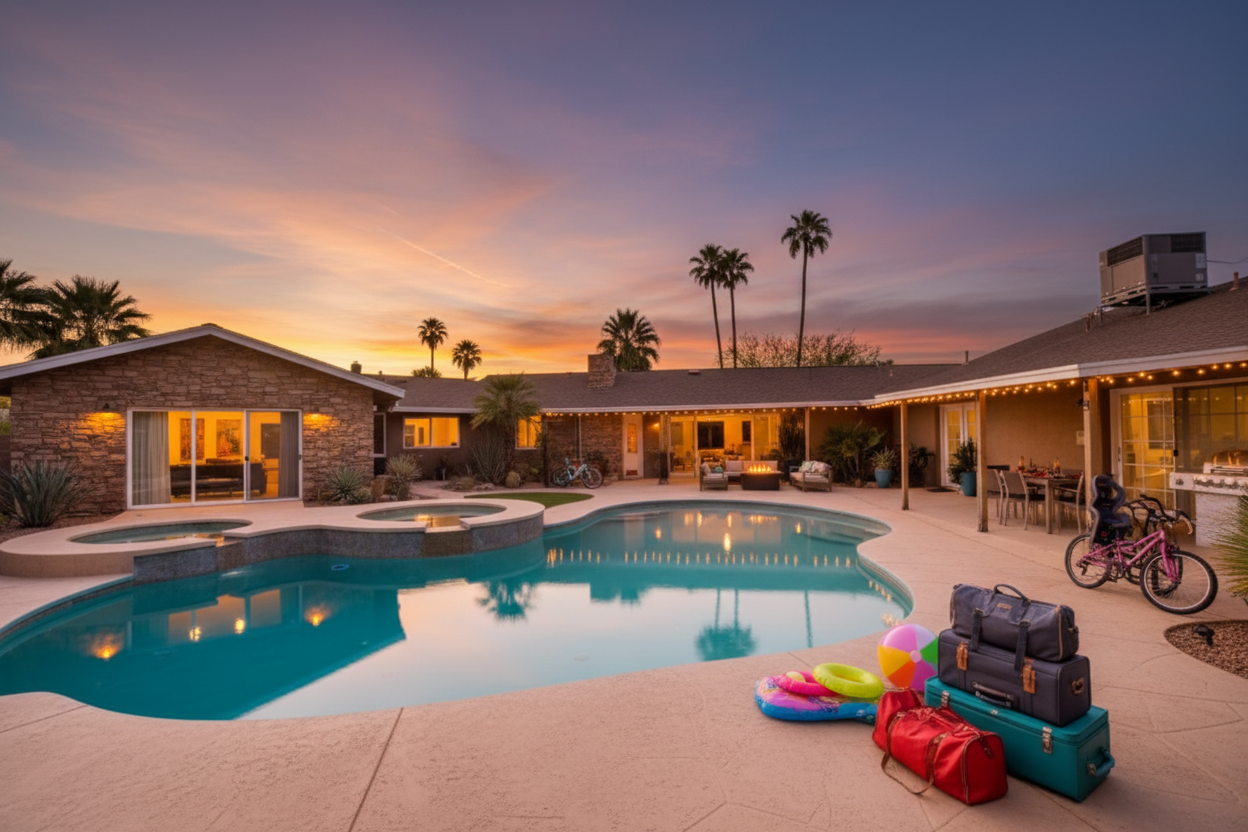
You’ve booked trips based on beautiful photos before, right? Everyone has. But if you want something that actually feels different when you’re living it, and when you’re posting about it, you need to flip your planning process completely. Instead of starting with where, planning an experience-driven trip means starting with why your group is traveling in the first place. That one change ripples through every decision you make.
TLDR:
- Start with your group’s purpose (reconnection, adventure, wellness) before picking a destination.
- Properties with game rooms, outdoor kitchens, and fire pits create natural gathering moments.
- Leave gaps in your schedule. Overscheduled trips do fewer activities and miss spontaneous finds.
- Hands-on activities like cooking classes or craft workshops create lasting memories over sightseeing.
- AvantStay manages 2,300+ group-optimized homes with 24/7 concierge across 100+ destinations.
Choose Accommodations That Become Part of the Experience
Where you stay shapes how you experience a trip. A row of separate hotel rooms keeps your group fragmented. A vacation home with shared spaces brings you together.
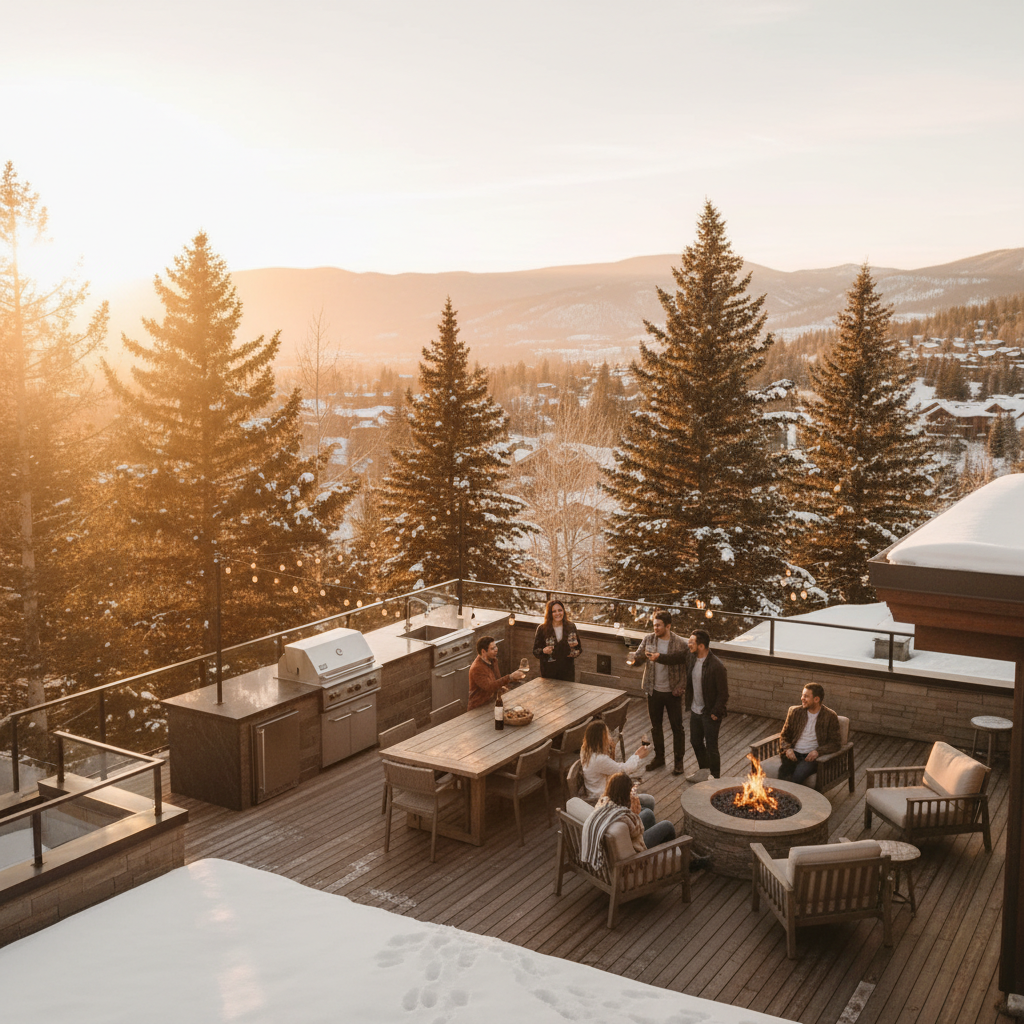
The right accommodations offer more than beds and bathrooms. They give you reasons to gather. An outdoor kitchen becomes the backdrop for group cooking sessions. A game room with foosball and poker tables turns into late-night competition headquarters. A fire pit creates the natural setting for conversation after dinner.
These features are the difference between a trip where you coordinate meetup times and one where you naturally flow between activities together. When your space includes a pool table, someone will challenge someone else. When there’s a massive dining table, the group will linger over meals instead of scattering afterward.
Group-friendly layouts matter too. Multiple primary suites mean everyone gets privacy and comfort. Open-concept living areas keep the cook involved in conversation. Outdoor patios extend your usable space and create options for different moods within the group.
Your accommodation becomes the experience itself, instead of simply the place between experiences.
Build in Unstructured Time for Spontaneous Moments
The tightest itineraries often produce the loosest trips. When you schedule every hour, you leave no room for the moments that make a trip unforgettable: stumbling onto a local farmers market, extending breakfast because the conversation is too good, or taking an unplanned detour because someone spotted an interesting trailhead.
Research on travel patterns reveals that travelers consistently overplan, then end up doing fewer activities than they scheduled. Rigid agendas create pressure and disappointment. Flexible frameworks create possibility.
The best group trips include anchor points: those few must-do activities everyone agrees on, surrounded by open blocks. Maybe you book a private chef dinner one night and reserve sunset paddleboard rentals. Everything else stays unscheduled.
Those gaps become the canvas for spontaneity. Your local coffee barista recommends a hidden swimming hole. Someone in your group finds a live music venue. You decide to cook together instead of going out because the kitchen is too inviting to ignore.
Unstructured time also lets your group sync naturally. Not everyone wakes up energized at the same hour. Some want adventure while others want to read by the pool. Open schedules let people drift in and out of activities without guilt or coordination stress.
Choose Hands-On Activities Over Passive Sightseeing
Standing in front of a famous landmark for a quick photo creates a different kind of memory than learning to make pasta from a local chef. One gives you proof you were there. The other gives you a skill and a story.
The shift toward active participation is real. Recent data shows 70% of travelers now choose cultural immersion and hands-on tours over traditional sightseeing. People want to do something, not simply see something.
Cooking classes teach you techniques you’ll use at home while connecting you to local food culture. Wine country regions like Temecula pair culinary experiences with stunning vineyard landscapes. Pottery workshops or weaving sessions with artisans create meaningful souvenirs with context behind them. Guided foraging walks or wildlife tracking experiences deepen your understanding of an ecosystem instead of just snapping photos of it.
These activities stick with you differently. You remember the feeling of kneading dough, the concentration required to shape clay, or the thrill of spotting animal tracks before your guide pointed them out. Passive sightseeing fades quickly. Active participation becomes part of who you are. Historic destinations like St. Augustine offer year-round opportunities for cultural immersion.
When planning your trip, swap one or two landmark visits for skill-based experiences. Your group will have more to talk about afterward.
Design Your Trip for the Group, Not the Destination
A destination can be perfect on paper and still miss the mark if it doesn’t fit your group. Multi-generational families need destinations with range. Pet-friendly vacation rentals with fenced yards allow every family member, including four-legged ones, to enjoy the trip safely. Grandparents want accessible trails and comfortable common areas. Kids need stimulation and space to burn energy. Parents want both. Lakeside vacation rentals in California provide water activities and natural settings that keep all ages engaged. Properties with varied bedroom configurations, multiple gathering zones, and proximity to different activity levels keep everyone happy without forcing compromise.
Friend groups thrive in homes designed for togetherness. Oversized dining tables, game rooms, and outdoor lounging areas create natural gathering points. When your space encourages interaction, you spend less time coordinating and more time actually being together.
Corporate groups need dual-purpose spaces. Conference-ready areas for focused work sessions, plus kitchens and fire pits for relationship building after hours. The right property bridges professional objectives with authentic team connection.
Your group’s dynamics should drive every decision: where you stay, what you book, how you structure your days. Design for your people first.
How AvantStay Properties Turn Group Travel Into Shared Experiences
We design properties around how groups actually want to travel together. Our 2,300+ homes across 100+ destinations include experiential amenities that turn accommodations into gathering places: pickleball courts for friendly competition, outdoor kitchens that make group cooking an event, fire pits that extend conversations past midnight.
Each property reflects the principles we’ve discussed. Oversized dining tables and multiple living zones give you space to connect and separate as needed. Game rooms with foosball and poker tables create natural gathering moments. Pools, hot tubs, and expansive patios add options for different group moods throughout your stay.
The Butler app brings spontaneity to life. Book a private chef mid-trip when your group decides to stay in. Arrange for fridge stocking so you arrive to local ingredients. Access curated experiences like wine tastings or guided hikes without pre-trip research.
Our portfolio lets you reverse the planning process. Start with why your group is traveling, then find properties that match that purpose. Reconnection trips find secluded mountain estates. Celebration weekends lead to homes with resort-style amenities. Corporate retreats locate spaces with presentation-ready layouts and team-building features.
The destination becomes secondary to the experience you create together inside it.
Plan Around Moments That Engage All Your Senses
The trips you remember years later aren’t defined by where you went. They’re anchored by sensory moments: the smoky char of street food you ate standing up, the echo of live music bouncing off stone walls, or the sharp pine scent that hit you mid-hike.
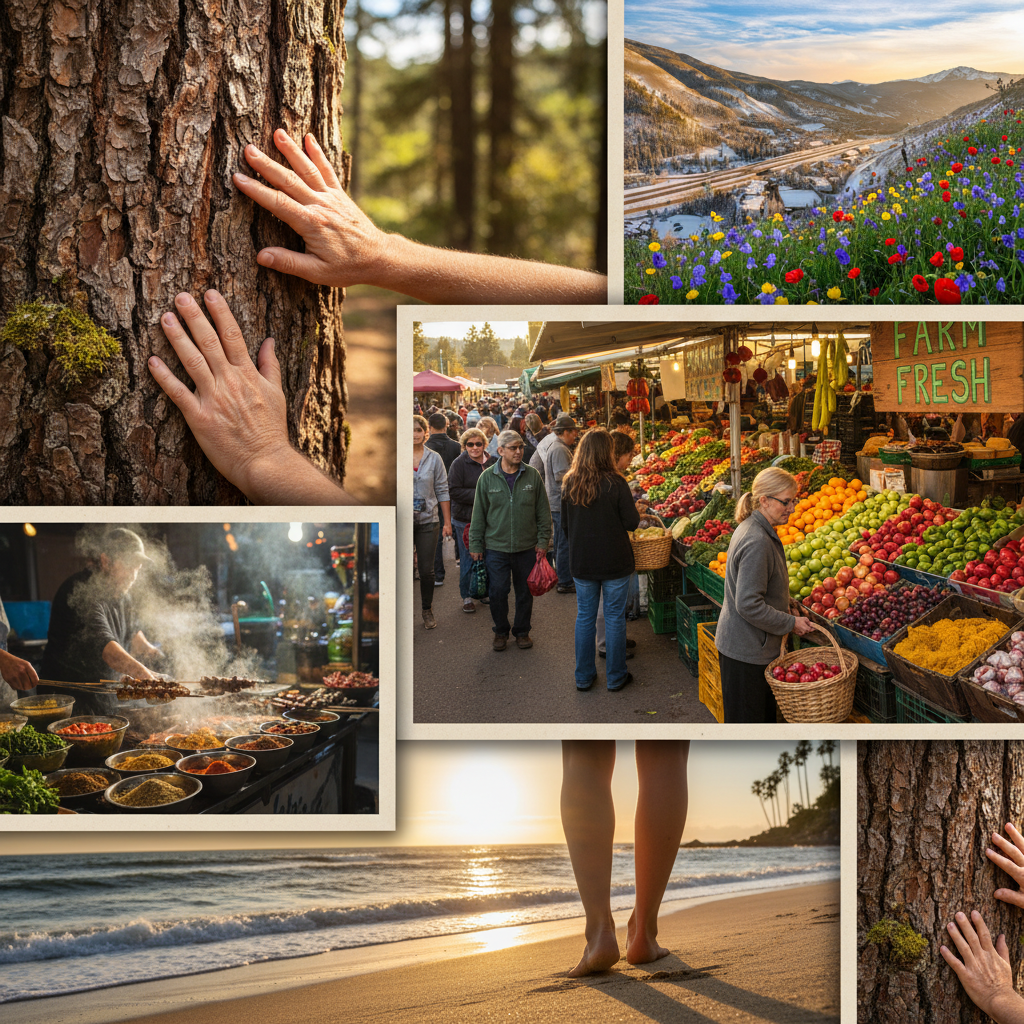
41% of travelers now seek out awe-inspiring experiences, and 63% say natural wonders will guide their travel plans. These aren’t abstract preferences. They reflect a hunger for travel that feels physical and immediate.
Multisensory planning means thinking beyond what you’ll see. What will you taste? Schedule a morning at a farmers market where you sample unfamiliar fruit and talk to growers. What will you hear? Find the local bar where locals play bluegrass or the beach where waves create a constant rhythm.
What will you touch and feel? Cold river water during a canyon swim. Rough tree bark on a forest trail. Desert landscapes like those found in Joshua Tree rentals with private pools offer unique tactile contrasts between stark nature and luxurious comfort. Sand between your toes at sunset. These tactile moments ground you in a place more than any photo can.
Scent ties memory to location. The salt air of a coastal town. Coffee roasting in a local shop. Wildflowers on a mountain pass. When you return home, those smells will transport you back instantly.
Start With Why, Not Where
Most of us plan trips backward. We scroll through beach photos, mountain cabins, or city skylines and book based on what looks good. But the most memorable trips start with a different question: Why are we traveling in the first place?
Traditional Planning | Experience-Driven Planning |
|---|---|
Start by browsing destinations | Start by identifying your group’s purpose |
Book based on photos and reviews | Choose locations that fulfill your why |
Separate hotel rooms | Shared spaces with gathering amenities |
Pack schedule with sightseeing | Build in unstructured time for spontaneity |
Passive landmark visits | Hands-on, skill-building activities |
Focus on visual photo opportunities | Plan for multisensory moments |
More people are choosing trips that begin with purpose over place. Instead of asking “Where should we go?” they’re asking “What do we need from this trip?”
Maybe your friend group needs to reconnect after months of canceled plans. Maybe your family craves uninterrupted time together without the usual distractions. Or maybe you’re chasing adrenaline, looking to reset through wellness, or wanting to immerse yourselves in a culture you’ve never experienced.
When you identify the why first, the where becomes clearer. A reconnection trip might call for a secluded mountain retreat with year-round activities in Telluride. A wellness getaway points toward coastal calm. Adventure seekers will gravitate toward destinations that offer hiking, water sports, or exploration.
Define what your group actually needs, and the destination will follow.
Final Thoughts on Designing Group Trips That Create Lasting Memories
Most people book trips the same way and wonder why they feel forgettable. Creating experience-driven travel means flipping the planning process entirely. Define your why before your where, choose spaces that encourage togetherness, and build your days around sensory moments and shared activities. Your group dynamics should drive every decision from there.
Start by identifying your shared purpose for the trip rather than debating specific locations—whether you need reconnection, adventure, or relaxation, the why will naturally point toward destinations that satisfy everyone’s core needs while offering variety for different preferences.
Shared spaces like outdoor kitchens, game rooms, and fire pits create natural gathering points where your group connects spontaneously throughout the day, while separate hotel rooms require constant coordination just to spend time together.
Plan only your anchor activities—those few must-dos everyone agrees on—and leave the rest open; research shows travelers consistently do fewer activities than they schedule, and those unplanned moments often become the most memorable parts of your trip.
Hands-on experiences like cooking classes, pottery workshops, or guided foraging teach you skills and create stories you’ll retell for years, while passive sightseeing produces photos that quickly fade from memory.
Yes, the Butler app lets you arrange add-ons mid-trip including private chefs, fridge stocking, in-home massage, and curated local experiences without requiring advance planning before you arrive.