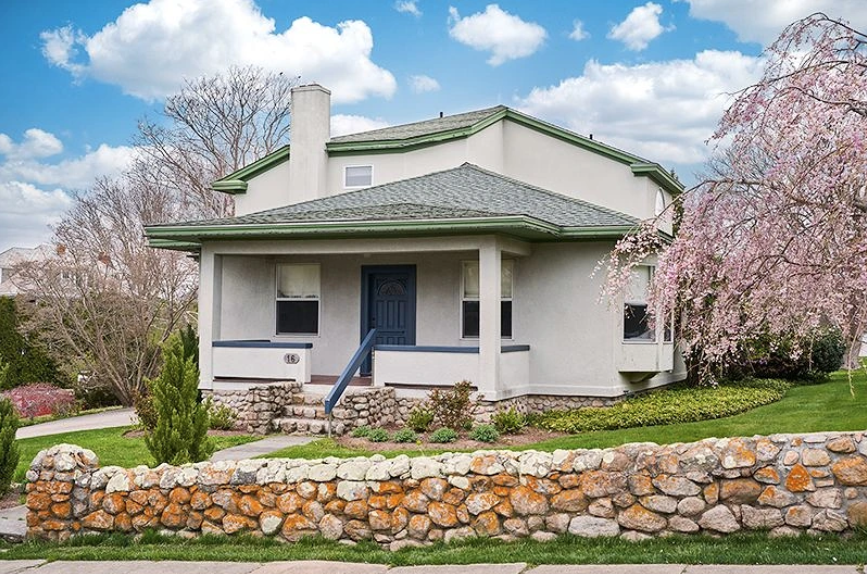
Your beach condo generates zero income while you cover the mortgage, insurance, and utilities year-round, so the question of renting your second home keeps coming up. The opportunity looks straightforward until you dig into the specifics: rent it 14 days or fewer and keep income tax-free, cross that line and face different deduction rules, then add cleaning costs of $150 to $400 per turnover plus maintenance averaging 1% to 3% of property value annually. Making the right call means understanding how the IRS classifies your property based on personal use days, what your true operating costs will be, and whether your location can support the occupancy rates needed to turn a profit.
TLDR:
- Rent your second home over 14 days and you unlock tax deductions for cleaning, repairs, and management fees
- Expect operating costs of 60-70% of revenue from cleaning ($150-$400/turnover), maintenance, and insurance
- Properties in ski towns, coastal areas, and drive-to markets from major cities generate strongest rental returns
- Professional management costs 20-35% of revenue but handles pricing, compliance, and 24/7 guest support
- AvantStay manages $5B+ in assets across 2,300+ properties with AI pricing and end-to-end property operations
Understanding the Financial Potential of Renting Your Second Home
Renting your second home can turn an underused asset into a revenue generator, but the financial picture in 2026 calls for a realistic assessment of current conditions. Rental yields are declining in 54.8% of the 341 counties with sufficient data to analyze year-over-year. That doesn’t mean opportunity has disappeared, but you need to be strategic about where your property sits and how you position it.
High-demand vacation markets still deliver strong returns. A well-located home in Palm Springs, the Smoky Mountains, or coastal Florida can generate tens of thousands in annual income. Properties in ski towns often command premium rates during winter months, while beach destinations shine in summer. Location matters more than ever.
Your property competes on experience, amenities, and how well it serves group travelers looking for something beyond a standard hotel room.
Tax Implications: Second Home vs. Rental Property Classification
The IRS draws a clear line between second homes and rental properties based on usage. Rent your property for 14 days or fewer annually, and you keep rental income tax-free while maintaining second home status. Exceed that threshold and different tax rules apply.
Once you rent beyond 14 days, personal use determines classification. Your property qualifies as a residence if you use it personally for more than 14 days or 10% of total rental days, whichever is greater. Stay below that limit and you can deduct expenses like cleaning, repairs, management fees, and depreciation against rental income. Exceed it and deductions get capped at rental income.
Second home status allows mortgage interest deductions on loans up to $750,000. State and local tax deductions cap at $40,400 in 2026, subject to income limits. Classification impacts property tax treatment, insurance deductibility, and utility write-offs.
Family visits, maintenance trips involving non-critical work, and free stays for friends count as personal use days.
The True Costs of Operating a Short-Term Rental
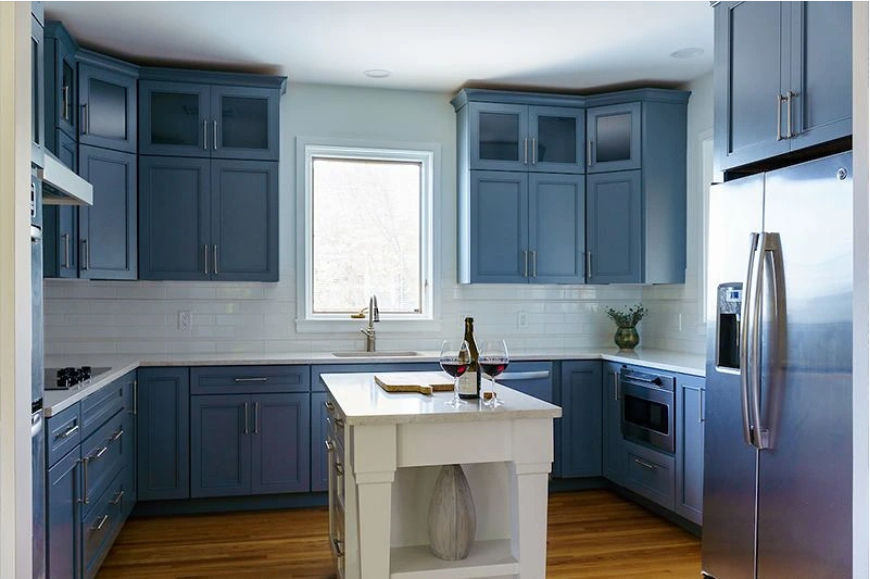
Operating a short-term rental requires ongoing investment beyond your mortgage payment. Most new rental owners underestimate the full scope of expenses that come with running a professional operation. The costs below represent what you’ll pay to keep your property guest-ready, competitive, and compliant. Understanding these expenses upfront helps you set realistic revenue targets and determine whether self-management or professional services make better financial sense for your situation.
Cost Category | Typical Range | What It Covers |
|---|---|---|
Cleaning Services | $150-$400 per turnover | Professional cleaning between guests, linen service, restocking supplies, deep cleaning, inspection before check-in |
Maintenance and Repairs | 1-3% of property value annually | HVAC servicing, plumbing repairs, appliance replacement, furniture updates, wear-and-tear fixes from guest turnover |
Insurance | 15-25% above standard homeowners | Short-term rental liability coverage, guest injury protection, property damage claims, commercial activity coverage |
Utilities | $250-$600 per month | Electricity, water, gas, internet, cable, trash service maintained year-round regardless of occupancy |
Professional Management | 20-35% of gross revenue | Guest communication, pricing optimization, cleaning coordination, maintenance oversight, 24/7 support, regulatory compliance |
Property Taxes and HOA | Varies by location | Annual property taxes, homeowners association fees, special assessments, community amenities |
How Property Location and Type Affect Rental Success
Location shapes your rental income more than anything else. Properties near beaches, ski lifts, or downtown areas fill faster and earn higher rates than homes requiring car trips for activities. Drive-to destinations from major cities see steady weekend bookings, while fly-to markets need longer stays to make travel costs worthwhile.
Four-plus-bedroom homes with multiple bathrooms and shared spaces attract groups, families, and corporate retreats willing to pay premium rates. A six-bedroom property split eight ways costs less per person than hotels while offering more room.
Tourism hubs like Coachella Valley, 30A, and Park City see predictable seasonal demand but slower shoulder periods. Secondary cities near parks or colleges offer steadier year-round occupancy.
Pools, hot tubs, game rooms, and outdoor entertainment spaces separate properties that book consistently from those that sit vacant. Generic condos compete on price alone, while homes with heated pools and fire pits create experiences guests pay extra for.
Legal and Regulatory Considerations Before You Rent
Before you list your second home, verify local rental laws to avoid fines and permit issues. Regulations differ by city and county, covering permits, licensing fees, occupancy limits, and zoning rules. Some areas cap rental nights per year or prohibit short-term stays in residential zones completely.
Nearly half of property managers work under strict permitting requirements, and 42% expect tighter regulations in 2026. Violations bring fines from hundreds to thousands of dollars per incident, with repeat offenses causing permit loss and rental shutdowns.
Tax duties go beyond income reporting. Many cities require you to collect and remit transient occupancy taxes, while some states demand separate registration. HOAs may ban short-term rentals outright or need board approval first.
Check your property’s jurisdiction before buying furniture or listing. Contact local planning departments, read municipal codes, and get compliance requirements confirmed in writing.
Protecting Your Property and Managing Guest Risk
Guest damage, liability claims, and neighbor complaints rank among the top concerns for second home owners considering rental income. The right insurance coverage and screening protocols reduce risk while protecting your investment.
Standard homeowners insurance doesn’t cover short-term rental activity. You need a commercial policy or specialized short-term rental insurance covering guest injuries, property damage, and liability claims. Expect premiums higher than personal coverage, but that expense protects you from guest accidents, fire damage, or injury lawsuits.
Security measures like smart locks, exterior cameras, and noise monitoring deter problem guests and provide documentation when issues arise. Video doorbells capture check-in activity while noise sensors alert you to potential parties before neighbors complain.
Guest screening through ID verification and damage deposit collection filters out high-risk bookings. Require verified profiles, review booking patterns, and set clear house rules upfront. Some owners avoid one-night local bookings or implement minimum age requirements.
Maintaining good neighbor relations matters in residential areas. Share contact information with adjacent properties, respond quickly to noise complaints, and limit occupancy to reasonable levels. Good neighbor policies prevent regulatory crackdowns and maintain property values.
How AvantStay’s Full-Service Management Maximizes Second Home Returns
We handle the entire rental lifecycle so you don’t have to. Our Voyage pricing engine analyzes thousands of data points to calculate 75 to 150+ micro-seasons per property, adjusting rates based on local events, flight patterns, and competitor availability. During peak demand, we can push rates up 178%, while strategic reductions during slower periods keep occupancy strong.
The Lighthouse owner portal gives you real-time visibility into revenue, occupancy, and maintenance without requiring daily involvement. You see performance data whenever you want it, but you’re not fielding guest messages at 2 a.m. or coordinating cleaner schedules between checkouts.
Our award-winning design team turns second homes into bookable experiences. We add amenities like game rooms, outdoor kitchens, and heated pools that support premium pricing. Professional photography and 3D virtual tours attract guests across our distribution channels.
We manage regulatory compliance, collect occupancy taxes, handle neighbor relations, and maintain relationships with local permit offices. Smart locks, noise monitoring, and ID verification protect your property while our 24/7 support team manages guest needs from check-in through checkout. You receive income without the day-to-day hassles.
Final Thoughts on Making Your Second Home Work for You
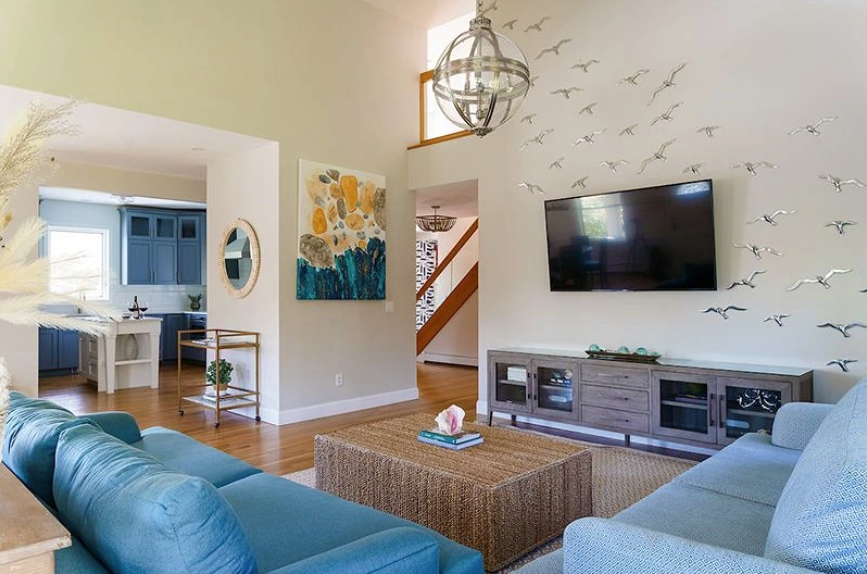
Your second home can generate serious income if you understand the costs, regulations, and day-to-day demands that come with renting to short-term guests. The spread between revenue and expenses determines profitability, and successful owners either dedicate time to self-management or partner with professionals who handle pricing, operations, and compliance. Guest damage, tax requirements, and neighbor complaints won’t manage themselves, so having systems and support matters more than jumping in unprepared. AvantStay’s rental management handles everything from real-time pricing to 24/7 guest support while you track performance through the owner portal. The rental market rewards preparation and punishes guesswork, so start with clear expectations about what you’re getting into.
Operating costs typically include cleaning ($150-$400 per turnover), maintenance (1-3% of property value annually), insurance (15-25% more than standard coverage), utilities ($200-$500 monthly), and professional management (20-35% of gross revenue if you choose that route).
If you rent your property for 14 days or fewer annually, you keep all rental income tax-free while maintaining second home status. Rent beyond 14 days and you must report rental income, though you can deduct operating expenses if you meet IRS personal-use thresholds.
Yes, standard homeowners insurance doesn’t cover short-term rental activity. You need a commercial policy or specialized short-term rental insurance that covers guest injuries, property damage, and liability claims—expect to pay 15-25% more than your current coverage.
Self-management makes sense if your property is nearby, you have flexible availability, and you enjoy hospitality work. Professional management removes operational burden and works better when distance, time constraints, or lack of local market knowledge make hands-on oversight impractical.
Verify your city and county’s short-term rental laws for permits, licensing fees, occupancy limits, and zoning restrictions. Nearly half of property managers work under strict permitting requirements, and 42% expect tighter regulations in 2026—violations can bring fines from hundreds to thousands of dollars per incident.