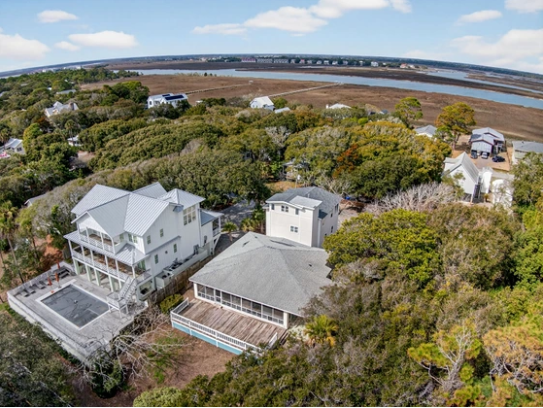
The last multigenerational family trip you planned probably taught you this: what works for your kids absolutely doesn’t work for your parents. Beach days become exhausting when toddlers need constant supervision and grandparents just want to relax, museum visits turn into battles when kids get bored after ten minutes, and restaurant dinners feel impossible when bedtimes and dietary needs clash. You don’t need to abandon the idea of traveling together. You just need a smarter framework that respects everyone’s pace and preferences while still bringing three generations together.
TLDR:
- Pick destinations with natural variety like beach or mountain towns where kids play while grandparents relax
- Set cost-sharing expectations early via group text to avoid awkward money conversations later
- Choose rentals with multiple bedrooms, separate zones, and one bathroom per family unit minimum
- Build loose daily rhythms around 1-2 group activities, leaving white space for naps and spontaneous moments
- AvantStay manages 2,300+ properties designed for groups with multiple primary suites and 24/7 Butler app support
Choose a Destination That Works for Every Generation
The right destination can make or break a multi-generational trip. You need somewhere that keeps your six-year-old entertained while your 70-year-old parents can actually relax.
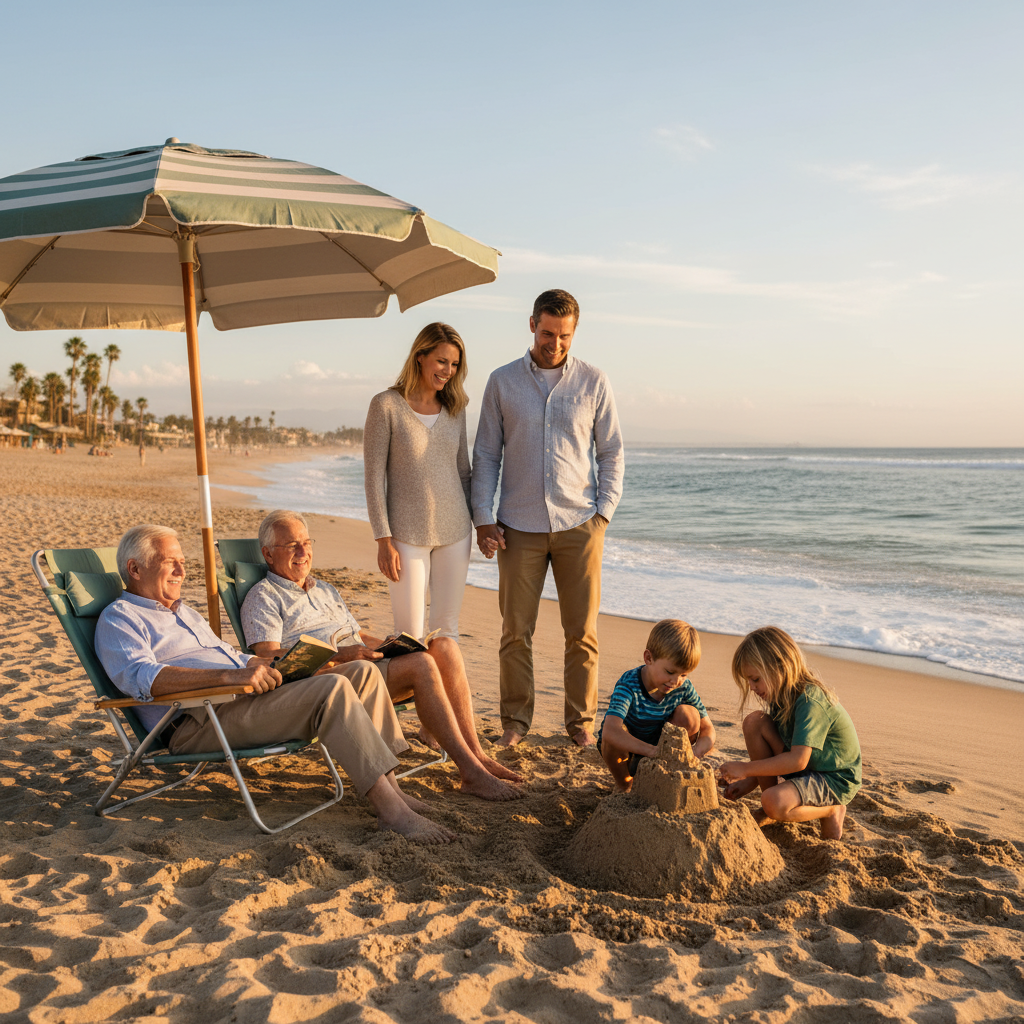
Look for places with natural variety built in, and review the vacation rental house rules if booking a private home. Beach destinations like 30A, San Diego, or Isle of Palms work well because toddlers can play in the sand while grandparents watch from the shade. Mountain towns offer easy downtown strolls alongside more adventurous hiking trails. The key is finding spots where different activity levels can coexist without anyone feeling left out or overwhelmed.
Accessibility matters more than you think. Check that your destination has paved paths, accessible bathrooms, and restaurants within a reasonable distance.
Set Financial Expectations Before You Book
Money conversations feel uncomfortable, but avoiding them creates friction later. Multigenerational travel is rising, and 57% of parents planning trips with grandparents need to discuss budgets upfront.
Start by picking a cost-sharing model that fits your family. Some grandparents cover accommodation as their gift, while parents handle meals and activities. Others split everything evenly. There’s no wrong answer, just what works for you.
Have the conversation early. A simple group text asking “How should we handle costs for this trip?” opens the door. Lay out the big expenses: lodging, groceries, dining out, and activity fees so everyone knows what to expect.
If budgets vary widely, keep costs flexible. Cook some meals at your rental, choose free activities like beach days or park visits, and let families opt in or out of pricier excursions without guilt.
Planning Phase | Key Considerations | Action Items |
|---|---|---|
Pre-Trip Budget Discussion | Set your cost-sharing model and clear financial expectations to avoid awkward conversations later | Send group text outlining major expenses (lodging, meals, activities), propose splitting model, and get agreement from all families before booking |
Accommodation Selection | Find rental with multiple bedrooms, distinct zones, and one bathroom per family unit minimum | Verify main-floor access for grandparents, separate wings for families with young children, quiet spaces for naps, and outdoor areas for high-energy activities |
Destination Research | Choose locations with natural variety that accommodate different activity levels and mobility needs | Check for paved paths, accessible facilities, mix of relaxing and active options, and restaurants within reasonable distance |
Activity Planning | Gather input from all generations while maintaining realistic daily structure | Assign each generation one special choice, schedule 1-2 anchor activities per day, leave white space for spontaneous moments and rest periods |
Role Assignment | Distribute responsibilities across group to prevent burnout so everyone contributes | Rotate morning kid duty, meal prep, and activity coordination; match tasks to individual strengths and preferences; post schedule visibly |
Packing and Logistics | Prepare for varied needs across age groups from toddlers to seniors | Coordinate special dietary requirements, medications, mobility aids, child safety gear, and entertainment options for different age groups |
Get Everyone’s Input During Planning (Including the Kids)
When everyone feels heard, they’re more invested in the trip’s success. Research shows 73% of multigenerational travelers plan to involve kids and grandchildren in vacation planning, and that early buy-in pays off once you arrive.
Give each generation a lane. Let grandparents pick one special dinner spot. Ask teens to research a local hike or beach activity. Even young kids can choose between two pre-vetted activities, giving them ownership without overwhelming the process.
Use a shared doc or group chat to collect ideas, then narrow options together. This avoids endless back-and-forth while still honoring input. When your seven-year-old sees their mini-golf suggestion make the final itinerary, they’ll be excited instead of resistant when it’s time to join grandma’s museum visit.
Build a Flexible Rhythm Instead of a Rigid Schedule
Over-scheduling kills the relaxed vibe you’re trying to create. Build a loose rhythm around one or two anchor activities per day that everyone agrees to join, like a group breakfast or beach afternoon. Everything else stays optional. If grandparents want to nap while kids hit the pool, that works. If teens skip the morning hike to sleep in, no guilt required.
Leave white space in your days. The best memories often happen in unplanned moments: impromptu card games, spontaneous ice cream runs, or extra time at a spot everyone’s enjoying. When you’re not rushing to the next scheduled thing, both generations can move at their own pace and reconnect when it feels natural.
Create Space for One-on-One Time
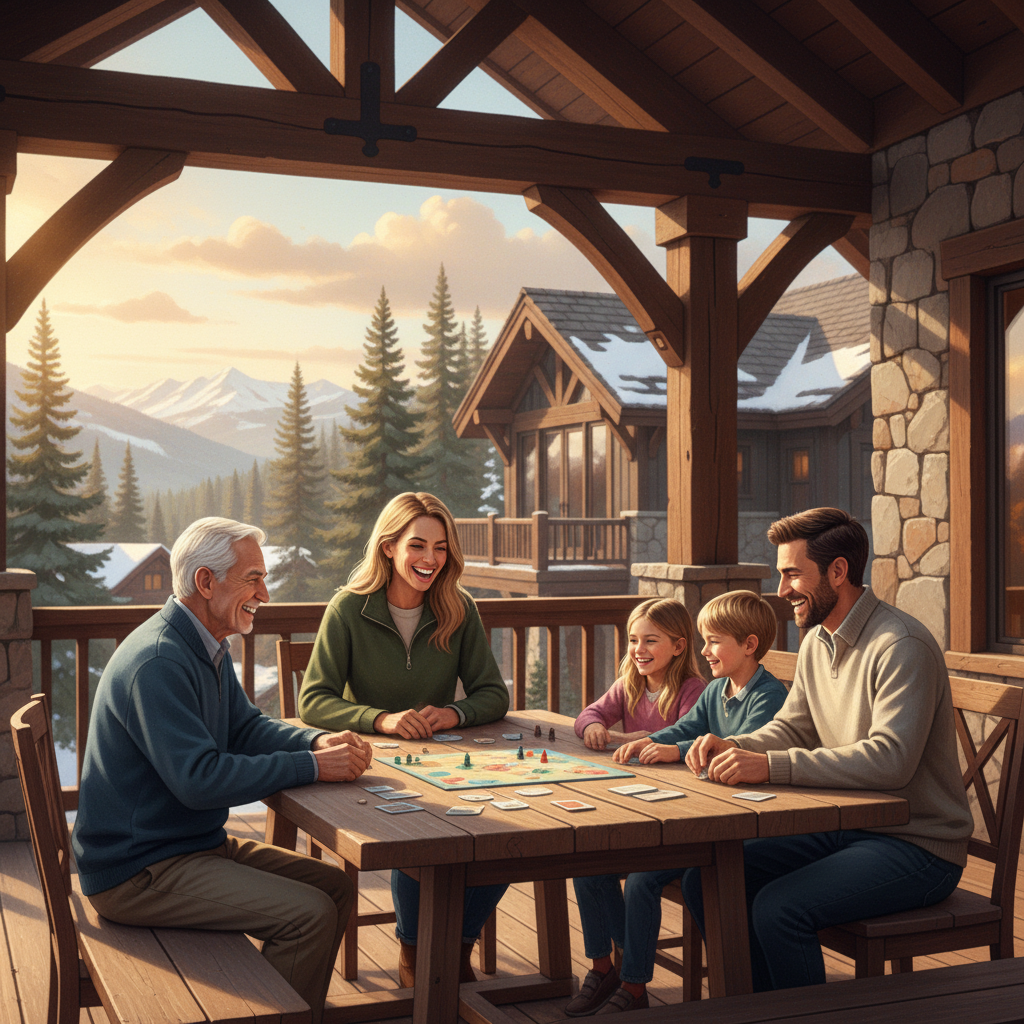
Group activities matter, but the memories that stick often come from quieter pairings. Build in chances for grandpa to take one grandkid to breakfast while the rest of the family sleeps in. Let your teenager and grandma spend an afternoon browsing local shops in Temecula together or visiting another destination everyone enjoys. These smaller moments create deeper connection than always moving as a pack.
Trade off parenting duties so adults get breaks too. One parent takes the kids to the pool while the other relaxes with a book. Rotate who handles bedtime so everyone gets evening downtime. When kids have cousins along, they can play together while adults actually finish a conversation.
Pick Accommodation That Gives Everyone Room to Breathe
Cramming three generations into tight quarters turns vacation into a pressure cooker. The right rental layout solves half your potential conflicts before they start.
Multiple bedrooms matter, but configuration is key. Grandparents need main-floor access if stairs pose challenges. Place families with young children together so nighttime disruptions stay contained. Teens benefit from separation to maintain independence.
Bathroom ratio matters more than you’d think. Target one bathroom per family unit, plus an extra half-bath near shared spaces. Morning routines flow better without shower competition.
Choose homes with distinct zones: gathering areas for meals and games, quiet corners for reading or napping, and outdoor spaces where kids burn energy while adults relax without noise traveling indoors.
Balance High-Energy Activities With Downtime
Even though 84% of travelers seek opportunities for the whole family to play together, stamina levels vary wildly between a five-year-old, a teenager, and a 68-year-old grandparent. Sustainable pacing prevents the meltdowns and exhaustion that derail trips.
Layer activities by intensity. Morning beach time works for everyone: kids build sandcastles, teens paddleboard, grandparents walk the shoreline, or if you’re in the mountains, check out things to do in Telluride that suit all ages. Follow with lunch at the rental and afternoon rest. Later, split into energy-matched groups for a hike or shopping downtown.
Watch for burnout signals. When grandma starts declining activities or kids get whiny, schedule downtime. Build in at least one full “home base” day mid-trip where nobody has obligations, just pool time, board games, and naps to reset batteries.
Assign Roles and Responsibilities Upfront
Without clear assignments, someone ends up doing too much. Before you leave, divide responsibilities across the group. Rotate morning kid duty, meal prep, and activity coordination so no one person handles everything.
Match tasks to what each person enjoys. If grandpa loves grilling, let him run dinners while others plan day trips. If grandma prefers planning, she organizes outings. Parents managing toddlers can focus on supervision while others handle cooking.
Share the schedule in your group chat or post it somewhere everyone sees. When each person knows their on and off hours, you prevent burnout and keep the trip enjoyable for all generations.
Bring the Right Mindset and Lower Your Expectations
Multi-generational trips won’t look like your couples’ getaway or solo adventure. Someone will melt down. Plans will change. The perfect photo moment will feature a crying toddler or a grumpy teenager. That’s normal.
Redefine what success looks like. Instead of ticking off every activity, measure your trip by connection: the story grandpa told over dinner, your daughter teaching grandma a card game, or watching three generations laugh together at the pool. Those moments matter more than a packed itinerary executed flawlessly.
Give yourself permission to let things slide. Bedtimes will shift. Screen time rules might bend. The house will get messier. Focus on what you can control and release the rest. When you stop chasing perfection, everyone relaxes and actually enjoys being together.
Why AvantStay Properties Are Built for Multi-Generational Groups
We built our homes for families like yours. Our properties start at four bedrooms with multiple primary suites, giving grandparents private space while kids spread out. Game rooms keep children entertained while adults relax by fire pits or in hot tubs. Outdoor kitchens and expansive dining tables let everyone cook and eat together without feeling cramped. Our 24/7 Butler app handles grocery stocking, private chef bookings, and mid-stay cleaning so you can focus on family time instead of logistics. Learn more about our vacation rental management services.
Final Thoughts on Creating Multi-Generational Vacation Memories
Multi-generational family trips that work require planning, patience, and accepting that chaos comes with the territory. Focus on the moments that matter: morning conversations over coffee, watching generations play together, and the stories you’ll retell for years. When you let go of perfection and lean into connection, you create the kind of vacation everyone actually wants to repeat.
Place grandparents on the main floor if possible, and group families with young children together in a separate wing or upstairs so nighttime noise stays contained without disrupting older guests who may be light sleepers.
Target one full bathroom per family unit plus an extra half-bath near shared living spaces so morning routines don’t create bottlenecks and everyone has adequate privacy during peak times.
Start the cost-sharing discussion as soon as you begin planning—before booking anything—so everyone understands expectations around accommodation, meals, activities, and optional excursions without awkward surprises later.
Stick to one or two anchor activities that everyone joins, like group breakfast or an afternoon at the beach, and keep everything else optional so different energy levels and interests can coexist without anyone feeling pressured.
Give children age-appropriate choices between two pre-vetted options you’ve already researched, like picking between mini-golf or a nearby park, so they feel ownership in the trip without overwhelming the planning process.