
You’ve watched other families post their summer vacation photos looking genuinely relaxed, and you wonder what you’re doing wrong. Your trips always end with everyone exhausted and needing days to recover. The gap between those two experiences isn’t about having better kids or more money. It’s about planning your summer family trip in a way that builds in rest instead of accidentally designing stress into every day.
TLDR:
- Book 3-4 months ahead to lock in lower rates and better property selection for your family size
- Vacation rentals split among groups cost less per person than hotels while providing full kitchens and private space
- Single-location trips eliminate packing stress and let families build routines instead of constant logistics
- Schedule full rest days with zero planned activities to actually recharge during your vacation
- AvantStay manages 2,300+ group-optimized properties with 24/7 concierge, multiple primary suites, and the Butler app for easy booking and service requests
Start Planning Early to Prevent Last-Minute Chaos
The sweet spot for booking a summer family trip is about three to four months out. Book earlier than that and you might feel locked in. Wait too long and you’re stuck with whatever’s left, often at inflated prices.
Starting early gives you first pick of properties that actually sleep your whole crew comfortably. You can compare options without the panic of dwindling availability. Early booking also means better rates before seasonal price surges kick in, and you have time to split payments or use installment options if needed.
Here’s the counterintuitive part: planning ahead actually frees you up to be spontaneous during the trip itself. When the big decisions are locked down months in advance, you’re not spending vacation time debating logistics. You can wake up and decide between the beach or hiking without a packed itinerary hanging over you.
Choose Accommodations That Actually Fit Your Group
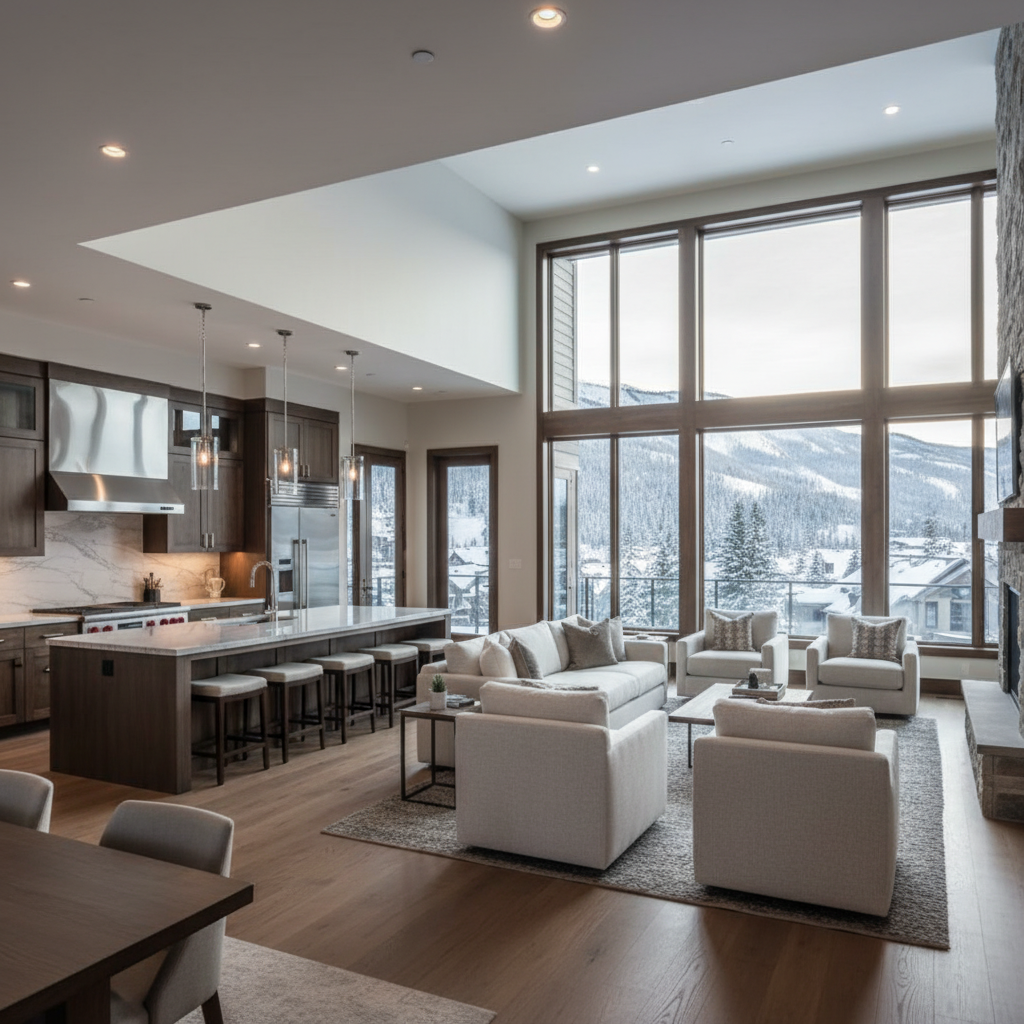
Cramming a family into multiple hotel rooms creates the exact stress you’re trying to escape. You’re knocking on doors to round everyone up, coordinating key cards, and paying separately for each room. The math rarely works in your favor either.
A vacation rental built for groups changes the equation entirely. When you split a whole house among eight people, you’re often paying less per person than hotel rooms while getting exponentially more space. Full kitchens mean you’re not eating out for every single meal, which alone can save hundreds of dollars and eliminate the “where should we eat” debates three times a day.
The real win is space that lets everyone coexist without tripping over each other. Recent research shows that accommodation choice directly impacts trip satisfaction. Multiple bathrooms prevent morning bottlenecks. Separate bedrooms give parents and kids their own zones. Communal living areas create natural gathering spots without forcing constant togetherness.
Accommodation Type | Space & Privacy | Kitchen Facilities | Cost for Groups | Best For |
|---|---|---|---|---|
Multiple Hotel Rooms | Separated rooms across hallways requiring constant coordination and key card juggling. Limited common space to gather as a family. | No kitchen access. Mini-fridge at best. Every meal requires eating out or ordering delivery, adding hundreds to your budget. | Highest per-person cost when booking 2-3 rooms. Separate charges per room with no group discount benefits. | Business travelers or couples without need for shared family space or meal preparation. |
Standard Vacation Rental | Entire home with bedrooms clustered together. Shared living areas but often limited bathrooms create morning bottlenecks. | Basic kitchen with standard appliances. You can prepare meals but may lack premium cookware or specialty items. | Moderate cost when split among group. Savings on dining out offset rental price for families of 6 or more. | Budget-conscious families willing to handle their own setup, cleaning coordination, and problem-solving during the stay. |
AvantStay Managed Properties | Multiple primary suites with en-suite bathrooms eliminate morning conflicts. Separate zones let kids and adults have their own space while staying connected. | Fully stocked gourmet kitchens with high-end appliances, quality cookware, and everything needed to prepare full meals without shopping for basics. | Premium pricing that splits favorably among 8-12 guests. Lower per-person cost than hotels while including concierge services and amenities. | Groups seeking hotel-level service with home comfort. Families who want amenities like game rooms, pools, and chef services without coordination hassle. |
Resort with Villa Option | Villa-style accommodations within resort grounds. More space than hotel rooms but shared resort amenities mean less privacy and more crowds. | Kitchenette or limited kitchen in villas. Sufficient for breakfast and snacks but not full meal preparation for larger groups. | High cost per night with additional resort fees, parking charges, and mandatory gratuities that substantially increase your total expense. | Families wanting on-site activities and dining options who value resort amenities over home-style privacy and flexibility. |
Stay in One Place Instead of Hopping Between Destinations
The instinct to pack as much as possible into one trip is exactly what turns vacation into work. Every destination change means packing suitcases, loading the car, checking out, driving, checking in, and unpacking again. Research shows that 82% of families report higher stress levels when their trips include multiple hotel transfers.
Staying in one place lets you actually unpack. Kids know where their stuff is. You learn the house layout. You find a coffee routine. By day three, you’ve stopped thinking about logistics and started relaxing.
Single-location trips also let you go deeper instead of wider, whether you’re in coastal destinations like 30A or other family-friendly locations. You find the local breakfast spot that doesn’t show up in search results. You return to that hiking trail because the kids want to see if the ducks are still there. These repeated experiences create actual memories instead of a blur of car rides between landmarks you barely remember, which is why many families choose destinations like San Diego for extended stays.
Involve Everyone in the Planning Process
When everyone gets a say in the trip, they’re more invested in making it work. 81% of families now consult with kids when choosing vacation destinations, and for good reason. Kids who help plan are far less likely to complain when you’re actually there.
The trick is matching involvement to age. Younger kids can pick between two pre-approved activity options instead of choosing from everything. Teens might research dinner spots or map out a day trip. Even letting a six-year-old choose which afternoon to visit the pool creates ownership.
This isn’t about letting kids run the show, whether you’re planning a beach trip or heading to mountain destinations like Park City. You’re still setting boundaries and making final calls. But when your teenager suggested that taco place and it turns out to be great, they feel heard. When your eight-year-old picked mini golf and everyone has fun, they’re part of the win instead of just along for the ride.
Build in Actual Downtime and Rest Days

Packing every single day with activities is how vacations become exhausting. Research shows parents need an average of 2.4 days to recover from typical family trips. That recovery time disappears when you build rest directly into the vacation itself.
Schedule at least one full day with nothing on the calendar. Not “light activities.” Actual nothing. Let people sleep in, hang by the pool, or read a book without guilt. These empty days give everyone permission to recharge instead of powering through.
The best part about renting a house with great amenities in places like Breckenridge is you don’t need to leave to have fun. Kids can play ping pong or swim while adults sit on the patio. Everyone’s together but nobody’s forced into structured activity. That’s when vacation actually starts to feel like vacation.
Set Realistic Expectations for What Vacation Can Deliver
The vacation you’re imagining won’t match reality. That’s not pessimism, just how trips work when you mix multiple people, weather, and travel logistics.
Parents who accept this beforehand have better experiences than those pursuing perfection. Your toddler will have a meltdown. Someone will get sunburned. The restaurant you wanted will be closed. These aren’t failures, they’re part of traveling with family.
The families who enjoy trips most measure success differently. They notice when their teenager genuinely laughs or siblings play together unprompted. Those organic moments only surface when you stop forcing the scheduled ones.
Set one goal: spend time together away from daily routines. If you do that, the trip succeeded. Everything else is extra.
Delegate Tasks and Responsibilities Among Adults
One person usually ends up doing everything, and it’s typically the moms. 69% of U.S. moms handle the majority of travel booking compared to 61% of travelers overall. That imbalance turns what should be a shared experience into one person’s project.
Split responsibilities before anyone starts feeling resentful. One adult books accommodations while another researches activities. Someone handles packing for kids while another manages travel snacks and entertainment. During the trip, rotate who makes dinner decisions or handles bedtime routines.
The goal isn’t perfect equality, it’s visible effort. When multiple adults are clearly contributing, nobody feels like they’re managing vacation alone while everyone else just shows up to enjoy it.
Prepare for the Return Home Before You Leave
The crash happens when you walk through the door at 9 PM to a messy house, empty fridge, and work the next morning. That whiplash erases vacation benefits fast.
Clean before you leave. Do laundry, run the dishwasher, take out trash. Walking into a tidy home changes your whole arrival mindset.
Schedule a buffer day between returning and going back to work. Use it for unpacking, grocery shopping, and transitioning back to routines. That single day makes reentry manageable instead of frantic.
Prep freezer meals before the trip. Future you will be grateful for dinner that requires zero thought. Stock basics like milk, bread, and coffee so you’re not running errands immediately after traveling.
These small moves turn post-vacation from a stress spike into a smooth landing.
How AvantStay Makes Group Travel Actually Relaxing
We built AvantStay around one idea: group travel shouldn’t require a second vacation to recover.
Every property we manage is designed for how groups actually function. Multiple primary suites give parents their own space. Oversized dining tables seat everyone at once. Fully stocked kitchens eliminate the “where should we eat” cycle. Game rooms and outdoor amenities keep kids entertained without constant parental involvement.
The Butler app handles what usually creates stress. Need groceries stocked before arrival? Request it. Want a private chef one night so nobody cooks? Book it. Have a question at 10 PM? We’re available. You get hotel-level service with the space and privacy of a home.
When you book with us, you’re choosing properties where someone else handled the quality control, cleaning standards, and logistics. You just show up and use your vacation for what it’s meant for: being together without the stress.
Final Thoughts on Vacations That Feel Like Actual Breaks
Most family trips fail because we’re trying to force hotel experiences onto group dynamics that need something different. Book a stress-free family vacation in a house built for multiple people, stay in one spot, and accept that perfect doesn’t exist. Your job is creating space for connection, not executing a flawless itinerary. Everything good happens in the margins you leave open.
The ideal booking window is three to four months before your trip, giving you the best selection of properties and rates before seasonal price increases while avoiding the feeling of being locked in too early.
When you split a whole house among a group, you often pay less per person than separate hotel rooms while gaining significantly more space, plus full kitchens that can save hundreds of dollars on dining out.
Build in at least one full rest day with nothing scheduled during your trip, stay in one location instead of hopping between destinations, and schedule a buffer day between returning home and going back to work.
Single-location trips eliminate the repeated packing, driving, and checking in/out that comes with moving between destinations, while letting your family settle in and develop a comfortable routine.
Clean your house, do laundry, run the dishwasher, take out trash before you leave, then stock your freezer with prepared meals and schedule that buffer day after you return for unpacking and grocery shopping.