
The question isn’t whether to book your vacation rental early or late. When you should reserve depends on season, because summer properties vanish by spring while off-season inventory stays flexible into the final weeks before arrival. A six-bedroom mountain house for Christmas books nine months ahead, but that same property in October might still be available with six weeks to go. Your travel dates, group size, and destination all shift the timeline, and mistiming your booking means either overpaying as rates climb or losing your first-choice property to someone who understood the pattern. The difference between a smart reservation and a costly mistake comes down to matching your search window to the season you’re targeting.
TLDR:
- Book 60-90 days ahead for summer and large group rentals; smaller properties allow 30-45 days
- Winter holidays fill by October; spring/fall shoulder seasons offer 30-60 day booking windows
- Festival weekends require 6+ months advance booking; urban stays work with just 6 weeks notice
- Flexible pricing increases rates 15-20% as peak dates approach but drops during slow periods
- AvantStay manages 2,300+ group-focused luxury homes with 60-day cancellation protection
How Property Size Impacts Your Booking Timeline
The number of bedrooms you need shapes when you should book. Smaller properties move fast and can be booked closer to your trip, while large homes require earlier planning.
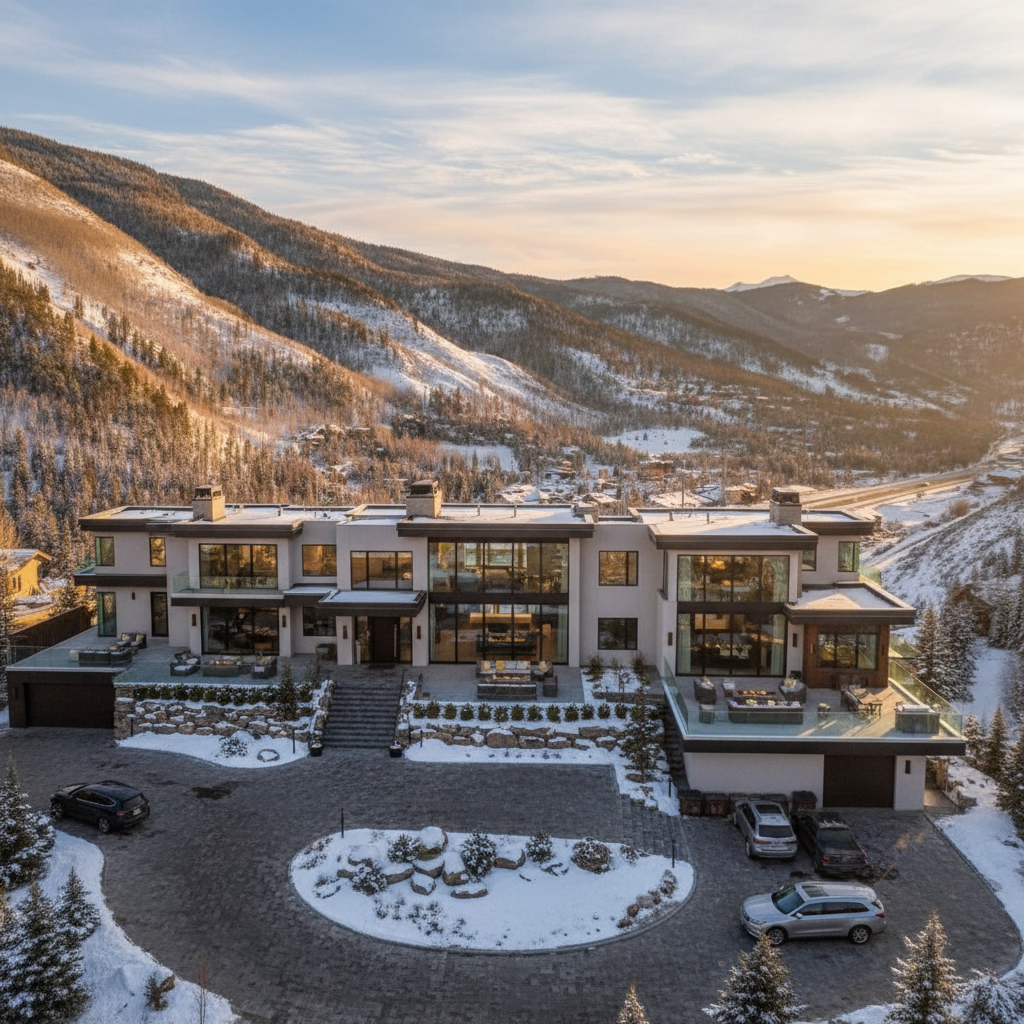
One-bedroom rentals are booked an average of 41 days before check-in. By contrast, six-bedroom properties are typically reserved 83 days out. That’s nearly double the lead time.
Why the gap? Coordinating calendars for eight or ten people takes longer than planning a couples’ weekend. Larger groups need time to collect deposits, agree on dates, and get everyone’s commitment.
If you’re traveling with a friend group or extended family and need four bedrooms or more, start your search at least two to three months ahead. For smaller stays, six weeks gives you enough runway to find great options.
Travel Scenario | Recommended Booking Window | Key Considerations |
|---|---|---|
Summer vacation rentals (beach, lakefront, mountain) | 4-6 months ahead (February-April for summer) | Peak family travel season with limited inventory; properties with pools and waterfront access book first; rates increase 40-65% as dates approach |
Winter holidays (Christmas, New Year’s, Thanksgiving) | 4-6 months ahead (August-October for December) | Fixed calendar dates create concentrated demand; mountain destinations fill earliest due to ski season overlap; 47% of travelers book 1-3 months out |
Spring and fall shoulder seasons | 30-60 days ahead | More flexible inventory and pricing; exception for spring break weeks which need 2-3 months advance booking in warm-weather markets |
Large group rentals (6+ bedrooms) | 60-90 days ahead | Six-bedroom properties book 83 days out on average; coordinating multiple calendars requires extra lead time for deposits and commitments |
Small properties (1-2 bedrooms) | 30-45 days ahead | One-bedroom rentals book 41 days out on average; faster decision-making with fewer travelers to coordinate |
Major festivals and events (Coachella, Formula 1, conferences) | 6+ months ahead | Event weekends compress inventory rapidly; Coachella properties often book by October for April festivals; standard timelines don’t apply |
Urban destinations (city stays, business travel) | 30-45 days ahead | Shorter booking windows driven by weekend getaways and business travelers; more last-minute flexibility than leisure markets |
Last-minute bookings (shoulder season, flexible dates) | 1-2 weeks before arrival | Rates can drop 15-20% as managers fill calendar gaps; works best for small groups with flexible schedules during non-peak periods |
Summer Season Booking Windows
Summer rentals book earlier than any other season. Peak months fill fast because families coordinate around school breaks and vacation days cluster in the same weeks.

If you’re targeting a beach house, lakefront property, or mountain retreat for summer, start looking four to six months ahead. Popular coastal markets like Destin, 30A, and San Diego see inventory shrink quickly once spring arrives. The best properties with pools and waterfront access get reserved first.
Waiting until May or June to book a July vacation leaves you with limited options and higher rates. Demand peaks in summer, and pricing follows suit. Properties that cost $300 per night in April can jump to $500 or more once peak season hits.
The sweet spot for summer bookings is February through early April. You’ll have the widest selection, better pricing, and time to coordinate your group without pressure. If you need a large home for a family reunion or friend trip, that early window matters even more.
Winter Holiday Booking Strategy
Winter holidays follow a distinct booking pattern tied to fixed calendar dates. Thanksgiving, Christmas, and New Year’s create concentrated demand for specific weekends, making early reservations critical for securing your preferred property.
Among travelers planning winter holiday trips, 47% book 1-3 months ahead, while 24% reserve 4-6 months out. Another 18% wait until less than a month before departure. This creates a rolling wave of reservations starting in late summer.
Christmas and New Year’s rentals fill first, often by October. Mountain destinations like Lake Tahoe, Breckenridge and Park City see especially early activity as ski season overlaps with holiday travel.
For December holidays, start searching in August or September. Thanksgiving requires a two-month lead time, though three months provides better selection and helps you avoid price increases closer to arrival dates.
Spring and Fall Shoulder Season Timing
Spring and fall offer shorter booking windows with more flexibility. These seasons sit between peak demand periods, creating less pressure to reserve months ahead.
Most shoulder season travelers book 30 to 60 days before arrival. Inventory stays available longer, and rates drop as property managers adjust pricing to fill gaps between high seasons.
Spring breaks are the exception. March and April see concentrated demand around school calendars, particularly in warm weather markets like Palm Springs and Scottsdale. If your dates overlap with spring break weeks, start two to three months early.
Fall weekends around foliage season in destinations like the Berkshires or Hudson Valley also tighten up. Leaf-peeping drives occupancy in September and October, so mountain and countryside properties need earlier attention.
Outside those pockets, shoulder seasons reward flexible travelers. You can book closer to departure, secure better rates, and still land well-appointed properties that would cost far more during peak periods.
The Last Minute Booking Advantage
Last-minute bookings have become more common as travelers lean into spontaneity. Properties that remain unbooked within two weeks of arrival often see price drops as managers work to fill calendar gaps instead of leaving nights empty.
One in five guests now book within two weeks of their trip. This shift creates real savings for flexible travelers who can pack quickly and adjust plans on short notice. Rates can drop 15-20% or more when departure dates approach and occupancy remains low.
The catch is availability. Popular properties and peak season dates rarely go unbooked. Last-minute deals appear most often during shoulder seasons, midweek stays, and in markets with deeper inventory where competition drives down pricing to capture bookings.
If you can travel with minimal notice and your dates are flexible, checking inventory one to two weeks out gives you access to discounted rates that earlier bookers never see.
This strategy works best for smaller groups who can move fast. Couples and small families have more options than parties of eight who need matching bedroom counts and specific amenities.
Special Events and Festival Planning
Major festivals and events flip normal booking patterns. When Coachella, Stagecoach, or Formula 1 hit the calendar, standard timelines no longer apply.
Properties near big events fill six months or more before arrival. Music festivals, major sporting weekends, and conferences create demand spikes that compress inventory fast. Coachella Valley homes for April festival weekends often book the previous October. Nashville properties during CMA Fest reserve by February.
The same pattern repeats across markets. Austin during South by Southwest, Miami during Art Basel, and Scottsdale during the Phoenix Open all see accelerated booking windows. Wait too long and you’re left with whatever’s available at inflated rates.
Check event calendars before locking dates. If your trip overlaps with a marquee event, treat it like peak holiday season and start your search early. Six months gives you choice. Two months leaves you scrambling.
Urban Destinations vs. Leisure Markets
Urban destinations work on shorter booking windows than leisure markets. City properties in Nashville, Austin, and Los Angeles see average reservations 30 to 45 days out, driven by business travelers and weekend getaways planned closer to departure.
Beach and mountain destinations require longer lead times. Coastal markets and ski towns attract vacation-focused travelers who book 60 to 90 days ahead, coordinating time off and group schedules well in advance.
If you’re booking a city stay for a concert, conference, or quick escape, six weeks gives you plenty of options. For leisure destinations where relaxation and scenery drive the trip, start three months early to secure the property you want.
How Flexible Pricing Affects Your Booking Decision
Vacation rental pricing changes constantly based on demand, and understanding these patterns helps you time your booking for the best value. AI pricing engines analyze demand signals, local events, and competitor rates to adjust prices daily or even hourly.
During peak periods, prices climb as your target dates approach. Properties that cost $400 per night three months out may hit $600 or more as availability tightens. The algorithm detects shrinking inventory and raises rates to capture maximum revenue from remaining demand.
Shoulder seasons reverse this pattern. When occupancy stays soft, prices often drop closer to arrival. You might see 15 to 20% reductions as property managers fill empty nights over holding out for higher rates.
The decision comes down to risk tolerance. Booking early during high-demand periods locks in availability and prevents price increases. Waiting during slower seasons can save money but risks losing your preferred property if someone else books first.
Booking Through AvantStay for Group Travel
When you’re planning group travel with AvantStay, booking windows matter even more. Our properties are built for groups of eight or more, with four to ten bedrooms designed around shared experiences. These larger homes fill faster than smaller rentals, particularly in high-demand markets like Palm Springs, Nashville, Lake Tahoe, and 30A Florida.
For peak seasons, plan to book 60 to 90 days ahead. Our Voyage pricing engine analyzes demand across 75 to 150+ micro-seasons per property, tracking everything from local events to flight patterns. Rates adjust as occupancy changes, so booking early locks in better pricing before those algorithms push rates higher.
Our 60-day cancellation policy gives your group breathing room. Coordinating schedules across ten friends or three generations takes time, and that flexibility helps when someone’s dates shift or plans change. The properties themselves reward early planning, with award-winning interiors, heated pools, game rooms, and outdoor kitchens that book fast.
Final Thoughts on Securing Your Perfect Rental
Timing a vacation rental booking comes down to reading demand signals for your specific trip. High season destinations and large group properties reward early planning while quieter periods let you play the waiting game. Your flexibility with dates and property features gives you more control than any calendar guideline. Start your search when you know where and when you’re going, then book when you find the right fit at a price that works.
Start searching four to six months before your summer trip, especially for beach or lakefront properties. Coastal markets fill quickly once spring arrives, and booking by February through early April gives you the best selection and pricing before peak season rates kick in.
You’ll find the best last-minute deals during shoulder seasons (spring and fall) and for midweek stays, typically booking one to two weeks before arrival. Rates can drop 15-20% when properties remain unbooked close to check-in, though this works best for smaller groups with flexible travel dates.
Larger properties book nearly twice as far in advance because coordinating schedules for eight or more people takes longer than planning a couples’ trip. Six-bedroom homes typically reserve 83 days out versus 41 days for one-bedroom rentals, giving groups time to collect deposits and confirm everyone’s commitment.
Book properties near major festivals at least six months ahead. Festival weekends like Coachella, Stagecoach, and Formula 1 fill faster than normal peak seasons, with the best homes often reserved by October for the following April.
AvantStay requires 60 days’ notice for a full refund, giving your group flexibility when coordinating schedules across multiple travelers. This policy helps when someone’s dates shift or plans change during the planning process.