You’re comparing a $700 hotel room to a $2,800 luxury rental and thinking the hotel wins every time. But that hotel sleeps two people while the rental sleeps ten, flipping the entire calculation on its head. Whether luxury travel makes financial sense comes down to group size, how you’ll use the space, and what you’re actually paying for per person.
TLDR:
- Luxury rentals cost $250-$312 per person nightly for groups vs. $350+ per hotel room
- Full kitchens save groups $2,000-$3,000 on dining over a four-day trip
- Professional management delivers 24/7 support, rigorous cleaning, and consistent standards
- Groups of 4+ see better value in luxury rentals; solo travelers should book hotels
- AvantStay manages 2,300+ properties with vertical integration and in-app concierge services
The Real Cost of Luxury Travel in 2026
When people talk about luxury travel being expensive, they’re usually comparing apples to oranges. A five-star hotel room might run $600-$800 per night in a popular U.S. destination during peak season. A luxury vacation home or boutique property? You’re looking at anywhere from $1,500 to $5,000+ per night depending on size and location.
At first glance, that feels prohibitively expensive. But here’s where the math gets interesting: that hotel room sleeps two people, maybe four if you’re cramming kids onto a pullout sofa. A luxury rental with five bedrooms sleeps 10-12 comfortably, often more. Per person, the gap narrows dramatically.
The luxury travel market in 2026 is expected to surpass USD 1,828 billion, driven partly by travelers realizing this math works in their favor. The shift isn’t about people suddenly becoming wealthier. It’s about understanding what you’re actually paying for and who’s splitting the bill.
Beyond nightly rates, luxury properties often include full kitchens, which can save $100-$200 per day in restaurant costs for a group. Standard vacation rentals might offer a kitchen too, but luxury properties typically stock higher-end appliances, cookware, and space that actually makes cooking enjoyable instead of a compromise.
Beyond the Price Tag: What Luxury Actually Delivers
Luxury travel delivers measurable differences in daily comfort. Properties maintain strict standards with detailed cleaning protocols and regular audits between each stay. That level of care shows up in how you experience the space from the moment you arrive.
Professional management means someone actually answers when the hot tub stops working or the WiFi drops. 24/7 support resolves most issues within hours, not days. Compare that to messaging an absent host on a standard rental and waiting indefinitely.
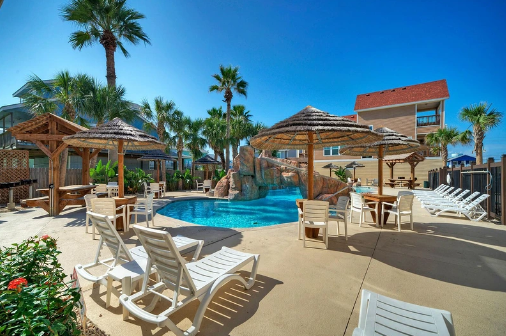
Amenities go beyond decoration into real value. Outdoor kitchens, heated pools, fire pits, and game rooms keep groups engaged on-property instead of constantly hunting for entertainment elsewhere. The return shows up in how you actually spend your vacation time.
Property standards matter more than photos suggest. High-thread-count bedding, quality mattresses, water pressure that works, and climate control in every room sound basic until you’ve stayed somewhere without them. Infrastructure investments separate luxury properties from budget rentals in ways that affect your entire stay.
The Psychology Behind Luxury Travel Value
The financial calculation only tells half the story. The other half lives in how you remember the trip five years later.
Research shows that experiences create lasting psychological value that material purchases can’t match. Travel memories actually appreciate over time as you retell stories, share photos, and recall moments with the people who were there. That $3,000 luxury vacation becomes more valuable in retrospect, not less.
The reason comes down to novelty: travel constantly exposes you to new environments, unexpected moments, and sensory input your brain hasn’t processed before. This creates stronger memory formation than routine experiences.
Luxury properties amplify this memory-making process. Waking up in a space that feels exceptional registers differently than adequate accommodations. The pool where your group spent sunset, the kitchen where you cooked together, the fire pit conversations all become reference points for years of future storytelling.
Human brains favor experiential memories over possessions because experiences connect to identity and relationships. The trip becomes part of how you see yourself and your bonds with travel companions in ways a purchased object never does.
Hidden Savings in Luxury Properties

Luxury properties bundle services that hotels charge separately. WiFi, parking, resort fees, and gym access typically add $50-$100 daily at hotels. Vacation homes include these as standard, with no surprise charges at checkout.
Full kitchens create the biggest financial impact. Dining out for a group of eight runs roughly $150-$200 per meal. Three restaurant meals daily over four days costs about $3,200. Groceries for the same group cost around $40 per person across four days, totaling $320 and saving nearly $3,000.
You don’t have to cook every meal to see savings. Even preparing breakfast and lunch while dining out for dinner cuts restaurant expenses by two-thirds. The kitchen becomes a financial tool, beyond simply being an amenity.
Quality construction prevents expensive problems. Reliable appliances, functioning HVAC, and good WiFi mean you’re not losing vacation time troubleshooting issues or paying for workarounds.
When Luxury Travel Isn’t Worth It
Luxury properties stop making sense when you’re traveling solo for a few nights. Paying $500-$1,000 per night for space you don’t need feels wasteful no matter how nice the amenities are. Hotels win here on both price and practicality, unless you’re seeking luxury desert properties.
The same logic applies when you’re barely at your accommodation. If you’re hiking all day, taking photography expeditions at dawn, or wandering cities from breakfast until late dinner, you’re paying for amenities you won’t use. A clean bed and reliable shower are enough. Save the money.
Budget constraints matter more than aspirations. If booking luxury means skipping the trip’s main purpose, or if you’ll spend the vacation stressed about credit card bills, choose something more affordable. Travel should reduce stress, not create it.
Some travelers genuinely don’t care about property quality beyond basic cleanliness and safety. If high-end finishes, designer spaces, and curated amenities don’t register as valuable to you personally, spending extra for them makes no sense. Know what you actually value, not what you think you should value.
When Luxury Travel Becomes Necessary
Certain travel situations make luxury properties less optional and more necessary for the experience to work at all.
Multi-generational family trips need both togetherness and separation. Three generations sharing hotel rooms creates friction. A luxury home with multiple primary suites, varied common spaces, and outdoor areas lets grandparents, parents, and kids coexist comfortably. Everyone stays together without being on top of each other.
Milestone celebrations where the property is the destination require more than basic accommodations. A 40th birthday weekend, bachelor party, or anniversary trip where the group plans to spend most of their time at the property needs pools, outdoor kitchens, entertainment spaces, and aesthetics worth photographing. The location becomes the event venue.
Remote work scenarios lasting a week or longer demand quality infrastructure. Reliable high-speed WiFi, dedicated workspace, good lighting, and quiet areas aren’t amenities when your income depends on them. Trying to work from a poorly equipped rental costs more in lost productivity than upgrading would have.
Professionally Managed Properties: The Middle Ground
Professionally managed properties sit between traditional hotels and independent vacation rentals, combining the consistency of hotel service with the space and economics of whole-home rentals.
AvantStay manages 2,300+ properties directly across 65+ markets, which means every property meets the same standards. That vertical integration matters because nothing gets outsourced to third parties hoping they’ll maintain quality. Design, cleaning, pricing, guest support, and maintenance all run through one accountable system.
The Butler app gives you 24/7 access to support, not an absent host who might respond eventually. Need a private chef, fridge stocking, or mid-stay cleaning? Request it in-app. Check-in instructions, property manuals, and service requests all live in one place instead of scattered across text messages and email threads.
Properties go through rigorous cleaning inspections between every stay, plus quarterly full audits. Smart locks, high-speed WiFi, and noise monitoring come standard. The goal is hotel reliability in spaces built for groups, where per-person costs make luxury accessible.
Group Travel Economics: When Splitting Costs Changes Everything
Group Size | Hotel Cost (per night) | Hotel Cost (per person) | Luxury Rental Cost (per night) | Luxury Rental Cost (per person) | Savings Per Person |
|---|---|---|---|---|---|
2 travelers | $700 (1 room) | $350 | $1,500 | $750 | -$400 (hotel wins) |
4 travelers | $1,400 (2 rooms) | $350 | $2,000 | $500 | -$150 (hotel wins) |
8 travelers | $2,800 (4 rooms) | $350 | $2,500 | $312 | +$38 (rental wins) |
10 travelers | $3,500 (5 rooms) | $350 | $2,500 | $250 | +$100 (rental wins) |
12 travelers | $4,200 (6 rooms) | $350 | $3,000 | $250 | +$100 (rental wins) |
The math flips when you travel with others. Eight friends booking hotels need four rooms at around $350 each, totaling $1,400 nightly or $175 per person.
A luxury vacation rental at $2,500 per night divides to $312 per person. That extra $137 buys you a full kitchen, shared living areas, a pool, outdoor spaces, and actual time together instead of cramming into someone’s hotel room.
The sweet spot starts at four to six travelers. Below that, hotels win on price alone. Above it, rentals pull ahead financially.
Groups of 10 or more see the best value. Homes sleeping 12-20+ guests often drop below $200 per person nightly for truly luxurious stays. The larger your group, the more financial sense luxury rentals make.
Final Thoughts on Choosing Luxury Travel Wisely
Deciding if luxury travel delivers value requires honest assessment of your situation, not aspirational thinking. Groups of eight or more almost always benefit from luxury rentals both financially and experientially, while solo travelers rarely see the math work out. The properties make sense when you’ll actually use the kitchens, pools, and shared spaces, not when you’re just looking for a place to sleep between adventures. Calculate your real costs including meals and hidden hotel fees, then decide based on your group’s actual needs. The right answer changes with every trip.
While luxury properties range from $1,500 to $5,000+ per night, the per-person cost drops significantly with groups. For example, a $2,500/night property split among 8 guests costs $312 per person—often less than booking separate hotel rooms at $350 each.
The sweet spot starts at 4-6 travelers, where luxury rentals begin competing with hotel costs. Groups of 10 or more see the best value, often dropping below $200 per person nightly for high-end properties that would cost $700+ per night per hotel room.
Yes—dining out for a group of 8 costs roughly $150-$200 per meal, totaling around $3,200 over four days for three meals daily. Groceries for the same group run about $320 total, saving nearly $3,000 even if you only cook breakfast and lunch.
Skip luxury properties if you’re traveling solo for a short trip, spending minimal time at your accommodation due to activities, or if the cost creates financial stress. Luxury makes sense when you’ll actually use the space and amenities, not when you just need a place to sleep.
Professionally managed properties like AvantStay’s portfolio offer hotel-level consistency with 24/7 support, rigorous cleaning protocols between stays, standardized smart home technology, and in-app services like private chefs or mid-stay cleaning—eliminating the unreliability of absent independent hosts.