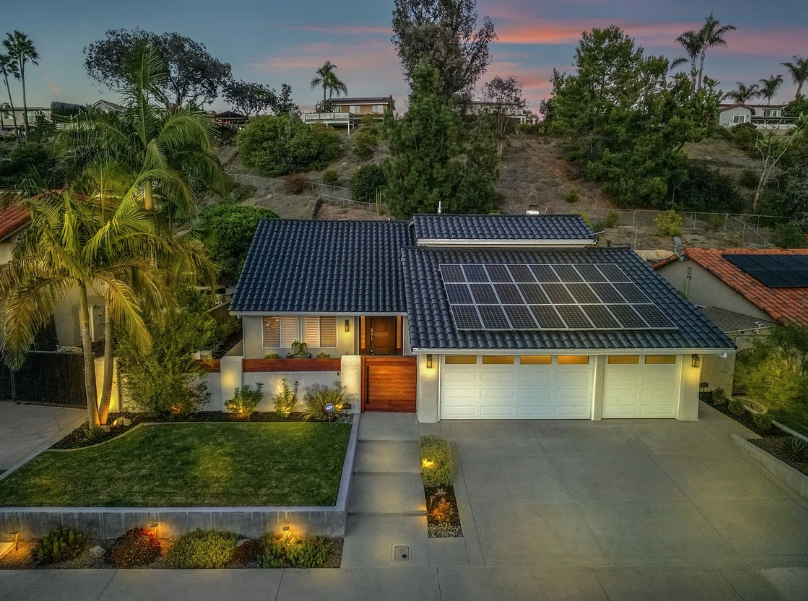
If you own luxury rental properties, your operating costs are about to change dramatically. At least 13 major U.S. cities have already mandated energy performance standards, with 30 more passing laws this year that set strict benchmarks for heating, insulation, and lighting. Green upgrades you once dismissed as optional are now legal requirements with real penalties for non-compliance. Here’s what matters for your bottom line: properties that get ahead of these mandates cut operating costs by 30-50% while commanding rental premiums up to 13% higher than standard properties.
TLDR:
- Green upgrades cut operating costs 30-50% while meeting mandatory building performance standards in 40+ U.S. cities by 2026.
- Smart HVAC systems, LED lighting, and water monitoring deliver 6-24 month payback periods with minimal installation disruption.
- Solar panels increase property values by 4-6% while eliminating utility bills.
- Green certifications boost rental rates 3-13% and attract corporate clients requiring ESG compliance for executive retreats.
- AvantStay manages 2,300+ properties using Lighthouse and Voyage technology to track energy use and optimize revenue across portfolios.
Why Green Upgrades Are No Longer Optional for Luxury Rental Properties
The luxury rental market is facing a regulatory shift. What property owners once considered optional sustainability features are becoming legal requirements.
At least 13 major U.S. cities have already enacted building performance standards policies, with 30 more committed to passing similar laws by 2026. These regulations set mandatory energy benchmarks that force upgrades across heating systems, insulation, and lighting. Miss the deadline, and you’re looking at steep fines or operational restrictions.
For luxury rental owners, this changes the investment calculus. You’re no longer deciding whether to go green. You’re deciding whether to get ahead of requirements or scramble to comply when deadlines hit.
These mandated upgrades also slash operating costs and increase property values, making them one of the smartest financial moves you can make in 2026.
Smart HVAC Systems Can Cut Your Energy Costs by Up to 50%
HVAC accounts for the biggest chunk of your energy bill in hospitality properties. If you’re running luxury rentals with multiple bedrooms and high ceilings, heating and cooling costs can eat 40-60% of your total utility spend. That’s where smart HVAC systems make an outsized difference.
Smart thermostats go far beyond programmable schedules. They detect occupancy in real time, dropping temperatures when guests are out and restoring comfort before they return. The system learns usage patterns and adjusts automatically, so you’re not heating empty bedrooms or cooling unoccupied common areas.
The numbers are real. New efficient HVAC systems combined with smart controls and lighting can cut energy use by 30% to 50% for hotels and restaurants. For a luxury rental portfolio, that translates to thousands in annual savings per property.
Energy-Efficient Lighting Delivers Quick Wins with Minimal Disruption
Lighting accounts for nearly 25% of electricity consumption in hospitality properties, making it one of the fastest ways to cut your operating costs. Unlike HVAC overhauls or solar installations, LED retrofits require minimal capital and zero downtime.
LED bulbs use 75% less energy than traditional incandescent lighting and last 25 times longer. For a 10-bedroom luxury rental, swapping out 50-75 bulbs can drop your lighting costs by $500-800 annually while eliminating the constant bulb replacement cycle.
Smart lighting controls multiply these savings. Motion sensors shut off lights in bathrooms, closets, and hallways when guests leave the room. Dimmer systems reduce brightness during daylight hours and adjust automatically based on natural light levels.
The payback period is typically under two years, and installation takes days rather than weeks. You’re not tearing out walls or shutting down units for extended periods. Most property managers can execute a full lighting retrofit between guest stays with zero impact on bookings or revenue.
Water Conservation Technology Cuts Utility Bills and Protects Against Damage
Water damage claims average $10,000+ per incident in rental properties, making leak detection one of the highest-ROI investments you can make. Smart water monitoring systems catch problems before they become disasters, alerting you to unusual flow patterns that signal leaks, running toilets, or burst pipes.
Low-flow fixtures cut water consumption without sacrificing guest experience. High-performance toilets, showerheads, and faucet aerators reduce usage by 20-30% while maintaining pressure and performance. Water-saving systems cut consumption by 39% compared to standard buildings.
For multi-property portfolios, these savings compound quickly. A 10-property portfolio averaging $300 monthly water bills can save $7,000-12,000 annually while reducing insurance premiums through proactive leak prevention.
Solar Panels Transform Operating Expenses Into Long-Term Assets
Solar installations convert your electricity bill from recurring expense to capital investment. Net metering programs let you sell excess power back to the grid during low-occupancy periods, offsetting costs when your property sits empty between bookings. This works particularly well for vacation rentals with seasonal demand patterns or properties you use personally several weeks per year.
You’re converting an unpredictable operating expense into fixed asset appreciation that compounds over your property’s lifetime.
Insulation and Building Envelope Upgrades Reduce Year-Round Energy Demand
Poor insulation forces HVAC systems to compensate for air leaks and temperature loss. Air sealing and insulation upgrades create passive savings before heating or cooling activates.
Air leaks around windows, doors, and attic spaces account for 25-40% of heating and cooling losses in older properties. Professional air sealing with spray foam or weatherstripping creates consistent interior temperatures, reducing HVAC workload and extending equipment lifespan.
Attic insulation upgrades deliver the highest return. Heat rises, making poorly insulated attics a major source of energy waste year-round. Upgrading to current insulation standards can cut heating and cooling costs by 15-20% annually.
Window upgrades multiply these benefits. Double or triple-pane windows with low-E coatings block heat transfer while maintaining natural light. For luxury properties with floor-to-ceiling windows or expansive glass walls, high-performance glazing prevents temperature swings that drive up energy bills and create guest complaints.
These structural improvements compound across every other system. Better insulation means smart thermostats cycle less frequently, solar panels cover a larger percentage of reduced demand, and guests experience consistent comfort without constant thermostat adjustments.
Smart Home Integration Creates Operational Efficiency at Scale
Managing one luxury rental with smart tech is simple. Managing 10 or 50 properties requires centralized control systems that collect data and automate decisions across your entire portfolio.
Property management systems with smart home integration let you monitor energy usage, occupancy patterns, and system performance from a single dashboard. You can spot which properties consume excessive energy during vacant periods, identify HVAC systems running outside normal parameters, and catch maintenance issues before they become emergency repairs.
Automation rules scale instantly across multiple units. Remote access prevents revenue loss from system failures when smart locks malfunction minutes before guest arrival.
Green Certifications Drive Higher Occupancy and Premium Pricing
LEED and ENERGY STAR certifications create measurable pricing power in luxury rentals. Green-certified properties command premiums of 8% to 21.4% at sale, while rental rates run 3% to 13% higher depending on certification level. For a property generating $150,000 annually, that translates to an extra $4,500 to $19,500 in revenue before factoring in lower operating costs.
Corporate clients booking executive retreats increasingly require certified properties to meet ESG reporting requirements. Certification proves your property meets third-party environmental standards, giving you an edge when competing for high-value bookings.
The certification process surfaces operational improvements through third-party audits that identify energy waste, water inefficiencies, and maintenance gaps cutting into margins. You receive a roadmap for upgrades that pay back quickly while earning credentials justifying higher nightly rates and extended booking windows.
Green Upgrade Type | Energy Savings | Typical Payback Period | Installation Impact | Best For |
|---|---|---|---|---|
LED Lighting Retrofit | 75% reduction in lighting costs, 25x longer bulb lifespan | 12-24 months | Days between guest stays, zero downtime | Quick wins across all property types, immediate cost reduction |
Smart HVAC Systems | 30-50% reduction in heating and cooling costs | 3-5 years | Minimal disruption, installed between bookings | Properties with high occupancy rates and multi-bedroom layouts |
Low-Flow Water Fixtures | 20-30% water consumption reduction, 39% savings vs standard buildings | Under 2 years | Days, room-by-room installation possible | Multi-property portfolios, areas with high water costs |
Smart Water Monitoring | Prevents $10,000+ damage claims per incident | 6-18 months through insurance savings and leak prevention | One day installation, no guest disruption | All rental properties, particularly older buildings prone to leaks |
Building Envelope (Insulation & Air Sealing) | 15-20% annual heating and cooling cost reduction, 25-40% reduction in air leaks | 5-10 years | 1-2 weeks, requires property vacancy | Older properties with poor insulation, properties with guest comfort complaints |
Solar Panel Installation | Eliminates utility bills, net metering offsets costs during vacancy | 5-15 years | 2-4 weeks, minimal interior disruption | Properties with seasonal demand, high electricity costs, sunny climates |
High-Performance Windows | Compounds with insulation for total energy reduction | 10-15 years | 2-3 weeks, requires property vacancy | Luxury properties with floor-to-ceiling glass, extreme climate zones |
Start With Quick Wins, Then Scale to Major Systems
Not every green upgrade makes financial sense for every property. Your best move is starting with high-ROI projects that pay back fast, then reinvesting those savings into bigger infrastructure upgrades.
LED lighting and low-flow fixtures deliver 12-24 month payback periods with zero downtime. You can retrofit between guest stays, start seeing lower bills immediately, and build a track record of savings that justifies bigger investments. Smart thermostats and water monitoring come next, cutting waste during vacant periods while preventing damage that costs more than years of utility bills.
Your property’s baseline consumption determines which major upgrades make sense.
How AvantStay Powers Sustainable Operations at Scale
We built our tech stack to make sustainable operations scalable for property owners—you get the financial benefits without managing the complexity yourself.
Lighthouse, our property management platform gives you visibility into operating costs at the property and portfolio level, so you can prioritize upgrades that deliver the biggest savings.
We take a proactive approach. Every quarter, we perform detailed inspections and audits that account for seasonal factors, catching issues before they become expensive repairs and keeping your home well-maintained year-round. Between guest stays, we conduct three separate inspections: post-checkout, post-cleaning, and pre-arrival. Each one checks HVAC performance, thermostat settings, and water systems to prevent the energy waste that eats into your margins.
Voyage, our AI-driven pricing engine, offsets green upgrade investments by maximizing revenue. The system analyzes 75 to 150+ micro-seasons per property, pushing rates during peak demand while maintaining occupancy during slower periods. Higher revenue per booking means faster payback periods on solar, HVAC, and insulation investments. You’re not choosing between sustainability and profitability—you’re getting both.
Final Thoughts on Building a More Profitable Rental Business
Every dollar you spend on sustainable home upgrades works harder than traditional renovations because it keeps paying you back month after month. Lower utility bills mean better cash flow. Green certifications mean higher nightly rates and longer booking windows. Better insulation and smart systems mean fewer maintenance headaches and happier guests who leave better reviews. You’re building a portfolio that gets more valuable and costs less to operate with every passing year.
Our vacation rental management team can walk you through which upgrades make sense for your specific properties and market.
FAQ
How long does it take to see ROI on smart HVAC upgrades in luxury rentals?
Most luxury rental owners recoup their smart HVAC investment within 3-5 years through 30-50% energy savings, with properties in high-occupancy markets seeing even faster payback periods.
What’s the difference between LED retrofits and smart lighting systems?
LED bulbs cut energy use by 75% and last 25 times longer than incandescent lighting, while smart lighting systems add motion sensors and automatic dimming that can reduce your lighting costs by another 20-30%.
Can solar panels generate income during vacant periods between bookings?
Yes, net metering programs let you sell excess power back to the grid when your property sits empty, offsetting costs during high-occupancy periods and improving your overall investment returns.
When should property owners prioritize building envelope upgrades over HVAC replacements?
If your property has visible air leaks, drafty windows, or poor attic insulation, fix those first—sealing the building envelope cuts heating and cooling losses by 25-40% and extends the lifespan of your HVAC equipment.
How do green certifications affect corporate booking rates for luxury rentals?
Corporate clients increasingly require LEED or ENERGY STAR certified properties to meet ESG reporting requirements, giving you access to high-value executive retreat bookings while commanding 3-13% premium rates.