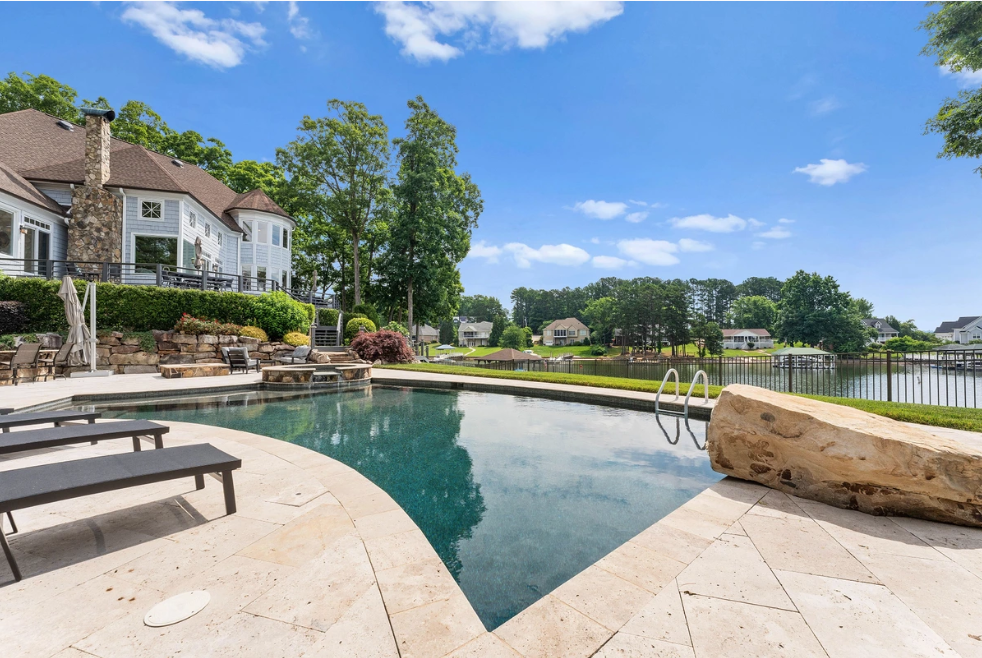
You’re evaluating the pros and cons of destination club ownership because a friend joined one last year and can’t stop talking about staying in different properties each month. The lifestyle perks sound incredible, but you own the luxury property, and you’re trying to figure out if contributing your asset to a club portfolio makes financial sense. Between initiation fees, annual dues, restricted booking windows, and surrendered revenue control, you’re trying to understand if the math works—or if professional property management delivers better returns while you keep full ownership.
TLDR:
- Destination clubs require mid-six figures initiation fees plus annual dues, limiting property control and revenue optimization for owners.
- You surrender direct ownership control and booking flexibility when contributing property to a destination club portfolio.
- Professional property management lets you retain full ownership while generating revenue instead of paying membership fees.
- Equity clubs offer potential resale value, while non-equity clubs provide no ownership stake or exit recovery.
- AvantStay manages 2,300 properties with $5B+ in assets, delivering full-service operations while owners keep equity and control.
Understanding Destination Club Ownership
Destination clubs offer property owners an alternative way to monetize luxury real estate assets. Rather than managing a single vacation home or relying on a traditional property manager, owners may contribute a property to a members-only portfolio that provides shared access to a curated collection of high-end homes.
The model typically works as follows: members pay a substantial upfront initiation fee, often in the mid-six figures, along with annual dues. In return, they receive usage rights that allow them to reserve stays across the club’s entire portfolio, which can include properties in destinations such as Aspen, the Caribbean, European ski resorts, and premier beach markets worldwide.

The Financial Investment Required to Join
The upfront costs of destination club membership can be eye-opening once you run the numbers. Initial buy-ins commonly range from the low six figures to well over $300,000, depending on whether the club uses refundable equity contributions, non-refundable initiation fees, or a hybrid structure. Luxury clubs targeting ultra-high-net-worth members often sit at the top end of that spectrum.
Annual dues add ongoing expense. Depending on the club’s operational model and service level, members typically pay between $5,000 and $30,000 per year to maintain access, covering property maintenance, staffing, and portfolio-wide operations.
Variable and less-visible costs can materially increase total spend. Special assessments for major capital improvements, premium reservation fees for peak periods, housekeeping charges, and usage-based fees can add thousands more each year.
Some destination clubs allow property owners to contribute homes to the portfolio rather than joining solely as members. In those structures, owners often trade direct control over pricing, availability, and revenue generation in exchange for usage rights, diversification, and reduced operational responsibility.
By contrast, professional property management allows owners to retain full ownership and control, set pricing strategy, and receive transparent revenue reporting, without membership fees or portfolio-level assessments diluting returns.
Advantages of Destination Club Membership for Property Owners
For property owners, destination clubs can eliminate the time-intensive burden of managing a luxury vacation home. When you contribute your property to a club portfolio, the organization handles maintenance schedules, guest communications, and brand standards.
Access to multiple destinations becomes a key perk. Rather than owning a single vacation home, membership grants you reservation rights across the entire portfolio, from coastal resorts to mountain retreats. Your family can stay in a Telluride ski chalet in winter and a Nantucket estate in summer without purchasing multiple properties.
Shared operational costs spread risk across the portfolio. Property taxes, insurance, utilities, and routine maintenance get distributed among all members rather than falling entirely on your shoulders.
Professional oversight protects your asset’s value. Clubs employ dedicated staff who conduct regular inspections, coordinate seasonal deep cleans, and address maintenance issues before they become expensive problems.
The trade-off involves surrendering direct control over your property’s calendar and revenue optimization, which can limit your flexibility and earning potential compared to full-service property management arrangements where you retain ownership authority.
Drawbacks and Limitations Property Owners Should Know
Destination clubs impose restrictions that can constrain your property once you’re locked into membership. The most immediate limitation is booking availability. Most clubs operate on reservation windows where members compete for the same properties during peak seasons. Your Aspen chalet might sit empty in November while remaining unavailable during Christmas week when multiple members requested identical dates.
Exit strategies present serious challenges. Reselling membership interests can take years, particularly in non-equity clubs where you’re transferring access rights rather than actual property ownership. Many clubs maintain right of first refusal, controlling who can purchase your membership and at what price.
Control over your contributed property disappears entirely. The club dictates maintenance schedules, sets design standards, and determines which properties receive capital improvements. If you contributed a beachfront estate, you have no say over whether it receives renovations while other portfolio properties get priority funding.
Financial transparency varies across clubs. Unlike property management arrangements where you receive detailed revenue reports and occupancy data, destination clubs often provide minimal insight into how your contributed asset performs or how membership fees get allocated.
Equity vs. Non-Equity Destination Clubs
The structural difference between equity and non-equity clubs affects both your upfront investment and long-term financial outcomes. Understanding which model aligns with your goals matters before committing capital or property assets.
Equity clubs function as collective ownership arrangements where your membership fee purchases a deeded interest in the club’s entire real estate portfolio. As properties appreciate, your ownership stake gains value. When you exit, you can sell your membership interest to another qualified buyer or back to the club, potentially recovering part or all of your initial investment depending on market conditions.
Non-equity clubs operate as prepaid access agreements. Your initiation fee buys reservation rights but no ownership stake. Annual dues grant you booking privileges across the portfolio. When you leave, you walk away with nothing, though lower entry costs appeal to members prioritizing immediate access.
Property owners contributing assets to equity clubs retain a stake in their home’s future value, while non-equity arrangements transfer your property entirely to the club’s control with no residual interest.
Feature | Equity Clubs | Non-Equity Clubs | Property Management (AvantStay) |
|---|---|---|---|
Upfront Cost | $100,000-$500,000+ initiation fee | $24,140+ initiation fee (lower than equity) | No membership fees or initiation costs |
Annual Fees | $5,000-$30,000 in dues plus assessments | $5,000-$30,000 in dues plus assessments | No annual dues—you earn revenue instead |
Ownership Status | Deeded interest in entire portfolio with potential resale value | No ownership stake—access rights only with zero residual value | You retain 100% ownership and full equity in your property |
Property Control | Club dictates maintenance, design, calendar, and capital improvements | Club dictates maintenance, design, calendar, and capital improvements | You maintain control over major decisions with transparent reporting |
Booking Flexibility | Compete with other members during peak seasons within reservation windows | Compete with other members during peak seasons within reservation windows | Full control over personal use and revenue optimization |
Exit Strategy | Can sell membership to qualified buyer or back to club, potentially recovering investment | No resale value—walk away with nothing upon exit | Sell your property anytime at market value with full equity appreciation |
Financial Transparency | Limited insight into individual asset performance and fee allocation | Minimal reporting on contributed property performance | Real-time dashboard with revenue, occupancy, and maintenance data |
Revenue Generation | You pay fees to access properties instead of earning income | You pay fees to access properties instead of earning income | Dynamic pricing and optimization generates income for you |
How Destination Clubs Differ from Traditional Property Management
The confusion between destination clubs and property management companies stems from surface-level similarities. Both involve luxury properties, both market to affluent audiences, and both promise hassle-free experiences. But the underlying business models serve opposite sides of the vacation rental equation.
When you join a destination club, you’re purchasing access as a consumer. You pay initiation fees and annual dues for the privilege of booking stays across properties you don’t own. The club positions itself as a hospitality provider selling vacation experiences to members.
Property management works for property owners, not guests. When you partner with a management company, you retain full ownership of your asset while the company handles operations, bookings, and guest services. Revenue flows to you, not away from you in membership fees. The best property managers generate income for owners through dynamic pricing and direct bookings.
AvantStay’s Approach to Luxury Property Management
We built AvantStay to solve this exact dilemma for property owners who want professional management without surrendering ownership or paying membership fees to access other homes.
Our full-service model delivers institutional-grade operations across 2,300 properties representing more than $5 billion in assets under management. You retain complete ownership while we handle award-winning interior design, dynamic pricing, 24/7 guest support, and routine maintenance.
The Lighthouse owner portal gives you real-time visibility into your property’s performance. Track revenue, occupancy rates, and maintenance requests from your phone.
Unlike destination clubs where you pay annual dues, our model generates income for you. Our proprietary revenue management algorithm analyzes thousands of data points to optimize pricing based on local events, seasonal demand, and market conditions.
You keep equity in your asset, control over major decisions, and access to transparent financial reporting while we bring the same operational sophistication destination clubs promise.

Final Thoughts on Joining Members-Only Vacation Clubs
Before joining a destination club, run the numbers on what you’d earn through property management versus what you’d pay in fees for multi-home access. Most owners discover they can generate more income by keeping full ownership and partnering with a management company that handles operations, bookings, and guest services. We offer vacation rental management that delivers club-level service quality while your property earns revenue and appreciates in your name. You get professional oversight without surrendering equity or paying annual dues to access what you already own.
FAQ
What’s the main difference between destination clubs and property management for luxury home owners?
Destination clubs require you to pay membership fees and annual dues to access a portfolio of properties you don’t own, while property management lets you retain full ownership of your asset and generates revenue for you through professional operations and optimized bookings.
How much control do you lose when contributing your property to a destination club?
You surrender complete control over your property’s calendar, maintenance schedules, design decisions, and capital improvement priorities—the club makes all operational choices while you receive limited financial transparency about your asset’s performance.
Can you sell your destination club membership if you want to exit?
Reselling depends on whether you joined an equity or non-equity club, but both can take years to exit—equity memberships may recover some value while non-equity arrangements leave you with nothing, and most clubs maintain right of first refusal on any sale.
What hidden costs should property owners expect with destination club membership?
Beyond initiation fees and annual dues ranging from $5,000 to $30,000, you’ll face special assessments for renovations, reservation fees during peak dates, housekeeping charges, and the opportunity cost of forfeiting direct revenue from your contributed property.
How does professional property management generate income without membership fees?
Full-service property managers use dynamic pricing algorithms and direct booking channels to optimize your revenue while you retain ownership, control pricing strategy, and receive transparent performance reports—all without paying annual dues or losing access to your asset.