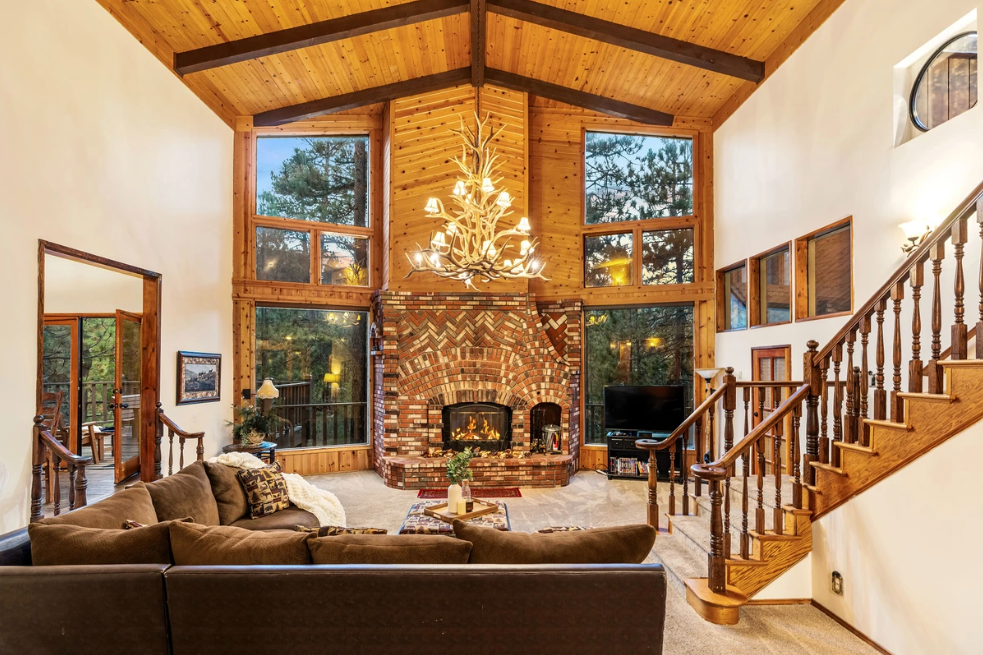
Check your last utility bill for your vacation rental and look at the periods between bookings. You paid to keep an empty house at 72 degrees, maintain hot water nobody used, and power lights in vacant rooms. As a property owner, these costs eat directly into your bottom line—especially when entire properties sit empty for days or weeks between guest stays. Smart energy automation drops your property into low-power mode after checkout and brings it back online before the next guest arrives, cutting utility expenses without manual adjustments.
TLDR:
- Smart thermostats cut HVAC costs by 8% annually through automated setback schedules.
- Water heater automation eliminates 26% of standby energy losses during vacant periods.
- Occupancy sensors and smart lighting prevent waste across entire properties between bookings.
- Energy monitoring systems catch equipment failures before they drive up utility bills.
- AvantStay manages 2,300+ properties with tech-enabled automation for hands-off energy control.
Smart Thermostat Automation for HVAC Efficiency
Smart thermostats let you control heating and cooling costs without constantly adjusting settings between bookings. According to ENERGY STAR, smart thermostats can reduce heating and cooling costs by around 8% annually, which adds up when your properties sit vacant between guest stays.
The real value comes from automated setback schedules. Program your thermostat to drop temperatures during winter vacancies or raise them during summer gaps, then automatically return to comfortable levels before guests arrive.
Geofencing detects when guests actually arrive at your property and adjusts climate settings accordingly, so you’re not heating or cooling an empty home while waiting for check-in.
Remote control capabilities mean you can respond to last-minute bookings or weather changes from anywhere. If a cold snap hits and pipes are at risk, bump up the heat from your phone. If a guest checks out early, switch to energy-saving mode immediately.
Automated Water Heater Management to Reduce Standby Losses
Water heaters consume energy around the clock just to keep water hot, even when no one’s using it. Standby losses account for roughly 26% of total water heating energy in existing homes, making this a major target for cost savings in vacant vacation rentals.
Timer-based controllers offer the simplest automation. Set your water heater to power down during gaps between bookings and turn back on 2-3 hours before check-in. This works well if you have predictable booking patterns.
Smart water heater controllers connect to your property management system and automatically adjust based on actual booking data, so there’s no manual programming between guests. Some models learn typical heat-up times for your specific tank size and calculate when to start heating based on check-in schedules.
Tankless water heaters eliminate standby losses entirely by heating water on demand. While the upfront cost is higher, you’ll never waste energy maintaining a 40-50 gallon tank at temperature when your property sits empty between stays.
Smart Lighting Systems with Occupancy Sensors
Occupancy sensors automatically cut power to lights in empty rooms, which matters more in vacation rentals since entire properties sit dark between bookings. Motion-activated fixtures prevent waste when guests forget to flip switches before checkout, and they add convenience that improves reviews.
Schedule-based automation syncs lighting with your booking calendar. Lights stay off during vacancies, then turn on 30 minutes before check-in to create a welcoming arrival. You can program exterior lights for dusk-to-dawn operation during occupied periods and minimal overnight lighting during gaps.
Smart bulbs and switches let you control every fixture remotely through a single app. If guests report a problem, verify whether lights are malfunctioning or just turned off at the wrong switch. Create automated “away” patterns that cycle lights on and off during vacancies to deter break-ins.
Integration with property management software eliminates manual scheduling. When a booking enters your system, lighting schedules adjust automatically based on check-in and checkout times.
Automated Climate Zoning for Multi-Room Properties
Climate zoning heats or cools specific areas of larger properties instead of treating the entire home as one unit. Since HVAC systems account for approximately 48% of total household energy usage, this targeted approach delivers real savings in properties with 5+ bedrooms.
Zone controllers add motorized dampers to ductwork and separate thermostats for different areas. Set master suites to stay comfortable while keeping guest bedrooms at minimal temperatures during vacancies, then bring all zones online before check-in.
Configure zones based on actual guest behavior. Common areas like kitchens and living rooms need climate control during waking hours, while bedrooms only need it overnight. Basement entertainment spaces or detached guest houses can run on completely separate schedules.
Occupancy-based zoning adapts automatically when guests use fewer bedrooms than your property offers. Door sensors trigger zone activation only when needed, preventing waste while keeping the entire property accessible.
Smart Power Strips and Plug Controllers to Eliminate Vampire Loads
Electronics continue drawing power even when turned off or in standby mode. Vampire loads consume between 5% and 10% of total residential electricity, which means you’re paying to power devices that aren’t being used whenever your property sits empty.
Smart power strips let you schedule complete shutdowns of entertainment centers, kitchen appliances, and office equipment between guest stays. Instead of individual devices trickling power in standby mode, cut everything at once through app-based scheduling.
Focus on high-priority targets first: coffee makers, TVs, cable boxes, and gaming consoles that draw standby power continuously. Desktop computers, printers, and chargers left plugged in also waste energy between bookings. Smart plugs on window AC units, space heaters, and decorative lighting prevent accidental operation when properties are vacant.
Schedule-based controllers eliminate manual switching. Program outlets to cut power at checkout time and restore it two hours before the next guest arrives.
Some smart strips include individual outlet control, letting you keep security systems or internet routers powered while shutting down everything else. This gives you granular control without compromising property monitoring during gaps.
Energy Monitoring Systems with Automated Alerts
Real-time energy monitoring gives you visibility into exactly where and when your properties consume power. Whole-home monitors install at the electrical panel and track usage by circuit, showing you which appliances or systems drive spikes in consumption.
Automated alerts catch problems before they escalate. If your HVAC system suddenly starts drawing more power than baseline, you’ll receive a notification within hours instead of discovering a malfunctioning compressor on the next utility bill. The same applies to water heaters running continuously due to failed thermostats or refrigerators struggling with dirty coils.
Portfolio-level dashboards let you compare energy consumption across multiple properties. Identify which homes consistently run higher costs and investigate whether the issue is inefficient equipment, poor insulation, or incorrect automation settings.
Track ROI on energy investments for your vacation rental by measuring actual consumption before and after installing automation systems. Quantifiable data beats estimates when deciding which properties justify smart thermostat installations or HVAC upgrades.
Integration with Property Management Software for Seamless Automation
Property management software connects your smart devices to booking calendars, creating automated workflows that adjust energy settings based on occupancy status. When a guest checks out, your PMS triggers thermostats, water heaters, lighting, and plugs to switch into vacancy mode without manual intervention.
What to Look for in Energy-Focused PMS Features
Choose a PMS that offers native integrations with major smart home brands like Ecobee, Nest, and Lutron. The best systems let you set custom rules for different scenarios: vacancy mode reduces heating and cooling to minimal levels, turnover mode activates climate control a few hours before arrival to ensure properties are guest-ready without wasting energy during extended gaps. Look for systems that provide energy consumption reports across your entire portfolio, helping you identify which properties need equipment upgrades and track actual ROI on automation investments.
Energy System | Automation Method | Potential Savings | Best For |
|---|---|---|---|
HVAC (Smart Thermostats) | Automated setback schedules, geofencing, remote control via PMS integration | 8% annual reduction in heating and cooling costs | All vacation rentals, especially properties with extended vacancy periods between bookings |
Water Heaters | Timer-based controllers, smart controllers synced to booking calendar, tankless systems | 26% reduction in standby energy losses during vacant periods | Properties with predictable booking patterns or integrated property management systems |
Lighting | Occupancy sensors, schedule-based automation, smart bulbs with PMS integration | Eliminates waste from lights left on in vacant rooms and properties | Multi-room properties and homes with frequent guest turnover |
Climate Zoning | Motorized dampers with zone controllers, occupancy-based sensors | Up to 48% reduction by targeting specific areas instead of whole-home conditioning | Large properties with 5+ bedrooms or homes with detached guest spaces |
Electronics (Vampire Loads) | Smart power strips, scheduled plug controllers with individual outlet control | 5-10% of total electricity by eliminating standby power consumption | Properties with extensive entertainment systems, kitchen appliances, and office equipment |
Energy Monitoring | Whole-home monitors with circuit-level tracking and automated alerts | Catches equipment failures drawing 40%+ excess power before utility bills spike | Multi-property portfolios requiring centralized oversight and ROI tracking |
Final Thoughts on Managing Vacant Property Energy Use
Vacation home energy management delivers the best ROI when you stop thinking about individual devices and start building automated workflows that respond to your booking calendar. These systems cut utility costs while reducing the operational overhead of managing vacant periods—which matters more as your portfolio grows beyond a handful of properties. Focus on quick wins first (thermostats and water heaters represent 75%+ of potential savings), then add layers like lighting schedules and plug controls once you’ve proven ROI on initial investments.
AvantStay’s vacation rental management connects your smart devices to booking data automatically, so energy settings adjust without requiring constant oversight.
FAQ
How much can you actually save by automating your vacation rental’s energy management?
Smart thermostats alone can cut heating and cooling costs by around 8% annually, while eliminating vampire loads saves another 5-10% of total electricity usage. Combined with automated water heater management (which addresses the 26% of energy lost to standby heating), most property owners see 20-30% reductions in utility expenses across vacant periods.
What’s the best starting point for energy automation in a multi-property portfolio?
Start with smart thermostats since HVAC represents roughly 48% of total energy consumption in vacation homes. Once you have climate control dialed in, add smart water heater controllers and power strips to target standby losses—these deliver quick ROI and require minimal installation complexity.
When should your automated systems switch from vacancy mode to guest-ready settings?
Program thermostats and water heaters to activate 2-3 hours before check-in so your property reaches comfortable temperatures without wasting energy during extended vacant periods. Lighting can turn on 30 minutes before arrival to create a welcoming atmosphere while minimizing unnecessary runtime.
Can energy monitoring systems actually catch equipment problems before they spike your bills?
Yes—whole-home monitors track consumption by circuit and send alerts when systems draw abnormally high power. You’ll get notified within hours if your HVAC suddenly pulls 40% more energy due to a failing compressor, catching the issue before it destroys your next utility bill or requires emergency repairs between guest stays.
What PMS features matter most for hands-off energy automation?
Look for native integrations with major smart home brands like Ecobee, Nest, and Lutron, plus the ability to create custom rules that trigger automatically based on booking status. API access lets you connect less common devices, while portfolio-level energy reports help you identify which properties need attention and track actual savings over time.