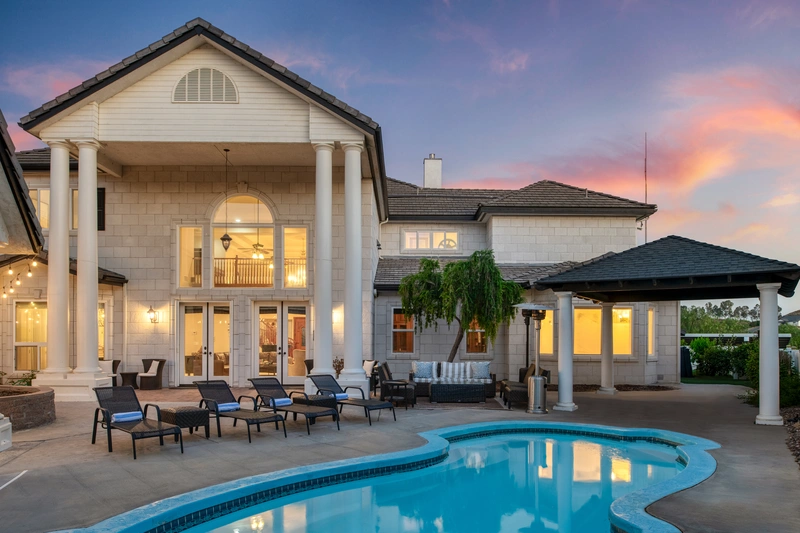
Blazing summer sunshine and explosive patriotic celebrations. This magical time combines the year’s most glorious weather with the nation’s most cherished holiday, creating unmatched opportunities for epic group adventures and meaningful family connections.
As America’s birthday month, July delivers the most spectacular travel experiences across the United States. Independence Day elevates ordinary locations into extraordinary celebration destinations. Where dazzling firework spectacles, spirited community parades, electrifying outdoor concerts, and festive gatherings paint the perfect portrait of American pride.
When you add pristine beach conditions, magnificent hiking weather, and seemingly endless daylight, July becomes the ultimate canvas for discovering America’s most breathtaking destinations.
We’ve handpicked 10 extraordinary destinations where July’s magic truly comes alive, each showcasing distinctive Fourth of July traditions, vibrant summer festivals, and optimal conditions for adventure seekers.
These carefully selected locations can be matched with luxury vacation home rentals that you can book as early as now.
Celebrating America: The Fourth of July Legacy
Understanding the rich history behind Independence Day adds profound meaning to your July travels. On July 4, 1776, the Continental Congress approved the Declaration of Independence, marking America’s bold step toward freedom and self-governance. This pivotal moment didn’t just create a nation—it established the foundation for the travel freedoms we cherish today.
Evolution of Independence Day Traditions
What started as solemn commemorations evolved into joyous community celebrations. The 19th century brought picnics, parades, and patriotic speeches. The 20th century added fireworks displays, baseball games, and family gatherings. Today’s celebrations blend historical reverence with modern entertainment, creating the perfect backdrop for memorable travel experiences.
Now, let’s explore the most spectacular AvantStay vacation rental homes to make your Independence Day getaway truly unforgettable.
1. 30A, Florida
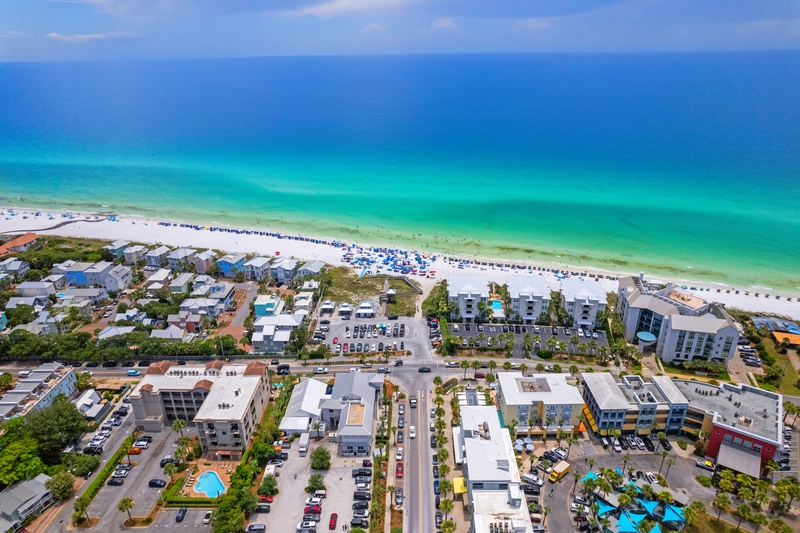
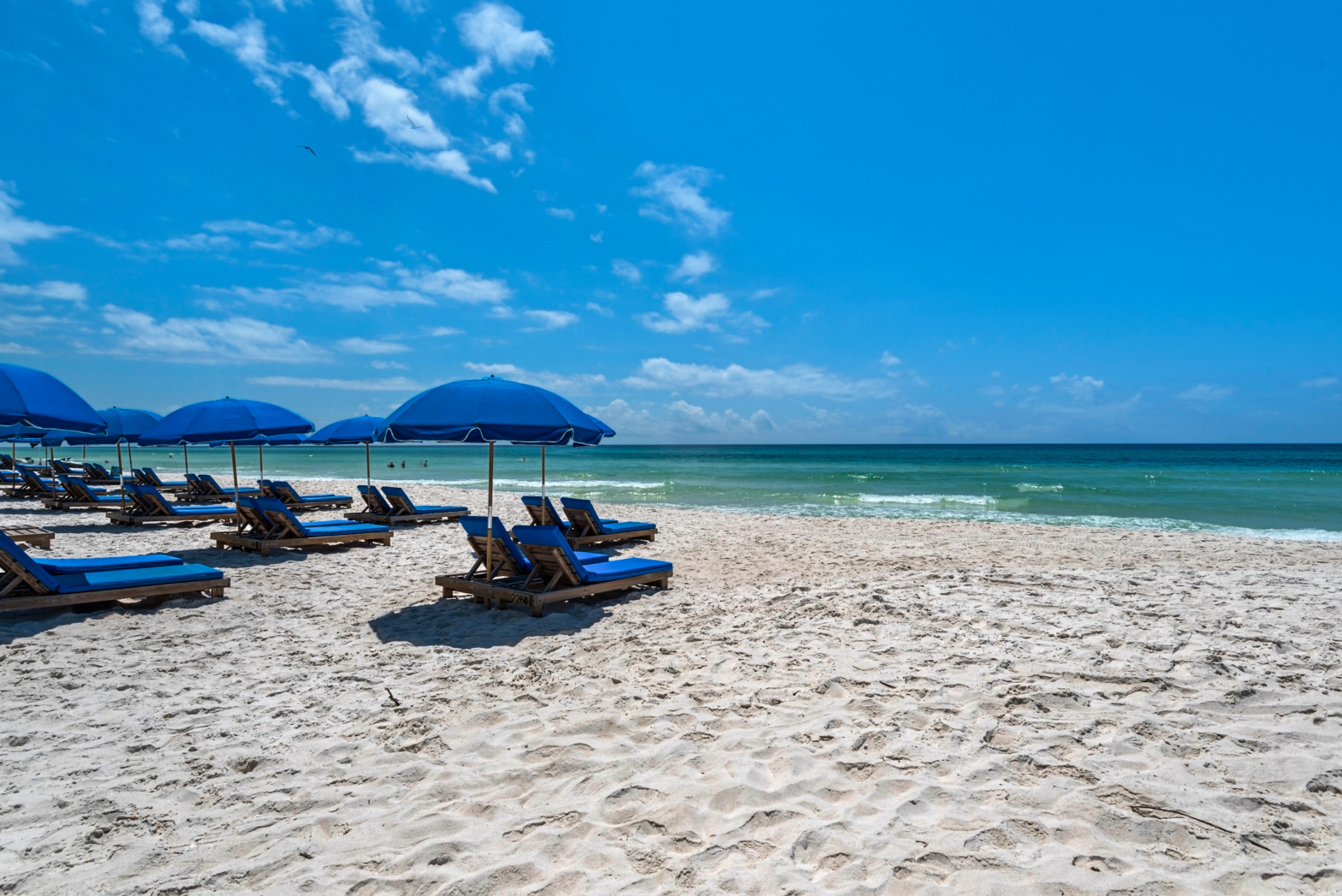
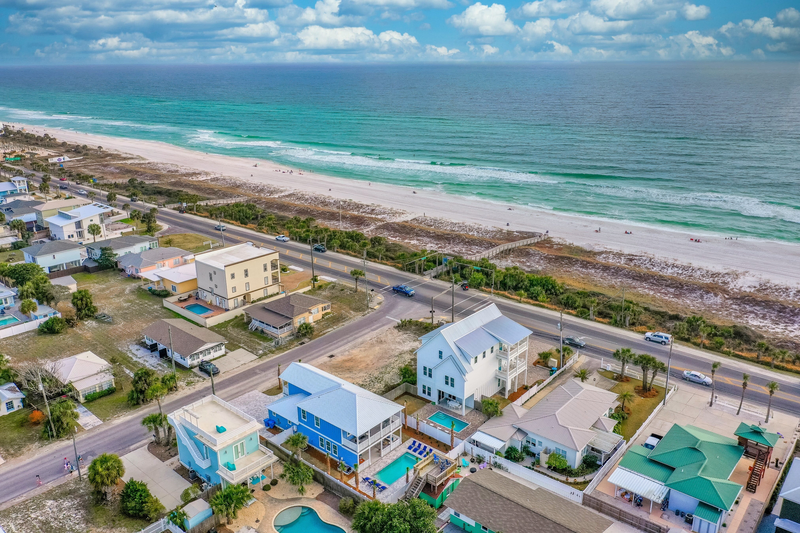
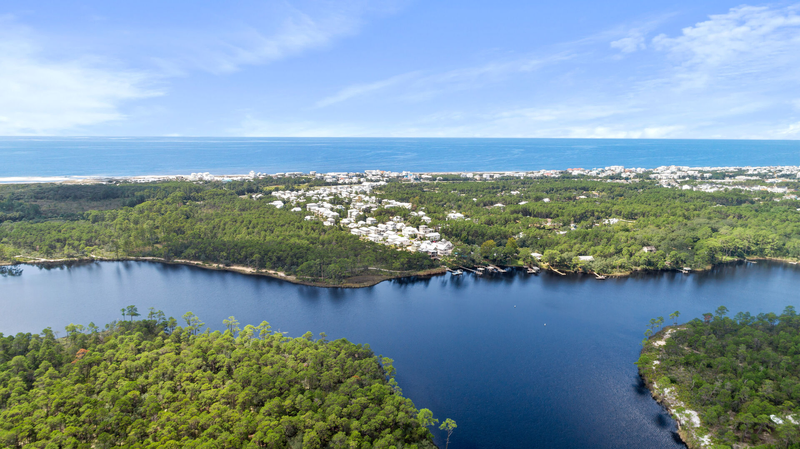
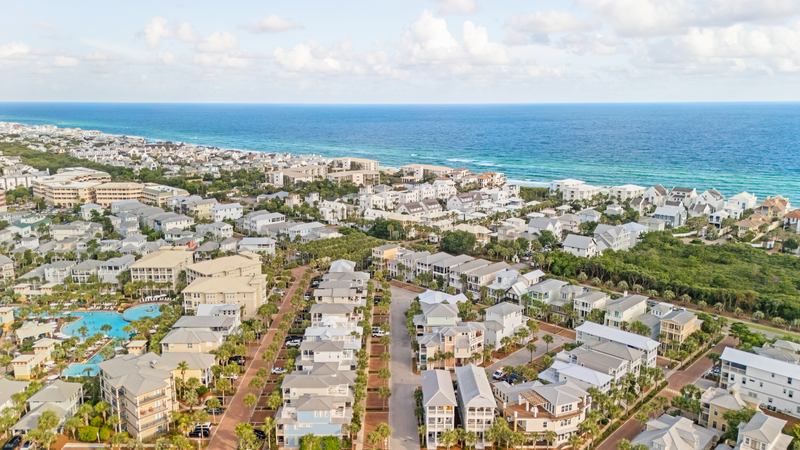
Florida’s renowned 30A corridor reaches its absolute peak during July, showcasing sugar-white beaches that rival any Caribbean paradise, coupled with the beloved South Walton Fourth of July Parade that transforms the coast into a celebration wonderland. This 18-mile scenic byway winds through some of America’s most photographed beach communities, where Independence Day brings elaborate themed floats, spirited live performances, and a breathtaking fireworks finale that illuminates the night sky over Alys Beach.
Top Activities:
Join thousands for the iconic South Walton Independence Day Parade featuring artistic floats and infectious community spirit
Bask on world-famous beaches where powdered-sugar sand meets emerald Gulf waters in stunning contrast
Wander through postcard-perfect villages like Seaside, Alys Beach, and Watercolor, each offering distinctive architectural charm
Capitalize on sublime July conditions for paddleboarding, deep-sea fishing, and endless beach recreation
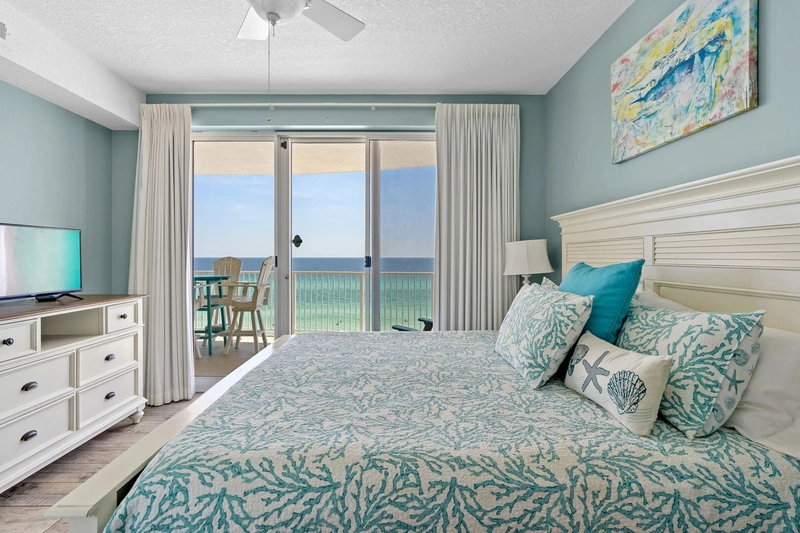
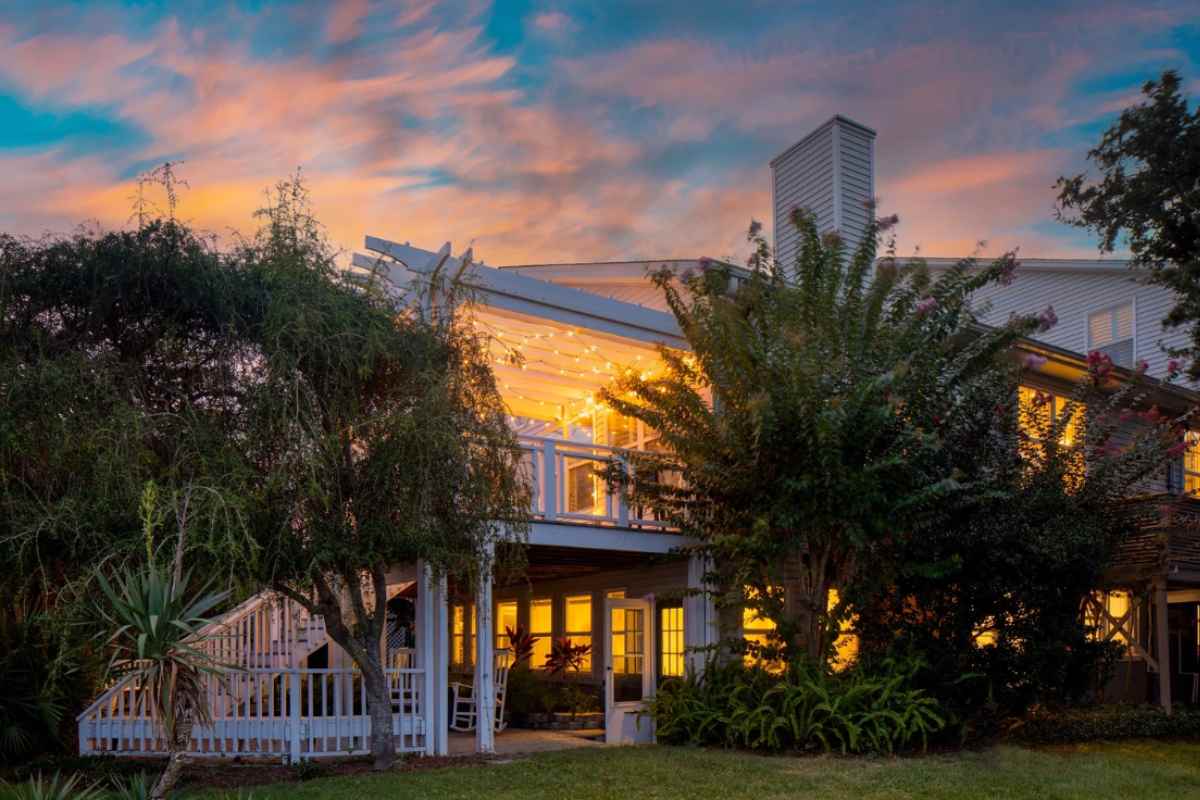
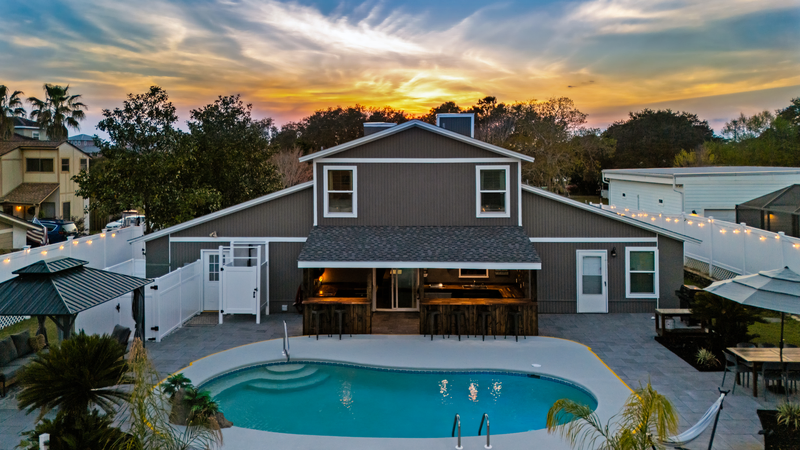
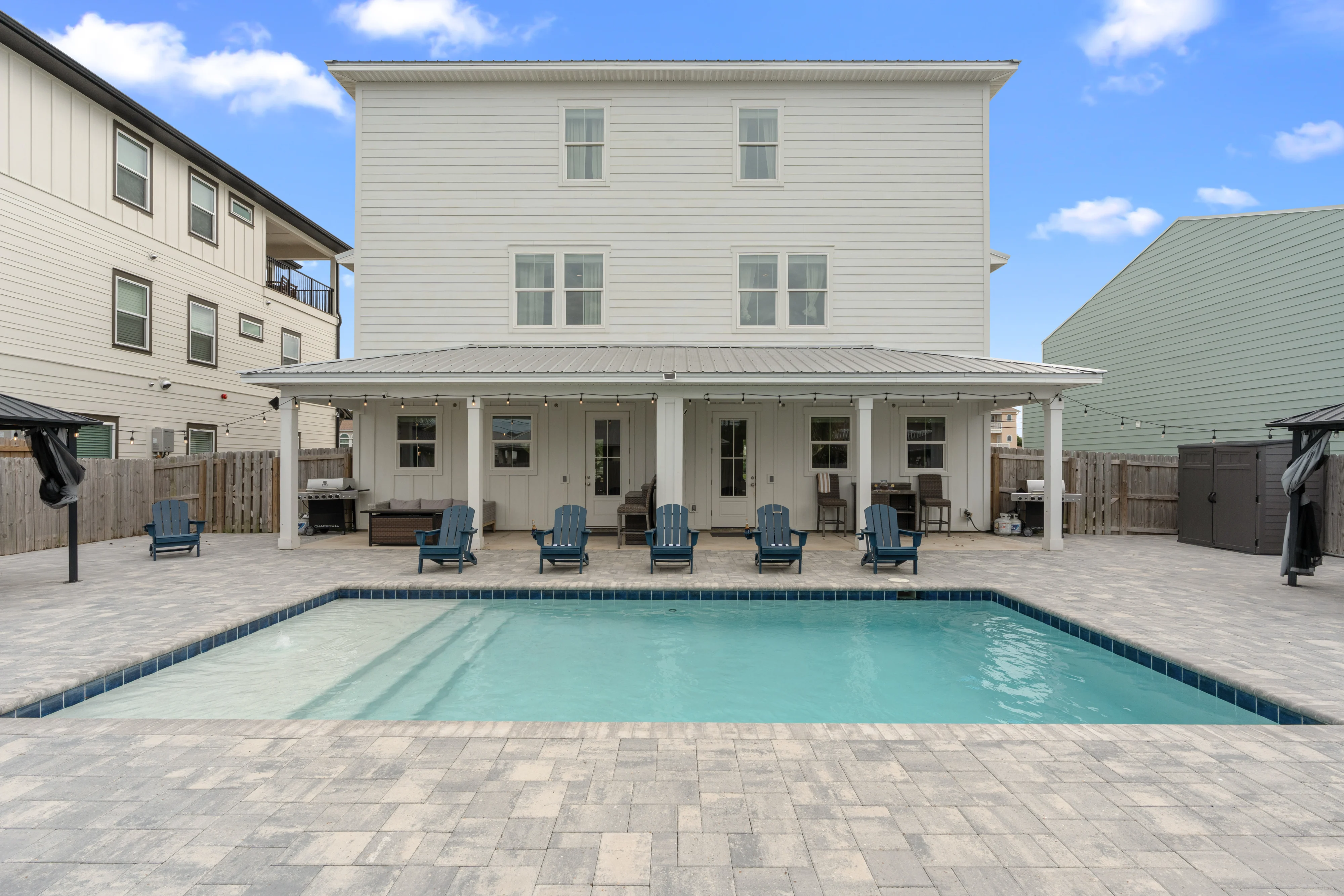
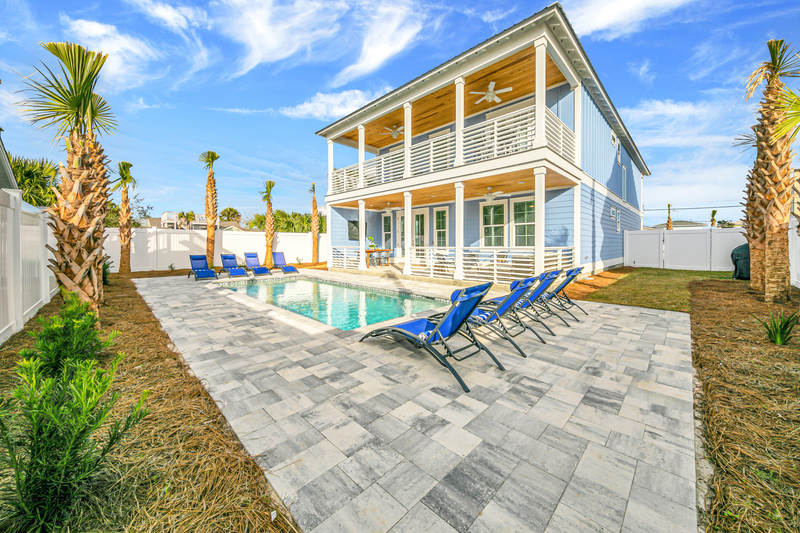
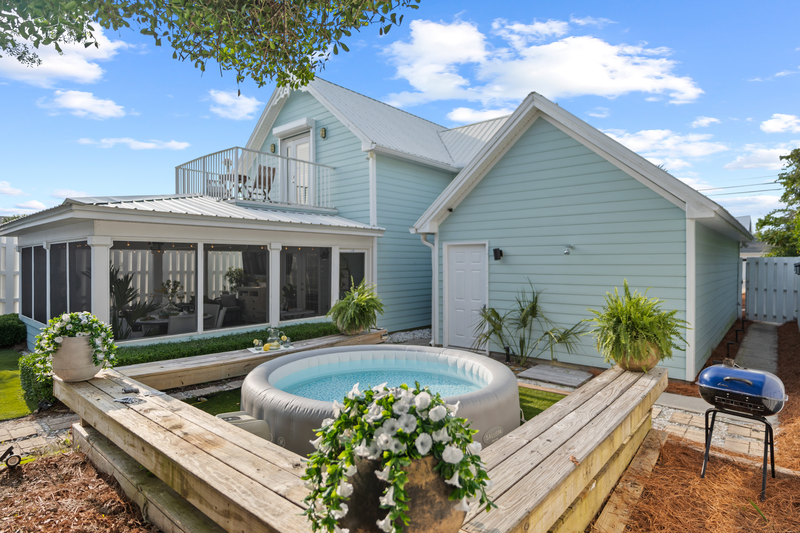
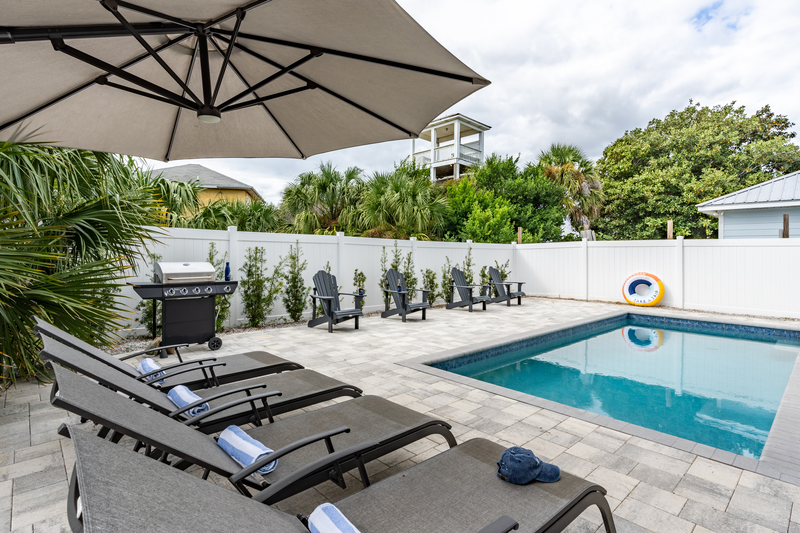
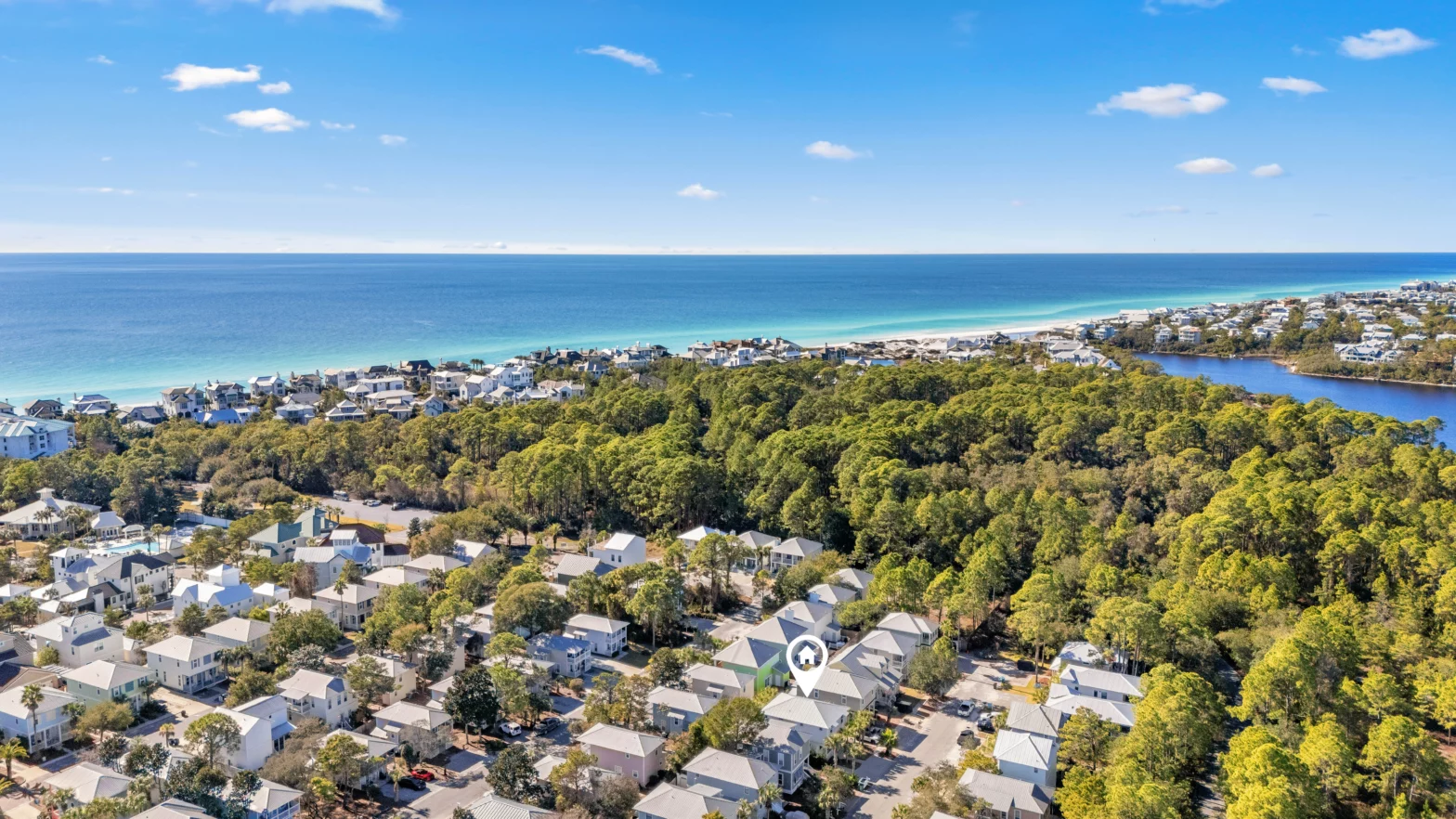
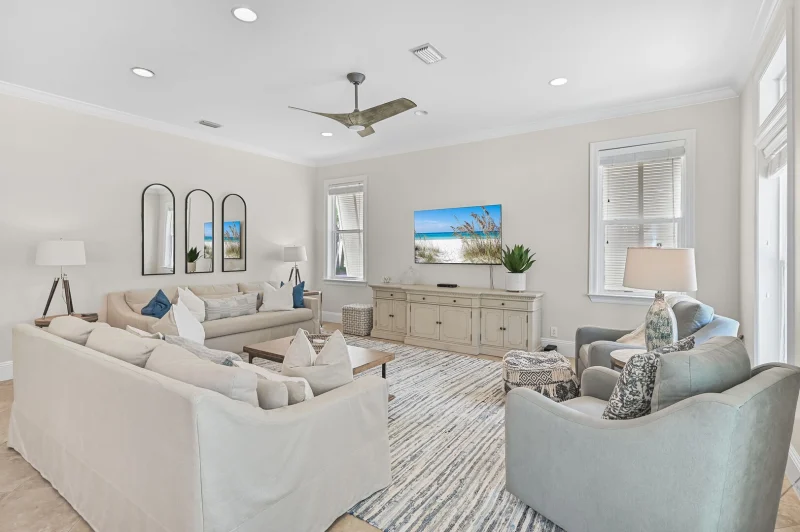
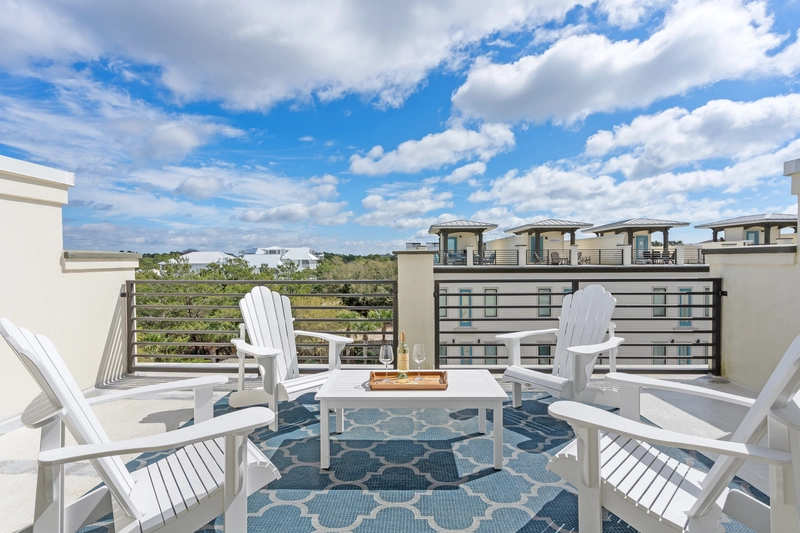
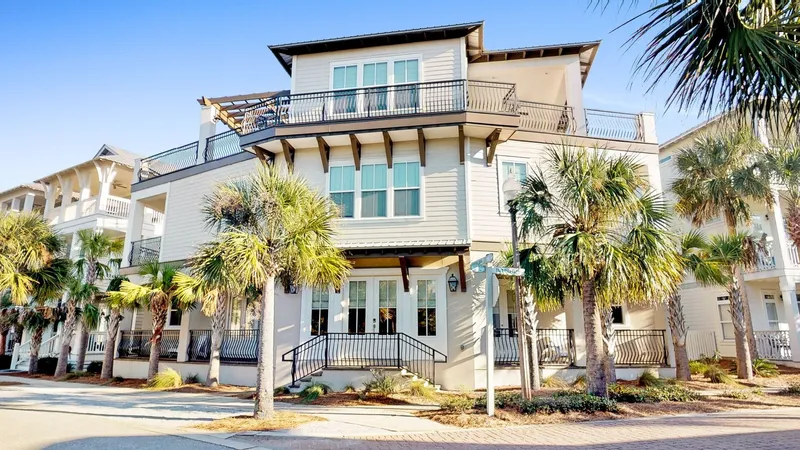
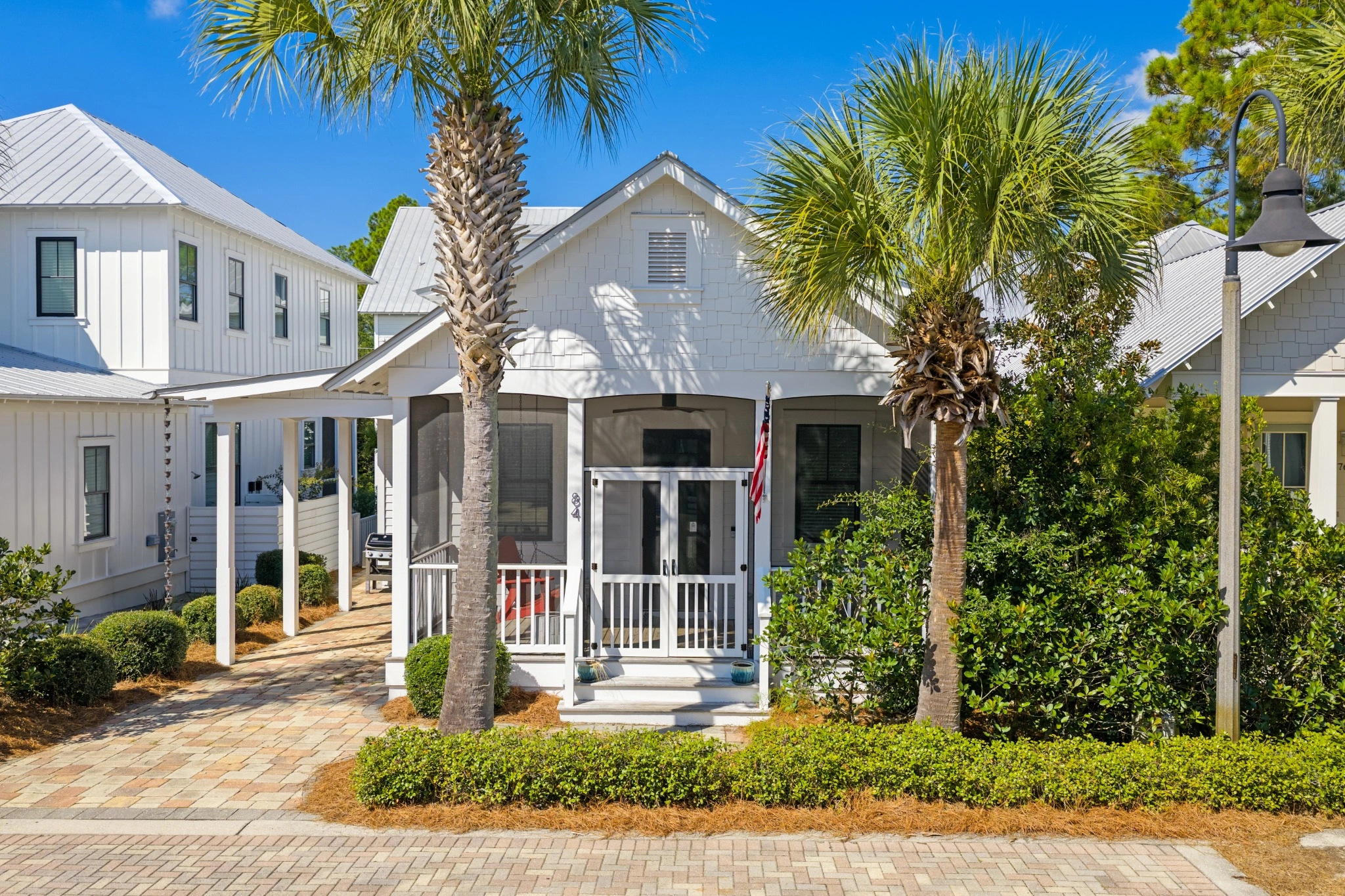
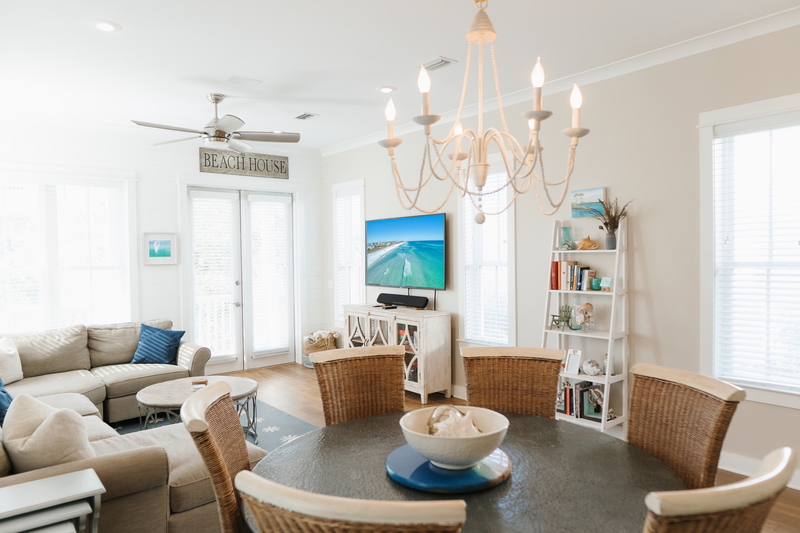
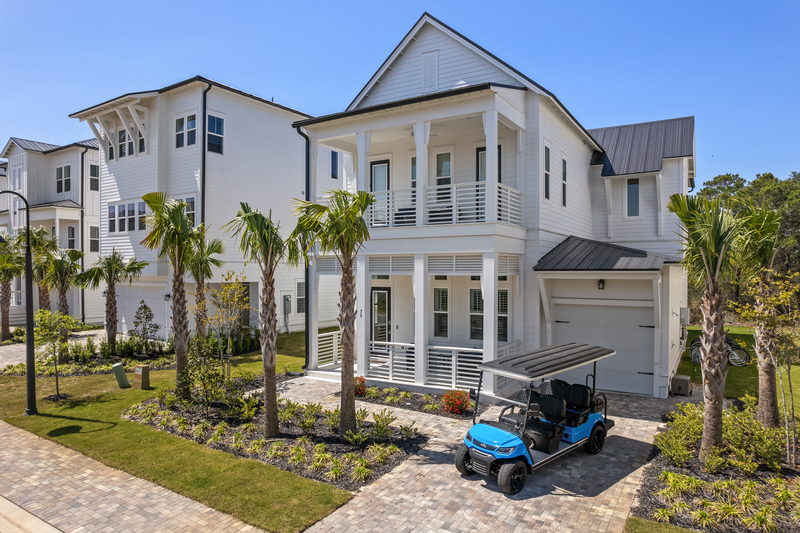
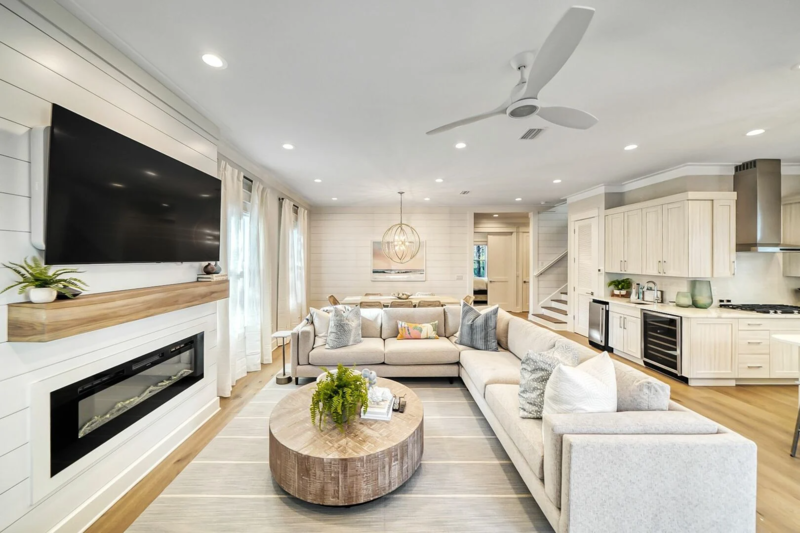
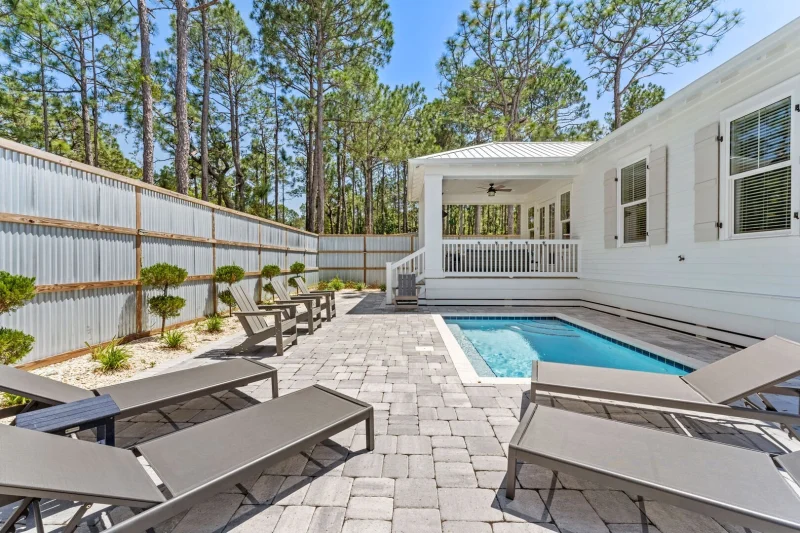
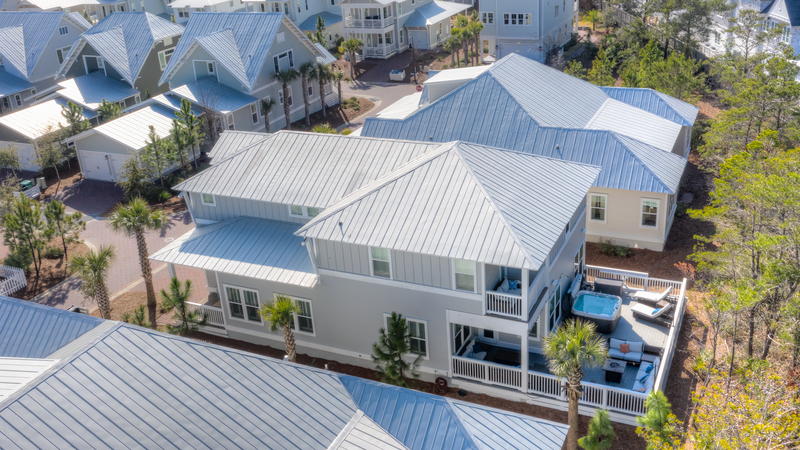
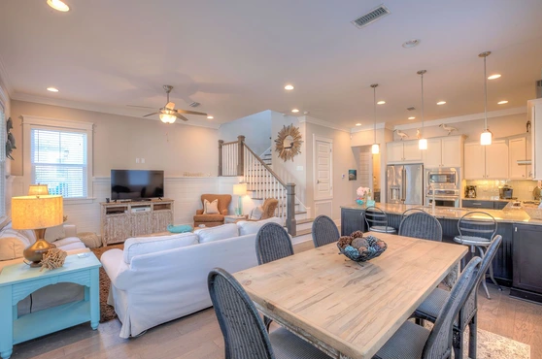
Where to Stay: Unwind at 30A Serenity Sands, a luxurious Gulf Place retreat featuring peekaboo Gulf views, a private heated pool and spa, a golf cart, spacious balconies and outdoor gathering areas, and beach access just three blocks away.
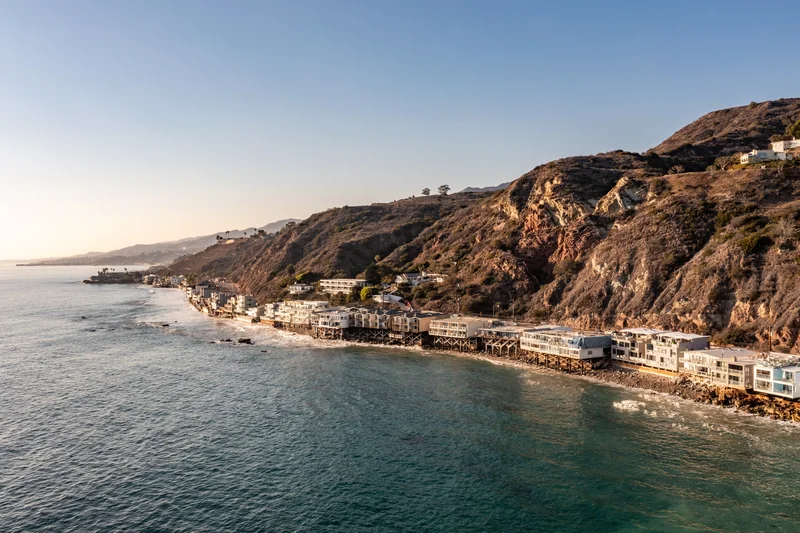
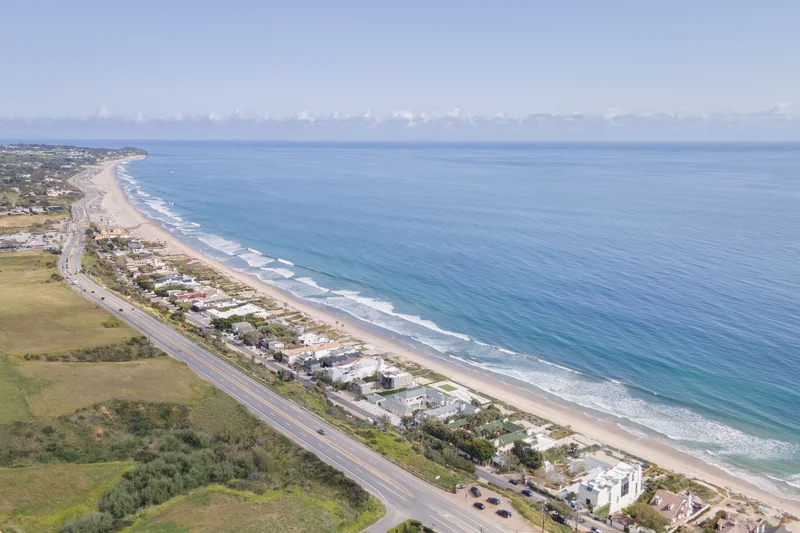
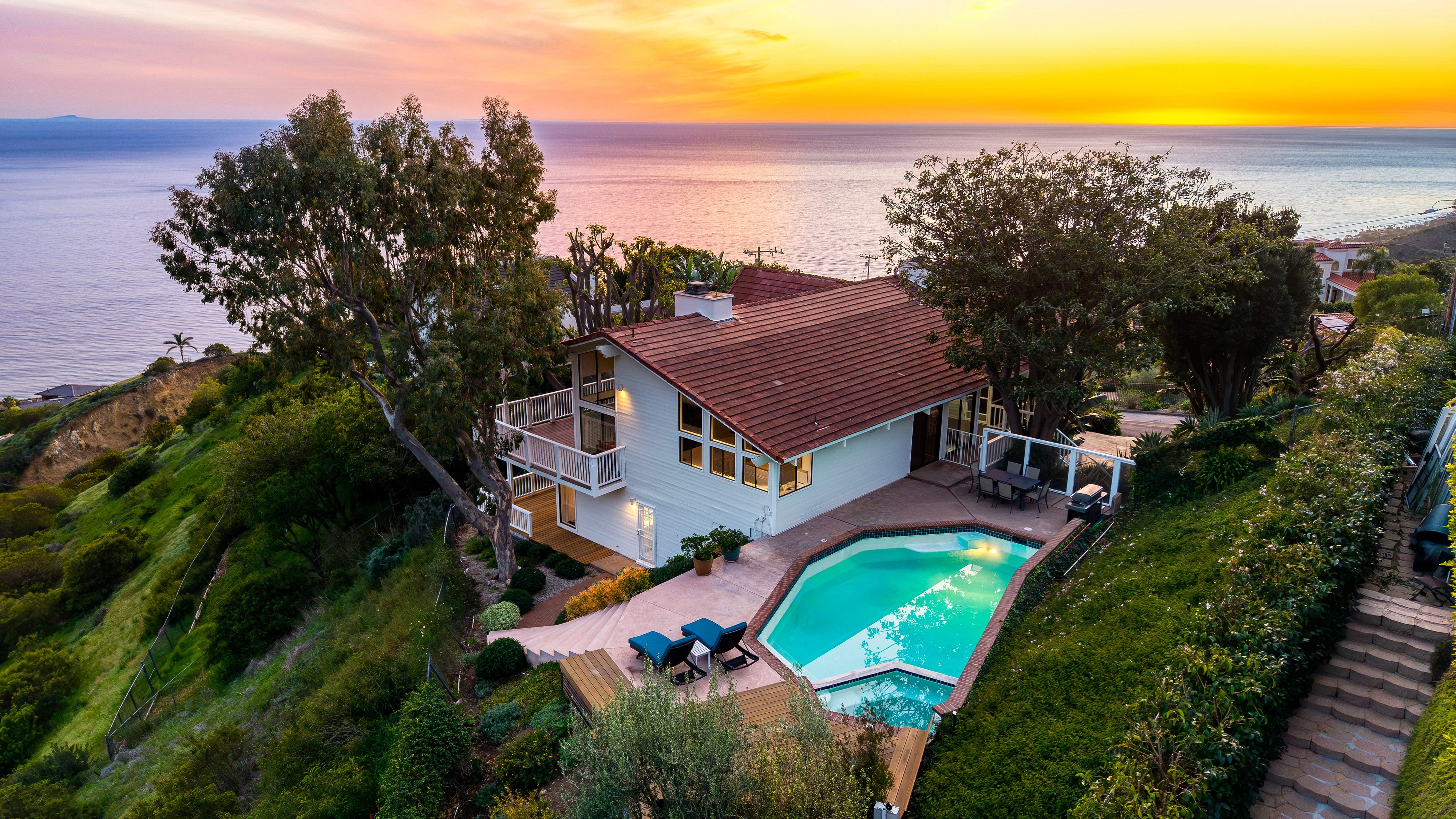
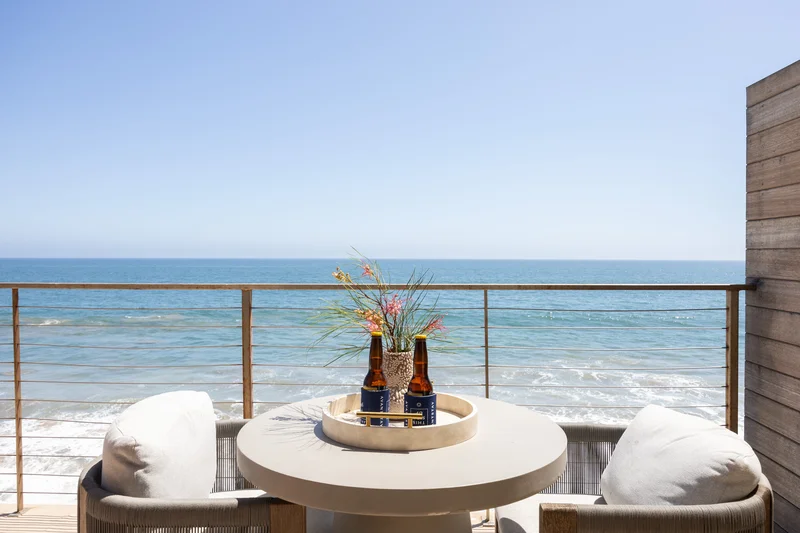
Malibu delivers the California summer experience you’re looking for. Perfect beach weather, world-class surfing conditions, and stunning Pacific Ocean vistas. This legendary beach town has star-studded glamour and laid-back coastal vibes, offering pristine beaches, scenic mountain hikes, and beachfront dining that make July the ideal time to experience the magic of Southern California’s coastline.
Top Activities:
Surf world-renowned breaks at Malibu Pier and experience legendary California beach culture
Hike scenic trails in the Santa Monica Mountains with perfect July weather conditions
Explore iconic beaches like Point Dume, El Matador, and Zuma Beach with warm, swimmable waters
Dine at beachfront restaurants like Neptune’s Net and Paradise Cove Beach Cafe with ocean views
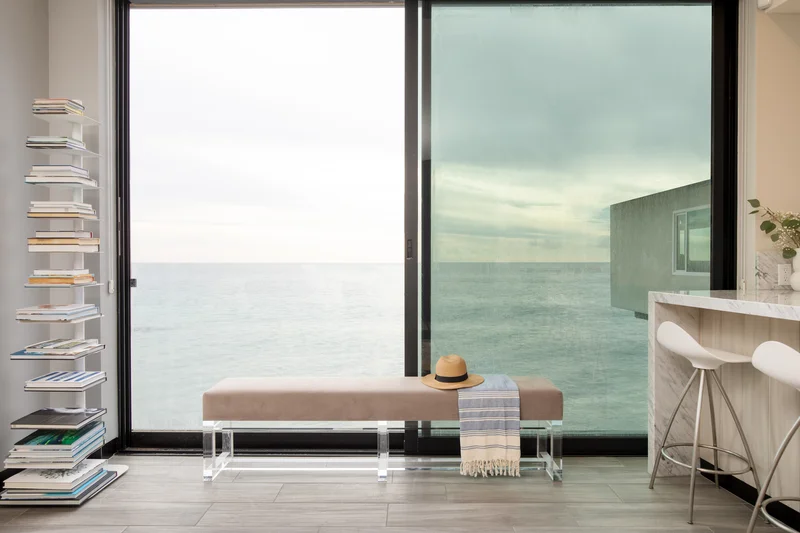
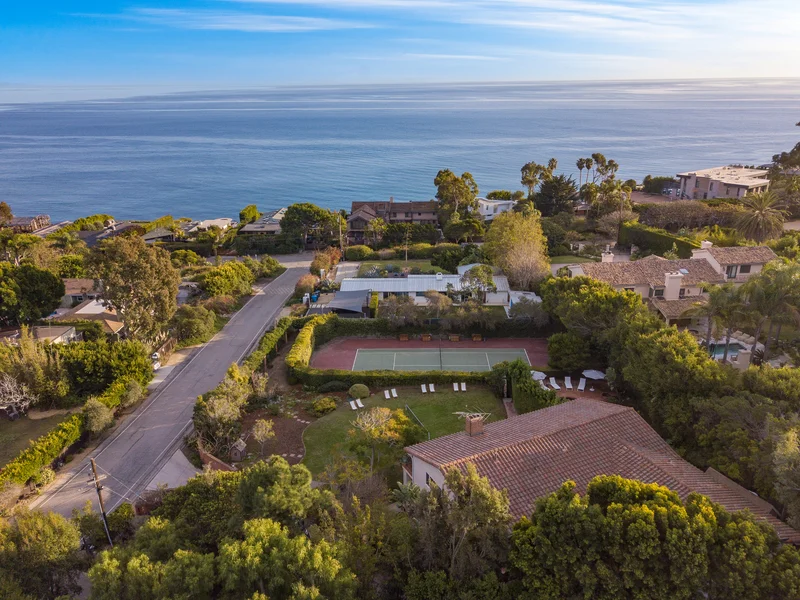
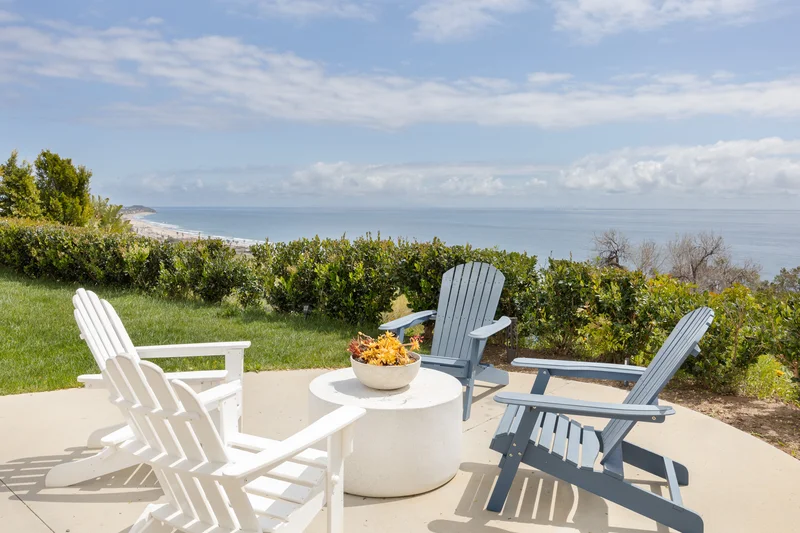
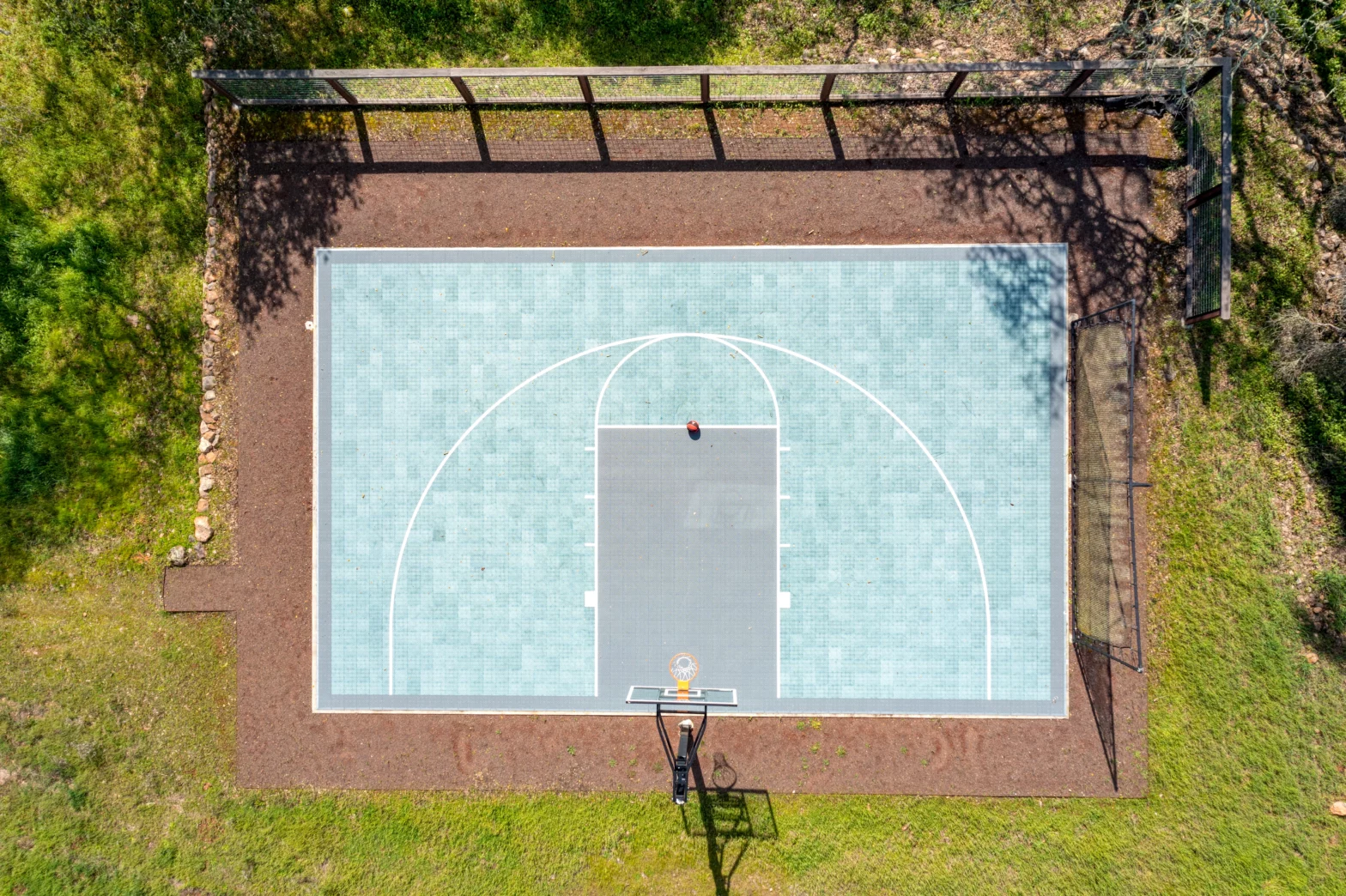
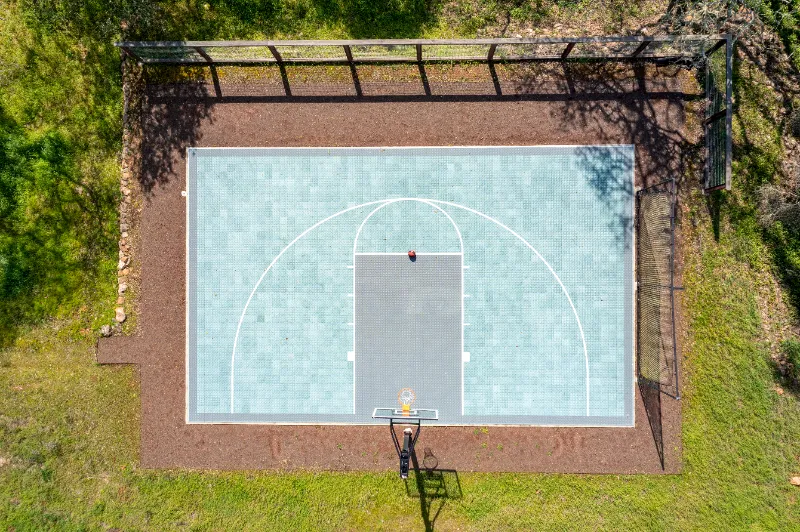
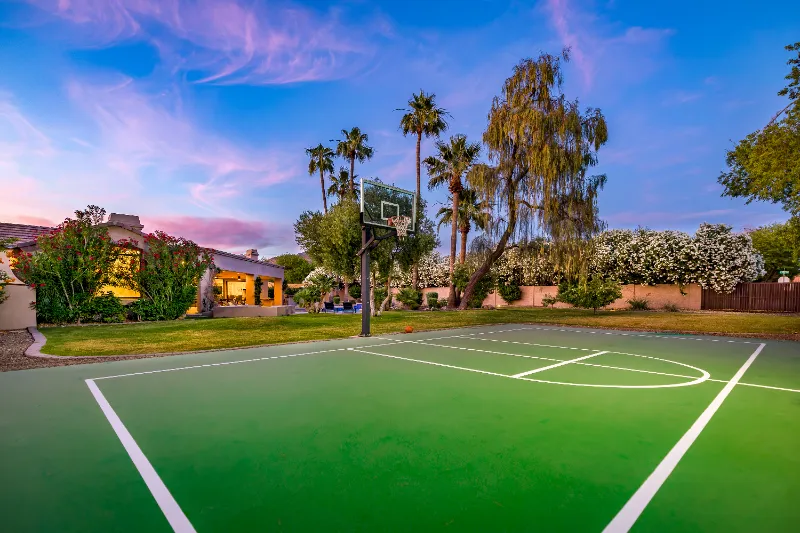
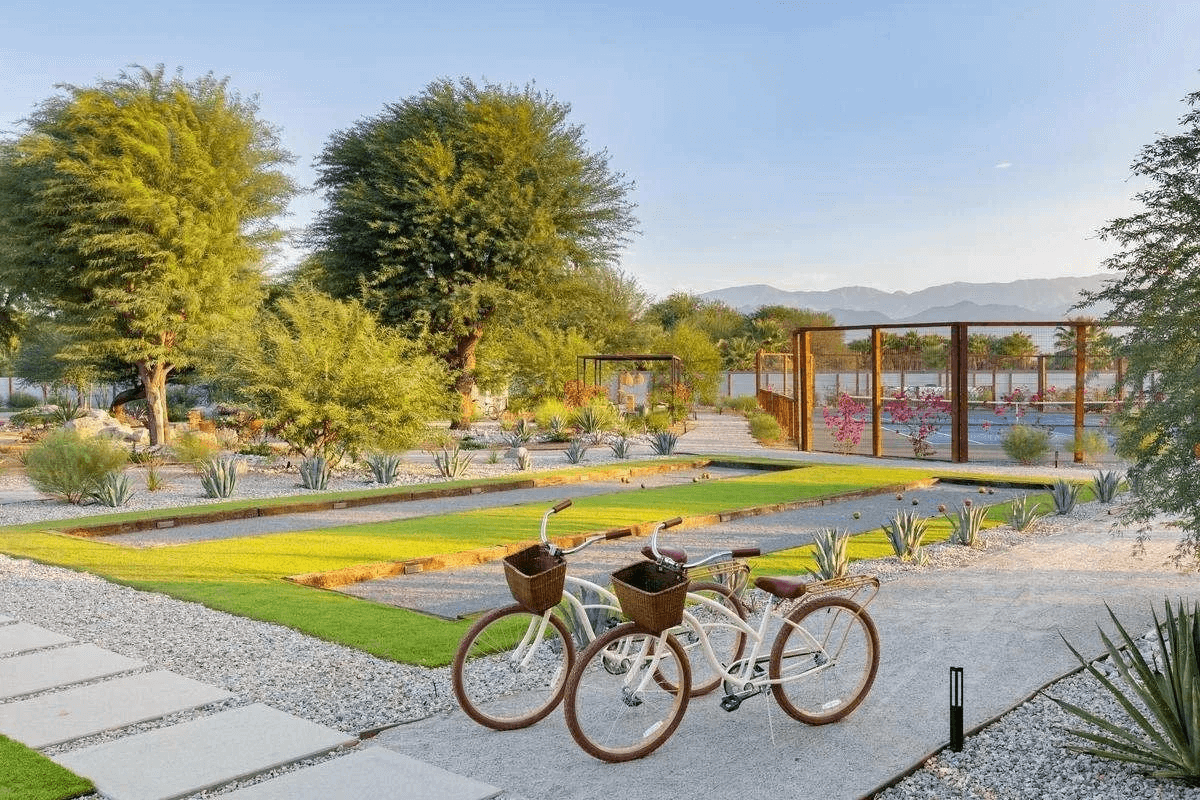
Where to Stay: Experience luxury at Dume Point, a bright and airy Malibu retreat featuring an outdoor pool, private tennis court, badminton net, chic design with corner fireplaces and gold accents, and Big Dune Beach just a five-minute walk away.
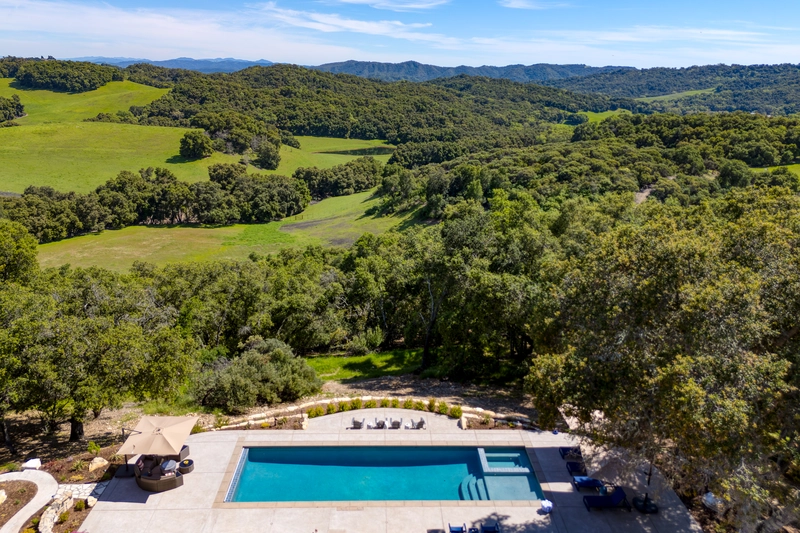
The perfect July wine country experience, with warm days, cool evenings, and the peak of California’s central coast wine season. Paso Robles is your charming wine region that celebrates summer with outdoor concerts in the park, wine festivals, and perfect conditions for vineyard tours and tastings. The dry July climate creates ideal conditions for exploring rolling vineyard landscapes and experiencing world-class wines.
Top Activities:
Tour award-winning wineries and vineyards with perfect warm July weather for outdoor tastings
Experience the Concerts in the Park series with live music in beautiful outdoor settings
Explore the historic downtown square with unique shops, restaurants, and tasting rooms
Take scenic drives through rolling vineyard landscapes enhanced by golden summer light
Where to Stay: Retreat toRancho de Robles, your sophisticated wine country escape featuring vineyard views, elegant outdoor spaces perfect for wine tastings, modern amenities, and close proximity to Paso Robles’ best wineries and attractions.
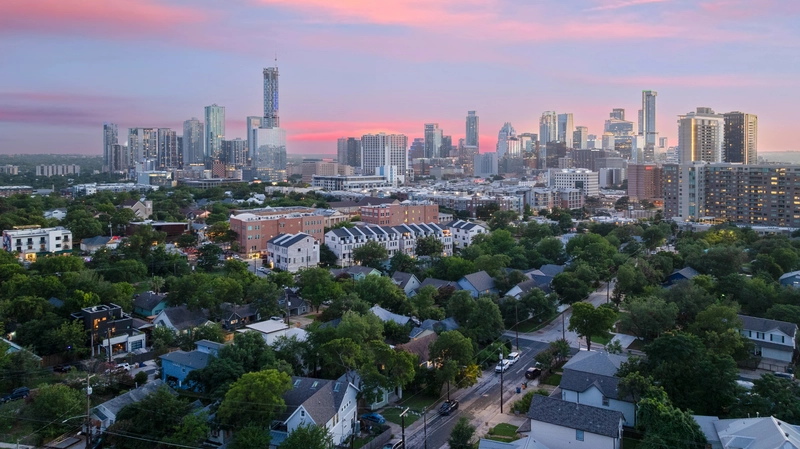
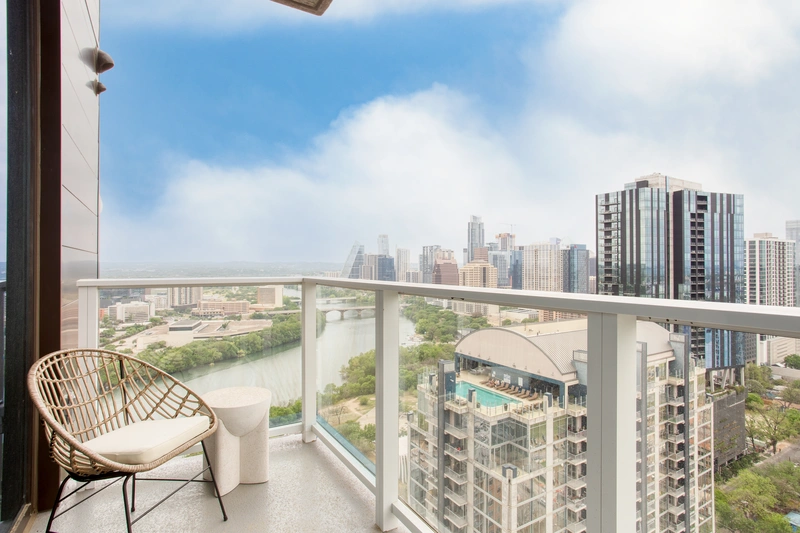
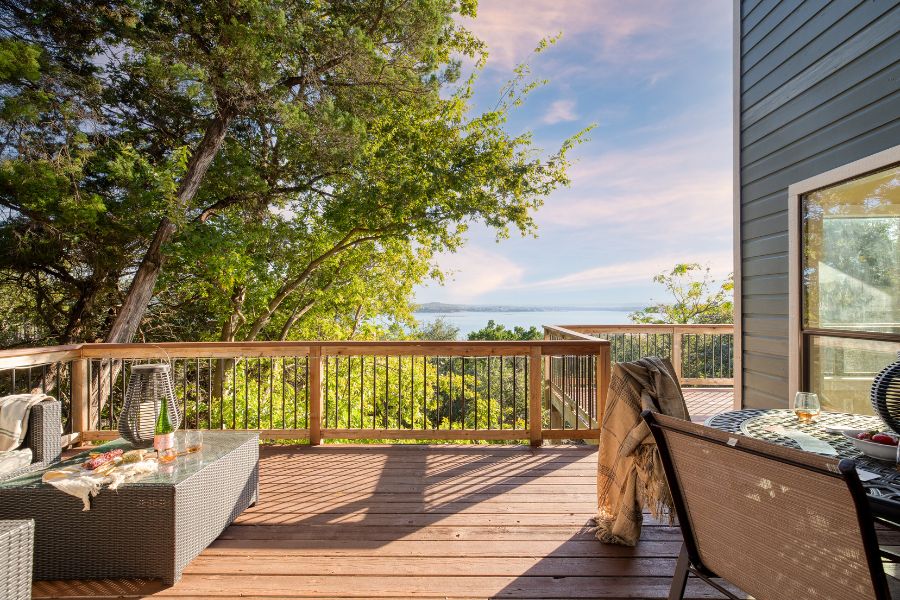
Coming alive in July with its famous “Keep Austin Weird” spirit, featuring outdoor music festivals, food truck culture, and the vibrant Fourth of July festivities at Auditorium Shores. Despite the Texas heat, Austin has numerous swimming holes, air-conditioned music venues, and a legendary nightlife scene that create the perfect summer destination for groups seeking live music, incredible BBQ, and authentic Texas culture.
Top Activities:
Experience Austin’s legendary live music scene with outdoor concerts and music festivals
Cool off at famous swimming holes like Barton Springs Pool and Jacob’s Well
Explore the vibrant food truck culture and sample authentic Texas BBQ
Celebrate Independence Day at Auditorium Shores with live music and fireworks over Lady Bird Lake
Where to Stay: DiscoverHenley, your stylish Austin retreat featuring modern design, outdoor entertaining spaces, a refreshing pool perfect for beating the Texas heat, and a prime location near Austin’s best music venues and attractions.
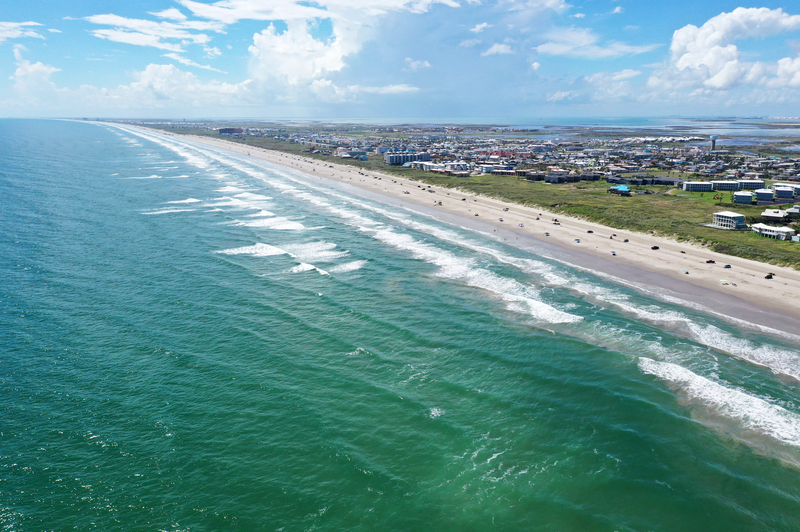
Isle of Palms provides the quintessential Southern beach experience in July, featuring pristine sandy shores, warm Atlantic waters, and spectacular Independence Day fireworks on the beach. This barrier island near Charleston has the Southern hospitality and relaxation, offering perfect conditions for beach activities, water sports, and enjoying the island’s laid-back atmosphere during the peak summer season.
Top Activities:
Enjoy pristine beaches with warm Atlantic waters, perfect for swimming and water sports
Participate in the annual Isle of Palms Beach Run, a popular 5K and 10K race event
Celebrate Independence Day with spectacular fireworks displays right on the beach
Explore nearby Charleston’s historic charm, world-class dining, and cultural attractions
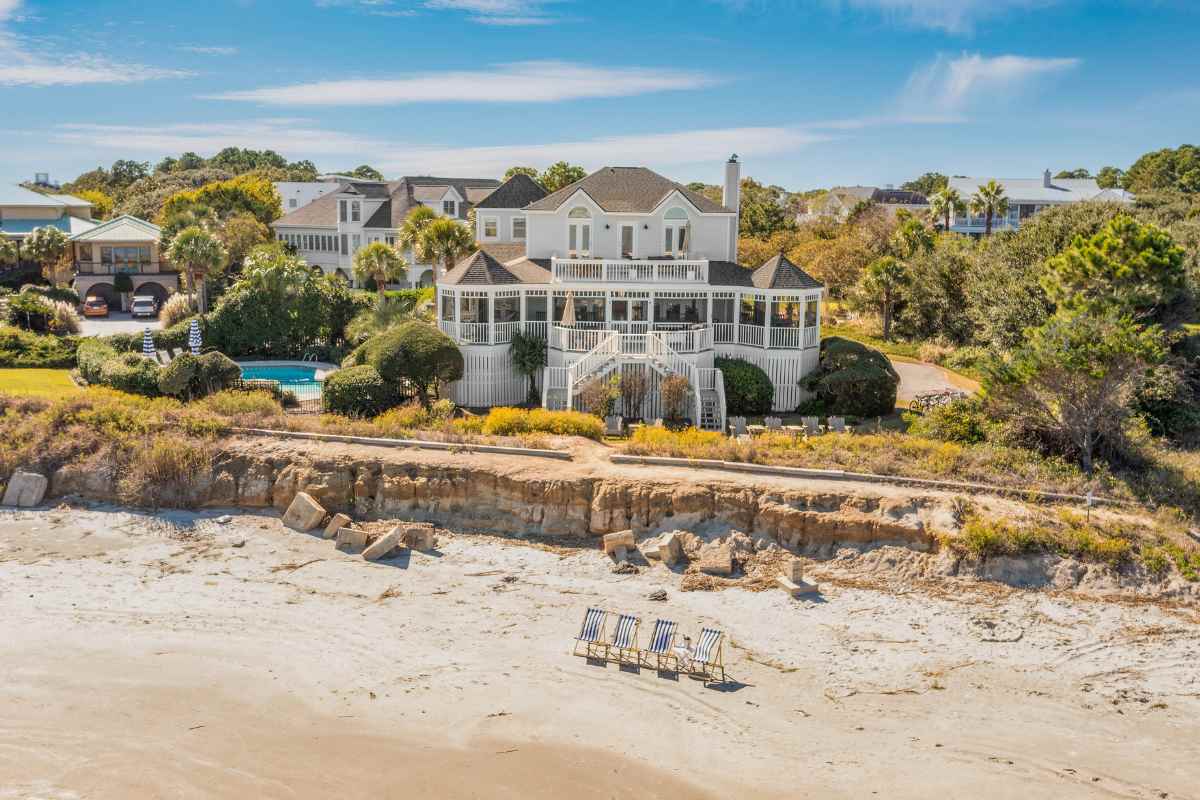
Where to Stay: Relax at 13 57th Avenue, an Isle of Palms beach house with ocean-view decks, a private pool, and beach access just across the street.
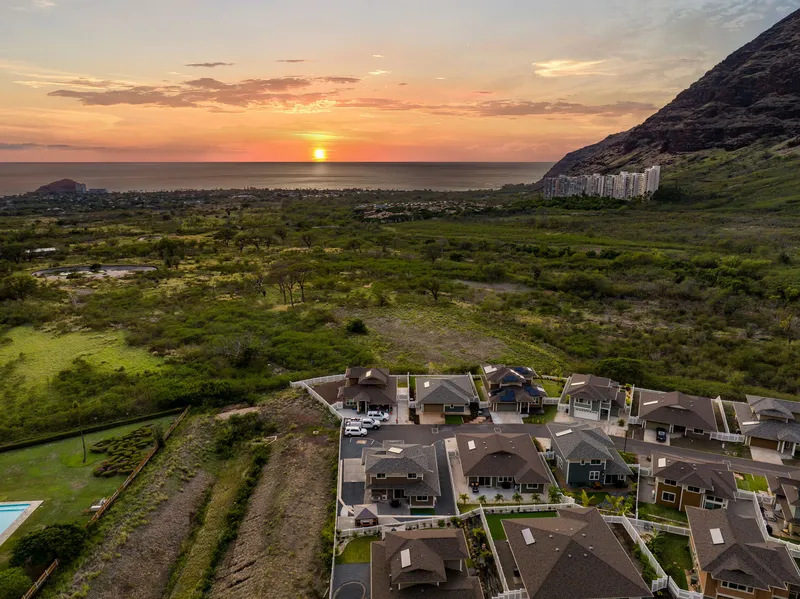
Experience the ultimate tropical July escape, with perfect weather year-round, world-famous beaches, and unique Hawaiian Independence Day celebrations. July provides ideal conditions for surfing, snorkeling, hiking, and experiencing authentic Hawaiian culture in Oahu. Trade winds keep temperatures comfortable, and the island’s natural beauty reaches its peak with lush landscapes and crystal-clear waters.
Top Activities:
Surf legendary breaks like Waikiki Beach and experience authentic Hawaiian beach culture
Hike to breathtaking viewpoints like Diamond Head Crater and Lanikai Pillbox Trail
Snorkel in pristine waters at Hanauma Bay and explore vibrant coral reefs
Experience traditional Hawaiian luaus, poi tastings, and Independence Day celebrations with island flair
Where to Stay: Escape toMakaha Villa, your private Hawaiian paradise featuring stunning ocean views, tropical outdoor spaces, authentic island design, and access to Oahu’s pristine beaches and legendary surf breaks.
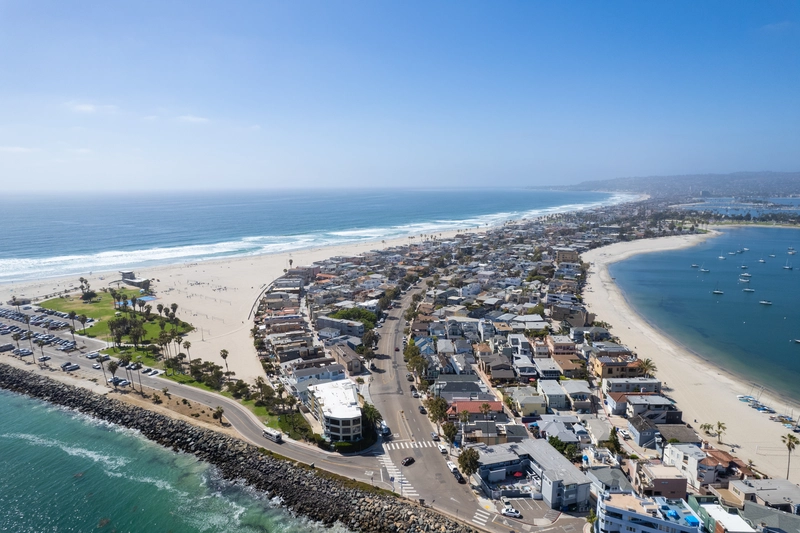
For year-round perfect weather that peaks in July. San Diego features the famous Big Bay Boom fireworks show and ideal conditions for beach activities, harbor adventures, and exploring this vibrant coastal city. With comfortable temperatures, minimal rainfall, and endless sunshine, July provides the perfect backdrop for experiencing San Diego’s world-class beaches, cultural attractions, and legendary outdoor lifestyle.
Top Activities:
Experience the spectacular Big Bay Boom fireworks show on July 4th, launched from multiple bay locations
Enjoy perfect beach weather at Mission Beach, Pacific Beach, and La Jolla Cove
Explore Balboa Park’s world-renowned museums, gardens, and cultural institutions
Take harbor cruises, visit the USS Midway Museum, and experience the vibrant Gaslamp Quarter
Where to Stay: DiscoverShoreline, your sophisticated San Diego retreat featuring contemporary design, outdoor entertaining areas, proximity to San Diego’s best beaches and attractions, and the perfect base for exploring America’s Finest City.
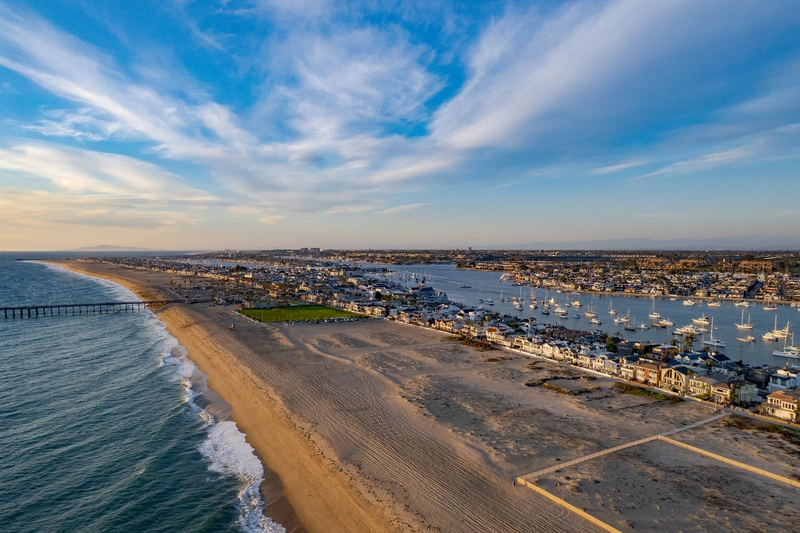
Southern California’s upscale beach lifestyle in July features the spectacular Newport Beach Independence Day on the Bay celebration, pristine harbor waters, and perfect weather for luxury coastal living. This Instagrammable city has beautiful beaches with sophisticated attractions, world-class shopping, and elegant waterfront dining that reaches its peak during the summer season.
Top Activities:
Celebrate July 4th with the renowned Independence Day on the Bay event featuring live music and waterfront fireworks
Experience luxury harbor cruises and world-class sailing in perfect July conditions
Shop at Fashion Island and enjoy upscale beachfront dining with ocean views
Explore Balboa Island, ride the historic Balboa Fun Zone Ferris wheel, and enjoy harbor activities
Where to Stay: Indulge atBeach Break, your elegant Newport Beach escape featuring sophisticated coastal design, premium amenities, stunning harbor or ocean proximity, and access to Newport Beach’s most exclusive attractions and beaches.
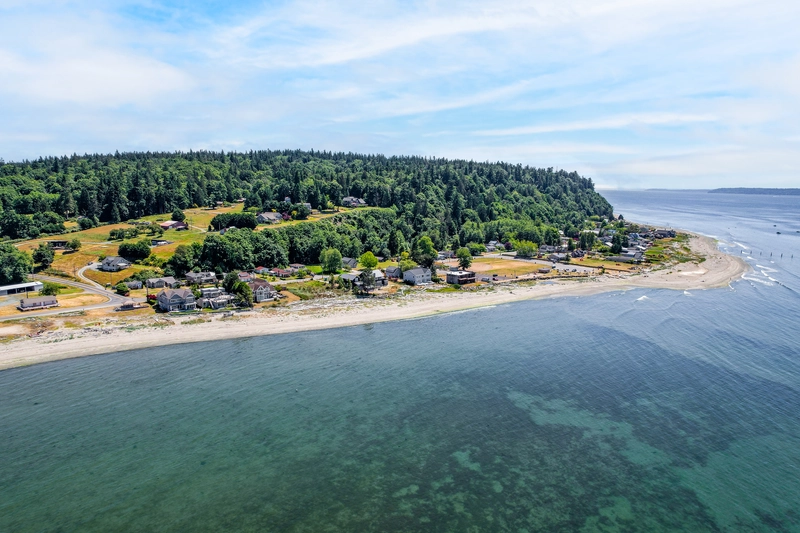
The perfect Pacific Northwest July escape is here. With the region’s driest weather, longest daylight hours, and spectacular summer landscapes, Whidbey Island in Puget Sound has rural beauty and coastal charm. Featuring lavender farms in full bloom, dramatic clifftop views, and cozy small-town atmospheres that make July the ideal time to experience Washington’s natural beauty.
Top Activities:
Explore lavender farms in full July bloom with perfect weather for outdoor wandering
Hike dramatic bluff trails with stunning views of Puget Sound and the Cascade Mountains
Visit charming small towns like Langley and Coupeville with unique shops and local restaurants
Experience the best weather of the year for outdoor activities, photography, and island exploration
Where to Stay: Retreat toMaxwelton Farm Guest House, your peaceful island sanctuary featuring rustic charm, beautiful farm setting, scenic views of Puget Sound, and the perfect base for exploring Whidbey Island’s natural beauty and small-town character.
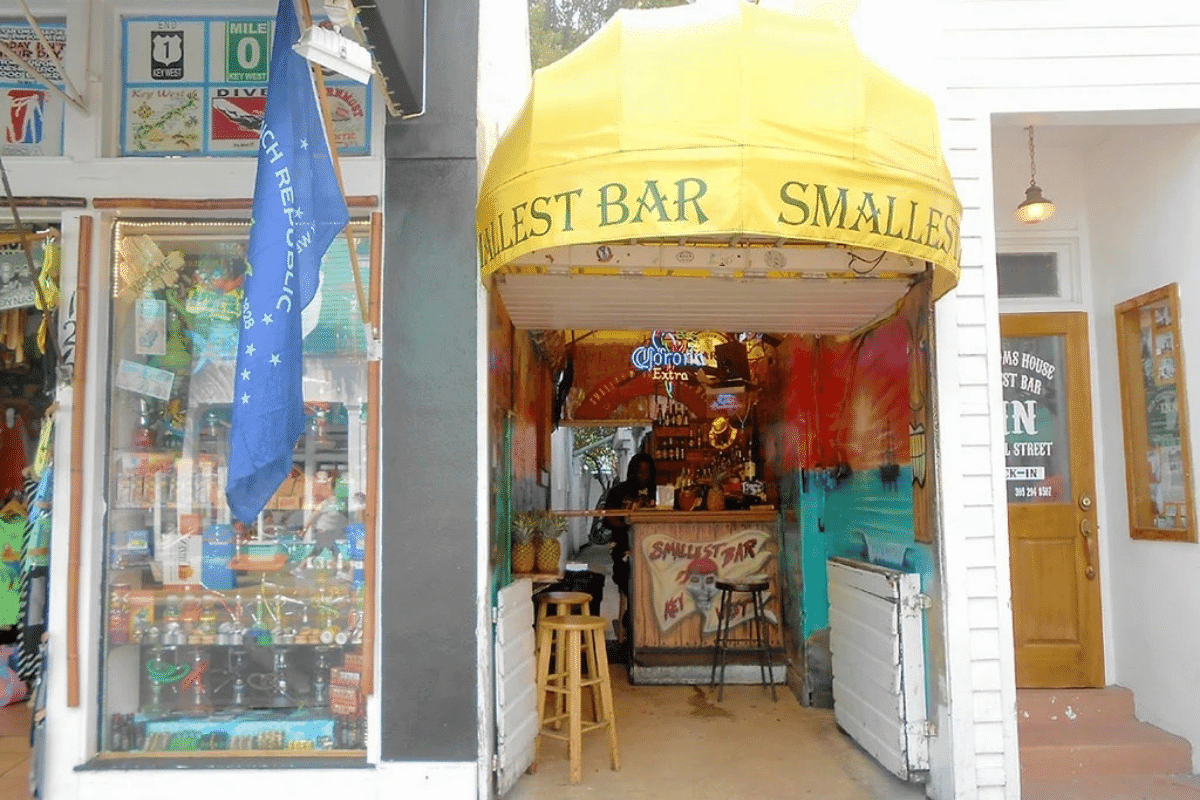
Key West provides the ultimate tropical American experience in July, featuring the famous Key Lime Festival, spectacular sunsets, and vibrant Caribbean-influenced culture. This southernmost point of the continental United States comes with a rich maritime history, offering perfect conditions for water activities, historic exploration, and experiencing the unique Conch Republic atmosphere.
Top Activities:
Experience the legendary Key Lime Festival with pie-eating contests, cooking demonstrations, and live music
Witness spectacular sunsets at Mallory Square with street performers and festive celebrations
Explore historic sites like Ernest Hemingway’s house, Fort Zachary Taylor, and the Key West Lighthouse
Enjoy world-class fishing, snorkeling, and water sports in crystal-clear tropical waters
Where to Stay: Escape to Casa de Rosalie, your tropical Old Town Key West paradise featuring a private pool perfect for sunset gatherings, authentic Conch-style design, pet-friendly hospitality, and walking-distance access to Hemingway’s House, Duval Street, and Key West’s most famous attractions.
The journey to July 4, 1776, began years earlier with growing tensions between American colonists and British rule. The Boston Tea Party in 1773, the battles of Lexington and Concord in 1775, and countless acts of defiance culminated in Thomas Jefferson penning the Declaration of Independence. This document proclaimed that “all men are created equal” and possess “unalienable rights” to “life, liberty, and the pursuit of happiness.”
The three-day weekend format and summer timing created the perfect storm for American travel traditions. Fireworks displays, parades, and community celebrations transformed destinations into hubs of patriotic festivity, while perfect weather conditions made July the ideal time for outdoor adventures and group gatherings.
Modern Independence Day Celebrations
Today’s July travel is now more about historical appreciation. Many destinations host special ceremonies, concerts, and fireworks displays that add deeper meaning to vacation experiences, making July travel both recreational and reflective of American heritage and freedom.
Indeed, Independence Day transformed July into America’s premier travel month. This makes July uniquely American—a time when travel becomes both recreation and patriotic expression.
Celebrate Freedom and Summer with AvantStay
July has everything magical about American summer travel—perfect weather, patriotic celebrations, and the freedom to explore this incredible country with the people who matter most.
This month offers unique opportunities that simply don’t exist at any other time of year, combining ideal conditions with the nation’s most meaningful holiday.
From spectacular Independence Day fireworks over ocean harbors to mountain adventures under endless blue skies, July provides the perfect chance for creating memories that last a lifetime.
And your Independence Day memories deserve more than standard accommodations. Discover the perfect July retreat and transform this summer into an annual tradition worth celebrating.
Summer Starts in July!
July’s every summer promise: warm ocean waters perfect for swimming, mountain trails ideal for hiking, cities alive with outdoor festivals, and communities united in celebration. This summer, create rare moments with your family and groups and find common ground in shared experiences and patriotic pride.
With AvantStay as your trusted partner in creating unforgettable travel experiences, you can explore America’s best destinations during its most magical month. And you can continue your year of adventures with these seasonal guides:
Holiday weekends deserve more than just another hotel room. Holiday themed rentals give you the space, amenities, and atmosphere hotels can’t match.
If you’re gathering your family, friends, and loved ones for Thanksgiving dinner, watching Fourth of July fireworks, or counting down to midnight on New Year’s Eve, the right home turns good holidays into unforgettable ones.
These aren’t just places to sleep, but they’ll be where your family traditions happen, friends reconnect, and celebrations feel truly special.
Best Holiday Themed Homes by AvantStay
From fully equipped kitchens for feast preparation to outdoor spaces perfect for summer BBQs, these homes are built for celebration.
Jump to the section that matches your holiday plans and find your perfect festive escape.
Each section features our 5 hand-picked homes ready to host your holiday celebration. Find the one that matches your group size, location preference, and holiday vibe today.
Thanksgiving Themed Rentals
Thanksgiving means gathering everyone around one table for a feast worth remembering. Our Thanksgiving-themed rentals offer the space, kitchens, and cozy atmosphere that make turkey day special.
Indio Escape – Coachella Valley, California
Can accommodate up to 14 guests | 5 beds and 3 baths
Bringing modern desert luxury to your Thanksgiving celebration, Indio Escape gives the whole family room to spread out under sunny November skies that beat any cold-weather holiday. The freshly renovated layout, sparkling pool, and quiet residential setting also create the perfect backdrop for family photos and lazy afternoons between turkey and pie.
Why Indio Escape is best for Thanksgiving: The pool, hot tub, and fire pit give everyone a place to unwind after the big meal, while the converted-garage home theater with an 85-inch screen and reclining chairs turns post-dinner football watching into the day’s main event. You’re also just minutes from Old Town La Quinta and the rest of Coachella Valley’s shopping and dining.
What Our Past Guests Are Saying:
“My family stayed at this location for a Palms Springs Christmas vacation. This location was perfect for the eight of us. The location was great for visiting many things in and near the Coachella valley: Joshua Tree National Park, The Living Desert Zoo and Gardens, Palm Springs Tram, and the local cities. The house was spacious, very comfortable with a well-stocked kitchen. We were able to enjoy movies together in the living room and media/play room. We only had to contact the host for one issue, and they were very responsive.”– Brian
Can accommodate up to 21 guests | 9 beds and 6 baths
Sunshine Ridge offers the space and comfort needed for big family Thanksgiving gatherings in sunny Florida. This home can handle multiple generations easily, while also being near Orlando’s attractions. This means kids can stay entertained while adults prep the holiday feast.
Why Sunshine Ridge is best for Thanksgiving: The home provides enough space so nobody feels cramped. This home has plenty of bedrooms and living areas where everyone finds their perfect spot. It is also close to theme parks for post-Turkey Day adventures.
What Our Past Guests Are Saying:
“We will definitely return. From check in our stay was great. I received a text from our team who assured us they were a text away during our stay. There was no text that went unnoticed. They were attentive to our concerns and supported us when needed. The home was beautiful and looked just like the photos. There was plenty of room for our intergenerational family to enjoy each other for Thanksgiving. If looking for a lovely vacation home this is it. You won’t be disappointed.”– Merlong T.
Can accommodate up to 8 guests | 3 beds and 2 baths
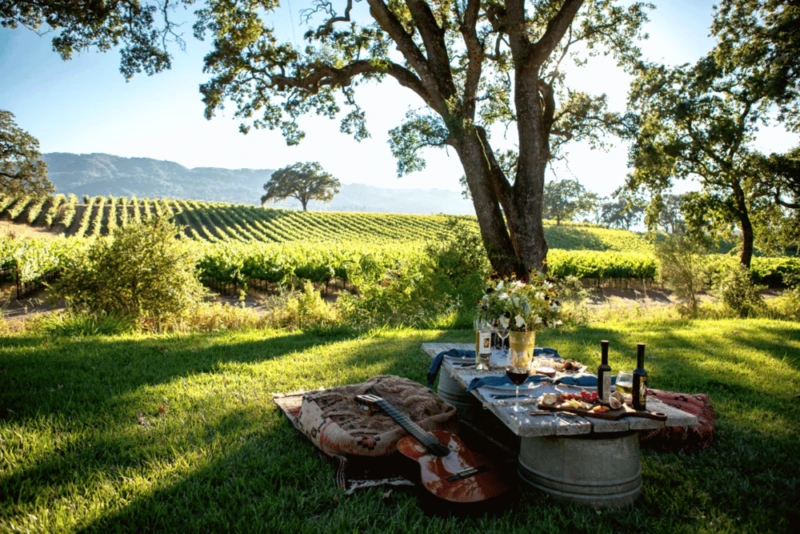
Sitting right in California wine country, Caterina Dusi Vineyard is where rolling vineyard views and peaceful surroundings create the perfect Thanksgiving retreat. Small families will find this spot ideal for intimate holiday celebrations away from city noise.
Why Caterina Dusi Vineyard is best for Thanksgiving: The wine cellar, home gym, its stunning vineyard views, and being in the perfect location make this home feel like a special occasion.
What Our Past Guests Are Saying:
“This home is lovely and was perfect for our small family Thanksgiving. Such a nice touch leaving a roasting pan, et al, for Thanksgiving dinner. The home is in a perfect spot and the views are amazing.”– Michael R.
Can accommodate up to 6 guests | 2 beds and 2 baths
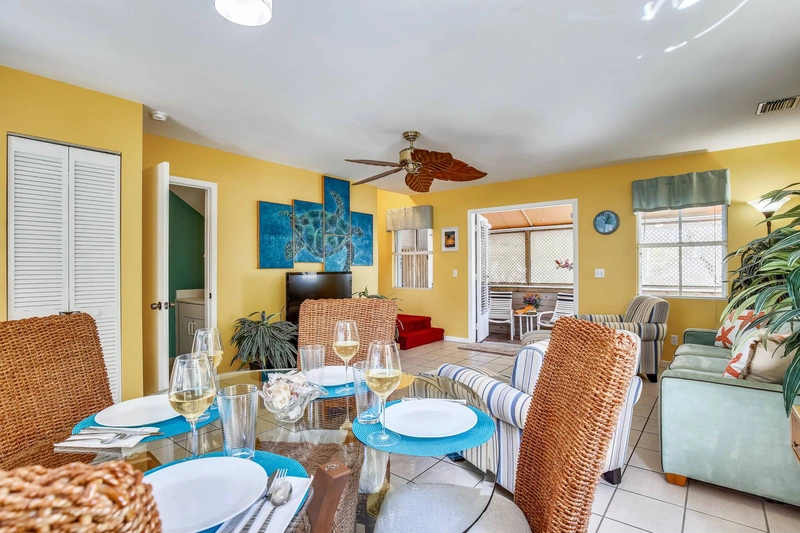
Trade turkey and snow for palm trees and ocean breezes while still keeping the Thanksgiving spirit alive at Duval Sea Turtle. This is the home that gives smaller groups the perfect Key West condo for Thanksgiving weekend, away from traditional cold-weather holidays.
Why Duval Sea Turtle is best for Thanksgiving: This home is great for couples or small families who want a non-traditional but still special Thanksgiving in a tropical paradise. It is also just a walking distance away from Key West attractions and waterfront dining.
What Our Past Guests Are Saying:
“We stayed for a long Thanksgiving weekend. The Condo suited our needs of 5 people, and the hosts were great to work with! They communicated via text message throughout the trip to make sure we had everything we needed. Would happily recommend this condo and the hosts again!”– Autumn S.
Can accommodate up to 15 guests | 5 beds and 5 baths
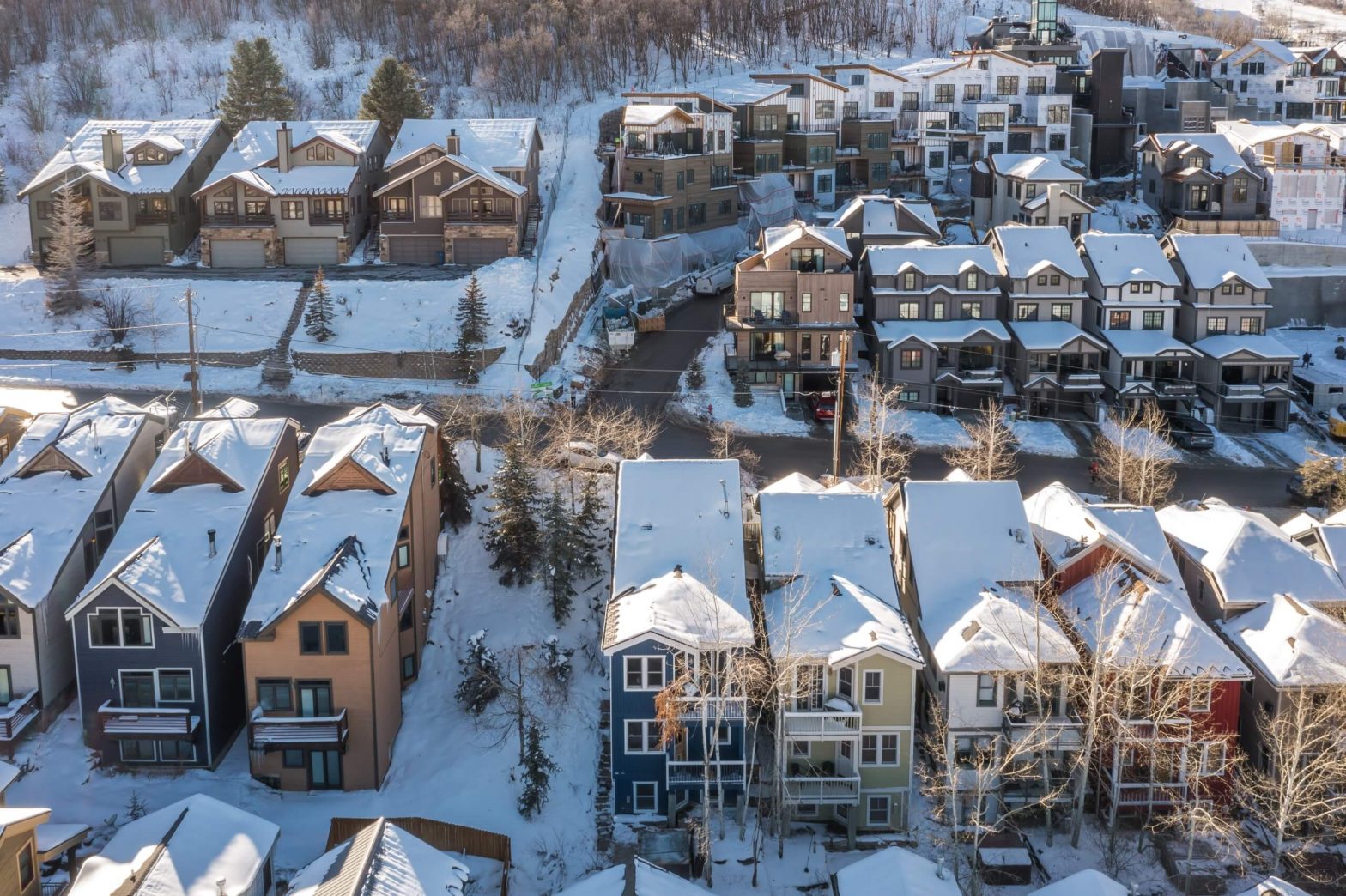
The Ridge at Canyons Village puts you in the heart of Park City, where mountain beauty and holiday festivities come together perfectly. The kitchen comes equipped with plenty of cooking supplies essential for preparing your Thanksgiving feast.
\Why The Ridge at Canyons Village is best for Thanksgiving: The location of this home offers the best access to Park City’s holiday events. You will also be just minutes away from world-class skiing and downtown Park City.
What Our Past Guests Are Saying:
“We absolutely loved the location of this residence. There was a tree lighting festival with fireworks that we could watch from the kitchen window. The home is well equipped with plenty of cooking dishes which was great for our Thanksgiving stay. I also loved the responsiveness of our host. When I asked a question, it was answered within an hour. Thank you for the enjoyable stay.”– Lisa S.
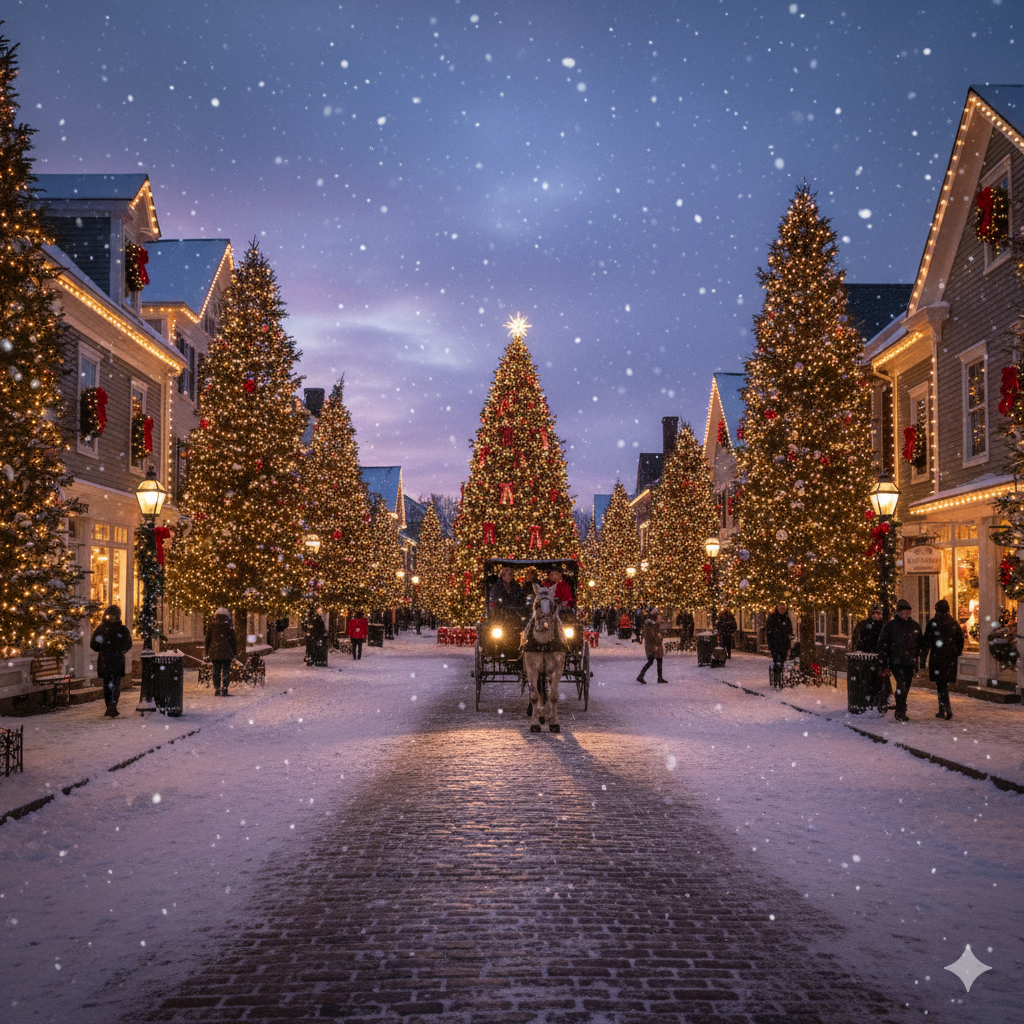
Christmas magic happens in spaces designed for the season. Our Christmas-themed rentals bring festive cheer with decorations, cozy fireplaces, and Christmas market locations perfect for winter wonderland adventures.
Green Mountain Lodge – Smoky Mountains, Tennessee
Can accommodate up to 28 guests | 8 beds and 9 baths
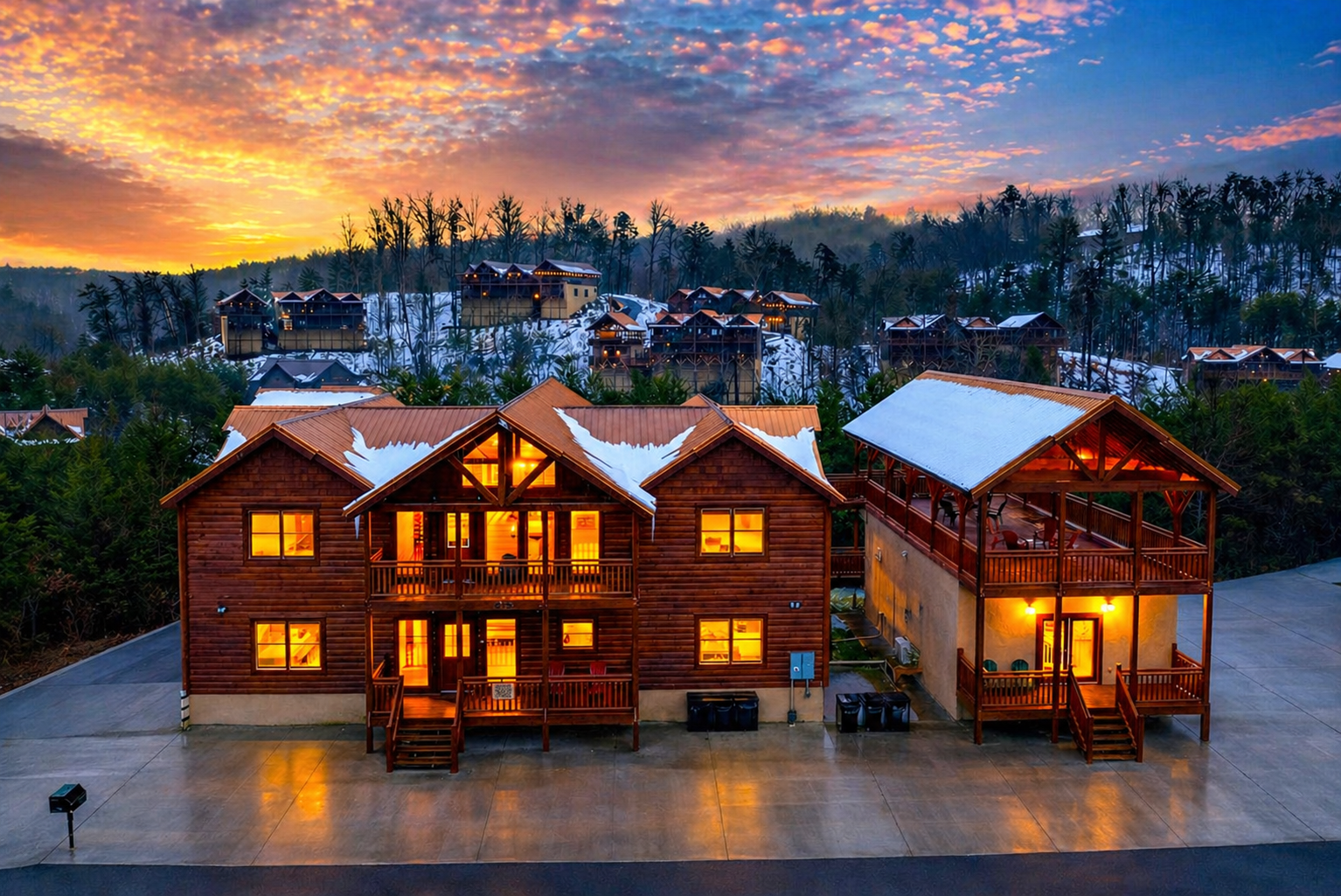
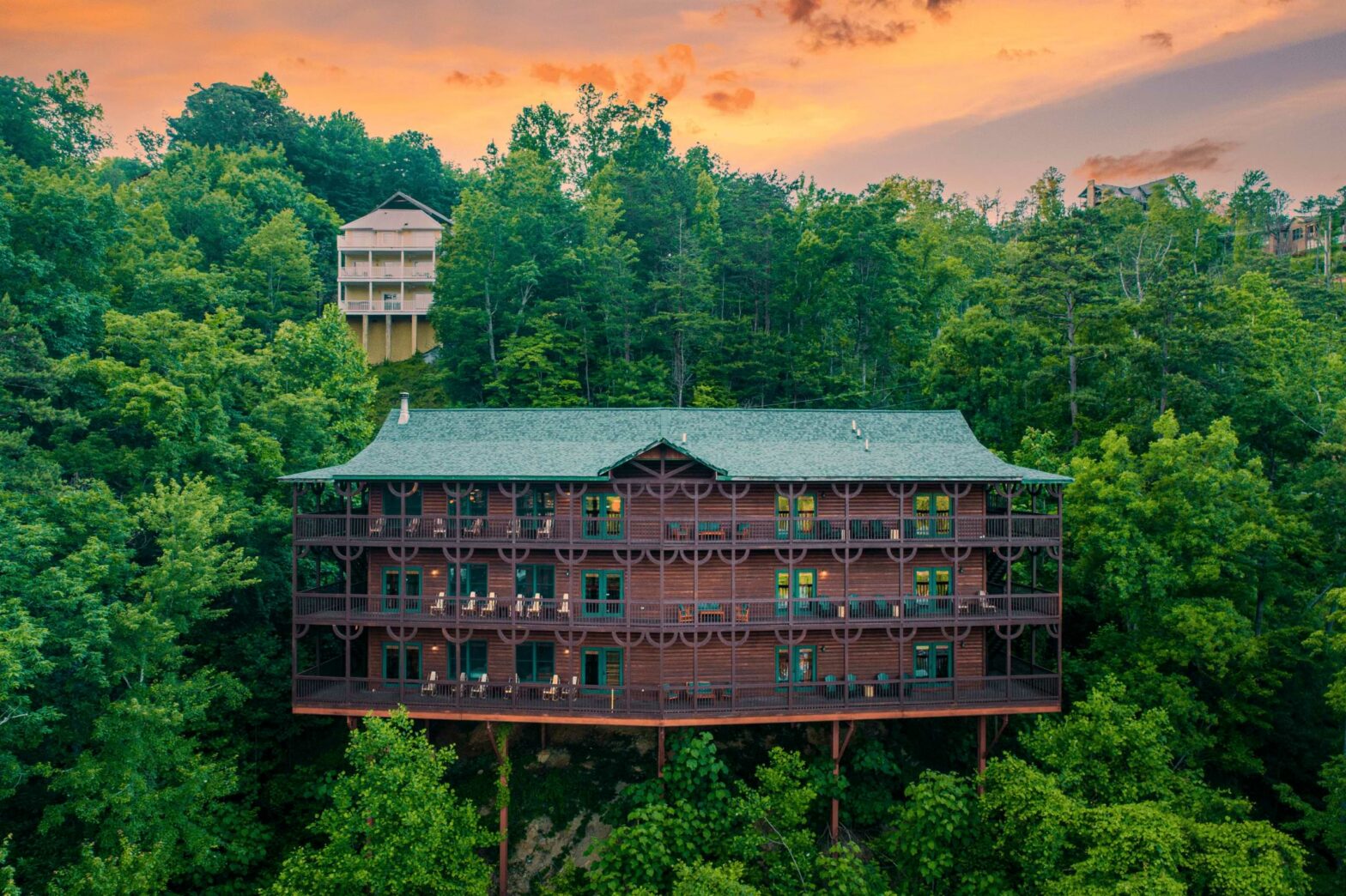
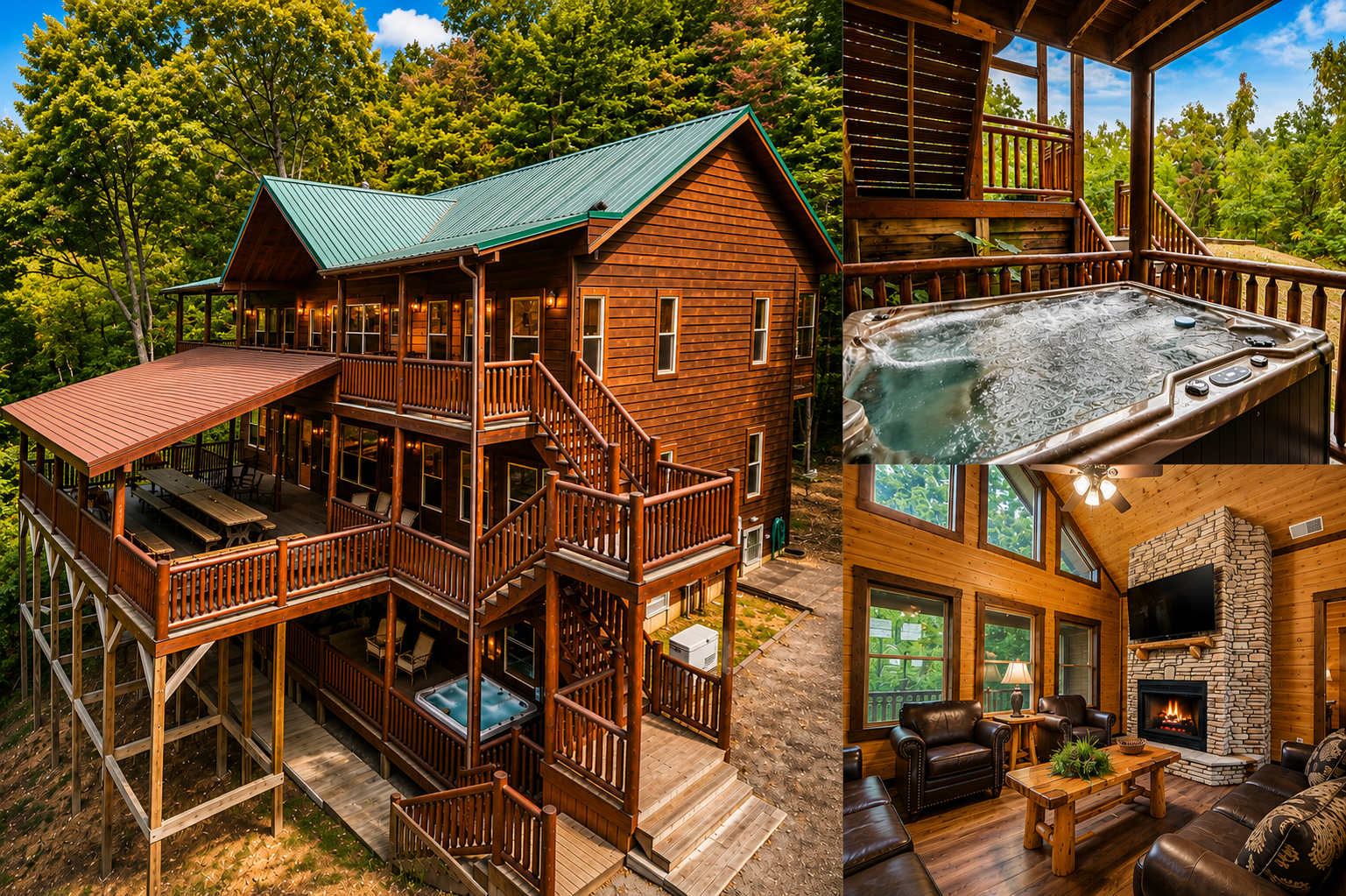
Christmas for a crowd, handled. Green Mountain Lodge tucks nearly 5,800 square feet into the wooded hills minutes from Pigeon Forge’s parkway, with eight ensuite bedrooms so 28 people can gather all day and still each have a door to close at night. The great room does the heavy lifting — stone fireplace, deep sectional, and the kind of space where everyone naturally ends up by evening.
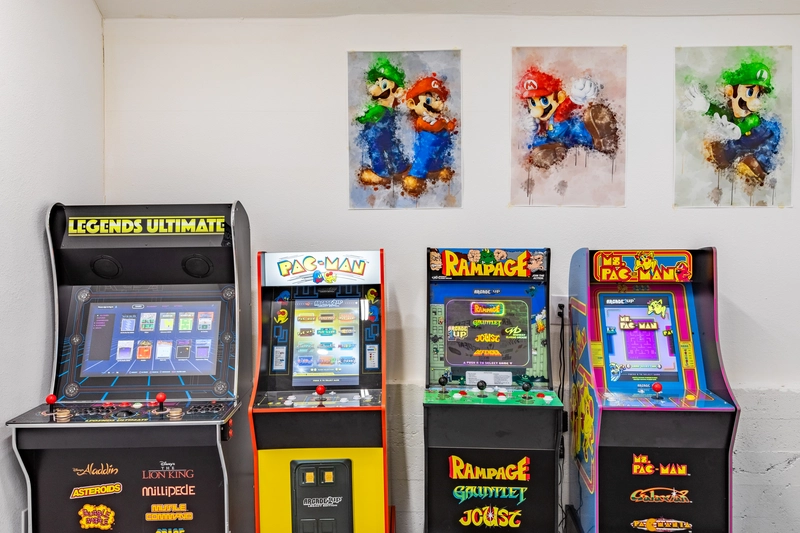
Why Green Mountain Lodge is best for Christmas: The dining table seats the whole crew with barstool overflow at the island, and the kitchen is built for holiday cooking rather than one person hiding in it for six hours. When dinner’s done, a covered bridge leads to a private indoor pool that’s open regardless of December weather, and the game room runs pool, foosball, air hockey, and arcade cabinets side by side so nobody waits a turn. Out on the wraparound deck there’s a hot tub under ambient lighting, and Dollywood and The Island are a short drive down the mountain. Parking fits eleven cars — which matters more than it sounds when the whole family drives in separately.
Can accommodate up to 8 guests | 3 beds and 2.5 baths
125 English Ivy Ct.
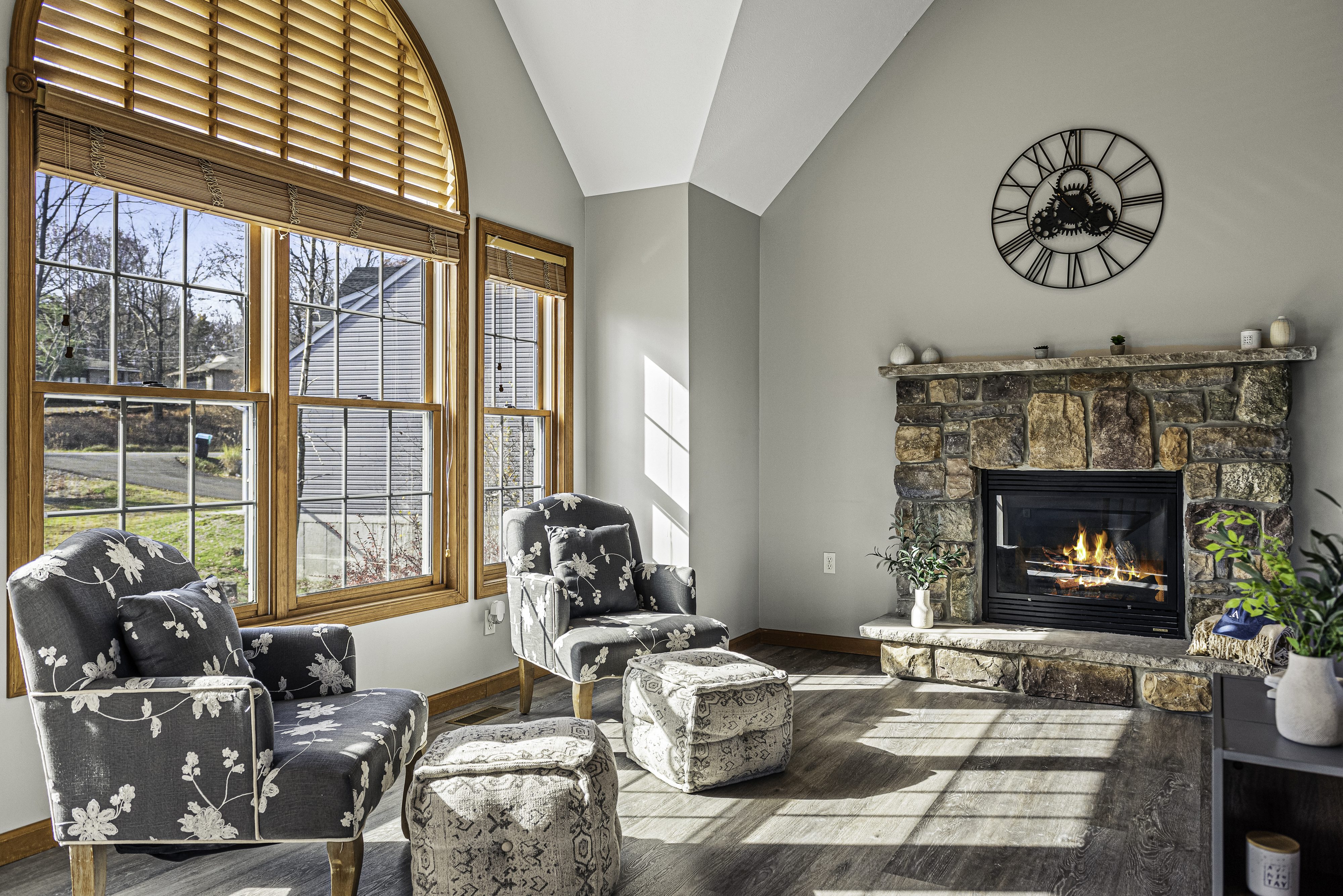
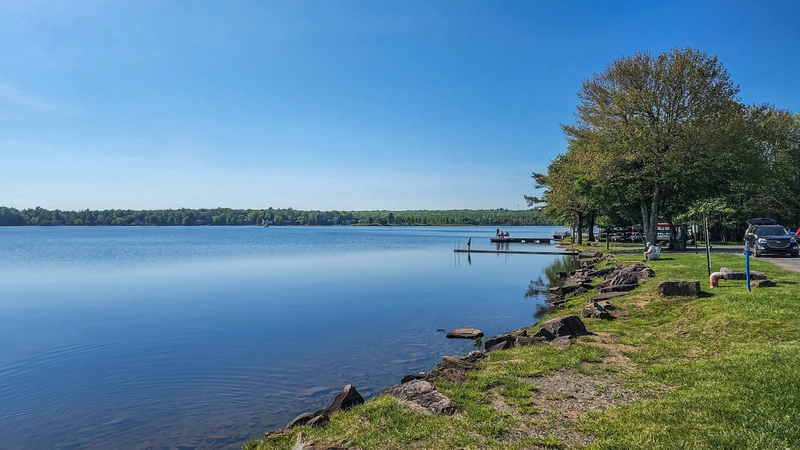
Laker’s Pointe welcomes your Christmas celebration from a private peninsula on Deer Lake, where frosted water views set the holiday scene from nearly every room. The game room — stocked with poker, pool, ping pong, foosball, and a dry bar — keeps every generation entertained through snowy Poconos afternoons, while the lakefront hot tub turns clear winter nights into the trip’s highlight.
Why Laker’s Pointe is best for Christmas: You’re minutes from Big Boulder, Camelback, and Kalahari for winter adventures, and Emerald Lakes’ community passes include an indoor pool for swim days no matter the weather. Best of all, up to two dogs are welcome — so the whole family, furry members included, celebrates together.
What Our Past Guests Are Saying:
“We had an unforgettable stay at Laker’s Pointe! This home was perfect for our family gathering of 10, offering breathtaking views from almost every corner. The kids couldn’t get enough of the downstairs lounge, fully stocked with a pool table, ping pong, and poker setups—it felt like their private arcade.” – Caleb C.
Can accommodate up to 10 guests | 7 beds and 5 baths
Just walking distance to award-winning Temecula wineries and vineyards, Grand Contento showcases high ceilings and ornate wood trimmings. This property consists of a main house and a two-story guest house with its own full kitchen, billiards table, and 82-inch TV.
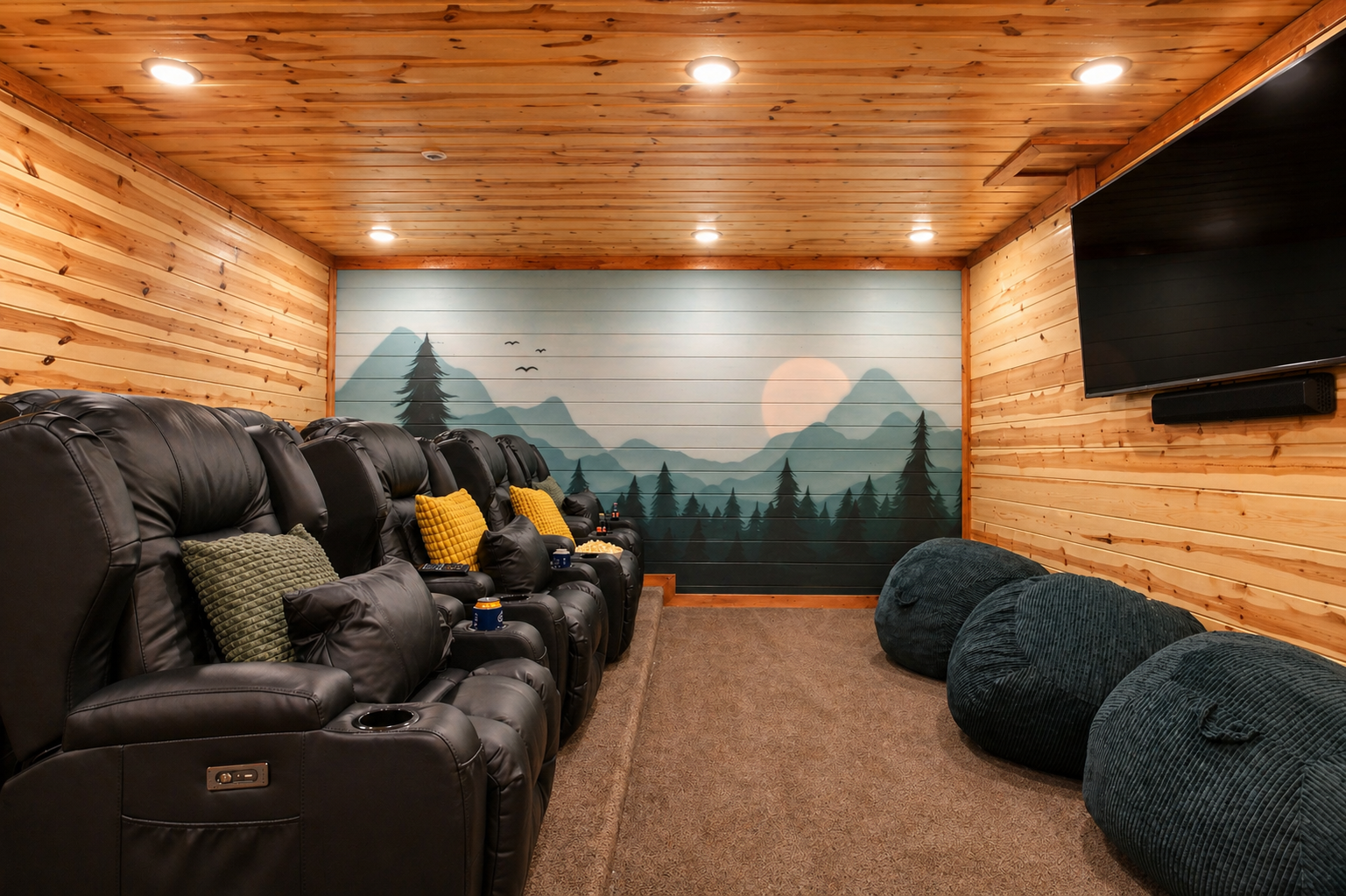
The main house showcases high ceilings and ornate wood trimmings, while the two-story guest house features its own full kitchen, billiards table, and 82-inch TV. The 26-seat private movie theater turns Christmas movie nights into special events.
Why Grand Contento is best for Christmas: The 26-seat private movie theater turns Christmas movie nights into special events. The beautiful gazebo and outdoor kitchen by the pool are also perfect for Christmas evening gatherings.
What Our Past Guests Are Saying:
“We rented this home for the Christmas Holiday. We had a mix of adults, teenagers and several under 4 years old. AvantStay went way above and beyond our expectations. First, the home is amazing. The floor plan was perfect. AvantStay took care of so many things for us including: (1) They put a fence around the pool to protect the little ones. (2) They had the home totally decorated for Christmas including a real tree, a real garland on the fireplace with a stocking for each child, and Christmas decorations throughout the home. (3) We had two Christmas dinners cooked and catered by an amazing chef. They were always easy to get a hold of and we all had a great time.”– Therese S.
303 D Port O Call – Coastal Charleston, South Carolina
Can accommodate up to 4 guests | 1 bed and 1 bath
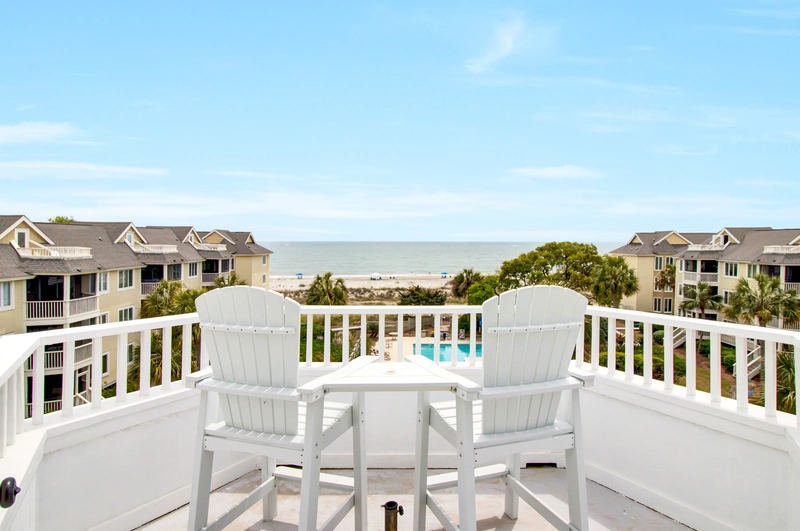
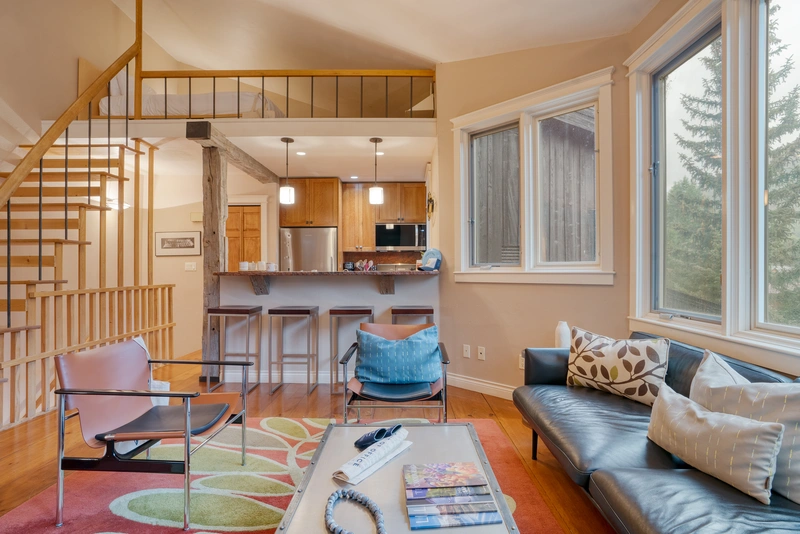
303 D Port O Call offers a completely remodeled penthouse in Wild Dunes with stunning ocean views from every room. Including the foyer, screened porch, sleeping loft, and private rooftop balcony. There is also a modern chef’s kitchen and a spiral staircase that leads to a loft.
Why 303 D Port O Call is best for Christmas: The private 4th-floor rooftop balcony provides the best bird’s-eye views of the beach for a coastal Christmas unlike any other. While the screened porch lets you enjoy ocean breezes during mild South Carolina winter weather.
What Our Past Guests Are Saying:
“Our family had a wonderful stay at this condo. The views were breathtaking from both levels. The clean boho decor was beautiful and fun. The Christmas tree was on when we arrived which was a nice surprise. I love to cook and appreciated the quality utensils and cookware.”– Rhonda W.
Can accommodate up to 10 guests | 3 beds and 2 baths
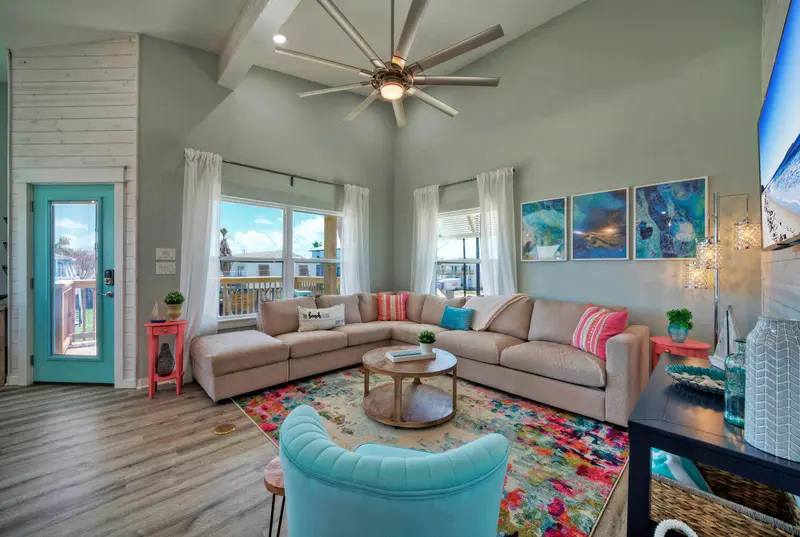
Bringing Texas beach vibes to your Christmas getaway, Wave On Wave is where palm trees replace the pine trees, but the holiday spirit stays strong. The safe neighborhood location also means kids can play outside while adults prep meals without constant supervision.
Why Wave On Wave is best for Christmas: Families can trade snow boots for flip-flops while still enjoying festive decorations and family togetherness in a warm climate, since you will just be steps away from Port Aransas beaches. Plus to mention, you’ll have a private pool!
What Our Past Guests Are Saying:
“This home was beautiful & clean. Safe, quiet neighborhood. The oversized ceiling fan was perfect for the middle of the day when the sun was beating in the windows. We didn’t cook while there, so can’t comment on the kitchen supplies. The pool was an added bonus. We loved the addition of the Seashore decorated Christmas tree. Very nice touch.”– Michelle G.
Ring in the new and upcoming year of travels from our New Year’s-themed homes. Stay in a home with the best views of the fireworks, countdown parties, and spaces designed for celebrating fresh starts.
Blue Marlin at Trout Street – Port Aransas, Texas
Can accommodate up to 10 guests | 3 beds and 3 baths
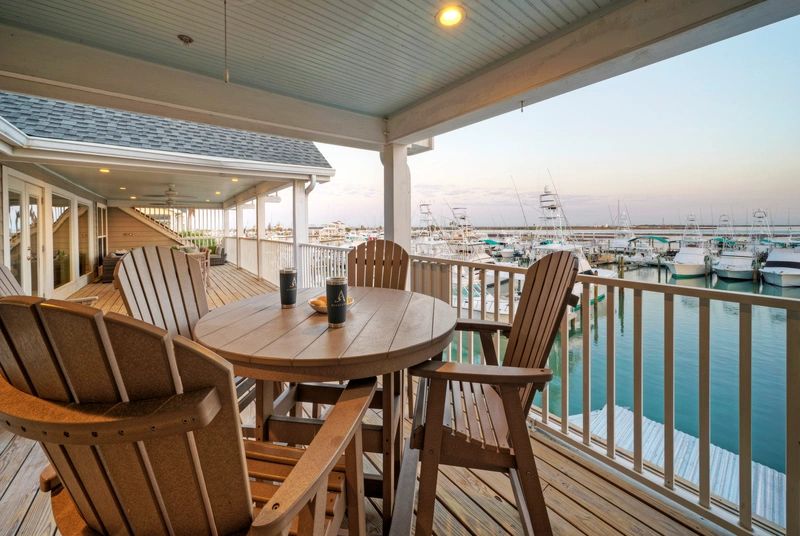
Get front-row seats to New Year’s Eve fireworks over the ship channel without leaving your private porch. Blue Marlin at Trout Street has a waterfront setting that creates stunning views day and night, while the location puts restaurants within walking distance.
Why Blue Marlin is best for New Year’s Eve: You can skip the crowded public viewing spots and watch fireworks from your own expansive porch with drinks in hand and family close by. You can also stay by the shaded balcony as you watch the boats drift by.
What Our Past Guests Are Saying:
“Beautiful and comfortable in every way. The view of the ship channel was fantastic. Even got to see the New Years Eve fireworks from our expansive porch. We loved the location which was a few steps from Trout Street restaurant. Communication with the management was excellent. Will definitely return.”– Albert H.
Can accommodate up to 6 guests | 2 beds and 2 baths
Carousel & Rodeo 31 sits high enough to catch multiple firework displays across Austin’s skyline simultaneously. Large groups can also fit comfortably with enough bedrooms, so everyone gets real beds instead of couches.
Why Carousel & Rodeo 31 is best for New Year’s Eve: Watch downtown’s professional show plus neighborhood displays all at once while avoiding the chaos of Sixth Street crowds on the biggest party night of the year. You are also just minutes from downtown Austin entertainment.
What Our Past Guests Are Saying:
“This was the perfect place for New Year’s Eve. The views were fantastic. We were able to see the downtown fireworks as well as all the surrounding neighborhoods.”– Sibylle J.
Can accommodate from 12-144 guests | 5-65 beds and 3-39 baths
Positioning you right near Bicentennial Park, The Magnolia is where Nashville drops its famous music note at midnight. Extended families can stay together under one roof with enough bathrooms so morning routines don’t cause chaos.
Why The Magnolia is best for New Year’s Eve: This home works perfectly for groups who want access to Nashville’s party scene but need a separate place to crash. Walk to Music City’s main celebration and back without worrying about rideshares or parking during the busiest night of the year.
What Our Past Guests Are Saying:
“Property served our 15 family group very well. Location was perfect – close to Bicentennial Park where fireworks and dropping of the ‘musical note’ took place on New Year’s Eve. Property was clean and adequately furnished. I highly rate this property.”– Diane T.
Can accommodate up to 9 guests | 4 beds and 2 baths
Countryside peace, horses graze just beyond your window, and nature sounds replace city noise. This is what Catskill Park Farm is made for. The upstairs den of this home also has a fireplace that adds to the perfect cozy and cottage-core spot with your closest people.
Why Catskill Park Farm is best for New Year’s Eve: Start the new year surrounded by nature’s beauty instead of concrete floors and high-rise buildings. The peaceful setting will also definitely encourage memorable conversations and fresh starts.
What Our Past Guests Are Saying:
“We rented this property for 2 nights to celebrate the new year. The property is beautiful. There is a pasture behind the property with horses. The house was comfortable and well equipped. We enjoyed slow mornings at the sun drenched kitchen table and cozied in the upstairs den with the fireplace to watch the ball drop. It was an easy check in and out process.”– Tira H.
Can accommodate up to 8 guests | 4 beds and 4 baths
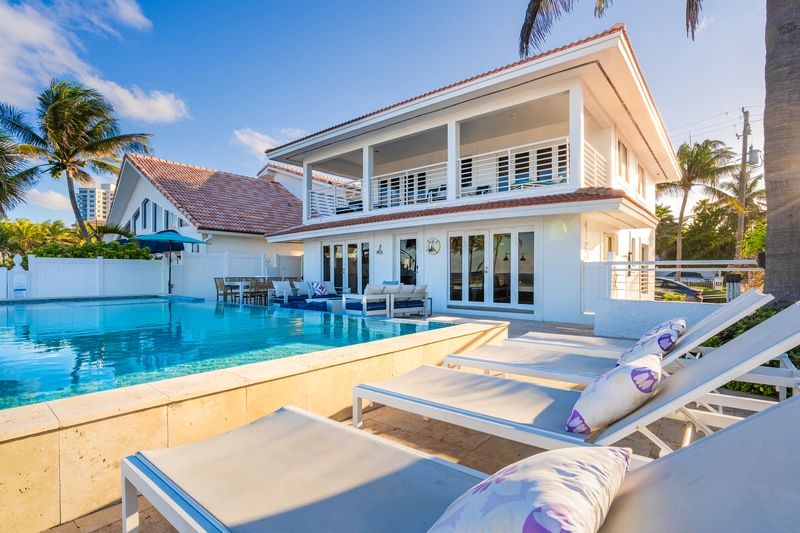
New Year’s Eve celebration can also mean shorts and sandals by the pool instead of winter coats and boots. Beach Haven sits close to Florida beaches and Fort Lauderdale’s prime location. This means restaurants, entertainment, and beach access all stay within easy reach.
Why Beach Haven is best for New Year’s Eve: You will be just steps from Fort Lauderdale beaches and dining. So, count down to the new year barefoot on the beach with ocean breezes and warm temperatures, creating a totally different holiday vibe.
What Our Past Guests Are Saying:
“Beautiful home with everything you need and perfect location! My family and I had a wonderful New Year’s Eve!”– Mirelly F.
Memorial Day kicks off summer with long weekends. This holiday makes it perfect for anyone who needs a break and wants pool parties, beach trips, and quality time with friends and family. Check out our Memorial Day weekend-themed rentals and book as early as today.
Blackhaus – Palm Springs, California
Can accommodate from 2-40 guests | 1-16 beds and 1-20 baths
For a modern minimalist style, stay at Blackhaus. You’ll be in the heart of Palm Springs where the desert sun kicks off summer perfectly. The central location means walking to shops, restaurants, and nightlife instead of driving everywhere.
The compact space works great for couples wanting a quick getaway without dealing with big house logistics. Central location means walking to shops, restaurants, and nightlife instead of driving everywhere.
Why Blackhaus is best for Memorial Day: The compact space works great for couples wanting a quick getaway without dealing with big house logistics. And last-minute desert escapes get easy with a simple check-in process.
What Our Past Guests Are Saying:
“We had a perfect night’s stay here for a last minute memorial day trip. Very clean and easy to get into – the room was just as it was pictured. Central to everything. Would absolutely stay here again!”– Lucy O.
Can accommodate up to 10 guests | 3 beds and 3 baths
Need a 90s California cool for your Memorial Day? With retro vibes and ocean views that stretch endlessly, Stardust comes with a private backyard that creates your own secluded paradise. Quick grocery runs and the beach are also convenient while having that away-from-it-all feeling.
Why Stardust is best for Memorial Day: Families, newlyweds, friends, groups, or couples get unobstructed Pacific views and complete privacy just minutes from famous Malibu beaches like El Matador and Zuma.
What Our Past Guests Are Saying:
“We stayed at this Airbnb for our mini moon during Memorial Day weekend and loved it. The house was peaceful with relaxing surroundings, and the backyard views were beautiful. The property felt very private, like a modern 90s home. The host’s instructions and communication made everything smooth. It was a quick 4-minute drive to Vintage Grocers for supplies, and El Matador and Zuma Beach were easily accessible. Waking up to unobstructed ocean views was incredible. The main bedroom was comfortable, though it could use blackout shades. The backyard was the highlight and made us feel at home immediately. Overall, this is the perfect stay for a relaxing, private experience with easy access to Malibu’s attractions. Highly recommended!”– Maria D.
Can accommodate up to 10 guests | 4 beds and 2 baths
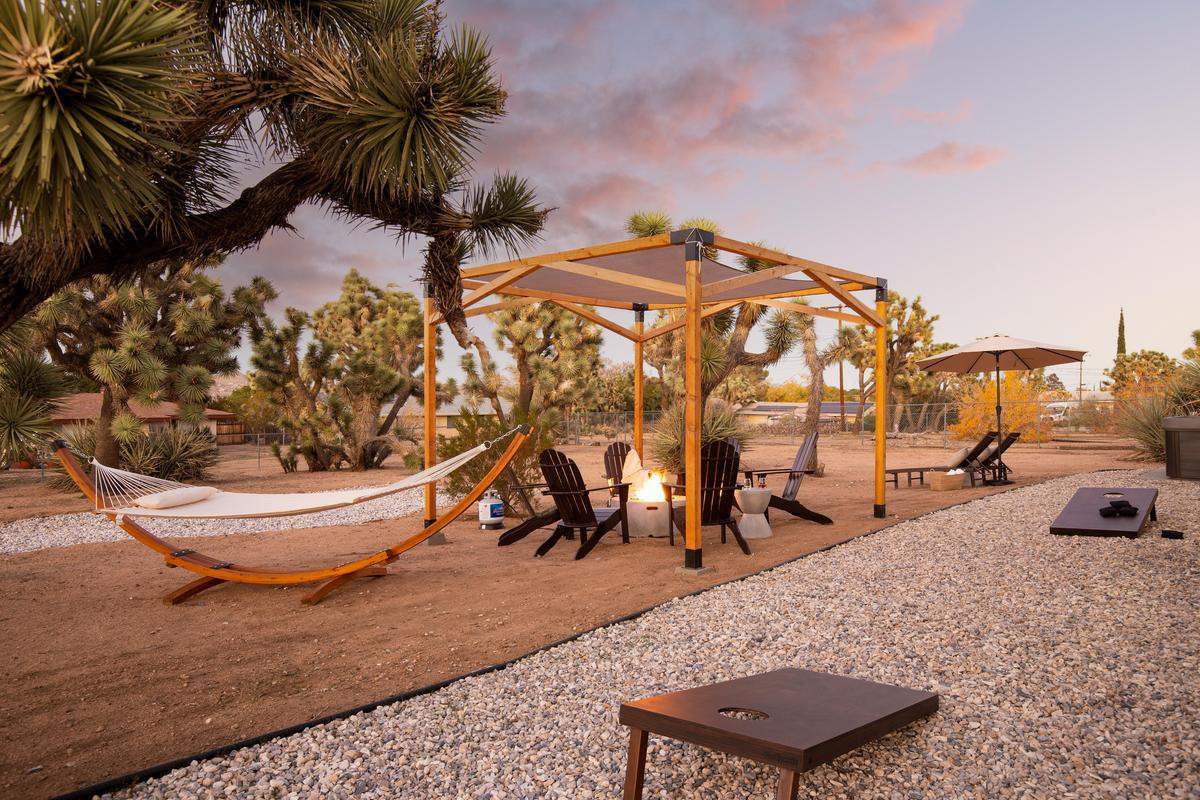
Transform desert living into a Memorial Day party zone here at Yucca Haven. It is where the backyard becomes headquarters for your entire stay. Pool days and garage games mean nobody needs to leave the property to have fun.
Why Yucca Haven is best for Memorial Day: You can spend all day in the house without ever feeling bored. The Joshua Tree location also offers stargazing and desert hikes when you finally want to explore beyond the house.
What Our Past Guests Are Saying:
“This house is so beautiful and perfect for groups! We stayed here over Memorial Day weekend and had the best time. The backyard is amazing. We spent all of our time laying by the pool or playing pool in the garage. The host was also very responsive and helpful when we had questions. 10/10 experience. We definitely want to come back!”– Scarlet R.
Can accommodate up to 16 guests | 8 beds and 8 baths
Enjoy the unbeatable water views and access to Newport Beach at Edgewater Place. A five-unit bayfront compound where you can enjoy a shared dock for paddleboarding or kayaking right from the property. It also has an outdoor dining area for morning coffee or sunset wine.
Why Edgewater Place is best for Memorial Day: Located just a five-minute walk to Balboa Village, the Fun Zone, and iconic surf breaks, you can explore Newport Beach like a local with beach bars, fresh seafood, and scenic bike paths all within walking distance.
What Our Past Guests Are Saying:
“Great place to stay – area was extremely walkable with lots of shops, restaurants nearby. View was gorgeous, parking spot was so clutch during Memorial Day weekend! Appreciate the AvantStay folks checking up on us and ensuring we had all we needed.”– Christine DS.
Can accommodate up to 14 guests | 5 beds and 5 baths
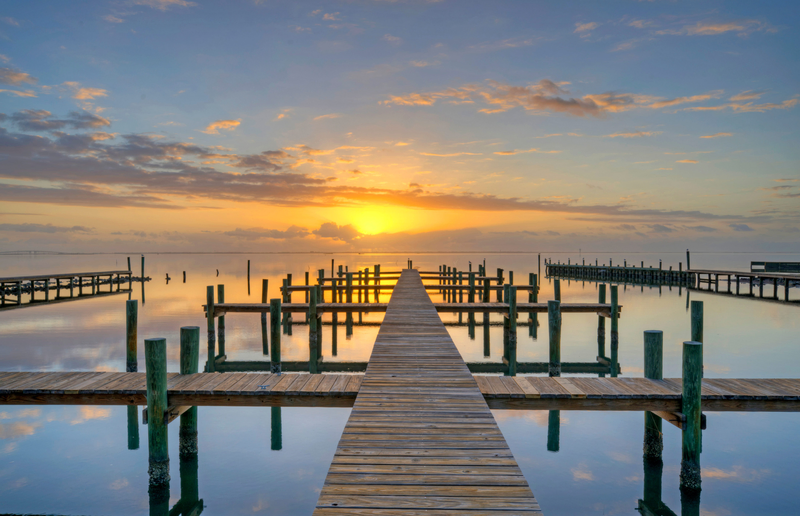
Laguna Village Paradise gives large groups waterfront access, which means endless water activities from sunrise to sunset. The Laguna Madre location offers calm waters perfect for kayaking, fishing, and paddleboarding.
Why Laguna Village Paradise is best for Memorial Day: Double the water fun with both pool and dock access, plus sunrise views that make waking up early totally worth it. There are also plenty of bedrooms, so everyone can spread out comfortably instead of fighting for space.
What Our Past Guests Are Saying:
“Great place for vacation! Spent memorial day weekend in style & had plenty of room for everyone. Pool area was super nice, and sunrises on the docks were perfect!”– Alison V.
Fourth of July celebrations and vacations need Independence Day-themed rentals. To truly feel the 4th of July, these homes offer the best fireworks views, outdoor entertaining areas, and that all-American summer feeling.
Starview at Brasada Ranch Resort – Central Oregon
Can accommodate up to 10 guests | 4 beds and 3 baths
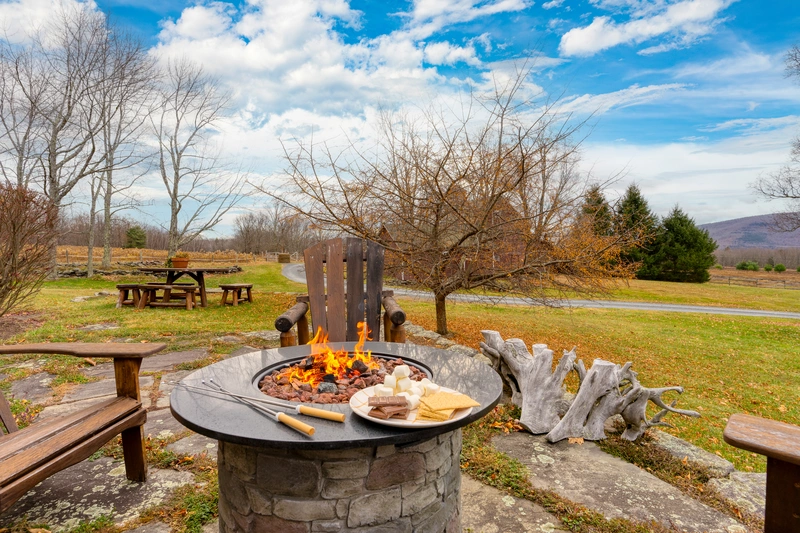
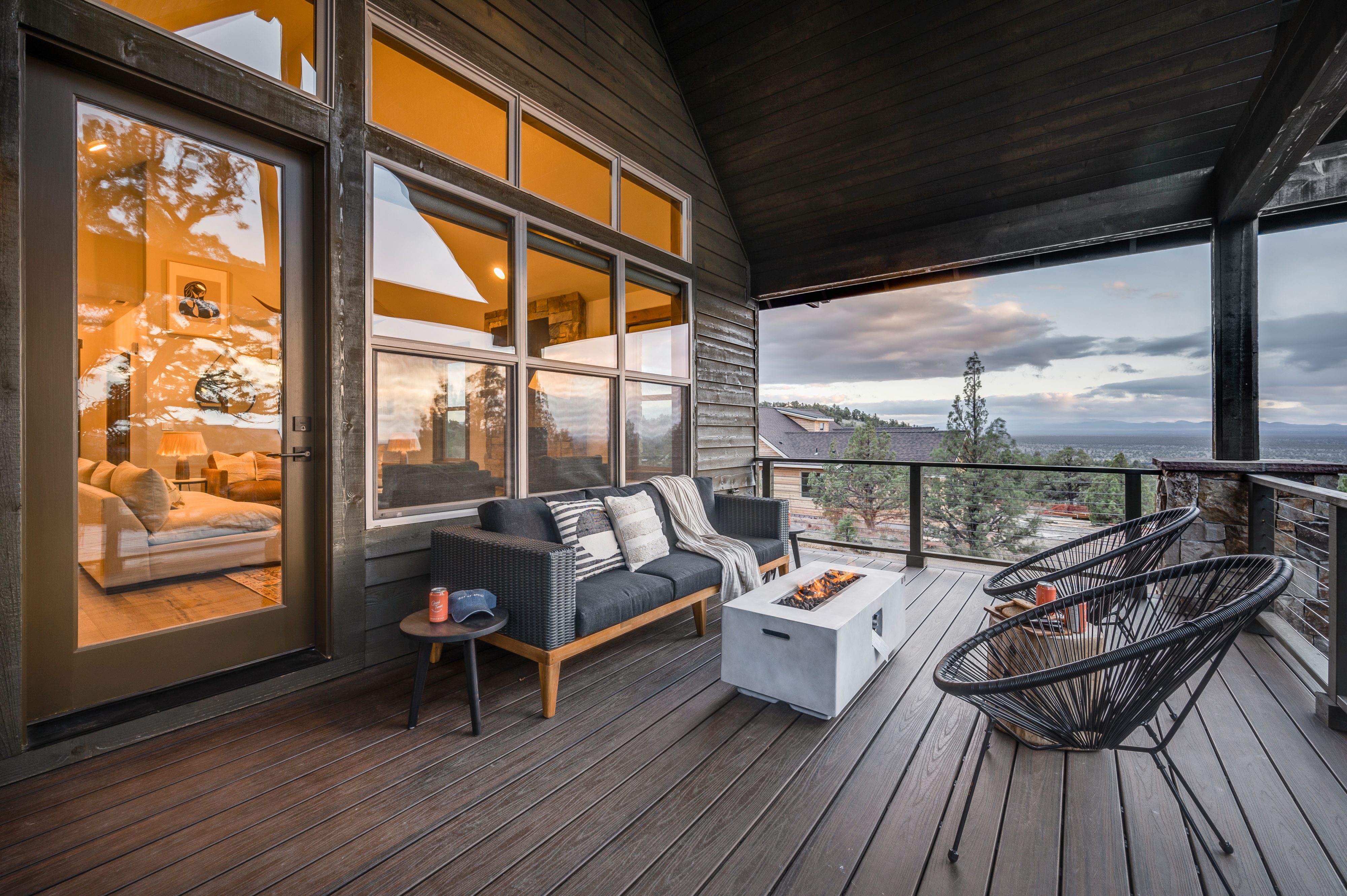
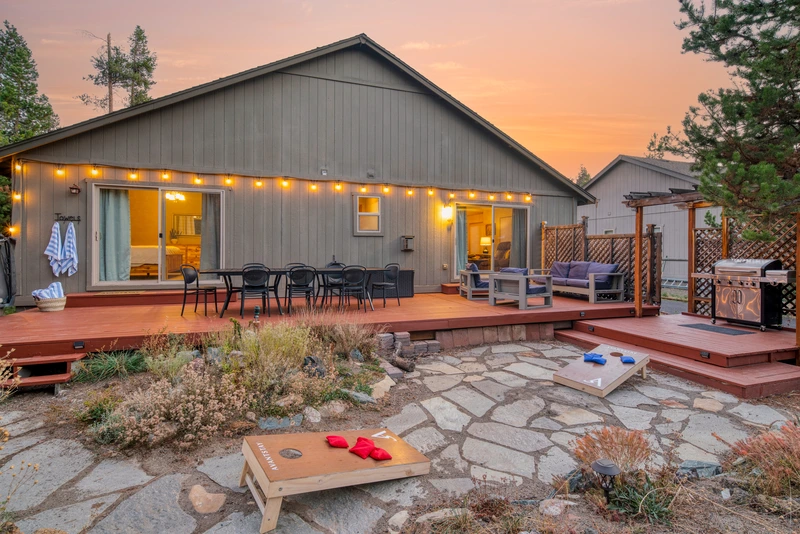
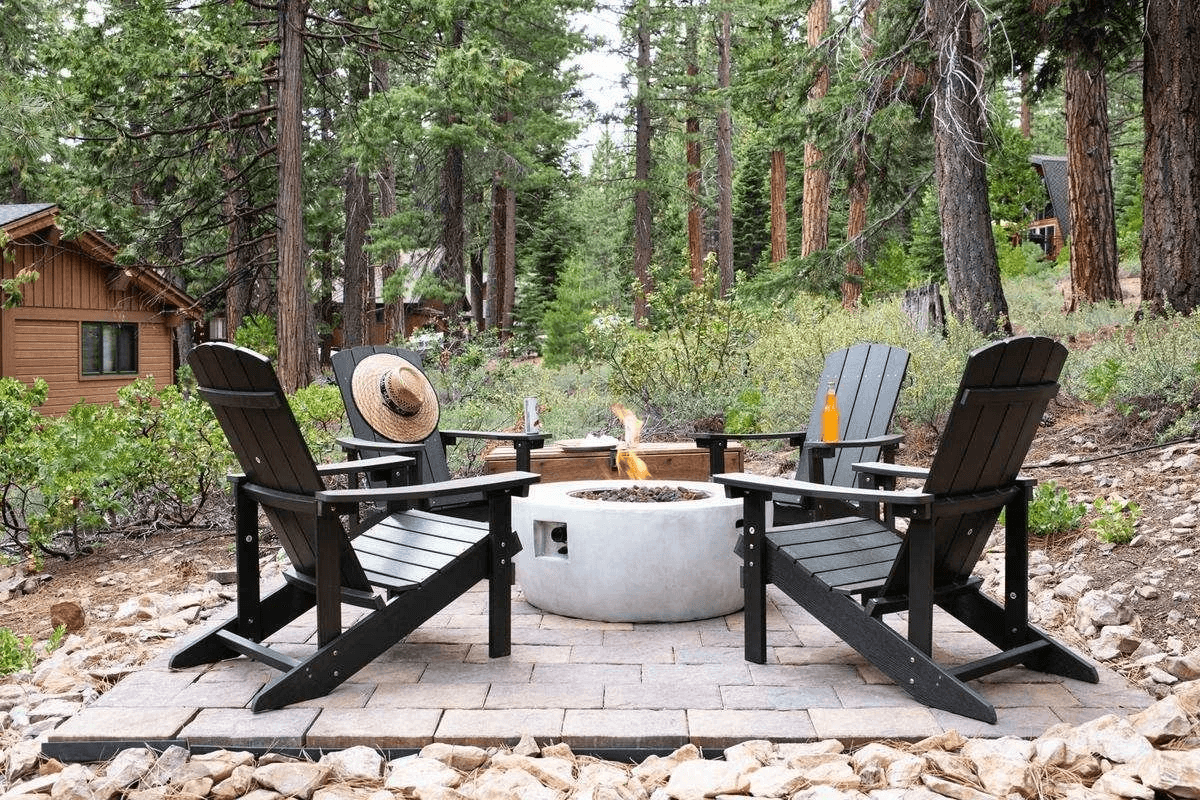
Perched on the slope of Brasada Ranch about 30 minutes outside Bend, Starview trades holiday crowds for mountain sunsets. The patio looks out across the high desert toward the Cascades, and the fire pit and grill are built for exactly the kind of long July evening the Fourth deserves.
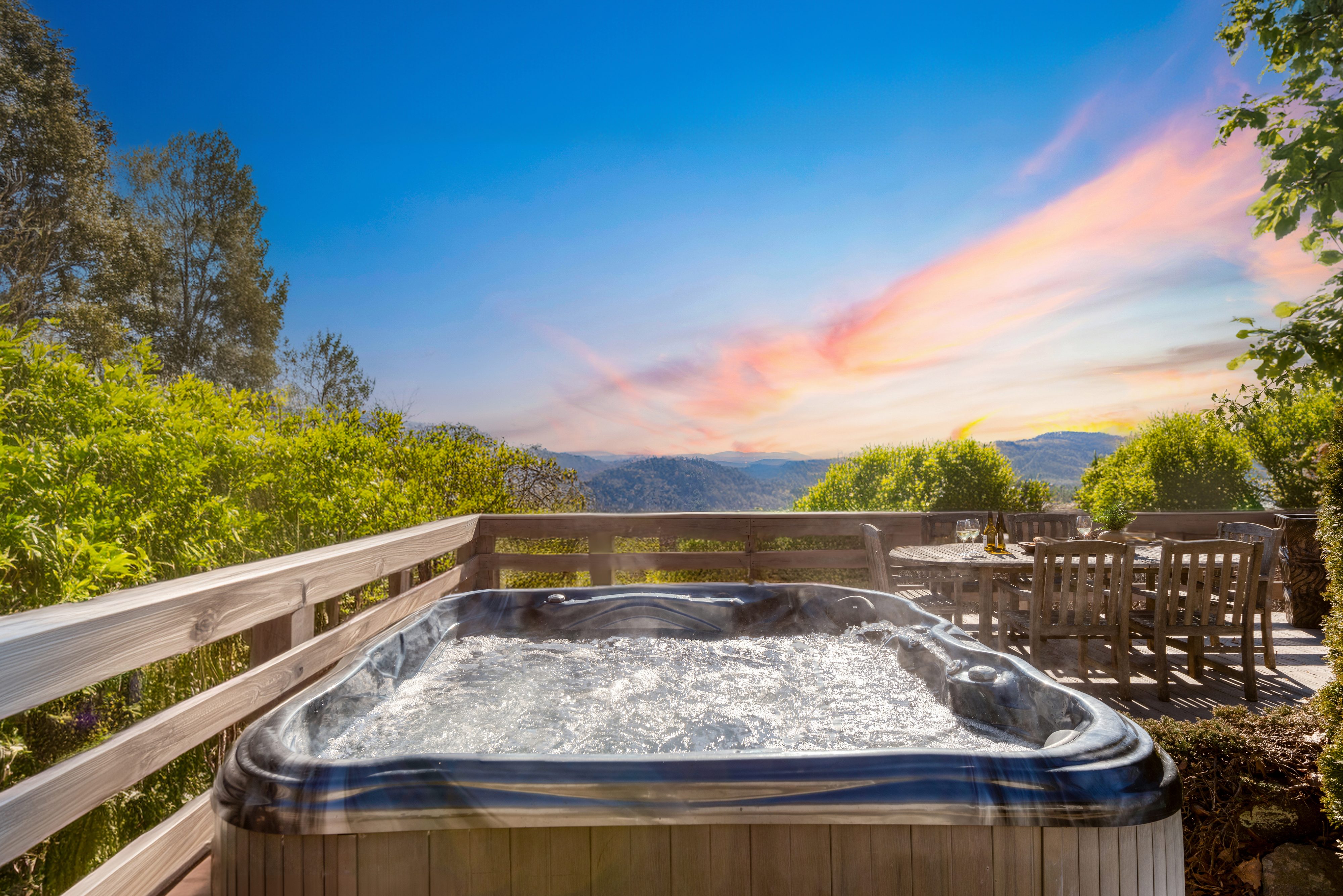
Why Starview is best for Fourth of July: The fire pit and BBQ deck become headquarters the moment the sun starts dropping, and Central Oregon’s dry summer evenings are made for lingering outside. Indoors, the game room keeps everyone busy with a pool table, ping pong, darts, cornhole, and board games, while the hot tub handles the wind-down. Dogs are welcome, so nobody gets left behind on the long weekend.
What Our Past Guests Are Saying:
“This was the perfect property for a multi-generational get together. The location is ideal for many activities (rafting, rodeo, swimming, hiking, etc.)The views and sunsets are spectacular. The house is very comfortable, clean, spacious and had everything we needed for a relaxing vacation. We would return again and highly recommend it.”– Terry C.
Can accommodate up to 6 guests | 2 beds and 2 baths
Avalon puts everything you need or want within 15 minutes by car, making Fourth of July activities super accessible. While you are near the airport, you are also close to San Diego beaches and attractions. That means fun and convenience at the same time!
Why Avalon is best for Fourth of July: The deck/patio is spacious enough to have an outdoor dining table, firepit, and lounging. This is where everyone can watch Fourth of July fireworks shows across different parts of San Diego simultaneously from your private patio.
What Our Past Guests Are Saying:
“From this amazing condo everything you need or want to do is within 15 minutes by car! You quickly feel like at home since you have everything you need for a great weekend or week. Soap to wash your clothes, recipe books if you want to cook with a great selection of spices! Beds are comfy lots of towels including ones to go to the beach with chairs and parasol…. BBQ and fire pit also available on the patio. Everything you need is there. You need to know the airport is very close thus can be noisy when you are sitting outside but we enjoy being there on the 4th of July and having a great view on the fourth spots of the San Diego fireworks”– Donald A.
Can accommodate up to 12 guests | 4 beds and 4 baths
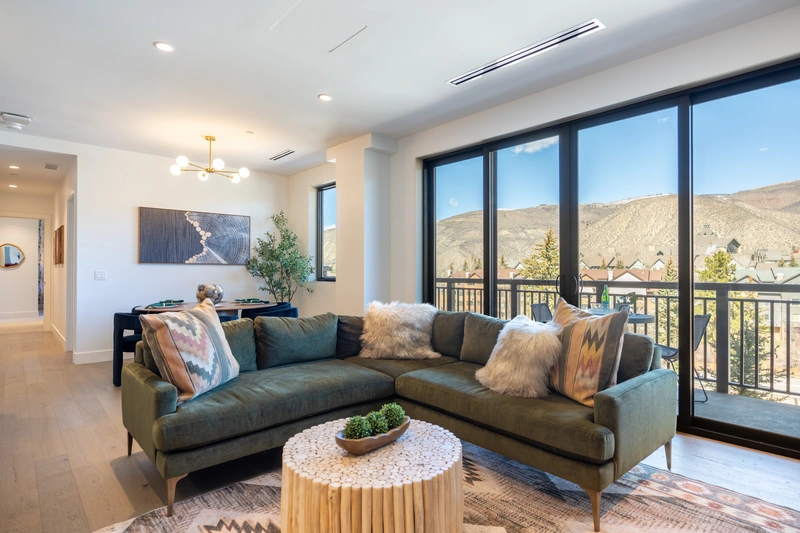
Just in the heart of Northstar California Resort, Arroyo is a warm townhouse that provides plenty of space for groups after days of skiing or watersports. You are just walking distance to Northstar village, with shuttle service, which means easy access to summer activities.
Why Arroyo is best for Fourth of July: The fully equipped open-concept kitchen lets you prepare meals while staying connected with everyone, and the home comes with 2 guest passes for exclusive access to Northstar Resort Community amenities.
What Our Past Guests Are Saying:
“We loved our stay. Since it was the 4th of July- it was a little noisy at night. The family that stayed on the lower level didn’t hear too much noise, but the family on the top heard more noise late at night. It really was a awesome stay though!”– Danya W.
Can accommodate up to 8 guests | 3 beds and 3 baths
Alpine Oasis at Frontgate is a rare gem that features a vantage point overlooking the Eagle River and mountains. The dedicated shuttle access to Vail and Beaver Creek Villages also makes exploring effortless, while having world-class amenities.
Why Alpine Oasis is best for Fourth of July: Celebrate the holiday with resort-style amenities, including golf simulators, a private theatre, a game room, community e-bikes, and a state-of-the-art fitness center.
What Our Past Guests Are Saying:
“Great place. Gorgeous, clean and fun amenities. Enjoyed the spaciousness of the place for our family of four. Spent hours at the pool. Kids loved the slide (I agree) and within walking distance to Nottingham park for the 4th of July fireworks. Easy access to Beaver Creek, Vail and Glenwood springs. Highly recommend.”– Joanna N.
Can accommodate up to 6 guests | 2 beds and 2 baths
The less crowded location means actually finding parking and beach spots during the busy Fourth of July weekend. And Emerald Isle 701 sits in a quieter Panama City Beach zone where you can get beach access without the spring break crowd chaos.
Why Emerald Isle 701 is best for Fourth of July: Celebrate Independence Day beachside in a peaceful end-unit condo with beautiful sunset views of the gulf. This is where you can relax and have direct beach access and resort amenities.
What Our Past Guests Are Saying:
“We had a Great stay. Everything was exactly as pictured. Resort staff were friendly. Great place to stay for the 4th of July. Location was more quiet and less crowded. Made for a peaceful stay. Didn’t want to leave and would definitely stay there again.”– Ashley N.
Labor Day marks summer’s last hurrah with relaxing long weekends perfect for final pool days, mountain hikes, and lakeside sunsets. But how can you enjoy this holiday if you’re not staying at a Labor Day-themed rental?
Teddy – Big Bear, California
Can accommodate up to 10 guests | 4 beds and 3 baths
This isn’t your average cabin. Teddy features vaulted wood ceilings, floor-to-ceiling windows flooding the space with natural light, and an open floor plan connecting the kitchen, dining, and living areas.
Why Teddy is best for Labor Day: The modern mountain style, game room amenities, and outdoor spaces with a hot tub and fire pit make this ideal for a memorable Labor Day gathering. It also has easy access to Big Bear Lake’s hiking trails, marina, and summer activities.
What Our Past Guests Are Saying:
“We booked the cabin for Labor Day weekend for family gatherings we are enjoyed ours time staying there, it’s more space than we expected, thinking we may do that again next year.”– Mai H.
Can accommodate up to 20 guests | 5 beds and 4 baths
Host an unforgettable end-of-summer celebration at Leyland. This is a gorgeous cabin-style mansion that features multiple decks with expansive Blue Ridge Mountain views. With its 2-level balcony decks, this home becomes a champion for indoor/outdoor living.
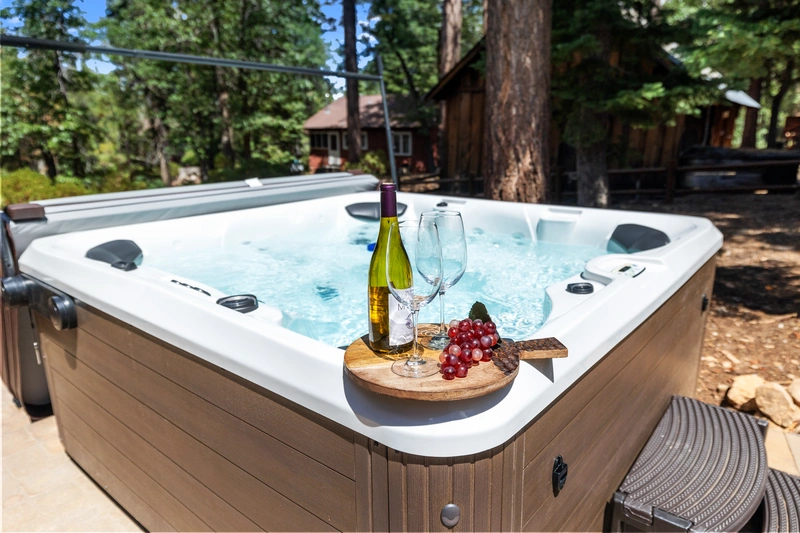
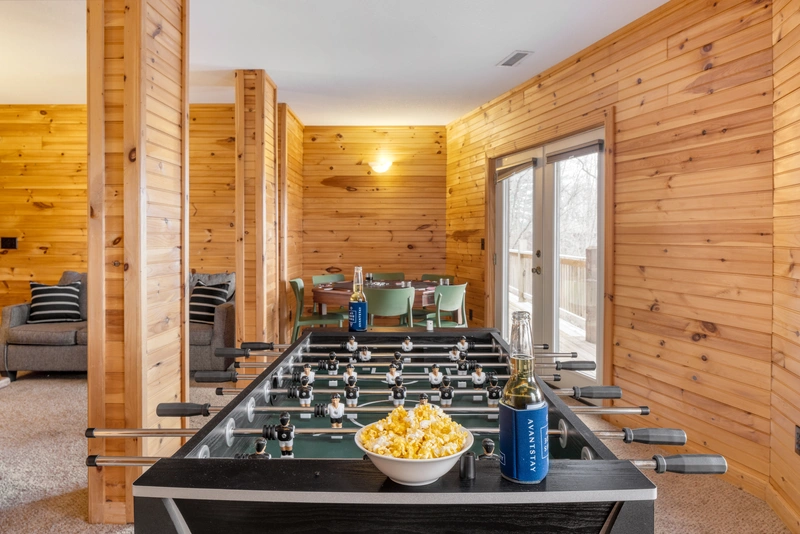
Why Leyland is best for Labor Day: The fire pit outside the great room and expansive outdoor dining area create the perfect setting for Labor Day cookouts and mountain sunset gatherings. The property also includes a private hot tub and a large recreation room with foosball.
What Our Past Guests Are Saying:
“This was one of our favorite stays by far. The location was truly amazing. 10 mins (max) from central downtown that’s on a quiet private road. It’s extremely walkable with great hiking all around the house. Also, it’s high enough up in the mountains where you get all the benefits of not having mosquitos, cool fresh air, etc. The home was surprisingly better equipped than even our own house, which was a fantastic addition. They even provided a pack-n-play crib for our newborn, which made traveling that much easier on us. We did have a minor issue with the Jacuzzi on the first night and to our great surprise AvantStay had a mechanic come to fix it the following morning. To top that it just so happened to be on Labor Day, thus quite the pleasant surprise and testament to their professionalism and hosting experience. We honestly have no complaints whatsoever. After this stay we have even begun looking for properties in the surrounding area. We will be coming back very soon!”– Jacob M.
Can accommodate up to 6 guests | 2 beds and 2 baths
Right on the San Miguel River, Manitou River House 113 is the chic condo that puts you at the Telluride trailhead, literally a stone’s throw away. You also get to enjoy a beautiful shared hot tub and the sounds of the river right from your doorstep.
Why Manitou River House 113 is best for Labor Day: You can end the summer season by walking the river trail access and Telluride’s Main Street, just minutes away. The riverside location offers the perfect relaxation for a Labor Day weekend escape.
What Our Past Guests Are Saying:
“Can’t wait to come back! Stayed at Manitou River House 113 for 7 nights over the Labor Day holiday and everyone in my party raved about our accommodations. It’s a terrific place right in the heart of downtown Telluride. We loved being just steps away from the river trail and Gondola, and great places to eat, like Baked in Telluride, Smuggler’s Union, and The National (to name a few). We were comfortable the entire time and really enjoyed coming ‘home’ to our condo after exploring the town. It looked exactly like the photos and had plenty of amenities to suit our needs. For those with mobility issues, be warned: there are a LOT of stairs here, both outside the unit and inside of it. We didn’t mind this at all, but it may not be ideal for everyone. All in all, we felt lucky to have found this place. We would stay here again in a heartbeat!”– Fabian M.
Can accommodate up to 14 guests | 5 beds and 3 baths
Experience authentic Spanish-inspired architecture with antique doors, warm wood finishes, colorful tilework, and an arched Spanish-style fireplace at La Casona. This hidden hacienda features a backyard pool area that creates the perfect spot for Labor Day.
Why La Casona is best for Labor Day: Celebrate the long weekend in this one-of-a-kind retreat with a showstopper kitchen and serving area to serve the best meals. The private pool, outdoor fire pit, guitar, and pool table also make it perfect to mark the end of summer in style.
What Our Past Guests Are Saying:
“La Casona is spacious – each bedroom has more than enough space for guests. The bathrooms are roomy as well and come with shower essentials. Although it faces a major arterial street, and very near restaurants and a grocery store, local traffic noise is not at all a problem inside the home. The driveway and the large garage were more than adequate to accommodate our dinner guests’ vehicles. Linens were crisp and towels fluffy. The kitchen amenities need to be improved, however. Pots and pans were minimal, and basic cooking ingredients were lacking. There were cabinet doors that needed to be attached, as well as cabinet door handles. The backyard was great for guests to mingle and enjoy the pool with drinks. Check-in is set at 4 p.m., but we asked if we could do it earlier; staff was able to move check-in time to 2 p.m., which was convenient for those with early arrivals. Overall, we had a wonderful stay over the Labor Day weekend and recommend La Casona for large families.”– Yvette R.
Can accommodate up to 10 guests | 4 beds and 3 baths
Welcome to this spacious cabin featuring
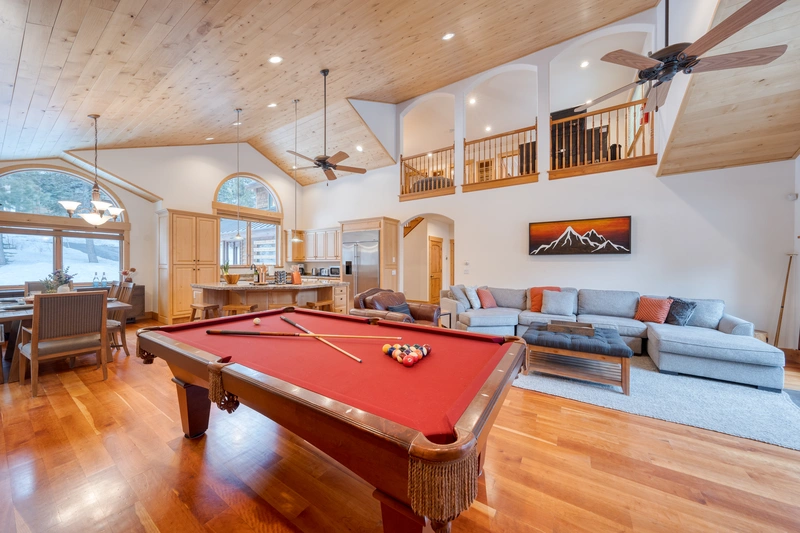
Cherry wood floors, soaring ceilings, and a crackling gas fireplace in the main living area, where a pool table takes center stage. Donner Ridge is a spacious cabin that’s perfectly positioned just 5 minutes from Tahoe Donner Ski Resort’s summer trails for end-of-season watersports.
Why Donner Ridge is best for Labor Day: The outdoor deck, game room with pool table, and location less than 10 minutes from Historic Downtown Truckee make this ideal for an active Labor Day weekend.
What Our Past Guests Are Saying:
“My family and I decided to stay here for Labor Day and we couldn’t be happier. The place was exactly as described and it has just about everything you are looking for! We will be coming back, thank you!”– Jose D.
Securing the perfect holiday rental takes planning and smart strategies. Follow our best tips on how to have a convenient and stress-free experience in securing your ideal celebration spot.
Book Early for Peak Dates
Holiday weekends fill up fast, especially for Thanksgiving, Christmas, and New Year’s Eve. Start searching at least 6 months ahead for major holidays. Popular destinations sell out even earlier, sometimes 8-12 months in advance.
Set up alerts on booking sites for properties you like. Check back regularly as cancellations do happen. The earlier you book, the better selection and prices you’ll find.
Check out house availability with our guest concierge team. Contact us at (833) 442-8268.
Verify Important Amenities
Don’t assume amenities work just because they’re listed. Sometimes, some amenities can be taken off due to issues. Read reviews specifically mentioning features you need. Check if pools are heated for the winter holidays or if hot tubs get regular maintenance.
Ask hosts directly about WiFi speed if you need to stream holiday movies or work remotely. Confirm parking spaces for multiple cars during big family gatherings. Make sure outdoor grills work if you’re planning BBQ celebrations.
Safety First and Avoid Scams
Book only through trusted platforms like AvantStay that verify properties and protect your payment. Never wire money directly or pay outside the booking platform, as these are red flags for scams.
Read multiple reviews from different sources. Check if property photos match recent guest pictures. Look for hosts with verified information and good response rates. Trust your gut if something feels off about a listing.
Holiday bookings often have stricter cancellation rules. Understand exactly when you can cancel and how much you’ll get back. Some properties require full payment upfront with no refunds for holiday dates.
Consider travel insurance for expensive bookings, especially during unpredictable weather seasons. Know the difference between flexible, moderate, and strict cancellation policies before you book.
Communicate Your Plans
Tell your host about your holiday celebration plans. Ask about noise policies if you’re hosting a New Year’s party. Check if decorating is allowed for Christmas stays. Confirm checkout times work with your holiday travel schedule.
At AvantStay, we appreciate knowing how you’ll use the space. We also offer helpful tips about local holiday events, or provide extras like extra chairs for big dinners if available. Clear communication prevents problems during your stay, and we will be happy to assist you.
Find the Perfect Holiday Homes with Avantstay
Holidays only come once a year, and where you celebrate makes all the difference. From Thanksgiving feasts to Fourth of July fireworks, these 30 hand-picked rentals create the perfect setting for your celebration.
You get room for everyone, outdoor spaces for activities, and locations that make each holiday feel special. But the best holiday rentals and even deals book up fast. And families and groups who plan ahead usually get the first choice of these celebration-ready homes.
Don’t wait until the last minute and miss out on the perfect spot for your next Thanksgiving dinner, Christmas morning, or New Year’s countdown. Browse AvantStay’s holiday themed vacation homes and secure your spot before these sought-after properties fill up.
Start planning today for unforgettable holiday memories tomorrow! Book now!
The moment someone starts figuring out how to split vacation rental costs among friends in a large group, the excitement of the trip can stall out. Couples question paying the same as singles, parents debate whether young kids count fully, and friends arriving late wonder why they should cover nights they will not use. These money conversations often delay bookings or stop them altogether, especially when one person has to front thousands of dollars and chase everyone down for payment. Clear cost frameworks, transparent conversations, and split-payment tools can remove that friction before it starts. With the right approach, you can divide costs fairly, let everyone pay their share directly, and get the trip booked without awkward follow-ups.
TLDR:
Split-payment functionality at checkout removes collection friction and helps groups book 42% faster.
Share-based models (adults=1.0, kids=0.5) resolve fairness disputes before booking.
Transparent cost breakdowns help you allocate expenses and commit faster.
Master bedroom premiums of 25-30% prevent post-booking conflicts over room assignments.
Reservation management apps let you share bookings so friends can claim bedrooms and pay their portion directly.
Different Ways to Split Vacation Rental Costs
When you’re planning a group trip, choosing the right cost-splitting method can make or break the booking process. Most groups use one of four methods, each with trade-offs that affect fairness and simplicity.
The simplest approach divides the total cost by the number of attendees. A $3,000 rental for six people costs $500 each. This works well for tight-knit groups with similar budgets where simplicity matters more than precision.
Another method accounts for varying arrival and departure dates by calculating a nightly rate per person. If the rental costs $2,400 across four nights with eight guests, the base rate works out to $75 per person per night.
Some groups assign costs based on bedroom occupancy. A couple in the master suite might cover 30% of the rental, while two people sharing a standard room split 20%.
Finally, certain groups combine methods, splitting the base rental equally while adding premiums for master suites or subtracting credits for guests staying fewer nights.
Splitting Method
How It Works
Best For
Equal Split
Total cost divided by number of attendees
Tight-knit groups with similar budgets where simplicity matters most
Nightly Rate Per Person
Calculate per-person nightly rate, multiply by nights stayed
Groups with staggered arrival and departure dates
Bedroom-Based
Assign percentage of total cost based on room quality and occupancy
Groups with varying bedroom sizes and amenities
Share-Based Model
Weight by adults (1.0 share), children (0.5 share), adjust for room premiums
Mixed groups with couples, singles, and families
Calculating Fair Shares When Group Sizes Vary
Group size variations create friction when couples, singles, and families with kids all share one rental. A straightforward per-person split can feel unfair to solo travelers while undercharging families with young children who still use space and amenities.
A share-based model solves this by assigning weighted values. Adults count as one full share. Many groups assign children a partial share, often 0.5, though the age threshold varies based on what feels fair to everyone involved.
Here’s how it works: two couples (4 shares), one single traveler (1 share), and a family of four with two kids under 10 (3 shares) total 8 shares. A $4,000 rental divided by 8 equals $500 per share. The single pays $500, each couple pays $1,000, and the family covers $1,500.
This approach feels fairer because children often use fewer amenities and typically do not occupy full bedrooms alone.
Accounting for Different Length Stays
When partial stays occur, calculating cost per night prevents guests who stay longer from subsidizing those with shorter visits.
The calculation is simple. Take your nightly rate and multiply by each guest’s actual nights. A $3,600 rental over six nights equals $600 per night. A guest staying all six nights pays their full share, while someone arriving two days late for four nights pays two-thirds.
Many groups expect length of stay to affect how costs are divided, and this expectation influences booking confidence. Someone must front the full rental cost while collecting proportional shares from partial-stay guests. Look for properties with flexible cancellation policies or that accommodate split payments if your group has staggered arrivals.
Handling Master Bedrooms and Premium Spaces
Not every bedroom is equal. Master suites with king beds, spa bathrooms, and private balconies naturally command more value than smaller rooms with shared hall access. This disparity creates tension if not managed before booking.
Three approaches resolve this fairly. The first is random assignment through draws or apps. Everyone pays equal shares, and fate decides who gets the master. This works when fairness matters more than preferences.
The second compensates whoever organized the trip with first pick. Since you handled research, booking, and coordination, the master suite serves as recognition. Groups often accept this trade because nobody else wanted the planning burden.
The third assigns premiums to better rooms. Master suite occupants pay 25-30% more, second-best rooms add 10-15%, while smaller spaces get discounted proportionally. A $3,000 rental might charge $900 for the master couple, $750 for mid-tier rooms, and $600 for the smallest bedroom.
When listing descriptions note that all bedrooms have en-suite bathrooms or similar square footage, it helps your group avoid friction over room assignments.
Payment Timing and Collection Strategies
Delayed payment collection costs groups their preferred properties. Approximately 42% of travelers have lost their first-choice accommodations because gathering funds from friends took too long. The longer you wait to collect payments, the more likely someone else will book the property you want.
The single-payer model remains most common. One person books with their credit card, then collects shares from others via Venmo or Zelle. This works when you have enough credit and trust the group to reimburse quickly.
Installment payment services like Affirm let you reserve immediately while spreading costs across several months. This removes the need to collect upfront from everyone.
Some properties accept split payments directly at booking, letting multiple people in your group contribute their portions before confirmation.
Planning for Cancellations and Last-Minute Changes
Group cancellations create immediate financial pressure on remaining travelers. When someone drops out, your group faces a reallocation decision: absorb the cost by splitting their share or find a replacement.
Set cancellation terms before booking. Require non-refundable deposits from each member within 48 hours of confirmation. Anyone who cancels later stays responsible for their full share unless they secure their own replacement.
Look for properties that allow guest list modifications without penalty. When the rental permits name changes up to check-in, you can fill vacant spots without rebooking entirely, protecting your reservation from full cancellation.
Setting Expectations before You Book
Clear money conversations before booking prevent the conflicts that often lead to last-minute cancellations. When groups skip budget discussions upfront, disagreements about cost allocation surface mid-trip and damage the experience for everyone.
Hold a planning call where everyone states their budget ceiling and expectations around shared versus individual expenses. Document the agreement in writing. Cover split methodology, premium room assignments, cleaning fee allocation, and damage deposit contributions.
Groups that finalize these details before submitting reservation requests are more likely to follow through and less likely to cancel as trip dates approach.
How to Choose Properties That Make Group Payments Easier
Properties that remove payment friction make group travel easier. Look for transparent cost breakdowns in the listing. When nightly rates, cleaning fees, and service charges are itemized separately, you can more easily allocate expenses across your group before committing.
Split-payment functionality at checkout removes the single-payer bottleneck that kills roughly 42% of group bookings before confirmation. You reserve the property, then share the reservation so each person can claim their bedroom and contribute their portion. This removes the awkward collection phase that prevents friends, multi-generational families, and corporate retreats from confirming. These features help you secure the property faster without fronting thousands of dollars and chasing everyone for payment.
A Better Way to Split Vacation Rental Costs for Large Groups
Figuring out how to split vacation rental costs among friends in a large group becomes much easier when you choose homes designed with groups in mind. AvantStay offers more than 2,300 professionally managed homes and boutique hotel properties across 100+ destinations, many featuring four or more bedrooms, multiple primary suites, and shared gathering spaces that make room assignments clear from the start.
Through the Butler app, you can share the reservation so everyone claims bedrooms and contributes their portion directly. Split-payment capabilities, installment options like Affirm, and transparent listing breakdowns mean you don’t have to front the full cost while collecting from everyone else.
AvantStay’s professional management means you get predictable quality, clear pricing, and homes built around the economics of group travel. Each property is professionally managed to meet consistent quality standards, with transparent costs and tools designed to make group coordination simple.
FAQs
What booking policies help protect my group when members cancel?
Require non-refundable deposits from each group member within 48 hours of confirmation, making individuals responsible for their full share even if they cancel later. Look for properties that allow name changes and guest list modifications up to check-in without penalty so you can fill vacant spots and secure replacements without rebooking entirely, protecting your group from full cancellation.
Why do staggered arrival dates affect group bookings?
Many groups expect length of stay to affect how costs are divided, so partial-stay flexibility matters to booking confidence. Someone must front the full rental cost while collecting proportional shares from people arriving on different days, making properties with flexible check-in timing or split-payment options more attractive to groups with varying schedules.
What information should we agree on upfront to prevent group booking conflicts?
Make sure everyone in your group has agreed on the split methodology, premium room assignments, and damage deposit contributions before finalizing the reservation. Groups that document these money conversations before booking are more organized and less likely to face conflicts or cancellations as trip dates approach.
Final Thoughts on Fair Group Cost Division
Fair cost division is often the deciding factor between a confirmed stay and a stalled group chat. When you feel confident about how to split vacation rental costs among friends in a large group, you commit faster and with fewer last-minute conflicts. Clear bedroom descriptions, itemized fees, flexible guest updates, and split-payment options make it easier to move your trip from idea to reservation. AvantStay gives you tools to share bookings, assign rooms, and collect individual payments in one place, helping you secure high-capacity homes without chasing down funds. Learn more about how to split vacation rental costs among friends in a large group with AvantStay and turn complicated group planning into confirmed bookings.
For short-term rental owners, a pool isn’t just an amenity. It is a revenue multiplier. Listings with pools often command higher nightly rates, stronger occupancy, and better guest reviews. But behind those Instagram-worthy backyard shots lies a steady stream of operating expenses that can quietly erode your margins.
Heating, utilities, chemicals, routine service, equipment repairs, and seasonal demand shifts all add up. Without a clear understanding of these costs, a pool can quickly move from revenue driver to profit drain. In this guide, we break down the true cost of pool heating and maintenance and share practical strategies to keep expenses under control while protecting your returns.
TLDR:
Pool heating costs range from $50-$600 monthly depending on system type and climate.
Vacation rentals need chemical adjustments twice as often since guest turnover introduces sunscreen, body oils, and contaminants that disrupt pH and chlorine levels.
Hiring weekly service providers costs $80 to $150 but guarantees pristine water conditions at every check-in.
Properties with heated pools command 15-20% higher rates during shoulder seasons, extending your revenue window beyond summer peaks.
AvantStay manages pool maintenance across 2,300+ properties with local field teams and real-time expense tracking through Lighthouse.
Understanding Pool Heating System Options for Short-Term Rentals
Choosing the right pool heating system sets the foundation for your operating costs and guest satisfaction. The four main options each come with different price tags and performance profiles.
Heat pumps run $2,000 to $6,500 and work best in warm climates where they pull ambient heat from the air. They’re energy-sipping but slow to heat water, making them ideal for properties with steady booking calendars where you maintain consistent temperatures.
Gas heaters cost $1,500 to $4,500 and heat pools fast, which makes them popular for rentals with back-to-back bookings. You can warm a cold pool in hours rather than days, but monthly fuel costs add up quickly.
Solar systems range from $2,500 to $6,500 upfront but deliver nearly free heating once installed. They depend on your local sunshine and roof space, making them perfect for Florida or Arizona properties with year-round demand.
Electric resistance heaters represent the budget entry point but carry the highest operating costs. Most property managers skip these unless heating a small spa or operating in mild climates with occasional use.
Monthly Operating Costs by Heater Type
Operating expenses determine whether pool heating supports or erodes your rental income. The system you choose will impact your bottom line every month of operation.
Heater Type
Monthly Operating Cost
Best For
Heat Pump
$50 – $150
Year-round rentals in warm climates
Gas (Natural Gas)
$200 – $400
Properties with on-demand heating needs
Gas (Propane)
$300 – $500+
Quick heat-up between back-to-back bookings
Solar
$10 – $25
Sun-rich locations with steady occupancy
Electric Resistance
$175 – $600
Small pools or spas only
Heat pumps work best for properties with consistent bookings where you’re maintaining temperature continuously. Gas heaters make sense when you need quick heat-ups between guests but can shut down during gaps. Climate drives these numbers hard: a heat pump in Phoenix costs half what the same unit runs in Seattle, while solar panels in Florida deliver year-round value that Michigan properties can’t match.
Weekly Pool Maintenance Requirements for Vacation Rentals
Short-term rental pools face maintenance challenges residential pools rarely see. Your property experiences more swimmer traffic in a single weekend than many homeowners see in a month, creating accelerated wear and chemical depletion.
Weekly maintenance runs between $20 and $50 for basic in-house care, covering water chemistry testing, skimmer basket cleaning, and surface debris removal. Vacation rentals need chemical adjustments twice as often since guest turnover introduces sunscreen, body oils, and contaminants that disrupt pH and chlorine levels.
The DIY versus professional service decision hinges on your proximity and booking density. Managing care yourself saves money but requires local presence. Hiring weekly service providers costs $80 to $150 but guarantees pristine water conditions at every check-in.
Annual Pool Maintenance Budget Planning
Building an annual pool budget requires more than extrapolating weekly costs. Vacation rental pools demand reserves for unexpected repairs and seasonal preparation that protect your booking calendar.
Pool maintenance costs average $122 per month or roughly $1,400 yearly for residential properties. Rental pools typically exceed this baseline because guest turnover accelerates chemical consumption and equipment wear. Plan for chemical expenses between $175 and $750 annually depending on your pool size and water type, with saltwater systems on the lower end and traditional chlorine pools requiring more frequent supply replenishment.
Seasonal tasks add $300 to $650 for opening and winterizing services if your property sits in a climate requiring shutdown periods. Set aside a separate equipment reserve equal to 15-20% of your annual pool budget, especially for properties in beach destinations where saltwater air accelerates corrosion. Pump failures, filter replacements, or heater breakdowns during peak season can force cancellations that cost far more than the repair itself.
Should You Pass Pool Heating Costs to Guests?
The pool heating fee debate splits property managers into two camps. Some charge optional fees between $25 and $100 daily, while others bake heating costs into nightly rates to simplify bookings.
Your pricing approach should match your market position. Properties targeting families often include heating in the base rate because these travelers prioritize convenience. Luxury estates can command premium heating fees during shoulder seasons when extended use would erode margins, but most absorb costs during peak summer when heating runs minimally.
Transparency prevents negative reviews that damage your reputation and future revenue. Communicate heating availability and costs before booking.
Impact of Pool Features on Rental Revenue
Pool features directly shape your pricing power and booking rates. Properties with heated pools capture 15% to 20% higher rates during shoulder seasons when competitors’ cold pools sit empty, extending your revenue window well beyond summer peaks.
Group bookings drive the highest value reservations with longer stays across multiple bedrooms. These guests actively seek properties with standout pool amenities. Features like spa jets, waterfalls, and LED lighting add $2,000 to $10,000 in installation costs but separate your listing in markets where basic pools no longer attract premium guests.
Measure your pool ROI by tracking occupancy shifts and rate increases before and after upgrades. This data drives smarter reinvestment choices.
Optimizing Pool Costs with AvantStay’s Full-Service Management
Managing pool costs across changing guest schedules and seasonal demands requires coordination that most individual property owners struggle to maintain. We handle every aspect of pool operations for the 2,300+ properties, in our portfolio, removing the guesswork from maintenance timing and vendor selection.
Our 100-point cleaning checklist includes pool inspection between every stay, catching equipment issues before they escalate into expensive repairs or guest complaints. Local field teams coordinate weekly service visits, emergency repairs, and seasonal maintenance, working with vetted vendors who deliver consistent quality across our markets.
The Lighthouse owner portal gives you real-time visibility into pool-related expenses and how they track against rental revenue. You see exactly what maintenance costs each month and can compare performance against similar properties in your market.
Final Thoughts on Pool Operating Costs for Vacation Rentals
The cost of pool heating and weekly maintenance adds up quickly, but properties that manage these expenses well command higher rates and longer booking windows. Your heating system choice sets the baseline for monthly bills, while consistent maintenance prevents emergency repairs during peak season. Build realistic budgets that include equipment reserves and seasonal prep so your pool stays guest-ready without surprise expenses.
If managing multiple properties makes pool coordination difficult, AvantStay’s vacation rental management provides local field teams and vendor networks that keep your water pristine at costs individual owners can’t access.
FAQ
How much should I budget annually for pool maintenance on my short-term rental?
Plan for $1,800 to $2,400 yearly for basic maintenance on vacation rentals, which runs higher than the residential average of $1,400 due to increased guest turnover. Add another 15-20% as an equipment reserve for unexpected repairs that could force cancellations during peak season.
What’s the most cost-effective pool heating option for warm-climate rentals?
Heat pumps deliver the best long-term value in warm climates, with monthly operating costs of $50 to $150 compared to $200 to $500+ for gas systems. While they cost $2,000 to $6,500 upfront, their lower monthly expenses and 10-15 year lifespan make them ideal for year-round operations.
Should I handle pool maintenance myself or hire a professional service?
Professional service makes sense if you manage multiple properties or live remotely, costing $320 to $600 monthly but guaranteeing consistent water quality at every guest turnover. DIY saves $300 to $500 monthly but requires local presence and technical knowledge to maintain chemistry between back-to-back bookings without risking negative reviews.
Can charging for pool heating actually increase my rental revenue?
Properties with heated pools capture 15% to 20% higher nightly rates during shoulder seasons when competitors’ unheated pools sit unused. Rather than charging separate heating fees that complicate bookings, bake heating costs into your base rate to extend your revenue season beyond summer peaks.
Why do vacation rental pools cost more to maintain than residential pools?
Your rental experiences 2 to 3 times more chemical consumption than residential pools because each new guest group introduces sunscreen, body oils, and contaminants that demand immediate rebalancing. This accelerated wear from daily turnovers drives both higher supply costs and faster equipment replacement cycles.
Breathe in, breathe out… Ski-in, ski-out! Nothing’s better than waking up, putting your gear on and heading directly outside to hit the slopes. After you spend the day getting your (ski) on, kick back at a vacation home where you can have apres ski moments you’ll never forget.
All vacation homes included here are within walking distance to the slopes of their respective towns. Other than being in the perfect location for powder days, these group friendly ski-town stays come with modern interior design, guest support at your fingertips (via our app), and add-on services like fridge stocking, private chefs, and at-home massages—all perfect for full relaxation after the slopes.
1. Bronson – Lake Tahoe, CA
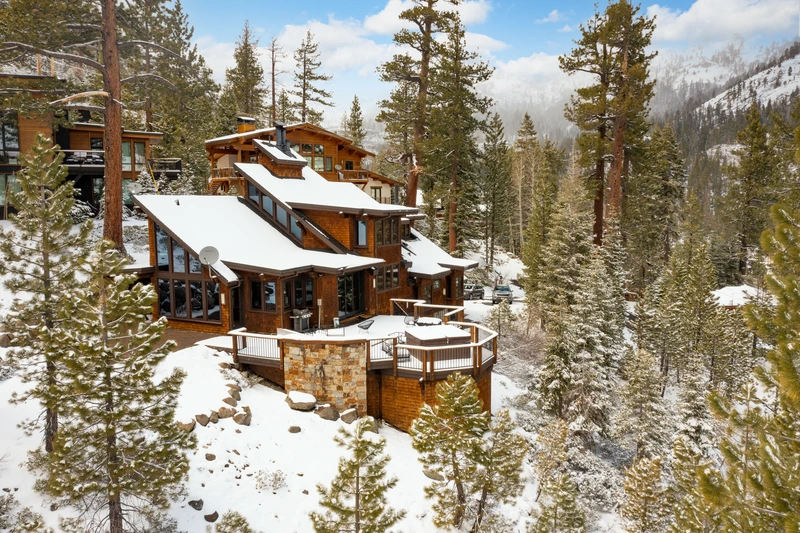
Starting this round-up strong with one of our personal faves. Meet Bronson, a Lake Tahoe, CA stay located right on Olympic Valley. Less worrying, more skiing—this home comes with snowshoeing equipment for your stay. We provide two sets of snowshoes with two adult poles and one set of child poles. With room for up to 12 guests, everyone can come and enjoy this vacation home’s expansive deck with a fire pit, hot tub, and views of the ski lift above!
2. Snowdrift Cabin – Telluride, CO
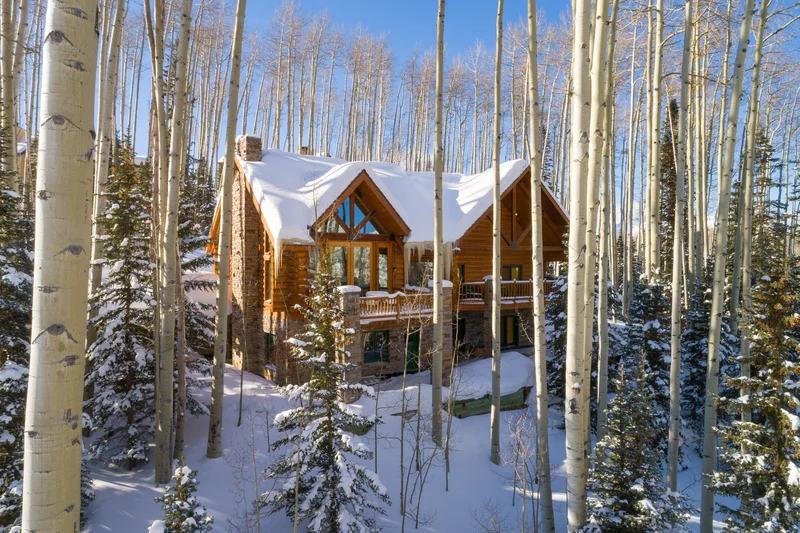
Snowdrift Cabinis a secluded Telluride, CO vacation spot. Filled with traditional wood beams, this cabin vacation rental has prime ski access on Lift 10’s Galloping Goose trail, gorgeous sunset views of the San Sophia ridgeline, multiple expansive decks, a hot tub, and loft area. Downstairs, you’ll find a dedicated rec room with a gas fireplace and games for the whole crew. Be sure to take advantage of Mountain Village’s Dial-a-Ride service where you can enjoy a free ride to the Village Core and the Gondola connecting to the Town of Telluride.
3. Cimarron Lodge – Telluride, CO
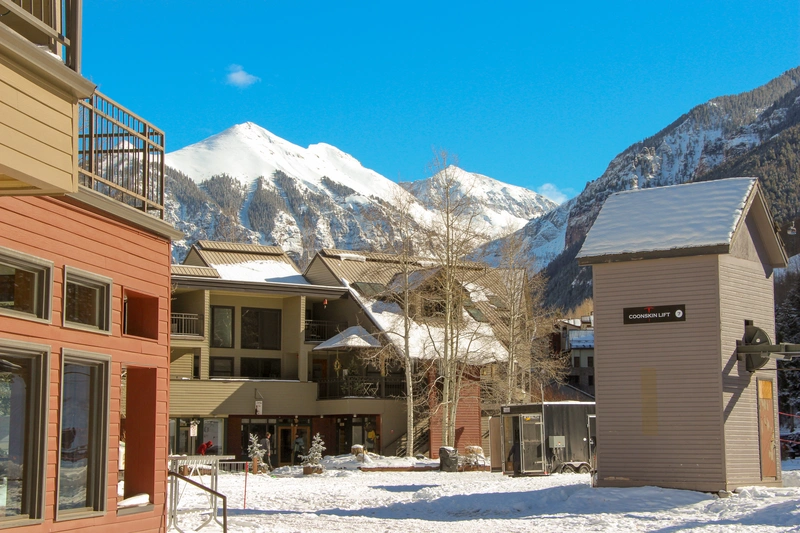
Tell the crew you’re ready for a trip to Telluride, CO. This Cimarron Lodge unit is located right on the slopes. Enjoy days not spent waiting in line to ski with this ski-in/ski-out condo situated along the San Miguel River. Bring up to 8 guests and enjoy your apres ski with a hot tub happy hour. Looking for more to do on your trip? Check out our Top Things to Do in Telluride.
4. Twin Chutes – Breckenridge, CO
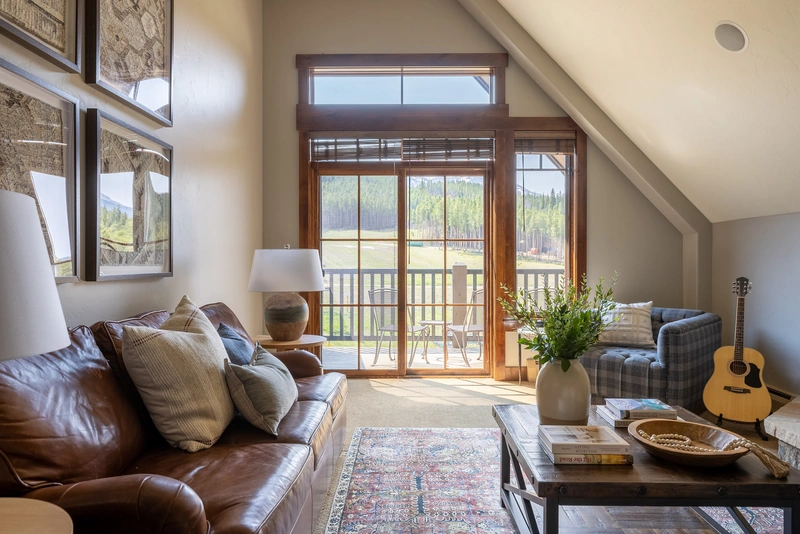
Breckenridge, CO is calling! Twin Chutesis a 4 bed stay with room for up to 12 guests. Conveniently located next to the ski lifts, this stay provides great ski access and even better Colorado mountain views. This condo comes with great amenities like a hot tub, billiards table, gym, and fireplace! We even give you a guitar—so for those who like songs around the campfire, you’re in luck.
5. Slopeside at Sundance – Telluride, CO
Looking for a traditional woodsy cabin? Slopeside at Sundance(not to be confused with Slopeside in Park City mentioned above) is a Telluride, CO vacation home located adjacent to the slopes and true ski access directly onto the popular Sundance ski run. Wake up to window views of the pine trees, and sip your morning coffee on the picturesque patio. After a long day of skiing, decompress in the sauna to let the heat melt away any and all soreness.
6. Rocker – Breckenridge, CO
Welcome to Rocker. Nestled right by the Quicksilver Chairlift, this ski-in/ski-out haven sets the perfect tone for your Breckenridge getaway. Step inside to a cozy vibe filled with chill furnishings, inviting bedrooms, and a kitchen that’ll get any foodie’s heart racing.
7. Etta Place – Telluride, CO
Step into Etta Place – a cozy one-bedroom Telluride condo nestled right against the ski hill, offering breathtaking views of the valley. When it comes to hitting the trails or shredding some snow, you’re just a few steps away from accessing it all—thanks to Lift #7 right at your doorstep.
8. Townhome on the Creek – Telluride, CO
Townhome on the Creek is a deluxe four-bedroom ski-in/ski-out home in Telluride’s Mountain Village. With easy ski access, private hot tub, and three decks with stunning views, your stay promises relaxation and convenience. Enjoy complimentary shuttle service, concierge service, and access to Trek bicycles for seamless travel in the area.
9. Silver Sun – Park City, UT
Welcome to Silver Sun in Park City’sDeer Valley’s Empire Pass, where stunning mountain views await from this custom home. With ski-in/ski-out access just 150 feet away, it’s a dream for avid skiers seeking convenience. This retreat offers two generous living spaces for gatherings, along with a private office featuring a workstation for those needing to stay connected while enjoying the mountain getaway.
Feeling motivated to get your ski on? We don’t blame you! If you’re looking for even more places to ski-in/ski-out, check out our collection of Ski-in/Ski-out Vacation Homes.
About AvantStay: If you find yourself looking for a travel experience that values your privacy, safety, and cleanliness, AvantStay is the perfect fit. Apart from their top-of-the-line technology and innovation, AvantStay homes are in primo locations—places you’ve been dying to check out, with experiences you’re ready to check off your bucket list—like staying at a ski-in/ski-out home!
We spoke to the owner of our Austin home, Dawson, and asked all about his experience owning a property with AvantStay. Let’s dive in!
Why did you choose AvantStay?
I loved the income potential for my property with short term rentals. I’d had a property manager before but they were still making it to where it was a lot of work for me—so I was very open to a new PM company. I loved how AvantStay has a design and experiential point of view and I own a unique property that fits their vision, so I felt we made great partners.
What was the onboarding process like?
Painless. I felt very at ease by their approach and felt my terms were market appropriate. They assigned a local property manager whom I met in person. We cleared out our personal effects, they did their design things—so I didn’t do much except get out of the way!
What upgrades did AvantStay make in your home?
I actually don’t know as I haven’t set foot in the place since I left, which should tell you how comfortable I am. But I believe it included painting, some fresh decor and new beds. Very appropriate and reasonable.
What’s the one thing that has stood out the most during your experience with us?
Everyone, to a person, has done what they said they were going to do. Every time. I’ve interacted with several people from corporate and two property managers—all of them have had high service mindsets and high integrity.
If you could own another rental anywhere in the country, where would you choose and why?
Santa Fe comes to mind immediately. It’s a destination that includes art, cuisine, culture, history and outdoor sports. There’s a lot packed in. Short flight, close enough to drive. Temperate climate. Great spot for a Texan to escape the heat. After that, it would be somewhere between Miami and Jupiter Florida—the coast is gorgeous. As you move north, it gets increasingly peaceful in terms of crowds.
What’s your favorite part about your own vacation home?
I love my house, and I actually love that I get to share it with more people. I feel like you get used to your own home in a way that makes you forget. This is a way where it’s fresh for everyone, including me.
I also love that I’m a part of a company that’s doing it a better way than the average PM company. There is a high standard. I admire that, and like the guests to have a great time.
Is there anything you’d like to say to other homeowners considering our platform?
AvantStay does what they say they’re going to do, so get started and see what happens. I’ve loved my experience and am adding another short term rental expressly for AvantStay because the experience is so great. I even had them weigh in on my personal remodeling and reno choices! They’re good people.
Spring reaches its peak and Memorial Day weekend approaches, May emerges as one of the most rewarding months to explore America’s diverse destinations. The weather is comfortably warm without summer’s scorching heat, flowers are in full bloom, and tourist crowds haven’t yet reached their peak intensity.
May offers the perfect conditions for celebrating the unofficial start of summer while honoring the long Memorial Day weekend. Mild temperatures make outdoor adventures irresistible, spring blooms create stunning natural backdrops, and longer daylight hours provide ample time for exploration and memory-making.
We’ve curated the top 7 best places to visit in May, each offering unique opportunities to celebrate Memorial Day weekend and create lasting spring memories. These destinations combine beautiful weather, exciting activities, and the perfect atmosphere for group adventures and family gatherings.
Memorial Day weekend brings special events and the perfect kickoff to summer adventures. And Los Angeles shines brightest in May, offering perfect weather before the summer heat intensifies. With comfortable temperatures in the mid-70s, clear skies, and minimal rainfall, May provides ideal conditions for exploring Hollywood, hiking scenic trails, and enjoying the city’s world-famous beaches.
Top Activities:
Hike to the Hollywood Sign and explore Griffith Park with perfect spring weather
Enjoy beach days at Santa Monica and Venice with warm, comfortable temperatures
Experience world-class dining and nightlife in West Hollywood and Beverly Hills
Visit iconic attractions like Universal Studios and The Getty with fewer crowds
Where to Stay: Unwind atEdendale, a sophisticated three-story Los Angeles retreat featuring award-winning design and three front-facing patios. The incredible hill views are perfect for enjoying the warm weather and unique amenities, including foosball and outdoor dining.
Port Aransas welcomes May visitors with warm Gulf waters and perfect beach weather just in time for Memorial Day celebrations. This charming coastal town on Mustang Island offers pristine beaches, world-class fishing, and a laid-back atmosphere that makes it ideal for family gatherings and group getaways during the holiday weekend.
Top Activities:
Fish in the “World’s Luckiest Fishing Village” with prime spring fishing conditions
Enjoy warm Gulf waters perfect for swimming, kayaking, and paddleboarding
Take dolphin tours and explore the magical Crab Island sandbar experience
Experience the famous Texas SandFest if visiting during the festival season
Where to Stay: Dive into fun atMarlin Cove, your ultimate beach retreat just a short stroll from sandy shores, featuring a private pool and hot tub, covered poolside patio, two spacious balconies, and a beautiful modern interior with blue beachy accents throughout.
Offering coastal beauty and cultural attractions, Corpus Christi during May has the ideal weather conditions. With warm temperatures and calm seas, Memorial Day weekend becomes an opportunity to explore this vibrant Gulf Coast city’s beaches, maritime attractions, and rich cultural heritage while enjoying some of Texas’s most beautiful coastline.
Top Activities:
Explore the Texas State Aquarium and USS Lexington Museum with comfortable weather
Enjoy pristine beaches at North Padre Island and Mustang Island
Take dolphin tours and Red Dragon Pirate ship adventures in calm spring waters
Experience the vibrant downtown area and Corpus Christi Bay waterfront
Where to Stay: Relax atKeeper Red, your ultimate group getaway in a private fishing village along picturesque Laguna Madre Bay, featuring six bedrooms, a community waterfront pool, boat dock with private slips, and two balconies perfect for savoring morning bay breezes.
Crystal-clear waters and mild May temperatures create the perfect setting for Memorial Day weekend lake activities. And as North Carolina’s largest man-made lake, Lake Norman offers endless opportunities and fun for water sports, lakeside relaxation, and exploring charming surrounding towns. They are all enhanced by the beautiful spring weather and blooming landscapes.
Top Activities:
Enjoy boating, kayaking, and paddleboarding on pristine lake waters
Explore Lake Norman State Park with perfect hiking weather and spring blooms
Visit charming lakeside towns like Davidson and Cornelius for shopping and dining
Experience water sports and fishing in ideal spring conditions
Where to Stay: Escape toOasis at Ballycastle, featuring a newly installed 15-foot beach, multi-level dock with lake toys, outdoor kitchen with grill and TV, private sauna, hot tub, and stunning lake views from multiple bedrooms and living areas.
👉 Find the perfect Lake Norman Airbnb for your North Carolina lake adventure.
5. Black Mountain, North Carolina
Nestled in the Blue Ridge Mountains near Asheville, Black Mountain offers spectacular spring scenery and comfortable May temperatures perfect for outdoor adventures. Memorial Day weekend provides ideal conditions for hiking, exploring the vibrant arts scene, and enjoying mountain views enhanced by spring’s full bloom and clear skies.
Top Activities:
Hike scenic Blue Ridge Mountain trails with perfect spring weather and blooming wildflowers
Explore downtown Asheville’s vibrant arts district, breweries, and local dining scene
Visit the famous Biltmore Estate with beautiful spring gardens in full bloom
Experience outdoor adventures like zip-lining and mountain biking in ideal conditions
Where to Stay: Retreat toLeyland, a gorgeous cabin-style mansion valued at over $1.5 million, featuring multiple decks with expansive Blue Ridge Mountain views, a private hot tub, a large recreation room with foosball, and vaulted ceilings with huge windows for natural light.
6. Telluride, Colorado
May marks the perfect transition season in Telluride, offering mild temperatures and fewer crowds before the summer peak. Memorial Day weekend provides excellent conditions for hiking, mountain biking, and exploring this stunning mountain town’s natural beauty, with snow-capped peaks creating dramatic backdrops and spring weather perfect for outdoor adventures.
Top Activities:
Hike spectacular mountain trails with comfortable spring temperatures and stunning views
Experience world-class mountain biking on trails enhanced by perfect May weather
Explore Telluride’s charming town center with unique shops and mountain dining
Take scenic gondola rides for breathtaking panoramic mountain vistas
Where to Stay: Experience luxury at Apex, a 2025 AvantStay Awards finalist featuring rustic exterior charm with modern interiors, a private hot tub for post-adventure relaxation, a cozy home theater, and close proximity to mountain activities and town attractions.
Bend‘s high desert landscape and Cascade Mountain views create a stunning backdrop for May adventures. With mild spring temperatures and clear skies, Memorial Day weekend becomes perfect for exploring outdoor activities, craft breweries, and the area’s famous natural attractions while enjoying some of the Pacific Northwest’s most beautiful scenery.
Top Activities:
Hike and bike world-renowned trails with perfect spring weather conditions
Explore the famous Bend Ale Trail and craft brewery scene
Experience white-water rafting and fishing on the Deschutes River
Visit stunning natural attractions like Crater Lake and Smith Rock State Park
Where to Stay: DiscoverKlamath, the premier cabin in Caldera Springs, featuring unbelievable lakeside views, rich wood finishes, stone fireplaces, an expansive patio with a fire pit, a steamy spa surrounded by towering pines, and access to community amenities including pools and recreational facilities.
Memorial Day carries a rich history that makes May travel particularly meaningful. Originally known as Decoration Day, this holiday began in 1868 when communities across America started decorating the graves of Civil War soldiers with flowers and flags.
The tradition evolved into our modern Memorial Day, officially recognized in 1971 as a federal holiday honoring all American military personnel who died in service.
How Memorial Day Shaped American Travel Culture
The three-day weekend format created by the Uniform Monday Holiday Act transformed Memorial Day from a solemn day of remembrance into America’s unofficial start of summer vacation season. This shift established patterns of family gatherings, road trips, and group getaways that continue today.
Modern Memorial Day Celebration
Today’s Memorial Day weekend represents the perfect balance of honoring our nation’s heroes while celebrating freedom through travel and adventure. Many destinations host special ceremonies, parades, and commemorative events that add deeper meaning to vacation experiences, making May travel both recreational and reflective.
Memorial Day Weekend Travel Tips
May travel coincides with Memorial Day weekend, America’s unofficial start to summer, and a time to honor those who served our country. This three-day weekend creates unique opportunities and considerations for travelers:
Planning Considerations:
Book accommodations early, as Memorial Day weekend is one of the busiest travel periods
Expect higher rates and minimum stay requirements at popular destinations
Plan for increased crowds at major attractions and national parks
Consider arriving mid-week to avoid weekend traffic and secure better rates
Weather Advantages:
May offers ideal temperatures before summer heat intensifies
Spring blooms create stunning natural backdrops for photography
Comfortable conditions for outdoor activities and hiking
Perfect weather for beach visits without extreme summer crowds
Cultural Significance:
Many destinations host Memorial Day parades and ceremonies
Special events and festivals often coincide with the holiday weekend
Opportunities to visit military memorials and historical sites
Community gatherings and local celebrations enhance the travel experience
Spring Into Your Best Memorial Day Weekend Yet
There’s something magical about May travel that goes beyond just pleasant weather. This month captures the anticipation of summer while delivering the gentle warmth of late spring, creating the ideal atmosphere for meaningful Memorial Day gatherings.
Rather than competing with peak-season crowds or dealing with uncomfortable heat, May offers your group the space and comfort to truly connect.
Your Memorial Day memories deserve more than standard hotel rooms. Discover your ideal group retreat and transform this holiday weekend into an annual tradition worth repeating.
May Sets the Stage for Epic Adventures
Memorial Day weekend marks more than just a long weekend—it’s the official launch of outdoor adventure season across America. May’s unique timing creates opportunities that simply don’t exist during other months, combining perfect weather windows with pre-summer pricing and availability.
The magic lies in May’s versatility: mountain destinations shed their winter coats while remaining comfortably cool, coastal areas warm up without reaching summer’s intensity, and cities come alive with outdoor festivals and events. This creates the rare opportunity for groups with different interests to find common ground in shared destinations.
With AvantStay as your trusted partner in creating unforgettable travel experiences, you can now plan your year of fun getaways. Here are more guides where you can make every season an adventure:
Grab your boots, besties, we’re going hiking. If you’ve been meaning to cross some of our nation’s great parks off your bucket list, let this be your sign to do it. From Joshua Tree National Park to the Great Smoky Mountains, we’ve got vacation homes next to all things outdoors. Ready to explore? Let’s go!
Joshua Tree National Park
Asteroid – Twentynine Palms, CA
Get in touch with nature at Asteroid. Located right by Joshua Tree National Park, each and every corner of this home’s yard features views of the desert surrounding you. Take a day trip hiking and enjoy coming home to this aesthetically pleasing stay with al fresco dining, a hot tub, and a fire pit.
Flora – Yucca Valley, CA
True to the desert, Joshua Tree can get pretty hot. That’s why we decided to include this Joshua Tree vacation rental with a pool. Flora is what you’d call a “desert oasis,” with its modern interior design, al fresco dining, and hot tub for those chillier nights.
Not only isFloragreat for its bodies of water, but it’s also pretty great at being a wedding venue. Don’t take it from us, take it from our friends at Architectural Digest.
Rocky Mountain National Park
Camber – Breckenridge, CO
This whole town might be high, but you’ll be too once you experience Breckenridge. Spend days exploring the Rocky Mountain National Park and all its beauty, then come home to Camber where the outdoors is anything but MIA. Take a breath of fresh air from the hot tub, dine out on the patio, cozy up by the fireplace, and cheers to this mountain getaway.
Rocker – Breckenridge, CO
Want to be next to the slopes on days you don’t go hiking? Try a stay at Rocker. This ski-in, ski-out stay is located just steps from the Quicksilver Chairlift in Breckenridge. Say hello to luxe amenities like this stay’s indoor/outdoor pool, gym, hot tubs, and saunas for all the decompression your heart can handle.
Great Smoky Mountains National Park
Crystalline – Sevierville, TN
Based on a study we totally didn’t make up, you’re twice as likely to enjoy your hikes when you have a home this great to come home to. Crystalline is the quintessential Smoky Mountains AvantStay – meaning it comes complete with decks on multiple levels, hot tubs, outdoor dining, a movie room, and views for days.
For those looking for a more humble (but not too humble) abode, try a stay at Carter Creek. This is in Gatlinburg, home of Ole Smoky Mountain Moonshine. And not that we’re in the business of falsifying scientific studies over here, but moonshine does seem to be pretty good at making those post-hike pains dissipate. Other great things about this home: its fire pit, hot tub, and pool table.
Crater Lake National Park
Black Bear Cabin – Bend, OR
For a more secluded stay, take a trip to Black Bear Cabin. This stay blends modern luxury with the natural beauty of the landscape you came for. Enjoy Bend’s open skies and stunning sunsets from the backyard with a hot tub, lounge space, and a BBQ/grill for those fresh air meals you’ve been craving.
Grand Canyon National Park
Roca Roja – Sedona, AZ
If you don’t have the Grand Canyon National Park on your bucket list, WYD? While you’re at it, cross off “stay at the coolest vacation home ever” from your list (we know it’s there) with a stay at Roca Roja in Sedona. And we hate to admit it, but the views from this home’s balcony are so good, you might just forget to take a trip to the parks.
Sol House – Scottsdale, AZ
Want to see the Grand Canyon but would rather be a bit more immersed in city life? Take a trip to Scottsdale. We recommend a stay at Sol House. It’s next to all things Scottsdale – plus boasts features like a private pool, bright and airy interiors, outdoor dining, corn hole, a fire pit, and an expansive deck.
Located near Charleston, you’ll find Congaree National Park. ICYMI: this park has the largest tract of old-growth bottomland hardwood forest left in the US. When you’re not lost in the world of biodiversity that is Congaree, you can rest your head at Live Oak – our Charleston vacation home that blends indoor/outdoor living and gives you all you need for some well-deserved R&R.
Haven – Sullivans Island, SC
Let’s go to the beach! Create the perfectly stacked itinerary with days spent exploring Congaree, posting up on the beach with a read, and exploring the lively history that is Charleston. The first step to making all this happen is with a stay at Haven, our beachfront vacation home with a private pool, rooftop balcony, and plenty of spots to lounge.
The exploration doesn’t stop here. Apart from its seamless group travel experience and a plentiful selection of luxury in-app upgrades, AvantStay homes are in primo outdoor locations – even more than what we just covered in this article. Click here to see all our destinations and we’ll see you soon!
Challenge: Help a seasoned short-term rental owner receive more five-star reviews, become an Airbnb Superhost, and drive more bookings year-round.
Background
Robert purchased his Park City vacation property in 2019 and had been successfully managing it as a short-term rental. Despite bookings being steady, Robert couldn’t figure out how to encourage guests to leave reviews and become a Superhost on Airbnb.
During his time managing his vacation rental on his own, Robert found it difficult to devote more of his time to communicating with guests along with taking care of mid-stay requests. Robert doesn’t live in Park City full-time. Therefore, he would often have friends check in on his property or assist guests while out of town.
Robert soon realized he needed additional help to provide his guests with excellent service and around-the-clock support. He began looking for a vacation rental management company to partner with. Robert reached out to AvantStay when he learned about our in-app upgrades and experiences, on-the-ground local support teams, and Airbnb Superhost status.
Solution
During the onboarding process, Robert discussed his struggle with becoming an Airbnb Superhost and not always being able to go above and beyond for his guests. He was pleased to learn that AvantStay’s local support team in Park City is available 24/7. The team can take care of every guest issue and stock the home with personalized welcome packages before each stay. Robert was also excited about AvantStay’s in-app upgrades and experiences, allowing his guests to request in-home massages, fridge stockings, mid-stay cleanings, and more.
With the COVID-19 pandemic still present, cleaning also became difficult for Robert. His home now receives premium care from AvantStay’s housekeeping team. The team professionally cleans after every stay, adhering to CDC-grade cleaning standards and a premium 100-point checklist.
On the design front, AvantStay’s interior designers saw an opportunity to refresh Robert’s home. They purchased furnishings to create a cozy space for guests to warm up after a day of skiing or relax after hiking, fly fishing, mountain biking, or exploring the town.
Property performance
Time with AvantStay: 13 months Occupancy rate: 67% Weekend occupancy rate: 77.5% Rental income: $96,850
Results
After a year of working with AvantStay, Robert is officially an Airbnb Superhost with a five-star rating overall, and five stars for both communication and cleanliness. His short-term rental now receives more positive reviews than ever, with guests frequently commenting on the welcome gifts, in-app upgrades, amenities, and design.
Overall, Robert’s Superhost status and positive reviews have helped Robert increase bookings, even during Park City’s off-season. Since partnering with AvantStay, Robert’s occupancy rate increased to 67%, surpassing the average rate of 47% for the market.
“10/10 would recommend AvantStay for any short-term rental owners,” said Robert. “Even being located in a seasonal destination, my property still has more bookings than ever. My neighbors keep asking me how I keep the place filled. I’m always excited to tell them about AvantStay.”
Interested in learning more about vacation rental management with AvantStay? Our team of experts is here to help. Unlock your vacation rental’s full value and get started with our team today.
If you’re planning a trip to Sonoma County, California, explore this guide for inspiration as you build your list of things not to miss for your next vacation.
Sonoma is a historic city located in Northern California about 45 minutes from San Francisco and known for amazing vineyards, wineries, and sustainable farming. Whether you’re planning a quick day trip or staying for a week, there’s plenty to explore along the Sonoma Coast and historic Sonoma with shopping, wine tasting, bike tours, and other outdoor activities.
Check out our list of the best things to do in Sonoma for your next vacation.
1. Relax & Refresh
Somehow time slows down in Sonoma. The down-to-earth nature and rustic vibes fill the area, creating the perfect setting to unwind and relax. Settle into your Sonoma vacation rental, pour a glass of pinot noir or chardonnay to enjoy a delicious farm-to-table lunch, and admire the beauty of the redwood trees.
2. Explore Sonoma Valley Wine Country
Sonoma Valley wine country offers world-class wine, making it one of the most popular attractions in northern California. This destination is home to 60,000 acres of vineyards in over 18 wine regions, offering different flavors that will appeal to everyone.
The Sonoma County Terroir includes eighteen American Viticultural Areas which represent the diversity of this famous region and offer a larger variety of grapes than other notable wine destinations.
Traveling with a group? Booking a wine-tasting tour is one of the most fun things to do for a group of friends, family, or even a couple. Buena Vista Winery is one of the best in Sonoma. Be sure to book in advance for your group to secure a spot.
Enjoy discussing your favorites in the tasting rooms post-wine tour to decide on which wines you’ll choose to bring home to your cellar.
It is easy to create your entire getaway around the theme of wine, if that’s your passion. There are plenty of guided tours and walking tours, and with Napa Valley nearby it is easy to explore both wine making regions over the same weekend.
Explore Group Vacation Rentals Near Sonoma Wine Country
Bodega Bay is famously known as the location for Alfred Hitchcock’s “The Birds,” and this Sonoma County destination also offers a perfect day trip for whale or bird watching.
Start your day with a beautiful hike at Kortum Trail. This trail is easy for beginners who want to take in a gorgeous view of the Pacific Ocean. From March to April, you may even see a whale! For a delicious bite to eat, check out Fishetarian Market for fresh raw oysters or fish and chips. Enjoy an afternoon treat with a stop by Patrick’s Salt Water Taffy to satisfy your sweet tooth. Before heading back to yourSonoma vacation home, boost your energy with a coffee or chai latte from Captain Davey’s Ice Cream and Espresso.
Source: Sonoma County
4. Kayak The Russian River in Guerneville
Not only is the Russian River great for swimming, paddling, and kayaking, it is the perfect spot to simply relax and enjoy the natural beauty of the waterway. There’s plenty to explore after a day on the water. Whether you stroll through charming Guerneville for local boutiques, cafes, galleries, and farm-to-table bites to eat, or you head out to explore Armstrong Redwoods State Natural Reserve—you can’t go wrong.
Source: Smarter Travel
5. Visit Sonoma Breweries & Distilleries
Sonoma County is known for wineries, but did you know there are also plenty of excellent breweries and distilleries to enjoy? Explore theSonoma beer trailto experience the best beverages in Sonoma County from Petaluma to Healdsburg. You’re sure to find some of the best craft beers on tap in Northern California.
Source: Sonoma County
6. Wildflowers in Sonoma Valley Regional Park
If you’re a fan of wildflowers, February through May is the perfect time to explore spring blooms in Sonoma County. You’ll find hiking trails named after flowers at Sonoma Valley Regional Park. Take an early hike through these stunning trails and prepare a picnic lunch from the local farmers market with local pinot noir or chardonnay from a Sonoma winery. You’ll be sure to find a variety of beautiful flowers to gaze at while you relax in nature.
Source: Press Democrat
Experience the Best of Sonoma Valley
Ready to experience all of the beauty, fun, and charm of Sonoma Valley has to offer? Sonoma is an excellent destination to visit with something fun to experience in every season. Use this guide to plan your next getaway and book your Sonoma vacation rental to enjoy all this lovely area has to offer.
If you’re looking for other recommendations in the area, be sure to check out our other resources:
It’s time to cross that fall foliage trip off your bucket list! Grab your whole crew and head to one of the best leaf-peeping locations in the US. Each destination offers a unique experience, with a range of activities to make your autumn adventure truly unforgettable.
From picturesque mountains to serene lakeshores, we’ve compiled a list of the top 10 places to see fall foliage in all its glory—plus what to do while you’re there and our favorite AvantStay vacation rentals to stay at!
1. Smoky Mountains, TN
Fall Foliage Peak: Mid-October
The Great Smoky Mountains National Park in Tennessee is a fall foliage paradise, with colors typically peaking in mid-October. Drive through scenic byways, hike to majestic waterfalls, and partake in wildlife viewing in this renowned national park. Attend the annual Gatlinburg Craftsmen’s Fair, showcasing unique handmade creations, or venture out to Dollywood for a fun-filled day at Dolly Parton’s iconic theme park.
Where to stay: Ranger
2. Berkshires, MA
Fall Foliage Peak: Late September to mid-October
The Berkshires in Massachusetts are synonymous with captivating fall foliage, which typically peaks from late September to mid-October. Rolling hills and valleys come alive with red, orange, and purple hues. Art enthusiasts will love the region’s vibrant cultural scene, with numerous galleries and performing arts venues. Additionally, you won’t want to miss the opportunity to go apple picking and revel in the tastes of the season. Gala, Fuji, or Granny Smith—take your pick!
Fall Foliage Peak: Late September to early October
As the summer crowds dwindle, Breckenridge, Colorado, transitions into a wonderland of fall foliage from late September to early October. The aspen trees turn brilliant shades of yellow and gold, creating a striking contrast against the rugged mountains. For an adrenaline-filled autumn adventure, try your hand at rock climbing or mountain biking. If you prefer a more relaxed experience, explore the charming streets of the town, lined with quaint shops and inviting cafes.
Where to stay: Paddington
4. Hudson Valley, NY
Fall Foliage Peak: Mid-October
Hudson Valley makes for the perfect road trip from New York City—especially in the Autumn when fall foliage colors peak around mid-October. Stroll through charming towns, visit historic sites, and savor farm-to-table cuisine at a local restaurant. Explore one of the many apple orchards in the region, and definitely don’t leave before having a taste of an apple cider doughnut—it’s an upstate staple!
Nestled in the Blue Ridge Mountains, Asheville, North Carolina, experiences its fall foliage peak in late October. The city’s bohemian spirit blends seamlessly with nature’s display, creating a one-of-a-kind autumn atmosphere. Explore the iconic Biltmore Estate, hike along the scenic Blue Ridge Parkway, or indulge in the city’s thriving craft beer scene as you soak in the breathtaking surroundings. Cheers!
Where to stay: Juliet
6. Bend, OR
Fall Foliage Peak: Late September to early October
Bend, Oregon, offers a striking contrast of colors in late September to early October when the high desert landscape is adorned with golden aspens and fiery red maples. Embrace the outdoors with fly fishing along the Deschutes River, embark on a lava cave adventure, or take a leisurely stroll through the charming Old Mill District.
Fall Foliage Peak: Late September to early October
Park City is so much more than just a winter ski town. As the leaves begin to change in late September to early October, Park City, Utah, transforms into a picture-perfect autumn postcard. Revel in the fall colors while mountain biking or hiking through trails. For an adrenaline rush, experience the thrill of ziplining or enjoy a scenic hot air balloon ride over the valleys.
Where to stay: Sage
8. Big Bear, CA
Fall Foliage Peak: Mid-October
Tucked away in Southern California’s San Bernardino Mountains, Big Bear is a hidden gem for fall foliage seekers. The dense pine and oak forests showcase beautiful red, orange, and gold tones during mid-October. Take in the views on a scenic drive or go hiking along one of the many picturesque trails. For thrill-seekers, indulge in mountain biking or zip-lining through the fall colored trees.
Nestled on the border of California and Nevada, Lake Tahoe boasts a fall foliage spectacle that begins in late September and lasts through mid-October. The surrounding Sierra Nevada Mountains become a mesmerizing canvas of warm autumn colors. Embrace the season with a boat cruise on the lake, or opt for hiking and witness the foliage up close. Don’t forget to visit local orchards and savor freshly picked apples and other fall treats.
While Charleston, South Carolina, may not boast the same dramatic fall foliage as northern destinations, it still offers a unique and charming autumn experience. The city’s historic streets, adorned with oak-lined avenues, witness a gradual change in colors from late October to early November. Oh, and don’t forget to do a ghost tour while you’re there—October is the spookiest time to do so!
Where to stay: Live Oak
Ready to experience the best fall foliage this season? Once you’ve chosen your destination, find the perfect vacation rental for your autumn adventure on our website here!
From the vibrant blooms of spring hiking and the thrilling trails of summer biking to the breathtaking colors of fall foliage and, yes, the unbeatable ski season.
Ever thought of Park City as just a winter wonderland? Think again! While the fresh powder and après-ski scene are legendary, this mountain escape truly shines in every season. But to really make the most of this ever-changing paradise, you need a home base that’s just as ready for adventure as you are, no matter what the calendar says.
We’ve put together a list of the best Park City Airbnbs that you can go to any time of the year, whether you’re chasing summer sunshine, autumn leaves, spring blooms, or that perfect winter ski trip.
Get ready to discover homes that are ready to welcome you for every kind of Park City memory, 365 days a year!
Orion
Stay at Orion, a stunning, newly built luxury home in Park City that has incredible mountain views and is a perfect blend of outdoor adventures and relaxation for any season. This home feels modern and upscale inside with lots of light and space for everyone to enjoy. It’s also super conveniently located just minutes from Deer Valley and a short drive from Main Street, making it an elevated base for exploring everything Park City has to offer!
Top Amenities: Newly built, two-way fireplace, private office, downstairs living area with wet bar and game area (foosball), spacious covered deck with outdoor lounge seating and fire pit table, just minutes away from newly expanded Deer Valley Resort and Jordanelle Reservoir.
What Our Recent Guest Said:
“House was beautiful and super convenient to Park City and Deer Valley resorts. Everything was new and clean. The host was very responsive and helpful with anything we needed throughout the stay. I would highly recommend this home!”
A charming home in Park City where beautiful mountain views meet peaceful lakeshores, giving you a perfect mix of outdoor fun and relaxation no matter the season. Escape to Blue Skies Lakeside, where it feels really welcoming and cozy with comfy spaces for everyone to gather, eat, and unwind after a day of exploring. Its location is amazing, just minutes from both the slopes and the lake, making it super easy to dive into all the adventures Park City and the outdoors have for you!
Top Amenities: Minutes from Park City Mountain’s world-class ski slopes and Jordanelle Reservoir, private hot tub on the patio, well-equipped kitchen with Keurig, two inviting living areas with cozy fireplace, upper balcony with BBQ, washer and dryer.
What Our Recent Guest Said:
“Plenty of room and very comfortable. With bedrooms upstairs and on the bottom level, this home would be ideal for a large family or group. Short drive to Park City and to Heber City as well. The hot tub was nice after a long day on the slopes. I would recommend reading the instructions that are sent (I didn’t) as they shared helpful information that I would have taken advantage of i.e. having groceries delivered since we arrived after 10pm and local ski equipment rental in the neighborhood. Kitchen is well appointed with plenty of pots, pans and even a variety of spices. Everything was very clean and well done. Would definitely recommend.”
Be absolutely amazed at Reflection, a truly luxurious mountain retreat tucked away above the Jordanelle Reservoir where stunning nature views come together perfectly for any season. This upscale home is designed to show off incredible, sweeping vistas from nearly everywhere, inviting you to relax and enjoy memorable moments with your whole group. It is an ultimate escape with tons of adventure nearby, being just minutes from the reservoir for summer fun!
Top Amenities: Panoramic views of Jordanelle Reservoir & Wasatch Mountains, floor-to-ceiling windows, living area with wet bar and game room (pool table), secondary firepit in yard, bocce ball court, chef’s kitchen, living rooms with fireplaces.
What Our Recent Guest Said:
“Absolutely breathtaking views! Beautiful home! We had a wonderful time together in the house. Is the perfect setting and amenities for a magical trip in any season. Avent Stay, the property manager, was wonderful to work with. A top notch rental experience.”
Step into this bright townhome and feel instantly welcomed by its stylish, open rooms filled with sunshine – it’s truly a perfect spot for a mountain escape any time of the year. Juniper Landing Bedroom 3 makes it easy for your group to gather comfortably, relax together, and enjoy the beautiful views around you. Plus, its location means you’re just a short walk to the gondola for quick access to all the mountain and village fun!
Top Amenities: Walkable to the Frostwood Gondola, community pool, hot tub, & gym, full kitchen, balcony/deck, fireplace. Within walking distance to Canyons Village shops and restaurants.
What Our Recent Guest Said:
“The home was perfect for our family spring break ski trip. Canyons has always been one of our favorite places. This home made it even more special. The ski rack, boot dryer, and bench in the garage were a nice touch. Having the pool and hot tub directly across the street was very convenient. The kitchen was equipped with everything we would ever need. The crockpot was a nice surprise! When we return to the Canyons we will definitely stay here again! Thank you!”
Escape to Powder Pointe, your own mountain retreat located right at the base of Canyons Village, offering incredible views and a comfy place to relax no matter the time of year. This home makes it super easy to get to the slopes and explore nearby spots, helping you plan your perfect Park City adventure with ease. With everything you need conveniently close by, it’s a great base for enjoying all that Park City has to offer!
Top Amenities: Located at the base of Canyons Village, a 5-minute walk to Canyons Cabriolet Gondola, complimentary on-call shuttle service in winter, access to heated outdoor pool, hot tub, and sauna at Red Pine Clubhouse, minutes from Main Street and Utah Olympic Park.
What Our Recent Guest Said:
“We had a great stay! The place was exactly as described and had plenty of room for our two families. The kids loved the bunk room! The kitchen was great and we all enjoyed the fire place. Would definitely stay here again!”
Park Ave Getaway is your cozy home tucked away in a really great spot in Park City, sitting right next to a park and just a quick stroll from Main Street and a lift, making it a perfect base for any time of year. When you step inside, it feels super welcoming with bright, open spaces and views of the mountains and park, ready for everyone to gather and relax together. It’s truly an ideal location if you want to easily experience a little bit of everything Park City has to offer!
Top Amenities: Just a few minutes’ walk from Main Street and the Old Town lift, located right next to Park City Library and park, views of the mountain ski resort and park, multiple living areas, back deck, mudroom, ski storage, private outdoor seating area.
What Our Recent Guest Said:
“Perfect for a couples trip. The location was walking distance from the slopes, and there’s a hot tub overlooking a dog park, so it doesn’t get much better than that!”
Welcome to Silver Strike, a truly luxurious mountain escape right next to the Silver Strike Express Lift, giving you the ultimate ski-in, ski-out experience and a wonderful place to stay any time of year. Once you’re inside, the home feels welcoming and fancy, with a stylish design perfect for relaxing in comfort after a day exploring the mountains. It’s an unforgettable retreat with adventure and upscale amenities right at your fingertips!
Top Amenities: Ski-in, ski-out location next to Silver Strike Express Lift, direct access to the slopes, private hot tub with mountain views, fully equipped kitchen with top-of-the-line appliances, cozy living room with fireplace, Minutes from Park City Main St.
What Our Recent Guest Said:
“My husband, niece and I enjoyed the beautiful ski in ski out condo! The location was perfect and the condo was clean, comfortable, and well equipped. We enjoyed the hot tub and the view! I would definitely recommend this place and plan another trip here! Thank you for being a great host!”
A truly charming and updated historic home in Park City that just feels so bright and open, making it a perfect spot–say hello to Woodside Getaway. The inside is designed for everyone to easily gather and relax after a day out, with a warm and welcoming feel. Its location is amazing, just a short walk from both the base of the resort and lively Main Street, offering great convenience for whatever you have planned!
Top Amenities: Short walk to the base of Park City Mountain Resort and Main Street, charming, remodeled, historic home, vaulted ceilings, flood of natural light, open layout, private hot tub on the back patio, fully stocked kitchen with stainless steel appliances, washer/dryer.
What Our Recent Guest Said:
“We’ve stayed at this house twice now and both times were great! The pictures matched the house and getting into the house was very easy. Quick walk into town. AvantStay was very repsonsive when we had a question. The kitchen was well stocked. As others mentioned, the upstaris bedroom gets warm, even in the cooler months, we slept comfortably with the windows open.”
Parkview Mountain House is built for the traveler who treats Park City as a 365-day playground — and it has the hardware to prove it. A 2025 AvantStay Awards finalist, this striking modern retreat pairs an architectural exterior with a warm, light-filled open layout, sliding doors to the patio, and a private hot tub under the stars. The garage doubles as a proper basecamp with ski racks, a boot dryer, and a dedicated waxing and tuning workstation, while dual desks keep remote workers connected between adventures. Slopes, trails, and Historic Main Street are all just minutes from your door.
Top Amenities: 2025 AvantStay Awards finalist, private hot tub and BBQ patio, garage gear room with waxing/tuning station, ski racks, and boot dryer, dual work desks, chef’s kitchen with dining for eight, minutes to Deer Valley, Park City Mountain, and Main Street.
What Our Recent Guest Said:
“We had a wonderful time staying at this beautiful place with three other friends for a ski trip. The furniture was lovely, and it was only a 15-minute drive to Park City Ski Resort and a 20-minute drive to Salt Lake City. Everything went smoothly, and we will definitely recommend this place to anyone visiting the area!”
Experience the ultimate mountain retreat at Jupiter Peak, a stunning townhome that gives you gorgeous mountain views and a cozy place to unwind, no matter when you visit Park City. This home is set up great for enjoying the scenery and relaxing, perfect for your getaway. Plus, it’s in a super handy spot near Deer Valley and Main Street, with easy access to the free town shuttle to help you get around and see everything!
Top Amenities: Located in Deer Lake Village, gorgeous mountain views, private hot tub and BBQ area, close access to Park City’s complimentary shuttle system, fully equipped kitchen with Keurig, full-size washer and dryer, deck with seating.
What Our Recent Guest Said:
“The set up of the rooms (4 bedrooms) each with their own shower was really great. It allowed three sets of adults some private space and then let kids share a bunk room. The sizing and set up of all the bedrooms and shared living space was just the right amount to feel cozy and still be able to spread out. We really appreciated the Avantstay managers: they were easy to work with; we had to make a schedule change early on and they took care of that easily for us. We had a couple of questions and concerns during the trip and they quickly gave us responses as well as took note of our concerns to maintain the property for the next guests.We are booking with Avantstay again next year!”
If Park City had a crown jewel of a home address, Main Street Escape would have it. This stunning 5-bedroom, 3,200+ sq ft Old Town townhome sits right off Historic Main Street, giving you that rare combo of total mountain comfort and zero-effort access to the best shops, restaurants, and nightlife in town. Inside, the stone-faced fireplace and Viking & Sub-Zero kitchen anchor a beautifully remodeled open-concept main level made for gathering — and when you’re ready for fresh air, a deck spanning the full width of the home delivers sweeping Deer Valley views. After a full day on the slopes or trails, the private hot tub is waiting.
Top Amenities: Right off Historic Main Street, stone-faced fireplace and 3,200+ sq ft of luxury living, commercial-grade Viking & Sub-Zero kitchen with seating for 10, expansive deck with Deer Valley and Park City valley views, private hot tub, double car garage, Deer Valley Resort nearby.
What Our Recent Guest Said:
“The location is unbeatable — right at the top of Main Street with everything at your doorstep. The home is stunning, perfectly equipped, and the hot tub after a day on the slopes is exactly what you need.”
Get ready to kick off your Park City adventure at Snow King, a home that feels like a cozy mountain lodge, giving your group just the right amount of space and comfort. Step inside rooms full of light that are perfect for hanging out and enjoying time together after a day exploring the outdoors or the town. Its location puts you conveniently close to both Main Street and several big ski resorts, making it a top pick for an easy and fun getaway!
Top Amenities: Proximity to Park City’s Main St. and multiple major ski resorts, roomy living area with wood-burning fireplace, spacious kitchen and dining area with bay windows and natural lighting, private hot tub, sauna.
What Our Recent Guest Said:
“This home was absolutely amazing! It is about a 10 min walk to town, 5 min walk to the nearest lift and right across the street from a dog park. Plenty of room and very clean. We will definitely look to book this place again in the future. Can’t say enough good things about the experience!”
Check out Alpine Abode, a stunning single-level place right in the heart of Canyons Village with views that will seriously take your breath away. This condo is designed for comfort and convenience with unique elevator access, letting you easily get around and enjoy everything the village and mountains have to offer. Being right at the base of Canyons Village means you’re perfectly located for exploring and making the most of your trip!
Top Amenities: Stunning single-level residence with elevator access, private patio with epic Canyons Village views and BBQ grill, located right at the base of Canyons Village and the 13th hole of the Canyons Golf Course with easy access to Park City’s free transportation system.
What Our Recent Guest Said:
“Great location with an easy walk to the lift! The unit is also beautiful with amazing sunrises in the morning. Community hot tub also very close!”
Hillside Overlook offers the best of both worlds in Park City, giving you that quiet mountain getaway feel with amazing views while still being right in the heart of Old Town. This home is easy to enjoy with stunning scenery, or gather with your group for relaxing meals and downtime inside. The free town trolley stopping right outside is a huge bonus, letting you easily explore all the shops, restaurants, and lifts without needing your car!
Top Amenities: Old Town views from multiple rooms and expansive wrap-around deck, Main Street Trolley stops just steps from the home, complimentary transportation right from the doorstep, oversized hot tub.
What Our Recent Guest Said:
“This house is super well appointed with all the amenities you could ask for at a ski resort town like Park City. 100 steps from main street, hot tub, lovely deck with outstanding views. You can feel that this is not just a rental home but someone’s second home away from home.”
Step into Quicksilver, a place that strikes a cool balance between sleek and modern style with that cozy cabin feeling, making it a great spot to hit pause and recharge after any kind of day in Park City. How you choose to unwind here is totally up to you, whether you’re chilling by the fireplace or curled up in one of the comfy beds. It’s an ideal hideaway for resting up and being ready for whatever Park City adventures await, no matter the season!
Top Amenities: Big windows, vaulted ceilings, fireplace, TV, comfortable beds, pack n’ play, and high chair available. Near The Moose Cafe, Snowbird, Deer Valley Resort, Park City Mountain, Historic Main Street.
What Our Recent Guest Said:
“We had a wonderful time at this property. House was very clean and check in process could not have been easier. Definitely would recommend it and would stay there again. Great experience for my whole family.”
Step back in time at Raddon, a truly one-of-a-kind Victorian gem nestled right in the heart of Park City’s Old Town that offers a unique and soulful escape from ordinary homes. This historic place is bursting with character, blending its old-world aesthetic with comfy modern touches. A perfect spot to relax after a day of adventure and enjoy lovely views from the balconies. Its unbeatable location, just steps from bustling Main Street and the slopes, makes it rare.
Top Amenities: Inviting interior with historic roots, two spacious balconies and treetop views, exposed wood beams, fully equipped kitchen, cozy living room with fireplace, private hot tub, near Deer Valley Mountain Resort, and local restaurants/bars.
What Our Recent Guest Said:
“My wife and I rented this property for a family ski vacation with our two sons, their wife\fiance and our two 4yr old granddaughters. It was perfect. We all felt very comfortable in the space. The location was ideal. Very walkable, just a block to Main Street Park City. The property was very well supplied with linens, towels and kitchen\cooking utensils. Hot tub, front porch and inside fireplace were all lovely. I highly recommend this property for a family vacation or gathering of friends. In addition, AvantStay was very responsive and accommodating to our requests\needs.”
Discover a beautiful custom home nestled in Deer Valley’s Empire Pass that gives you exquisite mountain views and amazing ski-in/ski-out access, making it a perfect luxury retreat for any season. Silver Sun offers comfy, spacious living areas for everyone to gather and relax, whether you’ve been out on the slopes or just taking in the views from inside or out. Its location is great, offering a peaceful mountain setting that’s still just a short drive from the fun of Main Street!
Top Amenities: Exquisite mountain views, ski-in/ski-out access just 150 feet away, private office with workstation, two living spaces, private hot tub and fire pit, fully equipped kitchen, two-minute drive from spas and restaurants at Montage.
What Our Recent Guest Said:
“Beautiful home! Well appointed kitchen – great for cooking family meals. Gorgeous views and excellent location. Luckily was still ski in / ski out (following short walk up the drive /few steps enroute to Northside Lift). Very thoughtful and much appreciated welcome amenity & quick response to our on site questions. Look forward to returning!”
Resort Plaza #5012 is a wonderfully located condo right in the base village of Park City Mountain Resort, where you can cozy up and soak in mountain views throughout the year. This spot makes it incredibly easy to get out and play, with the lifts for skiing, mountain biking, and hiking right outside your door! It’s a fantastic and convenient base for anyone wanting unbeatable access to the mountain and easy transportation to explore all of Park City.
Top Amenities: Conveniently located in Park City Mountain Resort, lifts for skiing/mountain biking/hiking, free, citywide shuttle route, mountain views, seasonal shared hot tubs, pack n’ play, and high chair available.
What Our Recent Guest Said:
“We very much enjoyed our stay. Great location- n easy walk to lifts. Condo was spacious and worked perfectly for our group. Avant Stay was on it!!!”
Imagine stepping into a spot in Park City that feels completely fresh and modern – that’s Silvertown, ready for your next trip any time of the year! This condo is set up for effortless exploring, putting you just a short walk from the slopes and a quick ride away from Main Street and all the town’s hotspots. It is comfortable and convenient, making it your perfect home for enjoying Park City adventures, whatever the season!
Top Amenities: Walkable to the Park City bus stop, Starbucks, and a grocery store. Ski rentals are just 3 minutes away. Two living rooms with a fireplace, a loft space, a fully equipped kitchen, available cribs, and a high chair.
What Our Recent Guest Said:
“3 adults, 5 kids, and our small dog had more than enough room to spread out. The description and photos are accurate. Everything in the property was in good working order. The hosts proactively checked in with us via text throughout the stay and answered the one property-related question very quickly and accurately. Good experience.”
Time for Silverado! A sophisticated and modern mountain house where you and your fave people can come together beautifully. An ideal getaway where majestic views help you feel right at home any time of year. This place is designed for relaxing after your adventures and enjoying the stunning landscape. With easy ski-in/ski-out access and a focus on comfort, it’s a truly perfect spot for your Park City escape!
Top Amenities: ski-in/ski-out access to the Apex Clubhouse that has a spa, pool, fitness center, massage room, sauna, and workspace, private hot tub on the balcony, fireplace, near Deer Valley Mountain Resort, Main Street, and local restaurants/bars.
What Our Recent Guest Said:
“Blown away!!! This vacation rental exceeded every single one of our expectations and then some. The level of care and attention the hosts provided was extraordinary. They had a high chair and 2 pack n play cribs in the condo ready to go for us. Made it so easy. The condo itself was immaculate, modern, clean, and equipped with all the amenities you could want. Great views through the massive windows. Parking spot in the parking garage is 2 steps from your door, on the same level as the kitchen and main living room. True ski in/out off your porch. Every detail is carefully thought out to ensure maximum comfort and convenience. One of the most impressive experiences was how accommodating the staff was. We had a little trouble figuring out how to use the TV and the gas fireplace, and they had someone, Chris (a lifesaver!), at the door within 15 minutes! He was so friendly, replaced the batteries in the remote, walked us through how everything worked, and made sure we were completely set up. They even followed up later to apologize for the “inconvenience,” though honestly, it barely felt like one at all, especially given how quickly they helped us out! If you’re looking for a place where luxury meets genuine hospitality, this is it. I could not say enough to compliment how fantastic the condo, location, and AvantStay was. Thank you for going above and beyond to make our stay unforgettable!”
Charming, cozy, and warm (in a good way), Norfolk Escape is your home tucked away in Park City’s Old Town. With its welcoming feeling, it makes it a perfect spot for a mountain getaway with family or friends any time of year! This place is designed for comfort and relaxation after a day on the hill, with inviting spaces you’ll look forward to coming home to. Its location is fantastic and super easy to explore all the shops, restaurants, and slopes!
Top Amenities: 5-minute walk to the Town Lift and Main Street for shops and best restaurants in the area, hot tub, washer/dryer, fully stocked kitchen, card and board games, pack n’ play and high chair available.
What Our Recent Guest Said:
Great location: a 5 minute walk down the street gets you on Town Lift and on the slopes. And a 5-10 min walk gets you to the heart of Old Town Park City with all the best restaurants and bars! Very Spacious and Homey: Plenty of comfortable seating in the family room for our group to spread out and watch TV or play games after a day on the slopes! The primary bed room and bunk room are large rooms with plenty of space. The queen bedroom is on the small size , just enough room for the bed, and could use a TV. Kitchen is large and well stocked with serving ware and equipment. We would highly recommend this home!!
A truly luxurious and modern home perched high on a bluff where breathtaking views and comfortable design blend perfectly for a fantastic escape any time of year. Mountain Lover is set up for your group to easily enjoy the adventure and tranquility from inside and out. With stylish spaces to relax after exploring the outdoors or the town, its location also provides super convenient access to the reservoir for summer fun.
Top Amenities: Views of Wears Valley and Jordanelle Reservoir, bedrooms with fireplaces, balcony access, work and office area. Private at-home fitness studio, home theater with projector screen, pool table, foosball table, wet bar, airy deck, private hot tub, BBQ grill.
What Our Recent Guest Said:
“Recently stayed in this property with our extended family and had a wonderful time. There was plenty of room for everybody, the home is immaculately clean, and views are spectacular! It snowed during our stay and we were grateful that the neighborhood was promptly plowed and the driveway was heated, which made getting in and out a breeze. AvantStay was easy to work with, regularly communicated with us to make sure that check-in and check-out were seamless, and was responsive to all of our needs throughout our stay.Anybody staying here should be aware that the neighborhood is still under construction (which the listing makes clear), but we didn’t find it obtrusive and wouldn’t hesitate to stay again.”
You might know Park City is best for its amazing ski slopes in the winter, but honestly? This town is a total blast all year round. So, the answer is no.
If you’re thinking about booking one of these awesome Airbnbs and you might be wondering what there is to do when there’s no snow on the ground. Get ready to be surprised!
Aside from the best things to do in Park City, when spring arrives and the snow melts, the mountains turn into a huge playground for hiking and mountain biking, with tons of trails opening up.
Summer brings warm, sunny days perfect for exploring even more trails, trying out water sports on nearby lakes like Jordanelle Reservoir, or enjoying outdoor concerts and festivals.
Fall is absolutely beautiful with all the leaves changing colors, making it a gorgeous time for scenic drives and crisp hikes, plus the crowds are usually smaller.
Even in the “shoulder seasons,” you can still explore the charming shops and restaurants on Historic Main Street, visit the Utah Olympic Park, or just relax and take in the stunning mountain scenery.
Make Memories No Matter What the Calendar Says
Intrigued enough to experience the magic of Park City throughout the year? Every season is prime time for making lasting memories, and finding a great place to stay that welcomes you year-round is the first step to making that happen. Book a stay today!
Welcome to our incredible 18-home gated Polo Villa community in La Quinta, offering multiple buyout options with up to 104 bedrooms and bathrooms—perfect for groups of all sizes!
These stunning properties are designed to create memorable experiences, providing the perfect blend of comfort and style. From pickleball courts to putting greens, from private pools to pool tables, there’s more than enough to entertain your group. Whether you’re planning a corporate retreat, meeting, or special gathering, our venues are tailored to meet your needs.
To enhance your stay, we offer a range of add-on services and experiences, from team-building activities to bespoke dining options, ensuring your next corporate offsite is truly unforgettable.Looking for a unique and inspiring location? We can accommodate your team.
Check out all the details on our Polo Villas at the below, and reach out to our team at offsites@avantstay.com to get started on booking your perfect corporate retreat or offsite!
When it comes to the story of alcohol in America, you couldn’t write it without the help of Key West, which has been an enclave for good times, food, and drinks for around 200 years. The city has a rich history of rum running, and during prohibition, Key West residents took the law as more of a polite suggestion than something to be adhered to.
These days, Key West is many things to different people. Whether you’re looking for a family-friendly destination, exciting nightlife, a local dive bar, or a relaxing day at a tiki bar, Key West is the perfect place to hangout. There are also plenty of yearly festivals to enjoy, from Hemingway Days to Key West Fantasy Fest, Lobster Fest, and many more, depending on when you’re visiting the Florida keys.
You’re sure to be thirsty when you arrive in Key West, so we’ve prepared an exhaustive list of the best bars in Key West on and off the beaten path for you to enjoy on your travels. Be sure to check out as many of these legendary spots, grab your margaritas, hit the dance floor and explore everything Key West has to offer.
The jewel of Mallory Square and the perfect sunset spot in Key West, El Maison de Pepe is a must-see destination in Key West.
Since 1986, chef Pepe Diaz has served traditional Cuban Conch cuisine, mojitos, daiquiris, other delicious rum cocktails, and picturesque sunsets. Be sure to get here early if you plan on enjoying the sunset because they don’t take reservations.
Tipsy Rooster
Right on the main strip in Old Town Key West is the world-famous Tipsy Rooster. This bar was a winner of the 2022 Trip Advisor Traveler’s Choice Award, and it’s one bar you must try on your trip.
The Tipsy Rooster features live music every afternoon and evening and an inventive list of signature cocktails made with house-infused liquors. This unique bar also houses one of Key West’s best liquor stores so that you can grab a bottle for the road on your way out the door.
Little Room Jazz Club
From Wednesday through Sunday, stop into the Little Room Jazz Club on Duval Street for inventive cocktails, inspired small bites, and the best musicians you’ll find in Key West. The Little Room is home to some of the nation’s best jazz performers, and it’s an ideal spot to relax and unwind after a day of fun in the sun.
Old Town Tavern
A stone’s throw from the Little Room Jazz Club on Duval Street, you’ll find the Old Town Tavern and Beer Garden, one of the best places in the city to gather with friends for a quick bite and a delicious drink.
Old Town Tavern offers one of the best happy hour programs on the island, with happy hour from 4-7 pm and 11 pm to close. Their full menu is available until closing, making this the perfect spot for some late-night eats.
Towards the end of Duval Street, surrounded by some of Key West’s most famous tiki bars, you’ll find a tiny bar about the size of a jail cell known as The Smallest Bar in Key West.
What it lacks in size, it makes up for in charm. This tiny bar is the perfect spot to grab a drink and chat with the bartender about the best spots in town, which all happen to be around the block from this famous watering hole.
Lucy’s Retired Surfers Bar
Lucy’s has only been in Key West for around five years, but in that short time, this bar has cemented itself as a Key West classic. Pop into Lucy’s for inventive vacation cocktails, a cold beer, or a bite to eat. For those of you with the courage to spare, try Lucy’s famous scorpion shot. Sure, you may get stung by a scorpion, but at least you get a t-shirt to commemorate the experience!
Willie T’s
In the heart of world-famous Duval Street, you’ll find an inviting coastal dive known as Willie T’s. At Willie’s, can enjoy an inventive list of new and classic cocktails, unfussy pub grub, and live music every day from open until close.
Willie T’s has some of the best drink specials in Key West, with rotating selections every day. It’s also the best spot in Key West for some late-night fun since they’re open until 4 am on the weekends.
Bull & Whistle
One of the most fun and iconic bars in Key West, Bull & Whistle is a bar within a bar on Key West’s busiest strip for bars and restaurants.
On the ground floor, you’ll find The Bull, an expansive room with a long bar, plenty of seating, and live music. The Bull is one of the last remaining open-air bars in Key West, and it’s one of the best places to spend an afternoon on the island.
Head upstairs, and you’ll find the Whistle Bar, which is a bustling game room with a large squared bar and pool tables. The Whistle Bar overlooks Duval Street and Caroline Street and gives you a bird’s eye view of everything happening on the street.
The Whistle always has a great breeze, and it’s one of the most comfortable spots to hang out outdoors in Key West.
Beyond these two bars, there’s still more to see here at the Bull & Whistle, and we’ll cover that below.
High atop the Bull & Whistle bar at the rooftop level, you’ll find the inviting Garden of Eden bar. This clothing-optional bar’s motto is “drinking is mandatory, clothing is optional.” You won’t find cameras or cell phones at the Garden of Eden, but you’ll find just about everything else.
Whether you bring your birthday suit or not, The Garden of Eden offers arguably the most fun of all the bars here at Bull & Whistle, and the nightly DJ is sure to get your crew up and moving.
The Rum Bar
Whether staying the week or just stopping by for a quick drink, The Rum Bar at Speakeasy Inn is a must-try in Key West. The Inn is one of the finest places to stay in Key West, and it’s at the southernmost point of Duval Street, one of the most coveted destinations in the Keys.
As for the Rum Bar, they’re open from 11 am until midnight or later, serving up some of the best cocktails in the Keys. For those who love rum, you’ll find more than 350 exclusive bottles from around the world on the shelves of this cozy and inviting bar.
Point 5 Lounge
Point 5 Lounge is a short walk from the Ernest Hemmingway house on Duval Street, and it’s the ideal location for a romantic dinner or a few cocktails. Originally constructed in 1850, the Point 5 Lounge served as a beautiful Victorian-style residence for over 100 years before being repurposed as one of Key West’s coziest and most romantic restaurants since 2002.
The bar is excellent and stocked with anything you could ever want to drink, and the kitchen is one of the best places to grab a meal.
Hog’s Breath Saloon
Established in 1976, the Hog’s Breath Saloon has become a must-see destination in Key West to relax and unwind. This unfussy haunt is pure Key West, and they offer a full kitchen to go along with their island-inspired cocktails. Try one of their famous key lime shooters before you head out the door.
At the end of the Historic Harbor Walk, you’ll arrive at the former location of the Singleton Shrimp factory. The shrimp factory has long been replaced by the Schooner Wharf Bar, but you’ll still find plenty of fishy business here.
Schooner Wharf opens bright and early every day for their Breakfast on the Bight service, and they keep cruising every day until 4 am, with three separate happy hours throughout the day. For those arriving by sea, boat slips are available for you daily or monthly. When you stop by, be sure to try a signature Schooner lemonade.
Hemingway Rum Distillery
A block from the water at the corner of Greene and Simonton, you’ll find a tribute to one of Key West’s most famous residents, Ernest Hemmingway. When Hemmingway wasn’t writing the most iconic literature in American history, he was fishing aboard his boat, Pilar, or enjoying a rum cocktail somewhere in Key West.
The distillery that bears his name is one of Key West’s most popular tourist destinations and a great way to grab specialty drinks and some local history. The distillery features a small tasting room for you to enjoy some of their famous rum, and they also offer cocktail classes, ghost tours, and much more at this iconic rum factory.
Green Parrot
If you only have time to visit one of the haunts on our list, let it be Key West’s most iconic bar, the Green Parrot. This Key West staple has been at the corner of Whitehead and Southard for over a century, and the spot has been a bar since the 50s. Although the name has changed, the spirit endured, and for decades the legend of the Green Parrot grew.
Today, the parrot is Key West’s most iconic bar. They’re open daily until 4 am with happy hour from 4-7 pm. There’s also an on-site liquor store, in case you need to take something with you for your travels.
Margaritaville
These days, you can throw a dart at a map and end up somewhere near a Margaritaville location, but there’s only one original Margaritaville, and it’s here in Key West.
The original Margaritaville is a bit of a tourist trap, but for parrotheads and those hoping to pay homage to Key West’s living legend Jimmy Buffet, a stop at Margaritaville is a must.
Tucked away inside The Gates Hotel, you’ll find one of Key West’s best bars, Rum Row. Rum Row is the perfect haunt for vacationers hoping for something a bit more high-end than the open-air watering holes of Duval Street.
Rum Row emphasizes local rum and cigars, and thanks to their partnership with Key West Legal Rum and Rodriguez Cigars, they have both in high supply. Grab a fresh local rum runner or mojito and enjoy it with a cigar as you watch the sunset.
Captain Tony’s Saloon
Buffet fans are sure to know this local watering hole, immortalized in Jimmy Buffet’s song “Last Mango in Paris.” This historic bar has been a part of Key West lore for over 100 years, and it was a favorite spot of local legends like Ernest Hemingway, Tennessee Williams, and Truman Capote.
At Captain Tony’s, there’s live entertainment every afternoon and a band every night, and there always seems to be a seat at the bar waiting for you when you arrive.
Sloppy Joe’s
Often confused with Captain Tony’s Saloon, which was once known as Sloppy Joe’s before Captain Tony Tarracino acquired it, Sloppy Joe’s is another iconic bar where every Key West visitor should grab a drink.
Like Captain Tony’s, Sloppy Joe’s is one of the most historic watering holes in town, and it was a favorite haunt of Ernest Hemmingway. Plenty has changed in Key West over the years, but Sloppy Joe’s isn’t one of them.
Tiki House
No vacation is complete without a classic tiki cocktail served in a fun glass, and Tiki House is the best place in Key West to enjoy one. Once you step inside this Greene Street bar, you’re immediately transported to 1950s California for some fun in the sun.
Tiki House offers an expansive menu of classic and modern tiki cocktails, and on Wednesdays and Saturdays, they offer a Tiki Cocktail Class from 1-3 pm. The bar offers daily happy hour from 4-6 pm and live music every night.
Conclusion
Key West has no shortage of bars waiting to offer you a night you’ll never forget. Make sure you check out our Key West vacation homes for a stay above the rest!
Imagine a vacation rental where bounce houses wait in the backyard, movie theaters hide upstairs, and themed bedrooms transport them to their favorite worlds. Your kids running through the house, discovering a new adventure around every corner, instead of whining “I’m bored” five minutes after arrival.
Finding accommodations that actually keep children entertained saves your sanity and creates those magical vacation moments families remember for years.
From indoor water slides to backyard playhouses, arcade machines to basketball courts, these fun airbnbs for kids are packed with enough fun features to make kids forget about their tablets and actually want to play outside or explore indoors.
No more desperately searching for activities because the house itself becomes the entertainment. Parents get to relax while kids burn energy safely within the property, making everyone’s vacation actually feel like a vacation.
Can accommodate up to 22 guests | 10 beds and 8 baths
At Ever After, the bedrooms are the main event. A princess suite, a Harry Potter hideaway, a Mickey Mouse room, and a Minecraft-styled space mean every kid gets to claim their own world at bedtime. Tucked into the gated Windsor Island Resort just minutes from Disney World and Universal Studios, this 10-bedroom Davenport escape practically becomes a second theme park the moment you walk in.
Why This House is Fun: The themed rooms get the gasps at check-in, but the fun keeps going from there. A second-floor Star Wars theater sets the stage for epic movie nights, the game room keeps friendly tournaments rolling with arcade games and a pool table, and the private screened-in pool means all-day splashing without a single bug bite. When the group wants even more, the resort’s community pool, basketball court, sand volleyball, and mini golf are all part of the deal — so park rest days are anything but boring.
Best Home Features:
Four themed bedrooms — a princess room, a Harry Potter room, a Mickey Mouse room, and a Minecraft room
Second-floor Star Wars home theater plus a game room with arcade games and a pool table
Private screened-in pool, covered patio with loungers, and al fresco dining
Gated Windsor Island Resort access — community pool, basketball court, sand volleyball, and mini golf, minutes from Disney and Universal
What Our Past Guests Are Saying:
“This home was a perfect fit for our family. Spacious, spotless, and thoughtfully set up for both kids and adults. The themed rooms, game areas and pool made downtime just as fun as park days… We’re already talking about coming back.”
Can accommodate up to 28 guests | 10 beds and 8 baths
Game Farm Villa is a 12,000-square-foot estate on 10 acres that redefines family fun with features that make kids forget their devices exist. Multiple living areas mean adults get space while children create their own entertainment universe in dedicated play zones.
Why This House is Fun: The recreation room features two full-size inflatable bounce houses with turf flooring that lets kids jump themselves into exhaustion. When they finally tire of bouncing, the game room has pool tables and arcade games.
Best Home Features:
Outdoor pool, hot tub, fire pit, and private pond with a pedal boat
Sauna room, poker table, bridge, and ramp by the pond
Located in the Catskill Mountains near hiking trails, waterfalls, and Olana State Historic Site
What Our Past Guests Are Saying:
“This was an awesome family vacation in a lovely location. We never left the property as there was plenty to do for all ages from 2 to 83. The yard and pool, fire pit, game room were big hits. The beds were so comfortable and rooms dark and well insulated from neighboring rooms and temperatures were individually controlled. The kitchen with 2 ovens and 2 dishwashers and lots of space was fabulous for cooking large meals. Highly recommend!”– Linna R.
Can accommodate up to 17 guests | 8 beds and 8 baths
Nestled on 25 acres along Snowmass Creek, Twin Creeks Ranch has luxury living vibes with serious kid appeal. The property spans enough land for kids to roam safely while parents maintain that coveted vacation peace of mind.
Why This House is Fun: The outdoor cabin playhouse becomes the kids’ headquarters for the entire trip, complete with enough space for imaginative adventures. Add a teepee for camping dreams, plus pickleball and basketball courts when they need to burn energy before dinner.
Best Home Features:
Private pond, hot tub, outdoor pavilion, fire pit, fireplace, sauna
Pickleball court, basketball court, pool table, outdoor gear
20 minutes from downtown Aspen and world-class ski resorts
This property is awaiting its first guest reviews. Be the first to create memories here and share your family’s experience!
Can accommodate up to 20 guests | 11 beds and 10 baths
Spanning 12 acres with three separate houses, The Pond Estate has entertainment on a scale that most families only dream about. The massive property means kids explore different zones throughout the day without ever feeling confined.
Why This House is Fun: The 3,000-square-foot converted garage game house packs wall-to-wall entertainment, including every game imaginable, plus a wet bar for parents. Kids rotate between indoor and outdoor pools, tennis courts, and multiple expansive lawns.
Best Home Features:
Indoor and outdoor pools, hot tubs, fire pit,a tennis & pickleball court, and a private lake
14-person dining table, grand piano, yoga and studio space, presentation space
Private fitness gym, movie room, outdoor kitchen, with an EV charger, helipad
10 minutes from downtown Palm Springs, Indian Canyons hiking, and championship golf courses
What Our Past Guests Are Saying:
“Beautiful property, would definitely recommend to others and will be back again! Hosts were wonderful and ready to accommodate.”– Khloe W.
Can accommodate up to 18 guests | 7 beds and 4 baths
Located in a peaceful setting, this cozy Poconos retreat proves you don’t need massive estates to keep kids entertained during mountain getaways. The intimate size of Otter Banks actually brings families together while still offering enough activities to prevent boredom.
Why This House is Fun: The Nintendo Switch gaming console becomes the rainy day hero when mountain weather doesn’t cooperate. Kids can play their favorite games while parents enjoy the hot tub on the deck.
Best Home Features:
Hot tub, deck with outdoor seating, picnic table, fireplace, and high chair
8 amenity wristbands, an Electric guitar, with an EV charger, foosball, and a pool table
Close to restaurants, stores, nature spots, and ski resorts
What Our Past Guests Are Saying:
“We had a really wonderful stay at this Airbnb! The house was clean, comfortable, and perfect for our family. The kids loved having space to play and the cozy setup made us feel right at home. We especially enjoyed relaxing in the hot tub in the evenings after exploring nearby attractions. The location was peaceful yet close to restaurants, stores, and beautiful nature spots. The host was friendly and responsive throughout our stay, which made everything smooth and easy. Overall, it was a great family getaway. We’d definitely love to come back again!”– Zahirul I.
Can accommodate up to 15 guests | 5 beds and 7 baths
The entertainment here at Alta Vista Estate focuses on water fun that keeps children occupied for hours. This LA property features the amenity that makes kids squeal with excitement, while the outdoor area becomes the main attraction during California’s endless sunny days.
Why This House is Fun: The pool water slide creates that resort feeling right at your private rental. Kids can spend entire afternoons racing down the slide and jumping back in for another turn.
Infinity swimming pools, 2nd swimming pool with a long water slide
Hot tub, sauna, putting green, pool table, arcade machines, piano, private gym
Basement game room with ping pong, foosball, air hockey, and shuffleboard
Near Malibu beaches, Beverly Hills, and downtown LA, and 30 minutes from Hollywood and Universal Studios
What Our Past Guests Are Saying:
“I gotta say this is one of the best Airbnb’s I have ever stayed at! It was clean Private And the house and everyone involved were super amazing with response time and getting things done I loved the entire stay, you will not regret booking this place. It is so amazing! If you love waterslides, it’s such a fun little waterslide and the hot tub is great There’s so many beautiful rooms Honestly, I cannot give this place more than five stars but if I could, I would!”– Bianca B.
Can accommodate up to 25 guests | 9 beds and 6 baths
Coconut Breeze is located in the Disney vacation rental capital. It is an Orlando gem with themed bedrooms that make kids’ eyes light up at bedtime. The home sits close enough to theme parks for easy access without the hotel hassle.
Why This House is Fun: Game rooms mean entertainment continues even on park rest days when everyone needs to recharge. Combined with multiple character-themed bedrooms, kids get transported into their favorite movies and stories, and get imaginative or active.
Best Home Features:
Frozen, Mickey Mouse, Star Wars, Avengers, Jurassic Park, and Harry Potter rooms
Private pool, back patio with outdoor setup, arcade machines, 14-seater dining table
Short drive to Disney World, Universal Studios, and Solara Resort
What Our Past Guests Are Saying:
“Perfect home to share with families. Plenty of space, huge living and dining area, short drive to the parks. All of the themed rooms and game rooms were amazing. The property manager was very responsive and great to work with. Would definitely recommend this property!”– Leslie S.
Can accommodate up to 10 guests | 4 beds and 2 baths
A private home comfort with resort amenities that keep families entertained beyond their rental walls. Welcome to Starview at Brasada Ranch Resort, where kids enjoy activities and programs without parents planning every minute.
Why This House is Fun: Resort amenities become an extension of your rental, offering supervised activities and entertainment. Activities can include a golf course, volleyball, basketball, horse riding, fishing, extensive hiking trails, and many more. Back at the house, the game room keeps competition going with a pool table, cornhole, board games, darts, and ping pong — so the fun never stops when the sun goes down.
Best Home Features:
Resort access to pools (indoor and outdoor), spa, gym, fitness classes, and kids center
Game room with pool table, cornhole, board games, darts, and ping pong
Hot tub, fire pit, BBQ grill, and outdoor dining area with mountain views
Located near Smith Rock State Park and Central Oregon outdoor activities
What Our Past Guests Are Saying:
“Our family had a great time. This home is fully prepped with everything you need. From kid toys, to a high chair and games, we felt like we have everything we needed for a perfect stay.” – Jason A.
Can accommodate up to 10 guests | 5 beds and 4 baths
Here at Chardonnay Charm, parents can tour wineries during the day while kids anticipate evening game tournaments back at the house. This wine country retreat proves luxury adult destinations can absolutely work for families, too.
Why This House is Fun: The collection of table games, including pool, ping pong, foosball, and a poker table, creates an entertainment center where families actually interact. The game room features classic table games that bring multiple generations together.
Best Home Features:
Swimming pool and spa, shaded al fresco dining, and BBQ area
Putting green, movie theater, and fire table available
Located in Temecula wine country, near Wilson Creek Winery and Ponte Winery
What Our Past Guests Are Saying:
“We had a great time, relaxed, had so much fun, celebrated 2 birthdays, all of us were so happy staying here. The house is really LUX! Large, gorgeous and full of all type of games: pool, table tennis, poker table and etc. The swiming pool and spa were amazing, we had really memorable time there. Highly Recommended!!!”– Suzanna S.
Can accommodate up to 8 guests | 3 beds and 2 baths
Kids experience nature-based fun that creates different memories than typical vacation rentals offer here at Lake View Retreat. This lakeside property has natural playground features that entertain through outdoor exploration.
Why This House is Fun: Nature is integrated into the property, which lets kids climb, explore, and play using natural features and structures. The Towamensing Trails community also adds 190 acres of recreational activities beyond your rental’s boundaries.
Best Home Features:
Big yard, outdoor deck, hot tub, cozy fireplace, arcade, pool table
Community pool, lake and community amenities access
Near Big Boulder, Split Rock, Hickory Run State Park, and Hawk Falls
What Our Past Guests Are Saying:
“My family and I had an amazing time at this beautiful house. we felt at home very peaceful, great neighborhood, very friendly people and the hosts were fabulous, fantastic and amazing very responsive we literally had everything we needed in that house it was a great getaway my kids and parents are still talking about the house they really loved it! and we will for sure return soon! A huge thanks to AvantStay for an amazing customer service. Great job!”– Sandi S.
Can accommodate up to 8 guests | 3 beds and 3 baths
Nadelhorn is a mountain cabin that brings retro gaming nostalgia to family vacations. Lake views and mountain setting also create that classic California mountain getaway, while modern entertainment keeps everyone engaged.
Why This House is Fun: The classic arcade machines transport kids and nostalgic parents back to gaming’s golden age. Children discover games without in-app purchases or online requirements, just pure button-mashing fun.
Outdoor deck, fully stocked kitchen, BBQ grill, and comfortable beds
Gorgeous lake and San Bernardino mountain views from the balcony
What Our Past Guests Are Saying:
“Great cabin in Arrowhead! Kitchen is fully stocked for pretty much anything you would want to cook. Game room was awesome and kids loved it! Beds were moderately comfortable, not the best mattress’s and big dips in both beds. Love the view from the patio. Gorgeous view of the lake and mountains.”– Amanda O.
Can accommodate up to 12 guests | 6 beds and 6 baths
Tucked along a Smoky Mountain ridge with forest views in every direction, Evergreen Lodge is a 4,800-square-foot retreat built for families who want resort-grade entertainment without resort-style chaos. Three sprawling levels, six bedrooms with ensuite baths, and an entertainment lineup that keeps every age engaged from breakfast to bedtime.
Why This House is Fun: The home theater is the showstopper — plush theater seating for the adults paired with beanbags sized for the kids creates a movie-night setup that actually accommodates the whole family. When the credits roll, the private indoor pool, game room with pool table and shuffleboard, and multi-level decks with hanging swings keep the energy going. The home even comes stocked with a pack n’ play travel crib and a high chair for traveling families with little ones.
Private indoor pool, hot tub, and dedicated home theater with theater seating + kid beanbags
Game room with pool table, shuffleboard, and TVs for the big game
Multi-level decks with hanging swings, rocking chairs, and BBQ grill for forest-view cookouts
Pack n’ play and high chair provided, plus 15 minutes from Pigeon Forge and Dollywood
What Our Past Guests Are Saying:
“The place was amazing! Filled with several activities for teenagers and kids! My family enjoyed every single bit of it. We were a total of 17 and we all had a place to sleep/ enough bathrooms and all. The pool was great for the kids! The hot tub was great for the adults! The kitchen was very well supplied. The fridge had an ice maker! The neighborhood was amazing with great views. Everything was wonderful! Thank you AvantStays!”– Yulissa M.
Can accommodate up to 12 Guests | 6 beds and 3 baths
A unique desert mansion that caters to creative families with musical interests. Joshua Tree Mansion has a rock ‘n’ roll luxury vibe that creates a special atmosphere without being stuffy. Multiple hangout areas mean kids and adults find their own spaces while staying connected.
Why This House is Fun: Real musical instruments, including a piano in the game room, let kids explore their creative side. They can try to compose songs, put on mini-concerts for the family, and discover music in a hands-free, authentic way.
Best Home Features:
Private pool, outdoor kitchen, shaded pergolas, alfresco dining table, and fire pit
Attic library, chef’s kitchen with high-end appliances, luxe soaking tub
Near Joshua Tree Coffee Company and within driving distance to Joshua Tree National Park
“I’ve stayed in Joshua Tree plenty of times, but this place really stood out. If you’re looking for something that feels like your own private resort in the desert, this is it. The moment we arrived, we just stopped to take it all in…the pool glistening in the sun, the outdoor kitchen perfectly set up for sunset dinners, and those endless desert views. Inside, the vibe is rock ‘n’ roll meets luxury: bold art, beautiful chandeliers, and thoughtful details that make it feel special without trying too hard. With six bedrooms and several hangout areas, everyone had space to relax and unwind. The hosts were friendly, responsive, and the home was spotless. One night we gathered around the piano in the game room, another by the fire pit under the stars. Everything about it feels both thoughtful and effortless. Already planning our next trip back!”– Cheryl A.
Can accommodate up to 10 guests | 4 beds and 2.5 baths
Desert sunshine and a backyard built for play make Sonoran Sunshine an easy win for active families. This Central Scottsdale home caters especially to families with junior golfers or kids curious about picking up the sport.
Why This House is Fun: The putting green turns kids into mini golfers, practicing their short game morning to sunset — active entertainment that’s quieter than trampolines but just as engaging. When they’ve sunk their last putt, the arcade game room, pool table, and ping pong keep the tournament rolling indoors, while the private pool handles the hottest hours of the day.
Best Home Features:
Private pool, putting green, and shaded patio with BBQ for outdoor family dinners
Arcade game room, pool table, ping pong, and fitness equipment
Dedicated office with high-speed Wi-Fi for parents balancing work and play
Close to Old Town Scottsdale attractions, golf courses, and shopping
What Our Past Guests Are Saying:
“We really enjoyed our stay. The home looked like the pictures and the amenities were great! It was peaceful, easy to find, and I felt that my family was safe there as well. When an issue came up with the pool vacuum, AvantStay responded promptly. I’d love to stay there again next time we’re headed to AZ.”– Erin
Can accommodate up to 18 guests | 6 individual suites with private spaces
Firefly Mountain Suites is a unique property that offers suite-style accommodations with communal spaces that bring families together. The shared amenities create opportunities for kids to make vacation friends while parents socialize.
Why This House is Fun: The indoor pool means the weather never ruins plans for water fun. It can be used for year-round swimming regardless of Tennessee mountain weather. Kids can spend hours in heated water with a courtyard and a game room for more entertainment options.
Best Home Features:
Hot tub, lounge area with a pool table, arcade room
Back courtyard with outdoor fire pit, mini playhouse, playground, bocce ball
Picnic tables and a communal dining room & kitchen for family meals
“The suite we stayed in was decorated very nicely, even tho we had 5 kids and 2 adults it still felt spacious and well laid out. Having the back courtyard with things for the kids to do plus the pool and game room made it so fun and relaxing to spend lots of time there! We have never stayed at a place with a communal dining room and kitchen so that was really cool and we wished we had thought ahead more to use them. Overall I’d highly recommend for any family with kids of all ages. The towns and hiking we wanted to go to were within reasonable distance too which is always a plus!”– Seth L.
Can accommodate up to 8 Guests | 3 beds and 3 baths
Angels Camp Lodge is your Big Bear cabin for classic mountain vacation vibes with board game entertainment that brings families together. The property accommodates groups and even your furry friends comfortably while maintaining that cozy cabin atmosphere.
Why This House is Fun: The extensive board game collection in this home is amazing. It creates old-school family entertainment that builds actual memories. Kids discover games beyond their tablets while parents introduce classics from their own childhoods.
Best Home Features:
Hot tub, outdoor deck with lounge area, fire pit, BBQ
Game room with pool table, card table, and shuffleboard, piano, and fireplace
A few minutes’ drive to Bear Mountain Ski Resort and Big Bear Lake
What Our Past Guests Are Saying:
“We had such a great stay at this cabin! The space was perfect for our group—three roomy bedrooms each with a king bed, which made it super comfortable. Our dogs loved having space to run around in a fully fenced outdoor area. The cabin came stocked with tons of amenities and games that kept us entertained all weekend. The pool table was definitely a highlight, and we loved the unique chess table too. Everything was very clean and well taken care of. The only thing to note is they were pretty firm with the check in time – which wasn’t a big issue for us – but maybe something to keep in mind. Overall, we really enjoyed our stay and would absolutely recommend this cabin!!”– Diane L.
Can accommodate up to 9 Guests | 4 beds and 2 baths
The spotless property and amazing pool here at Bella Vista create that resort experience in a private setting. Perfect for families wanting simple water-focused fun without elaborate entertainment needs.
Why This House is Fun: The spectacular swimming pool with rock waterfalls becomes the entire entertainment center during hot Arizona days. Kids can spend morning to evening swimming, playing pool games, and enjoying that vacation feeling.
Best Home Features:
Fully fenced backyard with outdoor lounging and cornhole games
Pool fence and gate, shaded back patio, side patio, al fresco dining tables, and fireplace
Close to downtown Chandler, just 5 minutes to Golfland Sunsplash Water Park
What Our Past Guests Are Saying:
“We had the perfect staycation! The place was spotless, and the pool was incredible — we spent the whole weekend swimming and relaxing with my husband and kids. It was just what we needed to unwind and enjoy some family time without going far from home. Highly recommend!”– Rhianna F.
Can accommodate up to 16 Guests | 6 beds and 6 baths
Perched near the coast, Shoreline turns downtime into playtime with a layout built for family fun. Days revolve around the private pool and hot tub, where kids can splash for hours while adults relax nearby, and evenings shift indoors for movies, games, and group hangouts across multiple living spaces. With beaches just minutes away and plenty to do back at the house, Shoreline keeps the energy high without parents having to plan every moment.
Why This House is Fun: The pool becomes the center of everything — morning swims turn into afternoon games and sunset hot tub sessions without anyone getting bored. When it’s time to dry off, multiple indoor hang spaces make movie nights, board games, and friendly competitions easy, so kids stay entertained whether they’re outside burning energy or winding down inside.
Best Home Features:
Private pool and hot tub for all-day water fun
Multiple indoor living areas for games and movie nights
Outdoor lounge and dining spaces for family hangouts
Close proximity to beaches and coastal activities
Spacious layout designed for group stays
This property is awaiting its first guest reviews. Be the first to create memories here and share your experience with future families!
Why Kid-Friendly Amenities Matter for Family Vacations
Vacation planning with children requires different priorities than adult-only trips. The house itself needs to provide entertainment because relying solely on local attractions gets expensive and exhausting quickly.
Smart families choose properties where kids stay engaged without parents constantly planning the next activity. However, here are some more reasons why you should consider kid-friendly amenities on your next family trip:
1. Kids Get Bored Faster Than Adults: Children need stimulation and variety throughout vacation days. Downtime at the rental should feel fun instead of boring, preventing the “there’s nothing to do” complaints that ruin everyone’s mood. Properties with built-in entertainment create buffer time between outings, where kids recharge while still having fun.
2. Save Money on Outside Entertainment: Theme parks, attractions, and constant dining out drain vacation budgets quickly. Rentals with pools, game rooms, and activities mean some days stay home-based without feeling like you’re missing out. Kids get excited about house amenities, making “pool days” feel special instead of disappointing.
3. Everyone Actually Relaxes: When kids entertain themselves safely on-property, parents finally relax instead of constantly supervising or planning. You can read a book by the pool while children play, sip coffee while they bounce, or enjoy adult conversation knowing they’re engaged and secure. This balance creates actual vacation feelings for everyone.
Choosing the Right Fun House for Your Family
Beyond amenities, several factors determine whether a property works for your specific family’s needs. Age ranges, interests, and group size all influence which features matter most. Consider these elements below when browsing options.
Match Amenities to Ages
Toddlers need different entertainment than teenagers. Bounce houses and playgrounds work for younger kids, while teens want game rooms and sports courts. Properties with varied amenities accommodate mixed age groups better than those focusing on single age ranges. Check out the best vacation rentals for toddlers for age-specific guidance.
Consider Group Size Honestly
Don’t cram too many people into spaces advertised for maximum occupancy. Kids need room to spread out and play without tripping over luggage and adults constantly. Generous space allowances mean everyone stays happier throughout the trip, reducing conflicts that ruin family time.
Location Matters for Activities
Proximity to attractions balances house-based fun with exploration. Being close enough to theme parks for day trips while far enough for quiet evenings creates the best scenario. Research what’s nearby and how much time you’ll spend at the property versus out exploring.
Start Planning Your Kid-Approved Getaway
Vacation memories come from those unexpected moments: kids’ laughter echoing through game rooms, cannonballs into pools, and discovering secret hideaways around properties. These specially-designed homes create those moments naturally without parents forcing fun.
Stop settling for boring hotels where kids bounce off the walls from boredom. Choose a fun Airbnb for kids where entertainment lives in every room and outdoor space, making your accommodation part of the adventure instead of just somewhere to sleep.
Ready to book the vacation your kids will talk about all year? Browse more fun AvantStay homes and watch your family’s faces light up when they discover their temporary home is actually the coolest place they’ve ever stayed.
Big group trips are special—you’re gathering family, friends, or teammates to laugh, explore, and make real memories. But finding the right place to stay can make or break the whole adventure.
That’s why we’ve rounded up 15 Smoky Mountains Airbnbs that aren’t just built for big groups—they’re designed for togetherness. Open living spaces, massive decks, game rooms, and cozy spots where late-night chats stretch way past bedtime.
If you’re planning a family reunion, a bachelorette weekend, a company retreat, or just a long-overdue catch-up with your crew, these cabins and lodges make sure everyone has space to hang out, spread out, and feel at home. Plus, you’ll be perfectly placed to explore the Smokies—from hiking hidden trails to checking out some of the best spots for group photos.
Big trips deserve a big backdrop, and Buckskin delivers it floor by floor. This Sevierville lodge sleeps 36 across twelve bedrooms — every single one with its own ensuite — so the whole extended crew lands under one roof without a bathroom negotiation in sight. Soaring wood-beamed ceilings and expansive windows frame the mountains from the great room, where a stone fireplace pulls everyone in by evening.
Key Features You’ll Adore:
Private indoor pool for year-round swimming, plus a hot tub and porch swing across multiple decks
Game room with pool table, air hockey, and arcade games, plus a theater with tiered seating for 21
Chef’s kitchen with double dining tables, covered balcony for barbecues, and picnic tables for al fresco group dinners
There’s no better place to gather the whole group than Lookout Lodge, where open decks and cozy nooks invite connection at every turn. After days spent chasing waterfalls or riding roller coasters, this mountain home welcomes you back with space to sprawl out and memories waiting to be made. It’s a true Smoky Mountains basecamp built for celebrating, relaxing, and everything in between.
Key Features You’ll Adore:
Game room with pool table, foosball, arcade, and home theater for all-ages fun
Hot tub by the deck as you enjoy the incredible mountain views and sunsets
Cozy lodge interiors and aesthetics with plush lounges and a fireplace
Alpine Mountain Lodge is where big family vacations and milestone getaways find their perfect home. With three stories of warm gathering spaces and game-packed rooms, there’s always a new memory waiting to be made. After days of Smoky Mountains adventures, your crew can unwind under the stars, trade stories by the grill, or simply enjoy the peace that only the mountains can bring.
Key Features You’ll Adore:
Huge game room with an arcade machines, private hot tub, and community pool access
Gas fireplaces, poker table, and outdoor space for relaxing or game night fun
Quick drive to Dollywood, Gatlinburg, and National Park trails
When the crew’s ready for non-stop fun, Marco Polo Lodge is your choice with four levels of laughter, connection, and epic Smoky Mountains memories. Splash, game, or grill your way through the day before winding down in a private theater room or watching sunsets from a misty mountain deck. Built for celebrations, reunions, and just-because escapes, this lodge turns every moment into an experience.
Key Features You’ll Adore:
Private indoor pool, hot tub, game room, and home theater
Fireplace and multiple decks for the best greenery views
Short drive to Pigeon Forge, Dollywood, and Smoky Mountains trails
Green Mountain Lodge is nearly 5,800 square feet of pure group-trip energy, tucked into the wooded hills just minutes from the Pigeon Forge parkway. The soaring great room, anchored by a stone fireplace, is where everyone naturally lands at the end of the day, and the dining table plus island barstools mean no one eats standing up. All eight bedrooms come with their own ensuite, so the whole crew gets privacy without anyone drawing the short straw.
Key Features You’ll Adore:
Private indoor pool in its own pavilion, reached by a covered bridge, plus a hot tub on the wraparound deck
Game room with pool table, foosball, air hockey, and arcade games, plus an upstairs terrace lined with Adirondack chairs
Eight ensuite bedrooms with kings, queens, and a queen-over-queen bunk room, minutes from Dollywood, The Island, and the National Park
Some groups outgrow one roof — Heaven Lane Cabins solves that with seven. Clustered on the same wooded ridge above Townsend, the peaceful side of the Smokies, this cabin village sleeps 42 across fourteen bedrooms, giving every family or sub-crew its own front door, fireplace, and hot tub while keeping everyone just steps apart. After dark, the whole group converges on the shared fire pit for s’mores and stories under a sky the city never sees.
Key Features You’ll Adore:
Seven private hot tubs — one per cabin — plus covered decks and long-range mountain views all around
Shared fire pit for full-group gatherings, with king and queen ensuite bedrooms throughout
7 minutes to downtown Townsend and 9 minutes to two Great Smoky Mountains National Park entrances
Spread out between four homes with pools, hot tubs, and firepit nights under the stars. At Amber Escape, it feels like its own private village, designed for the kind of big, unforgettable trips you only get once in a while. There’s plenty of space for everyone to relax, recharge, and reconnect. Whether you’re hosting a reunion, retreat, or just a long-overdue celebration, this Smoky Mountains hideaway makes sure no one gets left behind.
Key Features You’ll Adore:
Private pool, multiple hot tubs, and a massive courtyard for group fun
Secluded setting with a true “mountain village” vibe yet with a touch of modern
4 minutes to New Market, 10 minutes to Jefferson City, 30 minutes to Knoxville
Two complete lodges, side-by-side, with the full amenity stack doubled — that’s Aspen Lodge & Birch Lodge, a Gatlinburg two-cabin combo built for groups who want connection without compromise. Each family or sub-crew gets their own kitchen, indoor pool, theater, and sauna, but everyone’s just steps from the next porch over for shared meals, fire-pit hangs, and ridge-view mornings. It’s the rare big-group option that lets everyone spread out and gather up on their own schedule.
Key Features You’ll Adore:
Two private indoor pools, two hot tubs, two saunas, and two private home theaters — one in each lodge
Two game rooms with pool tables, multicade arcade systems, and porch swings + outdoor fire pits for evening hangs
5 minutes from downtown Gatlinburg, with easy access to Ripley’s Aquarium, Anakeesta, and the Great Smoky Mountains National Park entrance
Overlook Lodge takes the lodge formula and rewrites it for the modern era. This newly built Sevierville retreat is all glass, light, and ridgeline views — floor-to-ceiling windows, vaulted ceilings, and two expansive decks that frame the Smokies from sunrise to starlight. The lower deck is the headliner: a plunge pool perched right over the endless horizon, with a firepit just steps away for when the mountain air turns crisp.
Key Features You’ll Adore:
Plunge pool overlooking the ridgeline + cozy firepit on the lower deck (pool seasonal, mid-May through October)
4 king suites (three with ensuites and private balconies) plus a custom bunk room with four full beds — kids and adults each get their own zone
Chef’s kitchen with wine fridge, dining for 8, ping pong game room, and pet-friendly hospitality — just 10 minutes from Pigeon Forge & Dollywood
Skyline Sanctuary turns big-group getaways into something genuinely cinematic. This newly built 5,100-square-foot retreat sits just outside Pigeon Forge — close enough that you can see Dollywood lit up at night from the deck — and every detail leans into the kind of luxury usually reserved for resorts. Vaulted ceilings, floor-to-ceiling windows, all-king en-suite bedrooms, and panoramic ridgeline views set the scene; the rest of the home does the heavy lifting on the fun.
Key Features You’ll Adore:
Private indoor pool with an underwater viewing window, plus an 8-seat hot tub on the expansive deck
Custom game room with tournament-grade arcade lineup (Pac-Man Battle Royale, Jurassic Park, Fast & Furious, Golden Tee), pool table & shuffleboard
Outdoor whiskey firepit, gas-fired pizza oven, and an outdoor banquet table for group dinners with Smoky Mountains views
Vixen Run Lodge brings big-group comfort together with sweeping Smoky Mountain views. Floor-to-ceiling windows and soaring ceilings fill the open living area with natural light, while five king bedrooms and a bonus bunk loft give everyone room to recharge. After exploring Gatlinburg or the national park, gather for games downstairs, unwind in the hot tub, or settle onto the covered deck as the sun disappears behind the ridgeline.
Key Features You’ll Adore:
Game room with a pool table, multicade arcade, board games, and large TV
Covered mountain-view deck with a private hot tub, plus seasonal community pool and tennis access
Minutes from downtown Gatlinburg, Pigeon Forge, and Great Smoky Mountains National Park
Modern mountain mansion meets big-group bliss at Smokey’s Paradise. Tucked just 20 minutes from Pigeon Forge, this Sevierville stunner brings together everything a big group could ask for — soaring vaulted ceilings, all-ensuite bedrooms, and a chef’s kitchen built for crowd cooking. After a day chasing waterfalls or riding Dollywood’s coasters, the crew comes home to a private indoor pool, treetop hot tub soaks, and a game room ready for some friendly competition.
Key Features You’ll Adore:
Private indoor pool, hot tub, and game room with pool table, shuffleboard & foosball
All 8 bedrooms with ensuite bathrooms so everyone gets their own space
Chef’s kitchen with double fridges, double freezers, banquet table & covered balcony lounge for al fresco group dinners
Still looking for a spot where no one ever says, “I’m bored?” Then check out Bluebell. The home where you can stay home and still have the best vacation. Get the whole group together for movies, games, and big dinners where everyone fits at the table. It’s the perfect place for birthday weekends, team retreats, or family trips where you want to have fun and chill all at once.
Key Features You’ll Adore:
Private indoor pool, movie room, game room—fun for all ages
High-speed internet, electric fireplace, and seasonal communal pool access
Big balcony with beautiful treetop views, cozy house interiors
Get ready for family games, group dinners, and quiet mornings with mountain views at Twilight Ridge. The kind of place where big families and friend groups come to relax, play, and reconnect. You can spend your days hanging out in sunny rooms, playing pool, or having long talks around the dining table. Celebrating a birthday, having a bachelorette trip, or just sneaking away with friends, this is one you’ll want to come back to.
Key Features You’ll Adore:
Two cozy living rooms, fireplaces, pool table, and plenty of space to gather
Has access to to community amenities such as ball sports, trails, and many more
Perfect for birthdays, family trips, retreats, and celebration weekends
Bluestem is all about having fun together, whether you’re playing games, watching movies, or sharing a big meal after a day in the mountains. It’s the perfect place for family reunions, small team retreats, or birthday trips where laughter fills every room. Big trips feel easy at this home, and here, mornings start with coffee on the balcony and evenings end with everyone gathered around the fireplace.
Key Features You’ll Adore:
Space for game nights by the pool table and movie marathons at the theater room
Indoor pool, fireplace, big balconies with outdoor chairs for lounging
Close to Wears Valley, Dollywood, and Pigeon Forge
Tips for Planning a Big Group Vacation in the Smoky Mountains
Planning a big trip with family, friends, or teammates sounds exciting—but getting everyone on the same page can feel like a challenge! Here are a few of our simple tips to make your upcoming gatherings easy.
Pick a House Built for Groups
Not all cabins are the same. Look for places with open living spaces, plenty of bedrooms, and big gathering areas (like the homes above!). It makes hanging out together way more fun and natural. The group-friendly homes featured in this blog are a great place to start your search!
Plan a Mix of Activities
Some people want to hike, and some just want to chill. Plan one or two group adventures—like visiting Dollywood or hiking Cades Cove—but also leave time for relaxing at the cabin, game nights, and lazy mornings with coffee. If you have limited ideas for your Smokies itinerary, get some more in this curated guide we made—Top 35 things to do in the Smoky Mountains year-round.
Split Up Meals and Chores
If you’re staying for a few days, make it easy: each family or group can take a night to cook dinner or plan breakfast. Big kitchens, BBQ areas, and lots of table space (like you’ll find in these homes) make it simple.
Pick a Central Location
Staying near Pigeon Forge or Gatlinburg means you’re close to parks, shops, restaurants, and activities. Everyone can pick what they want to do without spending hours driving around. Plus, you’ll never want to miss visiting the nearby national parks!
Book Early for Big Groups
Big homes go fast—even if it’s in spring, summer, and fall, and especially in winter. Booking a home as early as today means you get the best spots with the best views (and sometimes even better rates!). To add, your group can still plan and save ahead for this trip.
✨ Choosing the right house for your group matters because when you have the right house, the right plan, and the right group, your Smoky Mountains trip will surely be a memory that lasts a lifetime. And these homes were picked to make it easy for you!
Celebrate success, achievement, or a milestone; host a company off-site retreat; or simply catch up with the people who matter most to you. Pick the right Smoky Mountains Airbnb now! No matter the size of your crew, AvantStay has the perfect homes to fit everyone under one roof.
Need a digital detox? Asheville’s mountain cabins and tree-lined escapes offer the kind of tranquility that melts stress away—no meditation app required. For travelers looking to trade traffic noise for birdsong or Zoom calls for stargazing, these Asheville Airbnbs are made for that kind of reset.
And don’t worry if you’re craving some action after all that unwinding, you’re never far from Asheville’s charming downtown scene, packed with cozy cafés, art galleries, award-winning breweries, and live music. Nature and culture in one beautiful package.
If you’re dreaming of mountain mornings, crisp air, and a space that feels like a warm hug, Hamersmith Hollow Retreat Estate is your happy place. This cozy and lakefront condo is just the right size for unplugging from the chaos and breathing in that fresh Mars Hill air.
Step out onto your private balcony, feel the breeze, and watch the treetops sway. There’s a grill out there, too—because dinner always tastes better outdoors. Inside, things stay snug and sweet with a fireplace that makes the whole room glow, a comfy living area, and a kitchen perfect for making pancakes or popcorn.
After a long day of exploring the mountains or doing absolutely nothing (which is totally valid), curl up in the king and queen bedroom, flip on the TV, or soak in the tub. It’s a simple, quiet, peaceful place to recharge—exactly what you’re looking for when you say you want to “get away.”
✨ Why You’ll Love This House:
Balcony with mountain views and a grill for easy outdoor meals
Fireplace by the living area for cozy nights in
Large private pond and a quaint deck
Fully equipped kitchen with a breakfast nook
Additional guest cottage with full kitchen and living area
✨Hear From Our Recent Guest:
“We loved everything about our stay here! This was the perfect family gathering place. Completely tranquil, clean, and it had everything we needed, including kitchen supplies. Check in and check out we’re very easy. It is close enough to restaurants and grocery stores to be convenient while also providing a beautiful drive along the way. There were a few deer in the early evenings and bunnies throughout the day. We will treasure our time here.”
If your idea of the perfect day includes misty mountain views, coffee on the deck, and soaking in a hot tub as the stars come out, then head over to Silver Spoon. This is a hillside cabin that has a front-row seat to Asheville’s natural beauty—quiet, scenic, and perfectly set up for groups and families who want to slow down and settle in.
Wake up to rolling valley views and grill lunch on the upper balcony while you enjoy some well-earned downtime by the fireplace. Between the games downstairs and cozy chats over snacks in the sunny kitchen, this home gives you space to unwind.
Without needing to go anywhere, and located just far enough from the buzz of downtown but close enough for easy day trips, Silver Spoon is your escape to simple comforts and mountain magic.
✨ Why You’ll Love This House:
Huge deck with panoramic views and a private hot tub
Fireplace, vaulted ceilings, and a light-filled living room
Lounge area with a pool table and bar seating
Loft area with beanbags and dedicated workspace desk
Close to Asheville but surrounded by peaceful scenery
✨Hear From Our Recent Guest:
“This house was so perfect! Attention to detail in architecture and interior design. There was not one thing we needed that was not supplied by the house. The pool table room was so much fun for our family and we hot tubed on the deck with the amazing Mountain View’s every evening! There is so much space in this house so you can easily find solace if needed. Short drives to all the cool stuff around and still come home to peace and quiet. Not one negative thing about this experience!”
Want a stylish space to slow down, spread out, and sip your morning coffee in peace? Riverside Trade Retreat checks all the boxes. This boutique-style home wraps you in industrial and modern vibes, perfect for cozying up or spending the afternoon doing absolutely nothing.
It’s all curated decor, exposed brick, hardwood floors, and that just-right lighting for your next photo dump inside. A velvet sofa sets the mood for chill movie nights, and the fully equipped kitchen makes it easy to whip up snacks, brunch, or comfort food favorites.
Head out to the private terrace for a grilled dinner under the stars and have a breath of fresh air too! You’ve got extra seating on the porch—perfect for sunrise sips or golden hour unwinds.
✨ Why You’ll Love This House:
Attention-grabbing industrial aesthetic and interior
Private terrace with a grill, dining table, and outdoor lounge space
Board games and cards are available
7 minutes to downtown Asheville and the River Arts District
Pet-friendly and easy onsite parking
✨Hear From Our Recent Guest:
“We enjoyed our stay while in Asheville. The place was beautiful and comfy – especially the beds. We cooked a lot so having a large kitchen was really nice. Note: no dishwasher. There is a nice porch but, keep in mind, it is located right next to a busy road so pretty loud during the day but quiet at night. And not walkable, so you’ll need a car to get around. Otherwise, the AvantStay people were very responsive and helpful. Definitely recommend the apartment! ~Wendy”
Sometimes, all you need is a quiet place in the woods, a good book, your favorite people, and breathtaking Blue Ridge views. Among the trees and just outside central Asheville, Leyland is the perfect place to unplug, slow down, and breathe in that fresh mountain air.
Whether you’re hiking or cozying up with your crew inside, this home is all about that sweet balance of nature and comfort. The living room is great for movie nights, the kitchen has everything you need to fuel your adventures, and the 5 comfy bedrooms give everyone space to wind down.
And with Asheville just under ten minutes away, you’re close to all the buzz… but far enough to forget about it. Adventure when you want it, quiet when you need it.
✨ Why You’ll Love This House:
5-bedroom mansion layout perfect for large groups and families
Multiple deck balconies with expansive Blue Ridge Mountain views
Private hot tub & fire pit for outdoor relaxation
Large recreation room with a foosball table
Easy access to Biltmore Estate, River Arts District & outdoor adventures
✨Hear From Our Recent Guest:
“This was a fantastic place to stay! It was spacious and comfortable, the kitchen was very well stocked, the views were amazing. It’s not far from downtown Asheville, so very easy to get to town and call Ubers if needed. There were 14 of us here for a long weekend, and it was absolutely perfect!”
Need a reset? Creekside Mountain is the kind of peace you can feel. This home is all about slow mornings, quiet walks by the creek, and deep breaths you didn’t know you needed. And yeah, the sound of water bubbling nearby? That’s nature’s playlist, on loop.
Wake up, step onto the deck, and let the cool mountain air hit your face just right. Then wander down to the creek, kick off your shoes, and dip your toes in. Whether you’re here for forested hikes, fireside reads, or just to hear actual birds instead of phone notifications, Creekside is your unplug-and-unwind headquarters.
Back inside, it’s all warm hardwood floors, charming antiques, and natural light flooding through skylights. And when you’re ready to peek back into the real world, Asheville and Black Mountain are just 15 minutes away.
✨ Why You’ll Love This House:
Set on 3 private acres for full serenity
Private sauna to unwind after long hikes
A 5-minute walk to the Blue Ridge Parkway Trail
Wooded, secluded feel—yet only 15 mins to Asheville & Black Mountain
Warm, welcoming vibe with charming décor
✨Hear From Our Recent Guests:
“I had a amazing trip and it was definitely the help of this awesome home. Super comfy and plenty of room. Very close to a lot of attractions as well. Would definitely recommend 100%”
Peace and quiet had a perfect address, and it’s Mountain Gem. Perched in the Cataloochee Hills, this log cabin is where you exhale the second you arrive. Wraparound decks, starry-night hot tub dips, and a vista that’ll make your morning coffee feel like a spa treatment.
Outside, the mountains stretch out like a painting while you grill dinner or gather around the fire pit for s’mores and stories. The soaring ceilings, a cozy fireplace, and cathedral-style windows make the open living room feel just right. Whether you’re prepping a pancake breakfast in the kitchen or calling foosball shots from the loft, it’s mountain living without the fuss.
Mountain Gem gives you space to breathe—but keeps you close enough to explore when you’re ready. It’s the sweet spot between remote and reachable.
✨ Why You’ll Love This House:
20-mile Smoky Mountain views from the wraparound deck
Hot tub by the deck and fire pit with Adirondack chairs
Cozy interior, gas fireplace, and open loft for family hangouts
BBQ grill is available for guest use
35 miles to Asheville for easy day trips, art strolls, and eats
✨Hear From Our Recent Guests:
“This place was super nice and a great location! Great for a relaxed weekend or being out and about.”
Come easy at Honeycomb Hideaway. This treetop A-frame is all about chill vibes and fresh air, found between Asheville’s creative charm and the wild beauty of the Blue Ridge Mountains. Whether you’re road tripping in spring or catching golden leaves in fall, this cabin makes it easy to slow down, breathe deep, and just be.
Start your morning sipping coffee on the deck with a mountain view and end your night stargazing around the fire pit. Huge windows fill the space inside with soft light, and a spiral staircase leads you up to a loft that’s perfect for reading, journaling, or just getting cozy.
After a hike or brewery run, melt into the soaking tub or crash early in one of two queen bedrooms. From the quiet trails of Chimney Rock to Asheville’s famous food and arts scene, you’re close to everything, yet it still feels like your own secret escape in the trees.
✨ Why You’ll Love This House:
A-frame cabin with serene mountain views
Spacious deck with a fire pit courtyard for outdoor hangs
Two cozy queen bedrooms and a modern soaking tub
Close to Chimney Rock, Lake Lure & Asheville’s breweries
The perfect balance of unplugged & close to town
✨Hear From Our Recent Guests:
“My ten year old son and I stayed in this beautiful cabin to celebrate my birthday and we LOVED it! It was so cozy yet unique. I was nervous to go back down the mountain the first night staying(I drive a Subaru Impreza) since it had rained recently so the gravel path up the mountain was a little rough, but I was able to DoorDash. The driver just didn’t want to come up the driveway(the steepest part) luckily one of the avantstay hosts had come to change out the carbon monoxide detector and assisted me getting the food. This was by far the best experience through any rental service I’ve ever used. I plan on staying here again and I would highly recommend staying here to anyone/everyone.”
Just a few minutes from the famous Biltmore Estate, Magnolia Sycamore is your cup of calm nature. This sleek townhome is perfect for anyone craving easy access to adventure and a quiet place to rest afterward.
Whether you’re here for sunny spring strolls or cozy fall nights by the fire pit, this home is ready to welcome you all year round. You’ll find warm wood accents, streaming sunlight, and everything you need to kick back. The living room and rec room are perfect for slow mornings, movie nights, or just hanging out.
Light up the fire pit or toss some burgers on the grill after a day of hiking. Step onto your private deck and hear the gentle sounds of a nearby stream. There’s just something about the air here that makes everything feel a little easier.
And if you’re planning a bigger gathering, good news—this home is part of our Sycamore Collection. Bring the whole crew and stay close by with our nearby homes:
Just 6 minutes to downtown Asheville and close to Blue Ridge Parkway trails
Private deck with a stream view, gas grill, and fire pit
Enough bedrooms for everyone to get a good night’s sleep.
Streaming TVs, fast WiFi, and a fully equipped kitchen
Near other Sycamore homes for group bookings
✨Hear From Our Recent Guests:
“Great apartment. great location. There was a trick to the door lock, needed to pull the door to you to open. AvantStay was very responsive and explained, but would have liked this info up front. Honestly not sure if I was told up front, but garage was not available for use, had a kinda den area set up. Made parking right, limited. Overall pleased and enjoyed.”
Wanting a little quiet? Artist’s Palette is here for your escape. Tucked in the trees just outside Asheville, this 1-bedroom cabin is peaceful, playful, and packed with an artist’s charm. Cozy by the fire pit, soak in the hot tub, and sip your morning coffee on a balcony.
Inside, it’s light, colorful, and full of good vibes. You’ll find a bright living room for movie marathons, a kitchen with bar seating for breakfast chats, and even a little desk nook for checking in (but only if you must!).
With just the right balance of comfort and nature, this is where you come to catch your breath. Perfect for a solo reset, a romantic weekend, or a remote work getaway where the WiFi’s strong but the distractions are far, far away.
✨ Why You’ll Love This House:
Surrounded by forest views, just 30 minutes from Asheville
Private outdoor hot tub and fire pit for a magical evening
Covered deck with grill, outdoor fireplace, & comfy seating
“We had a lovely and relaxing stay. The design and layout is very thoughtful. Taking full advantage of the views and seclusion. The amenities this home has is second to none. The fireplaces, grill, huge deck, pristine hot tub and kitchen had everything you could possible need or want. The value is truly amazing. Only disappointment is not being there in the fall to see the leaves change color. We missed it by a couple weeks! We will definitely be back. Highly recommend !”
Tucked along the aptly named Elk Mountain Scenic Highway in the hills above Weaverville, Asher is a modern mountain sanctuary wrapped entirely in trees — which means come October, you’re not driving to the foliage, you’re living inside it. Floor-after-floor of balconies frame unobstructed Blue Ridge views that burn crimson and gold, two living rooms give everyone a fireside-style perch, and the steep, winding approach up the gravel drive delivers that end-of-the-road seclusion that makes the rest of the world disappear.
✨ Why You’ll Love This House:
Hot tub under the trees — the perfect crisp-evening soak as the ridgelines glow at dusk
Multiple balconies and floor-to-ceiling sightlines with unobstructed Blue Ridge panoramas
Two living rooms, a chic modern kitchen, and a ping pong table for cozy-night tournaments
Why It’s Perfect for Fall:
✨Hear From Our Recent Guest:
“The Asher house sits right on top of the mountain with beautiful views right from the pool. It is a very curvy road up to the property but only 20 minutes to downtown. There’s plenty of windows for natural light but this also keeps the home very warm with the summer heat. We used every opportunity to cool off in the pool. The kitchen was well stocked with all of the necessities and the dining area was perfect for our large group to enjoy dinner together. We would definitely book this property again.”
Some mornings are just too good to sleep through—and this mountaintop retreat proves it. At Little Pisgah Sunrise, you’ll wake up to quiet skies, misty mountain views, and that soft golden light only the Blue Ridge can deliver.
This cozy hideaway is perfect for those looking to slow things down and soak in the peace of nature. The open living space invites easy conversation and unhurried moments—whether you’re making pancakes, playing cards around the dining table, or curling up on the couch for movie night.
Step out onto the covered balcony with your glass of wine and take in the panoramic views that stretch all the way. You’ll feel like you’re worlds away, but Asheville’s restaurants, shops, and trails are just a short drive down the mountain.
✨ Why You’ll Love This House:
Big backyard with a picnic table
Peaceful mountaintop location with sweeping views
Covered balcony made for coffee sipping and sunset toasts
Open-concept living area with full kitchen and cozy vibes
Easy 15-minute drive to Asheville, Biltmore Village & trailheads
Tucked away on 33 serene acres near Brevard, Twin Creeks Lodge is the kind of retreat where two gentle creeks, sweeping meadows, and quiet mountain air do most of the talking. Start your morning on the wraparound porch, spend the afternoon exploring nearby waterfalls, then settle beneath the stars for a well-earned soak in the hot tub.
Inside, this spacious cabin-style home makes it easy to slow down and reconnect. Cozy up beside the wood-burning fireplace, challenge your crew to a game of pool, or gather in the fully equipped kitchen for a laid-back dinner. Four bedrooms and three bathrooms provide plenty of space for up to 12 guests.
Step outside to enjoy the screened-in porch, expansive lawn, and firepit surrounded by nature. Whether you’re sharing s’mores, listening to the creeks, or stargazing over the meadow, Twin Creeks Lodge delivers the peaceful Blue Ridge reset you came for.
✨ Why You’ll Love This House:
33 private acres with two gentle creeks and a sweeping meadow
Private hot tub, pool table, firepit, and wood-burning fireplace
Wraparound covered patio and screened-in porch
Four bedrooms and three bathrooms for up to 12 guests
Easy access to Gorges State Park and downtown Brevard
✨Hear From Our Recent Guest:
“Everything was above my expectations for this property. The house was exceptionally clean and there were plenty of activities in the house to keep us busy.”
Tucked into a quiet cul-de-sac ten minutes from downtown, Modern Escape is what happens when a home is actually designed for switching off. Floor-to-ceiling windows pull the Blue Ridge into every room, acoustic treatments on the walls keep the quiet genuinely quiet, and blackout shades in every bedroom mean nobody’s up before they want to be.
Outside is where the days end up. A seven-person hot tub, a fire pit with mountain views for marshmallow duty, cornhole, and egg chairs to swing in while somebody else mans the grill. There’s even a climbing wall with a tunnel slide, which the kids will claim and the adults will absolutely try once.
Back inside, the open kitchen runs on granite counters, a breakfast bar, and enough cookware to actually cook — plus a bar cart and cocktail setup for the evening shift. Three bedrooms sleep twelve, including a bunk room for four, and the primary ensuite’s deep soaking tub is the last stop before bed.
✨ Why You’ll Love This House:
7-person hot tub, fire pit with mountain views, cornhole, and a climbing wall with tunnel slide
Floor-to-ceiling windows, mountain-scape mural, and acoustic-treated walls for real quiet
Thoughtful family touches — crib, baby gate, kid-sized highchairs, and a full kids’ dining set
Avocado organic beds, blackout shades, and a primary ensuite with deep soaking tub
Pet-friendly, EV charging on site, 24-hour check-in, 10 minutes to downtown Asheville
✨Hear From Our Recent Guest:
“This was the perfect spot for our girls trip! It was so close to everything in Asheville and the host was proactive in communicating and provided local recommendations in the home.”
Perched high in the hills with dreamy views of the mountain, Among the Clouds lives up to its name. As you sip your hot drink on the porch or sink the day into the hot tub, you’ll feel like you’re floating above it all.
It’s the kind of place where the fog rolls in like a movie scene—and all your worries roll out too. The cozy living room is made for chilly nights and movie marathons by the fireplace. The fully stocked kitchen and big dining table make group dinners super easy. When it’s time to crash, three bedrooms offer soft beds and plenty of space to rest up for the next day’s adventures.
And let’s talk about the outdoor space—rocking chairs paired with mountain views, a fire pit for s’mores and stories, and even wooded trails to explore. It’s pure mountain magic, with a side of peace and quiet.
✨ Why You’ll Love This House:
Stunning views of Mt. Pisgah and the Blue Ridge Parkway
Hot tub and rocking chairs on the porch for ultimate relaxation
Cozy fireplace, fully equipped kitchen, and comfy bedrooms
Fire pit, picnic table, and forest trails just outside your door
Great for year-round visits, from leaf-peeping to snowy stargazing
✨Hear From Our Recent Guest:
“We loved our stay! Remote enough to enjoy the peace and quiet but not too far from the city. The cabin looks exactly like the photos. Perfect space for 4 adults and my dog! The fire pit and hot tub were our favorite after a day of hiking. The space was so cozy we actually did less of the things we planned because we just really enjoyed staying in to relax. WiFi is spotty and you have no cell service which was not an issue for us but something to consider if you’re traveling and that’s a big deal for you. I would absolutely recommend this stay and hope to come back again in the future.”
Say hello to Idyllic Mountain, your peaceful hideaway in a quiet mountain cove. This charming farmhouse has it all: views for days, a cozy interior, and outdoor spots that feel like they were made for unplugging.
Wake up to horses grazing nearby and mountain views out every window. Grab your coffee and head to one of two big covered decks for a slow morning with the sunrise. Vaulted ceilings and huge windows let in tons of sunlight in the house. In the evening, cozy up by the fire pit with a warm drink and some good conversation.
A kind of place where you can gather as a group or sneak away for some solo quiet time, whether you’re hiking, biking, or just kicking back in the rocking chairs, Idyllic Mountain is all about relaxing at your own pace.
✨ Why You’ll Love It:
Secluded yet just 15 minutes from Asheville
Mountain and horse farm views from almost every window
Covered decks and a fire pit for the perfect chill zone
Bright, open floor plan with vaulted ceilings and a fireplace
Great for families or small groups looking to unwind in nature
✨Hear From Our Recent Guest:
“This is the perfect combination of getting to enjoy the tranquility of Asheville’s natural beauty, views of the mountains and a peaceful retreat, while being minutes away from conveniences of stores and access to everything downtown. Outside is plenty of space, an abundance of wildlife to enjoy, decks to relax on, a fire pit to cozy up to and gorgeous views. Inside is a beautiful, wonderfully-appointed, easy, welcoming floor plan for a family or friends to enjoy. Comfy reading nooks, ample natural light, a great, working kitchen and comfortable bedrooms with luxurious linens made us feel right at home. We wished we could stay longer and will be back next time we visit!”
When it comes to true relaxation, Asheville delivers on every level. Tucked into the heart of the Blue Ridge Mountains, this peaceful paradise invites you to slow down, breathe deep, and soak in the quiet magic of the outdoors.
Whether you’re sipping a hot cocoa on a misty porch, strolling through a local farmers market, or hiking along the Blue Ridge Parkway, the pace here is calm, the people are kind, and the views? Always breathtaking.
Here are 5 reasons why Asheville is the ultimate unplug-and-unwind destination:
Experience Blue Ridge Magic: Wake up to misty mountain views, golden hour hikes, and trails that lead straight to waterfall wonderlands. It’s nature therapy at its finest.
Have Peaceful, Secluded Stays: From A-frames in the woods to cabins with panoramic decks, Asheville Airbnbs are built for privacy, serenity, and quiet mornings with coffee and birdsong.
Try the Creative Soul & Local Flavor: Art studios, farmer’s markets, indie bookstores, and some of the best bakeries you’ll ever find—downtown Asheville is calm, cool, and full of character.
A CompleteWellness Central: This is spa country. From hot tub soaks to forest bathing, yoga on the deck to mineral springs day trips, relaxation is practically a sport here.
The All-Season Beauty: Come for cozy winter cabin vibes, dreamy spring blooms, sunny summer trails, or fall foliage so good it looks photoshopped. Asheville is stunning year-round!
You don’t need a flight across the globe to find calm—you just need the right porch, a cozy blanket, and a cabin in Asheville. From spring blooms to snowy mornings, this mountain town is your go-to for all-season peace.
Our homes are chosen for comfort, designed for connection, and managed with care—so you can focus on doing nothing, beautifully, while you disconnect from the buzz of the world.
Considering yourself a heavy dink-er? 2025 proved that you either like pickleball or you’re wrong. With the addition of pickleball courts in our homes, we figured it was time we gave these courts their shining moment… since we already gave our vacation rentals with tennis courts theirs.
Pickleball has taken the world by storm, and for good reason; it’s fun, social, and perfect for players of all ages and skill levels. If you’re a fan of this fast-growing sport or simply looking for a unique vacation experience, you’re in luck!
We’ve rounded up 15 incredible vacation rentals that feature private or shared pickleball courts, along with luxurious amenities to make your stay unforgettable.
Best Vacation Homes with a Pickleball Court
Whether you’re planning to “dink” the days away or simply relax in a beautiful setting, these vacation rentals offer the perfect blend of activity and leisure.
Find inspiration for your next group getaway, family vacation, or even a corporate retreat.
The Reserve is our newest addition to the Polo Villas neighborhood in Coachella Valley. The Reserve #15 and The Reserve #18 have their very own pickleball court, pool, and fire pit, which we think makes this already conveniently located home that much better for festival season. If you’d rather have a bocce ball instead of a pickleball court, you might be on the wrong blog, but also The Reserve homes #12 and #16 have those.
★ Best House Features:
Pickleball courts, putting greens, bocce ball courts, and outdoor kitchens across 7 villas with pools and spas
Each villa features 4,000 sq ft with open-concept living, fireplaces, BBQ grills, and grass lawns for events
One mile from Empire Polo Fields, near La Quinta golf courses, desert hiking trails, and Palm Springs attractions
“Perfect house for our annual girl’s retreat! Every bedroom has it’s own ensuite. Space to gather, connect and relax. And of course the pickleball court added to the fun!” – Holly G.
If your group has a designated dinker, we think they’ll be pleased with this property. Buena Vista is a Coachella Valley estate with a tennis court that doubles as a pickleball court, a 60-foot pool, a freshwater lake with a paddle boat, paddle boards, and kayaks, billiards, shuffleboard, a fire pit, an actual saloon, a soccer field, and so much more.
★ Best House Features:
40+ acres of lush desert ground perfect for events and outdoor dining
Private pool, hot tub, and an expansive freshwater lake with paddle boat, paddle boards, and kayaks
Private soccer field, bocce ball, tennis, volleyball, and pickleball courts
Rodeo-style saloon-style wet bar, bonfire-style fire pit
Only 10 minutes from the polo fields and near Coachella Valley attractions
“Everything about this place made it the best weekend ever. The property manager made the initial process of getting into the place as seamless as possible, allowing me to order ahead groceries to be delivered before we got there. The place is as described – absolute massive grounds with plenty of activities to keep us busy the entire time, without ever feeling the need to leave. Would 1000% come back.” -Kevin S.
Game, set, match at Mesquite38. This 3.9-acre estate in Coachella Valley has our favorite pickleball court. Partially because it doubles as a tennis court and because of its cerulean blue color surrounded by contrastingly pink flora (can you say “gorg?”)…but also because of the unparalleled amenities this property provides.
★ Best House Features:
Large yard, private pool with Baja shelf, hot tub, and sunken built-in fireplace
2 bocce ball & pickleball courts and a tennis court, a billiard and poker table
Multiple living areas, al fresco dining, gourmet & outdoor kitchen, gym with Peloton
Minutes from Palm Desert attractions, El Paseo shopping, and desert golf courses
“WOW! Incredible estate. Very family friendly. Pool, hot tub, tennis, pickleball, volleyball, golf, soccer, biking, weight lifting… All on the property. Management was very responsive to any questions. Easy five stars!”
Serve, dink, repeat — then jump in your private pool. Bravo by AvantStay is a collection of 16 ultra-luxury villas in an exclusive gated enclave beside La Quinta, and nearly every villa comes with its own private pickleball court. Set directly across from the world-renowned Madison Club and Hideaway Golf Club, these architecturally striking homes were built for groups who refuse to compromise: 16-foot ceilings, walls of glass, en-suite bedrooms, imported Spanish tile, and resort-style backyards designed for competition and celebration in equal measure.
★ Best House Features:
Private pickleball courts across the villa collection, plus pools, hot tubs, and fire pits
4 to 9 en-suite bedrooms per villa, sleeping groups from 14 to 26+
16-foot ceilings, disappearing Fleetwood glass doors, and designer finishes throughout
Minutes from Coachella and Stagecoach festival grounds, Madison Club golf, and El Paseo shopping
Full buyout available for weddings, retreats, and large-scale celebrations
The Riesling Retreat: Where day dinking meets day drinking. This Temecula getaway was aptly named a retreat with its plethora of activities. Spend days playing pickleball, volleyball, basketball, or even putt-putt. Hang inside in the game room with a pool table, ping pong table, and foosball. Head back outside for the pool, fire pit, and alfresco dining.
★ Best House Features:
Resort-style pool, hot tub, and a putt-putt golf
Game room, outdoor kitchen, fire pit, and spacious lawn
Near Temecula wineries, Old Town Temecula, and Wilson Creek Winery
“Absolutely wonderful property inside and out! Great for families or anyone looking to enjoy their own private resort vacation. We carefully selected a property that could have our out of town relatives enjoying Temecula Wine country and multiple rec areas such as pool BBQ, firepit, pickle ball, basketball, volleyball, quality gameroom setup. All throughout the property there were plenty of sitting spaces tastefully put together. The inside of the home had EVERYTHING you could need to enjoy a carefree stay. It was very clean, beds so comfy, well stocked, decorated tastefully, and felt larger than we imagined. The kitchen was stocked with almost everything you would use to prep meals & host. Can’t say enough about this place. Multiple shopping centers were only about 15 mins away. We also used Doordash for a delivery & had no issues with locating the home.Our host was excellent throughout our stay which makes this property worth every penny. Thank you!” -Armando R.
Dink in the Rockies. Twin Creeks Ranch is a $40-million, 25-acre alpine estate where pickleball matches happen with snow-capped peaks as your backdrop, then everyone retreats to the hot tub while elk wander through the property. With a private lake, basketball court, hiking trails, and ample game-room time on offer, this Snowmass Creek hideaway is the ultimate active-group escape — minus the desert, plus the Rockies.
★ Best House Features:
Private pickleball and basketball courts, plus a private lake and hiking trails
Hot tub, outdoor pavilion with fire feature, game rooms, board games, and darts
8,200-square-foot main house + guest house with 8 ensuite bedrooms across 25 acres
Winter sports right on the property — snowshoeing, cross-country skiing, and tubing
20 minutes from downtown Aspen and world-class ski resorts
This Scottsdale vacation home? A certified dink dynasty. Fairway Oasis is Scottsdale’s ultimate private playground, where the sports court serves up both pickleball and basketball, the putting green and golf practice cage handle your short game, and the resort-style pool and hot tub handle everything else. Inside, the speakeasy game room — poker table, shuffleboard, arcade games, and a full sports-bar setup — keeps the tournament running long after sunset. There are even two massage chairs for the morning-after recovery session.
★ Best House Features:
Sports court with pickleball and basketball, putting green, and a golf practice cage
Resort-style pool, hot tub, fire pit, bocce, cornhole, and life-sized cup pong
Speakeasy game room with poker, shuffleboard, arcade games, and a sports bar — sleeps 17 across 5 bedrooms
Minutes from Kierland Commons, TPC Scottsdale, and North Scottsdale’s best golf
👀 Looking for things to do during your week-to-month-long stay? Read out our updated list of 49 things to do in Scottsdale.
★ Hear from Our Recent Guest:
“We had a great time staying here for a golf trip. There were plenty of things to do when we were at the house and our group slept comfortably here. The hosts were very responsive. Highly recommend.” -Zachary
Ballin’ on the pickleball court! This Joshua Tree property embodies a southeastern California sunset with a private pool, al fresco dining setup, and fire pit. When you’re all tuckered out, soak in the pool loungers, perfect for those summer reads. At night, gather around the sunken fire pit and cheer to the good life that is Harmony House.
★ Best House Features:
Desert oasis with pool, hot tub, and outdoor shower
Fenced yard with an outdoor fire pit, pickleball court, and hammock
Minutes from Joshua Tree National Park entrance, hiking trails, and stargazing spots
👀 Staying in the high desert of California, you will probably want to cool off from the heat. Check out our Joshua Tree Airbnbs with private pools for options!
★ Hear from Our Recent Guest:
“Believe it or not, this place totally undersells itself on photos and description. We were a party of 10 with dog and there was HEAPS of space. The living/dining/kitchen fit all of us easily with loads of seating with the record player on in the background while we played one of there many board games or cards- picture perfect. Outside was Heaven! We only came in between 4-6 when the sun was at a particular angle in our eyes. Other than that, we lived out there. It gets hot in the day so we took a group walk every morning and night. Pickle ball in the morning.This does not even bring up how thoughtfully stocked the entire house was. Seasonings, oil, tea, coffee, sugar. Incredibly well thought out stock of kitchen goods- meat thermometer, loads of storage for food/containers, etc. Bedrooms were great. One massive master where we put our 2 kids on the foam matresses on the floor (15yo took over the closet:-) and the other three rooms each with queen size bed all the same size and perfectly sized. We literally cannot say enough good things! We are a very well traveled group that came from Tahoe, San Diego, New Zealand to gather. We could not be happier with the space given to us to reconnect!FYI- there are heaps of grocery stores, etc just 5-10 minutes from the house. Cacti were blooming!” -Gemma O’K.
Double trouble – Slice of Heaven has a pickleball and basketball court in one. On top of that, it also features stunning views of Lake Skinner, rolling hills, and mesmerizing sunsets. So TBH, we think you’ll be just fine staying at this Temecula property.
★ Best House Features:
Wine country retreat with a hot tub, swing, and stunning vineyard views
Outdoor entertaining spaces, fire pit, grand brick fireplace
Fully stocked kitchen, a piano, a game room with a pool table, arcade games, 110″ screen with a projector, and a selfie photo station
Close to Temecula wineries, hot air balloon rides, and wine country dining
“WOW! WOW! WOW!This home was amazing. The views are absolutely breath taking. The house was spotless clean. It was well stocked with high end equipment and supplies. Bedding, linens and furniture were all very comfortable. There are multiple options for entertainment; hot tub, pickle ball court, ping pong, foosball, pool table, and even a fog and laser machine and karaoke for your own dance club ! Or just relax and take in the spectacular view.Despite the easy drive to wineries and old Town Temecula, we found ourselves spending more time at the home than planned. We even cancelled two of our meal reservations and chose to cook at home just so we could enjoy more time together in this true “slice of heaven.”We are so happy we found this rental. It helped to make our trip an unforgettable one. If you are looking for a private oasis in wine county, this is the one ! Look no further.” -Dan R.
A full day of pickleball calls for a home where the fun can keep going long after the final point. Lion Manor is a modern Lake Norman estate set among mature trees, with a private pickleball court, expansive outdoor spaces, and plenty of room for groups to spread out and reconnect. Challenge friends to a match, unwind in the hot tub, or settle in for a movie night after a day exploring the lake.
★ Best House Features:
Private pickleball court, hot tub, fire pit, and spacious deck overlooking wooded views
Game room with a pool table and multiple TVs, plus a dedicated movie room
Chef’s kitchen, dining space for 12, grand piano, and flexible gathering spaces for groups
Seven bedrooms, four bathrooms, and accommodations for up to 22 guests
Minutes from Lake Norman marinas, waterfront dining, boating, outdoor recreation, and Charlotte attractions
★ Hear from Our Recent Guest:
“Incredible views, exceptionally clean, and super spacious! We loved being right on the water, and there were endless activities to keep us entertained throughout our entire stay. Everything was smooth from check-in to check-out. Highly recommend!” -Desirae
Welcome to Olivano Ranch, your private Palm Desert oasis designed for the perfect group getaway. Break a sweat on the private pickleball court with views of the desert mountains. Roast s’mores at the firepit lounge. Show who’s boss around the ping pong table and arcade game machine. Celebrate a bachelorette or say “screw it, I’m on vacation” and opt for wasting the day away on a pool float. Whatever works.
★ Best House Features:
Sports court with basketball and pickleball, game garage with arcade games and ping-pong
Pool, hot tub, fire pit, outdoor kitchen with BBQ, and large lawn
Near Palm Desert shops, the El Paseo art district, and desert hiking trails
“This house is magical! 8 of us stayed here – 3 teens, 5 adults. Everyone had their own room. The house has 5 rooms and 3 bathrooms and the pool house is its own suite with a king bed, kitchen and bathroom. It’s attached to the garage with the ping pong table and games. Our 2 teen boys stayed in the pool house and loved it! Our crew spent a lot of time in the pool and on the pickleball court. It was too hot for us (mid October) for the hot tub but the kids tried it one night. We didn’t need to heat the pool as the temps were still 25-30+ C!!We would definitely stay here again and really appreciated the helpful crew who responded at AvantStay when we had questions, etc.” -Jenny H.
Polo Villa Halo brings the ultimate group getaway to Coachella Valley with a two-home buyout, 11 bedrooms, and room for up to 28 guests. The private pickleball court is perfect for friendly competition, while the pools, spa, putting green, and board games keep the fun going between matches.
When it’s time to refuel, gather around the outdoor kitchen and BBQ, relax by the fire pit, or settle into the open-concept living spaces with Sonos surround sound. Located near Empire Polo Fields, this gated retreat makes it easy to pair active days with laid-back desert luxury.
★ Best House Features:
Private pickleball court, pools, spa, putting green, and fire pit
Two luxury villas with 11 bedrooms and space for 28 guests
Outdoor kitchen, BBQ grill, board games, and Sonos surround sound
Near Empire Polo Fields, desert golf courses, and Palm Springs attractions
👀 Want to learn more about the Polo Villas? Explore our guide to this gated Coachella Valley community, featuring pickleball courts, putting greens, private pools, and flexible group buyout options. Read more about The Polo Villas: Your dream corporate retreat location.
★ Hear from Our Recent Guest:
“Polo Villas was a fabulous place for our 2 families to stay together in this beautiful area. We enjoyed the very comfortable spacious accommodations with plenty of room for everyone. The homes were well stocked, beautifully furnished and provided lots of amenities. We especially enjoyed the pickleball court, putt putt course and the pools. We lacked nothing here. We also enjoyed historic La Quinta’s restaurants and nearby Palm Springs. We ventured to Joshua Tree National Park one day and enjoyed exploring there, visiting Pioneer Town too. We loved every minute of being there, and hope to return soon.” -Ronald
Great minds dink alike. Grand Timber is a 5-bedroom cabin with all you and the crew need for a trip to the Poconos. Engage in some friendly competition on the pickleball and basketball courts, cool off by the pool, or soak in the hot tub after a day of exploring.
★ Best House Features:
Indoor private pool, hot tub, fire pit, spacious yard, and forest views
“Beautifully designed home. Great for a large group. The pickle ball/ basketball area was a big hit as well as the golf simulator. The basement was very impressive with high ceiling and fun games like pool, shuffle board and hockey foosball. Hot tub was a 10/10. I would say this was a great Airbnb one of the best I have ever stayed at.” -Daniel C.
The game is so on at Chateau Syrah in Temecula. This home has both a pickleball and basketball court, a private pool, an outdoor kitchen and grill, a fireplace with cozy seats, tons of outdoor seating around the property, a billiards table, foosball, and a ping pong table. So yeah, we’ll meet you there.
★ Best House Features:
Wine country estate with pool, hot tub, firepit, and vineyard surroundings
Basketball, pickleball court, game room, outdoor kitchen, and multiple patios
Proximity to wineries, near Old Town Temecula, and wine tasting rooms
“The stay at Chateau Syrah was excellent!!! It was the perfect place for a relaxing family getaway. We especially enjoyed spending time together in the pool, jacuzzi, the pool table was a great bonus, and the pickleball court was a hit with everyone. The property is beautifully maintained, with charming sitting areas scattered throughout, which made it easy to unwind with the wine we got from near by wineries and take in the peaceful surroundings. Sunset was magical—our favorite time to sit outside and enjoy the view. Highly recommend for anyone looking for a serene and memorable escape in Temecula!” -Aida M.
15. Rise N Beach, Beach Please!, & Pura Vida – Port Aransas, TX
Welcome to Rise N Beach, Beach Please!, and Pura Vida. A beachfront getaway in 3 stunning Island Retreat condos that are perfect for family vacations or groups! Each beautifully renovated condo is the ideal spot to relax as it offers breathtaking views of the Gulf, amenities like pools, pickleball courts, and easy access to the vibrant Port A scene.
★ Best House Features:
Three beachfront homes with a communal pool, hot tub, and direct beach access
Shared basketball, tennis, and pickleball court, outdoor living spaces, decks with ocean views, and coastal amenities
Steps from Port Aransas beaches, fishing, water sports, and coastal dining
“These condos were perfect for our needs. I did wish the one that was farther away was in the same building as the other 2, but I know it isn’t always possible to make that happen. The condos were exactly like the picture, the community was nice, and it was an easy walk to the beach.” -Rebecca G.
Pickleball is widely loved for being one of the most inclusive and easygoing sports out there, making vacation rentals with pickleball courts a fantastic pick for travelers of all ages and abilities. Here’s why it’s such a great option:
1. Easy to Learn: Pickleball is super simple to pick up! With easy-to-follow rules and a smaller court than tennis, it’s perfect for beginners. But don’t worry, experienced players can still get their competitive fix!
2. Fun for All Ages: This game really brings everyone together. Kids, adults, and seniors all love it! Its slower pace means it’s great for older players, while the exciting gameplay keeps younger folks having a blast. So if you’re planning a family trip or a getaway with all generations, vacation rentals with pickleball courts are just the ticket.
3. Great for Socializing: Pickleball is all about having fun with friends! Most games are played in doubles, which makes for some team spirit and plenty of interaction. It’s a perfect way for groups staying at vacation rentals to bond and enjoy each other’s company.
4. Has Inclusive Options: What’s even better is that many pickleball courts can be adapted for players with disabilities. Rentals offering accessible courts or adaptive equipment are truly thoughtful choices, making it easy for everyone to join in on the fun!
Even More Amenities
If pickleball isn’t enough, hundreds of our vacation rentals come equipped with other sports courts for basketball, tennis, and volleyball, plus classic games like billiards, shuffleboard, ping pong, and more. And we have so much more to offer when it comes to extraordinary amenities.
Check out these other posts where we get into more of what makes AvantStay a cut above the rest:
The exploration doesn’t stop here. Apart from its seamless group travel experience and a plentiful selection of luxury in-app upgrades, AvantStay homes offer the ideal setting for fun, relaxation, and unforgettable memories.
With our stunning vacation rentals with private pickleball courts and luxurious amenities, your next adventure is just a click away. Book your stay today and we’ll see you soon!
If Malibu isn’t on your summer wishlist yet, it should be! With dreamy beaches, jaw-dropping ocean views, and breezy luxury that screams “California cool,” it’s no wonder this star-studded beach town is a must-visit.
To help you book the best waterfront home, we’ve rounded up five of our incredible Malibu Airbnbs with front-row ocean views, top-tier amenities, and locations so good, you’ll want to gatekeep them.
These are the summer stays you’ll be thinking about long after the tan lines fade. Let’s dive in! 🌊
Pacific View Malibu
Sleeps 8 guests with 4 bedrooms & 4 beds
default
Perched on a dramatic bluff above the coastline, Pacific View Malibu is what happens when a home is built entirely around one idea: the view. Floor-to-ceiling windows pull the Pacific straight into the living room, vaulted ceilings keep everything light and airy, and the private pool sits right at the bluff’s edge—so your sunset swim comes with a horizon that goes on forever.
Top Amenities:
Private pool at the edge of the bluff with the Pacific stretching beyond, plus a hot tub for glowing-coastline evenings
Floor-to-ceiling windows, vaulted ceilings, chef-ready kitchen with barstool seating, primary suite with fireplace and private balcony
Easy reach of Zuma Beach, Point Dume, Malibu Pier, and PCH dining
Why You’ll Love Pacific View Malibu:
Morning coffee, afternoon swims, and golden-hour soaks all share the same endless blue backdrop—it’s the Malibu view you came for, from every angle.
What Our Past Guests Are Saying:
“Beautiful views!! Spacious Malibu home with a pool and hot tub. Peaceful, close to beaches, incredible stargazing. My family had a wonderful time.”
This beachfront beauty brings the name to life—Malibu Bliss Beach House is where waves crash just outside your door, and sunset skies become your nightly show. With ocean views from every room, this house is summer in a snapshot. Whether you’re flipping pancakes in the chef’s kitchen or flipping through playlists on the deck, it’s pure coastal perfection.
Top Amenities:
Rooftop balcony with hot tub and panoramic ocean views, paired with sunrise or sunset
Oceanfront decks with lounge chairs and alfresco table, chef’s kitchen, built-in grill
Private beach access via staircase, dedicated work space desk
Why You’ll Love Malibu Bliss Beach House:
Waking up with the ocean at your feet and winding down in a rooftop hot tub? Yes, please. Just one of the reasons why you’ll love staying here!
What Our Past Guests Are Saying:
“Absolutely stunning house!!! You literally cannot beat these views, everything about this house is amazing. Spacious, right on the beach, private access to the beach, beautiful balcony view, close by to the pier and restaurants and stores. This place had it all and we were beyond happy to have spent my mother’s retirement trip here and we are already trying to plan another trip back. Host was very responsive and quick to reply, check in was easy, they even went out of their way to give my mom a special welcome gift on her retirement. It was very much appreciated. Highly recommend this house to any family that is looking for a beach getaway.”
Matador is your cliffside Malibu fantasy come to life, but only better. Perched above the Pacific, this sleek stunner delivers unreal ocean views from floor-to-ceiling windows and a rooftop patio made for golden hour hangs. Its modern design and open concept layout for every floor will make you book when you want to impress and unwind in equal measure.
Top Amenities:
Rooftop patio with panoramic ocean views, alfresco dining, BBQ grill,
Floor-to-ceiling windows, balcony, fireplace, wet bar, outdoor lounge seats, sturdy house
Right off the Pacific Coast Highway, 10 minutes to the beaches
Why You’ll Love Matador:
This is the Malibu mood board in real life—modern, dramatic, and ocean-soaked in every direction. So, don’t miss it.
What Our Past Guests Are Saying:
“The place was absolutely stunning and exactly as shown in the pictures! The host was super responsive with any questions and I highly recommend staying there….definitely want to go back!”
“This home was amazing! Would definitely book again. The home looked even better in person. Being Oceanside was so peaceful and exactly what was needed.”
“This is the nicest house we’ve stayed at in Malibu, out of ten or so. It’s huge compared to most of the beach properties, the decor is outstanding, and the managers are friendly and responsive and flexible. Thank you!”
A sunlit Malibu retreat where beach days and backhand swings go hand in hand. Just five minutes from Big Dume Beach, Dume Point is a breezy getaway that comes with its own private set of fun amenities and all the space your crew needs to spread out. Chase waves or sunset matches, it’s the kind of spot where memories practically make themselves.
Top Amenities:
Private outdoor pool and tennis court with tennis rackets, balls, and a volleyball net
Al fresco table set up by the yard, fireplaces, BBQ grill, and sand toys available
Walkable to Big Dume Beach and Westward Beaches
Why You’ll Love Dume Point:
With a beach just down the street and a tennis court in the backyard, this Malibu stay is the perfect mix of chill and thrill that you’re looking for.
What Our Past Guests Are Saying:
“My friend’s and I had the absolute best time during our stay. There were 12 of us there for my friend’s bachelorette party. There was plenty of space inside and outside, a vineyard 10 minutes away, a hiking trail nearby, restaurants a 15 minute uber away, and STUNNING views. The hosts were always quick to respond. I would highly recommend this airbnb! 10/10”
“Our family had a great day, the home was large and comfortable for everyone. Check in instructions were very clear, and the house was very clean. We really enjoyed using the yard and tennis court for the kids to enjoy. Easy walk to beautiful Malibu cliffs. Exactly as described”
Floating above the coast, Stardust feels like a Malibu dream come to life. Perched on a hillside just minutes from the PCH, this is the Malibu spot where you’ll want to stay long after check-out. Just two minutes off the PCH, this hillside hideaway gives you total privacy without missing a moment of Malibu’s summer magic.
Top Amenities:
Mountaintop hot tub and back patio with dining setup for the unbeatable ocean views
Lounge areas with fire pit, indoor fireplace, treadmill, chef’s kitchen
2 minutes from Pacific Coast Highway and close to beaches
Why You’ll Love Stardust:
It’s the ultimate hilltop escape—private, peaceful, and perfectly positioned for sunsets and starry skies.
What Our Past Guests Are Saying:
“This home was the perfect place for our family to stay while we were in town for our daughter’s Pepperdine graduation! It’s in a great location, close to Zuma Beach as well as a local grocery store and restaurants. AvantStay was quick to respond when we had questions. We would stay here again for future trips.”
“The home had everything we needed and more. We spent a good amount of our time enjoying the ocean view from the backyard. The pool table and hot tub was a nice touch. Thank you AvantStay for sharing your beautiful home!”
Whether you’re planning your first Malibu escape or returning for another sun-soaked stay, knowing how to make the most of this beachside gem can take your vacation from good to unforgettable.
Looking for the best things to do in Malibu? Below are the most iconic things to see and how to experience Malibu like a local.
1. Zuma Beach
One of Malibu’s most spacious beaches with lifeguards, bathrooms, and food stands—Zuma Beach is perfect for families. Arrive before 10 am on weekends to grab parking and beat the crowds.
2. Surfrider Beach
Right next to the Malibu Pier, Surfider Beach is a hot spot for surfers and photographers. Not a surfer? Grab a smoothie at Malibu Farm Cafe and stroll the pier for great views.
3. Solstice Canyon Trail
Solstice Canyon Trail is a peaceful hike featuring ruins, a small waterfall, and ocean views. Bring water and wear sturdy shoes—the trail gets rocky near the end.
4. Malibu Pier
Sunset is the best time for photos and fewer crowds. Snap oceanfront photos, then dine over the water at Malibu Farm Restaurant at Malibu Pier.
5. Malibu Country Mart
A stylish open-air mall with boutiques, wellness studios, and celebrity sightings. Malibu Country Mart is where you can try Sunlife Organics for smoothies and poke around the art galleries nearby.
6. Malibu Seafood
Malibu Seafood is an iconic, no-frills seafood shack across from the beach. Go early, though, as it’s walk-up only and lines get long!
7. Nobu Malibu
High-end sushi with panoramic views of the Pacific is what you can expect at Nobu Malibu. Reservations are booked weeks in advance, so plan ahead.
8. Rosenthal Wine Bar & Patio
Experience wine tasting just steps from the ocean, often with live music on weekends. Check their event calendar—some nights at Rosenthal Wine Bar & Patio feature food trucks and DJs.
9. Malibu Creek State Park
Great for hiking, rock climbing, or exploring historic filming locations. Malibu Creek State Park will make you pack sunscreen and layers, as shade is very limited on the hiking trails.
10. El Matador Beach
A hidden cove with dramatic cliffs and sea caves, but El Matador Beach is best explored at low tide. Wear sturdy shoes—it’s a steep walk down.
✨ Pro Tip: Malibu stretches 27 miles along the coast, so renting a car (or having Uber/Lyft handy) is the easiest way to hop between beaches, hikes, and restaurants. Cell service can be spotty in the canyons, so download maps in advance!
Sea You in Malibu
Craving lazy mornings on the deck with a coffee in hand or golden hour dips in your private hot tub? Malibu is where beachfront dreams come true.
Crashing waves, dreamy views, and luxe homes with room for the whole crew. Book your perfect Malibu Airbnb today with AvantStay and start packing for sunsets, surf, and serious relaxation!
The City of Angels sprawls across 500 square miles where mountains meet the Pacific, movie studios produce dreams, and tacos taste better than anywhere else.
Los Angeles isn’t one city but dozens of distinct neighborhoods from glitzy Beverly Hills to artsy Downtown, beachy Santa Monica to hipster Silver Lake.
Each area maintains its own character while contributing to LA’s reputation as America’s entertainment capital.
From Hollywood’s star-studded sidewalks to Malibu’s surf breaks, the city offers adventures for every visitor type.
This guide breaks down the perfect Los Angeles itinerary, whether for a quick weekend escape or a full week exploring Southern California’s biggest city.
Planning your trip? Check out our guide on the best time to visit Los Angeles for ideal weather and events before building your itinerary.
2 Days in Los Angeles: 48 Hours in the City of Angels
This fast-paced itinerary works for travelers passing through California or business visitors extending their trip. You’ll experience LA’s most iconic moments without spreading yourself thin. Perfect for photographers and movie fans wanting maximum star power packed into one power weekend.
Day 1: Hollywood and Entertainment
Morning: Start at the Hollywood Walk of Fame before 9 AM to avoid crowds. Find your favorite stars’ names among 2,700+ embedded in the sidewalk along Hollywood Boulevard. Walk to the TCL Chinese Theatre for handprints and footprints of movie legends. The ornate architecture alone warrants photos.
Afternoon: Drive up to Griffith Observatory for panoramic LA views, including the Hollywood Sign. The free museum inside explains astronomy and Los Angeles history. Hike behind the observatory for closer Hollywood Sign views if energy permits. The moderate trail takes 30-45 minutes one way.
Lunch: Grab tacos at Leo’s Tacos Truck on La Brea near Hollywood or head to Grand Central Market downtown for diverse food stall options.
Evening: Universal Studios Hollywood stays open until 9 PM many nights. Tour the working studio backlot, seeing actual film sets, then experience themed rides including Wizarding World of Harry Potter and Jurassic World. CityWalk outside the park offers dinner and entertainment. Alternatively, explore Sunset Strip’s legendary music venues and restaurants.
Day 2: Beaches and Culture
Morning: Breakfast at Eggslut in Grand Central Market for their famous breakfast sandwiches. Walk across the street to Angels Flight, the historic funicular railway. Browse the Bradbury Building’s Victorian ironwork featured in Blade Runner. Continue to The Broad museum for contemporary art, including Yayoi Kusama’s Infinity Mirrors (advance reservations required).
Afternoon: Drive to Santa Monica Pier for the classic SoCal beach experience. The Ferris wheel, arcade games, and street performers create a carnival atmosphere. Walk or bike the beachfront path south to Venice Beach. The Venice Boardwalk’s street performers, Muscle Beach, and skateboard park deliver quintessential LA people-watching.
Lunch: Grab fish tacos or burgers at one of Venice Beach’s casual beachfront restaurants.
Evening: Sunset at Santa Monica Beach, watching the sun sink into the Pacific. Dinner at The Ivy on Robertson Boulevard if you want celebrity spotting potential, or keep it casual at In-N-Out Burger for cult-favorite California burgers. End with drinks at a West Hollywood rooftop bar.
3 Days in Los Angeles: The Essential Hollywood Weekend
Three days capture LA’s essence perfectly for first-time visitors or groups celebrating special occasions. This itinerary balances entertainment industry tourism with beach time, making it ideal for bachelorette parties, milestone birthdays, or friend reunions. You’ll experience the city’s diverse character from downtown culture to coastal beauty.
Day 1: Hollywood Immersion
Morning: Tour Warner Bros. or Paramount Studios for behind-the-scenes studio experiences. The WB tour shows actual production areas and backlot streets. Tours run 2-3 hours and require advance booking. Alternatively, visit the Academy Museum of Motion Pictures, exploring film history through interactive exhibits.
Lunch: Pink’s Hot Dogs on La Brea serves famous chili dogs and celebrity-named specialties since 1939. The line moves despite its length.
Afternoon: Drive through Beverly Hills, spotting mansions on Rodeo Drive’s luxury shopping district. Continue to West Hollywood for shopping and gallery browsing. The Sunset Strip’s legendary rock clubs and billboards capture LA’s music history.
Evening: Catch sunset from Runyon Canyon’s hiking trails with Hollywood Sign and city views. The moderate 3-mile loop attracts locals and tourists. Dinner at Republique for French-California cuisine in a historic building, or try trendy restaurants along Melrose Avenue. End with comedy at The Comedy Store or Largo at the Coronet.
Day 2: Beach Cities and Coastal Culture
Morning: Breakfast at Gjusta in Venice for outstanding pastries and coffee. Walk the Venice Canals, exploring this quiet neighborhood mimicking Venice, Italy. The pedestrian bridges and canal-front homes create surprising serenity blocks from the beach chaos.
Afternoon: Head to Malibu via Pacific Coast Highway. Stop at El Matador State Beach for dramatic sea caves and rock formations. Continue to Malibu Pier and Surfrider Beach, where modern surfing culture began. The Getty Villa in Pacific Palisades showcases ancient Greek and Roman art in a recreated Roman villa (free but requires timed-entry reservations).
Lunch: Malibu Farm on the pier serves farm-to-table California cuisine overlooking the ocean.
Evening: Return to Santa Monica for Third Street Promenade’s pedestrian shopping and street performers. Dinner at The Lobster overlooking Santa Monica Pier, or grab upscale Mexican at Border Grill. Watch the sunset from Palisades Park’s bluffs before heading back.
Day 3: Downtown Arts and Culture
Morning: Start at Grand Central Market for breakfast from multiple vendors. Tour the nearby Bradbury Building’s Victorian architecture and ride Angels Flight funicular. Walk to The Broad museum for contemporary art, then explore Downtown’s Arts District with street art murals and galleries.
Lunch: Bestia in the Arts District serves innovative Italian cuisine in an industrial-chic space. Reservations essential.
Afternoon: Visit LACMA (Los Angeles County Museum of Art) for extensive art collections and the famous Urban Light installation. The adjacent La Brea Tar Pits reveal Ice Age fossils still being excavated. Continue to The Grove shopping complex and Original Farmers Market for browsing and snacking.
Evening: Final sunset from Griffith Observatory if you missed it earlier. Farewell dinner at Perch rooftop in Downtown for French bistro fare with skyline views. The rooftop atmosphere suits celebrations. End with cocktails in Downtown’s speakeasy bars or Arts District breweries.
Best Homes to Stay for a 3-Day Los Angeles Weekend:
Four days lets you dig deeper into LA’s distinct areas while hitting major attractions. This works perfectly for families with kids or groups wanting both theme park thrills and cultural experiences. You’ll balance famous spots with local neighborhoods that Angelenos actually frequent.
Day 1: Theme Park Magic
Morning: Early arrival at Universal Studios Hollywood beats crowds. The Studio Tour reveals working backlot and special effects demonstrations. Harry Potter’s Wizarding World attracts massive crowds, so hit this first. Other themed areas include Jurassic World and Transformers rides.
Afternoon: Continue exploring Universal Studios. The park requires a full day for a complete experience. CityWalk outside offers dining and entertainment if you finish early.
Lunch: Multiple restaurants inside Universal Studios and CityWalk offer casual dining from burgers to sushi.
Evening: Exit the park and drive to Burbank for dinner at Porto’s Bakery and Cafe. Their Cuban pastries, potato balls, and sandwiches deliver authentic flavors at affordable prices. The line moves quickly despite appearing long. Alternatively, explore Burbank’s restaurants near the studios.
Day 2: Museum Mile and Beverly Hills
Morning: Breakfast at The Griddle Cafe in Hollywood for massive pancakes and creative morning fare. Drive to Museum Row on Wilshire Boulevard. Choose between LACMA for broad art collections, the Petersen Automotive Museum for car enthusiasts, or the Academy Museum for film lovers. Each requires 2-3 hours minimum.
Afternoon: Continue to Beverly Hills for window shopping on Rodeo Drive. Even if luxury retail isn’t your thing, the people-watching and architecture entertain. Walk residential streets near Rodeo, spotting impressive homes. Continue to West Hollywood for The Grove and Original Farmers Market complex.
Lunch: The Original Farmers Market offers dozens of food stalls serving everything from Louisiana gumbo to Brazilian grilled meat. The historic market opened in 1934.
Evening: Sunset from West Hollywood’s rooftop bars like EP & LP or Laurel Hardware. Dinner at Catch LA for seafood and celebrity spotting, or keep it casual at Jon & Vinny’s for Italian comfort food. End with live music on Sunset Strip at Whisky a Go Go or The Roxy.
Day 3: Beach Day and Coastal Culture
Morning: Drive to Manhattan Beach for a small-town beach atmosphere. The Manhattan Beach Pier and surrounding sand offer excellent swimming and people-watching. Local surfers catch waves while volleyball players compete on courts. Breakfast at Uncle Bill’s Pancake House for classic diner fare.
Afternoon: Continue south to Palos Verdes Peninsula for coastal drives along stunning cliffs. Stop at Point Vicente Lighthouse and Terranea Resort’s coastal trail. Whale watching is possible from November through April. Return north through Redondo Beach’s harbor area.
Lunch: Grab seafood at one of Redondo Beach Pier’s restaurants overlooking the marina.
Evening: Head to Abbot Kinney Boulevard in Venice for trendy boutiques, galleries, and restaurants. This mile-long street captures LA’s creative spirit. Dinner at Gjelina for California-Mediterranean sharing plates. Their roasted squash and lamb neck ragout earns raves. End with drinks at The Bungalow in Santa Monica.
Day 4: Hidden LA
Morning: Breakfast at Republique for pastries and French-inspired brunch. Explore Los Feliz and Silver Lake neighborhoods with vintage shops, coffee roasters, and local character. Visit Griffith Park’s Autry Museum of the American West or explore hiking trails. The park offers 4,300 acres of recreation space.
Lunch: Alimento in Silver Lake serves Italian-California cuisine in a casual neighborhood setting. Or try HomeState for Texas-style breakfast tacos served all day.
Afternoon: Drive to Pasadena for the Huntington Library, Art Museum, and Botanical Gardens. The 120-acre estate showcases rare books, British and American art, and themed gardens, including Japanese and desert collections. Allow 3+ hours for thorough exploring. Or visit the Norton Simon Museum for European art.
Evening: Dinner in Old Town Pasadena’s pedestrian district with dozens of restaurants. The Raymond 1886 offers upscale California cuisine in a historic Craftsman cottage. Return to LA via the 110 freeway for nighttime city light views.
5 Days in Los Angeles: The Complete First-Timer’s Journey
Five days reveal Los Angeles beyond the postcard scenes and give time to appreciate why people accept traffic for the lifestyle. Perfect for families planning vacations or couples wanting a thorough exploration without rushing. This pace lets you experience the city’s full range from urban Downtown to mountain trails.
Day 1: Downtown Deep Dive
Morning: Start at Grand Central Market for breakfast. Tour the historic Bradbury Building’s Victorian architecture has been featured in countless films. Ride Angels Flight funicular up Bunker Hill. Visit The Broad museum for contemporary art, including Jeff Koons and Yayoi Kusama (reserve Infinity Mirrors ahead).
Lunch: Eat at one of Grand Central Market’s many vendors. Villa’s Tacos holds a Michelin Bib Gourmand for its exceptional tacos.
Afternoon: Walk through the Arts District, exploring street art murals and galleries. Hauser & Wirth gallery offers free admission in a converted flour mill. Continue to Little Tokyo for Japanese shops, gardens, and cultural experiences. The Japanese American National Museum explains immigration history.
Evening: Dinner at Bestia for innovative Italian or Otium next to The Broad for California cuisine. End at rooftop bars like Perch or Spire 73 for skyline views and cocktails.
Day 2: Hollywood and Griffith Park
Morning: Early arrival at Griffith Observatory before crowds. Hike to the Hollywood Sign via the Mount Hollywood Trail (6 miles round trip) or the Brush Canyon Trail (3 miles). The exposed trails require sun protection and plenty of water but deliver iconic LA views.
Lunch: Griffith Observatory’s cafe offers basic fare, or pack picnic supplies to eat with views.
Afternoon: Tour Warner Bros. or Paramount Studios for behind-the-scenes access. The working studio tours last 2-3 hours, showing real production areas. Book well ahead as tours fill quickly. Or visit the Hollywood Museum in the historic Max Factor Building for film memorabilia.
Evening: Walk the Hollywood Walk of Fame and TCL Chinese Theatre after sunset when temperatures cool. Dinner at Musso & Frank Grill, Hollywood’s oldest restaurant since 1919. Their martinis and old-school steakhouse atmosphere capture Hollywood’s golden era. End with live music at Hotel Cafe or shows at Hollywood Bowl if the season aligns.
Day 3: Coastal Highway
Morning: Drive Pacific Coast Highway north to Malibu. Stop at El Matador State Beach for dramatic rock formations and photo opportunities. Continue to Malibu Pier and Surfrider Beach, where modern surfing culture developed. The Getty Villa requires free timed-entry tickets but showcases ancient Greek and Roman art in a spectacular hilltop setting.
Lunch: Malibu Farm or Neptune’s Net for casual seafood with ocean views.
Afternoon: Continue north to Zuma Beach for swimming and sunbathing, or Point Dume State Beach for tide pools and sea lion viewing from the promontory. The scenic drive along PCH delivers endless Pacific views with dramatic cliffs and hidden beaches.
Evening: Return south, stopping at the Santa Monica Pier for sunset. Walk the Third Street Promenade before dinner at The Lobster overlooking the pier. The seafood restaurant balances special occasion elegance with beach proximity. End with drinks at rooftop bars in Santa Monica.
Day 4: Theme Parks or Studios
Morning: Full day at either Universal Studios Hollywood, Disneyland in Anaheim, or Knott’s Berry Farm. Each theme park requires a full day for thorough exploration. Universal’s backlot tour and movie-themed rides capture LA’s entertainment industry. Disneyland offers classic Disney magic 45 minutes south in Anaheim.
Afternoon: Continue at your chosen park. Most stay open until evening with night shows and fireworks.
Lunch: Theme parks offer numerous dining options from quick service to sit-down restaurants.
Evening: Exit the park exhausted but exhilarated. A simple dinner near your accommodation or delivery lets you recover. If energy remains, explore your neighborhood’s local restaurants and bars.
Day 5: Neighborhood Favorites
Morning: Brunch at The Butcher, The Baker, The Cappuccino Maker in West Hollywood for modern takes on breakfast classics. Explore West Hollywood’s design district and Santa Monica Boulevard. Continue to Beverly Hills for architecture tours of historic homes.
Afternoon: Visit LACMA for art collections and the Urban Light installation of 202 restored street lamps. The adjacent La Brea Tar Pits preserve Ice Age fossils with ongoing excavations. Or tour the Getty Center in Brentwood for European art and stunning architecture. The hilltop museum offers free admission but charges for parking.
Lunch: The Getty Center’s restaurant serves California cuisine with views, or grab food trucks near LACMA.
Evening: Final sunset from Baldwin Hills Scenic Overlook for 360-degree LA views from mountains to ocean. The 282 steps to the top workout but a reward. Farewell dinner at Providence for Michelin-starred seafood tasting menus, or Republique for more approachable upscale dining. Toast five days exploring the City of Angels.
Best Homes to Stay for a 5-Day Los Angeles Adventure:
7 Days in Los Angeles: Entertainment Capital Like a Local
A full week lets you settle into LA’s rhythm, discovering why creative types choose this sprawling city despite traffic and costs. This itinerary works for remote workers, extended families, or entertainment industry enthusiasts wanting complete immersion. You’ll have time to revisit favorite spots and venture into neighborhoods tourists skip.
Days 1-5: Follow the 5-Day Itinerary
Start with the comprehensive five-day plan covering Downtown, Hollywood, beaches, and theme parks. This foundation ensures you experience LA’s essential character before exploring deeper.
Day 6: South Bay and Beach Cities
Morning: Breakfast at Uncle Bill’s Pancake House in Manhattan Beach. Walk the Manhattan Beach Pier and the surrounding sand, watching surfers. This beach town maintains a small-community vibe despite LA proximity. Rent bikes and cruise The Strand beachfront path connecting beach cities.
Afternoon: Continue to Hermosa Beach for lunch at one of the pier restaurants. Walk the beach and check out surf shops. Drive to Palos Verdes Peninsula for dramatic coastal cliffs and hiking. The Point Vicente Lighthouse and adjacent trails offer whale watching from December through April.
Evening: Return via Torrance for dinner at one of the area’s many Asian restaurants. The South Bay hosts large Asian communities with authentic Japanese, Korean, and Vietnamese dining. Alternatively, sunset dinner at Terranea Resort’s Nelson’s restaurant overlooks the Pacific from a clifftop perch.
Day 7: Your Choice Day
Morning: Sleep in and enjoy a leisurely breakfast at a favorite spot discovered during the week. Maybe return to Grand Central Market or try a new neighborhood cafe. Final morning hike at Runyon Canyon, Temescal Canyon, or Griffith Park, enjoying LA’s surprising nature access.
Afternoon: Options abound for the final day. Revisit a favorite museum, explore neighborhoods you haven’t fully seen, or simply relax poolside. Shopping on Melrose, Abbot Kinney, or Robertson Boulevard makes a great last-day activity. Venice Beach boardwalk people-watching never gets old.
Lunch: In-N-Out Burger for the final California burger fix. The cult chain appears throughout LA, making it convenient.
Evening: Final sunset from your favorite spot. Maybe it’s Santa Monica Pier, Griffith Observatory, or a beach you discovered. Splurge on dinner at Providence, n/naka, or Vespertine for Michelin-starred tasting menus. Or keep it casual at Gjelina, Jon & Vinny’s, or your personal favorite. Toast seven days knowing you’ve experienced LA beyond tourism.
Best Homes to Stay for a 7-Day Los Angeles Experience:
10 Days in Los Angeles: Total Southern California Immersion
Ten days transform Los Angeles from a destination to a temporary home. This extended stay suits digital nomads, sabbatical travelers, or anyone craving complete SoCal immersion. You’ll establish routines, discover secret hiking trails, and venture across Southern California exploring the broader region.
Days 1-7: Follow the 7-Day Itinerary
Complete the week-long plan, ensuring comprehensive LA coverage from Downtown to the beaches. By day seven, you’ll know your favorite neighborhoods and coffee shops.
Day 8: Orange County Day Trip
Morning: Drive south to Laguna Beach for art galleries and pristine coves. This seaside town features 30+ galleries and monthly art walks. The beaches nestled between cliffs create intimate swimming spots. Walk the coastal trail between Heisler Park and Main Beach.
Afternoon: Continue to Newport Beach for Balboa Island exploring. The tiny island accessed by bridge features charming shops and famous frozen bananas. Rent bikes or simply walk the waterfront path. The Balboa Fun Zone offers vintage amusement attractions.
Lunch: Ruby’s Diner on Balboa Pier serves classic American diner food with ocean views.
Evening: Return to LA via Pacific Coast Highway, stopping at Huntington Beach if time permits. “Surf City USA” lives up to its nickname with consistent waves and beach culture. Dinner back in LA at a neighborhood favorite or simple takeout after a full day.
Day 9: Day Trip Options
Morning: Choose your adventure: Santa Barbara (90 minutes north) for wine tasting and Spanish architecture, Joshua Tree National Park (2.5 hours east) for desert hiking and rock formations, or San Diego (2.5 hours south) for beaches and attractions. Each destination deserves an overnight stay, but day trips work for quick tastes.
Afternoon: Continue exploring the chosen destination. Santa Barbara’s State Street pedestrian area offers shopping and dining. Joshua Tree’s alien landscape and rock climbing attract outdoor enthusiasts. San Diego’s Gaslamp Quarter and beaches deliver a beach city vibe.
Lunch: Each destination offers numerous dining options from casual to upscale.
Evening: Return to LA exhausted but enriched. Long driving days mean a simple dinner near the rental. Reflect on how the ten days revealed California’s diversity beyond LA proper.
Day 10: Favorite Spots and Farewell
Morning: Return to a favorite breakfast spot from the week. Final morning activity at your preferred spot. Maybe it’s beach time, hiking, or simply sitting at a cafe, people-watching. Last-minute shopping at Rose Bowl Flea Market (second Sunday monthly) or Melrose Trading Post (Sunday) if timing works.
Lunch: Final meal at In-N-Out or favorite taco spot. You’ve earned opinions about LA food by now.
Afternoon: Last-minute exploring or souvenir shopping. The Hollywood & Highland complex offers tourist gifts. Abbot Kinney and Silver Lake boutiques provide more unique local products. Or simply drive through favorite neighborhoods, appreciating the vibe.
Evening: Sunset from Griffith Observatory, Santa Monica Pier, or your personal favorite spot. Farewell dinner at Michelin-starred Providence, innovative Vespertine, or your discovered gem. Toast ten days well spent in the City of Angels, knowing you’ve experienced LA beyond Hollywood stereotypes.
Best Homes to Stay for a 10-Day Los Angeles Immersion:
Disneyland Resort: The Anaheim theme park deserves a full day or an overnight stay. Both Disneyland and California Adventure parks offer classic Disney entertainment with themed lands and attractions.
Santa Catalina Island: Ferry from Long Beach or San Pedro reaches this Mediterranean-like island in an hour. Avalon’s harbor town and island interior offer hiking, diving, and escape from mainland bustle.
Temecula Wine Country: 90 minutes south, this inland wine region produces quality wines with a Mediterranean climate. Over 40 wineries offer tastings amid rolling hills and vineyard views.
Hidden LA Gems
The Last Bookstore: This multi-story bookstore in Downtown features new and used books in a former bank building. The tunnel of books and art installations creates Instagram-worthy shopping.
Sunken City: This landslide area in San Pedro reveals abandoned streets and foundations sliding into the Pacific. Technically closed but accessible with caution. The ruins and coastal views attract urban explorers.
Self-Realization Fellowship Lake Shrine: This peaceful temple and garden in Pacific Palisades offers meditation areas, koi ponds, and a spiritual atmosphere. Free admission provides escape from LA chaos.
Not sure where to stay? Check out our curated lists of top Airbnbs in Los Angeles for neighborhood-specific recommendations.
Getting Around Los Angeles
Los Angeles sprawls across 500 square miles with limited public transportation. The city’s car-centric design means rental vehicles provide the most flexibility. Understanding traffic patterns and parking challenges helps maximize sightseeing time while minimizing frustration.
Rental Cars: Essential for comprehensive LA exploring. Book ahead as prices fluctuate wildly during peak seasons. Expect $50-100 daily, depending on vehicle type. LA traffic gets heavy during rush hours (6-10 AM and 3-7 PM). Google Maps provides real-time traffic routing. Parking downtown costs $10-30 daily, while beach areas offer metered street parking.
Public Transportation: Metro rail and bus systems connect some areas, but remain impractical for tourists. The Expo Line links Downtown to Santa Monica. Red and Purple lines serve Hollywood and Universal City. However, reaching attractions requires multiple transfers, making rental cars more efficient.
Rideshare: Uber and Lyft operate throughout LA with good availability except during peak hours. Expect $20-40 for cross-town trips, $50-70 from LAX to beach areas. Surge pricing affects popular areas during events and evenings. Budget-conscious travelers can combine rideshare with Metro rail for a hybrid approach.
Biking: Some neighborhoods like Santa Monica, Manhattan Beach, and Venice offer bike-friendly paths. Metro Bikes provides bike-share throughout the city. However, LA’s sprawl and car culture make cycling challenging for tourists trying to cover multiple areas.
Walking: Individual neighborhoods stay walkable, but distances between areas require transportation. Downtown’s Arts District, Venice Beach, and Third Street Promenade allow pedestrian exploration. However, LA wasn’t built for walking, and sidewalks disappear in many areas.
Where to Stay in Los Angeles
Choosing the right home base shapes your entire LA experience. AvantStay offers premium vacation rentals across Los Angeles’ best neighborhoods.
From Hollywood Hills homes to beach condos, our curated collection positions you perfectly for exploring the entertainment capital.
Why Choose AvantStay
Unlike traditional vacation rentals, AvantStay properties are professionally managed with consistent quality standards. Every home features thoughtful design, high-end furnishings, and modern amenities, making your stay comfortable and memorable.
Our Los Angeles homes span from central Hollywood to coastal Santa Monica, ensuring you’re positioned for whatever LA experience you’re seeking.
Concierge Services and Upgrades
AvantStay’s personal concierge service elevates your vacation beyond simple accommodation. We handle the details so you can focus on experiencing LA’s entertainment and culture.
Mid-Stay Cleaning: Keep your space fresh during extended stays, so you can relax without worrying about upkeep during your LA adventure.
Bring Your Pets: AvantStay encourages time spent with loved ones, and pets are no exception. We offer pet-friendly properties where your furry family members are welcome.
Private Chef: Elevate your dining experience with a personal chef creating California-inspired cuisine without restaurant reservations.
Stocked Fridge: Skip the grocery store hassle and let us handle the shopping. Send us your list or select from our curated packages.
Transportation: Need a ride to studios, theme parks, or beaches? We arrange reliable transportation throughout your stay, exploring LA stress-free.
Find Local Child Care: Traveling with kids but want adults-only studio tours? We help you find and hire local sitters with detailed profiles, references, and reviews.
In-Home Massage: Perfect after theme park days and hiking, indulge in ultimate relaxation without leaving your rental.
Rent Baby Gear: Traveling with a baby doesn’t mean packing your entire nursery. Rent cribs, strollers, car seats, and more.
For other requests, rentals, or special occasion setups, our concierge team handles whatever makes your Los Angeles vacation exceptional.
Book Through the AvantStay App
Download the AvantStay app to browse properties, manage bookings, and access concierge services all in one place. The app provides 24/7 support, check-in details, local recommendations, and direct messaging with our team.
Before you cruise the PCH and hike to the Hollywood Sign, a little preparation goes a long way. These essential travel tips will help you feel at ease while having the best LA experience.
Getting To and From LAX
Los Angeles International Airport (LAX) serves as one of America’s busiest airports, with terminals scattered across two miles. The sprawling layout can confuse first-time visitors, but shuttle buses connect all terminals.
Airport Transportation: Rideshare pickup moved to the LAX-it lot, requiring shuttle from terminals. The consolidated pickup area reduces terminal congestion but adds 10-15 minutes. Expect $35-60 to Hollywood, $25-45 to Santa Monica, $60-80 to Pasadena. The FlyAway bus connects LAX to Union Station downtown for $10. Rental cars require a shuttle to the consolidated facility off-airport.
Alternative Airports: Burbank Airport (BUR) serves the Valley and Pasadena with easier access and less congestion. Long Beach Airport (LGB) and John Wayne Airport (SNA) in Orange County offer additional options depending on your destination.
Rental Cars: All major companies operate from LAX’s consolidated facility. Book ahead for better rates. Expect $40-100 daily, depending on vehicle and season. Navigation apps are essential for LA driving. Download offline maps in case cell service drops.
Packing for Los Angeles
Year-Round Essentials: Sunglasses, sunscreen, layers for temperature variations between neighborhoods, comfortable walking shoes, and a light jacket for evening coastal fog. LA’s Mediterranean climate means pleasant weather year-round, but mornings can be cool.
Spring/Summer (April-September): Perfect beach weather with 70-85°F temperatures. Pack swimsuit, beach gear, and sun protection. June Gloom brings morning fog to the coast, burning off by afternoon. Concerts and festivals fill the summer calendar, so book ahead.
Fall/Winter (October-March): Mild temperatures 60-75°F with occasional rain, November through March. Pack a light jacket and layers. Santa Ana winds bring hot, dry conditions randomly. Winter is actually LA’s wet season, though rain remains infrequent compared to other cities.
Practical Los Angeles Preparation
Traffic Reality: LA traffic is legendary for good reason. Plan extra time for everything. Rush hours extend from 6-10 AM and 3-7 PM, but congestion persists throughout the day. Fridays are the worst for beach-bound traffic. Use Google Maps or Waze for real-time routing.
Parking Challenges: Read parking signs carefully as restrictions vary block by block. Street sweeping tickets cost $73+. Valet parking is common at restaurants and hotels. Beach parking fills early summer weekends. Downtown parking garages charge $10-30 daily.
Costs: LA isn’t cheap. Expect $15-30 for casual meals, $50-100 for nice dinners, $7-10 for craft beers, and $12-18 for cocktails. Theme park tickets cost $100-150+. Activities range from free museum days to $200+ studio tours.
Reservations: Book popular restaurants weeks ahead, especially for weekend dinners. The Broad Museum’s Infinity Mirrors require advance reservations. Studio tours sell out during peak seasons. Theme parks offer cheaper tickets purchased online ahead of the visit.
Neighborhood Distances: LA’s size deceives. Santa Monica to Pasadena takes 60-90 minutes despite being just 25 miles. Downtown to Malibu requires 45-75 minutes. Plan fewer activities per day than you think possible. The journey between spots eats time.
More Questions About Your Los Angeles Trip?
Planning an LA adventure involves countless details, and we’re here to help. Whether you need recommendations for group-friendly properties, locations near beaches or studios, or homes with specific amenities, our team can answer questions and guide your booking process.
Contact us via:
Email: experience@avantstay.com
Phone: (833) 442-8268
Your Hollywood Story Starts Here
Palm trees silhouetted against pink sunsets, the Hollywood Sign glowing white on the hillside, waves crashing at Malibu’s El Matador Beach.
Studio backlots where movie magic happens, street tacos that taste better than any restaurant, endless sunshine warming your skin while ocean breezes cool the air.
The memories you create here will absolutely become the stories you’ll tell for years. Los Angeles is the perfect place for movie fans, beach lovers, families, and adventurers seeking California dreaming at its finest.
Winter is coming to Park City! This world-famous ski destination has become the go-to spot for amazing powder, incredible mountain views, and unforgettable ski vacations.
Wake up to fresh snow outside your window, grab your skis, and be on the slopes in just minutes. That’s what makes Park City so special – you can spend more time skiing and less time traveling to the mountain.
Here’s some exciting news – you can book these amazing homes right now for the upcoming winter and holiday season this December! While most people wait until the last minute, booking early means you get the best homes at the best prices.
Ready for the ultimate ski vacation? We’ve picked 8 fantastic VRBO Park City homes that put you close to the action with easy ski access to Park City Mountain Resort and Deer Valley Resort.
Best Ski-In/Ski-Out VRBO Park City Homes
These homes aren’t just places to crash before or after skiing, but they’re your mountain headquarters where every morning starts with excitement and every evening ends with cozy fireside or hot tub relaxation.
Can accommodate up to 14 Guests | 5 beds and 5 baths
Silver Sun puts you right in the heart of Deer Valley’s action with easy access to some of Utah’s best skiing. After a day on the slopes, you can relax and enjoy stunning mountain views from your own private space.
Best House Features:
Easy walk to Deer Valley’s Northside lift for quick mountain access
Spacious layout with two living spaces, a workstation, a private hot tub, and a fire pit
Just a two-minute drive from the spas and restaurants at Montage
Why You’ll Love Silver Sun: The location is convenient and comfortable, letting you enjoy world-class skiing without the hassle of long commutes to the mountain.
What Our Past Guests Are Saying:
“Big gorgeous home fully stacked with the amenities. Ski out location was across the street up ~30 steps and then you could ski to the lift (mostly flat). Skiing back required some uphill pushing but nothing that wasn’t easily doable by any skier. The Avant team was highly responsive to every request, including getting the driveway cleared quickly when the heaters didn’t melt the fresh snow. We would be happy to return on another trip! The owners had a Peloton available for guest use, but our group would have loved more of a workout area with other equipment.”– Gregory G.
Can accommodate up to 15 Guests | 5 beds and 5 baths
Sitting in the heart of Canyons Village, The Ridge at Canyons Village offers the perfect home base for your Park City Mountain adventure. This spacious retreat puts you within walking distance of lifts and all the mountain action, making it a haven for skiing and snowboarding.
Best House Features:
Ski In, Ski Out to Red Pine Gondola and Orange Bubble Express
Private hot tub, ski boot, glove dryer, fireplace, and small desk area available
Easy access to Canyons Village Connect shuttle and year-round activities
Why You’ll Love The Ridge at Canyons Village: The home’s layout is ideal for friend groups or multiple families who want to spread out and relax after epic powder days.
What Our Past Guests Are Saying:
“This house was incredible and a short walk to the canyon side of park city. We were able to extend our stay an extra day which was great for our group. We will definitely stay here again if it’s available.”– Jennifer F.
Can accommodate up to 8 Guests | 4 beds and 4 baths
Located in Canyons Village at Park City Mountain Resort, Slopewatch lives up to its name by putting you right where all the ski action happens. It’s perfect for families and groups who want convenience without the premium price of true ski-in/ski-out properties.
Key Features:
Ski runs that go directly from the back door, and a free ride-share service
Arcade machine, private hot tub, 2 fireplaces, a BBQ grill, and a balcony
Part of Apex Residences and has access to the community pool and hot tub
Why You’ll Love Slopewatch: This 3-story townhome features high vaulted ceilings and big windows while being conveniently located at the Canyons Village base.
What Our Past Guests Are Saying:
“Our stay with AvantStay in Park City was great. We were a family of 8 and our dog. The townhome is beautiful and had plenty of room for all of us. The kitchen was great for cooking and had all the essentials we needed. The place was super clean and the welcome treats were very nice. We will be staying again!”– Kristine K.
Can accommodate up to 11 Guests | 4 beds and 4 baths
If you’re coming with more people in your crew, head to Silverado. A bigger home that makes your ski vacation feel extra special. This beautiful 3-story condominium is a ski-in/ski-out offering premium amenities for après-ski relaxation.
Best House Features:
Access to Apex Clubhouse amenities such as the pool and hot tub
Mud room on the ski access entryway & garage, private hot tub, 2 fireplaces
Easy access to Canyons Village lifts via free shuttle service
Why You’ll Love Silverado: The Park City Transit app promotes easy transportation, as its bus does come directly to this building.
What Our Past Guests Are Saying:
“We enjoyed our stay immensely. The home was at a beautiful location with an amazing view. It was very easy to ski out of and was well appointed for our party of six people. We used the Jacuzzi daily and that was awesome. The entertainment equipment in each room was fantastic. The kitchen is well appointed and comes with all the seasonings you need to cook. We will definitely stay again. Over all we enjoyed how spacious it was. Having two sets of washer and dryer wash great. It really was excellent.”– Kristine K.
Can accommodate up to 6 Guests | 3 beds and 2 baths
A charming, remodeled historic home on Woodside Avenue, Woodside Getaway is the cozy mountain hideaway Park City daydreams are made of. You’re a short walk from both the base of Park City Mountain Resort and Main Street, so slopes, shops, and dinner never require the car keys.
Best House Features:
Vaulted ceilings, flood of natural light, and a fireplace made for post-slope movie nights
Private hot tub on the back patio, plus a four-poster king primary suite with walkout balcony
Newly updated chef’s kitchen with stainless steel appliances; pack n’ play and high chair available
Why You’ll Love Woodside Getaway: It delivers slopes-and-downtown convenience with genuine historic Old Town character — the kind of cozy that modern builds can’t fake.
What Our Past Guests Are Saying:
”We’ve stayed at this house twice now and both times were great! The pictures matched the house and getting into the house was very easy. Quick walk into town. AvantStay was very repsonsive when we had a question. The kitchen was well stocked. As others mentioned, the upstaris bedroom gets warm, even in the cooler months, we slept comfortably with the windows open. – Marissa
Can accommodate up to 7 Guests | 3 beds and 3 baths
Juniper Landing 3 Bedroom provides all of the touches that make for the perfect mountain getaway. Located in the Canyons Village at Park City Mountain Resort, this home offers ski convenience, family and group-friendly amenities, and easy shuttle access to the lifts.
Best House Features:
Community access includes a lap pool, hot tub, fire pits, and a fully equipped gym
Fireplace, gas grill, board games, pack n play & high chair available upon request
Within walking distance of the Frostwood Gondola
Why You’ll Love Juniper Landing: Adults and kids can have fun and adventure with the home’s access to lots of community amenities.
What Our Past Guests Are Saying:
“The home was perfect for our family spring break ski trip. Canyons has always been one of our favorite places. This home made it even more special. The ski rack, boot dryer, and bench in the garage were a nice touch. Having the pool and hot tub directly across the street was very convenient. The kitchen was equipped with everything we would ever need. The crockpot was a nice surprise! When we return to the Canyons we will definitely stay here again! Thank you!”– Ramil C.
Located at the base of Park City Mountain Resort, Resort Plaza has some of the best shops, restaurants, and activities that your whole group will enjoy. Depending on which room you choose, our homey mountain condos are available on VRBO as follows:
There are elevators available for use, and balconies to unwind
Access to the community pool and hot tub at The Lodge in the Mountain Village building
Within 50 yards of the Payday lift, a high-speed quad lift
Why You’ll Love Resort Plaza: The unbeatable activities, either for summer or winter, make this ideal for those who want to spend as much time as possible on the incredible terrains.
What Our Past Guests Are Saying:
“Great ski-out ski-in location with amazing views on both sides. It was great watching the lift start in the morning as we had our coffee, knowing we’d be out there soon. The condo was well appointed and had everything we needed for cooking, eating, socializing, and taking advantage of the pool and hot tub (pool towels!). Steps from the slopes and an easy walk to town. Ski rentals in the building. The mix of bed combinations (queens, full, singles,…) across the rooms was perfect for our family vacation. We had a wonderful time.”– Geoffroy DC.
Located in the exclusive Silver Lake Village,Mont Cervin condos are included in the Coopers Collection, where each unit features the best amenities and views. It is ski-in/ski-out at Deer Valley Resort and has easy ski access to some of Utah’s most famous skiing slopes.
Depending on which unit you choose, our luxury condos are available on VRBO as follows:
Short walk to Upper Deer Valley lifts through beautiful Silver Lake Village
Private outdoor hot tub with complimentary heating and fireplaces
Operational elevator and wheelchair accessible, ski storage is also available
Why You’ll Love Mont Cervin: You can take advantage of the easy transportation to the Old Town Transit Hub on Main Street with the free #4 Orange Bus.
What Our Past Guests Are Saying:
“Awesome spot with easy access to the lifts and Silver Lake Lodge. Unit is slightly dated but very well maintained and perfectly clean. Functional kitchen, decently stocked. Would definitely stay again if skiing at Deer Valley.”– Jordyn B.
You may also book multiple Mont Cervin condos, as a 2-unit, 4-unit, or full buyout. For more information, call us via our guest support line at (833) 442-8268 or send us an email to experience@avantstay.com.
Pick the Right Location and Plan Your Perfect Trip
Mountain Village and Canyons Village put you at the base of Park City Mountain Resort, while Silver Lake Village gives you direct access to Deer Valley. Some homes offer true ski-in/ski-out access, while others provide easy shuttle or walking access to lifts.
Book early for winter 2025 to 2026. Deer Valley’s expansion project adds significant new terrain, and with limited lodging, early booking means better selection and lower prices. Holiday weeks fill up first, too, followed by January weekends during Sundance.
Experience Utah’s famous powder snow this holiday season and start planning the mountain vacation you’ve been dreaming about. If you need more activity ideas to add to your itinerary, our 35 best things to do in Park City cover everything from outdoor adventures to cultural attractions year-round.
About Park City, Utah
Park City sits at 7,000 feet in Utah’s Wasatch Mountains and gets over 300 inches of snow each year. Two major resorts call this place home. Park City Mountain Resort covers over 7,300 acres with 348 trails, while Deer Valley Resort focuses on luxury groomed runs and limits daily skiers so you never feel crowded.
When to Visit and What to Expect
The ski season runs from late November through April, with January and February bringing the deepest powder. Historic Main Street offers dozens of restaurants, bars, and shops within walking distance of the resorts. Summer brings mountain biking, hiking, zip lining, and the alpine slide when ski lifts turn into scenic rides. For timing your visit perfectly, check out our guide on the best time to visit Park City.
Getting Around the Ski Town
Park City runs free shuttle buses connecting the resorts, downtown, and many neighborhoods. The town gets busy during ski season (especially holidays and the Sundance Film Festival in January), while summer offers a more relaxed pace. Take note that most restaurants close between 2-5 PM, and altitude can affect people differently, so drink lots of water on your first day.
Why Park City Should Be Your Next Destination
Park City stands out among mountain destinations for good reasons. Especially with the fact that this Utah town is just 30 minutes from a major airport. If you’re planning a winter ski trip or summer mountain adventure, here’s what makes Park City worth your time:
Amazing Skiing and Snowboarding: Park City is home to top ski resorts like Deer Valley and Park City Mountain. It offers many runs for all skill levels.
Fun Summer Activities: In summer, enjoy hiking, mountain biking, alpine coasters, zip lines, and scenic chairlift rides.
Charming Main Street: Stroll down Historic Main Street to find unique shops, art galleries, restaurants, and lively nightlife.
Exciting Events: Don’t miss the Sundance Film Festival, concerts, and Utah Olympic Park for great cultural experiences.
Easy to Reach: Just 30 minutes from Salt Lake City International Airport, Park City is easy to access for any trip.
Beautiful Mountain Scenery: The town is surrounded by stunning mountains, making it a perfect mix of adventure and natural beauty.
Don’t wait until the snow starts falling to book your Park City ski vacation. These VRBO homes with easy ski access offer everything you need for an unforgettable winter getaway.
With Park City’s ski season typically running from late November through April, you have months of incredible skiing ahead. Your perfect ski home is waiting, and all you need to do is choose your favorite and start counting down the days until you’re carving fresh tracks on Park City’s world-famous slopes.
Secure your ski paradise and book your dream VRBO Park City home today with AvantStay!
The Smoky Mountains have plenty to offer – from gorgeous hikes in Gatlinburg to sightseeing in Pigeon Forge, from sampling Tennessee moonshine to, of course, experiencing Dollywood. In this article, we’ll cover the best vacation homes to book for an IG-worthy photoshoot without even leaving the house. We do understand that you’ve got lots to explore while you’re there, too, so we also included cute local spots and hikes to check out when you’re looking for a change of scenery.
Pine Rise
Pine Rise is a four-story tall cabin in Sevierville complete with 10 rooms, two kitchens, two hot tubs, and decks on each level. This home also has its own movie theater, but when you’re looking to explore more of the outdoors, we recommend making the short drive to Anakeesta. This outdoor theme park has activities for the whole crew: including a rollercoaster, treetop skywalk, restaurants, ziplining, and plenty of photo ops along the way.
Buckskin
Buckskin is an absolute beast — 12 bedrooms, room for 36, and the ability to fit the entire group chat with seats to spare. The money shot here is the great room: soaring wood-beamed ceilings, expansive windows framing the mountains, and a stone fireplace doing half the styling work for you. Go wide on the indoor pool, or catch golden hour from the porch swing with the peaks behind you and a hot tub soak waiting. For a “phone eats first” moment, head for good ole’ country cooking at Five Oaks Farm Kitchen.
Duval
Came for Duval’s outdoor seating, and stayed for the heated indoor pool with beach entry. We recommend posing under the pool’s waterfall – dim the lights to let the pool’s LEDs really shine for an ambiance like no other. For a different angle, check out the Gatlinburg Space Needle located in the downtown strip.
Chestnut
Going nuts for the views at Chestnut. Our favorite photo-op in this house has to be in the living room. Post up on the cozy couch where the panoramic views of the mountains behind you are sure to shine on your IG feed. Reach new heights in your photo game with a trip to the Gatlinburg SkyBridge, where you’ll experience the world’s longest pedestrian bridge (on top of great shots)!
Little Sparrow
Come to Little Sparrow for a traditional cabin charm with a modern twist. This stay has all you need for a shoot with its pool, hot tub, and elevated views that make for a great backdrop. Fancy a shot in the standing tub? Go off. For a daytime adventure, head to NC to hike the (half-mile) highest point along the Appalachian Trail, Clingman’s Dome.
Wilder
This Smoky Mountain retreat is a winner with its indoor pool, hot tub overlooking the Smokies, and large deck perfect for finding the ideal lighting. Wilderis a home that not only delivers in amenities but also puts you in a prime location for a trip to Pigeon Forge, where you can visit The Old Mill for pics by the waterfall and grist mill.
Foxview
Become one with nature at Foxview – a Sevierville stay where the photo-ops are endless. Post up by the deck with stunning views of the forest around you. Put your comfiest clothes on and get a shot sipping hot cocoa by the indoor fireplace. If you’re looking for a new backdrop, head to Crave Golf Cluband pose by their candy-infused mural.
Overlook Lodge
Glass, light, and one seriously scroll-stopping plunge pool — Overlook Lodge is the Smokies’ most photogenic new build. Set your golden-hour shot at the lower deck’s plunge pool, where the water seems to spill straight into the ridgeline behind you. Inside, the floor-to-ceiling windows turn every corner of the great room into soft-light heaven, and the primary suite’s soaking tub is begging for a steamy self-care post. Cap the night with a firepit frame under the stars, and grab a bottle from Sugarlands Distilling Company down the mountain for a proper moonshine cheers on the upper deck.
Copperhead
Say hello to your new favorite getaway home. Copperheadis a modern Smoky Mountain stay complete with this incredible pool, hot tub, and great natural light for all the pics you’re about to take. Cozy up by the fireplace, or have an amusement-filled day at Dollywood.
Hickory Ridge
Here’s where to stay in the Smokies if you’ve got a drone. Hickory Ridge is nestled in the trees of Gatlinburg and comes with three large balconies, incomparable views, two hot tubs, and all the porch-sitting you can handle. When you’re ready to put your hiking boots on, head to Porters Creek Trail for beautiful waterfalls, a historic cemetery (if that’s your vibe), and a historic farm site.
The thrill of a perfect three-pointer on the basketball court and the cheers echoing under the sun. End the day by grilling on the BBQ and enjoy dinner al fresco with your family or loved ones, guaranteed to get your head in the game – vacation and all.
One thing about us: we’re firm believers that you should never have to leave your hobbies at home. That’s why we created this MVP roundup of vacation homes with private basketball courts – perfect for players who like to consider themselves sharpshooters, fanatics, and everything in between even during a trip.
From spacious estates perfect for large groups to cozy getaways ideal for family fun, in this blog, we have compiled a list of our vacation homes with basketball courts. Explore your options and book your stay today!
1. Malvasia – Sonoma
From the pool to the hot tub, the basketball court to the billiards, Malvasia got it going. Lucky for you, this stay’s located in sunny Sonoma, CA, where sunshine graces the valley. When you’ve soaked up all the sun you can handle, hang out by the rooftop that overlooks the surrounding countryside. This unique 5-bedroom retreat offers a luxurious escape just 20 minutes from Sonoma Valley’s finest wineries and vineyards, making it the perfect base for wine enthusiasts.
Aside from the wineries in Sonoma, there are still a lot of activities to do while you’re around. Check out our guide on the best things to do in Sonoma County.
2. Desert Splash – Scottsdale
He shoots, and he scores (with this home). Desert Splash is a 5-bedroom stay in Scottsdale, AZ with room for up to 14 guests. Get your head in the game with all this outdoor oasis has to offer: a newly painted basketball court, fire pit, and an oh-so-inviting pool. Challenge your friends to a ping pong match, fire up the built-in BBQ for a championship feast, and gather around the fire pit to recount the day’s victories.
Swish you were here! Set on four acres of Temecula vineyards down a long, palm tree-lined driveway, Grapevine is a private wine country estate where the games don’t stop when you step off the basketball court. Shoot hoops on the property, hustle around the pool table, or challenge your crew to corn hole and rope swing shenanigans under the California sun. When you’ve worked up an appetite, fire up the stone and marble summer kitchen — complete with a bar and grill — and toast to a day well played with a glass of local Temecula wine. The high ceilings, sophisticated interiors, and vineyard views make it just as tempting to stay in as to venture out.
Game on. Villa Verdot is a 6-bedroom Temecula stay complete with a basketball court, spacious lawn, patio, wet bar, swimming pool, hot tub, and tennis court. Relax the hammock after a game or two then make your way to the outdoor kitchen where you can show everyone who the grill master is around here. Enjoy a meal al fresco or head inside to the expansive dining table and cheers to a vacay well done.
Odds are, if you’re taking a trip to Central Oregon, you’ve got a thing for it. Next time you find yourself in, stay at Pioneer, a vacation home we have at Brasada Ranch Resort, enjoy a round of golf, engage in friendly competition on the volleyball or basketball courts, explore scenic trails on horseback, or try out the indoor gym. This expansive 4-bedroom estate has room for up to 10 guests and has all the amenities you would need, thanks to the Brasada Ranch community.
Embrace the pure life at this inviting ground-floor condo in Port Aransas, nestled within the Island Retreat complex. With direct boardwalk access to the beach and stunning sand dune views, Pura Vida is just steps away from the Gulf’s soothing waves. This 3-bedroom, 2-bathroom retreat comes with a community pool, basketball hoop, tennis court, and pickleball court.
Staying with a big group? You can rent our other Island Retreat homes through a buyout!
Welcome to Hygge Home! This Poconos paradise awaits within Brier Crest Woods, where you can gather around, enjoy the warmth of a fire pit, and have fun in the community park by the lake. This 3-bedroom home offers a perfect base for exploring the Poconos, with easy access to skiing, waterparks, hiking, boating, fishing, and dining. During summer months, you get to enjoy lake/beach access with provided wristbands
Coachella Valley is home to this stunner of a stay complete with a pool for lounging during the day, a fire pit for gathering around with friends, and string lights overhead for when the sun sets and the party comes alive. For extraordinary experiences, perfect for work retreats, wellness getaways, brand activations, and any event where you want to create lasting memories, Villa Verbena scores as the winner of your next vacation home.
Other Coachella Valley homes with a basketball ring:
Skylight is the game-winning buzzer-beater, an Oregon mountain pad that’s basically a pass to awesome. Designed for your squad to run the floor and drop dimes of unforgettable memories, this 7-bedroom house can cater to 16 guests where you and your crew can chill in sprawling lounge zones, laugh till your sides hurt over an alfresco meal, and generally have the kind of good time in the hot tub under the stars.
If you are interested in venturing to more places aside from having indoor fun, here are our best suggestions on what to do in Central Oregon.
10. Olivano Ranch – Palm Desert, CA
Ready to run the court? Olivano Ranch brings the energy with a private basketball setup that’s perfect for everything from casual shootarounds to full-on tournaments with your crew. When you’re not calling fouls, rotate over to the pool, fire up the grill, or keep the competition going inside the game garage. With wide-open space and a layout designed for groups, this desert stay turns every day into a highlight reel.
Even More Amenities
We have so much more to offer when it comes to extraordinary amenities. Check out these other posts where we dive into more of what makes AvantStay a cut above the rest:
Ideas for Organizing Epic-Friendly Tournaments or Competitions
Bracket-Style Tournament: Participants are organized into a bracket, typically resembling a tree diagram. Participants are paired off, and the winner of each match advances to the next round, while the loser is eliminated. This continues until only one winner remains. It’s a single-elimination system, creating a clear path to the championship.
How It Works:
Draw up a visual bracket (whiteboard, poster, or even a digital bracket on a shared screen).
Teams are randomly seeded or pre-seeded based on skill (if you know your group).
Single-elimination: One loss, and you’re out! This creates high-stakes and intense matches.
Consider a “consolation bracket” for teams eliminated early, giving them more playing time.
Round Robin Tournament: Each participant plays every other participant a predetermined number of times. Everyone competes against each other and the winner is typically determined by the participant with the most wins or the best overall record.
How it Works:
Every team plays every other team once. This ensures maximum playing time and fairness.
Track wins, losses, and point differentials to determine the final standings.
Perfect for groups where everyone wants to play a lot.
Themed Tournaments: Incorporate a specific theme to enhance the experience beyond just the standard gameplay. This could involve costumes, music, decorations, or specific rules, all tied to the chosen theme. The purpose is to create a more immersive, entertaining, and memorable event, adding a layer of fun and creativity to the competition.
Theme Examples:
“90s NBA Night”: Dress in retro jerseys, play 90s hip-hop, and try to replicate classic NBA moves.
“Trick Shot Challenge”: Focus on creative and ridiculous shots.
“Around the World Championship”: See who can master every shooting spot.
“Celebrity Look-Alike”: Each player acts like a famous basketball player.
When traveling to the beautiful Hilton Head Island, relaxation and fun are on the menu. This lovely seaside town has something for everyone, including restaurants for every palate. While seafood is prevalent here since you’re right by the ocean, they have plenty of other options too.
We love planning ahead and researching the best restaurants before your trip, so you can get right to eating when your group is hungry. Here are some of the best restaurants in Hilton Head, South Carolina.
The Crazy Crab
The Crazy Crab is such a popular restaurant in Hilton Head that there are two locations for you to dine at: one is in Harbor Town and the other is in Jarvis Creek. Both offer the same fun casual atmosphere and delicious food.
The huge menu of options at The Crazy Crab is one thing people love about the place. You’re certain to find something for everyone in your group and end the meal full and happy. As for our favorites, their shrimp and crab boils, as well as their steamed seafood, are some of the best in the area.
Skull Creek Boathouse
Skull Creek Boathouse is an award-winning bistro in Hilton Head. It offers excellent indoor seating, but its outdoor patio is the perfect spot to enjoy the sunset. You’ll love the shaded outdoor seating where you can sip refreshing tropical cocktails and local beer while the sun sets.
It’s no surprise that a waterfront restaurant has plenty of seafood dishes. They’re known for their ceviche, where you can choose your seafood and sauce. If you want a little change of pace, they also have steak, pasta, and more. Most notably, their shrimp and grits are some of the best around.
WiseGuys
WiseGuys is a popular steakhouse when your crew has something to celebrate or simply want an elegant dining experience. They serve classic American dishes with an elevated twist. You can’t go wrong with their veal chop or lobster tail.
For those who love a cocktail or beverage with their meal, you have to try their house cocktail, The Ultimate Wise Guy. They also have a great selection of wine, craft beer, and classic mixed drinks.
Sage Room
There are plenty of casual dining restaurants in Hilton Head, but if you’re looking to treat yourself or celebrate a special occasion, the Sage Room is the fine dining experience you need with mood lighting, white tablecloths, and an extensive wine list that will impress anyone you invite to join you.
The menu has a little bit of everything. Enjoy their salads, soups, steaks, lamb, and a restaurant favorite, their champagne-poached scallops. If you want international cuisine done with elegance that you can see, the Sage Room is the optimal choice.
Sea Shack
Sea Shack features bright blue walls and a counter where you’ll place your order. Despite being very busy, their service is fast and the food is consistently high-quality. They offer indoor seating and have large picnic tables for outdoor seating. They also accept take-out orders and, conveniently, there are quite a few great vacation rentals near Sea Shack.
The menu features everything from catfish and flounder to alligator. And while everything is tasty, they’re most famous for their lobster rolls. In addition, they always have Blackboard Specials with the catch of the day, so it’s worth keeping an eye on those.
Pomodori Italian Eatery
Sometimes, pasta is the only thing that will hit the spot. For some of the best pasta in town, head to Pomodori Italian Eatery. It has a fairly casual atmosphere and is family-friendly for travelers of all ages. They have plenty of kid-approved options for those traveling with little ones.
They have all your Italian favorites like spaghetti and meatballs, fettuccine alfredo, bruschetta, and seafood linguine. Whatever you order, save room for one of their mouthwatering desserts. The espresso brownie is a hit with everyone.
Hudson’s Seafood House on the Docks
Restaurants with waterfront views in Hilton Head aren’t uncommon, but Hudson’s Seafood House on the Docks is unique. It sits on the Port Royal Sound, and you’ll have a great view regardless of where you’re seated in the restaurant.
You’re getting some of the freshest seafood here since one of the two fishing fleets in town operates on their dock. You can enjoy local shrimp, shrimp po-boys, and other fresh catches at any time of the day. Their brunch service is top-rated on weekends, and all their dishes pair great with a bloody Mary or mimosa.
Santa Fe Cafe
Hilton Head doesn’t only have southern and seafood restaurants. You’ll find Santa Fe Cafe nestled near some of the best golf courses on the island. Walking inside, you’ll feel like you’ve teleported to New Mexico in this stunning space. It’s beautifully decorated with bright colors and cacti.
People love the rooftop terrace where you can enjoy a great drink with lovely views. The menu here features a broad range of dishes, from grill to seafood and Mexican dishes, including tacos, burritos, fajitas, and more. They also serve an ample selection of beverages catering to different tastes.
A Lowcountry Backyard Restaurant
You can’t visit Hilton Head without stopping at A Lowcountry Backyard Restaurant. This charming American restaurant features a quaint little garden with outdoor seating when the weather’s nice. It’s heated in the winter and has a casual atmosphere.
The menu here features classic American dishes and, of course, southern cuisine. You’ll love trying their fried green tomatoes and burgers and finishing your meal with the best banana pudding in town. Don’t forget to try the local moonshine if you’re over 21!
Skillets Cafe & Grill
They say breakfast is the most important meal of the day, and there’s no better breakfast on Hilton Head Island than Skillets Cafe and Grill. Even if breakfast isn’t your favorite, they’re open for lunch and dinner too.
You’ll be able to feast on French toast, a variety of omelets, and other breakfast favorites until three pm every day. If you’re popping in for lunch or dinner, their fried seafood, crab cakes, pimento cheese dip, and other mouthwatering southern items will satisfy you.
Salty Dog Cafe
Salty Dog Cafe is an excellent choice for those looking for a great waterfront restaurant but a casual vibe. They’re known for their classic beach and nautical decor, amazing atmosphere, and delicious food.
This seafood restaurant offers excellent views while you dine on some of the tastiest foods Hilton Head offers. The Salty Dog Cafe is the perfect way to experience authentic southern cuisine. You can’t miss trying their gator bites, crab cakes, pimento cheese dip, and local spirits from the Hilton Head Distillery.
Old Oyster Factory Restaurant
The Old Oyster Factory Restaurant is the epitome of a waterfront fine dining experience. For more than 30 years, it’s been a favorite for locals and tourists who want a nice meal on the water. If you’re craving oysters, you’ll have plenty to choose from here.
This restaurant is known for fresh seafood and its charcuterie board. It’s a great dining experience for people of all ages with a menu that has something everyone will enjoy. Even if you’re not in the mood for seafood, they have salads, steak, and chicken entrees.
Bullies BBQ
You can’t miss trying Bullies BBQ when all you want is traditional southern barbeque. This old-school joint isn’t one you’ll get all dressed up for, but after a long day on the beach or golfing, it hits the spot.
Bullies BBQ has everything you could want in a barbecue joint. There’s a variety of smoked and grilled meats and excellent side dishes, and you get to choose which sauce you want on your meat. The Carolina vinegar BBQ sauce is a must-try!
Ready to create a five-star guest experience and increase the return on your vacation rental investment? A great starting point is by adding experiential elements and sought-after amenities to your home. Vacation rental amenities help create an exceptional guest experience, drive more positive reviews, and ultimately increase your rental income. This article is the first of a series breaking down popular amenities and the advantages they create, by market type. Keep reading to discover our top amenity picks for desert vacation rentals.
The importance of vacation rental amenities
In competitive markets, like Joshua Tree and Coachella Valley, the vacation rentals that are going to get more bookings and drive strong returns are the one-of-a-kind and exciting homes that stand out from the rest. If you have unique amenities, like a yoga deck or bocce ball court, showcase these in some of the first photos on your listing page to grab guests’ attention. Before we reveal what the top desert vacation rental amenities are, let’s cover the benefits of investing in interior design and luxury amenities.
Attract more guests
58% of millennials make their booking decision based on the first five photos of the home. Professionally designed properties with new furnishings, stylish decor, and top-of-the-line amenities attract guests who appreciate and respect the elements that make your home unique.
Earn higher ratings
Homes with thoughtfully designed interiors and amenities are directly linked to higher ratings and referrals from guests. An appealing and comfortable home where guests can gather and entertain has a proven positive effect on the guest experience.
Increase your revenue
Helping homeowners choose and install the right amenities is just one part of how AvantStay maximizes your property’s value and increases your profit by up to 20-30%. You’ll notice a surge in bookings as guests prefer to stay at properties with professionally designed interiors and experiential amenities for the whole group to enjoy.
Best vacation rental amenities for desert homes
Vacation rental amenities can make the difference between a four and five-star review. But which amenities are guests looking for? We dove into our data to discover what amenities drive the greatest returns in our desert vacation rentals.
Pools & spas
Allow guests to soak up the sun or comfortably stargaze on chilly desert nights with a pool and hot tub. Adding a pool and hot tub to your property is the #1 investment you can make. While cowboy tubs are great for Instagram pics, new build pool and spa assets drive greater returns for our Joshua Tree homeowners. Below are our findings for Joshua Tree homes over a 12-month period:
New build pool and spa assets generate 30% higher RevPAU (revenue per available unit) compared to standard pool and spa assets and cowboy tubs
Homes with both a pool and spa see 112% higher ADRs and 179% higher RevPAU than homes with neither
Homes with both a pool and spa see 12% higher ADRs and 17% higher RevPAU than homes with just a pool
Outdoor sport courts
Guests will love to engage in some friendly competition with an outdoor sport court. Bocce ball, horseshoes, shuffleboard, cornhole, and pickleball courts are great options for desert vacation rentals. According to our research, Joshua Tree vacation rentals with an outdoor sport court drive 14% higher ADRs and 15% greater RevPAU than homes without.
Fire pits, yoga decks, and outdoor sculptures
Commit to the zen but funky vibe of Joshua Tree with outdoor elements like a fire pit, yoga deck, and “Instagrammable” sculptures. These amenities are typically a low-lift to install and offer a minor impact on ADRs. However, according to market research, homes with some of these experiential elements (in addition to a pool and spa), see higher RevPAU than homes with more bedrooms and only a pool and spa.
Indoor game room
Joshua Tree homes in our portfolio with an indoor game room only see 12% higher RevPAU than homes without. Guests visiting desert markets are usually looking to spend time outside. If you’re thinking about adding a game room to your short-term rental, consider investing in a pool and hot tub, or one of the other outdoor amenities listed above instead.
Level up your vacation rental with AvantStay
Only AvantStay homeowners have access to our award-winning Interior Design team that elevates homes in under nine days, instantly increasing your home’s equity and maximizing your ROI. We believe the best accommodations are designed to enhance every aspect of a guest’s travels, which is why we transform beautiful homes into incredible experiences that foster unforgettable memories.
We help procure high-quality, durable furniture and upscale amenities, and coordinate delivery and installation on your behalf so you don’t have to lift a finger. Our thoughtfully designed spaces encourage gathering and allow guests to make the most of their time at your home—leaving them recharged and ready to write a five-star review!
Are you looking to upgrade your vacation rental design and amenities? Our interior designers can create a custom, locally inspired space that guests will love. If you’re interested in learning more about AvantStay’s design, procurement, and vacation rental management services, our team of experts is ready to help. Get started today!
Christmas magic happens when you trade ordinary celebrations for extraordinary destinations. It is where holiday lights sparkle against mountain peaks or historic streets decorated for the season.
From snow-covered mountain towns where skiing and hot cocoa become daily traditions to mild coastal cities where you stroll historic districts without freezing: America’s best Christmas destinations offer something for every family’s vision of the perfect holiday.
These handpicked destinations showcase the most festive cities and towns in the USA. It’s where Christmas spirit fills the air from Thanksgiving through New Year’s..
Best Christmas Getaway Destinations
Whether you’re seeking guaranteed snow for white Christmas dreams or warm weather escapes from winter cold, these locations feature vacation rentals ready to host your holiday celebration.
The Blue Ridge Mountains create the perfect backdrop for Christmas celebrations, where historic downtown streets glow with thousands of holiday lights.
The Biltmore Estate transforms into a winter wonderland with dozens of Christmas trees, elaborate decorations throughout its 250 rooms, and Candlelight Christmas Evenings featuring live music and dimmed romantic lighting.
Downtown Asheville’s independent shops sell handcrafted gifts from regional artists while local breweries serve seasonal beers perfect for après-hiking celebrations.
Grove Arcade’s holiday market brings local artisans together, selling unique gifts you won’t find at any mall. The Blue Ridge Parkway stays open for scenic winter drives when snow dusts the mountains, creating postcard views at every overlook.
Christmas concerts at the Diana Wortham Theatre and holiday productions at local venues keep the entertainment calendar full throughout December.
Asheville cabin rentals put you close to both downtown festivities and mountain peace. Properties range from romantic two-person retreats with hot tubs overlooking misty valleys to large family cabins sleeping 10+ guests with game rooms and spacious decks.
Many rentals feature fireplaces, fully equipped kitchens for holiday cooking, and proximity to hiking trails when families need outdoor time between celebrations.
This historic mining town transforms into a real-life snow globe every December, where over 250,000 LED lights illuminate Main Street starting the first weekend of the month.
The Race of the Santas kicks off the season with hundreds of people dressed as Santa running down Main Street in one of Colorado’s most beloved holiday traditions.
Ullr Fest in mid-December honors the Norse god of snow with parades, the world’s longest shot-ski attempt, and a massive bonfire burning last year’s Christmas trees.
World-class skiing across five peaks satisfies everyone from first-timers to experts, while the Victorian downtown maintains that authentic small-town feel where shop owners greet you by name after just one visit.
Horse-drawn sleigh rides through snow-covered valleys, dog sledding adventures, and ice skating under twinkling lights create those Christmas moments families remember forever. New Year’s Eve also brings a torchlight parade down the mountain that caps off the holiday season spectacularly.
Breckenridge vacation rentals range from ski-in/ski-out condos steps from lifts to spacious mountain homes with hot tubs and views of the Ten Mile Range.
Properties sleep anywhere from 4 to 20+ guests, making them perfect for family reunions or friend group celebrations.
Many rentals also include heated garage parking, boot dryers, and fully stocked kitchens that make extended stays comfortable.
Music City’s Christmas celebrations blend Southern hospitality with world-class entertainment, where honky-tonks deck their bars with lights and tinsel.
The Gaylord Opryland Resort’s ICE! exhibit features over 2 million pounds of hand-carved ice sculptures in a winter wonderland kept at 9 degrees.
Downtown’s Honky Tonk Christmas brings live music to every corner while the Grand Ole Opry hosts special holiday shows featuring country music legends and rising stars.
The Nashville Christmas Parade down Broadway showcases marching bands, elaborate floats, and performances that draw thousands to the streets.
Christmas markets pop up around the city selling local crafts, hot chocolate, and Southern treats like bourbon balls and pralines.
The Bluebird Cafe hosts intimate acoustic Christmas shows while larger venues feature full-production holiday concerts that showcase Nashville’s musical talent.
Nashville vacation rentals put you within walking distance of downtown’s festivities while providing quiet retreats after long days of exploring.
Properties range from modern condos in The Gulch to spacious homes in East Nashville’s artsy neighborhoods.
And many rentals feature rooftop decks with city views, full kitchens, and multiple bedrooms, perfect for groups wanting space to spread out.
North America’s largest alpine lake creates scenery that takes your breath away, even when you’ve seen photos a hundred times.
Multiple villages around the lake host tree lighting ceremonies, holiday markets, and Christmas concerts throughout December.
Heavenly’s gondola lifts you to observation decks where views stretch across the entire basin, creating those “wow” moments that justify the ticket price even without skiing.
South Shore brings casino entertainment and Heavenly Village’s ice skating rink, while North Shore maintains quieter vibes in towns like Tahoe City and Truckee.
Snowshoeing through forest trails, sledding down resort hills, and warming up in lakefront restaurants with hot toddies fill days between skiing sessions.
The region’s Mediterranean-like climate means more sunshine than typical ski destinations, making even cold days feel pleasant for outdoor activities.
Lake Tahoe cabin rentals accommodate groups from intimate couples to extended families needing 8+ bedrooms.
Lakefront properties offer private beach access and boat docks (for summer visits) while mountain homes provide ski access and hot tubs with forest views.
Many rentals feature gourmet kitchens, multiple living areas, and outdoor fire pits perfect for s’mores under starry skies.
The Great Smoky Mountains National Park provides a stunning backdrop for Christmas celebrations, where Gatlinburg and Pigeon Forge go all-out with millions of lights illuminating every surface.
Dollywood’s Smoky Mountain Christmas brings the theme park alive with incredible light displays, holiday shows, and seasonal treats that create magical evenings for all ages.
The Gatlinburg Winter Magic Trolley Ride of Lights takes you through town viewing elaborate decorations from heated trolleys.
Pigeon Forge’s Winterfest extends the celebration through February with light displays that transform the parkway into a glowing wonderland.
Christmas parades, holiday concerts, and special performances at dinner theaters keep entertainment options plentiful throughout the season.
The mild winter weather means hiking trails stay accessible most days, allowing you to explore waterfalls and mountain vistas without summer’s crowds.
Smoky Mountains cabin rentals range from romantic two-person hideaways to massive lodges sleeping 20+ guests with game rooms, movie theaters, and multiple hot tubs.
Properties in Wears Valley offer peaceful seclusion, while Gatlinburg locations put you within walking distance of downtown festivities.
Many cabins feature floor-to-ceiling windows showcasing mountain views, stone fireplaces, and fully equipped kitchens.
Charleston’s historic district transforms for Christmas, where gas lamps and magnolia wreaths create that classic Southern holiday atmosphere.
The Festival of Lights at James Island County Park features over 2 million lights creating 650+ displays you drive through while Christmas music plays on your car radio.
Marion Square hosts the Holiday Market of Charleston, where local artisans sell handcrafted gifts, specialty foods, and holiday decorations unique to the Lowcountry.
Historic home tours showcase how Charleston’s elite celebrated Christmas in centuries past with elaborate decorations, carolers in period costumes, and hot cider served in centuries-old mansions.
The mild winter weather means you stroll the historic district comfortably, shopping King Street boutiques and dining at award-winning restaurants without freezing.
Christmas boat parades light up Charleston Harbor while horse-drawn carriage tours through decorated streets create romantic evening activities.
Coastal Charleston vacation rentals include historic downtown properties within walking distance of festivities and beach houses on nearby islands for those wanting coastal views.
Properties range from Rainbow Row cottages to large estates sleeping extended families. Many rentals feature Southern porches perfect for morning coffee, updated kitchens, and access to Charleston’s famous beaches just minutes away.
This eclectic city celebrates Christmas with its unique, weird-and-wonderful style where traditional meets unconventional.
The Trail of Lights in Zilker Park features over 2 million lights, local food vendors, and live music performances, creating a free holiday experience beloved by locals and visitors.
Blue Genie Art Bazaar showcases work from over 175 artists selling handmade gifts in an old airplane hangar transformed into a festive marketplace.
Sixth Street bars deck themselves out with lights and decorations while maintaining that live music scene Austin’s famous for year-round.
The Armadillo Christmas Bazaar brings hundreds of artists together, selling everything from jewelry to sculptures, making gift shopping feel like an art gallery visit.
Food trucks serve everything from traditional tamales to fusion creations, while craft breweries offer seasonal beers perfect for Texas’s mild December weather.
Austin vacation rentals put you close to downtown festivities while providing modern amenities and the space families need.
Properties range from trendy East Austin bungalows to spacious South Congress homes with pools and outdoor entertaining areas.
Many rentals feature open floor plans, chef-worthy kitchens, and proximity to hiking trails when you need nature time between holiday activities.
The 2002 Winter Olympics put this mountain town, Park City, on the global map, where two major ski resorts and historic Main Street create the perfect Christmas combination.
The town’s Victorian-era buildings, decorated with lights, maintain an authentic Old West character while Olympic Park offers bobsled rides and tours of facilities where athletes trained.
Big Bear, CA
Big Bear is Southern California’s closest reliable snow destination that sits just two hours from Los Angeles. This is where two ski resorts and a charming village create mountain Christmas magic.
The Christmas Boat Parade lights up the lake with decorated vessels while village shops and restaurants cater to weekend warriors escaping coastal cities.
Hudson Valley, NY
Rolling mountains and historic towns create New England charm where white-steepled churches frame snow-covered hills here at Hudson Valley.
Christmas markets, holiday train rides through Victorian-decorated Jim Thorpe, and farm-to-table restaurants serving seasonal menus showcase the region’s character throughout December.
Palm Springs, CA
The desert sunshine of Palm Springs provides warm-weather Christmas escapes where mid-century modern architecture and mountain views create that California cool vibe.
While it won’t snow, the sunny 70-degree days mean hiking, golfing, and poolside lounging replace traditional winter activities.
Scottsdale, AZ
Scottsdale is a desert destination offers golf, hiking, and outdoor adventures without freezing temperatures, where luxury resorts and spas create upscale holiday experiences.
The mild weather means you can explore Sonoran Desert trails, visit art galleries, and dine on patios throughout December.
Sedona, AZ
Red rock formations dusted with occasional snow create stunning contrasts here at Sedona. It is where spiritual energy and natural beauty attract visitors seeking peaceful holiday retreats.
The artsy town hosts holiday markets, while hiking trails through Oak Creek Canyon provide outdoor adventures without the bitter cold.
Explore More Christmas Experiences
Planning the perfect Christmas vacation requires understanding each destination’s unique offerings and finding accommodations that match your family’s needs.
Best Christmas Vacation Spots in USA
Discover detailed guides to America’s top Christmas vacation spots featuring insider tips on holiday events, local traditions, and the best vacation rentals for experiencing each location’s festive magic. From mountain ski towns to coastal cities, find the places and properties that put you in the heart of Christmas celebrations.
Best Christmas Towns in USA
Small towns often deliver the most authentic Christmas experiences where entire communities participate in tree lightings, parades, and holiday markets.
Explore our guides to America’s most festive towns featuring places and vacation homes that let you live like a local during the season’s most wonderful time.
Best Christmas Markets in USA
Holiday markets bring communities together, selling handcrafted gifts, seasonal treats, and local specialties you won’t find at any mall.
Our guides highlight America’s best Christmas markets with nearby vacation rentals that make shopping, eating, and celebrating stress-free and memorable.
Stay with AvantStay for the Best Christmas Memory
Vacation rentals transform holiday travel from stressful hotel stays into cozy gatherings where families cook traditional meals, exchange gifts by crackling fireplaces, and create memories that outlast any store-bought present.
By staying at a vacation home, it provides the space, privacy, and authentic local experience that hotels simply can’t match during the season when togetherness matters most.
Twinkling lights reflecting off fresh snow, families gathered around fireplaces exchanging gifts, and the smell of cookies baking in vacation rental kitchens.
These moments don’t happen scrolling through phones at home during another ordinary December, stuck in the same routine you follow every year.
From snow-covered mountain towns to mild coastal cities, these destinations are where your family creates holiday traditions worth repeating for years to come.
Ready to book your Christmas escape? Browse AvantStay’s holiday-ready vacation rentals across America’s most festive destinations and start planning the Christmas your family will remember forever.
These properties book quickly during the holiday season, so reserve your spot now before the best homes disappear. Book now!
Vacation rental amenities can turn a great guest experience into an unforgettable one. Happy guests leave positive reviews which drive more bookings, repeat guests, and ultimately more revenue.
If you know someone with a short-term vacation rental, or maybe you want to treat yourself, consider gifting them one of these vacation rental amenities to elevate the guest experience and maximize their home’s value. From birthdays to Mother’s or Father’s Day, check out our top 12 gift ideas for vacation rental homeowners.
The Mega Four in a Row set is perfect for poolside lounging or cozy family game nights by the fire. This stylish take on a popular classic comes with a hand-painted pine playing board and 42 wooden chips. Standing at 18.75 inches tall and 23.5 inches wide, the Mega Four in a Row set is larger than the original but can easily be moved around your short-term vacation rental for impromptu game sessions.
The Mega Jumbling Tower is another great addition for vacation rental backyard hangs. Fun for all ages, this natural timber stacker includes 45 gold and white hand-painted blocks. At the start of gameplay, the tower stands at two feet tall, so be sure to give your guests plenty of space for stacking and the inevitable tumbling.
Add some friendly competition to any backyard barbecue with these mahogany cornhole boards. This two-by-four-foot regulation cornhole board set features a premium-grade plywood deck with a solid mahogany frame. These boards are lightweight and portable with built-in carrying handles, so guests can easily set up or move the game throughout the space.
Raise the stakes of game nights at your short-term rental with a poker table. Guests will appreciate the rustic yet modern design of this mahogany table, doubling as a statement piece post-game. With built-in beverage holders and the option to complete the set with matching chairs, the only things missing are your deck of cards and poker chips.
Bring the arcade to your short-term vacation rental with a sleek, modern foosball table. At nearly five feet in length, this fast-paced game can easily fit in a dedicated game room, covered patio, or main living space. The table is made from burl wood and stainless steel and can accommodate two to four players at one time.
Shuffleboard is an old-time favorite and a great addition to your vacation rental amenities. At nine feet in length, this table is on the smaller end of shuffleboard tables so you don’t have to worry about it taking up too much space. There’s also a handy storage cabinet built into one of the pedestal legs to keep extra pucks and sand out of sight.
Maximize your short-term rental living space with a multi-use ping pong table. Guests can go from ping pong tournaments to dining al fresco in seconds with this convertible indoor/outdoor table by simply removing the steel net. When ping pong isn’t in play, this table can be used as a dining or conference table, comfortably seating 10 to 12 people.
A pool table is an essential piece for any short-term rental game room. This pool table from West Elm is built-to-last and withstand guest use, crafted from solid wood, leather drop pockets, and spill-resistant felt. Complete with a rack and accessories kit, this table comes ready for pool sharks and rookie players alike.
Give guests the option to move the fun from the pool to the ping pong table (and everywhere in between) with a rolling patio cooler. This stylish, steel cooler can hold 80 quarts, equivalent to 100 12-ounce cans plus ice. Your vacation rental guests won’t have to pause the party with this convenient cart, equipped with a bottle opener, cap catcher, and insulated basin that keeps drinks cold for up to 36 hours.
Bikes are a great vacation rental amenity that gives guests the freedom to explore nearby attractions. The Around the Block bike by Sixthreezero is a low-maintenance bike built for comfort—perfect to have ready for guests who want to cruise to the beach, check out the local farmers’ market, and more. These bikes are available in multiple speeds and are ideal for casual to up-tempo rides.
From deserts to mountains to beaches, a fire pit is a must-have for any short-term vacation rental outdoor space. This luxurious centerpiece is perfect for outdoor lounging, wine nights by the fire, and family s’more sessions. The fiber-reinforced concrete frame is covered in a weather-resistant sealant to withstand all elements. Powered by propane, the fire pit will instantly warm up your space with a simple push-button spark ignition.
If you’re looking for that wow factor for your short-term rental, look no further than this revamped arcade-classic basketball game. Featuring black genuine leather, brass backboard, and black nylon chording, this deluxe basketball game is so luxurious you won’t want to miss a shot—baskets or photo ops.
Unwrap a first-class guest experience
Furnishing a short-term rental and selecting the best vacation rental amenities for your guests can be hard work. Luckily, when you partner with AvantStay, you get access to our award-winning interior design and procurement services. Our designers review every home added to the portfolio and create memorable and inspiring designs that transform spaces and maximize value.
We help procure and install furniture and arrange bedrooms and common spaces to maximize occupancy. Our designers also curate experiential elements like those listed above so guests get the most out of their stay, driving positive reviews, more bookings, and increased revenue.
If you’re interested in learning more about our vacation rental management and design services, our team is ready to help. Get started today!
Panama City Beach has become one of the best vacation spots in Florida, and we have tons of rental homes with private pools waiting for you.
Think about it: clear blue water, bright white sand, and your own private pool right outside your door. That’s what makes Panama City Beach so special – every day feels like the perfect beach day.
Here’s some great news – while most beach places are completely full during the summer season, we still have awesome homes you can book for August and later!
Want the best beach vacation ever? We picked 10 amazing VRBO Panama City Beach homes that have everything you need for an incredible summer trip.
These aren’t just places to sleep but they’re your own little piece of paradise where every morning starts with excitement and every evening ends with total relaxation.
Southfields Duplex
Sleeps 15 guests with 6 bedrooms and 11 beds
Southfields Duplex bring everyone together! Best for big group trips, this 2-unit house layout gives everyone in your trip their own space while creating lots of chances to hang out and celebrate together. The big outdoor areas also become the heart of your vacation.
Best House Features:
Large private pool with an outdoor kitchen and bar
Multiple spaces to dine and relax together
Short 5-minute walk to the beach, shops, and local eats
Why Groups Pick This Place: The duplex design means everyone gets privacy when they want it and togetherness when they need it, making this perfect for reunions and celebrations.
What Our Guests Say:
“We enjoyed staying in the house. We rented both duplexes and had plenty of room for all of us. The pool was enjoyable and only a 5 minute walk to the beach.”
“Amazing home. Felt right at home, they were super quick to respond. I definitely recommend. I will be coming back soon!!”
Twin Tides gives a big beach group room to be together and space to spread out. This side-by-side duplex has two homes, each with its own entrance and kitchen, while the private pool brings everyone together after a day on the sand.
Best House Features:
Private pool, hot tub, and outdoor pool table
Two full kitchens and separate living spaces
About one block from the beach
Why Beach Lovers Pick This Place: It’s easy to split the day between the nearby shore and a relaxed afternoon by the pool.
What Our Guests Say:
“Beatiful house in Panama City for a big group, 100% recomended!!”
Lasting memories are created here at Joyful Sound, where laughter fills the rooms and every corner invites togetherness. This welcoming home brings in families, friends, and lovers closer than ever after a few nights stay.
Best House Features:
Big private pool area perfect for water fun
Board and card games, alfresco dining setup
Less than a 30 second walk to the beach
Why Families Love Making Memories Here: From pool parties to family game nights, every moment here becomes a treasured memory.
What Our Guests Say:
“The location was perfect. All the restaurants and places of activities are near by. The neighborhood is safe to run my daily routine.”
“The house had a great location, as well as easy beach access! We loved the area, and the parades that took place on the fourth! The house itself was perfect for the amount of people we had, the kids loved the bunk room!”
Perfect for romantic trips, The Coastal Cottage feels like your own little beach hideaway where you can relax and forget about everything else. This cozy place has everything you need for a perfect beach vacation. You can drink your morning coffee outside to start your best trip yet.
Best House Features:
Your own inflatable pool by the private backyard
Indoor fireplace, outdoor grill for cooking, and patio for alfresco dining
Really close to beach acess and good restaurants
Why You’ll Love About The Coastal Cottage: This place is perfect for couples or small families who want a quiet, romantic spot that still has everything they need.
What Our Guests Say:
“Steps away from the beach, the place was super clean and had everything we needed. My family enjoyed our stay and if ever we make another trip to PCB, this will deff be a house we would book again.”
“My friends and I enjoyed our whole stay and had so much fun! Super short walk to the beach access and easy to find! We absolutely love this place and would book again!”
Chic Shack is where the cool beach and families who love style combine. This trendy place looks amazing and has all the modern stuff you could want. Everything flows perfectly from inside to outside, making it perfect for couples who want both style and relaxation.
Best House Features:
Beautiful private pool with a pool pergola
Fancy kitchen with modern appliances and outdoor BBQ grill
Easy walk to beach access, trendy restaurants, and nightlife
Why You’ll Love About Chic Shack: Every part of this home looks amazing and creates perfect moments, whether you’re swimming at sunrise or having dinner under the stars.
👀We also have another home nearby this one, check out Enclave at Lyndell Lane!
What Our Guests Say:
“Everything was perfect, check in was smooth, photos matched the description and the hosts were super friendly with quick responses! Also I had my 7 month old with me & the Airbnb had amenities for me to use for my baby which was really helpful during my stay of keeping my baby calm and happy. Would stay here again!”
“It’s a great place to stay! I would recommend it as it is not far from the beach, restaurants, and shopping. It’s also a great sapce for a larger group!”
👉 Book on VRBO | Book on AvantStay Direct (Best Price!)
Sanctuary on Sands
Sleeps 14 guests with 4 bedrooms and 8 beds
Treat yourself to luxury at Sanctuary on Sands. Perfect for fancy beach getaways, every detail of this home makes your beach vacation feel extra special. This fancy place feels sophisticated from the moment you walk in. You’ll feel like you’re staying at your own private resort.
Best House Features:
Resort-style private pool and outdoor patio for dining alfresco
Beach chairs, carts, and backyard amenities
400 yards to the Gulf Coast access
Why You’ll Love This Place: Everything here is designed to be better than you expected, making every moment feel special and memorable.
What Our Guests Say:
“The house was beautiful, clean, and very comfortable. Great location right by the beach on a quiet street. We’ve stayed in PCB nearly every year for the last 15 years and this has been our favorite location thus far. There was a few hiccups with the AC but the host was incredibly responsive and had an AC tech out immediately! My family was very happy with our stay, I don’t doubt we will rent again in the future!”
“We definitely enjoyed this!! It was actually way better in person & plenty of room for everyone! The walk to the beach was also short & close!”
👉 Book on VRBO | Book on AvantStay Direct (Best Price!)
Wanderlust
Sleeps 12 guests with 4 bedrooms and 9 beds
Feed your love for adventure at Wanderlust. Great for families who love adventures, every day here brings new chances to explore Panama City Beach’s natural beauty. This fun home is the perfect base for the energy that makes everyone want to try something new.
Best House Features:
Cool private pool perfect for relaxing after adventures
2 adult bicycles available for use
Few minutes walk to public beach access
Why Adventure Families Love This Place: The location puts you right in the middle of Panama City Beach’s most exciting activities while giving you a comfortable place to rest.
What Our Guests Say:
“The house was exactly as pictured and had everything we needed. We loved the large pool and it was very clean. The beach is just a short walk from the house. Thank you for hosting us!”
“We really enjoyed staying here. The house itself is gorgeous with a great layout, especially for extended families or 2 families. There are 2 masters with ensuites, and 2 other bedrooms with a variety of beds. 4 full baths is a huge bonus in a big house. The kitchen was equipped extremely well with lots of utensils, pots, pans etc. You could easily cook whatever you wanted here. Plenty of plates, cups, glasses, and silverware too. The pool is enormous in comparison to other vacation homes. I have stayed in hotels with smaller pools. We also enjoyed the extra touches- pool toys, beach toys, carts to roll everything to the beach, starter kits of basic bathroom needs, and even plenty of dishwasher and laundry pods. Overall, a great experience and would definitely recommend this location and this company”
Let ocean waves be your background music at G By The Sea. This beach home captures the feel of seaside living with every room with natural light and ocean breezes. It also offers direct access to some of Panama City Beach’s most beautiful shoreline.
Best House Features:
Private pool and a fire pit to gather around
2 adult bikes available to use for free
Direct beach access just 7 minutes away
Why Ocean Lovers Pick This Place: Having both a private pool and immediate beach access means you get the best of both worlds without ever leaving your vacation paradise.
What Our Guests Say:
“5 out of 5 stars Our trip was wonderful! The house was very clean, comfortable, and looked exactly like the pictures. It had everything we needed, so we didn’t have to reach out for anything during our stay. Beach access was close and easy. If we’re ever back in the area, we would definitely stay again!”
“Great place and a very good host. We had a very peaceful time. Easy access to the beach. Would highly recommend staying here.”
A distinguished home that offers an elevated beach experience with premium amenities and tasteful décor throughout. Experience refined coastal elegance at Montoute. Every furniture and amenity has been chosen to create the atmosphere of luxury and timeless style.
Best House Features:
Elegant private pool with multiple sun loungers
Gourmet kitchen and dining spaces by the balconiy and patio
Beach access is just a 3-minute walk from the home
Why Discerning Guests Pick This Place: The refined atmosphere and attention to detail in this home makes it perfect for classy beach living.
What Our Guests Say:
“Beautiful home and just as described. The backyard / pool area was perfect. Home is very close to the beach. Short walk and easy to do with kids. The home was fully stocked with everything you need to cook with. We will definitely be back!”
“Beautiful home in a quiet but great location. The neighbors were friendly. The home was as described and seemed to be fairly new. The beach is a short walk across the street.”
Bring everyone together at Southfields Duplex, a spacious two-unit beach retreat designed for group getaways. With plenty of room to relax, gather, and enjoy time outdoors, this home makes it easy for everyone to have their own space while still staying connected.
Best House Features:
Large private pool with outdoor kitchen and bar
Multiple spaces for dining and relaxing together
Just a five-minute walk to the beach, shops, and local restaurants
Why Luxury Groups Pick This Place: The duplex layout offers the perfect balance of privacy and togetherness, making Southfields Duplex an ideal choice for family reunions, celebrations, and memorable Panama City Beach escapes.
What Our Guests Say:
“We absolutely loved staying here! The house was spotless, cozy, and had everything we needed for a comfortable trip. It felt just like home. The host was incredibly kind and always quick to respond to any questions. The neighborhood was quiet and convenient, making it the perfect place to relax. We would happily come back and definitely recommend this Airbnb to anyone. Thank you for such a great experience!”
Panama City Beach offers more than just beautiful shores. It’s a place where every type of traveler finds their perfect rhythm. Whether you want family fun at places like state parks and pier sunsets, or prefer quiet moments watching dolphins play in the water, your VRBO home becomes the center of your vacation story.
Make the Most of Your Beach Days
Start mornings with coffee by your private pool, then head to the famous white sand beaches that make Panama City Beach special. Spend afternoons exploring local favorites like Shell Island or trying water sports like parasailing and jet skiing. When evening comes, your private pool becomes the perfect spot for sunset drinks and family time.
Discover Local Food and Hidden Gems
Panama City Beach’s restaurant scene goes from casual beachside grills to fancy seafood restaurants. Many of our homes put you within walking distance of local favorites, while others offer full kitchens perfect for cooking fresh Gulf seafood. Don’t miss trying the local specialties like Gulf shrimp and fresh grouper.
Get the Best VRBO Rates
While busy season usually runs from June to August, we still have incredible availability for August and the upcoming fall months. This means you can enjoy all the summer fun with better availability and often better prices than the height of peak season.
👀 Here’s the secret to saving money on your Panama City Beach vacation – book for August or fall instead of peak summer! Most people book June and July, which drives prices way up. But if you’re flexible with your dates, you can score these amazing VRBO homes at much better rates. Plus, you’ll have way more choices since fewer people are competing for the same properties.
Summer Still Has Space for You
Don’t let another summer go by without treating yourself to the ultimate beach vacation. Now is the perfect time to secure your slice of paradise. These VRBO Panama City Beach homes with private pools offer everything you need for an unforgettable getaway, from intimate couple retreats to spacious family adventures.
Your perfect beach house is waiting – all you need to do is pick your favorite and start counting down the days until your toes are in the sand and you’re floating in your own private pool. Each home offers its own unique charm and amenities, but they all share one thing in common: the power to transform your vacation from ordinary to extraordinary.
Ready to make this summer unforgettable? Book your dream VRBO home in Panama City Beach today with AvantStay!
Sunshine and good times are calling! 30a Florida’s Emerald Coast has quietly become one of the most buzzed-about vacation spots in the country and it’s easy to see why.
What has gone from a hidden gem to the place everyone’s raving about, and honestly, what’s not to love?
Powdery white sand that squeaks under your toes, water so aquagreen that it looks like a movie, and the cutest little beach towns strung along scenic 30A. All in for chill vibes and Southern charm for a vacation that feels like pure bliss.
And the secret to an unforgettable stay starts with the perfect Airbnb. We’ve rounded up 15 30A Florida Airbnbs that are turning heads for all the right reasons.
Free Wheelin –Best for easygoing family getaways in Seacrest Beach
Best for easygoing family getaways in Seacrest Beach
Bed & Bath: 5 beds, 3 bathrooms
Guest Count: 8 guests
Coast into vacation mode at Free Wheelin, a welcoming three-bedroom retreat in Seacrest Beach. Its single-level layout, spacious living area, and two king suites make it easy for families to settle in, spend time together, and enjoy the relaxed rhythm of 30A.
Top Highlights:
Access to Seacrest’s 12,000-square-foot community pool and private community beach
Two bicycles, a fully stocked kitchen, and a propane grill
Single-level living with two king suites and a family-friendly bunk room
Why You’ll Love Free Wheelin:
From morning bike rides to afternoons by the pool, this home keeps family beach days simple. Gather for a home-cooked meal, unwind in the comfortable living room, or explore nearby Alys Beach and Rosemary Beach.
Hear From Our Recent Guests:
“Great location! Very clean and having the Charlie and bikes was definitely a plus! Definitely would recommend!”
After mornings at the beach, wind down on the back porch with a cold drink and soak in the quiet vibes of Emerald Paradise. With quick access to local eats and scenic nature spots, your 30a escape starts here.
Top Highlights:
Community pool access, 4 complimentary bikes available for use
Just 2 blocks away from Blue Mountain Beach, walkable to tacos, ice cream, and yoga
Why You’ll Love Emerald Paradise:
The rooftop terrace is the crown jewel of this home, which makes it ideal for sunset happy hours, morning yoga, or simply lounging under the stars. We also have other houses nearby that you may want to check out: Our 30A Sandcastle, Hello 30A!, 30A Kinda Day.
Hear From Our Recent Guests:
“We loved our stay at the condo on Santa Rosa Beach! The location was perfect, just a short walk to the beach, an ice cream shop, a bakery, and great local restaurants. The space was ideal for our family of 9, with plenty of room for everyone to relax comfortably. Would definitely stay here again!”
Best for laid-back beach vacations with the whole crew
Bed & Bath: 7 beds, 3 bathrooms
Guest Count: 10 guests
Set inside the private Village of Blue Mountain Beach, Jessa Blu is your go-to for easygoing days and family-filled nights. This breezy beach house has the perfect space to unwind, cook together, and soak up the sun. You’re also just steps away from the fun and the sand, or ice cream and tacos!
Top Highlights:
Olympic-sized pool, 2 complimentary bikes available for use
BBQ grill, outdoor shower, full kitchen, washer, and dryer
Nearby Blue Mountain Regional Beach Access
Why You’ll Love Jessa Blu:
There is a balcony overlooking the pool, which hits the right spot for morning coffee. From backyard cornhole matches to sunset strolls, this home nails that slow, simple, 30a Florida lifestyle.
Hear From Our Recent Guests:
“We love Jessa Blu! Very well appointed with comfy couches and beds. The upstairs hang out room was nice to have so everyone could watch their shows and just relax. Being so close to the coffee shop and Mimmos was an added bonus!”
Laid-back and light-filled, Sandy Smiles makes beach life easy for the whole family. Set in the heart of Seagrove, this two-story retreat has space to have slow mornings or winding down after a day in the sun, and a big area for home-cooked meals
Top Highlights:
Beach access and grove access, community pool, 4 complimentary bikes available
4-min walk to One Seagrove Public Beach & 3-min drive to Bramble Grove
Why You’ll Love Sandy Smiles:
The open-concept layout makes it easy to cook, eat, and relax together, while still giving everyone their own space to recharge. You’ll be just a short walk from two beach access points and minutes from local favorites.
Hear From Our Recent Guests:
“We really enjoyed our stay at the beach house! The location was excellent, and we enjoyed easy beach access, the nearby pool and several restaurants within a few minutes walk. The home itself was also lovely with plenty of room to spread out. Thank you!”
Best for big group vacations with room to spread out
Bed & Bath: 13 beds, 5 bathrooms
Guest Count: 18 guests
With enough space and porches to pick a new hangout spot every hour, Totally Beachin is your coastal gem made for epic beach getaways. Located between Alys and Rosemary Beach, your crew will have all it needs to truly unwind and just be totally at ease.
Top Highlights:
Amenity access to Seacrest Beach with private beach access, 4 bikes free for use
Large deck, porches, and patios, outdoor grills, two full kitchens, washer and dryer
12,000 sq ft lagoon-style pool, minutes to Rosemary Beach and local shops/cafes
Why You’ll Love Totally Beachin:
It’s like two beach homes in one, perfect for large groups or multiple families. Everyone gets their own slice of comfort while never feeling cramped here. Plus, there is a lot of outdoor seating for everyone to gather!
Hear From Our Recent Guests:
“Our group had an incredible stay in Rosemary Beach! The house was gorgeous, comfortable, and spacious. We were more than equipped with everything we needed. Plus the beds were super comfy! Even with our large group, we had plenty of common area to enjoy. Everything was fantastic, we can’t recommend this place enough! Thank you so much for everything!!”
With its cozy charm and breezy outdoor living spaces, Teal Dreams is your beach home that makes slowing down feel easy. Just three blocks to the beach, this Craftsman-style gem is tucked into the laid-back neighborhood of Cottages at Santa Rosa Beach.
Top Highlights:
6-seater golf cart and 2 bikes are available to use for free, a dedicated workspace area
Front porch swing, fully equipped kitchen, back patio with BBQ grill and seating
2-min drive to Ed Walline Beach Access, 5-min drive to Dune Allen Beach
Why You’ll Love Teal Dreams:
Whether you’re grabbing coffee in Gulf Place or riding the golf cart to Shunk Gulley for sunset oysters, this home is all about location and livability. Everything about this house is designed for effortless family fun and makes it your perfect home base for exploring 30A.
Hear From Our Recent Guests:
“This was a spring trip for my 16yr old daughter and her friends. Loved the location, walking distance to the beach. Host was very responsive and provided detailed information. Communication their app was good. Extended the day for 1 extra day without any issues. Would recommend”
Best for big group getaways with a splash of luxury
Bed & Bath: 9 beds, 5 bathrooms
Guest Count: 18 guests
With a name as fun as the vibe inside, Juan Fine Day is a luxury retreat designed for making memories. This spacious Seagrove Beach home is just north of 30A and comes loaded with everything you need for a stylish, comfortable group and pet-friendly getaway.
Top Highlights:
Private pool with sun loungers, fire pit, 4 adult bikes, golf cart included
Pet-friendly, balcony and porch with outdoor seating, laundry room, shuffleboard table
Walking distance to beach access such as San Juan and Santa Clara
Why You’ll Love Juan Fine Day:
With serious group-travel perks (including your pups!), there’s tons of hangout space indoors and out. You can cook together, lounge by the pool, bike to Seaside, or walk to some of the best restaurants in Seagrove’s Pelayo and Barcelona streets.
💡 Traveling with a larger group? You’re in luck! We have another home just down the street called 30A Good Times, perfect for additional friends or family who want to stay close by!
Hear From Our Recent Guests:
“We had a couple issues with the door code and the pool not being heated. But they took care of those issues quickly. They were very responsive and great to work with. We loved the space and location and are trying to book it again for next year. Plenty of room for bigger groups.”
Welcome to 30A Grayt’n Greatful, where time slows down and beach life feels exactly how it should—relaxed, sunny, and full of charm. Tucked into the heart of historic Grayton Beach, this beautifully designed home blends with the Old Florida soul for a simple, nostalgic nod to the beach.
Top Highlights:
Carriage studio house, 2 adult bikes included, pet friendly with a fee
Porch with a bed swing, BBQ grill, fully equipped kitchen, washer and dryer
4-min walk to Grayton Dunes beach access and 3-min walk to the iconic Red Bar
Why You’ll Love 30A Grayt’n Greatful:
Built by a descendant of Grayton Beach’s founding family, this home oozes local history and thoughtful detail. The beach is also just a short stroll away, where you’ll find unspoiled dunes, winding trails, and one of the most serene beach experiences along 30A.
Hear From Our Recent Guests:
“We loved the house. Perfect location. It had everything that you would need. Te really enjoyed the front porch and the yard. The beds were very comfortable”
Slow things down at 30A Fade Away, a three-bedroom retreat tucked along a quiet, tree-lined lane. Start the morning on the wraparound porch, spend the day exploring Santa Rosa Beach, then come home for a relaxed dinner or a swim in the nearby community pool.
Top Highlights:
Wraparound porch with rocking chairs and a porch swing
Nearby community pool and peaceful yard
Fully equipped kitchen, BBQ grill, and washer/dryer
Minutes from the beach and Eastern Lake
Why You’ll Love 30A Fade Away:
Its open living space and family-friendly bunk room make it easy to spend time together, while the porch gives everyone a place to unwind.
Hear From Our Recent Guests:
“The house was better than the pictures! We lived out stay. The pool was just a few houses down and we were able to park at the public access to set up for the day. We have teens that were able to walk back and forth to the beach easily from the house. Bike are also a great option. Would definitely stay here again!”
Best peaceful hideaway between lake life & gulf breezes
Bed & Bath: 3 beds, 3.5 bathrooms
Guest Count: 8 guests
Find your own peaceful corner of 30A at 30A Ciel Bleu, a soft-blue coastal retreat in Seacrest Beach. Set near the charming communities of Alys Beach and Rosemary Beach, this bright and welcoming home makes it easy to enjoy quiet mornings, breezy beach days, and relaxed evenings together.
Inside, the open living and dining spaces are designed for connection, with a fully stocked kitchen, comfortable seating, and room for everyone to settle in. Each bedroom includes its own ensuite bathroom, giving families and friends plenty of privacy throughout their stay.
Top Highlights:
Three ensuite bedrooms, including two king suites
Southern-style porches and balcony spaces for outdoor dining and relaxing
Near Alys Beach, Rosemary Beach, 30Avenue, and area beach access
BBQ grill, fully stocked kitchen, and in-home washer and dryer
Seacrest Beach amenity access available with registration
Why You’ll Love 30A Ciel Bleu:
With its easygoing coastal style and convenient east-end location, 30A Ciel Bleu is a comfortable home base for exploring the best of 30A. Spend the day at the beach, bike to nearby shops and cafés, then return for a quiet evening in your own slice of blue-sky serenity.
Hear From Our Recent Guests:
“The house was amazing, very clean. Location was close to shopping, pool, and dinning. The beach was within walking distance. We will definitely return!”
Imagine arriving at Bluewater Bliss just as the golden hour lights up the coastal sky, the scent of salt air mixing with the aroma of freshly grilled seafood wafting from the backyard porch. Tucked into the serene landscape of Blue Mountain Beach, this retreat immediately feels like home.
Top Highlights:
6-seater golf cart and 4 adult bikes included
Living rooms, arcade machine, porch, balcony with outdoor seating and dining, BBQ grill
Just 5-min drive to Blue Mountain Beach Access and Spooky Lane Public Beach Access
Why You’ll Love Bluewater Bliss:
This home hits the sweet spot between comfort, convenience, and fun for all ages. You can start your morning with a coffee and cinnamon roll from nearby Blue Mountain Bakery, bike to the beach, then cruise over to Blue Mountain Creamery for a scoop (or two).
You can also book Seeley by the Sea, another AvantStay home, just down the street, if you’re escaping with other families!
Hear From Our Recent Guests:
“Beautiful home! It is very spacious and has many amenities. It was kid friendly with bunk beds and an arcade machine. We brought the grand parents with us so the double master suites were a huge plus. The balconies and the back porch were quiet and peaceful. The location is fantastic as you are a short walk from coffee and ice cream shops. The host was also quick to respond to messages and very helpful.”
Just one block from the sugar-white sands of 30a, Ocean Oasis has the cozy cottage charm with unbeatable beach access. This inviting two-bedroom home offers everything you need to relax and recharge.
Top Highlights:
Just a few minutes walk to Laguna Beach and Bay County Public Beach Access
Private backyard with fire pit and BBQ gas grill, pet-friendly with 3 parking spots
Nearby Gulf and Lake Powell, the SkyWheel at Pier Park
Why You’ll Love Ocean Oasis:
This laid-back escape lets you pack your days with adventure or keep it simple and serene. From a shady resting area to a space for evening relaxation, you have everything you need for a stress-free stay on 30A.
Hear From Our Recent Guests:
“The home is just like the pictures. We travel with our dog and the fenced in back yard was perfect for her and us. Comfortable beds and furniture. In a nice location that is peaceful and quiet. It’s a short walk to the beach. We requested early check in the day of check in because we were traveling from WV and were arriving earlier then expected. Check out was at 10 but day of check out we requested late check out and it was approved for free until 1. We travel a few times a year and this had been the most accommodating home we’ve ever stayed in. It was the first time we ever requested early or late check out. And it was nice to be able to do it all from the App. I would definitely stay here again. We actually came across it when the home we had rented was suddenly canceled because it was pulled off renting. It was a pleasant surprise to find such a nice home a little bit later and closer to our trip. Highly recommend this home!!”
Wake up to sea breezes and gather on breezy porches that wrap around nearly every room. Set in the heart of Seacrest Beach, Amour La Mer is your grand Florida Cottage, perfect for large families or friend groups looking to savor every moment along scenic 30A.
Top Highlights:
Amenity access to community pool, tram, and private beach, 4 LDV bikes
Porches on every floor, wet bar with wine fridge and ice maker
Nearby Seacrest Beach, Alys Beach, and Rosemary Beach
Why You’ll Love Amour La Mer:
This home is built for gathering. Cook a big family dinner with the wet bar and wine fridge close at hand, then spread out across the wraparound porches as the evening cools. When you’re ready for the water, the community pool, private beach access, and four LDV bikes make it easy to spend the whole day out along 30A.
Hear From Our Recent Guests:
“We absolutely loved staying at this place. Will definitely be going back. The community and surrounding area was so fun. The house was very spacious.”
Best for coastal group getaways with a private pool
Bed & Bath: 10 beds, 4.5 bathrooms
Guest Count: 16 guests
Slow mornings, sunny swims, and easy beach days come together at 30A Shady Palms. Set in the heart of Seagrove Beach, this spacious six-bedroom retreat brings everyone together with single-level living, inviting gathering spaces, and a private backyard made for vacation mode.
Top Highlights:
Private pool, fenced backyard, sun loungers, and a covered porch
Fully stocked kitchen, outdoor grill, and two bicycles
Nearby San Juan Beach Access and local Seagrove dining
Why You’ll Love 30A Shady Palms:
There’s room for the whole crew without giving up that relaxed coastal feel. Spend the day between the beach and your private pool, then gather for a backyard cookout or family game night.
Hear From Our Recent Guests:
“This house was beautiful, big, comfortable, and our big group had a great experience overall. The kitchen was amazing and it allowed our big group to cook and spent time around the area very comfortably. all the beds were super comfortable and the couch as well. The golf cart and bikes helped a lot since there is no a lot of parking on the beach. The hosting company was also very communicative and answered questions right away. The check in process was very simple and straight forward.”
Best for outside lounging with a tree-filled backdrop
Bed & Bath: 7 beds, 3 bathrooms
Guest Count: 12 guests
Let your worries drift away at Coconut Cove, where beach days are made easy. Located in the sought-after Prominence neighborhood on 30A, this coastal escape is designed to make every guest feel like a happy little coconut.
Top Highlights:
Trex deck with outdoor seating and loungers, private Jacuzzi tub, fire pit, & Saber grill
2 bikes, community access to pools with cabanas, grills, and a fitness center
Beach access options to Deer Lake State Park, Walton Dunes, and Santa Clara
Why You’ll Love Coconut Cove:
Natural light, crisp white linens, and cheerful coastal décor fill this spacious home, making it perfect for families and friends to unwind peacefully and comfortably. You can also choose three nearby beach access points, so you’ll never run out of things to do.
Hear From Our Recent Guests:
“Beautiful home and loved the locations will rent this home again”
“House and location are great. Our 2nd year on 30A and this house provides a spacious interior and great deck with lots of space and hot tub. Extra bikes in garage, beach chairs and toys were bonuses. Walk 2 minutes to the Big Chill- super family/dog friendly and quick walk to Large heated community pool. Easy bike ride or rent golf cart to go to several beaches.”
🐚 Hidden Gems and Local Tips to Explore 30A, Florida
The Emerald Coast, or known as 30a Florida, is more than just pristine beaches and turquoise waters, but it’s a way of life. Whether you’re seeking family fun, foodie favorites, or romantic coastal hideaways, this 20-mile stretch of magic along Florida’s Gulf Coast offers something for every type of traveler.
And with an incredible lineup of private vacation homes, you’re never far from the action or the serenity.
Wake Up to Adventure
Start your morning with a beach walk along Seagrove Beach, just minutes from Pura Vida, our home perfectly positioned for sunrise serenity. Want to sleep in? No problem. Homes like Southern Shores and Enclave at Lyndell Lane offer tranquil patios and cozy nooks for slow starts and coffee sipping.
Where to Eat Like a Local
Skip the chains and head straight to spots like Gypsea Crepes, Finn’s Island Style Grub, and The Big Chill 30A. Staying at Barefoot Paradise or 30A Good Vibes Only puts you within walking distance of some of the area’s most loved eats. And if you’re a grill-master at heart, many homes like Nacho Beach House or Driftwood Dreams come with outdoor BBQ areas to whip up your own seafood feast.
Fun Spots for the Whole Crew
For family adventures, head to Pier Park, Shipwreck Island Waterpark, or book a dolphin cruise out of St. Andrews Bay. Our homes, like Modern 30A, Matarangi, and 30A Serenity Sands make it easy to explore with large group accommodations and easy access to all the kid-friendly fun.
✨ Insider Tip:
Booking your stay on 30a means more than just a place to sleep. It’s about finding a home that enhances your vacation. With our thoughtfully curated properties, you’ll enjoy designer interiors, outdoor living spaces, and proximity to the beach, all wrapped in the laid-back elegance 30A is known for.
Stay Somewhere Worth Staying In
If unwinding is your top priority, consider Salty Rose Inn or Emerald Gem. Two stays designed for chill vibes and peaceful settings. Whether you’re a sun-chaser, a foodie, or a bookworm on break, your dream coastal escape is waiting. Now all that’s left to do is pick your perfect home base.
Act fast. These homes are booking up! Book these 30a homes today for your last-minute summer escape and lock in your dates before they’re gone.
Most vacation rental problems start the same way: you assume everything works, skip the walkthrough, and find the broken dishwasher or missing bath towels when it’s too late to do anything about it. The first 30 minutes after arrival are your window to catch issues, test systems, and document conditions while you can still get things fixed. We’re breaking down the exact checklist that keeps small problems from becoming trip-ruining disasters, so you can spend your vacation enjoying the property instead of fighting with your host over who broke what.
TLDR:
Test your entry code and smart lock within the first 5 minutes to avoid lockout delays.
Document pre-existing damage with timestamped photos to protect your security deposit.
Verify Wi-Fi, HVAC, and hot water work immediately so hosts can fix issues fast.
Review house rules and save 24/7 support contact before unpacking or settling in.
AvantStay properties include 100-point inspections and instant app-based support.
Timeframe
Action Item
Why It Matters
Minutes 0-5
Test entry code and smart lock access before unloading luggage
Prevents lockout situations and gives you time to get help immediately if access fails
Minutes 5-10
Locate smoke detectors, carbon monoxide alarms, fire extinguisher, and two exits
Prepares your group for emergencies and identifies low-battery alarms that need reporting
Minutes 10-15
Compare property to listing photos and verify bedroom count, amenities, and cleanliness
Sets the baseline condition while you can still document and report discrepancies
Minutes 15-20
Test Wi-Fi connection, HVAC system, hot water, stove, and refrigerator
Gives hosts time to send repair help before broken systems disrupt your vacation plans
Minutes 20-25
Photograph pre-existing damage to walls, furniture, countertops, and high-value items
Protects your security deposit with timestamped proof of condition upon arrival
Minutes 25-30
Review house rules, save 24/7 support contact, and assign bedrooms to your group
Prevents rule violations and makes sure everyone knows who to call for emergencies
Locate and Test Your Entry Access
Before you unload your bags or gather your group, take a minute to walk through your entry process from start to finish. The most common arrival hiccup is fumbling with access codes or finding the wrong entrance, and it’s easy to avoid with a quick test run.
Your check-in instructions become available three days before arrival. Pull them up as soon as you park and review the exact entry method. Most vacation rentals use smart locks with numeric codes, but some properties have lockboxes, garage entry, or gate codes you’ll need first. Take note of any special directions like “use the side door” or “enter through the courtyard.”
Once you’ve read the instructions, test the access method right away while the information is fresh. Enter the code slowly and double-check you’re at the right door. If you’re traveling with a group, have one person successfully enter and unlock from the inside before everyone starts hauling luggage. If something doesn’t work, you’ll have time to contact support before you’re standing outside with arms full of groceries.
Verify All Safety Features and Equipment
Once you’re inside, spend five minutes locating the property’s safety equipment. Start with smoke detectors and carbon monoxide alarms. A quick visual scan of each floor will show you where they’re mounted. If you hear any chirping that signals a low battery, report it to your host right away; properties on Lake Norman and other waterfront locations often have specific safety requirements you should verify.
Next, find at least one fire extinguisher. Most rentals keep them in the kitchen, garage, or near fireplaces. Check the pressure gauge to confirm it’s in the green zone. While you’re at it, walk through and identify two exits from the property. In an emergency, you want to know your options without thinking.
Over 90% of vacation rental guests never review safety information before their stay. Taking three minutes to do this now sets you apart and gives everyone in your group peace of mind about where everything is. If the property has a pool, hot tub, or gas grill, locate any shutoff valves or safety controls during your walkthrough.
Confirm the Property Matches the Listing
While everything is still fresh, walk through the property with your phone and the original listing open. Compare what you see to the photos and amenity list. Check that bedroom counts, bathroom locations, and major features like pools or hot tubs match what was advertised.
Count the beds and verify the sleeping arrangements. If the listing promised a king bed in the primary suite, confirm that’s what you received. Open closets and drawers to verify there’s adequate storage and that previous guests didn’t leave belongings behind. Check the kitchen for the appliances and cookware mentioned in the listing; properties like The Madison include detailed amenity lists you can cross-reference during your walkthrough.
If you spot discrepancies, take timestamped photos immediately and message your host through the app or booking channel. Missing amenities, broken furniture, or cleanliness issues are much easier to resolve when you report them within the first hour. Waiting until checkout opens the door to disputes about whether the damage was pre-existing or something your group caused.
Test Key Systems and Appliances
After confirming the property layout, run a quick systems check while you still have time to report problems. Start by connecting to the Wi-Fi network. The password should be in your check-in instructions or posted somewhere visible. Open a browser and stream a short video to test speed. Poor internet connections were reported by 39% of short-term rental guests.
Next, adjust the thermostat up or down a few degrees and listen for the HVAC system to kick on. Run the kitchen and bathroom faucets until the water turns hot. This confirms the water heater is functioning and gives you a sense of how long it takes.
Test at least one burner on the stove and check that the refrigerator is cold. If you’re planning to use the dishwasher, washer, or dryer during your stay, open them to confirm they’re empty and appear functional. Catching issues now means your host can send someone to fix them before they disrupt your plans.
Document the Property Condition Upon Arrival
Take five minutes to photograph any pre-existing wear and tear you notice during your walkthrough. Focus on areas that typically show damage: walls near light switches, furniture corners, countertops, floors near entrances, and upholstery on sofas and chairs. Capture any stains, scratches, chips, or scuffs you find.
Your phone automatically timestamps these photos, creating a record that proves the damage existed before your arrival. Send them to your host through the booking app or save them in a dedicated folder. Most vacation rental companies collect a refundable security deposit at booking. Hosts review the property after you leave and compare its condition to how it looked at check-in. Without your own documentation, you’re relying entirely on the host’s pre-arrival photos, which may not capture every detail.
Pay extra attention to high-value items like TVs, artwork, and appliances. If you notice anything broken or malfunctioning, photograph it and report it immediately.
Review House Rules and Local Contact Information
Open the property guidebook or house manual right away. Most properties send a digital version through email or the booking app, while others leave a physical binder in the kitchen or living room. This document contains everything you need to know about the specific property’s rules and quirks.
Pay close attention to quiet hours, which typically run from 10 PM to 8 AM but vary by neighborhood and local ordinances. Note any parking restrictions, guest limits, and pet policies if they apply. Some properties have strict rules about pool hours, trash collection days, or designated smoking areas. Violating these rules can result in fines or early termination of your stay.
Save the 24/7 support number in your phone immediately and share it with everyone in your group. Communication with your host influences 69% of how guests rate their experience. Knowing who to call for after-hours emergencies or quick questions removes stress and keeps small issues from derailing your vacation.
Unpack Essentials and Claim Your Bedroom
If you’re traveling with a group, sort out bedroom assignments before anyone starts unpacking. Walk through together so everyone can see the options. The person who booked typically gets first pick, then work down by seniority or draw straws for fairness. Settling this in two minutes prevents awkward negotiations later.
Once rooms are claimed, unpack your essentials: toiletries in the bathroom, phone chargers near nightstands, and any medications you need accessible. Hang up one outfit for tomorrow to minimize wrinkles. Save full unpacking for later when you’re not racing the clock.
Store luggage out of walkways so your group can move freely through shared spaces. Most vacation rentals have closet space or room under beds. Getting bags off the floor immediately helps the property feel more like home and less like a hotel room mid-chaos.
How AvantStay Simplifies Your First 30 Minutes
We built every part of the arrival experience to remove the friction you just read about. The Butler app delivers your check-in instructions three days before you arrive, giving you time to review entry codes and parking details before you’re standing in the driveway. Smart locks at every property mean you’ll never wait for a key handoff or hunt down a property manager.
When you walk through testing systems and verifying amenities, you’re checking work we’ve already done. Every AvantStay property goes through a 100-point inspection between stays, with quarterly full audits to catch issues before guests arrive. Our field teams test Wi-Fi speeds, run appliances, and verify thermostats function properly.
If something does go wrong during your first 30 minutes, you have a 24/7 support team available through the app or by phone. We answer immediately because we manage every property directly instead of routing requests through third-party hosts. That direct management means faster resolutions and accountability from start to finish.
Final Thoughts on Optimizing Your Vacation Rental First Impression
What you do in your first 30 minutes at check-in separates visitors who scramble all week from guests who actually vacation. Testing access, confirming amenities, and documenting condition takes less time than one trip to the grocery store but protects your entire stay. Your group gets to skip the chaos and jump straight to the fun part. That’s the whole point of going somewhere new.
How early should I review my check-in instructions before arriving at my vacation rental?
Your check-in instructions become available three days before arrival, and you should review them as soon as you park to avoid fumbling with access codes or finding the wrong entrance.
What safety equipment should I locate first when I arrive?
Start by finding smoke detectors, carbon monoxide alarms, and at least one fire extinguisher, then identify two exits from the property so you know your options in an emergency.
Why should I document the property condition when I first arrive?
Taking timestamped photos of any pre-existing damage protects you from being charged for wear and tear that existed before your stay, since hosts compare the property condition at checkout to how it looked at check-in.
When should I report problems I find during my arrival walkthrough?
Report any discrepancies, missing amenities, or malfunctioning systems immediately within the first hour—issues are much easier to resolve when you document them right away rather than waiting until checkout.
What systems should I test during my first 30 minutes?
Test the Wi-Fi connection, adjust the thermostat to confirm HVAC works, run faucets until water turns hot, check one stove burner, and verify the refrigerator is cold so you can report problems before they disrupt your plans.