How to Make Sure Everyone Actually Enjoys a Group Vacation Instead of Surviving It (2026)

Three days into your group trip, someone’s already annoyed about money, another person feels guilty for wanting alone time, and you’re stuck mediating who gets which bedroom. Most groups skip the conversations that make make group vacations everyone enjoys possible. Talk through budget and expectations before anyone commits, book a vacation rental where everyone stays under one roof, and build an itinerary with shared anchor moments plus guilt-free solo time.

TLDR:

  • Set budget and activity expectations before booking to avoid mid-trip conflict over costs.
  • Build daily anchor points for group meals, then let people split off without guilt.
  • Vacation rentals cost 33% less than hotels and keep everyone under one roof with shared spaces.
  • AvantStay manages 2,300+ properties with 24/7 support, consistent cleaning, and group-optimized layouts.

Set Clear Expectations Before Anyone Books

The biggest mistakes happen before anyone packs a bag. Skip the money conversation or assume everyone wants the same trip, and you’re setting up tension that surfaces on day three when half the group wants dawn hikes while the other half recovers from karaoke.

Start with a simple group survey before anyone commits, similar to how you’d set vacation rental house rules. Ask about budget range per person, activity preferences (relaxation vs. adventure), dietary restrictions, and travel dates. You’ll spot deal-breakers early. If someone can afford $500 for the week and another person plans to drop $2,000 on dinners alone, you need to know now.

Once you have responses, schedule a video call to talk through results. Agree on total budget, who’s booking what, and whether this is a party trip or low-key recharge. Write it down and share it.

Design a Flexible Itinerary with Built-In Free Time

Pack every hour with group activities and someone will break. The goal is rhythm, not rigidity. Plan one or two anchor moments each day where everyone comes together, like a morning beach walk or sunset dinner, then leave the rest open.

In 2026, 84% of travelers seek opportunities for the entire family to play together, but forcing togetherness all day creates resentment. Block out windows for shared meals and one planned experience, then let people split off. Some will nap, others will check out town, a few might hit the hot tub. That’s healthy.

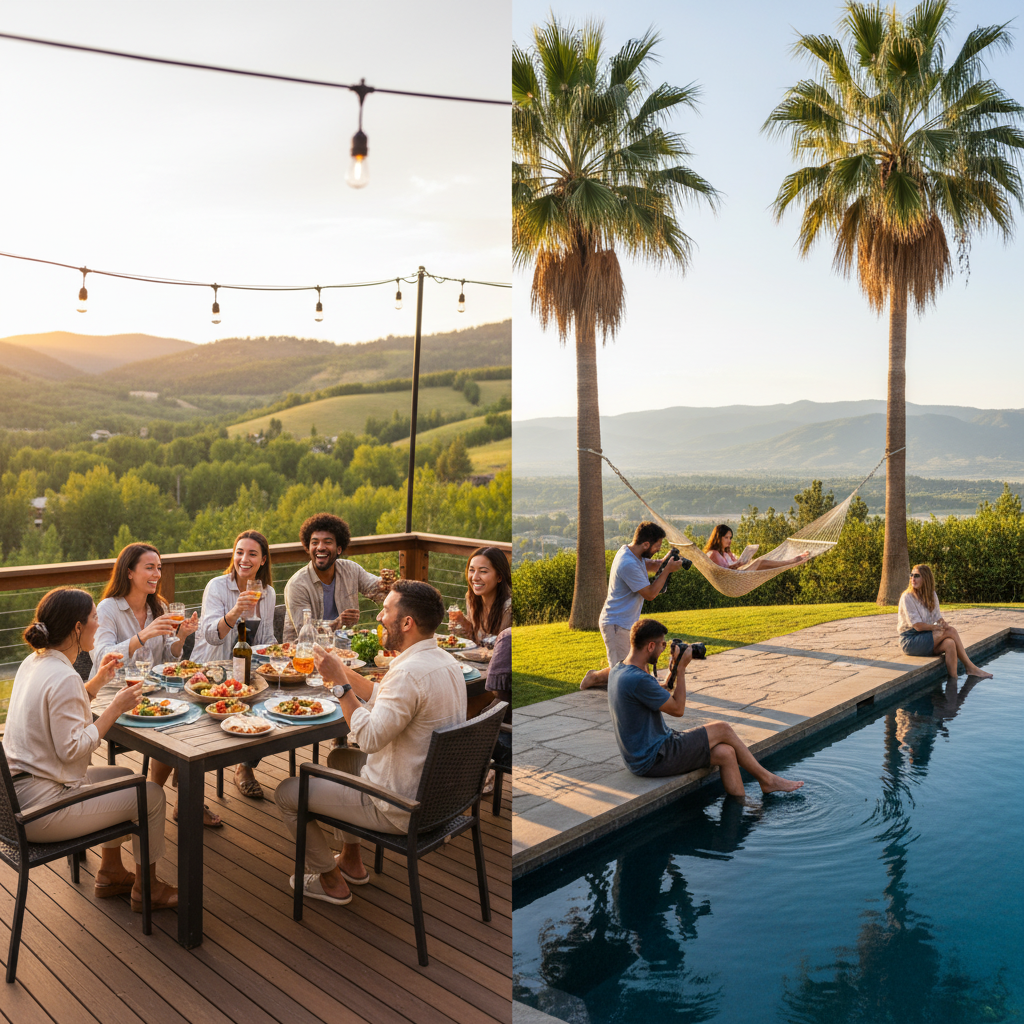
A split scene showing the perfect balance of group vacation activities: on one side, a diverse group of friends enjoying a sunset dinner together on a vacation rental deck with string lights and laughter, sharing food and conversation; on the other side, the same vacation setting during daytime with individuals doing their own activities - one person reading in a hammock, another taking photos of the landscape, someone relaxing by a pool. Bright, aspirational photography style with warm natural lighting that conveys both togetherness and peaceful independence. Premium vacation rental setting with beautiful outdoor spaces.

Build activity tiers into your itinerary. Tier one is the must-do group experience everyone committed to (the wine tasting in Temecula California, the hike, the concert). Tier two is optional outings with a smaller crew. Tier three is solo time with zero guilt. When people know they can opt out without disappointing the group, they’ll show up more engaged for the anchor moments. If you’re traveling with pets, check out pet friendly vacation rentals with fenced yard for added convenience.

Choose Accommodations That Keep Everyone Together Under One Roof

Hotels split groups across floors and hallways, leaving you texting “meet in the lobby” a dozen times a day. There’s no shared kitchen for morning coffee, no common area to decompress, and no room for everyone to hang out without crowding onto someone’s bed.

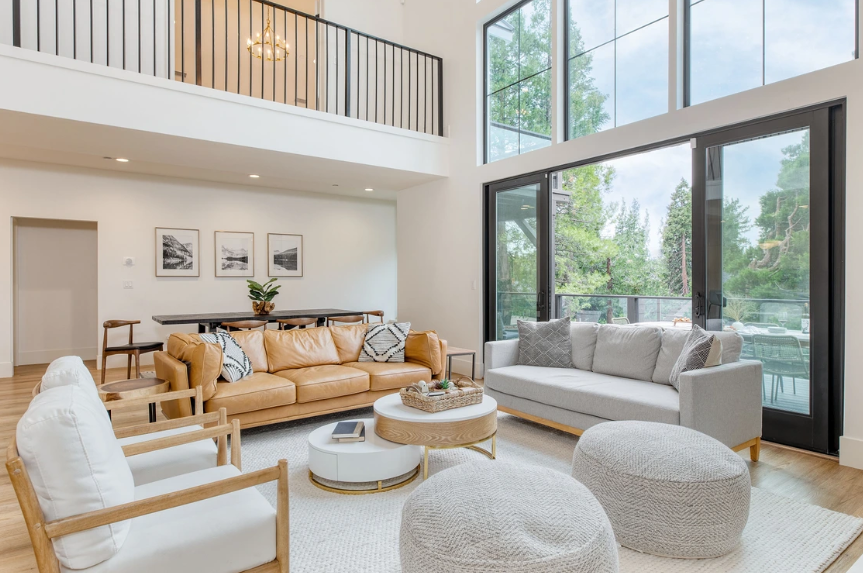
Vacation rentals solve this. Everyone stays under one roof with a full kitchen, dining table that seats your whole crew, and living spaces built for hanging out. You can cook breakfast together in pajamas, play cards after dinner, or let the introvert claim a couch for 20 minutes of quiet time.

The math works too. Booking a vacation rental splits costs 33% cheaper than booking multiple hotel rooms for the same group size. A 10-person group paying $2,500 per night breaks down to $250 per person, less than most hotels with triple the space.

Accommodation Type

Cost for 10-Person Group

Shared Spaces

Kitchen Facilities

Support & Accountability

Professionally Managed Vacation Rentals (AvantStay)

$250 per person per night with full home access and multiple primary suites

Full living room, dining table seating entire group, outdoor spaces, game rooms, often pools and hot tubs

Fully equipped kitchen with commercial-grade appliances, cookware, and seating for entire group

24/7 support through Butler app, 100-point cleaning checklist, direct management with guaranteed quality standards

Hotels

$700+ per room per night requiring multiple rooms across different floors or hallways

Limited to lobby or small common areas, no private group gathering space without booking conference rooms

No kitchen access, limited to mini-fridges and coffee makers in individual rooms

Front desk support during business hours, housekeeping available but inconsistent standards across chain locations

Independent Vacation Rental Listings

$200-300 per person per night with variable quality and amenity accuracy

Depends on individual property, often accurate photos but amenities may not match listing descriptions

Kitchen equipment varies widely, no guarantee of working appliances or adequate cookware for large groups

Host-dependent response times, no standardized cleaning protocols, limited recourse if issues arise during stay

Decide Money, Rooms, and Responsibilities Up Front

Money gets awkward fast when someone books flights while another person hasn’t sent their share of the rental. Set a payment deadline two weeks before travel and use a shared expense tracker like Splitwise or a simple spreadsheet. One person collects deposits, books the house, and sends receipts to the group.

Room assignments need a system. Draw names for bedrooms if they’re similar, or tier rooms by price if one has a king bed and hot tub access while another has bunks. Let people bid or rank preferences ahead of time. The person organizing shouldn’t automatically claim the best room unless everyone agrees.

Assign roles based on who’s good at what. Someone books dinners, another handles breakfast groceries, one person tracks shared costs. Rotate cooking duties or declare it optional. When people know their lane, nobody ends up doing everything while others coast.

Give Everyone a Voice in Planning (Then Lock It Down)

Send a shared doc where everyone adds one must-do activity, one restaurant, and one thing they want to avoid. In 2026, 73% of travelers who vacation with children or grandchildren actively encourage kids to play a role in vacation planning. Let the eight-year-old vote for the water park and the teenager pick a dinner spot. When people feel heard early, they complain less later.

Set a cutoff date for input. Give the group five days to add suggestions, then close submissions. Once input closes, share the shortlist and vote using simple thumbs up/down or rank choices one through three. Majority wins, ties go to the trip organizer.

Lock the itinerary one week before travel and share a final schedule. People need time to mentally commit to plans. When the itinerary keeps shifting, nobody invests energy in looking forward to anything. If someone pushes for changes after the deadline, ask if it’s a real conflict or a preference. Real conflicts need solutions. Preferences get tabled.

Plan for Different Paces and Energy Levels

Not everyone wakes up ready to kayak five miles. Nearly 46% of family travel involves multiple generations, which means your trip needs to work for both the toddler and the grandmother.

Book activities with staggered start times or multiple difficulty levels. If half the group wants the challenging trail, find a shorter scenic walk nearby. Private tours let you customize stops and timing instead of rushing through a group bus schedule.

Create natural exit points throughout the day. Choose a centrally located rental where people can drop in to rest without leaving town. Pick restaurants within walking distance so someone can head back early without needing car coordination.

Cook Together, Save Money, and Actually Connect

A warm, inviting scene of a diverse group of friends cooking together in a modern, spacious vacation rental kitchen. Natural morning light streams through large windows. Some people are preparing pancakes at the stove, others are chopping vegetables at a large kitchen island, one person is making coffee, and everyone is laughing and engaged in conversation. The kitchen features high-end appliances, marble countertops, and a casual, joyful atmosphere. Photorealistic style with warm, natural tones that convey connection and togetherness.

Restaurants get expensive fast when you’re feeding eight people three times a day. Groceries for the same group cost about $40 per person across four days, or $320 total, saving nearly $3,000 compared to dining out. That’s real money back in the budget.

Beyond cost, cooking together creates the moments people remember. Someone’s flipping pancakes while another person argues about coffee ratios, and suddenly you’re laughing about burnt bacon instead of staring at phones waiting for a table. Hotels can’t replicate that.

A fully equipped kitchen matters—83% of guests rank it as a top priority, and rental kitchens come stocked with what you need: pots, cutting boards, enough plates for everyone. Assign one person to grocery shop on arrival or order delivery ahead. Plan simple group meals like taco night or breakfast burritos where everyone contributes one task. Save restaurants for one special dinner, skip the stress of booking tables for 10, and spend that saved time actually hanging out at lakeside cabins or similar peaceful settings.

Break Into Smaller Groups Without Breaking the Trip

Twelve people don’t need to move as one unit for five days straight. Forcing everyone into every activity creates friction, especially when half the group wants to browse antique shops while others prefer a brewery crawl. The solution: split up without drama.

Set a daily anchor point where everyone reconvenes, or consider hotel buyouts for large groups needing separate spaces. Breakfast together at 9 a.m. or cocktails at 6 p.m. gives people a clear meetup time so smaller groups can scatter during the day. Some will hit the beach, others might drive to town, a few will stay back and read. Everyone shows up for the shared moment recharged instead of irritated.

Make regrouping easy by picking one central location and time. Text updates help, but don’t require constant check-ins. If three people want to leave the museum early, let them go. The rental becomes home base where paths naturally cross throughout the day.

How Professionally Managed Vacation Rentals Solve Group Travel Headaches

The difference between renting any random vacation home and booking a professionally managed property comes down to accountability. Independent listings leave you guessing about cleanliness, who to call at 11 p.m. when the hot tub stops working, or whether the kitchen actually has a working coffee maker.

AvantStay manages every property directly, which means you get consistent quality across the entire portfolio. Each home goes through a 100-point cleaning checklist between stays, comes equipped with smart locks and high-speed WiFi, and includes 24/7 support through the Butler app. No hunting for host phone numbers or waiting hours for a callback.

Group-specific design separates these properties from typical rentals. Every home features multiple primary suites so nobody fights over the one good bedroom, oversized dining tables that seat your entire crew, and experiential amenities like game rooms, heated pools, and outdoor kitchens.

Final Thoughts on Creating Group Vacations People Actually Enjoy

Most group trips fail because organizers try to please everyone or assume shared expenses will work themselves out. Start by making sure everyone enjoys the vacation through upfront budget talks and choosing a rental with multiple primary suites and common spaces that encourage natural gathering. Give people structured anchor moments and unstructured free time. When your group has room to breathe and a comfortable home base, the trip takes care of itself.

How far in advance should I start planning a group vacation?

Start at least 8-12 weeks before travel, beginning with a budget and preference survey to identify deal-breakers early, followed by a group call to lock down core decisions and payment deadlines.

What’s the cost difference between booking a vacation rental versus multiple hotel rooms for a group?

A vacation rental typically costs 33% less than booking multiple hotel rooms for the same group size—for example, a 10-person group splitting a $2,500/night rental pays $250 per person versus $700+ per hotel room.

How do I handle room assignments without causing conflict?

Create a transparent system before arrival: draw names if rooms are similar, or tier rooms by price (king bed with hot tub versus bunks) and let people bid or rank preferences ahead of time so everyone knows the process is fair.

Should I plan activities for every day or leave time unscheduled?

Plan one or two anchor moments each day (like a shared meal or single group activity) where everyone comes together, then leave the rest open—forced togetherness all day creates resentment instead of connection.

What makes a professionally managed vacation rental different from booking any listing?

Professionally managed properties provide consistent quality through standardized cleaning checklists, 24/7 support with actual accountability, verified amenities, and group-optimized design features like multiple primary suites and oversized dining tables that seat your entire crew.

Out of Office: How To Manage Your Vacation Rental From Anywhere

Managing a vacation rental located in a different city than where you live may seem like a daunting task, but it’s entirely doable—and profitable! Many vacation rental owners purchase short-term rental properties out of state, from favorite vacation destinations to popular markets with high revenue potential. Technology and tools in the STR industry are always evolving, making it the new normal to manage vacation rentals remotely. With the right prep, tools, and team, vacation rental owners can create an exceptional guest experience, drive positive reviews, and maximize income. Whether you’re on the opposite coast or down the street, here are our top tips to manage vacation rentals from anywhere you choose.  

Communicate with your guests

Communication is key to managing your vacation rental remotely. Guests should feel welcomed and know that they can easily get in touch with you if they have any questions or concerns, even if you aren’t in the area. Create templates for automated messages to send guests before, during, and after their stay so you can stay on top of communication and show your guests that you care. 

Also, make your guests feel at home and get ahead of potential questions by providing a vacation rental welcome book, physical or digital. Write out everything guests need to know about your home, including amenities with how-to instructions, local contact information for maintenance and emergency issues, and things to do and places to explore in the area. 

Set up contactless check-in and check-out

Front door at AvantStay's Buena Vista vacation rental

Create a great first impression and limit any departure stress by automating check-in and check-out procedures. With contactless check-in, you won’t need to physically greet your guests upon arrival. Not only is this great for remote hosts, but guests won’t have to worry about arriving later than planned.

Use a lockbox or smart lock for the ultimate self check-in experience. With smart locks, you can create custom codes for guests that are only valid during their stay, get notified when they arrive, and issue designated codes for your housekeeping team. 

Implement smart home technology 

Keep your vacation rental home safe and running efficiently with smart home technology. Besides smart locks, install home automation systems like smart thermostats and smart lights so you can remotely monitor and control the temperature and lighting when guests are gone, cutting down on your electricity bill. 

Secure your home and reduce any risks of upsetting your neighbors with noise monitoring and device counting technology. At AvantStay, every home is equipped with our complimentary smart technology package which includes noise monitors, video doorbells, occupancy detectors, and keyless entry locks. Our monitoring and prevention technology is integrated into our operational dashboard, giving our Guest Experience team 24/7 real-time insights at each property.

Create reliable housekeeping and local vendor teams 

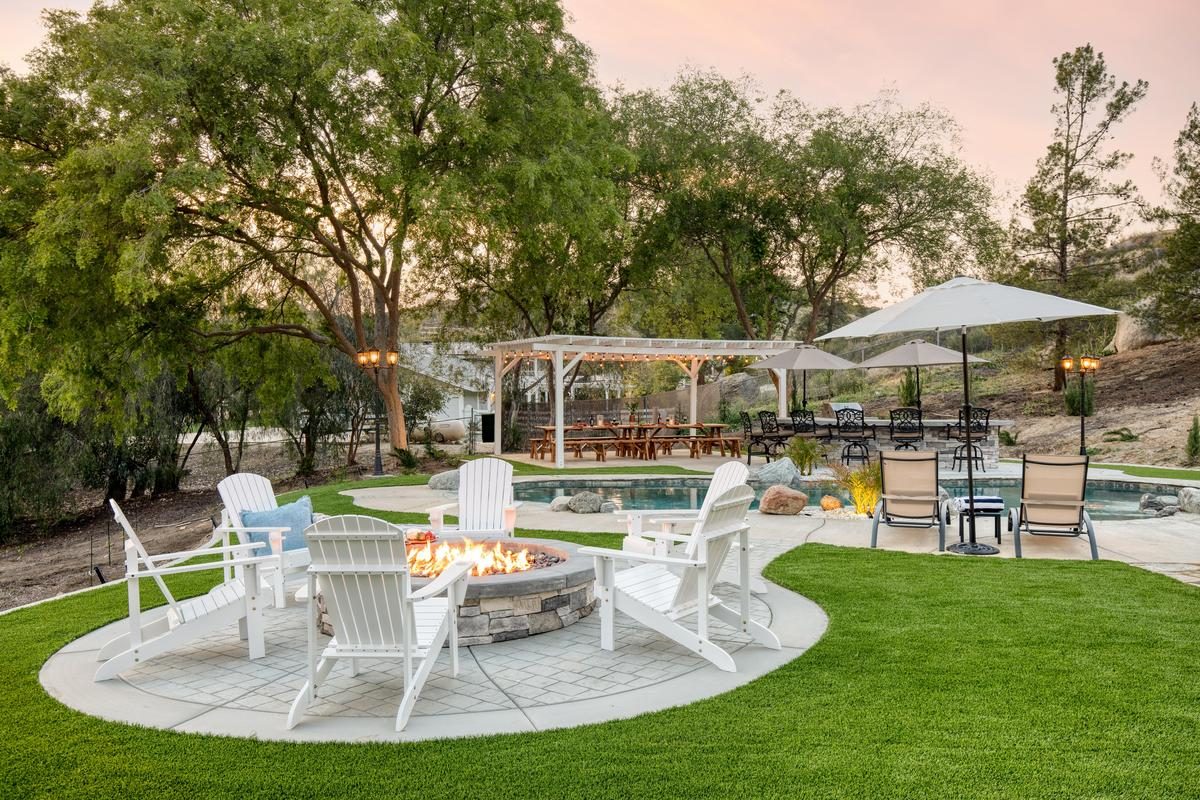
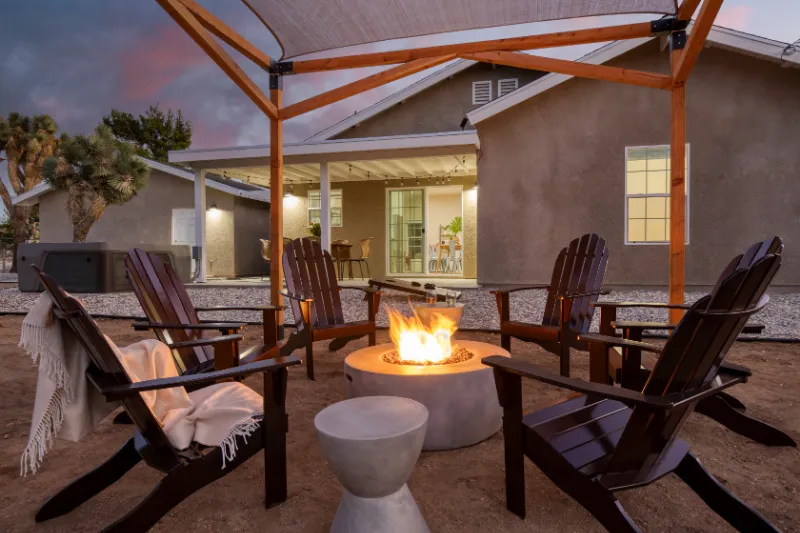
Backyard at AvantStay vacation rental with fire pit and pool

From housekeeping to landscaping and maintenance, create a solid team of local contractors that you can trust to keep your vacation rental in pristine condition. Make a list of the best housekeepers, repairmen, plumbers, electricians, and landscapers that you can call when needed. Build a strong relationship with these folks and pay and tip them well, they’ll be your right hand in managing your vacation rental remotely. 

To ensure that every AvantStay property is meticulously cared for, we employ a highly trained staff with the highest standards of professionalism and care. At your home, our local operations teams manage maintenance, upkeep, and surveillance, while our housekeeping team professionally cleans after every stay in adherence with our premium cleaning standards. We also have pre-negotiated rates with top local vendors that we know and trust, saving you money on maintenance costs.

Keep your listing up to date

Hire a photographer to take high-resolution photos of your vacation rental that accurately reflect the space, amenities, and what guests can expect when they walk into your home. Make sure you update these photos and descriptions after you make any changes to your property so guests don’t leave negative reviews about an inaccurate listing. 

With AvantStay, our Design and Photography teams develop a marketing and listing plan that best highlights the experiences and amenities for our guests. We stage, style, and photograph your home to showcase the property’s best characteristics across top online travel agencies (OTAs). 

Stay updated on local short-term rental laws 

Every state, county, and city has its own short-term rental laws. These are often changing, so make sure that you’re fully updated and understand the current rules and regulations in place for your market. Also, check with your local city or county government about taxes. You will likely need a general business license or short-term rental permit. These ensure your vacation rental is compliant with zoning restrictions and meet the local health and safety requirements. 

Unlike other vacation rental managers, AvantStay has fully dedicated and experienced accounting, permitting, and tax professionals to provide peace of mind and cover all of your compliance needs. Our Policy and Risk team handles all administrative duties related to initial permitting and renewals of short-term rental permits, home inspections, occupancy taxes, and HOA and government relations. 

Hire a vacation rental manager 

bedroom at avantstay short term rental with avantstay bag

While it’s possible, and common, to manage vacation rentals remotely, consider partnering with a vacation rental manager who can do all of the above—and more—on your behalf. AvantStay offers end-to-end, flexible management programs to give you peace of mind. From financials to design to maintenance, we take care of your home as if it were our own. Our proprietary tech suite powers bookings, operationalizes in-field management, and activates an elevated guest experience. We take care of all the work to maximize your home’s income so you can sit back and relax—it’s that simple.

If you have questions, our team is here to help. Why not partner with the best vacation rental management company to unlock your property’s full value? Get started with our vacation rental management experts today!

AvantStay Unlocked: Maximized Revenue

Here at AvantStay, we take a balanced approach to optimizing vacation rental income. It’s both an art and a science! Through a combination of our best-in-class care, streamlined back-end operations, technology, and our elevated hospitality brand reputation, AvantStay is able to outperform any other vacation rental management company and make you top dollar. Keep reading to find out how our unique revenue management strategy and exclusive revenue drivers can maximize your vacation rental income!

Vacation rental revenue management

Our approach to vacation rental revenue management begins with a firm understanding of each market. Unlike traditional management companies that use simple on and off-season pricing, we use a sophisticated dynamic pricing model that segments each year into between 75-150 pricing “seasons.” These seasons capture and optimize revenue based on occupancy, day of the week, travel patterns, holidays, market events, and more. 

We then examine the characteristics of each home (proximity to waterfront/ski slope, views, amenities, condition of the home, etc.) and map it against performance data of comparable homes in our portfolio and market reports we receive from AirDNA and other industry sources. This allows us to set thoughtful base rates for each season that we can adjust as the market changes. Our prices also shift over time based on occupancy and proximity to the check-in.

We understand the need for data-driven insights, but don’t lose sight of the human component that is so critical in the ever-evolving vacation rental space. Our team of dedicated pricing and revenue management specialists review each asset in our portfolio on a weekly basis to ensure each home is priced to book.

In addition to our proprietary pricing model, our in-house Listings & Distribution team has cultivated strong relationships with leading online travel agencies, which allows us to enhance your property’s listing performance against market competitors. Our team of skilled copywriters, photographers, and SEO experts will manage your inventory across 60+ diversified platforms specifically curated for your home in order to maximize views, bookings, positive reviews, and revenue.

Revenue drivers 

AvantStay short-term rental home

When you partner with AvantStay, you also get access to our exclusive revenue drivers that create an elevated hospitality experience and allow us to charge higher ADRs. These features create an exceptional guest experience and keep your home in pristine condition—driving more bookings, positive reviews, and maximized vacation rental income. 

Value-add interior design upgrades

Only AvantStay homeowners receive access to our in-house award-winning interior design services. Our professional Design and Photography teams elevate homes in as little as nine days, instantly increasing your home’s equity and maximizing your ROI. We purchase high-quality, durable furniture and new amenities, and we take care of the professional photo shoot—for free! 

Premium upgrades and experiences

AvantStay guests have access to 24/7 live support via SMS, email, or phone, and we troubleshoot every issue to ensure they are well-cared for so homeowners can sit back and relax without any interruptions. By resolving 90% of guest issues on the first call, we receive higher ratings and better guest satisfaction. 

We also take care of stocking the home with guest-ready supplies and provide personalized, thoughtful welcome packages ahead of every stay. Guests also get full access to in-app upgrades and experiences so they can book a private chef, schedule in-home massages, request fridge stocking, schedule mid-stay cleans, and more—all just a click away. 

Best-in-class home care

AvantStay has teams dedicated to field operations that manage utilities, services, maintenance, and housekeeping on our owners’ behalf. In addition, AvantStay homeowners receive unmatched personalized service through a dedicated account manager who will quickly assist with any inquiries. You can also rest assured that our Compliance team keeps a constant pulse on the ever-evolving short-term rental regulatory requirements across the country so you’re up to speed and always operating with the correct permits. 

Smart home technology 

At AvantStay, we equip every home with our complimentary smart technology package which includes noise monitors, video doorbells, occupancy detectors, and keyless entry locks. Our monitoring and prevention technology is integrated into our operational dashboard, giving our Guest Experience team 24/7 real-time insights at each property. This keeps your home safe (and your neighbors happy!).

Maximize your vacation rental income with AvantStay

avantstay gift bag for guests

Competitively pricing a vacation rental and staying on top of seasonal changes requires a lot of planning and strategizing. Why not partner with an experienced vacation rental manager who can take care of revenue management to maximize your vacation rental income? 

AvantStay offers end-to-end, flexible management programs to give you peace of mind. From financials to design to maintenance, we take care of your home as if it were our own. Our proprietary tech suite powers bookings operationalizes in-field management and activates an elevated guest experience. We take care of all the work to maximize your home’s income so you can sit back and relax—it’s that simple.

If you have questions, our team is here to help. Get started with our vacation rental management experts today!

The Best Vacation Rentals for Family Reunions

Planning a family reunion can be exciting… and overwhelming! Finding the perfect place to accommodate everyone, from toddlers to grandparents, can feel like a logistical nightmare. But don’t worry, we’ve done the work for you! This updated list features 8 of the best AvantStay vacation rentals specifically designed for unforgettable family reunions. 

Bring the whole gang because planning your next family reunion trip just got a whole lot easier! Finding a place big enough for your crazy, fun-loving family can be tough. Fear not—AvantStay vacation rentals are perfect for hosting your crew, with enough space for small families to groups of 20 guests or more.  

At our vacation homes, expect to find bunk beds for the little ones, as well as games and family-friendly amenities that will keep everyone entertained. You can also add on a personal chef or fridge-stocking on arrival so you can take advantage of every second of your time together rather than spending your vacation cooking and grocery shopping.

Whether you’re looking for a cozy mountain cabin or a breezy beach house, these rentals are the ultimate destination for a memorable family reunion gathering. Ready to experience the magic of Sedona? Check availability at Pyramid for your family reunion! View all of our group-friendly Sedona vacation homes.

Pyramid — Sedona, AZ

7 Bedrooms | 18 Guests
Bring your family together for an unforgettable reunion at Pyramid, a stunning desert estate surrounded by Sedona’s breathtaking red-rock landscape. Designed for connection and relaxation, this luxurious home features expansive living areas, sleek contemporary decor, and seamless indoor-outdoor living with floor-to-ceiling sliding glass doors.

Relax in multiple jetted tubs, enjoy the jacuzzi with panoramic views of Pyramid Mountain, or engage in friendly games in the entertainment space. With its spacious layout, everyone—kids, parents, and grandparents—can find their own space while still coming together for memorable moments.

Just a short walk away, discover the shaded trails of Oak Creek and the Crescent Moon Picnic Site, where Cathedral Rock provides a stunning backdrop for your family gathering. Whether bonding over sunset hikes or unwinding in style, Pyramid is the perfect setting for a unique Sedona reunion.

Key Amenities:

  • Jetted Tubs
  • Jacuzzi with Panoramic Views
  • Entertainment Space
  • Fully Equipped Kitchen
  • Short Walk to Oak Creek & Hiking

First time at Sedona? Read our curated guide on The Best Things to Do in Sedona.

The Pond Estate — Palm Springs, CA

11 Bedrooms | 20 Guests
For an exceptional family reunion, The Pond Estate in Palm Springs offers unparalleled space, luxury, and stunning mountain views. Nestled on 12 gated acres, this remarkable compound features three separate homes with 11 bedrooms, ensuring everyone can relax while also enjoying spacious gathering areas.

Whether you’re hosting a family tennis match on the private court, taking a dip in the indoor and outdoor pools, or having fun in the expansive game house, there are endless opportunities to create lasting memories. The estate boasts multiple sprawling lawns, a private pond, and exclusive hiking trails for outdoor adventures, while a cinema room and stylish lounges provide cozy spaces to unwind.

Located less than 10 minutes from downtown Palm Springs, The Pond Estate is a unique retreat where families can reconnect in style and comfort.

Key Amenities:

  • 12 Gated Acres
  • Three Separate Homes
  • Indoor & Outdoor Pools
  • Tennis Court
  • Expansive Game House
  • Private Pond & Hiking Trails
  • Cinema Room

Imagine your family gathered around the pool at The Pond Estate. View all of our group-friendly Palm Springs vacation homes and book your Palm Springs reunion today!

First time at Palm Springs? Read our curated guide on 33 Things To Do in Palm Springs.

Sunlight Coast — Santa Rosa Beach, FL

10 Bedrooms | 28 Guests
For a luxurious and comfortable family reunion with breathtaking Gulf views, Sunlight Coast is the perfect getaway. Nestled in the charming Gulf Place community, this elegant 10-bedroom estate accommodates up to 28 guests, providing ample space to relax.

Featuring a private heated pool and spa, a spacious open-concept living area, and a modern kitchen, Sunlight Coast is designed for gathering and creating lasting memories. An interior elevator makes it easy for multi-generational stays, and full-size laundry on each floor ensures convenience for large groups.

Take the golf cart or bikes provided for a quick trip to the beautiful Ed Walline Public Beach Access, or explore the vibrant shops and restaurants of Gulf Place just steps away. Whether you’re lounging by the outdoor fireplace, hosting a family cookout, or embarking on a day of boating and fishing, Sunlight Coast is the ideal setting for an unforgettable 30A reunion.

Key Amenities:

  • Private Heated Pool & Spa
  • Open-Concept Living Area
  • Modern Kitchen
  • Interior Elevator
  • Full-Size Laundry on Each Floor
  • Golf Cart & Bikes Provided

Ready for an unforgettable 30A reunion? Book Sunlight Coast and start planning your beach getaway! View all of our group-friendly 30A Beach Girls homes here.

Interested in golfing? Here are our 5 Vacation Rentals on Golf Courses.

Camila — Temecula, CA

6 Bedrooms | 20 Guests
Camila is a modern architectural mansion in Temecula offering luxurious living with abundant style, amenities, and comfort. With rooms for up to 20 people, this vacation rental is equipped with a guest house and features stunning outdoor spaces, including a private pool, hot tub, balcony lounge, and multiple al fresco dining areas, all with breathtaking views of the surrounding valley. 

The interior boasts a sprawling floor plan with billiards and recreation rooms, spacious bedrooms, and a chic kitchen that’s easy to keep stocked with groceries from the convenient shopping in town. This breathtaking mansion promises an unforgettable upscale experience for your family.

Key Amenities:

  • Private Pool & Hot Tub
  • Balcony Lounge
  • Multiple Al Fresco Dining Areas
  • Billiards & Recreation Rooms

Make your next family reunion an upscale experience at Camila. View all of our group-friendly Temecula vacation homes and check availability now!

First time at Temecula? Read our curated guide on 22 Best Things To Do in Temecula.

Wanderer — Smoky Mountains, TN

12 Bedrooms | 36 Guests
Big family? No problem. Wanderer is an oversized cabin in Tennessee’s Smoky Mountains, designed to accommodate large groups. There are dual dining tables and a bar room with extra seating, so there’s space for everyone to grab a spot. 

Wanderer also features a unique indoor pool with a decorative waterfall and views of the outdoors, two spacious decks with a hot tub and grills, a recreation area, a movie room with theater seating, and a private balcony off the primary bedroom. It’s the ultimate Appalachian retreat for a family reunion—you’ll never need to leave the property!

Key Amenities:

  • Dual Dining Tables
  • Bar Room
  • Indoor Pool with Waterfall
  • Two Decks with Hot Tub & Grills
  • Recreation Area
  • Movie Room

You’ll never need to leave the property! Book Wanderer for the ultimate Appalachian family reunion. View all of our other group-friendly Smoky Mountain vacation homes.

First time at Smoky Mountains? Read our curated guide on 35 Things To Do in the Smoky Mountains Year Round.

La Casona — Phoenix, AZ

5 Bedrooms | 14 Guests
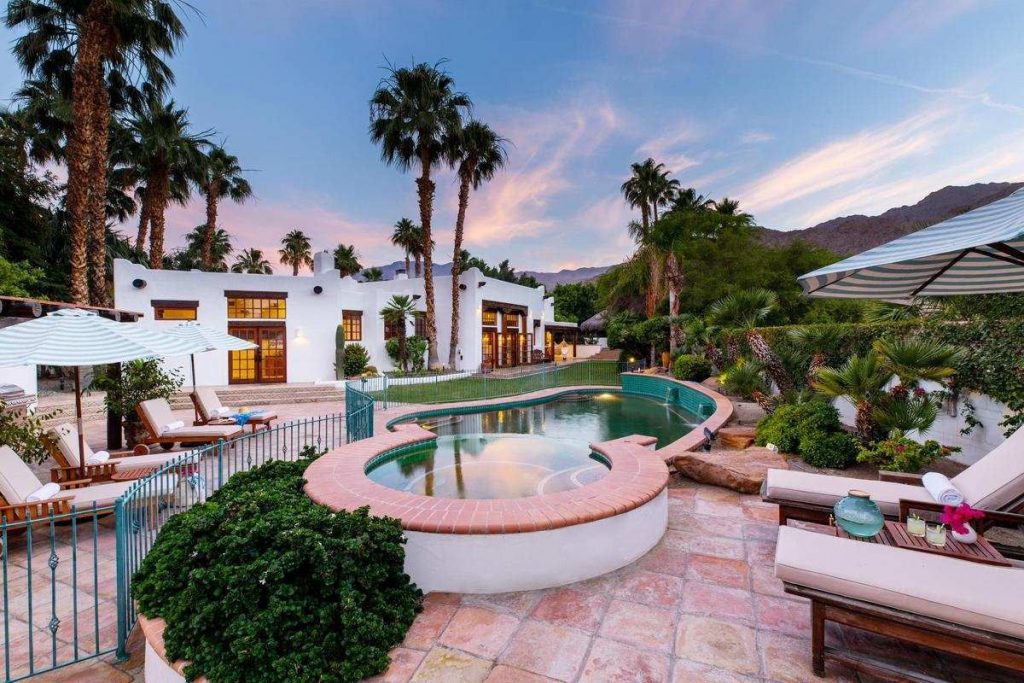
Step into a world of Spanish charm and timeless elegance at La Casona, a stunning hacienda-style retreat perfect for unforgettable family reunions. Nestled in the heart of Phoenix, this spacious home blends historic character with modern comforts, featuring antique doors, rich wood finishes, and a vibrant, first-class kitchen built for group gatherings. 

Spend your days lounging by the sparkling pool with breathtaking views of Camelback Mountain, and come together under the expansive outdoor patio for a lively fiesta or al fresco dinner. As the sun sets, gather around the fire pit to toast s’mores and share stories under the Arizona sky. 

With ample indoor and outdoor space, this home ensures that every generation—from kids to grandparents—feels right at home. Whether exploring nearby attractions like the Desert Botanical Garden or simply savoring the serenity of your private oasis, La Casona is the perfect setting for reconnecting with loved ones in style.

Key Amenities:

  • Hacienda-Style Retreat
  • Antique Doors & Rich Wood Finishes
  • Sparkling Pool
  • Expansive Outdoor Patio
  • Fire Pit

Reconnect with your loved ones in style at La Casona. View all of our group-friendly Scottsdale vacation homes. Book your Phoenix family reunion today! 

First time at Scottsdale? Read our curated guide on 49 Things To Do in Scottsdale.

Vista — San Diego, CA

7 Bedrooms | 20 Guests
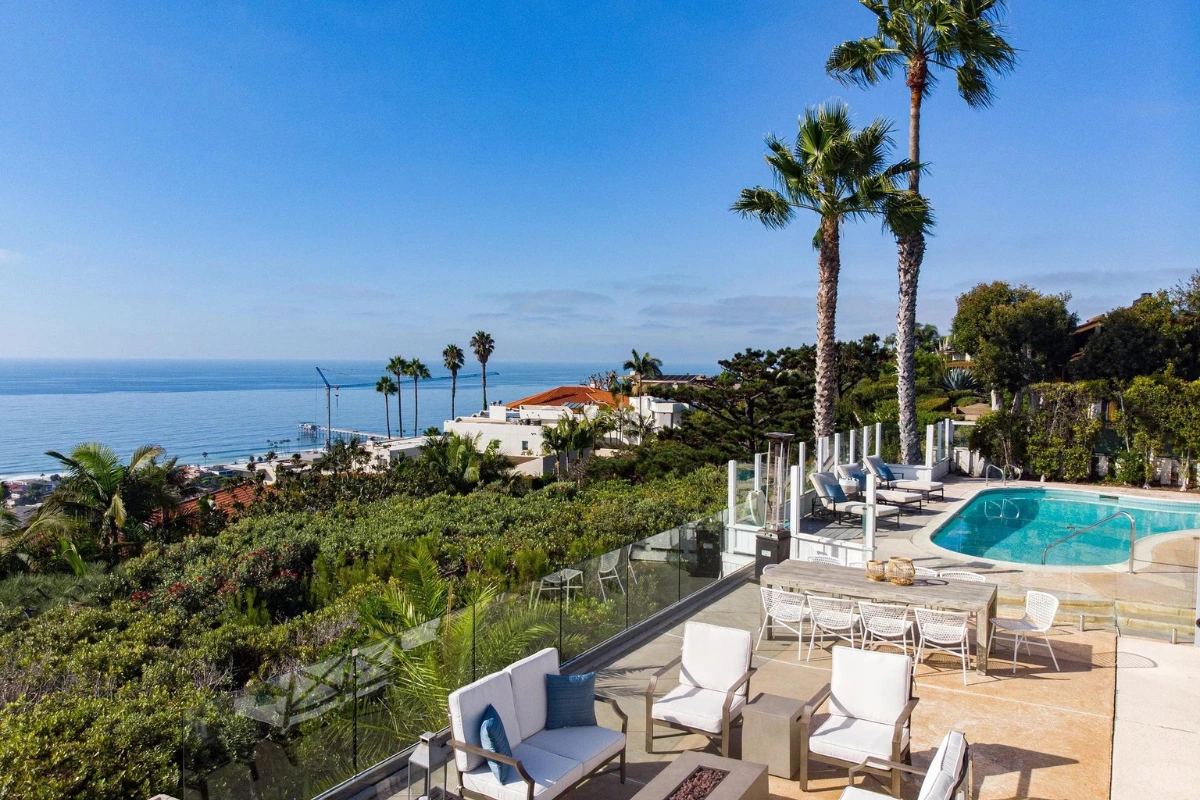
Vista is a stunningly stylish home atop the hills of La Jolla with unparalleled Pacific Ocean views. The interior exudes modern elegance with Italian mid-century design, while the bright tones allow for an abundance of light and an ideal indoor-outdoor flow. 

With a pool, spa, fire pit, hammock, bocce set, beach gear, and an expansive patio, Vista is perfect for making unforgettable memories with loved ones, making it the ideal location for family reunions.

Key Amenities:

  • Pacific Ocean Views
  • Pool & Spa
  • Fire Pit
  • Hammock
  • Bocce Set
  • Beach Gear
  • Expansive Patio

Make your next family reunion unforgettable at Vista. Check availability now! View all of our group-friendly San Diego vacation homes.

Wanting to go to the beach? Read the Ultimate Guide to San Diego Beaches for more information!

Explorer — Lake Tahoe, CA

6 Bedrooms | 16 Guests
Experience the serenity of the Alpine Meadows by staying at our gorgeous 6-bedroom home, Explorer. Perfect for families and friends, our spacious and open-spaced layout boasts high ceilings and stunning wood beams, providing the ultimate relaxation experience. 

The game room, complete with a poker table and foosball, offers friendly competition, while the chef’s dream kitchen comes equipped with modern appliances and ample counter space for cooking and enjoying cocktails. After an exciting day of outdoor activities, unwind by the fireplace or enjoy a game of pool in the second living area.

With plenty of space for everyone, our Lake Tahoe vacation home is the perfect place to gather for a multigenerational trip with family! 

Key Amenities:

  • Open-Spaced Layout with High Ceilings & Wood Beams
  • Game Room (Poker Table, Foosball)
  • Chef’s Dream Kitchen
  • Fireplace
  • Second Living Area with Pool Table

Gather for a multigenerational trip with family at our Lake Tahoe vacation home! Book Explorer today. View all of our group-friendly Lake Tahoe vacation homes.

First time at Lake Tahoe? Read our curated guide on 47 Things To Do in Lake Tahoe.

Why These AvantStay Homes Are Ideal for Family Reunions 

Forget cramped hotels and stressful travels! AvantStay offers a curated collection of vacation rentals designed to bring your family together in style and comfort. 

From stunning desert estates to beachfront paradises and mountain retreats, these properties provide ample space, luxurious amenities, and unique experiences that cater to every generation. 

Create lasting memories in homes equipped for both relaxation and adventure, ensuring your family reunion is truly unforgettable.

  • Spacious Layouts: Each property offers multiple bedrooms, expansive living areas, and often separate guest houses or multiple dwellings to accommodate large groups comfortably, providing privacy and communal gathering spaces.
  • Indoor Entertainment: Enjoy game rooms with billiards, foosball, and poker tables, dedicated movie rooms with theater seating, and unique features like indoor pools with waterfalls, guaranteeing fun-filled evenings for all ages.
  • Outdoor Paradise: Make use of private pools, hot tubs, sprawling patios with fire pits, and multiple al fresco dining areas, offering breathtaking views and opportunities for outdoor celebrations, cookouts, and relaxation.
  • Kid-Friendly Amenities: Many of our homes include bunk beds, dedicated kids’ play areas, beach toys, and access to family-friendly activities and attractions, ensuring the little ones are entertained and engaged throughout the reunion.
  • Multi-Generational Comfort: Features like elevators, single-story layouts, and accessible bathrooms cater to grandparents or those with mobility issues, allowing everyone to participate fully in the reunion activities.
  • Convenient Locations: Situated near popular attractions, from wineries and national parks to beaches and downtown areas, these properties provide easy access to local adventures and experiences for the whole family to enjoy.
  • Chef-Ready Kitchens: Equipped with modern appliances, ample counter space, and sometimes even the option for personal chefs or pre-stocked groceries, the kitchens make it easy to prepare family meals and enjoy quality time together in the heart of the home.
  • Unique Experiences: From desert stargazing and beachfront bonfires to mountain hikes and wine country tours, each location offers unique activities and experiences that will create lasting memories for your family.

Related Reads:

Family Reunions Made Easy

Planning a large family gathering doesn’t have to be stressful. AvantStay offers spacious and well-equipped homes perfect for accommodating everyone from kids to grandparents. Explore AvantStay’s collection of group-friendly vacation rentals today and start planning an unforgettable getaway! 

The Ultimate Hole-in-One Guide to Hilton Head Golf

Get acquainted with Hilton Head Golf, a haven endowed with numerous champion courses. Once voted as the world’s number 10 golf destination, you will relish a unique experience.

Hilton Head Island is a popular vacation destination and has been so for decades. The island is located in South Carolina and is part of the maritime region of the state. It’s known for its scenic beauty, great golf courses, modern vacation rentals and rich history, making it a popular tourist destination.

The island’s proximity to Savannah, Georgia, and Charleston, South Carolina means it can be reached by plane or car in about an hour from the airport or coastal road. You’ll never be at a loss for things to do in Hilton Head. The area is also endowed with several scenic drives that wind through the woods or along riverside paths where you can take in some breathtaking views of marshlands, forests, and ocean waves crashing on the shore. 

All these features make Hilton Head a perfect luxury vacation getaway that beckons to every adventurous golfer craving a unique experience.

The Eight Best Golf Courses in Hilton Head

Hilton Head is a golfer’s paradise, boasting some of the best courses in the world. With works from world-renowned architects like Pete Dye, Robert Trent Jones Sr., and Jack Nicklaus, these courses challenge players of all skill levels. 

In addition to their breathtaking coastal setting, Hilton Head courses are also known for their impeccable conditioning and superb service combined with breathtaking coastal settings. With so many amazing options, narrowing the list of must-play courses can be tough, but here are some suggestions. Some fall under public groups, while others belong to the private category. 

Public Golf Courses in Hilton Head

Here are the best golf courses open to the public.

Public Golf courses in Hilton Head

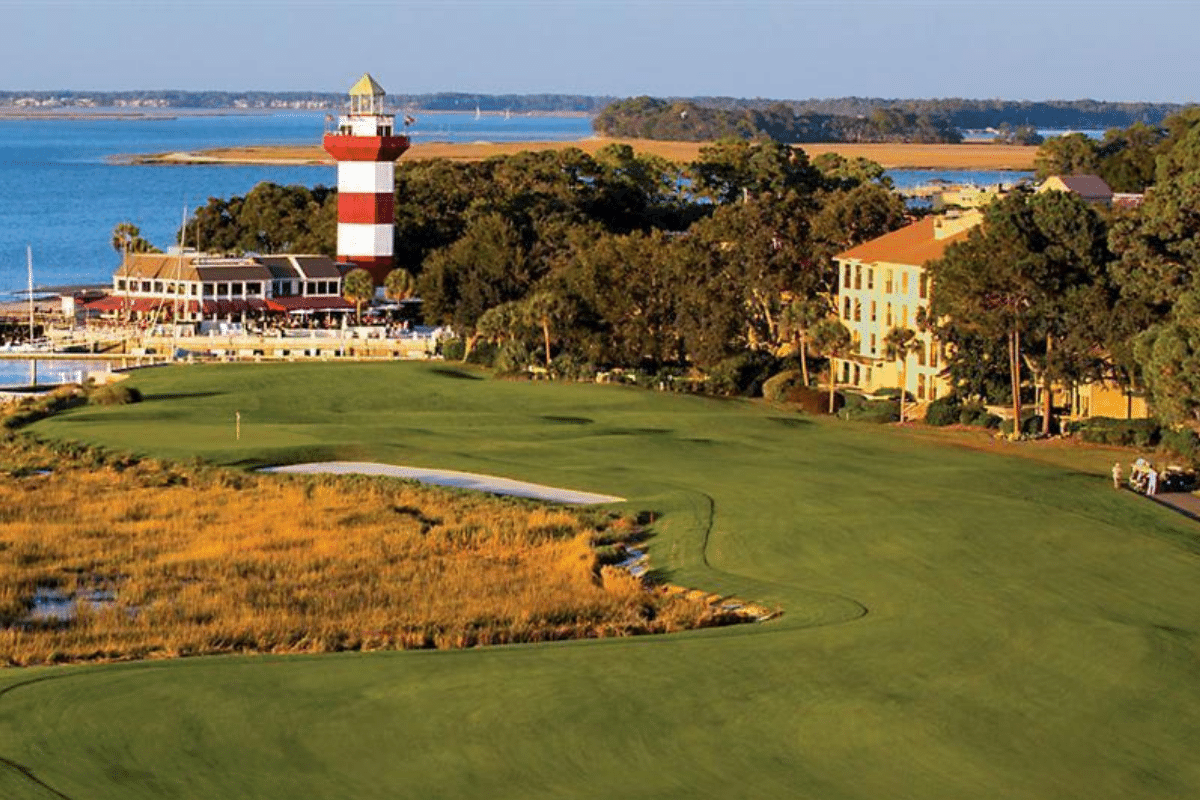
Harbour Town Golf Links is one of the most iconic courses in the world. Located at the Sea Pines Resort, this Pete Dye and Jack Nicklaus design has hosted the PGA Tour’s RBC Heritage tournament for over 40 years. The course is a true test for all golfers, with narrow fairways, challenging bunkers, and small, undulating greens. 

The picturesque course winds through towering live oaks and along the Calibogue Sound, making for some truly stunning views. Harbor Town Golf Links is a must-play course whether you’re a seasoned pro or a weekend warrior.

2. Port Royal Golf Club

Port Royal Golf Club in Hilton Head Island

Port Royal Golf Club is one of the most popular courses on Hilton Head Island, and it’s easy to see why. Designed by Robert Trent Jones Sr., the course is challenging and beautiful, with 18 holes of championship golf and a world-class practice facility.

The par-three 6th hole offers a sweeping view of Port Royal Sound, while the par-three 16th requires a carry-over water shot to a welcoming 40-yard wide green. In other words, there’s something for everyone at Port Royal Golf Club. So whether you’re a seasoned pro or a first-time player, check out this Hilton Head favorite.

3. Atlantic Dunes by Davis Love III

Atlantic Dune by Davis Love III

Atlantic Dunes by Davis Love III is one of the best courses in the area. It has great customer service, a signature Par 3 that goes out to the ocean, and beautiful views. The course is also very challenging and requires accuracy and precision. These features make it an ideal course for golfers looking for a great round of golf or who love taking on challenging fields.

4. Oyster Reef Golf Club

Oyster Reef Golf Club in Hilton Head

Oyster Reef Golf Club is one of the many wonderful courses designed by Robert Trent Jones Sr. The 18-hole championship course at Oyster Reef Golf Club is set within 190 acres of stunning Lowcountry terrain with winding lakes, providing the most spectacular views. ThisA course is a great place to golf with friends or family. The club offers a variety of membership options and is open to the public.

Private Golf Courses in Hilton Head

For golfers who want exclusivity, Hilton Head has them covered with a list of members-only courses. Here are three of the best.

5. Long Cove Golf Course

Long Cove Golf Club in Hilton Head Island

If you’re looking for an exclusive challenging golf course, Long Cove Golf course is the place for you. Situated on Hilton Head Island, this Pete Dye-designed course is open only to members and guests. The course winds its way through live oak forests and offers stunning views of the marshes and rivers of Hilton Head.

In addition to the 18-hole course, Long Cove also has a nine-hole par-3 course, a practice facility, and a clubhouse with dining and social facilities. If you’re lucky enough to be a member of Long Cove, you’re sure to enjoy a top-notch golfing experience.

6. The Country Club of Hilton Head

The Country Club of Hilton Head

The Country Club of Hilton Head is a stunning golf club boasting beautiful Old English style architecture and sweeping acres of fairways. The talented Rees Jones designed the course, offering players unique challenges on every hole. This course will test even the most seasoned golfer with thirteen doglegs, water features, and pot bunkers.

In addition to the challenging layout, the Country Club of Hilton Head also offers stunning views of the surrounding area. Whether you’re teeing off on the first hole or putting out on the eighteenth, you’re sure to be impressed by the natural beauty of this golf club.

7. Hampton Hall Club

Hampton Hall Club in Hilton Head

Pete Dye is one of the most well-renowned golf course architects in history, and his work at Hampton Hall Club is a true masterpiece. The 18-hole course is classic links style, with wide fairways and landing areas that make it perfect for beginners and more advanced players. While the course is designed to challenge players of all levels, its safe route on every hole makes it a fun and enjoyable experience.

The course at Hampton Hall Club is simply beautiful. It accentuates the natural Lowcountry landscape, making it a sight to behold. Whether you’re looking for a great game of golf or a peaceful place to take in the scenery, the Pete Dye Signature Golf Course at Hampton Hall Club will exceed your expectations.

8. Sea Pines Country Club

Sea Pines Country Club in Hilton Head Island

Sea Pines Country Club is ideal for golf enthusiasts. The championship golf course was designed by Arnold Palmer but was updated by Clyde Johnson in 2001. Thanks to the artistic brains of the two, every turn reveals breathtaking views. For those members who want to perfect their game, golf lessons are available. Sea Pines Country Club is the perfect place to escape the hustle and bustle of everyday life and enjoy a round of golf with friends.

Key Takeaways about Hilton Head Golfing

Hilton Head Island is a popular destination for golfers from all over the world. The island boasts more than 30 championship courses, and the mild climate means that golf can be enjoyed year-round. The island is home to several prestigious tournaments, including the RBC Heritage, the PGA TOUR’s stop in South Carolina. 

Hilton Head is also an excellent choice for corporate retreats. Several AvantStay properties in Hilton Head are available for short term rentals, like Sea Pine, Lido, and Wisteria, which are available for individual and group stays. Whether you’re looking to host a corporate tournament or enjoy a round with colleagues, Hilton Head Island is the perfect place to tee off.

Epic Vacation Rentals with Beach Volleyball Courts

Are you ready to up your vacation game with a dose of sun, sand, and sports? AvantStay’s group-friendly vacation rentals offer top-notch amenities for your crew—like your very own beach volleyball court! Whether you’re a volleyball pro or just looking for some fun in the sun, these handpicked properties are the perfect way to serve up excitement while soaking in the good vibes.

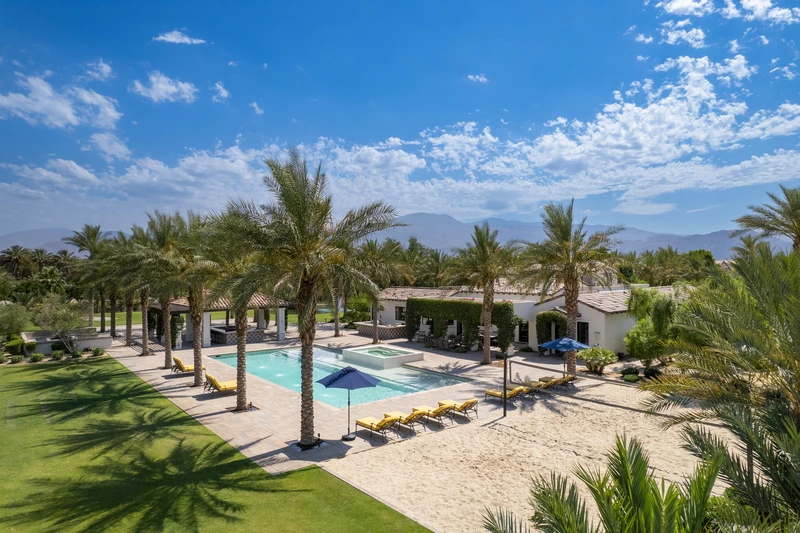
1. Hacienda at Coachella

Get your game face on and your sunscreen ready because Hacienda at Coachella is here to deliver a vacation like no other. Located in the heart of Coachella Valley, this stylish haven is not just a retreat; it’s your personal slice of paradise. With your very own beach volleyball court just steps from your door, you can spike, dive, and play your way through the day. And when the sun sets, the fun doesn’t stop. Enjoy a night swim or cocktail at the outdoor bar surrounded by your favorite people.

2. Casa Rey

Say hello to Casa Rey – your dreamy escape in Scottsdale that brings together playfulness and luxury in one irresistible package. With a private beach volleyball court ready for your epic serves and dives, you can unleash your competitive spirit while enjoying the stunning backdrop of Arizona’s beauty. After your volleyball showdowns, retreat to the chic interiors, take a dip in the pool, or explore the nearby attractions that Scottsdale has to offer.

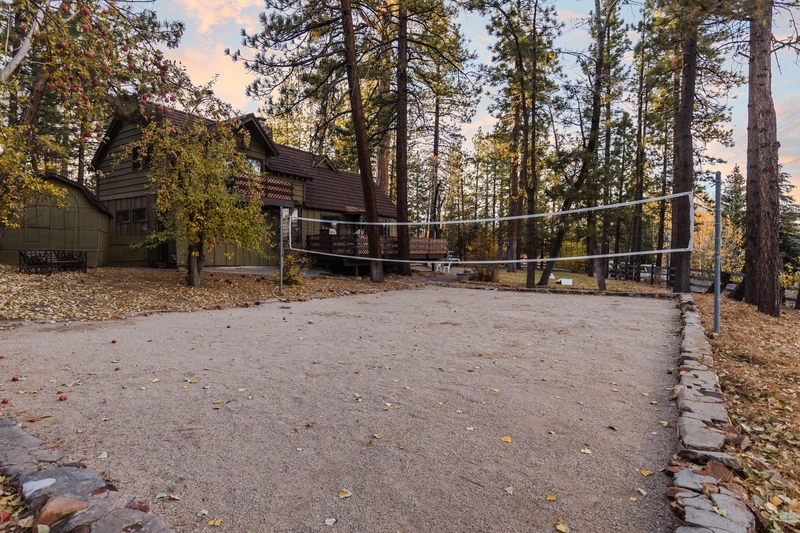
3. Gambler

Escape to the mountains and embrace the charm of Gambler, your cozy retreat in Big Bear. But there’s more than just snug nights by the fire here. This vacation rental comes with a private beach volleyball court and cornhole. Imagine playing a game surrounded by the beauty of nature and then retreating indoors for a night of board games and laughter with your squad. Count us in.

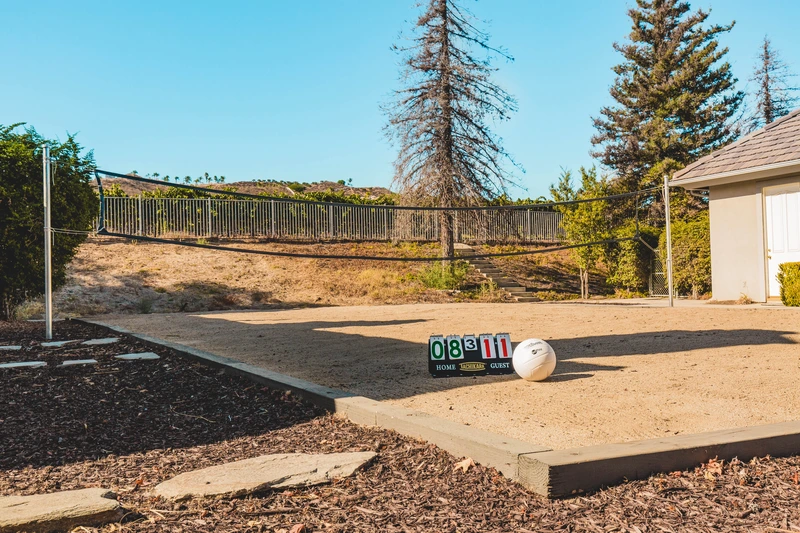
4. The Riesling Retreat

Toast to a fantastic vacation at The Riesling Retreat in Temecula. This elegant escape not only offers luxurious amenities but also treats you to your very own beach volleyball court. Serve up some fun and rally with your friends as you make memories that will last a lifetime. And when you’re not playing volleyball, explore the local wineries or simply unwind in the serene ambiance of this remarkable retreat.

5. La Barrique

Last but definitely not least, La Barrique in Temecula beckons with its inviting ambiance and delightful surprises. Your own beach volleyball court sets the stage for friendly tournaments and bonding moments with family and friends. And when the games are over, bask in the luxury of this charming retreat or venture out to explore the enchanting landscapes of Temecula with a hot air balloon ride.

Your next vacation just got a whole lot more exciting with these AvantStay rentals that promise sun, sand, and a whole lot of volleyball fun. So gather your squad and get ready to spike and splash your way to an unforgettable getaway.

How to Spend 48 Hours in Sonoma

Nestled in the heart of California’s wine country, Sonoma County offers a delightful blend of scenic landscapes, world-class wineries, and culinary delights. Sonoma makes for the perfect weekend getaway, with plenty of things to do to fit into a 48-hour trip. In this guide, we’ll take you on a memorable journey through Sonoma, highlighting the best places to stay, wineries to visit, and where to savor delicious treats. Get ready to immerse yourself in the beauty and flavors of this captivating destination.

Where to Stay

For a comfortable and luxurious stay in Sonoma County, consider booking an AvantStay vacation rental in Santa Rosa. Santa Rosa is a great central location with easy access to the Sonoma wineries to the north and south, and to Napa Valley wineries to the east.

AvantStay offers an array of stunning properties that cater to different group sizes and preferences. Whether you’re traveling with family or friends, you’ll find spacious accommodations equipped with modern amenities and stylish interiors. Enjoy the convenience of a fully equipped kitchen, cozy living spaces, and beautiful outdoor areas to unwind after a day of exploration.

Day 1
Kickstart your day with a delicious brunch at Sunflower Caffé in Downtown Sonoma. Known for its farm-to-table ethos, this charming eatery serves up mouthwatering dishes made with locally sourced ingredients. Indulge in their fluffy pancakes, savory omelets, or a hearty breakfast sandwich. This spot does not take reservations, so you can leisurely stroll to brunch without being held to a schedule.

Make your way to Benziger Family Winery, known for its sustainable farming practices and exceptional wines. Take a guided tour of the vineyards, learn about their biodynamic approach, and sample their diverse range of varietals. We recommend taking the tractor tour for a unique perspective of the vineyards. Tickets must be purchased in advance as they do tend to sell out.

After Benziger, head to their sister location, Imagery Winery, for an intimate wine-tasting experience. Enjoy their handcrafted wines, carefully produced in small batches, while taking in the serene vineyard views. This winery is family-friendly, offering an outdoor area with bocce ball and plenty of space for the kids to run around.

End your evening by heading back to the Santa Rosa area for dinner at La Rosa Tequileria & Grille. This vibrant restaurant offers a fusion of Mexican and Latin American flavors. Enjoy dishes like their flavorful carne asada, fresh ceviche, or their famous street tacos. Pair your meal with one of their impressive tequila or mezcal selections.

Save room for dessert and hop across the street to Noble Folk for a delightful ice cream experience. This artisanal ice cream parlor offers a range of unique flavors made with locally sourced ingredients. From classic options to inventive creations like lavender honey and salted caramel, there’s something to satisfy every palate. For the indecisive, opt for a flight of ice cream and choose up to 6 different flavors.

Day 2

Start your morning off right with brunch at Bird & The Bottle. This Santa Rosa spot blends an surprising array of flavors. Asian, American South, East Coast, Jewish and other cuisines have been combined to create an unforgettable menu. Enjoy everything from matzo ball soup to Korean BBQ chicken.

Next on the agenda are another two wineries you won’t want to miss.

Embark on a sensory journey at Jordan Vineyard & Winery, renowned for its elegant wines and stunning chateau-style architecture. Take a guided tour of the vineyards, explore their underground wine cellar, and indulge in a wine and food pairing experience. The Jordan Cabernet Sauvignon is a true standout.

Conclude your winery visits at St. Francis Winery & Vineyards, a picturesque estate offering an array of exceptional wines. Enjoy a seated tasting experience in their tasting room or outdoor terrace, where you can sample their highly acclaimed Zinfandel and Chardonnay.

For a delicious dining experience, spend the evening at The Girl & The Fig in Sonoma. This renowned restaurant focuses on French-inspired cuisine with a California twist. The menu showcases seasonal and locally sourced ingredients, creating dishes bursting with flavor. Try their signature fig and arugula salad, followed by their delectable roasted chicken or grilled fish. End your meal with their decadent lavender crème brulée.

Ready to plan your stay in Sonoma? Check out all of AvantStay’s group-friendly vacation rentals here.

8 Best Places to Visit in June to Begin Your Summer Adventure

As the summer months begin to approach, many people start planning their summer vacations. June is the perfect time to travel as the weather is typically pleasant, the days are long and sunny, and you can enjoy outdoor adventures before the peak summer crowds arrive.

If you’re seeking stunning beaches with crystal-clear waters, scenic mountain escapes, or vibrant cities bursting with culture, June offers the ideal backdrop for unforgettable getaways. Warm temperatures invite beach days and water sports, perfect weather makes hiking and outdoor exploration irresistible, and longer daylight hours mean more time for adventure and memory-making.

We’ve selected the top 8 best places to visit in June. These locations offer beautiful summer memories and plenty of opportunities for group adventures and family fun. Let’s also explore the most enchanting AvantStay vacation rental homes to stay in June.

1. Malibu, California

Malibu is known for its stunning beaches, beautiful scenery, and luxurious coastal lifestyle. In June, the weather is perfect for a day at the beach, and you can also explore the nearby Santa Monica Mountains for hiking and biking. The summer season brings ideal conditions for water sports, beachcombing, and soaking up that famous California sunshine.

Perfect for: Beach days, mountain adventures, luxury wine experiences 

June Activities:

  • Spend perfect beach days at Zuma Beach and El Sol County Beach with warm, swimmable waters
  • Explore the Santa Monica Mountains on hiking and biking trails with stunning coastal views
  • Experience the Malibu Wine Safari with guided vineyard tours and exotic animal encounters
  • Enjoy beachfront dining at Paradise Cove Beach Cafe and Neptune’s Net

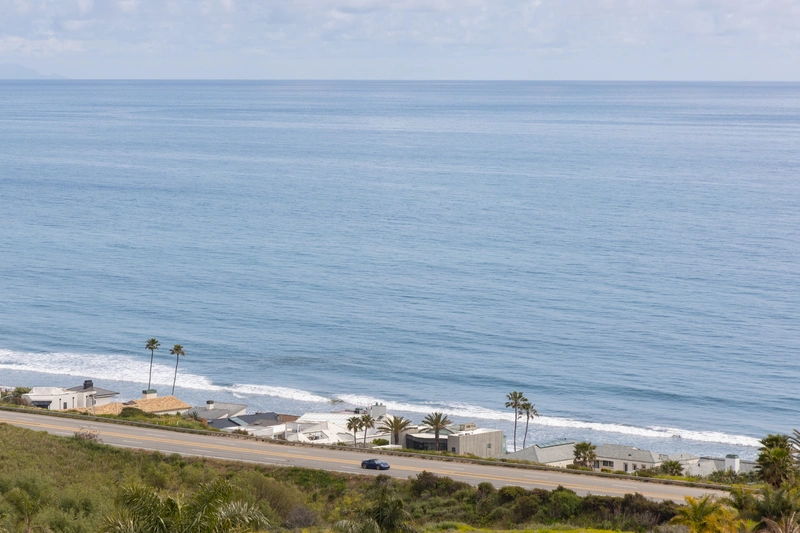
Where to Stay: Unwind at Stardust, a mountainside Malibu retreat perched among the clouds with panoramic coastal views, spacious outdoor living areas, and a hot tub perfect for sunset soaks just minutes from beautiful beaches. 

👉 Explore amazing things to do in Malibu during your summer getaway and find the perfect Malibu Airbnb for your coastal California escape.

2. Destin, Florida

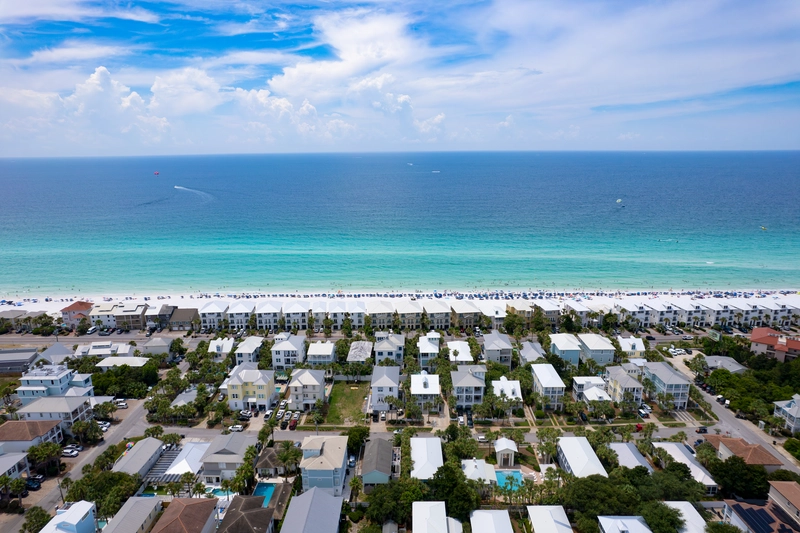
Destin is a popular beach destination in Florida, known for its crystal-clear waters and white sand beaches. In June, the water is warm and perfect for swimming, and you can also go deep-sea fishing or take a dolphin-watching tour. The Emerald Coast shines brightest during the summer months, offering endless water activities and family-friendly fun.

Perfect for: Beach activities, water sports, family adventures 

June Activities:

  • Swim in crystal-clear, warm Gulf waters at Henderson Beach State Park
  • Experience world-famous deep-sea fishing in the “world’s luckiest fishing village”
  • Take dolphin-watching tours and explore the magical Crab Island sandbar
  • Visit the Gulfarium Marine Adventure Park with sea turtles, sharks, and marine shows

Where to Stay: Celebrate summer at Seacrest, a bright and breezy duplex retreat just two blocks from Destin’s iconic white sands with an oversized pool, hot tub, and private backyard designed for beachside relaxation. 

👉 Discover top things to do in Destin for summer family fun and find the perfect Destin Airbnb for your Gulf Coast beach celebration.

3. Hudson Valley, New York

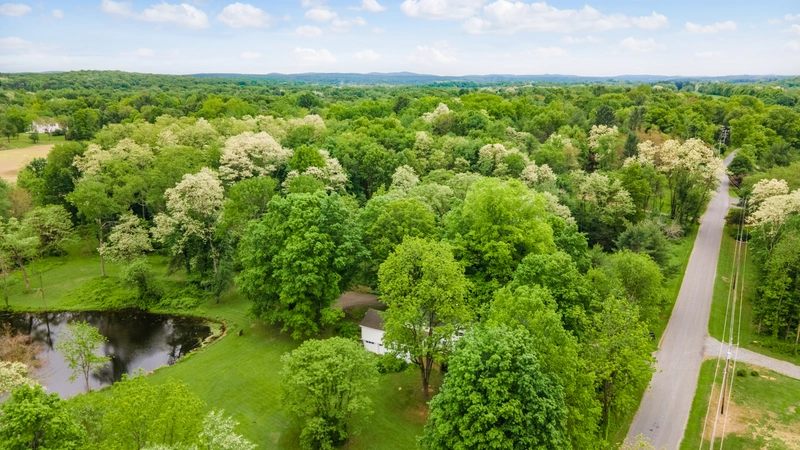
The Hudson Valley is a picturesque region in upstate New York known for its scenic drives, charming towns, and historic sites. In June, you can take a hot air balloon ride to see the stunning views from above or visit the Storm King Art Center, which is home to large-scale outdoor sculptures. Summer brings perfect weather for exploring this cultural and natural wonderland.

Perfect for: Scenic adventures, cultural experiences, outdoor art 

June Activities:

  • Soar above the valley in a hot air balloon with breathtaking aerial views of rolling hills
  • Explore Storm King Art Center’s world-renowned outdoor sculpture installations
  • Drive scenic routes through charming historic towns and antique villages
  • Hike the beautiful trails of Mohonk Preserve and Minnewaska State Park

Where to Stay: Retreat to Catskill Park Farm, a rustic-meets-modern escape on sprawling, secluded grounds surrounded by rolling hills, featuring an outdoor fire pit, al fresco dining, and peaceful mountain views perfect for summer gatherings. 

👉 Discover exciting things to do in Hudson Valley during summer and book the perfect Hudson Valley Airbnb for your upstate New York adventure.

4. Oregon Coast, Oregon

The Oregon Coast is a rugged and scenic stretch of coastline that spans over 300 miles. In June, you can enjoy hiking and wildlife watching in the various state parks along the coast, such as Cape Lookout State Park or Ecola State Park. The summer season offers the best weather for exploring tide pools, dramatic cliffs, and pristine beaches.

Perfect for: Coastal hiking, wildlife watching, scenic drives 

June Activities:

  • Hike dramatic coastal trails at Cape Lookout and Ecola State Parks with stunning Pacific views
  • Explore tide pools and watch for migrating whales during prime viewing season
  • Visit the famous Tillamook Cheese Factory for tours and tastings
  • Drive the scenic Oregon Coast Highway with stops at iconic lighthouses and overlooks

Where to Stay: Find serenity at Away At Last, a perfect beach house just one block from the Pacific in Arch Cape with an expansive upper deck, luxe living area with river rock fireplace, and an enchanting path to two miles of uncrowded beachline. 

👉 Explore amazing things to do on the Oregon Coast during summer, discover Oregon Coast golf courses for active travelers, and find the perfect Oregon Coast Airbnb for your Pacific Northwest escape.

5. Hilton Head, South Carolina

Hilton Head is a beautiful island off the coast of South Carolina, known for its golf courses and beautiful beaches. In June, you can take a dolphin-watching tour or go on a sunset cruise. The warm weather and calm waters make it perfect for kayaking, paddle boarding, and enjoying all the island has to offer.

Perfect for: Beach relaxation, water sports, world-class golf 

June Activities:

  • Play golf on world-renowned courses with ocean views and perfect summer weather
  • Take dolphin-watching tours and sunset cruises around the beautiful Lowcountry
  • Try kayaking and paddleboarding in the island’s calm, protected waters
  • Explore Harbour Town’s shops, restaurants, and iconic red-striped lighthouse

Where to Stay: Experience luxury at 30 Bradley Circle, an oceanfront paradise with an infinity pool, breathtaking ocean views, easy beach access via charming boardwalk, and spacious comfort perfect for island group getaways. 

👉 Explore top things to do in Hilton Head during summer, master the ultimate guide to Hilton Head golf, discover the best Hilton Head restaurants for summer dining, and find beachfront Airbnbs in Hilton Head for your Lowcountry escape.

6. Nashville, Tennessee

Nashville is known as the “Music City” and is home to the Country Music Hall of Fame and Museum, as well as the Grand Ole Opry. In June, you can catch a live show at the Ryman Auditorium or visit the Johnny Cash Museum. The warm summer evenings are perfect for exploring the city’s vibrant music scene and incredible food culture.

Perfect for: Live music, cultural experiences, Southern cuisine 

June Activities:

  • Experience live country music at the legendary Grand Ole Opry and Ryman Auditorium
  • Explore the Country Music Hall of Fame and Johnny Cash Museum
  • Bar hop down Broadway Street with live music at multi-level honky-tonks
  • Discover Nashville’s incredible food scene with BBQ joints and hot chicken spots

Where to Stay: Rock out at Waverly, a spacious Nashville home infused with Music City energy featuring game room with pool table, rec room for movies, and easy access to Downtown’s unbeatable nightlife and live music scene. 

👉 Discover exciting things to do in Nashville during summer, explore Nashville’s music museums for cultural experiences, learn about the best time to visit Nashville, and find the perfect Nashville Airbnb for your Music City adventure.

7. Charleston, South Carolina

Charleston is a charming southern city known for its historic architecture and beautiful gardens. In June, you can take a walking tour of the city’s historic district or visit the Charleston City Market, which has a variety of artisanal crafts and food. The warm summer weather is perfect for exploring plantations, enjoying carriage rides, and savoring the city’s world-renowned cuisine.

Perfect for: Historic tours, Southern cuisine, garden exploration 

June Activities:

  • Take walking tours through the historic district and iconic Rainbow Row
  • Explore Charleston’s famous plantations with their stunning summer gardens
  • Browse the Charleston City Market for artisanal crafts, food, and local treasures
  • Enjoy horse-drawn carriage tours through tree-lined historic neighborhoods

Where to Stay: Escape to 3108 Palm, a stunning oceanfront villa on Isle of Palms with a private pool, hot tub, direct beach access via private boardwalk, and a luxe outdoor kitchen — where sea, sand, and sophisticated coastal living come together for the perfect Southern summer getaway.

👉 Discover the best Charleston restaurants for summer dining, explore Charleston’s beautiful beaches, find top things to do in Charleston during your visit, and book the perfect Charleston Airbnb for your historic city escape.

8. Lake Tahoe, California

Swimming in Lake Tahoe’s crystal-clear waters is a must-do activity in June. Many of the lake’s beaches are open during this time, including Kings Beach, Sand Harbor, and Zephyr Cove. The perfect summer weather makes it ideal for boating, hiking, and enjoying all the outdoor adventures this alpine paradise has to offer.

Perfect for: Water activities, mountain adventures, scenic beauty 

June Activities:

  • Swim in Lake Tahoe’s famous crystal-clear, refreshing mountain waters
  • Enjoy boating, kayaking, and paddleboarding on the pristine alpine lake
  • Hike scenic trails with breathtaking lake and mountain views
  • Explore charming lakeside towns like Truckee and South Lake Tahoe

Where to Stay: Escape to Timberline, a moody chalet-style mountain home with soaring vaulted windows, spacious deck surrounded by trees, hot tub, fire pit, and unique amenities, including a theater room and rec room with pool table. 

👉 Learn about the best time to visit Lake Tahoe for summer activities, discover amazing things to do in Lake Tahoe during your visit, explore Lake Tahoe hiking trails for outdoor adventures, and find the perfect Lake Tahoe Airbnb for your alpine escape.

Start Your Summer Adventures Across America

June offers unique opportunities to experience America’s diverse landscapes and cultures at their finest. Each destination provides its own special summer magic. 

Coastal destinations like Destin and Hilton Head showcase pristine beaches with warm, swimmable waters perfect for family fun and water sports. Mountain regions like Lake Tahoe and the Hudson Valley offer cool retreats with hiking, scenic drives, and outdoor adventures.

Historic cities like Charleston provide cultural immersion with Southern charm, while Oregon’s dramatic coastline delivers rugged natural beauty and wildlife encounters.

Exploring these diverse summer destinations allows travelers to experience the best of American summers, whether seeking beach relaxation, mountain adventure, cultural exploration, or vibrant city experiences.

Perfect Summer Memories with AvantStay

June represents the sweet spot of summer travel – warm weather without extreme heat, long sunny days, and the excitement of summer vacation beginning. Instead of settling for crowded resorts or cramped accommodations, choose destinations where your group can spread out, explore freely, and create the summer traditions you’ll treasure for years to come.

From sunrise beach walks to mountain stargazing, these eight destinations offer the perfect blend of summer beauty, outdoor adventures, and spacious accommodations that make June getaways truly special.

Find your perfect vacation rental and start planning a June celebration of summer your group will never forget. Book with AvantStay today!

Make the Most of Your June Getaway

Each season brings its own magic, and every month deserves the perfect setting! For travelers seeking to maximize their June vacation experience, these destinations offer the perfect combination of ideal weather, exciting activities, and comfortable accommodations.

By choosing destinations that align with your group’s interests and activity preferences, you can create a June vacation that perfectly balances relaxation, adventure, and cultural enrichment.

Here are more destinations where you can make every season an adventure. With AvantStay as your trusted partner in creating unforgettable travel experiences, you can now plan your year of adventures with our seasonal travel guides:

Fun in the Sun: Family Summer Vacation Ideas

Many parents are already planning their family’s summer trip as children across the country make the most of their seasonal break from school. But, for those families who are still browsing for summer vacation ideas in 2024, you’ve come to the right place! AvantStay offers vacation homes designed for families in over 30 destinations across the country, from the Hawaiian Islands to the Smoky Mountains. Imagine exploring the great American national parks together in California or soaking up the summer sunshine on Florida beaches. Whatever your vacation dreams may be, AvantStay is here to help you discover the best summer getaway for you and your family!

Breckenridge, CO

Breckenridge, Colorado, is one of our favorite summer vacation spots for families who love the great outdoors and taking in the natural beauty of America. There are dozens of family-friendly nature activities such as hiking, biking, whitewater rafting, kayaking, horseback riding, and even summer dog sledding! You will also find plenty of kid-centric activities along historic Main Street, from playgrounds to arcades and escape rooms. Read AvantStay’s 40 Best Things To Do in Breckenridge and browse our Breckenridge rentals for the perfect vacation home for your family.

Palm Springs, CA

Palm Springs summer with avantstay vacation rental

You may be surprised to see Palm Springs on this list, but when the spring breakers head home, this California city offers a little something for everyone. Curious youngsters can spend their summer learning new things at the dozens of Palm Springs museums. And adventurous families are a short road trip away from endless outdoor activities at Joshua Tree National Park. Parents can take a day trip to one of the wineries nearby. If a trip to Palm Springs is on your bucket list, then make sure to check out our 33 Things To Do in Palm Springs article so you see all the good spots! Discover our Palm Springs properties to find the best rental for your family.

Destin, FL

Destin vacations with avantstay rental

If your family is searching for summer vacation ideas at the beach on the East coast, look no further than Destin, Florida! The pristine white sand contrastedIf your family is searching for summer vacation ideas on the East Coast, look no further than Destin, Florida! The pristine white sand contrasted with the Gulf’s emerald invites travelers of all ages to snorkel, paddleboard, boat, and fish all summer long. Stay directly on the beach with our Weekender three-bedroom vacation home in Destin, and make the most of your seaside vacation.

Austin, TX

Family vacations with avantstay rental

Spend your summer in the world’s live music capital and discover endless family-friendly fun in Austin, Texas. There’s something for all ages to enjoy, from hands-on museums and aquariums to biking trails at the Stephen F. Austin State Park and natural springs to cool off from the summertime Texas heat. Our vacation homes, Paramount and Emos, are in the heart of downtown Austin so your family can easily explore the city’s art and culture, as well as soak up the #keepaustin weird vibes!

Cannon Beach, OR

Summer in Cannon Beach with avantstay vacation rental

If you’ve been dreaming of a summer vacation on the rocky coastline of the Pacific Northwest, consider Cannon Beach, Oregon. Located just 90 minutes west of Portland, this charming coastal town is home to beautiful beaches, historic lighthouses, scenic hiking trails, and unique wildlife. AvantStay offers several oceanfront homes in Cannon Beach, including Driftaway and Chapman Cove.

Discover Your Summer Vacation Destination with AvantStay®

Still, looking for more summer vacation ideas? Discover AvantStay’s collection of over 900 vacation homes in 35+ destinations across the US. No matter where you decide to spend your summer, you’ll have everything you need at our properties, fully equipped with upscale amenities. Discover your home away from home with AvantStay this summer!

How to Plan a Group Trip When Everyone Has a Different Budget 2026

Nothing kills the vacation vibe faster than realizing your idea of affordable and your friend’s version are $500 apart. When you’re figuring out plan a group trip, the goal isn’t getting everyone to spend the same amount. It’s building a trip where the friend watching their wallet and the one ready to splurge both have an amazing time without awkwardness.

TLDR:

  • Start with an anonymous budget poll before booking to identify spending ranges
  • Rental properties cut lodging costs 45% vs hotels and split evenly across all guests
  • Create tiered activities so budget-conscious travelers skip spa days without missing core experiences
  • Expense tracking apps like Splitwise prevent awkward money conversations throughout your trip
  • AvantStay’s per-property pricing and full kitchens help mixed-budget groups save $100+ per person

Have the Budget Conversation Before You Book

The worst time to find out your friend can only afford ramen while you’re planning steakhouse reservations? Halfway through trip planning. Start with an honest conversation about what everyone can realistically spend before you book anything.

Create a safe space for this discussion by sharing your own budget range first. Frame it casually: “I’m thinking I can swing around $800 total for this trip” or “I’d like to keep my share under $500 if possible.” When someone else speaks up, the pressure drops.

Send out a quick poll asking everyone to anonymously share their comfortable spending range. You’ll quickly see whether you’re planning a luxury weekend or a budget-friendly escape. Once you know the spread, you can make smarter decisions about destination, accommodation style, and activity mix.

Create Different Budget Tiers for Activities

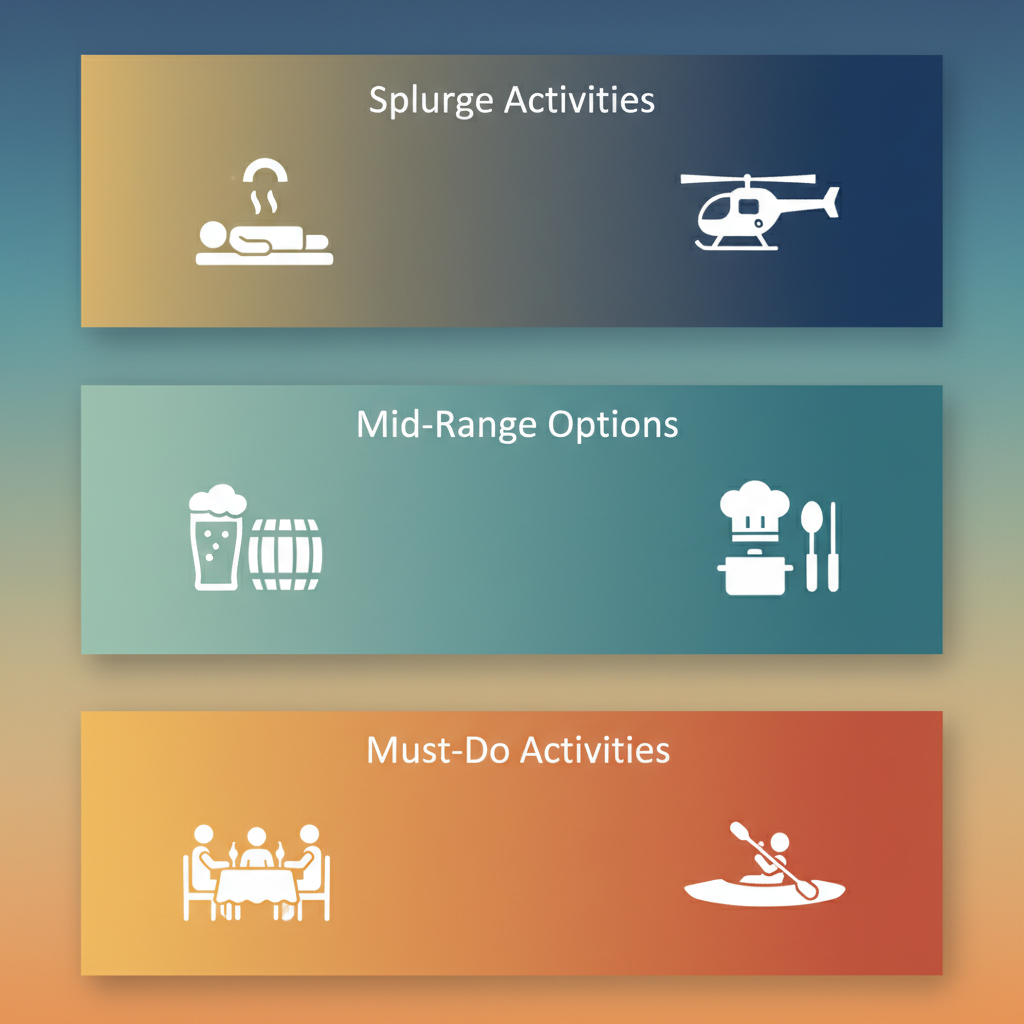
Not everyone needs to do everything together. Break your itinerary into three tiers: must-do group experiences, mid-range options, and splurge activities.

A clean, modern infographic-style illustration showing three distinct tiers of vacation activities stacked vertically, labeled "Must-Do Activities" (bottom tier in warm inviting colors), "Mid-Range Options" (middle tier in moderate tones), and "Splurge Activities" (top tier in luxurious gold/premium colors). Each tier shows simple icons representing activities: bottom tier with group dinner and kayaking icons, middle tier with brewery tour and cooking icons, top tier with spa and helicopter icons. Flat design style, organized and easy to read, travel and vacation theme, no text except tier labels, horizontal layout suitable for blog content

The must-do tier covers core experiences everyone agrees on upfront. Maybe that’s one nice dinner out or a group kayaking trip. These are non-negotiable and factored into everyone’s base budget.

Mid-range activities are optional but accessible to most. Think brewery tours, mini golf, or cooking a special meal together. People can opt in if interested.

Splurge activities cater to those with extra room in their budget. Spa days, helicopter tours, or premium wine tastings fall here. No pressure, no judgment for those who sit these out.

This tiered approach prevents anyone from feeling left out or pressured, similar to how clear vacation rental house rules set expectations upfront. The group stays together for core moments while you can choose your own adventure for everything else.

Use Expense Tracking Apps to Maintain Transparency

Money tracking gets messy when eight people are buying groceries, gas, and attraction tickets throughout a trip. Apps like Splitwise, Settle Up, and Tricount solve this by logging shared expenses as they happen.

Someone grabs coffee for the group? They snap a photo of the receipt and mark who benefited. The app calculates individual shares instantly and maintains a running tally of who owes whom. At trip’s end, the app settles everything with minimal transactions between people instead of a web of individual payments.

These apps create a shared record everyone can view anytime, eliminating the “wait, did I already pay you back?” confusion. When spending is visible to the whole group, no one worries about fairness or feels awkward bringing up money. Set up your group’s app before departure and agree on one person to manage it, or let everyone input their own purchases.

Cook Some Meals Together, Eat Out for Others

Restaurants add up faster than most groups expect. Eight people spending $100 each per day on dining hit $3,200 over a four-day trip. Cut that in half by cooking some meals at your rental, and your total food cost drops to around $320 for groceries plus selective restaurant outings.

The hybrid approach works because nobody wants to cook every meal on vacation, but nobody needs to eat out for every single breakfast and lunch either. Plan one or two special dinners at restaurants the group agrees on, then handle breakfasts and a few casual meals in-house. Pancakes, taco nights, and sandwich spreads are easy to pull off together and cost a fraction of restaurant tabs.

Rental properties with full kitchens make this possible in ways hotels can’t match. Kitchen access becomes the equalizer for mixed budgets. The traveler stretching their funds can participate in group dinners out because they saved $40 skipping restaurant breakfast.

Assign meal prep to pairs or small teams so no one person carries the cooking load, making vacation rental stays accessible during slower travel periods too. Grocery runs become group activities, and shared meals often turn into the trip’s most memorable moments anyway.

Split Up for Experiences When Budgets Diverge

Choosing separate activities based on budget keeps everyone happy without financial pressure. When half the group wants a $200 wine tour and the other half prefers a free beach day, splitting up for a few hours works better than forcing compromise.

Frame these splits as equally valid choices, whether half your group prefers visiting St. Augustine while others relax at the beach. “Who’s interested in the helicopter tour tomorrow morning? The rest of us are hitting the farmers market.” Set clear regroup times so separation feels temporary: “Spa group meets back at 4pm, hiking crew by 3:30, then we’re all together for sunset drinks.”

Share stories when you reunite. The helicopter group shows aerial shots while the market crew unpacks local cheese and fresh bread, enriching the whole trip.

Negotiate Group Discounts Where Possible

Groups of six or more can often secure discounts tour companies and activity vendors don’t advertise publicly. Call ahead for excursions, boat rentals, or guided experiences and ask directly about group pricing. Many operators drop rates 10-20% for parties above certain thresholds.

Transportation offers the biggest savings potential. Shuttle services, van rentals, and private drivers typically offer group packages that beat individual ride-share costs. Eight people splitting a $400 private wine tour bus pay $50 each versus $80 per person at the standard rate.

Contact vendors at least two weeks before your trip. Mention your group size upfront and request their best available rate. Tour companies want to fill capacity and will work with you when dates are flexible.

Accommodations sometimes offer perks for larger groups or extended stays. Ask about complimentary early check-in, late checkout, or waived cleaning fees when booking direct.

Consider Splitting Costs by Room Quality Instead of Equally

Equal splits assume all rooms offer equal value, but that’s rarely true. The primary suite with a king bed and private balcony differs wildly from the bunk room down the hall. Fair doesn’t always mean identical.

Before booking, assign percentage values to each bedroom based on bed size, bathroom access, views, and location within the property. The primary suite might represent 25% of the nightly rate, while smaller rooms take 15% each. When you rent a $2,000 property, the primary suite occupant pays $500 while standard room guests pay $300.

Discuss preferences before booking and let people choose their room tier. Those who want more comfort pay more, while budget-focused travelers take smaller spaces and save money. Everyone gets what they value most without resentment.

Settle Up Promptly After the Trip

The awkwardness of chasing down $47 three weeks after vacation? Completely avoidable. Close out finances within three to five days of returning home while memories are fresh and everyone still feels connected to the trip.

Pull up your expense tracking app the day after you get back. Review the final tally, confirm all shared costs are logged, and send the settlement summary to the group chat. Choose payment methods everyone already uses like Venmo, Zelle, PayPal, or Cash App for instant transfers.

If someone hasn’t paid after four days, follow up directly but gently. Most delays stem from oversight, not avoidance. When disputes arise over specific charges, refer back to receipts and original agreements instead of letting small amounts damage friendships.


Choose Group Accommodation to Split Fixed Costs

A warm, inviting vacation rental living room with diverse group of friends relaxing together, modern open-plan space with kitchen visible in background, cozy seating area, natural lighting through large windows, showing communal shared space that represents affordable group travel and cost splitting, lifestyle photography style, welcoming atmosphere

Lodging takes the biggest share of any group trip budget, making it the smartest place to find common ground across different spending levels. When you rent a whole property instead of booking separate hotel rooms, everyone splits the same base cost no matter what they spend on activities later.

The numbers tell the story. Eight people needing four hotel rooms at $350 per night spend $1,400 total, or $175 each minimum. A vacation rental at $2,500 drops to $312 per person for the whole place. You get extra space, shared living areas, and a full kitchen that helps cut meal costs.

Expense Category

Hotel Rooms (4 rooms)

Vacation Rental

Savings Per Person

Lodging (per night)

$1,400 total ($175 per person)

$2,500 total ($312 per person)

–

Lodging (4 nights)

$5,600 total ($700 per person)

$2,500 total ($312 per person)

$388

Meals (4 days, eating out)

$800 per person

$400 per person (hybrid approach)

$400

Shared spaces

Lobby only

Living room, kitchen, outdoor areas

–

Total Trip Cost

$1,500 per person

$712 per person

$788

This structure balances mixed budgets because accommodation becomes a fixed, equal expense. The friend watching their wallet pays the same nightly rate as the one ready to spend freely on excursions. No one covers someone else’s room upgrade, and no one feels uncomfortable about what they can afford.

Vacation rentals use per-property pricing instead of per-person rates, which removes a major tension point. With Millennials favoring wellness in travel and more than half actively planning wellness-focused trips in 2026, having a full kitchen supports health-conscious eating while keeping costs manageable for the group.

After splitting the house cost evenly, everyone knows exactly what budget remains for meals, outings, and personal extras.

How AvantStay Makes Group Travel More Accessible Across Budgets

When you’re coordinating a group with different budgets, AvantStay properties make the math work in your favor. Our per-property pricing means you split one nightly rate across the entire group instead of multiplying hotel room costs by each traveler.

Every property includes full kitchens that help control food spending, multiple bedroom configurations so travelers can choose rooms matching their comfort level, and shared living spaces where everyone gathers without extra charges. Through the Butler app, group members can reserve individual bedrooms within your shared booking and split payments according to whatever arrangement works for your crew.

Our concierge services scale to different activity budgets too. Request a private chef for one special dinner or stock the fridge for DIY meals. Book spa services for whoever wants them or stick to included amenities like pools, game rooms, and fire pits, perfect for destinations like Isle of Palms.

Final Thoughts on Group Travel Across Budget Levels

The key to successful group trips with different budgets lives in upfront honesty and built-in flexibility. When you plan group trips that split fixed costs evenly but allow personal choice on extras, everyone wins without awkward money conversations mid-vacation. Your next group getaway can bring people together regardless of what they can spend, as long as you design the trip with options from the beginning.

How do you bring up budget constraints without making group trip planning awkward?

Share your own budget range first to set the tone—something casual like “I’m thinking around $800 total works for me”—then send an anonymous poll so everyone can share their comfortable spending range without pressure.

What’s the best way to split accommodation costs when some people get better rooms?

Assign percentage values to each bedroom based on size, bathroom access, and amenities before booking—the primary suite might represent 25% of the nightly rate while smaller rooms take 15% each, so everyone pays based on what they’re getting.

How can you keep track of shared expenses during a group trip without constant confusion?

Use expense tracking apps like Splitwise or Settle Up to log purchases as they happen, then let the app calculate who owes what and settle everything with minimal transactions at the end of your trip.

When should you consider booking a vacation rental instead of separate hotel rooms for your group?

When you have six or more people, since eight travelers needing four hotel rooms at $350 each spend $175 per person minimum, while splitting a $2,500 vacation rental drops to $312 per person with bonus kitchen access to cut meal costs.

How soon after your trip should you settle shared expenses?

Close out all finances within three to five days of returning home while the trip is still fresh in everyone’s mind, using payment apps like Venmo or Zelle for instant transfers to prevent awkward follow-ups weeks later.

How to Pick a Vacation Destination When Your Group Can’t Agree 2026

When your group can’t agree on where to go, it’s tempting to blame indecisive friends or too many options. But pick a vacation destination for groups comes down to one thing: you’re trying to choose a place before you’ve figured out what everyone actually needs from the trip. Your early riser who wants farmer’s markets and your night owl who plans to sleep until noon aren’t going to agree on any destination until you build a process that works for both of them.

TLDR:

  • Use anonymous voting tools to eliminate group chat chaos and let everyone rank destinations without social pressure
  • Separate must-haves from nice-to-haves before comparing options to avoid endless debates
  • Build flexibility into your itinerary so different traveler types can split up during the day and reconvene for meals
  • Properties with multiple living spaces and primary suites prevent conflicts between early risers, night owls, and different activity preferences
  • AvantStay manages 2,300+ group-friendly properties across 100+ destinations with amenities that let everyone choose their own adventure

Understand Different Travel Styles Within Your Group

Before you even start Googling destinations, take a step back and figure out who you’re actually traveling with. Every friend group has the person who wants to hike at sunrise, the one who refuses to leave the pool, and the planner who’s already built a color-coded itinerary. These are different travel styles, and pretending they don’t exist is how you end up with half your group miserable in a mountain cabin when they wanted a beach club. Research shows that 59% of travelers don’t have a specific destination in mind before starting their trip planning, which means your group likely needs structure to narrow options effectively.

A diverse group of friends planning a vacation together, showing different personality types and travel styles. Scene includes people gathered around a table with laptops and travel brochures. Visual representation of different traveler archetypes: an energetic early-riser holding a hiking map, someone relaxed by a pool float, a detail-oriented planner with a color-coded itinerary, and a night owl with sunglasses. Warm, friendly atmosphere with modern interior design. Bright, inviting colors. Photorealistic style with soft natural lighting.

Start by asking everyone what a perfect vacation day looks like. You’ll quickly spot the patterns. Some people recharge by doing absolutely nothing. Others feel anxious if they’re not seeing every landmark within a 20-mile radius. The budget-conscious traveler and the luxury seeker will clash over destination choice every single time if you don’t acknowledge this upfront.

Set a Shared Budget First to Narrow Options

Money talks need to happen before anyone starts browsing destinations. 71% of U.S. adults find travel planning at least somewhat stressful, and budget mismatches fuel that anxiety. When one person’s thinking $500 total while another’s eyeing $300/night accommodations, you’re headed for conflict before bags are packed.

Have everyone share their realistic maximum spend per person, broken down by lodging, food, activities, and transportation. Use the lowest number as your starting point. If someone wants to contribute more, discuss that openly to avoid awkward group dynamics. This conversation upfront prevents wasting hours on places half your crew can’t afford.

Use Anonymous Voting to Eliminate Decision Paralysis

Group chats spiral fast when everyone’s lobbying for their top pick. The solution is to remove names from the decision. Create a shortlist of three to five destinations that fit your budget parameters, then use an anonymous polling tool like Google Forms, StrawPoll, or even Instagram’s poll feature to let everyone rank their preferences without social pressure.

Give each person 48 hours to submit their rankings. The anonymity piece matters because it stops the loudest voice in the group from swaying fence-sitters. You’ll often find the quiet members have strong opinions they weren’t comfortable sharing in a group text thread where someone’s already declared “we HAVE to go to Nashville.”

Tally the results and pick any destination that cracks the top two. If there’s a tie, run a second round with just those options. Set a rule that once votes are in, the decision stands.

Create Non-Negotiables vs. Nice-to-Haves Lists

Once your group has voted on a shortlist, separate must-haves from wish-list items. This step prevents endless debate about destinations that check some boxes but miss the critical ones.

Have each person write down three absolute requirements and three preferences. Absolute requirements are deal-breakers like “We need a kitchen because of food allergies” or “We must be within 30 minutes of an airport.” Nice-to-haves are bonuses like “Hot tub would be great” or “Walking distance to restaurants.”

Collect everyone’s lists and identify overlap. If six out of eight people need a pool, that’s non-negotiable. If only two want a game room, it moves to nice-to-have. This framework lets you eliminate destinations that miss the must-haves, even if they excel elsewhere. When comparing final options, nice-to-haves become your tiebreaker.

Designate a Trip Leader Without Giving Them Total Control

Someone needs to keep things moving, but that doesn’t mean they get final say on everything. The trip leader handles responses, books reservations after decisions are made, and keeps timelines on track. They’re the project manager, not the one calling all the shots.

Pick whoever enjoys coordinating logistics or has the most flexible schedule for group texts. Their role is execution, not selection. When the group votes on a destination, the leader books it. When budget talks stall, the leader sends reminders.

To avoid resentment, give the trip leader veto power on two things: dates that conflict with their schedule and accommodations that make coordination impossible. Everything else goes to group vote.

Consider Compromise Destinations That Offer Something for Everyone

Some destinations naturally solve the “adventure vs. relaxation” standoff because they offer both within minutes of each other. Look for places where your thrill-seekers can paddleboard in the morning while your spa lovers book massages, and everyone reconvenes for dinner.

Coachella Valley properties work for this reason. Your pool-loungers stay at the house while your hikers hit Joshua Tree. Nashville gives you honky-tonk bars and quiet coffee shops within walking distance. Lake Tahoe delivers ski slopes and lakeside relaxation in the same trip. The key is layering destinations where activities cluster by type so people can self-select without splitting the group across different cities.

Check destination pages for properties near multiple activity zones. If the listing mentions both hiking trails and downtown nightlife within 20 minutes, you’ve found your sweet spot. When half your group can disappear to do their thing and rejoin for meals without a two-hour drive, everyone wins.

Destination Type

Best For

Activity Variety

Group Size

Example Locations

Beach Resort Areas

Relaxers + Water Sports Enthusiasts

Pool lounging, water activities, beach clubs, coastal dining

4-12 people

Miami, San Diego, Gulf Shores

Mountain/Lake Towns

Adventurers + Nature Lovers

Hiking, skiing, lake activities, scenic drives, cozy dining

6-14 people

Lake Tahoe, Smoky Mountains, Aspen

Urban Entertainment Hubs

Nightlife Seekers + Culture Buffs

Live music, museums, restaurants, bars, shopping

4-10 people

Nashville, Austin, New Orleans

Desert Retreats

Pool Enthusiasts + Hikers

Resort pools, desert trails, spa services, stargazing

6-16 people

Palm Springs, Scottsdale, Joshua Tree

Wine Country

Foodies + Relaxation Seekers

Wine tasting, culinary tours, spa days, scenic views

4-8 people

Napa Valley, Sonoma, Willamette Valley

Split Into Sub-Groups for Portions of the Trip

You don’t have to spend every waking hour together just because you’re on the same trip. Planning for separation can actually rescue a destination that might otherwise get vetoed. The solution is building flexibility into your itinerary so people can split off without guilt.

Decide upfront which meals or activities are group-mandatory and which are optional. Maybe breakfast is free-form, everyone does their own thing during the day, but dinner at 7 p.m. is non-negotiable. This gives your early risers time to visit farmers markets while late sleepers recover from the night before.

When booking accommodations, look for properties where people can genuinely spread out. Multiple living areas mean your quiet readers aren’t stuck with the group watching football. Outdoor spaces let the chatty morning people have coffee on the patio while others sleep in.

Set Clear Decision Deadlines to Force Progress

Endless deliberation kills trips faster than any disagreement. Without deadlines, your group chat will recycle the same three destinations for months while prices climb and availability shrinks. The fix is setting hard dates that force decisions, even imperfect ones.

Work backwards from your travel dates. If you’re leaving in four months, set a destination deadline eight weeks out. Accommodation selection gets two weeks after that. Activities and dining reservations close one month before departure. Share these dates in writing so no one claims they didn’t know time was running out.

When deadlines hit, the group votes with whatever information exists. Waiting for perfect consensus means never booking anything.

Book Flexible Accommodations That Adapt to Group Dynamics

When you’re booking, look for properties designed with group dynamics in mind. Multiple living spaces mean your early risers and night owls won’t wake each other up. Separate entertainment zones like game rooms or media lounges give different subgroups their own territory. Outdoor areas with fire pits, hot tubs, and covered patios create natural gathering spots that don’t force everyone into the same room.

Pay attention to bedroom layouts that match your crew. If you’re traveling with couples and solo friends, properties with several primary suites prevent awkward conversations about who gets what. When everyone has their own bathroom, morning routines won’t create chaos. Kitchens with double ovens and multiple counter zones let your cooks work together without bumping elbows.

AvantStay properties are built exactly for these situations. You’ll find thoughtful layouts with room to spread out and spaces that bring people together when it matters. Our homes come with dedicated area managers who know each property inside out and can help match your group to the right fit.

Why Group Friendly Properties Make Destination Selection Easier

When your accommodation is built for groups, location debates get simpler. AvantStay’s 2,300+ properties across 100+ destinations give you options wherever your group lands. Each home features multiple primary suites so different traveler types get their own space, plus experiential amenities that let people choose their own adventure without leaving the property.

The Butler app coordinates everything once you arrive, from private chef bookings to activity planning. When your beach lovers can lounge poolside while your explorers book hiking excursions through the same app, the destination matters less than finding a property that works for everyone.

Final Thoughts on Making Group Vacation Planning Actually Work

Your group doesn’t need identical vacation priorities to have a great trip together. Success comes from choosing accommodations flexible enough to handle different preferences and being realistic about which moments need full participation. When you select a destination for group travel with built-in options for various activity levels, the planning stress drops dramatically. Set your deadlines, run your votes, and book something that checks most boxes for most people. Perfect alignment is a myth, but a memorable trip with your crew is completely doable.

How do you get everyone to agree on a budget without making it awkward?

Have each person privately share their maximum spend per person, broken down by lodging, food, activities, and transportation, then use the lowest number as your baseline. This approach keeps everyone comfortable and prevents wasting time on destinations half your group can’t afford.

What’s the best way to handle different activity preferences within a group?

Identify which meals or activities are mandatory for the whole group and which are optional, then book properties with multiple living areas and outdoor spaces so people can split off during the day and reconnect for planned group time. This gives everyone freedom without fracturing the trip.

How long should you give your group to make destination decisions?

Set a destination deadline eight weeks before your departure date, accommodation selection two weeks after that, and lock in activities and dining one month before you leave. Hard deadlines prevent endless deliberation and keep prices from climbing while you debate.

What property features actually matter when booking for a group with different needs?

Look for multiple primary suites so everyone gets their own bathroom, separate living zones for different activity levels, and outdoor gathering spaces like fire pits or patios that create natural meeting points without forcing everyone into the same room all day.

Should you always try to keep the entire group together during the trip?

No—planning for separation often saves trips from getting vetoed. Build flexibility into your itinerary where people can pursue different activities during the day and reconvene for agreed-upon group meals or evening plans, giving everyone the experience they want.

Airbnb Superhost Benefits: What You Actually Get (And Whether It’s Worth Chasing) in 2026

You’ve seen the Superhost badge on Airbnb listings and wondered if it’s worth the effort. The answer depends on what you’re willing to sacrifice for a 29% revenue boost and better search placement. Airbnb Superhost status promises perks, visibility, and higher bookings, but the requirements demand near-perfect execution across months of stays. If you’re managing properties solo while juggling other responsibilities, the constant message monitoring and rating pressure can drain your energy faster than any travel coupon can restore it. This guide breaks down exactly what you get as a Superhost, how much more you’ll actually earn, and when the badge creates more stress than value.

TLDR:

  • Superhosts earn 29% more annual revenue than standard hosts by maintaining 60% higher revenue per available day, even while charging 11% less per night due to higher occupancy rates.
  • You need to maintain a 4.8-star rating, 90% response rate within 24 hours, 10+ stays per quarter, and under 1% cancellations to earn and keep the badge through quarterly reviews.
  • The badge delivers meaningful booking advantages in competitive markets through search priority and trust signals..
  • Skip chasing Superhost if you’re a solo host in a low-competition market, have strong direct booking channels, or can’t staff 24/7 message monitoring without burning out.
  • Professional management turns demanding Superhost requirements into automated systems that protect your badge across quarters while you get the booking lift without constant message monitoring.

What Airbnb Superhost Status Actually Is (And How to Get It)

Airbnb Superhost status is a performance badge awarded to hosts who meet four specific criteria over a rolling 12-month evaluation period. Airbnb reviews your account automatically every three months, and if you hit the benchmarks, you earn the badge for the next quarter.

The requirements are straightforward but demanding. You need at least 10 completed stays or 100 nights booked within the assessment window. Your overall rating must be 4.8 stars or higher. You have to maintain a 90% response rate, answering 90% of messages within 24 hours. And you can’t cancel bookings on guests except in extenuating circumstances, keeping cancellations under 1%.

Here’s the catch: only 41.3% of hosts achieve Superhost status, even though 92.4% maintain ratings of 4.5 stars or better. That gap shows the real challenge is consistency across all four metrics, quarter after quarter.

A clean, modern infographic showing the four Airbnb Superhost requirements in a circular or grid layout. Include four distinct sections with icons: 1) "10 Stays" with a calendar/booking icon showing "10 completed stays or 100 nights", 2) "4.8 Stars" with a star rating visual showing "4.8+ rating", 3) "90% Response" with a message/chat icon showing "90% response rate within 24 hours", 4) "No Cancellations" with a checkmark or shield icon showing "<1% cancellations". Use a professional blue and teal color scheme with clean typography. Include a Superhost badge or symbol in the center. Modern, minimalist design with clear visual hierarchy.

The Actual Perks You Get as a Superhost

Once you earn the badge, Airbnb gives you a handful of specific perks. Some are more valuable than others, but here’s what you actually get:

Search Placement: Your listings receive priority placement in search results and get a visual Superhost badge on your profile. Airbnb doesn’t publish the exact algorithm boost, but the badge appears in filters and search cards, giving you visibility over non-Superhost competitors.

Travel Coupon: You receive a $100 coupon each year you maintain Superhost status, redeemable on your own Airbnb bookings. It expires after one year and can’t be combined with other promotions.

Referral Bonus: Superhosts earn 20% more on referral bonuses when they bring new hosts to the site. The standard referral is $25, so Superhosts get $30 per qualified referral.

Support Line: You get access to a dedicated Superhost support line with faster response times than standard host support. In practice, you’ll get shorter hold times and theoretically more experienced agents, though response quality varies.

Community: Airbnb occasionally offers exclusive networking events, webinars, and educational resources for Superhosts, though availability depends on your market.

That’s the official package: no cash bonuses, no reduced service fees, no guaranteed bookings.

Why the Badge Increases Bookings (Trust and Visibility)

The Superhost badge solves the core challenge every Airbnb guest confronts: uncertainty. When browsing dozens of listings that all promise cleanliness and accuracy, the badge serves as the only third-party verification available. It’s performance-based, not self-reported, and audited by Airbnb’s system.

This matters most for group bookings. If you’re organizing a trip for friends and the property disappoints, you bear the responsibility. That social pressure makes guests cautious, and the badge reduces perceived risk enough to turn browsers into bookers.

Airbnb’s algorithm rewards Superhosts with preferential placement in default search results and the dedicated Superhost filter. When guests toggle that filter, non-Superhosts vanish from view entirely.

The badge pre-answers questions about responsiveness and reliability before guests read your listing description, which is why Superhost properties convert impressions to inquiries at higher rates. This effect is amplified in competitive destinations where listings compete closely on price, location, and amenities.

Screenshot 2026-03-02 200358.png

How Much More Superhosts Actually Earn

The revenue numbers tell a counterintuitive story. Superhosts earn 29% more in total annual revenue than standard hosts, even though they charge roughly 11% less per night. That pricing discount isn’t a weakness; it’s strategy.

The math works because Superhosts book more frequently. Lower nightly rates combined with higher occupancy create more total income than premium prices with calendar gaps.

The badge solves the trust problem that makes travelers scroll past higher-priced listings. A non-Superhost charging $300/night competes against a Superhost at $270/night with proven reviews and response times. Most bookers pick reliability coupled with savings, especially for group trips where one bad property ruins the entire experience.

The occupancy advantage compounds over time. If you’re booked 70% of available nights versus 45%, the annual revenue gap widens even if your pricing stays conservative. That’s where the 29% lift comes from.

Metric

Superhost

Standard Host

Difference

Annual Revenue Increase

+29%

Baseline

29% higher

Average Nightly Rate

11% lower

Baseline

-11%

Revenue Per Available Day

+60%

Baseline

60% higher

Typical Occupancy Rate

58.2%

53.6%

+7 percentage points

Minimum Rating Required

4.8 stars

No minimum

N/A

Response Rate Required

90% within 24hrs

No minimum

N/A

Minimum Stays/Quarter

10 stays or 100 nights

No minimum

N/A

Cancellation Limit

<1%

No limit

N/A

Hosts Achieving Status

41.3%

58.7%

N/A

Guest Favorite vs Superhost: What’s the Difference?

Airbnb runs two separate badge programs that appear in search results but measure different things. Guest Favorite is property-specific and updates daily based on recent guest ratings, stays, and reviews. Superhost is account-level, measuring the host across all their listings, and refreshes quarterly.

Guest Favorite requirements focus entirely on the listing’s performance: a minimum 4.9 overall rating, sufficient bookings, and strong recent reviews. One property in your portfolio can earn Guest Favorite while another doesn’t. Superhost measures you as a host across every property you manage, averaging performance across your entire account.

If you’re managing one listing, both badges pull in the same direction. If you manage multiple properties, Guest Favorite rewards individual excellence while Superhost can penalize your best listings if weaker ones drag down your account averages. Professional vacation rental management can help you optimize performance across your portfolio.

The Hidden Costs of Maintaining Superhost Status

The 90% response rate means checking messages at dinner, on weekends, and during family events. Miss a few inquiries while sleeping through time zone differences, and you risk the entire badge. The clock starts the moment a guest sends a message, with no pause for holidays or personal emergencies.

The 4.8-star threshold leaves almost no room for mistakes. A single 4-star review from a guest who thought everything was “good” can destroy your average if you only have 15-20 reviews per quarter. You can deliver flawless service 19 times and lose Superhost because one guest’s hot water heater failed.

The cancellation rule is equally strict. One cancellation outside of Airbnb’s narrow extenuating circumstances policy disqualifies you for the quarter, even for genuine maintenance emergencies.

You’re trading flexibility and personal boundaries for a badge that requires near-perfect execution across months of stays.

When Superhost Status Isn’t Worth Chasing

If you’re a solo host juggling property management with a full-time job, the response-rate requirement alone can create serious lifestyle strain. Constant message monitoring leads to burnout that no $100 travel coupon can offset. The badge isn’t worth sacrificing sleep or personal time if your calendar already fills reliably.

In markets with limited inventory, the competitive edge disappears. However, in competitive destinations, Superhost status can make the difference. If you’re one of five listings in a rural area during peak season, guests will book you regardless of badge status. Yet in charming destinations with growing tourism, the badge provides meaningful visibility. The visibility boost matters most in saturated markets where hundreds of comparable properties compete for the same search clicks.

Hosts with existing direct booking websites, repeat guest databases, or strong referral networks gain less from Superhost status. If the majority of your revenue comes from guests who book outside Airbnb, optimizing for a badge that only affects Airbnb visibility delivers shrinking returns.

Screenshot 2026-03-02 200440.png

How Professional Management Achieves (And Keeps) Superhost Status at Scale

We’ve held Superhost status for 24 consecutive quarters across our portfolio by turning requirements that exhaust individual hosts into automated workflows.

Our 24/7 guest support team answers messages within minutes, keeping response rates above 95% without owners monitoring phones. The 4.8-star threshold comes from execution precision at every step: 100-point cleaning checklists with quarterly audits, smart home tech catching issues before guests complain, and field teams responding immediately when problems surface. This approach works across all markets.

Voyage, our AI pricing engine, optimizes rates to maintain booking velocity that generates review volume. That frequency lets you absorb occasional lower ratings without dropping below 4.8. Solo hosts pricing manually can’t match that precision.

The Lighthouse owner portal tracks your Superhost performance while we handle execution. You get the badge benefits and booking lift without the manual work across destinations nationwide.

Final Thoughts on Maximizing Superhost Advantages

Superhost status creates genuine booking advantages through trust signals and algorithm preference, but the requirements strain hosts who can’t staff 24/7 support or absorb the occasional bad review. Airbnb property management turns those demanding metrics into automated systems that protect your badge across quarters. Your calendar fills faster while we handle the message monitoring and maintenance precision that keeps ratings above 4.8 without the stress.

How long does it take to earn Airbnb Superhost status?

Airbnb evaluates your account every three months based on your performance over the previous 12 months, so you can earn Superhost status as early as your first quarterly review if you meet all four requirements during that assessment period.

Can you lose Superhost status once you’ve earned it?

Yes, you can lose the badge at any quarterly review if you drop below any of the four thresholds—rating under 4.8 stars, response rate below 90%, fewer than 10 completed stays, or any non-extenuating cancellations.

What’s the main difference between Guest Favorite and Superhost badges?

Guest Favorite evaluates individual properties daily based on their specific ratings and performance, while Superhost evaluates you as a host quarterly across all your listings combined.

Does Superhost status guarantee more bookings?

Superhost status doesn’t guarantee bookings, but Superhosts earn 60% more revenue per available day on average because the badge increases search visibility and builds guest trust, leading to higher occupancy rates even with slightly lower nightly prices.

Is it possible to maintain Superhost status with multiple properties?

Yes, but managing multiple properties makes it harder since your metrics are averaged across all listings—one underperforming property can drag down your entire account and cost you the badge even if your other properties excel.

The Group Trip Planning Timeline: What to Do 6 Months, 3 Months, and 1 Month Before You Leave 2026

Planning a group trip without a timeline is like herding cats through an airport. Everyone has opinions, nobody knows what to book first, and somehow you end up with three people bringing coolers but no one remembered to reserve the house. When you split planning into three stages-foundation work at 6 months, commitment at 3 months, and execution at 1 month-you’ll know exactly what to tackle when, and your group chat won’t spiral into chaos every time someone suggests a new restaurant.

TLDR:

  • Start planning 6 months out to secure group-sized properties before they book up
  • Assign one trip leader to own logistics and set budget ranges through anonymous polling
  • Book flights 1-3 months before departure and reserve activities that require advance booking
  • Collect final payments and confirm all reservations 30 days before departure
  • AvantStay manages 2,300+ group-optimized properties with shared booking tools and 60-day cancellation

6 Months Before Your Group Trip: Foundation Planning

Timeline

Key Tasks

Why It Matters

6 Months Out

• Identify core group and assign trip leader
• Set budget range through anonymous polling
• Choose destination via group voting
• Book major accommodations

Properties sleeping 8+ guests book quickly; early planning secures better availability and pricing

3 Months Out

• Reserve flights and transportation
• Plan flexible itinerary with 1-2 anchor activities per day
• Book activities requiring advance reservations
• Set communication expectations and create shared docs

47% of travelers book flights 1-3 months before departure; this window balances availability and pricing

1 Month Out

• Confirm all reservations and share check-in details
• Coordinate special requests and add-on services
• Finalize payment collection
• Create shared packing list and assign group supplies

Last window for adjustments; guarantees smooth departure and prevents last-minute chaos

Six months out is when group trips turn from ideas into plans. Starting now means better property availability and pricing, especially for larger groups needing multiple bedrooms. More than two-thirds of Americans plan trips at least three months ahead, and 76% are planning milestone trips this year, so popular destinations book quickly.

Identify your core group and name one trip leader to coordinate decisions and manage bookings. Set a realistic budget range per person, keeping in mind that group accommodations typically cost less per person than separate hotel rooms. Once everyone agrees on budget, narrow destination options and vote. Consider travel time, season, and preferred activities, then book your accommodation once you’ve reached consensus.

Build Your Group and Assign a Trip Leader

Pick one person to own the logistics. Group chat threads spiral fast when eight people debate every restaurant and hiking trail. A single trip leader books accommodations, sends reminders, and makes final calls when consensus stalls.

Choose someone organized who enjoys planning, but don’t make them shoulder costs alone. The leader coordinates; everyone still contributes financially. Rotate leadership if your group travels together often. Clear ownership from day one prevents last-minute scrambles and dropped tasks.

Set Your Budget and Collect Early Input

Money conversations make or break group trips before scheduling ever becomes an issue. Start with an anonymous poll asking what everyone can realistically spend per person, then build a range capturing the middle 70% of responses. If answers span $500 to $2,000 per person, you’re planning two separate trips.

Share estimated costs early: accommodations, flights, meals, activities. When someone realizes the total halfway through planning, they either bail or resent every expense. Transparency at six months out lets people opt out gracefully or adjust their budgets before deposits get paid.

Choose Your Destination Through Group Voting

Send a shortlist of three destinations with rough price estimates for each. Let everyone rank their preferences 1-2-3, then total the scores. Lowest number wins. This beats endless group chat polling where the loudest voices dominate and quiet members disengage.

If the vote splits evenly, the trip leader makes the call or you table options that create budget friction. Lock the location, then move to booking. You can debate restaurant choices later when stakes are lower and deposits are already paid.

Book Major Accommodations Early

Once you’ve locked your destination, book accommodations right away. Properties that sleep 8+ guests make up a small fraction of any market’s inventory, and weekend windows around holidays or local events disappear months ahead.

Search for homes with enough bedrooms so couples get privacy and solo travelers aren’t stuck on couches. Filter by must-haves like pools or pet-friendly policies. Read cancellation terms before you pay.

3 Months Before Your Group Trip: Solidify the Details

Three months out is when you shift from possibility to commitment. Accommodation is locked, so now you book flights, ground transportation, and any activities that sell out early. Among travelers planning winter holiday trips, 47% book flights one to three months before departure, with another 24% booking four to six months ahead. You’re far enough out to find decent flight prices but close enough that everyone knows their real availability.

Reserve Flights and Transportation

Share target flight details in your group chat, but have each person book their own ticket. Asking one person to front thousands of dollars in airfare creates unnecessary financial strain and complicates refunds if plans change. Agree on arrival and departure windows so everyone lands within a few hours of each other.

Book one or two large rental vehicles instead of multiple cars. Fewer vehicles mean lower costs, easier parking, and more time together on the road. For groups over seven, rent a passenger van or arrange a private shuttle.

Plan Your Itinerary With Flexibility Built In

Schedule one or two anchor activities per day, then leave the rest open. Block out a morning hike or afternoon wine tasting, but don’t script every meal and hour. Over-structured itineraries exhaust groups fast, and someone always wants to sleep in or wander solo.

Use a shared Google Doc or Notion page where everyone drops activity ideas with links and rough costs. Vote on top picks, book anything that requires advance reservations, then leave secondary options flexible for game-time decisions based on weather and energy levels.

Set Communication Expectations

Pick one channel for all trip communication and stick to it. Group texts, email threads, and separate DMs scatter information across apps. Choose WhatsApp, Slack, or a dedicated group text thread, then move all trip updates and logistics there.

Create one shared document with confirmed bookings, locations, flight times, and emergency contacts. Pin it to the top of your chat. When someone asks “what time is check-in?” for the third time, point them back to the doc.

1 Month Before Your Group Trip: Final Preparations

One month out is when preparation moves from planning to execution. Confirm every booking, reshare trip documents, and collect final payments. This is your last window to add special services or adjust sleeping arrangements before arrival. Send a packing list tailored to your destination and activities. Double-check transportation details and create a shared itinerary everyone can access. Handle these logistics now so departure day feels smooth instead of chaotic.

Confirm All Reservations and Share Check-In Details

Pull confirmation numbers for your accommodation, rental cars, and any pre-booked activities. Verify check-in times, parking instructions, and cancellation deadlines. Contact providers now if something looks wrong.

Create a one-page trip sheet with property location, check-in code, rental car pickup location, and emergency contacts. Share it in your group chat and ask everyone to save it offline, since cell service often fails exactly when you need directions most.

Coordinate Special Requests and Add-On Services

Request add-ons like private chefs, grocery stocking, or early check-in at least two weeks before arrival. AvantStay offers these services through the Butler app, letting you arrange in-home meals, pre-stocked fridges, and spa treatments without hunting down local vendors. One coordinated request beats ten individual phone calls across your group.

Finalize Payment Collection and Split Costs

Chase outstanding balances before departure. Send payment requests through Venmo or Zelle with clear line items: accommodation share, rental car split, pre-paid activities.

Download a shared expense app like Splitwise or Tab before you leave. Log group meals and activities as they happen instead of reconstructing receipts weeks later. Settle up the last night of the trip while transactions are fresh and everyone’s together.

A clean, organized flat lay illustration showing group travel packing essentials divided into categories. Display items like a portable speaker, beach chairs, card games, a coffee maker, cooking supplies (olive oil, spices), and a cooler arranged in an overhead view. Use a warm, inviting color palette with blues and oranges. Style should be minimalist and modern, suitable for a travel planning blog. Include subtle labels or sections to show the concept of coordinated group packing.

Pack Smart for Group Travel

Divide packing into personal items and group supplies, then assign categories to prevent three people from bringing cornhole sets while nobody packs a corkscrew. Create a shared packing spreadsheet where members claim what they’re bringing: beach chairs, card games, portable speakers, coffee maker supplies.

For cooking, coordinate breakfast staples and pantry basics. One person brings eggs and bacon, another handles coffee and creamer, someone else grabs olive oil and spices. Each person should still pack their own toiletries, medications, chargers, and weather-appropriate clothing.

Why AvantStay Properties Are Built for Group Trip Success

AvantStay’s 2,300+ properties across 65+ markets are designed for groups of four or more, with enough bedrooms that everyone gets their own space. After you book, group members can claim individual bedrooms through our shared reservation system. Three days before arrival, check-in instructions appear in the Butler app so everyone has locations, access codes, and property details in one place. Our 60-day cancellation policy gives groups flexibility when plans change.

Final Thoughts on Managing Multi-Person Getaways

Breaking your prep work into phases makes coordinating multiple people feel less overwhelming. A phased group trip planning timeline lets you tackle big decisions when they matter most, from locking accommodations at six months out to confirming final details in the last 30 days. Your group gets better prices, fewer conflicts, and more time to get excited about the trip instead of stressed about logistics.

How far in advance should you book accommodations for a large group trip?

Book your accommodation as soon as you’ve locked your destination at the six-month mark, since properties sleeping 8+ guests make up a small fraction of most markets and weekend windows around holidays disappear months ahead.

What’s the best way to handle payment collection for a group trip?

Set up a shared expense app like Splitwise or Tab before departure to log group meals and activities in real-time, then settle up the last night of your trip while transactions are fresh and everyone’s together.

Should one person book flights for the entire group?

No—have each person book their own ticket to avoid putting financial strain on one member and to simplify refunds if individual plans change, but agree on arrival and departure windows so everyone lands within a few hours of each other.

How many activities should you schedule per day on a group trip?

Plan one or two anchor activities per day and leave the rest open, since over-structured itineraries exhaust groups quickly and someone always wants flexibility to sleep in or explore independently.

When should you add services like private chefs or grocery stocking?

Request add-on services at least two weeks before arrival so providers have time to coordinate, and use your property’s app or platform to handle requests in one place instead of tracking down multiple local vendors.

The Best Apps for Planning and Splitting Costs on a Group Vacation (2026)

Three days into your group vacation and you’re already losing track of shared expenses. Someone covered the rental deposit, you grabbed groceries, your friend paid for dinner, and now nobody’s quite sure who owes what. That post-trip confusion where everyone’s comparing notes and trying to piece together a week of spending? You can skip all of it with the best group vacation expense apps, which track every shared expense automatically and calculate who owes whom before anyone has to send that awkward “I think you owe me” text.

TLDR:

  • Splitwise tracks every expense with receipts and flexible splits; Tricount offers fast logging without complexity
  • Multi-currency apps like Revolut handle exchange rates automatically across borders
  • Set spending limits and assign expense owners before departure to prevent budget conflicts
  • AvantStay properties accept split payments upfront so one person doesn’t front thousands of dollars

Why Group Travel Expense Management Matters

Group travel brings people together, but poor money management can create lasting tension. When expenses pile up without clear tracking, small misunderstandings turn into real friction. One person covers the rental deposit, another handles groceries, a third pays restaurant tabs, and by day three, nobody remembers who paid what.

The confusion creates awkward conversations that outlast the vacation itself. That “I think you owe me $150” text two weeks later? Nobody wants that.

Poor expense tracking consistently ranks as a top source of tension on group trips. The problem isn’t malicious intent, but human memory failures when piecing together days of shared meals, activities, and purchases.

Clear financial organization protects relationships and lets everyone enjoy the experience. When expenses are tracked accurately and settlement is fair, you can relax instead of keeping mental tabs.

Splitwise: The Full Transparency Solution

Splitwise excels at detailed transaction tracking when your group wants complete visibility into every shared cost. The app logs each expense with a timestamp, category, and photo receipt option, creating a running ledger everyone can review anytime.

You can split costs evenly, by percentage, or assign exact amounts to specific people. That flexibility works perfectly when three people order appetizers but only two want dessert, or when some group members skip an activity others attend. The math updates automatically as new expenses roll in.

The app handles multiple currencies without manual conversion, calculating exchange rates at the time of entry. If your group spans different countries or you’re traveling internationally, this keeps everyone on the same page regardless of who paid in what currency.

Young travelers aged 18-34 make up 68% of bill splitting app users, with weekly usage reported across the category. Splitwise fits groups comfortable with logging every transaction manually. At trip’s end, the app simplifies settlement by calculating the minimum number of payments needed to balance everyone out.

Tricount: Lightweight Cost Tracking Without Complexity

Tricount strips away the extras and focuses on the basics: who paid, how much, and who needs to settle up. The interface focuses on speed over granular control, making it perfect for weekend getaways or festival trips where you need quick expense logging without administrative overhead.

Adding an expense takes seconds. You enter the amount, select who paid, choose who benefited, and you’re done. No receipt photos, no category tagging, no multi-step workflows. The running balance updates immediately so everyone knows where they stand.

The app works offline, which matters when you’re at a mountain cabin or beachside rental without reliable service. Expenses sync automatically once you’re back online, keeping the group ledger current without manual intervention.

Tricount works best with smaller groups (4-8 people) taking shorter trips where relationship simplicity matters more than exhaustive record-keeping. The settlement summary at trip’s end shows who owes whom in a clean, digestible format that takes minutes to resolve.

Apps With Automated Payment Splitting

Some apps skip manual logging by connecting directly to your bank account or credit card. These tools track shared spending automatically, settling balances in real time or through integrated payment systems.

Revolut

Revolut works well if your group already uses the app for personal banking. The group vault feature pools money upfront, then draws from that shared balance for trip expenses. Everyone contributes their estimated share before departure, and the vault tracks spending as it happens. No one needs to front large sums or chase reimbursements later.

The built-in currency exchange suits international trips, letting you hold and spend in multiple currencies without conversion fees. Instant notifications keep the group aware of vault activity, and topping up takes seconds if funds run low mid-trip.

Tab

Tab offers virtual card numbers for group purchases. Instead of one person paying and collecting from others afterward, the app generates a card that splits the charge across multiple accounts automatically. Each participant links their payment method, approves the transaction, and their portion processes immediately. This works best for one-time large purchases like vacation rental deposits or group event tickets.

What Makes a Great Group Vacation Expense App

App

Best For

Multi-Currency

Offline Mode

Auto Payment

Receipt Photos

Splitwise

Detailed tracking, larger groups

Yes

No

No

Yes

Tricount

Quick logging, weekend trips

Yes

Yes

No

No

Revolut

Shared vault, international travel

Yes

Limited

Yes

No

Tab

Large one-time purchases

Yes

No

Yes

No

When you’re wrangling expenses across multiple people, destinations, and payment methods, the right app can mean the difference between smooth coordination and spreadsheet chaos. Look for these core features when choosing your group expense tracker.

Real-time expense tracking lets you log costs as they happen, whether that’s splitting a grocery run, covering dinner reservations, or managing the vacation rental deposit. The best apps let anyone in your group add expenses from their phone with instant visibility for everyone.

Multi-currency support matters if your trip crosses borders or if group members are paying from different countries. Look for apps that handle exchange rates automatically and let you settle up in your preferred currency.

The interface should be intuitive enough that your least tech-savvy friend can jump in without a tutorial. Clean design, simple input fields, and clear running balances keep everyone engaged throughout the trip.

Flexible settlement options save headaches at the end. The app should calculate who owes whom and simplify the web of transactions into the fewest possible payments, ideally connecting directly to payment apps like Venmo or PayPal.

Multi-Currency Support for International Group Travel

Cross-border group trips introduce exchange rate complexity that spreadsheets struggle to handle. When your Miami friend covers the Cabo rental in USD while your Toronto cousin pays for groceries in CAD, manual conversion becomes a mess of screenshots and searches that nobody trusts.

Apps with strong multi-currency support capture the exchange rate at transaction time, locking in accurate values regardless of market fluctuations between expense and settlement. This matters when trips span a week or two and rates shift daily.

Look for apps that let each person settle in their home currency. If Sarah owes $200 USD but uses euros daily, the app should calculate her debt in EUR at current rates when she’s ready to pay.

Offline exchange rate caching keeps tracking functional in areas with spotty service, storing recent rates locally until connectivity returns and real rates sync.

Setting Up Your Group Before the Trip

Start with an honest budget conversation before anyone books flights or requests time off. Ask each person what they’re comfortable spending on accommodation, food, activities, and extras. When everyone shares their number upfront, you can align on a realistic range and avoid sticker shock later. Planning group travel requires clear communication from the start.

Assign clear ownership for major expenses. Designate one person to book the rental, another to handle the grocery shop, someone else for restaurant reservations. This prevents duplicate payments and creates accountability. Each person knows their responsibility and can plan accordingly.

Set up your chosen expense app immediately after booking the trip. Add every participant, agree on how you’ll split costs (equal shares, by room, by attendance), and test it with a small transaction. If someone struggles with the interface, fix it now instead of mid-trip when tensions run higher.

Agree on spending thresholds that require group approval. Maybe individual purchases under $50 don’t need consensus, but anything larger gets a quick group text first. This prevents surprise expenses that derail the budget and keeps everyone comfortable with how money flows.

How AvantStay Simplifies Group Travel Planning and Costs

When you book an AvantStay property, everyone stays under one roof with a single nightly rate instead of coordinating separate hotel bills. Our booking system accepts split payments directly, letting group members contribute their share upfront instead of one person fronting thousands of dollars. Properties like The Monkey Tree Hotel Suite 7 in Palm Springs offer the perfect setting for groups looking to split costs without the hassle.

The Butler app lets you arrange services like fridge stocking, private chefs, and mid-stay cleaning before arrival. When groceries are waiting and dinner is handled through a single pre-paid booking, you avoid constant “who’s covering this?” conversations.

One property, one bill, one coordinated experience means fewer transaction points to manage and more time actually enjoying your vacation together.

Final Thoughts on Group Vacation Expense Management

The difference between a great group trip and an awkward one often comes down to how well you handle shared money. When you book your group vacation accommodations through AvantStay, you eliminate the single biggest expense headache with split payments built right into booking. Choose an app that fits your group’s communication style, set it up before anyone packs a bag, and you’ll spend less time doing math and more time enjoying each other’s company.

How do I choose the best expense-splitting app for my group vacation?

Start by considering your group size, trip length, and comfort level with technology—Splitwise works best for detailed tracking and larger groups, while Tricount excels for quick weekend trips with 4-8 people who want simplicity over granular records.

Can expense apps handle multiple currencies if we’re traveling internationally?

Yes, apps like Splitwise and Revolut automatically calculate exchange rates at the time of transaction, letting each person settle in their home currency without manual conversion or confusion about fluctuating rates.

What should our group decide about expenses before the trip starts?

Have an honest budget conversation about spending limits, assign one person to handle each major expense (rental, groceries, restaurants), and set a threshold for purchases that require group approval—typically anything over $50.

How does splitting payment work when booking an AvantStay property?

AvantStay’s booking system accepts split payments directly during checkout, allowing each group member to contribute their share upfront instead of one person fronting the entire rental cost and chasing reimbursements later.

When is automated payment splitting better than manual expense tracking?

Automated tools like Revolut’s group vault or Tab’s virtual cards work best for large one-time purchases (rental deposits, event tickets) or when your group wants real-time settlement without anyone fronting money and waiting for payback.

The Best Time to Visit Park City

Snow-capped peaks tower over a snowy mountain town and world-class skiing. This is Park City, where alpine adventures come alive in Utah’s premier mountain destination, just 35 minutes from Salt Lake City.

The town features two world-renowned ski resorts: Deer Valley Resort and Park City Mountain,  along with the Utah Olympic Park. This is where the 2002 Winter Olympics left a lasting legacy. Historic Main Street also attracts visitors through art galleries, boutique shops, and authentic western architecture preserved from the area’s mining heritage.

Each season brings different mountain magic to Utah’s beloved ski town, nestled in the Wasatch Mountains. Carve fresh powder on championship slopes, then explore the finest mountain dining serving elevated cuisine with stunning alpine views.

The best time to visit Park City is December through March for winter sports enthusiasts and June through September for summer mountain activities. The high-altitude climate provides distinct seasons with snowy winters perfect for skiing and warm, dry summers ideal for hiking and outdoor adventures.

The authentic mountain lifestyle defines every moment in this alpine paradise. And if you want to discover more about Park City and when it delivers its most spectacular mountain experiences, read on to explore every season. 

About Park City, UT

Park City sits at 7,000 feet in the Wasatch Mountains as Utah’s premier ski destination, known for world-class skiing, the Sundance Film Festival, and year-round mountain adventures. The luxury resort amenities that can be found in the town’s rental homes create an atmosphere that attracts skiers, outdoor enthusiasts, and culture seekers year-round.

The high-altitude climate features warm, dry summers and freezing, snowy winters. Over the course of the year, the temperature typically varies from 12°F to 79°F and is rarely below 1°F or above 86°F.

The area enjoys over 400 miles of hiking and biking trails with panoramic mountain views. Winter is definitely the most popular season to visit Park City. As snow covers the surrounding mountains, the area becomes an epicenter for winter sports like skiing and snowboarding.

Park City Travel Seasons at a Glance

Here’s when mountain enthusiasts arrive and when you can enjoy peaceful slopes and quiet alpine moments.

Peak Times: December Through March and Holiday Weekends

Winter is the most popular time to visit Park City, especially from December to March, if you’re a winter sports enthusiast. Families and skiers fill every slope-side rental and mountain restaurant during peak ski season with perfect powder conditions.

Great Value Times: April Through May and September Through November

The most pleasant weather usually occurs between late April to mid-June and late August to mid-October. Spring offers mountain adventures with warming weather, while fall provides comfortable hiking conditions with stunning aspen colors.

Peaceful Times: October Through November and April Through May

Shoulder seasons offer the most tranquil mountain experiences with mild temperatures perfect for hiking and sightseeing. Mid-week visits throughout the year provide peaceful trail access and easier restaurant reservations without weekend crowds.

Why Visit Park City?

Park City offers unmatched mountain experiences with two world-class ski resorts providing over 7,300 acres of skiable terrain. The area is home to Deer Valley Resort and Park City Mountain, plus Woodward, the National Ability Center, the Utah Olympic Park, and a 400+ mile trail network.

The community maintains an authentic Western character with Historic Main Street showcasing preserved mining-era buildings, art galleries, and cultural attractions. Mountain restaurants serve elevated cuisine and craft cocktails while offering spectacular alpine views.

Annual events include the world-famous Sundance Film Festival, gallery strolls on Historic Main Street, and outdoor arts experiences in the embrace of the Wasatch Mountains. The Utah Olympic Park celebrates the area’s 2002 Winter Olympics legacy with tours, competitions, and adventure activities.

Your Month-by-Month Guide to Park City

  • Park City in January: Peak ski season, Sundance Film Festival, freezing temperatures, perfect powder
  • Park City in February: Excellent skiing conditions, cold but sunny days, winter sports at their best
  • Park City in March: Late-season skiing, warming weather, spring skiing conditions
  • Park City in April: Shoulder season, hiking trails opening, mild spring weather
  • Park City in May: Perfect hiking weather, wildflowers blooming, comfortable temperatures
  • Park City in June: Summer season begins, warm days, perfect outdoor conditions
  • Park City in July: Peak summer heat, busy trails, optimal mountain biking weather
  • Park City in August: Continued summer warmth, outdoor concerts, perfect hiking conditions
  • Park City in September: Early fall colors, comfortable temperatures, excellent hiking
  • Park City in October: Peak fall foliage, crisp weather, stunning aspen colors
  • Park City in November: Cool but pleasant, quiet mountain atmosphere, pre-season preparation
  • Park City in December: Ski season begins, holiday decorations, winter wonderland atmosphere

When Is the Best Time to Visit Park City?

The best time to visit Park City is from December to March if you’re a winter sports enthusiast. For summer activities, considering the temperature, humidity, and rainfall, the best time to visit Park City is during the summer months, particularly between June and August.

Winter offers world-class skiing and snowboarding. The annual Sundance Film Festival transforms the quiet mountain town into a global entertainment hub each January. 

Summer provides excellent conditions for hiking, mountain biking, and outdoor festivals with comfortable temperatures and low humidity. 

Visiting in Winter (December to February)

Winter delivers Park City’s signature experience with world-class skiing and snowboarding across two major resorts. Snow typically begins falling in November and continues through April, creating ideal conditions for winter sports enthusiasts seeking powder adventures.

This season offers the most authentic Park City experiences with festive holiday decorations, cozy fireside dining, and the excitement of fresh powder days on championship slopes.

Park City Weather in Winter

  • December: 15°F to 35°F | About 3 inches of snow
  • January: 12°F to 32°F | About 4 inches of snow
  • February: 16°F to 38°F | About 3 inches of snow

Things to Do in Park City During Winter

Winter activities center around skiing and snowboarding at Deer Valley Resort and Park City Mountain, offering diverse terrain for all skill levels. The Utah Olympic Park provides bobsled rides, ski jumping demonstrations, and winter sports training facilities.

Snowshoeing and cross-country skiing offer peaceful alternatives to downhill skiing, while dog sledding and sleigh rides create magical winter memories in the snowy landscape.

Park City Events in Winter

  • Sundance Film Festival – World-renowned independent film festival in January
  • Winter Olympics Celebrations – Commemorating Park City’s 2002 Olympics legacy
  • Holiday Light Displays – Festive decorations throughout Historic Main Street
  • Ski Competitions – Professional and amateur skiing events at local resorts

Food Scene in Winter

Restaurants focus on warming comfort foods and hearty mountain cuisine perfect for cold winter days. Many establishments offer cozy fireside dining with ski-in/ski-out access and warm aprés-ski atmospheres.

Winter Travel Tips

Pack warm layers and proper winter gear for outdoor activities. Winter offers peak skiing conditions but the highest accommodation prices. Book lodging well in advance for holiday periods and the Sundance Film Festival. Consider mid-week visits for better rates and fewer crowds on the slopes.

Visiting in Spring (March to May)

Spring represents excellent value with warming weather and fewer crowds as ski season winds down. The most pleasant weather usually occurs between late April to mid-June, making late spring ideal for hiking and outdoor activities.

Mountain trails begin opening as snow melts, while wildflowers start blooming throughout the alpine meadows, creating beautiful scenery for outdoor adventures.

Park City Weather in Spring

  • March: 22°F to 45°F | About 3 inches of snow/rain
  • April: 28°F to 55°F | About 2 inches of rain
  • May: 36°F to 65°F | About 2 inches of rain

Things to Do in Park City During Spring

Spring offers excellent hiking as trails become accessible with melting snow and warming temperatures. Mountain biking season begins on lower elevation trails, while scenic chairlift rides provide stunning views without skiing.

The Utah Olympic Park operates year-round activities, including zip lines, alpine slides, and facility tours showcasing Olympic history and training facilities.

Park City Events in Spring

  • Spring Hiking Season Opening – Trails becoming accessible as snow melts
  • Mountain Biking Season Start – Lower elevation trails opening for riding
  • Arts Festivals – Outdoor cultural events taking advantage of mild weather
  • Wildlife Viewing – Spring migration and animal activity in mountain areas

Food Scene in Spring

Restaurants transition to lighter spring menus featuring seasonal ingredients and expanded outdoor seating. Patio dining becomes popular with warming weather and longer daylight hours.

Spring Travel Tips

Pack layers for variable spring weather and changing mountain conditions. Spring offers excellent value with lower accommodation rates after ski season. Trail conditions can vary significantly with elevation – check current conditions before hiking. Many seasonal businesses reopen after winter closures.

Visiting in Summer (June to August)

Summer provides the best weather conditions, with temperatures ascending to a comfortable range from 72.1°F (22.3°C) to 81.1°F (27.3°C), alongside the lowest humidity. Hot days and cool evenings create perfect conditions for hiking, mountain biking, and outdoor festivals.

This season features the most active outdoor recreation, with all hiking trails accessible and mountain activities operating at full capacity.

Park City Weather in Summer

  • June: 42°F to 72°F | About 1 inch of rain
  • July: 48°F to 79°F | About 1 inch of rain
  • August: 46°F to 78°F | About 1 inch of rain

Things to Do in Park City During Summer

Summer activities include mountain biking, hiking, alpine slides, and scenic lift rides. The 400+ mile trail network offers hiking and biking opportunities for all skill levels with panoramic mountain views.

Adventure possibilities include thrilling mountain bike rides, whitewater rafting, scenic chairlift rides, and serene hikes, with concerts, BBQs, and festivals filling the calendar.

Park City Events in Summer

  • Fourth of July Celebrations – The celebration features a 5k Fun Run, a parade on Main St, children’s activities, rugby and volleyball tournaments, live music, and vendors at City Park.
  • Outdoor Concert Series – Live music performances at various mountain venues
  • Mountain Biking Competitions – Professional and amateur biking events
  • Art Festivals – Cultural celebrations taking advantage of perfect weather

Food Scene in Summer

Mountain restaurants maximize outdoor seating with stunning alpine views and cool evening breezes. Summer menus feature fresh, local ingredients and lighter fare perfect for warm-weather dining after outdoor adventures.

Summer Travel Tips

Book accommodations in advance, as summer is increasingly popular for mountain activities. Pack layers for variable mountain weather – warm days and cool evenings. Summer offers the best hiking and biking conditions, with all trails accessible. Make restaurant reservations ahead for weekend visits.

Visiting in Fall (September to November)

Fall offers some of the most pleasant weather, typically occurring between late August to mid-October. Aspen trees create spectacular golden colors throughout the mountains, making fall one of the most photogenic seasons in Park City.

This shoulder season has excellent weather with reduced crowds and often provides the best overall value for mountain vacations.

Park City Weather in Fall

  • September: 38°F to 72°F | About 1 inch of rain
  • October: 28°F to 60°F | About 1 inch of rain
  • November: 18°F to 45°F | About 2 inches of snow

Things to Do in Park City During Fall

Fall provides perfect hiking weather with comfortable temperatures and stunning aspen colors throughout the mountain trails. Mountain biking remains excellent through October with ideal conditions and beautiful scenery.

Scenic drives through the mountains showcase peak fall foliage, while chairlift rides offer elevated views of the golden aspen groves without crowds.

Park City Events in Fall

  • Fall Foliage Tours – Guided hikes and drives showcasing autumn colors
  • Harvest Festivals – Celebrating mountain community and local agriculture
  • Photography Workshops – Taking advantage of spectacular fall colors
  • Oktoberfest Celebrations – German-inspired festivities with mountain views

Food Scene in Fall

Restaurants feature seasonal menus celebrating harvest flavors and warming dishes. Outdoor dining remains popular with comfortable temperatures and stunning fall scenery surrounding mountain establishments.

Fall Travel Tips

September and October offer the best combination of pleasant weather and spectacular scenery. Pack layers for significant temperature variations between day and night. Fall provides excellent photography opportunities with golden aspen colors. Weather can change quickly in the mountains – always check conditions before outdoor activities.

Best Time of the Year to Visit Park City (By Interest)

Choose your perfect timing based on what draws you most to this premier mountain destination:

For Perfect Skiing Weather: Winter Peak

Best Time for Park City Skiing and Snowboarding

December through March provides optimal snow conditions and perfect temperatures for skiing and snowboarding on world-class slopes with reliable powder and well-maintained trails.

For Ideal Hiking Conditions: Summer Peak

Best Time for Park City Hiking and Mountain Biking

June through September offers perfect hiking weather with warm days, cool evenings, and all trails accessible throughout the 400+ mile network with stunning mountain views.

For Avoiding Crowds: Shoulder Seasons

Best Time for Peaceful Park City

April through May and October through November provide the most tranquil mountain experiences with mild temperatures, uncrowded trails, and easy access to restaurants without peak season crowds.

For Best Overall Value: Spring and Fall

Best Time for Affordable Park City

April through May and September through October offer the best combination of pleasant weather, fewer crowds, and excellent value before and after peak season pricing.

For Family Activities: Summer Season

Best Time for Park City Family Fun

June through August provides the warmest weather, most family-oriented activities, and optimal outdoor conditions when all attractions and mountain activities operate at full capacity.

For Winter Sports: Ski Season

Best Time for Park City Snow Adventures

December through March offers world-class skiing and snowboarding conditions with reliable snow, perfect temperatures, and all winter activities fully operational.

For Photography and Nature: Seasonal Beauty

Best Time for Park City Stunning Views

September through October offers spectacular fall foliage, while January through February provides winter wonderland scenery. Summer offers alpine wildflowers and endless blue skies.

Where to Stay in Park City

Experience exceptional mountain homes that capture Park City’s alpine lifestyle – ski access, mountain views, and luxury amenities that enhance every moment of your Wasatch Mountains getaway. Here are some spectacular Park City homes you can book with AvantStay:

  • High Meadow – A spacious mountain house with everything you need for a good time, complete with amenities and even a BYOB bar for hanging out. 
  • Main Street Escape – One of our best homes, where you can spoil yourself in style. With a stone fireplace, private hot tub, and stunning Deer Valley views, it is perfectly located right off Historic Main Street.
  • Park Ave Getaway – Making memories with your family and friends is guaranteed here. Not just perfect for ski trips, it is also best for summer getaways. 
  • Blue Skies Lakeside – Just minutes from Park City Mountain’s world-class ski slopes and Jordanelle Reservoir, this home is the ultimate getaway destination.
  • Ski La Vie – Experience Park City’s famous ski town in this newly built home. Perfect for outdoor enthusiasts, you’ll just be 5 minutes away from the Jordanelle Express Gondola.

Create Your Park City Itinerary

Ready to plan your mountain adventure? Let our team help you organize everything for your Park City getaway! We can arrange ski lessons, restaurant reservations, activity bookings, and authentic experiences that showcase the real character of this incredible mountain destination.

Just contact us or download the AvantStay App to book activities, get local recommendations, and manage your entire Park City experience through one convenient platform.

Want more ideas for mountain adventures? Check out our guide to the best things to do in Park City!

Make the Mountains Your Playground

No matter which season calls to you, Park City’s world-class skiing, pristine mountain trails, West vibes, and legendary mountain hospitality create memories that last forever. This destination perfectly balances outdoor adventure with cultural experiences and luxury amenities. Every visit reveals new discoveries and authentic Alpine experiences.

Your perfect Park City mountain home awaits. Plan your perfect alpine getaway and book with AvantStay today. Discover how incredible mountain getaways become when you experience Park City’s legendary slopes, natural beauty, and Wasatch Mountains magic.

FAQs

Is Park City expensive to visit?

Park City costs significantly more during peak ski season from December through March when skiers fill every slope-side rental and mountain restaurant. Hotels and dining establishments charge premium rates because demand stays high for perfect powder conditions and winter sports activities. But visit during shoulder seasons in spring or fall, and you’ll find excellent deals on mountain homes while still enjoying comfortable weather and access to most outdoor activities.

How crowded does Park City get?

Peak winter months bring substantial crowds, especially December through February, when ski slopes become busy and popular restaurants require advance reservations. However, Park City’s extensive trail network and multiple ski mountains provide ample space even during busy periods. Spring and fall shoulder seasons offer fewer crowds with excellent weather, while summer months provide busy but manageable outdoor recreation opportunities.

When should I avoid Park City?

There really isn’t a bad time to visit Park City since the high-altitude climate provides distinct seasons perfect for different activities. Winter can be very cold for some visitors, while summer offers mild temperatures perfect for hiking and outdoor exploration. The area experiences reliable snow in winter and dry conditions in summer, making it a dependable destination year-round. The key is matching your visit to seasonal activities – come for skiing in winter, hiking in summer, or scenic beauty in spring and fall.

Top 11 Things To Do in Telluride Year-Round

The town of Telluride is a scenic historic landmark, and it has come a long way since being founded in 1878. Once a Victorian mining town, modern Telluride is more than 8,000 feet above sea level, set in a box canyon amidst the world-famous Rocky Mountains. Its historic architecture and wonderful landscapes make it a top destination in Colorado. During the winter, it’s also one of the go-to spots to practice skiing.

Telluride neighbors the town of Mountain Village to the west. This world-class getaway is a little over an hour from the mountainside towns of Ouray and Silverton, and about four hours away from iconic Aspen and the state capital of Denver.

You can rent a cozy place right next to the river like the Riverside Condos, or a luxury cabin right near a ski center like Slopeside at Sundance. You can also go for something close to the town center but equally beautiful, such as Mountain House East.

From spectacular views to outdoor activities that adventure enthusiasts will never forget, there is no shortage of fun things to do in Telluride year-round. Read on to discover the top things to do in Telluride so you can start planning your dream vacation with unmatched confidence.

explore downtown telluride for a popular thing to do

Experience picturesque downtown Telluride

Telluride may have started as an old mining camp, but today it is one of the most popular tourist destinations in the USA. 

The beating heart of Telluride runs through the town east to west: Main Street or Colorado Avenue. 

Mainstreet represents the epicenter of downtown Telluride. Here, you can find a variety of shops, bars, cafes, boutiques, bakeries, and more. There are dozens of dining options available to visitors, like the fabulous Cosmopolitan Telluride or the cozy Baked in Telluride bakery. 

You can enjoy all sorts of mouth-watering cuisine downtown, like French pastries, Italian food, bison, African fusion, and even some unusual delicacies like rattlesnakes. 
After you eat, pay a visit to the Telluride Gallery of Fine Art to take in the paintings, sculptures, photography, and local artwork. Then, relax in a comfy stay like AvantStay’s Spruce and recharge your batteries for your next adventure.

hiking the San Juan mountains is a popular thing to do in Telluride

Conquer the San Juan Mountains

Millions of years ago, two massive continental tectonic plates crashed into each other to create a fault – a rupture between rock blocks. That fateful crash is how the San Juan Mountains were born.

Ancient glaciers carved steep mountainsides into the rock and created distinct U-shaped canyons like the box canyon surrounding Telluride.Here you can explore the tallest, most spectacular peaks in North America. There are more than 20 peaks that soar above 9,000 feet in the San Juan mountains. 

The San Juan mountains were home to native Ute tribes for centuries before the arrival of European settlers in search of a fortune during the Goldrush. In recent years the mountain range has become a go-to destination for millions of tourists and outdoor adventure enthusiasts. 
With so many beautiful mountains and slopes available to enjoy, it is no wonder that Telluride is considered a paradise for skiers from near and far.The Telluride Ski Resort is home to some of the steepest, most challenging mountainous terrain. You could also try snowboarding or snow skiing down the scenic mountain slopes instead.

the san juan mountains offer breathtaking hiking trails

Traverse breathtaking hiking trails

There is much more to the San Juan mountains than just winter activities. 

You will find some of the most legendary Colorado hiking trails in the mountains surrounding Telluride, ranging from single-day hikes to epic adventures spent scaling 14,000-foot summits. 
Hikers from everywhere come to experience the tranquil mountain views of the beautiful Telluride mountains. In the fall, the trails burst into bright explosions of yellow and gold that brighten up the mid to late-October landscape.

Bridal Veil Falls

The San Juan mountains are home to the tallest free-falling waterfall in Colorado, Bridal Veil Falls. The falls are 365 feet high, and every year millions of visitors flock to Telluride to explore the beautiful wilderness surrounding them. 
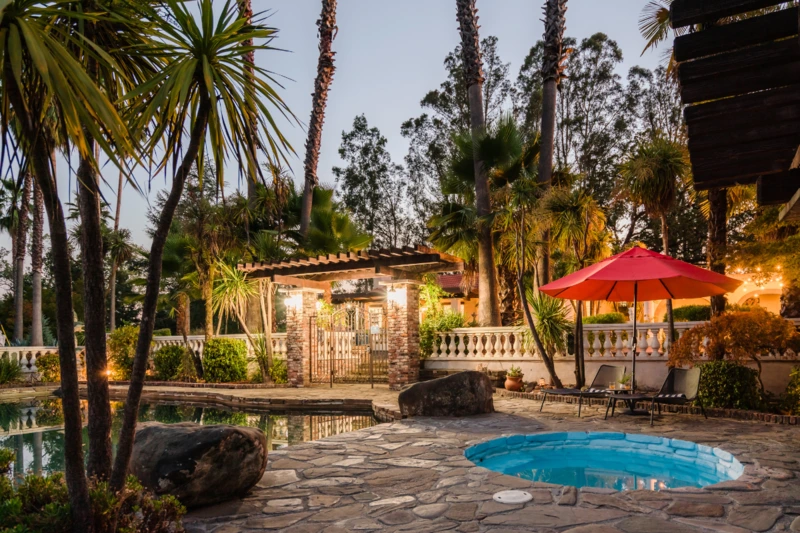
Whether you bike, hike, swim, or ice climb, you will never be bored at Bridal Veil Falls. The trailhead also leads to Lewis Lake, Blue Lake, and other points of interest in the gorgeous Bridal Veil basin. 

This hike follows a jeep road that grants gorgeous views of Bridal Veil Falls, as well as the historic power plant at the top of the falls and the entire Telluride valley. The road will also take you to Lewis Lake, Blue Lake, and other locations in the Bridal Veil basin. 

If you want a good view of the falls from further away, you can try your hand at the Telluride Via Ferrata. This hybrid hiking and climbing experience is not for the faint of heart. At some points, the trail gives way to sheer cliffs, where you climb across steel rungs anchored into the rock. To take on the Via Ferrata, you will need the services of a trained guide.

Bear Creek Falls

About 6 hours up Bear Creek Canyon, you will find Bear Creek Falls. Bear Creek Trail leads you through a lovely route full of rugged cliffs that end with a stunning waterfall view.  


The San Miguel Conservation Foundation works with Telluride to preserve more than 320 acres of land in Bear Creek Canyon as public open space. Here you will find an easy hike that the whole family will love.

Jud Wiebe Trail

When springtime comes to Telluride, the Jud Wiebe Trail is one of the first hiking trails to thaw out, though some avid hikers still traverse Jud Wiebe in the wintertime. The popular trail stretches for more than 3 miles and can take about 2 hours to complete. Dogs are welcome to join you on this trail as long as they have leashes on. 

From May to October, this trail is also great for mountain biking and horseback riding.

Sneffels Highline Trail

If you want a more challenging hiking route, then give the Sneffels Highline Trail a shot. Explore every inch of this 13-mile loop named after the massive Mount Sneffels to the north. 

The trail doesn’t take you up the mountain, but you can experience the dramatic cliffs between Mount Dallas and Mount Gilpin. On average, this trail takes just over 9 hours to complete. 

Don’t be surprised if you run into fellow hikers, campers, and backpackers up there, but this is certainly an experience where you can find some peace on the trail.

Imogene Pass

The San Juan Mountains aren’t just for hiking. You can also enjoy plenty of off-road adventures and scenic driving routes along the way. 

The Imogene pass is a very popular spot for high-adrenaline driving thrills, and it’s no surprise. The high mountain pass is more than 13 thousand feet tall and crosses a ridge that connects Telluride with Ouray. It is the highest pass in the San Juan Mountains and the second-tallest drivable mountain crossing in the state. 

Explore the Imogen pass at your own risk, as there are lots of extremely steep areas that can be very dangerous. The risk is well worth the reward for experienced drivers who are rewarded with magnificent, panoramic views of San Miguel county. 

Another famous drivable mountain pass is Black Bear Pass. Found on Black Bear Road, the pass extends more than 12 thousand feet upwards to provide an epic view of Telluride below.

visiting the San Miguel River is a popular thing to do in Telluride

Explore the San Miguel River

Located in the pastoral sprawl of the famous Telluride valley floor, the San Miguel River is just east of the Telluride canyon. 

The river runs through acres of wildflowers and noble evergreens in the winter. Wildlife is abundant here, and you will often see coyotes, elk, birds, rabbits, and even prairie dogs. 

You can find some of the best cold-water trout fly fishing on the San Miguel River just about 45 miles northwest of Telluride. You can also cut through twisting canyons and churning rapids if you enjoy whitewater rafting. The rafting season is rather short, mostly spanning the summer months. The San Miguel rapids are not an overly technical course. They are mostly Class II, with a few Class III along the way.

visiting Alta Lakes is a popular thing to do in Telluride

Feel awestruck at Alta Lakes

Just south of Telluride you’ll find a series of enchanting alpine lakes. 

The Alta Lakes are over 11 thousand feet up, and they are named after the nearby ghost town of Alta. Alta was once a tiny, prosperous mining town, but it has been abandoned since the 1940s. 

When you visit Alta Lakes, you’ll find priceless views of the Telluride Ski Resort, Silver Mountain, and Bald Mountain.

Telluride Historical Museum is a popular thing to do in Telluride

Go back in time at the Telluride Historical Museum

The Telluride Historical Museum has an impressive permanent collection of artifacts to peruse, as well as annual historical exhibitions that provide a glimpse back in time to old Telluride. 

You can dive right into the region’s Ute Native heritage or brush up on its legendary mining history. Walk through ten themed rooms, each showcasing a different aspect of the town’s dramatic history. 

There are a lot of interactive displays to engage with, and visitors of all ages can find something to fascinate them or tickle their fancy. 

No matter how much Telluride grows and changes, this museum ensures no one will forget the legacy that created the town and shaped its present iteration.

take a hot air balloon ride over Telluride Town Park

Fall in love with Telluride Town Park

If Telluride had a beating heart, chances are you would find it at Telluride Town Park.

No matter the season, you can find locals and tourists enjoying the lovely scenery of the town park. 

During the summer the park hosts music festivals, camping trips, softball games, swimming lessons, tennis matches, kid’s fishing, and so much more. In the winter, you must visit Hanley Ice Rink, Telluride’s winter ice skating pavilion.

There is also a natural outdoor rink that is open from the middle of December until the middle of February. There are also outdoor warming huts for when you come off the ice.

Uncompahgre National Forest is a popular thing to do in Telluride

Take a dip at Uncompahgre National Park

There are more than 1 million acres of Colorado land inside the Uncompahgre National Forest, including parts of the San Juan Mountains around Telluride. This remote national park is home to some of the most beautiful scenery in all of Colorado, and the land is protected by the United State National Forest Service. 

Unlike some of the trails and vistas in the San Juan range, Uncompahgre National Forest is usually much less crowded and has plenty of campgrounds, hiking trails, and backcountry terrain. 

There are popular fishing spots here, notably Priest Lake and Trout Lake that you can enjoy for free. Both lakes offer lots of birdwatching and plenty of wildlife activity. You can also find them surrounded by colorful wildflowers in warmer months, a view that will surely bring a smile to your face.

off-road biking is a popular Telluride thing to do

Brace yourself for off-road mountain biking

You can travel between Telluride and nearby Mountain Village on a 13-minute free gondola ride. 

This biking gondola is the first and only public transport system of its kind in the continental US and allows bikers to access some of Colorado’s best biking trails. 

You can access the gondola from either town, and there is a midway point between them located at San Sophia Overlook. The ride takes you more than 10 thousand feet in the air. 

The gondola runs every day from 6:30 am to midnight, and during certain events and holidays, you may find the gondola offers extended hours. Please note that every spring and fall the gondolas are closed down for regular maintenance.

Telluride Film Festival is a popular thing to do in Telluride

Find all the best festivals

When you think of Telluride you might think of snow and winter sports, but it’s a great summer vacation destination as well. During the warmer months, the town is host to some of the best entertainment festivals in the world. 

There’s the famous Telluride Film Festival, which is one of the most celebrated film festivals in the world. Every Labor Day weekend, Telluride is full to the brim with film buffs, superstars, and everyone in between. 

You can also experience the legendary Blues & Brews music festival. Every fall Telluride enjoys this multi-stage festival celebrating blues, indie, funk, gospel, and soul music. Then they wash all that good music down with some of the best craft beer in the western hemisphere.

unwinding in a hot spring is a relaxing thing to do in Telluride

Relax and unwind in luxurious hot springs

You can find a lot of adrenaline-fueled thrills in Telluride, but sometimes you just want a tranquil place to relax and let go of all your worries. If you need a luxurious rest day, where better to find it than one of the region’s many hot springs? 

These natural mineral hot springs provide relaxation and relief all year long, and many are equipped with spa services like facials, body scrubs, and massages. 
You’ll find Orvis Hot springs about 45 minutes away from Telluride. Locals love to frequent this hot spring. Or you could try Ouray Hot Springs, which is just over an hour’s drive away.

Final thoughts

Telluride looks like a magical land from a childhood fairytale. Surrounded by tall mountains and bursting with wildlife and natural beauty, it’s no wonder the town has become one of the country’s most legendary vacation destinations. 

Founded during America’s rugged wild west era, Telluride has never lost its unpretentious charm and never adopted the ritzier reputation of neighboring ski resort towns in the Rockies. 

The town has something for everyone to enjoy – no matter your age or what you want out of your trip. Though it is only eight blocks wide and 12 blocks long, Telluride is far from being a mundane mountain town. 

You can ease into the small-town mountain lifestyle for sure, but you can also experience larger-than-life thrills on the slopes or trails. It’s all up to you. 
There’s no shortage of amazing things to do in Telluride. Whatever you decide, you’ll never forget the time spent here, and you’ll want to start planning your return to a Telluride cabin as soon as possible.

An Itinerary of the Best Things To Do in Isle of Palms

Is there an Isle of Palms getaway in your future? We have your guide to the top things to do for your Isle of Palms itinerary! From enjoying time on the beach, kayaking, and other outdoor activities to sightseeing and exploring the history of the area, there are plenty of fun things to keep your group entertained. Check out our list of the best Isle of Palms attractions and things to do during your next beach vacation.

Spend the Day at Isle of Palms Beach 

The beach is a must during any Isle of Palms vacation. The Isle of Palms County Park features a public beach park with all of the amenities needed for relaxation and family fun. Head to this centrally located beach park on the island to stroll the boardwalks, take a swim in the warm Atlantic Ocean, and even join a game of sand volleyball! For those looking to sit back and relax with their beach read, umbrella and chair rentals are available to ensure a perfect setup for you and your family. You can even stay beachfront at an AvantStay vacation home like 3108 Palm or Stay Salty.

Source: Conde Naste Traveler

Whether you are an expert on the greens or a novice looking to practice your swing, you’ll enjoy a round of golf on the Wild Dunes Links Golf Course. The oceanfront, 18-hole golf course is one of the best in all of South Carolina and was designed by renowned architect, Tom Fazio. Book a tee time or lesson at this oceanfront golf course for a morning of outdoor fun during your Isle of Palms vacation!  

Source: Charleston & Resort Islands Golf

Reel in a Catch on a Fishing Charter 

Get out on the water with an Isle of Palms fishing charter. Trust a local captain to be your guide to navigate either inshore waterways or offshore waters and assist you in casting fishing lines to reel in prized catches of redfish, tarpon, spotter trout, flounder, and even the occasional shark! Experienced anglers or first-time fishermen will enjoy an expedition led by a knowledgeable local angler.

Source: Charleston Charter Fishing

See the Island by Kayak, Paddleboard, or Boat

And if you want to get out on the water without casting a fishing line, jump in a kayak or on a paddleboard. Watersports enthusiasts can find plenty of ways to explore Isle of Palms whether they are out on a kayaking expedition, paddleboarding, or experiencing a wildlife tour with Barrier Island Eco-Tours.

Source: Coastal Expeditions

Admire the Sullivan’s Island Lighthouse 

Known locally as the “Charleston Light,” Sullivan’s Island Lighthouse has been a staple of the South Carolina shoreline since 1962. Today, the lighthouse continues to shine nightly to guide passing ships while during the day the lighthouse is a popular sightseeing destination. The lighthouse is not open to the public, but the nearby beach access is a popular spot to pose for photos and to view the iconic structure. The nearby Sullivan’s Island Life Saving Station is a historic site that provides further architectural interest and charming grounds to explore.  

Source: Visit Historic Charleston

Explore Fort Sumter and Fort Moultrie National Historical Park 

Experience the history of Charleston Harbor at Fort Sumter and Fort Moultrie National Historic Park. The park consists of a series of fortifications along Charleston Harbor and Sullivan’s Island. Fort Moultrie has a history stretching back to before the Revolutionary War when the forts were utilized as a quarantine station checking every passenger coming into the harbor including Africans who were enslaved. In 1776 the fort was attacked by the Royal Navy. Fort Sumter marks the location of the first shots of the Civil War on April 12th, 1861 and became a significant factor in the Siege of Charleston. Today, guests are able to visit these historical sites and learn the history from rangers of the park. 

Source: Fort Sumter Tours

Enjoy Oceanfront Cuisine 

IOP is a hub for delicious coastal and low country cuisine. Enjoy an ocean breeze and delicious seafood dishes at a local beachfront eatery. Coconut Joe’s Beach Grill which offers ocean views, casual beachside eats, and a rooftop bar. During peak season, live music can often be enjoyed at this popular beach grill. For a romantic setting with a menu filled with southern specialties, head to The Boathouse! Sit down to enjoy dishes such as raw oysters, surf & turf, and pan roasted scallops that can be paired with a seasonal cocktail or a glass of wine. Delight your taste buds during a stay in an Island of Palms vacation home like Crawdad or Orchard.  

Source: Coconut Joe’s Beach Grill

Stroll Through Charleston 

Known for its cuisine, history, nightlife, shopping, and more, Charleston sits a ~40-minute drive away from IOP, making it an ideal day trip during your vacation. Plan a day to head inland to explore Charleston’s landmarks like Rainbow Row, The Battery, Charleston City Market, King Street and so much more. Downtown Charleston is a hub for foodies, shopping, and stunning parks filled with oak trees. Take a walking tour to get the most out of your day in Charleston and really learn the history of this unique coastal city! 

Source: Our Escape Clause

Dance the Night Away at The Windjammer 

After the sun goes down, dance the night away at The Windjammer. A live music venue located on IOP’s Front Beach, The Windjammer invites visitors to enjoy performances from local bands, tribute bands, and more. The Windjammer also offers a menu of casual beach cuisine, so you can combine dancing with snacking on shrimp baskets. Check the event schedule to see what live performance you want to jam along with during your next beach vacation.

Source: Post and Courier

Experience the Best of Isle of Palms  

Ready to experience the beauty, history, and fun that awaits on Isle of Palms? Make your own itinerary of Isle of Palms must-dos to prepare for your beach vacation.  

3108 Palm by AvantStay

Snowbird Monthly Vacation Rentals: Top Destinations for Your Winter Escape

Step into the world of snowbird rentals for a cozy winter escape. Our guide reveals the best seasonal vacation homes and offers handy snowbird travel tips. Get ready for affordable snowbird getaways and a stress-free winter retreat.

Key West, FL

Key West’s unique charm and mild winter climate make it an ideal destination for snowbird monthly vacation rentals. With a laid-back atmosphere and a variety of cozy accommodations, this island paradise beckons snowbirds seeking a warm escape. Embrace the vibrant culture, water sports, and delightful dining options that make Key West a standout choice for extended stays.

Fort Lauderdale, FL

Fort Lauderdale’s sunny shores and cultural attractions offer a perfect blend for snowbird getaways. The city boasts a variety of monthly vacation rentals, from beachfront condos to upscale apartments, accommodating a range of preferences and budgets. Snowbirds can revel in the warm weather and explore the city’s artistic and recreational offerings while enjoying the comforts of their seasonal home.

Palm Springs, CA

Nestled in the California desert, Palm Springs is a haven for snowbird monthly vacation rentals. Its winter climate is second to none, and the region features a wide array of seasonal homes, perfect for a relaxing retreat. Snowbirds can enjoy stunning mountain vistas, golf courses, and explore the area’s mid-century modern architecture, creating an ideal backdrop for an extended winter stay.

Coachella Valley, CA

Adjacent to Palm Springs, Coachella Valley draws snowbirds with its proximity to the famed Coachella Music Festival, while also offering a peaceful desert lifestyle. Monthly rentals in this region provide the perfect balance between joining the festival excitement and enjoying the tranquil desert surroundings, making it a unique and appealing option for seasonal stays.

Destin, FL

Destin, along with the neighboring Emerald Coast/30A, is a prime destination for snowbird monthly vacation rentals. Its stunning white-sand beaches and emerald waters create a serene backdrop for extended stays. Snowbirds can find a variety of accommodations, from beachfront condos to cozy cottages, allowing them to fully embrace the Gulf Coast lifestyle and its plethora of water activities.

Joshua Tree, CA

Snowbirds looking for a unique desert experience will find Joshua Tree to be an enchanting choice for monthly vacation rentals. The region’s distinctive landscape, known for its striking rock formations and desert flora, provides an extraordinary backdrop for a peaceful winter retreat. With a range of cozy desert homes available for rent, snowbirds can explore the area’s national park, go stargazing, and soak in the artistic inspiration that this desert gem offers.

Maui, HI

Maui, one of Hawaii’s most popular islands, offers an enticing mix of natural beauty and luxury vacation rentals, making it an excellent choice for snowbirds. From upscale condos to beachfront villas, the island caters to various tastes and budgets. Snowbirds can savor the tropical paradise, indulge in water sports, and immerse themselves in Hawaiian culture, ensuring a memorable and comfortable winter stay.

Oahu, HI

Oahu, the heart of Hawaii, is a bustling yet picturesque island with a wide range of snowbird monthly vacation rentals. Snowbirds can enjoy the best of both worlds by exploring the vibrant city life of Honolulu and relaxing on the island’s serene beaches, all within easy reach of their extended stay accommodations. The island’s rich culture, diverse landscapes, and inviting atmosphere make Oahu an attractive destination for winter getaways.

San Diego, CA

With its year-round pleasant climate, San Diego is a top choice for snowbird rentals. The city boasts an array of comfortable monthly accommodations, including apartments, condos, and beachfront properties. Snowbirds can revel in the diverse neighborhoods, coastal beauty, cultural attractions, and an abundance of outdoor activities, ensuring a rewarding and rejuvenating winter escape.

Scottsdale, AZ

Scottsdale, in the heart of the Arizona desert, offers an oasis of warmth and luxury for snowbird monthly vacation rentals. The city’s winter climate is inviting, and it features numerous golf courses and upscale accommodations, making it a haven for those seeking a relaxing escape. Snowbirds can explore the city’s art scene, indulge in outdoor pursuits, and embrace the desert lifestyle while enjoying a comfortable and well-appointed seasonal home.

10 Best Vacation Homes with Stunning Mountain Views

Here at AvantStay, we don’t think the good views should stop after your hike. We’re firm believers in staying at a vacation home that makes you feel on top of the world, day and night. In this roundup, you’ll get to see 10 of our favorite vacation homes with mountain views. Whether you’re looking for a getaway in wine country, Tahoe, or the Smokies, we’ve got you covered.

Bronson – Lake Tahoe, CA

Choosing a favorite mountain-view stay in Lake Tahoe was no easy task. After much debate, we landed on Bronson—and for good reason. Featured on the Emmy award-winning show Staycation, this slopeside retreat in Olympic Valley delivers unbeatable ski-in, ski-out access and jaw-dropping views. 

Inside, wood beam ceilings, expansive windows, multiple fireplaces, and a sleek wet bar create a cozy yet contemporary vibe. Outside, an oversized deck with a hot tub invites you to soak it all in—literally. Plus, there’s a table tennis table for when the competition moves indoors.

If you decide to swap the views for some more adventure, Palisades Tahoe, Burton Creek State Park, and Lake Tahoe are just minutes away. You may also check out our curated list of 47 things to do in Lake Tahoe.

Sugarland – Smoky Mountains, TN

A stay in The Smokies is always a good idea. Bring the whole crew to Sugarland where the views are plentiful and the activities are too. Enjoy swims in the indoor pool and movie nights in the home theater. With room for up to 28 guests, there’s room for everyone (even your in-laws).

Nestled among rolling hills and lush forestry, wake up to panoramic mountain views, then spend your days lounging in the indoor pool, catching a movie in the home theater, or perfecting your billiards game in the game room. There’s plenty of space for everyone, making this the best getaway for large groups and families.

You can explore the Great Smoky Mountains National Park, ride roller coasters at Dollywood, or zip line through the treetops. You may also read our curated list of 35 things to do in the Smoky Mountains.

Camila – Temecula, CA

It’s wine country wonderful here at Camila. This Temecula oasis has plenty of outdoor seating so you and your group get max mountain views while you enjoy your new fav local wine. Inside, you’ll enjoy a koi pond, foosball, billiards, and lovely architecture. Cheers with a hot tub sesh as the sun sets and you’re reminded you just booked your best vacation rental yet.

A modern architectural masterpiece perched high above Temecula’s rolling vineyards with al fresco dining areas, a private pool and hot tub, and a balcony lounge perfect for sipping your new favorite local wine. Inside, the fun continues with a dedicated billiards and recreation room, a chic chef’s kitchen, and spacious, stylish bedrooms designed for pure relaxation.

Whether you’re vineyard-hopping, floating over the valley in a hot air balloon, or indulging in a private chef experience at home, there are a lot of things to do in Temecula!

The Purcell House – Oregon Coast

Welcome to your dream Oregon Coast escape. Soak in the panoramic views on this home’s wraparound deck. Cozy up with your book of the moment in the yard. Take a turn on the tire swing. Walk five minutes down to Manzanita Beach. Where the mountains meet the ocean is where you, too, will experience the perfect harmony that is The Purcell House.

Perched on a secluded bluff at the foot of Neahkahnie Mountain, this timeless retreat has been a haven for those seeking privacy, tranquility, and a touch of nostalgia—even legendary actress Carol Channing once called it home for an extended stay. Outside, manicured half-acre grounds, multiple patios, and a cozy tire swing create the perfect setting for relaxation. 

You may also look at our guide of the 9 best things to do on the Oregon Coast for more adventure ideas!

Belleza – Sonoma, CA

ISO your next WFH destination? Meet Belleza –  a Sonoma stay with gorgeous architecture, design, and even better balcony views (ideal for making coworkers jealous of your Zoom background). Spend days lounging by the infinity pool or prove who’s grill master under the shaded grill and chill area. In the spirit of showing off, take your shot at pouring shots and making delicious cocktails at the chic wet bar. 

Perched high in the rolling hills of Sonoma, this modern architectural masterpiece has an infinity pool that steals the show, offering a front-row seat to the region’s stunning landscapes. Inside, floor-to-ceiling windows, a chef’s kitchen, a rec room with pool and shuffleboard, and four en-suite bedrooms make it easy and fun for your group. 

There are a lot of best things to do in Sonoma County. You can spend your days touring wineries, floating in a hot air balloon, or indulging in farm-to-table dining, where the experiences are nothing short of spectacular.

Cherry Ridge – Breckenridge, CO

Can you believe we made it this far into the list without mentioning our Colorado stays? Neither can we. While we have many gems in the Rockies, Cherry Ridge has to be our dream stay in Breckenridge. This vacation home has massive windows and a spacious deck – ideal for taking in the views around. Enjoy a hot tub soak after a day of skiing or head inside to cozy up by the fireplace for some après-ski drinks. 

Big mountains call for an even bigger stay, as this grand alpine escape is designed for epic group getaways. Inside, a stunning grand staircase, opulent bedrooms, and an expansive game room set the stage for fun. 

Whether you’re hitting the slopes, exploring Main Street, or simply taking in the breathtaking mountain views, there are a lot of fun things to do in Breckenridge!

Mountain Lover – Park City, UT

If jaw-dropping views and luxury living are your thing, Mountain Lover is calling your name. Perched on a bluff overlooking Jordanelle Reservoir, this sleek Park City retreat has expansive windows that flood the home with natural light, while vaulted ceilings and an airy deck set the stage for unforgettable moments. 

Inside, warm up by the fireplace, challenge your group to a game of pool or foosball, or kick back in the private home theater. If you need to recharge, the dual primary suites with fireplaces and spa-like ensuites will do the trick.

Whether you’re hitting the slopes at Deer Valley, exploring Park City’s vibrant Main Street, or soaking in the hot tub under the stars, Mountain Lover makes every moment feel like the perfect getaway.

Snowdrift Cabin – Telluride, CO

First, we want to thank the photographer who ventured out in what appears to be a snowstorm to get these pics. If you had any doubt in your mind, this should confirm that it does in fact snow here. Aptly named, Snowdrift Cabin is a Telluride vacation home with grade A prime ski access on Lift 10’s Galloping Goose trail, an extra large deck, hot tub with views, and a toasty fireplace inside – basically, this house is all you need when you’re looking to have a ski trip. 

For skiers, snowboarders, and mountain lovers alike, this classic log home is a dream come true. Nestled right on grade A ski access and unbeatable sunset views over the San Sophia ridgeline, with expansive decks, two spacious living areas, and a loft perfect for the kids, this 3,400-square-foot alpine escape is designed for making winter memories.

After a full day on the slopes, you may also want to check out the top 11 things to do in Telluride year-round for added fun and experience.

Views at Wolf Lodge – Big Bear, CA

The most properly named stay? Right here. Views at Wolf Lodge is a Big Bear vacation rental featuring a hot tub and fire pit on the deck, a sauna, and a ping pong table for those who enjoy a little friendly competition. While there is plenty to do on your trip to Big Bear, we don’t blame you if you stick around at home all day to really take in the views around you.

Located high above Big Bear, panoramic mountain vistas will leave you breathless, and it is just minutes away from Bear Mountain & Snow Summit ski resorts! Indeed, a perfect escape for outdoor lovers. You can sip your morning coffee on the expansive deck, step into the sauna for a well-earned recharge, or unwind in the 7-person hot tub; every moment here is wrapped in nature’s beauty.

Simply soaking in the views is not enough; if your family is going in this year, this guide of our 43 best things to do in Big Bear for the whole family can help!

Juliet – Asheville, NC

Real mountain lovers know all about Asheville and its wonders. Tucked away in the Blue Ridge Mountains, you’ll find the cozy cabin we call Juliet. This stay comes with two decks (so double the views), large windows, a movie room, and a covered hot tub. Vacation like a true Southerner with happy hours spent on the porch sittin’ on your rocking chair, deciding which trail of the mountains you’ll conquer tomorrow.

For those who crave mountain magic with a side of Southern charm, this three-story retreat will let you experience panoramic views you won’t find anywhere else and breathtaking mountain sunsets. A luxurious hot tub is the ultimate way to unwind after a day of adventure, and with multiple BBQ grills and a fully equipped kitchen, keeping the crew well-fed is a breeze.

If you’re hiking through Chimney Rock State Park or just exploring the area, we have a list to guide you through your itinerary! Here’s our list of the top 21 things to do in Asheville.

Tips for High-Altitude Activities

Your mountain trip will surely include outdoor adventures at higher elevations, so it’s important to take some precautions to ensure you have a safe and enjoyable experience. 

  • Drink plenty of water to stay hydrated
  • Consider packing altitude sickness remedies like ibuprofen or ginger. 
  • Pack sun protection – sunscreen, hats, sunglasses
  • Dress in layers for changing conditions
  • Wear proper hiking footwear with traction
  • Be aware of local wildlife and food storage
  • Monitor for altitude sickness symptoms
  • Know emergency contacts and have a plan
  • Bring backup power and essential supplies

Take it easy on your first day to allow your body to acclimate, and don’t overexert yourself. Many of these vacation homes also provide access to ski resorts or hiking trails, so be sure to research the terrain and pack appropriate gear and layers to stay comfortable.

Stay at Your Dream Mountain Getaway

Ready to book your next mountain adventure? Explore our curated collection of the best vacation homes with stunning views and start planning your ultimate escape! 

Key Takeaways

Whether you’re searching for ski-in/ski-out access, panoramic vineyard vistas, or a serene oceanside retreat, these homes offer the perfect balance of breathtaking scenery and luxurious amenities to elevate your next getaway.

Property Best For Key Amenities Nearby Attractions
Sugarland Large groups and families Indoor pool, home theater, billiards room, and panoramic mountain views Great Smoky Mountains National Park, Dollywood
Camila Wine enthusiasts Private pool and hot tub, koi pond, billiards room, al fresco dining areas Temecula vineyards, hot air balloon rides, private chef experiences
The Purcell House Beach lovers and nostalgia seekers Wraparound deck with ocean and mountain views, tire swing, and manicured grounds Manzanita Beach (5-minute walk), Neahkahnie Mountain hiking trails
Belleza Wine country retreats and WFH people Infinity pool, shaded grill area, wet bar, rec room with shuffleboard and pool Sonoma wineries, hot air balloon rides, farm-to-table dining
Bronson Ski enthusiasts Ski-in/ski-out access, hot tub on oversized deck, fireplaces, table tennis Palisades Tahoe ski resort, Burton Creek State Park, Lake Tahoe
Cherry Ridge Ski trips and group getaways Hot tub, grand staircase, opulent bedrooms, expansive game room Breckenridge slopes, Main Street shopping and dining
Mountain Lover Luxury seekers and skiers Vaulted ceilings with natural light, private home theater, dual primary suites Deer Valley ski resort, Park City Main Street, Jordanelle Reservoir
Snowdrift Cabin Winter sports enthusiasts Grade A ski access (Lift 10), extra-large deck with sunset views, hot tub Telluride ski slopes (Galloping Goose trail), San Sophia ridgeline
Views at Wolf Lodge Outdoor lovers Hot tub and fire pit on the deck, sauna, and a ping-pong table Bear Mountain & Snow Summit ski resorts
Juliet Romantic getaways and hikers Two decks with mountain views, covered hot tub, movie room Blue Ridge Mountains hiking trails, Chimney Rock State Park

How Dynamic Pricing Works in the Vacation Rental Industry (And What It Means for You as a Booker) 2026

You found a place you love, but the nightly rate keeps bouncing around every time you check. Real-time pricing in the vacation rental industry controls what you pay, and it’s running calculations behind the scenes based on demand, events, and booking patterns you can’t see. If you understand what those algorithms are watching and when they adjust rates, you’ll know exactly when to book and when to keep waiting for a better deal.

TLDR:

  • Vacation rental rates adjust constantly based on demand, seasonality, local events, and booking lead time
  • Off-peak and mid-week bookings can drop 15-20% below peak rates, while festivals spike prices considerably
  • Total price transparency now requires all mandatory fees to display upfront before checkout
  • Booking 7+ nights often triggers weekly discounts that lower your per-night cost
  • AvantStay uses AI-driven pricing across 2,300+ properties, analyzing thousands of data points to create booking windows at multiple price tiers year-round

What Real-Time Pricing Is (And Why Every Vacation Rental Uses It)

Real-time pricing means rates shift constantly based on demand, availability, and market conditions. If you’ve booked a flight or rideshare, you’ve seen it work: prices rise when demand spikes and fall when things slow down.

Every vacation rental owner uses some version of this now, whether they manage properties directly or work with property management partners. It replaced the old fixed-rate model where a home cost the same every night, whether during peak season or a quiet weekday. The change happened because the data showed it works: owners fill more nights, and you get better deals during off-peak times.

Rates recalculate constantly. The price you see Monday might change by Friday if a local event gets announced or if bookings lag and inventory climbs.

The Key Factors That Determine Your Nightly Rate

A modern, clean illustration showing a luxury vacation rental property with visual elements representing dynamic pricing factors: summer sun and winter snow icons around the property indicating seasonality, calendar pages showing different dates, small event icons like festival flags and concert stages in the background, and subtle upward and downward arrows suggesting price fluctuations. The scene should have a premium, sophisticated aesthetic with a color palette of blues, golds, and whites. Aerial perspective of a beautiful contemporary vacation home with a pool, surrounded by abstract data visualization elements that represent demand and pricing trends.

Several factors feed into the rate you see when you search for a vacation rental. Seasonality is the biggest driver: summer weeks in beach markets or winter weekends in ski towns cost more because demand surges. Shoulder seasons and off-peak months drop 15 to 20 percent or more.

Day of the week matters too. Friday and Saturday check-ins command higher rates than mid-week arrivals. Length of stay can unlock discounts: booking seven nights often triggers a weekly rate that lowers your per-night cost.

Local events spike prices fast. A festival, concert, or sporting event within driving distance can push rates up considerably. Algorithms scan event calendars and adjust accordingly.

Booking lead time plays a role: last-minute availability sometimes gets discounted to fill empty nights, while far-in-advance bookings during peak season lock in premium rates.

How Timing Your Booking Can Save You Money (Or Cost You More)

A clean, modern illustration of a luxury vacation rental home with a calendar and clock elements surrounding it, representing timing and booking strategy. Show abstract visual elements suggesting optimal booking windows and price opportunities. Use a sophisticated color palette of blues, golds, and whites. Aerial perspective of a contemporary vacation home with pool, with flowing calendar pages and time-related visual metaphors in an elegant, minimalist style.

Booking windows affect what you pay. Early bookings during high-demand periods lock in availability but rarely offer discounts because owners know the dates will sell. Waiting can backfire: the best properties fill months ahead for holidays, festivals, and peak summer weeks.

Last-minute deals exist but require flexibility. If inventory sits empty a week or two out, owners drop rates to fill the gap. You might save 15 to 30 percent, but you lose choice. The top homes are already booked.

Guests are booking closer to check-in with heightened price sensitivity. Shorter booking windows mean rates fluctuate more as check-in nears.

If your dates are fixed and the destination is popular, book early to secure the property you want. If you’re flexible on timing or location, monitor rates and jump when inventory loosens and prices dip.

Why You Might See Different Prices on Different Platforms

The same property can show different prices on Airbnb, Vrbo, Booking.com, and the property manager’s direct website. Each channel adds its own service fee structure: Airbnb typically charges guests around 14 percent, Vrbo varies between 5 and 15 percent, and Booking.com usually bills the owner but may pass costs through.

Some owners price higher on certain channels to offset those fees, keeping their net revenue consistent. Others price identically everywhere and accept lower margins on high-fee channels to capture more bookings. Booking directly with the property manager often skips guest service fees entirely, making it cheaper even when the nightly rate looks the same.

Booking Site

Typical Guest Service Fee

Fee Payment Structure

Cancellation Flexibility

Direct Booking Advantage

Airbnb

Around 14% of subtotal

Guest pays service fee at checkout, added to nightly rate and cleaning fees

Varies by property; most offer moderate, strict, or flexible policies set by host

Booking directly with property manager eliminates 14% service fee on total reservation

Vrbo

5-15% variable range

Guest pays service fee at checkout; percentage varies based on property and booking value

Generally follows host-set policies; many require 30-60 day advance cancellation

Direct booking removes 5-15% fee, providing immediate cost savings on identical nightly rates

Booking.com

Usually 0% for guest

Property owner typically pays commission; some properties pass costs through higher base rates

Varies widely; free cancellation often available up to 24-48 hours before check-in

Direct rates may be lower if owner adjusts base price to offset commission structure

AvantStay Direct

0% service fee

No guest service fees; transparent pricing shows only nightly rate, cleaning fee, and taxes

Typically 60-day cancellation window for full refund on most properties

Lowest total price with no site fees; full transparency on all mandatory costs upfront

The Hidden Impact of Events and Local Demand on Your Vacation Cost

A music festival 20 miles away can double rates overnight. Coachella weekends in the desert, Formula 1 race days in Austin, college football Saturdays near Nashville: these events trigger immediate pricing adjustments because hotels sell out and rental demand floods surrounding areas.

Conferences matter too. A three-day industry summit downtown pushes corporate groups toward vacation rentals, lifting rates across the region. Pricing engines track event calendars year-round and flag dates months in advance.

Flight patterns feed the algorithms as well. When airline seat inventory to a destination climbs or ticket prices drop, that signals rising visitor intent. Rates adjust upward before bookings even arrive. A single home might have a dozen rate tiers within one month based on overlapping events, weekends, and travel trends.

Real-Time Pricing vs. Static Pricing (And Why It Actually Benefits Travelers)

Static pricing locked every night at the same seasonal tier. A beach house cost $500 in summer and $300 in winter, regardless of whether the week was selling or sitting empty. Owners lost revenue on high-demand dates and left inventory unfilled during slow periods.

Real-time pricing flexes in both directions. During off-peak windows, rates drop below the old static floor to attract bookings. You benefit: a home that once cost $300 every winter night might fall to $225 on a slow Tuesday. The algorithm would rather fill the calendar at a lower rate than leave it empty.

When demand climbs, rates rise past the old ceiling. You pay more during festivals and holidays, but you also gain access to discounted inventory year-round that static pricing never offered.

What Price Transparency Rules Mean for Your Booking Experience

Recent rules from the Federal Trade Commission require short-term rental listings to show the total price upfront, including all mandatory fees. Before these changes, you’d see an attractive nightly rate, then find out at checkout that cleaning fees, service charges, and local taxes nearly doubled the cost.

New transparency standards force vacation rental sites to display all-in pricing earlier in the booking flow. Cleaning fees, service fees, and occupancy taxes must appear before you enter payment details. Optional add-ons like early check-in or concierge services can still show separately since you control whether to purchase them.

When comparing properties, look for total price displays instead of focusing solely on the per-night rate. The listing with the lowest nightly rate might carry higher fees that push the final cost above competitors.

How to Spot Fair Pricing (And Avoid Overpaying)

Compare three to five similar properties in the same area during your dates. Check bedroom count, location, and amenities like pools or hot tubs. If one listing costs 40 percent more without extra perks, pass.

Reviews reveal pricing patterns. Search for mentions of “value” or “price” to see whether past guests felt the rate matched the experience. Complaints about hidden fees or condition mismatches signal trouble.

Watch for disproportionate cleaning fees. A $300 cleaning charge on a $150 nightly rate is a red flag.

Smart Booking Strategies When Rates Keep Changing

Set price alerts if the booking site or app offers them. Some channels notify you when rates drop for saved properties or destinations. Check back every few days if your trip is weeks or months out: rates adjust as inventory and demand shift.

Understand the cancellation policy before booking. A 60-day cancellation window gives you room to rebook if rates fall after your initial reservation. Some travelers book early to lock in the property, then monitor pricing and rebook if a better deal appears, canceling the original within the refund window.

Flexible dates unlock savings. Shifting check-in by two or three days can drop your total cost if you avoid weekend premiums or event surges. Mid-week arrivals typically cost less than Friday starts.

Book early for fixed high-demand dates like holidays. Wait and monitor inventory for off-peak or flexible trips where last-minute discounts might appear.

How Professional Management and Technology Create Better Pricing for Guests

Professional property managers use pricing engines that process thousands of variables at once. At AvantStay, our proprietary Voyage engine analyzes local event calendars, airline booking patterns, competitor availability, and seasonal trends across all 2,300+ properties we manage. It calculates 75 to 150 micro-seasons per home, adjusting rates daily based on real-time market signals.

You benefit because this creates booking windows at multiple price points throughout the year. When demand softens, rates drop to fill inventory. During peak periods, they adjust to match market conditions. You’ll find opportunities during shoulder seasons, mid-week periods, and last-minute gaps where rates become more accessible.

Final Thoughts on Getting Better Value From Your Vacation Rental

What real-time pricing means for bookers is simple: rates move, but you control when and how you book. You’ve seen the factors that push prices up or pull them down, from local events to booking lead time. Use that knowledge to your advantage, stay aware of total costs beyond the nightly rate, and you’ll book smarter trips at prices that make sense for your budget.

How far in advance should I book my vacation rental to get the best price?

For high-demand periods like holidays, festivals, and peak summer weeks, book several months ahead to secure the property you want—prices rarely drop and the best homes fill fast. For off-peak travel with flexible dates, monitor rates and book closer to check-in when owners may discount empty inventory by 15 to 30 percent.

Can I save money by booking directly instead of using Airbnb or Vrbo?

Yes, direct bookings often skip guest service fees that can add 5 to 15 percent to your total cost on booking platforms. Even when the nightly rate appears identical across channels, booking through the property manager’s website typically delivers a lower final price because you avoid third-party fees.

What should I do if the price drops after I’ve already booked?

Review your cancellation policy first—many vacation rentals offer 60-day cancellation windows. If you’re within that timeframe and find a better rate, you can rebook at the lower price and cancel your original reservation for a full refund. Set price alerts to track changes if your trip is weeks or months away.

Why do vacation rental prices change so frequently even for the same dates?

Pricing engines recalculate rates continuously based on real-time data including local events, booking pace, competitor availability, flight patterns, and seasonal demand. A concert announcement, festival lineup drop, or sudden increase in traveler interest can trigger price adjustments within hours, creating the fluctuations you see when checking back.

How can I tell if a vacation rental price is fair or inflated?

Compare three to five similar properties in the same area with matching bedroom counts and amenities during your exact dates. If one listing costs 40 percent more without offering extra perks, skip it. Check reviews for mentions of “value” or “price” to see if past guests felt the rate matched their experience, and watch for cleaning fees that exceed 50 percent of the nightly rate.

Why Having a Full Kitchen on Vacation Is More Important Than People Realize 2026

You’ve probably scrolled past dozens of vacation rentals, barely noticing whether they had full kitchens or kitchenettes, but why full kitchens matter on vacation becomes obvious around day two of restaurant fatigue. The average traveler spends $96 per person daily on meals when dining out, which means your group of eight friends just dropped $768 on a single dinner that could’ve cost $100 in groceries. Beyond the math, hotel common areas can’t replicate what happens when your entire group gathers around a kitchen island making breakfast together, or when you’re shopping local farmers’ markets for ingredients you’ll actually cook instead of walking past them on your way to another tourist restaurant. That kitchen becomes your social hub, your dietary freedom, and your connection to how people actually live in the place you’re visiting.

TLDR:

  • A full kitchen saves groups $500+ per week by cutting daily food costs from $96/person dining out.
  • 71% of families choose vacation rentals for kitchen access to manage picky eaters.
  • Kitchens become social hubs where your group creates memories while cooking together.
  • You control every ingredient for dietary restrictions without restaurant negotiations.
  • AvantStay properties include chef-quality kitchens with fridge stocking via the Butler app.

The Hidden Cost of Dining Out on Every Meal

Most people budget for flights and accommodations, but forget about the meal expenses that can quietly double their vacation costs. When you’re staying in a hotel without kitchen access, every breakfast, lunch, and dinner means another restaurant bill, another tip, another credit card charge that adds up faster than you might expect.

The numbers tell the story. Daily food costs average $96 per person when dining out across the United States. That’s nearly $700 for a week-long solo trip, or $2,800 for a family of four before you’ve even ordered dessert or splurged on that nice dinner you’ve been eyeing.

The situation is getting worse, not better. Recent surveys show that 20% of U.S. travelers anticipate higher meal costs on their next vacation compared to their last. Restaurant prices continue climbing, and when you’re in a tourist area, those markups can feel especially steep.

A full kitchen changes this equation entirely, giving you control over one of vacation’s biggest variable expenses.

Group Size

Daily Dining Out Cost

Daily Cooking In Cost

Weekly Savings

What You Could Do With Savings

Solo Traveler

$96 per day for three meals at restaurants

$25-35 per day for groceries and home-cooked meals

$427-497 saved over seven days

Fund an extra two nights at your vacation rental or book premium activities

Couple

$192 per day for two people dining out

$45-60 per day for shared grocery costs

$924-1,029 saved over seven days

Upgrade to a luxury property with pool and outdoor kitchen

Family of Four

$384 per day for restaurant meals

$80-110 per day for family groceries

$1,918-2,128 saved over seven days

Cover your entire accommodation cost or extend your trip by three days

Group of Eight

$768 per day eating at restaurants

$150-200 per day cooking together

$3,976-4,326 saved over seven days

Pay for a second week at your rental or split savings for activities and excursions

Why Families Put Kitchen Access Above Almost Everything Else

When families book vacations, kitchen access isn’t a nice-to-have feature. It’s often the deciding factor. 71% of travelers with children say the ability to cook their own meals was a major reason they chose a vacation rental over other accommodation types.

The preference becomes even clearer in booking data, especially for lakeside cabins where families can cook fresh catches. Families represent 40% of bookings and rank kitchens at 64%, placing it among the highest-demanded amenities alongside pools and outdoor spaces.

Picky eaters drive much of this demand. When your seven-year-old will only eat mac and cheese or your toddler refuses anything cut the wrong way, having a kitchen means you can feed your children without restaurant negotiations. Dietary restrictions add another dimension, especially for allergies or medical needs that require ingredient control.

Timing matters just as much. Young children need to eat on schedule, and restaurant waits can trigger meltdowns. A kitchen keeps routines intact, even away from home.

The Social Hub That Hotels Cannot Replicate

Modern luxury vacation rental kitchen with large island, multiple friends and family members gathered around cooking together, laughing and preparing food, warm natural lighting, spacious open layout with high-end appliances, people of diverse ages enjoying meal preparation as a social activity, inviting atmosphere, photorealistic style

Hotel rooms separate your group across floors and hallways, while a full kitchen naturally draws everyone together. The most memorable vacation moments happen spontaneously: someone making breakfast as another wanders in for coffee, college friends prepping dinner while laughing about forgotten cooking skills, grandparents teaching grandkids family recipes at the counter.

These spaces become gathering spots that hotel common areas can’t match. Kitchen islands seat eight people comfortably. Our luxury vacation rental management focuses on properties with these premium gathering spaces. Dining tables fit the entire group at once. Bachelor parties bond over competitive pancake-making contests. Multi-generational families create new traditions around recipes prepared side by side.

You’re creating the moments everyone will talk about long after returning home.

Dietary Freedom That Restaurant Menus Cannot Provide

Restaurant menus force compromise. The vegetarian orders pasta again. The gluten-free diner asks what’s safe, then settles for a modified dish that costs extra. The person managing diabetes struggles to estimate hidden sugars. Someone with severe nut allergies trusts the server’s assurance but worries anyway.

A full kitchen eliminates this negotiation. You control every ingredient, read every label, and know exactly what goes into your meals. After checking out things to do in Telluride, refueling with home-cooked meals keeps energy high. Celiac disease doesn’t mean settling for limited options. Keto diets don’t require interrogating waitstaff about cooking oils. Plant-based eaters can prepare creative meals beyond the standard veggie burger.

Groups with mixed dietary needs benefit most. One person cooks dairy-free while another adds cheese to their portion. Parents prepare pureed baby food with organic produce they selected themselves. The pescatarian grills salmon while others prepare chicken, all from the same kitchen at the same time.

The Local Market Experience Most Travelers Miss

Hotel guests walk past farmers’ markets on their way to brunch. You get to shop them.

97% of food enthusiasts change their cooking and eating habits while traveling, with 85% frequenting local markets and 34% cooking local dishes. A full kitchen turns grocery shopping into exploration. You find heirloom tomatoes at weekend farmers’ markets, chat with vendors about regional spices, and pick up fresh-caught fish from dock-side stands. Properties like our Lake Tahoe cabin rentals place you near these authentic local markets.

These interactions reveal a destination’s character in ways restaurant dining never does. You learn how locals actually eat, not what they serve tourists. Regional ingredients that rarely appear on menus fill your cart. The honey vendor explains which flowers the bees visited. The cheese maker describes aging techniques passed down through generations.

You’re not buying groceries. You’re collecting edible stories to recreate back home.

Group Economics That Change the Vacation Math

The math changes completely when you travel as a group. Eight friends splitting a $2,000-per-night property pay $250 each. Those same travelers booking separate hotel rooms face $350 to $500 per room minimum in most vacation markets.

But the kitchen multiplies these savings. Your group spends $200 on groceries to cook three dinners together instead of $768 at restaurants (eight people at $32 per meal). Over a week, you’ve saved enough on meals alone to cover an extra night’s stay or upgrade to a property with a pool.

The economics get better as group size increases and trip length extends. Weekend trips see modest savings. Week-long stays with six or more people create four-figure differences between cooking in versus dining out for every meal.

The Flexibility Factor for Extended Stays

Three days into a week-long vacation, restaurant menus start looking the same. By day ten, you’re craving something as simple as toast with butter that tastes like home.

Extended stays reveal what weekend trips hide. When you’re spending two weeks in Scottsdale or working remotely from Big Bear for a month, dining out for every meal becomes exhausting. Your body starts craving the predictability of your usual breakfast. Your wallet feels the strain. Your schedule bends around restaurant hours instead of your actual needs.

A full kitchen restores the rhythms that keep you grounded. You brew coffee at your preferred strength each morning. You prepare simple lunches between work calls or after morning activities. You store leftovers for tomorrow instead of wasting food or forcing yourself to finish oversized restaurant portions. Remote workers especially need this stability, where productivity requires routine and the basic infrastructure of daily life that hotel rooms cannot provide. Planning trips during the best time to visit Isle of Palms with full kitchens makes extended stays practical.

How AvantStay Properties Deliver the Full Kitchen Advantage

Every property in our collection comes with chef-quality appliances, expansive counter space where multiple people can prep together, and dining areas that seat 8 to 12 or more around one table.

The Butler app handles logistics before you arrive. Request fridge stocking or grocery delivery, and walk into a kitchen already loaded with what you need. No first-day store hunt required. Whether visiting during the best time to visit St Augustine or any season, we handle the prep work.

Our 100+ destinations across culinary regions like Palm Springs, Nashville, and the Coachella Valley place you near farmers’ markets and specialty food shops. From wine country during the best time to visit Temecula to coastal escapes, kitchens connect you to local food culture. Many properties include outdoor kitchens where you can grill poolside, plus entertainment spaces that keep everyone together during meal prep and cleanup.

We design for the reality that group meals are where the best conversations happen, inside jokes are born, and your vacation becomes the trip everyone remembers.

Final Thoughts on Rethinking How Kitchens Shape Your Trip

The difference between hotel dining and having a full kitchen shows up in your budget, your schedule, and your memories. You spend less, eat better, and turn meal prep into the backdrop for your best conversations. Families keep routines intact, groups bond over cooking competitions, and food lovers shop markets they’d otherwise miss. Look for properties where kitchens are designed for gatherings, not afterthoughts, and where cooking together becomes part of why the trip works.

How much money can you actually save by cooking meals in a vacation rental kitchen?

A family of four can save over $2,100 during a week-long vacation by cooking most meals instead of dining out for every breakfast, lunch, and dinner—enough to fund an extra night’s stay or property upgrade.

What kitchen amenities do AvantStay properties include?

All AvantStay properties feature chef-quality appliances, expansive counter space for multiple people to cook together, dining areas that seat 8-12+ guests, and many include outdoor kitchens for grilling poolside.

Can you arrange grocery delivery before arriving at your vacation rental?

Yes, you can request fridge stocking or grocery delivery through the Butler app before arrival, so you walk into a fully loaded kitchen without needing to make a first-day store run.

Why do families with children prioritize kitchen access when booking vacations?

71% of travelers with children choose vacation rentals specifically for kitchen access because it solves picky eating challenges, accommodates dietary restrictions and allergies, and maintains feeding schedules without restaurant waits that can trigger meltdowns.

How does a full kitchen benefit groups with different dietary needs?

Everyone can prepare their preferred meals simultaneously from the same kitchen—one person cooks dairy-free while another adds cheese to their portion, the pescatarian grills salmon while others prepare chicken, all without compromise or separate restaurant trips.

California 6+ Bedroom Home ADR Trends: What Large Estates Earn in 2026

Large California estates operate in a market segment that most vacation rental data completely misses. Average daily rate trends for 6+ bedroom properties show performance patterns that diverge sharply from smaller homes, and if you’re managing one of these estates, generic market benchmarks won’t help you price correctly. Your property can generate $350-$650 per night in the right positioning, sometimes exceeding $1,000 during peak demand, but only if you understand the specific dynamics driving rates in the large-format segment.

The fundamentals support premium pricing for properties like yours. Booking growth for 6+ bedroom homes hit 12.61% year-over-year, outpacing the broader market as demand for group accommodations continues climbing. Multi-family travelers, corporate groups, and celebration bookings all need what your property offers, and they’re willing to pay substantially more per night than guests booking smaller units.

TLDR:

  • California’s 6+ bedroom homes command ADRs 40-75% above the state’s $244 average, reaching $350-$650 nightly.
  • Large properties grew bookings 12.61% year-over-year, outpacing smaller inventory significantly.
  • Seasonal peaks drive 30-50% rate premiums during summer and holidays for group-oriented estates.
  • Professional design and resort-grade amenities justify $100-$200 nightly premiums over basic large homes.
  • AvantStay manages 2,300+ properties with proprietary pricing algorithms and Marriott Bonvoy distribution access.
Screenshot 2026-01-08 223204.png

Understanding California’s 6+ Bedroom Vacation Rental Market Dynamics

California’s 6+ bedroom vacation rental segment represents a distinct asset class with fundamentally different performance dynamics than smaller properties. If you’re managing or considering investment in large-format homes, understanding these market mechanics is essential to maximizing returns.

The numbers tell a compelling story. Large homes with 6+ bedrooms experienced booking growth of 12.61% year-over-year, significantly outpacing smaller inventory. This surge reflects sustained demand for group-oriented accommodations from multi-family travelers, corporate retreats, and milestone celebrations.

Property size directly correlates with ADR potential. Larger homes command premium nightly rates because they serve a specialized market willing to pay substantially more per night for consolidated group lodging. A 6-bedroom estate can often generate more revenue than multiple smaller units combined, while requiring proportionally less operational overhead per guest.

California’s diverse geography amplifies these advantages. From coastal compounds to mountain retreats, the state offers unmatched variety in luxury vacation rental settings, positioning property owners to capture premium rates across multiple high-performing markets.

Current ADR Performance for 6+ Bedroom Homes in California (2026)

California’s vacation rental market currently shows an average daily rate of $244 with 52% occupancy across all property types, but these baseline figures don’t capture the premium performance potential of 6+ bedroom estates.

Large-format properties consistently command ADRs 40-75% above state averages. While a typical California vacation rental sits at $244 per night, well-positioned 6+ bedroom homes regularly achieve rates between $350-$650 nightly, with luxury estates exceeding $1,000 in peak periods.

The performance gap widens when you factor in guest counts. A 6-bedroom property hosting 12-16 guests generates substantially higher per-night revenue than multiple smaller units serving the same guest volume, with fewer operational touchpoints and lower aggregate costs.

Your property tier matters significantly. Entry-level 6-bedroom homes without premium amenities cluster around $300-$400 nightly. Mid-tier properties featuring pools, outdoor entertainment spaces, and thoughtful design reach $450-$700. Trophy estates with resort-grade amenities, professional staging, and distinctive architecture push well beyond $800 per night.

These benchmarks provide critical context for evaluating your pricing positioning. If your 6+ bedroom property is performing near California’s $244 average, you’re leaving substantial revenue on the table.

Seasonal ADR Fluctuations for Large California Vacation Homes

Seasonal demand patterns for 6+ bedroom properties diverge significantly from smaller vacation rentals. Understanding these fluctuations is critical for revenue optimization, as large homes experience more pronounced peaks and deeper valleys tied to group travel behavior.

Summer and Major Holidays

Peak season for large California estates runs June through August, when 6+ bedroom properties can command 30-50% premiums over shoulder season rates. Memorial Day, Independence Day, and Labor Day weekends represent the year’s highest ADR opportunities, particularly for properties accommodating multi-generational family gatherings.

Thanksgiving and winter holidays drive a second major peak. Large homes see substantial booking velocity from mid-December through New Year’s, with savvy owners implementing 3-5 night minimums to capture extended family celebrations willing to pay premium rates.

Shoulder Season Opportunities

Spring (March-May) and fall (September-November) present underutilized revenue windows. While ADRs dip 15-25% below peak, occupancy remains strong for properties positioned toward corporate retreats, wellness groups, and milestone celebrations that intentionally avoid summer crowds.

Regional Timing Differences

Coastal markets peak hardest in summer, while desert destinations like Palm Springs invert this pattern, commanding highest ADRs November through April when temperatures moderate. Mountain properties experience dual peaks around summer recreation and winter holidays.

Regional ADR Variations Across California Markets

Location fundamentally determines ADR ceiling for 6+ bedroom estates. California’s geographic diversity creates distinct micro-markets with vastly different rate potential, guest profiles, and competitive dynamics.

Southern California Luxury Markets

Greater Los Angeles, Orange County, and San Diego dominate California’s high-end vacation rental landscape. These markets attract entertainment industry professionals, corporate groups, and affluent families seeking proximity to beaches, theme parks, and urban amenities. Large estates near Malibu, Newport Beach, and La Jolla command the state’s highest ADRs, particularly properties with ocean views or beach access.

Palm Springs and the Coachella Valley represent desert luxury. Six-bedroom compounds here peak during cooler months when snowbirds and festival attendees drive rates upward. Properties with resort-style pools and indoor-outdoor living spaces perform exceptionally well.

Northern California Destinations

Napa, Sonoma, and Lake Tahoe lead Northern California’s large-home market. Wine country estates attract corporate retreats and milestone celebrations year-round, with harvest season commanding premium rates. Tahoe’s 6+ bedroom properties serve dual seasons, capturing both summer recreation and winter ski traffic with correspondingly high ADRs during peak periods.

Central Coast Performance

Santa Barbara and Paso Robles offer compelling value propositions. While ADRs run 20-30% below Los Angeles coastal markets, operational costs and competitive intensity remain proportionally lower, often yielding comparable net returns for owners.

Screenshot 2026-01-08 222610.png

How Property Features and Amenities Impact ADR for Large Homes

Amenity strategy directly impacts your ADR ceiling. For 6+ bedroom properties, certain features consistently justify significant rate premiums while others offer minimal return on investment.

Outdoor Entertainment Infrastructure

Pools are non-negotiable in California’s luxury segment. Properties with resort-quality pools command 25-35% ADR premiums over comparable homes without. Fire pits, outdoor kitchens, and covered dining areas extend this advantage, particularly in Southern California where indoor-outdoor living drives bookings.

Interior Design and Staging

Award-winning design separates premium performers from commodity inventory. Professional staging focused on group functionality, multiple conversation zones, and Instagram-worthy spaces justifies $100-$200 nightly premiums. Your dining table matters more than you think; large homes need seating for 12-16 guests minimum.

Experience-Driven Amenities

Hot tubs, game rooms, and home theaters create booking differentiation. These features appeal specifically to group travelers seeking shared experiences, allowing you to position above generic large homes. Properties offering these experiential elements consistently outperform on both ADR and occupancy.

Dynamic Pricing Strategies for Maximizing ADR in Large Properties

Static pricing leaves money on the table for 6+ bedroom estates. Sophisticated revenue management requires dynamic approaches responding to booking windows, local events, and competitive positioning.

Luxury-tier properties are driving ADR expansion, with average daily rates for upscale listings growing 5.23% year-over-year, while budget-tier ADRs declined 0.33%. This divergence rewards owners implementing premium positioning strategies rather than competing on price.

Effective dynamic pricing for large homes accounts for group booking behavior. Implement longer lead time discounts to capture early planners while maintaining rate integrity closer to arrival. Large properties benefit from 60-90 day booking windows, allowing strategic rate adjustments as occupancy calendars fill.

Event-driven pricing separates sophisticated operators from amateur managers. Local festivals, conferences, and seasonal attractions create demand spikes where large homes can command 40-60% premiums. Your revenue management system should automatically adjust rates based on these predictable catalysts.

Minimum stay requirements function as pricing tools. Strategic 3-5 night minimums during peak periods filter low-value bookings while maximizing revenue per occupied night. This approach particularly benefits 6+ bedroom properties where turnover costs remain fixed regardless of stay length.

How AvantStay Optimizes ADR Performance for Large California Estates

We bring institutional-grade revenue management to California’s large estate segment through our proprietary algorithm that analyzes thousands of data points including local events, flight patterns, and seasonal demand patterns. This tech-driven approach consistently outperforms local market rates by dynamically adjusting pricing based on real-time market conditions specific to 6+ bedroom properties.

Our specialization in large luxury estates gives us unique positioning insight. With over 2,300 properties under management and deep expertise managing compounds hosting 20+ guests, we understand the revenue dynamics that separate premium performers from underutilized inventory in California’s competitive markets.

Design directly impacts ADR ceiling. Our award-winning in-house team transforms large estates into experiential destinations specifically calibrated to maximize nightly rates and Instagrammability. This isn’t generic staging; it’s strategic positioning that justifies premium pricing.

The Marriott Bonvoy partnership provides distribution advantages independent operators can’t replicate. Access to 140+ million qualified members drives high-value guests willing to pay premium rates for professionally managed estates, while our vertically integrated operations ensure the service delivery that protects those rates long-term.

Final Thoughts on ADR Optimization for California’s Large Format Homes

California’s ADR trends for 6+ bedroom homes reveal a market that rewards sophistication over simplicity. Your property’s performance depends on pricing intelligence, design quality, and understanding the group travel dynamics that drive bookings. We’ve built our entire operation around maximizing returns for large estates, and the difference shows in the numbers. If your current ADR doesn’t reflect your property’s true potential, that’s exactly the problem we solve.

FAQ

What ADR should I expect for my 6+ bedroom California vacation rental?

Well-positioned 6+ bedroom homes regularly achieve $350-$650 nightly, with luxury estates exceeding $1,000 during peak periods—substantially above California’s $244 overall average. Your actual rate depends on location, amenities, and design quality, with trophy properties commanding premiums 40-75% above baseline figures.

How do seasonal patterns affect ADR for large vacation homes?

Large estates experience 30-50% ADR premiums during summer months (June-August) and major holidays, with a second peak from mid-December through New Year’s. Shoulder seasons (spring and fall) see rates dip 15-25% but maintain strong occupancy for corporate retreats and milestone events, while coastal and desert markets follow opposite seasonal patterns.

Which amenities justify the highest ADR premiums for 6+ bedroom properties?

Resort-quality pools command 25-35% ADR premiums and are essential in California’s luxury segment. Professional staging with group-focused design adds $100-$200 nightly, while outdoor entertainment infrastructure (fire pits, outdoor kitchens) and experiential amenities (hot tubs, game rooms, home theaters) create meaningful differentiation that drives both higher rates and occupancy.

How does location within California impact my property’s ADR potential?

Greater Los Angeles, Orange County, and San Diego coastal markets command California’s highest ADRs for large estates, particularly properties with ocean views. Wine country (Napa, Sonoma) and Lake Tahoe capture premium rates year-round, while Central Coast markets like Santa Barbara run 20-30% below LA coastal rates but offer proportionally lower operational costs and competition.

When should I implement minimum stay requirements to maximize revenue?

Strategic 3-5 night minimums during peak periods (summer, major holidays, local events) filter low-value bookings while maximizing revenue per occupied night. This approach works particularly well for 6+ bedroom properties where turnover costs remain fixed regardless of stay length, and group travelers typically book longer stays anyway.

Airbnb vs. Hotel vs. Professionally Managed Vacation Rental: Which Accommodation Type Is Right for Your Trip in 2026?

When you search for group accommodations, you’ll find hotels listing $300 per room, Airbnbs quoting $2,000 for entire homes, and professionally managed vacation rentals somewhere in between. But those numbers mean completely different things depending on who’s managing your stay and what happens after you book. A hotel room comes with daily housekeeping but splits your group across floors. An Airbnb keeps everyone together but quality depends entirely on one person’s standards. Professionally managed properties promise consistent oversight across whole homes, but they’re the newest model and most travelers don’t really understand what that means. The choice isn’t actually about picking the cheapest option, it’s about matching your group’s needs to the right operational model.

TLDR:

  • Hotels suit solo travelers; vacation rentals cut per-person costs by 50%+ for groups of 4+
  • Airbnb quality depends on individual hosts with no unified standards across properties
  • Hotels offer 24-hour flexibility; vacation rentals need 60-day cancellation windows
  • Professionally managed rentals apply hotel-grade cleaning and 24/7 support to entire homes
  • AvantStay manages 2,300+ properties with verified standards, smart home tech, and concierge services

Understanding the Three Primary Accommodation Models

When you’re planning a trip, the type of accommodation you choose shapes your entire experience. Each option operates differently, with distinct management structures and quality controls.

Traditional Hotels

Hotels are owned and operated by hospitality companies or chains. Staff work on-site, rooms follow standardized designs, and the business model centers on consistent service delivery. You check in at a front desk, housekeeping cleans daily, and amenities like pools or gyms are shared with other guests.

Airbnb and Peer-to-Peer Marketplaces

Airbnb connects travelers directly with individual property owners who list spare rooms, apartments, or entire homes. Each host sets their own rules, manages their own property, and handles guest communication independently. Quality varies wildly since there’s no central operator controlling standards.

Professionally Managed Vacation Rentals

These companies manage entire portfolios of properties end-to-end, handling everything from interior design and cleaning protocols to pricing and guest support, applying hotel-grade operational standards to vacation homes. Every property meets the same quality benchmarks because one company controls the entire guest experience.

Cost Comparison: Analyzing the True Price of Your Stay

Price tags tell only part of the story. Hotels typically list a nightly rate per room, vacation rentals quote a total property price, and the math shifts depending on your group size.

Research analyzing 300,000 listings found hotels were cheaper in over 75% of cases when comparing single listings. But that comparison assumes solo or couple travel. For groups, the economics flip: a $2,000-per-night vacation home split among eight people costs $250 per person, while four hotel rooms at $400 each run $200 per person per room.

Hidden fees add up fast. Hotels charge resort fees, parking, and daily valet costs. Airbnb listings layer on service fees, cleaning fees, and sometimes surprise charges for linens or early check-in.

Length of stay matters too. Hotels reward short trips with predictable rates but rarely discount weekly stays. Vacation rentals drop per-night costs for longer bookings, and you save hundreds by cooking meals in a full kitchen instead of eating out three times daily.

Space, Privacy, and Property Features

Hotels average 300-400 square feet per room with limited configurations. Multiple rooms for your group means separate spaces with hallways between you, plus shared amenities alongside hundreds of other guests.

Vacation rentals offer 2,000-4,000 square feet with multiple bedrooms, full kitchens, and dedicated living areas. You’re booking an entire home with private pools, outdoor fire pits, and dining tables that seat your whole crew under one roof.

Privacy changes group dynamics. Hotels force you to split up at night and coordinate breakfast plans. Vacation homes let you gather in oversized living rooms, cook together, and skip elevator small talk with strangers. Full kitchens create space for morning coffee on private patios, dinner prep as team activities, and late-night snacks without hunting for vending machines.

Consistency and Quality Control Standards

Hotels deliver predictability through corporate standards that control everything from linens to layouts. Marriott enforces franchise agreements with regular inspections, creating identical experiences across locations.

Airbnb quality varies by individual host. One owner might respond within minutes and deep-clean between guests, while another ignores messages and skips basic upkeep. Reviews offer your only pre-booking quality indicator.

Professionally managed vacation rentals combine whole-home stays with hotel-grade oversight. AvantStay uses 100-point cleaning checklists, quarterly audits, and unified operations teams handling maintenance and inspections across all properties.

Booking Flexibility and Cancellation Policies

Hotels win on last-minute flexibility, with most chains allowing 24-48 hour cancellations without penalty and same-day booking. Minimum stays are rare outside peak seasons.

Airbnb policies vary by host. Some offer flexible cancellations up to 24 hours before check-in, while others enforce strict no-refund rules when booking destinations like St Augustine. Minimum stay requirements range from one night to a full week depending on the destination and season, whether you’re visiting Temecula or elsewhere.

Professionally managed vacation rentals need more advance planning. Cancellation windows typically require 60 days’ notice, reflecting the coordination needed for entire homes and cleaning schedules. Minimum stays run 2-7 nights depending on season.

The tradeoff is simple: hotels offer spontaneity, vacation rentals demand commitment. Choose hotels if your plans might shift. Choose vacation rentals when you’re locked in months ahead and want group space.

Amenities, Services, and Guest Experience

Hotels focus guest experience around daily services: housekeeping, front desk assistance, on-site dining, and concierge teams available during business hours.

Airbnb hosts decide what’s included. Some provide starter supplies and local guides, others offer bare basics. Communication happens through the app with response times varying by host availability.

Professionally managed vacation rentals combine independence with on-demand support. Full kitchens, in-unit laundry, and stocked essentials give you autonomy. Teams provide 24/7 access to services like private chefs, grocery delivery, mid-stay cleaning, or in-home massage. Properties feature experiential amenities including game rooms and curated local experiences.

Technology, Communication, and Support

Hotels channel everything through front desks and call centers during set hours. After-hours issues go to night managers with limited decision-making power.

Airbnb uses in-app messaging between you and individual hosts. Response times vary wildly based on host availability, ranging from minutes to days. Problem resolution depends on the host’s willingness and ability to help.

Professionally managed vacation rentals combine 24/7 tech with responsive human teams. Mobile apps handle check-in, property guides, and service requests at any hour. Smart locks eliminate waiting, and dedicated support staff answer urgent needs quickly while automated systems handle routine tasks instantly from your phone.

Human assistance remains available when tech falls short, giving you immediate solutions for simple needs and real support for complex ones.

Location and Accessibility Considerations

Hotels cluster in downtown areas and convention districts near airports and major attractions, keeping you close to business centers but distant from local neighborhoods.

Airbnb properties scatter across residential areas, offering access to authentic neighborhoods that may be miles from where you want to spend your time. Location quality varies widely since hosts list wherever they own.

Professionally managed vacation rentals focus on desirable leisure destinations like beach towns, ski resorts, wine country, and festival hubs. Properties are selected in areas where people want to vacation, positioned near local restaurants, trails, and activities your group came to enjoy.

Group Travel and Multi-Generational Trips

Hotels weren’t built for groups. Booking four rooms means coordinating wake-ups across floors, gathering everyone for meals, and paying separately for each space. 47% of travelers in 2025 are choosing multi-generational trips, and those groups need shared gathering spaces.

Vacation rentals keep everyone under one roof. Friend groups hosting bachelor parties avoid syncing room keys and lobby meetups. Families with grandparents, parents, and kids skip the hallway shuffle and gather around one kitchen table.

Professionally managed properties offer purpose-built group features: multiple primary suites for privacy, oversized dining setups, and entertainment spaces that keep everyone engaged, similar to Joshua Tree vacation rentals.

Safety, Security, and Trust Factors

Hotels post security personnel in lobbies and monitor entrances through key cards, but you share hallways with dozens of strangers accessing the building.

Airbnb relies on guest reviews and basic ID verification that hosts may not enforce. Security measures vary by property, and problem resolution through the app can take days.

Professionally managed vacation rentals layer tech-driven security with active monitoring. ID verification through services like Persona happens before check-in, smart locks reset between stays, and entrance cameras provide oversight. You get hotel-level security infrastructure applied to private homes, backed by 24/7 support teams who respond immediately to concerns.

How Professionally Managed Vacation Rentals Combine the Best of Both Worlds

Professionally managed vacation rentals bridge the gap between hotel reliability and vacation rental space by applying institutional standards to entire homes. Companies like AvantStay manage properties directly instead of acting as marketplaces, controlling design quality, cleaning protocols, and guest services throughout the experience.

AvantStay’s 2,300+ properties across 65+ markets feature award-winning interiors, AI-driven pricing through the Voyage engine, and 100-point cleaning inspections between stays in destinations like Isle of Palms. The Butler app provides 24/7 concierge access, smart home controls, and service requests from your phone, delivering hotel-grade consistency with vacation rental freedom.

Group-focused design makes these properties especially practical. Multiple primary suites offer privacy, oversized dining areas accommodate shared meals, and experiential amenities like game rooms create gathering spaces hotels can’t replicate. Split among friends or family, per-person costs often beat booking multiple hotel rooms.

Final Thoughts on Picking Your Perfect Accommodation Type

Your stay shapes everything about your trip, from your morning routine to how your group connects. If you want the whole-home experience with hotel-grade service backing it up, professionally managed properties bridge that gap perfectly. Think about your group size, how long you’re staying, and what matters most when you’re away from home.

FAQ

How do professionally managed vacation rentals differ from booking through Airbnb?

Professionally managed vacation rentals like AvantStay control every property directly with standardized cleaning protocols, 24/7 support teams, and consistent quality across all homes, while Airbnb connects you with individual hosts whose quality and responsiveness vary widely from listing to listing.

What’s the real cost difference between hotels and vacation rentals for groups?

For groups, vacation rentals often cost less per person—an $2,000/night home split among eight people runs $250 per person versus needing four hotel rooms at $400 each, plus vacation rentals eliminate daily restaurant costs with full kitchens.

Can I cancel my vacation rental booking if my plans change?

Most professionally managed vacation rentals require 60 days’ notice for full refunds, while hotels typically allow 24-48 hour cancellations—vacation rentals demand more planning commitment but deliver more space and privacy for locked-in trips.

What kind of support can I expect during my stay at a managed vacation rental?

You get 24/7 access to support teams through mobile apps for everything from check-in instructions and property guides to service requests like private chefs, grocery delivery, mid-stay cleaning, and urgent maintenance needs.

Are vacation rentals better suited for certain types of trips than hotels?

Vacation rentals work best for group travel—friend trips, multi-generational family vacations, bachelor parties, and corporate retreats—where shared spaces, multiple bedrooms, and full kitchens create better experiences than coordinating across separate hotel rooms.

What ‘Experiential Travel’ Actually Means (And How to Plan a Trip Around It) 2026

Your last vacation probably left you needing another vacation to recover. Between jam-packed itineraries and racing from landmark to landmark, you came home exhausted instead of recharged. What experiential travel means is building trips around what you want to feel instead of what you want to see, and planning a trip around it starts with choosing a home base that supports actual experiences like cooking together, learning from locals, and leaving space between activities to just breathe.

TLDR:

  • Experiential travel focuses on active participation over sightseeing, think cooking classes with locals instead of museum tours.
  • Plan one core activity per day maximum and book popular experiences 3-6 months ahead to avoid over-scheduling.
  • Group trips split costs for private chefs and guides while creating shared memories that outlast solo travel.
  • Choose accommodations in real neighborhoods with full kitchens to shop local markets and cook regional ingredients.
  • AvantStay manages 2,300+ group properties across 65+ markets with in-app concierge for booking chefs and experiences.

What Is Experiential Travel and Why Does It Matter?

Experiential travel flips the traditional vacation script. Instead of checking off landmarks from a list, you’re cooking pasta with a Roman grandmother, learning to surf from a local in Costa Rica, or foraging for ingredients at a farmers market before preparing dinner with your group. The focus moves from seeing to doing, from observing to participating.

This isn’t a passing trend. Experiential travel saw a 2,647% surge in online searches, revealing a fundamental change in how people want to spend their vacation time. Travelers in 2026 are trading museum audio guides for hands-on workshops and hotel room service for cooking classes in local homes.

The distinction matters because it changes how you plan. Experiential travel demands different accommodations, different timing, and a different mindset. You need space to gather, cook, and share stories after a day spent learning something new.

Why Travelers Are Choosing Experiences Over Itineraries in 2026

The pandemic rewired how people think about time off. Travelers watched years slip by and decided that future trips wouldn’t be about snapping photos in front of monuments. They wanted memories that stick, stories worth retelling, and connections that outlast the flight home.

Research from Hilton’s 2026 trends study across 14 countries showed that trips are now driven by emotional needs: the desire to rest, the urge to reconnect, and a longing for experiences that feel meaningful. Vacations became less about escape and more about intention.

Rigid itineraries started feeling suffocating. The old model of rushing from attraction to attraction left people exhausted instead of recharged. In 2026, travelers are building trips around what they want to feel instead of what they want to see.

Cultural Immersion

Step into daily life somewhere new. Attend a tea ceremony in Japan, learn traditional weaving in Guatemala, or spend an afternoon with a Moroccan family preparing tagine. The focus is on understanding local customs beyond watching them.

Culinary Adventures

Food-focused trips go beyond dining out. Consider foraging tours in the Pacific Northwest, wine blending workshops in Sonoma, or market-to-table cooking classes in Thailand where you shop for ingredients before learning traditional recipes.

Wellness Retreats

These focus on rest over activity. Yoga retreats in the Berkshires, meditation workshops in Sedona, or spa getaways in Palm Springs help you return home recharged instead of needing recovery time.

Adventure Tourism

Active trips like guided backcountry hikes, whitewater rafting, rock climbing instruction, or multi-day cycling tours. You’ll build skills while local guides share regional knowledge.

Volunteer Travel

Service-focused trips where you contribute to conservation projects, community building, or educational programs. Vet organizations carefully to confirm the work creates genuine impact.

Types of Experiential Travel to Consider for Your Next Trip

A warm, inviting scene showing diverse experiential travel activities: a group of travelers learning to cook traditional cuisine with a local chef in a rustic kitchen, fresh ingredients and spices on a wooden table, natural lighting, authentic cultural immersion, people laughing and engaged in hands-on learning, vibrant colors, photorealistic style, travel photography aesthetic

Experiential travel takes many forms depending on what draws you in. Here are the main types to consider.

Travel Type

Best For

Planning Time Needed

Ideal Group Size

Budget Range

Cultural Immersion

Travelers seeking authentic local connections and traditions

2-4 months

2-6 people

$$-$$$

Culinary Adventures

Food lovers wanting hands-on cooking and tasting experiences

3-6 months

4-8 people

$$-$$$$

Wellness Retreats

Those seeking rest, rejuvenation, and mental health

1-3 months

2-10 people

$$$-$$$$

Adventure Tourism

Active travelers building skills with expert guides

3-6 months

4-12 people

$$-$$$$

Volunteer Travel

Mission-driven travelers wanting to give back

4-8 months

6-15 people

$-$$$

The Real Benefits of Planning an Experiential Trip

Experiential trips deliver returns that last long after you unpack. You gain actual skills you can use at home, whether that’s knife techniques from a cooking class or photography tips from a local guide. These aren’t passive memories of things you saw but active knowledge you carry forward.

The psychological benefits run deeper. Research shows 86 percent of travelers now seek immersive experiences over sightseeing, partly because active participation combats burnout better than passive tourism. When you’re learning to make pottery or helping harvest grapes, your mind engages differently than when you’re standing in another museum line.

Cultural understanding becomes personal instead of theoretical. Sharing a meal you helped prepare with locals breaks down barriers faster than any guidebook. The confidence boost is real too. Trying something unfamiliar in an unfamiliar place, then succeeding, reminds you that growth happens outside comfort zones.

How to Choose the Right Destination for Experiential Travel

Start with what pulls you in. If you want to learn textile arts, research regions where weaving remains a living practice, not a museum exhibit. Culinary interests point toward farm-to-table regions or fishing villages. Adventure seekers should target areas like Lake Tahoe with proven guide networks and safety infrastructure.

Cultural authenticity requires digging past tourism websites. Look for destinations with community-based tourism programs where locals lead experiences instead of outside companies packaging culture for profit. Read travel forums, follow regional bloggers, and check whether experiences benefit residents directly.

Timing shapes what’s available. Harvest seasons open culinary opportunities. Festival periods offer cultural immersion but require advance booking. Weather affects outdoor activities. Research the local calendar before committing to dates.

Step-by-Step: Planning Your Experiential Travel Itinerary

Start planning three to six months out if you need to book popular experiences or travel during peak season. Begin by identifying two or three must-do activities that require advance reservations like cooking classes with limited spots, guided foraging tours, or workshops led by local artisans. Book these first, then build around them.

Block out your days in thirds instead of hours. Morning, afternoon, evening. Assign one planned activity per day maximum, leaving other blocks open for wandering, rest, or opportunities you find on arrival. This structure prevents the trap of over-scheduling while keeping you from wasting days wondering what to do.

Research local guides for activities that benefit from expertise. Hire them for nature hikes where route knowledge matters, cultural experiences requiring translation or context, or skill-based activities like photography or cooking. Save self-guided exploration for neighborhoods, markets, and casual discovery where getting lost is part of the fun.

Build buffer days between intensive experiences. If you’re taking a full-day kayaking trip, don’t schedule another physical activity the next morning. Leave space for tired muscles, for processing what you learned, or for following a local’s restaurant recommendation you picked up along the way.

Finding Authentic Local Experiences Beyond Tourist Traps

A warm, authentic scene of travelers connecting with locals: a friendly conversation at a small family-run market stall, colorful fresh produce and handmade goods displayed, genuine smiles and cultural exchange, natural candid moment, vibrant local neighborhood setting, photorealistic travel photography style, warm natural lighting, diverse people engaging in real cultural connection

Skip the official tourism office brochure. Real local experiences come from asking baristas, Uber drivers, and shop owners where they actually eat and what they do on weekends. These conversations surface neighborhood festivals, family-run food stalls, and weekly markets that never make it onto visitor guides.

Look for experiences run by residents instead of tour companies headquartered elsewhere. A weaving workshop taught by the artist in their studio beats a crafts demonstration staged for busloads. Your payment should land in local pockets, funding family businesses instead of corporate operators extracting profit from someone else’s culture.

Avoid anything described as “hidden gem” in a top-ten list. If 50,000 people read about a secret beach, it stopped being secret.

Booking Accommodations That Support Experiential Travel Goals

Your lodging choice shapes your ability to connect with a destination. Vacation homes situated in real neighborhoods place you near local coffee shops, markets, and the authentic rhythm of daily life. Fully equipped kitchens let you shop farmers markets and prepare regional ingredients. Outdoor spaces designed for gathering give your group room to reflect after a day spent out.

AvantStay properties function as experiential home bases where groups can cook together, share stories around fire pits, and wake up inside the destination instead of sealed off from it.

Why Group Travel Amplifies Experiential Adventures

Experiential travel gains depth when shared. A cooking class becomes richer when six people tackle different stations, then compare techniques over the meal you made together. Someone in your group will notice the street musician you walked past, another will catch the architectural detail you missed, and together you piece together a fuller picture of a place.

Group trips are growing because connection matters more than ever. Friends are choosing multi-day trips over backyard parties, trading brief hangouts for extended time together. Splitting costs unlocks experiences solo travelers skip: private guide services, exclusive tastings, or renting an entire farmhouse for a hands-on culinary weekend.

The real amplification happens at night when everyone reconvenes, each person bringing back different fragments of the day to weave into collective memory.

Experiential Travel Made Easy With Professionally Managed Group Properties

Professionally managed vacation homes solve the logistical challenges that come with experiential trip planning. When you’re coordinating cooking classes, hiring private chefs, or arranging guided hikes, you need a home base that supports your itinerary. Properties across 65+ markets sit inside destinations worth experiencing, from wine country in Sonoma to festival season in the Coachella Valley to mountain towns in Colorado.

Our in-house design team builds interiors that reflect where you’re staying. Desert properties lean into regional aesthetics, mountain homes channel alpine sensibility, and coastal spaces mirror their surroundings. These spaces feel connected to place while giving groups room to cook together, gather around fire pits, and debrief the day’s adventures.

The Butler app handles the coordination experiential trips demand. Book a private chef through your phone, arrange fridge stocking before arrival, or request mid-stay services without hunting down a property manager.

Final Thoughts on Building Trips Around Doing Instead of Seeing

Your accommodations matter more when you’re focused on experiential travel because you need space to process and practice what you learn. Kitchens become classrooms for testing new techniques, and gathering areas give groups somewhere to compare notes on the day’s adventures. Choose experiences that appeal to your genuine interests instead of what you think you should do, and schedule less than feels comfortable so you have time to actually absorb where you are.

How do I plan an experiential trip without over-scheduling my days?

Block your days in thirds (morning, afternoon, evening) and assign only one planned activity per day maximum, leaving other blocks open for spontaneous discoveries, rest, or local recommendations you pick up along the way.

What’s the difference between experiential travel and traditional sightseeing?

Experiential travel focuses on doing and participating through activities like cooking classes, workshops, and cultural immersion, while traditional sightseeing centers on observing landmarks and attractions from a distance.

When should I start booking experiences for my group trip?

Start planning three to six months ahead if you’re traveling during peak season or want to secure popular experiences like cooking classes or guided workshops that have limited spots and require advance reservations.

Can professionally managed vacation homes really support experiential travel goals?

Yes—properties with full kitchens let you prepare regional ingredients from local markets, while the Butler app helps you book private chefs, arrange fridge stocking, and coordinate guided experiences without hunting down a property manager.

Why is group travel better suited for experiential adventures?

Shared experiences gain depth when multiple people participate—each person notices different details, learns different techniques, and brings back unique perspectives that weave into richer collective memories when you reconvene at night.

Best Inspirato Alternatives for Property Owners in 2026

You signed up for predictable income, but now you’re watching neighboring properties pull premium rates during peak season while your payment stays flat. That’s the trade-off with vacation club memberships like Inspirato: stability in exchange for revenue ceilings. The recent acquisition by Exclusive Resorts has property owners questioning whether the closed-system approach still makes sense when open-market alternatives offer full transparency, real-time performance data, and pricing algorithms that respond to actual demand instead of limiting your property to subscriber-only access pools.

TLDR:

  • You keep full pricing control with open-market distribution vs fixed rent with Inspirato
  • AvantStay distributes across 50+ channels while club models limit you to subscriber-only pools
  • Dynamic pricing through 75-150 seasons annually maximizes revenue during peak demand periods
  • Revenue-share models tie your earnings to actual performance instead of flat monthly payments
  • AvantStay combines tech-driven revenue optimization with award-winning design for group properties

What Is Inspirato and How Does It Work?

Inspirato operates as a members-only luxury vacation club built on a subscription model. The company serves over 11,000 subscribers who gain access to a curated portfolio of 300+ vacation homes and five-star hotel partnerships across multiple destinations.

The business model works by leasing luxury properties from owners and paying them fixed monthly rental income regardless of booking frequency. Property owners receive guaranteed payments whether their home sits empty or gets reserved every weekend. Inspirato then makes these properties available exclusively to paying members.

Members choose between subscription tiers. Inspirato Club charges annual fees plus nightly rates when members book properties. Inspirato Pass offers unlimited travel for a single annual fee, giving subscribers the ability to book stays without additional nightly charges.

The club targets affluent travelers who want vetted luxury properties and high-touch service without the inconsistency that comes with traditional vacation rentals. For property owners, this model offers predictable income but locks inventory into a single distribution channel controlled by Inspirato.

Why Property Owners Consider Inspirato Alternatives

The fixed monthly payment model appeals to property owners who prioritize income predictability over revenue maximization. You receive guaranteed rent whether your property books once or twenty times per month, and Inspirato handles guest vetting through their membership screening process.

But this structure creates several constraints. Your property becomes exclusive inventory for Inspirato’s subscriber base, which numbered around 11,600 members as of 2025. That subscription gate restricts your potential guest pool to a fraction of the broader luxury travel market.

You also surrender pricing control. Inspirato’s lease model means you can’t adjust rates based on local events, peak season demand, or last-minute availability. If your property sits in Austin during SXSW or Miami during Art Basel, you’re still collecting the same fixed payment while comparable properties on open markets command premium nightly rates.

The operational trade-off matters too. Inspirato maintains strict property standards including gourmet kitchens, private pools, and high-end finishes. Meeting these requirements positions your home for luxury guests, but you give up decision-making authority over marketing channels, booking calendars, and guest communication. For owners in strong rental markets like Scottsdale, Nashville, or coastal California, this closed-system approach often underperforms compared to property managers who list across multiple channels and apply dynamic pricing algorithms that respond to real-time market conditions.

Best Inspirato Alternatives in February 2026

The subscription-based luxury travel club market has grown rapidly, with membership revenue increasing 17.5% in 2025. Property owners looking to maximize revenue should consider how these clubs source and pay for inventory compared to open-market distribution.

AvantStay: Best Overall Alternative

We operate as a full-service luxury vacation rental management company specializing in high-end, group-optimized properties with proprietary tech for revenue optimization. Rather than running a membership club, we manage properties on behalf of owners using a revenue-share model and distribute homes across 50+ channels including OTAs and premium partnerships.

Our Lighthouse owner portal provides real-time revenue, occupancy, and maintenance data with full transparency. Our proprietary dynamic pricing algorithm analyzes thousands of data points across 75-150 pricing seasons per year to maximize nightly rates. Our award-winning in-house design team transforms properties into group-travel destinations with bunk rooms, entertainment zones, and high-capacity layouts. We also maintain an premium partnership with Marriott Homes & Villas, providing access to 160+ million Bonvoy members who can earn and redeem points.

We’re best suited for property owners of luxury homes with 4+ bedrooms in leisure markets who want full-service management, open-market distribution, and data-driven revenue optimization rather than limiting their property to a subscription membership base.

Feature Comparison: Inspirato vs Top Alternatives

Understanding how different services structure owner payments and distribution strategies helps you identify which model aligns with your revenue goals. The table below breaks down key operational differences between Inspirato and leading alternatives.

Feature

Inspirato

AvantStay

Vacasa

Onefinestay

Evolve

Top Villas

Business Model

Subscription club with leased inventory

Revenue-share property management

Full-service property management

Curated luxury rentals & guest services

Marketing/booking support only

Marketing/distribution + concierge

Owner Payment Structure

Fixed monthly rent

Percentage of booking revenue

Percentage of booking revenue

Percentage of booking revenue

~10% booking commission

Commission/marketing fees

Dynamic Pricing

No (subscription model)

Yes, 75-150 pricing seasons per year

Yes

Limited

Yes

Limited

Multi-Channel Distribution

No (members only)

Yes, 50+ OTAs plus premium partners

Yes, major OTAs

Limited, Accor channels

Yes, major OTAs

Yes, direct and agents

On-the-Ground Operations

Concierge and travel support

Full operations

Vacasa controls via local teams

Guest service + concierge

Owner or third-party manages

Local manager or owner

Design Services

Required to meet brand standards

Award-winning in-house design team

Varies by property

High-end standards required

Not included

Not included

Guest Pool

Subscription members only

Open market plus premium channels

Open market

Curated ultra-luxury travelers

Open market

Open market + concierge

The key distinction comes down to distribution breadth versus exclusivity. Subscription clubs limit your property to vetted members, while open-market managers expose your home to millions of potential guests across booking channels.

Screenshot 2026-02-10 205908.png

Why AvantStay Is the Best Inspirato Alternative

While you’re evaluating luxury travel club partnerships for your properties, here’s what separates AvantStay from membership-only models: market reach. Inspirato’s fixed-lease structure limits your property to a closed subscriber base. We distribute across 50+ booking channels simultaneously, tapping into the broader vacation rental market that reached $174.84 billion in 2025.

Our revenue-share approach ties your earnings directly to performance. When your home books well, you earn more. Inspirato pays fixed monthly rent whether your property books twice or twenty times per month, disconnecting occupancy from compensation. We apply dynamic pricing that responds to local events, seasonal demand, and market shifts through 75-150 pricing variations annually.

The acquisition of Inspirato by Exclusive Resorts in early 2026 raises questions about membership model stability. For owners focused on revenue maximization rather than predictable fixed payments, open-market distribution with data-driven pricing consistently delivers stronger returns than single-channel subscription approaches.

Final Thoughts on Property Management vs. Subscription Clubs

Deciding between Inspirato competitors means understanding what you’re actually giving up with exclusive membership models. You get payment security, sure, but you’re also surrendering pricing control and market reach at a time when the vacation rental industry topped $174 billion in annual bookings. Open-market managers distribute your home across 50+ channels simultaneously and adjust pricing based on real-time demand, not fixed lease terms that ignore what travelers will actually pay. If you’re sitting on luxury real estate in a strong rental market, limiting yourself to a subscriber-only audience leaves serious money on the table.

Explore vacation rental management that prioritizes revenue growth over predictable mediocrity.

FAQ

Why do property owners look for alternatives to Inspirato’s membership club model?

Property owners often seek alternatives because Inspirato’s fixed monthly lease payment structure means you receive the same amount regardless of how many times your home books, preventing you from capturing premium rates during high-demand periods like local festivals or peak seasons when open-market properties command significantly higher nightly rates.

What’s the main difference between subscription club models and open-market property management?

Subscription clubs like Inspirato limit your property exposure to their membership base (around 11,600 subscribers), while open-market managers distribute your home across 50+ booking channels, reaching millions of potential guests and applying dynamic pricing that responds to real-time market demand.

When should you consider switching from a fixed-lease model to revenue-share management?

If your property sits in a strong rental market with fluctuating demand patterns—like destinations that host major events, experience distinct peak seasons, or attract group travelers—a revenue-share model with dynamic pricing typically outperforms fixed monthly payments by capturing premium rates during high-demand windows.

What features should you prioritize when comparing luxury property management alternatives?

Focus on distribution breadth (how many booking channels they access), pricing sophistication (whether they apply dynamic algorithms versus static rates), transparency tools (real-time revenue and occupancy data), and whether they offer full-service operations including design, maintenance, and guest communication rather than just marketing services.

Can property owners still access affluent travelers without joining a subscription club?

Yes—premium partnerships like AvantStay’s relationship with Marriott Homes & Villas provide access to 160+ million Bonvoy members who can earn and redeem points, giving you direct reach to qualified luxury travelers while maintaining open-market distribution across dozens of other channels simultaneously.

The 7 Best Airbnbs to Stay at During SXSW 2026

Austin, Texas is known for its bustling nightlife, tasty tacos, and yes, South by Southwest (SXSW for those looking to add another acronym in their life). We’ve come up with the best AvantStay Airbnbs close to South Congress and its parties – all with unique vacation rental experiences you can’t get anywhere else, guaranteeing a top-of-the-line getaway.

AvantStay is a gem in the short-term vacation rental world. We display our signature style via hundreds of homes with award-winning interior design, seamless group travel experiences, and a plentiful selection of in-app upgrades and experiences. While all AvantStay properties can be booked through Airbnb, they can also be booked directly through our website. 

Apart from its top-of-the-line technology and innovation, AvantStay homes are in primo SXSW locations – places you’ve been dying to check out, and places you’re ready to book your flight to – like ATX! Let’s dive in.

1. Bouldin

Stay close to the action without sacrificing style at Bouldin, a modern Austin retreat tucked just minutes from South Congress and downtown hotspots. Designed with groups in mind, this home offers bright, open living spaces that make it easy to gather, recharge, and plan your next move between SXSW events.

Spend your mornings easing into the day with coffee in the sunlit living area, then head out to explore panels, shows, and pop-ups across the city. When the night winds down, come back to a space that feels equal parts relaxed and elevated—perfect for late-night hangs, recapping the day, and gearing up to do it all again tomorrow.

2. Henley

Lounge chairs, fun floats, guest house, oh my! Say hello to Henley – our newest Austin Airbnb with room for up to 16 of your closest: friends, coworkers, business partners, romantic interests… Or whoever you’re bringing with you to SX… That’s not our business, but it is ours to tell you that these modern interiors will excite even the snobbiest of Arch Digest stans.

3. Vice

Looking for the best Austin hotels to book for your trip to SXSW? Why not take it a step further and get your own condo with its own kitchen, separate living room and dining area, and in-unit laundry. Vice is a one bed, one bath stay is located just steps away from all your conferences. After a day full of learning (and/or partying), head to the building’s rooftop pool and vibe out in the cabana, or get a sweat on in the fitness center (with Peloton bikes). You won’t regret it.

4. Ramsey

“Bigger, bolder, bluer,” – Ramsey’s paint job. Come here if posting up by the pool to make your ex jealous on IG is your thing. Even if it isn’t, how can you say no to this Austin Airbnb stacked with a ping pong table, al fresco dining, sultry interiors, and an expansive front yard perfect for posting up post-conference? Ya just can’t. Meet you there.

5. Dawson

We heard everything’s bigger in Texas and decided to take it literally. Located just 30 minutes from the hustle and bustle of ATX, you’ll find our quaint (JK) home, Dawson. Not only does she have views for days, she’s also got a pool, hot tub, two decks, a ping pong table, al fresco dining, and a BBQ for that one friend that just has to grill on vacation. Send this home to your SXSW group, because you’re so quirky and different that staying in Austin proper is just not an option.

6. Melody

Calling all musicians (and DJs) – make your way down to Melody. Feel feisty by the fire pit. Look good in the only post-modern house on the block. Perk up with a sesh on the Peloton. Be that guy that acts like he knows how to play the drum set (or maybe you really are with the band and drumming’s your thing). Just hurry up and get here because this house near SXSW is gonna go fast.

7. Barton

So you want to get away from it all. Escape to Barton, a Lake Travis Airbnb located just 30 minutes from all the SXSW conferences. Enjoy your private infinity pool, fire pit, and views your whole conference crew will talk about for ages. Consider Irish goodbyes your speciality? This home’s perfect for you. Who’s going to look all the way in Lake Travis for someone they drunkenly talked to at a SX party for 3 minutes? (Not us.)

The party doesn’t stop here, South by Southwest. While these Airbnbs in Austin are here to impress, we understand that your travel itinerary is, too. If you’re looking for more activities for the whole crew, check out our perfectly curated list of 31 Best Things to Do in Austin!

How to Market a Private Vineyard Estate for Weddings and Events in 2026: The Ultimate Guide

Tucked among rolling vineyards, private estates offer a unique blend of romance, exclusivity, and natural beauty—making them a coveted choice for weddings and special events. But standing out in a competitive market requires more than just a picturesque location; it demands strategic marketing that highlights your estate’s distinct charm and elevates the guest experience.

From crafting an irresistible brand story to showcasing your property through professional photography and targeted digital campaigns, marketing a vineyard estate is about turning its ambiance into a must-have experience. Whether you’re welcoming couples tying the knot or hosting intimate corporate gatherings, the right approach can transform your estate from a hidden gem into a sought-after destination.

TLDR:

  • Target couples seeking authentic experiences over generic venues to command premium pricing
  • Invest in professional seasonal photography and vendor partnerships to expand referral reach
  • Create tiered pricing with 20-30% discounts for Fridays/Sundays to fill low-demand periods
  • Add year-round corporate events and micro-weddings to stabilize cash flow beyond peak season
  • AvantStay manages 2,300+ properties using dynamic pricing that analyzes 75-150+ micro-seasons
Screenshot 2026-02-18 132917.png

Understand Your Unique Market Position as a Vineyard Wedding Venue

If you own a private vineyard estate, you’re positioned within a wedding venue market that reached $64.93 billion in 2024 and is expected to keep growing at around 6.8% year over year until 2032. Your competitive edge lies in the immersive sensory experience you provide. Rolling vines, barrel rooms, and estate architecture create multiple ceremony and reception backdrops without requiring additional decor. The wine component adds authenticity that couples seek when creating memorable guest experiences.

You’re not renting square footage. You’re offering a destination where the venue itself becomes part of the celebration story. This lets you command premium pricing while traditional venues compete purely on capacity and amenities. That fundamental difference should inform every marketing choice you make as you attract couples and event planners searching for exclusivity.

Define Your Target Client Beyond Demographics

Start by mapping the psychographic profile of your ideal clients rather than just their age or income bracket. Wedding couples booking vineyard estates value authentic experiences over cookie-cutter venues. They’re Instagram-conscious, seek venues that require minimal styling, and want their guests talking about the location months later. These clients research extensively, visit multiple properties, and make decisions based on emotional connection to the space.

Corporate event planners operate differently. They prioritize logistical concerns, on-site accommodations, AV capabilities, and backup indoor options. They book faster but negotiate harder on pricing and require detailed contracts.

Your response speed matters. Venues with strong inbound strategies and quick follow-up see higher conversion rates between 20 to 40% of total inquiries. Understanding whether you’re speaking to a bride envisioning her ceremony among the vines or a planner managing an executive retreat shapes every touchpoint in your sales process.

Optimize Your Digital Presence for Search Visibility

Your website serves as your primary sales tool, and search visibility determines whether event planners and couples find you before competitors. Structure pages around location-specific terms like “Napa Valley vineyard wedding venue” or “[Your City] estate event location,” with each page addressing a distinct search query.

Build topical authority through content that answers prospect questions: wine pairing guides for receptions, seasonal vineyard photography resources, or estate tour walkthroughs. These pages increase engagement time and signal relevance to search algorithms.

Claim your Google Business Profile with accurate information, high-resolution ceremony and reception photos, and consistent NAP details. Request reviews that mention specific features like your barrel room or vineyard views.

Add schema markup for event venues to help search engines understand your offerings. Structured data for venue type, capacity, amenities, and booking details improves your appearance in rich results where prospects create shortlists.

Leverage Visual Storytelling Through Professional Photography and Video

Visual content determines whether prospects submit an inquiry or scroll past your listing. Event venues with professional photography receive significantly more engagement than those using amateur snapshots. Your visual library needs to showcase the estate across golden hour lighting, overcast ceremony moments, and sunset receptions to help planners envision their specific event timeline within your space.

Invest in seasonal shoots that capture spring bloom, summer harvest backdrops, fall foliage, and winter vine architecture. Each season attracts different event types, with corporate retreats preferring spring and fall while weddings concentrate in summer months.

Drone footage communicates scale that ground-level photography cannot. Aerial perspectives show how ceremony sites, reception areas, and parking flow together while revealing vineyard rows extending to hillsides.

Virtual tours reduce unqualified site visits by letting prospects explore your barrel room and outdoor spaces before scheduling tours.

Build Strategic Vendor Partnerships and Referral Networks

Wedding planners, photographers, and caterers influence venue decisions long before couples visit your property. Creating a preferred vendor network turns these professionals into advocates for your estate. Start by identifying vendors whose aesthetic matches your property’s style and whose clients align with your pricing tier. Reach out with tour invitations and propose commission structures that reward referrals.

Host quarterly vendor showcase events where planners, florists, and rental companies experience your space firsthand. These gatherings create content opportunities as vendors photograph styled shoots at your property and share images with their followers. Each post extends your reach to couples already working with trusted professionals.

Wine tourism accounts for significant winery revenue, with event hosting amplifying this income stream. Your vendor partners benefit from associating with your estate brand while you gain qualified leads from their client base. Structure agreements that provide value on both sides, whether through referral fees, reciprocal marketing, or exclusive booking windows for their preferred clients.

Structure Flexible Pricing and Package Options

Tiered pricing captures different client segments without leaving revenue on the table. Create distinct packages for micro-weddings (under 50 guests), mid-size celebrations (50-150), and large estate buyouts. Each tier should include different access levels: ceremony site only, ceremony plus reception area, or full estate access with overnight accommodations.

Day-of-week pricing drives bookings during lower-demand periods. Off-season months warrant deeper discounts paired with unique positioning like “intimate winter vineyard experience” rather than framing them as budget options.

Bundle wine experiences that reflect your unique offering: guided tastings, sommelier-led dinners, or custom label creation for wedding favors. These add-ons increase per-event revenue while differentiating your estate from generic event spaces.

Publish starting rates on your website with clear inclusions. Transparency builds trust and pre-qualifies inquiries, saving your sales team hours on prospects outside your pricing range.

Master Multi-Channel Digital Marketing and Paid Advertising

Venues allocating 10 to 15% of revenue to wedding marketing see the highest ROI, translating to annual budgets between $15,000 and $50,000 depending on your market and scale. For vineyard estates, Google Ads targeting “vineyard wedding near [city]” captures high-intent searchers actively comparing venues. Allocate 40% of paid budget here with conversion tracking on inquiry form submissions and phone calls.
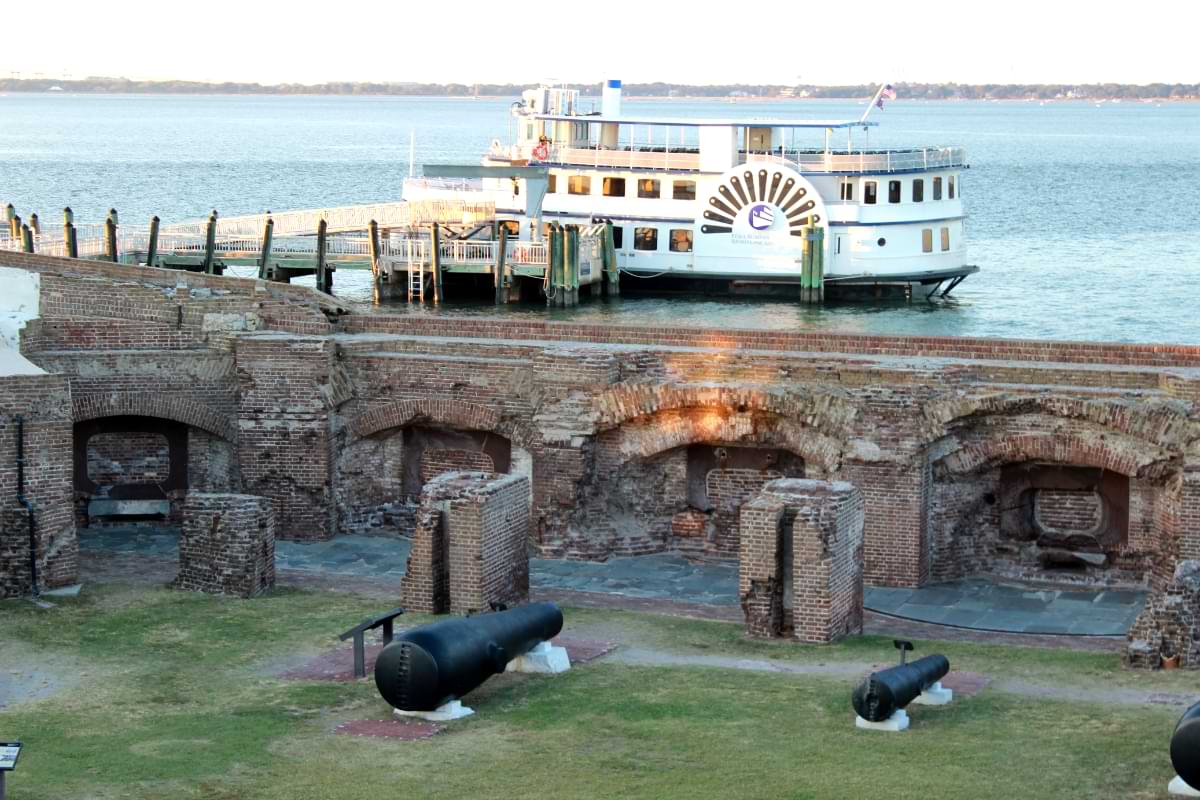
Wedding directories like The Knot and WeddingWire deliver qualified leads but require ongoing profile optimization and review generation. These listing services work best when you treat your profile as a secondary website with fresh photos, detailed pricing transparency, and fast response times to inquiries.

Instagram and Facebook ads excel at building awareness among couples in early planning stages. Target engaged users within 50 miles of your estate with carousel ads showcasing ceremony sites, reception spaces, and seasonal vineyard imagery.

Track attribution by implementing UTM parameters on all paid campaigns and asking every inquiry how they discovered your venue.

Marketing Channel

Budget Allocation

Target Audience

Key Implementation Tactics

Google Ads

40% of paid budget

High-intent searchers actively comparing venues with location-specific queries

Target keywords like “vineyard wedding near [city]” with conversion tracking on inquiry forms and phone calls

Wedding Directories (The Knot, WeddingWire)

15-20% of paid budget

Couples in active planning phase researching multiple venues

Optimize profile as secondary website with fresh photos, detailed pricing transparency, and sub-1-hour response times

Instagram & Facebook Ads

25-30% of paid budget

Engaged users within 50 miles in early planning stages

Run carousel ads showcasing ceremony sites, reception spaces, and seasonal vineyard imagery

Vendor Partnerships

5-10% of budget (commissions and events)

Wedding planners, photographers, caterers who influence venue decisions

Host quarterly vendor showcases, offer commission structures, create styled shoot opportunities

Content Marketing & SEO

10-15% of budget

Couples and planners researching location-specific venues and event planning topics

Build location-specific pages, create wine pairing guides, seasonal photography resources, estate tour walkthroughs

Create Year-Round Programming to Maximize Asset Utilization

Wedding season concentration creates revenue volatility that undermines your estate’s financial performance. Properties dependent on May through October bookings face eight months of carrying costs with minimal income offset. Diversifying your event calendar across all twelve months stabilizes cash flow while keeping your sales pipeline active.

Elopements and micro-weddings fill weekday gaps between larger Saturday events. These intimate ceremonies require minimal setup, shorter venue access windows, and appeal to couples prioritizing experience over guest count. Market these as elevated wine country experiences with packages including private tastings and chef-prepared dinners for parties under 20 guests.

Corporate retreats represent your strongest off-season opportunity. Executive teams book Monday through Thursday when wedding clients avoid your calendar. Target Q1 and Q4 when companies plan leadership summits.

Wine club events, harvest celebrations, and holiday gatherings activate your venue during months when wedding inquiries drop.

Screenshot 2026-02-18 132041.png

How AvantStay’s Property Management Expertise Applies to Event Venue Operations

Running a vineyard estate as an event venue requires the same end-to-end operational control we apply across our 2,300+ properties. Every wedding demands coordination across marketing, sales, guest experience, vendor management, and post-event follow-up. Our vertically integrated approach removes the inconsistencies that come from fragmented service providers.

Our Voyage pricing engine calculates 75 to 150+ micro-seasons per property by analyzing local events, seasonal demand patterns, and competitor availability. Vineyard wedding venues face identical complexity when pricing Saturday ceremonies in June versus Tuesday events in February. Dynamic pricing captures maximum value during peak dates while filling your calendar year-round.

The institutional-grade operations we maintain mirror what couples expect when allocating budget to their venue choice. Our 100-point cleaning checklist, smart home tech, and 24/7 guest support through Butler create the service consistency that separates premium venues from competitors.

For estate owners evaluating event hosting as a diversification strategy, our full-service management model offers a tested framework for delivering repeatable luxury experiences while optimizing asset returns across multiple revenue streams.

Final Thoughts on Vineyard Event Marketing That Drives Bookings

Your success in marketing a vineyard for events depends on how well you translate your estate’s unique atmosphere into consistent revenue across all twelve months. The couples and planners you want to attract need to find you online, connect emotionally with your space through visuals, and move quickly from inquiry to signed contract.

If your vineyard could benefit from the same operational rigor and revenue optimization we apply to luxury properties, explore what AvantStay’s vacation rental management delivers for owners who want institutional-grade hospitality without losing the character that makes their property special. Your estate deserves management that treats it like the premium asset it is.

FAQ

How quickly should I respond to venue inquiries to maximize bookings?

Response speed directly impacts your conversion rate—venues that respond within one hour see booking rates between 20 to 40% of total inquiries, compared to significantly lower rates for delayed responses.

What percentage of my vineyard estate revenue should I allocate to marketing?

Venues investing 10 to 15% of revenue in marketing see the highest ROI, which translates to annual budgets between $15,000 and $50,000 depending on your market positioning and property scale.

How can I reduce seasonal revenue volatility at my vineyard wedding venue?

Diversify your event calendar with micro-weddings and elopements for weekday slots, target corporate retreats for Q1 and Q4, and create wine club events and harvest celebrations during traditionally slow months to maintain year-round cash flow.

What visual content do I need to market my vineyard estate effectively?

Invest in professional photography across all four seasons, drone footage showing your property’s full scale and flow, and virtual tours that pre-qualify prospects before they schedule site visits—properties with professional imagery receive substantially higher inquiry engagement.

Should I publish my pricing on my vineyard venue website?

Yes—displaying starting rates with clear inclusions builds trust, pre-qualifies prospects within your pricing range, and saves your sales team hours on unqualified inquiries while improving conversion rates from website visitors.

Where Is the Best Breakfast in Cannon Beach?

Start your day off right with a delicious breakfast! After all, it’s the most important meal of the day. Whether you enjoy a hearty meal that gives you tons of energy or you’re just looking for a great cup of coffee and pastry, you’ll be able to find it in Cannon Beach. Discover where to find the best breakfast in Cannon Beach! We’ve listed our picks for the best attractions, cafes, shops, and art galleries along the Oregon Coast! Planning your trip is easy when you use our free Vacation Guide.

The Best Breakfast in Cannon Beach: A Guide

Lazy Susan Cafe

Located in Coaster Square, the Lazy Susan Cafe is an area staple. This family-owned eatery is open six days a week and is known for serving up breakfast favorites like omelets, poached egg specials, and waffles. They even have yummy lunch items and desserts. We promise this restaurant’s great food, cozy atmosphere, and friendly waitstaff will have you coming back for more!

Pig ‘n Pancake

Pig ‘n Pancake is a casual, family-friendly eatery that overlooks downtown Cannon Beach. Here, diners can choose from 35 different breakfast options served all day long – including the owner’s famous homemade pancakes. From buttermilk and sourdough to French batter pancakes, these decadent creations are a must-try during your visit.

Source: Pig ‘n Pancake

Crêpe Neptune

You don’t have to travel all the way to France for an incredible crepe! Crêpe Neptune offers a variety of savory and sweet treats that are sure to satisfy your palate. (Not sure what to order? Try the classic Nutella crepes. They are to die for!) Gluten-free, dairy-free, and buckwheat batter is also available, so you can join in on the fun no matter what your dietary needs are.

Source: Crêpe Neptune

The Wayfarer

At the Wayfarer Restaurant and Lounge, guests can indulge in gourmet dishes that feature local produce and some of the freshest seafood available. This oceanfront eatery boasts unique breakfast items like Dungeness crabmeat benedict, buttermilk biscuits and gravy, and cinnamon French toast. Yum!

Sleepy Monk Coffee Roasters

With a myriad of roasts and blends to suit a variety of tastes, Sleepy Monk Coffee Roasters is our go-to for a fresh cup of joe. That’s why they’re also one of our favorite coffee shops on the Oregon Coast! All of their coffees are sourced internationally, certified organic, and roasted in small batches. It’s the perfect place to go after indulging in the best breakfast in Cannon Beach.

Source: Stumptown Blogger

Book Your Stay With AvantStay

You know what’s even better than enjoying the best breakfast in Cannon Beach? Staying in the most gorgeous accommodations in town! AvantStay has an amazing selection of top-notch properties in Cannon Beach, as well as in Manzanita, Rockaway Beach, and Arch Cape. No matter the reason for your visit or the time of year, you’ll find just what you need in our inventory of homes.
Take a look at our stunning rentals and book today! We look forward to having you.

Best Things to Do in Key West in February

Planning a February vacation to Key West, Florida? We’ll let you in on a secret — February is one of our favorite months of the year in Key West.

Whether you’re coming for the long President’s Day weekend, celebrating Valentine’s Day, or just planning a getaway, Key West is a great destination every February. Why not escape the cold winter this year and head to Key West? In February, the weather in Key West is an average high of 76 and low of 66, and it’s the month with the lowest amount of rain. For most people who want to escape a chilly winter on the East Coast or Midwest, it’s perfect.

Don’t wait any longer to pack your bags. Here’s our guide to the top things to do in Key West in February. 

KEY WEST EVENTS IN FEBRUARY

Valentine’s Day

Plan a romantic getaway to Key West for Valentine’s Day. There are tons of things to do here for couples, whether you prefer visiting historical sites, relaxing on the beach, or enjoying a few happy hours at one of the popular bars. Key West is great because you can just be on island time and enjoy one another’s company. Want to get adventurous? Rent jet skis together! Want to indulge in a great meal? Make a reservation at one of Key West’s best restaurants. 

Annual Old Days Art Festival in Key West

February 25-26, 2024

Just off Duval Street in the Truman Annex neighborhood, the Annual Old Island Days Art Festival is a must-visit in February. This massive event attracts nearly 25,000 people and brings more than 100 fine artists to the region. If you’re looking for a new piece to bring home or just want to browse beautiful pieces, this is the event for you. 

Source: Key West Food Tours

Book Your Key West Vacation For February 2025

Escape to the Florida Keys with us this February. Browse our Key West vacation rentals and book your stay in the Southernmost Point of the U.S. today. 

Serenity by AvantStay

If you’re coming to Key West during any other time of year, check out our article on The 20+ Best Things to Do in Key West for other tips, and don’t miss these mistakes when you’re planning your trip!

AvantStay Unlocked: Smart and Secure Homes

You want to make the most out of your vacation rental—but how do you do that without exploiting your home? Care for your property so your short-term rental can go the distance! Regular maintenance and upkeep are essential, but making sure that guests respect your home is an important part of running a successful vacation rental. A cared-for home will generate positive reviews, increase bookings, and make you more revenue. 

Every AvantStay home is equipped with cutting-edge smart (IoT) technology that remotely monitors everything from entry surveillance to noise to occupancy, all to ensure your home stays safe and protected. Keep reading to discover how AvantStay can prioritize best-in-class care and security for your home!

Complimentary smart technology package

guest checking into an AvantStay vacation rental home

Our monitoring and prevention technology package is added to each home during the onboarding process and installed at no cost to you. This package includes a free keyless entry system, Ring video camera, and NoiseAware and Party Squasher devices. In addition, we abide by strict data privacy laws which govern how guest data must be stored and destroyed, keeping our guests and homeowners safe.

Keyless entry system 

Each home is equipped with smart locks for convenience and security that allow us to generate unique codes for each new guest that stays in your home. This facilitates access to the home for guests and housekeeping, and all codes expire once a guest’s stay is complete. Only the intended guests and staff are allowed into your home, giving you complete control.

NoiseAware

NoiseAware is a privacy-safe noise monitoring solution that measures sound decibel levels inside and outside your home. Our on-the-ground team receives real-time alerts if decibel thresholds are exceeded for extended periods and can be dispatched to check on your home. That way, we’re able to maintain appropriate noise levels and keep your neighbors and community happy.

Ring video camera

Ring is the top consumer-rated smart camera solution that protects your home 24/7 with a continuous feed of your property’s entrance. This allows us to monitor the foot traffic at your front door. It comes with two-way voice capabilities and HD video playback.

Persona 

All incoming guests are fully vetted during the booking process using Persona, an automated ID verification and fraud prevention solution. Knowing who guests are before they arrive allows us to stop problems before they happen.

On-the-ground support 

At AvantStay, our cutting-edge monitoring and prevention technology is integrated into our operational dashboard, giving our Guest Experience team real-time insight into what’s happening at each property. We also have a team of full-time employees in each market available 24/7 for dispatch to your home.

In addition to safety and security benefits for your home, our smart technology systems allow us to maintain a good standing and collaborative relationship within the neighborhoods and jurisdictions we operate in. We can monitor noise levels and ensure our guests don’t engage in any excessive partying that could disturb your neighbors or disrupt your community.

Our team is alerted anytime someone calls the customer service line about your home. We monitor any neighbor complaints coming through so we can watch security trends both at your home and in the market to decide if additional measures need to be taken.

Keep your vacation rental safe and secure with AvantStay

Staying on top of your vacation rental’s security is a lot of work, especially if you don’t live in the area. Why not partner with an experienced vacation rental manager who can keep your home in pristine condition via best-in-class technology and a local team on the ground 24/7? 

AvantStay offers end-to-end, flexible management programs to give you peace of mind. From financials to design to maintenance, we take care of your home as if it were our own. Our proprietary tech suite powers bookings, operationalizes in-field management, and activates an elevated guest experience. We take care of all the work to maximize your home’s income so you can sit back and relax—it’s that simple.

Interested in learning more about AvantStay’s smart technology package and management services? Our team is ready to help. Get started with our vacation rental management experts today!