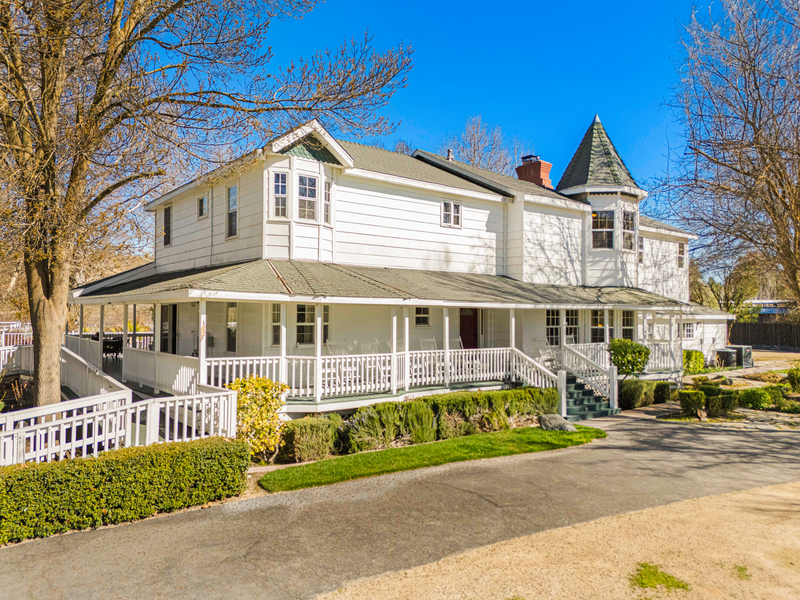
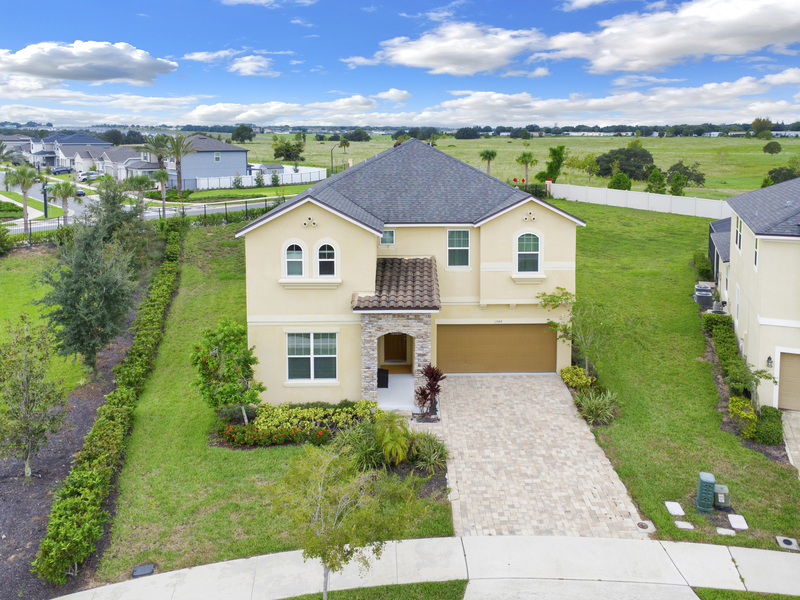
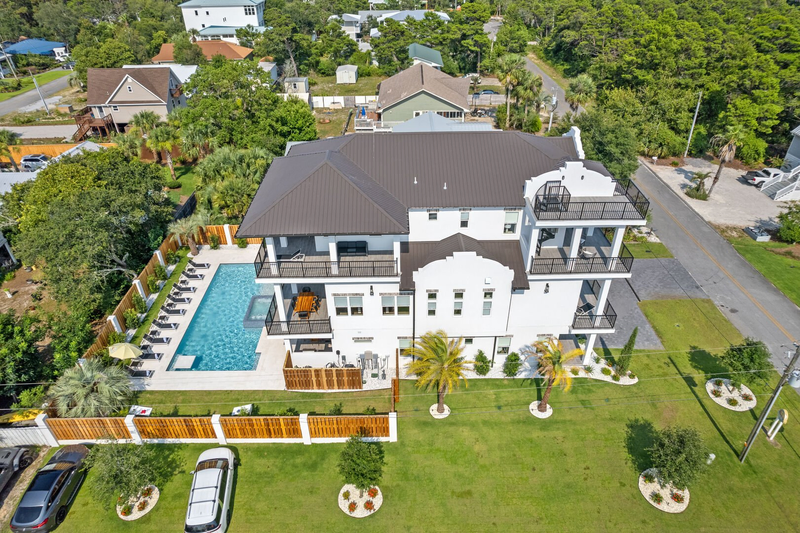
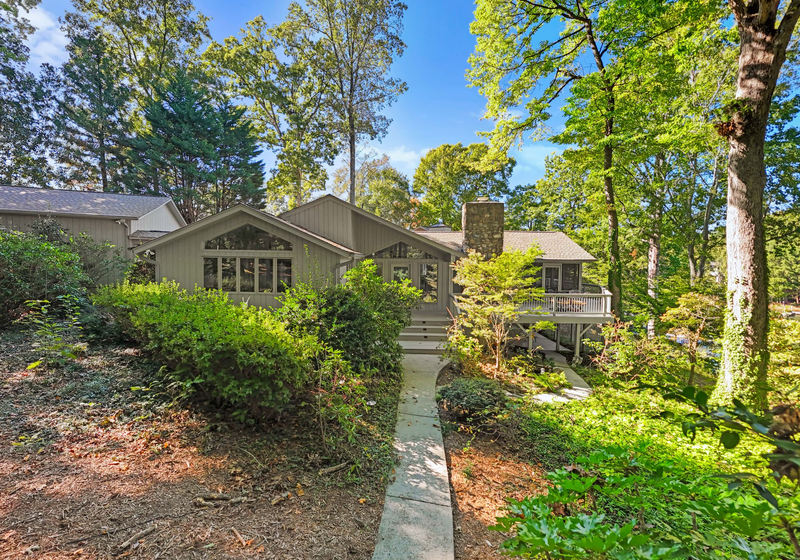
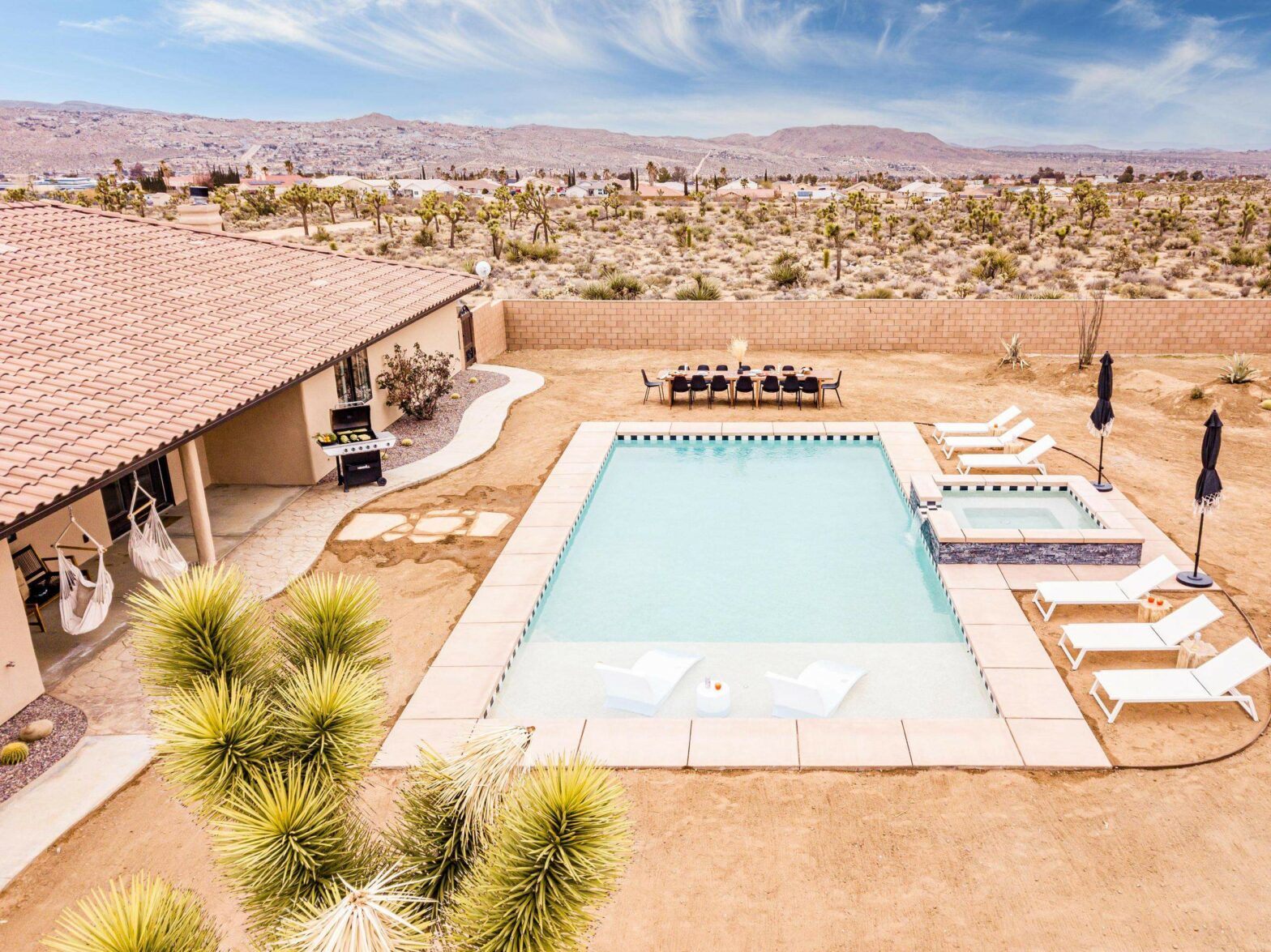
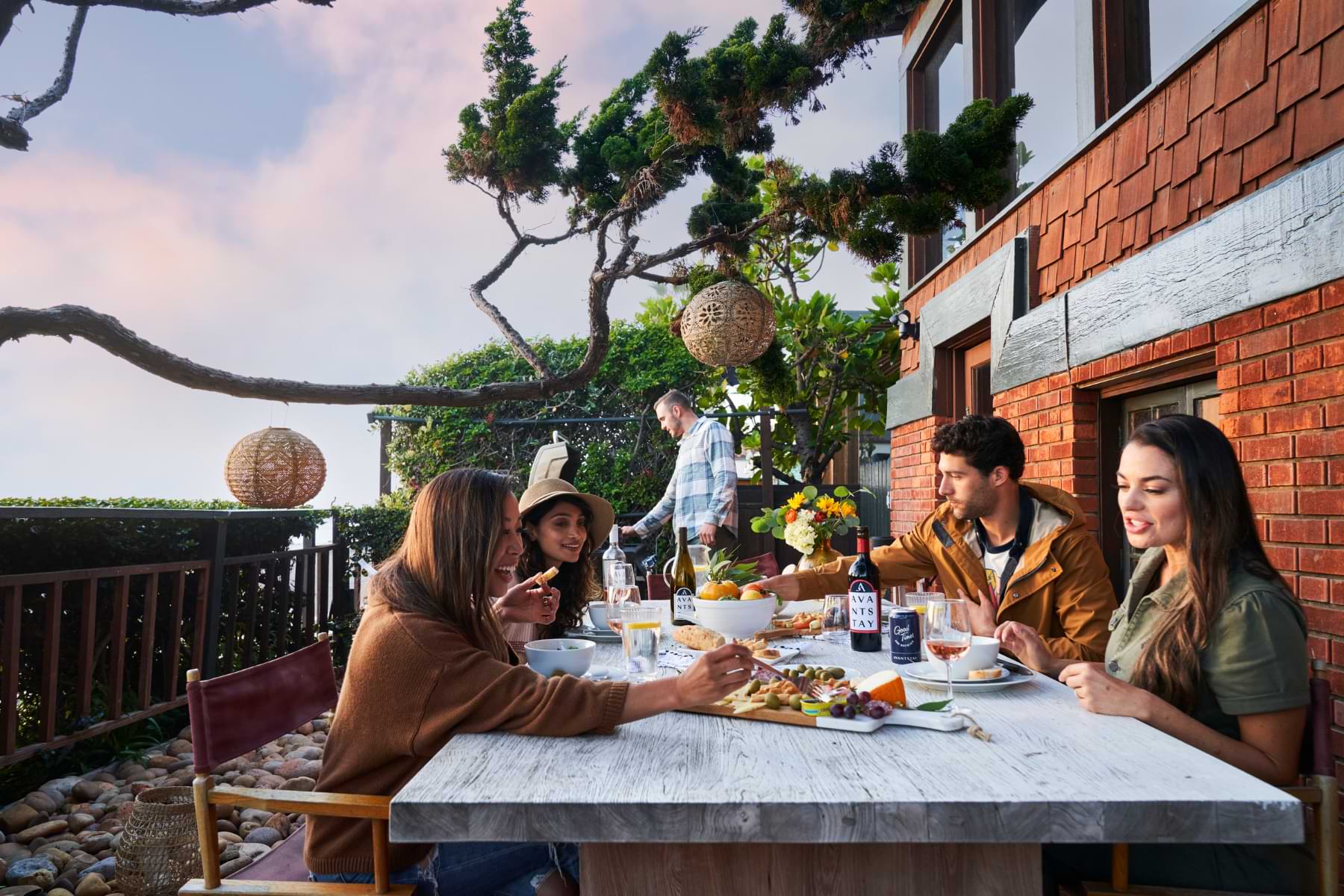
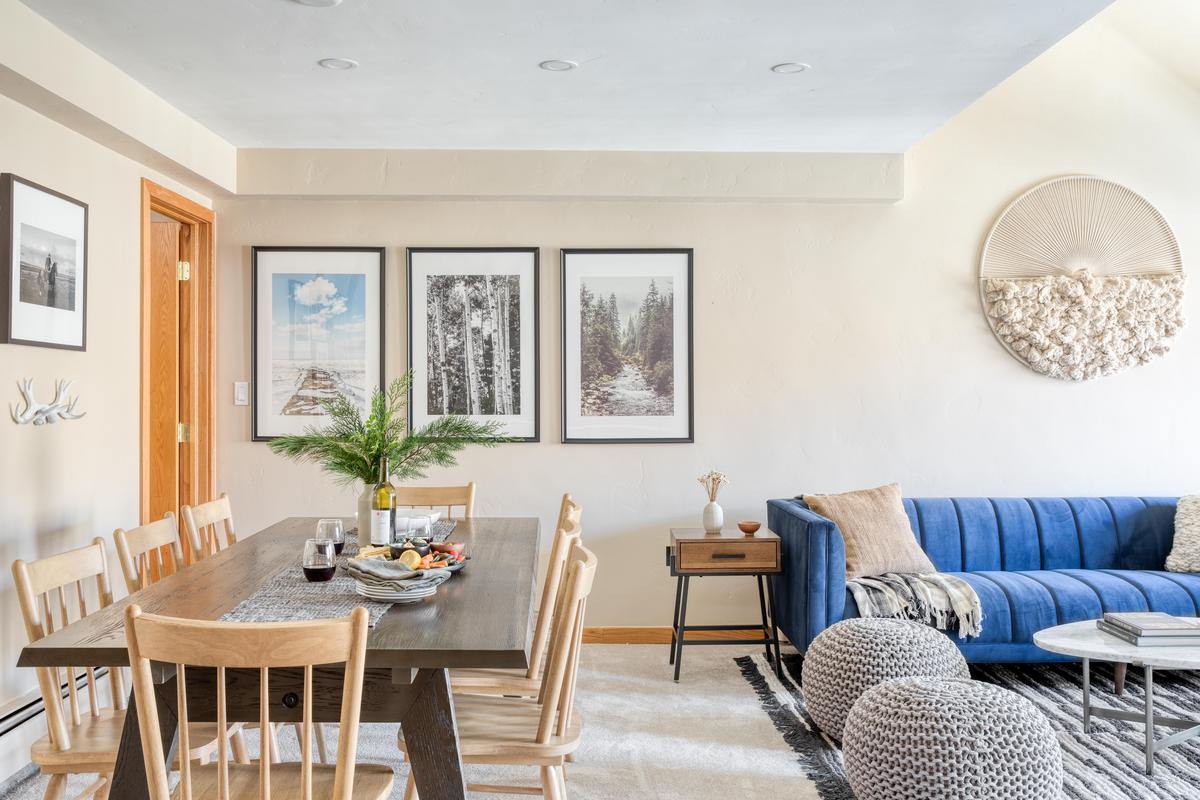
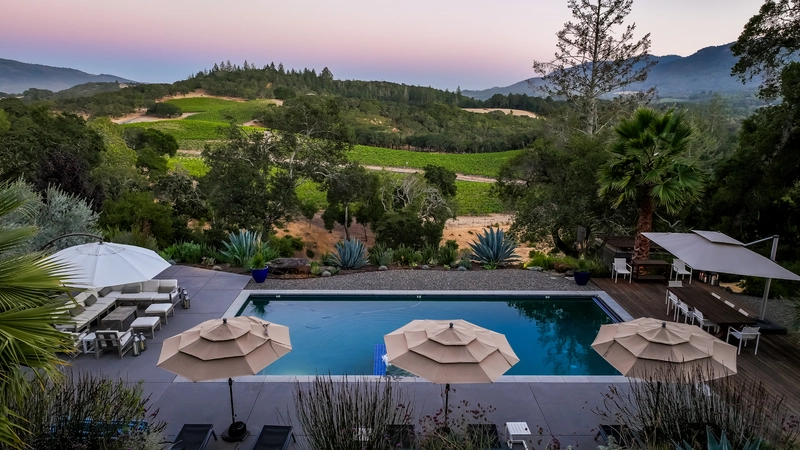
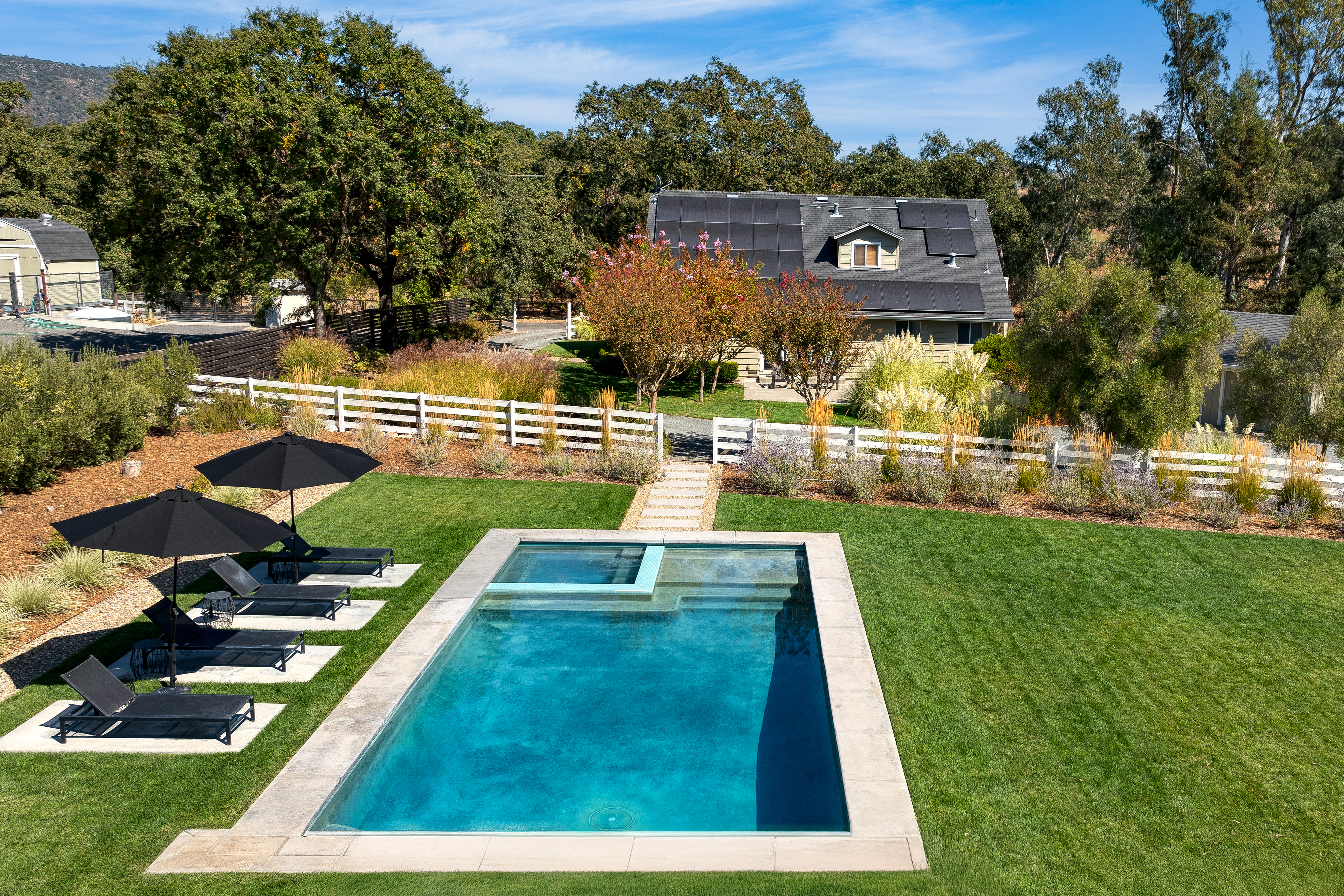
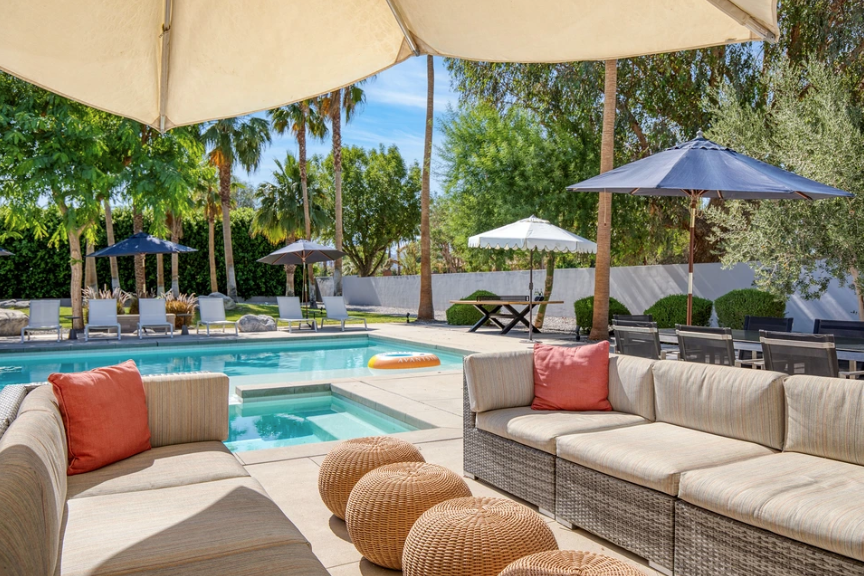
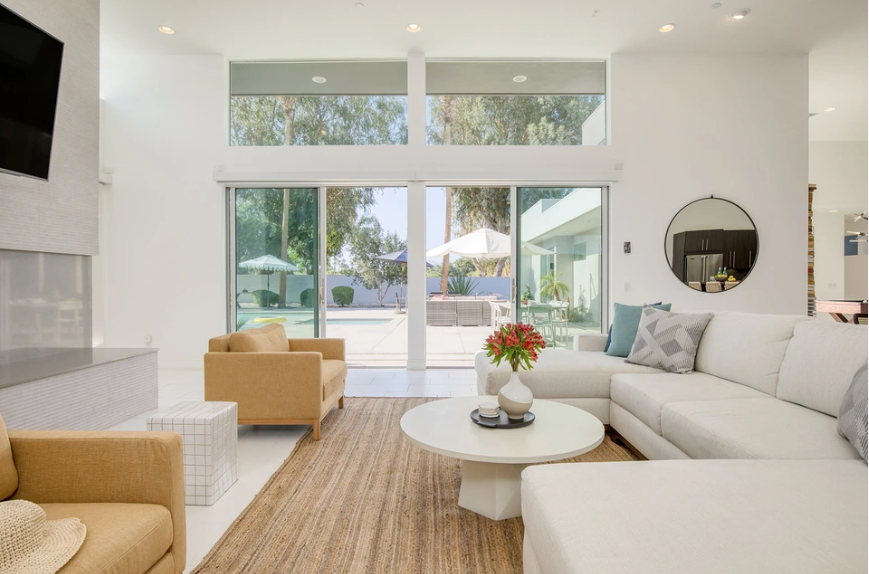
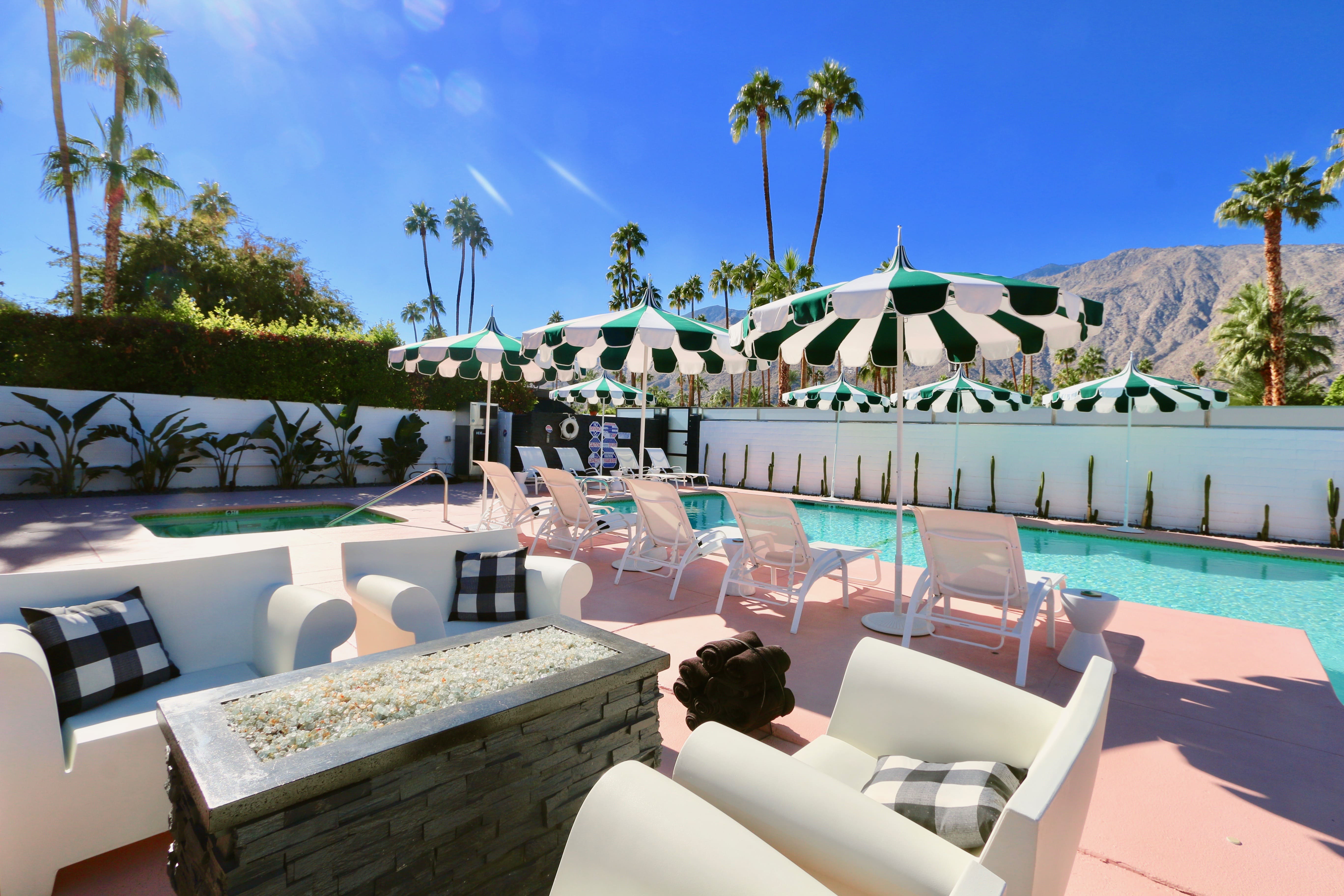
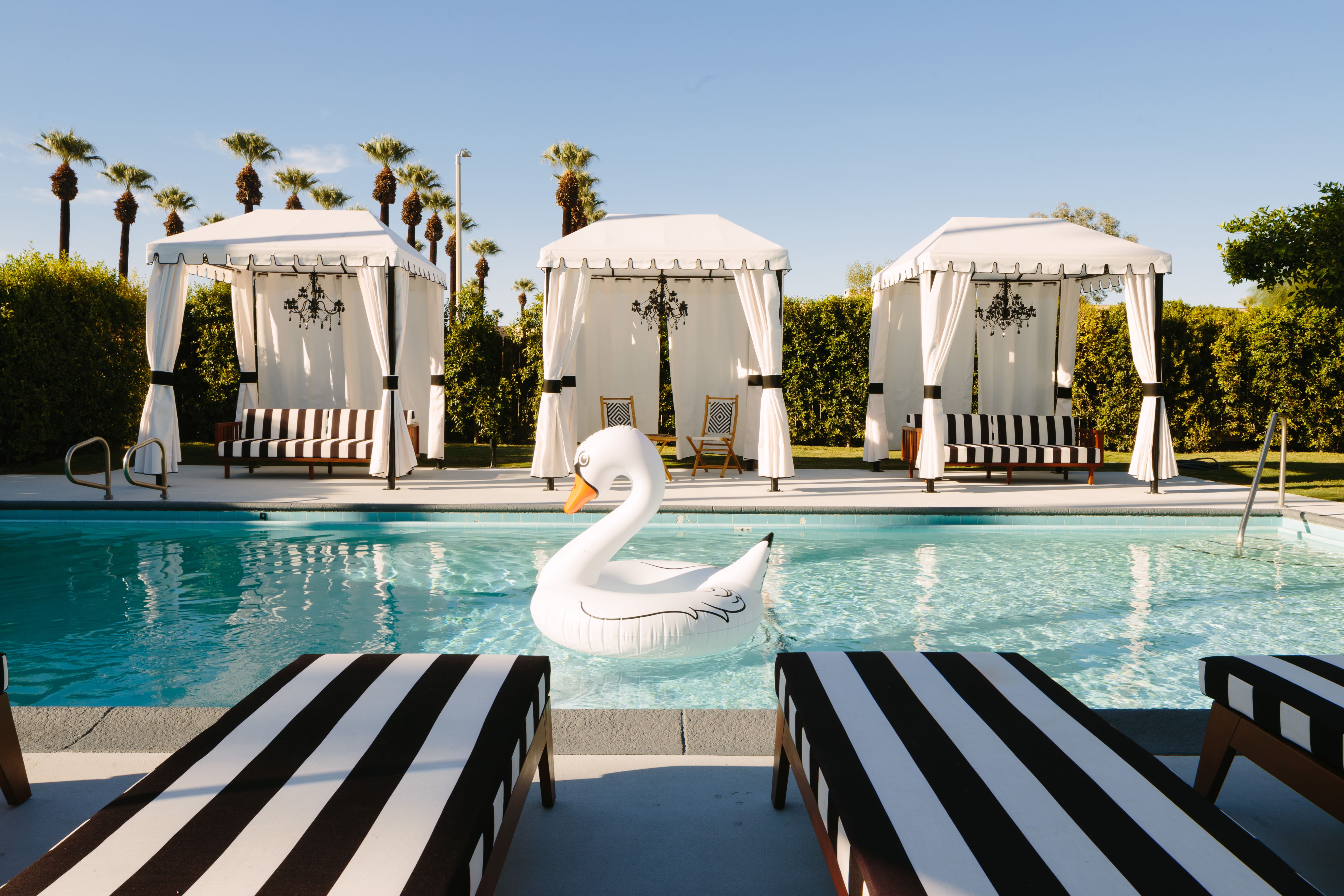
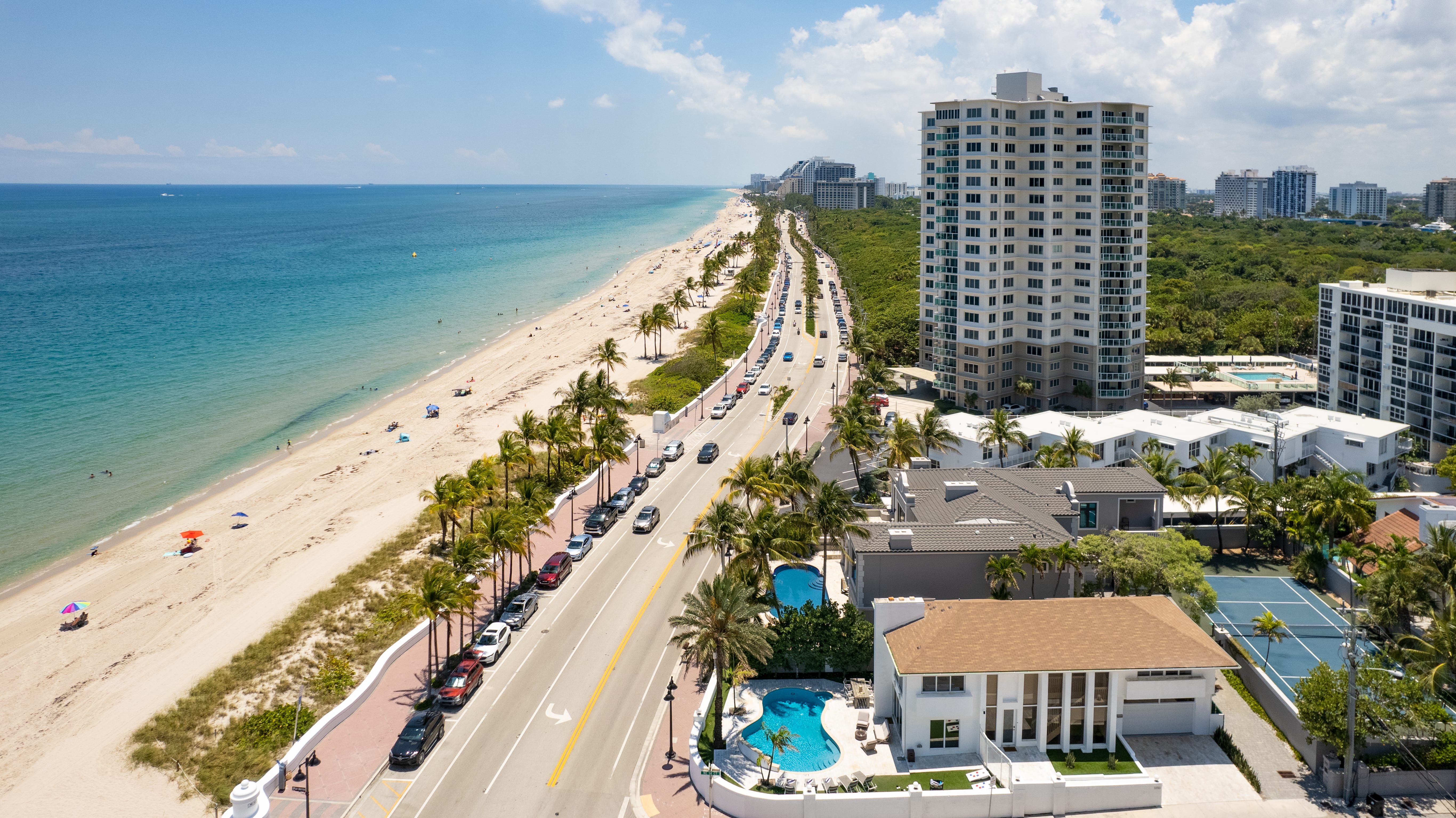
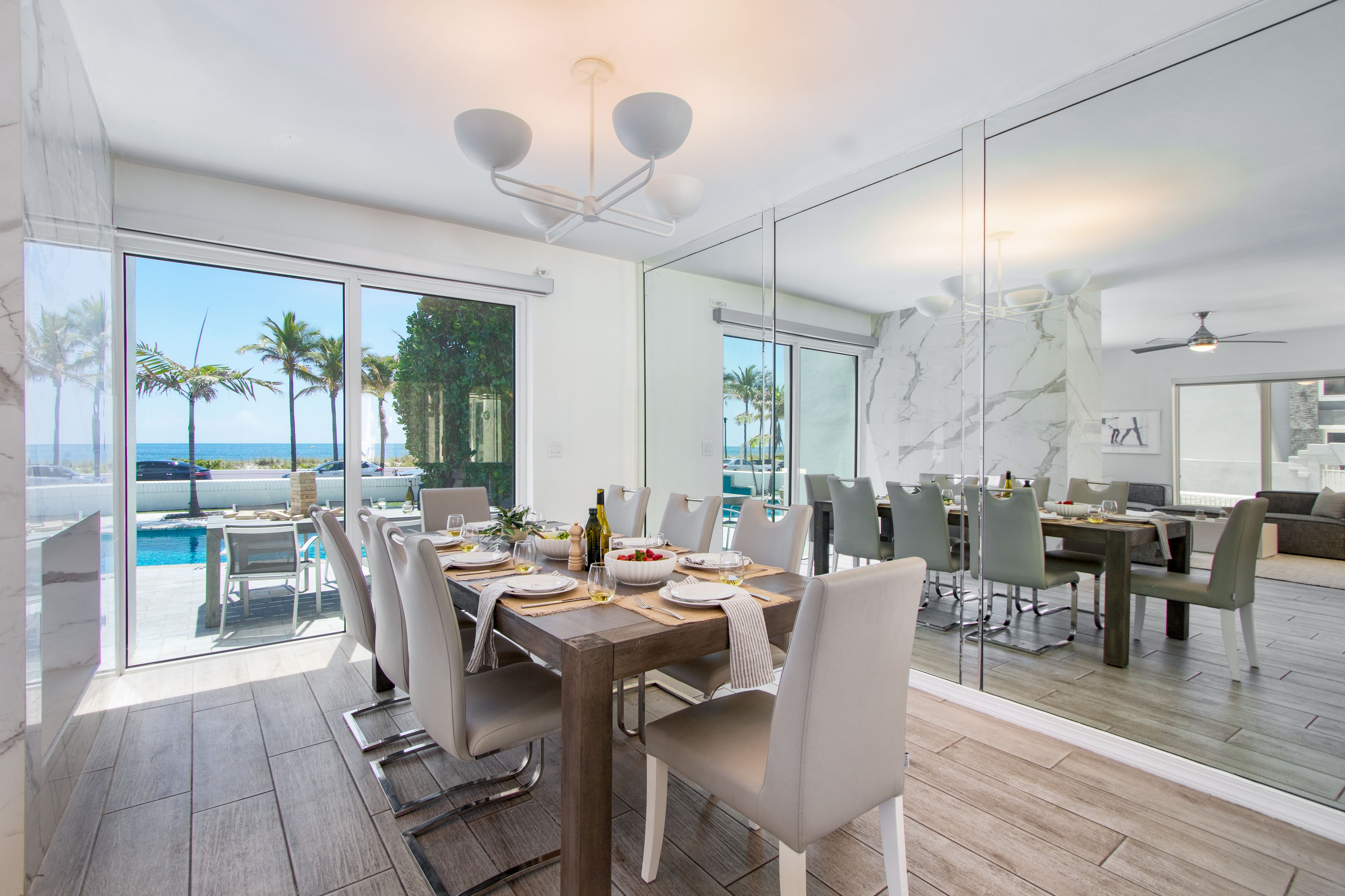
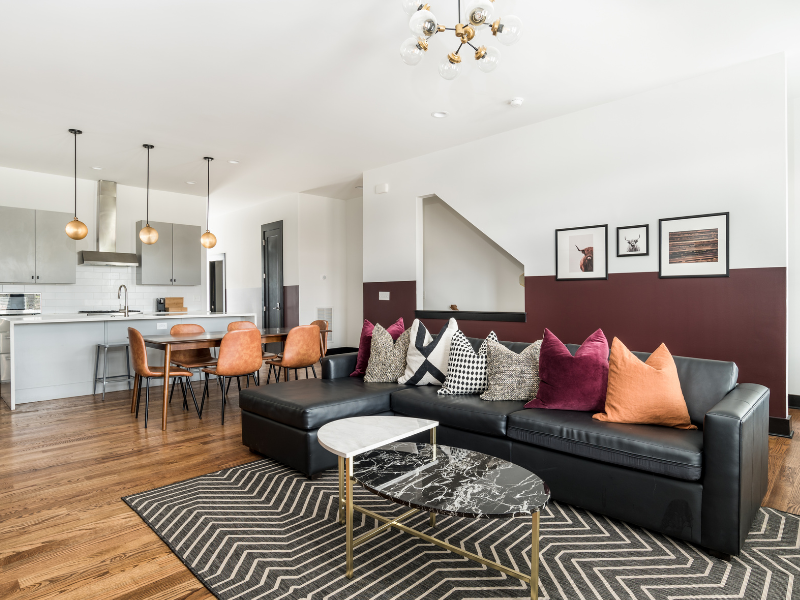
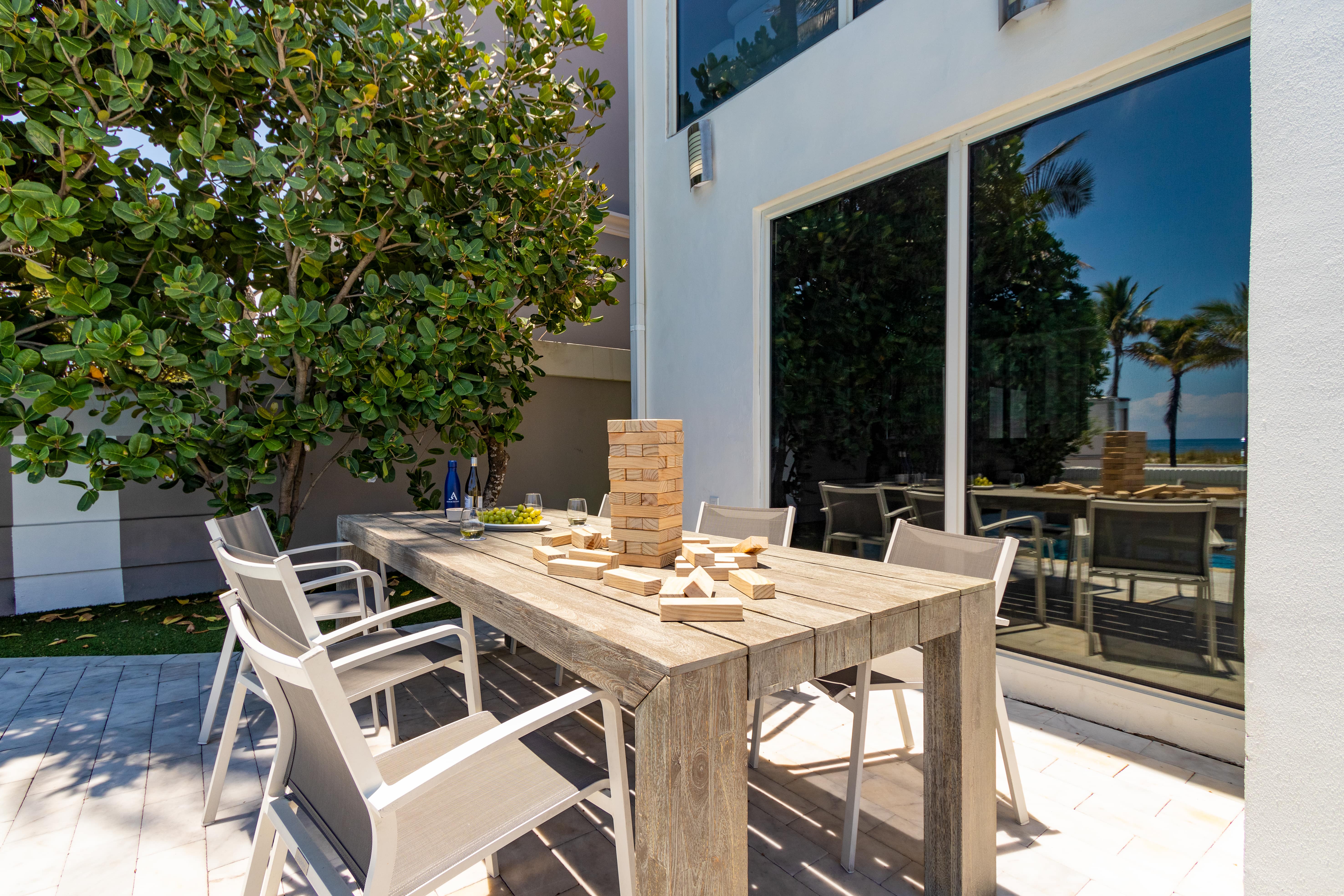
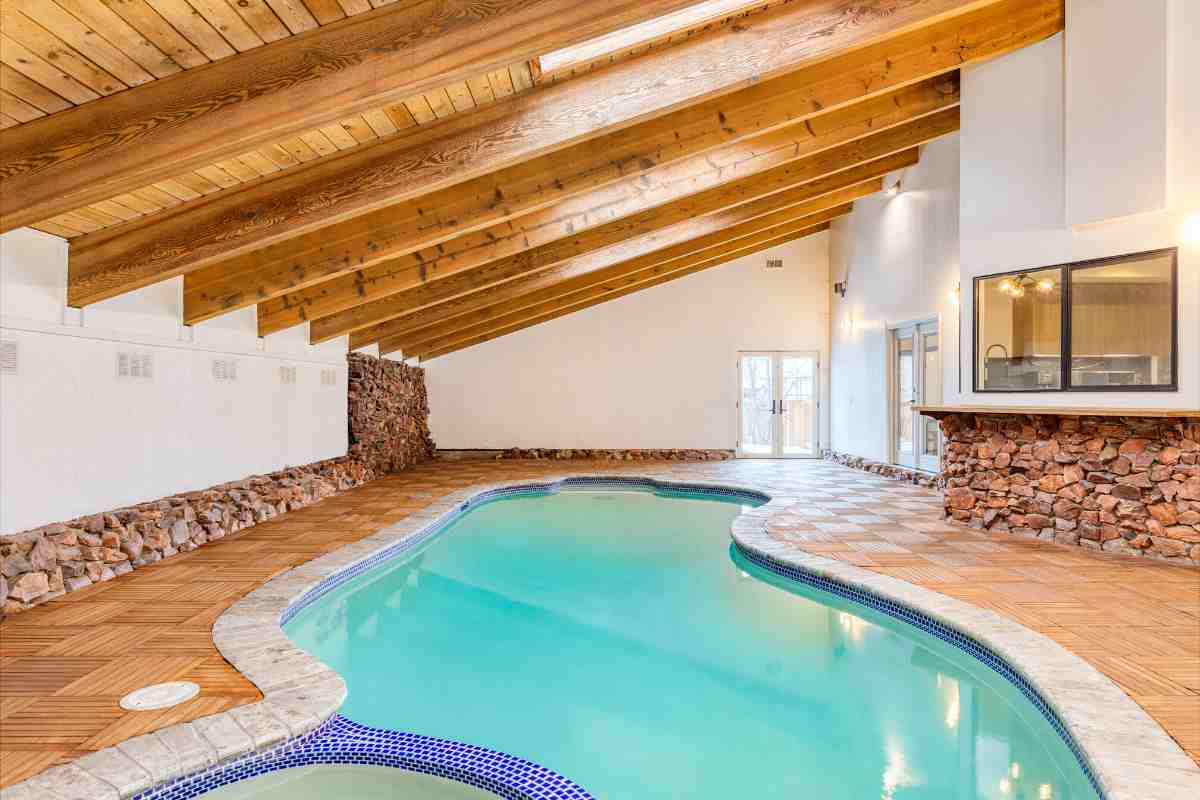
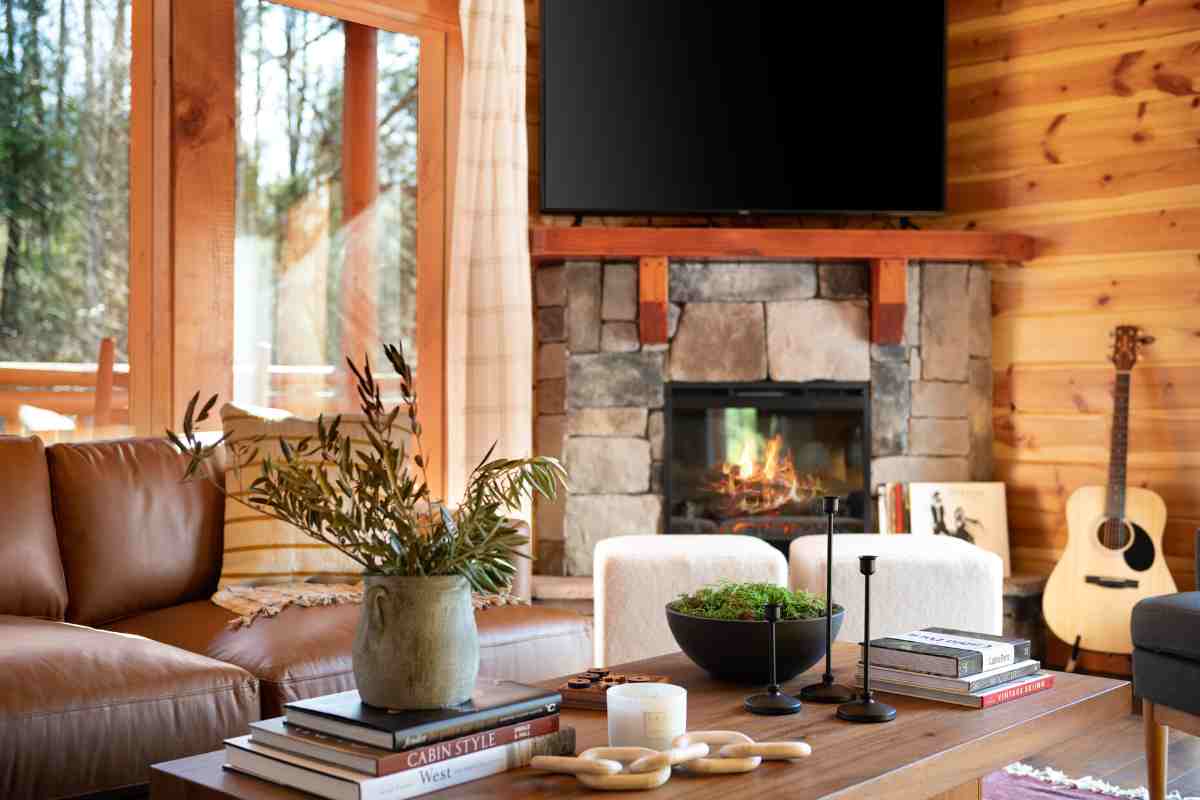
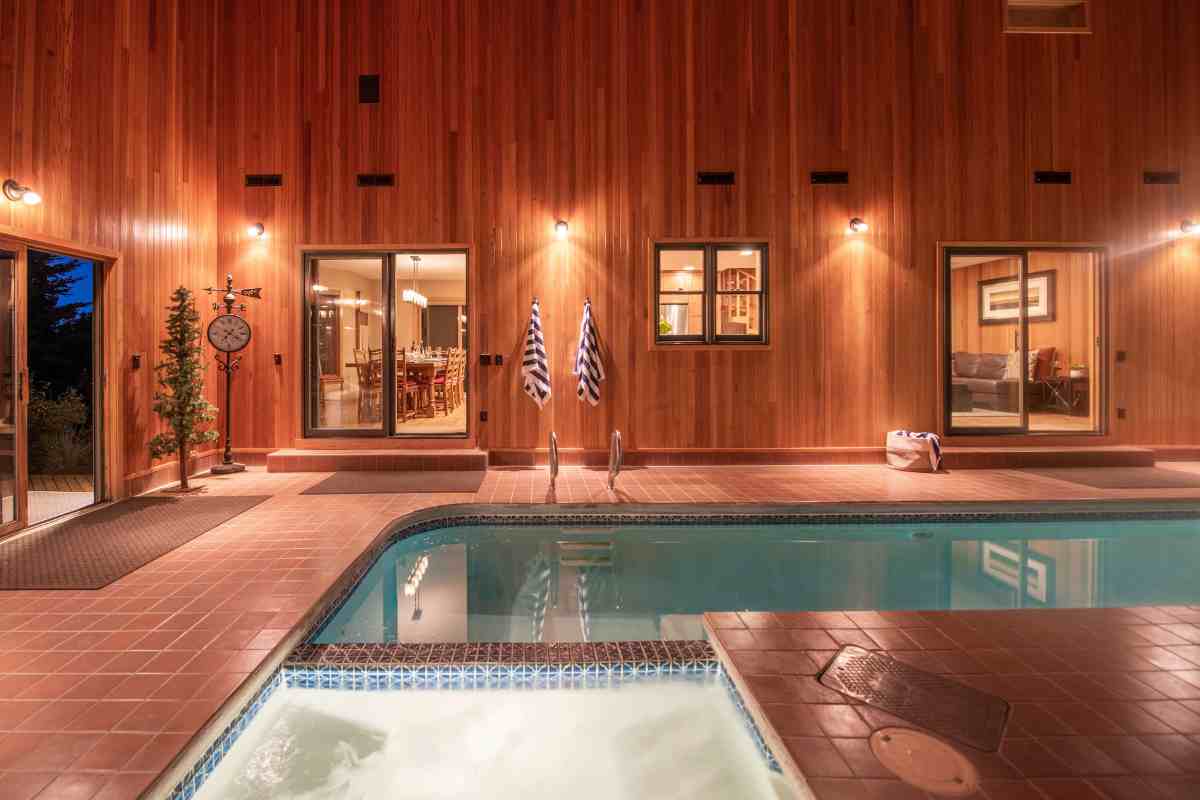
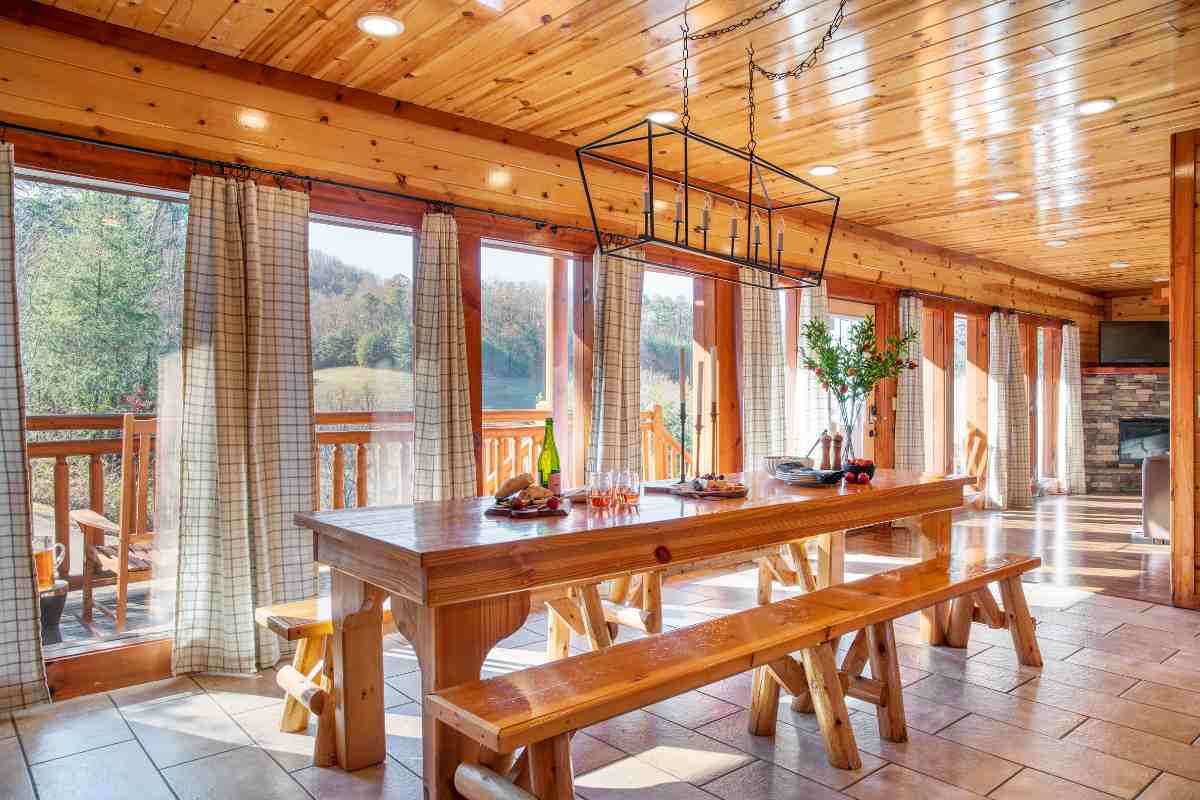
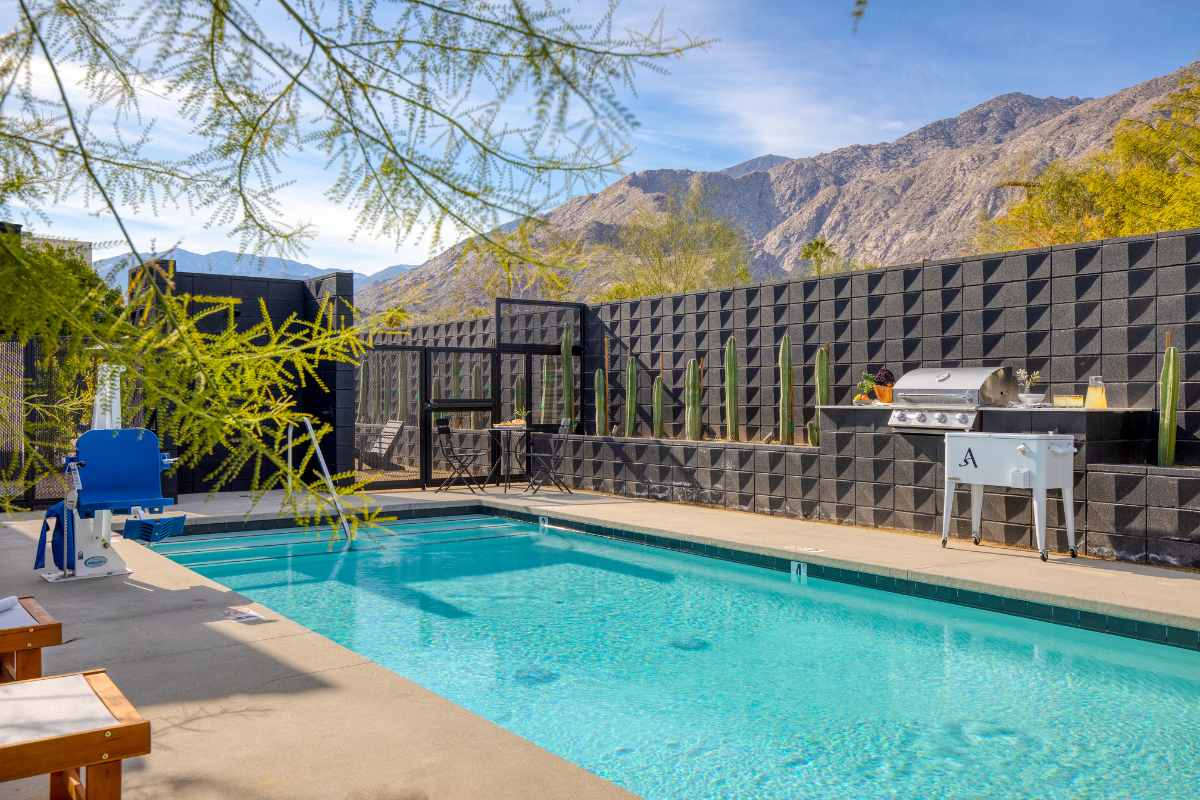
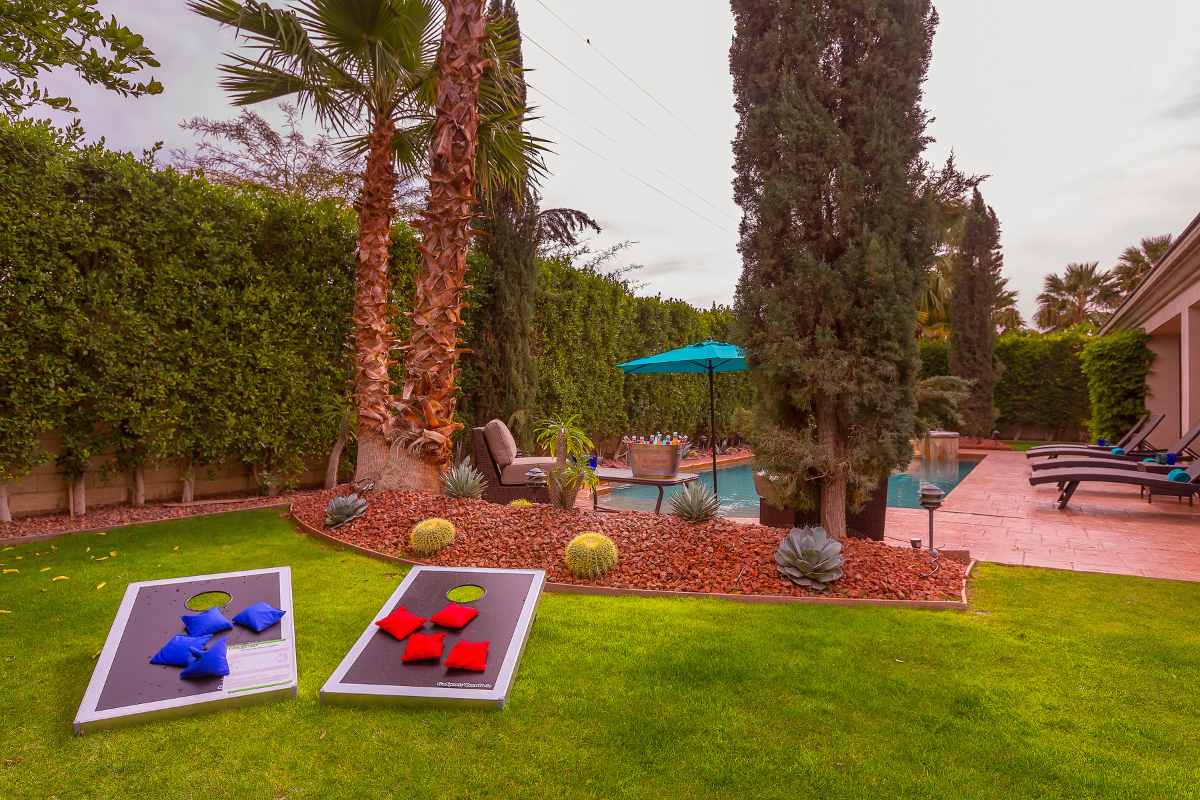
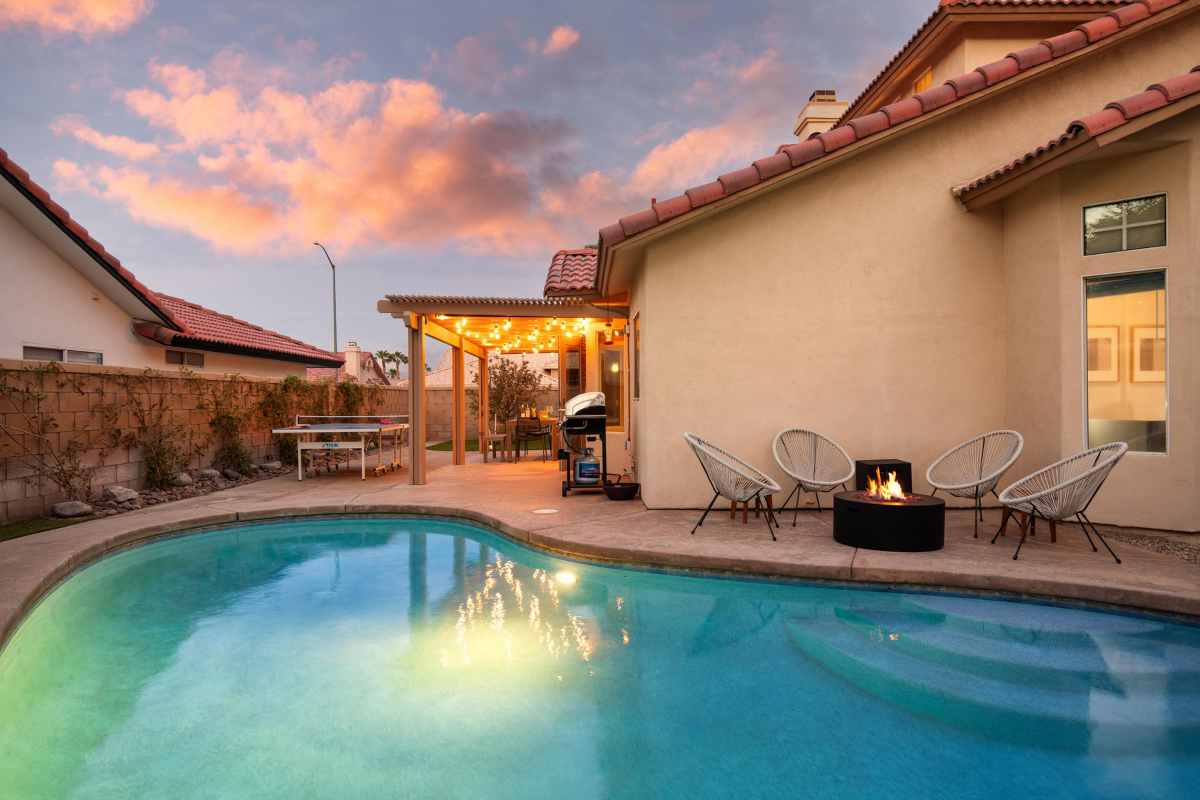
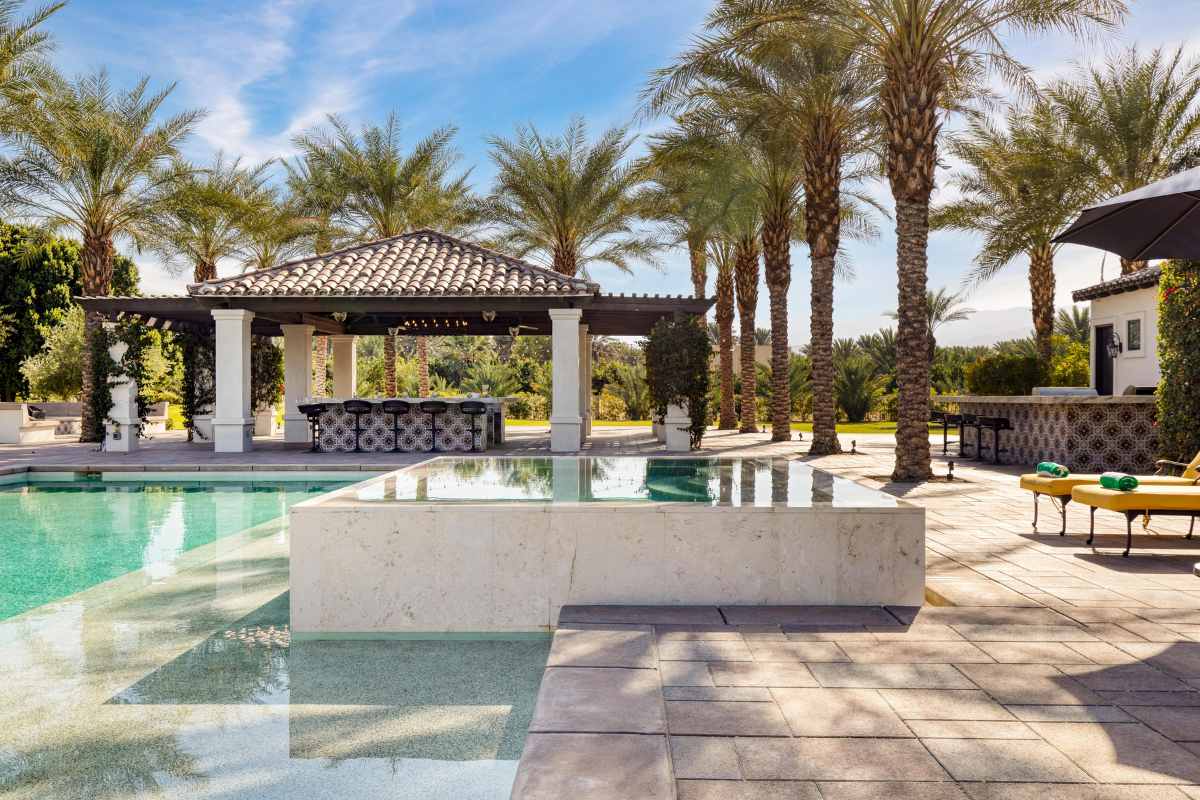
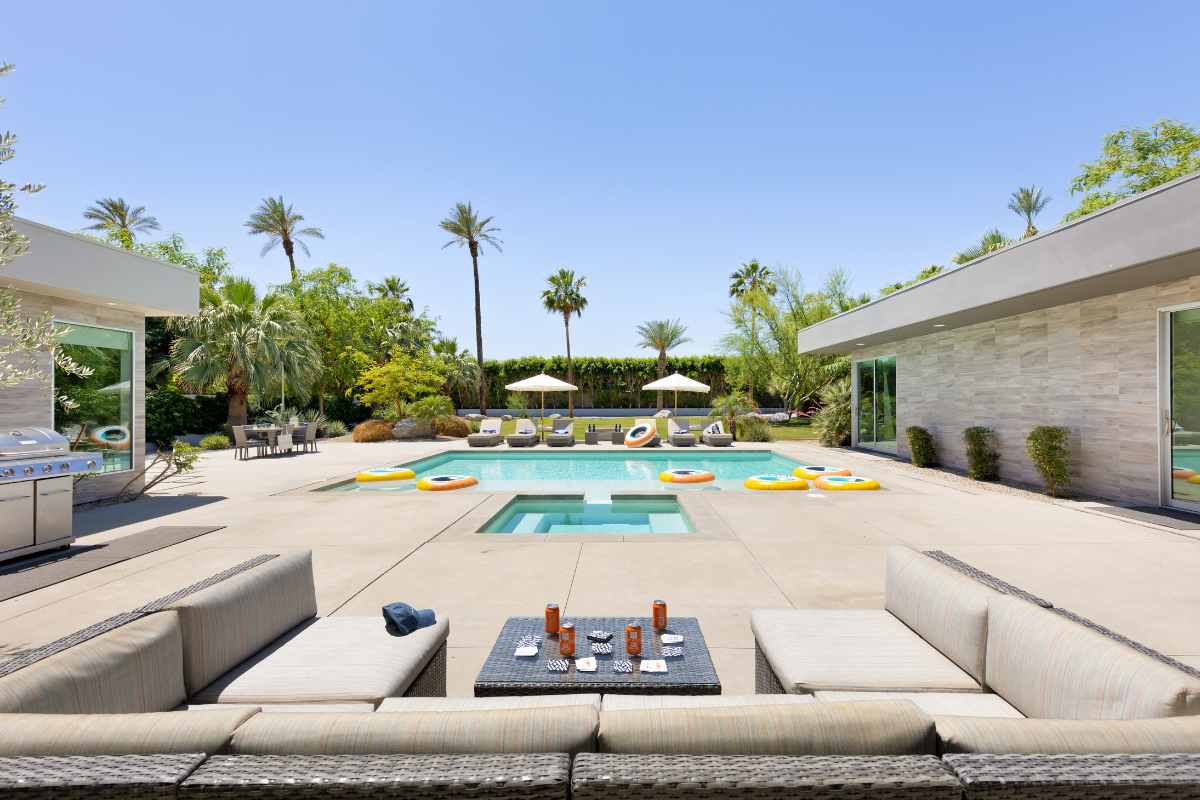
Few things get us more excited than a celebration, so we’ve designed our homes to accommodate yours. Group-friendly, fully-equipped, and downright fun, Avantstay properties are the perfect place to host your next occasion. Here’s why.
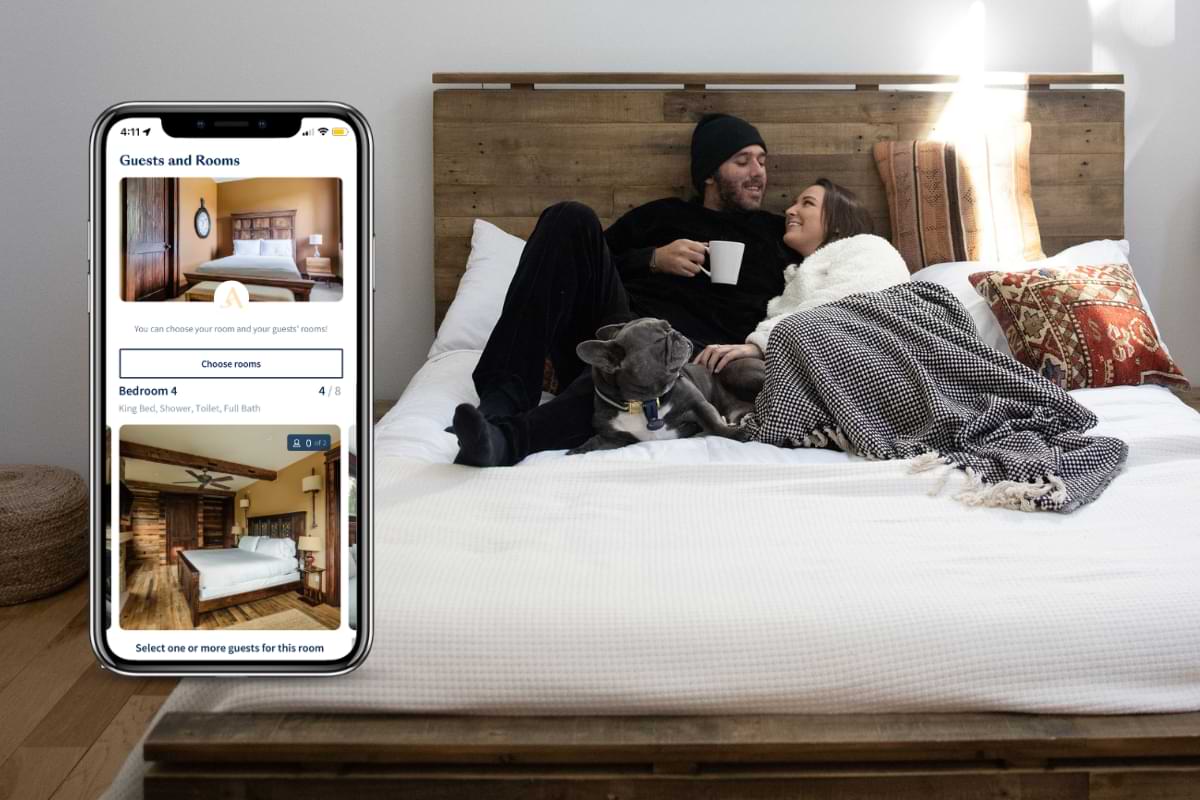
1. We have room for everyone, even the dog.
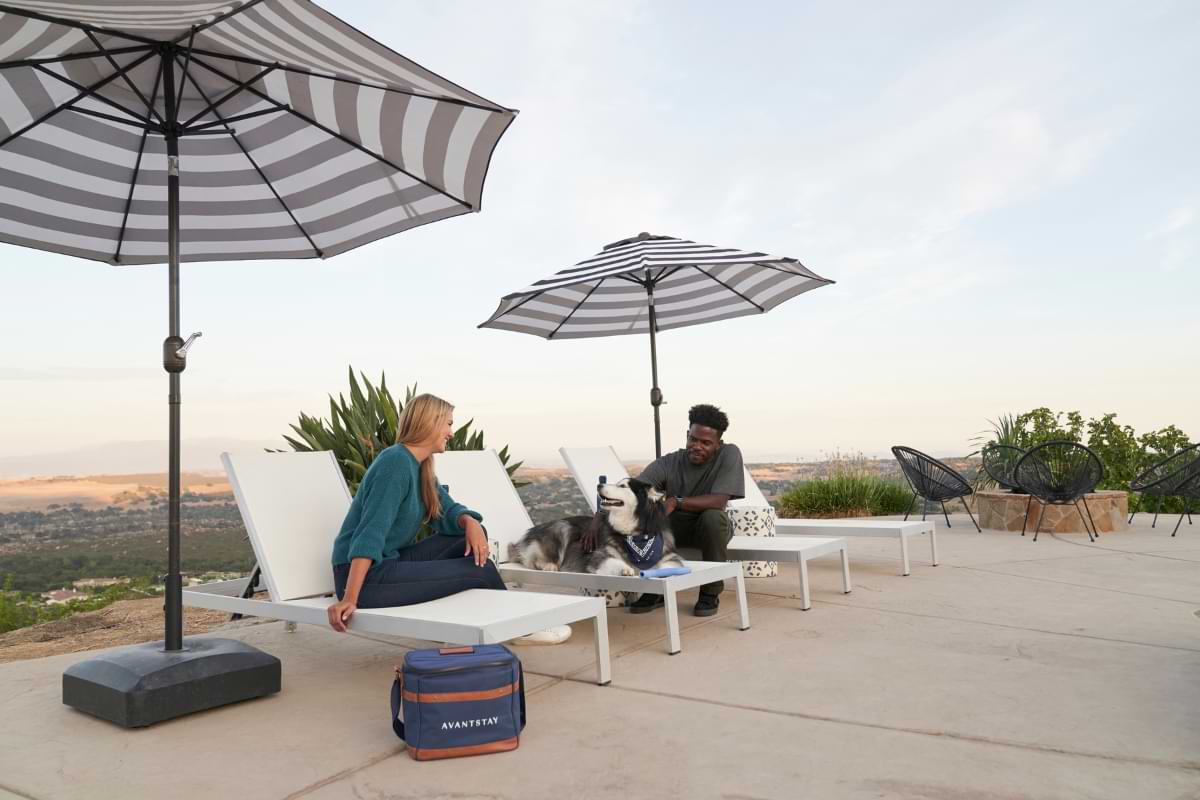
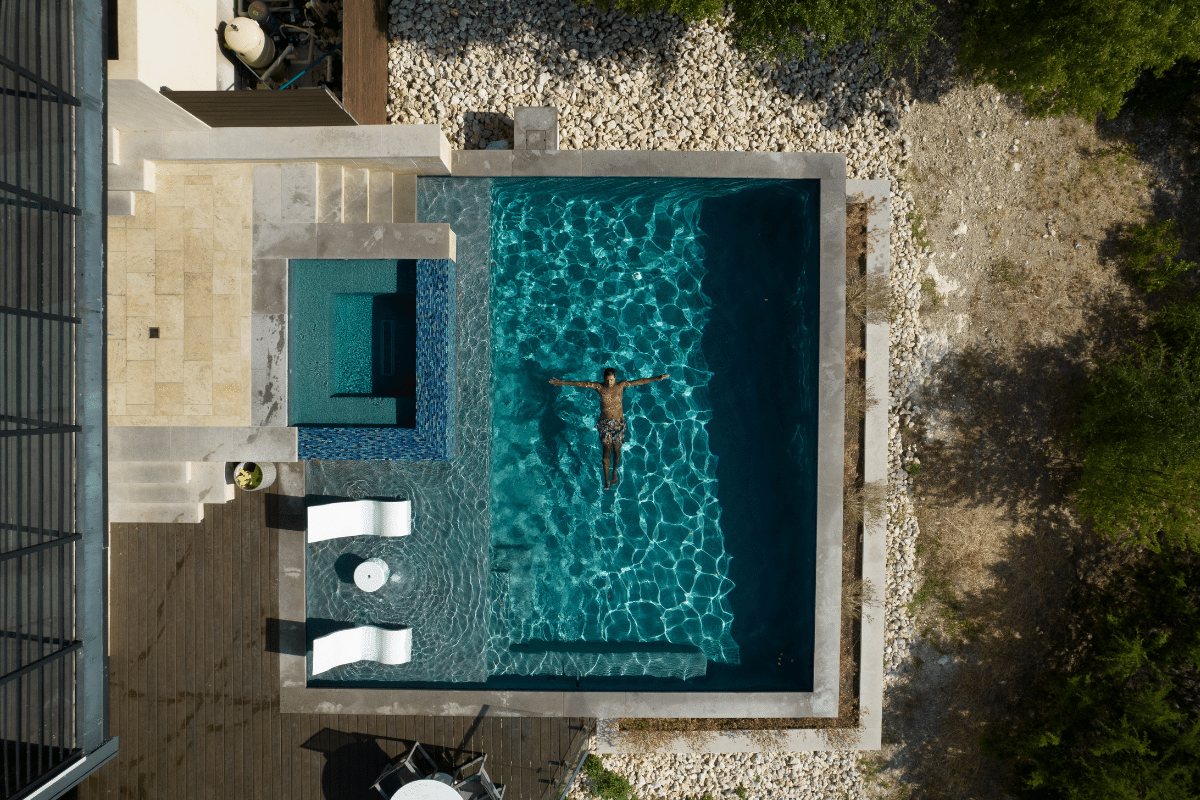
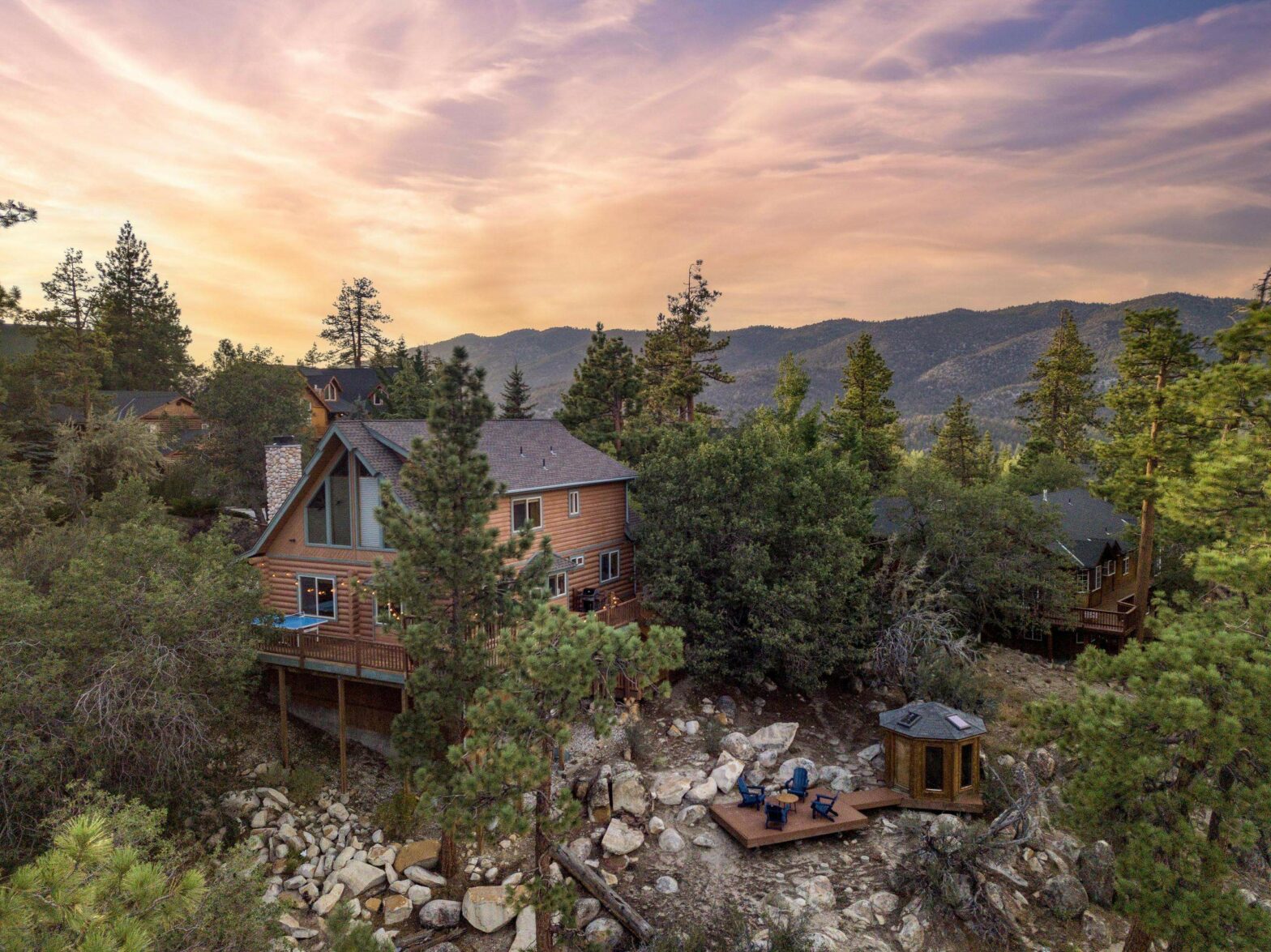
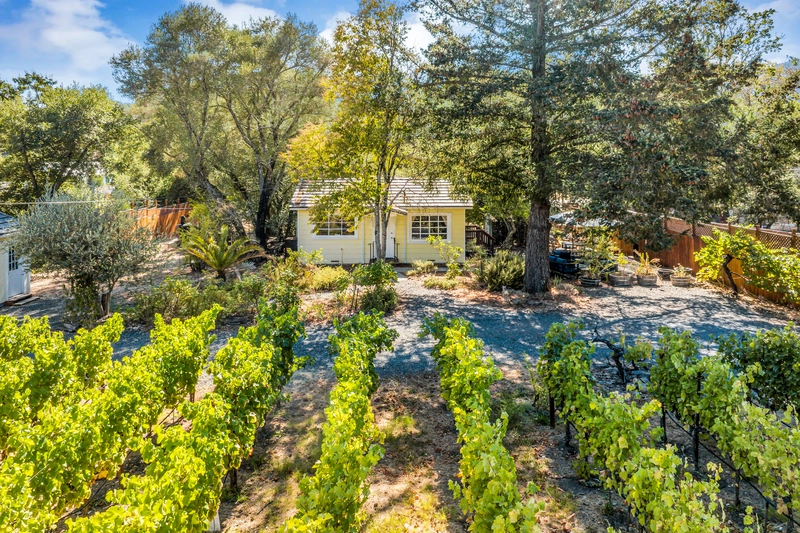
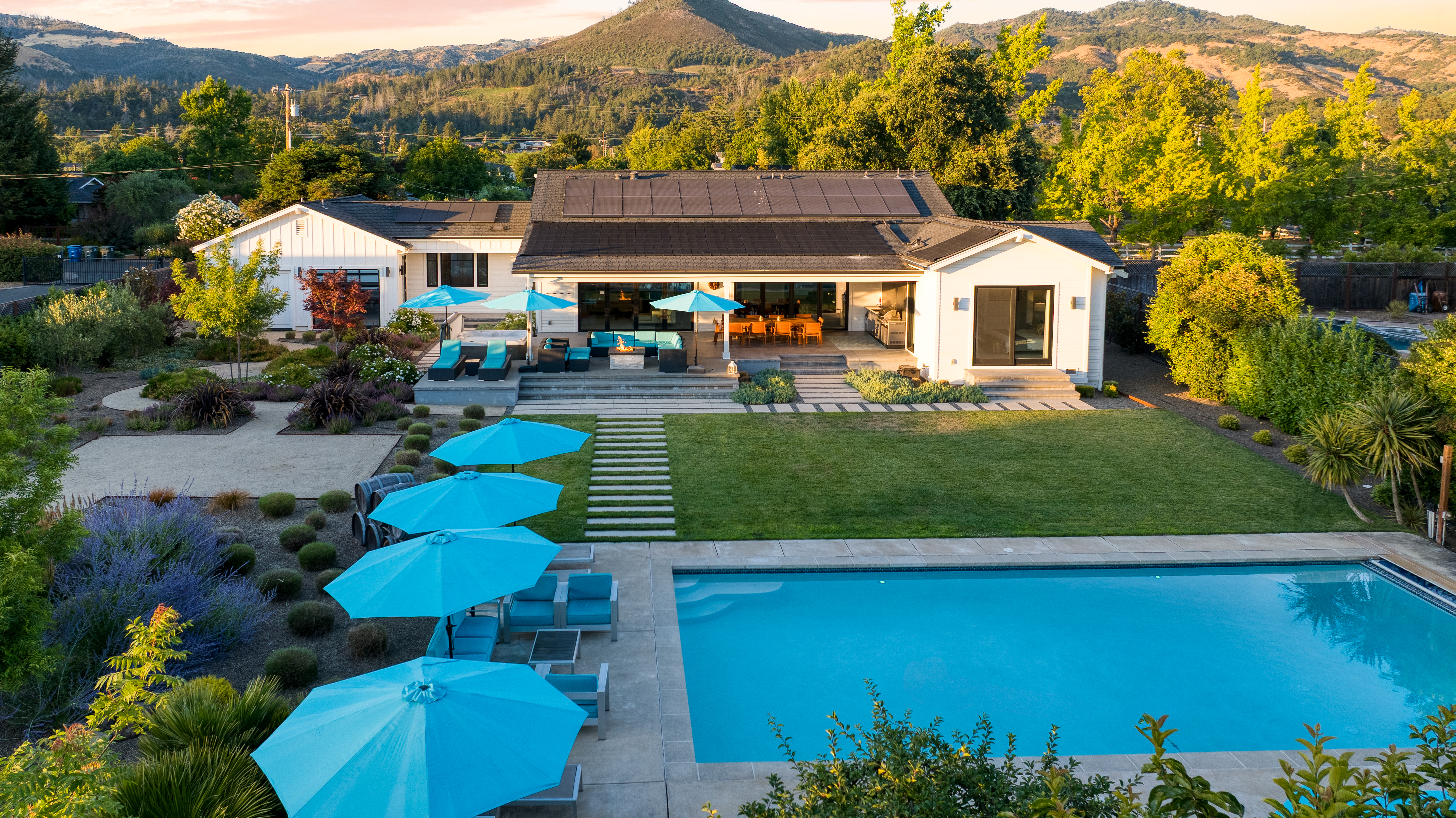
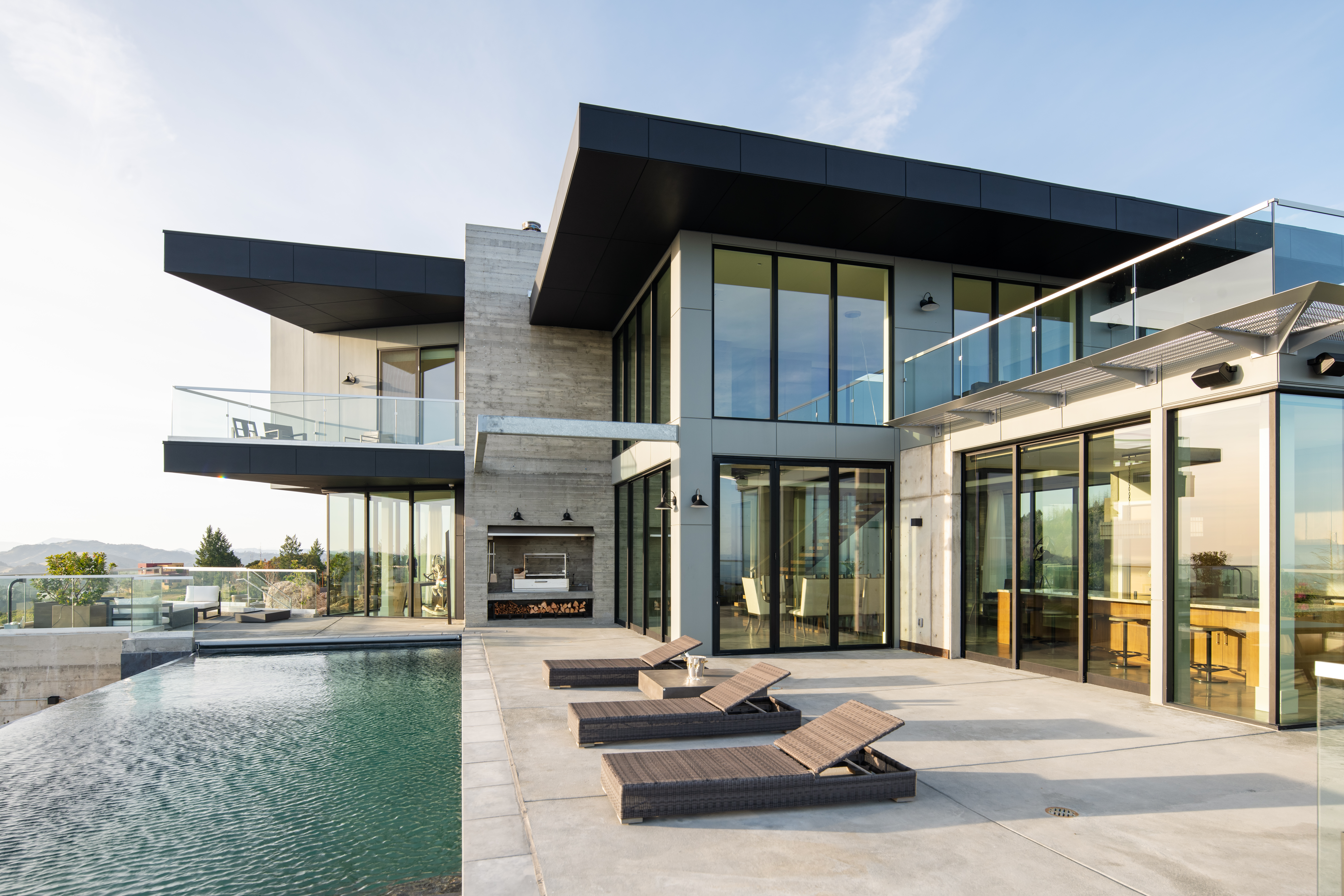
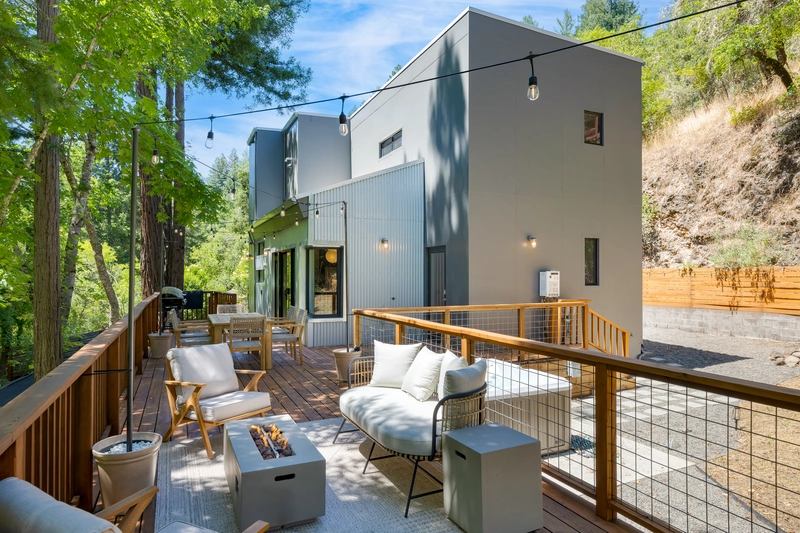
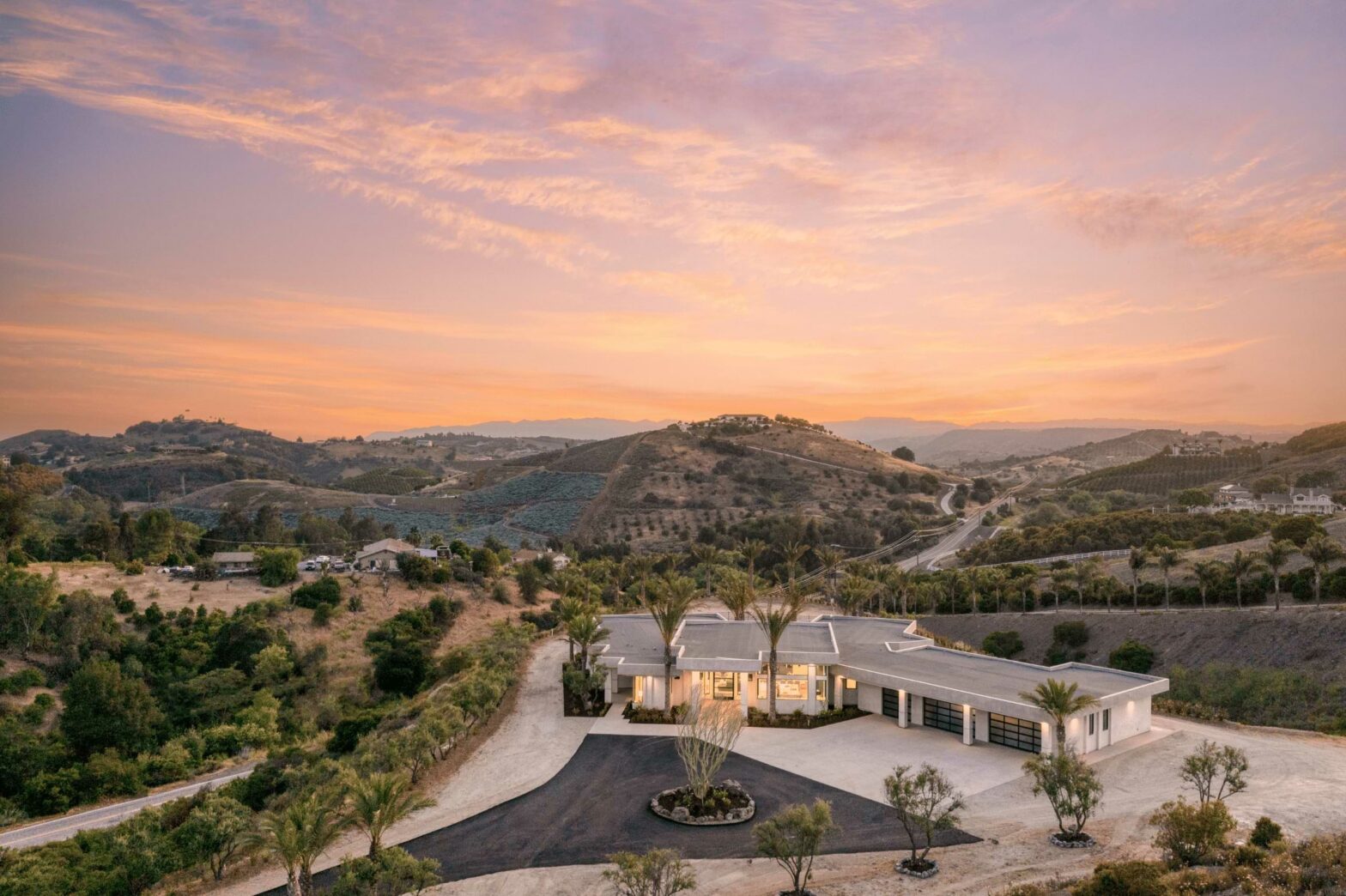
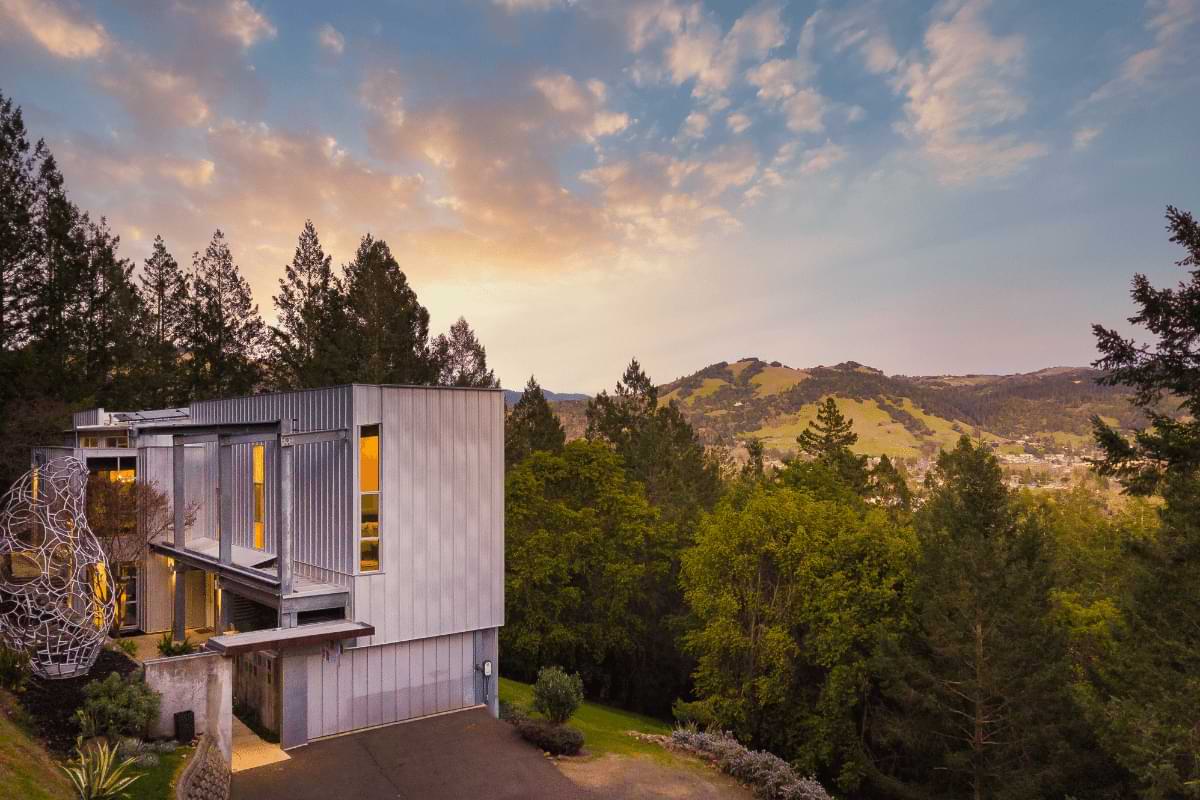
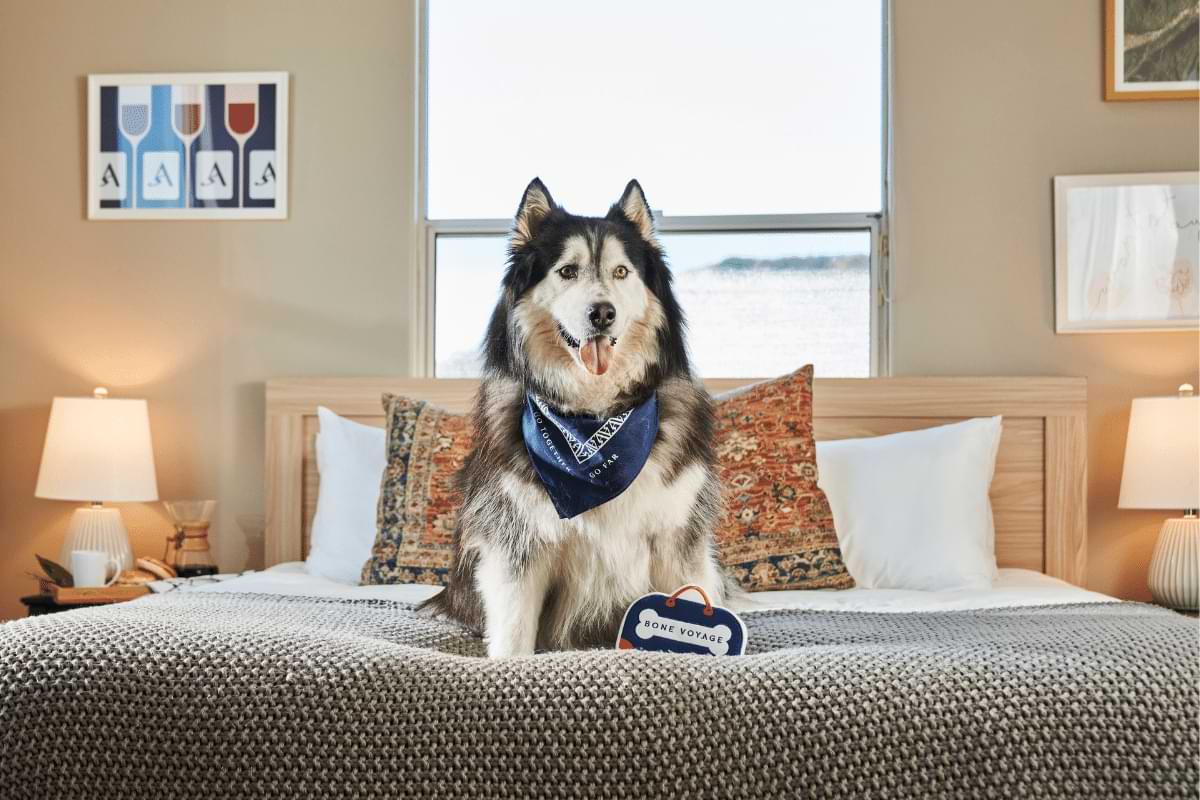
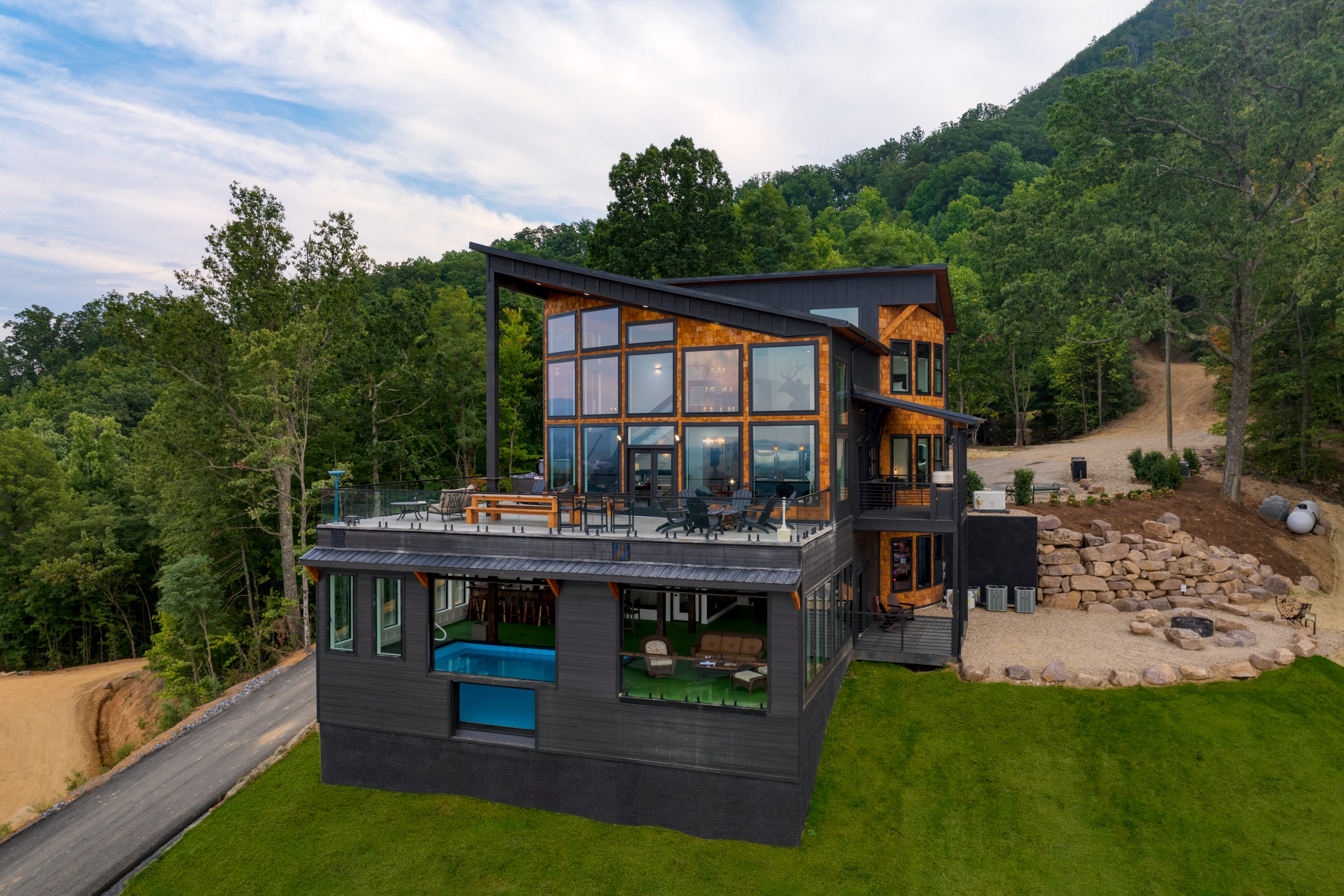
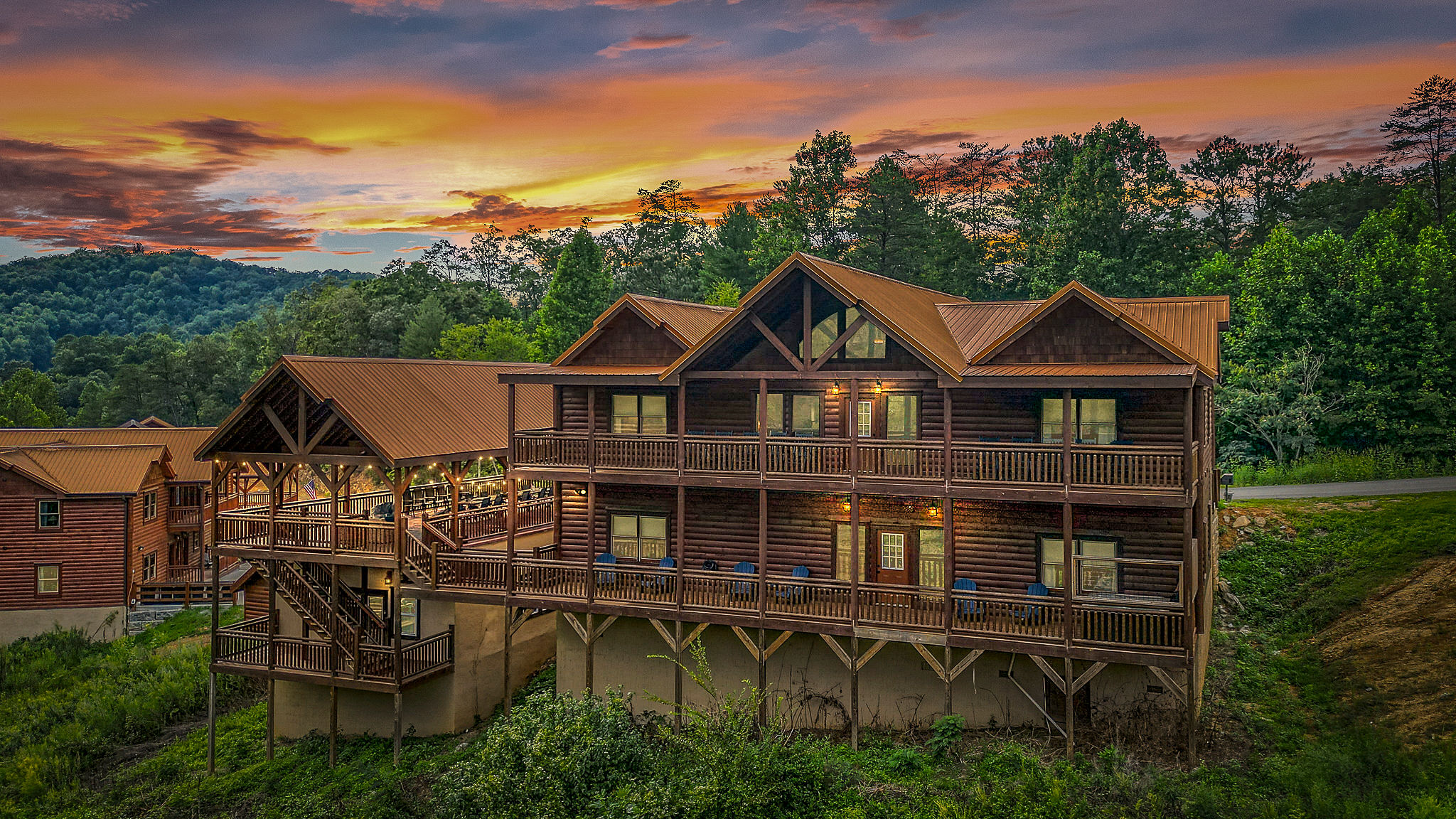
From charming cabins in the mountains to equestrian estates in wine country, our vacation homes accommodate groups large and small. Find the right fit by entering the number of lucky guests into the search feature on our site. Then, browse through a diverse selection of properties that will bring your vision to life. Think 20+ acre ranches featuring private lakes, horse stables, and volleyball courts. And since no vacation is complete without your best friend, we offer a handful of pet-friendly homes so no one gets left behind.
2. There’s plenty of space to stay the night.
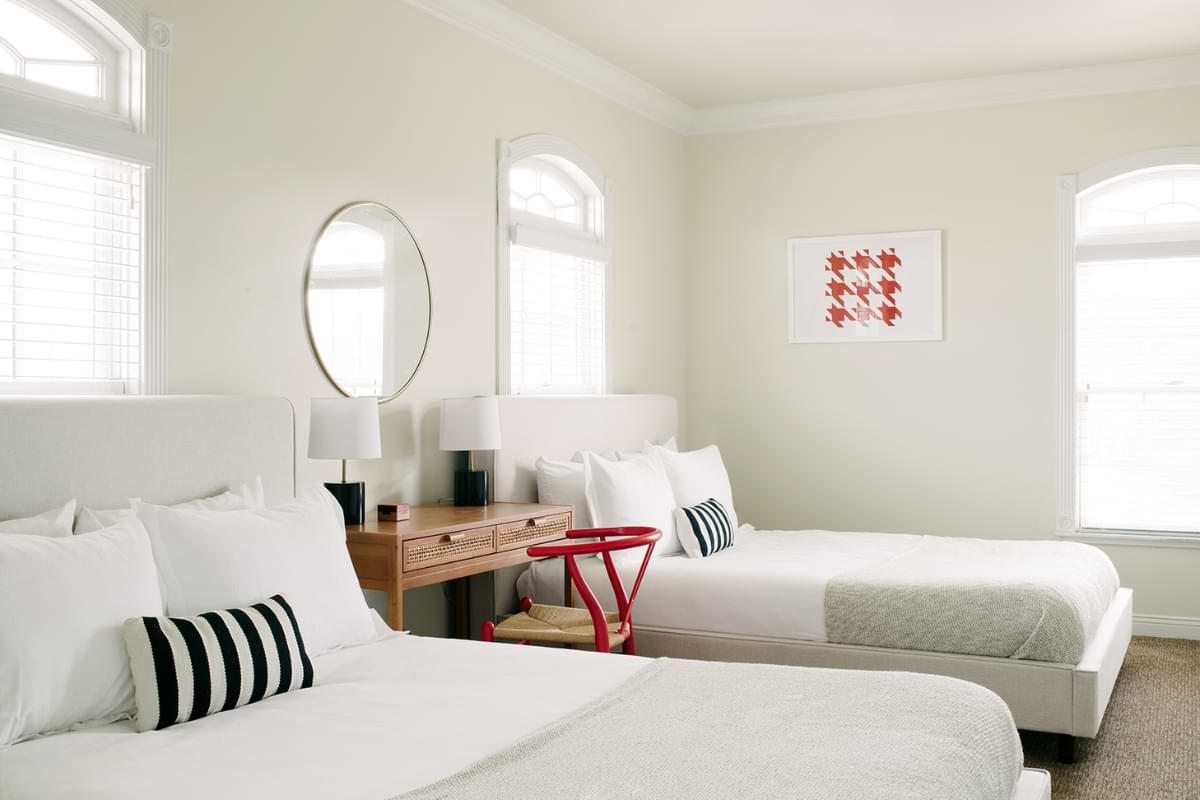
Sometimes the party is so fun, you just don’t want to leave. Thankfully, our homes have enough bedrooms so your guests can stay the night. This is super convenient if you’re hosting a destination wedding, multi-day event, or if your party is simply looking to…party (responsibly).
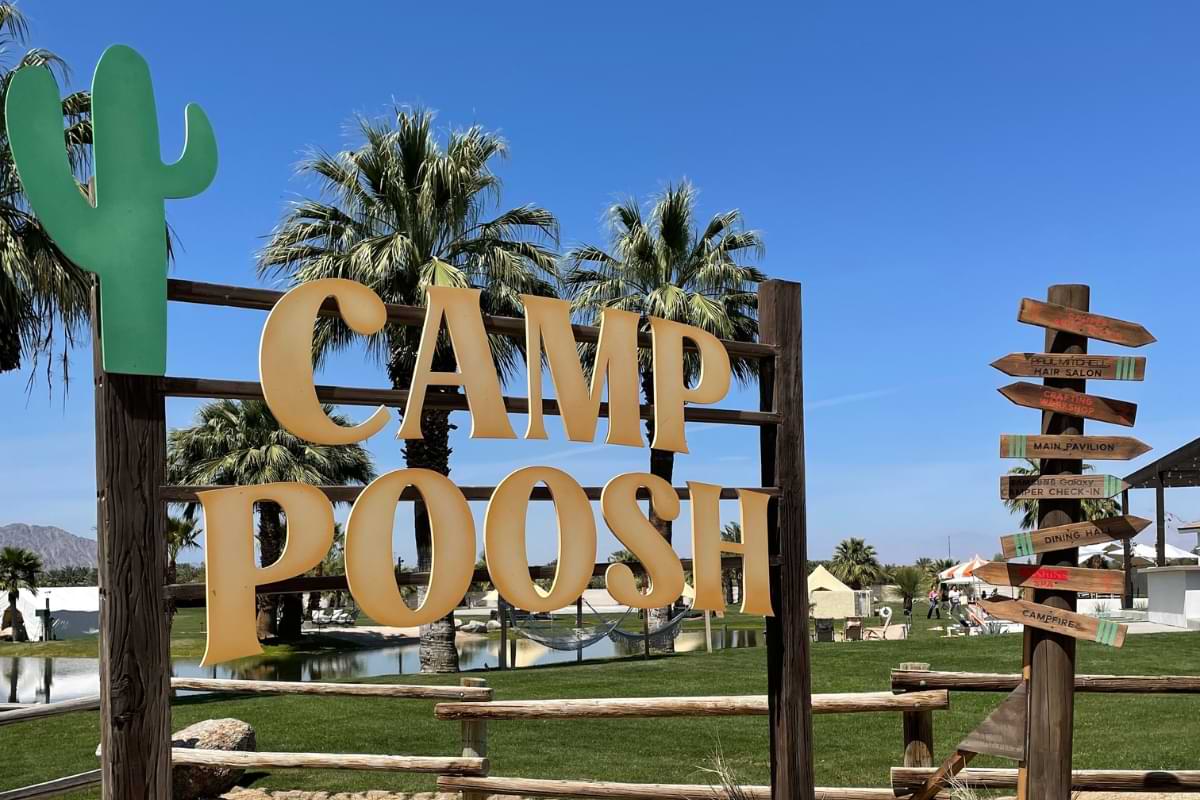
Event Spotlight: Camp Poosh
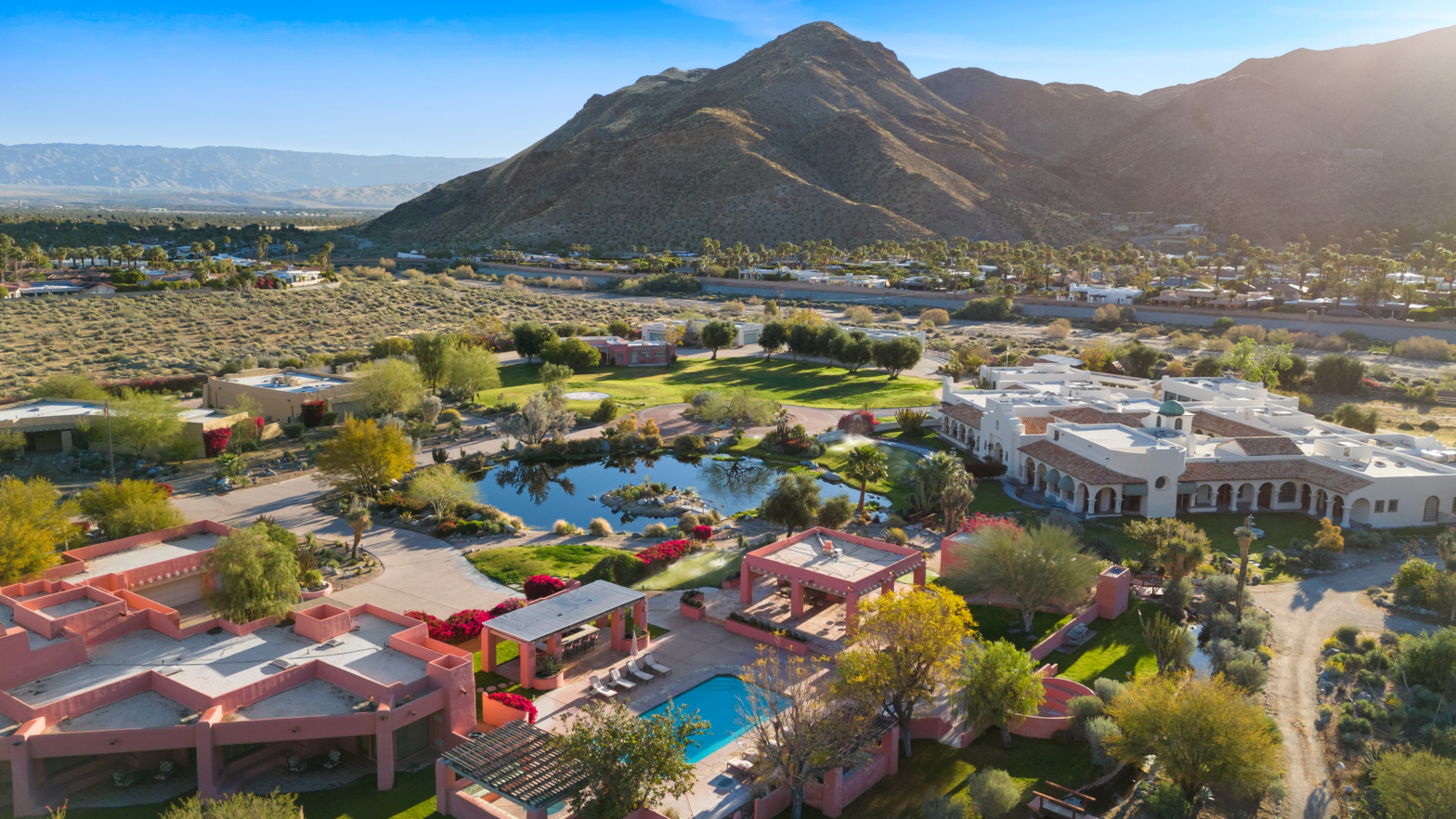
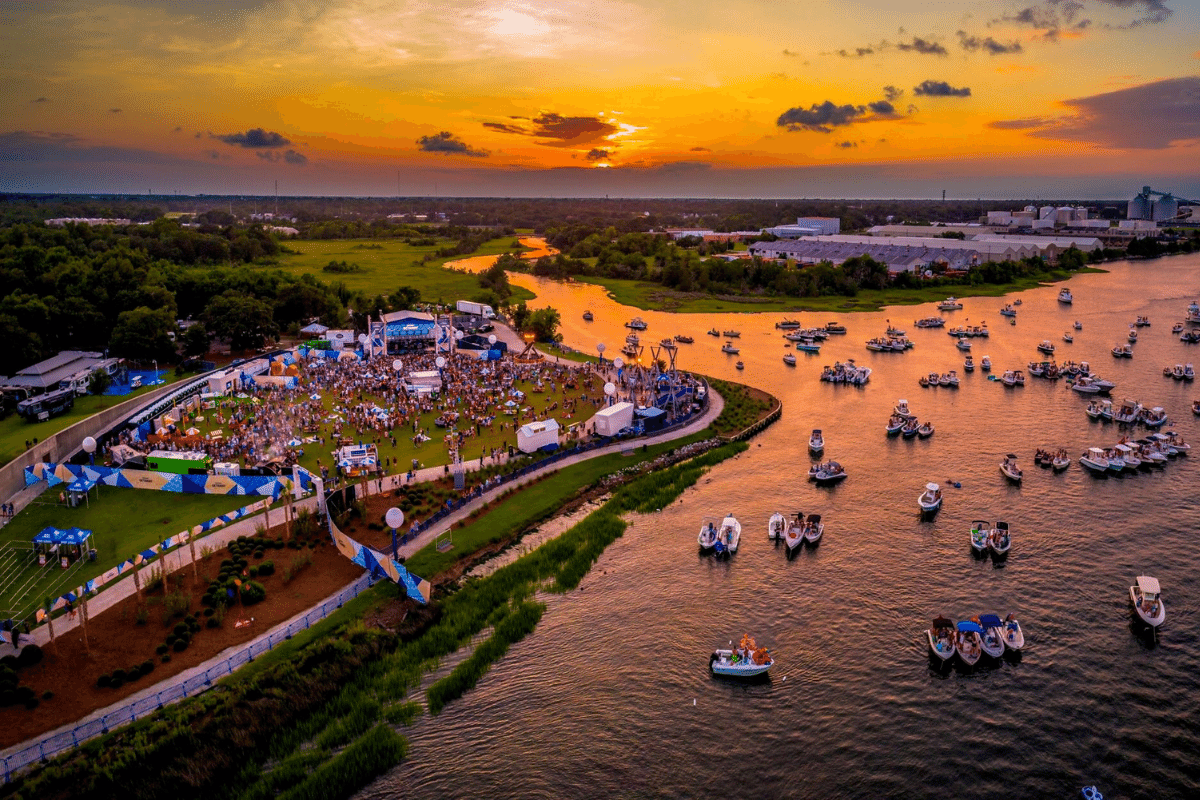
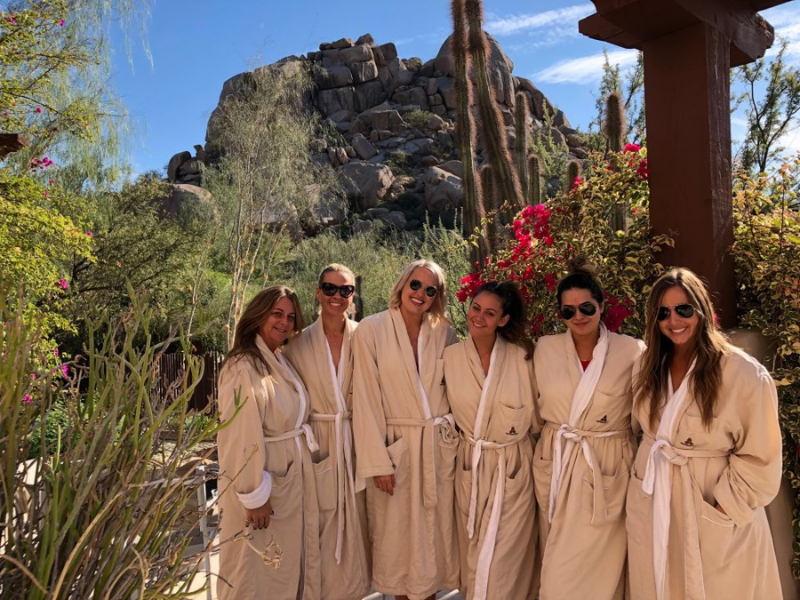
We loved hosting Camp Poosh by Poosh, which saw several influencers come together for a camp-themed event for Kourtney Kardashian’s lifestyle brand at our home Buena Vista in Coachella Valley. There were a variety of interactive stations, including archery and bracelet-making, for guests to enjoy and many of them stayed at the property overnight.
3. Endless amenities & decked-out spaces.
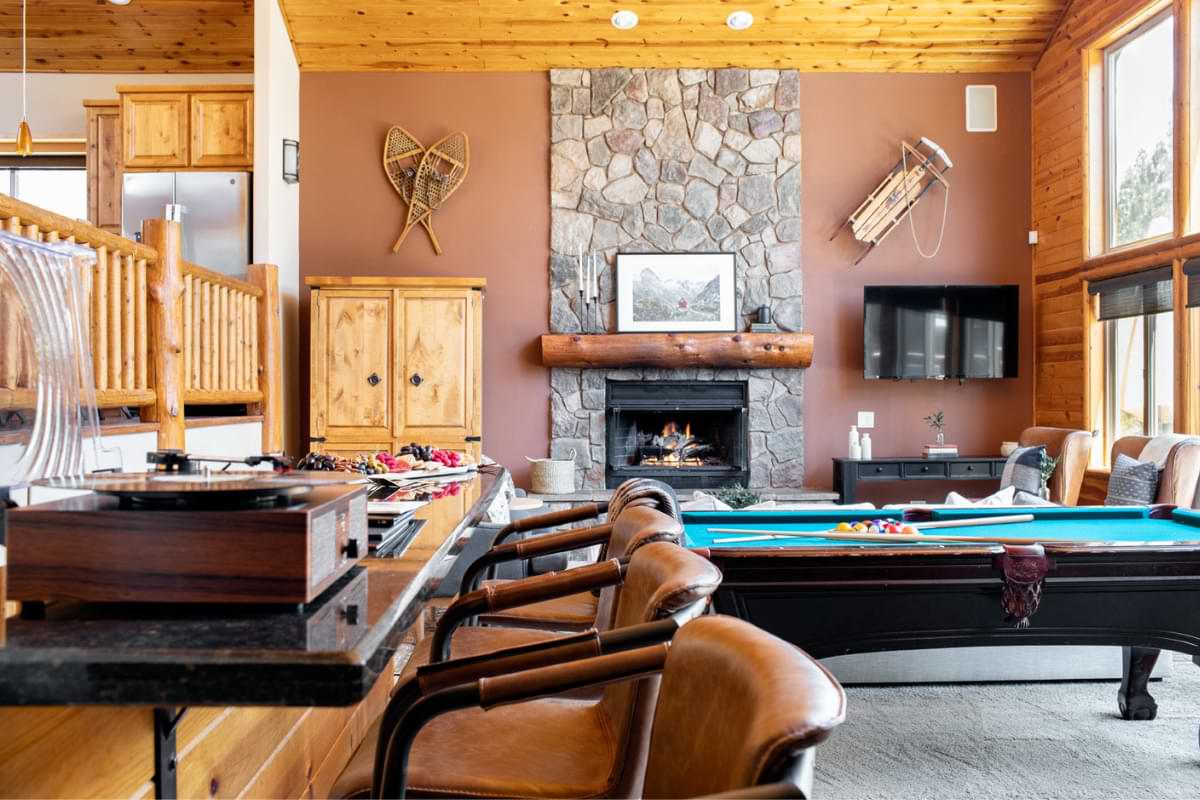
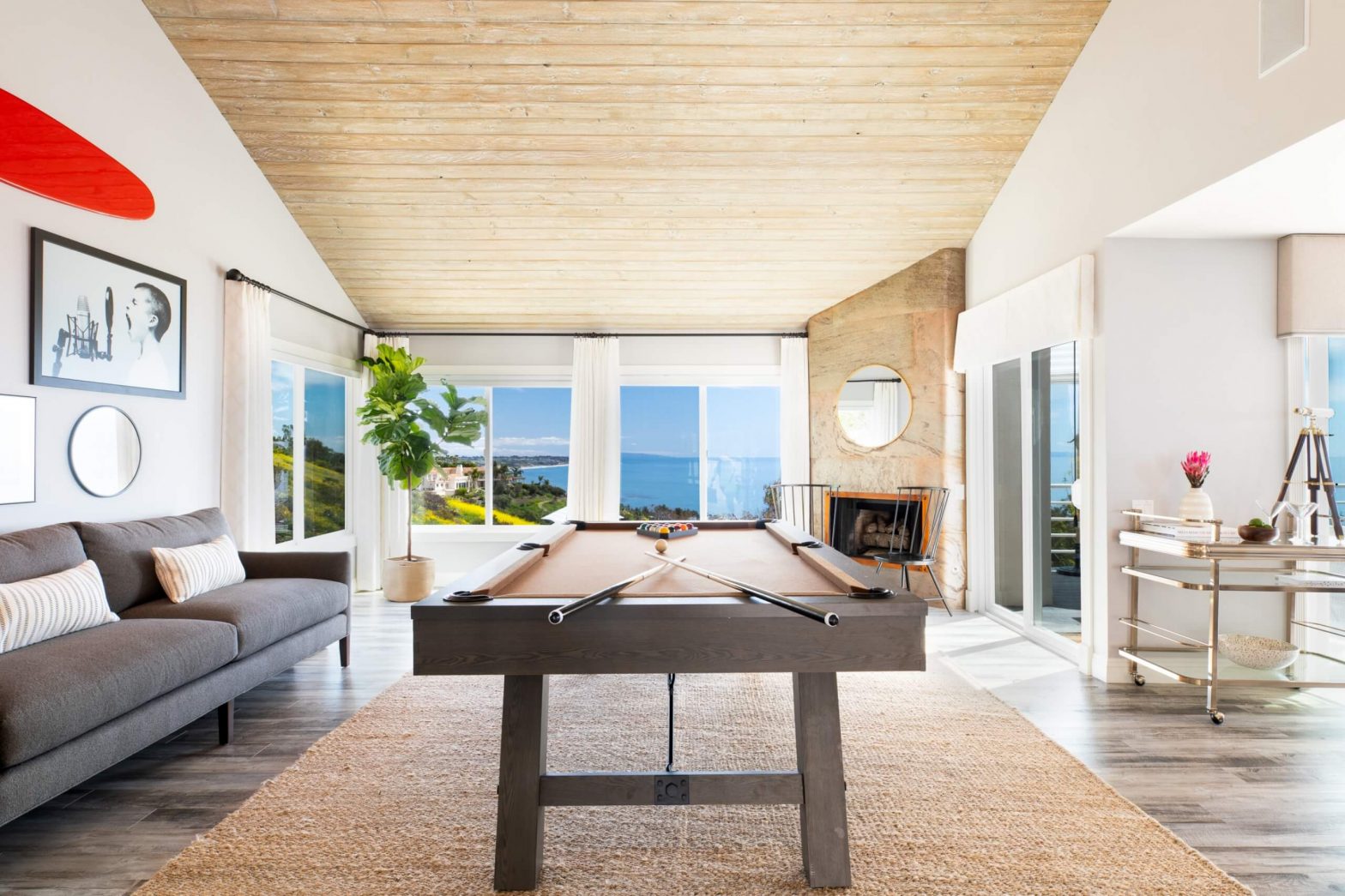
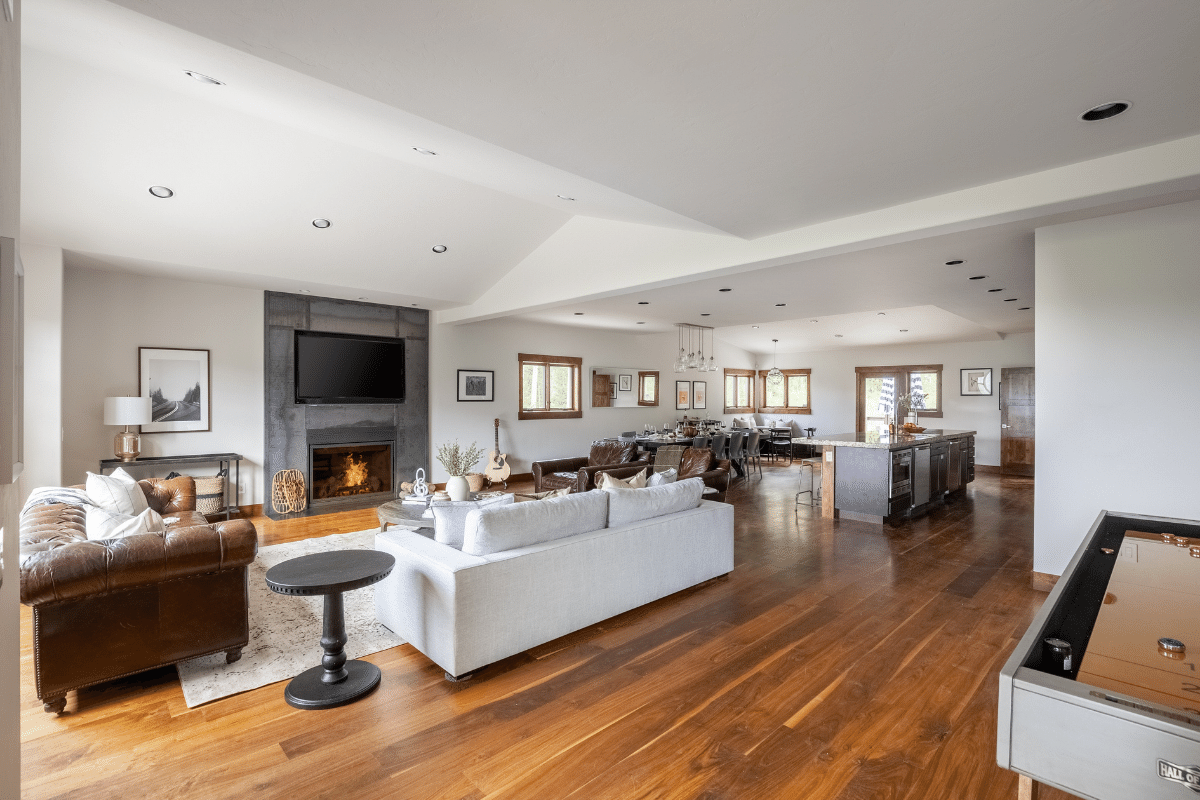
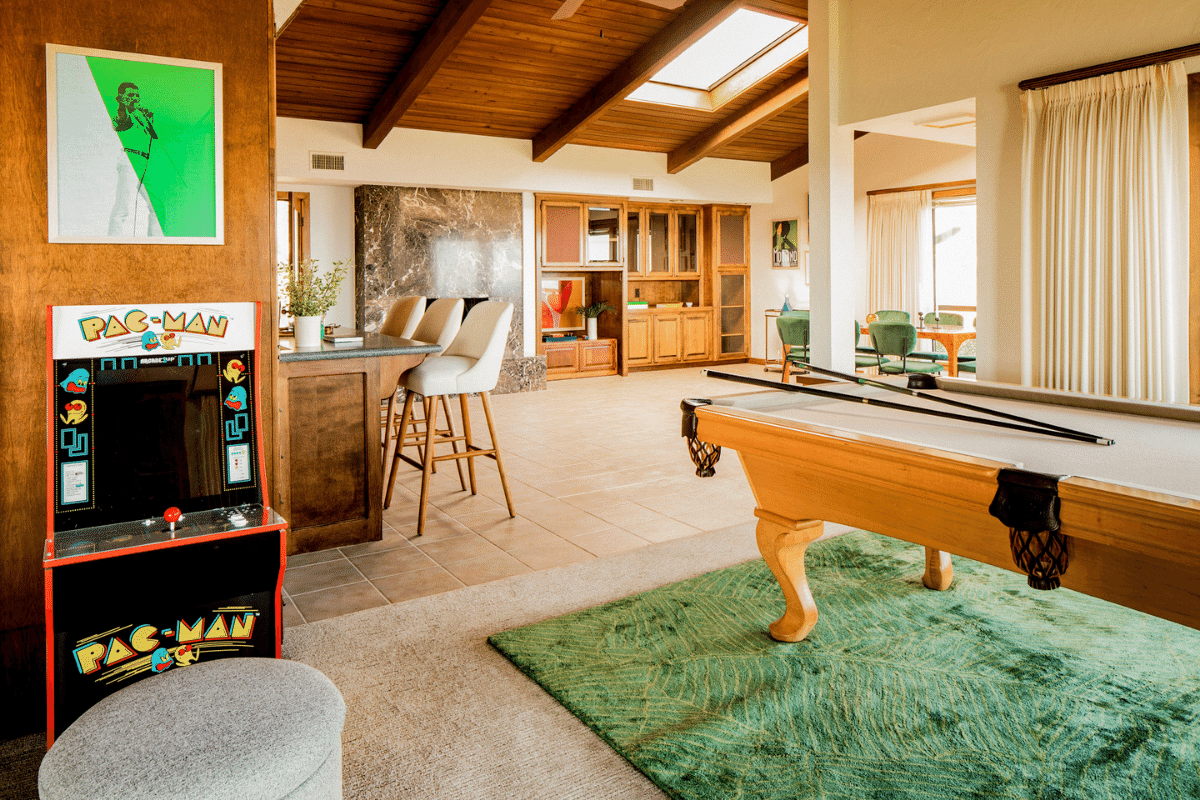
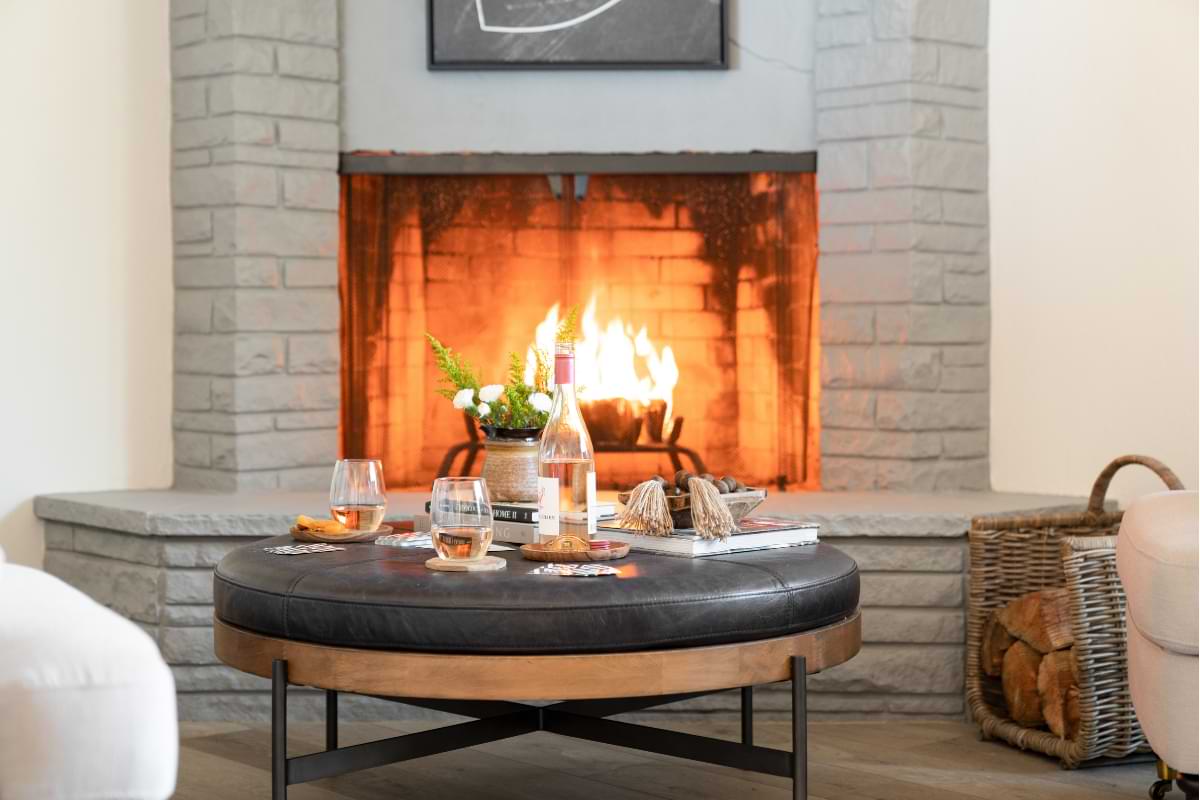
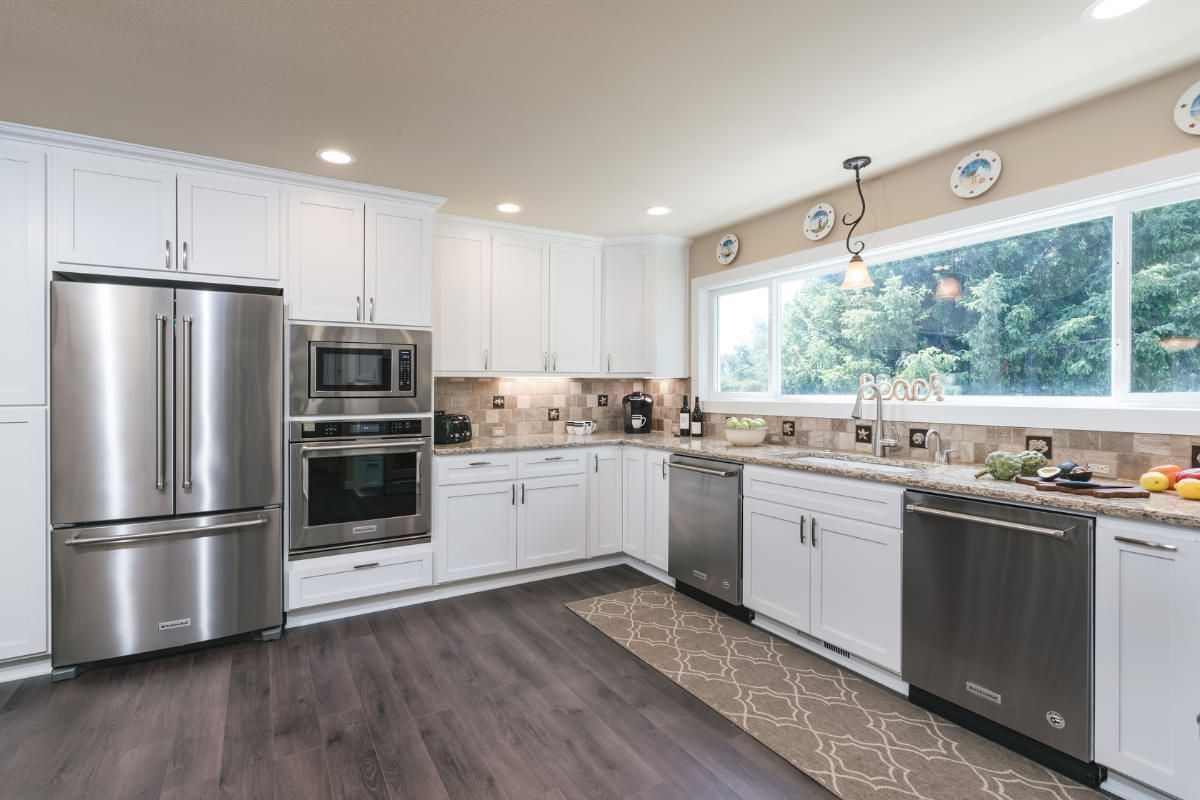
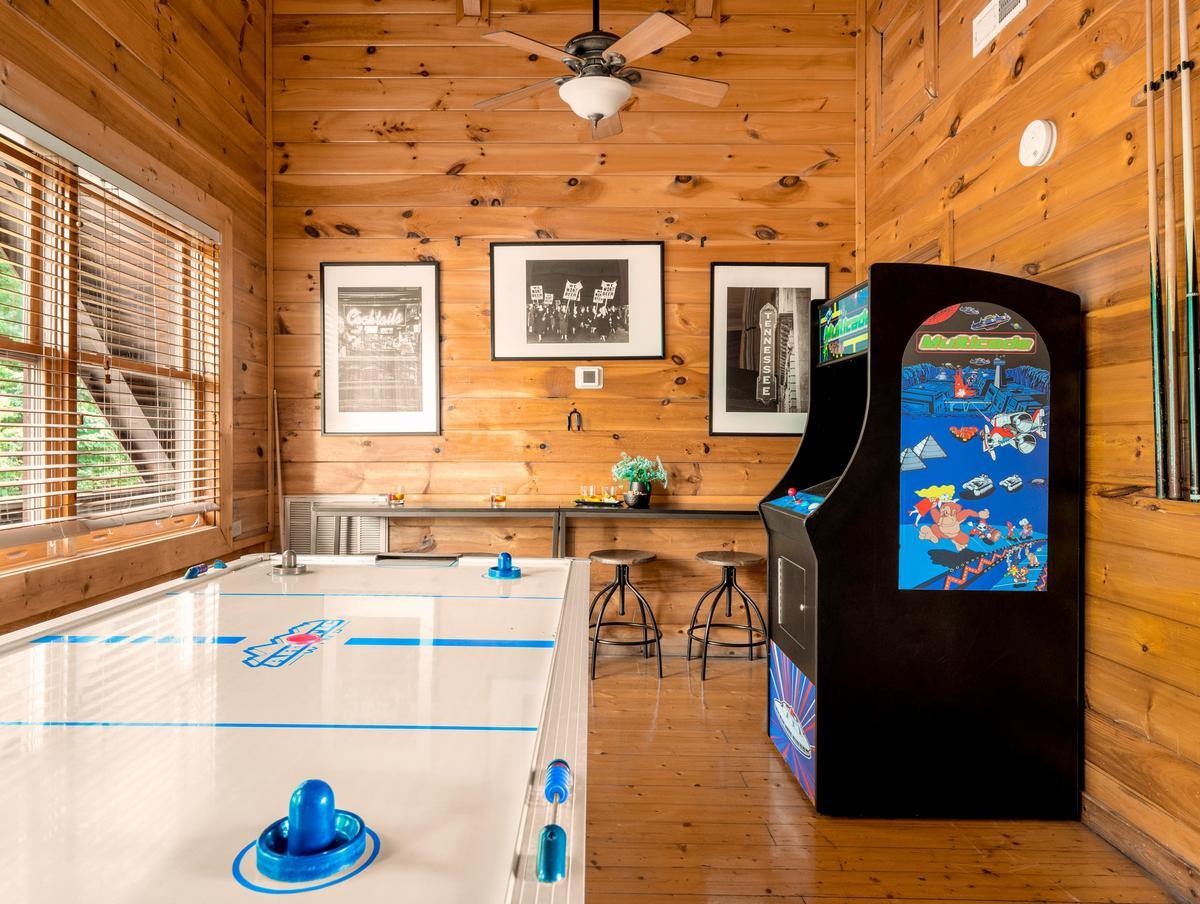
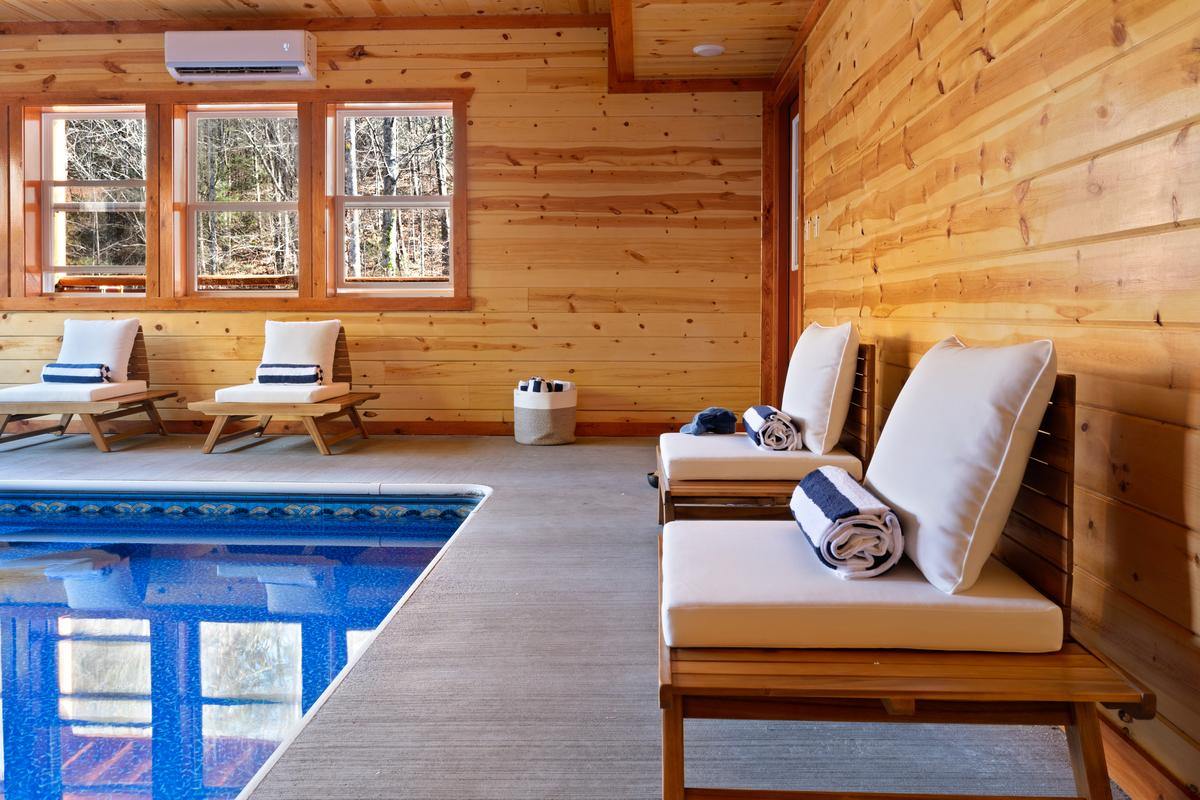
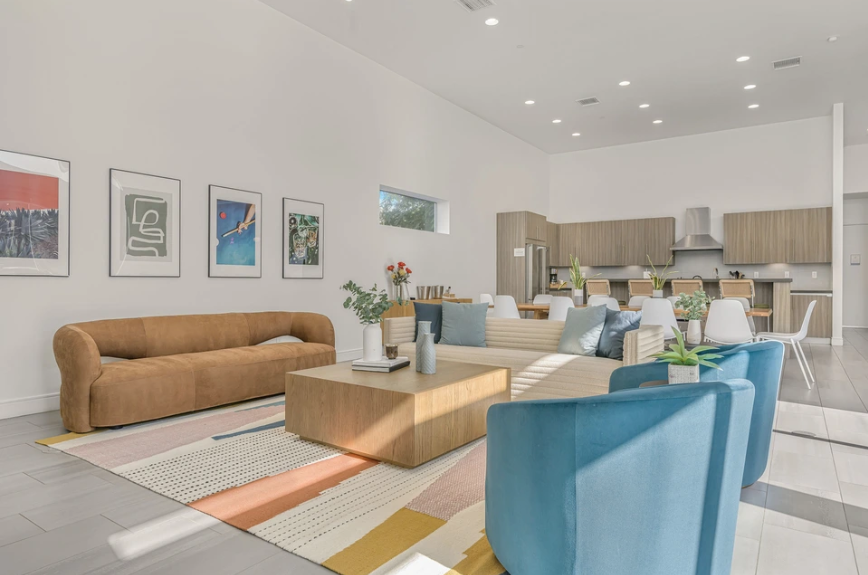
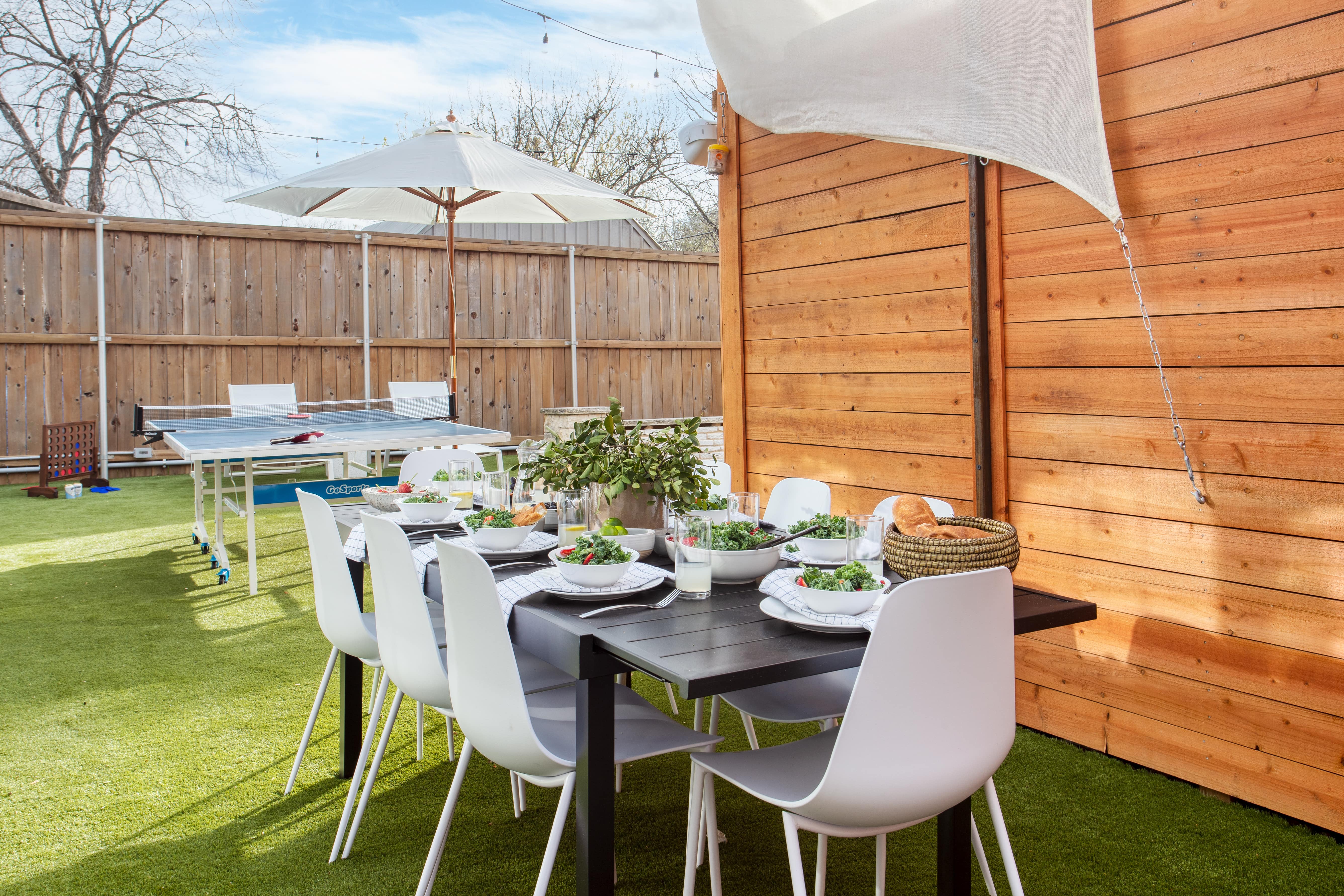
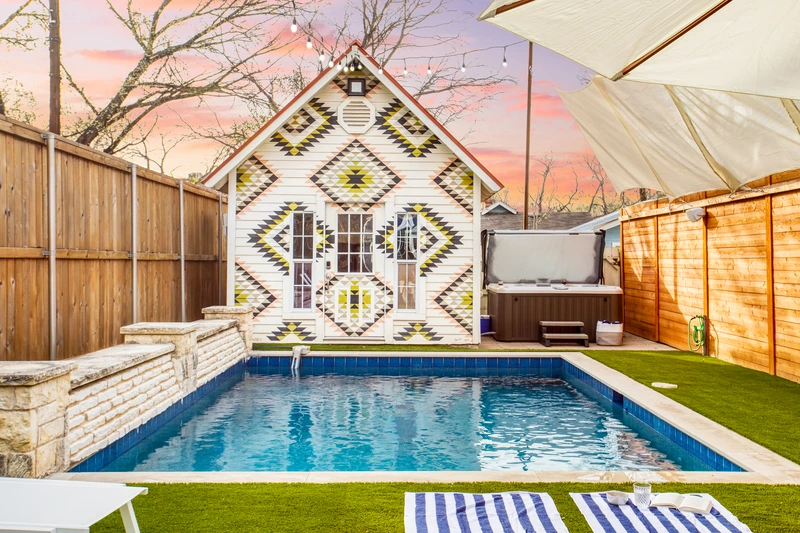
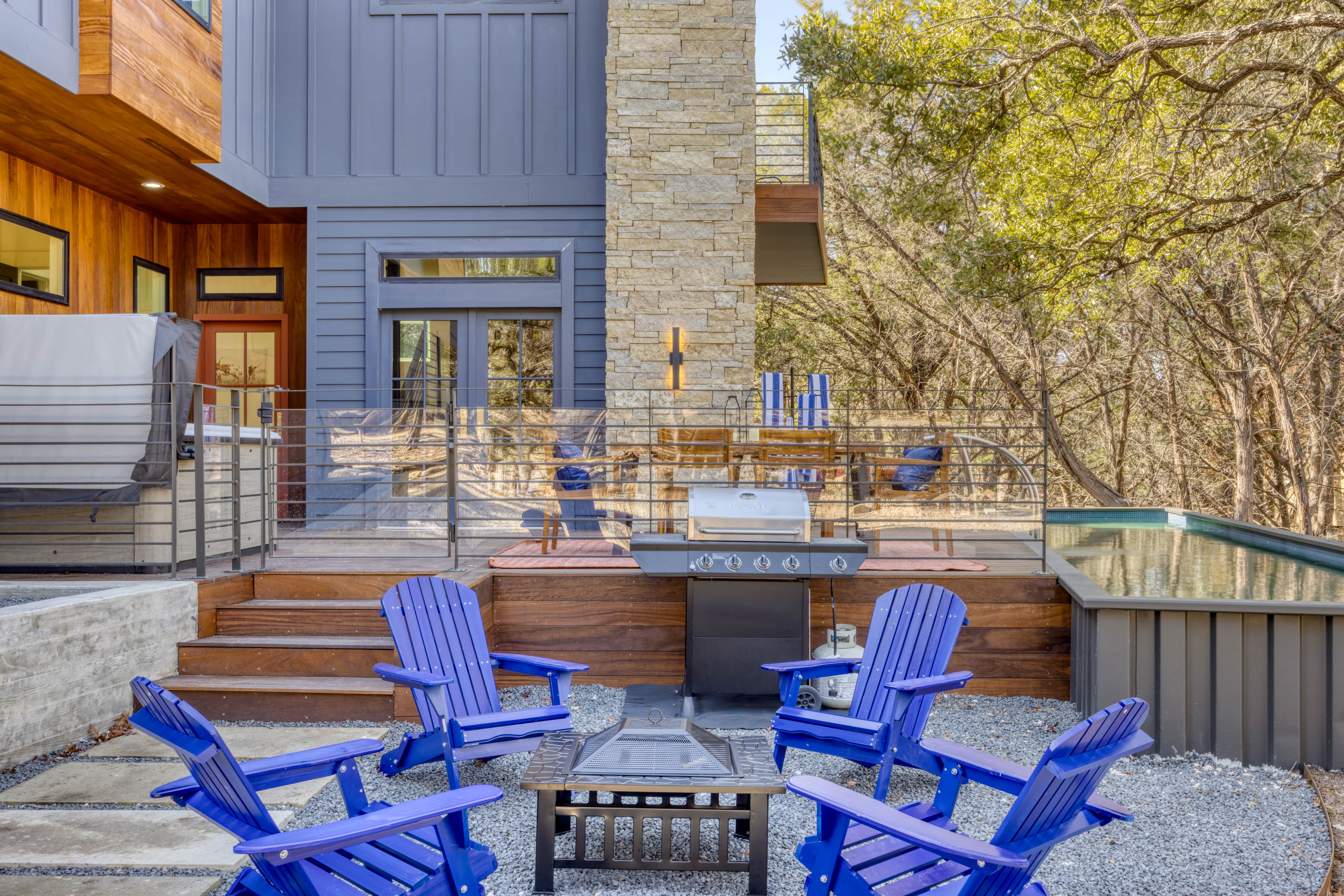
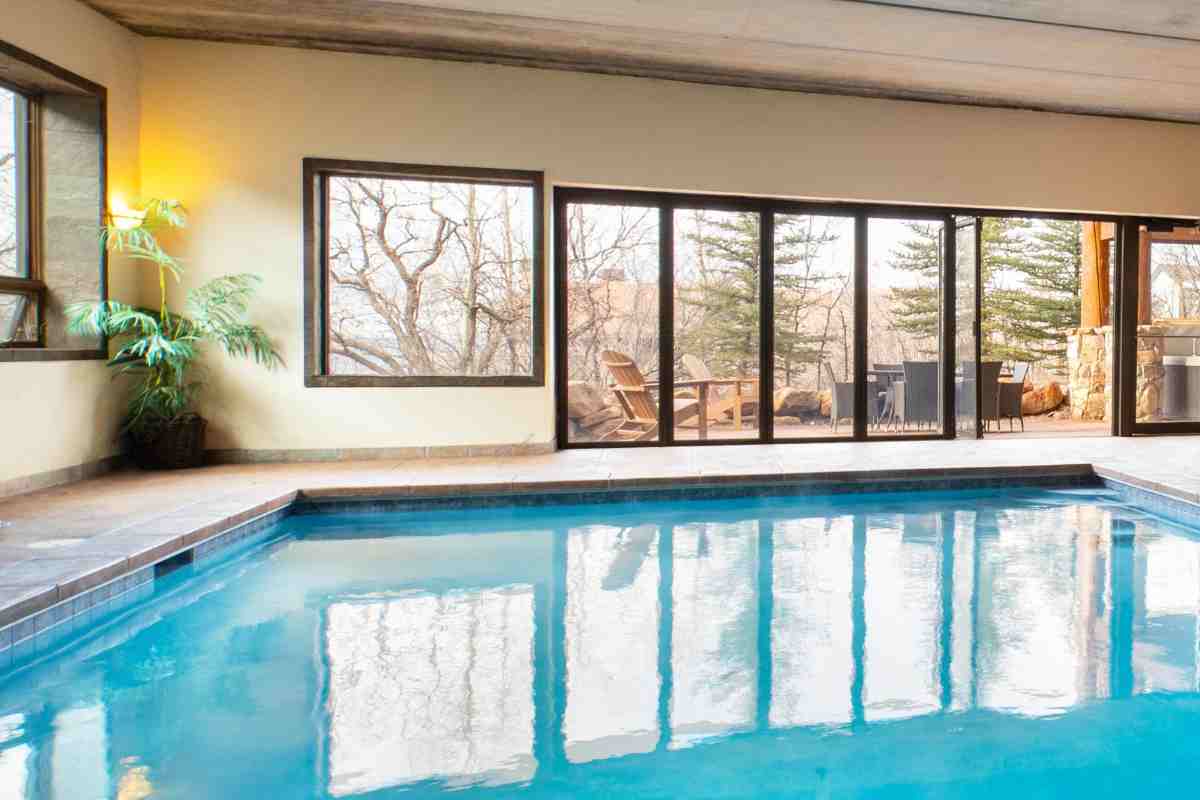
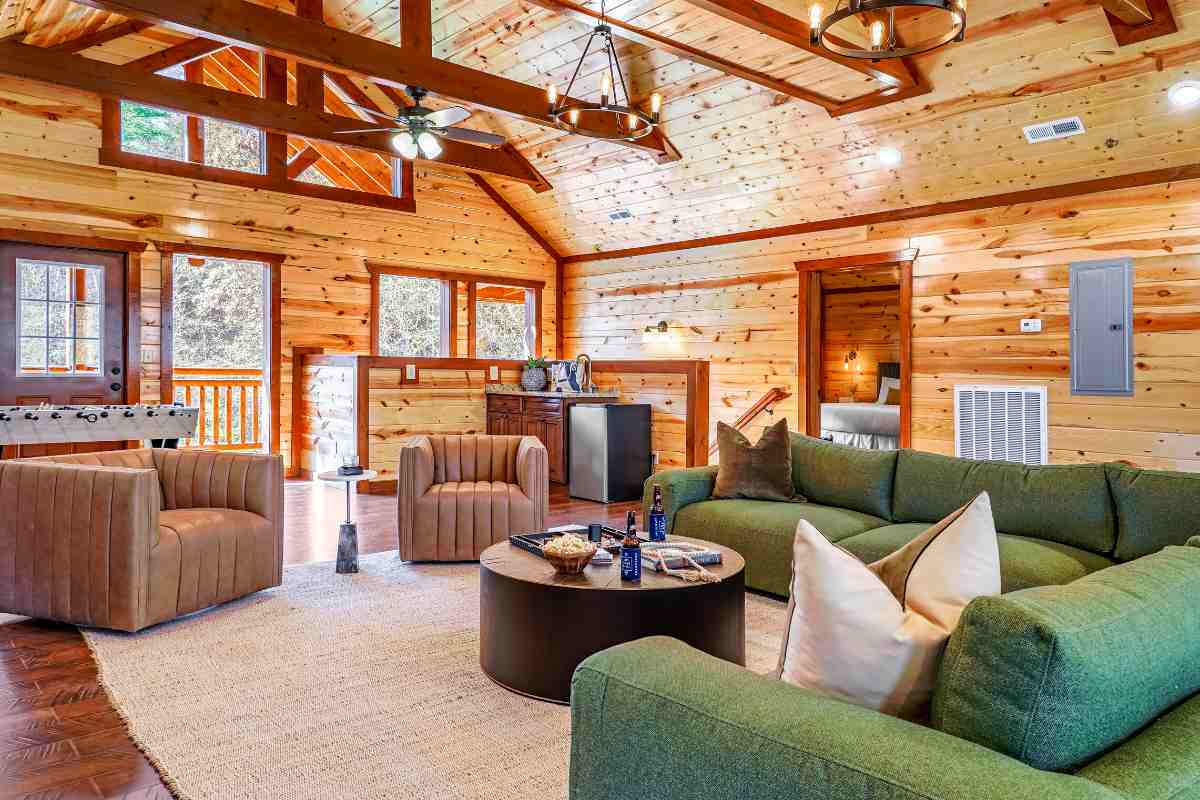
Our award-winning design team carefully outfits each of our homes with upscale features, games, and amenities to take your vacation to the next level. Walk into a stocked chef’s kitchen with state-of-the-art appliances, challenge friends to a game of billiards or ping pong, dive onto the couch in your home theater, and gather around the oversized firepit with a cocktail from the wet bar in hand. This is the good life and it’s also very photo-friendly.
4. Our spaces are customizable to your event.
Planning an event can be overwhelming, especially when it involves travel. Luckily, we have a whole team dedicated to assisting you throughout the process so you don’t have to stress. Your complimentary retreat coordinator can work with you to put together a schedule involving fun activities, such as wine tastings in town, hot air balloon rides on the lawn, and private chef dinners at home. We have close relationships with vendors in the area so you’ll get the best prices on everything. Your retreat coordinator can also set up decorations, stock the fridge, and make pretty much anything you need happen.
Event Spotlights:
Birthday Parties
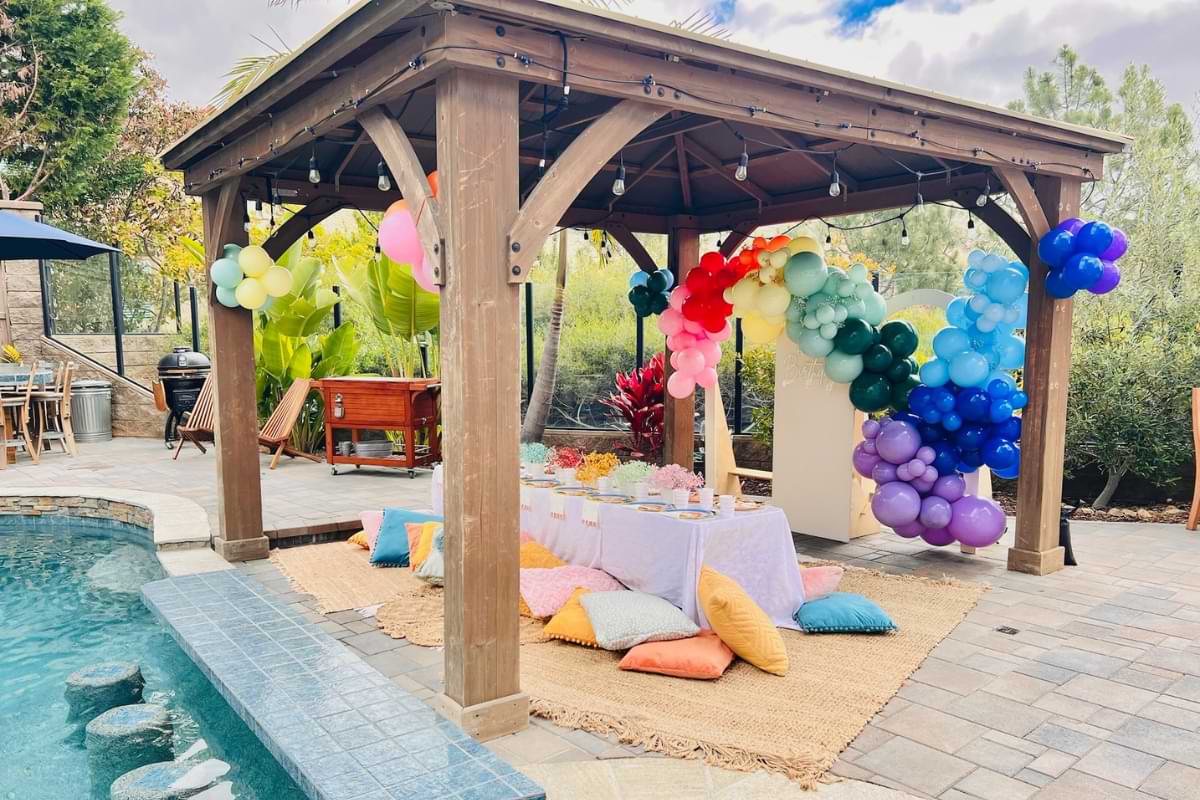
Whether you’re celebrating a 1st birthday, 70th birthday, or anything in between (pet parties, too!), our team can help make the day extra memorable for you and your friends.
Proposals
Photo Credit: Danielle Determan
Looking to pop the question? Our homes are the perfect backdrop and our team can help make the event as special as possible.
Let’s face it, there are a million reasons to host a celebration at an AvantStay home but we’ll cap it off at 4 for now! We recommend booking one of our homes as far out in advance as possible. Also, make sure to download our mobile app which will allow you to add special services, including fridge-stocking & in-home massages, to your experience. Have questions? Connect with our events team now!
So, you’re in search of a vacation rental manager? Whether this is the first vacation home that you want to list as a short-term rental, or you’re looking for a new company to manage your fleet of vacation properties, our guide will help you make an informed, stress-free decision. We’ve compiled all the questions you should ask when wondering how to choose a vacation rental management company. Let’s dive in.
In this guide we’ll answer:
How do other short-term rentals perform in my market?
What are vacation rental management fees & contract terms?
What services are included in my contract?
How do you advertise my home?
How large is your rental portfolio?
How do I know my home will be in good hands?
Why should I partner with a vacation rental management company?
How do other short-term rentals perform in my market?
A great vacation rental manager should be an expert in all aspects of your local market. Be sure to ask them about the other types of vacation rentals in your area and their rates, seasonal trends, and local regulations.
Unlike traditional management companies, which use simple on and off-season pricing, we use our proprietary dynamic pricing model that leverages 75 to 150 pricing “seasons.” These seasons capture and optimize revenue based on occupancy, day of the week, seasonal fluctuations, holidays, and market events.
What are vacation rental management fees & contract terms?
Short-term rental management companies can charge you anything from 12-50% of your rental income. While a lower management fee with higher promised profits sounds great, make sure you know exactly what services are included with your contract so you don’t end up breaking even. If your budget allows it, consider paying above-average management fees in return for services that will wow your guests, boost your ratings, and ultimately drive more revenue.
Also, ask about the terms and conditions of your contract. Can you end your contract early if the company isn’t performing well or isn’t delivering on the promised services? Know your outs and any opportunities for negotiation.
AvantStay Vacation Rental Management
When it comes to contracts, one size doesn’t fit all. That’s why we offer vacation rental management plans designed to work for you. Our flexible approach allows you to partner with us in a way that maximizes your home’s potential and fits your goals.
We earn a percentage of the revenue we bring in and pay you a monthly revenue share. The amount varies depending on the season and guest demand, giving you the opportunity to earn more during peak travel periods.
What services are included in my contract?
Management fees and contracts should help you deliver an exceptional experience for your guests. When vetting vacation rental managers, ask what is and isn’t included in your contract. Services like marketing, interior design, photography, listing and pricing your home, managing reservations, and home maintenance are all worth investing in to ultimately maximize your revenue. Consider partnering with a full-service company, like AvantStay, that can deliver these services.
How do you advertise my home?
Once your home listing is live, the approach any vacation rental manager takes to advertising and distribution is key to your success and can make the difference between getting plenty of bookings or getting overlooked.
Ask where they plan to advertise your home, how many bookings come from their site, what other listing sites they partner with (known as OTAs or Online Travel Agencies), how they drive positive guest reviews, and other services they provide like photography or search engine marketing. On average, vacation rental companies that manage over 1,000 properties only list on five platforms, so be sure to vet carefully.
With AvantStay, our powerful distribution capabilities are included in your management agreement. 40% of bookings come directly from our site, but we also optimize each listing across more than 60 distribution channels, including Airbnb, VRBO, La Cure, LVH, TripAdvisor, Expedia, Booking.com, and Homes & Villas by Marriott International.
How large is your rental portfolio?
When inquiring about a vacation rental manager’s portfolio, it’s important to gauge two things: does a large portfolio mean they’re successful and maintain good relationships with homeowners, and how do they scale their operations? Ask if they can provide owner testimonials, case studies, or even put you in touch with a current homeowner to see if their management is a good fit for you.
A good vacation rental manager will scale their operations to ensure all properties receive top-notch care. Ask about the ratio of staff to rental properties in your area. At AvantStay, we have one of the lowest homes-to-employee ratios in the industry, meaning for every home in our collection, we have several employees on the ground and at our headquarters that can give you their full attention.
How do I know my home will be in good hands?
Are you worried about noise complaints from your neighbors? Or wonder who will bring guests fresh linens if requested mid-stay? Be sure to ask potential management companies about maintenance, security, and guest and owner support services offered.
To give you peace of mind, we manage inquiries, vet every guest, and take care of their every need during their stay. Our local operations team manages the maintenance, upkeep, and surveillance, while our housekeeping team professionally cleans your home after every stay in adherence with our premium and CDC-grade cleaning standards. In addition, we provide and install home devices such as smart locks, noise sensors, doorbell cameras, and more, compliments of AvantStay.
Why should I partner with a vacation rental management company?
A full-service vacation rental management company should create a stress-free experience for you. Owning a vacation home can be expensive and time-consuming, so we offer the first hands-off approach for short-term rental owners. We use a proprietary tech suite to power bookings, operationalize in-field management, and activate an elevated guest experience. If you have questions, our team of experts is here to help. Unlock your vacation rental’s full value and get started with our team today.
You’re evaluating the pros and cons of destination club ownership because a friend joined one last year and can’t stop talking about staying in different properties each month. The lifestyle perks sound incredible, but you own the luxury property, and you’re trying to figure out if contributing your asset to a club portfolio makes financial sense. Between initiation fees, annual dues, restricted booking windows, and surrendered revenue control, you’re trying to understand if the math works—or if professional property management delivers better returns while you keep full ownership.
TLDR:
Destination clubs require mid-six figures initiation fees plus annual dues, limiting property control and revenue optimization for owners.
You surrender direct ownership control and booking flexibility when contributing property to a destination club portfolio.
Professional property management lets you retain full ownership while generating revenue instead of paying membership fees.
Equity clubs offer potential resale value, while non-equity clubs provide no ownership stake or exit recovery.
AvantStay manages 2,300 properties with $5B+ in assets, delivering full-service operations while owners keep equity and control.
Understanding Destination Club Ownership
Destination clubs offer property owners an alternative way to monetize luxury real estate assets. Rather than managing a single vacation home or relying on a traditional property manager, owners may contribute a property to a members-only portfolio that provides shared access to a curated collection of high-end homes.
The model typically works as follows: members pay a substantial upfront initiation fee, often in the mid-six figures, along with annual dues. In return, they receive usage rights that allow them to reserve stays across the club’s entire portfolio, which can include properties in destinations such as Aspen, the Caribbean, European ski resorts, and premier beach markets worldwide.
The Financial Investment Required to Join
The upfront costs of destination club membership can be eye-opening once you run the numbers. Initial buy-ins commonly range from the low six figures to well over $300,000, depending on whether the club uses refundable equity contributions, non-refundable initiation fees, or a hybrid structure. Luxury clubs targeting ultra-high-net-worth members often sit at the top end of that spectrum.
Annual dues add ongoing expense. Depending on the club’s operational model and service level, members typically pay between $5,000 and $30,000 per year to maintain access, covering property maintenance, staffing, and portfolio-wide operations.
Variable and less-visible costs can materially increase total spend. Special assessments for major capital improvements, premium reservation fees for peak periods, housekeeping charges, and usage-based fees can add thousands more each year.
Some destination clubs allow property owners to contribute homes to the portfolio rather than joining solely as members. In those structures, owners often trade direct control over pricing, availability, and revenue generation in exchange for usage rights, diversification, and reduced operational responsibility.
By contrast, professional property management allows owners to retain full ownership and control, set pricing strategy, and receive transparent revenue reporting, without membership fees or portfolio-level assessments diluting returns.
Advantages of Destination Club Membership for Property Owners
For property owners, destination clubs can eliminate the time-intensive burden of managing a luxury vacation home. When you contribute your property to a club portfolio, the organization handles maintenance schedules, guest communications, and brand standards.
Access to multiple destinations becomes a key perk. Rather than owning a single vacation home, membership grants you reservation rights across the entire portfolio, from coastal resorts to mountain retreats. Your family can stay in a Telluride ski chalet in winter and a Nantucket estate in summer without purchasing multiple properties.
Shared operational costs spread risk across the portfolio. Property taxes, insurance, utilities, and routine maintenance get distributed among all members rather than falling entirely on your shoulders.
Professional oversight protects your asset’s value. Clubs employ dedicated staff who conduct regular inspections, coordinate seasonal deep cleans, and address maintenance issues before they become expensive problems.
The trade-off involves surrendering direct control over your property’s calendar and revenue optimization, which can limit your flexibility and earning potential compared to full-service property management arrangements where you retain ownership authority.
Drawbacks and Limitations Property Owners Should Know
Destination clubs impose restrictions that can constrain your property once you’re locked into membership. The most immediate limitation is booking availability. Most clubs operate on reservation windows where members compete for the same properties during peak seasons. Your Aspen chalet might sit empty in November while remaining unavailable during Christmas week when multiple members requested identical dates.
Exit strategies present serious challenges. Reselling membership interests can take years, particularly in non-equity clubs where you’re transferring access rights rather than actual property ownership. Many clubs maintain right of first refusal, controlling who can purchase your membership and at what price.
Control over your contributed property disappears entirely. The club dictates maintenance schedules, sets design standards, and determines which properties receive capital improvements. If you contributed a beachfront estate, you have no say over whether it receives renovations while other portfolio properties get priority funding.
Financial transparency varies across clubs. Unlike property management arrangements where you receive detailed revenue reports and occupancy data, destination clubs often provide minimal insight into how your contributed asset performs or how membership fees get allocated.
Equity vs. Non-Equity Destination Clubs
The structural difference between equity and non-equity clubs affects both your upfront investment and long-term financial outcomes. Understanding which model aligns with your goals matters before committing capital or property assets.
Equity clubs function as collective ownership arrangements where your membership fee purchases a deeded interest in the club’s entire real estate portfolio. As properties appreciate, your ownership stake gains value. When you exit, you can sell your membership interest to another qualified buyer or back to the club, potentially recovering part or all of your initial investment depending on market conditions.
Non-equity clubs operate as prepaid access agreements. Your initiation fee buys reservation rights but no ownership stake. Annual dues grant you booking privileges across the portfolio. When you leave, you walk away with nothing, though lower entry costs appeal to members prioritizing immediate access.
Property owners contributing assets to equity clubs retain a stake in their home’s future value, while non-equity arrangements transfer your property entirely to the club’s control with no residual interest.
Feature
Equity Clubs
Non-Equity Clubs
Property Management (AvantStay)
Upfront Cost
$100,000-$500,000+ initiation fee
$24,140+ initiation fee (lower than equity)
No membership fees or initiation costs
Annual Fees
$5,000-$30,000 in dues plus assessments
$5,000-$30,000 in dues plus assessments
No annual dues—you earn revenue instead
Ownership Status
Deeded interest in entire portfolio with potential resale value
No ownership stake—access rights only with zero residual value
You retain 100% ownership and full equity in your property
Property Control
Club dictates maintenance, design, calendar, and capital improvements
Club dictates maintenance, design, calendar, and capital improvements
You maintain control over major decisions with transparent reporting
Booking Flexibility
Compete with other members during peak seasons within reservation windows
Compete with other members during peak seasons within reservation windows
Full control over personal use and revenue optimization
Exit Strategy
Can sell membership to qualified buyer or back to club, potentially recovering investment
No resale value—walk away with nothing upon exit
Sell your property anytime at market value with full equity appreciation
Financial Transparency
Limited insight into individual asset performance and fee allocation
Minimal reporting on contributed property performance
Real-time dashboard with revenue, occupancy, and maintenance data
Revenue Generation
You pay fees to access properties instead of earning income
You pay fees to access properties instead of earning income
Dynamic pricing and optimization generates income for you
How Destination Clubs Differ from Traditional Property Management
The confusion between destination clubs and property management companies stems from surface-level similarities. Both involve luxury properties, both market to affluent audiences, and both promise hassle-free experiences. But the underlying business models serve opposite sides of the vacation rental equation.
When you join a destination club, you’re purchasing access as a consumer. You pay initiation fees and annual dues for the privilege of booking stays across properties you don’t own. The club positions itself as a hospitality provider selling vacation experiences to members.
Property management works for property owners, not guests. When you partner with a management company, you retain full ownership of your asset while the company handles operations, bookings, and guest services. Revenue flows to you, not away from you in membership fees. The best property managers generate income for owners through dynamic pricing and direct bookings.
AvantStay’s Approach to Luxury Property Management
We built AvantStay to solve this exact dilemma for property owners who want professional management without surrendering ownership or paying membership fees to access other homes.
Our full-service model delivers institutional-grade operations across 2,300 properties representing more than $5 billion in assets under management. You retain complete ownership while we handle award-winning interior design, dynamic pricing, 24/7 guest support, and routine maintenance.
The Lighthouse owner portal gives you real-time visibility into your property’s performance. Track revenue, occupancy rates, and maintenance requests from your phone.
Unlike destination clubs where you pay annual dues, our model generates income for you. Our proprietary revenue management algorithm analyzes thousands of data points to optimize pricing based on local events, seasonal demand, and market conditions.
You keep equity in your asset, control over major decisions, and access to transparent financial reporting while we bring the same operational sophistication destination clubs promise.
Final Thoughts on Joining Members-Only Vacation Clubs
Before joining a destination club, run the numbers on what you’d earn through property management versus what you’d pay in fees for multi-home access. Most owners discover they can generate more income by keeping full ownership and partnering with a management company that handles operations, bookings, and guest services. We offer vacation rental management that delivers club-level service quality while your property earns revenue and appreciates in your name. You get professional oversight without surrendering equity or paying annual dues to access what you already own.
FAQ
What’s the main difference between destination clubs and property management for luxury home owners?
Destination clubs require you to pay membership fees and annual dues to access a portfolio of properties you don’t own, while property management lets you retain full ownership of your asset and generates revenue for you through professional operations and optimized bookings.
How much control do you lose when contributing your property to a destination club?
You surrender complete control over your property’s calendar, maintenance schedules, design decisions, and capital improvement priorities—the club makes all operational choices while you receive limited financial transparency about your asset’s performance.
Can you sell your destination club membership if you want to exit?
Reselling depends on whether you joined an equity or non-equity club, but both can take years to exit—equity memberships may recover some value while non-equity arrangements leave you with nothing, and most clubs maintain right of first refusal on any sale.
What hidden costs should property owners expect with destination club membership?
Beyond initiation fees and annual dues ranging from $5,000 to $30,000, you’ll face special assessments for renovations, reservation fees during peak dates, housekeeping charges, and the opportunity cost of forfeiting direct revenue from your contributed property.
How does professional property management generate income without membership fees?
Full-service property managers use dynamic pricing algorithms and direct booking channels to optimize your revenue while you retain ownership, control pricing strategy, and receive transparent performance reports—all without paying annual dues or losing access to your asset.
Planning a getaway with a crowd for the holiday season? If you’re organizing a multigenerational family reunion, a milestone birthday bash, a corporate retreat, or just traveling with your full crew of friends, finding the right place to stay is everything.
These 15 large vacation rentals that sleep 20 or more have the perfect combination of space, comfort, and unforgettable amenities: from private pools and game rooms to lakefront docks and ocean-view balconies.
We carefully handpicked all these homes for big groups, mostly located in top destination spots. Plus, they’re equipped with everything you need for a memorable group experience.
Keep reading to finally find and book the perfect place for your big gathering, and maybe a few ideas for your next one too!
Quick Navigation
For quicker navigation and to learn more about each house, here’s a complete overview of our handpicked large vacation rentals. Jump directly to:
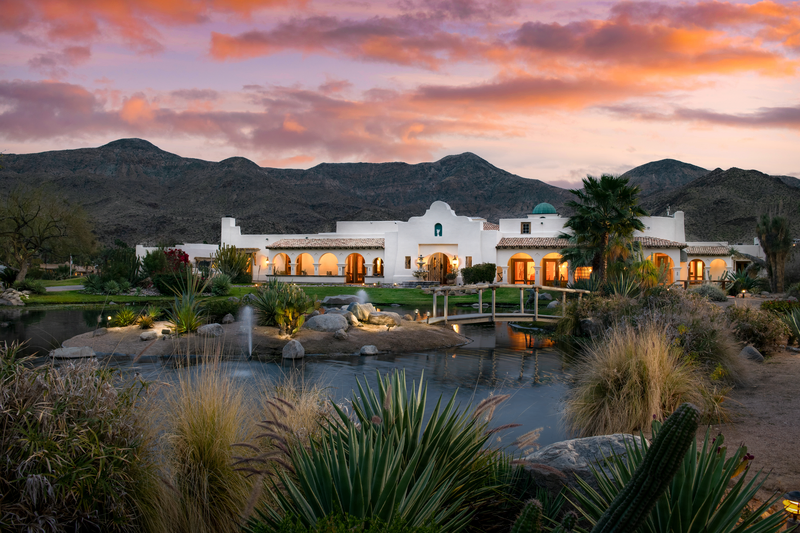
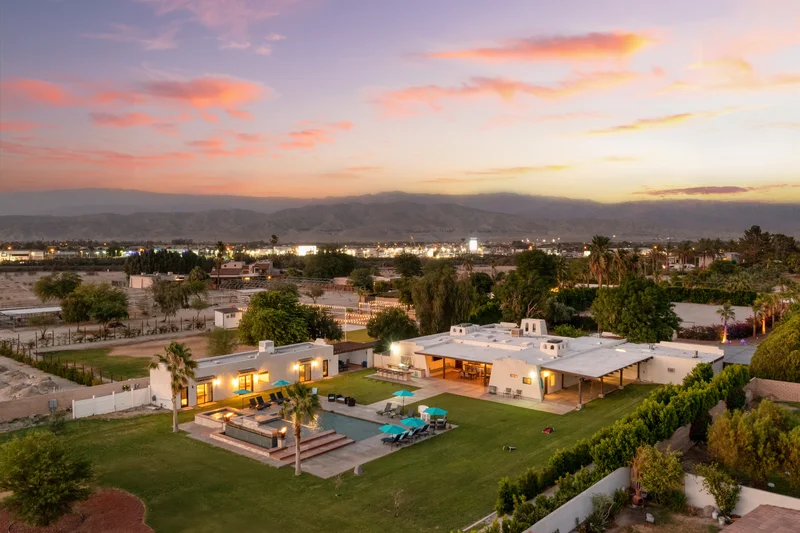
Located in the Coachella Valley, Starlight Estate is a sprawling ranch-style mansion that fits comfort and luxury together smoothly. Its earthy interiors, adorned with unique architectural details, paired with expansive spaces to live and lounge, creates a warm and inviting atmosphere. It’s indeed a perfect retreat for those seeking relaxation and entertainment.
Signature Amenities:
Private indoor tennis court with air conditioning
Mesmerizing resort-style pool and hot tub with a waterfall feature
Game room equipped with various entertainment options
Outdoor bar and expansive al fresco dining setup
See What Guests Loved About Starlight Estate:
“Great spot for our Spring Break trip. There were 4 families and we had plenty of room. The pool and tennis court was fun for all. We had a couple issues but the host was very responsive. Overall we had a great time.”
Comprising three beautifully designed, pink homes, The Pond Estate is a grand compound set on over 12 acres of beautifully landscaped grounds, offering panoramic mountain views and endless ways of fun. Also, being in a secluded location ensures a tranquil getaway, while still being just minutes from downtown Palm Springs.
Signature Amenities:
Thoughtfully curated interiors and artfully crafted spaces
Multiple pools, including indoor and outdoor options
Hot tub, private tennis court, game room, and fitness center
“The Pond Estate was lovely, peaceful and everything that we could have hoped for. It was enough space for a large group with varied experiences. We had a fabulous stay.”
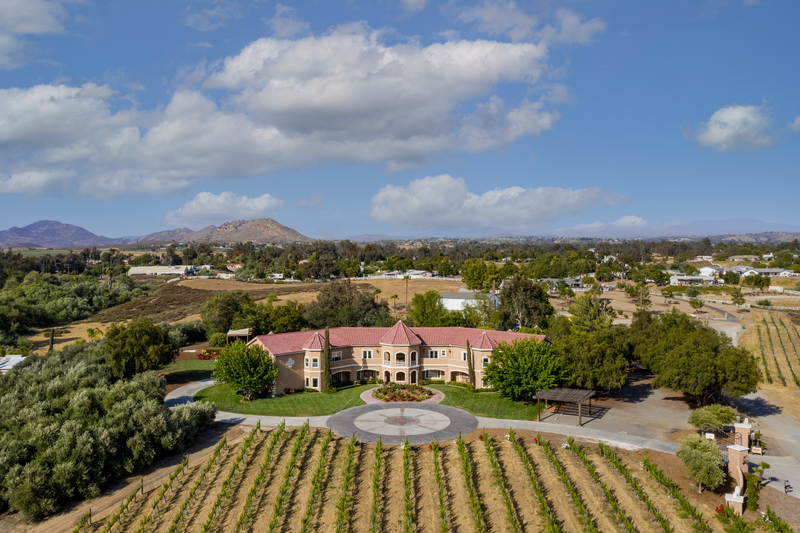
Nestled in the heart of Temecula’s renowned wine country, Wilson Creek Manor is a luxurious estate with expansive grounds and elegant interiors. It is an ideal place for a reception, corporate retreat, or large family gathering. Being near local vineyards, guests can have a unique opportunity to explore and indulge in wine tasting experiences.
Signature Amenities:
Outdoor pool with chaise lounges and a hot tub
Multiple fire pits and seating areas for evening gatherings
Large dining, lounging, dressing, and meeting areas
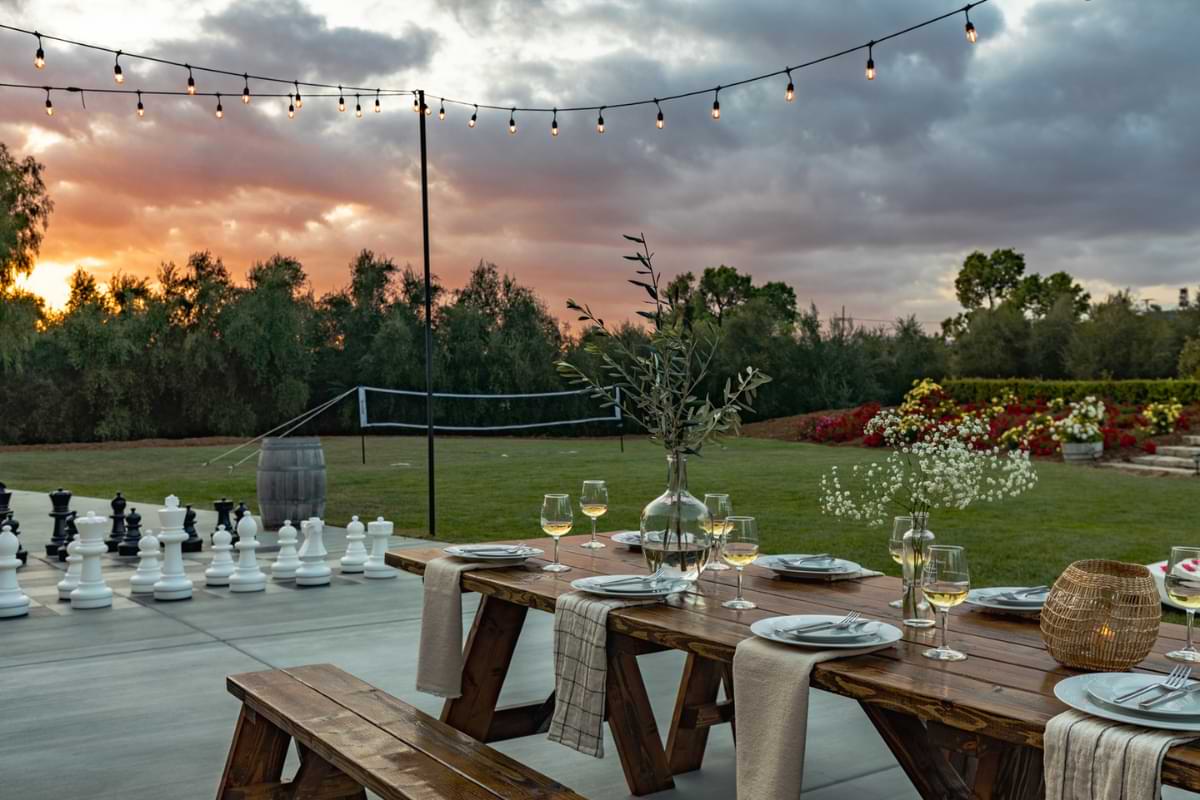
Life-size chessboard, bocce ball court, and horseshoe pits for outdoor entertainment
“Our team had a wonderful 2 days enjoying Wilson Creek Manor. The space was ideal for our group of 9 women with bathrooms in all bedrooms, large seating areas, kitchen fit with everything needed for a gourmet diner, game room and gorgeous out door area. We were in the middle of beautiful vineyards and was able to coordinate with a wine tour company to pick us up for a day of adventure and easily ordered pizza following our day of wine tasting. The boardroom came in handy to tend to work during our stay and would highly recommend for any large group.”
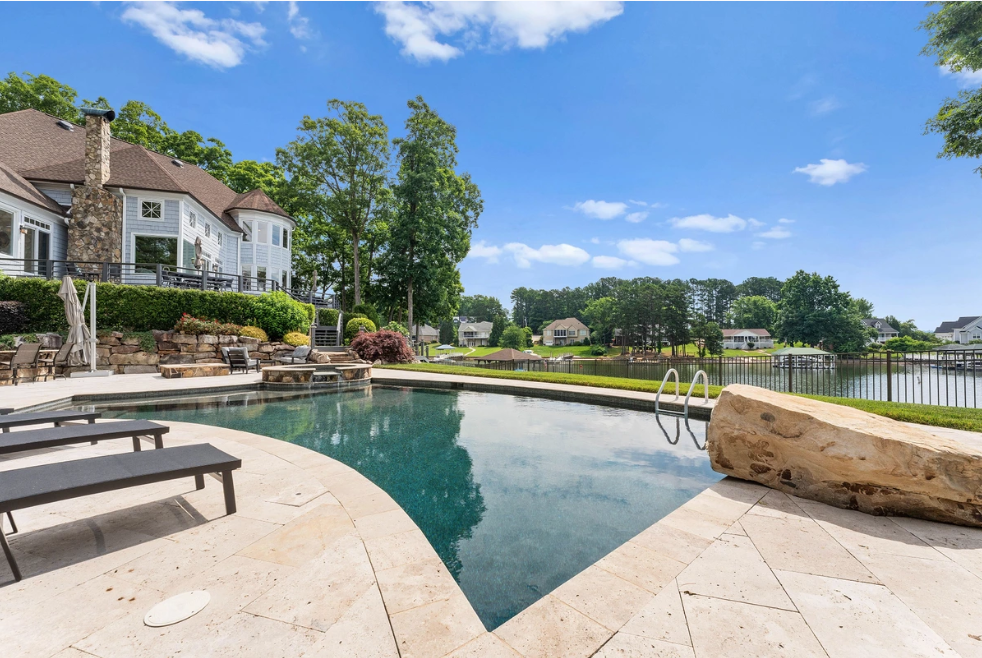
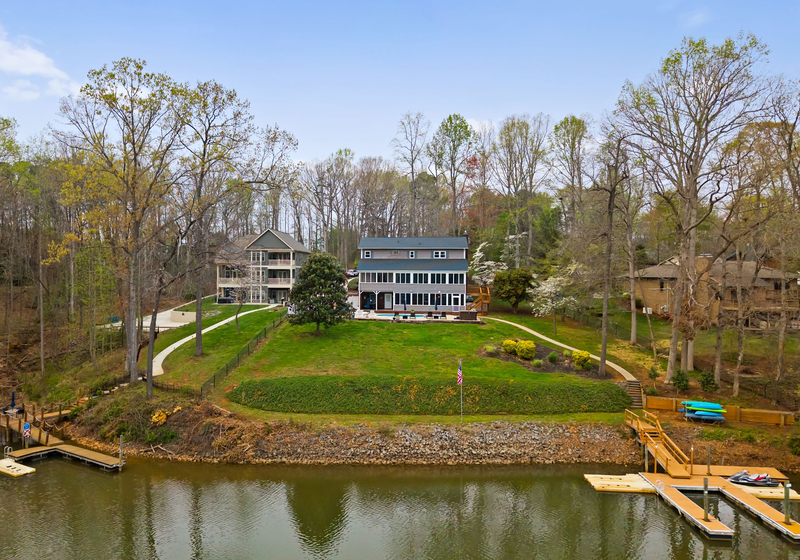
Offering a unique setup of two houses next to each other, Lake Living can accommodate large groups comfortably. The property has multiple living areas and kitchens, providing ample space for guests to spread out. Its location offers serene views of Lake Norman, too, enhancing the relaxation experience.
Signature Amenities:
Two docks and two hot tubs for lakeside enjoyment
Private pool with easy access from both houses
Kayaks and paddleboards are provided for guest use on Lake Norman
“You can book this property with confidence. We booked the entire 2 house property for our family coming in from all over for a wedding. There were plenty of bedrooms and options, even for the 3 kid family with their nanny. The house was comfortable, very clean and nicely located out of the bustle but close enough to the grocery store and pharmacy for the quick runs that inevitably have to happen. The host representative was super responsive to several questions when we arrived and everything worked out great.”
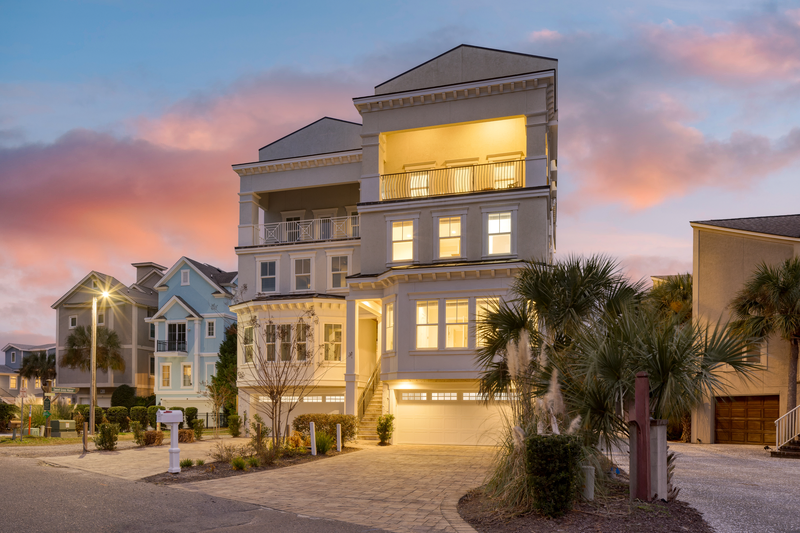
A luxurious retreat that combines island living with upscale amenities. 30 Bradley Circle features spacious interiors and multiple common areas to gather and lounge, perfect for family groups or corporate gatherings. Its location offers easy beach access via a charming boardwalk, making seaside relaxation effortless.
Multiple balconies with plush seating for relaxation
Gourmet chef’s kitchen with gas range and outdoor BBQ
Large dining spaces and living areas
If you are hosting a larger event or family reunion, you can rent this home along with our next-door properties—24 Bradley Circle and 20 Bradley Circle—for a connected stay with plenty of room for everyone.
See What Guests Loved About 30 Bradley Circle:
“Great stay, beautiful house in a tight-knit community. Walk to the beach and to a great beach bar. Can Uber around the island. Thank you!”
Set on over 40 acres in the Coachella Valley, Buena Vista is a private playground designed for unforgettable group getaways. From mornings spent by the freshwater lake to afternoons lounging poolside or challenging your crew to games across the property, there’s no shortage of ways to stay entertained. As the sun sets, gather around the fire pit or head to the saloon-style bar for drinks and late-night hangs—this is the kind of place where your group never runs out of things to do.
Signature Amenities:
Private freshwater lake with beach-entry access
Resort-style pool and hot tub
Saloon-style wet bar and entertainment space
Bocce ball, horseshoes, and expansive outdoor grounds
See What Guests Loved About Buena Vista:
“We’ve stayed in a lot of large vacation rentals, and this was easily one of the best experiences we’ve had. The property is incredibly well set up for big groups, with plenty of space to gather and spread out, and there was always something to do. Everything ran smoothly from start to finish, and the team was responsive and easy to work with. Would absolutely book again.”
Welcome to Nassau, a spacious retreat in sunny Orlando, designed for large family gatherings. The property offers ample space for relaxation and entertainment, ensuring you’ll have a memorable stay. Its proximity to Orlando’s top attractions makes it an ideal base for exploring the area.
Private outdoor oasis with a sparkling pool and bubbling hot tub
Star Wars-themed game room featuring air hockey, basketball shootout, and retro arcade games
Fully equipped chef’s kitchen with sleek island and top-of-the-line appliances
You may also want to check out our nearby homes, Sunshine Ridge and Coconut Breeze, to keep everyone from your group in the same area while enjoying their own space.
See What Guests Loved About Nassau:
“This place was awesome for a large family gathering. Lots of amenities for adults and kids. The house was very clean with a nice pool and private backyard. The host was friendly and responsive as well. We enjoyed the stay and would highly recommend for others.”
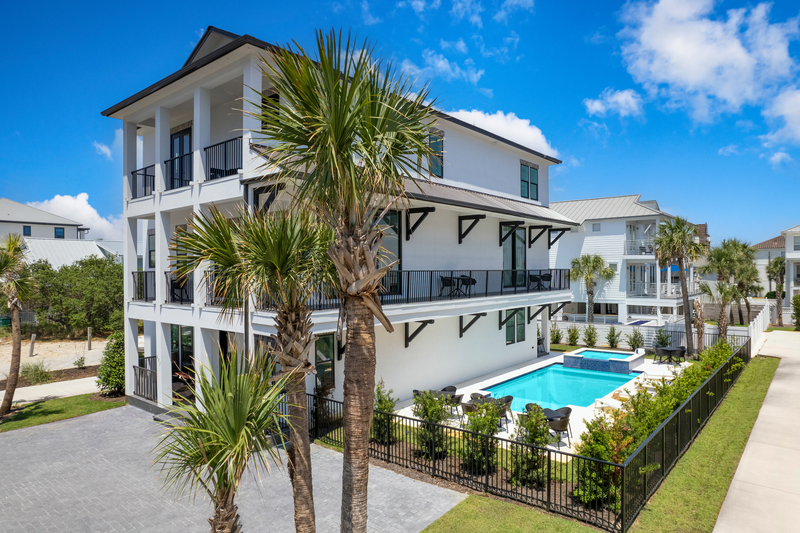
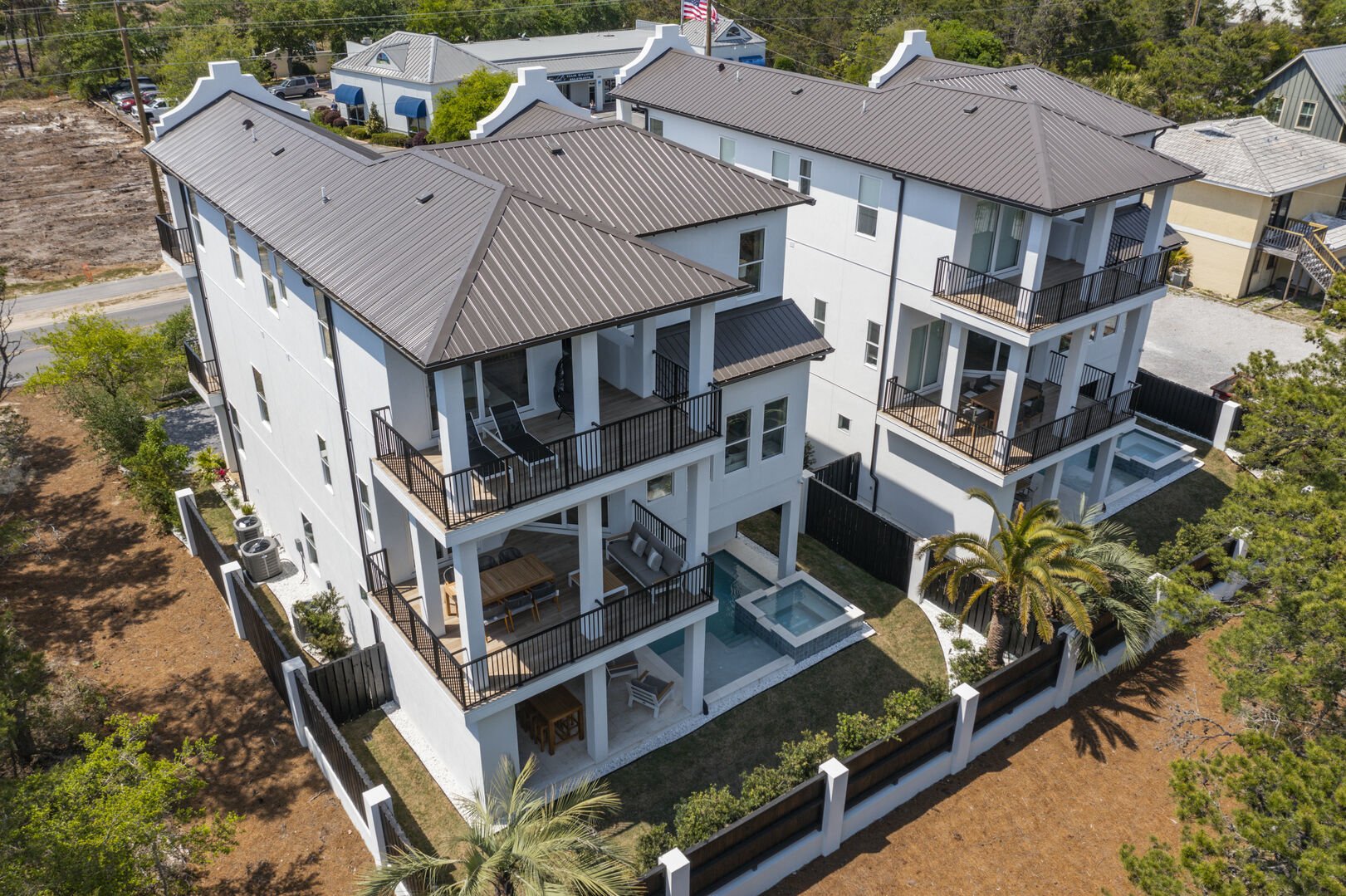
30A Born 2 Beach is a newly constructed, modern coastal home in Blue Mountain that is simply stunning. It’s an entertainer’s dream with house features and amenities that are perfect for family reunions, corporate retreats, and multi-family gatherings on 30A. The property is within walking distance of great restaurants and beach access, too.
Signature Amenities:
Large backyard pool with a tanning shelf, swim-up table, and spa.
Interior elevator for easy access across all three floors
Indoor game area with a poker table and an outdoor entertainment lounge
Complimentary beach bonfires and 4 bicycles for all bookings
See What Guests Loved About 30A Born 2 Beach:
“This is our second time staying in a 30A Beach Girls home with a large group. The house was amazing and looked just like the photos. If you are looking for a house that will accommodate a big group and great for both adults and kids – this is the place for you!”
Book 30A Born 2 Beach ➜
Modern Masterpiece – Denver, NC
Sleeps 20 guests | 6 bedrooms, 14 beds
Modern Masterpiece is a fully remodeled lakeside oasis nestled on 1.56 acres in a tranquil cove on Lake Norman. The property has high-end finishes and a contemporary vibe, offering breathtaking water views. Its expansive deck and screened-in porch provide perfect spots for dining al fresco or lounging under the stars.
Signature Amenities:
14-seater dining area and expansive deck, and porch
Game room featuring a pool table and a glass-enclosed card room
Private boathouse and dock with new boat lift
See What Guests Loved About Modern Masterpiece:
“This house was perfect for a family of 17 people of all ages. The kitchen space was phenomenal with all the items we needed for a weeks stay. There was plenty of space inside for the days it rained with lots of activities, and a great fire pit and dock on the lake for the days the sun was shining. If we decide to have another family get together, this will be our first option of somewhere to stay!”
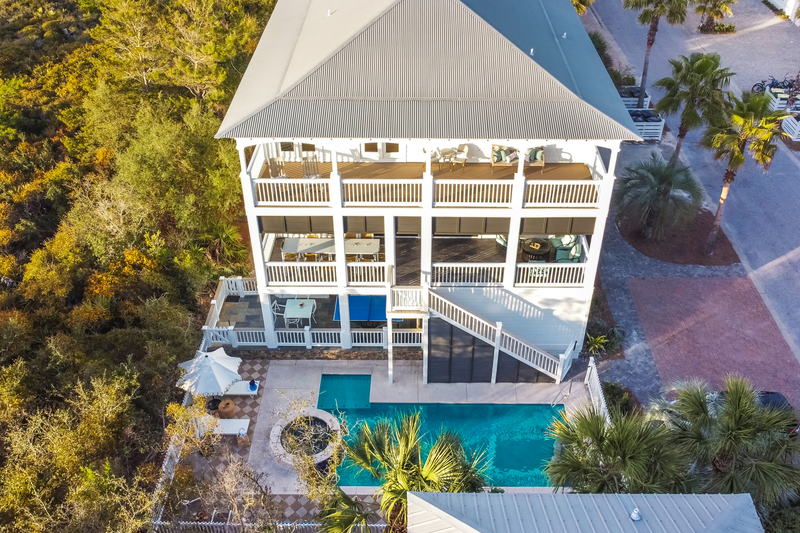
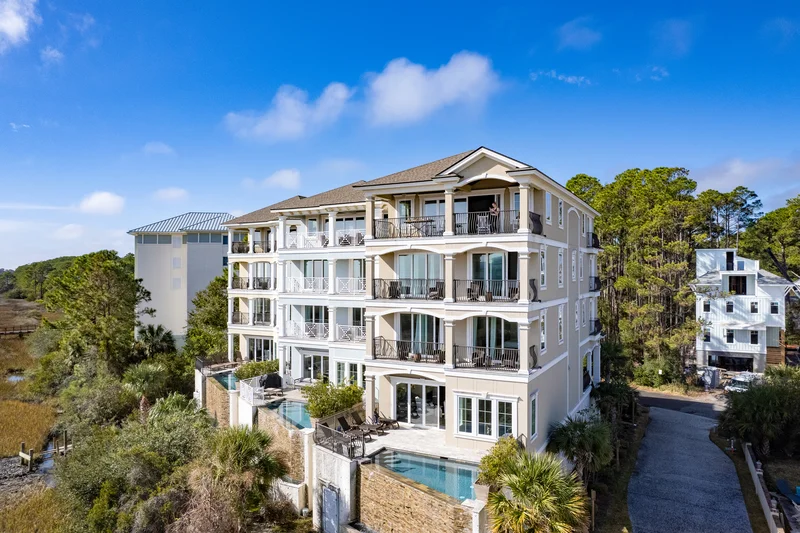
Located in the heart of Miramar Beach, Sunset Mirage has multiple stories of luxurious and laid-back beach living just a short stroll from the sand. You’ll love the expansive balconies that wrap around the home, offering breezy spaces for morning coffee or evening wine.
Signature Amenities:
Private pool and hot tub with fenced-in patio area
Theater room and large spaces to relax and unwind
Wrap-around balconies with seating across multiple floors
Public beach access is just a minute walk away
See What Guests Loved About Sunset Mirage:
“Beautiful home and very short walk to the beach. Very clean and large bedrooms. Pristine kitchen and the wrap around balcony on multiple floors was great for relaxing in the evenings. Initially had trouble getting into the home but AvantStay was very responsive and immediately corrected the issue. Highly recommend!”
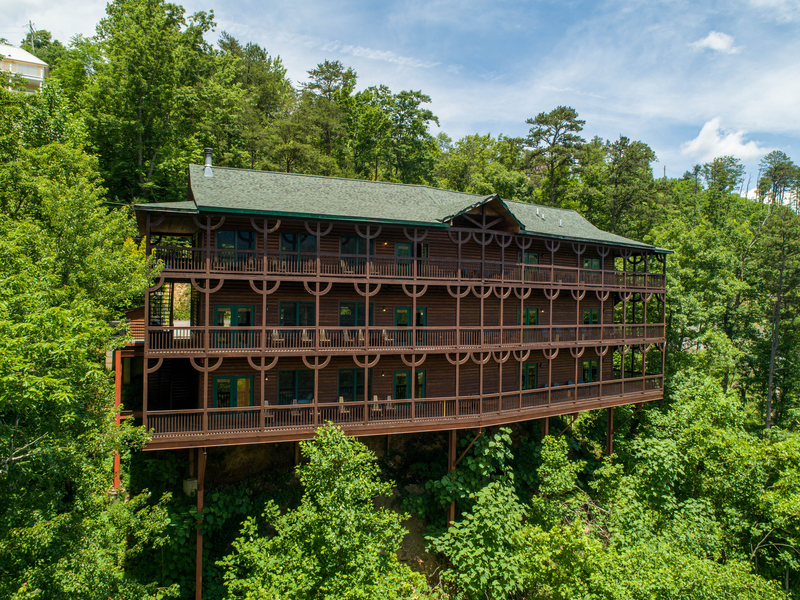
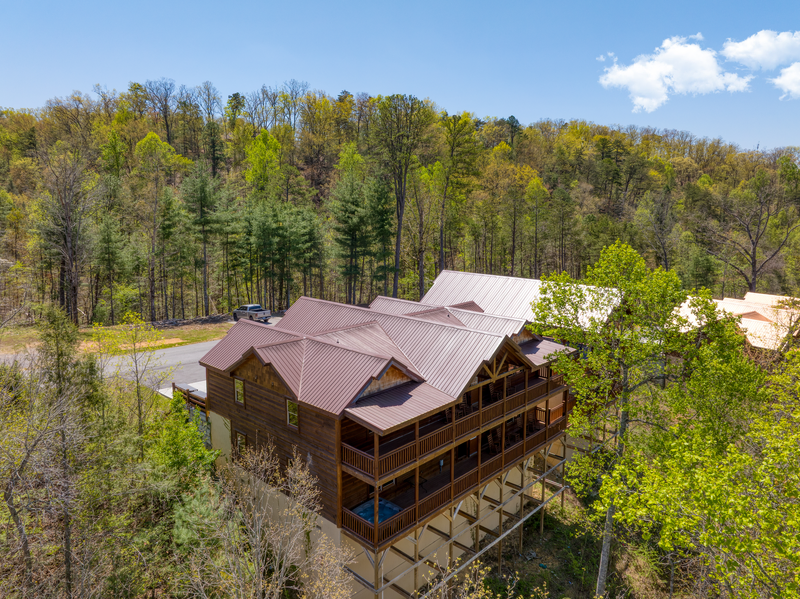
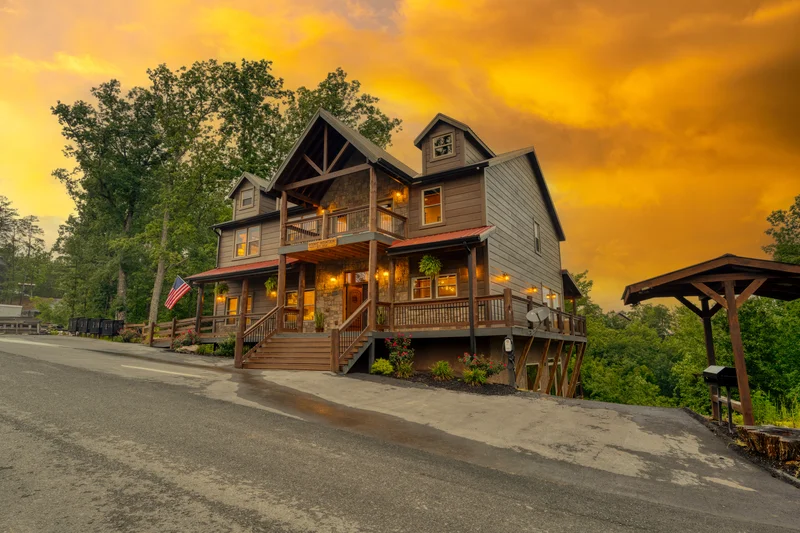
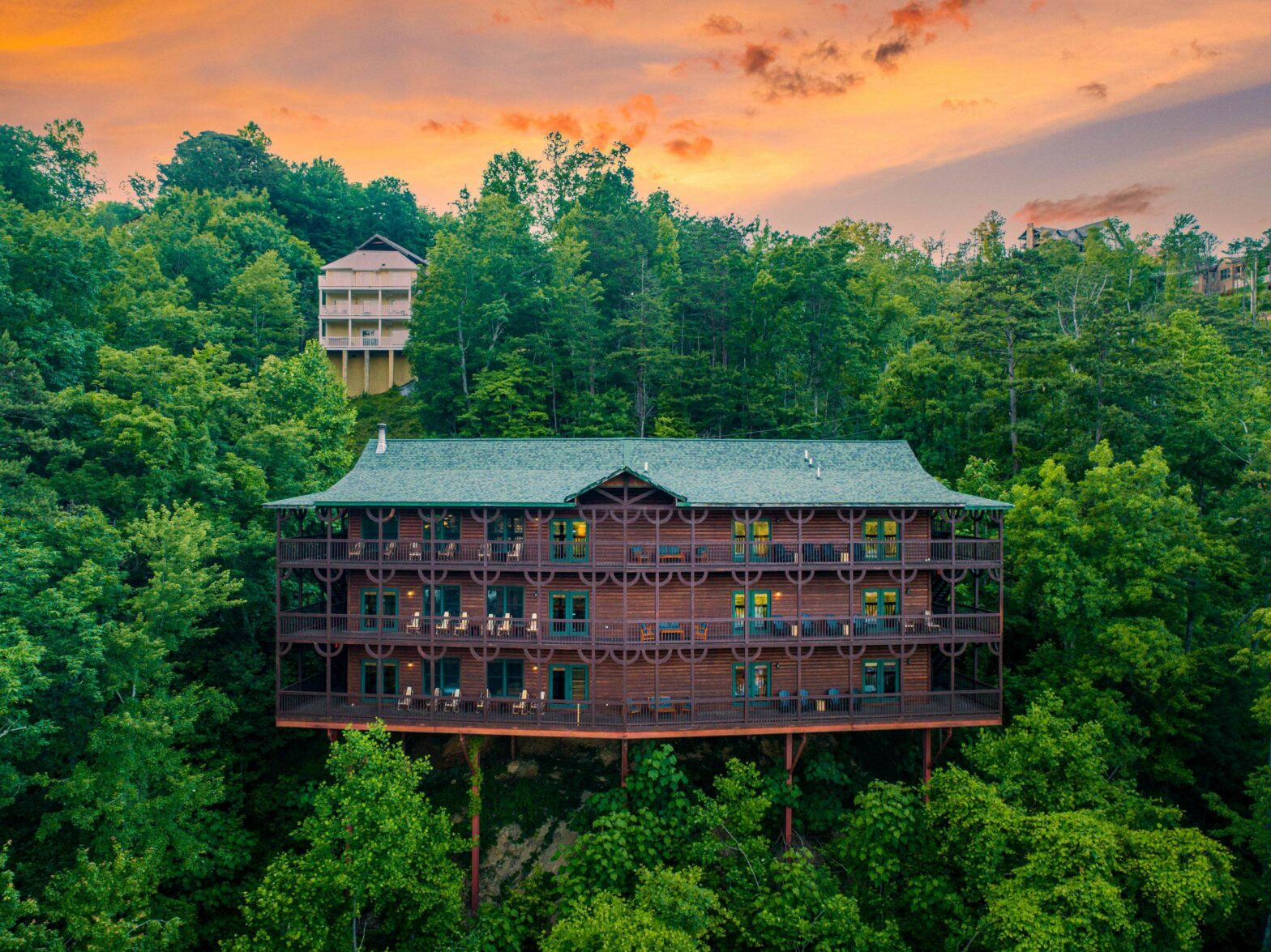
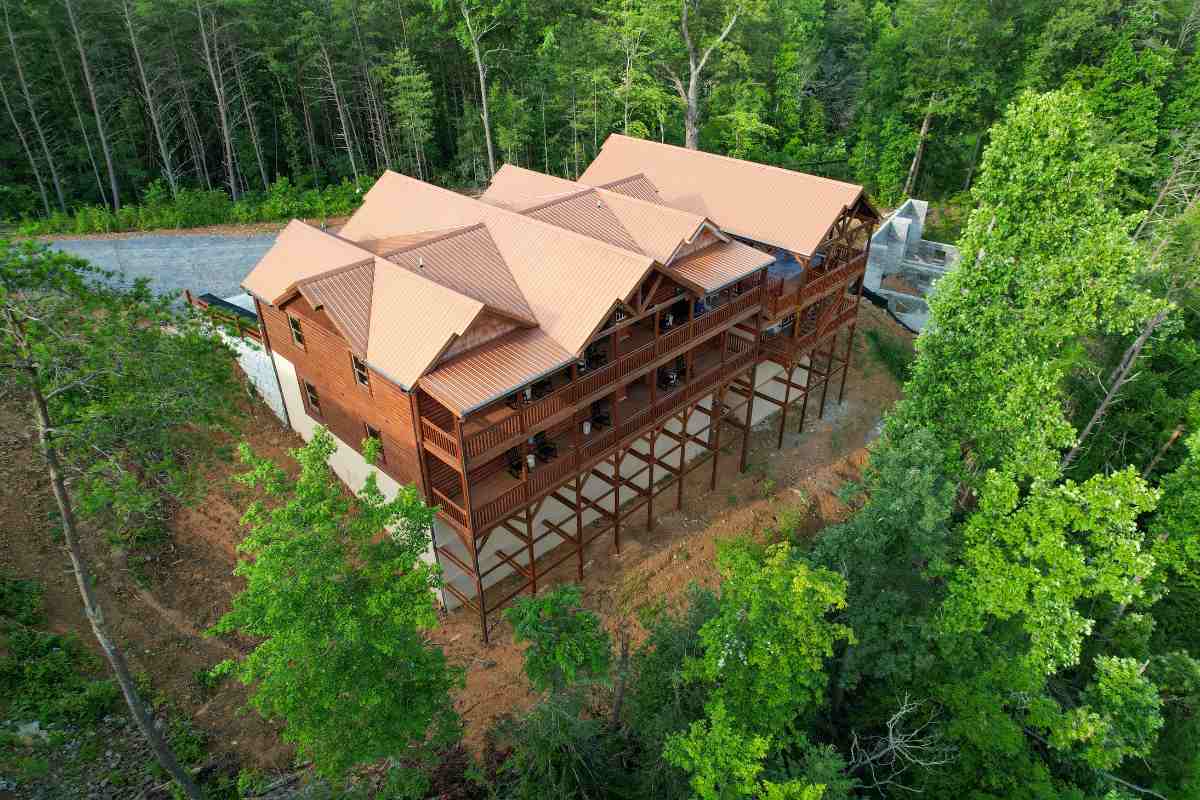
Tucked in the Smoky Mountains, Hickory Ridge has a warm cabin atmosphere with plenty of room for large families. The home’s rustic design is complemented by updated finishes and multiple gathering spaces, perfect for cozy nights or celebratory dinners. Its convenient location puts guests close to downtown Gatlinburg, yet surrounded by peaceful nature.
Signature Amenities:
3-story and large decks with the best forest and mountain views
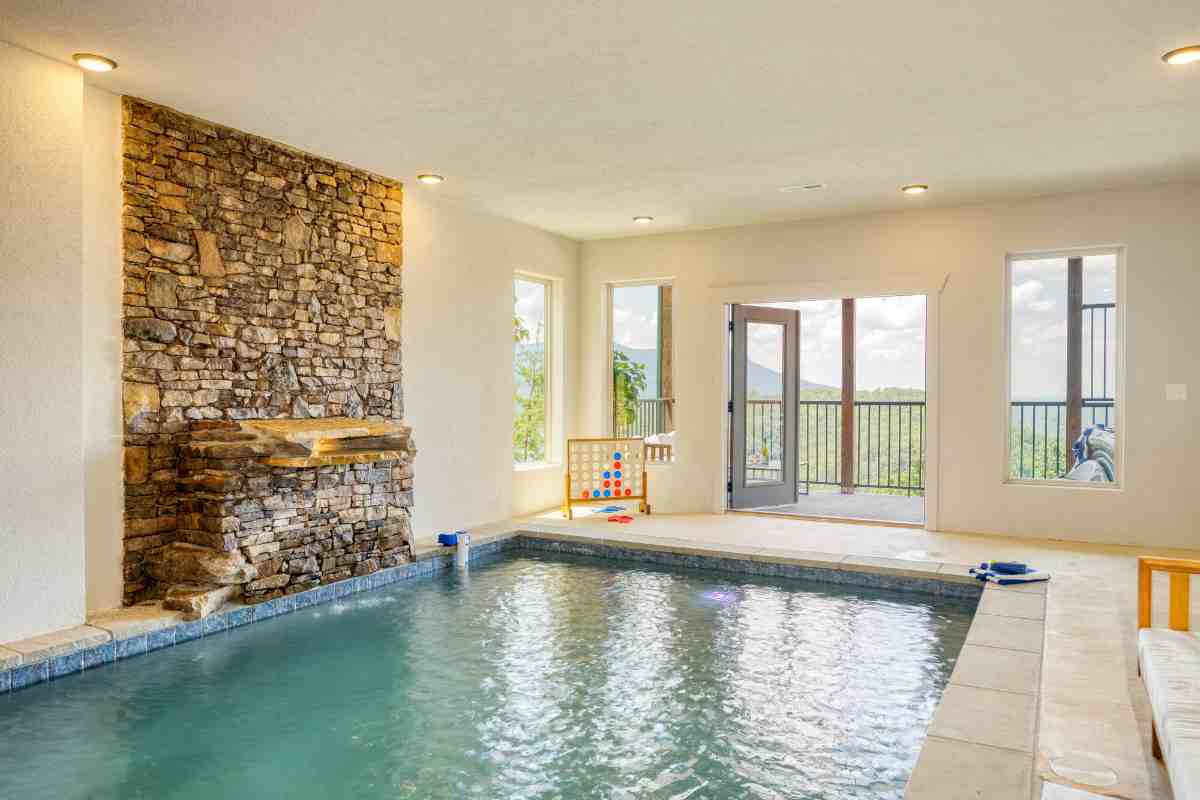
Hot tub, theater room, and game room with a pool table
High vaulted ceilings and a log cabin interior
Pet-friendly with spacious indoor and outdoor areas
“Our family of 16 and two dogs spent 5 days here and loved everything about this cabin!! Plenty of room for everyone to spread out yet come and enjoy time together on the main floor. Super close to everything downtown Gatlinburg. Only part we didn’t realize was there’s not really any grassy areas to take your pups out so bring a leash to walk them up and down the road. And watch for bears!! Overall, we’d stay here again!!”
Fin is everyone’s coastal dream home, especially for big groups and extended families. It has a flexible, comfortable, yet private layout that’s situated in a gated community near 30A. This property gives kids room to play and adults space to relax, and the cul-de-sac location means peace of mind for parents and easy beach access for everyone.
Signature Amenities:
Dual kitchens, two large living rooms, and multiple-story balconies
Private pool and hot tub, plus outdoor entertaining area
Pingpong, foosball, air hockey and other arcade games are available
Short 2-minute walk to Sandy Shores private beach access
“This was a family vacation with 10 adults and 8 children, and the accommodation was perfect. I have stayed in many VRBO properties, but this was the best equipped by far. Having two kitchens was a tremendous bonus, and 2 living areas made it perfect with a place for the children and a very comfortable space for the adults. The Avant team was incredibly responsive to any of our needs — greatly appreciated especially over what I’m sure was a very busy Thanskgiving weekend. The beach was easily acccessible, and there was an ample supply of beach chairs for our use.. Since the home is on a cul-de-sac in a gated community, our children could ride their bikes without fear of cars whizzing by. In short, the location was perfect. I would not hesitate to recommend this home and hope if we make a return trip to 30A with our family, that it will be available.”
Book Fin ➜
Clear Sky – Destin, FL
Sleeps 20 guests | 8 bedrooms, 12 beds
Say hello to Clear Sky, a modern and welcoming beach retreat ideal for multi-family groups or reunions. The home’s open layout and bright coastal décor create a relaxed and inviting space for gatherings. Every bedroom includes its own ensuite bathroom, giving guests both comfort and privacy during their stay.
Signature Amenities:
Private Kokomo Cove beach access is just down the street
Private pool and hot tub with outdoor living space by the back porch
Large open kitchen and dining space perfect for big meals
“Place is very spacious! All rooms have bathrooms which is great for a big group. Easy walk down the street with a more private beach access opposed to the public beach access. Everything was clean and welcoming upon arrival.”
Making Waves lives up to its name with incredible lakefront views and resort-style amenities, making it perfect for special occasions. Whether it’s a milestone birthday, family reunion, or teen sleepover, this house has space and activities for every kind of celebration. Guests rave about the spacious layout and thoughtful extras that make hosting a breeze.
Signature Amenities:
Private pool, hot tub, and outdoor firepit
Direct lake access with private dock and kayaks & paddle boards
Movie room, arcade, and plenty of group-friendly space
Large outdoor space to gather, eat a meal together, and fully relax
See What Guests Loved About Making Waves:
“Perfect Stay…we couldn’t have asked for a better home for my daughter’s 16th birthday sleepover with her friends. The house is absolutely beautiful. It was spacious, clean and had everything we need to feel right at home. The view of the lake and the trees were just what we needed to distract us from a bunch of teenager girls. The girls had a great time, swimming in the pool, doing smores by the firepit and watching movies in the basement. We rented a boat which was able to come right up to the dock. Thank you AvantStay for accommodating all my requests. You all were the perfect host for this perfect occasion. We are all ready to come back.”
Check out our latest Smoky Mountains retreat to the AvantStay collection. Dolly’s Lodge is a cozy, log cabin just minutes from the best of Pigeon Forge. Perfect for family reunions or friend group escapes, this lodge-style home is an inviting base for every kind of mountain getaway.
Spacious open-concept kitchen and living area for group meals
See What Guests Loved About Dolly’s Lodge:
“The home was very spacious, clean, peaceful and exactly as seen on app. We had just 2 issues nothing major and they responded quickly and was resolved right away. They accommodated us with an extra stay as we just couldn’t leave because it was just that beautiful and all my family loved it. Will definitely come back in the near future and had everything we needed.”
Plan the Ultimate Large Group Vacation with AvantStay
Organizing a vacation for a large group, be it family reunions, milestone celebrations, or friend getaways, can be both exhilarating and challenging. To ensure a memorable experience, consider the following steps:
Start Planning Early
Large vacation rentals are in high demand, especially during peak seasons. Begin your search several months in advance to secure the ideal property that fits your group’s needs. AvantStay has a curated selection and collection of spacious homes designed for big groups, ensuring comfort and convenience for all guests.
Designate a Group Coordinator
Having one person who oversees the planning process can streamline communication and decision-making. This coordinator will handle bookings, collect payments, and liaise with the property owner or manager. AvantStay has a dedicated guest experience team that is available to assist you with any inquiries or special requests.
Establish Clear Communication
Set up a group chat or email thread to keep everyone informed. Discuss budgets, meal plans, and activity preferences to ensure everyone’s expectations align. AvantStay’s mobile application acts as digital guidebooks for each property, providing guests with all necessary information, from check-in details to local recommendations.
Choose the Right Property
Look for rentals that offer ample space, multiple bathrooms, and communal areas. Amenities like game rooms, pools, or proximity to attractions can enhance the group’s experience. We have numerous blogs on the best vacation rentals for family reunions, Airbnbs for big groups, and best corporate venues that highlight properties specifically designed for large gatherings.
Plan Meals Ahead
Decide whether you’ll cook, dine out, or hire a chef. For home-cooked meals, assign cooking duties or consider preparing dishes in advance to save time. AvantStay homes often feature fully equipped kitchens and spacious dining areas, perfect for group meals.
And if you don’t want to stress out on having a stocked kitchen, we also have a grocery delivery add-on that will ease you out during your stay.
Allocate Private and Shared Time
While group activities are essential, ensure individuals or families have time to relax separately. This balance prevents burnout and keeps everyone refreshed. Many AvantStay properties offer multiple living spaces and outdoor areas, allowing guests to find their own space when needed.
Discuss Finances Openly
Clarify how expenses will be divided, whether equally or based on usage. Using helpful finance apps can simplify tracking shared costs. We provide transparent pricing for each of our homes, making it easier for you to manage your group finances.
Prepare for the Unexpected
Consider travel insurance and familiarize yourself with the rental’s cancellation policy. This foresight can protect your group from unforeseen circumstances. Protect your AvantStay trip to have peace of mind when plans change.
Big Plans. Big House. Book Now!
If you’re planning a holiday celebration, family reunion, milestone birthday, or corporate retreat for 20 or more guests, the key is finding a space that offers both room to spread out and places to come together.
The best properties for large groups book up fast, especially during peak holiday seasons. Don’t just dream about the ultimate group getaway—lock it in now!
Find your perfect large vacation rental at AvantStay today and secure the space, the vibe, and the memories before someone else does.
Maybe it’s the salty air, the pastel porches, the wandering roosters, or the way time seems to stretch just a little differently here. Either way, one thing’s for sure: a weekend simply isn’t enough.
Key West isn’t the kind of place you visit once—it’s the kind of place that lingers with you long after your flip-flops have touched down back home. That’s why we’re sharing a curated list of Key West Airbnbs made for month-long stays—the kind of homes that invite you to unpack fully, sink into a slower pace, and live like you’ve always belonged on island time.
If you’re looking for creative inspiration, a remote work change of scenery, or just the luxury of staying somewhere long enough to learn your neighbors’ names, then these homes are the perfect excuse to take it easy for a while.
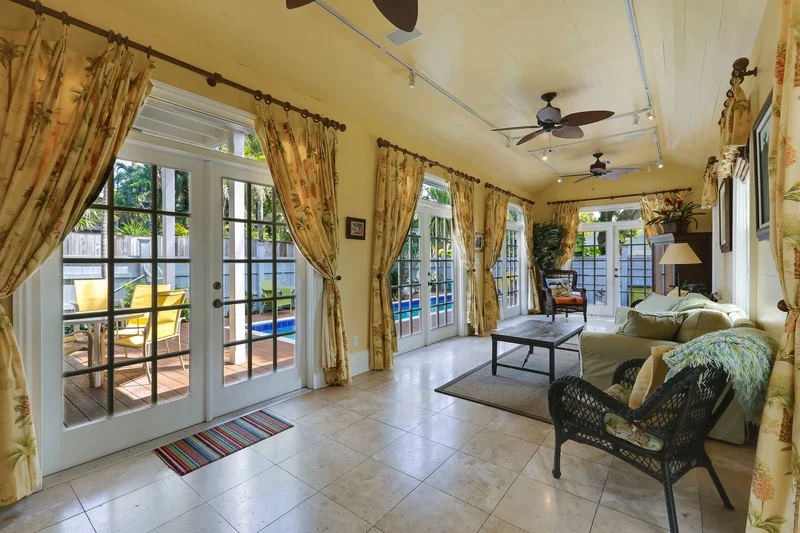
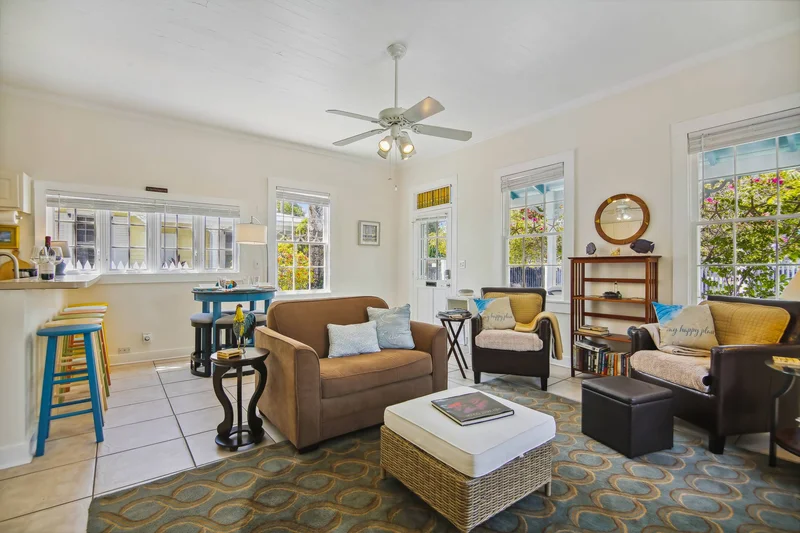
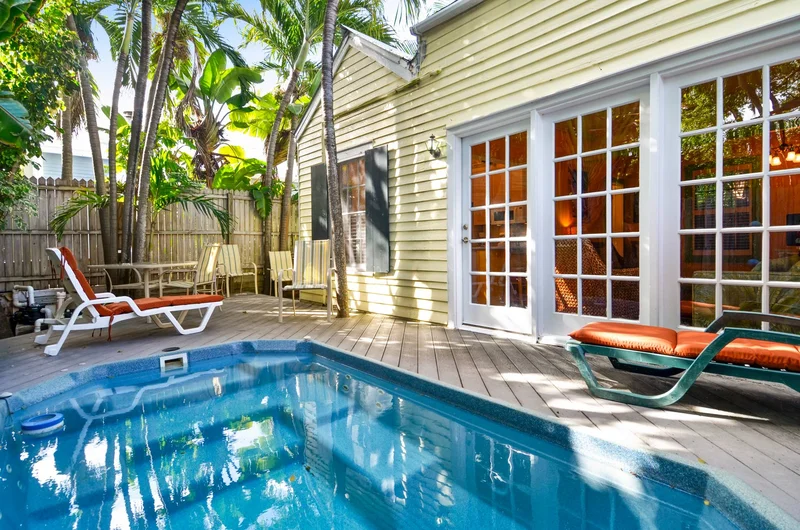
The name says it all—First Breath is the place you exhale, slow down, and remember how nice it feels to do absolutely nothing. This beautiful Conch-style retreat is tucked in the heart of Old Town, where tropical palms, a private saltwater pool, and shady decks create your own little slice of Key West calm.
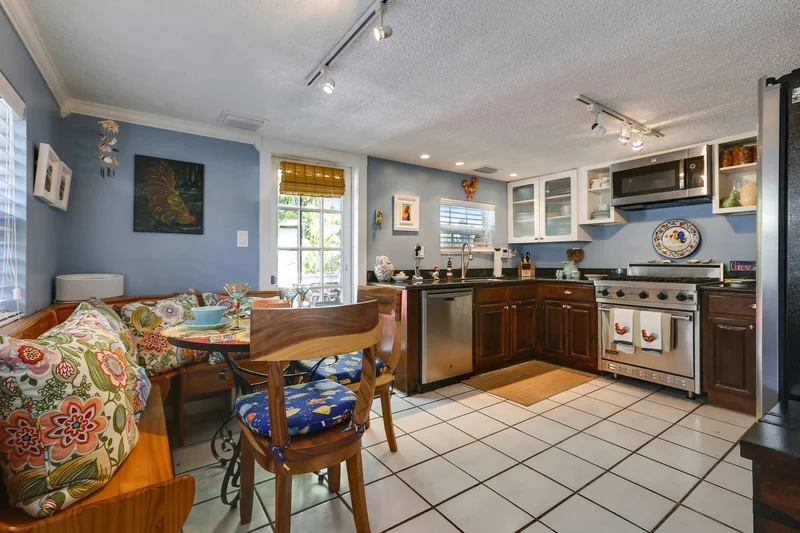
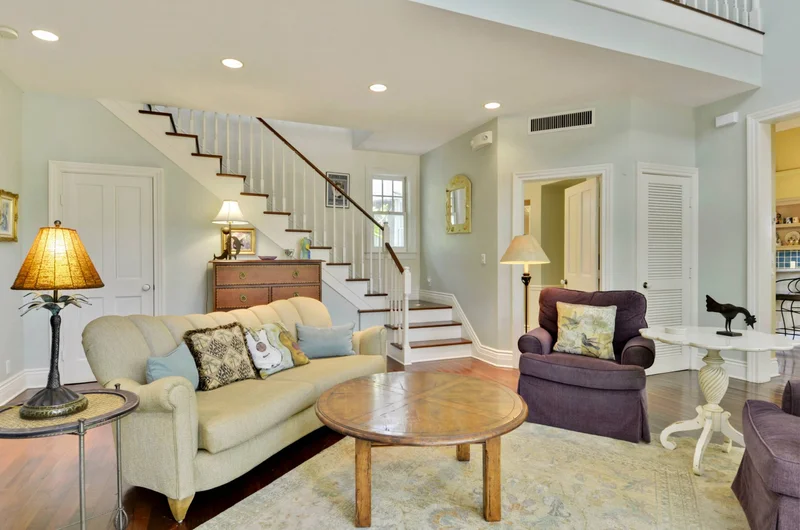
Inside, you’ve got everything you need to live like a local: a fully stocked kitchen, comfy living room, and indoor-outdoor flow that practically begs you to spend afternoons poolside with a cold drink and zero agenda. And the best part? You’re just a bike ride away from Duval Street, the Seaport, and all the good island energy.
⭐ Best Features
Private saltwater pool and furnished outdoor deck
Fully equipped kitchen with modern appliances
In-home laundry for long stays
Dedicated indoor + outdoor dining areas
Walkable Old Town location near shops, dining & Duval St
If your dream month in Key West includes sipping coffee on a balcony, lounging by the pool, and living in a postcard-worthy historic home, then Lighthouse Villa is your best choice. Just steps from some of the island’s most iconic spots, this elegant home makes it easy to fully settle into island life.
After a beach day or an afternoon of wandering Duval, this is where you’ll come home to unwind. A tropical retreat built for long stays, with multiple indoor and outdoor living spaces, allowing everyone in your group to spread out and have a bit of privacy.
⭐ Best Features
Private pool, BBQ grill & multiple outdoor lounge spots
Spacious 3-level home with flexible sleeping areas
Full kitchen with a big dining table
Washer and dryer available
Located in the heart of Old Town, walkable to everything
Stay at Spanish Lime Tree Cottage for a month and you’ll start living like a local by week two. Walk to the Key West beaches. Grab lunch on Petronia Street. Pick up fresh fish for the grill. After a few days here, the island rhythm takes over—and trust us, you won’t miss the rush.
Perfectly placed on historic Whitehead Street, right in the center of Old Town—but just far enough off Duval for peace and quiet when you want it. This cozy cottage is made for couples, solo travelers, or digital nomads looking to swap city noise for sunshine, Cuban coffee, and easy strolls to everything.
⭐ Best Features
Private backyard patio with grill and dining area
Full kitchen and in-home laundry for longer stays
Pet-friendly for one small dog (with additional fee)
Private parking spot!
Central Old Town location, steps from local landmarks
👉 Book on Airbnb | Book on AvantStay Direct (Best Price!)
La Casita
2 Bedrooms | Sleeps 4 guests
Tucked on a quiet little lane just steps from Duval Street, La Casita is your access to long, laid-back island living. It’s charming, colorful, and right in the middle of Old Town—which means you can go from your front porch to a slice of key lime pie in under 5 minutes (we timed it).
This hideaway has everything you need for a month of slow mornings, breezy sunsets, and feeling like a KW local. Whether you’re biking to the beach, walking to Hemingway’s house, or just enjoying the quiet rhythm of Key West life, La Casita makes you feel at home.
⭐ Best Features
Fully equipped kitchen plus outdoor BBQ grill
Tropical landscaped courtyard with dining and lounge space
Settle in, unpack, and stay a while as Ecco Domani is made for the long haul and a cozy balance of luxury and livability. This three-story private home feels like a boutique stay where everything here is set up to help you slow down and enjoy every single day of your month in paradise.
Tucked just off Simonton Street, the house location puts you close to everything—restaurants, shops, beaches. And whether you’re sipping your morning espresso on the porch or floating in the pool after a day out, Ecco Domani is the kind of place that makes you want to extend your stay… indefinitely.
⭐ Best Features
Saltwater pool with sunny private deck and loungers
Gourmet kitchen with French doors to the patio
Jetted soaking tub and luxe master bath
TVs in every bedroom with strong WiFi for longer stays
Walkable to Duval Street, South Beach & local favorites
Paradise Palms is your perfect mix of easy, quiet, and close to everything. But what makes this place really special is how livable it feels! Located in a peaceful neighborhood, this renovated cigar-style cottage is where you settle in for the month and instantly feel like you belong.
You’ve got everything you need to make yourself at home where you can walk to yoga, bike to the beach, or pop over to the corner market for wine and snacks. Then enjoy a glass of something cold in your shady front courtyard. For 28 days of pure, unbothered Key West living—this is the move.
⭐ Best Features
Renovated kitchen with stainless steel appliances
Private side deck with outdoor shower and grill
In-home washer and dryer
Dedicated parking spot
Quiet neighborhood, walkable to Old Town dining & shops
Looking for your private slice of paradise for a month? You just found it. Flagler’s Oasis is exactly the peaceful, palm-lined retreat with zero stress in sight. After a few weeks here, you’ll forget what rushing feels like as you are now used to easy living and quiet afternoons.
Imagine waking up each morning to birdsong and sunshine, taking your coffee out to the garden while the palm trees sway overhead. Life moves slower, the air feels warmer, and your only real decision is whether to swim before lunch or after. This isn’t just a vacation anymore—it’s your own slice of island life, stretched out over 28 perfect days.
⭐ Best Features
Deep lagoon-style pool with waterfall and stone deck
Covered gazebo with a TV for outdoor hangouts
Fully renovated kitchen with everything you need
Extra-long driveway for 2 cars
Pet-friendly (additional fee) with a fenced-in yard for privacy or pups!
Where island time kicks in and every day starts with sunshine and ends with a nightcap in the courtyard. Rush to Lazy Gecko, a tucked-away, charming condo in Key West, made for simple pleasures, long walks, and even longer stays. One visit and you’ll see why this spot lives up to its name—you’ll never want to leave.
Here, mornings are for strolling to the seafood market or grabbing Cuban coffee down the street. Afternoons? They’re for reading on the front porch or exploring nearby galleries and historic sites. The light, airy, and thoughtfully designed space inside is just the perfect spot for breakfast or a breezy happy hour.
⭐ Best Features
Private courtyard area with BBQ grill
Fully equipped kitchen
A washer and dryer are available for use
Prime Old Town location near Seaport & Duval Street
Not just a stay but a story. Welcome to Casa de Rosalie, with roots dating back to 1889. A historic Conch home that wraps you in breezy palms, quiet streets, and the kind of classic architecture that invites you to slow down. Mornings here start easily, and notice how life here just feels better.
A stroll through Bayview Park across the street, or coffee on the back porch while the pool sparkles in the sunshine. You’ll love how easy the flow is in this home. You’ve got a go-to sandwich spot. And that once-vacation rental? It feels like home.
⭐ Best Features
Restored historic home with century-old Dade County pine tree
Private backyard with pool, gazebo, and grill setup
Spacious living and dining areas for group meals
Full kitchen, in-home laundry, and flexible sleeping space
Walkable to Bayview Park, local eats, and Duval Street
Island life, perfected. That’s Casita de Catherine—a cottage where every moment feels just a little more intentional with simple comforts, soft colors, and just the right amount of cozy. Tucked just a block from Duval, this little gem is quiet and surprisingly peaceful given how close you are to everything.
A romantic getaway where you can escape this February and start to find your rhythm. Have a sunrise stroll to South Beach, lazy mornings in the hot tub, and spend afternoons with your feet up on the back deck as the breeze rolls through.
⭐ Best Features
Private hot tub by the backyard deck
Outdoor shaded lounge
Full kitchen and in-home laundry
One block from Duval, walkable to beaches, dining, nightlife
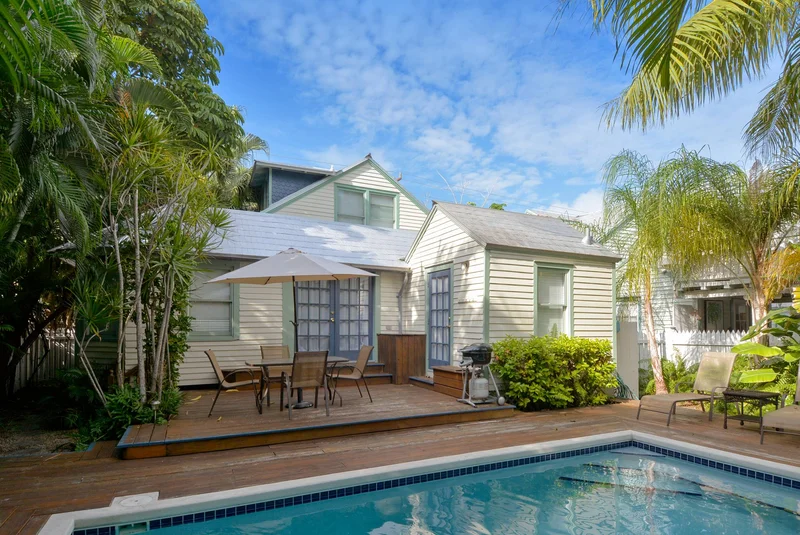
There’s something sweet about this place, and it’s not just the name. From the sunshine-yellow walls to the splash pool tucked under swaying palms, Key Lime Pie is your classic Key West bungalow brought to life. It’s bright, cheerful, and full of those little details that make it easy to settle in and stay awhile.
Spend your mornings wandering for fresh seafood and waterfront views, and your afternoons in the splash pool with a book and something cold in hand, or find your go-to coffee shop, get used to biking everywhere, and wonder how home ever felt this far away.
⭐ Best Features
Private splash pool and lush fenced-in deck
Full kitchen with washer and dryer
Dedicated parking spot
Pet-friendly (with additional fee)
Walkable to the Seaport, restaurants, and Old Town hotspots
Life really is easier at Easy Livin’. A quiet historic house at Truman Annex that brings all the comforts of home from the moment you walk in. It feels like someone hit the “relax” button on your life when you stay here, as it makes slowing down with the warm Key West breeze feel like second nature.
Built for families, friend groups, or anyone needing a long-overdue reset, this is the kind of home where brunch turns into happy hour, and one week turns into four. It’s called Easy Livin’ for a reason, and whether you’re staying here for a week or month-long, this house lives up to its name.
⭐ Best Features
Private saltwater pool with pool towels
Outdoor lounging and dining space
Fully stocked kitchen and in-home laundry
Private carport for 1 vehicle
Located in gated Truman Annex, walkable to everything
Why Staying in Key West for a Month Is Totally Worth It
Sure, a weekend in Key West is fun—but give yourself 28+ days here and you’ll unlock a whole new level of island living! Here’s why a longer stay isn’t just worth it—but it’s the move:
1. You actually get to slow down. No rushing to cram it all in and make mistakes. You’ll have time to explore the beaches, brunch spots, galleries, and hidden gems without the pressure of a check-out clock ticking.
2. You’ll feel like a local. After a few days, you’ll have your go-to coffee shop, your favorite bar stool on Duval, and a go-to order at the taco stand down the block.
3. Space to live, work, and recharge. These homes are built for real life—cook in a full kitchen, catch up on remote work, and relax in your own private outdoor space. It’s comfort and freedom!
4. You can truly unplug (or not). Want to disconnect and read three novels? Do it. Want to take a meeting by the pool and call it “work-life balance”? We love that for you.
5. The longer you stay, the more it feels like home. By week two, the island will for sure feel familiar. By week four, you’ll be wondering how to extend your stay.
So yes—Key West is the perfect place to escape. But when you stay a little longer? It becomes the kind of place you’ll keep coming back to, year after year. Our loyal guests swear on that!
After a few days in Key West, you’ll fall in love. After a few weeks, you’ll wonder why you ever booked a return ticket! Slow down, stay a while, and discover what it really means to live on island time.
Whether you’re chasing sunshine, writing your next chapter, or just ready for a well-earned reset, a month here might be exactly what you didn’t know you needed.
Book your stay today and get ready to live a long, breezy day at a time.
Your vacation rental market doesn’t actually have four seasons. It has 75+ micro-seasons driven by local events, holidays, conferences, and demand patterns you’re probably not tracking manually. The impact of dynamic pricing becomes clear when you start capturing revenue during all these brief windows instead of applying the same rate for weeks at a time. We’re going to break down exactly how this granular approach affects your bottom line over a full year.
TLDR:
Dynamic pricing boosts vacation rental revenue by 10-40% annually through real-time rate adjustments.
A 75+ micro-season model captures demand spikes from local events that quarterly pricing misses.
Algorithms balance occupancy and rates automatically, increasing ADR up to 178% during peak periods.
AvantStay’s proprietary revenue management system optimizes pricing across 2,300+ properties.
How Dynamic Pricing Works in Vacation Rental Revenue Management
Dynamic pricing adjusts rates in real time based on supply and demand signals across the market. Instead of setting a fixed nightly rate for the year, algorithms continuously recalibrate prices by analyzing competitor availability, booking velocity, and demand forecasts.
Our proprietary revenue management algorithm processes thousands of data points to determine optimal pricing. It evaluates local events that drive demand spikes, flight pattern changes indicating travel interest, and historical seasonal trends specific to each market. This creates a responsive pricing model that captures revenue opportunities traditional static pricing leaves on the table.
The system identifies when to push rates higher during constrained inventory periods and when to adjust downward to maintain occupancy during slower windows. This constant recalibration across your entire portfolio ensures you’re never leaving money on the table or pricing yourself out of bookings.
Quantifying Revenue Gains from Dynamic Pricing Strategies
The financial case for dynamic pricing becomes clear when you examine actual performance data. Properties using dynamic pricing models earn 10.7% more in RevPAR compared to the previous year, representing a substantial lift without acquiring additional properties or increasing marketing spend.
AI-powered pricing algorithms deliver even more dramatic results depending on market conditions and property characteristics. Revenue increases from a single property typically range from 10-40%, with variation driven by factors like local demand volatility, competitive density, and seasonal amplitude. Markets with frequent events or fluctuating business travel see higher gains because algorithms exploit pricing opportunities that manual adjustments miss.
These aren’t marginal improvements. For a property generating $100,000 annually under static pricing, a conservative 15% algorithmic lift translates to $15,000 in additional revenue with no change to operating costs. Scale that across a portfolio of 50 properties and you’re capturing $750,000 in revenue that would otherwise go unrealized.
The compounding effect matters too. Dynamic pricing doesn’t just optimize individual nights, it improves your competitive position over time. Better rate positioning leads to stronger booking velocity, which feeds back into the algorithm to refine future pricing decisions and capture incremental market share.
The 75+ Season Advantage in Hospitality Pricing
Traditional hospitality pricing divides the year into four broad seasons: peak, shoulder, low, and holiday. This approach misses the nuanced demand patterns that actually drive booking behavior. A granular 75+ season model recognizes that demand doesn’t shift quarterly, it fluctuates weekly or even daily based on hyper-local factors.
These micro-seasons emerge from overlapping demand drivers that create distinct pricing windows throughout the year. A three-day music festival in May represents its own season. The week before Thanksgiving when families travel early creates another. Spring break varies by school district, generating multiple sequential micro-seasons rather than one monolithic period.
We identify these seasons by analyzing the convergence of multiple signals. When a major conference coincides with favorable weather and increased flight capacity, that specific window demands different pricing than the week immediately before or after. This granularity lets you capture value during brief demand surges that quarterly pricing models completely overlook.
The advantage compounds across your calendar. Instead of 4-12 annual pricing adjustments, you’re optimizing across 75+ distinct windows. Each micro-season receives tailored pricing based on its unique demand profile, which means you’re never applying last quarter’s strategy to this week’s opportunity.
Data Sources That Power Seasonal Price Optimization
Effective seasonal pricing optimization depends on comprehensive data ingestion across multiple categories. Our revenue management algorithm pulls from local event calendars to identify everything from major concerts and conferences to sporting events and regional festivals. Each event gets weighted by expected attendance, historical hotel impact, and proximity to your properties.
Competitor rate shopping provides continuous market context. The system monitors pricing across comparable properties in your market, tracking how rates shift as inventory tightens and identifying when competitors make strategic errors you can exploit. This competitive intelligence layer prevents underpricing during high-demand windows and overpricing when the market softens.
Historical booking patterns reveal property-specific demand curves that generic market data misses. The algorithm analyzes your past three years of reservations to understand lead time trends, length-of-stay preferences, and guest source patterns. A property that books 90 days out for summer but only 14 days out for winter needs different pricing strategies for each window.
Flight data signals incoming demand before it materializes in bookings. Increased seat capacity or new direct routes indicate growing traveler interest in your market. When airlines add Friday flights or expand weekend service, it precedes leisure travel surges that justify rate increases weeks before booking velocity confirms the trend.
Balancing Occupancy Rates with Average Daily Rate Growth
Revenue maximization isn’t about choosing between high occupancy or high rates. It’s about optimizing Revenue per Available Room (RevPAR), which requires strategic trade-offs that shift across your calendar.
During peak demand windows, aggressive rate increases might drop occupancy from 95% to 85%, but if ADR jumps 30%, you’ve still grown revenue significantly. The algorithm calculates the exact price point where marginal rate gains outweigh marginal occupancy losses. Push too far and you leave rooms empty. Don’t push enough and you’re undercharging guests who would’ve paid more.
The inverse logic applies during slower periods. Dropping rates by 15% might lift occupancy from 40% to 65%, generating more total revenue than holding firm at premium pricing with empty inventory. Dynamic pricing models run these calculations continuously, identifying the optimal rate for each night based on remaining availability and booking pace.
This balancing act changes across micro-seasons. A three-day festival weekend demands rate prioritization because you’ll sell out regardless. The following week might require occupancy focus to maintain cash flow and avoid dark nights that generate zero revenue.
Peak Season Revenue Capture Through Dynamic Rate Adjustments
Peak demand periods justify dramatic rate increases when dynamic algorithms identify constrained supply. Average daily rates can increase by as much as 178% during peak season periods in popular vacation destinations, capturing revenue that static pricing forfeits.
Major holidays like Fourth of July or Labor Day create predictable demand surges, but micro-season identification reveals dozens of additional premium pricing opportunities. A championship game, sold-out concert series, or annual food festival each represents a distinct window where guests accept rate premiums for proximity and availability.
The algorithm ensures you don’t undervalue these high-demand nights. When inventory tightens and competitor rates climb, our system pushes pricing aggressively to capture maximum value while still securing bookings at optimal lead times.
Off-Season and Shoulder Period Revenue Protection
Off-season and shoulder periods present a different challenge: maintaining revenue flow when demand softens. The 75+ season framework identifies micro-opportunities within traditionally slow months that prevent prolonged rate collapses.
Rather than applying blanket winter discounts, granular seasonal segmentation reveals pockets of sustained demand. A January weekend when a regional conference occurs justifies different pricing than the following weekday stretch. Mid-week business travelers during shoulder months represent a distinct guest segment that accepts different rate thresholds than leisure groups.
Strategic discounting during genuine low-demand windows protects revenue by maintaining occupancy. An empty property generates zero income, while a 20% rate reduction that secures a booking preserves 80% of potential revenue and covers fixed operating costs.
The algorithm prevents the common mistake of discounting too early or too aggressively. It monitors booking pace and adjusts rates gradually, finding the minimum discount necessary to capture bookings rather than racing to the bottom against competitors who panic during slower periods.
Event-Based Pricing and Micro-Season Identification
Event-based micro-seasons create concentrated revenue opportunities that traditional quarterly pricing completely misses. A three-day music festival generates different guest behavior than a week-long conference, which differs from a championship sporting event. Each requires distinct pricing strategies despite occurring in the same geographic market.
Our algorithm automatically identifies these events and applies targeted rate adjustments based on event characteristics. Festival weekends typically command 2-3 night minimum stays with premium pricing throughout. Corporate conferences drive mid-week demand with different lead time patterns and rate sensitivity. Marathon weekends or playoff games create sharp demand spikes that justify aggressive rate increases for properties near the venue.
The system evaluates event impact radius to avoid overpricing properties too far from the action. A downtown concert affects urban properties differently than suburban homes 15 miles away. Distance-based pricing ensures you capture value where guests perceive it while remaining competitive where event influence weakens.
Overlapping events compound pricing power. When a conference coincides with a concert series during favorable weather, that convergence creates a distinct micro-season with higher rate ceilings than either event individually. The algorithm detects these overlaps and adjusts accordingly, maximizing revenue during rare windows when multiple demand drivers align.
Implementing Multi-Season Pricing Without Operational Complexity
Managing 75+ distinct pricing seasons sounds operationally overwhelming, but automation eliminates manual complexity entirely. Our proprietary revenue management algorithm executes all pricing adjustments automatically across every property in your portfolio. You don’t update spreadsheets, adjust rates by hand, or monitor competitor pricing dashboards.
The Lighthouse portal provides real-time transparency into pricing decisions without requiring owner intervention. You see exactly which micro-season you’re in, why rates adjusted, and how performance tracks against projections. This visibility builds trust while our tech handles execution.
Property managers avoid the burnout of constant rate monitoring because the system operates continuously in the background. It processes new data, identifies emerging demand signals, and adjusts pricing across all 2,300+ properties simultaneously. What would require dozens of revenue managers manually happens instantly through algorithmic automation.
This separation between strategic oversight and tactical execution lets owners focus on portfolio growth rather than daily rate management. You maintain full visibility through Lighthouse while we handle the operational complexity of multi-season optimization.
Measuring Annual Revenue Impact Across Seasonal Cycles
Tracking annual revenue impact requires examining performance holistically across your entire seasonal calendar rather than isolated quarters. RevPAR growth serves as your primary benchmark because it captures both rate optimization and occupancy performance in a single metric. Year-over-year RevPAR increases directly reflect your pricing strategy’s effectiveness across all 75+ micro-seasons.
ADR trends reveal whether you’re successfully capturing value during high-demand windows. Compare average rates achieved during equivalent micro-seasons year-over-year to identify if event-based pricing and peak period strategies actually extracted premium revenue. Rising ADR without occupancy collapse confirms you’re pricing at optimal thresholds.
Occupancy stability across shoulder and off-peak periods demonstrates revenue protection effectiveness. Dynamic pricing should maintain consistent occupancy during traditionally slow months through strategic rate adjustments, preventing the revenue gaps that static pricing creates when properties sit empty.
We measure these metrics through Lighthouse, giving you transparent visibility into how micro-season optimization compounds across twelve months. The cumulative effect of capturing incremental revenue during dozens of brief high-demand windows while protecting baseline occupancy during slower periods produces measurable annual growth that traditional seasonal approaches miss entirely.
Final thoughts on implementing multi-season revenue optimization
The impact of pricing decisions compounds across your calendar when you optimize 75+ distinct seasons instead of four. You’re not choosing between occupancy and rates anymore because the algorithm finds the right balance for each micro-season automatically. Your annual revenue grows from capturing incremental value during dozens of brief demand windows that quarterly pricing strategies miss entirely. We’ve built the tech to handle this complexity so you can focus on growing your portfolio instead of adjusting spreadsheets.
FAQ
How does dynamic pricing increase revenue compared to fixed rates?
Dynamic pricing adjusts your rates continuously based on real-time demand signals, capturing revenue during high-demand windows that fixed pricing misses. Properties using this approach typically see 10-40% revenue increases, with the average property earning 10.7% more in RevPAR year-over-year without any changes to marketing or operations.
What makes a 75+ season pricing model different from traditional seasonal pricing?
Traditional pricing divides the year into 4 broad seasons, while a 75+ season model identifies dozens of micro-seasons based on specific events, booking patterns, and local demand drivers. This granular approach lets you optimize pricing for a three-day festival, a conference week, or early Thanksgiving travel—each treated as its own distinct pricing opportunity rather than lumped into a quarterly strategy.
Can dynamic pricing work during slow seasons without leaving rooms empty?
Yes—the algorithm protects revenue during off-peak periods by identifying micro-opportunities within slow months and applying strategic rate adjustments to maintain occupancy. Instead of blanket discounts, it finds the minimum price reduction needed to secure bookings while preserving as much revenue as possible, since an occupied room at 80% of your target rate beats an empty room at 0%.
How much time does managing 75+ pricing seasons require from property owners?
Zero hands-on time—our revenue management algorithm handles all pricing adjustments automatically across your entire portfolio. You maintain full visibility through the Lighthouse portal to see why rates changed and how you’re performing, but the system processes thousands of data points and executes pricing decisions continuously without requiring any manual updates or spreadsheet management from you.
You’re planning your next vacation to a destination you’ve been dreaming about all year, and you’re trying to decide whether you should stay in a hotel or in a vacation home with your group. It’s a classic dilemma, especially since short-term rental company Airbnb came onto the scene in 2008. The hotel-dominated industry was quickly disrupted by a digital platform that enables everyday homeowners across the globe to rent out their properties to guests looking for an alternative option to traditional accommodations. We’re weighing the pros and cons of booking an Airbnb vs. a hotel to help you decide what’s best for your trip and explain why you should consider AvantStay as the perfect hybrid solution!
Consistency of experience
Before comparing the experience of staying at an Airbnb vs. a hotel, it’s important to note that a leading hotel is probably going to rank higher than a poorly rated home listed on Airbnb. However, comparing the consistency of experience between the two is more measurable, and when it comes to delivering a reliably positive guest experience, hotels take the lead. Managed by professionals in the hospitality industry rather than amateur hosts, hotels are more likely to provide a consistent experience than an Airbnb where every homeowner manages, furnishes, and maintains their property differently.
That doesn’t mean you can’t have a 5-star experience at a rental property though! AvantStay homes are managed by professionals who follow a strict protocol across all homes to deliver the same standard of quality across every stay. The standard is set high with every AvantStay home including award-winning design, upscale furnishings & amenities, hi-tech security, CDC-compliant cleaning, and 24/7 guest support & service.
Privacy
Airbnb outperforms most hotels in this category as no accommodation is more private than a private home. Instead of walking into a bustling lobby, squeezing into a cramped elevator, hearing footsteps outside your room, and sharing the hot tub, an Airbnb where you book out the whole home is entirely yours to enjoy. That said, Airbnb also lists private rooms in shared homes with communal spaces—some even with shared bathrooms. If you’re looking for total privacy, then make sure to set your search preference to “Entire place” when browsing options or check out AvantStay homes which are always private.
Amenities
Every Airbnb property is different and there are more than 6 million listings around the world, so it’s entirely possible to select a home with amenities so incredible, they give your city’s most famous hotel a run for its money. However, you’re more likely to find high-quality features at a hotel, where swimming pools, flat-screen TVs, high-end linens and toiletries are common. Other amenities you can expect to find at hotels include coffee machines, blow dryers, bath robes & slippers, and stocked mini-fridges.
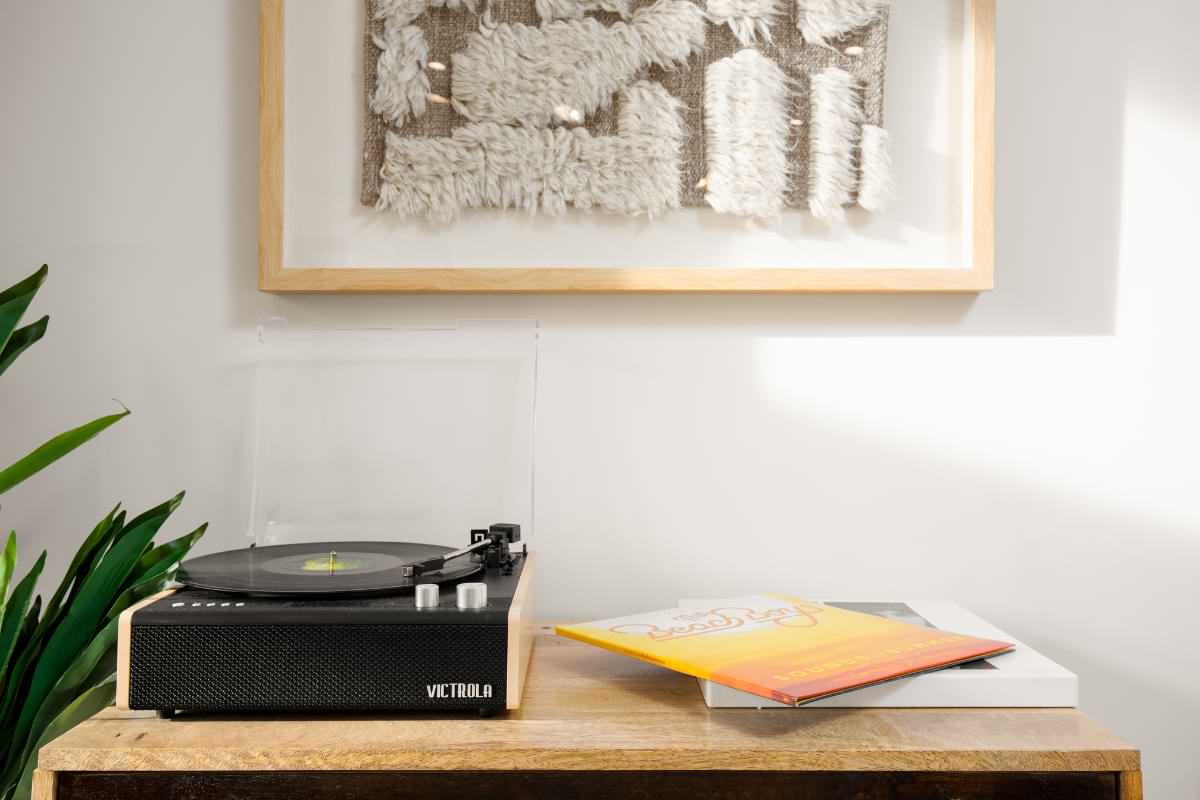
If you’re looking for a private vacation home that takes things to the next level, look no further than an AvantStay home. Aside from the general amenities listed above, you can expect to find record players, pool tables, arcade games, and saunas in your rental home. Decked-out backyards flaunt volleyball courts, bocce ball, private lakes, outdoor kitchens & BBQ grills, and more! Whatever you’re dreaming of, there’s an AvantStay home for it.
Upgrades and experiences
A major difference between Airbnb and hotel experiences is the service provided to guests. Since most Airbnb properties are managed by individuals rather than hospitality groups, don’t expect to be pampered by a team dedicated to enhancing your experience every step of the way. You might have an incredible Airbnb host who knows how to create an incredible guest experience, but you might not. On the other hand, almost every premium hotel includes some level of upgrades and experiences. Whether that means the ability to order breakfast to your suite or to call the front desk for a local recommendation, you can expect to be taken care of. However, in post-COVID 19 era, even hotels have struggled to provide the services they used to due to sanitary restrictions. Several major hotel groups now ask guests to request cleaning service whereas before COVID, it was a guaranteed part of the experience.
If you’re looking for the service of a hotel with the perks of a private home, consider booking an AvantStay home. You can request early check-in/late check-out, fridge-stocking, mid-stay cleanings, in-home massages, and more—all at the touch of a button through our mobile app.
Number of guests
If you’re traveling solo or with a partner in crime, booking a room at a hotel is a great choice since you may not need all the space that a private home offers. However, for group trips such as family vacations, bachelor(ette) parties, and corporate retreats, a rental home is the best way to accommodate the whole group. Instead of splitting people up into hotel rooms, a vacation home brings the whole group together in common areas and gathering spaces to play, relax, and connect.
You can find homes of all sizes on Airbnb, but if you’re looking for an experience specifically geared towards group travel, you won’t find a better option than an AvantStay property. We can accommodate anywhere from 2 to 30+ guests, so you’ll have a wide range of options to choose from. From cabins in the mountains to villas on the beach, our properties are designed with group-friendly spaces in mind. Think game rooms, chef kitchens, expansive dining areas, and king-sized everything. Your travel buddies will thank you!
Guest support
Guest support at hotels tends to be better as they include an on-site team of professionals devoted to your experience. While Airbnb has a robust guest support system, it requires waiting on your host to reply, the customer service line, filing claims, and long response times. At a hotel, you can just call the lobby for support or take the elevator down to communicate in person.
If only there was a way to get fast support, in person and over the phone… lucky for you, AvantStay is here to save the day with a 24/7 guest support line and on-site area managers in all our destinations who can swing by if you need anything. We have a feeling your stay will be smooth sailing with us!
Cost
Every hotel and Airbnb will differ in price but, overall, the more cost effective option is the latter as Airbnb lists homes as low as $20/night compared to 2-star hotel rooms, which tend to range from $60 to $150. For an elevated luxury hotel, costs may be $400 per room whereas you can book an elevated luxury vacation home for significantly cheaper per room or per person. AvantStay homes may be swanky but booking one of the properties doesn’t have to break the bank. Split between all your travel buddies, and you could be paying as low as $45/night as well!
Let’s go!
After comparing the advantages and disadvantages of Airbnbs and hotels, both options clearly have a lot to offer depending on what kind of travel experience you want to have. Traveling with friends or family? Skip the hotel and opt for a group-friendly vacation home. Looking for a little extra pampering during your stay? Check into a hotel or even an AvantStay vacation home for the royal treatment. In fact, we always recommend checking into an AvantStay home because you get the best of both worlds!
There’s something undeniably magical about the holiday season: twinkling lights, freshly fallen snow, and the comforting scent of cinnamon and pine in the air.
Families bundle up, couples wander hand in hand, and friends gather to sip hot cocoa beneath shimmering Christmas trees.
These moments happen naturally at Christmas markets, where communities come together to celebrate traditions passed down through generations.
Whether you’re chasing the chill of a white Christmas or escaping to a cozy winter hideaway, exploring America’s best Christmas markets is the perfect way to soak up the season’s spirit.
Ready to make this winter unforgettable? Discover the best Christmas markets in the USA for 2025, and find the perfect festive getaway to shop, sip, and stay awhile.
Best Christmas Markets for a Festive Holiday Shopping
From handcrafted gifts to steaming mugs of mulled wine, each market offers a festive experience that blends tradition, community, and celebration.
Shopping at these markets means supporting local artisans instead of buying mass-produced items from big box stores.
Chicago’s Christkindlmarket brings authentic German Christmas traditions to America, where wooden vendor huts fill Daley Plaza with Old World atmosphere.
The market opened in 1996, modeled after the original Nuremberg Christkindlesmarkt, making it one of the oldest and most authentic German markets in the United States.
Over a million visitors come each year to shop for handblown glass ornaments, carved nutcrackers, and specialty foods imported directly from Germany.
The scent of roasted almonds, bratwurst, and glühwein (mulled wine) fills the cold Chicago air where vendors serve traditional German foods from heated wooden chalets.
Live entertainment includes German brass bands, carol singers, and folk dancers performing on the main stage throughout each day.
The pyramid structure in the center rotates slowly, displaying handcrafted figures while visitors sip hot drinks and browse artisan goods they won’t find anywhere else.
Two locations now operate where the original downtown Daley Plaza market runs from mid-November through Christmas Eve, while Wrigleyville’s market near the Cubs stadium offers a neighborhood alternative.
Both markets stay open daily with extended evening hours when lights make the atmosphere even more magical.
Free admission means you control your budget by deciding what to buy instead of paying just to enter.
Pro Tip: Visit during weekday afternoons to avoid weekend crowds that make browsing difficult. The Christkindl (Christmas angel) makes appearances throughout the season for photos with children who believe in Christmas magic.
Christkindlmarkt – Bethlehem, Pennsylvania
Known as “Christmas City USA,” Bethlehem hosts a Christkindlmarkt that rivals its Chicago counterpart, where over 150 vendors sell handcrafted goods in the historic downtown.
The market spreads across several blocks, creating an entire Christmas village where you wander between wooden vendor huts, discovering unique gifts and specialty foods.
Glass-blowing demonstrations show artisans creating ornaments while you watch, making the shopping experience educational and entertaining.
The ice skating rink becomes the heart of the market where families skate under lights while live music plays from nearby stages.
Food vendors serve everything from German specialties like stollen and lebkuchen to American favorites like funnel cakes and hot chocolate.
The town’s Moravian heritage shows in the famous Moravian stars decorating buildings, and the traditional Putz displays showing nativity scenes with handcrafted figurines.
Walking tours explain Bethlehem’s founding by Moravian settlers in 1741 and how their Christmas traditions influenced American holiday celebrations.
The downtown’s colonial architecture creates authentic backdrops where brick buildings and narrow streets make you feel transported to a European Christmas market.
Hotel rooms book months ahead, so planning early or staying in nearby vacation rentals becomes essential for comfortable visits.
Why Go: The entire town participates in Christmas celebrations, where even residents not working at the market decorate their homes and businesses with lights and Moravian stars. This community involvement creates an authentic atmosphere instead of just another tourist attraction.
Union Square Holiday Market – New York City
New York City’s Union Square Holiday Market brings over 180 vendors to Manhattan, where you shop for unique gifts while surrounded by the city’s constant energy.
Local artisans sell handcrafted jewelry, art, clothing, and home goods in white tent pavilions that line the park’s pathways.
The market focuses on locally made products supporting New York artists and craftspeople instead of reselling imported goods available everywhere.
Hot apple cider, roasted chestnuts, and seasonal treats from food vendors keep shoppers warm while browsing through cold December days.
The market’s location in Union Square means subway access makes getting here easy without dealing with Manhattan traffic and parking nightmares.
Street performers and holiday music create a soundtrack to your shopping, where the city’s energy enhances rather than overwhelms the festive atmosphere.
The market runs from late November through Christmas Eve with daily hours that accommodate both morning shoppers and after-work crowds.
Free admission and the outdoor setting mean you pop in for quick visits or spend hours browsing, depending on your schedule and interests.
The eclectic mix of vendors means you find gifts for everyone from kids to grandparents without resorting to generic department store purchases.
Why Go: This represents quintessential big-city Christmas market experiences where urban energy and holiday traditions create something uniquely New York. The people-watching alone entertains as much as the actual shopping when you need breaks from decision-making.
Denver Christkindlmarket – Denver, Colorado
Denver’s Christkindlmarket brings Bavarian Christmas traditions to the Rocky Mountains, where Civic Center Park transforms into a German village each December.
The market opened in 2017, quickly becoming a Denver holiday tradition where locals and tourists gather for authentic German food, artisan crafts, and festive entertainment.
Mountain views create backdrops that German markets simply can’t match despite their historic authenticity.
Glühwein flows freely where multiple bars serve the warm spiced wine in souvenir mugs you keep after purchase.
Food vendors cook bratwurst, schnitzel, käsespätzle, and other German specialties that taste even better in cold mountain air.
Live entertainment includes folk dancing, German music performances, and visits from the Christkind (Christ Child), who opens the market each day with a traditional ceremony.
The market operates weekends from late November through Christmas with Friday evening openings for those who can’t make weekend visits.
The outdoor setting means dressing warmly becomes essential, even though fire pits and heated seating areas provide warm spots for resting.
The relaxed mountain town vibe means the market never feels as crowded or rushed as big city versions, even during peak attendance.
Pro Tip: Arrive hungry and thirsty because the German food and drinks truly shine here, where quality matches what you’d find in actual German Christmas markets. The Bavarian pastries and roasted nuts make perfect walking snacks between vendor browsing.
Christmas Village – Baltimore, Maryland
Baltimore’s Inner Harbor transforms into Christmas Village each December, where European-style vendor huts sell gifts, decorations, and seasonal treats with waterfront views.
The market brings German Christmas traditions to Maryland, where over 50 vendors offer handcrafted goods in a festive atmosphere enhanced by harbor lights reflecting off the water.
And an ice skating rink becomes the market’s centerpiece, where families skate between shopping sessions.
Food vendors serve European specialties like raclette (melted cheese), bratwurst, and schnitzel alongside American favorites that satisfy less adventurous eaters.
Warm drinks from mulled wine to hot chocolate keep visitors comfortable while browsing outdoor stalls in Maryland’s mild but still chilly December weather.
Live entertainment on weekends brings musicians, dancers, and holiday performances that create a festive soundtrack to shopping adventures.
The market’s location near the National Aquarium and other Inner Harbor attractions makes combining activities easy for families wanting variety beyond just shopping.
The waterfront setting provides scenic backgrounds for holiday photos where boats decorated with lights and the harbor skyline create uniquely Baltimore backdrops.
Free admission means budget-conscious families enjoy the atmosphere without spending money if tight finances are shopping.
Why Go: The combination of waterfront views, European market traditions, and Baltimore’s accessible scale creates market experiences that feel special without overwhelming first-time visitors with massive crowds and complicated layouts.
Great Dickens Christmas Fair – Daly City, California
This isn’t your typical Christmas market where vendors sell goods from simple stalls. The Great Dickens Christmas Fair recreates Victorian London across 120,000 square feet, where over 800 costumed performers bring Charles Dickens’s era to life every weekend from Thanksgiving through Christmas.
You don’t just shop—you step into 1800s England, where entire streets, pubs, and shops transport you to a different time period.
Vendors are dressed in Victorian clothing and sell period-appropriate gifts from leather goods to handcrafted jewelry while staying in character throughout interactions.
Multiple stages host performances ranging from music hall acts to dramatic readings where professional actors present shows throughout each day.
Food and drink include British favorites like meat pies, fish and chips, and wassail served in atmospheric pubs where bartenders banter with customers using Victorian slang.
The immersive experience means committing several hours instead of quick visits, where you explore multiple themed areas, each recreating different aspects of Victorian London.
Families return year after year, making this an annual tradition instead of a one-time visit where familiar performers become friends and new attractions keep experiences fresh.
Tickets sell out quickly for popular dates, so advance purchase becomes essential for attending this unique holiday experience.
Why Go: Nothing else in America creates this level of immersive historical Christmas celebration, where the entire venue maintains the Victorian theme without breaking character or allowing modern elements to intrude.
Silverton Christmas Market – Oregon
This small Oregon town transforms each December when the Christmas market brings the Pacific Northwest community together, celebrating local artisans and regional specialties.
The intimate scale means you actually talk with craftspeople who made the items you’re buying instead of shopping from vendors who merely resell products.
Local musicians perform holiday favorites while families browse stalls selling everything from handcrafted wooden toys to specialty food items made in Oregon.
The market emphasizes supporting local businesses where regional products from Oregon wines to handmade soaps showcase what makes the Pacific Northwest special.
Food vendors serve Pacific Northwest specialties alongside holiday treats, where everything from fresh seafood to artisan chocolates tempts visitors.
The small-town atmosphere means friendly interactions instead of rushed transactions, where vendors remember repeat customers and greet them like neighbors.
Illuminated pathways guide visitors through the market, where thousands of lights create a magical atmosphere in this town known for its elaborate Christmas displays.
The nearby Oregon Garden Resort provides accommodation options, while the town’s walkability means exploring shops, restaurants, and attractions happens easily without constant driving.
The market typically runs weekend dates in December, making this a perfect day trip or weekend getaway from Portland, just 45 minutes away.
Why Go: This represents authentic small-town Christmas celebrations where genuine community spirit shows in every interaction instead of commercialized events designed purely for tourist dollars.
Cambria Christmas Market – California
This coastal California village hosts a Christmas market where ocean views and mild weather create holiday experiences without the freezing temperatures that northern markets require you to endure.
Local artisans sell handcrafted gifts while regional wineries pour tastings of Central Coast wines that pair perfectly with the area’s temperate December climate.
The market brings together the best of California living, where holiday festivities happen outdoors comfortably without heavy winter coats.
The nearby village of Cambria decorates extensively, where millions of lights transform the small coastal community into a glowing wonderland.
Shops, restaurants, and galleries stay open late during market weekends, where you explore the entire town, enjoying holiday atmosphere beyond just the market grounds.
Beach walks also happen comfortably. Dramatic coastline and crashing waves provide natural entertainment when you need breaks from shopping and crowds.
Central Coast location means access to wine country, beaches, and Hearst Castle all within short drives, where you can build entire weekend itineraries around the Christmas market visit.
Vacation rentals in Cambria and nearby coastal towns provide accommodations where full kitchens and ocean views create home bases for exploring the region.
The market typically operates select December weekends, so checking exact dates becomes important for trip planning.
Why Go: This creates unique Christmas market experiences where California coastal beauty and holiday festivities create something distinctly different from traditional snow-covered European-style markets that dominate most of America.
Downtown Holiday Market – Washington, D.C.
The nation’s capital hosts a holiday market where over 150 artisans from around the country sell handcrafted goods within sight of famous monuments and museums.
The market spreads across F Street and 8th Street, creating a pedestrian-friendly shopping district where wooden vendor huts display everything from handmade jewelry to specialty foods.
International vendors bring global Christmas traditions together, where you find German ornaments next to Mexican crafts and Scandinavian textiles.
Food vendors serve diverse options reflecting Washington’s multicultural population, where everything from empanadas to Thai noodles shares space with traditional German market fare.
Live entertainment on weekends brings local musicians, school choirs, and cultural performers to stages throughout the market.
The location near the National Mall means combining market visits with museum trips and monument tours for comprehensive Washington experiences.
Free admission and easy metro access make this destination accessible for locals and tourists, where public transportation eliminates parking headaches that plague many holiday shopping trips.
The market operates daily from late November through Christmas Eve with evening hours that let government workers browse after leaving offices.
Photo opportunities abound where the Capitol building and other landmarks create backdrops that make your Christmas market photos uniquely Washington.
Why Go: The combination of handmade artisan goods, international food options, and iconic Washington setting creates market experiences that satisfy both serious shoppers and casual browsers seeking holiday atmosphere in the capital.
Find More Christmas Travel Inspiration
Still planning your perfect winter getaway? Explore more festive travel guides and discover where to spend Christmas in true holiday style.
These resources help you build complete Christmas vacation itineraries where markets become part of larger holiday adventures instead of standalone day trips.
Best Christmas Vacation Spots in USA
Discover comprehensive guides featuring destinations from snowy ski towns to sunny escapes where vacation rentals put you close to Christmas celebrations. Find properties with hot tubs, fireplaces, and full kitchens that make holiday gatherings comfortable and memorable.
Explore the merriest small towns across America, where entire communities participate in holiday traditions. These guides feature towns where Christmas spirit fills streets, shops, and restaurants, creating authentic celebrations you won’t find in big cities.
Browse destinations featuring vacation homes perfect for holiday gatherings where space, privacy, and amenities beat hotel stays every time. Find properties near Christmas markets, ski resorts, and holiday attractions that make celebrating away from home actually special.
Celebrate, Stay, and Make It a Holiday to Remember
After all the shopping, snowflakes, and hot cocoa, nothing completes your holiday adventure like a cozy place to call home.
These markets create memories that outlast any gift you’ll buy, making them worth planning entire trips around instead of just quick afternoon visits.
And staying in a vacation rental home near these markets provides the space and comfort that transforms good trips into unforgettable holiday experiences.
Purchasing an investment property and operating it as a short-term rental is a great way to generate passive income, build equity, and diversify your investment portfolio. However, managing short-term rentals takes a lot of work! Having several vacation rental homes in your portfolio will increase your income, but will also lengthen your to-do list. These five tips will teach you how to manage multiple properties so you can maximize your return on investment.
1. Streamline your workflow
Staying organized with standard communications and processes will give you an advantage when managing multiple short-term rentals. This will allow you to keep everything running smoothly, keep your guests happy, and ultimately drive more revenue. Here are some ways you can streamline your workflow when managing multiple properties:
Purchase smart locks or lock boxes for contactless check-ins. You can create custom codes for guests that are only valid during their stay and issue designated codes for your housekeeping teams.
Use a project management software and stay on top of your calendar to organize tasks across booking channels, reservations, vendor schedules, and more.
Create templates for guest communications, answers to common questions, and marketing emails. Providing a vacation rental welcome book at each of your homes is an added bonus.
Have general responses for both positive and negative reviews ready that you can customize for each guest/situation.
Create “brand” standards for photographers and copywriters (if outsourcing) so listings are cohesive across booking channels.
2. Install smart home technology
Keep your vacation rentals safe and running efficiently with smart home technology. Utility costs can add up when managing multiple short-term rentals. Install home automation systems like smart thermostats and smart lights so you can remotely monitor and control the temperature and lighting when guests are gone, cutting down on your electricity bills.
Secure your properties and reduce the risk of upsetting neighbors with noise monitoring and device counting technologies. At AvantStay, every home is equipped with our complimentary smart technology package which includes noise monitors, video doorbells, occupancy detectors, and keyless entry locks.
Our monitoring and prevention technology is integrated into our operational dashboard, giving our Guest Experience team 24/7 real-time insights at each property. Our team is alerted anytime someone calls the customer service line about a home. We monitor any neighbor complaints coming through so we can watch security trends both at your home and in the market to decide if additional measures need to be taken.
3. Create a reliable network of local support teams
Regular housekeeping and maintenance should be one of your top priorities when managing multiple short-term rentals. Create a solid team of local contractors that you can trust to alleviate any stress that comes with managing multiple vacation rentals in one market or across the country.
Make a list of the best housekeepers, repairmen, plumbers, electricians, and landscapers that you can call when needed. Build a strong relationship with these folks as they’ll be your right hand in keeping your properties in pristine condition.
When you partner with AvantStay, we ensure that every property is meticulously cared for. At your homes, our local operations teams manage maintenance, upkeep, and surveillance, while our housekeeping team professionally cleans after every stay in adherence with our premium cleaning standards.
We have local pre-vetted vendors at negotiated wholesale rates, allowing you to increase profits. Our boots-on-the-ground team maintains relationships with vendors in every market, allowing us to deliver consistent, premium service levels.
We’re also able to keep a pulse on quality control with our dedicated vendor management app, Fresh. The app is integrated with our operational processes and systems and provides work order approval flows, instructions, and quality standards for all field operations.
4. Stay up-to-date on short-term rental laws
Managing short-term rentals across multiple states requires a few extra steps. Every state, county, and city has its own short-term rental laws. These often change, so make sure you’re fully up-to-date and understand the current rules and regulations in place for your markets. You’ll likely need a general business license or short-term rental permit. These ensure your vacation rental is compliant with zoning restrictions and meet the local health and safety requirements.
Unlike other vacation rental managers, AvantStay has fully dedicated and experienced accounting, permitting, and tax professionals to provide peace of mind and cover all your compliance needs. Our Policy and Risk team handles all administrative duties related to initial permitting and renewals of short-term rental permits, home inspections, HOA and government relations, and occupancy taxes so your home is always in good standing.
5. Hire a full-service vacation rental management company
One of the best ways to efficiently manage multiple short-term rentals and maximize your income is by hiring a vacation rental management company. As an AvantStay homeowner, you’ll receive unmatched personalized service and visibility through our dedicated local support teams and tech-enabled platform.
We have a best-in-class ratio of local support to homes with 24/7 dispatching. Each AvantStay home is assigned three main contacts: an Owner Experience Manager, a local Area Manager, and a Regional Manager, so you always have a point of contact and quick response times. Our local teams are also available 24/7 for dispatch to your home within 45 minutes, should any issues arise.
Employing a combination of our best-in-class care, streamlined back-end operations and technology, and elevated hospitality brand, AvantStay helps you earn more revenue than any other property management company. We take care of all the work to maximize your home’s returns—it’s that simple.
The winter months have officially arrived, and quickly transitioning your home from trick-or-treat friendly to family feast ready can be stressful. Given that this is the time of year when you should be winding down, opening up your doors to host an event can be overwhelming. So why not open up ours?
Elevate your holidays by hosting your plans in an AvantStay vacation home – where you can leave the prep and cleanup to us, so you can focus on the personal touches that make entertaining your guests worth it! Whether you’re hosting Friendsgiving, Christmas dinner, or ringing in the New Year with your loved ones, we’ve got you covered with 15 tips that are sure to crown you the hostess with the mostest.
1. Co-host with a friend or close family member
You don’t have to do it all! Take a breather knowing that you have help from a trusted co-host who can help split and delegate tasks with you. Is one of you a better baker than the other? One has a better eye for design and decoration? There are no hard rules here, but simply knowing that someone has your back can relieve the pressure of tackling a holiday party on your own.
2. Lean on the AvantStay app
Our app was designed to cater to all your vacation needs. With upgrades and experiences from stocking your fridge before your arrival, mid-stay cleans, itinerary planning, and even coordinating a private bartender or private chef for you, we’ve got you covered.
3. Stay organized and plan ahead
This one may seem obvious, but being proactive and maintaining a checklist minimizes surprises and helps to ensure that nothing gets forgotten. If you’re hosting a potluck, keep a running list of what everyone is bringing to avoid duplicates and/or missing pieces. Be sure to confirm your guests, reinforce dates and times, and keep a cooking schedule on hand. This is particularly true for Friendsgiving since there’s no official date for this “holiday.”
4. Designate rooms for each guest
When planning for an overnight stay, bypass the last-minute scrambling by assigning everyone rooms before check-in. Fortunately, we have a “choose your room” feature in our app where you and your added guests can effortlessly see all rooms and beds and reserve your pick. From the bookings tab, simply locate your reservation, select “choose rooms” under the Guests and Rooms section, and then swipe through each room while adding a name to each room.
5. Curate your music just right
Once you’ve happily arrived, it’s time to personalize your vacation home to your ideal vibe. One of the most important ways to set the mood is with the perfect album or playlist. Select AvantStay homes, like Chicory, are vinyl-ready with record players waiting for you. If you prefer more of a mix, create a collaborative playlist on your favorite streaming platform. And if you’re feeling especially adventurous, there are plenty of premade playlists out there eager to be set on shuffle.
6. Ambience is everything
Musical stimulation is only one piece of the puzzle which is ambience. Think of a cozily lit fireplace, perfectly dimmed mood lighting, or diversifying each and every space for a different activity. You can make your guests feel welcome by ensuring that they feel right at home. This is extremely easy to do at all of our vacation homes because they are designed by professional (award-winning!) interior designers rather than just anyone.
7. Entertainment for all
What’s your preference? Playing a game, watching a movie in a home theater, or cozying up by an outdoor firepit? No need to choose just one! Our homes are set up with all the amenities to ensure that there will never be a moment of boredom between the feast and festivities.
8. Have a signature something
Think signature party favor, activity, centerpieces, or even themes! Having an on-brand something that your guests associate with your events (and therefore get excited for) is always a win.
9. All the libations for a memorable celebration
What celebration is complete without a cocktail or mocktail station? Our homes allow you to easily create your own self-serve bar with features like wine coolers, beverage stations, and wet bars like Chateau Syrah’s. Take it a step further by providing a menu of go-to recipes for your guests! Put a spin on classic cocktails by creating a naming convention around the holiday theme such as ‘Cold Turkey’ or ‘Bloody Merry.’ We’ve even compiled some of our favorite tequila recipes for you.
10. Snacks, Snacks, Snacks!
As everyone gathers and mingles, it’s always a great idea to have finger foods ready to go. From a charcuterie board to the all-time favorite chip bowl, we’ve got gourmet kitchens (that can be fully stocked upon request) ready to handle whatever gets your guests’ mouths watering.
11. Clean as you cook
One of the best pieces of advice any host or home cook has passed down is “clean as you cook.” In a home like Castle Rock, with not one, but two dishwashers at your disposal, we make it easy to tackle the cleanup after a feast of any kind.
12. Create new traditions
Here’s your chance to get really creative. Is there an activity that brings you overwhelming joy? Maybe it’s taking an annual road trip, doing a white elephant gift exchange, or baking a holiday treat together. Choose something that not only sounds fun to you but will keep your guests looking forward to your hosted events in the future – the power is in your hands. Your tradition could even become experiencing the holidays in a different AvantStay home every year!
13. Document all the moments
It’s easy to get so caught up in the holiday hustle and bustle that you don’t take a minute to be present and capture the moments. Whether you provide disposable cameras to your guests, set up a photo station, or take advantage of the photo booth we already have at The Monkey Tree Hotel, don’t be afraid to pause and pose. Let the memories serve as a reminder of what an amazing time you had on your group trip.
14. Treat yourself to some self-care
Once it’s all said and done, take a pause. Don’t get so caught up in catering to your guests that you end up neglecting yourself. Use our app to book an in-home massage, or you can take a moment to de-stress in an in-home sauna like Nightstar’s. Some other ways to relax in our homes include sleeping in extra late, taking a bubble bath, or curling up on the couch to binge-watch your favorite holiday sitcom episodes. Tend to your needs, because at the end of the day, it’s meant to be a vacation for you as well.
No matter what you’re looking for in South Carolina’s low country, it’s a guarantee you can find it in North Charleston. North Charleston, SC, is not only the host of Charleston International Airport: this city offers a deep dive into American history for its visitors and much more.
You can relish in the lush blue of the Atlantic of the Charleston, SC beaches or take in the pure air of nature away from the hustle and bustle. From here, you can visit nearby Summerville or Goose Creek or drive down to Charleston to visit Boeing’s manufacturing center. You can eat at a menagerie of world-class Charleston restaurants. You can even improve your handicap on beautiful golf courses or cheer on your favorite teams at the North Charleston Coliseum, all within the same few miles.
So, once you’ve settled yourself in at one of our stays in the center of Charleston, don’t hesitate to venture north and explore all that the city of North Charleston has to see.
North Charleston, SC’s Riverfront Park
photo courtesy of Riverfront Park on Facebook
If you’re visiting South Carolina and need a break from the downtown city, look no further than North Charleston’s Riverfront Park. Just 15 minutes from our Spring St stay, there is no excuse not to check this spot out. Overlooking the Cooper River, this park affords its visitors a breath of fresh air and open-air vistas of South Carolina’s low country.
With miles of trails and acres of green under massive oak trees, Riverfront Park has something for everyone, especially dog owners, picnickers, and families with young children. No matter what time of year you find yourself in South Carolina or Charleston county, Riverfront Park remains open to offer you solitude, views, and relief from the city.
The North Charleston Coliseum and Performing Arts Center
North Charleston’s Coliseum hosts their beloved hockey team, the ECHL’s South Carolina Stingrays. As a leading concert venue in a cultural hotspot, the Coliseum attracts talented stand-up comedians, top performing artists, and incredible plays, such as Lin-Manuel Miranda’s sensational Hamilton.
If you want to bring the whole family or friend group to North Charleston to see a concert or a festival and want to find a comfortable stay, look no further than properties like our Chapel Carriage House.
The Greater Charleston Naval Base
On the other side of Riverfront Park stands a must-see for the history and military experts traveling to Charleston, Summerville, or Goose Creek. This open-air memorial pays tribute to the men and women who served the United States Navy in the 95-year history of the Charleston naval base.
Walk along the walls and sculptures to discover the story of this base, built on the grounds of an old plantation, and the brave souls who called it home as they defended the United States on the seas.
The Fire Museum
Like Riverfront Park, the Fire Museum has something for everyone. Officially named the North Charleston and American LaFrance Fire Museum and Education Center, the property will entice you immediately with its old-fashioned fire station façade.
With perfectly preserved antique fire vehicles, and exhibits tracking the advance of firefighting technology, history buffs will enjoy this museum as much as they do the naval base. Meanwhile, children can engage with the interactive exhibits, play area, and even the fire pole.
Children and adults alike will enjoy the museum’s theater experience, which immerses you in the experience of firefighters and imbues you with great respect for this crucial profession. The Fire Museum is also just six dollars admission for adults, free for children, and is located just a few minutes from Charleston International Airport. So, you can start your North Charleston trip off right by driving straight here!
North Charleston, SC’s Park Circle
No trip to the city of North Charleston is complete without visiting beautiful Park Circle and enjoying its lively scene of restaurants and activities. Whether you need a refreshing beverage after a hot summer day, a place to be seen dressed in your best, or family-friendly fare, you will no doubt find it in Park Circle.
With restaurants like Básico – an authentic taqueria, Genarro’s Italian Ristorante, and local breweries located in this area, you can savor both local flavors and flavors from all over the world. Park Circle is filled with good restaurant options, which is great when you want to escape the traffic of the downtown restaurant scene.
Park Circle also offers a leisurely activity for those inclined to tee off in a less traditional manner: disc golf. This spot, smack in the middle of North Charleston, is a mere 15 minutes by car from our properties in downtown Charleston. So, it’s easy to plan a night or day out enjoying Park Circle and still get back to your AvantStay vacation home in good time.
Wescott Park
There is no need to go far from Charleston or further south along the coast for great golf courses. North Charleston’s Wescott Park and Wescott Golf Club offer phenomenal greens where you can try and stay under par while taking in the great South Carolina air and sun. When you go to Wescott Golf Club, you’ll be teeing off at a historic plantation.
While slightly further out from downtown Charleston, the course is still less than a half-hour away, and you can visit it on a day trip to historic Summerville and Goose Creek.
Visiting North Charleston, SC
When you’re visiting South Carolina, Charleston county, or other South Carolina beach towns near Charleston, there is no excuse to miss North Charleston, SC. This lively city itself deserves at least a day on your South Carolina itinerary, if not more.
You can enjoy classic Southern hospitality while you explore North Charleston, steep yourself in history, gain an appreciation for firefighting, and treat yourself to a fantastic meal, all within a radius of fewer than 10 miles.
If your schedule and itinerary are packed, or you’re worried about the distance of North Charleston from your particular stay, have no worries. All our properties in the Charleston area, even those in the islands surrounding the city, are no more than a half hour away from North Charleston’s sights and, in most cases, are even closer.
Listing your vacation rental home on online travel agencies (OTAs) like Airbnb or Vrbo is one of the easiest ways to reach more travelers and drive more bookings. OTAs are typically a low-cost way to promote your property at scale, saving you money on ad spend. Other benefits of OTAs include increased exposure to reach new potential guests, improved reputation through association with trusted OTA brands, and the ability to build trust with travelers who can access reviews from previous guests.
By promoting your home on multiple vacation rental listing sites, you will increase your visibility, secure more bookings, and generate more revenue. Keep reading to discover our picks for the top online travel agencies.
Top online travel agencies
An online travel agency is a digital marketplace that allows travelers to research and instantly book accommodations, transportation, tours, and activities. For vacation rental homeowners, OTAs provide amplified visibility to a higher volume of potential guests that would be difficult to reach on your own. OTAs offer services and tools for vacation rental hosts, such as advertising, managing bookings and reviews, and streamlined communication with guests. Here are some of the top online travel agencies for listing your vacation rental online.
Airbnb
Airbnb is one of the leading OTAs that connects vacation rental hosts with travelers searching for accommodations and experiences in specific destinations. As one of the largest vacation rental listing sites, Airbnb is a household name whose brand reputation can help you reach more travelers. Since it was founded in 2007, Airbnb has hosted over 1 billion guests and currently has 6 million active listings worldwide. While it’s free to list vacation rentals on Airbnb, most hosts pay a fee of 14-16% for each booking’s subtotal.
Key features:
No listing fees
A host-only fee ranging from 14-16% is deducted from the total host payout (can be higher depending on location and if you’re an Airbnb Plus host)
AirCover provides hosts with $1 million in insurance coverage
Becoming an Airbnb Superhost can increase your visibility and earning potential
Vrbo
Vrbo (originally known as VRBO or “vacation rentals by owner”) is one of the top vacation rental listing sites in the US. Vrbo recently merged with HomeAway and is now part of the Expedia Group. With over 2 million properties worldwide, Vrbo’s platform has 42 million unique visitors each month of travelers looking to book a stay. Its audience tends to be larger families or groups looking for vacation homes, cabins, and cottages.
Key features:
To list properties on Vrbo, hosts have the option to pay a $499 annual subscription or a pay-per-booking option (5% commission and 3% payment processing fee per booking)
Hosts can only list private accommodations (no spare rooms like Airbnb)
The Premier Host program gives you and your properties special recognition and increased visibility
Booking.com
Booking.com began as a small Dutch startup in 1996 and has grown to be one of the leading online travel agencies today. Booking.com connects travelers from all over the world to vacation rentals and hotels, transportation options, and experiences. There are over 6.2 million listings for vacation rental homes, apartments, and other unique accommodations available on the site.
Key features:
No listing fees, but hosts are charged a commission fee for each booking based on the total value of each reservation
Hosts can request damage deposits from guests to cover any potential damage
Booking.com runs background checks on guests, performs fraud scoring, and blocks problematics guests to protect hosts
Hosts receive protection against liability claims from third parties up to $1 million for every reservation
Tripadvisor
Tripadvisor is a travel guidance platform that helps travelers plan and book trips. They were originally known as a comparison and review site for hotels, restaurants, and other attractions, but have since become a booking platform for accommodations including vacation rental homes. With over 463 million monthly active users spanning 28 different languages, Tripadvisor is a great platform to reach potential guests from all over the world.
Key features:
No listing fees, but a 3% commission is charged per booking
Listings are also shared across Tripadvisor’s family of brands, including FlipKey and HouseTrip
Hosts can communicate with guests directly through Tripadvisor’s platform
Hosts can integrate their property management software or reservation system with Tripadvisor
Niche vacation rental listing sites
Leveraging niche vacation rental listing sites is a great way to diversify your channel mix, increase your exposure, and drive higher nightly rates (these travelers are often willing to pay more for personalized service). Niche vacation rental booking sites offer accommodations to travelers with certain needs or interests. These could be vacation rentals for families with children or pets, luxury homes, or locations with a desired climate. Some popular niche listing sites include:
American Snowbird
American Snowbird is a booking site that caters to travelers looking to ditch the cold. It showcases snowbird vacation rentals across the United States, the Caribbean, and Mexico.
BringFido
BringFido is the world’s leading pet travel and lifestyle brand, connecting pet owners with more than 500,000 pet-friendly places, including vacation rental homes.
Kid & Coe
Kid & Coe is a vacation rental listing site featuring hand-picked rentals across the globe. Accommodations include private family homes, professional vacation rentals, and hotels suitable for families.
Plum Guide
Plum Guide curates top-rated luxury vacation rentals from 25 listing sites. It chooses homes based on luxury amenities, architecture, and design.
Amplify your reach with AvantStay
Managing listings across multiple OTAs is the best way to be sure you maximize earnings, but it can be tedious and complicated. Why not work with an expert who will take charge and give you instant access to all of the top online travel agencies?
When you partner with AvantStay for vacation rental management, we handle every step of your listing creation and promotion to get your home maximum exposure. Our in-house photographers and stylists collaborate to capture every aspect of your home and its key revenue drivers during a complimentary professional photoshoot.
Next, we create an aspirational, bespoke listing built to show off your home to the world. Our Listings & Distribution team has cultivated strong relationships with leading online travel agencies, which allows us to enhance your property’s listing performance against market competitors. Your listing will be optimized for maximized visibility and conversions across more than 65 distribution channels, including Airbnb, Vrbo, Plum Guide, Homes & Villas by Marriott International, and more.
By leveraging our industry-leading reach, you’ll connect with more guests, land more bookings, receive better reviews, and earn more revenue.
When it comes to beach getaways, there are few places more sought-after and picturesque than the beaches of the Hawaiian Islands. Imagine relaxing on soft white sand surrounded by lush vegetation as you sip a tropical drink and enjoy the ocean breeze. With over 125 beaches on Oahu, there is a beach for every style, whether you are looking for the perfect sunbathing sand or the best swells for surfing. From relaxing at world-famous Waikiki Beach to snorkeling with tropical fish in Hanauma Bay, we are here to help you find the best beaches in Oahu. Plan your island getaway with AvantStay and find the vacation home of your dreams in Oahu, steps away from the beach.
1. Waikiki Beach
Waikiki Beach is one of the most famous beaches throughout the Hawaiian Islands, with its bright blue water and beautiful white sand. The beach is broken up into eight sections that all offer different experiences. This beach is also surrounded by luxury resorts where you can stop for lunch or explore the local shops nearby. Popular activities at Waikiki Beach include swimming, surfing, snorkeling, kayaking, and paddle boarding.
2. Lanikai Beach
Lanikai means “heavenly ocean,” and we can’t think of a more apt name for this picturesque beach. This is one of the best beaches in Oahu, delivering that classic Hawaiian beach experience with warm, clear, gentle waters perfect for all ages. You can also visit the Mokulua Islands off the coast of Lanikai, which function as important seabird sanctuaries. The best way to access the islands is by kayak or paddle boat.
3. Sunset Beach
It should be no surprise that Sunset Beach offers some of the most beautiful sunsets on the island. This beach is a mecca for surfers during the winter months, but during the summer months, the conditions are calm enough for families with young kids to enjoy. Spend the day swimming and snorkeling before settling to watch a breathtaking sunset together.
4. Hanauma Bay
Hanauma Bay not only offers a wonderful beach, but it also boasts the best snorkeling on the island, with over 400 fish species inhabiting the bay. The bay is the result of a volcanic eruption created 30,000 years ago! You can rent your snorkeling equipment right from the beach to see the fish and green sea turtles that call the bay home.
5. Kailua Beach Park
This beach park is a great option for groups who want access to convenient amenities. Pack a lunch and utilize the picnic shelters, tables, and BBQ pits here. Then head out into the water for swimming, boogie boarding, kayaking, paddle boarding, and kite surfing. And the best part: tours, lessons, and watercraft rentals are available right here at the beach!
Oahu Vacation Homes for Groups
At AvantStay, we represent properties in the Southeastern cities of Kailua, Hauula, and Kapolei on the western side of Oahu. Our Waianae vacation homes are just steps away from Makaha Beach and a short distance from Makua Beach. And our properties in Hauula and Kapolei are oceanfront with incredible views of the best beaches in Oahu. What are you waiting for? It’s time to escape to the tropical paradise of Oahu with AvantStay!
Charleston, South Carolina is a hidden gem among the growing cities of the United States. The Lowcountry is a top pick for a summer or weekend getaway for many people From the history, the food, and not to mention, the beaches! If you’re hoping to explore the Charleston, SC beaches, then this guide has you covered.
What To Expect From Charleston, SC Geography
Wetlands
There are many wetlands across South Carolina, including in and around Charleston. You can see bogs, flatwoods, savannahs, swamp forests, and marshes. These wetlands are important for local wildlife, but also fun to explore, when done safely.
Marshes
You may not expect marsh-front property to be in high demand, but it is. The saltwater marshes are great for exploring, if you’re careful around the mud flats and during any storms. You’ll see terrapins, otters, crabs, shrimp, periwinkles, and all kinds of fish. You may see the occassional alligator, but they’re few and far between.
Of Course, the Beaches
The beaches are some of the most popular waterfront in Charleston, and for obvious reasons! They’re gorgeous and full of plenty of activities, like surfing!
Recreation in the Water
If you want to spend your vacation in the water, then Charleston, SC is the right place. Rent a boat to explore the city by water. If you want something more athletic, rent a canoe or a kayak to get a close-up look at the waterfront.
Surfing is always popular, especially in the summer months. Want to catch something for dinner? Go fishing on a charter!
Charleston SC Beaches
Now that you’ve spent time in the city of Charleston, it’s time to hit the beach! The Lowcountry is also home to several South Carolina beaches that can help you relax, work on your tan, or enjoy the beach air. Go kayaking, paddleboarding, or enjoy any other water activity that will keep you in tune with nature.
Folly Beach
Welcome to what is dubbed “The Edge of America.” Folly Beach, South Carolina is one of the best beach towns in the Lowcountry because of its tourist and surfer-friendly attitude.
As the beach with the longest coastline in SC, Folly Beach is about six miles from downtown Charleston. Folly Beach has a unique vibe that you’re sure to love. There are a selection of eateries, cafes, and stores so you’ll never be bored.
The busiest section of the beach is Center Street Beach, which is situated in front of the Tides Hotel and has Folly Beach Pier in the middle. This fishing pier is the second-longest on the east coast at 1,045 feet. It is fantastic for walking, fishing, and enjoying stunning coastal views. Folly Beach County Park also offers public beach access.
Our fantastic Folly Beach beachfront home Lighthouse is a top choice for travelers who want to take their Charleston beach vacation to the next level. Featuring rooms for up to 16 guests, Lighthouse is a great place to host you and your friends on your next group travel.
Isle of Palms
The most developed beach in Charleston is the Isle of Palms beach, one of many barrier islands in South Carolina. A 25-minute drive from downtown, this Charleston beach features a tight “no alcohol” regulation to create a family-friendly atmosphere. The quiet waters and the cleanliness make this a calming, scenic destination for any Lowcountry tourist.
Isle of Palms is close to restaurants, stores, and pubs. The Isle of Palms County Park also features showers and restrooms for those who want to rinse off after a long day at the public beach. It also offers a playground and umbrella rentals to meet all your beach needs.
Additionally, Isle of Palms has more parking options than the other greater Charleston-area beaches. You can park in one of two public lots close to the beach for a charge. Metered parking places are available along Ocean Boulevard and other roads.
AvantStay has beautiful lodging options for those seeking an Isle of Palms vacation, including the Lumie, Pelican, and Stay Salty, which can fit 12 or more guests. These oceanfront properties will leave anyone in awe.
Kiawah Island
There are 10 miles of immaculate beaches at Kiawah Island beach. This area is committed to protecting the environment. As a result, Kiawah provides visitors with some of the most pristine beach experiences you will find on the East Coast of the U.S. Kiawah also gives you access to some of the more secluded beaches in the Lowcountry.
If you’re a golf fan, the PGA Tour makes regular stops at the Ocean Course at Kiawah Island. Most recently, the course hosted the 2021 PGA Championship. The game does not stop with the Ocean Course; there are seven award-winning golf courses in the area. You can fit in a game at the golf resort with your buddies or play a relaxing round by yourself.
Sullivan’s Island
Are you seeking a true beach getaway, where civilization seems to have barely touched the coastline? Welcome to Sullivan’s Island, another one of the barrier islands in the Lowcountry.
Sullivan’s Island Beach is for the hardcore beach enthusiast. No resorts. No hotels. No overdeveloped areas teeming with humanity. With three miles of pure, white sand beaches, Sullivan’s Island offers stunning views of historic areas like The Battery, Fort Sumter, and The Morris Island Lighthouse. The Maritime Forest and Poe’s Tavern are also worth the trip!
Do not be fooled, though. Sullivan’s Island is still busy during the critical summer season. It is not uncommon to see games of volleyball dotted all over the beach.
AvantStay has two delightful options on Sullivan’s Island: the Haven and the Raven. Both options house up to 12 guests. The Raven has a beachside pool, which means the waterworks never end for the kids while you take in the views from the balcony. The Haven is a traditional sprawling Southern home with gorgeous scenery and plenty of places to relax.
Seabrook Island
Have you had enough barrier islands? Too bad! Seabrook Island is yet another Lowcountry island with enough beachfront property and coastal fun to appeal to anyone. The private and gated community on Seabrook Island is roughly 30 minutes from downtown Charleston. It has several beaches that every member of your party will enjoy—even the furry ones!
North Lagoon Beach is a well-known, dog-friendly beach that allows your pups to run around leash-free (make sure you clean up after them, of course). If you want to see dolphins, you’ll find them at North Beach. Then there is Pelican Beach, where the lack of waves may be bad for surfing, but wonderful at creating a stunning atmosphere to watch the sunset.
Conclusion
The beaches of Charleston, South Carolina offer many options for your vacation. Whether you’re in the area for family or fun, the beach is the perfect destination for anyone, from nature lovers to those who like the finer things in life. To make your stay perfect, a room at one of AvantStay’s properties is sure to make your trip to the Lowcountry unforgettable.
More than ever, teams need intentional spaces to reconnect, re-strategize, and recharge. Whether you’re fully remote or hybrid, corporate retreats are more than just a getaway, they’re a strategic investment in team connection and growth. The right setting can spark bold ideas, deepen relationships, and bring your company’s vision into sharper focus.
AvantStay has a curated portfolio of private buyouts, boutique hotels, and estate-style homes combined with improved amenities and productivity-focused layouts, delivering an unrivalled retreat experience for modern teams.
Ready to think bigger? These corporate-friendly vacation homes were handpicked to take your next corporate offsite to a whole new level. From our selection of private communities, hotel takeovers, and multi-acre estates, our offsites team provides work-optimized spaces and manages the entire experience so your team can focus on productivity.
As more and more teams have gone remote, where you decide to recharge has become even more important. Here are 7 corporate retreat venues curated particularly for large groups eager to collaborate.
Corporate retreats in private estates boost team connection with spaces for 20-116 guests.
Full buyouts include exclusive amenities like pools, game rooms, and 24/7 concierge services.
Book 3-6 months ahead for best rates in high-demand markets like Coachella Valley and 30A.
Properties feature work-optimized layouts with high-speed WiFi and dedicated meeting spaces.
AvantStay manages 2,300+ professionally designed properties across 100+ U.S. cities.
1. The Reserve: Coachella Valley, CA
A Corporate Retreat Like No Other in Coachella Valley
Ranked #1 among the best corporate retreat venues in the U.S., you can finally upgrade your next corporate retreat with The Reserve. It is an exclusive seven-home luxury estate in the heart of Coachella Valley, designed to inspire creativity, collaboration, and connection.
Located just minutes from the VIP entrance of Empire Polo Grounds, The Polo Villas is your dream corporate retreat location for those looking to combine business with the vibrant energy of the Coachella Valley. With 44 bedrooms and accommodations for up to 116 guests, this private, gated community provides the perfect blend of work and play.
Whether you’re hosting an executive retreat, leadership summit, or brand activation, your team will thrive in the open-concept living spaces, private pools and spas, and curated outdoor lounges ideal for networking and relaxation.
Take advantage of premium on-site amenities, including a putting green, bocce ball court, pickleball, and outdoor entertainment areas, including swim-up bars. Or let AvantStay’s concierge services arrange private experiences such as luxury catered dinners, mixology classes, and wellness sessions.
With high-end accommodations, customized experiences, and world-class service, The Reserve sets the stage for a corporate retreat that goes beyond expectations. Book today and redefine the way your team connects and innovates.
The Gilmore offers an exceptional blend of luxury, charm, and productivity in the heart of Nashville and its vibrant 12 South neighborhood. As the area’s first full-service boutique hotel, it provides an intimate yet upscale setting for executive retreats, team-building getaways, and leadership summits.
With a variety of accommodations ranging from deluxe king rooms to spacious four-bedroom suites, your team will experience European-inspired elegance, modern comforts, and dedicated concierge services that cater to every need.
Gather in The Poet’s Courtyard, a serene outdoor oasis perfect for casual networking and team collaboration, or take in the stunning skyline views from The Skyline Terrace, an ideal setting for sunset cocktails and celebrations.
Need a formal meeting space? The Gilmore Room offers a sophisticated setting for presentations, strategy sessions, or private workshops. From in-room massages to curated dining experiences, The Gilmore’s customizable buyout options guarantee a smooth corporate retreat where work and leisure blend smoothly.
Just steps away from Nashville’s best shopping, dining, and entertainment, your team can experience Music City by day and unwind in luxurious, thoughtfully designed spaces by night. Let The Gilmore redefine what a corporate retreat can be, book your exclusive stay today.
Mid-Century Modern Oasis for Inspired Team Retreats
Blackhaus by AvantStay is the ultimate setting for a corporate retreat, where it feels super luxurious, but still has that easygoing feel. Located just steps from downtown Palm Springs, Blackhaus offers convenient access to restaurants, golf courses, and desert adventures.
This 16-room boutique property, available as a full buyout, offers a rare combination of privacy and connectivity. It is ideal for team building, strategy sessions, or simply recharging away from the office.
Four sleek bungalows house private ensuite rooms with patios and TVs, while expansive shared spaces, including a luxe pool, bocce ball courts, and outdoor lounge areas.
Encouraging collaboration and relaxation, you and your team can gather around the fire pit for after-hours conversation or enjoy al fresco meals on the larger patios. Every moment here is designed to inspire.
AvantStay’s concierge services are available to improve your stay here with custom experiences like fridge stocking or in-home massages. Just 90 minutes from LA, this retreat is where productivity meets play in the most stylish way possible.
For an unforgettable corporate retreat that smoothly blends luxury, productivity, and team-building, Bradley Circle by AvantStay is the ultimate destination.
Ranked as one of the best corporate retreat venues in the United States, this exclusive oceanfront estate in Hilton Head offers a breathtaking setting designed to inspire creativity and connection.
With accommodations for up to 48 guests across two thoroughly designed 10-bedroom homes, your team will enjoy the perfect balance of work and relaxation. Spacious open-concept layouts, dedicated office spaces, and multiple entertainment areas promote collaboration and camaraderie.
While stunning ocean views, private infinity pools, and direct beach access set the stage for unforgettable team experiences. Whether you’re hosting strategic meetings in elegant living spaces, bonding over a game of ping-pong or foosball, or unwinding with sunset cocktails on the expansive covered balconies, every moment at Bradley Circle Buyout is curated for peak performance and rejuvenation.
Plus, with AvantStay’s tech-supported concierge services, including private chef experiences, team-building excursions, and mid-stay cleanings, your retreat is upgraded to an entirely new level of sophistication.
Escape the ordinary and bring your team together in a setting that promotes growth and relaxation. This is corporate retreat perfection.
Luxury, Leadership, and Leisure Under the Desert Sun
If you’re looking for a way to accommodate and impress your company in Coachella Valley, Starlight Estate is your best choice. This sprawling ranch-style mansion with an unbeatable array of amenities is ready to host your team of up to 20.
This exclusive home is one of the few unique venues that feature a private, indoor tennis court with air conditioning, so your team can get their game on no matter the weather. You can spread out on the loungers across the luxurious pool with waterfalls or whip up a beverage at the outdoor bar and grilling area.
The superior design details include warm tiled flooring, a large dining table, and a marble island for plenty of space that allows everyone to enjoy each other’s company. Between the open common spaces, entertainment-ready outdoor area, and game room, there are endless ways for your team to relax and reconnect at this home.
Whether you’re brainstorming around the fire pit, connecting over ping-pong, or soaking in the mountain views, Starlight Estate makes every moment of your retreat memorable, and productive.
When one house isn’t enough, take two. 30A Serenity Sands and The Coastal Clubhouse sit side by side in the heart of Gulf Place, and booking them together gives your team 14 bedrooms, 12 bathrooms, and room for 39 across two newly built luxury homes — with the beach three blocks away.
The layout is the point. Each home has its own heated pool and spa, its own chef’s kitchen with an island that seats 14, and multiple levels of balconies and patios. That means you can run a full-group session in one house and break into working teams in the other, then bring everyone back together for dinner without anyone shouting across a crowded room. Both homes come laptop-ready with high-speed WiFi throughout.
Gulf Place does the rest. Palm-lined streets, wide sidewalks, walking trails, and green space designed specifically to slow people down — plus some of 30A’s best restaurants, including Shunk Gulley and The Perfect Pig, within walking distance. Complimentary bikes and a golf cart make getting to the sand effortless. Whether you’re running a leadership summit, a creative sprint, or a team that just needs to be in the same place for four days, this is a retreat that earns its cost.
Take your team to new heights at Wanderer by AvantStay. This is a secluded home yet a stylish retreat nestled in the heart of the Great Smoky Mountains.
Designed to bring people together in one of the most serene natural backdrops in the country, this expansive 12-bedroom estate comfortably accommodates up to 34 guests and brings together a rare cabin feel with upscale features.
Ideal for leadership off-sites, creative workshops, and company retreats, Wanderer features multiple lounge areas, an indoor pool, a spacious open-concept kitchen, and a private movie room perfect for presentations or winding down after a productive day.
Step outside to experience breathtaking views, a bubbling hot tub, and a wraparound deck ideal for morning coffee brainstorming or evening networking sessions under the stars. If your team is hiking nearby trails, competing in a game night in the loft lounge, or sharing meals in the grand dining space seals the deal.
Every detail in this home is designed to encourage connection and clarity. And with AvantStay’s signature concierge services, including grocery delivery and local excursions, Wanderer makes it easy to turn time away into time well spent.
It’s time for your company’s annual retreat, which means it’s time to maximize your teams’ in-person conversations and connections. But what’s work with no play? Re-energize your team with memorable experiences at our full-service vacation homes in the most sought-after destinations. Book a corporate home today!
Why AvantStay for Your Corporate Retreat?
AvantStay is a technology-first hospitality brand built for group travel. With 2,300+ professionally designed homes across 100+ cities and over $5B in assets under management, we position ourselves between luxury hotels and traditional vacation rentals. Our vertically integrated model means we manage every property directly, from design and booking to cleaning and guest support, delivering consistency at scale.
For corporate teams, that means estate buyouts, boutique hotels, and large compounds designed for collaboration. Every property features smart home tech (including NoiseAware monitoring and Party Squasher occupancy controls), high-speed WiFi, and rigorous 100-point cleaning checklists between stays. Our proprietary Voyage pricing engine and dedicated local teams work behind the scenes, while your team enjoys flexible payment options through partners like Affirm and Capital One Travel (launched Feb 2024, offering Venture X cardholders 5X miles and $100 experience credits).
Access to our exclusive partnership with Homes & Villas by Marriott International connects you to 160+ million Bonvoy members who can earn and redeem points. With 24/7 concierge services and curated experiences from arrival to departure, we’re setting a new standard for the “hotelified home.”
Go Together, Go Far.
FAQs
How far in advance should I book a corporate retreat venue?
For the best selection and pricing, book your corporate retreat venue 3-6 months in advance, especially during peak seasons or in high-demand destinations like Coachella Valley or 30A.
How many guests can these corporate retreat venues accommodate?
AvantStay’s corporate retreat venues range from 20 guests at properties like Starlight Estate to 116 guests at The Reserve in Coachella Valley, with most properties falling between 28-48 guests to accommodate teams of various sizes.
Can I customize the retreat experience with team-building activities and catering?
Yes, AvantStay’s concierge team can arrange customized experiences including private chef services, mixology classes, wellness sessions, fridge stocking, and team-building excursions tailored to your company’s goals and preferences.
What amenities do these properties offer for work sessions during the retreat?
These corporate-friendly properties feature open-concept layouts, dedicated office spaces, high-speed WiFi, spacious dining areas for meetings, and multiple lounge zones that support both focused work sessions and collaborative brainstorming.
Final Thoughts
Corporate retreats are more than a getaway, they’re a powerful investment in team connection, clarity, and momentum. With work-ready layouts, exclusive amenities, and full-service support, AvantStay makes it easy to bring your team together in a setting built for collaboration and recharge. When you’re ready to plan an offsite that truly moves your company forward, AvantStay is ready to host.
Challenge: Help new short-term rental owners prepare their recently purchased condo for ski season and get off to a profitable start.
Background
Mike and his wife have been visiting Vail every winter for the past 10 years. The two are avid skiers and love the coziness of the Bavarian-inspired village. In 2021, they finally made the decision to purchase a condo to use during ski season and occasionally during the summer months. Since the two only planned on using their condo for several weeks out of the year, they decided they wanted to operate it as a short-term rental to generate some additional income.
By the time they purchased their condo in November 2021, they were approaching Vail’s opening weekend and felt overwhelmed as they raced to prepare the condo for ski season. Because Mike and his wife live out of state, they knew they wanted a full-service vacation rental management company to help them manage their vacation home. When their real estate agent introduced them to AvantStay, they were eager to get started.
Solution
After Mike and his wife spoke with an AvantStay representative, they had a better understanding of our vacation rental management program and the entire onboarding process. Any feelings of stress or uncertainty were relieved once they learned that AvantStay would immediately take care of everything from policy and compliance to interior design, furnishing, and marketing.
To start, AvantStay’s interior designers purchased new furnishings and styled the condo with a comfortable and upscale nod to the mountains that surrounded it. Following the design upgrades, AvantStay’s in-house photography team staged and professionally photographed the space to optimize the property listing. Everything was quickly posted on AvantStay’s website, as well as other top OTAs including Airbnb and VRBO.
With the new eye-catching listing and the AvantStay team ready to handle bookings, create an exceptional guest experience, and more, the Vail condo was set for Colorado’s ski season in under one month!
Property performance
Time with AvantStay: 6 months Occupancy rate: 65% Weekend occupancy rate: 75%
Results
After just one month of going live with AvantStay, Mike’s condo received 18 bookings and reached an occupancy rate of 65%, higher than Vail’s annual average of 60%.
“We were impressed right off the bat after we spoke with our AvantStay rep who explained AvantStay’s vacation rental management program and was consistently available for follow-up questions, even over weekends,” said Mike.
“Once the onboarding team took charge, it was an effortless process from an owner standpoint. They kept us informed every step of the way, got our condo fully furnished, and dealt with any inspection issues—all within a few weeks! We are so impressed with AvantStay and know that our second home will be well cared for under their management.”
Interested in learning more about how AvantStay can boost your occupancy rate, increase your short-term rental income, and maximize your ROI? Our team of vacation rental management experts is here to help. Get started today!
Ready to create a five-star guest experience and increase the return on your vacation rental investment? A great starting point is by adding experiential elements and sought-after amenities to your home. Vacation rental amenities help create an exceptional guest experience, drive more positive reviews, and ultimately increase your rental income. This article is the latest addition in our series breaking down popular amenities and the advantages they create, by market type. Keep reading to discover our top amenity picks for mountain cabin rentals.
The importance of vacation rental amenities
In competitive markets, like Pigeon Forge and Asheville, the vacation rentals that are going to get more bookings and drive strong returns are the one-of-a-kind and exciting homes that stand out from the rest. If you have unique amenities, like a home theater or indoor pool, showcase these in some of the first photos on your listing page to grab guests’ attention. Before we reveal what the top mountain vacation rental amenities are, let’s cover the benefits of investing in vacation rental interior design and luxury amenities.
Attract more guests
58% of millennials make their booking decision based on the first five photos of the home. Professionally designed properties with new furnishings, stylish decor, and top-of-the-line amenities attract guests who appreciate and respect the elements that make your home unique.
Earn higher ratings
Homes with thoughtfully designed interiors and amenities are directly linked to higher ratings and referrals from guests. An appealing and comfortable home where guests can gather and entertain has a proven positive effect on the guest experience.
Increase your revenue
Helping homeowners choose and install the right amenities is just one part of how AvantStay maximizes your property’s value and increases your profit by up to 20-30%. You’ll notice a surge in bookings as guests prefer to stay at properties with professionally designed interiors and experiential amenities for the whole group to enjoy.
Best vacation rental amenities for mountain homes
Vacation rental amenities can make the difference between a four and five-star review. But which amenities are guests looking for? We dove into our data to discover what amenities drive the greatest returns in our mountain markets. Below are our findings from one year of performance metrics from our Asheville, Black Mountain, and Smoky Mountains cabin rentals.
Indoor pools
Give guests an amenity they can enjoy on snowy days in, warm summer nights, and anytime in between. Adding an indoor pool to your vacation rental is the #1 amenity investment you can make. Vacation rental cabins with an indoor pool see these premiums compared to homes without this amenity:
198% higher ADRs
57% greater RevPAU (revenue per available unit)
26% more revenue per bedroom
Home theaters
Another solid vacation rental amenity in mountain markets is a home theater. Guests will be eager to grab the popcorn and relax after a day of exploring. Homes with a theater see 77% higher ADRs, 76% greater RevPAU, and 20% more revenue per bedroom than properties without a home theater.
Game rooms
Bring on some friendly competition with an indoor game room. Even though your guests will be embracing the great outdoors, a game room is a nice amenity to have for rainy or snowy days, or for when your guests want a chill night in. Arcade games, foosball, billiards, and ping pong tables are great options. Homes with a game room drive 42% higher ADRs, 49% greater RevPAU, and 25% more revenue per bedroom than properties without.
Level up your vacation rental with AvantStay
Only AvantStay homeowners have access to our award-winning Interior Design team that elevates homes in under nine days, instantly increasing your home’s equity and maximizing your ROI. We believe the best accommodations are designed to enhance every aspect of a guest’s travels, which is why we transform beautiful homes into incredible experiences that foster unforgettable memories.
We help procure high-quality, durable furniture and upscale amenities, and coordinate delivery and installation on your behalf so you don’t have to lift a finger. Our thoughtfully designed spaces encourage gathering and allow guests to make the most of their time at your home—leaving them recharged and ready to write a five-star review!
Are you looking to upgrade your vacation rental design and amenities? Our interior designers can create a custom, locally inspired space that guests love. If you’re interested in learning more about AvantStay’s design, procurement, and vacation rental management services, our team of experts is ready to help. Get started today!
You’re in for a treat—literally. With vineyard-covered hills, award-winning wineries, and a tasting scene that blends laid-back charm with bold, barrel-aged flavor, Sonoma is where every sip comes with a view.
There’s never a wrong season to visit Sonoma. May it be summer rosé days or fall harvest, each home pairs beautifully with your trip—think wraparound decks with vineyard views, sun-drenched patios for post-tasting wind-downs, and cozy fireplaces for swirling Syrah on cool evenings.
If you’re dreaming of a romantic vineyard retreat or a sun-drenched weekend with friends, this location is the perfect pour for everyone. In this list, we’ve rounded up 10 stunning Sonoma Airbnbs located just minutes from some of Sonoma’s most iconic wineries and hidden gem tasting rooms, vineyards where you can sip and stroll, and cellars offering guided flights, food pairings, and scenic views.
So grab your corkscrew (and your crew), and explore these gorgeous stays perfect for your next vino-fueled getaway.
If Sonoma had a “dream it all” rental, this would be it. Sonoma Pool Retreat is a resort-style luxury escape in the heart of Kenwood — complete with its own boutique Zinfandel vineyard on the property, a saltwater pool, hot tub, fire pit, and an outdoor kitchen with wet bar that makes every evening feel like a private harvest party. Inside, a baby grand piano anchors the stunning great room beneath a chandelier, while the gourmet kitchen with Thermador appliances and a live-edge dining table for 10 invites everyone to gather, cook, and linger. After a day of wine hopping, nothing beats the hot tub under the stars — glass of local red in hand, vines all around you.
Other Wineries & Vineyards Nearby:
St. Francis Winery & Vineyards
Ledson Winery & Vineyards
VJB Vineyard & Cellars
🍇 Why Stay at Sonoma Pool Retreat?
Boutique Zinfandel vineyard right on the property. Resort-style backyard with saltwater pool, hot tub, fire pit, and outdoor kitchen. Baby grand piano, game room with pool table and ping pong, and a stunning great room. Four king suites each with private ensuite bathrooms. Minutes from top Kenwood and Sonoma Valley wineries.
Perched high in the Sonoma hills, Belleza is the one that stops the group chat. An infinity pool spills toward the valley, floor-to-ceiling windows pull the whole landscape indoors, and a quiet inner courtyard waits for whenever you want to disappear with a glass and a book. Fire up the outdoor stone oven, take the ping pong grudge match to the shaded lounge at the end of the lawn, then settle into the rec room for pool and shuffleboard until someone finally calls it a night.
Other Wineries & Vineyards Nearby:
Benziger Family Winery
B.R. Cohn Winery
Kunde Family Winery
🍇 Why Stay at Belleza?
Infinity pool with panoramic Sonoma Valley views. Rec room with pool table and shuffleboard, plus ping pong at the outdoor grilling lounge. Four ensuite bedrooms — everyone gets their own bathroom. Outdoor stone oven, inner courtyard, and multiple balconies. Dogs welcome. Minutes from Glen Ellen’s wineries and tasting rooms.
Beneath a canopy of trees just outside Healdsburg, Mill Creek is the kind of place where mornings are quiet, afternoons are slow, and the air smells like sunshine and fresh pine. With its modern style and wellness-focused design, this cozy retreat is perfect for couples, small groups, or anyone who wants to sip wine, relax hard, and breathe in the beauty of the wineries. Enjoy the sounds of the creek nearby as every part of this home feels like a little Sonoma sanctuary.
Other Wineries & Vineyards Nearby:
Wilson Winery
Quivira Vineyards & Winery
Lambert Bridge Winery
🍇 Why Stay at Mill Creek?
Plunge pool and stand-alone hot tub, and sauna. Peaceful setting with forest views and a fire pit. Easy drive to downtown Healdsburg and top wineries. Wellness-focused with tons of outdoor space to unwind. Great home base for wine tasting, hiking, and total relaxation.
Syrah is the place that makes you want to stay just one more night (or maybe five more!). This bright and airy bungalow is nestled away in Sonoma’s wine country with relaxed California design and all the cozy vibes you want after a day of tastings. Big windows and French doors fill the home with sunshine, while the open floor plan keeps everyone connected—whether you’re prepping snacks in the kitchen or lounging on the couch with a glass of red.
Other Wineries & Vineyards Nearby:
Buena Vista Carneros Winery
Jacuzzi Family Vineyards
Cline Cellars
🍇 Why Stay at Syrah?
Light-filled interiors and a breezy, open layout with a fireplace. Private deck and pool for total chill mode. Minutes from top wineries, downtown Sonoma, and hiking spots. Perfect for groups looking to relax and reconnect.
Fresh air, good company, and a glass of something delicious in hand. Welcome to Clementine, a sunny slice of Santa Rosa that feels like a warm hug wrapped in wine country charm. With tall ceilings, big windows, and bright, cheerful interiors, it’s the home where someone’s always putting on a record, someone else is whipping up something delicious in the kitchen, and the rest of the crew is relaxing by the outdoor space.
Other Wineries & Vineyards Nearby:
Fogline Vineyards
St. Francis Winery & Vineyards
Benziger Family Winery
🍇 Why Stay at Clementine?
Sun-filled interiors and stylish decor. Garden-perfect setting with a private pool, shaded gazebo, and loungers. Al fresco meals setup. Guitar, fireplace, and pool table available. Close to top wineries and peaceful nature trails. Ideal for relaxed getaways with friends or family.
Located in the peaceful hills of Sonoma, Valley of the Moon feels like your own private hideaway in the heart of wine country. Surrounded by nature and wrapped in sunshine, this warm and welcoming home invites you to slow down, settle in, and enjoy the easygoing rhythm of valley life. May it be cozying up by the fireplace, having deep talks by the fire pit, playing a round of bocce ball, or taking a dip in the hot tub, every part of this home feels made for relaxation.
Other Wineries & Vineyards Nearby:
Chateau St. Jean
MacLaren Wine
Kenwood Vineyards
🍇 Why Stay at Valley of the Moon?
Peaceful retreat with a backyard built for chill and fun. Walkable to wineries and just minutes from Kenwood and Glen Ellen. Ideal for families and groups looking for wine tasting with nature escapes. Close to scenic parks and trails, including Hood Mountain and Sugarloaf Ridge.
Grapevine Cottage is your experience of Sonoma magic—charming, peaceful, and wrapped in vineyard views. Set just outside Glen Ellen, this cozy house feels like a storybook getaway. A kitchen that’s ready for anything from farm-to-table dinners to easy wine-and-cheese spreads. Spacious yard that makes al fresco moments feel extra special. Everything about this home’s atmosphere is warm, welcoming, relaxed, and unforgettable.
Other Wineries & Vineyards Nearby:
Eric Ross Winery
Schermeister Winery
Benziger Family Winery
🍇 Why Stay at Grapevine Cottage?
Private fenced hobby vineyard right out front. Surrounded by flowers. Sunny yard with outdoor dining, loungers, and a fire pit. Perfect for romantic getaways or relaxing wine weekends. Minutes from Glen Ellen and iconic wineries in Sonoma.
What happens when wine country charm meets backyard bliss? Wildflower is your sunny Sonoma home made for long days outdoors and slow evenings with a glass of something local in hand. From the moment you step onto the lawn, you’ll know this is the kind of place where memories are made—whether you’re tossing bocce balls, grilling in the summer outdoor kitchen, lounging by the pool, or exploring the secret garden.
Other Wineries & Vineyards Nearby:
Sebastiani Vineyards & Winery
Buena Vista Carneros Winery
Bartholomew Estate Winery
🍇 Why Stay at Wildflower?
Huge yard with a private pool, hot tub, lawn games, and plenty of space to lounge. Shaded gazebo with alfresco table setup. Firepit, game table, and wet bar. Close to top-tier wineries and downtown Sonoma. Perfect for families, friend groups, and sunny days.
Wine country magic wrapped in oak trees, vineyard views, and cozy luxury. Perched on seven scenic acres, Kenwood Vista is your hilltop hideaway at Sonoma—where slow mornings, sunset cornhole games, and hot tub nights come standard. With wide-open windows and peaceful surroundings, it’s the place that makes you want to unplug and stay for a while. The comfy living room, chef’s kitchen, and wine bar make it offer calm and comfort with a view.
Other Wineries & Vineyards Nearby:
Landmark Vineyards
MacLaren Wine
VJB Vineyard & Cellars
🍇 Why Stay at Kenwood Vista?
Panoramic vineyard views from nearly every corner. Private pool and spa, shaded lounging areas, wraparound deck, and fire pit. Loft office space by the attic. Peaceful retreat with space to roam, relax, and reconnect. Close to top wineries, hiking trails, and downtown Kenwood.
Sitting pretty between Napa and Sonoma Valley, Wine Country Estate is the kind of place that earns its name. The grounds are immaculate, the pool gleaming, and the chic remodeled entertainment barn — complete with an indoor/outdoor bar, farmhouse dining table for eight, and a 69″ smart TV — is basically begging for a long, wine-fueled evening with your favorite people. Cook something beautiful in the gourmet kitchen, then move the party outside to the firepit as the stars come out over the Carneros hills. World-famous tasting rooms and vineyards are moments away, but honestly? You might not want to leave.
Other Wineries & Vineyards Nearby:
B.R. Cohn Winery
Kunde Family Winery
Matanzas Creek Winery
🍇 Why Stay at Wine Country Estate?
Custom pool with spa and manicured grounds steps from the door. Chic entertainment barn with indoor/outdoor bar and farmhouse dining table. Gourmet kitchen, firepit, BBQ, and ample outdoor living space. Located between Napa and Sonoma Valley, minutes from Sonoma Square. Perfect for groups wanting the full wine country estate experience.
How to Plan the Perfect Wine Tasting Day in Sonoma
So you’ve booked your dreamy Sonoma Airbnb—now comes the fun part: planning your wine tasting adventure! Even if it’s your first trip or you’ve done the swirl-sniff-sip routine before, Sonoma’s wine scene is a little different from other places (we’re looking at you, Napa!).
Here’s a mini guide on what you need to know to make the most of the Sonoma County Wineries you’ll visit:
✅ 1. Make Reservations
While some larger wineries allow walk-ins, many boutique or family-run spots are by appointment only, especially in post-2020 times. So, don’t get caught off guard—always check the winery’s website or Google listing first. Booking ahead ensures a spot and often gives you access to more personalized tastings, such as private terraces, barrel tastings, or guided vineyard strolls.
⏰ 2. Space Out Your Tastings
We get it—it’s tempting to squeeze in all the wineries. But trust us, 3–4 tastings a day is plenty. Each tasting typically includes 4–6 pours, and you’ll want time to enjoy the atmosphere, explore the grounds, or just chill with a charcuterie board. Leave at least 1.5 to 2 hours per stop. This isn’t a race—it’s wine country.
💸 3. Expect Tasting Fees
Most wineries charge a tasting fee (usually $20–$50 or more), but many waive the fee if you buy a bottle or join their wine club. So, know the perks first! If you’re visiting with a group, ask about shared tastings—some wineries allow you to split one between two people.
🍇 4. Pick a Region and Stick to It
Sonoma is huge, with over 18 wine-growing regions (called AVAs) like Russian River Valley, Dry Creek, and Sonoma Valley. Driving between regions can eat up valuable wine time, so choose one area per day and plan your route accordingly. Many of the homes in this list are already near great wineries, so use that as your anchor.
🚗 5. Don’t Drink and Drive
Even with small tastings, it adds up. If you plan to visit multiple wineries, hire a driver, book a tour, or use a rideshare (just be mindful that some rural areas may have limited coverage). Want to splurge? Private drivers or guided wine tours make it easy to sit back and focus on the good stuff—wine, views, and vibes.
🧺 6. Pack for Comfort and Picnics
Wear comfy shoes, especially if the winery has vineyard walks or outdoor seating. Pack sunscreen, layers, as Sonoma mornings can be chilly, and a water bottle. Some wineries allow you to bring your own snacks or even picnic on their lawn—just be sure to check their policy first.
🛒 7. Buying Wine? Bring a Cooler!
If you’re buying wine, especially whites or sparkling, bring a cooler to keep bottles safe and fresh while you continue tasting. Not flying home? Many wineries offer shipping services, too.
❤️ 8. Be Curious & Ask Questions
You don’t need to be a wine expert—Sonoma is known for being laid-back and welcoming. Ask questions, try something new, and let your tasting host guide the way. They love to share their passion, and you just might leave with a new favorite varietal.
Sip Syrah on a sunny patio or enjoy a cellar tasting with new friends. Sonoma offers something for every wine lover
Bold reds, crisp wines, or simply craving a slower pace among the vines, Sonoma lingers long after the last pour. Book your next Sonoma getaway with AvantStay now and enjoy a curated collection of homes near the region’s best wineries!
Your property might be spotless and well-maintained, but if the listing photos look interchangeable with fifty other rentals in your market, you’re losing bookings to places that simply photograph better. Guests now browse through galleries looking for spaces that feel worth posting about, worth sharing with their group chat, worth paying premium rates to experience. The top luxury design trends in 2026 solve this exact problem by turning ordinary rooms into the kind of visual moments that stop mid-scroll and generate immediate booking intent, and most of them don’t require gutting your property to implement.
TLDR:
Curved furniture and organic wood silhouettes photograph from multiple angles while reducing visual tension in large gathering spaces.
Properties with professionally curated interiors generate up to 40% higher revenue compared to conventional rentals.
Warm minimalism with terracotta palettes and textural layering creates scroll-stopping listing photos that won’t feel dated in three years.
Start with quick wins like replacing builder-grade hardware with brushed brass fixtures or adding bouclé accent chairs to existing spaces for immediate visual impact that supports premium pricing.
AvantStay’s design team applies these principles across 2,300+ properties, pushing ADR increases up to 178% during peak demand.
Sharp corners and rigid lines are losing ground to softer, more organic forms in 2026. Curved sofas, arched headboards, and sculptural wood pieces with irregular edges create visual interest that stops scrollers mid-feed. These shapes photograph beautifully from multiple angles, giving you more usable content for your listings.
From a guest psychology perspective, rounded furniture reduces visual tension and makes large gathering spaces feel more inviting. When properties feature organic wood silhouettes, whether that’s a live-edge dining table or a kidney-shaped coffee table, bookings often reflect the upscale aesthetic.
Biophilic Design Elements That Drive Bookings
Properties with biophilic elements consistently outperform standard listings in both bookings and revenue. Living walls, natural stone features, and strategic greenery create spaces that wellness travelers actively seek. Rattan fixtures, jute textiles, indoor plants, floor-to-ceiling windows framing outdoor views, and reclaimed wood accents photograph exceptionally well while requiring minimal maintenance, supporting premium nightly rates.
Maximalist Mirrors and Statement Reflectors
Oversized mirrors with irregular shapes and mixed-material frames are becoming statement pieces that fill vertical space and multiply light. According to design forecasting, artisanal reflectors with textured frames and sculptural silhouettes act as functional art that photographs with depth and dimension.
For property owners, these pieces solve two problems at once: they make smaller spaces feel larger during in-person stays while creating that scroll-stopping moment in listing galleries. A well-placed statement mirror in an entry or above a fireplace becomes the hero shot that moves browsers to bookers.
Textural Layering for Multi-Sensory Experiences
Flat, single-texture interiors photograph poorly and fail to communicate luxury. Top properties in 2026 layer linen drapery with velvet throw pillows, pair chunky knit blankets with smooth leather ottomans, and contrast rough stone fireplace surrounds with polished wood mantels.
Textural variety doesn’t require complete redesigns. Adding bouclé accent chairs to spaces with existing smooth upholstery, or swapping standard bedding for matelassé coverlets with raw silk shams, creates immediate visual richness that helps your listings stand out in crowded search results.
Natural Wood Kitchens and Unfitted Cabinetry
Matched cabinet sets with uniform finishes are being replaced by unfitted kitchens that mix freestanding wood islands, open shelving, and standalone pantry units. This furniture-style approach photographs as authentic and curated instead of contractor-grade, helping your listing stand out in saturated markets.
Natural wood kitchens with visible grain patterns and varied stain tones communicate craftsmanship that supports higher rates. Properties featuring walnut islands paired with lighter oak upper cabinets create the artisanal aesthetic that corporate retreat planners and wedding groups search for when filtering by premium amenities.
Warm Minimalism with Functional Beauty
Cold minimalism with stark white walls and sparse furnishing alienates guests seeking comfort alongside clean aesthetics. Warm minimalism introduces honey-toned woods, cream textiles, and terracotta accents into pared-back spaces. The result is interiors that photograph as serene and uncluttered while feeling welcoming during stays.
For property managers, this aesthetic reduces turnover friction. Fewer decorative objects mean faster cleaning protocols and less breakage between guests.
Artisan Materials and Hyper-Local Craft
Mass-produced furniture blends together in listing photos. Handcrafted pieces with local provenance create differentiation that guests remember and share. When you source a dining table from a regional woodworker or commission pottery from area artisans, you’re building a narrative that sets your rental portfolio apart from competing listings.
Salvaged materials and hyper-local craft signal authenticity in ways that catalog furniture never will. A reclaimed barn door headboard or hand-thrown ceramics tells potential guests they’re booking somewhere with intention behind every choice.
Earthy Color Palettes and Terracotta Revival
Rust, clay, ochre, and warm terracotta are replacing the cool grays that dominated rental interiors for the past decade. These earthy palettes photograph with warmth and depth, creating the inviting atmosphere that drives booking conversions without locking property managers into a trend cycle that demands full redesigns every few years.
Terracotta accent walls, clay-colored upholstery, and burnt sienna throw pillows create cohesive spaces that appeal to current guest preferences while maintaining longevity. When paired with natural materials like jute rugs and linen curtains, these grounded tones build interiors that won’t feel dated in three years, protecting design investment while delivering the scroll-stopping visuals that fill calendars.
Indoor-Outdoor Connectivity and Flow
Large sliding glass doors and retractable wall systems change how groups use rental properties. When interior living spaces open completely to patios and pool areas, you create the resort-style flow that group travelers filter for when comparing options. Properties with floor-to-ceiling glass and cohesive flooring that extends from kitchen to deck photograph as higher-value inventory, helping your listing stand out in competitive markets and support premium pricing strategies for your luxury rental.
Experiential Amenities as Design Anchors
Game rooms with custom-built poker tables, outdoor kitchens with professional-grade grills, and fire pit lounges now serve as architectural focal points that shape entire floor plans. When guests photograph themselves playing oversized Jenga on a wraparound deck or cooking dinner in a resort-style outdoor kitchen, those images become unpaid advertising reaching hundreds of engaged followers searching for their next group getaway.
Properties featuring experiential zones see higher booking velocity because these spaces deliver the shareworthy moments guests post during their stay, while the visual drama of these installations creates listing galleries that convert browsers into bookers.
Tactile Metalwork and Decorative Hardware
Cabinet pulls, faucet finishes, and door hardware often go unnoticed by guests but stand out in listing photos. Switching builder-grade fixtures for brushed brass drawer pulls or matte black handles creates visual cohesion that improves your gallery without major renovation costs. Copper range hoods, bronze mirror frames, and mixed metal lighting add warmth to spaces that might otherwise appear generic in competitive search results.
How AvantStay’s Design Approach Maximizes Property Performance
AvantStay applies these design principles across its 2,300+ property portfolio, managing over $5 billion in assets under management with measurable results that property owners can track in real time. The award-winning in-house design team converts ordinary homes into world-class destinations by combining curved furniture, biophilic elements, and experiential amenities with location-appropriate aesthetics—mountain-cabin chic in Breckenridge, coastal elegance in 30A, desert luxury in Scottsdale.
The connection between design investment and revenue performance is direct and trackable through the Lighthouse owner portal. Properties with thoughtfully curated interiors command premium rates, with professionally designed interiors generating up to 40% higher revenue compared to conventional properties. The in-house design team creates experiential spaces specifically engineered to maximize both ADR and what guests will photograph. When interiors feature textural layering, warm color palettes, and experiential amenities that guests photograph and share, booking velocity accelerates while the Voyage pricing engine captures peak demand with ADR increases up to 178%.
Final Thoughts on Designing for Both Cameras and Guests
The top luxury design trends working right now balance visual drama with genuine comfort, creating properties that convert browsers into bookers and guests into brand ambassadors. You don’t need to implement every trend, focus on the elements that align with your property’s architecture and target audience. Smart selections in furniture, materials, and color create the differentiation that supports premium pricing while building the authentic aesthetic guests remember and recommend.
Our team at AvantStay’s vacation rental management works with property owners to identify design investments that directly improve booking velocity and nightly rates.
FAQ
What’s the quickest way to implement these trends without a full redesign?
Start with textural layering and hardware upgrades: swap out builder-grade cabinet pulls for brushed brass fixtures, add bouclé accent chairs to existing spaces, and layer in terracotta throw pillows with linen curtains. These changes typically cost $500-$2,000 per room and can be completed in a weekend while creating immediate visual impact in your listing photos.
How does warm minimalism differ from traditional minimalism?
Warm minimalism introduces honey-toned woods, cream textiles, and terracotta accents into clean spaces, creating interiors that photograph as serene while feeling inviting during stays. Cold minimalism with stark white walls and sparse furnishing alienates guests seeking comfort, while warm minimalism maintains the uncluttered aesthetic that reduces turnover friction without sacrificing warmth.
When should I invest in curved furniture versus statement mirrors?
Curved furniture works best when you’re replacing existing seating or tables and need pieces that photograph well from multiple angles in large gathering spaces. Statement mirrors deliver faster ROI at lower cost ($200-$800 versus $1,500-$5,000 for quality curved sofas) and solve two problems at once by making small spaces feel larger while creating hero shots for your listing gallery.
Can biophilic design elements really increase revenue by 40%?
Properties with professionally curated biophilic elements, including living walls, natural stone features, strategic greenery, and floor-to-ceiling windows, can generate up to 40% higher revenue compared to conventional rentals. The key is thoughtful integration that photographs exceptionally well while requiring minimal maintenance, instead of adding random plants to every room.
How do I know which trends align with my property’s target audience?
Corporate retreat planners and wedding groups search for artisanal kitchens and experiential amenities, while wellness travelers filter by preference for biophilic elements and natural materials. Review your top-performing booking segments and competitive set. If you’re targeting premium group stays in saturated markets, focus on curved furniture and textural layering that creates scroll-stopping differentiation in listing galleries.
Your bridal journey is not a piece of cake, it isn’t just saying “I Do” but it will need lots of lots planning. And we mean LOTS. We can help you plan the ultimate bachelorette party too! Read why hosting your event with AvantStay is worth the penny!
Bachelorette Party vs. Bridal Shower
Alright party planners, let’s break down first the wild world of bridal celebrations! If you’re gearing up for a bachelorette party, it’s crucial to know the difference between a bridal shower—because these are two totally different vibes!
Bachelorette Party
Purpose: The bride-to-be is ready to cut loose and enjoy her last fling before the ring! A bachelorette party is all about celebrating her fabulous single status with lots of giggles and maybe some naughty shenanigans!
Attendees: This is a VIP event, so it’s typically just the bride’s closest gal pals! Think fun-loving friends who are ready to party it up, with no family members in sight (unless they’re super cool!).
Activities: From wild nights out dancing until dawn to a relaxing spa day—there’s so much you can do! Scavenger hunts, cocktail making, or just lounging by the pool with colorful drinks in hand, the sky’s the limit!
Tone: The vibe? Playful, hilarious, and a little cheeky! Get ready for inside jokes, wild stories, and maybe a few embarrassing moments that you’ll laugh about for years to come.
Bridal Shower
Purpose: Now, switch gears to a bridal shower! This day is all about showering the bride with love, gifts, and wonderful advice as she prepares for her happily ever after.
Attendees: This event has a broader guest list! We’re talking family, friends, and maybe even that neighbor who always brings over cookies (she better have a plate of cookies, just saying!).
Activities: Think of games like “Guess the Wedding Cake Flavor” or “How Well Do You Know the Couple?” Alongside some tasty treats, heartfelt gifts, and advice that’ll make you tear up a bit!
Tone: The atmosphere here is sweet and sentimental, but a sprinkle of laughter doesn’t hurt! It’s more about hugs and heartwarming speeches than party antics.
Whether it’s a wild night out or a heartfelt gathering, each celebration is a chance to make unforgettable memories with the bride-to-be! Join us as we count down the FIVE trendiest destinations to celebrate with your Bride’s Babes, with exciting themes to match if you haven’t planned that too yet.
—
5. Austin, TX
Is it hot in here? Maybe, but that’s what makes Austin so lively. Pack your cowboy boots and get ready for a bachelorette bash like no other. With its laid-back charm and a hip, eclectic vibe, Austin is the perfect playground for a relaxed and playful celebration. From dancing the night away on 6th Street to savoring mouthwatering barbecue, Austin promises a weekend filled with good times, great tunes, and unforgettable memories for the bride-to-be and her crew.
Chances are after hours of enduring Wedding TikTok, you’ve heard of the theme, Disco Cowgirl: a fusion of boho-western fashion with a touch of that quintessential 70’s dance floor style. Saddle up your squad with cowgirl hats and fringe accessories, and encourage them to flaunt disco-worthy metallic outfits.
Where to stay: Ramsey by AvantStay
Giddyup girls, Ramsey’s got the cutest painted pool shed in an expansive backyard––ready for all your disco dance parties. It is your VIP pass to an intimate weekend of fun, food, and cherished memories. This contemporary home is a dreamy mix of relaxation and revelry—start your mornings sipping coffee at the breakfast bar, then lounge poolside before heading out for a wild night on Sixth Street. When you return, soothe your dancing feet in the jacuzzi, challenge the girls to a game of cornhole, and end the night cozied up around the fire pit.
Oh, and did we mention Austin’s legendary barbecue? Be prepared to eat like queens!
Western Themed
You don’t need to go over the top with this Western theme. Fine, you can grab a horseshoe cake topper, snag matching cowgirl hats for the crew, and get shot glasses with the words “giddy up,” but don’t be afraid to lean into the silly side of this theme. Check if anyone’s up for dressing with mustaches or cosplaying bounty hunters—it’s all about embracing the Old West.
For a secluded yet stylish escape, Maverick is a four-bedroom sanctuary just outside the city that can sleep 10 of your girlies. This home is Western-worthy because of its wooden-paneled exteriors and its private, woodsy location. With a private pool, hot tub, and firepit lounge, Maverick sets the stage for ultimate relaxation between all the bachelorette adventures.
The game room with foosball, shuffleboard, and a balcony is perfect for fun nights with the girls, while the sleek kitchen and spacious dining areas make for epic group dinners before a night out.
4. Palm Springs, CA
You haven’t done the desert till you’ve done Palm Springs. This sun-soaked oasis nestled in the heart of California’s desert landscape is filled with classic boutique hotels designed for stylish pool parties with unparalleled views of the San Jacinto mountains. From rejuvenating spa experiences to vibrant nightlife on Palm Canyon Drive, this destination promises a chic and laid-back atmosphere, creating the ideal backdrop for a bachelorette weekend filled with sun and style—yes, please!
One of the best parts of Palm Springs is the fact that there are multiple (yes, multiple) pink-themed hotels here. In our totally unbiased opinion, we happen to have two of the cutest—The Marley Hotel and The Wesley Hotel—just waiting for you and your crew of Barbie to post up by the pool. Book a few rooms or buy out the whole hotel. Pink stripes, palm trees, and poolside photoshoots are just a few clicks away!
Pink is kind of this hotel’s thing. Bring on all the Barbie vibes. Why settle for a house when you could have an entire hotel? The Marley Hotel is Palm Springs’ hottest property, and it’s all yours for the weekend! This full hotel buyout lets you and your crew enjoy ultimate seclusion and luxury in style. With 6 rooms that accommodate up to 22 guests, you’ll have plenty of space to spread out and relax.
The Marley is perfect for a group that wants total privacy—no strangers, just you and your crew living the dream. You can elevate your stay with massages, yoga, and even catered meals!
Retro Themed
Let’s go “bach” in time. Experience the vintage charm by encouraging your party to don flapper dresses, polka dots, or poodle skirts. Perfect your playlist with classic tunes, play nostalgic games like pinning the tail on the donkey, and indulge in retro treats and cocktails for a celebration that’s as timeless and unforgettable as your girls.
Meet the quintessential Palm Springs hotel. El Cid features pool cabanas and towering palm trees as far as the eye can see. For a laid-back yet luxurious bachelorette bash, chill by the pool, roast marshmallows around the fire pit, or sip cocktails under the cabanas.
The bungalow-style units exude a laid-back Cal-boho vibe; with 7 rooms that can accommodate up to 17 guests, you’ll have the whole place to yourselves and you’ll never have to worry about outsiders. From tacos to tasting menus, you’ll be well-fed and pampered too!
3. Fort Lauderdale, FL
White sand, turquoise waters, and all-night parties. Beach, please. Sun-soaked beaches, vibrant nightlife, and a relaxed coastal atmosphere—need we say more? A bachelorette party trip to Fort Lauderdale ensures days filled with seaside fun, from basking in the Florida sun to water activities along the Intracoastal. At night, energetic bars and clubs along Las Olas Boulevard come alive. And of course, be sure to take a day trip to Miami; it’s just a hop, skip, and jump away.
You’re next door to the club capital of the country, so obviously this theme deserves a moment. Take your “I Do” crew to a Miami pool party, drag show, or get bottle service at an exclusive club (like Club Space). Reserve your table ahead of time to make sure they’ve got space for you and all that energy you’ll be bringing.
Where to stay: Sea Breeze by AvantStay
We honestly can’t think of a better place to decompress from the club. This home is steps away from the iconic Fort Lauderdale Beach and has room for up to 10 guests. Spend your days lounging on the sand, or hanging by your own private pool in the backyard. With a variety of yard games (think cornhole and bocce ball), a fire pit, and a BBQ grill, Sea Breeze is perfect for unwinding or gathering your group for coastal fun.
Downtown Fort Lauderdale’s best dining, shopping, and entertainment options are just a short drive away too!
Y2K Themed
Hop in babes, we’re taking a trip down memory lane. Dress your squad in coordinated Juicy sweatsuits, adorn your hair with playful butterfly clips, and decorate everything (literally, everything) with vivid neon hues. Opt for Lisa Frank-esque decor to enhance the nostalgia—because if Lisa Frank decor was meant to be anywhere, it’s in Southern Florida.
Everything you could want for a laid-back yet luxurious bash is in Beach Haven. Just steps from the golden sands of the beach, wake up to the sound of the waves crashing and head straight to the shore. This stay comes with a private pool, hot tub, and a layout designed for groups.
With Hollywood and Miami just an hour away, the location is just perfect for a luxurious place to unwind with your besties while soaking in stunning beach views. Gather around the BBQ grill for a fun evening cookout, or sip cocktails on the sun-drenched patio as the day turns to night.
2. Scottsdale, AZ
Scottsdale is any trendy crew’s go-to spot for bridal-themed pool parties, rejuvenating spas, and a surprisingly vibrant arts scene. This destination sets the stage for laid-back celebrations under the AZ sun—think leisurely days by the pool, exploring trendy neighborhoods and embracing the city’s easygoing atmosphere. Pair that with an expansive vacation rental with a private pool, and you’re ready for your best bash yet.
As we said, Scottsdale is full of vibrancy and color. Match this town’s vibes by decking out your girlies in vibrant sombreros, matching tees, and festive accessories. From sipping margaritas by the pool to indulging in delicious tacos, a Final Fiesta-themed bachelorette ensures a tequila-filled weekend as you bid farewell to single life with a touch of spice and loads of fun.
It doesn’t get much more vibrant than this Southwestern stay! La Casona is your dream destination for fiesta-themed, Spanish-inspired architecture, featuring a private pool and patio for al fresco dining. This hidden hacienda is a colorful, vibrant home best not just for relaxation but for a celebration of the bride-to-be.
With Camelback Mountain views as your backdrop, as the sun sets over the Arizona desert, gather around the fire pit for an unforgettable evening of s’mores, toasts, and laughter.
Desert Oasis Themed
The desert isn’t all prickly pears and cacti—it’s got a plethora of spas and massages just calling your name, especially in Scottsdale. Celebrate the bride’s last single days with a Desert Oasis-themed party, where the crew takes turns getting massages, facials, manicures, and pedicures at one of this town’s many-day spas. Our favorite: Away Spa.
Poolside fun, BBQs, and a cozy fire pit for sunset toasts––mmm, now that’s zen. Element is the perfect house for your girlies’ fun under the Arizona sun. A private oasis in the backyard where you can take a refreshing dip in the pool, soak up the sun on the loungers, or dine al fresco near the water is the best thing to do in your bash.
Just 20 minutes from Downtown Phoenix, it is perfectly positioned to enjoy all of Scottsdale’s world-class attractions for a long night ahead.
1. Nashville, TN
We may have saved the best bachelorette destination for last—but can you blame us? You were probably wondering what took us so long to get here, but alas. Enter, Nashville: the Honky Tonk capital of the world, with bustling bars on Broadway, numerous clubs from your favorite country singers, pedal bikes galore, and booze crews ready for you and yours.
Giddyup! It’s your Bride’s Last Ride and you’ve gotta do it big in the big city. Set up for this theme with matching cowboy boots, daisy dukes, white tank tops, and customized cowboy hats (we love these LED ones here). Book a booze cruise and let your tour guide handle the rest!
Book a few rooms or buy out the whole space. This Midtown hotel is decked with trendy rooms with plenty of space to get ready and even have some in-suite photoshoots. The 121 Hotel is Nashville’s swankiest and most flexible venue for your bride’s bash. With 16 bedrooms, including the Penthouse Suite that sleeps 58 guests-yes, 58 people, need no more to spread out! There is also a banquet room that offers space for up to 32 guests perfect for a bash party venue, so you can host a glamorous dinner before hitting the nightlife scene.
Expect tons of BBQ, live music, and, of course, dancing! And if you’re lucky, you’ll catch a Pedal Tavern ride by, full of people having an absolute blast (maybe you’ll even join them!).
Dolly Parton Themed
“Let’s go girls” takes on a whole new meaning with this theme. Just 200 miles from Dollywood, Nashville is the proper place to center your bachelorette party around the queen of country. Dress up as a different Dolly from each one of her albums and videos, and get ready to sing at the top of your lungs all night long.
Where to stay: Dolly by AvantStay
We couldn’t not call out our Dolly home here… you know? This stay has room for 12 and is right next to historic Germantown. Located just in the Buena Vista neighborhood, it puts your gals to Nashville’s best dining, shopping, and nightlife experience for your bride’s bash program. A night out with your best girls is something you will not want to miss as the famous Broadway street, lined with multi-level bars and live music, is just a stone’s throw away. Whether you’re dancing at the honky-tonks, sipping cocktails on a rooftop, or catching a show at the Ryman Auditorium, you’ll find yourself immersed in Nashville’s electric vibe.
—
Popular Bachelorette Party Games and Icebreakers
Get ready to crank up the fun factor with these fabulous bachelorette party games and icebreakers you may want to add to your bachelorette plans!
These games and icebreakers will surely keep the party lively and make everyone engaged and gain lifetime memories. After all, who doesn’t want to leave the bachelorette party with a smile, a few giggles, and maybe a little blush from recalling those hilarious moments?
Bachelorette Scavenger Hunt: Grab your squad and get ready for some hilarious photo ops! Create a list of fun challenges and tasks, like snapping a selfie with a stranger who has the same hairstyle as the bride or finding the funniest souvenir. Let those giggles out!
Never Have I Ever: A classic for a reason! Share your wildest secrets with your besties. “Never have I ever eaten a whole pint of ice cream on a Friday night!” (Wait, is that just me?!) Sip your drinks accordingly—this game gets juicy!
Bridal Bingo: Turn gift-giving into a game! Create bingo cards with wedding-related items like “floral arrangements” or “kitchen appliances.” Every time a guest mentions one, mark it off! First to bingo gets to shout “I do!” and maybe win a fun prize!
Themed Photo Booth: Set up a photo booth with wacky props—think feather boas, giant sunglasses, and goofy hats! We all want you to capture some shameless selfies that will make for fab memories (and possibly some blackmail later)!
Advice for the Bride: Gather everyone’s gems of wisdom! Each guest writes down a piece of advice for the bride and shares it. The result? Heartwarming moments and a good laugh, plus the bride gets a keepsake to treasure forever!
Drink If…: Create a list of funny scenarios! “Drink if you’ve ever danced on a table!” We know everyone has been through this! This is a surefire way to get everyone laughing and sharing stories.
Who Knows the Bride Best?: Let’s put your knowledge of the bride to the test! Prepare quirky questions about her favorite movies or crushes. The winner gets bragging rights—and maybe even a prize!
Truth or Dare: A classic! Keep it light and playful, but be careful—things can get wild! Dares can be hilarious (or mildly embarrassing), so be prepared for some fun surprises!
Memory Sharing: Asking guests to share their favorite or funniest memories with the bride could lead to some tearful laughter or a story so outrageous it could be a movie plot!
Would You Rather: Bachelorette Edition: Think of crazy scenarios, like “Would you rather wear neon fuchsia on your wedding day or go to a public place in a matching tutu with the groom?” It’s all in good fun and guarantees some uproarious debates and lots of giggles!
Say ‘I Do’ to Fun on Your Bash!
Grab your glitter, get your squad together, and get ready to celebrate the bride’s one last rodeo! Cheers to the bride and all the fabulous adventures that await. We’re here to keep the laughs rolling and the drinks flowing.
Check out our rental homes, destination ideas, and more tips in our blog to make your bachelorette party a hit!
At the base of the Gore Range in the Colorado Rockies and 100 miles from Denver, lies the Vail Valley, a quaint European village full of alpine-style charm. Breathe in the crisp mountain air and soak in the views of the snow-capped peaks as the world’s weight melts away. While best known as one of the top ski areas in the world, there are also endless things to do in the summer. Year-round there is no shortage of world-class outdoor adventures. Here’s a rundown of all the fun things to do on your next trip to the town of Vail, no matter what season you choose to visit.
Tour Vail Village & Lionshead Village
Vail is a mountain town like no other. You’ll feel like you’ve stepped out of Colorado and into a European village. Many of the streets within Vail Village and Lionshead Village are pedestrian-only, so you can stroll down the cobblestone streets and along Gore Creek (or use the free in-town shuttle system) to explore Vail’s shops, restaurants, sports outfitters, and entertainment options. Glide on the ice skating rinks in Vail Square (Lionshead) and Solaris (Vail Village). The two villages blend seamlessly with the ski resort as the Eagle Bahn Gondola (Lionshead Village) and Gondola One (Vail Village) quickly whisk you up Vail Mountain to start your mountain adventure.
Source: Town and Country Magazine
Experience Vail Mountain Resort
Home to one of the most famous ski resorts in North America, Vail, Colorado, has something for skiers and snowboarders of every ability level. One gets a special feeling viewing the endless mountain peaks from the top ofVail Mountain Resort and the seven legendary back bowls. In the warmer months, summer activities like exploring the network of hiking trails and mountain biking trails are great ways to enjoy the wildflower-covered alpine landscape. Epic Discovery delivers a thrill with the Forest Flyer Mountain Coaster, kids’ zipline, and Gore Creek mini golf. If you’re not in a playful mood, take a scenic gondola ride to the top of Vail Mountain for dining and 360-degree views of the White River National Forest that will take your breath away.
Dive into Vail’s Culinary Scene
It makes sense that Colorado’s largest ski resort also has a wide array of restaurant selections. From coffee to cocktails, breakfast to après-ski, there’s always an option to excite your taste buds. With so many experiences to choose from, from world-renowned gourmet restaurants likeSweet Basil in Vail Village to more casual family spots likeMoe’s BBQ in Lionshead, the Vail restaurant scene has a dining option for any culinary preference and budget.
Visit Vail Breweries & Distilleries
Looking to grab a craft beer or cocktail after a long day of skiing or hiking?Vail Brewing Company, located in Solaris Plaza of Vail Village, is “veteran and ski bum owned” and delivers fantastic craft beers.10th Mountain Whiskey and Spiritson Bridge Street in Vail Village is Vail’s premier distillery and is the perfect place to try bourbon, rye, moonshine, potato vodka, or the local Alpenglow cordial.
Source: Vail Daily
Visit the Colorado Snowsports Museum & Hall of Fame
Celebrate Colorado ski heritage and get a feel for the slopes without strapping on the skis at theColorado Snowsports Museum & Hall of Fame, chronicling Colorado’s skiing history. From the 10th Mountain Division’s WWII history to the more recent Hall of Fame inductees, this collection tells a fascinating story of the birth, rise, and explosion of skiing and snowboarding in Colorado.
Relax at the Betty Ford Alpine Gardens
Within Vail Village is the Ford Park complex, named for President Gerald Ford, who loved to vacation in Vail with his wife, Betty, lies theBetty Ford Alpine Gardens. Located just outside of Vail Village, it is one of the highest botanical gardens in the country. Take a break from the hustle and bustle and appreciate the beauty of the high-elevation plants surrounding you and the amazing view of the Gore Range in the distance.
Source: Condé Nast Traveler
Take in a Performance at Gerald R. Ford Amphitheater
TheGerald R. Ford Amphitheater in Vail is a spectacular outdoor music venue along Gore Creek that seats 1,260 guests in covered seating and an additional 1,300 on its expansive grassy hillside with a breathtaking view of the Rocky Mountains. Each summer, the amphitheater hosts a wide array of talent, from dance and classical to a weekly concert series with headlining acts.
Stay in a Luxury Vacation Home
Book a luxurious vacation rental in Vail. If skiing is your main agenda,Cloud 9 is perfectly located less than 5 minutes from Vail Ski Resort. If mountain seclusion is more your style, Bighorn is tucked away in the trees, and Condor is a cabin-style home in an idyllic, natural setting. Or, unwind in style at Highline, a breathtaking mountain home surrounded by snow-capped hills and aromatic pine trees.
Experience the Best of Vail
Ready to experience the fresh mountain air, natural beauty, and European charm that awaits in Colorado? Find your next vacation home in Vail today!
Known as the Valley Isle, Maui is a Hawaiian paradise that offers everything from sunrise at 10,000 feet above Haleakalā Crater to swimming with sea turtles in crystal-clear waters.
Maui rises from the Pacific with dramatic volcanic peaks, cascading waterfalls, and beaches that range from golden to black sand.
Drive through the legendary Road to Hana, surf in Kihei, or watch humpback whales breach offshore; Maui encourages you to be adventurous and just deeply relax by the waves.
If you’re planning your trip, this comprehensive guide maps out the perfect Maui itinerary. You may also check out our guide on the best time to visit Maui for ideal weather and events.
The best home to stay for a Maui Escape is Wailea Ike, a condo that is perfectly positioned near several pristine beaches. It has easy access to sun-soaked sands and crystal-clear waters.
2 Days in Maui: The Power Weekend
This fast-paced itinerary works for travelers extending business trips or island-hopping through Hawaii with limited time. You’ll experience Maui’s most iconic moments without spreading yourself thin. Perfect for couples seeking romance or solo adventurers wanting maximum impact from a quick Hawaiian escape.
Day 1: Upcountry and Haleakalā
Morning: Start before dawn for sunrise at Haleakalā National Park, as reservations are required. Watching the sun rise above the clouds at 10,023 feet is otherworldly. Dress warmly as temperatures hover near freezing. After sunrise, drive down through the park’s volcanic landscape and unique silversword plants.
Lunch: Stop in Kula for breakfast-lunch at Kula Lodge with panoramic upcountry views. Their macadamia nut pancakes and Kula coffee hit perfectly after the early morning. Browse the gift shop for locally made products.
Afternoon: Continue to Paia town, a former sugar plantation village turned bohemian surf hub. Walk the colorful main street lined with surf shops, art galleries, and boutiques. Grab shave ice at Ululani’s, consistently rated Maui’s best.
Evening: Sunset dinner at Mama’s Fish House in Paia delivers oceanfront dining with fresh-caught fish. Each menu item notes which fisherman caught your dinner and where. The Polynesian ambiance and stunning location make this Maui’s most romantic restaurant.
Day 2: Beaches and Snorkeling
Morning: Head to Wailea for breakfast at Monkeypod Kitchen, where their macadamia nut cream pie is famous island-wide. Walk off breakfast on the Wailea Beach Path, a 1.5-mile coastal trail connecting five crescent beaches.
Afternoon: Snorkel at Molokini Crater on a morning boat tour. This crescent-shaped volcanic crater offers crystal-clear visibility and abundant marine life. Tours depart early from Maalaea Harbor and typically include breakfast and lunch. Swimming with sea turtles and tropical fish in 150-foot visibility is unforgettable.
Lunch: Lunch is usually provided on your snorkel tour.
Evening: Return to shore and relax at Wailea Beach before sunset. End your whirlwind Maui experience with dinner at Ferraro’s Bar e Ristorante at Four Seasons, an Italian cuisine restaurant with oceanfront dining. The sunset views and sophisticated atmosphere provide a perfect finale.
3 Days in Maui: The Essential Island Experience
Three days capture Maui’s essence perfectly for first-time visitors or couples celebrating special occasions. This itinerary balances adventure with relaxation, making it ideal for honeymoons, anniversaries, or milestone birthdays. You’ll experience the island’s diverse landscapes from volcanic summits to tropical coastlines without feeling rushed.
Day 1: West Maui Exploration
Morning: Start in Kaanapali Beach, one of Maui’s most famous stretches of sand. Rent snorkel gear and explore Black Rock at the north end, where sea turtles congregate. The morning light makes for clearer underwater visibility. Walk the beachfront path connecting resort properties.
Lunch: Grab lunch at Hula Grill on Kaanapali Beach. Their fish tacos and mai tais with toes-in-the-sand dining capture the island vibe perfectly. The barefoot bar serves casual Hawaiian fare with unbeatable beach views.
Afternoon: Drive north to Kapalua and walk the Kapalua Coastal Trail. This one-mile path hugs a dramatic lava rock coastline with frequent whale sightings in winter. End at D.T. Fleming Beach Park for swimming in calmer waters. The golden sand and ironwood trees provide natural shade.
Evening: Head to Napili Bay for sunset, where calm waters and a protected cove create perfect swimming conditions. Dinner at Sea House Restaurant overlooks Napili Bay with fresh seafood and island specialties. Watch the sun melt into the Pacific while enjoying poke and passion fruit cocktails.
Day 2: Haleakalā and Upcountry
Morning: Drive up to Haleakalā National Park for sunrise or mid-morning visit, both are spectacular. Sunrise requires reservations months in advance but offers ethereal above-the-clouds views. If you skip sunrise, arrive mid-morning for equally dramatic volcanic landscapes without the 3 AM wake-up call.
Lunch: Stop at Grandma’s Coffee House in Kula on your way down. This upcountry gem serves excellent coffee and homemade pastries with sweeping ocean views. The banana bread is legendary among locals.
Afternoon: Explore Makawao town, Maui’s paniolo (cowboy) country with art galleries and western charm. Visit Ocean Vodka Distillery for tours and tastings, or browse Hui Noeau Visual Arts Center. Stop at Surfing Goat Dairy for goat cheese tasting and farm tours.
Evening: Dinner at Hali’imaile General Store offers plantation-era charm with innovative Hawaii Regional Cuisine. Chef Bev Gannon’s menu features local ingredients transformed into unforgettable dishes. The drive back down the mountain under stars completes a perfect upcountry day.
Day 3: Road to Hana Adventure
Morning: Start the Road to Hana early, leave by 7 AM to avoid traffic, and maximize daylight. This 64-mile drive features 620 curves and 59 bridges through lush rainforest. Stop at Twin Falls for easy waterfall access and fruit stands selling banana bread. The journey matters more than the destination.
Lunch: Grab lunch at Hana Fresh Market or picnic supplies before leaving Paia. Once on the road, options become limited. Pack snacks and water for the winding journey.
Afternoon: Key stops include Waianapanapa State Park’s black sand beach (requires reservations), Wailua Falls for photos, and Pools of Oheo (Seven Sacred Pools) in Kipahulu. Each stop reveals different aspects of Maui’s tropical beauty. Allow 3-4 hours minimum for the drive plus stops.
Evening: Either turn back the same way or continue around the island’s back side, and the latter requires confident driving on rough roads. Stop at Mama’s Fish House in Paia on your return for a celebratory dinner. The Road to Hana deserves a worthy finish.
4 Days in Maui: The Balanced Island Explorer
Four days allows families and friend groups to explore Maui’s highlights while building in actual vacation time for pool lounging and beach relaxation. This pace works perfectly for spring break trips, friend reunions, or when you want adventure without sacrificing downtime. You’ll experience varied landscapes while leaving room for spontaneous beach days.
Day 1: South Maui Beaches
Morning: Start at Kihei’s Kalama Beach Park for breakfast at Kihei Caffe, their massive portions and local atmosphere set the perfect tone. Walk to nearby Charley Young Beach for morning swimming and snorkeling. The reef fish and sea turtles appear regularly in shallow waters.
Afternoon: Drive south to Makena State Park (Big Beach). This massive, undeveloped beach stretches a half-mile with turquoise waters and few crowds. Body surfing in the shore break provides thrills, but respect the powerful waves. Secret Beach (Little Beach) sits over the rocky outcropping for clothing-optional sunbathing.
Lunch: Stop at Nalu’s South Shore Grill in Kihei for fish tacos and craft cocktails with ocean views.
Evening: Sunset at Wailea Beach, consistently rated one of America’s best beaches. The crescent of golden sand fronted by luxury resorts creates a postcard scene. Dinner at Matteo’s Osteria in Wailea serves Italian cuisine with island flair. Their wood-fired pizzas and pasta pair with excellent wine selections.
Day 2: Molokini and Water Adventures
Morning: Full-day snorkel tour to Molokini Crater and Turtle Town. Most tours depart around 7 AM from Maalaea Harbor and include breakfast, lunch, drinks, and all equipment. Molokini’s crescent shape creates calm, clear waters with incredible visibility. Swimming alongside Hawaiian green sea turtles at Turtle Town caps the experience.
Afternoon: Your tour returns mid-afternoon. Relax at your rental or nearby beach to recover from sun exposure. The all-day boat adventure delivers plenty of activity without additional planning.
Evening: Casual dinner at Dog and Duck Irish Pub in Kihei for comfort food and live music. Or try Coconuts Fish Cafe for local-style plate lunches and fish dishes. Keep it simple after a full day on the water.
Day 3: Upcountry and Haleakalā
Morning: Drive to Haleakalā National Park for sunrise (requires advance reservations) or arrive mid-morning. The volcanic crater landscape feels like another planet with cinder cones and rare silversword plants. Hike the Sliding Sands Trail for dramatic crater views. Even a short walk reveals the park’s otherworldly beauty.
Lunch: Stop at Kula Bistro for farm-to-table lunch featuring upcountry-grown produce. The casual atmosphere and fresh ingredients showcase why Maui’s upcountry farming region is special.
Afternoon: Explore Makawao town and nearby Ali’i Kula Lavender Farm. The purple fields with ocean views offer peaceful wandering and lavender lemonade. Browse Makawao’s galleries and boutiques before heading downhill. Stop at Ocean Vodka Distillery for an organic vodka tasting.
Evening: Dinner at Casanova Italian Restaurant in Makawao brings European charm to upcountry Maui. The pizza, pasta, and deli are all excellent. Live music and dancing make this a local favorite for evening entertainment.
Day 4: Chill Beach Day
Morning: Sleep in and enjoy a leisurely breakfast at your rental. No agenda today beyond beach relaxation. Choose your favorite beach from earlier in the trip and return with books, snacks, and sunscreen. Maybe it’s Wailea’s calm waters or Makena’s wild beauty.
Lunch: Beach picnic with takeout from South Maui food trucks or cafes. Fork & Salad offers healthy options perfect for beach eating.
Afternoon: Try stand-up paddleboarding or simply float in the ocean. This unstructured day lets you recharge before returning home. Visit local shops for souvenirs or simply nap under an umbrella.
Evening: Final sunset dinner at Monkeypod Kitchen in Wailea. Their farm-to-table menu, craft cocktails, and live music create the perfect send-off. Order the famous macadamia nut cream pie and toast to your Maui adventure.
5 Days in Maui: The Complete First-Timer’s Adventure
Five days gives first-time visitors comprehensive Maui coverage without an overwhelming pace. Perfect for families with children or couples wanting both adventure and resort time. This duration captures the island’s diversity from beaches to volcanoes while leaving breathing room for spontaneous exploration or extra beach time when you find your favorite spot.
Day 1: West Maui Coastline
Morning: Start at Kapalua Bay Beach, consistently rated one of the world’s best beaches. The crescent bay offers calm snorkeling with abundant tropical fish and sea turtles. Rent snorkel gear from nearby shops or bring your own. Morning light provides the best underwater visibility.
Lunch: Walk to The Plantation House for lunch overlooking the Kapalua golf course and the Pacific Ocean. The views stretch to the Molokai and Lanai islands. Their fresh fish preparations showcase island flavors beautifully.
Afternoon: Drive the coastal route north toward Kahakuloa. The narrow, winding road hugs dramatic sea cliffs with waterfalls and traditional Hawaiian villages. Stop at Nakalele Blowhole when swells are running for dramatic water spouts. The drive requires careful attention but is rewarded with stunning coastal views.
Evening: Return to Kaanapali Beach for sunset cliff dive ceremony at Black Rock. Locals leap from the lava promontory every evening while blowing a conch shell. Dinner at Hula Grill offers beachfront dining with Hawaiian music and fresh seafood. Their macadamia nut mahi-mahi is a signature.
Day 2: Haleakalā National Park
Morning: Reserve sunrise viewing at Haleakalā weeks or months ahead. Arrive 30-45 minutes before sunrise in warm layers as temperatures drop below freezing at the summit. Watching sunlight creep across the volcanic crater from above the clouds is mystical. The Haleakalā sunrise is one of Hawaii’s most iconic experiences.
Late Morning: After sunrise, drive down, stopping at overlooks and trail heads. The Leleiwi Overlook and Kalahaku Overlook both offer different crater perspectives. Walk short trails to experience the unique alpine desert ecosystem found nowhere else on Earth.
Lunch: Stop at Kula Sandalwoods Cafe for cottage-style breakfast-lunch with upcountry views. Their Eggs Benedict and local coffee provide perfect mountain fuel.
Afternoon: Visit Ali’i Kula Lavender Farm for peaceful strolling through purple fields. The gift shop sells lavender products, and the cafe serves lavender scones. Continue to Makawao for art gallery browsing and boutique shopping in this charming paniolo town.
Evening: Dinner at Hali’imaile General Store delivers innovative Hawaii Regional Cuisine in a historic plantation building. Chef Bev Gannon’s menu features local farmers and ranchers with creative preparations. The drive-up requires some effort, but the food is worth it.
Day 3: Road to Hana
Morning: Leave Paia by 7 AM for the legendary Road to Hana. This all-day adventure requires patience and flexibility. Stop at Twin Falls for easy waterfall access and fresh fruit stands selling banana bread. The road winds through bamboo forests, past waterfalls, and around countless curves.
Lunch: Pack lunch supplies from Paia or stop at roadside fruit stands. Sit-down restaurant options are limited along the route. Halfway to Hana offers food trucks with local plates near Hana Bay.
Afternoon: Key stops include Waianapanapa State Park’s black sand beach (requires advance reservations), Wailua Falls for photos, and Pools of Oheo in Kipahulu. Each reveals a different tropical beauty. Swimming in freshwater pools surrounded by waterfalls feels like paradise. Budget minimum 3-4 hours driving plus stops.
Evening: Either return the same route or brave the backside road around. The latter is rough, and rental companies often prohibit it. Stop at Paia Fish Market for a casual dinner after your adventure. Their fish tacos and fish and chips satisfy post-road hunger perfectly.
Day 4: South Maui Water Activities
Morning: Snorkel tour to Molokini Crater aboard a catamaran. These popular tours sell out weeks ahead during peak season, so book early. The volcanic crater’s clear waters offer 150-foot visibility on calm days. Swimming with tropical fish in this protected marine sanctuary is magical.
Afternoon: Your tour returns early afternoon. Head to Wailea Beach for post-snorkel relaxation. The gentle waves and golden sand make this perfect for swimming and sunbathing. Walk the Wailea Beach Path connecting five beaches for sunset views.
Evening: Dinner at Ferraro’s at Four Seasons Wailea delivers Italian fine dining with ocean views. Watch sea turtles surface while enjoying creative pastas and fresh seafood. The romantic setting suits celebrations or special occasions. Alternatively, Gannon’s in Wailea offers more casual elegance.
Day 5: Free Day and Local Flavors
Morning: Choose your own adventure today. Options include surfing lessons in Kihei, stand-up paddleboarding in Wailea, or simply reading at your favorite beach. Maybe visit the Maui Ocean Center aquarium to learn about Hawaiian marine life and conservation efforts.
Lunch: Hit Ono Gelato Company in Wailea for Hawaiian-inspired gelato flavors like lilikoi, guava, and macadamia nut. The perfect mid-day treat while beach-hopping.
Afternoon: Explore Kihei’s beach parks and local shops. Stop at the Hawaiian Islands Humpback Whale National Marine Sanctuary for free exhibits and whale watching viewpoints (winter season). Grab shave ice at Ululani’s in Kihei, voted Hawaii’s best, with unique flavor combinations.
Evening: Final dinner at Mama’s Fish House in Paia caps your Maui trip with legendary oceanfront dining. Each fish menu item notes the fisherman who caught it. The Polynesian decor, fresh ingredients, and unbeatable setting create unforgettable memories. Reservations are essential weeks ahead.
7 Days in Maui: The Deep Island Exploration
A full week lets you explore Maui’s hidden corners while revisiting favorites without rushing. This itinerary suits remote workers, multi-generational families, or groups celebrating milestone events. You’ll discover local haunts, have time for multiple water adventures, and truly understand why Maui consistently ranks among the world’s best islands.
Days 1-5: Follow the 5-Day Itinerary
Begin with the comprehensive 5-day plan covering West Maui, Haleakalā, Road to Hana, and South Maui. This foundation ensures major highlights before exploring deeper.
Day 6: North Shore and Paia
Morning: Breakfast at Paia Bay Coffee Bar before hitting Hookipa Beach Park, Maui’s premier windsurfing and surfing beach. Watch pros catch waves and fly kites in consistent trade winds. The colorful beach scene and dramatic wave action provide entertainment without entering the water.
Lunch: Lunch at Paia Fish Market for their famous fish tacos, ahi burgers, and casual island atmosphere. This local institution serves generous portions of fresh-caught fish. Eat on the patio watching Paia’s bohemian street life.
Afternoon: Explore Paia’s surf shops, boutiques, and art galleries. This former sugar plantation town maintains an authentic local character despite tourist popularity. Stop at Ululani’s for shave ice, then drive to Baldwin Beach Park for swimming and boogie boarding. The long stretch of sand rarely gets crowded.
Evening: Sunset at Ho’okipa Beach Park overlook, where sea turtles come ashore to rest on the sand. Dinner at Mama’s Fish House requires advance reservations but delivers Maui’s finest seafood experience. The oceanfront setting and Polynesian ambiance create magic.
Day 7: South Maui and Relaxation
Morning: Kayak from Makena Landing to Turtle Town for independent exploration. Rent kayaks from Makena Beach and paddle south along the coast. The sea caves and turtle cleaning stations offer incredible snorkeling. Guided tours are available if you prefer an expert-led tour.
Lunch: Picnic lunch at Makena State Park (Big Beach) with takeout from Azeka Maui grocery store. The massive beach provides plenty of space for spreading out with food and relaxation.
Afternoon: Your final full day deserves flexibility. Maybe try surfing lessons in Kihei, explore La Perouse Bay’s lava fields, or simply maximize beach time. Visit the Shops at Wailea for last-minute souvenirs and local artisan products.
Evening: Final sunset at Keawakapu Beach in Kihei, a local favorite with golden sand and good swimming. Farewell dinner at Ko Restaurant in Wailea showcases plantation-era fusion cuisine. Their tasting menus highlight local ingredients and Hawaiian culinary traditions. Toast your week in paradise with craft cocktails.
10 Days in Maui: The Ultimate Hawaiian Immersion
Ten days transform Maui from a destination to a temporary home. This extended stay suits digital nomads, families on extended vacation, or anyone craving complete island immersion. You’ll establish routines, discover secret beaches, venture to neighboring islands, and experience Maui’s rhythm beyond the tourist timeline. This is how locals live.
Days 1-7: Follow the 7-Day Itinerary
Complete the week-long plan, ensuring comprehensive Maui coverage from beaches to mountains, Road to Hana to Haleakalā. By day seven, you’ll know your favorite beaches and restaurants.
Day 8: Lanai Day Trip
Morning: Catch the early Expeditions Ferry from Lahaina Harbor to Lanai (about 45 minutes). This small island offers a dramatic change from Maui’s energy. Rent a jeep in Lanai City or book a resort day pass. The ferry ride itself offers whale watching opportunities in winter.
Mid-Morning: Drive to Shipwreck Beach to see the rusted WWII-era tanker stranded on the reef. The deserted beach and offshore wreck create an eerie, beautiful landscape. Four-wheel drive is required for beach access or a view from the road.
Lunch: Lunch at Blue Ginger Cafe in Lanai City for local-style plate lunches. This casual spot serves generous portions of island favorites. Explore Lanai City’s small town charm with its Norfolk pines and plantation-era buildings.
Afternoon: Drive to Hulopoe Bay for snorkeling and swimming. This protected marine preserve offers clear waters and abundant fish. The Four Seasons Resort Lanai sits above the bay if you want to explore luxury resort life. Relax on the crescent beach before heading back.
Evening: Catch the afternoon ferry back to Lahaina. Casual dinner at Down the Hatch in Lahaina Harbor serves fresh fish and harbor views. Watch boats return from day trips while enjoying sunset cocktails.
Day 9: Whale Watching and Local Experiences
Morning: Book a whale watching tour if visiting December through April. Humpback whales migrate to Maui’s waters for breeding, creating spectacular surface displays. Pacific Whale Foundation offers educational tours with marine naturalists. Even outside whale season, dolphin and sea life tours operate year-round.
Lunch: Lunch at Leoda’s Kitchen and Pie Shop in Olowalu for comfort food and famous pies. The banana cream and coconut cream pies are legendary. This local favorite sits between Lahaina and Maalaea in a historic building.
Afternoon: Visit Maui Tropical Plantation for zip-lining, tram tours through working farms, or simply wandering tropical gardens. The farm-to-table restaurant showcases local agriculture. Alternatively, explore the Maui Arts and Cultural Center in Kahului for rotating exhibits and performances.
Evening: Attend a luau for traditional Hawaiian culture and entertainment. Old Lahaina Luau is most authentic with traditional imu ceremony and cultural performances. Ka’anapali Beach luaus offer more resort-style productions. The feast, hula, and fire knife dancing provide fitting cultural immersion.
Day 10: Favorite Spots and Farewell
Morning: Return to your favorite beach for the final ocean time. Maybe it’s Wailea’s perfect crescent, Kapalua’s calm bay, or Makena’s wild beauty. Savor the morning knowing these waters have become familiar friends. Swim, snorkel, or simply float contemplating island time.
Lunch: Final shave ice at Ululani’s with creative flavor combinations you haven’t tried yet. Sit in the shade watching the world pass by at island pace. Pick up fresh pineapple from a roadside stand as edible souvenirs.
Afternoon: Last-minute shopping at Paia’s boutiques or Makawao’s galleries. The local artisan products make meaningful gifts. Or simply return to your rental for pool time and packing, letting the experience settle into memory.
Evening: Sunset dinner at Merriman’s Kapalua offers farm-to-table Hawaii Regional Cuisine with ocean views. Chef Peter Merriman pioneered using local farmers and ranchers decades ago. The food, setting, and philosophy perfectly cap ten days of island immersion. Watch your final Maui sunset knowing you’ve truly experienced the Valley Isle.
If You Have Extra Time
If you have extra time or are looking for other things to do in Maui, consider exploring these places to make your trip even more memorable.
Day Trips and Adventures
Molokai: Ferry or small plane to Hawaii’s most authentic island. No stoplights, minimal tourism, and maximum aloha spirit. Visit Kalaupapa Peninsula, Halawa Valley, or simply experience Hawaii before development. Day trips are possible, but overnight stays reveal more.
Zip-Lining Adventures: Multiple companies offer canopy tours through upcountry forests. Piiholo Ranch Zipline and Skyline Eco-Adventures provide adrenaline with views. Courses range from gentle to extreme, with some featuring 3,600-foot lines.
Hana Overnight: Instead of rushing the Road to Hana, spend a night in Hana town. This allows exploring beyond the crowds and experiencing the area’s peace after day-trippers leave. Hana’s black sand beaches, waterfalls, and rural character deserve more than a quick visit.
Hidden Gems Worth Finding
La Perouse Bay: Drive past Makena to where the paved road ends. The lava field coastline offers dramatic hiking with tide pools and ancient Hawaiian sites. Rarely crowded, this wild coast showcases Maui’s volcanic geology. Bring plenty of water.
Iao Valley State Park: This lush valley outside Wailuku features the iconic Iao Needle rock formation rising 1,200 feet. Quick access provides rainforest hiking without the Road to Hana commitment. The valley holds significance in Hawaiian history.
Maui Wine Upcountry: Visit Maui’s only winery in upcountry Kula. The pineapple wine is unique, but they also produce traditional varietals. Tours and tastings operate daily with spectacular views across the island to the ocean.
Getting Around Maui
Maui requires a rental car for exploring beyond your resort. The island’s diverse regions spread across 729 square miles with limited public transportation. Understanding driving patterns and distances helps maximize your time.
Rental Cars: Essential for Maui exploration. Book well ahead as availability gets tight during peak seasons. Expect $50-100 daily, depending on vehicle type. Most visitors rent at Kahului Airport, where all major companies operate. Four-wheel drive isn’t necessary for most destinations, though the backside of Haleakalā requires it and violates most rental agreements.
Driving Distances: Kahului Airport to Wailea takes 30 minutes, to Kapalua 50 minutes, to Hana 2.5-4 hours, depending on stops. The island’s figure-eight shape means West Maui and South Maui require backtracking through central valleys. Morning and evening traffic around Kahului and Kihei can slow commutes. Plan 3-4 hours minimum for Road to Hana.
Road to Hana: This legendary drive requires preparation. Start early (by 7 AM) with a full gas tank and snacks. The narrow, winding road demands focused attention. Most rental agreements prohibit the backside past Hana, as the rough road risks damage. Decide beforehand whether to turn back or continue around. Either way adds hours to your day.
Parking: Beach parking fills quickly at popular spots like Wailea and Makena. Arrive before 9 AM or after 3 PM for easier access. Most beaches offer free parking, though some require meters. Haleakalā sunrise requires parking reservations in addition to entry reservations. Never leave valuables visible in parked cars.
Alternative Transportation: Uber and Lyft operate mainly around resorts and Kahului. Service to remote areas like Hana or Kapalua is unreliable. Taxis cost significantly more than rideshares. Some hotels offer shuttle service to nearby beaches and shopping areas, but this limits spontaneity.
Where to Stay in Maui
Choosing the right home base shapes your entire Maui experience. AvantStay offers premium vacation rentals across Maui’s best locations, and our curated collection ensures you’re staying in Maui’s most desirable areas.
Why Choose AvantStay
Unlike traditional vacation rentals, AvantStay properties are professionally managed with consistent quality standards. Every home features thoughtful design, high-end furnishings, and modern amenities that make your stay comfortable and memorable. Our properties span from South Maui’s sunny beaches to West Maui’s resort areas, positioning you perfectly for island exploration.
Concierge Services and Upgrades
AvantStay’s personal concierge service elevates your vacation beyond simple accommodation. We handle the details so you can focus on experiencing Maui.
Mid-Stay Cleaning: Keep your space fresh during your stay or if you plan to extend.
Bring Your Pets: We offer pet-friendly homes where your furry family members are welcome.
Private Chef: Elevate your Hawaiian dining experience with a personal chef perfect for special occasions.
Stocked Fridge: Skip the grocery store hassle and let us handle the shopping for a fully stocked kitchen.
Transportation: Need a ride to the airport, beaches, or attractions? We arrange reliable transportation throughout your stay.
Find Local Child Care: We can help you find and hire local sitters with detailed profiles, references, and reviews for an adults-only evening.
In-Home Massage: Indulge in ultimate relaxation without leaving your rental. Perfect after hiking Haleakalā or a full day of snorkeling.
Rent Baby Gear: Traveling with a baby doesn’t mean packing your entire nursery. Rent cribs, strollers, car seats, high chairs, toys, and more.
For other requests, rentals, or special occasion setups, our concierge team handles whatever makes your Maui vacation exceptional.
Book Through the AvantStay App
Download the AvantStay app to browse properties, manage bookings, and access concierge services all in one place. The app provides 24/7 support, check-in details, local recommendations, and direct messaging with our team.
Before you dive and surf under the sun, a little preparation goes a long way. These essential travel tips will help you feel at ease while having the best Maui fun.
Getting To and From Kahului Airport
Kahului Airport (OGG) serves as Maui’s main airport with direct flights from the mainland US and inter-island connections. The open-air terminal reflects island casual vibes. Most visitors rent cars, though options exist for those staying in resort areas.
Airport Transportation: Rental car shuttles run continuously to the off-site facility housing all major companies. The drive takes 5-10 minutes. Uber and Lyft pick up outside baggage claim with typical costs of $50-80 to Wailea, $70-100 to Kapalua. Shuttle services like Speedi Shuttle offer shared rides at lower costs but longer travel times.
Car Rentals: Book rental cars months ahead during peak seasons (December-March, June-August). Prices fluctuate wildly based on demand. Inspect your vehicle thoroughly before leaving the lot and photograph any existing damage. Most companies offer free mileage, though fuel policies vary.
Packing for Maui
Year-Round Essentials: Reef-safe sunscreen (Hawaii bans harmful chemicals), sunglasses, swimsuits (bring multiple), water shoes for rocky beaches, light layers for upcountry and evening, comfortable walking sandals, and a reusable water bottle. Bringing your own snorkel gear saves rental costs if you plan frequent ocean time.
Dry Season (April-October): Temperatures stay warm with minimal rain. Pack lightweight clothes, sun protection, and maybe one light long-sleeve shirt for sun protection. Upcountry and Haleakalā get chilly even in summer, so bring a jacket for high-elevation adventures.
Wet Season (November-March): Maui’s “winter” brings more rain, especially on the windward side. Pack a light rain jacket and long pants for cooler evenings. Haleakalā requires warm layers year-round, with temperatures near freezing at sunrise. Whale watching season runs from December through April, so bring binoculars if you’re visiting then.
Practical Maui Preparation
Time Zone: Maui operates on Hawaii-Aleutian Standard Time, three hours behind Pacific Time and six hours behind Eastern Time. Hawaii doesn’t observe daylight saving time, so the gap increases by an hour during the summer months.
Beach Safety: Ocean conditions change rapidly. Red flags mean dangerous surf and currents, so stay out of the water. Yellow flags signal caution. Respect warning signs at beaches and never turn your back on the ocean. Waves can appear calm, then suddenly surge. Rip currents are common, and if caught, swim parallel to shore rather than fighting directly back.
Costs: Maui is expensive. Expect $20-35 for casual meals, $50-100 for nice dinners, $8-12 for craft beers, and $15-20 for cocktails. Groceries cost 30-50% more than mainland prices. Activities range from $50 for snorkel rentals to $200+ for boat tours. Budget accordingly and consider grocery shopping for breakfast and lunch to save money.
Reservations: Book everything far ahead during peak seasons. Popular restaurants like Mama’s Fish House require reservations months in advance. Haleakalā sunrise viewing needs reservations at recreation.gov weeks or months ahead. Molokini snorkel tours and luaus sell out quickly. Road to Hana’s Waianapanapa State Park requires parking reservations through the Hawaii state parks.
Reef-Safe Sunscreen: Hawaii bans sunscreens containing oxybenzone and octinoxate that damage coral reefs. Buy reef-safe brands before arriving or at island stores. Mineral sunscreens with zinc oxide and titanium dioxide are allowed. Violations result in fines, and more importantly, harmful sunscreens damage the reefs you’re visiting.
More Questions About Your Maui Trip?
Planning a Hawaiian vacation involves countless details, and we’re here to help. Whether you need recommendations for family-friendly properties, oceanfront homes, or rentals with specific amenities, our team can answer questions and guide your booking process.
Contact us via:
Email: experience@avantstay.com
Phone: (833) 442-8268
Your Maui Story Starts Here
Maui welcomes you with aloha and endless beauty. Sunrise at Haleakalā, that perfect beach you discovered, underwater worlds where sea turtles glide past coral gardens, and the fresh fish dinner overlooking the Pacific.
The memories you create here will absolutely become the stories you’ll tell for years. Maui is the perfect place for families, couples, and groups seeking authentic Hawaiian experiences.
The last multigenerational family trip you planned probably taught you this: what works for your kids absolutely doesn’t work for your parents. Beach days become exhausting when toddlers need constant supervision and grandparents just want to relax, museum visits turn into battles when kids get bored after ten minutes, and restaurant dinners feel impossible when bedtimes and dietary needs clash. You don’t need to abandon the idea of traveling together. You just need a smarter framework that respects everyone’s pace and preferences while still bringing three generations together.
TLDR:
Pick destinations with natural variety like beach or mountain towns where kids play while grandparents relax
Set cost-sharing expectations early via group text to avoid awkward money conversations later
Choose rentals with multiple bedrooms, separate zones, and one bathroom per family unit minimum
Build loose daily rhythms around 1-2 group activities, leaving white space for naps and spontaneous moments
AvantStay manages 2,300+ properties designed for groups with multiple primary suites and 24/7 Butler app support
Choose a Destination That Works for Every Generation
The right destination can make or break a multi-generational trip. You need somewhere that keeps your six-year-old entertained while your 70-year-old parents can actually relax.
Look for places with natural variety built in, and review the vacation rental house rules if booking a private home. Beach destinations like 30A, San Diego, or Isle of Palms work well because toddlers can play in the sand while grandparents watch from the shade. Mountain towns offer easy downtown strolls alongside more adventurous hiking trails. The key is finding spots where different activity levels can coexist without anyone feeling left out or overwhelmed.
Accessibility matters more than you think. Check that your destination has paved paths, accessible bathrooms, and restaurants within a reasonable distance.
Set Financial Expectations Before You Book
Money conversations feel uncomfortable, but avoiding them creates friction later. Multigenerational travel is rising, and 57% of parents planning trips with grandparents need to discuss budgets upfront.
Start by picking a cost-sharing model that fits your family. Some grandparents cover accommodation as their gift, while parents handle meals and activities. Others split everything evenly. There’s no wrong answer, just what works for you.
Have the conversation early. A simple group text asking “How should we handle costs for this trip?” opens the door. Lay out the big expenses: lodging, groceries, dining out, and activity fees so everyone knows what to expect.
If budgets vary widely, keep costs flexible. Cook some meals at your rental, choose free activities like beach days or park visits, and let families opt in or out of pricier excursions without guilt.
Planning Phase
Key Considerations
Action Items
Pre-Trip Budget Discussion
Set your cost-sharing model and clear financial expectations to avoid awkward conversations later
Send group text outlining major expenses (lodging, meals, activities), propose splitting model, and get agreement from all families before booking
Accommodation Selection
Find rental with multiple bedrooms, distinct zones, and one bathroom per family unit minimum
Verify main-floor access for grandparents, separate wings for families with young children, quiet spaces for naps, and outdoor areas for high-energy activities
Destination Research
Choose locations with natural variety that accommodate different activity levels and mobility needs
Check for paved paths, accessible facilities, mix of relaxing and active options, and restaurants within reasonable distance
Activity Planning
Gather input from all generations while maintaining realistic daily structure
Assign each generation one special choice, schedule 1-2 anchor activities per day, leave white space for spontaneous moments and rest periods
Role Assignment
Distribute responsibilities across group to prevent burnout so everyone contributes
Rotate morning kid duty, meal prep, and activity coordination; match tasks to individual strengths and preferences; post schedule visibly
Packing and Logistics
Prepare for varied needs across age groups from toddlers to seniors
Coordinate special dietary requirements, medications, mobility aids, child safety gear, and entertainment options for different age groups
Get Everyone’s Input During Planning (Including the Kids)
When everyone feels heard, they’re more invested in the trip’s success. Research shows 73% of multigenerational travelers plan to involve kids and grandchildren in vacation planning, and that early buy-in pays off once you arrive.
Give each generation a lane. Let grandparents pick one special dinner spot. Ask teens to research a local hike or beach activity. Even young kids can choose between two pre-vetted activities, giving them ownership without overwhelming the process.
Use a shared doc or group chat to collect ideas, then narrow options together. This avoids endless back-and-forth while still honoring input. When your seven-year-old sees their mini-golf suggestion make the final itinerary, they’ll be excited instead of resistant when it’s time to join grandma’s museum visit.
Build a Flexible Rhythm Instead of a Rigid Schedule
Over-scheduling kills the relaxed vibe you’re trying to create. Build a loose rhythm around one or two anchor activities per day that everyone agrees to join, like a group breakfast or beach afternoon. Everything else stays optional. If grandparents want to nap while kids hit the pool, that works. If teens skip the morning hike to sleep in, no guilt required.
Leave white space in your days. The best memories often happen in unplanned moments: impromptu card games, spontaneous ice cream runs, or extra time at a spot everyone’s enjoying. When you’re not rushing to the next scheduled thing, both generations can move at their own pace and reconnect when it feels natural.
Create Space for One-on-One Time
Group activities matter, but the memories that stick often come from quieter pairings. Build in chances for grandpa to take one grandkid to breakfast while the rest of the family sleeps in. Let your teenager and grandma spend an afternoon browsing local shops in Temecula together or visiting another destination everyone enjoys. These smaller moments create deeper connection than always moving as a pack.
Trade off parenting duties so adults get breaks too. One parent takes the kids to the pool while the other relaxes with a book. Rotate who handles bedtime so everyone gets evening downtime. When kids have cousins along, they can play together while adults actually finish a conversation.
Pick Accommodation That Gives Everyone Room to Breathe
Cramming three generations into tight quarters turns vacation into a pressure cooker. The right rental layout solves half your potential conflicts before they start.
Multiple bedrooms matter, but configuration is key. Grandparents need main-floor access if stairs pose challenges. Place families with young children together so nighttime disruptions stay contained. Teens benefit from separation to maintain independence.
Bathroom ratio matters more than you’d think. Target one bathroom per family unit, plus an extra half-bath near shared spaces. Morning routines flow better without shower competition.
Choose homes with distinct zones: gathering areas for meals and games, quiet corners for reading or napping, and outdoor spaces where kids burn energy while adults relax without noise traveling indoors.
Balance High-Energy Activities With Downtime
Even though 84% of travelers seek opportunities for the whole family to play together, stamina levels vary wildly between a five-year-old, a teenager, and a 68-year-old grandparent. Sustainable pacing prevents the meltdowns and exhaustion that derail trips.
Layer activities by intensity. Morning beach time works for everyone: kids build sandcastles, teens paddleboard, grandparents walk the shoreline, or if you’re in the mountains, check out things to do in Telluride that suit all ages. Follow with lunch at the rental and afternoon rest. Later, split into energy-matched groups for a hike or shopping downtown.
Watch for burnout signals. When grandma starts declining activities or kids get whiny, schedule downtime. Build in at least one full “home base” day mid-trip where nobody has obligations, just pool time, board games, and naps to reset batteries.
Assign Roles and Responsibilities Upfront
Without clear assignments, someone ends up doing too much. Before you leave, divide responsibilities across the group. Rotate morning kid duty, meal prep, and activity coordination so no one person handles everything.
Match tasks to what each person enjoys. If grandpa loves grilling, let him run dinners while others plan day trips. If grandma prefers planning, she organizes outings. Parents managing toddlers can focus on supervision while others handle cooking.
Share the schedule in your group chat or post it somewhere everyone sees. When each person knows their on and off hours, you prevent burnout and keep the trip enjoyable for all generations.
Bring the Right Mindset and Lower Your Expectations
Multi-generational trips won’t look like your couples’ getaway or solo adventure. Someone will melt down. Plans will change. The perfect photo moment will feature a crying toddler or a grumpy teenager. That’s normal.
Redefine what success looks like. Instead of ticking off every activity, measure your trip by connection: the story grandpa told over dinner, your daughter teaching grandma a card game, or watching three generations laugh together at the pool. Those moments matter more than a packed itinerary executed flawlessly.
Give yourself permission to let things slide. Bedtimes will shift. Screen time rules might bend. The house will get messier. Focus on what you can control and release the rest. When you stop chasing perfection, everyone relaxes and actually enjoys being together.
Why AvantStay Properties Are Built for Multi-Generational Groups
We built our homes for families like yours. Our properties start at four bedrooms with multiple primary suites, giving grandparents private space while kids spread out. Game rooms keep children entertained while adults relax by fire pits or in hot tubs. Outdoor kitchens and expansive dining tables let everyone cook and eat together without feeling cramped. Our 24/7 Butler app handles grocery stocking, private chef bookings, and mid-stay cleaning so you can focus on family time instead of logistics. Learn more about our vacation rental management services.
Final Thoughts on Creating Multi-Generational Vacation Memories
Multi-generational family trips that work require planning, patience, and accepting that chaos comes with the territory. Focus on the moments that matter: morning conversations over coffee, watching generations play together, and the stories you’ll retell for years. When you let go of perfection and lean into connection, you create the kind of vacation everyone actually wants to repeat.
How far apart should grandparents’ and kids’ bedrooms be in a vacation rental?
Place grandparents on the main floor if possible, and group families with young children together in a separate wing or upstairs so nighttime noise stays contained without disrupting older guests who may be light sleepers.
What’s the best bathroom-to-family ratio for multi-generational trips?
Target one full bathroom per family unit plus an extra half-bath near shared living spaces so morning routines don’t create bottlenecks and everyone has adequate privacy during peak times.
When should you schedule the budget conversation for a family trip?
Start the cost-sharing discussion as soon as you begin planning—before booking anything—so everyone understands expectations around accommodation, meals, activities, and optional excursions without awkward surprises later.
How many planned activities should you schedule per day with multiple generations?
Stick to one or two anchor activities that everyone joins, like group breakfast or an afternoon at the beach, and keep everything else optional so different energy levels and interests can coexist without anyone feeling pressured.
Can you involve young kids in vacation planning without chaos?
Give children age-appropriate choices between two pre-vetted options you’ve already researched, like picking between mini-golf or a nearby park, so they feel ownership in the trip without overwhelming the planning process.
The short-term rental market continues to grow exponentially with both supply and demand at an all-time high. Domestic travel, especially in drive-to markets, remains steady even in the current economic climate. To get a better understanding of what guests look for when booking a vacation, we dove into the numbers.
Using 6 months of proprietary data (January 1, 2024 – June 30, 2024) from AvantStay.com and over 25,000 vacation rental bookings, we learned more about where guests want to travel, how they travel, and what matters to them most during their stays.
April booking trends
Most sought-after destinations
These destinations reigned supreme as travelers planned their getaways in the first half of 2022. Country music fans flocked to Nashville and snowbirds headed south and out west to escape the cold. Here are the top 10 most searched-for destinations on the AvantStay platform:
Get to know our guests
We combine the amenities of a hotel with the comfort and privacy of a home, creating the premier vacation rental platform for group travel. We’ve hosted over 750,000 guests in groups of all sizes, but here’s a snapshot of an average AvantStay reservation:
More short-term rental trends and guest preferences
Interested in more vacation rental trends and what AvantStay guests consider “must haves” when booking a stay? Check out our complete 2024 Vacation Rental Trends report for the top amenities filtered for and more!
We’ve made our list—and checked it twice—of the best 2025 Black Friday / Cyber Monday deals for the traveler in your life. Whether you’re searching for the perfect gift or looking to score an awesome deal for yourself (no judgment), we’ve compiled the top deals out there for any type of traveler.
1. Apple Airtags
You’ve made it to your destination.. but did your luggage make it too? There’s nothing like that sinking feeling of finding out your suitcase was left behind, or even worse, lost by your airline. Pop an Apple Airtag in your luggage on your next trip and have the peace of mind of tracking your bag every step of the way.
Stop scrolling your social media and pick up a book—or an eReader if that’s more your style. The 7” Kindle Oasis is on sale this Black Friday and comes with a massive price cut. Read your favorite book while 40,000 feet in the air or beachside with a margarita in hand. Either way, you’ll feel great knowing you saved nearly $95 during the Black Friday sale.
What will be the soundtrack of your next getaway? If it’s absolute silence, we don’t blame you. The perfect item to drown out the crying babies and snoring seatmates on a long flight, the Apple Airpod Pro earbuds offer active noise cancellation to ensure the smoothest of flights.
You don’t need to compromise style for safety. With the S-Zone Antitheft Bag, you can have both. This leather backpack comes in a variety of colors and features a zipper compartment that lays flat against your back—ruining any pickpocketer’s day. This bag is perfect for the traveler who often finds themselves in large crowds or in busy cities while on their adventures.
The S-Zone Antitheft Bag is marked down from $85.99 to $79.99 on Amazon. Plus, you can check off the 15% coupon for an additional $12 in savings.
Source: S-Zone
5. Away Luggage
If you’ve been eyeing a new piece of luggage, now’s your chance to save big. Away Luggage is offering $50 off when you purchase two suitcases, and $100 off when you purchase three. It’s the perfect excuse to buy one as a gift and to treat yourself, too. All colors, styles, and sizes are included in the offer, available now through November 28th.
Source: Conde Nast Traveler
6. Trtl Travel Pillow
Forget what you know about travel pillows. The Trtl Travel Pillow is made to completely support your head for maximum comfort. The pillow is designed to prevent neck pain, strains, or aches so you can feel refreshed after a long flight.
Get the Trtl Travel Pillow 15% off this Black Friday or check out one of Trtl’s VIP bundles where you can earn up to 40% in savings.
Source:TrtlUS
7. Ankur USB Charger
If you planned on taking advantage of some tech deals this Back Friday, you may want to invest in a portable charger. This Ankur charger allows you to charge up to 3 devices at once, with either a USB A or USB C output.
Purchase this Ankur USB charger for $44, down from $59.99—plus apply a $3 coupon for additional savings.
Source: Amazon
8. Sand Cloud Towels
Save your sanity while also saving marine life. There’s nothing worse than laying on the beach with a towel covered in sand. These stylish Sand Cloud Towels are sand-resistant and ultra-absorbent to keep you comfortable while sunbathing at the beach. Not only that, the company donates 10% of all profits toward marine conservation so you’re bound to feel good inside and out.
Get 30% off sitewide during this year’s deal at Sand Cloud!
Source: The Surfrider Foundation
9. AvantStay Vacation Rentals
We may be biased, but this is our favorite travel deal of all. Now through Cyber Monday, you can save between $250-$1,500 on AvantStay vacation rentals. The more you spend, the more you save—so it’s the perfect excuse to extend that vacation you’ve been planning to take.
With over 1,500 homes in 100+ destinations, AvantStay vacation rentals offer group-friendly spaces that could fit the whole family. When you stay at an AvantStay, you can expect an elevated vacation rental experience, with homes packed with fun amenities, 24/7 guest support, upgrades, experiences, and beautiful design to create the perfect backdrop for your Instagram selfies.
Blue Steel by AvantStay
10. AvantStay Swag
Hats, T-Shirts, and more! So you took advantage of AvantStay’s Black Friday Deal and booked yourself a vacation. Now, you may want some new swag to pack along in your suitcase. Take advantage of 15% off in the AvantStay swag store where you can find some of our most favorited items, like our “Out of Office” hat.. or even travel gear for your jetsetting pup!
Use code “BFCM15.” Offer valid on any order $25 or more, limit one per customer, expires 11/28/22 at midnight.
The AvantStay swag store has plenty for you and your pup!
Looking for a vacation rental with a private indoor swimming pool? Look no further!
This year, skip the crowded public pools and high-priced hotel passes and opt for a secluded approach to swimming on vacation. We’ve rounded up 15 stunning vacation homes with private indoor pools that promise fun, relaxation, and plenty of room for the whole crew. From the Smoky Mountains to Big Bear Lake, these homes will ensure that your vacation is nothing short of unforgettable. Let’s dive in!
1. Wilder – Sevierville, TN
The best part about staying at a home with an indoor pool? You can take a dip in any weather. Meet Wilder, the ten-bed mountain mansion located in the Smoky Mountain town of Sevierville. Nature lovers rejoice – this backyard features a large wooden pavilion with a chic lounge area and a sprawling table with room for 20.
Why not both? Book two neighboring homes, Bluestem & Bluebell, for plenty to do in the Smokies. Hang out with your crew in the spacious living area or soak up the stunning treetop views on the vast balcony. From swimming in the indoor pool, playing games in the game room, or watching a flick in the movie room, these stays have everything you need for an unforgettable vacation so grab your swimsuit and meet us there!
3. Wellspring – Berkshires, MA
A pool party without a pool is just a meeting. With two living areas, a pool table, a hot tub, modern interiors, and an indoor pool, Wellspringoffers much more than just a cabin in the woods. Reconnect with nature in The Berkshires and unwind on one of the home’s two balconies. Grab 11 of your besties and head here for an unforgettable weekend vacation.
4. High Meadow – Park City, UT
Pack your bags and get ready for the ultimate Park Citymountain getaway! This home’s main room boasts a breathtaking floor-to-ceiling fireplace and panoramic mountain views, setting the tone for the rest of the awe-inspiring house. With an indoor pool, hot tub, game room, and fully equipped BYOB bar, there’s always something fun to do here at High Meadow.
Most indoor pools make you trade the view for the weather. Skyline Sanctuary doesn’t. Garage-door-style windows swing open over the pool so you can swim in actual mountain air, a wet bar handles sunset cocktails poolside, and an underwater window turns a lazy lap into a panoramic view — bring goggles. Above it, 5,100 square feet of vaulted ceilings and floor-to-ceiling windows frame the ridgeline, with an eight-seat hot tub, a gas-fired pizza oven, and a game room stacked with pool, shuffleboard, and a wall of arcade cabinets. Four king suites come with their own fireplaces and soaker-tub wet rooms. On a clear night, you can watch Dollywood light up from the deck.
6. Smokey’s Paradise – Sevierville, TN
Rustic charm, luxury amenities, and room for 22 — Smokey’s Paradise earns the name. Vaulted ceilings and warm wood paneling set the cabin tone, while the indoor pool keeps swim season open through rain, sun, or snow. Downstairs, the game room runs pool, shuffleboard, and foosball. Outside, a covered balcony lounge and al fresco dining area look out over the treetops, with a hot tub waiting for the soak afterward. All eight bedrooms come with their own ensuite, so the only thing anyone has to share is the banquet table.
default
7. Daybreak – Sevierville, TN
Surrounded by stunning aspens and mountain views, you’ll never want to leave Daybreak in the Smokies. This massive cabin has an indoor pool, pavilion, and eight bedrooms so you can bring the whole crew. Chill on one of the multiple balconies or whip up something delish in the spacious kitchen before you cozy up next to the fire. Decompress in the rec room with billiards, foosball, and classic movies.
8. Ridge View – Sevierville, TN
Perched at the edge of a ridge in Sevierville, you’ll find the lovely cabin that is Ridge View. This stay comes with a pool table, indoor pool, hot tub, two large decks, a spacious wooden pavilion in the backyard, ambient lighting, and so much more. Just a short 15-minute drive away is the family-friendly mountain town ofPigeon Forge, with activities like mini-golf and arcades.
9. Duval – Sevierville, TN
Dive into Duval(‘s indoor pool). Budding chefs can show off their skills in the dreamy kitchen, while the upstairs balcony offers an amazing view of the treetops, perfect for your morning caffeine fix. Whether you’re exploring downtown Pigeon Forge or relaxing in the hot tub, this Smoky Mountain stay will leave a lasting impression on you.
10. Copperhead – Sevierville, TN
Come on down to Copperhead in Sevierville, TN. This rustic retreat amongst the treetops is stacked with goodies like a hot tub, indoor pool, jacuzzi, home theatre, and game room – you name it, it’s got it. Soak up those epic panoramic views all day long and when it’s time to chow down, head to one of the two balconies and get your grill on by the sunset.
Another Smoky Mountainscabin with epic amenities? Yes, please! Come to Elm to turn your phone on “Do Not Disturb” and turn on vacay mode. With this stay’s private movie theater, indoor pool, three balconies, billiards table, and hot tub, you’ll never run out of things to do.
12. Honeypot – Big Bear Lake, CA
Escape to Honeypot in Big Bearfor the ultimate year-round group getaway. This luxurious retreat features four bedrooms, a spacious common area, and a stunning indoor pool and a hot tub. The large living area with an oversized sectional and fireplace is perfect for game or movie nights, while the upstairs game room offers entertainment à la pool table and game systems.
With endless views and top-of-the-line amenities, Haywood is a Smoky Mountains home that’s got it all. Choose to unwind with a night spent hopping between the home’s private movie theater, indoor pool, and three large balconies with a hot tub and plenty of rocking chairs. Or choose to get your heart rate up with some friendly competition around the billiards table, taste testing in the large kitchen, and dancing around the family room to hand-picked vinyl records.
14. Sunriver – Sunriver, Central OR
Unwind at Sunriver, a secluded stay nestled at the foot of the Cascade Mountains at the renowned Sunriver Resort. Take in breathtaking forest views through the floor-to-ceiling windows of this home’s impressive indoor lap pool. And to sweeten the deal, might we add that this home offers dreamy unobstructed views of Mt Bachelor – guaranteeing a relaxation retreat like no other.
15. Sycamore – Sevierville, TN
Say hello to Sycamore. Lounge poolside, relax on the balconies, admire the home’s local artwork, or take a soak in the hot tub. At night, cozy up with your squad around the fire pit. With a pool table and home theater, too, you really can’t go wrong with this Smoky Mountain stay.
Short-term rental properties typically generate 2-3x the income of traditional long-term leases, yet conventional mortgage underwriting treats them identical. When your property produces $4,000 monthly but conventional lenders discount it to half that amount, you’re not facing a valuation problem—you’re facing a financing structure that wasn’t built for the modern vacation rental market. When financing an investment property, your property’s earning potential should drive your approval, not outdated income calculations. DSCR loans recognize what your rental can actually produce, letting you qualify based on projected cash flow rather than W-2 income.
TLDR:
DSCR loans approve your application based on rental income, not W-2s, with current rates starting at 6.125%
Lenders use AirDNA projections showing short-term rentals earn 2-3x traditional rates
You need 20% down and DSCR of 1.0+ (property income covers mortgage payments)
DSCR loans don’t count against personal debt-to-income, letting you scale faster
AvantStay’s revenue optimization and Marriott partnership strengthen loan applications
Understanding DSCR Loans for Short-Term Rental Properties
DSCR loans approve you based on rental income rather than personal earnings, letting you bypass traditional debt-to-income restrictions. Lenders calculate a ratio of monthly rental income against monthly debt obligations. Properties generating enough to cover their mortgage (typically a DSCR of 1.0 or higher) qualify. This structure works especially well for LLC-owned properties and investors scaling portfolios without personal income constraints.
How Lenders Calculate DSCR Using Projected Airbnb Income
Lenders divide your projected monthly rental income by your total monthly debt obligations, which include principal, interest, property taxes, insurance, and HOA fees. If your property generates $4,000 monthly and your debt service runs $3,200, your DSCR is 1.25.
Most lenders require minimum DSCR between 1.0 and 1.25. Higher ratios unlock better rates since they represent lower risk.
Using AirDNA and Market Data to Support Your Loan Application
Lenders accept third-party market reports like AirDNA for projected rental income documentation. These reports analyze comparable properties within your area, reviewing occupancy rates, nightly pricing, and seasonal booking patterns to generate estimated annual revenue that accounts for vacancy periods.
If your property already operates as a short-term rental, actual income history from 12 to 24 months of bank statements or booking platform reports carries more weight than projections. For conversion properties, strengthen your application by combining projections with local market context like nearby attractions and competitive listings.
Current DSCR Loan Rates and Requirements in January 2026
As of January 2026, 30-year fixed DSCR rates start around 6.125% for well-qualified borrowers, with most programs falling between 6.12% and 6.62%. Your actual rate depends on your DSCR ratio and credit profile.
Down payments range from 15% to 25%, with 20% minimum standard for single-family rentals. Most lenders require credit scores of at least 620, though 680+ unlocks better pricing. Expect to maintain six to twelve months of PITI in cash reserves after closing.
Conventional Mortgages vs. DSCR Loans for Investment Properties
Conventional mortgages require W-2s, tax returns, and full employment verification. Lenders typically credit 50% to 75% of documented rental income, often underwriting short-term rentals conservatively or as long-term leases.
In exchange, conventional loans usually offer rates 0.5%–1.5% lower than DSCR products and may allow 15%–25% down, depending on the lender and borrower strength. For investors with strong personal income, conventional financing produces lower monthly payments.
DSCR loans qualify borrowers based on property cash flow rather than personal income, making them ideal for LLC ownership and portfolio scaling. While personal income isn’t verified, lenders rely on market-based rental projections and DSCR thresholds, removing debt-to-income constraints at the cost of higher rates.
The financing structure you choose determines how quickly you can scale and what income documentation you’ll need. Here’s how conventional mortgages compare to DSCR loans for short-term rental properties:
Feature
Conventional Mortgage
DSCR Loan
Income Verification
Requires W-2s, tax returns, and full employment verification
No personal income verification required – based solely on property cash flow
Rental Income Calculation
50% to 75% of projected rental income, with 25% to 50% discount for short-term rentals
Full short-term rental projections using AirDNA market data at 2-3x traditional rates
Interest Rates (Jan 2026)
0.5% to 1.5% lower than DSCR loans
Starting at 6.125%, typically 6.12% to 6.62% for qualified borrowers
Down Payment
15% minimum for investment properties
20% to 25% standard, with 10% possible for DSCR above 1.5
LLC Ownership
Difficult to qualify, often requires personal guarantees
Accepts LLC ownership without personal guarantees
Debt-to-Income Impact
Counts against personal DTI ratio, limiting portfolio growth
Does not count against personal DTI, enabling unlimited scaling
Closing Timeline
45 to 60 days typical
30 to 45 days with specialized lenders
Best For
Investors with strong W-2 income seeking lowest rates
LLC operators, self-employed investors, and portfolio scalers
Alternative Financing Options Beyond DSCR Loans
DSCR loans aren’t your only path to acquisition. Depending on your equity position and portfolio stage, several financing structures can move you into properties faster.
Home Equity Lines of Credit (HELOCs)
A HELOC lets you tap existing equity for down payments and renovations without refinancing. You draw funds as needed and pay interest only on what you borrow, making this ideal for first or second acquisitions where you need flexible capital access.
Cash-Out Refinancing
Cash-out refinancing replaces your current mortgage with a larger loan and gives you the difference in cash. If your rentals have appreciated, this extracts equity at mortgage rates to fund additional acquisitions, though your monthly payment on the refinanced property will increase.
Portfolio Loans
Portfolio lenders evaluate your entire real estate holdings rather than individual property performance. These relationship-based loans often waive standard documentation and offer flexible terms for experienced operators.
Bridge Loans
Bridge financing covers quick acquisitions before long-term financing closes or rental income stabilizes. Terms run 6 to 24 months at higher rates, but you gain speed where cash offers win deals.
Down Payment Strategies and Requirements for Airbnb Properties
Down payment requirements typically range from 15% to 25%, depending on your loan type and property metrics. Conventional investment loans require at least 15% down, while DSCR loans usually start at 20%. Strong projected cash flow (DSCR above 1.5) can lower requirements to 10% with certain lenders.
You can tap existing property equity through HELOCs or cash-out refinancing to fund new acquisitions. A 1031 exchange lets you defer capital gains taxes when selling one investment property and rolling proceeds into another. Partnership structures split capital requirements across multiple investors, reducing individual obligations while sharing risk.
Qualification Challenges and How Specialized Lenders Address Them
Traditional lenders underwrite for W-2 income and 12-month leases, which makes evaluating properties with variable revenue patterns difficult. Your property might generate $4,000 weekly with strategic vacancy periods, but the income structure doesn’t fit conventional models.
Specialized short-term rental lenders evaluate property economics instead. They review AirDNA projections, accept LLC ownership without personal guarantees, and base approvals on DSCR ratios rather than employment history. These lenders close in 30 to 45 days compared to 45 to 60 days for conventional loans.
Scaling Your Short-Term Rental Portfolio with Strategic Financing
DSCR financing doesn’t count against your personal debt-to-income ratio, letting you layer acquisitions based on each property’s cash flow rather than W-2 income. Structuring loans under LLCs separates properties while protecting personal assets.
Cash-out refinancing on performing properties creates acquisition capital without selling. If your rental maintains a DSCR above 1.25, you can extract equity and deploy it as down payments for additional properties. Strong performance history with consistent DSCR of 1.5 or higher leads to better rates and lower reserve requirements on future purchases.
How AvantStay Optimizes Properties for Maximum Financing Potential
AvantStay’s vertically integrated approach transforms properties into institutional-quality assets that lenders recognize as lower-risk investments. Our proprietary revenue management algorithm consistently outperforms local market rates, generating the strong DSCR ratios (typically 1.5+) that unlock better loan terms and lower reserve requirements.
The Lighthouse portal provides real-time financial documentation that streamlines underwriting—lenders see transparent revenue data, occupancy patterns, and maintenance records without requesting additional documentation. Our award-winning design team increases property valuations through strategic improvements that boost both ADR and appraisal values, strengthening your loan-to-value ratios.
Our Safe Stay program, including 24/7 monitoring and professional operations, demonstrates to lenders that your asset is protected and professionally managed. This institutional-grade oversight reduces perceived risk, particularly for DSCR lenders evaluating properties without personal income verification. The Marriott Bonvoy partnership delivers predictable booking patterns from 140 million qualified travelers, creating the consistent cash flow documentation that strengthens income projections during qualification.
Final Thoughts on Financing Short-Term Rental Properties
Short-term rental loans give you flexibility that conventional mortgages can’t match, especially when you’re building a portfolio through an LLC. DSCR financing evaluates each property on its own income potential rather than your personal earnings, which removes the debt-to-income ceiling that stops most investors. Your success depends on finding properties that generate strong cash flow and working with lenders who understand Airbnb economics. One well-performing property creates the foundation for your next acquisition.
FAQ
How do lenders calculate DSCR for short-term rental properties?
Lenders divide your projected monthly rental income by total monthly debt obligations (including principal, interest, taxes, insurance, and HOA fees). For Airbnb properties, most lenders use projected market rates from tools like AirDNA rather than traditional appraisals, since short-term rentals typically generate two to three times conventional rental rates.
What credit score and down payment do I need for a DSCR loan?
Most DSCR lenders require a minimum credit score of 620, though scores of 680 or higher unlock better pricing. Down payments typically range from 20% to 25% for single-family rentals, with some lenders offering 10% down if your property shows strong projected cash flow with a DSCR above 1.5.
Can I use a DSCR loan if my property is owned by an LLC?
Yes, DSCR loans work exceptionally well for LLC-owned properties since they approve based on rental income rather than personal earnings. This structure lets you scale your portfolio without personal income constraints or debt-to-income restrictions, making it ideal for investors building multiple properties under separate entities.
How can I strengthen my loan application if my property isn’t generating income yet?
Combine AirDNA market projections with local market context like nearby attractions, competitive listings, and seasonal demand patterns. If you’re converting a property to short-term rental use, provide data on comparable properties in your area showing occupancy rates, nightly pricing, and annual revenue to demonstrate income potential.
What’s the fastest way to finance multiple Airbnb properties without hitting debt-to-income limits?
DSCR loans don’t count against your personal debt-to-income ratio, letting you acquire properties based on each one’s cash flow rather than W-2 income. Structure each property under separate LLCs, and once your rentals maintain a DSCR above 1.25, you can use cash-out refinancing to extract equity and fund additional down payments.
Promoting your vacation rental home on online travel agencies (OTAs) like Airbnb or Vrbo is one of the easiest ways to reach more travelers and drive more bookings. However, many short-term rental owners don’t realize that these platforms, along with Booking.com and Tripadvisor, are just the tip of the distribution iceberg (there are over 400 OTAs!).
AvantStay’s marketing and distribution capabilities go far beyond OTA promotion—we also leverage the power of social media and top influencers, leading brand and corporate partnerships, and a guest network that we’ve built over time. With our industry-leading reach, powerful social presence, and renowned partnerships you’ll connect with more guests, land more bookings, receive higher ratings, and maximize vacation rental revenue.
Professional listings and distribution
When you partner with AvantStay for vacation rental management, we handle every step of your listing creation and promotion to get your home maximum exposure. Our in-house photographers and stylists collaborate to capture every aspect of your home, amenities, and key revenue drivers during a complimentary professional photo shoot.
Next, we create an aspirational, bespoke listing built to show off your home to the world. Our Listings & Distribution team has cultivated strong relationships with leading online travel agencies, which allows us to enhance your property’s listing performance against market competitors. Your listing is optimized for visibility and conversion across more than 65 distribution channels, including:
Top-performing OTAs
Airbnb
Vrbo
Booking.com
Expedia
TripAdvisor
Exclusive access to premium OTAs
Homes & Villas by Marriott International
Luxury Villas & Homes
LaCure
Luxury Retreats
Plum Guide
Besides these top-performing distribution channels, over 40% of AvantStay guest bookings come through our website, which has seen a 172% increase in booking volume year over year. Our strong brand equity, creative marketing strategies, and high repeat-guest rates are key drivers of our direct bookings.
National hospitality brand
Our elevated brand with a focus on experiential group stays resonates with travelers everywhere. Further, our responsive and guest-centric customer service delivers a consistent, premium experience that makes guests want to book again and again.
Elevated brand standards
Delivering a consistent, first-class vacation experience for every guest is the standard at which we operate every day. We ensure that each home is stocked with anything guests might need during their stay, including an array of high-quality consumables and thoughtful localized welcome packages.
In addition, guests can use our app to request upgrades and experiences like fridge stocking, schedule mid-stay cleans, book a private chef or in-home massage, and more. This level of service leads to more five-star reviews, repeat guests, and ultimately more bookings.
Powerful social presence
Besides distribution across popular booking sites, we tap into the power of social media to promote our homes to travelers who are eager to plan their next vacation. With over 300,000 combined followers, your home will be featured across popular social platforms (Instagram, TikTok, etc.) to our highly engaged audiences. We also work with leading influencers to further extend this reach and drive more bookings.
Partnered with the best
Our in-house Partnerships team unlocks new opportunities that help source group bookings year-round. Partnerships drive brand engagement, increase the number of value-added services we provide to guests, and improve distribution and reach.
Value-added services & in-home brand partnerships
We enhance the guest experience by offering exclusive in-home products and experiences that allow us to charge higher ADRs and earn higher ratings. Some of the top brands we work with include Gopuff, Jacuzzi, Daily Harvest, Allianz, and more.
Corporate partnerships, events, and retreats
We partner with national and local brands to drive guest demand as one of their preferred accommodation brands. We plan and execute corporate retreats and exclusive events (like Coachella brand parties) for companies big and small across the nation. Our corporate offsite and event offerings are a unique service that allows us to expand your home’s distribution to more guests beyond leisurely travelers.
Amplify your reach with AvantStay
There’s a lot that goes into managing a successful vacation rental. Running your listings across multiple OTAs and activating a vacation rental marketing strategy is the best way to be sure you maximize earnings, but it can be tedious and complicated. Why not work with an expert who will take charge and give you instant access to all of the top OTAs, national partnerships, and over 300,000 social media users?
When you partner with AvantStay and leverage our industry-leading reach, you’ll connect with more guests, land more bookings, receive better reviews, and earn more revenue. It also extends beyond the listing and marketing—we pair that with our proprietary dynamic pricing models and in-house Revenue Management team, full-service permitting and compliance support, a software suite that gives you full visibility into your home, and so much more.
If there’s one thing we know how to do, it’s going bigger and better than the rest. Now we want to share our tips for traveling smarter and saving money in the process. Our vacation rental homes may be located in top destinations, designed by an award-winning team, and offer upgrades and experiences via the app (in-home massage, anyone?), but you don’t need to cut your spending to stay with us. Here are 6 ways to experience the AvantStay treatment without breaking the bank.
1. Use the numbers in your favor
Our group-friendly properties include large estates, sprawling villas, and multi-acre ranches that can accommodate over 30 guests—which sometimes leads to a daunting number at checkout. Use our cost per person feature when searching through our site to calculate the price for each guest instead. You’ll be surprised by how reasonable the outcome is when you split amongst a big group…and we know you have a lot of friends!
2. Travel now, pay later
There’s nothing better than a stress-free vacation from start to finish, and that includes the booking process. Instead of paying for your much-needed getaway upfront, we allow guests to book now and pay in smaller increments over time with Affirm. All you have to do is select “pay with Affirm” at checkout to start relaxing.
3. Refer & earn $100
One pro travel tip is to take advantage of our referral program and tell all your friends about us. When you refer a friend to AvantStay, they’ll receive $250 off, and once they complete their first stay with us, you’ll receive $100 in travel credit. Everyone wins!
4. Off-season is very much on
“Off-season” isn’t really a word in our vocabulary since pool tables, hot tubs, private chefs, and 24/7 service are always in with us. Nonetheless, some of our destinations are notorious for strong peak seasons, followed by quieter months when prices drop. This is especially true for ski towns where we’ve found that there are endless activities to enjoy without snow. Think biking, fishing, and hiking through freshly-bloomed wildflowers in your favorite summer travel outfits because the weather will still be sunny and beautiful. If you’re looking to save a little, consider your travel dates wisely—you’ll still get all the perks of staying at an AvantStay!
5. WFH (workout from home)
The best things in life are free, getting a workout in, and being on vacation! We’ve made it easier than ever to feel your best on your next getaway with complimentary P.volve classes, which you can take from the comfort of your AvantStay home. P.volve is a fitness method that combines joint movement with patented resistance training for a challenging workout with no equipment needed.
6. Fly high for low prices
Half the effort is getting there. Actually, once you get to our homes, everything is effortless. That means you’ll want to book flights that get your trip off to a great start, and nothing makes us breathe easy more than knowing you just got a great, budget-friendly travel deal. Save up to 90% off on airfare to the country’s most sought-after destinations with Going.
Say farewell to pitching tents and try pitching an elevated stay to the crew this year for your trip to Coachella Valley, CA.
We’ve come up with the best AvantStay Airbnbs close to Empire Polo Field and its parties – all with unique vacation rental experiences you can’t get anywhere else, guaranteeing a top-of-the-line desert oasis getaway.
AvantStay is a gem in the short-term vacation rental world. We display our signature style via hundreds of homes with award-winning interior design, seamless group travel experiences, experiences and upgrades at the touch of a button, and a unique pay-per-person feature on the app. While all AvantStay properties can be booked through Airbnb, they can also be booked directly through our website.
Apart from its top-of-the-line technology and innovation, AvantStay homes are in primo fest locations – places you’ve been dying to check out, and places you’re ready to book your trip to – like Coachella Valley! Let’s dive in.
1. Blackhaus Hotel
The Blackhaus Hotel is the newest, sleekest addition to our Coachella Valley stays where you’ve got the option to book one room, a two-room suite, or the entire hotel. Spend late nights by the fire pit and early mornings questioning your decisions by the pool. When your pool sesh has you officially revitalized, take the short trip to the fest grounds and get to dancing.
2. Casa del Sol
It’s the best party of the year and everyone’s invited. No matter your music taste, there’s a place for you here at Casa del Sol. No, literally, this Coachella Valley Airbnb has room for up to 14 people, so there’s a place for you here. Enjoy the plenty of playful amenities this stay has to offer: a pool, hot tub, BBQ grill, lounge chairs, cornhole, and even a badminton net for those who like to pretend they know how to play.
3. Petit Sahara
Petit Sahara? This stay is anything but petite. Enjoy swims in the pool, friendly competition at the ping pong or foosball table, and fresh juice with a side of morning sunshine while you dine al fresco. We won’t judge if you choose to spend mornings detoxing with your green juice outside, just so you can retox at the fest that afternoon – we will, however, judge you if you sleep on our fridge stocking service.
4. Hacienda at Coachella
Your highly curated fest ‘fits deserve a catwalk! Give yourself the show you deserve with a walk alongside this home’s pool with palm trees, fountains, and LED lights. If showing off isn’t your thing, no worries. Kick back and relax with all the lovely amenities you’ll find at Hacienda at Coachella: an expansive fire pit, hot tub, beach volleyball court, outdoor kitchen and bar, private pond, and room for up to 22 guests.
5. The Polo Villas
Save the best for last? Don’t mind if we do. This one’s for the people that like to invite all their friends, even those they met in a daze last weekend. Welcome to the Polo Villas – a neighborhood of homes all within walking distance of each other, and all right across the road from the Coachella Valley festival grounds. Enjoy vibrant backyards with pools, modern interiors, and room for literally everyone you know.
Don’t just take it from us, take it from them! Check out real-life testimonials from people who have stayed with us for their fest weekends. Meet you at Coachella Valley.