Oahu Itinerary: 2 to 10 Days Travel Guide

The Gathering Place isn’t just a nickname here. Oahu brings together volcanic mountains, world-class surfing, and a cultural melting pot that defines modern Hawaii. This island houses Honolulu’s urban energy while maintaining pristine beaches and rural North Shore vibes just 40 minutes away.

From Pearl Harbor’s solemn history to Waikiki’s endless beaches, the island offers adventures for every traveler type. Whether you’re hiking Diamond Head at sunrise, learning to surf on gentle Waikiki waves, or watching massive winter swells pound the North Shore, Oahu delivers island paradise without ever feeling too remote.

This guide breaks down the perfect Oahu itinerary, whether for a quick stopover between islands or a full week exploring Hawaii’s most visited destination.

Itinerary Summary

Planning your trip? Check out our guide on the best time to visit Oahu for ideal weather and events before building your itinerary.

2 Days in Oahu: 48 Hours Island Sprint

This fast-paced itinerary works for travelers island-hopping through Hawaii or business visitors extending their trip. You’ll experience Oahu’s most iconic moments without spreading yourself thin. Perfect for couples wanting Instagram-worthy beaches and cultural history packed into one power weekend.

Day 1: Waikiki and Diamond Head

Morning: Start with sunrise at Diamond Head Crater. The 0.8-mile hike takes 40 minutes up with stunning Honolulu and Pacific views from the summit. Reservations are required, so book weeks ahead. Return to Waikiki for breakfast at Heavenly Island Lifestyle for acai bowls and local coffee.

Afternoon: Hit Waikiki Beach for swimming and surfing lessons. Dozens of surf schools line the beach, offering beginner-friendly waves. Duke Kahanamoku Beach and Queen’s Beach offer calmer waters than the main Waikiki stretch. Rent a board or simply float in the warm Pacific.

Lunch: Giovanni’s Shrimp Truck near the beach serves garlic shrimp plates that represent local food truck culture. Or grab poke bowls at Ahi Assassins for fresh raw fish.

Evening: Sunset at Magic Island Lagoon next to Ala Moana Beach Park. The protected lagoon creates perfect swimming, and the grassy park hosts locals with picnics and slack key guitar. Dinner at Duke’s Waikiki for beachfront dining with live Hawaiian music. Their hula pie dessert is legendary.

Day 2: Pearl Harbor and North Shore

Morning: Drive to Pearl Harbor for the USS Arizona Memorial. Free but requires advance reservations at recreation.gov. The somber memorial honors the 1,177 sailors killed during the December 7, 1941, attack. Allow 2-3 hours, including the documentary film and boat ride to the memorial.

Lunch: Head north, stopping at Haleiwa town for lunch at Haleiwa Joe’s. Their coconut shrimp and Mai Tais capture North Shore casual dining perfectly.

Afternoon: Continue to the famous North Shore beaches. Waimea Bay offers summer swimming and winter surf spectating. Sunset Beach and Pipeline draw pro surfers from November through February. Stop at Ted’s Bakery for haupia (coconut) cream pie, a North Shore tradition.

Evening: Return to Waikiki, stopping at Dole Plantation for pineapple ice cream. Final dinner at Marukame Udon for authentic Japanese udon noodles at affordable prices. The line moves quickly despite wrapping around the block.

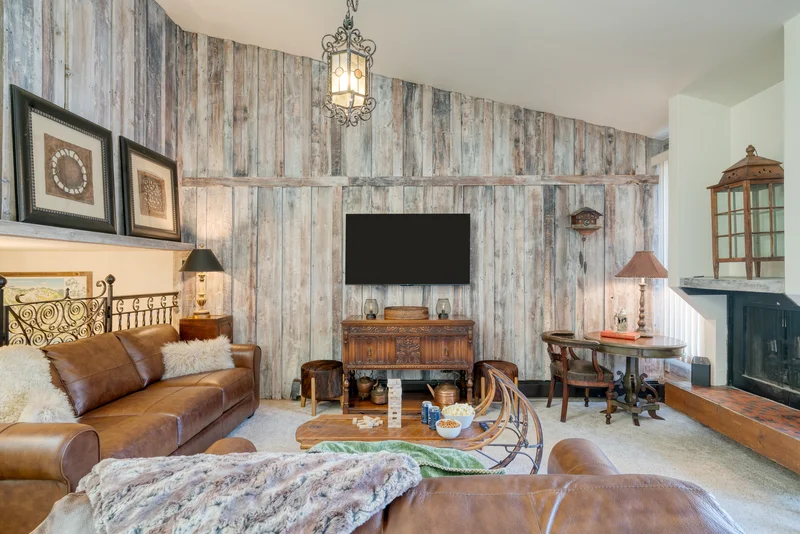
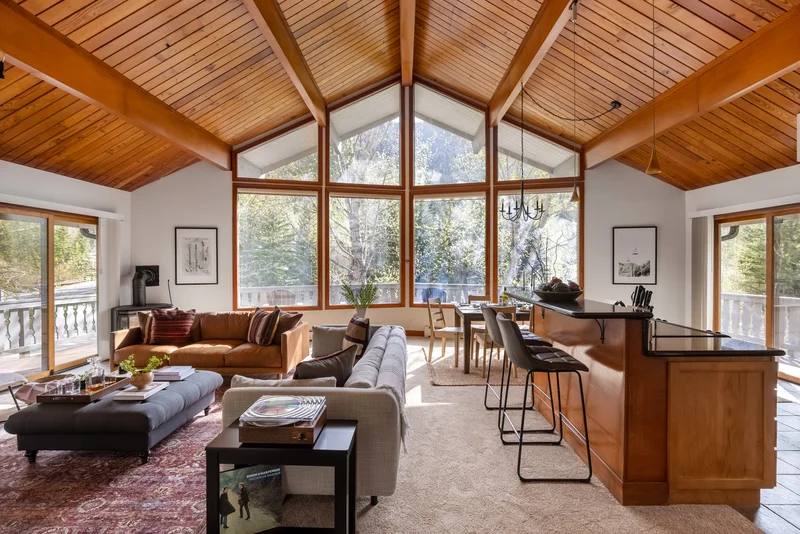
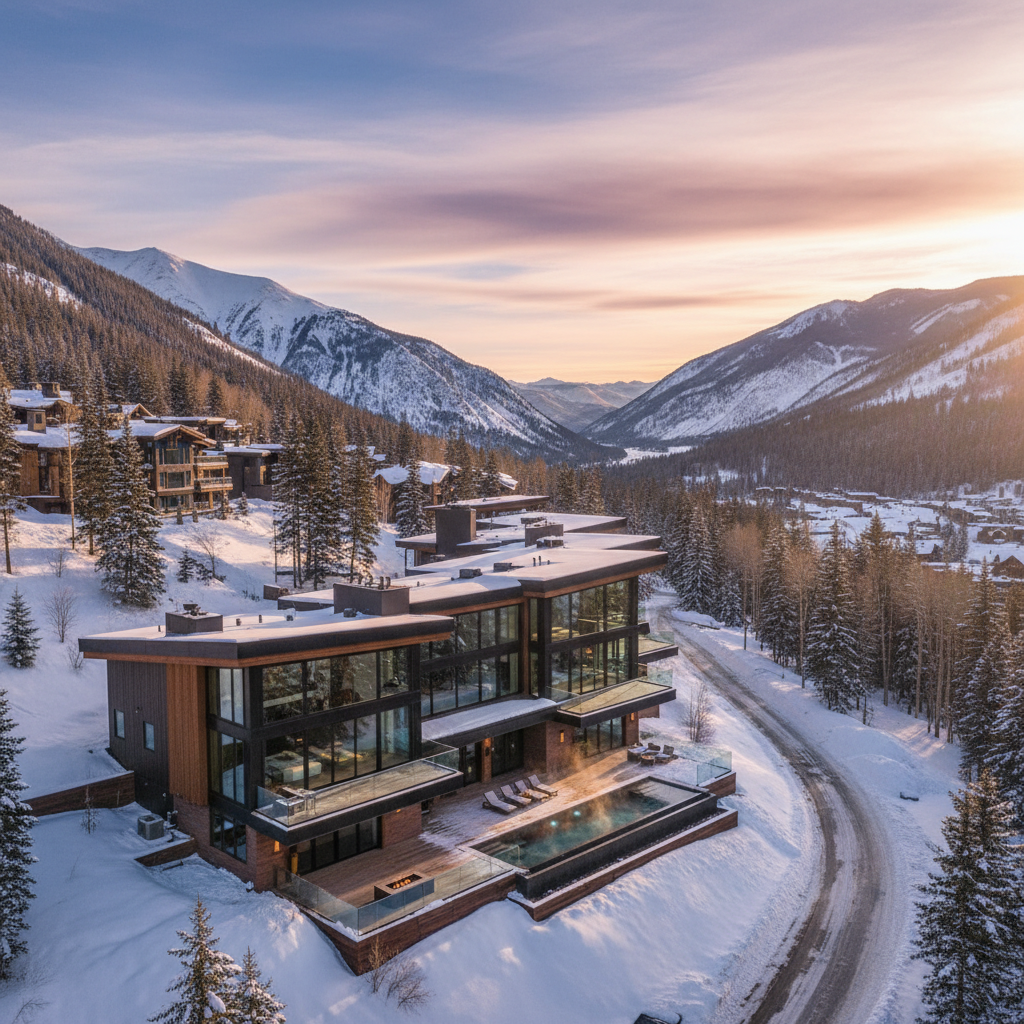
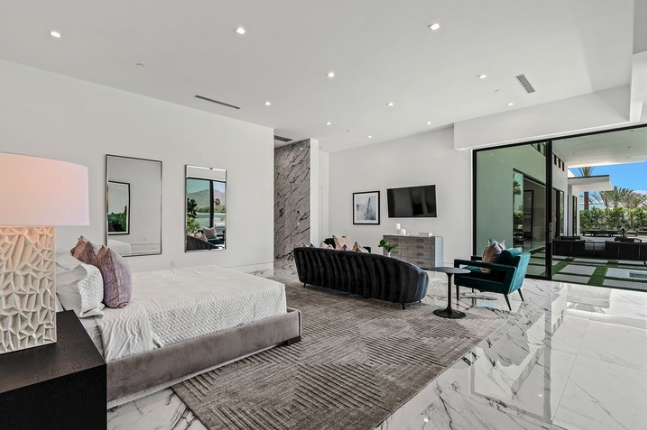
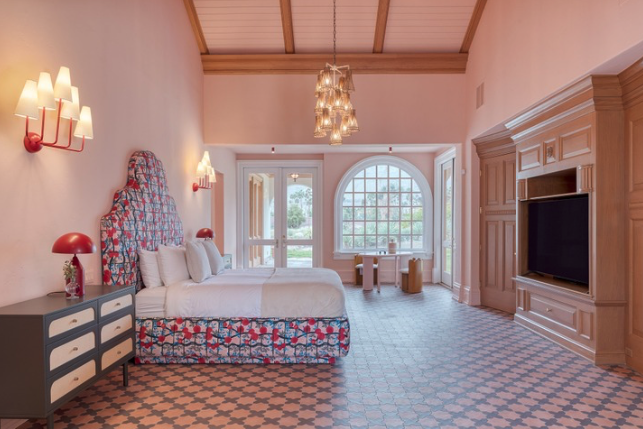
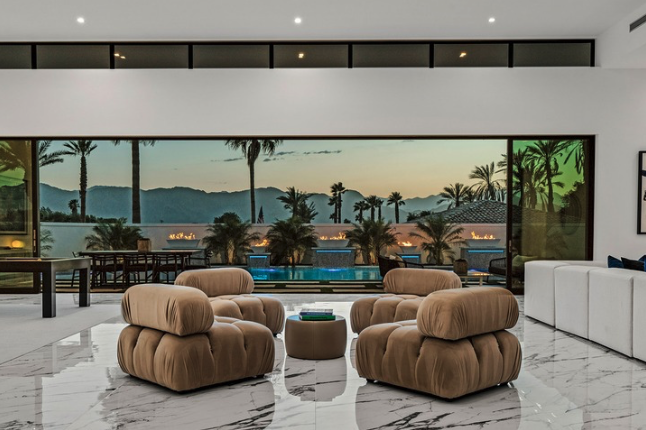
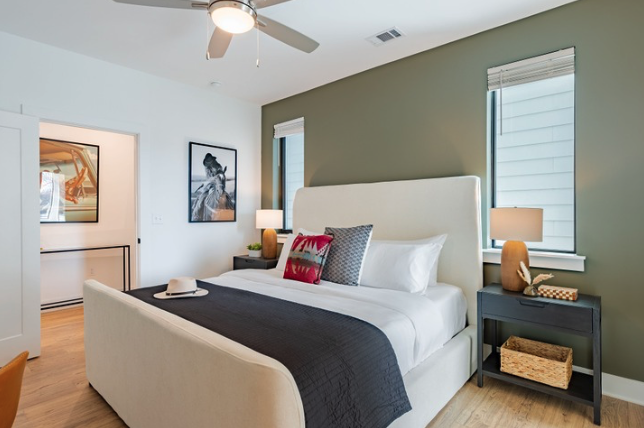
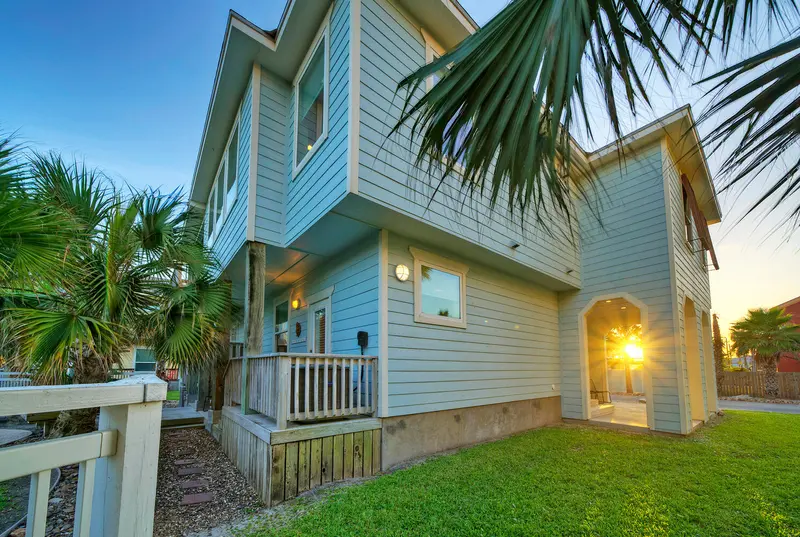
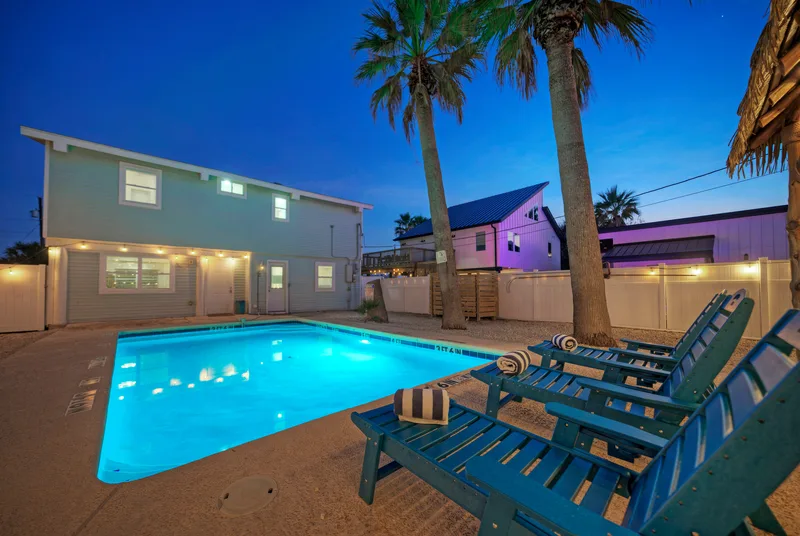
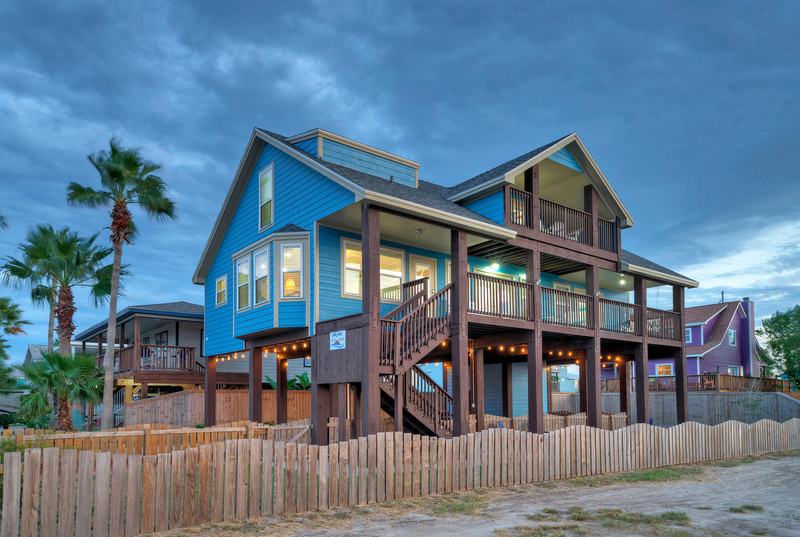
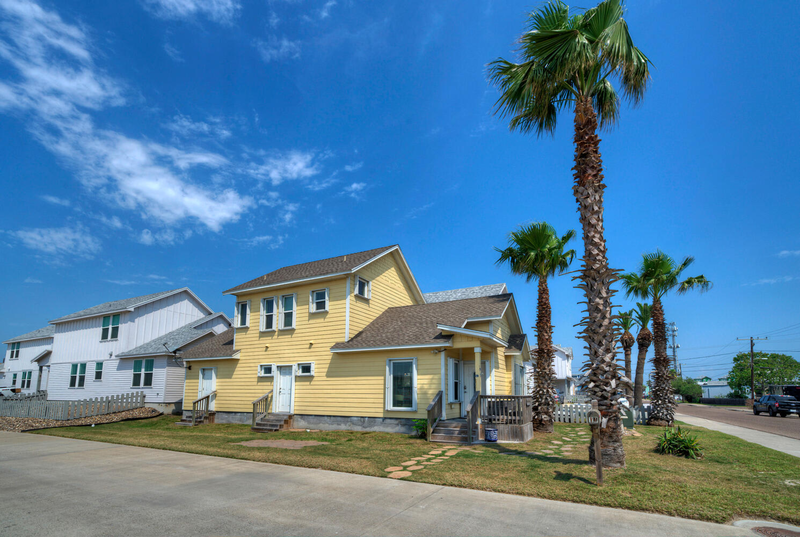
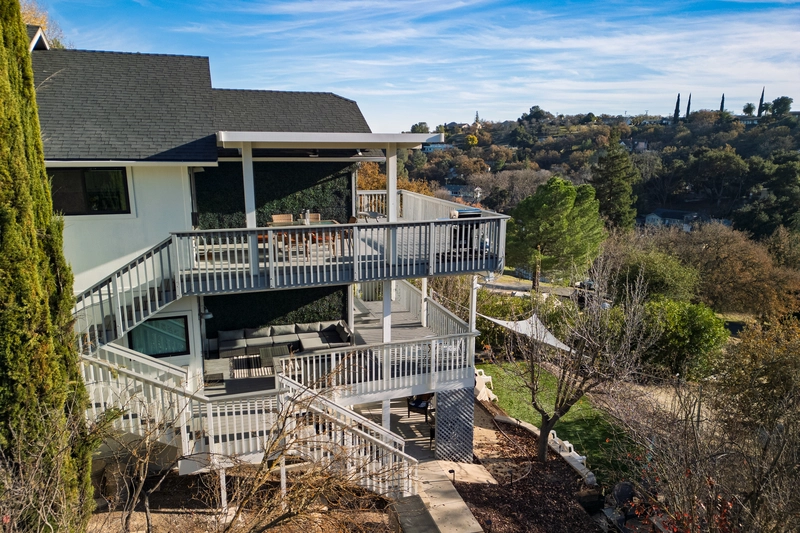
Best Homes to Stay for a 2-Day Oahu Trip:

3 Days in Oahu: The Essential Hawaiian Weekend

Three days capture Oahu’s essence perfectly for first-time visitors or groups celebrating special occasions. This itinerary balances beach time with cultural experiences, making it ideal for honeymoons, anniversaries, or friend reunions. You’ll experience the island’s diverse character from urban Honolulu to the rural windward coast.

Day 1: Honolulu and Waikiki Culture

Morning: Breakfast at Koko Head Cafe in Kaimuki for creative island-style brunch. Their cornflake French toast and scallop hash showcase local ingredients with global techniques. Walk off breakfast, exploring the neighborhood’s local shops.

Afternoon: Tour Iolani Palace downtown, America’s only royal palace. Guided tours reveal the Hawaiian monarchy’s history before the 1893 overthrow. Continue to Bishop Museum for comprehensive Polynesian and Hawaiian cultural exhibits. The planetarium show explains traditional wayfinding navigation.

Lunch: Helena’s Hawaiian Food serves authentic local cuisine in a no-frills setting. Their laulau, pipikaula, and poi represent traditional Hawaiian flavors. This James Beard Award winner maintains recipes passed through generations.

Evening: Sunset catamaran cruise from Waikiki Beach with cocktails and whale watching (December-April). Dinner at Roy’s Waikiki for Hawaiian fusion cuisine from Chef Roy Yamaguchi. End with drinks at RumFire for beachfront lounging with fire pits.

Day 2: Windward Coast Adventure

Morning: Drive over the Pali Highway, stopping at the Nuuanu Pali Lookout for dramatic windward coast views. Continue to Kailua Beach, consistently rated among Oahu’s best beaches. The turquoise water and soft white sand create postcard scenery. Rent kayaks to paddle to the Mokulua Islands offshore.

Lunch: Kalapawai Cafe in Kailua serves sandwiches and salads perfect for beach picnics. Or grab lunch at Buzz’s Original Steakhouse for beachfront casual dining since 1962.

Afternoon: Drive to Lanikai Beach for the famous pillbox hike. The 30-minute climb offers sweeping coastal views with turquoise water below. Continue north to Kualoa Ranch for ATV tours, horseback riding, or movie site tours through valleys featured in Jurassic Park and Lost.

Evening: Return via the scenic coastal route, stopping at Chinaman’s Hat viewpoint. Dinner at Mud Hen Water in Kaimuki offers innovative Hawaiian cuisine in a neighborhood setting. Their poke and local fish preparations showcase island flavors.

Day 3: North Shore and Cultural Sites

Morning: Drive directly to North Shore for breakfast at Haleiwa Beach House. Walk through Haleiwa town exploring surf shops, shave ice stands, and art galleries. This former sugar plantation town maintains authentic North Shore character.

Afternoon: Visit the Polynesian Cultural Center in Laie. This full-day experience showcases Pacific Island cultures through villages, demonstrations, and an evening luau show. Book the Ali’i Luau package for the best seating and buffet. If you skip PCC, explore North Shore beaches and snorkel at Shark’s Cove.

Lunch: Giovanni’s Shrimp Truck or Romy’s Kahuku Prawns for the famous North Shore shrimp experience. Eat at picnic tables while chickens roam.

Evening: Sunset at Sunset Beach, watching surfers tackle winter waves or swimmers enjoy summer calm. Return to Waikiki, stopping at Ted’s Bakery for chocolate haupia pie. Final dinner at Sushi Sho for omakase-style Japanese fine dining.

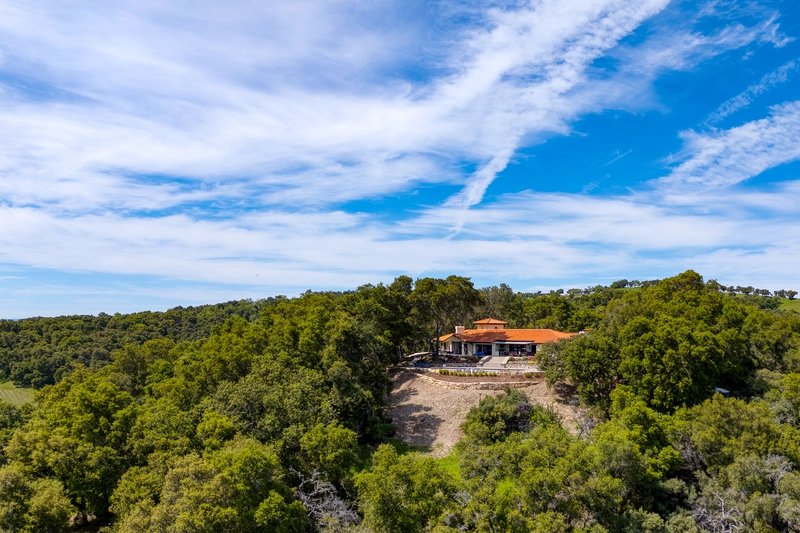
Best Homes to Stay for a 3-Day Oahu Weekend:

4 Days in Oahu: The Neighborhood Explorer

Four days lets you dig deeper into Oahu’s distinct regions while hitting major attractions. This works perfectly for families with kids or groups wanting both adventure and beach relaxation. You’ll balance famous spots with local neighborhoods that residents actually frequent.

Day 1: Waikiki and Diamond Head

Morning: Sunrise hike at Diamond Head (reservations required). The crater trail rewards early risers with panoramic views before the heat intensifies. Breakfast at Bogart’s Cafe in Chinatown for local-style plate lunches adapted for breakfast.

Afternoon: Waikiki Beach time with surfing lessons or simply swimming. Walk to the Duke Kahanamoku statue for photos and learn about Hawaii’s legendary Olympic swimmer and surfing ambassador. Browse the Royal Hawaiian Center for Hawaiian crafts and free hula shows.

Lunch: Marukame Udon for affordable, authentic Japanese noodles. The line moves despite its length.

Evening: Attend a luau at either Paradise Cove or Toa Luau. These cultural shows include the imu ceremony, traditional dances, and a feast featuring kalua pig, poi, and haupia. Book ahead for the best seating. The luaus typically run 5-9 PM.

Day 2: Pearl Harbor and History

Morning: Pearl Harbor National Memorial, starting with the USS Arizona (free, requires reservations). The Battleship Missouri offers add-on tickets to explore the deck where Japan surrendered, ending WWII. Allow 4-5 hours for the complete Pearl Harbor experience, including the USS Bowfin submarine and aviation museum.

Lunch: Nico’s Pier 38 near the harbor serves fresh fish plates and poke bowls. Their furikake ahi is outstanding, and portions are generous.

Afternoon: Drive to downtown Honolulu for the Iolani Palace tour if you missed it earlier. Walk through Chinatown’s markets, herbalists, and lei shops. Foster Botanical Garden offers peaceful tropical plant collections in the middle of the city.

Evening: Dinner at The Pig and the Lady for modern Vietnamese-Hawaiian fusion. Chef Andrew Le’s creative menu changes seasonally but always surprises. End with craft cocktails at Bar Leather Apron, a hidden speakeasy requiring reservations.

Day 3: Windward Oahu

Morning: Drive to the windward side via Pali Highway. Stop at Valley of the Temples for the replica Byodo-In Temple nestled against dramatic cliffs. The peaceful grounds and koi ponds create a meditative atmosphere.

Lunch: Keneke’s Grill in Kaneohe for local plate lunches. Their loco moco and kalua pork represent authentic Hawaiian comfort food.

Afternoon: Kailua Beach for swimming, kayaking to Flat Island, or stand-up paddleboarding. The beach park facilities and calm waters make this family-friendly. Or drive to Lanikai for the pillbox hike offering Instagram-worthy coastal views.

Evening: Return, stopping at Kailua town for window shopping and dinner at Moke’s Bread and Breakfast. Yes, breakfast for dinner works perfectly here. Their macadamia nut pancakes and liliko butter are legendary. Or try Kalapawai Market for sandwiches and local vibes.

Day 4: North Shore and Central Oahu

Morning: Drive to Dole Plantation for the pineapple express train and maze. Tourist-heavy, but kids love it. Continue to North Shore, stopping at Laniakea Beach to see Hawaiian green sea turtles basking on the sand.

Lunch: Haleiwa for shrimp trucks and town exploring. Food trucks line Kamehameha Highway, serving various shrimp preparations. Giovanni’s is most famous, but the lines are longest. Try Romy’s or Fumi’s for shorter waits.

Afternoon: Visit Waimea Valley with botanical gardens and waterfall swimming. The easy paved path leads to a waterfall where swimming is allowed in the pool below. Lifeguards on duty and life jackets provided. Continue to Shark’s Cove for snorkeling when seas are calm (summer only).

Evening: Sunset at Sunset Beach, then dinner at Haleiwa Beach House overlooking the harbor. Fresh fish and Mai Tais as the sun sets over the Pacific. Return to Waikiki via H-2 and H-1 freeways for faster evening travel.

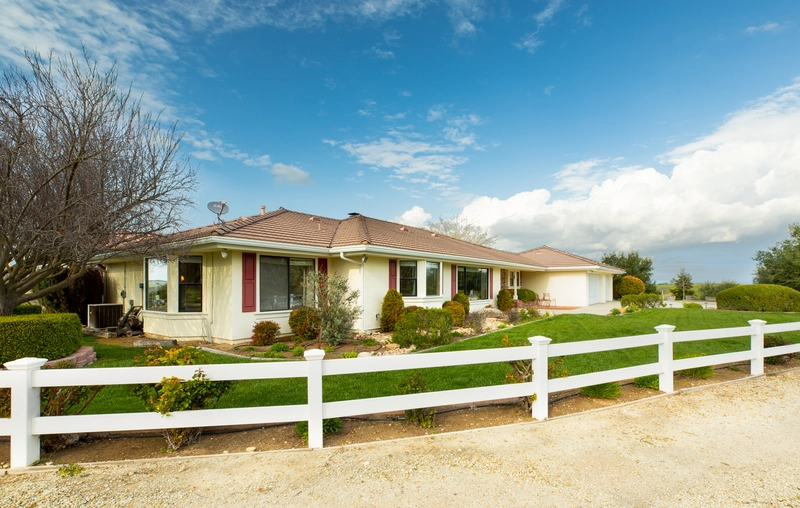
Best Homes to Stay for a 4-Day Oahu Trip:

5 Days in Oahu: The Complete First-Timer’s Journey

Five days reveal Oahu beyond Waikiki beaches and give you time to appreciate why Hawaii is called paradise. Perfect for families planning vacations or couples wanting to have a thorough exploration without rushing. This pace lets you experience the island’s full range, from urban Honolulu to rural countryside.

Day 1: Waikiki Foundations

Morning: Breakfast at Musubi Cafe Iyasume for authentic Japanese musubi and bentos. Walk to Waikiki Beach for swimming before crowds arrive. The section fronting the Royal Hawaiian Hotel offers prime people-watching.

Afternoon: Surfing lesson with one of Waikiki’s many surf schools. The gentle rolling waves provide perfect learning conditions. Even complete beginners typically stand up within the first hour. Waikiki’s surf instructors pioneered modern surf tourism and maintain high teaching standards.

Lunch: Duke’s Waikiki for beachfront casual dining. Their fish tacos and burgers satisfy post-surf hunger perfectly.

Evening: Walk the Waikiki Beach Walk shopping and dining area. Dinner at Hula Grill Waikiki for Hawaiian regional cuisine with sunset views. End with fire knife dancing and a hula show at various Waikiki hotels offering free performances.

Day 2: History and Culture

Morning: Pearl Harbor early arrival (7 AM) beats crowds. Tour the USS Arizona Memorial, USS Bowfin submarine, and Battleship Missouri. The complete Pearl Harbor experience requires 4-5 hours. Each exhibit reveals different aspects of WWII Pacific theater history.

Lunch: Nico’s Pier 38 for poke bowls and fresh fish plates near Pearl Harbor. Local families and fishermen eat here regularly.

Afternoon: Downtown Honolulu for the Iolani Palace tour and the Hawaii State Capitol. Walk through historic Kawaiahao Church and Mission Houses Museum. Foster Botanical Garden offers tropical plant collections if you need green space.

Evening: Chinatown exploration, including dinner at The Pig and the Lady. This innovative restaurant blends Vietnamese and Hawaiian flavors, creating unique dishes. Walk through Chinatown’s bars afterward with craft cocktails at Manifest or Bar Leather Apron.

Day 3: Windward Paradise

Morning: Drive over Pali Highway, stopping at the lookout. The windswept cliffs offer dramatic coastal views. Continue to Kailua Beach for morning swimming and kayaking. Flat Island offshore makes a worthy kayaking destination with seabirds nesting.

Lunch: Kalapawai Cafe in Kailua for sandwiches and locally-sourced ingredients. Eat on the patio watching beachgoers pass.

Afternoon: Lanikai pillbox hike for turquoise water views with the Mokulua Islands offshore. The steep 30-minute climb is rewarded with panoramic windward coast scenery. Drive north to Kualoa Ranch for ATV tours, horseback riding, or simply admiring the dramatic mountain scenery.

Evening: Sunset at Kualoa Regional Park with Chinaman’s Hat island offshore. Return to Waikiki, stopping for dinner at Highway Inn in Kakaako for traditional Hawaiian food. Their kalua pork and lomi salmon represent authentic island flavors.

Day 4: North Shore Adventures

Morning: Early drive to North Shore via H-2. Stop at Dole Plantation if traveling with kids. Continue to Haleiwa for breakfast at Haleiwa Beach House overlooking the harbor. The açaí bowls and omelets fuel North Shore exploring.

Afternoon: Beach hopping between Waimea Bay, Sunset Beach, and Pipeline. Winter brings massive surf competitions while summer offers calm swimming. Snorkel at Sharks Cove or Three Tables when the seas are flat (May-September). The lava rock formations create protected pools teeming with tropical fish.

Lunch: Shrimp trucks for the quintessential North Shore experience. Giovanni’s, Romy’s, or Fumi’s all serve excellent garlic shrimp plates.

Evening: Sunset at Sunset Beach, then explore Haleiwa town’s surf shops and galleries. Dinner at Ted’s Bakery for plate lunches, or splurge at Haleiwa Joe’s for seafood and steaks. Don’t skip Ted’s haupia cream pie either way.

Day 5: Southeast Oahu and Relax

Morning: Drive the scenic southeast coast to Hanauma Bay Nature Preserve (reservations required, closed Mondays and Tuesdays). This protected marine sanctuary offers outstanding snorkeling with hundreds of tropical fish species. Arrive early as daily visitor caps fill quickly.

Lunch: Kono’s on the North Shore has a Hawaii Kai location for casual breakfast-lunch plates. Or grab local food trucks near Sandy Beach.

Afternoon: Continue the coastal loop past Sandy Beach, Halona Blowhole, and Makapuu Lighthouse Trail. The easy paved trail offers whale watching viewpoints in winter. Finish at Waimanalo Beach, Oahu’s longest stretch of white sand, and a local favorite, rarely crowded.

Evening: Return to Waikiki for sunset beach time and final dinner at Roy’s or Azure at the Royal Hawaiian. These upscale restaurants showcase Hawaii regional cuisine with Pacific Rim influences. Toast your Oahu adventure with signature cocktails, watching waves lap the shore.

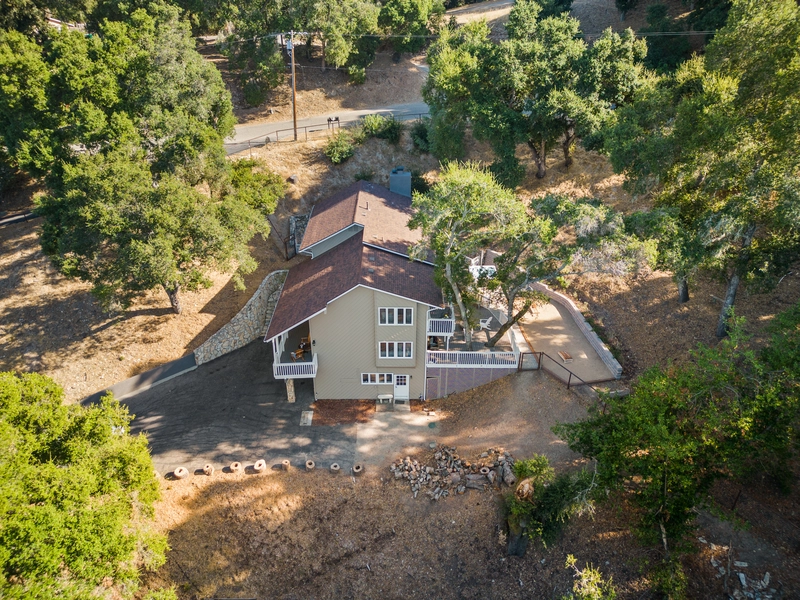
Best Homes to Stay for a 5-Day Oahu Adventure:

7 Days in Oahu: Island Living Like a Local

A full week lets you settle into Oahu’s rhythm, discovering why locals defend this island despite tourism pressures. This itinerary works for remote workers, extended families, or anyone wanting a thorough exploration beyond tourist zones. You’ll have time to revisit favorite beaches and venture into residential neighborhoods.

Days 1-5: Follow the 5-Day Itinerary

Start with the comprehensive five-day plan covering Waikiki, Pearl Harbor, the windward coast, and the North Shore. This foundation ensures you experience Oahu’s essential character before exploring deeper.

Day 6: Central Oahu and West Side

Morning: Breakfast at Liliha Bakery for their famous Coco Puffs and local plate lunches. Multiple locations make this convenient. Drive central Oahu through pineapple fields and past Schofield Barracks.

Afternoon: Visit the Waianae Coast (west side), often overlooked by tourists. Makaha Beach offers excellent surfing and local character. Ko Olina Lagoons provide protected swimming in man-made coves surrounded by resorts. Paradise Cove hosts one of Oahu’s better luaus if you haven’t attended one yet.

Lunch: Monkeypod Kitchen in Ko Olina for farm-to-table cuisine and craft cocktails. Their fish tacos and burgers capture island casual dining.

Evening: Sunset at Electric Beach near the power plant. The warm water discharge attracts tropical fish and occasional dolphins, making this a popular snorkel and dive site. Dinner back in Honolulu at Mud Hen Water or MW Restaurant for innovative local cuisine.

Day 7: Your Choice Day

Morning: Sleep in and enjoy a leisurely breakfast at your favorite spot discovered during the week. Maybe return to Koko Head Cafe or try Morning Glass Coffee for acai bowls and local coffee.

Afternoon: Options abound for your final day. Revisit your favorite beach, explore neighborhoods you haven’t fully seen, or simply relax poolside. Manoa Falls Trail offers easy rainforest hiking if you want more adventure. The 1.6-mile round trip leads to a 150-foot waterfall.

Lunch: Rainbow Drive-In for authentic local plate lunches. This Waikiki institution, since 1961 served generous portions of loco moco, teriyaki chicken, and chili with rice.

Evening: Final sunset at your favorite beach, then splurge on dinner at La Mer or Senia for upscale Hawaiian regional cuisine. These award-winning restaurants showcase why Hawaii’s culinary scene rivals anywhere. End with drinks at Sky Waikiki rooftop bar for panoramic city and ocean views.

Best Homes to Stay for a 7-Day Oahu Experience:

10 Days in Oahu: Total Hawaiian Immersion

Ten days transform Oahu from a destination to a temporary home. This extended stay suits digital nomads, sabbatical travelers, or anyone craving complete island immersion. You’ll establish routines, discover secret surf breaks, and experience Oahu’s rhythm beyond tourist timelines.

Days 1-7: Follow the 7-Day Itinerary

Complete the week-long plan, ensuring comprehensive Oahu coverage from Waikiki to North Shore. By day seven, you’ll know your favorite beaches and restaurants.

Day 8: Neighbor Island Day Trip

Morning: Catch an early morning flight to Maui or the Big Island for a day trip exploring another Hawaiian island. Inter-island flights run hourly and take just 30-45 minutes. Rent a car at the destination airport. Maui’s Road to Hana or Big Island’s Volcano National Park make worthy day trips, though both deserve longer stays.

Afternoon: Explore your chosen island’s highlights before catching a late afternoon flight back to Oahu. The day trip reveals Hawaii’s island diversity, with each offering distinct character and landscapes.

Evening: Return to Oahu exhausted but enriched. A simple dinner near your rental or delivery lets you rest and process the full day of exploring.

Day 9: Local Neighborhoods

Morning: Explore the Kaimuki neighborhood with breakfast at Koko Head Cafe or Town. This residential area features local restaurants, vintage shops, and the historic Kaimuki Theatre. Walk Waialae Avenue, discovering why locals love living here.

Lunch: Ono Seafood for excellent poke bowls and ahi poke. This tiny shop serves what many consider Oahu’s best poke using sustainably caught fish.

Afternoon: Visit the Shangri La Museum of Islamic Art, Culture & Design (tours by reservation only). Doris Duke’s former estate showcases Islamic art collections in a stunning oceanfront setting. Tours run Wednesdays through Saturdays with advance booking essential.

Evening: Sunset at Diamond Head Beach Park or Kaimana Beach, locals’ favorites, avoiding Waikiki crowds. Final dinner at MW Restaurant for chef Wade Ueoka’s creative tasting menus. The intimate space and ever-changing menu showcase Hawaii’s seasonal ingredients.

Day 10: Favorite Spots and Farewell

Morning: Return to your favorite beach for the final ocean time. Maybe it’s Kailua’s turquoise waters, Lanikai’s perfect sand, or a North Shore spot you discovered. Savor knowing these waters have become familiar friends.

Lunch: Final plate lunch at Rainbow Drive-In or Helena’s Hawaiian Food. You’ve earned opinions about Hawaiian food by now.

Afternoon: Last-minute shopping for Hawaiian products at the Made in Hawaii Festival, if timing works, or browse local boutiques for island-made goods. Visit spots you meant to see but didn’t prioritize. Or simply sit at Waikiki Beach watching tourists discover what you’ve known all week.

Evening: Sunset from Magic Island with a local picnic, watching Friday evening fireworks if it’s Friday. Farewell dinner at La Mer, House Without A Key, or your personal favorite discovered during the ten days. Toast Oahu, knowing you’ve truly experienced the Gathering Place beyond tourism.

Best Homes to Stay for a 10-Day Oahu Immersion:

If You Have Extra Time

If you have extra time or are looking for other things to do in Oahu, consider exploring these places to make your trip even more memorable.

Day Trips and Adventures

Skydiving: Pacific Skydiving and Skydive Hawaii offer tandem jumps over Oahu’s North Shore. The views encompass turquoise water, dramatic mountains, and endless Pacific horizons.

Helicopter Tours: Paradise Helicopters and Blue Hawaiian offer doors-off flights revealing Oahu’s hidden valleys, waterfalls, and coastal cliffs inaccessible by land. Sacred Falls and Stairway to Heaven appear from above.

Submarine Tour: Atlantis Submarines dives 100 feet below Waikiki, exploring artificial reefs and shipwrecks. The family-friendly adventure reveals underwater Hawaii without getting wet.

Hidden Gems Worth Finding

Koko Crater Trail: This brutal 1,048-step railway climb rewards summit views encompassing southeast Oahu. The abandoned WWII railway track straight up the crater tests fitness but delivers panoramic payoff.

Manoa Chocolate: Hidden in Kaimuki, this bean-to-bar chocolate factory offers tours showing cacao processing from Hawaiian-grown beans. Tastings include single-origin chocolates showcasing terroir.

Kaena Point Trail: Oahu’s westernmost point, accessed via a 5-mile round-trip coastal hike, reveals monk seals, albatross nests, and dramatic surf crashing against lava cliffs. The sacred spot feels remote despite proximity to Honolulu.

Not sure where to stay? Check out our curated lists of top Airbnbs in Oahu for neighborhood-specific recommendations.

Getting Around Oahu

Oahu covers 597 square miles with concentrated urban Honolulu and spread-out rural areas. Transportation planning helps maximize beach time and minimize traffic frustration. Most visitors rent cars, though Waikiki stays walkable.

Rental Cars: Strongly recommended for exploring beyond Waikiki. Book well ahead as availability tightens during peak seasons. Expect $50-120 daily, depending on vehicle type. Traffic on the H-1 freeway gets heavy during rush hours (6-9 AM and 3-7 PM). Allow extra time for North Shore drives, which take a minimum of 90 minutes from Waikiki despite being only 40 miles.

Public Transportation: TheBus serves the entire island for $3 per ride or $7.50 day pass. Routes connect major areas, but schedules limit spontaneity. The bus works for budget travelers staying in Waikiki and visiting specific destinations. However, beach equipment and coolers make bus travel impractical.

Rideshare: Uber and Lyft operate throughout Oahu with good availability in urban areas. Expect $25-50 from Waikiki to North Shore, $15-25 to the windward side. Service to remote beaches may be limited. Surge pricing affects beach communities during weekends and peak times.

Biki Bikes: Honolulu’s bike share program offers stations throughout urban areas. The $5 per 30-minute or $25 monthly pass works for short trips. However, Hawaii’s heat and hills make biking challenging for casual riders.

Walking: Waikiki, Ala Moana, and downtown Honolulu stay walkable. However, distances between neighborhoods require transportation. Beach hopping and attractions exploring necessitate either a rental car or expensive rideshare costs.

Where to Stay in Oahu

Choosing the right home base shapes your entire Oahu experience. AvantStay offers premium vacation rentals across Oahu’s best locations. From Waikiki condos to North Shore houses, our curated collection positions you perfectly for island exploring.

Why Choose AvantStay

Unlike traditional vacation rentals, AvantStay properties are professionally managed with consistent quality standards. Every home features thoughtful design, high-end furnishings, and modern amenities, making your stay comfortable and memorable. 

Our Oahu rentals span from Waikiki’s urban beach energy to quiet residential neighborhoods, ensuring you’re positioned for whatever Hawaiian experience you’re seeking.

Concierge Services and Upgrades

AvantStay’s personal concierge service elevates your vacation beyond simple accommodation. We handle the details so you can focus on experiencing Oahu’s aloha spirit.

  • Mid-Stay Cleaning: Keep your space fresh during extended stays, so you can relax without worrying about upkeep during your Hawaiian adventure.
  • Bring Your Pets: AvantStay encourages time spent with loved ones, and pets are no exception. We offer pet-friendly properties where your furry family members are welcome.
  • Private Chef: Elevate your dining experience with a personal chef creating island-inspired cuisine without restaurant waits.
  • Stocked Fridge: Skip the grocery store hassle and let us handle the shopping. Send us your list or select from our curated packages featuring Hawaiian snacks and tropical fruits.
  • Transportation: Need a ride to the airport, North Shore, or Pearl Harbor? We arrange reliable transportation throughout your stay exploring Oahu stress-free.
  • Find Local Child Care: Traveling with kids but want adults-only beach time? We help you find and hire local sitters with detailed profiles, references, and reviews.
  • In-Home Massage: Perfect after surfing and hiking, indulge in ultimate relaxation without leaving your rental.
  • Rent Baby Gear: Traveling with a baby doesn’t mean packing your entire nursery. Rent cribs, strollers, car seats, beach toys, and more.

For other requests, rentals, or special occasion setups, our concierge team handles whatever makes your Oahu vacation exceptional.

Book Through the AvantStay App

Download the AvantStay app to browse properties, manage bookings, and access concierge services all in one place. The app provides 24/7 support, check-in details, local recommendations, and direct messaging with our team.

Download via: AvantStay iOS Application

Download via: AvantStay Android Application

Essential Travel Tips

Before you paddle out and catch waves, a little preparation goes a long way. These essential travel tips will help you feel at ease while having the best Oahu experience.

Getting To and From Honolulu Airport

Daniel K. Inouye International Airport (HNL) serves as Oahu’s main gateway with direct flights from the mainland US, Asia, and inter-island connections. The open-air design reminds you immediately that you’ve arrived in the tropics.

Airport Transportation: Rideshare pickup zones are clearly marked outside baggage claim. Expect $35-50 to Waikiki, $60-80 to North Shore. Roberts Hawaii Express Shuttle offers shared rides for around $20 per person to Waikiki hotels. Rental cars require a shuttle to an off-site facility where all major companies operate.

Rental Cars: Book months ahead during peak seasons (December-March, June-August). Prices fluctuate wildly based on demand, reaching $150+ daily during shortages. Inspect vehicles thoroughly and photograph existing damage before leaving the lot. Most companies offer unlimited mileage.

Packing for Oahu

Year-Round Essentials: Reef-safe sunscreen (Hawaii bans harmful chemicals), swimsuits (bring multiple), water shoes for rocky entries, light layers for air-conditioned spaces, comfortable walking shoes or hiking sandals, and a reusable water bottle. Bring your own snorkel gear if you plan frequent ocean time, as rentals add up.

Dry Season (April-October): Temperatures stay warm, 75-88°F with minimal rain. Pack lightweight clothes, sun protection, and maybe one light jacket for restaurants. The tradewinds keep things comfortable despite the heat.

Wet Season (November-March): Hawaii’s “winter” brings more rain, especially on windward sides. Pack a light rain jacket and long pants for cooler evenings. Temperatures range from  65-80°F. Whale watching season, from December to April, makes binoculars worthwhile. North Shore surf is massive from November to February for spectating.

Practical Oahu Preparation

Time Zone: Hawaii operates on Hawaii-Aleutian Standard Time, three hours behind Pacific Time during standard time and five hours behind during daylight saving. Hawaii doesn’t observe daylight saving time, so the gap increases by an hour in summer.

Ocean Safety: Respect warning signs at beaches. Hawaii’s powerful waves and currents cause drowning deaths annually. Red flags mean stay out of the water. Never turn your back on the ocean as rogue waves sweep people off rocks. Rip currents are common at many beaches. If caught, swim parallel to shore rather than fighting directly back.

Costs: Oahu is expensive. Expect $20-35 for casual meals, $50-100 for nice dinners, $8-12 for local beers, and $15-20 for cocktails. Groceries cost 30-50% more than mainland prices. Activities range from free beach time to $200+ for boat tours and helicopter rides. Budget accordingly and consider grocery shopping for breakfast and lunch to save money.

Reservations: Book everything far ahead during peak seasons. Popular restaurants require reservations weeks in advance. Hanauma Bay requires parking reservations through their website. Diamond Head parking and entry need separate recreation.gov reservations. Pearl Harbor USS Arizona tickets book months ahead for popular times.

Reef-Safe Sunscreen: Hawaii bans sunscreens containing oxybenzone and octinoxate that damage coral reefs. Buy reef-safe brands before arriving or at island stores. Mineral sunscreens with zinc oxide and titanium dioxide are allowed. Violations result in fines, and more importantly, harmful sunscreens damage the reefs you’re visiting.

Respect the Land: Hawaiian culture emphasizes respect for aina (land). Don’t remove lava rocks, coral, or sand from beaches. Stay on marked trails to protect native plants. Don’t trespass on private property even if Instagram photos suggest otherwise. Many “secret” spots require crossing private land illegally.

More Questions About Your Oahu Trip?

Planning a Hawaiian vacation involves countless details, and we’re here to help. Whether you need recommendations for family-friendly properties, beachfront homes, or rentals with specific amenities, our team can answer questions and guide your booking process.

Contact us via:

  • Email: experience@avantstay.com
  • Phone: (833) 442-8268

Your Oahu Story Starts Here

Waves rolling onto Waikiki sand, sunrise painting Diamond Head volcanic red, that first bite of garlic shrimp on the North Shore. The Pacific horizon stretches endlessly from a windward beach, sea turtles surfacing for air, plumeria blossoms carried on tradewinds.

The memories you create here will absolutely become the stories you’ll tell for years. Oahu is the perfect place for families, honeymooners, surfers, and adventurers seeking authentic Hawaiian experiences.

Ready to book your stay? Browse our top vacation rentals in Oahu today.

8 Best Places to Visit in January in USA for New Adventures

The confetti has been swept away, the champagne glasses are clean, and that familiar feeling of possibility fills the air. January isn’t just the start of a new year—it’s your chance to kick off twelve months of incredible adventures, and there’s no better way to begin than with an unforgettable getaway.

If you are still looking for the best place to get you started with the new year, these 8 destinations are the perfect places to travel to for your next winter getaway. Plus, with post-holiday deals and fewer crowds, you’ll find both great value and plenty of space to breathe.

Each destination features our spacious AvantStay vacation rental homes designed for group getaways, with cozy fireplaces for mountain retreats, sparkling pools for desert escapes, and open-concept spaces perfect for planning your year of adventures ahead.

Experience adventure, relaxation, and that fresh-start energy that makes January travel so special. Whether you’re dreaming of trading snow boots for flip-flops or embracing the winter wonderland in all its glory, January offers some of the year’s best travel opportunities. 


1. Key West, Florida

Key West in January is pure tropical bliss while the rest of the country shivers. With average temperatures in the comfortable 70s and minimal rainfall, it’s the perfect time to explore this laid-back island and its beaches. The busy tourist season hasn’t quite hit full swing yet, so you’ll have more space to soak up the sunset and try out the best bars and restaurants in the area.

Top Activities:

  • Snorkel or dive in crystal-clear waters at John Pennekamp Coral Reef State Park
  • Watch the famous sunset celebration at Mallory Square
  • Take a glass-bottom boat tour to see tropical fish and coral reefs
  • Explore the historic downtown area and the Ernest Hemingway House

Where to Stay: Paradise Point – For the perfect island escape with unobstructed views of the Key West Golf Club course.

👉 Ready to trade winter for paradise? Check out our guide on the best things to do in Key West for the ultimate tropical getaway. And if you want to stay longer, check out our Keywest Airbnbs available for monthly stays


2. Palm Springs, California

Desert dreams do come true in Palm Springs, where January brings perfect weather for poolside lounging and outdoor adventures. With sunny skies and temperatures, it’s no wonder this mid-century modern oasis is a favorite escape. The desert landscape provides a stunning backdrop for hiking, spa days, and those Instagram-worthy poolside moments.

Top Activities:

  • Ride the Palm Springs Aerial Tramway for breathtaking desert and mountain views
  • Explore the colorful boutiques and galleries along Palm Canyon Drive
  • Hike the Indian Canyons trails surrounded by towering palm trees
  • Relax at world-class spas and enjoy outdoor dining under the stars

Where to Stay: Azul Oasis – A luxurious desert retreat with a sparkling pool, a fire pit to gather around, and modern amenities.

👉 If you’re planning a sunny winter escape, browse our Palm Springs Airbnbs and discover our guide to the best things to do in Palm Springs for desert luxury.


3. Scottsdale, Arizona

Golf courses stay green, hiking trails beckon, and the desert landscape shows off its winter beauty in Scottsdale. January brings ideal weather for outdoor activities, with warm days perfect for exploring and cool evenings ideal for fire pit conversations. This desert destination combines luxury resorts, world-class golf, and stunning natural beauty.

Top Activities:

  • Play golf on championship courses with mountain backdrops
  • Hike Camelback Mountain or explore the McDowell Mountain Regional Park
  • Browse the galleries and shops in Old Town Scottsdale
  • Take a hot air balloon ride over the Sonoran Desert at sunrise

Where to Stay: Red Rock – With the panoramic views of Arizona’s red rock mountains and even sitting on a 3-acre land, it is, however, just 10 minutes away from Old Town Scottsdale.

👉 Get ready for a desert adventure and check out our Scottsdale Airbnbs to stay in. For more ideas, you can also read our Scottsdale travel guide for the perfect Arizona getaway.


4. Maui, Hawaii

While humpback whales migrate to warmer waters, you can too. Maui in January offers perfect weather for beach days, whale watching, and exploring the island’s natural wonders. The trade winds keep things comfortable, and the winter season brings some of the most spectacular whale watching opportunities of the year.

Top Activities:

  • Go whale watching to see humpback whales in their winter habitat
  • Drive the scenic Road to Hana with its waterfalls and black sand beaches
  • Watch the sunrise from Haleakala National Park
  • Snorkel at Molokini Crater or explore the beaches of Wailea

Where to Stay: Wailea Ike – Your go-to sanctuary for breathtaking ocean vistas and a truly private, calming ambiance.

👉 Planning a tropical escape? Browse our Maui travel guide for the ultimate Hawaiian adventure.


5. Park City, Utah

Fresh powder, fewer crowds, and that crisp mountain air make Park City a January paradise for winter sports enthusiasts. The ski season is in full swing, but the holiday rush has passed, giving you more space on the slopes and cozy après-ski moments. Historic Main Street twinkles with winter charm, and the mountain town energy is infectious.

Top Activities:

  • Ski or snowboard at Park City Mountain Resort or Deer Valley
  • Explore the galleries and restaurants along Historic Main Street
  • Take a scenic winter sleigh ride through snowy mountain trails
  • Enjoy spa treatments and hot tubs after days on the slopes

Where to Stay: Powder Pointe – Close to Canyons Village, this home has incredible mountain views and is near the Cabriolet Gondola. 

👉 Once you hit the slopes, there’s no stopping! Stay at one of our Park City Airbnbs and discover the best things to do in Park City for endless winter fun.

6. Vail, Colorado

Champagne powder and alpine magic await in Vail, where January delivers some of the season’s best skiing conditions. The European-inspired village creates a magical winter atmosphere, and the legendary back bowls offer world-class skiing for every skill level. After the holidays, you’ll find more intimate mountain moments and better deals.

Top Activities:

  • Ski Vail’s famous back bowls and perfectly groomed runs
  • Stroll through Vail Village’s charming pedestrian areas
  • Enjoy fine dining and luxury shopping in the heart of the village
  • Take a romantic horse-drawn sleigh ride through snow-covered meadows

Where to Stay: Vail Vista – A modern mountain condo with stunning views of the Colorado Rockies, with easy access to Vail’s winter wonderland.

👉 Dreaming of experiencing alpine luxury? Browse our Vail Airbnbs and explore our best things to do in Vail guide to get started.


7. San Diego, California

Perfect weather year-round reaches its peak in San Diego, where January brings sunny skies and comfortable temperatures ideal for outdoor adventures. While the rest of the country bundles up, you can enjoy beaches, hiking trails, and rooftop dining with ocean views. From the best beaches in San Diego to the best things to do, this place can offer something for every traveler.

Top Activities:

  • Explore Balboa Park’s museums, gardens, and the famous San Diego Zoo
  • Relax on the beaches of La Jolla and watch sea lions at Children’s Pool
  • Take a sunset cruise in San Diego Bay
  • Hike Torrey Pines State Natural Reserve for stunning coastal views

Where to Stay: Cove Watch – One of our best vistas, where you can enjoy unobstructed and unparalleled views of La Jolla’s shoreline. 

👉 As America’s Finest City, year-round sunshine in San Diego is not impossible! Check out our San Diego Airbnbs with the best ocean views to soak up all the sun.

8. Austin, Texas

January in Austin means mild temperatures, perfect for exploring the city’s famous music scene, food trucks, and outdoor spaces. The weather is ideal for walking tours, outdoor festivals, and enjoying the city’s vibrant cultural offerings. Plus, if you plan on hiking in Austin, you’ll avoid the intense summer heat while still enjoying plenty of sunshine.

Top Activities:

  • Explore the live music venues on 6th Street and in the Red River District
  • Take a food tour featuring Austin’s famous BBQ and food truck scene
  • Paddleboard or kayak on Lady Bird Lake
  • Visit the State Capitol and explore the many parks and green spaces

Where to Stay: Travis – Nestled just by the shore of Lake Travis, you can escape the city’s eclectic spirit and energy at this lakefront home. 

👉 Keep Austin “weird” and stay at our Austin Airbnbs. If you are coming to the SXSW 2025, start building your itinerary of the best things to do and restaurants to try in Austin.


Wellness and New Year’s Resolutions on Your January Holiday Trip

January is a natural time for renewal; a chance to set intentions, embrace healthy routines, and start the year with a positive mindset. Taking a holiday trip this month can be the perfect way to blend relaxation, adventure, and self-improvement. However, here’s more on how you can also prioritize wellness and stay committed to your resolutions while traveling:

Embrace Wellness Experiences

  1. Spa Retreats and Wellness Resorts 

Treat yourself to spa therapies, hot springs, or wellness-focused resorts. These experiences help you unwind, detox, and recharge after the holiday rush. Take it to the next level with AvantStay’s in-home massage services, where you can decompress with professional spa treatments in the comfort and privacy of your vacation rental.

  1. Outdoor Activities 

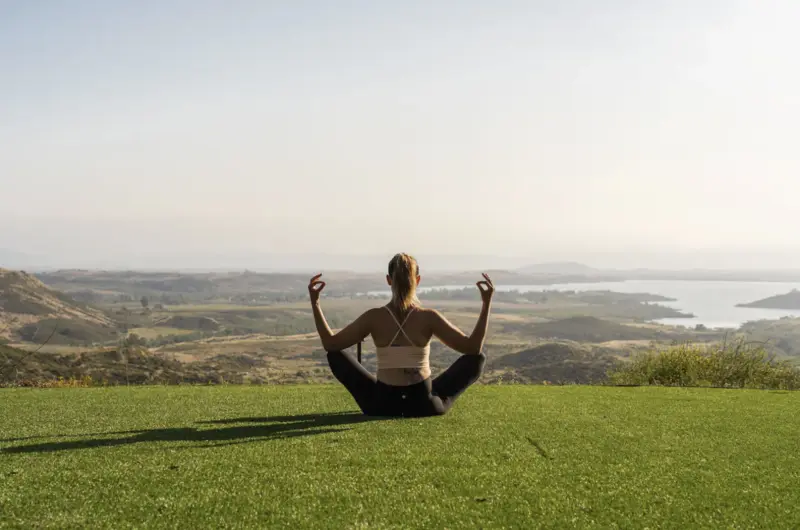
Take advantage of winter sports like skiing, snowshoeing, or hiking in crisp mountain air. For tropical destinations, enjoy swimming, beach walks, or yoga by the sea. Physical activity not only boosts your mood but also keeps you energized.

  1. Yoga and Mindfulness 

Start your mornings with yoga or meditation. Many hotels and resorts offer classes, or you can follow your own routine. Mindfulness practices help you stay present and reduce stress during your travels.

Keep Your Resolutions on Track

  1. Healthy Eating

Savor local cuisine, but make balanced choices. Look for fresh produce, lean proteins, and whole grains. Pack healthy snacks for excursions and stay hydrated throughout your trip. Make it even easier with AvantStay’s private chef services and pre-stocked fridge options—you can arrive at your vacation home with nutritious meals and prepared for your group, so you can focus on enjoying your wellness journey without the meal planning stress.

  1. Stay Active 

Incorporate movement into your itinerary. Choose accommodations with fitness centers or pools, walk or bike to explore new places, or plan group activities that get everyone moving.

  1. Reflect and Set Intentions

Use your holiday as a time for personal reflection. Journal your thoughts, read inspiring books, or set aside quiet moments to clarify your goals for the year ahead.

  1. Connect with Others

Traveling with loved ones? Plan group wellness activities—such as hikes, healthy cooking sessions, or attending a local fitness class—to strengthen bonds and support each other’s goals. For the ultimate wellness experience, consider adding AvantStay’s IV drip therapy services to help your group recover from travel fatigue, boost energy levels, and maintain optimal hydration throughout your adventure.
A Wellness-Focused Trip with AvantStay

Prioritizing wellness and your New Year’s resolutions while on a January holiday trip not only enhances your travel experience but also sets a strong foundation for the year ahead. 

Whether you seek relaxation, adventure, or personal growth, a mindful approach ensures you return home refreshed, motivated, and ready to embrace the new year.

  • Pack Smart: Bring comfortable workout clothes, a reusable water bottle, and any wellness tools you use at home (like a yoga mat or resistance bands).
  • Set Realistic Goals: Aim for progress, not perfection. Allow flexibility in your routine, and celebrate small victories.
  • Balance Indulgence and Wellness: Enjoy special treats in moderation, but balance them with nourishing meals and physical activity.

Experience a New Year getaway that becomes more than just a trip and the beginning of your year of adventures with AvantStay. Download the AvantStay app now to learn more about our Concierge services. 

Start Your Year of Adventures

January isn’t just about escaping winter and New Year’s resolutions. It’s also about taking action, creating the experiences that will define your year, and embracing the possibilities that come with a fresh start.

If you’re carving fresh powder down mountain slopes, watching whales breach in tropical waters, or discovering new cities under perfect blue skies, January is the ideal month to set the tone for 1 year of incredible adventures.

Ready to make January unforgettable? Start planning your New Year escape and book with AvantStay today for the perfect adventure-ready home.

Plan Your Year-Round Adventures with AvantStay

Why stop at January? Our monthly destination guides help you plan epic getaways throughout the year, ensuring every season brings new adventures and unforgettable experiences.

Make every month an adventure with the perfect AvantStay home as your base. Book your next seasonal getaway today.

How to Travel in Luxury Without Paying Hotel Prices in 2026

Hotels trained travelers to think in rooms, but that logic breaks down the moment you travel with a group. Four hotel rooms at $300 each quickly become a $1,200 nightly bill before parking, resort fees, or meals, and everyone still ends up scattered across hallways with no place to spend time together. A better way to think about how to travel in luxury without paying hotel prices is to focus on entire properties instead of individual rooms. When a full villa with a pool, kitchen, and shared living space costs $2,000 per night, splitting it eight ways drops the cost to $250 per person while giving your group the kind of space hotels rarely provide. That simple math is why more travelers now book large homes through modern vacation rental services when planning group trips.

TLDR:

  • Split an $800/night villa 8 ways and pay $100/person vs. $150/person for separate hotel rooms.
  • Travel April-May or September-November for lower airfare and vacation rental rates.
  • Full kitchens can cut food costs substantially when you cook breakfast and lunch instead of dining out for every meal.
  • Capital One Venture X cardholders earn 5X miles plus $100 credits on AvantStay bookings.
  • Certain vacation rental companies manage 2,300+ group-optimized homes with hotel-grade service at vacation rental prices.

Travel During Shoulder Season for Better Rates

Timing your trip can save as much money as choosing the right property. Shoulder season (April through May and September through November in the Northern Hemisphere) delivers the pricing advantage most travelers overlook.

Right now, airfare to Europe costs far less during shoulder season compared to peak summer months. That gap applies to more than flights. Vacation rentals, local tours, and even restaurant reservations become easier to book and cheaper to pay for when you avoid the June-August rush.

The weather during shoulder season is often better than peak season anyway. September in Palm Springs means perfect pool weather without the 115-degree heat. May in Nashville gives you festival season without the July humidity. You get the same destination with fewer crowds, lower prices, and more availability at luxury properties that would otherwise be booked solid.

Screenshot 2026-03-04 at 6.21.53 PM.png

If your schedule allows any flexibility, shoulder season is the single fastest way to upgrade your accommodations without spending more money.

Use Credit Card Travel Benefits and Loyalty Programs

Premium travel credit cards turn everyday spending into luxury accommodations. The right card strategy can cover hundreds, sometimes thousands, of dollars in travel costs you’d otherwise pay out of pocket.

Cards like Chase Sapphire Reserve or Capital One Venture X offer more than points. You get annual travel credits (up to $300), airport lounge access, and earning rates that multiply on travel purchases. Capital One Venture X cardholders booking through Capital One Travel earn 5X miles on AvantStay properties and receive $100 experience credits per stay. That’s real money back on a booking you were making anyway.

Marriott Bonvoy opens another angle. With 160 million members, the program lets you earn and redeem points on AvantStay stays through Homes & Villas by Marriott. You’re collecting hotel points while booking entire vacation homes.

The gap between retail price and points-based bookings is where luxury becomes accessible. A $2,000 property might cost 100,000 points you earned over six months of groceries and gas.

Cut Food Costs With Full Kitchens and Shared Meals

Restaurants add up faster than most travelers realize. Three meals a day at $100 per person means a four-night trip costs $1,200 per person just for food. That’s often more than the accommodation itself.

A bright, inviting luxury vacation rental kitchen with a group of friends cooking together. Modern chef-grade kitchen with a large marble island, stainless steel appliances, and friends preparing food together - one person chopping vegetables, another at the stove, someone arranging a charcuterie board. Natural light streaming through large windows, fresh groceries on the counter, warm and social atmosphere. Beyond the kitchen, visible outdoor pool area through glass doors. Photorealistic, high-end vacation rental photography style, capturing the joy and community of group cooking.

Vacation rentals flip that equation. A full kitchen means you control when to splurge and when to save. Cook breakfast and lunch, then go out for dinner. You’ve cut a large portion of your food budget while still enjoying the local restaurant scene. For a group of eight, cooking some meals in the home can lower food spending considerably compared to eating every meal at restaurants.

The kitchens in luxury vacation rentals aren’t basic apartment-style setups. Think chef-grade appliances, oversized islands, and pantries stocked with cooking essentials. When you’re splitting grocery costs across eight people, a $200 Costco run becomes $25 per person and feeds everyone for two days.

Group cooking turns into part of the experience. Someone grills by the pool, someone else preps a charcuterie board, and you’re spending a fraction of what restaurant bills would run while actually spending more time together. That’s where the hidden value lives.

Choose Destinations with Strong Value Propositions

Location choice matters as much as property type. Some destinations deliver luxury experiences at half the cost of their famous counterparts, without compromising quality.

Consider Port Aransas, Texas instead of Miami Beach. You get Gulf Coast beaches, fresh seafood, and waterfront properties where $2,500 per night buys a compound that would run $6,000 in South Florida. Same ocean views, better value. The Berkshires in Massachusetts offer estate-style homes with mountain access for less than comparable properties in Aspen or Jackson Hole.

Cabo San Lucas brings another angle. The peso-to-dollar exchange rate means your money goes further on everything from groceries to spa services, while the properties themselves match California coastal luxury.

Secondary markets deliver primary experiences. You’re not settling. You’re choosing smarter.

Split Costs Strategically Across Your Group

The per-person math only works if everyone pays their share. The difference between a smooth group trip and an awkward money situation comes down to how you structure cost-splitting from the start.

Set clear expectations before anyone books. Decide who’s paying for what, when payments are due, and how you’ll handle shared expenses like groceries or a private chef. Apps like Splitwise or Venmo make real-time tracking simple. One person books the property, everyone Venmos their portion within 48 hours. No chasing people down three weeks later.

Larger groups unlock properties that seem out of reach. A 10-bedroom estate at $4,000 per night sounds wild until you split it among 20 people. Suddenly you’re at $200 per person for a compound with a pool, hot tub, game room, and enough space that nobody feels cramped. At that scale, adding a private chef ($800) or guided wine tour ($600) costs $30 to $40 per person.

The group size sweet spot sits between 8 and 16 people. Big enough to access serious properties, small enough that coordination stays manageable. Past 16, you’re looking at estate buyouts and event-level logistics, but the per-person economics get even better.

Book Vacation Rentals Instead of Multiple Hotel Rooms

Hotels charge by the room. Vacation rentals charge by the property. For groups, that one shift in pricing structure changes everything about what you can afford.

When eight friends book a weekend getaway, hotel logic says you need four rooms at around $300 each per night. You’re looking at $1,200 nightly before taxes, parking fees, resort charges, and the awkward logistics of splitting up across different floors. Per person? You’re paying $150 just for a place to sleep, and nobody gets a living room.

Now consider the same group in a vacation rental. A $2,000-per-night villa split eight ways comes to $250 per person. You’re spending $100 more than the hotel, but you’re getting an entire house with a pool, a chef’s kitchen, outdoor space, and enough room that everyone actually wants to hang out together. 83% of travelers share costs with friends or family to access more luxurious accommodations or activities.

A split-screen comparison showing luxury vacation rental living. Left side: a spacious, modern villa interior with an open-concept living room featuring a chef's kitchen with marble countertops, large dining table for 8-10 people, floor-to-ceiling windows, and plush seating area. Right side: view through large glass doors to an outdoor pool and patio area with lounge chairs. Warm, inviting lighting, contemporary design, aspirational luxury travel aesthetic. Photorealistic, high-end real estate photography style.

The per-person math is what makes luxury group travel possible. Split the right way, vacation rentals deliver amenities that would cost thousands per night at a hotel.

Accommodation Type

Nightly Rate

Group Size

Cost Per Person

Amenities Included

Hotel (4 Rooms)

$1,200

8 people

$150

4 separate rooms, no shared space

Luxury Vacation Rental

$2,000

8 people

$250

Entire villa, pool, chef’s kitchen, living areas

Premium Vacation Rental

$3,200

16 people

$200

Estate home, multiple pools, outdoor kitchen, game room

Hotel (8 Rooms)

$2,400

16 people

$150

8 separate rooms, no shared space

Experience Luxury Through AvantStay’s Group-Optimized Properties

Avantstay.png

Every strategy in this guide comes together when you book properties designed for groups. That’s where we come in.

We manage 2,300+ properties across 65+ markets with the same quality control hotels promise but vacation rental pricing. Each home goes through our award-winning design team, follows the same 100-point cleaning checklist, and comes with 24/7 support through the Butler app. You get hotel consistency without hotel room rates.

Properties designed for group travel. Multiple primary suites mean couples don’t fight over who gets the good room. Oversized dining tables seat 12 to 16. Experiential amenities like pools, hot tubs, game rooms, and outdoor kitchens give everyone space to spread out or come together.

Add our concierge services and the gap between vacation rentals and luxury hotels disappears. Book a private chef through the app, arrange grocery stocking before you arrive, or schedule mid-stay cleaning. You’re getting five-star service in a home that costs a fraction of booking multiple hotel rooms.

The Marriott Bonvoy partnership and Capital One Travel integration mean you earn points and miles just like hotel stays. You’re building rewards on properties where eight people sleep under one roof for less than two hotel rooms would cost.

What is shoulder season and why does it make luxury travel more affordable?

Shoulder season (April-May and September-November in the Northern Hemisphere) offers lower airfare and reduced vacation rental rates compared to peak summer months, giving you the same destinations with better weather, fewer crowds, and wider availability at luxury properties.

Can I earn hotel points when booking vacation rentals?

Yes, through Marriott Bonvoy’s Homes & Villas partnership with AvantStay, you can earn and redeem points on vacation rental stays just like traditional hotel bookings, while Capital One Venture X cardholders earn 5X miles plus $100 experience credits per AvantStay booking.

How much money can a full kitchen save on a group trip?

Cooking breakfast and lunch while dining out for dinner cuts food costs by 60%. For eight people on a four-night trip, that’s saving $5,760 versus eating all meals at restaurants, dropping costs from $9,600 to $3,840 total.

The Best Time to Visit Oahu

Have you ever imagined waking up to the sound of gentle waves and tropical trade winds? Welcome to Oahu! Vibrant coral reefs, ancient volcanic mountains, and the spirit of aloha embrace every visitor who sets foot on this Pacific paradise.

This tropical island transforms subtly throughout the year, offering visitors different experiences based on when they choose to explore its diverse landscapes. Oahu and the greater Hawaiian Islands present an extraordinary destination that perfectly balances natural wonder with modern comfort.

However, each season brings unique advantages to this island paradise, from whale watching opportunities to perfect surfing conditions. Whether you’re seeking world-class surfing, snorkeling adventures, or simply relaxing on the pristine beaches of Oahu, here’s your complete guide to choosing the best time to visit Oahu and creating your ultimate Hawaiian escape.

About Oahu, HI

Oahu sits in the heart of the Pacific Ocean as Hawaii’s most populous island, home to the state capital, Honolulu, and the famous Waikiki Beach. This remarkable island features diverse microclimates, from the lush Windward Coast to the dry leeward shores, creating unique experiences across its 597 square miles.

The island’s tropical location creates a climate where summers are hot, oppressive, and dry; winters are comfortable and humid; and it is windy and mostly clear year-round, with temperatures typically varying from 68°F to 87°F and rarely going below 63°F or above 89°F. The surrounding waters maintain comfortable temperatures year-round, perfect for swimming, snorkeling, and surfing.

Oahu Travel Seasons at a Glance

Understanding Oahu’s seasonal rhythms helps you plan the perfect island vacation. Here’s your essential seasonal breakdown.

High Seasons: December to March and June to August

These periods bring the largest crowds due to winter escapes and summer vacations, resulting in higher accommodation rates and busier beaches. Winter offers excellent whale watching, while summer provides optimal ocean conditions and extended daylight hours.

Shoulder Seasons: April to May and September to November

These months provide the best overall balance with excellent weather, manageable crowds, and reasonable pricing. The shoulder seasons of early April, May, September, and early October are considered optimal times to visit Oahu.

Low Season: January (post-holidays)

Post-holiday January offers the quietest period with the best accommodation deals, though the weather remains excellent. This brief low season provides intimate island experiences with minimal crowds.

Why Visit Oahu?

Oahu’s appeal extends beyond its world-famous beaches and tropical climate. This island paradise offers transformative experiences that blend ancient Hawaiian culture with modern resort amenities. The island serves as home to Pearl Harbor, Diamond Head Crater, and countless natural wonders that showcase Hawaii’s geological and cultural heritage.

The destination presents world-class surfing on the North Shore, where winter swells create legendary waves that attract surfers from around the globe. Snorkeling opportunities abound in protected bays like Hanauma Bay, where tropical fish and coral reefs create underwater wonderlands accessible to all skill levels.

Oahu’s cultural richness flourishes through authentic luaus, traditional Hawaiian music, and local cuisine that blends Polynesian, Asian, and American influences. The island’s diverse landscapes range from rainforest hikes to volcanic crater walks, providing adventures for every type of traveler.

The Hawaiian Islands’ near-shore water temperatures remain comfortable throughout the year, with an average water temperature of 74°F (23.3°C) and a summer high of 80°F (26.7°C). This consistency makes Oahu perfect for year-round water activities and beachside relaxation.

Your Month-by-Month Guide to Oahu

  • Oahu in January: Cool winter weather, whale watching season, post-holiday quiet
  • Oahu in February: Pleasant temperatures, continued whale season, romantic atmosphere
  • Oahu in March: Warming weather, large winter swells, perfect hiking conditions
  • Oahu in April: Excellent shoulder season, ideal temperatures, fewer crowds
  • Oahu in May: Perfect spring weather, comfortable ocean temperatures, great value
  • Oahu in June: Summer begins, increased crowds, optimal beach weather
  • Oahu in July: Peak summer heat, largest crowds, maximum daylight hours
  • Oahu in August: Hottest temperatures, busy summer season, perfect swimming conditions
  • Oahu in September: Excellent weather returns, crowds decrease, ideal conditions
  • Oahu in October: Perfect temperatures, hurricane season ends, outstanding weather
  • Oahu in November: Comfortable climate, winter swells begin, rainy season starts
  • Oahu in December: Cool winter weather, holiday crowds, whale season begins

When Is the Best Time to Visit Oahu?

The absolute best time to visit Oahu is during the shoulder seasons, specifically April, May, September, and October, when you’ll find the best overall weather, lowest statewide rates, and fewest visitors on-island. These periods offer optimal combinations of excellent weather, manageable crowds, and reasonable accommodation prices.

The ideal times to visit Oahu are from mid-April to early June or between September and mid-December, when attractions are less crowded and you can enjoy smoother tourism flow with fewer tourists at popular spots like Waikiki Beach and the USS Arizona Memorial.

Visiting in Spring (March to May)

Spring showcases Oahu at its most beautiful when trade winds provide natural air conditioning and temperatures reach perfect levels for all outdoor activities. This season offers ideal conditions for beach activities, hiking, and cultural exploration without the intense heat of summer or winter crowds.

During spring months, average high temperatures hover around 83°F with average lows around 69°F, creating comfortable conditions throughout the day and evening. The pleasant weather makes spring perfect for experiencing Oahu’s diverse landscapes and attractions.

Oahu Weather in Spring

  • March: 69°F (low) / 80°F (high) | Avg precip: 2.1 in
  • April: 70°F (low) / 82°F (high) | Avg precip: 1.5 in
  • May: 72°F (low) / 84°F (high) | Avg precip: 1.1 in

Things to Do in Oahu During Spring

Spring weather makes every Oahu activity more enjoyable. Beach conditions are perfect with comfortable air and water temperatures, while hiking trails offer excellent conditions without summer’s intense heat. Snorkeling becomes ideal as the waters warm and visibility improves.

The comfortable temperatures make spring perfect for exploring cultural sites like Pearl Harbor, Polynesian Cultural Center, and historic downtown Honolulu. Spring’s pleasant evenings create ideal conditions for sunset beach walks and outdoor dining experiences.

Oahu Events in Spring

  • Cherry Blossom Festival (March-April) – Japanese cultural celebration
  • Easter Sunrise Service (March-April) – Traditional service at Diamond Head
  • Lei Day (May 1) – Hawaiian cultural celebration of lei making
  • Spring Break Activities (March-April) – Various beach and cultural events

Local Eats in Oahu During Spring

Spring brings perfect weather for outdoor dining throughout Oahu. Beachside restaurants showcase ocean views, while local food trucks offer authentic Hawaiian cuisine. The comfortable temperatures make it ideal for exploring Oahu’s diverse culinary scene, from poke bowls to traditional plate lunches.

Oahu Travel Tips During Spring

Spring attracts many visitors, so book accommodations and popular activities in advance. Pack light layers for trade wind variations and reef-safe sunscreen for ocean activities. This is excellent timing for first-time visitors to experience Oahu’s full range of attractions.

Visiting in Summer (June to August)

Summer offers ideal weather for everything from Honolulu’s beach life to the North Shore’s adventures, with temperatures around 85°F. This season brings less rain and the chance for outdoor activities like snorkeling and hiking, despite the crowds.

Summer in Oahu presents peak conditions for water activities and beach enjoyment, though it also brings the year’s largest crowds and highest accommodation rates. The season offers maximum daylight hours and consistently excellent ocean conditions.

Oahu Weather in Summer

  • June: 73°F (low) / 87°F (high) | Avg precip: 0.5 in
  • July: 75°F (low) / 88°F (high) | Avg precip: 0.6 in
  • August: 76°F (low) / 89°F (high) | Avg precip: 0.6 in

Things to Do in Oahu During Summer

Summer activities center around Oahu’s incredible beaches and water sports. Surfing conditions are excellent on the South Shore, while snorkeling and diving offer perfect visibility. The calm ocean conditions make summer ideal for stand-up paddleboarding, kayaking, and sailing.

Extended daylight hours allow for full days of beach activities followed by sunset experiences and evening entertainment. Summer’s dry conditions create perfect hiking weather for trails like Diamond Head and Koko Head.

Oahu Events in Summer

  • Fourth of July Celebrations (July) – Fireworks and beach festivities
  • Hawaiian Islands Humpback Whale Sanctuary (Summer education programs)
  • Summer Concert Series (June-August) – Various outdoor venues
  • Beach Volleyball Tournaments (June-August) – Professional and amateur events

Local Eats in Oahu During Summer

Summer dining focuses on fresh, tropical cuisine perfect for hot weather. Shave ice becomes essential, while fresh fish and tropical fruits reach peak season. Beachside bars and restaurants offer refreshing drinks and light meals ideal for summer heat.

Oahu Travel Tips During Summer

Summer requires advance booking for accommodations and popular activities due to high demand. Pack reef-safe sunscreen, light clothing, and water gear for optimal beach experiences. Consider early morning activities to avoid peak crowds at popular attractions.

Visiting in Fall (September to November)

Fall provides some of Oahu’s most perfect conditions, combining excellent weather with decreasing crowds as summer visitors depart. This season offers ideal temperatures, clear skies, and comfortable ocean conditions without peak season intensity.

Fall maintains pleasant temperatures with highs around 83°F and lows around 69°F, while hurricane season officially ends in November, providing more stable weather patterns for outdoor activities.

Oahu Weather in Fall

  • September: 74°F (low) / 88°F (high) | Avg precip: 0.7 in
  • October: 73°F (low) / 86°F (high) | Avg precip: 1.8 in
  • November: 71°F (low) / 83°F (high) | Avg precip: 2.3 in

Things to Do in Oahu During Fall

Fall provides excellent conditions for all Oahu activities. Beach weather remains perfect, while hiking becomes more comfortable as temperatures moderate. Snorkeling and diving offer excellent visibility with fewer crowds at popular spots.

The season’s stable weather makes fall ideal for island exploration, from scenic drives to cultural site visits. Fall evenings provide perfect conditions for sunset viewing and outdoor dining experiences.

Oahu Events in Fall

  • Aloha Festivals (September) – Statewide Hawaiian cultural celebration
  • Halloween Celebrations (October) – Unique tropical Halloween experiences
  • Kona Coffee Cultural Festival (November) – Celebrating Hawaiian coffee culture
  • Makahiki Season (October-February) – Traditional Hawaiian harvest season

Local Eats in Oahu During Fall

Fall dining showcases harvest season ingredients and comfortable outdoor dining weather. Local farmers’ markets feature tropical fruits and vegetables, while restaurants offer special menus highlighting seasonal Hawaiian cuisine.

Oahu Travel Tips During Fall

Fall offers excellent weather-crowd balance with manageable visitor levels. Pack light layers for trade wind variations and take advantage of shoulder season pricing. This is optimal timing for photography and outdoor activities.

Visiting in Winter (December to February)

Winter brings slightly cooler temperatures with average highs around 78°F and average lows around 65°F, making it perfect for mainland visitors escaping cold climates. This season offers unique experiences like whale watching and large winter swells on the North Shore.

Mid-December to March represents peak tourist season in Hawaii, though it’s still a great time to visit to escape winter weather elsewhere. Winter provides comfortable temperatures and special seasonal experiences unavailable during other periods.

Oahu Weather in Winter

  • December: 66°F (low) / 79°F (high) | Avg precip: 2.4 in
  • January: 65°F (low) / 78°F (high) | Avg precip: 3.0 in
  • February: 65°F (low) / 78°F (high) | Avg precip: 2.1 in

Things to Do in Oahu During Winter

Winter activities center around unique seasonal experiences. Whale watching season runs from January to March, offering incredible opportunities to see humpback whales. North Shore surfing reaches peak conditions with massive winter swells.

The comfortable temperatures make winter perfect for hiking, cultural site visits, and beach activities without extreme heat concerns. Winter evenings provide cozy conditions for indoor cultural experiences and dining.

Oahu Events in Winter

  • Humpback Whale Season (December-April) – Premier whale watching opportunities
  • Vans Triple Crown of Surfing (November-December) – World-class surfing competitions
  • New Year’s Celebrations (December-January) – Tropical holiday festivities
  • Chinese New Year (January-February) – Cultural celebrations in Chinatown

Local Eats in Oahu During Winter

Winter dining features comfort foods perfect for cooler evenings, though temperatures remain tropical. Holiday-themed menus and special seasonal ingredients create unique Hawaiian winter dining experiences.

Oahu Travel Tips During Winter

Winter represents peak season with the highest prices and largest crowds. Book accommodations well in advance and expect premium rates. Pack light layers for trade wind variations and take advantage of unique seasonal activities.

Best Time of the Year to Visit Oahu (By Interest)

Oahu’s consistent tropical climate makes timing important for optimizing specific experiences. Understanding your priorities helps determine the perfect timing for your island adventure:

For Less Crowd: January (Post-Holidays), May, and September

Best Time to Visit Oahu for Smallest Crowds

Post-holiday January and shoulder season months provide maximum solitude with excellent weather conditions and significant savings on accommodations and activities.

For Perfect Weather: April to May and September to October

Best Time to Visit Oahu for Perfect Weather

These months deliver ideal temperatures, minimal precipitation, and excellent ocean conditions without peak season crowds or weather extremes.

For Surfing: Winter (North Shore) and Summer (South Shore)

Best Time to Visit Oahu for Surfing

Winter brings massive swells to the North Shore for expert surfers, while summer provides gentle waves on the South Shore perfect for beginners and longboarding.

For Snorkeling/Diving: April to October

Best Time to Visit Oahu for Snorkeling and Diving

Warmer water temperatures and excellent visibility make these months optimal for underwater activities, with calm conditions and abundant marine life.

For Whale Watching: January to March

Best Time to Visit Oahu for Whale Watching

Humpback whale migration creates spectacular viewing opportunities during these months, with whales visible from shore and on boat tours throughout the islands.

For Best Value: April to May and September to October

Best Time to Visit Oahu for Best Value

Shoulder seasons offer excellent weather combined with reasonable accommodation rates and fewer crowds, providing optimal value for island vacations.

For Photography: April to May and September to November

Best Time to Visit Oahu for Photography

Perfect lighting conditions, comfortable temperatures, and excellent weather create ideal circumstances for capturing Oahu’s natural beauty and cultural experiences.

Where to Stay in Oahu

Discover accommodations that perfectly capture Oahu’s island paradise lifestyle while providing modern luxury and breathtaking Pacific Ocean views. Here are five exceptional Oahu vacation homes available to rent with AvantStay:

  • Alaula – Spacious Mākaha home with a large yard, beach gear, and minutes from Makaha Beach and west-coast hiking trails.
  • Moana Vista – An oceanfront Hawaiian retreat sitting on one of the best snorkeling reefs.
  • Pakele Oahu – Sophisticated island sanctuary with tropical outdoor area to gather.
  • Le’ale’a – Designed for relaxation with access to a communal pool and other amenities.
  • Elevated Island Living – Modern condo including resort-style amenities and feeling more like home. 

Create Your Oahu Itinerary

Ready to plan your island paradise escape? Let our experienced team handle every detail of your Oahu experience! Our concierge service can arrange snorkeling tours, cultural experiences, and unique island adventures.

Simply contact us or download the AvantStay App to book additional experiences, receive insider island tips, and manage your entire stay through one convenient platform.

For more inspiration on island activities, explore our comprehensive guide to the best things to do in Oahu.

Ready to Plan Your Oahu Adventure?

No matter when you choose to visit, Oahu’s pristine beaches and vibrant island culture will create lasting memories. The island’s perfect blend of natural beauty and Hawaiian hospitality ensures every visit offers relaxation and discovery.

We have the perfect tropical sanctuary waiting for your arrival. Book with AvantStay today and discover how extraordinary island vacations can be when you experience Oahu’s timeless aloha spirit and endless Pacific beauty.

FAQs

Is Oahu expensive to visit?

Oahu can be costly during peak seasons (December-March and June-August) when accommodations command premium prices due to high demand. However, excellent value exists during shoulder seasons (April-May and September-October) when you’ll find lower rates, fewer crowds, and perfect weather conditions.

How busy does Oahu get?

Peak seasons bring significant crowds, particularly at popular attractions like Waikiki Beach, Pearl Harbor, and Diamond Head. For more peaceful experiences, visit during the shoulder seasons or explore less crowded areas like the Windward Coast and North Shore during weekdays.

When to avoid Oahu?

Hurricane season (June-November) brings potential weather disruptions, though actual hurricanes are rare. Holiday periods (Christmas, New Year’s, Spring Break) create peak crowds and maximum prices. However, Oahu’s consistent tropical climate makes it enjoyable year-round with proper planning and realistic expectations.

The 7 Best Key West Beaches for a Relaxing Island Vacation

Key West, the westernmost of the Florida Keys islands, is an amazing vacation destination with beautiful beaches between the Atlantic Ocean and the Gulf of Mexico. The white sands, palm trees, coral reefs, water sports rentals, beautiful sunrises, and sparkling blue water make Key West a great place to relax. 

Key West can make for an exciting stop on a trip to Florida, as it is easy to travel to from places like Fort Jefferson, Fort Lauderdale, and Miami. It is a popular travel destination, so make sure you plan your trip early, especially if you want to visit during the summer months.

Since Key West is an island, it is surrounded by sand and ocean. With so many options of beaches to choose from, it is sometimes hard to know which ones are the best, even if you’re a local of the area.

So, we’ll give you the 7 best Key West beaches to make your stay as relaxing and fun as possible. The best beaches have everything, from nature to history, to clear, blue waters that you won’t be able to help but jump into.

Fort Zachary Taylor Historic Park beach

State park beaches are some of the best to visit because they have high standards of maintenance. States often try to protect their nature, scenery, and wildlife, and Fort Zachary Taylor Historic Park beach is no exception.

This beach is a great place to relax and lay in the sun, but it also provides guests with the possibility of practicing water sports like swimming and snorkeling. There is lots of well-preserved coral at this beach, so it is ideal for those who enjoy looking at ocean wildlife. 

If you get hungry during your beach day, you can always bring food for a picnic, but the beach also has food available for purchase. You can also rent a hut for a day if you prefer a private place to relax.

Be aware, though, that many parts of this beach are a bit rocky. So, it is best to be careful where you decide to place your things. It is also best to wear shoes on many parts of the beach or to invest in water shoes if you plan on swimming in the ocean.

This beach is also an ideal location for history buffs. Fort Zachary Taylor is a great place to learn about Civil War history. 

The beach is located close to Key West’s downtown area, Duval Street. It is also within walking distance of gorgeous condos that you can rent for the duration of your stay.

Since the beach is a state park, you will have to pay for entrance, but it is well worth it to enjoy the gorgeous ocean and preserve the wildlife there.

Smathers beach

Smathers beach is the largest beach in Key West. Although it is extremely popular and tends to attract crowds, the large size of the beach makes it, so there is plenty of space to spread out.

The beach is public, meaning you can access it for free. You may have to pay for other things, like parking, paddle boards, umbrellas, and food.

Smathers beach is a typical sandy beach, perfect for building sandcastles and relaxing in the sun. The water is clear and shallow, so it’s the perfect place to bring the whole family to swim and look at sea creatures that might come near the shore.

The scenery is gorgeous, and it is exactly what you would expect from a Florida beach. The sand is soft, the water is crystal clear, and palm trees are always swaying in the breeze. If you’re looking for a tropical getaway, Smathers beach is perfect for you.

Because Smathers beach is so large, it is easy to book accommodations that are close to it. Many homes in Key West are located right next to this beach, and many are available as vacation rentals.

Higgs Memorial beach park

Higgs Memorial beach park is more than a gorgeous beach. The park also includes a dog park, pier, restaurant, and historic site.

This is another white sand Key West beach with crystal clear waters, so it’s perfect for swimming and jet skiing. If you like to play sports, you can usually find a beach volleyball game on the sand. Or, if sports aren’t your thing, soak up the sun and sit at the picnic tables.

Higgs beach itself is public, and parking is free, so you can make enjoying your day there inexpensive. If you want to splurge a little bit, there is a sit-down restaurant on-site, so you can enjoy a little break from the sand if you desire.

Located close to the beach area are monuments that memorialize many enslaved African Americans buried in the cemetery near the site. 

This larger beach and park is also an ideal place to anchor yourself. Many see it as their primary destination on a trip to Key West, so you may desire to stay near the beach to make sure you see all it has to offer.

Simonton beach

Simonton beach is a smaller beach near Mallory Square and isn’t as popular as some of the other ones on this list. However, that may work in your favor. There tend to be fewer crowds here than at some of the more well-known beaches.

While most of Key West’s beaches are located on its south shore, this one is located on the northwest side of the island. So, if you’re looking to explore more of Key West’s natural beaches, this beach is great to try.

This beach is sandy with a few rocks, and the water is clear, making the beach-going experience very relaxing. There is no need to worry about seaweed and trash here.

The only downside to such a secluded beach is that you have to be extra careful when swimming, as fewer people are around to assist with emergencies.

There is a pier with restaurants nearby, so you have plenty of food options if you get hungry while taking a swim at this hidden gem.

Dog beach

If you enjoy bringing your furry friends with you on vacation, Dog beach is the perfect place for you. Dogs have the run of this beach, so they are free to run around and frolic in the waves. Owners are welcome to do the same.

The beach has plenty of shady areas where you and your pup can cool off on warm days. There’s also a restaurant very close to the beach. So, you can stop for a bite to eat after letting your dog run around.

This beach is small and in a more secluded area, so it can be a bit difficult to find. If you’re ever having trouble finding the location, other dog owners can help guide you.

It’s important to note that this beach is very much a dog beach. There will be lots of pups running around, so those without canine companions may not find the area enjoyable.

County beach

If you’re looking for smaller beaches, County beach may be the perfect stop for your trip. Like Simonton beach and Rest beach, this beach is another hidden gem. Like many of the beaches on this list, it is a public beach, so you won’t have to pay for a more private experience.

County beach is close to Rest beach and Higgs Memorial beach but is the least known of the three. So, if you find that the other two become too crowded, County beach is the perfect place to dodge the multitudes of visitors.

You can sit in your beach chair and enjoy the soft sand and views of gorgeous palm trees and water while relaxing away from the crowds.

South Beach

South beach is most famous for being the place where Tennessee Williams swam every day. It’s also the smallest beach in Key West and the southernmost beach in the continental United States.

It’s located at the end of Duval Street and very close to the city center. There’s a cafe nearby where you can grab some food or walk a little further and pick one of the seafood restaurants since coolers aren’t allowed.

Chairs are available to rent, but there aren’t any public restrooms.

Bahia Honda state park

You have access to much more than a beach at Bahia Honda State Park. The activities available are endless, such as boating, snorkeling, bird watching, kayaking, yoga, swimming, or paddling. So you certainly won’t be bored, and there’s something for everyone.

The state park is equipped for people with disabilities, and there are restaurants, public restrooms, and a shower station. Pets are allowed, and if you are a fan of RVs, you can park your vehicle here.

Bahia Honda is perfect for those who love the beach and nature and don’t enjoy just lying in a beach towel all day.

Final thoughts

Hopefully, knowing about the many beautiful beaches in Key West has made you excited to plan your visit to the beautiful island. Or, if you’re a local, we hope we have given you some new beaches to try out on a day trip.

Whether you’re looking to see nature, want to go parasailing, want to explore the nature trails, want to have fun splashing around in the water, or want to lay out on soft sand, the beaches of Key West have it all. There is truly something for every beach lover on the island.

The Best Time to Visit 30a

Walk barefoot on sugar-white sand that squeaks beneath your feet. Watch dolphins play in crystal-clear emerald waters while sipping your morning coffee. That’s the everyday beauty you’ll find along scenic Highway 30A.

Stretching 20 miles along Florida’s stunning Emerald Coast, 30A showcases some of the world’s most beautiful white sand beaches and turquoise waters. This coastal paradise has colorful beach towns and communities like Seaside, Alys Beach, and Grayton Beach.

Each is offering boutique shopping, world-class dining, and endless beach activities. The famous 30A bike path connects these charming towns, while state parks provide pristine nature experiences just steps from luxury beach resorts.

The subtropical climate creates ideal beach conditions for most of the year. If you want to know the best time to visit 30A, it is during the spring, early summer, and fall months. And each season offers something special.

Ready to explore 30A’s coastal treasures? Let’s discover each season so you can build your perfect Florida beach itinerary.

About 30A, FL

30A winds along Florida’s Emerald Coast as a premier beach destination known for pristine white sand beaches, crystal-clear Gulf waters, and distinctive coastal communities. This scenic highway connects charming beach towns that blend luxury resort amenities with laid-back beach vibes, creating an atmosphere that attracts beach lovers, families, and adventure seekers year-round.

The average air temperature year-round is 72 degrees, with the average temperature of the Gulf at 75 degrees. The average number of clear days per year is 106, making 30A one of Florida’s most reliable beach destinations for sunshine and warm weather.

The area features some of the world’s most beautiful beaches with sugar-white sand and emerald-colored waters perfect for swimming, paddleboarding, and beach activities. Summer brings the busiest tourism season to 30A, so accommodation prices tend to be higher during peak months, while beach activities remain enjoyable throughout most seasons due to the mild subtropical climate.

30A Travel Seasons at a Glance

Here’s when beach lovers visit and when you can find peaceful shorelines and quiet coastal moments.

Peak Times: June Through August and Major Festival Seasons

The beach towns of the Panhandle are very busy from May through October. There are tons of festivals and events throughout these months, and since approximately 60 million people live within a day’s drive, it can get pretty busy. Summer represents the busiest period with families filling beachfront rentals and coastal restaurants.

Great Value Times: March Through May and November Through December

April and May are often considered the best times to visit this special area of the Florida coast. The sun is shining and the temperatures are comfortable (expect highs in the mid-70s and 80s). This is the calm before the busy summer season. Early winter provides comfortable beach weather and excellent accommodation deals before peak season returns.

Peaceful Times: January Through February and Mid-Week Visits

Winter months offer the most tranquil beach experiences with uncrowded shores and peaceful coastal walks. Weekday visits year-round provide serene beach time and easier access to popular restaurants without weekend crowds.

Why Visit 30A?

30A provides authentic Florida beach experiences with world-renowned white sand beaches and emerald Gulf waters perfect for swimming, surfing, and water sports. The area features distinctive coastal architecture, charming beach towns, and the famous 30A bike path connecting communities from Seaside to Grayton Beach.

Each beach community maintains its unique coastal character with locally-owned shops, art galleries, and fresh seafood restaurants serving Gulf-to-table cuisine. Coastal dining showcases the day’s catch and Southern favorites while offering spectacular Gulf views from beachfront patios and rooftop terraces.

Annual events celebrate the area’s beach culture and coastal lifestyle, including seafood festivals, art shows, and outdoor concerts. The year-round growing season and mild climate create consistent beach experiences that draw visitors from across the Southeast and beyond.

Your Month-by-Month Guide to 30A

  • 30A in January: Cool but comfortable weather, quiet beaches, cozy beachfront dining
  • 30A in February: Mild winter conditions, romantic beach retreats, fewer crowds
  • 30A in March: Spring arriving, warming waters, perfect outdoor weather
  • 30A in April: Excellent spring weather, comfortable beach days, wildflowers blooming
  • 30A in May: Ideal late spring weather, perfect beach conditions, growing season beginning
  • 30A in June: Summer season starts, warm Gulf waters, ideal for all water activities
  • 30A in July: Peak summer heat, busy beaches, perfect swimming weather
  • 30A in August: Continued summer warmth, family vacation season, outdoor festivals
  • 30A in September: Early fall comfort, warm waters, harvest season events
  • 30A in October: Beautiful fall weather, comfortable beach days, stunning sunsets
  • 30A in November: Pleasant autumn conditions, peaceful beaches, comfortable weather
  • 30A in December: Mild winter beginning, holiday beach events, cozy coastal atmosphere

When Is the Best Time to Visit 30A?

The best times to visit 30A are during the spring, early summer, and fall seasons. Each period offers unique benefits: spring provides excellent beach weather with fewer crowds, summer delivers peak beach conditions with warm Gulf waters, and fall showcases comfortable temperatures with beautiful sunsets and coastal festivals.

Winter can still be wonderful for visiting 30A—rates are typically lower during this time—but water temperatures may be cooler for swimming and some outdoor activities.

Visiting in Winter (December to February)

Winter transforms 30A into a peaceful coastal retreat perfect for romantic beach walks and cozy beachfront dining. The mild subtropical climate means comfortable temperatures for most outdoor activities, though occasional cool fronts can bring chilly weather.

This season offers the most intimate beach experiences with uncrowded shorelines, longer conversations with local business owners, and peaceful sunrises perfect for couples’ getaways.

30A Weather in Winter

  • December: 45°F to 65°F | Mild winter weather with occasional cool fronts
  • January: 42°F to 62°F | Coolest temperatures with some chilly days
  • February: 45°F to 65°F | Pleasant winter conditions with warming trends

Things to Do in 30A During Winter

Winter activities focus on peaceful beach walks, cozy restaurant dining, and exploring beach towns without summer crowds. Many local shops offer winter sales and special events during this quieter season.

Outdoor activities like biking the 30A path and visiting state parks become especially pleasant with cooler temperatures and comfortable humidity levels. Winter fishing provides excellent opportunities with fewer boats and calmer waters.

30A Events in Winter

  • Holiday Beach Celebrations – Special seasonal events and festive decorations
  • Winter Romance Season – Perfect timing for couples’ beach retreats
  • Quiet Season Specials – Many restaurants and shops offer winter discounts
  • Peaceful Beach Season – Ideal time for meditation walks and beach photography

Food Scene in Winter

Restaurants feature hearty comfort foods and warming dishes perfect for cool beach evenings. Many establishments offer cozy indoor dining with Gulf views and seasonal seafood specials with winter preparation styles.

Winter Travel Tips

Pack layers for variable winter weather and comfortable walking shoes for beach exploration. Winter provides the most romantic atmosphere and requires less advance planning for restaurant reservations. Consider mid-week visits for even better rates and more personal attention from local businesses. Some water activities may be temperature-dependent.

Visiting in Spring (March to May)

Spring offers some of the best overall conditions with comfortable temperatures and blooming coastal vegetation. Spring visitor numbers begin increasing as college spring breakers and early vacationers discover the area’s beauty.

Coastal wildflowers bloom throughout nearby state parks, while Gulf waters begin warming for comfortable swimming and water sports.

30A Weather in Spring

  • March: 50°F to 72°F | Pleasant spring temperatures with wildflowers beginning
  • April: 58°F to 78°F | Perfect spring weather for all outdoor activities
  • May: 65°F to 83°F | Ideal late spring conditions

Things to Do in 30A During Spring

Spring provides excellent conditions for all beach activities with comfortable temperatures and warming Gulf waters. Biking the 30A path becomes especially popular with perfect weather for exploring all the coastal communities.

Beach activities like paddleboarding, kayaking, and fishing become comfortable as waters warm and the weather stabilizes. State parks offer excellent hiking and bird watching with spring migrations and blooming vegetation.

30A Events in Spring

  • Spring Wildflower Season – Beautiful blooms throughout coastal dunes and state parks
  • Beach Festival Season – Various outdoor events and community celebrations
  • Perfect Weather Season – Ideal conditions for all outdoor activities
  • Spring Break Activities – Family-friendly events and beach activities

Food Scene in Spring

Restaurants expand outdoor seating as the weather improves, featuring fresh seasonal seafood and lighter fare. Spring menus highlight Gulf catches and seasonal ingredients perfect for patio dining with ocean breezes.

Spring Travel Tips

Pack layers for variable spring weather and reef-safe sunscreen for beach activities. Spring offers excellent accommodation values before peak season pricing. Book popular restaurants early as visitor numbers increase. Beach access parking fills up earlier as the weather improves.

Visiting in Summer (June to August)

Summer provides peak beach conditions with warm Gulf waters and long sunny days ideal for all water activities. This represents the busiest tourism season with all beach amenities and activities operating at full capacity.

This season features the most active beach scene with extended business hours, numerous festivals, and perfect conditions for swimming, surfing, and water sports.

30A Weather in Summer

  • June: 70°F to 87°F | Perfect early summer beach weather
  • July: 74°F to 89°F | Peak summer warmth with high humidity
  • August: 74°F to 89°F | Continued excellent beach conditions

Things to Do in 30A During Summer

Summer activities center around beach life with swimming, surfing, paddleboarding, and fishing in warm Gulf waters. The 30A bike path becomes busy with families exploring coastal communities and stopping at beach access points.

Beach festivals, outdoor concerts, and evening events create vibrant nightlife throughout the summer months. Water sports rentals and beach equipment are readily available at all beach access points.

30A Events in Summer

  • Beach Festival Season – Peak time for outdoor concerts and community events
  • Water Sports Peak – Ideal conditions for all Gulf water activities
  • Family Vacation Season – Numerous family-friendly activities and events
  • Evening Entertainment – Outdoor dining and beachfront concerts

Food Scene in Summer

Beach restaurants maximize outdoor seating with Gulf views and ocean breezes. Summer menus feature fresh Gulf seafood, tropical drinks, and light fare perfect for hot-weather dining after beach activities.

Summer Travel Tips

Book accommodations well in advance, as summer represents peak season with the highest demand and prices. Arrive early at beach access points for parking and prime beach spots. Pack plenty of sunscreen, water, and light clothing for hot, humid weather. Make restaurant reservations well ahead of time for weekend visits.

Visiting in Fall (September to November)

Fall delivers some of 30A’s most comfortable weather with lower humidity and spectacular sunset views. This season combines excellent beach conditions with the excitement of fall festivals and harvest celebrations.

Fall brings comfortable temperatures perfect for all outdoor activities while maintaining warm enough Gulf waters for swimming and water sports.

30A Weather in Fall

  • September: 70°F to 86°F | Excellent early fall beach weather
  • October: 60°F to 80°F | Perfect fall temperatures with lower humidity
  • November: 50°F to 73°F | Comfortable autumn conditions

Things to Do in 30A During Fall

Fall provides perfect weather for all beach activities with comfortable temperatures and less intense sun. Biking the 30A path becomes especially pleasant with cooler temperatures and beautiful fall light for photography.

Beach activities continue with comfortable conditions, while fall festivals and events add cultural experiences to beach vacations. Fishing becomes excellent with cooler weather and active Gulf waters.

30A Events in Fall

  • Fall Festival Season – Harvest celebrations and seasonal community events
  • Perfect Weather Season – Ideal conditions for all outdoor activities
  • Sunset Season – Spectacular fall sunsets with clearer skies
  • Harvest Celebrations – Local food festivals and seasonal dining events

Food Scene in Fall

Restaurants feature seasonal menus celebrating fall harvests and comfort foods. Gulf seafood remains excellent while fall ingredients create special seasonal dishes perfect for comfortable outdoor dining.

Fall Travel Tips

Fall represents excellent value with comfortable weather before winter rates drop further. Pack layers for temperature variations between day and night. Fall provides excellent photography opportunities with beautiful lighting and spectacular sunsets. Hurricane season continues through November, so monitor weather forecasts.

Best Time of the Year to Visit 30A (By Interest)

You might begin your day with sunrise walks on empty beaches here at 30A or spend your afternoon exploring colorful beach towns by bike, then enjoy fresh seafood dinners with your toes in the sand.

Whatever it is, you can always choose your perfect timing based on what attracts you most to this beautiful coastal destination:

For Perfect Beach Weather: Extended Season

Best Time for 30A Beach Activities

April through October provides ideal beach conditions with comfortable temperatures, warm Gulf waters, and perfect weather for all coastal activities and water sports.

For Ideal Swimming Conditions: Peak Season

Best Time for 30A Water Activities

May through September offer the warmest Gulf water temperatures and perfect conditions for swimming, surfing, paddleboarding, and all water sports activities.

For Avoiding Crowds: Off-Season Tranquility

Best Time for Peaceful 30A

November through February provides the most serene beach experiences with uncrowded shores, easy restaurant access, and peaceful coastal walks without peak season crowds.

For Best Overall Value: Winter Season

Best Time for Affordable 30A

November through March offers the best combination of pleasant weather, fewer crowds, and excellent accommodation values before peak season pricing returns.

For Family Beach Activities: Summer Peak

Best Time for 30A Family Fun

June through August provides the warmest weather, most family-oriented activities, and optimal conditions when all beach amenities and water activities operate at full capacity.

For Romantic Beach Retreats: Winter Season

Best Time for 30A Romance

December through February offers the most intimate beach experiences with peaceful shores, cozy beachfront dining, and romantic sunsets perfect for couples’ getaways.

For Photography and Sunsets: Fall Season

Best Time for 30A Stunning Views

September through November offers spectacular sunset photography, comfortable weather for golden hour shoots, and beautiful fall light perfect for capturing coastal beauty.

Where to Stay in 30A

Experience exceptional beach homes that capture 30A’s coastal lifestyle – beachfront access, Gulf views, and luxury amenities that enhance every moment of your Florida beach getaway. Here are some spectacular 30A homes you can book with AvantStay:

  • 30A Born 2 Beach – A newly constructed modern coastal home in Blue Mountain that has complete amenities, from an interior elevator to a tanning shelf. 
  • Fin – Designed for a good time, this home is located in the Sandy Shores community, where you’ll have private beach access and 3 levels of outdoor activities. 
  • All Decked Out Seagrove – 5000 sq ft of deck and porch space plus outdoor amenities; this luxurious home has everything and more you could want in a beach vacation home.
  • Tipsea Turtle – One of our famous homes that is a guest’s favorite! A family and pet-friendly home that is designed for multi-generational gatherings. 
  • Totally Beachin – Just between Rosemary Beach and Alys Beach, this house has 8,400 square feet of living space that can comfortably accommodate large group gatherings.

Create Your 30A Itinerary

Ready to plan your beach adventure? Let our team help you organize everything for your 30A getaway! We can arrange beach equipment rentals, restaurant reservations, activity bookings, and authentic experiences that showcase the real character of this incredible coastal destination.

Just contact us or download the AvantStay App to book activities, get local recommendations, and manage your entire 30A experience through one convenient platform.

Want more ideas and activities to add to your itinerary? Check out our guide to the best things to do in 30A!

Plan Your 30A Adventure

No matter which season calls to you, 30A’s pristine white sand beaches, crystal-clear emerald waters, authentic coastal charm, and Southern hospitality create memories that last forever. This destination perfectly balances beach relaxation with outdoor adventures and cultural experiences. Every visit reveals new coastal discoveries and authentic beach town moments.

Your perfect 30A beachfront home awaits. Book with AvantStay today and discover how incredible beach getaways become when you experience 30A’s legendary beauty, coastal culture, and Florida beach magic.

FAQs

Is 30A expensive to visit?

30A costs significantly more during peak summer months from June through August when families fill every beachfront rental and coastal restaurant. Hotels and dining establishments charge higher rates because demand increases for perfect beach weather and water activities. But visit during winter months or early spring, and you’ll find excellent deals on beach accommodations while still enjoying pleasant weather and beautiful beaches.

How crowded does 30A get?

Peak summer months bring substantial crowds, especially July and August, when beaches become busy and popular restaurants require reservations. However, 30A’s 20-mile stretch provides plenty of beach space even during busy periods. Fall and winter offer fewer crowds with pleasant weather, while weekdays provide the most peaceful beach experiences.

When should I avoid 30A?

There really isn’t a bad time to visit 30A since the subtropical climate provides excellent beach conditions year-round. Hurricane season runs from June through November, with peak activity from August through October, though direct impacts are relatively rare. Winter can have occasional cool fronts that may affect water activities. The key is matching your visit to seasonal activities – come for peak beach conditions in summer, comfortable weather in spring and fall, or peaceful beaches in winter.

The 8 Best Spots For Apple Picking in Upstate New York

Grab your flannels and oversized sunnies—it’s apple picking season! With so many options for apple picking in Upstate New York, we’ve curated the ultimate list of spots under 2 hours from NYC. Head out from the Big Apple up to the Hudson Valley for family fun, fall foliage, hayrides, pumpkin patches and more.

Here are our top 8 picks on the best Upstate NY apple orchards, plus where to stay with the family for a weekend getaway:

1. Fishkill Farms

A pioneer in sustainable farming, Fishkill Farms offers a delightful apple-picking experience. With a variety of apples to choose from, including McIntosh, Honeycrisp, and Fuji, you can pick to your heart’s content. 

Immerse yourself in a complete tree-to-bottle cider journey with cider flights and cheese plates. Local beer, wine, and non-alcoholic kombucha is also available to enjoy while taking in the crisp autumn air.

2. Apple Hill Farm:

Nestled in the heart of the Hudson Valley, Apple Hill Farm is a quintessential orchard that offers a rustic charm. Their dwarf apple trees make picking easy for visitors of all ages. After picking your fill of apples, enjoy a hayride and explore their charming farm store for homemade goodies. This farm is pet-friendly, so don’t forget your pup!

3. Masker Orchards:

For those seeking a quintessential fall experience, Masker Orchards offers over 200 acres of apple trees and a variety of apple types. Enjoy a hayride to the orchard and relish the stunning panoramic views of the valley. Make sure to indulge in their famous apple cider donuts—a true treat!

4. Barton Orchards:

Barton Orchards is more than just an apple-picking destination; it’s a fall extravaganza. Alongside apple picking, you can explore their corn maze, take a spin on the pedal karts, and enjoy live music. The vibrant atmosphere and diverse activities make it a perfect family outing.

5. Wilklow Orchards:

A family-owned gem, Wilklow Orchards offers a serene apple-picking experience. The orchard is known for its friendly staff and well-maintained grounds. With varieties like Gala, Empire, and Cortland, you’ll find apples suitable for snacking, baking, and everything in between. Be sure to check out their bakery with muffins and breads made with local ingredients and jams made out of their own fruit.

6. Dubois Farms:

Dubois Farms invites visitors with its sprawling orchards and lively ambiance. Depending on the season, you can pick your own strawberries, nectarines, plums, peaches, grapes, tomatoes, peppers, eggplant, pumpkins, flowers, in addition to, of course, apples! The little ones can enjoy the farm animals while adults can taste a variety of the best local hard cider, craft beer and wine.

7. Minard’s Family Farm:

Minard’s Family Farm offers an immersive apple-picking experience. There is no shortage of things to do. Kids and kids at heart can explore the petting zoo, spider web, or pony hop or play a game of barnyard football, baseball, or basketball. There’s also tug of war, tic-tac-toe, apple checkers, pumpkin bowling, slides, tunnels, tractor climb, peddle carts, a corn maze, apple cannon, and train rides. Get there early and fill your whole day with activities!

8. Lawrence Farms Orchards:

Lawrence Farms Orchards is a hidden gem known for its wide variety of apples and serene environment. With their “U-Pick” option, you can select from a diverse array of apples and enjoy the tranquil beauty of the orchard. In addition to apples, you can also pick ​​grapes, sweet corn, broccoli, peppers, eggplant, cucumbers, string beans, kale, Chinese cabbage, turnips, beets, fennel, parsley, turnip greens, mustard greens, zucchini, and kohlrabi depending on the time of year.

The Hudson Valley region comes alive with the magic of autumn, offering a range of picturesque orchards for apple picking enthusiasts. Now that you’ve found the perfect place for apple picking in Upstate New York, you’ll need a place to rest your head after a long day on the farm. Check out a family-friendly AvantStay vacation rental in the Hudson Valley for your next fall adventure.

The Best Time to Visit Los Angeles

Step into the heart of entertainment where your dreams become a reality. Los Angeles is where Hollywood glamour, beachside relaxation, and world-class museums showcase incredible art and the spirit of creativity. 

Flowing through every neighborhood from Venice Beach to Beverly Hills, Los Angeles, and the greater Southern California region presents an extraordinary and sophisticated destination for the perfect California vibes.

This metropolis transforms throughout the year, offering visitors diverse experiences based on when they choose to explore its countless attractions. And each season brings unique advantages to this City of Angels, from award season glamour to perfect beach weather. 

If you’re looking to add Hollywood studios tours, world-class shopping, or simply soaking up the California sunshine to your travel itinerary, here’s your complete guide to choosing the best time to visit Los Angeles and creating your ultimate city escape.

We’ll show you what each season is like in LA, what the weather’s like for each month, cool events happening, and fun things to do. Plus, we’ll help you find the perfect place to stay!

About Los Angeles, CA

Los Angeles is huge! It’s the entertainment capital of the world and home to Hollywood, amazing beaches, and more than 400 different neighborhoods. Each area has its own personality. The city has different weather in different places – it’s cooler near the ocean and warmer inland.

LA has warm, dry summers and mild, wet winters. Temperatures usually stay between 48°F and 85°F. It almost never gets below 42°F or above 93°F. Los Angeles gets sunshine 263 days a year, which makes it perfect for being outside almost anytime.

Los Angeles Travel Seasons at a Glance

Understanding LA’s seasonal rhythms can help you plan the perfect urban adventure. Here’s when LA gets busy and when it’s quieter.

Busy Times: June to August and December

Summer brings the most people because families are on vacation and the beach weather is perfect. Hotels cost more, and attractions are crowded. Most people visit from mid-June to mid-August when it’s warmest. December is also busy because of holidays and award shows.

Good Times: March to May and September to November

These months have nice weather and cleaner air, plus way fewer crowds. Travel experts say these are the best times to visit LA. Spring has pretty flowers blooming, and fall has great weather with fewer tourists.

Quiet Times: January to February

Winter months are the quietest, with the best hotel deals and smallest crowds. Some attractions might have shorter hours, though. It’s usually pretty quiet except for holiday weeks and weekends.

Why Visit Los Angeles?

LA is way more than just Hollywood and celebrities. This huge city offers amazing experiences that mix movie magic with real California life. You can visit world-famous museums like LACMA and the Getty Center, or hit the beach anywhere from Malibu to Manhattan Beach.

You can tour movie studios like Universal and Warner Bros, or watch TV shows being filmed live. Shopping ranges from super expensive Rodeo Drive to fun Venice Beach vendors. The food scene is incredible – everything from food trucks to fancy restaurants.

LA has people from all over the world. You can visit Koreatown, Little Tokyo, and Olvera Street for authentic food and culture. The city loves outdoor living with hiking trails in Griffith Park, beach activities, and rooftop hangouts with amazing city views.

The weather is almost always nice, so there are outdoor concerts, farmers’ markets, and street festivals happening all year long.

Your Month-by-Month Guide to Los Angeles

  • Los Angeles in January: Cool winter weather, fewest people, award season starts
  • Los Angeles in February: Nice temperatures, still quiet, Grammy and Oscar prep
  • Los Angeles in March: Spring weather starts, flowers bloom, and more people come
  • Los Angeles in April: Perfect temperatures, great hiking weather, ideal time to visit
  • Los Angeles in May: Warm, nice days, last month before summer crowds, beautiful weather
  • Los Angeles in June: Summer starts, beach season begins, more visitors
  • Los Angeles in July: Hottest weather, most crowded, longest sunny days
  • Los Angeles in August: Still hot, busy summer season, perfect beach weather
  • Los Angeles in September: Great weather returns, fewer crowds, ideal time
  • Los Angeles in October: Perfect fall temperatures, Halloween fun, awesome weather
  • Los Angeles in November: Comfortable weather, holiday prep, beautiful days
  • Los Angeles in December: Cool winter weather, holiday events, award season is coming

When Is the Best Time to Visit Los Angeles?

The best time to visit Los Angeles is March through May and September through November. Temperatures are between the 50s and 80s, which makes walking around and visiting outdoor places really comfortable. You get great weather, not too many crowds, and good conditions for everything you want to do.

These shoulder seasons give you lots of benefits like fewer crowds, cheaper hotels and flights, and better travel experiences overall.

Visiting in Spring (March to May)

Spring is when LA looks its best. The city wakes up from winter with perfect weather and flowers blooming everywhere. Daily highs are around 75°F, lows rarely go below 45°F, and it barely rains.

This is perfect weather for exploring LA’s outdoor attractions, from hiking in Griffith Park to hanging out at the beach. The nice temperatures make spring great for walking tours, eating outside, and rooftop experiences without the crazy summer heat.

Los Angeles Weather in Spring

  • March: 50°F (low) / 72°F (high) | Rain: 2.4 inches
  • April: 54°F (low) / 75°F (high) | Rain: 1.0 inch
  • May: 59°F (low) / 78°F (high) | Rain: 0.3 inches

Things to Do in Los Angeles During Spring

Spring weather makes everything in LA more fun. Beach weather becomes perfect, and hiking trails are great without the summer heat. Theme parks and outdoor places are ideal for visiting with manageable crowds.

The nice temperatures make spring perfect for checking out different areas like Downtown LA, Beverly Hills, and Santa Monica. Spring evenings are great for rooftop dining, outdoor concerts, and watching sunsets at the beach.

Los Angeles Events in Spring

  • Oscar Season (February-March) – Academy Awards ceremony and parties
  • LA Times Festival of Books (April) – Huge book celebration at USC
  • Fiesta Broadway (April) – Cinco de Mayo celebration on Broadway
  • Cherry Blossom Festival (March-April) – Japanese culture celebration in Little Tokyo

Local Eats in Los Angeles During Spring

Spring has perfect weather for eating outside all over LA’s different neighborhoods. Restaurant patios have great city views, and food truck festivals happen because of the nice weather. The comfortable temperatures make it perfect for trying LA’s amazing food scene, from Korean BBQ to Mexican street food.

Los Angeles Travel Tips During Spring

Spring brings lots of visitors, so book hotels and popular attractions early. Pack layers because it can be different temperatures near the beach versus inland. This is a great time for first-time visitors to experience everything LA has to offer.

Visiting in Summer (June to August)

Summer has perfect beach weather with highs in the lower 80s and lows in the lower 60s. It basically doesn’t rain at all in July and August. This season is perfect for beach activities, and you get the most daylight hours for sightseeing.

Summer gives you the best beach weather and outdoor concerts, but it also brings the most crowds and the highest hotel prices. You get long days and consistently great weather for outdoor activities.

Los Angeles Weather in Summer

  • June: 62°F (low) / 82°F (high) | Rain: 0.1 inches
  • July: 66°F (low) / 85°F (high) | Rain: 0.0 inches
  • August: 66°F (low) / 85°F (high) | Rain: 0.1 inches

Things to Do in Los Angeles During Summer

Summer activities focus on LA’s incredible beaches and outdoor entertainment. Beach conditions are perfect from Malibu to Manhattan Beach. Outdoor concerts and festivals take advantage of clear skies. Theme parks stay open longer, and rooftop places offer perfect evening experiences.

The dry weather is great for hiking, and coastal areas stay cooler because of ocean breezes. Summer’s long days let you pack in beach time, cultural attractions, and evening entertainment.

Los Angeles Events in Summer

  • Hollywood Bowl Season (June-September) – Outdoor concerts under the stars
  • Sunset Strip Music Festival (August) – Street festival celebrating music history
  • LA County Fair (August-September) – Traditional county fair in Pomona
  • Beach Volleyball Tournaments (June-August) – Professional competitions along the coast

Local Eats in Los Angeles During Summer

Summer dining focuses on fresh, light food perfect for warm weather. Beachside restaurants have ocean views, and rooftop dining shows off city views. Food truck gatherings and outdoor markets do great during summer’s perfect weather.

Los Angeles Travel Tips During Summer

Summer requires booking hotels and popular attractions early because of high demand. Pack sunscreen and light layers for coastal weather changes. Try doing popular attractions early in the morning to avoid crowds and heat.

Visiting in Fall (September to November)

Fall is an awesome time to visit Los Angeles, especially September through November. The weather is pleasant with comfortable temperatures, cleaner air, and fewer crowds. This season has some of LA’s most perfect conditions with great weather and fewer tourists.

Fall keeps comfortable temperatures perfect for all outdoor activities, while the air gets cleaner as summer heat goes away. The season offers great value with manageable crowds and beautiful weather for exploring the city.

Los Angeles Weather in Fall

  • September: 64°F (low) / 85°F (high) | Rain: 0.2 inches
  • October: 58°F (low) / 79°F (high) | Rain: 0.6 inches
  • November: 52°F (low) / 73°F (high) | Rain: 1.1 inches

Things to Do in Los Angeles During Fall

Fall has great conditions for all LA activities. Beach weather stays comfortable, and hiking becomes more pleasant as temperatures cool down. Cultural attractions and museums are perfect for visiting without summer crowds.

The stable weather makes fall perfect for exploring neighborhoods, from Hollywood walking tours to Beverly Hills shopping. Fall evenings are perfect for outdoor dining and rooftop experiences with stunning city views.

Los Angeles Events in Fall

  • Halloween Celebrations (October) – West Hollywood Halloween Carnival and themed events
  • Day of the Dead (November) – Cultural celebrations in Latino neighborhoods
  • LA Auto Show (November) – Major car show at the Convention Center
  • Film Festival Season (October-November) – Various independent film festivals

Local Eats in Los Angeles During Fall

Fall dining shows off seasonal ingredients and comfortable outdoor dining weather. Restaurant patios have perfect conditions, and farmers’ markets feature seasonal produce. The pleasant weather makes it easy to explore restaurants throughout LA’s diverse neighborhoods.

Los Angeles Travel Tips During Fall

Fall offers great weather and crowd balance with manageable visitor levels. Pack light layers for temperature differences between coastal and inland areas. Take advantage of shoulder season pricing and less crowded attractions during this ideal time.

Visiting in Winter (December to February)

Winter brings mild conditions with average temperatures of 48°F to 68°F. The city stays mostly dry but has a rainy season with some precipitation. This season offers unique experiences like award shows and holiday celebrations throughout the city.

Winter has comfortable temperatures for visitors and locals, with clear, crisp days perfect for sightseeing and outdoor activities. The season offers great value with smaller crowds and lower hotel rates.

Los Angeles Weather in Winter

  • December: 48°F (low) / 68°F (high) | Rain: 2.3 inches
  • January: 48°F (low) / 68°F (high) | Rain: 3.1 inches
  • February: 50°F (low) / 70°F (high) | Rain: 3.0 inches

Things to Do in Los Angeles During Winter

Winter activities take advantage of mild temperatures and clear air. Cultural attractions become especially appealing, and hiking trails offer great conditions without summer heat. Beach activities are still possible with comfortable daytime temperatures.

The comfortable conditions make winter perfect for exploring museums, shopping areas, and cultural neighborhoods. Winter evenings are cozy for indoor entertainment and dining experiences.

Los Angeles Events in Winter

  • Rose Parade (January 1) – New Year’s Day tradition in Pasadena
  • Golden Globes (January) – Major Hollywood awards ceremony
  • Academy Awards (February-March) – Hollywood’s biggest night
  • Chinese New Year (January-February) – Celebrations in Chinatown

Local Eats in Los Angeles During Winter

Winter dining features comfort foods and cozy restaurant experiences throughout LA’s neighborhoods. Many places offer special winter menus, and the mild weather still allows for some outdoor dining on warmer days.

Los Angeles Travel Tips During Winter

Winter offers great value with smaller crowds and reasonable hotel rates. Pack layers for temperature changes and light rain gear for occasional showers. Take advantage of cultural events and indoor attractions during the cooler season.

Best Time of the Year to Visit Los Angeles (By Interest)

LA’s great climate and diverse attractions make timing important for getting the most out of specific experiences. Here’s when to go based on what you want to do:

For Less Crowd: January to February and Weekdays Year-Round

Best Time to Visit Los Angeles for Smallest Crowds

Winter months give you the most space at popular attractions. Visiting Tuesday through Thursday any season, helps you avoid weekend crowds at beaches and tourist spots.

For Perfect Weather: March to May and September to November

Best Time to Visit Los Angeles for Perfect Weather

These times give you ideal temperatures, minimal rain, and great air quality without summer crowds or winter’s occasional rain.

For Beach Activities: June to October

Best Time to Visit Los Angeles for Beach Activities

Warmest water temperatures and consistent sunshine make these months the best for coastal activities, swimming, and beach relaxation.

For Cultural Events: January to March and October to December

Best Time to Visit Los Angeles for Cultural Events

Award season brings glamour and excitement, while fall/winter cultural seasons offer museum exhibitions, theater shows, and art events.

For Hiking: March to May and September to November

Best Time to Visit Los Angeles for Hiking

Comfortable temperatures and clear air create perfect conditions for exploring LA’s many hiking trails and outdoor attractions.

For Best Value: January to February and November

Best Time to Visit Los Angeles for Best Value

Off-peak times offer big savings on hotels and attractions while still giving you great weather and experiences.

For Photography: March to May and September to November

Best Time to Visit Los Angeles for Photography

Perfect lighting, clear air, and comfortable temperatures create ideal conditions for capturing LA’s diverse landscapes and urban beauty.

Where to Stay in Los Angeles

Find accommodations that perfectly capture Los Angeles’ urban style while providing modern luxury and stunning city or ocean views. Here are five amazing Los Angeles vacation homes available to rent with AvantStay:

  • Mulholland Vista Estate – Luxury hillside living on the famed Mulholland ridgeline with a private pool and sweeping city views.
  • City Living – Modern retreat showing off the LA lifestyle at a celebrity-favorite location.
  • North Vista – A hillside sanctuary with complete amenities for the best LA experience.
  • Shenandoah – Sophisticated yet homey, modern, and luxurious home in the heart of LA.
  • Venice View – Our stunning beachside property with easy access to Venice Beach.

Create Your Los Angeles Itinerary

Ready to plan your city adventure? Let our experienced team handle every detail of your Los Angeles experience! Our concierge service can set up studio tours, restaurant reservations, and unique urban experiences.

Simply contact us or download the AvantStay App to book additional experiences, get insider city tips, and manage your entire stay through one easy platform.

Ready to Plan Your Los Angeles Adventure?

No matter when you choose to visit, Los Angeles’ diverse neighborhoods and endless entertainment will create lasting memories. The city’s perfect mix of urban sophistication and California chill lifestyle means every visit offers excitement and discovery.

We have the perfect urban sanctuary waiting for you. Book with AvantStay today and discover how amazing city vacations can be when you experience Los Angeles’ timeless glamour and endless possibilities.

FAQs

Is Los Angeles expensive to visit?

Los Angeles can be pricey during busy seasons (summer and December) when hotels cost more because of high demand and perfect weather. However, you can find great value during winter months (January-February) when you’ll get lower rates, fewer crowds, and mild weather perfect for sightseeing and cultural activities.

How busy does Los Angeles get?

Peak seasons bring big crowds, especially at popular places like the Hollywood Walk of Fame, Santa Monica Pier, and theme parks. For more peaceful experiences, visit during shoulder seasons (March-May, September-November) or explore lesser-known neighborhoods and attractions during weekdays.

When to avoid Los Angeles?

Summer months (June-August) bring the biggest crowds and highest prices, though the weather stays great. Holiday periods (Thanksgiving, Christmas, New Year’s) create peak congestion and premium rates. However, LA’s mild Mediterranean climate makes it enjoyable year-round with proper planning and realistic expectations about crowds and costs.

7 Best Places to Visit in August in USA for Sun & Chill

Long, golden days. The scent of sunscreen and sizzling barbecue. A cold drink in hand and nothing on the agenda but fun.

August is that magical stretch of summer where everything feels just a little more alive, from lakefront adventures and mountaintop sunsets to starlit dinners by the pool. 

Whether you’re chasing cool breezes in the mountains or soaking up the desert sun, we’ve rounded up the best destinations to savor August in full.

Even better? Every spot on this list is home to stunning AvantStay vacation rentals, so your group getaway comes with luxurious memories and an unforgettable experience built right in.

Related Reads:


1. Lake Tahoe, California

Lake Tahoe shines in August with long, sun-filled days perfect for boating, hiking, and lakeside lounging. The weather is warm but not scorching, making it ideal for enjoying the outdoors without the discomfort of peak summer heat. August also brings local festivals and farmers’ markets that add a fun, community vibe to your mountain escape.

Warm sunny days on the lake, hiking trails in full bloom, and mountainside festivals make Tahoe a summer favorite.

Top Activities: Paddleboarding on crystal-clear waters, hiking in Emerald Bay, or enjoying lakeside dining and lakeside views.

Where to Stay: Aster – a spacious cabin perfect for up to 8 guests, complete with cozy gathering spaces.

👉 Dreaming of a Tahoe getaway? Browse our 12 Cozy Lake Tahoe Airbnbs for Big Group Gatherings to find the perfect cabin for your crew.


2. Park City, Utah

August offers the perfect balance of sunny skies and cool mountain breezes in Park City. The ski slopes transform into scenic hiking and biking trails, and the town’s summer concerts and open-air events keep the energy high. With fewer tourists than winter, it’s a peaceful yet lively time to explore this mountain gem.

Summer brings cool mountain air, wildflower hikes, and adventure sports without the winter crowds.

Top Activities: Hiking, mountain biking, scenic gondola rides – plus hot air ballooning and fly fishing just outside town.

Where to Stay: Silver Strike – centrally located near Silver Strike Express Lift, with a hot tub and room for twelve.

👉 Ready to book your mountain escape? Check out our blog on 22 Park City Airbnbs That You Can Book for Any Time of the Year—perfect picks for summer hikes, winter slopes, and everything in between.


3. San Diego, California

Ideal beach weather and outdoor fun – from whale watching to beachfront eclectic neighborhoods. August is prime time to experience San Diego’s beaches, boardwalks, and laid-back SoCal lifestyle. The ocean is warm enough for swimming and surfing, and outdoor dining is in full swing throughout the city. 

With minimal rain and endless coastal sunshine, it’s one of the best times to visit.

Top Activities: Surfing in La Jolla, visiting the zoo, cycling along Pacific Beach.

Where to Stay: Moonlight Modern – ocean-view home with a hot tub, sleeping up to 10 guests.

👉 Ready to scroll? Check out our Top 10 San Diego Airbnbs with the Best Ocean Views to find your dream beachside rental.


4. Austin, Texas

Despite the Texas heat, August in Austin brings high energy and plenty of ways to cool down— swimming holes, boat rentals, and riverside fun. The live music scene stays vibrant, with open-air shows and festivals lighting up the evenings. Early mornings and late nights are the sweet spot for exploring this creative capital.

Warm summer vibes, outdoor dining, live music, and lake activities converge in ATX.

Top Activities: Barton Springs, paddleboarding on Lady Bird Lake, catching a live show at Zilker Park.

Where to Stay: Dawson – a lagoon-style home with views of Lake Travis, offering a private yard, pool, and space for groups up to 10.

👉 Need a place to kick back between BBQ joints and concert halls? Don’t miss our blog on 8 Austin Airbnbs for a Weekend of Music, BBQ, and Adventure, curated for unforgettable stays in the heart of Texas.


5. Nashville, Tennessee

Music fills the air in Nashville every summer, and August is no exception with festivals, rooftop concerts, and vibrant nightlife. The city stays warm, but there’s always a breeze along the river or inside a honky-tonk. It’s the perfect month to experience Nashville’s Southern charm with fewer crowds than peak season.

Hot summer nights, vibrant music festivals, and scenic escapes await along the Cumberland River.

Top Activities: Honky-tonk hopping in downtown, paddleboarding, and riverboat cruising.

Where to Stay: Waverly – a sleek and spacious home near downtown with room for 10 guests.

👉 Planning a honky-tonk weekend? Grab inspo from our 12 Trendy Nashville Airbnbs for Bachelorettes & Girls’ Night Outs to pick a stylish stay near Broadway


6. Palm Springs, California

While it’s hot in the desert, Palm Springs in August is all about chilled cocktails, private pools, and luxurious downtime. Many travelers take advantage of off-season pricing for high-end villas and spa escapes. Early mornings and evenings are ideal for exploring the city’s architecture, design shops, and art galleries.

Despite the heat, resorts that offer poolside luxury, spa escapes, and mid-century charm.

Top Activities: Pool lounging, Joshua Tree day trips, exploring design-centric downtown galleries.

Where to Stay: Villa Valentina – best desert home with a private pool, hot tub, and modern spaces for your group of 12.

👉 Seeking poolside perfection? Our 12 Best Palm Springs Airbnbs You’ll Wish You Lived In highlights sun-soaked homes built for indoor-outdoor living.


7. Indio, California

August brings peaceful desert vibes to Coachella Valley, making it a hidden gem for those seeking solitude and sunshine. It’s a perfect month to enjoy golf, private villas, and serene landscapes without the crowds. Plus, it’s a great time to score deals before the festival season kicks into gear.

Indeed, a prelude to festival season with warm desert days and cool desert nights.

Top Activities: Golfing, spa days, local dining, and early bird deals on fall getaway stays.

Where to Stay: Longfellow – a large home with a pool, outdoor lounge, tiki bar, and areas to relax for up to 14 guests.

👉 Planning ahead for your desert escape? Don’t miss our blog on The Best Coachella Valley Airbnbs to Book Before They Sell Out for snagging the perfect stay before the crowds roll in and homes get fully booked.


🧳 Seasonal Travel Tips for August

Choose between Hotels vs. Rentals

While hotels may offer seasonal discounts in August, group travelers often get more space, comfort, and value from short-term rentals. AvantStay homes feature private pools, chef-style kitchens, game rooms, and outdoor lounges—perfect for families or groups of friends planning a summer escape. For ideas on the best destinations with full-home buyouts, check out our roundup of Palm Springs homes and hotels available for a full buyout.

Pack Smart

August means sun-soaked days, but don’t forget to bring layers if you’re heading to the mountains or the desert, where evenings can cool down fast. Sunscreen, sunglasses, a reusable water bottle, and a pair of good walking shoes are must-haves. And if you’re heading to the desert, get inspired by tips for what to pack for a summer trip—yes, even the essentials can feel luxe.

Book Activities Ahead

Summer is still peak season in many places during this time, especially beach towns and lakefront destinations, so plan ahead. Book surf lessons in San Diego or off-roading adventures in Joshua Tree before your trip to avoid last-minute stress. 

For more inspiration, don’t miss our best travel guides in the US.


Don’t Let Summer Slip Away!

August isn’t just the tail end of summer—it’s your last, best chance to turn up the sunshine before pumpkin spice takes over. 

It offers the best of summer—mountain adventure, desert leisure, lakeside fun, and lively city escapes. And with AvantStay’s curated homes across these popular U.S. destinations, group getaways are easier, more stylish, and built for memories.

Ready to lock in your summer stay? Explore AvantStay and start planning your August getaway today!

11 Best Places to Go for Christmas Vacation

December destinations and vacations create holiday memories that stick around long after decorations get packed away: Christmas lights twinkling against fresh snow, hot cocoa steaming on cabin decks, families laughing while sledding down powdery hills.  

Whether you’re craving guaranteed snow for building snowmen or cozy mountain towns with festive celebrations, the right destination transforms ordinary holidays into extraordinary adventures.

Finding the perfect Christmas vacation spot depends on what makes your family excited. Some want epic skiing and winter sports, while others prefer scenic small towns where holiday lights sparkle every night. 

The good news is that there are the best places to go for Christmas vacation across the country, from the Rocky Mountains to the Smoky Mountains, each offering unique ways to celebrate the season away from home.

Christmas Vacation Destinations

These twelve Christmas vacation destinations deliver everything from world-class ski resorts to peaceful mountain retreats where families reconnect without daily routine interruptions. Pack your warmest layers and prepare for Christmas vacations that beat staying home every single time.

Guaranteed Snow Destinations:

Likely Snow Destinations:

Breckenridge, Colorado

Breckenridge is a historic mining town at 9,600 feet elevation transforms into a real-life snow globe every December. Over 250,000 LED lights illuminate Main Street starting the first weekend of December during the Lighting of Breckenridge ceremony. 

December brings average highs in the 30s with around 57 inches of snowfall, making white Christmas dreams a near guarantee. And the town’s Victorian architecture, covered in snow and lights, creates postcard scenes at every corner. 

Winter Activities: World-class skiing and snowboarding, snowshoeing, dog sledding, sleigh rides, ice skating, cross-country skiing

Holiday Events: Race of the Santas, Lighting of Breckenridge, Ullr Fest, New Year’s Eve Torchlight Parade

Best For: Families wanting guaranteed snow, couples seeking romantic mountain getaways, groups celebrating special occasions

Read More: 

Vail, Colorado

European-inspired village atmosphere at Vail makes Christmas feel like you’ve traveled to the Alps without the passport hassles. The pedestrian-only village stays beautifully decorated throughout December with lights, wreaths, and holiday displays, creating that festive ambiance.

World-renowned skiing attracts enthusiasts from around the globe, but the village itself offers plenty for non-skiers who just want to soak in holiday magic. The ski resort spans over 5,300 acres across seven Back Bowls, giving advanced skiers endless terrain to explore. 

Winter Activities: Skiing, snowboarding, snowshoeing, snowmobiling, ice skating, spa treatments, shopping

Holiday Events: Torchlight ski descents, holiday concerts, Christmas markets, New Year’s Eve fireworks

Best For: Luxury-seeking families, serious skiers, groups wanting upscale mountain experiences

Read More: 

Telluride, Colorado

Tucked in a box canyon surrounded by 13,000-foot peaks, Telluride has the isolation that feels special instead of remote. The historic mining town maintains an authentic Colorado character without the crowds that plague more famous ski resorts. 

But Telluride’s real magic lies in its scenery, where jagged peaks create dramatic backdrops for every activity. Christmas here means smaller crowds than Aspen or Vail while still having first-class skiing, dining, and accommodations that satisfy even picky travelers.

Winter Activities: Skiing, snowboarding, cross-country skiing, ice climbing, snowshoeing, gondola rides

Holiday Events: Tree lighting ceremonies, holiday markets, New Year’s Eve celebrations

Best For: Families seeking smaller crowds, advanced skiers, travelers wanting authentic mountain towns

Read More: 

Park City, Utah

The 2002 Winter Olympics put Park City on the global ski map. The town’s elevation at 7,000 feet means easier altitude adjustment than higher Colorado resorts. Park City’s location, just 35 minutes from Salt Lake City airport, makes it one of the easiest ski destinations to reach, too. 

Christmas here transforms Main Street into a winter wonderland where holiday lights sparkle against Victorian-era storefronts. The street’s steep grade means you burn calories shopping, but restaurants and breweries line the route, providing plenty of refueling stops. 

Winter Activities: Skiing, snowboarding, bobsled rides, tubing, snowshoeing, and historic downtown exploring

Holiday Events: Holiday lighting ceremonies, Christmas parades, New Year’s Eve celebrations

Best For: Families wanting easy airport access, powder seekers, Olympic sports enthusiasts

Read More: 

Lake Tahoe, California

North America’s largest alpine lake, Lake Tahoe, creates scenery that makes even jaded travelers pull out their cameras constantly. The crystal-clear blue water contrasts dramatically with snow-covered peaks, creating postcard views from nearly every angle. 

Christmas at Tahoe means you split time between skiing mountains and enjoying lakefront activities. Christmas Eve services do happen at lakefront chapels where windows frame the water, creating spiritual moments enhanced by natural beauty. 

Winter Activities: Skiing, snowboarding, snowshoeing, sledding, snowmobiling, ice skating, lake viewing

Holiday Events: Tree lighting ceremonies, holiday markets, Christmas concerts, torchlight parades

Best For: Families wanting lake views with skiing, groups needing varied entertainment options, California residents seeking nearby snow

Read More: 

Bend, Central Oregon

The high desert and Cascade peaks can be found in Central Oregon, where volcanic landscapes create unique winter scenery. And Mt. Bachelor ski resort has over 4,000 acres of terrain without the crowds or prices of more famous destinations. 

Bend’s downtown maintains a Pacific Northwest brewery culture while the Old Mill District delivers shopping and dining in a converted lumber mill setting along the Deschutes River. The Christmas lights strung through downtown creates a festive ambiance in this outdoorsy town.

Winter Activities: Skiing, snowboarding, cross-country skiing, snowshoeing, brewery hopping, lava tube exploring

Holiday Events: Bend Christmas tree lighting, holiday markets, New Year’s Eve fireworks

Best For: Families wanting affordable skiing, craft beer enthusiasts, travelers seeking unique volcanic landscapes

Read More: 

Big Bear, California

This Southern California mountain lake sits just two hours from Los Angeles, making it the closest reliable snow destination for millions. Big Bear village’s compact size also means everything stays walkable instead of requiring constant driving.

Big Bear’s elevation at 7,000 feet sometimes means rain instead of snow during warmer December periods. But when storms hit, the mountain have that magical white Christmas Southern California residents rarely experience at home.

Winter Activities: Skiing, snowboarding, snow tubing, ice skating, sledding, lakefront walking

Holiday Events: Christmas Boat Parade, village tree lighting, holiday markets

Best For: Southern California families seeking nearby snow, first-time snow visitors, weekend getaways

Read More: 

Poconos, Pennsylvania

The Pocono Mountains serve as the East Coast’s accessible winter playground. Multiple ski resorts, indoor water parks, and town clusters are within easy driving distance. The region’s mix of activities means the weather doesn’t ruin plans since indoor alternatives exist everywhere.

Christmas here at Poconos is all about bundling up for outdoor ice skating, sledding down resort hills, and exploring historic towns decorated with wreaths and lights. The Christmas lights and decorations transform these towns into festive wonderlands that photographers love. 

Winter Activities: Skiing, snowboarding, snow tubing, indoor water parks, ice skating, and historic town exploring

Holiday Events: Victorian Christmas in Jim Thorpe, tree lightings, holiday train rides

Best For: East Coast families, groups with non-skiers, travelers wanting indoor backup activities

Read More: 

Berkshires, Massachusetts

Western Massachusetts’s rolling mountains have a New England charm where colonial history mixes with arts and culture. However, the region’s cultural institutions stay active through winter with concerts, plays, and gallery exhibitions.

Christmas in the Berkshires is composed of white-steepled churches framed by snow-covered hills, historic inns serving wassail by fireplaces, and small towns where everyone seems to know each other. 

Winter Activities: Skiing, cross-country skiing, snowshoeing, ice skating, museum visits, holiday shopping

Holiday Events: Norman Rockwell Museum Christmas, Stockbridge Main Street at Christmas, holiday concerts

Best For: New England history lovers, couples seeking romantic escapes, families wanting cultural experiences

Read More: 

Smoky Mountains, Tennessee

Winter in the Smokies means fewer crowds than summer while maintaining full access to restaurants, attractions, and entertainment. Snow happens occasionally but not reliably, making this destination perfect for families wanting mountain atmosphere without guaranteed bitterly cold weather. 

However, the Great Smoky Mountains National Park stays open year-round, making Christmas an ideal time for uncrowded hiking and stunning winter views. Gatlinburg and Pigeon Forge also transform into holiday spectacles where millions of lights illuminate every surface. 

Winter Activities: Hiking, scenic driving, Dollywood, dinner theaters, aquarium visits, shopping

Holiday Events: Dollywood’s Smoky Mountain Christmas, Gatlinburg Winter Magic Trolley Ride of Lights, Pigeon Forge’s Winterfest

Best For: Families seeking mild winter weather, Dollywood fans, travelers wanting entertainment variety

Read More: 

Asheville, North Carolina

Asheville has over 30 craft breweries where après-hiking beer happens year-round. Downtown’s independent shops sell handmade goods from regional artists and craftspeople, making Christmas shopping feel authentic instead of mall-like. 

Christmas here means wandering downtown’s Art Deco architecture decorated with lights, sipping local beer, and eating creative mountain cuisine. Live music venues, farm-to-table restaurants, and the River Arts District provide entertainment beyond typical mountain towns. 

Winter Activities: Biltmore Estate tours, brewery hopping, downtown exploring, nearby skiing, hiking

Holiday Events: Biltmore Christmas, downtown tree lighting, holiday markets, Christmas concerts

Best For: Couples seeking culture with mountains, brewery enthusiasts, travelers wanting milder winter weather

Read More: 

Where to Stay for a Christmas Vacation

Finding the right home transforms good Christmas vacations into unforgettable ones. These carefully selected AvantStay vacation rentals deliver holiday comfort, space for families, and locations that put you close to winter activities without sacrificing peace.

Evergreen Lodge – Smoky Mountains, Tennessee

“Had a wonderful stay! Easily accessible, excellent communication with the host, very clean, comfortable furniture and lots to do for everyone who stays. We stayed a long weekend for the Christmas holiday with our family, beautiful place and comfortable. You won’t regret it.”

👉 Book Evergreen Lodge

Woodland Oasis – Poconos, Pennsylvania

“Great experience for our annual family late holiday celebration. Thank you for the beautiful Christmas tree still being up.” – Nancy R.

👉 Book Woodland Oasis

Cooperage – Paso Robles, California

“We had a wonderful experience at this beautiful modern Paso Robles property. Large clean rooms easily accommodated our group of 10. We enjoyed comfortable beds, a kitchen with every gadget we could want for cooking, a fully stocked game cabinet, and views from both the front and back of the house. AvantStay’s thoughtful personal touches were the icing on the cake: they provided welcome snacks and coffee; were incredibly responsive to questions; and after learning we were celebrating Christmas, they set up a Christmas tree and decorations for us. I’d give an extra star if we could. Thank you for the fabulous getaway- we will be back!” – Erin G.

👉 Book Cooperage

The Castle Rock Estate – Oregon Coast

“This was a fantastic home for our Christmas trip. The kitchen is excellently stocked, every time we wanted something it seemed to magically appear! The sauna and hot tub were great additions that functioned perfectly, as well. Thank you for a great stay!” – James S.

👉 Book The Castle Rock Estate

Bankhead Lodge – Lake Norman, North Carolina

“We had an amazing time at this property! It was so clean and fully decorated for the holidays! There was nothing we needed that wasn’t handy and available—Our group was made up of young 20 somethings and older adults. The house and lake access was perfect! We kayaked, played games and watched Christmas movies! Thank you!” – Linda S.

👉 Book Bankhead Lodge

Plan The Perfect Holiday Vacation

Christmas vacation planning starts months before December when smart travelers lock in accommodations and flights before prices spike. Popular destinations also book quickly as families claim their favorite properties for annual traditions. 

Starting early means you get first choice of homes instead of settling for whatever remains available. Here are a few things to consider when planning your next holiday vacation:

1. Budget Considerations: Winter holiday travel costs more than regular season trips. Ski destinations charge peak pricing during Christmas week, while even non-ski mountain towns raise rates. 

Booking vacation rentals directly with property managers like AvantStay often delivers better value than third-party booking sites that add service fees. Cooking meals at your rental instead of eating every meal out also saves substantial money that buys better experiences like ski lessons or excursions.

2. Weather Preparedness: Mountain weather changes quickly, where morning sunshine transforms into afternoon snowstorms within hours. Packing layers allows adjusting to temperature swings without suffering. 

Guaranteed snow destinations like Breckenridge and Vail deliver white Christmas reliability, while places like the Smokies offer mountain atmosphere without bitter cold guarantees. Checking historical weather patterns helps set realistic expectations before booking.

3. Family Coordination: Christmas vacations work best when everyone agrees on the destination and activities beforehand. Discuss expectations with your group about daily schedules, meal responsibilities, and budget splits before booking. 

Families with mixed generations should choose destinations offering both challenging and easy activities so everyone stays entertained. Creating a loose itinerary prevents the “what should we do today” arguments that waste vacation time and create tension.

Make This Christmas Unforgettable

Families building snowmen in front of mountain cabins and kids’ laughter echoing across frozen lakes. These moments don’t happen scrolling through phones at home during another ordinary December. 

Christmas vacations create these memories that define childhoods and strengthen family bonds in ways regular weekends never achieve. If you want to experience this Christmas magic, it’s finally the best time to consider booking a place. 

Book your Christmas escape today! Browse our Christmas-ready vacation rentals and start planning the holiday trip your family will remember forever.

Best Cannon Beach Coffee Shops & Bakeries

Pastry Royalty: Cannon Beach Bakery

Cannon Beach Bakery is sure to please pastry connoisseurs, with the largest selection of sweet and savory doughs in the area. They’ve been perfecting their recipes since 1936 when the bakery opened in Cannon Beach. Home of the original Haystack bread—a round, crusty loaf with different flavors—the bakery is also known for its win in the Sweetest Bakery in America contest. 

Besides Haystack bread, they offer 50+ goods daily: including almond bear claws, olive ciabatta, chocolate cream cheese muffins, and more. After you pick your pastry, grab a classic drip coffee, espresso, americano, or other classic coffee drink. 

Gluten-Free Options Galore: Sea Level Bakery + Coffee 

Another great Cannon Beach bakery is Sea Level Bakery + Coffee, where you can find different coffees at the pour-over bar weekly. We highly recommend pairing them with daily made-from-scratch pastries like banana bread, kouign-amanns, scones, and bread like baguettes, ciabatta, brioche, and more. We never turn down carbs with our morning coffee.

Since savory items like pumpkin curry soup and ratatouille are available too, Sea Level is a great Cannon Beach cafe to stop by for lunch as well. 

Want to stay within walking distance or a quick drive from Sea Level? Stay at the Seven Spruce for a quick commute to silence your growling stomach. During your stay with us, we recommend that you have a beach picnic by stopping by Sea Level for some goodies on your way there. Munching on their jambon and brie sandwich makes for a delicious and delightful afternoon lounging on the sand.  

Cozy Ambiance and Community: Insomnia Roasters

Insomnia Roasters focuses on creating inviting spaces in each of their cafes, and their coffee and pastry selections are just as thoughtful. Signature drinks like eggnog lattes and baked goods like cinnamon rolls will brighten your mood in the already window-filled, airy space. 

Looking to read a book and escape from the world for a few hours? Our vacation rental Puffin Nest is walking distance from this cafe, from the beach, and from downtown Cannon Beach. It’s the perfect escape while still offering a roomy retreat for you and your group.

King of Coffee: Sleepy Monk Coffee Roasters 

Sleepy Monk Roaster’s extensive roster of international, organic, and small-batch coffee provides dozens of options for your jolt of java juice. Ranging from French Roast Colombian, Dark Uganda, Gaelic Grounds, Bali Blue Moon, and so much more, you could live here for months and have not tried every roast. Don’t forget to taste their signature whipped cream.  

Plus, if you arrive early, you can get your hands on some gluten-free baked goods, and an Adirondack chair on the lawn to people-watch along Hemlock Street. 

Oregon Vacations 

After a luxurious night of sleep in our gorgeous properties, fuel up by visiting a Cannon Beach bakery and coffee shop before adventure-filled days in Oregon. With many outstanding Oregon coffee roasters and shops, you can eat, sleep, and repeat every day during your stay with AvantStay Vacation Rentals. For more information about other things to do in Cannon Beach and Manzanita, and our accommodations, visit our website!

10 Tips on Finding the Best Kid-Friendly Vacation Home

Choosing a location is the first step in planning the perfect vacation, and there are a few hoops you have to jump through and boxes that must be ticked to ensure that every member of your crew, no matter their age, has something to enjoy. We’ve got ten expert tips to help you find the perfect accommodation for every family. 

Some locations will have pools, some will be located on the beach, some will be deep within lush forest, and some will offer panoramic views from mountainous strongholds. These all sound great, but matching the location to your family’s requirements is so important; imagine dragging a newborn in a stroller up a steep mountainous driveway, or keeping a toddler away from a pool without borders, or constantly worrying about the busy road outside; doesn’t sound too relaxing, right?   

Choosing a property that’s right for your family and their needs could make or break the trip; so what are the best ways to ensure you get it right? Well, there are a few things to look out for whilst ensuring you book the perfect home away from home for you and yours, and we are going to break down some of the most important tips.

Choose the Right Type of Trip

As previously mentioned, matching your kid-friendly vacation rentals to your family’s priorities is a crucial step. Not only will it mean you all enjoy your stay, but you’ll also find yourself automatically narrowing down your search field, and there are a lot of options out there. 

Starting with the age of your kids is a good place to begin; if they are young enough to have their own passions, then focus on the things you love to do as a family. Hiking is a great way to get the kids interacting with the outdoors, and the mental health benefits cannot be understated for adults and children. National forests and parks offer superb, family-friendly trails littered with benches, picnic spots, and exciting viewpoints, perfect for all ages. 

If you and the family are into the beach-bum vibe, then coastal locations will obviously offer everything you need; if your kids are old enough to try surfing, sailing, or other water sports, then choosing a spot that caters to this would be a huge bonus. 

Some people prefer to sit on the sand, enjoying the sun’s rays as it kisses their skin, while their kids play in the sand or fish in the shallows. If that sounds like your kind of thing, then choosing a great sandy beach that looks west is the perfect way to ensure long and lazy afternoons of family good times, topped off with a gorgeous sunset, of course. 

If you’re raising little action and adventure superstars who love the outdoors and want to experience the natural world to its fullest extent, then activity centers and holiday parks could be a great way to go. The activities these places can offer are seemingly limitless: rental bikes, kayaking, abseiling, waterparks, archery, go-karting, zip-lining, and more. These activities will give your kids the confidence to try new things and offer your family an unforgettable trip.   

Poseidon by AvantStay

Don’t Forget the Needs of the Adults 

While considering the needs of the kids is always the number one priority, it is important to ensure that the adults are going to have a good time too. It’s really easy to get bogged down in the details of the trip and tied up in the logistics; so, take a step back and look at what the trip will offer each member of the family individually. 

If you love the same things as your kids, then lucky you, but you’ll still need some private space to enjoy time with your partner and relax away from the overexcited buzz of the children. Consider booking somewhere with a hot tub where you can enjoy some champagne when the kids are in bed, or with access to a nice restaurant where you can spend a quality, childless evening together. Some locations will offer day care with professional sitters so you can enjoy some time in the knowledge that your kids are enjoying themselves too!  

Keep an eye out for a property that offers something for adults to enjoy away from the kids or, if your budget does not allow, set a time and location where the kids are not allowed so you can take a breath and enjoy each other. Don’t forget that it’s your holiday too. Making sure you can unwind at the end of an activity-packed day and enjoy a comfortable space with your favorite person is a crucial element of a great trip.

Bronson by AvantStay

What to Look For

Now that we have narrowed down the search area, it’s time to get a little more specific. We should start looking at individual needs and how certain properties can cater to said needs. There can be an awful lot to consider, so here is a quick breakdown of the key points:   

  • Do the Bedroom Check

Look carefully at the photos and descriptions available to you to help understand the bedroom layout and bed situation for your crew. Try to count the individual beds using the listing’s pictures and if this is not possible then read the description thoroughly. 

Failing all else you can normally message the host asking them to confirm the sleeping arrangements. Strange sleeping situations may not seem like a big deal to everyone, but for young kids developing their sleeping habits having a separate bedroom can be the difference between restful sleep and chaos. 

Shadow Mountain by AvantStay
  • Location, Location, Location 

Location is, as they say, everything. It’s important to try and think of the activities you’ll be doing on your vacation and whether or not you can get there on foot or with ease. If you’re going to the beach, for example, you’ll need bags with toys, tents or umbrellas for shade, suncreams, picnics, snacks, towels, and whatever else you bring to the beach. 

If you have to drive you’ll have to consider parking, loading everything up and of course, getting the kids in. This is not always an easy task and can lead to unwanted stress, so being within walking distance of the sand might be a better way to go. 

Aerial shot of a white modern house with turquoise lap pool and solar panels on the roof
Villa Valentina by AvantStay
  • Space 

Space is the next big thing to ensure the success of your holiday, and it can be tricky to gauge without actually standing in the room in question. One simple thing you can do is ensure there is enough space for the kids to play. Whether that’s an outdoor space, in their bedroom, or a specified playroom, is up to you, but giving them an area to burn energy is important for a stress-free vacation. 

Separate spaces for eating, playing and for spending time together as a family will keep things easy, and you’re on holiday so why not treat yourself to more space!   

Lakeview by AvantStay
  • Read Reviews

A great way to get a handle on the suitability of a location is to check out the reviews that previous vacationers have left. Try and keep an eye out for people who traveled with kids or in a family unit, as this can give you a great idea of what to expect from a property. It can be an awesome way to discover things like how well equipped the kitchen is, or how the layout of the building works in reality, or even if the distance to the amenities you have chosen is as close as promised. 

You must keep in mind, though, that reviews are subjective, and focusing on the negatives can bring a lot of negativity. Something that did not work for someone else could work really well for you, so don’t get bogged down in what the reviews are saying; we are just looking at them for general tips! 

game room in a wood cabin with pool table and arcade machines
Smoky Horizon by AvantStay
  • Check the Nearby Activities Available 

Restaurants, shops, cinemas, beachfront cafes; whatever it is you’re looking for on your vacation you should try to ensure that you can actually access them with ease. As we know, packing up the car with kids and all the stuff you need to make it through a day is no mean feat, so try to get yourselves as close as you can to the action you seek; it will be worth it. 

big turquoise swimming pool with black, metal safety fence
White Agate by AvantStay
  • Child Safety

One of the key considerations you need to make concerns the safety of your child; things that are not a part of your day-to-day life at home can be easily overlooked on vacation. Any truly child-friendly vacation home should have these safety elements covered. It’s also worth considering nearby roads, how secure the yard is, and if there are alarm systems in place for the ultimate peace of mind.  

The Pond Estate by AvantStay

How to Search for What You Need  

Using a trusted site to search specifically for kid-friendly vacation rentals is the only way to go. There are several factors to consider including; hidden fees, flexibility, and cancellation policies, so one that promises honesty is a great bet. We all know kids can be unpredictable, and things like illness, new commitments, and changing amounts of people can all affect your upcoming trip. 

You need to use a site that offers travel insurance with good flexibility to ensure the safety of your hard-earned cash, and your vacation itself. Being able to change the days without incurring any extra cost or even cancelling the whole trip last minute is crucial, but also adding things like extra family members or activities at late notice can make all the difference. 

The Matterhorn Manor by AvantStay

Make the Most of Your Next Family Vacation

So, there you have it; some top tips on planning the perfect family vacation. Vacation homes help you avoid the drama that comes with not having enough beds, being miles away from your required amenities, all being crammed into one room, or losing your money due to last-minute changes. Be organized and give your people the absolute best chance at finding the perfect spot for you all to enjoy together, and make some lifelong memories as you go!

The Polo Villas by AvantStay

8 Quick Tips: How To Market Your Vacation Rental To Drive More Bookings

Although there’s uncertainty in the broader market, there’s nothing uncertain about the exponential growth in the US short-term rental market. Demand is up 26.7% year-over-year, with travel continuing to grow coming out of the pandemic. Demand and bookings are predicted to see continued growth through the rest of 2022, in addition to supply which is expected to increase by 21%. This rise in available listings may be a stressor to short-term rental owners and investors, but with some simple marketing tricks, you can make your vacation rental shine among the competition. Check out these eight vacation rental marketing tips to improve visibility, drive more bookings, and increase your revenue! 

8 tips to supercharge how you market your vacation rental

Optimize your vacation rental listing 

putting green vacation rental amenity at AvantStay home

The basis of vacation rental marketing begins with a well-optimized listing. That is your first touchpoint with potential guests and entices them to book a stay. Start with your title, description, and keywords. Your title should describe your vacation rental and leave potential guests compelled to click your listing. Then you can use your description to paint a picture of the guest experience at your home, including all the details that make your property stand out from the competition. 

Don’t just list amenities. Describe how guests can make their own memories at your home! Do you have a private hot tub perfect for relaxing after a day on the slopes? Or a game room for some friendly competition and family game nights? Use these in your listing to encourage travelers to hit that “Book Now” button. 

When crafting your headline and description, incorporate search engine optimization (SEO) strategies to further boost your reach. Research search terms (“keywords”) that are popular in your market and add those to your listing. Some examples could be “private beachfront rental in Hilton Head” or “dog-friendly Joshua Tree vacation rental.” 

Use high-quality professional photographs 

Capture guest attention on your listing with eye-catching photos. Hire a professional photographer to take high-resolution photos of your vacation rental that accurately reflect the space, amenities, views, and what guests can expect when they walk into your home. Take it one step further and add Matterport images so guests can take a virtual tour of your property. Update these photos and descriptions after making any changes to your home so guests can see the latest and greatest (and so they don’t leave negative reviews about an inaccurate listing).

Price strategically for year-round success

AvantStay vacation rental property in Breckenridge with fire pit

Pricing your short-term rental for market and seasonal trends is one of the trickiest parts of running a vacation rental. If traveler demand is high in your market, you could lose money by pricing your home too low. On the other hand, if your home is priced too high compared to similar homes in the area, you could lose potential bookings. Researching your local market is important so you can accurately and competitively charge for bedroom count, amenities, views, proximity to local attractions, and other key features. 

List your property on multiple platforms 

Promoting your vacation rental on multiple online travel agencies (OTAs) gets your home in front of more people and means more potential bookings. Airbnb, Vrbo, Expedia, and Booking.com are popular OTAs for vacation rental homes. Make sure you understand each site’s criteria and functionality for listing your property, and create a strategy for managing your listing across each. You’ll have to stay on top of guidelines, optimizing your listing, guest inquiries, reservations, and reviews for each platform to enhance your home’s performance. 

Start a vacation rental blog 

Flaunt your local expertise with a vacation rental blog on your website. A blog is an easy way to increase your visibility on search engines. With a thoughtful SEO strategy and the use of relevant keywords, you can drive more traffic to your website and increase bookings. 

Travelers appreciate recommendations and tips from a local. Pair your expertise with your keyword research to write helpful content for potential guests. You can also repurpose your blog content to share on social media. Some articles that our AvantStay writers create for our blog include topics like: 

Use social media to grow your online presence

With 4.6 billion social media users worldwide, it’d be a mistake not to incorporate these platforms into your vacation rental marketing strategy. Social media is a great (and free) way to tap into new audiences and keep your past guests engaged so they are inspired to come back. Instagram, TikTok, and Pinterest are popular among travelers looking to plan their next trip, so be sure to show off your home and its amenities across these sites. 

Also, consider investing in social media ads to amplify your reach. Facebook and Pinterest make it easy to narrow your target audience. You can choose to show your ads to your ideal guest by using filters like location, age, interests, and more. This allows you to get the most out of your advertising budget while optimizing for bookings. 

Build an email marketing strategy 

Keep past guests and interested subscribers engaged and eager to book a stay at your vacation rental with marketing emails. Easy-to-use platforms like Mailchimp and Constant Contact offer newsletter templates and simple customization options so you can promote your home to travelers in just a few clicks. These platforms also allow you to keep track of your subscribers and measure email performance. Set a regular schedule, like once a month or every other week, so subscribers know when to expect your newsletter. 

People receive dozens of emails a day, so keep your newsletter content to one or two ideas to keep your readers’ attention. You can use email marketing to promote reduced rates or specials, and even provide travel tips and recommendations. 

Create an exceptional guest experience 

AvantStay branded mug and breakfast items

While it may not be a traditional marketing strategy, going above and beyond for your guests can improve your vacation rental marketing efforts. Potential guests will look at your ratings and reviews when deciding to book a stay at your home, so don’t overlook this step in your marketing strategy. Happy guests leave positive reviews, which drives more bookings, repeat visitors, and more vacation rental income. 

Providing thoughtful items like a welcome package and vacation rental guest book are little details that guests will appreciate. Is this a holiday celebration or a wedding anniversary? This personal touch goes a long way to give your guests the experience they are looking for. Non-negotiable services like quick communication, leaving the home well-stocked, and CDC-grade cleaning are all key to driving five-star ratings. 

Don’t be afraid to ask your guests to leave a review after their stay, and always respond to negative reviews in a professional manner. Also, consider providing incentives for guests to refer friends and family to book a stay in the future. 

Ramp up your vacation rental marketing with AvantStay

Creating a vacation rental marketing strategy (and sticking to it!) can be a lot of work. If you’d rather rely on a team of experts to market your vacation rental and maximize bookings for you, look no further. Partner with a vacation rental management company like AvantStay to earn more revenue and plug into a suite of services that will take your vacation rental to the next level.

Our dedicated teams at AvantStay will do all of the above—and more—on your behalf. We offer end-to-end, flexible management programs to give you peace of mind. From financials to design to maintenance, we take care of your home as if it were our own. Our proprietary tech suite powers bookings operationalizes in-field management and activates an elevated guest experience. We take care of all the work to maximize your home’s income so you can sit back and reap the rewards. 

Interested in learning more about what it means to partner with AvantStay? Our team is ready to help. Get in touch with our vacation rental experts today!

6 Berkshires Airbnbs That Feel Straight Out of the English Countryside

Rolling hills, rambling gardens, and mornings that begin with mist rising over a quiet pond—yes, we’re still in Massachusetts, but these Berkshires retreats might just convince you otherwise. From clawfoot tubs and crackling fireplaces to wildflower-filled meadows and weathered stone patios, these dreamy homes channel all the cozy, romantic charm of the English countryside—no passport required.

Whether you’re planning a slow weekend of tea and novels, a group gathering with farmhouse feasts, or an escape filled with fresh air and footpaths, this list has something to suit your pastoral mood. Pair your stay with visits to quaint museums, botanical gardens, and historic villages—because the Berkshires are positively brimming with charm.

Ready to live out your countryside fantasy? Let’s take a tour of six swoon-worthy stays:

  • Sunny Pond
  • Whitney
  • Cordelia
  • Chester
  • Wellspring
  • Half Moon

If you are looking for things to do while in the Berkshires, read our guide for more ideas. 

Sunny Pond

9 Bedrooms | Sleeps up to 18 Guests

If Mr. Darcy had traded in Pemberley for a pond view and a Peloton, it might look a lot like Sunny Pond. Nestled ever so elegantly amongst the trees, this charming Berkshires estate offers English countryside vibes with a splash of New England.

By day, you will want to wander through the garden paths, lounge beside the glistening pond, or glide across the water in a pedal boat. By night, gather ‘round the fire pit for s’mores, storytelling, and your best countryside ghost tale.

Whether you’re sipping coffee on the dock, planning an elegant dinner under the chandelier, or simply watching the fog roll across the pond at dawn, Sunny Pond is your countryside fairytale brought to life.

Best Features:
• Private swimmable pond with dock, pedal boats & island access
• Movie room, game room, gym & guest house add-on
• Chef’s kitchen with two dishwashers, two ovens & double islands
• Outdoor fire pit, wraparound lawn, and nature trails
• Feels like a Britain period drama—but with WiFi

Book on Airbnb | Book on AvantStay Direct (Best Price)

Whitney

5 Bedrooms | Sleeps 12 Guests

Trade your daily grind for the fresh country air at this private retreat, where comfort and charm are practically doing a Morris dance. Right then, chaps, because Whitney isn’t just a place for a kip but a vacation home that makes you lose track of the days (in a good way, mind you).

You, on a screened patio, probably having a jolly good go at the foosball table while the Berkshires put on a splendid autumnal display just for your viewing pleasure. Whitney’s grounds? So sprawling, you might need a map and a packed lunch to explore the whole kit and caboodle. Don’t fret, though, the views are absolutely cracking.

Take a breath, let the serene surroundings work their magic, and enjoy your stay in this quintessential countryside escape.

Best Features:

  • Large yard and field offering privacy and outdoor fun
  • Screened patio with foosball, seating, and mountain views
  • Comfy living room with a fireplace for relaxed evenings
  • Cozy dining area and breakfast nook
  • Nearby hiking, museums, and winter sports in the Berkshires

Book on Airbnb | Book on AvantStay Direct (Best Price)

Cordelia

5 Bedrooms | Sleeps 12 Guests

Head out to the back garden of Cordelia to discover a brick patio and a picturesque dining table just begging for a picture-perfect repast that even your Instagram followers will be ever so impressed.

The inside of this Massachusetts cottage welcomes you with a fireplace and telly in the front parlour – perfect for a bit of relaxation after a long day exploring. There’s also a rather grand dining room for more formal dinners, and a proper country kitchen with some interesting antique bits and bobs.

You’ll feel like you’ve stepped straight into a Jane Austen novel with the Berkshires absolutely brimming with outdoor pursuits, views that’ll knock your wellies off.

Best Features:

  • Brick patio with dining table and fire pit for cozy nights
  • Relaxing hammock for those peaceful moments
  • Country-style kitchen with antique flair
  • Clawfoot tub for a luxurious soak after a day of exploring
  • Plenty of space with spacious bedrooms and a cozy vibe throughout

Book on Airbnb | Book on AvantStay Direct (Best Price)

Chester

4 Bedrooms | Sleeps 12 Guests

Prepare to be utterly smitten with Chester! This country abode in the peaceful village of Austerlitz, NY, is just the ticket for a proper getaway. The expansive windows are the stunner in offering views for miles that’ll make you feel like you’re starring in your own landscape painting. 

An inviting fireplace perfect for toasting your tootsies after a bracing walk, a proper dining area for when you’re feeling a tad grand, and a kitchen that would make even the poshest chef feel right at home are but a few of the many delights that make this home a veritable paradise.

When you fancy a change of scenery, pop over to Chester for more outdoor capers, views to write home about, delightful hikes, and enough museums and art to keep you going.

Best Features:

  • Stunning landscape views 
  • Outdoor deck with BBQ grill
  • Large backyard for lounging under the sun
  • Cozy fireplace and formal dining area
  • Expansive deck patio with al fresco table and lounge seating
  • Peaceful location just a short drive to Berkshire attractions

Book on Airbnb | Book on AvantStay Direct (Best Price)

Wellspring

7 Bedrooms | Sleeps 12 Guests

Wellspring is the sort of place you’d read about in a novel – a grand hideaway boasting views of the surrounding mountains that are simply peerless. Bask in the natural light and enjoy a gentle zephyr, perhaps with a spot of afternoon tea.

Evenings can be whiled away on the capacious patio as you get the barbecue going (weather permitting, naturally), enjoy a spot at the outdoor table whilst savouring the surrounding vistas, and perhaps indulge in a bit of stargazing. 

Set on a substantial private plot, offering the utmost peace and quiet, offer your group a Berkshire experience that’ll be the talk of the town.

Best Features:

  • Indoor pool with sunroom and lounge area (can be heated for an additional fee)
  • Mountain views and a sense of true seclusion
  • Lofted game space for a fun evening
  • Outdoor patio with grill and dining area
  • Fireplace in the living room

Book on Airbnb | Book on AvantStay Direct (Best Price)

Half Moon

4 Bedrooms | 8 Guests

Fancy a bit of a breather amidst the leafy knolls of the Berkshires? Then, Half Moon is your proper woodsy retreat for escaping the madding crowd. Don’t let the charmingly rustic log cabin exterior fool you, though, as the inside is as chic as you like, a delightful surprise akin to finding a perfectly ripe strawberry in a punnet of slightly squashed ones. 

Modern decor and a kitchen that’s as colourful as a bag of Skittles create the perfect setting for a bit of jolly camaraderie at home, where playful connection is practically mandatory. Drink in the fresh country air from the spacious deck, complete with oodles of comfy spots to perch and watch the world, or at least the squirrels, go by.

Tucked beneath a canopy of trees at the end of a long winding drive, this hideaway is brimming with privacy, and all the conveniences one could wish for – a true gem indeed in the Berkshires.

Best Features:

  • Wrap-around deck with outdoor dining and sun loungers
  • Open concept and modern living space
  • Fireplace for cozy nights with the fam
  • BBQ grill for roasting nights
  • Fully equipped kitchen, even with washer and dryer
  • Comes with card games and extra bedding

Book on Airbnb | Book on AvantStay Direct (Best Price)

Related Reads:

Where to Go in the Berkshires

If you are finally booking that Berkshires trip after finishing that English novel and a cup of afternoon tea, here are our top local attraction picks that you may want to add to your itinerary. 

Berkshire Botanical Gardens

Step into a living postcard at Berkshire Botanical Gardens, where 24 acres of manicured beds and whimsical pathways showcase the very best of flora. Open since 1934, this seasonal haven is bursting with color from spring through fall—perfect for a meandering morning walk, a bit of gardening inspiration, or just pretending you’ve stumbled into a Jane Austen adaptation.

Bidwell House Museum

History and charm go hand in hand at the Bidwell House Museum, a lovingly preserved colonial home nestled on 192 acres of forest and gardens. Take a guided tour and step back into the 1700s, where stone hearths, wide-planked floors, and stories of early life await. Bonus points if you picnic on the lawn and channel your inner transcendentalist.

Mahaiwe Performing Arts Center

A cultural gem in the heart of Great Barrington, the Mahaiwe Performing Arts Center brings music, theatre, film, and comedy to the Berkshires in a stunningly restored 1905 venue. Whether it’s a Broadway-caliber show or an indie film screening, it’s the kind of place where you dress up just because—and every seat feels like the best one in the house.

Norman Rockwell Museum

Celebrate classic Americana with a visit to the Norman Rockwell Museum, home to the world’s largest collection of the beloved artist’s work. Located in Stockbridge (Rockwell’s hometown), this museum offers an intimate look into his studio, process, and timeless depictions of small-town life. It’s equal parts nostalgic, inspiring, and downright delightful.

Hancock Shaker Village

Step into another world at Hancock Shaker Village, a beautifully preserved Shaker settlement complete with an iconic round stone barn, heritage gardens, and working farm animals. Learn about Shaker innovation, simplicity, and craftsmanship as you explore this peaceful property—then pick up some handmade goods at the shop to bring a bit of that old-world charm home.

Historic Deerfield

A true time capsule of early American life, Historic Deerfield is a village-sized museum made up of lovingly restored 18th- and 19th-century homes. With costumed interpreters, hands-on exhibits, and period furnishings galore, it’s the perfect spot for history lovers, curious kids, and anyone craving a stroll through the past (with ice cream nearby, of course).

Jiminy Peak Mountain Resort

Whether you’re carving down the slopes or soaking in the mountain views with a cider in hand, Jiminy Peak is a four-season playground for outdoor enthusiasts. Hit the trails in winter for skiing and snowboarding, or come summer for ziplining, hiking, and mountain coaster rides. Either way, there’s a cozy après spot waiting for you at the bottom.

Time to Pack Your Wellies

If you’re craving slow mornings with tea by the fire or long walks through leaf-crunching trails, the Berkshires is your Old English dream come true. Pack your weekend bags, book the cottage, cue the Jane Austen playlist, and let the countryside work its magic!

Music City’s Finest: 30 Best Things To Do In Nashville

Revered as country music’s capital, famous for its Broadway bar scene, and notorious for bachelorette bus parties, Nashville has also been growing up fast over the past decade, rapidly redefining itself with a new, more sophisticated identity all while retaining its Broadway honky tonk, Johnny Cash roots. 

Nashville is now home to one of the hottest up-and-coming culinary scenes in America, along with recently attracting companies like Amazon and TikTok to a shiny new skyline along the Cumberland River that never seems to stop reaching new heights with another high-rise apartment building coming out of the ground. 

Meanwhile, Music City’s arts, culture, and sports scenes are also thriving, breathing new life into old neighborhoods and sparking an exploding real estate market downtown and across the river in places like East Nashville as a constant inflow of new residents and young families move in creating an abundance of fun things to do.

Nashville and central Tennessee are also a land of lakes, rolling hills, protected open space, and parks steeped in American history and ante-Bellum architecture, which offer visitors and residents as many opportunities to get outside and stay active as there are to deep dive into the city’s culture, musical history, music museums, and live music scene.

So, whether you’re coming to Nashville for business or vacation, a new resident or an old local, or just passing through, here are 33 of the top things to do while you’re in town including some venerable “can’t miss” Nashville attractions and events as well as some off the radar secrets that you won’t find on other lists.

1. Grand Ole Opry

If Nashville had a Radio City Music Hall, the Grand Ole Opry would be it. Founded as the home to an old-school music radio broadcast back in 1925—“the show that made country music famous”—seeing a country, folk, bluegrass, or gospel show at the Opry today has the feel of a music industry rite of passage. 

Over the years, the Opry stage has carried the voices of virtually every famous country star old and new including Charlie Daniels, George Jones, Lorette Lynn, Dolly Parton, Dierks Bentley, Brad Paisley, Carrie Underwood, and Keith Urban. Opry visitors can also get a tour of the dressing rooms and the famous stage itself.

2. Ryman Auditorium

A National Historic Landmark built in 1892, the Ryman Auditorium is the hallowed “Soul of Nashville” and is considered to be one of the finest and most celebrated live music venues in America.

In addition to playing a key role in popularizing bluegrass and country music, “The Ryman” as it’s known locally is also where Johnny Cash and June Carter met and where some of the most iconic scenes in “Coal Miner’s Daughter” starring Loretta Lynn were filmed. Catching a show here at night feels like you’re living country music history.

3. Broadway

A.k.a. “Honky Tonk Highway”, the five-block, late-night, neon stretch of Lower Broadway in downtown Nashville is Music City’s equivalent to Bourbon Street in New Orleans—home to the clubs, bars, and saloons that have made Nashville synonymous with live music, and the honky tonks world-famous for getting a glimpse of country music’s next great artist.

During the day, Broadway is also one of Nashville’s marquee destinations where visitors can shop, grab BBQ or hot chicken, or hop on an old-fashioned trolley tour. So don’t just limit your time here to after-hours mechanical bull riding and singing karaoke in a rhinestone jumpsuit.

4. Music Row

Music Row is the most iconic street in Nashville and to the music industry what Hollywood is to movies. Located in a historic district southwest of downtown, it’s home to the headquarters, offices, and recording studios of virtually every big player in country, gospel, and Christian music including record labels like RCA and Sony, publishing and video production houses, and music licensing firms. 

More recently, the historic district in and around Music Row has been actively preserved to protect its sacred place in Nashville’s history as well as the music industry. No trip to Music City is complete without a tour here. You can also eat, drink, and shop at dozens of venues nearby while exposing yourself to the unique Nashville sounds and music.

5. Country Music Hall of Fame and Museum

The Country Music Hall of Fame and Museum features one of the largest collections of musical memorabilia in the world and is the ultimate Mecca for fans who want to learn about the past, present, and future of country music.  

Showcasing more than 2.5 million artifacts, photographs, instruments, stage costumes, original recordings, and more it would be easy to spend an entire day here immersed in the interactive displays, watching films, and exploring the exhibits. The Museum also features events and live performances by some of country music’s top artists. 

6. Johnny Cash Museum and Café

Country music wouldn’t exist today were it not for the “Man In Black”—Johnny Cash—and no visit to Music City would be worth it without a trip to The Johnny Cash Museum. 

Featuring the world’s largest collection of Cash’s original costumes, instruments, artwork, handwritten notes and letters, and other memorabilia chronicling his life and legacy, there’s no better way to learn about his impact on music and the evolution of country. Listening stations and a live Johnny Cash cover band ensure this experience covers all five senses as well.

7. Imagine Recordings

Imagine—as the name suggests—sitting right next to a real-life country music star, their session musicians, producers, and sound engineers to see in real-time how #1 hits get made behind the scenes and before anyone else hears them on the radio. 

Imagine Recordings offers private groups of up to 100 the rare opportunity to experience a live, carefully curated 90-minute recording session at the historic Soundstage Studios on Music Row where over 600 #1 hits have been recorded by some of country’s most famous stars and emerging artists. If you want to be the first to hear the next big hit, Imagine is your chance. 

8. Wildhorse Saloon

The Wildhorse Saloon literally has it all under one roof right in the heart of downtown Nashville on 2nd Street along the Cumberland River—including 66,000 square feet of dance floor, live music stages, bars, and an award-winning Southern smokehouse restaurant spread out over three floors.

It’s Music City’s premier venue for parties and special events, as well as one of the best places in town to learn how to line dance on the largest dance floor in Tennessee or take in a live music show from the likes of Ringo Starr and Darius Rucker.

9. Cumberland Park

A few blocks away from the Wildhorse Saloon across the John Seigenthaler Pedestrian Bridge to the other side of the Cumberland River is the 6.5-acre Cumberland Park, one of Nashville’s best open spaces for families and a waterfront stomping ground for kids of all ages. 

There are bike paths, a climbing wall, trails through butterfly gardens, playgrounds, water and misting features to cool off in summer, and an outdoor amphitheater for concerts and events. If you’re traveling to Nashville with kids, this park is a must-visit. It also offers stunning views of Music City’s skyline throughout the day but especially at sunset.

10. General Jackson Showboat

No trip to Nashville is complete without getting out onto the water and the General Jackson Showboat is the best way to experience the Cumberland River. 

One of the largest showboats with a traditional paddlewheel ever built, General Jackson offers classic Southern cuisine, live music in multiple venues, and the chance to take in dinner and a show all on the same night with some of the best views of downtown Nashville imaginable. Whether you’re coming to Music City for romance, business, live music, or family fun this is one trip you shouldn’t miss.  

11. Cheekwood Estate and Gardens

Formerly the family home of Mabel and Leslie Cheek, Cheekwood Estate and Gardens is considered one of the top botanical gardens and one of the finest American Country estates in the country. 

Built in the 1930s, visitors can tour the massive Georgian mansion with its collection of over 7,000 historical objects and artwork and 55 acres of perfectly-manicured gardens with stunning views of the surrounding area. There’s also a 1.5-mile-long trail that winds through modern and contemporary outdoor sculpture installations that are perfect for kids and art lovers alike.   

12. Lane Motor Museum

A must-visit for car enthusiasts and NASCAR fans, Nashville’s Lane Motor Museum features the largest collection of European automobiles in the U.S., including more than 150 cars and motorcycles dating from the early 1900s all the way up to some of the finest sports cars made today. 

All of the one-of-a-kind automobiles, microcars, amphibious and military vehicles, alternative fuel vehicles, and prototypes are maintained in pristine running order and visitors can also learn about the engineering, politics, geography, and economics that shaped the history of driving while they’re marveling at the cars.

13. Frist Art Museum

A short walk up the street from Lower Broadway’s honky tonks and bars, a gorgeous white marble building that initially served as Nashville’s first post office now houses the Frist Art Museum. 

Opened in 2001, the Frist Museum is widely regarded as one of the finest art museums in America featuring 12-15 rotating exhibits every year from some of the most prestigious collections in the world. For families and visitors looking to enjoy great art and sculpture while they’re taking a break from eating BBQ and listening to live music, this is a Nashville arts and culture must-do. 

14. Adventure Science Center

If science and adventure are more your things than sculpture and contemporary art, Nashville’s Adventure Science Center offers the perfect family-friendly day to keep your kids busy, curious, and entertained.

Focused on a hands-on approach, kids are encouraged to learn about science and the natural world through interactive activities like building stations, painting classes, virtual reality experiences, live science demonstrations, and a 63-foot state-of-the-art dome theater and planetarium. There are also programs and events designed for adults like “Way Late Play Date” where visitors can learn about space through a Star Trek-themed program (all with a drink in hand).

15. Cooters (Dukes of Hazzard museum)

Founded by actor-turned-politician Ben Jones who played Cooter Davenport in the long-running TV series “Dukes Of Hazzard”, Cooters pays homage to the cars, stunts, props, and costumes that made the show one of America’s most beloved.  

In addition to all of the original memorabilia, Cooters also features Cooter’s Tow Truck, Daisy’s Jeep, Rosco’s Patrol Car, and the General Lee, the 1969 Dodge Charger that eventually became the symbol of the show for millions. For fans of the show, there are few better places for a photo op or Instagram post in Nashville than here.

16. Tootsie’s Orchid Lounge

In the annals of Music City honky tonk, it doesn’t get any more historic than Tootsie’s Orchid Lounge on Broadway. During the day it’s one of the most photographed spots in downtown Nashville with its bright purple exterior. At night, there’s usually a line stretching around the corner with visitors looking to get in to sip a drink where Willie Nelson started his career, and musicians like Kris Kristofferson, Waylon Jennings, and Patsy Cline were once regular customers. 

Despite its rich history, Tootsie’s is still also one of Nashville’s best honky tonks to hear live music so try to get in for a show if you can. You’ll feel like you’re a part of country music history. 

17. Printer’s Alley

Originally the epicenter of Nashville’s printing industry stretching back to the late 1800s and home to Music City’s speakeasies during Prohibition, Printer’s Alley is now ground zero for Nashville’s thriving nightclub scene which has been evolving since the 1940s when the first one opened here.

The place has a kind of Broadway-meets-European feel to it since no cars are allowed and there’s always a vibrant foot traffic scene with nightlife gathering outside of the clubs, bars, and burlesque joints. With its bright lights and neon signs, it’s also another one of Nashville’s best spots for selfies and Instagram posts.

18. Hatch Show Print

Hatch Show Print is as historically embedded into Nashville’s country music scene as the Grand Ole Opry and Ryman Theater. It’s one of America’s oldest working letterpress poster shops that’s been in business since 1879, churning out original art and show posters for three generations of Music City stars and entertainers from Elvis Presley in the old days to today’s hottest country music artists. 

Visitors can tour the shop, watch the old-school style printing presses in action, and even have an original poster of their own made on-site to commemorate their trip. If music is any part of why you’re coming to town, this is a can’t-miss destination.

19. See A Nashville Predators NHL Game

The Nashville Predators, or the “Preds” as they’re called locally, have been one of the top professional ice hockey teams for the past decade, reaching the NHL Finals in 2017. And once the puck drops in “Smashville” from November to June you’d better hold on to your hats since the Preds are renowned around the league for the fast-paced, hard-hitting game. 

The best part about seeing the Preds play live, however, is what happens before and after the game. Unlike most NHL arenas which are located miles from downtown, the Preds home ice at Bridgestone Arena is within walking distance of Lower Broadway. So, the only thing louder than the fans themselves is typically the bands at the honkytonks you can walk to afterward.

20. Gaylord Opryland Resort and Convention Center

Gaylord Opryland Resort and Convention Center is more an adventure than it is a typical resort or hotel. So, if you’re looking for a place to stay in Nashville that you’d never want to leave this is it. 

The 9-acre atrium looks like a glassed-in city featuring waterfalls, fountains, and reflecting pools open year-round along with more than a dozen restaurants, a world-class spa, 2,712 luxury rooms, and 176 suites. There’s also a golf course and SoundWaves, Nashville’s premier water park. You could easily spend a week on a family vacation here and never run out of things to do.

21. Nashville Shores

Speaking of waterparks, if aquatic adventure is what gets your family’s play-all-day pulse up no visit to Nashville or Tennessee is complete without an afternoon at Nashville Shores. 

Powered by more than a million gallons of water, the wave pools, splash pads, water slides, pools, and rivers comprise one of the largest outdoor waterparks in the country. Nashville Shores also features a treetop adventure course with zip lines, cargo nets, and rope courses spanning the canopies so you’re done underwater you can soar in the sky.

22. Nashville Zoo

America’s 9th largest zoo located six miles south of downtown, the Nashville Zoo is the ideal family-friendly activity for visitors during the day between learning to line dance and honky tonk crawling at night.

The Nashville Zoo houses more than 3,000 animals from 350 different species spread out over 188 acres that were once a historic 1800s homestead (the original home is still there). The zoo also offers camps and classes for kids as well as one-on-one animal interactions for feeding and taking pictures.

23. The Hermitage

Andrew Jackson’s Hermitage is the former home of President Andrew Jackson (1829-1837) and one of the largest and most-visited presidential estates and museums in the country. 

Featuring more than 30 historic, plantation-style buildings and 1,120 acres of gardens, walking trails, and three event venues, it’s one of the best places in middle Tennessee for families and kids to get outside while also learning about America’s amazing and complicated past. Hermitage is located minutes from Nashville as well as the Gaylord Opryland Resort so it’s a short jaunt from downtown for an extraordinary historical and architectural experience.

24. Belle Meade Historic Site And Winery

In addition to Hermitage, Belle Meade Historic Site And Winery is the best place in the Nashville area to learn about Tennessee’s history and get outside while also getting a taste of true Southern Hospitality in a historic and architectural sanctuary. 

Once one of the largest private estates in Nashville covering over 5400 acres, visitors today can take two historic tours, explore the estate’s remaining 30 acres on trails, visit the winery and restaurant which serves up authentic Southern cuisine and enjoy special events like Food and Wine Pairings, Bourbon Experiences, and Segway Tours. 

25. Tennessee Performing Arts Center

The Tennessee Performing Arts Center, or TPAC, is the hub of Nashville’s cultural scene taking up an entire block downtown across the street from the Tennessee State Capitol building, and a can’t-miss venue for arts and performance lovers coming into town. 

TPAC regularly hosts some of the most popular Broadway musicals and operas in the country, like Hamilton, Rent, and La Boheme, while also showcasing comedy nights, drama, and onstage cabaret performances. For a classy night out on the town in Music City, it all starts here.

26. Tennessee Sports Hall of Fame and Museum

For anyone who loves sports, the best place to visit in downtown Nashville is the Tennessee Sports Hall of Fame and Museum, which celebrates the hundreds of professional, collegiate, Olympic, and other trophy-winning athletes who have come out of Tennessee—like NFL quarterbacks Peyton and Eli Manning.

Located in the Bridgestone Arena complex where the Nashville Predators play, visitors can learn about the Volunteer State’s most famous athletes, dress up in jerseys and pads for some photo ops, and then head over to Broadway for a little honky tonk.

27. Nashville Symphony Schermerhorn Center

The Nashville Symphony has been a fixture of Music City since 1946 and is one of the most prolific recording orchestras in America, though it doesn’t get the same famous billing worldwide as Broadway’s honky tonks.

Built in 2006, the Schermerhorn Symphony Center which is the orchestra’s home is considered one of the world’s finest acoustical venues, and in addition to its classic performances presents a wide variety of pop, jazz, country, and family shows for tastes of all types and crowds of all ages. So, if you’re ever feeling like you’ve had too much honky tonk while you’re in Nashville, this is the place to open your musical senses back up.

28. Pinewood Social

Nashville’s recently become known for its world-class and relentlessly creative culinary scene and no venue represents that fusion with Music City’s reputation for fun than Pinewood Social. 

The industrial-chic venue is a part coffee shop and work-from-home space during the day and part trendy restaurant and craft cocktail bar at night Pinewood Social, and since it opened has become one of Nashville’s premier places to see and to be seen. It’s also got six bowling lanes reclaimed from an old Bowl O’ Rama and two 4-deep wading pools next to an Airstream bar so you’ll like to come here and stay all day (and night).

29. The Escape Game

The Escape Game in downtown Nashville has become one of the city’s hottest new things for friends, families, and coworkers to do and it’s just as much of an adventure for visitors coming into town to add a little adrenaline to their trip. 

Featuring 11 different escape room themes like Prison Break, Forbidden Treasure, or The Heist, visitors participate in an immersive, 60-minute, real-life adventure game that will force you to solve puzzles, uncover clues, and crack codes to escape the room. If you’re looking for the place where Music City meets the metaverse this is definitely it.

30. Centennial Park

Centennial Park is Nashville’s largest park located next to up-and-coming Midtown and Vanderbilt University. At 132 acres, it’s home to the iconic Parthenon (see below), walking trails, Lake Watauga, historic monuments, an arts and activity center, a band pavilion, a dog park, and sand volleyball courts, while also hosting regular events, exhibits, and festivals.

If you’re looking to get outside, clear your head, and breathe some fresh Southern air during your visit to Nashville just a short Uber ride from downtown, this oasis of calm and green within the sea of live music and honky tonk venues will restore your soul.  

31. The Parthenon

Located within Centennial Park, Nashville’s Parthenon is the world’s only full-scale reproduction of the famous Greek temple in Athens and one of the architectural wonders of Music City. 

Legend has it that its original builders liked the idea of Nashville being called the “Athens of the South” because of its many institutions of higher learning so they figured they’d pay homage to the place where Western intellectual traditions began. Today, the Parthenon houses Nashville’s city art museum along with the Athena Parthenos, the tallest indoor sculpture in the Western world at 42’. Make sure your phone battery is charged before you head here: you’ll be taking a lot of photos.

32. Tennessee State Prison

If Tennessee State Prison looks like something out of a movie with its Medieval-style architecture and spiked towers, it’s because it is. The Green Mile starring Tom Hanks was filmed here along with several other famous films. 

Today, the prison is empty and visitors can’t go inside. But it’s definitely worth a drive-by to take in its imposing presence, think about the stripe-suited prisoners who toiled away for years here doing manual labor and snap a few photos for your travelogue. There’s a good chance you’ll never see another prison like this again—especially one with such a distinguished Hollywood pedigree.

33. Vanderbilt Dyer Observatory

Crowning one of Nashville’s tallest peaks 20 minutes south of downtown, Vanderbilt Dyer Observatory offers park-like grounds, distinctive architecture, and amazing views of the landscape surrounding Radnor Lake State Park, making it one of the best places for nature lovers the chance to experience Middle Tennessee’s outdoors without much of a drive.

Visitors can participate in dozens of different educational, social, and celestial events like Telescope Nights, Meet The Astronomer Evenings, and the Bluebird On The Mountain concert series.  

Still looking for a place to stay? Check out our Nashville vacation rentals.

Wine Country Getaway: 5 Scenic Sonoma County Wineries

A trip to Sonoma County, California is a bucket-list experience for many wine enthusiasts. As one of the most diverse growing regions in the country, it’s no surprise that over 400 wineries have set up shop in California wine country. From rustic family-owned wineries overlooking the Sonoma Mountains to historic chateaus with elegant rose gardens, there are endless Sonoma County wineries that appeal to every style and taste. Discover your idyllic wine country oasis with AvantStay’s collection of Sonoma County vacation homes. Read on to learn more about the best wineries near our one-of-a-kind properties.

1. Ledson Winery, Kenwood

Ledson Winery on kenwood
Ledson Winery

Ledson Winery in Kenwood, also known as the Wine Castle of Sonoma Valley, is an excellent vineyard to begin your journey in wine country. The unique architecture of the French Normandy Castle on-site offers a stunning setting for an afternoon of wine tasting. Their Sauvignon Blanc, Viognier, Chardonnay, and Pinot Noir have received award-winning accolades, and we recommend purchasing one of these wines at their shop. If you’re traveling with a group, book a private tasting room so you can take it all in.

2. Château St. Jean, Kenwood

Chateau St jean winerie at kenwood
Chateau St. John

Chateau St. Jean offers one of the top Sonoma County wineries, where you can sample varietals in a historic 1920s estate. The chateau is an ultimate estate winery, backdropped by mountains and featuring lush gardens that will transport you to the Italian countryside. They offer various tasting options hosted by knowledgeable educators so you can learn more about the complex winemaking process.

3. Ferrari-Carano Vineyards & Winery, Healdsburg

Ferrari-carano vineyards on healdsburg
Ferrari-Carano Vineyards

Ferrari-Carano Vineyards specializes in creating complex and rich white wines. Their Sonoma County wines include Fume Blanc, Cabernet Sauvignon, Chardonnay, and Pinot Grigio. Join a classic wine tasting experience and embark on a winery tour overlooking the vineyards, gardens, and fountains.   

The closest vacation home to Ferrari Vineyards is Rivendell, ideal for unwinding after a tour.

4. Buena Vista Winery, Sonoma

Buena vista winery in sonoma
Buena Vista Winery

Visit California’s first premium winery, Buena Vista, established in 1857! Sample award-winning wine in the historic Press House or in one of the landmark wine caves for a unique tasting experience with food and wine pairings. From Cabernet Sauvignon to Sonoma Chardonnay to sparkling wines, there is something for every palate at Buena Vista!

5. Paradise Ridge Winery, Santa Rosa

paradise ridge winery in Santa rosa
Paradise Ridge Winery

Paradise Ridge offers fantastic views of the Russian River Valley, wine-tasting experiences, and a beautiful sculpture garden. Sample the sustainable wines such as Sauvignon Blan, Merlot, Syrah, and Zinfandel. Then stroll through the sculpture garden before returning to AvantStay’s Green House nearby for a game of bocce ball on your private court.

Luxury Sonoma County Vacation Homes

Start planning your wine country getaway and spend your time sipping Chardonnay at the Sonoma County wineries. AvantStay provides over 20 vacation homes throughout Sonoma County, ranging from three to six bedrooms, and offering spacious living areas, outdoor dining, pools, jacuzzis, and more.

Proud to Present: The Monkey Tree

At AvantStay, we believe that every property has a story—whether those are stories already written or yet to be told. Sometimes, we even find stories in progress, like that of one of our hotels, The Monkey Tree.

History

Located in Palm Springs, The Monkey Tree Hotel was originally designed in 1960 by the father of desert modernism, Albert Frey, to accommodate overflow from the famed nearby Racquet Club of Palm Springs. As the Racquet Club was a haven for the Old Hollywood set, The Monkey Tree naturally became a place celebrities like Lucille Ball and Katharine Hepburn looked to when staying in the area to escape the limelight. It’s even the subject of speculation regarding a night in 1962 where Marilyn Monroe and President John F. Kennedy stayed there together. 

Eventually, the hotel passed hands and was reopened by an Orange County doctor as a clothing-optional gay resort under the name Legacy. In fact, you can still see the faint lettering of the name at the bottom of the pool near a submerged bench. After Legacy came and went, it was the Terra Cotta Inn for a while, which was once called “the most mainstream nudist resort in America” by CBS. The Terra Cotta Inn closed in 2015, at which point the resort changed hands again to become The Monkey Tree. Six years later, in June of 2021, The Monkey Tree became a part of the AvantStay portfolio. We’re proud and excited to take on this history-rich property and continue its legacy.

What to Expect

The relaxing pool at The Monkey Tree Hotel in Palm Springs, CA

Whether you’re at the pool under one of our retro umbrellas or on your private patio, the Monkey Tree is a perfect place to relax and unwind. One of the reasons Monroe and Kennedy would have chosen the Monkey Tree is its privacy—a feature that remains to this day. So if it’s an intimate location you’re after, look no further. 

Sixteen suites dot the property, each with colorful, personality-filled furnishings. Five suites contain a kitchenette and bar, while two contain a larger patio. It’s the perfect place to catch up with some friends, play some ping pong and board games, and enjoy your vacation. 

Ways You Can Stay

The Monkey Tree Hotel, Unit 11

The Monkey Tree’s privacy, along with its size, makes it perfect for a hotel buyout—something you can easily book here.  We also have individual rooms or sets of rooms, so The Monkey Tree is an ideal getaway no matter the size of your group. 

7 Most Loved St. Augustine Airbnbs by Our Guests

When it comes to planning your dream coastal getaway, St. Augustine is a total game-changer. As America’s oldest city, this charming spot has a rich history of sun-soaked beaches, making it a must-visit destination for travelers craving a mix of culture, relaxation, and unforgettable experiences. 

Stroll along cobblestone streets, hunt for hidden gems, or just kick back with ocean views. St. Augustine’s vibe is simply an unmatched destination that our guests love. 

Ready to dive into the best this historic town has to offer? Let’s find you the best St. Augustine Airbnb that you’ll also love!

Quick Navigation

Haven Grove

Sleeps 8 guests

Haven Grove is a cheerful and freshly remodeled bungalow just a quick 5-minute stroll to both the beach and the Tolomato River, offering the perfect spot to enjoy St. Augustine’s best waters and sunsets. You’ll find a fun-packed space and plenty of lounge space—perfect for family fun or unwinding after a day of exploring.

Top Amenities:

  • Unique “green” room with putting green, pingpong table, & arcade machines
  • Hot tub, fire pit, BBQ grill, tiki bar, fully stocked kitchen, washer, dryer
  • 3-minute walk to the beach, 3-minute drive to North Beach Park

Why Our Guests Love Haven Grove:

It’s the perfect house with a laid-back coastal charm and fun-filled spaces, designed for memorable group getaways near St. Augustine’s stunning waters.

What Our Past Guests Are Saying:

“Great family beach house – with four bedrooms, the screened in porch, and the garage full of games, there was plenty of space for our family of eight with varied age ranges. We enjoyed the privacy and quiet of the home, the very short walk to the beautiful beach, as well as the short drive to St Augustine with all of its historical offerings. Having a gas grill made cooking at home simple and easy, with Publix not far away. Host was very responsive to our needs.”

👉 Book on Airbnb | Book with AvantStay (Best Deals)

Serenity at Surfside

Sleeps 10 guests

Just minutes from Vilano Beach, Serenity at Surfside trades busy for blissful—a light-filled coastal retreat where double verandas, swaying ferns, and a private backyard pool set the tone for your most relaxed St. Augustine yet. With four ensuite bedrooms and open-concept living, there’s room for everyone to spread out and slow down.

Top Amenities:

  • Private heated pool with two oversized decks, a fire pit, and a poolside pool table
  • Indoor 1Up arcade machine, spa-style primary bath with soaking tub, fully equipped kitchen
  • Minutes from Vilano Beach, St. George Street, and historic downtown

Why Our Guests Love Serenity at Surfside:

Effortlessly chic interiors, a resort-style backyard, and a private-ensuite layout make this the easygoing, elevated home base groups keep coming back to.

What Our Past Guests Are Saying:

“Our stay was amazing! Everything exceeded our expectations, and it truly felt like a home away from home. We would definitely stay here again and highly recommend it to anyone looking for a wonderful beach getaway in Vilano Beach. Thank you for a fantastic stay!”

👉 Book on Airbnb | Book with AvantStay (Best Deals)

Vilano Villa

Sleeps 18 guests

Vilano Villa offers a stunning coastal escape with space for up to 18 guests, perfect for families or large groups craving beachside fun and modern comforts. Nestled near serene beaches and the Tolomato River, this home is ideal for unwinding and coastal living. The vibrant rooms also make it a true standout, where every moment feels special.

Top Amenities:

  • Private heated saltwater pool and hot tub with sun loungers
  • Backyard patio with lounge chairs, alfresco dining, outdoor grill, and indoor games
  • Quick drive to Surfside Park Beach, Vilano Beach, and downtown St. Augustine

Why Our Guests Love Vilano Villa:

It’s the perfect house for family-friendly fun and stylish relaxation, with unbeatable access to the best local beaches and historic spots.

What Our Past Guests Are Saying:

“We stayed here for our daughter’s wedding. The house was absolutely perfect. Met all the needs of a large family. The heated pool was a hit with our littles. The beach was in walking distance. Would highly recommend.”

“this was a gorgeous house in an excellent location. only a few minutes away from downtown st. augustine, but far enough to avoid the congested streets and difficult parking. would definitely stay again.”

👉 Book on Airbnb | Book with AvantStay (Best Deals)

Cottagecore Coast

Sleeps 10 guests

If you’re craving a house with a vintage beach vibe, Cottagecore Coast delivers just that. This vibrant coastal home invites you to enjoy lazy afternoons playing games with the kids, while the adults kick back on the private deck to relax. It’s a laid-back paradise where every corner feels like home, and located just a short stroll from the sand and fun.

Top Amenities:

  • Backyard with hot tub, outdoor dining area, BBQ grill, and lounge chairs,
  • Kids’ suite with arcade games, kitchen bar seating, washer, and dryer
  • Half a block from the beach and near historic St. Augustine

Why Our Guests Love Cottagecore Coast:

This home has a playful yet peaceful retreat where families can unwind, have fun, and soak up the best of coastal living.

What Our Past Guests Are Saying:

“We are five “mature” friends who meet once a year to catch up, relax and enjoy each other’s company. This was a great place for us to do all of the above. The house is in a lovely neighborhood with lots of home owners so it has a nice, homey feel to it. The walk to the beach is short and through an enchanting “fairy garden” that we loved! The house was spotless and Kitchen is well equipped. We especially enjoyed the nice coffee maker which both brewed a pot and had k-cups. There was plenty of comfortable seating both in the living room and on the deck. The deck has a canopy of live oak trees and was nice and private for visiting and for using the hot tub. The communication from AvantStay was excellent. Although I’m not a fan of one more app, theirs made it easy to get any information we needed and to change our checkout time. Jaimie, Rae and Patricia were proactive in making sure everything was in place and were very responsive to every question we had. We highly recommend Overmoon!”

👉 Book on Airbnb | Book with AvantStay (Best Deals)

Golden Hour

Sleeps 10 guests

Have fun and relaxation after a day soaking up St. Augustine’s sun. Wrapping you in the ultimate coastal vibe where water surrounds you on every side—saltwater river to the left, sandy beach to the right, welcome to Golden Hour. This bright, playful home has the quirky details and plenty of cozy nooks perfect for everything from morning coffee to evening game nights. 

Top Amenities:

  • Private backyard with putting green, relaxing hot tub, and alfresco dining
  • Patio with seating and BBQ grill, fully stocked kitchen, breakfas nook
  • Minutes from Tolomato River, Vilano Beach, and other St. Augustine’s chill beaches

Why Our Guests Love Golden Hour:

With its unbeatable waterfront location, playful Florida-inspired design, and cozy nooks perfect for morning coffee or game nights, it is a true must-book for your St. Augustine getaway.

What Our Past Guests Are Saying:

“The house is very well laid out, extremely comfortable, and immaculate. Much roomier than most vacation rentals. With the hot tub, Bocce pitch, putting green and porches, we could have been happy not leaving the property! the area was quiet, and customer support was very responsive when we invalidated the door code and couldn’t lock the door. Close to everything (downtown, lighthouse, restaurants) and right across from the beach. This is the perfect place for a getaway.”

👉 Book on Airbnb | Book with AvantStay (Best Deals)

Blue Hour

Sleeps 10 guests

Step into Blue Hour, a vibrant and playful coastal retreat made for fun and relaxation that keep the good times rolling. Outside, the backyard has the perfect setting to unwind after exploring the nearby beaches, river, and historic downtown. Blue Hour’s location on a coastal peninsula makes every day feel like a seaside adventure.

Top Amenities:

  • Hot tub, fire pit, & BBQ grill in the backyard, plus outdoor dining and seating
  • Full-size ping pong table and two classic arcade games in the garage game room
  • Near the Tolomato River, historic St. Augustine’s beaches, and downtown attractions

Why Our Guests Love Blue Hour:

Blue Hour wins hearts with its playful vibe, spacious gathering areas, and a prime location on a coastal peninsula where beach days and historic strolls are just steps away. 

Plus, the Golden Hour & Blue Hour Buyout gives larger groups the ultimate St. Augustine getaway with plenty of space and endless entertainment options.

What Our Past Guests Are Saying:

“We loved that the beach was a walkable distance and the home was clean and fresh, comfy with everything we needed for a vacation! It was a short drive back into the historic district and downtown which gave us the best of both worlds – dining and entertainment as well as private, quiet beach time. AvantStay staff stayed in touch with us and was quite responsive in send a new coffeemaker within hours of the one at the house malfunctioning. We enjoyed our first visit to St Augustine and will definitely be back!”

👉 Book on Airbnb | Book with AvantStay (Best Deals)

Relate Reads:

Discover St. Augustine

Founded in 1565 by Spanish explorer Pedro Menéndez de Avilés, St. Augustine holds the distinction of being the oldest continuously inhabited European-established settlement in the continental United States. But this isn’t just a city living in the past—it’s a vibrant coastal community where centuries of history blend seamlessly with modern beach culture, creating an experience unlike anywhere else in Florida.

A Living History Book

Walking through St. Augustine feels like stepping into different eras simultaneously. The imposing Castillo de San Marcos, a 17th-century Spanish stone fortress, stands guard over Matanzas Bay just as it has for over 300 years. Nearby, the narrow cobblestone streets of the Historic District are lined with buildings dating back to Spanish colonial times, now housing boutique shops, art galleries, and award-winning restaurants.

The city’s rich history isn’t just preserved behind glass—it’s experienced. You can tour the Old Jail where outlaws were once held, explore the colonial-era homes along St. George Street, or visit the Fountain of Youth Archaeological Park where Ponce de León is believed to have landed. Ghost tours after dark reveal the city’s spookier side, as St. Augustine is considered one of America’s most haunted cities.

More Than Just History

While history draws many visitors, St. Augustine’s natural beauty keeps them coming back. The city sits on a narrow peninsula between the Atlantic Ocean and the Intracoastal Waterway, offering stunning water views from nearly every angle. Miles of pristine beaches stretch along the coast—from the family-friendly St. Augustine Beach to the quieter, more residential Vilano Beach and the natural beauty of Anastasia State Park.

The coastal location means fresh seafood is always on the menu. Local restaurants serve everything from casual beachside fish tacos to upscale dining experiences featuring locally caught grouper, shrimp, and oysters. The craft brewery scene has exploded in recent years, with tasting rooms offering Florida-inspired brews just steps from historic landmarks.

A Community That Welcomes Visitors

What truly sets St. Augustine apart is its genuine hospitality. This isn’t a city that merely tolerates tourists—it embraces them. Locals are proud of their city’s heritage and eager to share recommendations for hidden gems. The vacation rental market has flourished here because property owners understand what makes a stay memorable: comfortable spaces, thoughtful amenities, and locations that put guests in the heart of everything St. Augustine has to offer.

Whether you’re a history enthusiast, beach lover, foodie, or simply looking for a beautiful place to relax with family and friends, St. Augustine delivers. It’s a destination where every visit reveals something new, where 450 years of stories continue to unfold, and where modern comfort meets timeless charm.

Why St. Augustine Is Perfect for Your Next Coastal Getaway

St. Augustine isn’t your typical beach town. It’s where 450 years of history meets modern coastal living. As America’s oldest continuously occupied European settlement, this charming Florida city offers something most beach destinations can’t: the perfect blend of sandy shores, historic cobblestone streets, and vibrant local culture.

The Best of Both Worlds

What makes St. Augustine truly special is its versatility. Spend your morning exploring the centuries-old Castillo de San Marcos, enjoy lunch at a waterfront café on St. George Street, and finish your day watching the sunset from Vilano Beach or St. Augustine Beach. The city’s compact layout means you’re never more than a short drive from both historic attractions and pristine coastline.

Family-Friendly & Group-Ready

Unlike some historic destinations that cater mainly to couples, St. Augustine is genuinely family-friendly. Kids can explore pirate museums and the St. Augustine Alligator Farm, while adults appreciate the local dining scene and craft breweries. The beaches here are calmer than Florida’s Atlantic coast hotspots, making them ideal for families with young children.

Year-Round Appeal

St. Augustine’s mild climate means you can visit any season. Summer brings peak beach weather, fall offers comfortable temperatures for historic walking tours, winter provides a cozy escape without the harsh cold, and spring blooms with festivals and outdoor events. No matter when you visit, there’s always something happening in this coastal gem.

A Vacation Rental Paradise

The rise of quality vacation rentals in St. Augustine has transformed how visitors experience the city. Rather than cramming into hotel rooms, families and groups can spread out in spacious homes equipped with hot tubs, game rooms, full kitchens, and backyard entertainment areas—all while staying within walking distance of beaches and historic sites.

Top Activities for Your St. Augustine Getaway 

St. Augustine isn’t just America’s oldest city, but it’s a vibrant blend of history, culture, and coastal charm that keeps visitors coming back year after year. Whether you’re a history buff, a beach lover, or someone looking for unique local experiences, St. Augustine offers something for everyone.

So, what to do while in St. Augustine? Here are some of our recommended top things to make your trip unforgettable:

Explore Historic Landmarks: Step back in time at the Castillo de San Marcos, the oldest masonry fort in the continental U.S., or wander the cobblestone streets of the Historic District filled with charming shops and cafés.

Relax on Stunning Beaches: From the sandy stretches of St. Augustine Beach to the tranquil shores of Vilano Beach, the coastal vibe here is hard to beat. Don’t miss sunset views from the Ponce de Leon Inlet Lighthouse.

Discover Unique Museums and Attractions: The Lightner Museum and the Old Jail Museum offer fascinating glimpses into the city’s past, while the St. Augustine Pirate & Treasure Museum brings swashbuckling tales to life.

Savor Local Flavors: Taste fresh seafood at local favorites like Harry’s Seafood Bar & Grille or dive into the culinary delights of the historic dining scene along St. George Street.

Unwind and Play Outdoors: Visit Anastasia State Park for kayaking, hiking, or fishing, or take a scenic boat tour along Matanzas Bay to spot dolphins and learn about local wildlife.

Your St. Augustine Stay Starts Here!

St. Augustine getaways truly has something for everyone. Whether you’re chasing sunsets on sandy beaches, exploring centuries-old landmarks, or savoring fresh seafood in charming eateries, your experience here will be one to remember. 

Our Pro Tip: Booking your stay early, especially in peak seasons, secures the best homes and lets you soak in all that St. Augustine has to offer without the last-minute scramble.

Start planning your unforgettable trip today with AvantStay

8 Best Breckenridge Airbnbs to Book for Every Season

Snow-dusted slopes to golden fall trails, sunny summer hikes to springtime alpine blooms. Breckenridge is a year-round mountain dream. Ski-in/ski-out condos for peak snow days, cozy cabins for leaf peeping, and sun-drenched decks perfect for your summer BBQs. 

Whatever the vibe, whether you’re sipping cocoa fireside during the winter or hitting wildflower-covered trails under crisp spring skies, there’s a home here that fits your group and your chosen season to stay.

So pack your boots, your flip-flops, your fuzzy socks, or all three, and find your perfect stay. Let’s break it down, season by season!

Quick Navigation

We’ve rounded up 8 of our most epic Airbnbs in Breckenridge, sorted by the best time to visit each one. 

  1. Water House 5204 – Upscale alpine condo steps from Peak 9 
  2. Zendo – Summer mountain escape with great views and amenities
  3. Cherry Ridge – Expansive fall retreat best for families and groups
  4. Paddington – Character-filled spring cabin that’s walkable to downtown 
  5. Twin Chutes – Best ski-in/ski-out condo for the winter season 
  6. Frontier – A cozy lodge that you can settle in as the snow falls 
  7. River Rock – Lodge-style spring home with a theatre room
  8. Holly – Gorgeous 10-bedroom retreat best for year-round stays

Summer (June – August)

Sun’s out, trails are calling! Summer in Breck is all about long hikes, mountain biking, wildflowers, and bluebird skies that stretch for miles. It’s the season of patio brunches, flip-flops on trails, and golden hour that feels like it never ends. Whether you’re tubing down the river or hanging by the hot tub after a day of adventures, summer in the Rockies is a vibe you don’t want to miss.

1. Water House 5204

When year-round mountain adventures call, there’s no better answer than Water House 5204. Nestled just near Peak 9 and Main Street’s charming shops and après-ski spots, this alpine condo is best for chasing fresh powder or summer trails. After conquering the slopes, unwind on your private balcony paired with crisp mountain air.

  • Fireplace, fully equipped kitchen, and access to the elevator await you here.
  • You’ll have access to a heated pool, fitness room, and beautiful shared lobby.
  • This unit is just very near grocery stores, restaurants, and bars.

Hear from our recent guests:

“Beautifully decorated two bedroom condo. This was our first time using an AirBnB and we were very happy. It was a very cozy, Colorado-feeling vibe. All the amenities needed for a long stay nestled amongst trees with a 2-minute walk to Main Street with lots of good restaurants and shops.” – Christina E.

👉 Book on Airbnb | Book with AvantStay (Best Price!)

2. Zendo

Zendo is your summer mountain escape with all the cozy cabin feels, plus way more space than your average lodge. High ceilings, big windows, and lots of sunshine give this place a light, open vibe that’s perfect for hanging with friends or family, where unplugged mornings, sunset soaks, and game-night laughter all roll into one easy, breezy summer stay.

  • Tucked away in the pines with incredible mountain views.
  • Includes a game room with a bar, billiards table, and shuffleboard.
  • The deck features a hot tub and dining table for enjoying the views and starry skies.​

Hear from our recent guests:

“The place was absolutely great with amazing views! The jacuzzi experience during sunset was truly unforgettable and became one of the key highlights of our trip. Highly recommend this stay for anyone looking for a relaxing and memorable getaway.” – Mia K.👉 Book on Airbnb | Book with AvantStay (Best Price!)

Fall (September – November)

Sweater weather, but make it mountain-style. When September hits, the aspens put on a fiery show of gold and orange. By October, that crisp, fresh air is perfect for scenic hikes, hot drinks, and flannel layers. November brings early snow and cozy nights in. It’s the quiet season that feels like your own private slice of Breck, vibrant, peaceful, and photo-ready.

3. Cherry Ridge

If you’re looking to go big on your next mountain escape, Cherry Ridge is one of your best homes yet. This expansive home is nothing short of epic, equipped with a grand staircase that sets the stage for unforgettable gatherings with your loved ones. This home is perfect for large groups who want space to spread out but have amenities that impress.

  • Large home with a private hot tub, fire pit, fireplace, and BBQ.
  • Has an expansive house layout with a weight room and a game room.
  • Just 5 minutes to downtown Breckenridge for places to start with.

Hear from our recent guests:

“Beautiful house! Kitchen is stocked with every utensil and cookware needed to cook and bake, including seasonings! Every room is spacious and clean. The game rooms are perfect for all ages, our group played everything they had every night of our stay! Plenty to do near the house, and a 30-40 minute drive to some of the most beautiful views at Loveland pass. 100% recommend this house to anyone wanting to visit Breckenridge with a large group!” – Kalie T.

👉 Book on Airbnb | Book with AvantStay (Best Price!)

4. Paddington

There’s just something about fall in the mountains: golden aspens, crisp mornings, and that cozy, woodsy feeling. And Paddington nails it with its fiery fall colors, just waiting for stories and warm cider. If you’re leaf peeping, hiking in crunchy boots, or staying in for a movie marathon, this cozy home is all about comfort and connection.

  • Just a short walk to downtown Breckenridge’s shops & restaurants.
  • Two decks for soaking up the crisp mountain sunshine and blooming alpine landscapes.
  • Private outdoor hot tub for starry spring nights, and breathe in that fresh alpine air.

Hear from our recent guests:

“We absolutely loved our stay here in September! The size of the property and room configuration was a dream for our family, and everything was extremely well set up for us, including toddler friendly bedding and seating. The location was the absolute star, though: close enough to Main Street to walk nearly anywhere, but not so close as to have people walking by all the time. There was a minor issue with one of the showers, however the property manager responded immediately and sent out a repair person to temporarily fix it the next morning. We had a great time here and hope to be back soon!” – Martin S.

👉 Book on Airbnb | Book with AvantStay (Best Price!)

Winter (December – February)

This is what Breck was built for. Peak ski season kicks off in December and rolls through February, bringing powder days, bluebird skies, and après-ski magic. Whether you’re hitting the slopes, sledding with the kids, or curled up by the fire, winter here is snow-dusted perfection. Pro tip: Book early, this season sells out fast!

5. Twin Chutes

Whether you’re chasing fresh powder or just want to watch the snow fall from a warm, stylish space, Twin Chutes is your best choice for a Breck winter home. This bright and modern condo is located right by the lifts, meaning you can literally roll out of bed and hit the slopes. Talk about front-row seats to ski season, and yeah, there’s no shortage of cozy! 

  • Bright and roomy condo offers ski-in/ski-out access and onsite ski lockers.
  • Access to upscale amenities, including a billiards table, hot tub, and gym.
  • Ideal for snow bunnies and winter sports enthusiasts.

Hear from our recent guests:

“My family and I really enjoyed Twin Chutes. Check in was easy, the location on the mountain was quiet and peaceful (from the balcony we saw a moose walking down the slope), and the unit was as described with plenty of cooking supplies and equipment for eating in. The bedrooms were large and comfortable. We have no complaints and would absolutely stay here again.” – Elizabeth W.

👉 Book on Airbnb | Book with AvantStay (Best Price!)

6. Frontier

As the name suggests, Frontier is your front-row ticket to snow-dusted magic in Breck. Step inside and kick off your boots. This place knows how to make you feel at home. Whether you’re carving first tracks in the morning or sipping hot cocoa fireside at night, this cozy yet modern house brings all the alpine vibes of fuzzy socks, mittens, and card games.

  • Warm wood, leather, and plaid furnishings create a cozy atmosphere.​
  • Huge dining table, indoor fireplace, record player, and private hot tub made for groups.
  • Enjoy the outdoor patio with a BBQ grill and hot tub, ideal for crisp fall evenings.​

Hear from our recent guests:

“We visited Breckenridge for our daughter’s wedding at Arapahoe Basin and the mountains in Breckenridge. We had family members staying with us from 5 months to 82 years old. One member all the way from Berlin, Germany! We loved the beautiful views from the living room, kitchen and several porches. The spacious home gave us the ability to enjoy quiet time and good sleep. Easy access to downtown via the pathway and street sidewalk. We would definitely stay again!” – Ross M.

👉 Book on Airbnb | Book with AvantStay (Best Price!)

Spring (March – May)

The snow melts, the sun sticks around, and everything comes back to life. March keeps the powder days coming, while April and May start to warm up the trails. Spring is that golden in-between: fewer crowds, epic blue skies, and the chance to ski in a T-shirt by day and stargaze in the hot tub by night. It’s low-key, laid-back, and seriously underrated.

7. River Rock

As the snow starts to melt, trails reappear, and the town breathes new life, that’s exactly the vibe at River Rock, a lodge-style home tucked into the trees wher you can have après-ski mornings and wildflower hikes by afternoon or slide into the hot tub and sip something bubbly under the gazebo when the temps drop in the evening. 

  • Majestic ski home that is just one bus stop from the base of Peak 8.​
  • Includes a stone-walled fireplace, expansive kitchen, game room, and home theatre.
  • Outdoor hot tub for cozy hangs and to enjoy a drink on the gazebo.

Hear from our recent guests:

“Staying here with a large work group was fantastic. The space was perfect for each of us to have our own privacy and also connect at community spots like the kitchen and outdoor space when wanted.” – Brian T.

👉 Book on Airbnb | Book with AvantStay (Best Price!)

8. Holly

Ready for nonstop play with your favorite people? Experience a dreamy mountain escape at Holly. A massive 2-story mountain house surrounded by panoramic mountain views and wrapped in crisp mountain air. This is where big groups and everyone in your crew can come together for the ultimate R&R experience. 

  • Fireplace inside, fire pit & hot tub by the balcony deck for a chill evening.
  • Has a spacious entryway/mud room for ski gear and comes with ski equipment storage.
  • Located in a small town neighborhood, just one block from Main Street.

Hear from our recent guests:

“This was the perfect place for our college reunion trip! Very easy access to town and hiking, had everything that we needed, and was in great shape! Would highly recommend for a large group gathering!” – Laura M.

👉 Book on Airbnb | Book with AvantStay (Best Price!)

Experience the Best of Breckenridge

Whether you’re chasing powder turns in January or golden hikes in September, Breckenridge brings the magic year-round, and the right home makes it unforgettable. 

If you are looking for other activities, here are our related reads to guide you on your Breckenridge getaway! 

Breckenridge Is Always in Season

Beyond its postcard-perfect scenery, it’s the cozy cabins, hot tub nights, local breweries, walkable downtown, and that crisp mountain air that make people fall in love and come back again. 

From snowy adventures to sun-soaked escapes, there’s never a bad time to be here. All you have to do is pick your season (or come back for all four).

You don’t need to wait for a “perfect time” to visit, as every season brings its own kind of bliss. All that’s missing? You. Book a Breckenridge home with AvantStay today!

The Best Time to Visit Orlando

Experience pure magic where childhood fantasies come to life. Head to Orlando, where world-famous theme parks create unforgettable memories, thrilling attractions transport you to different worlds, and the spirit of adventure fills every corner of this enchanting city.

This entertainment capital transforms throughout the year, offering visitors completely different experiences based on when they choose to embark on their magical journey. Orlando and its surrounding areas present a unique destination that redefines the meaning of family vacation and adventure travel.

The best time to visit Orlando is during late winter and early spring (February-April) and late fall (October-November) when crowds are manageable, the weather is pleasant, and park experiences are most enjoyable. However, each season brings its own excitement to this magical wonderland, from holiday celebrations to summer festival fun.

For Orlando’s distinct seasonal characteristics, monthly weather patterns, special events, and theme park strategies, we’ll help you discover the perfect vacation accommodation for your magical getaway.

Whether you’re seeking thrilling roller coasters, character meet-and-greets, or simply immersing yourself in the wonder of world-class entertainment, here’s your complete guide to choosing the best time to visit Orlando and creating your most magical vacation yet.

About Orlando, Florida

Orlando spans across Central Florida as the undisputed theme park capital of the world, home to Walt Disney World Resort, Universal Orlando Resort, and numerous other attractions. This remarkable destination features four Disney theme parks, multiple Universal Studios parks, and countless entertainment venues that have made it a global vacation destination for families and thrill-seekers alike.

The city’s strategic location in the heart of Florida creates a subtropical climate supporting year-round outdoor activities, while the surrounding communities offer diverse dining, shopping, and cultural experiences beyond the theme parks. Orlando experiences summers that are long, hot, oppressive, wet, and mostly cloudy, while winters are short, cool, and partly cloudy, with temperatures typically varying from 52°F to 91°F throughout the year.

Orlando Travel Seasons at a Glance

Understanding Orlando’s seasonal patterns will help you plan the ultimate theme park adventure. Here’s your essential seasonal breakdown.

High Seasons: March to April and June to August

These periods bring the largest crowds due to spring break and summer vacation schedules, resulting in longer wait times and premium accommodation rates. Spring offers pleasant weather with manageable heat, while summer delivers intense heat but maximum daylight hours for park enjoyment.

Shoulder Seasons: February, May, September to November

These months provide an excellent balance with moderate crowds, reasonable pricing, and generally favorable weather conditions. Fall months offer particularly pleasant temperatures and beautiful weather, while late winter provides comfortable conditions with fewer visitors.

Low Season: January and December (except holidays)

Winter months outside of holiday periods offer the smallest crowds and lowest prices, though some attractions may have limited hours or undergo maintenance. These periods provide intimate experiences with shorter wait times and cooler, comfortable weather.

Why Visit Orlando?

Orlando’s appeal extends far beyond its world-famous mouse ears and wizarding worlds. This entertainment metropolis offers transformative experiences that create lifelong memories and bring families together through shared adventure. Orlando hosts more theme parks per square mile than anywhere else on Earth, providing endless opportunities for excitement and discovery.

The destination presents unparalleled variety, from heart-pounding roller coasters that defy gravity to gentle rides perfect for toddlers experiencing their first theme park adventure. Character dining experiences allow families to meet beloved characters in magical settings, while world-class shows and parades bring stories to life with stunning production values.

Orlando’s culinary scene has also evolved into a destination in itself, featuring celebrity chef restaurants, international cuisine, and innovative dining experiences that extend the magic beyond traditional theme park fare. The city’s resort hotels create immersive experiences with elaborate theming, multiple pools, and activities that make staying on property part of the adventure.
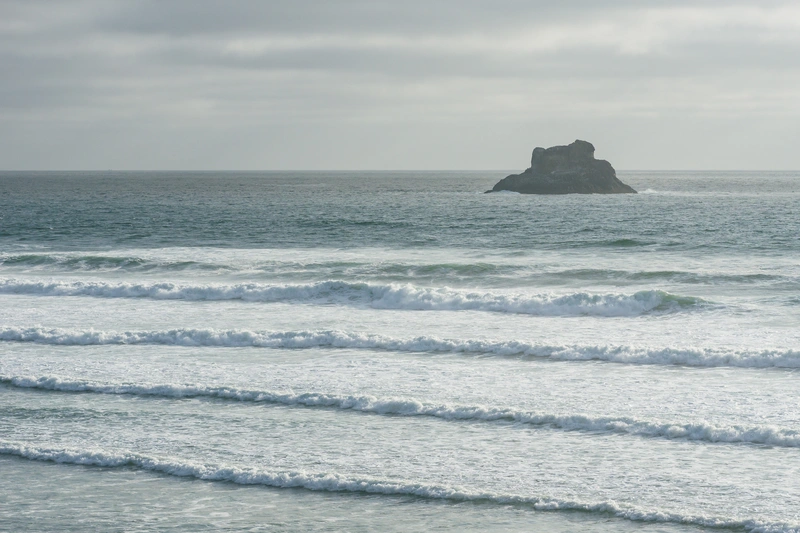
Your Month-by-Month Guide to Orlando

  • Orlando in January: Cool, comfortable weather, smallest crowds post-holidays, best accommodation deals
  • Orlando in February: Pleasant temperatures return, manageable crowds, romantic atmosphere for couples
  • Orlando in March: Spring weather begins, increasing crowds due to spring break, and beautiful park conditions
  • Orlando in April: Ideal weather conditions, peak spring break crowds, excellent for all outdoor activities
  • Orlando in May: Warm sunny days, summer crowds begin building, perfect pool weather
  • Orlando in June: Hot summer weather, large vacation crowds, maximum daylight hours
  • Orlando in July: Peak summer heat and humidity, largest crowds, intense but exciting atmosphere
  • Orlando in August: Hottest temperatures, continued large crowds, and afternoon thunderstorms
  • Orlando in September: Heat continues, but crowds decrease, back-to-school transition
  • Orlando in October: Excellent weather returns, Halloween celebrations, perfect fall conditions
  • Orlando in November: Comfortable temperatures, holiday decorations begin, manageable crowds
  • Orlando in December: Cool winter weather, holiday magic peaks, crowds surge during holidays

The region’s commitment to creating magical moments extends throughout the year with seasonal celebrations, special events, and limited-time experiences that provide unique reasons to visit during different periods. Whether watching fireworks explode over Cinderella Castle or soaring through the wizarding world on a broomstick like Harry Potter, Orlando provides escapism and wonder impossible to find elsewhere.

When Is the Best Time to Visit Orlando?

The absolute best time to visit Orlando is during the late winter and early spring months, specifically February through April, and again in late fall from October through November. These periods offer the optimal combination of pleasant weather with temperatures in the 70s to 80s, manageable crowd levels, and excellent conditions for enjoying outdoor attractions and activities.

Late winter provides the added benefit of smaller crowds and lower accommodation costs, while spring brings beautiful weather perfect for spending entire days at theme parks. Fall offers consistently pleasant conditions with comfortable temperatures and less humidity, making it ideal for walking extensive distances through parks and waiting in outdoor queues.

Visiting in Spring (March to May)

Spring represents Orlando’s most dynamic season, when the city awakens from its brief winter with perfect weather and increasing energy as vacation season approaches. This period showcases Orlando’s appeal through comfortable temperatures, blooming landscapes, and ideal conditions for experiencing every attraction the city has to offer.

Spring offers weather excellence with clear skies, warm days averaging 75 to 85 degrees Fahrenheit, and pleasantly mild evenings. The comfortable conditions create perfect circumstances for early morning park openings, full-day adventures, and evening entertainment without the extreme heat or humidity of summer months.

Spring’s appeal lies in its consistency – reliable, pleasant weather that allows for spontaneous outdoor activities and the flexibility to modify plans without weather concerns. This season combines ideal conditions with manageable crowds before summer vacation season reaches its peak intensity.

Orlando Weather in Spring

  • March: 59°F (low) / 79°F (high) | Avg precip: 2.4 in
  • April: 64°F (low) / 84°F (high) | Avg precip: 1.8 in
  • May: 70°F (low) / 88°F (high) | Avg precip: 3.2 in

Things to Do in Orlando During Spring

Spring weather makes every Orlando attraction more enjoyable. Theme park experiences reach their peak during these months, with comfortable temperatures for waiting in lines and perfect conditions for outdoor attractions. Water parks become particularly appealing as temperatures warm, while evening shows and parades are comfortable without summer’s oppressive heat.

Spring break periods bring increased energy and excitement to the parks, though they also result in larger crowds. The season’s pleasant evenings make it ideal for exploring Disney Springs, Universal CityWalk, and other outdoor entertainment districts without the discomfort of extreme temperatures.

Photography opportunities abound during spring, with excellent lighting conditions and comfortable temperatures that allow for extended photo sessions throughout the parks. The mild weather also makes it perfect for exploring Orlando’s attractions beyond theme parks, including gardens, outdoor markets, and cultural sites.

Orlando Events in Spring

  • EPCOT International Flower & Garden Festival (March-July) – Stunning topiaries, gardens, and outdoor concerts celebrating springtime
  • Universal Mardi Gras (February-April) – Authentic New Orleans celebration with parades, concerts, and Cajun cuisine
  • Spring Break Celebrations (March-April) – Special entertainment, extended hours, and festive atmosphere throughout parks
  • Easter Celebrations (March-April) – Special character meet-and-greets, themed treats, and holiday decorations

Local Eats in Orlando During Spring

Spring brings outdoor dining opportunities to Orlando’s restaurants, with perfect weather for enjoying meals on patios and terraces. Disney Springs and Universal CityWalk showcase seasonal menus featuring fresh ingredients, while resort hotels offer special spring-themed dining experiences and poolside service.

The comfortable temperatures make it perfect for exploring Orlando’s diverse culinary scene, from food trucks to award-winning restaurants, without the extreme weather considerations of other seasons. Many establishments offer special spring menus highlighting lighter fare perfect for active theme park days.

Orlando Travel Tips During Spring

Spring attracts many visitors, particularly during spring break periods, so reserve accommodations and popular dining experiences well in advance. Weather can vary between warm afternoons and cool mornings, making layered clothing essential for early park openings and late evenings.

Check crowd calendars before visiting, as spring break timing varies by region, creating fluctuating crowd levels throughout the season. Early morning park arrivals and strategic use of skip-the-line services become especially valuable during busier spring periods.

Visiting in Summer (June to August)

Summer in Orlando presents the most intense but exciting conditions, offering maximum daylight hours for park enjoyment alongside the year’s largest crowds and highest temperatures. July is the hottest month in Orlando with an average temperature of 28°C (82°F), with daily sunshine hours reaching 11 in June. Summer brings authentic Florida heat and humidity, creating the classic Orlando experience many visitors expect.

The wettest month is July with an average of 196mm of rain, though these afternoon thunderstorms often provide welcome relief from the heat and rarely last long enough to significantly impact park plans. Those who visit Orlando during summer must prepare for intense conditions but are rewarded with extended park hours, special summer events, and the electric atmosphere of peak season.

Despite the challenges, summer offers unique Orlando experiences impossible during other seasons. The extreme energy of packed parks, extended evening hours, and special summer entertainment create an intensity and excitement that defines the classic Orlando vacation experience.

Orlando Weather in Summer

  • June: 73°F (low) / 89°F (high) | Avg precip: 7.3 in
  • July: 75°F (low) / 91°F (high) | Avg precip: 7.7 in
  • August: 76°F (low) / 91°F (high) | Avg precip: 6.8 in

Things to Do in Orlando During Summer

Summer activities in Orlando require strategic planning and frequent cooling breaks. Water parks become essential rather than optional, providing necessary relief from the heat while offering thrilling attractions. Many visitors structure their days around air-conditioned attractions during peak afternoon hours, saving outdoor rides for early morning and evening periods.

Pool time at resort hotels becomes a crucial part of the daily routine, offering relaxation and cooling between park sessions. The extended daylight hours allow for early morning park openings and late evening activities, maximizing attraction time despite midday heat challenges.

Indoor attractions, shows, and air-conditioned restaurants become valuable respites that allow families to recharge while still enjoying Orlando experiences. Many visitors develop strategies that alternate between outdoor attractions and cooling breaks throughout the day.

Orlando Events in Summer

  • 4th of July Celebrations (July) – Spectacular fireworks displays, patriotic shows, and special entertainment across all parks
  • Summer Concert Series (June-August) – Special musical performances and entertainment throughout the resort areas
  • Water Park Events (June-August) – Special summer programming, extended hours, and unique seasonal attractions
  • Character Breakfast Extensions (June-August) – Additional dining opportunities and special summer character appearances

Local Eats in Orlando During Summer

Summer dining in Orlando centers around air-conditioned restaurants and refreshing treats. Many establishments adjust their outdoor seating strategies, focusing on covered patios and indoor service during peak heat periods. Frozen treats, cold beverages, and light meals become dining priorities.

Resort hotels often feature extended pool bar service and special summer menus emphasizing cooling foods and drinks. Many restaurants offer special summer promotions and family packages designed to accommodate the increased vacation crowds.

Orlando Travel Tips During Summer

Summer requires serious preparation and respect for Florida’s heat and humidity. Carry more water than seems necessary, plan frequent air-conditioning breaks, and consider midday resort breaks as part of your daily strategy. Lightweight, moisture-wicking clothing and sun protection become essential rather than optional.

Monitor weather forecasts for afternoon thunderstorms and have indoor backup plans readily available. Book accommodations with excellent air conditioning and pool facilities, as these become crucial for comfort during summer visits. Consider vacation rentals with full kitchens to provide flexibility for meals and snacks.

Visiting in Fall (September to November)

Fall presents a divided season in Orlando, with early fall still experiencing summer heat and humidity, while October and November offer some of the year’s most pleasant weather conditions. This season provides comfortable temperatures that make extended outdoor activities enjoyable without the extreme heat of summer or the occasional cool snaps of winter.

September through November typically sees crowds decrease as children return to school, creating more manageable park experiences with shorter wait times and easier navigation. Fall offers excellent value with outstanding weather conditions and reduced competition for reservations and popular attractions.

The season showcases Orlando’s appeal through comfortable conditions and special seasonal celebrations, from Halloween events to holiday preparations that create unique atmospheric experiences throughout the theme parks.

Orlando Weather in Fall

  • September: 74°F (low) / 89°F (high) | Avg precip: 5.9 in
  • October: 67°F (low) / 84°F (high) | Avg precip: 2.7 in
  • November: 60°F (low) / 78°F (high) | Avg precip: 1.9 in

Things to Do in Orlando During Fall

Fall provides ideal conditions for every Orlando activity. Theme park experiences become more comfortable with pleasant temperatures for waiting in lines and walking extensive distances. The moderate crowds make it easier to experience attractions multiple times and explore areas that might be overwhelming during peak periods.

Photography benefits from fall’s excellent weather conditions and comfortable temperatures that allow for extended shooting sessions. The pleasant conditions make camping particularly enjoyable for those staying at Disney’s Fort Wilderness or other outdoor accommodations.

Fall is also prime time for exploring Orlando’s attractions beyond theme parks, with comfortable weather for outdoor activities, golf courses, and cultural attractions that might be uncomfortable during summer’s extreme heat.

Orlando Events in Fall

  • Mickey’s Very Merry Christmas Party (November-December) – Disney’s magical holiday celebration with special entertainment and decorations
  • Halloween Horror Nights (September-November) – Universal’s premier Halloween event featuring haunted houses and scare zones
  • EPCOT International Food & Wine Festival (August-November) – Culinary celebration with global cuisine and special demonstrations
  • Holidays Around the World (November-January) – Cultural celebrations and special entertainment at EPCOT

Local Eats in Orlando During Fall

Fall brings harvest-inspired menus to Orlando’s restaurants, featuring seasonal ingredients and comfort foods perfect for the comfortable weather. The pleasant conditions encourage outdoor dining, with many establishments offering expanded patio service and special fall menus.

Local establishments often feature harvest celebrations and special seasonal offerings that pair perfectly with fall’s comfortable temperatures. The manageable crowds make restaurant reservations easier to obtain, providing opportunities to experience Orlando’s culinary scene without peak season competition.

Orlando Travel Tips During Fall

Fall offers some of the year’s best weather and crowd combinations, making it ideal for first-time visitors or those seeking a more relaxed Orlando experience. While October and November see increased visitation during Halloween events, crowds remain manageable compared to summer peak periods.

Temperature variations between day and night require layered clothing, especially for early morning park openings and late evening activities. This is an excellent time to experience Orlando’s full range of attractions in comfortable conditions without extreme weather considerations.

Visiting in Winter (December to February)

Winter provides cooler, more comfortable weather alongside the year’s most dramatic crowd variations. Holiday periods bring peak crowds and premium pricing, while post-holiday January offers the year’s smallest crowds and lowest accommodation rates. Winter temperatures range from the mid-30s to low 60s, with December and January having the shortest daylight hours and occasional freezing weather.

Winter’s appeal lies in its contrasts – magical holiday celebrations followed by peaceful January experiences with minimal crowds. The season offers unique perspectives on Orlando’s attractions, decorated for holidays and operating with special seasonal entertainment that creates memorable experiences impossible during other periods.

Despite shorter daylight hours, winter provides comfortable conditions for daytime activities while offering cozy evening entertainment and special seasonal shows that showcase Orlando’s entertainment capabilities beyond typical theme park offerings.

Orlando Weather in Winter

  • December: 51°F (low) / 73°F (high) | Avg precip: 1.8 in
  • January: 47°F (low) / 71°F (high) | Avg precip: 2.1 in
  • February: 51°F (low) / 75°F (high) | Avg precip: 2.4 in

Things to Do in Orlando During Winter

Winter provides comfortable conditions for daytime theme park activities, though early mornings can be quite cool, requiring warm layers. The comfortable midday temperatures make exploring attractions pleasant, while the lack of extreme heat allows for more flexible scheduling throughout the day.

Winter evenings offer cozy entertainment opportunities, from holiday shows to special seasonal dining experiences. The comfortable conditions make it ideal for exploring indoor attractions, shows, and experiences that might be overwhelming during summer’s peak crowds.

Holiday decorations throughout the theme parks create unique photographic opportunities and magical atmospheric experiences that showcase Orlando’s entertainment capabilities during the most wonderful time of the year.

Orlando Events in Winter

  • Walt Disney World Holiday Celebrations (November-January) – Extensive holiday decorations, special shows, and magical seasonal entertainment
  • Universal Holiday Celebrations (December-January) – Holiday theming, special shows, and seasonal attractions
  • New Year’s Eve Celebrations (December 31) – Special fireworks displays, entertainment, and extended park hours
  • Marathon Weekend (January) – Disney’s annual running events bring thousands of participants and spectators

Local Eats in Orlando During Winter

Winter menus feature hearty, warming dishes perfect for cool Florida evenings. Many restaurants offer cozy indoor dining with fireplaces and warm ambiance during the coldest periods. Holiday-themed dining experiences and special seasonal menus complement the festive atmosphere throughout the area.

The variable crowds make restaurant experiences range from busy during holidays to peaceful during post-holiday periods, providing opportunities to experience everything from intimate dinners to festive celebrations, depending on timing.

Orlando Travel Tips During Winter

Winter offers the most dramatic variations in both crowds and pricing, making timing crucial for optimizing your experience. Pack warm layers for early morning and evening activities, as temperatures can vary significantly throughout the day.

Plan indoor backup activities for occasional cold or rainy days, though these are typically brief and shouldn’t significantly impact vacation plans. Take advantage of post-holiday periods for the year’s best deals and smallest crowds, though some attractions may have reduced hours or undergo maintenance.

Best Time of the Year to Visit Orlando (By Interest)

Orlando’s diverse attractions and seasonal variations make timing crucial for optimizing your magical experience. While most visitors find success year-round with proper planning, understanding your priorities helps determine the perfect timing for your Orlando adventure:

For Less Crowd: Late January to Early February and Weekdays Year-Round

Best Time to Visit Orlando for Smallest Crowds

Post-holiday January provides the most solitude, while visiting Tuesday through Thursday any time of year helps avoid weekend crowds at popular attractions and dining locations.

For Perfect Weather: February to April and October to November

Best Time to Visit Orlando for Perfect Weather

These periods deliver ideal temperatures, minimal precipitation, and excellent conditions for all outdoor activities without extreme heat, humidity, or cold snaps.

For Theme Park Magic: March to May and October to December

Best Time to Visit Orlando for Theme Park Magic

Comfortable temperatures and special seasonal events make these periods perfect for experiencing Orlando’s attractions at their finest, with optimal conditions for parades, shows, and outdoor entertainment.

For Water Park Fun: April to October

Best Time to Visit Orlando for Water Park Fun

Warmer temperatures make water attractions most enjoyable, with summer providing peak conditions for spending entire days at water parks and resort pools.

For Holiday Magic: November to January

Best Time to Visit Orlando for Holiday Magic

Extensive holiday decorations, special shows, and magical seasonal entertainment create unique experiences that showcase Orlando’s capabilities for creating festive wonder.

For Best Value: Late January to Early February and September

Best Time to Visit Orlando for Best Value

Post-holiday periods and back-to-school timing offer significant savings on accommodations and attractions, though September still requires heat preparation.

For Photography: February to April and October to November

Best Time to Visit Orlando for Photography

Perfect lighting conditions, comfortable temperatures for extended shoots, and beautiful seasonal decorations make these periods ideal for capturing Orlando’s magic.

Where to Stay in Orlando

Discover accommodations that blend seamlessly with Orlando’s magical atmosphere while providing modern comfort and convenient access to world-class attractions. Here are five family-friendly Orlando vacation homes available to rent with AvantStay, offering unique experiences for your magical getaway:

  • Under the Sea – Over-the-top kidcation home that’s just near Walt Disney World Resort.
  • Nassau – Tropical paradise retreat with vibrant vibes and complete amenities.
  • Ever After – One of our best homes with the best, futuristic game room. 
  • Coconut Breeze – Big home from Harry Potter themed bedrooms to Frozen bedrooms.
  • Orlando Resort Retreat – Over-the-top family vacation home with a glow-in-the-dark arcade, themed bedrooms, and a private pool near Disney.

Create Your Orlando Itinerary

Ready to plan your magical adventure? Let our experienced team handle every detail of your Orlando experience! Our concierge service can arrange park tickets, dining reservations, and special experiences to maximize your vacation magic.

Simply contact us ordownload the AvantStay App to book additional experiences, receive insider theme park tips, and manage your entire stay through one convenient platform.

Ready to Plan Your Orlando Adventure?

No matter when you choose to visit, Orlando’s magical attractions and world-class entertainment will create lasting memories for your entire family. The city’s diverse offerings and year-round appeal ensure that every visit provides new discoveries and transformative experiences.

We have the perfect magical sanctuary waiting for your arrival. Book with AvantStay today and discover how extraordinary theme park vacations can be when you experience Orlando’s timeless magic and endless entertainment possibilities.

FAQs

Is Orlando expensive to visit?

Orlando can be costly during peak seasons (summer and holidays), when accommodations command premium prices due to high demand and maximum crowds. However, budget-friendly options exist. Travel during off-peak periods like late January or September for significant savings, book vacation rentals with kitchens to reduce dining costs, and take advantage of free activities like Disney Springs and resort hopping.

How busy does Orlando get?

Peak seasons (summer vacation and holidays) see the largest crowds, particularly during spring break and Christmas/New Year periods. If you prefer shorter lines and more relaxed park experiences, consider visiting during late January, early February, or weekdays throughout the year for the most manageable crowd conditions.

When to avoid Orlando?

Summer months (June-August) present intense heat, humidity, and the largest crowds that can make park experiences challenging for heat-sensitive visitors. Holiday periods (Christmas/New Year, Easter, Thanksgiving) bring peak crowds and premium pricing. If you’re not prepared for extreme crowds or weather conditions, these periods may impact your vacation enjoyment unless you have strategies for managing these challenges.

The Best Time to Visit Joshua Tree

Ever wondered what it’s like to step into a different world? Step into Joshua Tree! Where the desert beckons with its otherworldly landscape, twisted Joshua trees reach toward endless skies, and ancient rock formations create a natural playground unlike anywhere else on Earth. 

This desert wonderland transforms dramatically with the seasons, offering visitors entirely different experiences depending on when they choose to explore its mystical terrain. Joshua Tree National Park and its surrounding communities present a unique destination that challenges conventional travel wisdom. 

The best time to visit Joshua Tree is during spring (March-May) and fall (October-November) when temperatures are most favorable and skies are relatively clear. However, each season brings its own magic to this desert paradise, from spectacular wildflower blooms to unparalleled stargazing opportunities.

We’ll navigate you through Joshua Tree’s distinct seasonal personalities, monthly climate patterns, special events, and outdoor adventures, while helping you discover the perfect desert accommodation. 

If you’re up for rock climbing, astronomical observations, or simply experiencing the profound silence of the desert, here’s your complete guide to choosing the best time to visit Joshua Tree and creating your best desert adventure yet.

About Joshua Tree, California

Joshua Tree National Park spans nearly 800,000 acres where two distinct desert ecosystems converge – the Mojave and Colorado deserts. This remarkable landscape features the park’s namesake Joshua trees, massive boulder formations perfect for rock climbing, and some of the darkest skies in Southern California, making it a premier destination for stargazing enthusiasts.

The park’s unique position creates a diverse ecosystem supporting everything from desert tortoises to bighorn sheep, while the surrounding communities of Joshua Tree, Twentynine Palms, and Yucca Valley offer artistic enclaves, historic venues, and authentic desert culture. The desert climate features sweltering summers and cold winters, with temperatures typically ranging from 35°F to 99°F throughout the year.
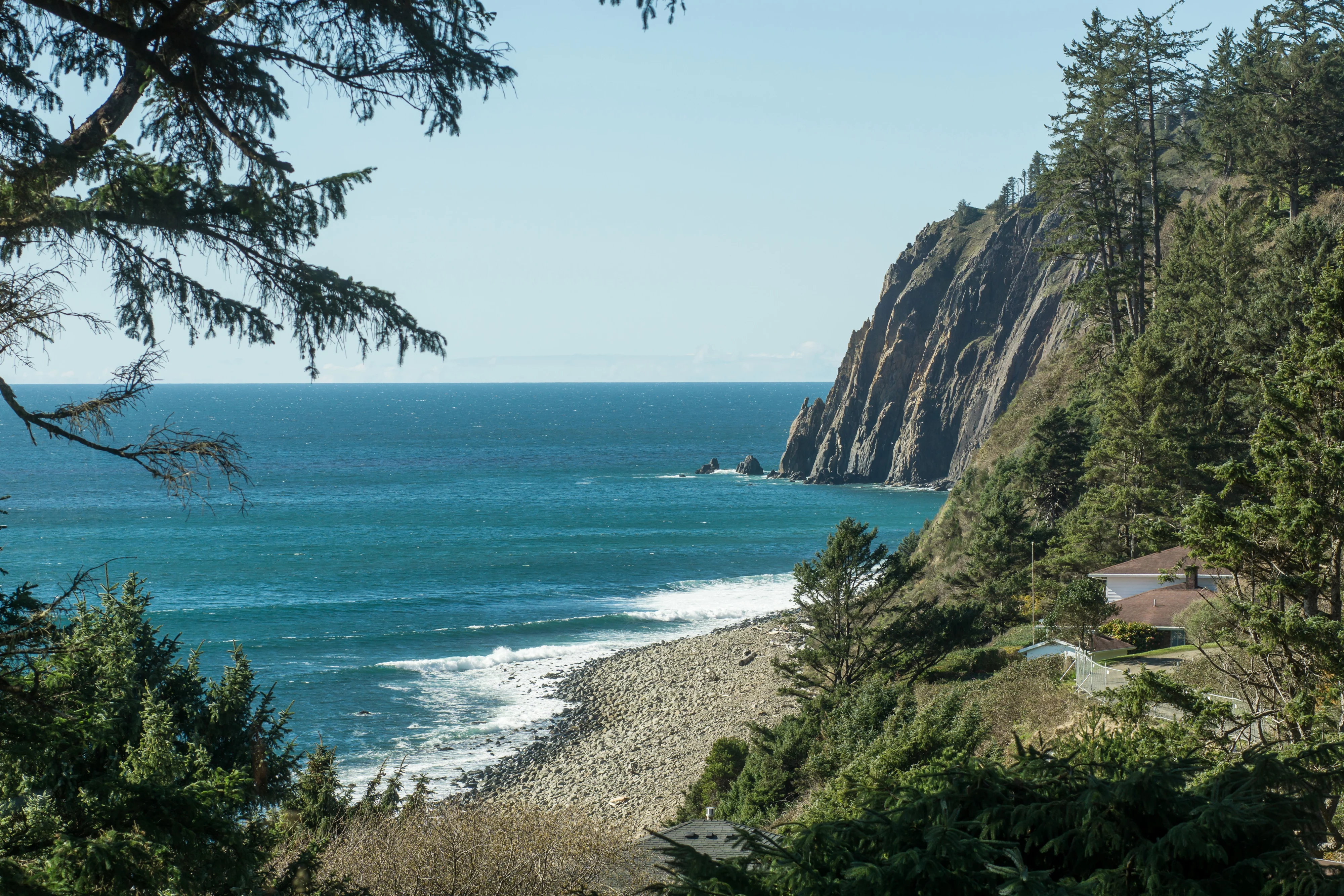
Joshua Tree Travel Seasons at a Glance

Understanding Joshua Tree’s seasonal rhythms will help you craft the perfect desert adventure. Here’s your essential seasonal overview.
High Seasons: March to May and October to November

These periods deliver ideal weather conditions with comfortable temperatures and clear skies, attracting the largest crowds and commanding premium accommodation rates. Spring brings potential wildflower displays, while fall offers perfect conditions for hiking and rock climbing with fewer temperature extremes.

Shoulder Seasons: December to February and September

Winter months provide cooler temperatures ideal for daytime exploration and exceptional stargazing opportunities, while early fall still carries summer heat. These seasons offer moderate crowds and reasonable pricing with distinct advantages for specific activities.

Low Season: June to August

Summer’s extreme heat creates the most challenging conditions but also the lowest prices and smallest crowds. Summer is arguably the worst time to visit due to potentially dangerous heat levels, though early morning and evening activities remain possible for heat-tolerant visitors.

Why Visit Joshua Tree?

The allure of Joshua Tree extends far beyond its iconic twisted trees and massive rock formations. This desert sanctuary offers profound experiences that refresh the soul and challenge the body. Joshua Tree is one of only two International Dark Sky parks in California, providing some of the most spectacular stargazing opportunities on the continent.

The park presents world-class rock climbing on over 8,000 documented climbing routes, ranging from beginner-friendly bouldering to expert-level traditional climbs. Hiking trails wind through diverse desert landscapes, from hidden oases to panoramic vistas overlooking the Coachella Valley.

Joshua Tree’s artistic community has flourished since the 1940s, when musicians, painters, and writers discovered inspiration in the desert’s stark beauty. Today, visitors can explore galleries, attend concerts at legendary venues like Pappy & Harriet’s, and experience the creative energy that continues to draw artists from around the world.

The desert’s profound silence offers a rare opportunity to disconnect from modern life’s constant noise. Whether watching sunrise paint the rocks in golden light or experiencing the Milky Way’s full glory on a moonless night, Joshua Tree provides transformative experiences impossible in urban environments.
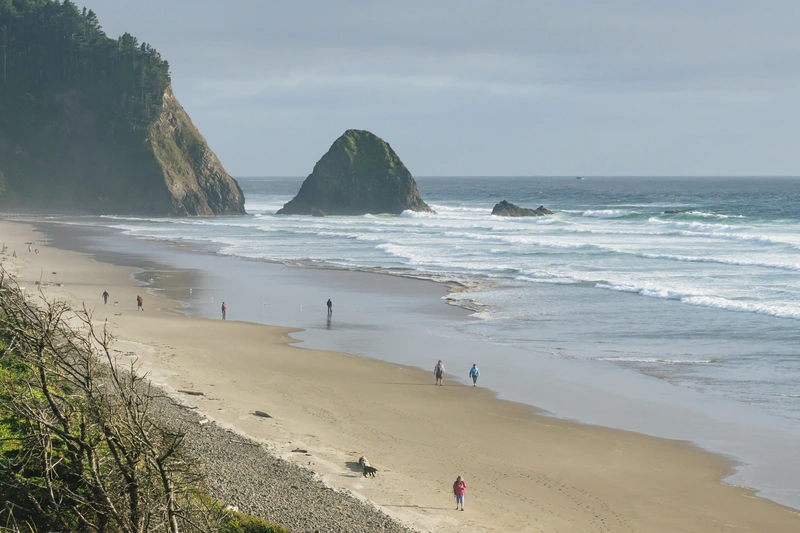
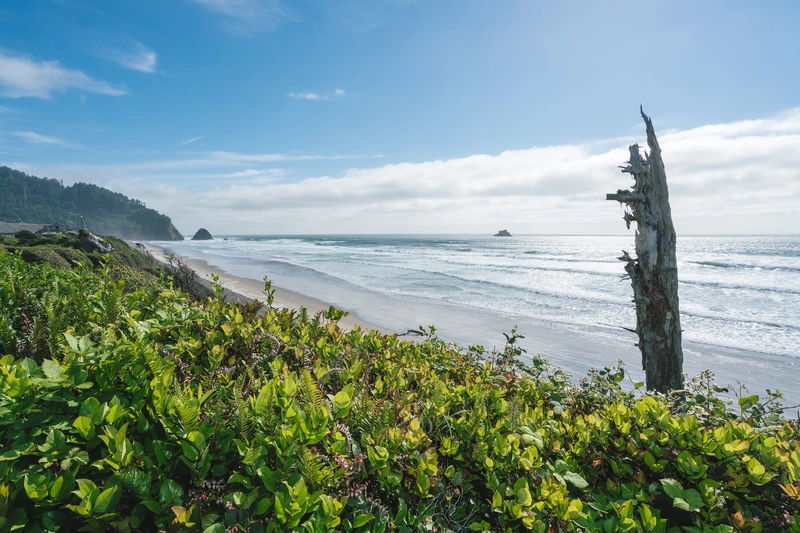
Your Month-by-Month Guide to Joshua Tree

  • Joshua Tree in January: Cool days perfect for hiking, exceptional stargazing, lowest accommodation rates
  • Joshua Tree in February: Pleasant temperatures return, wildflower season preparation, continued winter solitude
  • Joshua Tree in March: Spring awakens, potential superbloom conditions, ideal weather begins
  • Joshua Tree in April: Perfect hiking weather, peak wildflower season, comfortable camping temperatures
  • Joshua Tree in May: Warm sunny days, last month of ideal conditions, spring’s final flourish
  • Joshua Tree in June: Heat begins building, early summer challenge, fewer crowds
  • Joshua Tree in July: Peak summer intensity, extreme daytime heat, desert survival conditions
  • Joshua Tree in August: Hottest temperatures, monsoon potential, serious heat precautions required
  • Joshua Tree in September: Heat persists but begins moderating, shoulder season transition
  • Joshua Tree in October: Excellent weather returns, perfect climbing conditions, fall beauty emerges
  • Joshua Tree in November: Comfortable days and cool nights, outstanding hiking weather, autumn tranquility
  • Joshua Tree in December: Cool winter days, prime stargazing season, holiday desert peace

When Is the Best Time to Visit Joshua Tree?

The absolute best time to visit Joshua Tree is in the spring or late fall, specifically during March through May and October through November. These periods offer the optimal combination of comfortable daytime temperatures in the 70s to 80s, cool but not cold nights, minimal precipitation, and excellent conditions for all outdoor activities.

Spring brings the additional excitement of potential wildflower displays, which can transform the desert into a colorful carpet following sufficient winter rainfall. Fall provides consistently pleasant weather with crystal-clear skies perfect for stargazing and photography, while avoiding summer’s extreme heat and winter’s occasional cold snaps.

Visiting in Spring (March to May)

Spring represents Joshua Tree’s most dynamic season, when the desert awakens from winter dormancy with explosive displays of life and color. This period showcases the desert’s hidden beauty through blooming cacti, potential wildflower superblooms, and perfect weather for extensive outdoor exploration.

Spring offers weather perfection with clear skies, warm days averaging 70 to 85 degrees Fahrenheit, and pleasantly cool nights. The comfortable temperatures create ideal conditions for rock climbing, lengthy hikes, and camping under the stars without the extreme temperature swings of other seasons.

Spring’s magic lies in its unpredictability – some years bring spectacular wildflower displays that draw visitors from around the world, while others offer subtle desert beauty with perfect weather for outdoor adventures. This season combines the best of both worlds: comfortable conditions and the possibility of witnessing nature’s most dramatic desert spectacle.

Joshua Tree Weather in Spring

  • March: 42°F (low) / 72°F (high) | Avg precip: 1.2 in
  • April: 50°F (low) / 80°F (high) | Avg precip: 0.4 in
  • May: 58°F (low) / 87°F (high) | Avg precip: 0.2 in

Things to Do in Joshua Tree During Spring

Spring weather makes every outdoor activity in Joshua Tree more enjoyable. Rock climbing conditions are perfect, with comfortable temperatures for both beginners learning basic techniques and experienced climbers tackling challenging routes. The extensive trail system becomes fully accessible, from easy nature walks like the Skull Rock Trail to strenuous hikes up Ryan Mountain.

Wildflower enthusiasts should explore areas like the Cholla Cactus Garden and Hidden Valley, where desert blooms create stunning photography opportunities. The cooler nighttime temperatures make camping particularly pleasant, while the clear skies provide excellent stargazing conditions for identifying constellations and planets.

Photography reaches its peak during spring, with perfect lighting conditions and potential colorful foregrounds from blooming desert plants. The comfortable temperatures also make it ideal for exploring the park’s cultural sites, including the Desert Institute and various ranger-led programs.

Joshua Tree Events in Spring

  • Desert Institute Programs (March-May) – Educational workshops covering desert ecology, astronomy, and outdoor skills.
  • Wildflower Festival (April) – Celebrating desert blooms with guided tours and educational presentations.
  • Joshua Tree Music Festival (May) – Multi-day music and arts festival featuring diverse performers in a stunning desert setting.
  • Spring Astronomy Programs (March-May) – Ranger-led stargazing events taking advantage of clear spring skies.

Local Eats in Joshua Tree During Spring

Spring brings outdoor dining opportunities to Joshua Tree’s restaurants, with perfect weather for enjoying meals on patios and terraces. Crossroads Cafe offers farm-to-table dining with seasonal ingredients, while Pappy & Harriet’s features BBQ and live music in their famous outdoor venue. Local farmers’ markets showcase spring produce and artisanal goods from desert communities.

The comfortable temperatures make it perfect for exploring Joshua Tree’s growing food scene, from casual cafes to upscale dining experiences that highlight Southwestern and Mexican influences with fresh, seasonal ingredients.

Joshua Tree Travel Tips During Spring

Spring attracts many visitors, particularly during wildflower years, so reserve accommodations and popular tours well in advance. Weather can vary significantly between warm afternoons and cool mornings, making layered clothing essential. Sunscreen and sun protection remain crucial despite comfortable temperatures.

Check wildflower reports before visiting, as peak bloom timing varies yearly based on winter rainfall patterns. Early morning and late afternoon provide the best lighting for photography and the most comfortable temperatures for strenuous activities.

Visiting in Summer (June to August)

Summer in Joshua Tree presents the most challenging conditions but also unique opportunities for those prepared to handle desert extremes. Summer days are extremely hot and often windy, making this the park’s off-season. However, this season offers unparalleled solitude, dramatically lower prices, and the authentic experience of the desert’s raw power.

Summer temperatures can reach 99°F or higher, creating potentially dangerous conditions for unprepared visitors. Those who venture to Joshua Tree during summer must plan carefully, starting activities before dawn, seeking shade during midday hours, and ensuring adequate water supplies.

Despite the challenges, summer offers unique desert experiences impossible during other seasons. The extreme conditions create a profound appreciation for the desert’s harsh beauty, while the lack of crowds allows for intimate connections with this remarkable landscape.

Joshua Tree Weather in Summer

  • June: 65°F (low) / 95°F (high) | Avg precip: 0.1 in
  • July: 72°F (low) / 99°F (high) | Avg precip: 0.3 in
  • August: 71°F (low) / 98°F (high) | Avg precip: 0.4 in

Things to Do in Joshua Tree During Summer

Summer activities in Joshua Tree require careful planning and early morning execution. Rock climbing becomes possible only during dawn hours, when temperatures remain manageable and rock surfaces haven’t absorbed the day’s heat. Hiking must begin before sunrise to avoid dangerous midday temperatures.

The Oasis of Mara provides a shaded respite during hot days, while visitor centers offer air-conditioned relief and educational programs. Photography opportunities abound during golden hour, when dramatic lighting contrasts with the stark landscape.

Swimming pools at accommodations become essential rather than luxurious during summer visits, providing necessary cooling and relaxation opportunities during the heat of the day.

Joshua Tree Events in Summer

  • Early Morning Ranger Programs (June-August) – Special programs scheduled during cooler dawn hours
  • Sunset Photography Workshops (June-August) – Taking advantage of summer’s dramatic evening light
  • Desert Survival Programs (June-August) – Educational experiences about thriving in extreme conditions
  • Astronomy Programs (June-August) – Excellent stargazing opportunities during clear summer nights

Local Eats in Joshua Tree During Summer

Summer dining in Joshua Tree centers around air-conditioned restaurants and early morning or late evening meals. Many establishments adjust their hours to accommodate the heat, opening earlier and closing during peak afternoon temperatures. Cold beverages, frozen treats, and light meals become priorities.

Local restaurants often feature summer-specific menus emphasizing cooling foods and drinks, while many visitors appreciate the convenience of grocery shopping and meal preparation in air-conditioned accommodations.

Joshua Tree Travel Tips During Summer

Summer requires serious preparation and respect for desert conditions. Carry more water than seems necessary, start all outdoor activities before dawn, and plan midday activities around air-conditioned spaces. Lightweight, light-colored, long-sleeved clothing provides better sun protection than shorts and tank tops.

Monitor weather forecasts for extreme heat warnings and flash flood potential during monsoon season. Book accommodations with reliable air conditioning and swimming pools, as these become essential rather than optional during summer visits.

Visiting in Fall (September to November)

Fall is a divided season in Joshua Tree, with early fall still experiencing hot weather near 100 degrees, while October and November offer the best months with daytime temperatures in the 70s and 80s. This season provides some of Joshua Tree’s most perfect weather conditions, combining warm, comfortable days with cool, pleasant evenings.

Mid-October through December has very pleasant weather in Joshua Tree, with visitation starting to tick up but remaining less busy than the March/April high season. Fall offers excellent value with outstanding weather conditions and manageable crowds.

The season showcases Joshua Tree’s subtle beauty through changing light conditions and comfortable temperatures that make extended outdoor activities enjoyable. Fall’s clear, dry air creates exceptional visibility for both daytime landscape viewing and nighttime stargazing.

Joshua Tree Weather in Fall

  • September: 63°F (low) / 90°F (high) | Avg precip: 0.3 in
  • October: 52°F (low) / 80°F (high) | Avg precip: 0.3 in
  • November: 42°F (low) / 70°F (high) | Avg precip: 0.4 in

Things to Do in Joshua Tree During Fall

Fall provides ideal conditions for every Joshua Tree activity. Rock climbing enjoys perfect temperatures and reliable weather, while hiking trails become accessible for longer, more challenging adventures. The comfortable conditions make it perfect for exploring remote areas of the park that might be uncomfortable during other seasons.

Photography benefits from fall’s exceptional air clarity and comfortable conditions that allow for extended shooting sessions during golden hour. The pleasant temperatures make camping particularly enjoyable, with warm days and cool but not cold nights.

Fall is also prime time for stargazing, with clear skies, comfortable temperatures, and excellent atmospheric conditions for astronomical observation and astrophotography.

Joshua Tree Events in Fall

  • Night Sky Festival (October) – The park offers a Dark Sky festival in mid-October, celebrating Joshua Tree’s status as an International Dark Sky Park
  • Autumn Astronomy Programs (September-November) – Regular stargazing events taking advantage of fall’s excellent conditions
  • Photography Workshops (September-November) – Utilizing fall’s perfect lighting and comfortable temperatures
  • Harvest Celebrations (October-November) – Local community events celebrating the season

Local Eats in Joshua Tree During Fall

Fall brings harvest-inspired menus to Joshua Tree’s restaurants, featuring seasonal ingredients and comfort foods. The perfect weather encourages outdoor dining, with many establishments offering expanded patio service and special fall menus. Local craft breweries and distilleries showcase seasonal offerings that pair perfectly with the comfortable evening temperatures.

The pleasant conditions make it ideal for exploring Joshua Tree’s diverse culinary scene, from food trucks to fine dining, without the extreme weather considerations of other seasons.

Joshua Tree Travel Tips During Fall

Fall offers some of the year’s best weather and value combinations. While October and November see increased visitation, crowds remain manageable compared to spring peak season. Book accommodations in advance for October, particularly during the Night Sky Festival.

Temperature variations between day and night require layered clothing, especially for camping and stargazing activities. This is an excellent time for first-time visitors to experience Joshua Tree’s full range of activities in comfortable conditions.

Visiting in Winter (December to February)

Winter provides cooler weather, sometimes snowy at higher elevations, and the thinnest crowds of the year. This season transforms Joshua Tree into a peaceful desert sanctuary, offering intimate experiences with minimal crowds and the year’s most affordable rates.

Winter temperatures are pleasant during the day, making outdoor activities comfortable while providing relief from the intense heat of other seasons. With longer nights, winter is the best time to go stargazing in this International Dark Sky Park.

Winter’s magic lies in its contrasts – sunny, comfortable days followed by clear, cold nights perfect for astronomical observation. The season offers unique perspectives on Joshua Tree’s landscape, occasionally dusted with snow that creates stunning photographic opportunities.

Joshua Tree Weather in Winter

  • December: 35°F (low) / 62°F (high) | Avg precip: 0.8 in
  • January: 35°F (low) / 60°F (high) | Avg precip: 0.9 in
  • February: 38°F (low) / 64°F (high) | Avg precip: 1.0 in

Things to Do in Joshua Tree During Winter

Winter provides comfortable conditions for daytime hiking and rock climbing, though early mornings can be quite cold. The clear, dry air creates exceptional visibility for photography and sightseeing, while the comfortable midday temperatures make exploring the park’s attractions pleasant.

Winter nights offer unparalleled stargazing opportunities, with longer darkness periods and exceptional atmospheric clarity. The cold temperatures require warm clothing but reward visitors with spectacular views of the Milky Way and deep-sky objects.

Indoor attractions and visitor centers become more appealing during winter’s cooler periods, providing educational opportunities and shelter during cold mornings and evenings.

Joshua Tree Events in Winter

  • Winter Solstice Celebrations (December) – Special astronomy programs marking the longest night
  • Holiday Programs (December-January) – Family-friendly events and educational activities
  • Photography Workshops (December-February) – Taking advantage of winter’s excellent lighting conditions
  • Desert Ecology Programs (December-February) – Learning about desert adaptations during the quiet season

Local Eats in Joshua Tree During Winter

Winter menus feature hearty, warming dishes perfect for cool desert evenings. Many restaurants offer cozy indoor dining with fireplaces and warm ambiance. Local establishments often feature comfort foods and seasonal specialties that complement the cooler weather.

The fewer crowds make restaurant reservations easier to obtain, providing opportunities to experience Joshua Tree’s culinary scene without summer’s heat or spring’s busy periods.

Joshua Tree Travel Tips During Winter

Winter offers the best deals on accommodations and activities, making it ideal for budget-conscious travelers. Pack warm layers for early morning and evening activities, as temperatures can drop significantly. Plan indoor backup activities for occasional cold or windy days.

Take advantage of the excellent stargazing conditions by packing warm clothing and hot beverages for extended nighttime observations. Winter provides unique photographic opportunities with potential snow and exceptional atmospheric clarity.

Best Time of the Year to Visit Joshua Tree (By Interest)

Joshua Tree’s diverse offerings and extreme seasonal variations make timing crucial for optimizing your desert experience. Although most agree that September through May are the ideal months for Joshua Tree weather, you can explore every month of the year with proper preparation.

Understanding your primary interests helps determine the perfect timing for your Joshua Tree adventure:

For Less Crowd: January to February and Weekdays Year-Round

Best Time to Visit Joshua Tree for Smallest Crowds

Winter months provide the most solitude, while visiting Monday through Thursday, any time of year, helps avoid weekend crowds at popular climbing areas and trails.

For Perfect Weather: March to May and October to November

Best Time to Visit Joshua Tree for Perfect Weather

These periods deliver ideal temperatures, minimal precipitation, and excellent conditions for all outdoor activities without extreme heat or cold.

For Rock Climbing: March to May and September to November

Best Time to Visit Joshua Tree for Rock Climbing

Comfortable temperatures and reliable weather make these seasons perfect for both beginner and advanced climbing, with rock surfaces at optimal temperatures.

For Stargazing: October to February

Best Time to Visit Joshua Tree for Stargazing

Longer nights, clearest skies, and comfortable evening temperatures create optimal conditions for astronomical observation in this International Dark Sky Park.

For Wildflowers: March to April

Best Time to Visit Joshua Tree for Wildflowers

Spring blooms depend on winter rainfall patterns, but when conditions align, the desert transforms into a spectacular wildflower display during these months.

For Best Value: June to August and December to February

Best Time to Visit Joshua Tree for Best Value

Off-peak seasons offer significant savings on accommodations, though summer requires serious heat preparation, while winter provides comfortable budget travel.

For Photography: March to May and October to November

Best Time to Visit Joshua Tree for Photography

Perfect lighting conditions, comfortable temperatures for extended shoots, and potential wildflower displays make these seasons ideal for capturing Joshua Tree’s beauty.

Where to Stay in Joshua Tree

Discover accommodations that blend seamlessly with the desert landscape while providing modern comfort and stunning views. Here are five exceptional Joshua Tree vacation homes available to rent with AvantStay, offering unique desert experiences:

  • Chicory – Cozy 2-bedroom home that showcases desert light for a first-class ambiance.
  • Chuckwalla – Contemporary desert escape designed for relaxation with earthy tones.
  • Flora – Sophisticated desert oasis with a pool for the authentic Joshua Tree experience.
  • Carmella – A minimalist property with stunning desert views and a stock-tank pool.
  • Casa De Kota – Desert living style done right, that comes with all the things you need.

Create Your Joshua Tree Itinerary

Ready to plan your desert adventure? Let our experienced team handle every detail of your Joshua Tree experience! Our concierge service can arrange guided tours, stargazing experiences, and outdoor adventures.

Simply contact us or download the AvantStay App to book additional experiences, receive insider desert tips, and manage your entire stay through one convenient platform.

For more inspiration on desert activities, explore our comprehensive guide to the best things to do in Joshua Tree.

Ready to Plan Your Joshua Tree Adventure?

No matter when you choose to visit, Joshua Tree’s mystical landscape and profound desert beauty will create lasting memories. The park’s unique ecosystem and dramatic seasonal changes ensure that every visit offers new discoveries and transformative experiences.

We have the perfect desert sanctuary waiting for your arrival. Book with AvantStay today and discover how extraordinary desert vacations can be when you experience Joshua Tree’s timeless magic and endless starry nights.

FAQs

Is Joshua Tree expensive to visit?

Joshua Tree can be costly during peak seasons (spring and fall), when accommodations command premium prices due to perfect weather conditions. However, budget-friendly options exist. Travel during summer or winter for significant savings, book vacation rentals with kitchens to reduce dining costs, and enjoy the park’s hiking trails and stargazing opportunities for free.

How busy does Joshua Tree get?

Peak seasons (March-May and October-November) see the largest crowds, particularly during wildflower blooms. If you prefer solitude and peaceful desert experiences, consider visiting during winter months or weekdays throughout the year for the most tranquil conditions.

When to avoid Joshua Tree?

Summer months (June-August) present potentially dangerous heat conditions that can be life-threatening for unprepared visitors. If you’re not experienced with extreme desert heat, avoid summer unless you’re prepared for pre-dawn activities and midday shelter requirements. Otherwise, Joshua Tree’s mild climate makes it accessible year-round with proper preparation.

15 Mistakes Not to Make in Key West

If you’re looking to take a trip to the Conch Republic, you may be overwhelmed with options or just not know what to expect. Lucky for you, we’ve created a guide to help you make the right decisions throughout the entirety of your trip to Key West, FL.

Booking with a Hotel or Small Rental Company

key west vacation rental

Key West is home to many hotels and even more vacation rentals operated by a variety of different companies. When traveling to Key West with family or a group, we suggest going with a vacation rental so that there’s no need to split up into separate rooms, and you can enjoy all the amenities that make it feel like home. While there are many small, local vacation rental companies to choose from, our advice here is to book with AvantStay. With over 1,500 homes in 100 destinations, AvantStay offers the expertise and professionalism you won’t get with those other companies—plus, 24/7 guest support.

Our personal favorite Key West AvantStay is the Amelia Home, located just around the corner from the hotspot that is Duval Street.

Booking a Rental Car

duval loop bus

There’s no need to book a rental car on this 4-mile-long, 1 mile-wide-island. Instead, you’ll find most visitors opt for golf carts, scooters, or bike rentals. If you’re really ballin’ on a budget, take advantage of the free shuttle service and take the Duval Loop to get around town.

Getting the Wrong Key Lime Pie

key lime pie

Given the name, there are obviously tons of spots you can grab a good Key Lime. However, your biggest mistake could be getting the wrong one. Grab dinner and drinks at Blue Heaven, then order a slide of the best, and most famous, Key Lime pie on the island. If you’re not a big fan of meringue, try Kermit’s for a close second.

Missing the Sunset

sunset in key west

Being in the Southernmost point of the US, you’re in for a true treat with a Key West sunset. One of the most iconic things to do in Key West is to take a sunset cruise tour.

Not Saving Room for Ice Cream

ice cream in key west

You may have just scarfed down the whole slice of Key Lime pie at Blue Heaven – but trust us when we say you have to make room for the large ice cream cone at Mattheessen’s Homemade Ice Cream. If you’re not feeling ice cream, they’ve also got great giant cookies. 

Skipping Breakfast

breakfast in key west

We hope you came hungry for this trip. Hopefully, you’ve recovered from your dessert-filled night and are ready for a great breakfast. We’re on island time here, which means most Key West restaurants have brunch available daily—not just on the weekends. Head to Sarabeth’s and try to get one of the off-menu specials, if available. You can’t go wrong with the Surf and Turf Eggs Benedict made with fresh lobster. Another fan-favorite is Bagatelle, a restaurant situated in a historic, architecturally-beautiful building, built in the 1800s. Here you’ll find everything from deep-fried french toast to lobster mac and cheese.

Missing the Butterfly Conservatory

butterfly conservatory in key west

Butterflies, birds, and two resident flamingo siblings—Scarlett and Rhett. Need we say more? Don’t miss out on this one-of-a-kind experience at Key West Butterfly Conservatory

Skipping Out on a Dolphin Excursion

dolphin excursion in key west

Ever seen an Atlantic Bottlenose dolphin up close? Probably not! If that’s the case, now’s your chance. During your trip to Key West, be sure to book with a tour company for a chance to see real wild dolphin sightings. Dolphins are actually so used to the tours now, it’s pretty common for them to approach boats.

Forgetting to Try DJ’s Clam Shack

dj's clam shack in key west

As seen on Guy Fieri’s Diners, Drive-ins and Dives, this spot is known for its decadent overstuffed lobster rolls and steamed clams. Missing out on DJ’s Clam Shack truly would be a mistake.

Not Making Reservations at Latitudes Far in Advance

latitudes in key west

Reservations at Latitudes are hard to come by, so be sure to book far in advance. Your reservation starts at the docks where you’ll board a boat and ride to a small island where the restaurant is. Enjoy a high-class dinner as you listen to the waves.

Not Trying a Drink at Tiki House

tiki house in key west

Go to Tiki House for a wide selection of unique drinks served in whimsical glasses. Our pick is the Zombie: a drink served on fire with two types of rum, housemade falernum, cinnamon syrup, fresh lime and grapefruit, and Trader Vic’s 151. Cheers to the good life. It’s not everywhere you can get a drink like this.

Visiting the Southernmost Point in the Afternoon

Southernmost Point in key west

Wake up early to see the Southernmost Point of the continental US. The line gets excessively long, so it’s key to get here early – unless you’re cool with waiting in the extra-humid sunshine for hours (no, thanks).

Not Having a Back-up Plan for a Potential Rainy Day

tropic cinema in key west

If you’ve ever visited Florida, you know the curse: the oh-so-reliable, once-a-day rain shower. It’s unlikely your entire day will be spoiled by a big storm (unless you decided to visit during hurricane season), but if you do – try going to Tropic Cinema where you can catch a movie and escape the drizzles.

Missing Out on Lobster Pizza

lobster pizza in key west

Hear us out… lobster pizza. Get yours for lunch on the water at the Seaside Cafe at The Mansion. Add a mojito made with a sugar rock candy stick, and you’ve just had your best lunch to date.

Missing Out On a Trip to Dry Tortugas National Park

Dry Tortugas National Park is anything but dry—this park is surrounded by water and is only accessible by boat or seaplane. During your day trip here, you can take a guided tour of Ft. Jefferson, walk the beaches, snorkel, or simply soak up the sun. Basically, if you’re a water lover, this is the place to visit.

Looking for more fun things to do in Key West? Check out this guide for more to do when you visit the Conch Republic. 

Group Trip Planning Checklist: How to Book Vacation Homes for 15+ Guests Without the Chaos in 2026

You thought getting 15 friends to commit to a weekend trip would be the fun part, but now you’re managing a 50-message thread where nobody can agree on budget ranges and two people just booked flights without confirming the house. The difference between a smooth group vacation for 15 people and total planning chaos comes down to tackling coordination problems in order, not all at once. Most groups fail because they jump straight to browsing properties before locking down the basics that actually determine whether everyone shows up.

TLDR:

  • Start booking 6-12 months ahead since homes for 15+ guests represent less than 5% of inventory.
  • Use anonymous surveys to collect dates and budgets from your group within 3 days, not weeks.
  • Target 7-8 bedrooms with real beds and 1 bathroom per 4-5 guests to avoid morning chaos.
  • Collect 50% deposits within 48 hours of locking dates to secure your property before others.
  • AvantStay manages 2,300+ group-optimized properties with split-payment tools and 24/7 concierge.

Why Group Trips for 15+ People Need a Structured Planning Checklist

Organizing a trip for 15 or more people brings challenges that don’t exist with smaller groups. When you’re coordinating that many schedules, budgets, and preferences, small missteps compound fast. One person books a flight before you’ve locked the house. Another assumes meals are included. A third drops out two weeks before departure, leaving everyone scrambling to cover the gap.

76% of travelers are planning milestone trips in 2026, with celebrations centered around birthdays, weddings, and anniversaries. That means more large groups competing for the same vacation homes during peak weekends. Without a structured checklist, you’ll lose your top choice property to another group that moved faster.

Money is the number one source of group trip friction. When 15 people split a $5,000 rental, even small misunderstandings about deposits, cancellation policies, or who owes what can sour the vibe before anyone packs a bag.

Start Planning 6 to 12 Months Ahead for Large Group Vacation Homes

Properties that sleep 15 or more guests make up a tiny fraction of vacation rental inventory. When you add specific requirements like multiple primary suites, a chef’s kitchen, or a pool, the options shrink even further. The best homes get booked 6 to 12 months out, especially during high-demand windows like summer, holidays, and festival weekends.

Starting a year or more in advance gives you first pick of properties that actually fit your group’s needs. Wait until three months out and you’ll face slim pickings, premium pricing, or homes that force half your group into cramped quarters. Early planning also buys you time to collect deposits, coordinate flights, and adjust dates if someone’s schedule changes before money changes hands.

How to Survey Your Group and Lock Down Dates Without Endless Back and Forth

Reading the current section, the core points are:

  1. Group chats create polling chaos with 15+ people
  2. Use free survey tools (Doodle, When2Meet, Google Forms) to centralize availability
  3. Ask three specific questions: dates, budget, requirements
  4. Anonymous surveys reduce peer pressure on budget discussions
  5. Choose what works for the majority, not unanimous agreement
  6. Set a 3-day deadline to maintain momentum

Polling 15 people in a group chat creates noise fast. Someone suggests three different weekends, replies pile up, and two days later you still lack clarity. Skip the chaos and use a free tool like Doodle, When2Meet, or Google Forms to collect availability in one place.

Send a short survey asking three questions: preferred travel dates (with three to five options), realistic per-person budget range, and any non-negotiable requirements like pet-friendly properties or wheelchair access. Anonymous responses reduce peer pressure around budget and let people speak honestly.

Once you see the results, pick the date and budget bracket that work for most attendees. Don’t aim for unanimous agreement or you’ll never book anything. Set a three-day deadline for the survey, then move forward. People who can’t commit by the deadline can join the next trip.

Set a Transparent Budget and Collect Deposits Upfront

Break down every cost before anyone books a flight. Show the full picture: nightly rate, cleaning fees, service charges, pet deposits, and travel insurance. Add groceries, group dinners, and shared activities if you’re pooling those expenses. Divide the total by the number of confirmed attendees and share the per-person number in writing.

Decide on your split method early. Equal splits work when everyone stays the full trip and gets similar value. Per-night rates make sense if people arrive or leave on different days. Room-based pricing rewards couples willing to share while charging solo travelers full freight for private rooms.

Collect deposits within 48 hours of locking your dates. Venmo, Zelle, and PayPal make it easy, but specify which app everyone should use to avoid tracking payments across five different services. Ask for 50% upfront to secure the booking, with the balance due 30 days before check-in. Anyone who misses the first deadline loses their spot.

Refund policies matter when life happens. Decide whether deposits are refundable if someone drops out before you book, and whether latecomers can claim spots if others cancel.

Search for Vacation Homes with Capacity, Layout, and Amenities that Match Your Group Size

Sleeping capacity numbers can be misleading. A listing that claims “sleeps 20” might include pullout couches and air mattresses. For 15 adults, target at least seven to eight bedrooms with real beds. Look for multiple primary suites so couples and older family members have private bathrooms.

Bathroom math matters too. Plan for one full bathroom per four to five guests minimum. Homes with ensuite bathrooms prevent morning bottlenecks when everyone’s getting ready for the day.

Common spaces shape group dynamics. A great room that seats your entire crew beats five tiny living rooms across three floors. Check for dining tables that actually fit 15 chairs, not a six-person table with vague promises of extra seating. Outdoor space counts double since patios, fire pits, and pool areas let smaller groups break off without feeling isolated.

Kitchen capacity determines whether you’ll cook together or eat out constantly. Look for double ovens, oversized refrigerators, and counter space to prep multiple dishes simultaneously. Island seating creates casual hangout zones beyond formal dining.

Group-friendly amenities like game rooms, hot tubs, and multiple TV areas give people options when half wants to watch movies and the other half wants to play cards. Properties built for groups design these spaces intentionally.

Coordinate Transportation and Arrival Logistics for Multiple Travel Parties

When 15 people fly from different cities, coordinating arrivals prevents guests from waiting hours while others scramble for late-night rides. Share a spreadsheet with flight details, arrival airport, and estimated drive time. Identify clusters landing within 90 minutes of each other to coordinate shared transportation.

Rental cars for large groups require multiple vehicles. Two or three mid-size SUVs work better than one oversized van since they provide flexibility when the group splits for day trips. Book early since airports stock limited large-capacity options.

Rideshare costs from the airport add up quickly. If your property sits 45 minutes away, three rides at $120 each means $360 one way.

Stagger check-in if arrivals span six-plus hours. Designate one early arrival to handle key pickup, then share access codes with late arrivals for self check-in.

Create a Flexible Itinerary with Both Shared Activities and Free Time

Overscheduling 15 people guarantees burnout. Plan one or two anchor activities everyone commits to, like a group dinner the first night or a guided experience mid-trip. Leave the rest flexible.

Build your itinerary around opt-in options. Post a shared activity list with times and costs so people can decide morning-of whether they want to join the beach trip, hike, or wine tasting. Some travelers crave every group moment while others need solo time to recharge.

Block out at least one full afternoon with zero agenda. People sleep in, sit by the pool, or do their own thing. Forced togetherness for three straight days creates tension, not memories. Split-off groups are healthy too. Five people hit the outlet mall while six go kayaking, then everyone reconvenes for dinner and shares stories.

Set Clear House Rules and Communication Channels Before Arrival

Fifteen people sharing one house means friction points you won’t have with four guests. Send a short list of house norms one week before check-in covering quiet hours, kitchen cleanup rotation, and whether common spaces are first-come first-served or scheduled.

Spell out meal plans early. Will everyone cook together, split into smaller dinner groups, or fend for themselves? Assign kitchen time blocks if multiple crews want to prep at once. Shared grocery runs work when someone tracks the list and collects cash upfront.

Pick one communication channel for the trip itself. Group texts get messy with 15 people. WhatsApp groups or dedicated Slack channels let you pin important info like WiFi passwords and house manuals while side conversations stay in threads.

How Payment Apps and Split-Cost Tools Simplify Group Expense Tracking

Shared expenses create the most friction on group trips. By day three, nobody remembers who paid for groceries, parking, or dinner.

Splitwise automates the math. Each person logs what they paid, and the app calculates running balances and shows exactly who owes whom at trip’s end. No spreadsheets, no awkward conversations.

Tab integrates directly with Venmo for instant settlement. Plates by Splitwise handles restaurant bills by letting everyone photograph the receipt and tap which items they ordered.

Pick one tool before departure and get everyone to download it. When the group agrees upfront to log all shared costs, tracking becomes automatic. Final settlement happens in one round of payments on the last day.

How AvantStay’s Butler App and Group-Optimized Properties Eliminate Coordination Chaos

Our properties are designed around how groups actually travel. Each home features multiple primary suites that give couples privacy, oversized dining tables that accommodate everyone at once, and experiential amenities like game rooms and outdoor kitchens that keep everyone entertained without the usual crowding issues.

The Butler app takes care of the coordination headaches. Share the reservation so each guest can claim their bedroom, check arrival details, and access house information without endless group texts. Need a private chef for dinner or want groceries delivered before arrival? Request it directly in the app, and our 24/7 concierge team handles the rest.

Final Thoughts on Organizing Trips for 15 or More Travelers

The best group trips happen when someone takes charge of the details early. Your group vacation planning checklist becomes the single source of truth that prevents the usual confusion around money, arrivals, and who’s sleeping where. Get the framework right and your group will thank you when everything just works.

FAQ

How far in advance should I book a vacation home for 15 or more people?

Book 6 to 12 months ahead to secure the best properties, especially during peak seasons like summer, holidays, and festival weekends. Waiting until three months out leaves you with limited options and higher prices.

What’s the best way to split costs for a large group vacation rental?

Collect 50% deposits upfront to secure the booking, with the balance due 30 days before check-in. Use apps like Splitwise or Tab to track shared expenses automatically and settle accounts in one round of payments on the last day.

How many bedrooms and bathrooms do I need for 15 adults?

Target at least seven to eight bedrooms with real beds, not pullout couches. Plan for one full bathroom per four to five guests minimum, with multiple primary suites so couples and older family members have private bathrooms and space.

Should I plan activities for every day of a group trip?

Plan one or two anchor activities everyone commits to, then leave the rest flexible with opt-in options. Block out at least one full afternoon with zero agenda so people can recharge, sleep in, or do their own thing without forced togetherness.

Can everyone in my group access our AvantStay booking separately?

Yes. Share your reservation through the Butler app so each guest can claim their bedroom, check arrival details, and access house information without group text chaos. The app also lets you request services like private chefs or grocery delivery directly.

Lake Tahoe Vacation Rental Investment: What Buyers Should Know About This Dual-Season Market 2026

The math on Lake Tahoe vacation rentals works differently than other mountain markets, and your investment analysis needs to account for that split. You’re getting winter ski traffic and summer lake visitors as two separate demand drivers, not one seasonal bet. While ski-only towns watch revenue disappear April through November, Tahoe properties shift from powder seekers to water sports groups without missing a beat. That structure keeps your occupancy between 60-75% annually instead of the 50-55% you’d see in single-season markets, spreading financial risk across different guest types and booking patterns.

TLDR:

  • Lake Tahoe delivers two full revenue cycles yearly, maintaining 60-75% occupancy vs. 50-55% in single-season markets.
  • Entry costs range from $600K in South Lake Tahoe to $1.5M+ in Incline Village; permits add $50K-$150K premiums.
  • Peak winter and summer generate 60-70% of annual revenue; budget for $4K-$8K snow removal and 25-35% management fees.
  • Five jurisdictions enforce different permit rules; South Lake Tahoe caps permits and transfers add substantial value.
  • AvantStay manages Lake Tahoe properties with AI pricing across 75-150+ micro-seasons and handles all seasonal transitions.

Why Lake Tahoe’s Dual Peak Seasons Create Unique Investment Dynamics

Most mountain resort markets depend on a single calendar window. Ski towns go dormant in summer. Beach destinations empty out after Labor Day. Lake Tahoe breaks that pattern entirely.

You get two full revenue cycles every year. Winter brings skiers chasing Heavenly, Palisades, and Northstar’s legendary powder. Summer delivers an entirely different crowd seeking crystal-clear water, hiking trails, and lakefront activities. Each season commands premium rates and fills booking calendars independently of the other.

The financial implication is lower risk concentration. When your annual revenue depends on 12-16 weeks of winter bookings, one bad snow year or economic downturn can devastate returns. Lake Tahoe spreads that exposure across two distinct demand drivers with different customer bases and booking patterns.

Properly managed short-term rentals maintain occupancy rates between 60-75% annually, with peak seasons frequently exceeding 90%. That annual average sits well above the 50-55% occupancy typical in single-season mountain markets.

Screenshot 2026-03-02 200109.png

Current Market Entry Costs and Price Segmentation by Jurisdiction

Lake Tahoe real estate doesn’t follow a single pricing model. Where you buy determines both your entry cost and your revenue ceiling, with median home prices varying across jurisdictions.

South Lake Tahoe offers the most accessible entry points, with median prices typically ranging from $600,000 to $750,000. These properties often sit closer to Heavenly Mountain Resort and appeal to winter sports groups. The California side here provides volume rental opportunities with lower initial capital requirements.

Incline Village occupies the opposite end of the price range. Nevada’s premium lakefront community routinely sees median prices exceeding $1.5 million. Properties here attract higher-income guests and command premium nightly rates, but require more upfront capital. For an example of luxury lakefront accommodations in the area, Lake Tahoe Mahogany properties showcase the premium segment.

Tahoe City and Truckee fall between these poles. Pricing depends heavily on proximity to Palisades Tahoe, lake access, and property size. Expect median prices from $900,000 to $1.3 million for vacation-rental-suitable homes.

The jurisdiction you choose shapes more than acquisition cost. It determines permit availability, tax treatment, guest demographics, and seasonal demand patterns. Nevada properties benefit from no state income tax on rental revenue, while California markets face stricter occupancy regulations.

Jurisdiction

Median Price Range

Permit Availability

State Tax

Key Characteristics

South Lake Tahoe (CA)

$600K-$750K

Permit cap – transfer only

California income tax applies

Most accessible entry; proximity to Heavenly; volume rental opportunities; $50K-$150K permit premiums

Incline Village (NV)

$1.5M+

Registration required

No state income tax

Premium lakefront community; higher-income guests; premium nightly rates; highest capital requirement

Tahoe City/Truckee (CA)

$900K-$1.3M

Application-based with density restrictions

California income tax applies

Mid-range pricing; proximity to Palisades Tahoe; depends on lake access and property size

Placer County (CA)

Varies by location

Applications reviewed by neighborhood density

California income tax applies

Permit approval based on concentration thresholds and impact assessments

Washoe County (NV)

Varies by location

Standard application process

No state income tax

Clearest permit path; registration and occupancy limits required; includes Glenbrook/Zephyr Cove areas

Understanding Five Different Regulatory Environments Around One Lake

Lake Tahoe rental regulations vary by jurisdiction, and the differences matter for your investment return. El Dorado County, Placer County, Washoe County, the City of South Lake Tahoe, and various local towns each run independent permitting systems with different rules for issuance and transfer.

South Lake Tahoe implemented a permit cap and lottery system for new applicants. El Dorado County requires permits but reviews applications based on neighborhood density and impact assessments. Washoe County on the Nevada side has more lenient rules but still mandates registration and occupancy limits.

Before you make an offer, verify whether the property holds an active, transferable permit. If permits aren’t transferable in that jurisdiction, you may acquire a property you legally cannot rent short-term. Due diligence on regulatory status matters more than square footage or finishes.

Revenue Performance Expectations and Seasonal Concentration Patterns

Lake Tahoe rental income concentrates into two compressed windows instead of spreading across twelve months. Peak winter (December through March) and summer (June through August) typically generate 60-70% of total annual revenue. Holiday weeks command the highest premiums, with Thanksgiving, Christmas, New Year’s, and Fourth of July often booking at rates 2-3x your standard nightly price.

Shoulder seasons present different dynamics. April through May and September through November see demand drop sharply, with rates falling 40-60% below peak periods. These months still attract visitors, but booking frequency and willingness to pay both decline as weather becomes less predictable.

Structure your investment model around this concentration. Budget for mortgage payments, insurance, and maintenance costs during months when rental income may barely cover operating expenses.

Operating Cost Structure for Mountain Resort Properties

Mountain resort properties carry expense profiles that beach or urban rentals don’t face. Lake Tahoe’s alpine environment creates year-round costs that can surprise first-time buyers who model based on standard vacation rental assumptions.

Snow removal is the single largest weather-related expense. Professional plowing services typically run $200-500 per storm event, and Tahoe averages 15-20 major snowfalls annually. Properties with long driveways or multiple access points can easily spend $4,000-$8,000 per winter keeping guests able to reach the front door.

Winterization and seasonal transitions require labor and supplies that warmer climates don’t need. Pipe insulation, heating system maintenance, and freeze protection measures run continuously from November through April. Utility bills spike during winter months as heating systems combat below-freezing overnight temperatures.

Weather accelerates wear on exterior elements. Budget 20-30% more for exterior maintenance compared to sea-level properties, with full deck refinishing every 3-4 years instead of 5-7.

Permit Availability and Transfer Restrictions by Market Area

Lake Tahoe’s permit situation creates a clear divide between properties you can legally rent short-term and those barred from rentals entirely. South Lake Tahoe stopped issuing new permits years ago, and the only entry point is buying a home with an existing permit that transfers at sale. These permitted properties command $50,000 to $150,000 premiums over comparable homes.

Placer County still processes applications but denies permits in neighborhoods exceeding concentration thresholds. Washoe County in Nevada offers the clearest path, with permits available through standard applications. Douglas County limits permits to specific zoning districts around Glenbrook and Zephyr Cove.

Contact each jurisdiction’s planning department before touring properties. Ask whether new permits are available, if existing permits transfer automatically, and what the waitlist or lottery status looks like.

Property Management Economics in Remote Resort Markets

Lake Tahoe’s remote location and weather extremes make self-management impractical for most investors. Professional managers typically charge 25-35% of gross revenue but handle emergency snow removal, guest lockouts at midnight, and seasonal property transitions between ski and summer configurations.

Distance compounds every day-to-day decision. If you live outside the Tahoe basin, responding to a frozen pipe or last-minute cancellation becomes impossible without local support. The dual-season nature adds complexity: properties need winterization services in fall, snow monitoring throughout ski season, and spring preparation for summer guests. Managers with proven vendor networks and 24/7 response capabilities protect both your investment and guest experience across these seasonal changes.

How AvantStay Optimizes Dual-Season Performance in Mountain Markets

We manage properties in Lake Tahoe because dual-season markets demand capabilities beyond typical management services. Our Voyage pricing engine calculates 75-150+ micro-seasons per property, capturing revenue during winter and summer peaks while adjusting rates through shoulder periods to keep occupancy strong.

Regulatory complexity across five jurisdictions requires local expertise. Our field teams handle permit compliance, neighbor relations, and jurisdiction-specific reporting in South Lake Tahoe, Placer County, Washoe County, and surrounding areas.

Seasonal transitions are where mountain properties lose money. Our operations teams coordinate winterization, snow removal throughout ski season, and spring preparation for summer bookings. One accountable partner manages smart lock programming, emergency plowing, and pricing adjustments based on Heavenly’s snow reports and festival calendars.

The Lighthouse portal provides real-time revenue data across both seasons, showing how winter and summer performance compare year over year.

Screenshot 2026-03-02 200023.png

Final Thoughts on Lake Tahoe Vacation Rental Opportunities

Dual-season demand creates different investment math than traditional ski towns, but the vacation rental investment opportunity in Lake Tahoe comes with regulatory and day-to-day complexity most markets don’t face. You need permit verification before closing, budgets that absorb winter maintenance spikes, and management capable of adapting pricing across winter and summer peaks.

We handle those specifics through vacation rental management built for mountain markets with dual seasons, multiple jurisdictions, and weather-driven operating costs. Your property performs when someone coordinates snow removal at 3am, adjusts rates based on Heavenly’s snowfall, and keeps both ski groups and summer families booking year after year.

What makes Lake Tahoe different from other mountain vacation rental markets?

Lake Tahoe delivers two complete revenue seasons annually—winter ski season and summer lake activities—while most mountain markets depend on a single season, reducing your risk and spreading income across distinct customer bases that book independently.

Can I legally rent my Lake Tahoe property short-term in any jurisdiction?

No, permit availability varies dramatically by jurisdiction; South Lake Tahoe hasn’t issued new permits in years and requires buying a property with an existing transferable permit, while Washoe County on the Nevada side still processes applications through standard channels.

How much should I budget for winter operating costs beyond standard rental expenses?

Plan for $4,000-$8,000 annually just for snow removal across 15-20 storm events, plus 20-30% higher exterior maintenance costs compared to sea-level properties, and elevated utility bills from November through April for heating systems.

When do Lake Tahoe vacation rentals generate most of their annual revenue?

Peak winter (December-March) and summer (June-August) typically produce 60-70% of total annual revenue, with holiday weeks like Christmas, New Year’s, and Fourth of July commanding rates 2-3x your standard nightly price.

Should I self-manage a Lake Tahoe rental property if I don’t live locally?

Self-management is impractical for remote owners because you need local response for emergency snow removal, frozen pipes, guest lockouts, and complex seasonal transitions between ski and summer configurations that professional managers handle through established vendor networks.

Why Interior Design Matters More Than Location on Group Vacations (2026)

Everyone zooms in on location first. Which beach has the best restaurants? How far from the airport? What’s the weather like in June? Your group text fills up with links and opinions about where to go. But the decision that actually determines whether everyone has a great time or wants to leave early? The rental’s layout is what keeps eight people from driving each other crazy. A cramped kitchen turns breakfast into a bottleneck. Awkward bedroom configurations mean someone’s sleeping on a couch and resenting it. No quiet corners means introverts have nowhere to recharge when extroverts want to keep the party going. You can’t fix bad flow with a better view.

TLDR:

  • Interior design drives group satisfaction 25% higher than location alone by solving friction points
  • Well-designed properties earn 40% more bookings through professional photos and thoughtful layouts
  • Shared spaces with open kitchens and multiple seating zones create natural gathering spots
  • AvantStay manages 2,300+ properties with award-winning design, multiple primary suites, and group amenities

The Hidden Factor That Makes or Breaks Group Vacations

When you book a group vacation, the conversation usually starts with location. Beach or mountains? City or countryside? Everyone obsesses over proximity to attractions, weather forecasts, and flight costs. But here’s what gets missed: the space you share together matters far more than the scenery outside the window.

Groups succeed or struggle based on how the interior works for real life. Can eight people cook breakfast without tripping over each other? Do introverts have a quiet corner when extroverts want to party? Is there a table big enough for everyone to eat together? These questions determine whether your trip becomes a cherished memory or an exhausting logistics puzzle.

The data proves this point. Well-designed interiors boost guest satisfaction by up to 25% and increase repeat bookings by 18%. Thoughtful design solves the friction points that come up when multiple personalities, sleep schedules, and preferences collide under one roof. Location might get you there, but design keeps everyone happy once you arrive.

First Impressions Happen Before You Arrive

Your group starts planning the trip on someone’s couch, phones out, scrolling through listings. Nobody reads the full description first. Everyone judges properties in seconds based on photos alone. That living room shot? The kitchen layout? The bedroom configurations? Those images make or break the booking decision before anyone looks at the location.

Properties with professional photos showcasing thoughtful design receive 40% more bookings than those without. The reason is simple: we process visual information faster than text, and we trust our gut reactions to what we see. A cohesive color palette signals care and quality. An awkward furniture arrangement raises red flags about the entire experience.

We invest heavily in professional photography and award-winning interior design because we know you’re choosing a home before you ever open the front door. If the photos show cramped seating or mismatched furniture, your brain assumes the rest of the stay will feel just as off. But when you see a well-designed space, you can already picture your group gathered around that dining table or relaxing in those living room chairs.

Shared Spaces Shape Shared Experiences

Group vacations succeed when everyone can spend time together without feeling forced into cramped quarters. A hotel lobby filled with strangers isn’t where memories happen. Neither is a vacation rental with awkward layouts where the cook is trapped in a tiny kitchen while everyone else sits two rooms away.

Luxury vacation rental open floor plan showing kitchen flowing into living room, large island with seating, multiple conversation areas with sofas and chairs, oversized dining table, natural light, warm modern design perfect for groups

Design creates natural gathering spots. Open kitchens that flow into living areas keep conversations going while meals are prepared. Multiple seating zones let groups split into smaller conversations without anyone feeling excluded. Oversized dining tables turn dinners into events instead of rushed rotations. Fire pits and outdoor kitchens extend usable space so groups can spread out without losing connection.

Every AvantStay property is built around group dynamics. Spaces accommodate eight people comfortably while offering quiet corners for anyone who needs solitude. The focus is creating options, not forcing everyone into one room and hoping it works.

The Psychology of Comfort in Unfamiliar Places

Walking into an unfamiliar rental triggers a subtle anxiety response in your brain. New layouts disorient. Unfamiliar sounds keep you alert. Strange beds feel wrong. Good design counteracts this stress response through deliberate choices about color, lighting, and texture that signal safety and comfort.

Cozy vacation rental bedroom interior showcasing psychological comfort design elements: warm neutral color palette with soft blues and grays, layered lighting including bedside lamps and natural window light, plush textured throws and pillows on comfortable bed, natural wood and stone materials, peaceful and inviting atmosphere that promotes relaxation

Color affects mood measurably. Warm tones in dining and living areas generate energy and conversation, perfect for group gatherings. Cool blues and soft grays in bedrooms slow heart rates and promote sleep. Lighting layers create flexibility: bright task lighting for cooking, dimmable ambiance for evening relaxation, natural light to keep circadian rhythms steady and reduce travel fatigue.

Texture matters more than most people realize. Plush throws and soft rugs provide tactile comfort that helps anxious travelers relax. Hard surfaces in kitchens and bathrooms communicate cleanliness. Natural materials like wood and stone connect indoor spaces to outdoor environments, reducing the psychological distance from home.

Different personalities need different refuge options within the same property. Extroverts recharge in bright, open gathering zones. Introverts need quiet nooks with softer lighting and enclosed spaces. Thoughtfully designed properties accommodate both simultaneously, so nobody has to compromise their comfort for the group.

Why Beautiful Design Earns Premium Pricing

Your group splits the total cost, so everyone notices when the nightly rate jumps. But something interesting happens when you see truly exceptional design: price objections vanish. Groups happily pay more for spaces that feel special because they recognize the experience will be worth it.

The numbers back this up. Properties with superior interior design generate up to 40% more revenue than comparable properties in the same location. That revenue lift comes from two sources: higher nightly rates and increased booking frequency. Guests scrolling through options will choose the beautifully designed property even when cheaper alternatives exist blocks away.

Premium design signals quality throughout the entire stay. When you see curated artwork, high-end finishes, and intentional styling, you assume the mattresses are comfortable, the appliances work properly, and the host sweats the details. Properties like Ritz Pointe Dana Point rentals offer this exact combination of thoughtful design and prime location.

Split eight ways, an extra $200 per night costs each person $25. That difference disappears when the alternative is a poorly designed space that makes everyone miserable. Beautiful interiors create experiences worth paying for.

Location Cannot Fix Poor Layout Problems

You can book the most coveted beachfront property in Destin, but if the kitchen has 18 inches of counter space and one person blocks the entire workflow, someone will be eating cereal for dinner by day three. That’s why properties like the Coastal Cottage in Panama City Beach and Shore Thang in Port Aransas focus on smart layouts and prime location. Layout keeps groups from wanting to murder each other.

The most common disaster? Insufficient bathrooms for the headcount. Eight guests sharing two bathrooms creates morning chaos that no ocean view can fix. Bedroom configurations matter just as much. When the listing says “sleeps 10” but two people get stuck on a pullout couch in the living room, resentment builds fast.

A property 15 minutes from the beach with smart flow beats a waterfront rental where everyone trips over each other. You need kitchens sized for actual meal prep, bedroom layouts that respect privacy and sleep quality, and multiple bathroom access points that prevent bottlenecks during peak hours.

Key Design Features That Make or Break Group Vacations

Design Feature

Impact on Group Experience

Why It Matters

Open Kitchen Layout

Keeps cook connected to group conversations

Prevents isolation and maintains social flow during meal prep

Multiple Primary Suites

Equal accommodation quality for all guests

Eliminates resentment from unequal sleeping arrangements

Oversized Dining Table

Seats entire group for shared meals

Creates focal point for group bonding and memories

Multiple Seating Zones

Allows simultaneous activities and conversations

Accommodates different energy levels and social preferences

Sufficient Bathrooms (1 per 3-4 guests)

Eliminates morning bottlenecks

Prevents daily stress and tension over shared resources

Quiet Retreat Spaces

Gives introverts recharge zones

Allows personality differences to coexist comfortably

Outdoor Gathering Areas

Extends usable square footage

Reduces cramped feeling and offers activity variety

How AvantStay Perfects the Design Equation for Groups

We built our entire operation around solving these exact problems. Our award-winning in-house design team redesigns every property in our 2,300+ portfolio into a purpose-built group destination. That means multiple primary suites so nobody draws the short straw on bedrooms. Oversized dining tables sized for actual group meals. Kitchens with counter space and appliances that handle cooking for eight without chaos.

Beyond basics, we add experiential amenities that turn properties into destinations: pickleball courts, pool tables, fire pits, outdoor kitchens. These features create natural gathering points and shared activities that fill your trip with moments worth remembering.

Every property receives the same design rigor regardless of market, delivering hotelified consistency without sacrificing the space groups need. You get professionally curated interiors where layout, flow, and group dynamics were considered before you ever clicked book.

Final Thoughts on Designing Better Group Vacations

Scenery gets your group in the door, but thoughtful space planning keeps everyone from wanting to leave early. Interior design matters more than location because you can’t argue with a bathroom bottleneck or negotiate extra counter space once you’ve unpacked. Next time your group starts planning, lead with layout questions before you fall in love with the view.

How does interior design actually affect guest satisfaction on group trips?

Well-designed interiors improve guest satisfaction by up to 25% because they solve practical friction points—like adequate counter space for group cooking, multiple bathroom access to prevent morning chaos, and flexible seating zones that accommodate different social needs simultaneously.

What design features should I prioritize when booking a vacation rental for my group?

Look for open kitchens that flow into living areas, oversized dining tables that seat your entire group, multiple primary suites for privacy, and flexible spaces with both bright gathering zones and quiet corners where introverts can recharge.

Why do professionally designed properties cost more per night?

Properties with superior interior design command 40% higher revenue because thoughtful design signals quality throughout your entire stay—from comfortable mattresses to reliable appliances—and creates experiences your group will actually want to pay for when split per person.

Can good design really compensate for a less central location?

Yes—a property 15 minutes from the beach with smart flow, sufficient bathrooms, and proper bedroom configurations will create a better group experience than a waterfront rental where everyone trips over each other and fights for counter space.

How do I know if a rental property will work for both extroverts and introverts in my group?

Check photos for multiple distinct zones: bright, open gathering areas for social time and enclosed spaces with softer lighting for quiet moments, plus bedroom layouts that offer genuine privacy rather than makeshift sleeping arrangements.

The Best Time to Visit Bend, Oregon

Snow-capped Cascade peaks surround a town where craft breweries line downtown streets, world-class ski slopes sit minutes from your door, and adventure waits around every corner.

Here in Bend, Oregon, the high desert and mountain paradise meet in ways that make outdoor lovers never want to leave. You can hike through old-growth forests in the morning, then grab lunch at one of 30+ local breweries where the beer flows as freely as the Deschutes River. Mt. Bachelor towers over town, offering some of the West’s best skiing in winter and mountain biking trails all summer long.

Downtown Bend buzzes with energy from locals and visitors exploring gear shops, art galleries, and restaurants that celebrate Pacific Northwest flavors. The Old Mill District transforms historic lumber mill buildings into shopping and dining destinations alongside the river. Step outside town and you’re hiking to waterfalls, climbing volcanic peaks, or floating down pristine rivers.

Weather controls everything about your Bend experience. The summers are short, warm, dry, and mostly clear, and the winters are very cold, snowy, and partly cloudy. Over the course of the year, the temperature typically varies from 24°F to 83°F. Summer means perfect hiking weather and busy trails packed with adventurers. Winter brings powder snow and ski season excitement. Spring offers wildflower blooms and fewer crowds, while fall delivers golden aspen trees and harvest celebrations.

Want to discover when Bend shows its most adventurous side? Let’s break down each season so you can time your outdoor paradise perfectly.

About Bend, Oregon

Bend sits in Central Oregon’s high desert at 3,623 feet, surrounded by the Cascade Mountains and fed by the crystal-clear Deschutes River. About 100,000 people call this outdoor paradise home, making it large enough for sophisticated dining and nightlife but small enough to maintain that mountain town feel.

Central Oregon enjoys over 290 sunny days annually, creating ideal conditions for year-round outdoor activities. The high desert climate brings warm, dry summers and cold, snowy winters with dramatic temperature swings between day and night.

Most of the area’s annual precipitation falls as snow during winter months, while summers stay remarkably dry. This climate pattern creates perfect conditions for skiing at Mt. Bachelor and summer activities like hiking, biking, and water sports on the many nearby lakes and rivers.

Bend, Oregon Travel Seasons at a Glance

Here’s when adventure seekers arrive and when you can enjoy quieter trails with more personal space.

Peak Times: June Through August and December Through February

The best time to visit Bend is June, July, and August, based on average weather conditions, bringing the highest crowds and prices. The winter ski season from December through February also packs the town with powder seekers. Hotels charge premium rates, restaurants stay busy, and outdoor activities require advance reservations.

Perfect Balance Times: May and September Through October

These shoulder months deliver excellent weather with manageable crowds. Late spring and early fall offer comfortable temperatures for all activities, plus better availability at restaurants and accommodations, while maintaining access to most outdoor adventures.

Quiet Discovery Times: November and March Through April

Off-season months provide the most affordable accommodations and peaceful outdoor experiences. Some higher-elevation activities may be limited by weather, but the high desert landscape and nearby attractions remain accessible year-round.

Why Visit Bend, Oregon?

Outdoor enthusiasts can follow their bliss in Bend, a ruggedly beautiful oasis of seriously fun activities, food, and beverages in central Oregon. Mt. Bachelor offers 4,318 acres of skiable terrain just 22 miles from downtown, while Bike Park, ZipTours, scenic lift rides, dining, and disc golf are open for summer 2025.

The Bend Ale Trail connects over 30 local breweries, creating the perfect way to explore the city’s famous craft beer scene. You can walk, bike, or drive between taprooms, each offering unique flavors that reflect Central Oregon’s innovative brewing culture.
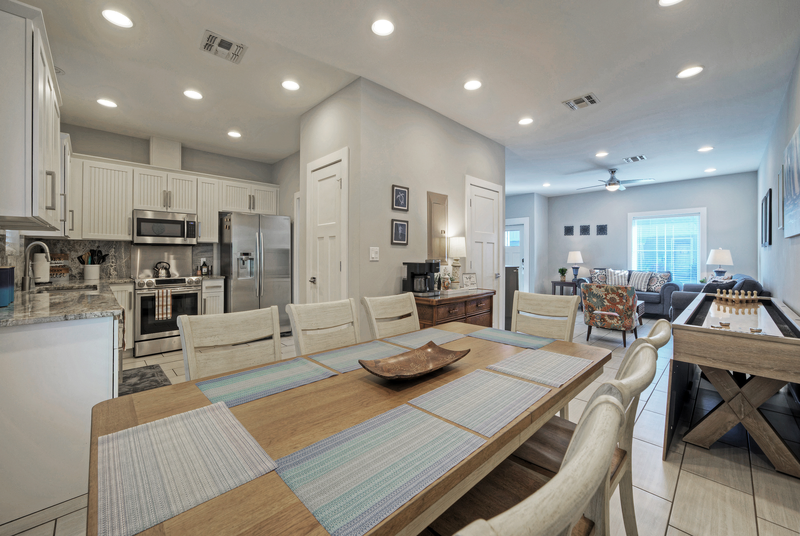
Natural attractions surround the city in every direction. Smith Rock State Park provides world-class rock climbing just 30 minutes away. The Cascade Lakes Scenic Byway leads to alpine lakes perfect for camping, fishing, and water sports. Newberry National Volcanic Monument showcases the region’s volcanic history with lava tubes, hot springs, and crater lakes.

Downtown Bend maintains an authentic Pacific Northwest character with locally-owned shops, farm-to-table restaurants, and walkable neighborhoods where residents and visitors mingle at farmers’ markets and outdoor concerts.

Your Month-by-Month Guide to Bend, Oregon

  • Bend in January: Cold and snowy, perfect skiing conditions, cozy brewery visits
  • Bend in February: Continued powder snow, WinterFest celebrations, peak ski season
  • Bend in March: $99 lift tickets every Thursday, spring skiing begins, longer days
  • Bend in April: Snow melts at lower elevations, hiking trails start opening, mild weather
  • Bend in May: Perfect hiking weather begins, wildflowers bloom, and comfortable temperatures
  • Bend in June: Summer season starts, all trails open, busy but beautiful conditions
  • Bend in July: Peak outdoor season, warmest temperatures, longest days for adventures
  • Bend in August: Continued summer perfection, harvest season begins, festival time
  • Bend in September: Autumn brings beautiful changes in the leaves, ideal hiking weather, and crowds thin
  • Bend in October: Fall colors peak, harvest celebrations, and comfortable temperatures continue
  • Bend in November: First snow returns, shoulder season pricing, peaceful mountain views
  • Bend in December: Ski season launches, holiday celebrations, winter adventure begins

When Is the Best Time to Visit Bend, Oregon?

May through October offer Bend’s most versatile outdoor experiences, with fall weather in Bend tends to stay somewhat mild. The weather conditions are perfect for those family fall hikes and leaf peeping. Summer months from June through August provide the most activities and reliable weather, though they also bring the biggest crowds.

For winter sports enthusiasts, December through March delivers excellent skiing conditions at Mt. Bachelor, while shoulder seasons in late spring and early fall offer the best balance of weather, activities, and value.

Visiting in Spring (March to May)

Spring awakens Central Oregon with wildflower blooms, snowmelt feeding rushing waterfalls, and hiking trails gradually reopening at higher elevations. March still offers excellent skiing conditions, while April and May provide perfect conditions for lower-elevation outdoor activities without summer’s intense heat or crowds.

This transition season showcases Bend’s versatility as both a winter sports destination and summer adventure base.

Bend, Oregon Weather in Spring

  • March: 27°F to 55°F | About 2 inches of precipitation
  • April: 32°F to 62°F | About 1.5 inches of precipitation
  • May: 38°F to 71°F | About 1.5 inches of precipitation

Things to Do in Bend, Oregon During Spring

Late spring provides ideal conditions for hiking, biking, and exploring without the intensity of peak summer heat. Deschutes River activities become more comfortable as water levels rise from snowmelt. Rock climbing at Smith Rock enjoys perfect temperatures for sustained outdoor climbing.

Spring wildflower displays throughout Central Oregon create spectacular photography opportunities, especially in late April and May when desert blooms peak.

Bend, Oregon Events in Spring

  • Spring skiing at Mt. Bachelor (March-April) – Extended season with corn snow conditions
  • Wildflower festivals (May) – Celebrating Central Oregon’s desert blooms
  • Deschutes River cleanup (April) – Community environmental stewardship events
  • Opening day activities (May) – Summer businesses and attractions reopen

Food Scene in Spring

Brewery patios reopen for outdoor dining as temperatures warm. Farm-to-table restaurants begin featuring spring vegetables and locally sourced ingredients. Food trucks return to regular schedules at outdoor events and farmers’ markets.

Spring Travel Tips

Layer clothing for variable spring temperatures that can swing 40+ degrees between morning and afternoon. Check trail conditions before heading to higher elevations where snow may persist. Book accommodations early, as spring break visitors overlap with local events.

Visiting in Summer (June to August)

The summers are short, warm, dry, and mostly clear, creating perfect conditions for every outdoor activity Bend offers. This is peak season when the city showcases why it’s considered one of America’s premier outdoor destinations.

Every trail, lake, and adventure activity operates at full capacity during these months, offering visitors the complete Central Oregon experience.

Bend, Oregon Weather in Summer

  • June: 44°F to 78°F | Minimal rainfall, mostly sunny
  • July: 48°F to 83°F | Driest month, clear skies
  • August: 47°F to 82°F | Continued dry conditions, warm days

Things to Do in Bend, Oregon During Summer

All hiking trails reach full accessibility, from easy riverside walks to challenging Cascade peak ascents. Mt. Bachelor’s premier lift-served mountain bike park with downhill trails for all ability levels operates throughout the summer. Water activities on lakes and rivers provide perfect relief from warm afternoon temperatures.

The Cascade Lakes Scenic Byway showcases alpine lakes ideal for camping, fishing, kayaking, and paddleboarding. Rock climbing at Smith Rock enjoys its peak season with long days and reliable weather.

Bend, Oregon Events in Summer

  • Cascade Cycling Classic (July) – Premier cycling event through Central Oregon
  • Bend Summer Festival (August) – Music and arts celebration in Drake Park
  • High Desert Museum events (June-August) – Educational programs and wildlife presentations
  • Outdoor concert series (June-August) – Live music at Drake Park, the Hayden Homes Amphitheater, Midtown Yacht Club

Food Scene in Summer

Outdoor dining reaches its peak with perfect patio weather. Food trucks gather at festivals and outdoor events. Local farmers’ markets showcase Central Oregon’s growing season produce. Brewery gardens and restaurant patios stay busy until well after sunset.

Summer Travel Tips

Book accommodations months in advance for the peak summer season. Start outdoor activities early to avoid afternoon heat and secure parking at popular trailheads. Bring layers as mountain weather can change quickly. Make restaurant reservations well ahead of time, especially on weekends.

Visiting in Fall (September to November)

September brings autumn to Bend, along with beautiful changes in the leaves, creating some of Central Oregon’s most spectacular scenery. Fall is Bend’s best-kept secret with comfortable temperatures, stunning aspen displays, and significantly fewer crowds than the summer months.

This is arguably the most rewarding time to experience Bend’s outdoor culture without peak season intensity.

Bend, Oregon Weather in Fall

  • September: 42°F to 77°F | About 1 inch of precipitation
  • October: 34°F to 66°F | About 1.5 inches of precipitation
  • November: 26°F to 51°F | About 2 inches of precipitation/snow

Things to Do in Bend, Oregon During Fall

Fall hiking provides the year’s most comfortable conditions, with golden aspen trees creating spectacular photography opportunities. Rock climbing enjoys ideal temperatures without summer’s heat. Fishing on Central Oregon lakes and rivers peaks as fish prepare for winter.

November may bring the season’s first snow, creating opportunities for early winter sports and dramatic mountain landscapes.

Bend, Oregon Events in Fall

  • Fall Century Ride (September) – Cycling event showcasing autumn colors
  • Harvest festivals (September-October) – Celebrating local agriculture and brewing
  • Photography workshops (October) – Capturing peak fall colors throughout Central Oregon
  • Ski season preparation (November) – Mt. Bachelor opens as snow conditions allow

Food Scene in Fall

Restaurants transition to heartier autumn menus featuring local harvest ingredients. Brewery seasonal releases celebrate fall flavors. Cozy indoor dining becomes more appealing as temperatures drop. Special harvest dinners and wine pairings appear at upscale establishments.

Fall Travel Tips

October offers the peak fall color experience, but requires advance planning as this secret gets out. Pack layers for significant temperature variations between day and night. Check road conditions before traveling to higher elevations, where early snow may appear. Book weekend accommodations early as fall colors draw photographers and nature lovers.

Visiting in Winter (December to February)

The winters are very cold, snowy, and partly cloudy, transforming Bend into a winter sports paradise. Mt. Bachelor receives abundant snowfall, creating excellent skiing and snowboarding conditions just minutes from downtown.

This season showcases Bend’s dual personality as both a charming small town and a serious winter sports destination.

Bend, Oregon Weather in Winter

  • December: 24°F to 43°F | About 3 inches of snow
  • January: 24°F to 45°F | About 4 inches of snow
  • February: 26°F to 49°F | About 3 inches of snow

Things to Do in Bend, Oregon During Winter

Mt. Bachelor dominates winter activities with excellent skiing and snowboarding conditions. Snowshoeing and cross-country skiing provide alternatives to downhill sports. Unless you are looking to ski or snowboard, the worst time to visit Bend is during the winter for non-winter sports activities.

Indoor attractions like breweries, museums, and cozy restaurants become central to the Bend experience during cold months.

Bend, Oregon Events in Winter

  • Bend WinterFest (February) – Annual winter celebration with activities and entertainment
  • New Year’s Eve celebrations – Mountain and downtown parties welcoming the new year
  • Ski racing events (January-March) – Competitions at Mt. Bachelor
  • $99 lift tickets every Thursday in January, February, and March 2025 – Special pricing for local access

Food Scene in Winter

Cozy restaurants with fireplaces become gathering places for skiers and locals. Hot drinks and warming foods dominate menus. Après-ski scenes at mountain lodges and downtown bars create social opportunities. Special winter menus feature hearty, warming dishes.

Winter Travel Tips

Book ski accommodations well in advance, especially for holiday periods and powder days. Carry tire chains and check road conditions before traveling to the mountain. Dress in layers and bring waterproof gear for mountain activities. Make dinner reservations as popular restaurants fill with skiers and locals.

Best Time of the Year to Visit Bend, Oregon (By Interest)

Choose your perfect timing based on what draws you most to Central Oregon’s outdoor paradise:

For Skipping Crowds: Shoulder Seasons

Best Time for Peaceful Bend Experiences

Late fall and spring offer the most solitary outdoor experiences. The people around you will be mostly locals, since for now, fall is Bend’s best-kept secret. Enjoy authentic interactions with the community and peaceful trail experiences.

For Perfect Weather: Late Spring and Early Fall

Best Time for Ideal Bend Conditions

May and September through October provide the most comfortable temperatures for all activities. Perfect balance of warm days, cool nights, and minimal precipitation creates ideal conditions for exploring Central Oregon.

For Skiing and Winter Sports: Peak Winter

Best Time for Bend Snow Sports

December through March offers the most reliable snow conditions at Mt. Bachelor. January and February typically provide the deepest base and most consistent powder for the best skiing experiences.

For Hiking and Summer Activities: Full Summer

Best Time for Complete Bend Adventures

June through September ensures access to all trails, lakes, and high-elevation destinations. Every outdoor activity operates at full capacity with the longest days and most predictable weather patterns.

For Fall Colors: Autumn Peak

Best Time for Bend Photography

Late September through October delivers spectacular aspen displays throughout Central Oregon. Golden leaves against snow-capped peaks create some of the region’s most photographed landscapes.

For Saving Money: Off-Peak Periods

Best Time for Budget Bend Travel

November and March through May offer the most affordable accommodations and activities. Many businesses offer special rates during these quieter periods while still providing access to Bend’s outdoor culture.
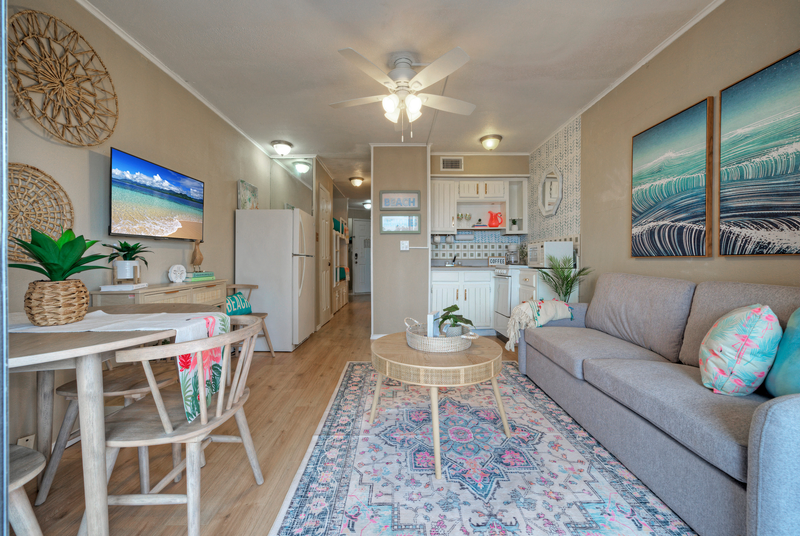
For Craft Beer Scene: Extended Season

Best Time for Bend Brewing Culture

The famous Bend Ale Trail operates year-round, but May through October provides the most comfortable weather for brewery hopping and outdoor beer garden experiences.

Where to Stay in Bend, Oregon

Discover exceptional vacation homes that capture Central Oregon’s outdoor spirit – mountain views, luxury amenities, and adventure-ready locations that enhance every moment of your high desert getaway. Here are some remarkable Bend, Central Oregon homes you can book with AvantStay:

  • Big Sky – Gorgeous mountain home tucked away in the pines with complete amenities and views of the downtown. 
  • Powell – The perfect home to watch the sunset over Bend’s scenic landscapes from the wrap-around patio.
  • Riverwatch – Taking you right to the edge of the Deschutes, this stunning retreat is surrounded by some of the most beautiful landscapes in Central Oregon.
  • The Gem Estate – This is a Northwest modern farmhouse that is a 10-acre haven for group travelers, with complete, premium amenities.
  • Skylight – Your elevated cabin in the woods, where your group will have a lot of entertainment options and spaces to spread out or gather together.

Create Your Bend, Oregon Itinerary

Ready to plan your outdoor adventure? Let our team help you organize everything for your Bend getaway! We can arrange ski lessons, brewery tours, hiking guides, and authentic experiences that showcase the real culture of this incredible outdoor destination.

Just contact us or download the AvantStay App to book activities, get local recommendations, and manage your entire Central Oregon experience through one convenient platform.

Want more ideas for outdoor adventures? Check out our guide to the best things to do in Bend, Oregon!

Plan Your Bend, Oregon Adventure

No matter which season calls to you, Bend’s world-class outdoor recreation, innovative craft beer scene, stunning Cascade Mountain beauty, and authentic Pacific Northwest character create memories that last forever. This city perfectly balances serious adventure opportunities with sophisticated mountain town culture. Every visit reveals new discoveries and genuine high desert magic.
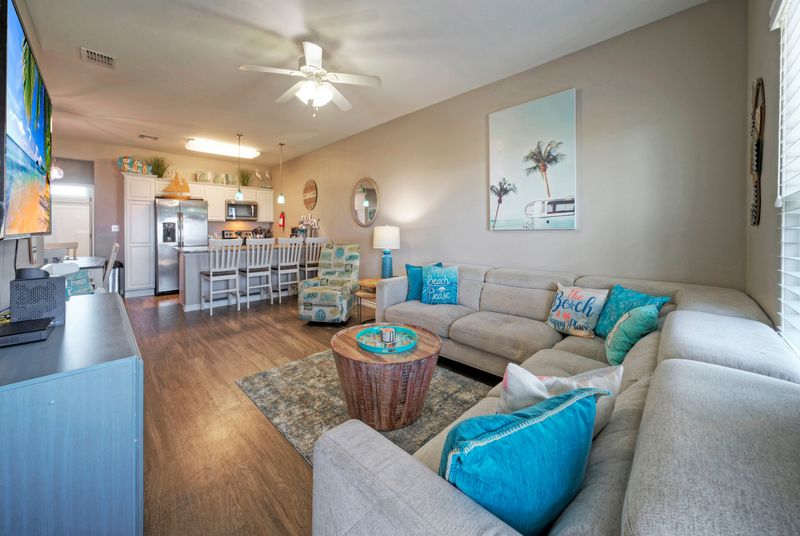
Your perfect Central Oregon vacation home awaits. Book with AvantStay today and discover how incredible outdoor getaways become when you experience Bend’s legendary adventure spirit, natural beauty, and Cascade Mountain charm.

FAQs

Is Bend, Oregon, expensive to visit?

Bend costs more during peak seasons – summer months from June through August, when outdoor enthusiasts fill every hotel, and winter from December through March, when skiers chase powder at Mt. Bachelor. Restaurants and accommodations charge premium rates during these busy periods. But visit during shoulder seasons in late spring or fall, and you’ll find excellent deals on luxury mountain homes while still enjoying great weather and outdoor activities.

How crowded does Bend get?

Summer and winter peak seasons bring significant crowds, especially on weekends. Popular hiking trails fill up early, downtown restaurants require reservations, and Mt. Bachelor lift lines get long during powder days. June through August sees the heaviest visitor numbers. Visit during weekdays or shoulder seasons for much more intimate outdoor experiences with locals and plenty of trail space.

When should I avoid Bend, Oregon?

Unless you are looking to ski or snowboard, the worst time to visit Bend is during the winter, from December to early March. Wintertime in Bend is very cold and snowy. However, this is actually perfect weather for winter sports enthusiasts. There really isn’t a bad time to visit Bend if you plan activities appropriate for the season and dress for the high desert climate’s temperature variations.
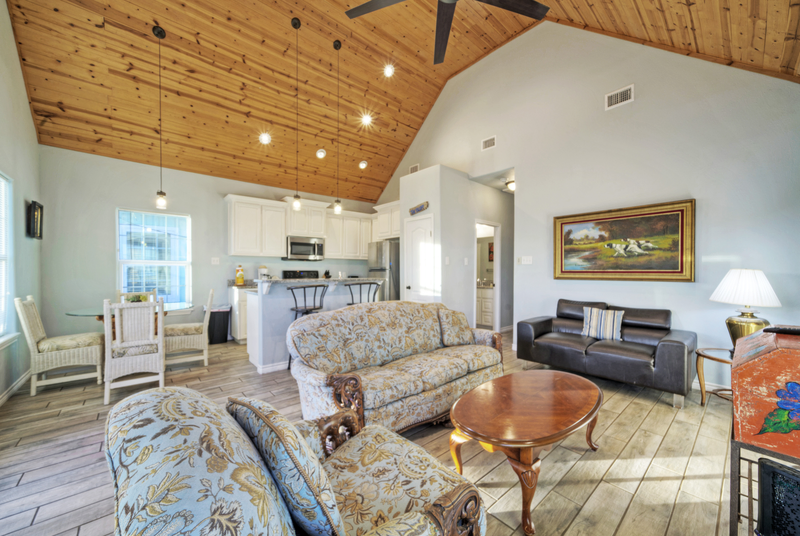
6 Vacation Rental Cabin Interior Design Tips That Will Land You 5-Star Ratings

One of the simplest ways to optimize your vacation rental for more bookings and positive reviews is through interior design. Entice potential guests to click that “book now” button with a beautifully designed space that’s captured in stunning professional photos. Your vacation rental aesthetic should also be inspired by your surroundings. We put together these six tips to help you curate a rustic yet modern, cozy cabin interior design plan for more five-star ratings. 

1. Use modern furnishings

Kitchen in AvantStay rental cabin

Cabins are known for their rustic charm, but that doesn’t mean they have to be old and outdated. Give your cabin a modern edge by purchasing new furnishings and appliances. Choose furniture with clean lines and organic shapes and fabric; rely on accent pieces to sprinkle in some rustic flare (more on that next). To further elevate your cabin, install new appliances so your space is functional and comfortable for guests. 

2. Keep it cozy 

Give guests a cozy retreat to relax and unwind after a day of outdoor adventures. Layer on the textures to make your log cabin more inviting—think faux hide rugs, plush pillows, chunky knit blankets, and plaid or buffalo check prints. For a moodier feel, incorporate leather, dark woods, and rod iron elements in your cabin interior design plan. 

3. Embrace your surroundings 

Big Bear vacation rental home by AvantStay

Use natural elements and local flare in your cabin interior design to give your guests a taste of the great outdoors. Incorporate modern wood furniture, stone floors or walls, and rich greens and browns to mimic your surroundings tastefully. Or, create a statement with a fun wallpaper or gallery wall inspired by nature. 

4. Let the view shine

Embrace the natural landscapes surrounding your cabin for the ultimate complement to your vacation rental’s interior design. Make the view the star of the show by decluttering your space, using neutral tones, and avoiding heavy window treatments. Also, create seating areas by windows or on the balcony or patio—the perfect backdrop for enjoying a warm beverage. 

5. Add experiential elements 

hot tub at AvantStay vacation rental home

Create an inviting space for guests to make their own memories by adding experiential elements and areas to gather. Who wouldn’t want to play board games by the fireplace after a long day outdoors? Large kitchen tables and living rooms with plenty of seating encourage guests to spend time together. Also, provide popular amenities like a foosball or pool table, outdoor fire pit, and hot tub for guests to enjoy.

6. Provide storage for outdoor gear

Bring the outdoors inside through your interior design, not muddy boots. Designate a mudroom space in your vacation rental where guests can keep their outdoor gear and wash up. Provide plenty of hooks, a shoe rack, and baskets for miscellaneous items. Also, be sure to have a runner by the door to limit dirt getting tracked in. Is your cabin in a ski market? Consider adding ski/snowboard racks or lockers so guests can store their bulky gear and equipment. 

Elevate your cabin interior design with AvantStay

Investing in your vacation rental’s interior design can help you attract more guests, earn higher ratings, and increase your revenue. Why not partner with a design expert who can elevate your vacation rental and save you time and money?

When you partner with AvantStay, you get full access to our award-winning vacation rental interior design and procurement services that instantly add value to your home. Our talented interior designers build a free, custom design strategy for your home that inspires both you and your guests to feel their most comfortable—creating lasting memories while saving you thousands. We help you procure high-quality, durable furniture and upscale amenities. We also take care of the professional photoshoot—for free! 

Design and capital improvements increase your home’s equity, maximizing your ROI. Let us do the heavy lifting and work with you to create the perfect cabin interior design plan. Get started with our vacation rental management experts today

Sustainable Luxury: A Property Owner’s Guide to Reduce Operating Costs with Green Upgrades in 2026

If you own luxury rental properties, your operating costs are about to change dramatically. At least 13 major U.S. cities have already mandated energy performance standards, with 30 more passing laws this year that set strict benchmarks for heating, insulation, and lighting. Green upgrades you once dismissed as optional are now legal requirements with real penalties for non-compliance. Here’s what matters for your bottom line: properties that get ahead of these mandates cut operating costs by 30-50% while commanding rental premiums up to 13% higher than standard properties.

TLDR:

  • Green upgrades cut operating costs 30-50% while meeting mandatory building performance standards in 40+ U.S. cities by 2026.
  • Smart HVAC systems, LED lighting, and water monitoring deliver 6-24 month payback periods with minimal installation disruption.
  • Solar panels increase property values by 4-6% while eliminating utility bills.
  • Green certifications boost rental rates 3-13% and attract corporate clients requiring ESG compliance for executive retreats.
  • AvantStay manages 2,300+ properties using Lighthouse and Voyage technology to track energy use and optimize revenue across portfolios.

Why Green Upgrades Are No Longer Optional for Luxury Rental Properties

The luxury rental market is facing a regulatory shift. What property owners once considered optional sustainability features are becoming legal requirements.

At least 13 major U.S. cities have already enacted building performance standards policies, with 30 more committed to passing similar laws by 2026. These regulations set mandatory energy benchmarks that force upgrades across heating systems, insulation, and lighting. Miss the deadline, and you’re looking at steep fines or operational restrictions.

For luxury rental owners, this changes the investment calculus. You’re no longer deciding whether to go green. You’re deciding whether to get ahead of requirements or scramble to comply when deadlines hit.

These mandated upgrades also slash operating costs and increase property values, making them one of the smartest financial moves you can make in 2026.

Screenshot 2026-02-17 204644.png

Smart HVAC Systems Can Cut Your Energy Costs by Up to 50%

HVAC accounts for the biggest chunk of your energy bill in hospitality properties. If you’re running luxury rentals with multiple bedrooms and high ceilings, heating and cooling costs can eat 40-60% of your total utility spend. That’s where smart HVAC systems make an outsized difference.

Smart thermostats go far beyond programmable schedules. They detect occupancy in real time, dropping temperatures when guests are out and restoring comfort before they return. The system learns usage patterns and adjusts automatically, so you’re not heating empty bedrooms or cooling unoccupied common areas.

The numbers are real. New efficient HVAC systems combined with smart controls and lighting can cut energy use by 30% to 50% for hotels and restaurants. For a luxury rental portfolio, that translates to thousands in annual savings per property.

Energy-Efficient Lighting Delivers Quick Wins with Minimal Disruption

Lighting accounts for nearly 25% of electricity consumption in hospitality properties, making it one of the fastest ways to cut your operating costs. Unlike HVAC overhauls or solar installations, LED retrofits require minimal capital and zero downtime.

LED bulbs use 75% less energy than traditional incandescent lighting and last 25 times longer. For a 10-bedroom luxury rental, swapping out 50-75 bulbs can drop your lighting costs by $500-800 annually while eliminating the constant bulb replacement cycle.

Smart lighting controls multiply these savings. Motion sensors shut off lights in bathrooms, closets, and hallways when guests leave the room. Dimmer systems reduce brightness during daylight hours and adjust automatically based on natural light levels.

The payback period is typically under two years, and installation takes days rather than weeks. You’re not tearing out walls or shutting down units for extended periods. Most property managers can execute a full lighting retrofit between guest stays with zero impact on bookings or revenue.

Water Conservation Technology Cuts Utility Bills and Protects Against Damage

Water damage claims average $10,000+ per incident in rental properties, making leak detection one of the highest-ROI investments you can make. Smart water monitoring systems catch problems before they become disasters, alerting you to unusual flow patterns that signal leaks, running toilets, or burst pipes.

Low-flow fixtures cut water consumption without sacrificing guest experience. High-performance toilets, showerheads, and faucet aerators reduce usage by 20-30% while maintaining pressure and performance. Water-saving systems cut consumption by 39% compared to standard buildings.

For multi-property portfolios, these savings compound quickly. A 10-property portfolio averaging $300 monthly water bills can save $7,000-12,000 annually while reducing insurance premiums through proactive leak prevention.

Solar Panels Transform Operating Expenses Into Long-Term Assets

Solar installations convert your electricity bill from recurring expense to capital investment. Net metering programs let you sell excess power back to the grid during low-occupancy periods, offsetting costs when your property sits empty between bookings. This works particularly well for vacation rentals with seasonal demand patterns or properties you use personally several weeks per year.

You’re converting an unpredictable operating expense into fixed asset appreciation that compounds over your property’s lifetime.

Insulation and Building Envelope Upgrades Reduce Year-Round Energy Demand

Poor insulation forces HVAC systems to compensate for air leaks and temperature loss. Air sealing and insulation upgrades create passive savings before heating or cooling activates.

Air leaks around windows, doors, and attic spaces account for 25-40% of heating and cooling losses in older properties. Professional air sealing with spray foam or weatherstripping creates consistent interior temperatures, reducing HVAC workload and extending equipment lifespan.

Attic insulation upgrades deliver the highest return. Heat rises, making poorly insulated attics a major source of energy waste year-round. Upgrading to current insulation standards can cut heating and cooling costs by 15-20% annually.

Window upgrades multiply these benefits. Double or triple-pane windows with low-E coatings block heat transfer while maintaining natural light. For luxury properties with floor-to-ceiling windows or expansive glass walls, high-performance glazing prevents temperature swings that drive up energy bills and create guest complaints.

These structural improvements compound across every other system. Better insulation means smart thermostats cycle less frequently, solar panels cover a larger percentage of reduced demand, and guests experience consistent comfort without constant thermostat adjustments.

Smart Home Integration Creates Operational Efficiency at Scale

Managing one luxury rental with smart tech is simple. Managing 10 or 50 properties requires centralized control systems that collect data and automate decisions across your entire portfolio.

Property management systems with smart home integration let you monitor energy usage, occupancy patterns, and system performance from a single dashboard. You can spot which properties consume excessive energy during vacant periods, identify HVAC systems running outside normal parameters, and catch maintenance issues before they become emergency repairs.

Automation rules scale instantly across multiple units. Remote access prevents revenue loss from system failures when smart locks malfunction minutes before guest arrival.

Green Certifications Drive Higher Occupancy and Premium Pricing

LEED and ENERGY STAR certifications create measurable pricing power in luxury rentals. Green-certified properties command premiums of 8% to 21.4% at sale, while rental rates run 3% to 13% higher depending on certification level. For a property generating $150,000 annually, that translates to an extra $4,500 to $19,500 in revenue before factoring in lower operating costs.

Corporate clients booking executive retreats increasingly require certified properties to meet ESG reporting requirements. Certification proves your property meets third-party environmental standards, giving you an edge when competing for high-value bookings.

The certification process surfaces operational improvements through third-party audits that identify energy waste, water inefficiencies, and maintenance gaps cutting into margins. You receive a roadmap for upgrades that pay back quickly while earning credentials justifying higher nightly rates and extended booking windows.

Green Upgrade Type

Energy Savings

Typical Payback Period

Installation Impact

Best For

LED Lighting Retrofit

75% reduction in lighting costs, 25x longer bulb lifespan

12-24 months

Days between guest stays, zero downtime

Quick wins across all property types, immediate cost reduction

Smart HVAC Systems

30-50% reduction in heating and cooling costs

3-5 years

Minimal disruption, installed between bookings

Properties with high occupancy rates and multi-bedroom layouts

Low-Flow Water Fixtures

20-30% water consumption reduction, 39% savings vs standard buildings

Under 2 years

Days, room-by-room installation possible

Multi-property portfolios, areas with high water costs

Smart Water Monitoring

Prevents $10,000+ damage claims per incident

6-18 months through insurance savings and leak prevention

One day installation, no guest disruption

All rental properties, particularly older buildings prone to leaks

Building Envelope (Insulation & Air Sealing)

15-20% annual heating and cooling cost reduction, 25-40% reduction in air leaks

5-10 years

1-2 weeks, requires property vacancy

Older properties with poor insulation, properties with guest comfort complaints

Solar Panel Installation

Eliminates utility bills, net metering offsets costs during vacancy

5-15 years

2-4 weeks, minimal interior disruption

Properties with seasonal demand, high electricity costs, sunny climates

High-Performance Windows

Compounds with insulation for total energy reduction

10-15 years

2-3 weeks, requires property vacancy

Luxury properties with floor-to-ceiling glass, extreme climate zones

Start With Quick Wins, Then Scale to Major Systems

Not every green upgrade makes financial sense for every property. Your best move is starting with high-ROI projects that pay back fast, then reinvesting those savings into bigger infrastructure upgrades.

LED lighting and low-flow fixtures deliver 12-24 month payback periods with zero downtime. You can retrofit between guest stays, start seeing lower bills immediately, and build a track record of savings that justifies bigger investments. Smart thermostats and water monitoring come next, cutting waste during vacant periods while preventing damage that costs more than years of utility bills.

Your property’s baseline consumption determines which major upgrades make sense.

How AvantStay Powers Sustainable Operations at Scale

We built our tech stack to make sustainable operations scalable for property owners—you get the financial benefits without managing the complexity yourself.

Lighthouse, our property management platform gives you visibility into operating costs at the property and portfolio level, so you can prioritize upgrades that deliver the biggest savings.

We take a proactive approach. Every quarter, we perform detailed inspections and audits that account for seasonal factors, catching issues before they become expensive repairs and keeping your home well-maintained year-round. Between guest stays, we conduct three separate inspections: post-checkout, post-cleaning, and pre-arrival. Each one checks HVAC performance, thermostat settings, and water systems to prevent the energy waste that eats into your margins.

Voyage, our AI-driven pricing engine, offsets green upgrade investments by maximizing revenue. The system analyzes 75 to 150+ micro-seasons per property, pushing rates during peak demand while maintaining occupancy during slower periods. Higher revenue per booking means faster payback periods on solar, HVAC, and insulation investments. You’re not choosing between sustainability and profitability—you’re getting both.

Screenshot 2026-02-17 204616.png

Final Thoughts on Building a More Profitable Rental Business

Every dollar you spend on sustainable home upgrades works harder than traditional renovations because it keeps paying you back month after month. Lower utility bills mean better cash flow. Green certifications mean higher nightly rates and longer booking windows. Better insulation and smart systems mean fewer maintenance headaches and happier guests who leave better reviews. You’re building a portfolio that gets more valuable and costs less to operate with every passing year.

Our vacation rental management team can walk you through which upgrades make sense for your specific properties and market.

FAQ

How long does it take to see ROI on smart HVAC upgrades in luxury rentals?

Most luxury rental owners recoup their smart HVAC investment within 3-5 years through 30-50% energy savings, with properties in high-occupancy markets seeing even faster payback periods.

What’s the difference between LED retrofits and smart lighting systems?

LED bulbs cut energy use by 75% and last 25 times longer than incandescent lighting, while smart lighting systems add motion sensors and automatic dimming that can reduce your lighting costs by another 20-30%.

Can solar panels generate income during vacant periods between bookings?

Yes, net metering programs let you sell excess power back to the grid when your property sits empty, offsetting costs during high-occupancy periods and improving your overall investment returns.

When should property owners prioritize building envelope upgrades over HVAC replacements?

If your property has visible air leaks, drafty windows, or poor attic insulation, fix those first—sealing the building envelope cuts heating and cooling losses by 25-40% and extends the lifespan of your HVAC equipment.

How do green certifications affect corporate booking rates for luxury rentals?

Corporate clients increasingly require LEED or ENERGY STAR certified properties to meet ESG reporting requirements, giving you access to high-value executive retreat bookings while commanding 3-13% premium rates.

What’s Your Airbnb Portfolio Worth? A Property Owner’s Valuation Guide for 2026

If you’re considering selling your vacation rental portfolio, understanding the difference between asset value and business value could mean hundreds of thousands of dollars at closing. You’ve built properties generating revenue, established management contracts, and operational systems. Whether buyers apply a 2x or 5x multiple to your earnings depends on factors you can document and improve right now. First, you need to know which valuation method fits your specific situation.

Whether you’re planning an exit in the next 12 months or simply want to understand what your operation is worth, this guide breaks down how sophisticated buyers calculate the business value of Airbnb portfolios and what you can do to maximize your multiple.

TLDR:

  • Your portfolio valuation depends on Adjusted EBITDA size: 3-5x for $500K+, 2-3x under $250K
  • Buyers examine NOI, RevPAR, and 24-36 months of cash flow to verify profitability claims
  • Multi-year management contracts and geographic diversification justify 4-5x multiples
  • Institutional management with hotel-grade systems commands premium valuations buyers recognize
  • AvantStay manages 2,300+ properties with $5B+ AUM through proprietary tech and Marriott partnership

Understanding Business Valuation Methods for Vacation Rental Portfolios

When you’re ready to sell your Airbnb portfolio, you’re selling a business with cash flow, systems, and contracts. That distinction matters because buyers value your operation differently than individual properties.

Two primary methods dominate vacation rental business valuations. The Adjusted EBITDA method applies to established portfolios generating consistent management income. If your business shows stable recurring revenue, buyers typically pay 3-5x your Seller’s Discretionary Earnings multiple. This approach rewards predictable cash flow and proven operations.

The Price Per Contract method works better for smaller operations. If your Adjusted EBITDA sits under $250,000, acquirers often calculate value at 1-2x your annual management commissions. This method focuses on contracted revenue rather than profitability metrics.

Understanding which valuation framework applies to your situation shapes everything from financial preparation to buyer targeting.

Key Financial Metrics Buyers Examine in Portfolio Acquisitions

Buyers focus on numbers that reveal true portfolio performance. Your financial documentation needs to demonstrate profitability and growth potential clearly.

Net Operating Income anchors buyer analysis. Calculate NOI by subtracting operating expenses from gross rental revenue, excluding debt service and depreciation. This reveals property-level profitability before financing.

RevPAR measures revenue efficiency. Divide total room revenue by available room nights to show how you monetize capacity against market benchmarks. Strong RevPAR versus local competitors signals pricing power.

Occupancy rate and ADR drive RevPAR but tell different stories. High occupancy with low ADR suggests pricing issues, while high ADR with weak occupancy indicates positioning problems. Buyers seek balanced performance with optimization potential.

Include 24-36 months of monthly cash flow statements showing revenue trends, seasonal patterns, and expense management. Consistent performance matters more than occasional spikes and supports higher valuations.

Documenting Historical Revenue Performance Across Your Portfolio

Revenue documentation proves your portfolio’s income-generating track record. Buyers verify performance claims through organized historical data spanning at least three years.

Compile monthly revenue reports from each booking channel. Separate direct bookings, Airbnb, Vrbo, and other OTA revenue to show distribution diversity. Single-channel dependence creates risk that buyers discount heavily.

Document seasonal patterns clearly. If your portfolio generates 60% of revenue between May and September, show how you maintain cash flow during slower months.

Include property-level breakdowns showing which assets drive portfolio performance versus underperformers with repositioning potential.

Calculating Your Portfolio’s Adjusted EBITDA

Adjusted EBITDA shows buyers what your portfolio earns under standard operating conditions. Start with Net Income from your annual Profit & Loss statement, then normalize for owner-specific factors.

Add back expenses that disappear with new ownership: owner salary, distributions, and personal vehicle costs. If you pay yourself $120,000 but a hired manager costs $75,000, add back the full $120,000 and later deduct the market-rate replacement cost of $75,000.

Add one-time expenses like legal fees from acquisitions or website redesigns. Deduct expenses a buyer would face that you’re not currently paying, such as property management software or adequate insurance coverage.

Calculation Step

Example Amount

Net Income

$180,000

Add: Owner Salary

+$120,000

Add: Personal Expenses

+$15,000

Deduct: Market-Rate Manager

-$75,000

Deduct: Missing Software Costs

-$8,000

Adjusted EBITDA

$232,000

This normalized figure becomes the foundation for applying valuation multiples.

Determining the Appropriate Valuation Multiple for Your Business

Your Adjusted EBITDA, multiplied by an appropriate risk-adjusted multiple, determines your asking price. Where you land within the typical 3–5× range depends on how buyers perceive the durability and risk of your cash flows.

Larger portfolios with over $500,000 in Adjusted EBITDA tend to command higher multiples because scale reduces buyer risk through revenue diversification, deeper management benches, and a broader buyer pool. Portfolios under $250,000 often trade closer to 2–3× due to higher relative operating costs, greater owner dependence, and fewer qualified buyers.

Contract structure matters. Multi-year property management agreements can justify 4–5× valuations, while month-to-month arrangements may trade closer to 2–3× because contracts can be terminated with limited notice.

Portfolio composition also affects multiples. Diversification across multiple markets can reduce exposure to local regulation changes or economic shocks, which buyers often reward with higher offers, provided operational complexity remains manageable.

Screenshot 2026-02-03 211515.png

Evaluating Individual Property Performance and Portfolio Composition

Buyers want property-level detail to understand where value comes from within your portfolio. Breaking down individual asset performance shows diversification strengths and identifies which properties carry your business.

Create a property performance matrix showing each unit’s contribution: property type, bedroom count, location, annual revenue, occupancy rate, and ADR. This reveals revenue concentration risk. If three properties generate 70% of income, buyers see vulnerability.

High-end properties in top-performing markets justify premium valuations. A five-bedroom estate in Park City averaging 75% occupancy at $800 ADR carries more weight than multiple smaller units with similar total revenue.

Document geographic and property-type diversification separately. Five beachfront condos present concentration risk despite different buildings. A mix of mountain estates, beach houses, and urban properties across regions demonstrates resilience against market-specific downturns.

Quantifying the Value of Your Operational Systems and Technology

Your tech stack adds real value that buyers assess separately from property assets. Document which tools you use for dynamic pricing, channel management, and guest communications. If revenue management software automatically adjusts rates based on local events and demand patterns, quantify the RevPAR lift versus manual pricing.

List automation workflows that reduce labor costs: automated guest messaging sequences, smart lock integrations, maintenance request systems. Calculate hours saved monthly and translate that into reduced staffing expenses.

Show system transferability. Cloud-based tools with documented processes transfer cleanly to new owners. Proprietary spreadsheets or owner-dependent relationships create transition risks that lower valuations. Buyers pay premiums for operations they can run from day one without rebuilding infrastructure.

Assessing Legal Compliance and Regulatory Positioning

Regulatory compliance directly affects whether a deal closes and at what price. Buyers conducting due diligence will verify every property operates legally, and missing documentation kills deals or forces steep discounts.

Compile complete licensing records for each property: short-term rental permits, business licenses, sales tax registrations, and transient occupancy tax accounts. Organize documents by property with renewal dates and current status clearly marked. Properties operating without required permits face immediate shutdown risk that buyers either won’t accept or heavily discount.

Verify zoning compliance for every unit. If local codes restrict rentals to certain zones or limit rental days annually, document that your properties fall within allowable parameters. Include HOA approval letters if applicable.

Demonstrate permit transferability. Some jurisdictions tie permits to specific owners, requiring new applications after sale. Others transfer automatically. Understanding which situation applies helps buyers assess transition complexity.

Preparing Your Portfolio for Maximum Sale Value

Six months before listing creates time for improvements that raise your sale price. Start with financial cleanup: transfer all personal expenses off business accounts and run operations through proper business entities. Buyers walk from messy books.

Lock in vendor contracts extending 12-24 months past your expected sale date. Signed agreements with cleaning services, maintenance providers, and property photographers at favorable rates transfer value directly to buyers and reduce their post-acquisition risk. Choosing the right management partner during this phase can significantly impact your exit valuation.

Update property photos and refresh staging. Listings with professional photography from the past year sell faster. Replace dated furniture and refresh paint where needed.

Maintain review ratings above 4.7 across all channels through your sale process. Declining ratings during listing periods raise red flags about deteriorating operations.

Compile documentation: standard operating procedures, vendor contact lists, property manuals, historical financials, and maintenance records. Organized files accelerate buyer due diligence and reduce deal friction.

How Institutional Property Management Maximizes Portfolio Exit Value

Working with institutional property managers like AvantStay changes your portfolio’s exit value because buyers pay premiums for proven operational infrastructure. When your properties run through systems like Lighthouse, which provides real-time revenue tracking and maintenance management, you’re selling transferable tech rather than owner-dependent processes.

Our vertically integrated approach creates multiple valuation advantages. Award-winning design increases individual property ADR, which flows directly into higher NOI calculations. Butler’s 24/7 digital concierge reduces operational overhead while maintaining five-star guest experiences.

The Marriott Bonvoy partnership delivers distribution value that single operators can’t replicate. Access to 140+ million loyalty members drives qualified demand without OTA dependency, which buyers recognize as sustainable competitive advantage worth higher multiples.

Properties managed to hotel-grade standards with documented systems and transparent reporting command higher valuations. Your exit strategy starts with who manages your assets today.

Screenshot 2026-02-03 211405.png

Final Thoughts on Understanding Vacation Rental Business Valuations

Your portfolio’s business value depends on how buyers assess risk and opportunity in your operation. Properties managed through institutional systems with documented processes sell faster and at higher multiples than owner-dependent operations. Start treating your portfolio like the business it is: clean books, professional management, and proven systems that work without you. The preparation work you do today directly impacts the check you receive at closing.

FAQ

How do I determine which valuation method applies to my vacation rental portfolio?

If your Adjusted EBITDA exceeds $250,000 annually, buyers typically use the 3-5x earnings multiple method, which rewards stable operations and proven cash flow. Smaller portfolios below this threshold are usually valued at 1-2x annual management commissions using the Price Per Contract method.

What’s the difference between NOI and Adjusted EBITDA when calculating portfolio value?

NOI measures property-level profitability by subtracting operating expenses from gross rental revenue, excluding financing costs. Adjusted EBITDA normalizes your entire business earnings by adding back owner-specific expenses (like your salary) and one-time costs to show what a new owner would actually earn under standard operating conditions.

When should I start preparing my portfolio for sale to maximize value?

Begin preparation six months before listing to allow time for financial cleanup, locking in vendor contracts extending 12-24 months past sale, updating property photos, and organizing documentation like SOPs and maintenance records. This timeline gives you space to address issues that could lower your valuation or slow buyer due diligence.

Why do buyers pay higher multiples for portfolios with professional management systems?

Buyers reward transferable operational infrastructure because it reduces acquisition risk and eliminates owner dependency. Properties managed through documented systems with transparent reporting, automated workflows, and proven tech stacks can operate from day one without rebuilding processes, which justifies 4-5x multiples versus 2-3x for owner-dependent operations.

Can single-channel revenue dependence lower my portfolio’s sale price?

Yes, heavy reliance on one booking platform creates risk that buyers discount significantly. Demonstrating revenue distribution across direct bookings, Airbnb, Vrbo, and other channels proves resilience against platform policy changes or algorithm shifts, which supports higher valuations and broader buyer interest.

How to Identify High-Performing Markets for Large Group Vacation Rental Investments in 2026

Large group properties are leading the best short-term rental markets right now, and the performance gap between high-capacity rentals and traditional vacation homes keeps widening. Throughout 2025, investor interest in residential and multifamily assets remained strong, while parts of the hotel sector continued to face slower growth and selective demand. Families, corporate groups, and multi-generational travelers now choose whole-home rentals where everyone can gather in shared spaces rather than splitting up across hotel corridors. The revenue model works in your favor: a single booking at a 7-bedroom estate can match what you’d need multiple smaller properties to generate, and when guests split costs across 12 people, you’re delivering better per-person value than hotels while capturing much higher nightly rates.

TLDR:

  • Large group rentals (6+ bedrooms) generate revenue from single bookings that match what multiple smaller properties produce, while earning 30-40% rate premiums when you add multiple primary suites, commercial kitchens, and dedicated entertainment spaces.
  • Target markets within 3 hours of major metros that host 40+ annual events (weddings, conferences, tournaments) and maintain 70%+ occupancy year-round instead of relying on seasonal peaks.
  • Expect $400-600 cleaning costs per turnover, 25-30% down payments on commercial loans, and enhanced regulations including occupancy caps and mandatory noise monitoring for properties over 6 bedrooms.
  • Score potential markets across demand consistency (30%), event infrastructure (25%), accessibility (20%), economic fundamentals (15%), and operational infrastructure (10%) before committing capital.
  • Partner with professional management like AvantStay to access Marriott Bonvoy’s 140+ million travelers, proprietary pricing algorithms, and 24/7 operational support that eliminates hands-on management burdens.

Why Large Group Vacation Rentals Are Leading the Investment Landscape in 2026

The vacation rental market hit a major inflection point in 2025, and large group properties are at the center of it. While traditional hotels struggled with occupancy challenges, properties designed for 5+ bedrooms and high guest capacity saw remarkable investor interest.

In 2025, vacation rentals led the alternative accommodation market as travelers now prioritize private, spacious environments over traditional hotel rooms in search of more authentic, personalized stays. Families, corporate groups, and multi-generational travelers now choose whole-home rentals where everyone stays under one roof.

For property owners, this shift creates a powerful investment thesis. Large group rentals command premium nightly rates while often achieving higher occupancy than smaller units. A 7-bedroom estate can generate revenue from a single booking that would require multiple smaller properties to match,
all while reducing your per-booking management overhead.

The affordability angle matters too. When you split a $1,500 nightly rental across 12 guests, you’re offering better per-person value than hotels while capturing much higher absolute revenue as the owner.

How to Identify High-Performing Markets for Large Group Vacation Rental Investments

Vacation Rental Investments

Picking the right market matters more than finding the perfect property. A well-designed 8-bedroom estate in a low-demand area will underperform a solid 6-bedroom home in a market built for group travel. The difference between markets that generate consistent returns and those that drain your capital comes down to analyzing specific fundamentals before you buy.

hero@2x.jpg

Start with Year-Round Demand Drivers

Markets dependent on single-season tourism create cash flow problems that strain annual returns. Look for destinations with multiple demand generators operating across different calendar periods. College towns with Division I sports programs generate reliable weekend demand from August through March. Mountain markets with both winter skiing and summer hiking maintain occupancy when beach destinations sit empty. Destinations near national parks see steady family bookings across spring, summer, and fall.

The key metric is demand stability, not peak season strength. A market with 65% average occupancy year-round outperforms one with 95% occupancy for 12 weeks and 30% the rest of the year. Your financing costs don’t pause during slow months.

Evaluate Event Infrastructure and Attraction Density

The best group rental markets have built-in demand generators that create reliable booking patterns. Wedding venues matter more than most investors realize. Markets with 15+ active wedding venues within a 30-minute radius generate multi-day celebration bookings that fill weekends year-round. Corporate retreat centers drive midweek occupancy that pure leisure markets can’t achieve.

Calculate what we call “event calendar density.” Pull the annual event schedules for convention centers, sports venues, and festival grounds within a 45-minute drive of your target property. Markets with 40+ major events (5,000+ attendees) distributed across the calendar show established group travel infrastructure. Seasonal festivals alone don’t cut it. You need conferences, tournaments, and recurring events that bring groups who need whole-home accommodations.

Proximity to major attractions creates baseline demand, but the type of attraction matters:

  • Theme parks generate family groups
  • Golf resort clusters attract corporate outings
  • Wine regions pull friend groups and celebrations

Match the attraction profile to the guest segments that book large properties.

argentario-golf-resort.jpg

Analyze Population and Accessibility Fundamentals

Your property needs to sit within a 3-hour drive of major population centers. This isn’t about tourist appeal, it’s about drive market accessibility. Markets within this radius of metro areas with 2+ million residents can capture weekend getaway demand that doesn’t require flight coordination.

Airport infrastructure signals market maturity. Direct flights from 10+ major cities indicate proven tourism patterns and corporate accessibility. Check average daily departures, not just destinations served. Markets with robust air service support both leisure groups and corporate retreat bookings.

Look at the economic diversity of nearby metros. Markets dependent on a single industry face demand volatility when that sector contracts. Cities with healthcare, education, technology, and finance employers generate more stable corporate group demand than manufacturing-dependent regions.

Assess Competitive Supply and Market Saturation

High competition isn’t automatically bad, but you need to understand the existing inventory profile. Pull listings for properties with 6+ bedrooms within your target area. If you find 200+ large group rentals in a small geographic area, the market may be oversaturated unless demand metrics justify that supply.

Calculate the ratio of large group properties to annual group travel events. Markets with strong event calendars can absorb more inventory. A destination with 60 major annual events can support more large properties than one with 20 events, even if both have similar tourism numbers.

Check average occupancy rates for comparable properties through STR data or AirDNA. Markets where 8-bedroom homes maintain 70%+ occupancy show healthy demand relative to supply. Anything below 55% suggests oversaturation or weak group travel basics.

Examine Tourism Infrastructure Maturity

Your property needs a market with established vacation rental support systems. This infrastructure affects your ability to maintain quality standards and respond to issues. Markets without established STR ecosystems force you to build vendor relationships from scratch, increasing risk.

Screenshot 2026-01-19 200230.png

Check for property management companies already operating in the area. Their presence signals existing cleaning services, maintenance contractors, and vendor networks familiar with high-turnover rentals. Markets where you struggle to find experienced STR cleaning companies will create problems that hurt your reviews and occupancy.

Local permitting processes reveal market development. Established STR markets have clear licensing procedures, even if they’re restrictive. Markets still debating whether to allow short-term rentals create regulatory uncertainty that threatens your investment thesis.

Use Economic Indicators to Validate Demand

Tourism spending per capita tells you more than total visitor numbers. Markets where visitors spend $800+ per trip indicate the kind of affluent travel that books large group properties. Budget tourism markets generate volume but not the rates you need to justify large property investments.

Median household income within a 2-hour drive radius matters for weekend getaway demand. Markets surrounded by affluent suburbs (median household income $100K+) generate consistent drive market bookings from groups who can afford $1,200+ nightly rates.

Employment growth trends signal expanding corporate demand. Markets adding 2,000+ jobs annually in professional services, technology, and healthcare sectors will see growing corporate retreat and team offsite demand.

The Market Selection Framework

Before committing capital, score potential markets across these dimensions:

  • Demand Stability (30% weight): Year-round booking drivers, not seasonal spikes
  • Event Infrastructure (25% weight): Wedding venues, conference centers, sports facilities creating predictable group demand
  • Accessibility (20% weight): Drive market proximity and airport connectivity
  • Economic Fundamentals (15% weight): Employment diversity, household income, tourism spending patterns
  • Operational Infrastructure (10% weight): Established STR vendor networks and clear regulatory frameworks

Markets scoring 75+ points across this framework consistently outperform those with strong performance in just one or two categories. The best large group rental investments sit at the intersection of multiple demand drivers, not at the mercy of a single seasonal peak or event type.

Conducting Market Due Diligence Before You Invest

Once you’ve identified promising markets using the framework above, deeper due diligence separates successful investments from expensive mistakes. This process takes 20-30 hours of research but protects you from buying into markets with hidden weaknesses.

The 90-Day Booking Calendar Test

Pull actual booking data for 10-15 comparable properties in your target market. Don’t rely on occupancy averages, examine the actual calendar patterns. Properties that show steady weekend bookings plus scattered midweek stays demonstrate healthy demand. Calendars with large gaps between bookings or heavy last-minute discounting signal weak basics.

Check how far in advance properties book during peak periods. Markets where large homes book 90-120 days out for high-demand weekends show strong group travel planning patterns. Properties still available 30 days before major events suggest oversupply or weak market positioning.

Regulatory Deep Dive

Request copies of actual STR permits from local authorities to understand the true regulatory environment. Permit caps, occupancy limits, and parking requirements often don’t appear in general zoning codes. Some markets grandfather existing permits but prohibit new applications, effectively closing the market to new investors.

Talk to 3-5 existing STR operators in the market. Ask about enforcement patterns, neighbor relations, and regulatory changes under discussion. Markets with active neighborhood opposition to STRs face higher regulatory risk than those where vacation rentals integrate smoothly into the community.

Vendor Network Assessment

Contact local cleaning companies and ask about their STR experience and capacity. Markets with multiple cleaning services familiar with same-day turnovers have the infrastructure you need. If you struggle to find cleaners who understand vacation rental operations, you’ll face operational challenges that hurt your performance.

Check for local maintenance contractors experienced with vacation rental emergencies. Your property will need HVAC repairs, plumbing fixes, and appliance replacements on guest timelines, not residential service schedules. Markets without this vendor depth carry risk.

Vendor and manager assessment is a core part of due diligence: before you buy, confirm which professional managers actually operate in your target market and how they compare there on fees and service. A market-by-market resource like this breakdown of the best property managers by market is a useful starting point for building that shortlist.

Financial Modeling With Local Data

Build your pro forma using actual market data, not national averages. Pull comparable property rates for every month, not just peak season. Factor in the actual cleaning costs, management fees, and maintenance expenses you’ve discovered through vendor conversations.

Model three scenarios: base case using median market performance, upside case assuming top quartile performance, and downside case with 20% below median occupancy. Your investment should generate acceptable returns even in the downside scenario. Markets where you need top-quartile performance to hit return targets carry too much risk.

This due diligence process reveals whether a market’s basics support your investment thesis or if you’re buying into a story that doesn’t match on-the-ground reality.

Regulatory Landscapes and Compliance Considerations for Multi-Bedroom Rentals

Market regulations do more than create compliance requirements, they signal market development and competitive dynamics. Understanding the regulatory environment helps you assess both day-to-day feasibility and competitive positioning before you invest.

Regulatory complexity scales with property size. A 2-bedroom condo faces straightforward short-term rental rules, but a 10-bedroom estate triggers occupancy caps, enhanced safety requirements, and heightened neighbor concerns that shape your day-to-day reality.

20_bedroom_villas_in_reunion_resort_orlando_reunion_resort_16000_1a3adac839.jpg

Zoning restrictions hit large group properties hardest. Many municipalities cap occupancy at two guests per bedroom plus two additional, limiting your 8-bedroom property to 18 guests when it could physically sleep 24. Some markets prohibit short-term rentals in residential zones entirely once properties exceed certain bedroom counts, reclassifying them as commercial operations.

Licensing requirements vary dramatically by market. Austin requires separate permits for properties over six bedrooms. Palm Springs enforces strict event prohibitions that affect wedding-focused properties. Understanding these rules before purchase prevents costly surprises.

Noise ordinances and parking mandates become critical for large group operations. Clear vacation rental house rules help manage guest expectations and protect your operating permits. Properties must often provide on-site parking spaces matching guest capacity, and noise monitoring systems are increasingly required to maintain operating permits in residential areas.

Property Features and Amenities That Maximize Revenue for Group Accommodations

The difference between a property that books at $800 per night and one commanding $1,500 comes down to specific features that group travelers will pay premiums for. These features are revenue drivers that directly impact your booking rates and occupancy.

Multiple primary suites matter more than total bedrooms. Groups splitting costs want equitable sleeping arrangements; four primary suites book more reliably than one primary with several secondaries.

Kitchen and dining setups directly affect bookability. Commercial-grade appliances, double ovens, and tables seating the full guest count turn meal prep into a selling point.

Entertainment and gathering spaces justify higher rates. Game rooms, theaters, and multiple outdoor areas keep groups together, boosting perceived value.

Adequate parking is critical. A 10-bedroom property needs 6–8 dedicated spaces; groups won’t book if half the party must park on the street.

Screenshot 2026-01-21 135520.png

Operational Considerations for Managing High-Capacity Vacation Rentals

Managing large group properties requires more intensive work than smaller rentals. Cleaning, maintenance, and guest communication scale with capacity and directly impact your bottom line.

Turnovers for 10-bedroom properties need coordinated teams and 3–4 hours, costing $400–600 per clean versus $150–200 for standard rentals. Maintenance demands rise with size—more bathrooms, larger HVAC systems, and high guest use accelerate wear. You’ll need reliable local contractors to prevent delays that hurt reviews.

Guest communication grows exponentially with group size. Questions, special requests, and mid-stay needs make digital concierge tools and 24/7 support necessary for smooth operations. Our Butler app handles high-volume messaging without requiring call center staffing.

Technology investments quickly pay off: smart locks simplify check-ins, noise monitoring protects permits, and property management software automates messaging and maintenance tracking, saving you hours each week.

Choosing the right manager for a high-capacity property is worth researching, since operational execution drives both guest reviews and net income. Comparing the major companies side by side — as in this 2026 ranking of vacation rental management companies — helps you weigh full-service, partial-service, and marketplace options before committing.

Revenue Management Strategies for Maximizing Returns on Group Properties

Dynamic pricing sets top-performing group rentals apart. Large properties face unique demand curves, and pricing must reflect them.

Minimum-night rules protect your revenue: three-night minimums in shoulder season prevent low-value bookings, while five- to seven-night minimums in peak season capture longer stays.

Event-based pricing maximizes your returns. Track local weddings, festivals, and conferences to adjust rates 30–120 days in advance; properties near wedding venues can command 30–40% above baseline during peak months.

Our proprietary algorithm analyzes local events and seasonal trends to optimize your rates, consistently outperforming static pricing models.

Partnering with AvantStay for Professional Management of Large Group Vacation Rentals

At AvantStay, we handle the complexity of large group properties through our vertically integrated approach. Our award-winning design team transforms your estate into group-optimized spaces that command premium rates, while our proprietary algorithms price your property against thousands of data points for maximum revenue capture.

We specialize in properties hosting 20+ guests, managing the exact operational challenges covered in this article through our Lighthouse owner portal and Butler guest app. Our 24/7 support infrastructure and institutional-grade operations eliminate the hands-on management burden you’d face independently.

Our exclusive Marriott Bonvoy partnership gives your property access to 140+ million qualified travelers who can earn and redeem points at your estate, driving higher-caliber bookings than unmanaged listings. With $5B+ in assets under management, we bring proven expertise to maximizing returns on large group vacation rentals.

Final Thoughts on the Large Group Vacation Rental Opportunity

The shift toward group vacation rentals creates real opportunity for property owners who understand the management differences from standard vacation homes. Your investment thesis focuses on premium rates, longer booking durations, and markets with year-round group travel demand. The properties generating the strongest returns aren’t accidents but they’re purpose-built for how groups want to travel and stay together.

FAQ

What occupancy rate should I target for a large group vacation rental?

For large group properties, aim for 70-75% occupancy rather than the 85%+ you’d target with smaller units. Each booking generates substantially more revenue and typically spans longer durations, making lower occupancy rates financially superior when you’re commanding premium nightly rates for high-capacity properties.

How much should I budget for cleaning between guest stays?

Plan for $400-600 per turnover for properties with 8+ bedrooms, compared to $150-200 for standard rentals. Large group properties require coordinated cleaning teams of 3-4 people and 3-4 hour turnovers to meet same-day booking standards, making this a substantial operational cost you need to factor into your return calculations.

What down payment do lenders typically require for large group rental properties?

Most commercial lenders require 25-30% down for vacation rental properties with 5+ bedrooms, as these exceed standard residential mortgage programs. Lenders focus heavily on your property’s projected rental income and market demand data rather than traditional debt-to-income ratios used for primary residences.

Which property features justify the highest rate premiums for group bookings?

Multiple primary suites deliver the strongest return on investment, as groups splitting costs want equitable sleeping arrangements. Properties with entertainment spaces like game rooms, commercial-grade kitchens with dining for full capacity, and adequate parking (6-8 spaces for 10-bedroom properties) consistently command 30-40% rate premiums over properties lacking these group-specific features.

How do regulatory requirements differ for properties over six bedrooms?

Large group properties face enhanced regulations including occupancy caps (often two guests per bedroom plus two), separate licensing requirements in markets like Austin, mandatory noise monitoring systems, and parking mandates matching guest capacity. Some municipalities reclassify properties above certain bedroom counts as commercial operations, prohibiting short-term rentals in residential zones entirely.