The Best Time to Visit Newport Beach

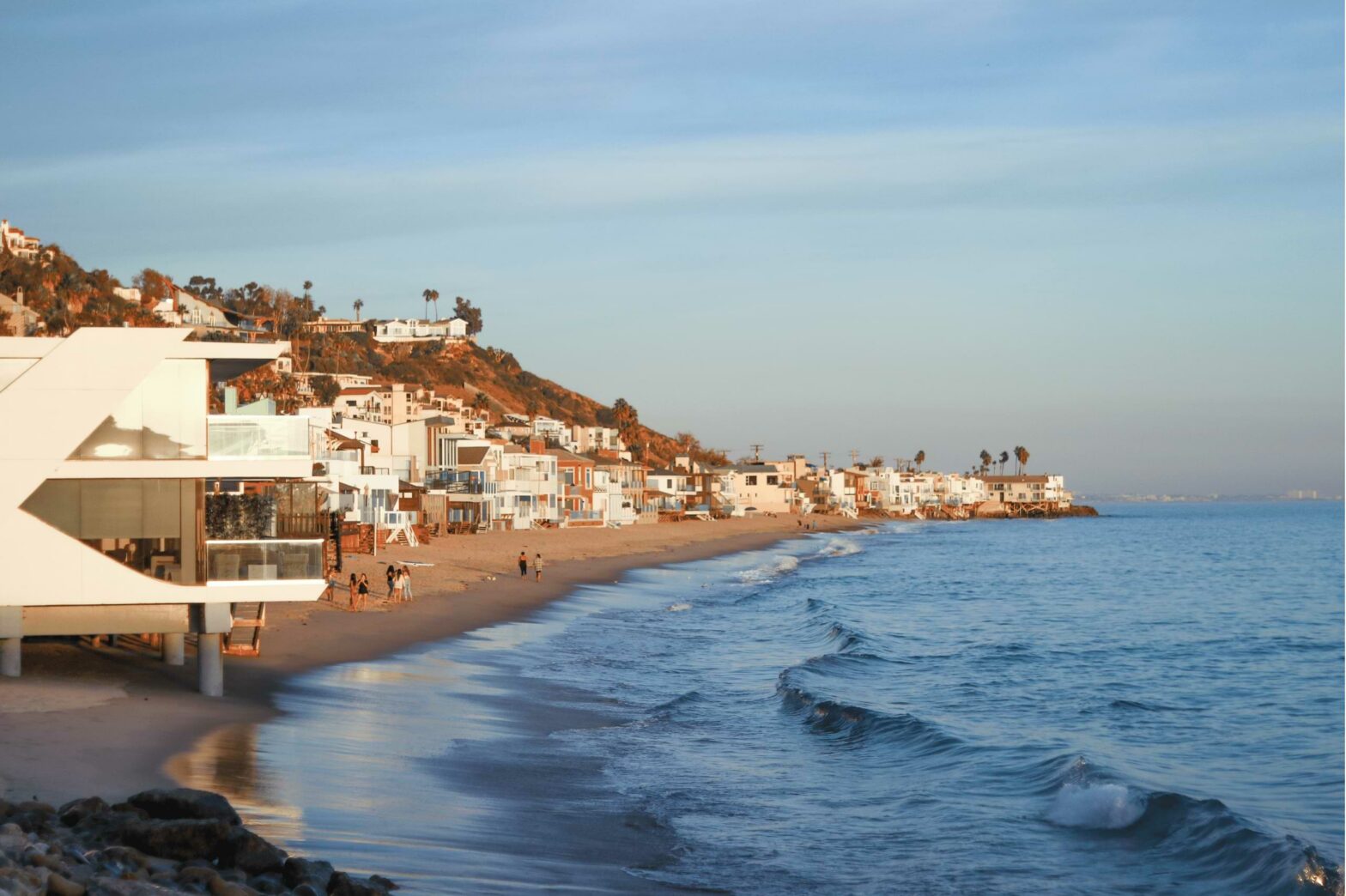
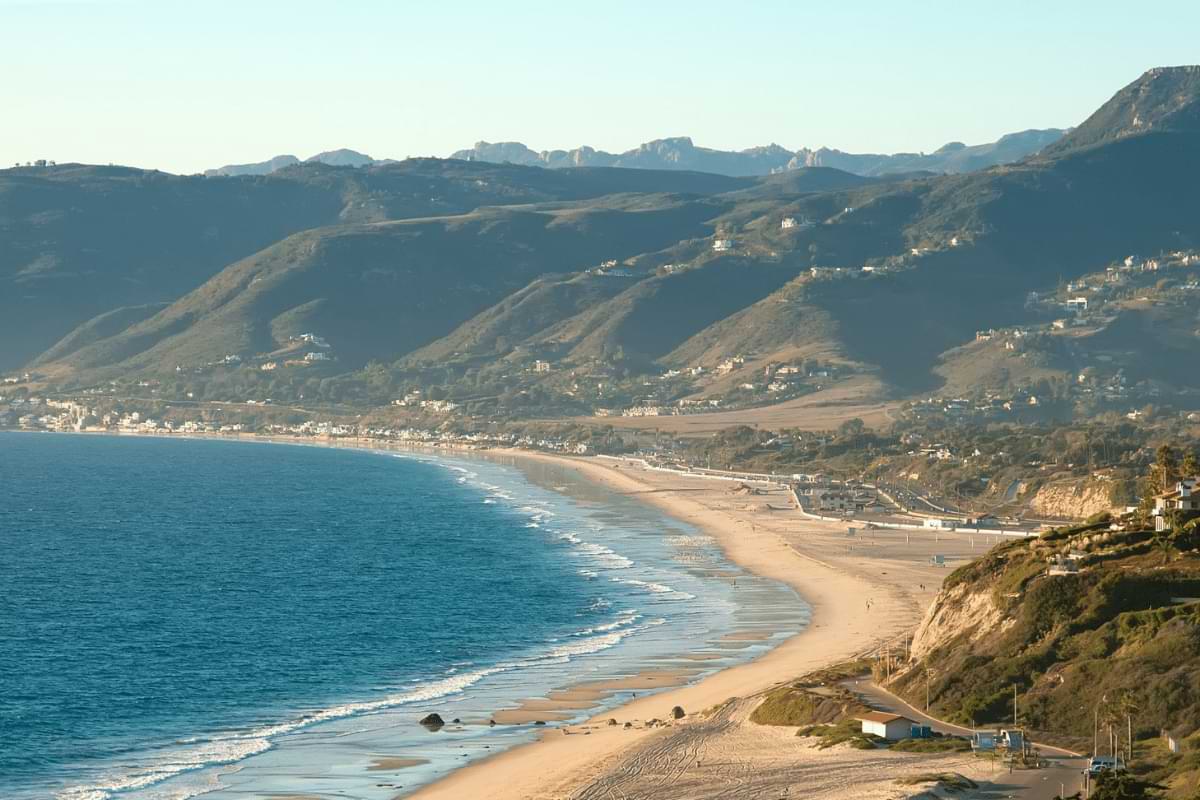
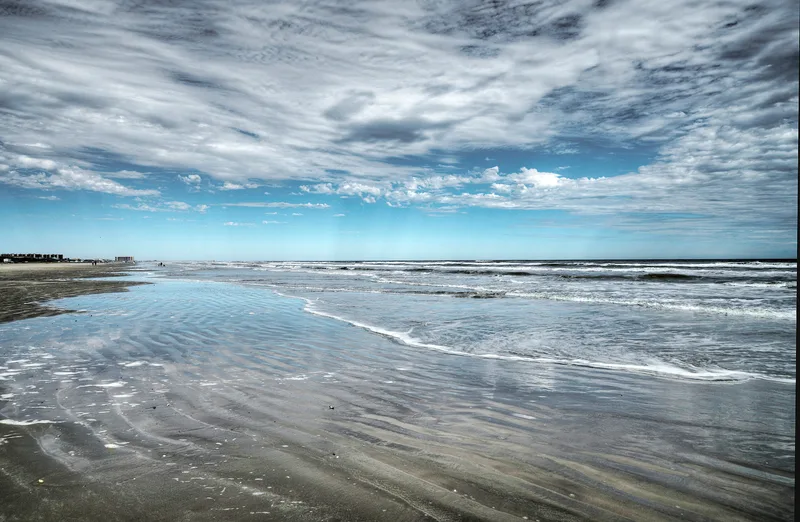
Swap busy city streets for endless ocean views! Located in sunny Orange County, Newport Beach sits along some of California’s most beautiful coastline. This coastal paradise offers 10 miles of pristine beaches, world-class shopping, and the largest recreational harbor on the West Coast.

Think of this: golden sand beaches perfect for volleyball, gentle waves ideal for paddleboarding, and waterfront restaurants serving fresh seafood. Newport Beach delivers year-round coastal living with luxury resorts, charming harbor islands, and endless water activities.

The best time to visit Newport Beach is during the summer, late spring, and early fall months. Each season brings different coastal adventures and weather patterns. Read more into what makes each time of year special so you can finally book that Newport Beach vacation home.

About Newport Beach, CA

Newport Beach stretches along Orange County’s stunning coastline as a premier beach destination known for pristine sandy shores, excellent surfing conditions, and upscale waterfront living. This coastal community combines natural beauty with sophisticated amenities, creating an environment that attracts beach lovers, families, and water sports enthusiasts throughout the year.

The climate features short, warm, arid summers and long, cool winters that are partly cloudy. Over the course of the year, the temperature typically varies from 48°F to 79°F and is rarely below 42°F or above 87°F. This mild Mediterranean climate makes Newport Beach perfect for outdoor activities most of the year.

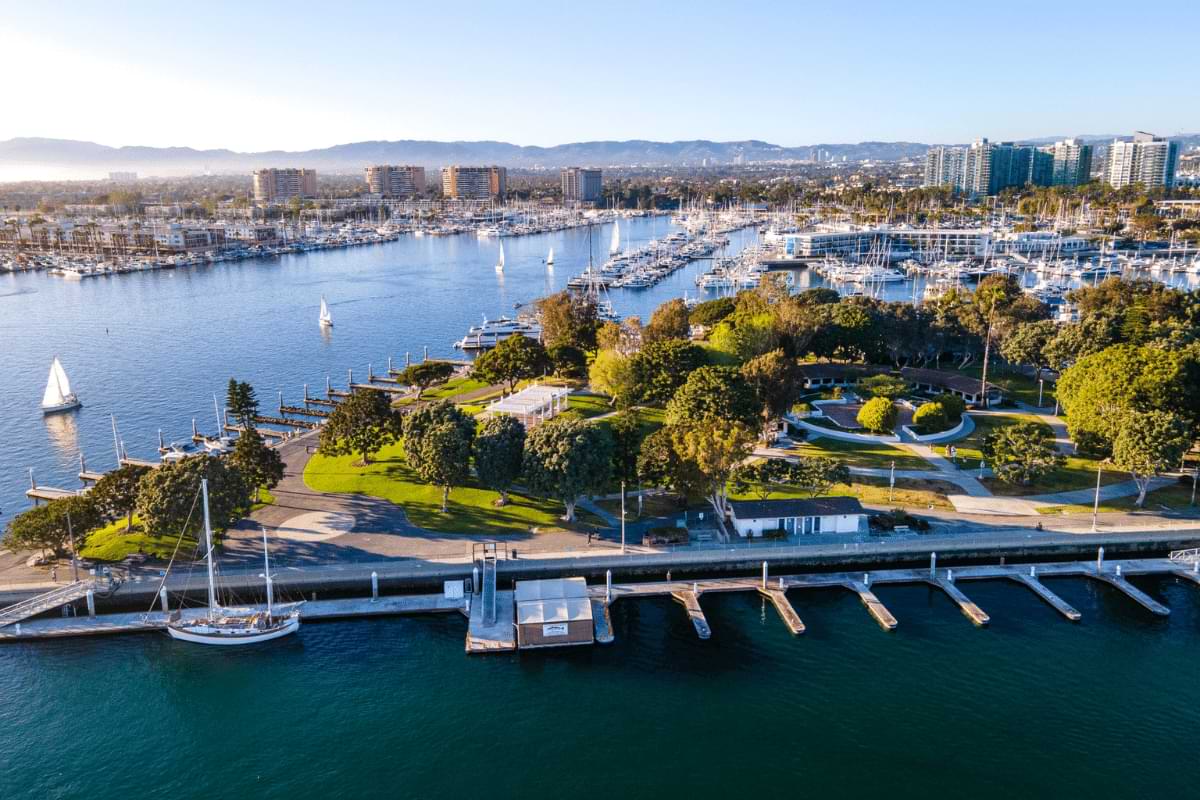
The area offers crystal-clear Pacific waters ideal for swimming, surfing, and boating. The harbor houses thousands of boats and provides easy access to water activities like whale watching, deep-sea fishing, and harbor cruises. Summer brings the busiest tourism season to Newport Beach, with July and August being peak months, so accommodation prices tend to be higher during these popular times.

Newport Beach Travel Seasons at a Glance

This coastal paradise features world-class beaches perfect for surfing, swimming, and sunbathing, plus a vibrant harbor scene with waterfront dining and shopping.

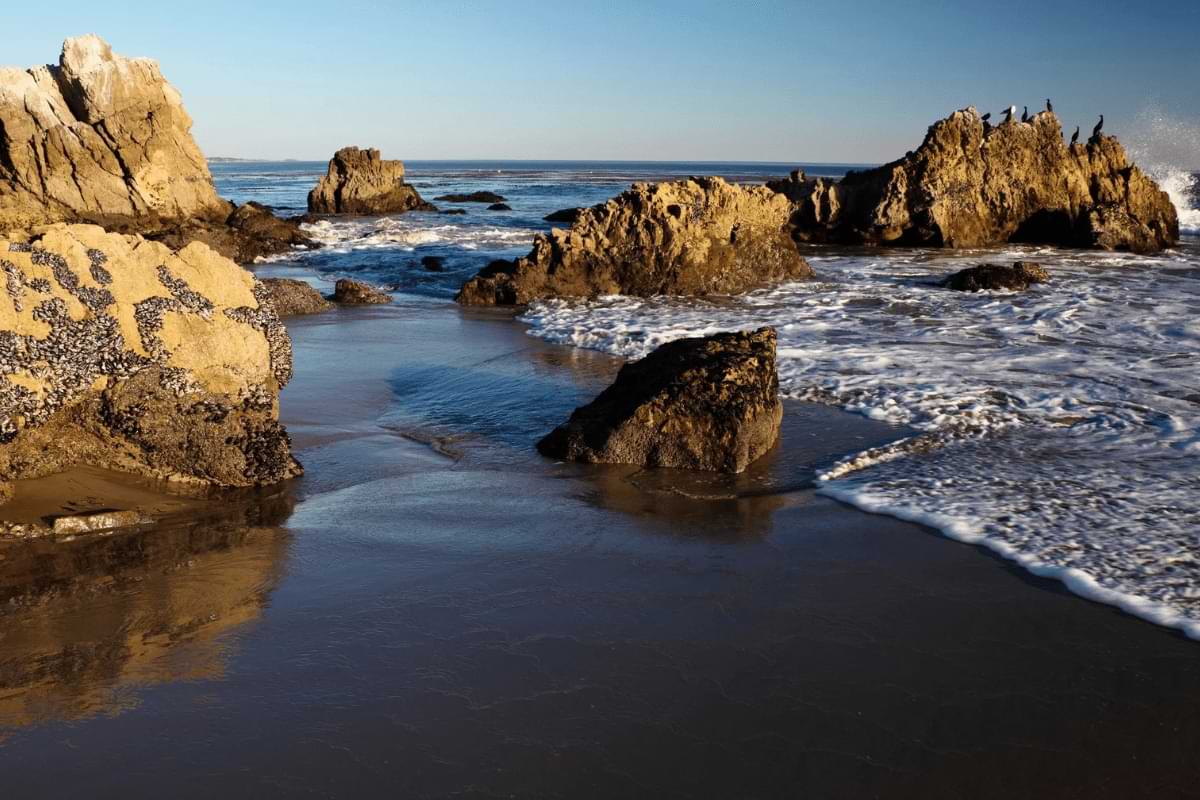
Balboa Peninsula offers classic beach boardwalk fun with amusement parks and ferry rides to charming Balboa Island. Fashion Island provides upscale shopping and dining, while Corona del Mar Beach delivers dramatic cliffs and tidepools perfect for exploring.

Here’s when beach lovers visit and when you can find quieter sands and peaceful harbor moments.

Peak Times: July Through August and Summer Weekends

Summer draws the biggest crowds as July through August represents the busiest tourism period in Newport Beach, with families filling beachfront hotels and waterfront restaurants. Weekend visits from May through September also bring heavy beach traffic and parking challenges.

Great Value Times: April Through May and September Through November

Late spring provides excellent beach weather with warming ocean temperatures and blooming coastal plants. Early fall delivers perfect conditions for water activities with comfortable temperatures before winter arrives.

Peaceful Times: December Through March and Weekday Visits

Winter months provide the most serene beach experiences with uncrowded shores and excellent whale watching opportunities. Weekday visits year-round offer peaceful beach walks and easier restaurant access without weekend crowds.

Why Visit Newport Beach?

Newport Beach provides authentic California beach experiences with pristine sandy shores perfect for surfing, swimming, and beach volleyball. The area features stunning ocean views, luxury harbor living, and charming island communities accessible by ferry.

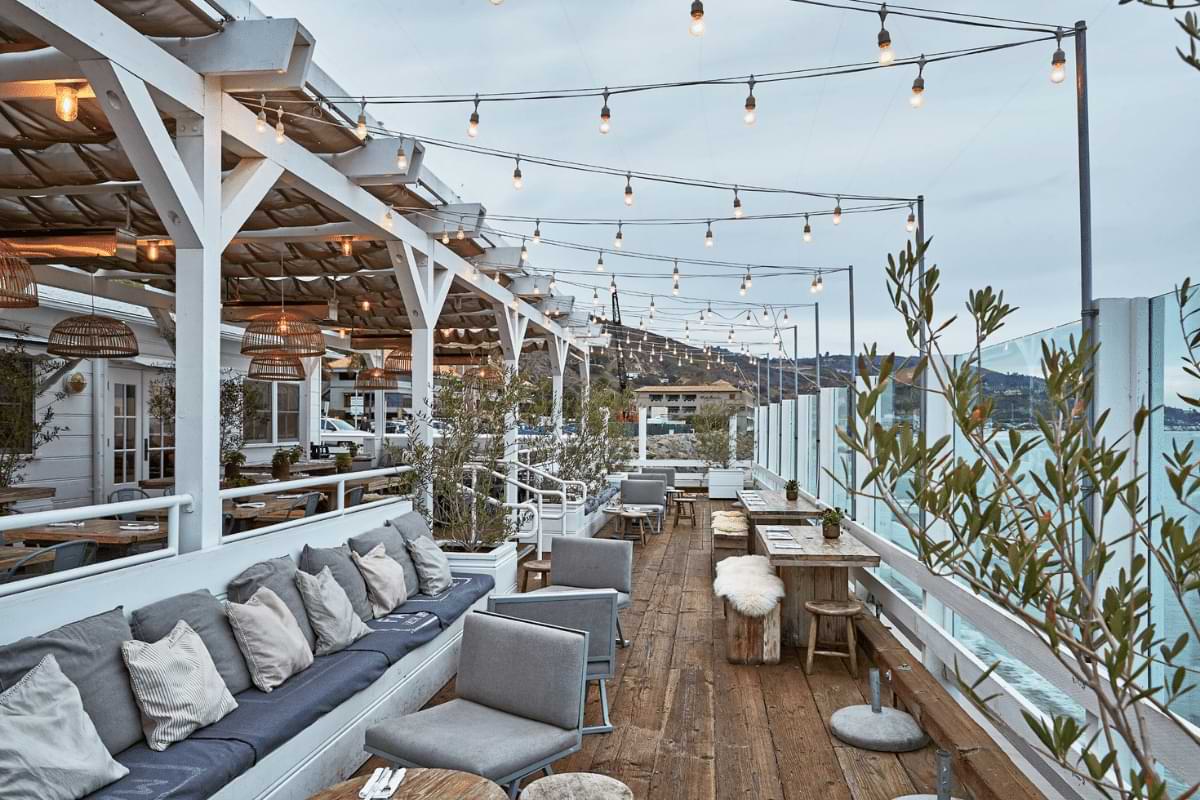
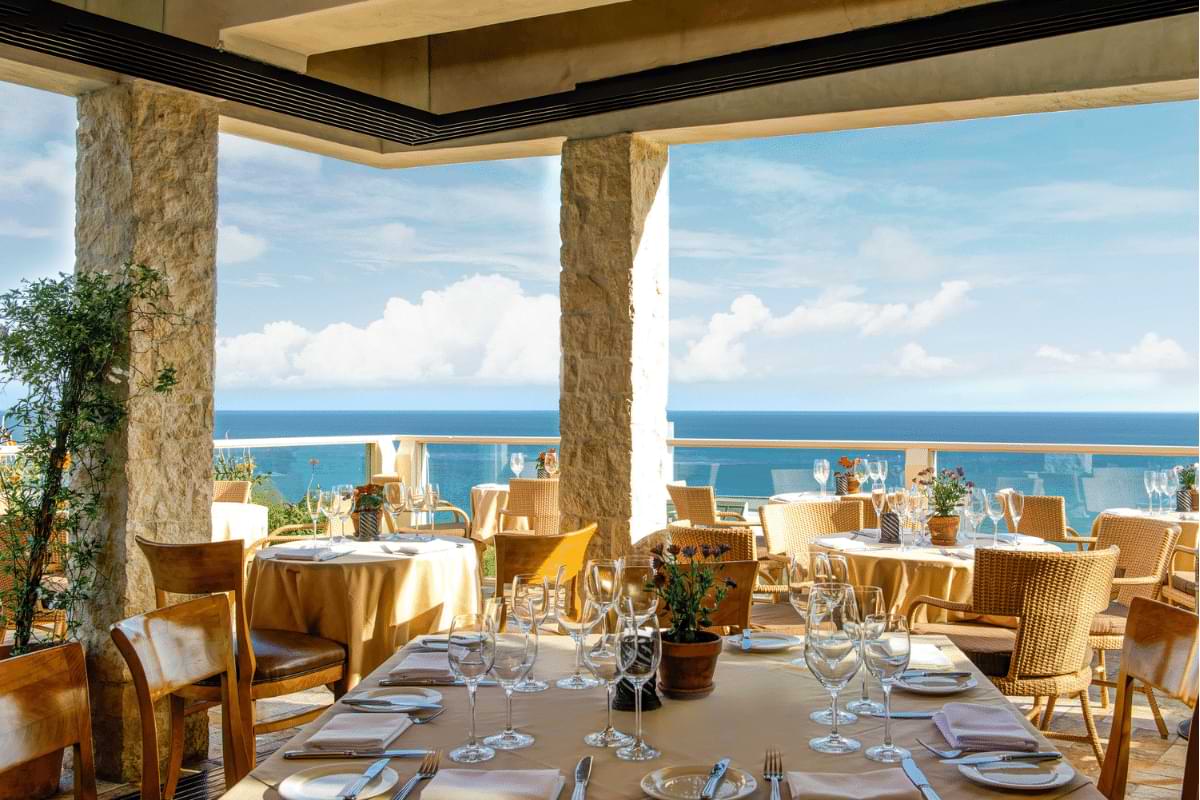
The region maintains an upscale coastal character with high-end shopping centers, award-winning restaurants, and friendly beach communities serving fresh seafood and California cuisine. Waterfront dining showcases ocean-to-table ingredients while offering spectacular harbor and ocean views from restaurant patios.

Year-round events celebrate the area’s marine culture and beach lifestyle, including boat shows, surf competitions, and harbor festivals. The consistent mild weather creates reliable conditions for outdoor activities and water sports.

Your Month-by-Month Guide to Newport Beach

  • Newport Beach in January: Cool and mild weather, excellent whale watching, fewer crowds
  • Newport Beach in February: Pleasant winter conditions, good for surfing, romantic beach walks
  • Newport Beach in March: Spring warming begins, comfortable beach days, wildflowers blooming
  • Newport Beach in April: Perfect spring weather, ocean warming up, ideal for outdoor activities
  • Newport Beach in May: Excellent beach weather, comfortable water temperatures, great for families
  • Newport Beach in June: Summer season starts, warm sunny days, peak beach conditions
  • Newport Beach in July: Hottest summer weather, busiest beaches, perfect swimming conditions
  • Newport Beach in August: Peak summer warmth, crowded but lively, best water temperatures
  • Newport Beach in September: Early fall perfection, warm days and cool nights, excellent weather
  • Newport Beach in October: Comfortable fall weather, fewer crowds, great for water activities
  • Newport Beach in November: Mild fall conditions, peaceful beaches, pleasant temperatures
  • Newport Beach in December: Cool but comfortable, holiday decorations, cozy beach walks

When Is the Best Time to Visit Newport Beach?

The best times to visit Newport Beach are during the summer, late spring, and early fall. Summer provides the warmest weather and peak beach conditions, late spring offers excellent weather with fewer crowds, and early fall delivers perfect temperatures with comfortable ocean conditions.

The months of May and September are considered ideal times to visit Newport Beach, offering pleasant weather conditions while avoiding the peak summer crowds and higher prices.

Winter can still be enjoyable for visiting Newport Beach – rates are typically lower during this time – but ocean temperatures are cooler, and weather patterns can be less predictable for beach activities.

Visiting in Winter (December to February)

Winter transforms Newport Beach into a peaceful coastal retreat perfect for romantic getaways and excellent surfing conditions. Winter offers the best surfing conditions and prime whale watching opportunities when migrating whales pass along the coast.

This season offers the most tranquil beach experiences with uncrowded shores, easier parking, and cozy waterfront dining perfect for couples’ retreats.

Newport Beach Weather in Winter

  • December: 47°F to 68°F | Mild coastal weather
  • January: 48°F to 66°F | Coolest temperatures of the year
  • February: 50°F to 67°F | Pleasant winter conditions

Things to Do in Newport Beach During Winter

Winter activities center around excellent surfing conditions with cooler water temperatures that create consistent swells. Whale watching becomes a premier activity as gray whales migrate along the California coast from December through April.

Beach walking and harbor strolls provide peaceful alternatives with comfortable temperatures. Indoor attractions become popular, including upscale shopping at Fashion Island, cozy waterfront restaurants, and harbor-side cafes with ocean views.

Newport Beach Events in Winter

  • Whale Watching Season – Peak conditions for spotting migrating gray whales
  • Holiday Harbor Celebrations – Festive boat parades and waterfront events
  • Winter Surf Competitions – Professional surfing contests with excellent wave conditions
  • Cozy Coastal Season – Perfect time for romantic beach walks and fireside dining

Food Scene in Winter

Restaurants feature warming dishes and comfort foods ideal for cooler beach days. Many establishments offer cozy indoor dining with harbor views and seasonal menu favorites featuring fresh local seafood.

Winter Travel Tips

Pack layers for changing coastal weather conditions. Winter provides the most romantic atmosphere, but requires advance booking for holiday periods. Consider mid-week visits for better rates and quieter experiences. Ocean activities require wetsuits due to cooler water temperatures. Beach parking is much easier to find during the winter months.

Visiting in Spring (March to May)

Spring offers excellent accommodation values and comfortable beach weather, though early spring can have variable conditions. Spring sees visitor numbers increasing to Newport Beach as temperatures warm and beach activities become more appealing.

Coastal wildflowers begin blooming throughout nearby state parks and nature preserves, while beach activities become more comfortable with improving weather conditions.

Newport Beach Weather in Spring

  • March: 52°F to 68°F | Pleasant spring temperatures begin
  • April: 55°F to 70°F | Comfortable beach weather
  • May: 59°F to 73°F | Ideal spring conditions

Things to Do in Newport Beach During Spring

Spring provides excellent conditions for water activities as ocean temperatures start warming. This season offers perfect weather for exploring tidepools at Crystal Cove State Park and hiking coastal trails with wildflower displays.

Harbor activities begin picking up as boating weather improves. Paddleboarding and kayaking become popular with warming water temperatures and gentle spring conditions.

Newport Beach Events in Spring

  • Spring Wildflower Season – Beautiful blooms at nearby Crystal Cove State Park
  • Harbor Activities Resuming – Perfect weather for boating and water sports
  • Beach Cleanup Events – Community activities celebrating coastal conservation
  • Spring Food Festivals – Celebrating fresh seasonal ingredients and local cuisine

Food Scene in Spring

Restaurants start maximizing outdoor seating as the weather improves, featuring seasonal ingredients and fresh Pacific seafood. Spring menus highlight local produce and lighter fare perfect for warming beach weather.

Spring Travel Tips

Pack layers for unpredictable spring weather and potential marine layer mornings. Spring offers excellent accommodation deals and smaller crowds. Check water activity schedules, as some may have limited spring operations. Wildflower viewing at Crystal Cove reaches its peak during the spring months.

Visiting in Summer (June to August)

Summer provides peak beach conditions, with June through August being the most popular times to visit Newport Beach. Warm temperatures and long daylight hours create ideal conditions for swimming, surfing, and all water activities.

This season features the most active beach recreation with all amenities and water activities operating at full capacity.

Newport Beach Weather in Summer

  • June: 62°F to 75°F | Perfect summer weather begins
  • July: 65°F to 79°F | Peak summer warmth
  • August: 66°F to 79°F | Continued excellent conditions

Things to Do in Newport Beach During Summer

Summer activities include swimming, surfing, and beach volleyball on pristine sandy shores. Water activities like paddleboarding, kayaking, and harbor cruises provide access to marine life and scenic coastal views.

Balboa Peninsula offers classic boardwalk fun with amusement park rides and ferry access to charming Balboa Island. The Wedge attracts professional surfers and spectators to watch some of Southern California’s biggest waves.

Newport Beach Events in Summer

  • Summer Beach Festivals – Live concerts and events along the waterfront
  • Water Sports Competitions – Surfing contests and sailing regattas
  • Harbor Activities – Peak season for boat tours and fishing charters
  • Beach Volleyball Tournaments – Professional and amateur competitions on the sand

Food Scene in Summer

Waterfront restaurants maximize outdoor seating with ocean and harbor views. Summer menus feature fresh local seafood, light California cuisine, and refreshing drinks perfect for warm beach weather dining.

Summer Travel Tips

Book accommodations well in advance, as summer represents peak season with the highest demand and prices. Arrive early at popular beaches for parking and the best spots. Pack sun protection and stay hydrated for beach activities. Make restaurant reservations ahead of time for weekend visits, especially waterfront establishments.

Visiting in Fall (September to November)

Fall delivers some of the region’s most comfortable experiences with excellent weather and fewer crowds. Fall temperatures are often the warmest of the year, with late August to early September seeing highs around 85.8°F.

This season combines excellent weather with beautiful coastal conditions as Newport Beach enjoys some of its finest weather when autumn arrives.

Newport Beach Weather in Fall

  • September: 63°F to 80°F | Excellent early fall weather
  • October: 58°F to 76°F | Perfect beach conditions continue
  • November: 52°F to 71°F | Comfortable late fall temperatures

Things to Do in Newport Beach During Fall

Fall provides perfect beach weather with comfortable temperatures and excellent water conditions. Ocean temperatures remain warm from summer heating, making swimming and water sports enjoyable with fewer crowds.

Harbor activities continue with pleasant conditions for boat tours, fishing charters, and harbor dining. Beach walks and coastal hiking offer comfortable temperatures with clear coastal views.

Newport Beach Events in Fall

  • Fall Harbor Festivals – Celebrating coastal culture and maritime heritage
  • Surf Competitions – Professional contests with excellent fall wave conditions
  • Seafood Festivals – Highlighting fresh local catches and coastal cuisine
  • Harbor Boat Shows – Showcasing luxury yachts and recreational vessels

Food Scene in Fall

Restaurants feature seasonal menus celebrating coastal flavors and fresh seafood. Comfortable temperatures make outdoor waterfront dining particularly enjoyable with stunning harbor and ocean views.

Fall Travel Tips

Fall offers some of the best overall conditions with excellent weather and fewer crowds. Pack light layers for temperature variations between day and night. Fall provides outstanding photography opportunities with clear coastal views and comfortable conditions. Ocean temperatures remain warm and pleasant for water activities.

Best Time of the Year to Visit Newport Beach (By Interest)

Warm summers provide perfect beach weather and ideal swimming conditions. Comfortable springs and falls offer excellent weather with fewer crowds. Mild winters create optimal surfing conditions and peaceful beach experiences.

The Mediterranean climate creates ideal conditions for various activities throughout the year. Choose your perfect timing based on what attracts you most to this beautiful coastal destination:

For Perfect Beach Weather: Summer Peak

Best Time for Newport Beach Sun and Sand

June through September provides ideal beach weather with warm temperatures, minimal rainfall, and perfect conditions for swimming, sunbathing, and beach volleyball on pristine sandy shores.

For Ideal Water Sports Conditions: Extended Season

Best Time for Newport Beach Water Activities

May through October offers excellent water conditions with comfortable temperatures, gentle waves for beginners, and warm ocean temperatures perfect for swimming, paddleboarding, and kayaking.

For Avoiding Crowds: Off-Season Tranquility

Best Time for Peaceful Newport Beach

November through March provides the most tranquil beach experiences with uncrowded shores, easy parking access, and peaceful harbor settings without peak season crowds.

For Best Overall Value: Shoulder Seasons

Best Time for Affordable Newport Beach

April through May and October through November offer the best combination of pleasant weather, fewer crowds, and excellent value before and after peak season pricing.

For Family Beach Activities: Summer Fun

Best Time for Newport Beach Family Adventures

June through August provides the warmest weather, most family-friendly beach conditions, and optimal times when all water activities and beach amenities operate at full capacity.

For Surfing Conditions: Winter Swells

Best Time for Newport Beach Surf Adventures

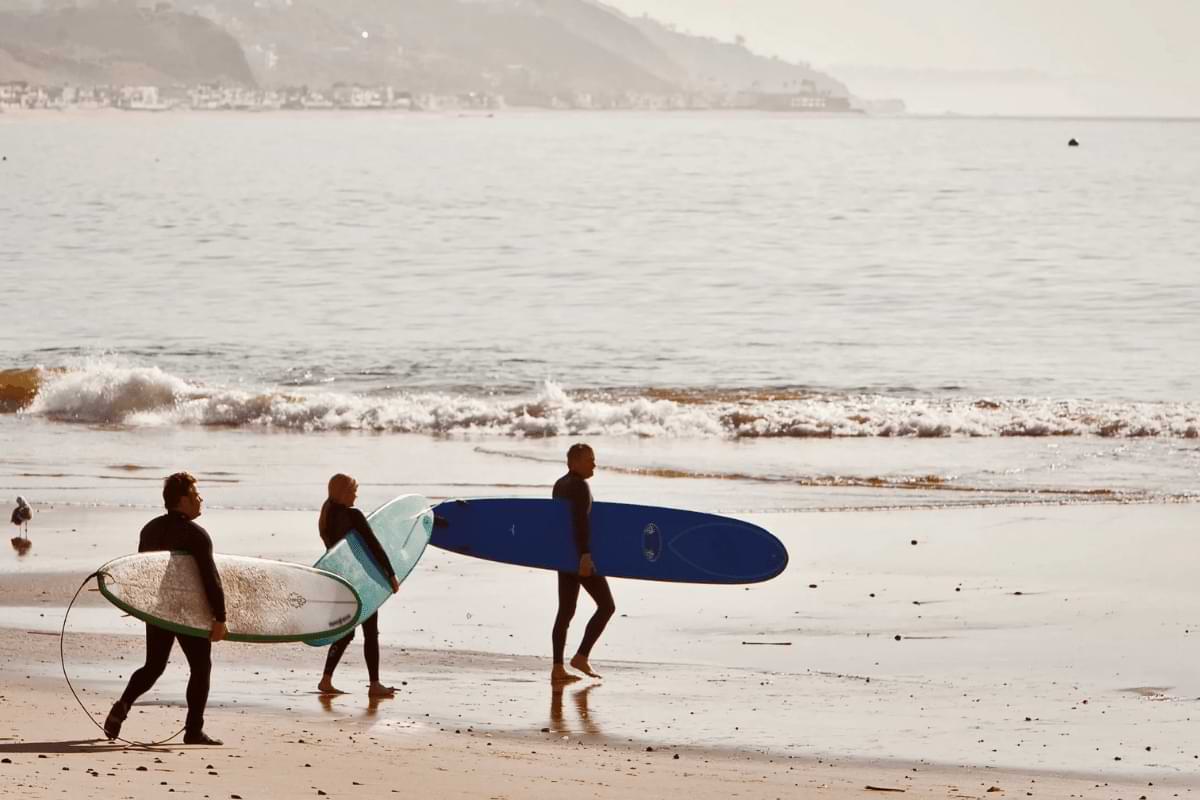
October through March offers excellent surfing conditions with consistent swells, cooler water temperatures that create better waves, and fewer crowds at popular surf spots.

For Photography and Sunsets: Fall Beauty

Best Time for Newport Beach Stunning Views

September through November provides spectacular sunset photography opportunities, clear coastal views, and comfortable weather for capturing the area’s natural beauty and harbor scenes.

Where to Stay in Newport Beach

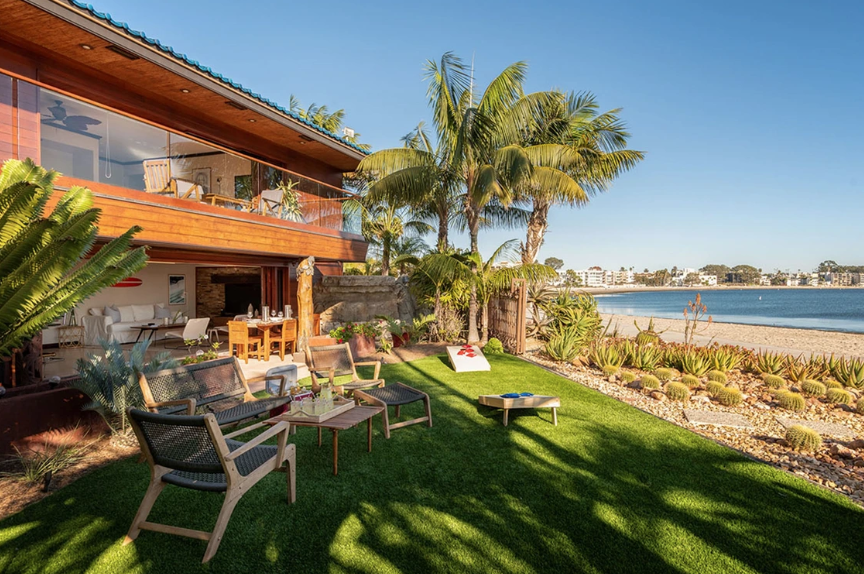
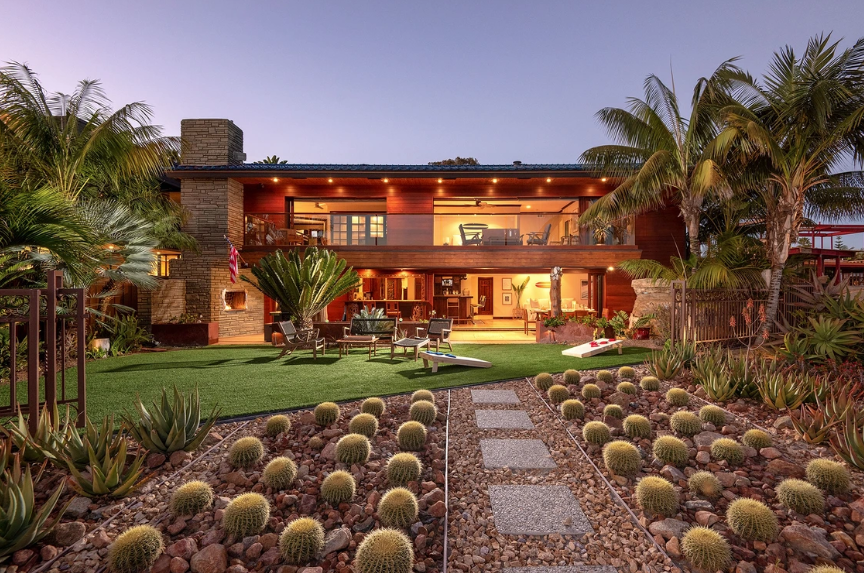
Experience exceptional beachfront homes that capture Newport Beach’s coastal lifestyle – ocean access, harbor views, and luxury amenities that enhance every moment of your California beach getaway. Here are some spectacular Newport Beach homes you can book with AvantStay:

  • Sea Glass – A beautiful villa surrounded by the sparkling waters of the beach and sand. This coastal home features one of the best views and amenities.
  • Velvet Sand I or II – With easy access to Newport Beach, this seaside home has a unique loft space for indoor/outdoor living, making every corner feel open and sunny.
  • Beach Break – Let your group have unbeatable access to sand, sun, and surf at this gorgeous 5BR retreat. It has everything you need for an unforgettable California holiday.
  • Coastal Cove – Nestled on the iconic Pacific Coast Highway and just steps from the sand, this hideaway is all about laid-back living that you’ve been craving.
  • Twin Dolphins – Every detail in this house was made for serenity. This home is nestled in a quieter part of the beach, offering a more private experience for families or groups.

Create Your Newport Beach Itinerary

Ready to plan your coastal adventure? Let our team help you organize everything for your Newport Beach getaway! We can arrange water activities, restaurant reservations, harbor tours, and authentic experiences that showcase the real character of this incredible beach destination.

Just contact us or download the AvantStay App to book activities, get local recommendations, and manage your entire Newport Beach experience through one convenient platform.

Want more ideas and activities to add to your itinerary? Check out our guide to the best things to do in Newport Beach!

Plan Your Newport Beach Adventure

No matter which season calls to you, Newport Beach’s pristine sandy shores, spectacular ocean views, authentic California beach charm, and genuine coastal hospitality create memories that last forever. This destination perfectly balances beach relaxation with water adventures and harbor experiences. Every visit reveals new discoveries and authentic coastal experiences.

Your perfect Newport Beach home awaits. Book with AvantStay today and discover how incredible beach getaways become when you experience Newport Beach’s legendary beauty, natural wonders, and California coastal magic.

FAQs

Is Newport Beach expensive to visit?

Newport Beach costs significantly more during peak summer months from June through August when beach lovers fill every oceanfront hotel and waterfront restaurant. Accommodations and dining establishments charge premium rates because demand increases for perfect beach weather and water activities. But visit during shoulder seasons in spring or fall, and you’ll find excellent deals on beach homes while still enjoying pleasant weather and access to most activities.

How crowded does Newport Beach get?

Peak summer months bring substantial crowds, especially July and August, when beaches become busy and popular areas like Balboa Peninsula require early arrival for parking. However, Newport Beach’s extensive coastline and multiple beach areas provide ample space even during busy periods. Spring and fall offer fewer crowds with excellent weather, while winter months provide the most peaceful beach experiences.

When should I avoid Newport Beach?

There really isn’t a bad time to visit Newport Beach since the mild Mediterranean climate provides enjoyable conditions for beach activities year-round. Early spring weather can be variable with marine layer mornings, while the peak summer season in July and August can be very crowded and expensive. The key is matching your visit to seasonal activities – come for perfect beach weather in summer, comfortable conditions in fall and spring, or peaceful surfing and whale watching in winter.

The Best Time to Visit 30a

Walk barefoot on sugar-white sand that squeaks beneath your feet. Watch dolphins play in crystal-clear emerald waters while sipping your morning coffee. That’s the everyday beauty you’ll find along scenic Highway 30A.

Stretching 20 miles along Florida’s stunning Emerald Coast, 30A showcases some of the world’s most beautiful white sand beaches and turquoise waters. This coastal paradise has colorful beach towns and communities like Seaside, Alys Beach, and Grayton Beach.

Each is offering boutique shopping, world-class dining, and endless beach activities. The famous 30A bike path connects these charming towns, while state parks provide pristine nature experiences just steps from luxury beach resorts.

The subtropical climate creates ideal beach conditions for most of the year. If you want to know the best time to visit 30A, it is during the spring, early summer, and fall months. And each season offers something special.

Ready to explore 30A’s coastal treasures? Let’s discover each season so you can build your perfect Florida beach itinerary.

About 30A, FL

30A winds along Florida’s Emerald Coast as a premier beach destination known for pristine white sand beaches, crystal-clear Gulf waters, and distinctive coastal communities. This scenic highway connects charming beach towns that blend luxury resort amenities with laid-back beach vibes, creating an atmosphere that attracts beach lovers, families, and adventure seekers year-round.

The average air temperature year-round is 72 degrees, with the average temperature of the Gulf at 75 degrees. The average number of clear days per year is 106, making 30A one of Florida’s most reliable beach destinations for sunshine and warm weather.

The area features some of the world’s most beautiful beaches with sugar-white sand and emerald-colored waters perfect for swimming, paddleboarding, and beach activities. Summer brings the busiest tourism season to 30A, so accommodation prices tend to be higher during peak months, while beach activities remain enjoyable throughout most seasons due to the mild subtropical climate.

30A Travel Seasons at a Glance

Here’s when beach lovers visit and when you can find peaceful shorelines and quiet coastal moments.

Peak Times: June Through August and Major Festival Seasons

The beach towns of the Panhandle are very busy from May through October. There are tons of festivals and events throughout these months, and since approximately 60 million people live within a day’s drive, it can get pretty busy. Summer represents the busiest period with families filling beachfront rentals and coastal restaurants.

Great Value Times: March Through May and November Through December

April and May are often considered the best times to visit this special area of the Florida coast. The sun is shining and the temperatures are comfortable (expect highs in the mid-70s and 80s). This is the calm before the busy summer season. Early winter provides comfortable beach weather and excellent accommodation deals before peak season returns.

Peaceful Times: January Through February and Mid-Week Visits

Winter months offer the most tranquil beach experiences with uncrowded shores and peaceful coastal walks. Weekday visits year-round provide serene beach time and easier access to popular restaurants without weekend crowds.

Why Visit 30A?

30A provides authentic Florida beach experiences with world-renowned white sand beaches and emerald Gulf waters perfect for swimming, surfing, and water sports. The area features distinctive coastal architecture, charming beach towns, and the famous 30A bike path connecting communities from Seaside to Grayton Beach.

Each beach community maintains its unique coastal character with locally-owned shops, art galleries, and fresh seafood restaurants serving Gulf-to-table cuisine. Coastal dining showcases the day’s catch and Southern favorites while offering spectacular Gulf views from beachfront patios and rooftop terraces.

Annual events celebrate the area’s beach culture and coastal lifestyle, including seafood festivals, art shows, and outdoor concerts. The year-round growing season and mild climate create consistent beach experiences that draw visitors from across the Southeast and beyond.

Your Month-by-Month Guide to 30A

  • 30A in January: Cool but comfortable weather, quiet beaches, cozy beachfront dining
  • 30A in February: Mild winter conditions, romantic beach retreats, fewer crowds
  • 30A in March: Spring arriving, warming waters, perfect outdoor weather
  • 30A in April: Excellent spring weather, comfortable beach days, wildflowers blooming
  • 30A in May: Ideal late spring weather, perfect beach conditions, growing season beginning
  • 30A in June: Summer season starts, warm Gulf waters, ideal for all water activities
  • 30A in July: Peak summer heat, busy beaches, perfect swimming weather
  • 30A in August: Continued summer warmth, family vacation season, outdoor festivals
  • 30A in September: Early fall comfort, warm waters, harvest season events
  • 30A in October: Beautiful fall weather, comfortable beach days, stunning sunsets
  • 30A in November: Pleasant autumn conditions, peaceful beaches, comfortable weather
  • 30A in December: Mild winter beginning, holiday beach events, cozy coastal atmosphere

When Is the Best Time to Visit 30A?

The best times to visit 30A are during the spring, early summer, and fall seasons. Each period offers unique benefits: spring provides excellent beach weather with fewer crowds, summer delivers peak beach conditions with warm Gulf waters, and fall showcases comfortable temperatures with beautiful sunsets and coastal festivals.

Winter can still be wonderful for visiting 30A—rates are typically lower during this time—but water temperatures may be cooler for swimming and some outdoor activities.

Visiting in Winter (December to February)

Winter transforms 30A into a peaceful coastal retreat perfect for romantic beach walks and cozy beachfront dining. The mild subtropical climate means comfortable temperatures for most outdoor activities, though occasional cool fronts can bring chilly weather.

This season offers the most intimate beach experiences with uncrowded shorelines, longer conversations with local business owners, and peaceful sunrises perfect for couples’ getaways.

30A Weather in Winter

  • December: 45°F to 65°F | Mild winter weather with occasional cool fronts
  • January: 42°F to 62°F | Coolest temperatures with some chilly days
  • February: 45°F to 65°F | Pleasant winter conditions with warming trends

Things to Do in 30A During Winter

Winter activities focus on peaceful beach walks, cozy restaurant dining, and exploring beach towns without summer crowds. Many local shops offer winter sales and special events during this quieter season.

Outdoor activities like biking the 30A path and visiting state parks become especially pleasant with cooler temperatures and comfortable humidity levels. Winter fishing provides excellent opportunities with fewer boats and calmer waters.

30A Events in Winter

  • Holiday Beach Celebrations – Special seasonal events and festive decorations
  • Winter Romance Season – Perfect timing for couples’ beach retreats
  • Quiet Season Specials – Many restaurants and shops offer winter discounts
  • Peaceful Beach Season – Ideal time for meditation walks and beach photography

Food Scene in Winter

Restaurants feature hearty comfort foods and warming dishes perfect for cool beach evenings. Many establishments offer cozy indoor dining with Gulf views and seasonal seafood specials with winter preparation styles.

Winter Travel Tips

Pack layers for variable winter weather and comfortable walking shoes for beach exploration. Winter provides the most romantic atmosphere and requires less advance planning for restaurant reservations. Consider mid-week visits for even better rates and more personal attention from local businesses. Some water activities may be temperature-dependent.

Visiting in Spring (March to May)

Spring offers some of the best overall conditions with comfortable temperatures and blooming coastal vegetation. Spring visitor numbers begin increasing as college spring breakers and early vacationers discover the area’s beauty.

Coastal wildflowers bloom throughout nearby state parks, while Gulf waters begin warming for comfortable swimming and water sports.

30A Weather in Spring

  • March: 50°F to 72°F | Pleasant spring temperatures with wildflowers beginning
  • April: 58°F to 78°F | Perfect spring weather for all outdoor activities
  • May: 65°F to 83°F | Ideal late spring conditions

Things to Do in 30A During Spring

Spring provides excellent conditions for all beach activities with comfortable temperatures and warming Gulf waters. Biking the 30A path becomes especially popular with perfect weather for exploring all the coastal communities.

Beach activities like paddleboarding, kayaking, and fishing become comfortable as waters warm and the weather stabilizes. State parks offer excellent hiking and bird watching with spring migrations and blooming vegetation.

30A Events in Spring

  • Spring Wildflower Season – Beautiful blooms throughout coastal dunes and state parks
  • Beach Festival Season – Various outdoor events and community celebrations
  • Perfect Weather Season – Ideal conditions for all outdoor activities
  • Spring Break Activities – Family-friendly events and beach activities

Food Scene in Spring

Restaurants expand outdoor seating as the weather improves, featuring fresh seasonal seafood and lighter fare. Spring menus highlight Gulf catches and seasonal ingredients perfect for patio dining with ocean breezes.

Spring Travel Tips

Pack layers for variable spring weather and reef-safe sunscreen for beach activities. Spring offers excellent accommodation values before peak season pricing. Book popular restaurants early as visitor numbers increase. Beach access parking fills up earlier as the weather improves.

Visiting in Summer (June to August)

Summer provides peak beach conditions with warm Gulf waters and long sunny days ideal for all water activities. This represents the busiest tourism season with all beach amenities and activities operating at full capacity.

This season features the most active beach scene with extended business hours, numerous festivals, and perfect conditions for swimming, surfing, and water sports.

30A Weather in Summer

  • June: 70°F to 87°F | Perfect early summer beach weather
  • July: 74°F to 89°F | Peak summer warmth with high humidity
  • August: 74°F to 89°F | Continued excellent beach conditions

Things to Do in 30A During Summer

Summer activities center around beach life with swimming, surfing, paddleboarding, and fishing in warm Gulf waters. The 30A bike path becomes busy with families exploring coastal communities and stopping at beach access points.

Beach festivals, outdoor concerts, and evening events create vibrant nightlife throughout the summer months. Water sports rentals and beach equipment are readily available at all beach access points.

30A Events in Summer

  • Beach Festival Season – Peak time for outdoor concerts and community events
  • Water Sports Peak – Ideal conditions for all Gulf water activities
  • Family Vacation Season – Numerous family-friendly activities and events
  • Evening Entertainment – Outdoor dining and beachfront concerts

Food Scene in Summer

Beach restaurants maximize outdoor seating with Gulf views and ocean breezes. Summer menus feature fresh Gulf seafood, tropical drinks, and light fare perfect for hot-weather dining after beach activities.

Summer Travel Tips

Book accommodations well in advance, as summer represents peak season with the highest demand and prices. Arrive early at beach access points for parking and prime beach spots. Pack plenty of sunscreen, water, and light clothing for hot, humid weather. Make restaurant reservations well ahead of time for weekend visits.

Visiting in Fall (September to November)

Fall delivers some of 30A’s most comfortable weather with lower humidity and spectacular sunset views. This season combines excellent beach conditions with the excitement of fall festivals and harvest celebrations.

Fall brings comfortable temperatures perfect for all outdoor activities while maintaining warm enough Gulf waters for swimming and water sports.

30A Weather in Fall

  • September: 70°F to 86°F | Excellent early fall beach weather
  • October: 60°F to 80°F | Perfect fall temperatures with lower humidity
  • November: 50°F to 73°F | Comfortable autumn conditions

Things to Do in 30A During Fall

Fall provides perfect weather for all beach activities with comfortable temperatures and less intense sun. Biking the 30A path becomes especially pleasant with cooler temperatures and beautiful fall light for photography.

Beach activities continue with comfortable conditions, while fall festivals and events add cultural experiences to beach vacations. Fishing becomes excellent with cooler weather and active Gulf waters.

30A Events in Fall

  • Fall Festival Season – Harvest celebrations and seasonal community events
  • Perfect Weather Season – Ideal conditions for all outdoor activities
  • Sunset Season – Spectacular fall sunsets with clearer skies
  • Harvest Celebrations – Local food festivals and seasonal dining events

Food Scene in Fall

Restaurants feature seasonal menus celebrating fall harvests and comfort foods. Gulf seafood remains excellent while fall ingredients create special seasonal dishes perfect for comfortable outdoor dining.

Fall Travel Tips

Fall represents excellent value with comfortable weather before winter rates drop further. Pack layers for temperature variations between day and night. Fall provides excellent photography opportunities with beautiful lighting and spectacular sunsets. Hurricane season continues through November, so monitor weather forecasts.

Best Time of the Year to Visit 30A (By Interest)

You might begin your day with sunrise walks on empty beaches here at 30A or spend your afternoon exploring colorful beach towns by bike, then enjoy fresh seafood dinners with your toes in the sand.

Whatever it is, you can always choose your perfect timing based on what attracts you most to this beautiful coastal destination:

For Perfect Beach Weather: Extended Season

Best Time for 30A Beach Activities

April through October provides ideal beach conditions with comfortable temperatures, warm Gulf waters, and perfect weather for all coastal activities and water sports.

For Ideal Swimming Conditions: Peak Season

Best Time for 30A Water Activities

May through September offer the warmest Gulf water temperatures and perfect conditions for swimming, surfing, paddleboarding, and all water sports activities.

For Avoiding Crowds: Off-Season Tranquility

Best Time for Peaceful 30A

November through February provides the most serene beach experiences with uncrowded shores, easy restaurant access, and peaceful coastal walks without peak season crowds.

For Best Overall Value: Winter Season

Best Time for Affordable 30A

November through March offers the best combination of pleasant weather, fewer crowds, and excellent accommodation values before peak season pricing returns.

For Family Beach Activities: Summer Peak

Best Time for 30A Family Fun

June through August provides the warmest weather, most family-oriented activities, and optimal conditions when all beach amenities and water activities operate at full capacity.

For Romantic Beach Retreats: Winter Season

Best Time for 30A Romance

December through February offers the most intimate beach experiences with peaceful shores, cozy beachfront dining, and romantic sunsets perfect for couples’ getaways.

For Photography and Sunsets: Fall Season

Best Time for 30A Stunning Views

September through November offers spectacular sunset photography, comfortable weather for golden hour shoots, and beautiful fall light perfect for capturing coastal beauty.

Where to Stay in 30A

Experience exceptional beach homes that capture 30A’s coastal lifestyle – beachfront access, Gulf views, and luxury amenities that enhance every moment of your Florida beach getaway. Here are some spectacular 30A homes you can book with AvantStay:

  • 30A Born 2 Beach – A newly constructed modern coastal home in Blue Mountain that has complete amenities, from an interior elevator to a tanning shelf. 
  • Fin – Designed for a good time, this home is located in the Sandy Shores community, where you’ll have private beach access and 3 levels of outdoor activities. 
  • All Decked Out Seagrove – 5000 sq ft of deck and porch space plus outdoor amenities; this luxurious home has everything and more you could want in a beach vacation home.
  • Tipsea Turtle – One of our famous homes that is a guest’s favorite! A family and pet-friendly home that is designed for multi-generational gatherings. 
  • Totally Beachin – Just between Rosemary Beach and Alys Beach, this house has 8,400 square feet of living space that can comfortably accommodate large group gatherings.

Create Your 30A Itinerary

Ready to plan your beach adventure? Let our team help you organize everything for your 30A getaway! We can arrange beach equipment rentals, restaurant reservations, activity bookings, and authentic experiences that showcase the real character of this incredible coastal destination.

Just contact us or download the AvantStay App to book activities, get local recommendations, and manage your entire 30A experience through one convenient platform.

Want more ideas and activities to add to your itinerary? Check out our guide to the best things to do in 30A!

Plan Your 30A Adventure

No matter which season calls to you, 30A’s pristine white sand beaches, crystal-clear emerald waters, authentic coastal charm, and Southern hospitality create memories that last forever. This destination perfectly balances beach relaxation with outdoor adventures and cultural experiences. Every visit reveals new coastal discoveries and authentic beach town moments.

Your perfect 30A beachfront home awaits. Book with AvantStay today and discover how incredible beach getaways become when you experience 30A’s legendary beauty, coastal culture, and Florida beach magic.

FAQs

Is 30A expensive to visit?

30A costs significantly more during peak summer months from June through August when families fill every beachfront rental and coastal restaurant. Hotels and dining establishments charge higher rates because demand increases for perfect beach weather and water activities. But visit during winter months or early spring, and you’ll find excellent deals on beach accommodations while still enjoying pleasant weather and beautiful beaches.

How crowded does 30A get?

Peak summer months bring substantial crowds, especially July and August, when beaches become busy and popular restaurants require reservations. However, 30A’s 20-mile stretch provides plenty of beach space even during busy periods. Fall and winter offer fewer crowds with pleasant weather, while weekdays provide the most peaceful beach experiences.

When should I avoid 30A?

There really isn’t a bad time to visit 30A since the subtropical climate provides excellent beach conditions year-round. Hurricane season runs from June through November, with peak activity from August through October, though direct impacts are relatively rare. Winter can have occasional cool fronts that may affect water activities. The key is matching your visit to seasonal activities – come for peak beach conditions in summer, comfortable weather in spring and fall, or peaceful beaches in winter.

The Best Time to Visit Temecula

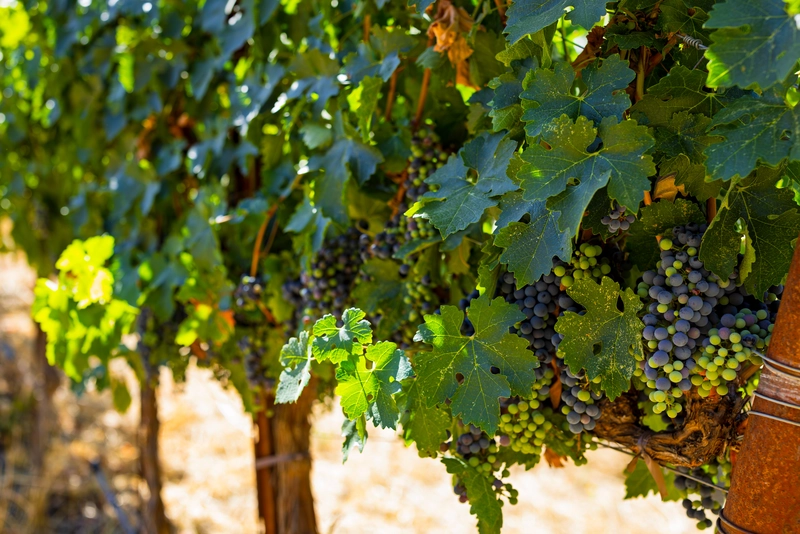
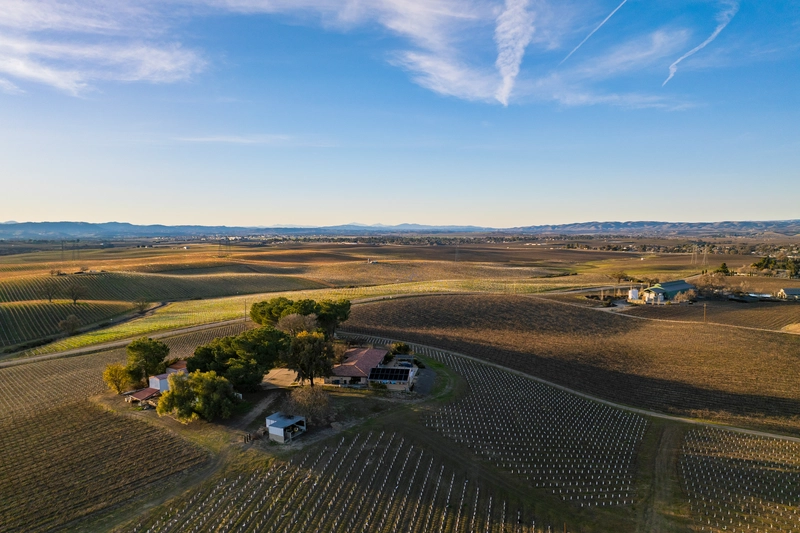
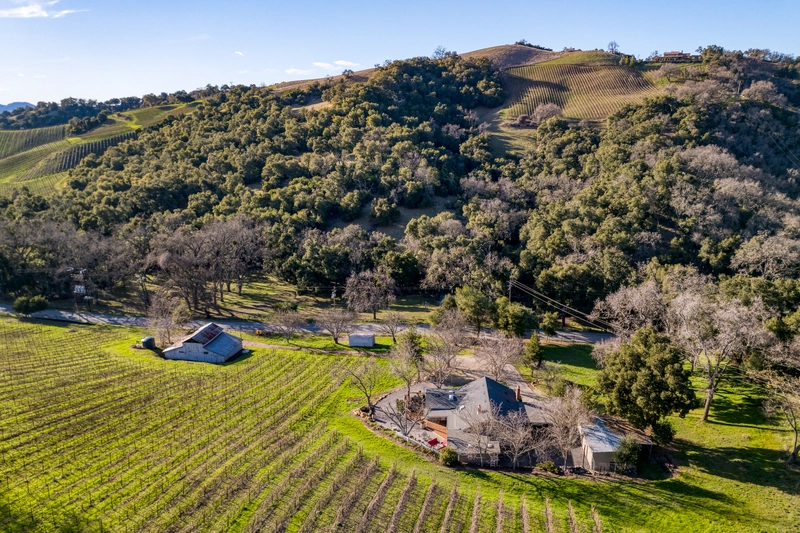
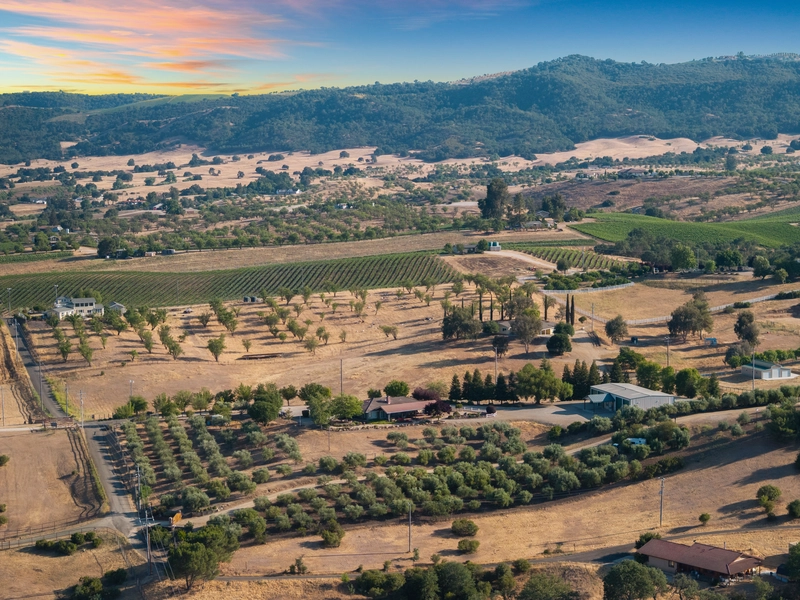
Endless vineyards in a colorful hot air balloon at sunrise. Award-winning wines on a sun-drenched patio overlooking purple-hued mountains. That’s the vibe waiting for you in Temecula Valley.

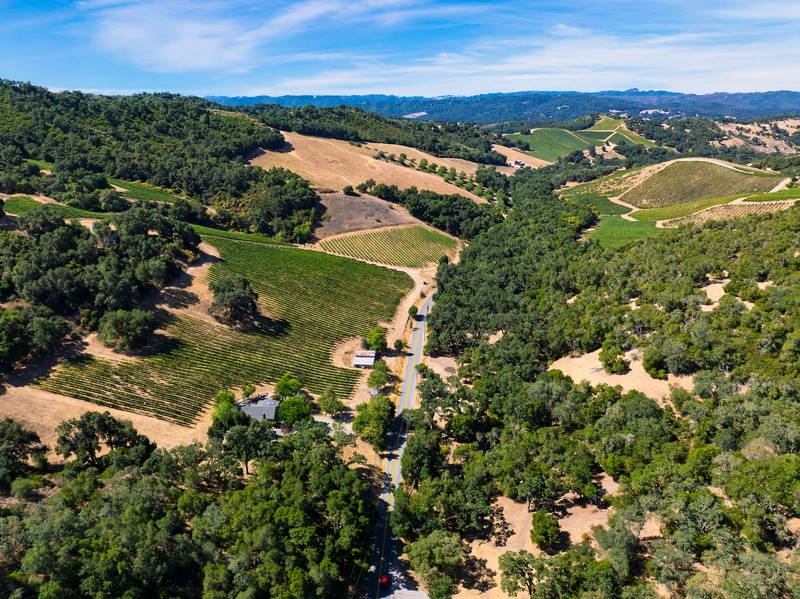
Just 60 miles from San Diego and 90 miles from Los Angeles, Temecula sits in Southern California’s premier wine country. This valley offers world-class wineries, rolling vineyards, and year-round sunshine perfect for outdoor adventures.

This wine country paradise features over 40 boutique wineries producing exceptional wines, plus the historic Old Town Temecula with its Western-style buildings and family-friendly events. The famous Temecula Valley Balloon & Wine Festival draws visitors from around the world, while year-round activities include golf, hiking, and shopping.

The best time to visit Temecula is during the spring, summer, and fall months. Each season brings something special, creating the perfect conditions for both grapes and guests year-round. 

If you’re keen to discover more of Temecula’s wine country wonders, read on to plan ahead your  Southern California wine trip by season.

About Temecula, CA

Temecula spreads across Southern California’s wine country as a premier destination known for world-class vineyards, Mediterranean climate, and year-round outdoor adventures. This valley community blends wine country sophistication with Old West charm, creating an atmosphere that attracts wine enthusiasts, couples, and families throughout all seasons.

The Mediterranean climate features warm, dry summers with average summer highs of 85 degrees and mild winters with winter lows of 39 degrees. The yearly average rainfall in Temecula is approximately 14 inches, as compiled by the Rancho California Water District.

The region showcases over 40 boutique wineries perfect for wine tasting and vineyard tours. Considering the climatic conditions and average weather parameters, the most favorable time to visit Temecula lies between early June and late October, with warmer temperatures varying between 73.8°F to 87.4°F, accompanied by up to 14.3 hours of daylight.

Temecula Travel Seasons at a Glance

Here’s when wine lovers visit and when you can find peaceful vineyard moments and uncrowded tasting rooms.

Peak Times: June Through October and Festival Seasons

Summer through early fall represents the busiest tourism period in Temecula, with wine enthusiasts filling tasting rooms and vineyard restaurants. The Temecula Valley Balloon & Wine Festival and harvest season create especially busy periods with visitors from across Southern California.

Great Value Times: March Through May and November Through February

Spring delivers wine country adventures with comfortable weather and blooming wildflowers throughout the valley. Winter months provide cozy tasting room experiences and excellent hotel deals before peak season returns.

Peaceful Times: January Through February and Mid-Week Visits

Winter months offer the most tranquil wine country experiences with uncrowded wineries and peaceful vineyard walks. Weekday visits year-round provide intimate tasting experiences and easier reservations at popular restaurants.

Why Visit Temecula?

Temecula provides authentic Southern California wine country experiences with award-winning wineries producing exceptional varietals in a Mediterranean climate. The area features stunning vineyard landscapes, the historic charm of Old Town Temecula, and unique attractions like hot air ballooning over wine country.

The community maintains genuine wine country character with family-owned wineries, artisan shops, and farm-to-table restaurants serving regional specialties. Wine country dining showcases fresh local ingredients and California cuisine while offering spectacular vineyard and mountain views from restaurant patios.

Annual events celebrate the region’s wine culture and natural beauty, including the famous Temecula Valley Balloon & Wine Festival, harvest celebrations, and seasonal outdoor concerts. The area’s year-round growing season creates consistent wine experiences that draw visitors from across California and beyond.

Your Month-by-Month Guide to Temecula

  • Temecula in January: Cool and mild weather, quiet tasting rooms, cozy fireplace dining
  • Temecula in February: Mild winter conditions, romantic wine country retreats, fewer crowds
  • Temecula in March: Spring beginning, wildflowers emerging, pleasant outdoor weather
  • Temecula in April: Perfect spring weather, comfortable hiking conditions, vineyard awakening
  • Temecula in May: Ideal spring weather, beautiful weather for outdoor activities, growing season starting
  • Temecula in June: Summer season begins, warm days, perfect for patio wine tasting
  • Temecula in July: Peak summer warmth, busy wineries, ideal balloon ride weather
  • Temecula in August: Continued summer heat, harvest preparations, outdoor festival season
  • Temecula in September: Early fall comfort, harvest season beginning, perfect weather
  • Temecula in October: Peak harvest season, grape crushing activities, beautiful fall weather
  • Temecula in November: Comfortable autumn weather, post-harvest celebrations, peaceful vineyard walks
  • Temecula in December: Mild winter arriving, holiday wine events, cozy tasting rooms

When Is the Best Time to Visit Temecula?

The best times to visit Temecula are during the spring, summer, and fall seasons. Each period offers unique advantages: spring provides perfect outdoor weather with wildflowers, summer delivers ideal wine tasting conditions with long sunny days, and fall showcases harvest season excitement with grape picking activities.

Winter can still be delightful for visiting Temecula—rates are typically lower during this time—but some outdoor activities may have limited availability.

Visiting in Winter (December to February)

Winter transforms Temecula into a peaceful wine country retreat perfect for cozy tasting room visits and romantic getaways. The mild Mediterranean climate means comfortable temperatures for outdoor activities, though occasional rain showers can occur.

This season offers the most intimate wine country experiences with uncrowded wineries, longer conversations with winemakers, and cozy fireside dining perfect for couples’ retreats.

Temecula Weather in Winter

  • December: 39°F to 68°F | Mild winter weather with occasional rain
  • January: 37°F to 66°F | Coolest temperatures with some rainy days
  • February: 39°F to 68°F | Pleasant winter conditions with spring hints

Things to Do in Temecula During Winter

Winter activities focus on cozy wine tasting experiences in heated tasting rooms and intimate vineyard tours with smaller groups. Many wineries offer special winter wine releases and food pairings during this quieter season.

Indoor attractions become popular destinations, including wine caves, cozy restaurants with fireplaces, and shopping in Old Town Temecula. Winter hiking on nearby trails provides crisp air and clear mountain views without summer crowds.

Temecula Events in Winter

  • Holiday Wine Events – Special seasonal tastings and holiday-themed wine releases
  • Winter Romance Season – Perfect timing for couples’ wine country retreats
  • Quiet Season Specials – Many wineries offer discounts and special experiences
  • Indoor Dining Season – Cozy restaurant experiences with fireplace ambiance

Food Scene in Winter

Restaurants feature hearty comfort foods and warming dishes perfect for cool wine country days. Many establishments offer cozy indoor dining with vineyard views and seasonal wine pairings with winter menu items.

Winter Travel Tips

Pack layers for mild but variable winter weather. Winter provides the most romantic atmosphere and requires less advance planning for winery visits. Consider mid-week visits for even better rates and more personal attention at wineries. Some outdoor activities, like ballooning, may be weather-dependent.

Visiting in Spring (March to May)

Spring offers some of the best weather conditions and beautiful wildflower displays throughout the valley. Spring visitor numbers begin increasing as the weather warms and outdoor activities become more appealing.

Mountain wildflowers bloom throughout the surrounding hills, while grapevines begin showing new growth after winter pruning, creating picturesque vineyard landscapes.

Temecula Weather in Spring

  • March: 43°F to 72°F | Pleasant spring temperatures with wildflowers beginning
  • April: 48°F to 76°F | Perfect spring weather for all outdoor activities
  • May: 54°F to 81°F | Ideal late spring conditions

Things to Do in Temecula During Spring

Spring provides excellent conditions for hot air ballooning with clear skies and comfortable temperatures. Take a hot air balloon ride over the rolling vineyards, hike blooming trails at the Santa Rosa Plateau Ecological Reserve, or bike along scenic paths surrounded by vibrant wildflowers.

Wine tasting becomes especially pleasant as patios reopen for outdoor dining and vineyard tours showcase new grape growth. Golf courses are in prime condition with comfortable temperatures for all-day play.

Temecula Events in Spring

  • Wildflower Season – Beautiful blooms throughout valley trails and hillsides
  • Spring Wine Releases – New vintages and seasonal wine club events
  • Balloon Season Opening – Perfect weather conditions for hot air ballooning
  • Outdoor Dining Season – Restaurant patios reopen with comfortable weather

Food Scene in Spring

Restaurants expand outdoor seating as the weather improves, featuring fresh seasonal ingredients and lighter fare. Spring menus highlight local produce and wine pairings perfect for patio dining with vineyard views.

Spring Travel Tips

Pack layers for variable spring weather and comfortable walking shoes for vineyard tours. Spring offers excellent accommodation values before peak season pricing. Book balloon rides early, as spring weather creates ideal flying conditions. Wildflower viewing reaches its peak in April and May.

Visiting in Summer (June to August)

Summer provides peak wine country conditions with warm temperatures and long sunny days ideal for all outdoor activities. This represents the busiest tourism season with all wineries and attractions operating at full capacity.

This season features the most active wine country scene with extended tasting room hours, outdoor concerts, and perfect weather for hot air ballooning and hiking.

Temecula Weather in Summer

  • June: 58°F to 85°F | Perfect early summer weather
  • July: 62°F to 88°F | Peak summer warmth with long sunny days
  • August: 62°F to 88°F | Continued excellent summer conditions

Things to Do in Temecula During Summer

Summer activities center around wine tasting on sunny patios, hot air ballooning over golden vineyards, and hiking scenic trails in comfortable temperatures. Temecula hosts plenty of festivals and other events during the summer months, including the Summer Nights concert series.

Golf courses offer early morning and evening tee times to avoid midday heat, while swimming pools at resorts provide cooling breaks between winery visits.

Temecula Events in Summer

  • Summer Nights Concerts – Live music events at various outdoor venues
  • Peak Balloon Season – Ideal weather conditions for hot air balloon rides
  • Wine Festival Season – Various wine events and outdoor celebrations
  • Outdoor Dining Peak – All restaurant patios open with extended hours

Food Scene in Summer

Wine country restaurants maximize outdoor seating with vineyard and mountain views. Summer menus feature fresh California ingredients, seasonal produce, and light fare perfect for warm-weather dining after wine tastings.

Summer Travel Tips

Book accommodations well in advance, as summer represents peak season with the highest demand and prices. Make winery reservations ahead of time, especially for weekend visits. Pack sun protection and stay hydrated during wine tastings. Consider early morning activities to avoid the afternoon heat.

Visiting in Fall (September to November)

Fall delivers Temecula’s most exciting season with harvest activities and spectacular weather. This period combines perfect temperatures with the excitement of grape harvest and wine production, creating unforgettable wine country experiences.

Fall brings corn mazes, haunted trails, and special “Hallowine” parties. The season showcases the heart of wine country life as grapes are picked and crushed into next year’s vintages.

Temecula Weather in Fall

  • September: 58°F to 85°F | Perfect early fall weather for all activities
  • October: 52°F to 79°F | Ideal harvest season temperatures
  • November: 45°F to 72°F | Comfortable autumn conditions

Things to Do in Temecula During Fall

Fall provides perfect weather for all wine country activities with comfortable temperatures and clear skies. Harvest season offers unique experiences like grape stomping, behind-the-scenes winery tours, and harvest celebration dinners.

Hot air ballooning reaches peak conditions with calm winds and excellent visibility over colorful vineyard landscapes during harvest season.

Temecula Events in Fall

  • Harvest Season Celebrations – Grape picking events and wine production tours
  • Hallowine Parties – Special Halloween-themed wine events and festivals
  • Fall Festivals – Seasonal celebrations throughout the valley
  • Harvest Dinners – Special farm-to-table dining experiences at wineries

Food Scene in Fall

Restaurants feature harvest-themed menus celebrating seasonal ingredients and new wine releases. Harvest dinners pair fresh local produce with newly released wines in spectacular vineyard settings.

Fall Travel Tips

Harvest season creates busy conditions, so book accommodations and winery reservations well in advance. Pack layers for temperature variations between day and night. Fall provides excellent photography opportunities with harvest activities and vineyard colors. Consider weekday visits to avoid weekend harvest crowds.

Best Time of the Year to Visit Temecula (By Interest)

Start your morning with sunrise balloon rides over golden vineyards, spend your afternoon hopping between charming wineries, then end your evening dining under the stars at farm-to-table restaurants.

Whatever activity you choose to add to your itinerary, you can actually choose your perfect timing based on what draws you most to this beautiful wine country destination:

For Perfect Wine Tasting Weather: Spring Through Fall

Best Time for Temecula Wine Country

April through October provides ideal wine tasting conditions with comfortable temperatures, sunny days, and perfect weather for outdoor patio dining at wineries throughout the valley.

For Ideal Outdoor Activity Conditions: Extended Season

Best Time for Temecula Outdoor Adventures

March through November offers excellent weather for hot air ballooning, hiking, golf, and all outdoor activities with comfortable temperatures and minimal rainfall.

For Avoiding Crowds: Off-Season Tranquility

Best Time for Peaceful Temecula

December through February provides the most intimate wine country experiences with uncrowded tasting rooms, personal attention from winemakers, and peaceful vineyard walks without peak season crowds.

For Best Overall Value: Winter and Late Fall

Best Time for Affordable Temecula

January through March and November through December offer the best combination of pleasant weather, fewer crowds, and excellent accommodation values before peak season pricing returns.

For Harvest Season Experience: Late Summer to Fall

Best Time for Temecula Harvest

August through October showcases the heart of wine country with grape harvesting, crush season activities, and behind-the-scenes winery experiences during the most exciting time of year.

For Hot Air Ballooning: Extended Flying Season

Best Time for Temecula Balloon Rides

March through November provides optimal weather conditions for hot air ballooning with calm winds, clear skies, and spectacular views over rolling vineyards and mountain landscapes.

For Photography and Romance: Seasonal Beauty

Best Time for Temecula Stunning Views

September through November offers harvest season photography and romantic vineyard settings, while March through May provides wildflower displays and spring vineyard beauty.

Where to Stay in Temecula

Experience exceptional wine country homes that capture Temecula’s vineyard lifestyle – winery access, valley views, and luxury amenities that enhance every moment of your Southern California wine country getaway. Here are some spectacular Temecula homes you can book with AvantStay:

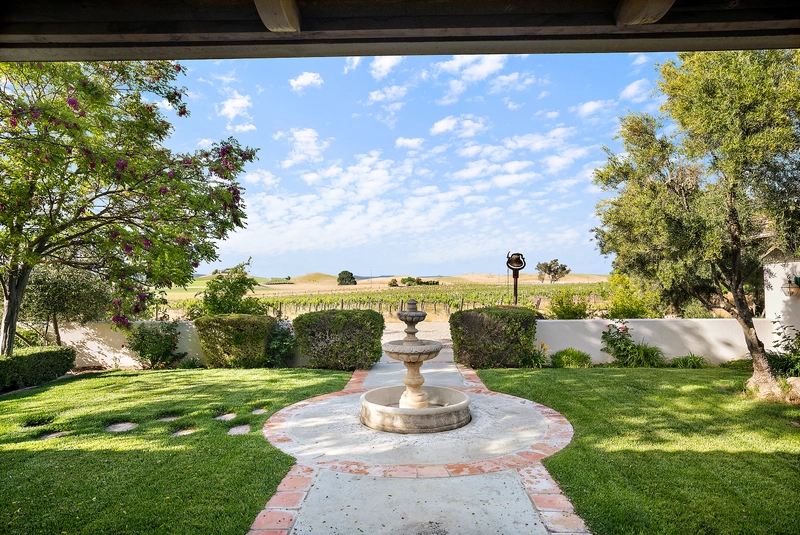
  • Casa del Arbol – A Tuscan-style villa that’s featured on the Emmy award-winning TV show Staycation. It is perched on rolling hills of Temecula with vineyard views.
  • De Luz – An elegant chateau that includes a full wine cellar, an orange orchard, a rose garden, and even a private lake. 
  • Grapevine – Your private estate surrounded by four acres of vineyards. It has a stunning backyard with citrus and avocado trees, complete with indoor and outdoor amenities. 
  • Via del Sur – Just a short walking distance away from the local vineyards, this home is an entertainer’s delight. It has games where anyone can have friendly competitions.
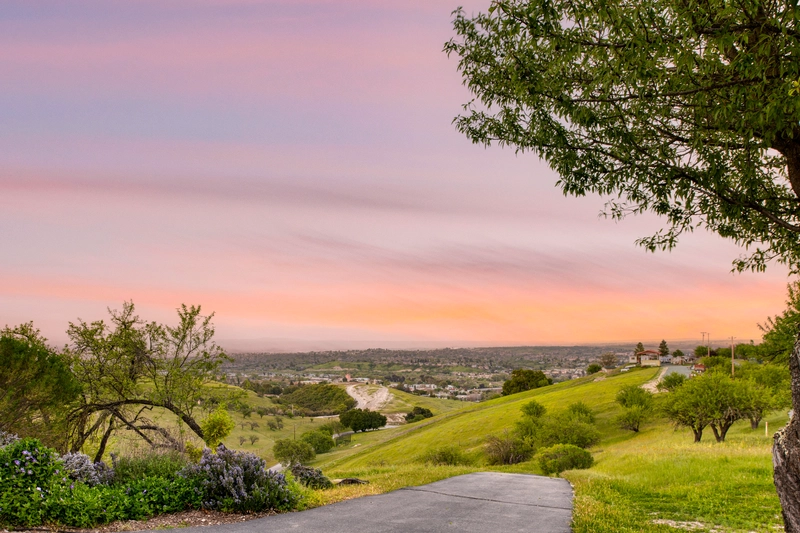
  • Malbec – Feel on top of the world with this Mediterranean-style, hilltop home. Experience an unbeatable view of the surrounding mountains and have fun with its amenities.

Create Your Temecula Itinerary

Ready to plan your wine country adventure? Let our team help you organize everything for your Temecula getaway! We can arrange winery tours, balloon ride bookings, restaurant reservations, and authentic experiences that showcase the real character of this incredible wine destination.

Just contact us or download the AvantStay App to book activities, get local recommendations, and manage your entire Temecula experience through one convenient platform.

Want more ideas and activities to add to your itinerary? Check out our guide to the best things to do in Temecula!

Plan Your Temecula Adventure

No matter which season calls to you, Temecula’s world-class wineries, stunning vineyard landscapes, authentic wine country charm, and Southern California sunshine create memories that last forever. This destination perfectly balances wine tasting adventures with outdoor activities and romantic experiences. Every visit reveals new wine discoveries and authentic wine country moments.

Your perfect Temecula wine country home awaits. Book with AvantStay today and discover how incredible wine country getaways become when you experience Temecula’s legendary hospitality, award-winning wines, and Southern California wine country magic.

FAQs

Is Temecula expensive to visit?

Temecula costs significantly more during peak harvest season from August through October when wine enthusiasts fill every vineyard rental and winery restaurant. Hotels and dining establishments charge higher rates because demand increases for perfect wine tasting weather and harvest activities. But visit during winter months or early spring, and you’ll find excellent deals on wine country accommodations while still enjoying pleasant weather and intimate winery experiences.

How crowded does Temecula get?

Peak harvest season brings substantial crowds, especially in September and October, when wineries become busy and popular tasting rooms require reservations. However, Temecula’s 40+ wineries provide plenty of options even during busy periods. Winter and early spring offer fewer crowds with pleasant weather, while weekdays provide the most intimate wine tasting experiences.

When should I avoid Temecula?

There really isn’t a bad time to visit Temecula since the Mediterranean climate provides excellent wine-tasting conditions year-round. Winter can have occasional rainy days that may affect outdoor activities, while the peak harvest season in September and October can be very crowded. The key is matching your visit to seasonal activities – come for harvest experiences in fall, wildflowers in spring, perfect weather in summer, or intimate tastings in winter.

The Best Time to Visit Lake Arrowhead

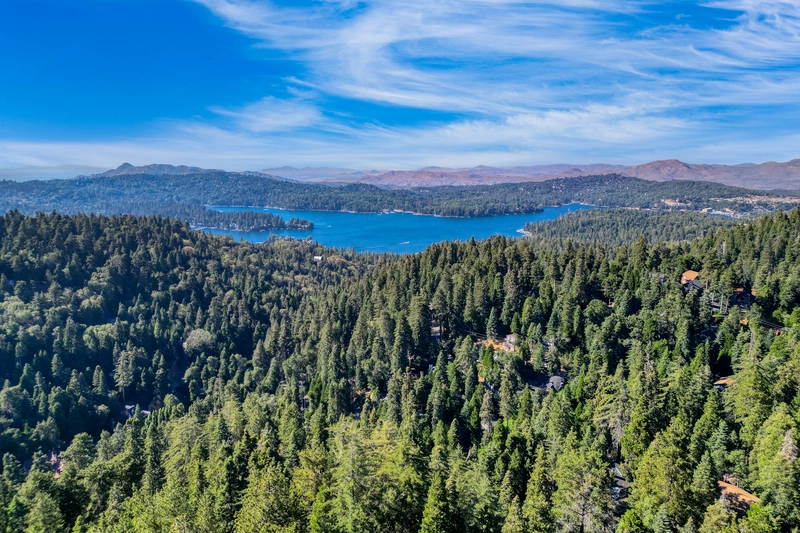
Escape the city hustle! Just 90 minutes from Los Angeles, you’ll find Lake Arrowhead nestled high in the San Bernardino Mountains. Known as “The Alps of Southern California,” this community offers year-round mountain magic. 

Each season here brings unique opportunities for adventure and relaxation. Just imagine the experience of crystal-clear waters surrounded by towering pine trees and breathtaking mountain views.

The best time to visit Lake Arrowhead is during the summer, fall, and winter months. And if you want to know more about Lake Arrowhead’s amazing adventures, let’s explore each season together so you can plan your year-long trip.

About Lake Arrowhead, CA

Lake Arrowhead stretches across the San Bernardino Mountains as a premier four-season mountain destination known for pristine alpine waters, towering pine forests, and year-round outdoor adventures. This mountain community combines natural beauty with a charming village atmosphere, creating an environment that attracts couples, families, and adventure seekers throughout all seasons.

The mountain climate features warm, dry summers and cold, snowy winters. Over the course of the year, the temperature typically varies from 28°F to 85°F and is rarely below 20°F or above 92°F. Lake Arrowhead has a unique climate for Southern California, as it has four distinct seasons. In the summer, it is about 20 degrees cooler than the Valley floor, with summer highs generally in the 80s.

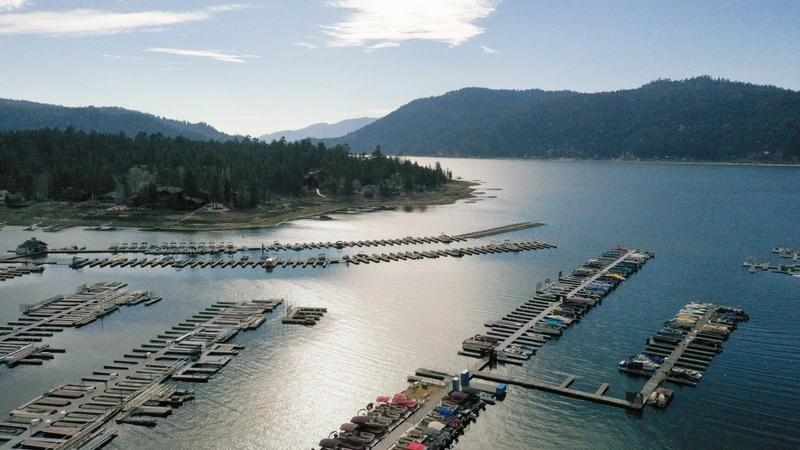
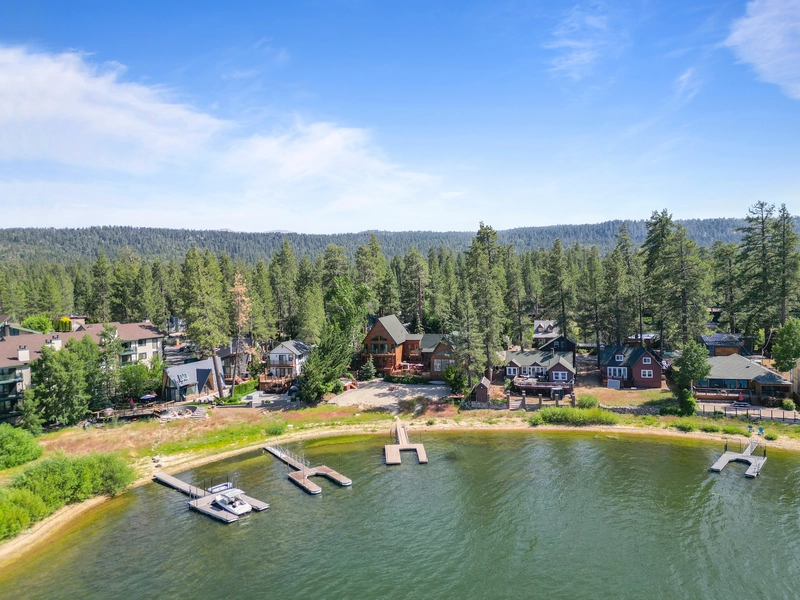
The area boasts crystal-clear lake waters ideal for swimming, boating, and water skiing. Summer brings the busiest tourism season to Lake Arrowhead, so accommodation prices tend to be higher during peak months, while outdoor activities remain popular throughout most seasons due to the pleasant four-season mountain climate.

Lake Arrowhead Travel Seasons at a Glance

This alpine paradise features pristine lake activities perfect for boating, water skiing, and fishing, along with miles of hiking trails through the San Bernardino National Forest. 

The European-style Lake Arrowhead Village provides shopping, dining, and entertainment, while nearby attractions like SkyPark at Santa’s Village offer year-round outdoor adventures.

Here’s when mountain lovers visit and when you can find quiet trails and peaceful lake moments.

Peak Times: June Through August and Fall Color Season

Summer draws the biggest crowds as June through August represents the busiest tourism period in Lake Arrowhead, with families filling lakefront rentals and mountain restaurants. From May to October, Lake Arrowhead bustles with activities and visitors, especially during peak fall color season in October.

Great Value Times: April Through May and November Through December

Spring provides mountain adventures with pleasant weather and blooming wildflowers across the forest. Early winter delivers comfortable conditions for cozy cabin stays and village activities before the heavy snow season arrives.

Peaceful Times: January Through March and Mid-Week Visits

Winter months provide the most serene mountain experiences with snow-covered landscapes perfect for nearby skiing and winter activities. Weekday visits year-round offer peaceful forest trails and easier restaurant access without weekend crowds.

Why Visit Lake Arrowhead?

Lake Arrowhead provides authentic California mountain experiences with pristine alpine waters perfect for boating, swimming, and fishing. The area features stunning mountain scenery, dense pine forests, and the charming European-style Lake Arrowhead Village with unique shops and restaurants.

The community maintains genuine mountain character with local businesses, historic charm, and friendly hospitality serving regional favorites. Mountain dining showcases fresh ingredients and California cuisine while offering spectacular lake and forest views from restaurant patios.

Annual events celebrate the area’s natural beauty and mountain culture, including summer festivals, holiday celebrations, and outdoor concerts. The fall season creates brilliant color displays that draw visitors from across Southern California and beyond.

Your Month-by-Month Guide to Lake Arrowhead

  • Lake Arrowhead in January: Cold and snowy weather, nearby skiing opportunities, cozy fireplace atmosphere
  • Lake Arrowhead in February: Peak winter conditions, perfect for snow sports, romantic mountain retreats
  • Lake Arrowhead in March: Late winter weather, spring hints appearing, quieter mountain days
  • Lake Arrowhead in April: Spring awakening, warming temperatures, wildflowers beginning
  • Lake Arrowhead in May: Perfect spring weather, comfortable hiking conditions, lake warming up
  • Lake Arrowhead in June: Summer season starts, warm days, ideal for water activities
  • Lake Arrowhead in July: Peak summer warmth, busy lake and trails, best swimming weather
  • Lake Arrowhead in August: Continued summer heat, family vacation time, outdoor events
  • Lake Arrowhead in September: Early fall comfort, warm days and cool nights, harvest time
  • Lake Arrowhead in October: Peak fall colors, spectacular mountain views, perfect hiking weather
  • Lake Arrowhead in November: Cool but pleasant, late fall colors, peaceful mountain atmosphere
  • Lake Arrowhead in December: Winter arriving, holiday decorations, cozy indoor activities

When Is the Best Time to Visit Lake Arrowhead?

The best times to visit Lake Arrowhead are during the summer, fall, and winter seasons. Each period offers unique benefits: summer provides excellent weather for lake activities, fall showcases spectacular mountain colors, and winter delivers access to nearby snow sports and cozy mountain retreats.

Spring can still be wonderful for visiting Lake Arrowhead—rates are typically lower during this time—but weather patterns can be less predictable.

Visiting in Winter (December to February)

Winter transforms Lake Arrowhead into a snow-covered wonderland perfect for cozy cabin stays and nearby winter sports. The area receives regular snowfall during January and February, creating beautiful mountain scenery and access to skiing at nearby Snow Valley Resort, just 20 minutes away.

This season offers the most romantic mountain experiences with snow-dusted pine trees, frozen lake edges, and warm fireside dining perfect for couples’ retreats.

Lake Arrowhead Weather in Winter

  • December: 30°F to 50°F | Regular snow possible
  • January: 28°F to 45°F | Peak snowfall season
  • February: 30°F to 48°F | Continued winter conditions

Things to Do in Lake Arrowhead During Winter

Winter activities center around nearby skiing and snowboarding at Snow Valley Resort, about 20 minutes from Lake Arrowhead. While there are no ski slopes in the resort, just 20 minutes away, you can go skiing at Snow Valley. This peak almost always gets some snow, and even if it doesn’t, they make artificial snow. Cross-country skiing and snowshoeing provide peaceful alternatives on forest trails.

Indoor attractions become popular destinations, including cozy restaurants with fireplaces, shopping at Lake Arrowhead Village, and relaxing at mountain spas. Ice skating, holiday light displays, and winter festivals create magical seasonal experiences.

Lake Arrowhead Events in Winter

  • Winter Sports Season – Peak conditions at nearby Snow Valley Resort
  • Holiday Village Celebrations – Festive decorations throughout Lake Arrowhead Village
  • Winter Festivals – Celebrating the season with community events and activities
  • Cozy Cabin Season – Perfect time for fireside retreats and mountain relaxation

Food Scene in Winter

Restaurants feature hearty comfort foods and warming dishes ideal for cold mountain days. Many establishments offer cozy fireside dining with mountain lodge atmospheres and seasonal menu favorites.

Winter Travel Tips

Pack warm layers and proper winter gear for outdoor activities. Winter provides the most romantic atmosphere, but requires advance booking for holiday periods. Consider mid-week visits for better rates and quieter experiences. Many lake activities have limited availability during the winter months. Remember that cars may need chains for mountain driving in winter conditions.

Visiting in Spring (March to May)

Spring offers the best accommodation values and fewer crowds, though the weather can be changeable. Spring sees visitor numbers increasing to Lake Arrowhead as snow melts and temperatures warm up.

Mountain wildflowers begin blooming throughout the San Bernardino Forest, while hiking trails become more accessible with improving weather conditions.

Lake Arrowhead Weather in Spring

  • March: 32°F to 55°F | Transitional weather with possible snow
  • April: 40°F to 65°F | Pleasant spring temperatures
  • May: 48°F to 75°F | Ideal spring weather

Things to Do in Lake Arrowhead During Spring

Spring provides excellent hiking as forest trails become accessible with melting snow and warming temperatures. This season offers the best time to explore waterfalls and mountain streams at peak flow from snowmelt.

Lake activities begin returning as water temperatures start warming. Fishing becomes popular on the lake and mountain streams, providing excellent opportunities for trout and bass fishing.

Lake Arrowhead Events in Spring

  • Spring Wildflower Season – Beautiful blooms throughout mountain forests
  • Hiking Season Opening – Perfect weather for trail exploration
  • Fishing Season Peak – Great time for lake and stream fishing
  • Spring Mountain Festivals – Community events celebrating the season

Food Scene in Spring

Restaurants start expanding outdoor seating as the weather improves, featuring seasonal ingredients and fresh California produce. Spring menus highlight seasonal specialties and lighter fare perfect for warming weather.

Spring Travel Tips

Pack layers for unpredictable spring weather and muddy trail conditions. Spring offers the best accommodation deals and smaller crowds. Check trail and attraction opening schedules, as some may have limited spring hours. Wildflower viewing reaches its peak during the spring months.

Visiting in Summer (June to August)

Summer provides peak outdoor recreation conditions, with June through August being the busiest tourism season. Warm temperatures and long daylight hours create ideal conditions for hiking, swimming, and all lake activities.

This season features the most active lake recreation with all amenities and activities operating at full capacity.

Lake Arrowhead Weather in Summer

  • June: 55°F to 80°F | Perfect summer weather beginning
  • July: 60°F to 85°F | Peak summer warmth
  • August: 58°F to 83°F | Continued excellent weather

Things to Do in Lake Arrowhead During Summer

Summer activities include swimming, boating, and water skiing on the pristine lake waters. Activities in Lake Arrowhead range from boating, water skiing, hiking, mountain biking, and fishing. Hiking trails provide access to scenic overlooks and mountain peaks with comfortable temperatures for extended outdoor adventures.

See all the beauty Lake Arrowhead has to offer on the Lake Arrowhead Queen Boat Tour. This charming tour departs daily from Lake Arrowhead Village and is an hour-long tour. SkyPark at Santa’s Village is an Outdoor Adventure Park with year-round mountain biking, hiking, fly fishing, and open-air activities in the Skyforest section of Lake Arrowhead, California.

Lake Arrowhead Events in Summer

  • Outdoor Music Festivals – Live concerts at various mountain venues
  • Lake Activities – Peak season for boating, swimming, and water sports
  • Mountain Biking Events – Trails and competitions throughout the area
  • Summer Village Events – Activities and festivals at Lake Arrowhead Village

Food Scene in Summer

Mountain restaurants maximize outdoor seating with lake and forest views. Summer menus feature fresh California ingredients, seasonal produce, and light fare perfect for warm-weather dining after outdoor adventures.

Summer Travel Tips

Book accommodations well in advance, as summer represents peak season with the highest demand and prices. Arrive early at popular lake areas and hiking trails for parking and the best spots. Pack sun protection and stay hydrated for outdoor activities. Make restaurant reservations ahead for weekend visits.

Visiting in Fall (September to November)

Fall delivers some of the area’s most spectacular experiences with beautiful mountain color displays. Fall temperatures range comfortably for outdoor activities while providing stunning natural beauty as the mountains change colors.

This season combines excellent weather with breathtaking scenery as Lake Arrowhead becomes truly stunning when autumn arrives.

Lake Arrowhead Weather in Fall

  • September: 52°F to 78°F | Excellent early fall weather
  • October: 42°F to 68°F | Peak fall color season
  • November: 35°F to 58°F | Cool but comfortable conditions

Things to Do in Lake Arrowhead During Fall

Fall provides perfect hiking weather with comfortable temperatures and spectacular color displays throughout mountain trails. Scenic drives showcase peak autumn colors, while lake activities continue with pleasant temperatures.

October marks the end of peak summer lake activities as cooler weather arrives, making early fall the best time for outdoor adventures with beautiful colors.

Lake Arrowhead Events in Fall

  • Fall Color Festivals – Celebrating autumn beauty throughout the mountains
  • Harvest Celebrations – Seasonal events and local produce festivals
  • Halloween Activities – Spooky seasonal fun and family events
  • Mountain Arts and Crafts Fairs – Local artisan markets and seasonal crafts

Food Scene in Fall

Restaurants feature seasonal menus celebrating autumn flavors and comfort foods. Apple cider, pumpkin specialties, and warming dishes become popular offerings with stunning fall color views.

Fall Travel Tips

Peak color season requires advance booking, especially for October weekends. Pack layers for temperature variations between day and night. Fall provides excellent photography opportunities with spectacular color displays. Check color reports for optimal timing of seasonal changes.

Best Time of the Year to Visit Lake Arrowhead (By Interest)

Cool summers here provide relief from valley heat and also bring perfect lake weather for water sports. Fall displays stunning mountain colors that are so vibrant that they “paint” the mountainside. Snowy winters create perfect conditions for nearby skiing, and mild springs awaken wildflowers throughout the forest. 

The four-season mountain climate creates ideal conditions for various activities throughout the year.  But feel free to choose your perfect timing based on what attracts you most to this beautiful mountain destination:

For Perfect Color Viewing: Fall Peak

Best Time for Lake Arrowhead Fall Colors

October through mid-November provides spectacular autumn color displays with brilliant reds, oranges, and golds throughout the mountain forests, creating some of Southern California’s most stunning mountain color shows.

For Ideal Hiking Conditions: Summer Season

Best Time for Lake Arrowhead Hiking and Outdoor Adventures

May through September offers perfect hiking weather with comfortable temperatures, accessible trails, and long daylight hours for exploring waterfalls, lake shores, and mountain peaks.

For Avoiding Crowds: Off-Season Tranquility

Best Time for Peaceful Lake Arrowhead

November through March provides the most tranquil mountain experiences with uncrowded trails, easy restaurant access, and peaceful lake settings without peak season crowds.

For Best Overall Value: Shoulder Seasons

Best Time for Affordable Lake Arrowhead

April through May and November through December offer the best combination of pleasant weather, fewer crowds, and excellent value before and after peak season pricing.

For Family Activities: Summer Peak

Best Time for Lake Arrowhead Family Fun

June through August provides the warmest weather, most family-oriented activities, and optimal conditions when all lake activities and outdoor attractions operate at full capacity.

For Winter Sports Access: Snow Season

Best Time for Lake Arrowhead Snow Adventures

December through March offers access to excellent skiing and snowboarding conditions at nearby Snow Valley Resort with reliable snowfall and perfect temperatures for winter sports.

For Photography and Nature: Seasonal Beauty

Best Time for Lake Arrowhead Stunning Views

October offers spectacular fall color photography, while June through August provides summer lake beauty, pristine mountain views, and endless outdoor photography opportunities.

Where to Stay in Lake Arrowhead

Experience exceptional mountain homes that capture Lake Arrowhead’s four-season mountain lifestyle – lake access, forest views, and luxury amenities that enhance every moment of your California mountain getaway. Here are some spectacular Lake Arrowhead homes you can book with AvantStay:

  • Pollock – A tree-surrounded home filled with contemporary furnishings, complete luxe amenities, and numerous opportunities for adventure and a fun time for all.
  • Starry Heights – Setting the scene for spending quality time with your friends and family, this home is secluded enough yet only a short distance from Lake Arrowhead’s activities.
  • Sky Canyon Lodge – This home is perched on a hill where you can breathe in the crisp mountain air as you soak in the views. Plus, it’s near Lake Arrowhead Village. 
  • Sutter – Views are out of this world in this home. Among the pines, this is where you can get cozy, lounge, and play with your loved ones.
  • A-Frame Retreat – Just a short stroll from the iconic LouEddies Pizza and Little Bear Bottle Shop, this is an A-Frame retreat where you can have an adventurous hideaway. 

Create Your Lake Arrowhead Itinerary

Ready to plan your mountain adventure? Let our team help you organize everything for your Lake Arrowhead getaway! We can arrange outdoor activities, restaurant reservations, attraction tickets, and authentic experiences that showcase the real character of this incredible mountain destination.

Just contact us or download the AvantStay App to book activities, get local recommendations, and manage your entire Lake Arrowhead experience through one convenient platform.

Want more ideas and activities to add to your itinerary? Check out our guide to the best things to do in Lake Arrowhead!

Plan Your Lake Arrowhead Adventure

No matter which season calls to you, Lake Arrowhead’s pristine mountain waters, spectacular forest scenery, authentic alpine charm, and genuine California mountain hospitality create memories that last forever. This destination perfectly balances outdoor adventure with cozy mountain retreats and village experiences. Every visit reveals new discoveries and authentic mountain experiences.

Your perfect Lake Arrowhead mountain home awaits. Book with AvantStay and discover how incredible mountain getaways become when you experience Lake Arrowhead’s legendary beauty, natural wonders, and California mountain magic.

FAQs

Is Lake Arrowhead expensive to visit?

Lake Arrowhead costs significantly more during peak summer months from June through August when families fill every lakefront rental and mountain restaurant. Hotels and dining establishments charge higher rates because demand increases for perfect lake weather and outdoor activities. But visit during shoulder seasons in spring or late fall, and you’ll find excellent deals on mountain homes while still enjoying pleasant weather and access to most activities.

How crowded does Lake Arrowhead get?

Peak summer months bring substantial crowds, especially July and August, when the lake becomes busy and popular hiking trails require early arrival for parking. However, Lake Arrowhead’s extensive trail network and large lake area provide ample space even during busy periods. Spring and late fall offer fewer crowds with pleasant weather, while winter months provide the most peaceful mountain experiences.

When should I avoid Lake Arrowhead?

There really isn’t a bad time to visit Lake Arrowhead since the four-season mountain climate provides distinct experiences perfect for different activities year-round. Spring weather can be unpredictable, with some trails affected by mud season, while peak fall color season in October can be very crowded. The key is matching your visit to seasonal activities – come for lake sports in summer, colors in fall, nearby skiing in winter, or value and fewer crowds in spring.

The Best Time to Visit Poconos

The Poconos is Pennsylvania’s beloved mountain region, famous for outdoor adventures and romantic getaways. Rolling mountains are blanketed in colorful forests, and lakes are crystal clear. 

The region features over 150 lakes perfect for water sports and fishing, along with numerous state parks offering miles of hiking trails. The Delaware Water Gap National Recreation Area provides spectacular scenery and outdoor recreation opportunities, while historic towns like Jim Thorpe showcase Victorian architecture and railroad heritage.

This is also where four-season adventures come alive, just two hours from New York City and Philadelphia. Each season brings different mountain magic. Spectacular fall foliage transforms the mountains into a canvas of red, orange, and gold each autumn, creating some of the East Coast’s most stunning color displays. 

The best time to visit the Poconos is summer, fall, and winter, with each season offering unique outdoor adventures. The four-season climate creates perfect conditions for different activities throughout the year. Summer delivers ideal weather for hiking and water sports, fall showcases world-famous foliage, and winter provides excellent skiing and cozy cabin retreats.

The authentic mountain atmosphere defines every moment in this Pennsylvania paradise. You can start your morning hiking to breathtaking waterfalls like Bushkill Falls, then spend your afternoon enjoying the best local dining featuring farm-fresh cuisine with stunning mountain views.

Want to know more about the Poconos and its most amazing mountain experiences? Let’s explore every season so you can plan your perfect Pennsylvania mountain adventure.

About the Poconos, PA

The Poconos spreads across northeastern Pennsylvania as a four-season mountain destination known for spectacular waterfalls, pristine lakes, and year-round outdoor adventures. The region combines natural beauty with family-friendly attractions, creating an atmosphere that draws couples, families, and outdoor enthusiasts throughout the year.

The humid continental climate features comfortable, wet summers and freezing, snowy winters. Over the course of the year, the temperature typically varies from 17°F to 79°F and is rarely below 2°F or above 86°F.

The region enjoys over 150 lakes perfect for swimming, boating, and fishing. June – August is the busiest season for tourism in Mount Pocono, so lodging and other accommodations may cost more than usual, while outdoor activities remain popular throughout most seasons due to the diverse four-season climate.

Poconos Travel Seasons at a Glance

Here’s when mountain lovers visit and when you can find peaceful trails and quiet lake moments.

Peak Times: June Through August and Fall Foliage Season

Summer attracts the largest crowds as June – August is the busiest season for tourism in Mount Pocono, with families filling every lakefront rental and mountain restaurant. From May to October, the Poconos are packed with activities and visitors, especially during the peak fall foliage season in October.

Great Value Times: April Through May and November Through December

Spring offers mountain adventures with warming weather and blooming wildflowers throughout the region. Early winter provides comfortable conditions for indoor attractions and cozy cabin retreats before peak ski season arrives.

Peaceful Times: January Through March and Mid-Week Visits

Winter months offer the most tranquil mountain experiences with snowy landscapes perfect for skiing and winter sports. Weekday visits throughout the year provide peaceful hiking trails and easier access to restaurants without weekend crowds.

Why Visit the Poconos?

The Poconos offers authentic Pennsylvania mountain experiences with over 150 pristine lakes perfect for swimming, boating, and fishing. The region features some of the East Coast’s most spectacular waterfalls, including the famous Bushkill Falls, known as the “Niagara of Pennsylvania.”

The area maintains genuine mountain character with charming towns, historic sites, and family-owned businesses serving regional specialties. Fresh mountain dining features locally-sourced ingredients and Pennsylvania Dutch influences while offering stunning lake and mountain views.

Annual events celebrate the region’s natural beauty and cultural heritage, including harvest festivals, craft fairs, and outdoor concerts. The fall foliage season creates world-renowned color displays that attract visitors from across the Northeast and beyond.

Your Month-by-Month Guide to the Poconos

  • Poconos in January: Cold and snowy weather, excellent skiing, cozy cabin atmosphere
  • Poconos in February: Peak winter conditions, winter sports at their best, romantic retreats
  • Poconos in March: Late winter weather, spring beginning, syrup season starts
  • Poconos in April: Spring awakening, warming weather, wildflowers emerging
  • Poconos in May: Perfect spring conditions, comfortable hiking weather, lakes warming
  • Poconos in June: Summer season begins, warm weather, perfect for water activities
  • Poconos in July: Peak summer heat, busy lakes and trails, optimal swimming conditions
  • Poconos in August: Continued summer warmth, family vacation season, outdoor festivals
  • Poconos in September: Early fall comfort, warm days and cool nights, harvest season
  • Poconos in October: Peak fall foliage, spectacular colors, perfect hiking weather
  • Poconos in November: Cool but pleasant, late fall colors, peaceful mountain atmosphere
  • Poconos in December: Winter beginning, holiday decorations, cozy indoor activities

When Is the Best Time to Visit the Poconos?

The best times to visit the Poconos are in summer, fall, and winter. Each season offers unique advantages: summer provides perfect weather for outdoor activities, fall showcases spectacular foliage, and winter delivers excellent skiing and cozy mountain retreats.

Spring isn’t necessarily a bad time to visit the Poconos – rates are the lowest during this period – but the weather can be unpredictable.

Visiting in Winter (December to February)

Winter transforms the Poconos into a snowy wonderland perfect for skiing, snowboarding, and cozy cabin retreats. It snows the most in the Poconos in January and February. Accordingly, this is when the region’s mountain resorts draw skiers, snowboarders, and winter sports enthusiasts.

This season offers the most romantic mountain experiences with snow-covered forests, frozen waterfalls, and cozy fireside dining perfect for couples’ getaways.

Poconos Weather in Winter

  • December: 25°F to 40°F | About 3 inches of snow
  • January: 17°F to 35°F | About 4 inches of snow
  • February: 20°F to 38°F | About 3 inches of snow

Things to Do in the Poconos During Winter

Winter activities center around skiing and snowboarding at multiple mountain resorts, including Big Boulder, Jack Frost, and Shawnee Mountain. Cross-country skiing and snowshoeing provide peaceful alternatives to downhill skiing on miles of groomed trails.

Indoor attractions become popular destinations, including casinos, spas, and cozy restaurants with fireplaces. Ice skating, sleigh rides, and winter festivals create magical seasonal experiences.

Poconos Events in Winter

  • Winter Skiing Season – Peak conditions at multiple mountain resorts
  • Holiday Light Displays – Festive decorations throughout mountain communities
  • Ice Festivals – Celebrating winter with ice sculptures and activities
  • Winter Craft Fairs – Indoor markets featuring local artisans and products

Food Scene in Winter

Restaurants focus on hearty comfort foods and warming dishes perfect for cold mountain days. Many establishments offer cozy fireside dining with ski lodge atmospheres and seasonal specialties.

Winter Travel Tips

Pack warm layers and proper winter gear for outdoor activities. Winter offers the most romantic atmosphere, but requires advance booking for holiday periods. Consider mid-week visits for better rates and less crowded slopes. Many outdoor attractions close or have limited hours during the winter months.

Visiting in Spring (March to May)

Spring offers the most affordable rates and fewer crowds, though the weather can be unpredictable. Spring sees an increase in people visiting the Poconos, as the snow melts and the weather gets warmer.

Mountain wildflowers begin blooming throughout the region, while waterfalls reach peak flow from snowmelt, creating spectacular viewing opportunities.

Poconos Weather in Spring

  • March: 25°F to 45°F | About 3 inches of rain/snow
  • April: 35°F to 58°F | About 3 inches of rain
  • May: 45°F to 70°F | About 4 inches of rain

Things to Do in the Poconos During Spring

Spring offers excellent hiking as trails become accessible with melting snow and warming temperatures. Waterfalls reach peak flow from snowmelt, making spring the best time to visit spectacular cascades like Bushkill Falls and Dingmans Falls.

Maple syrup season begins in March, with local farms offering tours and tastings. Fishing season opens on many lakes and streams, providing excellent opportunities for trout and bass fishing.

Poconos Events in Spring

  • Maple Syrup Festivals – Celebrating Pennsylvania’s maple syrup production
  • Spring Wildflower Walks – Guided tours showcasing blooming mountain flora
  • Trout Fishing Season Opening – Prime time for stream and lake fishing
  • Easter and Spring Celebrations – Family-friendly seasonal events

Food Scene in Spring

Restaurants begin expanding outdoor seating as the weather improves, featuring seasonal ingredients and fresh local produce. Spring menus highlight maple syrup dishes and seasonal specialties.

Spring Travel Tips

Pack layers for unpredictable spring weather and muddy trail conditions. Spring offers the best accommodation values and fewer crowds. Check trail and attraction opening dates, as some may have limited spring hours. Waterfall viewing is at its peak during spring snowmelt.

Visiting in Summer (June to August)

Summer provides peak outdoor recreation conditions, with June – August being the busiest season for tourism. Warm temperatures and long daylight hours create perfect conditions for hiking, swimming, and all water activities.

This season features the most active lakes and outdoor attractions with all amenities and activities operating at full capacity.

Poconos Weather in Summer

  • June: 52°F to 75°F | About 4 inches of rain
  • July: 57°F to 79°F | About 4 inches of rain
  • August: 55°F to 78°F | About 4 inches of rain

Things to Do in the Poconos During Summer

Summer activities include swimming, boating, and fishing on over 150 pristine lakes. Hiking trails provide access to waterfalls, scenic overlooks, and mountain peaks with comfortable temperatures for extended outdoor adventures.

Water parks, adventure courses, and family attractions operate at full capacity. Lake Wallenpaupack and other major lakes offer boat rentals, fishing charters, and water sports opportunities.

Poconos Events in Summer

  • Outdoor Music Festivals – Live concerts at various mountain venues
  • County Fairs and Festivals – Celebrating local culture and heritage
  • Water Sports Competitions – Boat races and water skiing events
  • Summer Theater – Outdoor performances and cultural events

Food Scene in Summer

Mountain restaurants maximize outdoor seating with lake and mountain views. Summer menus feature fresh local ingredients, seasonal produce, and light fare perfect for warm-weather dining after outdoor adventures.

Summer Travel Tips

Book accommodations well in advance, as summer represents peak season with the highest demand and prices. Arrive early at popular lakes and hiking trails for parking and prime spots. Pack sun protection and insect repellent for outdoor activities. Make restaurant reservations ahead for weekend visits.

Visiting in Fall (September to November)

Fall delivers some of the region’s most spectacular experiences with world-famous foliage displays. Fall daily highs range from 75.6°F (24.2°C) and 41.6°F (5.3°C), which will feel chilly given the humidity and wind.

This season combines excellent weather with stunning natural beauty as the Poconos is truly a breathtaking sight when fall rolls around.

Poconos Weather in Fall

  • September: 48°F to 72°F | About 3 inches of rain
  • October: 38°F to 62°F | About 3 inches of rain
  • November: 30°F to 50°F | About 3 inches of rain

Things to Do in the Poconos During Fall

Fall provides perfect hiking weather with comfortable temperatures and spectacular foliage displays throughout the mountain trails. Scenic drives showcase peak autumn colors, while chairlift rides offer elevated views of the colorful canopy.

October sees the end of the outdoor activities as cooler weather arrives, making early fall the best time for outdoor adventures with beautiful colors.

Poconos Events in Fall

  • Fall Foliage Festivals – Celebrate at some of the region’s famed festivals, including Harvest and Heritage Day on October 11, Quiet Valley Harvest Festival on October 11-12, and the Black Bear Film Festival in historic Milford on October 17-19
  • Harvest Celebrations – Farm tours, apple picking, and seasonal produce
  • Haunted Attractions – Halloween events and spooky seasonal fun
  • Craft Fairs – Artisan markets showcasing regional crafts and products

Food Scene in Fall

Restaurants feature seasonal menus celebrating harvest flavors and warming dishes. Apple cider, pumpkin specialties, and comfort foods become popular offerings with stunning fall foliage views.

Fall Travel Tips

Peak foliage season requires advance booking, especially for October weekends. Pack layers for significant temperature variations between day and night. Fall provides excellent photography opportunities with spectacular color displays. Check foliage reports for optimal timing of color changes.

Best Time of the Year to Visit the Poconos (By Interest)

Choose your perfect timing based on what draws you most to this beautiful mountain destination:

For Perfect Foliage Viewing: Fall Peak

Best Time for Poconos Fall Colors

October through mid-November provides spectacular autumn foliage displays with vibrant reds, oranges, and golds throughout the mountain region, creating some of the East Coast’s most stunning color shows.

For Ideal Hiking Conditions: Summer Season

Best Time for Poconos Hiking and Outdoor Adventures

May through September offers perfect hiking weather with comfortable temperatures, accessible trails, and long daylight hours for exploring waterfalls, lakes, and mountain peaks.

For Avoiding Crowds: Off-Season Tranquility

Best Time for Peaceful Poconos

November through March provides the most tranquil mountain experiences with uncrowded trails, easy restaurant access, and peaceful lake settings without peak season crowds.

For Best Overall Value: Shoulder Seasons

Best Time for Affordable Poconos

April through May and November through December offer the best combination of comfortable weather, fewer crowds, and excellent value before and after peak season pricing.

For Family Activities: Summer Peak

Best Time for Poconos Family Fun

June through August provides the warmest weather, most family-oriented activities, and optimal conditions when all water parks, lakes, and outdoor attractions operate at full capacity.

For Winter Sports: Ski Season

Best Time for Poconos Snow Adventures

December through March offers excellent skiing and snowboarding conditions with reliable snowfall and perfect temperatures for winter sports at multiple mountain resorts.

For Photography and Nature: Seasonal Beauty

Best Time for Poconos Stunning Views

October offers spectacular fall foliage photography, while June through August provides summer wildflowers, pristine lakes, and endless outdoor beauty opportunities.

Where to Stay in the Poconos

Experience exceptional mountain homes that capture the Poconos’ four-season lifestyle – lake access, mountain views, and luxury amenities that enhance every moment of your Pennsylvania mountain getaway. Here are some spectacular Poconos homes you can book with AvantStay:

  • Grand Timber – A luxurious retreat featuring incredible amenities for all ages, offering ample space and so much to do with your family or friends.
  • Mohegan – Adventure begins right in your backyard in this home. Located right on the water, you’ll enjoy the great outdoors and come in cozy.
  • Tomhickon – Just a 10-minute walk to the lake access, this A-frame home is all about fun, comfort, and connection – inviting to share stories and create memories. 
  • Otter Banks – This home is located in Towamensing Trails with a beautiful 190-acre lake. It can comfortably host large groups while offering complete amenities.
  • Maple Oasis – Be surrounded by woods in this home and enjoy seasonal and summer activities. As you’re just 10 minutes from Big Boulder Ski and Jack Frost Ski Resort. 

Create Your Poconos Itinerary

Ready to plan your mountain adventure? Let our team help you organize everything for your Poconos getaway! We can arrange outdoor activities, restaurant reservations, attraction tickets, and authentic experiences that showcase the real character of this incredible mountain destination.

Just contact us or download the AvantStay App to book activities, get local recommendations, and manage your entire Poconos experience through one convenient platform.

Plan Your Poconos Adventure

No matter which season calls to you, the Poconos’ pristine lakes, spectacular waterfalls, authentic mountain charm, and genuine Pennsylvania hospitality create memories that last forever. This destination perfectly balances outdoor adventure with cozy mountain retreats and cultural experiences. Every visit reveals new discoveries and authentic mountain experiences.

Your perfect Poconos mountain home awaits. Book with AvantStay today and discover how incredible mountain getaways become when you experience the Poconos’ legendary beauty, natural wonders, and Pennsylvania mountain magic.

FAQs

Is the Poconos expensive to visit?

The Poconos costs significantly more during peak summer months from June through August when families fill every lakefront rental and mountain restaurant. Hotels and dining establishments charge higher rates because demand increases for perfect outdoor weather and water activities. But visit during shoulder seasons in spring or late fall, and you’ll find excellent deals on mountain homes while still enjoying comfortable weather and access to most activities.

How crowded does the Poconos get?

Peak summer months bring substantial crowds, especially July and August, when lakes become busy and popular hiking trails require early arrival for parking. However, the Poconos’ extensive trail network and numerous lakes provide ample space even during busy periods. Spring and late fall offer fewer crowds with pleasant weather, while winter months provide the most peaceful mountain experiences.

When should I avoid the Poconos?

There really isn’t a bad time to visit the Poconos since the four-season climate provides distinct experiences perfect for different activities year-round. Spring weather can be unpredictable, with mud season affecting some trails, while peak foliage season in October can be very crowded. The key is matching your visit to seasonal activities – come for water sports in summer, foliage in fall, skiing in winter, or value and fewer crowds in spring.

The Best Time to Visit Park City

Snow-capped peaks tower over a snowy mountain town and world-class skiing. This is Park City, where alpine adventures come alive in Utah’s premier mountain destination, just 35 minutes from Salt Lake City.

The town features two world-renowned ski resorts: Deer Valley Resort and Park City Mountain,  along with the Utah Olympic Park. This is where the 2002 Winter Olympics left a lasting legacy. Historic Main Street also attracts visitors through art galleries, boutique shops, and authentic western architecture preserved from the area’s mining heritage.

Each season brings different mountain magic to Utah’s beloved ski town, nestled in the Wasatch Mountains. Carve fresh powder on championship slopes, then explore the finest mountain dining serving elevated cuisine with stunning alpine views.

The best time to visit Park City is December through March for winter sports enthusiasts and June through September for summer mountain activities. The high-altitude climate provides distinct seasons with snowy winters perfect for skiing and warm, dry summers ideal for hiking and outdoor adventures.

The authentic mountain lifestyle defines every moment in this alpine paradise. And if you want to discover more about Park City and when it delivers its most spectacular mountain experiences, read on to explore every season. 

About Park City, UT

Park City sits at 7,000 feet in the Wasatch Mountains as Utah’s premier ski destination, known for world-class skiing, the Sundance Film Festival, and year-round mountain adventures. The luxury resort amenities that can be found in the town’s rental homes create an atmosphere that attracts skiers, outdoor enthusiasts, and culture seekers year-round.

The high-altitude climate features warm, dry summers and freezing, snowy winters. Over the course of the year, the temperature typically varies from 12°F to 79°F and is rarely below 1°F or above 86°F.

The area enjoys over 400 miles of hiking and biking trails with panoramic mountain views. Winter is definitely the most popular season to visit Park City. As snow covers the surrounding mountains, the area becomes an epicenter for winter sports like skiing and snowboarding.

Park City Travel Seasons at a Glance

Here’s when mountain enthusiasts arrive and when you can enjoy peaceful slopes and quiet alpine moments.

Peak Times: December Through March and Holiday Weekends

Winter is the most popular time to visit Park City, especially from December to March, if you’re a winter sports enthusiast. Families and skiers fill every slope-side rental and mountain restaurant during peak ski season with perfect powder conditions.

Great Value Times: April Through May and September Through November

The most pleasant weather usually occurs between late April to mid-June and late August to mid-October. Spring offers mountain adventures with warming weather, while fall provides comfortable hiking conditions with stunning aspen colors.

Peaceful Times: October Through November and April Through May

Shoulder seasons offer the most tranquil mountain experiences with mild temperatures perfect for hiking and sightseeing. Mid-week visits throughout the year provide peaceful trail access and easier restaurant reservations without weekend crowds.

Why Visit Park City?

Park City offers unmatched mountain experiences with two world-class ski resorts providing over 7,300 acres of skiable terrain. The area is home to Deer Valley Resort and Park City Mountain, plus Woodward, the National Ability Center, the Utah Olympic Park, and a 400+ mile trail network.

The community maintains an authentic Western character with Historic Main Street showcasing preserved mining-era buildings, art galleries, and cultural attractions. Mountain restaurants serve elevated cuisine and craft cocktails while offering spectacular alpine views.

Annual events include the world-famous Sundance Film Festival, gallery strolls on Historic Main Street, and outdoor arts experiences in the embrace of the Wasatch Mountains. The Utah Olympic Park celebrates the area’s 2002 Winter Olympics legacy with tours, competitions, and adventure activities.

Your Month-by-Month Guide to Park City

  • Park City in January: Peak ski season, Sundance Film Festival, freezing temperatures, perfect powder
  • Park City in February: Excellent skiing conditions, cold but sunny days, winter sports at their best
  • Park City in March: Late-season skiing, warming weather, spring skiing conditions
  • Park City in April: Shoulder season, hiking trails opening, mild spring weather
  • Park City in May: Perfect hiking weather, wildflowers blooming, comfortable temperatures
  • Park City in June: Summer season begins, warm days, perfect outdoor conditions
  • Park City in July: Peak summer heat, busy trails, optimal mountain biking weather
  • Park City in August: Continued summer warmth, outdoor concerts, perfect hiking conditions
  • Park City in September: Early fall colors, comfortable temperatures, excellent hiking
  • Park City in October: Peak fall foliage, crisp weather, stunning aspen colors
  • Park City in November: Cool but pleasant, quiet mountain atmosphere, pre-season preparation
  • Park City in December: Ski season begins, holiday decorations, winter wonderland atmosphere

When Is the Best Time to Visit Park City?

The best time to visit Park City is from December to March if you’re a winter sports enthusiast. For summer activities, considering the temperature, humidity, and rainfall, the best time to visit Park City is during the summer months, particularly between June and August.

Winter offers world-class skiing and snowboarding. The annual Sundance Film Festival transforms the quiet mountain town into a global entertainment hub each January. 

Summer provides excellent conditions for hiking, mountain biking, and outdoor festivals with comfortable temperatures and low humidity. 

Visiting in Winter (December to February)

Winter delivers Park City’s signature experience with world-class skiing and snowboarding across two major resorts. Snow typically begins falling in November and continues through April, creating ideal conditions for winter sports enthusiasts seeking powder adventures.

This season offers the most authentic Park City experiences with festive holiday decorations, cozy fireside dining, and the excitement of fresh powder days on championship slopes.

Park City Weather in Winter

  • December: 15°F to 35°F | About 3 inches of snow
  • January: 12°F to 32°F | About 4 inches of snow
  • February: 16°F to 38°F | About 3 inches of snow

Things to Do in Park City During Winter

Winter activities center around skiing and snowboarding at Deer Valley Resort and Park City Mountain, offering diverse terrain for all skill levels. The Utah Olympic Park provides bobsled rides, ski jumping demonstrations, and winter sports training facilities.

Snowshoeing and cross-country skiing offer peaceful alternatives to downhill skiing, while dog sledding and sleigh rides create magical winter memories in the snowy landscape.

Park City Events in Winter

  • Sundance Film Festival – World-renowned independent film festival in January
  • Winter Olympics Celebrations – Commemorating Park City’s 2002 Olympics legacy
  • Holiday Light Displays – Festive decorations throughout Historic Main Street
  • Ski Competitions – Professional and amateur skiing events at local resorts

Food Scene in Winter

Restaurants focus on warming comfort foods and hearty mountain cuisine perfect for cold winter days. Many establishments offer cozy fireside dining with ski-in/ski-out access and warm aprés-ski atmospheres.

Winter Travel Tips

Pack warm layers and proper winter gear for outdoor activities. Winter offers peak skiing conditions but the highest accommodation prices. Book lodging well in advance for holiday periods and the Sundance Film Festival. Consider mid-week visits for better rates and fewer crowds on the slopes.

Visiting in Spring (March to May)

Spring represents excellent value with warming weather and fewer crowds as ski season winds down. The most pleasant weather usually occurs between late April to mid-June, making late spring ideal for hiking and outdoor activities.

Mountain trails begin opening as snow melts, while wildflowers start blooming throughout the alpine meadows, creating beautiful scenery for outdoor adventures.

Park City Weather in Spring

  • March: 22°F to 45°F | About 3 inches of snow/rain
  • April: 28°F to 55°F | About 2 inches of rain
  • May: 36°F to 65°F | About 2 inches of rain

Things to Do in Park City During Spring

Spring offers excellent hiking as trails become accessible with melting snow and warming temperatures. Mountain biking season begins on lower elevation trails, while scenic chairlift rides provide stunning views without skiing.

The Utah Olympic Park operates year-round activities, including zip lines, alpine slides, and facility tours showcasing Olympic history and training facilities.

Park City Events in Spring

  • Spring Hiking Season Opening – Trails becoming accessible as snow melts
  • Mountain Biking Season Start – Lower elevation trails opening for riding
  • Arts Festivals – Outdoor cultural events taking advantage of mild weather
  • Wildlife Viewing – Spring migration and animal activity in mountain areas

Food Scene in Spring

Restaurants transition to lighter spring menus featuring seasonal ingredients and expanded outdoor seating. Patio dining becomes popular with warming weather and longer daylight hours.

Spring Travel Tips

Pack layers for variable spring weather and changing mountain conditions. Spring offers excellent value with lower accommodation rates after ski season. Trail conditions can vary significantly with elevation – check current conditions before hiking. Many seasonal businesses reopen after winter closures.

Visiting in Summer (June to August)

Summer provides the best weather conditions, with temperatures ascending to a comfortable range from 72.1°F (22.3°C) to 81.1°F (27.3°C), alongside the lowest humidity. Hot days and cool evenings create perfect conditions for hiking, mountain biking, and outdoor festivals.

This season features the most active outdoor recreation, with all hiking trails accessible and mountain activities operating at full capacity.

Park City Weather in Summer

  • June: 42°F to 72°F | About 1 inch of rain
  • July: 48°F to 79°F | About 1 inch of rain
  • August: 46°F to 78°F | About 1 inch of rain

Things to Do in Park City During Summer

Summer activities include mountain biking, hiking, alpine slides, and scenic lift rides. The 400+ mile trail network offers hiking and biking opportunities for all skill levels with panoramic mountain views.

Adventure possibilities include thrilling mountain bike rides, whitewater rafting, scenic chairlift rides, and serene hikes, with concerts, BBQs, and festivals filling the calendar.

Park City Events in Summer

  • Fourth of July Celebrations – The celebration features a 5k Fun Run, a parade on Main St, children’s activities, rugby and volleyball tournaments, live music, and vendors at City Park.
  • Outdoor Concert Series – Live music performances at various mountain venues
  • Mountain Biking Competitions – Professional and amateur biking events
  • Art Festivals – Cultural celebrations taking advantage of perfect weather

Food Scene in Summer

Mountain restaurants maximize outdoor seating with stunning alpine views and cool evening breezes. Summer menus feature fresh, local ingredients and lighter fare perfect for warm-weather dining after outdoor adventures.

Summer Travel Tips

Book accommodations in advance, as summer is increasingly popular for mountain activities. Pack layers for variable mountain weather – warm days and cool evenings. Summer offers the best hiking and biking conditions, with all trails accessible. Make restaurant reservations ahead for weekend visits.

Visiting in Fall (September to November)

Fall offers some of the most pleasant weather, typically occurring between late August to mid-October. Aspen trees create spectacular golden colors throughout the mountains, making fall one of the most photogenic seasons in Park City.

This shoulder season has excellent weather with reduced crowds and often provides the best overall value for mountain vacations.

Park City Weather in Fall

  • September: 38°F to 72°F | About 1 inch of rain
  • October: 28°F to 60°F | About 1 inch of rain
  • November: 18°F to 45°F | About 2 inches of snow

Things to Do in Park City During Fall

Fall provides perfect hiking weather with comfortable temperatures and stunning aspen colors throughout the mountain trails. Mountain biking remains excellent through October with ideal conditions and beautiful scenery.

Scenic drives through the mountains showcase peak fall foliage, while chairlift rides offer elevated views of the golden aspen groves without crowds.

Park City Events in Fall

  • Fall Foliage Tours – Guided hikes and drives showcasing autumn colors
  • Harvest Festivals – Celebrating mountain community and local agriculture
  • Photography Workshops – Taking advantage of spectacular fall colors
  • Oktoberfest Celebrations – German-inspired festivities with mountain views

Food Scene in Fall

Restaurants feature seasonal menus celebrating harvest flavors and warming dishes. Outdoor dining remains popular with comfortable temperatures and stunning fall scenery surrounding mountain establishments.

Fall Travel Tips

September and October offer the best combination of pleasant weather and spectacular scenery. Pack layers for significant temperature variations between day and night. Fall provides excellent photography opportunities with golden aspen colors. Weather can change quickly in the mountains – always check conditions before outdoor activities.

Best Time of the Year to Visit Park City (By Interest)

Choose your perfect timing based on what draws you most to this premier mountain destination:

For Perfect Skiing Weather: Winter Peak

Best Time for Park City Skiing and Snowboarding

December through March provides optimal snow conditions and perfect temperatures for skiing and snowboarding on world-class slopes with reliable powder and well-maintained trails.

For Ideal Hiking Conditions: Summer Peak

Best Time for Park City Hiking and Mountain Biking

June through September offers perfect hiking weather with warm days, cool evenings, and all trails accessible throughout the 400+ mile network with stunning mountain views.

For Avoiding Crowds: Shoulder Seasons

Best Time for Peaceful Park City

April through May and October through November provide the most tranquil mountain experiences with mild temperatures, uncrowded trails, and easy access to restaurants without peak season crowds.

For Best Overall Value: Spring and Fall

Best Time for Affordable Park City

April through May and September through October offer the best combination of pleasant weather, fewer crowds, and excellent value before and after peak season pricing.

For Family Activities: Summer Season

Best Time for Park City Family Fun

June through August provides the warmest weather, most family-oriented activities, and optimal outdoor conditions when all attractions and mountain activities operate at full capacity.

For Winter Sports: Ski Season

Best Time for Park City Snow Adventures

December through March offers world-class skiing and snowboarding conditions with reliable snow, perfect temperatures, and all winter activities fully operational.

For Photography and Nature: Seasonal Beauty

Best Time for Park City Stunning Views

September through October offers spectacular fall foliage, while January through February provides winter wonderland scenery. Summer offers alpine wildflowers and endless blue skies.

Where to Stay in Park City

Experience exceptional mountain homes that capture Park City’s alpine lifestyle – ski access, mountain views, and luxury amenities that enhance every moment of your Wasatch Mountains getaway. Here are some spectacular Park City homes you can book with AvantStay:

  • High Meadow – A spacious mountain house with everything you need for a good time, complete with amenities and even a BYOB bar for hanging out. 
  • Main Street Escape – One of our best homes, where you can spoil yourself in style. With a stone fireplace, private hot tub, and stunning Deer Valley views, it is perfectly located right off Historic Main Street.
  • Park Ave Getaway – Making memories with your family and friends is guaranteed here. Not just perfect for ski trips, it is also best for summer getaways. 
  • Blue Skies Lakeside – Just minutes from Park City Mountain’s world-class ski slopes and Jordanelle Reservoir, this home is the ultimate getaway destination.
  • Ski La Vie – Experience Park City’s famous ski town in this newly built home. Perfect for outdoor enthusiasts, you’ll just be 5 minutes away from the Jordanelle Express Gondola.

Create Your Park City Itinerary

Ready to plan your mountain adventure? Let our team help you organize everything for your Park City getaway! We can arrange ski lessons, restaurant reservations, activity bookings, and authentic experiences that showcase the real character of this incredible mountain destination.

Just contact us or download the AvantStay App to book activities, get local recommendations, and manage your entire Park City experience through one convenient platform.

Want more ideas for mountain adventures? Check out our guide to the best things to do in Park City!

Make the Mountains Your Playground

No matter which season calls to you, Park City’s world-class skiing, pristine mountain trails, West vibes, and legendary mountain hospitality create memories that last forever. This destination perfectly balances outdoor adventure with cultural experiences and luxury amenities. Every visit reveals new discoveries and authentic Alpine experiences.

Your perfect Park City mountain home awaits. Plan your perfect alpine getaway and book with AvantStay today. Discover how incredible mountain getaways become when you experience Park City’s legendary slopes, natural beauty, and Wasatch Mountains magic.

FAQs

Is Park City expensive to visit?

Park City costs significantly more during peak ski season from December through March when skiers fill every slope-side rental and mountain restaurant. Hotels and dining establishments charge premium rates because demand stays high for perfect powder conditions and winter sports activities. But visit during shoulder seasons in spring or fall, and you’ll find excellent deals on mountain homes while still enjoying comfortable weather and access to most outdoor activities.

How crowded does Park City get?

Peak winter months bring substantial crowds, especially December through February, when ski slopes become busy and popular restaurants require advance reservations. However, Park City’s extensive trail network and multiple ski mountains provide ample space even during busy periods. Spring and fall shoulder seasons offer fewer crowds with excellent weather, while summer months provide busy but manageable outdoor recreation opportunities.

When should I avoid Park City?

There really isn’t a bad time to visit Park City since the high-altitude climate provides distinct seasons perfect for different activities. Winter can be very cold for some visitors, while summer offers mild temperatures perfect for hiking and outdoor exploration. The area experiences reliable snow in winter and dry conditions in summer, making it a dependable destination year-round. The key is matching your visit to seasonal activities – come for skiing in winter, hiking in summer, or scenic beauty in spring and fall.

The Best Time to Visit Port Aransas

On a charming Texas island, you can enjoy the endless white sand beaches and the warm waters of the Gulf of Mexico. This is where coastal living comes alive in a laid-back fishing village just three hours from Houston and four hours from Austin. 

And every season offers different Gulf Coast adventures in Port Aransas, Texas’s beloved barrier island destination on Mustang Island. The community features excellent fishing opportunities year-round, from deep-sea charters to surf fishing along 18 miles of pristine beaches. 

The historic Port Aransas Museum showcases the area’s rich maritime heritage, while the University of Texas Marine Science Institute offers educational experiences about Gulf marine life.  Whooping cranes grace the nearby Aransas National Wildlife Refuge each winter, creating spectacular birdwatching opportunities.

Begin your day fishing from the jetties, watching pelicans dive for breakfast, then enjoy lunch at the top local restaurants serving fresh Gulf seafood with beautiful bay views. The relaxed island atmosphere indeed defines every moment in this Texas coastal gem. 

The best time to visit Port Aransas is March through May and October through November, when spring and fall shoulder seasons offer comfortable temperatures, fewer crowds, and perfect conditions for outdoor activities. The subtropical climate creates enjoyable weather most of the year. 

If you want to learn more about when Port Aransas offers its most amazing Gulf Coast experiences, let’s explore every season so you can plan your upcoming Texas island trip.

About Port Aransas, TX

Port Aransas spreads across the northern tip of Mustang Island as an 18-mile barrier island known for world-class fishing, pristine Gulf beaches, and authentic Texas coastal culture. The community offers excellent fishing opportunities, creating an atmosphere that draws anglers, families, and beach lovers year-round.

The subtropical climate features long, hot, and oppressive summers; short and cool winters; and windy conditions year-round. Over the course of the year, the temperature typically varies from 51°F to 89°F and is rarely below 39°F or above 92°F.

The island enjoys 18 miles of beautiful beaches perfect for swimming, fishing, and beachcombing. Fishing remains excellent year-round with different species available each season, while the jetties and piers provide convenient shore fishing access throughout most of the year.

Port Aransas Travel Seasons at a Glance

Here’s when beach enthusiasts arrive and when you can enjoy peaceful shores and quiet fishing moments.

Peak Times: June Through August and Holiday Weekends

Summer brings hot and humid weather to Port Aransas, with temperatures ranging from 75°F-95°F. This is peak tourist season and there is a lively atmosphere on Mustang Island, with families and beach lovers flocking to the shore. Memorial Day through Labor Day represents peak beach season with the hottest temperatures perfect for swimming and water activities.

Great Value Times: March Through May and October Through November

The spring months of March through May is widely considered as the best time to visit Port Aransas. Spring typically contains the most clear days free from overcast, daily temperatures are generally pleasant, and there is relatively low precipitation throughout the season. Fall provides comfortable weather with fewer crowds while maintaining access to most outdoor activities and excellent fishing.

Peaceful Times: December Through February and Mid-Week Visits

Winter months offer the most tranquil island experiences with mild temperatures and excellent conditions for fishing and birdwatching. Weekday visits throughout the year provide peaceful beach walks and easier restaurant access without weekend crowds.

Why Visit Port Aransas?

Port Aransas offers authentic Texas Gulf Coast experiences with 18 miles of pristine beaches perfect for fishing, swimming, and beach activities. The area features some of the best fishing on the Texas coast, from jetty fishing for redfish and speckled trout to deep-sea charters targeting marlin and tuna.

The community maintains a genuine small-town character with locally-owned bait shops, family seafood restaurants, and a welcoming fishing culture. Fresh Gulf seafood restaurants serve locally-caught shrimp, redfish, and flounder while offering stunning bay and Gulf views.

Annual events include the Texas SandFest in April, one of the largest sand sculpture competitions in the world, drawing artists and enthusiasts from across the globe. The Whooping Crane Festival celebrates the winter migration of these endangered birds to the nearby Aransas National Wildlife Refuge.

Your Month-by-Month Guide to Port Aransas

  • Port Aransas in January: Cool but comfortable weather, excellent fishing, whooping crane viewing season
  • Port Aransas in February: Mild temperatures, fewer crowds, perfect for outdoor activities and fishing
  • Port Aransas in March: Spring awakening, warming weather, fishing season picks up
  • Port Aransas in April: Ideal spring conditions, Texas SandFest, comfortable beach weather
  • Port Aransas in May: Perfect temperatures, beach season begins, excellent fishing
  • Port Aransas in June: Summer heat starts, busy beaches, prime family vacation time
  • Port Aransas in July: Peak summer heat, crowded beaches, optimal swimming conditions
  • Port Aransas in August: Hottest summer weather, warmest Gulf temperatures, high humidity
  • Port Aransas in September: Early fall relief, warm Gulf water, fewer families
  • Port Aransas in October: Perfect fall weather, comfortable temperatures, excellent fishing
  • Port Aransas in November: Cool but pleasant, great fishing weather, peaceful beaches
  • Port Aransas in December: Mild winter start, holiday decorations, quiet island atmosphere

When Is the Best Time to Visit Port Aransas?

March through May represents the optimal time to visit, offering the clearest days, pleasant temperatures, and low precipitation. The fall months of October to November also prove to be pleasant for those who enjoy cooler weather. 

Spring offers especially beautiful conditions with temperatures between 75-85 degrees, and water temperatures around 70 degrees, with most locals finding the water swimmable starting in mid-late April.

For peak beach conditions, summer months bring hot temperatures, still ideal for swimming and water sports, while winter offers mild weather perfect for fishing and birdwatching.

Visiting in Winter (December to February)

Winter showcases Port Aransas’s mild climate advantages with comfortable temperatures perfect for fishing, birdwatching, and outdoor exploration without summer heat and humidity. Average temperatures remain pleasant throughout the winter months, making fishing and beach activities enjoyable year-round.

This season offers the most peaceful island experiences with uncrowded beaches, easy parking, and optimal conditions for nature photography and wildlife observation along the coastline and nearby refuges.

Port Aransas Weather in Winter

  • December: 55°F to 70°F | About 2 inches of rain
  • January: 51°F to 65°F | About 2 inches of rain
  • February: 55°F to 68°F | About 2 inches of rain

Things to Do in Port Aransas During Winter

Winter brings the spectacular Whooping Crane migration to the nearby Aransas National Wildlife Refuge from November through March, with over 400 of these endangered birds creating amazing viewing opportunities. Beach walks become incredibly peaceful with miles of shoreline available for shell collecting and bird watching.

Fishing activities include excellent redfish and speckled trout fishing in the bay, while the jetties provide great fishing for sheepshead and black drum during cooler months.

Port Aransas Events in Winter

  • Whooping Crane Festival – Celebrating the winter migration of endangered cranes
  • Holiday Boat Parades – Festive decorations on the water
  • Winter Fishing Tournaments – Taking advantage of excellent fishing conditions
  • New Year’s Beach Celebrations – Traditional celebrations with mild weather

Food Scene in Winter

Restaurants focus on comfort foods and warming dishes perfect for cooler evenings, featuring fresh Gulf seafood and local specialties. Many establishments offer cozy indoor dining with bay views and fireplaces for chilly nights.

Winter Travel Tips

Pack layers for temperature changes between morning and evening. Winter offers the best value for accommodations and activities. Take advantage of peaceful beaches for long walks and photography. Most fishing and outdoor activities remain available due to the mild subtropical climate.

Visiting in Spring (March to May)

Spring represents the ideal time to visit, with March through May widely considered the best season featuring the most clear days, pleasant temperatures between 70°F and 80°F, and relatively low precipitation. This season combines perfect weather with manageable crowds before summer peak season arrives.

Spring kicks off with the Texas SandFest in April, one of the largest sand sculpture competitions in the world, drawing artists and enthusiasts from across the globe.

Port Aransas Weather in Spring

  • March: 58°F to 75°F | About 2 inches of rain
  • April: 65°F to 80°F | About 2 inches of rain
  • May: 72°F to 85°F | About 3 inches of rain

Things to Do in Port Aransas During Spring

Beach activities become increasingly popular as temperatures warm and Gulf conditions improve for swimming, fishing, and water sports. Spring provides excellent fishing conditions with speckled trout, redfish, and flounder becoming more active in warming waters.

The jetties offer great fishing for a variety of species, while charter boat fishing begins picking up for offshore species as weather conditions improve.

Port Aransas Events in Spring

  • Texas SandFest – World-renowned sand sculpture competition in April
  • Spring Fishing Tournaments – Taking advantage of excellent fishing conditions
  • Wildflower Viewing – Coastal prairie wildflowers in nearby areas
  • Spring Break Activities – Family-friendly beach events and festivals

Food Scene in Spring

Restaurants expand outdoor seating as the weather becomes perfect for patio dining with Gulf and bay views. Spring menus feature fresh Gulf seafood and seasonal ingredients, while beachside cafes reopen patios overlooking the water.

Spring Travel Tips

Book accommodations early, as spring offers excellent weather before summer rates begin. Pack light layers for daily temperature variations. Spring provides optimal conditions for fishing and beach activities. Restaurant reservations become more important as visitor numbers increase.

Visiting in Summer (June to August)

Summer brings hot and humid weather to Port Aransas, with temperatures ranging from 75°F-95°F. This is peak tourist season with a lively atmosphere on Mustang Island, with families and beach lovers flocking to the shore. Hot temperatures create perfect conditions for swimming, surfing, and beach activities while the Gulf water reaches its warmest temperatures of the year.

This season features the most active beaches, a family-friendly atmosphere, and peak vacation energy with all attractions and activities operating at full capacity.

Port Aransas Weather in Summer

  • June: 75°F to 90°F | About 3 inches of rain
  • July: 78°F to 92°F | About 3 inches of rain
  • August: 78°F to 92°F | About 3 inches of rain

Things to Do in Port Aransas During Summer

Beach activities dominate summer experiences with swimming, fishing, beach volleyball, and water sports. The jetties provide excellent fishing for tarpon, king mackerel, and other summer species, while charter boats target offshore species in the deeper Gulf waters.

Dolphin watching tours operate regularly, while water sports like kayaking, paddleboarding, and parasailing become popular activities in the calm bay waters.

Port Aransas Events in Summer

  • Fourth of July Celebrations – Beach fireworks and patriotic festivities
  • Summer Fishing Tournaments – Targeting various Gulf species
  • Beach Volleyball Tournaments – Competitive events on the sand
  • Live Music Festivals – Outdoor concerts at various island venues

Food Scene in Summer

Beachfront restaurants maximize outdoor seating with Gulf breezes and sunset views. Summer menus emphasize fresh seafood, light fare, and refreshing drinks perfect for hot-weather dining. Seafood markets and beach snack vendors become essential stops during hot beach days.

Summer Travel Tips

Book accommodations well in advance, as summer represents peak season with the highest demand and prices. Arrive early at popular beaches for parking and good fishing spots. Pack sun protection and light clothing for hot, humid conditions. Make restaurant reservations ahead for weekend visits.

Visiting in Fall (September to November)

The fall months of October to November prove to be pleasant for those who enjoy cooler weather, with comfortable conditions for outdoor activities. Ocean temperatures remain warm from summer heat, while air temperatures become more comfortable for outdoor activities and extended fishing trips.

This shoulder season combines excellent weather with reduced crowds and often provides the best overall value for coastal vacations.

Port Aransas Weather in Fall

  • September: 75°F to 88°F | About 4 inches of rain
  • October: 68°F to 82°F | About 3 inches of rain
  • November: 60°F to 75°F | About 2 inches of rain

Things to Do in Port Aransas During Fall

Beach activities continue through October with warm Gulf temperatures and comfortable air conditions. Fall provides excellent fishing weather with lower humidity and consistent temperatures throughout the day, perfect for extended fishing trips.

The migration season begins, bringing excellent birdwatching opportunities as various species pass through the area heading south for winter.

Port Aransas Events in Fall

  • Fall Fishing Tournaments – Taking advantage of excellent fishing conditions
  • Migratory Bird Festivals – Celebrating fall migration season
  • Harvest Celebrations – Local seafood and agricultural festivals
  • Halloween Beach Events – Family-friendly costume celebrations

Food Scene in Fall

Restaurants feature seasonal menus celebrating local harvest and fresh Gulf seafood. Outdoor dining remains popular with comfortable temperatures and stunning fall sunsets. Many establishments offer special seafood dinners highlighting the area’s fishing heritage.

Fall Travel Tips

September and October offer the best combination of pleasant weather and manageable crowds. Pack light layers for temperature variations between day and evening. Fall provides excellent photography opportunities with clear skies and dramatic lighting. Hurricane season officially runs through November, though Port Aransas is generally well-protected.

Best Time of the Year to Visit Port Aransas (By Interest)

Choose your perfect timing based on what draws you most to this authentic Texas coastal destination:

For Perfect Beach Weather: Extended Summer

Best Time for Port Aransas Swimming and Water Sports

May through September provides the warmest temperatures and most comfortable Gulf conditions, perfect for swimming, fishing, and all beach activities with optimal warm weather.

For Ideal Fishing Conditions: Shoulder Seasons

Best Time for Port Aransas Fishing Adventures

March through May and October through November offer perfect fishing weather with comfortable temperatures, lower humidity, and excellent conditions for both bay and offshore fishing on world-class fishing grounds.

For Avoiding Crowds: Off-Season Tranquility

Best Time for Peaceful Port Aransas

December through February provides the most tranquil island experiences with mild temperatures, uncrowded beaches, and easy access to restaurants and fishing spots without peak season crowds.

For Best Overall Value: Spring and Fall

Best Time for Affordable Port Aransas

March through May and October through November offer the best combination of comfortable weather, fewer crowds, and excellent value before and after peak summer pricing.

For Family Activities: Extended Warm Season

Best Time for Port Aransas Family Fun

May through September provides the warmest weather, most family-oriented activities, and optimal beach conditions when all attractions and water activities operate at full capacity.

For Birdwatching and Wildlife: Migration Seasons

Best Time for Port Aransas Natural Experiences

November through March offers spectacular whooping crane viewing and fall/winter migration opportunities, while year-round dolphin watching and marine life observation remain excellent.

For Photography and Nature: Year-Round Appeal

Best Time for Port Aransas Stunning Views

All seasons offer unique photographic opportunities from winter’s peaceful beaches and wildlife to summer’s vibrant beach life, spring’s perfect weather, and fall’s comfortable conditions.

Where to Stay in Port Aransas

Experience exceptional beachfront homes that capture Port Aransas’s authentic island lifestyle – beach access, Gulf views, and luxury amenities that enhance every moment of your Texas coast getaway. Here are some spectacular Port Aransas homes that are just a golf cart ride to the beach:

  • Third Sandbar – Your ultimate Port A getaway just seven blocks from the beach, that can comfortably host up to 16 guests with complete amenities.
  • Coral Reef – For sun, sand, fun, and relaxation, this vibrant home will not disappoint. You can enjoy fishing, water sports, or simply lounging on the sandy shores.
  • Palm Palace – Centrally located for guests to enjoy the community of Port Aransas. But lets you truly feel your own quiet place in the middle of Old Town Port A.
  • Between the Shores – This newly constructed home is just a short stroll from the beach. You’ll love the convenience of the boardwalk leading you directly to the sandy shores.
  • Casa Rita – For those craving for even more excitement and playful fun, this home is your best bet! Complete with amenities and just a short walk away from the beach.

Create Your Port Aransas Itinerary

Ready to plan your Texas Gulf Coast adventure? Let our team help you organize everything for your Port Aransas getaway! We can arrange fishing charters, restaurant reservations, activity bookings, and authentic experiences that showcase the real character of this incredible island destination.

Just contact us or download the AvantStay App to book activities, get local recommendations, and manage your entire Port Aransas experience through one convenient platform.

Want more ideas for coastal adventures? Check out our guide to the best things to do in Port Aransas!

Plan Your Port Aransas Adventure

No matter which season calls to you, Port Aransas’s pristine beaches, world-class fishing, authentic Texas coastal culture, and genuine island hospitality create memories that last forever. This destination perfectly balances beach relaxation with fishing adventures and cultural experiences. Every visit reveals new discoveries and authentic Gulf Coast experiences.

Your perfect Port Aransas vacation home awaits. Book with AvantStay today and discover how incredible coastal getaways become when you experience Port Aransas’s legendary fishing, natural beauty, and Texas Gulf Coast magic.

FAQs

Is Port Aransas expensive to visit?

Port Aransas costs significantly more during peak summer months from June through August when families fill every beachfront rental and waterfront restaurant. Hotels and dining establishments charge premium rates because demand stays high for perfect beach weather and water activities. But visit during shoulder seasons in spring or fall, and you’ll find excellent deals on island homes while still enjoying comfortable weather and access to most activities.

How crowded does Port Aransas get?

Peak summer months bring substantial crowds, especially July and August, when beaches become busy and popular restaurants require advance reservations. However, Port Aransas’s 18 miles of beaches provide ample space even during busy periods. Spring and fall shoulder seasons offer fewer crowds with excellent weather, while winter months provide the most peaceful island experiences.

When should I avoid Port Aransas?

There really isn’t a bad time to visit Port Aransas since the subtropical climate provides comfortable conditions year-round for different activities. Summer can be hot and humid for some visitors, while winter offers milder temperatures perfect for fishing and outdoor exploration. Hurricane season runs from June through November, though Port Aransas is generally well-protected by its location. The key is matching your visit to seasonal activities – come for beach fun in summer, fishing in spring and fall, or peaceful relaxation in winter.

The Best Time to Visit Malibu

Dramatic cliffs, turquoise Pacific waters along California’s most famous coastline, Hollywood glamour, and natural beauty in a coastal paradise. 

Each season brings unique magic to Malibu, the legendary beachside community known for world-class surfing and celebrity homes. This coastal gem features over 20 miles of stunning beaches, from the famous Zuma Beach to secluded El Matador with its dramatic rock formations. 

The iconic Pacific Coast Highway winds through the community, connecting scenic beaches to the Santa Monica Mountains, where hiking trails offer panoramic views of the coastline. World-renowned art at the Getty Villa showcases ancient treasures, while local wineries in the Malibu hills produce award-winning vintages. 

The relaxed California lifestyle defines every moment in this oceanfront paradise. You can start your day walking along pristine beaches, watching dolphins play in the waves, and then exploring the finest dining experiences featuring fresh Pacific seafood with breathtaking ocean views. 

The best time to visit Malibu is September through November and May through June, when shoulder seasons provide warm weather, fewer crowds, and crystal-clear skies. The Mediterranean climate offers comfortable conditions year-round. Summer brings perfect beach weather with warm temperatures ideal for swimming and surfing, while winter provides mild conditions excellent for hiking and exploring.

Malibu delivers its spectacular and different coastal experiences depending on the season. Let’s explore every season so you can choose and plan your Pacific Coast fun.

About Malibu, CA

Malibu stretches along 21 miles of California’s Pacific Coast as an exclusive beachside community known for world-famous beaches, celebrity estates, and pristine natural beauty. The area combines luxury living with authentic beach culture, creating an atmosphere that attracts surfers, nature enthusiasts, and those seeking the ultimate coastal lifestyle.

The Mediterranean climate features comfortable summers and mild winters, with temperatures typically varying from 49°F to 76°F throughout the year and rarely going below 43°F or above 84°F. October, June, and May are the most pleasant months in Malibu, while January and February are the least comfortable months.

The coastline boasts numerous world-class beaches perfect for surfing, swimming, and sunbathing. Point Dume State Beach offers swimming, fishing, diving, viewpoints, tidepools, whale watching (January – March), picnic tables, restrooms, and showers, while outdoor activities in the nearby Santa Monica Mountains provide endless exploration opportunities.

Malibu Travel Seasons at a Glance

Here’s when beach enthusiasts visit and when you can discover quiet shores and peaceful coastal moments.

Peak Times: July Through August and Holiday Weekends

Summer attracts the largest number of tourists visiting Malibu, with July and August being the busiest season for tourism, so lodging and other accommodations may cost more than usual. Families and beachgoers fill oceanfront restaurants and popular surf spots during these warm months, perfect for water activities.

Great Value Times: May Through June and September Through November

Spring offers relaxing vacation experiences with comfortable temperatures and blooming wildflowers throughout the coastal hills. Fall delivers some of the year’s most pleasant conditions with warm days, cool evenings, and excellent weather for all outdoor activities while avoiding summer crowds.

Peaceful Times: December Through April and Mid-Week Visits

Winter months provide the most tranquil coastal experiences with mild temperatures perfect for hiking, exploring, and outdoor adventures. Weekday visits throughout the year offer peaceful beach walks and easier access to restaurants without weekend crowds.

Why Visit Malibu?

Malibu offers unparalleled coastal experiences with 21 miles of diverse beaches perfect for surfing, swimming, and beach activities. The area features some of California’s most dramatic coastline, from wide sandy beaches to secluded coves with towering rock formations and hidden tide pools.

The community maintains its authentic beach culture with locally-owned surf shops, organic cafes, and family restaurants serving fresh Pacific seafood. Top attractions include world-renowned surfing beaches, stunning state parks, and the Getty Villa museum.

Annual events celebrate the area’s surf culture and natural beauty, including beach festivals and environmental awareness programs. Whale watching season runs from January through March, when gray whales migrate along the coast, creating spectacular viewing opportunities from the beaches and hiking trails.

Your Month-by-Month Guide to Malibu

  • Malibu in January: Cool but comfortable weather, whale watching season, peaceful beaches
  • Malibu in February: Mild temperatures, fewer tourists, excellent hiking conditions
  • Malibu in March: Spring emergence, warming weather, wildflowers beginning to bloom
  • Malibu in April: Ideal spring conditions, comfortable beach weather, perfect for outdoor activities
  • Malibu in May: Excellent temperatures, beach season begins, shoulder season value
  • Malibu in June: Summer starts, warm beach weather, optimal surf conditions
  • Malibu in July: Peak summer heat, busy beaches, perfect swimming temperatures
  • Malibu in August: Hottest summer weather, warmest ocean conditions, peak tourist season
  • Malibu in September: Early fall comfort, warm ocean water, fewer crowds
  • Malibu in October: Perfect fall weather, comfortable temperatures, clear skies
  • Malibu in November: Cool but pleasant, excellent outdoor weather, peaceful atmosphere
  • Malibu in December: Mild winter beginning, holiday quiet, tranquil coastal setting

When Is the Best Time to Visit Malibu?

September through November and May through June represent the optimal times to visit, offering comfortable temperatures, manageable crowds, and excellent weather conditions. For peak beach experiences, summer months provide warm temperatures perfect for swimming and water sports.

For the best beach weather, you’ll particularly want to plan your trip in September or early October. These months combine warm ocean temperatures with comfortable air conditions and fewer crowds.

Visiting in Winter (December to February)

Winter showcases Malibu’s mild climate advantages with comfortable temperatures perfect for hiking, exploring, and outdoor activities without summer heat. January and February are the least comfortable months, but still offer pleasant conditions for most outdoor activities.

This season offers the most peaceful coastal experiences with uncrowded beaches, easy parking, and optimal conditions for nature photography and wildlife observation along the shoreline.

Malibu Weather in Winter

  • December: 50°F to 65°F | About 2 inches of rain
  • January: 49°F to 64°F | About 3 inches of rain
  • February: 50°F to 65°F | About 3 inches of rain

Things to Do in Malibu During Winter

Winter brings whale watching season from January through March, when gray whales migrate along the coast, providing spectacular viewing opportunities from beaches and coastal hiking trails. Beach walks become incredibly peaceful with miles of shoreline available for shell collecting and bird watching.

Nature activities include hiking in the Santa Monica Mountains, exploring tide pools at low tide, and visiting the Getty Villa with comfortable temperatures for outdoor exploration of the gardens and grounds.

Malibu Events in Winter

  • Gray Whale Migration – Spectacular whale watching opportunities from shore
  • Holiday Beach Walks – Peaceful celebrations with mild weather
  • Winter Farmers Markets – Local produce and coastal community gatherings
  • Art Gallery Openings – Indoor cultural events and exhibitions

Food Scene in Winter

Restaurants focus on comfort foods and seasonal ingredients perfect for cooler evenings, featuring fresh seafood and locally-sourced produce. Many establishments offer cozy indoor dining with ocean views and fireplaces for chilly nights.

Winter Travel Tips

Pack layers for temperature variations between morning and evening. Winter offers the best value for accommodations and activities. Take advantage of peaceful beaches for photography and nature walks. Most outdoor activities remain accessible due to the mild Mediterranean climate.

Visiting in Spring (March to May)

Spring represents one of the ideal times to visit, with temperatures gradually warming from the mid-60s in March to the comfortable mid-70s by May. This season combines perfect weather with manageable crowds before summer peak season begins.

Spring offers vibrant wildflowers, making scenic drives even more picturesque, while ocean temperatures begin warming to comfortable levels for swimming and water activities.

Malibu Weather in Spring

  • March: 52°F to 68°F | About 2 inches of rain
  • April: 55°F to 71°F | About 1 inch of rain
  • May: 60°F to 74°F | About 0.5 inches of rain

Things to Do in Malibu During Spring

Beach activities become increasingly popular as temperatures warm and ocean conditions improve for surfing, swimming, and water sports. The Santa Monica Mountains showcase spring beauty with blooming wildflowers and perfect hiking conditions.

Point Dume hiking offers stunning views, while the coastal trails provide excellent opportunities for nature photography and wildlife observation with comfortable temperatures.

Malibu Events in Spring

  • Wildflower Blooms – Peak season for coastal hill wildflower displays
  • Spring Surf Contests – Taking advantage of excellent wave conditions
  • Earth Day Celebrations – Environmental awareness events and beach cleanups
  • Outdoor Art Festivals – Showcasing local artists with perfect weather

Food Scene in Spring

Restaurants expand outdoor seating as the weather becomes ideal for patio dining with ocean views. Spring menus feature fresh local ingredients and seasonal seafood, while beachside cafes reopen patios overlooking the Pacific.

Spring Travel Tips

Book accommodations early, as spring offers excellent value before summer rates begin. Pack light layers for daily temperature changes. Spring provides optimal conditions for hiking and outdoor adventures. Beach parking becomes more competitive as the weather improves.

Visiting in Summer (June to August)

Summer is the most popular season to visit, especially during the peak temperatures of July and August. Hot temperatures create perfect conditions for swimming, surfing, and beach activities while ocean water reaches its warmest temperatures of the year.

This season features the most active beaches, a family-friendly atmosphere, and peak vacation energy with all attractions and activities operating at full capacity.

Malibu Weather in Summer

  • June: 62°F to 74°F | About 0.2 inches of rain
  • July: 65°F to 76°F | About 0.1 inches of rain
  • August: 66°F to 76°F | About 0.2 inches of rain

Things to Do in Malibu During Summer

Beach activities dominate summer experiences with swimming, surfing, beach volleyball, and sunbathing. Point Dume State Beach offers world-class, legendary surfing for all skill levels, while numerous beaches provide perfect conditions for water sports.

Charter fishing trips target summer species, while kayak tours explore sea caves and coastal wildlife. The Getty Villa provides cultural experiences with extended hours and special summer exhibitions.

Malibu Events in Summer

  • Fourth of July Beach Celebrations – Oceanfront fireworks and patriotic festivities
  • Summer Surf Competitions – Professional and amateur surfing contests
  • Beach Volleyball Tournaments – Competitive events on the sand
  • Outdoor Concert Series – Live music at various beachfront venues

Food Scene in Summer

Beachfront restaurants maximize outdoor seating with ocean breezes and sunset views. Summer menus emphasize fresh seafood, light fare, and refreshing drinks perfect for warm-weather dining. Beach cafes and food trucks become popular stops during hot beach days.

Summer Travel Tips

Book accommodations well in advance, as summer represents peak season with the highest demand and prices. Arrive early at popular beaches for parking and prime spots. Pack sun protection and light clothing for warm, dry conditions. Make restaurant reservations ahead for weekend visits.

Visiting in Fall (September to November)

Fall can be just as fun as summer – and without the crowds, too. Fall daily highs range from 75.9°F to 68.7°F, which will feel comfortable, while ocean temperatures remain warm from summer heat, making it ideal for continued beach activities.

This shoulder season combines excellent weather with reduced crowds and often provides the best overall value for coastal vacations.

Malibu Weather in Fall

  • September: 66°F to 76°F | About 0.3 inches of rain
  • October: 62°F to 74°F | About 0.8 inches of rain
  • November: 55°F to 69°F | About 1.5 inches of rain

Things to Do in Malibu During Fall

Beach activities continue through October with warm ocean temperatures and comfortable air conditions. The Santa Monica Mountains provide excellent hiking weather with lower humidity and consistent temperatures throughout the day.

Fall offers beautiful colors, making scenic drives even more picturesque, while the Pacific Coast Highway showcases autumn beauty with perfect driving conditions.

Malibu Events in Fall

  • Harvest Festivals – Celebrating local wine country and seasonal produce
  • Fall Surf Contests – Taking advantage of excellent wave conditions
  • Environmental Awareness Events – Beach conservation and sustainability programs
  • Art Gallery Walks – Cultural events with comfortable outdoor weather

Food Scene in Fall

Restaurants feature seasonal menus celebrating local harvest and fresh seafood. Outdoor dining remains popular with comfortable temperatures and stunning fall sunsets. Many establishments offer special wine dinners highlighting nearby Malibu wineries.

Fall Travel Tips

September and October offer the best combination of pleasant weather and manageable crowds. Pack light layers for temperature variations between day and evening. Fall provides excellent photography opportunities with clear skies and dramatic lighting. Hurricane activity doesn’t affect this California coastal region.

Best Time of the Year to Visit Malibu (By Interest)

Choose your perfect timing based on what draws you most to this legendary coastal destination:

For Perfect Beach Weather: Summer Peak

Best Time for Malibu Swimming and Water Sports

June through September provides the warmest temperatures and most comfortable ocean conditions, perfect for swimming, surfing, and all beach activities with optimal summer weather.

For Ideal Outdoor Conditions: Shoulder Seasons

Best Time for Malibu Hiking and Exploration

May through June and September through October offer perfect weather for hiking in the Santa Monica Mountains, exploring coastal areas, and enjoying outdoor activities with comfortable temperatures and minimal precipitation.

For Avoiding Crowds: Off-Season Tranquility

Best Time for Peaceful Malibu

December through April provides the most tranquil coastal experiences with mild temperatures, uncrowded beaches, and easy access to restaurants and attractions without peak season crowds.

For Best Overall Value: Spring and Fall

Best Time for Affordable Malibu

May through June and September through November offer the best combination of comfortable weather, fewer crowds, and excellent value before and after peak summer pricing.

For Family Activities: Extended Summer

Best Time for Malibu Family Fun

June through September provides the warmest weather, most family-oriented activities, and optimal beach conditions when all attractions and water activities operate at full capacity.

For Surfing and Water Sports: Extended Season

Best Time for Malibu Wave Riding

April through October offer excellent surfing conditions with consistent waves, comfortable water temperatures, and ideal weather for extended beach sessions and water activities.

For Photography and Scenic Beauty: Year-Round Appeal

Best Time for Malibu Stunning Views

All seasons offer unique photographic opportunities from winter’s dramatic storms to summer’s vibrant beach life, spring’s wildflowers, and fall’s perfect golden hour lighting.

Where to Stay in Malibu

Experience exceptional oceanfront homes that capture Malibu’s legendary lifestyle – beach access, stunning views, and luxury amenities that enhance every moment of your Pacific Coast getaway. Here are some spectacular Malibu homes you can book with AvantStay:

  • Cielo Estate – Perched high in the Malibu hills, this two-in-one escape has sweeping ridgeline views. It has a main house and private studio, perfect for big groups. 
  • Pacific Coast Outlook – Wake up to the endless Pacific Ocean horizon in this stunning coastal home framed by big windows and perfectly situated in Santa Monica. 
  • Bluewater Haven – Perfectly positioned on Carbon Beach along the iconic Pacific Coast Highway, this elegant beachside home offers panoramic ocean views and beach access.
  • Stardust – A glamorous retreat that is secluded enough while still just minutes from Malibu’s beautiful beaches and star-studded California experience.
  • Dume Point – Best for groups, there are endless ways to stay active and create lasting memories in this bright and airy home due to its complete amenities.

Create Your Malibu Itinerary

Ready to plan your Pacific Coast adventure? Let our team help you organize everything for your Malibu getaway! We can arrange surf lessons, restaurant reservations, activity bookings, and authentic experiences that showcase the real character of this incredible coastal destination.

Just contact us or download the AvantStay App to book activities, get local recommendations, and manage your entire Malibu experience through one convenient platform.

Want more ideas for coastal adventures? Check out our guide to the best things to do in Malibu!

Plan Your Malibu Adventure

No matter which season calls to you, Malibu’s pristine beaches, dramatic coastline, authentic surf culture, and legendary California charm create memories that last forever. This destination perfectly balances beach relaxation with outdoor adventure and cultural experiences. Every visit reveals new discoveries and authentic coastal experiences.

Your perfect Malibu vacation home awaits. Book with AvantStay today and discover how incredible coastal getaways become when you experience Malibu’s legendary beauty, natural wonders, and Pacific Coast magic.

FAQs

Is Malibu expensive to visit?

Malibu costs significantly more during peak summer months from June through August when tourists fill every beachfront rental and oceanside restaurant. Hotels and dining establishments charge premium rates because demand stays high for perfect beach weather and water activities. But visit during shoulder seasons in spring or fall, and you’ll find excellent deals on luxury coastal homes while still enjoying comfortable weather and access to most activities.

How crowded does Malibu get?

Peak summer months bring substantial crowds, especially July and August, when beaches become busy and popular restaurants require advance reservations. However, Malibu’s 21 miles of diverse beaches provide ample space even during busy periods. Spring and fall shoulder seasons offer fewer crowds with excellent weather, while winter months provide the most peaceful coastal experiences.

When should I avoid Malibu?

There really isn’t a bad time to visit Malibu since the Mediterranean climate provides comfortable conditions year-round for different activities. Summer can be crowded for some visitors, while winter offers milder temperatures perfect for hiking and outdoor exploration. The area experiences minimal severe weather, making it a reliable destination throughout the year. The key is matching your visit to seasonal activities – come for beach fun in summer, outdoor adventures in spring and fall, or peaceful exploration in winter.

The Best Time to Visit Pismo Beach

Golden sand dunes and endless Pacific waves along California’s Central Coast. Coastal dreams come alive in a charming beach town just three hours from Los Angeles and four hours from San Francisco.

Every month brings unique adventures to Pismo Beach, California’s classic coastal destination known for wide sandy beaches. The iconic Pismo Beach Pier stretches into the Pacific Ocean, offering spectacular sunset views and excellent fishing opportunities.

You can start your morning walking the famous Pismo Pier while watching surfers catch waves, then spend your afternoon exploring the best local restaurants serving fresh Pacific seafood and local wines.

The area has stunning natural attractions, while downtown streets are lined with surf shops, art galleries, and cozy cafes that capture the essence of California beach culture. Monarch butterflies create magical moments when thousands migrate through the area each winter, while the nearby wine country offers world-class tastings just minutes from the beach. 

The best time to visit Pismo Beach is September through November and April through May, when fall and spring offer comfortable temperatures, fewer crowds, and clear skies. The Mediterranean climate provides pleasant weather throughout most of the year. Summer delivers peak beach conditions with warm temperatures perfect for swimming and surfing, while winter offers mild weather, excellent for exploring and outdoor activities.

The laid-back atmosphere defines every corner of this Central Coast gem. And if you want to learn more about Pismo Beach and its most incredible coastal moments, let’s explore each season to help you plan your perfect Central Coast adventure.

About Pismo Beach, CA

Pismo Beach stretches along California’s Central Coast as a classic beach town known for wide sandy beaches, famous sand dunes, and authentic small-town California charm. The community combines relaxed beach vibes with outdoor adventures, creating an atmosphere that draws families, surfers, and nature lovers year-round.

The Mediterranean climate features warm, dry summers and mild, wet winters, with temperatures typically varying from 42°F to 76°F throughout the year. The period of September through November is widely considered ideal for visiting, offering warm temperatures in the 70s and 80s, while spring months provide equally comfortable conditions.

The town enjoys miles of pristine beaches perfect for swimming, surfing, and beachcombing. Activities include Central Coast golfing, ATV rides through the dunes, horseback riding, surfing, bodyboarding, and fishing, while the award-winning boardwalk provides scenic ocean walks year-round.

Pismo Beach Travel Seasons at a Glance

Here’s when beach lovers visit and when you can find peaceful shores and quiet coastal moments.

Peak Times: June Through August and Holiday Weekends

Summer attracts the largest crowds as June through August represent the busiest season for tourism in Pismo Beach, with lodging and accommodations costing more than usual. Families fill beachfront rentals and oceanside restaurants during these warm months, perfect for swimming and water activities.

Great Value Times: April Through May and September Through November

Spring provides relaxing vacation opportunities with comfortable temperatures and blooming wildflowers. Fall delivers some of the year’s most pleasant weather with warm days, cool evenings, and excellent conditions for all outdoor activities while avoiding summer crowds.

Peaceful Times: December Through March and Mid-Week Visits

Winter months offer the most tranquil beach experiences with mild temperatures perfect for walking, exploring, and outdoor adventures. Weekday visits any time of year provide peaceful beach strolls and easier access to restaurants without weekend crowds.

Why Visit Pismo Beach?

Pismo Beach offers authentic California beach experiences with miles of wide sandy beaches perfect for surfing, swimming, and beach activities. The town features the famous Oceano Dunes, one of the few places in California where you can drive and ride ATVs directly on the beach sand.

The area maintains a genuine small-town character with locally-owned shops, family restaurants, and a welcoming community atmosphere. Fresh seafood restaurants serve locally-caught fish, crab, and the famous Pismo clams while offering stunning ocean views.

Annual events include the Pismo Beach Clam Festival, a community tradition since 1946 that attracts generations of families and visitors for three days of celebration. The Pismo Beach Monarch Butterfly Grove hosts over 10,000 butterflies annually, creating one of nature’s most spectacular displays during the winter months.

Your Month-by-Month Guide to Pismo Beach

  • Pismo Beach in January: Cool but comfortable weather, peaceful beaches, great for nature walks
  • Pismo Beach in February: Mild temperatures, monarch butterfly viewing season, fewer crowds
  • Pismo Beach in March: Spring awakening, warming weather, wildflowers beginning to bloom
  • Pismo Beach in April: Perfect spring conditions, comfortable beach weather, ideal for outdoor activities
  • Pismo Beach in May: Excellent temperatures, beach season starts, and end of shoulder season pricing
  • Pismo Beach in June: Summer begins, warm beach weather, family vacation season starts
  • Pismo Beach in July: Peak summer warmth, busy beaches, perfect swimming conditions
  • Pismo Beach in August: Hottest summer weather, warmest ocean temperatures, peak tourist season
  • Pismo Beach in September: Early fall perfection, warm ocean water, fewer families, ideal weather
  • Pismo Beach in October: Outstanding fall weather, comfortable temperatures, peaceful beaches
  • Pismo Beach in November: Cool but pleasant, excellent outdoor weather, quiet atmosphere
  • Pismo Beach in December: Mild winter start, holiday decorations, tranquil coastal setting

When Is the Best Time to Visit Pismo Beach?

September through November and April through May represent the best times to visit, offering comfortable temperatures, fewer crowds, and excellent weather conditions. For peak beach experiences, summer months provide warm temperatures perfect for swimming and water sports.

The best months for good weather include March through November, with the warmest months being June through October. Spring and fall shoulder seasons combine pleasant weather with reduced crowds and better value.

Visiting in Fall (September to November)

Fall provides some of the year’s most pleasant conditions, with September through November offering warm temperatures in the 70s and 80s and fewer crowds. Ocean temperatures remain warm from summer heat, while air temperatures become more comfortable for outdoor activities.

This shoulder season combines excellent weather with reduced crowds and often provides the best overall value for coastal vacations.

Pismo Beach Weather in Fall

  • September: 65°F to 78°F | About 0.5 inches of rain
  • October: 60°F to 75°F | About 1 inch of rain
  • November: 52°F to 70°F | About 2 inches of rain

Things to Do in Pismo Beach During Fall

Beach activities continue through October with warm ocean temperatures and comfortable air conditions. The sand dunes provide excellent ATV and horseback riding weather with lower humidity and consistent temperatures.

Fall offers perfect conditions for hiking, cycling, and exploring the Pismo Preserve and nearby coastal areas. The pier becomes less crowded while maintaining excellent fishing and sightseeing opportunities.

Pismo Beach Events in Fall

  • Pismo Beach Clam Festival – Annual community celebration with food and entertainment
  • Harvest Festivals – Celebrating local agriculture and wine country
  • Monarch Butterfly Migration – Beginning of the spectacular butterfly season
  • Classic Car Shows – Automotive enthusiasts gathering on the beach

Food Scene in Fall

Restaurants feature seasonal menus celebrating local harvest and fresh seafood. Outdoor dining remains popular with comfortable temperatures and stunning fall sunsets. Many establishments offer special wine dinners highlighting nearby Central Coast wineries.

Fall Travel Tips

September and October offer the best combination of pleasant weather and manageable crowds. Pack light layers for temperature differences between day and evening. Fall provides excellent photography opportunities with clear skies and dramatic lighting. Hurricane activity doesn’t affect this California coastal region.

Visiting in Spring (March to May)

Spring represents one of the ideal times to visit, with temperatures gradually warming from the 60s in March to the comfortable 70s and low 80s by May. This season combines perfect weather with manageable crowds before summer peak season arrives.

Wildflowers bloom throughout the coastal hills while ocean temperatures begin warming to comfortable levels for swimming and water activities.

Pismo Beach Weather in Spring

  • March: 50°F to 70°F | About 3 inches of rain
  • April: 55°F to 72°F | About 2 inches of rain
  • May: 60°F to 75°F | About 1 inch of rain

Things to Do in Pismo Beach During Spring

Beach activities become increasingly popular as temperatures warm and ocean conditions improve for surfing, swimming, and water sports. The famous sand dunes offer perfect conditions for ATV adventures and horseback riding with comfortable temperatures.

Spring provides excellent hiking weather in the Pismo Preserve and nearby areas, while the pier offers great fishing conditions and stunning sunset views.

Pismo Beach Events in Spring

  • Spring Wildflower Walks – Guided tours through blooming coastal hills
  • Surf Competitions – Taking advantage of excellent spring wave conditions
  • Easter Celebrations – Family-friendly beach events and activities
  • Farmers Market Expansion – Outdoor markets with local produce and crafts

Food Scene in Spring

Restaurants expand outdoor seating as the weather becomes perfect for patio dining with ocean views. Spring menus feature fresh local seafood and seasonal ingredients, while beachside cafes reopen patios overlooking the Pacific.

Spring Travel Tips

Book accommodations early, as spring offers excellent value before summer rates begin. Pack light layers for daily temperature variations. Spring provides optimal conditions for outdoor adventures and beach activities. Parking becomes easier before summer crowds arrive.

Visiting in Summer (June to August)

Summer delivers peak beach season, with June through August being the busiest tourist months, featuring warm temperatures perfect for swimming, surfing, and all beach activities. Ocean water reaches its warmest temperatures of the year.

This season features the most active beaches, a family-friendly atmosphere, and peak vacation vibes with all attractions and activities operating at full capacity.

Pismo Beach Weather in Summer

  • June: 60°F to 75°F | About 0.5 inches of rain
  • July: 62°F to 76°F | About 0.2 inches of rain
  • August: 62°F to 76°F | About 0.3 inches of rain

Things to Do in Pismo Beach During Summer

Beach activities dominate summer experiences with swimming, surfing, boogie boarding, and beach volleyball. The sand dunes offer perfect conditions for ATV adventures, while horseback riding along the beach becomes a popular sunset activity.

Charter fishing trips target summer species, while kayak tours explore sea caves and coastal wildlife. The pier provides excellent fishing and sightseeing opportunities with long daylight hours.

Pismo Beach Events in Summer

  • Fourth of July Celebrations – Beach fireworks and patriotic festivities
  • Summer Concert Series – Live music at various beach venues
  • Surf Contests – Professional and amateur competitions
  • Beach Volleyball Tournaments – Competitive events on the sand

Food Scene in Summer

Beachfront restaurants maximize outdoor seating with ocean breezes and sunset views. Summer menus emphasize fresh seafood, light fare, and refreshing drinks perfect for warm-weather dining. Ice cream shops and beach snack vendors become essential stops during hot beach days.

Summer Travel Tips

Book accommodations well in advance, as summer represents peak season with the highest demand and prices. Arrive early at popular beaches for parking and good spots. Pack sun protection and light clothing for warm, dry conditions. Make restaurant reservations ahead for weekend visits.

Visiting in Winter (December to February)

Winter showcases Pismo Beach’s mild climate advantages with comfortable temperatures perfect for outdoor exploration, beach walks, and sightseeing without summer heat. Average temperatures remain pleasant throughout the winter months, making outdoor activities enjoyable year-round.

This season offers the most peaceful beach experiences with uncrowded shores, easy parking, and optimal conditions for nature photography and wildlife observation along the coastline.

Pismo Beach Weather in Winter

  • December: 45°F to 65°F | About 3 inches of rain
  • January: 42°F to 60°F | About 3 inches of rain
  • February: 45°F to 65°F | About 3 inches of rain

Things to Do in Pismo Beach During Winter

Winter brings the spectacular Monarch Butterfly Grove experience, with over 10,000 butterflies creating an amazing natural display from November through February. Beach walks become incredibly peaceful with miles of shoreline available for shell collecting and bird watching.

Nature activities include hiking in the Pismo Preserve, exploring tide pools at low tide, and taking scenic drives along the coast to nearby Shell Beach and Avila Beach areas.

Pismo Beach Events in Winter

  • Monarch Butterfly Festival – Celebrating the winter migration spectacle
  • Holiday Light Displays – Festive decorations throughout downtown
  • Winter Farmers Markets – Local produce and crafts
  • New Year’s Beach Walks – Traditional celebrations with mild weather

Food Scene in Winter

Restaurants focus on comfort foods and warm dishes perfect for cooler evenings, featuring fresh seafood and local ingredients. Many establishments offer cozy indoor dining with ocean views and fireplaces for chilly nights.

Winter Travel Tips

Pack layers for temperature changes between morning and evening. Winter offers the best value for accommodations and dining. Take advantage of peaceful beaches for long walks and photography. Most outdoor activities remain available due to the mild Mediterranean climate.

Best Time of the Year to Visit Pismo Beach (By Interest)

Choose your ideal timing based on what draws you most to this charming coastal destination:

For Perfect Beach Weather: Summer Peak

Best Time for Pismo Beach Swimming and Water Sports

June through September provides the warmest temperatures and most comfortable ocean conditions, perfect for swimming, surfing, and all beach activities with optimal summer weather.

For Ideal Outdoor Conditions: Shoulder Seasons

Best Time for Pismo Beach Hiking and Adventures

April through May and September through October offer perfect weather for hiking, ATV adventures, horseback riding, and exploring with comfortable temperatures and minimal precipitation.

For Avoiding Crowds: Off-Season Peace

Best Time for Peaceful Pismo Beach

December through March provides the most tranquil beach experiences with mild temperatures, uncrowded shores, and easy access to restaurants and attractions without peak season crowds.

For Best Overall Value: Spring and Fall

Best Time for Affordable Pismo Beach

April and May, plus September through November, offer the best combination of comfortable weather, fewer crowds, and excellent value before and after peak summer pricing.

For Family Activities: Extended Summer

Best Time for Pismo Beach Family Fun

May through September provides the warmest weather, most family-oriented activities, and optimal beach conditions when all attractions and water activities operate at full capacity.

For Nature and Wildlife: Butterfly Season

Best Time for Pismo Beach Natural Experiences

November through February offers the spectacular Monarch Butterfly Grove experience with over 10,000 butterflies, while year-round wildlife viewing includes dolphins, seabirds, and marine life.

For Photography and Scenic Beauty: Year-Round Appeal

Best Time for Pismo Beach Stunning Views

All seasons offer unique photographic opportunities from winter’s peaceful beaches to summer’s vibrant activity, spring’s wildflowers, and fall’s perfect lighting conditions.

Where to Stay in Pismo Beach

Experience exceptional beachfront homes that capture Pismo Beach’s coastal lifestyle – beach access, ocean views, and luxury amenities that enhance every moment of your Central Coast getaway. Here are some spectacular Pismo Beach homes you can book with AvantStay:

  • Sunset Serenity – If you want a laid-back beachy vibe, this is a stunning coastal home just a short walk from the beach. It has a rooftop patio where you can gather and relax.
  • Casa do Sol – Everything you need for a perfect getaway can be found at this charming beachside home. With Pismo Beach Pier just a short stroll away, too!
  • Happy Bottom Beach House – This is the home that is perfectly tailored for group travel. It has a bright and welcoming space designed for relaxation and fun.
  • Strand Way A & B – Two oceanfront homes where you can have your own private slice of beachfront paradise while still being ideal for larger families and groups. 
  • Newport Oasis – Pismo & Grover Beach, Village of Arroyo Grande, grocery stores, local shops, and neighborhood restaurants are all within walking distance from this home.

Create Your Pismo Beach Itinerary

Ready to plan your Central Coast adventure? Let our team help you organize everything for your Pismo Beach getaway! We can arrange ATV rentals, restaurant reservations, activity bookings, and authentic experiences that showcase the real character of this incredible coastal destination.

Just contact us or download the AvantStay App to book activities, get local recommendations, and manage your entire Pismo Beach experience through one convenient platform.

Plan Your Pismo Beach Adventure

No matter which season calls to you, Pismo Beach’s wide sandy beaches, famous sand dunes, authentic small-town character, and genuine California coastal charm create memories that last forever. This destination perfectly balances beach relaxation with outdoor adventure and cultural experiences. Every visit reveals new discoveries and authentic Central Coast experiences.

Your perfect Pismo Beach vacation home awaits. Book with AvantStay today and discover how incredible coastal getaways become when you experience Pismo Beach’s legendary charm, natural beauty, and Central Coast magic.

FAQs

Is Pismo Beach expensive to visit?

Pismo Beach costs significantly more during peak summer months from June through August when families fill every beachfront rental and oceanside restaurant. Hotels and dining establishments charge higher rates because demand increases for perfect beach weather and water activities. But visit during shoulder seasons in spring or fall, and you’ll find great deals on coastal homes while still enjoying comfortable weather and access to most activities.

How crowded does Pismo Beach get?

Peak summer months bring substantial crowds, especially July and August, when beaches become busy and popular restaurants need advance reservations. However, Pismo Beach’s miles of wide sandy beaches provide plenty of space even during busy periods. Spring and fall shoulder seasons offer fewer crowds with excellent weather, while winter months provide the most peaceful coastal experiences.

When should I avoid Pismo Beach?

There really isn’t a bad time to visit Pismo Beach since the Mediterranean climate provides comfortable conditions year-round for different activities. Summer can be crowded for some visitors, while winter offers milder temperatures perfect for hiking and outdoor exploration. The key is matching your visit to seasonal activities – come for beach fun in summer, outdoor adventures in spring and fall, or peaceful relaxation in winter. The area rarely experiences severe weather, making it a reliable destination throughout the year.

The Best Time to Visit Hilton Head

Pristine beaches stretch along a barrier island. This is where the Atlantic Coast creates an exceptional year-round getaway just four hours from Atlanta and two hours from Charleston.

Every season at Hilton Head offers different coastal adventures in South Carolina’s most beloved resort destination. Walk miles of uncrowded beaches collecting seashells early in the morning, then enjoy lunch at the best restaurants serving fresh local seafood with stunning marsh views. 

The island features over 20 championship golf courses and world-class tennis facilities that attract sports enthusiasts from around the globe. Coligny Plaza offers family-friendly shopping and dining, while Harbour Town showcases the iconic red-and-white striped lighthouse surrounded by boutique shops and waterfront restaurants. 

Spanish moss drapes over centuries-old live oak trees, creating natural canopies throughout the island’s bike paths and nature preserves. Indeed, the Southern charm defines every corner of this barrier island paradise.

The best time to visit Hilton Head is April and May, as well as September and October, when spring and fall shoulder seasons offer fewer crowds and warm weather. Throughout most of the year, the subtropical climate creates comfortable conditions for outdoor activities. Summer brings peak beach season with hot temperatures perfect for swimming and water sports, while winter offers mild weather ideal for golf and outdoor exploration. 

If you want to learn more about when Hilton Head offers its most amazing coastal experiences, let’s explore every season so you can plan the perfect Lowcountry island adventure.

About Hilton Head, SC

Hilton Head Island sits off the coast of South Carolina as a 12-mile-long barrier island known for world-class golf courses, pristine beaches, and preserved natural beauty. The island combines luxury resort amenities with authentic Lowcountry culture, creating an atmosphere that attracts families, couples, and sports enthusiasts year-round.

The subtropical climate features hot and oppressive summers, mild winters, with temperatures typically varying from 42°F to 89°F throughout the year. The period of May, June, July, August, and September is widely regarded as the peak season for visitation, when beach activities and water sports reach optimal conditions.

The island enjoys over 12 miles of beautiful beaches perfect for swimming, sunbathing, and beachcombing. Golf season runs year-round with peak conditions in spring and fall, while tennis and outdoor activities remain popular throughout most seasons due to the mild climate.

Hilton Head Travel Seasons at a Glance

Here’s when beach lovers arrive and when you can enjoy peaceful shores and quiet island moments.

Peak Times: May Through September and Holiday Weekends

Summer attracts the largest crowds as families and beach enthusiasts fill every oceanfront rental and beachside restaurant. Memorial Day through Labor Day represents peak beach season with hot temperatures perfect for swimming and water activities. Spring break and major holiday weekends also see increased visitor numbers.

Great Value Times: March Through April and October Through November

Spring offers leisurely vacation opportunities with temperatures ranging from mid-60s to low 70s in March, highs in the 70s in April, and highs in the low 80s in May. Fall provides comfortable weather with fewer crowds while maintaining access to most outdoor activities and beach recreation.

Peaceful Times: December Through February and Mid-Week Any Season

Winter months offer the most tranquil island experiences with mild temperatures perfect for golf and outdoor exploration. Weekday visits throughout the year provide peaceful beach walks and easier restaurant availability without weekend crowds.

Why Visit Hilton Head?

Hilton Head offers unmatched coastal experiences with 12 miles of pristine beaches perfect for swimming, shelling, and relaxation. The island features over 20 championship golf courses designed by legends like Jack Nicklaus, Arnold Palmer, and Pete Dye, making it one of America’s premier golf destinations.

The island maintains authentic Lowcountry character with historic plantations, nature preserves, and cultural sites showcasing centuries of Southern coastal heritage. Fresh seafood restaurants serve locally-caught shrimp, oysters, and fish while overlooking scenic marshlands and waterways.

Spring brings the RBC Heritage golf tournament, and in the fall is Hilton Head’s motoring festival, bringing tens of thousands of people to the island. The Hilton Head Island Concours d’Elegance & Motoring Festival honors rich tradition with southern flair, curating rare automotive collections against a distinctive Lowcountry backdrop.

Your Month-by-Month Guide to Hilton Head

  • Hilton Head in January: Mild winter weather, peaceful beaches, excellent golf conditions
  • Hilton Head in February: Comfortable temperatures, fewer crowds, perfect for outdoor activities
  • Hilton Head in March: Spring emergence, warming weather, wildflowers blooming
  • Hilton Head in April: Ideal spring conditions, comfortable beach weather, RBC Heritage tournament
  • Hilton Head in May: Perfect temperatures, beach season begins, shoulder season pricing ends
  • Hilton Head in June: Summer season launches, hot beach weather, peak family vacation time
  • Hilton Head in July: Peak summer heat, busy beaches, optimal swimming conditions
  • Hilton Head in August: Continued summer perfection, warmest ocean temperatures, high humidity
  • Hilton Head in September: Early fall comfort, warm ocean water, fewer families
  • Hilton Head in October: Perfect fall weather, comfortable temperatures, peaceful beaches
  • Hilton Head in November: Cool but pleasant, excellent golf weather, Motoring Festival
  • Hilton Head in December: Mild winter beginning, holiday decorations, quiet island atmosphere

When Is the Best Time to Visit Hilton Head?

April and May, as well as September and October, represent the best times to visit, offering fewer crowds, warm weather, ocean breeze, warming sunshine, and a tranquil atmosphere. For peak beach conditions, summer months provide hot temperatures perfect for swimming and water sports.

April and May offer maximum daytime temperatures of 22-30°C (72-86°F) with daily sunshine hours of 10 hours or more.

Visiting in Winter (December to February)

Winter showcases Hilton Head’s mild climate advantages with comfortable temperatures perfect for golf, tennis, and outdoor exploration without summer heat and humidity. Average peak temperatures rise steadily from 57.4°F (14.1°C) in January, making winter activities pleasant and enjoyable.

This season offers the most peaceful island experiences with uncrowded beaches, easy restaurant reservations, and optimal conditions for nature walks and bike rides throughout the island’s extensive trail system.

Hilton Head Weather in Winter

  • December: 45°F to 65°F | About 3 inches of rain
  • January: 42°F to 60°F | About 3 inches of rain
  • February: 45°F to 65°F | About 3 inches of rain

Things to Do in Hilton Head During Winter

Winter golf provides ideal conditions with comfortable temperatures and minimal crowds on championship courses throughout the island. Beach walks become incredibly peaceful with miles of shoreline available for shell collecting and wildlife observation.

Nature activities include bike rides through Sea Pines Forest Preserve, bird watching at Pinckney Island National Wildlife Refuge, and dolphin watching from shore or charter boats operating year-round.

Hilton Head Events in Winter

  • Holiday Light Displays – Festive decorations throughout resort communities
  • Winter Golf Tournaments – Taking advantage of perfect playing conditions
  • New Year’s Celebrations – Beachfront and resort festivities
  • Lowcountry Cultural Events – Indoor performances and art exhibitions

Food Scene in Winter

Restaurants focus on fresh seafood and Lowcountry specialties with cozy indoor dining perfect for mild winter evenings. Oyster roasts and seafood festivals celebrate the region’s maritime heritage while providing warming comfort foods.

Winter Travel Tips

Pack layers for temperature variations between morning and afternoon. Winter offers the best golf course availability and pricing. Take advantage of peaceful beaches for long walks and photography. Many outdoor activities remain available due to the mild subtropical climate.

Visiting in Spring (March to May)

Spring represents one of the ideal times to visit, with temperatures ranging from mid-60s to low 70s in March, highs in 70s in April, and highs in the low 80s in May. This season combines perfect weather with manageable crowds before summer peak season arrives.

Wildflowers bloom throughout the island while ocean temperatures gradually warm to comfortable swimming conditions by late spring.

Hilton Head Weather in Spring

  • March: 50°F to 70°F | About 4 inches of rain
  • April: 58°F to 76°F | About 3 inches of rain
  • May: 65°F to 82°F | About 4 inches of rain

Things to Do in Hilton Head During Spring

Beach activities become increasingly popular as temperatures warm and ocean conditions improve for swimming and water sports. Golf courses showcase spring beauty with blooming azaleas and perfect playing conditions.

Spring brings the RBC Heritage golf tournament, one of the PGA Tour’s most prestigious events held annually at Harbour Town Golf Links, attracting golf enthusiasts and professionals from around the world.

Hilton Head Events in Spring

  • RBC Heritage Golf Tournament – PGA Tour event at Harbour Town Golf Links
  • Spring Wildflower Walks – Guided tours showcasing the island bloom season
  • Easter Celebrations – Family-friendly events and egg hunts at resort communities
  • Outdoor Music Festivals – Taking advantage of perfect spring weather

Food Scene in Spring

Restaurants expand outdoor seating as the weather becomes ideal for waterfront dining. Spring menus feature fresh local seafood and seasonal ingredients, while outdoor bars and beach clubs reopen patios with marsh and ocean views.

Spring Travel Tips

Book accommodations early, as spring represents excellent value before summer rates begin. Pack light layers for temperature changes throughout the day. Spring offers optimal conditions for bicycle tours and nature activities. Golf course reservations become more competitive during tournament season.

Visiting in Summer (June to August)

Summer delivers peak beach season with high temperatures reaching 87.1°F (30.6°C) and 87.6°F (30.9°C) in July and August, respectively. Hot temperatures create perfect conditions for swimming, water sports, and beach activities while ocean water reaches its warmest temperatures of the year.

This season features the busiest beaches, most family activities, and peak resort atmosphere with all amenities and attractions operating at full capacity.

Hilton Head Weather in Summer

  • June: 70°F to 85°F | About 6 inches of rain
  • July: 74°F to 89°F | About 7 inches of rain
  • August: 74°F to 89°F | About 7 inches of rain

Things to Do in Hilton Head During Summer

Beach activities dominate summer experiences with swimming, boogie boarding, beach volleyball, and sandcastle building. Water sports include kayaking, paddleboarding, jet skiing, and parasailing with numerous rental operators throughout the island.

Charter fishing trips target summer species, including king mackerel, cobia, and tarpon, while dolphin watching tours operate multiple times daily from Harbour Town and other marinas.

Hilton Head Events in Summer

  • Independence Day Fireworks – Spectacular Fourth of July celebrations over Broad Creek
  • Summer Concert Series – Outdoor performances at various island venues
  • Beach Olympics – Family-friendly competitions and activities
  • Sunset Sailing Events – Regular departures showcasing stunning Lowcountry sunsets

Food Scene in Summer

Beachfront restaurants maximize outdoor seating with ocean breezes and sunset views. Summer menus highlight fresh local seafood, tropical cocktails, and light fare perfect for hot-weather dining. Ice cream shops and frozen treat vendors become essential stops during beach days.

Summer Travel Tips

Book accommodations far in advance, as summer represents peak season with the highest demand. Arrive early at popular beaches for parking and optimal spots. Pack sun protection, light clothing, and stay hydrated during hot, humid conditions. Make restaurant reservations well ahead for weekend visits.

Visiting in Fall (September to November)

Fall provides some of the year’s most pleasant conditions, with September and October offering fewer crowds and warm weather. Ocean temperatures remain warm from summer heat, while air temperatures become more comfortable for outdoor activities.

This shoulder season combines excellent weather with reduced crowds and often provides the best overall value for island vacations.

Hilton Head Weather in Fall

  • September: 70°F to 85°F | About 6 inches of rain
  • October: 62°F to 78°F | About 3 inches of rain
  • November: 52°F to 70°F | About 2 inches of rain

Things to Do in Hilton Head During Fall

Beach activities continue through October with warm ocean temperatures and comfortable air conditions. Golf courses experience ideal playing conditions with lower humidity and consistent temperatures throughout the day.

Fall features Hilton Head’s motoring festival, with the Concours d’Elegance & Motoring Festival honoring rich tradition with southern flair, attracting automotive enthusiasts and collectors to this distinctive Lowcountry event.

Hilton Head Events in Fall

  • Hilton Head Island Concours d’Elegance & Motoring Festival – Prestigious automotive celebration
  • Fall Golf Tournaments – Taking advantage of perfect playing conditions
  • Seafood Festivals – Celebrating local harvest and maritime culture
  • Thanksgiving Beach Walks – Traditional holiday activities with beautiful weather

Food Scene in Fall

Restaurants feature seasonal menus celebrating local harvest and fresh seafood. Outdoor dining remains popular with comfortable temperatures and stunning fall sunsets. Many establishments offer special events and wine dinners, taking advantage of pleasant weather.

Fall Travel Tips

September and October offer the best combination of pleasant weather and manageable crowds. Pack light layers for temperature variations between day and evening. Fall provides excellent photography opportunities with clear skies and dramatic lighting. Hurricane season officially ends on November 30th, though Hilton Head rarely experiences direct impacts.

Best Time of the Year to Visit Hilton Head (By Interest)

Choose your perfect timing based on what draws you most to this premier coastal destination:

For Perfect Beach Weather: Summer Peak

Best Time for Hilton Head Swimming and Water Sports

June through September provides the hottest temperatures and warmest ocean water, perfect for swimming, water sports, and all beach activities with peak summer conditions.

For Ideal Golf Conditions: Shoulder Seasons

Best Time for Hilton Head Championship Golf

March through May and September through November offer optimal golf weather with comfortable temperatures, lower humidity, and perfect playing conditions on world-class courses.

For Avoiding Crowds: Off-Season Peace

Best Time for Peaceful Hilton Head

December through March provides the most tranquil island experiences with mild temperatures, uncrowded beaches, and easy access to restaurants and attractions without peak season crowds.

For Best Overall Value: Spring and Fall

Best Time for Affordable Hilton Head

April and May, as well as September and October, offer the best combination of fewer crowds, warm weather, and excellent value before and after peak summer pricing.

For Family Activities: Extended Summer

Best Time for Hilton Head Family Fun

May through September provides the warmest weather, most family-oriented activities, and optimal beach conditions when all attractions and water activities operate at full capacity.

For Tennis and Outdoor Sports: Comfortable Seasons

Best Time for Hilton Head Active Adventures

March through November offers ideal conditions for tennis, biking, nature walks, and outdoor activities with comfortable temperatures and minimal weather disruptions.

For Photography and Nature: Year-Round Beauty

Best Time for Hilton Head Natural Experiences

All seasons offer unique photographic opportunities from winter’s peaceful beaches to summer’s vibrant activity, spring’s wildflowers, and fall’s perfect lighting conditions.

Where to Stay in Hilton Head

Experience exceptional beachfront homes that capture Hilton Head’s coastal lifestyle – beach access, ocean views, and luxury amenities that enhance every moment of your Lowcountry island getaway. Here are some spectacular Hilton Head homes you can book with AvantStay:

  • Dory – Just a quick walk to Hilton Head’s beautiful beaches, this is a three-story retreat designed for groups with complete amenities.
  • 30 Bradley Circle – A charming boardwalk to the beach is one of the best features of this spacious home. It offers premium accommodations for group getaways.
  • Hilton Ivory – Get to have a luxe retreat, as everything you need to enjoy the surrounding golf courses and beaches is already here in this property. 
  • Mizzenmast – With families and group travel in mind, this cozy home is located just minutes from the iconic Harbour Town, and you’ll have easy access to Hilton Head. 
  • Sea Pine – As stunning as it is comfortable, this sophisticated home will let you embrace the island life and enjoy the best of what Hilton Head can offer. 

Create Your Hilton Head Itinerary

Ready to plan your Lowcountry coastal adventure? Let our team help you organize everything for your Hilton Head getaway! We can arrange golf tee times, beach equipment rentals, restaurant reservations, and authentic experiences that showcase the real character of this incredible island destination.

Just contact us or download the AvantStay App to book activities, get local recommendations, and manage your entire Hilton Head experience through one convenient platform.

Want more ideas for coastal adventures? Check out our guide to the best things to do in Hilton Head!

Plan Your Hilton Head Adventure

No matter which season calls to you, Hilton Head’s pristine beaches, world-class golf courses, authentic Lowcountry culture, and genuine Southern hospitality create memories that last forever. This destination perfectly balances beach relaxation with outdoor adventure and cultural experiences. Every visit reveals new discoveries and authentic coastal experiences.

Your perfect Hilton Head vacation home awaits. Book with AvantStay today and discover how incredible coastal getaways become when you experience Hilton Head’s legendary charm, natural beauty, and Lowcountry magic.

FAQs

Is Hilton Head expensive to visit?

Hilton Head costs significantly more during peak summer months from June through August when families fill every beachfront rental and oceanside restaurant. Hotels and dining establishments charge premium rates because demand stays high for perfect beach weather and water activities. But visit during shoulder seasons in spring or fall, and you’ll find excellent deals on luxury coastal homes while still enjoying comfortable weather and access to most activities.

How crowded does Hilton Head get?

Peak summer months bring substantial crowds, especially July and August, when beaches become busy and popular restaurants require advance reservations. However, Hilton Head’s 12 miles of beaches provide ample space even during busy periods. Spring and fall shoulder seasons offer fewer crowds with warm weather, while winter months provide the most peaceful island experiences.

When should I avoid Hilton Head?

There really isn’t a bad time to visit Hilton Head since the subtropical climate provides comfortable conditions year-round for different activities. Summer can be hot and humid for some visitors, while winter offers milder temperatures perfect for golf and outdoor exploration. Hurricane season runs from June through November, though Hilton Head rarely experiences direct impacts. The key is matching your visit to seasonal activities – come for beach fun in summer, golf in spring and fall, or peaceful relaxation in winter.

The Best Time to Visit Vail

Majestic peaks rise above world-famous ski bowls. Legendary powder and charming alpine villages, where every season transforms America’s premier mountain resort into a different kind of paradise.

Experience the magic of Vail, Colorado, where the Gore Range creates an extraordinary year-round destination just two hours west of Denver. Alpine elegance defines every aspect of this world-renowned destination.

You can spend your mornings skiing down some of the world’s most famous back bowls, then enjoy lunch at slope-side restaurants with breathtaking mountain views. Have a view of the over 5,200 acres of mountain faces, terrains that range from gentle beginner slopes to extreme expert-only chutes.

The mountain climate here creates distinctly different seasonal experiences that attract visitors worldwide. Winter skiing runs from November to April, summer brings pleasant weather with daytime temperatures in the mid-70s to mid-80s Fahrenheit and cooler evenings. 

Many consider March as the best month for skiing with great snow conditions and long, warm, sunny days. The Vail Village also showcases European-inspired architecture with pedestrian-only streets lined with luxury boutiques, gourmet restaurants, and cozy après-ski bars. 

If you want to experience what Vail delivers and its most incredible experiences, you must fully understand every season. This is so you can plan your perfect Rocky Mountain getaway.

About Vail, CO

Vail sits at 8,150 feet in the heart of Colorado’s Gore Range, featuring one of North America’s largest ski resorts with over 5,200 acres of skiable terrain. The town combines luxury resort amenities with authentic mountain culture, creating an atmosphere that attracts visitors from around the globe.

The high-altitude location creates four distinct seasons with dramatic weather variations. The regular ski season runs from November to April, while summer activities operate from June through September when mountain weather becomes ideal for hiking, biking, and outdoor festivals. 

Vail’s unique back bowl skiing sets it apart from other mountain resorts, with seven back bowls providing wide-open terrain and consistent powder conditions. Summer transforms the mountain into an outdoor adventure playground with world-class hiking trails, mountain biking paths, and scenic gondola rides. 

Vail Travel Seasons at a Glance

Here’s when mountain enthusiasts arrive and when you can discover quieter slopes and peaceful alpine moments.

Peak Times: December Through March and June Through August

Winter brings massive crowds as skiers flock to Vail’s legendary back bowls and front-side terrain. After Christmas, the slopes are quieter with prime weather conditions. Summer attracts outdoor enthusiasts and festival-goers seeking mountain adventures and cultural events. Both seasons require advance bookings and premium pricing.

Great Value Times: April Through May and September Through November

Spring offers excellent skiing conditions with longer daylight and fewer crowds as the season winds down. Fall provides spectacular aspen colors and comfortable hiking weather before winter activities begin. Both seasons feature moderate pricing and excellent availability.

Peaceful Times: Mid-Week Any Season

Weekday visits throughout the year provide the most tranquil Vail experiences. Ski lifts have shorter lines, restaurants offer easier seating, and hiking trails become more peaceful without weekend crowds.

Why Visit Vail?

Vail offers unmatched skiing experiences with over 5,200 acres of diverse terrain, including the famous back bowls that provide wide-open powder skiing unavailable at most ski resorts. The resort features 195 trails served by 31 lifts, ensuring that skiers and snowboarders of all abilities find perfect terrain.

Vail Village maintains European alpine charm with pedestrian-only streets, luxury shopping, and world-class dining. The resort pioneered ski-in, ski-out convenience with gondola access directly from the village base to multiple mountain areas.

Summer activities transform Vail into an outdoor paradise with hiking trails accessing high-alpine lakes, mountain biking paths through aspen groves, and scenic gondola rides providing panoramic mountain views. The Gerald Ford Amphitheater hosts world-class concerts and cultural events throughout the summer season.

Your Month-by-Month Guide to Vail

  • Vail in January: Deep powder skiing, peak winter conditions, cozy alpine atmosphere
  • Vail in February: Consistent snowfall, excellent ski conditions, winter festival season
  • Vail in March: Spring skiing begins, longer days, ideal snow conditions
  • Vail in April: Late-season skiing, warming weather, fewer crowds on slopes
  • Vail in May: Hiking season begins, wildflowers emerge, shoulder season pricing
  • Vail in June: Summer activities launch, comfortable hiking weather, festival season starts
  • Vail in July: Peak summer conditions, outdoor concerts, busy mountain activities
  • Vail in August: Continued summer excellence, wildflower peak, perfect hiking weather
  • Vail in September: Fall colors begin, comfortable temperatures, excellent hiking
  • Vail in October: Peak aspen displays, crisp mountain air, beautiful photography
  • Vail in November: First snowfall, ski season preparation, peaceful mountain views
  • Vail in December: Snow accumulation, holiday celebrations, ski lifts open

When Is the Best Time to Visit Vail?

January and February provide the best weather for skiing after the holiday crowds subside. For summer outdoor activities, the warm weather months offer pleasant conditions with temperatures in the mid-70s to mid-80s during the day. March is often considered the best skiing month with great snow conditions and long, sunny days.

Visiting in Winter (December to April)

Winter showcases Vail at its most famous with world-class skiing across legendary back bowls and front-side terrain. The ski season runs from November to April, with prime conditions typically in January and February. The resort’s high elevation and north-facing aspects preserve powder conditions longer than most Colorado ski areas.

Vail’s winter atmosphere combines luxury resort amenities with authentic alpine culture, creating experiences that define Colorado mountain living.

Vail Weather in Winter

  • December: 8°F to 35°F | About 25 inches of snow
  • January: 3°F to 32°F | About 30 inches of snow
  • February: 7°F to 37°F | About 28 inches of snow
  • March: 15°F to 45°F | About 25 inches of snow
  • April: 25°F to 55°F | About 15 inches of snow

Things to Do in Vail During Winter

Skiing and snowboarding dominate winter activities with access to over 5,200 acres of terrain, including the famous back bowls. Blue Sky Basin offers advanced and expert terrain in a more secluded setting, while the front side provides groomed runs perfect for intermediate skiers.

Beyond downhill skiing, visitors enjoy cross-country skiing, snowshoeing, dog sledding, and sleigh rides. The Adventure Ridge at the top of the gondola features snow tubing, scenic dining, and winter activities for non-skiers.

Vail Events in Winter

  • World Alpine Ski Championships – International skiing competitions and events
  • Holiday Light Tours – Village decorations and festive winter displays
  • New Year’s Eve Celebrations – Mountain resort parties and fireworks displays
  • Spring Ski Festival – End-of-season celebrations and competitions

Food Scene in Winter

Mountain restaurants focus on European-inspired cuisine perfect for après-ski dining. Vail Village offers everything from casual slope-side grills to fine dining establishments with extensive wine selections. On-mountain dining provides convenient mid-ski meal options with panoramic views.

Winter Travel Tips

Book accommodations well in advance for holiday periods and powder days. Visit after Christmas for quieter slopes and better weather conditions. Purchase lift tickets online for guaranteed access and better pricing. Winter driving requires all-wheel drive or chains, and parking fills up quickly during peak periods.

Visiting in Spring (March to May)

Spring brings some of Vail’s best skiing conditions with great snow and long, warm, sunny days, with March often considered the ideal skiing month. Late spring transitions into hiking season as snow melts from lower elevation trails and wildflowers begin emerging in alpine meadows.

This shoulder season offers excellent value with spring skiing extending into April and early hiking opportunities in May.

Vail Weather in Spring

  • March: 15°F to 45°F | About 25 inches of snow
  • April: 25°F to 55°F | About 15 inches of precipitation
  • May: 32°F to 65°F | About 8 inches of precipitation

Things to Do in Vail During Spring

Spring skiing provides excellent conditions with longer daylight hours and warming temperatures, creating perfect corn snow conditions. Many consider this the most enjoyable time for skiing, with comfortable weather and excellent visibility.

Hiking gradually becomes available at lower elevations as snow melts reveal mountain trails. Toward the end of March, winter activities start closing down, making way for spring and summer preparations.

Vail Events in Spring

  • Spring Back to Vail – End-of-season celebration with live music and festivities
  • Ski Season Closing Events – Final weekend celebrations and competitions
  • Wildflower Emergence Tours – Guided walks showcasing early spring blooms
  • Mountain Preparation Events – Behind-the-scenes looks at summer activity setup

Food Scene in Spring

Restaurants begin transitioning from heavy winter menus to lighter spring fare. Outdoor dining patios start reopening as temperatures become comfortable. Many establishments offer spring celebrations and end-of-ski-season events with special menus and live music.

Spring Travel Tips

Pack layers for significant temperature variations between morning and afternoon. Spring skiing offers some of the best conditions, but it can end abruptly with warm weather. Check trail conditions before hiking, as higher elevations retain snow well into summer. Book early for spring break periods, which can be busy.

Visiting in Summer (June to August)

Summer weather is generally pleasant and mild, with daytime temperatures ranging from the mid-70s to mid-80s Fahrenheit, though evenings can be cooler, dropping into the 40s to 50s. This season transforms Vail into an outdoor adventure paradise with world-class hiking, mountain biking, and scenic gondola rides.

Summer activities include signature events, live music, world-class hiking and mountain biking, along with hiking, biking, golfing, fishing, rafting, and zip lining.

Vail Weather in Summer

  • June: 38°F to 75°F | About 2 inches of rain
  • July: 45°F to 80°F | About 3 inches of rain
  • August: 43°F to 78°F | About 3 inches of rain

Things to Do in Vail During Summer

Summer activities include hiking, biking, golfing, fishing, rafting, and zip lining, plus exploring charming Vail Village with its shops, restaurants, and art galleries. The gondola system operates year-round, providing easy access to high-altitude hiking trails and scenic viewpoints.

Adventure Ridge offers zip lines, alpine slides, and scenic chairlift rides for family-friendly summer fun. Golf courses in the valley provide championship-level play with stunning mountain backdrops.

Vail Events in Summer

  • Vail International Dance Festival – World-class dance performances in a mountain setting
  • Gerald Ford Amphitheater Concerts – Major touring acts and classical performances
  • Vail Farmers Market – Weekly markets featuring local produce and artisan goods
  • Hot Summer Nights – Outdoor concerts and community celebrations

Food Scene in Summer

Outdoor dining reaches its peak with restaurant patios maximizing mountain views and pleasant weather. Farm-to-table restaurants highlight seasonal ingredients, while food festivals celebrate local cuisine and craft beverages throughout the summer months.

Summer Travel Tips

Bring layers, as the weather can change quickly in the mountains. Book accommodations early, as summer represents peak season for non-skiing activities. Start hiking early to avoid afternoon thunderstorms common in mountain areas. Make dinner reservations well in advance for popular restaurants.

Visiting in Fall (September to November)

Fall delivers Vail’s most spectacular scenery with golden aspen trees creating breathtaking displays throughout the surrounding mountains. This shoulder season combines comfortable temperatures with fewer crowds while maintaining access to most summer activities.

September often provides some of the year’s best weather with warm days and cool nights perfect for outdoor adventures.

Vail Weather in Fall

  • September: 35°F to 70°F | About 2 inches of rain
  • October: 25°F to 60°F | About 2 inches of rain
  • November: 15°F to 45°F | About 8 inches of snow

Things to Do in Vail During Fall

Fall hiking provides the year’s most comfortable conditions with stunning aspen colors and clear mountain views. Photography tours and scenic drives showcase peak autumn displays throughout the Eagle River Valley.

Early fall maintains access to most summer activities, while late fall transitions into pre-winter preparations with ski area maintenance and early-season snow making.

Vail Events in Fall

  • Vail Oktoberfest – Traditional German celebration with authentic food and beer
  • Fall Color Tours – Scenic drives and guided tours showcasing aspen displays
  • Harvest Celebrations – Local agriculture and craft beer festivals
  • Pre-Season Ski Events – Equipment demos and early-season preparations

Food Scene in Fall

Restaurants feature seasonal harvest menus celebrating autumn ingredients and comfort foods. Oktoberfest brings traditional German cuisine and beer celebrations. Cozy indoor dining becomes more appealing as temperatures cool and evenings grow longer.

Fall Travel Tips

Pack warm layers for cooling temperatures and potential early-season snow. Fall colors peak at different elevations, so check current reports for optimal viewing locations. Book early for Oktoberfest weekend accommodations. Check activity schedules as some summer businesses reduce hours or close for the season.

Best Time of the Year to Visit Vail (By Interest)

Choose your perfect timing based on what draws you most to this legendary mountain resort:

For World-Class Skiing: Peak Winter

Best Time for Vail Powder

January and February offer the best weather for skiing with quieter slopes after Christmas and prime winter conditions. The back bowls provide unmatched powder skiing experiences during the peak winter months.

For Perfect Summer Weather: Mountain Paradise

Best Time for Vail Outdoor Adventures

June through August offers pleasant and mild weather with daytime temperatures in the mid-70s to mid-80s, perfect for hiking, biking, and outdoor concerts.

For Spring Skiing: Extended Season

Best Time for Vail Value Skiing

March is often considered the best month for skiing with great snow conditions and long, warm, sunny days. Spring skiing extends the season with comfortable weather and excellent conditions.

For Fall Colors: Scenic Beauty

Best Time for Vail Photography

September through October provides spectacular aspen displays and comfortable hiking weather with fewer crowds than peak summer months.

For Budget Travel: Shoulder Seasons

Best Time for Affordable Vail

May and September through November offer lower accommodation rates and fewer crowds while maintaining access to activities and comfortable weather conditions.

For Avoiding Crowds: Peaceful Times

Best Time for Intimate Vail

After Christmas, slopes are quieter, while weekday visits in any season provide more intimate mountain experiences with shorter lift lines and easier restaurant availability.

For Photography: Seasonal Drama

Best Time for Vail Images

October’s aspen colors and February through March’s deep snow create the most spectacular photography opportunities in this naturally stunning mountain setting.

Where to Stay in Vail

Experience exceptional mountain homes that capture Vail’s alpine luxury lifestyle – ski-in access, panoramic mountain views, and world-class amenities that enhance every moment of your Rocky Mountain getaway. Here are some spectacular Vail homes you can book with AvantStay:

  • Highline – A breathtaking mountain home surrounded by snow-capped hills and aromatic pine trees with year-round amenities.
  • Condor – If you need serenity and seclusion, this cabin-style home is perfectly situated in Vail’s world-class skiing and summer activities in the Rocky Mountains.
  • Maxwell – For the ultimate alpine living experience, stay at this chic alpine home. Perfect for groups looking to enjoy all the stunning ski town has to offer.
  • Cloud 9 – Be the first to step into the slopes as this cozy condo is perfectly situated less than 5 minutes from the Vail Ski Resort.
  • Vail Vista – The ideal home base for your alpine adventures, where you can witness the stunning beauty of the Colorado Rockies and enjoy Vail Village. 

Create Your Vail Itinerary

Ready to plan your Rocky Mountain adventure? Let our team help you organize everything for your Vail getaway! We can arrange ski lessons, equipment rentals, restaurant reservations, and authentic experiences that showcase the real character of this legendary mountain destination.

Just contact us or download the AvantStay App to book activities, get local recommendations, and manage your entire Vail experience through one convenient platform.

Want more ideas for mountain adventures? Check out our guide to the best things to do in Vail!

Plan Your Vail Adventure

No matter which season calls to you, Vail’s world-class skiing, legendary back bowls, authentic alpine culture, and genuine Rocky Mountain hospitality create memories that last forever. This destination perfectly balances luxury resort amenities with authentic mountain experiences. Every visit reveals new discoveries and unforgettable alpine adventures.

Your perfect Vail vacation home awaits. Book with AvantStay today and discover how incredible mountain getaways become when you experience Vail’s legendary charm, natural beauty, and Colorado high country magic.

FAQs

Is Vail expensive to visit?

Vail costs significantly more during peak winter months from December through March when skiers fill every mountain accommodation and restaurant. Hotels and slope-side dining charge premium rates because demand stays high for world-class skiing and luxury resort amenities. But visit during shoulder seasons in late spring or early fall, and you’ll find excellent deals on luxury mountain homes while still enjoying great weather and access to most activities.

How crowded does Vail get?

Peak winter months bring substantial crowds, especially during holiday periods and powder days when lift lines can be lengthy and restaurants require advance reservations. Summer also sees busy periods during festival season and peak hiking weather. However, Vail’s extensive terrain and multiple mountain faces help distribute crowds. After Christmas, the slopes are quieter with better conditions. Visit during weekdays or shoulder seasons for much more relaxed mountain experiences.

When should I avoid Vail?

There really isn’t a bad time to visit Vail since each season offers distinct mountain experiences and activities. The high-altitude location provides excellent conditions for winter skiing and summer outdoor adventures. Even quieter periods like late spring and early fall offer unique advantages like comfortable weather and fewer crowds. The key is matching your visit to seasonal activities – come for skiing in winter, hiking and festivals in summer, or peaceful mountain experiences during the shoulder seasons.

The Best Time to Visit Paso Robles

Rolling vineyards stretch across golden hills. World-class wineries, charming downtown streets, and every season brings new wine country adventures in California’s most exciting wine region.

Begin your days sipping wine at family-owned vineyards surrounded by oak-studded hills. Or spend the afternoons exploring the historic downtown square filled with tasting rooms and artisan shops. 

This is Paso Robles, California. A region that boasts over 300 wineries spread across diverse microclimates, perfect for growing exceptional grapes. It is where the Central Coast creates an unforgettable wine country destination just three hours from Los Angeles and San Francisco. 

The Wine Country vibe defines every corner of this former frontier town. Historic buildings house everything from boutique tasting rooms to farm-to-table restaurants. And scenic backroads connect visitors to award-winning wineries throughout the Paso Robles AVA. 

Summer here brings warm, dry days perfect for vineyard tours, while cooler months offer cozy tasting rooms with crackling fireplaces. The fall harvest season from September through November is arguably the best time to visit. It is when vineyards come alive with grape picking and crushing activities. 

The Mediterranean climate creates four distinct seasons with different wine country experiences. Spring offers lush green vineyards and mild weather ideal for outdoor tastings, while summer has the perfect weather for outdoor dining and vineyard picnics, and winter offers peaceful tasting experiences with fewer crowds.

Let’s explore every season in Paso Robles, so you can plan the perfect Central Coast wine adventure. And discover when Paso Robles offers its most amazing wine country experience.

About Paso Robles, CA

Paso Robles sits in the heart of California’s Central Coast wine region, midway between Los Angeles and San Francisco in San Luis Obispo County. The area features over 300 wineries spread across 40 distinct soil types and multiple microclimates, creating ideal conditions for growing diverse grape varieties.

The region enjoys a Mediterranean-type climate with year-round mild temperatures, making it perfect for wine production and tourism. Paso Robles experiences warm, dry summers and mild winters with minimal rainfall, allowing for outdoor activities and vineyard visits throughout the year.

Harvest season generally runs from September through November, with October designated as official Harvest Wine Month. Spring offers ideal conditions for vineyard growth with lush green landscapes, while summer provides perfect weather for outdoor wine events and dining.

Paso Robles Travel Seasons at a Glance

Here’s when wine enthusiasts arrive and when you can enjoy peaceful vineyard moments and intimate tasting experiences.

Peak Times: September Through November and Spring Weekends

The fall harvest season attracts the largest crowds as visitors witness the winemaking process from grape picking to crushing. Spring weekends also see increased visitor numbers as wine lovers enjoy perfect weather and blooming vineyards. Both seasons require advance reservations at popular wineries and restaurants.

Great Value Times: January Through March and May

Winter and late spring offer excellent wine country experiences with smaller crowds and better availability. January through March provides cozy tasting room experiences, while May delivers beautiful weather before summer peak season begins.

Peaceful Times: Mid-Week Any Season

Weekday visits throughout the year provide the most intimate wine country experiences. Tasting rooms offer more personalized attention, restaurants have easier availability, and vineyard tours become more relaxed without the weekend rush.

Why Visit Paso Robles?

Paso Robles delivers authentic wine country experiences with over 300 wineries producing world-class wines from diverse grape varieties. The region specializes in Rhône and Bordeaux varietals, with many family-owned wineries offering personal tastings and behind-the-scenes experiences unavailable at larger operations.

Downtown Paso Robles maintains small-town charm with tree-lined streets surrounding a historic town square. Local restaurants feature farm-to-table cuisine paired with regional wines, while boutique shops offer unique gifts and local artisan products.

Pioneer Day represents one of Paso Robles’ greatest celebrations and oldest traditions, bringing visitors and locals together for historical festivities. The Los Angeles Times has featured Paso Robles as the ultimate fall destination with chic new activities during harvest season.

Your Month-by-Month Guide to Paso Robles

  • Paso Robles in January: Peaceful tasting rooms, cozy fireplaces, winter wine releases
  • Paso Robles in February: Pruning season in vineyards, intimate tastings, Valentine’s wine events
  • Paso Robles in March: Spring emergence, green vineyard landscapes, comfortable weather
  • Paso Robles in April: Wildflowers blooming, perfect outdoor tasting weather, fewer crowds
  • Paso Robles in May: Ideal spring conditions, lush vineyards, shoulder season pricing
  • Paso Robles in June: Summer season begins, warm weather, outdoor wine events
  • Paso Robles in July: Peak summer conditions, harvest preparation, busy tasting rooms
  • Paso Robles in August: Late summer warmth, vineyard tours, pre-harvest excitement
  • Paso Robles in September: Harvest season begins, grape picking, wine country festivals
  • Paso Robles in October: Peak harvest activity, Harvest Wine Month celebrations, perfect weather
  • Paso Robles in November: Harvest finale, new wine releases, comfortable temperatures
  • Paso Robles in December: Holiday wine events, peaceful vineyards, winter tastings

When Is the Best Time to Visit Paso Robles?

September through November provides the most exciting wine country experiences during harvest season, when visitors can witness grape picking and crushing activities firsthand. For those preferring milder crowds, spring from March to May offers lush green vineyards and ideal outdoor tasting weather.

October represents the peak of harvest celebrations with official Harvest Wine Month festivities throughout the region.

Visiting in Winter (December to February)

Winter showcases Paso Robles’ quieter side with peaceful tasting rooms, cozy fireplaces, and intimate wine experiences. Many wineries release their newest vintages during the winter months, making this an excellent time for wine collectors and enthusiasts seeking exclusive tastings.

The mild Central Coast climate keeps temperatures comfortable for vineyard visits, while reduced crowds allow for more personal interactions with winemakers and staff.

Paso Robles Weather in Winter

  • December: 35°F to 65°F | About 3 inches of rain
  • January: 35°F to 63°F | About 4 inches of rain
  • February: 38°F to 67°F | About 3 inches of rain

Things to Do in Paso Robles During Winter

Winter wine tastings offer cozy experiences with fireplaces and intimate settings perfect for learning about winemaking techniques. Many wineries feature special winter wine releases and library tastings unavailable during busier seasons.

Indoor activities include visiting downtown tasting rooms, attending wine blending seminars, and enjoying farm-to-table restaurants with seasonal menus featuring local ingredients and wine pairings.

Paso Robles Events in Winter

  • Winter Wine Releases – Exclusive tastings of new vintages and limited editions
  • Holiday Wine Events – Festive celebrations with food and wine pairings
  • Wine Education Classes – In-depth learning experiences with smaller groups
  • Valentine’s Wine Weekends – Romantic wine country experiences and special dinners

Food Scene in Winter

Restaurants focus on hearty comfort foods perfect for wine country winter days. Seasonal menus feature local ingredients and wine pairings with cozy dining rooms and fireplaces. Many establishments offer wine dinner events with winemaker presentations during quieter winter months.

Winter Travel Tips

Pack layers for temperature variations between morning and afternoon. Make restaurant reservations early, as many establishments have limited winter hours. Take advantage of quieter tasting rooms for more personal wine education experiences. Winter offers the best opportunity for last-minute winery reservations.

Visiting in Spring (March to May)

Spring represents another excellent time to visit with lush green vineyards and mild weather ideal for outdoor tastings and vineyard tours. Wildflowers bloom throughout wine country, creating beautiful photography opportunities and scenic drives.

This season offers perfect conditions for outdoor activities combined with comfortable tasting experiences before summer heat arrives.

Paso Robles Weather in Spring

  • March: 40°F to 72°F | About 3 inches of rain
  • April: 44°F to 76°F | About 2 inches of rain
  • May: 48°F to 82°F | About 1 inch of rain

Things to Do in Paso Robles During Spring

Spring vineyard tours showcase new growth and budding vines while temperatures remain comfortable for walking tours. Outdoor tasting patios reopen with perfect weather for enjoying wines with vineyard views.

Wildflower viewing becomes popular as the hills surrounding Paso Robles bloom with California poppies and other native flowers. Photography tours and scenic drives offer excellent opportunities for capturing spring beauty.

Paso Robles Events in Spring

  • Spring Wine Releases – New vintage tastings and special events
  • Wildflower Festival – Celebrating Central Coast bloom season
  • Vineyard Tours – Behind-the-scenes experiences during growing season
  • Outdoor Wine Events – Taking advantage of perfect spring weather

Food Scene in Spring

Restaurants expand outdoor seating as the weather improves, with fresh spring menus featuring seasonal ingredients. Farm-to-table establishments highlight local produce and herbs, while wine pairings showcase how food and wine change with seasons.

Spring Travel Tips

Book accommodations early, as spring represents excellent value before summer rates increase. Pack layers for temperature changes throughout the day. Spring offers ideal conditions for bicycle wine tours and walking vineyard experiences. Check wildflower bloom reports for optimal viewing timing.

Visiting in Summer (June to August)

Summer delivers warm, dry weather perfect for outdoor wine country activities and vineyard picnics. Long daylight hours extend tasting experiences, while outdoor dining patios provide ideal settings for enjoying wines with stunning vineyard views.

This season features the most outdoor wine events, festivals, and activities throughout Paso Robles wine country.

Paso Robles Weather in Summer

  • June: 52°F to 88°F | Minimal rainfall, mostly sunny
  • July: 56°F to 93°F | Driest month, clear skies
  • August: 56°F to 93°F | Continued dry conditions, warm temperatures

Things to Do in Paso Robles During Summer

Outdoor wine tastings reach their peak with patios and vineyard settings providing perfect conditions for enjoying wines. Vineyard picnics become popular as wineries offer food and wine pairing experiences in scenic outdoor locations.

Summer activities include hot air balloon rides over wine country, horseback riding through vineyards, and outdoor concerts at wineries. Many establishments feature extended hours and special summer events.

Paso Robles Events in Summer

  • California Mid-State Fair – Regional fair with wine competitions and local entertainment
  • Summer Concert Series – Outdoor performances at wineries and downtown venues
  • Vineyard Picnic Events – Food and wine pairings in scenic outdoor settings
  • Hot Air Balloon Festivals – Aerial views of wine country landscapes

Food Scene in Summer

Outdoor dining reaches its peak with vineyard restaurants maximizing patio seating and scenic views. Summer menus feature lighter fare perfect for warm weather, while wine selections highlight crisp whites and refreshing rosés.

Summer Travel Tips

Book accommodations well in advance, as summer represents peak season for wine country visits. Arrive early at popular wineries for optimal tasting experiences and parking. Pack sun protection and light layers for temperature variations. Make dinner reservations early for weekend visits.

Visiting in Fall (September to November)

Fall represents harvest season and arguably the best time to visit Paso Robles, with vineyards ablaze in vibrant colors and winemaking activities in full swing. Autumn ushers in a flurry of activities and events that celebrate the agricultural heritage of the community.

October is designated as the official Harvest Wine Month with special events and celebrations throughout the region.

Paso Robles Weather in Fall

  • September: 54°F to 88°F | Minimal rainfall, warm days
  • October: 48°F to 82°F | About 1 inch of rain, perfect temperatures
  • November: 42°F to 72°F | About 2 inches of rain, comfortable weather

Things to Do in Paso Robles During Fall

Harvest season allows visitors to witness the winemaking process firsthand from grape picking to crushing. Many wineries offer harvest participation experiences where visitors can help pick grapes and learn about winemaking techniques.

Pioneer Day celebrations occur in October as one of Paso Robles’ oldest traditions, featuring historical reenactments, local crafts, and community festivities.

Paso Robles Events in Fall

  • Harvest Wine Month – October celebrations throughout the region
  • Pioneer Day Parade – Historic community celebration with traditional festivities
  • Harvest Weekend Events – Special winery activities and grape stomping competitions
  • Fall Wine Releases – New vintage unveilings and exclusive tastings

Food Scene in Fall

Restaurants feature harvest-inspired menus celebrating seasonal ingredients and new wine releases. Many establishments offer special harvest dinners with multi-course meals paired with estate wines. Food and wine pairings showcase how autumn flavors complement new vintages.

Fall Travel Tips

Book accommodations far in advance, as October 21-23 is Harvest Weekend, when many wineries host special events and experience higher visitor numbers. Pack layers for temperature variations between warm days and cool evenings. Participate in harvest activities for unique wine country experiences. Check event schedules, as this is the busiest season for wine country festivals.

Best Time of the Year to Visit Paso Robles (By Interest)

Choose your perfect timing based on what draws you most to this premier wine country destination:

For Harvest Experiences: Fall Peak

Best Time for Paso Robles Winemaking Activities

September through November provides firsthand harvest experiences with grape picking, crushing activities, and winemaking process participation unavailable during other seasons.

For Perfect Weather: Spring and Early Fall

Best Time for Paso Robles Outdoor Wine Country Activities

March through May and September through October offer ideal temperatures, minimal rainfall, and perfect conditions for vineyard tours, outdoor tastings, and wine country exploration.

For Wine Education: Quiet Winter

Best Time for Paso Robles Learning Experiences

January through March provides intimate tasting room experiences with personalized attention, wine education classes, and exclusive access to winemakers and staff.

For Outdoor Activities: Extended Season

Best Time for Paso Robles Adventure Activities

April through October offers perfect weather for hot air balloon rides, horseback riding, bicycle tours, and other outdoor wine country adventures.

For Budget Travel: Off-Season Value

Best Time for Affordable Paso Robles

January through March and May provide lower accommodation rates and fewer crowds while maintaining access to excellent wine experiences and comfortable weather.

For Avoiding Crowds: Peaceful Times

Best Time for Intimate Paso Robles

Winter visits and weekday experiences in any season offer more personal winery interactions, easier restaurant availability, and peaceful vineyard settings.

For Photography: Year-Round Beauty

Best Time for Paso Robles Images

Every season offers unique photographic opportunities from winter’s intimate tasting rooms to spring’s wildflower displays, summer’s golden vineyards, and fall’s harvest activities.

Where to Stay in Paso Robles

Experience exceptional wine country homes that capture Paso Robles’ vineyard lifestyle – winery proximity, panoramic vineyard views, and luxury amenities that enhance every moment of your Central Coast wine adventure. Here are some spectacular Paso Robles homes you can book with AvantStay:

  • Wellsona – A private, gated working vineyard estate nestled in the heart of Paso Robles wine country, with a pool, hot tub, and wine cellar — perfect for slow, scenic wine country evenings.
  • Cathedral – Stunning wine country retreat featuring luxury amenities and nearby Paso Robles’ premier wineries and tasting rooms.
  • Rancho de Robles – One of our best homes with an expansive ranch-style vineyard and scenic views, best for large group getaways.
  • Olive Ranch – Perfectly situated to take in the gorgeous views of the Salinas River Valley and the vineyards of San Marcos, with over 70 Tuscan olive trees.
  • Hidden Oaks Farmhouse – Just 15 minutes from the wineries, vineyards, and wine tasting rooms, this secluded farmhouse retreat offers tranquility among oak trees.

Create Your Paso Robles Itinerary

Ready to plan your Central Coast wine adventure? Let our team help you organize everything for your Paso Robles getaway! We can arrange private wine tours, tasting room reservations, farm-to-table dining experiences, and authentic activities that showcase the real character of this incredible wine region.

Just contact us or download the AvantStay App to book activities, get local recommendations, and manage your entire Paso Robles experience through one convenient platform.

Want more ideas for wine country adventures? Check out our guide to the best things to do in Paso Robles!

Plan Your Paso Robles Adventure

No matter which season calls to you, Paso Robles’ world-class wineries, authentic harvest experiences, charming downtown character, and genuine Central Coast hospitality create memories that last forever. This destination perfectly balances wine education with relaxation and outdoor adventure. Every visit reveals new discoveries and authentic wine country experiences.

Your perfect Paso Robles vacation home awaits. Book with AvantStay today and discover how incredible wine country getaways become when you experience Paso Robles’ legendary charm, exceptional wines, and Central Coast magic.

FAQs

Is Paso Robles expensive to visit?

Paso Robles costs more during peak harvest season from September through November when wine enthusiasts fill every vineyard accommodation and tasting room. Hotels and restaurants charge premium rates because demand stays high for harvest experiences and perfect weather. But visit during winter months or early spring, and you’ll find excellent deals on luxury wine country homes while still enjoying great weather and intimate tasting experiences with less crowded conditions.

How crowded does Paso Robles get?

Peak harvest season brings substantial crowds, especially during October’s Harvest Wine Month and weekend harvest events. Popular wineries require advance reservations, and restaurants book up quickly during harvest weekends. However, Paso Robles’ extensive network of over 300 wineries means visitors can always find excellent tasting experiences. Visit during weekdays or winter months for much more relaxed wine country experiences with personal attention from tasting room staff.

When should I avoid Paso Robles?

There really isn’t a bad time to visit Paso Robles since each season offers distinct wine country experiences and activities. The Mediterranean climate provides comfortable weather year-round for vineyard visits and wine tastings. Even quieter winter periods offer unique advantages like intimate tasting room experiences and new wine releases. The key is matching your visit to seasonal activities – come for harvest experiences in fall, educational tastings in winter, or outdoor wine events in spring and summer.

The Best Time to Visit Oregon Coast

Dramatic headlands rise from endless sandy beaches where crashing waves meet ancient forests, and every season unveils different coastal treasures along America’s most spectacular Pacific shoreline.

362 miles of rugged Pacific coastline create an unforgettable year-round destination just hours from Portland. You’ll begin your days watching sunrise paint rocky sea stacks in brilliant colors, then explore tide pools teeming with marine life before lunch at cliffside restaurants with panoramic ocean views. The coastline itself transforms with each season as powerful winter storms give way to calm summer beach days.

This is the Oregon Coast, where coastal towns dot Highway 101 from Astoria to Brookings, each offering unique character and local charm. Cannon Beach showcases iconic Haystack Rock, while Newport features world-class aquariums and fresh seafood markets. Quaint fishing villages serve locally-caught Dungeness crab alongside craft breweries that have put Oregon on the national brewing map.

Ocean conditions shape every coastal adventure, too. Summer brings the warmest weather, while September and early October can see ideal weather conditions with warm days, cool nights, and clear skies. Winter transforms the experience that creates nature’s most incredible displays.

Discover when the Oregon Coast delivers its most memorable experiences. And explore every season so that you can plan your perfect Pacific Northwest coastal getaway.

About Oregon Coast, OR

The Oregon Coast stretches 362 miles along the Pacific Ocean from the Columbia River in the north to California’s border in the south. This diverse coastline features everything from wide sandy beaches to towering sea cliffs, with charming coastal towns scattered along scenic Highway 101.

From late spring through early fall, the weather becomes most accommodating for outdoor adventures and beach exploration, making this the most popular time for coastal visits. The maritime climate creates mild temperatures year-round, though each season offers distinct experiences and weather patterns.

Summer beach season typically runs from June through September, while winter storm watching season extends from November through March. The coastal climate stays relatively moderate compared to inland areas, with ocean breezes keeping summer temperatures comfortable and winter conditions mild.

Oregon Coast Travel Seasons at a Glance

Here’s when beach lovers arrive and when you can enjoy peaceful shores and quiet coastal moments.

Peak Times: June Through September and Holiday Weekends

Summer attracts the largest crowds as visitors flock to beaches, coastal towns, and outdoor activities. July and August typically offer the best weather conditions with warm temperatures and minimal rain. Holiday weekends throughout the year also see increased visitor numbers at popular beach destinations.

Great Value Times: April Through May and October Through November

Spring offers excellent timing after winter’s chill but before summer crowds arrive. Fall provides comfortable temperatures with fewer tourists while many activities remain available. Both seasons feature moderate weather ideal for hiking and beach exploration.

Peaceful Times: Mid-Week Any Season and Winter Months

Weekday visits during any season provide the most tranquil coastal experiences. Winter visits offer wide-open beaches and stunning vistas without usual crowds, perfect for long beach walks and fat-tire biking.

Why Visit Oregon Coast?

The Oregon Coast offers unparalleled natural beauty with diverse landscapes ranging from sandy dunes to rocky headlands. Tide pooling reveals colorful sea anemones, starfish, and other marine creatures during low tide periods. Whale watching provides opportunities to spot gray whales, humpback whales, and orcas during migration seasons.

Coastal towns maintain an authentic character with locally-owned shops, restaurants, and breweries. Fresh Pacific seafood, including Dungeness crab, salmon, and halibut, appears on menus throughout the region. Activities include whale watching voyages, golf course hopping, seafood cook-offs, dune buggy expeditions, and surfing classes.

The Stormy Weather Arts Festival takes place every first weekend of November in Cannon Beach, featuring local galleries, live music, and artists demonstrating their crafts. Winter storm watching has become a popular activity as visitors gather at viewpoints to witness nature’s power during Pacific storms.

Your Month-by-Month Guide to Oregon Coast

  • Oregon Coast in January: Storm watching season, dramatic waves, cozy coastal retreats
  • Oregon Coast in February: Continued storm activity, gray whale migration begins, quiet beaches
  • Oregon Coast in March: Spring emergence, improving weather, fewer storms
  • Oregon Coast in April: Wildflowers blooming, comfortable hiking weather, shoulder season pricing
  • Oregon Coast in May: Late spring beauty, warming temperatures, pre-summer tranquility
  • Oregon Coast in June: Summer season begins, warmer beach weather, increased activity
  • Oregon Coast in July: Peak summer conditions, warmest temperatures, busy beaches and towns
  • Oregon Coast in August: Continued summer excellence, perfect beach weather, peak visitor numbers
  • Oregon Coast in September: Early fall perfection, warm days with fewer crowds, ideal weather
  • Oregon Coast in October: Fall colors, comfortable temperatures, excellent hiking conditions
  • Oregon Coast in November: Storm season returns, dramatic coastline views, peaceful atmosphere
  • Oregon Coast in December: Winter storms begin, holiday coastal charm, storm watching opportunities

When Is the Best Time to Visit Oregon Coast?

July, August, and September provide the most reliable pleasant weather with temperatures around 80 degrees and minimal rainfall disrupting outdoor activities. For storm watching enthusiasts, November through March offers dramatic winter weather and powerful ocean displays.

September and early October often experience “second summer” conditions with warm days, cool nights, and excellent weather for all coastal activities.

Visiting in Winter (December to February)

Winter showcases the Oregon Coast’s wild side with powerful Pacific storms creating dramatic wave displays and ever-changing coastal scenery. Winter beaches offer magnificent ocean storms and sunset experiences that make for great coastal getaways.

This season reveals the coast’s natural power as massive waves crash against headlands and sea stacks, creating spectacular viewing opportunities for those who appreciate nature’s raw beauty.

Oregon Coast Weather in Winter

  • December: 35°F to 50°F | About 10 inches of rain
  • January: 35°F to 48°F | About 12 inches of rain
  • February: 37°F to 52°F | About 9 inches of rain

Things to Do in Oregon Coast During Winter

Storm watching becomes the primary winter activity as visitors gather at viewpoints like Shore Acres State Park to witness massive waves during Pacific storms. Beach bonfires, holiday shopping, and whale-watching tours create unique coastal winter experiences.

Indoor activities include visiting aquariums, browsing coastal galleries, and enjoying cozy restaurants with ocean views. Many coastal lodges and vacation rentals feature fireplaces perfect for warming up after beach walks.

Oregon Coast Events in Winter

  • Holiday Light Displays – Coastal towns decorate with festive lighting displays
  • Gray Whale Migration – Peak viewing season for southbound whale migration
  • Stormy Weather Arts Festival – First weekend in November, featuring local artists and galleries
  • Storm Watching Events – Organized viewing opportunities at prime coastal locations

Food Scene in Winter

Coastal restaurants focus on warming comfort foods perfect for chilly beach days. Fresh seafood remains available year-round, with Dungeness crab season reaching peak availability. Breweries offer seasonal winter ales and cozy taproom atmospheres with ocean views.

Winter Travel Tips

Pack waterproof gear and warm layers for changeable coastal weather. Check storm forecasts and tide schedules for safe beach access. Many attractions have reduced hours during the winter months, so verify schedules before visiting. Book accommodations early for holiday periods and storm-watching weekends.

Visiting in Spring (March to May)

Spring brings gradual warming and longer daylight hours as the coast emerges from winter storm season. Wildflowers begin blooming in coastal meadows and headlands, creating colorful displays throughout April and May.

This transitional season offers excellent value with comfortable weather developing as tourist crowds remain manageable before summer peak season arrives.

Oregon Coast Weather in Spring

  • March: 38°F to 55°F | About 8 inches of rain
  • April: 42°F to 60°F | About 5 inches of rain
  • May: 46°F to 65°F | About 3 inches of rain

Things to Do in Oregon Coast During Spring

Beach activities become more comfortable as temperatures warm and rain decreases. Tide pooling reaches excellent conditions as marine life becomes more active in warming waters. Hiking trails offer beautiful wildflower displays and fewer crowds than summer months.

Whale watching continues as gray whales migrate northbound to Alaska’s feeding grounds. Photography opportunities improve with longer days and emerging spring colors throughout coastal landscapes.

Oregon Coast Events in Spring

  • Spring Whale Watching Week – Organized viewing events with trained volunteers
  • Wildflower Festivals – Celebrations of coastal bloom season
  • Spring Break Activities – Family-friendly events during school vacation periods
  • Kite Festivals – Taking advantage of consistent spring winds

Food Scene in Spring

Restaurants begin expanding outdoor seating as the weather improves. Spring menus feature seasonal ingredients and lighter fare. Farmers’ markets reopen in coastal towns featuring local produce and artisan goods.

Spring Travel Tips

Layer clothing for temperature variations throughout the day. Spring weather can change quickly, so pack both rain gear and sun protection. Book accommodations early, as spring represents excellent value before summer rates increase. Check road conditions, as some coastal access roads may have winter storm damage.

Visiting in Summer (June to August)

Summer transforms the Oregon Coast into a beach paradise with the year’s warmest temperatures and driest conditions. Daily temperatures average around 80 degrees during these months, with minimal rainfall disrupting outdoor activities.

This peak season showcases the coast at its most accessible, with all activities operational and perfect conditions for beach recreation, hiking, and outdoor dining.

Oregon Coast Weather in Summer

  • June: 48°F to 70°F | About 2 inches of rain
  • July: 52°F to 75°F | About 1 inch of rain
  • August: 52°F to 75°F | About 1 inch of rain

Things to Do in Oregon Coast During Summer

Beach activities reach their peak with swimming, surfing, beach volleyball, and sandcastle building. Tide pooling offers excellent viewing during summer’s extreme low tides. Hiking trails provide access to coastal headlands, old-growth forests, and scenic viewpoints.

Summer activities include whale watching voyages, dune buggy expeditions, and surfing classes, along with various festivals and outdoor events. Kayaking and paddleboarding have become popular in protected bays and estuaries.

Oregon Coast Events in Summer

  • Sand Castle Building Contests – Beach competitions throughout coastal towns
  • Seafood Festivals – Celebrating fresh Pacific Northwest cuisine
  • Music Festivals – Outdoor concerts in scenic coastal settings
  • Kite Flying Events – Taking advantage of consistent ocean breezes

Food Scene in Summer

Oceanfront restaurants maximize outdoor seating with stunning Pacific views. Fresh seafood reaches peak availability with salmon, halibut, and crab featuring prominently on menus. Food trucks and casual dining options serve beachgoers and outdoor enthusiasts throughout coastal communities.

Summer Travel Tips

Book accommodations far in advance, as summer represents peak season with the highest demand. Arrive early at popular beaches for parking and prime spots. Pack layers as coastal temperatures can vary significantly between sunny and foggy conditions. Make restaurant reservations well ahead for weekend visits.

Visiting in Fall (September to November)

Fall often brings “second summer” conditions with warm days, cool nights, and excellent weather extending into October. This shoulder season combines comfortable temperatures with fewer crowds while maintaining access to most summer activities.

Autumn colors appear in coastal forests as the region transitions from summer’s dry conditions to winter’s storm season.

Oregon Coast Weather in Fall

  • September: 48°F to 70°F | About 2 inches of rain
  • October: 44°F to 65°F | About 5 inches of rain
  • November: 40°F to 57°F | About 9 inches of rain

Things to Do in Oregon Coast During Fall

Beach activities continue through September and often into October with comfortable temperatures. Hiking provides excellent conditions with clear days and autumn colors in coastal forests. The Stormy Weather Arts Festival in Cannon Beach offers cultural experiences with local galleries and live performances.

Storm watching begins in November as Pacific weather systems return. Photography opportunities improve with dramatic lighting and changing seasonal conditions.

Oregon Coast Events in Fall

  • Stormy Weather Arts Festival – First weekend in November, celebrating local artists
  • Harvest Festivals – Celebrating coastal agriculture and local products
  • Fall Color Tours – Scenic drives showcasing autumn foliage
  • Cranberry Festivals – Celebrating the coastal cranberry harvest

Food Scene in Fall

Restaurants feature seasonal menus highlighting harvest ingredients and comfort foods. Cranberry products become featured items as local bogs reach harvest season. Breweries release seasonal fall ales and harvest-inspired beverages.

Fall Travel Tips

Pack layers for changing weather conditions as storm season approaches. Book early for Stormy Weather Arts Festival weekend accommodations. Check weather forecasts as conditions can change rapidly during the fall transition period. Take advantage of shoulder season pricing before winter rates begin.

Best Time of the Year to Visit Oregon Coast (By Interest)

Choose your perfect timing based on what draws you most to this spectacular Pacific coastline:

For Perfect Beach Weather: Summer Peak

Best Time for Oregon Coast Beach Activities

July, August, and September provide the most reliable pleasant weather with temperatures around 80 degrees and minimal rainfall, perfect for all beach recreation and outdoor dining.

For Storm Watching: Winter Drama

Best Time for Oregon Coast Natural Spectacles

November through March offers dramatic Pacific storms creating massive wave displays and powerful coastal experiences that showcase nature’s raw beauty.

For Whale Migration: Seasonal Wildlife

Best Time for Oregon Coast Marine Life

Gray whales migrate south from December through January and return north from March through May, providing excellent viewing opportunities from coastal headlands and organized tours.

For Wildflower Blooms: Spring Beauty

Best Time for Oregon Coast Natural Colors

April through June features coastal wildflower displays in meadows and headlands, creating colorful photography opportunities and beautiful hiking conditions.

For Budget Travel: Shoulder Seasons

Best Time for Affordable Oregon Coast

April through May and October through November offer lower accommodation rates and fewer crowds while maintaining access to most activities and comfortable weather.

For Avoiding Crowds: Peaceful Times

Best Time for Quiet Oregon Coast

Winter visits provide wide-open beaches and stunning vistas without usual crowds, while weekday visits in any season offer more intimate coastal experiences.

For Photography: Year-Round Beauty

Best Time for Oregon Coast Images

Every season offers unique photographic opportunities from summer’s golden light to winter’s dramatic storms, spring’s wildflowers, and fall’s atmospheric conditions.

Where to Stay in Oregon Coast

Experience exceptional oceanfront homes that capture the Oregon Coast’s natural beauty – beachfront access, panoramic ocean views, and luxury amenities that enhance every moment of your Pacific Northwest coastal getaway. Here are some spectacular Oregon Coast homes you can book with AvantStay:

  • Sanctuary by the Sea – You get to experience the true oceanfront living with panoramic ocean views framed on the huge picture windows in the living room.
  • SeaGrove – One of our best coastal, forest homes that has a stunning combined view of the ocean and evergreen pine trees. 
  • Away At Last – Just one block from the Pacific, this premium beach house provides direct beach access and luxurious amenities, best enjoyed with family and friends.
  • Arch Cape Escape – If you are looking for the best home to escape the noise of the world, this is the best beachfront home to choose. 
  • The Castle Rock Estate – A magnificent oceanfront estate showcasing the best of living the coastal luxury life with complete amenities for memorable group getaways.

Create Your Oregon Coast Itinerary

Ready to plan your Pacific Northwest coastal adventure? Let our team help you organize everything for your Oregon Coast getaway! We can arrange whale watching tours, tide pool guides, restaurant reservations, and authentic experiences that showcase the real character of this incredible coastal destination.

Just contact us or download the AvantStay App to book activities, get local recommendations, and manage your entire Oregon Coast experience through one convenient platform.

Want more ideas for coastal adventures? Check out our guide to the best things to do on the Oregon Coast!

Plan Your Oregon Coast Adventure

No matter which season calls to you, the Oregon Coast’s dramatic natural beauty, authentic coastal towns, spectacular wildlife viewing, and genuine Pacific Northwest character create memories that last forever. This destination perfectly balances outdoor adventure with coastal relaxation and cultural experiences. Every visit reveals new discoveries and authentic coastal experiences.

Your perfect Oregon Coast vacation home awaits. Book with AvantStay today and discover how incredible coastal getaways become when you experience the Oregon Coast’s legendary beauty, natural wonders, and Pacific Northwest magic.

FAQs

Is Oregon Coast expensive to visit?

The Oregon Coast costs more during peak summer months from June through August when beach enthusiasts fill every oceanfront rental and coastal town. Hotels and restaurants charge premium rates because demand stays high for perfect beach weather and outdoor activities. But visit during shoulder seasons in spring or fall, and you’ll discover excellent deals on luxury coastal homes while still enjoying pleasant weather and most activities available.

How crowded does Oregon Coast get?

Peak summer months bring substantial crowds, especially July and August weekends when beach towns become very busy. Popular attractions like Cannon Beach and Newport require advance planning for parking and dining reservations. However, even during busy periods, beaches rarely feel truly crowded due to the coast’s expansive nature. Visit during weekdays or shoulder seasons for much more peaceful coastal experiences.

When should I avoid Oregon Coast?

There really isn’t a bad time to visit the Oregon Coast since each season offers distinct activities and natural beauty. The best time depends on what you’re seeking – summer for beach activities or winter for a more relaxed, dramatic experience. Even winter storm seasons provide unique attractions like storm watching and peaceful beach walks. The key is matching your visit to seasonal activities and weather preferences.

The Best Time to Visit Breckenridge

Snow-capped peaks tower above a historic mining town. World-class ski runs and charming Victorian streets. Four distinct seasons that offer endless adventures in Colorado’s high country playground.

Start your mornings carving fresh powder on some of the highest ski terrain in North America, then spend afternoons exploring Main Street’s colorful buildings filled with local shops and mountain bistros. 

The Rocky Mountains at Breckenridge, Colorado, create an unforgettable year-round destination just 90 minutes from Denver.  The town sits at 9,600 feet, making every breath feel crisp and clean.

Mountain weather creates four completely different experiences throughout the year. Winter brings world-famous powder skiing across five peaks with over 300 inches of annual snowfall. Summer offers perfect hiking weather and outdoor concerts under blue skies. Spring delivers extended ski seasons with sunny days, while fall showcases golden aspen trees and Colorado’s most celebrated Oktoberfest.

If you want to discover when Breckenridge offers its most amazing experiences, read on to learn more. Let’s explore every season so you can plan the perfect Rocky Mountain adventure!

About Breckenridge, CO

Breckenridge sits at 9,600 feet in Summit County, surrounded by five ski peaks that make up one of North America’s largest ski areas. Around 4,500 people call this mountain town home, creating a tight-knit community atmosphere with world-class amenities and year-round outdoor activities.

The high-altitude location creates dramatic weather patterns with snowy winters, mild summers, and spectacular spring and fall shoulder seasons. Breckenridge Ski Resort opens November 8 each year and typically operates through Memorial Day weekend.

Ski season generally runs from mid-November through late May, making it one of Colorado’s longest seasons. Summer recreation season kicks off in June and continues through early September, when hiking trails reach full accessibility and outdoor events fill the calendar.

Breckenridge Travel Seasons at a Glance

Here’s when mountain enthusiasts arrive and when you can find peaceful slopes and quiet trail moments.

Peak Times: December Through March and June Through August

Winter attracts the largest crowds as skiers and snowboarders arrive for Breckenridge’s legendary powder and extensive terrain across five peaks. Summer sees adventure seekers and festival-goers filling every vacation rental and hotel room. Both seasons require premium rates and advance bookings for popular activities.

Great Value Times: April Through May and September Through November

Spring and fall shoulder seasons provide excellent conditions with smaller crowds. September brings temperatures in the mid-60s and high 50s most days, with abundant sunshine perfect for outdoor activities and comfortable weather for most mountain adventures.

Peaceful Times: Mid-Week Any Season

Weekday visits throughout the year deliver the most relaxed Breckenridge experiences. Ski lifts have shorter waits, restaurants offer walk-in availability, and hiking trails provide solitude without weekend rush.

Why Visit Breckenridge?

Breckenridge delivers the ultimate Rocky Mountain experience with both winter sports excellence and summer outdoor adventures. The resort features five interconnected peaks providing 2,908 skiable acres and terrain for every ability level. Peak 6, Peak 7, Peak 8, Peak 9, and Peak 10 offer everything from gentle beginner slopes to expert-only bowls above treeline.

Historic Main Street maintains an authentic mining town character with Victorian buildings housing locally-owned shops, restaurants, and breweries. The free gondola system connects downtown directly to Peak 8, making ski-in, ski-out access easy from the town center.

Summer activities include world-class mountain biking, hiking trails leading to alpine lakes, scenic chairlift rides, and an extensive calendar of festivals and outdoor concerts. The Breckenridge Fun Park offers alpine slides, zip lines, and scenic rides perfect for families.

Breckenridge Oktoberfest returns to historic downtown yearly, as one of Colorado’s most iconic celebrations featuring authentic German culture, beer, and entertainment.

Your Month-by-Month Guide to Breckenridge

  • Breckenridge in January: Deep powder conditions, peak ski season, cozy mountain town atmosphere
  • Breckenridge in February: Consistent snowfall, ideal skiing weather, winter festival season
  • Breckenridge in March: Spring skiing begins, longer daylight hours, excellent snow conditions
  • Breckenridge in April: Extended ski season, warmer spring weather, fewer crowds on slopes
  • Breckenridge in May: Late-season skiing, hiking trails opening, shoulder season pricing
  • Breckenridge in June: Summer season launches, hiking and biking in full swing, festival calendar begins
  • Breckenridge in July: Peak summer weather, outdoor concerts, busy hiking trails and downtown
  • Breckenridge in August: Continued summer perfection, family vacation peak, warmest hiking weather
  • Breckenridge in September: Fall colors start, Oktoberfest celebration, comfortable temperatures
  • Breckenridge in October: Peak aspen displays, beautiful hiking weather, autumn mountain views
  • Breckenridge in November: First significant snowfall, ski resort opening, peaceful mountain setting
  • Breckenridge in December: Snow accumulation, holiday celebrations, ski season in full swing

When Is the Best Time to Visit Breckenridge?

December through April provide Breckenridge’s most reliable winter sports experiences, with consistent snow conditions across all five peaks and the longest ski season in Colorado. For summer outdoor enthusiasts, June through August offers perfect hiking weather, festival season, and endless blue-sky days.

March through May represent the sweet spot for those wanting both excellent skiing conditions and the beginning of warmer-weather activities at high elevation.

Visiting in Winter (December to April)

Winter showcases Breckenridge at its absolute best with over 300 inches of annual snowfall across 2,908 skiable acres. The resort typically operates one of Colorado’s longest seasons, often running from November through Memorial Day weekend, making it perfect for extended winter vacations.

The town’s Victorian charm shines during winter months with snow-covered buildings, twinkling lights, and cozy fireplaces creating the perfect après-ski atmosphere along Main Street.

Breckenridge Weather in Winter

  • December: 5°F to 30°F | About 30 inches of snow
  • January: 0°F to 28°F | About 35 inches of snow
  • February: 3°F to 32°F | About 32 inches of snow
  • March: 10°F to 38°F | About 35 inches of snow
  • April: 18°F to 45°F | About 25 inches of snow

Things to Do in Breckenridge During Winter

Skiing and snowboarding dominate winter activities across five interconnected peaks. Peak 6 and Peak 7 offer expert terrain and alpine bowls, while Peak 8 provides convenient access from downtown via the gondola. Peak 9 and Peak 10 round out the massive ski area with terrain for all abilities.

Beyond downhill skiing, visitors enjoy cross-country skiing, snowshoeing, dog sledding, and ice climbing. The Nordic Center offers groomed trails for cross-country skiing and fat bike trails for winter cycling adventures.

Breckenridge Events in Winter

  • International Snow Sculpture Championships – World-class artists create massive snow sculptures
  • Ullr Fest – Annual celebration honoring the Norse god of snow with parades and festivities
  • Winter Festival Series – Live music and entertainment throughout the season
  • New Year’s Eve Torchlight Parade – Skiers carry torches down the mountain for spectacular celebrations

Food Scene in Winter

Mountain restaurants focus on hearty comfort foods perfect after long days on the slopes. Après-ski culture thrives along Main Street with warming cocktails and satisfying meals. Rooftop patios with fire pits and heated spaces allow outdoor dining even in winter conditions.

Winter Travel Tips

Winter driving requires all-wheel drive or four-wheel drive vehicles with snow tires. Chains may be required during storms. Book accommodations well in advance for powder days and holiday periods. Purchase lift tickets online for better pricing and guaranteed access during busy periods.

Visiting in Spring (March to May)

Spring brings Breckenridge’s most diverse seasonal experiences. March and April offer some of the season’s best skiing with longer days, warmer temperatures, and corn snow conditions perfect for learning new techniques and enjoying relaxed slope time.

May transitions into hiking season as lower-elevation trails become accessible, though snow often lingers at higher elevations well into June.

Breckenridge Weather in Spring

  • March: 10°F to 38°F | About 35 inches of snow
  • April: 18°F to 45°F | About 25 inches of precipitation
  • May: 25°F to 55°F | About 15 inches of precipitation

Things to Do in Breckenridge During Spring

Late-season skiing provides excellent conditions with fewer crowds and extended daylight hours. Spring skiing often features perfect corn snow conditions during afternoon hours when sun softens the snow surface.

Hiking trails at lower elevations gradually become accessible as snowmelt accelerates. Popular trails like the Blue River Trail and Sawmill Trail often open in May, though higher-elevation hikes remain snow-covered until summer.

Breckenridge Events in Spring

  • Spring Fever Festival – Closing weekend celebrations with live music and festivities
  • Pond Skimming Events – Skiers and snowboarders attempt to cross water obstacles
  • Spring Break Activities – Extended celebrations during the college spring break periods
  • Opening Day Hiking – Guided tours of newly accessible trails and wildflower viewing

Food Scene in Spring

Restaurants begin expanding outdoor seating as temperatures warm and daylight extends. Spring menus often feature lighter fare as establishments transition from hearty winter foods. Breweries celebrate longer days with outdoor patios and seasonal beer releases.

Spring Travel Tips

Pack layers for significant temperature swings between morning and afternoon. Trail conditions can change rapidly with snowmelt, so check current reports before hiking. Take advantage of end-of-season ski promotions and spring lodging deals before summer rates begin.

Visiting in Summer (June to August)

Summer transforms Breckenridge into a high-altitude paradise with endless outdoor adventures, perfect hiking weather, and a packed calendar of festivals and events. Mild temperatures and exciting events like the Summit Foundation’s Great Rubber Duck Race, annual Sidewalk Sale featuring over 74 shops around Breckenridge, and the Great Divide Arts Festival featuring over 100 artists define the summer experience.

The historic downtown comes alive with outdoor concerts, street festivals, and extended daylight hours that stretch until after 8 PM.

Breckenridge Weather in Summer

  • June: 35°F to 70°F | Minimal rainfall, mostly sunny skies
  • July: 40°F to 75°F | Warmest month, afternoon thunderstorms possible
  • August: 38°F to 73°F | Continued warm days, occasional afternoon storms

Things to Do in Breckenridge During Summer

Hiking trails reach full accessibility with routes ranging from easy valley walks to challenging 14,000-foot peak ascents. The Epic Discovery experience at Breckenridge offers zip lines, alpine slides, scenic chairlift rides, and mountain coasters for family-friendly adventure.

Mountain biking trails provide world-class single-track experiences through alpine meadows and aspen forests. The Breckenridge Fun Park offers summer activities including the Gold Runner Coaster and Breathtaker Alpine Slide.

Breckenridge Events in Summer

  • Breckenridge Music Festival – Classical and jazz performances in stunning outdoor venues
  • Great Divide Arts Festival – Over 100 artists showcasing work in downtown streets
  • Fourth of July Festivities – Patriotic celebrations with fireworks and parades
  • Summer Concert Series – Weekly outdoor performances featuring local and touring acts

Food Scene in Summer

Rooftop dining and patio restaurants maximize the mountain views and pleasant weather. Food trucks appear during festivals and outdoor events. Farm-to-table restaurants feature seasonal ingredients and lighter summer menus perfect for active mountain lifestyles.

Summer Travel Tips

Book accommodations well in advance, as summer represents peak season for non-skiing visitors. Arrive early at popular trailheads for parking and to avoid afternoon thunderstorms. Pack layers as mountain weather can change quickly, and bring rain gear for afternoon storms.

Visiting in Fall (September to November)

Fall delivers Breckenridge’s most photographically stunning season with golden aspen trees creating spectacular displays throughout the surrounding mountains. Breckenridge Oktoberfest returns from September 12-14, 2025, marking one of Colorado’s premier autumn celebrations.

This shoulder season combines comfortable weather, fewer crowds, and some of the year’s most beautiful hiking conditions.

Breckenridge Weather in Fall

  • September: 30°F to 65°F | About 2 inches of precipitation
  • October: 20°F to 55°F | About 3 inches of precipitation
  • November: 10°F to 40°F | About 8 inches of snow

Things to Do in Breckenridge During Fall

Fall offers plenty of summer activities still available, such as hiking, biking, horseback riding, fishing, and golfing, before winter weather arrives. Aspen viewing becomes a primary activity as golden leaves create stunning displays throughout the high country.

Photography workshops and guided color tours showcase peak autumn displays in locations like Kenosha Pass and Boreas Pass. Fall hiking provides the year’s most comfortable conditions with crisp air and clear mountain views.

Breckenridge Events in Fall

  • Breckenridge Oktoberfest (September) – Multi-day German celebration with authentic entertainment
  • Fall Color Tours – Scenic drives and guided tours showcasing peak aspen displays
  • Harvest Moon Festival – Autumn celebration with local crafts and seasonal foods
  • Halloween Festivities – Spooky mountain town celebrations and costume contests

Food Scene in Fall

German cuisine takes center stage during Oktoberfest with authentic bratwurst, pretzels, and imported German beers. Restaurants feature hearty autumn menus celebrating harvest season. Cozy indoor dining becomes more appealing as temperatures drop and evenings get longer.

Fall Travel Tips

Book Oktoberfest accommodations far in advance, as this popular event draws visitors from across the region. Pack warm layers for temperature drops and potential early-season snow. Check trail conditions, as higher-elevation hikes may become inaccessible due to snow by November.

Best Time of the Year to Visit Breckenridge (By Interest)

Choose your perfect timing based on what draws you most to this Rocky Mountain paradise:

For World-Class Skiing: Peak Winter

Best Time for Breckenridge Powder

December through April provides the most reliable snow conditions across all five peaks with over 300 inches of annual snowfall. January and February typically offer the deepest powder and most consistent winter weather.

For Perfect Hiking Weather: Summer Peak

Best Time for Breckenridge Outdoor Adventures

June through September offer ideal conditions for hiking, mountain biking, and outdoor festivals. July and August provide the warmest weather with long daylight hours extending past 8 PM.

For Oktoberfest Experience: Fall Celebration

Best Time for Breckenridge Culture

September features Colorado’s premier Oktoberfest celebration with authentic German entertainment, food, and beer in the heart of historic downtown Breckenridge.

For Spring Skiing: Extended Season

Best Time for Breckenridge Value Skiing

March through May offers some of Colorado’s longest ski seasons with spring conditions, longer days, and often discounted lift tickets during the latter part of the season.

For Budget Travel: Shoulder Seasons

Best Time for Affordable Breckenridge

May and September through November provide lower accommodation rates and smaller crowds while maintaining access to most activities and comfortable weather conditions.

For Avoiding Crowds: Weekday Visits

Best Time for Peaceful Breckenridge

Midweek visits during any season provide more intimate experiences with shorter lift lines, easier restaurant reservations, and more relaxed hiking trail conditions.

For Photography: Dramatic Seasons

Best Time for Breckenridge Images

October’s golden aspen displays and January through March’s snow-covered mountain scenes offer the most spectacular photography opportunities in this naturally stunning setting.

Where to Stay in Breckenridge

Experience exceptional vacation homes that capture Breckenridge’s mountain town lifestyle – ski-in access, hiking trail proximity, and luxury amenities that enhance every moment of your Rocky Mountain getaway. Here are some spectacular Breckenridge homes you can book with AvantStay:

  • Holly – A gorgeous 10-bedroom mountain home with complete amenities, perfect for large groups, and can cater up to 24 guests.
  • Rover – With easy proximity to the lively Main St, this classic mountain retreat has comfortable accommodations for memorable group stays. 
  • Cherry Ridge – Get to experience a great time with your favorite people in a beautifully built home with endless options for entertainment.
  • Frontier – An exceptional mountain property that catches all the sunlight. Great for large groups of friends and family, paired with a beautiful and natural setting.
  • River Rock – This ski home is surrounded by pine trees, showcasing the best of Rocky Mountain luxury with a convenient location near Breckenridge’s top attractions.

Create Your Breckenridge Itinerary

Ready to plan your Rocky Mountain adventure? Let our team help you organize everything for your Breckenridge getaway! We can arrange ski lessons, equipment rentals, restaurant reservations, and authentic experiences that showcase the real character of this amazing mountain destination.

Just contact us or download the AvantStay App to book activities, get local recommendations, and manage your entire Breckenridge experience through one convenient platform.

Want more ideas for Rocky Mountain adventures? Check out our guide to the best things to do in Breckenridge!

Plan Your Breckenridge Adventure

No matter which season calls to you, Breckenridge’s world-class skiing, stunning high-altitude hiking, authentic Oktoberfest celebrations, and genuine mountain town character create memories that last forever. This destination perfectly balances outdoor adventure with historic charm and modern amenities. Every visit reveals new discoveries and authentic Rocky Mountain experiences.

Your perfect Breckenridge vacation home awaits. Book with AvantStay today and discover how incredible mountain getaways become when you experience Breckenridge’s legendary charm, natural beauty, and Colorado high country magic.

FAQs

Is Breckenridge expensive to visit?

Breckenridge costs significantly more during peak seasons – winter from December through April when skiers fill every vacation rental, and summer from June through August when outdoor enthusiasts compete for mountain accommodations. Hotels and restaurants charge premium rates because demand stays high for world-class skiing and perfect hiking conditions. But visit during shoulder seasons in late spring or early fall, and you’ll find excellent deals on luxury mountain homes while still enjoying great weather and most activities.

How crowded does Breckenridge get?

Peak seasons bring substantial crowds, especially winter weekends with fresh powder and summer holidays during festival season. Ski lifts develop longer wait times, restaurants require advance reservations, and popular hiking trails fill up quickly. Breckenridge’s Oktoberfest attracts thousands of visitors annually during September. Visit during weekdays or shoulder seasons for much more relaxed mountain experiences with shorter lift lines and peaceful trail conditions.

When should I avoid Breckenridge?

There really isn’t a bad time to visit Breckenridge since each season provides distinct activities and mountain town charm. The high-altitude location creates excellent weather year-round for different types of adventures. Even quieter periods like late spring and early fall offer fantastic conditions for hiking and sightseeing. The key is matching your visit to seasonal activities – come for skiing in winter, hiking in summer, or peaceful mountain experiences during shoulder seasons.

The Best Time to Visit Bend, Oregon

Snow-capped Cascade peaks surround a town where craft breweries line downtown streets, world-class ski slopes sit minutes from your door, and adventure waits around every corner.

Here in Bend, Oregon, the high desert and mountain paradise meet in ways that make outdoor lovers never want to leave. You can hike through old-growth forests in the morning, then grab lunch at one of 30+ local breweries where the beer flows as freely as the Deschutes River. Mt. Bachelor towers over town, offering some of the West’s best skiing in winter and mountain biking trails all summer long.

Downtown Bend buzzes with energy from locals and visitors exploring gear shops, art galleries, and restaurants that celebrate Pacific Northwest flavors. The Old Mill District transforms historic lumber mill buildings into shopping and dining destinations alongside the river. Step outside town and you’re hiking to waterfalls, climbing volcanic peaks, or floating down pristine rivers.

Weather controls everything about your Bend experience. The summers are short, warm, dry, and mostly clear, and the winters are very cold, snowy, and partly cloudy. Over the course of the year, the temperature typically varies from 24°F to 83°F. Summer means perfect hiking weather and busy trails packed with adventurers. Winter brings powder snow and ski season excitement. Spring offers wildflower blooms and fewer crowds, while fall delivers golden aspen trees and harvest celebrations.

Want to discover when Bend shows its most adventurous side? Let’s break down each season so you can time your outdoor paradise perfectly.

About Bend, Oregon

Bend sits in Central Oregon’s high desert at 3,623 feet, surrounded by the Cascade Mountains and fed by the crystal-clear Deschutes River. About 100,000 people call this outdoor paradise home, making it large enough for sophisticated dining and nightlife but small enough to maintain that mountain town feel.

Central Oregon enjoys over 290 sunny days annually, creating ideal conditions for year-round outdoor activities. The high desert climate brings warm, dry summers and cold, snowy winters with dramatic temperature swings between day and night.

Most of the area’s annual precipitation falls as snow during winter months, while summers stay remarkably dry. This climate pattern creates perfect conditions for skiing at Mt. Bachelor and summer activities like hiking, biking, and water sports on the many nearby lakes and rivers.

Bend, Oregon Travel Seasons at a Glance

Here’s when adventure seekers arrive and when you can enjoy quieter trails with more personal space.

Peak Times: June Through August and December Through February

The best time to visit Bend is June, July, and August, based on average weather conditions, bringing the highest crowds and prices. The winter ski season from December through February also packs the town with powder seekers. Hotels charge premium rates, restaurants stay busy, and outdoor activities require advance reservations.

Perfect Balance Times: May and September Through October

These shoulder months deliver excellent weather with manageable crowds. Late spring and early fall offer comfortable temperatures for all activities, plus better availability at restaurants and accommodations, while maintaining access to most outdoor adventures.

Quiet Discovery Times: November and March Through April

Off-season months provide the most affordable accommodations and peaceful outdoor experiences. Some higher-elevation activities may be limited by weather, but the high desert landscape and nearby attractions remain accessible year-round.

Why Visit Bend, Oregon?

Outdoor enthusiasts can follow their bliss in Bend, a ruggedly beautiful oasis of seriously fun activities, food, and beverages in central Oregon. Mt. Bachelor offers 4,318 acres of skiable terrain just 22 miles from downtown, while Bike Park, ZipTours, scenic lift rides, dining, and disc golf are open for summer 2025.

The Bend Ale Trail connects over 30 local breweries, creating the perfect way to explore the city’s famous craft beer scene. You can walk, bike, or drive between taprooms, each offering unique flavors that reflect Central Oregon’s innovative brewing culture.

Natural attractions surround the city in every direction. Smith Rock State Park provides world-class rock climbing just 30 minutes away. The Cascade Lakes Scenic Byway leads to alpine lakes perfect for camping, fishing, and water sports. Newberry National Volcanic Monument showcases the region’s volcanic history with lava tubes, hot springs, and crater lakes.

Downtown Bend maintains an authentic Pacific Northwest character with locally-owned shops, farm-to-table restaurants, and walkable neighborhoods where residents and visitors mingle at farmers’ markets and outdoor concerts.

Your Month-by-Month Guide to Bend, Oregon

  • Bend in January: Cold and snowy, perfect skiing conditions, cozy brewery visits
  • Bend in February: Continued powder snow, WinterFest celebrations, peak ski season
  • Bend in March: $99 lift tickets every Thursday, spring skiing begins, longer days
  • Bend in April: Snow melts at lower elevations, hiking trails start opening, mild weather
  • Bend in May: Perfect hiking weather begins, wildflowers bloom, and comfortable temperatures
  • Bend in June: Summer season starts, all trails open, busy but beautiful conditions
  • Bend in July: Peak outdoor season, warmest temperatures, longest days for adventures
  • Bend in August: Continued summer perfection, harvest season begins, festival time
  • Bend in September: Autumn brings beautiful changes in the leaves, ideal hiking weather, and crowds thin
  • Bend in October: Fall colors peak, harvest celebrations, and comfortable temperatures continue
  • Bend in November: First snow returns, shoulder season pricing, peaceful mountain views
  • Bend in December: Ski season launches, holiday celebrations, winter adventure begins

When Is the Best Time to Visit Bend, Oregon?

May through October offer Bend’s most versatile outdoor experiences, with fall weather in Bend tends to stay somewhat mild. The weather conditions are perfect for those family fall hikes and leaf peeping. Summer months from June through August provide the most activities and reliable weather, though they also bring the biggest crowds.

For winter sports enthusiasts, December through March delivers excellent skiing conditions at Mt. Bachelor, while shoulder seasons in late spring and early fall offer the best balance of weather, activities, and value.

Visiting in Spring (March to May)

Spring awakens Central Oregon with wildflower blooms, snowmelt feeding rushing waterfalls, and hiking trails gradually reopening at higher elevations. March still offers excellent skiing conditions, while April and May provide perfect conditions for lower-elevation outdoor activities without summer’s intense heat or crowds.

This transition season showcases Bend’s versatility as both a winter sports destination and summer adventure base.

Bend, Oregon Weather in Spring

  • March: 27°F to 55°F | About 2 inches of precipitation
  • April: 32°F to 62°F | About 1.5 inches of precipitation
  • May: 38°F to 71°F | About 1.5 inches of precipitation

Things to Do in Bend, Oregon During Spring

Late spring provides ideal conditions for hiking, biking, and exploring without the intensity of peak summer heat. Deschutes River activities become more comfortable as water levels rise from snowmelt. Rock climbing at Smith Rock enjoys perfect temperatures for sustained outdoor climbing.

Spring wildflower displays throughout Central Oregon create spectacular photography opportunities, especially in late April and May when desert blooms peak.

Bend, Oregon Events in Spring

  • Spring skiing at Mt. Bachelor (March-April) – Extended season with corn snow conditions
  • Wildflower festivals (May) – Celebrating Central Oregon’s desert blooms
  • Deschutes River cleanup (April) – Community environmental stewardship events
  • Opening day activities (May) – Summer businesses and attractions reopen

Food Scene in Spring

Brewery patios reopen for outdoor dining as temperatures warm. Farm-to-table restaurants begin featuring spring vegetables and locally sourced ingredients. Food trucks return to regular schedules at outdoor events and farmers’ markets.

Spring Travel Tips

Layer clothing for variable spring temperatures that can swing 40+ degrees between morning and afternoon. Check trail conditions before heading to higher elevations where snow may persist. Book accommodations early, as spring break visitors overlap with local events.

Visiting in Summer (June to August)

The summers are short, warm, dry, and mostly clear, creating perfect conditions for every outdoor activity Bend offers. This is peak season when the city showcases why it’s considered one of America’s premier outdoor destinations.

Every trail, lake, and adventure activity operates at full capacity during these months, offering visitors the complete Central Oregon experience.

Bend, Oregon Weather in Summer

  • June: 44°F to 78°F | Minimal rainfall, mostly sunny
  • July: 48°F to 83°F | Driest month, clear skies
  • August: 47°F to 82°F | Continued dry conditions, warm days

Things to Do in Bend, Oregon During Summer

All hiking trails reach full accessibility, from easy riverside walks to challenging Cascade peak ascents. Mt. Bachelor’s premier lift-served mountain bike park with downhill trails for all ability levels operates throughout the summer. Water activities on lakes and rivers provide perfect relief from warm afternoon temperatures.

The Cascade Lakes Scenic Byway showcases alpine lakes ideal for camping, fishing, kayaking, and paddleboarding. Rock climbing at Smith Rock enjoys its peak season with long days and reliable weather.

Bend, Oregon Events in Summer

  • Cascade Cycling Classic (July) – Premier cycling event through Central Oregon
  • Bend Summer Festival (August) – Music and arts celebration in Drake Park
  • High Desert Museum events (June-August) – Educational programs and wildlife presentations
  • Outdoor concert series (June-August) – Live music at Drake Park, the Hayden Homes Amphitheater, Midtown Yacht Club

Food Scene in Summer

Outdoor dining reaches its peak with perfect patio weather. Food trucks gather at festivals and outdoor events. Local farmers’ markets showcase Central Oregon’s growing season produce. Brewery gardens and restaurant patios stay busy until well after sunset.

Summer Travel Tips

Book accommodations months in advance for the peak summer season. Start outdoor activities early to avoid afternoon heat and secure parking at popular trailheads. Bring layers as mountain weather can change quickly. Make restaurant reservations well ahead of time, especially on weekends.

Visiting in Fall (September to November)

September brings autumn to Bend, along with beautiful changes in the leaves, creating some of Central Oregon’s most spectacular scenery. Fall is Bend’s best-kept secret with comfortable temperatures, stunning aspen displays, and significantly fewer crowds than the summer months.

This is arguably the most rewarding time to experience Bend’s outdoor culture without peak season intensity.

Bend, Oregon Weather in Fall

  • September: 42°F to 77°F | About 1 inch of precipitation
  • October: 34°F to 66°F | About 1.5 inches of precipitation
  • November: 26°F to 51°F | About 2 inches of precipitation/snow

Things to Do in Bend, Oregon During Fall

Fall hiking provides the year’s most comfortable conditions, with golden aspen trees creating spectacular photography opportunities. Rock climbing enjoys ideal temperatures without summer’s heat. Fishing on Central Oregon lakes and rivers peaks as fish prepare for winter.

November may bring the season’s first snow, creating opportunities for early winter sports and dramatic mountain landscapes.

Bend, Oregon Events in Fall

  • Fall Century Ride (September) – Cycling event showcasing autumn colors
  • Harvest festivals (September-October) – Celebrating local agriculture and brewing
  • Photography workshops (October) – Capturing peak fall colors throughout Central Oregon
  • Ski season preparation (November) – Mt. Bachelor opens as snow conditions allow

Food Scene in Fall

Restaurants transition to heartier autumn menus featuring local harvest ingredients. Brewery seasonal releases celebrate fall flavors. Cozy indoor dining becomes more appealing as temperatures drop. Special harvest dinners and wine pairings appear at upscale establishments.

Fall Travel Tips

October offers the peak fall color experience, but requires advance planning as this secret gets out. Pack layers for significant temperature variations between day and night. Check road conditions before traveling to higher elevations, where early snow may appear. Book weekend accommodations early as fall colors draw photographers and nature lovers.

Visiting in Winter (December to February)

The winters are very cold, snowy, and partly cloudy, transforming Bend into a winter sports paradise. Mt. Bachelor receives abundant snowfall, creating excellent skiing and snowboarding conditions just minutes from downtown.

This season showcases Bend’s dual personality as both a charming small town and a serious winter sports destination.

Bend, Oregon Weather in Winter

  • December: 24°F to 43°F | About 3 inches of snow
  • January: 24°F to 45°F | About 4 inches of snow
  • February: 26°F to 49°F | About 3 inches of snow

Things to Do in Bend, Oregon During Winter

Mt. Bachelor dominates winter activities with excellent skiing and snowboarding conditions. Snowshoeing and cross-country skiing provide alternatives to downhill sports. Unless you are looking to ski or snowboard, the worst time to visit Bend is during the winter for non-winter sports activities.

Indoor attractions like breweries, museums, and cozy restaurants become central to the Bend experience during cold months.

Bend, Oregon Events in Winter

  • Bend WinterFest (February) – Annual winter celebration with activities and entertainment
  • New Year’s Eve celebrations – Mountain and downtown parties welcoming the new year
  • Ski racing events (January-March) – Competitions at Mt. Bachelor
  • $99 lift tickets every Thursday in January, February, and March 2025 – Special pricing for local access

Food Scene in Winter

Cozy restaurants with fireplaces become gathering places for skiers and locals. Hot drinks and warming foods dominate menus. Après-ski scenes at mountain lodges and downtown bars create social opportunities. Special winter menus feature hearty, warming dishes.

Winter Travel Tips

Book ski accommodations well in advance, especially for holiday periods and powder days. Carry tire chains and check road conditions before traveling to the mountain. Dress in layers and bring waterproof gear for mountain activities. Make dinner reservations as popular restaurants fill with skiers and locals.

Best Time of the Year to Visit Bend, Oregon (By Interest)

Choose your perfect timing based on what draws you most to Central Oregon’s outdoor paradise:

For Skipping Crowds: Shoulder Seasons

Best Time for Peaceful Bend Experiences

Late fall and spring offer the most solitary outdoor experiences. The people around you will be mostly locals, since for now, fall is Bend’s best-kept secret. Enjoy authentic interactions with the community and peaceful trail experiences.

For Perfect Weather: Late Spring and Early Fall

Best Time for Ideal Bend Conditions

May and September through October provide the most comfortable temperatures for all activities. Perfect balance of warm days, cool nights, and minimal precipitation creates ideal conditions for exploring Central Oregon.

For Skiing and Winter Sports: Peak Winter

Best Time for Bend Snow Sports

December through March offers the most reliable snow conditions at Mt. Bachelor. January and February typically provide the deepest base and most consistent powder for the best skiing experiences.

For Hiking and Summer Activities: Full Summer

Best Time for Complete Bend Adventures

June through September ensures access to all trails, lakes, and high-elevation destinations. Every outdoor activity operates at full capacity with the longest days and most predictable weather patterns.

For Fall Colors: Autumn Peak

Best Time for Bend Photography

Late September through October delivers spectacular aspen displays throughout Central Oregon. Golden leaves against snow-capped peaks create some of the region’s most photographed landscapes.

For Saving Money: Off-Peak Periods

Best Time for Budget Bend Travel

November and March through May offer the most affordable accommodations and activities. Many businesses offer special rates during these quieter periods while still providing access to Bend’s outdoor culture.

For Craft Beer Scene: Extended Season

Best Time for Bend Brewing Culture

The famous Bend Ale Trail operates year-round, but May through October provides the most comfortable weather for brewery hopping and outdoor beer garden experiences.

Where to Stay in Bend, Oregon

Discover exceptional vacation homes that capture Central Oregon’s outdoor spirit – mountain views, luxury amenities, and adventure-ready locations that enhance every moment of your high desert getaway. Here are some remarkable Bend, Central Oregon homes you can book with AvantStay:

  • Big Sky – Gorgeous mountain home tucked away in the pines with complete amenities and views of the downtown. 
  • Powell – The perfect home to watch the sunset over Bend’s scenic landscapes from the wrap-around patio.
  • Riverwatch – Taking you right to the edge of the Deschutes, this stunning retreat is surrounded by some of the most beautiful landscapes in Central Oregon.
  • The Gem Estate – This is a Northwest modern farmhouse that is a 10-acre haven for group travelers, with complete, premium amenities.
  • Skylight – Your elevated cabin in the woods, where your group will have a lot of entertainment options and spaces to spread out or gather together.

Create Your Bend, Oregon Itinerary

Ready to plan your outdoor adventure? Let our team help you organize everything for your Bend getaway! We can arrange ski lessons, brewery tours, hiking guides, and authentic experiences that showcase the real culture of this incredible outdoor destination.

Just contact us or download the AvantStay App to book activities, get local recommendations, and manage your entire Central Oregon experience through one convenient platform.

Want more ideas for outdoor adventures? Check out our guide to the best things to do in Bend, Oregon!

Plan Your Bend, Oregon Adventure

No matter which season calls to you, Bend’s world-class outdoor recreation, innovative craft beer scene, stunning Cascade Mountain beauty, and authentic Pacific Northwest character create memories that last forever. This city perfectly balances serious adventure opportunities with sophisticated mountain town culture. Every visit reveals new discoveries and genuine high desert magic.

Your perfect Central Oregon vacation home awaits. Book with AvantStay today and discover how incredible outdoor getaways become when you experience Bend’s legendary adventure spirit, natural beauty, and Cascade Mountain charm.

FAQs

Is Bend, Oregon, expensive to visit?

Bend costs more during peak seasons – summer months from June through August, when outdoor enthusiasts fill every hotel, and winter from December through March, when skiers chase powder at Mt. Bachelor. Restaurants and accommodations charge premium rates during these busy periods. But visit during shoulder seasons in late spring or fall, and you’ll find excellent deals on luxury mountain homes while still enjoying great weather and outdoor activities.

How crowded does Bend get?

Summer and winter peak seasons bring significant crowds, especially on weekends. Popular hiking trails fill up early, downtown restaurants require reservations, and Mt. Bachelor lift lines get long during powder days. June through August sees the heaviest visitor numbers. Visit during weekdays or shoulder seasons for much more intimate outdoor experiences with locals and plenty of trail space.

When should I avoid Bend, Oregon?

Unless you are looking to ski or snowboard, the worst time to visit Bend is during the winter, from December to early March. Wintertime in Bend is very cold and snowy. However, this is actually perfect weather for winter sports enthusiasts. There really isn’t a bad time to visit Bend if you plan activities appropriate for the season and dress for the high desert climate’s temperature variations.

The Best Time to Visit Sonoma

Rolling hills covered with endless rows of grapevines, tasting rooms where winemakers pour their passion into every glass, and a valley that turns golden under California sunshine.

Wine country magic happens every single day in Sonoma. Drive through scenic valleys dotted with family-owned wineries that have been crafting incredible wines for generations. The Historic downtown Sonoma wraps around a charming plaza filled with boutiques, restaurants, and tasting rooms within walking distance of each other.

The Russian River winds through redwood forests while hot air balloons drift over vineyard landscapes that change with the seasons. Farm-to-table restaurants serve dishes made with ingredients grown right here in the valley. And those wine tastings? Each one tells the story of soil, climate, and craftsmanship that make Sonoma wines world-famous.

Timing transforms your Sonoma adventure completely. Summer means grape vines heavy with fruit and perfect weather for patio dining. Fall brings harvest season when the whole valley buzzes with excitement. Winter offers cozy tasting rooms and dramatic storm clouds over the hills. Spring awakens everything with wildflowers and fresh green vines.

Want to know when Sonoma shows its best face? Let’s walk you through each season so you can plan the perfect wine country and decide your getaway.

About Sonoma, CA

Sonoma Valley stretches through Northern California wine country, about an hour north of San Francisco. The valley houses over 425 wineries spread across diverse microclimates that create perfect conditions for different grape varieties. Around 11,000 people call the city of Sonoma home, keeping things intimate while offering sophisticated wine country experiences.

The climate features summers that are long, warm, arid, and mostly clear, while winters are short, cold, wet, and partly cloudy. Temperatures typically range from 38°F to 84°F throughout the year, creating ideal growing conditions for premium grapes.

Most of Sonoma’s 25- to 30-inch annual rainfall arrives between November and April, leaving summers dry and perfect for outdoor wine country activities. The valley’s geography creates distinct growing regions, from cool coastal areas perfect for Pinot Noir to warmer inland valleys ideal for Cabernet Sauvignon.

Sonoma Travel Seasons at a Glance

Here’s when wine lovers arrive and when you can enjoy quieter tastings with more personal attention. 

Peak Times: May Through October

The best weather occurs between June and October, when high temperatures hover in the mid-80s in June and drop into the upper 70s by late October. This period brings the heaviest crowds, especially during harvest season from August through October. Hotels charge premium rates, and popular wineries require reservations.

Sweet Spot Times: April and November

These shoulder months offer beautiful weather with smaller crowds. Spring vineyard views and early harvest energy in November provide excellent wine country experiences without peak season intensity. Better availability at restaurants and more intimate winery visits.

Quiet Times: December Through March

Winter brings Sonoma’s most peaceful period. Dramatic skies, cozy tasting room fireplaces, and the most affordable accommodations. Some outdoor activities pause, but the valley’s beauty and wine culture continue year-round.

Why Visit Sonoma?

Sonoma isn’t just about wine (though the wine is incredible). Historic Sonoma Plaza anchors downtown with its charming square surrounded by tasting rooms, boutiques, and restaurants where you can easily spend entire days exploring on foot. The plaza hosts farmers’ markets, festivals, and community events that showcase authentic valley culture.

Over 425 wineries offer experiences from casual tastings to private vineyard tours. You’ll taste Pinot Noir from cool coastal vineyards, bold Cabernet Sauvignon from valley floors, and unique varietals that thrive in Sonoma’s diverse microclimates. Many wineries welcome you like family, sharing stories behind each bottle.

Food culture here celebrates local ingredients. Farm-to-table restaurants work directly with valley farmers, creating menus that change with seasons. You’ll find everything from casual bistros to Michelin-starred establishments, all emphasizing fresh, local flavors.

Natural beauty extends far beyond vineyards. Redwood forests, coastal access, hiking trails, and the Russian River provide outdoor adventures between wine tastings. Hot air balloon rides offer breathtaking vineyard views, especially during harvest season.

Your Month-by-Month Guide to Sonoma

  • Sonoma in January: Cool and wet, perfect for cozy tasting rooms and stormy vineyard views
  • Sonoma in February: Still rainy but brighter, great for indoor wine experiences
  • Sonoma in March: Spring awakens, wildflowers bloom, and rainfall decreases
  • Sonoma in April: Gorgeous weather begins, vines bud, perfect hiking conditions
  • Sonoma in May: Ideal temperatures, everything green and blooming, comfortable for all activities
  • Sonoma in June: Summer warmth arrives, perfect patio dining weather
  • Sonoma in July: Warmest temperatures, peak outdoor dining season, busy but beautiful
  • Sonoma in August: Hot and dry, harvest preparations begin, excitement builds
  • Sonoma in September: Harvest season peaks, incredible energy throughout the valley
  • Sonoma in October: Harvest continues, fall colors appear, wine country at its finest
  • Sonoma in November: Harvest celebration mode, comfortable temps, crowds thin out
  • Sonoma in December: Cool returns, holiday events, peaceful vineyard landscapes

When Is the Best Time to Visit Sonoma?

April through May and September through October offer Sonoma’s most rewarding experiences. Temperatures reach comfortable mid-80s in early summer and settle into pleasant upper 70s by late October. The weather stays predictable, crowds remain manageable, and you experience Sonoma’s full personality without extreme heat or heavy rains.

These months provide perfect conditions for wine tasting, outdoor dining, vineyard walks, and exploring historic downtown Sonoma. You’ll enjoy the complete wine country lifestyle while still finding availability at top restaurants and wineries.

Visiting in Spring (March to May)

Spring in Sonoma feels like watching the valley wake up from winter sleep. March starts with occasional rain showers, but by May, you’re experiencing perfect wine country weather. Vines push out fresh green leaves, wildflowers carpet hillsides, and everything feels fresh and renewed.

Ideal weather for walking between downtown tasting rooms, enjoying restaurant patios, and taking scenic drives through blooming landscapes without summer’s intensity.

Sonoma Weather in Spring

  • March: 40°F to 65°F | About 4 inches of rain
  • April: 43°F to 70°F | About 2 inches of rain
  • May: 47°F to 76°F | About 1 inch of rain

Things to Do in Sonoma During Spring

Perfect weather makes every activity more enjoyable. Vineyard tours showcase fresh vine growth and explain the growing season ahead. Historic Sonoma Plaza becomes ideal for walking and outdoor dining as temperatures warm.

Wine tastings on winery patios return to popularity. Hiking trails through regional parks offer spectacular wildflower displays. Farm-to-table restaurants feature spring vegetables and fresh local ingredients.

Sonoma Events in Spring

  • Passport to Sonoma Valley (April-May) – Special tastings and winery experiences
  • Wildflower Walks (March-May) – Guided nature tours through blooming landscapes
  • Spring Mountain Bike Races (April) – Cycling events through wine country
  • Farm Tours (April-May) – Behind-the-scenes looks at valley agriculture

Food Scene in Spring

Restaurant patios reopen with comfortable temperatures. Fresh spring vegetables appear on farm-to-table menus. Winery picnic areas become popular for outdoor dining. Local farmers’ markets showcase early-season produce.

Spring Travel Tips

May offers the best spring weather with minimal rainfall. Layer clothing for variable temperatures throughout the day. Book wine tours early, as demand increases with improving weather. Pack comfortable walking shoes for exploring downtown and vineyards.

Visiting in Summer (June to August)

Summer in Sonoma means long, warm days perfect for exploring wine country. Summers are long, warm, arid, and mostly clear, creating ideal conditions for patio dining, vineyard picnics, and outdoor wine tastings that extend into golden hour.

This is peak wine country season, when every activity operates at full capacity and the valley showcases its most polished hospitality.

Sonoma Weather in Summer

  • June: 51°F to 81°F | Minimal rainfall
  • July: 53°F to 84°F | Almost no rain
  • August: 53°F to 84°F | Dry conditions continue

Things to Do in Sonoma During Summer

Every winery patio and outdoor tasting area operates in perfect weather. Vineyard tours show grapes developing toward harvest. Hot air balloon rides offer spectacular early morning views over sun-drenched valleys.

Russian River activities like kayaking and swimming provide refreshing breaks from wine tasting. Evening temperatures stay comfortable for outdoor dining and winery events that extend well past sunset.

Sonoma Events in Summer

  • Sonoma County Fair (July-August) – Traditional county fair with local agricultural displays
  • Russian River Jazz Festival (September) – Music performances throughout wine country
  • Outdoor Concert Series (June-August) – Evening performances at various venues
  • Harvest Preparation Events (August) – Behind-the-scenes winery activities

Food Scene in Summer

Outdoor dining reaches its peak with perfect patio weather. Fresh summer produce dominates restaurant menus. Winery picnic grounds become popular for leisurely afternoon meals. Ice cream and frozen treats are gaining popularity among tastings.

Summer Travel Tips

Book accommodations well in advance for peak season. Start wine tastings early to enjoy cooler morning temperatures. Make dinner reservations days ahead, especially for weekend visits. Bring sunscreen and stay hydrated during vineyard tours.

Visiting in Fall (September to November)

Fall brings Sonoma’s most exciting season – harvest time, when the entire valley celebrates the grape harvest. Harvest season brings magical energy as grapes are safely collected, with traditional bell-ringing ceremonies on Sonoma Plaza to officially kick off the season. The air fills with excitement as winemakers turn fresh grapes into next year’s vintages.

September, October, and November typically deliver some of the most glorious weather days of the year, with comfortable temperatures and clear skies perfect for harvest celebrations.

Sonoma Weather in Fall

  • September: 54°F to 84°F | Minimal rainfall
  • October: 47°F to 77°F | About 1 inch of rain
  • November: 42°F to 67°F | About 3 inches of rain

Things to Do in Sonoma During Fall

Harvest activities dominate the valley experience. Many wineries offer crush participation, where visitors can help with actual grape processing. Traditional grape stomp events, harvest dinners paired with rare library wines, and grand-tasting events happen throughout the season.

Vineyard landscapes turn golden and red, creating spectacular photography opportunities. Wine club releases feature new vintages, and winemakers are especially excited to share their latest creations.

Sonoma Events in Fall

  • Sonoma County Harvest Fair – Three-day harvest extravaganza featuring wine tasting from over 100 wineries, plus the World Championship Grape Stomp
  • Valley of the Moon Vintage Festival – Time-honored celebration of Sonoma Valley’s grape harvest held on Sonoma Plaza
  • Healdsburg Crush (October) – Showcasing top California wine producers with gourmet cuisine
  • Harvest Moon Celebrations – Various wineries host special evening events

Food Scene in Fall

Harvest season menus feature hearty autumn dishes paired with new wine releases. Special harvest dinners have become popular at upscale restaurants. Farmers’ markets overflow with fall produce. Cozy tasting room atmospheres with fireplaces become appealing as temperatures cool.

Fall Travel Tips

Buy event tickets early, as harvest celebrations sell out quickly. Book accommodations months ahead for October visits during peak harvest. Pack layers for variable fall temperatures. Plan to arrive early at popular events and tastings.

Visiting in Winter (December to February)

Winter transforms Sonoma into a peaceful, contemplative wine country experience. Winters are short, cold, wet, and partly cloudy, with temperatures ranging from around 40°F to the mid-50s. Rain creates dramatic skies over vineyard landscapes, and cozy tasting room fireplaces become gathering places for intimate wine experiences.

This is the locals’ season when you discover Sonoma’s authentic character without tourist crowds.

Sonoma Weather in Winter

  • December: 38°F to 59°F | About 4 inches of rain
  • January: 38°F to 58°F | About 5 inches of rain
  • February: 40°F to 62°F | About 4 inches of rain

Things to Do in Sonoma During Winter

Indoor tasting experiences become central to wine country visits. Many wineries offer barrel tastings of wines still aging for future releases. Cozy restaurants with fireplaces provide perfect settings for long, leisurely meals.

Storm watching from winery tasting rooms creates dramatic vineyard views. Museums and indoor cultural attractions offer comfortable alternatives to outdoor activities.

Sonoma Events in Winter

  • Holiday Light Displays (December-January) – Sonoma Plaza and wineries celebrate the season
  • New Year’s Wine Events (December-January) – Special tastings and celebrations
  • Winter Barrel Tastings (January-February) – Preview upcoming wine releases
  • Valentine’s Wine Weekends (February) – Romantic getaway packages and special dinners

Food Scene in Winter

Hearty winter menus appear at restaurants featuring comfort food paired with bold red wines. Hot chocolate and warming drinks become popular at tasting rooms. Special winter wine and food pairings showcase seasonal ingredients.

Winter Travel Tips

Take advantage of significantly lower accommodation rates during the off-season. Pack waterproof layers and warm clothing for outdoor activities. Check winery hours as some operate reduced winter schedules. Make reservations at popular restaurants, as many locals dine out more during quieter periods.

Best Time of the Year to Visit Sonoma (By Interest)

Choose your perfect timing based on what excites you most about wine country:

For Skipping Crowds: Winter and Weekdays

Best Time for Intimate Sonoma Experience

Winter months offer the most peaceful wine country visits. Midweek trips in any season provide more personal attention at tastings, easier restaurant reservations, and quieter vineyard experiences.

For Perfect Weather: Spring and Early Fall

Best Time for Ideal Sonoma Conditions

April through May and September through October deliver comfortable temperatures, minimal rainfall, and excellent conditions for all wine country activities. Perfect balance of weather and manageable crowds.

For Harvest Experience: Crush Season

Best Time for Authentic Wine Making

August through October allows you to witness and participate in actual wine making. Harvest brings magical energy as grapes are collected and the winemaking process begins, offering unique behind-the-scenes experiences.

For Wine Tasting: Extended Season

Best Time for Sonoma Wine Culture

Wine tasting works year-round, but May through October provides the most comfortable conditions for patio tastings and vineyard tours. Each season offers different wine experiences and releases.

For Outdoor Activities: Warm Season

Best Time for Sonoma Adventures

April through October offers the best weather for hiking, biking, hot air ballooning, and Russian River activities. Long days and comfortable temperatures make outdoor exploration most enjoyable.

For Saving Money: Off-Season Values

Best Time for Budget Sonoma Travel

November through March brings significant savings on accommodations and some attractions. You’ll still enjoy excellent wine experiences while spending considerably less on lodging.

For Special Events: Harvest Celebrations

Best Time for Sonoma Festivals

September and October pack in most harvest celebrations, wine festivals, and special events when the valley celebrates its wine culture most enthusiastically.

Where to Stay in Sonoma

Experience remarkable vacation homes that capture Sonoma’s wine country elegance – vineyard views, sophisticated comfort, and luxury amenities that enhance every moment of your wine country escape. Here are some extraordinary Sonoma homes you can book with AvantStay:

  • Sonoma Sunshine – Ultimate countryside retreat with incredible vineyard views, gorgeous pool, and luxury accommodations.
  • Belleza – An elegant wine country mansion perched on the hills of Sonoma, offering stunning valley landscape views best viewed from the infinity pool.
  • Clementine – The Santa Rosa home that is bright, sunny, and a bit rustic. Perfect for groups made for the Sonoma adventure.
  • Wine Country Estate – Perfectly situated between Napa and Sonoma Valley, this elegant estate features manicured vineyard grounds, a custom pool, entertainment barn, and a firepit perfect for golden-hour evenings.
  • Malvasia – Just 20 minutes from the best wineries and vineyards in Sonoma Valley, this beautiful wine country home offers unforgettable group getaways.

Create Your Sonoma Itinerary

Ready to plan your wine country adventure? Let our team help you organize everything for your Sonoma getaway! We can arrange private wine tours, harvest experiences, restaurant reservations, and insider experiences that showcase the authentic culture of this incredible wine region.

Just contact us or download the AvantStay App to book activities, get local recommendations, and manage your entire wine country experience through one convenient platform.

Want more ideas for wine country adventures? Check out our guide to the best things to do in Sonoma, or get ideas on how to spend only 48 hours in Sonoma!

Plan Your Sonoma Adventure

No matter when you visit, Sonoma’s wine culture, stunning vineyard landscapes, farm-to-table dining, and welcoming community create memories that last forever. This valley perfectly balances world-class wine experiences with authentic California charm. Every visit reveals new discoveries and genuine wine country magic.

Your perfect Sonoma vacation home awaits. Book with AvantStay today and discover how incredible wine country getaways become when you experience Sonoma’s legendary hospitality, craftsmanship, and natural beauty.

FAQs

Is Sonoma expensive to visit?

Sonoma definitely costs more during peak seasons – summer months and harvest season in September and October, when everyone wants to experience crush time. Hotels and restaurants charge premium rates because demand stays consistently high for perfect weather and harvest excitement. But visit in winter and you’ll discover excellent deals on luxury accommodations while still enjoying world-class wine experiences and cozy tasting room atmospheres.

How crowded does Sonoma get?

Peak season brings significant crowds, especially during harvest celebrations and summer weekends. Popular wineries require advance reservations, restaurant tables book solidly, and tasting rooms fill up quickly. September and October see the heaviest visitor numbers. Visit during weekdays or winter months for much more intimate experiences where winemakers have time for personal conversations and you can truly relax into the wine country pace.

When should I avoid Sonoma?

Winter brings the most rainfall and coolest temperatures, but it’s actually quite pleasant if you enjoy cozy tasting rooms and dramatic vineyard views under stormy skies. Summer can get quite warm for some visitors, but that’s perfect weather for patio dining and outdoor wine experiences. There really isn’t a bad time to visit Sonoma if you dress appropriately and plan indoor alternatives during rainy periods.

The Best Time to Visit Fort Lauderdale

Endless beaches where yacht owners dock beside party boats, canals that wind through neighborhoods like liquid highways, and a city that never stops celebrating the good life.

Every day feels like a vacation here in Fort Lauderdale, Florida. It’s where the Atlantic Ocean and beach culture collide. You’ll cruise past mansions lining the Intracoastal Waterway, where mega-yachts park like luxury cars in driveways. 

The beaches stretch for miles with soft white sand that’s perfect for lounging or volleyball games. Las Olas Boulevard brings high-end shopping and sidewalk cafes to life, while water taxis ferry people between neighborhoods through scenic canals. The Riverwalk connects downtown to beaches through parks and cultural spots. And the restaurants? Fresh seafood meets international flavors with waterfront views that make every meal special.

The weather here shapes everything about your trip. Winter draws snowbirds and yacht owners escaping cold climates. Summer brings afternoon storms that cool things down, perfect for indoor shopping or museum visits. Spring means calm seas and blooming gardens, while fall delivers hurricane season but also fewer crowds and great deals.

Ready to discover when Fort Lauderdale shines brightest? Let’s explore each season so you can plan your perfect coastal getaway.

About Fort Lauderdale, FL

Fort Lauderdale sits along Florida’s southeastern coast, with 23 miles of Atlantic coastline and more than 300 miles of navigable waterways, earning it the nickname “Venice of America.” About 183,000 people call it home, creating a city large enough for world-class dining but intimate enough for neighborhood charm.

The climate stays warm year-round, with temperatures typically ranging from 61°F to 89°F, making outdoor activities possible in every season. The city enjoys a tropical climate with distinct wet and dry seasons rather than traditional four-season weather patterns.

Most rainfall occurs during summer months, with afternoon thunderstorms that usually clear quickly. The ocean moderates temperatures, keeping coastal areas cooler in summer and warmer in winter than inland locations.

Fort Lauderdale Travel Seasons at a Glance

Here’s when everyone arrives and when you can enjoy the city with more space to breathe.

Peak Times: December Through April

The best time to visit Fort Lauderdale is between December and April, which also means the busiest and most expensive time. Snowbirds flock here, escaping winter weather up north. Hotels charge premium rates, restaurants stay packed, and beach chairs fill up early.

Great Value Times: May and November

These shoulder months offer excellent weather without peak season crowds. Hotel rates drop significantly, restaurant reservations become easier, and you’ll have more beach space while still enjoying beautiful conditions.

Quiet Times: June Through October

Summer and early fall bring heat, humidity, and afternoon storms, plus the possibility of hurricanes. But you’ll find the best deals on accommodations, shorter lines at attractions, and a more local experience as tourist crowds thin out.

Why Visit Fort Lauderdale?

This isn’t just another beach town – it’s a sophisticated coastal city with personality. The Intracoastal Waterway runs right through downtown, lined with million-dollar yachts and waterfront restaurants where you can watch the boat parade from your dinner table.

Las Olas Boulevard connects the beach to downtown with art galleries, boutique shops, and sidewalk cafes. The strip comes alive at night with rooftop bars and live music venues. Each waterfront neighborhood has its own character – from the party atmosphere of Fort Lauderdale Beach to the quiet luxury of Harbor Beach.

Water activities rule here. Charter a deep-sea fishing boat, rent a pontoon for Intracoastal cruising, or try paddleboarding in calm canals. The beaches at Fort Lauderdale offer everything from volleyball courts to upscale beach clubs with cabana service.

Cultural attractions include the Broward Center for Performing Arts, NSU Art Museum, and historic sites like Bonnet House Museum and Gardens. The Riverwalk connects many attractions through scenic waterfront paths perfect for walking or biking.

Your Month-by-Month Guide to Fort Lauderdale

  • Fort Lauderdale in January: Perfect beach weather, peak crowds, highest prices
  • Fort Lauderdale in February: Dry season continues, boat shows bring excitement
  • Fort Lauderdale in March: Spring break energy, warm days, busy beaches
  • Fort Lauderdale in April: Ideal conditions before summer heat arrives
  • Fort Lauderdale in May: Great weather with fewer crowds, good value
  • Fort Lauderdale in June: Summer heat starts, afternoon storms begin
  • Fort Lauderdale in July: Hottest temperatures, regular afternoon rain
  • Fort Lauderdale in August: Peak hurricane season, highest humidity
  • Fort Lauderdale in September: Storm season continues, best hotel deals
  • Fort Lauderdale in October: Weather improves, crowds still light
  • Fort Lauderdale in November: Dry season begins, perfect temperatures return
  • Fort Lauderdale in December: Snowbirds arrive, holiday events, prices climb

When Is the Best Time to Visit Fort Lauderdale?

December through April offers the most reliable weather for Fort Lauderdale visits. Temperatures hover between 70-80°F with low humidity and minimal rainfall. Ocean breezes keep conditions comfortable for beach days, outdoor dining, and water activities.

You’ll experience Fort Lauderdale at its most polished during these months – every restaurant and attraction operates at full capacity, boat tours run daily schedules, and the social scene buzzes with energy from visitors and locals alike.

Visiting in Winter (December to February)

Winter in Fort Lauderdale feels like paradise for anyone escaping cold climates. Days reach the mid-70s to low 80s with cool, comfortable nights perfect for waterfront dining. This is dry season, meaning very little rain and endless sunny skies.

Perfect conditions for boat tours, beach lounging, outdoor shopping along Las Olas, and exploring attractions without overheating. Ocean temperatures stay warm enough for swimming and water sports.

Fort Lauderdale Weather in Winter

  • December: 61°F to 78°F | About 2 inches of rain
  • January: 59°F to 77°F | About 2 inches of rain
  • February: 62°F to 79°F | About 2 inches of rain

Things to Do in Fort Lauderdale During Winter

Beach activities become irresistible with comfortable temperatures and gentle ocean breezes. Water taxis operate full schedules for canal tours and transportation between neighborhoods. Outdoor dining patios fill up with people enjoying meals without air conditioning.

Boating conditions are ideal – calm seas, clear skies, and comfortable temperatures for deep-sea fishing or Intracoastal cruising. Beach volleyball courts stay busy, and walking the beach becomes a daily pleasure rather than an endurance test.

Fort Lauderdale Events in Winter

  • Winterfest Boat Parade (December) – Decorated boats cruise the Intracoastal
  • Fort Lauderdale International Boat Show (October/November) – World’s largest in-water boat show
  • Las Olas Art Festival (January) – Artists display work along the famous boulevard
  • Miami Marathon Weekend (January/February) – Many visitors extend trips to Fort Lauderdale

Food Scene in Winter

Waterfront restaurants extend patio seasons with perfect evening temperatures. Fresh seafood arrives daily at dockside markets. Happy hour crowds gather at rooftop bars with ocean views. Food festivals and outdoor markets operate on comfortable schedules.

Winter Travel Tips

Book accommodations months in advance – this is peak season with premium pricing. Make restaurant reservations early, especially for waterfront dining. Arrive at the beaches before 10 AM for the best parking and chair selection. Pack light layers for evening temperature drops.

Visiting in Spring (March to May)

Spring delivers Fort Lauderdale’s most balanced experience. March brings spring break energy with warm days perfect for beach activities. April and May offer excellent weather as humidity stays manageable and afternoon storms remain infrequent.

This transition period showcases the city’s versatility – comfortable enough for outdoor exploration but warming toward summer water activities.

Fort Lauderdale Weather in Spring

  • March: 66°F to 82°F | About 3 inches of rain
  • April: 70°F to 85°F | About 3 inches of rain
  • May: 74°F to 88°F | About 6 inches of rain

Things to Do in Fort Lauderdale During Spring

Ocean temperatures warm up beautifully for swimming, snorkeling, and water sports. Beach walking becomes more comfortable in the morning and evening hours. Boat tours operate in ideal conditions with calm seas and clear visibility.

Las Olas Boulevard shopping and dining work perfectly with mild temperatures. Art galleries and museums offer comfortable indoor options during the warmest afternoon hours.

Fort Lauderdale Events in Spring

  • Spring Training Baseball (March) – Multiple teams train in nearby areas
  • Fort Lauderdale Air Show (May) – Beach aerial demonstrations
  • Seafood Festival (March/April) – Waterfront celebration of local catches
  • Art and Jazz Festival (April) – Music and culture along the beach

Food Scene in Spring

Restaurant patios extend operating hours with pleasant evening temperatures. Stone crab season continues through April. Outdoor festivals feature local seafood and international cuisine. Happy hours move to waterfront locations.

Spring Travel Tips

May offers the best value before summer rates kick in. Pack sunscreen – UV intensity increases significantly. Book water activities early as demand grows with warming temperatures. Consider morning beach visits to avoid afternoon crowds.

Visiting in Summer (June to August)

Summer in Fort Lauderdale means heat, humidity, and daily afternoon thunderstorms. But it also brings the most authentic local experience as tourist crowds thin out dramatically. Temperatures climb into the upper 80s with high humidity, making air-conditioned activities very appealing.

This is when Fort Lauderdale shows its true personality – locals take over restaurants, hidden gems become accessible, and the pace slows to match the climate.

Fort Lauderdale Weather in Summer

  • June: 76°F to 88°F | About 9 inches of rain
  • July: 78°F to 90°F | About 6 inches of rain
  • August: 78°F to 90°F | About 8 inches of rain

Things to Do in Fort Lauderdale During Summer

Early morning beach visits become essential before the heat and crowds arrive. Water activities gain popularity as ocean temperatures reach their warmest points. Indoor attractions like museums, shopping centers, and aquariums provide comfortable refuges.

Afternoon storms usually pass quickly, leaving cooler evening temperatures perfect for waterfront dining and nightlife.

Fort Lauderdale Events in Summer

  • Fourth of July Celebrations (July) – Beach fireworks and waterfront parties
  • Summer Concert Series (June-August) – Outdoor evening performances
  • International Swimming Pool & Spa Expo (Summer) – Pool and spa industry showcase
  • Food Truck Festivals (Various weekends) – Mobile dining experiences

Food Scene in Summer

Indoor dining gains appeal with powerful air conditioning. Fresh tropical fruits peak in local markets. Ice cream shops and frozen drink stands become essential stops. Late-evening dining becomes popular as temperatures cool.

Summer Travel Tips

Book indoor activities for afternoon hours when storms typically arrive. Start beach days early to beat heat and storms. Pack lightweight, breathable clothing and rain gear. Take advantage of significant hotel discounts during this off-peak period.

Visiting in Fall (September to November)

Fall brings Fort Lauderdale’s most complex season – hurricane potential balanced against excellent deals and improving weather. September remains hot and stormy, but October and November deliver some of the year’s most pleasant conditions as humidity drops and storm frequency decreases.

This is when smart travelers find the best value while still enjoying beautiful weather.

Fort Lauderdale Weather in Fall

  • September: 77°F to 89°F | About 8 inches of rain
  • October: 73°F to 86°F | About 5 inches of rain
  • November: 68°F to 82°F | About 3 inches of rain

Things to Do in Fort Lauderdale During Fall

October and November see more stable weather, with pleasant temperatures and fewer rain showers, making outdoor activities comfortable again. Beach conditions improve significantly as storm season winds down.

Boating and water sports become enjoyable again with calmer seas and comfortable temperatures. Walking tours and outdoor dining return to popularity.

Fort Lauderdale Events in Fall

  • Fort Lauderdale International Film Festival (October/November) – Cultural celebrations throughout the city
  • Halloween Celebrations (October) – Themed parties at waterfront venues
  • Holiday Boat Parade Preparations (November) – Practice runs for December’s main event
  • Seafood and Music Festivals (October/November) – Outdoor celebrations resume

Food Scene in Fall

Outdoor dining patios reopen as temperatures become comfortable. Stone crab season begins in October. Happy hour crowds return to waterfront locations. Food festivals resume outdoor operations.

Fall Travel Tips

Monitor hurricane forecasts if traveling in September or early October. November offers some of the year’s best weather and value combinations. Book accommodations early as snowbirds begin arriving in late November. Pack layers for variable temperatures.

Best Time of the Year to Visit Fort Lauderdale (By Interest)

Choose your ideal time based on what matters most for your trip:

For Perfect Weather: December Through April

Best Time for Ideal Fort Lauderdale Conditions

Dry season brings reliable sunshine, comfortable temperatures, and minimal rainfall. Ocean breezes keep conditions pleasant for any outdoor activity. This is when Fort Lauderdale showcases why it’s called a tropical paradise.

For Best Value: Shoulder Seasons

Best Time for Budget Fort Lauderdale Travel

May and September through November offer significant savings on accommodations while maintaining good weather conditions. You’ll find easier restaurant reservations and less crowded beaches while still enjoying warm temperatures.

For Beach Activities: Dry Season Plus

Best Time for Fort Lauderdale Beach Life

December through May provides optimal beach conditions with comfortable temperatures and minimal rain. Add October and November for excellent value with improving conditions as storm season ends.

For Water Sports: Year-Round Opportunities

Best Time for Fort Lauderdale Water Activities

Warm ocean temperatures make water sports possible year-round. Peak conditions occur during the dry season when seas are calmest, but summer months offer the warmest water temperatures for swimming and diving.

For Nightlife: Peak Season Energy

Best Time for Fort Lauderdale Social Scene

December through April brings the city’s most vibrant nightlife scene. Rooftop bars, waterfront restaurants, and beach clubs operate at full capacity with comfortable outdoor temperatures extending party hours.

For Local Experience: Summer Season

Best Time for Authentic Fort Lauderdale

June through September reveals Fort Lauderdale’s local character as tourist crowds disappear. Restaurants offer regular seating, beaches provide plenty of space, and you’ll experience the city as residents do.

For Shopping: Climate-Controlled Comfort

Best Time for Fort Lauderdale Shopping

Year-round shopping opportunities exist, but December through April provide the most comfortable conditions for outdoor shopping along Las Olas Boulevard and waterfront areas.

Where to Stay in Fort Lauderdale

Discover incredible vacation homes that capture Fort Lauderdale’s waterfront lifestyle – ocean views, sophisticated comfort, and luxury amenities that make every moment special. Here are some amazing Fort Lauderdale homes you can book with AvantStay:

  • Beach Haven – Ultimate beachside retreat just steps from golden sands with a large private infinity pool overlooking the beach.
  • Tidal – Your tropical escape with luxury amenities to set the mood of leisure and fun with your group. 
  • Las Olas Oasis – Our perfectly positioned house near Las Olas Boulevard’s shopping and dining scene.
  • Gulfstream – Premium waterfront home situated by a serene canal leading to the South Fork New River.
  • Coral Ridge Getaway – Beautifully appointed home in one of Fort Lauderdale’s most desirable private neighborhoods.

Create Your Fort Lauderdale Itinerary

Ready to plan your coastal adventure? Let our team help you organize everything for your Fort Lauderdale getaway! We can arrange boat charters, restaurant reservations, beach club access, and local experiences that showcase the real waterfront culture of this amazing city.

Just contact us or download the AvantStay App to book activities, get local recommendations, and manage your entire trip through one simple platform.

Want more ideas for coastal adventures? Check out our guide to the best things to do in Fort Lauderdale!

Plan Your Fort Lauderdale Adventure

Whatever season you choose, Fort Lauderdale’s waterfront lifestyle, world-class beaches, sophisticated dining scene, and year-round boating culture create unforgettable memories. This city blends coastal relaxation with urban sophistication perfectly. Every visit brings new discoveries and authentic waterfront experiences.

Your perfect Fort Lauderdale vacation home is waiting. Book with AvantStay today and discover how incredible coastal getaways can be when you experience Fort Lauderdale’s legendary charm, luxury, and Atlantic Ocean beauty.

FAQs

Is Fort Lauderdale expensive to visit?

Fort Lauderdale costs significantly more during peak season from December through April when snowbirds and spring breakers drive up demand. Hotels and restaurants charge premium rates because everyone wants those perfect 75-degree days. But visit in summer or fall, and you’ll find excellent deals on waterfront accommodations while still enjoying warm weather and beautiful beaches.

How crowded does Fort Lauderdale get?

Peak season brings serious crowds, especially around spring break and winter holidays. Beaches fill up early, waterfront restaurants need advance reservations, and boat tours book solid. December through March sees the heaviest traffic. Visit during the summer months for a much more relaxed experience with locals and plenty of space to enjoy the coast.

When should I avoid Fort Lauderdale?

Hurricane season runs from June through November, with September and October seeing the most activity. But modern forecasting gives plenty of warning, and many storms miss the area entirely. The weather is actually quite pleasant most summer days, just with afternoon thunderstorms that cool things down. There’s really no bad time to visit if you plan appropriately for the season.

The Best Time to Visit Asheville

Picture streets lined with breweries where artists gather, mountain views from every corner, and a city that feels like one big creative playground.

Here in Asheville, North Carolina, the Blue Ridge Mountains meet big city vibes, and everyone’s got a story to tell. You’ll walk past 30+ breweries making crazy good beer, while the giant Biltmore house sits like a castle just outside town.

The River Arts District is where you can watch glassblowers and painters work in old factory buildings. Drive the Blue Ridge Parkway for views that’ll make you pull over every five minutes. And the restaurants? They’re mixing grandma’s recipes with fancy chef tricks that taste way better than they sound.

The weather here changes everything about your trip. Summer means festivals every weekend and hiking trails packed with families. Winter keeps things quiet and cozy – perfect for brewery crawls and fireside dinners. Spring brings flowers everywhere, while fall turns the whole place into a postcard.

Want to know when Asheville hits different? Let’s break down each season so you can pick your perfect time to explore this mountain city.

About Asheville, NC

Asheville hangs out in western North Carolina’s mountains, with forests stretching for miles in every direction. About 95,000 people call it home, making it big enough for great restaurants but small enough that you’ll bump into locals everywhere.

Sitting 2,200 feet up means Asheville stays cooler than the rest of North Carolina. You get real seasons here – hot summers, chilly winters, and those perfect spring and fall days that make you want to live outside.

The city gets rain throughout the year, with summer thunderstorms rolling in most afternoons. Temperatures usually stay between 28°F and 83°F, so you won’t freeze or melt (unless you’re hiking in July).

Asheville Travel Seasons at a Glance

Here’s the real deal on when everyone shows up and when you can have the place to yourself.
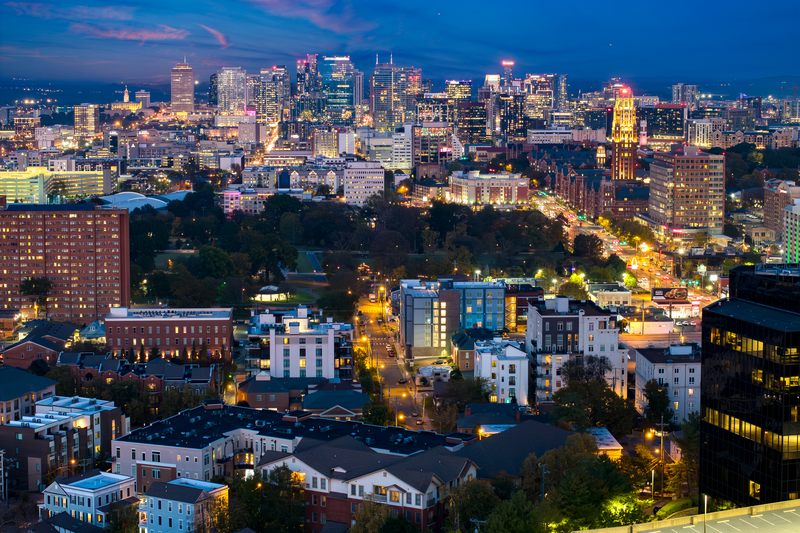
Busy Times: Summer and October

Summer brings families on vacation, plus every outdoor lover in the Southeast. October is crazy busy with leaf watchers driving from hours away. Hotels cost more, restaurants need reservations, and good luck finding parking downtown.

Sweet Spot Times: Late Spring and Early Fall

May and September give you gorgeous weather without fighting crowds for everything. Better prices on places to stay, shorter waits at breweries, and you can actually enjoy the trails.

Chill Times: Winter Through Early Spring

November through March is when locals get their city back. Cheapest hotel rates, empty hiking trails, and breweries where you can actually have a conversation. Some outdoor stuff closes, but the city itself never sleeps.

Why Visit Asheville?

This place isn’t just pretty mountains (though those are nice). You can spend a whole day touring Biltmore Estate – it’s got 250 rooms and gardens that go on forever. The beer scene is insane – breweries on every block making everything from classic lagers to weird experimental stuff.

Artists run this town. Walk through the River Arts District and watch people blow glass, throw pottery, and paint murals. Buy something directly from the person who made it.

Food here tells two stories – old mountain cooking and new chef creativity. You’ll find biscuits and gravy next to restaurants that grow their own vegetables. Each neighborhood feels different, too. Downtown stays busy until late. The arts district is all about creativity. Biltmore Village has fancy shops and cafes.

Step outside the city and you’re on hiking trails, rivers for tubing, or scenic drives that make you forget about everything else. The Blue Ridge Parkway connects you to views that photography can’t capture.

Your Month-by-Month Guide to Asheville

  • Asheville in January: Cold and quiet, perfect for brewery hopping and museum visits
  • Asheville in February: Still cold but getting brighter, great for indoor exploring
  • Asheville in March: Spring starts showing up, and wildflowers begin blooming
  • Asheville in April: Beautiful weather kicks in, hiking season begins
  • Asheville in May: Perfect temps, everything’s green and blooming
  • Asheville in June: Summer heat starts, festival season begins
  • Asheville in July: Hottest and busiest, but perfect for everything outdoors
  • Asheville in August: Still hot and packed, great for river activities
  • Asheville in September: Heat breaks, crowds thin out, perfect hiking weather
  • Asheville in October: Fall colors peak, busiest month for tourism
  • Asheville in November: Cool and crisp, crowds gone, great hiking continues
  • Asheville in December: Cold returns, holiday events, cozy cabin weather

When Is the Best Time to Visit Asheville?

May and September are golden months in Asheville. Temps hit that sweet spot between 60-75°F where you’re comfortable doing anything. The weather’s predictable, crowds are manageable, and everything’s open but not slammed.

You get the full Asheville experience – great hiking weather, brewery patios open, outdoor dining comfortable, and you can walk around downtown without fighting through tourist groups.

Visiting in Spring (March to May)

Spring in Asheville feels like the city waking up after a long nap. March starts chilly, but by May, you’re wearing shorts and planning hikes. This is when wildflowers take over the mountains – rhododendrons, mountain laurel, and stuff you’ve never heard of but looks amazing.

Perfect weather for walking everywhere, trying new breweries with outdoor seating, and taking those Instagram-worthy hiking photos without sweating through your shirt.

Asheville Weather in Spring

  • March: 37°F to 59°F | About 4 inches of rain
  • April: 44°F to 68°F | About 4 inches of rain
  • May: 53°F to 76°F | About 4 inches of rain

Things to Do in Asheville During Spring

Spring weather makes every outdoor activity better. Blue Ridge Parkway drives are spectacular without summer crowds. Waterfall hikes are refreshing, not exhausting.

Biltmore’s gardens explode with color in April and May. Perfect timing for walking tours and outdoor photography. Downtown becomes walkable again after winter.

Asheville Events in Spring

  • Beer Week (May) – The city celebrates its brewing obsession
  • Spring Plant Sale (April) – NC Arboretum’s huge plant event
  • Downtown Street Festival (May) – Music, food, local vendors
  • Craft Shows (March-May) – Mountain artisans showing their work

Food Scene in Spring

Brewery patios reopen, and everyone’s happy to be outside again. Farm-to-table restaurants start featuring spring vegetables. Outdoor dining becomes pleasant instead of freezing.

Spring Travel Tips

Book early for May – it’s popular for good reason. Bring layers because mornings can be cold, while afternoons get warm. Trails might be muddy from spring rains, so pack good shoes.

Visiting in Summer (June to August)

Summer in Asheville means festivals every weekend, hiking trails full of families, and brewery patios packed until late. July gets hot and humid, but that’s what swimming holes are for.

This is peak everything – peak crowds, peak prices, peak fun. If you don’t mind sharing the city with everyone else, summer delivers nonstop activities.

Asheville Weather in Summer

  • June: 60°F to 79°F | About 4 inches of rain
  • July: 64°F to 83°F | About 5 inches of rain
  • August: 63°F to 82°F | About 4 inches of rain

Things to Do in Asheville During Summer

Every hiking trail is accessible and every attraction runs a full schedule. Waterfall hikes become mandatory for cooling off. River tubing, kayaking, and swimming holes are perfect for hot afternoons.

Start outdoor activities early before the heat and afternoon thunderstorms roll in. Evenings are perfect for brewery crawls and outdoor concerts.

Asheville Events in Summer

  • Mountain Sports Festival (June) – Outdoor gear and adventure expo
  • Street Art Festival (June) – Local artists take over downtown
  • River Festival (June) – Celebrating the French Broad River
  • Outdoor Concert Series (June-August) – Music in parks and venues
  • Craft Fairs (All summer) – Mountain artisans selling their work

Food Scene in Summer

Ice cream shops become essential stops after hiking. Restaurants with outdoor seating get packed. Food trucks show up at festivals and events. Fresh local produce makes everything taste better.

Summer Travel Tips

Book months ahead – summer fills up fast. Start hiking early to beat the heat and storms. Pack rain gear for afternoon thunderstorms. Arrive at popular spots before 9 AM for parking and smaller crowds.

Visiting in Fall (September to November)

Fall is when Asheville shows off. September still feels summery, but October and November bring those perfect hiking days with incredible mountain colors. People drive from all over to see these fall colors, so October gets crazy busy.

But the scenery is worth it. The Blue Ridge Mountains turn into every color you can imagine.

Asheville Weather in Fall

  • September: 57°F to 78°F | About 3 inches of rain
  • October: 45°F to 69°F | About 3 inches of rain
  • November: 36°F to 59°F | About 3 inches of rain

Things to Do in Asheville During Fall

Fall hiking is unbeatable – perfect temps and incredible views. Peak colors usually hit mid-to-late October up high, early November down low. The Blue Ridge Parkway becomes a parade of cars stopping for photos.

Photography opportunities everywhere as mountains turn red, orange, and gold. Wildlife gets more active, preparing for winter.

Asheville Events in Fall

  • Fall Color Tours (October-November) – Scenic drives and guided tours
  • Oktoberfest (October) – German-style beer celebrations at breweries
  • Halloween Parties (October) – Spooky events throughout the city
  • Harvest Celebrations (September-October) – Farm events and local agriculture
  • Craft Showcases (October) – Mountain artisans displaying traditional work

Food Scene in Fall

Cozy restaurants with fireplaces become magnets. Mountain comfort food gets popular again. Apple cider, pumpkin everything, and hearty soups show up on menus.

Fall Travel Tips

October books up months in advance for fall colors. Pack layers – days can be warm, but mornings and evenings get cold. Check foliage reports to time your visit right.

Visiting in Winter (December to February)

Winter Asheville is a different animal. Temperatures drop into the 30s and 40s, occasional snow dusts the mountains, and crowds disappear. This is locals-only season when you get the real city without tourist chaos.

Perfect for cozy brewery visits, indoor cultural stuff, and affordable mountain cabin stays.

Asheville Weather in Winter

  • December: 31°F to 51°F | About 3 inches of rain/snow
  • January: 28°F to 47°F | About 3 inches of rain/snow
  • February: 31°F to 52°F | About 3 inches of rain/snow

Things to Do in Asheville During Winter

Some high mountain activities close, but city hiking stays accessible. Mountains look completely different with bare trees showing distant views you can’t see in summer.

Indoor attractions like Biltmore, breweries, galleries, and museums become your hangouts. Cabin stays get extra cozy.

Asheville Events in Winter

  • Holiday Light Shows (December-February) – Downtown gets festive
  • Biltmore Christmas (November-January) – Estate goes all-out for holidays
  • New Year’s Parties (December) – Downtown celebrations
  • Winter Beer Festivals (February) – Indoor brewery events
  • Valentine’s Getaways (February) – Romantic mountain escapes

Food Scene in Winter

Fireplaces and comfort food become essential. Hot chocolate, hearty stews, and warming drinks take over menus. Many restaurants offer special winter comfort menus.

Winter Travel Tips

Best deals on hotels and activities happen now. Check mountain road conditions before heading to high elevations. Pack warm, waterproof layers. Some attractions run limited hours.

Best Time of the Year to Visit Asheville (By Interest)

Pick your perfect time based on what you actually want to do:

For Skipping Crowds: Winter and Weekdays

Best Time for a Peaceful Asheville Experience

Winter months are when you get the city back from tourists. Visit Tuesday through Thursday, any season, for less crowded breweries, shorter restaurant waits, and hiking trails to yourself.
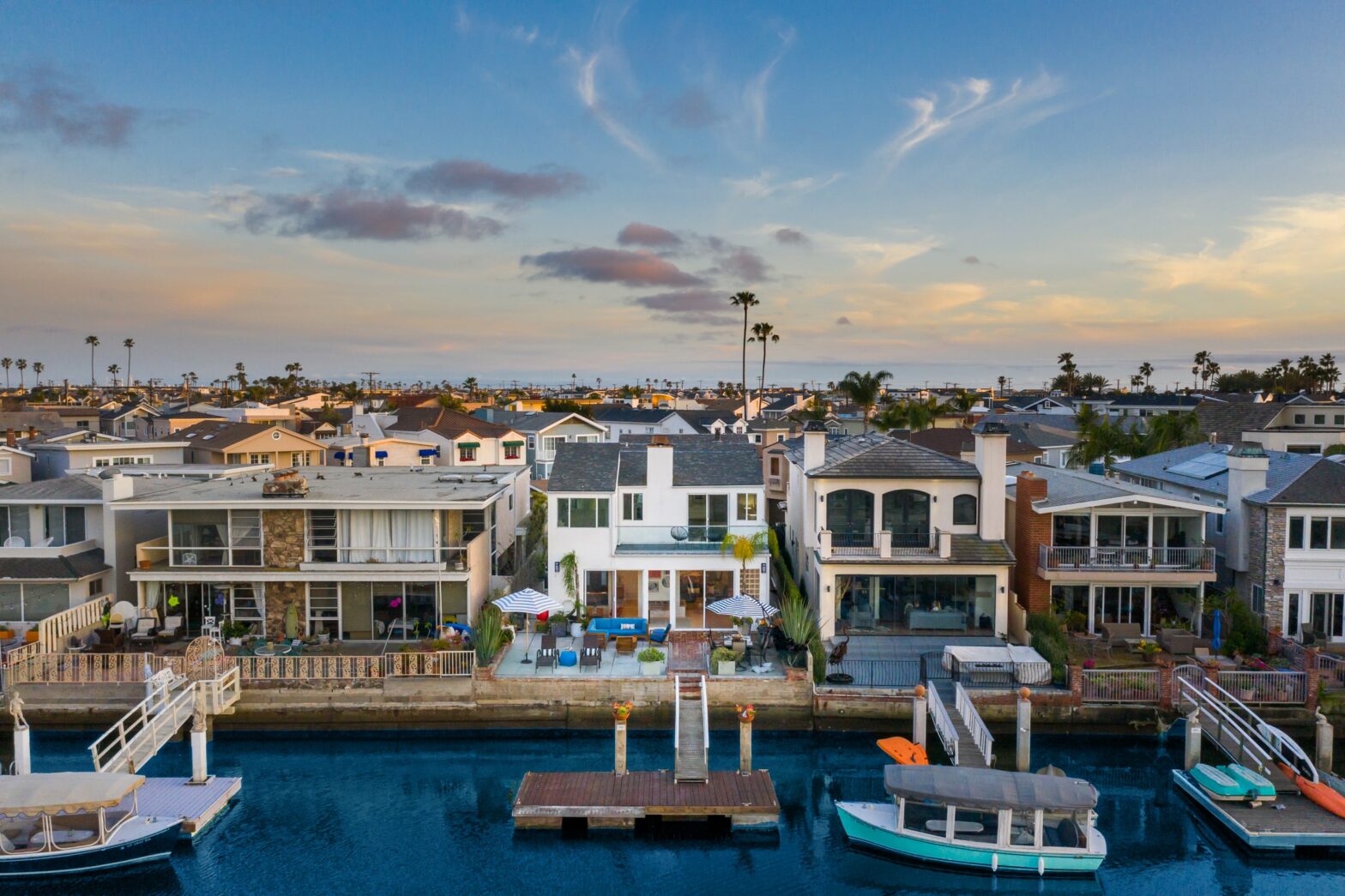
For Perfect Weather: May and September

Best Time for Ideal Asheville Weather

These months hit the sweet spot – comfortable temps, clear days, manageable rain. Perfect for hiking, brewery patios, outdoor dining, and walking around downtown comfortably.

For Hiking: April through October

Best Time for Trail Access in Asheville

Warm months give you access to every trail, including high elevation routes that might be icy in winter. Longest daylight hours for extended adventures.

For Brewery Tours: May through October

Best Time for Asheville Beer Scene

Pleasant weather means outdoor beer gardens and patio seating. Most beer festivals and special events happen during these months, too.

For Fall Colors: October into November

Best Time for Asheville Fall Foliage

Peak colors hit mid-to-late October up high, early November at lower elevations. Some of the most spectacular fall scenery in the country.

For Saving Money: January through March

Best Time for Budget Asheville Travel

Off-season brings the best hotel deals and restaurant specials. You’ll still enjoy winter mountain beauty while spending way less on accommodations.

For Events: June through September

Best Time for Asheville Festivals and Culture

Summer and early fall pack in most festivals, outdoor concerts, and cultural events when the weather cooperates for outdoor celebrations.

Where to Stay in Asheville

Find amazing vacation homes that capture what makes Asheville special – mountain views, creative vibes, and all the comfort you need for your mountain city adventure. Here are some incredible Asheville homes you can book with AvantStay:

  • Leyland – Gorgeous cabin-style house just outside downtown with massive spaces and mountain views from multiple decks.
  • Juliet – Elegant 3-story house surrounded by forest trees, yet with easy access to downtown breweries and hiking trails.
  • Asher – Mountain home that puts you right in the middle of everything Asheville offers, with complete amenities and your own pool.
  • Asheville Sunset – Watch incredible sunsets over the Blue Ridge Mountains from this spectacular mountain home built for unforgettable getaways.
  • Ridge Valley – A beautiful home in a valley location that feels like real mountain living, close to both outdoor adventures and downtown fun.

Create Your Asheville Itinerary

Ready to plan your mountain city adventure? Let our team help you set up everything for your Asheville trip! We can arrange brewery tours, hiking guides, Biltmore visits, and local experiences that show you the real creative culture of this amazing city.

Just contact us or download the AvantStay App to book activities, get local recommendations, and manage your entire trip through one simple app.

Want more ideas for mountain city adventures? Check out our guide to the best things to do in Asheville!

Plan Your Asheville Adventure

No matter when you visit, Asheville’s creative energy, incredible beer scene, stunning mountain views, and vibrant arts culture create memories you’ll never forget. This city mixes outdoor adventure with urban creativity perfectly. Every visit brings new discoveries and authentic mountain city experiences.

Your perfect Asheville vacation home is waiting. Book with AvantStay today and discover how amazing mountain city getaways can be when you experience Asheville’s legendary charm, creativity, and Blue Ridge Mountain beauty.

FAQs

Is Asheville expensive to visit?

Asheville costs more during busy times – summer months and October when everyone comes for fall colors. Hotels and restaurants charge top dollar because demand is crazy high. But visit in winter and you’ll find great deals on everything while still enjoying the mountain scenery and cozy indoor attractions.

How crowded does Asheville get?

Summer and October get packed. Breweries have lines, restaurants need reservations, and the Blue Ridge Parkway turns into a traffic parade. July sees the most visitors, with October close behind. Visit in winter or on weekdays for a much more relaxed experience with locals instead of tour groups.

When should I avoid Asheville?

Summer gets hot and humid with afternoon thunderstorms that can mess up outdoor plans. But it’s actually great weather for brewery visits and indoor stuff. October brings massive crowds for fall colors – traffic jams and fully booked hotels. Still, Asheville works year-round if you plan for the season and know what to expect.

The Best Time to Visit Smoky Mountains

Ancient mountains covered in a mysterious blue haze that gives them their name, where black bears roam through old-growth forests, and where rushing waterfalls cascade down moss-covered rocks. 

This is the Smoky Mountains, Tennessee and North Carolina – America’s most visited national park that nature lovers call the crown jewel of the Appalachians. You’ll discover over 800 miles of hiking trails winding through forests older than recorded history. 

Cataract Falls and Laurel Falls reward hikers with stunning photo opportunities. Cades Cove offers an 11-mile loop road where you might spot deer, black bears, and wild turkeys in their natural habitat. And the mountain towns of Gatlinburg and Pigeon Forge buzz with moonshine distilleries, pancake houses, and family attractions.

The mountain climate here changes with elevation and seasons. Summer brings warm, humid weather perfect for hiking, but also the biggest crowds. Winter offers snow-capped peaks and peaceful trails, but cold temperatures. Spring and fall provide comfortable weather with wildflowers or brilliant autumn colors.

Looking to plan the perfect mountain getaway? Let’s explore when to visit the Smoky Mountains and discover what makes each season special in this ancient mountain range.

About Smoky Mountains, TN

The Great Smoky Mountains National Park straddles the border between Tennessee and North Carolina, covering over 520,000 acres of pristine wilderness. These mountains are over 200 million years old, making them among the oldest on Earth. The park protects the largest remnant of the vast forest that once covered the Appalachian Mountains.

In Great Smoky Mountains National Park, the summers are long, warm, and humid; the winters are short, very cold, and wet; and it is partly cloudy year-round. Over the course of the year, the temperature typically varies from 29°F to 84°F and is rarely below 14°F or above 90°F.

The wetter season lasts 4.7 months, from March 31 to August 22, with a greater than 35% chance of a given day being a wet day. The month with the most wet days in Great Smoky Mountains National Park is July, with an average of 14.4 days with at least 0.04 inches of precipitation. This means you can expect some rain during spring and summer visits, but fall and winter are generally drier.

Smoky Mountains Travel Seasons at a Glance

Here’s when tourists flock to America’s most popular national park and when you’ll find quieter trails.

Peak Times: June to August and October

Summer brings families on vacation and perfect hiking weather, making it the busiest time. July is historically the park’s most crowded month, with June not too far behind. October draws huge crowds for fall foliage. Hotels cost more, and trails get packed.

Great Times: April to May and September

These shoulder months offer excellent weather with fewer people around. You’ll find better accommodation deals in nearby towns and less crowded trails while still enjoying great hiking conditions.

Quieter Times: November to March

Winter has the fewest visitors and the lowest lodging rates in Gatlinburg and Pigeon Forge. While some higher elevation trails may be inaccessible due to snow, lower elevation hikes remain doable, and you’ll practically have the park to yourself.

Why Visit Smoky Mountains?

This mountain region offers much more than hiking trails. You can explore historic log cabins and churches in Cades Cove, where early settlers lived. The Great Smoky Mountains National Park provides free admission, making it accessible to everyone. Nearby Gatlinburg and Pigeon Forge offer moonshine tastings, dinner shows, and unique mountain culture.

The food scene celebrates Appalachian traditions. From authentic mountain BBQ to famous pancake houses serving stacks taller than your head, every meal connects you to local heritage. Different areas have distinct personalities. The national park feels wild and untouched. Gatlinburg combines mountain charm with tourist attractions. Pigeon Forge focuses on family entertainment and shows.

The Smoky Mountains embrace outdoor adventures year-round. You can hike to waterfalls, spot wildlife, fish for mountain trout, or just breathe in the fresh mountain air. The park sits at various elevations, so you can experience different climates and ecosystems in the same day.

Based on this score, the best time of year to visit Great Smoky Mountains National Park for general outdoor tourist activities is from early June to late September, with a peak score in the last week of August.

Your Month-by-Month Guide to Smoky Mountains

  • Smoky Mountains in January: Cold and snowy, very quiet, perfect for cozy cabin stays and winter photography
  • Smoky Mountains in February: Still cold but lengthening days, few tourists, great for peaceful hikes at lower elevations
  • Smoky Mountains in March: Spring begins, wildflowers start blooming, and the weather becomes more pleasant
  • Smoky Mountains in April: Beautiful spring weather, busy season begins, wildflowers peak in lower elevations
  • Smoky Mountains in May: Comfortable temperatures, excellent hiking weather, spring wildflowers everywhere
  • Smoky Mountains in June: Summer heat begins, perfect hiking temperatures, busy tourist season
  • Smoky Mountains in July: Warmest month, peak tourist season, best weather for all activities
  • Smoky Mountains in August: Still warm and humid, very busy, perfect for swimming holes and waterfalls
  • Smoky Mountains in September: Heat breaks, fewer crowds, comfortable temperatures return
  • Smoky Mountains in October: Peak fall foliage, busiest month for leaf-peepers, stunning mountain colors
  • Smoky Mountains in November: Cool and crisp, fewer tourists after foliage season, excellent hiking weather
  • Smoky Mountains in December: Cold returns, winter quiet, perfect for holiday cabin getaways

When Is the Best Time to Visit Smoky Mountains?

The best time to visit the Smoky Mountains is late April through May and September through early November when temperatures stay comfortable between 60°F and 75°F. Based on this score, the best time of year to visit Great Smoky Mountains National Park for general outdoor tourist activities is from early June to late September, with a peak score in the last week of August. You’ll get perfect hiking weather, clear mountain views, and ideal conditions for wildlife watching without extreme heat or the largest crowds.

These months provide the classic Smoky Mountains experience – comfortable days, cool evenings, and weather that makes every outdoor activity enjoyable.

Visiting in Spring (March to May)

Spring in the Smoky Mountains brings some of the year’s most magical experiences. The warm season lasts for 4.0 months, from May 23 to September 22, with an average daily high temperature above 77°F. As spring progresses, days warm into the 70s while nights stay cool in the 40s and 50s. This is wildflower season when the forest floor comes alive with trillium, lady slippers, and over 1,500 different flowering plants.

This is perfect weather for hiking to waterfalls and exploring the park’s diverse ecosystems. The comfortable temperatures make long hikes enjoyable, and the blooming wildflowers create incredible photo opportunities.

Smoky Mountains Weather in Spring

  • March: 37°F (low) / 60°F (high) | Rain: 4.2 inches
  • April: 45°F (low) / 69°F (high) | Rain: 4.0 inches
  • May: 53°F (low) / 76°F (high) | Rain: 4.5 inches

Things to Do in Smoky Mountains During Spring

Spring weather makes hiking absolutely perfect. Popular trails like Cataract Falls and Andrews Bald offer stunning views without summer’s intense heat. The wildflower displays peak in April and May, making this the best time for nature photography.

Cades Cove becomes especially beautiful as wildlife emerges from winter, and the 11-mile loop drive offers excellent opportunities to spot black bears, deer, and wild turkeys.

Smoky Mountains Events in Spring

  • Wildflower Pilgrimage (April) – Annual celebration of spring blooms with guided walks
  • Spring Wildflower Festival (April-May) – Educational programs about mountain flora
  • Great Smoky Mountains National Park Anniversary (April) – Celebrating park history
  • Wilderness Wildlife Week (January-February, extending into March) – Free educational programs about mountain wildlife
  • Mountain Music and Crafts Festival (May) – Traditional Appalachian culture celebrations

Local Eats in Smoky Mountains During Spring

Spring weather makes outdoor dining at mountain restaurants delightful. Historic restaurants in Gatlinburg with mountain views become perfect spots for enjoying traditional Appalachian cuisine while taking in the beautiful spring scenery.

Smoky Mountains Travel Tips During Spring

Spring attracts many visitors, especially during wildflower season in April and May. Book accommodations in Gatlinburg or Pigeon Forge early. Pack layers since mornings can be quite cool, but afternoons warm up nicely. Trail conditions can be muddy from spring rains, so bring appropriate hiking boots.

Visiting in Summer (June to August)

Summer gets warm and humid, with the hottest month of the year in Great Smoky Mountains National Park being July, with an average high of 84°F and low of 65°F. The month with the most wet days in Great Smoky Mountains National Park is July, with an average of 14.4 days with at least 0.04 inches of precipitation.

This is peak season with the warmest weather, perfect for all outdoor activities, though you’ll encounter the largest crowds of the year.

Smoky Mountains Weather in Summer

  • June: 61°F (low) / 81°F (high) | Rain: 4.2 inches
  • July: 65°F (low) / 84°F (high) | Rain: 4.5 inches
  • August: 64°F (low) / 83°F (high) | Rain: 4.0 inches

Things to Do in Smoky Mountains During Summer

Summer offers perfect conditions for all hiking trails, including higher elevation routes that may be inaccessible in winter. Swimming holes and waterfalls provide refreshing breaks from the heat. The full range of park facilities and visitor centers is open with extended hours.

Early morning and evening hours offer the best wildlife viewing as animals avoid midday heat. Firefly viewing reaches peak season in late May and June.

Smoky Mountains Events in Summer

  • Summer Music Series (June-August) – Outdoor concerts in Gatlinburg and Pigeon Forge
  • Fourth of July Celebrations (July) – Fireworks and patriotic events in mountain towns
  • Mountain Coaster Season (June-August) – Peak season for outdoor attractions
  • Arts and Crafts Festivals (June-August) – Various craft shows celebrating Appalachian traditions
  • Firefly Viewing Season (Late May-June) – Peak time for synchronous fireflies

Local Eats in Smoky Mountains During Summer

Summer dining focuses on cooling treats and traditional mountain fare. Ice cream shops and cold beverage stands become popular stops after long hikes. Many restaurants offer extended summer hours to accommodate the busy tourist season.

Smoky Mountains Travel Tips During Summer

Book accommodations well in advance as this is the busiest season. Start hikes early in the morning to avoid afternoon heat and thunderstorms. Bring rain gear for frequent afternoon showers. Parking at popular trailheads fills up early, so arrive before 8 AM for best access.

Visiting in Fall (September to November)

Fall brings some of the most spectacular scenery in the Smoky Mountains. September still feels warm, but October and November offer comfortable hiking temperatures with incredible fall foliage. October is particularly busy as people flock to see the famous autumn colors.

Tourist crowds peak again during foliage season, but the stunning scenery makes it worthwhile.

Smoky Mountains Weather in Fall

  • September: 58°F (low) / 80°F (high) | Rain: 3.2 inches
  • October: 47°F (low) / 72°F (high) | Rain: 2.7 inches
  • November: 37°F (low) / 61°F (high) | Rain: 3.1 inches

Things to Do in Smoky Mountains During Fall

Fall weather provides perfect hiking conditions, with the clearest month of the year in Great Smoky Mountains National Park being September, during which, on average, the sky is clear, mostly clear, or partly cloudy 65% of the time. The famous fall foliage typically peaks in mid-to-late October at higher elevations and early November at lower elevations.

Photography opportunities are endless as the mountains transform into brilliant displays of red, orange, and gold. Wildlife becomes more active as animals prepare for winter.

Smoky Mountains Events in Fall

  • Fall Foliage Season (October-November) – Peak autumn color viewing
  • Gatlinburg Craftsmen’s Fair (October) – Traditional mountain crafts and demonstrations
  • Halloween Events (October) – Spooky attractions in Gatlinburg and Pigeon Forge
  • Thanksgiving Celebrations (November) – Traditional mountain holiday events
  • Harvest Festivals (September-October) – Celebrating mountain agriculture and traditions

Local Eats in Smoky Mountains During Fall

Fall weather makes cozy mountain dining irresistible. Restaurants featuring fireplaces and mountain views become perfect for enjoying hearty Appalachian dishes while watching the fall colors. Apple cider and seasonal mountain treats become specialties.

Smoky Mountains Travel Tips During Fall

Fall foliage season, especially October, rivals summer for crowds. Book accommodations months in advance for October visits. Pack layers since days can be warm but evenings and mornings turn quite cool. Check foliage reports to time your visit for peak colors.

Visiting in Winter (December to February)

Winter brings the cold season lasts for 2.9 months, from December 1 to February 27, with an average daily high temperature below 54°F. The coldest month of the year in Great Smoky Mountains National Park is January, with an average low of 29°F and high of 47°F.

The snowy period of the year lasts for 2.6 months, from December 18 to March 5, with a sliding 31-day snowfall of at least 1.0 inches. The month with the most snow in Great Smoky Mountains National Park is January, with an average snowfall of 2.2 inches.

This is the quietest season with the most affordable accommodations in nearby towns and peaceful, snow-dusted mountain landscapes.

Smoky Mountains Weather in Winter

  • December: 32°F (low) / 53°F (high) | Rain: 4.1 inches
  • January: 29°F (low) / 47°F (high) | Rain: 3.6 inches
  • February: 32°F (low) / 52°F (high) | Rain: 3.4 inches

Things to Do in Smoky Mountains During Winter

Winter weather limits access to some higher elevation trails, but lower elevation hikes remain accessible and beautiful with possible snow cover. The park takes on a completely different character with bare trees revealing distant mountain vistas hidden during leafy months.

Cozy cabin stays become appealing, and indoor attractions in Gatlinburg and Pigeon Forge offer warm entertainment options.

Smoky Mountains Events in Winter

  • Winterfest (November-February) – Holiday light displays throughout Gatlinburg and Pigeon Forge
  • Winter Magic (December-February) – Gatlinburg’s winter celebration with lights and events
  • New Year’s Celebrations (December) – Mountain town celebrations and events
  • Wilderness Wildlife Week (January-February) – Educational programs about winter wildlife
  • Valentine’s Day Events (February) – Romantic mountain getaway celebrations

Local Eats in Smoky Mountains During Winter

Winter dining focuses on hearty, warming mountain cuisine. Restaurants with fireplaces become gathering spots for hot chocolate, mountain stews, and comfort food. Many establishments offer special winter menus featuring seasonal ingredients and traditional recipes.

Smoky Mountains Travel Tips During Winter

Winter offers the best deals on accommodations and the smallest crowds. Check weather conditions before heading to higher elevation areas, as roads may be icy. Pack warm layers and waterproof clothing. Some facilities and trails may have limited access, so check park websites before visiting.

Best Time of the Year to Visit Smoky Mountains (By Interest)

Here’s when to visit based on what matters most to you:

For Fewer Crowds: December to March and Weekdays Year-Round

Best Time to Visit Smoky Mountains for Fewer People

Winter months have the fewest tourists due to cold weather and limited trail access. Visiting Tuesday through Thursday, any time of year, means less crowded trails and attractions, plus shorter waits at popular viewpoints.

For Perfect Weather: April to May and September to October

Best Time to Visit Smoky Mountains for Ideal Temperatures

These months offer the best combination of comfortable temperatures, clear skies, and manageable rainfall. Perfect for hiking, wildlife viewing, and outdoor activities without extreme weather conditions.

For Hiking: April to October

Best Time to Visit Smoky Mountains for Trail Access

Warmer months provide access to all park trails, including higher elevation routes that may be snow-covered in winter. This period offers the longest daylight hours for extended hiking adventures.

For Wildflowers: April to May

Best Time to Visit Smoky Mountains for Spring Blooms

Spring brings over 1,500 flowering plant species to peak bloom. Lower elevations bloom in April, while higher elevations peak in May, creating an extended wildflower viewing season.

For Fall Foliage: October to November

Best Time to Visit Smoky Mountains for Autumn Colors

Peak fall colors typically occur mid-to-late October at higher elevations and early November at lower elevations. This creates one of the most spectacular autumn displays in North America.

For Cheaper Prices: December to March and January to February

Best Time to Visit Smoky Mountains on a Budget

Off-season months offer the best deals on accommodations in Gatlinburg and Pigeon Forge. You’ll still enjoy winter mountain beauty while saving money on lodging and attractions.

For Wildlife Viewing: April to June and September to November

Best Time to Visit Smoky Mountains for Animal Sightings

Spring and fall provide the best opportunities to spot black bears, deer, wild turkeys, and other wildlife as animals are most active during these moderate temperature periods.

Where to Stay in Smoky Mountains

Find incredible vacation homes that capture the Smoky Mountains’ rustic charm and natural beauty. These properties offer stunning mountain views, cozy cabin amenities, and all the comforts you need for the perfect mountain getaway. Here are some amazing Smoky Mountains vacation homes you can book with AvantStay:

  • Hickory Ridge – Hidden among pine trees, this rustic 8-bedroom cabin has complete amenities and the perfect mountain retreat atmosphere.
  • Pine Rise – Elevated mountain home designed to capture sunrise views over the ancient peaks with the four-story tall decks.
  • Wanderer – Perfect for big groups seeking adventure, this mountain home provides easy access to hiking trails and park attractions.
  • Bluestem – Cozy mountain home that provides the ideal Smoky Mountains experience: forest views and fun amenities.
  • Summit View Way – Spectacular mountain cabin best for exploring America’s most visited national park with the world-class service of a boutique hotel.

Create Your Smoky Mountains Itinerary

Ready to plan your mountain adventure? Let our team help you set up everything for your Smoky Mountains escape! We can arrange guided hiking tours, wildlife viewing excursions, moonshine distillery visits, and unique local experiences that show you the real Appalachian culture.

Just contact us or download the AvantStay App to book extra activities, get recommendations from locals, and manage your entire trip through one simple app.

Want more ideas for mountain fun? Check out our guide to the best things to do in the Smoky Mountains!

Plan Your Smoky Mountains Adventure

No matter when you visit, the Smoky Mountains’ ancient peaks, pristine wilderness, diverse wildlife, and rich Appalachian culture will create memories that last forever. This region offers the perfect mix of outdoor adventure and mountain heritage. Every visit brings new discoveries and authentic mountain experiences.

Your perfect Smoky Mountains vacation home is waiting for you. Book with AvantStay today and discover how amazing mountain getaways can be when you experience the Smoky Mountains’ legendary beauty, trails, and Appalachian charm.

FAQs

Is Smoky Mountains expensive to visit?

The Smoky Mountains can be costly during peak season from June through August and October (fall foliage season) when accommodations in Gatlinburg and Pigeon Forge charge premium rates because of perfect hiking weather and high demand from families and leaf-peepers. However, you can save considerable money during the winter months when you’ll find great lodging deals, restaurant specials, and fewer crowds, while still enjoying beautiful winter mountain scenery and cozy cabin experiences.

How crowded does Smoky Mountains get?

Peak season brings heavy crowds, especially during summer months and the October foliage season, when popular hiking trails, Cades Cove loop road, and attractions in Gatlinburg get packed with visitors. July is historically the park’s most crowded month, with June not too far behind. For a more peaceful experience, visit during the winter months or explore during weekdays when there are fewer tourists and better parking availability at trailheads.

When to avoid Smoky Mountains?

Summer months from June to August bring intense humidity and frequent afternoon thunderstorms that can make hiking uncomfortable during midday hours. However, this is actually perfect weather for waterfall hikes and swimming holes. October sees massive crowds during the peak fall foliage season, with traffic jams and fully booked accommodations. Still, the Smoky Mountains’ diverse elevation zones and year-round accessibility make it a great destination any time if you plan for the season and know what to expect.

The Best Time to Visit Destin

The coastal town that fishing enthusiasts call “The World’s Luckiest Fishing Village.” Where sugar-white sand beaches squeak under your feet, emerald green waters so clear you can see fish swimming below, and fishing boats returning with their daily catch as pelicans soar overhead. 

Welcome to Destin, Florida! Find yourself exploring Crab Island, The HarborWalk Village that comes alive at night with waterfront restaurants, live music, and families watching the sunset, and the beaches that stretch for miles with sand so white it looks like powdered sugar.

The Gulf Coast climate here means warm temperatures most of the year. But picking the right time makes all the difference. Summer months can feel hot and sticky with frequent afternoon storms. Winter offers mild, comfortable weather perfect for outdoor activities. Spring and fall bring ideal temperatures with varying crowd sizes.

Ready to discover the perfect time for your beach adventure? Let’s explore when to visit Destin and uncover what each season offers in this Gulf Coast paradise.

About Destin, FL

Destin sits along Florida’s Emerald Coast, where Choctawhatchee Bay meets the Gulf of Mexico. This former fishing village has grown into a premier beach destination while keeping its laid-back coastal charm. The area is famous for its championship golf courses, world-class deep-sea fishing, and some of the most beautiful beaches in America.

The subtropical climate means summers are long, hot, and oppressive; winters are cool and windy; and it is wet and partly cloudy year-round. Over the year, the temperature typically varies from 46°F to 88°F and is rarely below 32°F or above 92°F.

The wetter season lasts 2.9 months, from June 9 to September 6, with a greater than 40% chance of a given day being a wet day. The month with the most wet days in Destin is July, with an average of 17.5 days with at least 0.04 inches of precipitation. This means you can count on mostly sunny weather during fall, winter, and spring.

Destin Travel Seasons at a Glance

Here’s when beach lovers crowd the Emerald Coast and when you’ll have more space to enjoy the water.

Peak Times: June to August and March to May

Summer brings families on vacation and perfect beach weather, making it the busiest time. Spring break season also draws large crowds, especially in March and April. Hotels cost more, and beaches get packed.

Great Times: April to May and September to October

These shoulder months offer excellent weather with fewer people around. You’ll find better accommodation deals and shorter lines at popular attractions while still enjoying great beach conditions.

Quieter Times: November to February

Winter has the fewest visitors and the lowest hotel rates. While it’s too cool for swimming, the weather stays pleasant for other outdoor activities, and you’ll practically have the beaches to yourself.
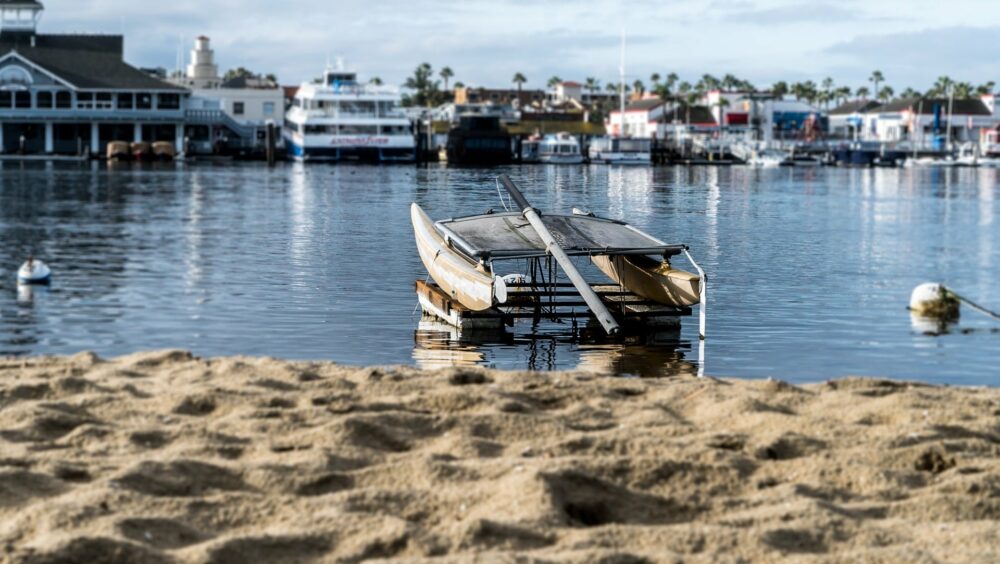
Why Visit Destin?

This coastal town has much more than beautiful beaches to offer. You can take dolphin cruises where friendly dolphins swim right up to your boat. The fishing here is legendary – both deep-sea charters and bay fishing produce incredible catches. Crab Island becomes a floating party every weekend where hundreds of boats gather in shallow water.

The restaurant scene focuses heavily on fresh seafood. From casual beach shacks serving fried shrimp to upscale establishments with Gulf-to-table menus, every meal showcases the day’s catch. Different areas have distinct personalities. HarborWalk Village buzzes with nightlife and waterfront dining. The beaches feel peaceful and family-friendly.

Destin embraces water activities year-round. You can rent pontoon boats, try parasailing, go snorkeling, or just float in the calm Gulf waters. The town sits right on the water, so you’re never more than a few minutes from the beach.

The climate allows outdoor fun almost every day of the year. Even winter brings comfortable temperatures perfect for beach walks, golf, and exploring the many waterfront areas.

Your Month-by-Month Guide to Destin

  • Destin in January: Cool and breezy, very quiet, perfect for golf and peaceful beach walks
  • Destin in February: Mild weather, still few tourists, great for outdoor dining and fishing
  • Destin in March: Getting warmer, spring breakers arrive, wildflowers bloom in coastal areas
  • Destin in April: Beautiful weather, busy season begins, ideal for all activities
  • Destin in May: Warm and pleasant, festival season, excellent temperatures for everything
  • Destin in June: Summer heat begins, beach weather peaks, perfect for swimming
  • Destin in July: Hottest month, afternoon storms, peak tourist season
  • Destin in August: Still very hot, most rain, best water temperatures for activities
  • Destin in September: Heat continues, but crowds thin, and comfortable evenings return
  • Destin in October: Perfect fall weather, busy again, ideal for outdoor activities
  • Destin in November: Cool and dry, fewer tourists, excellent for walking and exploring
  • Destin in December: Mild winter, holiday events, pleasant temperatures all day

When Is the Best Time to Visit Destin?

The best time to visit Destin is April through May and October through November when temperatures stay comfortable between 65°F and 80°F. Based on tourism and weather scores, these are the best times of year to visit Destin for general outdoor tourist activities, with a peak score in the last week of April. You’ll get perfect beach weather, clear skies, and ideal conditions for fishing, boating, and exploring without extreme heat or large crowds.

These months provide the classic Destin experience – comfortable days, beautiful sunsets, and weather that makes every beach activity enjoyable.

Visiting in Spring (March to May)

Spring in Destin brings some of the year’s most enjoyable weather. The cool season lasts for 3.1 months, from December 4 to March 6, with an average daily high temperature below 66°F. As spring progresses, days warm into the 70s and 80s while nights stay comfortable in the 50s and 60s. The Gulf waters begin warming up, making swimming more pleasant.

This is excellent weather for fishing charters, dolphin watching, and spending long days on the beach. The pleasant temperatures make walking around HarborWalk Village and outdoor dining really enjoyable.

Destin Weather in Spring

  • March: 52°F (low) / 70°F (high) | Rain: 4.2 inches
  • April: 59°F (low) / 76°F (high) | Rain: 3.3 inches
  • May: 68°F (low) / 82°F (high) | Rain: 3.4 inches

Things to Do in Destin During Spring

Spring weather makes every outdoor activity shine. Fishing charters become really popular as the weather warms and fish become more active. The beaches feel perfect for long walks, beach games, and starting to enjoy swimming as water temperatures rise.

Boat rentals pick up as the weather improves, and outdoor restaurants with waterfront views become perfect for lunch and dinner.

Destin Events in Spring

  • Destin Fishing Rodeo (October, but spring prep events) – Major fishing tournament preparations
  • Spring Break Season (March-April) – College students and families flood the beaches
  • Easter Celebrations (March/April) – Family-friendly events at local venues
  • Crab Island Season Opening – Boats begin gathering at the famous sandbar
  • Deep Sea Fishing Tournaments (April-May) – Prime fishing competition season

Local Eats in Destin During Spring

Spring weather makes waterfront dining irresistible. Restaurants with outdoor seating and Gulf views become perfect spots for trying fresh seafood while enjoying comfortable temperatures. The pleasant weather makes it fun to explore different restaurants along the harbor and beachfront areas.

Destin Travel Tips During Spring

Spring attracts large crowds, especially during spring break season in March and April. Book accommodations and restaurants well in advance. Pack layers since mornings can be cool, but afternoons warm up quickly. This is the busy season, so expect higher prices and more people at beaches and popular spots.

Visiting in Summer (June to August)

Summer gets seriously hot with the hot season lasting for 4.1 months, from May 26 to September 30, with an average daily high temperature above 83°F. The hottest month of the year in Destin is July, with an average high of 88°F and a low of 77°F.

This is also the wettest time with the month with the most wet days in Destin being July, with an average of 17.5 days with at least 0.04 inches of precipitation. But if you love perfect beach weather and don’t mind afternoon thunderstorms, summer offers the warmest water temperatures and longest beach days.

Destin Weather in Summer

  • June: 74°F (low) / 86°F (high) | Rain: 5.1 inches
  • July: 77°F (low) / 88°F (high) | Rain: 5.7 inches
  • August: 77°F (low) / 88°F (high) | Rain: 5.6 inches

Things to Do in Destin During Summer

Summer is perfect for all water activities. The time of year with warmer water lasts for 3.9 months, from June 9 to October 5, with an average temperature above 80°F. The month of the year in Destin with the warmest water is August, with an average temperature of 85°F. Swimming, snorkeling, parasailing, and boat rentals are at their peak. Crab Island becomes a floating party destination with hundreds of boats anchored in the shallow water.

When afternoon storms roll in, many people head to indoor attractions like shopping at Destin Commons or trying indoor entertainment venues.

Destin Events in Summer

  • Fourth of July Fireworks (July) – Spectacular fireworks over the harbor
  • Summer Concert Series (June-August) – Live music at various waterfront venues
  • Fishing Tournaments (June-August) – Peak season for deep-sea fishing competitions
  • Crab Island Peak Season – Daily floating parties at the famous sandbar
  • Beach Festivals (July-August) – Various music and food festivals on the beach

Local Eats in Destin During Summer

Summer dining focuses on cold drinks, fresh ceviche, and seafood dishes perfect for hot weather. Many restaurants offer special summer hours with later seating when temperatures cool down. Frozen cocktails and cold soups become popular menu items.

Destin Travel Tips During Summer

Book accommodations with excellent air conditioning and pools. Plan beach time for early morning and late afternoon when it’s cooler. Bring umbrellas for afternoon storms that usually pass quickly. Summer is peak season, so expect the highest prices and largest crowds.

Visiting in Fall (September to November)

Fall brings relief from summer heat and humidity while maintaining great beach weather. September still feels quite warm, but October and November offer some of the year’s most comfortable conditions. Days stay warm and pleasant while nights become cool and perfect for outdoor dining.

Tourist crowds decrease after Labor Day, so you’ll find better deals and less crowded beaches while still enjoying excellent weather.

Destin Weather in Fall

  • September: 73°F (low) / 85°F (high) | Rain: 5.3 inches
  • October: 63°F (low) / 80°F (high) | Rain: 2.8 inches
  • November: 53°F (low) / 72°F (high) | Rain: 2.1 inches

Things to Do in Destin During Fall

Fall weather brings back comfortable conditions for all outdoor activities. Fishing becomes excellent as the waters cool and the fish become more active. Beach visits feel perfect without summer’s intense heat and humidity.

This is ideal weather for boat tours, exploring nature areas, and enjoying the many outdoor restaurants and bars that make Destin special.

Destin Events in Fall

  • Destin Fishing Rodeo (October) – Month-long fishing tournament and festival
  • Seafood Festival (October) – Celebrating Gulf Coast seafood and local restaurants
  • Fall Fishing Tournaments (September-November) – Peak fishing competition season
  • Baytowne Wharf Events (September-October) – Various festivals and live music
  • Holiday Light Setup (November) – Preparation for winter holiday displays

Local Eats in Destin During Fall

Fall weather makes waterfront dining comfortable again. Restaurant patios and outdoor seating areas become perfect for enjoying fresh seafood while watching boats in the harbor. The pleasant temperatures make it enjoyable to explore different neighborhoods and their dining scenes.

Destin Travel Tips During Fall

Fall offers excellent weather with moderate crowds, especially in October and November. September can still feel quite warm and humid, so early fall requires summer planning. Pack light layers since days are warm but evenings can be cool.

Visiting in Winter (December to February)

Winter brings cool and windy conditions, with the coldest month being January, with an average low of 46°F and high of 61°F. While too cool for swimming, winter offers some of the most peaceful times to visit Destin. The drier season lasts 9.1 months, from September 6 to June 9. The month with the fewest wet days in Destin is October, with an average of 6.6 days with at least 0.04 inches of precipitation.

This is the quietest tourist season with the lowest accommodation prices and practically empty beaches, perfect for long walks and shell collecting.

Destin Weather in Winter

  • December: 48°F (low) / 65°F (high) | Rain: 3.0 inches
  • January: 46°F (low) / 61°F (high) | Rain: 3.8 inches
  • February: 49°F (low) / 66°F (high) | Rain: 3.4 inches

Things to Do in Destin During Winter

Winter weather is perfect for activities that don’t require swimming. Golf courses offer ideal playing conditions, beach walks become peaceful and refreshing, and fishing remains excellent. Many restaurants have heated outdoor areas for comfortable dining.

This is perfect weather for exploring the area without crowds, taking nature walks, and enjoying the many non-beach attractions Destin offers.

Destin Events in Winter

  • Holiday Light Displays (December-January) – Beautiful decorations throughout the area
  • New Year’s Celebrations (December) – Waterfront parties and fireworks
  • Winter Fishing (December-February) – Excellent offshore and bay fishing
  • Restaurant Week (January) – Special menus and deals at local restaurants
  • Winter Bird Watching (December-February) – Great time to see migratory birds

Local Eats in Destin During Winter

Winter weather makes cozy indoor dining appealing, but many restaurants still offer heated outdoor seating for enjoying Gulf views. The comfortable temperatures make it pleasant to walk around and explore different dining options without summer heat or crowds.

Destin Travel Tips During Winter

Winter offers the best deals on accommodations and the fewest crowds. While swimming isn’t comfortable, all other activities remain enjoyable. Pack layers since days can be mild, but evenings and early mornings get cool. This is perfect for visitors who want to experience Destin without the summer rush.

Best Time of the Year to Visit Destin (By Interest)

Here’s when to visit based on what matters most to you:

For Fewer Crowds: November to February and Weekdays Year-Round

Best Time to Visit Destin for Fewer People

Winter months have the fewest tourists due to cooler weather. Visiting Tuesday through Thursday, any time of year, means less crowded beaches and restaurants, plus shorter waits at popular attractions.

For Perfect Weather: April to May and October to November

Best Time to Visit Destin for Ideal Temperatures

These months offer the best combination of comfortable temperatures, clear skies, and minimal rainfall. Perfect for every outdoor activity Destin offers without extreme heat or cold.

For Beach Activities: May to September

Best Time to Visit Destin for Swimming and Beach Fun

The warmest months with the best water temperatures for swimming, snorkeling, and water sports. Gulf water reaches its peak temperature in August at an average of 85°F.

For Fishing: March to May and September to November

Best Time to Visit Destin for Deep-Sea and Bay Fishing

Cooler months bring more active fish and comfortable conditions for spending long days on the water. Spring and fall offer the best fishing with pleasant boat weather.

For Water Sports: June to September

Best Time to Visit Destin for Boating and Water Activities

Peak season for parasailing, jet skiing, boat rentals, and Crab Island visits when water temperatures are warmest and conditions are most favorable for water activities.

For Cheaper Prices: November to February and January to March

Best Time to Visit Destin on a Budget

Off-season months offer the best deals on accommodations, restaurants, and activities. You’ll still enjoy pleasant weather for non-beach activities while saving money.

For Events and Festivals: April to May and October

Best Time to Visit Destin for Special Events

Spring and fall bring the biggest events like fishing tournaments, seafood festivals, and outdoor concerts that take advantage of perfect weather conditions.

Where to Stay in Destin

Discover incredible vacation homes that capture Destin’s beachy Emerald Coast vibe. These properties offer stunning Gulf views, beach access, and all the amenities you need for the perfect coastal getaway. Here are some amazing Destin vacation homes you can book with AvantStay:

  • Seacrest – A bright duplex just two blocks from Destin’s famous white sand beaches.
  • Sunset Mirage – Perfectly positioned to capture the spectacular Gulf Coast sunsets.
  • Crystal Sands – A beautiful coastal home built for spacious group retreats.
  • Four Suns – Family-friendly home designed to enjoy Destin’s beach activities.
  • Promenade – Best for exploring Destin’s waterfront boardwalks and harbor activities.

Create Your Destin Itinerary

Ready to plan your Emerald Coast adventure? Let our team help you set up everything for your Destin escape! We can arrange fishing charters, dolphin cruises, boat rentals, restaurant reservations, and unique local experiences that show you the real Gulf Coast lifestyle.

Just contact us or download the AvantStay App to book extra activities, get recommendations from locals, and manage your entire trip through one simple app.

Want more ideas for beach fun? Check out our guide to the best things to do in Destin

Plan Your Destin Adventure

No matter when you visit, Destin’s pristine white sand beaches, emerald green waters, world-class fishing, and laid-back coastal charm will create memories that last forever. The town offers the perfect mix of beach relaxation and water adventure. Every visit brings new discoveries and authentic Gulf Coast experiences.

Your perfect Destin vacation home is waiting for you. Book with AvantStay today and discover how amazing beach getaways can be when you experience Destin’s legendary beaches, fishing, and Emerald Coast beauty.

FAQs

Is Destin expensive to visit?

Destin can be costly during peak season from June through August and spring break months when hotels charge premium rates because of perfect beach weather and high demand from families on vacation. However, you can save considerable money during the winter months when you’ll find great accommodation deals, restaurant specials, and fewer crowds, while still enjoying pleasant weather for golf, fishing, and exploring the area.

How crowded does Destin get?

Peak season brings heavy crowds, especially during summer months and spring break, when beaches, popular restaurants, and Crab Island get packed with visitors. For a more relaxed experience, visit during the fall or winter months, or explore during weekdays when there are fewer tourists and shorter waits at attractions and restaurants.

When to avoid Destin?

Summer months from June to August bring intense heat, humidity, and frequent afternoon thunderstorms that can make beach activities uncomfortable during midday hours. However, this is actually perfect weather for swimming and water sports when Gulf water temperatures peak. Spring break season in March and April sees the highest prices and biggest crowds because of perfect weather. Still, Destin’s year-round mild climate and focus on water activities make it a great destination any time if you plan for the season and know what to expect.

The Best Time to Visit St Augustine

St. Augustine, Florida, is America’s oldest city that locals proudly call the “Ancient City.” It is a place where centuries-old cobblestone streets wind past Spanish colonial buildings. Horse-drawn carriages clip-clop beside modern cafes, and where Atlantic Ocean beaches stretch just minutes from historic fortresses. 

Here you’ll walk through the massive stone walls of Castillo de San Marcos, a 350-year-old fortress. St. George Street comes alive with street performers, unique shops, and restaurants serving everything from Spanish tapas to Southern comfort food. The beaches of Anastasia State Park offer pristine sand dunes and great surfing just a short drive from downtown.

The subtropical climate here means warm weather most of the year. But choosing the right time matters. Summer months can feel sticky and hot with afternoon thunderstorms. Winter brings perfect temperatures and clear skies. Spring and fall offer comfortable weather with different crowd levels.

Want to figure out the perfect time for your visit? Check out when to visit St. Augustine and what each season brings to this historic coastal gem.

About St. Augustine, FL

St. Augustine sits on Florida’s northeast coast where the Matanzas River meets the Atlantic Ocean. Founded in 1565, it’s the oldest continuously inhabited European-established settlement in the United States. The city mixes historic charm with beach town vibes perfectly.

The subtropical climate means summers are hot, oppressive, and mostly cloudy, while winters are cool and partly cloudy, with wet weather year-round. Temperatures typically range from 48°F to 90°F throughout the year. You’ll enjoy over 220 sunny days annually, making outdoor activities possible almost any time you visit.

Rain falls throughout the year, with the wettest period lasting from June through October when there’s over a 40% chance of wet days. The driest months run from October through June. This means you can count on some rain during your stay, but it rarely ruins entire days.

St. Augustine Travel Seasons at a Glance

Here’s when tourists flock to the Ancient City and when you’ll have more space to explore.

Peak Times: March to May and October to December

Spring and fall bring the most pleasant weather with temperatures between 65°F and 80°F, making these the busiest tourist seasons. Hotel rates climb, and popular attractions see long lines.

Great Times: January to February and September

These months offer good weather with manageable crowds. You’ll find decent hotel deals and shorter waits at major historic sites while still enjoying comfortable temperatures.

Quieter Times: June to August

Summer heat and humidity keep some visitors away, meaning better deals on accommodations. Perfect beach weather makes up for the sticky conditions, and many indoor attractions offer cool relief.

Why Visit St. Augustine?
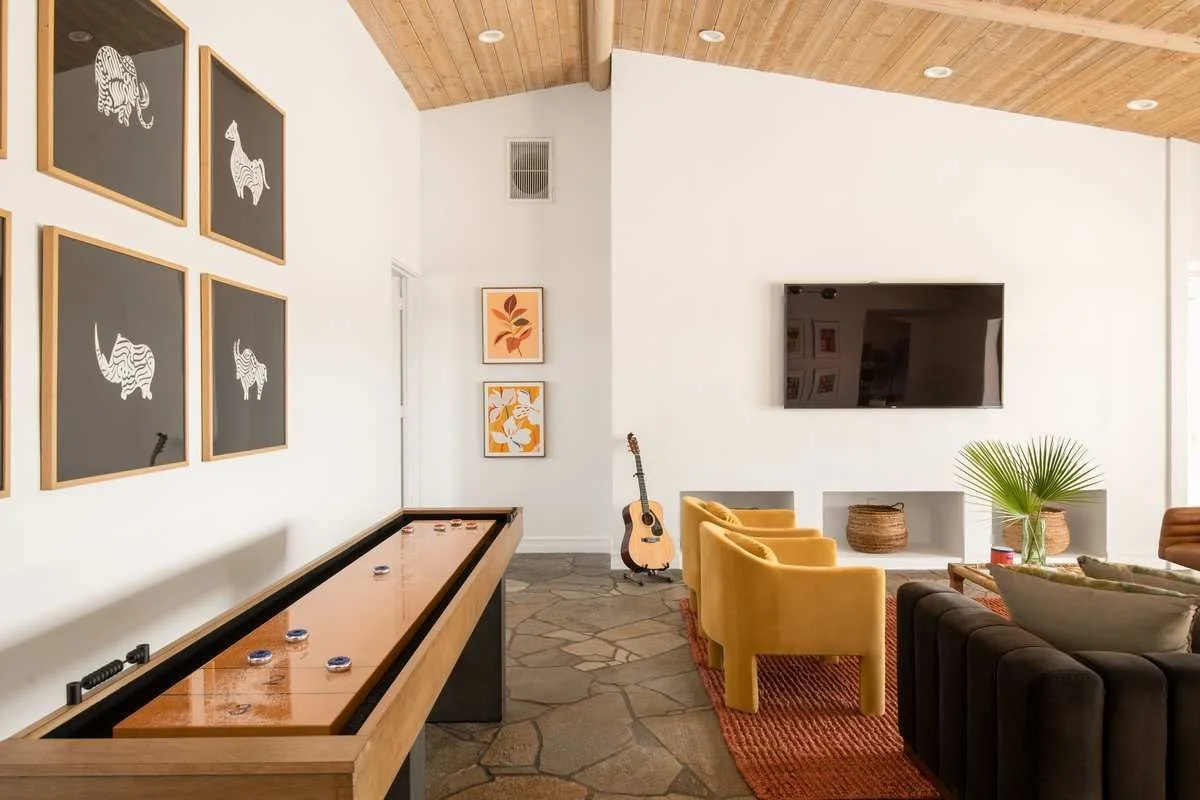
This coastal city offers much more than just history lessons. You can explore the Old Jail Museum and hear ghost stories, then walk to the beach for swimming and surfing. The Lightner Museum showcases amazing collections in a former luxury hotel from the 1800s.

The food scene here rocks. From fresh seafood at waterfront restaurants to Spanish-inspired dishes that reflect the city’s heritage, every meal tells a story. Different areas have their own feel. The historic district buzzes with tourists and street music. The beaches feel relaxed and laid-back.

St. Augustine loves outdoor adventures. You can take boat tours through salt marshes, bike along scenic coastal routes, or just relax on white sand beaches. The city sits right on the water, so you’re always close to ocean breezes and water activities.

The climate allows year-round outdoor fun. Even summer offers great early morning beach walks and evening strolls through the historic district when temperatures cool down.

Your Month-by-Month Guide to St. Augustine

  • St. Augustine in January: Cool and comfortable, fewest tourists, perfect for museums and historic sites
  • St. Augustine in February: Mild weather, still quiet, great for walking tours and outdoor dining
  • St. Augustine in March: Warming up, spring break crowds, wildflowers bloom in parks
  • St. Augustine in April: Beautiful weather, busy season begins, ideal for everything
  • St. Augustine in May: Warm and pleasant, festival season peaks, excellent temperatures
  • St. Augustine in June: Summer heat starts, more humid, great beach weather begins
  • St. Augustine in July: Hot and muggy, afternoon storms, perfect for swimming
  • St. Augustine in August: Hottest month, most rain, best time for beach activities
  • St. Augustine in September: Heat continues, fewer crowds, comfortable evenings return
  • St. Augustine in October: Perfect fall weather, busy again, ideal for outdoor activities
  • St. Augustine in November: Cool and dry, fewer tourists, excellent walking weather
  • St. Augustine in December: Mild winter, holiday decorations, pleasant all day

When Is the Best Time to Visit St. Augustine?

The best time to visit St. Augustine is March through May and October through November when temperatures stay in the comfortable 65°F to 80°F range. These months offer ideal weather for walking historic streets, exploring outdoor attractions, and enjoying beach time without extreme heat. You’ll get sunny skies, gentle ocean breezes, and perfect conditions for everything St. Augustine offers.

These periods give you the classic St. Augustine experience – pleasant days, cool evenings, and weather that makes every activity enjoyable.

Visiting in Spring (March to May)

Spring in St. Augustine brings some of the year’s most delightful weather. Days warm to the mid-70s to mid-80s while nights stay cool in the 50s and 60s. The historic district fills with blooming flowers, and the beaches start feeling warm enough for swimming.

This is perfect weather for exploring the city on foot. Historic tours feel comfortable, outdoor dining becomes enjoyable, and beach visits are pleasant without being overwhelming.

St. Augustine Weather in Spring

  • March: 55°F (low) / 74°F (high) | Rain: 3.4 inches
  • April: 60°F (low) / 79°F (high) | Rain: 2.8 inches
  • May: 67°F (low) / 84°F (high) | Rain: 3.5 inches

Things to Do in St. Augustine During Spring

Spring weather makes every outdoor activity shine. Walking tours through the historic district feel comfortable all day. The beaches at Anastasia State Park and St. Augustine Beach offer great conditions for swimming, surfing, and beach walking.

Boat tours become really enjoyable, and the many outdoor restaurants and cafes feel perfect for long meals with friends and family.

St. Augustine Events in Spring

  • Easter Festival (March/April) – Historic celebrations throughout the city
  • Spring Arts & Crafts Festival (March) – Local artists showcase work outdoors
  • St. Augustine Music Festival (March) – Classical music performances in historic venues
  • Celtic Festival (March) – Irish music, dancing, and food celebration
  • Rhythm & Ribs Festival (April) – BBQ competition with live music

Local Eats in St. Augustine During Spring

Spring weather makes outdoor dining irresistible. Historic restaurants with patios become perfect spots for trying local seafood and Spanish-inspired dishes. The comfortable temperatures make it fun to walk between different neighborhoods and sample various restaurants.

St. Augustine Travel Tips During Spring

Spring brings busy crowds, especially during spring break in March and April. Book hotels early and make dinner reservations in advance. Pack layers since mornings can be cool but afternoons warm up quickly. This is peak season, so expect higher prices and more people at popular attractions.

Visiting in Summer (June to August)

Summer gets hot and humid with temperatures reaching the upper 80s to low 90s most days. The hottest month is August with average highs of 89°F and lows of 75°F. This is also the wettest time of year, with August seeing an average of 18 wet days.

But if you love beach weather and don’t mind afternoon thunderstorms, summer offers the best ocean conditions of the year.

St. Augustine Weather in Summer

  • June: 73°F (low) / 87°F (high) | Rain: 5.8 inches
  • July: 75°F (low) / 89°F (high) | Rain: 6.3 inches
  • August: 75°F (low) / 89°F (high) | Rain: 7.1 inches

Things to Do in St. Augustine During Summer

Summer is perfect for beach activities. The Atlantic Ocean reaches its warmest temperatures, making swimming, surfing, and water sports ideal. When it gets too hot, duck into air-conditioned museums like the Lightner Museum or take indoor tours of historic sites.

Many restaurants have covered patios with fans to keep you comfortable, and evening activities become more popular as temperatures drop.

St. Augustine Events in Summer

  • Fourth of July Celebration (July) – Fireworks over Matanzas Bay
  • Summer Music Series (June-August) – Free concerts in historic venues
  • Pirate Gathering (June) – Costumed fun and pirate reenactments
  • Ghost Tours Peak Season (June-August) – Evening tours when it’s cooler

Local Eats in St. Augustine During Summer

Summer dining focuses on fresh, cold dishes and tropical drinks. Think ceviche, cold gazpacho, frozen cocktails, and lots of fresh seafood. Many restaurants offer special summer hours with later seating when temperatures cool down.

St. Augustine Travel Tips During Summer

Book accommodations with good air conditioning and pools. Plan indoor activities during the hottest part of the day (11 AM to 4 PM). Bring an umbrella for afternoon storms. Summer offers better hotel deals, so you can afford nicer places with resort amenities.

Visiting in Fall (September to November)

Fall brings relief from summer humidity and marks the return of perfect St. Augustine weather. September still feels warm, but October and November offer some of the year’s most comfortable conditions. Days are warm and pleasant, while nights become cool and perfect for outdoor activities.

Tourist crowds haven’t reached winter peak levels yet, so you’ll find good deals and manageable crowds at attractions.

St. Augustine Weather in Fall

  • September: 72°F (low) / 86°F (high) | Rain: 5.4 inches
  • October: 65°F (low) / 81°F (high) | Rain: 4.0 inches
  • November: 57°F (low) / 75°F (high) | Rain: 2.2 inches

Things to Do in St. Augustine During Fall

Fall weather brings back comfortable conditions for walking tours and outdoor exploration. The historic district becomes enjoyable for long strolls, and beach visits feel pleasant without summer’s intense heat.

This is perfect weather for boat tours, outdoor dining, and exploring the many parks and natural areas around the city.

St. Augustine Events in Fall

  • Fall Festival (October) – Harvest celebration with local crafts and food
  • Halloween Ghost Tours (October) – Spooky tours through haunted locations
  • Nights of Lights Setup (November) – Preparation for holiday light displays
  • Thanksgiving Events (November) – Historic celebrations and special dinners

Local Eats in St. Augustine During Fall

Fall weather makes outdoor dining enjoyable again. Restaurant patios reopen for comfortable evening meals, and the pleasant temperatures make it fun to explore different neighborhoods and their unique dining scenes.

St. Augustine Travel Tips During Fall

Fall offers excellent weather with moderate crowds through October and November. September can still feel quite warm and humid, so early fall requires summer precautions. Pack light layers since days are warm but evenings can be cool.

Visiting in Winter (December to February)

Winter brings St. Augustine’s most perfect weather conditions. Temperatures stay mild with sunny days in the upper 60s to low 70s and cool nights in the 40s and 50s. This is also the driest time of year, with November having the fewest wet days at just 6.3 days with precipitation.

This is peak tourist season when visitors from cold climates come to escape winter, so expect the highest prices and largest crowds.

St. Augustine Weather in Winter

  • December: 50°F (low) / 70°F (high) | Rain: 2.4 inches
  • January: 48°F (low) / 67°F (high) | Rain: 2.7 inches
  • February: 51°F (low) / 71°F (high) | Rain: 2.5 inches

Things to Do in St. Augustine During Winter

Winter weather is perfect for every activity St. Augustine offers. Historic walking tours feel comfortable all day, outdoor dining is pleasant for lunch and dinner, and beach visits are enjoyable even if swimming feels a bit cool.

This is ideal weather for exploring the many outdoor attractions, taking boat tours, and spending entire days outside without weather concerns.

St. Augustine Events in Winter

  • Nights of Lights (December-January) – Millions of lights illuminate the historic district
  • New Year’s Celebration (December) – Historic countdown in the plaza
  • Washington’s Birthday Celebration (February) – Colonial reenactments
  • Chocolate Festival (February) – Sweet celebration at Whetstone Chocolates

Local Eats in St. Augustine During Winter

Winter weather makes every outdoor dining experience perfect. Restaurant patios are at their most comfortable, and the pleasant temperatures make it enjoyable to walk around and try restaurants throughout the different parts of the city.

St. Augustine Travel Tips During Winter

Winter is the most expensive and crowded time to visit. Book everything well in advance, especially during the Nights of Lights season. Pack layers since mornings can be cool, but afternoons warm up nicely. This is the best time for first-time visitors who want guaranteed good weather.

Best Time of the Year to Visit St. Augustine (By Interest)

Here’s when to visit based on what matters most to you:

For Fewer Crowds: June to August and Weekdays Year-Round

Best Time to Visit St. Augustine for Fewer People

The summer months have fewer tourists due to the heat and humidity. Visiting Tuesday through Thursday, any time of year, means shorter lines at attractions and less crowded restaurants and historic sites.

For Perfect Weather: March to May and October to November

Best Time to Visit St. Augustine for Ideal Temperatures

These months offer the best conditions with temperatures between 65°F and 80°F, clear skies, and minimal rainfall. Perfect for every outdoor activity St. Augustine offers.

For Beach Activities: May to September

Best Time to Visit St. Augustine for Swimming and Beach Fun

The warmest months with the best ocean temperatures. Water temperatures peak in August at 82°F, making swimming, surfing, and water sports most enjoyable during this period.

For Historic Tours: October to April

Best Time to Visit St. Augustine for Walking and Sightseeing

Cooler months provide comfortable conditions for walking tours through the historic district and exploring outdoor attractions without excessive heat and humidity.

For Photography: December to February and October to November

Best Time to Visit St. Augustine for Great Pictures

The clearest skies occur from late September through early June, with the best lighting conditions for photography during these drier months.

For Cheaper Prices: June to August and January to February

Best Time to Visit St. Augustine on a Budget

Summer heat means lower hotel rates and restaurant deals. Early winter also offers good deals before peak season begins in March.

For Events and Festivals: March to April and December

Best Time to Visit St. Augustine for Special Events

Spring brings festival season with outdoor celebrations, while December features the famous Nights of Lights holiday display.

Where to Stay in St. Augustine

Find amazing vacation homes that capture St. Augustine’s historic coastal charm. These properties offer beautiful locations near beaches and historic sites, plus all the amenities you need for the perfect Ancient City getaway. Here are some incredible St. Augustine vacation homes you can book with AvantStay:

  • Vilano Villa – A stunning 7-bedroom home just six minutes from Surfside Park Beach and downtown St. Augustine.
  • Blue Hour – Perfectly designed house in a good location to capture those magical coastal sunsets.
  • Cottagecore Coast – Cozy coastal cottage that has an intimate back patio perfect for gathering together.
  • Serenity at Surfside – Just minutes from Vilano Beach and the cobblestone streets of America’s oldest city.
  • Haven Grove – Your peaceful retreat with convenient access to St. Augustine’s historic attractions.

Create Your St. Augustine Itinerary

Ready to plan your historic coastal adventure? Let our team help you set up everything for your St. Augustine escape! We can arrange ghost tours, historic site tickets, boat tour reservations, and unique local experiences that show you the real Ancient City.

Just contact us or download the AvantStay App to book extra activities, get recommendations from locals, and manage your entire trip through one simple app.

Want more ideas for historic fun? Check out our guide to the best things to do in St. Augustine. And if you’re interested in exploring more of Florida’s coast, look at our guides to other historic coastal destinations.

Plan Your St. Augustine Adventure

No matter when you visit, St. Augustine’s rich history, beautiful beaches, charming cobblestone streets, and warm Southern hospitality will create memories that last forever. The city offers the perfect mix of educational discovery and coastal relaxation. Every visit brings new stories and authentic historic experiences.

Your perfect St. Augustine vacation home is waiting for you. Book with AvantStay today and discover how amazing historic getaways can be when you experience St. Augustine’s legendary charm, culture, and coastal beauty.

FAQs

Is St. Augustine expensive to visit?

St. Augustine can be costly during peak season from March through May and October through December when hotels charge premium rates because of perfect weather and high demand from tourists seeking to experience America’s oldest city. However, you can save considerable money during the summer months when you’ll find great hotel deals, restaurant specials, and fewer crowds, while still enjoying excellent beach weather and indoor historic attractions.

How crowded does St. Augustine get?

Peak season brings heavy crowds, especially during major events like Nights of Lights and spring festivals, when historic sites, popular restaurants, and St. George Street get packed with visitors. For a more relaxed experience, visit during the summer months or explore during weekdays when there are fewer tourists and shorter waits at attractions.

When to avoid St. Augustine?

Summer months from June to August bring intense heat and humidity that can make walking tours through the historic district uncomfortable during midday hours. However, this is actually perfect weather for beach activities and air-conditioned indoor attractions. Peak winter months from December to March see the highest prices and biggest crowds because of perfect weather. Still, St. Augustine’s year-round mild climate and diverse mix of indoor and outdoor activities make it a great destination any time if you plan for the season and know what to expect.

7 Best Places to Visit in September for Better Weather & Fewer Crowds

Summer’s heat fades into perfect weather. Crowds disappear from popular spots. September brings the sweet spot for travel adventures, and it delivers America’s most comfortable travel conditions! 

This golden month offers crisp mountain air, warm ocean waters, and stunning fall colors just beginning to emerge. Labor Day weekend also kicks off this season. Then come weeks of perfect conditions for outdoor adventures and cozy escapes.

From coastal beaches to mountain retreats, September provides ideal weather for exploring diverse destinations. Each location offers unique seasonal attractions and activities that make September special.

We’ve selected 7 incredible destinations where September truly shines. These spots showcase the best weather, seasonal events, and outdoor activities the month has to offer. We have also carefully chosen locations that pair perfectly with luxury vacation home rentals that you can book right now.

1. Breckenridge, Colorado

Breckenridge transforms into a mountain paradise during September. The summer crowds disappear. Crisp mountain air returns. Golden aspen leaves begin their stunning fall display across the Rocky Mountains.

September brings perfect hiking weather to Breckenridge. The summer heat fades into comfortable temperatures. Clear blue skies stretch endlessly above snow-capped peaks. This creates ideal conditions for outdoor adventures and mountain exploration.

Top Activities:

  • Hike scenic mountain trails with perfect weather and stunning fall foliage beginning to emerge
  • Ride the gondola for breathtaking views of changing aspen trees and alpine landscapes
  • Explore historic downtown Breckenridge with charming shops, restaurants, and mountain culture
  • Experience world-class mountain biking on famous trails with cooler temperatures

Where to Stay: Retreat to Cherry Ridge, an expansive mountain home featuring a weight room, game room, opulent bedrooms, and a grand staircase for epic group gatherings in Colorado’s stunning mountain setting.

👉 Discover exciting things to do in Breckenridge and find the perfect Breckenridge Airbnb for your Rocky Mountain adventure.

2. Fort Lauderdale, Florida

Fort Lauderdale reaches its peak in September. Hurricane season winds down. Summer’s oppressive heat and humidity ease into perfect beach weather. The Atlantic Ocean remains beautifully warm for swimming and water sports.

September visitors enjoy fewer crowds on beautiful beaches. Hotel rates drop from summer peaks. The city’s famous boating and yachting scene continues with comfortable temperatures. This makes September ideal for exploring the “Venice of America.”

Top Activities:

  • Enjoy pristine beaches with warm Atlantic waters and fewer summer crowds
  • Take boat tours through famous canals and waterways with perfect weather conditions
  • Explore Las Olas Boulevard’s shopping, dining, and entertainment with comfortable temperatures
  • Experience world-class deep-sea fishing and water sports in ideal September conditions

Where to Stay: Unwind at Las Olas Oasis, a private Fort Lauderdale retreat with a dreamy hot tub, chic interiors, and unbeatable proximity to the beach and nightlife.

👉 Plan your perfect trip with things to do in Fort Lauderdale, discover the best Fort Lauderdale beaches, and find the ideal Fort Lauderdale Airbnb for your Florida coastal getaway.

3. Oregon Coast, Oregon

The Oregon Coast becomes absolutely magical in September. Summer’s crowds disappear from popular beaches. Storm season hasn’t arrived yet. The result is perfect conditions for coastal exploration and outdoor adventures.

September offers the Oregon Coast’s best weather of the year. Fog lifts earlier in the day. Temperatures remain mild and comfortable. Ocean conditions are ideal for whale watching as gray whales migrate south along the coastline.

Top Activities:

  • Explore the dramatic coastline with fewer crowds and perfect weather for beachcombing and photography
  • Go whale watching during peak migration season with excellent viewing conditions
  • Hike coastal trails and state parks with comfortable temperatures and clear skies
  • Visit charming coastal towns like Cannon Beach and Newport with comfortable September weather

Where to Stay: Discover SeaGrove, a coastal forest retreat featuring a 4-bedroom main house and 2-bedroom carriage house tucked into atmospheric pines with sea views and a wind-sheltered patio with fire pit.

👉 Find the perfect Oregon Coast Airbnb, learn about visiting the Oregon Coast in May and November, discover exciting things to do on the Oregon Coast, and explore Oregon Coast golf courses for your Pacific Northwest coastal adventure.

4. Corpus Christi, Texas

Corpus Christi shines brightest in September. The brutal Texas summer heat starts to ease. Gulf of Mexico waters remain perfectly warm for swimming. Hurricane season typically calms down, creating ideal coastal conditions.

September brings comfortable temperatures for exploring this vibrant coastal city. Outdoor activities become enjoyable again. The famous Corpus Christi bayfront offers perfect conditions for water sports, fishing, and beach activities.

Top Activities:

  • Enjoy warm Gulf waters and beautiful beaches with more comfortable temperatures
  • Visit the Texas State Aquarium and USS Lexington Museum with pleasant weather for outdoor exploration
  • Go deep-sea fishing and water sports with ideal September conditions
  • Explore downtown’s bayfront and cultural attractions with cooler temperatures

Where to Stay: Relax at The Beautiful Place, a hidden gem townhouse featuring a private yard and patio, community pool, game room with foosball and Pac-Man arcade, just minutes from White Cap Beach.

5. Newport Beach, California

Newport Beach offers Southern California’s perfect September experience. Summer’s intense heat fades into ideal beach weather. The Pacific Ocean remains warm from months of summer sun. Crowds thin out, making this upscale coastal city more accessible.

September provides Newport Beach’s best conditions for luxury coastal living. Harbor activities continue with perfect weather. The famous Balboa Island and harbor areas become more enjoyable without summer’s peak crowds.

Top Activities:

  • Experience luxury harbor cruises and world-class sailing with perfect September weather
  • Explore Balboa Island and ride the historic Fun Zone Ferris wheel with comfortable temperatures
  • Shop at Fashion Island and enjoy upscale beachfront dining with ocean views
  • Enjoy pristine beaches with warm Pacific waters and fewer summer crowds

Where to Stay: Indulge at Sea Glass, a beautiful beachfront villa featuring pastel walls, beachy wicker furnishings, a private balcony with sparkling water views, and direct beach access.

👉 Find the perfect Newport Beach Airbnb and discover exciting things to do in Newport Beach for your luxury California coast experience.

6. Coachella Valley, California

Coachella Valley starts its glorious season in September. Desert summer heat begins to ease. Pool weather continues with more comfortable temperatures. This marks the beginning of the desert’s most enjoyable months.

September signals the return of outdoor activities to the Coachella Valley. Golf courses become playable again. Hiking trails open up as temperatures drop. The area’s famous resort lifestyle resumes with perfect pool and spa weather.

Top Activities:

  • Play golf at world-famous courses with temperatures becoming more comfortable
  • Explore Indian Canyons hiking trails as the desert heat starts to ease
  • Enjoy luxury resorts and spas with perfect pool weather, continuing
  • Experience Palm Springs’ vibrant arts scene and downtown with more pleasant temperatures

Where to Stay: Experience luxury at Villa Verbena, a sprawling 1.71-acre Mediterranean estate featuring a pool, fire pit, basketball court, guest house, and upscale interiors across this impressive desert property.

👉 Plan your desert escape with things to do in Coachella Valley, find the perfect Coachella Valley Airbnb, and discover the best restaurants in Coachella Valley for your desert getaway.

7. 30A, Florida

30A becomes absolutely perfect in September. Summer crowds return home after Labor Day. Hurricane season typically calms down. What remains are pristine beaches, warm Gulf waters, and ideal weather for coastal relaxation.

September offers 30A’s most peaceful and enjoyable conditions. Beach access becomes easier. Restaurants and attractions are less crowded. The famous sugar-white sand beaches provide perfect conditions for swimming, sunbathing, and water sports.

Top Activities:

  • Enjoy world-famous beaches with warm emerald Gulf waters and fewer crowds
  • Explore charming coastal towns like Seaside, Alys Beach, and Watercolor with comfortable weather
  • Experience excellent conditions for paddleboarding, fishing, and beach activities
  • Visit local shops, restaurants, and attractions without summer’s peak crowds

Where to Stay: Discover 30A Born 2 Beach, a magnificent modern coastal home featuring a large backyard pool with tanning shelf, swim-up table, spa, outdoor kitchen, recreation area, and sleeping for up to 28 guests.

👉 Explore exciting things to do on the Emerald Coast and find the perfect 30A Airbnb for your Florida Gulf Coast adventure.

Why September is Perfect for Travel

September marks the transition from summer’s intensity to autumn’s comfort. This sweet spot creates ideal conditions for nearly every type of vacation you can imagine.

Temperatures become more comfortable across most of the United States. Beach destinations still offer warm water and sunny skies. Mountain areas provide crisp air perfect for hiking. Desert locations start cooling down from summer’s heat.

Fewer Crowds, Better Experiences

Tourist crowds thin out significantly after Labor Day. Popular attractions become more accessible. Hotels and vacation rentals often offer better rates. You’ll find shorter lines and more peaceful experiences at destinations that were packed all summer.

September Travel Tips for Perfect Vacations

Planning your September getaway requires some specific considerations. Here are essential tips for making the most of your September vacation:

Weather Preparation

September weather can vary significantly by location. Coastal areas often remain warm and humid. Mountain destinations may experience cool evenings. Pack layers to accommodate temperature changes throughout the day.

Booking Advantages

September offers excellent value for travelers. Many destinations reduce rates after Labor Day. Hotel availability increases significantly. Vacation rental options become more plentiful and affordable.

Activity Planning

September provides ideal conditions for outdoor activities in most locations. Plan hiking adventures, water sports, and sightseeing for the best weather. Many outdoor festivals and events take place during this perfect weather month.

Make September Your Best Travel Month

The blazing summer temperatures cool down. Tourist crowds head home. Prices often drop from peak summer rates. What remains is pure travel magic across the United States. 

Indeed, September delivers everything great about American travel. This magical month offers unique opportunities that don’t exist during other times of the year. 

And your September memories deserve exceptional accommodations. Discover the perfect September retreat and transform this month into an unforgettable adventure. Make September unforgettable with our most spectacular vacation homes. Book with AvantStay today!

Continue Your Year of Adventures

September marks just the beginning of autumn’s travel opportunities. Each season brings unique experiences and destinations worth exploring. Continue planning your year of adventures with these seasonal guides:

10 Best Places to Visit in July to Celebrate Independence Day

Blazing summer sunshine and explosive patriotic celebrations. This magical time combines the year’s most glorious weather with the nation’s most cherished holiday, creating unmatched opportunities for epic group adventures and meaningful family connections.

As America’s birthday month, July delivers the most spectacular travel experiences across the United States. Independence Day elevates ordinary locations into extraordinary celebration destinations. Where dazzling firework spectacles, spirited community parades, electrifying outdoor concerts, and festive gatherings paint the perfect portrait of American pride. 

When you add pristine beach conditions, magnificent hiking weather, and seemingly endless daylight, July becomes the ultimate canvas for discovering America’s most breathtaking destinations.

We’ve handpicked 10 extraordinary destinations where July’s magic truly comes alive, each showcasing distinctive Fourth of July traditions, vibrant summer festivals, and optimal conditions for adventure seekers. 

These carefully selected locations can be matched with luxury vacation home rentals that you can book as early as now.  

Celebrating America: The Fourth of July Legacy

Understanding the rich history behind Independence Day adds profound meaning to your July travels. On July 4, 1776, the Continental Congress approved the Declaration of Independence, marking America’s bold step toward freedom and self-governance. This pivotal moment didn’t just create a nation—it established the foundation for the travel freedoms we cherish today.

Evolution of Independence Day Traditions

What started as solemn commemorations evolved into joyous community celebrations. The 19th century brought picnics, parades, and patriotic speeches. The 20th century added fireworks displays, baseball games, and family gatherings. Today’s celebrations blend historical reverence with modern entertainment, creating the perfect backdrop for memorable travel experiences.

Now, let’s explore the most spectacular AvantStay vacation rental homes to make your Independence Day getaway truly unforgettable.

1. 30A, Florida

Florida’s renowned 30A corridor reaches its absolute peak during July, showcasing sugar-white beaches that rival any Caribbean paradise, coupled with the beloved South Walton Fourth of July Parade that transforms the coast into a celebration wonderland. This 18-mile scenic byway winds through some of America’s most photographed beach communities, where Independence Day brings elaborate themed floats, spirited live performances, and a breathtaking fireworks finale that illuminates the night sky over Alys Beach.

Top Activities:

  • Join thousands for the iconic South Walton Independence Day Parade featuring artistic floats and infectious community spirit
  • Bask on world-famous beaches where powdered-sugar sand meets emerald Gulf waters in stunning contrast
  • Wander through postcard-perfect villages like Seaside, Alys Beach, and Watercolor, each offering distinctive architectural charm
  • Capitalize on sublime July conditions for paddleboarding, deep-sea fishing, and endless beach recreation

Where to Stay: Unwind at 30A Beach Getaway, a luxurious Dune Allen Beach retreat featuring stunning Gulf views from nearly every angle, two grand patios overlooking emerald waters, a private pool and spa, a golf cart, and beach access just a 2-minute walk across 30A.

👉 Discover exciting things to do on the Emerald Coast and find the perfect 30A Airbnb for your Florida Gulf Coast adventure.

2. Malibu, California

Malibu delivers the California summer experience you’re looking for. Perfect beach weather, world-class surfing conditions, and stunning Pacific Ocean vistas. This legendary beach town has star-studded glamour and laid-back coastal vibes, offering pristine beaches, scenic mountain hikes, and beachfront dining that make July the ideal time to experience the magic of Southern California’s coastline.

Top Activities:

  • Surf world-renowned breaks at Malibu Pier and experience legendary California beach culture
  • Hike scenic trails in the Santa Monica Mountains with perfect July weather conditions
  • Explore iconic beaches like Point Dume, El Matador, and Zuma Beach with warm, swimmable waters
  • Dine at beachfront restaurants like Neptune’s Net and Paradise Cove Beach Cafe with ocean views

Where to Stay: Experience luxury at Dume Point, a bright and airy Malibu retreat featuring an outdoor pool, private tennis court, badminton net, chic design with corner fireplaces and gold accents, and Big Dune Beach just a five-minute walk away.

👉 Explore amazing things to do in Malibu and discover the perfect Malibu Airbnb for your Southern California beach escape.

3. Paso Robles, California

The perfect July wine country experience, with warm days, cool evenings, and the peak of California’s central coast wine season. Paso Robles is your charming wine region that celebrates summer with outdoor concerts in the park, wine festivals, and perfect conditions for vineyard tours and tastings. The dry July climate creates ideal conditions for exploring rolling vineyard landscapes and experiencing world-class wines.

Top Activities:

  • Tour award-winning wineries and vineyards with perfect warm July weather for outdoor tastings
  • Experience the Concerts in the Park series with live music in beautiful outdoor settings
  • Explore the historic downtown square with unique shops, restaurants, and tasting rooms
  • Take scenic drives through rolling vineyard landscapes enhanced by golden summer light

Where to Stay: Retreat to Rancho de Robles, your sophisticated wine country escape featuring vineyard views, elegant outdoor spaces perfect for wine tastings, modern amenities, and close proximity to Paso Robles’ best wineries and attractions.

👉 Find the perfect Paso Robles Airbnb and discover exciting things to do in Paso Robles during your wine country getaway.

4. Austin, Texas

Coming alive in July with its famous “Keep Austin Weird” spirit, featuring outdoor music festivals, food truck culture, and the vibrant Fourth of July festivities at Auditorium Shores. Despite the Texas heat, Austin has numerous swimming holes, air-conditioned music venues, and a legendary nightlife scene that create the perfect summer destination for groups seeking live music, incredible BBQ, and authentic Texas culture.

Top Activities:

  • Experience Austin’s legendary live music scene with outdoor concerts and music festivals
  • Cool off at famous swimming holes like Barton Springs Pool and Jacob’s Well
  • Explore the vibrant food truck culture and sample authentic Texas BBQ
  • Celebrate Independence Day at Auditorium Shores with live music and fireworks over Lady Bird Lake

Where to Stay: Discover Henley, your stylish Austin retreat featuring modern design, outdoor entertaining spaces, a refreshing pool perfect for beating the Texas heat, and a prime location near Austin’s best music venues and attractions.

👉 Plan your perfect visit with a 24 hours in Austin, Texas guide, find the ideal Austin Airbnb, discover amazing Austin hiking trails, explore exciting things to do in Austin, and find the best restaurants in Austin for your Texas adventure.

5. Isle of Palms, South Carolina

Isle of Palms provides the quintessential Southern beach experience in July, featuring pristine sandy shores, warm Atlantic waters, and spectacular Independence Day fireworks on the beach. This barrier island near Charleston has the Southern hospitality and relaxation, offering perfect conditions for beach activities, water sports, and enjoying the island’s laid-back atmosphere during the peak summer season.

Top Activities:

  • Enjoy pristine beaches with warm Atlantic waters, perfect for swimming and water sports
  • Participate in the annual Isle of Palms Beach Run, a popular 5K and 10K race event
  • Celebrate Independence Day with spectacular fireworks displays right on the beach
  • Explore nearby Charleston’s historic charm, world-class dining, and cultural attractions

Where to Stay: Relax at 4 46th Avenue, your elegant Isle of Palms beach house featuring ocean views, comfortable coastal design, outdoor spaces perfect for beach relaxation, and a prime beachfront location for the ultimate South Carolina coast experience.

👉 Discover amazing things to do on the Isle of Palms, find the perfect Isle of Palms Airbnb, and explore the best Isle of Palms restaurants for your South Carolina beach getaway.

6. Oahu, Hawaii

Experience the ultimate tropical July escape, with perfect weather year-round, world-famous beaches, and unique Hawaiian Independence Day celebrations. July provides ideal conditions for surfing, snorkeling, hiking, and experiencing authentic Hawaiian culture in Oahu. Trade winds keep temperatures comfortable, and the island’s natural beauty reaches its peak with lush landscapes and crystal-clear waters.

Top Activities:

  • Surf legendary breaks like Waikiki Beach and experience authentic Hawaiian beach culture
  • Hike to breathtaking viewpoints like Diamond Head Crater and Lanikai Pillbox Trail
  • Snorkel in pristine waters at Hanauma Bay and explore vibrant coral reefs
  • Experience traditional Hawaiian luaus, poi tastings, and Independence Day celebrations with island flair

Where to Stay: Escape to Makaha Villa, your private Hawaiian paradise featuring stunning ocean views, tropical outdoor spaces, authentic island design, and access to Oahu’s pristine beaches and legendary surf breaks.

👉 Learn about the best time to visit Oahu, discover exciting things to do in Oahu, explore the best beaches in Oahu, and find the perfect Oahu Airbnb for your Hawaiian adventure.

7. San Diego, California

For year-round perfect weather that peaks in July. San Diego features the famous Big Bay Boom fireworks show and ideal conditions for beach activities, harbor adventures, and exploring this vibrant coastal city. With comfortable temperatures, minimal rainfall, and endless sunshine, July provides the perfect backdrop for experiencing San Diego’s world-class beaches, cultural attractions, and legendary outdoor lifestyle.

Top Activities:

  • Experience the spectacular Big Bay Boom fireworks show on July 4th, launched from multiple bay locations
  • Enjoy perfect beach weather at Mission Beach, Pacific Beach, and La Jolla Cove
  • Explore Balboa Park’s world-renowned museums, gardens, and cultural institutions
  • Take harbor cruises, visit the USS Midway Museum, and experience the vibrant Gaslamp Quarter

Where to Stay: Discover Shoreline, your sophisticated San Diego retreat featuring contemporary design, outdoor entertaining areas, proximity to San Diego’s best beaches and attractions, and the perfect base for exploring America’s Finest City.

👉 Know the best time to visit San Diego, find the perfect San Diego Airbnb, discover amazing things to do in San Diego, and explore the best San Diego beaches for your California coastal getaway.

8. Newport Beach, California

Southern California’s upscale beach lifestyle in July features the spectacular Newport Beach Independence Day on the Bay celebration, pristine harbor waters, and perfect weather for luxury coastal living. This Instagrammable city has beautiful beaches with sophisticated attractions, world-class shopping, and elegant waterfront dining that reaches its peak during the summer season.

Top Activities:

  • Celebrate July 4th with the renowned Independence Day on the Bay event featuring live music and waterfront fireworks
  • Experience luxury harbor cruises and world-class sailing in perfect July conditions
  • Shop at Fashion Island and enjoy upscale beachfront dining with ocean views
  • Explore Balboa Island, ride the historic Balboa Fun Zone Ferris wheel, and enjoy harbor activities

Where to Stay: Indulge at Beach Break, your elegant Newport Beach escape featuring sophisticated coastal design, premium amenities, stunning harbor or ocean proximity, and access to Newport Beach’s most exclusive attractions and beaches.

👉 Find the perfect Newport Beach Airbnb and discover exciting things to do in Newport Beach for your luxury California coast experience.

9. Whidbey Island, Washington

The perfect Pacific Northwest July escape is here. With the region’s driest weather, longest daylight hours, and spectacular summer landscapes, Whidbey Island in Puget Sound has rural beauty and coastal charm. Featuring lavender farms in full bloom, dramatic clifftop views, and cozy small-town atmospheres that make July the ideal time to experience Washington’s natural beauty.

Top Activities:

  • Explore lavender farms in full July bloom with perfect weather for outdoor wandering
  • Hike dramatic bluff trails with stunning views of Puget Sound and the Cascade Mountains
  • Visit charming small towns like Langley and Coupeville with unique shops and local restaurants
  • Experience the best weather of the year for outdoor activities, photography, and island exploration

Where to Stay: Retreat to Maxwelton Farm Guest House, your peaceful island sanctuary featuring rustic charm, beautiful farm setting, scenic views of Puget Sound, and the perfect base for exploring Whidbey Island’s natural beauty and small-town character.

👉 Discover amazing things to do on Whidbey Island and find the perfect Whidbey Island Airbnb for your Pacific Northwest island getaway.

10. Key West, Florida

Key West provides the ultimate tropical American experience in July, featuring the famous Key Lime Festival, spectacular sunsets, and vibrant Caribbean-influenced culture. This southernmost point of the continental United States comes with a rich maritime history, offering perfect conditions for water activities, historic exploration, and experiencing the unique Conch Republic atmosphere.

Top Activities:

  • Experience the legendary Key Lime Festival with pie-eating contests, cooking demonstrations, and live music
  • Witness spectacular sunsets at Mallory Square with street performers and festive celebrations
  • Explore historic sites like Ernest Hemingway’s house, Fort Zachary Taylor, and the Key West Lighthouse
  • Enjoy world-class fishing, snorkeling, and water sports in crystal-clear tropical waters

Where to Stay: Escape to Casa Grande, your tropical Key West paradise featuring authentic island design, outdoor entertaining spaces perfect for sunset gatherings, luxurious amenities, and proximity to Key West’s historic charm and famous attractions.

👉 Learn about the best time to visit Key West, find the perfect Key West Airbnb, explore Key West monthly rentals, discover the best Key West sunsets, find the most beautiful Key West beaches, and explore exciting things to do in Key West for your tropical Florida Keys adventure.

How July 4th Shaped American Travel Culture

The journey to July 4, 1776, began years earlier with growing tensions between American colonists and British rule. The Boston Tea Party in 1773, the battles of Lexington and Concord in 1775, and countless acts of defiance culminated in Thomas Jefferson penning the Declaration of Independence. This document proclaimed that “all men are created equal” and possess “unalienable rights” to “life, liberty, and the pursuit of happiness.”

The three-day weekend format and summer timing created the perfect storm for American travel traditions. Fireworks displays, parades, and community celebrations transformed destinations into hubs of patriotic festivity, while perfect weather conditions made July the ideal time for outdoor adventures and group gatherings.

Modern Independence Day Celebrations

Today’s July travel is now more about historical appreciation. Many destinations host special ceremonies, concerts, and fireworks displays that add deeper meaning to vacation experiences, making July travel both recreational and reflective of American heritage and freedom.

Indeed, Independence Day transformed July into America’s premier travel month. This makes July uniquely American—a time when travel becomes both recreation and patriotic expression.

Celebrate Freedom and Summer with AvantStay

July has everything magical about American summer travel—perfect weather, patriotic celebrations, and the freedom to explore this incredible country with the people who matter most. 

This month offers unique opportunities that simply don’t exist at any other time of year, combining ideal conditions with the nation’s most meaningful holiday. 

From spectacular Independence Day fireworks over ocean harbors to mountain adventures under endless blue skies, July provides the perfect chance for creating memories that last a lifetime. 

And your Independence Day memories deserve more than standard accommodations. Discover the perfect July retreat and transform this summer into an annual tradition worth celebrating.

Summer Starts in July!

July’s every summer promise: warm ocean waters perfect for swimming, mountain trails ideal for hiking, cities alive with outdoor festivals, and communities united in celebration. This summer, create rare moments with your family and groups and find common ground in shared experiences and patriotic pride.

With AvantStay as your trusted partner in creating unforgettable travel experiences, you can explore America’s best destinations during its most magical month. And you can continue your year of adventures with these seasonal guides:

7 Best Places to Visit in May for Your Memorial Day Getaway

Spring reaches its peak and Memorial Day weekend approaches, May emerges as one of the most rewarding months to explore America’s diverse destinations. The weather is comfortably warm without summer’s scorching heat, flowers are in full bloom, and tourist crowds haven’t yet reached their peak intensity.

May offers the perfect conditions for celebrating the unofficial start of summer while honoring the long Memorial Day weekend. Mild temperatures make outdoor adventures irresistible, spring blooms create stunning natural backdrops, and longer daylight hours provide ample time for exploration and memory-making.

We’ve curated the top 7 best places to visit in May, each offering unique opportunities to celebrate Memorial Day weekend and create lasting spring memories. These destinations combine beautiful weather, exciting activities, and the perfect atmosphere for group adventures and family gatherings. 

Let’s explore the most enchanting AvantStay vacation rental homes to make your May getaway unforgettable.

1. Los Angeles, California

Memorial Day weekend brings special events and the perfect kickoff to summer adventures. And Los Angeles shines brightest in May, offering perfect weather before the summer heat intensifies. With comfortable temperatures in the mid-70s, clear skies, and minimal rainfall, May provides ideal conditions for exploring Hollywood, hiking scenic trails, and enjoying the city’s world-famous beaches. 

Top Activities:

  • Hike to the Hollywood Sign and explore Griffith Park with perfect spring weather
  • Enjoy beach days at Santa Monica and Venice with warm, comfortable temperatures
  • Experience world-class dining and nightlife in West Hollywood and Beverly Hills
  • Visit iconic attractions like Universal Studios and The Getty with fewer crowds

Where to Stay: Unwind at Edendale, a sophisticated three-story Los Angeles retreat featuring award-winning design and three front-facing patios. The incredible hill views are perfect for enjoying the warm weather and unique amenities, including foosball and outdoor dining.

👉 Learn about the best time to visit Los Angeles for optimal weather, discover amazing hiking trails in Los Angeles for outdoor adventures, and find the perfect Los Angeles Airbnb for your California getaway.

2. Port Aransas, Texas

Port Aransas welcomes May visitors with warm Gulf waters and perfect beach weather just in time for Memorial Day celebrations. This charming coastal town on Mustang Island offers pristine beaches, world-class fishing, and a laid-back atmosphere that makes it ideal for family gatherings and group getaways during the holiday weekend.

Top Activities:

  • Fish in the “World’s Luckiest Fishing Village” with prime spring fishing conditions
  • Enjoy warm Gulf waters perfect for swimming, kayaking, and paddleboarding
  • Take dolphin tours and explore the magical Crab Island sandbar experience
  • Experience the famous Texas SandFest if visiting during the festival season

Where to Stay: Dive into fun at Marlin Cove, your ultimate beach retreat just a short stroll from sandy shores, featuring a private pool and hot tub, covered poolside patio, two spacious balconies, and a beautiful modern interior with blue beachy accents throughout.

👉 Discover exciting things to do in Port Aransas for your coastal adventure and find the perfect Port Aransas Airbnb for your Texas Gulf Coast escape.

3. Corpus Christi, Texas

Offering coastal beauty and cultural attractions, Corpus Christi during May has the ideal weather conditions. With warm temperatures and calm seas, Memorial Day weekend becomes an opportunity to explore this vibrant Gulf Coast city’s beaches, maritime attractions, and rich cultural heritage while enjoying some of Texas’s most beautiful coastline.

Top Activities:

  • Explore the Texas State Aquarium and USS Lexington Museum with comfortable weather
  • Enjoy pristine beaches at North Padre Island and Mustang Island
  • Take dolphin tours and Red Dragon Pirate ship adventures in calm spring waters
  • Experience the vibrant downtown area and Corpus Christi Bay waterfront

Where to Stay: Relax at Keeper Red, your ultimate group getaway in a private fishing village along picturesque Laguna Madre Bay, featuring six bedrooms, a community waterfront pool, boat dock with private slips, and two balconies perfect for savoring morning bay breezes.

👉 Find the perfect Corpus Christi Airbnb for your Gulf Coast Memorial Day celebration.

4. Lake Norman, North Carolina

Crystal-clear waters and mild May temperatures create the perfect setting for Memorial Day weekend lake activities. And as North Carolina’s largest man-made lake, Lake Norman offers endless opportunities and fun for water sports, lakeside relaxation, and exploring charming surrounding towns. They are all enhanced by the beautiful spring weather and blooming landscapes.

Top Activities:

  • Enjoy boating, kayaking, and paddleboarding on pristine lake waters
  • Explore Lake Norman State Park with perfect hiking weather and spring blooms
  • Visit charming lakeside towns like Davidson and Cornelius for shopping and dining
  • Experience water sports and fishing in ideal spring conditions

Where to Stay: Escape to Oasis at Ballycastle, featuring a newly installed 15-foot beach, multi-level dock with lake toys, outdoor kitchen with grill and TV, private sauna, hot tub, and stunning lake views from multiple bedrooms and living areas.

👉 Find the perfect Lake Norman Airbnb for your North Carolina lake adventure.

5. Black Mountain, North Carolina

Nestled in the Blue Ridge Mountains near Asheville, Black Mountain offers spectacular spring scenery and comfortable May temperatures perfect for outdoor adventures. Memorial Day weekend provides ideal conditions for hiking, exploring the vibrant arts scene, and enjoying mountain views enhanced by spring’s full bloom and clear skies.

Top Activities:

  • Hike scenic Blue Ridge Mountain trails with perfect spring weather and blooming wildflowers
  • Explore downtown Asheville’s vibrant arts district, breweries, and local dining scene
  • Visit the famous Biltmore Estate with beautiful spring gardens in full bloom
  • Experience outdoor adventures like zip-lining and mountain biking in ideal conditions

Where to Stay: Retreat to Leyland, a gorgeous cabin-style mansion valued at over $1.5 million, featuring multiple decks with expansive Blue Ridge Mountain views, a private hot tub, a large recreation room with foosball, and vaulted ceilings with huge windows for natural light.

6. Telluride, Colorado

May marks the perfect transition season in Telluride, offering mild temperatures and fewer crowds before the summer peak. Memorial Day weekend provides excellent conditions for hiking, mountain biking, and exploring this stunning mountain town’s natural beauty, with snow-capped peaks creating dramatic backdrops and spring weather perfect for outdoor adventures.

Top Activities:

  • Hike spectacular mountain trails with comfortable spring temperatures and stunning views
  • Experience world-class mountain biking on trails enhanced by perfect May weather
  • Explore Telluride’s charming town center with unique shops and mountain dining
  • Take scenic gondola rides for breathtaking panoramic mountain vistas

Where to Stay: Experience luxury at Apex, a 2025 AvantStay Awards finalist featuring rustic exterior charm with modern interiors, a private hot tub for post-adventure relaxation, a cozy home theater, and close proximity to mountain activities and town attractions.

👉 Book the perfect Telluride Airbnb for your mountain getaway, discover 6 reasons for a summer stay in Telluride, and explore exciting things to do in Telluride during your visit.

7. Bend, Oregon

Bend‘s high desert landscape and Cascade Mountain views create a stunning backdrop for May adventures. With mild spring temperatures and clear skies, Memorial Day weekend becomes perfect for exploring outdoor activities, craft breweries, and the area’s famous natural attractions while enjoying some of the Pacific Northwest’s most beautiful scenery.

Top Activities:

  • Hike and bike world-renowned trails with perfect spring weather conditions
  • Explore the famous Bend Ale Trail and craft brewery scene
  • Experience white-water rafting and fishing on the Deschutes River
  • Visit stunning natural attractions like Crater Lake and Smith Rock State Park

Where to Stay: Discover Klamath, the premier cabin in Caldera Springs, featuring unbelievable lakeside views, rich wood finishes, stone fireplaces, an expansive patio with a fire pit, a steamy spa surrounded by towering pines, and access to community amenities including pools and recreational facilities.

👉 Explore amazing things to do in Bend, Oregon, for outdoor adventures and find the perfect Bend, Oregon Airbnb for your Pacific Northwest escape.

The Story Behind Memorial Day Weekend Travel

Memorial Day carries a rich history that makes May travel particularly meaningful. Originally known as Decoration Day, this holiday began in 1868 when communities across America started decorating the graves of Civil War soldiers with flowers and flags. 

The tradition evolved into our modern Memorial Day, officially recognized in 1971 as a federal holiday honoring all American military personnel who died in service.

How Memorial Day Shaped American Travel Culture

The three-day weekend format created by the Uniform Monday Holiday Act transformed Memorial Day from a solemn day of remembrance into America’s unofficial start of summer vacation season. This shift established patterns of family gatherings, road trips, and group getaways that continue today.

Modern Memorial Day Celebration

Today’s Memorial Day weekend represents the perfect balance of honoring our nation’s heroes while celebrating freedom through travel and adventure. Many destinations host special ceremonies, parades, and commemorative events that add deeper meaning to vacation experiences, making May travel both recreational and reflective.

Memorial Day Weekend Travel Tips

May travel coincides with Memorial Day weekend, America’s unofficial start to summer, and a time to honor those who served our country. This three-day weekend creates unique opportunities and considerations for travelers:

Planning Considerations:

  • Book accommodations early, as Memorial Day weekend is one of the busiest travel periods
  • Expect higher rates and minimum stay requirements at popular destinations
  • Plan for increased crowds at major attractions and national parks
  • Consider arriving mid-week to avoid weekend traffic and secure better rates

Weather Advantages:

  • May offers ideal temperatures before summer heat intensifies
  • Spring blooms create stunning natural backdrops for photography
  • Comfortable conditions for outdoor activities and hiking
  • Perfect weather for beach visits without extreme summer crowds

Cultural Significance:

  • Many destinations host Memorial Day parades and ceremonies
  • Special events and festivals often coincide with the holiday weekend
  • Opportunities to visit military memorials and historical sites
  • Community gatherings and local celebrations enhance the travel experience

Spring Into Your Best Memorial Day Weekend Yet

There’s something magical about May travel that goes beyond just pleasant weather. This month captures the anticipation of summer while delivering the gentle warmth of late spring, creating the ideal atmosphere for meaningful Memorial Day gatherings. 

Rather than competing with peak-season crowds or dealing with uncomfortable heat, May offers your group the space and comfort to truly connect.

Your Memorial Day memories deserve more than standard hotel rooms. Discover your ideal group retreat and transform this holiday weekend into an annual tradition worth repeating.

May Sets the Stage for Epic Adventures

Memorial Day weekend marks more than just a long weekend—it’s the official launch of outdoor adventure season across America. May’s unique timing creates opportunities that simply don’t exist during other months, combining perfect weather windows with pre-summer pricing and availability.

The magic lies in May’s versatility: mountain destinations shed their winter coats while remaining comfortably cool, coastal areas warm up without reaching summer’s intensity, and cities come alive with outdoor festivals and events. This creates the rare opportunity for groups with different interests to find common ground in shared destinations.

With AvantStay as your trusted partner in creating unforgettable travel experiences, you can now plan your year of fun getaways. Here are more guides where you can make every season an adventure:

8 Best Places to Visit in June to Begin Your Summer Adventure

As the summer months begin to approach, many people start planning their summer vacations. June is the perfect time to travel as the weather is typically pleasant, the days are long and sunny, and you can enjoy outdoor adventures before the peak summer crowds arrive.

If you’re seeking stunning beaches with crystal-clear waters, scenic mountain escapes, or vibrant cities bursting with culture, June offers the ideal backdrop for unforgettable getaways. Warm temperatures invite beach days and water sports, perfect weather makes hiking and outdoor exploration irresistible, and longer daylight hours mean more time for adventure and memory-making.

We’ve selected the top 8 best places to visit in June. These locations offer beautiful summer memories and plenty of opportunities for group adventures and family fun. Let’s also explore the most enchanting AvantStay vacation rental homes to stay in June.

1. Malibu, California

Malibu is known for its stunning beaches, beautiful scenery, and luxurious coastal lifestyle. In June, the weather is perfect for a day at the beach, and you can also explore the nearby Santa Monica Mountains for hiking and biking. The summer season brings ideal conditions for water sports, beachcombing, and soaking up that famous California sunshine.

Perfect for: Beach days, mountain adventures, luxury wine experiences 

June Activities:

  • Spend perfect beach days at Zuma Beach and El Sol County Beach with warm, swimmable waters
  • Explore the Santa Monica Mountains on hiking and biking trails with stunning coastal views
  • Experience the Malibu Wine Safari with guided vineyard tours and exotic animal encounters
  • Enjoy beachfront dining at Paradise Cove Beach Cafe and Neptune’s Net

Where to Stay: Unwind at Stardust, a mountainside Malibu retreat perched among the clouds with panoramic coastal views, spacious outdoor living areas, and a hot tub perfect for sunset soaks just minutes from beautiful beaches. 

👉 Explore amazing things to do in Malibu during your summer getaway and find the perfect Malibu Airbnb for your coastal California escape.

2. Destin, Florida

Destin is a popular beach destination in Florida, known for its crystal-clear waters and white sand beaches. In June, the water is warm and perfect for swimming, and you can also go deep-sea fishing or take a dolphin-watching tour. The Emerald Coast shines brightest during the summer months, offering endless water activities and family-friendly fun.

Perfect for: Beach activities, water sports, family adventures 

June Activities:

  • Swim in crystal-clear, warm Gulf waters at Henderson Beach State Park
  • Experience world-famous deep-sea fishing in the “world’s luckiest fishing village”
  • Take dolphin-watching tours and explore the magical Crab Island sandbar
  • Visit the Gulfarium Marine Adventure Park with sea turtles, sharks, and marine shows

Where to Stay: Celebrate summer at Seacrest, a bright and breezy duplex retreat just two blocks from Destin’s iconic white sands with an oversized pool, hot tub, and private backyard designed for beachside relaxation. 

👉 Discover top things to do in Destin for summer family fun and find the perfect Destin Airbnb for your Gulf Coast beach celebration.

3. Hudson Valley, New York

The Hudson Valley is a picturesque region in upstate New York known for its scenic drives, charming towns, and historic sites. In June, you can take a hot air balloon ride to see the stunning views from above or visit the Storm King Art Center, which is home to large-scale outdoor sculptures. Summer brings perfect weather for exploring this cultural and natural wonderland.

Perfect for: Scenic adventures, cultural experiences, outdoor art 

June Activities:

  • Soar above the valley in a hot air balloon with breathtaking aerial views of rolling hills
  • Explore Storm King Art Center’s world-renowned outdoor sculpture installations
  • Drive scenic routes through charming historic towns and antique villages
  • Hike the beautiful trails of Mohonk Preserve and Minnewaska State Park

Where to Stay: Retreat to Catskill Park Farm, a rustic-meets-modern escape on sprawling, secluded grounds surrounded by rolling hills, featuring an outdoor fire pit, al fresco dining, and peaceful mountain views perfect for summer gatherings. 

👉 Discover exciting things to do in Hudson Valley during summer and book the perfect Hudson Valley Airbnb for your upstate New York adventure.

4. Oregon Coast, Oregon

The Oregon Coast is a rugged and scenic stretch of coastline that spans over 300 miles. In June, you can enjoy hiking and wildlife watching in the various state parks along the coast, such as Cape Lookout State Park or Ecola State Park. The summer season offers the best weather for exploring tide pools, dramatic cliffs, and pristine beaches.

Perfect for: Coastal hiking, wildlife watching, scenic drives 

June Activities:

  • Hike dramatic coastal trails at Cape Lookout and Ecola State Parks with stunning Pacific views
  • Explore tide pools and watch for migrating whales during prime viewing season
  • Visit the famous Tillamook Cheese Factory for tours and tastings
  • Drive the scenic Oregon Coast Highway with stops at iconic lighthouses and overlooks

Where to Stay: Find serenity at Away At Last, a perfect beach house just one block from the Pacific in Arch Cape with an expansive upper deck, luxe living area with river rock fireplace, and an enchanting path to two miles of uncrowded beachline. 

👉 Explore amazing things to do on the Oregon Coast during summer, discover Oregon Coast golf courses for active travelers, and find the perfect Oregon Coast Airbnb for your Pacific Northwest escape.

5. Hilton Head, South Carolina

Hilton Head is a beautiful island off the coast of South Carolina, known for its golf courses and beautiful beaches. In June, you can take a dolphin-watching tour or go on a sunset cruise. The warm weather and calm waters make it perfect for kayaking, paddle boarding, and enjoying all the island has to offer.

Perfect for: Beach relaxation, water sports, world-class golf 

June Activities:

  • Play golf on world-renowned courses with ocean views and perfect summer weather
  • Take dolphin-watching tours and sunset cruises around the beautiful Lowcountry
  • Try kayaking and paddleboarding in the island’s calm, protected waters
  • Explore Harbour Town’s shops, restaurants, and iconic red-striped lighthouse

Where to Stay: Experience luxury at 30 Bradley Circle, an oceanfront paradise with an infinity pool, breathtaking ocean views, easy beach access via charming boardwalk, and spacious comfort perfect for island group getaways. 

👉 Explore top things to do in Hilton Head during summer, master the ultimate guide to Hilton Head golf, discover the best Hilton Head restaurants for summer dining, and find beachfront Airbnbs in Hilton Head for your Lowcountry escape.

6. Nashville, Tennessee

Nashville is known as the “Music City” and is home to the Country Music Hall of Fame and Museum, as well as the Grand Ole Opry. In June, you can catch a live show at the Ryman Auditorium or visit the Johnny Cash Museum. The warm summer evenings are perfect for exploring the city’s vibrant music scene and incredible food culture.

Perfect for: Live music, cultural experiences, Southern cuisine 

June Activities:

  • Experience live country music at the legendary Grand Ole Opry and Ryman Auditorium
  • Explore the Country Music Hall of Fame and Johnny Cash Museum
  • Bar hop down Broadway Street with live music at multi-level honky-tonks
  • Discover Nashville’s incredible food scene with BBQ joints and hot chicken spots

Where to Stay: Rock out at Waverly, a spacious Nashville home infused with Music City energy featuring game room with pool table, rec room for movies, and easy access to Downtown’s unbeatable nightlife and live music scene. 

👉 Discover exciting things to do in Nashville during summer, explore Nashville’s music museums for cultural experiences, learn about the best time to visit Nashville, and find the perfect Nashville Airbnb for your Music City adventure.

7. Charleston, South Carolina

Charleston is a charming southern city known for its historic architecture and beautiful gardens. In June, you can take a walking tour of the city’s historic district or visit the Charleston City Market, which has a variety of artisanal crafts and food. The warm summer weather is perfect for exploring plantations, enjoying carriage rides, and savoring the city’s world-renowned cuisine.

Perfect for: Historic tours, Southern cuisine, garden exploration 

June Activities:

  • Take walking tours through the historic district and iconic Rainbow Row
  • Explore Charleston’s famous plantations with their stunning summer gardens
  • Browse the Charleston City Market for artisanal crafts, food, and local treasures
  • Enjoy horse-drawn carriage tours through tree-lined historic neighborhoods

Where to Stay: Escape to 3108 Palm, a stunning oceanfront villa on Isle of Palms with a private pool, hot tub, direct beach access via private boardwalk, and a luxe outdoor kitchen — where sea, sand, and sophisticated coastal living come together for the perfect Southern summer getaway.

👉 Discover the best Charleston restaurants for summer dining, explore Charleston’s beautiful beaches, find top things to do in Charleston during your visit, and book the perfect Charleston Airbnb for your historic city escape.

8. Lake Tahoe, California

Swimming in Lake Tahoe’s crystal-clear waters is a must-do activity in June. Many of the lake’s beaches are open during this time, including Kings Beach, Sand Harbor, and Zephyr Cove. The perfect summer weather makes it ideal for boating, hiking, and enjoying all the outdoor adventures this alpine paradise has to offer.

Perfect for: Water activities, mountain adventures, scenic beauty 

June Activities:

  • Swim in Lake Tahoe’s famous crystal-clear, refreshing mountain waters
  • Enjoy boating, kayaking, and paddleboarding on the pristine alpine lake
  • Hike scenic trails with breathtaking lake and mountain views
  • Explore charming lakeside towns like Truckee and South Lake Tahoe

Where to Stay: Escape to Timberline, a moody chalet-style mountain home with soaring vaulted windows, spacious deck surrounded by trees, hot tub, fire pit, and unique amenities, including a theater room and rec room with pool table. 

👉 Learn about the best time to visit Lake Tahoe for summer activities, discover amazing things to do in Lake Tahoe during your visit, explore Lake Tahoe hiking trails for outdoor adventures, and find the perfect Lake Tahoe Airbnb for your alpine escape.

Start Your Summer Adventures Across America

June offers unique opportunities to experience America’s diverse landscapes and cultures at their finest. Each destination provides its own special summer magic. 

Coastal destinations like Destin and Hilton Head showcase pristine beaches with warm, swimmable waters perfect for family fun and water sports. Mountain regions like Lake Tahoe and the Hudson Valley offer cool retreats with hiking, scenic drives, and outdoor adventures.

Historic cities like Charleston provide cultural immersion with Southern charm, while Oregon’s dramatic coastline delivers rugged natural beauty and wildlife encounters.

Exploring these diverse summer destinations allows travelers to experience the best of American summers, whether seeking beach relaxation, mountain adventure, cultural exploration, or vibrant city experiences.

Perfect Summer Memories with AvantStay

June represents the sweet spot of summer travel – warm weather without extreme heat, long sunny days, and the excitement of summer vacation beginning. Instead of settling for crowded resorts or cramped accommodations, choose destinations where your group can spread out, explore freely, and create the summer traditions you’ll treasure for years to come.

From sunrise beach walks to mountain stargazing, these eight destinations offer the perfect blend of summer beauty, outdoor adventures, and spacious accommodations that make June getaways truly special.

Find your perfect vacation rental and start planning a June celebration of summer your group will never forget. Book with AvantStay today!

Make the Most of Your June Getaway

Each season brings its own magic, and every month deserves the perfect setting! For travelers seeking to maximize their June vacation experience, these destinations offer the perfect combination of ideal weather, exciting activities, and comfortable accommodations.

By choosing destinations that align with your group’s interests and activity preferences, you can create a June vacation that perfectly balances relaxation, adventure, and cultural enrichment.

Here are more destinations where you can make every season an adventure. With AvantStay as your trusted partner in creating unforgettable travel experiences, you can now plan your year of adventures with our seasonal travel guides:

7 Best Places to Visit in April for Easter Vacation

Easter weekend is about coming together—gathering around the table, celebrating renewal, and creating cherished family memories. This April, skip the cramped hotel rooms and choose destinations where everyone has space to spread out, kids can hunt for eggs, and families can truly reconnect.

Whether you’re planning a multi-generational Easter celebration, organizing a friends’ Easter brunch, or seeking a peaceful holiday retreat, April offers the perfect backdrop. Spring blooms create magical settings, mild weather invites outdoor egg hunts, and longer days mean more time for family adventures.

From beach towns ideal for Easter sunrise services to mountain retreats perfect for holiday reflection, we’ve selected seven of the top-rated Easter destinations that make Easter weekend unforgettable. These locations offer spacious holiday-worthy homes, beautiful springtime settings, and plenty of room for the whole family to celebrate together.

Let’s also explore the most enchanting AvantStay vacation rental homes to stay in April.

1. Charleston, South Carolina

Garden tours, family brunch venues, and sunrise beach. Charleston transforms into an Easter wonderland in April. Historic gardens burst with azaleas and dogwoods, creating the perfect backdrop for family photos after Easter service. The city’s renowned hospitality and stunning spring scenery make it ideal for multi-generational Easter celebrations.

Easter Weekend Activities:

  • Host Easter brunch in blooming gardens at Middleton Place or Magnolia Plantation
  • Attend sunrise Easter service at Folly Beach or Sullivan’s Island
  • Organize family egg hunts in Rainbow Row’s picturesque courtyards
  • Take carriage tours through historic neighborhoods decorated for spring

Where to Stay: Unwind at Sand Dune, a recently renovated beach house just 1 block from Isle of Palms Beach with a rooftop patio for sunset views, perfect for Easter entertaining. 

👉 Discover the best Charleston restaurants for Easter brunch, explore Charleston’s beautiful beaches for sunrise services, and find top things to do in Charleston during your Easter weekend getaway. Book a Charleston Airbnb best suited for family reunions to complete the plan! 

2. Destin, Florida

Easter weekend on the Gulf Coast means beach egg hunts, family barbecues, and sunrise services by emerald waters. Destin‘s uncrowded April beaches and warm weather create the perfect setting for an active Easter celebration with kids and grandparents alike. Expect to enjoy beach egg hunts and outdoor family meals.

Easter Weekend Activities:

  • Organize the sunrise Easter service at Henderson Beach State Park
  • Plan beach egg hunts with crystal-white sand as your backdrop
  • Host poolside Easter brunch at your rental home
  • Book dolphin tours for Easter afternoon family adventures

Where to Stay: Celebrate at Monarch, an award-winning coastal estate with resort-style amenities including a Baja shelf pool, swim-up bar, etc., just minutes from the beach.

👉 Explore top things to do in Destin for family Easter fun and book the perfect Destin Airbnb for your Gulf Coast holiday celebration.

3. Asheville, North Carolina

Easter weekend in Asheville is composed of mountain beauty, celebrations, estate gardens, and world-class attractions. The famous Biltmore Estate hosts iconic Easter egg hunts among thousands of blooming tulips, while Chimney Rock State Park offers breathtaking sunrise services with Blue Ridge Mountain views.

Easter Weekend Activities:

  • Participate in the famous Easter egg hunts at Biltmore Estate, surrounded by blooming tulips and azaleas
  • Attend sunrise Easter service at Chimney Rock State Park with panoramic mountain views
  • Explore downtown Asheville’s vibrant local music scene and springtime festivals
  • Plan family hikes to waterfalls in the scenic Blue Ridge Mountains

Where to Stay: Retreat to Juliet, a charming three-story mountain home tucked privately among the Blue Ridge Mountains with two decks offering incredible sunset views.

👉 Know the amazing things to do in Asheville during Easter weekend and book the perfect Asheville Airbnb for your Blue Ridge mountain retreat.

4. Hilton Head Island, South Carolina

Easter weekend on Hilton Head means pristine beaches, Southern sunrises, family golf, and coastal egg hunts. The island’s perfect April weather, stunning sunrise church services, and family-friendly atmosphere make it an ideal coastal Easter retreat for multi-generational celebrations.

Easter Weekend Activities:

  • Attend sunrise Easter services overlooking the Atlantic Ocean
  • Organize beach egg hunts on pristine sandy shores
  • Play family golf on world-class courses with ocean views
  • Explore Harbour Town’s shops and lighthouse for Easter weekend strolls

Where to Stay: Stay at Dory, a three-story beachside retreat with a private pool, huge outdoor dining table, and multiple balconies just a quick walk from Hilton Head’s pristine beaches.

👉 Explore top things to do in Hilton Head for Easter weekend, discover the best Hilton Head restaurants for holiday dining, and find beachfront Airbnbs in Hilton Head perfect for sunrise Easter services. 

5. Scottsdale, Arizona

Celebrate Easter under sunny Arizona skies, where perfect weather guarantees successful outdoor celebrations. Pool parties, desert hiking, outdoor celebrations. Scottsdale has a resort-style atmosphere and blooming desert landscapes that create a unique Easter vacation experience for families seeking something special.

Easter Weekend Activities:

  • Host poolside Easter brunch with mountain views as your backdrop
  • Explore Desert Botanical Garden’s spring cactus blooms with the family
  • Plan sunrise Easter hikes on Camelback Mountain or Pinnacle Peak
  • Organize Easter egg hunts around resort-style pools and patios

Where to Stay: Experience Julep, an architectural masterpiece in Paradise Valley with sweeping desert views, an outdoor living room, and a dining table that seats 20.

👉 Get the top exciting things to do in Scottsdale during Easter weekend and book the perfect Scottsdale Airbnb for your desert holiday celebration.

6. Orlando, Florida

Easter in Orlando means Disney magic and theme park celebrations that create unforgettable family memories. With spring-themed parades, elaborate egg hunts at Walt Disney World and Universal Studios, and perfect weather, Orlando transforms into an Easter wonderland for families with children.

Easter Weekend Activities:

  • Experience Easter celebrations at Walt Disney World with special parades and character meet-and-greets
  • Participate in elaborate egg hunts at Universal Studios and Disney parks
  • Enjoy spring-themed shows and attractions perfect for Easter weekend
  • Stay at spacious vacation homes just minutes from all the theme park magic

Where to Stay: Enjoy Flamingo Grove, a spectacular home at Windsor Island Resort with a massive upstairs game room and access to resort clubhouse just 20 minutes from theme parks. 

👉 Learn about the best time to visit Orlando for Easter celebrations and book the best Orlando Airbnb for families with kids to make your Disney Easter dreams come true.

7. Sedona, Arizona

Want to experience spiritual retreats, desert beauty, and unique celebrations. For families seeking a spiritual Easter experience, Sedona offers desert tranquility and stunning red rock celebrations. The mystical atmosphere combined with blooming desert wildflowers, comfortable weather, and peaceful Easter events creates an unforgettable holiday retreat.

Easter Weekend Activities:

  • Experience Easter sunrise among iconic red rock formations
  • Participate in Sedona’s Earth Day celebrations and yoga festivals during Easter weekend
  • Explore desert wildflower trails, perfect for quiet Easter contemplation and family photos
  • Plan family stargazing for Easter evening reflection under clear desert skies

Where to Stay: Find serenity at Sedona Sunrise, a stunning Red Rocks home with Brins Mesa views, and a perfect location just minutes from trailheads and downtown Sedona.

👉 Discover the amazing things to do in Sedona during Easter weekend, learn about the best time to visit Sedona for spiritual retreats, and book the best Sedona Airbnbs for your Red Rock Easter experience.

Easter Traditions Around the U.S. 

Easter is celebrated with charming and unique traditions across the United States, and each vacation destination offers its own special way to honor the holiday. 

Charleston hosts historic Easter parades and beautifully ornate church services that reflect its deep cultural roots, while the city’s plantations become venues for elegant Easter brunches surrounded by blooming gardens. Asheville brings the season to life with colorful flower festivals at the Biltmore Estate and mountain sunrise celebrations that blend natural beauty with spiritual reflection.

Coastal areas like Hilton Head and Destin feature family-friendly beach egg hunts where children search for treasures in pristine white sand, while Orlando transforms into a magical wonderland with Disney’s Easter parade floats and character celebrations. 

Scottsdale embraces the desert’s spiritual energy with outdoor sunrise services among blooming cacti, and Sedona offers mystical Easter experiences combining red rock meditation with traditional holiday observances.

Exploring these local customs provides travelers with an immersive, authentic Easter experience that goes beyond typical tourist activities, allowing families and visitors to connect with the community spirit and cultural heritage of their chosen destination.

Have a Mindful & Spiritual Easter Retreat

For travelers seeking renewal beyond the typical Easter festivities, many destinations offer serene opportunities for mindfulness, spirituality, and peaceful reflection.

Nature Gratitude: Meditate among nature formations that serve as natural cathedrals, practice yoga at energy vortexes, and attend spiritual workshops during Easter weekend. 

Desert Spirituality: Find tranquil morning prayer spaces in desert botanical gardens and experience sunrise services among blooming cacti.

Mountain Reflection: Take quiet nature walks with Blue Ridge Mountain views and participate in sunrise observances that connect faith with the natural world

Historic Contemplation: Attend traditional Easter vigils and contemplative services in centuries-old historic churches. 

Coastal Serenity: Practice beachside meditation, join peaceful sunrise services by the ocean, and find renewal in coastal tranquility.

By embracing these mindful retreat options, vacationers can transform their Easter break into a time of personal growth, relaxation, and meaningful renewal. Whether through desert meditation, mountain reflection, or coastal contemplation, these destinations provide the perfect backdrop for a spiritually enriching Easter experience.

Create Lasting Easter Memories This Year

This Easter, give your family the gift of space, beauty, and togetherness. Instead of crowding into restaurants or cramped accommodations, choose destinations where everyone can relax, celebrate, and create the Easter traditions your family will treasure for years to come.

From sunrise services on pristine beaches to magical theme park celebrations, these seven top-rated Easter destinations offer the perfect blend of spring beauty, family-friendly activities, and spacious accommodations that make Easter weekend truly special.

Find your perfect vacation rental and start planning an Easter celebration your family will never forget. Book with AvantStay today!

Hop into More Adventures with AvantStay

Each season brings its own magic, and every holiday deserves the perfect setting! Here are more destinations where you can make every season an adventure. With AvantStay as your trusted partner in creating unforgettable travel experiences, you can now plan your year of adventures with our seasonal travel guides:

10 Cool Joshua Tree Airbnbs with Private Pool

Floating weightlessly under the vast desert sky, surrounded by the breathtaking landscapes of Joshua Tree. Unwinding after a day of hiking and adventure. Cooling off from the scorching sun or stargazing from the private hot tub. 

Having a dip in the pool in this rugged desert oasis of Joshua Tree is definitely the ultimate luxury. From gems with sleek in-ground pools to charming houses with their own cowboy-chic plunge pools, we’ve rounded up 10 of the coolest Airbnbs in Joshua Tree that are making a serious splash. 

Sip craft cocktails by the pool as the sun dips below the horizon or host a pool party under the twinkling desert stars. These poolside retreats let you experience the best desert lifestyle ever – where relaxation, adventure, and pure fun are!

Key Takeaways

In-ground pool: There’s something undeniably alluring about an in-ground pool nestled within a desert oasis. Spend lazy afternoons floating in the cool water, drifting away as the warm breeze caresses your skin.

  • Yucca Haven
  • Flora
  • Harmony House
  • Chicory
  • Sky Ranch Noir
  • Desert Shadows
  • Lava Rocks

Above-ground pool: Truly a joy as inviting waters tempt you to dive right in and let your cares melt away. Whether it’s a cozy plunge pool perfect for quick dips or a larger, statement-making stunner, these above-ground beauties offer a refreshing escape from the desert heat.

  • Casa De Kota
  • Carmella
  • Asteroid

Articles You May Like: 

1. Yucca Haven

4 Bedrooms | 10 Guests

If your idea of a desert escape includes sun-soaked pool days, outdoor entertaining, and plenty of relaxation, then Yucca Haven is calling your name. This stunning modern 4-bedroom, 2-bath retreat offers gorgeous views and resort-style amenities. 

Step into a resort-style backyard featuring multiple lounge areas perfect for sunbathing and nooks for stargazing. Gather around the modern firepit at sunset, swing beneath the custom wood pergola, or relax in the hammock beneath native Joshua trees. 

Inside, you’ll find an open-concept living area bathed in natural light, with a designer suite and spa-style en-suite bathroom. 

Key Amenities:

  • Private in-ground swimming pool
  • Huge wooden swings
  • Built-in outdoor kitchen & BBQ
  • Game room with pool table and foosball
  • Dedicated work desk
  • Designer kitchen with stainless steel appliances
  • Driveway parking for up to 6 vehicles
  • Pack n’ play and high chair available 

Book on Airbnb | 👉🏻 Book with AvantStay (Best Price)

2. Flora

7 Bedrooms | 14 Guests

Recently featured in Architectural Digest (2023), Flora is a stunning Western-inspired retreat designed for those who appreciate a cozy desert escape. The backyard is an entertainer’s paradise, a very ideal house for large groups, family gatherings, and design lovers alike—there’s something for everyone. 

As the sun sets, gather around the fire pit for stargazing and storytelling under Joshua Tree’s breathtaking night sky. This home has been thoughtfully designed for comfort and entertainment at every turn, with impeccably curated interiors, plush furnishings, and a bright, airy ambiance.

Exploring Joshua Tree National Park, visiting the Hi-Desert Nature Museum, or enjoying live music at Pappy & Harriet’s are some of the adventures you can do in the heart of the desert.

Key Amenities:

  • Private in-ground pool & spa
  • Full-sized Bocce Ball court
  • Game room with billiards & horseshoes
  • Fire pit for cozy desert nights
  • 7 spacious bedrooms & an open-concept living space
  • Detached garage with an additional full bathroom
  • Driveway parking for up to 8 vehicles

Book on Airbnb | 👉🏻 Book with AvantStay (Best Price)

3. Harmony House

4 Bedrooms | 10 Guests

Harmony House is your stylish sanctuary in Yucca Valley, where you can experience desert magic. A house that brings people together, gathering them around the sleek dining table for a meal with family and friends. 

Get ready for an adrenaline rush by challenging your group to a game on the private pickleball court. This place has everything you need to leave your worries behind, just letting loose and exploring to your heart’s content.

Retreat to serenity for an unforgettable campout under the vast desert sky.

Key Amenities:

  • Private in-ground pool & spa (heated upon request)
  • Private pickleball court 
  • Vintage turntable, piano & guitar
  • Fire pit & outdoor dining area
  • Oversized outdoor shower
  • Star-gazing yurt 
  • Large driveway with parking for up to 6 vehicles

Book on Airbnb | 👉🏻 Book with AvantStay (Best Price)

4. Chicory

2 Bedrooms | 6 Guests

Small in size, big on style—Chicory is a modern desert house that proves great things come in romantic packages. With sleek architecture, meticulous interior design, and floor-to-ceiling windows that flood the space with natural light, this desert oasis is straight-up drop-dead gorgeous. 

Best for lovebirds, this retreat has a wood fence that surrounds the entire property, ensuring you have total privacy where you and your sweetheart can truly escape the world buzz. As you step outside, you’ll find your private pool and spa, the best way to cool off under the desert sun or unwind beneath the stars. 

Located just five minutes from Joshua Tree National Park, this home is the perfect base camp for anyone looking for a peaceful retreat with a touch of luxury.

Key Amenities:

  • Private in-ground pool & spa (heated upon request)
  • Wood fence surrounding the entire property for privacy
  • Fold-out mattress & trifold mattresses for additional sleeping options
  • Pet-friendly (with approval & additional fee)
  • Prime location
  • Driveway parking for two vehicles

Book on Airbnb | 👉🏻 Book with AvantStay (Best Price)

5. Sky Ranch Noir

5 Bedrooms | 12 Guests

A design-forward desert oasis created by executive producer Chris Hanley, Sky Ranch Noir is a cinematic home in the serene Joshua Tree. This single-level compound in North Joshua Tree offers an expansive open-concept layout perfect for groups seeking the ultimate modern desert retreat. 

Step outside to discover the true soul of the property: a private resort-like backyard overlooking uninterrupted Mojave vistas. A wraparound patio sets the scene for sunrise yoga or sunset cocktails, while the amenities not only provide fun but also wellness at every turn. 

As the sun sets, gather around the fire pit, settle into the hammock, or watch the stars emerge in the famously dark desert skies, just 20 minutes from Joshua Tree National Park. 

Key Amenities:

  • Private custom pool and hot tub with sun loungers 
  • Sauna, pickleball, basketball court, small putting green
  • Game room with pool table, foosball, and shuffleboard
  • Wraparound patio with outdoor seating and dining table
  • Open-concept layout with modern kitchen and BBQ grill
  • Parking for up to 6 cars

Book on Airbnb | 👉🏻 Book with AvantStay (Best Price)

6. Desert Shadows

5 Bedrooms | 12 Guests

If you’re looking to recharge, reconnect, or just indulge in a little desert serenity, Desert Shadows is the ultimate peaceful getaway. This lovely single-level retreat is perfectly positioned near Joshua Tree National Park’s entrance, offering beautiful desert views and a private oasis for relaxation. 

Cool off in the pool, relax under the shaded patio lounge, or enjoy the whimsical tree swing. The enclosed, beautifully landscaped yard is perfect for outdoor living and unwinding.

After desert adventures, gather for alfresco meals with the gas grill, then enjoy starlit conversations around the gas firepit or soak in the hot tub.

Key Amenities:

  • Private in-ground pool & hot tub
  • The entire backyard is fenced in for dogs
  • Gas firepit & outdoor dining with gas grill
  • Living room fireplace & piano
  • Well-equipped kitchen 
  • Dining for 8 & a bistro table for 2
  • Circular driveway parking for 4 cars
  • Near Joshua Tree National Park entrance 

Book on Airbnb | 👉🏻 Book with AvantStay (Best Price)

7. Lava Rocks

4  Bedrooms | 10 Guests

Buckle up, adventure-seekers – because the fun train has officially arrived at Lava Rocks! This sleek, contemporary retreat is a straight-up thrill ride of modern style and outdoor exploration. With so many possible things you can do at this home, it is designed for nonstop enjoyment and adventure.

No desert retreat would be complete without a little exploration. Conquer the hiking trails of Joshua Tree National Park or venture into the rugged beauty of Black Rock Canyon. And as the sun sets, gather around the fire pit with your loved ones and soak up the breathtaking desert night sky.

Experience desert living at its most daring, where you can chase desert sunsets and have the best fun in your desert playground.

Key Amenities:

  • Private in-ground pool & spa (heated upon request)
  • Game zone with ping pong & foosball tables
  • Spacious fire pit area
  • Outdoor BBQ grill & alfresco dining space
  • Garage & driveway parking for up to 8 vehicles
  • Prime location

Book on Airbnb | 👉🏻 Book with AvantStay (Best Price)

8. Casa De Kota

4  Bedrooms | 10 Guests

Privacy, style, and memories—welcome to Casa De Kota, a boho-chic desert house retreat. With spacious newly remodeled interiors, an expansive yard, and an above-ground pool, this home is the best getaway for families, friend trips, and outdoor adventurers.

Find a fully fenced backyard with a refreshing above-ground pool, hammock, and fire pits—perfect for evenings under the stars. And when it’s time to unwind, retreat to a primary suite with a California king bed and a jetted soaking tub.

In the mood to explore quirky shops? Or do you just want to relax in your private desert hideaway? No problem!

Key Amenities:

  • Above-ground pool for cooling off in the desert heat
  • Spacious, fully fenced backyard
  • Two fire pits 
  • Foosball table & exercise equipment in the game garage
  • Hammock & outdoor dining area 
  • Primary suite with a jetted soaking tub
  • Dedicated dining room with seating for 8
  • Driveway parking for up to 5 vehicles

Book on Airbnb | 👉🏻 Book with AvantStay (Best Price)

9. Carmella

4  Bedrooms | 10 Guests

Step outside and get ready to soak up the good life under the desert sun – Carmella is calling your name! Designed for relaxation, outdoor fun, and unforgettable moments with your crew, this home makes every moment feel inviting.

Need some quiet time? Grab a book and sway in one of the hammocks while enjoying the warm desert breeze. Step outside to a spacious backyard made for lounging and play. Sunshine, style, and desert vibes—and cool off in the Cowboy pool.

Carmella is your perfect desert hideaway for making lasting memories with family, friends, and loved ones!

Key Amenities:

  • Cowboy pool (available May–October only)
  • Outdoor entertainment space with ping pong & putting green
  • Hammocks & fire pit 
  • Chef’s kitchen with high-end appliances
  • Modern, stylish interiors with spacious gathering areas
  • Driveway parking for up to 4 vehicles
  • Close to top local eateries

Book on Airbnb | 👉🏻 Book with AvantStay (Best Price)

10. Asteroid

4  Bedrooms | 8 Guests

A boho-chic ranch retreat with unbeatable desert views, Asteroid is the perfect mix of style, seclusion, and adventure. Nestled right on the edge of Joshua Tree National Park, this eclectic home has expansive landscapes, a charming courtyard, and a cowboy pool for cooling off under the desert sun.

Spend your days soaking up the valley sunshine from playful outdoor seating areas or exploring nearby Skull Rock and Arch Walk. As the evening rolls in, gather around the fire pit, dine al fresco at the large outdoor table, and watch the stars light up the night sky.

Whether you’re snapping the perfect shot, Asteroid is your best escape to enjoying the peace of the desert and Joshua Tree’s magic.

Key Amenities:

  • Cowboy pool (available May–October only)
  • Expansive desert courtyard with lounge seating
  • Large outdoor dining table for alfresco meals
  • Fire pit 
  • Close to famous rock formations
  • Plenty of parking

Book on Airbnb | 👉🏻 Book with AvantStay (Best Price)

Nearby Attractions in Joshua Tree 

The Joshua Tree region is absolutely dominated by its dramatic and otherworldly desert landscape, which provides a jaw-droppingly stunning natural backdrop for our luxury Airbnb rentals in the area.

It is surrounded by a variety of attractions that cater to different interests, from nature lovers to adventure seekers. Here are some of the top nearby attractions.

Joshua Tree National Park

Renowned for its iconic Joshua trees, massive rock formations, and diverse wildlife. You can do activities like hiking, rock climbing, stargazing, and wildlife viewing. 

Hidden Valley

A scenic valley surrounded by large boulders, perfect for hiking and exploring. You may also want to take photos of the unique rock formations.

Keys View

Offers panoramic views of the Coachella Valley, especially during sunrise and sunset. It is the ideal spot to watch the sky change colors while picnicking.

Cholla Cactus Garden

Have a nature walk at a dense field of teddy bear cholla cacti, known for their unique appearance and “jumping” spines. Be careful, though!

Skull Rock

A natural rock formation resembling a skull, easily accessible from Park Boulevard, where you can do a short hike and quick picnic.

Jumbo Rocks

Known for its massive rock formations and scenic hiking trails, it features over 100 campsites amidst the rocks.

Arch Rock

A natural arch located near the White Tank Campground, which has a unique shape and bouldering nearby.

Barker Dam Trail

Suitable for families or beginners, it is a short, easy hike that passes by a historic dam and offers views of the surrounding desert.

Indian Cove Nature Trail

This is a popular spot for climbers, with a scenic trail of unique rock formations that shows the natural beauty of Indian Cove.

Pioneertown

A nearby town that offers a Wild West experience with shops, restaurants, and live music for all people visiting Joshua Tree.

For more activity ideas, read our curated guide of the top 32 things to do in Joshua Tree year-round. And if you’re planning to go to Joshua Tree soon, check out the best time to visit Joshua Tree for best insights on weather, events, activities, and deals.

There’s Something for Everyone in Joshua Tree

Think about it – where else can you find such a wild and wonderful natural wonderland, complete with those iconic Joshua trees, towering granite monoliths, and crystal-clear starry skies…all while enjoying the lap of luxury in your very own private oasis with a sparkling swimming pool? 

Book your Joshua Tree vacation home with AvantStay and spend the lazy days by the poolside!

6 Best Hilton Head Airbnbs with a Beachfront

Wake up to the sound of waves, step onto your private balcony with panoramic ocean views, and spend your days lounging by the pool, exploring scenic bike trails, or dining at waterfront restaurants.

Nothing says ultimate coastal getaway quite like Hilton Head Island. With pristine beaches, world-class golf courses, and endless outdoor adventures, this Lowcountry gem is the perfect destination for travelers craving sun, sand, and relaxation. 

Whether you’re looking for a luxurious oceanfront estate, a private island retreat, or a stylish beach house with stunning beach views, we’ve rounded up the 6 best Hilton Head Airbnbs—each offering unbeatable beach views and direct access to the sand.

These top-tier vacation rentals will make your Hilton Head escape one to remember. 

11 Singleton Beach

6  Bedrooms | 12 Guests

Your own private beachfront paradise. Wake to ocean waves at your doorstep. Experience oceanfront luxury like never before at 11 Singleton Beach. Hilton Head’s most pristine coastal retreat—where the Atlantic Ocean isn’t just a view, it’s your backyard!

This six-bedroom, 6-bath coastal retreat is perched directly on Singleton Beach, one of Hilton Head’s most peaceful stretches of pristine shoreline. 

Whether you’re hosting a family reunion or a getaway with friends, this home delivers effortless luxury and extraordinary moments at every turn.

Key Amenities:

  • Direct beachfront location with private boardwalk access
  • Private pool facing the beach
  • Multiple balconies for direct views of the sea
  • Fully equipped gourmet kitchen and BBQ grill available
  • Poolside patio perfect for sunset cocktails
  • 2 fireplaces 
  • Minutes from Shelter Cove, Palmetto Dunes, golf courses & boutiques
  • Garage parking for 2 cars + driveway parking for 4 cars

Book on Airbnb | 👉🏻 Book with AvantStay (Best Price!)

South Beach Serenity

6  Bedrooms | 14 Guests

Who’s ready for the ultimate beachfront bash? Get ready to soak up some peaceful luxury! South Beach Serenity is your front-row seat to paradise in Hilton Head that offers direct beach access. 

Wake up to panoramic ocean views and start your day lounging by the private pool or sipping coffee on the elevated sun terrace—the perfect spot to take in the sea breeze. The floor-to-ceiling windows create a bright, airy ambiance inside the house, with plenty of cozy seating areas for gathering. 

Find the perfect balance of comfort and tranquility, an invitation to experience the laid-back vibes.

Key Amenities:

  • Beachfront location with direct access
  • Private pool & spacious patio for lounging
  • Elevated sun terrace with ocean views
  • Dedicated movie room with plush, sectional seating
  • Chef’s kitchen with barstool seating & dining area
  • Six elegant bedrooms (some with ensuite baths & outdoor access)
  • Easy parking (up to 8 vehicles) & in-home laundry

Book on Airbnb | 👉🏻 Book with AvantStay (Best Price)

Sandpiper

4 Bedrooms | 8 Guests

They just don’t make them like this anymore. Sandpiper is a true Hilton Head gem—a historic beachfront retreat that meets coastal serenity. Tucked among towering trees for privacy yet just steps from the sand, this timeless beach house invites you to experience the simple pleasures of island life.

Inside, painted wood walls, soft interiors, and vintage details create a cozy yet airy atmosphere. Every corner inside the house tells a story, and outside, a picturesque backyard is made for slow, sun-soaked days. And when the stars come out, gather on the deck with a nightcap and let the ocean breeze lull you into relaxation.

Sandpiper is the perfect home base for coastal nostalgia and unforgettable beach days.

Key Amenities:

  • Beachfront location with direct access
  • Private balcony with rocking chairs
  • Foosball table in a sunroom
  • BBQ grill & outdoor dining area
  • Hammock & shaded lounging spots
  • Old-fashioned kitchen & cozy fireplace
  • Spiral staircase & unique vintage decor
  • Quiet, tree-shaded lot for extra privacy

Book on Airbnb | 👉🏻 Book with AvantStay (Best Price)

20 Bradley Circle

10  Bedrooms | 20 Guests

Luxury, space, and direct beach access—it doesn’t get better than 20 Bradley Circle. This newly built, multi-million dollar estate is set in Hilton Head’s exclusive Singleton Beach. Whether you’re planning a family reunion, corporate retreat, wedding, or group getaway, this home delivers one-of-a-kind comfort, convenience, and stunning ocean views.

Start your day by taking a dip in the infinity pool while the sea breeze drifts in. Inside, the open-concept living space features designer finishes with bedrooms enough for your entire group to spread out in absolute luxury.

For an unforgettable island escape, stay at 20 Bradley Circle and maybe have a chance of seeing dolphins!

Bonus: Need a bigger space for your large group? You can also rent out the Bradley Circle Buyout, which can cater to 48 guests with 20 bedrooms!

Key Amenities:

  • Direct private beach access via boardwalk
  • Infinity pool & poolside lounge
  • Four covered balconies with coastal seating areas
  • 10 spacious bedrooms, each with a private ensuite bathroom
  • Two full kitchens & formal dining for 14
  • Fourth-floor entertainment space with in-home bar & dining area
  • Two laundry rooms & a dedicated office for remote work
  • In-home elevator (available Apr 2025) for added convenience

Book on Airbnb | 👉🏻 Book with AvantStay (Best Price)

Lido

6 Bedrooms | 16 Guests

At Lido, the only thing better than the beachfront location in Hilton Head is the endless ways to enjoy it. A stunning retreat perfect for large groups where you can wake up to ocean views and enjoy your morning coffee on the spacious balcony or step right outside and sink your toes into the sand.

But it’s the unexpected extras that make this home truly unforgettable—because where else can you find an indoor putting green, billiards table, and a private beachfront pool and hot tub all in one place?

Every moment at Lido is designed for laid-back luxury as your ultimate oceanfront getaway.

Key Amenities:

  • Beachfront location with direct access
  • Private pool & hot tub facing the ocean
  • An indoor putting green
  • Billiards table for friendly competition
  • Full chef’s kitchen for group dining
  • Multiple balconies with ocean views
  • Modern coastal design & soft furnishings

Book on Airbnb | 👉🏻 Book with AvantStay (Best Price)

Beachwalk

6 Bedrooms | 16 Guests

Waking up to sunrise and ocean views, sprawling outdoor spaces, and a prime location just a block from Singleton Beach, Beachwalk is a coastal retreat designed for unforgettable group getaways. Overlooking the scenic wetlands, this three-story Lowcountry escape with beachy vibes and Southern charm offers the perfect setting for relaxation and adventure.

Spend your days taking in ocean breezes from the upper balconies or strolling down to the pier overlooking the nearby stream. Inside, the fun keeps going with an entertainment space filled with games. 

Time to get your toes in the sand and your heart pumping for an amazing coastal trip.

Key Amenities:

  • Stunning ocean & wetland views
  • Private pool & hot tub for ultimate relaxation
  • Spacious balconies with ocean-facing seating areas
  • Game room with a pool table, foosball, & shuffleboard
  • Outdoor pier 
  • Large chef’s kitchen & outdoor grill
  • Bright, airy interiors with coastal-inspired decor

Book on Airbnb | 👉🏻 Book with AvantStay (Best Price)

Related Hilton Head Reads: 

Seasonal Activities and Events in Hilton Head

Summer (June to August)

  • Beach Activities: Enjoy swimming, sunbathing, and water sports like kayaking or paddleboarding.
  • Outdoor Concerts: Attend live music events at Coligny Plaza or Shelter Cove Harbour.
  • Fireworks Displays: Watch spectacular fireworks on Independence Day and other summer evenings.

Winter (December to February)

  • Holiday Festivals: Experience the festive atmosphere with Christmas lights and decorations across the island.
  • Cozy Nights: Enjoy cozy evenings by fireplaces in many of the island’s resorts and homes.
  • Winter Bird Watching: Explore the island’s nature preserves to spot migratory birds.

Spring (March to May)

  • Nature Walks: Take guided tours through nature preserves to see blooming flowers and wildlife.
  • Cultural Events: Attend festivals celebrating local culture, such as the Hilton Head Island Wine & Food Festival.
  • Garden Tours: Visit local gardens and estates to admire spring blooms.

Fall (September to November)

  • Fall Festivals: Enjoy harvest-themed festivals with local food, crafts, and live music.
  • Outdoor Activities: Engage in hiking, biking, or kayaking while enjoying the cooler weather.
  • Golfing: Take advantage of pleasant fall weather for golfing at one of the many courses.

Escape to Oceanfront Luxury

Wake up to sunrise ocean vistas, soak up the Southern charm, and enjoy endless opportunities for relaxation and adventure. Find your perfect Hilton Head retreat and book an unforgettable escape with AvantStay!

The Best Time to Visit Charleston

Step into a city where history whispers from every cobblestone street and southern charm flows as freely as sweet tea on a summer porch. From the famous Rainbow Row with its colorful historic houses to the enchanting Spanish moss draped over ancient oak trees, Charleston is the South Carolina gem that offers visitors a true taste of the Old South with modern sophistication. 

Experience the elegant antebellum architecture, world-class dining, and breathtaking coastal beauty. And if you’re drawn to horse-drawn carriage tours through historic districts, award-winning restaurants, or stunning beaches are just minutes away. Indeed, Charleston creates magic at every turn.

This coastal city transforms beautifully throughout the year, giving travelers different experiences depending on when they choose to explore its treasures. Each season brings its own special appeal to the Holy City, from blooming azaleas in spring to perfect beach weather in summer.

Stroll through historic plantations, sample incredible Lowcountry cuisine, or simply soak up the charm of the French Quarter. Here’s your complete guide to choosing when to visit Charleston for your perfect Southern adventure.

About Charleston, SC

Charleston sits beautifully on South Carolina’s coast, where the Ashley and Cooper Rivers meet the Atlantic Ocean. This city is famous for its historic charm, incredible food scene, and friendly Southern hospitality. The Historic District alone has over 2,800 historic buildings, making it one of America’s best-preserved colonial cities.

Charleston enjoys a subtropical climate with mild winters and warm, sunny summers. Temperatures typically vary from 43°F to 89°F and rarely go below 30°F or above 94°F. The city gets plenty of sunshine year-round, though summers can feel humid and sticky.

Charleston Travel Seasons at a Glance

Learning Charleston’s seasonal patterns helps you pick the perfect time for your Southern getaway. Here’s when the city gets busy and when you’ll have more space to explore.

Peak Times: March to May and October

Spring brings perfect weather and blooming gardens, making it Charleston’s busiest tourist season. October offers ideal fall weather without summer’s heat and humidity. Hotels book up early and prices reach their highest during these popular months.

Great Times: September, November, and February

These shoulder months offer nice weather with fewer crowds than peak season. You’ll find better hotel deals and shorter lines at popular attractions while still enjoying comfortable temperatures for sightseeing.

Quieter Times: December, January, June to August

Winter months have the fewest tourists and best hotel prices, though some attractions may have shorter hours. Summer brings hot, humid weather that keeps some visitors away, but it’s perfect for beach activities.

Why Visit Charleston?

Charleston offers way more than just historic tours and southern food, though those are amazing, too. You can explore incredible museums like the Charleston Museum, America’s first museum, or spend your day at beautiful beaches like Folly Beach and Isle of Palms.

The city’s food scene goes far beyond traditional southern cooking. You’ll find everything from innovative farm-to-table restaurants to cozy cafes serving perfect shrimp and grits. Charleston’s different neighborhoods each offer unique experiences – from the trendy Upper King Street area to the romantic French Quarter.

Charleston loves the outdoors with beautiful parks, harbor tours, and nearby plantation gardens. The city’s location means you’re always close to both history and nature. Charleston also serves as a perfect base for exploring the South Carolina Lowcountry with its stunning landscapes and charming coastal towns.

The mild climate supports outdoor activities most of the year, with festivals, markets, and outdoor dining happening across the seasons.

Your Month-by-Month Guide to Charleston

  • Charleston in January: Cool winter weather, fewest crowds, cozy indoor attractions
  • Charleston in February: Mild temperatures return, still quiet, great for museums
  • Charleston in March: Spring begins, gardens start blooming, crowds increase
  • Charleston in April: Perfect spring weather, peak garden season, busy tourist time
  • Charleston in May: Beautiful warm days, Spoleto Festival season, ideal temperatures
  • Charleston in June: Summer heat starts, humid weather, fewer tourists
  • Charleston in July: Hottest month, very humid, great for beach activities
  • Charleston in August: Peak summer heat, most rainfall, perfect swimming weather
  • Charleston in September: Heat starts easing, fewer crowds, nice for exploring
  • Charleston in October: Perfect fall weather, comfortable temperatures, popular time
  • Charleston in November: Cool, comfortable days, fewer tourists, beautiful weather
  • Charleston in December: Cool winter weather, holiday decorations, quiet season

When Is the Best Time to Visit Charleston?

The best time to visit Charleston is March through May and October through November. During these months, temperatures stay comfortably between the 60s and 80s, making it perfect for walking tours, garden visits, and outdoor dining. You get beautiful weather, manageable crowds, and great conditions for all the activities Charleston offers.

These shoulder seasons give you many benefits, like comfortable weather, reasonable crowd levels, and the best conditions for experiencing Charleston’s outdoor attractions and historic sites.

Visiting in Spring (March to May)

Spring shows Charleston at its absolute best. The city comes alive in the spring with perfect weather and gorgeous blooming gardens everywhere. Daily temperatures reach comfortable highs around 80°F, with nights rarely dropping below 50°F, and rainfall stays moderate.

This season offers perfect conditions for Charleston’s outdoor attractions, from walking tours through the Historic District to visiting famous plantations and their stunning gardens. The pleasant temperatures make spring ideal for carriage rides, outdoor dining, and rooftop bar visits without summer’s intense heat and humidity.

Charleston Weather in Spring

  • March: 48°F (low) / 69°F (high) | Rain: 3.2 inches
  • April: 55°F (low) / 76°F (high) | Rain: 2.8 inches
  • May: 64°F (low) / 83°F (high) | Rain: 3.5 inches

Things to Do in Charleston During Spring

Spring weather makes every Charleston activity more enjoyable. Garden tours become spectacular as azaleas, camellias, and other flowers bloom throughout the city. Walking tours through historic neighborhoods are comfortable without summer’s oppressive heat.

The comfortable temperatures make spring perfect for exploring different areas like the French Quarter, King Street shopping, and waterfront parks. Spring evenings are ideal for harbor cruises, outdoor concerts, and romantic dining on restaurant patios.

Charleston Events in Spring

  • Charleston Wine + Food Festival (March) – Major culinary celebration with famous chefs
  • Charleston Fashion Week (March) – Fashion shows and designer events throughout the city
  • Cooper River Bridge Run (April) – Major 10K race across the iconic bridge
  • Spoleto Festival USA (May-June) – World-renowned performing arts festival

Local Eats in Charleston During Spring

Spring offers perfect weather for exploring Charleston’s incredible food scene outdoors. Restaurant patios and outdoor dining areas provide ideal settings, while the comfortable temperatures make it easy to walk between different neighborhoods, sampling everything from shrimp and grits to she-crab soup.

Charleston Travel Tips During Spring

Spring attracts many visitors, especially during festival season, so book hotels and popular restaurants well ahead of time. Pack layers as temperatures can change from morning to evening. This is the best time for first-time visitors to experience Charleston’s famous charm and hospitality.

Visiting in Summer (June to August)

Summer brings hot, humid weather with highs regularly reaching the upper 80s to low 90s and lows staying in the comfortable 70s. The season gets the most rainfall, especially in August. This time offers long daylight hours for sightseeing and perfect conditions for beach activities.

Summer provides great beach weather and many outdoor events, though it also brings intense heat, humidity, and afternoon thunderstorms. You’ll enjoy extended daylight hours and warm evenings perfect for outdoor dining, once the heat eases.

Charleston Weather in Summer

  • June: 72°F (low) / 87°F (high) | Rain: 5.8 inches
  • July: 76°F (low) / 89°F (high) | Rain: 6.7 inches
  • August: 76°F (low) / 89°F (high) | Rain: 7.2 inches

Things to Do in Charleston During Summer

Summer activities focus on Charleston’s beaches and indoor attractions during the hottest parts of the day. Folly Beach and Isle of Palms offer perfect conditions for swimming, surfing, and beach relaxation. Many indoor attractions, like museums and historic houses, provide air-conditioned relief.
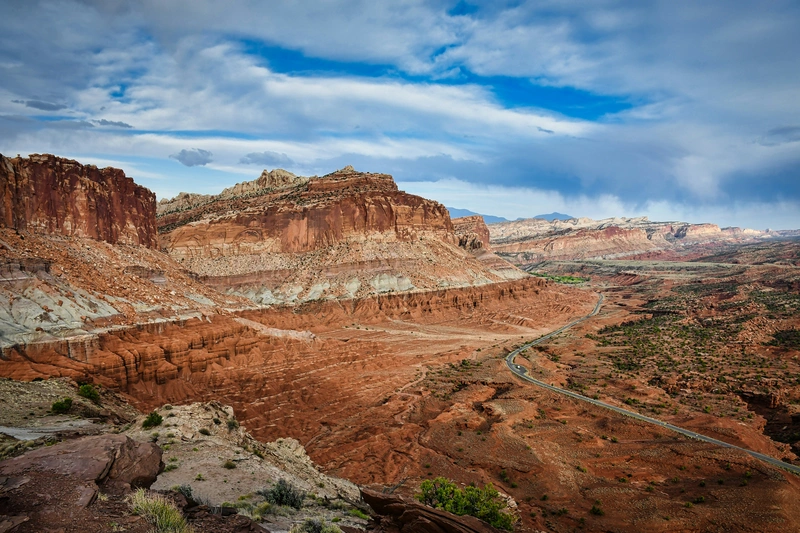
The warm weather is great for harbor tours and sunset cruises. Many restaurants expand their outdoor seating with fans and misters. Summer evenings are perfect for outdoor activities once temperatures cool down after sunset.
Charleston Events in Summer

  • Folly Beach Sea and Sand Festival (June) – Beach celebration with live music
  • Charleston Harbor Fest (July) – Waterfront festival with food and entertainment
  • MOJA Arts Festival (September-October) – Celebration of African American and Caribbean culture
  • Sunset Serenade Concerts (June-August) – Free outdoor concerts in Marion Square

Local Eats in Charleston During Summer

Summer dining focuses on refreshing foods perfect for hot weather. Many restaurants offer expanded outdoor seating with cooling systems, while beachside spots create perfect casual dining experiences. This is a great time for enjoying Charleston’s famous sweet tea and frozen cocktails.

Charleston Travel Tips During Summer

Summer requires planning around heat and humidity. Pack lightweight, breathable clothing and always carry water. Plan indoor activities during peak heat hours (noon to 4 PM) and save outdoor exploring for early mornings and evenings.

Visiting in Fall (September to November)

Fall represents one of Charleston’s most pleasant seasons, especially October and November. The weather becomes more comfortable with moderate temperatures, lower humidity, and manageable crowds. This season offers some of Charleston’s most perfect conditions with beautiful weather and reasonable tourist levels.

Fall keeps comfortable temperatures perfect for all outdoor activities, while the oppressive summer heat and humidity begin to fade. The season offers great value with moderate crowds and gorgeous weather for city exploration.

Charleston Weather in Fall

  • September: 71°F (low) / 84°F (high) | Rain: 4.5 inches
  • October: 61°F (low) / 78°F (high) | Rain: 2.8 inches
  • November: 52°F (low) / 71°F (high) | Rain: 2.1 inches

Things to Do in Charleston During Fall

Fall provides excellent conditions for all Charleston activities. Walking tours become comfortable again, and garden visits are pleasant without summer’s heat. Cultural attractions and historic sites offer perfect environments for visiting without summer crowds.

The stable weather makes fall ideal for neighborhood exploration, from French Quarter strolls to King Street shopping excursions. Fall evenings are perfect for outdoor dining and harbor cruises with stunning weather conditions.

Charleston Events in Fall

  • Charleston Food & Wine Festival (October) – Another major culinary celebration
  • MOJA Arts Festival (September-October) – African American and Caribbean cultural festival
  • Ghost Tours Season (October) – Popular haunted history tours throughout the city
  • Charleston International Film Festival (November) – Independent film celebration

Local Eats in Charleston During Fall

Fall dining showcases seasonal ingredients and comfortable outdoor dining conditions. Restaurant patios provide perfect settings, and the pleasant weather makes it easy to explore Charleston’s diverse neighborhoods and their unique food offerings.

Charleston Travel Tips During Fall

Fall offers great weather and crowd balance, with October being especially popular. Pack light layers for temperature changes throughout the day. Take advantage of shoulder season rates and less crowded attractions during this ideal time.

Visiting in Winter (December to February)

Winter brings mild conditions with average temperatures from the 40s to mid-60s. The city experiences its driest season with occasional cool spells. This season offers unique experiences like holiday decorations and cozy indoor attractions.

Winter provides comfortable temperatures for sightseeing and cultural activities. The season offers great value with the smallest crowds and lowest hotel rates of the year.

Charleston Weather in Winter

  • December: 45°F (low) / 64°F (high) | Rain: 2.7 inches
  • January: 43°F (low) / 61°F (high) | Rain: 2.9 inches
  • February: 47°F (low) / 65°F (high) | Rain: 2.8 inches

Things to Do in Charleston During Winter

Winter activities take advantage of mild temperatures and clear air. Museums and historic houses become especially appealing, while walking tours offer comfortable conditions without summer heat. Many outdoor activities remain possible during Charleston’s mild winter days.

The comfortable conditions make winter perfect for exploring antique shops, art galleries, and cozy restaurants. Winter evenings are perfect for intimate dining experiences and indoor entertainment.

Charleston Events in Winter

  • Charleston International Antiques Show (January) – Premier antiques and art show
  • Lowcountry Oyster Festival (January) – Celebration of local oyster culture
  • Charleston Restaurant Week (January) – Special menus at top restaurants
  • Holiday Festival of Lights (December) – Beautiful light displays at James Island County Park

Local Eats in Charleston During Winter

Winter dining features hearty comfort foods and cozy restaurant experiences throughout Charleston’s neighborhoods. Many places offer special winter menus, and the mild weather still allows for enjoyable patio dining on warmer days.

Charleston Travel Tips During Winter

Winter offers excellent value with the smallest crowds and reasonable hotel rates. Pack layers for temperature changes and light rain gear for occasional showers. Take advantage of cultural events and indoor attractions during the cooler season.

Best Time of the Year to Visit Charleston (By Interest)

Charleston’s diverse attractions and generally favorable climate make timing important for getting the most out of specific experiences. Here’s when to visit based on what you want to do:

For Smallest Crowds: January to February and Weekdays Year-Round

Best Time to Visit Charleston for Fewest Crowds

Winter months provide the most space at popular attractions. Visiting Tuesday through Thursday during any season helps you avoid weekend crowds at historic sites and popular restaurants.

For Perfect Weather: March to May and October to November

Best Time to Visit Charleston for Ideal Weather

These periods offer optimal temperatures, moderate rainfall, and comfortable humidity levels without summer’s oppressive heat or winter’s occasional cool spells.

For Beach Activities: May to September

Best Time to Visit Charleston for Swimming and Beach Fun

Warmest temperatures and longest days make these months perfect for Folly Beach, Isle of Palms, and other nearby beaches for swimming, surfing, and beach relaxation.

For Festival Experiences: March and May to June

Best Time to Visit Charleston for Major Events

Charleston Wine + Food Festival in March and Spoleto Festival USA in May-June represent Charleston’s biggest cultural events, bringing world-class experiences to the city.

For Garden Tours: March to May and October to November

Best Time to Visit Charleston for Gardens and Plantations

Perfect temperatures and blooming seasons create ideal conditions for exploring Charleston’s famous gardens at Magnolia Plantation, Middleton Place, and throughout the city.

For Best Value: December to February and June to August

Best Time to Visit Charleston for Budget Travel

Off-peak periods offer big savings on hotels and attractions while still providing enjoyable weather and experiences, though summer brings heat and humidity.

For Historic Tours: March to May and September to November

Best Time to Visit Charleston for Walking Tours and History

Comfortable temperatures and pleasant weather create perfect conditions for exploring Charleston’s historic district, taking carriage tours, and visiting historic sites.

Where to Stay in Charleston

Find places to stay that perfectly capture Charleston’s unique historic charm and luxury while providing stunning views and exceptional amenities. Here are incredible Charleston vacation homes available to rent with AvantStay:

  • State St A and State St B – Luxurious downtown apartments in a prime location. 
  • Haven – Beachfront gem on the Atlantic coast with stunning ocean views.
  • Windward House – Mediterranean-inspired Folly Island retreat with saltwater pool.
  • Jessamine – Bright, airy beach house with complete amenities, perfect for groups.
  • Lighthouse – A coastal home right in front of Folly Beach with direct beach access.

Create Your Charleston Itinerary

Ready to plan your Southern adventure? Let our experienced team handle every detail of your Charleston experience! Our concierge service can arrange historic tours, restaurant reservations, and unique local experiences that showcase the real Charleston.

Simply contact us or download the AvantStay App to book additional experiences, get insider tips from locals, and manage your entire stay through one easy platform.

For more inspiration on island activities, explore our comprehensive guide to the best things to do in Charleston. And if you want to explore more of Charleston, check out our guide on the best things to do in North Charleston.

Ready to Plan Your Charleston Adventure?

No matter when you choose to visit, Charleston’s incredible historic charm, amazing food culture, and warm hospitality will create unforgettable memories. The city’s perfect mix of old-world elegance and modern sophistication means every visit offers new discoveries and authentic Southern experiences.

We have the ideal Charleston sanctuary waiting for you. Book with AvantStay today and discover how incredible Southern adventures can be when you experience Charleston’s legendary charm, history, and coastal beauty.

FAQs

Is Charleston expensive to visit?

Charleston can be costly during peak seasons (March-May and October) when hotel prices go up because of high demand and perfect weather. However, you can find great value during winter months (December-February) when you’ll get lower rates, smaller crowds, and mild weather perfect for exploring the city’s historic attractions and cozy restaurants.

How crowded does Charleston get?

Peak seasons bring big crowds, especially during major events like Spoleto Festival, when downtown areas, popular restaurants, and historic sites can become very busy. For more relaxed experiences, visit during shoulder seasons (September, November, February) or explore Charleston’s charming neighborhoods and lesser-known attractions during weekdays.

When to avoid Charleston?

Summer months (June-August) bring intense heat and humidity that can make outdoor activities uncomfortable during midday hours, though this is the perfect time for beach activities. March through May sees the biggest crowds and highest prices due to perfect weather and blooming gardens. However, Charleston’s generally pleasant climate and rich culture make it an enjoyable destination year-round with proper planning and realistic expectations about weather and crowds.

The Best Time to Visit Austin

best time to visit austinCompile your fave songs to your playlist as you step into Austin: the live music capital of the world! This Texas city is where you’ll get new and cool ideas. You’ll find friendly southern people, amazing music venues, and the best barbecue joints everywhere you look.

Austin is famous for big festivals like South by Southwest (SXSW) and Austin City Limits. The city has the old Texas traditions where you can enjoy food trucks, music festivals, and beautiful parks and lakes all in one place.

Austin feels different each season. And when you visit matters because each time of year offers different fun things to do. You might want to come for festival season or when the weather is perfect for swimming at Barton Springs Pool.

Maybe you want to try the famous food scene, hear live music on Sixth Street, or relax by Lady Bird Lake. Here’s everything you need to know about when to visit Austin for the best Texas trip ever. 

We’ll tell you about each season, the weather each month, cool events, and fun things to do, even if you are just staying for 24 hours! Plus, we’ll help you find the perfect place to stay!

About Austin, TX

Austin is the capital city of Texas. It’s the fourth biggest city in the state. People know Austin for the saying “Keep Austin Weird” and its amazing music scene. The city sits in Central Texas next to the Colorado River. Austin has over 400 places to hear live music – more than any other city in the world!

Each part of Austin is different. East Austin is trendy and hip. Westlake Hills is fancy and upscale. Every neighborhood has its own personality.

Austin gets hot in summer and stays mild in winter. Temperatures usually go from 43°F to 97°F during the year. The city gets lots of sunshine. It’s not as humid as other Texas cities. Austin gets most of its rain in spring and fall. Summers are hot and dry.

Austin Travel Seasons at a Glance

Learning when Austin gets busy helps you pick the best time for your trip. Here’s when lots of people visit and when it’s quieter.

Peak Times: March and October

March has the SXSW festival. October has the Austin City Limits Music Festival. These are the busiest months for visitors. Hotels book up months early and cost the most money. The city becomes a music lover’s dream during these times.

Great Times: April to May and September to November

These months have great weather and not too many crowds. Spring has beautiful wildflowers blooming everywhere. Fall has perfect weather for being outside without the super-hot summer heat.

Quieter Times: December to February

Winter has fewer tourists and the best hotel deals. Some outdoor activities might be limited because it’s cooler. This is great for checking out Austin’s museums and cozy music venues.

Why Visit Austin?

Austin has way more than just great barbecue and live music, though those are awesome. This city mixes old Texas ways with new cool stuff. Everyone can find something they like here. You can visit great museums like the Blanton Museum of Art or swim in the natural Barton Springs Pool.

The food here goes way beyond Texas barbecue. You’ll find everything from creative food trucks to the fanciest and best restaurants in Austin. Each neighborhood is different. South First has vintage shops and art galleries. East Austin has trendy bars and restaurants.

Austin loves the outdoors. The city has over 300 miles of trails, lots of parks, and water fun on Lady Bird Lake. You’re always close to nature, even in the city center. Austin is also the gateway to the Texas Hill Country with its pretty landscapes and cute small towns.

The weather is good for outdoor activities all year round. There are festivals, farmers’ markets, and outdoor concerts happening every season.

Your Month-by-Month Guide to Austin

  • Austin in January: Cool winter weather, fewer people, cozy music venue time
  • Austin in February: Weather gets milder, still quiet, great for museums
  • Austin in March: SXSW festival excitement, spring weather, huge crowds
  • Austin in April: Beautiful spring days, wildflower season, perfect temperatures
  • Austin in May: Warm, nice days, perfect outdoor weather, fewer tourists
  • Austin in June: Summer heat starts, swimming season begins, longer days
  • Austin in July: Hottest weather, best swimming weather, summer festivals
  • Austin in August: Still really hot, busy season, perfect for water activities
  • Austin in September: Weather gets cooler, fewer crowds, great for hiking
  • Austin in October: ACL Festival time, perfect fall weather, busy time
  • Austin in November: Comfortable weather, holiday prep, beautiful days
  • Austin in December: Cool winter weather, holiday events, quiet season

When Is the Best Time to Visit Austin?

The best time to visit Austin is April through May and September through November. During these times, temperatures stay between the 60s and 80s. This makes it perfect for walking around the city and visiting outdoor places. You get nice weather, not too many crowds, and great conditions for everything you want to do.

These shoulder seasons give you lots of good things like fewer crowds, cheaper hotels, and better weather for experiencing everything Austin offers.

Visiting in Spring (March to May)

Spring is when Austin looks its best. The city wakes up from winter with perfect weather and beautiful wildflowers everywhere. It gets up to about 80°F during the day and rarely goes below 50°F at night. It doesn’t rain too much.

This is perfect weather for Austin’s outdoor attractions. You can hike trails around Zilker Park or listen to live music outside. The nice temperatures make spring great for trying food trucks, eating on patios, and going to rooftop bars without the crazy summer heat.

Austin Weather in Spring

  • March: 50°F (low) / 75°F (high) | Rain: 2.5 inches
  • April: 58°F (low) / 82°F (high) | Rain: 2.8 inches
  • May: 67°F (low) / 87°F (high) | Rain: 4.6 inches

Things to Do in Austin During Spring

Spring weather makes everything in Austin more fun. Swimming at Barton Springs Pool feels great. Hiking trails in Austin are perfect without the summer heat. Food truck gatherings and outdoor markets do really well in the nice weather.

The comfortable temperatures make spring perfect for checking out different areas. You can explore Downtown Austin, East Austin’s trendy spots, and shop on South Congress. Spring evenings are great for outdoor music, rooftop dining, and sunset kayaking on Lady Bird Lake.

Austin Events in Spring

  • SXSW (March) – Huge music, film, and tech festival that takes over the city
  • Austin Food + Wine Festival (April) – Celebration of Austin’s amazing food scene
  • Eeyore’s Birthday Party (April) – Weird Austin tradition in Pease Park
  • Wildflower Days Festival (April) – Celebrating Texas Hill Country’s famous bluebonnets

Local Eats in Austin During Spring

Spring has perfect weather for trying Austin’s famous food scene outside. Food truck areas and outdoor dining patios are ideal. The comfortable temperatures make it easy to hop between different neighborhoods. You can try everything from breakfast tacos to world-famous barbecue.

Austin Travel Tips During Spring

Spring brings lots of visitors, especially during SXSW. Book hotels and popular attractions early. Pack layers because temperatures can change from morning to afternoon. This is a great time for first-time visitors to experience everything Austin has to offer.

Visiting in Summer (June to August)

Summer brings hot Texas weather. It regularly gets to the mid-90s during the day and stays in the comfortable 70s at night. It barely rains at all in July and August. You get the longest days for sightseeing and the best weather for water activities.

Summer has perfect swimming weather and lots of outdoor music festivals. But it also brings really hot weather and higher hotel prices. You get long days and sunny skies for outdoor adventures.

Austin Weather in Summer

  • June: 73°F (low) / 92°F (high) | Rain: 3.5 inches
  • July: 76°F (low) / 97°F (high) | Rain: 1.9 inches
  • August: 76°F (low) / 98°F (high) | Rain: 2.3 inches

Things to Do in Austin During Summer

Summer activities focus on Austin’s water attractions and air-conditioned places. Barton Springs Pool stays a refreshing 68-70°F all year, making it perfect for hot summer days. Lady Bird Lake has kayaking, paddleboarding, and boat tours with beautiful city views.

The hot weather is great for swimming. Many outdoor music venues have misting systems to keep crowds cool. Summer’s long days let you pack in water activities, indoor cultural attractions, and evening entertainment after the heat goes down.

Austin Events in Summer

  • Austin Summer Music Series (June-August) – Free outdoor concerts in parks
  • Bat Fest (August) – Celebrating Austin’s famous Congress Bridge bats
  • Hot Sauce Festival (August) – Spicy food celebration in East Austin
  • Austin International Drag Festival (July) – Colorful celebration of drag culture

Local Eats in Austin During Summer

Summer dining focuses on refreshing foods perfect for hot weather. Many restaurants have expanded outdoor seating with misters and fans. Food trailers create perfect casual dining experiences. This is the best time for Austin’s famous frozen margaritas and ice-cold beer.

Austin Travel Tips During Summer

Summer requires booking hotels early because lots of people visit. Pack lightweight, breathable clothes and always carry water. Plan indoor activities during the hottest hours (noon to 4 PM). Save outdoor exploring for mornings and evenings.

Visiting in Fall (September to November)

Fall is one of Austin’s best seasons, especially September through November. The weather gets more comfortable with moderate temperatures, lower humidity, and manageable crowds. This season has some of Austin’s most perfect conditions with beautiful weather and reasonable tourist levels.

Fall keeps comfortable temperatures perfect for all outdoor activities. The really hot summer heat starts to go away. The season offers great value with moderate crowds and gorgeous weather for exploring the city.

Austin Weather in Fall

  • September: 71°F (low) / 92°F (high) | Rain: 2.8 inches
  • October: 61°F (low) / 84°F (high) | Rain: 2.9 inches
  • November: 51°F (low) / 75°F (high) | Rain: 2.0 inches

Things to Do in Austin During Fall

Fall has great conditions for all Austin activities. Swimming weather continues into October. Hiking becomes more pleasant as temperatures cool down. Cultural attractions and breweries are perfect for visiting without summer crowds.

The stable weather makes fall perfect for exploring neighborhoods. You can do music venue crawls on Sixth Street or shopping trips on South Congress. Fall evenings are perfect for outdoor dining and catching live music with amazing weather.

Austin Events in Fall

  • Austin City Limits Music Festival (October) – Major two-weekend music festival in Zilker Park
  • Formula 1 United States Grand Prix (October) – World-class car racing at Circuit of the Americas
  • Austin Film Festival (October) – Celebrating independent movies and screenwriting
  • Dia de los Muertos (November) – Day of the Dead celebrations throughout the city

Local Eats in Austin During Fall

Fall dining shows off seasonal ingredients and comfortable outdoor dining weather. Restaurant patios have perfect conditions. Farmers’ markets feature autumn produce. The pleasant weather makes it easy to explore Austin’s diverse neighborhoods and their unique food.

Austin Travel Tips During Fall

Fall offers great weather and crowd balance, though October gets busy with ACL Festival. Pack light layers for temperature changes throughout the day. Take advantage of shoulder season pricing and less crowded attractions during non-festival weekends.

Visiting in Winter (December to February)

Winter brings mild conditions with average temperatures from the 40s to the upper 60s. The city gets its wettest season, but still has mostly pleasant weather. This season offers unique experiences like holiday celebrations and cozy indoor music venues.

Winter has comfortable temperatures for locals and visitors. You get crisp, clear days perfect for sightseeing and cultural activities. The season offers great value with smaller crowds and lower hotel rates.

Austin Weather in Winter

  • December: 42°F (low) / 65°F (high) | Rain: 2.2 inches
  • January: 41°F (low) / 63°F (high) | Rain: 2.0 inches
  • February: 46°F (low) / 69°F (high) | Rain: 2.4 inches

Things to Do in Austin During Winter

Winter activities take advantage of mild temperatures and clear air. Museums and indoor attractions become especially appealing. Hiking trails offer comfortable conditions without summer heat. Many outdoor activities are still possible during Austin’s mild winter days.

The comfortable conditions make winter perfect for exploring breweries, music venues, and shopping areas. Winter evenings are cozy for intimate music experiences and comfort food dining.

Austin Events in Winter

  • Trail of Lights (December) – Zilker Park holiday light display
  • New Year’s Eve Party (December) – Downtown celebration with live music
  • Carnaval Brasileiro (February) – Brazilian carnival celebration
  • Austin Marathon (February) – Major running event through the city

Local Eats in Austin During Winter

Winter dining features hearty comfort foods and cozy restaurant experiences throughout Austin’s neighborhoods. Many places offer special winter menus. The mild weather still allows for enjoyable patio dining on warmer days.

Austin Travel Tips During Winter

Winter offers great value with smaller crowds and reasonable hotel rates. Pack layers for temperature changes and light rain gear for occasional showers. Take advantage of cultural events and indoor attractions during the cooler season.

Best Time of the Year to Visit Austin (By Interest)

Austin’s diverse attractions and generally good climate make timing important for getting the most out of specific experiences. Here’s when to visit based on what you want to do:

For Smallest Crowds: January to February and Weekdays Year-Round

Best Time to Visit Austin for Fewest Crowds

The winter months give the most space at popular attractions. Visiting Tuesday through Thursday during any season helps you avoid weekend crowds at music venues and tourist spots.

For Perfect Weather: April to May and September to November

Best Time to Visit Austin for Ideal Weather

These times offer the best temperatures, moderate rainfall, and great air quality without summer heat or winter’s occasional cool spells.

For Water Activities: May to October

Best Time to Visit Austin for Swimming and Water Sports

Warmest temperatures and minimal rainfall make these months perfect for Barton Springs Pool, Lady Bird Lake activities, and swimming hole adventures in nearby Hill Country.

For Festival Experiences: March and October

Best Time to Visit Austin for Major Events

SXSW in March and Austin City Limits in October are Austin’s biggest cultural events. They bring international attention and incredible music lineups to the city.

For Outdoor Activities: March to May and September to November

Best Time to Visit Austin for Hiking and Outdoor Fun

Comfortable temperatures and lower humidity create perfect conditions for exploring Austin’s parks, trails, and outdoor attractions without extreme heat.

For Best Value: December to February and November

Best Time to Visit Austin for Budget Travel

Off-peak times offer big savings on hotels and attractions while still giving great weather and experiences.

For Food Scene: March to May and September to November

Best Time to Visit Austin for Culinary Experiences

Perfect outdoor dining weather, farmers market season, and comfortable temperatures for food truck hopping and restaurant crawling throughout the city.

Where to Stay in Austin

Find places to stay that perfectly capture Austin’s unique mix of southern hospitality and modern luxury. These places have stunning views and amazing amenities. Here are five incredible Austin vacation homes you can rent with AvantStay:

  • Barton – A hilltop retreat just above the peaceful Colorado River. 
  • Paramount Place – An impressive 11,000 sq. ft. modern home in the heart of Austin.
  • Hudson – European-inspired home with stunning Colorado River views.
  • Vice – Modern high-rise living with luxury amenities near Sixth Street nightlife.
  • Travis – Lakefront sanctuary on Lake Travis with direct water access. 

Create Your Austin Itinerary

Ready to plan your Texas adventure? Let our experienced team handle every detail of your Austin experience! Our concierge service can arrange music venue tours, restaurant reservations, and unique local experiences that show you the real Austin.

Simply contact us or download the AvantStay App to book additional experiences, get insider tips from locals, and manage your entire stay through one easy platform.

For more inspiration on island activities, explore our comprehensive guide to the best things to do in Austin.

Ready to Plan Your Austin Adventure?

No matter when you choose to visit, Austin’s incredible music scene, amazing food culture, and friendly atmosphere will create unforgettable memories. The city’s perfect combination of Texas tradition and innovative spirit means every visit offers new discoveries and authentic experiences.

We have the ideal Austin sanctuary waiting for you. Book with AvantStay today and discover how incredible Texas adventures can be when you experience Austin’s legendary music, food, and culture.

FAQs

Is Austin expensive to visit?

Austin can be costly during peak festival times (March for SXSW, October for ACL) when hotel prices go way up because of high demand and limited rooms. However, you can find great value during winter months (December-February) when you’ll get lower rates, smaller crowds, and mild weather perfect for exploring the city’s cultural attractions.

How crowded does Austin get?

Peak seasons bring big crowds, especially during major festivals when downtown areas, popular restaurants, and music venues can become very busy. For more relaxed experiences, visit during shoulder seasons (April-May, September-November) or explore Austin’s diverse neighborhoods and lesser-known attractions during weekdays.

When to avoid Austin?

March and October bring the biggest crowds and highest prices because of SXSW and Austin City Limits festivals, though these events also offer incredible cultural experiences. Summer months (June-August) have intense heat that can make outdoor activities challenging during midday hours. However, Austin’s generally pleasant climate and vibrant culture make it an enjoyable destination year-round with proper planning and realistic expectations about weather and crowds.