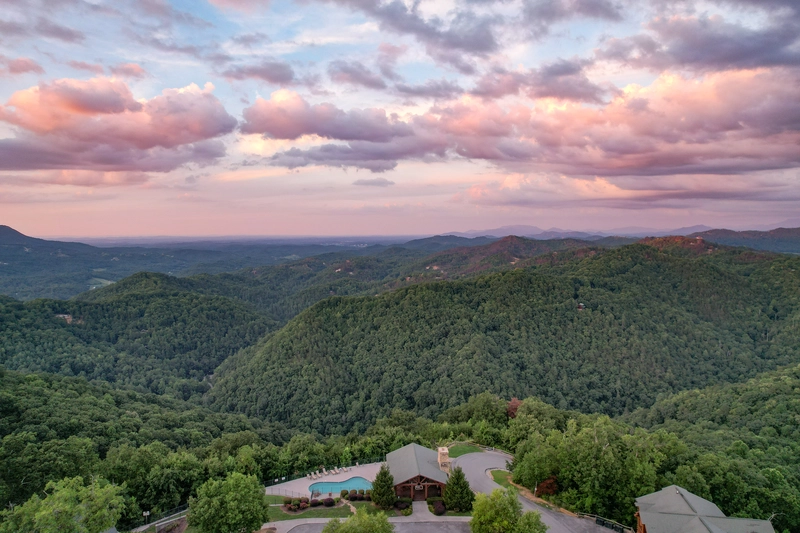
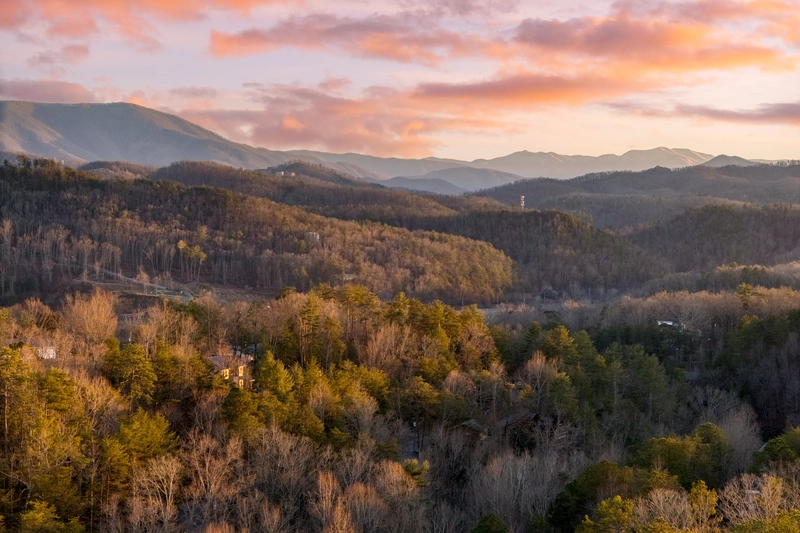
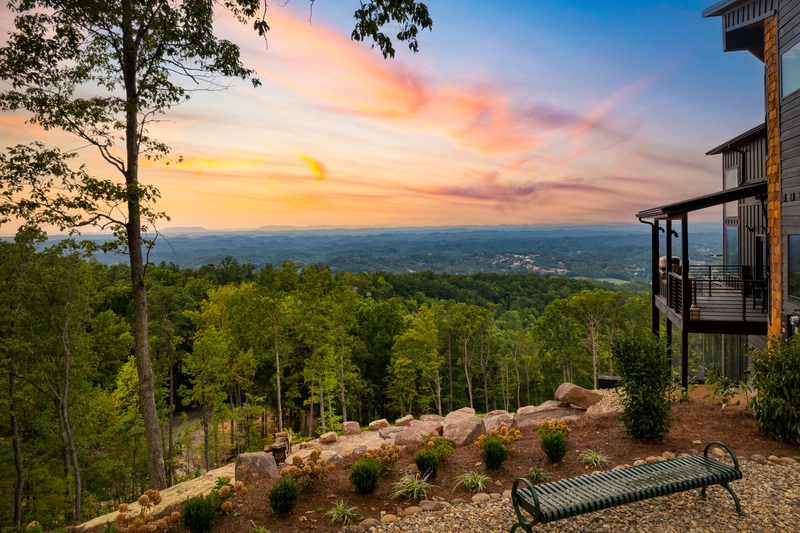
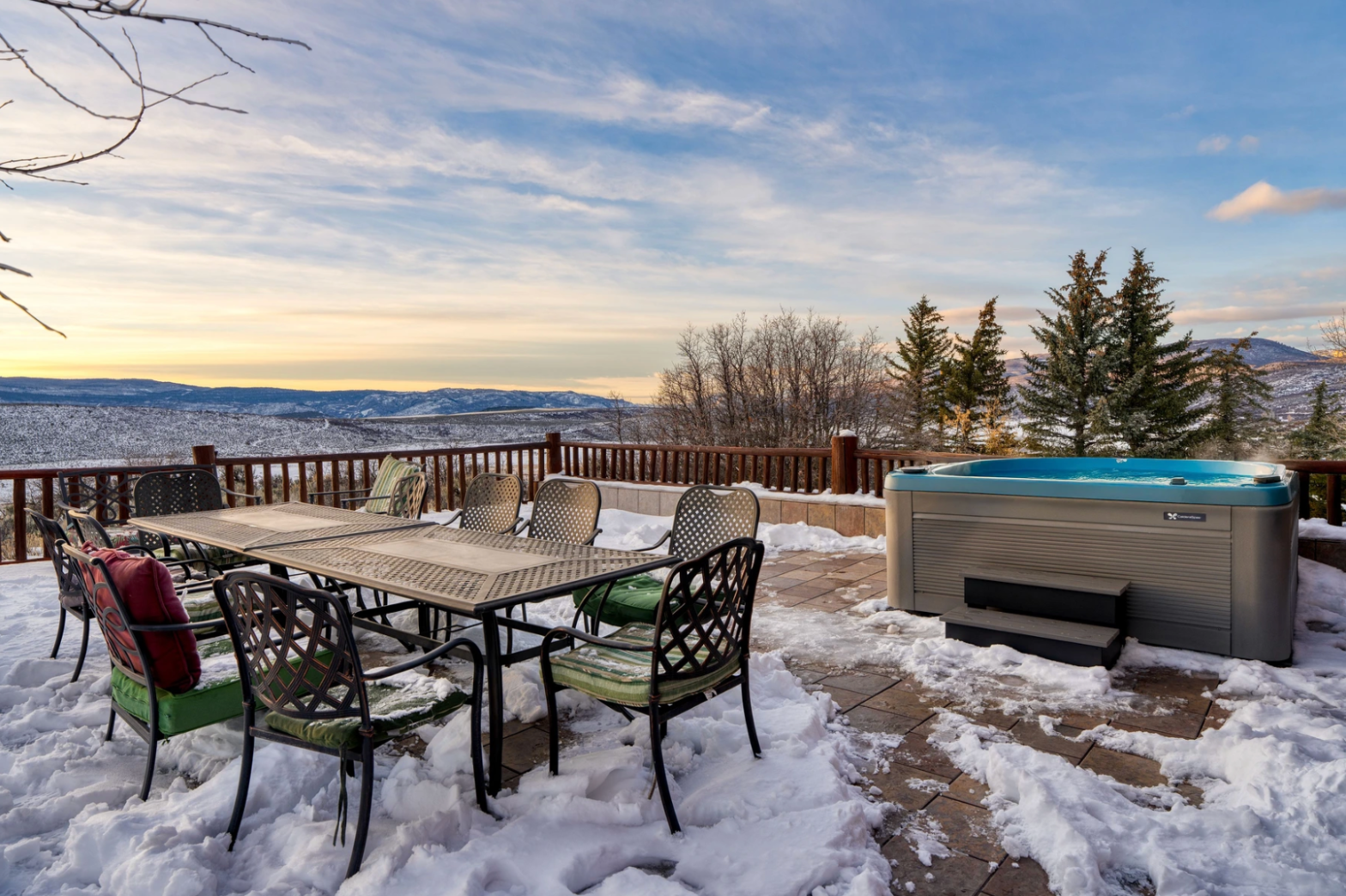
Sedona isn’t just a place—it’s a sensory experience. It’s the feeling of soft desert breezes on your skin, the sound of birds greeting the morning, and the stillness that lets you hear your own thoughts again.
If you are heading to Sedona soon, here are our top 5 Sedona Airbnbs with killer views of the Red Rock. Might as well do it right, too—which means waking up to the golden-hour magic of the Sedona sunrise, sipping coffee on a sun-drenched patio, and soaking in a hot tub under a starry desert sky.
Whether you’re here for hiking, healing, or just an excuse to wear your favorite wide-brim hat, ensure your time in Sedona is as magical as the landscape itself.
Key Takeaways:
AvantStay’s stunning retreats where every window frames a masterpiece of the Red Rock.
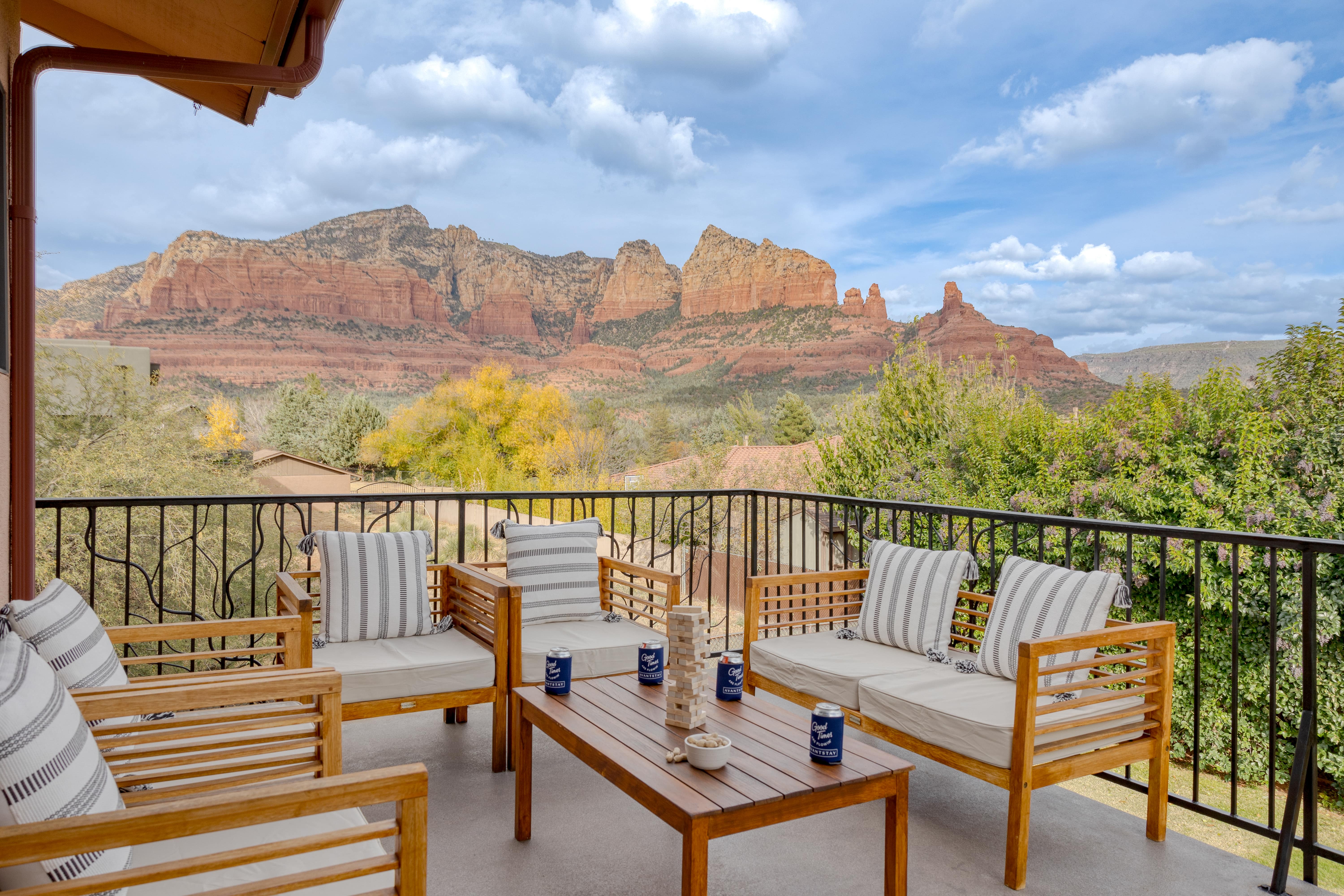
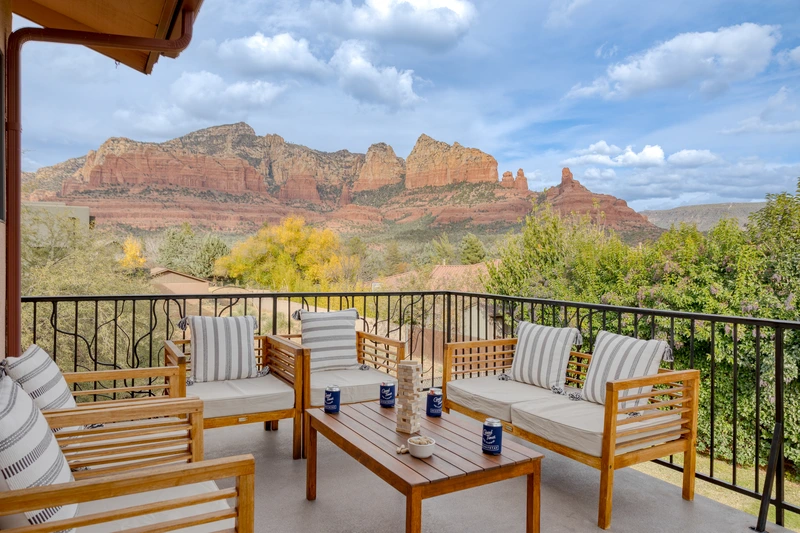
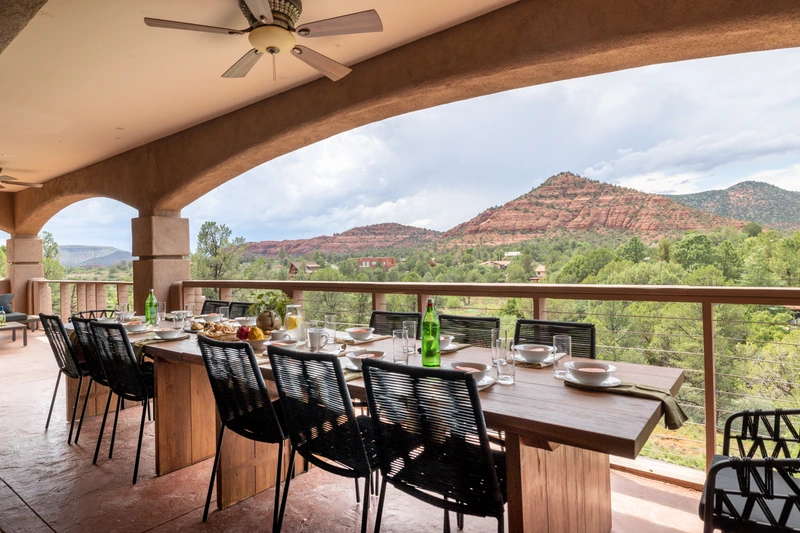
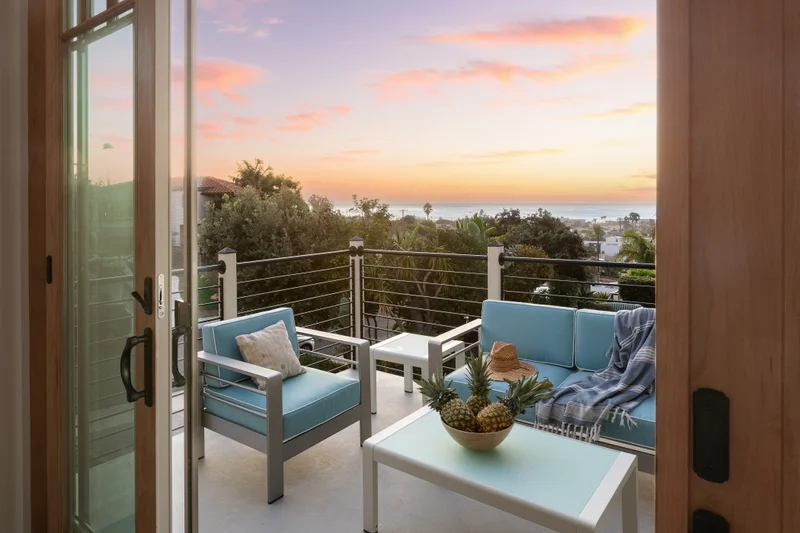
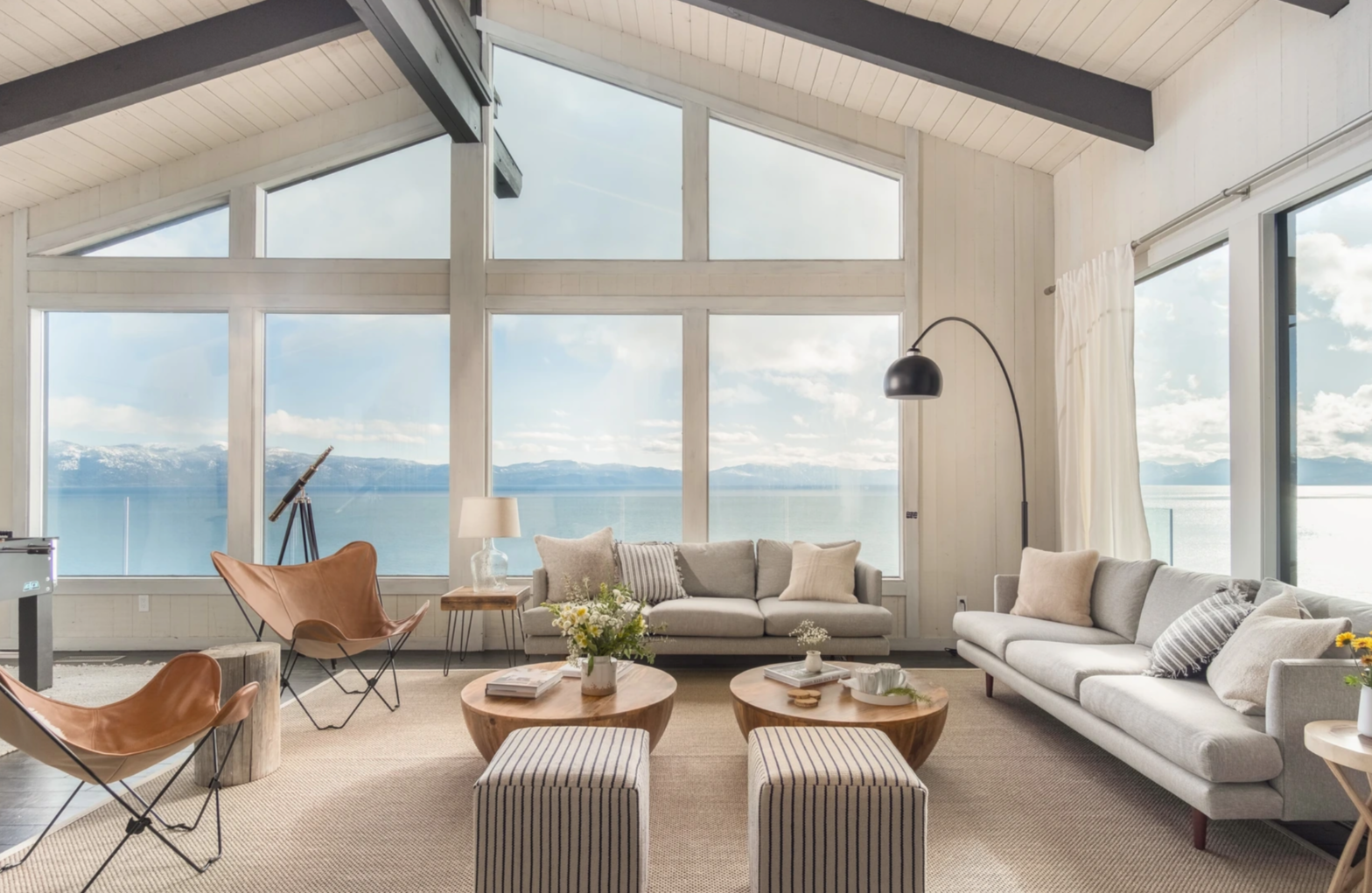
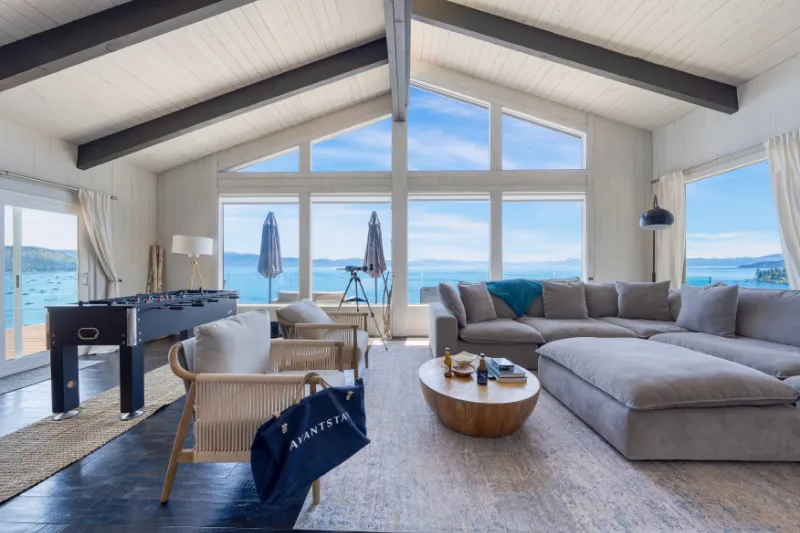
Wake Up to WOW Views. Sedona Sunrise is perched in Uptown Sedona and is the perfect launch pad for adventure seekers and relaxation enthusiasts alike. This stunning retreat is designed for those who want breathtaking front-row views.
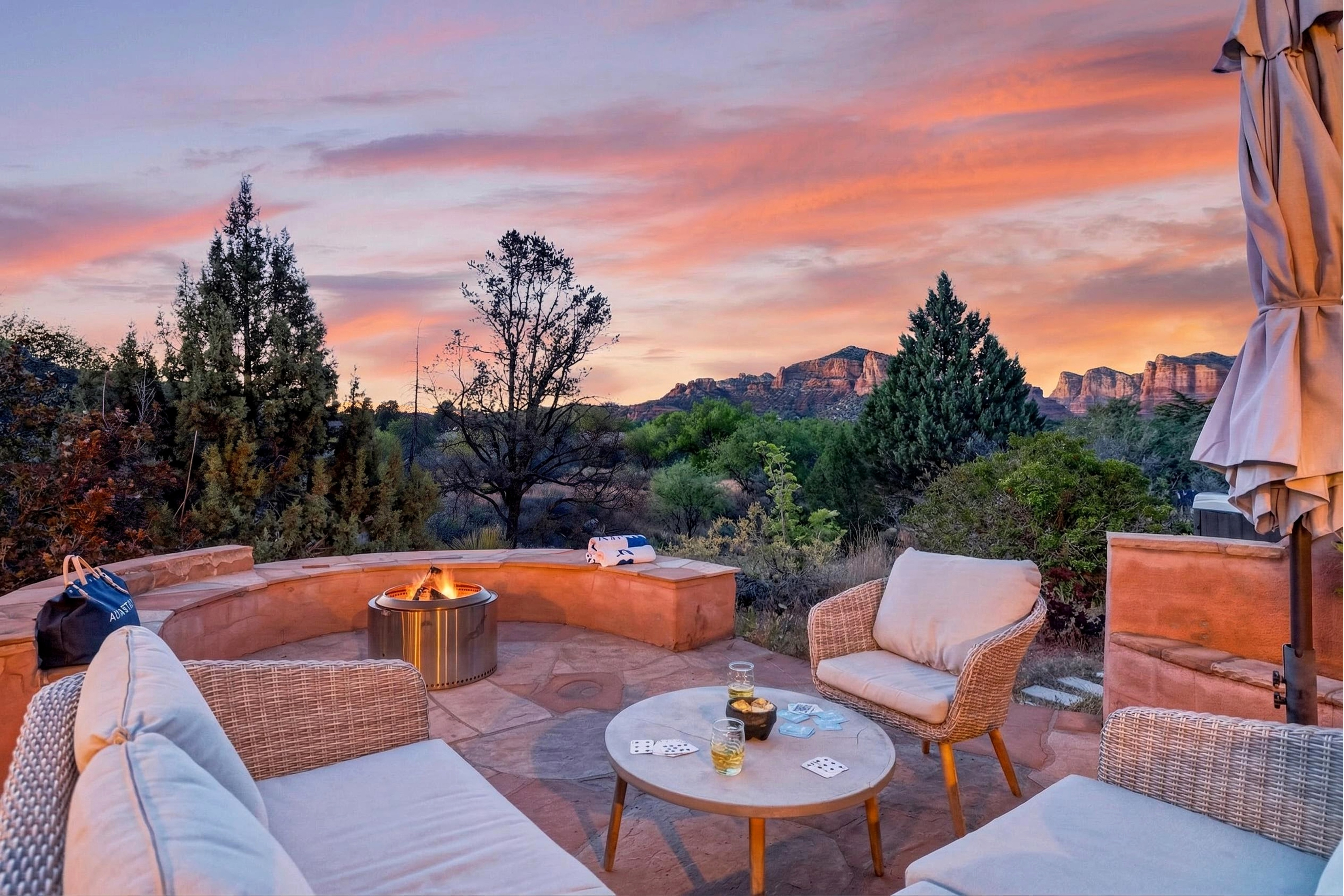
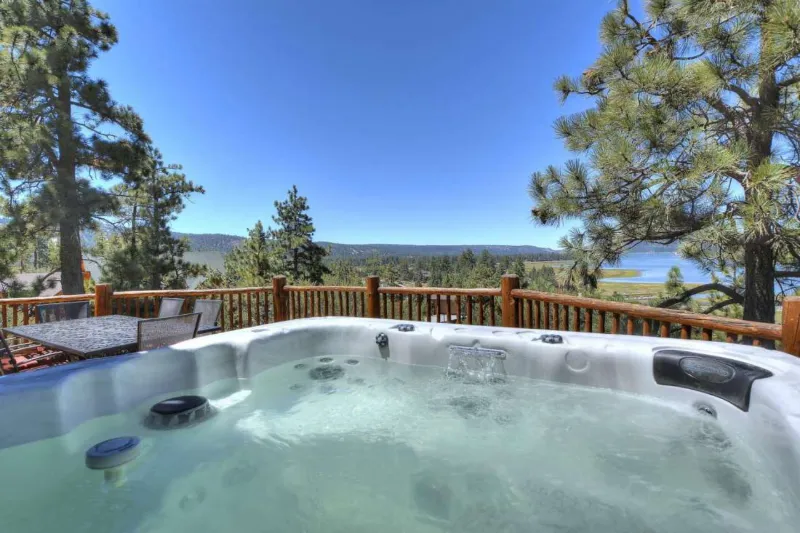
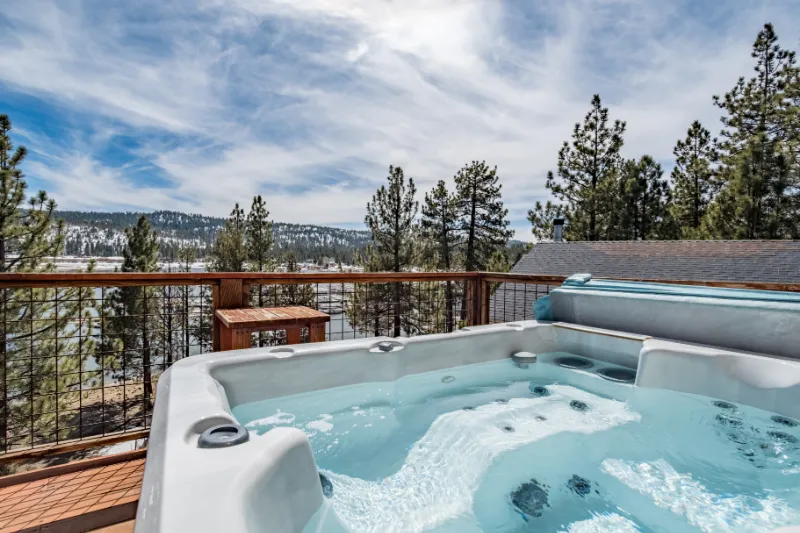
As a place to reset, you can recharge with a home-cooked meal on the terrace, where the Red Rocks turn fiery shades of orange and pink as the sun dips below the horizon. Or soak in the hot tub under a sky full of stars and enjoy the views from the deck with a glass of wine in hand.
Perched among Sedona’s fiery red cliffs, Roca Roja is more than a home. Here, the landscape is the star. The floor-to-ceiling windows frame Brins Mesa, which makes every sunrise a spectacle worth waking up for.
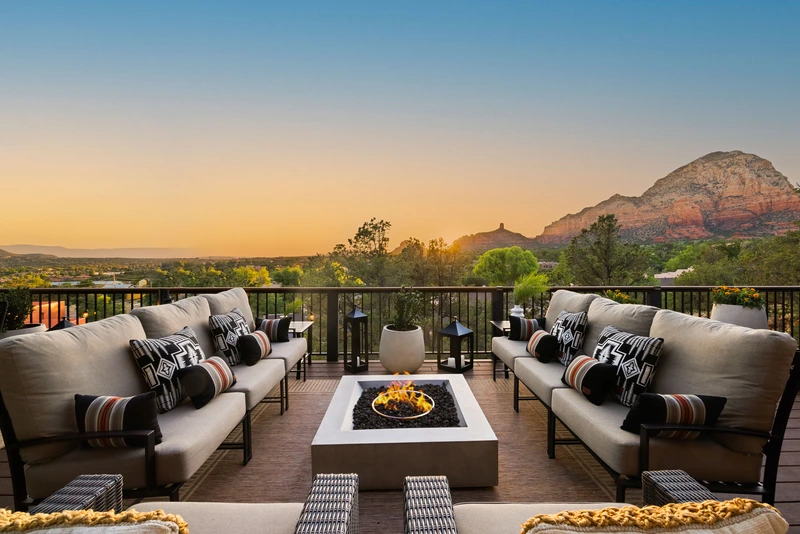
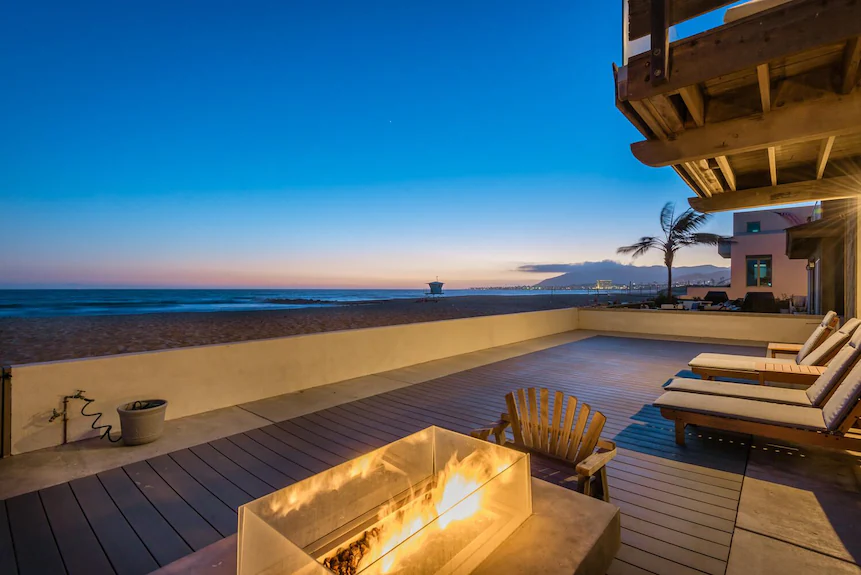
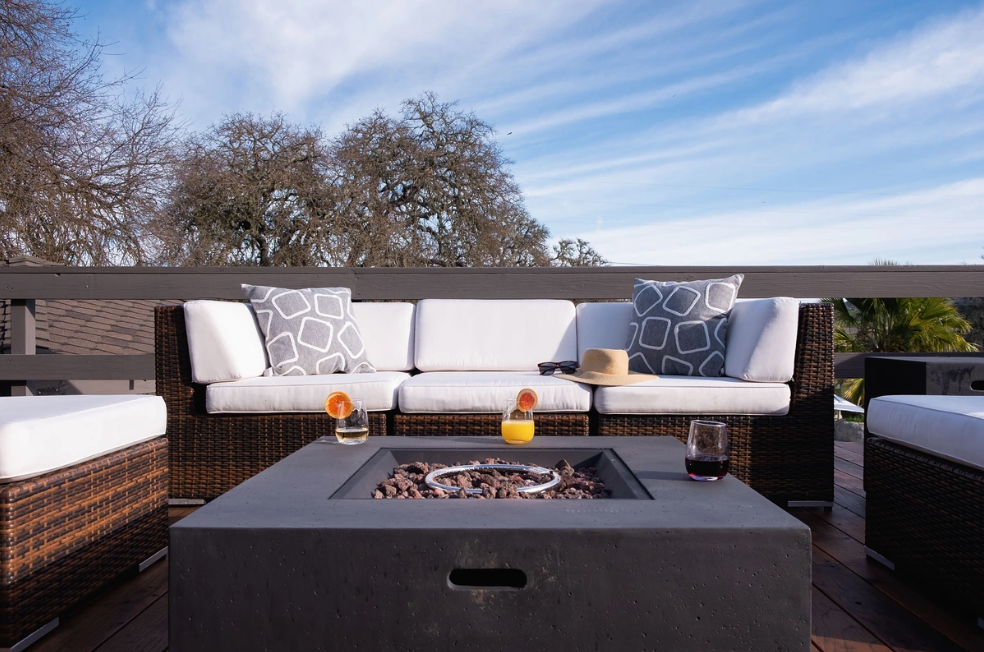
Watch the sky explode into a gold color at the expansive deck, where a daybed and cozy lounge chairs make it easy to lose track of time. As the evening cools, gather around the fire pit for late-night laughs with your loved ones.
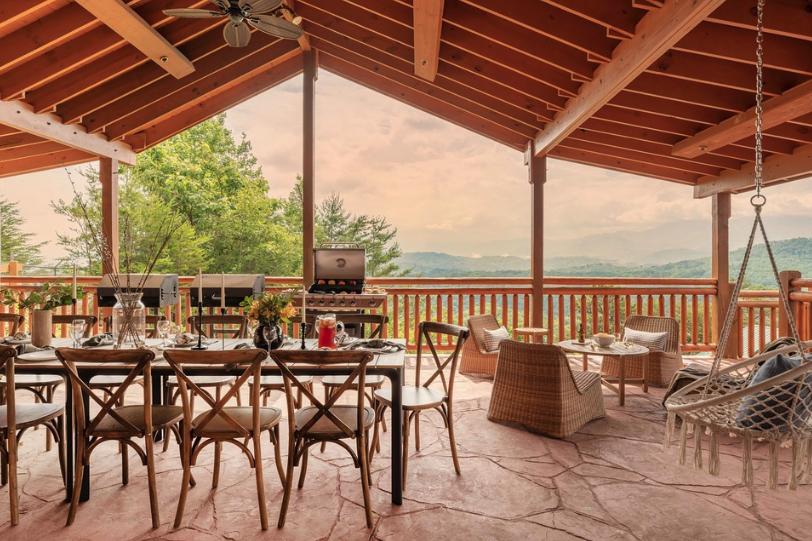
Timber & Rock Retreat rises from Sedona’s red rock landscape like it grew there. This four-bedroom timber-frame home brings handcrafted character that feels both rustic and refined, with soaring beams, exposed wood, and arched picture windows that pull the red rocks in from every angle. The view shifts with the light here — gold in the morning, rose by evening.
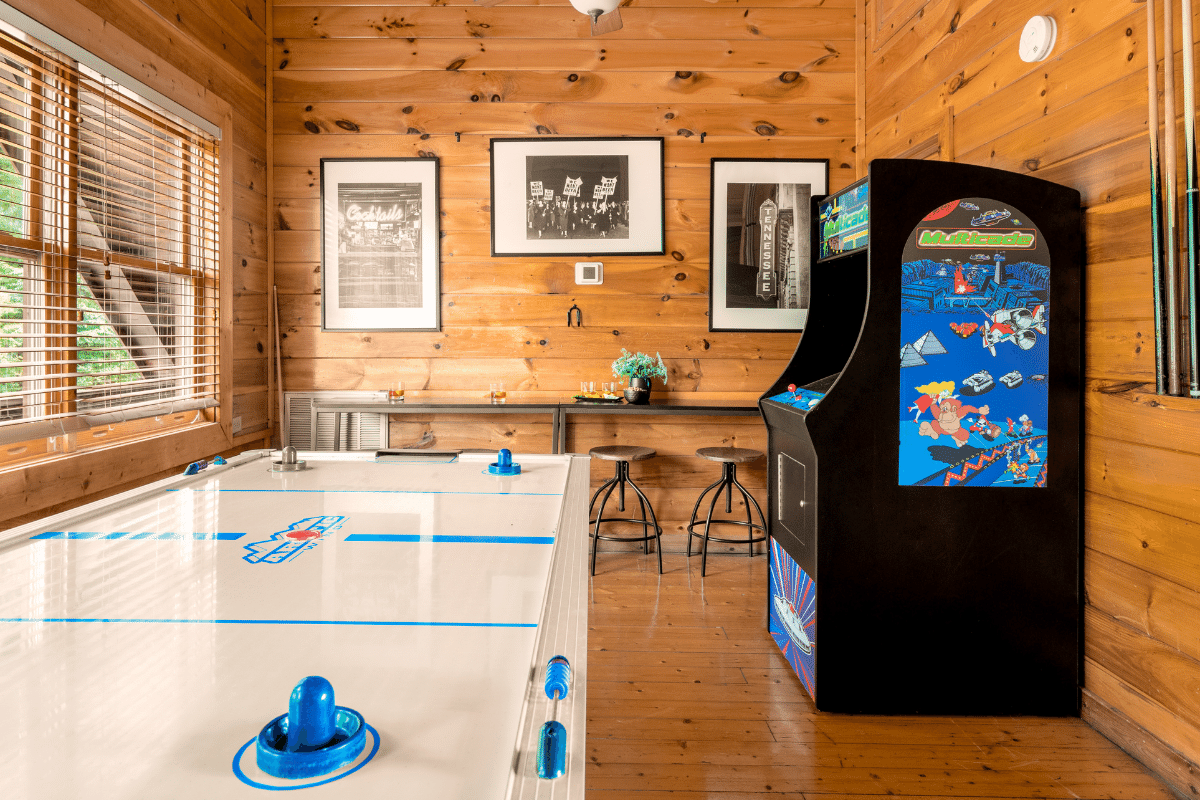
Outside, the property really stretches out. A gazebo shades an outdoor dining table built for long desert dinners, while the hot tub turns slow mornings and even slower evenings into the main event with red rocks on full display. The firepit is made for stories and s’mores, and the upstairs sun-filled loft moonlights as a game room — complete with a full-size Pac-Man arcade cabinet for late-night rematches.
Why You’ll Love It:
4 bedrooms, 3 bathrooms (sleeps 12)
Hot tub, firepit & BBQ grill
Gazebo-shaded outdoor dining + lounge
Game loft with retro Pac-Man arcade
Minutes from Cathedral Rock, Bell Rock & Devil’s Bridge trails
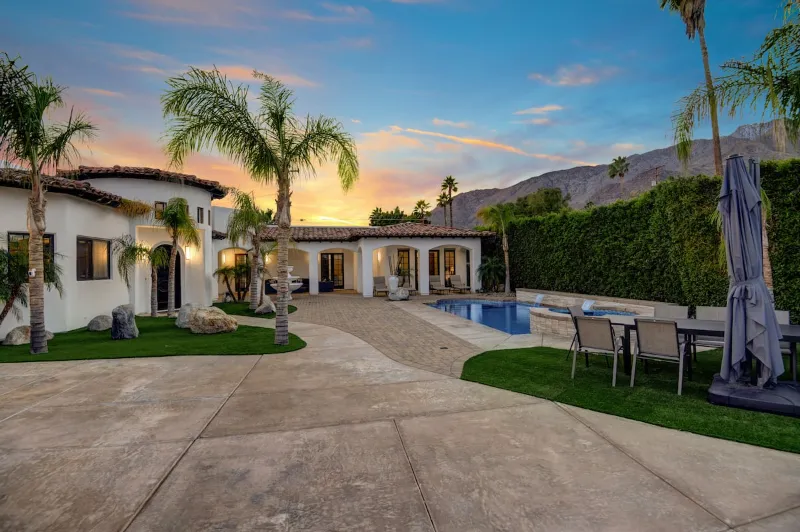
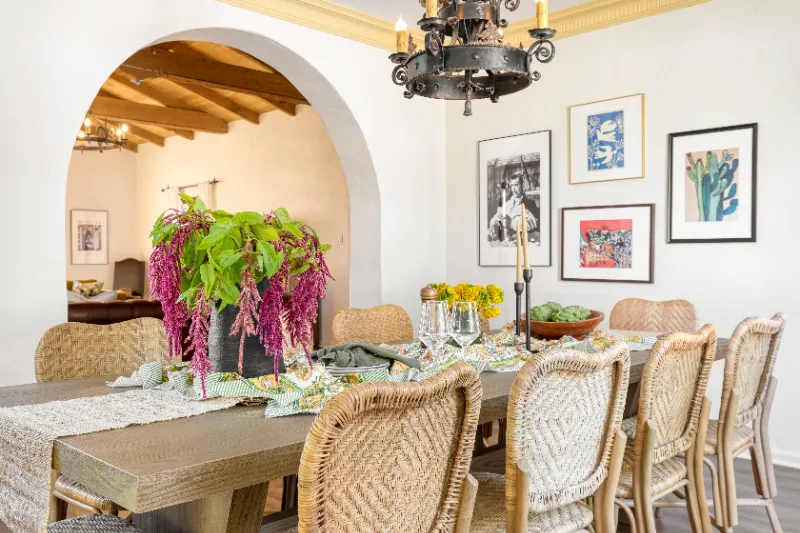
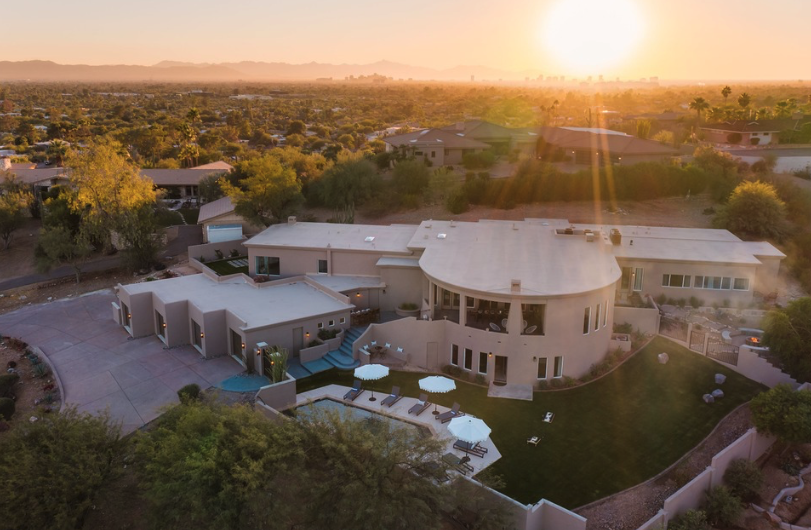
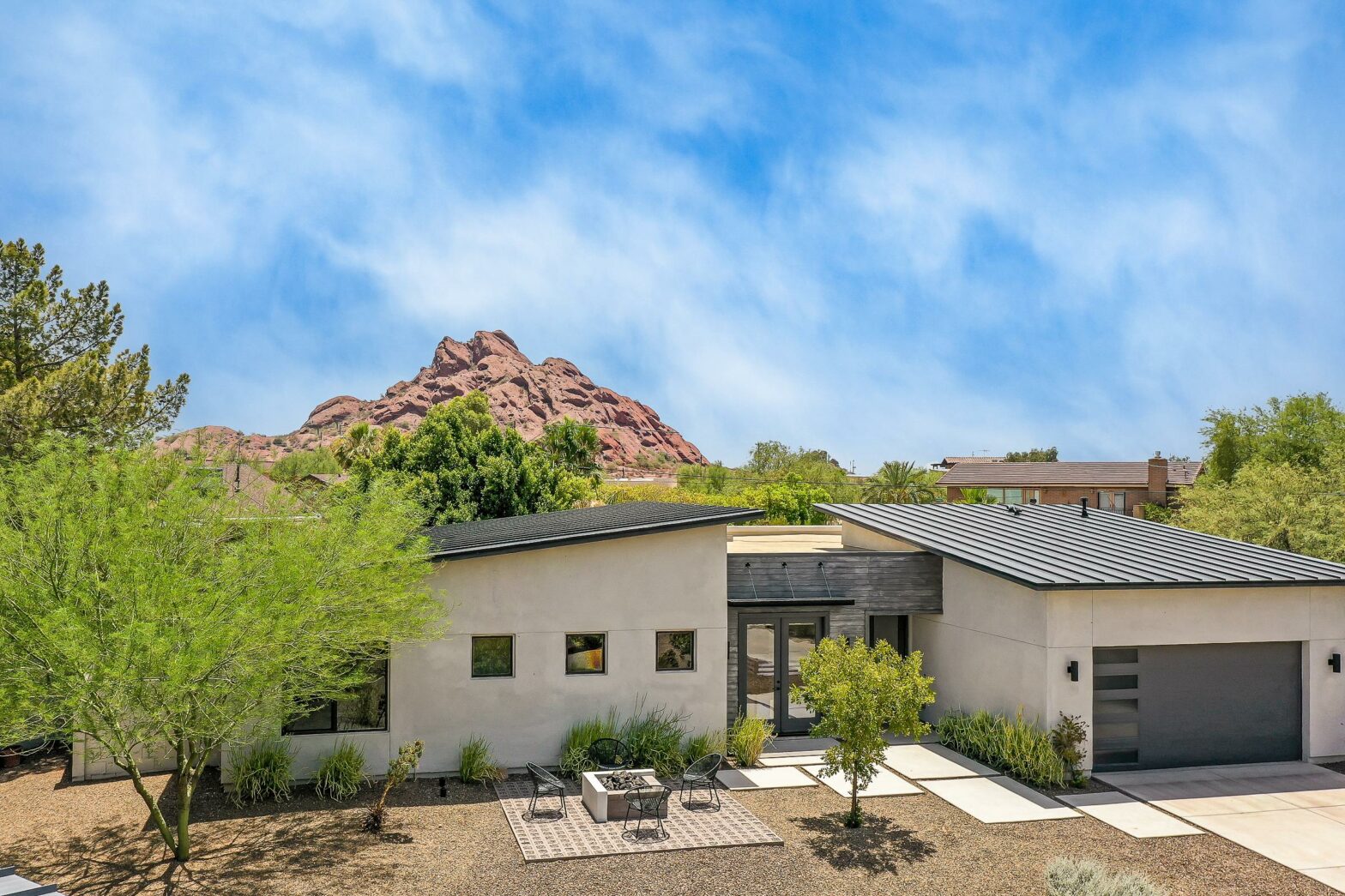
With its stunning backdrop of Pyramid Mountain, Pyramid is a sanctuary for those who want to experience an undeniable sense of tranquility. A perfect spot for groups, turning every moment into an experience once you step inside the mansion of your desert dream getaway.
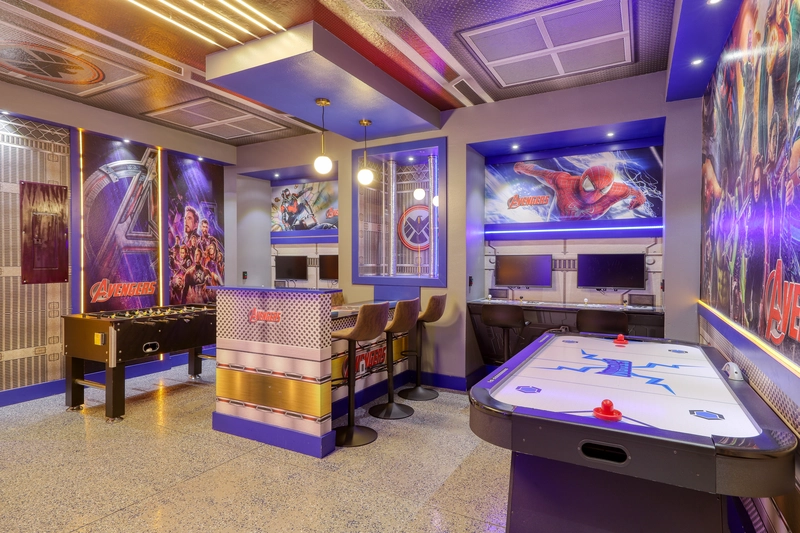
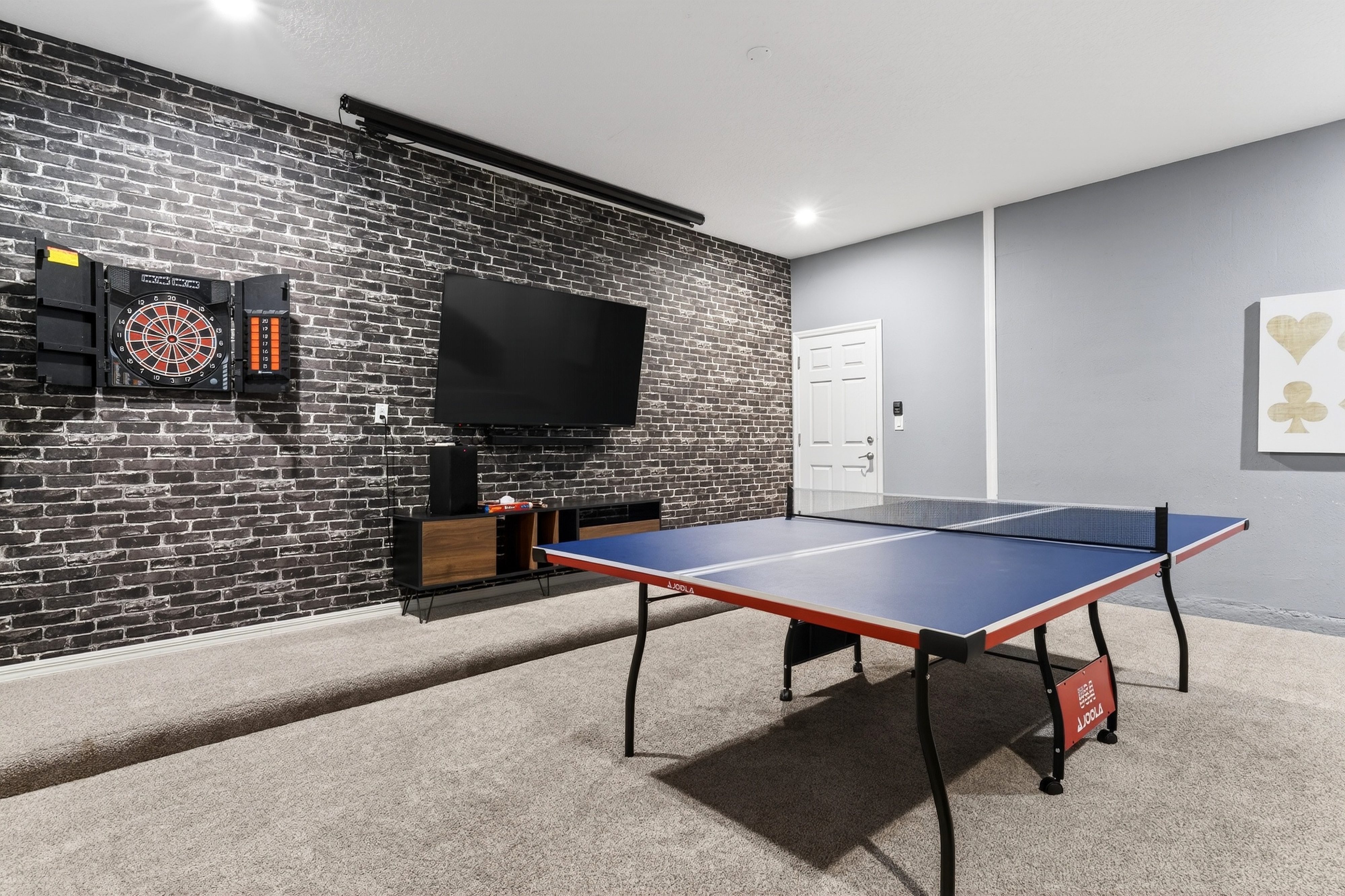
Every detail has been curated for relaxation in this grand retreat. With a sprawling outdoor entertainment space, thoughtful house layout, and a list of entertainment options, you and your crew will surely have a stunner unwinding experience of the desert’s raw beauty.
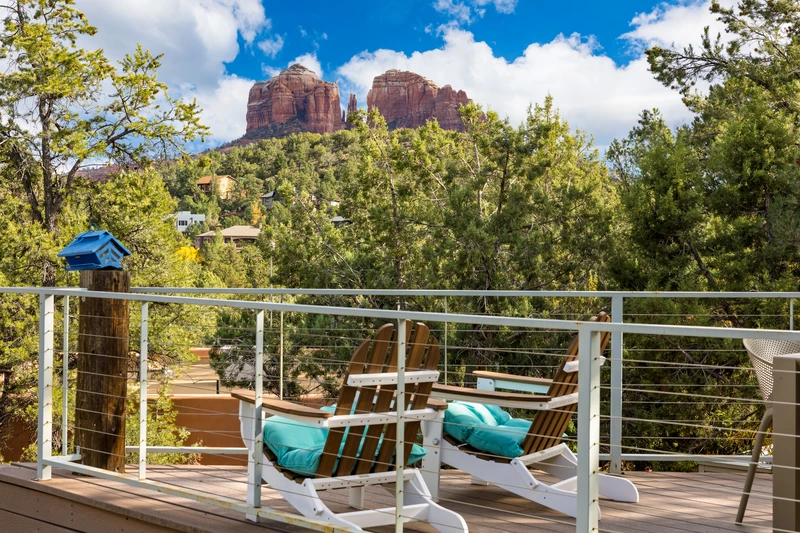
Every night ends under a canopy of stars, and when the sun paints the rocks gold, Cathedral View gives you front-row seats to Sedona’s most legendary formations. If you came to Sedona for Cathedral Rock views, this is where you need to be.
Positioned in the heart of Red Rock Country, this iconic home puts you steps away from Sedona’s best hiking trails, world-class dining, and unique shopping experiences.
Sedona is known for its breathtaking landscapes, but it’s also rich in history, culture, and ancient sites. From prehistoric cliff dwellings to sacred Native American landmarks, here are some of the most iconic historic landmarks you’ll want to visit.
Cathedral Rock – One of Sedona’s most iconic formations, offering spectacular views and a popular hiking spot.
Bell Rock – Another iconic red rock formation, known for its stunning vistas and spiritual energy.
Chapel of the Holy Cross – A chapel built into the red rocks, offering breathtaking views and a serene atmosphere.
Oak Creek Canyon – A scenic canyon with beautiful hiking trails, swimming holes, and picnic areas.
Tlaquepaque Arts and Shopping Village – An artsy village with a European flair, featuring galleries, boutiques, and restaurants.
Slide Rock State Park – Known for its natural water slide and beautiful scenery, it is perfect for families.
Amitabha Stupa and Peace Park – A serene spiritual sanctuary with stunning views and peaceful trails.
Palatki Ruins – Ancient cliff dwellings offering insights into the rich, native American history.
Uptown Sedona – The heart of Sedona’s shopping and dining scene, with a charming, tourist-friendly atmosphere.
Vortexes – Sedona is famous for its spiritual vortexes, believed to be areas of concentrated spiritual energy.
History, adventure, and breathtaking landscapes. Explore cliff dwellings, ancient petroglyphs, spiritual sites, and Old West history—all set against the backdrop of Sedona’s stunning Red Rocks.
Whether you’re here for hiking, history, or pure relaxation, we have the perfect house for you. Book a stay in one of our best Airbnbs in Sedona today!
You’ve booked trips based on beautiful photos before, right? Everyone has. But if you want something that actually feels different when you’re living it, and when you’re posting about it, you need to flip your planning process completely. Instead of starting with where, planning an experience-driven trip means starting with why your group is traveling in the first place. That one change ripples through every decision you make.
TLDR:
Start with your group’s purpose (reconnection, adventure, wellness) before picking a destination.
Properties with game rooms, outdoor kitchens, and fire pits create natural gathering moments.
Leave gaps in your schedule. Overscheduled trips do fewer activities and miss spontaneous finds.
Hands-on activities like cooking classes or craft workshops create lasting memories over sightseeing.
AvantStay manages 2,300+ group-optimized homes with 24/7 concierge across 100+ destinations.
Choose Accommodations That Become Part of the Experience
Where you stay shapes how you experience a trip. A row of separate hotel rooms keeps your group fragmented. A vacation home with shared spaces brings you together.
The right accommodations offer more than beds and bathrooms. They give you reasons to gather. An outdoor kitchen becomes the backdrop for group cooking sessions. A game room with foosball and poker tables turns into late-night competition headquarters. A fire pit creates the natural setting for conversation after dinner.
These features are the difference between a trip where you coordinate meetup times and one where you naturally flow between activities together. When your space includes a pool table, someone will challenge someone else. When there’s a massive dining table, the group will linger over meals instead of scattering afterward.
Group-friendly layouts matter too. Multiple primary suites mean everyone gets privacy and comfort. Open-concept living areas keep the cook involved in conversation. Outdoor patios extend your usable space and create options for different moods within the group.
Your accommodation becomes the experience itself, instead of simply the place between experiences.
Build in Unstructured Time for Spontaneous Moments
The tightest itineraries often produce the loosest trips. When you schedule every hour, you leave no room for the moments that make a trip unforgettable: stumbling onto a local farmers market, extending breakfast because the conversation is too good, or taking an unplanned detour because someone spotted an interesting trailhead.
Research on travel patterns reveals that travelers consistently overplan, then end up doing fewer activities than they scheduled. Rigid agendas create pressure and disappointment. Flexible frameworks create possibility.
The best group trips include anchor points: those few must-do activities everyone agrees on, surrounded by open blocks. Maybe you book a private chef dinner one night and reserve sunset paddleboard rentals. Everything else stays unscheduled.
Those gaps become the canvas for spontaneity. Your local coffee barista recommends a hidden swimming hole. Someone in your group finds a live music venue. You decide to cook together instead of going out because the kitchen is too inviting to ignore.
Unstructured time also lets your group sync naturally. Not everyone wakes up energized at the same hour. Some want adventure while others want to read by the pool. Open schedules let people drift in and out of activities without guilt or coordination stress.
Choose Hands-On Activities Over Passive Sightseeing
Standing in front of a famous landmark for a quick photo creates a different kind of memory than learning to make pasta from a local chef. One gives you proof you were there. The other gives you a skill and a story.
The shift toward active participation is real. Recent data shows 70% of travelers now choose cultural immersion and hands-on tours over traditional sightseeing. People want to do something, not simply see something.
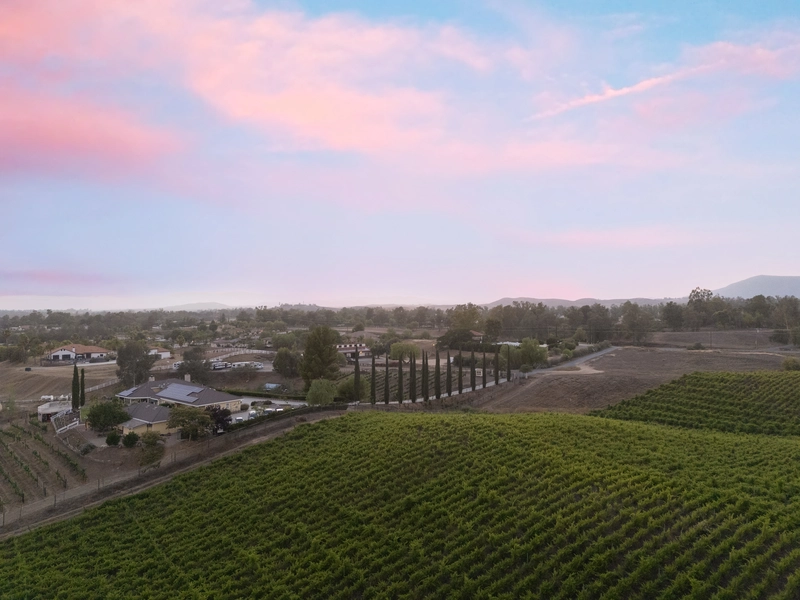
Cooking classes teach you techniques you’ll use at home while connecting you to local food culture. Wine country regions like Temecula pair culinary experiences with stunning vineyard landscapes. Pottery workshops or weaving sessions with artisans create meaningful souvenirs with context behind them. Guided foraging walks or wildlife tracking experiences deepen your understanding of an ecosystem instead of just snapping photos of it.
These activities stick with you differently. You remember the feeling of kneading dough, the concentration required to shape clay, or the thrill of spotting animal tracks before your guide pointed them out. Passive sightseeing fades quickly. Active participation becomes part of who you are. Historic destinations like St. Augustine offer year-round opportunities for cultural immersion.
When planning your trip, swap one or two landmark visits for skill-based experiences. Your group will have more to talk about afterward.
Design Your Trip for the Group, Not the Destination
A destination can be perfect on paper and still miss the mark if it doesn’t fit your group. Multi-generational families need destinations with range. Pet-friendly vacation rentals with fenced yards allow every family member, including four-legged ones, to enjoy the trip safely. Grandparents want accessible trails and comfortable common areas. Kids need stimulation and space to burn energy. Parents want both. Lakeside vacation rentals in California provide water activities and natural settings that keep all ages engaged. Properties with varied bedroom configurations, multiple gathering zones, and proximity to different activity levels keep everyone happy without forcing compromise.
Friend groups thrive in homes designed for togetherness. Oversized dining tables, game rooms, and outdoor lounging areas create natural gathering points. When your space encourages interaction, you spend less time coordinating and more time actually being together.
Corporate groups need dual-purpose spaces. Conference-ready areas for focused work sessions, plus kitchens and fire pits for relationship building after hours. The right property bridges professional objectives with authentic team connection.
Your group’s dynamics should drive every decision: where you stay, what you book, how you structure your days. Design for your people first.
How AvantStay Properties Turn Group Travel Into Shared Experiences
We design properties around how groups actually want to travel together. Our 2,300+ homes across 100+ destinations include experiential amenities that turn accommodations into gathering places: pickleball courts for friendly competition, outdoor kitchens that make group cooking an event, fire pits that extend conversations past midnight.
Each property reflects the principles we’ve discussed. Oversized dining tables and multiple living zones give you space to connect and separate as needed. Game rooms with foosball and poker tables create natural gathering moments. Pools, hot tubs, and expansive patios add options for different group moods throughout your stay.
The Butler app brings spontaneity to life. Book a private chef mid-trip when your group decides to stay in. Arrange for fridge stocking so you arrive to local ingredients. Access curated experiences like wine tastings or guided hikes without pre-trip research.
Our portfolio lets you reverse the planning process. Start with why your group is traveling, then find properties that match that purpose. Reconnection trips find secluded mountain estates. Celebration weekends lead to homes with resort-style amenities. Corporate retreats locate spaces with presentation-ready layouts and team-building features.
The destination becomes secondary to the experience you create together inside it.
Plan Around Moments That Engage All Your Senses
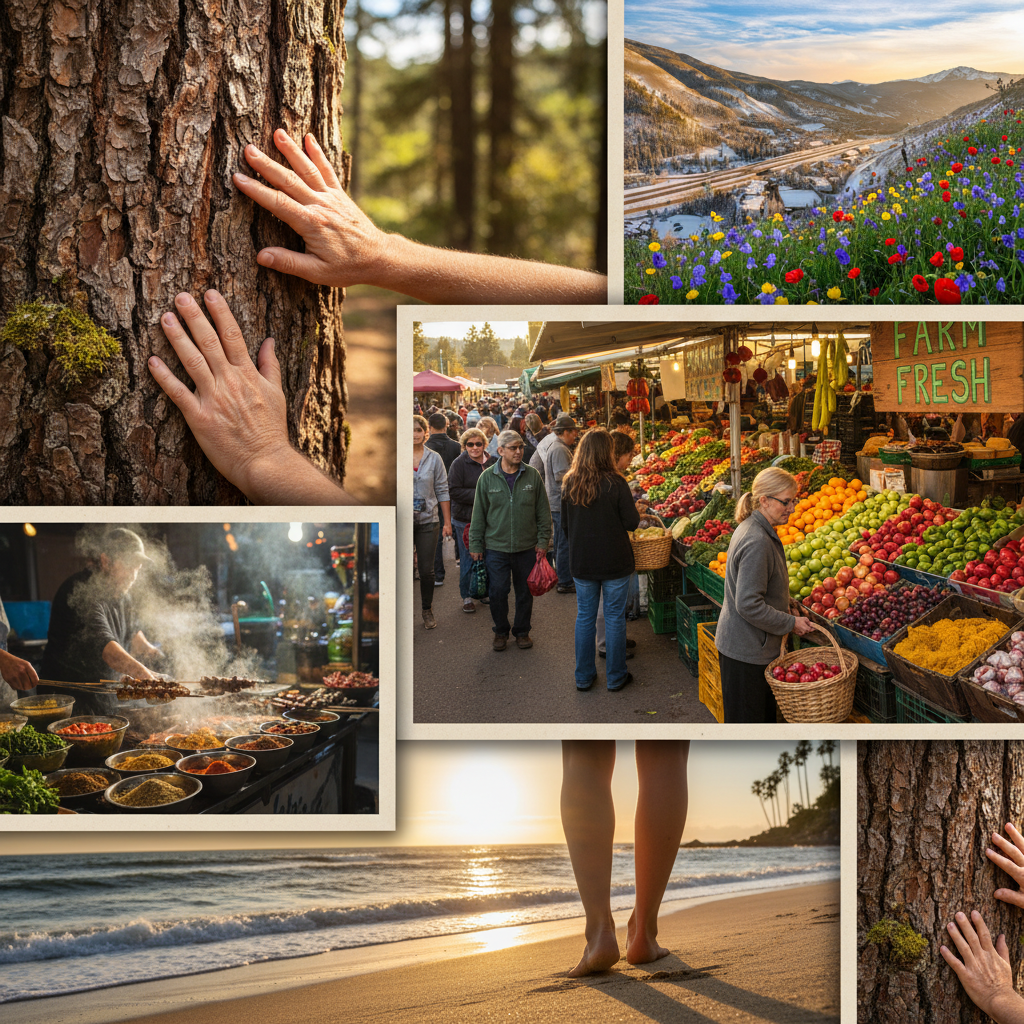
The trips you remember years later aren’t defined by where you went. They’re anchored by sensory moments: the smoky char of street food you ate standing up, the echo of live music bouncing off stone walls, or the sharp pine scent that hit you mid-hike.
41% of travelers now seek out awe-inspiring experiences, and 63% say natural wonders will guide their travel plans. These aren’t abstract preferences. They reflect a hunger for travel that feels physical and immediate.
Multisensory planning means thinking beyond what you’ll see. What will you taste? Schedule a morning at a farmers market where you sample unfamiliar fruit and talk to growers. What will you hear? Find the local bar where locals play bluegrass or the beach where waves create a constant rhythm.
What will you touch and feel? Cold river water during a canyon swim. Rough tree bark on a forest trail. Desert landscapes like those found in Joshua Tree rentals with private pools offer unique tactile contrasts between stark nature and luxurious comfort. Sand between your toes at sunset. These tactile moments ground you in a place more than any photo can.
Scent ties memory to location. The salt air of a coastal town. Coffee roasting in a local shop. Wildflowers on a mountain pass. When you return home, those smells will transport you back instantly.
Start With Why, Not Where
Most of us plan trips backward. We scroll through beach photos, mountain cabins, or city skylines and book based on what looks good. But the most memorable trips start with a different question: Why are we traveling in the first place?
Traditional Planning
Experience-Driven Planning
Start by browsing destinations
Start by identifying your group’s purpose
Book based on photos and reviews
Choose locations that fulfill your why
Separate hotel rooms
Shared spaces with gathering amenities
Pack schedule with sightseeing
Build in unstructured time for spontaneity
Passive landmark visits
Hands-on, skill-building activities
Focus on visual photo opportunities
Plan for multisensory moments
More people are choosing trips that begin with purpose over place. Instead of asking “Where should we go?” they’re asking “What do we need from this trip?”
Maybe your friend group needs to reconnect after months of canceled plans. Maybe your family craves uninterrupted time together without the usual distractions. Or maybe you’re chasing adrenaline, looking to reset through wellness, or wanting to immerse yourselves in a culture you’ve never experienced.
When you identify the why first, the where becomes clearer. A reconnection trip might call for a secluded mountain retreat with year-round activities in Telluride. A wellness getaway points toward coastal calm. Adventure seekers will gravitate toward destinations that offer hiking, water sports, or exploration.
Define what your group actually needs, and the destination will follow.
Final Thoughts on Designing Group Trips That Create Lasting Memories
Most people book trips the same way and wonder why they feel forgettable. Creating experience-driven travel means flipping the planning process entirely. Define your why before your where, choose spaces that encourage togetherness, and build your days around sensory moments and shared activities. Your group dynamics should drive every decision from there.
How do you choose a destination when your group has different interests?
Start by identifying your shared purpose for the trip rather than debating specific locations—whether you need reconnection, adventure, or relaxation, the why will naturally point toward destinations that satisfy everyone’s core needs while offering variety for different preferences.
What makes a vacation rental better for experiences than booking separate hotel rooms?
Shared spaces like outdoor kitchens, game rooms, and fire pits create natural gathering points where your group connects spontaneously throughout the day, while separate hotel rooms require constant coordination just to spend time together.
How much of your itinerary should you leave unscheduled?
Plan only your anchor activities—those few must-dos everyone agrees on—and leave the rest open; research shows travelers consistently do fewer activities than they schedule, and those unplanned moments often become the most memorable parts of your trip.
What’s the difference between hands-on activities and traditional sightseeing?
Hands-on experiences like cooking classes, pottery workshops, or guided foraging teach you skills and create stories you’ll retell for years, while passive sightseeing produces photos that quickly fade from memory.
Can you book services like private chefs after your trip has already started?
Yes, the Butler app lets you arrange add-ons mid-trip including private chefs, fridge stocking, in-home massage, and curated local experiences without requiring advance planning before you arrive.
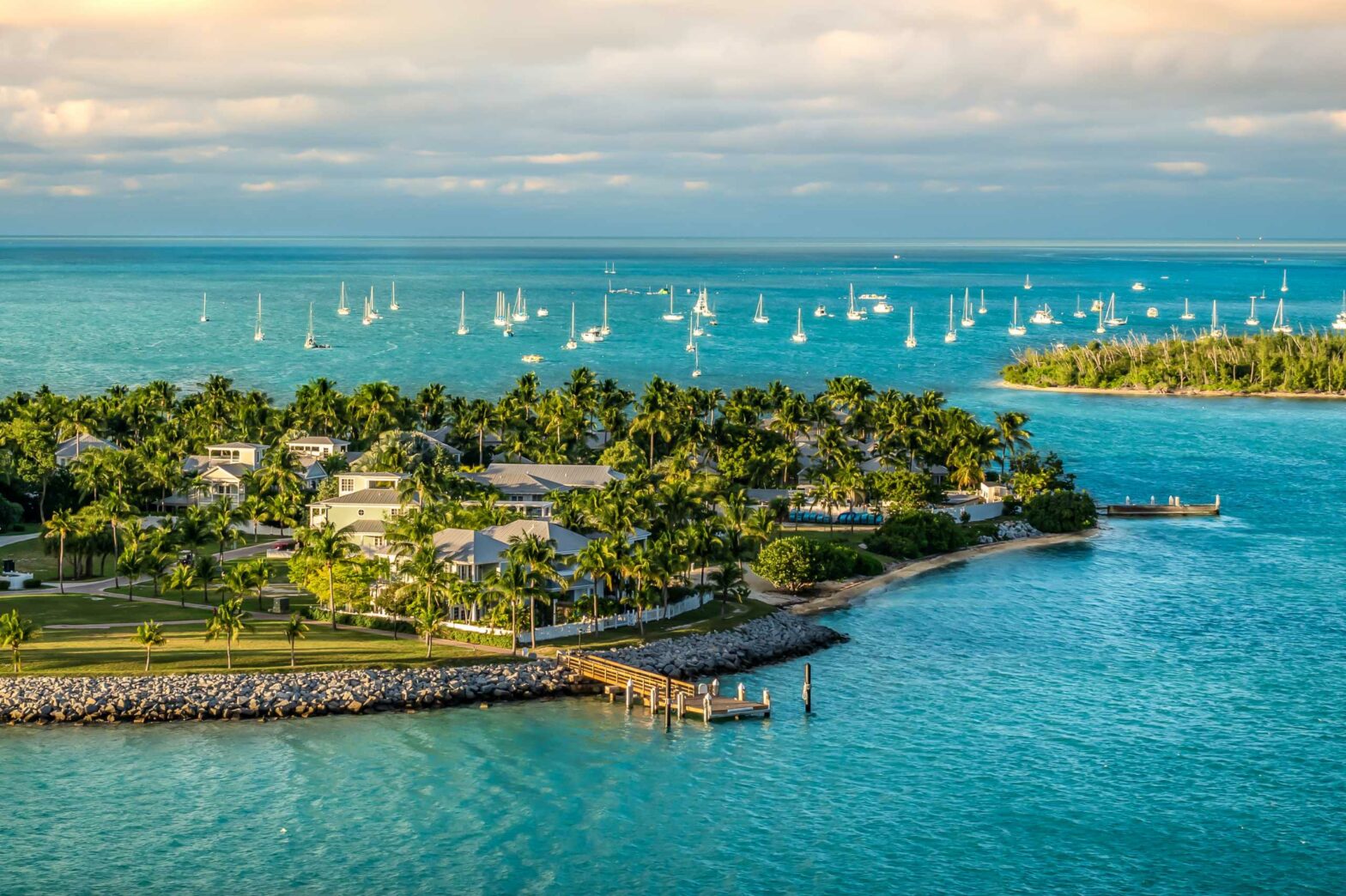
Join locals and tourists for a family-friendly arts festival called the Sunset Celebration held nightly at Mallory Square Dock. Gather at the water’s edge to experience a multicultural event and watch the sun sink behind the Gulf of Mexico. Be sure to arrive at least two hours before sunset so you have time to enjoy the local arts and crafts, live music, exhibitors, street performers, food carts, and more. Performers include a sword swallower, a juggling and high-wire act, the Southernmost Bagpiper, a fire thrower, and everyone’s favorite, Dominique The Cat Man. You don’t want to miss this event!
FORT ZACHARY TAYLOR STATE PARK
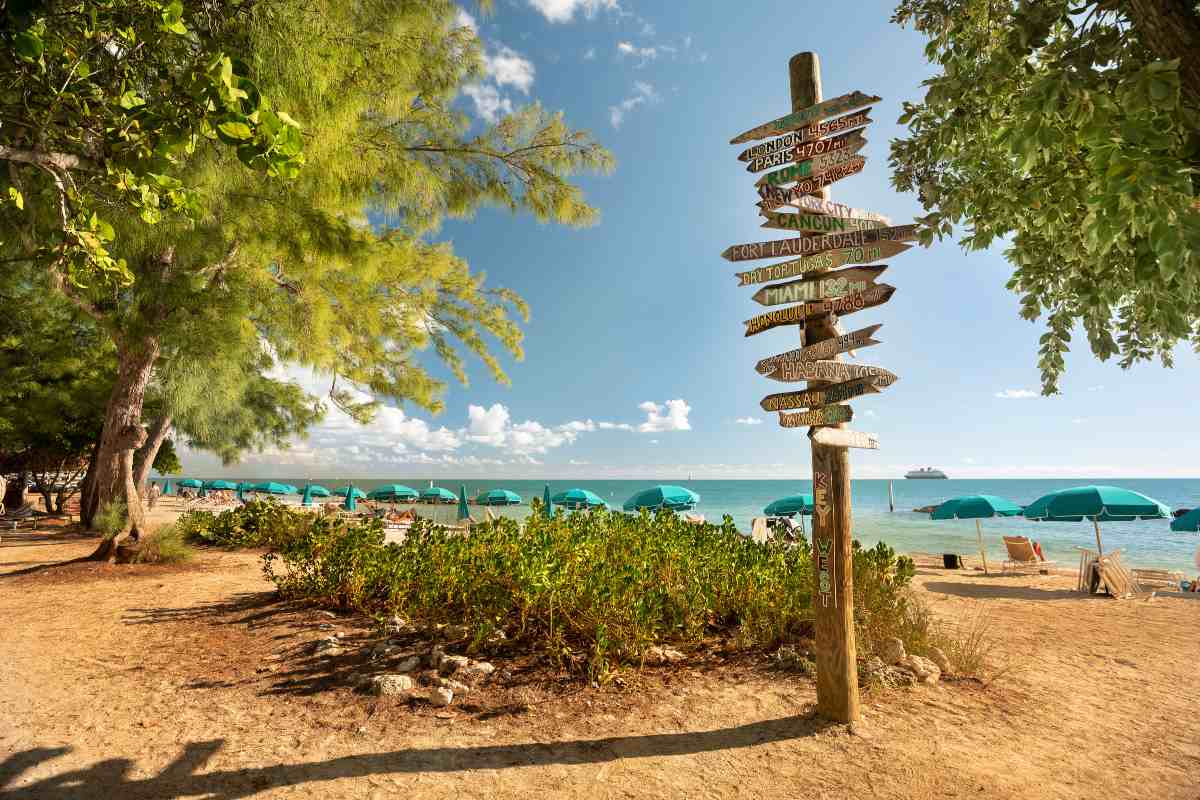
Named the “Best Beach in Key West,” Ft. Zach is one of the most beloved sunset locations. Bring a chair and pick a spot on the grass to enjoy the picturesque sunset as boats pass by. You can even bring a fishing pole and catch dinner off the west rock jetty, since fishing is permitted on the west side of the park along the Key West Shipping Channel (license required). Whether you’ve been on the beach all day or you are just coming by to enjoy the sunset, Ft. Zachary is a relaxing place to end the day and watch the sun fall into the ocean.
SUNSET TIKI BAR AT THE GALLEON RESORT
If hanging at the bar while watching the sunset is more your speed, The Sunset Tiki Bar is the place for you. A local’s favorite, this bar is off the beaten path and fills up fast. Sunset Tiki Bar is open seven days a week and offers live music in the evening for their own sunset celebration and Happy Hour from 5 – 7PM, with 2-for-1 well drinks, domestic beer, and their famous margaritas! Watch the sun go down while you lift your cup up and toast to the best sunset in Key West.
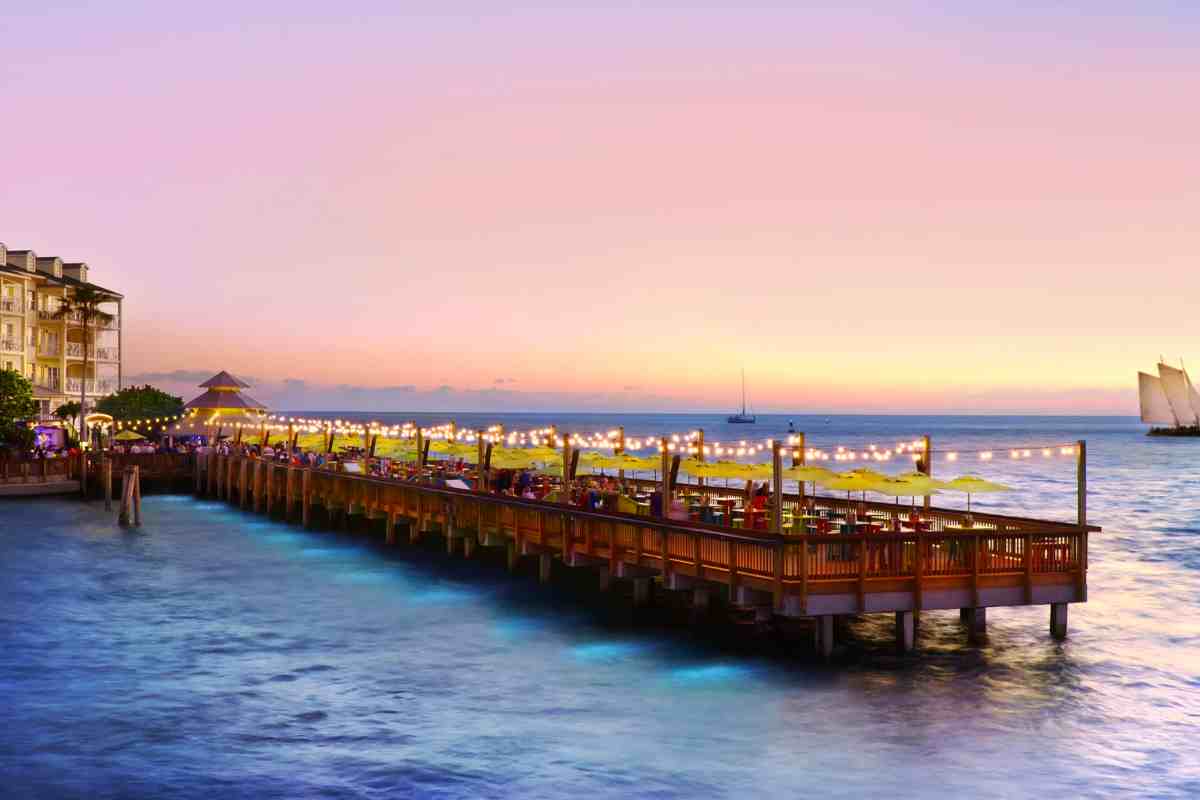
SUNSET PIER AT THE OCEAN KEY RESORT
Want to grab dinner while you wait for the sun to set? Sunset Pier is the best choice for tropical drinks, delicious food, and of course amazing sunsets. Just steps from Mallory Square, this pier has tables with umbrellas in each one to provide a shaded space while you await the sunset. Sitting here, you’ll get to see all the sunset cruises, sailboats, and other ships pass by. Lift your glass and wave to them as they pass! Enjoy live music in this fun and upbeat atmosphere right on the water.
Source: Conde Naste Traveler
LAGERHEADS BEACH BAR
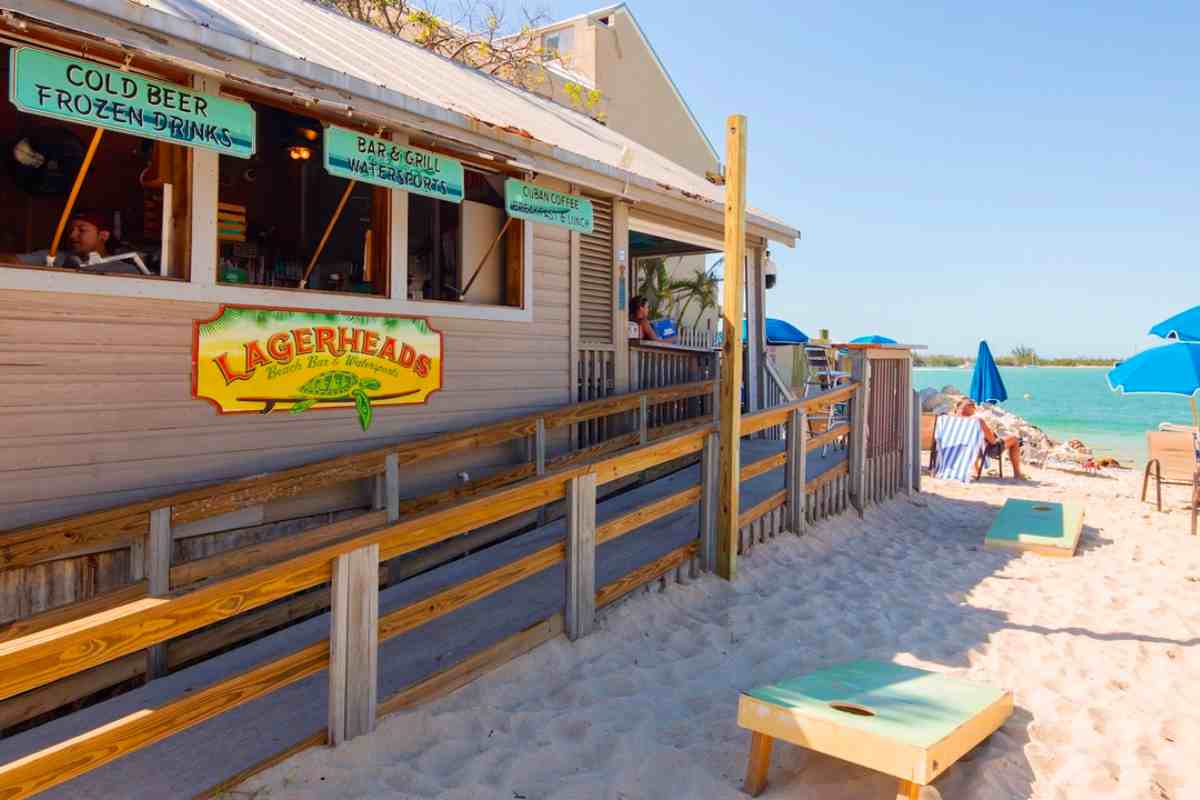
Not quite as crowded as Mallory Square or Sunset Pier, Lagerheads Beach Bar is a more relaxed place to watch the sunset. Hang out on the beach or grab a lounge chair and kick back in the sand. This little beach bar oasis and food shack is known for some of the best tacos and ceviche on the island. Step out onto the dock for a closer look as the sun sets into the ocean. Better yet, take a swim out into the ocean and let the sunset surround you. This is a definite Key West gem.
Source: Last Key Realty
CRUISIN’ TIKIS KEY WEST
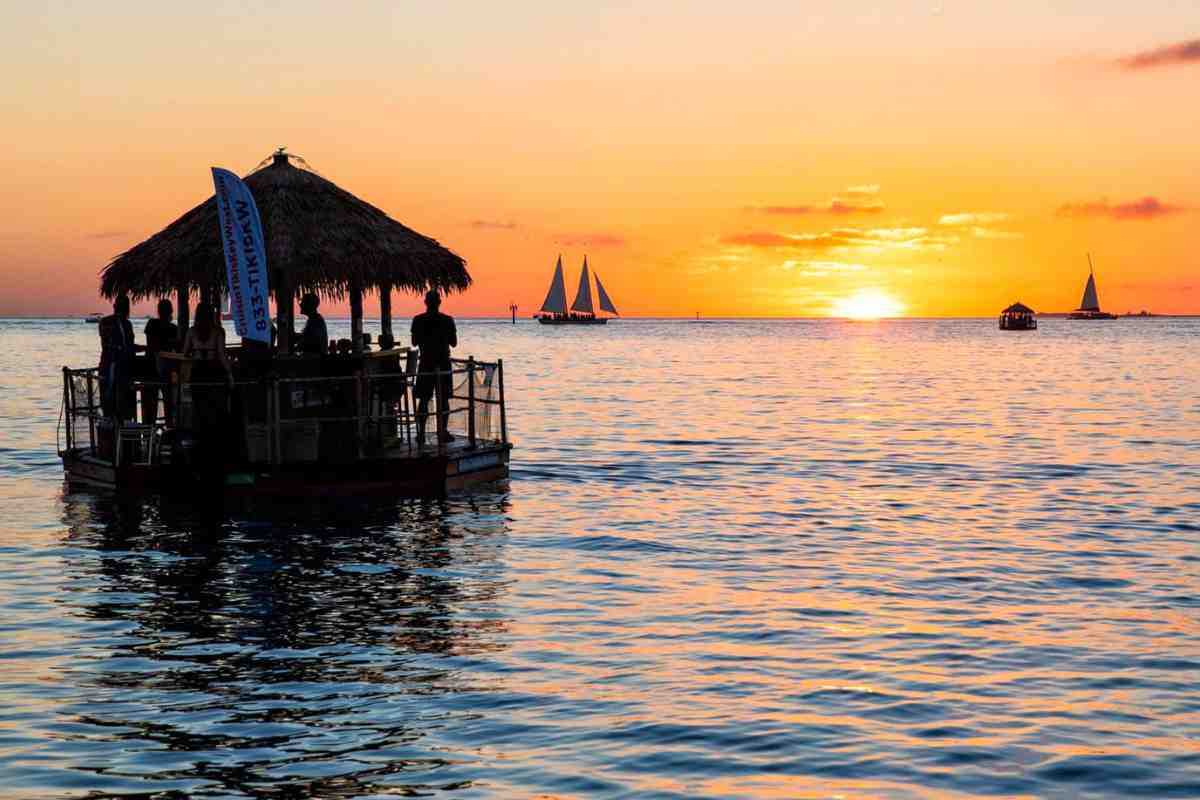
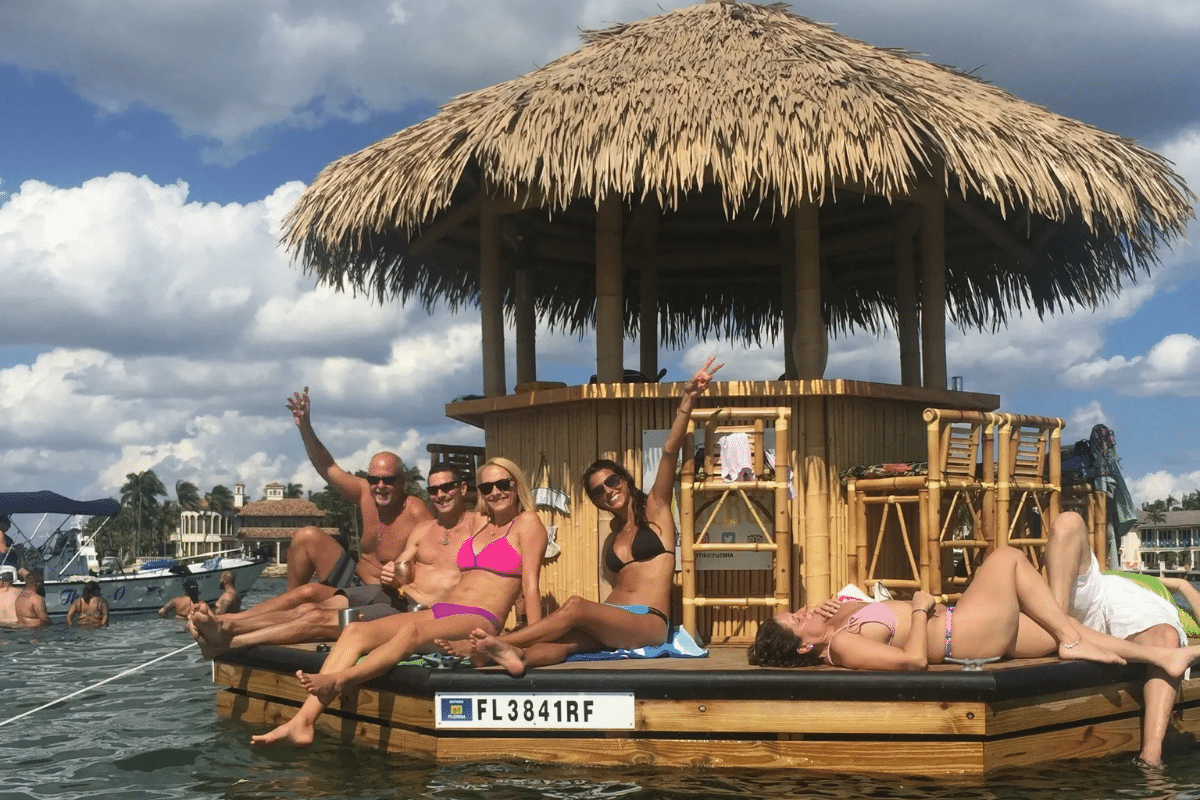
As a boat ride into the harbor, this is one of the newest and coolest ways to watch the sunset in Key West. Hop on your own private tiki boat and sail into Key West Harbor for sunset. This tiki boat fits up to 6 people and is BYOB. The Crusin’ Tiki will sail around the Historic Seaport, pass by the crowds at Sunset Pier and Mallory Square, and end with the stunning Key West sunset. A certified US Coast Guard captain will provide you with a cooler full of ice, bottled water and soft drinks, a blender, and even a Bluetooth speaker for you to enjoy your own tunes. This is a one-of-a-kind sunset experience!
Moody skies, salty air, pine-lined trails, and beaches that go on forever. Windswept walks, whale watching, or wine nights with a view. Just the kind of stillness that stays with you long after you leave.
Some vacations are about seeing the sights, but the Oregon Coast isn’t just a place you visit—it’s a place you feel. And the best way to experience it all? From your own cozy, sunlit home base—complete with ocean views, fire pits, hot tubs, and all the space you need to spread out and settle in.
These 20 homes are top-rated for a reason. Each one offers that just-right mix so you can stop stressing over search tabs and start planning your next perfect getaway. And if you are looking for things to do, you can check out our guide to the best things to do while on the Oregon Coast.
Why Booking a Vacation Home on the Oregon Coast Just Makes Sense
There’s nothing quite like the Oregon Coast. The wild beaches, the dramatic cliffs, the cozy fog, and the small towns that feel like they’re straight out of a storybook. But to fully experience it? You’ll want more than just a place to sleep—you’ll want a home that makes the trip unforgettable.
If you’re craving panoramic ocean views, a hot tub under the stars, a fireplace to curl up beside, or just the peace of staying in a calming place, then booking a vacation rental gives you the freedom to settle in and truly relax.
What sets our homes apart are:
🛏️ Spaces to gather, spread out, and feel at home
🔥 Private amenities like hot tubs, game rooms, fire pits, and oceanfront decks
🧺 Fully equipped kitchens for pancake mornings or local seafood nights
💁♀️ 24/7 guest support and concierge perks like fridge stocking and in-home massages
So, when you’re planning a romantic weekend, a long-overdue family trip, or a friends’ getaway with beach walks and wine nights on repeat, the Oregon Coast has the magic!
Pacific Breeze
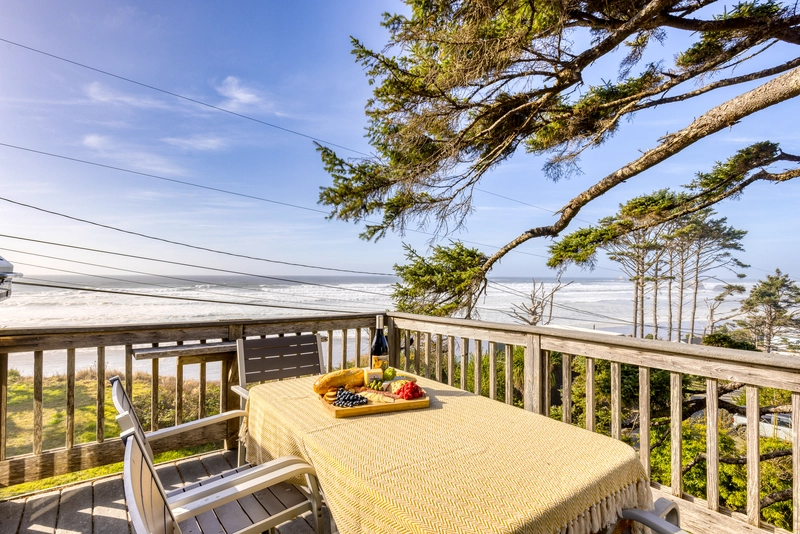
Located right in Cannon Beach, this breezy house makes it easy to explore everything this iconic coastal town has to offer, from local cafes to Haystack Rock. Cozy, cute, and just steps from the sand—Pacific Breeze is where mornings start with coffee on the deck and end with wine by the fireplace.
Ocean views from the kitchen and dining area, a fully stocked kitchen for whatever you’re cooking up, and a living room with a fireplace that’s ready for movie nights after a beach day, is just the right touch of chill you’re sure wanting for.
Why It’s Worth It:
Breathtaking views of the ocean are visible from the kitchen and dining room
Private balcony off the king suite
Fireplace in the cozy living room
Quick walk to the beach and downtown Cannon Beach
Pet-friendly (with additional fee)
👉 Book on Airbnb | Book directly with AvantStay (Best Price!)
Cove Keep
Hidden just a few minutes from Haystack Rock and the heart of Cannon Beach, Cove Keep is one of those rare spots where you can truly unplug. Surrounded by tall trees and misty sea air, this home feels like a peaceful retreat that still keeps you close to everything you want to explore.
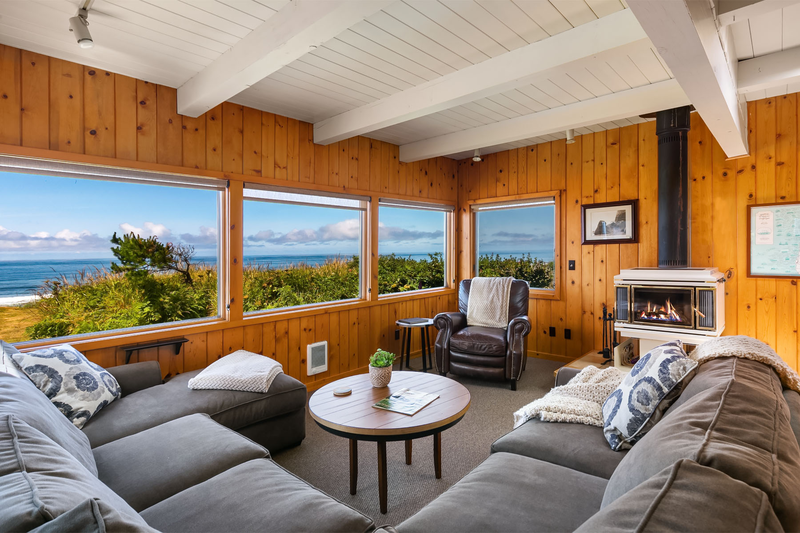
The vibe you’ll expect here is warm, simple, and just the right amount of cozy. You’ve got a fireplace for chilly evenings, a relaxed open layout for group hangs, and a kitchen that’s perfect for pancake mornings or post-hike feasts. It’s the kind of place where you start a puzzle on the dining table, and the backyard deck gives you a little slice of calm when you want to slow it all down.
Why It’s Worth It:
A quiet spot just minutes from downtown Cannon Beach
Walkable to Haystack Rock and the shoreline
Backyard deck and cozy living room for easygoing hangs
Fireplace, full kitchen, and relaxed layout for group stays
Ideal for families, friends, or anyone needing a breath of salty air
Slow jam, ocean breeze, golden hour on repeat. Sanctuary by the Sea is exactly what it sounds like—a quiet, soul-soothing retreat perched right above the sand with unreal views and a deck that hits just right. If you’re watching the waves roll in or winding down after a day exploring Cannon Beach, this spot will make you want to have deep exhales and good energy.
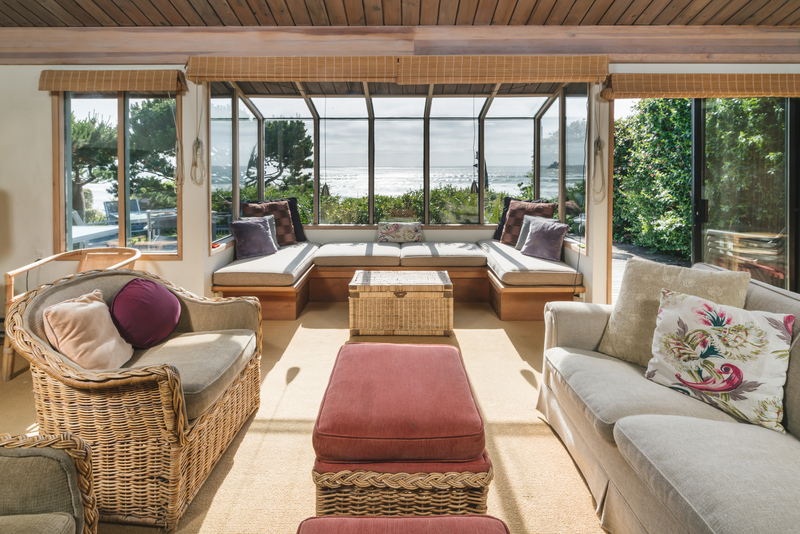
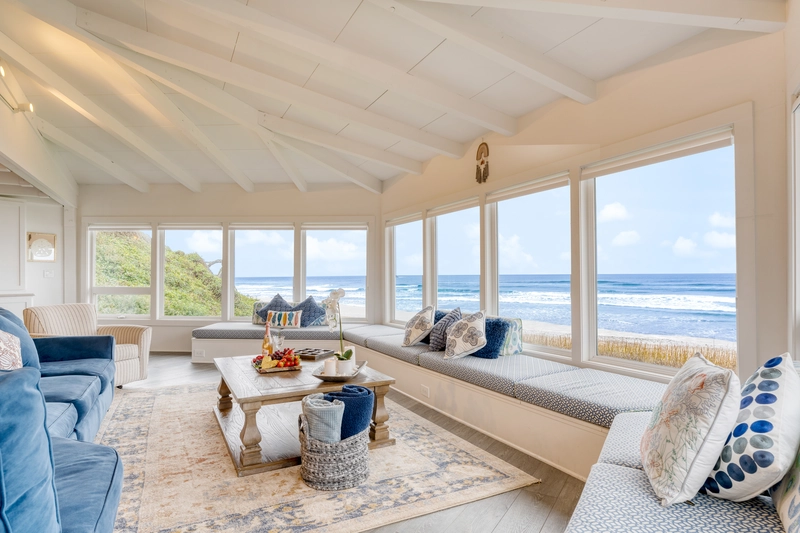
All the clean lines, warm tones, and coastal ease bring in tons of light thanks to floor-to-ceiling windows, while the fireplace sets the mood for cozy nights in. The best part? Panoramic views from the living room!
Why It’s Worth It:
Oceanfront views that hit different at sunset
Huge wraparound deck with outdoor dining and loungers
Direct beach access for sunrise walks and late-night stargazing
Spa-style ensuite with soaking tub and double vanities
It’s not every day you find a home where the beach feels like your backyard and the forest wraps around your front—but that’s the magic of The Pilot House. Found in a quiet stretch of Cannon Beach, this house is all about that slow morning, salty breeze, let’s-stay-one-more-day kind of energy.
With whitewashed walls, big windows, and just the right touch of coastal charm, this house is clean, crisp, and cozy. Watch the trees sway from the balcony, curl up by the fire, or make pancakes while someone DJs from the living room; the layout makes it all easy.
Why It’s Worth It:
Peaceful, woodsy location just minutes from the beach
Modern coastal design that feels bright and welcoming
Fireplace, cozy living room, and lots of natural light
Great layout for couples, small families, or two couples traveling together
If your dream Oregon Coast trip includes cozy forest vibes and easy beach access, welcome to your new favorite place. Chapman Cove is nestled in a quiet Cannon Beach neighborhood, just a 5-minute walk from the shoreline—close enough to hear the waves, but far enough to feel like your own little hideaway.
Light wood tones, oversized windows, and an open-concept living space bring a vibe of relaxed, earthy, and a little rustic in the best way. Perfect for movie marathons, board games, or just doing nothing at all, this is the kind of home that feels like a real break from the everyday.
Why It’s Worth It:
Just a few minutes to the beach on foot
Located in a quiet, residential spot with lots of trees
Laid-back house layout with an open feel and big natural lighting
Great backyard and front deck for outdoor chill time
Ideal for relaxed family getaways or couples’ retreats
Want to know what it feels like to live inside a beach daydream? Saltgrass Cottage gets you pretty close. This 3-bedroom charmer is coastal coziness done right, with soft tones, big windows, and all the little touches that make you want to stay a little longer (like that seafoam green tile backsplash—hello, Pinterest board).
You’re just a short walk from the beach and Main Street, so whether you’re grabbing a latte, a book, or your favorite hoodie for sunset, everything is right where you need it. The front deck is the morning coffee spot. The fireplace is made for foggy Oregon nights. And that kitchen? It’s ready for pasta nights, seafood spreads, and spontaneous baking sessions.
Why It’s Worth It:
Super walkable and convenient location
Coastal-chic interiors with bright, beachy vibes
Front deck with Adirondack chairs and BBQ grill
Wood-burning fireplace for max cozy
Gorgeous chef’s kitchen with island seating
*Heads up! This house is available to rent for 28+ night stays only.
Let’s just say this: Cape Wonder is where the forest whispers and the ocean roars—and you get the best of both! This dreamy hideaway sits between towering evergreens and the Pacific, just a short stroll from the beach (no highway crossings, promise). It’s the kind of place where time slows down and that first deep breath of salty, pine-scented air hits just right.
Step inside, and things get even better. Floor-to-ceiling windows bring the outside in, while unique art and sculptures add just enough personality without trying too hard. The living space is open, light-filled, and perfect for catching up over coffee or kicking back with a good book.
Why It’s Worth It:
Super close beach access without crossing the highway
Bright, open layout with panoramic windows
Designer kitchen with all the perks, plus bar seating
Soaking tub plus heated tile floors in the bathrooms
Minutes from Cannon Beach, Haystack Rock, and Oswald West State Park
Royal Canoe will make you instantly switch to coastal chill mode as it’s got all the right perks for a laid-back Oregon Coast escape—bright interiors, comfy spaces, and a peaceful private yard you’ll probably never want to leave.
Tucked in the quiet corner of Arch Cape, you’ve got a cozy living room with skylights and a fireplace, perfect for curling up after a beach walk. The kitchen’s fully stocked, the breakfast bar is ideal for lazy mornings, and the dining table’s ready for family-style dinners that turn into board game nights. There’s also a bonus loft area that makes a great crash pad for the kids.
Why It’s Worth It:
Quick, easy walk to the beach
Skylit living room with a fireplace
Private backyard with dining space and peekaboo ocean views
Fully equipped kitchen with a breakfast bar
Comfy beds and flexible sleeping layout; great for families!
If your idea of a great vacation involves salty air, quiet mornings, and beach strolls on repeat, The Shore Pine might be your perfect match. Just half a block from the sand, this cozy Arch Cape home will make you want to kick your shoes off and just exhale. Made for slow afternoons—grill going, drinks poured, and nothing but forest and sky around you.
Coming back from a hike or winding down after a beach day, the vibe here is always the same: peaceful, warm, and exactly where you want to be. A spot to enjoy a cup of coffee with the sound of waves just down the road.
You know that feeling when your shoulders finally drop and everything slows down? That’s Away At Last in a nutshell, where you can unplug, unwind, and press pause on everything else. Whether you’re here for a full reset or just a quiet coastal weekend, this one’s got the kind of energy that makes you wish you’d booked a few extra nights.
Instead of packing your schedule, this place gently reminds you to slow down. Throw on a sweatshirt, walk to the beach with your coffee, or stretch out on the back deck and let the trees do their thing. Inside, it’s all about comfort: casual living spaces, earthy tones, and a layout that invites you to wander barefoot all weekend.
Why It’s Worth It:
Located in the trees for max peace and privacy
Thoughtful, lived-in design that feels warm and grounded
Minutes from the sand, but it still feels like a hidden gem cabin
A calm, no-frills space that’s perfect for recharging
Ideal for couples or small families looking for downtime
Cue the saxophone as Buttercup Bay Hideaway lets you experience slow mornings, golden sunsets, and just enough drama in the view to keep you humming all day. This waterfront gem is perched right on Netarts Bay, which will make you want to dance in your slippers with a glass of wine.
Everything about this home is easy and breezy in the best way. Wake up to those big water views, throw something together in the open kitchen, then step out onto the deck like you own the place (because for now, you kinda do). The living space is made for long convos and impromptu karaoke, and the fireplace? Pure cozy soul.
Why It’s Worth It:
Bayfront location with chef’s kiss views
Deck for sipping, lounging, and staring into the sea
Some places just feel like a deep breath, and Grey Oak is definitely one of them. If you are looking for another quiet spot in Arch Cape that’s surrounded by tall trees and salty air, this home gives you that coastal calm and cabin warmth you’re looking for. A home where you can slow down and disconnect from the hustle and bustle.
You’re just minutes from the beach—but don’t be surprised if you end up spending most of your time on the deck out back, soaking up the quiet or catching golden hour through the trees. Whether it’s a long weekend or a full-on unplugged escape, there’s plenty of space to gather for group meals or morning coffee chats.
Why It’s Worth It:
Just a short walk to Arch Cape’s quiet beach
Stylish and minimalist interiors with a calming vibe
Washer and dryer available for use
Fully equipped kitchen with a sleek, open layout
Perfect for couples or small families looking to unplug
No TVs, no clocks, no pressure to do anything but take a breather. That’s exactly what Arch Cape Escape is: a breezy, beachfront reset that’s all about staying present, soaking up the view, and remembering what it feels like to just be.
Sometimes the best kind of escape is the one where you leave the noise behind. Imagine a life of waking up to ocean views and enjoying life in the outdoor space with your loved ones. This is the place where phones get put down, beach walks replace screen time, and memories happen without trying too hard.
Why It’s Worth It:
Direct beachfront with views of Castle Rock
Cozy living room with fireplace and dreamy window seat
Hosting a reunion, gathering your closest friends, or bringing the whole crew together? The Castle Rock Estate was made to impress! Big group. Big views. Big energy. A coastal escape where calm space, privacy, and a quiet stretch of sand make a group trip feel effortless. Plus a lot of group selfies!
Just steps from the beach, this home isn’t just about location (though yeah, it’s epic). It’s about the layout—five bedrooms spread across the main house and a fully furnished apartment over the garage, giving everyone their own space to crash, chill, and reset.
Why It’s Worth It:
Prime location with ocean views and beach access across the street
Indoor/outdoor entertaining spaces, such as fire bowls and BBQ decks
Private hot tub with seating for nine
Open-concept designed for large group dynamics
Fully equipped kitchen with updated kitchen appliances
There’s something about Four Bears that makes it feel like your new favorite hideout. Maybe it’s the bright, open layout, maybe it’s the firepit under the stars, or maybe it’s the fact that you can walk to the beach in just a few minutes. Either way, this ranch-style retreat is bringing low-key luxury to the coast in all the right ways.
If you’re into slow mornings, s’mores after dark, and easy access to Cannon Beach and Hug Point, this house checks all the right boxes. The backyard is a total mood too—hot tub ready, grill fired up, and a picnic table just waiting for wine and charcuterie.
Why It’s Worth It:
Walkable to the beach in a quiet coastal neighborhood
Private hot tub and fire pit for laid-back nights
Bright, modern interiors with ocean peeks
Large backyard with room to lounge, play, and grill
Ideal for families, couples, or anyone who needs a little breather
LoLi’s Place is the house you’d stay in every summer, where you’re visiting a friend’s beach house and everything feels easy, familiar, and just right. It’s cheerful, unpretentious, and full of that “welcome home” energy, is just a few blocks away from the beach, and close to everything that you’ll want to explore in Cannon Beach.
Indeed, a stay where it all feels meaningful and something instantly comforting, even if you’re just beachcombing, book reading, or simply doing nothing at all in this house. A cozy home where you can fully enjoy the little things and have some quiet time under the trees.
Why It’s Worth It:
2-block walk to the beach and close to town
Relaxed, homey feel with wood-burning fireplace
Sunny living space with cozy furniture
Private back deck and yard with hot tub
A perfect no-fuss stay for families or chill getaways
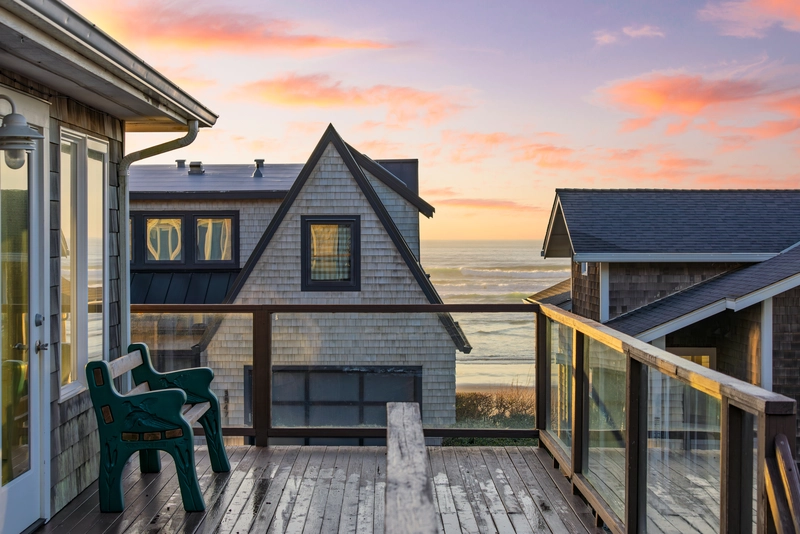
You may have seen stunning ocean views—but not like Blue Horizon, where it is perched high above Rockaway Beach with a panoramic view so wide and dramatic, it kind of stops you in your tracks. Whether you’re watching the waves from the sofa or waking up in the primary suite with the Pacific practically outside your window, this home is the wow moment.
Once featured in Architectural Digest, the house is kept simple and scenic with an open layout, floor-to-ceiling windows, and two ocean-facing decks that make it hard to leave. Plus, every meal you’ll have here comes with a sea breeze and a front-row seat to those Oregon blues.
Why It’s Worth It:
Incredible 180° ocean views from 2 decks
Architecturally unique with floor-to-ceiling windows
Just a mile from Rockaway Beach shops + shoreline
Nearby Cannon Beach, Neahkahnie Mountain, or the Tillamook Cheese Factory
A beach house in the trees. A forest escape by the sea. However you describe it, Seagrove is the kind of place that stays with you—and it’s no surprise it’s been named a finalist for AvantStay’s best coastal home. With a main house and guest carriage house, there’s space for the whole group to spread out, reconnect, and fully relax.
You’re tucked away in a grove of pines with ocean views from both kitchens, two full living areas, and multiple decks made for watching the trees sway or the sun melt into the horizon.
Why It’s Worth It:
Close to the beach, trails, and all the charm of Manzanita
Large decks and a nice ocean view from the top deck
The upstairs master bath has a Jacuzzi tub
Fire pit, gas grill, and deck seating for outdoor relaxation
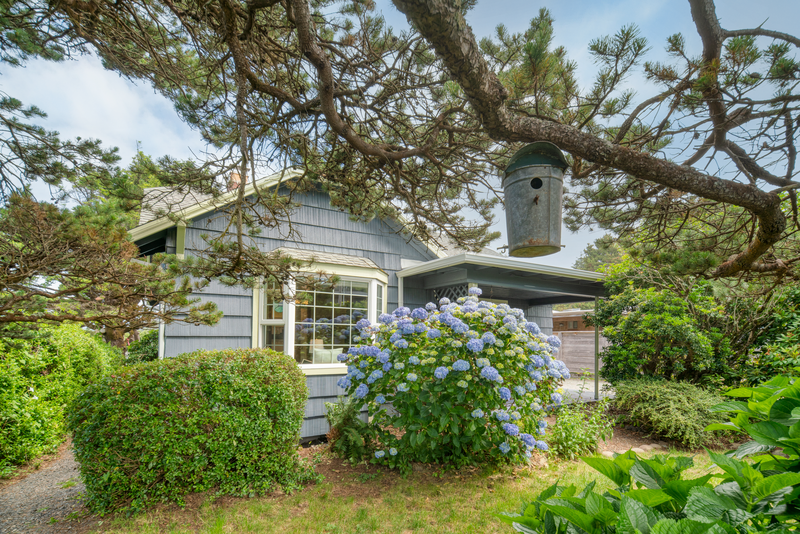
Looking for that classic Oregon Coast cottage moment? Beach Pines Bungalow is serving up all the shabby chic interiors, ocean views, and a short stroll to the sand. A place that feels like it’s been in the family for generations, but in the best way. When it’s time to explore, tide pools, surfing, sandcastle competitions, and lazy afternoons on a nearly private stretch of Arch Cape beach are just a few sandy steps away.
Inside, you’ve got that warm and lived-in vibe. Snuggle up by the fireplace, flip through a book from the shelf, or pour a glass of wine in the backyard surrounded by hydrangeas. This house is for easy, slow mornings and chill evenings.
Why It’s Worth It:
Walk-to-the-beach location with ocean views
Wood-burning fireplace
Foosball table and stocked book & game shelf
Private backyard with a BBQ grill
Classic coastal comfort, perfect for families or friend groups
The just-right kind of coastal escape—sunlight pouring in, views that stretch to the horizon, and a sea breeze you’ll want to bottle and take home, Bella Sol hits the sweet spot between quiet and convenient. It is set just half a block from the beach in peaceful Neahkahnie and only a mile from Manzanita, where you can browse local boutiques, grab a pastry from the bakery, or settle in for a slow dinner at one of the town’s cozy, coastal restaurants.
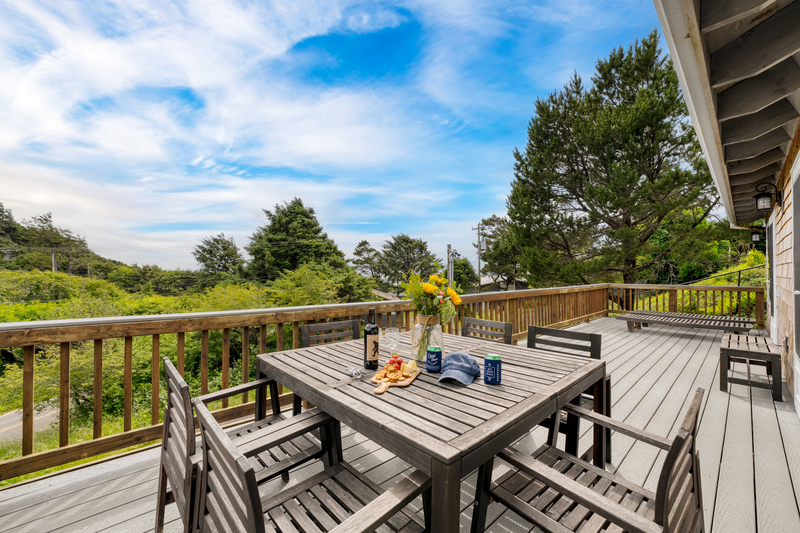
But the star of the show? The expansive deck with ocean views, perfect for morning coffee, golden hour dinners, and everything in between. Whether you’re here for beach days, hiking trails, or simply doing a whole lot of nothing, Bella Sol gives you the best of both worlds.
Why It’s Worth It:
Panoramic ocean views from the deck
Steps to the beach and close to Manzanita
Game room with ping pong in the garage
Open-concept living that has a fully stocked kitchen
Stop Browsing. Start Packing. Your Oregon Coast Stay Is Waiting.
Don’t let your dream Oregon Coast escape live in your tabs. You’ve found the one (or maybe a few). Now’s the time to make it real. Let’s get you to the coast.
With instant booking, guest-first service, and handpicked vacation homes, AvantStay is here to help you plan less and enjoy more.
Browse and book your perfect Oregon Coast home at AvantStay.com today!
Oahu, the heart of Hawaii, isn’t just for honeymooners and surfers – it’s a fantastic playground for families!
With its cultural experiences, natural wonders, and, of course, those breathtaking beaches, it’s a destination that promises unforgettable memories for everyone, from toddlers to teens.
From exploring vibrant marine life to hiking through lush landscapes and building sandcastles on stunning beaches, your Hawaiian vacation is sure to be filled with “le’ale’a” – that sunny, blissful feeling of joy!
Quick Navigation
If you’re planning an Oahu getaway with your kids, get ready for an adventure! Here are our best Oahu Airbnbs:
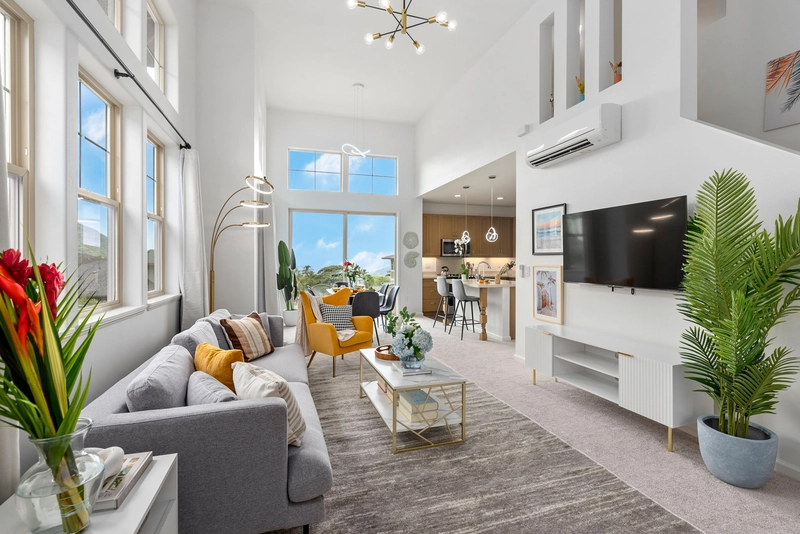
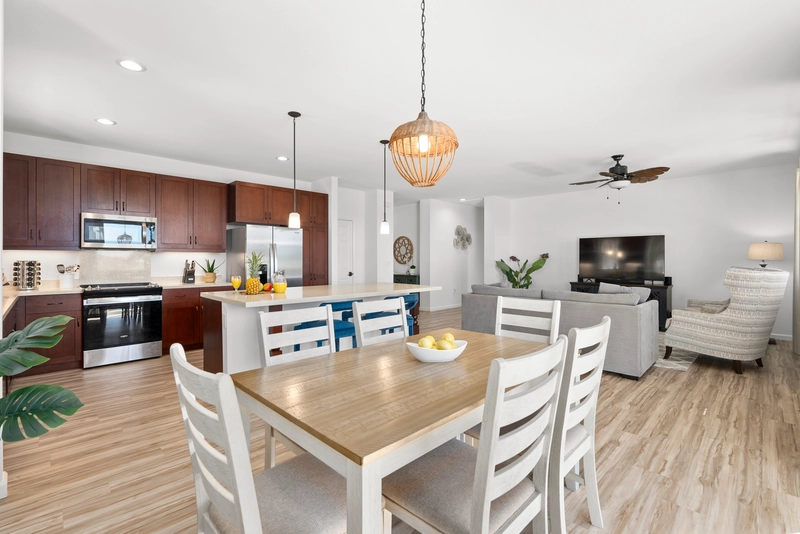
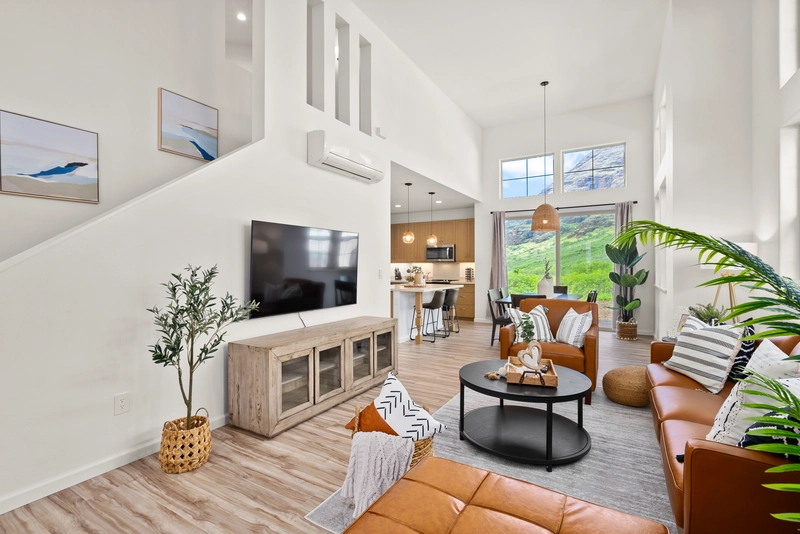
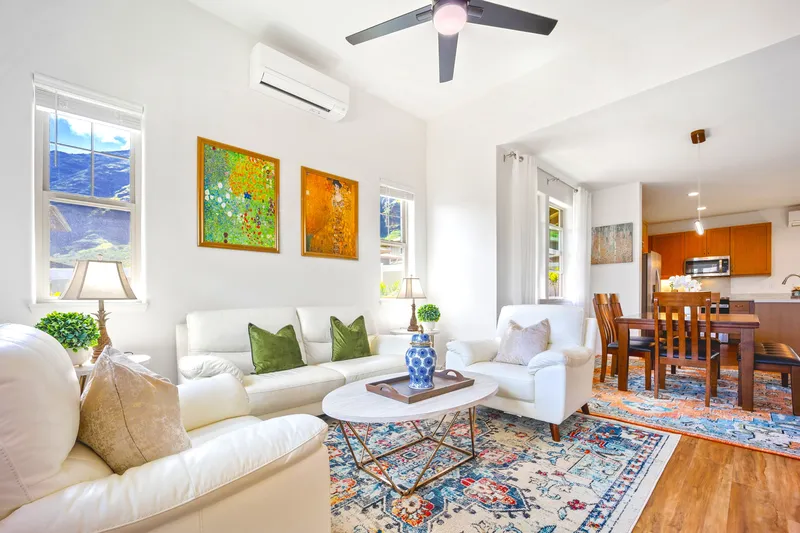
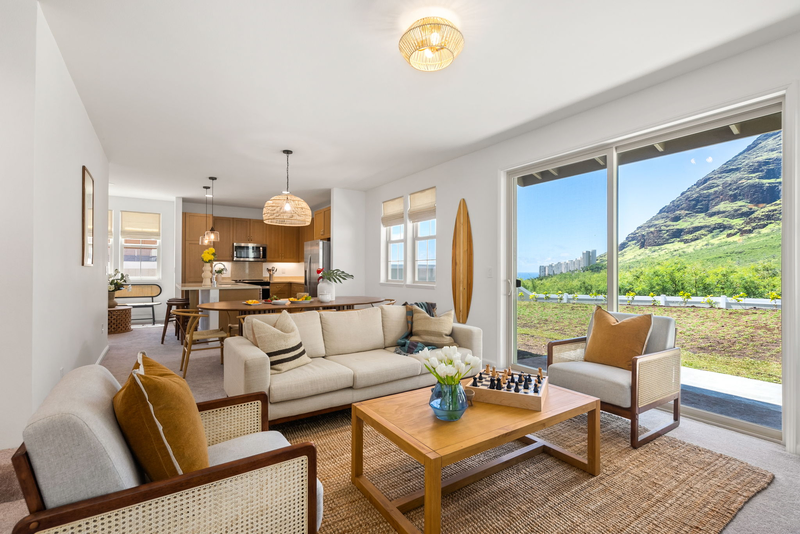
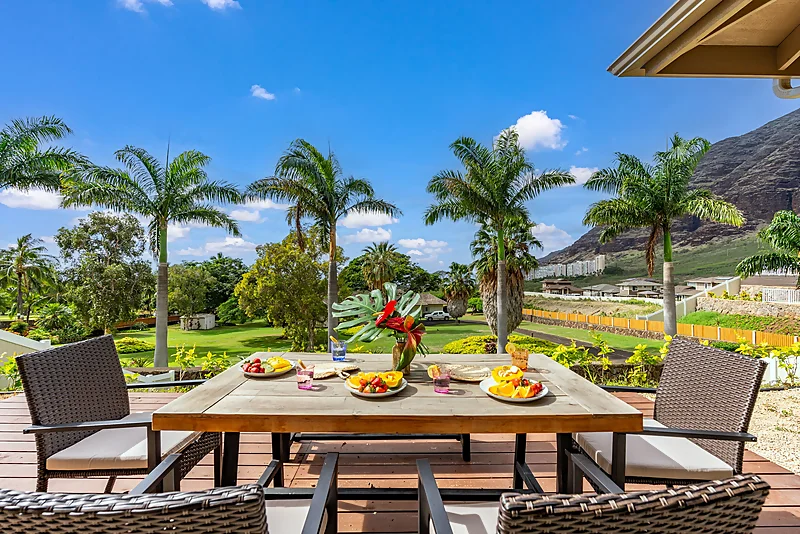
Nestled in the heart of the lush Mākaha Valley, Le’ale’a is a bright and airy three-bedroom home that is your perfect launchpad for Oahu adventures. Think sandy beaches just minutes away and breathtaking trails practically begging to be explored. But the best part? You can soak in those incredible views right from the comfort of your home.
Kick back in the living room and sunlight streaming through the large windows where the Pacific stretches out before you. Gather around the dining table for family meals, and that patio? It’s your pure oasis bliss for fresh air and soaking in the stunning scenery of the Hawaiian Islands, with comfy bedrooms and bathrooms for everyone.
Relaxing, unwinding, and connecting with your loved ones in a truly special place. That’s Le’ale’a, and it’s waiting for you!
Key Amenities:
Stunning views of the Pacific Ocean and tropical mountains
Fully equipped kitchen
Washer and dryer available
Comes with a high chair and pack-n-play
Relaxing patio
Easy access to nearby beaches for surfing and snorkeling
Hear From Our Recent Guests:
“Space was immaculate and had everything we needed to accommodate us while we visited the Island. The community is amazing and we met some of the resident neighbors while at the community pool. Everyone was so kind and welcoming. I would most definitely book this house again.” – Megan L.
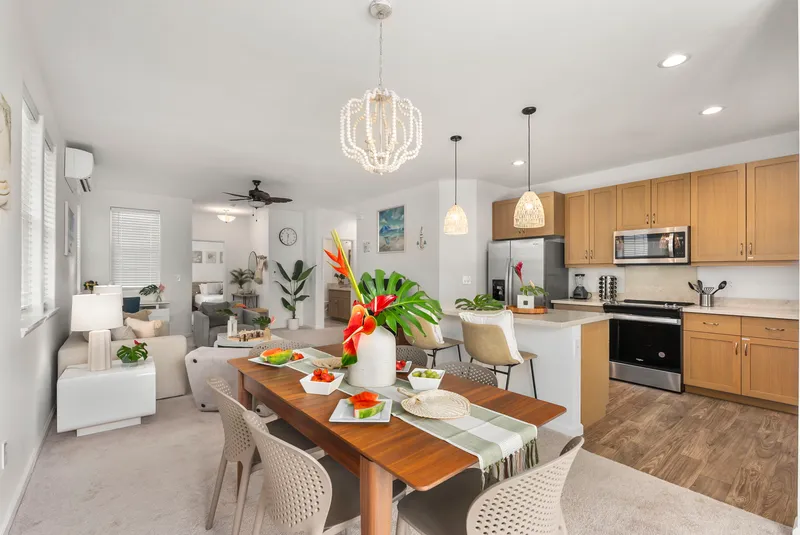
Escape to ‘Olu’olu, your Makaha Valley hideaway where good vibes and stunning scenery are always on tap! Just a quick hop from Oahu’s beautiful beaches, this modern Hawaiian retreat is your ticket to an unforgettable island adventure. Relax in the bright and airy living room after a day of exploring, maybe catching a movie or challenging your crew to a game. The open layout makes it easy to chat and laugh.
Whether you’re lounging, dining, or whipping up tasty treats in the fully equipped kitchen, or getting your daily dose of mountain magic as you sip your morning coffee with those incredible tropical views, this is your perfect home base for experiencing the best of Oahu.
With plenty of space for everyone to relax and recharge, plus, beach gear is ready to go in the garage, you can easily hit the sand!
Key Amenities:
Bright and airy open-plan living area
Desk space for remote work or studying
Selection of games for group fun
Dining area with patio access
Beach gear available and stored in the garage
Washer and dryer
Hear From Our Recent Guests:
“Our family had an amazing stay at this wonderful home in Hawaii. We had everything we needed to feel like we were home away from home. The house was clean, spacious, inviting and comfortable. Being in a gated community gave us peace of mind and the views from the property were spectacular. It was an added joy for our family to have water gear included as we headed out to the beach. From snorkels, paddle boards, umbrellas and towels which made it fun and convenient. Highly recommend this home if you’re looking for a comfortable well equipped home.” – Sharon S.
Hello, sandcastles, and splashing in the waves! A slice of island paradise is just at Makaha Hideaway, on Oahu’s west side. Imagine your family unwinding in this stylish three-bedroom retreat, with the promise of sun-kissed beaches just a short drive away. Being so close to the clubhouse and pool also adds an extra layer of fun to your getaway.
Your lazy mornings can be spent on the patio, soaking in the majestic views of the tropical mountains that embrace the valley. Or sip your mid-day roast coffee while being amazed by the jaw-dropping views of the lush tropical mountains that hug the valley.
With everything you need for a memorable stay, Makaha Hideaway is your ideal launchpad for exploring Oahu’s beauty and creating lasting family memories.
Key Amenities:
Backyard with beautiful tropical mountain views.
Conveniently located near Oahu beaches.
Near to community clubhouse and swimming pool
Well-equipped kitchen with spice rack
Basketball and other card games
Beach gear supplies
Hear From Our Recent Guests:
“We have stayed at several Airbnb‘s over the years and THIS ONE WAS THE BEST. Everything about our experience was very professionally handled. And while they had some awesome automated texts to check in on us, there were also personal texts and quick communication to respond when we had questions. Our place was impeccably clean and you could tell their cleaning person had a great eye for detail and quality work. The home was spacious and beautifully decorated. Everyone in our family was thrilled with the house and made several positive comments about it throughout our whole stay. Our young adults loved the clubhouse gym and the pool. The view from the deck is incredible. The beach amenities were fantastic and much appreciated. There was a tsunami warning on the island while we were there, and the owners checked in to make sure we were aware and OK. While the location is far from several places on the island, our family felt like the stay was worth the extra drive. We highly recommend!!” – Camille L.
Step into Mauna View and feel the stress melt away as you’re embraced by the beauty of Oahu’s Makaha Valley. Wake up to the gentle sunlight streaming through the windows, revealing breathtaking views of the lush, tropical mountains right outside your door. After a leisurely breakfast in the fully equipped kitchen – why not whip up some local fruit smoothies?
You and your family can then pile into the car for a quick ten-minute drive to the sun-kissed beaches, ready for a day of sandcastles and beach waves. Evenings are a treat as you gather around the dining table, sharing stories of your adventures while the majestic mountains provide a stunning backdrop.
Surround your loved ones with the island’s natural beauty and sink into the plush leather sofa for unwinding with a movie after a day in the sun.
Key Amenities:
Breathtaking panoramic window views
Big backyard with patio
Large TV with a reclining sofa
Dining area thoughtfully positioned to showcase the mountains
Fully equipped kitchen with dishwasher
Dedicated desk
Hear From Our Recent Guests:
“Amazing place! Will definitely book again loved the location for peace and quiet from the typical busy Waikiki, a little bit of a drive to get to other spots on island but well worth the drive with how peaceful and relaxing my stay was and the drive is very scenic and beautiful. Great beaches close by, loved going to makaha and Yokohama beach within minutes of Airbnb.” – Dillon T.
Tucked away in a quiet cul-de-sac, where breathtaking mountain and ocean views greet you from your oversized outdoor space. Makaha Villa is just a seven-minute drive to the inviting sands of Makaha Beach. Chic and airy design, bathed in natural light that highlights the stylish décor in every room, makes this home your sun-drenched Oahu escape.
The seamless flow from the living room to the gourmet kitchen, complete with modern appliances and barstool seating, makes it a joy to prepare and share meals with your family. Gather around the long dining table, bathed in sunlight through the large sliding doors, for laughter-filled moments. In your backyard lounge, the stunning vistas of the ocean and mountains merge, creating an idyllic setting for relaxation and unforgettable memories.
Experience the allure of Oahu in an upscale retreat designed for those seeking a touch of paradise in Makaha Villa.
Key Amenities:
Oversized outdoor space with putt-putt golf
Backyard lounge area with swing
Game room with foosball and pool table
Basketball arcade game
Washer and dryer
Beach gear available
Hear From Our Recent Guests:
“Our stay here was not long enough! Beautiful views of both the beach and the mountains! The house was clean and provided fun activities for being home or things to bring to the beach! The owner was very communicative and helpful when one of our bags got lost on the flight to Hawaii! I would highly recommend booking with avant stay!” – Chloe P.
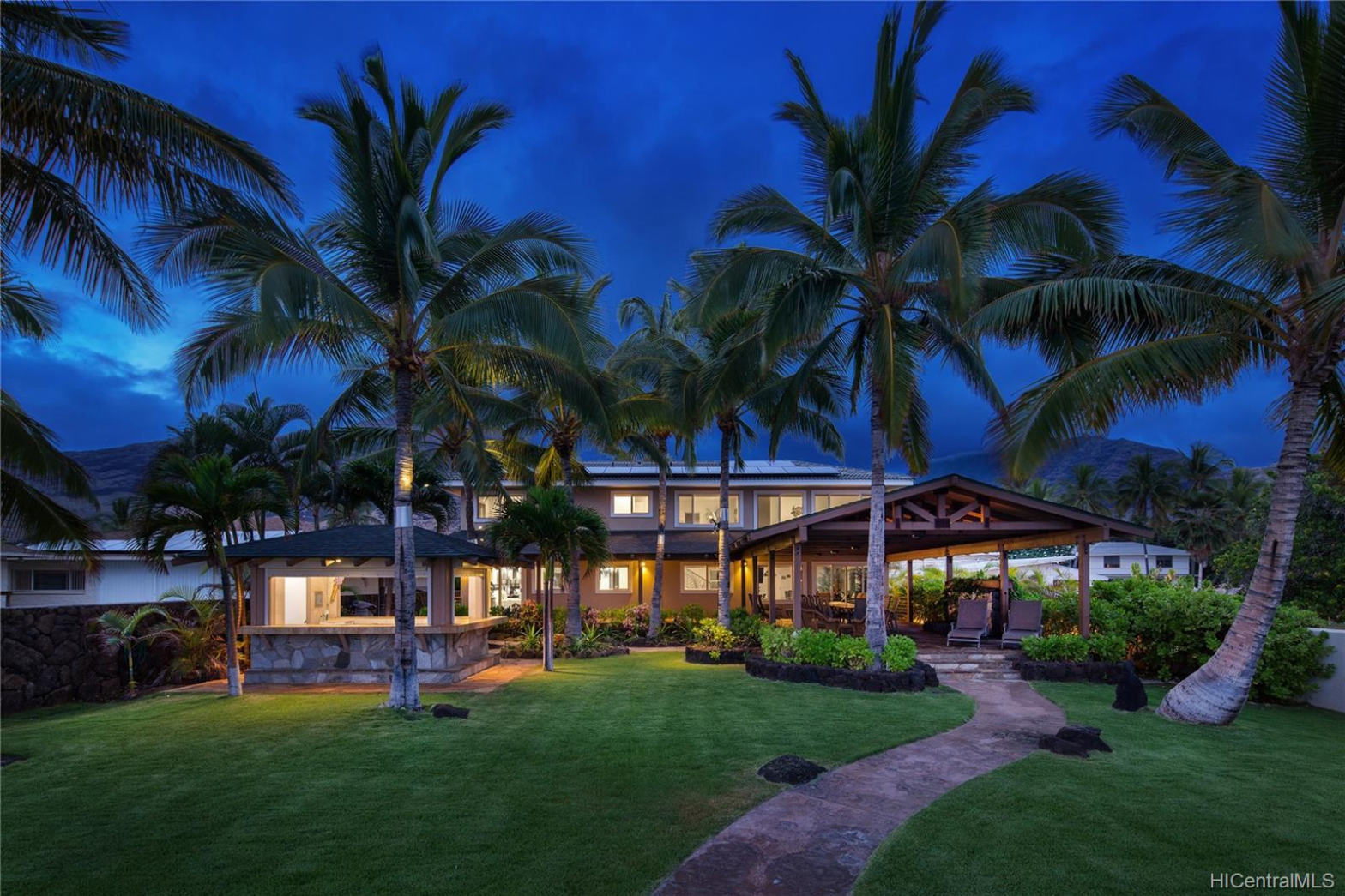
Swaying palm trees and tropical breezes—welcome to Coconut Plantation, a stunning two-story condo on Oahu that is perfect for longer stays of 28 nights or more. Have your family settled into this spacious four-bedroom retreat where everyone can sleep in comfort. The primary suite is a true sanctuary, boasting a king bed, private balcony access, and a luxurious ensuite bathroom.
Step outside to enjoy two fantastic outdoor spaces – perfect for alfresco dining or sipping evening cocktails as the Hawaiian breeze whispers through the palms. With incredible community amenities like pools, jacuzzis, and easy access to beautiful beaches.
Not to mention being located near the Four Seasons Resort, Coconut Plantation offers a slice of paradise you’ll want to experience again and again.
*Please note that this house is only available for stays of 28 nights or longer.
Key Amenities:
Veranda with outdoor dining setup
Private balcony
Access to Four Seasons Resort (2 community pools, 3 jacuzzis, 2 rec center, BBQ areas)
Pet-friendly (with approval and fee)
Pack n’ play travel crib and high chair available
Two recreation centers within the development.
Parking for up to four cars (driveway and garage).
Hear From Our Recent Guests:
“Great place in a great location. Property management was very proactive and responsive to any issues. The furnishings are perfect for a beach house. Really enjoyed our stay.” – Josh S.
Escape to paradise at Alaula, a spacious haven in Mākaha where you can wake up to the peaceful ambiance of the island. Enjoy your morning coffee while taking in views of lush surroundings and feeling the warm trade winds. This 2025 AvantStay Awards finalist offers relaxation and adventure for your Hawaiian getaway.
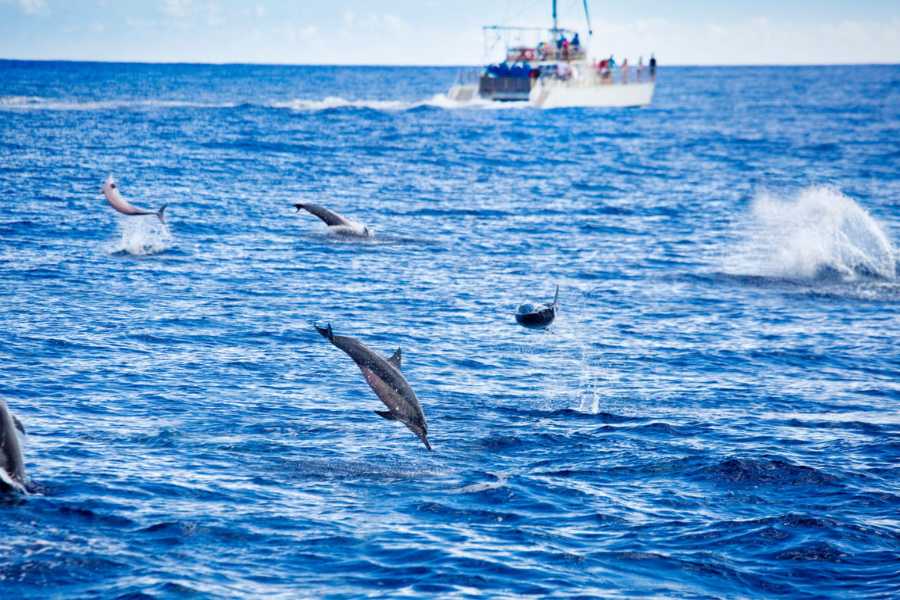
Just minutes from stunning Mākaha Beach and secluded Mauna Lahilahi Beach, you can easily swim through the days with dolphins, snorkel in crystal-clear waters, or enjoy seasonal whale watching along Oahu’s west coast. The open-concept living space and fully equipped kitchen make it easy to gather with loved ones, while the large yard is perfect for family barbecues and outdoor fun.
Whether you’re seeking adventure on nearby hiking trails or simply unwinding in this tropical oasis, Alaula has everything you need for an unforgettable Hawaiian experience.
Key Amenities:
Inside a gated community
Community pool, fitness center, and spa access
BBQ grill and beach gear available in the garage
Next door to the Makaha Country Club golf course
Hear From Our Recent Guests:
“This home was absolutely beautiful and in a great location under the mountains! Restaurants, stores, and the beaches were 10 minutes away. In a gated community so it feels pretty safe. The whole west side of Oahu has a pretty big homeless population across most of the beaches going into Honolulu. You would have to drive about 20 minutes north from the house to get a more secluded beach. The trees in the back are growing taller so it’s a little harder to see the ocean from the backyard but you can definitely see it from the second floor rooms. Overall, I would definitely recommend this place. Great price in a good area. They have plenty of beach gear and towels. Beautiful backyard and views. Would stay here again.” – Kaitlyn B.
When planning your family getaway to Oahu, keep in mind a few key elements to ensure a smooth and enjoyable trip.
For accommodation, consider the benefits of vacation rentals, like Airbnbs, which often provide more space and amenities such as kitchens and laundry facilities – a real bonus when traveling with children.
Having your own transportation, like a rental car, will offer the most flexibility in exploring the island at your own pace. Don’t forget to prioritize sun protection for everyone, packing plenty of sunscreen, hats, and sunglasses. Staying hydrated is also crucial, so bring reusable water bottles.
Finally, encourage your family to embrace the spirit of “Aloha,” which embodies warmth, hospitality, and respect, enriching your experience of the islands.
Beyond the allure of the sand and surf, Oahu offers a treasure trove of activities that will keep young minds engaged and energetic bodies moving. Here are some of our top picks:
Honolulu Zoo (Waikiki)
A classic for a reason! Kids will be thrilled to encounter animals from around the world, from playful primates to majestic big cats. The zoo is well-maintained and easy to navigate with strollers. Tip for Parents: Go early in the morning before it gets too hot!
Waikiki Aquarium
Dive into the underwater world of the Pacific! This aquarium showcases Hawaii’s unique marine life, including colorful reef fish, fascinating sea turtles, and even monk seals. It’s educational and captivating for all ages.
Polynesian Cultural Center (Laie)
Immerse your family in the rich cultures of Polynesia. Explore different island villages, watch captivating performances, and even learn to play traditional games. It’s a full day of fun and education. Don’t miss the canoe pageant and the spectacular evening show!
Pearl Harbor National Memorial
While it’s important to approach this site with sensitivity, the Pearl Harbor Visitor Center offers age-appropriate exhibits and films that can be a powerful learning experience for older children. The USS Arizona Memorial is a moving tribute.
Dole Plantation (Wahiawa)
All aboard the Pineapple Express train! Kids will love the train tour through the pineapple fields, navigating the giant maze, and indulging in a refreshing Dole Whip. It’s a sweet treat and a fun agricultural experience.
Sea Life Park Hawaii (Waimanalo)
Get up close and personal with marine animals! From dolphin encounters to penguin feedings and shark tanks, Sea Life Park offers interactive and exciting experiences.
Children’s Discovery Center (Honolulu)
Perfect for younger kids, this interactive museum offers hands-on exhibits that encourage learning through play. They can pretend to be a doctor, a firefighter, a shopkeeper, and more.
Hiking Adventures
Oahu boasts trails for all skill levels. Easy and rewarding hikes for families include the Makapu’u Point Lighthouse Trail (stroller-friendly for part of it) with stunning coastal views, and the Manoa Falls Trail through a lush rainforest to a beautiful waterfall. Remember to bring water and wear appropriate footwear!
Oahu offers a magical blend of adventure and relaxation for families. So pack your bags, embrace the aloha spirit, and get ready for an unforgettable family adventure on the beautiful island of Oahu.Book an Airbnb in Oahu today. Visit AvantStay for more of our Oahu destinations!
Whether you’re looking for a getaway place to sunbathe, surf, or simply take in incredible views of the seaside, San Diego has a perfect beach for you.
With more than 70 miles of coastline, the city offers a wide variety of beaches, each with its own unique character. From bustling Mission Beach to the secluded Black’s Beach, there’s a beach in San Diego to suit every taste.
So, where should you start your search for the perfect beach? Well, we’ve put together the complete guide to best things to do in San Diego and our San Diego Itinerary travel guide to help you out. So, keep reading for a list of all the best beaches in this sunny southern California city.
1. Mission Beach
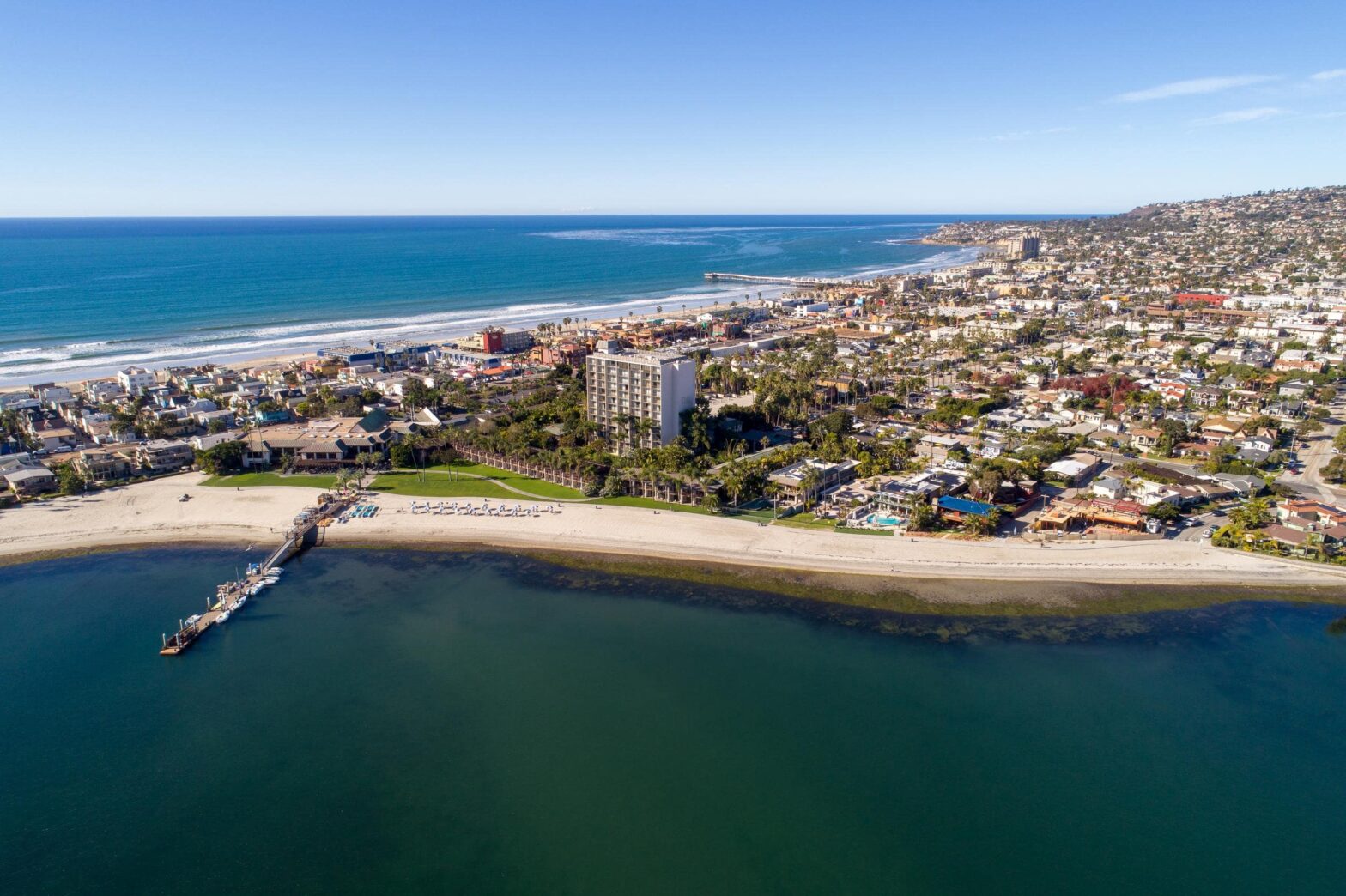
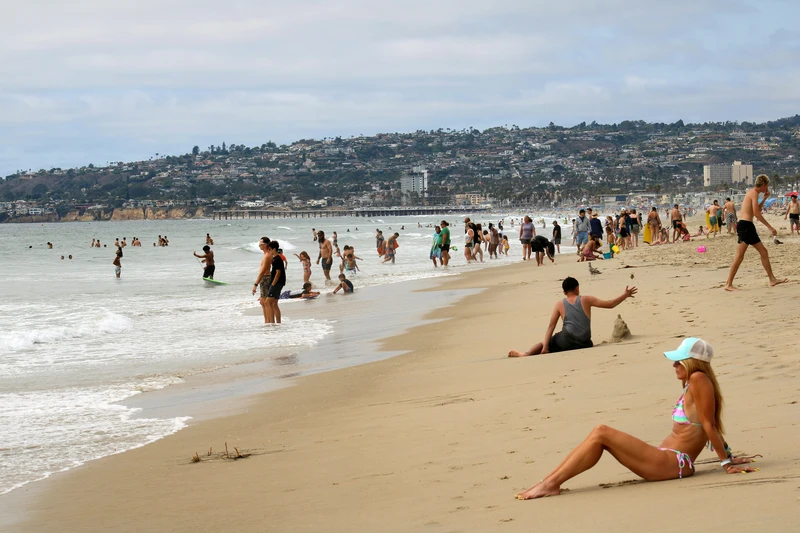
San Diego is home to some of the most beautiful beaches in California, and Mission Beach is one of the best. Though it’s not as well known as La Jolla or Newport, it’s a favorite among locals because it’s a great spot to relax and enjoy the sunshine.
The wide, sandy beaches are perfect for sunbathing, and the gentle waves make it an idyllic spot for swimmers and surfers. Next to the sandy shores, you’ll find a boardwalk perfect for walking, jogging, or biking. And, when you work up an appetite from spending a day in the sun having fun, there are plenty of restaurants and cafes nearby to satisfy your hunger.
Plus, Mission Beach is situated next to Belmont Park, so it’s easy to get to, and there’s plenty of parking. Catamaran, our rental home in the Mission Bay Area is just a stroll less than 50 feet away.
2. La Jolla Shores
La Jolla Shores’ wide, sandy beach stretches for more than a mile, and the warm water is perfect for swimming, surfing, and kayaking. La Jolla Cove, home of “Seal Rock,” draws locals and visitors alike to watch San Diego’s seals and sea lions basking in the sun. La Jolla is also a fantastic place to snorkel, thanks to the clear water and abundance of marine life.
In addition to the beach and cove, La Jolla Shores has an abundance of tidal pools that draw people in, providing a close-up look at sea stars, crabs, and other creatures native to the Pacific coast. La Jolla Shores also features several excellent restaurants, cafes, and shops, making it the perfect place to spend a day or a week. Stay at Vista, an elegant home perched on the hills of La Jolla and take in the panoramic views of the Pacific Ocean.
3. Torrey Pines State Beach
Torrey Pines State Beach is a beautiful stretch of coastline in San Diego that happens to be a state park. Located just north of Torrey Pines State Reserve, the beach is known for its beautiful sandy beaches, rocky cliffs, and tranquil lagoon.
The area is a popular destination for visitors from all over the world, who come to enjoy its many facilities and attractions. These include picnic areas, hiking trails, and a variety of water sports. The beach is also home to many unique plant and animal species, making it a perfect destination for nature lovers. Our esteemed home, Seascape, is just steps away from Torrey Pines State Beach.
4. Pacific Beach
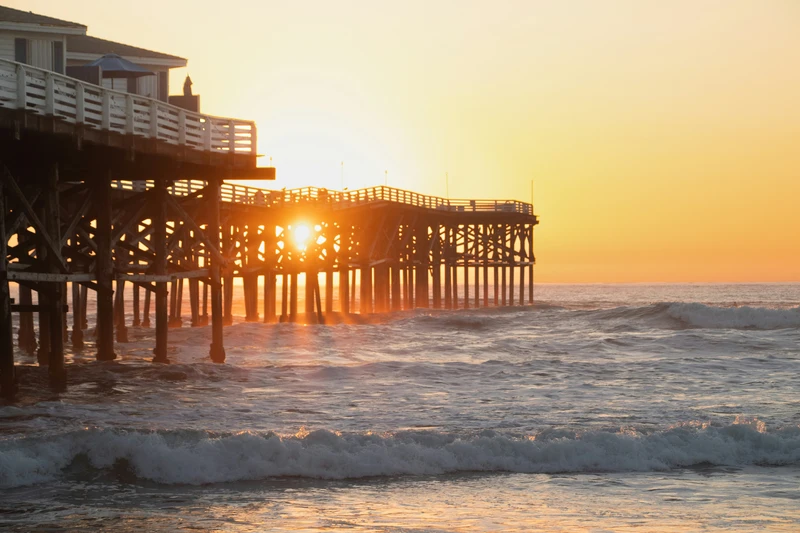
If you’re looking for a laid-back beach neighborhood in San Diego, Pacific Beach is the place for you. This beach community is popular with sunbathers and surfers alike, and you’ll find plenty of trendy hotel bars and casual cafes lining the boardwalk.
Indigo is our home best situated near the Pacific Beach. In the surrounding streets and along Mission Boulevard, you’ll find many shops, boutiques, eateries, and bars that cater to a younger crowd.
Unlike the other beach spots, Pacific Beach offers more of a community feel since it’s in the middle of the neighborhood. However, the beach still offers a relaxed place to enjoy the sun, sand, and ocean.
5. Del Mar City Beach
Del Mar City Beach is one of the most popular beaches in San Diego. Located just north of downtown, the beach offers beautiful views of the city skyline. The sand is clean and well-maintained, and there are lifeguard stations located throughout the beach that provide maps of the area.
The beach is also a great place to catch some waves, as it’s one of the few beaches in San Diego that offers consistent surf. For those looking for a more relaxing experience, Del Mar City Beach also has many restaurants and bars, making it the perfect spot to grab a bite or watch the sunset.
In addition to the sand and sun, Powerhouse and Seagrove are two of the beach’s coastal parks, providing excellent spots for picnics and BBQs.
6. Black’s Beach
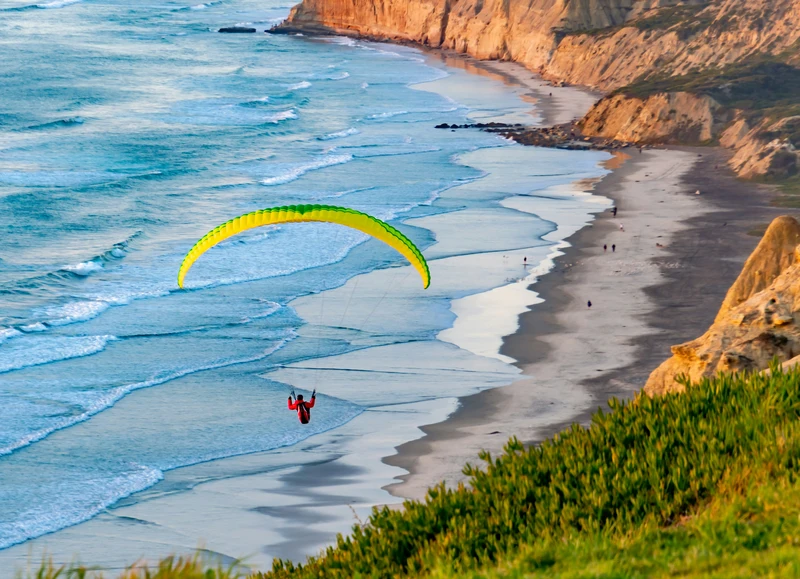
Black’s Beach is one of the best-kept secrets in San Diego. This secluded section of the beach is situated beneath the bluffs of Torrey Pines, providing stunning ocean views.
Although it is technically part of Torrey Pines State Beach, Black’s Beach feels like a world away from the hustle and bustle of the city, making it the perfect place to relax and enjoy nature. However, the beach is also attractive to surfers who flock to the beach for the winter waves.
Because of the beach’s seclusion, Black’s Beach has also become a well-known nude beach, although you don’t have to be naked to visit. Visitors can sunbathe, swim, surf, or simply take a walk along the coast.
7. Flat Rock Beach
In Torrey Pines State Beach, Flat Rock Beach is a great place to spend a day in San Diego. There’s plenty of space to spread out, and the beach is well-known for its cleanliness and steep bluffs that provide breathtaking views of the Pacific Coast.
The beach has plenty of amenities to keep you entertained, including a playground, volleyball courts, and a picnic area. The clear blue water is ideal for swimming, snorkeling, and diving.
If you get tired of the water or want to shake out your legs, you can hike either the Beach Trail or Broken Hill Trail, both of which take you on a loop around the beach and up the cliffs for panoramic views.
8. Ocean Beach City Beach
If you’re looking for a laid-back beach town with great surfing and tasty food, you’ll want to head to Ocean Beach. This southern California gem is located just north of Point Loma and has a busy local scene.
You’ll find people surfing, sunbathing, and taking a stroll along the pier. Plus, if you head to the north end of the beach, you’ll find yourself at Dog Beach, where you can frolic with some pups. Stay at Maven, our 2-story house with striking views of the Pacific Ocean.
The vibe here is very vintage and groovy, and the locals are friendly and welcoming. In addition to the great atmosphere, you’ll also find excellent dining and microbrews, and when the sun goes down, the nightlife picks up.
9. Playa Pacifica on Mission Bay
Playa Pacifica Park is a great place to enjoy the sunny California weather with a protected beach located on Mission Bay’s eastside. This protected beach is perfect for swimming, sunbathing, and building sandcastles. In addition, it features a large grassy area ideal for picnicking, playing games, or just relaxing.
The best part of Playa Pacifica Park is its location; it’s situated right in the heart of San Diego, so you can enjoy all the city has to offer while still getting away from the hustle and bustle. The whole park has beautiful views of Mission Bay and is a great place to watch the boats go by.
10. Encinitas Beach
Encinitas Beach is a beautiful, serene beach that’s perfect for a day of relaxing and enjoying the incredible views. The park sits just off Highway 101, but the cliffs and limited access points make it feel more secluded. The tidal pools are also a hit with the kids, providing much to explore and splash around in.
This beach is also one of the cleaner beaches in the area, with spotless bathrooms and showers just off the sand so that you can rinse off before heading home. So whether you’re looking to soak up some sun, take a dip in the ocean, or just enjoy a peaceful stroll along the shore.
11. Coronado Beach
If you’re looking for a breathtaking beach to relax on while in southern California, look no further than Coronado Beach, otherwise known as Central Beach.
Located just across the bay from the city, the miles of breezy coastline provide a family-friendly haven. The sand is also incredibly soft and clean, making it a perfect place to sunbathe or build sandcastles with the kids. In addition to being well-maintained, Coronado Beach offers plenty of amenities, including showers, restrooms, and picnic tables.
Visitors can also rent chairs, umbrellas, and boogie boards. The water is clean and clear, perfect for swimming, surfing, and paddleboarding.
12. Imperial Beach
Just five miles north of the Mexican border, Imperial Beach is a residential beach city in San Diego that offers various activities for residents and visitors. The four-mile stretch of beach is excellent for surfing, sport fishing, beach volleyball, and even horseback riding along the sandy shore.
As a part of a revitalization effort in the area, Imperial Beach is home to a boardwalk overlooking the beach. On the boardwalk, you’ll find benches, bike lanes, and a spacious lane for taking a stroll. Plus, you can travel just a short way down the beach to the Tijuana Sloughs, one of the most popular surf spots in the area.
13. Oceanside Harbor Beach
Harbor Beach is a great place to spend the day, whether you’re looking to catch some waves or just soak up the sun. The beach offers plenty of activities for everyone, from surfing and volleyball to simply relaxing on the sand. And when you’re ready for a break from the beach, the adjacent Oceanside Harbor has plenty to offer.
You can go sailing, deep-sea fishing, whale watching, or kayaking. Or, if you want to explore the area, you can stroll around the marina and visit the sea lions. There’s also a variety of shops and restaurants in the harbor, so you can easily find something to eat or drink.
14. Solana Beach
The Solana Beach coastline is stunning. The cliffs are beautiful, and you can only access Fletcher Cove from a path here. The cove offers seclusion, white sand, and the ability to walk quite a ways both north and south. Plus, you don’t have to pay for parking at Fletcher Cove.
Besides the cove, Solana Beach features the main beach area for those who want to lounge in the sand and swim in the waves and Seascape Surf Park for visitors looking to take their boards out. Interested in staying here? Book our Wavebreak house today!
15. Swami’s Beach
Swami’s Beach is one of San Diego’s most attractive spots for surfers. This secluded spot is located just south of La Jolla and is known for its dramatic cliffs, crystal-clear water, and lush vegetation. Besides surfing, visitors can enjoy various activities at Swami Beach, including swimming, sunbathing, fishing, and exploring the tidal pools.
The beach is also a popular spot for picnics and barbecues, so you can enjoy a quaint lunch while watching surfers hit the waves. Several picturesque trails lead to San Elijo State Beach and the Boneyards below the Encinitas Bluffs, making it the perfect place to enjoy a day in nature.
16. Sunset Cliffs Natural Park
Sunset Cliffs Natural Park is a gorgeous 68-acre park located on the western edge of Point Loma in San Diego. The park features stunning cliffs, dramatic ocean views, and a variety of natural habitats that allow visitors to take in a variety of plant and animal species and several cultural and historical resources.
Visitors can hike along miles of trails, relax on one of the many scenic overlooks, or even swim in the ocean; however, the water is probably too rough for swimming. Luckily for travelers with kids, there is an abundance of tide pools here in case your kiddies want to splash around. Sunset Cliffs Natural Park is a special place where people can connect with nature and appreciate the beauty of the Pacific Ocean.
Final Thoughts
San Diego is a fantastic place to spend a summer vacation, and with this guide to its beaches, you’ll find the perfect spot for your needs. Whether you’re looking for a quiet place to relax or join in on the action-packed fun, San Diego has something for everyone. So pack your bags and get ready for some sun and sand.
Looking for a place to stay in San Diego? Stay with AvantStay! We have vacation homes located near the San Diego Beaches and San Diego Airbnbs with the best ocean views. Check these out and book the perfect home today!
Corporate retreats and company “offsites” have never been as important as they are today in the post-COVID era of remote teams who frequently work from home. In-person corporate retreats promote better collaboration among team members, clearer communication, sharper brainstorming, and faster problem-solving, while also reinforcing company culture and positive morale. They also allow co-workers and executives to create personal connections, which is ultimately better for your business.
But company offsites and retreat activities these days don’t have to be—nor should they be—the awkward, overly programmed, Vegas hotel conference room style events that many people envision when they think about traditional corporate events.
Today’s offsites and retreats—especially for start-ups and companies with Millennial, Gen Y, and Z employees—need to combine creative brainstorming and focused goals along with meaningful leisure and shared experiences in unique locations in order to make them worth the time and expense. Plus, all of these elements help team members to return to work reinvigorated.
For corporate executives and HR professionals doing the retreat planning, this means defining your objectives upfront, blending free-flowing games and activities with purposeful meetings and strategy sessions, and most importantly ensuring adequate free time for team bonding and relationship building.
It also means that in addition to where you’re going, it’s essential to think about how you’re staying. While mega hotels with sprawling meeting rooms can still be efficient and economical, private vacation rentals that offer more personalized accommodations, like open living and gathering spaces, full kitchens and bathrooms, and interconnected outdoor areas, can create a much more conducive retreat environment for a creative mix of corporate work and experiential play.
So, if you’re responsible for the planning process and looking for creative corporate retreat ideas for your next company getaway, here are 12 that will be sure to create a one-of-a-kind experience at any time of year that your employees will never forget—and will improve the performance of your entire team in the long term.
1. Take to the Water
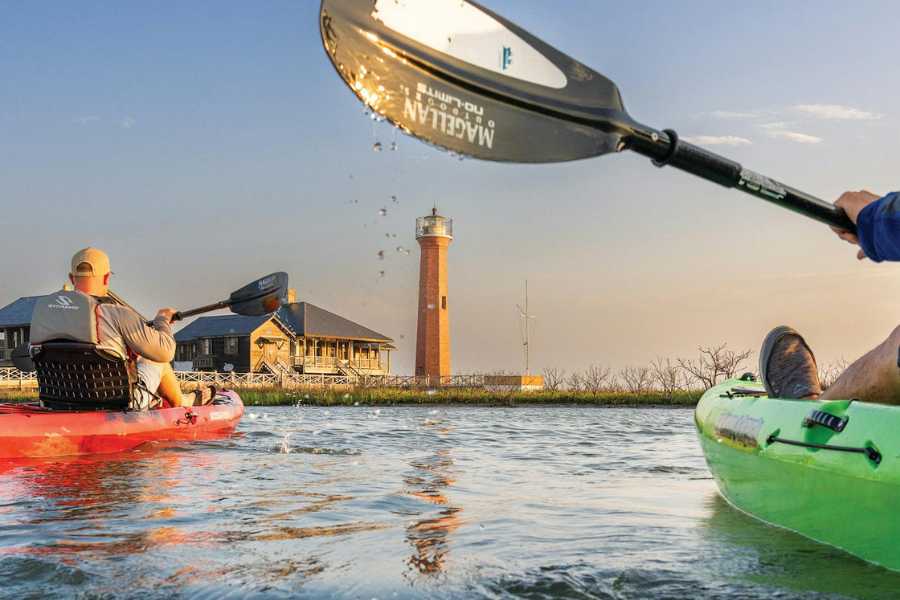
Getting out on the water is soulfully exhilarating, mentally challenging, and physically stimulating. And doing certain activities on the water requires teams to work and perform tasks together, so it’s an ideal way to reinforce the relationships and responsibilities that team members need to be comfortable with in their everyday work.
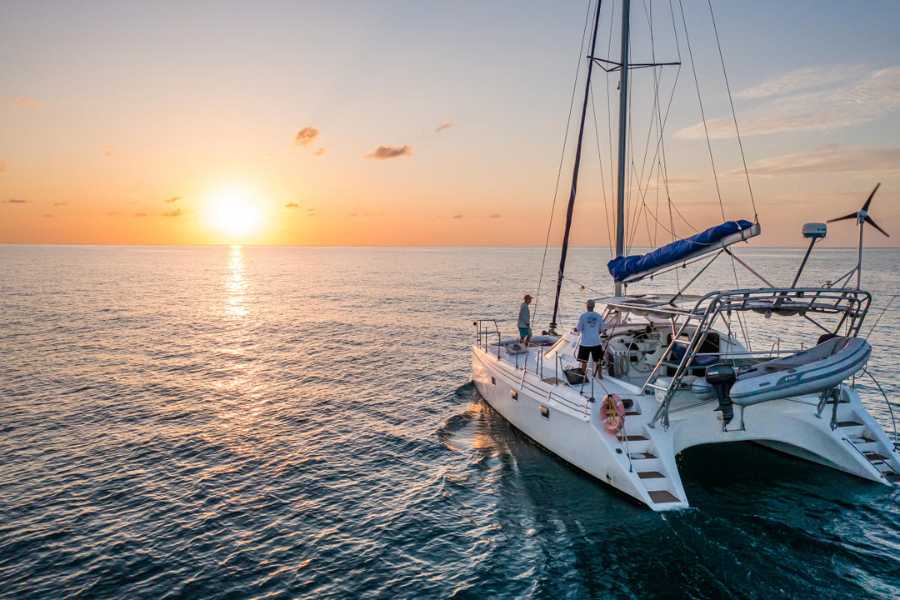
Guided aquatic activities like a sailing charter, canoeing, kayaking, or standup paddle boarding with a professional tour company will also give you and your co-workers the opportunity to get out on the water and work together. That means great views, the wind freely blowing through your hair, experiencing unique ecosystems and wildlife, and unobstructed sunsets which will put your teams at ease and in a relaxed state of mind in addition to promoting camaraderie and a healthy company culture.
2. Play An Easy Team Sport
Team sports that are fun and easy to play, but also focus everyone on a shared goal—literally and metaphorically—are ideal to incorporate into your next company retreat or offsite.
Team sports encourage in-person physical activity, form stronger interpersonal relationships, and are also a great icebreaker for new employees or executives to get to know one another.
Pickleball, volleyball, kickball, capture the flag, scavenger hunts, and ultimate frisbee are all great corporate retreat team sports, particularly for large groups, since they’re low impact, don’t require a lot of expensive equipment or complicated facilities, and simple to pick up if someone hasn’t played them before. Plus, they’re fun—especially when you win!
3. Get Some Fresh Air
No matter where or when you’re planning your next retreat, sometimes nothing is easier or more rewarding for employees than the simple act of getting outside. Hiking, biking, spending time by the pool, relaxing by a fire pit, or having an al fresco dinner around an outdoor dining table can do miracles for team morale and emotional health. It can also promote better, more free-flowing communication between team members.
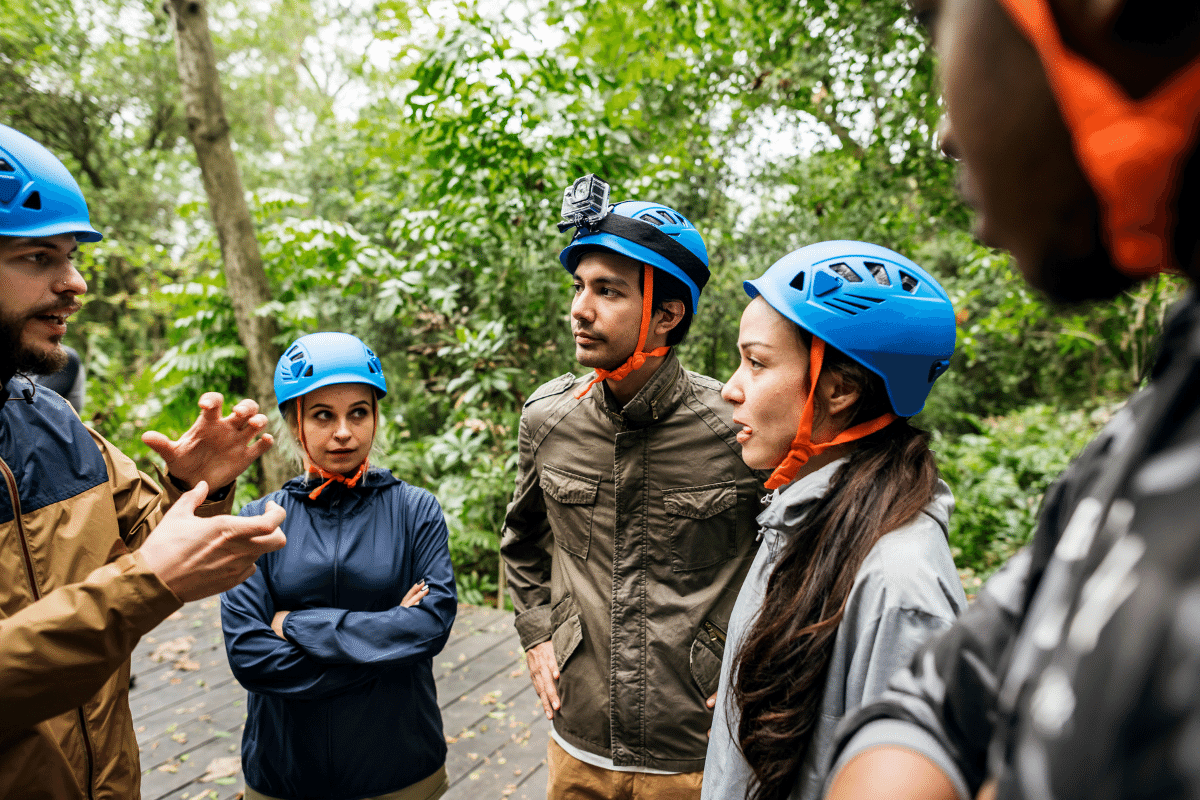
If your team is on the more adventurous side, activities like zip lining, rock climbing, or the challenge of a ropes course can also be great to add to your itinerary.
4. Plan a Late-Night Game Night
On the back of a long day of brainstorming about company strategy and participating in organized team-building activities, game night can be an amazing way to end the night. After a happy hour or dinner, gather around a large table for a little late-night competition and laughs. Some classic favorites include casino night, trivia, charades, and bingo.
If you have a larger group of people, breaking up into smaller teams for board games like Pictionary or Monopoly is also a great way to combine a little brain-stimulating fun and healthy competition with team building and creative collaboration.
5. Sing Together
Few things are able to unite an entire team better and faster than being in a situation that makes people feel vulnerable. So, unless co-workers have the voice of Mick Jagger or Taylor Swift nothing is more certain to produce heartier laughs and fun memories at a company retreat than an evening of open mic karaoke.
If you’re hosting your offsite at a vacation rental, karaoke is also an ideal activity to get everyone together in a private, central location without needing to rent separate meeting rooms or another venue altogether.
6. Explore a New Place
Discovering a new place or learning something new together stimulates curiosity and communication in addition to promoting interpersonal bonding and creativity. It’s also a simple and inexpensive way for co-workers and team members to discover their own common interests, especially if your company retreat is hosted in a town or new city that’s not where your business is based.
The act of “going local” together can be free-form and spontaneous, like taking a neighborhood tour of local artists’ murals and installation art. Or it can be more planned and structured, like doing a farm-to-table restaurant crawl.
Either way, getting familiar with a new town is one of the best—and simplest—in-person team bonding activities to schedule for your next retreat. Some companies even offer dedicated on-the-ground concierge services and specialize in booking local outings, which can help from the planning point of view.
7. Allow For Zen Moments
Work can be stressful—no matter how well your team problem-solves together. Add in the realities of raising a family and commuting to and from work (for those who still don’t work remotely), and it’s likely your employees haven’t had a minute to really “have a moment of zen” for months.
So, if you’re responsible for retreat planning, schedule time for wellness on your next offsite to allow team members to slow down and decompress with one another. Morning yoga, an afternoon meditation, or a bonfire and stargazing night are all great options that are sure to get everyone in a better zen-like frame of mind to be their best back at work.
8. Turn Up The Heat
In a cooking class, that is. Countless Hollywood romance movies have inspired and reminded us about the power of food and how it can bring people together. In this case what applies to love also works in business.
Breaking bread (and making it) with co-workers in a test kitchen or taking a cooking class with a professional chef is a great way to break down boundaries, learn to work better as a team, promote unexpected creativity, and most importantly, make sure everyone is well fed.
An all-hands-on-deck potluck or dinner party for your team at a vacation rental in a culinary destination like Napa Valley with a chef’s kitchen can also accomplish the same objectives without the formality and expense of a professional cooking class.
9. Give Back
Being able to help your co-workers or staff when they need it—whether that’s in the pursuit of a company objective, closing a sale, or solving a problem—is one of the most important parts of being a successful team member.
So, as part of your next company retreat or offsite, set aside some time for team members to volunteer together. If your company is in the real estate business, volunteer for Habitat for Humanity for a day. If you own a restaurant, have your team help plant vegetables at a local farmer’s market for underserved communities.
Few things strengthen the bonds between people faster and will make your corporate retreat experience more meaningful than sharing the pride that comes with helping out and supporting a worthy cause.
10. Get The Adrenaline Up
Of all the fun activities that you’re planning as part of your next company offsite, don’t forget to give your teams and co-workers the opportunity to get their adrenaline up before or after a day of meetings and brainstorming sessions.
Hitting the dopamine button with activities like go-cart racing, going to an amusement park, trying trapeze, flying high in a waterfront ferris wheel, or watching an experiential IMAX theater movie are proven to create better team building energy, develop deeper trust, and promote longer-term loyalty.
So, whether you host your next company offsite in a buzzing downtown business district or in a remote resort town in the middle of the mountains, make sure to plan team-building activities that will also stimulate your employees’ adrenal glands and funny bones as well as their problem solving and creative abilities.
11. Plan An Escape
No, unfortunately, we’re not talking about a spontaneous vacation to a private Caribbean island here (though that would probably be high on most people’s company retreat wish lists).
We’re talking escape rooms a.k.a. “exit games” where teams are challenged to work together to get themselves out of a theme-based room in an immersive adventure game using clues to accomplish incrementally harder tasks and tests while the clock is ticking.
Escape room themes run the gamut: nuclear reactor meltdowns, zombie apocalypses, prison breaks, and murder mysteries. Whichever you choose for your team, escape rooms literally and figuratively will have them problem-solving, communicating under pressure, and most of all, laughing all the way to safety.
12. Do Absolutely Nothing
While planned activities are great to keep everyone entertained, giving your team free time—and space—to do their own thing on a retreat is just as important. Whether that’s running, reading, napping, or a quick Netflix binge, downtime will help them feel “off the clock” even while onsite at a retreat.
All-in-all, small moments like a fire pit at sunset, a cold beer by the pool, and some good music can frequently do far more to help your team open clearer lines of communication, find common ground, and elevate corporate culture than a hundred overpriced corporate consultants.
Port Aransas, Texas is a coastal gem that thrives year-round with its beautiful beaches, charming small-island vibe, and wide range of activities for visitors. While summer is the high season, winter offers a milder, quieter escape perfect for those looking to enjoy outdoor adventures, wildlife, and local culture without the crowds. Many of these activities are particularly popular with Winter Texans—those visitors who escape the cold northern winters by spending the season in the warm Gulf Coast region. Here are the top 25 things to do in Port Aransas during the winter:
1. Bird Watching at the Leonabelle Turnbull Birding Center
Winter brings a variety of migratory birds to Port Aransas, and the Leonabelle Turnbull Birding Center is the perfect spot for bird watching. The boardwalk offers stunning views of wetland birds, including roseate spoonbills, egrets, herons, and more. It’s a favorite stop for Winter Texans who enjoy the peaceful natural surroundings.
2. Dolphin Watching Tours
Winter is a great time to book a dolphin-watching cruise. These playful marine mammals are active year-round, and many local tour companies offer close-up encounters with these majestic creatures. Watching dolphins frolic in the cool Gulf waters is an experience Winter Texans often rave about.
Source: PortAransas-Texas.com
3. Fishing
Whether you’re into deep-sea fishing or prefer casting a line from a pier, Port Aransas is an angler’s paradise. Winter is prime season for redfish and trout, making it a fantastic time to explore the Gulf’s bounty. Many Winter Texans take full advantage of the quieter season to enjoy relaxed fishing trips.
4. Beachcombing Along Mustang Island
Mustang Island’s serene winter shoreline is perfect for beachcombing. You’ll find beautiful shells, sea glass, and other treasures washed up by the Gulf’s gentle waves without the hustle of summer crowds. This peaceful activity is especially popular among Winter Texans who spend the colder months soaking up the sunshine.
5. Explore the Port Aransas Nature Preserve
The Port Aransas Nature Preserve offers trails for hiking, birding, and wildlife viewing. In winter, the cool weather makes it ideal for a relaxed stroll while enjoying the coastal scenery. Weekly guided tours available as well.
6. Winter Sunsets at Roberts Point Park
Roberts Point Park is a prime location for catching the stunning sunsets Port Aransas is known for. Pack a picnic and watch the sun dip below the horizon while enjoying cooler temps and quiet surroundings.
7. Kayaking Through the Lighthouse Lakes Paddling Trails
Winter brings calm waters, perfect for kayaking. Paddle through the Lighthouse Lakes Paddling Trails, and take in views of the historic Lydia Ann Lighthouse while spotting birds and marine life along the way.
Source: Texas Monthly
8. Attend the Whooping Crane Festival
Held annually in February, the Whooping Crane Festival celebrates one of North America’s rarest birds. The nearby Aransas National Wildlife Refuge is a key wintering spot for these endangered creatures, and the festival offers tours, workshops, and plenty of birding.
9. Sandcastle Building
With cooler weather and fewer people, winter is a wonderful time to practice your sandcastle-building skills on the beach. Some local companies even offer lessons!
Source: Port Aransas Explorer
10. Visit the Port Aransas Museum
Dive into the town’s history with a visit to the Port Aransas Museum. Learn about its origins as a fishing village, the local maritime culture, and its evolution into a vibrant coastal destination.
11. Go Shelling at San José Island
Accessible by ferry, San José Island is a private island where you can spend a quiet day collecting shells and exploring untouched natural beauty. Winter’s cooler temperatures make it ideal for an unhurried adventure.
12. Take a Guided Nature Walk
Various parks and preserves in the area offer guided nature walks during the winter months. These walks are perfect for learning about the unique ecosystems and wildlife that call Port Aransas home.
13. Explore Mustang Island State Park
Mustang Island State Park boasts miles of undeveloped coastline perfect for beach walks, fishing, or simply soaking in the peaceful atmosphere. Winter offers a chance to experience the park’s natural beauty without the summer crowds.
14. Port Aransas Art Center
Support local artists and immerse yourself in the coastal culture at the Port Aransas Art Center. The center features rotating exhibits and offers workshops, so you can get creative during your winter stay.
15. Take a Sunset Cruise
Winter sunsets over the Gulf of Mexico are nothing short of magical. Book a sunset cruise for a scenic evening on the water, complete with breathtaking views and cool breezes.
Source: PortAransas.org
16. Hit the Links at Palmilla Beach Golf Club
For golf enthusiasts, winter is an ideal time to tee off at Palmilla Beach Golf Club. The cooler weather makes for an enjoyable round at this premier course with its stunning coastal views. Golfing here is a favorite winter pastime for many Winter Texans.
17. Enjoy Fresh Seafood
Port Aransas is home to numerous seafood restaurants, serving up fresh Gulf catches like shrimp, redfish, and oysters. Winter is a great time to sample local flavors without the wait.
18. Watch the Ships from Horace Caldwell Pier
The Horace Caldwell Pier extends over 1,200 feet into the Gulf and is a great spot for fishing or just watching the ships go by. It’s also a favorite spot for stargazing on clear winter nights.
19. Attend Winter Texan Events
Port Aransas hosts several special events for Winter Texans, seasonal visitors who migrate south to escape the cold. These events include potlucks, dances, and other community gatherings, giving you a taste of local hospitality and a chance to meet other winter visitors.
20. Go Crabbing
Winter is a fantastic time to try your hand at crabbing in the shallow waters of the bay. With the right gear, you can catch blue crabs and enjoy a fresh, home-cooked seafood feast.
Source: PortAransas.org
21. Take a Scenic Drive on the Beach
With fewer vehicles on the sand in winter, you can enjoy a peaceful scenic drive along Mustang Island’s 18 miles of beachfront. Just be sure to check beach driving conditions beforehand!
22. Deep-Sea Fishing
For those seeking a bigger adventure, winter is a great time for deep-sea fishing trips to catch grouper, amberjack, and other species. Local charters operate year-round, offering guided fishing experiences.
23. Check out the Chapel on the Dunes
This tiny, historic chapel is the oldest consecrated church in Port Aransas and offers stunning views from its location atop a dune. Its unique architecture and serene surroundings make it a hidden gem worth visiting.
Source: PortAransas.org
24. Explore the Texas State Aquarium (Nearby in Corpus Christi)
A short drive away, the Texas State Aquarium is perfect for a day trip. See marine life up close, including sharks, sea turtles, and dolphins, while learning about Gulf conservation efforts.
25. Fire It! Ceramics Studio
Looking for a creative way to spend your time? Visit Fire It! Ceramics Studio, where you can paint your own pottery or create your own masterpiece. This hands-on experience is great for Winter Texans looking for something unique to do during their stay.
26. Spa Services at Balinese Wellness Spa
Relax and rejuvenate with a massage or spa treatment at Balinese Wellness Spa. Their wide range of services makes it a great stop for anyone looking to unwind, especially after a day of exploring.
27. Volunteer Opportunities
For Winter Texans looking to give back and meet others in the community, there are plenty of local volunteer opportunities. From helping with beach cleanups to supporting local charities, volunteering is a great way to connect with other winter visitors and residents.
28. Yoga on the Beach
Start your day with a peaceful yoga session right on the beach. Many local instructors offer outdoor classes that let you stretch and relax to the sound of the waves.
Source: Namaste Port A
29. Port A Community Theatre
If you’re interested in the arts, the Port Aransas Community Theatre welcomes anyone looking to get involved in productions, whether it’s acting, set-building, or helping backstage. It’s a wonderful way to meet locals and immerse yourself in the creative community.
30. Learn About Farley Boats
Farley Boats, integral to the history of Port Aransas, were once considered the best boats for tarpon fishing. Visit local museums or historical spots to learn about their significance and craftsmanship, and why they’re a beloved part of the town’s heritage.
31. Stay in a Vacation Rental
Lastly, if you’re visiting Port Aransas in winter, consider staying in a vacation rental with Sway by AvantStay. These rentals offer the comforts of home with more space, privacy, and amenities than hotels, making them perfect for families or long-term stays. For Winter Texans, vacation rentals provide a great way to settle in for a month or more and really enjoy the laid-back winter lifestyle of Port A.
Local Services for Winter Texans Staying Long-Term
For Winter Texans planning extended stays, Port Aransas offers essential services to make your winter as comfortable as possible:
Local Doctors & Pharmacies: Ensure your health needs are met with several local healthcare providers and pharmacies, including Island Medicine and the Family Pharmacy.
Veterinary & Pet Services: Traveling with a pet? Visit Island Animal Clinic or Port A Pet Resort for pet boarding, grooming, and veterinary care to keep your furry friends happy and healthy during your stay.
Port Aransas in the winter is a tranquil and charming destination with plenty to offer visitors looking for a peaceful retreat. Whether you’re exploring nature, enjoying local culture, or simply unwinding by the shore, the town has something to make your winter escape memorable, especially for Winter Texans looking to enjoy a warm, relaxed lifestyle away from the cold.
When it comes to coastal cities, San Diego and its beaches check all the boxes. Think: 70-and-sunny almost every day, endless beach access, and epic sunsets that look like they were painted just for you. But beyond the weather (hello, sunshine!), San Diego is known for world-class surfing, fresh seafood, and buzzy beach neighborhoods.
Whether you’re into riding waves, bike paths along the boardwalk, sipping cocktails with ocean views, or just watching the surfers do their thing from a balcony lounger, there’s no better place to park it for a week (or two).
With easy access to restaurants, parks, and all the coastal adventure you can dream of, San Diego isn’t just a destination—it’s your beach state of mind. And with homes like these? You’re already halfway to golden hour bliss.
Sea Ridge
Sleeps 6 guests
Sunshine, salty air, and a pool that practically kisses the ocean—Sea Ridge brings all the “West Coast, best coast”. Perched right above the Pacific in Bird Rock, this luxe three-bedroom stunner is perfect for slow mornings, golden hour dinners, and spontaneous dips in your saltwater pool. When your backyard is the ocean, you’ve officially peaked, indeed a beach home dream come true.
Waking up to the sound of waves and sipping wine with the horizon in sight is what a coastal vacation should always feel like.
Direct, panoramic ocean views from the backyard, primary suite & main living areas
Saltwater pool, hot tub & patio with built-in grill and fire pit
Spa-style ensuite with soaking tub and walk-in shower
Located in Bird Rock, just minutes from La Jolla Village
Pet-friendly with driveway parking
👉 Book on Airbnb | Book on AvantStay Direct (Best Price!)
Beachcliff 2
Sleeps 2 guests
Watch the surf while you sip your mimosa at Beachcliff 2, your front-row seat to Pacific magic. Perfect for solo travelers or couples looking for peace, sunshine, and salty breezes, this by-the-sea villa lets you experience unfiltered, wave-crashing views right from your patio—no hiking or hustling required! With this view upon waking up, let the ocean soundtrack lull you into full relaxation mode.
The place where time slows down and the waves put on a show as the sun goes down on the horizon.
Sweeping panoramic views of the Pacific from your backyard
Located steps from Sunset Cliffs Nature Park and 1 mile from Ocean Beach
Fully equipped kitchen for beach snacks & seaside meals
Close to OB Pier, local food spots, & epic sunset strolls
Quiet, peaceful unit in a laid-back coastal neighborhood
We also have other Beachcliff units! Check out Beachcliff 4, 5, 6, 7, and 8.
👉 Book on Airbnb | Book on AvantStay Direct (Best Price!)
Zanzibar
Sleeps 4 guests
Ocean views from the couch? Yes, please! Zanzibar is a top-floor beachfront escape in the heart of Pacific Beach, where the vibes are laid-back and the sunsets are full send. Whether you’re sipping your morning coffee from the private balcony or heading upstairs to the shared rooftop patio for golden hour with your crew, this place is made for long, sunny days and salty-air nights.
Steps from the sand and floor-to-ceiling windows that practically beg for sunset toasts. When you’re not barefoot in the sand, lounge and wonder if life really gets better than this.
Shared rooftop patio with grill and outdoor dining area
Panoramic oceanfront seating in the living room
Fireplace available for use
Full kitchen with updated appliances
Walkable to PB bars, cafés, and the iconic Crystal Pier
👉 Book on Airbnb | Book on AvantStay Direct (Best Price!)
Seascape
Sleeps 10 guests
Walls of glass, vaulted ceilings, and blue water in every direction — Seascape is what happens when architecture takes the view seriously. Sunlight pours through this Del Mar stunner all day, the beach is a short walk down the hill, and by evening everyone drifts out to the stone patio where the firepit and the Del Mar sunset do the rest. When the sky finally goes dark, there’s a movie theatre inside waiting for round two.
Golden hour here isn’t a moment, it’s the whole afternoon. Bring a group, pour something cold, and let the Pacific handle the entertainment.
Blue water views framed by walls of glass and soaring vaulted ceilings
Outdoor stone patio with firepit for Del Mar’s famous sunsets
Chef’s kitchen, two dry bars, and an in-home movie theatre
Ping pong table in the garage and EV charging available
Short walk to the beach, minutes from Torrey Pines State Reserve
Wake up to uninterrupted ocean views, roll out of bed barefoot, and be literally steps from the sand. If this sounds like your kind of getaway, then Ocean Blvd Apt 4 is the best move. Set right on the lively boardwalk of Pacific Beach, this cozy house is your ticket to sun-drenched days, salty air, and unforgettable sunsets. Sipping an iced latte from a beachside café or watching surfers catch morning waves from your window is exactly where you need to be.
Views like this are what summer dreams are made of. It’s your private beach perch in the heart of PB—ideal for lazy mornings, people-watching, and soaking up that golden hour glow.
Prime beachfront location on the Pacific Beach boardwalk
Cozy bedroom and living area
Full kitchen for beach snacks and casual meals
Walkable to bars, restaurants, and buzzing PB nightlife
Part of a larger complex with 10 total units (Ocean Blvd Apts 1–10)
Planning a group trip or need more space? Ask us about our other Ocean Blvd Apt units: 1, 2, 3, 5, 6, 7, 8, 9, and 10 for more information!
👉 Book on Airbnb | Book on AvantStay Direct (Best Price!)
Mission Point 2
Sleeps 8 guests
Ocean breeze? Check. Walk-to-the-beach vibes? Double check. Mission Point 2 is your laid-back launchpad for living that classic SoCal summer of sun and surf. Lazy days feel productive, and every night ends with a cheers. Just a 5-minute stroll from Mission Beach, this upper-level unit brings you closer to shoreline sunsets and morning boardwalk coffee runs, all while giving your group a chill space to unwind.
Located near the beach with a peekaboo coastal glimpse and the kind of balcony breeze that pairs perfectly with happy hour.
Private balcony with grill and outdoor seating
Fully equipped kitchen with modern appliances and an island
Open-concept living and dining area
Pet friendly with an additional fee
Just a short walk to Mission Beach and Belmont Park
Coming with your extended family or friends? Check out Mission Point 1! You may rent these 2 houses together, too, through a buyout for extra fun!
Watch the waves roll in as Cove Watch isn’t just an ocean view—it’s an ocean wow, just above La Jolla’s postcard-worthy coastline. This home wraps you in sweeping vistas from the moment you arrive. Sip your summer soda on the terrace or settle into the couch by the picture window, the Pacific is always front and center—crashing, shimmering, and completely stealing the show. Indeed, your go-to for golden hour hangouts or post-beach lounging.
Every room gives you a front-row seat to La Jolla’s rugged coastline, and the terrace? It’s the spot for sunset stunners.
Panoramic ocean views from the terrace
Private pool, courtyard, and fire pit for lounging
Stunning workspace desk with big windows
Outdoor dining chairs and a BBQ grill
4-minute drive to La Jolla Shores Beach and restaurants
Looking for an ocean breeze and skyline tease? Avalon I brings laid-back San Diego charm with a view. This top-floor stunner is located just above the city buzz, giving you open skies, peek-a-boo coastal glimpses, and golden-hour light that makes everything glow. The open layout of this property is made for easy hangs with your favorite people as you cook, sip, or chill without missing a moment.
Get just enough coastal sparkle to pair with your classic croissant, sunset cola drinks, or lazy-day lounging.
Peek-a-boo ocean views and city skyline from the balcony
Featured on the Emmy-winning show Staycation!
Fully equipped kitchen with modern appliances
Designated parking space
Prime location near Balboa Park, Little Italy, and San Diego Zoo
Wanna bring the crew? We’ve got Avalon II, Avalon III, and Avalon IV available too—rent one, or take over the whole building!
Let’s talk front-row living. Bay View Idrops you right on the edge of the water—no need to crane your neck for a view here. From your sunny kitchen to your private patio, it’s all waterfront, all the time! You can start as early as having a walk along the bay, grabbing tacos nearby, and wrapping the day with a glass of wine while the water turns gold at sunset. It’s the kind of place where flip-flops count as formalwear and the soundtrack is seagulls and sailboats.
You’re not just because you’re near the bay—you’re on it! Floor-to-ceiling views, peaceful mornings, and Insta-worthy sunsets every night.
Directly on the bay with unobstructed water views
Private balcony with front-row sunset seats over Mission Bay
Close to Pacific Beach, Crystal Pier, and local hotspots
Dedicated compact parking spot
Perfect for couples, small families, or a laid-back solo escape
Want even more ways to bring the crew to the beach? Bay View I is just part of a trio! If you’re planning a group trip and want to stay close, but not too close, then book Bay View II & Bay View III together for added fun on your group-friendly setup!
For a chill yet luxurious experience with a side of ocean breeze, Maven is your West Coast muse. This sleek SoCal home lets you take in stunning Pacific views right from the second-story balcony of Ocean Beach, where mornings start with not just a stunning sunrise but also beach waves. A hammock nap under the palms by the afternoon and by golden hour, you’ll be clinking glasses with your loved ones under fairy lights in your private backyard.
From the upstairs balcony to the breezy yard at the back, this one nails that toes-in-the-sand energy with just the right splash.
Ocean, sunrise, and sunset views from the second-floor balcony
Private backyard with a hammock and cornhole game
Patio with outdoor dining setup and BBQ grill
A chic chef’s kitchen with lots of storage!
Steps from Ocean Beach Tide Pools, cafes & sunset spots
San Diego Ocean Views Are Worth Waking Up Early For
Sure, any beach trip is a good one—but what sets these San Diego Airbnbs apart is the ocean view. Not just a view, but the kind that makes your morning coffee taste better, your sunset photos look like postcards, and your whole vacation feel just a little bit more magical.
From La Jolla’s cliffside drama to Pacific Beach’s buzzing boardwalk, these homes give you front-row seats to the Pacific without even changing out of your pajamas. Whether you’re watching dolphins from your balcony, grilling with friends as the sky turns pink, or falling asleep to the sound of waves, these stays are all about bringing the outdoors in—and making every beach day feel endless.
If you’re looking for activities after waking up early in this dreamy place, check out our guide on the best things to do in San Diego.
The Only Thing Missing? You.
Pack your beach towel, leave your worries behind, and let San Diego show you why coastal living never goes out of style. Explore all of our San Diego stays and book your oceanfront escape today!
If you’re looking to get into the Halloween spirit then haunted hayrides, corn mazes, and graveyards are probably already on your agenda every October. But if you’re really looking for the true spooky season experience, why not visit the locations of some horror movie classics that will be sure to send chills down your spine? We gathered up a list of scary movie locations you can actually visit because there’s no better Halloween scare than an authentic one.
Halloween (2018) — Charleston, SC
You can spot many glimpses of Charleston throughout this continuation of a classic franchise. You can even follow the path that Michael Myers took in the most recent installment of the famous slasher saga. While you’re there, be sure to visit local favorite restaurantsBurton’s Grill and Bon Bahn Mi. The local Military Magnet High School also features those infamous checkered floors.
Check out our homes in Charleston that provide the perfect home base while you retrace the steps for Michael Myers.
Evil Dead — Morristown, TN
Evil Dead tells a classic 80s-style horror story of five college students whose remote vacation takes a nasty turn. The eerie charred remains of the 1981 film’s cabin still exist in the woods of the Smoky Mountains, left over from a fire a few years ago.
We have tons of Smoky Mountain homes perfect for a rusticly spooky escape. Some — like Duval and Smoky Cove Lane 2 — even have private indoor pools so you can take a midnight dip no matter the season.
Texas Chainsaw Massacre — Austin, TX
This influential horror film intrigued the minds of many to travel to its Austin-area sites. You can even visit the gas station in the movie—it’s now a barbecue restaurant called Texas Gas Station! If you wonder whether the restaurant has nods to the film, it does! You can buy horror merchandise inside, and the outside has a “We Slaughter Barbecue” sign.
Our Austin retreats are ready to help you celebrate the fall season. For something dramatic and moody to match the Halloween atmosphere, Barton is a top choice.
Scream — Sonoma, CA
Come to Sonoma if you want a glimpse of the town that produced the meta-slasher saga starring Ghostface. Fun fact: The school they wanted to shoot the film in didn’t allow them to do so, so in the final credits of the movie, the production team put a “No Thanks Whatsoever To” category in, thus resulting in the essential blacklisting of Sonoma County for the film industry.
Nothing says “Blockbuster thriller” like a massive house on a hill. Need plenty of rooms, hallways, and open space to explore and sneak through? Belleza or any of our Sonoma homes you covered.
Although the 1997 film is set in North Carolina, the scenic views of Sonoma County can be seen in the film’s opening scenes. Starring Jennifer Love-Hewitt, Sarah Michelle Gellar, and Freddy Prinze, Jr., it was based on a novel of the same name and is considered to have revitalized the slasher genre for a new generation.
Relive your own last summer at one of our Sonoma retreats. Many of these homes have outdoor pools so you can watch the colors change around you on balmier autumn days!
Cape Fear — Fort Lauderdale, FL
Starring Robert DeNiro and Jessica Lange, Martin Scorcese’s remake of the 1962 film turns Broward College into the film’s “New Essex High School.” Many of the water scenes, too, were shot in Everglades National Park.
Our Fort Lauderdale collection puts you scary close to the beach. From homes like Sea Breeze and Casa Bermuda, a quick walk across the street will land you on the shore.
A Quiet Place — Hudson Valley, NY
Parts of John Krasinski’s screenwriting debut, as well as the sequel, were filmed throughout Hudson Valley.Set in a post-apocalyptic world, the film’s minimal dialogue meant viewers had to pay all the more attention to the natural visuals and scenery. The movie was mostly filmed in Pawling and New Paltz, two towns in Hudson Valley, so it should be no surprise that the film’s primary house is located in Pawling. The film’s first tragic moments even take place on Springtown Truss Bridge!
For a classic spooky atmosphere bolstered by natural beauty, Hudson Valley homes like Clove and River House deliver secluded estate vibes and unbeatable privacy.
Whether you’re West Coast or East Coast, you’ll be able to get your Halloween on this year at one of many AvantStay vacation homes nationwide.
You’ve watched other families post their summer vacation photos looking genuinely relaxed, and you wonder what you’re doing wrong. Your trips always end with everyone exhausted and needing days to recover. The gap between those two experiences isn’t about having better kids or more money. It’s about planning your summer family trip in a way that builds in rest instead of accidentally designing stress into every day.
TLDR:
Book 3-4 months ahead to lock in lower rates and better property selection for your family size
Vacation rentals split among groups cost less per person than hotels while providing full kitchens and private space
Single-location trips eliminate packing stress and let families build routines instead of constant logistics
Schedule full rest days with zero planned activities to actually recharge during your vacation
AvantStay manages 2,300+ group-optimized properties with 24/7 concierge, multiple primary suites, and the Butler app for easy booking and service requests
Start Planning Early to Prevent Last-Minute Chaos
The sweet spot for booking a summer family trip is about three to four months out. Book earlier than that and you might feel locked in. Wait too long and you’re stuck with whatever’s left, often at inflated prices.
Starting early gives you first pick of properties that actually sleep your whole crew comfortably. You can compare options without the panic of dwindling availability. Early booking also means better rates before seasonal price surges kick in, and you have time to split payments or use installment options if needed.
Here’s the counterintuitive part: planning ahead actually frees you up to be spontaneous during the trip itself. When the big decisions are locked down months in advance, you’re not spending vacation time debating logistics. You can wake up and decide between the beach or hiking without a packed itinerary hanging over you.
Choose Accommodations That Actually Fit Your Group
Cramming a family into multiple hotel rooms creates the exact stress you’re trying to escape. You’re knocking on doors to round everyone up, coordinating key cards, and paying separately for each room. The math rarely works in your favor either.
A vacation rental built for groups changes the equation entirely. When you split a whole house among eight people, you’re often paying less per person than hotel rooms while getting exponentially more space. Full kitchens mean you’re not eating out for every single meal, which alone can save hundreds of dollars and eliminate the “where should we eat” debates three times a day.
The real win is space that lets everyone coexist without tripping over each other. Recent research shows that accommodation choice directly impacts trip satisfaction. Multiple bathrooms prevent morning bottlenecks. Separate bedrooms give parents and kids their own zones. Communal living areas create natural gathering spots without forcing constant togetherness.
Accommodation Type
Space & Privacy
Kitchen Facilities
Cost for Groups
Best For
Multiple Hotel Rooms
Separated rooms across hallways requiring constant coordination and key card juggling. Limited common space to gather as a family.
No kitchen access. Mini-fridge at best. Every meal requires eating out or ordering delivery, adding hundreds to your budget.
Highest per-person cost when booking 2-3 rooms. Separate charges per room with no group discount benefits.
Business travelers or couples without need for shared family space or meal preparation.
Standard Vacation Rental
Entire home with bedrooms clustered together. Shared living areas but often limited bathrooms create morning bottlenecks.
Basic kitchen with standard appliances. You can prepare meals but may lack premium cookware or specialty items.
Moderate cost when split among group. Savings on dining out offset rental price for families of 6 or more.
Budget-conscious families willing to handle their own setup, cleaning coordination, and problem-solving during the stay.
AvantStay Managed Properties
Multiple primary suites with en-suite bathrooms eliminate morning conflicts. Separate zones let kids and adults have their own space while staying connected.
Fully stocked gourmet kitchens with high-end appliances, quality cookware, and everything needed to prepare full meals without shopping for basics.
Premium pricing that splits favorably among 8-12 guests. Lower per-person cost than hotels while including concierge services and amenities.
Groups seeking hotel-level service with home comfort. Families who want amenities like game rooms, pools, and chef services without coordination hassle.
Resort with Villa Option
Villa-style accommodations within resort grounds. More space than hotel rooms but shared resort amenities mean less privacy and more crowds.
Kitchenette or limited kitchen in villas. Sufficient for breakfast and snacks but not full meal preparation for larger groups.
High cost per night with additional resort fees, parking charges, and mandatory gratuities that substantially increase your total expense.
Families wanting on-site activities and dining options who value resort amenities over home-style privacy and flexibility.
Stay in One Place Instead of Hopping Between Destinations
The instinct to pack as much as possible into one trip is exactly what turns vacation into work. Every destination change means packing suitcases, loading the car, checking out, driving, checking in, and unpacking again. Research shows that 82% of families report higher stress levels when their trips include multiple hotel transfers.
Staying in one place lets you actually unpack. Kids know where their stuff is. You learn the house layout. You find a coffee routine. By day three, you’ve stopped thinking about logistics and started relaxing.
Single-location trips also let you go deeper instead of wider, whether you’re in coastal destinations like 30A or other family-friendly locations. You find the local breakfast spot that doesn’t show up in search results. You return to that hiking trail because the kids want to see if the ducks are still there. These repeated experiences create actual memories instead of a blur of car rides between landmarks you barely remember, which is why many families choose destinations like San Diego for extended stays.
Involve Everyone in the Planning Process
When everyone gets a say in the trip, they’re more invested in making it work. 81% of families now consult with kids when choosing vacation destinations, and for good reason. Kids who help plan are far less likely to complain when you’re actually there.
The trick is matching involvement to age. Younger kids can pick between two pre-approved activity options instead of choosing from everything. Teens might research dinner spots or map out a day trip. Even letting a six-year-old choose which afternoon to visit the pool creates ownership.
This isn’t about letting kids run the show, whether you’re planning a beach trip or heading to mountain destinations like Park City. You’re still setting boundaries and making final calls. But when your teenager suggested that taco place and it turns out to be great, they feel heard. When your eight-year-old picked mini golf and everyone has fun, they’re part of the win instead of just along for the ride.
Build in Actual Downtime and Rest Days
Packing every single day with activities is how vacations become exhausting. Research shows parents need an average of 2.4 days to recover from typical family trips. That recovery time disappears when you build rest directly into the vacation itself.
Schedule at least one full day with nothing on the calendar. Not “light activities.” Actual nothing. Let people sleep in, hang by the pool, or read a book without guilt. These empty days give everyone permission to recharge instead of powering through.
The best part about renting a house with great amenities in places like Breckenridge is you don’t need to leave to have fun. Kids can play ping pong or swim while adults sit on the patio. Everyone’s together but nobody’s forced into structured activity. That’s when vacation actually starts to feel like vacation.
Set Realistic Expectations for What Vacation Can Deliver
The vacation you’re imagining won’t match reality. That’s not pessimism, just how trips work when you mix multiple people, weather, and travel logistics.
Parents who accept this beforehand have better experiences than those pursuing perfection. Your toddler will have a meltdown. Someone will get sunburned. The restaurant you wanted will be closed. These aren’t failures, they’re part of traveling with family.
The families who enjoy trips most measure success differently. They notice when their teenager genuinely laughs or siblings play together unprompted. Those organic moments only surface when you stop forcing the scheduled ones.
Set one goal: spend time together away from daily routines. If you do that, the trip succeeded. Everything else is extra.
Delegate Tasks and Responsibilities Among Adults
One person usually ends up doing everything, and it’s typically the moms. 69% of U.S. moms handle the majority of travel booking compared to 61% of travelers overall. That imbalance turns what should be a shared experience into one person’s project.
Split responsibilities before anyone starts feeling resentful. One adult books accommodations while another researches activities. Someone handles packing for kids while another manages travel snacks and entertainment. During the trip, rotate who makes dinner decisions or handles bedtime routines.
The goal isn’t perfect equality, it’s visible effort. When multiple adults are clearly contributing, nobody feels like they’re managing vacation alone while everyone else just shows up to enjoy it.
Prepare for the Return Home Before You Leave
The crash happens when you walk through the door at 9 PM to a messy house, empty fridge, and work the next morning. That whiplash erases vacation benefits fast.
Clean before you leave. Do laundry, run the dishwasher, take out trash. Walking into a tidy home changes your whole arrival mindset.
Schedule a buffer day between returning and going back to work. Use it for unpacking, grocery shopping, and transitioning back to routines. That single day makes reentry manageable instead of frantic.
Prep freezer meals before the trip. Future you will be grateful for dinner that requires zero thought. Stock basics like milk, bread, and coffee so you’re not running errands immediately after traveling.
These small moves turn post-vacation from a stress spike into a smooth landing.
How AvantStay Makes Group Travel Actually Relaxing
We built AvantStay around one idea: group travel shouldn’t require a second vacation to recover.
Every property we manage is designed for how groups actually function. Multiple primary suites give parents their own space. Oversized dining tables seat everyone at once. Fully stocked kitchens eliminate the “where should we eat” cycle. Game rooms and outdoor amenities keep kids entertained without constant parental involvement.
The Butler app handles what usually creates stress. Need groceries stocked before arrival? Request it. Want a private chef one night so nobody cooks? Book it. Have a question at 10 PM? We’re available. You get hotel-level service with the space and privacy of a home.
When you book with us, you’re choosing properties where someone else handled the quality control, cleaning standards, and logistics. You just show up and use your vacation for what it’s meant for: being together without the stress.
Final Thoughts on Vacations That Feel Like Actual Breaks
Most family trips fail because we’re trying to force hotel experiences onto group dynamics that need something different. Book a stress-free family vacation in a house built for multiple people, stay in one spot, and accept that perfect doesn’t exist. Your job is creating space for connection, not executing a flawless itinerary. Everything good happens in the margins you leave open.
How far in advance should you book a summer family vacation rental?
The ideal booking window is three to four months before your trip, giving you the best selection of properties and rates before seasonal price increases while avoiding the feeling of being locked in too early.
What’s the financial advantage of renting a vacation home versus booking multiple hotel rooms?
When you split a whole house among a group, you often pay less per person than separate hotel rooms while gaining significantly more space, plus full kitchens that can save hundreds of dollars on dining out.
How can you prevent needing recovery time after a family vacation?
Build in at least one full rest day with nothing scheduled during your trip, stay in one location instead of hopping between destinations, and schedule a buffer day between returning home and going back to work.
Why does staying in one place reduce vacation stress?
Single-location trips eliminate the repeated packing, driving, and checking in/out that comes with moving between destinations, while letting your family settle in and develop a comfortable routine.
What should you do before leaving to make returning home easier?
Clean your house, do laundry, run the dishwasher, take out trash before you leave, then stock your freezer with prepared meals and schedule that buffer day after you return for unpacking and grocery shopping.
Warm desert air, stunning mountain views, and the company of your favorite people, all gathered around a beautiful outdoor table, sharing delicious food and creating unforgettable memories–you’ll wish you never have to leave but live in this house.
Palm Springs is synonymous with sunshine, relaxation, and a laid-back desert lifestyle. A place where time slows down, and the simple pleasures of life take center stage. And what better way to truly soak in the essence of Palm Springs than with a delightful al fresco dining experience?
To help you find the perfect setting for your outdoor feasts, we’ve curated a list of the 12 best Palm Springs Airbnbs that you’ll wish you lived in.
Yellowjacket
4 Bedrooms | 8 Guests
Warm Palm Springs air, a gentle breeze rustling through the palms, and you’re gathered around that picture-perfect covered outdoor dining table. Let’s dial up the al fresco dining vibes for Yellowjacket!
Sunlight streams through, casting a golden glow on your laughter-filled brunch, or maybe it’s evening, and you’re enjoying a delicious dinner under the stars, with the majestic Mt. San Jacinto State as a stunning backdrop. This isn’t just a meal; it’s an experience, a chance to truly savor the desert air and connect with your favorite people.
Get ready for some serious fun in the sun at Lloyd, your trendy Palm Springs desert escape! Dive into the refreshing pool, get a little competitive over a game of ping pong, and then gather around the outdoor dining table for some epic al fresco feasts.
Sunshine, laughters, and delicious food under the desert sky. If you and your crew are all about good times, this is the spot. Cool California desert vibes with high ceilings and a chef’s dream kitchen take up inside the house! But let’s be honest, you’ll be spending most of your time outside, soaking up that Palm Springs energy and making memories.
El Mirador is your own personal Palm Springs haven where relaxation and good times flow effortlessly. Lazy mornings start indoors, maybe with a coffee and a good book, but as the day warms up, you’ll be drawn outside to the cool pool waiting for a jump.
Think sizzling grills, the smell of delicious food filling the air, and the vibrant colors of a sunset as you enjoy dinner with friends. Whether you’re lounging by the pool, getting competitive over a game, or simply enjoying the beautiful weather, this is your best spot to unwind, connect, and truly experience the magic of unforgettable al fresco gatherings.
Roll up to Villa Valentina, and you’re instantly hit with that cool Palm Springs vibe – sleek, modern, but totally chill. It’s like this place just gets you. Tucked right against those incredible mountains, it’s got views for days, and downtown’s just a quick five-minute zip away.
Let’s be real, the backyard is where it’s at. A private pool begging for a dip, a hot tub for those chill evenings, and this massive patio with a BBQ just screaming for some al fresco action. Seriously, imagine kicking back with your friends and family, music playing, laughing your head off around that outdoor dining table as the sun sets.
Why You’ll Love It:
Private pool & hot tub with fountain
Has a canopy sunbed
Outdoor dining patio
Built-in BBQ grill
Dedicated workspace with printer
Close to downtown
*Please note that this house is available for stays of 30 nights or longer.
Just minutes from downtown, Park View is your dream Palm Springs getaway that is perfect for your group. With an amazing outdoor dining setup, ample patio seating, dedicated al fresco dining tables, and a built-in BBQ grill, all begging for memorable meals together.
Spend your sunny days lounging by the sparkling pool and hot tub, and fun evenings playing cornhole on the lawn or by the game room before gathering around the fire pit under the stars. Park View is indeed your ideal spot for an unforgettable escape centered around good times and great outdoor meals.
An oasis within an oasis! Step into Catalina and experience having your own personal paradise where the sprawling backyard and the shimmering pool invite you to spend your sunny days. As the summer evening approaches, gather by the beautiful dining space for an unforgettable al fresco experience.
With a gazebo and BBQ grill nearby, the outdoor area is designed for pure enjoyment and effortless hosting. When you’re ready to explore, you’ll find world-class golf, fantastic outdoor dining options, and incredible hiking trails just a few drives away.
A colorful ranch-style retreat designed for fun in the sun, introducing Gobi! This place is your own private oasis, surrounded by a brick wall and desert foliage, giving you that perfect sense of seclusion.
Catching incredible sunsets and have a delightful al fresco meal with your loved ones under the wooden pergola – with a grill ready to fire up, you’re all set for delicious meals with a view. When the evening air cools down, come slip into the hot tub and gather around the modern fire pit for some cozy chats and tea.
Tucked away on a quiet street, past swaying palms and yucca, Palo Verde is a true gem. It is close to downtown but feels worlds away. A place where the mountains are at your fingertips, and every corner exudes relaxation and peace.
Throw open the French doors and step into a lush backyard paradise with a deep pool and expansive, well-maintained patios. Palo Verde’s vibrant green landscape contrasts with the desert hues. Enjoy the changing colors of the sky as you gather for a memorable meal by the gardens with your family and friends.
Soak up the Palm Springs sunshine at Azul Oasis, your personal desert retreat just a hop from downtown! This stunning home is practically begging for group getaways, with tons of space to chill and have fun. The al fresco dining – with a grill ready to go and a fantastic outdoor dining table – will set you up for some seriously memorable meals under the desert sky.
Bake up those rays by the huge swimming pool, and then as the evening rolls in, gather around the fire pit or hop in the hot tub for some stargazing. Inside, it’s all bright and open, with two living rooms so everyone can find their chill spot, and a fully stocked kitchen ready for whipping up your favorite dishes.
Be charmed by the desert foliage, immense palm trees, and geometric details that transport you back in time (but with modern comforts!). Experience classic Palm Springs chic at Biskra, a sunny, spacious, and secluded mid-century gem designed by local legend Hugh Kaptur! Kaptur designed the pool area to be the best of the best, with a custom-built pool glistening in the sunshine and a gorgeous view.
Inside, it’s all open-concept, and you’ll be instantly drawn to the backyard where you can slide open the glass doors, grab a cocktail from the kitchen, enjoy an outdoor feast, and step into your own private oasis.
Villa Toscana is your taste of the Tuscan charm. Nested at the edge of the mountains is your palatial escape for you and your favorite people. Pull up to this gorgeous villa and be greeted by a jaw-dropping sight: a spectacular outdoor living space with swaying palm trees, tall hedges, and a sparkling saltwater pool and spa.
With easy access to downtown Palm Springs, its stylish restaurants, and bustling atmosphere, Villa Toscana offers the best of both worlds – a secluded oasis with the excitement of the city just minutes away and an unforgettable al fresco dining experience in your booked home.
Welcome to the glamorous Casa del Colibri – a historic Palm Springs estate with some seriously dramatic mountain views! Live the high life, just steps from downtown, in a Spanish Colonial Revival that oozes old Hollywood; a place where Bing and Dixie Crosby, and Sammy Davis Jr. once kicked back!
A featured estate on the Palm Springs Historical Society Celebrity Homes Tour, lounge by the huge saltwater pool, have a friendly game of bocce ball, or gather in the spacious pavilion for some unforgettable al fresco dining. A kaleidoscope of colorful Spanish tiles and cool decor, this Casa is indeed a place to make every moment feel special.
Pirate ships. Princess castles. Star Wars battles. Lego Adventure. Harry Potter magic. Jurassic jungle. From themed bedrooms to over-the-top game rooms, we have compiled our kid-friendly Orlando Airbnbs that your little ones dream of.
Orlando isn’t just the theme park capital of the world—it’s a paradise for families looking to create unforgettable memories. Coming home from a day at Walt Disney World Resort or Universal Studios Orlando Park, you can finally unwind in the comfort of your own spacious retreat.
While roller coasters and famous cartoon character meet-and-greets are a big part of your Florida experience, having a themed vacation rental packed with entertainment makes the trip even more sleek and magical. After all, why should the fun stop? Just because the sun goes down?
Key Takeaways:
Bond over epic adventures and laugh until your sides hurt—because in this sunny paradise of Orlando, every moment is a chance to create a story worth telling and have a treasure trove of fun and relaxation.
Ever After
Shiva
Orlando Resort Retreat
Under the Sea
Flamingo Grove
Twice-as-Nice
Coconut Breeze
Shadow Mountain
Nassau
1. Ever After
10 Bedrooms | 22 Guests
Step into Ever After, where pop culture, gaming, and luxury create the ultimate themed getaway for families with kids. Cast spells in a Harry Potter-themed bedroom, level up in a high-tech game room, or watch Star Wars in your private theater. This Orlando retreat is packed with entertainment for all ages.
But the real showstopper is the themed bedrooms that will have your kids begging to move in!
Disney Princess Room – A fairytale-inspired space fit for your little princesses
Harry Potter Room – A Hogwarts-themed room for your aspiring teen wizard
Mickey Mouse Room – The iconic mouse that has captured the hearts of generations
Minecraft Bedroom – A blocky, pixel-perfect retreat for the young gamers in your family
Beyond the themed bedrooms, this home is packed with entertainment for the whole family. A high-tech game room, private home theater, and open-concept living areas will make the kids not want to leave!
Big group? Bigger fun. Shiva is a Kissimmee retreat built for families and friends who came to actually vacation, with all the space to recharge between park days. With 8 bedrooms, 7 bathrooms, and a sleek, contemporary design, this private pool home keeps everyone comfortably spread out while still feeling like one big hangout.
The backyard is the showstopper here:
A private curved pool — designed for floating, splashing, and lazy afternoons
A spa-style hot tub with plenty of seating for post-park recovery
An outdoor projector screen for poolside movie nights — turn family movie night into a full backyard event under the Florida stars
Spacious deck, sun loungers, outdoor dining setup, and a BBQ grill Inside, the game room comes with ping pong for tournament nights, the kitchen is fully equipped for crowd meals, and the bedrooms are built for groups — including rooms with dual beds and bunks for the kids. It’s all the magic of Orlando without the chaos of resort crowds — just your people, your pool, and your perfect home base.
Packed with over-the-top family fun, Orlando Resort Retreat is one of the most exciting vacation rentals we’ve ever launched. With a space of 3,909 square feet, this kid-friendly vacation home is loved by families for its nonstop entertainment, relaxation, and magical memories.
There is plenty of space to relax and endless places to hang out, unwind, and enjoy time together with your family and kiddos. We transformed the garage into a glow-in-the-dark, fully themed arcade for epic gaming battles between the boys.
Here is the list of arcade machines available:
Basketball arcade game machine
Car racing arcade machine
Skee ball arcade game machine
Air hockey table
The Frozen-inspired room with captivating murals of Elsa, Anna, Sven, and Olaf is an additional feature in the house that will definitely melt your kid’s heart.
Ahoy, families! Get ready to dive into adventure at Under the Sea, a whimsical retreat designed for families and young adventurers. With a fun, separate space for kids to hang out, play games, and wind down while the grown-ups relax in the main living area downstairs, this kid-friendly paradise is the perfect balance for quality or me time.
Your little dudes and royalties will feel like they’re in Bikini Bottom or Disney Castle as the themed kid’s bedrooms are the highlight of this house.
SpongeBob SquarePants Bunk Room
This rad room is a treasure chest overflowing with color and creativity, making it a total dream come true for any SpongeBob fan.
Pirate ship bunk beds for your little pirates sailing the high seas – in their dreams!
Bright, playful under-the-water wall murals of Bikini Bottom.
Sailor ship and ocean-inspired details for 6d underwater adventure.
Disney Princess Room
A fairytale come true with a magical space that is sure to spark your little royals’ imagination and fill their dreams with fairy tales and happily-ever-afters.
Disney princesses wall mural featuring Cinderella, Aurora, and Belle.
Pink curtained beddings and dazzling gold tiara interior design.
Castle aesthetic with a chandelier that completes the regal look.
Located in the exclusive Windsor Island Resort, just 20 minutes from Disney, Flamingo Grove is an expansive Florida retreat that’s designed for big groups, family reunions, and multi-family vacations of all ages.
Themed bedrooms for your boys and girls and multiple entertainment spaces include a massive upstairs, complete with games and options perfect for late-night family bonding and movie marathons. The main banquet-style dining table seats create plenty of room for group meals, celebrations, and feasts.
Planning a family getaway to Orlando soon? Try Twice-as-Nice! One of the best vacation homes for kids in our Overmoon collection. From magical theme park days to laid-back family evenings, this spacious Orlando home has:
Plenty of space for family fun
Kid-approved pool & outdoor spa
Entertainment for all ages
Comfortable sleeping space
With 8 spacious bedrooms and 6 bathrooms, there’s ample room for large families to spread out. Enjoy quality time together in the waters or on the lakeside patio while dining on a cool evening. While the kids are asleep, parents can finally unwind in the billiard room, enjoying some well-deserved relaxation.
If you’re looking for the ultimate family-friendly getaway, Coconut Breeze is a tailor-made haven for large families, comfortably accommodating up to 25 guests and ensuring a family fiesta packed with fun and unforgettable memories.
The prime location of this Kissimmee house is near all the action, making it easy to plan your day trips to Disney, Universal, and other Orlando’s best attractions. Having access to Solara Resort’s exclusive clubhouse also grants you:
Tennis
Basketball
Volleyball
A tiki bar
A surf simulator & cabana with minimal fee
Even if you stay at home, you can still experience epic adventure at our Marvel-themed arcade machines and themed rooms, where your juniors can choose from Elsa’s ice, Sheriff Woody’s story, Jurassic dinosaurs, the magical wizardry of Harry Potter, the Star Wars trilogy, or the classic Mickey Mouse.
Shadow Mountain is the perfect house for playing and endless fun. Located in the exclusive ChampionsGate Resort, this kid-friendly vacation house is built to bring out the inner child in everyone.
A serious fun factory with an indoor mini-playground where kids can enjoy and play and grown-ups get to be kids again. No judgment! You and your kiddos will be hard-pressed to find a reason to leave. Don’t worry, we won’t tell anyone you spent the whole vacation in your PJs, playing video games and eating ice cream for breakfast!
If your boys are fans of adventure, the themed bedrooms in the house are something they will surely love!
Lego Room – A colorful, brick-inspired wonderland with twin beds
Marvel Room – Famous superhero murals bring the action of saving the world
Jungle Room – A wild room with a canopied full-size bed for safari dreams
Arcade Room – A paradise for your young retro gamers and for all ages
Welcome to Nassau, where it feels like a never-ending party, with a pool that’s always calling your name and entertainment lurking around every corner. This Orlando retreat is big enough for your squad, for nonstop fun and relaxation.
With a backyard built for a good time, Nassau is about to become your new favorite playground!
Poolside paradise? Check.
Bubbling hot tub? You got it.
Grill for epic family BBQs? Of course.
Lounge area for cocktails after a long park day? Say no more.
Whether you’re here for a dose of Disney magic, Universal thrills, or just an excuse to soak up those sun-kissed Florida vibes, gather your tribe in the game area for motorcycle racing, billiards, foosball, shuffleboard, and many more arcade games.
Let’s be real—after a day of conquering roller coasters, dodging turkey legs, and tracking down your kid’s lost Mickey ears, you need a place that’s just as epic as the theme parks themselves. Here are some of the best resorts that are worth the visit; plus, you get to access (depending on the home you choose!)
Please note that some homes will require a minimal fee to access the resort. We advise thoroughly reviewing the property description first.
Windsor Island Resort
If theme parks had a cool cousin, it would be Windsor Island Resort. This place has everything: a lazy river, water slides, a tiki bar for the grown-ups, and an arcade for the kids who refuse to sit still. Whether you’re spiking a volleyball, lounging in a private cabana, or just letting the splash pad do the babysitting for a minute, Windsor Island makes sure everyone stays entertained.
✔ Flamingo Grove has access to Windsor Island’s lazy river, water slides, tiki bar, volleyball courts, and arcade.
Windsor at Westside Resort
Some vacations are go, go, go—but at Windsor at Westside, you can actually slow down without sacrificing fun. Float in the lazy river, sip a cocktail at the tiki bar, or let the kids loose in the arcade while you finally sit down for five minutes. Whether you’re looking for a team thrill ride or team nap in a cabana, this resort has something for everyone.
✔ Twice-as-Nice has access to Windsor at Westside’s zero-entry pool, lazy river, tiki bar, clubhouse, and arcade.
Solterra Resort
Skip the packed water parks and spend a day at Solterra Resort, where you’ll find water slides, a giant resort pool, and even private cabanas for that VIP treatment. Feeling competitive? Hit the tennis courts while the kids splash away. And when you’re ready for poolside snacks, the on-site restaurant and bar have you covered (because let’s face it—theme park food gets old real fast).
✔ Broad Oak has access to Solterra’s resort pool, water slides, fitness center, and on-site restaurant & bar.
✔ Under the Sea has full access to Solterra’s tennis courts, volleyball courts, clubhouse, and water park fun.
ChampionsGate Resort
So, you want world-class golf, resort-style pools, and a lazy river? Welcome to ChampionsGate. Designed by Greg Norman himself, this resort is a dream for golf lovers, but don’t worry—there’s plenty to do for those who don’t know a driver from a putter. Float down the lazy river, grab a drink at the tiki bar, or take the kids to the arcade while you sneak in one more round.
✔ Shadow Mountain has access to ChampionsGate’s lazy river, movie theater, tiki bar, arcade, and championship golf courses.
Solara Resort
Ever thought, “I wish I could surf on my Orlando vacation”? Well, Solara Resort heard you and delivered a wave simulator—yes, you can actually practice your surfing without ever leaving the resort. Throw in a splash pad, water slides, and a tiki bar, and you’ve got a place where the whole family can stay entertained for hours.
✔ Coconut Breeze has access to Solara’s wave simulator, splash pad, water slides, tiki bar, and sports courts.
Stay, Play, and Unwind!
Want to take a break from the theme parks? Book a themed Orlando Airbnb today that’s perfect for your family and kids!
California is renowned for its breathtaking natural landscapes, and what better way to experience them than by staying in one of the best lakeside cabins the state has to offer? Whether you’re looking for a group getaway with friends or a fun-filled family vacation, AvantStay’s California lakeside vacation homes provide a perfect escape from the hustle and bustle of city life.
Among the top destinations for lakefront cabins are Lake Tahoe, Big Bear, and Lake Arrowhead, where visitors can soak up the stunning scenery, indulge in various outdoor activities, and unwind in the peacefulness of nature.
In this article, we will take you through the 11 best lakeside cabins in California, showcasing each cabin’s unique features and amenities to help you plan your next unforgettable vacation.
1. Lake View Lodge — Big Bear, California
Experience a sensational cabin stay at Lake View Lodge, a pristine property located in the prestigious Castle Glen Estates of Big Bear Lake. This 2-story home offers 4 bedrooms and 3 baths, and a wrap-around deck with stunning 180-degree views of the lake, mountains, and ski slopes. Unwind in the 6-person hot tub on the oversized deck and admire the sunset as it reflects across the lake. The home provides an expansive view of the entire 7-mile lake from the deck, living room, and primary bedroom. The first floor has a 3-car garage, great room, fireplace, dining area, and one bedroom, while the second floor offers 3 more bedrooms and a large living room perfect for kids to enjoy.
2. Lakeview — Lake Tahoe, California
Welcome to Lakeview! Take in breathtaking panoramic views of Lake Tahoe at this exceptional lakefront home. Enjoy the rustic yet modern interior with high-ceilings and large windows (perfect for stargazing from your couch), along with entertainment options like pool, shuffleboard, and foosball. Outside, take in stunning sunrises and sunsets from the hot tub out on the wrap-around patio. Nearby activities include kayaking, paddle boarding, horseback riding, dining at Jax At The Tracks, beer tasting at Fiftyfifty Brewing Company, and skiing at Northstar Resort.
3. Lakefront Lodge — Big Bear, California
Lakefront Lodge is a luxurious cabin in Big Bear with direct access to Big Bear Lake and beautiful mountain views. It’s just a quick walk to Holloway’s Marina and a few minutes drive to skiing, shopping, and entertainment. The upper entry-level features a dining area, cozy living room, and pool table with incredible lake and mountain views, along with a large deck and hot tub. The spacious gourmet kitchen is fully equipped for cooking, and there’s a dining table, BBQ, and hot tub on the first-floor deck.
4. Cedar Pointe — Lake Arrowhead, California
Step out to Lake Arrowhead from your own backyard at Cedar Pointe by AvantStay. This cabin-style waterfront vacation rental includes a stone fireplace, foosball table, dart board, board games, and plenty of other activities to keep you entertained. Guests can enjoy sunset views from Adirondack chairs or dine alfresco by utilizing the outdoor grill. The Lake Arrowhead Brewery and Village are within walking distance for additional entertainment and dining options.
5. Lagunita Shores — Big Bear, California
BYOB (Bring your own boat)! The backyard at Lagunita Shores boasts a wind-protected deck with unobstructed lake views and a dock for boats and watercraft. It also features a large hot tub, gas fire pit, BBQ area, and lounge chairs for relaxation. Inside, the two-story family room and adjacent dining room have easy access to outside decks. The first floor has a media room, separate bedroom with an ensuite bathroom, and a small office nook perfect for remote workers. Upstairs, the primary bedroom has access to a second-floor deck and a triple-sized master bath, plus four additional bedrooms.
6. Water’s Edge Estate — Big Bear, California
Water’s Edge Estate is a luxurious 6-bedroom cabin located near Big Bear Lake, with direct access to the water and a new custom dock that can accommodate up to two boats and three jet skis. Guests can enjoy various activities such as relaxing on the water, in the spacious backyard, or in the extra-large hot tub. The upper level features three bedrooms with beautiful views of the trees and lake, while the lower level includes a living room, kitchen, and movie room. The spacious outdoor deck offers dining and a natural gas BBQ, and the fully-equipped gourmet kitchen includes high-end appliances, cookware, and breakfast bar seating.
7. Tahoe Edge — Lake Tahoe, California
Tahoe Edge is a modern retreat located just steps away from the northern beaches of Lake Tahoe. It features a large patio with a grill, a fire pit, and a dining table, allowing for al fresco meals and beautiful views of the lake. The common area has huge windows offering plenty of natural light and a great water view. The house has three comfortable bedrooms, a fireplace, and is located near convenient grocery stores. Tahoe Edge is the perfect place to enjoy an incredible waterfront view and an unforgettable experience.
8. Shoreline Lakehouse — Big Bear, California
Enjoy a tranquil stay at Shoreline Lakehouse—this well-equipped 4-bedroom lakefront cabin with direct access to Big Bear Lake. Spend your days fishing, playing beach volleyball, or soaking in the hot tub, and your evenings curled up by the fireplace or toasting s’mores by the fire pit. With five bedrooms, including a private master suite and a bunk bedroom, this cabin can accommodate up to 9 people and is perfect for large families and groups. The living room boasts a river rock fireplace and stunning lake views, while the downstairs game room offers a bar and a poker table. Ideal for year-round mountain getaways.
9. Waterfront Breeze — Big Bear, California
Waterfront Breeze is a lakefront property located at Boulder Bay in Big Bear, offering a relaxing getaway and various outdoor activities such as kayaking, paddle boarding, and fishing. The property features a cozy living room with a wood-burning fireplace, a well-equipped kitchen, and three bedrooms with TVs, including a primary bedroom with an ensuite bathroom. Outdoor amenities include a private dock, gas fire pit, gas BBQ, and SmartTV on the back deck. Garage parking for an SUV and two driveway parking spots are available.
10. Atkinson — Lake Tahoe, California
Check in to Atkinson and experience the breathtaking views of Lake Tahoe and surrounding mountains. This large vacation home is perfect for groups and welcomes up to 10 guests. Spend your days on the water and evenings grilling on the balcony while watching an epic sunset. Add some friendly competition with a game of shuffleboard and jam out to music from the record player.
11. Classic Lake House — Big Bear, California
Classic Lake House is one of the original lakefront homes on Big Bear Lake. Located on a double-wide lot that offers a cozy and comfortable retreat for families, the home has four bedrooms, including a bunk room for 4-6 kids. The property is perfect for fishing, skiing, and exploring. The expansive backyard features a new hot tub, swing set, horseshoe pit, and deep water dock for water toys, making it an ideal place for relaxation and fun.
Hugs and kisses! Let this be the year of over-the-top celebrations spent with your best girlfriends by your side. Regardless of your relationship status and opinions on Valentine’s Day, we’re firm believers that you should celebrate your friendships in February, too. Because at the end of the day, who’s always gonna be there? That’s right: the girls you took on this Galentine’s trip.
1. Bronson – Lake Tahoe, CA
We’re starting off with a bang at this beaut in Lake Tahoe. Feel all types of love waking up with your ladies at Bronson, surrounded by fresh powder on one of the most prime ski-in/ski-out rentals in Olympic Valley. Ski all day, then aprés the night away with your snow bunnies in the hot tub as you watch the lift from above.
♡ Fave amenities: ski-in / ski-out, hot tub with incredible views of Olympic Valley, wood-beamed ceilings, ping pong table, multiple fireplaces
♡ Sleeps: 10 guests with 5 Bedrooms
♡ Location: Right in Olympic Valley, walkable to lifts
♡ Why it’s perfect: All-day skiing + hot tub girl talk = the perfect winter escape
👉 See More of Bronson
2. Dume Point – Malibu, CA
Want Malibu mansion vibes with your mimosa? Dume Point is the move. Picture you and the ladies at this Malibu mansion—serving both looks and aces on your private tennis court. When it gets chilly at night, cozy up fireside where the choice is yours: is it time to spill the ultimate tea, or are we all about to have the best heart-to-hearts of our lives?
♡ Location: Cliffside Malibu, near secluded beaches + trails
♡ Why it’s perfect: Full glam, full sun, full best-life energy
👉 See More of Dume Point
3. Monarch – Destin, FL
Beach babes, this one’s for you. Located on the opposite end of the country, you’ll find crystal clear waters and the pristine beaches of Destin. Have boozy brunches with the ladies on any of the three balconies at Monarch. Serve mimosas with heart-shaped ice cubes at the swim-up bar. Craft charcuterie boards around the outdoor kitchen. Cheers to friendship on the rooftop patio.
♡ Fave amenities: 8 bedrooms, walking distance to the beach, pool table, arcade games, chef’s kitchen inside, 60,000 gallon pool with a swim-up bar, rooftop patio, outdoor kitchen
♡ Sleeps: 20 guests with 8 bedrooms
♡ Location: A quick stroll to Destin’s famous white sand beaches
♡ Why it’s perfect: All the vibes of a beach resort—except you have it all to yourselves
If your dream Galentine’s trip includes a touch of the outdoors, pink walls, palm trees, and poolside lounging, then try this pretty and pink hotel in Palm Springs. The Marley Hotel is where you and the gals can post up by the pool with views of the San Jacinto mountains. A private, mid-century-modern gem that lets your crew take over the whole space and pair perfectly with fruity cocktails and friendship bracelets.
♡ Fave amenities: Full hotel buyout is possible, Insta-ready pool and spa, cutest pink interiors, multiple private patios
♡ Sleeps: 22 guests with 9 bedrooms for a full buyout
♡ Location: Minutes from downtown Palm Springs
♡ Why it’s perfect: For friend groups who want total privacy and pool days in pink paradise
Speaking of pink, this home in Joshua Tree has plenty of it. Calling all desert dreamers: Chicory is a soft pink moment. From the kitchen backsplash to the living room built-ins to the sunsets outside, the feminine energy is here to stay. For intimate moments with your girlies, spend days hiking in the national park nearby. Bake heart-shaped brownies in the kitchen. Put your favorite tunes on the record player.
♡ Fave amenities: private pool, pink built-ins, alfresco dining, record player, fire pit
♡ Sleeps: 6 guests with 2 bedrooms
♡ Location: 10 minutes to Joshua Tree National Park entrance
♡ Why it’s perfect: Desert magic with sunsets that are next-level
👉 See More of Chicory
6. Panorama – Sevierville, TN
Grab the ladies out and head over the hills! Panorama is a total main character moment in the Smokies. Perched above Sevierville with 180° mountain views, this stunner has sunrises for your soul, a hot tub for your group chat therapy sessions, and a game room with vintage arcade magic. If your gals are up for scenic mornings, starry nights, and mountain air, you’ve just found your high-altitude happy place.
♡ Fave amenities: private hot tub, arcade game room, panoramic decks, fire pit, soaking tub, sauna
♡ Sleeps: 8 guests with 4 bedrooms
♡ Location: 10 mins to Pigeon Forge and Gatlinburg
Ok now girlies, the ball is in your… private bocce ball court, because this Palm Springs hotel has plenty of those. Here at Blackhaus Hotel, you have the option to book a room or two, or truly ball out and buy out the whole hotel. Lounge by the pool. Pretend to be a grill master on the BBQ. Soak in the Palm Springs sun with your best friends by your side and cheers to the end of the patriarchy.
♡ Fave amenities: the ability to buy out the whole hotel, gorgeous pool, bocce ball courts in many rooms, outdoor fire pit
♡ Sleeps: 40 guests with 16 bedrooms for a full buyout
♡ Location: Just outside downtown Palm Springs
♡ Why it’s perfect: Book a few rooms or take over the whole place—either way, it’s giving vacation mode activated
Craving cozy, countryside vibes with your girls this Galentine’s? Cortland is a farmhouse-chic dream come true. Set on a sprawling property in the Hudson Valley, this 5-bedroom retreat brings New England feels, sweater-weather energy, and just the right amount of cottagecore Pinterest board vibes. Pool by day, s’mores by the fire pit at night, and a kitchen made for charcuterie spreads.
♡ Fave amenities: private pool (summer only), fire pit, wooden floors, open-concept living, pond views
♡ Sleeps: 9 guests with 4 bedrooms
♡ Location: Quiet country setting, minutes from farms and main street
♡ Why it’s perfect: S’mores, stars, and sweet little memories with your favorite people
*Drumroll, please* Introducing the penultimate destination for your Galentine’s trip, Mesquite38 in Coachella Valley. Schedule poolside massages. Host a drag brunch, like @mandy did. Serve it up on the private tennis court. Get lost in the 7,800 sq ft main house. Bake treats for your group of up to 18 girlies. Soak in the hot tub with a chilled glass of rosé, this is the kind of place that makes every moment feel like a celebration.
♡ Fav amenities: 60 ft pool with Baja shelf and a sunken fireplace, oversized hot tub, par 3 golf house, tennis court, 2 bocce ball courts, 2 pickleball courts, 6 beach cruiser bikes, Sonos sound system, chef’s kitchen, billiards and poker tables
♡ Fave amenities: 60-ft pool with Baja shelf, private tennis court, hot tub, golf green, fire pit, chef’s kitchen, bocce, pickleball, bikes, and more
♡ Sleeps: 18 guests with 8 bedrooms
♡ Location: Private desert oasis just outside Palm Springs
♡ Why it’s perfect: You didn’t come to play small—and Mesquite38 is your go-big-or-go-home house.
Get the girls, pack the boots, and hit Broadway—The Conway is your main event. This downtown Nashville pad is right in the heart of Music City, just minutes from the honky tonks, brunch spots, and rooftop bars that made it famous. Sip mimosas. Grab a hot chicken sandwich. Hit a Pedal Tavern. Snap some pics on Broadway. Let this be your home base for all things Nashvegas, the perfect launch pad for a legendary girls’ trip.
♡ Fave amenities: downtown location, walkable to Broadway, trendy interiors, easy group bookings
♡ Sleeps: 60 guests with 20 bedrooms for a full buyout
♡ Location: Right in downtown Nashville, 5 mins to Broadway
♡ Why it’s perfect: You’re literally minutes from live music, rooftop drinks, and your next Instagram post
It’s not just a girl’s trip—it’s a momentturned to memories. Whether you’re heading to a pink-hued Palm Springs hotel or a mountain mansion with movie nights built in, here’s your checklist to make this Galentine’s getaway your most iconic one yet:
👯♀️ Matching robes – Because spa night hits different when you’re all twinning in fluff.
🛁 Bath bombs for the hot tub – Bonus points if they’re heart-shaped and smell like roses.
🎲 Games for the game room – Think Cards Against Humanity, UNO, or Spicy Jenga for after the second round of margaritas. Though some of our houses already have these!
👙 Pink swimsuits (duh) – One-piece, two-piece, sparkly or sassy—just make sure someone brings a Polaroid.
📸 Disposable camera or film filter app – The aesthetic memories need to live somewhere besides your camera roll.
🥂 Champagne and cute cups – For toasts, TikToks, and table-side brunch.
🎶 A playlist full of bangers – Start with “Grown Woman” and build from there.
🕯️ A signature scent – One candle. One vibe. Lock it in memory forever.
Pack light on the stress, heavy on the fun. You’ve got besties to love and charcuterie to build.
Book the Girls’ Trip of the Year!
From pink hotels to poolside brunch spreads, these homes are ready to host your dream Galentine’s Day escape—with all the amenities and none of the stress. Book now at AvantStay.com!
Don’t forget: Our concierge can help plan your whole girls-only weekend—from fridge stocking to private spa days.
Ready to host the Galentine’s getaway of your dreams? We have a lot more where that came from—check out these blogs below to find you and the gal’s next trip:
Are you looking for things to do in the Smoky Mountains? We’ve put together a round-up of the top activities in the area.
Great Smoky Mountains National Park is on the border of Tennessee and North Carolina, not far from Knoxville and Asheville. There are fun activities both in the national park and nearby towns.
Whether you’re an outdoorsy person who loves hiking or you would rather cozy up in a mountain cabin with a cup of hot chocolate, there is something for everyone. Get adventurous on a rollercoaster ride, see historic structures, or have fun at a casino.
We’ll discuss the top things to do in the Smoky Mountains for every season. No matter what time of year you visit, you can have an unforgettable experience. Read on to discover the best things to do in the Smoky Mountains today!
Hit the trails in the spring
There’s nothing like springtime in the Smoky Mountains. Rhododendrons, mountain laurels, and wildflowers are in full bloom, and the temperatures rise to the mid-60s and higher.
If you visit the mountains in early spring, you might be able to hit the ski slopes. However, for the most part, the snowy weather will be gone by March.
Spring is a perfect time for outdoor activities like hiking, and we’ll discuss the best trails to check out. Also, consider visiting open-air historic sites.
Roaring Fork Motor Nature Trail
Take a drive on Roaring Fork Motor Nature Trail, a winding road that snakes through the Smoky Mountains. It’s a one-way loop road that extends for five miles, and you can enjoy some of the most scenic drives in the mountains.
It takes about an hour to drive through Roaring Fork, but there are many things to do along the way. Stop at the Visitor’s Center at the head of the motor trail to pick up a guidebook.
You can park and hike along sunny trails or check out waterfalls and historic buildings. Roaring Fork Motor Nature Trail is one of the top-recommended activities in the area, and it’s an experience you won’t want to miss.
Chimney Tops Trail
Hike Chimney Tops Trail in the spring to see rushing streams and beautiful mountain views. It’s just a few miles south of the Sugarlands Visitor Center on the northern side of the mountain range.
Chimney Tops Trail is just a short drive from many of our top rental properties. Check out the five-bedroom Aspen Lodge with its indoor pool and sauna, or the Triple Mountain View house with a hot tub.
Abrams Falls
Abrams Falls is a hiking trail area near Mill Creek. Take a five-mile hike to see the 20-foot waterfall named for a famous Cherokee chief.
The stunning pine tree forest is full of blooming rhododendrons in the spring, and you can take a leisurely walk through the nature preserve. It’s a moderately challenging hike, and you might need prior experience before embarking on this trail.
Tricorner Loop Trail
Consider the Tricorner Loop Trail if you’re a fan of backpacking. It stretches over 31 miles and offers spectacular views of the Smoky Mountain Range.
Head to the Big Creek campground to find the Tricorner Loop trailhead. While you can hike it during any season, we recommend visiting in the spring when temperatures are mild.
Horseback Riding
You can go horseback riding in the Smoky Mountains starting in mid-March. There are four stables in different park areas, and you can take a short ride or go out for the afternoon.
Check the schedule to see if a ranger-led tour is coming up or ride with a local guide. You can also book carriage and wagon rides through the park.
Laurel Falls
Laurel Falls is one of the longest paved trails in the Smoky Mountains National Park. It’s ideal for adventurous hikers, and you can trek the entire trail in about two hours.
Some steeper sections can get slippery, so avoid the trail during spring showers. The waterfall at the end of the hike features a wooden bridge perfect for an Instagram photo opportunity.
Mt. Leconte
Mt. Leconte is the third-highest point in Tennessee and one of the best places for spring hiking. It’s in the Blue Ridge Mountain range of Smoky Mountains National Park, and you can enjoy waterfalls, overlooks, and local wildlife. If you’re lucky, you might even spot a llama!
Grotto Falls
Head to Grotto Falls for a peaceful spring hike. The waterfall is over 25 feet high, and the environment is home to an abundance of wildlife, including salamanders.
You can access the waterfall through the Trillium trail system, which takes you on a three-mile scenic journey past rushing mountain streams. The hiking trails wind through rocky pathways and a beautiful hemlock forest.
Oconaluftee Indian Village
Oconaluftee Indian Village is a living museum in Cherokee, North Carolina. It’s on the southeast border of the Smoky Mountains, and the outdoor museum is ideal for a warm spring day.
The location is a historical replica of a Cherokee community dating back to the 18th century. The Cherokee Historical Association runs the museum, and you can learn about the daily life and customs of the Cherokee people.
Guided tours start every 15 minutes, so grab a spot and explore the facilities. Check the schedule to see if a dance or other event is happening soon.
Andrews Bald
Don’t miss Andrews Bald, a scenic grassy clearing named after a cattle herder in the 19th century. You can access it via Forney Ridge Trail, a short hike near the Clingmans Dome parking lot. It’s a year-round trail, but we recommend visiting in the spring to see the Innocence wildflowers bloom.
Near the end of spring, watch for blackberries and raspberries along the trail. There’s an elevation change of 1,200 feet to get to Andrews Bald, so bring plenty of water to hydrate yourself.
Get adventurous in the summer
Are you looking for a summer getaway? The summer is the height of the tourist season in the Smoky Mountains. There’s a massive number of things to do, from theme parks to water sports, and you might feel overwhelmed.
Fortunately, we are here to help. We’ll go over the best summer activities in the Smoky Mountains, including outdoorsy excursions in the park, exciting roller coasters, and local sightseeing.
There’s something fun to do no matter where in the mountain range your accommodation is. Get in touch with local wildlife at the petting zoo, hit the rapids in an inner tube, or take a cave tour if it’s hot outside.
Dollywood
A trip to the Smoky Mountains wouldn’t be complete without a visit to Dollywood, a theme park in Pigeon Forge, Tennessee. Owned by the legendary country music artist Dolly Parton, Dollywood is an Appalachian-themed attraction with rides, water slides, and gift shops.
Dollywood is an essential trip for any Dolly Parton fan, and you can learn about her life and legacy at the Chasing Rainbows Museum. Listen to live country music at night or walk through Dolly’s Country Home attraction.
Even if you aren’t familiar with Parton’s music, you can enjoy the roller coasters and the Wild Eagle, a 135-foot drop. End your day with American cuisine from Red’s Drive-In.
Seven Islands State Birding Park
Head to the great outdoors and explore Seven Islands State Birding Park in Kodak, Tennessee. It’s just north of the Smoky Mountains, not far from Knoxville.
The park is ideal for summer fun. Hike, ride a bike, fish in the river, or look out for protected wildlife like barn owls, waterfowl, and hawks. Seven Islands borders the French Broad River, where you can kayak or canoe in the summertime.
Ober Gatlinburg
Ober Gatlinburg is an amusement park next to the Smoky Mountain range’s north border. It’s full of adventurous rides and attractions, but there are quieter activities like mini golf if that’s more up your alley.
Ride the roller coaster and try your hand at the rock climbing wall. You can beat the summer heat at the waterslide or grab a bite to eat at the Ober Loft Lounge.
Dollywood’s Splash Country
Dolly Parton owns multiple theme parks in the Smoky Mountains area, but Dollywood’s Splash Country is one of our top picks for local summer activities. It’s a great way to cool down on a hot Tennessee day, and the water rides are fun for families or groups of friends.
Head to Pigeon Forge to visit this 35-acre splash park and ride the Mountain Scream Slide and Raging River Rapids inner tubing. The attraction is open from May to September, and you can book tickets in advance.
Clingman’s Dome
Clingman’s Dome is a mountain peak in the North Carolina area of the Smoky Mountains. It’s the highest point in the Smoky Mountains range, and the 360° views of the park are spectacular.
The paved trail system is only open in the summer and fall, so schedule a hike before the season ends. There’s also an observation tower perfect for watching summer meteor showers.
Whitewater Rafting
Go whitewater rafting on the Pigeon River for a fun summer activity. You can rent a raft from March to October, and the nearly seven-mile path includes 70 rapids.
A certified guide will take you upstream, and you’ll have a thrilling experience on the rapids. We recommend booking a reservation and scheduling around two hours for a raft trip.
Rainbow Falls Trail
The Rainbow Falls Trail is a winding forest trail that leads you to an astounding 80-foot waterfall. It’s in the Roaring Fork area, about five miles from Gatlinburg. If you’re interested in Gatlinburg rentals, consider our The Rustic Cottage property which sleeps ten people, or our Sugar Cove log cabin.
We recommend visiting during the summer to catch a glimpse of a rainbow. The light streams through the waterfall on sunny days, creating a shimmering rainbow effect.
Smoky Mountain Deer Farm and Exotic Petting Zoo
The Smoky Mountain Deer Farm and Exotic Petting Zoo are in Sevierville, just north of Great Smoky Mountains National Park. You can book a summer trail ride on a horse or pony, watch wildlife, or visit cute animals at the petting zoo.
The farm and zoo encompass over 140 acres of natural beauty, and the institution has been around for nearly four decades.
This spot is good summer fun for the whole family. Kids even receive discount tickets!
Smoky Mountain Alpine Coaster
Bring some adrenaline to your trip and ride the Smoky Mountain Alpine Coaster. With one mile of track, it claims the title of the longest downhill ride in the United States.
This one-of-a-kind ride allows you to control the speed, making the roller coaster thrilling to experience. The attraction is in Pigeon Forge, Tennessee, north of the Smoky Mountains.
Forbidden Caverns
Although it varies by area, summer in the Smoky Mountains can be hot. Skip the heat and cool off at a below-ground cave tour at Forbidden Caverns.
Forbidden Caverns is in the Sevierville area, just off Blowing Cave Rd. Descend into the cave and tour the tunnels, with handrails and lighting, for an incredible experience.
You can book a guided tour and check out the underground river and ancient cave formations. It closes during the cold season, so catch this attraction in the warmer months.
Kayaking
Kayaking on a clear day in the Smoky Mountains is an unbeatable experience. There are dozens of lake and river spots great for kayaking, but we recommend the Little Tennessee River in Maryville.
You can book a kayak from one of the local rental agencies and spend the afternoon paddling peacefully through the river. Stop by the Citico Recreation Area to enjoy lunch by the waterfront.
Find spooky fall attractions.
Spend your fall vacation in the beautiful Smoky Mountains enjoying the fall foliage and fresh mountain air. The leaves change into brilliant fall colors, the temperature drops, and the peak tourist season levels off, making it an ideal time for a weekend getaway.
You can check out one of the campsites at the national park or go sightseeing in a nearby town and enjoy the crisp fall weather. Keep an eye out for black bears, as they’ll be venturing out to stuff themselves to prepare for winter!
Fall can be a spooky time of year, and nowhere more so than in the Smoky Mountains, legendary for its eerie natural fog. We’ve selected some creepy-themed activities and other ways to enjoy fall in the Smoky Mountains.
Elkmont Ghost Town
Fall is the perfect time to visit Elkmont Ghost Town. The cooler temperatures are ideal for a long walk around the once-inhabited buildings.
In the early 20th century, Elkmont, formally known as Little River, was a weekend getaway destination for wealthy Tennessean families. When the National Park Service annexed the area, the buildings were left to deteriorate. Today, there’s now an eerie ghost town of both abandoned and restored historic houses.
Cades Cove
October and November are the best months for visiting Cades Cove. The fall foliage will be in full swing, and you can see some of the best wildlife sightings in the area.
Cades Cove Loop Road, an 11-mile stretch of paved road, encircles the cove. You can take a beautiful self-guided tour and enjoy the orange and red trees by driving the route or exploring it on foot on certain days. Take a hayride on a chilly fall afternoon and experience guided commentary from the NPS.
Newfound Gap Road
Newfound Gap Road runs right through Great Smoky Mountains National Park, and it’s one of the easiest ways to experience the park. The trees are brilliant red and orange colors during the fall, making this drive one of the prettiest in the region.
Morristown
Want to see the location of a real horror movie? Morristown was the filming spot for the iconic 1981 film Evil Dead, and it’s a perfect place to visit in the fall months.
The cabin used in the film sits right in the woods near the Smoky Mountains, and you can venture into the forest to see its remains. Consider staying at one of our nearby properties, like Bluestem.
Mingus Mill
Mingus Mill is a historic grist mill built in Cherokee, Tennessee, in 1886. Parts of the machinery are still functional, and you can see the water turbine at work on a guided tour. It’s open to visitors until the end of the fall season.
The mill is just a half-mile from the Oconaluftee Visitor Center, so stop by for cultural exhibits, ranger programs, and a bookstore. The mill and visitor center is in the southern part of the Smoky Mountains National Park, near Newfoundland Gap Road and Cherokee, North Carolina.
Appalachian Trail
The Appalachian Trail is undoubtedly among the most famous attractions in the area, with over three million yearly visitors. It’s one of our top picks for fall because the weather is temperate, and there are fewer tourists than in the summer.
The trail cuts through the Smoky and Blue Ridge mountains, following the Tennessee-North Carolina border. Consider taking a weekend getaway to section-hike the Appalachian Trail or drive up to the trail entrance for a photo op.
Nantahala National Forest
Don’t miss Nantahala National Forest in Bryson City, North Carolina, a pristine natural reserve with waterfalls, campsites, whitewater rafting, and horseback riding. Hike over 60 miles of trails and enjoy the fall colors of the National Forest!
Blue Ridge Parkway
Driving the Blue Ridge Parkway is a great fall activity. It’s a National Parkway with scenic views, and the road boasts attractions like Mount Mitchell, Linville Gorge, and New River, the oldest river in North America. The parkway ends in Cherokee, North Carolina, near the Smoky Mountains.
See the snowy mountains in the winter
Winter is the offseason in the Smoky Mountains, but there’s still plenty to do. Curl up with a cup of hot chocolate at a hotel, learn about local culture at a heritage center, or check out a museum.
The Smoky Mountains have plenty to offer if you’re a winter sports lover. It’s just a few minutes round trip between the park and the ski areas, and you’ll be acing the slopes in no time.
The National Park is beautiful in the winter, from the snow-capped mountains to the slow flurries gracing the spruce firs. Spend your winter break in the Smoky Mountains, and you won’t be disappointed!
Harrah’s Cherokee Hotel and Casino
Harrah’s Cherokee Hotel and Casino is an upscale resort in Cherokee, North Carolina, off US Route 19. It’s just a 20-minute round trip from the Smoky Mountains, so you can retreat to the casino and play a round if it gets cold. Enjoy top restaurants, live music performances, and designer shopping while the snow falls outside.
Great Smoky Mountains Heritage Center
The Great Smoky Mountains Heritage Center is a fantastic way to learn about the local area without venturing outside. It’s in Townsend, Tennessee, right next to the entrance to the Smoky Mountains.
The galleries and exhibits range from Cherokee history to regional cooking practices. Visit for a concert or festival, see ancient pottery on display, and learn about the traditions of Townsend and Cades Cove.
The Mountain Farm Museum
The Mountain Farm Museum is near the southern border of the Rocky Mountains, not far from the town of Cherokee, North Carolina. It’s a collection of historic farm buildings dating back to the 19th century.
The Davis House is a log cabin made entirely from now-extinct American chestnut wood, and you can also see a working blacksmith shop with authentic tools. Learn about daily life in the 1800s and visit an apple house, barn, and log farmhouse. You can take a self-guided tour or see a demonstration of historic gardening or livestock practices.
Cataloochee Ski Area
Cataloochee Ski Area sits at 5,400 feet near the Maggie Valley area in North Carolina. The ski season peaks from mid-December to the end of February, so schedule your ski trip to coincide with the heavy snow. Cataloochee Ski Area also has snow-making machines to ensure your vacation is perfect if the winter is mild.
Sugarlands Visitor Center
Sugarlands Visitor Center is on the north side of the Great Smoky Mountains National Park. It’s a few minutes from Gatlinburg, on the Tennessee side of the mountain range.
The center is the perfect place to introduce yourself to the national park. Stop by for information about the area, and find out what local plants and wildlife you can see in the winter.
There are natural history exhibits to explore and programs led by the NPS park rangers. They offer special winter hours, so check the schedule before going.
Ripley’s Aquarium of the Smokies
Don’t miss Ripley’s Aquarium of the Smokies, the perfect activity for a snowy winter day. It’s on River Road in Gatlinburg, Tennessee, on the north border of the Smoky Mountains.
The massive aquarium contains more than 10,000 sea creatures in ten different galleries. Book your tickets and step into the fascinating world of sea life!
Each gallery has a theme, like the Penguin Playhouse, the Shark Lagoon, and Stingray Bay. Stop by for a live show like the daily penguin feedings or a lecture on coral life.
Wrapping up
The Smoky Mountains comprise some of the most beautiful territories in the southern United States. From sprawling pine forests to snow-capped mountains, the natural beauty of the mountain range is unparalleled.
Explore wildflower-covered hiking trails in the spring, and feel your heart race as you fly down rollercoasters and waterslides in the summer. The Smoky Mountains turn red and gold colors in the fall, perfect for a hayride or drive, and the winter is ideal for skiing or touring museums.
Great Smoky Mountains National Park has attracted visitors for nearly a century. The picturesque scenery, historical structures, theme park attractions, and outdoor activities make it the ideal place for a vacation.
When you’re planning a trip for eight people, the advertised rates tell only part of the story about whether all-inclusive resorts or private villas offer better value. Resorts promise simplicity at $300 to $400 per person per night, totaling $12,000 to $16,000 for your group, while a villa at $2,000 nightly splits to $250 per person and leaves you with thousands extra to spend how you choose. But the real difference shows up in how you’ll actually live during those five days: sharing 75 square feet per person in resort rooms with assigned dining times and communal pools, or spreading out across 3,000 to 5,000 square feet in a villa where your group controls the schedule, cooks together in a full kitchen, and gathers around a private pool without competing for space. We’re breaking down the hidden costs, per-person math, and lifestyle trade-offs that determine which option makes sense for your crew’s size, budget, and how you want to spend your vacation days.
TLDR:
Private villas cost $250 per person nightly for groups of eight vs. $300-$400 per person at resorts
You get 375-625 sq ft per person in a villa compared to just 75 sq ft in resort suites
Resorts add fees for premium dining, top-shelf drinks, and excursions despite all-inclusive claims
Villas let you control meal timing, dietary needs, and daily schedules without resort restrictions
AvantStay combines villa space and privacy with hotel-level services like 24/7 support and private chefs
The Real Cost Breakdown: What You Actually Pay at Each
All-inclusive resorts advertise simplicity, but the average cost runs $300 to $400 per person, per night in 2026. For eight guests over five nights, expect to spend $12,000 to $16,000 total. That typically includes standard rooms, buffet meals, and house-brand drinks. Premium liquor, specialty dining, spa services, excursions, and sometimes even room service or WiFi cost extra.
Private villas work differently. A luxury rental listing at $2,000 per night splits to $250 per person for eight guests, totaling $10,000 for five nights of accommodation, whether you’re heading to Isle of Palms or other coastal destinations. You’ll budget separately for groceries, dining, and services, but you control every expense and choose where to invest your money.
Space and Privacy: How Much Room You’re Really Getting
A resort suite might advertise 600 square feet, which sounds generous until you realize eight people sharing two adjoining rooms means 75 square feet per person. You’re negotiating who gets the pull-out sofa and sleeping in shifts for bathroom access.
A four-bedroom villa averages 3,000 to 5,000 square feet. Split among eight guests, that’s 375 to 625 square feet per person, with dedicated bedrooms, multiple bathrooms, full living and dining areas, and outdoor space that belongs entirely to your group.
Privacy at resorts means closing your room door. Everything else is communal: pools surrounded by hundreds of lounge chairs, restaurants with assigned seating times, beaches segmented by resort boundaries whether you’re in St. Augustine or any other resort town.
Villas give you a private pool where your toddler can splash without judgment, a kitchen where your early risers can make coffee in pajamas, and a backyard where your group can stay up late without disturbing anyone.
Group Travel Economics: Where Villas Win on Per-Person Value
The per-person math changes with group size. For four travelers, a $2,000 villa costs $500 per person per night, similar to resort rates. At six guests, you’re at $333 per person. At ten, it’s $200. At twelve, just $167.
Resorts rarely discount per-room rates for larger groups. Sixteen guests at a resort for five nights means $24,000 to $32,000. That same group in a villa pays $10,000 for accommodation, leaving $14,000 to $22,000 to spend however you choose, from wine tours in Temecula to other local experiences.
Multi-generational families gain different value. Parents of toddlers buy groceries and cook breakfast instead of wrestling cranky kids through buffet lines. Teenagers raid the villa fridge at midnight without room-service charges.
Friend groups split grocery costs and cook together, turning meal prep into part of the experience.
Dining Freedom vs. Convenience: Comparing Meal Value
Resort buffets eliminate meal planning entirely. You walk to the restaurant and find food ready without any decisions or prep work. Breakfast, lunch, and dinner appear on schedule. If you want zero mental effort around meals, resorts provide that structure.
Villas give you control over every meal. You can shop at local fish markets, try family-owned restaurants that locals frequent, or cook meals as a group, with options ranging from beachfront properties to lakeside cabins in California. Some travelers prefer this hands-on approach over preset buffet options.
Food quality differs between the two. Resort buffets focus on volume over flavor, and specialty on-site restaurants often charge extra fees. Villas let you choose whether to cook premium ingredients, order delivery, or dine at chef-driven spots nearby.
Dietary needs matter here. Gluten-free, vegan, or allergy-sensitive guests often struggle with limited buffet selections. Villa kitchens give you full ingredient control, and neighborhood restaurants typically accommodate special requests more easily than large-scale resort operations.
Hidden Fees and Surprise Costs: What Neither Option Tells You Upfront
Both options hide costs in different places. Resorts charge extra for premium dining (often $30 to $75 per person), top-shelf drinks, spa services, golf, and most excursions. WiFi upgrades and room service tips sometimes appear on your bill despite all-inclusive branding.
Villas bundle fees differently. Cleaning runs $200 to $600 based on property size. Security deposits hold $500 to $2,000 on your card, and if you’re traveling with pets, consider pet-friendly vacation rentals with fenced yards for added convenience. Pool heating adds $50 to $150 daily at some properties. Early check-in or late checkout costs extra when schedules conflict.
Always request itemized pricing upfront. For resorts, ask which restaurants, bars, and activities cost extra. For villas, get cleaning fees, deposit terms, and amenity charges in writing before you book. The advertised rate rarely matches what you’ll actually pay.
Experience Control: Who Decides How Your Vacation Unfolds
Resorts operate on predetermined timetables. Breakfast windows close mid-morning, pool activities follow fixed schedules, and dinner slots book up fast during high season. Entertainment programs run regardless of your group’s preferences.
Private villas give you full schedule control. Sleep in after a late night, start breakfast whenever your crew wakes up, or spend uninterrupted hours at your pool without timing constraints or chair-saving routines.
This autonomy becomes critical for mixed groups. Families with young kids maintain nap schedules without missing activities. Multi-gen trips let early birds brew coffee while others sleep late. Friend groups organize spontaneous day trips without working around dining blocks or resort programming.
Some travelers value resort structure. Pre-arranged activities and scheduled meals eliminate planning decisions. If you prefer someone else orchestrating your days, that approach works.
Most villa guests want the opposite. They’re after the freedom to design their own itinerary, eat on their timeline, and gather as a group without external scheduling dictating their vacation rhythm.
Location and Access: Beyond the Property Walls
Resorts usually sit in isolated tourist zones designed to keep you on property. Local neighborhoods often stay miles away, with transportation limited to resort shuttles or expensive taxis that lock you into preset schedules.
Private villas drop you into residential areas where locals live. You’ll walk to corner cafes, browse family-owned shops, and find restaurants that tour buses never reach, from desert escapes like Joshua Tree rentals with pools to mountain retreats. Car rentals or rideshares connect you to multiple beaches, hiking trails, and attractions within a 20-minute radius on your own timeline.
Your location shapes your trip quality. Visiting Wine Country? A villa surrounded by vineyards wins over a resort near the airport. Beach trips work best with properties offering direct sand access, not resorts set back several blocks behind commercial strips.
How AvantStay Redefines Villa Value for Groups
We built our properties to solve the villa rental problem: inconsistent quality and missing support. Every property in our portfolio gets the same treatment: award-winning interior design, 100-point cleaning checklists between stays, smart home tech, clear house rules, and 24/7 support through the Butler app.
Your group books a four-bedroom villa with experiential amenities built in: heated pools, game rooms, outdoor kitchens, and spaces designed for eight to twelve people to gather comfortably. Need a private chef or fridge stocking before arrival? Request it directly in-app.
Americans expect to spend $6,354 on travel in 2026, $667 more than last year. Group travelers splitting villa costs get more space per dollar while maintaining the service reliability resorts promise but villas traditionally lack. You’re paying for verified property standards, transparent pricing, and concierge services that turn a rental into a full experience.
Final Thoughts on Getting the Most From Your Group Vacation Budget
Your group size changes everything about whether an all-inclusive resort or private villa makes financial sense. Eight guests splitting a villa pay less per person than resort rates while getting 400% more space, private amenities, and dining flexibility that actually saves money over mandatory meal plans. Resorts still appeal to travelers who want zero meal decisions and don’t mind waiting for pool chairs, but they rarely deliver better per-person value once your group exceeds four people. Run your specific numbers before booking because the advertised simplicity of all-inclusive pricing often costs more than the freedom and space you get with a villa rental.
FAQ
How much does a private villa actually cost per person compared to an all-inclusive resort?
For eight guests over five nights, a $2,000-per-night villa costs $250 per person per night ($10,000 total), while all-inclusive resorts run $300-$400 per person per night ($12,000-$16,000 total). Villas become more cost-effective as your group size increases, with per-person rates dropping to $167 for twelve guests.
What hidden fees should I expect when booking a villa rental?
Expect cleaning fees between $200-$600 depending on property size, security deposits of $500-$2,000, and potential charges for pool heating ($50-$150 daily), early check-in, or late checkout. Always request itemized pricing before booking to avoid surprises.
How much space do I get per person in a villa versus a resort room?
Resort suites typically provide 75 square feet per person when sharing two adjoining rooms for eight guests. A four-bedroom villa offers 375-625 square feet per person (3,000-5,000 total square feet), with dedicated bedrooms, multiple bathrooms, and private outdoor areas.
Can I save money on food by staying in a villa instead of an all-inclusive resort?
Yes, if you choose to cook some meals. Villas give you full control—shop at local markets, cook together, or dine at neighborhood restaurants on your schedule. Resort buffets offer convenience but limited quality, with specialty dining costing an extra $30-$75 per person.
What services does AvantStay provide that traditional villa rentals don’t?
Every AvantStay property includes award-winning interior design, 100-point cleaning between stays, smart home technology, and 24/7 support through the Butler app. You can also request add-on services like private chefs, fridge stocking, and mid-stay cleaning directly through the app.
Planning a vacation for 10 or more guests takes more than great photos and five-star reviews; when you’re deciding what to look for in a large group vacation rental to avoid Airbnb problems, every detail counts because one cleaning issue, an inaccurate listing, or a broken hot tub can derail the entire trip. Many individual Airbnb hosts lack the systems large groups depend on, from documented cleaning standards and 24/7 guest support to smart home features and verified amenity checks that match the listing to reality. Choosing a professionally managed home through trusted hospitality companies gives your group reliable standards, full-service support, and the peace of mind that what you book is exactly what you’ll walk into.
TLDR:
You get guaranteed cleanliness with 100-point inspections and professional teams, not whatever cleaner your host could find.
Smart locks and noise monitoring protect your group from party accusations and make sure that check-ins are smooth when you arrive at different times.
You pay fair, data-driven rates instead of inflated manual pricing that spikes arbitrarily during peak weekends.
You access private chefs, grocery stocking, and local experiences through integrated concierge, not endless third-party coordination.
Nationally operated brands with 2,300+ properties deliver 24/7 support and instant maintenance response when something goes wrong.
Why You Should Choose Professionally Managed Properties for Your Group Trip
When you’re coordinating a trip for 8-12+ people, the last thing you want is to arrive at a property that doesn’t deliver on its promises. Professionally managed properties come with systems that protect your vacation: 100-point cleaning checklists make sure that every bathroom sparkles, maintenance teams respond immediately when something breaks, and inventory tracking means you’ll find all the essentials you need. Your group has invested time and money in this trip. You deserve consistent quality, not crossed fingers hoping your host got it right.
The difference shows up in every detail. While host-dependent Airbnbs can surprise you with inconsistent cleanliness or inaccurate listings, professionally managed properties deliver the same high standards every time. You get amenities that are regularly inspected and maintained, accurate photos that match what you’ll find, and instant support when you need it. That peace of mind means your group can focus on making memories instead of managing problems.
Area
Typical Airbnb Experience
Professionally Managed Properties
Cleaning Protocols
Individual cleaners with varying quality and no standardized process
100-point checklists with dedicated teams and post-clean inspections
Guest Screening
Standard marketplace verification processes
Multi-layer ID authentication, damage deposits, and occupancy tracking
Pricing Strategy
Manual calendar-based rates set by hosts
AI-driven revenue management that adjusts rates based on seasonality and real-time demand signals
Maintenance Response
Support dependent on individual host availability
24/7 support with local teams available to assist when issues arise
Technology Infrastructure
Basic listings with standard tool features
Smart locks, NoiseAware monitoring, enterprise WiFi, exterior cameras, and Party Squasher protection
Concierge Services
Guests coordinate separately with third-party vendors
Integrated Butler app with private chefs, grocery stocking, and curated local experiences
The Cleanliness Problem: Why Host-Dependent Cleaning Fails Large Groups
Cleanliness tops the list of guest complaints across vacation rentals, and problems multiply when you’re traveling with a large group. Imagine arriving with 10 family members to find sticky kitchen counters, unmade beds in two of the rooms, or hair in the bathroom drains. A couple renting a studio might overlook a missed spot, but when you’re coordinating a reunion with four families sharing one 6-bedroom home, every bathroom matters. One dirty space ruins the experience for everyone.
The problem with most Airbnb listings is that cleaning quality depends entirely on whoever the host hired that week. You’re trusting someone you’ve never met who might be rushing between three other turnovers that same afternoon. Large properties with multiple bathrooms, full kitchens, and outdoor spaces need more than a quick vacuum and surface wipe. When your group of 12 arrives Friday evening and learns that the hot tub hasn’t been cleaned or the kitchen smells like last week’s seafood dinner, your weekend starts with frustration instead of relaxation.
Professional management means documented checklists that cover every room, dedicated cleaning teams trained especially for large properties, and inspections before you arrive. You get properties where every bed has fresh linens, every bathroom sparkles, and the kitchen is stocked with the basics you need. That reliability means your group can settle in immediately instead of spending the first hour wiping down surfaces or texting the host about problems.
Verified Accuracy: The Photo and Description Problem Plaguing Marketplaces
Nothing ruins a group trip faster than learning that the property doesn’t match the listing. When you’re splitting costs among 8-12 people, everyone makes decisions based on those photos and descriptions. You see a spacious kitchen that looks perfect for group meals, bedrooms that appear comfortable and well-appointed, and outdoor spaces that promise relaxation. Then you arrive and find outdated furniture the photos cleverly hid, a kitchen half the size it appeared, or that “private backyard” is actually shared with three other units.
When you’re coordinating a large group, accuracy isn’t optional. You need to know exactly which bedrooms have king beds versus queens, where each bathroom is located, how many cars actually fit in the driveway, and whether that dining table really seats 12. Your college friends booking a reunion weekend or your extended family planning Thanksgiving together are counting on you to get it right. Vague descriptions and aspirational photos put you in an impossible position when reality doesn’t match expectations.
Professionally managed properties invest in accurate representation because they want you to arrive confident, not anxious. Professional photography shows spaces as they actually are, Matterport 3D tours let you walk through every room before booking, and detailed descriptions specify exact bed types, bathroom configurations, and amenity locations. You can show your group exactly what they’re getting, answer questions with certainty, and book knowing the property will deliver on its promises.
What You Actually Need to Know before Booking
You’re coordinating 10 people and need to know the basics before you can commit. How many cars actually fit in the driveway when everyone arrives? Which bedrooms have king beds versus queens, and who’s getting stuck with the twins? Can the kitchen really handle meal prep for your entire group? What happens when half your party arrives Friday afternoon and the other half shows up Saturday morning? How does everyone get in?
Regular Airbnb listings bury these details in photo captions or make you send message after message hoping the host responds quickly. Each unanswered question means another day of group chat debates about whether this is the right place. Meanwhile, that other property you were considering just got booked. When you’re comparing multiple options for your group, you choose the one that answers everything upfront so you can move forward with confidence.
Professional property pages show you exactly what you’re getting: photos of the parking area with car capacity, bed types listed room by room, smart lock instructions for staggered arrivals, and kitchen equipment inventories down to the cutting boards and coffee makers. This transparency means you can answer your group’s questions immediately, make decisions faster, and book knowing exactly what to expect when you arrive.
Smart Home Features That Make Your Stay Smooth
Smart home tech makes your group stay smooth from the moment you arrive. When half your group shows up Friday afternoon and the rest arrives Saturday morning, smart locks give everyone their own entry code so nobody’s waiting outside in the cold. You get reliable, high-speed WiFi that handles everyone’s devices at once. Your remote workers on Zoom calls, kids streaming movies, and friends posting photos don’t compete for bandwidth. Noise monitoring protects your group from unfair party accusations by providing objective data if questions arise. Exterior cameras give you peace of mind knowing the property is secure while respecting your privacy inside. These are premium amenities that make coordinating a large group actually enjoyable.
Concierge Services That Improve Your Group Getaway
Your group trip should feel like luxury from the moment you book. Instead of juggling multiple vendors, tracking down local chefs, or coordinating grocery deliveries yourself, imagine having everything arranged through one simple app. Professionally managed properties offer integrated concierge services that turn your vacation into a turnkey experience where every detail is handled for you.
Want a private chef to prepare a celebration dinner for your entire group? Need the fridge stocked with your favorite snacks and breakfast essentials before you arrive? Hoping to book an in-home massage after a day of hiking? With integrated concierge, you arrange everything through one tool instead of researching local vendors, comparing prices, and coordinating schedules across multiple providers. One request, one confirmation, and your experience is set.
24/7 Support When You Need It
It’s Saturday morning and your coffee maker just died. Your group of 10 is planning a big breakfast before hitting the slopes, and half of them need caffeine to function. You text the host and wait. An hour passes. Two hours. By the time you hear back, it’s afternoon and the moment is gone. Or worse, the hot tub your group was excited about isn’t heating, the dishwasher is leaking all over the kitchen floor, or the internet cuts out right before your remote worker needs to jump on a call. When you’re coordinating a large group vacation, these aren’t minor inconveniences; they’re trip-ruining problems that need immediate solutions.
Why AvantStay Properties Deliver the Group Experience You Deserve
We built AvantStay to solve every frustration you’ve experienced with typical vacation rentals. Our end-to-end approach means you experience consistent quality at every property: rigorous cleaning protocols with regular quality audits help maintain consistent standards across properties, NoiseAware monitoring protects your group from unfair accusations, smart home features make check-in and access smooth, and intelligent pricing means you pay fair market rates instead of arbitrary host guesses.
With 2,300+ properties representing over $5B in assets under management, we deliver institutional-grade systems you can trust: professional Matterport photography that shows you exactly what you’re getting, 24/7 concierge services through the Butler app so you can arrange everything from private chefs to local experiences, and real-time transparency through systems that property owners use to monitor their investments. The same accountability we show owners, we deliver to you.
FAQs
What smart home features should I look for when booking a large group property?
Look for smart locks that give each person their own entry code so your group can arrive at different times without coordination hassles. High-speed WiFi that handles everyone’s devices at once means your remote workers, streaming needs, and social media posts won’t compete for bandwidth. Noise monitoring protects your group from unfair party accusations by providing objective data if questions arise. Exterior cameras offer security and peace of mind while respecting your privacy inside. These features make coordinating a large group smooth instead of stressful.
How can I tell if a property is professionally managed versus a regular Airbnb host?
Professional properties provide detailed information upfront: exact bed types room by room, clear parking capacity with photos, kitchen equipment inventories, and smart lock instructions for staggered arrivals. They offer 24/7 support channels, verified cleaning protocols with documented checklists, and integrated concierge services through dedicated apps. Look for properties that mention management companies by name, show professional photography with 3D tours, and clearly state their support availability. If a listing is vague about details or you have to message repeatedly to get basic answers, it’s likely an individual host without professional systems backing your stay.
Why should I care about how a property sets its prices?
Properties with data-driven pricing charge fair rates based on real market conditions, competitor availability, local events, and actual demand patterns. You’re not getting gouged just because a host arbitrarily decided to spike rates for a popular weekend. When you see wildly inconsistent pricing with no clear reason (the same property jumping from $800 to $3,500 between weekends), that’s manual pricing where hosts guess at what they can charge. Smart pricing means you pay competitive rates that reflect true value, and you can book with confidence knowing you’re not overpaying or getting a property with hidden problems during suspiciously cheap weeks.
Final Thoughts on What to Look for in Large Group Vacation Rentals
When thinking about what to look for in a large group vacation rental to avoid Airbnb problems, focus on the details that make sure that everything actually works the way it should: accurate photos, documented cleaning protocols, verified amenities, and reliable WiFi and appliances that can handle a full house. Look for professionally managed properties with smart home features that make check-in and coordination easy, transparent pricing with no surprise fees, and 24/7 guest support in case anything goes wrong. Bonus points if they offer integrated concierge services to help with private chefs or local experiences, so you’re not juggling multiple vendors. The right rental should make your trip feel smooth from arrival to checkout, so your group can spend time making memories, not troubleshooting issues.
Finding the right luxury beachfront house rental for February 2026 takes more than scrolling past listings that promise “steps from the sand.” Winter travel rewards a different kind of property: a beachfront house with covered outdoor living, heated pools or spas, wind-protected patios, and access to towns where mild weather still makes morning beach walks part of the routine. Working with a professional vacation rental manager gives owners and guests access to curated beachfront inventory, data-informed pricing, and on-the-ground support built for shoulder season travel.
TLDR:
Beachfront rentals often command materially higher daily rates than inland properties due to limited supply.
Coastal properties generate $30,000-$90,000 annually, with 6+ bedroom homes exceeding $120,000.
Marine-grade materials can reduce long-term replacement costs while extending asset lifespan in salt-air environments.
Pricing across micro-seasons can capture event-driven demand spikes above baseline rates.
Some leading coastal rental managers oversee 2,300+ beachfront properties with AI-driven pricing and 24/7 guest and homeowner support.
Revenue Benchmarks for Coastal Vacation Rentals
Understanding realistic revenue expectations helps you make informed acquisition decisions and set performance targets for your coastal portfolio. Properties in popular coastal towns generate between $30,000 and $90,000 in rental income each year, though your actual returns will vary based on several controllable factors.
Property Type
Annual Revenue Range
Rate Premium Factor
2-Bedroom Beachfront Condo
$30,000-$45,000
Baseline rates
4-Bedroom Direct Beach Access
$75,000+
25-35% higher than 5-minute drive location
6+ Bedroom High-Demand Market
$120,000+
Group-friendly layouts with multiple primary suites
Property size directly impacts earning potential. A two-bedroom beachfront condo typically lands in the $30,000-$45,000 range, while four-bedroom homes with direct beach access regularly exceed $75,000 annually. Properties with six or more bedrooms in high-demand markets like Destin, 30A, or Southern California can push past $120,000 when managed correctly.
Location granularity matters more than you might expect. A home with direct beach access in a walkable town center can command meaningfully higher rates than a similar property requiring a short drive to the shore.
Design Features That Maximize Beachfront Property Returns
Outdoor living spaces generate the most immediate ROI for beachfront properties. Guests expect to use the beach environment. Covered patios with dining for 8-12 people, outdoor kitchens with grills, and furnished deck areas turn your property into an experiential destination instead of just lodging, similar to Joshua Tree rentals with pools. These features support rate premiums of $100-$200 per night while adding minimal ongoing costs.
Marine-grade materials protect your investment from salt-air corrosion that destroys standard finishes, just as fenced yards protect pet-friendly rentals from damage. Stainless steel fixtures, powder-coated aluminum furniture, and moisture-resistant flooring can extend replacement timelines compared to conventional materials. Upfront costs are often higher, but these choices can reduce repair frequency and help protect the guest experience over time.
Group-friendly layouts drive higher per-booking revenue. Multiple primary suites with private bathrooms let you accommodate families or friend groups who split costs but won’t share bedrooms. Properties with 4+ equal bedrooms often outperform those with one primary and smaller secondary rooms because they appeal to group bookings that fill your entire capacity.
Understanding Coastal Property Regulations and Permits
Coastal property regulations create compliance layers that inland rentals never encounter. Your beachfront asset operates within overlapping jurisdictions, each carrying distinct permitting requirements that can halt rental operations.
In parts of Florida, Coastal Construction Control Line (CCCL) permits govern structural work seaward of state-designated boundaries, though setting clear house rules also helps protect your property. Deck repairs or seawall maintenance may trigger reviews that can take weeks to months. Build these timelines into renovation schedules to avoid losing prime booking seasons.
Short-term rental licenses differ dramatically between neighboring municipalities. One jurisdiction may mandate annual business licenses, transient occupancy registration, and quarterly tax filings, while adjacent towns ban rentals under 30 days. Verify ordinances for your exact address instead of relying on county-level rules.
Pricing Strategies for Seasonal Beach Markets
Seasonal demand swings create pricing opportunities that separate high-performing coastal properties from mediocre ones. Beach markets don’t follow simple high/low patterns. Your revenue depends on identifying and pricing for micro-seasons that other managers overlook.
Peak summer weeks represent the obvious pricing opportunity, but average daily rates on the Outer Banks increased 34% from 2019 to 2024, proving that broad market appreciation lifts all periods. Capturing this growth requires adjusting your baseline rates across all seasons.
Shoulder seasons offer the highest incremental revenue potential. April through May and September through October attract guests seeking lower rates but better weather than off-peak months, similar to Isle of Palms patterns. Price these periods at 60-75% of peak rates instead of treating them as extensions of the off-season.
Event-driven micro-seasons overlay traditional patterns. Local festivals, fishing tournaments, or holiday weekends create demand spikes within slower months, much like St. Augustine’s seasonal events. Tracking these events lets you push rates well above baseline off-peak pricing for specific weekends.
Insurance and Risk Management for Oceanfront Investments
Coastal property insurance costs are often substantially higher than inland equivalents, reflecting exposure to hurricanes, flooding, and wind damage. In many coastal markets, property owners may pay $8,000-$15,000 annually for properties valued at $500,000-$1 million, excluding separate flood coverage through FEMA’s National Flood Insurance Program.
Flood insurance can add $2,000-$6,000 yearly, depending on flood zone designation and coverage level, though inland markets like Austin hiking destinations avoid these coastal costs. High-risk zones (V or VE) carry steeper premiums but often deliver stronger rental performance due to direct beach access. Budget 2-3% of property value annually for combined insurance when projecting returns.
Wind mitigation inspections document protective features like storm shutters, impact-resistant windows, and reinforced roof tie-downs. These certifications typically reduce wind coverage by 10-25%, recouping inspection costs within two years.
Hurricane deductibles function as percentages instead of fixed dollar amounts. A 2% deductible on a $750,000 property means absorbing the first $15,000 of damage out-of-pocket. Maintaining cash reserves equal to your deductible protects against forced sales after storm events.
Assessing Beachfront Markets for Rental Property Investment
Market selection drives rental performance more than any individual property feature. Focus on beachfront markets with year-round appeal instead of purely seasonal destinations to avoid inconsistent cash flow patterns, much like Telluride offers year-round activities for mountain properties. Communities with stable short-term rental permitting processes signal healthier long-term opportunities compared to jurisdictions considering restrictive regulations.
Markets anchored by diverse economic drivers beyond tourism provide downside protection. Coastal areas supported by healthcare systems, universities, or military installations maintain occupancy during economic slowdowns when leisure-dependent locations like wine country in Temecula struggle.
Analyze competitive supply within your target price tier. Review booking lead times and length of stay patterns for active listings. Markets where beachfront properties book 90+ days in advance typically indicate strong demand relative to available inventory, creating favorable conditions for new rental investments.
Featured Beachfront House Rentals for February 2026
From the quiet shores of South Carolina to the sun-soaked sands of Florida, these standout beachfront house rentals offer the space, views, and winter-ready amenities that make February 2026 an ideal time to plan your dream coastal escape.
Folly Ocean Breeze – Folly Beach, South Carolina
If your dream February escape includes quiet beaches, mild coastal weather, and Lowcountry charm, Folly Ocean Breeze delivers. This 5-bedroom beachfront house sits just one home away from the sand, offering easy access to morning shoreline walks and sunset views over the Atlantic. Even in winter, the wraparound deck and elevated saltwater plunge pool create an inviting outdoor setting, with optional pool heat available for cooler days.
Inside, sunlit living spaces and expansive ocean-facing windows keep the water in view at all times. Five spacious bedrooms, including multiple king suites, make it ideal for families or group travel. When you’re ready to explore, historic Charleston is just 25 minutes away, offering world-class dining, shopping, and cultural landmarks.
February in Folly Beach means fewer crowds, comfortable temperatures, and wide-open stretches of sand. For travelers seeking a relaxed beach town with authentic character, this oceanfront retreat captures the best of coastal South Carolina.
Promenade – Destin, Florida
For February travelers craving sunshine and Gulf views, Promenade in Destin blends classic beach house architecture with a sophisticated design. Overlooking the Emerald Coast’s white sands, this waterfront property features double balconies, a crow’s nest lookout, and a private pool framed by scalloped umbrellas and shaded lounge areas.
Cooler winter evenings are perfect for gathering around the outdoor fire pit just steps from the sand, while days are spent strolling Miramar Beach or enjoying Destin’s famously clear waters. Inside, marble floors, a grand staircase, and spacious gathering areas give the home a refined feel, while a bunk room with foosball adds a fun touch for families.
Destin shines in February with mild temperatures, championship golf courses, fresh Gulf seafood, and fewer seasonal crowds. Whether you’re fishing, dining along the harbor, or soaking in sunset views from the balcony, Promenade offers a polished beachfront house experience ideal for a winter getaway.
20 Bradley Circle – Hilton Head Island, South Carolina
For large groups planning a February retreat, 20 Bradley Circle sets the bar for oceanfront luxury. This 10-bedroom estate in Hilton Head’s Singleton Beach offers direct beach access via a private boardwalk and sweeping Atlantic views from covered balconies and an infinity pool deck.
Spanning over 7,000 square feet, the home features expansive living areas, a chef’s kitchen, multiple gathering spaces, and ten ensuite bedrooms, making it ideal for multi-generational vacations, corporate retreats, or milestone celebrations. February’s cooler temperatures are perfect for biking along Hilton Head’s scenic paths, golfing on award-winning courses, and enjoying peaceful shoreline walks without peak-season traffic.
Inside and out, the property is designed for connection and comfort, from the open-concept living spaces to sunset views over the water. For travelers seeking privacy, space, and true beachfront access, this Hilton Head estate delivers a standout winter coastal experience.
Beach Haven – Fort Lauderdale, Florida
Beach Haven brings warm South Florida energy to your February escape. Located directly across from the sand, this Fort Lauderdale beachfront house pairs ocean views with a private infinity pool and hot tub, ideal for winter sun seekers.
Mornings start with beach walks along the Atlantic, while afternoons unfold poolside with al fresco dining and ocean breezes. The layout works beautifully for groups, offering multiple suites with private bathrooms, kitchenettes, and patio or balcony access.
February is one of the best times to visit Fort Lauderdale, with sunny skies, comfortable temperatures, and vibrant waterfront dining along Las Olas Boulevard. Take a Water Taxi through the city’s canals, book a snorkeling excursion, or simply relax with the sound of waves in the background. For travelers who want a lively coastal setting with reliable winter warmth, Beach Haven delivers a smooth beachfront getaway.
3902 Palm Blvd – Isle of Palms, South Carolina
For a classic Lowcountry February escape, 3902 Palm Blvd delivers timeless coastal elegance with direct beach access on Isle of Palms. A private boardwalk leads straight to six miles of wide, sandy shoreline, perfect for peaceful winter walks and uncrowded ocean views. Back at the home, the private pool, screened porch, and breezy outdoor living areas invite you to soak in crisp ocean air beneath swaying palms.
Spanning more than 4,300 square feet, this six-bedroom retreat blends grand architectural details with comfortable gathering spaces. Inside, you’ll find a dramatic two-story foyer, a spacious chef’s kitchen with premium appliances, a billiards room with wet bar, and multiple king suites designed for relaxed group stays. The first-floor primary suite offers added privacy, while upstairs guest rooms provide ample space for families and friends.
February on Isle of Palms brings mild coastal weather and easy access to Charleston’s historic charm just minutes away. For travelers seeking refined Southern style paired with true beachfront living, 3902 Palm Blvd offers an inviting winter retreat along South Carolina’s coast.
Property Management Systems for Coastal Rental Operations
Managing beachfront rentals requires systems built for coastal realities. Salt air damages HVAC systems faster, peak-season turnovers happen in 4-hour windows, and high-paying guests expect instant maintenance response.
AvantStay’s Lighthouse portal gives property owners access to reservation status, home performance insights, statements, and maintenance orders. Voyage pricing identifies 75+ micro-seasons per property, capturing event-driven demand that standard tools overlook. A 24/7 guest support team manages guest communications and service requests through a single app.
Field teams in markets from 30A to Malibu handle coastal-specific vendor relationships. Our 100-point cleaning protocol handles sand intrusion and salt residue that degrade finishes. This integrated approach protects asset condition while optimizing revenue across 2,300+ beachfront properties.
FAQs
How much can I realistically earn from a beachfront vacation rental property?
Beachfront properties in popular coastal markets generate $30,000-$90,000 annually depending on size and location. Two-bedroom condos typically earn $30,000-$45,000, while four-bedroom homes with direct beach access regularly exceed $75,000, and six-plus-bedroom properties in high-demand markets can surpass $120,000 when managed properly.
What insurance costs should I budget for an oceanfront rental property?
Plan for 2-3% of your property value annually for combined insurance coverage. Standard coastal property insurance runs $8,000-$15,000 yearly for properties valued at $500,000-$1 million, plus an additional $2,000-$6,000 for flood insurance through FEMA’s National Flood Insurance Program, depending on your flood zone designation.
What property features support higher nightly rates for beachfront rentals?
Multiple primary suites with private bathrooms, covered outdoor dining spaces for 8-12 people, outdoor kitchens with grills, and marine-grade materials deliver the strongest ROI. These features can support rate premiums of $100-$200 per night because they turn your property into an experiential destination that appeals to group bookings filling your entire capacity.
Final Thoughts on Investing in Beachfront Rental Properties
Strong returns on a beachfront house begin with scarcity and location, but consistent performance comes from disciplined pricing, smart design choices, regulatory awareness, and consistent property care working together year after year. Owners who succeed in coastal markets understand that insurance planning, permit compliance, revenue strategy, and guest experience all influence long-term income and asset value. Choosing markets with steady year-round demand and clear short-term rental rules creates a more predictable path to cash flow, while experienced partners help protect both revenue and the home itself. By working with AvantStay, owners gain access to professional management, advanced pricing technology, and local field teams built to support high-performing beachfront investments at scale.
Dramatic cliffs, turquoise Pacific waters along California’s most famous coastline, Hollywood glamour, and natural beauty in a coastal paradise.
Each season brings unique magic to Malibu, the legendary beachside community known for world-class surfing and celebrity homes. This coastal gem features over 20 miles of stunning beaches, from the famous Zuma Beach to secluded El Matador with its dramatic rock formations.
The iconic Pacific Coast Highway winds through the community, connecting scenic beaches to the Santa Monica Mountains, where hiking trails offer panoramic views of the coastline. World-renowned art at the Getty Villa showcases ancient treasures, while local wineries in the Malibu hills produce award-winning vintages.
The relaxed California lifestyle defines every moment in this oceanfront paradise. You can start your day walking along pristine beaches, watching dolphins play in the waves, and then exploring the finest dining experiences featuring fresh Pacific seafood with breathtaking ocean views.
The best time to visit Malibu is September through November and May through June, when shoulder seasons provide warm weather, fewer crowds, and crystal-clear skies. The Mediterranean climate offers comfortable conditions year-round. Summer brings perfect beach weather with warm temperatures ideal for swimming and surfing, while winter provides mild conditions excellent for hiking and exploring.
Malibu delivers its spectacular and different coastal experiences depending on the season. Let’s explore every season so you can choose and plan your Pacific Coast fun.
About Malibu, CA
Malibu stretches along 21 miles of California’s Pacific Coast as an exclusive beachside community known for world-famous beaches, celebrity estates, and pristine natural beauty. The area combines luxury living with authentic beach culture, creating an atmosphere that attracts surfers, nature enthusiasts, and those seeking the ultimate coastal lifestyle.
The Mediterranean climate features comfortable summers and mild winters, with temperatures typically varying from 49°F to 76°F throughout the year and rarely going below 43°F or above 84°F. October, June, and May are the most pleasant months in Malibu, while January and February are the least comfortable months.
The coastline boasts numerous world-class beaches perfect for surfing, swimming, and sunbathing. Point Dume State Beach offers swimming, fishing, diving, viewpoints, tidepools, whale watching (January – March), picnic tables, restrooms, and showers, while outdoor activities in the nearby Santa Monica Mountains provide endless exploration opportunities.
Malibu Travel Seasons at a Glance
Here’s when beach enthusiasts visit and when you can discover quiet shores and peaceful coastal moments.
Peak Times: July Through August and Holiday Weekends
Summer attracts the largest number of tourists visiting Malibu, with July and August being the busiest season for tourism, so lodging and other accommodations may cost more than usual. Families and beachgoers fill oceanfront restaurants and popular surf spots during these warm months, perfect for water activities.
Great Value Times: May Through June and September Through November
Spring offers relaxing vacation experiences with comfortable temperatures and blooming wildflowers throughout the coastal hills. Fall delivers some of the year’s most pleasant conditions with warm days, cool evenings, and excellent weather for all outdoor activities while avoiding summer crowds.
Peaceful Times: December Through April and Mid-Week Visits
Winter months provide the most tranquil coastal experiences with mild temperatures perfect for hiking, exploring, and outdoor adventures. Weekday visits throughout the year offer peaceful beach walks and easier access to restaurants without weekend crowds.
Why Visit Malibu?
Malibu offers unparalleled coastal experiences with 21 miles of diverse beaches perfect for surfing, swimming, and beach activities. The area features some of California’s most dramatic coastline, from wide sandy beaches to secluded coves with towering rock formations and hidden tide pools.
The community maintains its authentic beach culture with locally-owned surf shops, organic cafes, and family restaurants serving fresh Pacific seafood. Top attractions include world-renowned surfing beaches, stunning state parks, and the Getty Villa museum.
Annual events celebrate the area’s surf culture and natural beauty, including beach festivals and environmental awareness programs. Whale watching season runs from January through March, when gray whales migrate along the coast, creating spectacular viewing opportunities from the beaches and hiking trails.
Your Month-by-Month Guide to Malibu
Malibu in January: Cool but comfortable weather, whale watching season, peaceful beaches
Malibu in February: Mild temperatures, fewer tourists, excellent hiking conditions
Malibu in March: Spring emergence, warming weather, wildflowers beginning to bloom
Malibu in April: Ideal spring conditions, comfortable beach weather, perfect for outdoor activities
Malibu in May: Excellent temperatures, beach season begins, shoulder season value
September through November and May through June represent the optimal times to visit, offering comfortable temperatures, manageable crowds, and excellent weather conditions. For peak beach experiences, summer months provide warm temperatures perfect for swimming and water sports.
For the best beach weather, you’ll particularly want to plan your trip in September or early October. These months combine warm ocean temperatures with comfortable air conditions and fewer crowds.
Visiting in Winter (December to February)
Winter showcases Malibu’s mild climate advantages with comfortable temperatures perfect for hiking, exploring, and outdoor activities without summer heat. January and February are the least comfortable months, but still offer pleasant conditions for most outdoor activities.
This season offers the most peaceful coastal experiences with uncrowded beaches, easy parking, and optimal conditions for nature photography and wildlife observation along the shoreline.
Malibu Weather in Winter
December: 50°F to 65°F | About 2 inches of rain
January: 49°F to 64°F | About 3 inches of rain
February: 50°F to 65°F | About 3 inches of rain
Things to Do in Malibu During Winter
Winter brings whale watching season from January through March, when gray whales migrate along the coast, providing spectacular viewing opportunities from beaches and coastal hiking trails. Beach walks become incredibly peaceful with miles of shoreline available for shell collecting and bird watching.
Nature activities include hiking in the Santa Monica Mountains, exploring tide pools at low tide, and visiting the Getty Villa with comfortable temperatures for outdoor exploration of the gardens and grounds.
Malibu Events in Winter
Gray Whale Migration – Spectacular whale watching opportunities from shore
Holiday Beach Walks – Peaceful celebrations with mild weather
Winter Farmers Markets – Local produce and coastal community gatherings
Art Gallery Openings – Indoor cultural events and exhibitions
Food Scene in Winter
Restaurants focus on comfort foods and seasonal ingredients perfect for cooler evenings, featuring fresh seafood and locally-sourced produce. Many establishments offer cozy indoor dining with ocean views and fireplaces for chilly nights.
Winter Travel Tips
Pack layers for temperature variations between morning and evening. Winter offers the best value for accommodations and activities. Take advantage of peaceful beaches for photography and nature walks. Most outdoor activities remain accessible due to the mild Mediterranean climate.
Visiting in Spring (March to May)
Spring represents one of the ideal times to visit, with temperatures gradually warming from the mid-60s in March to the comfortable mid-70s by May. This season combines perfect weather with manageable crowds before summer peak season begins.
Spring offers vibrant wildflowers, making scenic drives even more picturesque, while ocean temperatures begin warming to comfortable levels for swimming and water activities.
Malibu Weather in Spring
March: 52°F to 68°F | About 2 inches of rain
April: 55°F to 71°F | About 1 inch of rain
May: 60°F to 74°F | About 0.5 inches of rain
Things to Do in Malibu During Spring
Beach activities become increasingly popular as temperatures warm and ocean conditions improve for surfing, swimming, and water sports. The Santa Monica Mountains showcase spring beauty with blooming wildflowers and perfect hiking conditions.
Point Dume hiking offers stunning views, while the coastal trails provide excellent opportunities for nature photography and wildlife observation with comfortable temperatures.
Malibu Events in Spring
Wildflower Blooms – Peak season for coastal hill wildflower displays
Spring Surf Contests – Taking advantage of excellent wave conditions
Earth Day Celebrations – Environmental awareness events and beach cleanups
Outdoor Art Festivals – Showcasing local artists with perfect weather
Food Scene in Spring
Restaurants expand outdoor seating as the weather becomes ideal for patio dining with ocean views. Spring menus feature fresh local ingredients and seasonal seafood, while beachside cafes reopen patios overlooking the Pacific.
Spring Travel Tips
Book accommodations early, as spring offers excellent value before summer rates begin. Pack light layers for daily temperature changes. Spring provides optimal conditions for hiking and outdoor adventures. Beach parking becomes more competitive as the weather improves.
Visiting in Summer (June to August)
Summer is the most popular season to visit, especially during the peak temperatures of July and August. Hot temperatures create perfect conditions for swimming, surfing, and beach activities while ocean water reaches its warmest temperatures of the year.
This season features the most active beaches, a family-friendly atmosphere, and peak vacation energy with all attractions and activities operating at full capacity.
Malibu Weather in Summer
June: 62°F to 74°F | About 0.2 inches of rain
July: 65°F to 76°F | About 0.1 inches of rain
August: 66°F to 76°F | About 0.2 inches of rain
Things to Do in Malibu During Summer
Beach activities dominate summer experiences with swimming, surfing, beach volleyball, and sunbathing. Point Dume State Beach offers world-class, legendary surfing for all skill levels, while numerous beaches provide perfect conditions for water sports.
Charter fishing trips target summer species, while kayak tours explore sea caves and coastal wildlife. The Getty Villa provides cultural experiences with extended hours and special summer exhibitions.
Malibu Events in Summer
Fourth of July Beach Celebrations – Oceanfront fireworks and patriotic festivities
Summer Surf Competitions – Professional and amateur surfing contests
Beach Volleyball Tournaments – Competitive events on the sand
Outdoor Concert Series – Live music at various beachfront venues
Food Scene in Summer
Beachfront restaurants maximize outdoor seating with ocean breezes and sunset views. Summer menus emphasize fresh seafood, light fare, and refreshing drinks perfect for warm-weather dining. Beach cafes and food trucks become popular stops during hot beach days.
Summer Travel Tips
Book accommodations well in advance, as summer represents peak season with the highest demand and prices. Arrive early at popular beaches for parking and prime spots. Pack sun protection and light clothing for warm, dry conditions. Make restaurant reservations ahead for weekend visits.
Visiting in Fall (September to November)
Fall can be just as fun as summer – and without the crowds, too. Fall daily highs range from 75.9°F to 68.7°F, which will feel comfortable, while ocean temperatures remain warm from summer heat, making it ideal for continued beach activities.
This shoulder season combines excellent weather with reduced crowds and often provides the best overall value for coastal vacations.
Malibu Weather in Fall
September: 66°F to 76°F | About 0.3 inches of rain
October: 62°F to 74°F | About 0.8 inches of rain
November: 55°F to 69°F | About 1.5 inches of rain
Things to Do in Malibu During Fall
Beach activities continue through October with warm ocean temperatures and comfortable air conditions. The Santa Monica Mountains provide excellent hiking weather with lower humidity and consistent temperatures throughout the day.
Fall offers beautiful colors, making scenic drives even more picturesque, while the Pacific Coast Highway showcases autumn beauty with perfect driving conditions.
Malibu Events in Fall
Harvest Festivals – Celebrating local wine country and seasonal produce
Fall Surf Contests – Taking advantage of excellent wave conditions
Environmental Awareness Events – Beach conservation and sustainability programs
Art Gallery Walks – Cultural events with comfortable outdoor weather
Food Scene in Fall
Restaurants feature seasonal menus celebrating local harvest and fresh seafood. Outdoor dining remains popular with comfortable temperatures and stunning fall sunsets. Many establishments offer special wine dinners highlighting nearby Malibu wineries.
Fall Travel Tips
September and October offer the best combination of pleasant weather and manageable crowds. Pack light layers for temperature variations between day and evening. Fall provides excellent photography opportunities with clear skies and dramatic lighting. Hurricane activity doesn’t affect this California coastal region.
Best Time of the Year to Visit Malibu (By Interest)
Choose your perfect timing based on what draws you most to this legendary coastal destination:
June through September provides the warmest temperatures and most comfortable ocean conditions, perfect for swimming, surfing, and all beach activities with optimal summer weather.
For Ideal Outdoor Conditions: Shoulder Seasons
Best Time for Malibu Hiking and Exploration
May through June and September through October offer perfect weather for hiking in the Santa Monica Mountains, exploring coastal areas, and enjoying outdoor activities with comfortable temperatures and minimal precipitation.
For Avoiding Crowds: Off-Season Tranquility
Best Time for Peaceful Malibu
December through April provides the most tranquil coastal experiences with mild temperatures, uncrowded beaches, and easy access to restaurants and attractions without peak season crowds.
For Best Overall Value: Spring and Fall
Best Time for Affordable Malibu
May through June and September through November offer the best combination of comfortable weather, fewer crowds, and excellent value before and after peak summer pricing.
For Family Activities: Extended Summer
Best Time for Malibu Family Fun
June through September provides the warmest weather, most family-oriented activities, and optimal beach conditions when all attractions and water activities operate at full capacity.
For Surfing and Water Sports: Extended Season
Best Time for Malibu Wave Riding
April through October offer excellent surfing conditions with consistent waves, comfortable water temperatures, and ideal weather for extended beach sessions and water activities.
For Photography and Scenic Beauty: Year-Round Appeal
Best Time for Malibu Stunning Views
All seasons offer unique photographic opportunities from winter’s dramatic storms to summer’s vibrant beach life, spring’s wildflowers, and fall’s perfect golden hour lighting.
Where to Stay in Malibu
Experience exceptional oceanfront homes that capture Malibu’s legendary lifestyle – beach access, stunning views, and luxury amenities that enhance every moment of your Pacific Coast getaway. Here are some spectacular Malibu homes you can book with AvantStay:
Cielo Estate – Perched high in the Malibu hills, this two-in-one escape has sweeping ridgeline views. It has a main house and private studio, perfect for big groups.
Pacific Coast Outlook – Wake up to the endless Pacific Ocean horizon in this stunning coastal home framed by big windows and perfectly situated in Santa Monica.
Bluewater Haven – Perfectly positioned on Carbon Beach along the iconic Pacific Coast Highway, this elegant beachside home offers panoramic ocean views and beach access.
Stardust – A glamorous retreat that is secluded enough while still just minutes from Malibu’s beautiful beaches and star-studded California experience.
Dume Point – Best for groups, there are endless ways to stay active and create lasting memories in this bright and airy home due to its complete amenities.
Create Your Malibu Itinerary
Ready to plan your Pacific Coast adventure? Let our team help you organize everything for your Malibu getaway! We can arrange surf lessons, restaurant reservations, activity bookings, and authentic experiences that showcase the real character of this incredible coastal destination.
Just contact us or download the AvantStay App to book activities, get local recommendations, and manage your entire Malibu experience through one convenient platform.
No matter which season calls to you, Malibu’s pristine beaches, dramatic coastline, authentic surf culture, and legendary California charm create memories that last forever. This destination perfectly balances beach relaxation with outdoor adventure and cultural experiences. Every visit reveals new discoveries and authentic coastal experiences.
Your perfect Malibu vacation home awaits. Book with AvantStay today and discover how incredible coastal getaways become when you experience Malibu’s legendary beauty, natural wonders, and Pacific Coast magic.
FAQs
Is Malibu expensive to visit?
Malibu costs significantly more during peak summer months from June through August when tourists fill every beachfront rental and oceanside restaurant. Hotels and dining establishments charge premium rates because demand stays high for perfect beach weather and water activities. But visit during shoulder seasons in spring or fall, and you’ll find excellent deals on luxury coastal homes while still enjoying comfortable weather and access to most activities.
How crowded does Malibu get?
Peak summer months bring substantial crowds, especially July and August, when beaches become busy and popular restaurants require advance reservations. However, Malibu’s 21 miles of diverse beaches provide ample space even during busy periods. Spring and fall shoulder seasons offer fewer crowds with excellent weather, while winter months provide the most peaceful coastal experiences.
When should I avoid Malibu?
There really isn’t a bad time to visit Malibu since the Mediterranean climate provides comfortable conditions year-round for different activities. Summer can be crowded for some visitors, while winter offers milder temperatures perfect for hiking and outdoor exploration. The area experiences minimal severe weather, making it a reliable destination throughout the year. The key is matching your visit to seasonal activities – come for beach fun in summer, outdoor adventures in spring and fall, or peaceful exploration in winter.
Fort Lauderdale is a year-round oceanfront getaway in South Florida with endless activities for couples, families, and friends to enjoy year-round. In fact, whether you’re a local or just visiting for spring break or a weekend, there are so many cool things to experience in and around this beachside city that it can be hard to decide what to do first.
Twenty-five miles north of Miami, Fort Lauderdale is just a short drive from Miami’s lively nightlife, award-winning restaurant scene, and unparalleled shopping districts, but it has the benefit of fewer crowds.
That makes Fort Lauderdale an idyllic place to spend some time lounging in the Sunshine State’s perfect weather, exploring the many nearby attractions, or taking in its picturesque canals, while never feeling too far removed from Miami’s buzzing and diverse international energy.
So, if you’re planning a trip to South Florida or Fort Lauderdale, we’ve got you covered —from kayak adventures and airboat tours to the best shopping, entertainment, and outdoor experiences. With this list of the 30 best things to do in Fort Lauderdale, you’ll be perfectly prepared to experience all of the fun in the sun that you can handle in the “Venice of America.”
Let’s jump in!
1. Swim at Fort Lauderdale Beach
Fort Lauderdale Beach is a must-visit if you’re passing through South Florida. This seven-mile stretch of white sand and crystal blue ocean—famous for its reputation as a Spring Break Mecca—is within walking distance of Las Olas Boulevard (#3 on this list) and close to many of Fort Lauderdale’s top-rated restaurants like Gianni’s Table.
You can enjoy swimming, jet skiing, snorkeling, stand-up paddle boarding, sunbathing, and more at Fort Lauderdale Beach without ever running out of things to do.
The Fort Lauderdale Beachfront promenade also has scenic walking and biking paths lined with palm trees and benches along the ocean, making it the perfect spot to stop for a little sightseeing or indulge in some ice cream.
2. Explore the Everglades
The Everglades are not technically in Fort Lauderdale. But this iconic National Park is located just west of the city and is absolutely worth visiting especially if you’re a nature lover or looking for adventure.
The Everglades wilderness comprises the largest area of contiguous wetlands in America and is the perfect place to get face-to-face with South Florida’s spectacular beauty, birdlife, and wildlife, or maybe even spot an alligator or a Florida Panther, among other fun things.
Everglades National Park protects 1.5-million hectares of wetlands from environmental harm and there are multiple interpretive centers and exhibits throughout the Park that explain to visitors the importance and rarity of this vital, tropical ecosystem. Families, couples, and friends looking for a little more of an adrenaline-boosting experience also can enjoy airboat tours, kayak rides, or an alligator safari through the Everglades.
3. Shop on Las Olas Boulevard
You can’t go to downtown Fort Lauderdale without taking a stroll down Las Olas Boulevard. Shopping along Las Olas—frequently referred to as the Rodeo Drive of South Florida—is one of the best things to do in Fort Lauderdale because it has everything you need to shop until you drop.
Swanky stores, boutique shops, and iconic brands line this manicured street near the ocean. And when hunger or thirst strikes, there are dozens of nearby restaurants and bars to satiate your cravings and fuel your second wind. You also might just spot a celebrity or two.
4. Suntan at Hollywood Beach
Hollywood Beach is one of the popular Fort Lauderdale beaches. The soft sand makes Hollywood Beach an ideal spot to unfurl a blanket or towel and enjoy a picnic or tanning session. Be sure also to bring your bathing suit since the clear blue Atlantic Ocean will beckon you in especially if you visit in the middle of the day.
Hollywood Beach boasts a beautiful 2.5-mile boardwalk in addition to the beach itself which is a hub of activity, restaurants, and bars attracting both locals and visitors year-round.
5. Enjoy a Show at the Broward Center for the Performing Arts
The Broward Center for the Performing Arts is one of Fort Lauderdale’s cultural icons. This playhouse is one of the most visited in the world and hosts over 700 performances each year, making it an ideal place to spend an afternoon or evening if you ever want to get out of the sun.
The Broward Center for the Performing Arts is located on the scenic banks of the New River, so you can admire the spectacular view before and after you enjoy one of the shows. If the Broward Center is fully booked, check out the nearby Parker Playhouse, which is another Fort Lauderdale cultural hotspot where you and your travel companions can experience South Florida’s emerging arts scene and enjoy a show.
6. Visit the Hugh Taylor Birch State Park
One of the best things to do in Fort Lauderdale if you love the outdoors is a day trip to Hugh Taylor Birch State Park. This state park spans 180 acres of preserved land where visitors and residents can picnic on the beach or grass, camp under the stars, hike along nature trails, witness spectacular wildlife, or go on a guided tour.
Hugh Taylor Birch State Park is open year-round from 8:00 a.m. until sunset, and the entrance fee to the park is under $10 per vehicle. Just be sure to book your tour tickets in advance to ensure you get the time slot of your preference, especially if you want to stay out of the sun in the middle of the day.
7. Dine at S3 (Sun Surf Sand)
S3 (Sun Surf Sand) is one of the top-rated restaurants in Fort Lauderdale that serves up award-winning seafood, steak, and sushi. The restaurant opened its doors in Fort Lauderdale in 2013 and has been a favorite spot for locals and visitors ever since.
S3 has gorgeous views of Fort Lauderdale Beach and the Atlantic Ocean while offering artfully crafted food that’s designed to be shared for a culinary experience that everyone at the table can be a part of.
Each plate served up at S3 includes delicious cuts of premium meat, freshly caught fish, and locally sourced ingredients so you’re guaranteed to never go home from here hungry.
8. See Animals at Flamingo Gardens
Flamingo Gardens in Fort Lauderdale is a family-friendly, exotic, and exciting thing to do. Why? Because there are few animals more photogenic or statuesque than the bright pink flamingo.
Flamingo Gardens is technically a botanical garden, but it’s also an aviary (a.k.a. bird) zoo that provides a peaceful escape and unique opportunity to experience South Florida’s wild nature without ever having to leave Fort Lauderdale.
Flamingo Gardens is home to dozens of native “Champion” trees (state record holders in size, width, and age) as well as hummingbird species and countless rare plants. Be sure to have your camera handy as you wander through the scenic pathways and mangrove forests.
9. Go Shopping at Sawgrass Mills
Sawgrass Mills in Fort Lauderdale is the largest single-story outlet mall in America, so remember to charge your Fitbit or Apple Watch before you go to get credit for all the steps you’ll take while shopping at the hundreds of stores.
Sawgrass Mills features dozens of famous retail brands like Balenciaga, Armani, Burberry, and many more, while also offering a vast selection of excellent food options throughout the mall. If you prefer to pay full price for luxury brands, you can also head to The Galleria at Fort Lauderdale for one of South Florida’s most famous, premium shopping experiences.
10. Explore Butterfly World
Butterfly World is exactly what it sounds like: a butterfly sanctuary with over 20,000 colorful butterflies and birds. Butterfly World is the perfect attraction to visit when you’re exploring Fort Lauderdale if you want to do more than just shop or lay on the beach.
Whether you’re traveling with friends, a partner, or family, Butterfly World offers guided educational tours or you can also wander around and explore at your own pace. The South Florida Adventure Pass includes entry to Butterfly World as well as three other top outdoor destinations to visit in Fort Lauderdale, including Flamingo Gardens, Sawgrass Recreation Park, and the Museum of Discovery and Science.
11. Learn To Surf
Make vacation memories and get your adrenaline pumping by taking a surfing lesson in Fort Lauderdale. Pompano Beach is one of the best spots to try this watersport because the waves are consistent and not too forceful. However, you can enjoy surfing along nearly any Fort Lauderdale beach.
If you’re not quite ready to ride the waves on a surfboard yet, try taking a paddleboarding lesson instead to get your feet wet. Paddleboarding lets you get out onto the water, but the large board is easier to stay upright on than a surfboard and there typically aren’t any waves involved.
12. Embark on a Seaplane Tour
If sightseeing is on your travel bucket list, then a seaplane tour is a must-do when visiting Fort Lauderdale. You can fly over Fort Lauderdale for 30 minutes and soak in the views as you soar through the sky, getting a unique vantage point of the crystal clear the Atlantic Ocean, white sand beaches, and towering palm trees of South Florida.
A seaplane tour of Fort Lauderdale is more expensive than your standard boat sightseeing tour, but it will be a memory that your entire travel group will remember for years to come.
13. Enjoy a Boat Cruise
Fort Lauderdale has endless boat cruise options that allow you to experience South Florida’s coastline, beaches, bays, and canals from the water. A sightseeing cruise is one of the best things to do in Fort Lauderdale because it shows off this beach city from a new vantage point and allows you to get out on the water without actually getting in it.
Las Olas Gondola operates romantic boat tours in a fleet of Venetian-style gondolas, while the Jungle Queen Riverboat is a multi-deck ferry for large sightseeing tours along Fort Lauderdale’s waterfront.
Fort Lauderdale is also known as the yachting capital of the U.S. So, don’t miss the chance to hop onto one of the city’s luxury yachts if you’re looking for a fast-paced on-the-water experience.
14. Kayak Along the Venetian Isles
There’s no better way to explore the “Venice of America” and Fort Lauderdale’s intricate system of canals than in a single or tandem kayak.
You can rent a kayak or book a group kayaking tour depending on your comfort level. Whatever you choose, experiencing Fort Lauderdale by kayak lets you go at your own pace as you meander through the crystal-clear waterways and allows you to see some of South Florida’s most expensive waterfront mansions in a unique way.
15. Visit the Bonnet House Museum and Gardens
The Bonnet House Museum and Gardens is a historic home museum in the heart of Fort Lauderdale. The house was built in 1920 and was formerly the home of two famous American artists, Frederic and Evelyn Bartlett.
The Bonnet House Museum shows off the artists’ furnished home and also includes many of their original works of art still decorating the walls.
The gardens are a space of tranquility amidst the city. The brightly colored flowers beg to be photographed, while the manicured gardens offer a calming place to relax and rejuvenate after a busy day at the beach canoeing, in a kayak, or on a seaplane tour.
16. Learn about South Florida History at the Historic Stranahan House Museum
The Historic Stranahan House Museum is the oldest standing house in Broward County, which includes Fort Lauderdale. This historic home was built in 1901 and was the residence of two of Fort Lauderdale’s first residents, Frank and Ivy Stranahan.
Enjoy a guided tour through the museum and Stranahan house, while hearing stories about one of Fort Lauderdale’s founding families and learning more about the history of this bustling, up-and-coming city.
17. Go Sightseeing on the Community Shuttle
Formerly known as the Sun Trolley, the Community Shuttle is an easy and effortless way to get around Fort Lauderdale. It’s free to ride and has links and stops throughout the city, so it’s perfect for visitors who want to self-guide themselves on a tour of Fort Lauderdale’s top sights and attractions.
Whether you use the Community Shuttle for sightseeing or as cheap transportation, it’s a convenient way to check off multiple items on this list of the best things to do in Fort Lauderdale. Especially if you aren’t driving into town or don’t want to rent a car.
18. Try a Meal at Casa D’Angelo
Casa D’Angelo is one of Fort Lauderdale’s best restaurants where you can indulge in delicious Northern Italian cuisine and a large wine selection in an elegant, upscale atmosphere.
Casa D’Angelo’s food is award-winning, its service impeccable, and it’s the original location of the now famous brand started by chef Angelo Elia, which currently has other locations throughout the U.S. If you’re a foodie—or just spent all day working up an appetite being out and about around town—Casa D’Angelo is a can’t-miss Fort Lauderdale culinary icon.
19. Have Fun on a Floating Tiki Bar
Fort Lauderdale Cruisin’ Tikis proves that boat tours in the Venice of America come in all shapes and sizes. On this tiki bar boat cruise, you and your friends can enjoy drinks, live entertainment, and experience Fort Lauderdale’s scenic waterways all at the same time.
Cruisin’ Tikis has boat tours with jazz music under the stars as well as cruises that depart morning, afternoon, and at sunset. You can also custom charter a tiki bar boat for a private party which will make for a waterfront event that you and your traveling companions will remember for the rest of your lives.
20. Try Something Delicious at The Katherine
One of the best things to do in Fort Lauderdale is to experience its world-class, up-and-coming culinary scene. The Katherine is a new restaurant in Fort Lauderdale that opened its doors in 2021 and has quickly established itself as one of the city’s most coveted reservations.
This Argentinian Steakhouse serves up premium cuts of meat in artfully plated dishes. The skilled chefs can also accommodate allergies and food intolerances as well as whip up something special for the kids. Don’t pass up the decadent dessert menu when you’ve finished dinner either.
21. See Art at the NSU Art Museum
The NSU Art Museum in Fort Lauderdale is one of the places to visit in the city if it rains or you need a few hours out of the sun. The exhibitions and art installations are inspiring and educational, and they are sure to keep everyone in your travel group entertained.
The art gallery has permanent and rotating exhibitions so that visitors who have explored the NSU before can always find something new.
After browsing the paintings, sculptures, and digital art, head to the onsite cafe and gift shop to pick up treats and souvenirs.
22. Win Big at the Gulfstream Park Racing and Casino
If you’re feeling lucky during your getaway to Fort Lauderdale, head to the Gulfstream Park Racing and Casino in nearby Hallandale Beach to experience the energy of a real-life horse race, a pulse-pounding casino night, or to catch some live entertainment or a show.
The Gulfstream Park Racing and Casino are also home to several excellent restaurants so you can easily spend an entire afternoon or evening here (or both) without running out of things to do.
23. Open Your Mind at the Museum of Discovery and Science
The Museum of Discovery and Science in Fort Lauderdale is an excellent activity for the entire family to enjoy. This interactive museum and science center has hands-on exhibits for kids and kids-at-heart to learn from.
The Museum of Discovery and Science includes an onsite IMAX 3D theater, a prehistoric Florida section, and interactive exhibits about Florida’s rare flora, fauna, and ecosystems. For outdoor lovers, the Museum of Discovery and Science is an excellent activity to pair with a visit to Flamingo Gardens or the Everglades.
24. Pretend to be a Pirate on a Bluefoot Pirate Adventure
Bluefoot Pirate Adventures is one of the best things to do in Fort Lauderdale, especially if you are visiting with children. This exciting boat tour takes the whole family out to sea on a replica pirate ship, where you’ll take orders from your captain, learn pirate lingo, and even battle another pirate ship with water cannons.
This interactive tour gets you and your travel group out onto Fort Lauderdale’s beautiful crystal clear waters while making endless vacation and Instagram-worthy memories that your kids will love.
25. Have a Blast at Flippo’s Family Center
Flippos Family Center is an indoor playground that spans 9,000 square feet of interactive fun and offers families the perfect place to visit in Fort Lauderdale if it’s raining, too hot outside, or you’re just looking for something unique to do. At Flippo’s Family Center, you and your kids can slide down mega slides, play in the laser maze, cannonball into ball pits, climb, jump, and play.
Children ages one to 14 are welcome to run around and blow off some steam while parents can enjoy drinks and snacks in the comfortable seating areas.
26. See alligators at Sawgrass Recreation Park
Sawgrass Recreation Park is a beautiful destination near Fort Lauderdale that your entire family will enjoy. The Sawgrass Recreation Park is in the Florida Everglades and offers unique tours through miles of jaw-dropping scenery and wetland wilderness.
An airboat ride at Sawgrass Recreation Park is also one of the best ways to see an alligator because these flat-bottomed boats with a giant fan on the back instead of an engine are designed to explore shallow waters like the Everglades.
27. Have a Beer at Invasive Species Brewing
After a long day of exploring, head to Invasive Species Brewing and try one—or a few—of this craft brewery’s delicious beers.
You never know what to expect at Invasive Species Brewing because their beer selection constantly rotates based on the experiments they conduct in their taproom, and their menu adjusts weekly based on which seasonal ingredients are available.
The brewery and bar are also decorated with taxidermied native animals on nearly every free wall space for a unique and laid-back atmosphere that perfectly captures the South Florida outdoor vibe.
28. Play a round of golf
Fort Lauderdale is home to some of South Florida’s best golf courses, so you have unending options to choose from if you like to hit the greens on vacation. Enjoy a scenic spot to practice your shots as well as clubhouses with epic views.
The private Grand Oaks Golf Club is one of Fort Lauderdale’s most renowned courses, but golfers must have a membership or know someone who’s a member to play here. Other respected golf courses in Fort Lauderdale include:
29. Have a Drink at the Blue Martini
The Blue Martini is a sophisticated bar and nightclub in Fort Lauderdale on Sunrise Boulevard at the Galleria Mall. For anyone visiting Fort Lauderdale over the age of 21, this bar and nightclub is a must-visit spot.
The Blue Martini is open Wednesday to Sunday nights with Happy Hour between 2 p.m. and 7 p.m. They also have live music almost around the clock, which will get you and your travel companions onto the dance floor. If you’re traveling in a large group, you can also host private events here.
30. Rent an epic vacation home
One of the best things to do in Fort Lauderdale is to rent a vacation home with a pool, comfortable amenities, water views, and a space for your furry friends to run around. There are so many options of amazing rentals for families, friends, and couples that give you more privacy than a hotel room as well as the comfort of feeling like you’re at home.
Whether you’re looking for a vacation rental near your favorite beach or you want to rent a home that’s closer to one of your must-see attractions while you’re in town, Fort Lauderdale has rental options suited to any type of traveler.
Conclusion
Fort Lauderdale is chock-full of fun activities and things to do for couples, groups, and families. Travelers searching for history and culture will adore the Historic Stranahan House Museum and the Broward Center for the Performing Arts. Meanwhile, adventure lovers will get a thrill out of jet skiing, an airboat tour, or exploring Fort Lauderdale’s canals by kayak or paddleboard.
If you prefer a slower pace, enjoy lounging on the many amazing Fort Lauderdale beaches or shopping at outlet malls and boutique shops. Whatever you choose, you’re in for a great time in the “Venice of America.”
A great vacation rental management company will create a stress-free experience for you while maximizing your vacation rental income. However, you could find yourself in a situation where you aren’t happy with your current management company.
Is your vacation rental not receiving proper care to stay in good condition? Is there no proactive communication from your management team? Or maybe you just aren’t making as much as you think you could. Any of these situations are a sign that it’s time to change your property management company. If you’re at the end of your vacation rental management agreement or your current property manager is dropping the ball, it might be time for a change! These tips will help you find a better vacation rental management company that meets your needs and financial goals.
When is it time to hire a new vacation rental property manager
It may seem daunting to change property management companies, but the reward for doing so outweighs any pressure and stress you’re currently facing. The right team will be able to take care of everything to keep your home in pristine condition, consistently booked, and handle all operational tasks that come with managing a short-term rental property. Still unsure if you should switch vacation rental management companies? Here are some signs that it’s time to start your research:
Your vacation rental isn’t consistently booked
Owner statements aren’t clear or you get random invoices
You’re doing your own marketing
You’re communicating directly with guests and vendors
You’re responsible for filing taxes and obtaining permits
Your vacation rental management agreement is almost up
Low/slow season is ahead of you
What to do when switching vacation rental managers
There are many things to consider when choosing a new vacation rental manager. Here are the top things to know before making the switch.
1. Understand the stability of the company
In today’s economy, it’s important to understand the stability of a vacation rental management company. Companies that are not financially set up for success may delay owner payments to pay themselves first, not be able to maintain the number and quality of their local teams, and in the worst-case scenario may end up shutting down entirely—in the middle of high season! Do your research to learn how a company is capitalized, and how they perform in a volatile and uncertain environment.
2. Make sure you’re comparing apples to apples
If your end goal is to make more revenue, make sure you aren’t just looking at the management fee. While a low management fee is enticing, you should think about any extra costs that your new property manager will or won’t cover, how they’ll be pricing your home, and how much revenue they’re able to generate for you. A low management fee could end up costing you more!
3. Meet your local point of contact
Even if it’s just over a video call, make sure you meet the person or team who will be taking care of your home. They should be an expert in all aspects of your market and local vendors. Be sure to ask about other vacation rentals they manage in your area and how they fare against competition, how they optimize for seasonal trends, and how they comply with local regulations.
4. Check that they have good reviews
Check out reviews on Google, Better Business Bureau, Yelp, and Trustpilot to get a sense of a company’s brand reputation and how they respond to any negative feedback. Every company has some bad reviews, so make sure they’re at least doing better than the competition. You can even go straight to the source and ask management companies for referrals from current homeowners.
5. Confirm they know how to transfer your reviews
You’ve put a lot of hard work into creating a great guest experience and cultivating positive reviews. Make sure your new vacation rental manager knows how to transfer over your reviews on Vrbo, otherwise, you’re losing all that traction and recognition from guests.
6. Understand how they manage your existing reservations
A great vacation rental management company will be able to honor your existing reservations so you’re not losing any income during the transition. Once you sign with AvantStay, we ensure that all of your reservations are blacked out on your calendar, transfer over all Vrbo reviews, and take new, professional photos so your listing is fully optimized and ready to drive new bookings.
Other questions to ask:
How large is your rental portfolio? Will I receive local support?
How will you get my home ready for guests?
Will you handle permitting, inspections, occupancy taxes, and insurance?
What are the vacation rental management fees and contract terms?
What services are included in my contract?
How will you advertise my home?
How do I know my home will be in good hands?
Can you guarantee I’ll make more money on my vacation home than I did last year?
What does the transition timeline entail?
How long will my home be off-market?
How much involvement will I have in the transition from my current property manager?
How to break up with your property manager
Once you’ve found the right vacation rental manager for your needs, it’s time to part ways with your current property manager. But don’t worry, breaking up with your property management company isn’t as awkward as it seems. Start by revisiting your vacation rental management agreement. There could be clauses in your contract that allow you to terminate your agreement if your vacation rental manager isn’t delivering on services as stated.
Even if you can’t find a right to terminate your contract, you should still reach out to your vacation rental manager and exercise your right to termination. Keep it simple and be prepared. Make a list of all the things they said they would do but aren’t (with specific examples), along with other reasons the partnership is no longer working. Also, make sure to put your termination notice in writing even if you end your partnership over the phone or in person.
Make the switch to AvantStay
When you partner with a full-service management company like AvantStay, you’ll never have to worry about any of the above. We’ll work with you every step of the way during your termination timeline and transition to AvantStay while going above and beyond to limit the time your listing is offline.
Once you’re brought on to the AvantStay platform, you’ll receive unmatched personalized service through a local Area Manager. They’ll know the ins and outs of your home, vendors, and market and will be able to quickly assist with any inquiries.
We pair all of that personal support with a proprietary tech suite that powers bookings, operationalizes in-field management, and activates an elevated guest experience. We take care of all the work to maximize your home’s income so you can sit back and relax—it’s that simple.
On a charming Texas island, you can enjoy the endless white sand beaches and the warm waters of the Gulf of Mexico. This is where coastal living comes alive in a laid-back fishing village just three hours from Houston and four hours from Austin.
And every season offers different Gulf Coast adventures in Port Aransas, Texas’s beloved barrier island destination on Mustang Island. The community features excellent fishing opportunities year-round, from deep-sea charters to surf fishing along 18 miles of pristine beaches.
The historic Port Aransas Museum showcases the area’s rich maritime heritage, while the University of Texas Marine Science Institute offers educational experiences about Gulf marine life. Whooping cranes grace the nearby Aransas National Wildlife Refuge each winter, creating spectacular birdwatching opportunities.
Begin your day fishing from the jetties, watching pelicans dive for breakfast, then enjoy lunch at the top local restaurants serving fresh Gulf seafood with beautiful bay views. The relaxed island atmosphere indeed defines every moment in this Texas coastal gem.
The best time to visit Port Aransas is March through May and October through November, when spring and fall shoulder seasons offer comfortable temperatures, fewer crowds, and perfect conditions for outdoor activities. The subtropical climate creates enjoyable weather most of the year.
If you want to learn more about when Port Aransas offers its most amazing Gulf Coast experiences, let’s explore every season so you can plan your upcoming Texas island trip.
About Port Aransas, TX
Port Aransas spreads across the northern tip of Mustang Island as an 18-mile barrier island known for world-class fishing, pristine Gulf beaches, and authentic Texas coastal culture. The community offers excellent fishing opportunities, creating an atmosphere that draws anglers, families, and beach lovers year-round.
The subtropical climate features long, hot, and oppressive summers; short and cool winters; and windy conditions year-round. Over the course of the year, the temperature typically varies from 51°F to 89°F and is rarely below 39°F or above 92°F.
The island enjoys 18 miles of beautiful beaches perfect for swimming, fishing, and beachcombing. Fishing remains excellent year-round with different species available each season, while the jetties and piers provide convenient shore fishing access throughout most of the year.
Port Aransas Travel Seasons at a Glance
Here’s when beach enthusiasts arrive and when you can enjoy peaceful shores and quiet fishing moments.
Peak Times: June Through August and Holiday Weekends
Summer brings hot and humid weather to Port Aransas, with temperatures ranging from 75°F-95°F. This is peak tourist season and there is a lively atmosphere on Mustang Island, with families and beach lovers flocking to the shore. Memorial Day through Labor Day represents peak beach season with the hottest temperatures perfect for swimming and water activities.
Great Value Times: March Through May and October Through November
The spring months of March through May is widely considered as the best time to visit Port Aransas. Spring typically contains the most clear days free from overcast, daily temperatures are generally pleasant, and there is relatively low precipitation throughout the season. Fall provides comfortable weather with fewer crowds while maintaining access to most outdoor activities and excellent fishing.
Peaceful Times: December Through February and Mid-Week Visits
Winter months offer the most tranquil island experiences with mild temperatures and excellent conditions for fishing and birdwatching. Weekday visits throughout the year provide peaceful beach walks and easier restaurant access without weekend crowds.
Why Visit Port Aransas?
Port Aransas offers authentic Texas Gulf Coast experiences with 18 miles of pristine beaches perfect for fishing, swimming, and beach activities. The area features some of the best fishing on the Texas coast, from jetty fishing for redfish and speckled trout to deep-sea charters targeting marlin and tuna.
The community maintains a genuine small-town character with locally-owned bait shops, family seafood restaurants, and a welcoming fishing culture. Fresh Gulf seafood restaurants serve locally-caught shrimp, redfish, and flounder while offering stunning bay and Gulf views.
Annual events include the Texas SandFest in April, one of the largest sand sculpture competitions in the world, drawing artists and enthusiasts from across the globe. The Whooping Crane Festival celebrates the winter migration of these endangered birds to the nearby Aransas National Wildlife Refuge.
Your Month-by-Month Guide to Port Aransas
Port Aransas in January: Cool but comfortable weather, excellent fishing, whooping crane viewing season
Port Aransas in February: Mild temperatures, fewer crowds, perfect for outdoor activities and fishing
Port Aransas in March: Spring awakening, warming weather, fishing season picks up
Port Aransas in April: Ideal spring conditions, Texas SandFest, comfortable beach weather
Port Aransas in May: Perfect temperatures, beach season begins, excellent fishing
Port Aransas in June: Summer heat starts, busy beaches, prime family vacation time
Port Aransas in July: Peak summer heat, crowded beaches, optimal swimming conditions
Port Aransas in August: Hottest summer weather, warmest Gulf temperatures, high humidity
Port Aransas in September: Early fall relief, warm Gulf water, fewer families
Port Aransas in October: Perfect fall weather, comfortable temperatures, excellent fishing
Port Aransas in November: Cool but pleasant, great fishing weather, peaceful beaches
Port Aransas in December: Mild winter start, holiday decorations, quiet island atmosphere
When Is the Best Time to Visit Port Aransas?
March through May represents the optimal time to visit, offering the clearest days, pleasant temperatures, and low precipitation. The fall months of October to November also prove to be pleasant for those who enjoy cooler weather.
Spring offers especially beautiful conditions with temperatures between 75-85 degrees, and water temperatures around 70 degrees, with most locals finding the water swimmable starting in mid-late April.
For peak beach conditions, summer months bring hot temperatures, still ideal for swimming and water sports, while winter offers mild weather perfect for fishing and birdwatching.
Visiting in Winter (December to February)
Winter showcases Port Aransas’s mild climate advantages with comfortable temperatures perfect for fishing, birdwatching, and outdoor exploration without summer heat and humidity. Average temperatures remain pleasant throughout the winter months, making fishing and beach activities enjoyable year-round.
This season offers the most peaceful island experiences with uncrowded beaches, easy parking, and optimal conditions for nature photography and wildlife observation along the coastline and nearby refuges.
Port Aransas Weather in Winter
December: 55°F to 70°F | About 2 inches of rain
January: 51°F to 65°F | About 2 inches of rain
February: 55°F to 68°F | About 2 inches of rain
Things to Do in Port Aransas During Winter
Winter brings the spectacular Whooping Crane migration to the nearby Aransas National Wildlife Refuge from November through March, with over 400 of these endangered birds creating amazing viewing opportunities. Beach walks become incredibly peaceful with miles of shoreline available for shell collecting and bird watching.
Fishing activities include excellent redfish and speckled trout fishing in the bay, while the jetties provide great fishing for sheepshead and black drum during cooler months.
Port Aransas Events in Winter
Whooping Crane Festival – Celebrating the winter migration of endangered cranes
Holiday Boat Parades – Festive decorations on the water
Winter Fishing Tournaments – Taking advantage of excellent fishing conditions
New Year’s Beach Celebrations – Traditional celebrations with mild weather
Food Scene in Winter
Restaurants focus on comfort foods and warming dishes perfect for cooler evenings, featuring fresh Gulf seafood and local specialties. Many establishments offer cozy indoor dining with bay views and fireplaces for chilly nights.
Winter Travel Tips
Pack layers for temperature changes between morning and evening. Winter offers the best value for accommodations and activities. Take advantage of peaceful beaches for long walks and photography. Most fishing and outdoor activities remain available due to the mild subtropical climate.
Visiting in Spring (March to May)
Spring represents the ideal time to visit, with March through May widely considered the best season featuring the most clear days, pleasant temperatures between 70°F and 80°F, and relatively low precipitation. This season combines perfect weather with manageable crowds before summer peak season arrives.
Spring kicks off with the Texas SandFest in April, one of the largest sand sculpture competitions in the world, drawing artists and enthusiasts from across the globe.
Port Aransas Weather in Spring
March: 58°F to 75°F | About 2 inches of rain
April: 65°F to 80°F | About 2 inches of rain
May: 72°F to 85°F | About 3 inches of rain
Things to Do in Port Aransas During Spring
Beach activities become increasingly popular as temperatures warm and Gulf conditions improve for swimming, fishing, and water sports. Spring provides excellent fishing conditions with speckled trout, redfish, and flounder becoming more active in warming waters.
The jetties offer great fishing for a variety of species, while charter boat fishing begins picking up for offshore species as weather conditions improve.
Port Aransas Events in Spring
Texas SandFest – World-renowned sand sculpture competition in April
Spring Fishing Tournaments – Taking advantage of excellent fishing conditions
Wildflower Viewing – Coastal prairie wildflowers in nearby areas
Spring Break Activities – Family-friendly beach events and festivals
Food Scene in Spring
Restaurants expand outdoor seating as the weather becomes perfect for patio dining with Gulf and bay views. Spring menus feature fresh Gulf seafood and seasonal ingredients, while beachside cafes reopen patios overlooking the water.
Spring Travel Tips
Book accommodations early, as spring offers excellent weather before summer rates begin. Pack light layers for daily temperature variations. Spring provides optimal conditions for fishing and beach activities. Restaurant reservations become more important as visitor numbers increase.
Visiting in Summer (June to August)
Summer brings hot and humid weather to Port Aransas, with temperatures ranging from 75°F-95°F. This is peak tourist season with a lively atmosphere on Mustang Island, with families and beach lovers flocking to the shore. Hot temperatures create perfect conditions for swimming, surfing, and beach activities while the Gulf water reaches its warmest temperatures of the year.
This season features the most active beaches, a family-friendly atmosphere, and peak vacation energy with all attractions and activities operating at full capacity.
Port Aransas Weather in Summer
June: 75°F to 90°F | About 3 inches of rain
July: 78°F to 92°F | About 3 inches of rain
August: 78°F to 92°F | About 3 inches of rain
Things to Do in Port Aransas During Summer
Beach activities dominate summer experiences with swimming, fishing, beach volleyball, and water sports. The jetties provide excellent fishing for tarpon, king mackerel, and other summer species, while charter boats target offshore species in the deeper Gulf waters.
Dolphin watching tours operate regularly, while water sports like kayaking, paddleboarding, and parasailing become popular activities in the calm bay waters.
Port Aransas Events in Summer
Fourth of July Celebrations – Beach fireworks and patriotic festivities
Summer Fishing Tournaments – Targeting various Gulf species
Beach Volleyball Tournaments – Competitive events on the sand
Live Music Festivals – Outdoor concerts at various island venues
Food Scene in Summer
Beachfront restaurants maximize outdoor seating with Gulf breezes and sunset views. Summer menus emphasize fresh seafood, light fare, and refreshing drinks perfect for hot-weather dining. Seafood markets and beach snack vendors become essential stops during hot beach days.
Summer Travel Tips
Book accommodations well in advance, as summer represents peak season with the highest demand and prices. Arrive early at popular beaches for parking and good fishing spots. Pack sun protection and light clothing for hot, humid conditions. Make restaurant reservations ahead for weekend visits.
Visiting in Fall (September to November)
The fall months of October to November prove to be pleasant for those who enjoy cooler weather, with comfortable conditions for outdoor activities. Ocean temperatures remain warm from summer heat, while air temperatures become more comfortable for outdoor activities and extended fishing trips.
This shoulder season combines excellent weather with reduced crowds and often provides the best overall value for coastal vacations.
Port Aransas Weather in Fall
September: 75°F to 88°F | About 4 inches of rain
October: 68°F to 82°F | About 3 inches of rain
November: 60°F to 75°F | About 2 inches of rain
Things to Do in Port Aransas During Fall
Beach activities continue through October with warm Gulf temperatures and comfortable air conditions. Fall provides excellent fishing weather with lower humidity and consistent temperatures throughout the day, perfect for extended fishing trips.
The migration season begins, bringing excellent birdwatching opportunities as various species pass through the area heading south for winter.
Port Aransas Events in Fall
Fall Fishing Tournaments – Taking advantage of excellent fishing conditions
Migratory Bird Festivals – Celebrating fall migration season
Harvest Celebrations – Local seafood and agricultural festivals
Restaurants feature seasonal menus celebrating local harvest and fresh Gulf seafood. Outdoor dining remains popular with comfortable temperatures and stunning fall sunsets. Many establishments offer special seafood dinners highlighting the area’s fishing heritage.
Fall Travel Tips
September and October offer the best combination of pleasant weather and manageable crowds. Pack light layers for temperature variations between day and evening. Fall provides excellent photography opportunities with clear skies and dramatic lighting. Hurricane season officially runs through November, though Port Aransas is generally well-protected.
Best Time of the Year to Visit Port Aransas (By Interest)
Choose your perfect timing based on what draws you most to this authentic Texas coastal destination:
Best Time for Port Aransas Swimming and Water Sports
May through September provides the warmest temperatures and most comfortable Gulf conditions, perfect for swimming, fishing, and all beach activities with optimal warm weather.
For Ideal Fishing Conditions: Shoulder Seasons
Best Time for Port Aransas Fishing Adventures
March through May and October through November offer perfect fishing weather with comfortable temperatures, lower humidity, and excellent conditions for both bay and offshore fishing on world-class fishing grounds.
For Avoiding Crowds: Off-Season Tranquility
Best Time for Peaceful Port Aransas
December through February provides the most tranquil island experiences with mild temperatures, uncrowded beaches, and easy access to restaurants and fishing spots without peak season crowds.
For Best Overall Value: Spring and Fall
Best Time for Affordable Port Aransas
March through May and October through November offer the best combination of comfortable weather, fewer crowds, and excellent value before and after peak summer pricing.
For Family Activities: Extended Warm Season
Best Time for Port Aransas Family Fun
May through September provides the warmest weather, most family-oriented activities, and optimal beach conditions when all attractions and water activities operate at full capacity.
For Birdwatching and Wildlife: Migration Seasons
Best Time for Port Aransas Natural Experiences
November through March offers spectacular whooping crane viewing and fall/winter migration opportunities, while year-round dolphin watching and marine life observation remain excellent.
For Photography and Nature: Year-Round Appeal
Best Time for Port Aransas Stunning Views
All seasons offer unique photographic opportunities from winter’s peaceful beaches and wildlife to summer’s vibrant beach life, spring’s perfect weather, and fall’s comfortable conditions.
Where to Stay in Port Aransas
Experience exceptional beachfront homes that capture Port Aransas’s authentic island lifestyle – beach access, Gulf views, and luxury amenities that enhance every moment of your Texas coast getaway. Here are some spectacular Port Aransas homes that are just a golf cart ride to the beach:
Third Sandbar – Your ultimate Port A getaway just seven blocks from the beach, that can comfortably host up to 16 guests with complete amenities.
Coral Reef – For sun, sand, fun, and relaxation, this vibrant home will not disappoint. You can enjoy fishing, water sports, or simply lounging on the sandy shores.
Palm Palace – Centrally located for guests to enjoy the community of Port Aransas. But lets you truly feel your own quiet place in the middle of Old Town Port A.
Between the Shores – This newly constructed home is just a short stroll from the beach. You’ll love the convenience of the boardwalk leading you directly to the sandy shores.
Casa Rita – For those craving for even more excitement and playful fun, this home is your best bet! Complete with amenities and just a short walk away from the beach.
Create Your Port Aransas Itinerary
Ready to plan your Texas Gulf Coast adventure? Let our team help you organize everything for your Port Aransas getaway! We can arrange fishing charters, restaurant reservations, activity bookings, and authentic experiences that showcase the real character of this incredible island destination.
Just contact us or download the AvantStay App to book activities, get local recommendations, and manage your entire Port Aransas experience through one convenient platform.
No matter which season calls to you, Port Aransas’s pristine beaches, world-class fishing, authentic Texas coastal culture, and genuine island hospitality create memories that last forever. This destination perfectly balances beach relaxation with fishing adventures and cultural experiences. Every visit reveals new discoveries and authentic Gulf Coast experiences.
Your perfect Port Aransas vacation home awaits. Book with AvantStay today and discover how incredible coastal getaways become when you experience Port Aransas’s legendary fishing, natural beauty, and Texas Gulf Coast magic.
FAQs
Is Port Aransas expensive to visit?
Port Aransas costs significantly more during peak summer months from June through August when families fill every beachfront rental and waterfront restaurant. Hotels and dining establishments charge premium rates because demand stays high for perfect beach weather and water activities. But visit during shoulder seasons in spring or fall, and you’ll find excellent deals on island homes while still enjoying comfortable weather and access to most activities.
How crowded does Port Aransas get?
Peak summer months bring substantial crowds, especially July and August, when beaches become busy and popular restaurants require advance reservations. However, Port Aransas’s 18 miles of beaches provide ample space even during busy periods. Spring and fall shoulder seasons offer fewer crowds with excellent weather, while winter months provide the most peaceful island experiences.
When should I avoid Port Aransas?
There really isn’t a bad time to visit Port Aransas since the subtropical climate provides comfortable conditions year-round for different activities. Summer can be hot and humid for some visitors, while winter offers milder temperatures perfect for fishing and outdoor exploration. Hurricane season runs from June through November, though Port Aransas is generally well-protected by its location. The key is matching your visit to seasonal activities – come for beach fun in summer, fishing in spring and fall, or peaceful relaxation in winter.
When your family group chat starts buzzing about holiday plans, someone immediately suggests Aspen while another family can only travel specific weeks and a third needs to know exact costs before committing to anything. Coordinating multiple households for a holiday trip means making about fifteen decisions that all depend on each other, which is why most people either give up or end up scrambling in November. Following these holiday family gathering planning tips in the right sequence turns an overwhelming project into a manageable timeline, starting with the booking window that gives you actual options.
TLDR:
Book your group rental 3-6 months ahead to secure properties that sleep 10+ during peak holiday season
Split costs per household or bedroom tier and use in-property kitchens to cut dining expenses
Choose rentals with multiple primary suites and open living areas to give families privacy and gathering space
AvantStay manages 2,300+ professionally designed properties with full kitchens and group amenities
Set a Realistic Budget and Divide Costs
Money conversations can feel awkward, but they’re necessary when planning a group holiday trip. Affordability remains a challenge for 73% of families, so getting everyone on the same page early prevents surprises and resentment down the line.
Start by deciding how you’ll split costs. Some families divide everything equally per person, while others prefer a per-household approach that accounts for varying family sizes. For properties with different bedroom configurations, you might charge more for primary suites and less for bunk rooms. The method matters less than making sure everyone understands and agrees before booking.
Smart budget choices add up quickly. Half of families book lodging with a kitchen to save on dining out, while 46% cut back on paid attractions. Renting a vacation home where everyone can cook breakfast together or prep snacks saves hundreds compared to restaurant meals for a large group. You can also split grocery costs with a shared list and designate one person to handle the initial shopping run, then settle up later.
Choose the Right Destination for Everyone’s Needs
Choosing the right destination means finding a place that works for your entire group’s travel limits and interests. If your party includes young children or older family members, keep flight connections simple and drive times under three hours from the airport.
Weather makes a bigger difference during the holidays than summer vacations. Coastal areas like Florida’s 30A region give you warm temperatures when northern cities are cold, while spots like Breckenridge deliver the snowy holiday setting many families want. Properties like the Coastal Cottage in Panama City Beach offer warm-weather holiday options with beach access, or if you prefer a lakeside setting, consider Sunsets on Shoreline at Lake Norman. Match the climate to your group’s activity preferences.
Multi-generational groups do best with destinations that offer variety. Palm Springs works because grandparents can relax by the pool while younger adults hit the hiking trails and kids play in the water. Waterfront properties like Big Slough in Corpus Christi provide fishing, kayaking, and bay access that appeal to different age groups. Look for areas where people can split up without anyone feeling left out.
Don’t overlook practical needs like nearby grocery stores and pharmacies. Remote properties sound appealing until someone needs last-minute ingredients for holiday cooking or an emergency trip to the drugstore.
Look for properties with enough bedrooms that couples and families get privacy. Multiple primary suites help avoid the awkward conversation about who gets the nice room. Open-concept living areas where everyone can gather without feeling cramped are just as important as bedroom count.
A full kitchen isn’t optional for holiday gatherings. You need counter space for meal prep, a large dining table, and appliances that go beyond a mini fridge. Outdoor spaces like patios or fire pits give people room to spread out when indoor togetherness gets overwhelming.
Read property descriptions carefully and check floor plans when available. Photos can be deceiving about actual capacity and layout flow.
Coordinate Schedules and Appoint a Trip Leader
Getting multiple families to agree on travel dates takes patience. Send out a poll with two to three possible date ranges, then set a firm deadline for responses. Waiting for everyone’s ideal window means you’ll never actually book.
Appoint one person as trip leader early. This doesn’t mean they pay for everything or make every decision alone, but they become the point person for booking confirmations, vendor communication, and tracking who’s paid their share. Group chats spiral into chaos without someone steering the conversation.
Your trip leader should create a shared document or group message thread where all the important details live: confirmation numbers, check-in instructions, house rules, and meal planning assignments. This keeps information from getting buried in endless text threads.
When schedules conflict with work or school breaks, be realistic about what’s negotiable. Some families may need to arrive late or leave early. Build your core celebration around the window when everyone overlaps.
Plan a Flexible Itinerary With Options for All Ages
Multi-generational travel is surging, with 57% of parents planning trips that include grandparents and children, and 48% bringing extended family like cousins, aunts, and uncles. That kind of mix needs breathing room in your plans.
Pick one or two anchor activities each day that everyone does together, like a special holiday dinner or morning hike. Leave the rest of your schedule open so people can split off based on interest. Teenagers might want to check out town while grandparents prefer staying at your rental with a book.
Younger kids need shorter activities with clear start and end times. Older adults appreciate options that don’t require intense physical activity. Having board games, outdoor space, and streaming services at your vacation home gives people alternatives when group activities don’t fit their mood.
Build rest time between events to keep energy levels up.
Prepare for Holiday Meals and Special Traditions
Holiday meals anchor any family celebration, so make decisions about food early in your planning process. You can cook together as a bonding activity or hire a private chef through your rental’s concierge services for a hands-off experience.
Divide meal responsibilities among different family units so the cooking workload stays manageable. One household prepares the main protein, another takes care of sides, and a third brings desserts.
Simplify transporting family recipes by measuring dry ingredients at home and packing them in labeled containers. Purchase perishable items from local markets after you arrive, saving cooler space and reducing travel stress.
Communicate Expectations and House Rules Early
Setting ground rules before everyone arrives prevents awkward conversations later. Create a simple one-page document covering the basics: quiet hours (especially important with young kids on different sleep schedules), cleaning expectations during the stay, and guidelines for using shared spaces like kitchens and living areas.
Be direct about pet policies if some family members want to bring animals. Not all properties allow pets, and even when they do, some relatives may have allergies or preferences that need discussion ahead of time.
Talk through privacy boundaries for different family units. Some people need alone time in their bedroom during the day, while others expect common areas to stay accessible. Discuss noise levels and shared responsibilities like taking out trash or loading the dishwasher. When everyone knows what’s expected, small irritations stay small instead of derailing your celebration.
Start Planning as Early as Possible
Holiday travel moves fast, and when you’re coordinating multiple families across different cities, timing becomes everything. Waiting until the last minute can leave you scrambling for availability and paying premium rates during peak seasons.
The numbers tell the story: 84 percent of people are planning to travel to at least one gathering this holiday season, with more than half expecting to take more trips than last year. That kind of demand puts pressure on inventory, especially for properties that can comfortably sleep 10 or more people.
Planning Phase
Timeline
Key Actions
What to Accomplish
Initial Coordination
6 months before
Poll all families on preferred dates, appoint trip leader, set response deadline
Lock in travel window that works for most families and set up a single point of contact for all booking decisions
Budget and Booking
3-6 months before
Agree on cost-splitting method, set total budget, book group rental property
Secure property with multiple primary suites and full kitchen during peak availability window while prices remain reasonable
Destination Planning
2-3 months before
Research local activities, identify grocery stores and pharmacies, plan anchor events
Create flexible itinerary with one to two daily group activities and free time options for different age groups and interests
Logistics and Rules
1-2 months before
Share house rules document, assign meal responsibilities, coordinate travel arrangements
Set expectations for quiet hours, cleaning duties, and shared spaces to prevent conflicts during the stay
Finalize meal planning assignments and prepare for efficient arrival so you can start celebrating immediately
Pre-Arrival
1 week before
Share confirmation numbers and check-in instructions, review property amenities
Make sure all families have access to arrival details and understand property layout for smooth check-in
Book Group-Optimized Vacation Rentals for Smooth Celebrations
Properties designed for groups eliminate the common headaches of holiday celebrations away from home. Instead of booking multiple hotel rooms or squeezing into a standard rental, choose homes built around how families actually celebrate together.
Look for rentals with oversized dining tables that accommodate everyone for holiday meals, multiple primary suites that give grandparents and parents their own comfortable retreats, and full kitchens equipped with the counter space and appliances your traditional recipes require. Amenities like fire pits, game rooms, and outdoor areas give different generations space to enjoy themselves between gatherings.
The right rental handles logistics so you can focus on creating memories with family, from coordinating mid-stay cleaning after big meals to arranging private chef services when you want a break from cooking.
Final Thoughts on Making Holiday Family Travel Work
Getting multiple families together for the holidays takes coordination, but the payoff is worth every planning conversation. When you choose properties designed for groups, planning your holiday family gathering becomes less about logistics and more about deciding which traditions to bring and which new ones to start. Your family’s next holiday celebration is waiting for you to pick the dates and the place.
How far in advance should you book a vacation rental for holiday family gatherings?
Book your group accommodation 3 to 6 months ahead of your holiday trip to get the best property selection and pricing. This timeline gives you enough runway to coordinate dates with multiple families while avoiding premium peak-season rates and limited availability.
What’s the best way to split costs for a multi-family holiday rental?
Decide on a cost-splitting method before booking and get everyone’s agreement upfront—options include dividing equally per person, splitting by household, or adjusting rates based on bedroom types (charging more for primary suites, less for bunk rooms). Create transparency early to prevent awkward money conversations later.
What amenities matter most when booking a property for holiday family gatherings?
Look for homes with multiple primary suites for privacy, oversized dining tables that fit everyone, full kitchens with real appliances and counter space, and outdoor areas like patios or fire pits where people can spread out. Properties designed for groups should accommodate your entire party comfortably without anyone feeling cramped.
How do you keep everyone happy when planning activities for multiple generations?
Plan one or two anchor activities each day that everyone does together, then leave the rest of your schedule flexible so people can split off based on interests and energy levels. Having amenities like game rooms, outdoor spaces, and entertainment options at your rental gives family members alternatives when group activities don’t fit their needs.
Ancient mountains covered in a mysterious blue haze that gives them their name, where black bears roam through old-growth forests, and where rushing waterfalls cascade down moss-covered rocks.
This is the Smoky Mountains, Tennessee and North Carolina – America’s most visited national park that nature lovers call the crown jewel of the Appalachians. You’ll discover over 800 miles of hiking trails winding through forests older than recorded history.
Cataract Falls and Laurel Falls reward hikers with stunning photo opportunities. Cades Cove offers an 11-mile loop road where you might spot deer, black bears, and wild turkeys in their natural habitat. And the mountain towns of Gatlinburg and Pigeon Forge buzz with moonshine distilleries, pancake houses, and family attractions.
The mountain climate here changes with elevation and seasons. Summer brings warm, humid weather perfect for hiking, but also the biggest crowds. Winter offers snow-capped peaks and peaceful trails, but cold temperatures. Spring and fall provide comfortable weather with wildflowers or brilliant autumn colors.
Looking to plan the perfect mountain getaway? Let’s explore when to visit the Smoky Mountains and discover what makes each season special in this ancient mountain range.
About Smoky Mountains, TN
The Great Smoky Mountains National Park straddles the border between Tennessee and North Carolina, covering over 520,000 acres of pristine wilderness. These mountains are over 200 million years old, making them among the oldest on Earth. The park protects the largest remnant of the vast forest that once covered the Appalachian Mountains.
In Great Smoky Mountains National Park, the summers are long, warm, and humid; the winters are short, very cold, and wet; and it is partly cloudy year-round. Over the course of the year, the temperature typically varies from 29°F to 84°F and is rarely below 14°F or above 90°F.
The wetter season lasts 4.7 months, from March 31 to August 22, with a greater than 35% chance of a given day being a wet day. The month with the most wet days in Great Smoky Mountains National Park is July, with an average of 14.4 days with at least 0.04 inches of precipitation. This means you can expect some rain during spring and summer visits, but fall and winter are generally drier.
Smoky Mountains Travel Seasons at a Glance
Here’s when tourists flock to America’s most popular national park and when you’ll find quieter trails.
Peak Times: June to August and October
Summer brings families on vacation and perfect hiking weather, making it the busiest time. July is historically the park’s most crowded month, with June not too far behind. October draws huge crowds for fall foliage. Hotels cost more, and trails get packed.
Great Times: April to May and September
These shoulder months offer excellent weather with fewer people around. You’ll find better accommodation deals in nearby towns and less crowded trails while still enjoying great hiking conditions.
Quieter Times: November to March
Winter has the fewest visitors and the lowest lodging rates in Gatlinburg and Pigeon Forge. While some higher elevation trails may be inaccessible due to snow, lower elevation hikes remain doable, and you’ll practically have the park to yourself.
Why Visit Smoky Mountains?
This mountain region offers much more than hiking trails. You can explore historic log cabins and churches in Cades Cove, where early settlers lived. The Great Smoky Mountains National Park provides free admission, making it accessible to everyone. Nearby Gatlinburg and Pigeon Forge offer moonshine tastings, dinner shows, and unique mountain culture.
The food scene celebrates Appalachian traditions. From authentic mountain BBQ to famous pancake houses serving stacks taller than your head, every meal connects you to local heritage. Different areas have distinct personalities. The national park feels wild and untouched. Gatlinburg combines mountain charm with tourist attractions. Pigeon Forge focuses on family entertainment and shows.
The Smoky Mountains embrace outdoor adventures year-round. You can hike to waterfalls, spot wildlife, fish for mountain trout, or just breathe in the fresh mountain air. The park sits at various elevations, so you can experience different climates and ecosystems in the same day.
Based on this score, the best time of year to visit Great Smoky Mountains National Park for general outdoor tourist activities is from early June to late September, with a peak score in the last week of August.
Your Month-by-Month Guide to Smoky Mountains
Smoky Mountains in January: Cold and snowy, very quiet, perfect for cozy cabin stays and winter photography
Smoky Mountains in February: Still cold but lengthening days, few tourists, great for peaceful hikes at lower elevations
Smoky Mountains in March: Spring begins, wildflowers start blooming, and the weather becomes more pleasant
Smoky Mountains in April: Beautiful spring weather, busy season begins, wildflowers peak in lower elevations
Smoky Mountains in May: Comfortable temperatures, excellent hiking weather, spring wildflowers everywhere
Smoky Mountains in June: Summer heat begins, perfect hiking temperatures, busy tourist season
Smoky Mountains in July: Warmest month, peak tourist season, best weather for all activities
Smoky Mountains in August: Still warm and humid, very busy, perfect for swimming holes and waterfalls
Smoky Mountains in October: Peak fall foliage, busiest month for leaf-peepers, stunning mountain colors
Smoky Mountains in November: Cool and crisp, fewer tourists after foliage season, excellent hiking weather
Smoky Mountains in December: Cold returns, winter quiet, perfect for holiday cabin getaways
When Is the Best Time to Visit Smoky Mountains?
The best time to visit the Smoky Mountains is late April through May and September through early November when temperatures stay comfortable between 60°F and 75°F. Based on this score, the best time of year to visit Great Smoky Mountains National Park for general outdoor tourist activities is from early June to late September, with a peak score in the last week of August. You’ll get perfect hiking weather, clear mountain views, and ideal conditions for wildlife watching without extreme heat or the largest crowds.
These months provide the classic Smoky Mountains experience – comfortable days, cool evenings, and weather that makes every outdoor activity enjoyable.
Visiting in Spring (March to May)
Spring in the Smoky Mountains brings some of the year’s most magical experiences. The warm season lasts for 4.0 months, from May 23 to September 22, with an average daily high temperature above 77°F. As spring progresses, days warm into the 70s while nights stay cool in the 40s and 50s. This is wildflower season when the forest floor comes alive with trillium, lady slippers, and over 1,500 different flowering plants.
This is perfect weather for hiking to waterfalls and exploring the park’s diverse ecosystems. The comfortable temperatures make long hikes enjoyable, and the blooming wildflowers create incredible photo opportunities.
Spring weather makes hiking absolutely perfect. Popular trails like Cataract Falls and Andrews Bald offer stunning views without summer’s intense heat. The wildflower displays peak in April and May, making this the best time for nature photography.
Cades Cove becomes especially beautiful as wildlife emerges from winter, and the 11-mile loop drive offers excellent opportunities to spot black bears, deer, and wild turkeys.
Smoky Mountains Events in Spring
Wildflower Pilgrimage (April) – Annual celebration of spring blooms with guided walks
Spring Wildflower Festival (April-May) – Educational programs about mountain flora
Great Smoky Mountains National Park Anniversary (April) – Celebrating park history
Wilderness Wildlife Week (January-February, extending into March) – Free educational programs about mountain wildlife
Mountain Music and Crafts Festival (May) – Traditional Appalachian culture celebrations
Local Eats in Smoky Mountains During Spring
Spring weather makes outdoor dining at mountain restaurants delightful. Historic restaurants in Gatlinburg with mountain views become perfect spots for enjoying traditional Appalachian cuisine while taking in the beautiful spring scenery.
Smoky Mountains Travel Tips During Spring
Spring attracts many visitors, especially during wildflower season in April and May. Book accommodations in Gatlinburg or Pigeon Forge early. Pack layers since mornings can be quite cool, but afternoons warm up nicely. Trail conditions can be muddy from spring rains, so bring appropriate hiking boots.
Visiting in Summer (June to August)
Summer gets warm and humid, with the hottest month of the year in Great Smoky Mountains National Park being July, with an average high of 84°F and low of 65°F. The month with the most wet days in Great Smoky Mountains National Park is July, with an average of 14.4 days with at least 0.04 inches of precipitation.
This is peak season with the warmest weather, perfect for all outdoor activities, though you’ll encounter the largest crowds of the year.
Summer offers perfect conditions for all hiking trails, including higher elevation routes that may be inaccessible in winter. Swimming holes and waterfalls provide refreshing breaks from the heat. The full range of park facilities and visitor centers is open with extended hours.
Early morning and evening hours offer the best wildlife viewing as animals avoid midday heat. Firefly viewing reaches peak season in late May and June.
Smoky Mountains Events in Summer
Summer Music Series (June-August) – Outdoor concerts in Gatlinburg and Pigeon Forge
Fourth of July Celebrations (July) – Fireworks and patriotic events in mountain towns
Mountain Coaster Season (June-August) – Peak season for outdoor attractions
Arts and Crafts Festivals (June-August) – Various craft shows celebrating Appalachian traditions
Firefly Viewing Season (Late May-June) – Peak time for synchronous fireflies
Local Eats in Smoky Mountains During Summer
Summer dining focuses on cooling treats and traditional mountain fare. Ice cream shops and cold beverage stands become popular stops after long hikes. Many restaurants offer extended summer hours to accommodate the busy tourist season.
Smoky Mountains Travel Tips During Summer
Book accommodations well in advance as this is the busiest season. Start hikes early in the morning to avoid afternoon heat and thunderstorms. Bring rain gear for frequent afternoon showers. Parking at popular trailheads fills up early, so arrive before 8 AM for best access.
Visiting in Fall (September to November)
Fall brings some of the most spectacular scenery in the Smoky Mountains. September still feels warm, but October and November offer comfortable hiking temperatures with incredible fall foliage. October is particularly busy as people flock to see the famous autumn colors.
Tourist crowds peak again during foliage season, but the stunning scenery makes it worthwhile.
Fall weather provides perfect hiking conditions, with the clearest month of the year in Great Smoky Mountains National Park being September, during which, on average, the sky is clear, mostly clear, or partly cloudy 65% of the time. The famous fall foliage typically peaks in mid-to-late October at higher elevations and early November at lower elevations.
Photography opportunities are endless as the mountains transform into brilliant displays of red, orange, and gold. Wildlife becomes more active as animals prepare for winter.
Smoky Mountains Events in Fall
Fall Foliage Season (October-November) – Peak autumn color viewing
Gatlinburg Craftsmen’s Fair (October) – Traditional mountain crafts and demonstrations
Halloween Events (October) – Spooky attractions in Gatlinburg and Pigeon Forge
Thanksgiving Celebrations (November) – Traditional mountain holiday events
Harvest Festivals (September-October) – Celebrating mountain agriculture and traditions
Local Eats in Smoky Mountains During Fall
Fall weather makes cozy mountain dining irresistible. Restaurants featuring fireplaces and mountain views become perfect for enjoying hearty Appalachian dishes while watching the fall colors. Apple cider and seasonal mountain treats become specialties.
Smoky Mountains Travel Tips During Fall
Fall foliage season, especially October, rivals summer for crowds. Book accommodations months in advance for October visits. Pack layers since days can be warm but evenings and mornings turn quite cool. Check foliage reports to time your visit for peak colors.
Visiting in Winter (December to February)
Winter brings the cold season lasts for 2.9 months, from December 1 to February 27, with an average daily high temperature below 54°F. The coldest month of the year in Great Smoky Mountains National Park is January, with an average low of 29°F and high of 47°F.
The snowy period of the year lasts for 2.6 months, from December 18 to March 5, with a sliding 31-day snowfall of at least 1.0 inches. The month with the most snow in Great Smoky Mountains National Park is January, with an average snowfall of 2.2 inches.
This is the quietest season with the most affordable accommodations in nearby towns and peaceful, snow-dusted mountain landscapes.
Winter weather limits access to some higher elevation trails, but lower elevation hikes remain accessible and beautiful with possible snow cover. The park takes on a completely different character with bare trees revealing distant mountain vistas hidden during leafy months.
Cozy cabin stays become appealing, and indoor attractions in Gatlinburg and Pigeon Forge offer warm entertainment options.
Smoky Mountains Events in Winter
Winterfest (November-February) – Holiday light displays throughout Gatlinburg and Pigeon Forge
Winter Magic (December-February) – Gatlinburg’s winter celebration with lights and events
New Year’s Celebrations (December) – Mountain town celebrations and events
Wilderness Wildlife Week (January-February) – Educational programs about winter wildlife
Valentine’s Day Events (February) – Romantic mountain getaway celebrations
Local Eats in Smoky Mountains During Winter
Winter dining focuses on hearty, warming mountain cuisine. Restaurants with fireplaces become gathering spots for hot chocolate, mountain stews, and comfort food. Many establishments offer special winter menus featuring seasonal ingredients and traditional recipes.
Smoky Mountains Travel Tips During Winter
Winter offers the best deals on accommodations and the smallest crowds. Check weather conditions before heading to higher elevation areas, as roads may be icy. Pack warm layers and waterproof clothing. Some facilities and trails may have limited access, so check park websites before visiting.
Best Time of the Year to Visit Smoky Mountains (By Interest)
Here’s when to visit based on what matters most to you:
For Fewer Crowds: December to March and Weekdays Year-Round
Best Time to Visit Smoky Mountains for Fewer People
Winter months have the fewest tourists due to cold weather and limited trail access. Visiting Tuesday through Thursday, any time of year, means less crowded trails and attractions, plus shorter waits at popular viewpoints.
For Perfect Weather: April to May and September to October
Best Time to Visit Smoky Mountains for Ideal Temperatures
These months offer the best combination of comfortable temperatures, clear skies, and manageable rainfall. Perfect for hiking, wildlife viewing, and outdoor activities without extreme weather conditions.
For Hiking: April to October
Best Time to Visit Smoky Mountains for Trail Access
Warmer months provide access to all park trails, including higher elevation routes that may be snow-covered in winter. This period offers the longest daylight hours for extended hiking adventures.
For Wildflowers: April to May
Best Time to Visit Smoky Mountains for Spring Blooms
Spring brings over 1,500 flowering plant species to peak bloom. Lower elevations bloom in April, while higher elevations peak in May, creating an extended wildflower viewing season.
For Fall Foliage: October to November
Best Time to Visit Smoky Mountains for Autumn Colors
Peak fall colors typically occur mid-to-late October at higher elevations and early November at lower elevations. This creates one of the most spectacular autumn displays in North America.
For Cheaper Prices: December to March and January to February
Best Time to Visit Smoky Mountains on a Budget
Off-season months offer the best deals on accommodations in Gatlinburg and Pigeon Forge. You’ll still enjoy winter mountain beauty while saving money on lodging and attractions.
For Wildlife Viewing: April to June and September to November
Best Time to Visit Smoky Mountains for Animal Sightings
Spring and fall provide the best opportunities to spot black bears, deer, wild turkeys, and other wildlife as animals are most active during these moderate temperature periods.
Where to Stay in Smoky Mountains
Find incredible vacation homes that capture the Smoky Mountains’ rustic charm and natural beauty. These properties offer stunning mountain views, cozy cabin amenities, and all the comforts you need for the perfect mountain getaway. Here are some amazing Smoky Mountains vacation homes you can book with AvantStay:
Hickory Ridge – Hidden among pine trees, this rustic 8-bedroom cabin has complete amenities and the perfect mountain retreat atmosphere.
Pine Rise – Elevated mountain home designed to capture sunrise views over the ancient peaks with the four-story tall decks.
Wanderer – Perfect for big groups seeking adventure, this mountain home provides easy access to hiking trails and park attractions.
Bluestem – Cozy mountain home that provides the ideal Smoky Mountains experience: forest views and fun amenities.
All Fun & Games – Spectacular mountain cabin best for exploring America’s most visited national park with the world-class service of a boutique hotel.
Create Your Smoky Mountains Itinerary
Ready to plan your mountain adventure? Let our team help you set up everything for your Smoky Mountains escape! We can arrange guided hiking tours, wildlife viewing excursions, moonshine distillery visits, and unique local experiences that show you the real Appalachian culture.
Just contact us or download the AvantStay App to book extra activities, get recommendations from locals, and manage your entire trip through one simple app.
No matter when you visit, the Smoky Mountains’ ancient peaks, pristine wilderness, diverse wildlife, and rich Appalachian culture will create memories that last forever. This region offers the perfect mix of outdoor adventure and mountain heritage. Every visit brings new discoveries and authentic mountain experiences.
Your perfect Smoky Mountains vacation home is waiting for you. Book with AvantStay today and discover how amazing mountain getaways can be when you experience the Smoky Mountains’ legendary beauty, trails, and Appalachian charm.
FAQs
Is Smoky Mountains expensive to visit?
The Smoky Mountains can be costly during peak season from June through August and October (fall foliage season) when accommodations in Gatlinburg and Pigeon Forge charge premium rates because of perfect hiking weather and high demand from families and leaf-peepers. However, you can save considerable money during the winter months when you’ll find great lodging deals, restaurant specials, and fewer crowds, while still enjoying beautiful winter mountain scenery and cozy cabin experiences.
How crowded does Smoky Mountains get?
Peak season brings heavy crowds, especially during summer months and the October foliage season, when popular hiking trails, Cades Cove loop road, and attractions in Gatlinburg get packed with visitors. July is historically the park’s most crowded month, with June not too far behind. For a more peaceful experience, visit during the winter months or explore during weekdays when there are fewer tourists and better parking availability at trailheads.
When to avoid Smoky Mountains?
Summer months from June to August bring intense humidity and frequent afternoon thunderstorms that can make hiking uncomfortable during midday hours. However, this is actually perfect weather for waterfall hikes and swimming holes. October sees massive crowds during the peak fall foliage season, with traffic jams and fully booked accommodations. Still, the Smoky Mountains’ diverse elevation zones and year-round accessibility make it a great destination any time if you plan for the season and know what to expect.
The travel club vs direct booking decision matters more than most property owners realize when they first start researching Inspirato. You’ll see them described as a luxury vacation service, which sounds similar to property management until you dig into how they actually operate. Inspirato leases properties from owners at predetermined rates, restricts those homes to members paying thousands annually, and profits from the spread between your fixed payment and what their subscribers spend. If you want to capture real market demand instead of fixed lease income, you need to see exactly how these business models affect your bottom line.
TLDR:
Inspirato is a travel club for vacationers, not a property management solution for owners.
AvantStay maximizes your property revenue through dynamic pricing across 50+ booking channels.
Properties using data-driven pricing earn 10.7% more RevPAR than fixed-rate approaches.
You get real-time transparency via Lighthouse portal showing all revenue, expenses, and bookings.
AvantStay manages 2,300+ luxury properties with tech-enabled operations and Marriott Bonvoy access.
What is Inspirato?
Inspirato operates as a members-only luxury travel club serving affluent vacationers, not property owners or managers. The service charges subscribers a monthly membership fee (ranging from around $600 to over $2,000 depending on the tier) plus nightly rates for stays at their curated collection of vacation homes, hotels, and resorts.
Think of Inspirato as the travel equivalent of a country club. Members pay for access to a portfolio of vetted properties and experiences rather than owning or managing real estate themselves. The company sources inventory through partnerships with property managers and hotels, offering these accommodations to their subscriber base.
For property owners considering how Inspirato compares to management services, the distinction is clear: Inspirato is a demand-side travel product for consumers, not a supply-side solution for property management, revenue optimization, or real estate services.
What is AvantStay?
We built AvantStay to solve a different problem entirely. Instead of serving travelers looking for vacation stays, we manage luxury vacation rental properties on behalf of owners who want to maximize their investment returns without the operational headaches.
Our full-service management approach covers everything from guest acquisition and booking management to housekeeping, maintenance, and 24/7 support. Property owners hand us the keys, and we handle the rest. We list your property across multiple booking channels, including our direct booking site and our partnership with Homes & Villas by Marriott Bonvoy, which gives you access to over 160 million potential guests.
Revenue optimization sits at the core of what we do. Our proprietary pricing algorithm analyzes thousands of data points including local events, seasonal demand, and market conditions to adjust rates dynamically. We provide complete transparency through Lighthouse, our owner portal, where you can track real-time performance metrics, revenue, and property status whenever you want.
Business Model and Revenue Structure
Inspirato typically leases properties from owners at fixed rates, then sells access to their membership base. The company profits from the spread between what they pay owners and what members pay for stays, creating a buffer between your property and actual market demand.
AvantStay operates on a transparent revenue-share structure. When your property earns more, we earn more. There’s no middleman membership model or fixed lease payments that cap your upside.
Your property gets exposed to the full open market through multiple distribution channels, not a closed subscriber base. Our dynamic pricing responds to real-time market conditions rather than predetermined membership rates. If there’s a major event in your area and demand spikes, you capture that premium immediately. This alignment matters because our financial success depends entirely on maximizing your property’s revenue performance.
Distribution and Guest Access
Inspirato restricts your property to members paying a membership costs of up to $40,000 per year, creating a limited guest pool of travelers who must justify that membership cost before considering your home.
We list your property across 50+ booking channels at once. Your home reaches guests on Airbnb, Vrbo, Booking.com, Google Vacation Rentals, and through our exclusive Marriott Homes & Villas by Marriott Bonvoy partnership. That Marriott connection alone gives you access to 160 million loyalty members who can earn and redeem points at your property.
This multi-channel approach captures demand from business travelers, families, wedding groups, and corporate retreats without membership barriers. Broader exposure drives higher occupancy rates and stronger revenue performance regardless of market conditions.
Revenue Management and Pricing Control
Inspirato’s subscription model locks properties into predetermined member rates regardless of market demand. When a major event drives hotel prices up 200%, your property earns the same bundled rate since members already paid their annual fee, causing you to miss the revenue spike entirely.
AvantStay’s proprietary algorithm adjusts pricing daily based on local events, flight patterns, booking velocity, and competitor rates. When demand surges, rates rise automatically. During slower periods, strategic pricing keeps calendars filled rather than sitting empty.
The financial impact is measurable. Properties using dynamic pricing earn 10.7% more RevPAR compared to static pricing approaches, compounding across ownership years.
You maintain complete visibility into pricing decisions through Lighthouse. Every rate adjustment includes the underlying data, explaining why your property is priced at $450 tonight and $890 next weekend. You can override suggestions if needed, though most owners find the algorithm consistently outperforms manual pricing.
Technology and Owner Transparency
Inspirato’s tech focuses on member booking experience rather than owner operations. Property owners working with Inspirato typically receive basic performance reports without real-time visibility or granular operational data.
Lighthouse gives you full operational control from your phone. You can view live booking calendars, review detailed financial statements showing every revenue line item and expense, track maintenance requests from submission to completion, and block personal dates instantly without contacting our team.
Every metric updates in real time. If a guest books your property at 2 AM, you see the reservation, rate, and revenue impact immediately. Monthly statements break down cleaning costs, maintenance expenses, and commission structures with complete line-item transparency.
Butler, our guest-facing app, handles concierge requests and guest management that would otherwise require owner involvement. When guests request mid-stay cleaning or chef services, Butler manages the entire transaction without pulling you into operational details.
Operational Control and Property Standards
Inspirato’s lease model requires properties to meet strict club portfolio standards with limited flexibility for personal use during multi-year contract terms.
With AvantStay, you keep full ownership control while our local field teams handle daily operations including cleaning, maintenance, and guest issues through 24/7 support infrastructure. When issues arise at any hour, we resolve them directly.
Our design team can help transform properties to boost revenue potential, but you approve every decision. Personal use remains flexible through Lighthouse, where you block dates instantly without minimum notice requirements or lease restrictions.
Why AvantStay is the Better Choice
Inspirato works for owners who want predictable lease payments over revenue maximization and accept limited exposure to a subscription-only guest pool. The lease model offers simplicity if you prefer hands-off fixed income without tracking market performance.
AvantStay is the better choice if you treat your property as a revenue-generating asset. You get open-market distribution across 50+ channels instead of membership-only access. You receive data-driven pricing that captures market upside during high-demand periods, plus institutional-grade operations with complete transparency through real-time performance dashboards.
Our interests align with yours because we succeed only when your property succeeds. There’s no spread between what you earn and what guests pay, no lease cap limiting your upside, and no incentive to prioritize membership experience over your financial performance.
Feature
Inspirato
AvantStay
Business Model
Leases properties at fixed rates for members-only travel club
Revenue-share property management with open market distribution
Guest Access
Restricted to paid members only (up to $40,000 annual membership)
Open market across 50+ booking channels plus 160M Marriott Bonvoy members
Pricing Strategy
Predetermined member rates regardless of market demand
Dynamic pricing algorithm adjusting daily based on real-time market conditions
Revenue Performance
Fixed lease payments that cap upside during high-demand periods
10.7% higher RevPAR through data-driven pricing that captures demand spikes
Owner Transparency
Basic performance reports without real-time operational data
Real-time Lighthouse portal with live bookings, financials, and complete line-item visibility
Personal Use Flexibility
Limited flexibility during multi-year lease contract terms
Instant date blocking through portal without minimum notice requirements
Distribution Channels
Members-only subscriber base
Airbnb, Vrbo, Booking.com, Google Vacation Rentals, Marriott Bonvoy, and 45+ more channels
Operational Control
Strict club portfolio standards with lease restrictions
Full ownership control with 24/7 support and local field teams handling operations
Final Thoughts on Travel Clubs vs Property Management
The travel club comparison makes one thing clear: Inspirato serves travelers, not property owners looking to maximize returns. Your property becomes inventory for their subscription model, earning predetermined rates while market demand fluctuates around you. We take a different path by treating your home as a revenue asset, using dynamic pricing and multi-channel distribution to capture every opportunity. You get complete transparency through real-time dashboards that show performance, not quarterly summaries.
How do I decide between Inspirato’s lease model and AvantStay’s revenue-share approach for my property?
Consider your primary goal: if you prefer fixed, predictable lease payments and don’t want to track market performance, Inspirato’s model offers simplicity. If you want to maximize revenue through open-market exposure and dynamic pricing that captures demand spikes, AvantStay’s performance-based structure aligns our success directly with yours.
What’s the main distribution difference between these two services?
Inspirato limits your property to their members-only subscriber base, while AvantStay lists your home across 50+ booking channels including Airbnb, Vrbo, and our exclusive Marriott Bonvoy partnership with access to 160 million potential guests. This broader exposure drives higher occupancy without membership barriers restricting your guest pool.
Who is each service best suited for as a property owner?
Inspirato works for owners who want a hands-off lease arrangement with fixed income and don’t mind restricted access to a subscription-only guest pool. AvantStay is built for owners who treat their property as a revenue-generating investment and want real-time transparency, data-driven pricing, and maximum market exposure.
Can I still use my property for personal stays if I work with AvantStay?
Yes, you maintain full ownership control and can block personal dates instantly through Lighthouse without minimum notice requirements or lease restrictions. Unlike lease models that limit flexibility during multi-year contract terms, you keep complete scheduling control while we handle all guest-facing operations.
What happens to my revenue during high-demand periods like major local events?
With AvantStay, our pricing algorithm automatically adjusts rates when demand spikes, capturing premium pricing immediately—properties using dynamic pricing earn 10.7% more RevPAR on average. Under Inspirato’s membership model, your property earns predetermined rates regardless of market conditions, meaning you miss revenue spikes even when hotel prices surge 200%.
Everyone approaches trip budgeting backward by picking where to stay first and hoping the rest falls into place. You find a property you love, book it, then realize you’ve got $800 left for a week of food, activities, and transportation for four people. The framework for deciding accommodation spend flips that order completely. Start with your total available funds, multiply by 0.4 to get your lodging ceiling, then divide by your group size to see what per-person costs look like before you fall in love with a specific listing.
TLDR:
Allocate 40% of your total trip budget to accommodation: on a $3,000 trip, that’s $1,200 for lodging.
Group travel changes the math: a $2,000/night rental split 8 ways costs $250 per person vs $700/night per hotel room.
Hidden costs add 25-40% to base rates: factor cleaning fees, taxes, and parking into your budget.
Properties with kitchens cut dining costs 50-70%, often saving more than the nightly rate premium.
AvantStay manages 2,300+ group-optimized homes with upfront pricing and amenities that replace paid activities.
Calculate Your Total Trip Budget First
Start by listing every category: transportation (flights, rental cars, gas), food (restaurants, groceries, coffee runs), activities (tours, tickets, equipment rentals), and miscellaneous (souvenirs, emergency funds). Then add accommodation. Lodging accounts for roughly 40% of total vacation spending across all budget ranges.
That 40% figure is your North Star. If you have $3,000 for a week-long trip, you’re looking at about $1,200 for where you sleep. If you skip this step and book a $2,000 property first, you’re left scrambling to cover everything else with just $1,000.
Write down your total available funds, then multiply by 0.4. That’s your accommodation ceiling.
Understand the Per Person vs Per Night Framework
Hotels charge per night per room. Vacation rentals charge per night for the entire property. This shift changes everything when you’re traveling with others.
Take a $2,000-per-night vacation home. Sounds expensive until you divide it by eight people sharing the space. That’s $250 per person per night. Compare that to booking four hotel rooms at $350 each, and the math flips: $1,400 total for separate quarters versus $2,000 for a shared experience with communal spaces.
The formula is simple: nightly rate ÷ number of guests = per-person-per-night cost. A $600 hotel room hosting two people costs $300 per person. A $1,800 rental hosting six costs $300 per person, but you get a full kitchen, living room, and probably a pool.
Identify Your Trip Type and Travel Party Size
Solo travelers and couples face straightforward math: your nightly rate is your total cost. Families, friend groups, and corporate teams need a different approach.
For families, count required bedrooms carefully. Three kids under 10 can share a bunk room. Teenagers need separate spaces. Multi-generational trips benefit from main-floor suites for grandparents with mobility concerns.
Friend groups have the strongest financial advantage. Splitting costs is 33% cheaper than booking multiple hotel rooms. Eight people splitting a $2,400 property pay $300 each, while three hotel rooms at $400 each cost couples $400 per room.
Corporate retreats follow similar economics but require dedicated workspace and multiple bathrooms.
Compare Hotels vs Vacation Rentals for Your Budget
Look beyond the nightly rate. A $200 hotel room might seem cheaper than a $400 vacation rental until you account for three meals out per day at $50 per person. Over a five-night trip, that’s $750 in restaurant spending versus maybe $300 in groceries if you cook breakfast and pack lunches.
Hotels make sense for short solo trips (one to two nights), business travel with expensable rates, or when you want zero responsibility for cleaning or maintenance. Vacation rentals win for groups of four or more, stays longer than three nights, or trips where you want flexibility around meal timing and dietary needs. The kitchen alone can cut food costs by 50% to 70%.
Factor In Hidden Costs and Fees
The advertised rate rarely reflects your final cost. Cleaning fees on vacation rentals can run $150 to $500 per stay, while booking site service fees add another 10% to 15%. Hotels layer on resort fees, parking charges, and sometimes WiFi costs.
Before committing, calculate every add-on:
Cleaning and service fees charged at checkout
Local taxes, which typically range from 8% to 15% depending on your destination
Parking or garage access, especially in city centers
Security deposits, though these are usually refundable
Add these line items to your base rate, then divide by your group size for true per-person cost.
Apply the Income-Based Allocation Method
Financial planners suggest spending no more than 10% to 15% of your annual gross income on all vacations combined. If you earn $60,000 per year, that’s $6,000 to $9,000 total for travel. Apply the 40% accommodation rule, and you’re looking at $2,400 to $3,600 annually for lodging.
Break that down by trip frequency. Two trips per year means $1,200 to $1,800 per accommodation booking. Four trips? Around $600 to $900 each.
Monthly savings makes the numbers more manageable. Set aside $200 to $750 per month in a dedicated travel fund depending on your income bracket.
Consider Seasonal Pricing and Timing Strategies
Booking dates matter as much as destination choice. Peak season rates in popular markets can run 200% to 300% higher than off-peak pricing. A Coachella Valley property that costs $1,200 per night in April during festival season might drop to $400 in July.
Off-peak months like March through November offer the strongest savings without sacrificing weather in most U.S. destinations. Shoulder seasons split the difference: you’ll pay 30% to 50% less than peak while avoiding extreme heat or cold.
Flexible dates unlock another lever. Midweek stays (Sunday through Thursday) typically cost 15% to 25% less than weekends. If your group can travel outside school breaks and major holidays, you’re looking at immediate budget relief.
Balance Location Premium Against Total Transportation Costs
A $150-per-night rental 30 minutes outside town looks like a steal compared to a $250 property downtown. Until you add $40 daily in rideshares or rental car costs, plus parking fees. Over five nights, that “cheap” option costs $1,150 total versus $1,250 for the central location, but you’re spending two hours per day in transit.
Calculate round-trip transportation costs for your average daily itinerary. Multiply by nights stayed. Add that figure to your base accommodation rate for an apples-to-apples comparison.
Factor in time costs too. If you’re paying $60 per hour in commuting time across a week-long trip, that’s $420 in lost vacation hours you could have spent at the beach or walking through neighborhoods on foot.
Make Group Accommodation Work for Your Budget
Split costs by room assignment, not headcount. The couple with the primary suite pays 30% more than someone in a bunk room. Create a shared spreadsheet listing each bedroom with bathroom access, square footage, and bed type, then assign percentage shares before booking.
Use apps like Splitwise to track shared expenses in real time. Log groceries, cleaning fees, and activity costs as they happen. Settlement happens once at trip end, not through dozens of small transactions.
Set a group budget ceiling everyone agrees to before searching properties. If one person’s max is $300 per night and another’s is $150, search within the lower threshold or accept that higher-budget travelers cover the gap voluntarily.
Choose Accommodations That Reduce Other Expenses
A full kitchen can cut your dining costs substantially, but consider other savings too. In-unit laundry lets you pack lighter and avoid baggage fees. Free parking eliminates daily fees that reach $50 in cities. A private pool replaces expensive attraction tickets while keeping everyone entertained.
Look at each amenity as an offset. A coffee maker saves multiple cafe runs. An outdoor grill turns a $80 restaurant dinner into a $25 grocery run. Game rooms with pool tables and foosball replace entertainment you’d otherwise pay for elsewhere.
A property costing $100 more nightly often saves several times that amount when you factor in what you won’t spend on meals, parking, laundry services, and activities.
Why AvantStay Properties Maximize Your Group Travel Budget
When you split a property among eight friends, the per-person cost often drops below hotel rates while including amenities that offset other expenses. Full kitchens reduce dining costs, and shared spaces like pools and game rooms replace paid activities. You see all costs upfront with no hidden resort fees or parking charges. Our properties sleep 8 to 16 guests with multiple bathrooms and dedicated workspaces, making group accommodations feel spacious instead of cramped while keeping individual costs reasonable.
Final Thoughts on Choosing Accommodation Within Your Budget
Getting your trip accommodation budget right takes more than comparing nightly rates. You need to see the full picture: cleaning fees, meal savings, location convenience, and how costs split among your group. Once you map out every expense and offset, booking becomes straightforward instead of stressful.
FAQ
How do you calculate the true cost per person for vacation accommodation?
Divide the total nightly rate by the number of guests staying in the property, then multiply by the number of nights. For example, a $2,000-per-night property split among eight people for five nights costs $1,250 per person total ($250 per person per night).
What percentage of your total trip budget should go toward accommodation?
Plan to spend roughly 40% of your total vacation budget on accommodation. If you have $3,000 for your entire trip, allocate about $1,200 for where you stay and reserve the remaining $1,800 for transportation, food, activities, and miscellaneous expenses.
When does a vacation rental save more money than booking hotel rooms?
Vacation rentals become more cost-effective when traveling with groups of four or more people, staying three nights or longer, or when you want to cook meals instead of eating out. The full kitchen alone can reduce your food costs by 50% to 70% compared to restaurant dining.
How much should you budget for hidden fees on top of the nightly rate?
Expect to add 25% to 40% on top of the advertised nightly rate. This covers cleaning fees ($150 to $500 per stay), booking service fees (10% to 15%), local taxes (8% to 15%), and potential charges for parking, pets, or early check-in.
What’s the best time to book if you want lower accommodation rates?
Travel during shoulder seasons (March through May and September through November) or midweek (Sunday through Thursday) to save 15% to 50% compared to peak season and weekend rates. Avoiding school breaks and major holidays delivers the biggest price drops.
Endless vineyards in a colorful hot air balloon at sunrise. Award-winning wines on a sun-drenched patio overlooking purple-hued mountains. That’s the vibe waiting for you in Temecula Valley.
Just 60 miles from San Diego and 90 miles from Los Angeles, Temecula sits in Southern California’s premier wine country. This valley offers world-class wineries, rolling vineyards, and year-round sunshine perfect for outdoor adventures.
This wine country paradise features over 40 boutique wineries producing exceptional wines, plus the historic Old Town Temecula with its Western-style buildings and family-friendly events. The famous Temecula Valley Balloon & Wine Festival draws visitors from around the world, while year-round activities include golf, hiking, and shopping.
The best time to visit Temecula is during the spring, summer, and fall months. Each season brings something special, creating the perfect conditions for both grapes and guests year-round.
If you’re keen to discover more of Temecula’s wine country wonders, read on to plan ahead your Southern California wine trip by season.
About Temecula, CA
Temecula spreads across Southern California’s wine country as a premier destination known for world-class vineyards, Mediterranean climate, and year-round outdoor adventures. This valley community blends wine country sophistication with Old West charm, creating an atmosphere that attracts wine enthusiasts, couples, and families throughout all seasons.
The Mediterranean climate features warm, dry summers with average summer highs of 85 degrees and mild winters with winter lows of 39 degrees. The yearly average rainfall in Temecula is approximately 14 inches, as compiled by the Rancho California Water District.
The region showcases over 40 boutique wineries perfect for wine tasting and vineyard tours. Considering the climatic conditions and average weather parameters, the most favorable time to visit Temecula lies between early June and late October, with warmer temperatures varying between 73.8°F to 87.4°F, accompanied by up to 14.3 hours of daylight.
Temecula Travel Seasons at a Glance
Here’s when wine lovers visit and when you can find peaceful vineyard moments and uncrowded tasting rooms.
Peak Times: June Through October and Festival Seasons
Summer through early fall represents the busiest tourism period in Temecula, with wine enthusiasts filling tasting rooms and vineyard restaurants. The Temecula Valley Balloon & Wine Festival and harvest season create especially busy periods with visitors from across Southern California.
Great Value Times: March Through May and November Through February
Spring delivers wine country adventures with comfortable weather and blooming wildflowers throughout the valley. Winter months provide cozy tasting room experiences and excellent hotel deals before peak season returns.
Peaceful Times: January Through February and Mid-Week Visits
Winter months offer the most tranquil wine country experiences with uncrowded wineries and peaceful vineyard walks. Weekday visits year-round provide intimate tasting experiences and easier reservations at popular restaurants.
Why Visit Temecula?
Temecula provides authentic Southern California wine country experiences with award-winning wineries producing exceptional varietals in a Mediterranean climate. The area features stunning vineyard landscapes, the historic charm of Old Town Temecula, and unique attractions like hot air ballooning over wine country.
The community maintains genuine wine country character with family-owned wineries, artisan shops, and farm-to-table restaurants serving regional specialties. Wine country dining showcases fresh local ingredients and California cuisine while offering spectacular vineyard and mountain views from restaurant patios.
Annual events celebrate the region’s wine culture and natural beauty, including the famous Temecula Valley Balloon & Wine Festival, harvest celebrations, and seasonal outdoor concerts. The area’s year-round growing season creates consistent wine experiences that draw visitors from across California and beyond.
Your Month-by-Month Guide to Temecula
Temecula in January: Cool and mild weather, quiet tasting rooms, cozy fireplace dining
Temecula in February: Mild winter conditions, romantic wine country retreats, fewer crowds
Temecula in March: Spring beginning, wildflowers emerging, pleasant outdoor weather
Temecula in April: Perfect spring weather, comfortable hiking conditions, vineyard awakening
Temecula in May: Ideal spring weather, beautiful weather for outdoor activities, growing season starting
Temecula in June: Summer season begins, warm days, perfect for patio wine tasting
The best times to visit Temecula are during the spring, summer, and fall seasons. Each period offers unique advantages: spring provides perfect outdoor weather with wildflowers, summer delivers ideal wine tasting conditions with long sunny days, and fall showcases harvest season excitement with grape picking activities.
Winter can still be delightful for visiting Temecula—rates are typically lower during this time—but some outdoor activities may have limited availability.
Visiting in Winter (December to February)
Winter transforms Temecula into a peaceful wine country retreat perfect for cozy tasting room visits and romantic getaways. The mild Mediterranean climate means comfortable temperatures for outdoor activities, though occasional rain showers can occur.
This season offers the most intimate wine country experiences with uncrowded wineries, longer conversations with winemakers, and cozy fireside dining perfect for couples’ retreats.
Temecula Weather in Winter
December: 39°F to 68°F | Mild winter weather with occasional rain
January: 37°F to 66°F | Coolest temperatures with some rainy days
February: 39°F to 68°F | Pleasant winter conditions with spring hints
Things to Do in Temecula During Winter
Winter activities focus on cozy wine tasting experiences in heated tasting rooms and intimate vineyard tours with smaller groups. Many wineries offer special winter wine releases and food pairings during this quieter season.
Indoor attractions become popular destinations, including wine caves, cozy restaurants with fireplaces, and shopping in Old Town Temecula. Winter hiking on nearby trails provides crisp air and clear mountain views without summer crowds.
Temecula Events in Winter
Holiday Wine Events – Special seasonal tastings and holiday-themed wine releases
Winter Romance Season – Perfect timing for couples’ wine country retreats
Quiet Season Specials – Many wineries offer discounts and special experiences
Indoor Dining Season – Cozy restaurant experiences with fireplace ambiance
Food Scene in Winter
Restaurants feature hearty comfort foods and warming dishes perfect for cool wine country days. Many establishments offer cozy indoor dining with vineyard views and seasonal wine pairings with winter menu items.
Winter Travel Tips
Pack layers for mild but variable winter weather. Winter provides the most romantic atmosphere and requires less advance planning for winery visits. Consider mid-week visits for even better rates and more personal attention at wineries. Some outdoor activities, like ballooning, may be weather-dependent.
Visiting in Spring (March to May)
Spring offers some of the best weather conditions and beautiful wildflower displays throughout the valley. Spring visitor numbers begin increasing as the weather warms and outdoor activities become more appealing.
Mountain wildflowers bloom throughout the surrounding hills, while grapevines begin showing new growth after winter pruning, creating picturesque vineyard landscapes.
Temecula Weather in Spring
March: 43°F to 72°F | Pleasant spring temperatures with wildflowers beginning
April: 48°F to 76°F | Perfect spring weather for all outdoor activities
May: 54°F to 81°F | Ideal late spring conditions
Things to Do in Temecula During Spring
Spring provides excellent conditions for hot air ballooning with clear skies and comfortable temperatures. Take a hot air balloon ride over the rolling vineyards, hike blooming trails at the Santa Rosa Plateau Ecological Reserve, or bike along scenic paths surrounded by vibrant wildflowers.
Wine tasting becomes especially pleasant as patios reopen for outdoor dining and vineyard tours showcase new grape growth. Golf courses are in prime condition with comfortable temperatures for all-day play.
Temecula Events in Spring
Wildflower Season – Beautiful blooms throughout valley trails and hillsides
Spring Wine Releases – New vintages and seasonal wine club events
Balloon Season Opening – Perfect weather conditions for hot air ballooning
Outdoor Dining Season – Restaurant patios reopen with comfortable weather
Food Scene in Spring
Restaurants expand outdoor seating as the weather improves, featuring fresh seasonal ingredients and lighter fare. Spring menus highlight local produce and wine pairings perfect for patio dining with vineyard views.
Spring Travel Tips
Pack layers for variable spring weather and comfortable walking shoes for vineyard tours. Spring offers excellent accommodation values before peak season pricing. Book balloon rides early, as spring weather creates ideal flying conditions. Wildflower viewing reaches its peak in April and May.
Visiting in Summer (June to August)
Summer provides peak wine country conditions with warm temperatures and long sunny days ideal for all outdoor activities. This represents the busiest tourism season with all wineries and attractions operating at full capacity.
This season features the most active wine country scene with extended tasting room hours, outdoor concerts, and perfect weather for hot air ballooning and hiking.
Temecula Weather in Summer
June: 58°F to 85°F | Perfect early summer weather
July: 62°F to 88°F | Peak summer warmth with long sunny days
August: 62°F to 88°F | Continued excellent summer conditions
Things to Do in Temecula During Summer
Summer activities center around wine tasting on sunny patios, hot air ballooning over golden vineyards, and hiking scenic trails in comfortable temperatures. Temecula hosts plenty of festivals and other events during the summer months, including the Summer Nights concert series.
Golf courses offer early morning and evening tee times to avoid midday heat, while swimming pools at resorts provide cooling breaks between winery visits.
Temecula Events in Summer
Summer Nights Concerts – Live music events at various outdoor venues
Peak Balloon Season – Ideal weather conditions for hot air balloon rides
Wine Festival Season – Various wine events and outdoor celebrations
Outdoor Dining Peak – All restaurant patios open with extended hours
Food Scene in Summer
Wine country restaurants maximize outdoor seating with vineyard and mountain views. Summer menus feature fresh California ingredients, seasonal produce, and light fare perfect for warm-weather dining after wine tastings.
Summer Travel Tips
Book accommodations well in advance, as summer represents peak season with the highest demand and prices. Make winery reservations ahead of time, especially for weekend visits. Pack sun protection and stay hydrated during wine tastings. Consider early morning activities to avoid the afternoon heat.
Visiting in Fall (September to November)
Fall delivers Temecula’s most exciting season with harvest activities and spectacular weather. This period combines perfect temperatures with the excitement of grape harvest and wine production, creating unforgettable wine country experiences.
Fall brings corn mazes, haunted trails, and special “Hallowine” parties. The season showcases the heart of wine country life as grapes are picked and crushed into next year’s vintages.
Temecula Weather in Fall
September: 58°F to 85°F | Perfect early fall weather for all activities
October: 52°F to 79°F | Ideal harvest season temperatures
November: 45°F to 72°F | Comfortable autumn conditions
Things to Do in Temecula During Fall
Fall provides perfect weather for all wine country activities with comfortable temperatures and clear skies. Harvest season offers unique experiences like grape stomping, behind-the-scenes winery tours, and harvest celebration dinners.
Hot air ballooning reaches peak conditions with calm winds and excellent visibility over colorful vineyard landscapes during harvest season.
Temecula Events in Fall
Harvest Season Celebrations – Grape picking events and wine production tours
Hallowine Parties – Special Halloween-themed wine events and festivals
Fall Festivals – Seasonal celebrations throughout the valley
Harvest Dinners – Special farm-to-table dining experiences at wineries
Food Scene in Fall
Restaurants feature harvest-themed menus celebrating seasonal ingredients and new wine releases. Harvest dinners pair fresh local produce with newly released wines in spectacular vineyard settings.
Fall Travel Tips
Harvest season creates busy conditions, so book accommodations and winery reservations well in advance. Pack layers for temperature variations between day and night. Fall provides excellent photography opportunities with harvest activities and vineyard colors. Consider weekday visits to avoid weekend harvest crowds.
Best Time of the Year to Visit Temecula (By Interest)
Start your morning with sunrise balloon rides over golden vineyards, spend your afternoon hopping between charming wineries, then end your evening dining under the stars at farm-to-table restaurants.
Whatever activity you choose to add to your itinerary, you can actually choose your perfect timing based on what draws you most to this beautiful wine country destination:
For Perfect Wine Tasting Weather: Spring Through Fall
Best Time for Temecula Wine Country
April through October provides ideal wine tasting conditions with comfortable temperatures, sunny days, and perfect weather for outdoor patio dining at wineries throughout the valley.
For Ideal Outdoor Activity Conditions: Extended Season
Best Time for Temecula Outdoor Adventures
March through November offers excellent weather for hot air ballooning, hiking, golf, and all outdoor activities with comfortable temperatures and minimal rainfall.
For Avoiding Crowds: Off-Season Tranquility
Best Time for Peaceful Temecula
December through February provides the most intimate wine country experiences with uncrowded tasting rooms, personal attention from winemakers, and peaceful vineyard walks without peak season crowds.
For Best Overall Value: Winter and Late Fall
Best Time for Affordable Temecula
January through March and November through December offer the best combination of pleasant weather, fewer crowds, and excellent accommodation values before peak season pricing returns.
For Harvest Season Experience: Late Summer to Fall
Best Time for Temecula Harvest
August through October showcases the heart of wine country with grape harvesting, crush season activities, and behind-the-scenes winery experiences during the most exciting time of year.
For Hot Air Ballooning: Extended Flying Season
Best Time for Temecula Balloon Rides
March through November provides optimal weather conditions for hot air ballooning with calm winds, clear skies, and spectacular views over rolling vineyards and mountain landscapes.
For Photography and Romance: Seasonal Beauty
Best Time for Temecula Stunning Views
September through November offers harvest season photography and romantic vineyard settings, while March through May provides wildflower displays and spring vineyard beauty.
Where to Stay in Temecula
Experience exceptional wine country homes that capture Temecula’s vineyard lifestyle – winery access, valley views, and luxury amenities that enhance every moment of your Southern California wine country getaway. Here are some spectacular Temecula homes you can book with AvantStay:
Casa del Arbol – A Tuscan-style villa that’s featured on the Emmy award-winning TV show Staycation. It is perched on rolling hills of Temecula with vineyard views.
De Luz – An elegant chateau that includes a full wine cellar, an orange orchard, a rose garden, and even a private lake.
Grapevine – Your private estate surrounded by four acres of vineyards. It has a stunning backyard with citrus and avocado trees, complete with indoor and outdoor amenities.
Via del Sur – Just a short walking distance away from the local vineyards, this home is an entertainer’s delight. It has games where anyone can have friendly competitions.
Malbec – Feel on top of the world with this Mediterranean-style, hilltop home. Experience an unbeatable view of the surrounding mountains and have fun with its amenities.
Create Your Temecula Itinerary
Ready to plan your wine country adventure? Let our team help you organize everything for your Temecula getaway! We can arrange winery tours, balloon ride bookings, restaurant reservations, and authentic experiences that showcase the real character of this incredible wine destination.
Just contact us or download the AvantStay App to book activities, get local recommendations, and manage your entire Temecula experience through one convenient platform.
No matter which season calls to you, Temecula’s world-class wineries, stunning vineyard landscapes, authentic wine country charm, and Southern California sunshine create memories that last forever. This destination perfectly balances wine tasting adventures with outdoor activities and romantic experiences. Every visit reveals new wine discoveries and authentic wine country moments.
Your perfect Temecula wine country home awaits. Book with AvantStay today and discover how incredible wine country getaways become when you experience Temecula’s legendary hospitality, award-winning wines, and Southern California wine country magic.
FAQs
Is Temecula expensive to visit?
Temecula costs significantly more during peak harvest season from August through October when wine enthusiasts fill every vineyard rental and winery restaurant. Hotels and dining establishments charge higher rates because demand increases for perfect wine tasting weather and harvest activities. But visit during winter months or early spring, and you’ll find excellent deals on wine country accommodations while still enjoying pleasant weather and intimate winery experiences.
How crowded does Temecula get?
Peak harvest season brings substantial crowds, especially in September and October, when wineries become busy and popular tasting rooms require reservations. However, Temecula’s 40+ wineries provide plenty of options even during busy periods. Winter and early spring offer fewer crowds with pleasant weather, while weekdays provide the most intimate wine tasting experiences.
When should I avoid Temecula?
There really isn’t a bad time to visit Temecula since the Mediterranean climate provides excellent wine-tasting conditions year-round. Winter can have occasional rainy days that may affect outdoor activities, while the peak harvest season in September and October can be very crowded. The key is matching your visit to seasonal activities – come for harvest experiences in fall, wildflowers in spring, perfect weather in summer, or intimate tastings in winter.
Destin, commonly known as the world’s “luckiest fishing village,” is a sunny southern locale in the Florida Panhandle. It’s one of the most popular stops for visitors in Okaloosa County, which welcomed a record-breaking 7.5 million tourists in 2021.
Situated alongside Fort Walton Beach and Okaloosa Island, Destin makes up a large part of Florida’s Emerald Coast.
This 100-mile stretch of wind-swept white sand coasts and clear, jewel-toned Gulf waters boasts a cornucopia of activities for couples, families, and solo travelers alike.
Destin has a little bit of everything, from thrilling watersports and jaw-dropping amusement parks to quiet seaside cabins and quirky local shops.
It’s also a short drive away from other gorgeous locations, like Miramar Beach and Sandestin Beach Resort, where you’ll find the quaint Village of Baytowne Wharf.
As you plan your upcoming beach vacation, this guide of 35 things to do in Destin, Florida will help you hunt down some of the Sunshine State’s best hotspots.
1. Henderson Beach State Park
There is no shortage of beach parks in this quaint coastal town.
Henderson Beach State Park is one of the most popular beach access points in Destin, Florida, and features more than a mile of white, sandy shorelines along the Gulf of Mexico.
Henderson does have a small entry fee because it’s a protected site, but the vast majority of beach access sites are open to the public.
2. See the city from the air on a zipline
Ziplining is a must if you’re bringing an adrenaline junkie on your Florida vacation.
HarborWalk Adventures will send you on a 1,000-foot zipline trip, traveling100-feet above the ground! This zip line is the tallest in Destin and offers a stunning view of the coast, the waves, and the city beyond. Try an evening ride for an incredible sunset view.
Baytowne Adventure Zone is another family-friendly zipline adventure location that includes golf, a tower climb, a tugboat adventure, and a ropes course.
3. Shelling on the beach
Seashells are in massive abundance on the shores of nearly every beach, appearing in a vast range of sizes and colors.
Shelling can offer tourists souvenirs without a high price tag and open the door to some hands-on scientific learning as you explore the tide pools and wind-swept dunes.
John C. Beasley Park houses an artificial reef brimming with sea life, making it a fan-favorite Destin tourist spot for avid snorkelers.
Beneath the crystalline waters close to shore, you can see schools of colorful wrasse, spadefish, and grouper swimming through the repurposed concrete ecosystem.
If you’re fortunate, you might catch a glimpse of the Gulf’s more elusive species, including dolphins, stingrays, manatees, and sea turtles.
5. Destin Harbor Boardwalk
The Destin Harbor Boardwalk, which opened in 2012, spans a quarter-mile across the ocean and is a perfect place to capture stunning views, family vacation pics, or a summertime selfie.
You’ll find a hub of activity with restaurants, souvenir shops, and local watersports rentals, offering visitors the opportunity to experience the majestic wonders of the waterfront.
6. Destin History & Fishing Museum
For folks interested in the history and fishing industry of this once-quiet little village, the Destin History & Fishing Museum has a lot to offer.
Be prepared to take in 4,000 square feet of antique tackles, catch mounts, and artifacts showcasing the lives of the earliest pioneers who settled in the area around 1830.
One of the most exciting exhibits is the history of The Destin Fishing Rodeo, a world-renowned 31-day fishing tournament that attracts avid anglers from across the globe.
7. Camping
Destin offers plenty of camping options, from primitive sites to full-amenity RV hookups.
Henderson Beach State Park, for example, has 60 tent and RV campsites that you can reserve up to 11 months in advance. It’s a popular choice for hikers, nature enthusiasts, and beach bums who still want the convenience of modern amenities within walking distance.
If sleeping outdoors isn’t your idea of a good time, consider a beachfront home or cabin rental for a cozy stay near the coast.
8. Off-Shore reefs and wrecks
Experienced SCUBA divers and enthusiastic anglers won’t want to miss Destin’s rich array of artificial reef and wreck sites, including the impressive 380-foot Thomas Hayward Liberty Ship.
These off-shore dives are more likely to host octopi, eel, nudibranch, shovelnose lobster, and the behemoth whale shark, a gentle giant that can reach an average length of up to 33 feet!
Destin’s Tourist Development Department recently outlined its 5-year plan to invest in making Destin the dive capital of Florida, with particular emphasis on deep sites for scuba diving.
They have a budget of $8 million to invest in large, seafaring vessels that the team will sink to create high-interest, challenging dives.
9. The Track
There are many go-karting destinations in Destin, Florida, but nothing beats a day spent on The Track.
With five raceways, including the three-story Wild Woody, even the most experienced kart racer will be delighted by the challenging tracks and breakneck speeds.
Kiddie Karts are ideal for first-time drivers, while the Rookie Track offers a more independent experience for bigger kids.
The Destin location is also one of only two locations where drivers can test their skills on the Slick Track. It has a specially-finished surface that will leave you on the edge of your seat as you slip through the curves.
10. Urban Air Adventure Park
Urban Air Adventure Park is the perfect place for families to test their athleticism in a massive complex built for competition.
High-flyers can take a shot at conquering the wall-to-wall APEX trampolines or practice their aerial acrobatics in the DropZone.
Other attractions include a ropes course, laser tag, virtual reality experiences, climbing walls, and more!
11. Banana Bart’s
Is it a vacation if you don’t have souvenirs and gifts to bring home?
Banana Bart’s is a locally-owned gift shop housed in a bright yellow building.
Rather than your standard tourist fare of magnets and shot glasses, you’ll find a curated, eclectic mix of tropical decor, unique knick-knacks, and gorgeous jewelry.
It’s been a staple on Harbor Boulevard for nearly four decades, enticing returning tourists with a new selection of wares each time they visit Destin.
12. Jet skiing
In Destin, one of the best things to do is to get out on the open ocean with a jet ski and let the land become just a dot on the horizon.
There are plenty of jet ski rental locations dotted throughout the village, but all have the same basic legal requirements before they let you drive away on their wave-skippers:
A temporary boat course certificate, unless you were born before January 1, 1988, or are a resident of Florida with a permanent Boating Safety card
This watersport may be too much for small children, but older teens, adults, and solo adventurers will likely have a thrilling time on the ocean. Not to mention, seeing Destin from the water will offer an entirely new perspective on this beautiful city.
13. Wet-N-Wild
With a location close to the famous Crab Island, Wet-N-Wild Watersports is your go-to destination for parasailing, pontoon boat rentals, and dolphin tours.
One of their best services is the guided jet ski tours, where you’ll be treated to a 1.5-hour exploration of Crab Island’s natural marine habitats.
Your guide will lead you to the areas where dolphin pods, sea turtles, and stingrays are most often spotted, giving you an awe-inspiring glimpse into the bounty of Destin’s marine ecosystems.
14. Escape Zone 60
Escape Zone 60 is a fun and immersive experience for puzzle lovers of all ages.
You and your team will race the clock as you search for the clues you’ll need to escape thrilling themed rooms, like a zombie apocalypse and a cabin crime scene.
With a success rate of only 30%, you know you’re in for a challenge and plenty of family fun!
15. Big Kahuna’s Water Park
Big Kahuna’s Water Park is a wonderland of aquatic fun, including water slides, tubing adventures, and attractions to keep you cool in the Florida heat.
Test your courage as you face the five-story Jumanji slide or enjoy the waves and currents of the not-so-lazy Humunga river. For the little ones, Buccaneer Cove, Pleasure Island, and Fun Fountains offer plenty of splashing action in low-depth pools.
Once you’ve had your fill of water, head to Adventure Park, where you’ll find a 54-hole putt golf course with massive animatronics and entertaining auditory commands.
16. Clear kayaking
Ready for a new perspective? Try your hand at coasting over the emerald-green waters in a transparent kayak.
As you slice your paddle through the cool, clear water, you’ll watch the seabed come alive with ocean inhabitants and tropical plants.
It’s one of Destin’s best activities for outdoorsy types who want to level up their kayaking experience and get a rare glimpse of nature at its finest.
This hidden gem of Destin has one of the best ratings for country clubs in the state, thanks to their top-of-line amenities and stunning greens.
Morning tee times start at 7:40, so get there early to beat the afternoon heat. Once you’ve wrapped up your game, unwind with a light lunch at the on-site restaurant.
18. Deep-sea fishing
Are you an avid angler to snag a red snapper, reel in a red drum, or conquer a king mackerel?
Of all the things to do in Destin, deep-sea fishing is an absolute must. It offers some of the best year-round, off-shore access along the Gulf Coast and is also home to the most extensive fleet of fishing charter boats in Florida!
Before settling on a vacation date, check out what’s biting so you can visit during your preferred species’ peak season.
19. HarborWalk Marina
HarborWalk Marina provides some of the most stunning views of the Destin waterfront alongside shopping locations, watersports rentals, fishing docks, and nightlife hotspots.
You’ll want to keep an eye on the event calendar because there’s always something happening in HarborWalk Village, located at the heart of the Marina.
Visit on Thursday from 6:30-9:00 pm for the All-American fireworks display or catch a movie under the stars during a Dive-In Movie at the Pool Deck.
Settle in for a fiery pile of Volcano Nachos or hand-dipped Landshark Lager Fish & Chips in a tropical-colored paradise adorned in tikis.
You can’t visit Margaritaville without partaking in its salty-rimmed namesake, and with a menu of eighteen different flavors, you’re sure to find one that’s too good to share.
21. Bike rentals
Cruising over the sparkling sand on a beach bike will put your weekend treks around your hometown trail to shame.
A beach bike has larger, waterproof tires that can traverse the salty shoreline without damaging the hardware. Some even come with an electronic pedal assist that takes the work out of your relaxing two-wheel cruise.
Check with the bike rental shop for two or three-seater bikes so that you can bring the kids along for the ride.
22. Two-Bit Stable beach horse riding
Seahorses aren’t the only horses that call Destin home!
At Two-Bit Stable, you’ll meet a cadre of well-trained and sure-footed equine adventurers known as the “Beach Bums.” These gorgeous animals receive special training from the time they are still little colts and fillies to work with guests.
If you have any reservations about whether or not these horses are well taken care of, you’ll be glad to know that they are loved and thoroughly pampered when they’re not escorting visitors along the shoreline.
For a truly breathtaking experience, head out at sunrise to watch the watercolored sky come alive over the crystalline waters.
23. East Pass Jetties
Combine rock-climbing and near-shore fishing into one at the East Pass Jetty, a popular fishing honeypot accessible from Osteen Beach Access.
After you make your way over the treacherous rocks, some with straight drops surpassing 20′ onto the sandbar below, you’ll find a rich reward in the form of trout, flounder, mackerel, bluefish, and more.
Be aware of the weather before you head out– Storm conditions cause waves that crest well above the jetty and have swept people out to sea.
24. The Island Pier
The Island Pier, previously known as the Okaloosa Island Fishing Pier, stretches out 1,262 feet over the water. It’s a favorite haunt for pelicans, eager to snatch your catch if you’re not being vigilant.
Whether you want to catch a glimpse of sea turtles or spend your day putting your angling skills to the test, The Island Pier is the place for unforgettable memories.
25. Destin Sandcastle Lessons
Sandcastle building is an art and a science, at least in Destin!
Book a class with Destin Sandcastle Lessons, and you will learn how to create incredible sand structures from experts who have grown up on the coast and spent years perfecting their craft.
Your teachers will show you the secret formula for achieving the perfect sand consistency, walk you through the tools of the trade, and mentor you as you practice your burgeoning building skills.
You won’t have to worry about a rainy day spoiling the fun, either, as Destin Sandcastle Lessons offers full refunds in the event of bad weather.
26. Timberview helicopter rides
For vacationers who want a bird’s eye view of the Destin area, there’s no better way than skimming through the clouds on a Timberview helicopter tour.
Your whirlybird pilot will cruise over Destin Commons as you take in the picturesque village below before heading further off-shore.
As you glide over the crystal-clear waters, you’ll have an incredible top-down perspective of the flora and fauna below.
Timberview offers several tour packages and has a 4-guest capacity.
As you stroll across the boardwalk, keep an eye on the sky to see herons, osprey, and native Floridian bird species.
Keep in mind that there are no restrooms, so you won’t have to interrupt your sightseeing for an emergency trip back to town.
28. Crab Island
Just beyond Marler Bridge is Crab Island, one of the most popular things to do in Destin. More than 1,000 locals and visitors congregate here during peak months when it’s packed to the gills with lounging sunbathers sporting a cold beverage and a smile.
One of the most beloved aspects of Crab Island is the boat vendors and mini-shops, where you can buy tasty snacks, inflatables, and sunny-day essentials like sunscreen without ever leaving the water.
Crab Island sometimes hosts marine life; you may spot the occasional stingray or dolphin. However, this area has been more populated in recent years, meaning critters tend to stay far from what was once familiar waters.
29. Destin Dinner Cruise
Why eat on land when you could do it on a luxurious yacht instead?
Aboard the Solaris, you’ll enjoy a three-course fine dining experience, live music, a full bar, and a dance floor as you drift lazily through the Choctawhatchee Bay.
For a truly panoramic view of your surroundings, head to the observation deck and watch the sky transform from fiery orange to the inky black of twilight as the sun sets below the waves.
30. Surfing
Surfers of all skill levels can catch some of the most radical waves on the Gulf Coast at Crystal Beach.
It’s the perfect setting for newbies to try bodyboarding. Get ready for hours of giggles as the waves carry you across the water before planting you safely in the soft sugar sand.
More advanced surfers will find a nice balance of big Kahuna crests and ankle-slappers, but those looking for more juice will want to head to the East Jetty. During the winter, waves can tower up to 10 feet tall!
31. Dolphin Sunset Cruise
Book a ticket for the Southern Star Dolphin Cruise, a glass-bottom ship with an awe-inspiring view of the seafloor.
As you make your way through Destin Harbor and East Pass, watch the horizon as dolphins perform aerial acrobats against a sunset backdrop.
The friendly, sociable marine mammals are known to come right up to the boat and say hello to the visitors onboard!
32. Gator Beach
Gator Beach is your all-access pass to safely interact with the closest thing to a living dinosaur on this side of the Mesozoic Era.
The waters of Gator Beach are stocked with hundreds of alligators, which you can feed from a safe distance. There are also live shows where professional gator guides will teach you about this incredible creature.
Don’t forget to visit Pearl, an incredibly rare albino alligator. Due to her condition, every part of her body is pure white, including her eyes.
The best part, though, is the Crocodilia Discovery Zone. Every year, a new clutch of hatchlings takes up residence in the exhibit until they are old enough to join their scaly-skinned kin in the water.
33. Parasailing
Parasailing involves strapping into a harness with an attached parachute while a boat pulls you through the water.
Once the wind catches your chute, you move from the sea to the sky, floating high above the water as the salty wind whips around you.
While it’s not for the faint of heart, thrillseekers will enjoy this adrenaline-pumping joyride.
34. Gulfarium Marine Adventure Park
The Gulfarium Marine Adventure Park is perfect for animal-obsessed youngsters to learn about animals and have once-in-a-lifetime encounters under the watchful eye of experts.
For only $25 per person, you and your family can touch dolphins, swim with stingrays, feed harbor seals, pet penguins, and beyond.
If you’re brave enough, you can get up close and personal with the swamp’s most vicious predator– the American alligator– while they’re still in their small, cute stage.
35. Wild Willy’s Adventure Zone
Wild Willy’s Adventure Zone contains many attractions for the whole family, including a trampoline zone, go-karting tracks, and a hologram area that can give you and your family interactive thrills.
Heat things up with a game of mini-golf or laser tag, then cool off with a cup of Mogo Yogo’s frozen yogurt, complete with all your favorite toppings.
Bumper boats are available, as well, and are a perfect in-between for those who want to enjoy the water but don’t want to get wet.
Final thoughts
With so many things to do in Destin, it’s hard to squeeze all the fun into a single vacation!
Tourists return year after year to while away lazy summer days on white beaches and enjoy all the beauty the Emerald Coast offers.
When you’re ready for your Destin, Florida getaway, don’t forget to book accommodations at one of AvantStay’s Destin seaside properties for a clean, cozy space to recharge for the next day’s adventure.
Everyone assumes you’re giving up loyalty points when you book a vacation rental instead of a hotel. For years, that assumption was correct because rental platforms and hotel programs operated separately. That changed in 2019 when major brands started integrating vacation homes into their rewards systems, making earning hotel points on vacation rentals through partnerships with programs like Marriott Bonvoy and Capital One Travel. The catch is that not every rental qualifies, so you need to book through specific channels that connect to these loyalty programs.
TLDR:
You can earn Marriott Bonvoy points (5 per dollar) on vacation rentals through Homes & Villas program.
Capital One Venture X cardholders earn 5X miles plus $100 experience credits per stay.
Stack credit card rewards with shopping portals to double your points on any rental booking.
AvantStay partners with both Marriott and Capital One, earning rewards without sacrificing space.
Understanding Hotel Points and Vacation Rentals
For years, travelers thought hotel points and vacation rentals existed in separate categories. You either booked a hotel room and earned loyalty rewards, or you rented a home and got more space without any points. That choice seemed locked in with AvantStay and others now changing the game.
The hospitality world started changing around 2019 when major hotel brands realized vacation rentals were here to stay. Instead of viewing homes as rivals, companies like Marriott began adding professionally managed vacation rental properties into their loyalty systems. Now you can earn the same points on a five-bedroom villa that you’d collect on a standard hotel room.
The difference is that not all vacation rentals qualify. Properties need to be part of specific programs or booked through particular channels that partner with hotel loyalty programs or credit card issuers, and properly managed vacation rentals meet these requirements. A random listing won’t earn you rewards, but properties booked through participating channels will.
Marriott Bonvoy Homes & Villas: The Premier Path to Points
Marriott Bonvoy Homes & Villas launched in 2019 as the first major hotel loyalty program to include professionally managed vacation rentals. The concept is straightforward: book an eligible property through the Homes & Villas portal, and you’ll earn 5 Bonvoy points for every dollar spent on the rental rate.
We’re one of the original twelve property management partners in the program, which means many of our homes are available for booking through Marriott’s system. When you book an AvantStay property via Homes & Villas, your stay counts toward elite status qualification just like a hotel booking would.
The process requires you to search through the Homes & Villas website or app instead of booking directly. You’ll need to be logged into your Bonvoy account during checkout. Elite members get the same perks they’d receive at hotels, like flexible cancellation windows and dedicated customer service lines. Points post to your account after checkout, typically within a few days of your departure.
Credit Card Strategies for Earning Points on Any Vacation Rental
Credit cards offer a way to earn rewards on vacation rentals even when the property company doesn’t have its own loyalty program. The earning happens at the payment level instead of through a partnership, which means you can rack up points whether you’re booking through Airbnb, Vrbo, or any rental website.
Travel rewards cards typically earn 2-3X points per dollar on travel purchases, and vacation rentals usually code as travel. Cards with transferable points currencies give you the most options since you can move points to airline and hotel partners at your discretion. Chase Ultimate Rewards, American Express Membership Rewards, and Capital One miles all transfer to multiple airline programs.
Some cards offer bonus categories that apply to vacation rentals. The Chase Sapphire Reserve earns 3X points on travel, including most rental bookings. The Capital One Venture X earns 2X miles on everything, with the added benefit that Capital One has a direct booking partnership where you can earn 5X miles and receive a $100 experience credit per stay at properties like The Gilmore in Nashville.
Cash back cards work too if you prefer simplicity over transfer partners. A flat 2% cash back card returns actual money that offsets your travel costs without requiring you to decode redemption charts or transfer ratios.
Earning Method
Earning Rate
Booking Requirements
Additional Benefits
Marriott Bonvoy Homes & Villas
5 points per dollar spent on rental rate
Must book through Homes & Villas portal while logged into Bonvoy account
Counts toward elite status qualification, elite member perks including flexible cancellation and dedicated customer service
Capital One Venture X
5X miles on vacation rentals plus potential 2X-5X on all travel
Book through Capital One Travel portal or use Cover Travel Purchases feature on any rental
$100 experience credit per stay for add-ons like private chefs or grocery stocking
Chase Sapphire Reserve
3X points on all travel purchases including vacation rentals
Book anywhere and pay with card, rentals typically code as travel category
Points transfer to multiple airline and hotel partners, purchase protection and travel insurance
Shopping Portals
2-4 miles per dollar or 3-5% cash back during promotional periods
Click through portal before booking on Airbnb, Vrbo, or other rental sites
Stacks with credit card rewards for double earning, rates fluctuate weekly based on merchant promotions
Flat Cash Back Cards
2% cash back on all purchases
Book anywhere and pay with card
Simplicity without needing to track transfer partners or redemption values, actual money back
Capital One: Your Gateway to Booking Rentals With Miles
Capital One created a direct booking partnership that lets Venture X cardholders earn 5X miles on vacation rentals through Capital One Travel, plus a $100 experience credit per stay for add-ons like private chefs or grocery stocking.
The “Cover Travel Purchases” feature works differently than standard redemptions. After booking any vacation rental anywhere with your Capital One card, including pet-friendly properties, you can erase the charge with miles at a fixed value. Book on Airbnb, Vrbo, or direct, then apply miles to the purchase afterward.
AvantStay properties appear in the Capital One Travel portal as of February 2024. The inventory mirrors what’s on our site, but booking through Capital One activates the 5X earning rate and experience credit.
This combination removes loyalty program restrictions. Any rental you book becomes eligible for both earning and redemption, giving you control over where and how you use miles.
Maximizing Earnings Through Shopping Portals and Airline Partners
Shopping portals create a stacking opportunity that most travelers miss. Before booking any vacation rental, you can click through a portal to earn bonus points or cash back on top of whatever your credit card already delivers. The purchase price stays the same, but you collect twice.
Airline shopping portals like British Airways Executive Club and Delta SkyMiles Shopping occasionally feature vacation rental sites in their merchant directories. When Airbnb or Vrbo appear, you might earn 2-4 miles per dollar spent by starting your booking session through the portal. Those miles add to the points your credit card generates, doubling your haul without changing your travel plans.
Rakuten takes a different approach by offering cash back percentages that rotate based on merchant promotions. During high-percentage periods, you could earn 3-5% back on rental bookings, which deposits as cash or converts to American Express Membership Rewards points if you choose that payout option.
The key is checking portal rates before every booking. Rates fluctuate weekly, and different portals feature different merchants at different times. A five-minute search can add hundreds of miles or dozens of dollars to a purchase you were making anyway.
Why Vacation Rentals Are Closing the Loyalty Gap
Vacation rental companies spent years watching guests choose hotels for loyalty perks while picking rentals only when space mattered. That division is disappearing because rental operators realized they were leaving money and repeat bookings on the table.
The luxury vacation rental market is growing as property managers build their own websites, loyalty structures, and guest services that rival hotel offerings. Cutting out third-party platforms means avoiding commission fees while building relationships that keep guests returning.
We’ve closed this gap by partnering with Marriott Bonvoy and Capital One to offer the points and perks that travelers expect without forcing them to compromise on space or group-friendly layouts. The old tradeoff between earning rewards and renting a home doesn’t hold anymore, especially with options like hotel buyouts for large groups.
Other rental operators are following similar paths, which means more choices for you as loyalty programs expand beyond traditional hotel walls. The gap is closing fast; for many properties, it’s already gone.
Earning Hotel Points With AvantStay Through Strategic Partnerships
When you book our properties, you have two direct pathways to earn rewards without sacrificing the space and group-friendly design that makes vacation rentals appealing.
The first route runs through Marriott Bonvoy Homes & Villas. As one of the original twelve partners when the program launched in 2019, our inventory appears in their booking system where you can earn 5 points per dollar on your rental rate. Your stay counts toward elite status, and you get the same account crediting that hotel bookings receive.
The second path goes through Capital One Travel, where Venture X cardholders booking our properties earn 5X miles on the total purchase. You’ll also receive a $100 experience credit per stay that applies to our concierge services like private chefs, grocery stocking, or mid-stay cleanings.
Both partnerships work because we manage every property directly instead of operating as a marketplace. That control lets us integrate with loyalty programs the same way hotel brands do, giving you reward options that most vacation rental companies can’t offer.
You’re getting the bedrooms, kitchens, and outdoor spaces your group needs at properties like Sea Crown in Newport Beach while collecting the points you’d earn at a traditional hotel.
Final Thoughts on Bridging Hotels and Vacation Rentals Through Points
The choice between earning rewards and renting a home disappeared once properties started joining hotel loyalty programs. Our partnerships mean vacation rental stays earn hotel points just like traditional bookings, so your group gets space without your account missing out. Credit card strategies add another layer, turning any rental into an opportunity to collect miles or cash back that offsets your travel costs.
How do I earn Marriott Bonvoy points on vacation rental stays?
Book an AvantStay property through the Marriott Bonvoy Homes & Villas portal while logged into your Bonvoy account, and you’ll earn 5 points per dollar spent on the rental rate, with your stay counting toward elite status qualification just like a traditional hotel booking.
Can I use credit card points on vacation rentals I’ve already booked?
Yes, with Capital One’s “Cover Travel Purchases” feature, you can book any vacation rental anywhere with your Capital One card, then erase the charge with miles after the fact at a fixed redemption value—giving you flexibility to book wherever you want while still using your rewards.
What’s the difference between booking through Marriott Homes & Villas versus Capital One Travel?
Marriott Homes & Villas earns you 5 Bonvoy points per dollar and counts toward elite status, while Capital One Travel earns Venture X cardholders 5X miles plus a $100 experience credit per stay that you can apply to services like private chefs or grocery stocking.
How can I stack multiple rewards on a single vacation rental booking?
Start your booking through a shopping portal like Rakuten or an airline shopping portal to earn 2-4% cash back or bonus miles, then pay with a travel rewards credit card earning 2-3X points—letting you collect rewards twice on the same purchase without changing the price.