When Is a Vacation Rental Worth It? (And When Should You Just Book a Hotel) (2026)

The price comparison between vacation rentals and hotels gets weird fast. You see a $2,200 house and think there’s no way that beats a $220 hotel room, but deciding when a vacation rental beats a hotel requires actual division. Ten family members in that rental means $220 per person, while you’d need five hotel rooms costing over $1,000 combined. Group size completely flips the economics, and that’s before you factor in kitchens, shared spaces, or how long you’re actually staying.

TLDR:

  • Vacation rentals beat hotels for groups of 4+ people—split a $2,000/night home 8 ways at $250/person vs. $700+ for hotel rooms.
  • Cooking just breakfast and a few dinners in your rental’s kitchen cuts a family’s $2,800 weekly food bill in half.
  • Rentals become cost-effective around night four when cleaning fees spread thin; week-long stays offer the best value.
  • Professionally managed rentals deliver hotel-grade reliability with 24/7 support and rigorous cleaning standards.
  • AvantStay manages 2,300+ properties with 4.83/5 ratings, offering Butler app concierge and Marriott Bonvoy points.

When Vacation Rentals Save You Money (And When They Don’t)

The sticker price can be misleading. A $200 hotel room looks cheaper than a $2,000 vacation home at first glance. For solo travelers or couples, hotels typically win. Recent data shows hotels came out cheaper in over 75% of cases for individual travelers across 50 destinations.

But group size changes everything. That $2,000-per-night vacation home split among eight friends? You’re paying $250 per person. Four hotel rooms for the same group typically runs around $700 per night total, sometimes more depending on location.

The per-person economics improve as your group grows, which is why managing occupancy rates matters year-round. A six-bedroom property sleeping twelve can bring nightly costs down to $150-$200 per person, while you’d need six hotel rooms. The rental becomes the budget-friendly choice.

For groups of four or more, vacation rentals often deliver more space and amenities for less money per person than multiple hotel rooms.

Travel Scenario

Hotel Best Choice

Vacation Rental Best Choice

Key Cost Factor

Solo Business Travel (1-2 nights)

Yes – quick check-in, no setup needed, daily housekeeping included

No – cleaning fees and kitchen setup not worth it for short stays

Hotels win on convenience and eliminate fixed costs for short trips

Couples Weekend Getaway (2-3 nights)

Yes – simpler logistics, central locations, no grocery shopping required

Maybe – only if you want privacy and cooking saves significant money

Hotels typically cheaper in 75% of cases for two people on short stays

Family of Four (4-7 nights)

No – requires 2+ rooms at $350+ per night total

Yes – one rental split four ways, kitchen cuts $1,000+ in food costs weekly

Rentals win around night four when cleaning fees spread thin and kitchen savings add up

Group Travel (8+ people, any length)

No – needs 4+ rooms at $700+ nightly, scattered across floors

Yes – $2,000 rental divided by 8 is $250 per person with shared spaces

Per-person cost drops dramatically as group size increases in rentals

Extended Stay or Remote Work (7+ nights)

No – cramped space, limited work areas, eating out daily gets expensive

Yes – dedicated workspace, full kitchen, room to spread out and settle in

Week-long stays spread fixed costs across more nights, making rentals clear winner

Last-Minute International Trip (1-2 nights)

Yes – front desk support, language assistance, instant booking available

No – ID verification delays, appliance confusion, host communication barriers

Hotels provide immediate support and eliminate coordination complexity abroad

The Group Travel Advantage: When Rentals Win Every Time

Hotels scatter your group across floors and hallways. Vacation rentals keep everyone under one roof.

The difference matters when you’re traveling with friends for a milestone birthday or coordinating a multi-generational family reunion. Instead of texting to figure out whose room everyone’s meeting in, you have a shared living room, a kitchen table that fits the whole crew, and outdoor space where conversations happen naturally.

Bachelor and bachelorette parties get dedicated entertaining areas. Corporate teams can break out into different zones for working sessions, then reconvene around a dining table big enough for the entire group. Multiple primary suites mean couples get privacy while solo travelers aren’t stuck on a pullout couch, and clear house rules keep everyone on the same page.

The layout creates the trip. Hotel stays mean coordinating elevator rides and knocking on doors. Rentals let you move through the day together, split off when needed, and gather back up without logistics calls. Properties with 4+ bedrooms, oversized dining setups, and multiple hangout spots turn group travel from a coordination headache into an actual vacation.

Kitchen Access and the Hidden Savings of Self-Catering

Three meals a day at restaurants for a family of four runs around $300-$400 daily. Over a week-long trip, that’s $2,100 to $2,800 just on food. Cook breakfast and a few dinners in your rental’s kitchen, and you can cut that bill in half.

The savings add up fast. Grocery runs for pancake ingredients, sandwich supplies, and pasta dinners cost a fraction of restaurant tabs. Research shows 71% of families traveling with children prefer preparing their own meals, which drives vacation rental selection.

Beyond dollars, kitchens solve real problems. Kids with picky palates eat what they actually like. Family members managing allergies or dietary restrictions control ingredients. You’re not hunting for gluten-free options at 9 PM or paying $18 for hotel room service cereal.

Late-night snacks come from your fridge, not a vending machine. Morning coffee brews while you’re still in pajamas, whether you’re planning a trip to St Augustine or staying closer to home. Leftovers from last night’s dinner become today’s lunch. The kitchen gives you freedom to eat on your schedule, your way, without the daily stress of where to eat next.

Length of Stay: The Breakeven Point

Short trips favor hotels. One or two nights in a vacation rental means you’re absorbing cleaning fees, stocking a kitchen you’ll barely use, and spending checkout day doing laundry. Hotels offer simpler in-and-out logistics.

The math flips around night four. Average stays jumped from 3.7 nights before the pandemic to 4.1-4.4 nights after 2021. Longer stays spread fixed costs like cleaning fees across more nights, dropping your effective nightly rate. A $150 cleaning fee stings on a two-night weekend but vanishes into the budget on a week-long stay.

Remote work pushed this shift further. Workcations blend laptop days with vacation time, stretching trips from long weekends into full weeks in destinations like Temecula. Rentals with dedicated workspace, reliable WiFi, and separate living areas make extended stays comfortable in ways hotels can’t match.

Four-plus nights is the breakeven zone where rentals start delivering better value. A week or more? Rentals win on cost, space, and the ability to settle in rather than live out of a suitcase.

Privacy, Space, and the Home Away From Home Factor

Hotel walls are thin. You hear conversations from the next room, footsteps in the hallway at 2 AM, and housekeeping carts rattling past at 8 AM. Vacation rentals give you the whole building. No shared corridors, no strangers on the other side of the wall, no lobby small talk when you’re heading out in swimsuits.

Space changes how you travel. A 300-square-foot hotel room means everyone’s on top of each other. Rentals give you room to breathe. Parents get a primary suite. Kids claim their own bedrooms. The early riser makes coffee without waking anyone. Someone working remotely takes video calls in a corner office while others lounge by the pool.

Different spaces serve different needs throughout the day. Adults read on the patio while kids play foosball inside, and families with pets love vacation rentals with fenced yards for added security. Teenagers disappear into their room. Couples find quiet moments apart from the group. Everyone reconvenes for dinner without ever feeling cramped. You unpack fully, spread out, and move through the space like it’s yours.

When Hotels Are the Smarter Choice

Solo business travelers on a two-day work trip don’t need a four-bedroom house. Hotels deliver exactly what a quick stay requires: grab your key card, sleep, shower, leave. You’re not cooking, you’re not hosting, and you don’t want to coordinate check-in instructions while running between meetings.

Last-minute bookings favor hotels too. Same-day availability is simpler, and you skip the ID verification and security deposit workflows that rental booking requires. Urban overnight stays follow the same logic, though cities like Austin offer unique advantages for outdoor enthusiasts looking for great hiking trails. Popping into a city for one night means you want a bed near your meeting or event, not a full kitchen you’ll never touch.

International travel adds complexity. Language barriers make rental check-ins trickier, and navigating appliances, house manuals, and local property quirks gets old fast when you’re jet-lagged. Hotels provide front desk staff who speak your language and solve problems in real time. Daily housekeeping matters to some travelers too, while others prefer the flexibility of vacation rentals in mountain towns like Telluride. Fresh towels, made beds, and restocked toiletries without lifting a finger mean less work on vacation.

The Professional Management Difference: Bridging the Gap

The vacation rental versus hotel debate often overlooks a critical factor: management quality. Traditional peer-to-peer rentals come with real risk. Photos may be outdated, WiFi speeds questionable, and cleanliness dependent on an individual host’s standards, which is why finding quality rentals in destinations like Joshua Tree requires careful vetting. When issues arise, you’re texting someone who might not respond for hours.

Professionally managed rentals work differently. Properties operate with hotel-grade standards: 24/7 support, rigorous cleaning protocols, functional smart home features, and accountability when quality falls short. You get the space and amenities of a rental with the reliability of a hotel, perfect for beach destinations like Isle of Palms. No surprises, no hoping the listing matches reality.

The choice becomes clearer when management enters the equation. Properties that treat hospitality as a profession rather than a side income deliver consistent experiences. You keep the full kitchen, extra bedrooms, and outdoor spaces while eliminating the uncertainty that makes travelers hesitant about rentals.

Experience AvantStay: Premium Vacation Rentals With Hotel-Grade Service

We manage every property in our portfolio directly. No marketplace guesswork, no wondering if the photos match reality. Our 2,300+ homes and boutique hotels across 65+ markets deliver the same quality whether you’re booking a six-bedroom Scottsdale retreat or our 99-unit Nashville hotel.

The Butler app gives you 24/7 support, mobile check-in, and access to private chefs, fridge stocking, and local experiences at properties ranging from lakeside retreats in California to urban boutique hotels. Smart locks, high-speed WiFi, and rigorous 100-point cleaning checklists between every stay keep standards high. Our 4.83/5 rating across 10,000+ verified stays reflects what happens when vacation rentals operate like hotels should.

You earn Marriott Bonvoy points or 5X Capital One miles on stays, just like booking a hotel. But you get full kitchens, multiple bedrooms, and group-friendly layouts that make per-person costs drop while comfort goes up.

Group travel deserves better than scattered hotel rooms or risky peer-to-peer listings.

Final Thoughts on the Rental Versus Hotel Decision

Your travel plans tell you when to choose vacation rentals over hotels. Traveling solo for a night or two makes hotels the obvious pick, but longer group stays flip the equation entirely. Rentals spread costs across more people, give you kitchens that slash dining bills, and create shared spaces where your group actually wants to hang out. Find a property that matches your group size and watch your per-person costs drop while comfort goes up.

FAQ

How many people do I need in my group for a vacation rental to cost less than hotels?

For groups of four or more, vacation rentals typically deliver better value per person than booking multiple hotel rooms. Split among eight people, a $2,000-per-night rental costs just $250 per person versus $700+ for four hotel rooms.

Can I really save money by cooking in a vacation rental?

Yes, and the savings are substantial. A family of four spending $300-$400 daily on restaurants can cut food costs in half by cooking just breakfast and a few dinners in the rental’s kitchen, saving over $1,000 on a week-long trip.

How long should my stay be to make a vacation rental worthwhile?

Four nights is the breakeven point where rentals start delivering better value. Short one- or two-night trips favor hotels due to cleaning fees and setup costs, but stays of a week or more spread those fixed costs across more nights, making rentals the clear winner.

What’s the difference between booking a professionally managed rental versus a peer-to-peer listing?

Professionally managed rentals operate with hotel-grade standards—24/7 support, rigorous cleaning protocols, verified property conditions, and instant accountability. Peer-to-peer listings depend on individual host standards, with potential gaps in cleanliness, amenities, and response times when issues arise.

When should I just book a hotel instead of a vacation rental?

Hotels work best for solo travelers, one- to two-night stays, last-minute bookings, and business trips where you need quick check-in and daily housekeeping. International travel also favors hotels when you want front-desk support and don’t need kitchen access.

The Real Price of a Hotel Room for a Group of 10 (No One Does This Math) 2026

Hotels show you that attractive $150 nightly rate, but the group pricing math for 10 people in hotel rooms tells a story they’d rather you skip. You need multiple rooms, each one carries the full nightly rate plus its own fees, and suddenly your weekend getaway costs $3,000 before anyone orders breakfast. Let’s walk through what you’re actually paying when hotels charge by the room instead of by the group.

TLDR:

  • Hotels charge per room, not per person—10 people need 4-5 rooms at $171 each, totaling $3,024+ for 3 nights.
  • Resort fees ($33/room/night) and parking ($44/night) multiply across every room you book.
  • Vacation rentals charge one rate per property—a $600/night home costs just $60 per person for 10 guests.
  • AvantStay manages 2,300+ group-optimized properties with multiple bedrooms, full kitchens, and no hidden fees.

Why Hotels Charge Per Room (Not Per Person)

Hotels sell rooms, not beds. When you book a standard hotel room, the base rate covers double occupancy. That works for couples, but the model breaks down fast for groups.

Most hotel rooms max out at 2-4 guests depending on the property. Some allow rollaway beds or sleeper sofas, but occupancy limits are strict. For 10 people, you need at least 3-5 separate rooms to stay within fire code and avoid cramming bodies into spaces not designed for them.

Here’s where it gets expensive. That $200 nightly rate you spotted online? Multiply it by five rooms. You’re suddenly at $1,000 per night before resort fees, parking charges, or breakfast costs enter the picture. The per-room pricing structure was designed for business travelers and couples, not friend groups celebrating birthdays or families planning reunions.

Hotels don’t advertise group totals upfront because the numbers look brutal. They showcase the attractive single-room rate and leave you to calculate the real damage when you’re already halfway through booking.

The Math No One Shows You: 10 People Need 3-5 Hotel Rooms

Let’s break down the actual room count for 10 travelers. Standard hotel rooms list maximum occupancy at four people, but that usually means two adults plus two kids on a pullout sofa or rollaway cot. For 10 adults who want actual beds and personal space, you’re looking at a minimum of three rooms if everyone tolerates tight quarters.

More realistically? Four to five rooms. Here’s why that number climbs: friend groups want separate sleeping areas, families with teenagers need privacy, and sharing bathroom space among four adults gets old fast after day one.

The financial reality hits hard. The average mid-range hotel in the U.S. costs $171 per night. Four rooms at that rate means $684 per night. Five rooms pushes you to $855 nightly. Over a three-night weekend, you’re spending $2,055 to $2,565 just on base room rates.

That’s the starting point. Before resort fees. Before parking. Before anyone orders room service or uses the minibar. The math scales fast because each room carries its own full nightly charge, turning what looked like an affordable $171 rate into a four-figure group expense.

The Hidden Fee Avalanche: What Gets Added to Each Room

Base room rates are only the beginning. Hotels tack on fees that most travelers discover at checkout, and each one gets multiplied by your total room count.

Resort fees average $33 per day at properties that charge them. These cover pool access, WiFi, gym entry, and other amenities you’d assume were included. Book four rooms for your group of 10? That’s $132 in resort fees every single night.

Parking fees hit just as hard. The average hotel parking charge has reached $44 per night. If your group arrives in three cars, you’re paying $132 daily just to park. Some hotels charge per room instead of per vehicle, making the damage worse.

Add occupancy taxes, tourism fees, and facility charges that vary by city. Each line item applies to every room you book. That four-room setup with resort and parking fees? You’re adding $264 per night in fees alone. Over three nights, that’s $792 in charges that never appeared in your initial search results. The advertised rate becomes almost meaningless once the fee multiplication kicks in.

Extra Person Charges: The Fee Most Groups Miss

Many groups try to save money by booking fewer rooms and squeezing more people into each one. Hotels count on this, and they charge accordingly.

Once you exceed the standard two-person occupancy, extra guest fees kick in. These charges range from $20 to $50 per additional adult per night. Book three rooms instead of five to save money? You’ll likely pay $25 per extra person, per night, per room.

Run the numbers for 10 people crammed into three rooms. That’s at least four extra adults beyond standard double occupancy across your booking. At $30 per person nightly, you’re adding $120 per night in extra occupancy fees. Over a three-night stay, that’s $360 in charges that erase most of your room-reduction savings.

The worst part? These fees often don’t show up during online booking. You find out at check-in when the front desk tallies your actual guest count and updates your bill. The money you thought you saved by cramming into fewer rooms vanishes into per-person surcharges that stack up fast.

What a 3-Night Trip Actually Costs: Real Numbers for 10 People

Let’s add it all up for a standard weekend getaway. You’re booking four hotel rooms for 10 people, three nights, at that $171 average rate. Here’s what the actual receipt looks like:

Cost Item

Calculation

Total

Base room rate

4 rooms × $171/night × 3 nights

$2,052

Resort fees

4 rooms × $33/day × 3 nights

$396

Parking fees

3 cars × $44/night × 3 nights

$396

Extra person charges

2 extra guests × $30/night × 3 nights

$180

Grand Total

$3,024

That’s the conservative estimate. Choose a property in a major city or tourist destination where room rates run $250+ per night, and you’re easily pushing $4,000 to $4,500 for the same three-day trip.

The $171 rate that seemed reasonable when you searched? It accounted for just 17% of your actual spending. Nobody budgets for a group trip by multiplying everything by four or five, but that’s exactly how hotel economics work. The per-person cost comes out to $302 each for three nights of accommodation alone, before anyone buys a meal or books an activity.

The Per-Person Cost Comparison Hotels Don’t Want You to Do

Hotels train you to think in room rates, not per-person costs. That’s intentional. When you flip the math, the economics look very different.

Take that $3,024 total from the previous section. Divide it by 10 people over three nights. You’re paying $101 per person, per night, just for a hotel room. No kitchen. No shared living space. No outdoor area where your group can hang out together without paying for another hotel amenity.

Now picture a vacation rental. One property, one nightly rate for everyone. A $900-per-night home for 10 people works out to $90 per person. You get a full kitchen, multiple bathrooms, a living room everyone can use at the same time, and often a pool or backyard with space for everyone. The total stays fixed whether you bring 8 or 12 people.

The hotel industry doesn’t advertise per-person pricing because it exposes how quickly their model becomes expensive for groups. Vacation rentals flip that equation.

How AvantStay Changes the Math for Groups of 10

We built our properties to solve this exact problem. When you book an AvantStay home for 10 people, you’re paying one nightly rate for the entire property. No room multiplication. No per-person upcharges. No hidden parking fees for each vehicle.

Our portfolio includes over 2,300 properties across 65+ markets, most with 4-6 bedrooms and occupancy for 10-16 guests. Everyone stays under one roof with multiple primary suites, so you’re not drawing straws for who gets stuck on the pullout couch. Full kitchens mean you can cook group breakfasts instead of spending $25 per person at the hotel restaurant.

The per-person math flips in your favor immediately. A $600-per-night home split 10 ways costs $60 per person. Even at $750 nightly, you’re at $75 per person. The gap widens over longer trips because you’re not paying resort fees on five separate rooms or parking charges that multiply by your room count.

Group travel shouldn’t require a spreadsheet to track which room owes what. One property, one price, split however many ways you need.

Final Thoughts on the True Cost of Hotel Stays for Groups

The per-room pricing structure makes sense until you need space for 10 people and watch the real hotel room costs stack up across four or five separate bookings. Every fee gets multiplied, every amenity gets charged per room, and the advertised rate becomes almost meaningless. Vacation rentals flip that equation so your group pays one price for one property. You can stop doing mental math about room assignments and start planning the actual trip.

FAQ

How much do hotels actually charge for a group of 10 people?

For 10 people, you’ll need 4-5 hotel rooms at an average of $171 per night, totaling around $3,024 for three nights after adding resort fees ($33/room/day), parking ($44/night per car), and extra person charges ($30/night). Your per-person cost comes to roughly $101 per night.

What are resort fees and why do they multiply my costs?

Resort fees are mandatory daily charges (averaging $33) that hotels add to each room for amenities like WiFi, pool access, and gym entry. When you book multiple rooms for your group, these fees multiply—four rooms means $132 in resort fees every night, adding $396 to a three-night stay.

Why is renting one vacation home cheaper than booking multiple hotel rooms?

A vacation home charges one flat rate for the entire property regardless of guest count. A $900/night home for 10 people costs $90 per person, compared to $101+ per person in hotels. You also avoid multiplied resort fees, parking charges, and extra person fees while gaining shared spaces and a full kitchen.

Do hotels charge extra if more than two people stay in one room?

Yes, most hotels charge $20-$50 per additional adult beyond standard double occupancy. If you try to save money by booking three rooms instead of five for 10 people, you’ll pay extra guest fees that can add $360 or more to your three-night stay, erasing most savings.

How many hotel rooms do 10 adults actually need?

You need a minimum of 3-5 hotel rooms for 10 adults who want actual beds and personal space. While hotels list maximum occupancy at four people per room, that typically means two adults plus two children on a pullout sofa—not a comfortable setup for adult groups traveling together.

Pickleball Court ROI for Vacation Rentals: 2026 Cost Analysis and Profit Breakdown

You’ve seen the headlines about pickleball courts generating $58,970 more annually, but you need to know if those numbers apply to your property. The ROI of a pickleball court for Airbnb rentals depends on factors most owners don’t account for until after construction. Your current occupancy rate changes the equation completely. Market saturation in your area determines how fast you capture demand. Guest demographics shift the break-even timeline by months or even years. Let’s break down the actual calculation so you know whether this investment makes sense for your situation.

TLDR:

  • Budget $25,000 to $50,000 for pickleball court construction including site prep, surfacing, fencing, and nets, with lighting adding another $5,000 to $10,000 for evening play.
  • Properties with pickleball courts earn an average of $58,970 more annually, creating a 7-month break-even timeline for a $35,000 investment in ideal conditions.
  • Your actual ROI depends on three factors: current occupancy rate (courts deliver more value to properties under 70% occupancy), market saturation (being first in your area accelerates payback), and guest demographics (multi-generational families and corporate groups generate faster returns than couples).
  • Plan for $300 to $1,000 in annual maintenance plus $1,500 to $3,500 resurfacing every 4-8 years, with net replacements every 2-3 years at $300 to $1,500 each.
  • Calculate your break-even point by dividing total construction cost by expected annual revenue increase, then adjust for your property’s specific occupancy patterns and target guest segments.

Understanding Pickleball Court Construction Costs for Vacation Rentals

Before you commit to adding a pickleball court to your rental property, you need to understand the real numbers. The upfront investment varies based on your property’s existing conditions and how premium you want to go, but there’s a fairly predictable range to work with.

Building a pickleball court costs $20,000 to $50,000 for a proper installation. You’re looking at a 30′ x 60′ pad that extends beyond the actual 20′ x 44′ playing area to give guests safe run-off space. That baseline covers site preparation, concrete or asphalt foundation, acrylic surfacing with proper court lines, perimeter fencing (typically 10 feet high), regulation net systems, and basic posts.

Where you land in that range depends on your property’s current setup. If you already have a flat, cleared area with good drainage, you’ll trend toward the lower end. Properties requiring grading, tree removal, or drainage solutions will push higher. Adding LED lighting for evening play runs another $5,000 to $10,000.

Revenue Impact Analysis for Properties with Pickleball Courts

The financial impact of a pickleball court on your rental income is measurable. Properties with pickleball courts earn an average of $58,970 more annually than comparable properties without one.

This revenue lift comes from four distinct drivers. Your booking rate increases because pickleball courts serve as a powerful search filter and decision-making amenity for group travelers. You can command a higher nightly rate since the court positions your property as an activity-rich option. Guests book longer stays when on-site activities keep them engaged at your property instead of constantly leaving for entertainment. Vacancy periods shrink because the court appeals to multiple guest segments across different seasons.

Calculating Your Break-Even Timeline and Expected ROI

The break-even calculation is straightforward: divide your total construction cost by your expected annual revenue increase. With a $35,000 court investment and that $58,970 average revenue lift, you’re looking at roughly seven months to recoup your initial spend.

Your actual timeline depends on three property-specific factors. Current occupancy rates matter because a court delivering 15 extra bookings annually has less impact on a property already at 90% occupancy than one sitting at 60%. Market saturation plays a role too. If you’re the only property with a court in your area, you’ll capture demand faster than in markets where half your competitors already offer one.

Guest demographics shape results in major ways. Properties targeting multi-generational families and corporate groups see faster payback than those focused primarily on couples. A Big Bear cabin pulling in reunions and team offsites might hit break-even in six months, similar to properties in nearby Temecula wine country, while a romantic coastal cottage could take 18.

Screenshot 2026-02-24 235440.png

The Pickleball Boom and Its Impact on Vacation Rental Demand

Pickleball isn’t a passing trend. Nearly 50 million adult Americans have played the sport in the past 12 months, representing a 35% jump since August 2022, when participation stood at 36.5 million. That growth pattern directly impacts which amenities drive bookings at your property.

The demographics tell the real story for rental owners. The average pickleball player is 34.8 years old, considerably younger than the retiree stereotype many people assume. The fastest growth is happening among players between 18 and 44, which maps directly onto your highest-value guest segments: bachelor and bachelorette parties, corporate offsites, multi-generational family reunions, and friend group getaways.

These aren’t guests looking for passive entertainment. They’re actively searching for properties where their group can stay engaged without leaving the rental. When a 10-person friend group or a 20-person corporate team filters their search by “pickleball court,” your property either appears or it doesn’t.

Design and Space Requirements for Rental Property Courts

Your property needs a minimum footprint of 30′ x 60′ to accommodate a safe, playable court. The official playing surface measures 20′ x 44′, but that extra perimeter space prevents guests from running into fences or landscaping during fast rallies.

Orientation matters more than most owners realize. A north-south layout minimizes sun glare during peak playing hours when guests are most active. East-west courts leave players staring directly into morning or afternoon sun, which creates frustration and limits actual usage.

Drainage can’t be an afterthought. Courts need a 1% grade to shed water properly. Standing water after rain means your court sits unusable for hours or days, killing its value during prime rental windows.

Position your court where it’s visible from main gathering areas but doesn’t dominate the entire outdoor space. Properties that successfully place courts near pools and fire pits create natural activity zones that keep groups engaged without everyone participating in the same activity simultaneously.

Strategic Amenity Investment Compared to Other Premium Features

When deciding whether to build a pickleball court, you need to understand how it stacks up against other revenue-generating amenities competing for your capital budget.

Pools deliver 15-20% nightly rate premiums, but installation runs $50,000 to $100,000+ depending on size and features. Hot tubs occupy the middle ground, adding 20-25% nightly rate premiums at a $5,000 to $10,000 installation cost. Game rooms with pool tables, foosball, and poker tables typically cost $10,000 to $15,000 but appeal to narrower guest segments than outdoor activity spaces, typically adding a 10-15% ADR boost.

Pickleball courts sit in a unique position. The $25,000 to $50,000 price tag lands between hot tubs and pools. Courts also create differentiation in saturated markets where pools and hot tubs have become expected features.

Amenity Type

Installation Cost Range

Nightly Rate Premium

Annual Revenue Increase

Break-Even Timeline

Pickleball Court

$25,000 to $50,000

Varies by market saturation

$58,970 average

7 to 18 months depending on occupancy and guest demographics

Swimming Pool

$50,000 to $100,000+

15% to 20% increase

Varies by property size and location

24 to 36 months typical for full recoup

Hot Tub

$5,000 to $10,000

20% to 25% increase

Faster return in four-season markets

6 to 12 months with consistent bookings

Game Room (pool table, foosball, poker table)

$10,000 to $15,000

10% to 15% increase

Appeals to narrower guest segments

12 to 18 months with group-focused marketing

The right choice depends on your property and market. Beach and desert properties without pools should add that amenity first, and working with experienced Airbnb management services can help guide these decisions. Properties in four-season mountain markets might see better returns from hot tubs that function year-round, while coastal properties benefit from outdoor amenities accessible most of the year.

Maintenance, Operating Costs, and Long-Term Considerations

Court maintenance runs $300 to $1,000 annually once you factor in the real costs. Surface resurfacing every 4-8 years costs $1,500 to $3,500 depending on wear patterns and climate exposure. Nets need replacement every 2-3 years at $300 to $1,500 each. Regular pressure washing and crack sealing prevents more expensive repairs down the road.

Weather creates hidden costs in seasonal markets. Snow removal, ice prevention, and spring repairs in mountain properties add $500 to $1,200 per winter. Desert courts need more frequent surface maintenance due to intense sun exposure and temperature swings that accelerate cracking.

Budget for paddle and ball replacement too. Guests lose or damage equipment constantly. Keeping 4-6 quality paddles and a rotating stock of outdoor balls costs $300 to $500 annually in replacements.

Marketing Your Pickleball Court to Maximize Bookings

Your pickleball court only drives revenue if guests can find it. Most booking sites don’t offer “pickleball court” as a dedicated search filter yet, so you need to make the amenity visible across your listing.

Include “pickleball court” in your property name and opening description sentences. Guests scanning results need to spot it immediately. Pair it with related terms like “outdoor games” and “group activities” to capture broader searches.

Professional photography matters. Shoot during golden hour with people actively playing. Stage paddles courtside and capture wide shots showing the court’s relationship to your pool and main house.

On Airbnb and Vrbo, select every relevant tag like “outdoor space” and “family-friendly” to increase filtered search visibility. Position the court as a group solution instead of another feature: “keep your entire group entertained with your private regulation pickleball court.”

Screenshot 2026-02-24 235521.png

Maximizing Revenue Through AvantStay’s Property Management Expertise

Adding a pickleball court is just the first step. Capturing its full revenue potential requires sophisticated pricing strategy and day-to-day execution that most vacation rental property managers can’t deliver.

Our Voyage pricing engine analyzes how amenities like pickleball courts shift demand patterns across your calendar. The system calculates 75-150+ micro-seasons per property, factoring in local events, competitor availability, and seasonal trends to push rates up to 178% during peak periods when activity-rich properties command premiums. That intelligence turns your court investment into measurable rate increases guests actually pay.

Our award-winning design team approaches court integration as part of your property’s overall guest experience, not an isolated addition. We position courts within activity zones that maximize both usage and visual appeal in listing photos. The Butler app promotes your court through curated activity suggestions and arranges add-ons like private coaching or tournaments that drive ancillary revenue.

Through your Lighthouse owner portal, you see exactly how your court affects performance. Track occupancy lifts, rate premiums, and booking velocity compared to pre-installation baselines. That transparency connects your capital investment directly to financial outcomes.

Final Thoughts on Pickleball Court ROI for Short-Term Rentals

Your decision on the ROI of a pickleball court comes down to simple math: can you generate enough extra revenue to cover $25,000 to $50,000 in construction costs? For most properties targeting group travelers, the answer is yes, with average annual revenue lifts near $59,000 making payback periods under twelve months realistic. The court creates differentiation, but capturing that value requires pricing strategy that responds to how amenities shift demand across your calendar. AvantStay’s property management services connect amenity investments to revenue outcomes through real-time pricing and guest experience design. Build the court, then make sure your operations extract its full financial potential.

FAQ

How do I calculate if a pickleball court makes financial sense for my property?

Divide your total construction cost by your expected annual revenue increase to find your break-even timeline. With a $35,000 investment and the average $58,970 revenue lift, you’re looking at roughly seven months to recoup costs, though this varies based on your current occupancy rate and guest demographics.

What ongoing maintenance costs should I budget for a pickleball court?

Plan for $300 to $1,000 annually for routine maintenance, plus $1,500 to $3,500 every 4-8 years for surface resurfacing. You’ll also need to replace nets every 2-3 years at $300 to $1,500 each and budget $300 to $500 yearly for paddle and ball replacements.

When should I add a pickleball court instead of a pool or hot tub?

Choose a pickleball court when your property targets group travelers like multi-generational families and corporate teams, especially in markets where pools have become standard. Courts offer better differentiation in saturated markets and deliver faster payback periods (7-18 months) than pools (24-36 months) for properties with the right guest mix.

Why does market saturation affect my pickleball court ROI?

If you’re the only property with a court in your area, you’ll capture demand faster and can command higher premiums than in markets where multiple competitors already offer courts. Market saturation directly impacts how quickly you fill your calendar and your ability to raise nightly rates above comparable properties.

Can I add a pickleball court if my property doesn’t have a completely flat area?

Yes, but you’ll need site preparation including grading and potentially drainage solutions, which pushes your costs toward the higher end of the $20,000 to $50,000 range. The court requires a minimum 30′ x 60′ footprint with a 1% grade for proper water drainage.

Design Trends Driving Higher ADR for Vacation Rental Owners in 2026

Your property might be spotless and well-maintained, but if the listing photos look interchangeable with fifty other rentals in your market, you’re losing bookings to places that simply photograph better. Guests now browse through galleries looking for spaces that feel worth posting about, worth sharing with their group chat, worth paying premium rates to experience. The top luxury design trends in 2026 solve this exact problem by turning ordinary rooms into the kind of visual moments that stop mid-scroll and generate immediate booking intent, and most of them don’t require gutting your property to implement.

TLDR:

  • Curved furniture and organic wood silhouettes photograph from multiple angles while reducing visual tension in large gathering spaces.
  • Properties with professionally curated interiors generate up to 40% higher revenue compared to conventional rentals.
  • Warm minimalism with terracotta palettes and textural layering creates scroll-stopping listing photos that won’t feel dated in three years.
  • Start with quick wins like replacing builder-grade hardware with brushed brass fixtures or adding bouclé accent chairs to existing spaces for immediate visual impact that supports premium pricing.
  • AvantStay’s design team applies these principles across 2,300+ properties, pushing ADR increases up to 178% during peak demand.

Design Element

Implementation Cost

ROI Timeline

Booking Impact

Curved Furniture & Organic Wood

$$-$$$

3-6 months

Improves listing photos, reduces visual tension

Biophilic Design Elements

$$

2-4 months

Up to 40% higher revenue vs. conventional rentals

Statement Mirrors

$-$$

1-3 months

Creates hero shots, makes spaces feel larger

Textural Layering

$-$

1-2 months

Communicates luxury, creates visual richness

Warm Minimalism

$$

2-5 months

Reduces turnover friction, maintains longevity

Experiential Amenities

$$-$$

6-12 months

Supports premium pricing, increases booking velocity

Curved Furniture and Organic Wood Silhouettes

Sharp corners and rigid lines are losing ground to softer, more organic forms in 2026. Curved sofas, arched headboards, and sculptural wood pieces with irregular edges create visual interest that stops scrollers mid-feed. These shapes photograph beautifully from multiple angles, giving you more usable content for your listings.

From a guest psychology perspective, rounded furniture reduces visual tension and makes large gathering spaces feel more inviting. When properties feature organic wood silhouettes, whether that’s a live-edge dining table or a kidney-shaped coffee table, bookings often reflect the upscale aesthetic.

Biophilic Design Elements That Drive Bookings

Properties with biophilic elements consistently outperform standard listings in both bookings and revenue. Living walls, natural stone features, and strategic greenery create spaces that wellness travelers actively seek. Rattan fixtures, jute textiles, indoor plants, floor-to-ceiling windows framing outdoor views, and reclaimed wood accents photograph exceptionally well while requiring minimal maintenance, supporting premium nightly rates.

Maximalist Mirrors and Statement Reflectors

Oversized mirrors with irregular shapes and mixed-material frames are becoming statement pieces that fill vertical space and multiply light. According to design forecasting, artisanal reflectors with textured frames and sculptural silhouettes act as functional art that photographs with depth and dimension.

For property owners, these pieces solve two problems at once: they make smaller spaces feel larger during in-person stays while creating that scroll-stopping moment in listing galleries. A well-placed statement mirror in an entry or above a fireplace becomes the hero shot that moves browsers to bookers.

Textural Layering for Multi-Sensory Experiences

Flat, single-texture interiors photograph poorly and fail to communicate luxury. Top properties in 2026 layer linen drapery with velvet throw pillows, pair chunky knit blankets with smooth leather ottomans, and contrast rough stone fireplace surrounds with polished wood mantels.

Textural variety doesn’t require complete redesigns. Adding bouclé accent chairs to spaces with existing smooth upholstery, or swapping standard bedding for matelassé coverlets with raw silk shams, creates immediate visual richness that helps your listings stand out in crowded search results.

Screenshot 2026-02-24 215308.png

Natural Wood Kitchens and Unfitted Cabinetry

Matched cabinet sets with uniform finishes are being replaced by unfitted kitchens that mix freestanding wood islands, open shelving, and standalone pantry units. This furniture-style approach photographs as authentic and curated instead of contractor-grade, helping your listing stand out in saturated markets.

Natural wood kitchens with visible grain patterns and varied stain tones communicate craftsmanship that supports higher rates. Properties featuring walnut islands paired with lighter oak upper cabinets create the artisanal aesthetic that corporate retreat planners and wedding groups search for when filtering by premium amenities.

Warm Minimalism with Functional Beauty

Cold minimalism with stark white walls and sparse furnishing alienates guests seeking comfort alongside clean aesthetics. Warm minimalism introduces honey-toned woods, cream textiles, and terracotta accents into pared-back spaces. The result is interiors that photograph as serene and uncluttered while feeling welcoming during stays.

For property managers, this aesthetic reduces turnover friction. Fewer decorative objects mean faster cleaning protocols and less breakage between guests.

Artisan Materials and Hyper-Local Craft

Mass-produced furniture blends together in listing photos. Handcrafted pieces with local provenance create differentiation that guests remember and share. When you source a dining table from a regional woodworker or commission pottery from area artisans, you’re building a narrative that sets your rental portfolio apart from competing listings.

Salvaged materials and hyper-local craft signal authenticity in ways that catalog furniture never will. A reclaimed barn door headboard or hand-thrown ceramics tells potential guests they’re booking somewhere with intention behind every choice.

Earthy Color Palettes and Terracotta Revival

Rust, clay, ochre, and warm terracotta are replacing the cool grays that dominated rental interiors for the past decade. These earthy palettes photograph with warmth and depth, creating the inviting atmosphere that drives booking conversions without locking property managers into a trend cycle that demands full redesigns every few years.

Terracotta accent walls, clay-colored upholstery, and burnt sienna throw pillows create cohesive spaces that appeal to current guest preferences while maintaining longevity. When paired with natural materials like jute rugs and linen curtains, these grounded tones build interiors that won’t feel dated in three years, protecting design investment while delivering the scroll-stopping visuals that fill calendars.

Indoor-Outdoor Connectivity and Flow

Large sliding glass doors and retractable wall systems change how groups use rental properties. When interior living spaces open completely to patios and pool areas, you create the resort-style flow that group travelers filter for when comparing options. Properties with floor-to-ceiling glass and cohesive flooring that extends from kitchen to deck photograph as higher-value inventory, helping your listing stand out in competitive markets and support premium pricing strategies for your luxury rental.

Screenshot 2026-02-24 215353.png

Experiential Amenities as Design Anchors

Game rooms with custom-built poker tables, outdoor kitchens with professional-grade grills, and fire pit lounges now serve as architectural focal points that shape entire floor plans. When guests photograph themselves playing oversized Jenga on a wraparound deck or cooking dinner in a resort-style outdoor kitchen, those images become unpaid advertising reaching hundreds of engaged followers searching for their next group getaway.

Properties featuring experiential zones see higher booking velocity because these spaces deliver the shareworthy moments guests post during their stay, while the visual drama of these installations creates listing galleries that convert browsers into bookers.

Tactile Metalwork and Decorative Hardware

Cabinet pulls, faucet finishes, and door hardware often go unnoticed by guests but stand out in listing photos. Switching builder-grade fixtures for brushed brass drawer pulls or matte black handles creates visual cohesion that improves your gallery without major renovation costs. Copper range hoods, bronze mirror frames, and mixed metal lighting add warmth to spaces that might otherwise appear generic in competitive search results.

How AvantStay’s Design Approach Maximizes Property Performance

AvantStay applies these design principles across its 2,300+ property portfolio, managing over $5 billion in assets under management with measurable results that property owners can track in real time. The award-winning in-house design team converts ordinary homes into world-class destinations by combining curved furniture, biophilic elements, and experiential amenities with location-appropriate aesthetics—mountain-cabin chic in Breckenridge, coastal elegance in 30A, desert luxury in Scottsdale.

The connection between design investment and revenue performance is direct and trackable through the Lighthouse owner portal. Properties with thoughtfully curated interiors command premium rates, with professionally designed interiors generating up to 40% higher revenue compared to conventional properties. The in-house design team creates experiential spaces specifically engineered to maximize both ADR and what guests will photograph. When interiors feature textural layering, warm color palettes, and experiential amenities that guests photograph and share, booking velocity accelerates while the Voyage pricing engine captures peak demand with ADR increases up to 178%.

Final Thoughts on Designing for Both Cameras and Guests

The top luxury design trends working right now balance visual drama with genuine comfort, creating properties that convert browsers into bookers and guests into brand ambassadors. You don’t need to implement every trend, focus on the elements that align with your property’s architecture and target audience. Smart selections in furniture, materials, and color create the differentiation that supports premium pricing while building the authentic aesthetic guests remember and recommend.

Our team at AvantStay’s vacation rental management works with property owners to identify design investments that directly improve booking velocity and nightly rates.

FAQ

What’s the quickest way to implement these trends without a full redesign?

Start with textural layering and hardware upgrades: swap out builder-grade cabinet pulls for brushed brass fixtures, add bouclé accent chairs to existing spaces, and layer in terracotta throw pillows with linen curtains. These changes typically cost $500-$2,000 per room and can be completed in a weekend while creating immediate visual impact in your listing photos.

How does warm minimalism differ from traditional minimalism?

Warm minimalism introduces honey-toned woods, cream textiles, and terracotta accents into clean spaces, creating interiors that photograph as serene while feeling inviting during stays. Cold minimalism with stark white walls and sparse furnishing alienates guests seeking comfort, while warm minimalism maintains the uncluttered aesthetic that reduces turnover friction without sacrificing warmth.

When should I invest in curved furniture versus statement mirrors?

Curved furniture works best when you’re replacing existing seating or tables and need pieces that photograph well from multiple angles in large gathering spaces. Statement mirrors deliver faster ROI at lower cost ($200-$800 versus $1,500-$5,000 for quality curved sofas) and solve two problems at once by making small spaces feel larger while creating hero shots for your listing gallery.

Can biophilic design elements really increase revenue by 40%?

Properties with professionally curated biophilic elements, including living walls, natural stone features, strategic greenery, and floor-to-ceiling windows, can generate up to 40% higher revenue compared to conventional rentals. The key is thoughtful integration that photographs exceptionally well while requiring minimal maintenance, instead of adding random plants to every room.

How do I know which trends align with my property’s target audience?

Corporate retreat planners and wedding groups search for artisanal kitchens and experiential amenities, while wellness travelers filter by preference for biophilic elements and natural materials. Review your top-performing booking segments and competitive set. If you’re targeting premium group stays in saturated markets, focus on curved furniture and textural layering that creates scroll-stopping differentiation in listing galleries.

5 Bedroom Luxury Vacation Rental Furnishing Costs: Complete Investment Breakdown for Property Owners in 2026

When you search for the furnishing a 5 bedroom luxury vacation home, you’ll find estimates ranging from $30,000 to over $100,000. That spread exists because most guides treat vacation rentals like residential properties. But you’re not decorating a home; you’re creating an experience that needs to photograph like a boutique hotel, survive commercial-grade use, and support nightly rates that cover your investment. We’re walking through the actual numbers based on what works in competitive luxury markets.

TLDR:

  • Furnishing a 5-bedroom luxury vacation rental ranges from $30,000 to $100,000+ depending on quality tier and market positioning.
  • Your communal spaces drive bookings more than bedrooms, so allocate the largest budget share to living rooms and outdoor areas.
  • Contract-grade furniture with 3-5 year commercial warranties reduces replacement costs and booking interruptions.
  • Premium furnishing lifts nightly rates 20-40% and typically pays for itself within 18-36 months through higher revenue.
  • AvantStay manages end-to-end design and furnishing with in-house teams, removing the 60-100 hour DIY time investment.

Total Investment for a 5 Bedroom Luxury Vacation Home

When you’re preparing a 5-bedroom luxury vacation home for guests, the financial commitment extends well beyond picking out sofas and beds. The average cost falls between $30,000 and $60,000, but that baseline assumes a standard residential property. For a luxury vacation rental designed to command premium nightly rates, you’re looking at a higher threshold. Industry furnishing benchmarks show wide variation based on property size and market positioning.

The real number depends on how you define “furnishing.” Your total investment needs to cover furniture for every room, artwork and decor that photographs well, commercial-grade linens and towels for quick turnover, fully stocked kitchenware for group cooking, outdoor furniture and amenities, smart home tech and security systems, and all the initial supplies guests expect on arrival.

We approach this as a revenue-driving investment, not a decorating project. Every dollar you spend should work toward bookings, five-star reviews, and repeat guests.

Budget Tiers for Luxury Vacation Home Furnishing

Not every luxury rental requires the same level of investment. Your budget tier should match your target guest profile and the nightly rates you need to hit your revenue goals.

Mid-Range Investment: $30,000 to $60,000

This entry point works for markets where luxury means clean design and reliable quality over designer labels. You’ll furnish with durable pieces from retailers like West Elm, Crate & Barrel, and Article. The aesthetic is cohesive but not custom. Expect mixed materials, some laminate finishes, and decor sourced from accessible brands. This tier supports nightly rates in the $400 to $700 range depending on your market.

Upscale Investment: $60,000 to $100,000

This tier positions you to compete for high-value group bookings and corporate retreats. You’re selecting higher-end brands like Restoration Hardware, Room & Board, and Pottery Barn, mixing in statement pieces and original art. Finishes are solid wood, stone, and metal. Every room feels intentional. Luxury vacation rentals regularly require $25,000 to $100,000 when targeting high-end guests who compare your property to boutique hotels.

Ultra-Luxury Investment: $100,000+

This is where properties become destinations in themselves. Custom furniture, designer lighting, high-end appliances, and curated art collections create an experience that supports $1,000+ nightly rates. You’re buying for longevity, brand recognition, and the kind of aesthetic that drives social media shares and repeat bookings.

Room by Room Cost Breakdown for Large Vacation Homes

Breaking down your investment by room helps you allocate budget where it matters most for bookings and reviews. Here’s what you should expect to spend per space in a 5-bedroom luxury vacation rental.

Room Type

Cost Range

Key Investment Areas

Primary Suite

$8,000 – $15,000

King bed, quality mattress, hotel-grade linens, seating area, nightstands, lighting

Guest Bedrooms (4)

$4,000 – $8,000 each

Comfortable beds, storage, task lighting, blackout window treatments

Living Room

$8,000 – $18,000

Large sectional, media console, smart TV, accent chairs, coffee table, area rugs

Dining Area

$3,000 – $8,000

Table seating 10-12, chairs, buffet or sideboard, statement lighting

Kitchen

$5,000 – $12,000

Small appliances, cookware, dishware for 12+, glassware, serving pieces, pantry staples

Outdoor Spaces

$6,000 – $20,000

Seating for groups, dining table, lounge chairs, fire pit, umbrellas, outdoor kitchen elements

Bathrooms (5+)

$1,500 – $3,000 each

Towel sets, bath mats, storage, mirrors, toiletries, hair dryers

Entertainment Areas

$3,000 – $10,000

Game tables, bar setup, sound system, extra seating

Your outdoor and living spaces drive bookings more than individual bedrooms, so focus your budget on these areas. Groups spend most of their time gathering together instead of in private rooms, which means your communal spaces deserve the lion’s share of your furnishing budget to maximize guest satisfaction and repeat bookings.

Durability Investment for High-Turnover Properties

Luxury vacation rentals face a durability challenge that residential properties never encounter: hundreds of guests per year sitting on your sofas, sleeping in your beds, and using your outdoor furniture. Choosing pieces that look high-end but fail within 12 months creates a cycle of replacement costs and booking interruptions that erase your profit margins.

Contract-grade furniture carries higher upfront costs but pays back through longevity. Look for kiln-dried hardwood frames with reinforced corner blocks and double-doweled joints. Performance fabrics like Crypton, Sunbrella, and microfiber blends resist stains while maintaining a residential look that photographs well. Indoor-outdoor rugs handle spills better than natural fiber options.

Mattresses deserve special attention. You need commercial-grade support that holds up under 200+ sleep cycles annually while still delivering the comfort guests expect in luxury accommodations. Warranties matter: choose pieces backed by at least 3-5 year commercial warranties instead of residential guarantees.

Outdoor furniture takes the hardest beating. Powder-coated aluminum frames, all-weather wicker, and marine-grade cushions survive sun exposure and weather cycling better than wood or standard patio sets.

Screenshot 2026-02-24 234204.png

How Furnishing Quality Impacts Nightly Rates and Occupancy

Your furnishing choices directly shape your revenue potential in measurable ways. Properties with well-coordinated luxury design produce better listing photos, which increases booking inquiries and conversion rates. These same design investments lead to higher guest satisfaction scores because visitors notice comfortable spaces and thoughtful details.

Quality furnishing drives repeat guests and referrals, and the investment timing is particularly strategic now. Luxury properties are the only price tier expected to see occupancy growth in 2026, with an anticipated increase of nearly 2%, while budget-tier listings are forecast to decline by 3%. Visitors remember properties that stand out, returning for future stays or recommending your rental to friends planning group trips.

View your furnishing budget as a revenue-generating investment instead of a fixed expense, and you’ll see returns within your first year of operation.

Professional Design Services vs DIY Furnishing

Property owners face a choice early on: hire professionals or manage procurement themselves. Each path carries different cost structures and time commitments that affect speed to market.

Interior designers commonly charge 10-20% of the total furniture budget or offer flat-rate packages that can range from roughly $8,000 to $25,000 for full-home projects, depending on size and scope. Some designers receive 20-30% trade discounts from vendors, though how much of that savings is passed on varies by firm.

Professional teams can often reduce timeline friction through vendor relationships and procurement experience, sometimes shortening the furnishing process by several weeks. They also deliver cohesive aesthetics designed to photograph well from day one.

Managing furnishing yourself eliminates design fees but requires substantial time investment. For a five-bedroom property, owners can expect to spend 60-100 hours across sourcing, ordering, delivery coordination, and setup, often more if issues arise.

Calculating Your Furnishing ROI and Payback Period

Your furnishing investment should pay for itself through increased revenue within 18 to 36 months. Calculate your payback period by dividing total furnishing costs by the incremental annual revenue generated from higher nightly rates and improved occupancy.

Vacation rental properties typically deliver 8% to 12% annual returns. Premium furnishings that lift your nightly rate by $100 generate $36,500 in additional annual revenue at full occupancy. A $60,000 furnishing investment would achieve payback in roughly 20 months at that performance level.

Factor depreciation into your planning. Furniture typically depreciates over 5 to 7 years for accounting purposes, though quality pieces often last longer under proper maintenance. Budget 15-20% of your original investment for refresh cycles every 3-4 years to maintain listing competitiveness.

Track your cost per booking and revenue per available night before and after furnishing upgrades to measure actual impact on property performance.

Screenshot 2026-02-24 234238.png

AvantStay’s Approach to Property Design and Revenue Optimization

At AvantStay, we remove the guesswork from furnishing decisions through our award-winning in-house design team. Our designers create bespoke spaces tailored to each market, whether that’s mountain-cabin aesthetics in Colorado or coastal elegance in Southern California. We build properties around experiential elements that drive bookings: outdoor kitchens, entertainment areas, and Instagram-worthy spaces designed to maximize your ADR.

Properties that join our portfolio benefit from data-driven design decisions informed by performance across 2,300+ listings, including insights from our AI-powered Voyage pricing engine that tracks which amenities and design features command the highest rates in your specific market.

Final Thoughts on Furnishing a Five Bedroom Luxury Rental

Your furnishing budget sets the foundation for every review, repeat booking, and revenue milestone your property hits. The properties that perform best balance upfront investment with durability, choosing pieces that look exceptional while surviving hundreds of guest stays. We help property owners through our management services by handling design, procurement, and ongoing maintenance cycles. Start with a clear picture of your target guest and nightly rate goals, and your furnishing decisions become straightforward.

FAQ

How much should I budget per bedroom when furnishing a luxury vacation rental?

Budget $4,000 to $8,000 per guest bedroom and $8,000 to $15,000 for the primary suite, but allocate more to communal spaces like living rooms ($8,000-$18,000) and outdoor areas ($6,000-$20,000) since groups spend most of their time in shared spaces.

What’s the typical payback period for a luxury vacation rental furnishing investment?

Your furnishing investment should pay for itself within 18 to 36 months through increased nightly rates and improved occupancy, with well-furnished properties commanding rates 20-40% higher than comparable homes with generic furnishings.

Should I hire a professional designer or furnish my vacation rental myself?

Professional designers charge 10-20% of your furniture budget but reduce your time to first booking by 4-8 weeks and deliver cohesive aesthetics that photograph well immediately, while DIY saves design fees but requires 60-100 hours of your time for sourcing, ordering, and coordination.

What furniture materials hold up best in high-turnover vacation rentals?

Look for kiln-dried hardwood frames with reinforced joints, performance fabrics like Crypton or Sunbrella, powder-coated aluminum outdoor pieces, and commercial-grade mattresses with 3-5 year warranties that can handle 200+ sleep cycles annually without losing support.

When should I plan to refresh my vacation rental furnishings?

Budget 15-20% of your original investment for refresh cycles every 3-4 years to maintain listing competitiveness, though quality commercial-grade pieces often last longer with proper maintenance and strategic replacement of high-wear items like outdoor cushions and linens.

How to Decide How Much to Spend on Accommodation: A Framework That Actually Works in 2026

Everyone approaches trip budgeting backward by picking where to stay first and hoping the rest falls into place. You find a property you love, book it, then realize you’ve got $800 left for a week of food, activities, and transportation for four people. The framework for deciding accommodation spend flips that order completely. Start with your total available funds, multiply by 0.4 to get your lodging ceiling, then divide by your group size to see what per-person costs look like before you fall in love with a specific listing.

TLDR:

  • Allocate 40% of your total trip budget to accommodation: on a $3,000 trip, that’s $1,200 for lodging.
  • Group travel changes the math: a $2,000/night rental split 8 ways costs $250 per person vs $700/night per hotel room.
  • Hidden costs add 25-40% to base rates: factor cleaning fees, taxes, and parking into your budget.
  • Properties with kitchens cut dining costs 50-70%, often saving more than the nightly rate premium.
  • AvantStay manages 2,300+ group-optimized homes with upfront pricing and amenities that replace paid activities.

Calculate Your Total Trip Budget First

Start by listing every category: transportation (flights, rental cars, gas), food (restaurants, groceries, coffee runs), activities (tours, tickets, equipment rentals), and miscellaneous (souvenirs, emergency funds). Then add accommodation. Lodging accounts for roughly 40% of total vacation spending across all budget ranges.

That 40% figure is your North Star. If you have $3,000 for a week-long trip, you’re looking at about $1,200 for where you sleep. If you skip this step and book a $2,000 property first, you’re left scrambling to cover everything else with just $1,000.

Write down your total available funds, then multiply by 0.4. That’s your accommodation ceiling.

Understand the Per Person vs Per Night Framework

Hotels charge per night per room. Vacation rentals charge per night for the entire property. This shift changes everything when you’re traveling with others.

Take a $2,000-per-night vacation home. Sounds expensive until you divide it by eight people sharing the space. That’s $250 per person per night. Compare that to booking four hotel rooms at $350 each, and the math flips: $1,400 total for separate quarters versus $2,000 for a shared experience with communal spaces.

The formula is simple: nightly rate ÷ number of guests = per-person-per-night cost. A $600 hotel room hosting two people costs $300 per person. A $1,800 rental hosting six costs $300 per person, but you get a full kitchen, living room, and probably a pool.

Identify Your Trip Type and Travel Party Size

Solo travelers and couples face straightforward math: your nightly rate is your total cost. Families, friend groups, and corporate teams need a different approach.

For families, count required bedrooms carefully. Three kids under 10 can share a bunk room. Teenagers need separate spaces. Multi-generational trips benefit from main-floor suites for grandparents with mobility concerns.

Friend groups have the strongest financial advantage. Splitting costs is 33% cheaper than booking multiple hotel rooms. Eight people splitting a $2,400 property pay $300 each, while three hotel rooms at $400 each cost couples $400 per room.

Corporate retreats follow similar economics but require dedicated workspace and multiple bathrooms.

Compare Hotels vs Vacation Rentals for Your Budget

Look beyond the nightly rate. A $200 hotel room might seem cheaper than a $400 vacation rental until you account for three meals out per day at $50 per person. Over a five-night trip, that’s $750 in restaurant spending versus maybe $300 in groceries if you cook breakfast and pack lunches.

Hotels make sense for short solo trips (one to two nights), business travel with expensable rates, or when you want zero responsibility for cleaning or maintenance. Vacation rentals win for groups of four or more, stays longer than three nights, or trips where you want flexibility around meal timing and dietary needs. The kitchen alone can cut food costs by 50% to 70%.

Factor In Hidden Costs and Fees

The advertised rate rarely reflects your final cost. Cleaning fees on vacation rentals can run $150 to $500 per stay, while booking site service fees add another 10% to 15%. Hotels layer on resort fees, parking charges, and sometimes WiFi costs.

Before committing, calculate every add-on:

  • Cleaning and service fees charged at checkout
  • Local taxes, which typically range from 8% to 15% depending on your destination
  • Parking or garage access, especially in city centers
  • Pet fees if you’re traveling with animals
  • Early check-in or late checkout charges
  • Security deposits, though these are usually refundable

Add these line items to your base rate, then divide by your group size for true per-person cost.

Apply the Income-Based Allocation Method

Financial planners suggest spending no more than 10% to 15% of your annual gross income on all vacations combined. If you earn $60,000 per year, that’s $6,000 to $9,000 total for travel. Apply the 40% accommodation rule, and you’re looking at $2,400 to $3,600 annually for lodging.

Break that down by trip frequency. Two trips per year means $1,200 to $1,800 per accommodation booking. Four trips? Around $600 to $900 each.

Monthly savings makes the numbers more manageable. Set aside $200 to $750 per month in a dedicated travel fund depending on your income bracket.

Consider Seasonal Pricing and Timing Strategies

Booking dates matter as much as destination choice. Peak season rates in popular markets can run 200% to 300% higher than off-peak pricing. A Coachella Valley property that costs $1,200 per night in April during festival season might drop to $400 in July.

Off-peak months like March through November offer the strongest savings without sacrificing weather in most U.S. destinations. Shoulder seasons split the difference: you’ll pay 30% to 50% less than peak while avoiding extreme heat or cold.

Flexible dates unlock another lever. Midweek stays (Sunday through Thursday) typically cost 15% to 25% less than weekends. If your group can travel outside school breaks and major holidays, you’re looking at immediate budget relief.

Balance Location Premium Against Total Transportation Costs

A $150-per-night rental 30 minutes outside town looks like a steal compared to a $250 property downtown. Until you add $40 daily in rideshares or rental car costs, plus parking fees. Over five nights, that “cheap” option costs $1,150 total versus $1,250 for the central location, but you’re spending two hours per day in transit.

Calculate round-trip transportation costs for your average daily itinerary. Multiply by nights stayed. Add that figure to your base accommodation rate for an apples-to-apples comparison.

Factor in time costs too. If you’re paying $60 per hour in commuting time across a week-long trip, that’s $420 in lost vacation hours you could have spent at the beach or walking through neighborhoods on foot.

Make Group Accommodation Work for Your Budget

Split costs by room assignment, not headcount. The couple with the primary suite pays 30% more than someone in a bunk room. Create a shared spreadsheet listing each bedroom with bathroom access, square footage, and bed type, then assign percentage shares before booking.

Use apps like Splitwise to track shared expenses in real time. Log groceries, cleaning fees, and activity costs as they happen. Settlement happens once at trip end, not through dozens of small transactions.

Set a group budget ceiling everyone agrees to before searching properties. If one person’s max is $300 per night and another’s is $150, search within the lower threshold or accept that higher-budget travelers cover the gap voluntarily.

Choose Accommodations That Reduce Other Expenses

A full kitchen can cut your dining costs substantially, but consider other savings too. In-unit laundry lets you pack lighter and avoid baggage fees. Free parking eliminates daily fees that reach $50 in cities. A private pool replaces expensive attraction tickets while keeping everyone entertained.

Look at each amenity as an offset. A coffee maker saves multiple cafe runs. An outdoor grill turns a $80 restaurant dinner into a $25 grocery run. Game rooms with pool tables and foosball replace entertainment you’d otherwise pay for elsewhere.

A property costing $100 more nightly often saves several times that amount when you factor in what you won’t spend on meals, parking, laundry services, and activities.

Why AvantStay Properties Maximize Your Group Travel Budget

When you split a property among eight friends, the per-person cost often drops below hotel rates while including amenities that offset other expenses. Full kitchens reduce dining costs, and shared spaces like pools and game rooms replace paid activities. You see all costs upfront with no hidden resort fees or parking charges. Our properties sleep 8 to 16 guests with multiple bathrooms and dedicated workspaces, making group accommodations feel spacious instead of cramped while keeping individual costs reasonable.

Final Thoughts on Choosing Accommodation Within Your Budget

Getting your trip accommodation budget right takes more than comparing nightly rates. You need to see the full picture: cleaning fees, meal savings, location convenience, and how costs split among your group. Once you map out every expense and offset, booking becomes straightforward instead of stressful.

FAQ

How do you calculate the true cost per person for vacation accommodation?

Divide the total nightly rate by the number of guests staying in the property, then multiply by the number of nights. For example, a $2,000-per-night property split among eight people for five nights costs $1,250 per person total ($250 per person per night).

What percentage of your total trip budget should go toward accommodation?

Plan to spend roughly 40% of your total vacation budget on accommodation. If you have $3,000 for your entire trip, allocate about $1,200 for where you stay and reserve the remaining $1,800 for transportation, food, activities, and miscellaneous expenses.

When does a vacation rental save more money than booking hotel rooms?

Vacation rentals become more cost-effective when traveling with groups of four or more people, staying three nights or longer, or when you want to cook meals instead of eating out. The full kitchen alone can reduce your food costs by 50% to 70% compared to restaurant dining.

How much should you budget for hidden fees on top of the nightly rate?

Expect to add 25% to 40% on top of the advertised nightly rate. This covers cleaning fees ($150 to $500 per stay), booking service fees (10% to 15%), local taxes (8% to 15%), and potential charges for parking, pets, or early check-in.

What’s the best time to book if you want lower accommodation rates?

Travel during shoulder seasons (March through May and September through November) or midweek (Sunday through Thursday) to save 15% to 50% compared to peak season and weekend rates. Avoiding school breaks and major holidays delivers the biggest price drops.

Private Property vs. Resort: Why More Travelers Are Choosing Exclusive Use Accommodations in 2026

Hotel rooms made sense until you started traveling with a group. Now you’re paying premium rates to split everyone across different floors, coordinate through group chats, and follow schedules that don’t fit your plans. The choice between private properties and resorts comes down to whether you want flexibility or friction. Whole-home rentals let your group wake up in the same place, cook together, and use amenities without claiming chairs at dawn. The math works better, the experience feels more natural, and nobody’s knocking on the wrong door at midnight.

TLDR:

  • Private properties cost $100-200 per person vs $300+ per hotel room when split among groups
  • You control meal schedules, pool access, and noise levels without shared spaces or resort fees
  • Multi-generational trips increased 17% as families choose homes where everyone stays together
  • AvantStay manages 2,300+ professionally designed properties with 24/7 concierge across 100+ destinations

The Rise of Space and Privacy in Travel Accommodations

Travelers are rethinking what they want from a getaway. Shared lobbies, crowded pools, and breakfast buffet lines are losing their appeal. People now choose properties where they can spread out, set their own pace, and keep their travel circle small.

The data backs this up. The global luxury villas market is expanding at a 16.8% compound annual growth rate and is expected to reach $1,154.1 billion by 2033. That growth reflects a real change in how people want to travel, one that prioritizes privacy, space, and experiencing destinations like a local.

For groups and families, this preference makes sense. When you’re celebrating a milestone birthday with friends or bringing three generations together, having your own space changes everything. You get the kitchen to yourself. The pool is yours. No one’s fighting for lounge chairs or whispering in hallways because other guests are sleeping.

How Exclusive Use Properties Eliminate Shared Spaces and Crowds

When you book an exclusive use property, every amenity belongs to your group alone. The pool stays empty until you decide to use it. The hot tub, fire pit, and outdoor spaces remain private throughout your stay. You set the schedule for meals, activities, and downtime without working around other guests or facility hours. Your group controls the noise level, pool time, and shared spaces. Kids can play freely. Adults can relax without claiming chairs early or navigating crowded common areas. The property adjusts to your preferences instead of forcing you to adapt to shared resort schedules.

The True Cost Comparison: Private Properties vs. Multiple Resort Rooms

Resort pricing appears straightforward until you calculate group costs. A $300 per night room multiplied by four rooms for eight travelers reaches $1,200 nightly before resort fees or parking charges.

Private properties restructure this equation. An $800 per night home divided among eight guests costs $100 per person. A $2,400 luxury villa split among twelve travelers comes to $200 each, less than most resort rooms, with full kitchens, multiple bathrooms, and communal spaces included.

Resort fees average $35 per room daily, parking adds $30 to $60 per vehicle, and minibar items cost triple grocery store prices. Private rentals bundle WiFi, parking, kitchen appliances, grills, and entertainment into the base rate. Stocking your own refrigerator eliminates $8 hotel snack charges.

The savings multiply during extended trips. Per-person rates in shared homes remain fixed while resort expenses accumulate through restaurant meals, poolside cocktails, and service fees.

Feature

Private Properties (AvantStay)

Resort Hotels

Cost Structure

$100-200 per person when split among groups, all-inclusive pricing with WiFi, parking, and amenities bundled into base rate

$300+ per room plus $35 daily resort fees, $30-60 parking charges, and premium pricing for minibar and room service

Space and Privacy

Entire home exclusive to your group with multiple bedrooms, private pool, hot tub, and outdoor areas with no shared spaces

Individual rooms on separate floors with shared lobbies, pools, fitness centers, and common areas crowded with other guests

Dining Flexibility

Full kitchen access for self-catering, ability to hire private chefs, grocery delivery, and freedom to eat on your schedule

Fixed meal times, limited menus, breakfast ending at 10am, and restaurant pricing for every meal without kitchen access

Schedule Control

Set your own wake-up times, meal schedules, and amenity usage with no facility hours or housekeeping interruptions

Breakfast service ends at 10am, pools close at sunset, housekeeping arrives at 9am regardless of your plans

Group Coordination

Everyone stays under one roof with shared living spaces for gatherings and individual bedrooms for privacy

Group scattered across different floors requiring constant texting and lobby meetups to coordinate activities

Work-Friendly Setup

High-speed internet, dedicated desk spaces in separate rooms, and quiet areas for video calls with monthly rates available

Tiny desk facing blank wall, shared room space making calls difficult, and daily rates that make extended stays expensive

Event Capabilities

Host celebrations without noise restrictions, curfews, or event fees with outdoor spaces and full home access

Noise complaints, event surcharges, common spaces close at 10pm, and restrictions on gatherings in guest rooms

Service Model

24/7 concierge through Butler app, personalized local experiences, private chef coordination, and curated services matched to your interests

Standardized concierge desk serving hundreds of guests with approved vendor lists and recycled restaurant suggestions

Group Travel Benefits: Why Staying Together Matters More Than Ever

Splitting your group across separate hotel rooms fragments the experience. Coordinating breakfast means texting four different rooms. Planning activities turns into a group chat nightmare. Someone always ends up knocking on the wrong door.

Private properties keep everyone together. You wake up in the same house, cook breakfast as a team, and gather around one table instead of coordinating lobby meetups. When the kids want to swim, parents can supervise from the patio while others prep dinner. Evening conversations happen naturally in shared living spaces instead of ending at separate room doors.

This matters more now. Multi-generational trips increased 17% from 2024 to 2025, with 47% of travelers choosing getaways that include grandparents, parents, and kids. Three generations under one roof need space to connect and space to retreat.

Individual bedrooms provide privacy when you need it. Common areas keep the group connected when you want it. That balance disappears when your party books three hotel rooms on different floors.

Flexible Living: The Freedom to Set Your Own Schedule

Resort schedules dictate when you eat, when housekeeping arrives, and when amenities close. Breakfast service ends at 10am whether your group is ready or not. The pool shuts down at sunset. Housekeeping knocks at 9am even when you planned to sleep in.

Private properties flip this script. You make breakfast at noon if that’s when your group wakes up. Late-night hot tub sessions happen without worrying about facility hours. Parents with toddlers maintain normal bedtime routines instead of rushing kids through hotel dining rooms during the dinner rush.

Remote workers blend business and leisure on their terms. Take morning calls from the patio, work through lunch, then join the group for an afternoon hike.

Personalized Concierge Services vs. Standardized Resort Offerings

Resorts staff concierge desks to handle volume across hundreds of guests, recycling the same restaurant suggestions and tour bookings for everyone. They work from approved vendor lists because personalized requests don’t scale.

Private property services take a different approach. You request a private chef who learns your dietary needs, sources specific ingredients, and prepares meals in your rental kitchen. Grocery deliveries arrive before check-in with the exact brands and items you listed.

Local experiences match your interests. Wine tastings connect you with small Sonoma producers. Guided Smokies hikes fit your fitness level. Scottsdale hot air balloon rides launch when your group wants, not when a shuttle dictates.

Services adapt to your schedule, from in-home massage to baby gear rental timed around your itinerary.

Full Kitchens and Dining Freedom: Beyond the Resort Meal Plan

Resort dining locks groups into fixed meal times and limited menus, while full kitchens let you control exactly what and when your group eats. You can shop local farmers markets for dinner ingredients, stock the pantry with snacks your kids actually like, and prep meals that work with allergies or dietary restrictions without explaining them to restaurant staff.

The savings add up fast. Feeding eight people breakfast at a resort restaurant costs around $200 before tip. The same group eating bagels, eggs, and fruit from your kitchen runs $30. Over a week, that’s upwards of $2,000 saved on meals alone. You can still hire a private chef for one special dinner or try local restaurants when you want to, choosing when to splurge instead of paying resort prices for every single meal.

Space for Remote Work and Extended Stays

AvantStay properties come equipped with high-speed internet and dedicated work areas designed for remote professionals. Each home includes real desks, ergonomic seating, and reliable connectivity that supports video conferencing and file uploads without buffering issues. When you book an extended stay, you get access to full kitchens, in-unit laundry, and the kind of space that makes working from anywhere feel less like camping out and more like settling in. Monthly rates bring per-night costs down while giving you the room to maintain productivity without sacrificing your travel plans.

Hotel rooms weren’t built for remote work. You’re stuck balancing your laptop on a tiny desk facing a blank wall, taking calls while your travel companion tries to nap, and crossing your fingers that the WiFi survives your next video meeting. After three days, you’re working from bed because the desk chair kills your back.

Private properties give remote workers actual space to spread out. Dedicated work areas with real desks let you separate business hours from downtime. High-speed internet comes standard. When teammates need to join calls, they find quiet spots in separate bedrooms while others use the kitchen or outdoor areas.

Extended stays need more than four walls and a mini fridge. After two weeks, you need a proper home base with laundry, a full kitchen, and room to actually unpack. Monthly stays in private rentals run cheaper per night than hotels while delivering the space and amenities that make long-term travel work.

Event-Friendly Spaces: Celebrations and Gatherings in Private Settings

Hotels make celebrations difficult. Noise complaints arrive when your group gets too loud. Event fees pile on for using common spaces. Gathering spots close at 10pm just as your party hits its stride.

Private properties remove these constraints. Rent the entire home and celebrate without worrying about volume levels or curfews. Outdoor spaces become your dance floor. Kitchens handle catering prep. Multiple bedrooms mean everyone stays together overnight instead of scattering across hotel floors.

Bachelor and bachelorette parties, milestone birthdays, and family reunions fit naturally into homes designed for groups. You bring the guest list. The property provides the venue, sleeping arrangements, and space to create memories without navigating resort restrictions or event surcharges.

The Experience Economy: How AvantStay Delivers Private Property Advantages at Scale

Private properties deliver space, privacy, and flexibility. But finding one that meets quality standards traditionally meant taking a gamble on inconsistent listings. AvantStay solves that problem.

Every property in our 2,300+ home portfolio receives professional management, award-winning design, and tech-enabled service through the Butler app. You get 24/7 support, verified cleanliness standards, and curated spaces that match resort quality. Properties span 100+ destinations, from Coachella compounds to Smoky Mountain estates, each vetted and managed directly by our team.

You keep the private property advantages: full-home privacy, group-friendly layouts, flexible schedules, and cost-per-person savings. You gain the consistency and service level resorts promise but private rentals rarely deliver.

Final Thoughts on Rethinking Where You Stay

The math and the experience both point the same direction: private property accommodations work better for groups who want space, flexibility, and actual value for their money. Your travel squad gets a real home base instead of scattered hotel rooms, you eat what you want when you want, and nobody’s setting a curfew on your hot tub time. Browse properties in your favorite destinations and book a stay that gives your group room to actually enjoy each other.

FAQ

How much can I save by booking a private property instead of multiple resort rooms?

A private property can cut your per-person costs in half or more—an $800 per night home split among eight guests costs just $100 per person, while resort rooms at $300 each plus $35 daily resort fees would run $335 per room or $1,340 total for your group.

What amenities do I get with an exclusive use property that resorts charge extra for?

You get included WiFi, parking for all vehicles, full kitchen access, laundry facilities, and private pools or hot tubs without paying the $30-$60 parking fees and $35 per room resort fees that hotels typically add on.

Can I work remotely from a private vacation property?

Yes, private properties come equipped with high-speed internet, dedicated desk spaces in separate rooms, and enough square footage for multiple people to take video calls simultaneously without disturbing each other.

How does booking work when traveling with a large group?

The primary booker reserves the property, then shares the reservation so each group member can claim their own bedroom, split payment through the platform, and access check-in instructions three days before arrival through the Butler app.

Do private properties require me to coordinate my own services like resorts do?

No—through the Butler app you can request private chefs, grocery stocking, mid-stay cleaning, in-home massage, and curated local experiences that are coordinated for you, often with more personalization than standardized resort concierge services.

What to Look for in a Large Group Vacation Rental in 2026 (And What Goes Wrong with Regular Airbnbs)

Planning a vacation for 10 or more guests takes more than great photos and five-star reviews; when you’re deciding what to look for in a large group vacation rental to avoid Airbnb problems, every detail counts because one cleaning issue, an inaccurate listing, or a broken hot tub can derail the entire trip. Many individual Airbnb hosts lack the systems large groups depend on, from documented cleaning standards and 24/7 guest support to smart home features and verified amenity checks that match the listing to reality. Choosing a professionally managed home through trusted hospitality companies gives your group reliable standards, full-service support, and the peace of mind that what you book is exactly what you’ll walk into.

TLDR:

  • You get guaranteed cleanliness with 100-point inspections and professional teams, not whatever cleaner your host could find.
  • Smart locks and noise monitoring protect your group from party accusations and make sure that check-ins are smooth when you arrive at different times.
  • You pay fair, data-driven rates instead of inflated manual pricing that spikes arbitrarily during peak weekends.
  • You access private chefs, grocery stocking, and local experiences through integrated concierge, not endless third-party coordination.
  • Nationally operated brands with 2,300+ properties deliver 24/7 support and instant maintenance response when something goes wrong.

Why You Should Choose Professionally Managed Properties for Your Group Trip

Screenshot 2026-02-25 at 7.45.35 PM.png

When you’re coordinating a trip for 8-12+ people, the last thing you want is to arrive at a property that doesn’t deliver on its promises. Professionally managed properties come with systems that protect your vacation: 100-point cleaning checklists make sure that every bathroom sparkles, maintenance teams respond immediately when something breaks, and inventory tracking means you’ll find all the essentials you need. Your group has invested time and money in this trip. You deserve consistent quality, not crossed fingers hoping your host got it right.

The difference shows up in every detail. While host-dependent Airbnbs can surprise you with inconsistent cleanliness or inaccurate listings, professionally managed properties deliver the same high standards every time. You get amenities that are regularly inspected and maintained, accurate photos that match what you’ll find, and instant support when you need it. That peace of mind means your group can focus on making memories instead of managing problems.

Area

Typical Airbnb Experience

Professionally Managed Properties

Cleaning Protocols

Individual cleaners with varying quality and no standardized process

100-point checklists with dedicated teams and post-clean inspections

Guest Screening

Standard marketplace verification processes

Multi-layer ID authentication, damage deposits, and occupancy tracking

Pricing Strategy

Manual calendar-based rates set by hosts

AI-driven revenue management that adjusts rates based on seasonality and real-time demand signals

Maintenance Response

Support dependent on individual host availability

24/7 support with local teams available to assist when issues arise

Technology Infrastructure

Basic listings with standard tool features

Smart locks, NoiseAware monitoring, enterprise WiFi, exterior cameras, and Party Squasher protection

Concierge Services

Guests coordinate separately with third-party vendors

Integrated Butler app with private chefs, grocery stocking, and curated local experiences

The Cleanliness Problem: Why Host-Dependent Cleaning Fails Large Groups

Cleanliness tops the list of guest complaints across vacation rentals, and problems multiply when you’re traveling with a large group. Imagine arriving with 10 family members to find sticky kitchen counters, unmade beds in two of the rooms, or hair in the bathroom drains. A couple renting a studio might overlook a missed spot, but when you’re coordinating a reunion with four families sharing one 6-bedroom home, every bathroom matters. One dirty space ruins the experience for everyone.

The problem with most Airbnb listings is that cleaning quality depends entirely on whoever the host hired that week. You’re trusting someone you’ve never met who might be rushing between three other turnovers that same afternoon. Large properties with multiple bathrooms, full kitchens, and outdoor spaces need more than a quick vacuum and surface wipe. When your group of 12 arrives Friday evening and learns that the hot tub hasn’t been cleaned or the kitchen smells like last week’s seafood dinner, your weekend starts with frustration instead of relaxation.

Screenshot 2026-02-25 at 7.46.50 PM.png

Professional management means documented checklists that cover every room, dedicated cleaning teams trained especially for large properties, and inspections before you arrive. You get properties where every bed has fresh linens, every bathroom sparkles, and the kitchen is stocked with the basics you need. That reliability means your group can settle in immediately instead of spending the first hour wiping down surfaces or texting the host about problems.

Verified Accuracy: The Photo and Description Problem Plaguing Marketplaces

Nothing ruins a group trip faster than learning that the property doesn’t match the listing. When you’re splitting costs among 8-12 people, everyone makes decisions based on those photos and descriptions. You see a spacious kitchen that looks perfect for group meals, bedrooms that appear comfortable and well-appointed, and outdoor spaces that promise relaxation. Then you arrive and find outdated furniture the photos cleverly hid, a kitchen half the size it appeared, or that “private backyard” is actually shared with three other units.

When you’re coordinating a large group, accuracy isn’t optional. You need to know exactly which bedrooms have king beds versus queens, where each bathroom is located, how many cars actually fit in the driveway, and whether that dining table really seats 12. Your college friends booking a reunion weekend or your extended family planning Thanksgiving together are counting on you to get it right. Vague descriptions and aspirational photos put you in an impossible position when reality doesn’t match expectations.

Professionally managed properties invest in accurate representation because they want you to arrive confident, not anxious. Professional photography shows spaces as they actually are, Matterport 3D tours let you walk through every room before booking, and detailed descriptions specify exact bed types, bathroom configurations, and amenity locations. You can show your group exactly what they’re getting, answer questions with certainty, and book knowing the property will deliver on its promises.

What You Actually Need to Know before Booking

You’re coordinating 10 people and need to know the basics before you can commit. How many cars actually fit in the driveway when everyone arrives? Which bedrooms have king beds versus queens, and who’s getting stuck with the twins? Can the kitchen really handle meal prep for your entire group? What happens when half your party arrives Friday afternoon and the other half shows up Saturday morning? How does everyone get in?

Regular Airbnb listings bury these details in photo captions or make you send message after message hoping the host responds quickly. Each unanswered question means another day of group chat debates about whether this is the right place. Meanwhile, that other property you were considering just got booked. When you’re comparing multiple options for your group, you choose the one that answers everything upfront so you can move forward with confidence.

Professional property pages show you exactly what you’re getting: photos of the parking area with car capacity, bed types listed room by room, smart lock instructions for staggered arrivals, and kitchen equipment inventories down to the cutting boards and coffee makers. This transparency means you can answer your group’s questions immediately, make decisions faster, and book knowing exactly what to expect when you arrive.

Smart Home Features That Make Your Stay Smooth

Smart home tech makes your group stay smooth from the moment you arrive. When half your group shows up Friday afternoon and the rest arrives Saturday morning, smart locks give everyone their own entry code so nobody’s waiting outside in the cold. You get reliable, high-speed WiFi that handles everyone’s devices at once. Your remote workers on Zoom calls, kids streaming movies, and friends posting photos don’t compete for bandwidth. Noise monitoring protects your group from unfair party accusations by providing objective data if questions arise. Exterior cameras give you peace of mind knowing the property is secure while respecting your privacy inside. These are premium amenities that make coordinating a large group actually enjoyable.

Concierge Services That Improve Your Group Getaway

Your group trip should feel like luxury from the moment you book. Instead of juggling multiple vendors, tracking down local chefs, or coordinating grocery deliveries yourself, imagine having everything arranged through one simple app. Professionally managed properties offer integrated concierge services that turn your vacation into a turnkey experience where every detail is handled for you.

Want a private chef to prepare a celebration dinner for your entire group? Need the fridge stocked with your favorite snacks and breakfast essentials before you arrive? Hoping to book an in-home massage after a day of hiking? With integrated concierge, you arrange everything through one tool instead of researching local vendors, comparing prices, and coordinating schedules across multiple providers. One request, one confirmation, and your experience is set.

24/7 Support When You Need It

It’s Saturday morning and your coffee maker just died. Your group of 10 is planning a big breakfast before hitting the slopes, and half of them need caffeine to function. You text the host and wait. An hour passes. Two hours. By the time you hear back, it’s afternoon and the moment is gone. Or worse, the hot tub your group was excited about isn’t heating, the dishwasher is leaking all over the kitchen floor, or the internet cuts out right before your remote worker needs to jump on a call. When you’re coordinating a large group vacation, these aren’t minor inconveniences; they’re trip-ruining problems that need immediate solutions.

Why AvantStay Properties Deliver the Group Experience You Deserve

Avantstay.png

We built AvantStay to solve every frustration you’ve experienced with typical vacation rentals. Our end-to-end approach means you experience consistent quality at every property: rigorous cleaning protocols with regular quality audits help maintain consistent standards across properties, NoiseAware monitoring protects your group from unfair accusations, smart home features make check-in and access smooth, and intelligent pricing means you pay fair market rates instead of arbitrary host guesses.

With 2,300+ properties representing over $5B in assets under management, we deliver institutional-grade systems you can trust: professional Matterport photography that shows you exactly what you’re getting, 24/7 concierge services through the Butler app so you can arrange everything from private chefs to local experiences, and real-time transparency through systems that property owners use to monitor their investments. The same accountability we show owners, we deliver to you.

FAQs

What smart home features should I look for when booking a large group property?

Look for smart locks that give each person their own entry code so your group can arrive at different times without coordination hassles. High-speed WiFi that handles everyone’s devices at once means your remote workers, streaming needs, and social media posts won’t compete for bandwidth. Noise monitoring protects your group from unfair party accusations by providing objective data if questions arise. Exterior cameras offer security and peace of mind while respecting your privacy inside. These features make coordinating a large group smooth instead of stressful.

How can I tell if a property is professionally managed versus a regular Airbnb host?

Professional properties provide detailed information upfront: exact bed types room by room, clear parking capacity with photos, kitchen equipment inventories, and smart lock instructions for staggered arrivals. They offer 24/7 support channels, verified cleaning protocols with documented checklists, and integrated concierge services through dedicated apps. Look for properties that mention management companies by name, show professional photography with 3D tours, and clearly state their support availability. If a listing is vague about details or you have to message repeatedly to get basic answers, it’s likely an individual host without professional systems backing your stay.

Why should I care about how a property sets its prices?

Properties with data-driven pricing charge fair rates based on real market conditions, competitor availability, local events, and actual demand patterns. You’re not getting gouged just because a host arbitrarily decided to spike rates for a popular weekend. When you see wildly inconsistent pricing with no clear reason (the same property jumping from $800 to $3,500 between weekends), that’s manual pricing where hosts guess at what they can charge. Smart pricing means you pay competitive rates that reflect true value, and you can book with confidence knowing you’re not overpaying or getting a property with hidden problems during suspiciously cheap weeks.

Final Thoughts on What to Look for in Large Group Vacation Rentals

When thinking about what to look for in a large group vacation rental to avoid Airbnb problems, focus on the details that make sure that everything actually works the way it should: accurate photos, documented cleaning protocols, verified amenities, and reliable WiFi and appliances that can handle a full house. Look for professionally managed properties with smart home features that make check-in and coordination easy, transparent pricing with no surprise fees, and 24/7 guest support in case anything goes wrong. Bonus points if they offer integrated concierge services to help with private chefs or local experiences, so you’re not juggling multiple vendors. The right rental should make your trip feel smooth from arrival to checkout, so your group can spend time making memories, not troubleshooting issues.

Best Beachfront House Rentals for Your Dream Vacation in 2026

Finding the right luxury beachfront house rental for February 2026 takes more than scrolling past listings that promise “steps from the sand.” Winter travel rewards a different kind of property: a beachfront house with covered outdoor living, heated pools or spas, wind-protected patios, and access to towns where mild weather still makes morning beach walks part of the routine. Working with a professional vacation rental manager gives owners and guests access to curated beachfront inventory, data-informed pricing, and on-the-ground support built for shoulder season travel.

TLDR:

  • Beachfront rentals often command materially higher daily rates than inland properties due to limited supply.
  • Coastal properties generate $30,000-$90,000 annually, with 6+ bedroom homes exceeding $120,000.
  • Marine-grade materials can reduce long-term replacement costs while extending asset lifespan in salt-air environments.
  • Pricing across micro-seasons can capture event-driven demand spikes above baseline rates.
  • Some leading coastal rental managers oversee 2,300+ beachfront properties with AI-driven pricing and 24/7 guest and homeowner support.

Revenue Benchmarks for Coastal Vacation Rentals

Understanding realistic revenue expectations helps you make informed acquisition decisions and set performance targets for your coastal portfolio. Properties in popular coastal towns generate between $30,000 and $90,000 in rental income each year, though your actual returns will vary based on several controllable factors.

Property Type

Annual Revenue Range

Rate Premium Factor

2-Bedroom Beachfront Condo

$30,000-$45,000

Baseline rates

4-Bedroom Direct Beach Access

$75,000+

25-35% higher than 5-minute drive location

6+ Bedroom High-Demand Market

$120,000+

Group-friendly layouts with multiple primary suites

Property size directly impacts earning potential. A two-bedroom beachfront condo typically lands in the $30,000-$45,000 range, while four-bedroom homes with direct beach access regularly exceed $75,000 annually. Properties with six or more bedrooms in high-demand markets like Destin, 30A, or Southern California can push past $120,000 when managed correctly.

Location granularity matters more than you might expect. A home with direct beach access in a walkable town center can command meaningfully higher rates than a similar property requiring a short drive to the shore.

Design Features That Maximize Beachfront Property Returns

Outdoor living spaces generate the most immediate ROI for beachfront properties. Guests expect to use the beach environment. Covered patios with dining for 8-12 people, outdoor kitchens with grills, and furnished deck areas turn your property into an experiential destination instead of just lodging, similar to Joshua Tree rentals with pools. These features support rate premiums of $100-$200 per night while adding minimal ongoing costs.

Marine-grade materials protect your investment from salt-air corrosion that destroys standard finishes, just as fenced yards protect pet-friendly rentals from damage. Stainless steel fixtures, powder-coated aluminum furniture, and moisture-resistant flooring can extend replacement timelines compared to conventional materials. Upfront costs are often higher, but these choices can reduce repair frequency and help protect the guest experience over time.

Group-friendly layouts drive higher per-booking revenue. Multiple primary suites with private bathrooms let you accommodate families or friend groups who split costs but won’t share bedrooms. Properties with 4+ equal bedrooms often outperform those with one primary and smaller secondary rooms because they appeal to group bookings that fill your entire capacity.

Understanding Coastal Property Regulations and Permits

Coastal property regulations create compliance layers that inland rentals never encounter. Your beachfront asset operates within overlapping jurisdictions, each carrying distinct permitting requirements that can halt rental operations.

In parts of Florida, Coastal Construction Control Line (CCCL) permits govern structural work seaward of state-designated boundaries, though setting clear house rules also helps protect your property. Deck repairs or seawall maintenance may trigger reviews that can take weeks to months. Build these timelines into renovation schedules to avoid losing prime booking seasons.

Short-term rental licenses differ dramatically between neighboring municipalities. One jurisdiction may mandate annual business licenses, transient occupancy registration, and quarterly tax filings, while adjacent towns ban rentals under 30 days. Verify ordinances for your exact address instead of relying on county-level rules.

Pricing Strategies for Seasonal Beach Markets

Seasonal demand swings create pricing opportunities that separate high-performing coastal properties from mediocre ones. Beach markets don’t follow simple high/low patterns. Your revenue depends on identifying and pricing for micro-seasons that other managers overlook.

Peak summer weeks represent the obvious pricing opportunity, but average daily rates on the Outer Banks increased 34% from 2019 to 2024, proving that broad market appreciation lifts all periods. Capturing this growth requires adjusting your baseline rates across all seasons.

Shoulder seasons offer the highest incremental revenue potential. April through May and September through October attract guests seeking lower rates but better weather than off-peak months, similar to Isle of Palms patterns. Price these periods at 60-75% of peak rates instead of treating them as extensions of the off-season.

Event-driven micro-seasons overlay traditional patterns. Local festivals, fishing tournaments, or holiday weekends create demand spikes within slower months, much like St. Augustine’s seasonal events. Tracking these events lets you push rates well above baseline off-peak pricing for specific weekends.

Insurance and Risk Management for Oceanfront Investments

Coastal property insurance costs are often substantially higher than inland equivalents, reflecting exposure to hurricanes, flooding, and wind damage. In many coastal markets, property owners may pay $8,000-$15,000 annually for properties valued at $500,000-$1 million, excluding separate flood coverage through FEMA’s National Flood Insurance Program.

Flood insurance can add $2,000-$6,000 yearly, depending on flood zone designation and coverage level, though inland markets like Austin hiking destinations avoid these coastal costs. High-risk zones (V or VE) carry steeper premiums but often deliver stronger rental performance due to direct beach access. Budget 2-3% of property value annually for combined insurance when projecting returns.

Wind mitigation inspections document protective features like storm shutters, impact-resistant windows, and reinforced roof tie-downs. These certifications typically reduce wind coverage by 10-25%, recouping inspection costs within two years.

Hurricane deductibles function as percentages instead of fixed dollar amounts. A 2% deductible on a $750,000 property means absorbing the first $15,000 of damage out-of-pocket. Maintaining cash reserves equal to your deductible protects against forced sales after storm events.

Assessing Beachfront Markets for Rental Property Investment

Market selection drives rental performance more than any individual property feature. Focus on beachfront markets with year-round appeal instead of purely seasonal destinations to avoid inconsistent cash flow patterns, much like Telluride offers year-round activities for mountain properties. Communities with stable short-term rental permitting processes signal healthier long-term opportunities compared to jurisdictions considering restrictive regulations.

Markets anchored by diverse economic drivers beyond tourism provide downside protection. Coastal areas supported by healthcare systems, universities, or military installations maintain occupancy during economic slowdowns when leisure-dependent locations like wine country in Temecula struggle.

Analyze competitive supply within your target price tier. Review booking lead times and length of stay patterns for active listings. Markets where beachfront properties book 90+ days in advance typically indicate strong demand relative to available inventory, creating favorable conditions for new rental investments.

Featured Beachfront House Rentals for February 2026

From the quiet shores of South Carolina to the sun-soaked sands of Florida, these standout beachfront house rentals offer the space, views, and winter-ready amenities that make February 2026 an ideal time to plan your dream coastal escape.

Folly Ocean Breeze – Folly Beach, South Carolina

Screenshot 2026-02-20 at 8.51.36 PM.png

If your dream February escape includes quiet beaches, mild coastal weather, and Lowcountry charm, Folly Ocean Breeze delivers. This 5-bedroom beachfront house sits just one home away from the sand, offering easy access to morning shoreline walks and sunset views over the Atlantic. Even in winter, the wraparound deck and elevated saltwater plunge pool create an inviting outdoor setting, with optional pool heat available for cooler days.

Inside, sunlit living spaces and expansive ocean-facing windows keep the water in view at all times. Five spacious bedrooms, including multiple king suites, make it ideal for families or group travel. When you’re ready to explore, historic Charleston is just 25 minutes away, offering world-class dining, shopping, and cultural landmarks.

February in Folly Beach means fewer crowds, comfortable temperatures, and wide-open stretches of sand. For travelers seeking a relaxed beach town with authentic character, this oceanfront retreat captures the best of coastal South Carolina.

Promenade – Destin, Florida

Screenshot 2026-02-20 at 8.52.18 PM.png

For February travelers craving sunshine and Gulf views, Promenade in Destin blends classic beach house architecture with a sophisticated design. Overlooking the Emerald Coast’s white sands, this waterfront property features double balconies, a crow’s nest lookout, and a private pool framed by scalloped umbrellas and shaded lounge areas.

Cooler winter evenings are perfect for gathering around the outdoor fire pit just steps from the sand, while days are spent strolling Miramar Beach or enjoying Destin’s famously clear waters. Inside, marble floors, a grand staircase, and spacious gathering areas give the home a refined feel, while a bunk room with foosball adds a fun touch for families.

Destin shines in February with mild temperatures, championship golf courses, fresh Gulf seafood, and fewer seasonal crowds. Whether you’re fishing, dining along the harbor, or soaking in sunset views from the balcony, Promenade offers a polished beachfront house experience ideal for a winter getaway.

20 Bradley Circle – Hilton Head Island, South Carolina

Screenshot 2026-02-20 at 8.53.58 PM.png

For large groups planning a February retreat, 20 Bradley Circle sets the bar for oceanfront luxury. This 10-bedroom estate in Hilton Head’s Singleton Beach offers direct beach access via a private boardwalk and sweeping Atlantic views from covered balconies and an infinity pool deck.

Spanning over 7,000 square feet, the home features expansive living areas, a chef’s kitchen, multiple gathering spaces, and ten ensuite bedrooms, making it ideal for multi-generational vacations, corporate retreats, or milestone celebrations. February’s cooler temperatures are perfect for biking along Hilton Head’s scenic paths, golfing on award-winning courses, and enjoying peaceful shoreline walks without peak-season traffic.

Inside and out, the property is designed for connection and comfort, from the open-concept living spaces to sunset views over the water. For travelers seeking privacy, space, and true beachfront access, this Hilton Head estate delivers a standout winter coastal experience.

Beach Haven – Fort Lauderdale, Florida

Screenshot 2026-02-20 at 8.54.41 PM.png

Beach Haven brings warm South Florida energy to your February escape. Located directly across from the sand, this Fort Lauderdale beachfront house pairs ocean views with a private infinity pool and hot tub, ideal for winter sun seekers.

Mornings start with beach walks along the Atlantic, while afternoons unfold poolside with al fresco dining and ocean breezes. The layout works beautifully for groups, offering multiple suites with private bathrooms, kitchenettes, and patio or balcony access.

February is one of the best times to visit Fort Lauderdale, with sunny skies, comfortable temperatures, and vibrant waterfront dining along Las Olas Boulevard. Take a Water Taxi through the city’s canals, book a snorkeling excursion, or simply relax with the sound of waves in the background. For travelers who want a lively coastal setting with reliable winter warmth, Beach Haven delivers a smooth beachfront getaway.

3902 Palm Blvd – Isle of Palms, South Carolina

Screenshot 2026-02-20 at 8.55.21 PM.png

For a classic Lowcountry February escape, 3902 Palm Blvd delivers timeless coastal elegance with direct beach access on Isle of Palms. A private boardwalk leads straight to six miles of wide, sandy shoreline, perfect for peaceful winter walks and uncrowded ocean views. Back at the home, the private pool, screened porch, and breezy outdoor living areas invite you to soak in crisp ocean air beneath swaying palms.

Spanning more than 4,300 square feet, this six-bedroom retreat blends grand architectural details with comfortable gathering spaces. Inside, you’ll find a dramatic two-story foyer, a spacious chef’s kitchen with premium appliances, a billiards room with wet bar, and multiple king suites designed for relaxed group stays. The first-floor primary suite offers added privacy, while upstairs guest rooms provide ample space for families and friends.

February on Isle of Palms brings mild coastal weather and easy access to Charleston’s historic charm just minutes away. For travelers seeking refined Southern style paired with true beachfront living, 3902 Palm Blvd offers an inviting winter retreat along South Carolina’s coast.

Property Management Systems for Coastal Rental Operations

Avantstay.png

Managing beachfront rentals requires systems built for coastal realities. Salt air damages HVAC systems faster, peak-season turnovers happen in 4-hour windows, and high-paying guests expect instant maintenance response.

AvantStay’s Lighthouse portal gives property owners access to reservation status, home performance insights, statements, and maintenance orders. Voyage pricing identifies 75+ micro-seasons per property, capturing event-driven demand that standard tools overlook. A 24/7 guest support team manages guest communications and service requests through a single app.

Field teams in markets from 30A to Malibu handle coastal-specific vendor relationships. Our 100-point cleaning protocol handles sand intrusion and salt residue that degrade finishes. This integrated approach protects asset condition while optimizing revenue across 2,300+ beachfront properties.

FAQs

How much can I realistically earn from a beachfront vacation rental property?

Beachfront properties in popular coastal markets generate $30,000-$90,000 annually depending on size and location. Two-bedroom condos typically earn $30,000-$45,000, while four-bedroom homes with direct beach access regularly exceed $75,000, and six-plus-bedroom properties in high-demand markets can surpass $120,000 when managed properly.

What insurance costs should I budget for an oceanfront rental property?

Plan for 2-3% of your property value annually for combined insurance coverage. Standard coastal property insurance runs $8,000-$15,000 yearly for properties valued at $500,000-$1 million, plus an additional $2,000-$6,000 for flood insurance through FEMA’s National Flood Insurance Program, depending on your flood zone designation.

What property features support higher nightly rates for beachfront rentals?

Multiple primary suites with private bathrooms, covered outdoor dining spaces for 8-12 people, outdoor kitchens with grills, and marine-grade materials deliver the strongest ROI. These features can support rate premiums of $100-$200 per night because they turn your property into an experiential destination that appeals to group bookings filling your entire capacity.

Final Thoughts on Investing in Beachfront Rental Properties

Strong returns on a beachfront house begin with scarcity and location, but consistent performance comes from disciplined pricing, smart design choices, regulatory awareness, and consistent property care working together year after year. Owners who succeed in coastal markets understand that insurance planning, permit compliance, revenue strategy, and guest experience all influence long-term income and asset value. Choosing markets with steady year-round demand and clear short-term rental rules creates a more predictable path to cash flow, while experienced partners help protect both revenue and the home itself. By working with AvantStay, owners gain access to professional management, advanced pricing technology, and local field teams built to support high-performing beachfront investments at scale.

2026 Pool Heating & Maintenance Costs for Short-Term Rentals

For short-term rental owners, a pool isn’t just an amenity. It is a revenue multiplier. Listings with pools often command higher nightly rates, stronger occupancy, and better guest reviews. But behind those Instagram-worthy backyard shots lies a steady stream of operating expenses that can quietly erode your margins.

Heating, utilities, chemicals, routine service, equipment repairs, and seasonal demand shifts all add up. Without a clear understanding of these costs, a pool can quickly move from revenue driver to profit drain. In this guide, we break down the true cost of pool heating and maintenance and share practical strategies to keep expenses under control while protecting your returns.

TLDR:

  • Pool heating costs range from $50-$600 monthly depending on system type and climate.
  • Vacation rentals need chemical adjustments twice as often since guest turnover introduces sunscreen, body oils, and contaminants that disrupt pH and chlorine levels.
  • Hiring weekly service providers costs $80 to $150 but guarantees pristine water conditions at every check-in.
  • Properties with heated pools command 15-20% higher rates during shoulder seasons, extending your revenue window beyond summer peaks.
  • AvantStay manages pool maintenance across 2,300+ properties with local field teams and real-time expense tracking through Lighthouse.
Screenshot 2026-02-17 211217.png

Understanding Pool Heating System Options for Short-Term Rentals

Choosing the right pool heating system sets the foundation for your operating costs and guest satisfaction. The four main options each come with different price tags and performance profiles.

Heat pumps run $2,000 to $6,500 and work best in warm climates where they pull ambient heat from the air. They’re energy-sipping but slow to heat water, making them ideal for properties with steady booking calendars where you maintain consistent temperatures.

Gas heaters cost $1,500 to $4,500 and heat pools fast, which makes them popular for rentals with back-to-back bookings. You can warm a cold pool in hours rather than days, but monthly fuel costs add up quickly.

Solar systems range from $2,500 to $6,500 upfront but deliver nearly free heating once installed. They depend on your local sunshine and roof space, making them perfect for Florida or Arizona properties with year-round demand.

Electric resistance heaters represent the budget entry point but carry the highest operating costs. Most property managers skip these unless heating a small spa or operating in mild climates with occasional use.

Monthly Operating Costs by Heater Type

Operating expenses determine whether pool heating supports or erodes your rental income. The system you choose will impact your bottom line every month of operation.

Heater Type

Monthly Operating Cost

Best For

Heat Pump

$50 – $150

Year-round rentals in warm climates

Gas (Natural Gas)

$200 – $400

Properties with on-demand heating needs

Gas (Propane)

$300 – $500+

Quick heat-up between back-to-back bookings

Solar

$10 – $25

Sun-rich locations with steady occupancy

Electric Resistance

$175 – $600

Small pools or spas only

Heat pumps work best for properties with consistent bookings where you’re maintaining temperature continuously. Gas heaters make sense when you need quick heat-ups between guests but can shut down during gaps. Climate drives these numbers hard: a heat pump in Phoenix costs half what the same unit runs in Seattle, while solar panels in Florida deliver year-round value that Michigan properties can’t match.

Weekly Pool Maintenance Requirements for Vacation Rentals

Short-term rental pools face maintenance challenges residential pools rarely see. Your property experiences more swimmer traffic in a single weekend than many homeowners see in a month, creating accelerated wear and chemical depletion.

Weekly maintenance runs between $20 and $50 for basic in-house care, covering water chemistry testing, skimmer basket cleaning, and surface debris removal. Vacation rentals need chemical adjustments twice as often since guest turnover introduces sunscreen, body oils, and contaminants that disrupt pH and chlorine levels.

The DIY versus professional service decision hinges on your proximity and booking density. Managing care yourself saves money but requires local presence. Hiring weekly service providers costs $80 to $150 but guarantees pristine water conditions at every check-in.

Annual Pool Maintenance Budget Planning

Building an annual pool budget requires more than extrapolating weekly costs. Vacation rental pools demand reserves for unexpected repairs and seasonal preparation that protect your booking calendar.

Pool maintenance costs average $122 per month or roughly $1,400 yearly for residential properties. Rental pools typically exceed this baseline because guest turnover accelerates chemical consumption and equipment wear. Plan for chemical expenses between $175 and $750 annually depending on your pool size and water type, with saltwater systems on the lower end and traditional chlorine pools requiring more frequent supply replenishment.

Seasonal tasks add $300 to $650 for opening and winterizing services if your property sits in a climate requiring shutdown periods. Set aside a separate equipment reserve equal to 15-20% of your annual pool budget, especially for properties in beach destinations where saltwater air accelerates corrosion. Pump failures, filter replacements, or heater breakdowns during peak season can force cancellations that cost far more than the repair itself.

Should You Pass Pool Heating Costs to Guests?

The pool heating fee debate splits property managers into two camps. Some charge optional fees between $25 and $100 daily, while others bake heating costs into nightly rates to simplify bookings.

Your pricing approach should match your market position. Properties targeting families often include heating in the base rate because these travelers prioritize convenience. Luxury estates can command premium heating fees during shoulder seasons when extended use would erode margins, but most absorb costs during peak summer when heating runs minimally.

Transparency prevents negative reviews that damage your reputation and future revenue. Communicate heating availability and costs before booking.

Impact of Pool Features on Rental Revenue

Pool features directly shape your pricing power and booking rates. Properties with heated pools capture 15% to 20% higher rates during shoulder seasons when competitors’ cold pools sit empty, extending your revenue window well beyond summer peaks.

Group bookings drive the highest value reservations with longer stays across multiple bedrooms. These guests actively seek properties with standout pool amenities. Features like spa jets, waterfalls, and LED lighting add $2,000 to $10,000 in installation costs but separate your listing in markets where basic pools no longer attract premium guests.

Measure your pool ROI by tracking occupancy shifts and rate increases before and after upgrades. This data drives smarter reinvestment choices.

Optimizing Pool Costs with AvantStay’s Full-Service Management

Managing pool costs across changing guest schedules and seasonal demands requires coordination that most individual property owners struggle to maintain. We handle every aspect of pool operations for the 2,300+ properties, in our portfolio, removing the guesswork from maintenance timing and vendor selection.

Our 100-point cleaning checklist includes pool inspection between every stay, catching equipment issues before they escalate into expensive repairs or guest complaints. Local field teams coordinate weekly service visits, emergency repairs, and seasonal maintenance, working with vetted vendors who deliver consistent quality across our markets.

The Lighthouse owner portal gives you real-time visibility into pool-related expenses and how they track against rental revenue. You see exactly what maintenance costs each month and can compare performance against similar properties in your market.

Screenshot 2026-02-17 211147.png

Final Thoughts on Pool Operating Costs for Vacation Rentals

The cost of pool heating and weekly maintenance adds up quickly, but properties that manage these expenses well command higher rates and longer booking windows. Your heating system choice sets the baseline for monthly bills, while consistent maintenance prevents emergency repairs during peak season. Build realistic budgets that include equipment reserves and seasonal prep so your pool stays guest-ready without surprise expenses.

If managing multiple properties makes pool coordination difficult, AvantStay’s vacation rental management provides local field teams and vendor networks that keep your water pristine at costs individual owners can’t access.

FAQ

How much should I budget annually for pool maintenance on my short-term rental?

Plan for $1,800 to $2,400 yearly for basic maintenance on vacation rentals, which runs higher than the residential average of $1,400 due to increased guest turnover. Add another 15-20% as an equipment reserve for unexpected repairs that could force cancellations during peak season.

What’s the most cost-effective pool heating option for warm-climate rentals?

Heat pumps deliver the best long-term value in warm climates, with monthly operating costs of $50 to $150 compared to $200 to $500+ for gas systems. While they cost $2,000 to $6,500 upfront, their lower monthly expenses and 10-15 year lifespan make them ideal for year-round operations.

Should I handle pool maintenance myself or hire a professional service?

Professional service makes sense if you manage multiple properties or live remotely, costing $320 to $600 monthly but guaranteeing consistent water quality at every guest turnover. DIY saves $300 to $500 monthly but requires local presence and technical knowledge to maintain chemistry between back-to-back bookings without risking negative reviews.

Can charging for pool heating actually increase my rental revenue?

Properties with heated pools capture 15% to 20% higher nightly rates during shoulder seasons when competitors’ unheated pools sit unused. Rather than charging separate heating fees that complicate bookings, bake heating costs into your base rate to extend your revenue season beyond summer peaks.

Why do vacation rental pools cost more to maintain than residential pools?

Your rental experiences 2 to 3 times more chemical consumption than residential pools because each new guest group introduces sunscreen, body oils, and contaminants that demand immediate rebalancing. This accelerated wear from daily turnovers drives both higher supply costs and faster equipment replacement cycles.

How to Market a Private Vineyard Estate for Weddings and Events in 2026: The Ultimate Guide

Tucked among rolling vineyards, private estates offer a unique blend of romance, exclusivity, and natural beauty—making them a coveted choice for weddings and special events. But standing out in a competitive market requires more than just a picturesque location; it demands strategic marketing that highlights your estate’s distinct charm and elevates the guest experience.

From crafting an irresistible brand story to showcasing your property through professional photography and targeted digital campaigns, marketing a vineyard estate is about turning its ambiance into a must-have experience. Whether you’re welcoming couples tying the knot or hosting intimate corporate gatherings, the right approach can transform your estate from a hidden gem into a sought-after destination.

TLDR:

  • Target couples seeking authentic experiences over generic venues to command premium pricing
  • Invest in professional seasonal photography and vendor partnerships to expand referral reach
  • Create tiered pricing with 20-30% discounts for Fridays/Sundays to fill low-demand periods
  • Add year-round corporate events and micro-weddings to stabilize cash flow beyond peak season
  • AvantStay manages 2,300+ properties using dynamic pricing that analyzes 75-150+ micro-seasons
Screenshot 2026-02-18 132917.png

Understand Your Unique Market Position as a Vineyard Wedding Venue

If you own a private vineyard estate, you’re positioned within a wedding venue market that reached $64.93 billion in 2024 and is expected to keep growing at around 6.8% year over year until 2032. Your competitive edge lies in the immersive sensory experience you provide. Rolling vines, barrel rooms, and estate architecture create multiple ceremony and reception backdrops without requiring additional decor. The wine component adds authenticity that couples seek when creating memorable guest experiences.

You’re not renting square footage. You’re offering a destination where the venue itself becomes part of the celebration story. This lets you command premium pricing while traditional venues compete purely on capacity and amenities. That fundamental difference should inform every marketing choice you make as you attract couples and event planners searching for exclusivity.

Define Your Target Client Beyond Demographics

Start by mapping the psychographic profile of your ideal clients rather than just their age or income bracket. Wedding couples booking vineyard estates value authentic experiences over cookie-cutter venues. They’re Instagram-conscious, seek venues that require minimal styling, and want their guests talking about the location months later. These clients research extensively, visit multiple properties, and make decisions based on emotional connection to the space.

Corporate event planners operate differently. They prioritize logistical concerns, on-site accommodations, AV capabilities, and backup indoor options. They book faster but negotiate harder on pricing and require detailed contracts.

Your response speed matters. Venues with strong inbound strategies and quick follow-up see higher conversion rates between 20 to 40% of total inquiries. Understanding whether you’re speaking to a bride envisioning her ceremony among the vines or a planner managing an executive retreat shapes every touchpoint in your sales process.

Optimize Your Digital Presence for Search Visibility

Your website serves as your primary sales tool, and search visibility determines whether event planners and couples find you before competitors. Structure pages around location-specific terms like “Napa Valley vineyard wedding venue” or “[Your City] estate event location,” with each page addressing a distinct search query.

Build topical authority through content that answers prospect questions: wine pairing guides for receptions, seasonal vineyard photography resources, or estate tour walkthroughs. These pages increase engagement time and signal relevance to search algorithms.

Claim your Google Business Profile with accurate information, high-resolution ceremony and reception photos, and consistent NAP details. Request reviews that mention specific features like your barrel room or vineyard views.

Add schema markup for event venues to help search engines understand your offerings. Structured data for venue type, capacity, amenities, and booking details improves your appearance in rich results where prospects create shortlists.

Leverage Visual Storytelling Through Professional Photography and Video

Visual content determines whether prospects submit an inquiry or scroll past your listing. Event venues with professional photography receive significantly more engagement than those using amateur snapshots. Your visual library needs to showcase the estate across golden hour lighting, overcast ceremony moments, and sunset receptions to help planners envision their specific event timeline within your space.

Invest in seasonal shoots that capture spring bloom, summer harvest backdrops, fall foliage, and winter vine architecture. Each season attracts different event types, with corporate retreats preferring spring and fall while weddings concentrate in summer months.

Drone footage communicates scale that ground-level photography cannot. Aerial perspectives show how ceremony sites, reception areas, and parking flow together while revealing vineyard rows extending to hillsides.

Virtual tours reduce unqualified site visits by letting prospects explore your barrel room and outdoor spaces before scheduling tours.

Build Strategic Vendor Partnerships and Referral Networks

Wedding planners, photographers, and caterers influence venue decisions long before couples visit your property. Creating a preferred vendor network turns these professionals into advocates for your estate. Start by identifying vendors whose aesthetic matches your property’s style and whose clients align with your pricing tier. Reach out with tour invitations and propose commission structures that reward referrals.

Host quarterly vendor showcase events where planners, florists, and rental companies experience your space firsthand. These gatherings create content opportunities as vendors photograph styled shoots at your property and share images with their followers. Each post extends your reach to couples already working with trusted professionals.

Wine tourism accounts for significant winery revenue, with event hosting amplifying this income stream. Your vendor partners benefit from associating with your estate brand while you gain qualified leads from their client base. Structure agreements that provide value on both sides, whether through referral fees, reciprocal marketing, or exclusive booking windows for their preferred clients.

Structure Flexible Pricing and Package Options

Tiered pricing captures different client segments without leaving revenue on the table. Create distinct packages for micro-weddings (under 50 guests), mid-size celebrations (50-150), and large estate buyouts. Each tier should include different access levels: ceremony site only, ceremony plus reception area, or full estate access with overnight accommodations.

Day-of-week pricing drives bookings during lower-demand periods. Off-season months warrant deeper discounts paired with unique positioning like “intimate winter vineyard experience” rather than framing them as budget options.

Bundle wine experiences that reflect your unique offering: guided tastings, sommelier-led dinners, or custom label creation for wedding favors. These add-ons increase per-event revenue while differentiating your estate from generic event spaces.

Publish starting rates on your website with clear inclusions. Transparency builds trust and pre-qualifies inquiries, saving your sales team hours on prospects outside your pricing range.

Master Multi-Channel Digital Marketing and Paid Advertising

Venues allocating 10 to 15% of revenue to wedding marketing see the highest ROI, translating to annual budgets between $15,000 and $50,000 depending on your market and scale. For vineyard estates, Google Ads targeting “vineyard wedding near [city]” captures high-intent searchers actively comparing venues. Allocate 40% of paid budget here with conversion tracking on inquiry form submissions and phone calls.

Wedding directories like The Knot and WeddingWire deliver qualified leads but require ongoing profile optimization and review generation. These listing services work best when you treat your profile as a secondary website with fresh photos, detailed pricing transparency, and fast response times to inquiries.

Instagram and Facebook ads excel at building awareness among couples in early planning stages. Target engaged users within 50 miles of your estate with carousel ads showcasing ceremony sites, reception spaces, and seasonal vineyard imagery.

Track attribution by implementing UTM parameters on all paid campaigns and asking every inquiry how they discovered your venue.

Marketing Channel

Budget Allocation

Target Audience

Key Implementation Tactics

Google Ads

40% of paid budget

High-intent searchers actively comparing venues with location-specific queries

Target keywords like “vineyard wedding near [city]” with conversion tracking on inquiry forms and phone calls

Wedding Directories (The Knot, WeddingWire)

15-20% of paid budget

Couples in active planning phase researching multiple venues

Optimize profile as secondary website with fresh photos, detailed pricing transparency, and sub-1-hour response times

Instagram & Facebook Ads

25-30% of paid budget

Engaged users within 50 miles in early planning stages

Run carousel ads showcasing ceremony sites, reception spaces, and seasonal vineyard imagery

Vendor Partnerships

5-10% of budget (commissions and events)

Wedding planners, photographers, caterers who influence venue decisions

Host quarterly vendor showcases, offer commission structures, create styled shoot opportunities

Content Marketing & SEO

10-15% of budget

Couples and planners researching location-specific venues and event planning topics

Build location-specific pages, create wine pairing guides, seasonal photography resources, estate tour walkthroughs

Create Year-Round Programming to Maximize Asset Utilization

Wedding season concentration creates revenue volatility that undermines your estate’s financial performance. Properties dependent on May through October bookings face eight months of carrying costs with minimal income offset. Diversifying your event calendar across all twelve months stabilizes cash flow while keeping your sales pipeline active.

Elopements and micro-weddings fill weekday gaps between larger Saturday events. These intimate ceremonies require minimal setup, shorter venue access windows, and appeal to couples prioritizing experience over guest count. Market these as elevated wine country experiences with packages including private tastings and chef-prepared dinners for parties under 20 guests.

Corporate retreats represent your strongest off-season opportunity. Executive teams book Monday through Thursday when wedding clients avoid your calendar. Target Q1 and Q4 when companies plan leadership summits.

Wine club events, harvest celebrations, and holiday gatherings activate your venue during months when wedding inquiries drop.

Screenshot 2026-02-18 132041.png

How AvantStay’s Property Management Expertise Applies to Event Venue Operations

Running a vineyard estate as an event venue requires the same end-to-end operational control we apply across our 2,300+ properties. Every wedding demands coordination across marketing, sales, guest experience, vendor management, and post-event follow-up. Our vertically integrated approach removes the inconsistencies that come from fragmented service providers.

Our Voyage pricing engine calculates 75 to 150+ micro-seasons per property by analyzing local events, seasonal demand patterns, and competitor availability. Vineyard wedding venues face identical complexity when pricing Saturday ceremonies in June versus Tuesday events in February. Dynamic pricing captures maximum value during peak dates while filling your calendar year-round.

The institutional-grade operations we maintain mirror what couples expect when allocating budget to their venue choice. Our 100-point cleaning checklist, smart home tech, and 24/7 guest support through Butler create the service consistency that separates premium venues from competitors.

For estate owners evaluating event hosting as a diversification strategy, our full-service management model offers a tested framework for delivering repeatable luxury experiences while optimizing asset returns across multiple revenue streams.

Final Thoughts on Vineyard Event Marketing That Drives Bookings

Your success in marketing a vineyard for events depends on how well you translate your estate’s unique atmosphere into consistent revenue across all twelve months. The couples and planners you want to attract need to find you online, connect emotionally with your space through visuals, and move quickly from inquiry to signed contract.

If your vineyard could benefit from the same operational rigor and revenue optimization we apply to luxury properties, explore what AvantStay’s vacation rental management delivers for owners who want institutional-grade hospitality without losing the character that makes their property special. Your estate deserves management that treats it like the premium asset it is.

FAQ

How quickly should I respond to venue inquiries to maximize bookings?

Response speed directly impacts your conversion rate—venues that respond within one hour see booking rates between 20 to 40% of total inquiries, compared to significantly lower rates for delayed responses.

What percentage of my vineyard estate revenue should I allocate to marketing?

Venues investing 10 to 15% of revenue in marketing see the highest ROI, which translates to annual budgets between $15,000 and $50,000 depending on your market positioning and property scale.

How can I reduce seasonal revenue volatility at my vineyard wedding venue?

Diversify your event calendar with micro-weddings and elopements for weekday slots, target corporate retreats for Q1 and Q4, and create wine club events and harvest celebrations during traditionally slow months to maintain year-round cash flow.

What visual content do I need to market my vineyard estate effectively?

Invest in professional photography across all four seasons, drone footage showing your property’s full scale and flow, and virtual tours that pre-qualify prospects before they schedule site visits—properties with professional imagery receive substantially higher inquiry engagement.

Should I publish my pricing on my vineyard venue website?

Yes—displaying starting rates with clear inclusions builds trust, pre-qualifies prospects within your pricing range, and saves your sales team hours on unqualified inquiries while improving conversion rates from website visitors.

Sustainable Luxury: A Property Owner’s Guide to Reduce Operating Costs with Green Upgrades in 2026

If you own luxury rental properties, your operating costs are about to change dramatically. At least 13 major U.S. cities have already mandated energy performance standards, with 30 more passing laws this year that set strict benchmarks for heating, insulation, and lighting. Green upgrades you once dismissed as optional are now legal requirements with real penalties for non-compliance. Here’s what matters for your bottom line: properties that get ahead of these mandates cut operating costs by 30-50% while commanding rental premiums up to 13% higher than standard properties.

TLDR:

  • Green upgrades cut operating costs 30-50% while meeting mandatory building performance standards in 40+ U.S. cities by 2026.
  • Smart HVAC systems, LED lighting, and water monitoring deliver 6-24 month payback periods with minimal installation disruption.
  • Solar panels increase property values by 4-6% while eliminating utility bills.
  • Green certifications boost rental rates 3-13% and attract corporate clients requiring ESG compliance for executive retreats.
  • AvantStay manages 2,300+ properties using Lighthouse and Voyage technology to track energy use and optimize revenue across portfolios.

Why Green Upgrades Are No Longer Optional for Luxury Rental Properties

The luxury rental market is facing a regulatory shift. What property owners once considered optional sustainability features are becoming legal requirements.

At least 13 major U.S. cities have already enacted building performance standards policies, with 30 more committed to passing similar laws by 2026. These regulations set mandatory energy benchmarks that force upgrades across heating systems, insulation, and lighting. Miss the deadline, and you’re looking at steep fines or operational restrictions.

For luxury rental owners, this changes the investment calculus. You’re no longer deciding whether to go green. You’re deciding whether to get ahead of requirements or scramble to comply when deadlines hit.

These mandated upgrades also slash operating costs and increase property values, making them one of the smartest financial moves you can make in 2026.

Screenshot 2026-02-17 204644.png

Smart HVAC Systems Can Cut Your Energy Costs by Up to 50%

HVAC accounts for the biggest chunk of your energy bill in hospitality properties. If you’re running luxury rentals with multiple bedrooms and high ceilings, heating and cooling costs can eat 40-60% of your total utility spend. That’s where smart HVAC systems make an outsized difference.

Smart thermostats go far beyond programmable schedules. They detect occupancy in real time, dropping temperatures when guests are out and restoring comfort before they return. The system learns usage patterns and adjusts automatically, so you’re not heating empty bedrooms or cooling unoccupied common areas.

The numbers are real. New efficient HVAC systems combined with smart controls and lighting can cut energy use by 30% to 50% for hotels and restaurants. For a luxury rental portfolio, that translates to thousands in annual savings per property.

Energy-Efficient Lighting Delivers Quick Wins with Minimal Disruption

Lighting accounts for nearly 25% of electricity consumption in hospitality properties, making it one of the fastest ways to cut your operating costs. Unlike HVAC overhauls or solar installations, LED retrofits require minimal capital and zero downtime.

LED bulbs use 75% less energy than traditional incandescent lighting and last 25 times longer. For a 10-bedroom luxury rental, swapping out 50-75 bulbs can drop your lighting costs by $500-800 annually while eliminating the constant bulb replacement cycle.

Smart lighting controls multiply these savings. Motion sensors shut off lights in bathrooms, closets, and hallways when guests leave the room. Dimmer systems reduce brightness during daylight hours and adjust automatically based on natural light levels.

The payback period is typically under two years, and installation takes days rather than weeks. You’re not tearing out walls or shutting down units for extended periods. Most property managers can execute a full lighting retrofit between guest stays with zero impact on bookings or revenue.

Water Conservation Technology Cuts Utility Bills and Protects Against Damage

Water damage claims average $10,000+ per incident in rental properties, making leak detection one of the highest-ROI investments you can make. Smart water monitoring systems catch problems before they become disasters, alerting you to unusual flow patterns that signal leaks, running toilets, or burst pipes.

Low-flow fixtures cut water consumption without sacrificing guest experience. High-performance toilets, showerheads, and faucet aerators reduce usage by 20-30% while maintaining pressure and performance. Water-saving systems cut consumption by 39% compared to standard buildings.

For multi-property portfolios, these savings compound quickly. A 10-property portfolio averaging $300 monthly water bills can save $7,000-12,000 annually while reducing insurance premiums through proactive leak prevention.

Solar Panels Transform Operating Expenses Into Long-Term Assets

Solar installations convert your electricity bill from recurring expense to capital investment. Net metering programs let you sell excess power back to the grid during low-occupancy periods, offsetting costs when your property sits empty between bookings. This works particularly well for vacation rentals with seasonal demand patterns or properties you use personally several weeks per year.

You’re converting an unpredictable operating expense into fixed asset appreciation that compounds over your property’s lifetime.

Insulation and Building Envelope Upgrades Reduce Year-Round Energy Demand

Poor insulation forces HVAC systems to compensate for air leaks and temperature loss. Air sealing and insulation upgrades create passive savings before heating or cooling activates.

Air leaks around windows, doors, and attic spaces account for 25-40% of heating and cooling losses in older properties. Professional air sealing with spray foam or weatherstripping creates consistent interior temperatures, reducing HVAC workload and extending equipment lifespan.

Attic insulation upgrades deliver the highest return. Heat rises, making poorly insulated attics a major source of energy waste year-round. Upgrading to current insulation standards can cut heating and cooling costs by 15-20% annually.

Window upgrades multiply these benefits. Double or triple-pane windows with low-E coatings block heat transfer while maintaining natural light. For luxury properties with floor-to-ceiling windows or expansive glass walls, high-performance glazing prevents temperature swings that drive up energy bills and create guest complaints.

These structural improvements compound across every other system. Better insulation means smart thermostats cycle less frequently, solar panels cover a larger percentage of reduced demand, and guests experience consistent comfort without constant thermostat adjustments.

Smart Home Integration Creates Operational Efficiency at Scale

Managing one luxury rental with smart tech is simple. Managing 10 or 50 properties requires centralized control systems that collect data and automate decisions across your entire portfolio.

Property management systems with smart home integration let you monitor energy usage, occupancy patterns, and system performance from a single dashboard. You can spot which properties consume excessive energy during vacant periods, identify HVAC systems running outside normal parameters, and catch maintenance issues before they become emergency repairs.

Automation rules scale instantly across multiple units. Remote access prevents revenue loss from system failures when smart locks malfunction minutes before guest arrival.

Green Certifications Drive Higher Occupancy and Premium Pricing

LEED and ENERGY STAR certifications create measurable pricing power in luxury rentals. Green-certified properties command premiums of 8% to 21.4% at sale, while rental rates run 3% to 13% higher depending on certification level. For a property generating $150,000 annually, that translates to an extra $4,500 to $19,500 in revenue before factoring in lower operating costs.

Corporate clients booking executive retreats increasingly require certified properties to meet ESG reporting requirements. Certification proves your property meets third-party environmental standards, giving you an edge when competing for high-value bookings.

The certification process surfaces operational improvements through third-party audits that identify energy waste, water inefficiencies, and maintenance gaps cutting into margins. You receive a roadmap for upgrades that pay back quickly while earning credentials justifying higher nightly rates and extended booking windows.

Green Upgrade Type

Energy Savings

Typical Payback Period

Installation Impact

Best For

LED Lighting Retrofit

75% reduction in lighting costs, 25x longer bulb lifespan

12-24 months

Days between guest stays, zero downtime

Quick wins across all property types, immediate cost reduction

Smart HVAC Systems

30-50% reduction in heating and cooling costs

3-5 years

Minimal disruption, installed between bookings

Properties with high occupancy rates and multi-bedroom layouts

Low-Flow Water Fixtures

20-30% water consumption reduction, 39% savings vs standard buildings

Under 2 years

Days, room-by-room installation possible

Multi-property portfolios, areas with high water costs

Smart Water Monitoring

Prevents $10,000+ damage claims per incident

6-18 months through insurance savings and leak prevention

One day installation, no guest disruption

All rental properties, particularly older buildings prone to leaks

Building Envelope (Insulation & Air Sealing)

15-20% annual heating and cooling cost reduction, 25-40% reduction in air leaks

5-10 years

1-2 weeks, requires property vacancy

Older properties with poor insulation, properties with guest comfort complaints

Solar Panel Installation

Eliminates utility bills, net metering offsets costs during vacancy

5-15 years

2-4 weeks, minimal interior disruption

Properties with seasonal demand, high electricity costs, sunny climates

High-Performance Windows

Compounds with insulation for total energy reduction

10-15 years

2-3 weeks, requires property vacancy

Luxury properties with floor-to-ceiling glass, extreme climate zones

Start With Quick Wins, Then Scale to Major Systems

Not every green upgrade makes financial sense for every property. Your best move is starting with high-ROI projects that pay back fast, then reinvesting those savings into bigger infrastructure upgrades.

LED lighting and low-flow fixtures deliver 12-24 month payback periods with zero downtime. You can retrofit between guest stays, start seeing lower bills immediately, and build a track record of savings that justifies bigger investments. Smart thermostats and water monitoring come next, cutting waste during vacant periods while preventing damage that costs more than years of utility bills.

Your property’s baseline consumption determines which major upgrades make sense.

How AvantStay Powers Sustainable Operations at Scale

We built our tech stack to make sustainable operations scalable for property owners—you get the financial benefits without managing the complexity yourself.

Lighthouse, our property management platform gives you visibility into operating costs at the property and portfolio level, so you can prioritize upgrades that deliver the biggest savings.

We take a proactive approach. Every quarter, we perform detailed inspections and audits that account for seasonal factors, catching issues before they become expensive repairs and keeping your home well-maintained year-round. Between guest stays, we conduct three separate inspections: post-checkout, post-cleaning, and pre-arrival. Each one checks HVAC performance, thermostat settings, and water systems to prevent the energy waste that eats into your margins.

Voyage, our AI-driven pricing engine, offsets green upgrade investments by maximizing revenue. The system analyzes 75 to 150+ micro-seasons per property, pushing rates during peak demand while maintaining occupancy during slower periods. Higher revenue per booking means faster payback periods on solar, HVAC, and insulation investments. You’re not choosing between sustainability and profitability—you’re getting both.

Screenshot 2026-02-17 204616.png

Final Thoughts on Building a More Profitable Rental Business

Every dollar you spend on sustainable home upgrades works harder than traditional renovations because it keeps paying you back month after month. Lower utility bills mean better cash flow. Green certifications mean higher nightly rates and longer booking windows. Better insulation and smart systems mean fewer maintenance headaches and happier guests who leave better reviews. You’re building a portfolio that gets more valuable and costs less to operate with every passing year.

Our vacation rental management team can walk you through which upgrades make sense for your specific properties and market.

FAQ

How long does it take to see ROI on smart HVAC upgrades in luxury rentals?

Most luxury rental owners recoup their smart HVAC investment within 3-5 years through 30-50% energy savings, with properties in high-occupancy markets seeing even faster payback periods.

What’s the difference between LED retrofits and smart lighting systems?

LED bulbs cut energy use by 75% and last 25 times longer than incandescent lighting, while smart lighting systems add motion sensors and automatic dimming that can reduce your lighting costs by another 20-30%.

Can solar panels generate income during vacant periods between bookings?

Yes, net metering programs let you sell excess power back to the grid when your property sits empty, offsetting costs during high-occupancy periods and improving your overall investment returns.

When should property owners prioritize building envelope upgrades over HVAC replacements?

If your property has visible air leaks, drafty windows, or poor attic insulation, fix those first—sealing the building envelope cuts heating and cooling losses by 25-40% and extends the lifespan of your HVAC equipment.

How do green certifications affect corporate booking rates for luxury rentals?

Corporate clients increasingly require LEED or ENERGY STAR certified properties to meet ESG reporting requirements, giving you access to high-value executive retreat bookings while commanding 3-13% premium rates.

How Much Can Professional Interior Design Boost Your Airbnb Revenue in 2026?

A beautifully staged Airbnb doesn’t just photograph well. It performs better in search, commands higher nightly rates, and converts more browsers into bookings. In a marketplace where guests scroll through dozens of listings in minutes, professional airbnb interior design can be the difference between blending in and standing out.

But how much does design actually impact revenue? From higher occupancy and premium pricing to stronger reviews and repeat stays, strategic upgrades can materially shift your property’s earning potential. In this post, we break down how professional interior design influences Airbnb performance and what kind of return hosts can realistically expect.

TLDR:

  • Professional design lifts ADR by 10-25%, with top performers seeing 40-60% gains in competitive markets.
  • Properties with quality photography after design work see 10-20% revenue increases immediately.
  • A 1-point review score increase lets you raise prices 11.2% without losing bookings.
  • Design investments typically pay back within 6-12 months through higher rates and occupancy.
  • AvantStay’s in-house design team manages 2,300+ properties with award-winning staging that maximizes ADR.
Screenshot 2026-02-17 205023.png

The Real ROI of Professional Interior Design for Airbnb Revenue

Professional interior design delivers measurable returns for your rental property. Property owners who invest in strategic design refreshes typically see ADR increases between 10-25%, with high-performing properties in competitive markets pushing gains to 40-60%. A property earning $200 per night can jump to $250-$320 after a thoughtful redesign.

The revenue impact extends beyond nightly rates. Professional-quality imagery paired with strong design can lift bookings by 24% and total revenue by 40%. When your listing photos showcase a cohesive, well-appointed space, potential guests convert at higher rates because they can visualize their stay before booking.

For a property generating $75,000 annually, a 40% revenue increase translates to an extra $30,000 per year. That kind of lift typically pays back design investment within 6-12 months.

Property Performance Tier

Baseline Annual Revenue

Typical ADR Increase

Revenue Lift Range

Additional Annual Income

Investment Payback Period

Standard Market Property

$50,000

10-15%

10-20%

$5,000 – $10,000

12-16 months

Mid-Tier Market Property

$75,000

15-25%

24-40%

$18,000 – $30,000

8-12 months

Competitive Market Property

$100,000

20-30%

30-45%

$30,000 – $45,000

6-10 months

High-Demand Market Property

$150,000

25-40%

35-50%

$52,500 – $75,000

6-8 months

Premium Destination Property

$200,000

40-60%

45-60%

$90,000 – $120,000

4-6 months

How Interior Design Quality Directly Impacts Nightly Rates

Design quality sets your nightly rate ceiling. Guests pay 20-40% more for properties that deliver a boutique hotel experience versus generic rentals with standard furnishings. The difference comes down to how your space makes potential bookers feel when they view your listing photos.

Premium design creates perceived value that supports higher pricing. Thoughtful color palettes, curated artwork, and intentional furniture placement signal to guests they’re booking something special rather than comparing your rates to budget options nearby. They mentally place your property alongside boutique hotels at $300-500 per night.

This pricing power sustains strong occupancy because superior design attracts guests who prioritize experience and book further ahead for milestone celebrations, corporate retreats, or memorable getaways where the space matters.

The Link Between Design and Booking Conversion Rates

Design quality determines whether a searcher becomes a booker. That first photo of a striking living room or outdoor space creates the scroll-stop moment that separates your property from competitors.

Strong visual storytelling keeps visitors engaged longer and reduces bounce rates. Guests who explore multiple photos of a well-designed space convert at higher rates because they can picture their stay.

Abandoned inquiries drop when design tells a clear story. Inconsistent styling raises quality concerns that kill bookings. Properties that photograph well see faster booking decisions because guests feel confident, spend less time comparison shopping, and have clear expectations from the start.

Professional Photography as the Bridge Between Design and Revenue

Your design investment means nothing until professional photography translates it into bookings. Spaces with upgraded photography after completing design work see 10-20% performance increases. For a property generating $50,000 annually, that delivers $5,000 to $10,000 in added revenue without changing anything physical. At $100,000 in revenue, quality documentation adds $10,000 to $20,000.

Guests scan hundreds of listings in minutes, giving each photo three seconds of attention. Poor lighting, awkward angles, or amateur composition waste the budget you spent creating an exceptional space. Properties joining our portfolio often feature quality furnishings shot poorly, creating a disconnect where the space looks better in person than online. This gap suppresses both occupancy and rates.

Design Elements That Drive the Highest Revenue Gains

Living rooms deliver the strongest return because they appear first in photo galleries and shape expectations for your entire listing. Guests booking group stays make decisions based on gathering spaces, making oversized sectionals, statement lighting, and conversation-friendly layouts worth the investment.

Primary bedrooms influence bookings for properties targeting couples or multi-generational families. Hotel-quality bedding, blackout window treatments, and spa-inspired en-suite bathrooms justify higher nightly rates and help you compete with luxury hotels.

Outdoor living areas generate outsized revenue in destination markets. Fire pits, dining spaces, pool areas, and lounge seating create photo opportunities that drive social sharing. Properties with exceptional outdoor design can command higher rates than comparable homes without outdoor investment, particularly where weather supports year-round use.

The Cornell Study Connection: Design, Reviews, and Pricing Power

Cornell’s Center for Hospitality Research found that a 1-point increase in online review scores lets properties raise prices by 11.2% without losing bookings. For rental owners, this creates a direct path: better design produces better guest experiences, which generate higher ratings, which unlock pricing elasticity your competitors can’t access.

Review scores function as pricing permission slips. A property averaging 4.7 stars that climbs to 4.9 stars can increase rates from $200 to $222 per night while maintaining occupancy. Over 200 annual bookings, that ratings improvement adds $4,400 in revenue without changing your calendar.

Design drives this cycle because guests review what they see and experience. Spaces that exceed expectations generate enthusiastic reviews mentioning specific details: the kitchen layout, bedroom comfort, or outdoor setup. Those specifics convince future bookers to pay your asking rate.

Why Traditional Vacation Rentals Underperform Without Professional Design

Traditional vacation rentals face a professionalization problem. Guests booking in 2026 have spent years staying in properties managed by hospitality-first operators, creating expectations that owner-occupied furniture and personal decor can’t meet. Your rental competes against properties with dedicated design budgets and professional staging, making amateur aesthetics a revenue liability.

Search algorithms on Airbnb and Vrbo prioritize listings with high engagement metrics: click-through rates, time spent viewing photos, and booking conversion. Amateur design produces weaker photos that guests scroll past, pushing your listing down in search results regardless of your pricing or calendar availability. Lower visibility means fewer bookings even if your property offers good value.

Market saturation makes design quality the tiebreaker. Most markets added inventory over the past three years, giving guests more options at every price point. Properties without professional staging blend into search results, forcing owners to compete on price alone or partner with professional management.

How AvantStay’s Award-Winning Design Approach Maximizes Property Performance

We built our in-house design team to solve the challenge property owners face: capturing design-driven revenue gains without managing contractors, procurement, or staging logistics. Our designers handle the complete transformation process, from concept to installation, turning your property into a bookable destination that commands higher rates.

Our approach centers on experiential spaces that guests photograph and share. We create moments: fire pit lounges, chef-ready kitchens, game rooms with foosball and pickleball courts, and outdoor amenities for guests. These features justify rate premiums and generate the visual content that stops scrollers mid-search.

Across 2,300+ properties, we’ve refined what works. Our designs consistently lift both ADR and occupancy because we’re optimizing for booking conversion, not personal taste. Every furniture placement, lighting choice, and color palette serves one goal: making your property the one guests choose and remember.

Screenshot 2026-02-17 204328.png

Final Thoughts on Creating Rental Spaces That Command Premium Rates

Your property’s earning potential depends on whether guests see it as special or generic when they’re scrolling through options. Investing in how to design luxury rental spaces pays off because it gives you pricing power that survives market downturns and seasonal slowdowns.

We help property owners execute these transformations through our vacation rental management services without the typical headaches of coordinating contractors and staging. The properties that win bookings in competitive markets are the ones where every photo tells guests they’re getting an experience, not just a place to sleep.

FAQ

How quickly can professional design investment pay for itself in rental revenue?

Most design investments recover costs within 6-16 months when you factor in ADR increases of 15-25% and occupancy improvements of 8-12%. A property earning $80,000 annually that gains $18,400 in new revenue from design upgrades will recoup a $25,000 investment in about 16 months.

What room improvements deliver the highest revenue returns?

Living rooms generate the strongest returns because they appear first in your listing gallery and influence booking decisions for group stays. Primary bedrooms with hotel-quality finishes justify higher rates for couple-focused properties, while outdoor living spaces can command 15-30% rate premiums in destination markets with year-round favorable weather.

Why do well-designed properties maintain higher occupancy during slow seasons?

Properties with professional staging see 8-12% higher year-round occupancy because thoughtful design attracts bookings when guests have more options and scrutinize quality more carefully. Your shoulder-season months become revenue opportunities instead of vacancy gaps, and better photos push your listing higher in search algorithms.

How does design quality affect my property’s search ranking on Airbnb and Vrbo?

Platform algorithms prioritize listings with high engagement metrics like click-through rates and time spent viewing photos. Professional design produces striking imagery that keeps visitors engaged longer and converts at higher rates, pushing your property higher in search results regardless of pricing or calendar availability.

Can design improvements help me raise rates without losing bookings?

Yes—better design creates pricing power through improved guest experiences and review scores. Research shows a 1-point increase in ratings lets you raise prices by 11.2% without occupancy loss, and guests willingly pay 20-40% more for properties delivering boutique hotel experiences versus generic rentals with standard furnishings.

How Cost Segregation Studies Boost Year 1 Cash Flow in 2026

Your accountant depreciated your $2 million vacation rental over 27.5 years because that’s the default schedule for residential properties, but nobody asked whether your swimming pool, outdoor kitchen, custom cabinetry, and decorative lighting could be reclassified into 5, 7, or 15-year categories. A cost segregation study identifies which components qualify for accelerated depreciation, and with 100% bonus depreciation now permanent for 2026, you can write off the entire reclassified amount in year one instead of spreading it across decades. For luxury rentals with premium finishes, that’s typically $500,000 to $1.5 million in deductions you can pull into this year’s tax return, creating immediate cash flow that can fund your next acquisition or renovation.

TLDR:

  • Cost segregation reclassifies 20-40% of property components into 5, 7, or 15-year depreciation schedules instead of 27.5 or 39 years.
  • A $3M property typically generates $400K+ in year-one tax savings through accelerated depreciation.
  • 100% bonus depreciation returned permanently in 2026, maximizing first-year cash flow impact.
  • Lookback studies recapture all missed deductions from past purchases without amending prior tax returns.
  • AvantStay manages $5B+ in luxury rentals with high-end finishes that create strong reclassification opportunities.
Screenshot 2026-02-10 210051.png

What Is a Cost Segregation Study and How Does It Work?

A cost segregation study is an engineering-based tax analysis that breaks down your property into individual components and reclassifies them into shorter depreciation periods. Instead of depreciating your entire building over 27.5 years for residential properties or 39 years for commercial assets, this process identifies which elements can legally be written off over 5, 7, or 15 years.

A qualified team reviews your property’s construction costs, blueprints, and invoices to separate personal property and land improvements from the building structure itself. Items like carpeting, decorative lighting, landscaping, and specialized electrical systems often qualify for accelerated depreciation, even though they’re typically lumped into the building’s value.

On average, 20% to 40% of property components fall into tax categories that can be written off much quicker than the building structure. This front-loads your deductions and creates immediate tax savings that directly improve your cash position in year one.

How Cost Segregation Delivers Immediate Cash Flow Improvements in Year 1

The cash flow boost happens because accelerated depreciation slashes your tax bill in year one, leaving more cash in your account. When you reclassify building components into shorter depreciation periods, you’re moving deductions from future years into the present.

Here’s how the math works for a $3 million commercial building. A cost segregation study might identify $1.2 million in assets that qualify for 5, 7, or 15-year depreciation. With 100% bonus depreciation in effect for 2026, you can write off that entire $1.2 million in year one. At a 37% marginal tax rate, that’s $444,000 in tax savings hitting your bank account in the first year instead of being spread across decades.

Property Value

Reclassified Components

% Reclassified

Year 1 Deduction (100% Bonus)

Tax Savings (37% Rate)

$2,000,000

$500,000

25%

$500,000

$185,000

$3,000,000

$1,200,000

40%

$1,200,000

$444,000

$5,000,000

$1,750,000

35%

$1,750,000

$647,500

$7,500,000

$2,625,000

35%

$2,625,000

$971,250

The 2026 Tax Landscape: 100% Bonus Depreciation Returns

The One Big Beautiful Bill Act permanently restored 100% bonus depreciation for qualified property placed in service after January 19, 2025. Before this legislation, bonus depreciation was phasing down from 80% in 2023 to 60% in 2024, scheduled to hit zero by 2027.

That phase-down limited first-year deductions. Property owners who purchased assets in 2024 could only write off 60% of reclassified components immediately, pushing the remaining 40% into future years.

The permanent restoration changes everything. You can now deduct 100% of short-life assets identified through cost segregation in year one. For a luxury rental with $1.5 million in reclassified components, the difference between 60% and 100% bonus depreciation equals an additional $600,000 in first-year deductions.

This makes 2026 optimal for acquiring property or commissioning lookback studies. The tax benefit is no longer temporary, giving you full confidence in maximizing deductions without future rate reductions.

Cost Segregation Lookback Studies: Recapturing Missed Deductions

If you purchased a luxury vacation rental three years ago and never commissioned a cost segregation study, you haven’t lost those deductions. A lookback study allows you to recapture every missed deduction from the date you placed the property in service without amending prior tax returns.

Through IRS Form 3115, you can claim all accumulated missed depreciation as a one-time “catch-up” adjustment in the current tax year. This filing method treats the missed deductions as if you’d been taking them all along, then delivers the entire lump sum in year one of your study.

Property owners who skip cost segregation typically miss 20% to 35% of available accelerated depreciation. For a $2 million vacation rental held for four years, that’s $400,000 to $700,000 in deductions sitting unused. A lookback study pulls those deductions forward into the current year, creating an immediate six-figure tax reduction.

The IRS imposes no time limit on lookback studies. You can recapture deductions on properties held for five, ten, or fifteen years.

Screenshot 2026-02-10 210210.png

Which Property Types and Components Qualify for Accelerated Depreciation

Luxury vacation rentals with high-end finishes and guest amenities produce strong reclassification results. These properties contain more specialized components that fall outside the building structure category.

Property improvements like swimming pools, outdoor kitchens, fire pits, and landscaping qualify as 15-year land improvements. Interior decorative elements including crown molding, wainscoting, and accent walls can be separated from structural components. Specialized electrical systems powering home theaters, smart lighting controls, and integrated audio qualify for shorter recovery periods.

Guest-focused amenities drive significant reclassification opportunities. Custom cabinetry, upgraded appliances, and luxury bathroom fixtures often qualify as personal property with 5 or 7-year depreciation schedules. Window treatments, carpeting, and removable flooring upgrades fall into accelerated categories.

Properties with recent renovations generate excellent study results because upgraded finishes and systems can be isolated from the original structure. The IRS allows component-by-component analysis, so even properties renovated within the past five years contain reclassification opportunities.

Strategic Timing: When Property Owners Should Commission a Cost Segregation Study

The best time to commission a cost segregation study is within the first year of property acquisition. This timing delivers maximum first-year deductions because you capture the full benefit of accelerated depreciation immediately, creating the largest possible cash flow impact when you need capital most.

Running the study at acquisition also simplifies documentation. You already have purchase agreements, construction invoices, and closing statements readily available. The engineering team can work from fresh records instead of tracking down historical documents years later.

If you’ve recently completed a renovation exceeding $200,000, commission a study immediately after completion. Major improvements create new reclassification opportunities separate from your original purchase. The IRS treats qualified improvements as distinct assets with their own depreciation schedules, so you can capture accelerated deductions on the renovation spend even if you previously studied the base property.

Don’t wait to act on existing properties. Lookback studies let you recapture every missed deduction from day one. The longer you delay, the more time your cash sits with the IRS instead of working for you.

Maximizing Cash Flow for Luxury Vacation Rental Portfolios With AvantStay

At AvantStay, we manage over $5 billion in luxury vacation rental assets. Property owners in our portfolio can stack cost segregation benefits with high-performing revenue management. Our award-winning design team transforms properties with premium finishes, custom lighting systems, and specialized guest amenities that create substantial reclassification opportunities in the 5, 7, and 15-year depreciation categories.

The Lighthouse owner portal gives you real-time visibility into property performance, maintenance spend, and capital improvements. This financial transparency makes working with tax professionals on cost segregation studies straightforward because every renovation, upgrade, and system replacement is documented and categorized.

Our dynamic pricing algorithms and institutional-grade operations drive ADR above local market rates. Your property generates stronger operating income while cost segregation reduces your tax burden, creating superior cash-on-cash returns compared to self-managed properties or those handled by traditional property managers.

Properties with recent AvantStay design transformations produce excellent study results because our teams install the high-end finishes and specialized systems that qualify for accelerated depreciation.

Screenshot 2026-02-10 210146.png

Final Thoughts on How Cost Segregation Studies Increase Cash Flow

A cost segregation study is the fastest way to convert locked-up depreciation into immediate cash you can deploy across your portfolio. With 100% bonus depreciation permanently restored, you’re looking at six-figure tax reductions in year one instead of waiting decades to capture those deductions. Luxury vacation rentals with custom finishes and specialized systems produce excellent reclassification results, often hitting 30% to 40% of purchase price in accelerated categories. Whether you’re acquiring new properties or running lookback studies on existing assets, 2026 gives you the full tax benefit without future phase-downs.

Ready to combine tax savings with superior rental performance? AvantStay’s vacation rental management delivers high-performing operations with the premium amenities that create strong cost segregation opportunities.

FAQ

How does a cost segregation study improve cash flow in the first year?

A cost segregation study reclassifies 20% to 40% of your property’s components into shorter depreciation periods, letting you take larger deductions in year one instead of spreading them across decades. This slashes your tax bill immediately, keeping more cash in your account to reinvest in acquisitions, renovations, or debt paydown.

What is a lookback study and can I use it on properties I’ve owned for years?

A lookback study recaptures all missed depreciation deductions from the date you placed your property in service, delivering them as a one-time catch-up adjustment in the current tax year through IRS Form 3115. There’s no time limit—you can reclaim deductions on properties held for five, ten, or fifteen years without amending prior returns.

When should I commission a cost segregation study for my vacation rental?

The best time is within your first year of acquisition when documentation is fresh and you can capture maximum first-year deductions. If you’ve completed renovations exceeding $200,000, commission a study immediately after completion to capture accelerated deductions on that improvement spend separately from your original purchase.

Which property features in luxury vacation rentals qualify for accelerated depreciation?

High-end finishes like custom cabinetry, specialized lighting systems, upgraded appliances, and luxury bathroom fixtures typically qualify for 5 or 7-year depreciation. Property improvements including pools, outdoor kitchens, fire pits, and landscaping qualify as 15-year land improvements, while decorative elements like crown molding and accent walls can be separated from structural components.

How does the 2026 tax landscape make cost segregation more valuable?

The One Big Beautiful Bill Act permanently restored 100% bonus depreciation for qualified property placed in service after January 19, 2025. You can now deduct 100% of reclassified short-life assets in year one instead of the 60% available in 2024, creating substantially larger first-year cash flow improvements that are no longer subject to future phase-downs.

Best Inspirato Alternatives for Property Owners in 2026

You signed up for predictable income, but now you’re watching neighboring properties pull premium rates during peak season while your payment stays flat. That’s the trade-off with vacation club memberships like Inspirato: stability in exchange for revenue ceilings. The recent acquisition by Exclusive Resorts has property owners questioning whether the closed-system approach still makes sense when open-market alternatives offer full transparency, real-time performance data, and pricing algorithms that respond to actual demand instead of limiting your property to subscriber-only access pools.

TLDR:

  • You keep full pricing control with open-market distribution vs fixed rent with Inspirato
  • AvantStay distributes across 50+ channels while club models limit you to subscriber-only pools
  • Dynamic pricing through 75-150 seasons annually maximizes revenue during peak demand periods
  • Revenue-share models tie your earnings to actual performance instead of flat monthly payments
  • AvantStay combines tech-driven revenue optimization with award-winning design for group properties

What Is Inspirato and How Does It Work?

Inspirato operates as a members-only luxury vacation club built on a subscription model. The company serves over 11,000 subscribers who gain access to a curated portfolio of 300+ vacation homes and five-star hotel partnerships across multiple destinations.

The business model works by leasing luxury properties from owners and paying them fixed monthly rental income regardless of booking frequency. Property owners receive guaranteed payments whether their home sits empty or gets reserved every weekend. Inspirato then makes these properties available exclusively to paying members.

Members choose between subscription tiers. Inspirato Club charges annual fees plus nightly rates when members book properties. Inspirato Pass offers unlimited travel for a single annual fee, giving subscribers the ability to book stays without additional nightly charges.

The club targets affluent travelers who want vetted luxury properties and high-touch service without the inconsistency that comes with traditional vacation rentals. For property owners, this model offers predictable income but locks inventory into a single distribution channel controlled by Inspirato.

Why Property Owners Consider Inspirato Alternatives

The fixed monthly payment model appeals to property owners who prioritize income predictability over revenue maximization. You receive guaranteed rent whether your property books once or twenty times per month, and Inspirato handles guest vetting through their membership screening process.

But this structure creates several constraints. Your property becomes exclusive inventory for Inspirato’s subscriber base, which numbered around 11,600 members as of 2025. That subscription gate restricts your potential guest pool to a fraction of the broader luxury travel market.

You also surrender pricing control. Inspirato’s lease model means you can’t adjust rates based on local events, peak season demand, or last-minute availability. If your property sits in Austin during SXSW or Miami during Art Basel, you’re still collecting the same fixed payment while comparable properties on open markets command premium nightly rates.

The operational trade-off matters too. Inspirato maintains strict property standards including gourmet kitchens, private pools, and high-end finishes. Meeting these requirements positions your home for luxury guests, but you give up decision-making authority over marketing channels, booking calendars, and guest communication. For owners in strong rental markets like Scottsdale, Nashville, or coastal California, this closed-system approach often underperforms compared to property managers who list across multiple channels and apply dynamic pricing algorithms that respond to real-time market conditions.

Best Inspirato Alternatives in February 2026

The subscription-based luxury travel club market has grown rapidly, with membership revenue increasing 17.5% in 2025. Property owners looking to maximize revenue should consider how these clubs source and pay for inventory compared to open-market distribution.

AvantStay: Best Overall Alternative

We operate as a full-service luxury vacation rental management company specializing in high-end, group-optimized properties with proprietary tech for revenue optimization. Rather than running a membership club, we manage properties on behalf of owners using a revenue-share model and distribute homes across 50+ channels including OTAs and premium partnerships.

Our Lighthouse owner portal provides real-time revenue, occupancy, and maintenance data with full transparency. Our proprietary dynamic pricing algorithm analyzes thousands of data points across 75-150 pricing seasons per year to maximize nightly rates. Our award-winning in-house design team transforms properties into group-travel destinations with bunk rooms, entertainment zones, and high-capacity layouts. We also maintain an premium partnership with Marriott Homes & Villas, providing access to 160+ million Bonvoy members who can earn and redeem points.

We’re best suited for property owners of luxury homes with 4+ bedrooms in leisure markets who want full-service management, open-market distribution, and data-driven revenue optimization rather than limiting their property to a subscription membership base.

Feature Comparison: Inspirato vs Top Alternatives

Understanding how different services structure owner payments and distribution strategies helps you identify which model aligns with your revenue goals. The table below breaks down key operational differences between Inspirato and leading alternatives.

Feature

Inspirato

AvantStay

Vacasa

Onefinestay

Evolve

Top Villas

Business Model

Subscription club with leased inventory

Revenue-share property management

Full-service property management

Curated luxury rentals & guest services

Marketing/booking support only

Marketing/distribution + concierge

Owner Payment Structure

Fixed monthly rent

Percentage of booking revenue

Percentage of booking revenue

Percentage of booking revenue

~10% booking commission

Commission/marketing fees

Dynamic Pricing

No (subscription model)

Yes, 75-150 pricing seasons per year

Yes

Limited

Yes

Limited

Multi-Channel Distribution

No (members only)

Yes, 50+ OTAs plus premium partners

Yes, major OTAs

Limited, Accor channels

Yes, major OTAs

Yes, direct and agents

On-the-Ground Operations

Concierge and travel support

Full operations

Vacasa controls via local teams

Guest service + concierge

Owner or third-party manages

Local manager or owner

Design Services

Required to meet brand standards

Award-winning in-house design team

Varies by property

High-end standards required

Not included

Not included

Guest Pool

Subscription members only

Open market plus premium channels

Open market

Curated ultra-luxury travelers

Open market

Open market + concierge

The key distinction comes down to distribution breadth versus exclusivity. Subscription clubs limit your property to vetted members, while open-market managers expose your home to millions of potential guests across booking channels.

Screenshot 2026-02-10 205908.png

Why AvantStay Is the Best Inspirato Alternative

While you’re evaluating luxury travel club partnerships for your properties, here’s what separates AvantStay from membership-only models: market reach. Inspirato’s fixed-lease structure limits your property to a closed subscriber base. We distribute across 50+ booking channels simultaneously, tapping into the broader vacation rental market that reached $174.84 billion in 2025.

Our revenue-share approach ties your earnings directly to performance. When your home books well, you earn more. Inspirato pays fixed monthly rent whether your property books twice or twenty times per month, disconnecting occupancy from compensation. We apply dynamic pricing that responds to local events, seasonal demand, and market shifts through 75-150 pricing variations annually.

The acquisition of Inspirato by Exclusive Resorts in early 2026 raises questions about membership model stability. For owners focused on revenue maximization rather than predictable fixed payments, open-market distribution with data-driven pricing consistently delivers stronger returns than single-channel subscription approaches.

Final Thoughts on Property Management vs. Subscription Clubs

Deciding between Inspirato competitors means understanding what you’re actually giving up with exclusive membership models. You get payment security, sure, but you’re also surrendering pricing control and market reach at a time when the vacation rental industry topped $174 billion in annual bookings. Open-market managers distribute your home across 50+ channels simultaneously and adjust pricing based on real-time demand, not fixed lease terms that ignore what travelers will actually pay. If you’re sitting on luxury real estate in a strong rental market, limiting yourself to a subscriber-only audience leaves serious money on the table.

Explore vacation rental management that prioritizes revenue growth over predictable mediocrity.

FAQ

Why do property owners look for alternatives to Inspirato’s membership club model?

Property owners often seek alternatives because Inspirato’s fixed monthly lease payment structure means you receive the same amount regardless of how many times your home books, preventing you from capturing premium rates during high-demand periods like local festivals or peak seasons when open-market properties command significantly higher nightly rates.

What’s the main difference between subscription club models and open-market property management?

Subscription clubs like Inspirato limit your property exposure to their membership base (around 11,600 subscribers), while open-market managers distribute your home across 50+ booking channels, reaching millions of potential guests and applying dynamic pricing that responds to real-time market demand.

When should you consider switching from a fixed-lease model to revenue-share management?

If your property sits in a strong rental market with fluctuating demand patterns—like destinations that host major events, experience distinct peak seasons, or attract group travelers—a revenue-share model with dynamic pricing typically outperforms fixed monthly payments by capturing premium rates during high-demand windows.

What features should you prioritize when comparing luxury property management alternatives?

Focus on distribution breadth (how many booking channels they access), pricing sophistication (whether they apply dynamic algorithms versus static rates), transparency tools (real-time revenue and occupancy data), and whether they offer full-service operations including design, maintenance, and guest communication rather than just marketing services.

Can property owners still access affluent travelers without joining a subscription club?

Yes—premium partnerships like AvantStay’s relationship with Marriott Homes & Villas provide access to 160+ million Bonvoy members who can earn and redeem points, giving you direct reach to qualified luxury travelers while maintaining open-market distribution across dozens of other channels simultaneously.

AvantStay vs Inspirato: Which Model Maximizes Your Luxury Rental Returns in 2026?

The travel club vs direct booking decision matters more than most property owners realize when they first start researching Inspirato. You’ll see them described as a luxury vacation service, which sounds similar to property management until you dig into how they actually operate. Inspirato leases properties from owners at predetermined rates, restricts those homes to members paying thousands annually, and profits from the spread between your fixed payment and what their subscribers spend. If you want to capture real market demand instead of fixed lease income, you need to see exactly how these business models affect your bottom line.

TLDR:

  • Inspirato is a travel club for vacationers, not a property management solution for owners.
  • AvantStay maximizes your property revenue through dynamic pricing across 50+ booking channels.
  • Properties using data-driven pricing earn 10.7% more RevPAR than fixed-rate approaches.
  • You get real-time transparency via Lighthouse portal showing all revenue, expenses, and bookings.
  • AvantStay manages 2,300+ luxury properties with tech-enabled operations and Marriott Bonvoy access.
Screenshot 2026-02-09 145009.png

What is Inspirato?

Inspirato operates as a members-only luxury travel club serving affluent vacationers, not property owners or managers. The service charges subscribers a monthly membership fee (ranging from around $600 to over $2,000 depending on the tier) plus nightly rates for stays at their curated collection of vacation homes, hotels, and resorts.

Think of Inspirato as the travel equivalent of a country club. Members pay for access to a portfolio of vetted properties and experiences rather than owning or managing real estate themselves. The company sources inventory through partnerships with property managers and hotels, offering these accommodations to their subscriber base.

For property owners considering how Inspirato compares to management services, the distinction is clear: Inspirato is a demand-side travel product for consumers, not a supply-side solution for property management, revenue optimization, or real estate services.

What is AvantStay?

We built AvantStay to solve a different problem entirely. Instead of serving travelers looking for vacation stays, we manage luxury vacation rental properties on behalf of owners who want to maximize their investment returns without the operational headaches.

Our full-service management approach covers everything from guest acquisition and booking management to housekeeping, maintenance, and 24/7 support. Property owners hand us the keys, and we handle the rest. We list your property across multiple booking channels, including our direct booking site and our partnership with Homes & Villas by Marriott Bonvoy, which gives you access to over 160 million potential guests.

Revenue optimization sits at the core of what we do. Our proprietary pricing algorithm analyzes thousands of data points including local events, seasonal demand, and market conditions to adjust rates dynamically. We provide complete transparency through Lighthouse, our owner portal, where you can track real-time performance metrics, revenue, and property status whenever you want.

Business Model and Revenue Structure

Inspirato typically leases properties from owners at fixed rates, then sells access to their membership base. The company profits from the spread between what they pay owners and what members pay for stays, creating a buffer between your property and actual market demand.

AvantStay operates on a transparent revenue-share structure. When your property earns more, we earn more. There’s no middleman membership model or fixed lease payments that cap your upside.

Your property gets exposed to the full open market through multiple distribution channels, not a closed subscriber base. Our dynamic pricing responds to real-time market conditions rather than predetermined membership rates. If there’s a major event in your area and demand spikes, you capture that premium immediately. This alignment matters because our financial success depends entirely on maximizing your property’s revenue performance.

Distribution and Guest Access

Inspirato restricts your property to members paying a membership costs of up to $40,000 per year, creating a limited guest pool of travelers who must justify that membership cost before considering your home.

We list your property across 50+ booking channels at once. Your home reaches guests on Airbnb, Vrbo, Booking.com, Google Vacation Rentals, and through our exclusive Marriott Homes & Villas by Marriott Bonvoy partnership. That Marriott connection alone gives you access to 160 million loyalty members who can earn and redeem points at your property.

This multi-channel approach captures demand from business travelers, families, wedding groups, and corporate retreats without membership barriers. Broader exposure drives higher occupancy rates and stronger revenue performance regardless of market conditions.

Revenue Management and Pricing Control

Inspirato’s subscription model locks properties into predetermined member rates regardless of market demand. When a major event drives hotel prices up 200%, your property earns the same bundled rate since members already paid their annual fee, causing you to miss the revenue spike entirely.

AvantStay’s proprietary algorithm adjusts pricing daily based on local events, flight patterns, booking velocity, and competitor rates. When demand surges, rates rise automatically. During slower periods, strategic pricing keeps calendars filled rather than sitting empty.

The financial impact is measurable. Properties using dynamic pricing earn 10.7% more RevPAR compared to static pricing approaches, compounding across ownership years.

You maintain complete visibility into pricing decisions through Lighthouse. Every rate adjustment includes the underlying data, explaining why your property is priced at $450 tonight and $890 next weekend. You can override suggestions if needed, though most owners find the algorithm consistently outperforms manual pricing.

Technology and Owner Transparency

Inspirato’s tech focuses on member booking experience rather than owner operations. Property owners working with Inspirato typically receive basic performance reports without real-time visibility or granular operational data.

Lighthouse gives you full operational control from your phone. You can view live booking calendars, review detailed financial statements showing every revenue line item and expense, track maintenance requests from submission to completion, and block personal dates instantly without contacting our team.

Every metric updates in real time. If a guest books your property at 2 AM, you see the reservation, rate, and revenue impact immediately. Monthly statements break down cleaning costs, maintenance expenses, and commission structures with complete line-item transparency.

Butler, our guest-facing app, handles concierge requests and guest management that would otherwise require owner involvement. When guests request mid-stay cleaning or chef services, Butler manages the entire transaction without pulling you into operational details.

Operational Control and Property Standards

Inspirato’s lease model requires properties to meet strict club portfolio standards with limited flexibility for personal use during multi-year contract terms.

With AvantStay, you keep full ownership control while our local field teams handle daily operations including cleaning, maintenance, and guest issues through 24/7 support infrastructure. When issues arise at any hour, we resolve them directly.

Our design team can help transform properties to boost revenue potential, but you approve every decision. Personal use remains flexible through Lighthouse, where you block dates instantly without minimum notice requirements or lease restrictions.

Screenshot 2026-02-09 145148.png

Why AvantStay is the Better Choice

Inspirato works for owners who want predictable lease payments over revenue maximization and accept limited exposure to a subscription-only guest pool. The lease model offers simplicity if you prefer hands-off fixed income without tracking market performance.

AvantStay is the better choice if you treat your property as a revenue-generating asset. You get open-market distribution across 50+ channels instead of membership-only access. You receive data-driven pricing that captures market upside during high-demand periods, plus institutional-grade operations with complete transparency through real-time performance dashboards.

Our interests align with yours because we succeed only when your property succeeds. There’s no spread between what you earn and what guests pay, no lease cap limiting your upside, and no incentive to prioritize membership experience over your financial performance.

Feature

Inspirato

AvantStay

Business Model

Leases properties at fixed rates for members-only travel club

Revenue-share property management with open market distribution

Guest Access

Restricted to paid members only (up to $40,000 annual membership)

Open market across 50+ booking channels plus 160M Marriott Bonvoy members

Pricing Strategy

Predetermined member rates regardless of market demand

Dynamic pricing algorithm adjusting daily based on real-time market conditions

Revenue Performance

Fixed lease payments that cap upside during high-demand periods

10.7% higher RevPAR through data-driven pricing that captures demand spikes

Owner Transparency

Basic performance reports without real-time operational data

Real-time Lighthouse portal with live bookings, financials, and complete line-item visibility

Personal Use Flexibility

Limited flexibility during multi-year lease contract terms

Instant date blocking through portal without minimum notice requirements

Distribution Channels

Members-only subscriber base

Airbnb, Vrbo, Booking.com, Google Vacation Rentals, Marriott Bonvoy, and 45+ more channels

Operational Control

Strict club portfolio standards with lease restrictions

Full ownership control with 24/7 support and local field teams handling operations

Final Thoughts on Travel Clubs vs Property Management

The travel club comparison makes one thing clear: Inspirato serves travelers, not property owners looking to maximize returns. Your property becomes inventory for their subscription model, earning predetermined rates while market demand fluctuates around you. We take a different path by treating your home as a revenue asset, using dynamic pricing and multi-channel distribution to capture every opportunity. You get complete transparency through real-time dashboards that show performance, not quarterly summaries.

See how our vacation rental management works for owners who want control without operational headaches.

FAQ

How do I decide between Inspirato’s lease model and AvantStay’s revenue-share approach for my property?

Consider your primary goal: if you prefer fixed, predictable lease payments and don’t want to track market performance, Inspirato’s model offers simplicity. If you want to maximize revenue through open-market exposure and dynamic pricing that captures demand spikes, AvantStay’s performance-based structure aligns our success directly with yours.

What’s the main distribution difference between these two services?

Inspirato limits your property to their members-only subscriber base, while AvantStay lists your home across 50+ booking channels including Airbnb, Vrbo, and our exclusive Marriott Bonvoy partnership with access to 160 million potential guests. This broader exposure drives higher occupancy without membership barriers restricting your guest pool.

Who is each service best suited for as a property owner?

Inspirato works for owners who want a hands-off lease arrangement with fixed income and don’t mind restricted access to a subscription-only guest pool. AvantStay is built for owners who treat their property as a revenue-generating investment and want real-time transparency, data-driven pricing, and maximum market exposure.

Can I still use my property for personal stays if I work with AvantStay?

Yes, you maintain full ownership control and can block personal dates instantly through Lighthouse without minimum notice requirements or lease restrictions. Unlike lease models that limit flexibility during multi-year contract terms, you keep complete scheduling control while we handle all guest-facing operations.

What happens to my revenue during high-demand periods like major local events?

With AvantStay, our pricing algorithm automatically adjusts rates when demand spikes, capturing premium pricing immediately—properties using dynamic pricing earn 10.7% more RevPAR on average. Under Inspirato’s membership model, your property earns predetermined rates regardless of market conditions, meaning you miss revenue spikes even when hotel prices surge 200%.

7 Ways to Automate Energy Management in Your Vacation Home in 2026

Check your last utility bill for your vacation rental and look at the periods between bookings. You paid to keep an empty house at 72 degrees, maintain hot water nobody used, and power lights in vacant rooms. As a property owner, these costs eat directly into your bottom line—especially when entire properties sit empty for days or weeks between guest stays. Smart energy automation drops your property into low-power mode after checkout and brings it back online before the next guest arrives, cutting utility expenses without manual adjustments.

TLDR:

  • Smart thermostats cut HVAC costs by 8% annually through automated setback schedules.
  • Water heater automation eliminates 26% of standby energy losses during vacant periods.
  • Occupancy sensors and smart lighting prevent waste across entire properties between bookings.
  • Energy monitoring systems catch equipment failures before they drive up utility bills.
  • AvantStay manages 2,300+ properties with tech-enabled automation for hands-off energy control.
Screenshot 2026-02-10 203321.png

Smart Thermostat Automation for HVAC Efficiency

Smart thermostats let you control heating and cooling costs without constantly adjusting settings between bookings. According to ENERGY STAR, smart thermostats can reduce heating and cooling costs by around 8% annually, which adds up when your properties sit vacant between guest stays.

The real value comes from automated setback schedules. Program your thermostat to drop temperatures during winter vacancies or raise them during summer gaps, then automatically return to comfortable levels before guests arrive.

Geofencing detects when guests actually arrive at your property and adjusts climate settings accordingly, so you’re not heating or cooling an empty home while waiting for check-in.

Remote control capabilities mean you can respond to last-minute bookings or weather changes from anywhere. If a cold snap hits and pipes are at risk, bump up the heat from your phone. If a guest checks out early, switch to energy-saving mode immediately.

Automated Water Heater Management to Reduce Standby Losses

Water heaters consume energy around the clock just to keep water hot, even when no one’s using it. Standby losses account for roughly 26% of total water heating energy in existing homes, making this a major target for cost savings in vacant vacation rentals.

Timer-based controllers offer the simplest automation. Set your water heater to power down during gaps between bookings and turn back on 2-3 hours before check-in. This works well if you have predictable booking patterns.

Smart water heater controllers connect to your property management system and automatically adjust based on actual booking data, so there’s no manual programming between guests. Some models learn typical heat-up times for your specific tank size and calculate when to start heating based on check-in schedules.

Tankless water heaters eliminate standby losses entirely by heating water on demand. While the upfront cost is higher, you’ll never waste energy maintaining a 40-50 gallon tank at temperature when your property sits empty between stays.

Smart Lighting Systems with Occupancy Sensors

Occupancy sensors automatically cut power to lights in empty rooms, which matters more in vacation rentals since entire properties sit dark between bookings. Motion-activated fixtures prevent waste when guests forget to flip switches before checkout, and they add convenience that improves reviews.

Schedule-based automation syncs lighting with your booking calendar. Lights stay off during vacancies, then turn on 30 minutes before check-in to create a welcoming arrival. You can program exterior lights for dusk-to-dawn operation during occupied periods and minimal overnight lighting during gaps.

Smart bulbs and switches let you control every fixture remotely through a single app. If guests report a problem, verify whether lights are malfunctioning or just turned off at the wrong switch. Create automated “away” patterns that cycle lights on and off during vacancies to deter break-ins.

Integration with property management software eliminates manual scheduling. When a booking enters your system, lighting schedules adjust automatically based on check-in and checkout times.

Automated Climate Zoning for Multi-Room Properties

Climate zoning heats or cools specific areas of larger properties instead of treating the entire home as one unit. Since HVAC systems account for approximately 48% of total household energy usage, this targeted approach delivers real savings in properties with 5+ bedrooms.

Zone controllers add motorized dampers to ductwork and separate thermostats for different areas. Set master suites to stay comfortable while keeping guest bedrooms at minimal temperatures during vacancies, then bring all zones online before check-in.

Configure zones based on actual guest behavior. Common areas like kitchens and living rooms need climate control during waking hours, while bedrooms only need it overnight. Basement entertainment spaces or detached guest houses can run on completely separate schedules.

Occupancy-based zoning adapts automatically when guests use fewer bedrooms than your property offers. Door sensors trigger zone activation only when needed, preventing waste while keeping the entire property accessible.

Smart Power Strips and Plug Controllers to Eliminate Vampire Loads

Electronics continue drawing power even when turned off or in standby mode. Vampire loads consume between 5% and 10% of total residential electricity, which means you’re paying to power devices that aren’t being used whenever your property sits empty.

Smart power strips let you schedule complete shutdowns of entertainment centers, kitchen appliances, and office equipment between guest stays. Instead of individual devices trickling power in standby mode, cut everything at once through app-based scheduling.

Focus on high-priority targets first: coffee makers, TVs, cable boxes, and gaming consoles that draw standby power continuously. Desktop computers, printers, and chargers left plugged in also waste energy between bookings. Smart plugs on window AC units, space heaters, and decorative lighting prevent accidental operation when properties are vacant.

Schedule-based controllers eliminate manual switching. Program outlets to cut power at checkout time and restore it two hours before the next guest arrives.

Some smart strips include individual outlet control, letting you keep security systems or internet routers powered while shutting down everything else. This gives you granular control without compromising property monitoring during gaps.

Screenshot 2026-02-10 203143.png

Energy Monitoring Systems with Automated Alerts

Real-time energy monitoring gives you visibility into exactly where and when your properties consume power. Whole-home monitors install at the electrical panel and track usage by circuit, showing you which appliances or systems drive spikes in consumption.

Automated alerts catch problems before they escalate. If your HVAC system suddenly starts drawing more power than baseline, you’ll receive a notification within hours instead of discovering a malfunctioning compressor on the next utility bill. The same applies to water heaters running continuously due to failed thermostats or refrigerators struggling with dirty coils.

Portfolio-level dashboards let you compare energy consumption across multiple properties. Identify which homes consistently run higher costs and investigate whether the issue is inefficient equipment, poor insulation, or incorrect automation settings.

Track ROI on energy investments for your vacation rental by measuring actual consumption before and after installing automation systems. Quantifiable data beats estimates when deciding which properties justify smart thermostat installations or HVAC upgrades.

Integration with Property Management Software for Seamless Automation

Property management software connects your smart devices to booking calendars, creating automated workflows that adjust energy settings based on occupancy status. When a guest checks out, your PMS triggers thermostats, water heaters, lighting, and plugs to switch into vacancy mode without manual intervention.

What to Look for in Energy-Focused PMS Features

Choose a PMS that offers native integrations with major smart home brands like Ecobee, Nest, and Lutron. The best systems let you set custom rules for different scenarios: vacancy mode reduces heating and cooling to minimal levels, turnover mode activates climate control a few hours before arrival to ensure properties are guest-ready without wasting energy during extended gaps. Look for systems that provide energy consumption reports across your entire portfolio, helping you identify which properties need equipment upgrades and track actual ROI on automation investments.

Energy System

Automation Method

Potential Savings

Best For

HVAC (Smart Thermostats)

Automated setback schedules, geofencing, remote control via PMS integration

8% annual reduction in heating and cooling costs

All vacation rentals, especially properties with extended vacancy periods between bookings

Water Heaters

Timer-based controllers, smart controllers synced to booking calendar, tankless systems

26% reduction in standby energy losses during vacant periods

Properties with predictable booking patterns or integrated property management systems

Lighting

Occupancy sensors, schedule-based automation, smart bulbs with PMS integration

Eliminates waste from lights left on in vacant rooms and properties

Multi-room properties and homes with frequent guest turnover

Climate Zoning

Motorized dampers with zone controllers, occupancy-based sensors

Up to 48% reduction by targeting specific areas instead of whole-home conditioning

Large properties with 5+ bedrooms or homes with detached guest spaces

Electronics (Vampire Loads)

Smart power strips, scheduled plug controllers with individual outlet control

5-10% of total electricity by eliminating standby power consumption

Properties with extensive entertainment systems, kitchen appliances, and office equipment

Energy Monitoring

Whole-home monitors with circuit-level tracking and automated alerts

Catches equipment failures drawing 40%+ excess power before utility bills spike

Multi-property portfolios requiring centralized oversight and ROI tracking

Final Thoughts on Managing Vacant Property Energy Use

Vacation home energy management delivers the best ROI when you stop thinking about individual devices and start building automated workflows that respond to your booking calendar. These systems cut utility costs while reducing the operational overhead of managing vacant periods—which matters more as your portfolio grows beyond a handful of properties. Focus on quick wins first (thermostats and water heaters represent 75%+ of potential savings), then add layers like lighting schedules and plug controls once you’ve proven ROI on initial investments.

AvantStay’s vacation rental management connects your smart devices to booking data automatically, so energy settings adjust without requiring constant oversight.

FAQ

How much can you actually save by automating your vacation rental’s energy management?

Smart thermostats alone can cut heating and cooling costs by around 8% annually, while eliminating vampire loads saves another 5-10% of total electricity usage. Combined with automated water heater management (which addresses the 26% of energy lost to standby heating), most property owners see 20-30% reductions in utility expenses across vacant periods.

What’s the best starting point for energy automation in a multi-property portfolio?

Start with smart thermostats since HVAC represents roughly 48% of total energy consumption in vacation homes. Once you have climate control dialed in, add smart water heater controllers and power strips to target standby losses—these deliver quick ROI and require minimal installation complexity.

When should your automated systems switch from vacancy mode to guest-ready settings?

Program thermostats and water heaters to activate 2-3 hours before check-in so your property reaches comfortable temperatures without wasting energy during extended vacant periods. Lighting can turn on 30 minutes before arrival to create a welcoming atmosphere while minimizing unnecessary runtime.

Can energy monitoring systems actually catch equipment problems before they spike your bills?

Yes—whole-home monitors track consumption by circuit and send alerts when systems draw abnormally high power. You’ll get notified within hours if your HVAC suddenly pulls 40% more energy due to a failing compressor, catching the issue before it destroys your next utility bill or requires emergency repairs between guest stays.

What PMS features matter most for hands-off energy automation?

Look for native integrations with major smart home brands like Ecobee, Nest, and Lutron, plus the ability to create custom rules that trigger automatically based on booking status. API access lets you connect less common devices, while portfolio-level energy reports help you identify which properties need attention and track actual savings over time.

2026 Owner’s Guide: Selling Your Vacation Rental as Real Estate vs Turnkey Business

As a vacation rental property owner, you’ve built more than just real estate—you’ve created a revenue-generating business. When it’s time to sell your vacation rental, you face a critical decision: sell the property as bare real estate and let buyers build their own operations, or package everything as a turnkey business and command a premium. The math isn’t always obvious. Sometimes selling as straight real estate nets more by avoiding preparation costs. Other times, a properly documented operation can add 25% to your sale price. Your market dynamics, property performance, and buyer pool determine which strategy maximizes your return.

TLDR:

  • Turnkey vacation rentals command 15-25% premiums over real estate-only sales by packaging proven operations and immediate cash flow.
  • You need two years of financial records, booking calendars, and documented vendor relationships to justify turnkey pricing.
  • Properties with declining occupancy or regulatory uncertainty sell better as real estate without operational data in negotiations.
  • Tax treatment differs significantly: turnkey sales trigger depreciation recapture on furnishings while real estate allows 1031 exchanges.
  • AvantStay-managed properties transfer with verified revenue data, Marriott Bonvoy distribution access, and systems optimizing 2,300+ properties.

What It Means to Sell Your Vacation Rental as Real Estate vs. a Turnkey Business

When you sell your property as real estate, you’re transferring title to the physical asset. The buyer gets the structure, land, and permanent fixtures. They build the business themselves.

Selling as a turnkey business packages the property with operational infrastructure: furnishings, linens, kitchen equipment, guest management systems, active booking calendars, and documented revenue history. The buyer inherits a functioning income stream immediately with established house rules already in place.

One requires the buyer to build a business. The other delivers an existing operation with proven performance data and cash flow.

The Financial Premium of Turnkey Sales

The dollar difference between selling as real estate versus turnkey can be substantial if you structure the deal correctly.

Turnkey properties typically command 15-25% premiums over comparable unfurnished homes. On a $1.5 million property, that’s $225,000 to $375,000 in additional value, reflecting what buyers will pay for immediate cash flow without furnishing and launching operations from scratch.

The premium isn’t automatic. Buyers evaluate whether your documentation justifies the price through audited financials, consistent occupancy records, and forward-booking calendars. Calculate whether the premium covers your preparation investment to find the sweet spot.

Who Buys Turnkey Vacation Rentals vs. Real Estate Only

Turnkey buyers are investors seeking passive income streams who lack the time or expertise to furnish, photograph, and launch operations themselves. Many manage remote portfolios and need properties generating cash from day one.

Real estate buyers include primary residence seekers, developers planning renovations, or investor-operators who prefer building their own systems. They view existing furnishings and operations as irrelevant to their goals.

Your buyer pool shapes pricing strategy. Turnkey buyers pay premiums based on revenue multiples, while real estate buyers negotiate around comparable sales and property condition.

Market Conditions That Favor Turnkey Sales

Rising investor appetite creates favorable conditions for turnkey sales. Projections show that short-term rentals in the U.S. will see nearly 8 million more users added within the next five years, while demand growth continues outpacing supply at 7.0% versus 4.7% year-over-year.

This supply-demand imbalance makes properties with proven performance especially valuable. Investors competing for limited inventory pay premiums to avoid construction and operational delays.

Turnkey sales work best when interest rates favor investor purchases, your market shows strong forward bookings, and comparable properties trade at revenue multiples exceeding typical real estate valuations.

Documentation Requirements for Selling as a Turnkey Operation

Buyers purchasing turnkey rental properties expect detailed records proving the business performs as advertised. Financial statements covering at least two years of operations establish baseline revenue and expense patterns, while monthly profit and loss statements reveal seasonal trends and operating margins.

Occupancy data validates your property’s market position. Include booking calendars showing confirmed reservations, average daily rates by season, and occupancy percentages that demonstrate consistent performance throughout the year.

Property management agreements, vendor contracts, and service provider relationships form part of the operational package. Document your cleaning arrangements, maintenance providers, and specialized vendor relationships that keep operations running. Include login credentials for listing channels, property management software, and guest communication systems.

Screenshot 2026-02-02 204521.png

Tax Implications of Each Sales Approach

Selling as real estate triggers standard capital gains tax on appreciation. Properties held over a year qualify for long-term rates, and you may defer gains through a 1031 exchange by reinvesting in similar real estate.

Turnkey sales add complexity. The IRS treats furnishings, equipment, and fixtures separately from underlying property. Depreciation recapture on these items counts as ordinary income at higher rates than capital gains.

Your allocation between real estate and business components affects taxes, making revenue management expertise valuable during the sale process. Buyers prefer assigning more value to depreciable assets for faster write-offs. Your goal is maximizing capital gains treatment on the real estate portion.

1031 exchanges grow more complex with turnkey sales since only real estate qualifies for deferral. Business components create immediate taxable events.

The Role of Professional Management in Turnkey Value

Properties with established management infrastructure sell faster and at higher prices because buyers inherit systems that already work. When you transfer active vendor relationships, trained cleaning crews, maintenance protocols, and guest communication workflows, the new owner sidesteps the three-to-six-month learning curve that erodes cash flow.

Professional management creates documented operational consistency. Buyers review your standard operating procedures, vendor contracts, and performance metrics to assess whether the business will maintain revenue after ownership transfer. Properties with professional vacation rental management often command stronger valuations because buyers trust the systems.

Management companies that stay with the property through ownership transfer preserve booking continuity and guest relationships, protecting forward revenue and preventing operational gaps.

Active Bookings and Revenue Continuity During Sale

Forward bookings demonstrate revenue potential to buyers but create liability if you can’t deliver after closing. Your sale contract must clarify who handles existing reservations during ownership transition.

Most turnkey transactions include assignment clauses transferring all bookings, deposits, and guest obligations to the buyer at closing. You hand over reservation calendars, prepaid amounts, and communication history for each guest.

The cleanest approach splits responsibility at closing. You fulfill all stays with check-in dates before ownership transfer. The buyer inherits bookings with arrival dates after closing, receiving corresponding deposits and guest contact information.

Cost-Benefit Analysis: Preparation Investment vs. Sale Premium

The math determines whether turnkey preparation makes financial sense. If your property needs $50,000 in furnishings and documentation but turnkey premiums in your market average 15% on a $800,000 property, you gain $120,000 for $50,000 invested.

Properties already furnished with quality pieces, documented operations, and strong revenue history require minimal additional investment. The premium becomes nearly pure profit.

Properties needing complete furnishing packages, system buildouts, and performance track records may not justify preparation costs. If your market shows weak turnkey demand or your property needs six months establishing booking history, selling as real estate eliminates preparation expenses.

When Selling as Real Estate Makes More Strategic Sense

Properties with declining occupancy rates or shrinking margins lose turnkey appeal since buyers won’t pay premiums for struggling operations, making your choice of management partner critical to maintaining value. If your booking trends show downward trajectories, presenting as real estate removes underperforming data from negotiations.

Scenario

Sell as Turnkey Business

Sell as Real Estate Only

Strong occupancy with 2+ years of documented revenue growth

Best option – command 15-25% premium with proven performance data and forward bookings

Leaves money on table by not monetizing established operations and cash flow history

Declining bookings or shrinking profit margins

Poor choice – underperforming data weakens negotiations and reduces buyer confidence

Best option – removes negative operational data from buyer evaluation

Property needs $50K+ in furnishings and system setup

Only worthwhile if market premium exceeds preparation investment by significant margin

Best option – avoid preparation costs and sell based on property attributes alone

Market facing regulatory uncertainty or pending STR restrictions

Poor choice – operational value becomes questionable when future rental viability is uncertain

Best option – attracts buyers planning long-term rentals or primary residence use

Professionally managed property with AvantStay infrastructure

Best option – verified revenue data, Marriott Bonvoy access, and established systems justify premium pricing

Underutilizes documented performance and distribution advantages built into the operation

Outdated furnishings requiring complete refresh

Poor choice – buyers discount asking price by replacement costs, negating turnkey premium

Best option – let buyer implement their own design vision without paying for outdated assets

Marketing Strategies for Each Sales Approach

Marketing your vacation rental property requires different strategies depending on your approach. Turnkey listings belong on investor-focused channels where buyers evaluate cap rates and cash-on-cash returns. Think vacation rental brokerages, investment property platforms, and 1031 exchange networks.

Real estate sales perform better through traditional MLS listings that attract primary residence buyers and developers. Your photos should highlight location, architectural features, and neighborhood amenities.

Turnkey messaging leads with financial data: annual gross revenue, occupancy percentages, expense ratios, and net operating income. Real estate marketing focuses on property attributes such as lot size, finishes, views, and renovation potential while letting buyers build their own financial models.

How AvantStay’s Infrastructure Maximizes Turnkey Sale Value

Properties managed through our infrastructure come to market with advantages that command premium valuations. Our Lighthouse portal provides buyers complete documentation: verified revenue data, occupancy trends, and operational costs across every property in our $5 billion portfolio.

The Marriott Bonvoy partnership delivers tangible value buyers recognize. Access to 140 million members creates distribution most independent operators can’t replicate, justifying higher asking prices.

Our award-winning design work and proprietary revenue management algorithms become part of the sale package. Buyers inherit systems already optimizing pricing across 2,300+ properties, removing the trial-and-error phase that costs money and bookings.

Screenshot 2026-02-02 204552.png

Final Thoughts on Your Vacation Rental Exit Strategy

The math behind selling vacation rental property as turnkey versus real estate changes based on your documentation, furnishings, and local market conditions. Properties with established operations and proven cash flow attract investor premiums, while those needing significant preparation or facing operational challenges often perform better as straightforward real estate sales. Your property’s specific circumstances will show you which path maximizes value.

FAQ

How much more can I expect to sell my vacation rental for as a turnkey business?

Turnkey vacation rentals typically command 15-25% premiums over comparable unfurnished properties, translating to $225,000 to $375,000 additional value on a $1.5 million property when you have solid documentation, consistent occupancy records, and forward bookings.

What documentation do buyers need to see for a turnkey sale?

Buyers expect at least two years of financial statements, monthly profit and loss reports showing seasonal trends, booking calendars with confirmed reservations, occupancy percentages, property management agreements, vendor contracts, and login credentials for all listing channels and software systems.

When should I sell my vacation rental as real estate instead of turnkey?

Sell as real estate if your property shows declining occupancy rates, faces regulatory uncertainty or pending restrictions, has outdated furnishings requiring replacement, or needs significant investment to establish performance history that won’t justify the turnkey premium in your market.

How do active bookings transfer to the buyer at closing?

Most turnkey transactions include assignment clauses that transfer all forward bookings, deposits, and guest obligations to the buyer at closing—you fulfill reservations with check-in dates before ownership transfer while the buyer inherits bookings arriving after closing with corresponding prepaid amounts and guest information.

Can I still do a 1031 exchange when selling my vacation rental as turnkey?

Yes, but it’s more complex since only the real estate portion qualifies for tax deferral under 1031 exchanges, while furnishings, equipment, and fixtures are treated as business components that create immediate taxable events subject to depreciation recapture at ordinary income rates.

What’s Your Airbnb Portfolio Worth? A Property Owner’s Valuation Guide for 2026

If you’re considering selling your vacation rental portfolio, understanding the difference between asset value and business value could mean hundreds of thousands of dollars at closing. You’ve built properties generating revenue, established management contracts, and operational systems. Whether buyers apply a 2x or 5x multiple to your earnings depends on factors you can document and improve right now. First, you need to know which valuation method fits your specific situation.

Whether you’re planning an exit in the next 12 months or simply want to understand what your operation is worth, this guide breaks down how sophisticated buyers calculate the business value of Airbnb portfolios and what you can do to maximize your multiple.

TLDR:

  • Your portfolio valuation depends on Adjusted EBITDA size: 3-5x for $500K+, 2-3x under $250K
  • Buyers examine NOI, RevPAR, and 24-36 months of cash flow to verify profitability claims
  • Multi-year management contracts and geographic diversification justify 4-5x multiples
  • Institutional management with hotel-grade systems commands premium valuations buyers recognize
  • AvantStay manages 2,300+ properties with $5B+ AUM through proprietary tech and Marriott partnership

Understanding Business Valuation Methods for Vacation Rental Portfolios

When you’re ready to sell your Airbnb portfolio, you’re selling a business with cash flow, systems, and contracts. That distinction matters because buyers value your operation differently than individual properties.

Two primary methods dominate vacation rental business valuations. The Adjusted EBITDA method applies to established portfolios generating consistent management income. If your business shows stable recurring revenue, buyers typically pay 3-5x your Seller’s Discretionary Earnings multiple. This approach rewards predictable cash flow and proven operations.

The Price Per Contract method works better for smaller operations. If your Adjusted EBITDA sits under $250,000, acquirers often calculate value at 1-2x your annual management commissions. This method focuses on contracted revenue rather than profitability metrics.

Understanding which valuation framework applies to your situation shapes everything from financial preparation to buyer targeting.

Key Financial Metrics Buyers Examine in Portfolio Acquisitions

Buyers focus on numbers that reveal true portfolio performance. Your financial documentation needs to demonstrate profitability and growth potential clearly.

Net Operating Income anchors buyer analysis. Calculate NOI by subtracting operating expenses from gross rental revenue, excluding debt service and depreciation. This reveals property-level profitability before financing.

RevPAR measures revenue efficiency. Divide total room revenue by available room nights to show how you monetize capacity against market benchmarks. Strong RevPAR versus local competitors signals pricing power.

Occupancy rate and ADR drive RevPAR but tell different stories. High occupancy with low ADR suggests pricing issues, while high ADR with weak occupancy indicates positioning problems. Buyers seek balanced performance with optimization potential.

Include 24-36 months of monthly cash flow statements showing revenue trends, seasonal patterns, and expense management. Consistent performance matters more than occasional spikes and supports higher valuations.

Documenting Historical Revenue Performance Across Your Portfolio

Revenue documentation proves your portfolio’s income-generating track record. Buyers verify performance claims through organized historical data spanning at least three years.

Compile monthly revenue reports from each booking channel. Separate direct bookings, Airbnb, Vrbo, and other OTA revenue to show distribution diversity. Single-channel dependence creates risk that buyers discount heavily.

Document seasonal patterns clearly. If your portfolio generates 60% of revenue between May and September, show how you maintain cash flow during slower months.

Include property-level breakdowns showing which assets drive portfolio performance versus underperformers with repositioning potential.

Calculating Your Portfolio’s Adjusted EBITDA

Adjusted EBITDA shows buyers what your portfolio earns under standard operating conditions. Start with Net Income from your annual Profit & Loss statement, then normalize for owner-specific factors.

Add back expenses that disappear with new ownership: owner salary, distributions, and personal vehicle costs. If you pay yourself $120,000 but a hired manager costs $75,000, add back the full $120,000 and later deduct the market-rate replacement cost of $75,000.

Add one-time expenses like legal fees from acquisitions or website redesigns. Deduct expenses a buyer would face that you’re not currently paying, such as property management software or adequate insurance coverage.

Calculation Step

Example Amount

Net Income

$180,000

Add: Owner Salary

+$120,000

Add: Personal Expenses

+$15,000

Deduct: Market-Rate Manager

-$75,000

Deduct: Missing Software Costs

-$8,000

Adjusted EBITDA

$232,000

This normalized figure becomes the foundation for applying valuation multiples.

Determining the Appropriate Valuation Multiple for Your Business

Your Adjusted EBITDA, multiplied by an appropriate risk-adjusted multiple, determines your asking price. Where you land within the typical 3–5× range depends on how buyers perceive the durability and risk of your cash flows.

Larger portfolios with over $500,000 in Adjusted EBITDA tend to command higher multiples because scale reduces buyer risk through revenue diversification, deeper management benches, and a broader buyer pool. Portfolios under $250,000 often trade closer to 2–3× due to higher relative operating costs, greater owner dependence, and fewer qualified buyers.

Contract structure matters. Multi-year property management agreements can justify 4–5× valuations, while month-to-month arrangements may trade closer to 2–3× because contracts can be terminated with limited notice.

Portfolio composition also affects multiples. Diversification across multiple markets can reduce exposure to local regulation changes or economic shocks, which buyers often reward with higher offers, provided operational complexity remains manageable.

Screenshot 2026-02-03 211515.png

Evaluating Individual Property Performance and Portfolio Composition

Buyers want property-level detail to understand where value comes from within your portfolio. Breaking down individual asset performance shows diversification strengths and identifies which properties carry your business.

Create a property performance matrix showing each unit’s contribution: property type, bedroom count, location, annual revenue, occupancy rate, and ADR. This reveals revenue concentration risk. If three properties generate 70% of income, buyers see vulnerability.

High-end properties in top-performing markets justify premium valuations. A five-bedroom estate in Park City averaging 75% occupancy at $800 ADR carries more weight than multiple smaller units with similar total revenue.

Document geographic and property-type diversification separately. Five beachfront condos present concentration risk despite different buildings. A mix of mountain estates, beach houses, and urban properties across regions demonstrates resilience against market-specific downturns.

Quantifying the Value of Your Operational Systems and Technology

Your tech stack adds real value that buyers assess separately from property assets. Document which tools you use for dynamic pricing, channel management, and guest communications. If revenue management software automatically adjusts rates based on local events and demand patterns, quantify the RevPAR lift versus manual pricing.

List automation workflows that reduce labor costs: automated guest messaging sequences, smart lock integrations, maintenance request systems. Calculate hours saved monthly and translate that into reduced staffing expenses.

Show system transferability. Cloud-based tools with documented processes transfer cleanly to new owners. Proprietary spreadsheets or owner-dependent relationships create transition risks that lower valuations. Buyers pay premiums for operations they can run from day one without rebuilding infrastructure.

Assessing Legal Compliance and Regulatory Positioning

Regulatory compliance directly affects whether a deal closes and at what price. Buyers conducting due diligence will verify every property operates legally, and missing documentation kills deals or forces steep discounts.

Compile complete licensing records for each property: short-term rental permits, business licenses, sales tax registrations, and transient occupancy tax accounts. Organize documents by property with renewal dates and current status clearly marked. Properties operating without required permits face immediate shutdown risk that buyers either won’t accept or heavily discount.

Verify zoning compliance for every unit. If local codes restrict rentals to certain zones or limit rental days annually, document that your properties fall within allowable parameters. Include HOA approval letters if applicable.

Demonstrate permit transferability. Some jurisdictions tie permits to specific owners, requiring new applications after sale. Others transfer automatically. Understanding which situation applies helps buyers assess transition complexity.

Preparing Your Portfolio for Maximum Sale Value

Six months before listing creates time for improvements that raise your sale price. Start with financial cleanup: transfer all personal expenses off business accounts and run operations through proper business entities. Buyers walk from messy books.

Lock in vendor contracts extending 12-24 months past your expected sale date. Signed agreements with cleaning services, maintenance providers, and property photographers at favorable rates transfer value directly to buyers and reduce their post-acquisition risk. Choosing the right management partner during this phase can significantly impact your exit valuation.

Update property photos and refresh staging. Listings with professional photography from the past year sell faster. Replace dated furniture and refresh paint where needed.

Maintain review ratings above 4.7 across all channels through your sale process. Declining ratings during listing periods raise red flags about deteriorating operations.

Compile documentation: standard operating procedures, vendor contact lists, property manuals, historical financials, and maintenance records. Organized files accelerate buyer due diligence and reduce deal friction.

How Institutional Property Management Maximizes Portfolio Exit Value

Working with institutional property managers like AvantStay changes your portfolio’s exit value because buyers pay premiums for proven operational infrastructure. When your properties run through systems like Lighthouse, which provides real-time revenue tracking and maintenance management, you’re selling transferable tech rather than owner-dependent processes.

Our vertically integrated approach creates multiple valuation advantages. Award-winning design increases individual property ADR, which flows directly into higher NOI calculations. Butler’s 24/7 digital concierge reduces operational overhead while maintaining five-star guest experiences.

The Marriott Bonvoy partnership delivers distribution value that single operators can’t replicate. Access to 140+ million loyalty members drives qualified demand without OTA dependency, which buyers recognize as sustainable competitive advantage worth higher multiples.

Properties managed to hotel-grade standards with documented systems and transparent reporting command higher valuations. Your exit strategy starts with who manages your assets today.

Screenshot 2026-02-03 211405.png

Final Thoughts on Understanding Vacation Rental Business Valuations

Your portfolio’s business value depends on how buyers assess risk and opportunity in your operation. Properties managed through institutional systems with documented processes sell faster and at higher multiples than owner-dependent operations. Start treating your portfolio like the business it is: clean books, professional management, and proven systems that work without you. The preparation work you do today directly impacts the check you receive at closing.

FAQ

How do I determine which valuation method applies to my vacation rental portfolio?

If your Adjusted EBITDA exceeds $250,000 annually, buyers typically use the 3-5x earnings multiple method, which rewards stable operations and proven cash flow. Smaller portfolios below this threshold are usually valued at 1-2x annual management commissions using the Price Per Contract method.

What’s the difference between NOI and Adjusted EBITDA when calculating portfolio value?

NOI measures property-level profitability by subtracting operating expenses from gross rental revenue, excluding financing costs. Adjusted EBITDA normalizes your entire business earnings by adding back owner-specific expenses (like your salary) and one-time costs to show what a new owner would actually earn under standard operating conditions.

When should I start preparing my portfolio for sale to maximize value?

Begin preparation six months before listing to allow time for financial cleanup, locking in vendor contracts extending 12-24 months past sale, updating property photos, and organizing documentation like SOPs and maintenance records. This timeline gives you space to address issues that could lower your valuation or slow buyer due diligence.

Why do buyers pay higher multiples for portfolios with professional management systems?

Buyers reward transferable operational infrastructure because it reduces acquisition risk and eliminates owner dependency. Properties managed through documented systems with transparent reporting, automated workflows, and proven tech stacks can operate from day one without rebuilding processes, which justifies 4-5x multiples versus 2-3x for owner-dependent operations.

Can single-channel revenue dependence lower my portfolio’s sale price?

Yes, heavy reliance on one booking platform creates risk that buyers discount significantly. Demonstrating revenue distribution across direct bookings, Airbnb, Vrbo, and other channels proves resilience against platform policy changes or algorithm shifts, which supports higher valuations and broader buyer interest.

Destination Club vs Property Management: What Luxury Homeowners Need to Know Before Joining in 2026

You’re evaluating the pros and cons of destination club ownership because a friend joined one last year and can’t stop talking about staying in different properties each month. The lifestyle perks sound incredible, but you own the luxury property, and you’re trying to figure out if contributing your asset to a club portfolio makes financial sense. Between initiation fees, annual dues, restricted booking windows, and surrendered revenue control, you’re trying to understand if the math works—or if professional property management delivers better returns while you keep full ownership.

TLDR:

  • Destination clubs require mid-six figures initiation fees plus annual dues, limiting property control and revenue optimization for owners.
  • You surrender direct ownership control and booking flexibility when contributing property to a destination club portfolio.
  • Professional property management lets you retain full ownership while generating revenue instead of paying membership fees.
  • Equity clubs offer potential resale value, while non-equity clubs provide no ownership stake or exit recovery.
  • AvantStay manages 2,300 properties with $5B+ in assets, delivering full-service operations while owners keep equity and control.

Understanding Destination Club Ownership

Destination clubs offer property owners an alternative way to monetize luxury real estate assets. Rather than managing a single vacation home or relying on a traditional property manager, owners may contribute a property to a members-only portfolio that provides shared access to a curated collection of high-end homes.

The model typically works as follows: members pay a substantial upfront initiation fee, often in the mid-six figures, along with annual dues. In return, they receive usage rights that allow them to reserve stays across the club’s entire portfolio, which can include properties in destinations such as Aspen, the Caribbean, European ski resorts, and premier beach markets worldwide.

Screenshot 2026-02-02 195349.png

The Financial Investment Required to Join

The upfront costs of destination club membership can be eye-opening once you run the numbers. Initial buy-ins commonly range from the low six figures to well over $300,000, depending on whether the club uses refundable equity contributions, non-refundable initiation fees, or a hybrid structure. Luxury clubs targeting ultra-high-net-worth members often sit at the top end of that spectrum.

Annual dues add ongoing expense. Depending on the club’s operational model and service level, members typically pay between $5,000 and $30,000 per year to maintain access, covering property maintenance, staffing, and portfolio-wide operations.

Variable and less-visible costs can materially increase total spend. Special assessments for major capital improvements, premium reservation fees for peak periods, housekeeping charges, and usage-based fees can add thousands more each year.

Some destination clubs allow property owners to contribute homes to the portfolio rather than joining solely as members. In those structures, owners often trade direct control over pricing, availability, and revenue generation in exchange for usage rights, diversification, and reduced operational responsibility.

By contrast, professional property management allows owners to retain full ownership and control, set pricing strategy, and receive transparent revenue reporting, without membership fees or portfolio-level assessments diluting returns.

Advantages of Destination Club Membership for Property Owners

For property owners, destination clubs can eliminate the time-intensive burden of managing a luxury vacation home. When you contribute your property to a club portfolio, the organization handles maintenance schedules, guest communications, and brand standards.

Access to multiple destinations becomes a key perk. Rather than owning a single vacation home, membership grants you reservation rights across the entire portfolio, from coastal resorts to mountain retreats. Your family can stay in a Telluride ski chalet in winter and a Nantucket estate in summer without purchasing multiple properties.

Shared operational costs spread risk across the portfolio. Property taxes, insurance, utilities, and routine maintenance get distributed among all members rather than falling entirely on your shoulders.

Professional oversight protects your asset’s value. Clubs employ dedicated staff who conduct regular inspections, coordinate seasonal deep cleans, and address maintenance issues before they become expensive problems.

The trade-off involves surrendering direct control over your property’s calendar and revenue optimization, which can limit your flexibility and earning potential compared to full-service property management arrangements where you retain ownership authority.

Drawbacks and Limitations Property Owners Should Know

Destination clubs impose restrictions that can constrain your property once you’re locked into membership. The most immediate limitation is booking availability. Most clubs operate on reservation windows where members compete for the same properties during peak seasons. Your Aspen chalet might sit empty in November while remaining unavailable during Christmas week when multiple members requested identical dates.

Exit strategies present serious challenges. Reselling membership interests can take years, particularly in non-equity clubs where you’re transferring access rights rather than actual property ownership. Many clubs maintain right of first refusal, controlling who can purchase your membership and at what price.

Control over your contributed property disappears entirely. The club dictates maintenance schedules, sets design standards, and determines which properties receive capital improvements. If you contributed a beachfront estate, you have no say over whether it receives renovations while other portfolio properties get priority funding.

Financial transparency varies across clubs. Unlike property management arrangements where you receive detailed revenue reports and occupancy data, destination clubs often provide minimal insight into how your contributed asset performs or how membership fees get allocated.

Equity vs. Non-Equity Destination Clubs

The structural difference between equity and non-equity clubs affects both your upfront investment and long-term financial outcomes. Understanding which model aligns with your goals matters before committing capital or property assets.

Equity clubs function as collective ownership arrangements where your membership fee purchases a deeded interest in the club’s entire real estate portfolio. As properties appreciate, your ownership stake gains value. When you exit, you can sell your membership interest to another qualified buyer or back to the club, potentially recovering part or all of your initial investment depending on market conditions.

Non-equity clubs operate as prepaid access agreements. Your initiation fee buys reservation rights but no ownership stake. Annual dues grant you booking privileges across the portfolio. When you leave, you walk away with nothing, though lower entry costs appeal to members prioritizing immediate access.

Property owners contributing assets to equity clubs retain a stake in their home’s future value, while non-equity arrangements transfer your property entirely to the club’s control with no residual interest.

Feature

Equity Clubs

Non-Equity Clubs

Property Management (AvantStay)

Upfront Cost

$100,000-$500,000+ initiation fee

$24,140+ initiation fee (lower than equity)

No membership fees or initiation costs

Annual Fees

$5,000-$30,000 in dues plus assessments

$5,000-$30,000 in dues plus assessments

No annual dues—you earn revenue instead

Ownership Status

Deeded interest in entire portfolio with potential resale value

No ownership stake—access rights only with zero residual value

You retain 100% ownership and full equity in your property

Property Control

Club dictates maintenance, design, calendar, and capital improvements

Club dictates maintenance, design, calendar, and capital improvements

You maintain control over major decisions with transparent reporting

Booking Flexibility

Compete with other members during peak seasons within reservation windows

Compete with other members during peak seasons within reservation windows

Full control over personal use and revenue optimization

Exit Strategy

Can sell membership to qualified buyer or back to club, potentially recovering investment

No resale value—walk away with nothing upon exit

Sell your property anytime at market value with full equity appreciation

Financial Transparency

Limited insight into individual asset performance and fee allocation

Minimal reporting on contributed property performance

Real-time dashboard with revenue, occupancy, and maintenance data

Revenue Generation

You pay fees to access properties instead of earning income

You pay fees to access properties instead of earning income

Dynamic pricing and optimization generates income for you

How Destination Clubs Differ from Traditional Property Management

The confusion between destination clubs and property management companies stems from surface-level similarities. Both involve luxury properties, both market to affluent audiences, and both promise hassle-free experiences. But the underlying business models serve opposite sides of the vacation rental equation.

When you join a destination club, you’re purchasing access as a consumer. You pay initiation fees and annual dues for the privilege of booking stays across properties you don’t own. The club positions itself as a hospitality provider selling vacation experiences to members.

Property management works for property owners, not guests. When you partner with a management company, you retain full ownership of your asset while the company handles operations, bookings, and guest services. Revenue flows to you, not away from you in membership fees. The best property managers generate income for owners through dynamic pricing and direct bookings.

AvantStay’s Approach to Luxury Property Management

We built AvantStay to solve this exact dilemma for property owners who want professional management without surrendering ownership or paying membership fees to access other homes.

Our full-service model delivers institutional-grade operations across 2,300 properties representing more than $5 billion in assets under management. You retain complete ownership while we handle award-winning interior design, dynamic pricing, 24/7 guest support, and routine maintenance.

The Lighthouse owner portal gives you real-time visibility into your property’s performance. Track revenue, occupancy rates, and maintenance requests from your phone.

Unlike destination clubs where you pay annual dues, our model generates income for you. Our proprietary revenue management algorithm analyzes thousands of data points to optimize pricing based on local events, seasonal demand, and market conditions.

You keep equity in your asset, control over major decisions, and access to transparent financial reporting while we bring the same operational sophistication destination clubs promise.

Screenshot 2026-02-02 195257.png

Final Thoughts on Joining Members-Only Vacation Clubs

Before joining a destination club, run the numbers on what you’d earn through property management versus what you’d pay in fees for multi-home access. Most owners discover they can generate more income by keeping full ownership and partnering with a management company that handles operations, bookings, and guest services. We offer vacation rental management that delivers club-level service quality while your property earns revenue and appreciates in your name. You get professional oversight without surrendering equity or paying annual dues to access what you already own.

FAQ

What’s the main difference between destination clubs and property management for luxury home owners?

Destination clubs require you to pay membership fees and annual dues to access a portfolio of properties you don’t own, while property management lets you retain full ownership of your asset and generates revenue for you through professional operations and optimized bookings.

How much control do you lose when contributing your property to a destination club?

You surrender complete control over your property’s calendar, maintenance schedules, design decisions, and capital improvement priorities—the club makes all operational choices while you receive limited financial transparency about your asset’s performance.

Can you sell your destination club membership if you want to exit?

Reselling depends on whether you joined an equity or non-equity club, but both can take years to exit—equity memberships may recover some value while non-equity arrangements leave you with nothing, and most clubs maintain right of first refusal on any sale.

What hidden costs should property owners expect with destination club membership?

Beyond initiation fees and annual dues ranging from $5,000 to $30,000, you’ll face special assessments for renovations, reservation fees during peak dates, housekeeping charges, and the opportunity cost of forfeiting direct revenue from your contributed property.

How does professional property management generate income without membership fees?

Full-service property managers use dynamic pricing algorithms and direct booking channels to optimize your revenue while you retain ownership, control pricing strategy, and receive transparent performance reports—all without paying annual dues or losing access to your asset.

Master Lease Tenant Bankruptcy: What Property Owners Need to Know in 2026

The day your master lease tenant files bankruptcy, property, you’re managing a court-supervised financial crisis. Your tenant owes you money, yet the automatic stay blocks collection. They’re occupying your property but you can’t evict them. Meanwhile, they’ve got months to decide whether they’re keeping or rejecting your lease while you wait. Here’s how the assumption and rejection process actually works, what the statutory caps mean for your potential recovery, and why property owners are rethinking master lease structures as commercial bankruptcy filings climb in 2026.

TLDR:

  • Tenant bankruptcy triggers automatic stay, blocking eviction and rent collection actions immediately
  • Your recovery caps at one year’s rent or 15% of remaining term (max 3 years) if tenant rejects lease
  • Letters of credit offer better protection than security deposits during bankruptcy proceedings
  • Post-petition rent qualifies as priority administrative expense, giving you stronger recovery rights
  • AvantStay’s institutional-grade management eliminates single-tenant bankruptcy risk through diversified revenue streams

Understanding the Automatic Stay and Its Impact on Your Rights

When a commercial tenant files for bankruptcy, most collection actions come to an immediate halt. The automatic stay under Section 362 of the Bankruptcy Code takes effect the moment the petition is filed, barring landlords from demanding past-due rent, initiating eviction proceedings, or applying security deposits without court approval.

The stay is designed to give the tenant temporary relief while the court evaluates creditor claims and determines how the lease will be treated. Even if rent has been unpaid for months, landlords cannot act independently. The stay remains in place until the case is closed, the court grants relief, or the lease is formally assumed or rejected. Violating the automatic stay can result in sanctions, making prompt consultation with bankruptcy counsel essential.

Assumption vs. Rejection: What Your Tenant Will Decide

A tenant in bankruptcy has a limited period to determine the lease’s outcome. In a Chapter 11 case, the debtor generally has 120 days from the petition date to assume or reject the master lease, subject to court-approved extensions.

If the lease is assumed, the tenant must cure all defaults, pay outstanding rent, and continue performing under the original terms. Rejection treats the lease as breached, requiring the tenant to surrender the premises and leaving the landlord with a claim for damages as an unsecured creditor. A third alternative, assumption and assignment, allows the tenant to transfer the lease to a qualified third party that satisfies the lease’s original financial and operational requirements.

Each option carries distinct implications for cash flow, timing, and control of the property.

Lease Option

Landlord Impact

Timing

Financial Recovery

Assumption

Lease continues on original terms; tenant must cure all defaults and pay back rent in full

Decision required within 120 days (subject to extensions)

Full recovery of pre-petition arrears plus ongoing rent payments at contract rate

Rejection

Lease terminates; landlord regains possession after tenant vacates property

Decision required within 120 days (subject to extensions)

Capped at greater of one year’s rent or 15% of remaining term (maximum 3 years); filed as unsecured claim with minimal recovery

Assumption and Assignment

Lease transfers to qualified third party; original terms remain intact

Decision required within 120 days; assignment requires court approval

Full cure of defaults by assignee; landlord receives adequate assurance of future performance from new tenant

Post-Petition Rent Obligations During Bankruptcy

The filing date creates a clear split. Rent that accrued before the petition date is handled through the claims process, while rent that comes due after filing must be paid in full as long as the tenant remains in possession of the space.

A commercial tenant is obligated to pay current rent until the lease is formally rejected. These post-petition obligations are treated as administrative expenses, giving them priority over general unsecured claims if the tenant fails to pay.

If the tenant stops paying rent after filing but before rejecting the lease, the landlord may seek relief from the automatic stay or file an administrative expense claim. While these remedies carry greater priority than pre-petition claims, recovery still depends on court approval and available estate assets.

Careful tracking of rent accruals and payment dates during this period can significantly strengthen an administrative expense claim.

Screenshot 2026-02-01 214841.png

Security Deposits vs. Letters of Credit in Bankruptcy

The type of security you hold when your commercial tenant files bankruptcy matters. Security deposits become part of the bankruptcy estate, subject to claim caps and requiring court approval before you can apply them against damages.

Letters of credit offer better protection. Most bankruptcy courts treat them as outside the estate, letting you draw on them without court approval or cap restrictions. When your tenant files Chapter 11, you can typically access the full amount to cover unpaid rent and damages.

For master lease structures involving substantial properties, requiring a letter of credit instead of a cash deposit gives you faster access to funds and higher recovery potential during tenant bankruptcy.

Filing Your Claim in Bankruptcy Court

You’ll file claims in two categories when your commercial tenant enters bankruptcy. First, submit a proof of claim for pre-petition damages within the court-mandated deadline, typically 70 days after filing. Calculate rejection damages using the statutory cap: the greater of one year’s rent or 15% of remaining lease value up to three years.

Second, file administrative expense claims separately for post-petition rent that went unpaid while your tenant occupied the property before lease rejection. These claims receive higher priority and aren’t subject to damage caps. Missing either deadline can forfeit your recovery rights.

Special Considerations for Master Lease Structures

Master lease arrangements add complexity beyond typical commercial leases. When you lease your property to a master tenant who subleases to end users, their bankruptcy creates unique exposure beyond standard landlord-tenant relationships.

Courts sometimes recharacterize master leases as guaranty agreements rather than true leases, especially when the master tenant operates more like a property manager. This reclassification strips away lease-specific protections and treats you as an unsecured creditor with weaker recovery rights.

Your master tenant collects rent from subtenants during bankruptcy but may not pass it through to you while the automatic stay blocks your collection efforts. You’re watching rental income flow to a bankrupt entity with no guarantee you’ll receive it, and courts must approve any payments to you.

The Rising Bankruptcy Risk Environment in 2025-2026

The bankruptcy environment facing property owners has grown more challenging. Commercial filings rose 5 percent to 31,810 in 2025 from 30,201 in 2024, signaling heightened distress across tenant categories.

Property owners entering master lease arrangements in 2026 face elevated risk that tenants who appear financially solid today could face distress within 12 to 24 months. You need protective measures in place before signing. Requesting letters of credit rather than security deposits, shorter assumption windows, and stronger financial covenants becomes critical when tenant bankruptcy probability is rising across the market.

How AvantStay’s Institutional-Grade Management Protects Property Owners

AvantStay’s vertically integrated management model offers property owners an alternative to master lease arrangements that concentrate bankruptcy risk with a single commercial tenant. When you partner with us, you maintain direct ownership while we handle operations through institutional-grade systems.

Our approach diversifies revenue risk across hundreds of individual short-term bookings rather than depending on one tenant’s financial health, helping property owners maintain strong occupancy even during challenging market conditions. The Lighthouse portal gives you real-time visibility into occupancy, revenue, and property performance, while our proprietary revenue management algorithm optimizes pricing.

With over $5 billion in assets under management and exclusive access to Marriott Bonvoy’s 140 million members, we provide distribution strength and operational accountability that traditional master lease structures can’t match.

Screenshot 2026-02-01 214721.png

Final Thoughts on Master Lease Bankruptcy Exposure

When your master lease tenant goes bankrupt, you’re watching rental income flow through a distressed entity while automatic stays block your collection rights and damage caps limit recovery. Smart property owners in this environment choose protective structures upfront, from requiring letters of credit to partnering with operators who distribute revenue risk across hundreds of individual bookings rather than one tenant’s solvency. You can’t control bankruptcy filings, but you can control how much exposure you accept when structuring your rental agreements. Better decisions at signing mean better outcomes during distress.

FAQ

What happens to rental income if my master lease tenant files bankruptcy but hasn’t rejected the lease yet?

Your tenant must continue paying post-petition rent as an administrative expense until they formally reject the lease, giving you priority collection rights over general unsecured creditors if they default during this period.

How long does my commercial tenant have to decide whether to keep or reject the lease in Chapter 11?

Your tenant typically has 120 days from the bankruptcy filing date to assume or reject your master lease, though courts often grant extensions that can prolong your uncertainty for months.

Can I access my tenant’s security deposit immediately when they file bankruptcy?

No, security deposits become part of the bankruptcy estate and require court approval before you can apply them, but letters of credit typically remain outside the estate and can be drawn without court permission or damage caps.

What’s the maximum I can recover if my commercial tenant rejects a long-term master lease?

Rejection damages are capped at the greater of one year’s rent or 15% of the remaining lease term up to three years, meaning you’ll recover far less than the full contract value as an unsecured creditor.

Why are master lease structures riskier than direct property management during bankruptcy?

Master leases concentrate all revenue risk with a single tenant whose bankruptcy blocks your access to rental income, and courts may reclassify the arrangement as a guaranty rather than a lease, stripping away your landlord protections.

Are Beachfront Rentals a Good Investment? 2026 ROI Guide for Property Owners

You might have noticed beachfront rentals generating higher returns than urban properties, and you’re wondering if the opportunity justifies the complexity. The truth is, coastal properties benefit from supply constraints you can’t replicate in other markets, but success depends entirely on choosing the right locations and understanding the regulatory landscape. Whether you’re looking at private beachfront houses or considering condo acquisitions, the performance data shows a clear split between markets with year-round demand and those that leave you scrambling to cover costs during off-season. We’ll walk you through the real occupancy metrics, the permit requirements that actually matter, and the design investments that move the needle on nightly rates.

TLDR:

  • Beachfront rentals generate $30,000-$90,000 annually with coastal properties appreciating up to 9% per year
  • Budget 1.5-2.5% of property value for maintenance and expect insurance costs 39% above national averages
  • Properties with 4+ bedrooms and private pools command 25-35% rate premiums over comparable homes
  • Verify short-term rental permits before purchase as many coastal zones restrict vacation rentals
  • AvantStay manages luxury beachfront properties with marine-grade design expertise and 24/7 coastal-specialized maintenance

Understanding Beachfront Property Investment Returns

Beachfront properties command a premium in the vacation rental market, and the numbers back it up. When you’re evaluating coastal real estate as an investment, you’re looking at fundamentally different economics than inland properties. About 74% of travelers specifically choose coastal rentals when planning vacations, creating consistent occupancy pressure that drives rates upward. This isn’t seasonal interest. It’s year-round demand that shifts between markets as weather patterns change.

Revenue potential varies by location, but the trajectory is clear. North Carolina beach homes are appreciating up to 9% annually, while Airbnb properties in popular coastal towns generate between $30,000 to $90,000 in rental income each year. Those figures reflect gross revenue before operating expenses, but they demonstrate the income ceiling available to well-managed properties.

Your return profile combines two revenue streams: nightly rental income and property appreciation. Beachfront locations historically outpace inland markets in appreciation because coastal land supply is fixed. You can’t create more oceanfront, which protects long-term value even as you generate cash flow from rentals. Beachfront vacation rentals remain strong investments heading into 2026, driven by premium nightly rates that can run more than 27% higher, up to 76% in certain areas, than comparable properties just blocks inland.

Managing Insurance and Maintenance Costs for Coastal Properties

Coastal property ownership comes with elevated operating costs that inland investors rarely face. Your insurance premiums will run higher, and maintenance schedules compress due to environmental exposure.

Coastal insurance for homeowners costs about 39% more than the national average in high-risk states like Florida and Louisiana, where standard dwelling coverage averages $1,428 annually. Beachfront properties require separate flood insurance, often adding $2,000 to $8,000 per year depending on elevation and flood zone designation. Wind and hail coverage may come as a separate policy in hurricane-prone regions, pushing total annual premiums to $8,000 or more for properties valued above $500,000.

Maintenance costs accelerate at the coast. Salt air corrodes metal fixtures, HVAC systems, and roofing materials faster than inland climates. You’ll need to repaint exteriors every three to five years instead of seven to ten. Window seals fail sooner. Outdoor furniture and decking require replacement on compressed timelines.

Budget 1.5% to 2.5% of property value annually for maintenance, roughly double the inland standard. This covers proactive upkeep like rust-resistant hardware upgrades, moisture barriers, and frequent HVAC servicing. Properties that defer this maintenance lose rental appeal quickly, as guests expect pristine conditions at premium price points.

Hurricane preparedness adds another layer. Storm shutters, emergency generator maintenance, and pre-season inspections create recurring costs that protect both property value and guest safety during peak rental season.

Here’s a breakdown of what coastal ownership actually costs compared to inland properties:

Cost Category

Annual Cost Range

Coastal vs. Inland Difference

Key Considerations

Dwelling Insurance

$1,428 base national average

39% higher than inland properties

Higher premiums in hurricane-prone states like Florida and Louisiana

Flood Insurance

$2,000 – $8,000

Required for coastal properties; not typically needed inland

Cost depends on elevation and flood zone designation

Wind & Hail Coverage

$2,000 – $4,000+

Separate policy often required at coast

May push total premiums to $8,000+ for properties above $500K

Property Maintenance

1.5% – 2.5% of property value

Double the inland standard of 0.75% – 1.25%

Covers rust-resistant upgrades, moisture barriers, frequent HVAC servicing

Exterior Repainting

Every 3-5 years

Twice as frequent as inland (7-10 years)

Salt air accelerates deterioration of paint and finishes

Hurricane Preparedness

$1,000 – $3,000

Coastal-specific expense

Storm shutters, generator maintenance, pre-season inspections

Navigating Coastal Regulations and Permit Requirements

Beachfront rental operations face layered regulatory requirements that vary by state, county, and municipality. Before you acquire a coastal property, verify that short-term rentals are permitted in the specific zone where you’re buying.

Many beach towns restrict vacation rentals through zoning ordinances that limit density or require minimum stay lengths. California coastal communities like Malibu enforce strict permitting processes with limited annual allocations. Florida Gulf Coast cities often mandate separate tourist development tax registrations beyond standard business licenses. North Carolina’s Outer Banks require occupancy permits tied to septic capacity, limiting guest counts regardless of bedroom configuration.

Budget for legal review during due diligence. Regulatory compliance issues discovered post-purchase can render properties inoperable as rentals or require expensive modifications before you can legally host guests.

Screenshot 2026-01-27 200332.png

Design Features That Maximize Beachfront Rental Revenue

Guest capacity drives revenue potential more than any other factor. Properties with four or more bedrooms allow you to host larger groups willing to pay premium rates that far exceed per-bedroom calculations. A six-bedroom beachfront home hosting twelve guests at $800 per night generates better returns than three two-bedroom units at $300 each, with lower operational complexity and turnover costs.

Outdoor amenities separate high-performing properties from average inventory. Private pools create immediate visual impact in listing photos and justify 25-35% rate premiums over comparable homes without them. Hot tubs extend seasonal appeal in cooler months when ocean swimming isn’t viable, especially in coastal markets. Pickleball courts and outdoor fire pits transform properties into experience destinations rather than simple lodging, reducing price sensitivity among renters.

Ocean view optimization requires intentional architectural planning. Multi-level decks and balconies accessible from primary living spaces and bedrooms increase perceived value without adding square footage. Floor-to-ceiling windows in great rooms capture views while creating photo opportunities that drive booking conversions. Even modest view corridors, when framed properly, command higher rates than completely obstructed properties.

Kitchen quality directly correlates with rental performance in the beachfront segment. Groups cooking multiple meals at the property expect commercial-grade appliances, oversized islands with seating for eight or more, and high-end finishes comparable to luxury hotels. Beach house ownership generates rental income through this combination of capacity and amenity depth that shorter-stay hotels can’t replicate.

Smart locks, app-controlled thermostats, and automated lighting reduce operational friction while signaling to guests that your property meets current luxury standards. These features pay for themselves through reduced service calls and improved guest reviews that drive future bookings.

Property Management Strategies for Beachfront Rentals

Beachfront properties require operational intensity that exceeds standard vacation rental management. The combination of environmental stress and premium guest expectations creates a margin for error that’s essentially zero.

Your turnover window compresses during peak season when back-to-back bookings leave four to six hours between checkout and check-in. Coastal properties need inspection protocols that catch salt-damaged fixtures, HVAC filter changes due to sand infiltration, and outdoor furniture deterioration that happens faster than at inland locations. Miss one corroded door hinge or weathered deck board, and your five-star reviews drop to three-star complaints about “dated” conditions.

Contractor networks matter more at the coast. Standard handymen lack experience with marine-grade materials, proper moisture sealing techniques, and rust-resistant hardware specifications. You need relationships with trades who stock the right materials and respond within hours when AC fails during August bookings or plumbing issues emerge mid-stay. That responsiveness protects both revenue and reputation in ways that deferred repairs never can.

Guest communication shifts when weather becomes a factor, requiring clear vacation rental house rules and protocols. Hurricane season requires proactive outreach about evacuation procedures, travel insurance recommendations, and rebooking policies that protect both parties. Winter storm protocols and beach erosion updates become part of your operational playbook rather than occasional emergencies.

Partnering With AvantStay for Beachfront Property Success

The operational complexity of beachfront rentals requires specialized expertise that generalist property managers rarely possess. We built our business around high-value coastal properties in markets where environmental pressures and guest expectations demand institutional-grade systems.

Our Lighthouse portal gives you real-time visibility into revenue, occupancy, and maintenance activity specific to your beachfront asset. You’re not waiting for monthly statements to understand how salt air is affecting your HVAC system or whether hurricane season impacted bookings. The transparency extends to our revenue management algorithm, which factors coastal-specific variables like surf conditions, local events, and seasonal demand patterns that inland pricing models miss entirely.

Beachfront design requires different thinking than standard vacation rentals. Our in-house team architects spaces that maximize ocean views while specifying marine-grade materials and finishes that withstand coastal exposure. The goal is creating properties that photograph well enough to command premium rates while maintaining condition under environmental stress that degrades standard furnishings within months.

Regulatory navigation is where our vertically integrated approach delivers measurable value. We handle permit applications, coastal zone compliance, and local tax registrations across our portfolio, applying lessons from one jurisdiction to streamline approvals in others. When California Coastal Commission requirements or Florida CCCL restrictions affect your property, you’re working with managers who’ve solved these issues repeatedly rather than learning on your asset.

The Butler app extends our operational reach to guest-facing services that protect your property between our inspection intervals. When guests report maintenance issues through the app, our 24/7 support team dispatches coastal-specialized contractors who stock rust-resistant hardware and understand moisture-sealing protocols. Our Marriott Bonvoy partnership fills your calendar with qualified guests who expect five-star experiences, reducing vacancy periods that erode returns on high-value beachfront investments.

Screenshot 2026-01-27 200251.png

Final Thoughts on Maximizing Beachfront Property Returns

Beachfront rentals represent a unique investment class where fixed coastal supply meets growing demand from travelers seeking premium experiences. Whether you’re buying beach houses in California or managing existing Gulf Coast properties, your returns depend on operational systems that address environmental challenges while capturing premium nightly rates. The properties that outperform combine smart design decisions with management teams who understand marine-grade materials, compressed maintenance schedules, and coastal regulations that vary by jurisdiction. Your investment thesis should account for both immediate rental income and long-term appreciation in markets where oceanfront land becomes scarcer every year.

FAQ

How much more should I budget for coastal property insurance compared to inland rentals?

You’ll pay roughly 39% more than the national average for dwelling coverage, plus an additional $2,000 to $8,000 annually for flood insurance depending on your property’s elevation and flood zone designation. Total annual premiums often reach $8,000 or more for properties valued above $500,000 in hurricane-prone regions.

What maintenance budget percentage should I allocate for beachfront properties?

Plan for 1.5% to 2.5% of your property value annually for maintenance—roughly double what inland properties require. Salt air accelerates corrosion on HVAC systems, fixtures, and roofing materials, requiring proactive upkeep like rust-resistant hardware upgrades and exterior repainting every three to five years instead of seven to ten.

What design features generate the highest revenue premiums for beachfront rentals?

Private pools command 25-35% rate premiums over comparable properties without them, while four or more bedrooms allow you to host larger groups at premium rates that exceed per-bedroom economics. Multi-level decks with ocean view access and commercial-grade kitchens with oversized islands also directly correlate with higher rental performance.

What regulatory issues should I verify before purchasing a beachfront rental property?

Confirm that short-term rentals are permitted in your specific zoning area, as many beach towns restrict vacation rentals through density limits or minimum stay requirements. You’ll also need to check Coastal Construction Control Lines that may restrict property modifications, septic capacity limitations that affect guest counts, and state-level environmental review requirements for improvements like deck expansions or pool installations.

Why do beachfront properties need specialized property management?

Coastal properties face compressed turnover windows during peak season, requiring inspection protocols for salt damage, sand infiltration, and accelerated outdoor deterioration. You need contractors experienced with marine-grade materials and rust-resistant specifications who can respond within hours when systems fail, plus managers who understand coastal-specific pricing variables and regulatory requirements that inland operators rarely encounter.

Is Buying a Vacation Rental a Good Hedge Against Inflation in 2026?

Inflation has a way of turning “safe” assumptions into open questions. As cash erodes in value and traditional assets feel less predictable, many investors are asking a more tangible question in 2026: can buying a vacation rental serve as a real hedge against inflation?

Vacation rentals sit at the intersection of real assets and operating businesses. Property values and rents can rise with costs, but higher interest rates, shifting travel demand, and tighter regulations complicate the equation. This post explores whether vacation rentals truly protect purchasing power today—and what to consider before relying on one as part of an inflation strategy.

TLDR:

  • Vacation rentals deliver 8-12% ROI while inflation sits at 2.4% in 2026, giving you real returns.
  • Dynamic pricing lets you adjust rates daily to capture inflation-driven cost increases.
  • Tax deductions on mortgage interest, depreciation, and expenses boost your real returns.
  • The short-term rental market reaches $154.33 billion in 2026 with strong demand fundamentals.
  • AvantStay manages $5B+ in luxury rentals with tech-driven revenue optimization and Marriott Bonvoy access.

How Real Estate Acts as an Inflation Hedge in 2026

Real estate has long served as a reliable inflation hedge because property values and rental income tend to rise alongside the cost of living. When inflation pushes prices higher across the economy, real estate owners benefit from two simultaneous advantages: their property’s market value appreciates, and they can charge more for rent or nightly stays.

The math works in your favor because your mortgage payment stays fixed while your income grows. If you locked in financing at a lower rate, inflation actually erodes the real value of what you owe over time. Meanwhile, construction costs climb with inflation, making existing properties more valuable since replacement costs increase.

For vacation rental owners specifically, this dynamic becomes even more powerful. As travel expenses and hotel rates rise with inflation, guests still need places to stay. You can adjust your nightly rates to reflect current market conditions, passing increased costs directly to travelers while maintaining occupancy.

U.S. inflation is projected to decline to 2.4% in 2026, down from recent peaks but still above the Federal Reserve’s long-term target. This environment creates an interesting opportunity for vacation rental investors who want asset appreciation and cash flow growth without the extreme volatility of higher inflation periods.

Vacation Rental Investment Returns: What Property Owners Can Expect

Understanding what returns you can realistically expect helps you evaluate whether vacation rental ownership makes financial sense as an inflation hedge. The numbers tell a compelling story when you look at the key performance indicators that matter most to property owners.

A good ROI for vacation rental properties typically ranges between 8% and 12%, though top-performing properties in high-demand markets can exceed these benchmarks. This return calculation factors in your total investment against annual net income, giving you a clear picture of how hard your capital is working. Beyond simple ROI, savvy investors track cap rates (net operating income divided by property value) and cash-on-cash returns (annual pre-tax cash flow divided by total cash invested).

Location drives much of the performance variation you’ll see across vacation rental investments. Properties in established tourist destinations with year-round demand typically deliver steadier returns than seasonal markets. Proximity to attractions, local regulations permitting short-term rentals, and supply-demand balance all influence your potential income.

Operational efficiency separates average performers from top earners. Professional property management, dynamic pricing strategies, and high occupancy rates push returns toward the upper end of that 8-12% range. Properties that sit vacant or rely on static pricing leave money on the table, particularly in an inflationary environment where you need to adjust rates to maintain real purchasing power.

When you factor in inflation at 2.4% for 2026, that 10% nominal return translates to roughly 7.6% in real terms. Your investment still grows ahead of inflation while providing monthly cash flow, making vacation rentals a productive hedge compared to assets that merely preserve value without generating income.

Vacation Rentals vs Traditional Inflation Hedges: A 2026 Comparison

The table below compares how vacation rentals stack up against other common inflation hedges when accounting for 2026’s projected 2.4% inflation rate. Notice how vacation rentals deliver both superior real returns and the operational flexibility to adjust pricing—two features that matter most when protecting purchasing power.

Investment Type

Typical Annual Nominal Return

Estimated Real Return (After 2.4% Inflation)

Income Generation

Inflation Adjustment Capability

Vacation Rental (AvantStay Managed)

8-12%

5.6-9.6%

Monthly cash flow from nightly bookings

Daily rate adjustments via dynamic pricing

Long-Term Rental Property

6-8%

3.6-5.6%

Monthly rent payments

Annual lease renewals only

Stock Market Index Funds

8-10%

5.6-7.6%

Quarterly dividends (typically 1-2%)

No direct control over pricing

Treasury Bonds (10-Year)

4-5%

1.6-2.6%

Semi-annual interest payments

Fixed rate, no adjustment capability

Cash Savings Account

1-2%

-1.4% to -0.4%

Minimal interest income

No inflation protection

Gold/Precious Metals

3-5%

0.6-2.6%

No income generation

Price floats with inflation expectations

The 2026 Short-Term Rental Market Outlook

The vacation rental industry continues its upward trajectory heading into 2026, offering property owners a growing market for their investments. The short-term rental market is estimated at $154.33 billion in 2026, reflecting sustained demand even as inflation moderates and economic conditions stabilize.

Several factors contribute to this favorable outlook. Remote work arrangements continue reshaping travel patterns, with guests booking longer stays in vacation rentals rather than traditional hotels. This “bleisure” trend drives higher occupancy rates and more predictable revenue streams for owners. Families and groups still prefer the space and privacy of whole-home rentals over cramped hotel rooms, particularly as multi-generational travel gains popularity.

Revenue per available rental (RevPAR) shows resilience across most markets as guests demonstrate willingness to pay premium rates for quality properties. Properties with distinctive design, desirable locations, and professional management command rate premiums that outpace general inflation. The combination of strong demand fundamentals and owners’ ability to adjust pricing makes 2026 an opportune entry point for investors seeking inflation-protected assets.

Tax Advantages That Strengthen Vacation Rentals as Inflation Protection

Tax benefits amplify the inflation-hedging power of vacation rental investments by reducing your taxable income while preserving cash flow. These deductions mean more money stays in your pocket even as operating costs rise with inflation, improving your real returns beyond what simple ROI calculations reveal.

Mortgage interest remains fully deductible for vacation rental properties used primarily for rental purposes, lowering your tax burden while inflation erodes the real value of your loan balance. Property taxes, insurance premiums, utilities, maintenance, and repairs all qualify as deductible operating expenses. Professional management fees, cleaning costs, and supplies also reduce your taxable income, making these necessary expenditures work double duty.

Depreciation provides the most powerful tax advantage for vacation rental owners. The IRS allows you to depreciate residential rental property over 27.5 years, creating a significant paper loss that shelters rental income from taxes without requiring any cash outlay. You’re building equity and collecting income while simultaneously reducing your tax bill through this non-cash deduction.

The 14-day rule offers flexibility for owners who occasionally use their property personally. If you rent your property for 14 days or fewer annually, rental income becomes tax-free while you still deduct mortgage interest and property taxes as a second home. For properties rented more than 14 days, you can use the home personally for up to 14 days or 10% of rental days (whichever is greater) while still claiming full rental deductions.

Screenshot 2026-01-27 204654.png

Revenue Management: Maximizing Returns in an Inflationary Environment

Dynamic pricing separates vacation rentals from traditional real estate investments when fighting inflation. Unlike long-term rentals locked into annual lease agreements, short-term rental owners can adjust rates daily based on real-time market conditions, capturing higher revenue as costs rise.

Revenue management software analyzes booking patterns, local events, seasonality, and competitor pricing to optimize your nightly rates automatically. During high-demand periods like holidays or major conferences, rates can increase 50-100% above baseline pricing. This flexibility means your income rises faster than general inflation when demand spikes, creating moments of outsized returns that offset softer periods.

The key lies in balancing rate optimization with occupancy maintenance. Pricing too aggressively leaves your property vacant, while underpricing leaves money on the table. Professional revenue managers use historical data and forward-looking demand signals to find the sweet spot where total revenue gets maximized across the calendar year.

We see this play out through our proprietary revenue management algorithm, which analyzes thousands of data points including flight patterns and local events to outperform static pricing models. This approach lets property owners capture inflation-adjusted rates during peak demand while remaining competitive during shoulder seasons, keeping annual returns ahead of inflation regardless of broader economic conditions.

Risks and Considerations for Vacation Rental Investors

Market volatility affects vacation rentals differently than long-term residential properties. Economic downturns reduce discretionary travel spending, potentially lowering your occupancy rates and forcing rate reductions during recessions. Tourism-dependent markets face concentrated risk when travel patterns shift or alternative destinations gain popularity.

Regulatory changes present ongoing uncertainty for short-term rental owners. Cities increasingly restrict or ban vacation rentals through zoning changes, permit caps, and occupancy limits. What’s legal today might become prohibited tomorrow, potentially eliminating your rental income overnight or forcing expensive compliance updates. Staying informed about local regulations and having contingency plans, including choosing the right management partner, protects your investment.

Maintenance costs rise faster than general inflation for vacation rentals due to accelerated wear from frequent guest turnover. Furnishings, appliances, and finishes require replacement more often than owner-occupied homes. Setting aside 1-1.5% of property value annually for maintenance helps, but unexpected repairs can still strain cash flow.

Higher interest rates increase financing costs for leveraged purchases, reducing cash flow and potentially turning positive returns negative. If you’re buying in 2026, compare all-cash returns against leveraged scenarios at current mortgage rates to verify the investment still makes sense after debt service.

Screenshot 2026-01-27 204718.png

How AvantStay Optimizes Vacation Rental Performance for Property Owners

Managing a vacation rental as an inflation hedge requires operational expertise that most property owners lack the time or resources to execute themselves. We built AvantStay specifically to solve this problem, managing every aspect of the property lifecycle so owners can capture strong returns without the day-to-day headaches.

Our proprietary revenue management algorithm works behind the scenes to maximize your income during inflationary periods. By analyzing thousands of data points from flight patterns to local events, we adjust pricing dynamically to capture premium rates when demand spikes while maintaining competitive positioning during softer periods. This active management keeps your revenue growing ahead of inflation rather than trailing behind static pricing models.

The Lighthouse owner portal gives you complete visibility into how your investment performs in real time. You can track revenue, occupancy, and maintenance costs from your phone, seeing exactly how inflation affects your property’s performance and returns. This transparency matters when evaluating whether your vacation rental is truly hedging against inflation or just treading water.

Our award-winning design team creates properties that command premium average daily rates, helping your income stay ahead of rising costs. Combined with our exclusive Marriott Bonvoy partnership connecting your property to 140+ million potential guests, we drive the high-value bookings that make vacation rentals effective inflation hedges. With 24/7 operational support handling everything from guest communications to maintenance coordination, you get institutional-grade management that protects your returns while staying completely hands-off.

Final Thoughts on Hedging Against Inflation With Short-Term Rentals

Buying a vacation rental positions you to benefit from inflation rather than just defend against it through appreciating assets and flexible pricing power. The 2026 market outlook shows sustained demand meeting your ability to adjust rates in real time, creating income growth that outpaces rising costs. Tax deductions and depreciation add another layer of value by reducing your taxable income while your equity builds. With professional management handling the operational complexity, you get institutional-quality returns without the hands-on work that typically comes with real estate investment.

FAQ

How quickly can vacation rental rates adjust to keep pace with inflation?

Unlike traditional long-term rentals locked into annual leases, you can adjust your vacation rental rates daily through dynamic pricing software, allowing you to capture higher revenue immediately as costs rise and demand fluctuates.

What’s the typical ROI range for vacation rental properties in 2026?

Most vacation rental properties deliver returns between 8% and 12%, with top-performing properties in high-demand markets exceeding these benchmarks when managed professionally with optimized pricing strategies.

Can I still claim tax deductions if I use my vacation rental personally?

Yes, you can use your property personally for up to 14 days or 10% of rental days (whichever is greater) while still claiming full rental deductions, as long as you rent it for more than 14 days annually.

What makes vacation rentals better inflation hedges than long-term rental properties?

Vacation rentals let you adjust nightly rates in real-time based on market demand, while long-term rentals lock you into fixed lease agreements that can’t respond quickly to rising costs or inflation.

How much should property owners budget annually for vacation rental maintenance?

Set aside 1-1.5% of your property’s value annually for maintenance, though vacation rentals typically experience higher wear than owner-occupied homes due to frequent guest turnover and may require additional reserves for unexpected repairs.

Revenue Share vs Fixed Rent for Luxury Vacation Properties: What Owners Need to Know in 2026

For owners of luxury vacation properties, choosing between a revenue share and a fixed rent arrangement is more than a management detail. It is a strategic decision that can materially impact cash flow, risk exposure, and long-term returns. As demand for high-end travel continues to normalize in 2026, owners are reassessing how much upside they want to capture versus how much income certainty they are willing to trade away.

Revenue share models promise alignment and participation in peak-season upside, while fixed rent offers predictability regardless of occupancy or market volatility. Each structure carries distinct implications for pricing power, maintenance standards, and owner control, especially in the luxury segment where nightly rates, guest expectations, and operating costs are materially higher. This guide breaks down how each model works, where it excels, and which type of luxury property owner each approach best serves.

TLDR:

  • Revenue share lets you earn unlimited upside during peak seasons vs fixed rent’s capped returns.
  • Fixed rent guarantees steady monthly income but typically pays 25% less than market potential.
  • Revenue share aligns your manager’s success with yours, driving aggressive marketing and pricing.
  • Luxury properties in high-demand markets consistently outperform under revenue share structures.
  • AvantStay uses revenue share with full transparency through real-time owner portal Lighthouse.

Understanding Revenue Share and Fixed Rent Models for Luxury Properties

When you decide to monetize your high-value real estate asset, you face a pivotal choice that shapes your financial trajectory: to lease or not to lease. For owners of luxury vacation rentals, this decision boils down to two distinct compensation structures. You can either align your returns directly with market performance through a revenue share model or secure stability through a fixed rent arrangement. Both paths offer viable routes to profitability, but understanding the nuances is key to maximizing the potential of your investment.

How Revenue Share Pricing Works in Vacation Rental Management

Under a revenue share model, your returns rise and fall with your property’s performance. Instead of a fixed monthly fee, the manager earns a percentage of gross booking revenue, meaning they only get paid when you do. This removes fixed overhead during slower periods and incentivizes aggressive marketing and pricing during peak seasons. For luxury vacation rentals, it creates a clear alignment around maximizing revenue per booking.

Industry revenue share rates typically range from 20% to 40% of gross bookings, depending on service level. Full-service luxury management often sits toward the higher end, reflecting expanded responsibilities such as design oversight, concierge coordination, and complex maintenance. The more useful metric is Net Operating Income (NOI), not the headline commission percentage.

The management fee consolidates the operational demands of running a hospitality business, including marketing distribution, dynamic pricing, guest screening, and 24/7 support. Rather than coordinating multiple vendors, owners gain a dedicated team focused on filling the calendar at optimal rates.

The key advantage is alignment. Because compensation is tied directly to bookings, revenue-share partners are motivated to push higher ADRs and stronger occupancy. Unlike fixed-rent arrangements that cap upside, this model rewards active optimization. Transparent monthly reporting then ties performance, fees, and expenses together, giving owners a clear view of their property as a business asset rather than a passive holding.

The Fixed Rent (Guaranteed Income) Model Explained

Under a fixed rent, or “master lease,” the manager becomes your tenant, paying a set monthly amount regardless of occupancy. This decouples your income from seasonal fluctuations, offering predictable, bond-like cash flow that simplifies financial planning.

The main advantage is the transfer of performance risk. The operator absorbs vacancies and market downturns, protecting your income. The trade-off is capped upside—if bookings surge, your rent remains the same while the operator keeps the extra revenue.

In the luxury market, fixed rent has become less common since the pandemic, as operators protect their own liquidity. Today, it is mostly available for select properties with strong historical performance. For owners prioritizing steady income over peak-season gains, it remains a secure, though increasingly rare, option.

Screenshot 2026-01-27 211150.png

Financial Performance Comparison: Which Model Generates Higher Returns

Revenue share typically outperforms fixed rent over the long term. Fixed rent is essentially a discounted projection: the operator subtracts expenses and a risk buffer before paying you, limiting your upside. Revenue share lets you keep that buffer, trading certainty for the chance to earn the property’s true market value.

For standard vacation rentals, profit margins usually fall between 10% and 20%, with fixed rent near the lower end. Luxury properties, however, attract high-paying guests and can reach net margins of 45% in peak seasons. A fixed rent arrangement rarely captures this premium, meaning owners may forfeit significant potential income.

Financial Model Comparison

Metric

Fixed Rent Model

Revenue Share Model

Profit Ceiling

Capped at monthly rate

Unlimited based on market

Upside Potential

Zero

High (Peak Season)

Typical Net Margin

Lower (Risk premium deducted)

Higher (Full market value)

Market Alignment

Flat during inflation

Scales with rate increases

Ultimately, the choice comes down to your financial goals. If you need to cover a specific mortgage payment with zero variance, fixed rent does the job. But if you view your property as a high-yield investment vehicle, revenue share serves as the superior engine for wealth generation. In the luxury sector, where demand often outpaces supply, taking the performance route allows you to ride the wave of market appreciation rather than watching from the sidelines with a flat income stream.

Risk Allocation and Cash Flow Predictability

Managing a high-value real estate asset involves more than just calculating potential profit; it requires a clear assessment of who holds the liability when the market shifts. In the debate of revenue share vs fixed rent, risk allocation remains the primary differentiator. Fixed rent acts like insurance against vacancy: the operator assumes liability for empty dates, guaranteeing steady cash flow but capping upside.

Revenue share exposes you to market fluctuations in exchange for uncapped potential. Cash flow follows seasonality, requiring liquidity during slow periods, but peak-season performance often outweighs the lulls.

“In the luxury ecosystem, alignment is the ultimate risk mitigation. When your partner’s revenue depends entirely on your success, you know that your asset never falls to the bottom of the priority list.”

The difference comes down to alignment. In fixed rent, the operator bears risk and may cut costs to protect margins. In revenue share, both parties share the ups and downs, creating an incentive to market aggressively and maximize returns. Your partner succeeds only when you do.

Performance Incentives and Alignment of Interests

A contract shapes manager behavior. In a revenue share model, we only succeed when you do, creating constant focus on bookings, rate optimization, and guest experience. Every gap in the calendar triggers proactive marketing because our revenue depends on it.

Under fixed rent, the operator earns the surplus above your payment, which can limit investment in cleaning, amenities, or personalized service. This may maintain occupancy but can sacrifice long-term property quality. For luxury homes, where high-end service drives higher rates, a partnership model ensures incentives are fully aligned to maximize both guest satisfaction and returns.

Market Conditions That Favor Each Pricing Structure

The right model depends on location, seasonality, and market maturity. In established, high-demand destinations like Scottsdale, Nashville, or the Hamptons, revenue share usually outperforms fixed rent because occupancy and rates are predictable, and locking in a fixed payment can leave money on the table.

Fixed rent makes sense in emerging or unproven markets, offering stable income where demand is uncertain. Seasonality also matters: revenue share delivers lumpy but higher annual returns in peak markets, while fixed rent smooths cash flow at the cost of premium-week income.

Economic conditions further tilt the balance. In inflationary periods, revenue share scales with rising rates, while fixed rent remains static unless escalators are built in. Ultimately, standout properties in desirable, low-inventory markets are best suited for revenue share, while fixed rent is mainly a tool for risk-averse owners.

AvantStay’s Revenue Share Approach for Luxury Group Properties

At AvantStay, we manage luxury homes through true partnership. Our revenue share model aligns our success with yours, focusing on high-value properties catering to group travel, corporate retreats, and family reunions—allowing us to command higher nightly rates.

We handle everything, from interior design and local operations to 24/7 guest support, bringing hotel-grade standards to private estates. Transparency is central: our Lighthouse portal provides real-time access to revenue, occupancy, and maintenance, so you always know how your investment is performing.

Your property reaches the right travelers through 50+ distribution channels, including Homes & Villas by Marriott Bonvoy, while intelligent pricing ensures maximum return. With incentives fully aligned, we invest in marketing, tech, and operations upfront, driving peak performance so your home earns top yields without you managing the day-to-day.

Screenshot 2026-01-27 211131.png

Final Thoughts on Maximizing Returns From Your Luxury Vacation Rental

The luxury vacation rental pricing model you select determines not just your income but how your entire investment performs over time. Revenue share aligns your returns with market performance, giving you access to the full upside when demand surges. Fixed rent trades that potential for guaranteed monthly deposits. Both paths can work, but understanding your own goals and your property’s competitive position makes all the difference. Choose the structure that lets your asset work as hard as you do.

FAQ

How does revenue share protect me from underperforming management?

Revenue share creates natural accountability because your management partner only earns when you do. If bookings drop or rates fall, their income decreases proportionally, which drives them to constantly optimize marketing, pricing, and guest experience to maximize your returns.

What happens to my income during off-season months with revenue share?

Your income will fluctuate with seasonal demand, meaning leaner months in shoulder seasons but substantially higher returns during peak periods. Most luxury property owners find that strong high-season performance more than compensates for slower months, resulting in higher annual yields than fixed rent would provide.

Can I switch from fixed rent to revenue share mid-contract?

Switching mid-contract depends entirely on your existing agreement terms and your management company’s willingness to renegotiate. Most master lease agreements lock you in for the full term, so it’s worth discussing flexibility and exit clauses before signing any long-term fixed rent arrangement.

How do I know if my property is suited for revenue share?

Properties in established markets with consistent demand, standout amenities, and capacity for group travel (typically 3+ bedrooms) perform best under revenue share. If your home can command premium rates during peak seasons and you have the liquidity to weather seasonal fluctuations, revenue share typically delivers superior returns.

What expenses come out of my revenue share earnings?

Your management fee covers operational costs like marketing, guest support, and platform distribution, but you typically pay separately for direct property expenses such as utilities, property taxes, insurance, and major repairs. Your monthly statement should clearly break down gross revenue, management commission, and any expense pass-throughs so you see exactly where your money goes.

Master Lease Risks for Vacation Rental Owners: Complete Guide 2026

Someone offers to lease your vacation rental, handle all operations, and pay you a fixed monthly amount. It sounds like perfect passive income, but the risks of the master lease model create a lopsided arrangement: your upside is capped, you lose operational control, and you still carry the legal and financial responsibilities of ownership. You’re essentially betting that your property won’t outperform the fixed rate they’re offering, and that bet rarely works in your favor. We’re going to walk through the financial math, maintenance accountability gaps, and legal concerns you need to evaluate before handing over your property to a master tenant.

TLDR:

  • Master leases cap your revenue 20-25% below market rates while operators keep all upside.
  • You remain legally liable for guest incidents despite losing control over screening.
  • Operators often lack reserves to survive downturns, leaving you with unpaid rent mid-contract.
  • Direct management preserves your revenue potential and operational control over your asset.
  • AvantStay uses revenue-share alignment and real-time transparency through the Lighthouse portal.

What Is the Master Lease Model for Vacation Rentals

A master lease agreement lets you lease your entire vacation rental to a single entity—the master tenant—who operates it as a short-term rental business. They pay you a fixed monthly rent and keep any revenue above that amount.

Typically, a property management company or hospitality operator leases your home for one to five years, guaranteeing monthly payments regardless of occupancy. In return, they handle listings, pricing, guest stays, and retain the difference between your rent and their earnings.

The master tenant manages marketing, bookings, guest communication, cleaning, and maintenance, giving you predictable income without dealing with day-to-day operations. Unlike traditional property management, where you keep the guest relationship and pay a commission, master leasing makes the operator both your tenant and the “landlord” to your short-term guests.

Screenshot 2026-01-27 211957.png

Financial Risks: Fixed Payment Obligations and Cash Flow Exposure

The guaranteed payments that make master leases appealing are also their biggest risk. By locking in a fixed monthly rate, often 20 to 25% below market, you trade potential upside for predictability. For example, a property earning $8,000 monthly under direct management might pay $6,000 to $6,400 under a master lease, costing $57,600 to $72,000 over three years.

During peak seasons, the master tenant captures all the extra revenue while your payment stays flat. Fixed payments also prevent you from adjusting rates or strategies as market demand changes, leaving your property’s earnings locked in while potential income fluctuates.

Property Damage and Maintenance Accountability Gaps

High guest turnover accelerates wear and tear on your property that master lease operators often overlook. Unlike long-term tenants, dozens of short-term guests treat your home as temporary, leading to faster damage: locks wear out, luxury bedding degrades, appliances endure heavy use, flooring takes a beating, and pool equipment runs nonstop. What might last five years under normal use often needs replacement in two.

Master lease contracts usually have vague maintenance terms favoring the operator. Routine upkeep falls to them, but major repairs remain your responsibility, leaving disputes over what counts as “normal wear.” When damage occurs, you may end up paying for overuse while the property sits unrepaired, generating negative reviews as the operator continues collecting revenue.

Operators’ incentives are misaligned with property care. Maximizing bookings and cutting costs benefits them, not your home’s long-term condition. Deferred maintenance, cheap replacements, or ignored minor damage all preserve their margins while reducing your property’s value.

Legal and Liability Concerns for Property Owners

Signing a master lease can increase your legal exposure because you remain the property owner while losing control over operations. If a guest is injured or harmed, they can sue both you and the master tenant. Homeowner insurance may deny claims if the property is treated as a commercial short-term rental, and the tenant’s policy might be limited.

Local regulations add risk: if the master tenant operates without permits or violates occupancy rules, you face fines and legal action. Evicting a problematic master tenant is also harder than ending a standard management agreement, potentially leaving you months of lost income and legal fees while they continue collecting guest revenue.

Loss of Control Over Guest Screening and Property Operations

Under a master lease, you lose control over operations that protect your investment and neighborhood relationships. The master tenant decides who stays, how the property is listed, and which rules guests follow, leaving you a passive bystander.

Guest screening suffers most. Operators often skip age checks, ID verification, and occupancy limits to maximize bookings, leading to noise complaints, regulatory violations, and a damaged reputation, problems the tenant never faces.

You also lose control over marketing, pricing, and listings. The property can be misrepresented or promoted to attract high-risk guests, and you only notice issues after damage occurs or neighbors complain.

Master Lease Model Compared to Direct Property Management

Direct property management inverts nearly every aspect of the master lease structure, shifting risk, control, and revenue potential back to you as the owner.

Under direct management, you retain ownership of the guest relationship and revenue stream. A management company operates your property on your behalf, handling bookings, guest services, and operations in exchange for a percentage commission (typically 15-35% of gross revenue). You earn what your property actually generates rather than accepting a fixed discount rate.

Aspect

Master Lease

Direct Management

Revenue Structure

Fixed monthly payment

Percentage of actual revenue

Market Upside

Operator keeps all excess

You keep all excess

Income Predictability

Guaranteed but capped

Variable with market

Owner Control

Minimal

Full approval rights

Guest Screening

Operator decides

You set standards

Pricing Control

None

Final approval

Transparency

Limited reporting

Real-time data access

The decision ultimately comes down to whether you value income predictability enough to sacrifice revenue potential and operational control.

How AvantStay’s Full-Service Model Addresses Master Lease Risks

We built our property management model specifically to avoid the structural flaws of master leasing. Instead of fixed payments that cap your upside, we operate on a revenue-share basis where our success ties directly to your property’s performance. When your home earns more, we earn more. That alignment means we’re motivated to maximize your revenue through dynamic pricing, premium positioning, and exceptional guest experiences rather than minimizing costs to protect our own margins.

The Lighthouse owner portal gives you complete visibility that master lease operators withhold. You see real-time booking data, nightly rates, occupancy patterns, maintenance requests, and detailed financial reporting. No quarterly summaries or vague explanations. You maintain full transparency into how your asset performs while we handle operations.

Our $5B in assets under management and institutional backing mean we have the financial stability and operating reserves that thinly capitalized master lease operators lack. We’re not a new LLC that disappears when markets shift. You’re partnering with an established hospitality company that weathered the pandemic and continued supporting property owners through the industry’s worst downturn.

We protect your property through 24/7 monitoring systems, rigorous guest screening, and professional maintenance standards that preserve asset value rather than extract short-term profit. Our vertically integrated model means we control the entire guest experience and take accountability for outcomes rather than shifting responsibility through contractual loopholes.

Screenshot 2026-01-27 211528.png

Final Thoughts on Master Lease Agreements in Real Estate

The risks of a master lease become clear when you consider opportunity cost and liability. Fixed payments limit your earnings in strong markets while leaving you responsible for operations outside your control. Property owners seeking both professional management and strong returns don’t have to compromise. Our revenue-share model aligns our incentives with yours, providing full transparency and allowing you to capture the upside that master leasing inherently blocks.

FAQ

What’s the main financial difference between a master lease and direct property management?

With a master lease, you receive a fixed monthly payment that’s typically 20-25% below market rates, while the operator keeps all revenue above that amount. Direct property management pays you the actual revenue your property generates minus a percentage commission (15-35%), letting you capture market upside during peak seasons and strong booking periods.

How does property damage accountability work under a master lease agreement?

Master lease contracts typically use vague language about “normal wear and tear” versus “major repairs,” creating disputes when things break. The operator profits from maximizing bookings while minimizing maintenance costs, creating misaligned incentives where they may defer repairs or use cheaper replacements that degrade your property’s long-term value while you remain responsible as the owner.

Can I terminate a master lease if the operator isn’t maintaining my property properly?

Evicting a problematic master tenant is far more complicated than ending a property management contract because they hold tenant rights under landlord-tenant law. This process can take months of lost income and legal fees while they continue operating your property and collecting guest revenue, leaving you with limited recourse beyond expensive legal action.

What happens to my property if the master lease operator goes bankrupt?

Your guaranteed income stops immediately, but existing guest reservations remain on your books. You become suddenly responsible for honoring bookings you never approved at rates you didn’t set, or you face cancellation disputes and refund demands. The operator’s security deposit rarely covers what they owe you, and you inherit operational chaos mid-contract.

Why do master lease operators resist providing real-time booking data to property owners?

Legitimate property managers should offer complete transparency into booking rates, occupancy patterns, and maintenance records. Operators who provide only quarterly summaries or resist sharing real-time data are typically hiding poor performance, excessive wear on your property, or operational decisions that prioritize their margins over your asset’s value and reputation.

How to Identify High-Performing Markets for Large Group Vacation Rental Investments in 2026

Large group properties are leading the best short-term rental markets right now, and the performance gap between high-capacity rentals and traditional vacation homes keeps widening. Throughout 2025, investor interest in residential and multifamily assets remained strong, while parts of the hotel sector continued to face slower growth and selective demand. Families, corporate groups, and multi-generational travelers now choose whole-home rentals where everyone can gather in shared spaces rather than splitting up across hotel corridors. The revenue model works in your favor: a single booking at a 7-bedroom estate can match what you’d need multiple smaller properties to generate, and when guests split costs across 12 people, you’re delivering better per-person value than hotels while capturing much higher nightly rates.

TLDR:

  • Large group rentals (6+ bedrooms) generate revenue from single bookings that match what multiple smaller properties produce, while earning 30-40% rate premiums when you add multiple primary suites, commercial kitchens, and dedicated entertainment spaces.
  • Target markets within 3 hours of major metros that host 40+ annual events (weddings, conferences, tournaments) and maintain 70%+ occupancy year-round instead of relying on seasonal peaks.
  • Expect $400-600 cleaning costs per turnover, 25-30% down payments on commercial loans, and enhanced regulations including occupancy caps and mandatory noise monitoring for properties over 6 bedrooms.
  • Score potential markets across demand consistency (30%), event infrastructure (25%), accessibility (20%), economic fundamentals (15%), and operational infrastructure (10%) before committing capital.
  • Partner with professional management like AvantStay to access Marriott Bonvoy’s 140+ million travelers, proprietary pricing algorithms, and 24/7 operational support that eliminates hands-on management burdens.

Why Large Group Vacation Rentals Are Leading the Investment Landscape in 2026

The vacation rental market hit a major inflection point in 2025, and large group properties are at the center of it. While traditional hotels struggled with occupancy challenges, properties designed for 5+ bedrooms and high guest capacity saw remarkable investor interest.

In 2025, vacation rentals led the alternative accommodation market as travelers now prioritize private, spacious environments over traditional hotel rooms in search of more authentic, personalized stays. Families, corporate groups, and multi-generational travelers now choose whole-home rentals where everyone stays under one roof.

For property owners, this shift creates a powerful investment thesis. Large group rentals command premium nightly rates while often achieving higher occupancy than smaller units. A 7-bedroom estate can generate revenue from a single booking that would require multiple smaller properties to match,
all while reducing your per-booking management overhead.

The affordability angle matters too. When you split a $1,500 nightly rental across 12 guests, you’re offering better per-person value than hotels while capturing much higher absolute revenue as the owner.

How to Identify High-Performing Markets for Large Group Vacation Rental Investments

Vacation Rental Investments

Picking the right market matters more than finding the perfect property. A well-designed 8-bedroom estate in a low-demand area will underperform a solid 6-bedroom home in a market built for group travel. The difference between markets that generate consistent returns and those that drain your capital comes down to analyzing specific fundamentals before you buy.

hero@2x.jpg

Start with Year-Round Demand Drivers

Markets dependent on single-season tourism create cash flow problems that strain annual returns. Look for destinations with multiple demand generators operating across different calendar periods. College towns with Division I sports programs generate reliable weekend demand from August through March. Mountain markets with both winter skiing and summer hiking maintain occupancy when beach destinations sit empty. Destinations near national parks see steady family bookings across spring, summer, and fall.

The key metric is demand stability, not peak season strength. A market with 65% average occupancy year-round outperforms one with 95% occupancy for 12 weeks and 30% the rest of the year. Your financing costs don’t pause during slow months.

Evaluate Event Infrastructure and Attraction Density

The best group rental markets have built-in demand generators that create reliable booking patterns. Wedding venues matter more than most investors realize. Markets with 15+ active wedding venues within a 30-minute radius generate multi-day celebration bookings that fill weekends year-round. Corporate retreat centers drive midweek occupancy that pure leisure markets can’t achieve.

Calculate what we call “event calendar density.” Pull the annual event schedules for convention centers, sports venues, and festival grounds within a 45-minute drive of your target property. Markets with 40+ major events (5,000+ attendees) distributed across the calendar show established group travel infrastructure. Seasonal festivals alone don’t cut it. You need conferences, tournaments, and recurring events that bring groups who need whole-home accommodations.

Proximity to major attractions creates baseline demand, but the type of attraction matters:

  • Theme parks generate family groups
  • Golf resort clusters attract corporate outings
  • Wine regions pull friend groups and celebrations

Match the attraction profile to the guest segments that book large properties.

argentario-golf-resort.jpg

Analyze Population and Accessibility Fundamentals

Your property needs to sit within a 3-hour drive of major population centers. This isn’t about tourist appeal, it’s about drive market accessibility. Markets within this radius of metro areas with 2+ million residents can capture weekend getaway demand that doesn’t require flight coordination.

Airport infrastructure signals market maturity. Direct flights from 10+ major cities indicate proven tourism patterns and corporate accessibility. Check average daily departures, not just destinations served. Markets with robust air service support both leisure groups and corporate retreat bookings.

Look at the economic diversity of nearby metros. Markets dependent on a single industry face demand volatility when that sector contracts. Cities with healthcare, education, technology, and finance employers generate more stable corporate group demand than manufacturing-dependent regions.

Assess Competitive Supply and Market Saturation

High competition isn’t automatically bad, but you need to understand the existing inventory profile. Pull listings for properties with 6+ bedrooms within your target area. If you find 200+ large group rentals in a small geographic area, the market may be oversaturated unless demand metrics justify that supply.

Calculate the ratio of large group properties to annual group travel events. Markets with strong event calendars can absorb more inventory. A destination with 60 major annual events can support more large properties than one with 20 events, even if both have similar tourism numbers.

Check average occupancy rates for comparable properties through STR data or AirDNA. Markets where 8-bedroom homes maintain 70%+ occupancy show healthy demand relative to supply. Anything below 55% suggests oversaturation or weak group travel basics.

Examine Tourism Infrastructure Maturity

Your property needs a market with established vacation rental support systems. This infrastructure affects your ability to maintain quality standards and respond to issues. Markets without established STR ecosystems force you to build vendor relationships from scratch, increasing risk.

Screenshot 2026-01-19 200230.png

Check for property management companies already operating in the area. Their presence signals existing cleaning services, maintenance contractors, and vendor networks familiar with high-turnover rentals. Markets where you struggle to find experienced STR cleaning companies will create problems that hurt your reviews and occupancy.

Local permitting processes reveal market development. Established STR markets have clear licensing procedures, even if they’re restrictive. Markets still debating whether to allow short-term rentals create regulatory uncertainty that threatens your investment thesis.

Use Economic Indicators to Validate Demand

Tourism spending per capita tells you more than total visitor numbers. Markets where visitors spend $800+ per trip indicate the kind of affluent travel that books large group properties. Budget tourism markets generate volume but not the rates you need to justify large property investments.

Median household income within a 2-hour drive radius matters for weekend getaway demand. Markets surrounded by affluent suburbs (median household income $100K+) generate consistent drive market bookings from groups who can afford $1,200+ nightly rates.

Employment growth trends signal expanding corporate demand. Markets adding 2,000+ jobs annually in professional services, technology, and healthcare sectors will see growing corporate retreat and team offsite demand.

The Market Selection Framework

Before committing capital, score potential markets across these dimensions:

  • Demand Stability (30% weight): Year-round booking drivers, not seasonal spikes
  • Event Infrastructure (25% weight): Wedding venues, conference centers, sports facilities creating predictable group demand
  • Accessibility (20% weight): Drive market proximity and airport connectivity
  • Economic Fundamentals (15% weight): Employment diversity, household income, tourism spending patterns
  • Operational Infrastructure (10% weight): Established STR vendor networks and clear regulatory frameworks

Markets scoring 75+ points across this framework consistently outperform those with strong performance in just one or two categories. The best large group rental investments sit at the intersection of multiple demand drivers, not at the mercy of a single seasonal peak or event type.

Conducting Market Due Diligence Before You Invest

Once you’ve identified promising markets using the framework above, deeper due diligence separates successful investments from expensive mistakes. This process takes 20-30 hours of research but protects you from buying into markets with hidden weaknesses.

The 90-Day Booking Calendar Test

Pull actual booking data for 10-15 comparable properties in your target market. Don’t rely on occupancy averages, examine the actual calendar patterns. Properties that show steady weekend bookings plus scattered midweek stays demonstrate healthy demand. Calendars with large gaps between bookings or heavy last-minute discounting signal weak basics.

Check how far in advance properties book during peak periods. Markets where large homes book 90-120 days out for high-demand weekends show strong group travel planning patterns. Properties still available 30 days before major events suggest oversupply or weak market positioning.

Regulatory Deep Dive

Request copies of actual STR permits from local authorities to understand the true regulatory environment. Permit caps, occupancy limits, and parking requirements often don’t appear in general zoning codes. Some markets grandfather existing permits but prohibit new applications, effectively closing the market to new investors.

Talk to 3-5 existing STR operators in the market. Ask about enforcement patterns, neighbor relations, and regulatory changes under discussion. Markets with active neighborhood opposition to STRs face higher regulatory risk than those where vacation rentals integrate smoothly into the community.

Vendor Network Assessment

Contact local cleaning companies and ask about their STR experience and capacity. Markets with multiple cleaning services familiar with same-day turnovers have the infrastructure you need. If you struggle to find cleaners who understand vacation rental operations, you’ll face operational challenges that hurt your performance.

Check for local maintenance contractors experienced with vacation rental emergencies. Your property will need HVAC repairs, plumbing fixes, and appliance replacements on guest timelines, not residential service schedules. Markets without this vendor depth carry risk.

Financial Modeling With Local Data

Build your pro forma using actual market data, not national averages. Pull comparable property rates for every month, not just peak season. Factor in the actual cleaning costs, management fees, and maintenance expenses you’ve discovered through vendor conversations.

Model three scenarios: base case using median market performance, upside case assuming top quartile performance, and downside case with 20% below median occupancy. Your investment should generate acceptable returns even in the downside scenario. Markets where you need top-quartile performance to hit return targets carry too much risk.

This due diligence process reveals whether a market’s basics support your investment thesis or if you’re buying into a story that doesn’t match on-the-ground reality.

Regulatory Landscapes and Compliance Considerations for Multi-Bedroom Rentals

Market regulations do more than create compliance requirements, they signal market development and competitive dynamics. Understanding the regulatory environment helps you assess both day-to-day feasibility and competitive positioning before you invest.

Regulatory complexity scales with property size. A 2-bedroom condo faces straightforward short-term rental rules, but a 10-bedroom estate triggers occupancy caps, enhanced safety requirements, and heightened neighbor concerns that shape your day-to-day reality.

20_bedroom_villas_in_reunion_resort_orlando_reunion_resort_16000_1a3adac839.jpg

Zoning restrictions hit large group properties hardest. Many municipalities cap occupancy at two guests per bedroom plus two additional, limiting your 8-bedroom property to 18 guests when it could physically sleep 24. Some markets prohibit short-term rentals in residential zones entirely once properties exceed certain bedroom counts, reclassifying them as commercial operations.

Licensing requirements vary dramatically by market. Austin requires separate permits for properties over six bedrooms. Palm Springs enforces strict event prohibitions that affect wedding-focused properties. Understanding these rules before purchase prevents costly surprises.

Noise ordinances and parking mandates become critical for large group operations. Clear vacation rental house rules help manage guest expectations and protect your operating permits. Properties must often provide on-site parking spaces matching guest capacity, and noise monitoring systems are increasingly required to maintain operating permits in residential areas.

Property Features and Amenities That Maximize Revenue for Group Accommodations

The difference between a property that books at $800 per night and one commanding $1,500 comes down to specific features that group travelers will pay premiums for. These features are revenue drivers that directly impact your booking rates and occupancy.

Multiple primary suites matter more than total bedrooms. Groups splitting costs want equitable sleeping arrangements; four primary suites book more reliably than one primary with several secondaries.

Kitchen and dining setups directly affect bookability. Commercial-grade appliances, double ovens, and tables seating the full guest count turn meal prep into a selling point.

Entertainment and gathering spaces justify higher rates. Game rooms, theaters, and multiple outdoor areas keep groups together, boosting perceived value.

Adequate parking is critical. A 10-bedroom property needs 6–8 dedicated spaces; groups won’t book if half the party must park on the street.

Screenshot 2026-01-21 135520.png

Operational Considerations for Managing High-Capacity Vacation Rentals

Managing large group properties requires more intensive work than smaller rentals. Cleaning, maintenance, and guest communication scale with capacity and directly impact your bottom line.

Turnovers for 10-bedroom properties need coordinated teams and 3–4 hours, costing $400–600 per clean versus $150–200 for standard rentals. Maintenance demands rise with size—more bathrooms, larger HVAC systems, and high guest use accelerate wear. You’ll need reliable local contractors to prevent delays that hurt reviews.

Guest communication grows exponentially with group size. Questions, special requests, and mid-stay needs make digital concierge tools and 24/7 support necessary for smooth operations. Our Butler app handles high-volume messaging without requiring call center staffing.

Technology investments quickly pay off: smart locks simplify check-ins, noise monitoring protects permits, and property management software automates messaging and maintenance tracking, saving you hours each week.

Revenue Management Strategies for Maximizing Returns on Group Properties

Dynamic pricing sets top-performing group rentals apart. Large properties face unique demand curves, and pricing must reflect them.

Minimum-night rules protect your revenue: three-night minimums in shoulder season prevent low-value bookings, while five- to seven-night minimums in peak season capture longer stays.

Event-based pricing maximizes your returns. Track local weddings, festivals, and conferences to adjust rates 30–120 days in advance; properties near wedding venues can command 30–40% above baseline during peak months.

Our proprietary algorithm analyzes local events and seasonal trends to optimize your rates, consistently outperforming static pricing models.

Partnering with AvantStay for Professional Management of Large Group Vacation Rentals

At AvantStay, we handle the complexity of large group properties through our vertically integrated approach. Our award-winning design team transforms your estate into group-optimized spaces that command premium rates, while our proprietary algorithms price your property against thousands of data points for maximum revenue capture.

We specialize in properties hosting 20+ guests, managing the exact operational challenges covered in this article through our Lighthouse owner portal and Butler guest app. Our 24/7 support infrastructure and institutional-grade operations eliminate the hands-on management burden you’d face independently.

Our exclusive Marriott Bonvoy partnership gives your property access to 140+ million qualified travelers who can earn and redeem points at your estate, driving higher-caliber bookings than unmanaged listings. With $5B+ in assets under management, we bring proven expertise to maximizing returns on large group vacation rentals.

Final Thoughts on the Large Group Vacation Rental Opportunity

The shift toward group vacation rentals creates real opportunity for property owners who understand the management differences from standard vacation homes. Your investment thesis focuses on premium rates, longer booking durations, and markets with year-round group travel demand. The properties generating the strongest returns aren’t accidents but they’re purpose-built for how groups want to travel and stay together.

FAQ

What occupancy rate should I target for a large group vacation rental?

For large group properties, aim for 70-75% occupancy rather than the 85%+ you’d target with smaller units. Each booking generates substantially more revenue and typically spans longer durations, making lower occupancy rates financially superior when you’re commanding premium nightly rates for high-capacity properties.

How much should I budget for cleaning between guest stays?

Plan for $400-600 per turnover for properties with 8+ bedrooms, compared to $150-200 for standard rentals. Large group properties require coordinated cleaning teams of 3-4 people and 3-4 hour turnovers to meet same-day booking standards, making this a substantial operational cost you need to factor into your return calculations.

What down payment do lenders typically require for large group rental properties?

Most commercial lenders require 25-30% down for vacation rental properties with 5+ bedrooms, as these exceed standard residential mortgage programs. Lenders focus heavily on your property’s projected rental income and market demand data rather than traditional debt-to-income ratios used for primary residences.

Which property features justify the highest rate premiums for group bookings?

Multiple primary suites deliver the strongest return on investment, as groups splitting costs want equitable sleeping arrangements. Properties with entertainment spaces like game rooms, commercial-grade kitchens with dining for full capacity, and adequate parking (6-8 spaces for 10-bedroom properties) consistently command 30-40% rate premiums over properties lacking these group-specific features.

How do regulatory requirements differ for properties over six bedrooms?

Large group properties face enhanced regulations including occupancy caps (often two guests per bedroom plus two), separate licensing requirements in markets like Austin, mandatory noise monitoring systems, and parking mandates matching guest capacity. Some municipalities reclassify properties above certain bedroom counts as commercial operations, prohibiting short-term rentals in residential zones entirely.

How to Finance an Airbnb Investment Property Using Projected Income 2026

Short-term rental properties typically generate 2-3x the income of traditional long-term leases, yet conventional mortgage underwriting treats them identical. When your property produces $4,000 monthly but conventional lenders discount it to half that amount, you’re not facing a valuation problem—you’re facing a financing structure that wasn’t built for the modern vacation rental market. When financing an investment property, your property’s earning potential should drive your approval, not outdated income calculations. DSCR loans recognize what your rental can actually produce, letting you qualify based on projected cash flow rather than W-2 income.

TLDR:

  • DSCR loans approve your application based on rental income, not W-2s, with current rates starting at 6.125%
  • Lenders use AirDNA projections showing short-term rentals earn 2-3x traditional rates
  • You need 20% down and DSCR of 1.0+ (property income covers mortgage payments)
  • DSCR loans don’t count against personal debt-to-income, letting you scale faster
  • AvantStay’s revenue optimization and Marriott partnership strengthen loan applications

Understanding DSCR Loans for Short-Term Rental Properties

DSCR loans approve you based on rental income rather than personal earnings, letting you bypass traditional debt-to-income restrictions. Lenders calculate a ratio of monthly rental income against monthly debt obligations. Properties generating enough to cover their mortgage (typically a DSCR of 1.0 or higher) qualify. This structure works especially well for LLC-owned properties and investors scaling portfolios without personal income constraints.

How Lenders Calculate DSCR Using Projected Airbnb Income

Lenders divide your projected monthly rental income by your total monthly debt obligations, which include principal, interest, property taxes, insurance, and HOA fees. If your property generates $4,000 monthly and your debt service runs $3,200, your DSCR is 1.25.

Most lenders require minimum DSCR between 1.0 and 1.25. Higher ratios unlock better rates since they represent lower risk.

Screenshot 2026-01-20 214210.png

Using AirDNA and Market Data to Support Your Loan Application

Lenders accept third-party market reports like AirDNA for projected rental income documentation. These reports analyze comparable properties within your area, reviewing occupancy rates, nightly pricing, and seasonal booking patterns to generate estimated annual revenue that accounts for vacancy periods.

If your property already operates as a short-term rental, actual income history from 12 to 24 months of bank statements or booking platform reports carries more weight than projections. For conversion properties, strengthen your application by combining projections with local market context like nearby attractions and competitive listings.

Current DSCR Loan Rates and Requirements in January 2026

As of January 2026, 30-year fixed DSCR rates start around 6.125% for well-qualified borrowers, with most programs falling between 6.12% and 6.62%. Your actual rate depends on your DSCR ratio and credit profile.

Down payments range from 15% to 25%, with 20% minimum standard for single-family rentals. Most lenders require credit scores of at least 620, though 680+ unlocks better pricing. Expect to maintain six to twelve months of PITI in cash reserves after closing.

Conventional Mortgages vs. DSCR Loans for Investment Properties

Conventional mortgages require W-2s, tax returns, and full employment verification. Lenders typically credit 50% to 75% of documented rental income, often underwriting short-term rentals conservatively or as long-term leases.

In exchange, conventional loans usually offer rates 0.5%–1.5% lower than DSCR products and may allow 15%–25% down, depending on the lender and borrower strength. For investors with strong personal income, conventional financing produces lower monthly payments.

DSCR loans qualify borrowers based on property cash flow rather than personal income, making them ideal for LLC ownership and portfolio scaling. While personal income isn’t verified, lenders rely on market-based rental projections and DSCR thresholds, removing debt-to-income constraints at the cost of higher rates.

The financing structure you choose determines how quickly you can scale and what income documentation you’ll need. Here’s how conventional mortgages compare to DSCR loans for short-term rental properties:

FeatureConventional MortgageDSCR Loan
Income VerificationRequires W-2s, tax returns, and full employment verificationNo personal income verification required – based solely on property cash flow
Rental Income Calculation50% to 75% of projected rental income, with 25% to 50% discount for short-term rentalsFull short-term rental projections using AirDNA market data at 2-3x traditional rates
Interest Rates (Jan 2026)0.5% to 1.5% lower than DSCR loansStarting at 6.125%, typically 6.12% to 6.62% for qualified borrowers
Down Payment15% minimum for investment properties20% to 25% standard, with 10% possible for DSCR above 1.5
LLC OwnershipDifficult to qualify, often requires personal guaranteesAccepts LLC ownership without personal guarantees
Debt-to-Income ImpactCounts against personal DTI ratio, limiting portfolio growthDoes not count against personal DTI, enabling unlimited scaling
Closing Timeline45 to 60 days typical30 to 45 days with specialized lenders
Best ForInvestors with strong W-2 income seeking lowest ratesLLC operators, self-employed investors, and portfolio scalers

Alternative Financing Options Beyond DSCR Loans

DSCR loans aren’t your only path to acquisition. Depending on your equity position and portfolio stage, several financing structures can move you into properties faster.

Home Equity Lines of Credit (HELOCs)

A HELOC lets you tap existing equity for down payments and renovations without refinancing. You draw funds as needed and pay interest only on what you borrow, making this ideal for first or second acquisitions where you need flexible capital access.

Cash-Out Refinancing

Cash-out refinancing replaces your current mortgage with a larger loan and gives you the difference in cash. If your rentals have appreciated, this extracts equity at mortgage rates to fund additional acquisitions, though your monthly payment on the refinanced property will increase.

Portfolio Loans

Portfolio lenders evaluate your entire real estate holdings rather than individual property performance. These relationship-based loans often waive standard documentation and offer flexible terms for experienced operators.

Bridge Loans

Bridge financing covers quick acquisitions before long-term financing closes or rental income stabilizes. Terms run 6 to 24 months at higher rates, but you gain speed where cash offers win deals.

Down Payment Strategies and Requirements for Airbnb Properties

Down payment requirements typically range from 15% to 25%, depending on your loan type and property metrics. Conventional investment loans require at least 15% down, while DSCR loans usually start at 20%. Strong projected cash flow (DSCR above 1.5) can lower requirements to 10% with certain lenders.

You can tap existing property equity through HELOCs or cash-out refinancing to fund new acquisitions. A 1031 exchange lets you defer capital gains taxes when selling one investment property and rolling proceeds into another. Partnership structures split capital requirements across multiple investors, reducing individual obligations while sharing risk.

Qualification Challenges and How Specialized Lenders Address Them

Traditional lenders underwrite for W-2 income and 12-month leases, which makes evaluating properties with variable revenue patterns difficult. Your property might generate $4,000 weekly with strategic vacancy periods, but the income structure doesn’t fit conventional models.

Specialized short-term rental lenders evaluate property economics instead. They review AirDNA projections, accept LLC ownership without personal guarantees, and base approvals on DSCR ratios rather than employment history. These lenders close in 30 to 45 days compared to 45 to 60 days for conventional loans.

Scaling Your Short-Term Rental Portfolio with Strategic Financing

DSCR financing doesn’t count against your personal debt-to-income ratio, letting you layer acquisitions based on each property’s cash flow rather than W-2 income. Structuring loans under LLCs separates properties while protecting personal assets.

Cash-out refinancing on performing properties creates acquisition capital without selling. If your rental maintains a DSCR above 1.25, you can extract equity and deploy it as down payments for additional properties. Strong performance history with consistent DSCR of 1.5 or higher leads to better rates and lower reserve requirements on future purchases.

How AvantStay Optimizes Properties for Maximum Financing Potential

AvantStay’s vertically integrated approach transforms properties into institutional-quality assets that lenders recognize as lower-risk investments. Our proprietary revenue management algorithm consistently outperforms local market rates, generating the strong DSCR ratios (typically 1.5+) that unlock better loan terms and lower reserve requirements.

The Lighthouse portal provides real-time financial documentation that streamlines underwriting—lenders see transparent revenue data, occupancy patterns, and maintenance records without requesting additional documentation. Our award-winning design team increases property valuations through strategic improvements that boost both ADR and appraisal values, strengthening your loan-to-value ratios.

Our Safe Stay program, including 24/7 monitoring and professional operations, demonstrates to lenders that your asset is protected and professionally managed. This institutional-grade oversight reduces perceived risk, particularly for DSCR lenders evaluating properties without personal income verification. The Marriott Bonvoy partnership delivers predictable booking patterns from 140 million qualified travelers, creating the consistent cash flow documentation that strengthens income projections during qualification.

Screenshot 2026-01-20 221938.png

Final Thoughts on Financing Short-Term Rental Properties

Short-term rental loans give you flexibility that conventional mortgages can’t match, especially when you’re building a portfolio through an LLC. DSCR financing evaluates each property on its own income potential rather than your personal earnings, which removes the debt-to-income ceiling that stops most investors. Your success depends on finding properties that generate strong cash flow and working with lenders who understand Airbnb economics. One well-performing property creates the foundation for your next acquisition.

FAQ

How do lenders calculate DSCR for short-term rental properties?

Lenders divide your projected monthly rental income by total monthly debt obligations (including principal, interest, taxes, insurance, and HOA fees). For Airbnb properties, most lenders use projected market rates from tools like AirDNA rather than traditional appraisals, since short-term rentals typically generate two to three times conventional rental rates.

What credit score and down payment do I need for a DSCR loan?

Most DSCR lenders require a minimum credit score of 620, though scores of 680 or higher unlock better pricing. Down payments typically range from 20% to 25% for single-family rentals, with some lenders offering 10% down if your property shows strong projected cash flow with a DSCR above 1.5.

Can I use a DSCR loan if my property is owned by an LLC?

Yes, DSCR loans work exceptionally well for LLC-owned properties since they approve based on rental income rather than personal earnings. This structure lets you scale your portfolio without personal income constraints or debt-to-income restrictions, making it ideal for investors building multiple properties under separate entities.

How can I strengthen my loan application if my property isn’t generating income yet?

Combine AirDNA market projections with local market context like nearby attractions, competitive listings, and seasonal demand patterns. If you’re converting a property to short-term rental use, provide data on comparable properties in your area showing occupancy rates, nightly pricing, and annual revenue to demonstrate income potential.

What’s the fastest way to finance multiple Airbnb properties without hitting debt-to-income limits?

DSCR loans don’t count against your personal debt-to-income ratio, letting you acquire properties based on each one’s cash flow rather than W-2 income. Structure each property under separate LLCs, and once your rentals maintain a DSCR above 1.25, you can use cash-out refinancing to extract equity and fund additional down payments.

Boutique Hotel vs Single Family Luxury Rental: ROI Comparison (2026)

If you’re serious about investing in vacation rentals or hotels, you need to understand how these two assets generate returns in completely different ways. We manage both types across our portfolio, and the decision really comes down to your available capital, how much operational complexity you’re willing to handle, and what kind of returns you’re targeting. Boutique hotels require commercial financing, heavy staffing, and constant oversight, while luxury rentals let you leverage residential debt and variable cost structures. We’re going to show you the actual numbers on initial investment, operating expenses, and expected yields so you can see which path gets you to your target ROI faster.

TLDR:

  • Boutique hotels demand 25-35% down with fixed labor costs eating 30-40% of revenue annually.
  • Luxury rentals deliver 8-12% ROI with leaner operations and residential financing available.
  • Single-family estates scale faster through centralized management versus duplicating hotel staff.
  • Group travel demand keeps luxury rentals resilient while hotels struggle with perishable inventory.
  • AvantStay manages 2,300+ properties with tech-driven operations and Marriott Bonvoy distribution.

Initial Investment and Acquisition Costs

When evaluating your next portfolio addition, the barrier to entry often dictates the decision. Boutique hotels generally demand significantly higher upfront capital compared to single-family luxury rentals. You are acquiring a commercial asset that often requires complex financing, typically demanding 25% to 35% down. Beyond the purchase price, investors face extensive renovation costs to meet commercial building codes, ADA compliance, and strict safety regulations before opening the doors.

Single-family luxury rentals offer a more accessible path with residential financing structures. While premier estates in certain markets still command premium prices, the acquisition process is faster and less capital-intensive. Your initial expenditures here focus primarily on high-impact interior design, top-of-the-line amenities, and furnishing the property to a five-star standard rather than structural commercial overhauls. This difference in initial outlay significantly impacts your cash-on-cash return timeline.

Revenue Generation Models and Income Streams

Boutique hotels act as multi-faceted revenue engines. Beyond nightly rates, you capitalize on ancillary income streams like food, beverage, and event hosting. This allows you to capture greater wallet share per guest, but it necessitates complex operations to manage inventory and staffing for on-site services.

Single-family luxury rentals focus on accommodation revenue but command exceptional Average Daily Rates (ADR). By hosting groups of 20+ guests, a single booking generates revenue comparable to selling out a small hotel floor. You maximize yield through exclusivity and premium amenities rather than volume, stripping away the overhead of low-margin add-ons like room service.

Operating Expense Analysis

Understanding your daily burn rate is key to protecting Net Operating Income. Boutique hotels are labor-intensive 24/7 operations. Payroll for front desk, housekeeping, maintenance, and F&B staff often consumes 30-40% of revenue, leaving margins tight. Fixed staffing, commercial utilities, software, and insurance mean occupancy drops quickly hurt cash flow.

Single-family luxury rentals operate leaner and more variable. Smart locks and digital concierges replace round-the-clock staff. Expenses focus on asset preservation, including pool heating, landscaping, and maintenance, while utilities are residential rates and overhead for lobbies or commercial kitchens is avoided.

Expected Returns and ROI Benchmarks

Investors often view boutique hotels as stable assets, yet the yield reflects the heavy lift required to run them. Industry benchmarks suggest that hotels typically deliver ROI between 6% and 12% annually. Reaching the high end of this bracket requires strict cost control over service staff and consistent high occupancy.

Single-family luxury rentals frequently offer a more aggressive yield profile. Because you avoid commercial overhead, vacation rental properties typically see ROI between 8% and 12%. In the luxury sector, these numbers often climb higher because premium assets attract guests who prioritize experience over price, driving revenue that flows directly to profit rather than fixed payroll.

Ultimately, actual returns rely on market dynamics and management execution. While a prime hotel can perform well, the single-family asset often provides a clearer path to double-digit returns through leaner structures and residential financing leverage.

Screenshot 2026-01-19 205248.png

Property Appreciation and Long-Term Value

Valuation Mechanics vs. Intrinsic Value

How your asset gains value over time depends entirely on how the market perceives it. Boutique hotels are valued primarily as operating businesses. Your exit price is typically determined by a capitalization rate applied to your Net Operating Income (NOI). This means your asset’s value is tethered directly to operational performance. If expenses rise or a management team underperforms, the capital value of the hotel drops, regardless of the physical building’s quality.

Single-family luxury rentals benefit from a dual valuation model. While they generate significant yield, they remain residential real estate at their core. Appreciation here is driven by market comparables, land scarcity, and location desirability. A beachfront estate in Maui or a ski-in chalet in Park City or Telluride appreciates because the land is finite and highly coveted. This intrinsic real estate value provides a safety net; the property holds significant worth even if the rental activity pauses, shielding you from pure operational volatility.

Liquidity and Buyer Depth

The ease of selling your asset—your exit strategy—is a major factor in long-term ROI. Selling a boutique hotel requires finding a specialized commercial buyer or hospitality group. This is a narrow pool, and transactions can take months or years to close due to complex diligence on the business books.

Luxury rentals command a much broader audience. When you list a premier estate, you market to two distinct groups: investors seeking cash flow and high-net-worth individuals looking for a private vacation home. This competitive tension between “lifestyle buyers” and “financial buyers” often drives the price up and ensures higher liquidity. You are not stuck waiting for a commercial operator to analyze your P&L; you simply need one individual to fall in love with the view.

Scalability and Portfolio Expansion

Expanding boutique hotels is a massive step function. Each new location requires a full on-site team, high capital, and often fresh equity or complex debt, concentrating risk in one local economy.

Single-family luxury rentals scale more fluidly. You can add one estate at a time, diversifying geographically, with beachfront properties in San Diego, lakeside cabins in summer, and ski chalets in winter. This smooths seasonality and protects cash flow.

Management efficiency improves as you grow. Centralized systems handle revenue management, guest support, and marketing, allowing new units to plug into existing infrastructure, compounding returns without the operational weight of multi-location hotels.

Screenshot 2026-01-19 205309.png

ROI Comparison: Boutique Hotels vs Single Family Luxury Rentals

Metric

Boutique HotelsSingle-Family Luxury Rentals
Typical ROI Range6-12% annually8-12% annually
Down Payment Required25-35% (commercial)15-25% (residential)
Labor Costs (% of Revenue)30-40%Variable, typically <15%
Financing Terms5-10 year commercial30-year fixed residential
Primary Value DriverNOI/Cap RateDual: NOI + Land Appreciation
ScalabilityHigh capital per unitIncremental growth possible
LiquidityNarrow buyer poolBroad (investors + lifestyle buyers)
Operational ComplexityHigh (24/7 staffing)Low (tech-enabled, variable costs)

How AvantStay Optimizes Single Family Luxury Rental Returns

Institutional-Grade Operations for Maximum Yield

We designed our vertically integrated model to solve the specific operational inefficiencies that often erode returns in the luxury rental space. While a typical property manager might coordinate cleaning and basic maintenance, we take full accountability for the entire asset lifecycle. This begins with our in-house design team, who transform properties into experiential destinations optimized specifically for high-yielding group travel. By reconfiguring spaces to accommodate twenty or more guests comfortably we drive Average Daily Rates (ADR) significantly higher than standard market comparables, capturing the lucrative multi-family and corporate retreat segments that boutique hotels struggle to serve.

Proprietary Revenue Engineering

Maximizing ROI requires more than setting a seasonal price; it demands real-time data analysis. Our proprietary revenue management algorithm processes thousands of data points, including local event schedules, flight patterns, and granular seasonal demand shifts, to adjust your nightly rates dynamically. This system allows us to push rates aggressively during peak demand windows while maintaining healthy occupancy during shoulder seasons. Because we constantly outperform local market rates, your Net Operating Income (NOI) benefits from an institutional pricing strategy typically reserved for major hotel chains.

Unmatched Distribution Power

Vacancy risk is the primary threat to your annual yield, and our exclusive partnership with Homes & Villas by Marriott International provides a powerful shield. As one of the few elite partners in this program, we list your property directly to over 140 million Marriott Bonvoy members. This massive distribution channel connects your asset with qualified, high-net-worth travelers who can earn and redeem points for their stays. This advantage drives consistent bookings from a guest demographic that respects premium properties, reducing wear and tear while stabilizing your cash flow.

Total Transparency with Lighthouse

We believe you should never be in the dark about your investment’s performance. Our proprietary owner portal, Lighthouse, gives you real-time visibility into your asset’s financial health. You can track revenue, monitor occupancy trends, and review maintenance updates instantly from your dashboard. This tool removes the administrative burden from your plate, providing the granular financial data you need to assess your ROI without requiring you to manage spreadsheets or chase down property managers for answers.

The Passive Investment Solution

By combining high-touch hospitality with high-tech efficiency, we turn complex real estate assets into truly passive wealth generators. You benefit from the upside of the short-term rental market, including higher yields, tax advantages, and personal use, while we handle the 24/7 logistics of guest communication, vendor vetting, and asset preservation. This approach allows you to scale your portfolio confidently, knowing that every new acquisition plugs directly into a proven infrastructure designed to maximize your bottom line.

Final Thoughts on Maximizing Returns in the Luxury Hospitality Market

The choice between these asset classes comes down to how you want your capital to work. Luxury villas vs boutique hotels isn’t just a product comparison; it’s a decision about risk tolerance, operational involvement, and long-term wealth creation. Single-family rentals give you higher yields, better financing, and a clearer exit strategy. Your next acquisition should be the one that builds equity while you sleep, not the one that demands constant oversight.

FAQ

How much capital do I need to bring to the table for a boutique hotel versus a luxury rental?

Boutique hotels typically require 25% to 35% down payment due to commercial lending restrictions, while single-family luxury rentals often qualify for residential financing with 15% to 25% down, making them far more accessible for individual investors.

What’s the main difference in how these assets generate profit?

Boutique hotels rely on high-volume occupancy and ancillary services like food and beverage to cover heavy fixed costs, while single-family luxury rentals maximize profit through premium nightly rates and lean variable expenses that scale with bookings.

Can I scale a luxury rental portfolio faster than acquiring multiple hotels?

Yes, luxury rentals allow incremental growth with lower capital requirements per asset and centralized management infrastructure, while each hotel acquisition requires duplicating an entire on-site team and raising substantial new capital.

Why do single-family luxury rentals often deliver higher ROI than boutique hotels?

Luxury rentals eliminate the 30–40% payroll burden that hotels carry, operate on residential utility rates, and benefit from dual valuation through both rental income and intrinsic real estate appreciation, creating multiple paths to returns.

How does financing structure impact my long-term returns?

Single-family rentals qualify for 30-year fixed residential mortgages that lock in your largest expense and hedge against inflation, while boutique hotels typically face 5-10 year commercial terms with balloon payments and refinancing risk that can disrupt cash flow.

1031 Exchange Rules for Converting Your Home to a Short-Term Rental in 2026

Converting your home into a short-term rental can unlock serious income potential, but the tax planning needs to happen before you accept your first guest. Understanding 1031 exchange rules becomes critical if you want to defer capital gains taxes down the road when you sell or exchange the property. The challenge is proving to the IRS that you’re operating a legitimate investment property and not just using your vacation home occasionally for rental income. We’re walking you through the conversion process, safe harbor requirements, and documentation strategies that keep your 1031 exchange qualification protected in 2026.

TLDR:

  • You can defer capital gains taxes by exchanging residential property for short-term rentals under IRC Section 1031.
  • Revenue Procedure 2008-16 requires 14+ rental days yearly and limits personal use to 14 days or 10% of rental days.
  • Convert your primary residence by removing belongings, listing at market rates, and renting for 12-24 months before exchanging.
  • Track every rental day, personal use, and maintenance visit to prove investment intent during IRS audits.
  • AvantStay manages 2,300+ properties with tech-driven operations that document compliance and maximize rental income for owners.

Understanding IRC Section 1031 for Short-Term Rental Properties

IRC Section 1031 allows property owners to defer capital gains taxes when exchanging one investment property for another of like-kind. For short-term rental owners, this tax strategy can be powerful, but qualification depends on proving investment intent rather than personal use.

The IRS considers real property held for investment or business use as like-kind to other real property held for the same purpose. This means you can exchange a long-term residential rental for a short-term vacation rental, or even raw land for a fully operational Airbnb property. The key is that both properties must be held for productive use in a trade or business or for investment.

Short-term rentals qualify when you can demonstrate genuine investment intent. This means treating the property as a business asset, not a personal vacation home that occasionally generates rental income. The IRS looks at factors like rental activity, personal use days, and whether you’re actively seeking tenants to determine if your property qualifies as investment real estate under Section 1031.

Revenue Procedure 2008-16: The Safe Harbor Rules for Vacation Rentals

Revenue Procedure 2008-16 created a safe harbor that removes much of the ambiguity around vacation rental qualification for 1031 exchanges. If you meet these specific criteria, the IRS will treat your property as investment real estate, regardless of personal use questions.

The safe harbor requires three conditions over a 24-month period:

RequirementSpecification
Holding PeriodOwn the property for at least 24 months after acquisition
Minimum RentalRent to others at fair market value for at least 14 days in each 12-month period
Personal Use LimitYour personal use cannot exceed the greater of 14 days or 10% of total rental days in each 12-month period

These rules apply both before and after the exchange. If you’re relinquishing a property, you need to satisfy these requirements in the 24 months before the exchange. For replacement property, the same 24-month compliance period starts on the acquisition date.

The 10% calculation can work in your favor. If you rent your property for 200 days in a year, you can use it personally for up to 20 days while still maintaining safe harbor status.

Converting Your Primary Residence Into a 1031-Eligible Investment Property

Converting your primary residence into a rental requires ending all personal use immediately. Move out completely and list the property at fair market rates based on comparable short-term rentals in your area with professional management support. Below-market rates to friends or family signal weak business intent.

The seasoning period is critical. Rev Proc 2008-16 requires 24 months of rental activity total, but you need substantial rental history before initiating the exchange. Plan for at least 12 months of documented rental operations before starting the 45-day identification period. Save rental agreements, advertising materials, payment records, and property manager correspondence to prove legitimate business use and maximize your rental income.

The 45-Day and 180-Day Exchange Timelines

The 1031 exchange clock starts when you close on your relinquished property. You have 45 calendar days to identify replacement properties in writing to your qualified intermediary, with no extensions.

You can identify up to three properties of any value, or unlimited properties if their combined value doesn’t exceed 200% of your sale price. Submit identification via email, fax, or certified mail before midnight on day 45.

You must close on at least one identified property within 180 days of selling your relinquished property. When converting to short-term rental use, account for inspections, financing, and permit timelines. Missing either deadline terminates your exchange and triggers immediate capital gains tax.

Documentation and Record-Keeping Best Practices

Keep signed rental agreements for every guest with dates, rates, and terms for your rental property. Schedule E tax forms provide the IRS’s primary record of rental income and expenses, filed annually with detailed breakdowns of cleaning fees, maintenance costs, utilities, and management fees.

Property management contracts prove you operated as a business rather than personal residence. Your rental day log should reconcile booking confirmations, payment deposits, and calendar records. Track personal use days separately with dates and reasons for each visit.

Store repair invoices, insurance policies, and marketing materials. Keep documentation for at least seven years after completing your exchange. Digital backups in cloud storage organized by tax year protect against lost paperwork and simplify audit preparation.

Avoiding Common Pitfalls: Related Party Transactions and Vesting Issues

Related party exchanges trigger special scrutiny. If you exchange property with a family member, business partner, or entity you control, both parties must hold their acquired properties for at least two years after the exchange. Sell or dispose of the property within that window, and the IRS disqualifies the entire exchange, creating taxable gain retroactive to the original transaction date.

Vesting creates similar traps. The entity that sells the relinquished property must be identical to the entity acquiring the replacement property. If you sell as an individual but take title to your new short-term rental in an LLC, the exchange fails. Many property owners form LLCs for liability protection without realizing this breaks the 1031 chain. Set up your ownership structure before starting the exchange, not during the 180-day window.

The post-exchange conversion timeline matters too. If you complete a 1031 exchange then immediately convert your replacement property into a primary residence or significantly increase personal use, the IRS may argue you never held genuine investment intent. Let your short-term rental operate as a business for at least 12 months post-exchange before changing its use or occupancy patterns.

How Professional Property Management Supports 1031 Qualification With AvantStay

Professional property management removes much of the compliance burden when converting residential real estate into 1031-qualified short-term rentals. We operate every property at arm’s length from the owner, creating clear separation between personal use and investment activity that the IRS expects in exchange qualification.

Our revenue management algorithm prices properties at fair market rates based on thousands of data points including local events, seasonal demand, and competitive analysis. This eliminates any appearance of sweetheart deals or below-market family rentals that jeopardize exchange status. The Lighthouse owner portal provides real-time documentation of every rental day, occupancy rate, and revenue dollar, creating the audit trail needed to prove Revenue Procedure 2008-16 compliance.

The institutional-grade operations we bring extend beyond basic compliance. Our exclusive Marriott Bonvoy partnership drives consistent guest demand, helping you meet the 14-day minimum rental requirement in each 12-month period. Award-winning design services transform properties into assets that command premium ADR, maximizing returns while you maintain the rental activity thresholds required for Section 1031 eligibility.

When you’re executing a 1031 exchange into short-term rental property, working with us means you’re establishing documented investment intent from day one.

Screenshot 2026-01-20 211705.png

Final Thoughts on Converting Properties Into 1031-Eligible Short-Term Rentals

Success with 1031 exchanges for vacation rentals depends on treating your property as a business asset from day one. The Revenue Procedure 2008-16 safe harbor gives you clear benchmarks, but your rental logs, fair market pricing, and limited personal use prove investment intent when it matters. Professional property management creates the arm’s length operation and documentation trail that supports your exchange qualification.

FAQ

How long should I operate my converted primary residence as a short-term rental before attempting a 1031 exchange?

Most tax advisors recommend operating the property as an active rental for 12 to 24 months after conversion to establish clear investment intent. During this period, maintain detailed records of rental activity, guest bookings, and business expenses to create documentation proving the property’s shift from personal residence to investment asset.

Can I use my short-term rental property personally and still qualify for a 1031 exchange?

Yes, but your personal use cannot exceed 14 days per year OR 10% of total rental days, whichever is greater. If you rent the property for 200 days annually, you can use it personally for up to 20 days while maintaining 1031 eligibility under Revenue Procedure 2008-16’s safe harbor rules.

What happens if I miss the 45-day identification deadline during my exchange?

Missing the 45-day deadline by even one day disqualifies your entire 1031 exchange, triggering immediate capital gains taxes on your sold property. The IRS grants no extensions for any reason, so work with your qualified intermediary early and identify potential replacement properties well before the deadline.

Do I need to hold my replacement short-term rental for a specific time period after completing the exchange?

While no specific holding period is legally mandated, you should operate your replacement property as an active rental business for at least 12 months post-exchange before changing its use. Converting to personal use immediately after the exchange signals lack of investment intent and may trigger IRS scrutiny that disqualifies your tax deferral.

What documentation do I need to prove my short-term rental qualifies as investment property?

Maintain daily rental logs tracking guest names and rates, personal use days, maintenance activities, and vacant periods available for rent. Save all booking confirmations, rental agreements, payment receipts, Schedule E tax filings, and property management contracts to demonstrate genuine business operation and compliance with safe harbor requirements during an IRS audit.

This article provides general information for educational purposes only and does not constitute tax or legal advice.

Best Top Villas Alternatives for Luxury Villa Rentals 2026

Top Villas brings you bookings from luxury travelers, which is great until you realize you’re still coordinating cleaners, handling maintenance emergencies, and troubleshooting guest issues yourself. For property owners who want someone else to manage the entire operation, Top Villas alternatives offer full-service solutions that handle everything from pricing to cleaning to guest support. We’re walking through the best options for owners who want premium distribution without the operational chaos.

TLDR:

  • Top Villas provides marketing reach but leaves you coordinating operations across vendors.
  • Full-service alternatives deliver dynamic pricing with real-time dashboards, automated workflows, and transparent performance analytics.
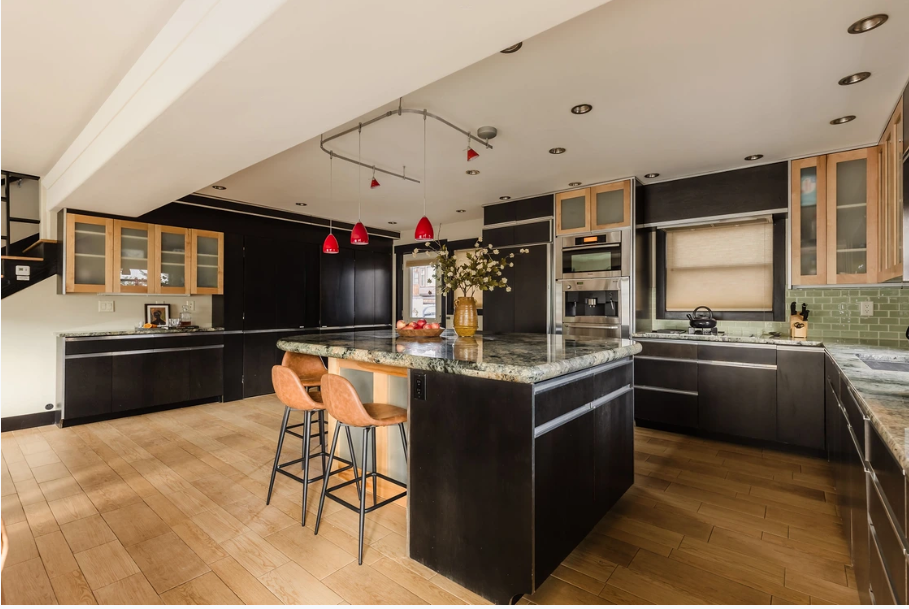
  • Properties with 6+ bedrooms saw 12.61% booking growth in 2025, favoring group-optimized homes.
  • AvantStay manages 2,300+ properties with $5B+ AUM, offering end-to-end operations and Marriott distribution.

What is Top Villas and How Does It Work?

Top Villas is a luxury villa rental specialist connecting property owners with high-end travelers across 18,000+ properties in more than 150 destinations worldwide. The service maintains particularly strong coverage in Florida, the Caribbean, and major resort destinations throughout Europe and Asia.

For property owners and managers, Top Villas functions primarily as a marketing and distribution channel rather than a comprehensive property management solution. The service handles guest-facing activities like listing exposure, booking inquiries, and concierge services, while the actual property management responsibilities remain with you or your local management team.

Top Villas generates revenue through commission structures on bookings facilitated through their channels. Property owners list their homes on the Top Villas website and benefit from the brand’s marketing efforts to luxury travelers, while retaining responsibility for the on-the-ground execution that ultimately shapes the guest experience.

Why Consider Top Villas Alternatives?

Top Villas delivers value for property owners who already have local infrastructure in place and simply want expanded distribution to luxury travelers. The service provides access to vetted high-net-worth guests through dedicated travel planners and strong brand positioning across 150+ destinations.

However, the model shows limitations when you need end-to-end accountability rather than just booking referrals. Top Villas doesn’t manage day-to-day operations like cleaning coordination, maintenance issues, guest incidents, local compliance requirements, or other operational necessities. You remain responsible for these critical functions, either by handling them yourself or coordinating with separate property management teams.

The lack of integrated technology creates additional friction. Top Villas doesn’t provide the revenue management systems and dynamic pricing algorithms that optimize financial performance across market conditions. You won’t get real-time dashboards, automated workflows, or transparent performance analytics that institutional-grade management solutions offer.

This fragmentation drives many owners toward alternatives when they’re managing multiple properties or want truly hands-off ownership. The luxury vacation rental market continues expanding, but success increasingly requires sophisticated operational capabilities beyond marketing reach alone. Property owners seeking a single accountable partner for both demand generation and operational excellence naturally evaluate full-service alternatives that eliminate the coordination burden across multiple vendors.

Best Top Villas Alternatives in January 2026

AvantStay: Best Overall Alternative

We provide full-service luxury vacation rental management for property owners seeking passive income with institutional-grade operations. With 2,300+ properties and over $5 billion in assets under management across diverse locations, we handle the complete property lifecycle from design through guest departure.

Our proprietary Lighthouse technology delivers dynamic pricing across 75-150 micro-seasons annually with real-time owner performance analytics. We bring vertically integrated operations covering design, revenue management, cleaning, maintenance, compliance, and 24/7 guest support under single accountability. Our exclusive Marriott Bonvoy partnership provides access to 140+ million members who can earn and redeem points at your property.

Our award-winning design team transforms properties into revenue-optimized destinations, from desert rentals with pools to urban estates, specifically engineered for group travel. You get both premium distribution and complete operational control under one roof, eliminating the fragmentation that comes from separating marketing and management.

HomeToGo

HomeToGo aggregates 15-20 million+ rental listings from thousands of providers across markets with varying seasonal travel patterns as a metasearch engine and comparison tool. The service offers massive inventory aggregation, AI-powered price comparison, and multi-country presence for traveler reach.

HomeToGo works for managers who have strong existing operations and want additional distribution to capture comparison shoppers. However, it doesn’t manage properties, set pricing strategies, or control guest experience quality. You remain entirely dependent on your existing property manager for revenue optimization and service delivery.
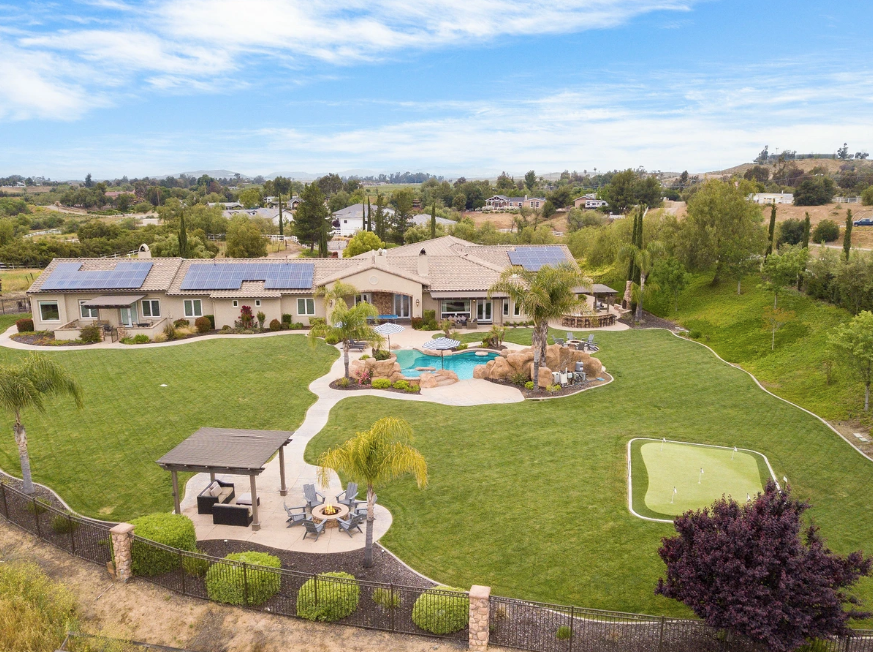
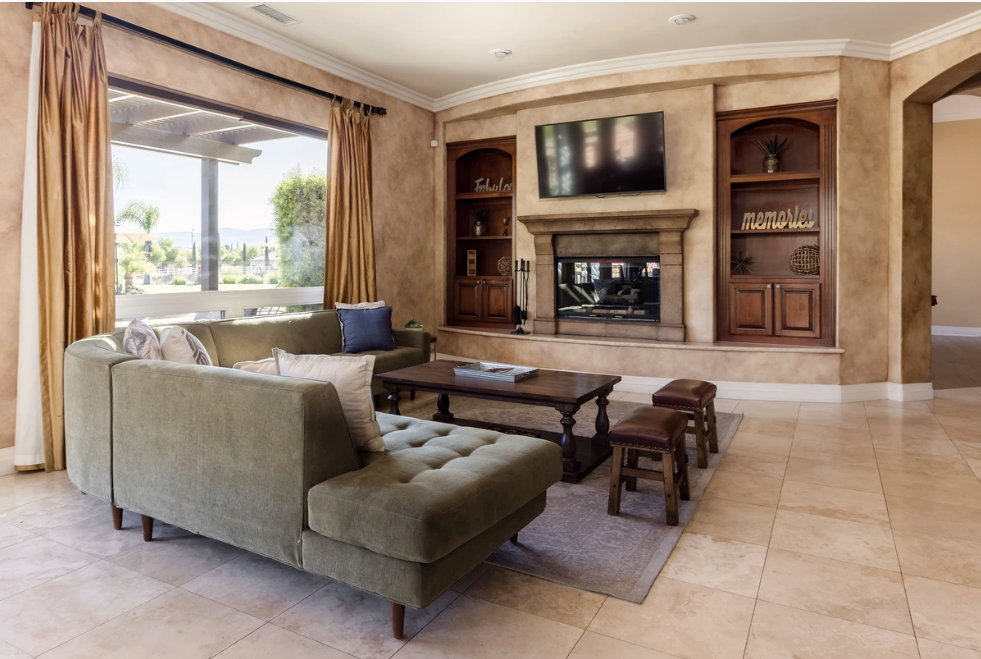
Vacasa

Vacasa manages approximately 35,000 rentals across 30+ U.S. states in destinations ranging from wine country regions to coastal markets following its Casago acquisition. The company provides full-service management including pricing, marketing, cleaning, and maintenance with centralized operations and local field teams.

Vacasa suits owners of mid-market properties in secondary markets like mountain destinations who want a national brand with broad geographic coverage. The scale-focused model means your home becomes one of tens of thousands, leading to variable service quality and less focus on maximizing each property’s unique revenue potential. Design standards vary significantly across their portfolio.

Evolve

Evolve handles listing management, guest communication, and pricing recommendations starting around 10% commission while you or separate local managers handle on-the-ground operations. The service provides multi-channel distribution and dynamic pricing tools at lower cost than full-service managers.

This works for cost-sensitive, hands-on owners who live near their rental and only need marketing reach. Evolve leaves you responsible for arranging cleaning, maintenance, inspections, and guest issues, creating accountability gaps where marketing promises may not align with delivery.

Inspirato

Inspirato offers luxury travel through subscription memberships rather than open-market bookings. Members access branded vacation homes, 60,000+ hotels, and experiences through recurring fees with trip planning and high-touch member care.

The membership gate limits your demand pool to Inspirato subscribers rather than open-market travelers, potentially constraining total revenue. The subscription economics add complexity that

Feature Comparison: Top Villas vs Top Alternatives

When evaluating alternatives to Top Villas, the distinction between referral-based marketing services and full-service management platforms becomes clear. Top Villas specializes in connecting owners with affluent travelers, but responsibility largely shifts back to you once a booking is made.

The alternatives below take different approaches. Some offer end-to-end property management under a single accountable partner, while others focus on specific functions like distribution or pricing. The right choice depends on what you value most: passive ownership with full accountability, or hands-on control paired with broader reach.

This comparison focuses on the capabilities that directly affect revenue and time investment—not just marketing exposure.

Feature

Top Villas

AvantStay

HomeToGo

Vacasa

Evolve

Inspirato

Onefinestay

Full Operations Management

No

Yes

No

Yes

Partial

Varies

Yes

Dynamic Revenue Management Technology

No

Yes (75-150 micro-seasons)

No

Yes

Yes

Limited

Limited

Property Design Services

No

Yes

No

Limited

No

Varies

Yes

Owner Performance Analytics

Limited

Yes (Lighthouse portal)

No

Yes

Limited

Limited

Limited

24/7 Guest Support

Varies by local PM

Yes

No

Yes

No

Yes

Yes

Premium Distribution Partnerships

Yes

Yes (Marriott Bonvoy, Capital One)

Yes

Yes

Yes

Limited

Yes (Accor)

On-Site Operations Control

Depends on local PM

Yes

No

Yes

No

Varies

Yes

The most significant differentiator centers on revenue optimization capabilities. Properties using sophisticated dynamic pricing consistently outperform static pricing approaches, particularly during demand fluctuations from local events, seasonality, and flight patterns. Services without integrated revenue management technology leave you relying on manual pricing adjustments that fail to account for destination-specific demand cycles or third-party tools that create additional coordination complexity.

Full operations management eliminates fragmentation between marketing promises and operational delivery. When a single partner controls design, pricing, cleaning, maintenance, and guest support, you get clear accountability rather than finger-pointing between separate vendors when issues arise.

Why AvantStay is the Best Top Villas Alternative

Top Villas delivers marketing reach but leaves you coordinating operational execution across multiple vendors. We eliminate that fragmentation by managing the complete property lifecycle under single accountability, from revenue optimization through guest departure.

This matters because luxury-tier listings led ADR-driven revenue gains in 2025, while large homes with 6+ bedrooms experienced the fastest booking growth at 12.61% year-over-year. Our group-optimized properties and sophisticated pricing algorithms position you exactly where the market is moving.

Our Lighthouse portal provides transparency that referral services cannot match. You see real-time performance analytics across revenue, occupancy, and maintenance rather than waiting for monthly commission statements. The proprietary revenue management system analyzes thousands of data points including local events, flight patterns, and seasonal demand patterns to dynamically price your property across 75-150 micro-seasons annually.

The Marriott Bonvoy partnership delivers institutional distribution that competes directly with Top Villas’ affluent traveler base while our operations ensure consistent five-star delivery. When 140+ million Bonvoy members book your property in markets from Pacific Northwest islands to tropical destinations, we control cleaning, maintenance, guest support, and compliance rather than relying on coordination with separate local managers.

Our award-winning design team transforms properties into revenue-optimized destinations engineered specifically for the large-group segment driving booking growth. You get both premium demand generation and operational excellence without splitting accountability between a marketing service and separate property management vendors.

Final Thoughts on Top Villas and Full-Service Management Alternatives

If you’re happy coordinating local managers and just need more bookings, Top Villas might work fine for your situation. But luxury villa rental performance improves dramatically when one partner handles revenue management, operations, and guest experience as a connected system. We see this play out across our portfolio where integrated technology and on-the-ground teams consistently outperform fragmented approaches. Your property has more earning potential than referral-only services can unlock, and the right management partner removes all the coordination work that eats into your time and returns.

FAQ

When should you consider moving away from Top Villas?

You should evaluate alternatives when you’re spending significant time coordinating between Top Villas’ marketing referrals and your separate property management operations, or when you want a single partner accountable for both revenue optimization and guest experience delivery. If you’re managing multiple properties or seeking truly passive ownership, full-service alternatives eliminate the vendor coordination burden.

What features should you prioritize when comparing villa rental alternatives?

Look for integrated revenue management technology that dynamically prices your property across micro-seasons, transparent owner portals with real-time performance analytics, and vertically integrated operations that control design, cleaning, maintenance, and guest support under one roof. The combination of sophisticated pricing algorithms and full operational accountability typically outperforms services that only handle marketing distribution.

How does dynamic pricing technology impact your rental revenue?

Properties using sophisticated dynamic pricing that analyzes local events, flight patterns, and seasonal demand across 75-150 micro-seasons annually consistently outperform static pricing approaches, particularly during demand fluctuations. Real-time pricing optimization captures revenue opportunities that manual adjustments or basic seasonal rates miss.

Why does operational fragmentation matter for luxury property owners?

When marketing promises and operational delivery split between separate vendors, accountability gaps create service inconsistencies that damage guest satisfaction and your property’s reputation. A single partner controlling the complete guest experience—from booking through departure—eliminates finger-pointing when issues arise and delivers the consistency luxury travelers expect.

Can you maintain premium positioning while using aggregator platforms?

Aggregator platforms like HomeToGo provide broad exposure but don’t control guest experience quality or revenue optimization strategy, making your property one listing among millions. Premium positioning requires both exclusive distribution channels (like Marriott Bonvoy partnerships) and operational excellence that consistently delivers five-star experiences guests remember.