Everyone assumes you’re giving up loyalty points when you book a vacation rental instead of a hotel. For years, that assumption was correct because rental platforms and hotel programs operated separately. That changed in 2019 when major brands started integrating vacation homes into their rewards systems, making earning hotel points on vacation rentals through partnerships with programs like Marriott Bonvoy and Capital One Travel. The catch is that not every rental qualifies, so you need to book through specific channels that connect to these loyalty programs.
TLDR:
You can earn Marriott Bonvoy points (5 per dollar) on vacation rentals through Homes & Villas program.
Capital One Venture X cardholders earn 5X miles plus $100 experience credits per stay.
Stack credit card rewards with shopping portals to double your points on any rental booking.
AvantStay partners with both Marriott and Capital One, earning rewards without sacrificing space.
Understanding Hotel Points and Vacation Rentals
For years, travelers thought hotel points and vacation rentals existed in separate categories. You either booked a hotel room and earned loyalty rewards, or you rented a home and got more space without any points. That choice seemed locked in with AvantStay and others now changing the game.
The hospitality world started changing around 2019 when major hotel brands realized vacation rentals were here to stay. Instead of viewing homes as rivals, companies like Marriott began adding professionally managed vacation rental properties into their loyalty systems. Now you can earn the same points on a five-bedroom villa that you’d collect on a standard hotel room.
The difference is that not all vacation rentals qualify. Properties need to be part of specific programs or booked through particular channels that partner with hotel loyalty programs or credit card issuers, and properly managed vacation rentals meet these requirements. A random listing won’t earn you rewards, but properties booked through participating channels will.
Marriott Bonvoy Homes & Villas: The Premier Path to Points
Marriott Bonvoy Homes & Villas launched in 2019 as the first major hotel loyalty program to include professionally managed vacation rentals. The concept is straightforward: book an eligible property through the Homes & Villas portal, and you’ll earn 5 Bonvoy points for every dollar spent on the rental rate.
We’re one of the original twelve property management partners in the program, which means many of our homes are available for booking through Marriott’s system. When you book an AvantStay property via Homes & Villas, your stay counts toward elite status qualification just like a hotel booking would.
The process requires you to search through the Homes & Villas website or app instead of booking directly. You’ll need to be logged into your Bonvoy account during checkout. Elite members get the same perks they’d receive at hotels, like flexible cancellation windows and dedicated customer service lines. Points post to your account after checkout, typically within a few days of your departure.
Credit Card Strategies for Earning Points on Any Vacation Rental
Credit cards offer a way to earn rewards on vacation rentals even when the property company doesn’t have its own loyalty program. The earning happens at the payment level instead of through a partnership, which means you can rack up points whether you’re booking through Airbnb, Vrbo, or any rental website.
Travel rewards cards typically earn 2-3X points per dollar on travel purchases, and vacation rentals usually code as travel. Cards with transferable points currencies give you the most options since you can move points to airline and hotel partners at your discretion. Chase Ultimate Rewards, American Express Membership Rewards, and Capital One miles all transfer to multiple airline programs.
Some cards offer bonus categories that apply to vacation rentals. The Chase Sapphire Reserve earns 3X points on travel, including most rental bookings. The Capital One Venture X earns 2X miles on everything, with the added benefit that Capital One has a direct booking partnership where you can earn 5X miles and receive a $100 experience credit per stay at properties like The Gilmore in Nashville.
Cash back cards work too if you prefer simplicity over transfer partners. A flat 2% cash back card returns actual money that offsets your travel costs without requiring you to decode redemption charts or transfer ratios.
Earning Method
Earning Rate
Booking Requirements
Additional Benefits
Marriott Bonvoy Homes & Villas
5 points per dollar spent on rental rate
Must book through Homes & Villas portal while logged into Bonvoy account
Counts toward elite status qualification, elite member perks including flexible cancellation and dedicated customer service
Capital One Venture X
5X miles on vacation rentals plus potential 2X-5X on all travel
Book through Capital One Travel portal or use Cover Travel Purchases feature on any rental
$100 experience credit per stay for add-ons like private chefs or grocery stocking
Chase Sapphire Reserve
3X points on all travel purchases including vacation rentals
Book anywhere and pay with card, rentals typically code as travel category
Points transfer to multiple airline and hotel partners, purchase protection and travel insurance
Shopping Portals
2-4 miles per dollar or 3-5% cash back during promotional periods
Click through portal before booking on Airbnb, Vrbo, or other rental sites
Stacks with credit card rewards for double earning, rates fluctuate weekly based on merchant promotions
Flat Cash Back Cards
2% cash back on all purchases
Book anywhere and pay with card
Simplicity without needing to track transfer partners or redemption values, actual money back
Capital One: Your Gateway to Booking Rentals With Miles
Capital One created a direct booking partnership that lets Venture X cardholders earn 5X miles on vacation rentals through Capital One Travel, plus a $100 experience credit per stay for add-ons like private chefs or grocery stocking.
The “Cover Travel Purchases” feature works differently than standard redemptions. After booking any vacation rental anywhere with your Capital One card, including pet-friendly properties, you can erase the charge with miles at a fixed value. Book on Airbnb, Vrbo, or direct, then apply miles to the purchase afterward.
AvantStay properties appear in the Capital One Travel portal as of February 2024. The inventory mirrors what’s on our site, but booking through Capital One activates the 5X earning rate and experience credit.
This combination removes loyalty program restrictions. Any rental you book becomes eligible for both earning and redemption, giving you control over where and how you use miles.
Maximizing Earnings Through Shopping Portals and Airline Partners
Shopping portals create a stacking opportunity that most travelers miss. Before booking any vacation rental, you can click through a portal to earn bonus points or cash back on top of whatever your credit card already delivers. The purchase price stays the same, but you collect twice.
Airline shopping portals like British Airways Executive Club and Delta SkyMiles Shopping occasionally feature vacation rental sites in their merchant directories. When Airbnb or Vrbo appear, you might earn 2-4 miles per dollar spent by starting your booking session through the portal. Those miles add to the points your credit card generates, doubling your haul without changing your travel plans.
Rakuten takes a different approach by offering cash back percentages that rotate based on merchant promotions. During high-percentage periods, you could earn 3-5% back on rental bookings, which deposits as cash or converts to American Express Membership Rewards points if you choose that payout option.
The key is checking portal rates before every booking. Rates fluctuate weekly, and different portals feature different merchants at different times. A five-minute search can add hundreds of miles or dozens of dollars to a purchase you were making anyway.
Why Vacation Rentals Are Closing the Loyalty Gap
Vacation rental companies spent years watching guests choose hotels for loyalty perks while picking rentals only when space mattered. That division is disappearing because rental operators realized they were leaving money and repeat bookings on the table.
The luxury vacation rental market is growing as property managers build their own websites, loyalty structures, and guest services that rival hotel offerings. Cutting out third-party platforms means avoiding commission fees while building relationships that keep guests returning.
We’ve closed this gap by partnering with Marriott Bonvoy and Capital One to offer the points and perks that travelers expect without forcing them to compromise on space or group-friendly layouts. The old tradeoff between earning rewards and renting a home doesn’t hold anymore, especially with options like hotel buyouts for large groups.
Other rental operators are following similar paths, which means more choices for you as loyalty programs expand beyond traditional hotel walls. The gap is closing fast; for many properties, it’s already gone.
Earning Hotel Points With AvantStay Through Strategic Partnerships
When you book our properties, you have two direct pathways to earn rewards without sacrificing the space and group-friendly design that makes vacation rentals appealing.
The first route runs through Marriott Bonvoy Homes & Villas. As one of the original twelve partners when the program launched in 2019, our inventory appears in their booking system where you can earn 5 points per dollar on your rental rate. Your stay counts toward elite status, and you get the same account crediting that hotel bookings receive.
The second path goes through Capital One Travel, where Venture X cardholders booking our properties earn 5X miles on the total purchase. You’ll also receive a $100 experience credit per stay that applies to our concierge services like private chefs, grocery stocking, or mid-stay cleanings.
Both partnerships work because we manage every property directly instead of operating as a marketplace. That control lets us integrate with loyalty programs the same way hotel brands do, giving you reward options that most vacation rental companies can’t offer.
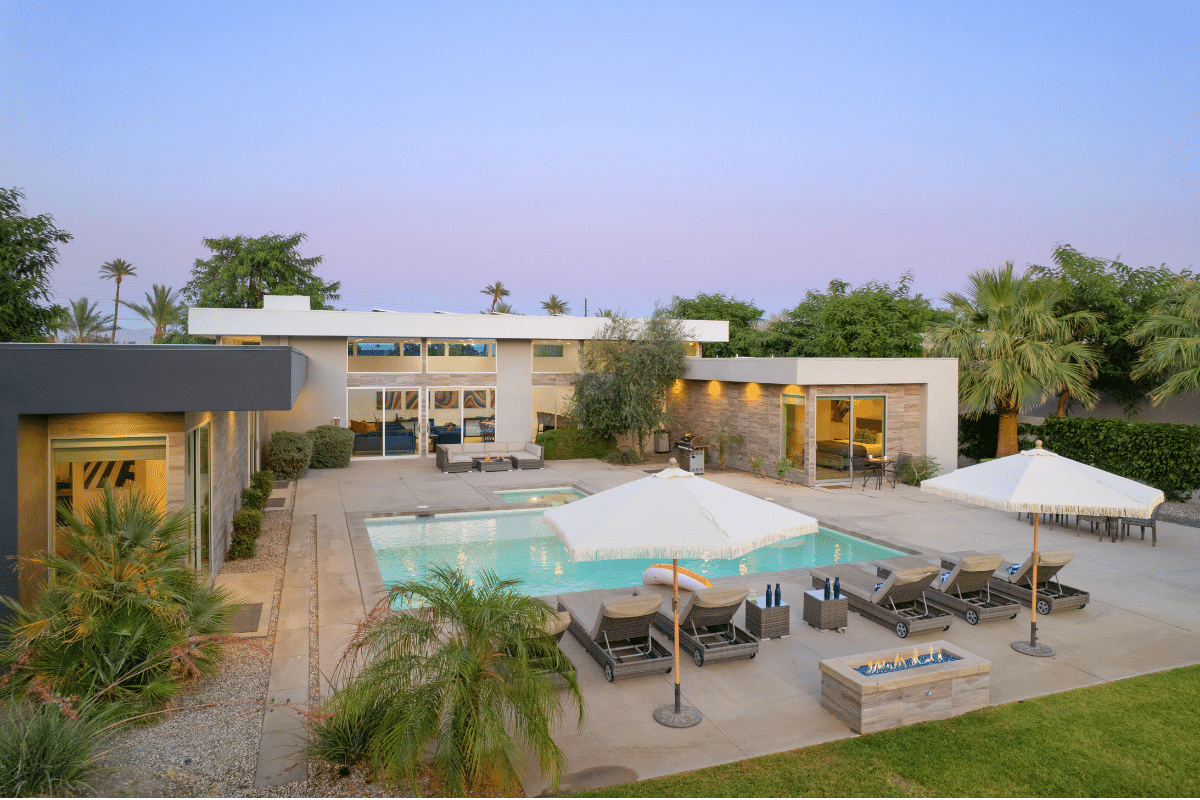
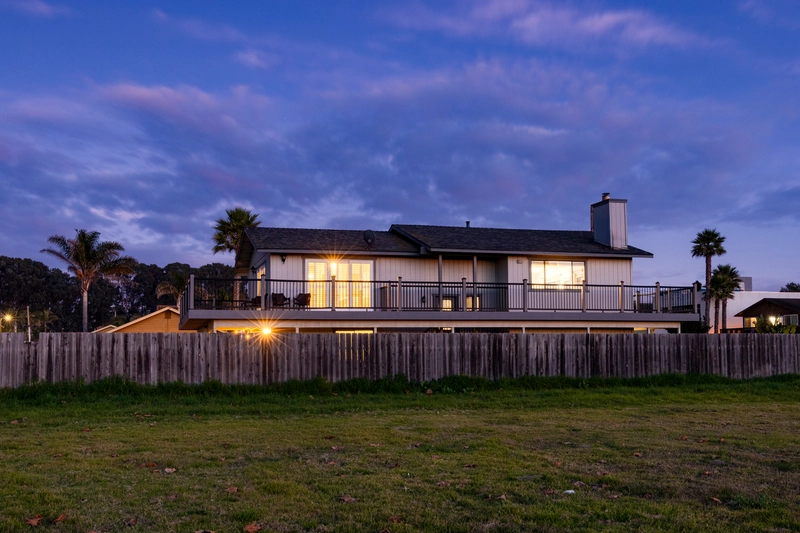
You’re getting the bedrooms, kitchens, and outdoor spaces your group needs at properties like Sea Crown in Newport Beach while collecting the points you’d earn at a traditional hotel.
Final Thoughts on Bridging Hotels and Vacation Rentals Through Points
The choice between earning rewards and renting a home disappeared once properties started joining hotel loyalty programs. Our partnerships mean vacation rental stays earn hotel points just like traditional bookings, so your group gets space without your account missing out. Credit card strategies add another layer, turning any rental into an opportunity to collect miles or cash back that offsets your travel costs.
How do I earn Marriott Bonvoy points on vacation rental stays?
Book an AvantStay property through the Marriott Bonvoy Homes & Villas portal while logged into your Bonvoy account, and you’ll earn 5 points per dollar spent on the rental rate, with your stay counting toward elite status qualification just like a traditional hotel booking.
Can I use credit card points on vacation rentals I’ve already booked?
Yes, with Capital One’s “Cover Travel Purchases” feature, you can book any vacation rental anywhere with your Capital One card, then erase the charge with miles after the fact at a fixed redemption value—giving you flexibility to book wherever you want while still using your rewards.
What’s the difference between booking through Marriott Homes & Villas versus Capital One Travel?
Marriott Homes & Villas earns you 5 Bonvoy points per dollar and counts toward elite status, while Capital One Travel earns Venture X cardholders 5X miles plus a $100 experience credit per stay that you can apply to services like private chefs or grocery stocking.
How can I stack multiple rewards on a single vacation rental booking?
Start your booking through a shopping portal like Rakuten or an airline shopping portal to earn 2-4% cash back or bonus miles, then pay with a travel rewards credit card earning 2-3X points—letting you collect rewards twice on the same purchase without changing the price.
You’ve watched other families post their summer vacation photos looking genuinely relaxed, and you wonder what you’re doing wrong. Your trips always end with everyone exhausted and needing days to recover. The gap between those two experiences isn’t about having better kids or more money. It’s about planning your summer family trip in a way that builds in rest instead of accidentally designing stress into every day.
TLDR:
Book 3-4 months ahead to lock in lower rates and better property selection for your family size
Vacation rentals split among groups cost less per person than hotels while providing full kitchens and private space
Single-location trips eliminate packing stress and let families build routines instead of constant logistics
Schedule full rest days with zero planned activities to actually recharge during your vacation
AvantStay manages 2,300+ group-optimized properties with 24/7 concierge, multiple primary suites, and the Butler app for easy booking and service requests
Start Planning Early to Prevent Last-Minute Chaos
The sweet spot for booking a summer family trip is about three to four months out. Book earlier than that and you might feel locked in. Wait too long and you’re stuck with whatever’s left, often at inflated prices.
Starting early gives you first pick of properties that actually sleep your whole crew comfortably. You can compare options without the panic of dwindling availability. Early booking also means better rates before seasonal price surges kick in, and you have time to split payments or use installment options if needed.
Here’s the counterintuitive part: planning ahead actually frees you up to be spontaneous during the trip itself. When the big decisions are locked down months in advance, you’re not spending vacation time debating logistics. You can wake up and decide between the beach or hiking without a packed itinerary hanging over you.
Choose Accommodations That Actually Fit Your Group
Cramming a family into multiple hotel rooms creates the exact stress you’re trying to escape. You’re knocking on doors to round everyone up, coordinating key cards, and paying separately for each room. The math rarely works in your favor either.
A vacation rental built for groups changes the equation entirely. When you split a whole house among eight people, you’re often paying less per person than hotel rooms while getting exponentially more space. Full kitchens mean you’re not eating out for every single meal, which alone can save hundreds of dollars and eliminate the “where should we eat” debates three times a day.
The real win is space that lets everyone coexist without tripping over each other. Recent research shows that accommodation choice directly impacts trip satisfaction. Multiple bathrooms prevent morning bottlenecks. Separate bedrooms give parents and kids their own zones. Communal living areas create natural gathering spots without forcing constant togetherness.
Accommodation Type
Space & Privacy
Kitchen Facilities
Cost for Groups
Best For
Multiple Hotel Rooms
Separated rooms across hallways requiring constant coordination and key card juggling. Limited common space to gather as a family.
No kitchen access. Mini-fridge at best. Every meal requires eating out or ordering delivery, adding hundreds to your budget.
Highest per-person cost when booking 2-3 rooms. Separate charges per room with no group discount benefits.
Business travelers or couples without need for shared family space or meal preparation.
Standard Vacation Rental
Entire home with bedrooms clustered together. Shared living areas but often limited bathrooms create morning bottlenecks.
Basic kitchen with standard appliances. You can prepare meals but may lack premium cookware or specialty items.
Moderate cost when split among group. Savings on dining out offset rental price for families of 6 or more.
Budget-conscious families willing to handle their own setup, cleaning coordination, and problem-solving during the stay.
AvantStay Managed Properties
Multiple primary suites with en-suite bathrooms eliminate morning conflicts. Separate zones let kids and adults have their own space while staying connected.
Fully stocked gourmet kitchens with high-end appliances, quality cookware, and everything needed to prepare full meals without shopping for basics.
Premium pricing that splits favorably among 8-12 guests. Lower per-person cost than hotels while including concierge services and amenities.
Groups seeking hotel-level service with home comfort. Families who want amenities like game rooms, pools, and chef services without coordination hassle.
Resort with Villa Option
Villa-style accommodations within resort grounds. More space than hotel rooms but shared resort amenities mean less privacy and more crowds.
Kitchenette or limited kitchen in villas. Sufficient for breakfast and snacks but not full meal preparation for larger groups.
High cost per night with additional resort fees, parking charges, and mandatory gratuities that substantially increase your total expense.
Families wanting on-site activities and dining options who value resort amenities over home-style privacy and flexibility.
Stay in One Place Instead of Hopping Between Destinations
The instinct to pack as much as possible into one trip is exactly what turns vacation into work. Every destination change means packing suitcases, loading the car, checking out, driving, checking in, and unpacking again. Research shows that 82% of families report higher stress levels when their trips include multiple hotel transfers.
Staying in one place lets you actually unpack. Kids know where their stuff is. You learn the house layout. You find a coffee routine. By day three, you’ve stopped thinking about logistics and started relaxing.
Single-location trips also let you go deeper instead of wider, whether you’re in coastal destinations like 30A or other family-friendly locations. You find the local breakfast spot that doesn’t show up in search results. You return to that hiking trail because the kids want to see if the ducks are still there. These repeated experiences create actual memories instead of a blur of car rides between landmarks you barely remember, which is why many families choose destinations like San Diego for extended stays.
Involve Everyone in the Planning Process
When everyone gets a say in the trip, they’re more invested in making it work. 81% of families now consult with kids when choosing vacation destinations, and for good reason. Kids who help plan are far less likely to complain when you’re actually there.
The trick is matching involvement to age. Younger kids can pick between two pre-approved activity options instead of choosing from everything. Teens might research dinner spots or map out a day trip. Even letting a six-year-old choose which afternoon to visit the pool creates ownership.
This isn’t about letting kids run the show, whether you’re planning a beach trip or heading to mountain destinations like Park City. You’re still setting boundaries and making final calls. But when your teenager suggested that taco place and it turns out to be great, they feel heard. When your eight-year-old picked mini golf and everyone has fun, they’re part of the win instead of just along for the ride.
Build in Actual Downtime and Rest Days
Packing every single day with activities is how vacations become exhausting. Research shows parents need an average of 2.4 days to recover from typical family trips. That recovery time disappears when you build rest directly into the vacation itself.
Schedule at least one full day with nothing on the calendar. Not “light activities.” Actual nothing. Let people sleep in, hang by the pool, or read a book without guilt. These empty days give everyone permission to recharge instead of powering through.
The best part about renting a house with great amenities in places like Breckenridge is you don’t need to leave to have fun. Kids can play ping pong or swim while adults sit on the patio. Everyone’s together but nobody’s forced into structured activity. That’s when vacation actually starts to feel like vacation.
Set Realistic Expectations for What Vacation Can Deliver
The vacation you’re imagining won’t match reality. That’s not pessimism, just how trips work when you mix multiple people, weather, and travel logistics.
Parents who accept this beforehand have better experiences than those pursuing perfection. Your toddler will have a meltdown. Someone will get sunburned. The restaurant you wanted will be closed. These aren’t failures, they’re part of traveling with family.
The families who enjoy trips most measure success differently. They notice when their teenager genuinely laughs or siblings play together unprompted. Those organic moments only surface when you stop forcing the scheduled ones.
Set one goal: spend time together away from daily routines. If you do that, the trip succeeded. Everything else is extra.
Delegate Tasks and Responsibilities Among Adults
One person usually ends up doing everything, and it’s typically the moms. 69% of U.S. moms handle the majority of travel booking compared to 61% of travelers overall. That imbalance turns what should be a shared experience into one person’s project.
Split responsibilities before anyone starts feeling resentful. One adult books accommodations while another researches activities. Someone handles packing for kids while another manages travel snacks and entertainment. During the trip, rotate who makes dinner decisions or handles bedtime routines.
The goal isn’t perfect equality, it’s visible effort. When multiple adults are clearly contributing, nobody feels like they’re managing vacation alone while everyone else just shows up to enjoy it.
Prepare for the Return Home Before You Leave
The crash happens when you walk through the door at 9 PM to a messy house, empty fridge, and work the next morning. That whiplash erases vacation benefits fast.
Clean before you leave. Do laundry, run the dishwasher, take out trash. Walking into a tidy home changes your whole arrival mindset.
Schedule a buffer day between returning and going back to work. Use it for unpacking, grocery shopping, and transitioning back to routines. That single day makes reentry manageable instead of frantic.
Prep freezer meals before the trip. Future you will be grateful for dinner that requires zero thought. Stock basics like milk, bread, and coffee so you’re not running errands immediately after traveling.
These small moves turn post-vacation from a stress spike into a smooth landing.
How AvantStay Makes Group Travel Actually Relaxing
We built AvantStay around one idea: group travel shouldn’t require a second vacation to recover.
Every property we manage is designed for how groups actually function. Multiple primary suites give parents their own space. Oversized dining tables seat everyone at once. Fully stocked kitchens eliminate the “where should we eat” cycle. Game rooms and outdoor amenities keep kids entertained without constant parental involvement.
The Butler app handles what usually creates stress. Need groceries stocked before arrival? Request it. Want a private chef one night so nobody cooks? Book it. Have a question at 10 PM? We’re available. You get hotel-level service with the space and privacy of a home.
When you book with us, you’re choosing properties where someone else handled the quality control, cleaning standards, and logistics. You just show up and use your vacation for what it’s meant for: being together without the stress.
Final Thoughts on Vacations That Feel Like Actual Breaks
Most family trips fail because we’re trying to force hotel experiences onto group dynamics that need something different. Book a stress-free family vacation in a house built for multiple people, stay in one spot, and accept that perfect doesn’t exist. Your job is creating space for connection, not executing a flawless itinerary. Everything good happens in the margins you leave open.
How far in advance should you book a summer family vacation rental?
The ideal booking window is three to four months before your trip, giving you the best selection of properties and rates before seasonal price increases while avoiding the feeling of being locked in too early.
What’s the financial advantage of renting a vacation home versus booking multiple hotel rooms?
When you split a whole house among a group, you often pay less per person than separate hotel rooms while gaining significantly more space, plus full kitchens that can save hundreds of dollars on dining out.
How can you prevent needing recovery time after a family vacation?
Build in at least one full rest day with nothing scheduled during your trip, stay in one location instead of hopping between destinations, and schedule a buffer day between returning home and going back to work.
Why does staying in one place reduce vacation stress?
Single-location trips eliminate the repeated packing, driving, and checking in/out that comes with moving between destinations, while letting your family settle in and develop a comfortable routine.
What should you do before leaving to make returning home easier?
Clean your house, do laundry, run the dishwasher, take out trash before you leave, then stock your freezer with prepared meals and schedule that buffer day after you return for unpacking and grocery shopping.
If you’ve always booked regular Airbnbs and trying managed rentals for the first time, the experience feels closer to a luxury hotel that gives you an entire home. You’ll notice the difference immediately in how communication works, how problems get solved, and how the property itself was designed for groups instead of adapted from someone’s actual house. Everything from cleaning standards to smart home tech to concierge services operates on repeatable systems instead of depending on a single host’s personal standards and availability.
TLDR:
Managed rentals follow hotel-like protocols with standardized cleaning checklists and separate inspectors between stays
You get 24/7 support teams who dispatch local maintenance within hours vs. individual host availability
Smart locks, high-speed WiFi, and noise monitoring come standard across all properties
Butler app handles everything from check-in codes to booking private chefs and grocery stocking
AvantStay manages 2,300+ group-optimized properties with consistent quality across 65+ markets
Understanding What a Managed Vacation Rental Actually Means
When you book a managed vacation rental, you’re working with a hospitality company that owns or directly manages every property in its portfolio. Think of it like the difference between staying at a hotel chain versus renting someone’s spare bedroom.
At AvantStay, we directly manage all our properties. We control everything from the interior design to the cleaning schedule to the tech installed in each home. There’s no individual homeowner deciding whether to restock essentials or respond to your late-night question about the thermostat.

Regular Airbnb listings are typically run by individual hosts who each set their own standards, creating inconsistent experiences from one booking to the next.
Feature
Managed Vacation Rentals (AvantStay)
Traditional Airbnb Listings
Cleaning Standards
Structured 100-point checklists with separate quality inspectors between every stay, plus quarterly audits to identify maintenance needs early
Individual hosts clean themselves or hire local cleaners without standardized checklists, inspection layers, or audit schedules
Guest Support
24/7 dedicated support teams who dispatch local field teams within hours, with trained hospitality professionals responding immediately through the Butler app
Support depends entirely on individual host availability and willingness to help after hours, with response times ranging from minutes to days
Technology & Amenities
Standardized smart locks, high-speed WiFi coverage, Ring cameras, NoiseAware sensors, and centralized app with all property information and troubleshooting guides
Inconsistent tech setups that vary by property, with unpredictable WiFi speeds and limited smart home features depending on host investment
Property Design
Purpose-built for groups by professional design teams with multiple equal-quality primary suites, oversized dining tables, and experiential features like game rooms and outdoor kitchens
Often someone’s actual home adapted for rental use, with personal furniture choices and layouts designed for daily family life instead of group vacations
Concierge Services
Hotel-style services bookable through app including private chefs, fridge stocking, mid-stay cleaning, and curated local experiences from vetted providers with upfront pricing
Rarely offer concierge options beyond basic recommendations, requiring guests to research, vet, schedule, and coordinate any additional services themselves
Pricing Transparency
Total pricing displayed upfront with all mandatory fees included during search, showing nightly rates, cleaning fees, and service charges before checkout
Variable fee structures set by individual hosts, with cleaning fees ranging from $50 to $500+ and potential surprise charges for pets, extra guests, or early check-in
Quality Consistency
Standardized protocols and training across 2,300+ properties in 65+ markets, with institutional accountability to HOAs and municipalities
Quality depends entirely on each host’s personal standards, availability, and individual operating preferences with no consistency between bookings
The Booking Experience and Pre-Arrival Communication
After you book with a managed vacation rental company, you’ll receive structured, automated communication at specific intervals leading up to your trip. We send property details immediately, check-in instructions three days before arrival, and reminders about ID verification requirements.
You’ll download a dedicated mobile app (our Butler app) where everything lives in one place: your reservation details, property manual, digital concierge access, and smart lock codes. ID verification happens through a secure third-party service before you can access check-in information.
With individual Airbnb hosts, communication style varies wildly. Some send detailed guides, others go silent until check-in day. You might get instructions via email, text, or the Airbnb app depending on the host’s preference.
Cleanliness Standards and Quality Control
Managed vacation rentals operate with structured, repeatable cleaning protocols similar to hotel operations. At AvantStay, teams follow detailed checklists between every stay, covering everything from baseboards to ceiling fans.
After cleaning, a separate inspector verifies standards before your arrival. This two-step approach catches issues a solo host might miss. Quarterly audits identify maintenance needs early, from grout discoloration to worn linens.
Individual Airbnb hosts typically clean themselves or hire local cleaners working without oversight. There’s no standardized checklist, inspection layer, or audit schedule. Quality depends entirely on that host’s personal standards and availability between bookings.
On-Site Technology and Smart Home Features
AvantStay properties come equipped with smart locks that generate unique entry codes for each reservation, removing the need for key exchanges or lockbox searches. High-speed WiFi covers entire floor plans, while Ring cameras monitor entry points and NoiseAware sensors track sound levels without recording conversations. Properties like Sunsets on Shoreline at Lake Norman showcase these standardized technology features across our portfolio.
The Butler app puts appliance instructions, WiFi passwords, and troubleshooting guides on your phone, so you won’t need to search for paper binders or contact anyone about basic questions.
Most Airbnb hosts install inconsistent tech setups. While some add smart locks, supporting features vary by property, leaving you with unpredictable WiFi speeds and limited smart home access.
Guest Support and Problem Resolution
Managed vacation rental companies staff dedicated support teams around the clock. When something breaks or a question comes up at 2 a.m., you’re reaching trained hospitality professionals who can dispatch maintenance or answer questions immediately through the Butler app.
We route urgent requests to local field teams who can arrive on-site within hours. Non-urgent issues get logged and resolved during your stay without requiring you to coordinate anything. Response protocols don’t depend on a single person’s schedule or willingness to help after hours.
Individual Airbnb hosts operate on their own timelines. Some respond within minutes, others take hours or days. Many outsource support to co-hosts or cleaning companies, creating confusion about who handles what.
Amenities, Services, and Add-On Options
Managed vacation rentals come with hotel-style concierge services you can book through your app. Arrange private chefs for group dinners, pre-arrival fridge stocking with your grocery list, mid-stay cleaning for longer stays, and curated local experiences like wine tastings or guided hikes. These services come from vetted providers with upfront pricing and instant booking.
Standard Airbnb listings rarely offer concierge options beyond basic recommendations. You’ll research, vet, schedule, and coordinate any additional services yourself.
Pricing Structure and What’s Included
Managed vacation rentals display total pricing upfront, breaking down nightly rates, cleaning fees, and service charges before checkout. The price you see during search includes all mandatory fees, so there’s no surprise costs when you’re ready to book.
Individual Airbnb hosts set their own fee structures. Cleaning fees range from $50 to $500+ depending on the host’s preference, not property size. Some hosts charge pet fees, extra guest fees, or early check-in surcharges.
For groups, per-person economics matter more than total cost. A property at $2,000 per night split eight ways comes to $250 per person, while booking four hotel rooms at $400 each costs $200 per person but limits shared space and group time together.
Property Design and Group-Friendly Layouts
Managed vacation rentals are designed by professional teams who think about how groups actually use space. Our in-house designers create layouts around shared experiences, with furniture arrangements that encourage conversation and oversized dining tables that seat your entire group at once.
You’ll find multiple primary suites with equal quality instead of one nice bedroom and several afterthoughts. Bathrooms get distributed to minimize morning traffic jams. Living areas flow into outdoor spaces where fire pits, pools, and outdoor kitchens extend your gathering space.
Experiential features like game rooms, pickleball courts, and poker tables create spaces worth posting about and reasons to stay at the property instead of constantly searching for off-site entertainment.
Regular Airbnb listings often feel like someone’s actual home adapted for rental use, with personal furniture choices and layouts built for daily family life instead of group vacations.
Check-In and Check-Out Procedures
Managed vacation rentals operate with fixed check-in and check-out windows that give cleaning crews predictable turnaround time between guests. Standard check-in starts at 4 p.m., check-out ends at 10 a.m. Early arrivals or late departures require advance requests through the app with availability based on same-day booking gaps.
Your security deposit gets authorized on your card before arrival and releases automatically 7-14 days after departure unless damage occurs. Check-out instructions arrive via app the night before departure, with minimal expectations: trash in bins, dishes in dishwasher, doors locked.
Individual Airbnb hosts set their own timing and requirements. Some request extensive pre-departure cleaning while charging full cleaning fees.
What to Know About House Rules and Policies
Managed vacation rental companies maintain standardized policies across all properties to protect neighbor relationships and preserve operating permits. Occupancy limits align with bedroom counts and get tracked through noise sensors and smart lock data that identify unauthorized guests.
Pet policies differ by property but display clearly during booking, with allowed properties charging consistent fees and cleaning surcharges.
Party restrictions get enforced through decibel monitoring and local teams who respond to noise complaints the same evening. Institutional relationships with HOAs and municipalities create accountability individual hosts don’t typically face.
Violating occupancy or noise rules can trigger immediate reservation termination without refund.
How AvantStay Delivers the Managed Vacation Rental Experience
We operate over 2,300 properties across 65+ markets with consistent quality standards. Every home follows the same 100-point cleaning checklist, uses identical smart home tech, and connects to the same Butler app where you access concierge services in Palm Springs or Nashville. Properties like Polo Villas Sands in the Coachella Valley and 7C Mariners Walk in Coastal Charleston showcase how our design standards create exceptional group experiences across different markets.
Our in-house design team creates spaces purpose-built for groups, with multiple primary suites that give everyone equal accommodations. Dining tables seat your full group, kitchens stock the tools you need for group meals, and experiential features create reasons to spend time together at the property.
Final Thoughts on the Managed Vacation Rental Experience
You now understand what sets professionally managed properties apart from individual host listings. When you choose a managed vacation rental, you’re getting hotel-level consistency with the space and privacy your group needs. The structured approach to cleaning, technology, support, and amenities creates a different experience than hoping each individual host meets your standards. Your next group trip deserves reliable service without the guesswork.
How long before my arrival will I receive check-in instructions?
You’ll receive detailed check-in instructions three days before your arrival through the Butler app, including smart lock codes, property manuals, and ID verification requirements.
Can I book a private chef or other services during my stay?
Yes, you can arrange private chefs, fridge stocking, mid-stay cleaning, massages, and curated local experiences directly through the Butler app with vetted providers and upfront pricing.
What happens if something breaks or I need help at 2 a.m.?
Our 24/7 support team responds immediately through the Butler app and can dispatch local field teams to your property within hours for urgent maintenance issues.
How does pricing work for groups compared to booking multiple hotel rooms?
When you split the total nightly rate among your group, the per-person cost often beats hotels—a $2,000/night property divided eight ways comes to $250 per person while four hotel rooms at $400 each costs $200 per person but without shared gathering space.
What’s included in the cleaning fee and security deposit?
The cleaning fee covers a professional team following a 100-point checklist between every stay, plus a separate quality inspection before your arrival. Your security deposit authorization releases automatically 7-14 days after checkout unless damage occurs.
Most vacation rental problems start the same way: you assume everything works, skip the walkthrough, and find the broken dishwasher or missing bath towels when it’s too late to do anything about it. The first 30 minutes after arrival are your window to catch issues, test systems, and document conditions while you can still get things fixed. We’re breaking down the exact checklist that keeps small problems from becoming trip-ruining disasters, so you can spend your vacation enjoying the property instead of fighting with your host over who broke what.
TLDR:
Test your entry code and smart lock within the first 5 minutes to avoid lockout delays.
Document pre-existing damage with timestamped photos to protect your security deposit.
Verify Wi-Fi, HVAC, and hot water work immediately so hosts can fix issues fast.
Review house rules and save 24/7 support contact before unpacking or settling in.
AvantStay properties include 100-point inspections and instant app-based support.
Timeframe
Action Item
Why It Matters
Minutes 0-5
Test entry code and smart lock access before unloading luggage
Prevents lockout situations and gives you time to get help immediately if access fails
Minutes 5-10
Locate smoke detectors, carbon monoxide alarms, fire extinguisher, and two exits
Prepares your group for emergencies and identifies low-battery alarms that need reporting
Minutes 10-15
Compare property to listing photos and verify bedroom count, amenities, and cleanliness
Sets the baseline condition while you can still document and report discrepancies
Minutes 15-20
Test Wi-Fi connection, HVAC system, hot water, stove, and refrigerator
Gives hosts time to send repair help before broken systems disrupt your vacation plans
Minutes 20-25
Photograph pre-existing damage to walls, furniture, countertops, and high-value items
Protects your security deposit with timestamped proof of condition upon arrival
Minutes 25-30
Review house rules, save 24/7 support contact, and assign bedrooms to your group
Prevents rule violations and makes sure everyone knows who to call for emergencies
Locate and Test Your Entry Access
Before you unload your bags or gather your group, take a minute to walk through your entry process from start to finish. The most common arrival hiccup is fumbling with access codes or finding the wrong entrance, and it’s easy to avoid with a quick test run.
Your check-in instructions become available three days before arrival. Pull them up as soon as you park and review the exact entry method. Most vacation rentals use smart locks with numeric codes, but some properties have lockboxes, garage entry, or gate codes you’ll need first. Take note of any special directions like “use the side door” or “enter through the courtyard.”
Once you’ve read the instructions, test the access method right away while the information is fresh. Enter the code slowly and double-check you’re at the right door. If you’re traveling with a group, have one person successfully enter and unlock from the inside before everyone starts hauling luggage. If something doesn’t work, you’ll have time to contact support before you’re standing outside with arms full of groceries.
Verify All Safety Features and Equipment
Once you’re inside, spend five minutes locating the property’s safety equipment. Start with smoke detectors and carbon monoxide alarms. A quick visual scan of each floor will show you where they’re mounted. If you hear any chirping that signals a low battery, report it to your host right away; properties on Lake Norman and other waterfront locations often have specific safety requirements you should verify.
Next, find at least one fire extinguisher. Most rentals keep them in the kitchen, garage, or near fireplaces. Check the pressure gauge to confirm it’s in the green zone. While you’re at it, walk through and identify two exits from the property. In an emergency, you want to know your options without thinking.
Over 90% of vacation rental guests never review safety information before their stay. Taking three minutes to do this now sets you apart and gives everyone in your group peace of mind about where everything is. If the property has a pool, hot tub, or gas grill, locate any shutoff valves or safety controls during your walkthrough.
Confirm the Property Matches the Listing
While everything is still fresh, walk through the property with your phone and the original listing open. Compare what you see to the photos and amenity list. Check that bedroom counts, bathroom locations, and major features like pools or hot tubs match what was advertised.
Count the beds and verify the sleeping arrangements. If the listing promised a king bed in the primary suite, confirm that’s what you received. Open closets and drawers to verify there’s adequate storage and that previous guests didn’t leave belongings behind. Check the kitchen for the appliances and cookware mentioned in the listing; properties like The Madison include detailed amenity lists you can cross-reference during your walkthrough.
If you spot discrepancies, take timestamped photos immediately and message your host through the app or booking channel. Missing amenities, broken furniture, or cleanliness issues are much easier to resolve when you report them within the first hour. Waiting until checkout opens the door to disputes about whether the damage was pre-existing or something your group caused.
Test Key Systems and Appliances
After confirming the property layout, run a quick systems check while you still have time to report problems. Start by connecting to the Wi-Fi network. The password should be in your check-in instructions or posted somewhere visible. Open a browser and stream a short video to test speed. Poor internet connections were reported by 39% of short-term rental guests.
Next, adjust the thermostat up or down a few degrees and listen for the HVAC system to kick on. Run the kitchen and bathroom faucets until the water turns hot. This confirms the water heater is functioning and gives you a sense of how long it takes.
Test at least one burner on the stove and check that the refrigerator is cold. If you’re planning to use the dishwasher, washer, or dryer during your stay, open them to confirm they’re empty and appear functional. Catching issues now means your host can send someone to fix them before they disrupt your plans.
Document the Property Condition Upon Arrival
Take five minutes to photograph any pre-existing wear and tear you notice during your walkthrough. Focus on areas that typically show damage: walls near light switches, furniture corners, countertops, floors near entrances, and upholstery on sofas and chairs. Capture any stains, scratches, chips, or scuffs you find.
Your phone automatically timestamps these photos, creating a record that proves the damage existed before your arrival. Send them to your host through the booking app or save them in a dedicated folder. Most vacation rental companies collect a refundable security deposit at booking. Hosts review the property after you leave and compare its condition to how it looked at check-in. Without your own documentation, you’re relying entirely on the host’s pre-arrival photos, which may not capture every detail.
Pay extra attention to high-value items like TVs, artwork, and appliances. If you notice anything broken or malfunctioning, photograph it and report it immediately.
Review House Rules and Local Contact Information
Open the property guidebook or house manual right away. Most properties send a digital version through email or the booking app, while others leave a physical binder in the kitchen or living room. This document contains everything you need to know about the specific property’s rules and quirks.
Pay close attention to quiet hours, which typically run from 10 PM to 8 AM but vary by neighborhood and local ordinances. Note any parking restrictions, guest limits, and pet policies if they apply. Some properties have strict rules about pool hours, trash collection days, or designated smoking areas. Violating these rules can result in fines or early termination of your stay.
Save the 24/7 support number in your phone immediately and share it with everyone in your group. Communication with your host influences 69% of how guests rate their experience. Knowing who to call for after-hours emergencies or quick questions removes stress and keeps small issues from derailing your vacation.
Unpack Essentials and Claim Your Bedroom
If you’re traveling with a group, sort out bedroom assignments before anyone starts unpacking. Walk through together so everyone can see the options. The person who booked typically gets first pick, then work down by seniority or draw straws for fairness. Settling this in two minutes prevents awkward negotiations later.
Once rooms are claimed, unpack your essentials: toiletries in the bathroom, phone chargers near nightstands, and any medications you need accessible. Hang up one outfit for tomorrow to minimize wrinkles. Save full unpacking for later when you’re not racing the clock.
Store luggage out of walkways so your group can move freely through shared spaces. Most vacation rentals have closet space or room under beds. Getting bags off the floor immediately helps the property feel more like home and less like a hotel room mid-chaos.
How AvantStay Simplifies Your First 30 Minutes
We built every part of the arrival experience to remove the friction you just read about. The Butler app delivers your check-in instructions three days before you arrive, giving you time to review entry codes and parking details before you’re standing in the driveway. Smart locks at every property mean you’ll never wait for a key handoff or hunt down a property manager.
When you walk through testing systems and verifying amenities, you’re checking work we’ve already done. Every AvantStay property goes through a 100-point inspection between stays, with quarterly full audits to catch issues before guests arrive. Our field teams test Wi-Fi speeds, run appliances, and verify thermostats function properly.
If something does go wrong during your first 30 minutes, you have a 24/7 support team available through the app or by phone. We answer immediately because we manage every property directly instead of routing requests through third-party hosts. That direct management means faster resolutions and accountability from start to finish.
Final Thoughts on Optimizing Your Vacation Rental First Impression
What you do in your first 30 minutes at check-in separates visitors who scramble all week from guests who actually vacation. Testing access, confirming amenities, and documenting condition takes less time than one trip to the grocery store but protects your entire stay. Your group gets to skip the chaos and jump straight to the fun part. That’s the whole point of going somewhere new.
How early should I review my check-in instructions before arriving at my vacation rental?
Your check-in instructions become available three days before arrival, and you should review them as soon as you park to avoid fumbling with access codes or finding the wrong entrance.
What safety equipment should I locate first when I arrive?
Start by finding smoke detectors, carbon monoxide alarms, and at least one fire extinguisher, then identify two exits from the property so you know your options in an emergency.
Why should I document the property condition when I first arrive?
Taking timestamped photos of any pre-existing damage protects you from being charged for wear and tear that existed before your stay, since hosts compare the property condition at checkout to how it looked at check-in.
When should I report problems I find during my arrival walkthrough?
Report any discrepancies, missing amenities, or malfunctioning systems immediately within the first hour—issues are much easier to resolve when you document them right away rather than waiting until checkout.
What systems should I test during my first 30 minutes?
Test the Wi-Fi connection, adjust the thermostat to confirm HVAC works, run faucets until water turns hot, check one stove burner, and verify the refrigerator is cold so you can report problems before they disrupt your plans.
The pool’s green, the AC doesn’t work, and the listing photos were apparently taken with a fisheye lens because these rooms are half the size you expected. You’ve got specific rights and refund options when a vacation rental doesn’t match its listing, but most people wait too long or skip the documentation that actually gets results. Whether you’re pushing for a full refund, a partial credit, or a relocation to a better property, your next moves in the first few hours determine whether you’ll spend this vacation fighting with a host or actually relaxing somewhere decent.
TLDR:
Document issues with photos and videos immediately upon arrival, then contact the host in writing within 1 hour to maximize resolution options
Report problems within 24-72 hours through your booking site to qualify for refunds under policies like Airbnb’s AirCover
File credit card disputes only after exhausting booking site remedies, within 60 days of the charge appearing on your statement
AvantStay manages every property directly with 100-point cleaning inspections and 24/7 Butler app support to prevent listing discrepancies
Immediate Steps to Take When Your Vacation Rental Isn’t as Advertised
The moment you step into a rental that doesn’t match the listing, take action right away. Use your phone to photograph or video every discrepancy: the broken air conditioner, the construction next door, the pool that’s green instead of sparkling, the bedroom count that’s wrong. Time-stamp everything and capture wide shots plus close-ups.
Before you unpack, screenshot the original listing from the booking site while you still have cell service, including any vacation rental house rules specified in the listing. Save photos, descriptions, amenity lists, and any host promises. You’ll need this evidence if the host later edits the listing.
Contact the host or property manager immediately through the booking app or email. Text your complaint in writing so there’s a record. Be specific: “The listing shows three bathrooms, but there are only two” works better than “This place is disappointing.” Set a reasonable deadline for resolution.
Understanding Your Legal Rights as a Vacation Rental Guest
When you book a vacation rental, you enter a binding contract where the listing description, photos, and amenities form the agreement terms. If the property doesn’t match what was advertised, the host has breached this contract, giving you grounds to request a remedy.
Consumer protection laws in most states prohibit deceptive trade practices, including false advertising in vacation rentals. If a host knowingly misrepresents a property, you may receive compensation beyond a refund.
Unlike hotels governed by innkeeper statutes, vacation rentals face fewer automatic protections, whether operated under a master lease agreement or direct ownership. Still, rental properties must meet basic habitability standards under landlord-tenant law. Severe issues like broken plumbing or safety hazards may violate these requirements, providing legal recourse even on short stays.
Your booking site’s terms of service create additional contractual obligations, often guaranteeing properties meet certain standards and outlining your rights when they don’t.
Common False Advertising Issues in Vacation Rentals
Some issues rise to the level of false advertising while others are subjective disappointments. Cleanliness problems rank among the most common complaints: arrive to dirty sheets, unwashed dishes, or hair in the bathroom and you have legitimate grounds for action.
Photos taken with wide-angle lenses can make rooms appear 30% larger than reality. When actual square footage differs substantially from what images suggested, that’s misrepresentation. The same goes for amenities: a listing promising a hot tub that’s broken or a pool that’s closed constitutes false advertising.
Undisclosed fees are another red flag. Cleaning charges, resort fees, or service charges that appear only at checkout violate truth-in-advertising principles. According to the FTC, rental scams and deceptive practices cost consumers $65 million in reported losses.
Inaccurate bedroom or bathroom counts, wrong occupancy limits, or locations far from advertised landmarks (like claiming a property is in St Augustine when it’s 30 miles away) all qualify as material misrepresentations. Minor decor differences or slightly different furniture don’t.
How to Document Discrepancies and Build Your Case
Create a dedicated folder on your phone or cloud storage for all evidence. Label files clearly: “kitchen_sink_leak_Jan15” beats “IMG_2847.” This organization will save you hours if you need to file a formal complaint or credit card dispute later.
Keep a written timeline of events. Note when you arrived, when you noticed each issue, when you contacted the host, and what they said. Include exact times when possible. If the host promises to fix something, record when they said it would happen and whether they followed through.
Distinguish between pre-existing damage and issues you may have caused. Take move-in photos of every room before you touch anything. If something breaks during your stay, document it right away and report it immediately. The difference matters for security deposit disputes.
Save every email, text, and in-app message. Don’t delete anything, even if the host becomes hostile.
Contacting the Host or Property Manager: Communication Best Practices
Reach out within the first hour of spotting problems, while the host still has time to fix things. Waiting until the end of your stay reduces your negotiating power and makes it harder to prove when issues started.
Use the booking app’s messaging system instead of personal email or phone. Communication through the app creates an automatic record the booking site can review during disputes. Hosts also respond faster when they know the conversation is visible to the company.
Structure your message with three parts: what you expected based on the listing, what you found instead, and what resolution you want. Skip angry language. Professional, factual messages get better results. Attach your photos directly in the first message so the host can’t claim they didn’t understand the severity.
Understanding Booking Site Resolution Processes
Each booking site runs its own dispute resolution system with different rules and timelines. Airbnb’s AirCover protection requires you to report issues within 72 hours of check-in through their Resolution Center. Upload your evidence, request a specific refund amount, and give the host 24 hours to respond before escalating to Airbnb support.
Vrbo’s Book with Confidence Guarantee demands you file within 24 hours of finding a problem. Their process favors documentation, so attach photos immediately when opening a case. Resolution typically takes 3-5 business days once escalated to their trust and safety team.
Booking.com reviews complaints case-by-case without a standardized guest guarantee program. Contact them through the app’s messaging system within 24 hours. They’ll mediate between you and the property but have less authority to force refunds than Airbnb.
All three require written proof: your photos, original listing screenshots, and message history. Nearly 65,000 consumers reported rental scams to the FTC since 2020, so sites have tightened verification but response quality varies.
Booking Site
Guest Protection Program
Reporting Deadline
Resolution Process
Typical Response Time
Refund Authority
Airbnb
AirCover protection included with all bookings
Report issues within 72 hours of check-in through Resolution Center
Upload evidence, request specific refund amount, give host 24 hours to respond before escalating to Airbnb support
24-48 hours after escalation to support team
Strong authority to force refunds and relocations when policy violations are documented
Vrbo
Book with Confidence Guarantee for eligible properties
File within 24 hours of finding the problem
Submit photos immediately when opening a case, company mediates between guest and host
3-5 business days once escalated to trust and safety team
Moderate authority with emphasis on photographic evidence and timeline compliance
Booking.com
Case-by-case review without standardized guest guarantee program
Contact within 24 hours through app messaging system
Site mediates between guest and property but decisions vary by situation
Varies by case complexity and property response
Limited authority to force refunds compared to Airbnb; relies more on property cooperation
AvantStay
Direct property management with 24/7 Butler app support
Immediate response available any time through Butler app
Direct resolution by property management team without third-party mediation
Real-time support with immediate action on reported issues
Full authority to resolve issues immediately as direct property manager
Your Refund Options: Full, Partial, and Alternative Remedies
You’re entitled to a full refund when the property is unlivable: no heat or AC in extreme temperatures, serious safety risks, or total listing misrepresentation. Most booking platforms approve 100% refunds plus moving costs if you report problems within 24 hours.
Partial refunds apply to less critical issues. Broken hot tubs or non-working grills usually earn 10-30% back based on how important that feature was to your choice, much like revenue management considerations that adjust pricing for amenity availability. Think about what portion of the listing’s appeal that amenity represented.
Relocation to an equal or superior property at no added charge often benefits everyone. The host or site pays any price difference. You keep your vacation on track while the host limits refund costs.
Service credits or vouchers are weaker solutions but may be your only option for minor complaints. Only accept if you’ll actually book through that company again.
When to Dispute Credit Card Charges
File a credit card dispute only after you’ve exhausted other options. Your card issuer needs evidence: listing screenshots, photos of the actual property, correspondence with the host, and proof you tried to resolve it through official channels first.
Submit everything within 60 days of the charge appearing on your statement. Contact your card issuer’s dispute department and explain the situation clearly. They’ll classify this as “services not provided as described.”
Expect the process to take 60 to 90 days. Hosts and booking sites may ban you from future use if you file a chargeback.
Filing Complaints with Consumer Protection Agencies
When direct refunds fail, government complaints create accountability and help protect future travelers. The Federal Trade Commission accepts reports for rental scams, deceptive advertising, and fraud. Your report builds enforcement databases that trigger investigations when patterns appear.
Your state attorney general’s consumer protection division can pursue legal action against repeat offenders. Search “[your state] consumer protection” to locate the office. Many states require business responses within 10 days.
Better Business Bureau reports create public records affecting host ratings. File at bbb.org with all documentation. The BBB mediates disputes and tracks complaint patterns, giving hosts incentive to resolve issues.
Use these channels when hosts ignore refunds or commit outright fraud.
Scam Alert: Distinguishing Between Poor Service and Fraud
Poor service means the property exists but falls short of expectations. Fraud means the property doesn’t exist at all, the host has no authority to rent it, or you’re being deliberately deceived for financial gain.
Warning signs of actual scams include hosts who insist on payment outside the booking site, listings with stolen photos from other properties, and requests for wire transfers or cryptocurrency. Scammers often create urgency by claiming multiple interested renters or offering suspicious discounts for immediate payment.
Consumers reported nearly 50,000 vacation rental scam complaints in 2024 with losses exceeding $10 million. Real scammers vanish after receiving payment, while legitimate hosts who provide poor service remain reachable and attempt solutions.
If you suspect fraud, contact your bank immediately to stop payment, report it to the FTC and local police, and alert the booking site.
Preventing Future Disappointments: Red Flags When Booking
Read reviews from the past six months and watch for patterns in complaints about cleanliness, surprise fees, or inaccurate photos. Ask specific questions before booking: confirm bedroom configurations, renovation dates, and whether amenities like pools or hot tubs are actually working. Check cancellation policies carefully, as flexible options protect you if issues surface before arrival.
Professionally managed properties deliver more consistent quality than individual listings, which is why luxury vacation rental management services focus on maintaining high standards across their entire portfolio. At AvantStay, we maintain direct control over every property, conduct 100-point cleaning inspections between stays, and provide 24/7 support through our Butler app so your vacation home matches expectations.
The AvantStay Difference: Quality Control and Guest Protection Standards
We built AvantStay to solve exactly these problems. Every property undergoes rigorous 100-point cleaning inspections between stays, so you arrive to genuinely clean spaces. Our professional photography and 3D Matterport tours show you precisely what you’re booking, and our pricing is completely transparent with no surprise fees at checkout.
Because we own the entire guest experience, you get 24/7 support through our Butler app. Need something fixed? We handle it directly since we manage every property ourselves. When you book with AvantStay, what you see is exactly what you get.
Final Thoughts on Handling Vacation Rental Disputes
You deserve a vacation rental that matches what you booked, and knowing your options when properties don’t meet expectations gives you the tools to make that happen. Take photos immediately, communicate in writing, and push for fair compensation through every available channel. Your future trips will go smoother when you book with companies that own their quality control from listing to checkout.
What should I do first when I arrive at a rental that doesn’t match the listing?
Immediately document everything with photos and videos before unpacking, screenshot the original listing while you still have service, and contact the host through the booking app’s messaging system within the first hour to report the issues in writing.
How long do I have to report problems to my booking platform?
Airbnb requires you to report issues within 72 hours of check-in, Vrbo demands 24 hours, and Booking.com expects contact within 24 hours—so act fast and use the platform’s official messaging system to create a documented record.
Can I get a full refund if my vacation rental has problems?
You can receive a full refund when the property is unlivable due to safety hazards, broken heating or AC in extreme weather, or complete misrepresentation of the listing, but you must report these issues within 24 hours and provide photo evidence.
When should I file a credit card dispute for a vacation rental?
Only file a chargeback after exhausting all other options—host communication, booking platform resolution, and agency complaints—and submit your dispute within 60 days of the charge with full documentation, knowing this may result in being banned from future bookings with that platform.
How can I tell if a vacation rental listing is a scam before booking?
Red flags include hosts demanding payment outside the booking platform, requests for wire transfers or cryptocurrency, listings with suspiciously low prices, claims of multiple interested renters creating urgency, and properties that won’t answer specific questions about bedroom configurations or amenity availability.
You found a place you love, but the nightly rate keeps bouncing around every time you check. Real-time pricing in the vacation rental industry controls what you pay, and it’s running calculations behind the scenes based on demand, events, and booking patterns you can’t see. If you understand what those algorithms are watching and when they adjust rates, you’ll know exactly when to book and when to keep waiting for a better deal.
TLDR:
Vacation rental rates adjust constantly based on demand, seasonality, local events, and booking lead time
Off-peak and mid-week bookings can drop 15-20% below peak rates, while festivals spike prices considerably
Total price transparency now requires all mandatory fees to display upfront before checkout
Booking 7+ nights often triggers weekly discounts that lower your per-night cost
AvantStay uses AI-driven pricing across 2,300+ properties, analyzing thousands of data points to create booking windows at multiple price tiers year-round
What Real-Time Pricing Is (And Why Every Vacation Rental Uses It)
Real-time pricing means rates shift constantly based on demand, availability, and market conditions. If you’ve booked a flight or rideshare, you’ve seen it work: prices rise when demand spikes and fall when things slow down.
Every vacation rental owner uses some version of this now, whether they manage properties directly or work with property management partners. It replaced the old fixed-rate model where a home cost the same every night, whether during peak season or a quiet weekday. The change happened because the data showed it works: owners fill more nights, and you get better deals during off-peak times.
Rates recalculate constantly. The price you see Monday might change by Friday if a local event gets announced or if bookings lag and inventory climbs.
The Key Factors That Determine Your Nightly Rate
Several factors feed into the rate you see when you search for a vacation rental. Seasonality is the biggest driver: summer weeks in beach markets or winter weekends in ski towns cost more because demand surges. Shoulder seasons and off-peak months drop 15 to 20 percent or more.
Day of the week matters too. Friday and Saturday check-ins command higher rates than mid-week arrivals. Length of stay can unlock discounts: booking seven nights often triggers a weekly rate that lowers your per-night cost.
Local events spike prices fast. A festival, concert, or sporting event within driving distance can push rates up considerably. Algorithms scan event calendars and adjust accordingly.
Booking lead time plays a role: last-minute availability sometimes gets discounted to fill empty nights, while far-in-advance bookings during peak season lock in premium rates.
How Timing Your Booking Can Save You Money (Or Cost You More)
Booking windows affect what you pay. Early bookings during high-demand periods lock in availability but rarely offer discounts because owners know the dates will sell. Waiting can backfire: the best properties fill months ahead for holidays, festivals, and peak summer weeks.
Last-minute deals exist but require flexibility. If inventory sits empty a week or two out, owners drop rates to fill the gap. You might save 15 to 30 percent, but you lose choice. The top homes are already booked.
Guests are booking closer to check-in with heightened price sensitivity. Shorter booking windows mean rates fluctuate more as check-in nears.
If your dates are fixed and the destination is popular, book early to secure the property you want. If you’re flexible on timing or location, monitor rates and jump when inventory loosens and prices dip.
Why You Might See Different Prices on Different Platforms
The same property can show different prices on Airbnb, Vrbo, Booking.com, and the property manager’s direct website. Each channel adds its own service fee structure: Airbnb typically charges guests around 14 percent, Vrbo varies between 5 and 15 percent, and Booking.com usually bills the owner but may pass costs through.
Some owners price higher on certain channels to offset those fees, keeping their net revenue consistent. Others price identically everywhere and accept lower margins on high-fee channels to capture more bookings. Booking directly with the property manager often skips guest service fees entirely, making it cheaper even when the nightly rate looks the same.
Booking Site
Typical Guest Service Fee
Fee Payment Structure
Cancellation Flexibility
Direct Booking Advantage
Airbnb
Around 14% of subtotal
Guest pays service fee at checkout, added to nightly rate and cleaning fees
Varies by property; most offer moderate, strict, or flexible policies set by host
Booking directly with property manager eliminates 14% service fee on total reservation
Vrbo
5-15% variable range
Guest pays service fee at checkout; percentage varies based on property and booking value
Generally follows host-set policies; many require 30-60 day advance cancellation
Direct booking removes 5-15% fee, providing immediate cost savings on identical nightly rates
Booking.com
Usually 0% for guest
Property owner typically pays commission; some properties pass costs through higher base rates
Varies widely; free cancellation often available up to 24-48 hours before check-in
Direct rates may be lower if owner adjusts base price to offset commission structure
AvantStay Direct
0% service fee
No guest service fees; transparent pricing shows only nightly rate, cleaning fee, and taxes
Typically 60-day cancellation window for full refund on most properties
Lowest total price with no site fees; full transparency on all mandatory costs upfront
The Hidden Impact of Events and Local Demand on Your Vacation Cost
A music festival 20 miles away can double rates overnight. Coachella weekends in the desert, Formula 1 race days in Austin, college football Saturdays near Nashville: these events trigger immediate pricing adjustments because hotels sell out and rental demand floods surrounding areas.
Conferences matter too. A three-day industry summit downtown pushes corporate groups toward vacation rentals, lifting rates across the region. Pricing engines track event calendars year-round and flag dates months in advance.
Flight patterns feed the algorithms as well. When airline seat inventory to a destination climbs or ticket prices drop, that signals rising visitor intent. Rates adjust upward before bookings even arrive. A single home might have a dozen rate tiers within one month based on overlapping events, weekends, and travel trends.
Real-Time Pricing vs. Static Pricing (And Why It Actually Benefits Travelers)
Static pricing locked every night at the same seasonal tier. A beach house cost $500 in summer and $300 in winter, regardless of whether the week was selling or sitting empty. Owners lost revenue on high-demand dates and left inventory unfilled during slow periods.
Real-time pricing flexes in both directions. During off-peak windows, rates drop below the old static floor to attract bookings. You benefit: a home that once cost $300 every winter night might fall to $225 on a slow Tuesday. The algorithm would rather fill the calendar at a lower rate than leave it empty.
When demand climbs, rates rise past the old ceiling. You pay more during festivals and holidays, but you also gain access to discounted inventory year-round that static pricing never offered.
What Price Transparency Rules Mean for Your Booking Experience
Recent rules from the Federal Trade Commission require short-term rental listings to show the total price upfront, including all mandatory fees. Before these changes, you’d see an attractive nightly rate, then find out at checkout that cleaning fees, service charges, and local taxes nearly doubled the cost.
New transparency standards force vacation rental sites to display all-in pricing earlier in the booking flow. Cleaning fees, service fees, and occupancy taxes must appear before you enter payment details. Optional add-ons like early check-in or concierge services can still show separately since you control whether to purchase them.
When comparing properties, look for total price displays instead of focusing solely on the per-night rate. The listing with the lowest nightly rate might carry higher fees that push the final cost above competitors.
How to Spot Fair Pricing (And Avoid Overpaying)
Compare three to five similar properties in the same area during your dates. Check bedroom count, location, and amenities like pools or hot tubs. If one listing costs 40 percent more without extra perks, pass.
Reviews reveal pricing patterns. Search for mentions of “value” or “price” to see whether past guests felt the rate matched the experience. Complaints about hidden fees or condition mismatches signal trouble.
Watch for disproportionate cleaning fees. A $300 cleaning charge on a $150 nightly rate is a red flag.
Smart Booking Strategies When Rates Keep Changing
Set price alerts if the booking site or app offers them. Some channels notify you when rates drop for saved properties or destinations. Check back every few days if your trip is weeks or months out: rates adjust as inventory and demand shift.
Understand the cancellation policy before booking. A 60-day cancellation window gives you room to rebook if rates fall after your initial reservation. Some travelers book early to lock in the property, then monitor pricing and rebook if a better deal appears, canceling the original within the refund window.
Flexible dates unlock savings. Shifting check-in by two or three days can drop your total cost if you avoid weekend premiums or event surges. Mid-week arrivals typically cost less than Friday starts.
Book early for fixed high-demand dates like holidays. Wait and monitor inventory for off-peak or flexible trips where last-minute discounts might appear.
How Professional Management and Technology Create Better Pricing for Guests
Professional property managers use pricing engines that process thousands of variables at once. At AvantStay, our proprietary Voyage engine analyzes local event calendars, airline booking patterns, competitor availability, and seasonal trends across all 2,300+ properties we manage. It calculates 75 to 150 micro-seasons per home, adjusting rates daily based on real-time market signals.
You benefit because this creates booking windows at multiple price points throughout the year. When demand softens, rates drop to fill inventory. During peak periods, they adjust to match market conditions. You’ll find opportunities during shoulder seasons, mid-week periods, and last-minute gaps where rates become more accessible.
Final Thoughts on Getting Better Value From Your Vacation Rental
What real-time pricing means for bookers is simple: rates move, but you control when and how you book. You’ve seen the factors that push prices up or pull them down, from local events to booking lead time. Use that knowledge to your advantage, stay aware of total costs beyond the nightly rate, and you’ll book smarter trips at prices that make sense for your budget.
How far in advance should I book my vacation rental to get the best price?
For high-demand periods like holidays, festivals, and peak summer weeks, book several months ahead to secure the property you want—prices rarely drop and the best homes fill fast. For off-peak travel with flexible dates, monitor rates and book closer to check-in when owners may discount empty inventory by 15 to 30 percent.
Can I save money by booking directly instead of using Airbnb or Vrbo?
Yes, direct bookings often skip guest service fees that can add 5 to 15 percent to your total cost on booking platforms. Even when the nightly rate appears identical across channels, booking through the property manager’s website typically delivers a lower final price because you avoid third-party fees.
What should I do if the price drops after I’ve already booked?
Review your cancellation policy first—many vacation rentals offer 60-day cancellation windows. If you’re within that timeframe and find a better rate, you can rebook at the lower price and cancel your original reservation for a full refund. Set price alerts to track changes if your trip is weeks or months away.
Why do vacation rental prices change so frequently even for the same dates?
Pricing engines recalculate rates continuously based on real-time data including local events, booking pace, competitor availability, flight patterns, and seasonal demand. A concert announcement, festival lineup drop, or sudden increase in traveler interest can trigger price adjustments within hours, creating the fluctuations you see when checking back.
How can I tell if a vacation rental price is fair or inflated?
Compare three to five similar properties in the same area with matching bedroom counts and amenities during your exact dates. If one listing costs 40 percent more without offering extra perks, skip it. Check reviews for mentions of “value” or “price” to see if past guests felt the rate matched their experience, and watch for cleaning fees that exceed 50 percent of the nightly rate.
Everyone’s got a story about scoring an amazing last-minute rental deal, which makes you wonder if you should hold off booking that lakehouse until next week. Here’s what nobody tells you about last-minute booking: vacation rental algorithms don’t care that time is running out. They’re programmed to maximize revenue based on current demand, not calendar anxiety, which means you might find 20% discounts during slow periods or watch rates spike 50% during peak season as inventory vanishes, and the only way to play this game is knowing which signals actually predict price drops versus increases.
TLDR:
Vacation rental prices rise or fall based on real-time demand, not proximity to check-in dates.
Automated pricing algorithms analyze thousands of data points and adjust rates multiple times daily.
Last-minute deals appear during slow periods and shoulder seasons, not peak travel windows.
Booking 60-90 days ahead for popular destinations locks lower rates before inventory shrinks.
AvantStay’s Voyage pricing engine calculates 75-150+ micro-seasons per property for transparent, data-driven rates.
Why Vacation Rental Prices Don’t Always Drop at the Last Minute
The idea that vacation rental prices automatically drop as your check-in date approaches is one of the biggest misconceptions in travel planning. While airlines and hotels sometimes slash rates to fill empty seats or rooms, vacation rentals operate on an entirely different pricing model.
Property managers use sophisticated algorithms that react to market conditions minute by minute. When demand is high and inventory is limited, prices climb regardless of how close you are to check-in. The algorithm isn’t programmed to panic and drop rates just because time is running out. It’s designed to maximize revenue based on what travelers are actually willing to pay right now.
The truth? Sometimes you’ll find deals close to your travel dates. Other times, you’ll pay double what you would have a month earlier. The outcome depends entirely on supply and demand at that specific moment in that specific market.
Last-Minute Booking Trends Are Rising, but This Doesn’t Guarantee Lower Prices
But here’s the catch: just because you’re booking at the last minute doesn’t mean you’re getting deals. Property managers know this trend exists. Their pricing systems account for it. When they see consistent last-minute demand in their market, they have zero incentive to discount.
The booking window is shrinking because you have more flexibility and confidence you’ll find something available. That availability doesn’t translate to affordability.
How Automated Pricing Works in Vacation Rentals
Vacation rental pricing runs on AI engines that analyze thousands of data points in real time. These systems track local events, weather forecasts, competitor availability, flight bookings, and historical demand for each property. Algorithms recalculate rates multiple times per day based on market signals.
When demand rises, prices increase. When bookings slow, rates drop. The system knows when major events happen and adjusts accordingly. The price you see now might change within hours as new booking data comes in. No human can match this speed or process this volume of information, which is why rates shift constantly before your trip.
When Property Owners DO Lower Prices Close to Check-In
Property managers do drop rates when the alternative is an empty calendar. The decision comes down to basic math: some revenue beats zero revenue.
You’ll find genuine last-minute discounts during predictable slow periods. Mid-week stays in leisure destinations often see price cuts because most travelers want Friday-to-Monday windows. A property booked solid on weekends might discount Tuesday through Thursday instead of sitting vacant between guests.
Shoulder seasons present real opportunities. The weeks before or after peak travel times see fewer bookings, and property managers would rather accept lower rates than leave properties empty.
Properties struggling with occupancy will discount aggressively. New listings trying to build reviews, homes in oversaturated markets, or properties with older photos and fewer amenities often reduce rates as check-in approaches.
When Waiting Until the Last Minute Costs You More
Peak season flips the script entirely. When everyone wants the same destination at the same time, properties fill up fast and prices climb until check-in. Summer weeks at beach destinations, winter holidays in ski towns, and spring break anywhere warm see prices increase as dates approach.
Event-driven demand creates pricing spikes that intensify closer to the date. Coachella, major sporting events, popular festivals, and holiday weekends push rates higher as inventory disappears. Wait too long, and you’re left choosing from whatever’s available at whatever price the market will bear.
The Real Factors That Influence Vacation Rental Pricing
Vacation rental pricing responds to specific market forces you can track yourself. Understanding these variables helps you predict whether rates will rise or fall as your trip approaches.
Remaining inventory in your target market is the single biggest pricing driver. When 80% of available properties are booked, expect prices to climb on what’s left. When 30% are booked two weeks out, discounts become likely. You can gauge this by searching your destination and watching how many results appear day to day.
Booking pace matters more than absolute dates. Property managers compare current reservation velocity against the same period last year. If bookings are ahead of pace, prices hold or increase. Behind pace triggers discounting regardless of how far out you’re searching.
Day of week creates predictable patterns. Friday and Saturday check-ins command premiums. Tuesday through Thursday arrivals often cost 15-20% less for the same property because fewer travelers book mid-week starts. Length of stay requirements shift pricing too. A property that needs to fill seven nights might discount a six-night stay that bridges two shorter bookings, while penalizing three-night requests during high season.
Local competition density affects how aggressively managers price. Markets with hundreds of similar properties see more rate fluctuations as managers undercut each other. Destinations with limited inventory hold firm on pricing because travelers have fewer alternatives.
Destination Type
Optimal Booking Window
Peak Pricing Periods
Best Discount Opportunities
Typical Price Variance
Beach Markets (30A, Destin, Coastal)
90-120 days ahead for summer peak
Summer weeks when school is out, prices climb as inventory drops
Shoulder months when school resumes, mid-week stays
15-20% discounts off-season, up to 178% premium during peak
Ski Towns (Mountain Destinations)
6 months ahead for holiday weeks, 30-60 days for summer
Holiday weeks and winter season, prices hold firm through check-in
Premium pricing holds during ski season, moderate summer discounts
Urban Properties (Nashville, Austin, Cities)
1-3 weeks ahead of travel
Major events, conferences, festivals cause immediate spikes
Between events, weekday stays, slower convention periods
Rates adjust frequently around events, 15-30% swings common
Rural Retreats (Lakeside, Countryside)
60-90 days ahead for weekends and holidays
Summer weekends, holiday periods see premium pricing
Weekday bookings when demand dips, shoulder seasons
20-40% savings on weekdays versus weekends
Last-Minute Booking Windows by Destination Type
Booking windows shift based on where you’re going. Beach markets like 30A or Destin book 90 to 120 days ahead for peak summer, with prices climbing as inventory drops. Last-minute deals surface in shoulder months when school schedules resume. Ski towns fill six months out for holiday weeks and hold prices through check-in, while summer mountain stays book 30 to 60 days ahead with mid-week discounts common. Urban properties in Nashville or Austin book one to three weeks out, with rates adjusting around events and conferences. Rural retreats book 60 to 90 days ahead for weekends and holidays, offering weekday discounts when demand dips.
Occupancy-Based Pricing Strategies Property Managers Use
Property managers set occupancy thresholds that trigger automatic discounting. When a property sits 60% booked two weeks out, the system might drop rates 10%. At three days out with vacancies, discounts can hit 20-30%.
Gap nights between reservations get discounted aggressively. A single empty night surrounded by bookings becomes expensive to keep vacant, so managers slash rates to avoid losing revenue on both sides of that gap.
The Hidden Costs of Last-Minute Bookings
Chasing a lower nightly rate can balloon your total trip cost in ways that wipe out any savings. Flights and rental cars spike in price as departure dates approach, often adding hundreds of dollars that erase the discount you found on your rental.
Limited selection forces compromises. The properties left at the last minute are either overpriced or missing key amenities your group needs. That cheaper house without enough bedrooms means someone’s stuck on a couch. The place without a full kitchen means eating out every meal, adding unexpected expenses, and properties with unclear policies create additional friction.
Group coordination falls apart when you book late. Your friends can’t get time off work with three days’ notice, and flight costs vary wildly across your group.
Smart Strategies for Booking Vacation Rentals at the Best Price
Track prices weeks before booking to spot market-specific patterns. Watch how rates shift daily for the same properties and screenshot for comparison.
Book direct through property managers to avoid OTA commission markups that inflate nightly rates. Direct bookings often include flexible cancellation policies or complimentary add-ons.
Shoulder season weeks deliver 20-40% savings compared to peak periods while maintaining good weather and fewer crowds.
Keep trip dates and locations flexible. Shifting by three days or expanding your search radius by 30 minutes can unlock lower prices for similar experiences.
Monitor availability changes through price alerts. Dropping inventory signals upcoming rate spikes, while lingering unsold properties often trigger discounts.
Why Professional Property Management Changes the Pricing Game
Professional property management companies use pricing sophistication that individual hosts can’t replicate. At AvantStay, our proprietary pricing engine Voyage calculates 75 to 150+ micro-seasons for every property, analyzing thousands of real-time data points including local events, flight patterns, demand changes, and competitor availability.
During peak windows, Voyage pushes rates up to 178% above baseline. In slower periods, the system strategically drops rates 15 to 20% to maintain occupancy. For you, this creates transparency: data-driven pricing responds predictably to market forces, letting you time bookings around actual demand patterns instead of hoping for arbitrary discounts.
Final Thoughts on Getting the Best Vacation Rental Price
Your success with vacation rental pricing depends on reading market signals instead of waiting for automatic discounts. Properties drop rates when they need to fill empty nights, but they hold firm or increase prices when demand is strong. Watch inventory levels in your target area, consider shoulder seasons and mid-week arrivals, and understand that booking windows vary wildly by destination type. The sweet spot is booking when you spot soft demand, not when you hope property managers will panic and slash rates at the last second.
Do vacation rental prices always drop closer to the check-in date?
No, vacation rental prices don’t automatically drop as your check-in date approaches. Dynamic pricing algorithms adjust rates based on real-time supply and demand, meaning prices can actually increase during peak periods or when inventory is limited, even at the last minute.
When are you most likely to find last-minute discounts on vacation rentals?
You’ll find genuine last-minute discounts during mid-week stays in leisure destinations, shoulder seasons (weeks before or after peak travel), and on properties struggling with occupancy. Gap nights between existing reservations also get discounted aggressively since property managers prefer some revenue over none.
How far in advance should you book a vacation rental to get the best price?
Booking windows vary by destination: beach markets typically fill 90-120 days ahead, ski towns book six months out for holidays, and urban properties book 1-3 weeks ahead. Tracking prices for your specific market over several weeks helps you identify the sweet spot when demand is moderate and selection is still good.
What makes prices spike instead of drop close to check-in?
Event-driven demand (festivals, sporting events, holidays), peak season travel, and limited remaining inventory push prices higher as check-in approaches. When 80% of properties are already booked, expect the remaining options to cost significantly more, sometimes up to 178% above baseline rates.
Can booking direct with a property manager save you money?
Yes, booking direct through property managers lets you avoid OTA commission markups that inflate nightly rates. Direct bookings often include more flexible cancellation policies and complimentary add-ons that you won’t find on third-party platforms.
Resort pools close at 10 PM, open at 9 AM, and fill with strangers during every hour between. Your early-rising toddler waits three hours to swim, your teens miss evening hangouts, and everyone jockeys for chairs like it’s a competitive sport. How private pools change family vacations is simple: you control who’s in the water, when they swim, and how warm it stays, which turns the entire trip from stressful coordination to actual relaxation.
TLDR:
Private pools let your family swim on your schedule without competing for space or chairs.
You control safety with clear sightlines and your own rules, no strangers or distractions.
Costs less per person than hotels once you factor in resort fees, parking, and meals.
AvantStay manages 2,300+ properties with private pools and 24/7 Butler app support.
Privacy Changes Everything About the Pool Experience for Families
There’s a reason families book vacation rentals with private pools and skip the resort scene. Public pools mean jockeying for chairs at 7 AM, dodging splashing strangers, and timing swims around peak crowds. Your kids wait in line for the high board while you hover near their towels, hoping they’re still there when you look back.
A private pool flips that script entirely. You walk out your back door, and the whole space belongs to your group. No strangers doing laps during your daughter’s pool game. No teens cannonballing near your toddler. No lifeguard whistles cutting through what’s supposed to be your downtime.
Families account for 40% of vacation rental bookings, and private amenities top the priority list for good reason. When you have three generations trying to relax together, or young kids who need constant supervision, sharing a pool with 50 other guests creates stress instead of relieving it.
The privacy piece isn’t about isolation. It’s about control. Your family sets the vibe, the volume, and the schedule. That difference alone changes how everyone experiences the vacation.
Schedule Freedom Replaces Rigid Resort Timelines
Resort pools close at 10 PM, sometimes earlier. Many don’t open until 9 AM. When you’re traveling with kids who wake up at 6 AM ready to swim, or teenagers who finally want to hang out after dark, those posted hours create real limitations.
Private pools run on your family’s clock, not a resort’s operations schedule. Your toddler naps from 1 to 3 PM? Everyone else swims during that window, and she joins when she wakes up. Your group wants a 7 AM dip before breakfast? The pool’s waiting.
Multigenerational trips benefit most from this freedom. Grandparents enjoy quiet morning swims while parents sleep in. Teenagers surface around noon. Younger kids hit their stride after naps. Every subgroup gets their ideal window without coordinating around facility hours.
You’re also not tied to meal times that conflict with pool time. When hunger strikes, you grab snacks from the kitchen and get back in the water.
Safety and Supervision Become Manageable for Parents
Public pools present supervision challenges that private ones remove. Drowning is the leading cause of unintentional injury-related death in children between ages 1 and 4. At a resort pool, you’re tracking your kids while scanning for other families whose children might accidentally bump your toddler underwater. Sightlines get blocked by strangers, and distractions multiply.
A private pool lets you designate one water watcher at all times with a single job and zero interference. You know exactly how many people are in the water and where each child is every second. You set the rules: floaties stay on until you say otherwise, shallow end boundaries hold, no jumping until an adult checks depth. When you control access and create your own safety protocols, supervision becomes straightforward.
Multigenerational Groups Finally Get the Space They Need
Multigenerational trips are growing fast. 57% of parents are traveling with grandparents and children in 2026, while 48% are booking extended family getaways. Private pools solve the toughest challenge these groups face: keeping everyone together while meeting different needs.
Grandma wants to relax poolside with her feet in the water. Your teens want competitive games. The toddlers need shallow areas with close supervision. At a resort pool, these groups scatter across zones or take turns, fragmenting the togetherness you came for.
A private pool keeps everyone in the same space while respecting individual comfort. Grandpa floats while kids play. Your aunt with mobility concerns uses the steps at her own pace. There’s no rush to match strangers’ energy or self-consciousness about speed. Each generation joins in their own way, all within sight of each other.
The Real Cost Advantage for Group Travel
When you break down the numbers, a private pool rental actually costs less per person than cramped hotel rooms. A vacation home at $2,400 per night split among 10 travelers comes to $240 each. Five hotel rooms at $350 nightly total $1,750, which looks cheaper until you factor in parking ($30 to $50 nightly), resort fees ($40 to $60 per room per night), and shared pool access with hundreds of other guests.
Hotels stack charges that vacation rentals include upfront. That apparent $175 per person climbs to $220 after fees and parking. Your rental price covers the entire property, exclusive pool access, parking for multiple vehicles, and a full kitchen that cuts food costs dramatically.
Breakfast for 10 at a hotel restaurant runs $150 to $200. The same meal from groceries costs $40. Cook half your meals during a week-long trip and your group saves $800 to $1,200 on food alone. When planning trips to wine country, checking the best time to visit Temecula helps maximize savings too.
Feature
Private Pool Vacation Rental
Resort Hotel Pool
Privacy & Crowding
Exclusive access for your group only, no strangers or competition for space, complete control over who enters the pool area
Shared with dozens to hundreds of guests, requires claiming chairs early morning, constant navigation around other families
Operating Hours
24/7 access on your family’s schedule, swim at 6 AM or midnight without restrictions, flexibility for all age groups and sleep schedules
Typically 9 AM to 10 PM with strict closure times, no early morning or late night swimming, limited flexibility for different family schedules
Safety & Supervision
Clear sightlines with designated water watcher, your own safety rules and boundaries, controlled environment with only your children present
Blocked sightlines from crowds, distractions from other families, unpredictable behavior from stranger’s children, shared lifeguard monitoring hundreds of guests
Cost Per Person (10 people)
$240 per night including pool, parking, full kitchen, and all amenities with no hidden fees
$220+ per person after adding resort fees ($40-60 per room), parking ($30-50 nightly), limited pool access, plus restaurant meal costs
Temperature Control
Adjustable heating to your preference (typically 80-85 degrees), year-round comfort regardless of weather, extended swim seasons
Fixed temperature set by resort, often too cold during shoulder seasons, no individual control or heating guarantees
Multigenerational Accommodation
Space for all ages to coexist comfortably, grandparents relax poolside while kids play, everyone visible in same area with different activity zones
Fragmented experience with groups scattered across pool zones, self-consciousness about pace differences, pressure to match strangers’ energy levels
Creating Uninterrupted Family Bonding Moments
The moments families remember most happen without an audience. When you teach your daughter to swim in your own pool, she’s not self-conscious about other kids watching her figure out floating. When your family decides to stargaze at midnight with feet dangling in the water, you’re not checking if that’s allowed or if you’re disturbing resort guests.
Private pools create space for unscripted connection. Your son cannonballs 47 times in a row because no one’s waiting their turn. Your family takes silly photos without strangers in the background. Someone suggests a spontaneous pool volleyball tournament at 8 PM, and it happens immediately.
These aren’t activities you can schedule or replicate at a public pool. They happen naturally when you have your own space, your own rhythm, and zero pressure to perform or accommodate anyone outside your group. That’s where real family memories get made.
Year Round Comfort with Pool Heating Options
Heated pools turn shoulder seasons into prime vacation windows. March in Palm Springs or November in Scottsdale means cooler evenings, but a heated private pool keeps swim time comfortable when resort pools feel too cold. Similarly, knowing when to visit Isle of Palms helps you plan around weather and crowds.
You control the exact temperature based on your family’s preferences. Set it to 85 degrees for toddlers who chill quickly, or keep it cooler for active teens. Many families book extended stays during off-peak months precisely because they can count on warm water regardless of weather. Early morning swims become possible even when the air temperature hovers in the 50s. Evening pool sessions stretch later into the night without anyone shivering. Just as the best time to visit St Augustine varies by preference, heated pools expand your travel options year-round. The flexibility means you’re not limited to summer travel when prices spike and availability drops, much like choosing pet-friendly vacation rentals in Lake Norman during off-peak times.
How AvantStay Delivers the Private Pool Experience with Five Star Standards
We manage over 2,300 properties across more than 100 destinations where private pools come standard, not as an add-on. Our collection spans heated pools, hot tubs, and outdoor entertainment areas in markets like Coachella Valley, Big Bear, 30A, Scottsdale, and Destin.
Every property follows our 100-point cleaning checklist between stays. Pool maintenance runs on schedule, water chemistry stays balanced, and outdoor furniture gets inspected regularly. You get the privacy without guessing whether the pool will actually be clean on arrival.
The Butler app provides 24/7 support for any needs. Want the pool heated before you arrive? Request it through the app. Looking to arrange a private chef for poolside dinner? We handle it. Our properties include outdoor kitchens, fire pits, and covered patios that turn the pool area into full outdoor living space where your family wants to be. For families traveling with pets, consider our pet-friendly vacation rentals with fenced yard options.
Final Thoughts on Why Families Choose Private Pools
Private pool vacations solve problems that hotels create, from safety supervision to scheduling conflicts across three generations. You get the space your family needs without splitting up or timing every activity around facility hours. The privacy isn’t about hiding away, it’s about controlling your environment so everyone can relax their own way. That difference turns a standard trip into the kind of vacation your family actually remembers.
How much does a private pool vacation rental typically cost per person?
When split among a group, private pool rentals often cost less than hotels—a $2,400/night property divided among 10 people is $240 each, compared to $220+ per person for hotel rooms after adding resort fees, parking, and limited pool access.
What temperature can I set a heated private pool to?
You control the exact temperature based on your family’s needs—set it to 85 degrees for young children who get cold easily, or keep it cooler for active teens and adults who prefer refreshing water.
Can I use the private pool outside of typical resort hours?
Yes, private pools run on your family’s schedule with no posted hours—enjoy early morning swims at 6 AM, late-night stargazing sessions at midnight, or any time that works for your group.
How does AvantStay maintain pool cleanliness between guest stays?
Every property follows a 100-point cleaning checklist between stays, with scheduled pool maintenance, balanced water chemistry checks, and regular inspections of outdoor furniture and equipment.
What pool-related services can I request through the Butler app?
You can request pool heating before arrival, arrange private chefs for poolside dinners, schedule mid-stay cleaning, and access 24/7 support for any pool or property needs during your stay.
When you’re splitting costs across a group, it’s tempting to focus on saving a few hundred dollars on your rental. But that cheaper option usually reveals its true cost after you arrive: the location that looked close on the map adds daily commutes, the kitchen that seemed functional is missing what you need to actually cook, and the host who was responsive before booking has gone silent now that you need help. The case for not skimping on accommodation becomes clear when you add up the time lost, stress accumulated, and experiences missed because your home base wasn’t actually working for you. Spending appropriately on where you stay often means spending less overall while actually enjoying your trip.
TLDR:
Your accommodation drives trip quality through location, comfort, and service responsiveness.
Groups save money with vacation rentals vs. hotels: often $750+ per night for comparable space.
Poor sleep, long commutes, and missing amenities compound into trip-ruining frustration.
Professional management delivers consistent cleanliness and 24/7 support across every property.
AvantStay manages 2,300+ luxury vacation homes with full-service operations and technology-powered convenience.
Location Determines Your Daily Experience
Where you stay sets the rhythm for your entire trip. A poorly chosen location turns what should be a relaxing getaway into a series of compromises, with hours lost to traffic and spontaneous plans abandoned because they’re too far out of reach.
Think about how your day actually unfolds. You wake up, head out to experience the area, and return to recharge. If your rental is 45 minutes from the beach you wanted to visit daily, or an hour from the ski slopes, you’re losing time that could be spent actually enjoying yourself. That commute adds up fast over a week-long stay.
Location shapes spontaneity too. A well-situated property lets you grab breakfast at that local cafe everyone raves about, walk to a sunset viewpoint, or make last-minute dinner reservations downtown without a second thought. Poor placement locks you into rigid schedules built around drive times and parking availability.
Comfort and Amenities Set the Tone for Your Trip
A poor night’s sleep on vacation ripples through everything that follows, sapping the energy you need to see the sights, connect, or simply enjoy the moment. When you’re investing in a trip, the last thing you want is to drag yourself through it because the bed was terrible or the air conditioning gave up.
The right amenities remove friction before it starts. A functional kitchen lets your group gather over coffee instead of wasting an hour hunting down breakfast. Quality bedding and blackout curtains deliver the rest you actually need. Hot water that lasts through multiple showers means no one begins their day irritated.
Cutting corners here creates problems that compound. A sagging couch feels manageable on day one but unbearable by day four. Missing basics like sufficient towels, reliable WiFi, or a working coffee maker turn small annoyances into ongoing frustrations, especially across a group and multiple days.
Service Quality Impacts Stress Levels
Things go wrong on trips. Locks malfunction, appliances quit, questions arise at midnight. The difference between a minor hiccup and a ruined vacation comes down to who’s on the other end when you reach out for help.
Responsive service absorbs stress before it spreads. A water heater failure handled within an hour becomes a story you laugh about later. The same problem ignored for 12 hours becomes the defining memory of your trip, overshadowing every positive detail about the property itself.
Guest satisfaction depends on cleanliness, listing accuracy, communication responsiveness, check-in ease, location, and amenity quality. But cleanliness and communication sit at the top because they signal whether someone’s actually accountable. When something breaks and no one answers, stress compounds across your entire group. When help arrives immediately, problems stay small and forgettable, just as clear house rules prevent issues before they start.
Budget Allocation Can Enhance the Entire Journey
Spending more on your rental often means spending less overall. Accommodation accounts for 40 to 50% of travel budgets, but treating it as the foundation of your trip changes the economics across everything else.
A property with a full kitchen removes the need to eat out three times a day. When you’re traveling with a group, cooking even half your meals can save hundreds of dollars. Proximity to attractions cuts Uber costs, parking fees, and gas expenses that quietly drain budgets over a week. Those savings add up faster than you’d expect.
Time has value too. A centrally located property with the amenities you actually need means fewer errands, less driving, and more hours spent doing what you came for.
Different Accommodation Types Serve Different Group Needs
Hotels work fine for solo travelers or couples. For groups, the economics break down quickly. Four hotel rooms at $250 each means $1,000 per night with everyone scattered across floors, no common space to gather, and no way to cook a meal together. A single vacation home with four bedrooms costs less while keeping everyone under one roof.
Group travel requires shared spaces that hotels can’t provide. You need a kitchen where everyone can cook breakfast together, a dining table where eight people can sit comfortably, and living areas where conversations can stretch into the evening without disturbing strangers through thin walls.
Different groups have different requirements beyond square footage. Families with young kids need multiple bathrooms, childproofing, and outdoor space where children can play safely. Corporate teams need reliable WiFi, presentation-ready TVs, and quiet areas for focused work. Friend groups want entertainment like pool tables, hot tubs, and outdoor kitchens that turn the property into the destination.
Specialty accommodations matter more than most people think. Pet-friendly properties command 22% higher rates on average, while accessible accommodations for guests with disabilities see 67% higher loyalty rates. When your property matches your needs exactly, you’re willing to pay more and return again.
Factor
Hotels (4 Rooms)
Vacation Rental (4 Bedrooms)
Nightly Cost
$1,000+ for four separate rooms at $250 each
$600-$800 for entire property with shared spaces
Common Space
No shared gathering areas; limited to individual rooms or public hotel spaces
Full kitchen, oversized dining table, multiple living areas for group activities
Meal Flexibility
Requires eating out for all meals or limited in-room options; adds $150+ daily for group
Full kitchen lets you cook together; saves $500-$1,000+ weekly on dining out
Privacy & Noise
Separate rooms across floors with thin walls; strangers in adjacent rooms
Entire group under one roof with private outdoor space and no shared walls
Amenities Included
Basic room amenities; pool tables, hot tubs, and entertainment require visiting common areas
Property-specific features like pools, fire pits, outdoor kitchens, game rooms exclusively for your group
Check-in Experience
Front desk coordination during business hours; potential wait times during peak periods
The spaces where memories happen matter more than most people realize. A beautifully designed property creates a backdrop that lifts every moment, from morning coffee to late-night conversations. People photograph and share spaces that inspire them, and those images become part of the trip’s story long after everyone returns home.
Thoughtful design encourages interaction in ways generic spaces never do. An oversized dining table pulls groups together for meals that stretch into hours. A fire pit naturally gathers people as the evening cools, much like lakeside properties create natural gathering spots. Well-chosen furniture and lighting create pockets where conversations deepen instead of scattering across a bland room.
Aesthetic details signal care and intention. When a property feels curated instead of thrown together, guests relax into the experience differently. They’re more present, more willing to linger, more likely to build the kinds of moments they came for in the first place.
Technology and Convenience Define Expectations
Today’s travelers expect tech that gets out of the way. Smart locks, app-based check-in, and instant communication aren’t extras. When you arrive tired from travel, coordinating key handoffs or tracking down property managers wastes precious time you’d rather spend relaxing.
Properties with strong tech infrastructure see 20% fewer guest service issues and 18% higher satisfaction scores. Smart thermostats adjust from your phone. Digital guidebooks answer questions instantly. Contactless entry means you’re unpacked while others wait for check-in instructions.
Compare that to manual systems where emails go unanswered for hours, WiFi passwords disappear, and time zone differences delay responses. Each friction point chips away at your vacation before it starts.
Safety and Cleanliness Are Non-Negotiable
You can’t relax if you don’t feel safe. Security features like smart locks, exterior cameras, and monitored noise levels protect both your belongings and your peace of mind. Properties in questionable neighborhoods or lacking basic safety infrastructure put your group at risk no matter how nice the interior photos look.
Cleanliness isn’t about appearances. It’s about health, comfort, and trust. 81% of guests rank cleanliness as one of the top factors affecting their accommodation choice, and for good reason. A property that looks clean but smells musty, has stained linens, or shows visible dirt in corners tells you no one’s paying attention to what matters.
Professional operators use standardized checklists and inspection protocols between every stay. Independent hosts might clean thoroughly or might not, and you won’t know until you unlock the door. That inconsistency creates anxiety during booking and disappointment on arrival. Rigorous standards cost more to maintain, but they remove the gamble.
Professional Management Delivers Consistency at Scale
The vacation rental marketplace suffers from an inconsistency problem. One listing might be spotless with instant support; the next could disappoint with an unresponsive host. Individual property owners manage to their own standards, creating wildly variable experiences even within the same neighborhood.
Professional operators solve this by controlling the entire property lifecycle. Every home receives the same rigorous inspection. Every guest reaches the same support team. Every cleaning follows identical protocols. What works gets replicated across hundreds of properties instead of being trapped in a single well-run listing.
When every touchpoint is managed internally, quality stops being a gamble. The property you see is the property you get.
Final Thoughts on Making Smart Accommodation Decisions
Your lodging choice ripples through every part of your trip. Where you stay affects how much time you waste in traffic, whether your group can cook together or eat out for every meal, and if broken appliances become minor inconveniences or vacation-ruining stress. The right property does more than house you. It gives you back time, money, and energy to spend on what you actually came for.
How does location affect the overall cost of your vacation?
A centrally located property reduces transportation costs like Ubers, parking fees, and gas that add up quickly over a week, while proximity to attractions gives you more time to enjoy activities rather than sitting in traffic. The savings on daily commuting often offset a higher nightly rate.
What amenities should groups prioritize when booking accommodation?
Groups benefit most from a full kitchen for shared meals, multiple bathrooms to avoid morning bottlenecks, and common spaces like oversized dining tables and outdoor areas where everyone can gather comfortably. These features turn your rental into a hub for connection rather than just a place to sleep.
Why does professional management matter more than individual host reviews?
Professional operators apply the same inspection protocols, cleaning standards, and support systems across their entire portfolio, eliminating the inconsistency you face with individual hosts who manage to their own varying standards. You get predictable quality instead of gambling on whether this particular host maintains their property well.
How much should accommodation represent in your total travel budget?
Accommodation typically accounts for 40 to 50% of travel budgets, but investing more here often reduces overall spending since properties with full kitchens, central locations, and included amenities eliminate the hidden costs of eating out every meal and constant transportation. The right property pays for itself through savings elsewhere.
What’s the difference between booking a vacation home versus multiple hotel rooms for groups?
A vacation home keeps your entire group under one roof with shared spaces for cooking and gathering, typically costing less than booking multiple hotel rooms that scatter everyone across floors with no common area. Four hotel rooms at $250 each means $1,000 per night with no kitchen, while a comparable four-bedroom home costs less and functions as your trip’s social hub.
Hotels spoil you with housekeeping, mini bottles of everything, and fresh towels that appear like clockwork. Vacation rentals work completely differently. You’re renting an entire home instead of a single room, which means you get a full kitchen, multiple bedrooms, and living space where your group can spread out, but there’s no front desk stocked with toothbrushes and no one knocking at 10 a.m. to tidy up. The amenities vary wildly between properties, so knowing what to pack versus what’s waiting for you makes the difference between showing up prepared and scrambling to find a grocery store your first night.
TLDR:
Vacation rentals require you to pack kitchen staples like cooking oil, spices, and coffee since properties only provide cookware and dishes.
Bring full-size toiletries and cleaning supplies; most rentals only stock starter paper products that run out quickly with groups.
Pack a sharp knife and specialty cooking tools if you plan to cook; rental kitchens rarely have quality equipment.
In-unit washers and dryers let you pack half the clothes for extended stays by running laundry mid-trip.
AvantStay properties include well-stocked kitchens, cleaning supplies, and 24/7 concierge through the Butler app for forgotten items.
Why Vacation Rentals Require Different Packing Than Hotels
Hotels spoil you with daily housekeeping, mini shampoo bottles, and fresh towels appearing like magic. Check in, unpack your clothes, and you’re set. Vacation rentals work differently.
When you book a vacation rental, you’re renting an entire home instead of a single room with turndown service. That extra space comes with trade-offs. You get a full kitchen, multiple bedrooms, and living areas where your group can spread out, but you won’t find a front desk stocked with toothbrushes or housekeeping knocking at 10 a.m.
The amenities provided vary between properties and management companies. Some vacation rentals arrive fully stocked with paper towels, trash bags, and dish soap. Others provide the bare minimum: clean linens and maybe a starter roll of toilet paper. Unlike hotels where you can call the front desk for extra coffee pods, vacation rentals put more responsibility on you to bring what you need.
Kitchen Essentials Hotels Don’t Require You to Bring
In a hotel, your kitchen interaction extends to the coffee maker and mini fridge. Vacation rentals hand you full kitchens with ranges, ovens, and counter space, but the pantry stays empty.
The kitchen ranks as the top amenity for 64% of vacation rental guests when booking, yet most properties only provide the hardware. You’ll find pots, pans, and utensils waiting for you, but the consumables that make cooking possible are your responsibility. Pack or plan to buy cooking oil, salt, pepper, and your preferred spices. Coffee drinkers should bring grounds or pods since dish soap and sponges rarely come stocked. Aluminum foil, plastic wrap, and storage bags make leftovers manageable when you’re cooking for a group. Condiments like ketchup, mustard, and hot sauce turn basic groceries into actual meals. If you’re driving to your rental, load a small bin with pantry staples from home. Flying in? Hit a grocery store on your way from the airport.
Rental knives are typically dull and frustrating; quality tools make cooking enjoyable for serious cooks
Entertainment
Board games, playing cards, outdoor games, portable Bluetooth speaker, phone chargers
Extra living space is wasted without activities; fill downtime and create group moments in shared areas
Toiletries and Personal Care Items to Pack
Hotels line the sink with those little bottles. Shampoo, conditioner, body wash, lotion. Budget chains even keep toothbrush kits at the front desk. Vacation rentals skip that entirely.
Most properties provide towels, linens, and hand soap, but bathroom supplies stop there. You won’t find travel-size anything waiting on the counter. While nearly 70% of hotels have adopted eco-friendly toiletry practices, vacation rentals follow no standard protocol. Some stock basics, others provide nothing beyond what’s permanently installed.
Pack full-size shampoo and conditioner instead of assuming they’ll be there. Bring body wash, face wash, toothpaste, and your toothbrush. If you use contact solution, prescription medications, or specific skincare, those are on you. Hair styling tools, razors, deodorant, and first-aid supplies should go in your bag.
Group travelers should coordinate who’s bringing shared items like sunscreen or bug spray to avoid packing duplicates.
Paper Products and Cleaning Supplies You’ll Need
Vacation rentals typically provide starter supplies that run out faster than you’d expect, especially when you’re traveling with a group. 44% of hosts leave one roll of paper towels per guest, and two thirds leave a minimum of three toilet rolls in each bathroom. That sounds generous until six people spend a week at the property.
For stays longer than a weekend, pack or purchase extras. Paper towels disappear quickly when you’re cooking multiple meals and wiping down counters. Toilet paper requirements multiply with group size. Trash bags matter more than you’d think, since rentals often provide one or two to start but expect you to handle waste throughout your stay.
Basic cleaning supplies keep the space livable between your arrival and departure. Dish soap and sponges handle daily kitchen cleanup. All-purpose cleaner and disinfectant wipes manage spills and surfaces.
Specialty Kitchen Tools for Serious Cooks
If cooking is part of your vacation plans, the standard rental kitchen setup might not cut it for you. Most properties stock the basics, but they’re rarely calibrated for someone who actually knows their way around a stove.
Pack a sharp chef’s knife in a protective sleeve or wrapped carefully in a towel. Rental knives are typically dull and frustrating to work with, which slows down prep and creates safety issues. An instant-read thermometer is another item that rarely appears in rental kitchens but makes a real difference when you’re cooking proteins or baking.
If you have preferences about cooking utensils, bring your favorites. A good spatula, tongs, or wooden spoon take up minimal space but help you feel at home in an unfamiliar kitchen. Wine openers also vary wildly in quality, so toss your own in if you care.
Consider specialty items based on how you cook. A microplane grater, compact cutting board, or silicone mat fits easily into luggage. Coffee drinkers might pack a pour-over setup or French press instead of gambling on whatever coffee maker is provided.
Laundry Supplies for Extended Stays
Most hotels send you hunting for a laundry room in the basement or charge $15 per shirt for valet service. Vacation rentals put a washer and dryer right in the unit, which changes how you pack for trips longer than a few days.
Pack travel-size laundry detergent or pods instead of clothes for every single day. Dryer sheets prevent static and keep things fresh. A stain remover pen or small bottle handles spills before they set, which matters when kids are involved or you’re wearing light colors.
Running a load mid-week means you can pack half the clothes and reuse favorites. Families with young children who spill constantly or travelers staying a week or more can refresh wardrobes instead of overstuffing suitcases. Swimsuits, workout gear, and beach towels dry faster in the machine than hung over a balcony railing.
Check the property listing to confirm laundry is in-unit versus shared. Some rentals have laundry facilities but no detergent, while others stock a small amount that won’t last your entire stay.
Entertainment and Comfort Items for Group Travel
Vacation rentals give you living rooms, patios, and yard space that hotel rooms can’t match. That extra square footage sets the stage for memorable group moments, but those spaces only work if you bring something to do with them.
Board games and playing cards pack flat and fill hours when weather turns or your group needs downtime. Pack favorites that work for your group size instead of assuming the rental’s game closet will have anything current or complete. Outdoor games like cornhole sets, frisbees, or a football take advantage of yard space that hotels never provide.
A portable Bluetooth speaker improves cooking sessions and patio hangs. Rental sound systems are hit-or-miss, and connecting to unfamiliar equipment wastes vacation time.
Comfort items matter more in shared spaces. Extra phone chargers prevent fights over outlets. A favorite throw blanket makes sectional couches feel less generic.
What You Don’t Need to Pack
Vacation rentals come equipped with the bulky stuff that would otherwise eat up your luggage allowance. Leave these at home.
Linens and towels are provided in every property. Bed sheets, pillowcases, bath towels, and hand towels arrive clean and ready. You don’t need to pack bedding or worry about towel quantities for your group size.
Basic cookware, dishes, and utensils are standard across rentals. Pots, pans, plates, bowls, glasses, and silverware wait in the kitchen. The hardware is covered unless you need specialty tools.
WiFi and smart TVs with streaming capabilities are nearly universal. Don’t pack DVDs, extra routers, or worry about entertainment hardware. Most properties have smart TVs already logged into common streaming services or easy to connect with your accounts.
Skip bulky items like hair dryers and irons, which properties stock. Coffee makers, blenders, and toasters live on counters. Check your listing’s amenity list if you’re unsure.
How AvantStay Properties Simplify Your Packing List
We manage over 2,300 properties with consistent standards that cut down your packing list. Every AvantStay home arrives with well-stocked kitchens that include cooking essentials, cleaning supplies, and starter paper products. High-speed WiFi, smart locks, and Amazon Echo Dots come standard, so you can skip worrying about connectivity or entertainment hardware.
The Butler app handles mid-trip needs you’d otherwise have to pack for. Forgot something? Request fridge stocking before you arrive or mid-stay cleaning supplies through the app. Our concierge team can arrange delivery of items you left behind or didn’t realize you’d need.
Independent vacation rentals force you to guess what’s provided and pack accordingly. Hotels give you convenience but no space. We split the difference: vacation rental square footage with the reliability of professionally managed properties. Check your specific property listing for details, then pack lighter knowing support is available 24/7.

Final Thoughts on Vacation Rental Packing
Packing what you need for a vacation rental means thinking like you’re stocking a temporary home instead of filling a suitcase. Bring cooking basics, full-size toiletries, and cleaning supplies your group will actually use. You trade hotel conveniences for kitchens, yards, and living rooms where everyone gathers instead of retreating to separate spaces. Check your listing’s amenities before you pack, coordinate with your travel group to avoid duplicates, and remember that grocery stores exist at your destination too.
What cleaning supplies should I bring to a vacation rental?
Pack or purchase dish soap, sponges, all-purpose cleaner, and disinfectant wipes for your stay. Most rentals provide starter cleaning supplies, but they run out quickly when you’re cooking meals and managing spills with a group.
Can I use the washer and dryer at vacation rentals?
Yes, most vacation rentals include in-unit washers and dryers, but you’ll need to bring your own laundry detergent and dryer sheets. Running a load mid-week lets you pack fewer clothes and refresh swimsuits or workout gear.
Do vacation rentals provide paper towels and toilet paper?
Rentals typically include starter supplies—often one roll of paper towels per guest and three toilet rolls per bathroom—but these run out fast with groups. For stays longer than a weekend, plan to buy extras.
What kitchen items are already stocked in vacation rentals?
You’ll find cookware, dishes, utensils, and appliances like coffee makers and blenders already in place. However, consumables like cooking oil, spices, coffee grounds, dish soap, and condiments are your responsibility to bring or purchase.
How does AvantStay make packing easier than other vacation rentals?
AvantStay properties come with well-stocked kitchens, cleaning supplies, and starter paper products as standard. The Butler app lets you request fridge stocking, mid-stay cleaning supplies, or forgotten items through 24/7 concierge service instead of packing everything yourself.
You’ve probably scrolled past dozens of vacation rentals, barely noticing whether they had full kitchens or kitchenettes, but why full kitchens matter on vacation becomes obvious around day two of restaurant fatigue. The average traveler spends $96 per person daily on meals when dining out, which means your group of eight friends just dropped $768 on a single dinner that could’ve cost $100 in groceries. Beyond the math, hotel common areas can’t replicate what happens when your entire group gathers around a kitchen island making breakfast together, or when you’re shopping local farmers’ markets for ingredients you’ll actually cook instead of walking past them on your way to another tourist restaurant. That kitchen becomes your social hub, your dietary freedom, and your connection to how people actually live in the place you’re visiting.
TLDR:
A full kitchen saves groups $500+ per week by cutting daily food costs from $96/person dining out.
71% of families choose vacation rentals for kitchen access to manage picky eaters.
Kitchens become social hubs where your group creates memories while cooking together.
You control every ingredient for dietary restrictions without restaurant negotiations.
AvantStay properties include chef-quality kitchens with fridge stocking via the Butler app.
The Hidden Cost of Dining Out on Every Meal
Most people budget for flights and accommodations, but forget about the meal expenses that can quietly double their vacation costs. When you’re staying in a hotel without kitchen access, every breakfast, lunch, and dinner means another restaurant bill, another tip, another credit card charge that adds up faster than you might expect.
The numbers tell the story. Daily food costs average $96 per person when dining out across the United States. That’s nearly $700 for a week-long solo trip, or $2,800 for a family of four before you’ve even ordered dessert or splurged on that nice dinner you’ve been eyeing.
The situation is getting worse, not better. Recent surveys show that 20% of U.S. travelers anticipate higher meal costs on their next vacation compared to their last. Restaurant prices continue climbing, and when you’re in a tourist area, those markups can feel especially steep.
A full kitchen changes this equation entirely, giving you control over one of vacation’s biggest variable expenses.
Group Size
Daily Dining Out Cost
Daily Cooking In Cost
Weekly Savings
What You Could Do With Savings
Solo Traveler
$96 per day for three meals at restaurants
$25-35 per day for groceries and home-cooked meals
$427-497 saved over seven days
Fund an extra two nights at your vacation rental or book premium activities
Couple
$192 per day for two people dining out
$45-60 per day for shared grocery costs
$924-1,029 saved over seven days
Upgrade to a luxury property with pool and outdoor kitchen
Family of Four
$384 per day for restaurant meals
$80-110 per day for family groceries
$1,918-2,128 saved over seven days
Cover your entire accommodation cost or extend your trip by three days
Group of Eight
$768 per day eating at restaurants
$150-200 per day cooking together
$3,976-4,326 saved over seven days
Pay for a second week at your rental or split savings for activities and excursions
Why Families Put Kitchen Access Above Almost Everything Else
When families book vacations, kitchen access isn’t a nice-to-have feature. It’s often the deciding factor. 71% of travelers with children say the ability to cook their own meals was a major reason they chose a vacation rental over other accommodation types.
The preference becomes even clearer in booking data, especially for lakeside cabins where families can cook fresh catches. Families represent 40% of bookings and rank kitchens at 64%, placing it among the highest-demanded amenities alongside pools and outdoor spaces.
Picky eaters drive much of this demand. When your seven-year-old will only eat mac and cheese or your toddler refuses anything cut the wrong way, having a kitchen means you can feed your children without restaurant negotiations. Dietary restrictions add another dimension, especially for allergies or medical needs that require ingredient control.
Timing matters just as much. Young children need to eat on schedule, and restaurant waits can trigger meltdowns. A kitchen keeps routines intact, even away from home.
The Social Hub That Hotels Cannot Replicate
Hotel rooms separate your group across floors and hallways, while a full kitchen naturally draws everyone together. The most memorable vacation moments happen spontaneously: someone making breakfast as another wanders in for coffee, college friends prepping dinner while laughing about forgotten cooking skills, grandparents teaching grandkids family recipes at the counter.
These spaces become gathering spots that hotel common areas can’t match. Kitchen islands seat eight people comfortably. Our luxury vacation rental management focuses on properties with these premium gathering spaces. Dining tables fit the entire group at once. Bachelor parties bond over competitive pancake-making contests. Multi-generational families create new traditions around recipes prepared side by side.
You’re creating the moments everyone will talk about long after returning home.
Dietary Freedom That Restaurant Menus Cannot Provide
Restaurant menus force compromise. The vegetarian orders pasta again. The gluten-free diner asks what’s safe, then settles for a modified dish that costs extra. The person managing diabetes struggles to estimate hidden sugars. Someone with severe nut allergies trusts the server’s assurance but worries anyway.
A full kitchen eliminates this negotiation. You control every ingredient, read every label, and know exactly what goes into your meals. After checking out things to do in Telluride, refueling with home-cooked meals keeps energy high. Celiac disease doesn’t mean settling for limited options. Keto diets don’t require interrogating waitstaff about cooking oils. Plant-based eaters can prepare creative meals beyond the standard veggie burger.
Groups with mixed dietary needs benefit most. One person cooks dairy-free while another adds cheese to their portion. Parents prepare pureed baby food with organic produce they selected themselves. The pescatarian grills salmon while others prepare chicken, all from the same kitchen at the same time.
The Local Market Experience Most Travelers Miss
Hotel guests walk past farmers’ markets on their way to brunch. You get to shop them.
97% of food enthusiasts change their cooking and eating habits while traveling, with 85% frequenting local markets and 34% cooking local dishes. A full kitchen turns grocery shopping into exploration. You find heirloom tomatoes at weekend farmers’ markets, chat with vendors about regional spices, and pick up fresh-caught fish from dock-side stands. Properties like our Lake Tahoe cabin rentals place you near these authentic local markets.
These interactions reveal a destination’s character in ways restaurant dining never does. You learn how locals actually eat, not what they serve tourists. Regional ingredients that rarely appear on menus fill your cart. The honey vendor explains which flowers the bees visited. The cheese maker describes aging techniques passed down through generations.
You’re not buying groceries. You’re collecting edible stories to recreate back home.
Group Economics That Change the Vacation Math
The math changes completely when you travel as a group. Eight friends splitting a $2,000-per-night property pay $250 each. Those same travelers booking separate hotel rooms face $350 to $500 per room minimum in most vacation markets.
But the kitchen multiplies these savings. Your group spends $200 on groceries to cook three dinners together instead of $768 at restaurants (eight people at $32 per meal). Over a week, you’ve saved enough on meals alone to cover an extra night’s stay or upgrade to a property with a pool.
The economics get better as group size increases and trip length extends. Weekend trips see modest savings. Week-long stays with six or more people create four-figure differences between cooking in versus dining out for every meal.
The Flexibility Factor for Extended Stays
Three days into a week-long vacation, restaurant menus start looking the same. By day ten, you’re craving something as simple as toast with butter that tastes like home.
Extended stays reveal what weekend trips hide. When you’re spending two weeks in Scottsdale or working remotely from Big Bear for a month, dining out for every meal becomes exhausting. Your body starts craving the predictability of your usual breakfast. Your wallet feels the strain. Your schedule bends around restaurant hours instead of your actual needs.
A full kitchen restores the rhythms that keep you grounded. You brew coffee at your preferred strength each morning. You prepare simple lunches between work calls or after morning activities. You store leftovers for tomorrow instead of wasting food or forcing yourself to finish oversized restaurant portions. Remote workers especially need this stability, where productivity requires routine and the basic infrastructure of daily life that hotel rooms cannot provide. Planning trips during the best time to visit Isle of Palms with full kitchens makes extended stays practical.
How AvantStay Properties Deliver the Full Kitchen Advantage
Every property in our collection comes with chef-quality appliances, expansive counter space where multiple people can prep together, and dining areas that seat 8 to 12 or more around one table.
The Butler app handles logistics before you arrive. Request fridge stocking or grocery delivery, and walk into a kitchen already loaded with what you need. No first-day store hunt required. Whether visiting during the best time to visit St Augustine or any season, we handle the prep work.
Our 100+ destinations across culinary regions like Palm Springs, Nashville, and the Coachella Valley place you near farmers’ markets and specialty food shops. From wine country during the best time to visit Temecula to coastal escapes, kitchens connect you to local food culture. Many properties include outdoor kitchens where you can grill poolside, plus entertainment spaces that keep everyone together during meal prep and cleanup.
We design for the reality that group meals are where the best conversations happen, inside jokes are born, and your vacation becomes the trip everyone remembers.
Final Thoughts on Rethinking How Kitchens Shape Your Trip
The difference between hotel dining and having a full kitchen shows up in your budget, your schedule, and your memories. You spend less, eat better, and turn meal prep into the backdrop for your best conversations. Families keep routines intact, groups bond over cooking competitions, and food lovers shop markets they’d otherwise miss. Look for properties where kitchens are designed for gatherings, not afterthoughts, and where cooking together becomes part of why the trip works.
How much money can you actually save by cooking meals in a vacation rental kitchen?
A family of four can save over $2,100 during a week-long vacation by cooking most meals instead of dining out for every breakfast, lunch, and dinner—enough to fund an extra night’s stay or property upgrade.
What kitchen amenities do AvantStay properties include?
All AvantStay properties feature chef-quality appliances, expansive counter space for multiple people to cook together, dining areas that seat 8-12+ guests, and many include outdoor kitchens for grilling poolside.
Can you arrange grocery delivery before arriving at your vacation rental?
Yes, you can request fridge stocking or grocery delivery through the Butler app before arrival, so you walk into a fully loaded kitchen without needing to make a first-day store run.
Why do families with children prioritize kitchen access when booking vacations?
71% of travelers with children choose vacation rentals specifically for kitchen access because it solves picky eating challenges, accommodates dietary restrictions and allergies, and maintains feeding schedules without restaurant waits that can trigger meltdowns.
How does a full kitchen benefit groups with different dietary needs?
Everyone can prepare their preferred meals simultaneously from the same kitchen—one person cooks dairy-free while another adds cheese to their portion, the pescatarian grills salmon while others prepare chicken, all without compromise or separate restaurant trips.
Vacation rental management involves eight specialized functions working together: revenue management, marketing, guest screening, regulatory compliance, preventive maintenance, professional cleaning, 24/7 support, and financial reporting. The difference between self-managing with disconnected vendors and working with a full-service operation is complete integration where your cleaner knows your pricing strategy, your maintenance team sees guest feedback in real time, and you never play telephone between contractors.
TLDR:
Full-service vacation rental management handles eight core functions in one integrated system: real-time pricing, multi-channel marketing, 24/7 guest support, professional cleaning, preventive maintenance, security screening, compliance management, and owner reporting.
Integrated management costs 20 to 35% of gross revenue compared to 40%+ when you piece together separate vendors, while eliminating the coordination headaches of being the middleman between disconnected contractors.
Real-time pricing engines like AvantStay’s Voyage analyze thousands of data points to calculate 75 to 150 micro-seasons per property, adjusting rates up to 178% during peak demand and dropping 15 to 20% in slower periods to maintain occupancy.
Vertical integration means your cleaning team, maintenance crew, and pricing system communicate in real time, so issues get resolved before guests arrive and your property performs better without you managing daily operations.
Properties with professional management see measurably higher returns through optimized pricing, better guest reviews, and preserved property condition, turning ownership into genuinely passive income instead of a part-time coordination job.
What Does Full-Service Vacation Rental Management Include?
Full-service vacation rental management covers every part of running a short-term rental, from property prep through each guest stay. This includes interior design and furnishing, automated pricing, marketing across booking sites, 24/7 guest support, professional cleaning between stays, preventive and emergency maintenance, guest screening, local compliance management, and detailed financial reporting. When one company handles all these functions instead of multiple disconnected vendors, nothing falls through the cracks. Your cleaning team knows what your listing promises, and maintenance issues get resolved before guests arrive. This integrated approach turns property ownership into genuinely passive income instead of a part-time job coordinating multiple contractors.
Revenue Management and Real-Time Pricing Strategies
Static pricing leaves money on the table. One nightly rate for an entire season ignores what’s happening in your market. Real-time pricing adjusts rates based on demand signals, competitor availability, and local events.
AvantStay’s Voyage pricing engine calculates 75 to 150 micro-seasons per property by analyzing thousands of data points: flight patterns into nearby airports, festival dates, competitor pricing changes, and historical booking windows. During peak demand, rates can climb up to 178% above baseline. In slower periods, the system drops rates 15 to 20% to keep occupancy strong.
Nearly three-quarters of property managers cite staffing and revenue pressures as top barriers to hitting 2026 goals. Automated revenue management solves both problems.
Property Marketing and Multi-Channel Distribution
Professional managers create listings with high-quality photography, detailed amenity descriptions, accurate bed configurations, and 3D virtual tours. These assets get distributed across multiple booking channels, including Airbnb, Vrbo, Booking.com, and Expedia, each attracting different traveler demographics. Direct booking websites and partnerships with loyalty programs like Marriott Bonvoy expand reach further. Calendar synchronization prevents double bookings by instantly updating availability across all channels when a reservation is made.
Guest Communication and 24/7 Support
Guests need answers at 11 PM on a Friday when they can’t figure out the door code. Full-service managers run 24/7 support teams trained on every property in the portfolio. Automated messaging handles routine communications like booking confirmations, pre-arrival instructions that arrive three days out, and check-out reminders. When problems surface, real people respond through your preferred channel: text, app message, or phone.
AvantStay’s Butler app functions as a digital concierge for your entire stay. You can request mid-stay cleaning, arrange private chefs, or report maintenance issues without hunting down contact information. Response times drop from hours to minutes.
Professional Cleaning and Turnover Coordination
Clean properties drive repeat bookings, so full-service managers use standardized checklists covering every surface, appliance, and amenity. Inspections happen between each stay to catch issues before the next guest arrives. Turnaround speed matters when check-out and check-in happen the same day, with teams typically working within four-hour windows. They also restock essentials like toilet paper and hand soap so you never open an empty cabinet. Hosts with high cleanliness scores saw occupancy rates climb 2.3%, proving clean homes earn better reviews and command higher rates.
Maintenance, Repairs, and Property Care
Preventative maintenance catches small problems before they turn into costly repairs. Full-service managers schedule quarterly inspections to review HVAC systems, plumbing, appliances, and outdoor equipment. They work with vetted local contractors who can arrive within hours when something breaks mid-stay.
When a guest reports an issue at 3 AM, the team dispatches the right specialist immediately and keeps everyone informed. Between bookings, crews fix wear-and-tear items like loose hardware, scuffed walls, or pool equipment before guests notice. This proactive care preserves your property’s condition and protects your investment.
Guest Screening and Security Protocols
Pre-booking identity checks flag risks before they arrive. ID verification through Persona matches government documents with reservation details, catching inconsistencies like last-minute local bookings or mismatched guest counts that signal parties or unauthorized use.
During stays, NoiseAware sensors detect sound levels that might bother neighbors, while Ring cameras monitor entrances and Party Squasher tracks occupancy to stop gatherings early. Smart locks restrict access to approved guests only. When issues arise, support teams contact guests with reminders instead of jumping straight to penalties, keeping both neighbors and legitimate guests satisfied.
Regulatory Compliance and Local Permit Management
Short-term rental regulations vary by market. Some cities require business licenses, occupancy permits, and neighbor notifications. Others cap rental days per year or ban them outright in certain zones. Tax rates differ between counties, with some collecting transient occupancy tax, tourism development fees, and state sales tax simultaneously.
Full-service managers handle permit applications, track renewal deadlines, and stay current with regulatory changes through local government monitoring. They register properties with tax authorities and remit collected taxes on your behalf, preventing penalties from missed filings. When HOAs restrict rentals, managers review covenants before listing and work with boards to meet community requirements.
Property owners need visibility without micromanaging. Real-time dashboards show revenue, occupancy, and maintenance status at a glance, while monthly statements break down earnings, expenses, and net payouts. Transparent fee structures spell out management percentages, cleaning deductions, and repair costs upfront.
AvantStay’s Lighthouse portal gives owners 24/7 access to performance metrics. You can check booking calendars, review guest feedback, and track maintenance requests without waiting for scheduled reports. Benchmark comparisons show how your property performs against similar listings in your market, revealing whether rate optimization or amenity upgrades would improve returns.
How AvantStay Delivers Full-Service Management at Scale
We run every property directly instead of aggregating listings from individual hosts. That vertical integration means our in-house design team can reimagine a property before it goes live, creating experiential spaces with features like outdoor kitchens and pickleball courts that drive higher rates. Our 2,300+ properties across 65+ markets give us institutional buying power for supplies and tech while maintaining local field teams who know each market’s seasonal patterns and vendor networks. Independent owners can’t match that combination of national resources and boots-on-the-ground presence. When you work with us, you get one accountable partner handling every touchpoint instead of coordinating separate vendors for pricing, cleaning, and maintenance.
Final Thoughts on Choosing Full-Service Property Management
You bought a vacation rental for income, not a second job managing vendors and answering guest questions at midnight. What a vacation rental management company does is remove you from daily operations while improving your property’s performance through professional systems. The right partner gives you transparency, better returns, and zero day-to-day headaches. Ready to hand off the work? Check out our management services and see the difference integration makes.
How long does it take to see revenue improvements after switching to full-service management?
Most properties see measurable gains within 30 to 60 days once dynamic pricing activates and professional photography goes live across booking channels. Revenue optimization continues over the first quarter as the system learns your property’s micro-seasons and adjusts rates based on booking patterns.
What’s the difference between a property management system and full-service management?
A property management system is software that helps you coordinate tasks like calendar syncing and guest messaging, but you still handle vendor relationships, pricing decisions, and problem-solving yourself. Full-service management runs every operational piece for you—from hiring cleaners to setting rates to dispatching emergency maintenance—so you never touch day-to-day operations.
Can I still use my property for personal stays if it’s professionally managed?
Yes, you can block owner dates through your portal before they become available for guest bookings. Most full-service managers ask for advance notice—typically 30 to 60 days—to avoid disrupting revenue projections and maintain high occupancy rates around your personal trips.
When should I consider hiring a full-service manager instead of managing independently?
If you’re spending more than 10 hours per week coordinating cleaners, responding to guest messages, or troubleshooting maintenance issues, your time costs more than management fees. Properties generating under 70% occupancy or using static pricing also benefit immediately from professional revenue management and multi-channel distribution.
How do full-service managers handle emergency repairs during guest stays?
Teams maintain relationships with vetted local contractors who can respond within hours, even at 3 AM on weekends. When a guest reports an issue through the app or support line, the system dispatches the appropriate specialist and keeps both you and the guest updated in real time without requiring your involvement.
Planning a trip often begins with a hotel rate that looks affordable, but the real cost of travel usually appears later through resort fees, parking, and daily meals. Those extra expenses can quickly push a trip far beyond the original budget, making better accommodations seem out of reach. Getting real value from your travel budget starts with looking at the full cost per person across lodging, food, and activities. When you add everything together, larger homes with shared living space, kitchens, and built-in entertainment can offer stronger overall value for groups. Many travelers now compare options through a curated collection of group-friendly vacation homes to see how the total trip cost stacks up while still enjoying comfort, space, and time together.
TLDR:
Shoulder season travel can cut airfare 21-33% and hotel costs 3-10% without downgrading quality.
Splitting a vacation rental among 8 guests can cost $250 per person vs. $350+ per hotel room.
Cooking breakfast and one dinner weekly can save families up to $1,400 on restaurant bills.
Properties with pools, game rooms, and outdoor features can replace ~$50-100 per person activities.
Some professionally managed vacation rental companies offer more than 2,300 group-friendly homes with transparent pricing and premium amenities.
Travel During Shoulder Season for Maximum Savings
The easiest way to stretch your travel budget is to shift your dates by a few weeks. Shoulder season sits between peak travel times and the slowest months, offering a sweet spot where prices drop but the experience doesn’t.
International airfares can fall 33% during shoulder season, while domestic flights can drop up to 21%. Hotels follow the same pattern, with discounts of 10% for international stays and 3% domestically. That’s real money back in your pocket without changing where you go.
You also get better weather than off-season travel and fewer crowds than peak periods. Popular destinations like California wine country in late September, Lake Norman in spring, or the Florida coast in May deliver the same scenery and activities, just with more breathing room and better pricing.
Split Accommodation Costs by Traveling as a Group
Group travel changes the accommodation budget equation. When you divide a rental property among multiple travelers, the per-person cost drops fast while the quality of your stay goes up.
Here’s the math. Let’s take a $2,000 per night vacation home split between eight friends. This would cost each person $250 per night. Compare that to booking four hotel rooms at $350 each, and you’re paying $1,400 total, or $175 per person, while sacrificing shared living space, a full kitchen, and group hangout areas. But scale up to a property that sleeps 12 for $3,000 per night, and you’re down to $250 per person with a pool, outdoor kitchen, and enough room for everyone to actually spend time together.
The savings stack when you account for the entire trip. Group travel typically saves 15-30% per person compared to individual bookings. Split grocery bills, share rides from the airport, and suddenly that luxury property with the hot tub and game room costs less per person than a mid-tier hotel.
Cost Category
Hotel (4 Rooms)
Vacation Rental (8 Guests)
Nightly Rate
$1,400 total ($350 per room)
$2,000 total ($250 per person)
Additional Fees
$100-300 daily (resort, parking, extra guests)
Often included or shown upfront depending on the property
Meals (7 Days)
$2,800 (all dining out)
$1,400 (breakfast and some dinners prepared at the rental)
Activities
$400-800 per group
On-site amenities such as pools, game rooms, or entertainment features
Total Per Person (7 Nights)
$2,450+ per person
$1,925 per person
Book Whole-Home Rentals Instead of Multiple Hotel Rooms
Hotels charge one nightly rate but add resort fees (up to $20-50 per room), parking fees (up to $30-60 daily), and extra person charges (up to $25-50 per guest beyond two). Book three rooms for eight people, and these fees can add up to $100-300 per day.
Many professionally managed vacation rentals show the total cost upfront with fewer checkout surprises. One property can house everyone while offering shared living space and, in many cases, included parking for groups.
Hotels split your group across floors and hallways. Whole-home rentals give you shared living rooms, full kitchens, and dining tables where everyone gathers. You save hundreds on restaurants because you can cook real meals instead of relying on a mini-fridge.
These properties fit how groups travel: multiple bedrooms with private bathrooms, kitchens ready for cooking, and outdoor areas where your crew spreads out comfortably. Every property follows clear vacation rental house rules that keep stays smooth for everyone.
Cook Your Own Meals with Kitchen Access
Dining out adds up fast. Restaurant meals on vacation can run between $400 to $800 weekly for a family of four. Preparing breakfast each morning and stocking basics like granola bars, fruit, and sandwich supplies cuts that figure in half without sacrificing your favorite local dining experiences.
You don’t need to become a vacation chef. Cook breakfast and one group dinner mid-trip, then head out for lunches and memorable dinners. A family of four following this approach can typically spend $1,400 on food instead of $2,800, freeing up dollars for activities or upgrades.
AvantStay properties feature full kitchens, quality cookware, and dining areas sized for groups, giving you flexibility to cook when it makes sense and dine out when you want to taste local flavors.
Maximize Included Amenities Over Paid Activities
Skip the ~$200 amusement park tickets and ~$75 wine tastings when your accommodation already includes the entertainment. Properties with pools, hot tubs, game rooms, and outdoor features keep your group engaged without buying activities.
A pool table, foosball, and poker setup mean game nights cost nothing. Fire pits turn evenings into s’mores sessions for the price of groceries. Heated pools and hot tubs become the day’s main event instead of expensive alternatives.
Our properties feature amenities built for groups: pickleball courts, outdoor kitchens, bocce ball, and shuffleboard. When your rental includes these experiences, groups can enjoy them throughout the stay instead of paying ~$50 to $100 per person for single-day activities.
Use Loyalty Programs and Travel Credit Cards Strategically
Loyalty programs turn dollars you already spend into travel perks. If you hold Marriott Bonvoy membership, you can earn and redeem points on select AvantStay properties through Homes & Villas by Marriott Bonvoy. That’s 160 million members with access to our portfolio while building rewards toward future stays.
Capital One Venture X cardholders booking eligible stays through Capital One Travel can earn 5X miles on AvantStay bookings and may receive $100 experience credits per stay. Apply those credits toward private chefs, grocery stocking, or local wine tours. The benefits stack: you’re earning accelerated miles while reducing out-of-pocket costs on the experiences that make trips memorable.
The strategy is simple: book accommodations through partnerships that reward your existing memberships, then redirect savings toward the parts of your trip where points don’t apply.
Compare Total Trip Cost Beyond Nightly Rates
A $150 per night hotel looks affordable until you add resort fees, parking, breakfast charges, and activity costs. That same trip might actually cost $280 per night once you account for everything beyond the room rate.
Calculate your full trip budget before booking. Add nightly rate, cleaning fees, taxes, parking, meals, airport transfers, and activities. A vacation rental at $300 per night with a kitchen and included parking can often beat a $150 hotel room once you factor in three daily restaurant meals at ~$60 per person and ~$40 parking fees.
The cheaper nightly rate means nothing if the destination requires expensive activities to enjoy it. A property with a pool, game room, and outdoor space in a walkable neighborhood delivers more value than a bare hotel room in an area where you’ll pay for every experience.
Extend Your Trip Without Extending Your Budget
Longer stays unlock weekly discounts that shorter trips miss. Many vacation rentals can drop nightly rates 15-20% when you book seven nights instead of three.
Adding midweek nights avoids weekend premiums. Arrive Monday instead of Friday, and you pay less per night while getting more time to enjoy your destination. The per-night cost drops as your stay extends, letting you experience more of your destination without inflating your total spend. You’re spreading fixed costs like cleaning fees across more nights, which immediately improves your value per dollar. Book an eight-night stay and you’ll often pay less per night than someone booking four nights at the same property.
Experience Professionally Managed Group Properties
Booking a professionally managed property brings together every value strategy covered here. AvantStay’s 2,300+ properties across 65+ markets give you shoulder season availability, group-friendly layouts that split costs effectively, full kitchens for meal prep, and amenities like pools and game rooms that replace paid activities.
You see transparent pricing with no surprise fees at checkout. The total cost calculation becomes straightforward when parking, kitchen access, and entertainment amenities are included upfront. Book through Marriott Bonvoy to earn points or through Capital One Travel for 5X miles and $100 experience credits.
The per-person math works: eight guests splitting a $2,400 property with a pool, hot tub, and full kitchen pay $300 each while budget hotels charge $150 per room plus fees, parking, and meals. You get more space, better amenities, and lower total cost.
How much can you actually save by traveling during shoulder season?
International airfares drop 33% during shoulder season, while domestic flights fall 21%. Hotels discount rates by 10% internationally and 3% domestically, giving you meaningful savings without compromising your experience.
Can cooking just a few meals really impact your travel budget?
Absolutely. A family of four typically spends $400-$800 weekly on restaurant meals. Cooking breakfast daily and one group dinner mid-trip cuts that spend to around $1,400 instead of $2,800, saving $1,400 per week without skipping memorable dining experiences.
How do weekly stays reduce your per-night accommodation costs?
Vacation rentals typically discount nightly rates 15-20% when you book seven nights instead of three. You also spread fixed costs like cleaning fees across more nights, lowering your effective per-night rate while getting more time at your destination.
You’ve kept your rating above 4.8 for months, but the Superhost requirements in 2026 keep resetting every quarter, and you’re realizing that one bad review or missed message window can undo everything. The 90% response rate becomes impossible when inquiries come in during work meetings or overnight, and you can’t predict when a guest will leave a lower rating no matter how perfect the stay seemed. Maintaining Superhost status takes more than good hosting: it requires systems that remove the single points of failure most solo hosts can’t avoid on their own.
TLDR:
You need a 4.8 rating, 90% response rate within 24 hours, 10+ stays, and under 1% cancellations to qualify each quarter
Superhosts earn 64% more on average than regular hosts due to better search visibility and booking conversion
The 24-hour response requirement creates gaps when you’re offline, traveling, or managing properties solo
Professional management maintains Superhost status by handling messages 24/7 and preventing low ratings through consistent quality control
AvantStay manages 2,300+ properties with full-service operations that protect Superhost metrics while you earn premium returns
Understanding Airbnb Superhost Status in 2026
Airbnb Superhost status is the program’s highest recognition for hosts who deliver exceptional guest experiences. It tells potential guests you’re in the top tier of property managers on the site.
Airbnb reviews every host quarterly, looking at your performance over the previous 365 days. If you meet all the criteria during that rolling year, you earn the badge for the next three months. Then the clock resets, and you qualify again.
For guests browsing hundreds of listings in a single market, that Superhost badge acts as a filter. It signals reliability, responsiveness, and quality before they even click on your property. In the US, 34% of Airbnb hosts have earned Superhost status, making it more competitive than many hosts realize. In 2026, with more hosts competing for the same bookings, this distinction carries real weight.
The badge also unlocks perks that go beyond visibility, but first you need to understand exactly what Airbnb requires you to achieve each quarter.
The Four Core Requirements You Must Meet
Airbnb measures four specific metrics to determine Superhost eligibility, and you must hit all of them during your evaluation period:
Requirement
Minimum Threshold
Measurement Period
What It Means for You
Overall Rating
4.8 stars or higher
Average across all reviews in the past 365 days
You need consistently excellent reviews with minimal margin for error. A single 3-star review can drop your average below the threshold and cost you the badge.
Response Rate
90% within 24 hours
All guest messages received in the past 365 days
You must reply to at least 9 out of every 10 inquiries within one day, including nights, weekends, and holidays. Missing messages during personal time directly threatens your status.
Completed Stays
10 stays or 100 nights
Total bookings completed in the past 365 days
You need active hosting volume to qualify. This confirms the badge only goes to hosts with enough data to prove consistent performance across multiple guests.
Cancellation Rate
Less than 1%
Host-initiated cancellations in the past 365 days
Even one cancellation can disqualify you if you only hosted 10 stays. Emergency maintenance or personal issues create impossible choices between guest experience and your metrics.
Airbnb runs Superhost evaluations four times per year on fixed dates: January 1, April 1, July 1, and October 1. On each date, the algorithm reviews your performance over the previous 365 days and determines whether you meet all four requirements.
You don’t apply for the badge or submit anything manually. If you qualify, Airbnb awards the status automatically and displays it on your listing for the next three months. If you fall short on even one metric, you lose the badge until the next evaluation cycle.
This rolling assessment means every booking matters year-round, including periods well before review dates.
Financial Impact: What Superhosts Actually Earn
The earnings difference between Superhosts and regular hosts is measurable. According to Key Data Dashboard’s analysis, Superhosts earn 64% more on average than hosts without the badge.
That gap comes from occupancy, not pricing. Superhosts don’t necessarily charge higher nightly rates than their competitors in the same market. Instead, they book more nights throughout the year because their listings appear more often in search results and convert browsers into bookers at higher rates.
The badge acts as a trust signal that reduces booking friction. Guests scrolling through dozens of similar properties will choose the Superhost listing over an identical home without the designation. This preference shows up in your calendar as fewer gaps between reservations.
For a property earning $50,000 annually, a 64% increase would add $32,000 in revenue, making the effort to meet response time and rating thresholds worthwhile for your portfolio.
Beyond the Badge: Additional Superhost Benefits
The revenue increase attracts most hosts, but Superhost status delivers several practical perks that compound over time.
Search visibility matters most. When guests filter results to show only Superhosts, your listing appears while competitors vanish. Risk-averse travelers use this filter regularly, connecting you with bookings you’d otherwise miss.
Priority customer support lets you skip standard queues when contacting Airbnb. This counts during urgent situations like last-minute cancellations or payment disputes where fast resolution protects your ability to rebook those dates.
Airbnb provides Superhosts with a $100 annual travel coupon for personal bookings and a 20% bonus on referral payments when recruiting new hosts.
These advantages stack with core earnings growth. The travel credit reduces personal trip expenses, priority support safeguards your calendar from disruptions, and the search filter connects you with qualified guests who value quality above all else.
Why Maintaining Superhost Status Is Harder Than Achieving It
Earning the badge once doesn’t guarantee you’ll keep it. Airbnb resets the clock every quarter, recalculating your metrics against the full 365-day window. Fall short on any single requirement, and the badge disappears immediately.
Response rates slip easily when you take personal time or manage properties alongside a full-time job. Missing messages for 48 hours during a family vacation can drop your 24-hour response rate below 90% if inquiries pile up.
Your rating average offers no cushion. A single 3-star review from an unreasonable guest can pull a 4.85 average down to 4.78, costing you the badge despite dozens of perfect stays. You can’t delete bad reviews or appeal subjective complaints.
Unexpected maintenance issues force difficult decisions. When an HVAC system fails the day before check-in, canceling the reservation protects the guest experience but pushes your cancellation rate above 1%. Either choice damages your standing.
The 24/7 Response Rate Challenge
The response rate clock never stops. Guests send booking inquiries at 11 PM on Saturdays, 6 AM on holidays, and during your workday when you’re in meetings. That 24-hour window starts the moment their message arrives, not when you can check your phone.
Airbnb’s automated quick replies help, but they don’t count toward your response rate unless you customize them for each guest. Saved messages work better because you can answer common questions with a single tap, though you still need to open the app and send something within a day.
The 90% threshold leaves almost no margin for error. If you receive 100 inquiries in a year, you can only miss nine before losing Superhost status. A weekend away without phone service or a busy work week where messages slip through costs you the badge.
How Professional Management Solves the Superhost Equation
Professional management companies take on the day-to-day workload that can make or break your Superhost status. When you work with a service like AvantStay, you’re shifting responsibility for the tasks that directly impact your quarterly performance.
Guest messages get handled by teams working around the clock, so responses go out at 2 AM or during holidays when you’d normally be offline. Your response rate holds steady because coverage never drops.
Quality control becomes repeatable instead of random. Managers inspect properties between stays, spot maintenance problems before guests check in, and resolve issues that would otherwise turn into poor ratings. When cleaning follows the same checklist every time, you skip the inconsistency that creates lower reviews.
This structure removes single points of failure. If one team member is out, another covers without interruption to service. Your metrics stay protected because the system doesn’t rely on one person being available.
Why AvantStay Properties Consistently Achieve Superhost Status
We list our properties on Airbnb alongside 60+ other distribution channels, and our portfolio consistently holds Superhost status. The results aren’t accidental. They’re built into how we run every property.
Our 24/7 support team handles guest messages around the clock, keeping response rates above 90% without requiring you to monitor your phone. The Butler app routes communications to team members working around the clock, so replies go out at 3 AM or on Christmas morning when you wouldn’t be available.
Ratings stay high because our 100-point cleaning checklist runs between every stay, catching issues before guests arrive. When the same standards apply to every turnover, you avoid the variability that creates 3-star reviews.
Cancellations rarely happen because we staff local field teams who fix problems fast. An HVAC failure gets resolved within hours instead of forcing you to cancel and lose your status. You capture the 64% earnings advantage Superhosts enjoy while we handle the daily work that protects your badge each quarter.
Final Thoughts on Achieving Superhost Recognition
Most hosts know what Airbnb Superhost status requires but underestimate how hard it is to maintain those standards for 365 straight days. One weekend without phone coverage or a single HVAC failure can wipe out months of perfect performance. If you’d rather collect the revenue advantage than manage midnight messages, our vacation rental management teams already run the systems that keep Superhost badges active across our entire portfolio. You get the earnings boost without turning your rental into a second full-time job.
How long does it take to earn Airbnb Superhost status?
You need to build up at least 10 completed stays or 100 total nights within a 365-day period before Airbnb evaluates you for the badge. Once you hit those numbers and meet all four requirements, the algorithm reviews your performance during the next quarterly evaluation (January 1, April 1, July 1, or October 1).
What happens if I drop below a 4.8 rating for just one month?
Airbnb looks at your average rating across the full 365-day window, not individual months. One bad review can hurt your overall average, but strong reviews from the rest of the year can keep you above the 4.8 threshold when evaluation day arrives.
Can I still be a Superhost if I cancel a reservation due to emergency repairs?
A single cancellation might not disqualify you if your total cancellation rate stays below 1% of all bookings. However, if you only hosted 10 stays in the past year, one cancellation puts you at 10% and you lose the badge until the next evaluation cycle.
Does the 24-hour response requirement include nights and weekends?
Yes. The clock starts the moment a guest sends a message, regardless of when it arrives. You need to reply to 90% of all messages within 24 hours, including inquiries that come in at midnight on Saturday or during holidays.
Why do Superhosts earn 64% more than regular hosts?
The earnings difference comes from booking frequency rather than higher prices. Your listing appears in filtered searches that only show Superhosts, and the badge acts as a trust signal that makes guests more likely to book your property over similar options without the designation.
You’ve maxed out your Airbnb and Vrbo performance, but revenue still feels unpredictable when algorithms shift or seasonality hits. Accessing Marriott’s network as a property owner means adding a top-three distribution channel that delivers loyalty members booking 28% longer stays than average. These aren’t your typical vacation rental guests comparing prices across six tabs because they’re earning points or redeeming rewards they’ve already accumulated through business travel and credit cards.
TLDR:
Marriott Homes & Villas gives your property access to 237M+ loyalty members who book longer stays and spend 22% more than typical guests.
You can’t list directly; you need a vetted management partner like AvantStay, one of Marriott’s original 12 launch partners.
Points redemption drives high-value bookings as members use accumulated rewards for group travel at your property.
Marriott’s brand trust accelerates bookings and eliminates the cold-start problem new listings face.
AvantStay combines Marriott access with Voyage AI pricing and multi-channel distribution across 60+ platforms to maximize your revenue.
What Marriott Homes & Villas Is and How It Works for Property Owners
Marriott Homes & Villas launched in 2019 as a curated distribution channel connecting professionally managed luxury vacation rentals with Marriott’s global hospitality network. Unlike Airbnb or Vrbo, where anyone can list a property, Marriott Homes & Villas works exclusively with vetted property management companies that meet strict quality and service standards.
For property owners, this creates an indirect but powerful revenue opportunity. You can’t list your home directly. Instead, you partner with a qualified management company like AvantStay, which was selected as one of the original twelve launch partners. We handle the listing, quality assurance, and guest experience requirements Marriott demands.
When your property is managed by an approved partner, it becomes bookable through the Marriott Homes & Villas website and app. Guests can search inventory, book stays, and earn or redeem Marriott Bonvoy points on their reservation, all while you benefit from exposure to Marriott’s 237 million loyalty program members worldwide.
Access to 237 Million Marriott Bonvoy Members Expands Your Guest Reach
Marriott Bonvoy has grown to over 237 million members globally, creating one of the largest pools of travel-ready consumers in the world. When your property appears on Marriott Homes & Villas, you’re being presented to travelers who already have loyalty accounts, credit cards earning hotel points, and consistent booking habits within the Marriott ecosystem.
This audience differs from typical OTA traffic in several ways. Bonvoy members tend to be frequent travelers with higher household incomes who value quality accommodations. Because they’re earning or redeeming points, they’re often more decisive during the booking process and less likely to comparison-shop endlessly across multiple sites.
The trust factor is already built in. These guests chose Marriott properties repeatedly enough to join the loyalty program. When they see your home vetted and listed through Marriott’s channel, you inherit that brand credibility immediately.
Why Marriott Bonvoy Guests Spend More and Book Longer Stays
Bonvoy members behave differently than typical vacation rental guests. When travelers have loyalty points at stake, they’re motivated to book longer trips to maximize their earning or redemption potential. Where a standard hotel guest might book one or two nights, Bonvoy members often optimize for point value when booking stays. Program incentives like the “fifth night free” on award bookings and promotions that reward multi-night stays encourage longer reservations, particularly stays of five nights or more.
The revenue impact is measurable. Loyal customers spend 22.4% more than occasional travelers and stay 28% longer on average. For your property, that means fewer turnovers, lower cleaning frequency costs relative to revenue, and higher total booking values per reservation.
Bonvoy members also skew toward group and family travel when choosing vacation rentals over traditional hotel rooms. These bookings fill more of your capacity and support premium nightly rates because the per-person cost remains attractive even at higher price points.
Distribution Channel
Average Stay Length
Guest Booking Behavior
Revenue Impact
Access Requirements
Marriott Homes & Villas
5+ nights, with 28% longer stays than typical vacation rental guests
Loyalty members earning or redeeming points who book decisively with less price comparison, higher household incomes, frequent travelers seeking premium properties
Guests spend 22.4% more on average, premium rates supported by points redemption psychology, longer stays reduce turnover costs
Requires vetted property management partner like AvantStay, must meet strict quality and service standards, professional operations mandatory
Airbnb
2-4 nights typical for most markets
Younger experience-seeking travelers who extensively compare prices across multiple platforms, diverse guest demographics including budget-conscious bookers
Variable pricing driven by algorithm visibility, frequent turnover increases cleaning costs relative to revenue, rate compression during high competition
Direct listing available to any property owner, self-managed or professionally managed options, quality standards less stringent
Vrbo
4-6 nights, family-focused bookings
Multi-generational family groups and reunion travelers who plan ahead with advance bookings, whole-home seekers avoiding shared spaces
Higher average booking values due to group size, seasonal peaks for family travel periods, moderate turnover frequency
Direct listing available to property owners, subscription or per-booking fee models, emphasis on whole-home rentals over shared spaces
The Power of Points Redemption in Driving High-Value Bookings
Points redemption changes how travelers think about vacation spending. Marriott Bonvoy members earn points through business stays, credit card purchases, and hotel visits year-round. When booking your vacation rental, those accumulated points create different decision-making psychology than direct cash payments.
A family might reconsider a $3,000 weekend when using a credit card, but the same reservation becomes appealing when redeeming 240,000 Bonvoy points earned over months. The perceived expense drops while you still receive full revenue value.
Business travelers offer particular booking potential. They accumulate points on company-paid accommodations, then apply them toward personal getaways. Your rental becomes their earned reward, and they often select premium properties because points feel different than cash.
Redemption access attracts guests who typically book traditional hotels. Members holding 150,000+ points actively seek redemption opportunities before expiration or devaluation. Your property presents a compelling option for group travel where whole-home stays deliver more value than multiple hotel rooms.
When travelers search for vacation rentals, uncertainty creates booking friction. Does the property match the photos? Is the host reliable? What if something goes wrong? Independent listings need reviews and detailed reassurance to overcome these doubts.
Marriott removes that friction immediately. The brand’s hospitality reputation carries nearly a century of quality expectations. Guests assume your home has been vetted, meets professional standards, and includes reliable support before viewing your specific listing.
This trust accelerates conversions. Travelers book faster when they see the Marriott name instead of reading every review. Your property gets pre-qualified in their minds.
You also skip the cold-start problem facing new listings. Building reputation from zero reviews takes months of perfect execution. Marriott distribution gives your property instant brand credibility with booking-ready guests.
Marriott Homes & Villas as a Top-Three Distribution Channel for Partner Properties
Some property management companies report that Marriott Homes & Villas became a top-three distribution channel for their portfolio within two years of joining the network. That ranking places it alongside Airbnb and direct bookings, outperforming most traditional OTAs in both booking volume and revenue contribution.
Properties that perform best on this channel share specific characteristics. Luxury homes with 4+ bedrooms in well-known leisure destinations see the strongest results. Bonvoy members booking vacation rentals actively seek group-friendly layouts, premium amenities like pools and hot tubs, and locations near marquee attractions or resort towns.
Markets with existing Marriott hotel presence tend to drive higher booking activity. When members already visit a destination for hotel stays, they’re primed to consider vacation rental alternatives for group trips. Properties meeting Marriott’s quality standards without requiring major upgrades convert fastest. Homes with professional photography, complete amenity disclosure, and reliable WiFi move from listing approval to booking activity within weeks.
How Multi-Channel Distribution with Marriott Diversifies Revenue Risk
Working with a Marriott-approved manager keeps your property on Airbnb, Vrbo, Booking.com, and direct sites while adding access to Marriott’s member network. This multi-channel setup protects income when algorithm updates or policy changes affect individual listings.
Each channel brings different travelers. Airbub attracts younger, experience-seeking guests. Vrbo draws family reunions and multi-generational groups. Marriott delivers loyalty members using points and business travelers extending work trips. Spreading across these audiences fills the calendar gaps that each channel creates on its own, stabilizing bookings and limiting dependence on any single source.
We joined Marriott Homes & Villas as one of the original twelve partners in 2019 because our operations were already built to meet their quality and service standards. Listing your property through a Marriott-approved partner is step one. Converting those 200 million+ members into actual revenue requires execution that most managers can’t deliver consistently.
Our Voyage pricing engine analyzes Bonvoy member booking patterns alongside 75-150 micro-seasons per property, adjusting rates to capture maximum value during points redemption surges and corporate travel extensions. Award-winning interior design creates the experiential spaces and Instagram moments that command premium rates to loyalty members comparing your home against luxury hotel suites.
Institutional-grade operations matter because Marriott guests expect hotel-level reliability. Our 100-point cleaning checklist, smart home tech, and 24/7 support through the Butler app match those expectations without requiring your involvement. When properties consistently deliver, Marriott keeps sending more bookings.
We also distribute your home across 60+ channels simultaneously, so Marriott member bookings layer onto existing Airbnb, Vrbo, and direct traffic without cannibalizing other sources. That multi-channel approach paired with on-the-ground execution turns Marriott partnership access into measurable revenue growth instead of just another listing logo.
Final Thoughts on Revenue Growth With Marriott Homes & Villas
Adding your property to Marriott Homes & Villas through a qualified manager opens booking access to loyalty program members who behave differently than typical vacation rental guests. These travelers book longer stays, redeem accumulated points for premium properties, and trust Marriott’s vetting process before comparing reviews. Your home stays listed on Airbnb, Vrbo, and direct channels while Bonvoy member bookings fill gaps in your calendar that other sources leave empty.
How do property owners get their homes listed on Marriott Homes & Villas?
You can’t list directly—Marriott only works with vetted property management partners who meet their quality standards. Partnering with an approved manager like AvantStay gives your property access to their network and 200 million+ Bonvoy members.
Why do Marriott Bonvoy members book longer stays than typical vacation rental guests?
Bonvoy members are motivated to maximize point earning or redemption value, leading them to book 5-7+ night stays versus shorter hotel trips. Loyal travelers spend 22.4% more and stay 28% longer on average compared to occasional guests.
Can I still list my property on Airbnb and Vrbo if it’s on Marriott Homes & Villas?
Yes—working with a Marriott-approved manager keeps your property distributed across Airbnb, Vrbo, Booking.com, and other channels while adding Marriott access. Multi-channel distribution protects revenue when any single platform changes algorithms or policies.
What makes Marriott Bonvoy guests more valuable than other vacation rental bookings?
They’re frequent travelers with higher household incomes who book faster because Marriott’s brand trust is built in. Points redemption psychology makes premium properties more appealing since accumulated points feel different than direct cash payments.
How quickly can a property start receiving Marriott bookings after joining?
Properties meeting Marriott’s quality standards with professional photography and complete amenity disclosure typically move from listing approval to booking activity within weeks, especially luxury homes with 4+ bedrooms in established leisure destinations.
The question isn’t whether to book your vacation rental early or late. When you should reserve depends on season, because summer properties vanish by spring while off-season inventory stays flexible into the final weeks before arrival. A six-bedroom mountain house for Christmas books nine months ahead, but that same property in October might still be available with six weeks to go. Your travel dates, group size, and destination all shift the timeline, and mistiming your booking means either overpaying as rates climb or losing your first-choice property to someone who understood the pattern. The difference between a smart reservation and a costly mistake comes down to matching your search window to the season you’re targeting.
TLDR:
Book 60-90 days ahead for summer and large group rentals; smaller properties allow 30-45 days
Winter holidays fill by October; spring/fall shoulder seasons offer 30-60 day booking windows
Festival weekends require 6+ months advance booking; urban stays work with just 6 weeks notice
Flexible pricing increases rates 15-20% as peak dates approach but drops during slow periods
AvantStay manages 2,300+ group-focused luxury homes with 60-day cancellation protection
How Property Size Impacts Your Booking Timeline
The number of bedrooms you need shapes when you should book. Smaller properties move fast and can be booked closer to your trip, while large homes require earlier planning.
One-bedroom rentals are booked an average of 41 days before check-in. By contrast, six-bedroom properties are typically reserved 83 days out. That’s nearly double the lead time.
Why the gap? Coordinating calendars for eight or ten people takes longer than planning a couples’ weekend. Larger groups need time to collect deposits, agree on dates, and get everyone’s commitment.
If you’re traveling with a friend group or extended family and need four bedrooms or more, start your search at least two to three months ahead. For smaller stays, six weeks gives you enough runway to find great options.
Rates can drop 15-20% as managers fill calendar gaps; works best for small groups with flexible schedules during non-peak periods
Summer Season Booking Windows
Summer rentals book earlier than any other season. Peak months fill fast because families coordinate around school breaks and vacation days cluster in the same weeks.
If you’re targeting a beach house, lakefront property, or mountain retreat for summer, start looking four to six months ahead. Popular coastal markets like Destin, 30A, and San Diego see inventory shrink quickly once spring arrives. The best properties with pools and waterfront access get reserved first.
Waiting until May or June to book a July vacation leaves you with limited options and higher rates. Demand peaks in summer, and pricing follows suit. Properties that cost $300 per night in April can jump to $500 or more once peak season hits.
The sweet spot for summer bookings is February through early April. You’ll have the widest selection, better pricing, and time to coordinate your group without pressure. If you need a large home for a family reunion or friend trip, that early window matters even more.
Winter Holiday Booking Strategy
Winter holidays follow a distinct booking pattern tied to fixed calendar dates. Thanksgiving, Christmas, and New Year’s create concentrated demand for specific weekends, making early reservations critical for securing your preferred property.
Among travelers planning winter holiday trips, 47% book 1-3 months ahead, while 24% reserve 4-6 months out. Another 18% wait until less than a month before departure. This creates a rolling wave of reservations starting in late summer.
Christmas and New Year’s rentals fill first, often by October. Mountain destinations like Lake Tahoe, Breckenridge and Park City see especially early activity as ski season overlaps with holiday travel.
For December holidays, start searching in August or September. Thanksgiving requires a two-month lead time, though three months provides better selection and helps you avoid price increases closer to arrival dates.
Spring and Fall Shoulder Season Timing
Spring and fall offer shorter booking windows with more flexibility. These seasons sit between peak demand periods, creating less pressure to reserve months ahead.
Most shoulder season travelers book 30 to 60 days before arrival. Inventory stays available longer, and rates drop as property managers adjust pricing to fill gaps between high seasons.
Spring breaks are the exception. March and April see concentrated demand around school calendars, particularly in warm weather markets like Palm Springs and Scottsdale. If your dates overlap with spring break weeks, start two to three months early.
Fall weekends around foliage season in destinations like the Berkshires or Hudson Valley also tighten up. Leaf-peeping drives occupancy in September and October, so mountain and countryside properties need earlier attention.
Outside those pockets, shoulder seasons reward flexible travelers. You can book closer to departure, secure better rates, and still land well-appointed properties that would cost far more during peak periods.
The Last Minute Booking Advantage
Last-minute bookings have become more common as travelers lean into spontaneity. Properties that remain unbooked within two weeks of arrival often see price drops as managers work to fill calendar gaps instead of leaving nights empty.
One in five guests now book within two weeks of their trip. This shift creates real savings for flexible travelers who can pack quickly and adjust plans on short notice. Rates can drop 15-20% or more when departure dates approach and occupancy remains low.
The catch is availability. Popular properties and peak season dates rarely go unbooked. Last-minute deals appear most often during shoulder seasons, midweek stays, and in markets with deeper inventory where competition drives down pricing to capture bookings.
If you can travel with minimal notice and your dates are flexible, checking inventory one to two weeks out gives you access to discounted rates that earlier bookers never see.
This strategy works best for smaller groups who can move fast. Couples and small families have more options than parties of eight who need matching bedroom counts and specific amenities.
Special Events and Festival Planning
Major festivals and events flip normal booking patterns. When Coachella, Stagecoach, or Formula 1 hit the calendar, standard timelines no longer apply.
Properties near big events fill six months or more before arrival. Music festivals, major sporting weekends, and conferences create demand spikes that compress inventory fast. Coachella Valley homes for April festival weekends often book the previous October. Nashville properties during CMA Fest reserve by February.
The same pattern repeats across markets. Austin during South by Southwest, Miami during Art Basel, and Scottsdale during the Phoenix Open all see accelerated booking windows. Wait too long and you’re left with whatever’s available at inflated rates.
Check event calendars before locking dates. If your trip overlaps with a marquee event, treat it like peak holiday season and start your search early. Six months gives you choice. Two months leaves you scrambling.
Urban Destinations vs. Leisure Markets
Urban destinations work on shorter booking windows than leisure markets. City properties in Nashville, Austin, and Los Angeles see average reservations 30 to 45 days out, driven by business travelers and weekend getaways planned closer to departure.
Beach and mountain destinations require longer lead times. Coastal markets and ski towns attract vacation-focused travelers who book 60 to 90 days ahead, coordinating time off and group schedules well in advance.
If you’re booking a city stay for a concert, conference, or quick escape, six weeks gives you plenty of options. For leisure destinations where relaxation and scenery drive the trip, start three months early to secure the property you want.
How Flexible Pricing Affects Your Booking Decision
Vacation rental pricing changes constantly based on demand, and understanding these patterns helps you time your booking for the best value. AI pricing engines analyze demand signals, local events, and competitor rates to adjust prices daily or even hourly.
During peak periods, prices climb as your target dates approach. Properties that cost $400 per night three months out may hit $600 or more as availability tightens. The algorithm detects shrinking inventory and raises rates to capture maximum revenue from remaining demand.
Shoulder seasons reverse this pattern. When occupancy stays soft, prices often drop closer to arrival. You might see 15 to 20% reductions as property managers fill empty nights over holding out for higher rates.
The decision comes down to risk tolerance. Booking early during high-demand periods locks in availability and prevents price increases. Waiting during slower seasons can save money but risks losing your preferred property if someone else books first.
Booking Through AvantStay for Group Travel
When you’re planning group travel with AvantStay, booking windows matter even more. Our properties are built for groups of eight or more, with four to ten bedrooms designed around shared experiences. These larger homes fill faster than smaller rentals, particularly in high-demand markets like Palm Springs, Nashville, Lake Tahoe, and 30A Florida.
For peak seasons, plan to book 60 to 90 days ahead. Our Voyage pricing engine analyzes demand across 75 to 150+ micro-seasons per property, tracking everything from local events to flight patterns. Rates adjust as occupancy changes, so booking early locks in better pricing before those algorithms push rates higher.
Our 60-day cancellation policy gives your group breathing room. Coordinating schedules across ten friends or three generations takes time, and that flexibility helps when someone’s dates shift or plans change. The properties themselves reward early planning, with award-winning interiors, heated pools, game rooms, and outdoor kitchens that book fast.
Final Thoughts on Securing Your Perfect Rental
Timing a vacation rental booking comes down to reading demand signals for your specific trip. High season destinations and large group properties reward early planning while quieter periods let you play the waiting game. Your flexibility with dates and property features gives you more control than any calendar guideline. Start your search when you know where and when you’re going, then book when you find the right fit at a price that works.
How far ahead should you book a vacation rental for summer?
Start searching four to six months before your summer trip, especially for beach or lakefront properties. Coastal markets fill quickly once spring arrives, and booking by February through early April gives you the best selection and pricing before peak season rates kick in.

When is the best time to find last-minute vacation rental deals?
You’ll find the best last-minute deals during shoulder seasons (spring and fall) and for midweek stays, typically booking one to two weeks before arrival. Rates can drop 15-20% when properties remain unbooked close to check-in, though this works best for smaller groups with flexible travel dates.
Why do larger vacation rentals require longer booking windows?
Larger properties book nearly twice as far in advance because coordinating schedules for eight or more people takes longer than planning a couples’ trip. Six-bedroom homes typically reserve 83 days out versus 41 days for one-bedroom rentals, giving groups time to collect deposits and confirm everyone’s commitment.
How early should you book for Coachella or other major festivals?
Book properties near major festivals at least six months ahead. Festival weekends like Coachella, Stagecoach, and Formula 1 fill faster than normal peak seasons, with the best homes often reserved by October for the following April.
What’s AvantStay’s cancellation policy for group bookings?
AvantStay requires 60 days’ notice for a full refund, giving your group flexibility when coordinating schedules across multiple travelers. This policy helps when someone’s dates shift or plans change during the planning process.
We love festival season because nothing gets us more excited than music, friends, and a magical trip.
From luxury estates to mid-century modern hotels across Coachella Valley, AvantStay offers accommodations for any group size and vibe you’re going for.
A few of our own team members attended the 2022 festivals. Here’s what they had to say about their festival experiences at our homes:
“The festivities started as soon as we arrived, with welcome gifts that set the mood for the whole weekend. Think disposable cameras, bucket hats, water bottles, and glittery stickers!” — Justin Sun, Growth Marketing Associate
“There was a sense of camaraderie at the pool each morning after spending all evening on the polo fields. We cracked open our JuneShine, swapped stories, and got to know the other guests at Monkey Tree Hotel by AvantStay just like they were our best friends!” — Jess Bird, Listings & Distribution Manager
“Going to the festivals in Coachella Valley is always a fun reason to get dressed up and express my style. I love how the design of the rooms and living spaces at our AvantStay were just as creative as the outfits you see at the concerts.” — Amber Biel, Graphic Designer
With another successful festival season under our belts, we’re already thinking about next year’s celebration and getting our 55+ properties in Coachella Valley ready for your arrival. That means prepping your swag bag, getting the pool toys out, setting up the photo booth, and creating comfy lounge spaces for hangouts between concerts. See you on the fields!
Christmas is just around the corner. Right now, families across the country may have already found their holiday home, but some are still searching for the perfect spot to gather for Christmas movies, reconnect with loved ones, and create new holiday memories.
If you haven’t locked down your Christmas accommodation yet, you’re not alone. Many people wait until the last minute to book their festive getaway. Browse our selection of Christmas homes that are still available and make this Christmas one to remember.
Christmas Holiday Homes
Skip ahead to find your perfect Christmas retreat. Each home offers something special for you and your loved ones this holiday season:
Pinetree Place – Best for mountain getaways with a hot tub
Pinetree Place is a cabin in Big Bear that gives you access to winter activities without the long drive. The mountain views from the backyard also create the perfect setting for after-dinner Christmas walks that your family will talk about for years.
Why You’ll Love Pinetree Place:
The lofted workspace means remote workers can wrap up year-end projects while staying connected to family activities below. After work, everyone can gather around the fire pit, sharing stories and hot cocoa under clear mountain skies.
Best Home Features:
Private hot tub and fire pit in the backyard
Game room with pool table, ping pong, and foosball
Right on Main Street in historic downtown Telluride, New San Juan 303 is a modern penthouse that puts you steps from holiday shopping, restaurants, and the gondola. This makes your morning coffee taste better when you’re looking at mountain views that you’ll usually see in postcards.
Why You’ll Love New San Juan 303:
The wall of windows floods the open living space with natural light, while the private deck gives you front-row seats to watch Ajax Peak change colors throughout the day. The location also lets you walk to Telluride’s Christmas festivities without dealing with parking or shuttles.
Tucked among tall pines in Truckee’s peaceful Basque area, this Basque Lodge in Lake Tahoe welcomes you with warm wood interiors and natural light streaming through floor-to-ceiling windows. With a forest-facing deck, it becomes everyone’s favorite hangout on Christmas.
Why You’ll Love Basque Lodge:
The soaring ceilings and exposed beams create that classic Tahoe cabin feeling. The stone fireplace anchors the great room, where the plush seating also creates the perfect spot for Christmas movie marathons.
Breckenridge Adventure Chalet sits on over an acre against the National Forest on Peak 7. This gives you and your loved ones both privacy and easy access to the Breckenridge slopes. And when the sun sets, the views of alpine peaks create the perfect backdrop for Christmas evening gatherings.
Why You’ll Love Breckenridge Adventure Chalet:
Kids (and adults) never get bored here. The adventure basement steals the show with an 11-foot indoor slide, skateboard halfpipe, 18-foot climbing wall, and arcade games that keep everyone busy when they’re not outside.
Best Home Features:
Hot tub, two-person sauna, and fire table to keep warm
Movie theater and game room with arcade machines
Two heated garages that make ski days smooth
Private skate bowl, outdoor slides, treehouse, zip line, horseshoe pit, gold sluice box, and sledding hill
Just minutes from the legendary slopes of Vail and the heart of Vail Village, Vail Vista brings mountain style to your Christmas stay. The private balcony with Rocky Mountain views becomes your zone to start the day or wind down.
Why You’ll Love Vail Vista:
The location puts you close to everything Vail offers while keeping you in a quiet residential area. After days spent skiing or exploring the village, coming back to this space feels like a real retreat where you can relax without the noise and crowds of resort lodging.
Park Ave Getaway is just steps away from Main Street, Old Town Lift, and City Park. This Park City home has an open-concept living space that welcomes you with a fireplace, modern kitchen, and dining for six that work just as well for winter gatherings.
Why You’ll Love Park Ave Getaway:
This home puts you in the center of everything. You can stroll to restaurants, shops, and lifts without moving the car once you arrive. The primary bedroom’s private balcony also comes with mountain views that give you a quiet morning spot during Christmas mornings.
Nestled in the heart of Cannon Beach, Oregon Coast, Steps from the Sea is a coastal retreat that you can try staying in this Christmas. And the quiet location means it won’t feel crowded, even during the holiday season.
Why You’ll Love Steps from the Sea:
Christmas at the beach brings a completely different vibe than mountain snow. You can trade winter coats for light jackets as you walk to Ecola State Park or explore tidal pools. With large windows in this home, it brings in the Pacific Northwest light.
The Wooden Nest is located in the heart of the Poconos at Emerald Lakes. This home sits on a secluded lot with access to indoor and outdoor pools, five lakes, and two beaches. There are also front and back patios that offer outdoor dining options, no matter which way the wind blows.
Why You’ll Love The Wooden Nest:
Your kids will be the first ones to love this home because of the lake access and pools (passes available), while adults can appreciate the peaceful setting and easy access to Poconos attractions like Mount Airy Casino and premium outlets.
Best Home Features:
The primary bedroom has a luxurious jacuzzi tub
Hammock, swing chair, fire pit, and lawn games on a huge lawn
A stylish Asheville retreat sits on a quiet street just 10 minutes from downtown. Book a stay at Bradford, giving you mountain access without the tourist crowds. Outside the house, there is a shaded sitting area that becomes the gathering spot when temperatures drop.
Why You’ll Love Bradford:
The quiet neighborhood location means you get real downtime between adventures in downtown Asheville or trips to the Biltmore Estate. Plus, the modern home interior and design details create an upscale feel.
With over 200 feet of shoreline on a quiet Lake Norman cove, Hummingbird Home is a newly remodeled lakefront retreat that has an outdoor deck, perfect for al fresco dining with your loved ones this Christmas.
Why You’ll Love Hummingbird Home:
This home prioritizes your family’s health with attention to non-toxic materials, which sets this home apart. You’ll sleep better on organic bedding, breathe cleaner air, and drink purified well water, thanks to its whole-house water filtration system.
Don’t worry if you haven’t booked your Christmas rental yet. There are still plenty of amazing properties waiting for the holidays. Cozy cabins, luxury villas, and festive homes are available for those ready to plan a last-minute getaway.
And sometimes, the best holiday memories come from spontaneous trips. Booking at the last minute can also lead to unique experiences and unexpected adventures that early planners might miss. So don’t stress, there’s still time to make this Christmas magical.
💡 Still undecided where to go and stay this Christmas? Check out our blogs that can help you:
Start by searching for rentals that highlight holiday stays. Having a little flexibility can also open the door to hidden gems you might not find when planning months in advance.
Be flexible with dates and locations: Shifting your stay by a day or choosing a nearby Christmas town can open up more options.
Use reliable rental platforms: Check trusted sites for real-time availability and instant booking, like Avantstay.
Look for fully stocked homes: Rentals with kitchens, essentials, and holiday décor save time and stress.
Consider smaller or unique properties: Cozy cabins or apartments are often available even when bigger homes are booked.
Act fast: The best last-minute deals go quickly, so don’t wait once you find the right spot.
Our Best Tips Before You Book
Booking a Christmas holiday rental now means securing your spot before options disappear. But before you book, make sure to do these:
Check each home’s amenities list carefully. Some features, like hot tubs and fireplaces, make cold-weather stays better.
Look at bedroom configurations to make sure everyone has comfortable sleeping arrangements.
Read the parking details if you’re bringing multiple cars. Some areas will have tricky parking situations during the holidays.
Consider the location based on your plans. Mountain homes put you near skiing and winter activities. Lakefront properties offer peaceful settings and water views. Town-center locations mean walking to restaurants and shops.
Book Your Christmas Holiday Rental Today!
Your family’s holiday memories start with finding the right place to make them. And families may have already booked their holiday stays and activities. The best properties fill up first, and these Christmas holiday rentals won’t stay available long.
Whether you want snow-covered mountains, peaceful lakefronts, or coastal charm, your perfect Christmas setting is waiting. And each home on this list offers a cozy space for your family to be together.
Secure your Christmas accommodation today with AvantStay. Book now before these homes are fully jam-packed!
When the Arizona sun turns up the heat, there’s no better way to cool down than booking a stay at one of the most stunning Scottsdale Airbnbs — complete with private pools, outdoor lounges, and shady palm-studded patios.
If you’re planning a sunny bachelorette weekend, a golf trip with friends, or just craving a relaxing float under the desert sky, this city knows how to do warm-weather luxury right.
Infinity-edge pools to resort-style backyards with hot tubs, putting greens, and cabana vibes, these homes are designed for laid-back lounging and full-throttle fun.
And the best part? You’re never far from iconic hikes, world-class spas, lively brunch spots, or that next round of desert margaritas. Here are 12 of the coolest places to stay in Scottsdale.
Desert Village Vista
Sleeps 8 Guests with 3 Bedrooms | Communal Pool
Desert Village Vista makes long-term stays feel like a true lifestyle upgrade paired with desert sunsets. Tucked into the calm of North Scottsdale, this home is easy to fall into a rhythm. Morning coffee on the patio, afternoons exploring town, and evenings winding down under the stars. Whether you’re working remotely or settling in for a season, this space invites you to feel right at home.
Top Amenities You’ll Love:
Available for 6+ month stays, perfect for extended escapes
Private patio with fire pit and access to community pool and hot tub
Located in North Scottsdale, minutes from shops, golf, and hiking
What’s Nearby?
Press Coffee at Kierland Commons – A sleek spot for your morning brew
Hash Kitchen – Build-your-own bloody bar and bold brunch bites
Scottsdale Quarter & Kierland Commons – High-end shopping just down the road
Made for groups who want space, views, and a quiet place to breathe, Red Rock is a desert escape that surrounds you with wide-open skies and red rock ridges you can see from almost every room. Kick back by the pool, challenge friends to foosball, or just relax as the sun turns the desert gold. This home gives you all the right moments of peaceful scenery of panoramic desert views.
Top Amenities You’ll Love:
3-acre private property with a patio, pool, and shaded lounge areas
Game room with pool table, foosball, and tons of hangout space
10 minutes to Old Town Scottsdale
What’s Nearby?
Arcadia Farms Café – Best for brunch or a midday reset
Octane Raceway – High-speed fun with indoor go-karts
The Wasted Grain – Lively bar for cocktails and live music
Camelback Mountain – Popular trail with unbeatable views
A serene mountainside retreat where the desert truly steals the show. Tucked into Carefree’s dramatic boulder landscape just north of Scottsdale, Desert Cascade is built for slow mornings, long pool afternoons, and starry hot-tub nights — with the soundtrack of a cascading pool waterfall in the background. Whether you’re here to recharge, explore nearby trails, or gather your crew for a desert reset, this home delivers easy luxury surrounded by sweeping mountain views.
Top Amenities You’ll Love:
Resort-style backyard with cascading waterfall pool, hot tub, BBQ, and fire pit
Multiple outdoor living areas framed by towering boulders, mature palms, and winding stone paths
Quick access to Cave Creek’s art galleries, North Scottsdale golf, and Black Mountain & Spur Cross trails
What’s Nearby?
Cave Creek Regional Park – Trails, wildlife, and dramatic desert scenery
Black Mountain Trail – A local favorite hike with panoramic valley views
Stagecoach Village – Boutique shopping and casual dining
Carefree Art & Wine Festival venues – Seasonal events just minutes away
Indianola Oasis brings you all the comforts of a chic desert hideaway—just minutes from the buzz of Old Town. It’s easy to spend your days lounging poolside under string lights, then head out for dinner, drinks, and a bit of Scottsdale nightlife. If you’re planning a low-key girls’ weekend or a warm-weather work escape, this house makes everything feel effortless. You’ll settle in fast and might not even want to leave!
Top Amenities You’ll Love:
Private backyard with pool, BBQ grill, outdoor dining & multiple lounge zones
Has a turf area, is pet-friendly, and is designed for relaxing group stays
Nearby Old Town Scottsdale golf, shops, and bars
What’s Nearby?
FnB Restaurant – Award-winning seasonal menu with Arizona flair
The Montauk – East Coast beach vibes and breezy cocktails
5th Avenue Shops – Boutiques, galleries, and walkable charm
Western Spirit Museum – History and art of the American West
Old-world charm meets desert tranquility. Tucked behind antique wooden doors and framed in Spanish-style architecture, La Casona is a vibrant retreat that feels like a secret oasis in the city. Afternoons fade into golden hour by the pool, while evenings are made for gathering with a chilled sangria in hand. Whether you’re after character, color, or just a space to celebrate, this one’s made for you.
Top Amenities You’ll Love:
Expansive private patio, fountain in the courtyard, alfresco dining setup
Poolside views of Camelback Mountain with a fire pit for starry nights
Near Arcadia and with easy access to Papago Park
What’s Nearby?
Chelsea’s Kitchen – Local favorite with a dreamy patio
Scottsdale Fashion Square – Luxury shopping and people-watching
Butterfly Wonderland – Immersive and calming desert nature stop
Desert Botanical Garden – Walkable desert trails with iconic cacti
Perfect for groups that love to lounge by day and gather by night. From poolside hangs under the palm trees to backyard fire pit chats, Roma makes every moment feel easy and social. Inside, the clean, modern aesthetic and open layout invite good meals, laughter, and movie marathons. And if you’re planning a celebration or just need a sunny reset, this is the spot that brings the fun to you.
Top Amenities You’ll Love:
Private backyard with fountain pool, hot tub, BBQ grill, fire pits, and lounge zones
Outdoor lounge chairs at the housefront, barstool & outdoor dining setup
Centrally located near hiking, golf, and Old Town attractions
What’s Nearby?
AZ88 – Trendy spot for cocktails and late bites
5th Avenue Shops – Walkable streets lined with boutiques and art
Camelback Mountain – An iconic hike with desert skyline views
Phoenix Zoo – Great for families or a laid-back afternoon out
A sleek, private retreat with outdoor games and golf course views. Grayhawk is your desert playground on aiming for a hole-in-one on the putting green or lighting up the grill for a night under the stars. This home makes every day feel like a resort escape, giving your fave people space to spread out, reconnect, and recharge. Friendly competition, sunny days, and laid-back nights come together effortlessly, too.
Top Amenities You’ll Love:
Private backyard with pool, hot tub, putting green, bocce ball, fire pit, and BBQ
Indoor game room with pool table and spacious lounge setup
Near golf courses, hiking trails, top restaurants, and Scottsdale’s best spas
What’s Nearby?
Hush Public House – Chic local spot with craft cocktails and bold eats
Spa Avania – Luxe spa experience perfect after a day in the green
Grayhawk Golf Club – Premier course less than 10 minutes away
McDowell Sonoran Preserve – Sunrise hikes and sweeping desert views
From lazy mornings in the sun to evening laughs around the dining table, White Agate is designed for groups who love great style and good company. The sleek layout gives everyone space to spread out while still keeping things social and connected. It’s the perfect spot for families, couples, or a crew of friends ready to recharge under Scottsdale’s sunshine—indeed, this home makes it easy to unwind.
Top Amenities You’ll Love:
Backyard fun with private pool, playground, and putting green
Open-concept and modern interior design
Located near TPC Scottsdale and top hiking spots
What’s Nearby?
True Food Kitchen – Wellness-driven eats and breezy patio vibes
Scottsdale Quarter – Chic boutiques and cocktails in the sunshine
McDowell Mountain Regional Park – Epic desert trails and sunrise views
Taliesin West – Frank Lloyd Wright’s architectural masterpiece, just minutes away
If you’re here for the poolside hangs, the rec room fun, or just a quiet moment around the fire pit, Element is your go-to house that is all about balance, built for sunny days, and laid-back energy. Think light & airy vibes and just the right amount of fun. Inside, clean lines, sleek & modern layout, and natural light give the space a calm, easygoing feel—perfect for winding down from your daily stressors or just catching up.
Top Amenities You’ll Love:
Private yard with pool, fire pit, lounge areas, and outdoor dining setup
Dedicated game room with pool table, shuffleboard, foosball, and more
10 minutes to Old Town Scottsdale and other local hotspots
What’s Nearby?
The Henry – Great for brunch, coffee, or people-watching
Scottsdale Waterfront – Strollable shops and art galleries
Butterfly Wonderland – Fun for families or a chill afternoon
TPC Scottsdale – One of the top courses in the state
Come for the sunshine, stay for the easygoing vibe. Welcome to West Ridge, your laid-back launch pad for Scottsdale adventures. This home is made for guests who like movement with their relaxation, from sunny days by the pool to bike rides through cactus-lined streets. The open layout and double islands in the kitchen keep the energy flowing indoors, while nearby trails and eats mean there’s always something to explore.
Top Amenities You’ll Love:
Private pool with outdoor lounging space and dining, and a fire pit
Great base for hikes, biking, and exploring the outdoors
Just minutes to Camelback Mountain and top dining spots
What’s Nearby?
Arcadia Farms Café – Farm-to-table brunch done right
The Mission – Upscale Latin cuisine and killer cocktails
Fashion Square – A luxe stop for shopping and strolling
Maya Dayclub – Big pool parties, DJs, and serious fun
Tucked into the hills of Paradise Valley, Farrier is a spacious retreat that is best for making memories with your favorite people in this lifetime––whether you’re cooling off poolside, sharing laughs on the pickleball court, or hosting sunset dinners with Camelback views in the background. It’s the kind of place that feels far away, but keeps you close to everything that makes Scottsdale special.
Top Amenities You’ll Love:
Large resort-style backyard with pool, putting green, and mountain views
Pickleball, ping pong, and a pool table for non-stop group fun
Just conveniently located 7 minutes to Old Town Scottsdale
What’s Nearby?
Chelsea’s Kitchen – Delicious tacos with breezy patio vibes
Sanctuary Camelback Resort & Spa – A luxe wellness escape that you need
Desert Botanical Garden – Nature, cacti, and stunning trails
Kazimierz Wine Bar – Dim-lit, date-night favorite with a speakeasy vibe
Perched high above the desert floor, Sunbeam is a Mediterranean-style escape that feels like a private resort. With sweeping views and sunset skies, this hilltop haven is made for those looking to unwind in luxury. Cool off by the pool, sip wine on the upper patio, or toast under the stars after a day of desert adventure. This home offers a truly elevated Scottsdale experience that you don’t want to miss.
Top Amenities You’ll Love:
Infinity pool and spa with panoramic mountain views, firepit & fireplaces too
Outdoor dining, upper terrace, pool table, and a wet bar for endless fun
Near boutique shopping at Stagecoach Village
What’s Nearby?
Oregano’s Italian – Old-school comfort food with Arizona charm
Front Porch Beer Co. – Local brews and mountain views
Cave Creek Regional Park – Trails, wildlife, and desert serenity
Rare Earth Gallery – Gems, art, and Arizona keepsakes
Planning a trip around Scottsdale’s pool lifestyle isn’t just smart — it’s the ultimate way to cool down, recharge, and soak in desert luxury at its finest.
Scottsdale gets more than 300 days of sunshine a year, which means pool season is basically year-round — but there are some tricks to making the most of it during your visit!
1. Know the Best Months for Pool Weather
March through October is the prime time for water lounging. If you’re visiting in summer (June–August), plan most of your pool time during mornings and late afternoons when the sun isn’t at its strongest.
2. Sunscreen Is Non-Negotiable
The desert sun can sneak up on you, even if you’re under the umbrella of a waterfront home. Reapply sunscreen every couple of hours (we know it’s a bit of a hassle), especially before and after swimming.
3. Hydrate More Than You Think
Scottsdale’s dry heat means you won’t always notice how much you’re sweating. Keep cold drinks handy — and yes, cocktails count, but don’t skip the water, please!
4. Build a Good Poolside Playlist
If you’re throwing a low-key BBQ or just floating in the pool with a cold drink, a good playlist is a must. Why not upbeat and chill: desert vibes only.
5. Pack Light Layers
It’s not just about swimsuits — lightweight coverups, wide-brimmed hats, and sunglasses are essential for midday hangs by the water when you’re here in Scottsdale.
Looking for other activities to do, or first time going on a trip to the desert? Check out our guide on the best things to do in Scottsdale!
Stay Cool, Book a House with a Pool
Scottsdale isn’t just hot — it’s cool in all the right ways. And when your Airbnb comes with its own private pool? Even better.
Ready to beat the desert heat? Experience sunny days, splashy afternoons, and breezy evenings. Your chill escape is just a few clicks away.Explore all Scottsdale homes →
Red Rock Country isn’t just a nickname here. Sedona rises from the Arizona desert with towering sandstone formations that glow crimson at sunset, spiritual vortexes believed to channel Earth’s energy, and hiking trails that reward every level of explorer.
This desert town built its reputation on natural beauty while evolving into a wellness and arts destination that surprises even frequent visitors. From Cathedral Rock’s spires to Oak Creek’s swimming holes, the landscape offers adventures without overwhelming crowds of larger parks.
Whether you’re hiking Bell Rock at sunrise, soaking in a spa under red rock views, or browsing art galleries in Tlaquepaque, Sedona delivers desert magic at 4,500 feet elevation with four distinct seasons.
This guide breaks down the perfect Sedona itinerary, whether for a quick weekend escape or a full week exploring Arizona’s most photogenic destination.
Planning your trip? Check out our guide on the best time to visit Sedona for ideal weather and events before building your itinerary.
2 Days in Sedona: 48 Hours Red Rock Sprint
This fast-paced itinerary works for travelers driving between Phoenix and the Grand Canyon or couples seeking a quick nature escape. You’ll experience Sedona’s most iconic red rocks without spreading yourself thin. Perfect for photographers and hikers wanting maximum scenery packed into one power weekend.
Day 1: Iconic Formations
Morning: Start with sunrise at Airport Mesa for 360-degree red rock views. The easy 3.5-mile loop trail accesses one of Sedona’s famous vortex sites believed to emit upward energy. The trailhead sits right off Airport Road with ample parking. After hiking, breakfast at Coffee Pot Restaurant for classic American fare with Coffee Pot Rock views out the window.
Afternoon: Drive to Cathedral Rock trailhead. The steep 1.2-mile hike challenges but rewards with Sedona’s most photographed rock formation towering overhead. Expect crowds on weekends. The exposed trail requires water and sun protection. Swimming in Oak Creek at Red Rock Crossing offers post-hike cooling with Cathedral Rock backdrop.
Lunch: Grab takeout at Wildflower Bread Company for sandwiches and salads perfect for creek-side picnics.
Evening: Sunset at Bell Rock, another vortex site with easier trails circling the base. The formation glows brilliant red-orange as the sun sets. Dinner at Elote Cafe for creative Mexican cuisine is worth the wait. Their lamb tacos and corn-crusted scallops earn raves. Reservations are essential or expect 90+ minute waits.
Day 2: Canyons and Culture
Morning: Drive Oak Creek Canyon Scenic Drive north toward Flagstaff. Stop at Slide Rock State Park for natural water slides down smooth creek rocks. The swimming hole stays cold year-round but refreshes summer visitors. Arrive early as parking fills quickly.
Lunch: Indian Gardens Cafe in Oak Creek Canyon serves casual sandwiches with shaded creek-side patio seating.
Afternoon: Return to Sedona for the Chapel of the Holy Cross, built directly into red rock cliffs. The architectural marvel requires a short walk from the parking lot but delivers stunning views. Browse Tlaquepaque Arts Village for galleries and shops in a Mexican-inspired plaza. Local artists showcase paintings, jewelry, and sculptures.
Evening: Final sunset from Airport Mesa vortex if you missed sunrise, or try Schnebly Hill Vista for elevated views. Dinner at Mariposa for Latin-inspired upscale dining with expansive red rock vistas. Their sunset views rival the food. End with drinks at Sound Bites Grill, featuring live music nightly.
Three days capture Sedona’s essence perfectly for first-time visitors or couples celebrating special occasions. This itinerary balances hiking with wellness experiences, making it ideal for anniversaries, milestone birthdays, or friend reunions seeking both adventure and relaxation. You’ll experience the area’s diverse character from rugged trails to art galleries.
Day 1: Red Rock Immersion
Morning: Breakfast at Pump House Station Urban Eatery for creative morning fare. Their avocado toast and breakfast burritos fuel hiking. Head to Devil’s Bridge Trail for Sedona’s largest natural arch. The moderate 4.2-mile round trip is rewarded with a dramatic arch spanning a canyon gap. Arrive by 7 AM to beat crowds and heat.
Afternoon: Cool off at Crescent Moon Ranch day-use area. This Oak Creek spot offers swimming, picnicking, and Cathedral Rock views. The iconic red rock reflection in calm creek waters creates Sedona’s most photographed scene. Rental equipment available for kayaking or stand-up paddleboarding.
Lunch: Pack picnic supplies from New Frontiers Natural Marketplace before heading to the creek.
Evening: Sunset from Airport Mesa vortex. The sweeping 360-degree views encompass most major formations at once. Dinner at Cucina Rustica for Italian cuisine in the Village of Oak Creek. Their wood-fired pizzas and pasta satisfy heartily. End with stargazing away from town lights, where dark skies reveal endless stars.
Day 2: Vortex Energy and Wellness
Morning: Book a vortex tour with an experienced guide explaining energy sites and local history. Multiple companies offer half-day tours visiting Bell Rock, Cathedral Rock, and Boynton Canyon. These tours provide context about Sedona’s spiritual reputation. Alternatively, hike Boynton Canyon independently. The moderate 6-mile trail passes through a reported vortex site with beautiful red canyon walls.
Lunch: ChocolaTree Organic Eatery serves vegetarian cuisine in a garden setting. Everything is organic, gluten-free, and house-made. Their raw chocolate treats from the in-house factory make a perfect dessert.
Afternoon: Spa time at one of Sedona’s world-class wellness centers. Mii amo Spa, Enchantment Resort’s spa, or L’Auberge offer treatments incorporating vortex energy, red rock views, and local ingredients. Book a massage, facial, or sound healing. Many spas require advance reservations and minimum ages for treatments.
Evening: Dinner at Dahl & DiLuca for fine dining Italian in a romantic villa setting. This award-winning restaurant delivers special occasion elegance. Alternatively, keep it casual at Oak Creek Brewery & Grill for house-brewed beer and pub food on their second-floor patio.
Day 3: Art and Adventure
Morning: Pink Jeep Tour provides an off-road adventure accessing the remote red rock backcountry. The Broken Arrow tour is most popular with dramatic terrain and sweeping vistas. Tours run 2-3 hours, departing morning and afternoon. The rugged ride delivers thrills and photo opportunities impossible to reach independently.
Lunch: Butterfly Burger for elevated burgers and craft cocktails post-jeep tour.
Afternoon: Browse Uptown Sedona galleries featuring Southwestern art, photography, and sculpture. Jordan Road and Highway 89A host dozens of galleries. Stop at Tlaquepaque Arts Village for more shopping in a charming Mexican-style plaza. The architecture alone warrants photos. Coffee break at Oak Creek Espresso for locally roasted beans.
Evening: Final sunset at Schnebly Hill Vista requires a high-clearance vehicle or a short hike. The elevated viewpoint offers a different perspective on the red rock country. Farewell dinner at Cress on Oak Creek at L’Auberge. This fine-dining creek-side restaurant showcases French technique with Arizona ingredients. The romantic setting suits celebrations.
Four days lets you dig deeper into Sedona’s distinct areas while hitting major trails. This works perfectly for families with older kids or groups wanting both hiking and downtime. You’ll balance famous spots with hidden gems that locals actually frequent.
Day 1: South Sedona Trails
Morning: Breakfast at Secret Garden Cafe for healthy options and garden patio seating. Their smoothie bowls and egg dishes use organic ingredients. Hike Bell Rock Pathway starting at Bell Rock Vista parking. The 3.6-mile loop circles this vortex site with multiple trail options for varying fitness levels. Morning light illuminates the formation beautifully.
Afternoon: Continue to Courthouse Butte Loop, adding 4 miles for extended hiking. The trail circles Courthouse Butte with Bell Rock views. Relatively flat terrain makes this accessible for most hikers despite the distance. Pack plenty of water, as the exposed trail offers little shade.
Lunch: Picnic at Bell Rock or grab lunch back in the Village of Oak Creek at Mesa Grill.
Evening: Sunset at Red Rock Crossing with Cathedral Rock reflections in Oak Creek. This swimming and wading area stays popular with families. Dinner at SaltRock Southwest Kitchen at Amara Resort featuring regional cuisine with creative flair. Their patio overlooks the red rocks.
Day 2: West Sedona Adventures
Morning: Drive to Fay Canyon Trail for an easier 2.4-mile hike through a beautiful red rock canyon. The trail ends at a natural arch requiring off-trail scrambling to reach. The canyon walls tower overhead, creating a peaceful, enclosed feeling. Continue to nearby Boynton Canyon if energy remains.
Lunch: Head to Golden Goose American Grill for burgers and steaks with an outdoor patio.
Afternoon: Cool off at Slide Rock State Park if you skipped it earlier. The natural water slides and swimming holes attract families, but the cold creek water refreshes. Wear water shoes and prepare for crowds on summer weekends. Alternatively, visit Red Rock State Park’s gentler trails and visitor center, explaining local ecology.
Evening: Watch sunset from Sunset Vista at Sedona Cultural Park. Dinner at Hudson neighborhood restaurant for upscale casual dining. Their seasonal menu changes regularly but always highlights local ingredients. End with live music at Sound Bites Grill or Red Rock Brewing Company.
Day 3: Jerome Day Trip
Morning: Drive 40 minutes to Jerome, a historic mining town clinging to Cleopatra Hill. This National Historic Landmark features art galleries, shops, and mining history in buildings from the early 1900s. The town’s elevation provides sweeping Verde Valley views. Tour the Jerome State Historic Park’s Douglas Mansion Museum for mining history.
Lunch: Grapes restaurant serves creative cuisine in a restored historic building. Their wine list features Arizona wines from the nearby Verde Valley.
Afternoon: Explore Jerome’s galleries and quirky shops. The Jerome Artists Cooperative showcases local artists’ work. Continue to nearby Clarkdale for Verde Valley wineries. Caduceus Cellars, owned by Maynard James Keenan of Tool, offers tastings. Multiple wineries dot the valley, providing options for wine touring.
Evening: Return to Sedona, stopping at Blazin’ M Ranch in Cottonwood if timing works. This Old West town features a cowboy dinner show with music and comedy. Shows run Wednesday through Saturday evenings, March through October. Alternatively, a simple dinner in Sedona at your rental or casual spot.
Day 4: Hidden Corners
Morning: Breakfast at Mesa Grill near Airport Road. Hike Soldier Pass Trail to Seven Sacred Pools and Devil’s Kitchen sinkhole. The 4-mile trail passes multiple geological features, including arches and sinkholes. The pools hold water after rain, creating photo opportunities. This less-trafficked trail rewards with solitude.
Lunch: Coffee Pot Restaurant for breakfast all day. Their 101 omelet options include everything imaginable.
Afternoon: Visit Palatki Heritage Site, requiring free permits obtained through the Red Rock Ranger District. The ancient cliff dwellings and rock art date back 800+ years. Rangers provide tours explaining the Southern Sinagua people who lived here. The site requires rough road access but reveals fascinating history.
Evening: Final sunset at your favorite vortex site discovered during the week. Farewell dinner at The Hudson or Pump House, depending on vibe preference. Both deliver quality food in neighborhood settings that locals love.
Best Homes to Stay for a 4-Day Sedona Trip: Cathedral View
5 Days in Sedona: The Complete First-Timer’s Journey
Five days reveal Sedona beyond the postcard views and give time to appreciate why people move here for the lifestyle. Perfect for families planning vacations or couples wanting a thorough exploration without rushing. This pace lets you experience the area’s full range from extreme hiking to gentle wellness.
Day 1: Gateway Trails
Morning: Fuel up at Coffee Pot Restaurant before tackling Cathedral Rock via Baldwin Trail. This steep 1.2-mile climb challenges but rewards with summit views. The exposed scramble requires good shoes and comfort with heights. Many turn back before the top, but even halfway delivers stunning perspectives.
Lunch: Indian Gardens Cafe in Oak Creek Canyon provides mid-day refuge with creek-side seating.
Afternoon: Swim at Grasshopper Point day-use area on Oak Creek. The creek’s cold water stays refreshing year-round. Local families frequent this swimming hole with cliff jumping spots for brave souls. Rent paddle boards or kayaks from nearby outfitters for creek exploring.
Evening: Sunset at Airport Mesa, then dinner at Pisa Lisa for wood-fired Neapolitan pizza. Chef Lisa Dahl’s commitment to organic Arizona ingredients shows in creative topping combinations. Their gelato made in-house provides a perfect dessert.
Day 2: Extreme Adventure
Morning: Book an early morning hot air balloon ride with Northern Light Balloon Expeditions or Red Rock Balloons. Flights launch at sunrise, floating over red rock formations from above. The peaceful hour-long drift offers unique perspective and photo opportunities. Champagne toast follows landing.
Lunch: After ballooning, brunch at Creekside American Bistro overlooking Oak Creek.
Afternoon: Afternoon jeep tour exploring backcountry areas inaccessible by regular vehicles. Multiple companies offer various difficulty levels from scenic to extreme. The roughest tours deliver bigger thrills but require strong stomachs. Tours typically run 2.5-3 hours.
Evening: Recover from adventure day with a casual dinner at Cowboy Club featuring elk, buffalo, and rattlesnake alongside traditional steaks. The Old West atmosphere fits Sedona’s rugged character. End with drinks at Vino Di Sedona wine bar.
Day 3: Wellness and Vortexes
Morning: Sunrise yoga or meditation at a vortex site. Several instructors offer guided sessions at Bell Rock, Cathedral Rock, or Airport Mesa. The combination of vortex energy and sunrise light creates a transformative experience for believers and skeptics alike.
Lunch: ChocolaTree for organic vegetarian fare post-yoga.
Afternoon: Full spa afternoon at resort spa or local wellness center. Many offer half-day packages including multiple treatments. Sound healing, crystal therapy, and energy work complement traditional massage and facials. Book ahead as popular times fill weeks in advance.
Evening: Light dinner at Secret Garden Cafe or Indian Gardens to maintain wellness vibe. Alternatively, a stargazing tour reveals Sedona’s dark skies and constellations. Several companies offer tours with telescopes and astronomy guides.
Day 4: Oak Creek Canyon
Morning: Drive scenic Highway 89A through Oak Creek Canyon toward Flagstaff. Stop at overlooks, photographing the dramatic canyon carved by Oak Creek. Pull into West Fork Oak Creek Trail for a stunning 3-mile hike through a narrow canyon with creek crossings. The trail requires wading through water, creating adventure.
Lunch: Indian Gardens Cafe or pack a picnic for the West Fork trail.
Afternoon: Slide Rock State Park swimming, if you haven’t visited yet. The natural slides and pools stay popular, but the cold creek water refreshes. Alternatively, continue to Flagstaff for mountain town exploring and elevation relief from Sedona’s heat.
Evening: Return to Sedona for dinner at The Hudson featuring a rotating seasonal menu. Their commitment to local ingredients and craft cocktails makes them a neighborhood favorite. End at Oak Creek Brewery for house-brewed beers.
Day 5: Art and Culture
Morning: Leisurely breakfast at Pump House Station. Spend the morning gallery hopping through Uptown Sedona and Tlaquepaque. Local artists create Southwestern landscapes, Native American-inspired work, and abstract pieces influenced by red rocks. Many galleries feature artists working in studios.
Lunch: Eat at Tlaquepaque’s El Rincon restaurant for Mexican cuisine in a courtyard setting.
Afternoon: Visit Sedona Heritage Museum, learning town history from the 1870s settlement through tourism development. The small museum preserves pioneer buildings and artifacts. Or tour the Sedona Arts Center, featuring rotating exhibitions and classes in painting, pottery, and sculpture.
Evening: Final sunset at Schnebly Hill Vista or your personal favorite vortex site. Farewell dinner at Mariposa or Cress, depending on budget and occasion. Both restaurants deliver memorable meals with red rock views. Toast five days well spent in Red Rock Country.
Best Homes to Stay for a 5-Day Sedona Adventure: Roca Roja
7 Days in Sedona: Red Rock Living Like a Local
A full week lets you settle into Sedona’s rhythm, discovering why retirees and artists choose this desert town despite summer heat. This itinerary works for remote workers, extended families, or wellness seekers wanting complete immersion. You’ll have time to revisit favorite trails and venture into the surrounding Verde Valley.
Days 1-5: Follow the 5-Day Itinerary
Start with the comprehensive five-day plan covering major hikes, vortexes, wellness, and day trips. This foundation ensures you experience Sedona’s essential character before exploring deeper.
Day 6: Verde Valley Wine Trail
Morning: Breakfast at your rental, then drive to Page Springs for Verde Valley wine tasting. This Arizona wine region produces surprising quality despite the desert climate. Start at Page Springs Cellars overlooking Oak Creek. Their Rhone-style wines and creek-side setting create a perfect morning.
Afternoon: Continue to nearby wineries, including Arizona Stronghold, Javelina Leap, and Alcantara Vineyards. Most wineries offer tastings daily with food trucks or picnic areas. The scenic valley with red rocks rising provides a beautiful backdrop. Plan a designated driver or book a wine tour transport.
Lunch: Most wineries allow picnics or have food trucks on weekends.
Evening: Return to Sedona, stopping at Montezuma Castle National Monument if timing permits. The ancient cliff dwelling built into limestone cliffs dates to the 1100s. A short walk from the parking lot provides views. Dinner at Thai Spices for fresh Thai cuisine adapted for vegetarian options.
Day 7: Your Choice Day
Morning: Sleep in and enjoy a leisurely breakfast at a favorite spot discovered during the week. Maybe return to Coffee Pot Restaurant or try Red Rock Cafe for blue corn huevos rancheros in a strip mall setting locals love.
Afternoon: Options abound for the final day. Revisit favorite trail, explore neighborhoods you haven’t fully seen, or book a final spa treatment. Munds Wagon Trail offers an easier 4-mile option if legs are tired. Shopping for local art and crystals makes meaningful souvenirs.
Lunch: Butterfly Burger or Golden Goose, depending on location.
Evening: Final sunset from Schnebly Hill Vista requires a high-clearance vehicle but delivers panoramic red rock views. Or stick with accessible Airport Mesa. Splurge on dinner at Dahl & DiLuca or Cress for a special farewell meal. Alternatively, keep it casual at a local favorite. End with night sky viewing away from town lights. The dark sky preserve status means spectacular star visibility.
Best Homes to Stay for a 7-Day Sedona Experience: Pyramid
10 Days in Sedona: Total Arizona Immersion
Ten days transform Sedona from a destination to a temporary home. This extended stay suits digital nomads, sabbatical travelers, or anyone craving complete desert immersion. You’ll establish routines, discover secret trails, and venture across Northern Arizona exploring the broader region.
Days 1-7: Follow the 7-Day Itinerary
Complete the week-long plan, ensuring comprehensive Sedona coverage from vortexes to wineries. By day seven, you’ll know your favorite cafes and trails.
Day 8: Grand Canyon Day Trip
Morning: Leave early (6 AM) for a 2.5-hour drive to the Grand Canyon South Rim. Stop in Flagstaff for coffee and breakfast supplies. The scenic drive through pine forests contrasts dramatically with Sedona’s red rocks. Arrive at Grand Canyon by 9 AM, beating peak crowds.
Afternoon: Walk rim trail between viewpoints, experiencing the canyon’s immensity. Mather Point, Yavapai Point, and Yaki Point offer different perspectives. Hike into the canyon on Bright Angel or South Kaibab trails if energy permits. Even 30 minutes down reveals changing geology layers.
Lunch: Pack lunch for Grand Canyon or eat at rim cafeterias.
Evening: Return to Sedona exhausted but awed. The 5-hour round-trip drive plus hiking makes for a long day. A simple dinner near the rental or delivery lets you rest and process the full day.
Day 9: Montezuma Castle and Verde Valley
Morning: Drive to Montezuma Castle National Monument, exploring the well-preserved cliff dwelling. Rangers provide context about the Southern Sinagua people. Continue to nearby Montezuma Well, a natural limestone sinkhole with ancient irrigation systems.
Lunch: Camp Verde offers casual dining options, including El Ranchero for Mexican food.
Afternoon: Visit Tuzigoot National Monument, another hilltop pueblo ruin with Verde Valley views. The visitor center explains ancient agriculture and trade networks. Or tour Jerome’s mines and ghost town character if you skipped earlier. Blazin’ M Ranch cowboy dinner show runs select evenings if you want Western entertainment.
Evening: Return to Sedona for dinner at Pump House or Hudson. Both neighborhood restaurants deliver quality without pretense. Reflect on ten days knowing you’ve truly experienced Red Rock Country beyond tourism.
Day 10: Favorite Spots and Farewell
Morning: Return to a favorite breakfast spot from the week. Maybe Coffee Pot Restaurant or try Red Rock Cafe, you kept meaning to visit. Final morning hike to your preferred vortex or trail. Bell Rock, Cathedral Rock, or Airport Mesa each offers different energy and views.
Lunch: Last meal at Elote Cafe if you couldn’t get reservations earlier, or grab takeout from Wildflower Bread Company for the final creek-side picnic.
Afternoon: Last-minute shopping for crystals, art, or local products. Sedona’s crystal shops offer stones from worldwide sources. Many shops provide guidance on choosing crystals based on energy or intention. Or simply sit at your favorite viewpoint reflecting on ten days immersed in red rock beauty.
Evening: Sunset from your personal favorite vortex site. Farewell dinner at Mariposa, Cress, or Dahl & DiLuca, depending on celebration level. These upscale restaurants provide memorable final meals. Toast ten days well spent in Arizona’s spiritual heart.
Best Homes to Stay for a 10-Day Sedona Immersion: Cathedral View
If You Have Extra Time
If you have extra time or are looking for other things to do in Sedona, consider exploring these places to make your trip even more memorable.
Day Trips Beyond Sedona
Flagstaff: One hour north, this mountain town offers elevation relief from Sedona’s heat. Historic Route 66 downtown features breweries, restaurants, and shops. Lowell Observatory lets you view stars through research telescopes. Arizona Snowbowl provides summer chairlift rides and winter skiing.
Antelope Canyon: Three hours northeast near Page, these slot canyons create a photographer’s paradise. Tours are required for both Upper and Lower Antelope Canyon. Book months ahead for peak season. Horseshoe Bend sits nearby for dramatic Colorado River views.
Petrified Forest National Park: Two hours east showcases ancient petrified wood and Painted Desert landscapes. The park requires a half-day minimum for driving the scenic loop and short hikes. Fewer crowds than in other Arizona parks.
Hidden Sedona Gems
Honanki and Palatki Heritage Sites: These cliff dwellings require permits but reveal impressive rock art and structures. Rangers provide tours explaining Southern Sinagua culture. The rough road access keeps crowds minimal.
Secret Canyon Trail: This 5-mile trail near Dry Creek Road offers solitude compared to popular routes. The narrow canyon walls tower overhead, creating a peaceful hiking experience. Local secret worth discovering.
Verde River Greenway: Outside Cottonwood, this riparian area provides birding and easy trails along the Verde River. The lush corridor contrasts with the surrounding desert. Kayaking and tubing are popular in the warmer months.
Not sure where to stay? Check out our curated lists of top Airbnbs in Sedona for neighborhood-specific recommendations.
Getting Around Sedona
Sedona sprawls across red rock formations with limited public transportation. Most visitors drive rentals or personal vehicles. Understanding road conditions and parking challenges helps maximize hiking time while minimizing frustration.
Rental Cars: Essential for Sedona exploring. Book ahead as availability gets tight during peak seasons (March-May, October). Expect $50-100 daily, depending on vehicle type. Standard sedans handle most roads, though high-clearance vehicles access more remote trailheads. Many popular trails require high-clearance or 4WD for the last mile to the parking.
Parking Challenges: Popular trailheads fill early on weekends and peak season. Cathedral Rock, Devil’s Bridge, and Bell Rock parking lots fill by 8 AM, November through April. Arrive before 7 AM or after 4 PM for easier parking. Many trails now require a Red Rock Pass ($5 daily, $15 weekly, $20 annual) purchased at visitor centers or online.
Driving Conditions: Highway 89A connects major areas with easy driving. Some trailheads require rough dirt roads unsuitable for low-clearance vehicles. Schnebly Hill Road, Soldier Pass Road, and roads to remote sites need high clearance. Winter snow occasionally closes Oak Creek Canyon Highway. Summer monsoons create flash flood risks in washes.
Rideshare: Uber and Lyft operate in Sedona, but availability varies. Service to trailheads may be unreliable. Expect higher prices than in urban areas. Most visitors need personal transportation for hiking access.
Biking: E-bikes and regular bikes offer alternative transportation on paved roads. Multiple shops rent bikes daily or weekly. However, narrow roads without bike lanes make cycling risky. Mountain biking trails exist, but hiking trails prohibit bikes.
Where to Stay in Sedona
Choosing the right home base shapes your entire Sedona experience. AvantStay offers premium vacation rentals across Sedona’s best locations. From Uptown condos to Village of Oak Creek homes, our curated collection of Sedona homes is perfect for desert exploring.
Why Choose AvantStay
Unlike traditional vacation rentals, AvantStay properties are professionally managed with consistent quality standards. Every home features thoughtful design, high-end furnishings, and modern amenities, making your stay comfortable and memorable. Our properties span from Uptown’s central location to quieter residential areas, ensuring you’re positioned for whatever Sedona experience you’re seeking.
Concierge Services and Upgrades
AvantStay’s personal concierge service elevates your vacation beyond simple accommodation. We handle the details so you can focus on experiencing Sedona’s red rock magic.
Mid-Stay Cleaning: Keep your space fresh during extended stays, so you can relax without worrying about upkeep during your desert adventure.
Bring Your Pets: AvantStay encourages time spent with loved ones, and pets are no exception. We offer pet-friendly properties where your furry family members are welcome.
Private Chef: Elevate your dining experience with a personal chef creating Southwestern-inspired cuisine without restaurant waits.
Stocked Fridge: Skip the grocery store hassle and let us handle the shopping. Send us your list or select from our curated packages featuring local Arizona products.
Transportation: Need a ride to trailheads, the airport, or day trips? We arrange reliable transportation throughout your stay, exploring Sedona stress-free.
Find Local Child Care: Traveling with kids but want adults-only spa time? We help you find and hire local sitters with detailed profiles, references, and reviews.
In-Home Massage: Perfect after hiking, indulge in ultimate relaxation without leaving your rental with spa-quality treatments.
Rent Baby Gear: Traveling with a baby doesn’t mean packing your entire nursery. Rent cribs, strollers, car seats, hiking carriers, and more.
For other requests, rentals, or special occasion setups, our concierge team handles whatever makes your Sedona vacation exceptional.
Book Through the AvantStay App
Download the AvantStay app to browse properties, manage bookings, and access concierge services all in one place. The app provides 24/7 support, check-in details, local recommendations, and direct messaging with our team.
Before you scramble up Cathedral Rock, a little preparation goes a long way. These essential travel tips will help you feel at ease while having the best Sedona experience.
Getting To and From Phoenix Airport
Most visitors fly into Phoenix Sky Harbor International Airport (PHX), 2 hours south of Sedona. The scenic drive north through the Sonoran Desert transitions to high desert and finally red rocks. Flagstaff Pulliam Airport (FLG) sits just 45 minutes north but offers limited flights.
Airport Transportation: Rental cars provide the most flexibility. All major companies operate from Phoenix Airport’s consolidated rental facility. Shuttle services like Arizona Shuttle and Groome Transportation offer shared rides to Sedona for $50-60 per person. Rideshare from Phoenix costs $150-200, making it impractical for most travelers.
Driving to Sedona: From Phoenix, take I-17 north to Highway 179 (exit 298) for the most scenic approach through the Village of Oak Creek. Alternatively, continue on Highway 89A (exit 337) approaching Sedona through Oak Creek Canyon. The canyon route is gorgeous but narrow, with switchbacks making it challenging for large vehicles or nervous drivers.
Packing for Sedona
Year-Round Essentials: Sturdy hiking shoes with ankle support, multiple water bottles or hydration pack, sun protection (hat, sunglasses, reef-safe sunscreen), layers for temperature changes, and comfortable clothes for dining out. Trekking poles help on steep trails. Bring your own gear, as rentals add up.
Spring/Fall (March-May, September-November): Perfect weather with 65-80°F days. Pack layers as mornings start cool. Light jacket for evenings. These peak seasons bring crowds, so book ahead. Occasional rain is possible, especially during spring.
Summer (June-August): Prepare for heat with temperatures reaching 95-105°F. Morning hikes are essential before the afternoon heat. Light, breathable clothing. Monsoon season (July-September) brings afternoon thunderstorms. Pack a rain jacket and avoid narrow canyons during storms due to flash flood risk. Evenings cool pleasantly.
Winter (December-February): Mild days (45-60°F) but freezing nights. Pack warm layers, including a jacket and long pants. Snow is possible, though infrequent, in town. Higher elevations, including Flagstaff, receive regular snow. Oak Creek Canyon sometimes closes due to ice.
Practical Sedona Preparation
Elevation: Sedona sits at 4,500 feet. Some visitors experience mild altitude effects, including fatigue or headaches. Drink extra water and take it easy first day. Flagstaff sits at 7,000 feet when doing day trips.
Weather Extremes: Desert weather changes rapidly. Summer afternoon thunderstorms appear suddenly. Lightning strikes are dangerous on exposed ridges. Flash floods fill washes within minutes. Monitor weather forecasts and start hikes early. Winter can bring surprise snow or ice, making trails treacherous.
Wildlife: Rattlesnakes, scorpions, and black widow spiders inhabit the desert. Watch where you place your hands and feet on trails. Javelina, coyotes, and occasional mountain lions live in the area. Keep a distance from all wildlife. Store food properly if camping.
Costs: Sedona prices reflect resort-town status. Expect $15-30 for casual meals, $40-80 for nice dinners, $7-10 for craft beers, and $12-18 for cocktails. Groceries at local stores cost more than in Phoenix. Activities range from free hiking to $200+ for jeep tours and $300+ for hot air balloons.
Reservations: Book accommodations months ahead for peak seasons (spring and fall). Popular restaurants like Elote Cafe, Mariposa, and Cress require advance reservations. Tours and spa treatments fill quickly. Some trailheads now require permits obtained online.
Sun Protection: Desert sun is intense at 4,500 feet. Wear sunscreen even in winter. Wide-brimmed hats and sunglasses protect against glare off red rocks. Start hikes before 9 AM during summer to avoid peak heat and sun exposure.
More Questions About Your Sedona Trip?
Planning a Red Rock Country adventure involves countless details, and we’re here to help. Whether you need recommendations for group-friendly properties, locations near trails, or homes with specific amenities, our team can answer questions and guide your booking process.
Contact us via:
Email: experience@avantstay.com
Phone: (833) 442-8268
Let Red Rocks Work Their Magic
Crimson formations glowing at sunset, vortex energy tingling up your spine, that first view from Cathedral Rock summit. Oak Creek running cold over smooth stones, the Milky Way stretching overhead in a dark desert sky, red dust coating your hiking boots like a badge.
The memories you create here will absolutely become the stories you’ll tell for years. Sedona is the perfect place for wellness seekers, hikers, photographers, and adventurers seeking Southwestern beauty.
The holidays bring a special kind of magic when friends and family gather together. With Christmas activities, it helps create those wonderful moments that everyone will remember for years to come.
Whether you enjoy quiet nights at home or outdoor winter adventures, the right Christmas activities make this season truly special. Find the activities in Christmas that work for everyone in your group, and don’t need to feel stressed.
Simple traditions like decorating cookies or watching Christmas movies bring just as much joy as elaborate plans. The key is choosing things that fit your style and make people smile.
All Activities for Christmas
Browse through these Christmas activities to discover new traditions and rediscover old favorites. We’ve sorted these activities into helpful categories so you can find exactly what you need.
Cozy indoor Christmas activities bring warmth and comfort during cold winter days. These ideas keep everyone entertained without stepping outside into the chilly weather.
Bake and Decorate Gingerbread Houses or Cookies
Gingerbread houses turn your kitchen into a sweet-smelling workshop. Store-bought kits include the bare essentials to build four walls and a roof, while heading to the candy aisle lets you add custom treats to personalize each creation. Meanwhile, cookie decorating offers similar fun with less construction work as you mix up batches of sugar cookies in festive shapes like stars, trees, and snowmen.
Watch Holiday Movies with Popcorn and Hot Cocoa
Holiday movie marathons create perfect lazy afternoon activities. Classic favorites include The Polar Express, A Charlie Brown Christmas, and Elf for families with children who enjoy animated features. To make movie time feel special, pile blankets and pillows on the couch and pop fresh popcorn alongside steaming mugs of hot chocolate topped with marshmallows.
Craft Paper Snowflakes, Wreaths, or DIY Ornaments
Paper crafts require minimal supplies while delivering maximum creativity. Making paper snowflakes is a simple but magical activity that can turn your home into a winter wonderland when you hang them in windows. Additionally, DIY ornaments become treasured keepsakes that return year after year, especially salt dough ornaments that work well for younger crafters since the recipe uses simple pantry ingredients.
Play Christmas Charades or Board Games by the Fire
Game nights bring laughter and friendly competition to holiday gatherings. Christmas charades challenges players to act out holiday-themed words and phrases without speaking, while classic board games take on new life with festive twists. Best of all, gathering around the fireplace makes game time even cozier as the crackling fire creates the perfect background while everyone enjoys spending time together.
Make Personalized Gift Tags or Wrapping Paper
Handmade gift presentations show extra thoughtfulness and care. Creating custom gift tags costs almost nothing but adds significant value as you use cardstock, markers, stamps, or stickers to design tags that match each recipient’s personality. Similarly, personalized wrapping paper turns ordinary brown kraft paper into something special when kids decorate plain paper with stamps or handprints.
Best Outdoor Christmas Activities
Winter weather creates opportunities for adventures you can only enjoy this time of year. Bundle up in warm clothes and head outside for these outdoor Christmas activities that bring out everyone’s playful side.
Build Snowmen or Go Sledding/Tubing
Activities like sledding, snowball fights, or making snow angels are timeless and fun for all ages during snowy winters. Building snowmen lets kids express creativity while adults help with heavy lifting to personalize creations with scarves, hats, buttons, and carrot noses. On the other hand, sledding and tubing deliver pure adrenaline rushes down snowy hills at slopes offering safe runs for different skill levels.
Visit Drive-Thru Light Displays or Neighborhood Walks
Going to look at lights on other people’s homes is a fun Christmas activity for all ages that requires minimal effort. Load everyone into the car with thermoses of hot chocolate and drive through decorated neighborhoods while rating your favorite displays. Alternatively, walking tours work well for mild evenings as strolling past twinkling lights while breathing crisp winter air creates romantic moments for couples.
Cut a Christmas Tree at a Local Farm
Visiting a Christmas tree farm makes tree selection an event rather than a chore. Walking through rows of evergreens while breathing in the fresh scent feels worlds away from buying pre-cut trees at parking lots. Beyond tree cutting, many farms offer additional activities like hayrides, hot cider, and visits with Santa, so you can plan to spend a few hours enjoying everything the farm offers.
Ice Skating at Rinks or Frozen Ponds
Ice skating combines exercise with holiday atmosphere at outdoor rinks. Public rinks often feature holiday music and twinkling lights after dark, where beginners can hold onto the rail while learning. For a different experience, frozen ponds offer skating adventures in natural settings, though you should always check ice thickness and safety before venturing onto natural ice.
Caroling Door-to-Door with Lanterns
Caroling brings traditional Christmas spirit to modern neighborhoods. Bundle up and go caroling around your neighborhood with classic carols like “Jingle Bells” and “Silent Night” that work for groups with varied singing abilities. To add extra charm, carry lanterns or flashlights for practical lighting while creating a festive ambiance as you spread holiday cheer.
Best Fun Christmas Activities
Fun Christmas activities add extra excitement to your holiday celebrations. They work well for parties, family gatherings, or simply breaking up routine days with something memorable.
Elf on the Shelf Hide-and-Seek Adventures
Elf on the Shelf creates daily excitement for children throughout December. Hide your elf in creative new spots each night after kids go to bed at popular locations like the Christmas tree, kitchen cabinets, or hanging from chandeliers. Even better, create elaborate scenes showing what your elf did overnight by setting up miniature activities like baking tiny cookies or playing board games with action figures.
Christmas Trivia Quizzes or Minute-to-Win-It Challenges
Holiday trivia tests everyone’s knowledge about Christmas traditions, movies, and songs. Prepare questions covering different difficulty levels so all ages can participate while including picture rounds showing movie scenes or Christmas decorations. For added excitement, Minute-to-Win-It challenges add physical comedy as people stack Christmas cookies, unwrap candy canes while wearing mittens, or transfer jingle bells using only chopsticks.
Ugly sweater parties celebrate the tackiest holiday fashion possible. Encourage guests to wear their most outrageous Christmas sweaters or create their own from scratch with pom-poms, battery-powered lights, tinsel, and oversized ornaments. Then vote on categories like “Most Creative” or “Ugliest Overall” while preparing small prizes like gift cards or holiday treats for category winners.
Photo Booth with Props and Holiday Backdrops
Setting up a photo booth preserves memories from your holiday celebrations. Hang a festive backdrop using wrapping paper, tinsel garland, or a decorated sheet while positioning lighting to avoid harsh shadows. Next, gather props like Santa hats, reindeer antlers, and fake mustaches so guests can mix and match props for silly or sweet photos that become treasured keepsakes.
Ornament Guessing Games (Estimate Candies Inside)
Fill clear glass ornaments with small candies or treats for guessing games. Count the items as you fill each ornament, then seal them closed and display the ornaments where guests can examine them without touching. After that, provide paper and pens for guests to write their names and guesses while whoever estimates closest to the actual number wins the ornament and its contents.
Best Christmas Activities for Families
Christmas family activities bring multiple generations together around shared experiences. These ideas balance tradition with flexibility for different ages and interests that everyone can enjoy.
Multi-Generational Cookie Decorating Contests
Cookie decorating contests let creativity shine across all ages. Bake plain sugar cookies in festive shapes ahead of time, then set out colored icing, sprinkles, candies, and edible decorations for everyone to use. To encourage cooperation, divide into teams mixing ages and skill levels together so grandparents pair with grandchildre,n while parents work with teenagers.
Secret Santa Gift Exchanges with Reveals
Secret Santa adds excitement to family gatherings through anonymous gift-giving. Draw names weeks before Christmas so people have time to find perfect presents while setting spending limits to ensure everyone participates on equal footing. During your family gathering, exchange gifts with dramatic reveals as each person opens their gift, then guesses who their Secret Santa might be.
Nativity Story Reenactments with Costumes
Acting out the nativity story connects families with Christmas origins. Assign roles like Mary, Joseph, shepherds, wise men, and angels to willing participants, while younger children often enjoy playing animals in the stable scene. Rather than focusing on perfection, create simple costumes from bathrobes, towels, and fabric scraps since imagination fills in the details.
Family Christmas Karaoke Sing-Alongs
Karaoke transforms sing-alongs into entertaining performances. Set up a karaoke machine or use YouTube videos with lyrics displayed on screen as you create a playlist mixing classic carols with modern holiday songs. Throughout the evening, everyone takes turns singing solos or performing in groups while shy family members appreciate duet options where they share the spotlight.
Hot Chocolate Bar with Toppings Stations
A hot chocolate bar is a must-do activity during the holiday season that pleases all ages. Prepare a large batch of hot chocolate as your base while offering both milk and dark chocolate options for different preferences. Then set out toppings like marshmallows, whipped cream, candy canes, chocolate chips, caramel sauce, and cinnamon so everyone can customize their perfect cup.
Best Christmas Activities for Kids
Children need age-appropriate activities that capture their imagination and energy. These Christmas activities for kids keep little ones engaged while building holiday memories that last well beyond the season.
Santa Letter Writing and Mailbox Crafts
Set up a cozy writing station with festive paper and crayons for your kids to write their letters to Santa expressing their Christmas wishes. Encourage children to include drawings alongside their written requests or have them write about things they’re grateful for rather than just gift lists. To make the experience feel real, create mailboxes for Santa letters by decorating shoeboxes or cereal boxes with red paper and cotton ball snow.
Gingerbread Man Lacing or Playdough Snowmen
Gingerbread man lacing cards develop fine motor skills through holiday fun. Cut gingerbread shapes from cardboard and punch holes around the edges so kids can thread yarn or ribbon through the holes, creating decorative patterns. Meanwhile, playdough snowmen let little hands practice sculpting and stacking as white playdough forms the snowman body while children add details using beads and buttons.
Reindeer Games Like Pin-the-Nose-on-Rudolph
Reindeer games add active fun to holiday parties. Pin-the-nose-on-Rudolph works like the classic pin-the-tail game with Christmas themes as you blindfold players, spin them around, and watch them try placing a red pom-pom nose on Rudolph’s face. In addition, other reindeer games might include antler ring toss, reindeer races, or feeding Rudolph carrots that burn energy while teaching good sportsmanship.
Bubble Snow Sensory Play or Oobleck Experiments
Bubble snow creates fascinating sensory experiences for curious kids. Mix shaving cream with baking soda until it reaches a snow-like consistency, then add peppermint extract for scent as children explore the texture. For a different experience, oobleck experiments teach basic science principles through play by mixing cornstarch with water to create a substance that acts solid when squeezed but liquid when relaxed.
Small World Christmas Farm Setups with Toys
Small world play encourages imaginative storytelling using toys and props. Create a Christmas farm scene using toy animals, miniature trees, and small buildings while adding fake snow, tiny fences, and holiday figurines for detail. As children arrange the scene however they want, they act out stories with their toys that develop creativity and narrative skills through open-ended play.
Best Christmas Activities for Teenagers
Teenagers appreciate activities acknowledging their growing independence and interests. These Christmas activities for teenagers appeal to teen sensibilities while maintaining holiday spirit in ways that feel relevant to them.
DIY Phone Cases or Custom Spotify Playlists
Teenagers love personalizing items they use daily, like phone cases. Purchase clear cases and decorating supplies like paint, stickers, glitter, and resin so teens can create custom designs reflecting their personality and interests. Alternatively, creating holiday Spotify playlists lets teens curate their own music experiences by spending time creating festive playlists for family dinners and holiday parties.
Holiday TikTok Challenges or Photo Edits
Social media challenges engage teens in their preferred communication style. Research trending holiday TikTok dances, lip-syncs, or comedy sketches that teens can film with friends or siblings before sharing results online. Similarly, photo editing apps let teens create festive content for Instagram and Snapchat as they add holiday filters, stickers, and effects to ordinary photos.
Gaming Tournaments with Christmas Themes
Video game tournaments speak directly to gaming-enthusiast teens. Host competitions using popular multiplayer games with holiday modifications, if available, while setting up brackets for organized competition with prizes for winners. These tournaments work especially well for teens who struggle with traditional social gatherings since they provide structured interaction around shared interests.
Makeup Tutorials with Festive Looks
Makeup enthusiasts enjoy experimenting with holiday-inspired looks. Teens follow online tutorials creating festive eye shadows, glitter accents, or bold lip colors that appeal to those interested in beauty and fashion. Whether creating subtle everyday looks or dramatic artistic designs, this activity keeps teens happily occupied for hours while producing Instagram-worthy results.
Concert Ticket Hunts or Virtual Reality Santa Visits
Older teens appreciate experiences over material gifts. Research upcoming concerts by their favorite artists and surprise them with tickets so the anticipation builds excitement throughout the holiday season. For tech-savvy teens, virtual reality experiences bring modern technology to classic traditions, as some locations offer VR Santa visits where teens interact with Santa in digital winter wonderlands.
Best Christmas Activities for Adults
Adults also need their own holiday activities beyond planning and hosting for others. These adult Christmas activities let grown-ups relax and enjoy the season too, while creating moments worth remembering.
Mulled Wine Tasting or Cocktail Mixing Classes
Level up your bartending skills with exciting online mixology classes for fun Christmas activities, where professionals teach techniques for making holiday cocktails. Learn proper methods for shaking, stirring, and garnishing seasonal drinks while mulled wine tastings explore different spice combinations. These adult-focused activities create sophisticated entertainment that’s perfect for couples’ nights or friend gatherings.
Wine and Paint Holiday Scenes Nights
Ring in the holiday season with paint and sip for fun Christmas party activities for adults, where professional artists guide you through creating winter landscapes or holiday still lifes. Choose festive subjects like snow-covered cabins or Christmas trees, as everyone paints the same subject, but personal touches make each piece unique. After finishing, take home your artwork to use as decorations or gifts that remind you of fun evenings with friends.
Book Club with Christmas Novels
Book clubs provide intellectual stimulation and social connection. Choose classic Christmas literature like “A Christmas Carol” or modern holiday romances, then schedule discussions around hot drinks and seasonal treats. As members take turns hosting meetings at their homes or meet at cozy coffee shops, discussing themes and characters deepens appreciation for what you’ve read.
Puzzle Races or Adult Trivia Nights
Large jigsaw puzzles provide hours of focused entertainment. Choose festive images showing Christmas scenes, winter landscapes, or holiday artwork as you work independently or competitively racing friends to finish first. For variety, adult trivia nights test knowledge across various subjects with a list of 10-15 Christmas questions, including matching Christmas movie titles with their posters and naming songs based on 30-second clips.
Spa Nights with DIY Face Masks and Foot Soaks
Holiday stress calls for self-care through relaxing spa nights. Create DIY face masks using honey, yogurt, avocado, and oatmeal while applying masks and soaking feet in warm water with Epsom salt and essential oils. To complete the experience, light candles, play soft music, and wrap up in plush robes for a full spa atmosphere that recharges your depleted energy stores.
Best Christmas Activities for Couples
Romantic holiday activities strengthen relationships while celebrating the season together. These Christmas activities for couples create intimate moments away from family obligations that deepen your connection.
Romantic Tree Decorating Date Nights
Turn tree decorating into a special evening just for two. Wait until after dinner when distractions fade away, then play soft holiday music and light candles for romantic ambiance. As you share stories behind meaningful ornaments while hanging them together, end the evening cuddling on the couch, admiring your handiwork under the glowing tree lights.
Couples’ Cooking Challenge (Make Appetizers)
Cooking challenges add playful competition to date nights. Each person creates one appetizer using mystery ingredients or following specific themes while setting time limits and judging criteria for authentic competition vibes. After working in the same kitchen but maintaining secrecy about your creations, finish by enjoying both appetizers together while discussing what worked or failed.
Stargazing with Hot Drinks and Blankets
Winter stargazing offers peaceful romance on clear, cold nights. Bundle up in warm blankets and bring thermoses of hot drinks while finding dark locations away from city lights for the best star visibility. As you download stargazing apps, identifying constellations and planets, take turns pointing out interesting celestial features, while the combination of natural beauty and physical closeness creates intimate moments.
Exchange “Love Coupons” for Future Dates
Love coupons create anticipation beyond Christmas Day. Each person makes handmade coupons offering future experiences like breakfast in bed, movie night of the recipient’s choice, or an hour massage. Then exchange coupons on Christmas and redeem them throughout the coming year, so romantic gestures spread across months rather than concentrating everything on one day.
Slow Dance to Holiday Playlist by Candlelight
Dancing together at home creates surprisingly romantic moments. Compile a playlist of slow holiday songs with meaningful lyrics, then clear space in your living room and light candles around the room. As you hold each other close and sway to the music, these private dance sessions cost nothing but provide priceless intimacy through the combination of music, candlelight, and closeness.
Best Christmas Activities for Seniors
Even seniors appreciate Christmas activities accommodating physical limitations while maintaining a festive spirit. These gentle options include everyone in holiday celebrations with dignity and joy.
Gentle Ornament Hanging Storytelling Sessions
Seniors often have decades of ornamental stories worth sharing. Sit together hanging ornaments at a comfortable pace while asking about the history behind each decoration to prompt memories and conversation. By recording these stories either through video or written notes, future generations will treasure learning about family history through these stories.
Chair Yoga with Holiday Music
Chair yoga provides gentle exercise adapted for limited mobility. Follow along with online videos or hire instructors familiar with senior needs, while holiday music makes the practice feel festive rather than clinical. Through simple stretches and breathing exercises, seniors can participate regardless of fitness level as the activity promotes wellness without requiring intense exertion.
Memory Sharing Circles Around Family Photos
Gathering around photo albums prompts stories and reminiscences. Seniors enjoy looking at old pictures while explaining who appears in each photo, as younger family members learn about relatives they have never met. During these sessions, talk about all the answered prayers and ones you are still praying for while reflecting on the past year together.
Simple Card Games or Bingo with Prizes
Card games offer entertainment requiring minimal physical demands. Classics like Rummy, Hearts, or Go Fish work well for mixed-age groups when you keep games lighthearted and social rather than intensely competitive. Similarly, holiday bingo provides structured fun with achievable goals as you use festive markers like candy canes or small ornaments instead of traditional chips.
Warm Scarf Knitting Circles or Easy Puzzles
Knitting circles combine productivity with socializing. Work on simple projects like scarves, dishcloths, or prayer shawls, as the rhythmic nature of knitting is meditative while producing useful items. For those who prefer different activities, easy jigsaw puzzles with large pieces suit seniors with vision changes or dexterity issues when you choose images with high contrast and clear details.
Best Christmas Activities to Do When You’re Bored
The time between Christmas preparations offers perfect opportunities for low-key activities. When you’re tired of shopping and wrapping, watch Christmas movies you haven’t seen in years or simply cook your Christmas dinner.
For a relaxing, creative outlet, try downloading free holiday coloring sheets off the internet, as adult coloring books feature intricate designs that reduce stress while producing beautiful results.
You can also organize your holiday music playlists or discover new seasonal artists by exploring different genres of Christmas music, from jazz to country to international traditions.
Finally, bake something simple just for yourself since not every holiday recipe needs to feed crowds, as making a single serving of cookies or a small loaf of bread provides satisfaction without leftovers.
What Are Some Popular Christmas Activities?
Christmas traditions vary by culture and family, but some activities appear consistently across celebrations.
Baking: Almost everyone is familiar with the plethora of delicious desserts during the winter season, making baking one of the most universal holiday activities worldwide.
Decorating: Remaining central to Christmas celebrations as hanging lights, trimming trees, and displaying decorations transform ordinary spaces into festive wonderlands.
Gift-giving and exchanging presents: Brings people together around acts of generosity. Whether participating in family exchanges or charitable giving, sharing gifts expresses care for others, while the thoughtfulness behind presents matters more than their monetary value.
Make This Your Best Christmas Yet
The Christmas activities you choose shape how you remember this holiday season. Simple traditions often create the strongest memories when you fully enjoy the moment rather than checking boxes on someone else’s list.
Start planning which activities work best for your situation by mixing indoor comfort with outdoor adventure, plus quiet moments with lively celebrations.
Ready to create unforgettable holiday memories? Explore AvantStay’s holiday-themed vacation homes with spacious living areas perfect for activities, gourmet kitchens for baking projects, and cozy fireplaces for gathering together. Check us out now!
Considering yourself a heavy dink-er? 2025 proved that you either like pickleball or you’re wrong. With the addition of pickleball courts in our homes, we figured it was time we gave these courts their shining moment… since we already gave our vacation rentals with tennis courts theirs.
Pickleball has taken the world by storm, and for good reason; it’s fun, social, and perfect for players of all ages and skill levels. If you’re a fan of this fast-growing sport or simply looking for a unique vacation experience, you’re in luck!
We’ve rounded up 15 incredible vacation rentals that feature private or shared pickleball courts, along with luxurious amenities to make your stay unforgettable.
Best Vacation Homes with a Pickleball Court
Whether you’re planning to “dink” the days away or simply relax in a beautiful setting, these vacation rentals offer the perfect blend of activity and leisure.
Find inspiration for your next group getaway, family vacation, or even a corporate retreat.
The Reserve is our newest addition to the Polo Villas neighborhood in Coachella Valley. The Reserve #15 and The Reserve #18 have their very own pickleball court, pool, and fire pit, which we think makes this already conveniently located home that much better for festival season. If you’d rather have a bocce ball instead of a pickleball court, you might be on the wrong blog, but also The Reserve homes #12 and #16 have those.
★ Best House Features:
Pickleball courts, putting greens, bocce ball courts, and outdoor kitchens across 7 villas with pools and spas
Each villa features 4,000 sq ft with open-concept living, fireplaces, BBQ grills, and grass lawns for events
One mile from Empire Polo Fields, near La Quinta golf courses, desert hiking trails, and Palm Springs attractions
“Perfect house for our annual girl’s retreat! Every bedroom has it’s own ensuite. Space to gather, connect and relax. And of course the pickleball court added to the fun!” – Holly G.
If your group has a designated dinker, we think they’ll be pleased with this property. Buena Vista is a Coachella Valley estate with a tennis court that doubles as a pickleball court, a 60-foot pool, a freshwater lake with a paddle boat, paddle boards, and kayaks, billiards, shuffleboard, a fire pit, an actual saloon, a soccer field, and so much more.
★ Best House Features:
40+ acres of lush desert ground perfect for events and outdoor dining
Private pool, hot tub, and an expansive freshwater lake with paddle boat, paddle boards, and kayaks
Private soccer field, bocce ball, tennis, volleyball, and pickleball courts
Rodeo-style saloon-style wet bar, bonfire-style fire pit
Only 10 minutes from the polo fields and near Coachella Valley attractions
“Everything about this place made it the best weekend ever. The property manager made the initial process of getting into the place as seamless as possible, allowing me to order ahead groceries to be delivered before we got there. The place is as described – absolute massive grounds with plenty of activities to keep us busy the entire time, without ever feeling the need to leave. Would 1000% come back.” -Kevin S.
Game, set, match at Mesquite38. This 3.9-acre estate in Coachella Valley has our favorite pickleball court. Partially because it doubles as a tennis court and because of its cerulean blue color surrounded by contrastingly pink flora (can you say “gorg?”)…but also because of the unparalleled amenities this property provides.
★ Best House Features:
Large yard, private pool with Baja shelf, hot tub, and sunken built-in fireplace
2 bocce ball & pickleball courts and a tennis court, a billiard and poker table
Multiple living areas, al fresco dining, gourmet & outdoor kitchen, gym with Peloton
Minutes from Palm Desert attractions, El Paseo shopping, and desert golf courses
“WOW! Incredible estate. Very family friendly. Pool, hot tub, tennis, pickleball, volleyball, golf, soccer, biking, weight lifting… All on the property. Management was very responsive to any questions. Easy five stars!”
Serve, dink, repeat — then jump in your private pool. Bravo by AvantStay is a collection of 16 ultra-luxury villas in an exclusive gated enclave beside La Quinta, and nearly every villa comes with its own private pickleball court. Set directly across from the world-renowned Madison Club and Hideaway Golf Club, these architecturally striking homes were built for groups who refuse to compromise: 16-foot ceilings, walls of glass, en-suite bedrooms, imported Spanish tile, and resort-style backyards designed for competition and celebration in equal measure.
★ Best House Features:
Private pickleball courts across the villa collection, plus pools, hot tubs, and fire pits
4 to 9 en-suite bedrooms per villa, sleeping groups from 14 to 26+
16-foot ceilings, disappearing Fleetwood glass doors, and designer finishes throughout
Minutes from Coachella and Stagecoach festival grounds, Madison Club golf, and El Paseo shopping
Full buyout available for weddings, retreats, and large-scale celebrations
The Riesling Retreat: Where day dinking meets day drinking. This Temecula getaway was aptly named a retreat with its plethora of activities. Spend days playing pickleball, volleyball, basketball, or even putt-putt. Hang inside in the game room with a pool table, ping pong table, and foosball. Head back outside for the pool, fire pit, and alfresco dining.
★ Best House Features:
Resort-style pool, hot tub, and a putt-putt golf
Game room, outdoor kitchen, fire pit, and spacious lawn
Near Temecula wineries, Old Town Temecula, and Wilson Creek Winery
“Absolutely wonderful property inside and out! Great for families or anyone looking to enjoy their own private resort vacation. We carefully selected a property that could have our out of town relatives enjoying Temecula Wine country and multiple rec areas such as pool BBQ, firepit, pickle ball, basketball, volleyball, quality gameroom setup. All throughout the property there were plenty of sitting spaces tastefully put together. The inside of the home had EVERYTHING you could need to enjoy a carefree stay. It was very clean, beds so comfy, well stocked, decorated tastefully, and felt larger than we imagined. The kitchen was stocked with almost everything you would use to prep meals & host. Can’t say enough about this place. Multiple shopping centers were only about 15 mins away. We also used Doordash for a delivery & had no issues with locating the home.Our host was excellent throughout our stay which makes this property worth every penny. Thank you!” -Armando R.
Dink in the Rockies. Twin Creeks Ranch is a $40-million, 25-acre alpine estate where pickleball matches happen with snow-capped peaks as your backdrop, then everyone retreats to the hot tub while elk wander through the property. With a private lake, basketball court, hiking trails, and ample game-room time on offer, this Snowmass Creek hideaway is the ultimate active-group escape — minus the desert, plus the Rockies.
★ Best House Features:
Private pickleball and basketball courts, plus a private lake and hiking trails
Hot tub, outdoor pavilion with fire feature, game rooms, board games, and darts
8,200-square-foot main house + guest house with 8 ensuite bedrooms across 25 acres
Winter sports right on the property — snowshoeing, cross-country skiing, and tubing
20 minutes from downtown Aspen and world-class ski resorts
This Scottsdale vacation home? Baller. And not just for its pickleball court. Farrier offers an extra decadent vacation with its pool, outdoor dining area, and ping pong table. Inside, you’ll find a stone fireplace, a wet bar, a pool table, marble floors, and the coziest bedrooms to make you want to extend your vacation another week or two.
★ Best House Features:
Putting green, pickleball and basketball court, and resort-style pool & spa
Pool table, ping pong, wetbar, fireplaces, and outdoor entertaining spaces
Close to Old Town Scottsdale, golf courses, hiking trails, and shopping districts
👀 Looking for things to do during your week-to-month-long stay? Read out our updated list of 49 things to do in Scottsdale.
★ Hear from Our Recent Guest:
“Our own private resort for a family holiday. This place had everything we could have asked for. Lots of space and privacy for 5 couples. So much fun playing pickle ball. Would definitely come back!” -Karen C.
Ballin’ on the pickleball court! This Joshua Tree property embodies a southeastern California sunset with a private pool, al fresco dining setup, and fire pit. When you’re all tuckered out, soak in the pool loungers, perfect for those summer reads. At night, gather around the sunken fire pit and cheer to the good life that is Harmony House.
★ Best House Features:
Desert oasis with pool, hot tub, and outdoor shower
Fenced yard with an outdoor fire pit, pickleball court, and hammock
Minutes from Joshua Tree National Park entrance, hiking trails, and stargazing spots
👀 Staying in the high desert of California, you will probably want to cool off from the heat. Check out our Joshua Tree Airbnbs with private pools for options!
★ Hear from Our Recent Guest:
“Believe it or not, this place totally undersells itself on photos and description. We were a party of 10 with dog and there was HEAPS of space. The living/dining/kitchen fit all of us easily with loads of seating with the record player on in the background while we played one of there many board games or cards- picture perfect. Outside was Heaven! We only came in between 4-6 when the sun was at a particular angle in our eyes. Other than that, we lived out there. It gets hot in the day so we took a group walk every morning and night. Pickle ball in the morning.This does not even bring up how thoughtfully stocked the entire house was. Seasonings, oil, tea, coffee, sugar. Incredibly well thought out stock of kitchen goods- meat thermometer, loads of storage for food/containers, etc. Bedrooms were great. One massive master where we put our 2 kids on the foam matresses on the floor (15yo took over the closet:-) and the other three rooms each with queen size bed all the same size and perfectly sized. We literally cannot say enough good things! We are a very well traveled group that came from Tahoe, San Diego, New Zealand to gather. We could not be happier with the space given to us to reconnect!FYI- there are heaps of grocery stores, etc just 5-10 minutes from the house. Cacti were blooming!” -Gemma O’K.
Double trouble – Slice of Heaven has a pickleball and basketball court in one. On top of that, it also features stunning views of Lake Skinner, rolling hills, and mesmerizing sunsets. So TBH, we think you’ll be just fine staying at this Temecula property.
★ Best House Features:
Wine country retreat with a hot tub, swing, and stunning vineyard views
Outdoor entertaining spaces, fire pit, grand brick fireplace
Fully stocked kitchen, a piano, a game room with a pool table, arcade games, 110″ screen with a projector, and a selfie photo station
Close to Temecula wineries, hot air balloon rides, and wine country dining
“WOW! WOW! WOW!This home was amazing. The views are absolutely breath taking. The house was spotless clean. It was well stocked with high end equipment and supplies. Bedding, linens and furniture were all very comfortable. There are multiple options for entertainment; hot tub, pickle ball court, ping pong, foosball, pool table, and even a fog and laser machine and karaoke for your own dance club ! Or just relax and take in the spectacular view.Despite the easy drive to wineries and old Town Temecula, we found ourselves spending more time at the home than planned. We even cancelled two of our meal reservations and chose to cook at home just so we could enjoy more time together in this true “slice of heaven.”We are so happy we found this rental. It helped to make our trip an unforgettable one. If you are looking for a private oasis in wine county, this is the one ! Look no further.” -Dan R.
A full day of pickleball means you need a good space for your evening of Winding Down. And that’s exactly what this Lake Norman home can provide. This lakeside home boasts plenty of new additions: a private pickleball court, a new pool, and a man cave (which we have mixed feelings about, because where’s the lady cave?) Anyway, all are welcome to give the game their best shot at this home.
★ Best House Features:
Private dock, kayaks, and water sports equipment
Pool, hot tub, fire pit, and lakefront deck with views
Game room with a golf simulator, a putting green, and ping pong
Near Lake Norman State Park, Charlotte attractions, and waterfront dining
“The house was great for my family and me. It is located in a peaceful location allowing yourself to relax and unwind. The man cave was great for watching sports. We played a lot of table tennis and pickle ball. The pool and hot tub were great too. I’d definitely recommend this place to other families.” -James B.
Welcome to Olivano Ranch, your private Palm Desert oasis designed for the perfect group getaway. Break a sweat on the private pickleball court with views of the desert mountains. Roast s’mores at the firepit lounge. Show who’s boss around the ping pong table and arcade game machine. Celebrate a bachelorette or say “screw it, I’m on vacation” and opt for wasting the day away on a pool float. Whatever works.
★ Best House Features:
Sports court with basketball and pickleball, game garage with arcade games and ping-pong
Pool, hot tub, fire pit, outdoor kitchen with BBQ, and large lawn
Near Palm Desert shops, the El Paseo art district, and desert hiking trails
“This house is magical! 8 of us stayed here – 3 teens, 5 adults. Everyone had their own room. The house has 5 rooms and 3 bathrooms and the pool house is its own suite with a king bed, kitchen and bathroom. It’s attached to the garage with the ping pong table and games. Our 2 teen boys stayed in the pool house and loved it! Our crew spent a lot of time in the pool and on the pickleball court. It was too hot for us (mid October) for the hot tub but the kids tried it one night. We didn’t need to heat the pool as the temps were still 25-30+ C!!We would definitely stay here again and really appreciated the helpful crew who responded at AvantStay when we had questions, etc.” -Jenny H.
Azalea Retreat is another Lake Norman home serving looks, activities, and lake views. What more could you ask for? Enjoy private access to your very own pickleball court, private pool, shuffleboard, expansive deck, arcade game, and room for (drumroll, please) 34 guests.
★ Best House Features:
Lakefront location with private dock, boat access, and water views
Shared pool, large yard, pickleball court, corn hole, and a fully equipped kitchen
Minutes from Lake Norman beaches, Birkdale Village shopping, and Charlotte Motor Speedway
👀 6 of our Lake Norman homes have been AvantStay awards finalists. Read more about 2025’s Best of the Best.
★ Hear from Our Recent Guest:
“Lake Avant was in my opinion 2nd to none. My family of 30 and I enjoyed the experience of the lodge and cottage. They were both top notch clean and had everything that we needed in the kitchen. The youth enjoyed playing pickle ball and the other games on the grounds and inside. The weather was nice for first coupe days so the younger children enjoyed the outside. The older men enjoyed kayaking and we also appreciated how both homes were decorated so beautifully. This made our Christmas exceptionally special.We are really thinking about visiting when weather gets warmer.” -Jeanette P.
Great minds dink alike. Grand Timber is a 5-bedroom cabin with all you and the crew need for a trip to the Poconos. Engage in some friendly competition on the pickleball and basketball courts, cool off by the pool, or soak in the hot tub after a day of exploring.
★ Best House Features:
Indoor private pool, hot tub, fire pit, spacious yard, and forest views
“Beautifully designed home. Great for a large group. The pickle ball/ basketball area was a big hit as well as the golf simulator. The basement was very impressive with high ceiling and fun games like pool, shuffle board and hockey foosball. Hot tub was a 10/10. I would say this was a great Airbnb one of the best I have ever stayed at.” -Daniel C.
The game is so on at Chateau Syrah in Temecula. This home has both a pickleball and basketball court, a private pool, an outdoor kitchen and grill, a fireplace with cozy seats, tons of outdoor seating around the property, a billiards table, foosball, and a ping pong table. So yeah, we’ll meet you there.
★ Best House Features:
Wine country estate with pool, hot tub, firepit, and vineyard surroundings
Basketball, pickleball court, game room, outdoor kitchen, and multiple patios
Proximity to wineries, near Old Town Temecula, and wine tasting rooms
“The stay at Chateau Syrah was excellent!!! It was the perfect place for a relaxing family getaway. We especially enjoyed spending time together in the pool, jacuzzi, the pool table was a great bonus, and the pickleball court was a hit with everyone. The property is beautifully maintained, with charming sitting areas scattered throughout, which made it easy to unwind with the wine we got from near by wineries and take in the peaceful surroundings. Sunset was magical—our favorite time to sit outside and enjoy the view. Highly recommend for anyone looking for a serene and memorable escape in Temecula!” -Aida M.
15. Rise N Beach, Beach Please!, & Pura Vida – Port Aransas, TX
Welcome to Rise N Beach, Beach Please!, and Pura Vida. A beachfront getaway in 3 stunning Island Retreat condos that are perfect for family vacations or groups! Each beautifully renovated condo is the ideal spot to relax as it offers breathtaking views of the Gulf, amenities like pools, pickleball courts, and easy access to the vibrant Port A scene.
★ Best House Features:
Three beachfront homes with a communal pool, hot tub, and direct beach access
Shared basketball, tennis, and pickleball court, outdoor living spaces, decks with ocean views, and coastal amenities
Steps from Port Aransas beaches, fishing, water sports, and coastal dining
“These condos were perfect for our needs. I did wish the one that was farther away was in the same building as the other 2, but I know it isn’t always possible to make that happen. The condos were exactly like the picture, the community was nice, and it was an easy walk to the beach.” -Rebecca G.
Pickleball is widely loved for being one of the most inclusive and easygoing sports out there, making vacation rentals with pickleball courts a fantastic pick for travelers of all ages and abilities. Here’s why it’s such a great option:
1. Easy to Learn: Pickleball is super simple to pick up! With easy-to-follow rules and a smaller court than tennis, it’s perfect for beginners. But don’t worry, experienced players can still get their competitive fix!
2. Fun for All Ages: This game really brings everyone together. Kids, adults, and seniors all love it! Its slower pace means it’s great for older players, while the exciting gameplay keeps younger folks having a blast. So if you’re planning a family trip or a getaway with all generations, vacation rentals with pickleball courts are just the ticket.
3. Great for Socializing: Pickleball is all about having fun with friends! Most games are played in doubles, which makes for some team spirit and plenty of interaction. It’s a perfect way for groups staying at vacation rentals to bond and enjoy each other’s company.
4. Has Inclusive Options: What’s even better is that many pickleball courts can be adapted for players with disabilities. Rentals offering accessible courts or adaptive equipment are truly thoughtful choices, making it easy for everyone to join in on the fun!
Even More Amenities
If pickleball isn’t enough, hundreds of our vacation rentals come equipped with other sports courts for basketball, tennis, and volleyball, plus classic games like billiards, shuffleboard, ping pong, and more. And we have so much more to offer when it comes to extraordinary amenities.
Check out these other posts where we get into more of what makes AvantStay a cut above the rest:
The exploration doesn’t stop here. Apart from its seamless group travel experience and a plentiful selection of luxury in-app upgrades, AvantStay homes offer the ideal setting for fun, relaxation, and unforgettable memories.
With our stunning vacation rentals with private pickleball courts and luxurious amenities, your next adventure is just a click away. Book your stay today and we’ll see you soon!
You’re watching bookings slip away to properties with one feature you don’t have yet. Game rooms in garages have become the filtering criteria that group travelers check before they even read your listing. And here’s what makes this exciting: you’re missing out on the most valuable guests in the market. Family reunions, bachelor parties, and multi-generational trips book months ahead, stay longer, and happily pay $25 to $75 more per night for entertainment that keeps everyone together on-site. Your garage conversion costs less than installing a hot tub, delivers the same rate premiums, and requires zero ongoing maintenance. The question isn’t whether a game room will pay for itself. It’s how quickly you can capture the bookings currently going to your competition.
TLDR:
Garage game room conversions average $16,665 and can add $25-$75 per night to rates
Properties with game rooms see faster bookings and longer stays from high-value groups
Pool tables and foosball work across demographics while requiring minimal maintenance
Insulation, HVAC, and permits are non-negotiable for year-round functionality
AvantStay manages 2,300+ homes and handles game room conversions from design to marketing
Why Game Rooms Increase Vacation Rental Bookings
Game rooms solve a critical challenge for vacation rental owners: differentiation in crowded markets. When travelers compare dozens of similar properties, experiential amenities create immediate separation. A garage converted into entertainment space signals that your property caters to groups who want more than a place to sleep.
The math is straightforward. Properties with dedicated game rooms capture longer booking windows and attract higher-value reservations. Family reunions, friend trips, and multi-generational vacations actively search for entertainment options that keep everyone engaged on-site. These groups book farther in advance and stay longer than typical guests.
Research backs what successful rental operators already know: entertainment amenities directly impact the guest experience. When travelers compare properties, amenities aren’t extras. An Airbnb consumer survey revealed that 97% of travelers focus on amenities when choosing accommodations.
For property managers, this data translates to competitive advantage. Game rooms drive booking decisions, and guests actively filter searches based on these features. Properties that invest in guest-facing entertainment options see measurable improvements in occupancy rates and review scores. A well-executed game room tells potential guests you’ve thought through their entire stay, beyond simply providing beds and bathrooms. Now let’s look at the numbers that make this investment work for your bottom line.
Calculating ROI for Garage Game Room Conversions
Entertainment room conversions average around $7,500, making them accessible entry points for rental property upgrades. Game rooms sit at the lower end of garage conversion costs because you skip bathroom plumbing, retain the existing garage door for flexibility, and need only basic electrical work for lighting and outlets.
The revenue impact depends on your market. Properties with game rooms can often command $25-$75 higher nightly rates. For example, an extra $40 per night across 200 annual bookings could generate about $8,000 in additional revenue.
Occupancy improvements are just as important as rate premiums. Game rooms attract groups seeking on-site entertainment, helping fill nights that might otherwise remain vacant and further boosting overall revenue.
Understanding Your Investment Timeline
Payback periods vary based on conversion scope. A basic game room with a pool table and seating might cost $10,000 total and pay for itself within 18 months at modest rate premiums. More extensive builds with arcade games, theater seating, and custom finishes take longer but create stronger marketing assets.
Consider your property’s existing booking profile. If you already see strong group demand but struggle to stand out from nearby rentals, a game room fills that specific gap. Properties in family-focused destinations or near event venues see faster returns since the target audience actively searches for entertainment amenities. Once you understand the financial opportunity, the next step is knowing exactly where your investment goes.
Conversion Tier
Typical Equipment
Estimated Investment
Nightly Rate Premium
Estimated Payback Period
Basic Game Room
Pool table, dartboard, bar seating, basic lighting
$7,500 – $10,000
$25 – $40 per night
12-18 months
Mid-Range Entertainment Space
Pool table, foosball table, arcade machine, lounge seating, upgraded lighting and flooring
Garage dimensions determine game selection. A two-car garage (around 400 square feet) fits a pool table, seating area, and one or two smaller games. Single-car garages (200 square feet) work for compact setups with dartboards, arcade machines, or foosball tables.
Ceiling height matters for game viability. Pool tables need 8-foot ceilings minimum, while ping pong and air hockey require similar clearance for paddle motion. Measure existing ceiling height before purchasing equipment, as garage ceilings sometimes slope or include low-hanging joists.
Traffic flow prevents bottlenecks during group use. Leave 5 feet of clearance around pool tables for cue movement and clear walkways between activity zones.
Permit and Building Code Requirements
Once you’ve mapped out your ideal layout, the next step is making sure your conversion is built to last. Start with your local building department before ordering equipment. Garage conversions require permits for structural modifications and electrical work. Most jurisdictions need plans showing electrical layouts, egress windows, and load-bearing structure confirmations.
Permit compliance protects your investment. Insurance policies often exclude unpermitted work coverage. Zoning restrictions may affect how converted garages can be used in rentals, particularly regarding occupancy. Verify entertainment space conversions align with your property’s short-term rental permit conditions before construction starts.
Structural and Climate Control Upgrades
With permits in hand, you can focus on the upgrades that turn a garage into a space guests want to spend time in year-round. Garages weren’t designed for year-round occupancy, so insulation stands as your first priority. Spray foam insulation delivers superior thermal performance in extreme climates, while batt insulation suits moderate regions at lower cost. Insulate or replace garage doors to prevent heat loss.
HVAC extensions keep the space bookable across all seasons. Mini-split units work well since they skip ductwork requirements and offer zone control, preventing guest complaints about temperature extremes that drive negative reviews.
Flooring upgrades separate professional conversions from amateur projects. Concrete works with area rugs for budget builds, but luxury vinyl plank or epoxy coatings add comfort that guests notice.
Lighting design impacts both functionality and atmosphere. Overhead LED panels provide task lighting, while dimmable fixtures allow mood adjustment. Add dedicated lighting over pool tables and dart boards.
Soundproofing protects neighbor relations and prevents noise complaints. Acoustic panels in shared walls contain sound from late-night game sessions, particularly in properties with close neighbors or local noise restrictions.
Game Room Equipment Selection Strategy
Start with anchor pieces that define the space. Pool tables and foosball tables consistently drive booking inquiries because guests recognize them instantly in listing photos. These staples suit most demographics, from families to bachelor parties.
Durability matters more than novelty in rental environments. Commercial-grade equipment withstands heavy use better than residential models. Coin-operated arcade games built for commercial use outlast home versions, and slate pool tables handle years of play without warping.
Match equipment to your guest profile. Properties targeting families need different mixes than those catering to bachelor parties. Maintenance requirements affect long-term costs too. Pool tables need occasional felt replacement, while arcade machines require part replacements over time. Once you’ve selected the right equipment, design elements turn functional game pieces into an experience that guests remember and share.
Design Elements That Enhance Guest Experience
Lighting sets the mood across activity levels. Combine overhead fixtures with task lighting over pool tables and LED strips for ambient glow. Dimmers provide control for both competitive gameplay and relaxed gatherings.
Flexible seating arrangements accommodate different group sizes. Bar stools work for spectators watching gameplay while lounge chairs create conversation zones. Wall benches preserve floor space for active use.
Practical storage solutions protect game equipment between bookings. Cue racks, accessory cabinets, and controller bins keep pieces organized. Clean, uncluttered spaces photograph better for listings.
You’ve created a space that’s designed to impress, and now it’s time to make sure every potential guest sees it. Professional photography captures your game room’s ROI potential. Shoot with all lights on to show both natural light and ambiance. Capture wide angles of the full space, detail shots of individual games, and groups playing together.
List your game room up front in property descriptions and amenity filters. On booking sites, check every relevant amenity box (pool table, foosball, arcade games) since these drive filtered searches. Lead descriptions with the game room as a headline feature.
Position your conversion as the solution to group entertainment needs in markets where competing properties lack this differentiation.
How AvantStay Maximizes Property Performance Through Strategic Amenities
We manage 2,300+ homes across 65+ markets and use that performance data to guide owners through high-ROI amenity decisions. Our design team handles garage game room conversions from layout planning through professional photography, while our Voyage pricing engine captures premium rates automatically.
Local teams maintain amenities after installation, turning garage upgrades into consistent revenue drivers. Properties with experiential features like game rooms consistently outperform standard listings in occupancy and nightly rates across our portfolio.
Final Thoughts on Game Room Garage Conversions
Converting your garage into a game room gives you a competitive edge that’s hard for other properties to match without major investment. You’ll see the impact in booking conversion rates before you see it in occupancy numbers, as guests scroll past similar listings to choose the one with dedicated entertainment space. Focus your budget on equipment that photographs well and withstands heavy use, then let your listing images do the selling. If you need help positioning your upgraded property to capture premium rates, our vacation rental management team has the data and design experience to maximize your ROI.
FAQ
How much can I increase my nightly rate with a garage game room conversion?
Properties with game rooms typically command $25 to $75 higher nightly rates depending on your market and amenities offered. At a conservative $40 nightly premium across 200 annual bookings, you’re looking at $8,000 in incremental annual revenue.
What’s the typical payback period for a garage game room conversion in a vacation rental?
A basic game room conversion with a pool table and seating costs around $10,000 and typically pays for itself within 18 months through rate premiums and improved occupancy. More extensive builds with arcade games and custom finishes take longer but create stronger differentiation in your market.
Do I need permits to convert my garage into a game room for my rental property?
Yes, most jurisdictions require permits for garage conversions involving structural modifications and electrical work. Permit compliance protects your investment since insurance policies often exclude unpermitted work coverage, and zoning restrictions may affect how converted garages can be used in short-term rentals.
What game room equipment holds up best in a high-turnover vacation rental?
Commercial-grade equipment outperforms residential models in rental environments. Slate pool tables and commercial arcade machines built for heavy use withstand years of guest play without warping or frequent repairs, while coin-operated models designed for commercial spaces outlast home versions.
How does a game room improve occupancy rates beyond just higher nightly pricing?
Game rooms reduce booking gaps by appealing to groups who need on-site entertainment, filling nights that would otherwise sit empty. Properties with entertainment amenities attract family reunions, friend trips, and multi-generational vacations that book farther in advance and stay longer than typical guests.
Hotels show you that attractive $150 nightly rate, but the group pricing math for 10 people in hotel rooms tells a story they’d rather you skip. You need multiple rooms, each one carries the full nightly rate plus its own fees, and suddenly your weekend getaway costs $3,000 before anyone orders breakfast. Let’s walk through what you’re actually paying when hotels charge by the room instead of by the group.
TLDR:
Hotels charge per room, not per person—10 people need 4-5 rooms at $171 each, totaling $3,024+ for 3 nights.
Resort fees ($33/room/night) and parking ($44/night) multiply across every room you book.
Vacation rentals charge one rate per property—a $600/night home costs just $60 per person for 10 guests.
AvantStay manages 2,300+ group-optimized properties with multiple bedrooms, full kitchens, and no hidden fees.
Why Hotels Charge Per Room (Not Per Person)
Hotels sell rooms, not beds. When you book a standard hotel room, the base rate covers double occupancy. That works for couples, but the model breaks down fast for groups.
Most hotel rooms max out at 2-4 guests depending on the property. Some allow rollaway beds or sleeper sofas, but occupancy limits are strict. For 10 people, you need at least 3-5 separate rooms to stay within fire code and avoid cramming bodies into spaces not designed for them.
Here’s where it gets expensive. That $200 nightly rate you spotted online? Multiply it by five rooms. You’re suddenly at $1,000 per night before resort fees, parking charges, or breakfast costs enter the picture. The per-room pricing structure was designed for business travelers and couples, not friend groups celebrating birthdays or families planning reunions.
Hotels don’t advertise group totals upfront because the numbers look brutal. They showcase the attractive single-room rate and leave you to calculate the real damage when you’re already halfway through booking.
The Math No One Shows You: 10 People Need 3-5 Hotel Rooms
Let’s break down the actual room count for 10 travelers. Standard hotel rooms list maximum occupancy at four people, but that usually means two adults plus two kids on a pullout sofa or rollaway cot. For 10 adults who want actual beds and personal space, you’re looking at a minimum of three rooms if everyone tolerates tight quarters.
More realistically? Four to five rooms. Here’s why that number climbs: friend groups want separate sleeping areas, families with teenagers need privacy, and sharing bathroom space among four adults gets old fast after day one.
The financial reality hits hard. The average mid-range hotel in the U.S. costs $171 per night. Four rooms at that rate means $684 per night. Five rooms pushes you to $855 nightly. Over a three-night weekend, you’re spending $2,055 to $2,565 just on base room rates.
That’s the starting point. Before resort fees. Before parking. Before anyone orders room service or uses the minibar. The math scales fast because each room carries its own full nightly charge, turning what looked like an affordable $171 rate into a four-figure group expense.
The Hidden Fee Avalanche: What Gets Added to Each Room
Base room rates are only the beginning. Hotels tack on fees that most travelers discover at checkout, and each one gets multiplied by your total room count.
Resort fees average $33 per day at properties that charge them. These cover pool access, WiFi, gym entry, and other amenities you’d assume were included. Book four rooms for your group of 10? That’s $132 in resort fees every single night.
Parking fees hit just as hard. The average hotel parking charge has reached $44 per night. If your group arrives in three cars, you’re paying $132 daily just to park. Some hotels charge per room instead of per vehicle, making the damage worse.
Add occupancy taxes, tourism fees, and facility charges that vary by city. Each line item applies to every room you book. That four-room setup with resort and parking fees? You’re adding $264 per night in fees alone. Over three nights, that’s $792 in charges that never appeared in your initial search results. The advertised rate becomes almost meaningless once the fee multiplication kicks in.
Extra Person Charges: The Fee Most Groups Miss
Many groups try to save money by booking fewer rooms and squeezing more people into each one. Hotels count on this, and they charge accordingly.
Once you exceed the standard two-person occupancy, extra guest fees kick in. These charges range from $20 to $50 per additional adult per night. Book three rooms instead of five to save money? You’ll likely pay $25 per extra person, per night, per room.
Run the numbers for 10 people crammed into three rooms. That’s at least four extra adults beyond standard double occupancy across your booking. At $30 per person nightly, you’re adding $120 per night in extra occupancy fees. Over a three-night stay, that’s $360 in charges that erase most of your room-reduction savings.
The worst part? These fees often don’t show up during online booking. You find out at check-in when the front desk tallies your actual guest count and updates your bill. The money you thought you saved by cramming into fewer rooms vanishes into per-person surcharges that stack up fast.
What a 3-Night Trip Actually Costs: Real Numbers for 10 People
Let’s add it all up for a standard weekend getaway. You’re booking four hotel rooms for 10 people, three nights, at that $171 average rate. Here’s what the actual receipt looks like:
That’s the conservative estimate. Choose a property in a major city or tourist destination where room rates run $250+ per night, and you’re easily pushing $4,000 to $4,500 for the same three-day trip.
The $171 rate that seemed reasonable when you searched? It accounted for just 17% of your actual spending. Nobody budgets for a group trip by multiplying everything by four or five, but that’s exactly how hotel economics work. The per-person cost comes out to $302 each for three nights of accommodation alone, before anyone buys a meal or books an activity.
The Per-Person Cost Comparison Hotels Don’t Want You to Do
Hotels train you to think in room rates, not per-person costs. That’s intentional. When you flip the math, the economics look very different.
Take that $3,024 total from the previous section. Divide it by 10 people over three nights. You’re paying $101 per person, per night, just for a hotel room. No kitchen. No shared living space. No outdoor area where your group can hang out together without paying for another hotel amenity.
Now picture a vacation rental. One property, one nightly rate for everyone. A $900-per-night home for 10 people works out to $90 per person. You get a full kitchen, multiple bathrooms, a living room everyone can use at the same time, and often a pool or backyard with space for everyone. The total stays fixed whether you bring 8 or 12 people.
The hotel industry doesn’t advertise per-person pricing because it exposes how quickly their model becomes expensive for groups. Vacation rentals flip that equation.
How AvantStay Changes the Math for Groups of 10
We built our properties to solve this exact problem. When you book an AvantStay home for 10 people, you’re paying one nightly rate for the entire property. No room multiplication. No per-person upcharges. No hidden parking fees for each vehicle.
Our portfolio includes over 2,300 properties across 65+ markets, most with 4-6 bedrooms and occupancy for 10-16 guests. Everyone stays under one roof with multiple primary suites, so you’re not drawing straws for who gets stuck on the pullout couch. Full kitchens mean you can cook group breakfasts instead of spending $25 per person at the hotel restaurant.
The per-person math flips in your favor immediately. A $600-per-night home split 10 ways costs $60 per person. Even at $750 nightly, you’re at $75 per person. The gap widens over longer trips because you’re not paying resort fees on five separate rooms or parking charges that multiply by your room count.
Group travel shouldn’t require a spreadsheet to track which room owes what. One property, one price, split however many ways you need.
Final Thoughts on the True Cost of Hotel Stays for Groups
The per-room pricing structure makes sense until you need space for 10 people and watch the real hotel room costs stack up across four or five separate bookings. Every fee gets multiplied, every amenity gets charged per room, and the advertised rate becomes almost meaningless. Vacation rentals flip that equation so your group pays one price for one property. You can stop doing mental math about room assignments and start planning the actual trip.
FAQ
How much do hotels actually charge for a group of 10 people?
For 10 people, you’ll need 4-5 hotel rooms at an average of $171 per night, totaling around $3,024 for three nights after adding resort fees ($33/room/day), parking ($44/night per car), and extra person charges ($30/night). Your per-person cost comes to roughly $101 per night.
What are resort fees and why do they multiply my costs?
Resort fees are mandatory daily charges (averaging $33) that hotels add to each room for amenities like WiFi, pool access, and gym entry. When you book multiple rooms for your group, these fees multiply—four rooms means $132 in resort fees every night, adding $396 to a three-night stay.
Why is renting one vacation home cheaper than booking multiple hotel rooms?
A vacation home charges one flat rate for the entire property regardless of guest count. A $900/night home for 10 people costs $90 per person, compared to $101+ per person in hotels. You also avoid multiplied resort fees, parking charges, and extra person fees while gaining shared spaces and a full kitchen.
Do hotels charge extra if more than two people stay in one room?
Yes, most hotels charge $20-$50 per additional adult beyond standard double occupancy. If you try to save money by booking three rooms instead of five for 10 people, you’ll pay extra guest fees that can add $360 or more to your three-night stay, erasing most savings.
How many hotel rooms do 10 adults actually need?
You need a minimum of 3-5 hotel rooms for 10 adults who want actual beds and personal space. While hotels list maximum occupancy at four people per room, that typically means two adults plus two children on a pullout sofa—not a comfortable setup for adult groups traveling together.
The City of Angels sprawls across 500 square miles where mountains meet the Pacific, movie studios produce dreams, and tacos taste better than anywhere else.
Los Angeles isn’t one city but dozens of distinct neighborhoods from glitzy Beverly Hills to artsy Downtown, beachy Santa Monica to hipster Silver Lake.
Each area maintains its own character while contributing to LA’s reputation as America’s entertainment capital.
From Hollywood’s star-studded sidewalks to Malibu’s surf breaks, the city offers adventures for every visitor type.
This guide breaks down the perfect Los Angeles itinerary, whether for a quick weekend escape or a full week exploring Southern California’s biggest city.
Planning your trip? Check out our guide on the best time to visit Los Angeles for ideal weather and events before building your itinerary.
2 Days in Los Angeles: 48 Hours in the City of Angels
This fast-paced itinerary works for travelers passing through California or business visitors extending their trip. You’ll experience LA’s most iconic moments without spreading yourself thin. Perfect for photographers and movie fans wanting maximum star power packed into one power weekend.
Day 1: Hollywood and Entertainment
Morning: Start at the Hollywood Walk of Fame before 9 AM to avoid crowds. Find your favorite stars’ names among 2,700+ embedded in the sidewalk along Hollywood Boulevard. Walk to the TCL Chinese Theatre for handprints and footprints of movie legends. The ornate architecture alone warrants photos.
Afternoon: Drive up to Griffith Observatory for panoramic LA views, including the Hollywood Sign. The free museum inside explains astronomy and Los Angeles history. Hike behind the observatory for closer Hollywood Sign views if energy permits. The moderate trail takes 30-45 minutes one way.
Lunch: Grab tacos at Leo’s Tacos Truck on La Brea near Hollywood or head to Grand Central Market downtown for diverse food stall options.
Evening: Universal Studios Hollywood stays open until 9 PM many nights. Tour the working studio backlot, seeing actual film sets, then experience themed rides including Wizarding World of Harry Potter and Jurassic World. CityWalk outside the park offers dinner and entertainment. Alternatively, explore Sunset Strip’s legendary music venues and restaurants.
Day 2: Beaches and Culture
Morning: Breakfast at Eggslut in Grand Central Market for their famous breakfast sandwiches. Walk across the street to Angels Flight, the historic funicular railway. Browse the Bradbury Building’s Victorian ironwork featured in Blade Runner. Continue to The Broad museum for contemporary art, including Yayoi Kusama’s Infinity Mirrors (advance reservations required).
Afternoon: Drive to Santa Monica Pier for the classic SoCal beach experience. The Ferris wheel, arcade games, and street performers create a carnival atmosphere. Walk or bike the beachfront path south to Venice Beach. The Venice Boardwalk’s street performers, Muscle Beach, and skateboard park deliver quintessential LA people-watching.
Lunch: Grab fish tacos or burgers at one of Venice Beach’s casual beachfront restaurants.
Evening: Sunset at Santa Monica Beach, watching the sun sink into the Pacific. Dinner at The Ivy on Robertson Boulevard if you want celebrity spotting potential, or keep it casual at In-N-Out Burger for cult-favorite California burgers. End with drinks at a West Hollywood rooftop bar.
3 Days in Los Angeles: The Essential Hollywood Weekend
Three days capture LA’s essence perfectly for first-time visitors or groups celebrating special occasions. This itinerary balances entertainment industry tourism with beach time, making it ideal for bachelorette parties, milestone birthdays, or friend reunions. You’ll experience the city’s diverse character from downtown culture to coastal beauty.
Day 1: Hollywood Immersion
Morning: Tour Warner Bros. or Paramount Studios for behind-the-scenes studio experiences. The WB tour shows actual production areas and backlot streets. Tours run 2-3 hours and require advance booking. Alternatively, visit the Academy Museum of Motion Pictures, exploring film history through interactive exhibits.
Lunch: Pink’s Hot Dogs on La Brea serves famous chili dogs and celebrity-named specialties since 1939. The line moves despite its length.
Afternoon: Drive through Beverly Hills, spotting mansions on Rodeo Drive’s luxury shopping district. Continue to West Hollywood for shopping and gallery browsing. The Sunset Strip’s legendary rock clubs and billboards capture LA’s music history.
Evening: Catch sunset from Runyon Canyon’s hiking trails with Hollywood Sign and city views. The moderate 3-mile loop attracts locals and tourists. Dinner at Republique for French-California cuisine in a historic building, or try trendy restaurants along Melrose Avenue. End with comedy at The Comedy Store or Largo at the Coronet.
Day 2: Beach Cities and Coastal Culture
Morning: Breakfast at Gjusta in Venice for outstanding pastries and coffee. Walk the Venice Canals, exploring this quiet neighborhood mimicking Venice, Italy. The pedestrian bridges and canal-front homes create surprising serenity blocks from the beach chaos.
Afternoon: Head to Malibu via Pacific Coast Highway. Stop at El Matador State Beach for dramatic sea caves and rock formations. Continue to Malibu Pier and Surfrider Beach, where modern surfing culture began. The Getty Villa in Pacific Palisades showcases ancient Greek and Roman art in a recreated Roman villa (free but requires timed-entry reservations).
Lunch: Malibu Farm on the pier serves farm-to-table California cuisine overlooking the ocean.
Evening: Return to Santa Monica for Third Street Promenade’s pedestrian shopping and street performers. Dinner at The Lobster overlooking Santa Monica Pier, or grab upscale Mexican at Border Grill. Watch the sunset from Palisades Park’s bluffs before heading back.
Day 3: Downtown Arts and Culture
Morning: Start at Grand Central Market for breakfast from multiple vendors. Tour the nearby Bradbury Building’s Victorian architecture and ride Angels Flight funicular. Walk to The Broad museum for contemporary art, then explore Downtown’s Arts District with street art murals and galleries.
Lunch: Bestia in the Arts District serves innovative Italian cuisine in an industrial-chic space. Reservations essential.
Afternoon: Visit LACMA (Los Angeles County Museum of Art) for extensive art collections and the famous Urban Light installation. The adjacent La Brea Tar Pits reveal Ice Age fossils still being excavated. Continue to The Grove shopping complex and Original Farmers Market for browsing and snacking.
Evening: Final sunset from Griffith Observatory if you missed it earlier. Farewell dinner at Perch rooftop in Downtown for French bistro fare with skyline views. The rooftop atmosphere suits celebrations. End with cocktails in Downtown’s speakeasy bars or Arts District breweries.
Best Homes to Stay for a 3-Day Los Angeles Weekend:
Four days lets you dig deeper into LA’s distinct areas while hitting major attractions. This works perfectly for families with kids or groups wanting both theme park thrills and cultural experiences. You’ll balance famous spots with local neighborhoods that Angelenos actually frequent.
Day 1: Theme Park Magic
Morning: Early arrival at Universal Studios Hollywood beats crowds. The Studio Tour reveals working backlot and special effects demonstrations. Harry Potter’s Wizarding World attracts massive crowds, so hit this first. Other themed areas include Jurassic World and Transformers rides.
Afternoon: Continue exploring Universal Studios. The park requires a full day for a complete experience. CityWalk outside offers dining and entertainment if you finish early.
Lunch: Multiple restaurants inside Universal Studios and CityWalk offer casual dining from burgers to sushi.
Evening: Exit the park and drive to Burbank for dinner at Porto’s Bakery and Cafe. Their Cuban pastries, potato balls, and sandwiches deliver authentic flavors at affordable prices. The line moves quickly despite appearing long. Alternatively, explore Burbank’s restaurants near the studios.
Day 2: Museum Mile and Beverly Hills
Morning: Breakfast at The Griddle Cafe in Hollywood for massive pancakes and creative morning fare. Drive to Museum Row on Wilshire Boulevard. Choose between LACMA for broad art collections, the Petersen Automotive Museum for car enthusiasts, or the Academy Museum for film lovers. Each requires 2-3 hours minimum.
Afternoon: Continue to Beverly Hills for window shopping on Rodeo Drive. Even if luxury retail isn’t your thing, the people-watching and architecture entertain. Walk residential streets near Rodeo, spotting impressive homes. Continue to West Hollywood for The Grove and Original Farmers Market complex.
Lunch: The Original Farmers Market offers dozens of food stalls serving everything from Louisiana gumbo to Brazilian grilled meat. The historic market opened in 1934.
Evening: Sunset from West Hollywood’s rooftop bars like EP & LP or Laurel Hardware. Dinner at Catch LA for seafood and celebrity spotting, or keep it casual at Jon & Vinny’s for Italian comfort food. End with live music on Sunset Strip at Whisky a Go Go or The Roxy.
Day 3: Beach Day and Coastal Culture
Morning: Drive to Manhattan Beach for a small-town beach atmosphere. The Manhattan Beach Pier and surrounding sand offer excellent swimming and people-watching. Local surfers catch waves while volleyball players compete on courts. Breakfast at Uncle Bill’s Pancake House for classic diner fare.
Afternoon: Continue south to Palos Verdes Peninsula for coastal drives along stunning cliffs. Stop at Point Vicente Lighthouse and Terranea Resort’s coastal trail. Whale watching is possible from November through April. Return north through Redondo Beach’s harbor area.
Lunch: Grab seafood at one of Redondo Beach Pier’s restaurants overlooking the marina.
Evening: Head to Abbot Kinney Boulevard in Venice for trendy boutiques, galleries, and restaurants. This mile-long street captures LA’s creative spirit. Dinner at Gjelina for California-Mediterranean sharing plates. Their roasted squash and lamb neck ragout earns raves. End with drinks at The Bungalow in Santa Monica.
Day 4: Hidden LA
Morning: Breakfast at Republique for pastries and French-inspired brunch. Explore Los Feliz and Silver Lake neighborhoods with vintage shops, coffee roasters, and local character. Visit Griffith Park’s Autry Museum of the American West or explore hiking trails. The park offers 4,300 acres of recreation space.
Lunch: Alimento in Silver Lake serves Italian-California cuisine in a casual neighborhood setting. Or try HomeState for Texas-style breakfast tacos served all day.
Afternoon: Drive to Pasadena for the Huntington Library, Art Museum, and Botanical Gardens. The 120-acre estate showcases rare books, British and American art, and themed gardens, including Japanese and desert collections. Allow 3+ hours for thorough exploring. Or visit the Norton Simon Museum for European art.
Evening: Dinner in Old Town Pasadena’s pedestrian district with dozens of restaurants. The Raymond 1886 offers upscale California cuisine in a historic Craftsman cottage. Return to LA via the 110 freeway for nighttime city light views.
5 Days in Los Angeles: The Complete First-Timer’s Journey
Five days reveal Los Angeles beyond the postcard scenes and give time to appreciate why people accept traffic for the lifestyle. Perfect for families planning vacations or couples wanting a thorough exploration without rushing. This pace lets you experience the city’s full range from urban Downtown to mountain trails.
Day 1: Downtown Deep Dive
Morning: Start at Grand Central Market for breakfast. Tour the historic Bradbury Building’s Victorian architecture has been featured in countless films. Ride Angels Flight funicular up Bunker Hill. Visit The Broad museum for contemporary art, including Jeff Koons and Yayoi Kusama (reserve Infinity Mirrors ahead).
Lunch: Eat at one of Grand Central Market’s many vendors. Villa’s Tacos holds a Michelin Bib Gourmand for its exceptional tacos.
Afternoon: Walk through the Arts District, exploring street art murals and galleries. Hauser & Wirth gallery offers free admission in a converted flour mill. Continue to Little Tokyo for Japanese shops, gardens, and cultural experiences. The Japanese American National Museum explains immigration history.
Evening: Dinner at Bestia for innovative Italian or Otium next to The Broad for California cuisine. End at rooftop bars like Perch or Spire 73 for skyline views and cocktails.
Day 2: Hollywood and Griffith Park
Morning: Early arrival at Griffith Observatory before crowds. Hike to the Hollywood Sign via the Mount Hollywood Trail (6 miles round trip) or the Brush Canyon Trail (3 miles). The exposed trails require sun protection and plenty of water but deliver iconic LA views.
Lunch: Griffith Observatory’s cafe offers basic fare, or pack picnic supplies to eat with views.
Afternoon: Tour Warner Bros. or Paramount Studios for behind-the-scenes access. The working studio tours last 2-3 hours, showing real production areas. Book well ahead as tours fill quickly. Or visit the Hollywood Museum in the historic Max Factor Building for film memorabilia.
Evening: Walk the Hollywood Walk of Fame and TCL Chinese Theatre after sunset when temperatures cool. Dinner at Musso & Frank Grill, Hollywood’s oldest restaurant since 1919. Their martinis and old-school steakhouse atmosphere capture Hollywood’s golden era. End with live music at Hotel Cafe or shows at Hollywood Bowl if the season aligns.
Day 3: Coastal Highway
Morning: Drive Pacific Coast Highway north to Malibu. Stop at El Matador State Beach for dramatic rock formations and photo opportunities. Continue to Malibu Pier and Surfrider Beach, where modern surfing culture developed. The Getty Villa requires free timed-entry tickets but showcases ancient Greek and Roman art in a spectacular hilltop setting.
Lunch: Malibu Farm or Neptune’s Net for casual seafood with ocean views.
Afternoon: Continue north to Zuma Beach for swimming and sunbathing, or Point Dume State Beach for tide pools and sea lion viewing from the promontory. The scenic drive along PCH delivers endless Pacific views with dramatic cliffs and hidden beaches.
Evening: Return south, stopping at the Santa Monica Pier for sunset. Walk the Third Street Promenade before dinner at The Lobster overlooking the pier. The seafood restaurant balances special occasion elegance with beach proximity. End with drinks at rooftop bars in Santa Monica.
Day 4: Theme Parks or Studios
Morning: Full day at either Universal Studios Hollywood, Disneyland in Anaheim, or Knott’s Berry Farm. Each theme park requires a full day for thorough exploration. Universal’s backlot tour and movie-themed rides capture LA’s entertainment industry. Disneyland offers classic Disney magic 45 minutes south in Anaheim.
Afternoon: Continue at your chosen park. Most stay open until evening with night shows and fireworks.
Lunch: Theme parks offer numerous dining options from quick service to sit-down restaurants.
Evening: Exit the park exhausted but exhilarated. A simple dinner near your accommodation or delivery lets you recover. If energy remains, explore your neighborhood’s local restaurants and bars.
Day 5: Neighborhood Favorites
Morning: Brunch at The Butcher, The Baker, The Cappuccino Maker in West Hollywood for modern takes on breakfast classics. Explore West Hollywood’s design district and Santa Monica Boulevard. Continue to Beverly Hills for architecture tours of historic homes.
Afternoon: Visit LACMA for art collections and the Urban Light installation of 202 restored street lamps. The adjacent La Brea Tar Pits preserve Ice Age fossils with ongoing excavations. Or tour the Getty Center in Brentwood for European art and stunning architecture. The hilltop museum offers free admission but charges for parking.
Lunch: The Getty Center’s restaurant serves California cuisine with views, or grab food trucks near LACMA.
Evening: Final sunset from Baldwin Hills Scenic Overlook for 360-degree LA views from mountains to ocean. The 282 steps to the top workout but a reward. Farewell dinner at Providence for Michelin-starred seafood tasting menus, or Republique for more approachable upscale dining. Toast five days exploring the City of Angels.
Best Homes to Stay for a 5-Day Los Angeles Adventure:
7 Days in Los Angeles: Entertainment Capital Like a Local
A full week lets you settle into LA’s rhythm, discovering why creative types choose this sprawling city despite traffic and costs. This itinerary works for remote workers, extended families, or entertainment industry enthusiasts wanting complete immersion. You’ll have time to revisit favorite spots and venture into neighborhoods tourists skip.
Days 1-5: Follow the 5-Day Itinerary
Start with the comprehensive five-day plan covering Downtown, Hollywood, beaches, and theme parks. This foundation ensures you experience LA’s essential character before exploring deeper.
Day 6: South Bay and Beach Cities
Morning: Breakfast at Uncle Bill’s Pancake House in Manhattan Beach. Walk the Manhattan Beach Pier and the surrounding sand, watching surfers. This beach town maintains a small-community vibe despite LA proximity. Rent bikes and cruise The Strand beachfront path connecting beach cities.
Afternoon: Continue to Hermosa Beach for lunch at one of the pier restaurants. Walk the beach and check out surf shops. Drive to Palos Verdes Peninsula for dramatic coastal cliffs and hiking. The Point Vicente Lighthouse and adjacent trails offer whale watching from December through April.
Evening: Return via Torrance for dinner at one of the area’s many Asian restaurants. The South Bay hosts large Asian communities with authentic Japanese, Korean, and Vietnamese dining. Alternatively, sunset dinner at Terranea Resort’s Nelson’s restaurant overlooks the Pacific from a clifftop perch.
Day 7: Your Choice Day
Morning: Sleep in and enjoy a leisurely breakfast at a favorite spot discovered during the week. Maybe return to Grand Central Market or try a new neighborhood cafe. Final morning hike at Runyon Canyon, Temescal Canyon, or Griffith Park, enjoying LA’s surprising nature access.
Afternoon: Options abound for the final day. Revisit a favorite museum, explore neighborhoods you haven’t fully seen, or simply relax poolside. Shopping on Melrose, Abbot Kinney, or Robertson Boulevard makes a great last-day activity. Venice Beach boardwalk people-watching never gets old.
Lunch: In-N-Out Burger for the final California burger fix. The cult chain appears throughout LA, making it convenient.
Evening: Final sunset from your favorite spot. Maybe it’s Santa Monica Pier, Griffith Observatory, or a beach you discovered. Splurge on dinner at Providence, n/naka, or Vespertine for Michelin-starred tasting menus. Or keep it casual at Gjelina, Jon & Vinny’s, or your personal favorite. Toast seven days knowing you’ve experienced LA beyond tourism.
Best Homes to Stay for a 7-Day Los Angeles Experience:
10 Days in Los Angeles: Total Southern California Immersion
Ten days transform Los Angeles from a destination to a temporary home. This extended stay suits digital nomads, sabbatical travelers, or anyone craving complete SoCal immersion. You’ll establish routines, discover secret hiking trails, and venture across Southern California exploring the broader region.
Days 1-7: Follow the 7-Day Itinerary
Complete the week-long plan, ensuring comprehensive LA coverage from Downtown to the beaches. By day seven, you’ll know your favorite neighborhoods and coffee shops.
Day 8: Orange County Day Trip
Morning: Drive south to Laguna Beach for art galleries and pristine coves. This seaside town features 30+ galleries and monthly art walks. The beaches nestled between cliffs create intimate swimming spots. Walk the coastal trail between Heisler Park and Main Beach.
Afternoon: Continue to Newport Beach for Balboa Island exploring. The tiny island accessed by bridge features charming shops and famous frozen bananas. Rent bikes or simply walk the waterfront path. The Balboa Fun Zone offers vintage amusement attractions.
Lunch: Ruby’s Diner on Balboa Pier serves classic American diner food with ocean views.
Evening: Return to LA via Pacific Coast Highway, stopping at Huntington Beach if time permits. “Surf City USA” lives up to its nickname with consistent waves and beach culture. Dinner back in LA at a neighborhood favorite or simple takeout after a full day.
Day 9: Day Trip Options
Morning: Choose your adventure: Santa Barbara (90 minutes north) for wine tasting and Spanish architecture, Joshua Tree National Park (2.5 hours east) for desert hiking and rock formations, or San Diego (2.5 hours south) for beaches and attractions. Each destination deserves an overnight stay, but day trips work for quick tastes.
Afternoon: Continue exploring the chosen destination. Santa Barbara’s State Street pedestrian area offers shopping and dining. Joshua Tree’s alien landscape and rock climbing attract outdoor enthusiasts. San Diego’s Gaslamp Quarter and beaches deliver a beach city vibe.
Lunch: Each destination offers numerous dining options from casual to upscale.
Evening: Return to LA exhausted but enriched. Long driving days mean a simple dinner near the rental. Reflect on how the ten days revealed California’s diversity beyond LA proper.
Day 10: Favorite Spots and Farewell
Morning: Return to a favorite breakfast spot from the week. Final morning activity at your preferred spot. Maybe it’s beach time, hiking, or simply sitting at a cafe, people-watching. Last-minute shopping at Rose Bowl Flea Market (second Sunday monthly) or Melrose Trading Post (Sunday) if timing works.
Lunch: Final meal at In-N-Out or favorite taco spot. You’ve earned opinions about LA food by now.
Afternoon: Last-minute exploring or souvenir shopping. The Hollywood & Highland complex offers tourist gifts. Abbot Kinney and Silver Lake boutiques provide more unique local products. Or simply drive through favorite neighborhoods, appreciating the vibe.
Evening: Sunset from Griffith Observatory, Santa Monica Pier, or your personal favorite spot. Farewell dinner at Michelin-starred Providence, innovative Vespertine, or your discovered gem. Toast ten days well spent in the City of Angels, knowing you’ve experienced LA beyond Hollywood stereotypes.
Best Homes to Stay for a 10-Day Los Angeles Immersion:
Disneyland Resort: The Anaheim theme park deserves a full day or an overnight stay. Both Disneyland and California Adventure parks offer classic Disney entertainment with themed lands and attractions.
Santa Catalina Island: Ferry from Long Beach or San Pedro reaches this Mediterranean-like island in an hour. Avalon’s harbor town and island interior offer hiking, diving, and escape from mainland bustle.
Temecula Wine Country: 90 minutes south, this inland wine region produces quality wines with a Mediterranean climate. Over 40 wineries offer tastings amid rolling hills and vineyard views.
Hidden LA Gems
The Last Bookstore: This multi-story bookstore in Downtown features new and used books in a former bank building. The tunnel of books and art installations creates Instagram-worthy shopping.
Sunken City: This landslide area in San Pedro reveals abandoned streets and foundations sliding into the Pacific. Technically closed but accessible with caution. The ruins and coastal views attract urban explorers.
Self-Realization Fellowship Lake Shrine: This peaceful temple and garden in Pacific Palisades offers meditation areas, koi ponds, and a spiritual atmosphere. Free admission provides escape from LA chaos.
Not sure where to stay? Check out our curated lists of top Airbnbs in Los Angeles for neighborhood-specific recommendations.
Getting Around Los Angeles
Los Angeles sprawls across 500 square miles with limited public transportation. The city’s car-centric design means rental vehicles provide the most flexibility. Understanding traffic patterns and parking challenges helps maximize sightseeing time while minimizing frustration.
Rental Cars: Essential for comprehensive LA exploring. Book ahead as prices fluctuate wildly during peak seasons. Expect $50-100 daily, depending on vehicle type. LA traffic gets heavy during rush hours (6-10 AM and 3-7 PM). Google Maps provides real-time traffic routing. Parking downtown costs $10-30 daily, while beach areas offer metered street parking.
Public Transportation: Metro rail and bus systems connect some areas, but remain impractical for tourists. The Expo Line links Downtown to Santa Monica. Red and Purple lines serve Hollywood and Universal City. However, reaching attractions requires multiple transfers, making rental cars more efficient.
Rideshare: Uber and Lyft operate throughout LA with good availability except during peak hours. Expect $20-40 for cross-town trips, $50-70 from LAX to beach areas. Surge pricing affects popular areas during events and evenings. Budget-conscious travelers can combine rideshare with Metro rail for a hybrid approach.
Biking: Some neighborhoods like Santa Monica, Manhattan Beach, and Venice offer bike-friendly paths. Metro Bikes provides bike-share throughout the city. However, LA’s sprawl and car culture make cycling challenging for tourists trying to cover multiple areas.
Walking: Individual neighborhoods stay walkable, but distances between areas require transportation. Downtown’s Arts District, Venice Beach, and Third Street Promenade allow pedestrian exploration. However, LA wasn’t built for walking, and sidewalks disappear in many areas.
Where to Stay in Los Angeles
Choosing the right home base shapes your entire LA experience. AvantStay offers premium vacation rentals across Los Angeles’ best neighborhoods.
From Hollywood Hills homes to beach condos, our curated collection positions you perfectly for exploring the entertainment capital.
Why Choose AvantStay
Unlike traditional vacation rentals, AvantStay properties are professionally managed with consistent quality standards. Every home features thoughtful design, high-end furnishings, and modern amenities, making your stay comfortable and memorable.
Our Los Angeles homes span from central Hollywood to coastal Santa Monica, ensuring you’re positioned for whatever LA experience you’re seeking.
Concierge Services and Upgrades
AvantStay’s personal concierge service elevates your vacation beyond simple accommodation. We handle the details so you can focus on experiencing LA’s entertainment and culture.
Mid-Stay Cleaning: Keep your space fresh during extended stays, so you can relax without worrying about upkeep during your LA adventure.
Bring Your Pets: AvantStay encourages time spent with loved ones, and pets are no exception. We offer pet-friendly properties where your furry family members are welcome.
Private Chef: Elevate your dining experience with a personal chef creating California-inspired cuisine without restaurant reservations.
Stocked Fridge: Skip the grocery store hassle and let us handle the shopping. Send us your list or select from our curated packages.
Transportation: Need a ride to studios, theme parks, or beaches? We arrange reliable transportation throughout your stay, exploring LA stress-free.
Find Local Child Care: Traveling with kids but want adults-only studio tours? We help you find and hire local sitters with detailed profiles, references, and reviews.
In-Home Massage: Perfect after theme park days and hiking, indulge in ultimate relaxation without leaving your rental.
Rent Baby Gear: Traveling with a baby doesn’t mean packing your entire nursery. Rent cribs, strollers, car seats, and more.
For other requests, rentals, or special occasion setups, our concierge team handles whatever makes your Los Angeles vacation exceptional.
Book Through the AvantStay App
Download the AvantStay app to browse properties, manage bookings, and access concierge services all in one place. The app provides 24/7 support, check-in details, local recommendations, and direct messaging with our team.
Before you cruise the PCH and hike to the Hollywood Sign, a little preparation goes a long way. These essential travel tips will help you feel at ease while having the best LA experience.
Getting To and From LAX
Los Angeles International Airport (LAX) serves as one of America’s busiest airports, with terminals scattered across two miles. The sprawling layout can confuse first-time visitors, but shuttle buses connect all terminals.
Airport Transportation: Rideshare pickup moved to the LAX-it lot, requiring shuttle from terminals. The consolidated pickup area reduces terminal congestion but adds 10-15 minutes. Expect $35-60 to Hollywood, $25-45 to Santa Monica, $60-80 to Pasadena. The FlyAway bus connects LAX to Union Station downtown for $10. Rental cars require a shuttle to the consolidated facility off-airport.
Alternative Airports: Burbank Airport (BUR) serves the Valley and Pasadena with easier access and less congestion. Long Beach Airport (LGB) and John Wayne Airport (SNA) in Orange County offer additional options depending on your destination.
Rental Cars: All major companies operate from LAX’s consolidated facility. Book ahead for better rates. Expect $40-100 daily, depending on vehicle and season. Navigation apps are essential for LA driving. Download offline maps in case cell service drops.
Packing for Los Angeles
Year-Round Essentials: Sunglasses, sunscreen, layers for temperature variations between neighborhoods, comfortable walking shoes, and a light jacket for evening coastal fog. LA’s Mediterranean climate means pleasant weather year-round, but mornings can be cool.
Spring/Summer (April-September): Perfect beach weather with 70-85°F temperatures. Pack swimsuit, beach gear, and sun protection. June Gloom brings morning fog to the coast, burning off by afternoon. Concerts and festivals fill the summer calendar, so book ahead.
Fall/Winter (October-March): Mild temperatures 60-75°F with occasional rain, November through March. Pack a light jacket and layers. Santa Ana winds bring hot, dry conditions randomly. Winter is actually LA’s wet season, though rain remains infrequent compared to other cities.
Practical Los Angeles Preparation
Traffic Reality: LA traffic is legendary for good reason. Plan extra time for everything. Rush hours extend from 6-10 AM and 3-7 PM, but congestion persists throughout the day. Fridays are the worst for beach-bound traffic. Use Google Maps or Waze for real-time routing.
Parking Challenges: Read parking signs carefully as restrictions vary block by block. Street sweeping tickets cost $73+. Valet parking is common at restaurants and hotels. Beach parking fills early summer weekends. Downtown parking garages charge $10-30 daily.
Costs: LA isn’t cheap. Expect $15-30 for casual meals, $50-100 for nice dinners, $7-10 for craft beers, and $12-18 for cocktails. Theme park tickets cost $100-150+. Activities range from free museum days to $200+ studio tours.
Reservations: Book popular restaurants weeks ahead, especially for weekend dinners. The Broad Museum’s Infinity Mirrors require advance reservations. Studio tours sell out during peak seasons. Theme parks offer cheaper tickets purchased online ahead of the visit.
Neighborhood Distances: LA’s size deceives. Santa Monica to Pasadena takes 60-90 minutes despite being just 25 miles. Downtown to Malibu requires 45-75 minutes. Plan fewer activities per day than you think possible. The journey between spots eats time.
More Questions About Your Los Angeles Trip?
Planning an LA adventure involves countless details, and we’re here to help. Whether you need recommendations for group-friendly properties, locations near beaches or studios, or homes with specific amenities, our team can answer questions and guide your booking process.
Contact us via:
Email: experience@avantstay.com
Phone: (833) 442-8268
Your Hollywood Story Starts Here
Palm trees silhouetted against pink sunsets, the Hollywood Sign glowing white on the hillside, waves crashing at Malibu’s El Matador Beach.
Studio backlots where movie magic happens, street tacos that taste better than any restaurant, endless sunshine warming your skin while ocean breezes cool the air.
The memories you create here will absolutely become the stories you’ll tell for years. Los Angeles is the perfect place for movie fans, beach lovers, families, and adventurers seeking California dreaming at its finest.
Majestic peaks rise above world-famous ski bowls. Legendary powder and charming alpine villages, where every season transforms America’s premier mountain resort into a different kind of paradise.
Experience the magic of Vail, Colorado, where the Gore Range creates an extraordinary year-round destination just two hours west of Denver. Alpine elegance defines every aspect of this world-renowned destination.
You can spend your mornings skiing down some of the world’s most famous back bowls, then enjoy lunch at slope-side restaurants with breathtaking mountain views. Have a view of the over 5,200 acres of mountain faces, terrains that range from gentle beginner slopes to extreme expert-only chutes.
The mountain climate here creates distinctly different seasonal experiences that attract visitors worldwide. Winter skiing runs from November to April, summer brings pleasant weather with daytime temperatures in the mid-70s to mid-80s Fahrenheit and cooler evenings.
Many consider March as the best month for skiing with great snow conditions and long, warm, sunny days. The Vail Village also showcases European-inspired architecture with pedestrian-only streets lined with luxury boutiques, gourmet restaurants, and cozy après-ski bars.
If you want to experience what Vail delivers and its most incredible experiences, you must fully understand every season. This is so you can plan your perfect Rocky Mountain getaway.
About Vail, CO
Vail sits at 8,150 feet in the heart of Colorado’s Gore Range, featuring one of North America’s largest ski resorts with over 5,200 acres of skiable terrain. The town combines luxury resort amenities with authentic mountain culture, creating an atmosphere that attracts visitors from around the globe.
The high-altitude location creates four distinct seasons with dramatic weather variations. The regular ski season runs from November to April, while summer activities operate from June through September when mountain weather becomes ideal for hiking, biking, and outdoor festivals.
Vail’s unique back bowl skiing sets it apart from other mountain resorts, with seven back bowls providing wide-open terrain and consistent powder conditions. Summer transforms the mountain into an outdoor adventure playground with world-class hiking trails, mountain biking paths, and scenic gondola rides.
Vail Travel Seasons at a Glance
Here’s when mountain enthusiasts arrive and when you can discover quieter slopes and peaceful alpine moments.
Peak Times: December Through March and June Through August
Winter brings massive crowds as skiers flock to Vail’s legendary back bowls and front-side terrain. After Christmas, the slopes are quieter with prime weather conditions. Summer attracts outdoor enthusiasts and festival-goers seeking mountain adventures and cultural events. Both seasons require advance bookings and premium pricing.
Great Value Times: April Through May and September Through November
Spring offers excellent skiing conditions with longer daylight and fewer crowds as the season winds down. Fall provides spectacular aspen colors and comfortable hiking weather before winter activities begin. Both seasons feature moderate pricing and excellent availability.
Peaceful Times: Mid-Week Any Season
Weekday visits throughout the year provide the most tranquil Vail experiences. Ski lifts have shorter lines, restaurants offer easier seating, and hiking trails become more peaceful without weekend crowds.
Why Visit Vail?
Vail offers unmatched skiing experiences with over 5,200 acres of diverse terrain, including the famous back bowls that provide wide-open powder skiing unavailable at most ski resorts. The resort features 195 trails served by 31 lifts, ensuring that skiers and snowboarders of all abilities find perfect terrain.
Vail Village maintains European alpine charm with pedestrian-only streets, luxury shopping, and world-class dining. The resort pioneered ski-in, ski-out convenience with gondola access directly from the village base to multiple mountain areas.
Summer activities transform Vail into an outdoor paradise with hiking trails accessing high-alpine lakes, mountain biking paths through aspen groves, and scenic gondola rides providing panoramic mountain views. The Gerald Ford Amphitheater hosts world-class concerts and cultural events throughout the summer season.
Your Month-by-Month Guide to Vail
Vail in January: Deep powder skiing, peak winter conditions, cozy alpine atmosphere
Vail in February: Consistent snowfall, excellent ski conditions, winter festival season
Vail in March: Spring skiing begins, longer days, ideal snow conditions
Vail in April: Late-season skiing, warming weather, fewer crowds on slopes
Vail in May: Hiking season begins, wildflowers emerge, shoulder season pricing
Vail in June: Summer activities launch, comfortable hiking weather, festival season starts
Vail in November: First snowfall, ski season preparation, peaceful mountain views
Vail in December: Snow accumulation, holiday celebrations, ski lifts open
When Is the Best Time to Visit Vail?
January and February provide the best weather for skiing after the holiday crowds subside. For summer outdoor activities, the warm weather months offer pleasant conditions with temperatures in the mid-70s to mid-80s during the day. March is often considered the best skiing month with great snow conditions and long, sunny days.
Visiting in Winter (December to April)
Winter showcases Vail at its most famous with world-class skiing across legendary back bowls and front-side terrain. The ski season runs from November to April, with prime conditions typically in January and February. The resort’s high elevation and north-facing aspects preserve powder conditions longer than most Colorado ski areas.
Vail’s winter atmosphere combines luxury resort amenities with authentic alpine culture, creating experiences that define Colorado mountain living.
Vail Weather in Winter
December: 8°F to 35°F | About 25 inches of snow
January: 3°F to 32°F | About 30 inches of snow
February: 7°F to 37°F | About 28 inches of snow
March: 15°F to 45°F | About 25 inches of snow
April: 25°F to 55°F | About 15 inches of snow
Things to Do in Vail During Winter
Skiing and snowboarding dominate winter activities with access to over 5,200 acres of terrain, including the famous back bowls. Blue Sky Basin offers advanced and expert terrain in a more secluded setting, while the front side provides groomed runs perfect for intermediate skiers.
Beyond downhill skiing, visitors enjoy cross-country skiing, snowshoeing, dog sledding, and sleigh rides. The Adventure Ridge at the top of the gondola features snow tubing, scenic dining, and winter activities for non-skiers.
Vail Events in Winter
World Alpine Ski Championships – International skiing competitions and events
Holiday Light Tours – Village decorations and festive winter displays
New Year’s Eve Celebrations – Mountain resort parties and fireworks displays
Spring Ski Festival – End-of-season celebrations and competitions
Food Scene in Winter
Mountain restaurants focus on European-inspired cuisine perfect for après-ski dining. Vail Village offers everything from casual slope-side grills to fine dining establishments with extensive wine selections. On-mountain dining provides convenient mid-ski meal options with panoramic views.
Winter Travel Tips
Book accommodations well in advance for holiday periods and powder days. Visit after Christmas for quieter slopes and better weather conditions. Purchase lift tickets online for guaranteed access and better pricing. Winter driving requires all-wheel drive or chains, and parking fills up quickly during peak periods.
Visiting in Spring (March to May)
Spring brings some of Vail’s best skiing conditions with great snow and long, warm, sunny days, with March often considered the ideal skiing month. Late spring transitions into hiking season as snow melts from lower elevation trails and wildflowers begin emerging in alpine meadows.
This shoulder season offers excellent value with spring skiing extending into April and early hiking opportunities in May.
Vail Weather in Spring
March: 15°F to 45°F | About 25 inches of snow
April: 25°F to 55°F | About 15 inches of precipitation
May: 32°F to 65°F | About 8 inches of precipitation
Things to Do in Vail During Spring
Spring skiing provides excellent conditions with longer daylight hours and warming temperatures, creating perfect corn snow conditions. Many consider this the most enjoyable time for skiing, with comfortable weather and excellent visibility.
Hiking gradually becomes available at lower elevations as snow melts reveal mountain trails. Toward the end of March, winter activities start closing down, making way for spring and summer preparations.
Vail Events in Spring
Spring Back to Vail – End-of-season celebration with live music and festivities
Ski Season Closing Events – Final weekend celebrations and competitions
Wildflower Emergence Tours – Guided walks showcasing early spring blooms
Mountain Preparation Events – Behind-the-scenes looks at summer activity setup
Food Scene in Spring
Restaurants begin transitioning from heavy winter menus to lighter spring fare. Outdoor dining patios start reopening as temperatures become comfortable. Many establishments offer spring celebrations and end-of-ski-season events with special menus and live music.
Spring Travel Tips
Pack layers for significant temperature variations between morning and afternoon. Spring skiing offers some of the best conditions, but it can end abruptly with warm weather. Check trail conditions before hiking, as higher elevations retain snow well into summer. Book early for spring break periods, which can be busy.
Visiting in Summer (June to August)
Summer weather is generally pleasant and mild, with daytime temperatures ranging from the mid-70s to mid-80s Fahrenheit, though evenings can be cooler, dropping into the 40s to 50s. This season transforms Vail into an outdoor adventure paradise with world-class hiking, mountain biking, and scenic gondola rides.
Summer activities include signature events, live music, world-class hiking and mountain biking, along with hiking, biking, golfing, fishing, rafting, and zip lining.
Vail Weather in Summer
June: 38°F to 75°F | About 2 inches of rain
July: 45°F to 80°F | About 3 inches of rain
August: 43°F to 78°F | About 3 inches of rain
Things to Do in Vail During Summer
Summer activities include hiking, biking, golfing, fishing, rafting, and zip lining, plus exploring charming Vail Village with its shops, restaurants, and art galleries. The gondola system operates year-round, providing easy access to high-altitude hiking trails and scenic viewpoints.
Adventure Ridge offers zip lines, alpine slides, and scenic chairlift rides for family-friendly summer fun. Golf courses in the valley provide championship-level play with stunning mountain backdrops.
Vail Events in Summer
Vail International Dance Festival – World-class dance performances in a mountain setting
Gerald Ford Amphitheater Concerts – Major touring acts and classical performances
Vail Farmers Market – Weekly markets featuring local produce and artisan goods
Hot Summer Nights – Outdoor concerts and community celebrations
Food Scene in Summer
Outdoor dining reaches its peak with restaurant patios maximizing mountain views and pleasant weather. Farm-to-table restaurants highlight seasonal ingredients, while food festivals celebrate local cuisine and craft beverages throughout the summer months.
Summer Travel Tips
Bring layers, as the weather can change quickly in the mountains. Book accommodations early, as summer represents peak season for non-skiing activities. Start hiking early to avoid afternoon thunderstorms common in mountain areas. Make dinner reservations well in advance for popular restaurants.
Visiting in Fall (September to November)
Fall delivers Vail’s most spectacular scenery with golden aspen trees creating breathtaking displays throughout the surrounding mountains. This shoulder season combines comfortable temperatures with fewer crowds while maintaining access to most summer activities.
September often provides some of the year’s best weather with warm days and cool nights perfect for outdoor adventures.
Vail Weather in Fall
September: 35°F to 70°F | About 2 inches of rain
October: 25°F to 60°F | About 2 inches of rain
November: 15°F to 45°F | About 8 inches of snow
Things to Do in Vail During Fall
Fall hiking provides the year’s most comfortable conditions with stunning aspen colors and clear mountain views. Photography tours and scenic drives showcase peak autumn displays throughout the Eagle River Valley.
Early fall maintains access to most summer activities, while late fall transitions into pre-winter preparations with ski area maintenance and early-season snow making.
Vail Events in Fall
Vail Oktoberfest – Traditional German celebration with authentic food and beer
Fall Color Tours – Scenic drives and guided tours showcasing aspen displays
Harvest Celebrations – Local agriculture and craft beer festivals
Pre-Season Ski Events – Equipment demos and early-season preparations
Food Scene in Fall
Restaurants feature seasonal harvest menus celebrating autumn ingredients and comfort foods. Oktoberfest brings traditional German cuisine and beer celebrations. Cozy indoor dining becomes more appealing as temperatures cool and evenings grow longer.
Fall Travel Tips
Pack warm layers for cooling temperatures and potential early-season snow. Fall colors peak at different elevations, so check current reports for optimal viewing locations. Book early for Oktoberfest weekend accommodations. Check activity schedules as some summer businesses reduce hours or close for the season.
Best Time of the Year to Visit Vail (By Interest)
Choose your perfect timing based on what draws you most to this legendary mountain resort:
January and February offer the best weather for skiing with quieter slopes after Christmas and prime winter conditions. The back bowls provide unmatched powder skiing experiences during the peak winter months.
For Perfect Summer Weather: Mountain Paradise
Best Time for Vail Outdoor Adventures
June through August offers pleasant and mild weather with daytime temperatures in the mid-70s to mid-80s, perfect for hiking, biking, and outdoor concerts.
For Spring Skiing: Extended Season
Best Time for Vail Value Skiing
March is often considered the best month for skiing with great snow conditions and long, warm, sunny days. Spring skiing extends the season with comfortable weather and excellent conditions.
For Fall Colors: Scenic Beauty
Best Time for Vail Photography
September through October provides spectacular aspen displays and comfortable hiking weather with fewer crowds than peak summer months.
For Budget Travel: Shoulder Seasons
Best Time for Affordable Vail
May and September through November offer lower accommodation rates and fewer crowds while maintaining access to activities and comfortable weather conditions.
For Avoiding Crowds: Peaceful Times
Best Time for Intimate Vail
After Christmas, slopes are quieter, while weekday visits in any season provide more intimate mountain experiences with shorter lift lines and easier restaurant availability.
For Photography: Seasonal Drama
Best Time for Vail Images
October’s aspen colors and February through March’s deep snow create the most spectacular photography opportunities in this naturally stunning mountain setting.
Where to Stay in Vail
Experience exceptional mountain homes that capture Vail’s alpine luxury lifestyle – ski-in access, panoramic mountain views, and world-class amenities that enhance every moment of your Rocky Mountain getaway. Here are some spectacular Vail homes you can book with AvantStay:
Highline – A breathtaking mountain home surrounded by snow-capped hills and aromatic pine trees with year-round amenities.
Condor – If you need serenity and seclusion, this cabin-style home is perfectly situated in Vail’s world-class skiing and summer activities in the Rocky Mountains.
Maxwell – For the ultimate alpine living experience, stay at this chic alpine home. Perfect for groups looking to enjoy all the stunning ski town has to offer.
Cloud 9 – Be the first to step into the slopes as this cozy condo is perfectly situated less than 5 minutes from the Vail Ski Resort.
Vail Vista – The ideal home base for your alpine adventures, where you can witness the stunning beauty of the Colorado Rockies and enjoy Vail Village.
Create Your Vail Itinerary
Ready to plan your Rocky Mountain adventure? Let our team help you organize everything for your Vail getaway! We can arrange ski lessons, equipment rentals, restaurant reservations, and authentic experiences that showcase the real character of this legendary mountain destination.
Just contact us or download the AvantStay App to book activities, get local recommendations, and manage your entire Vail experience through one convenient platform.
No matter which season calls to you, Vail’s world-class skiing, legendary back bowls, authentic alpine culture, and genuine Rocky Mountain hospitality create memories that last forever. This destination perfectly balances luxury resort amenities with authentic mountain experiences. Every visit reveals new discoveries and unforgettable alpine adventures.
Your perfect Vail vacation home awaits. Book with AvantStay today and discover how incredible mountain getaways become when you experience Vail’s legendary charm, natural beauty, and Colorado high country magic.
FAQs
Is Vail expensive to visit?
Vail costs significantly more during peak winter months from December through March when skiers fill every mountain accommodation and restaurant. Hotels and slope-side dining charge premium rates because demand stays high for world-class skiing and luxury resort amenities. But visit during shoulder seasons in late spring or early fall, and you’ll find excellent deals on luxury mountain homes while still enjoying great weather and access to most activities.
How crowded does Vail get?
Peak winter months bring substantial crowds, especially during holiday periods and powder days when lift lines can be lengthy and restaurants require advance reservations. Summer also sees busy periods during festival season and peak hiking weather. However, Vail’s extensive terrain and multiple mountain faces help distribute crowds. After Christmas, the slopes are quieter with better conditions. Visit during weekdays or shoulder seasons for much more relaxed mountain experiences.
When should I avoid Vail?
There really isn’t a bad time to visit Vail since each season offers distinct mountain experiences and activities. The high-altitude location provides excellent conditions for winter skiing and summer outdoor adventures. Even quieter periods like late spring and early fall offer unique advantages like comfortable weather and fewer crowds. The key is matching your visit to seasonal activities – come for skiing in winter, hiking and festivals in summer, or peaceful mountain experiences during the shoulder seasons.
When it comes to coastal cities, San Diego and its beaches check all the boxes. Think: 70-and-sunny almost every day, endless beach access, and epic sunsets that look like they were painted just for you. But beyond the weather (hello, sunshine!), San Diego is known for world-class surfing, fresh seafood, and buzzy beach neighborhoods.
Whether you’re into riding waves, bike paths along the boardwalk, sipping cocktails with ocean views, or just watching the surfers do their thing from a balcony lounger, there’s no better place to park it for a week (or two).
With easy access to restaurants, parks, and all the coastal adventure you can dream of, San Diego isn’t just a destination—it’s your beach state of mind. And with homes like these? You’re already halfway to golden hour bliss.
Sea Ridge
Sleeps 6 guests
Sunshine, salty air, and a pool that practically kisses the ocean—Sea Ridge brings all the “West Coast, best coast”. Perched right above the Pacific in Bird Rock, this luxe three-bedroom stunner is perfect for slow mornings, golden hour dinners, and spontaneous dips in your saltwater pool. When your backyard is the ocean, you’ve officially peaked, indeed a beach home dream come true.
Waking up to the sound of waves and sipping wine with the horizon in sight is what a coastal vacation should always feel like.
Direct, panoramic ocean views from the backyard, primary suite & main living areas
Saltwater pool, hot tub & patio with built-in grill and fire pit
Spa-style ensuite with soaking tub and walk-in shower
Located in Bird Rock, just minutes from La Jolla Village
Pet-friendly with driveway parking
👉 Book on Airbnb | Book on AvantStay Direct (Best Price!)
Beachcliff 2
Sleeps 2 guests
Watch the surf while you sip your mimosa at Beachcliff 2, your front-row seat to Pacific magic. Perfect for solo travelers or couples looking for peace, sunshine, and salty breezes, this by-the-sea villa lets you experience unfiltered, wave-crashing views right from your patio—no hiking or hustling required! With this view upon waking up, let the ocean soundtrack lull you into full relaxation mode.
The place where time slows down and the waves put on a show as the sun goes down on the horizon.
Sweeping panoramic views of the Pacific from your backyard
Located steps from Sunset Cliffs Nature Park and 1 mile from Ocean Beach
Fully equipped kitchen for beach snacks & seaside meals
Close to OB Pier, local food spots, & epic sunset strolls
Quiet, peaceful unit in a laid-back coastal neighborhood
We also have other Beachcliff units! Check out Beachcliff 4, 5, 6, 7, and 8.
👉 Book on Airbnb | Book on AvantStay Direct (Best Price!)
Zanzibar
Sleeps 4 guests
Ocean views from the couch? Yes, please! Zanzibar is a top-floor beachfront escape in the heart of Pacific Beach, where the vibes are laid-back and the sunsets are full send. Whether you’re sipping your morning coffee from the private balcony or heading upstairs to the shared rooftop patio for golden hour with your crew, this place is made for long, sunny days and salty-air nights.
Steps from the sand and floor-to-ceiling windows that practically beg for sunset toasts. When you’re not barefoot in the sand, lounge and wonder if life really gets better than this.
Shared rooftop patio with grill and outdoor dining area
Panoramic oceanfront seating in the living room
Fireplace available for use
Full kitchen with updated appliances
Walkable to PB bars, cafés, and the iconic Crystal Pier
👉 Book on Airbnb | Book on AvantStay Direct (Best Price!)
Moonlight Modern
Sleeps 2 guests
Here’s to Moonlight Modern, where ocean views do more than show off—they steal the whole show! Set just steps from Moonlight Beach, this dreamy stay has a resort-style feel that has sneak peeks of the Pacific without even leaving your cozy couch. Golden hour here? Unreal. With the sound of crashing waves or lounging in the spa after a beach day, this home makes every summer moment feel like a scene from a feel-good movie.
You’re basically watching sunsets on repeat. Ocean views, spa vibes, and walking distance to surf, sand, and street tacos.
Steps from Moonlight Beach and the 101
Two living rooms with a full kitchen & a kitchenette
Private spa, waterfalls, fire pit, and outdoor dining
Wake up to uninterrupted ocean views, roll out of bed barefoot, and be literally steps from the sand. If this sounds like your kind of getaway, then Ocean Blvd Apt 4 is the best move. Set right on the lively boardwalk of Pacific Beach, this cozy house is your ticket to sun-drenched days, salty air, and unforgettable sunsets. Sipping an iced latte from a beachside café or watching surfers catch morning waves from your window is exactly where you need to be.
Views like this are what summer dreams are made of. It’s your private beach perch in the heart of PB—ideal for lazy mornings, people-watching, and soaking up that golden hour glow.
Prime beachfront location on the Pacific Beach boardwalk
Cozy bedroom and living area
Full kitchen for beach snacks and casual meals
Walkable to bars, restaurants, and buzzing PB nightlife
Part of a larger complex with 10 total units (Ocean Blvd Apts 1–10)
Planning a group trip or need more space? Ask us about our other Ocean Blvd Apt units: 1, 2, 3, 5, 6, 7, 8, 9, and 10 for more information!
👉 Book on Airbnb | Book on AvantStay Direct (Best Price!)
Mission Point 2
Sleeps 8 guests
Ocean breeze? Check. Walk-to-the-beach vibes? Double check. Mission Point 2 is your laid-back launchpad for living that classic SoCal summer of sun and surf. Lazy days feel productive, and every night ends with a cheers. Just a 5-minute stroll from Mission Beach, this upper-level unit brings you closer to shoreline sunsets and morning boardwalk coffee runs, all while giving your group a chill space to unwind.
Located near the beach with a peekaboo coastal glimpse and the kind of balcony breeze that pairs perfectly with happy hour.
Private balcony with grill and outdoor seating
Fully equipped kitchen with modern appliances and an island
Open-concept living and dining area
Pet friendly with an additional fee
Just a short walk to Mission Beach and Belmont Park
Coming with your extended family or friends? Check out Mission Point 1! You may rent these 2 houses together, too, through a buyout for extra fun!
Watch the waves roll in as Cove Watch isn’t just an ocean view—it’s an ocean wow, just above La Jolla’s postcard-worthy coastline. This home wraps you in sweeping vistas from the moment you arrive. Sip your summer soda on the terrace or settle into the couch by the picture window, the Pacific is always front and center—crashing, shimmering, and completely stealing the show. Indeed, your go-to for golden hour hangouts or post-beach lounging.
Every room gives you a front-row seat to La Jolla’s rugged coastline, and the terrace? It’s the spot for sunset stunners.
Panoramic ocean views from the terrace
Private pool, courtyard, and fire pit for lounging
Stunning workspace desk with big windows
Outdoor dining chairs and a BBQ grill
4-minute drive to La Jolla Shores Beach and restaurants
Looking for an ocean breeze and skyline tease? Avalon I brings laid-back San Diego charm with a view. This top-floor stunner is located just above the city buzz, giving you open skies, peek-a-boo coastal glimpses, and golden-hour light that makes everything glow. The open layout of this property is made for easy hangs with your favorite people as you cook, sip, or chill without missing a moment.
Get just enough coastal sparkle to pair with your classic croissant, sunset cola drinks, or lazy-day lounging.
Peek-a-boo ocean views and city skyline from the balcony
Featured on the Emmy-winning show Staycation!
Fully equipped kitchen with modern appliances
Designated parking space
Prime location near Balboa Park, Little Italy, and San Diego Zoo
Wanna bring the crew? We’ve got Avalon II, Avalon III, and Avalon IV available too—rent one, or take over the whole building!
Let’s talk front-row living. Bay View Idrops you right on the edge of the water—no need to crane your neck for a view here. From your sunny kitchen to your private patio, it’s all waterfront, all the time! You can start as early as having a walk along the bay, grabbing tacos nearby, and wrapping the day with a glass of wine while the water turns gold at sunset. It’s the kind of place where flip-flops count as formalwear and the soundtrack is seagulls and sailboats.
You’re not just because you’re near the bay—you’re on it! Floor-to-ceiling views, peaceful mornings, and Insta-worthy sunsets every night.
Directly on the bay with unobstructed water views
Private balcony with front-row sunset seats over Mission Bay
Close to Pacific Beach, Crystal Pier, and local hotspots
Dedicated compact parking spot
Perfect for couples, small families, or a laid-back solo escape
Want even more ways to bring the crew to the beach? Bay View I is just part of a trio! If you’re planning a group trip and want to stay close, but not too close, then book Bay View II & Bay View III together for added fun on your group-friendly setup!
For a chill yet luxurious experience with a side of ocean breeze, Maven is your West Coast muse. This sleek SoCal home lets you take in stunning Pacific views right from the second-story balcony of Ocean Beach, where mornings start with not just a stunning sunrise but also beach waves. A hammock nap under the palms by the afternoon and by golden hour, you’ll be clinking glasses with your loved ones under fairy lights in your private backyard.
From the upstairs balcony to the breezy yard at the back, this one nails that toes-in-the-sand energy with just the right splash.
Ocean, sunrise, and sunset views from the second-floor balcony
Private backyard with a hammock and cornhole game
Patio with outdoor dining setup and BBQ grill
A chic chef’s kitchen with lots of storage!
Steps from Ocean Beach Tide Pools, cafes & sunset spots
San Diego Ocean Views Are Worth Waking Up Early For
Sure, any beach trip is a good one—but what sets these San Diego Airbnbs apart is the ocean view. Not just a view, but the kind that makes your morning coffee taste better, your sunset photos look like postcards, and your whole vacation feel just a little bit more magical.
From La Jolla’s cliffside drama to Pacific Beach’s buzzing boardwalk, these homes give you front-row seats to the Pacific without even changing out of your pajamas. Whether you’re watching dolphins from your balcony, grilling with friends as the sky turns pink, or falling asleep to the sound of waves, these stays are all about bringing the outdoors in—and making every beach day feel endless.
If you’re looking for activities after waking up early in this dreamy place, check out our guide on the best things to do in San Diego.
The Only Thing Missing? You.
Pack your beach towel, leave your worries behind, and let San Diego show you why coastal living never goes out of style. Explore all of our San Diego stays and book your oceanfront escape today!
Ready to hit Nashville, but you’re not sure when to strum into the Music City? This vibrant destination truly pulses with energy every month, yet certain times of the year just sing louder for festivals, quieter moments, or even budget-friendly beats.
Come along as we break down Nashville’s seasons, weather quirks, signature events, and essential activities. We’ll even point you to the perfect place to kick off your boots, ensuring your honky-tonk adventures, historic tours, and taste of Southern hospitality are nothing short of legendary.
About Nashville, Tennessee
Nashville stands as the undisputed capital of country music, but this dynamic city offers so much more. Known for its legendary music venues, thriving culinary scene, and rich cultural heritage, Nashville attracts millions of visitors annually. The city experiences a humid subtropical climate with four distinct seasons, bringing hot, humid summers and mild winters with occasional snowfall.
Nashville Travel Seasons at a Glance
Understanding Nashville’s seasonal patterns is essential for planning your perfect getaway. Each season brings its own unique character and opportunities. Here’s your quick reference guide.
High Seasons: April to June and September to November
These months represent Nashville’s peak visitor periods when the temperature typically varies from 31°F to 90°F with comfortable conditions ideal for outdoor exploration. Expect bustling streets, packed venues, and premium pricing, but also perfect weather for walking tours and outdoor concerts.
Shoulder Season: March and July to August
Summer months bring intense heat and humidity but offer unique experiences like outdoor festivals and rooftop concerts. In Nashville, the summers are hot and muggy, yet the season provides excellent opportunities for pool parties and late-night music venues.
Low Season: December to February
Winter delivers the quietest period with the best deals and smallest crowds. The winters are very cold and wet, but Nashville’s indoor music scene thrives, offering intimate venue experiences and cozy honky-tonk nights.
Why Visit Nashville?
If you’re questioning whether Nashville deserves a spot on your travel list, the answer is absolutely yes. Nashville captivates visitors with its legendary music heritage, world-class entertainment venues, innovative culinary landscape, and genuine Southern charm.
The city presents everything from historic Ryman Auditorium and Grand Ole Opry to cutting-edge restaurants and craft distilleries. Nashville’s unique position as both a cultural powerhouse and modern metropolitan area creates an atmosphere where traditional country music meets contemporary creativity.
There’s undeniably something special about Nashville, whether it’s the spontaneous street performances or the stories echoing through Music Row. From Broadway’s neon-lit honky-tonks and legendary recording studios to food truck festivals and rooftop bars, there’s constantly something happening. You’ll never exhaust the venues to explore, songs to hear, or patios where you can enjoy Tennessee whiskey.
Your Month-by-Month Guide to Nashville
Nashville in January: Cozy music venues, lowest hotel rates, intimate concert experiences
Nashville in November: Cool, pleasant days, holiday preparations, cozy venue atmosphere
Nashville in December: Holiday magic, festive decorations, winter wonderland charm
When Is the Best Time to Visit Nashville?
The best time to visit Nashville is during spring (April-June) and fall (September-November). These seasons provide the optimal combination of pleasant temperatures, clear skies, and perfect conditions for both indoor venues and outdoor activities. You’ll experience comfortable weather ideal for walking Broadway, exploring Music Row, and enjoying rooftop bars without extreme heat or cold.
Visiting in Spring (April to June)
Spring represents one of Nashville’s most popular seasons and with excellent reason. Featuring warm days, blooming landscapes, and ideal weather for exploring, it’s the perfect time to discover Music City.
Spring stands as one of the most sought-after periods to experience Nashville’s magic. Spring is among the most popular times to visit Nashville, with temperatures from April to June creating perfect conditions for outdoor concerts, walking tours, festival attendance, and much more.
This season brings the city to life with flowering trees throughout downtown, creating a beautiful backdrop for the iconic music venues and historic architecture.
Spring weather in Nashville creates ideal conditions for exploring iconic attractions like the Country Music Hall of Fame, walking the historic Ryman Auditorium, and touring Music Row studios. The comfortable temperatures make outdoor activities particularly enjoyable, from Broadway street performances to Centennial Park visits.
Many visitors enjoy guided distillery tours, riverfront walks along the Cumberland River, or catching live shows at outdoor venues. You can also explore the trendy Gulch neighborhood or visit local markets and food festivals throughout the city.
Nashville Events in Spring
Nashville Cherry Blossom Festival (April) — Celebrating Japanese culture with music, food, and beautiful cherry blossoms in full bloom.
Nashville Craft Beer Week (May) — Local breweries showcase their finest offerings with tastings, tours, and special events throughout the city.
CMA Music Festival (June) — The ultimate country music celebration featuring top artists performing across multiple downtown venues.
Nashville Film Festival (May) — Independent filmmakers and major studios present screenings, premieres, and industry events.
Local Eats in Nashville During Spring
Spring brings fresh seasonal ingredients to Nashville’s renowned restaurant scene. Look for dishes featuring spring greens, local strawberries, and farm-fresh ingredients at establishments like Husk or The Catbird Seat. Many restaurants offer patio dining to take advantage of the perfect weather, featuring Nashville hot chicken, barbecue, and innovative Southern cuisine.
Nashville Travel Tips During Spring
Spring attracts large crowds, so reserve concert tickets, restaurant tables, and vacation rentals well in advance. Popular venues and tours sell out quickly during peak season.
Pack layers since mornings can be cool while afternoons warm up considerably. Don’t forget comfortable walking shoes for Broadway and sunscreen. Tennessee sunshine is strong even in spring.
Visiting in Summer (June to August)
Summer in Nashville brings intense heat and humidity, but also delivers unique music city experiences and fewer crowds than spring and fall. While temperatures soar, the season offers unparalleled nightlife, rooftop parties, and the energy that makes Nashville legendary.
Summer is when Nashville truly comes alive after dark, with late-night venues, outdoor concerts, and the famous CMA Fest drawing music lovers from around the world.
Early morning and evening hours provide the best opportunities for outdoor activities like walking tours or exploring Centennial Park. Swimming at nearby lakes or hotel pools offers perfect relief from the Tennessee heat.
Air-conditioned activities like visiting the Country Music Hall of Fame, studio tours at RCA Studio B, or exploring the Johnny Cash Museum provide comfortable midday options. Evening entertainment thrives with rooftop bars, late-night honky-tonks, and outdoor concert venues.
Nashville Events in Summer
CMA Music Festival (June) — Nashville’s biggest music event featuring four days of country music’s biggest stars across multiple venues.
Music City Food + Wine Festival (July) — Celebrating Nashville’s culinary scene with tastings, cooking demonstrations, and wine pairings.
Let Freedom Sing! Music City July 4th (July) — One of the nation’s largest fireworks displays with live music and patriotic celebrations.
Local Eats in Nashville During Summer
Summer calls for lighter fare and refreshing beverages. Many restaurants feature cold soups, fresh salads, and frozen cocktails. Popular establishments like Prince’s Hot Chicken Shack offer spicy classics, while smoothie shops and ice cream parlors become gathering spots during the heat.
Nashville Travel Tips During Summer
Begin outdoor activities early in the morning or wait until evening hours. Stay hydrated and take frequent breaks in air-conditioned venues during peak heat periods. Pack lightweight, breathable clothing, a wide-brimmed hat, and always carry water when exploring downtown.
However, summer provides excellent deals on accommodations and attractions, making it ideal for budget-conscious travelers seeking Music City experiences.
Visiting in Fall (September to November)
Fall in Nashville creates pure magic with comfortable temperatures, stunning autumn colors, and some of the year’s best live music. It rivals spring as the most pleasant time to visit Nashville, with many locals considering it the absolute best season. Temperatures cool from summer’s intensity, creating perfect conditions for all outdoor and indoor activities.
While Nashville doesn’t feature New England’s dramatic fall foliage, the changing seasons bring subtle color transformations to the city’s parks and tree-lined streets, adding another layer of beauty to the already vibrant urban landscape.
Fall weather creates perfect conditions for extended walking tours through Music Row, lengthy Broadway explorations, and comfortable outdoor concert attendance. The pleasant temperatures make it ideal for distillery tours, riverfront activities, and extended exploration of the city’s historic neighborhoods.
Outdoor venue conditions are excellent for events at Ascend Amphitheater or outdoor festivals. It’s also an ideal time for food tours, brewery crawls, and exploring Nashville’s expanding culinary scene with patios and outdoor seating.
Nashville Events in Fall
Nashville Film Festival (September) — Independent cinema takes center stage with screenings, premieres, and filmmaker events throughout the city.
Music City Food + Wine Festival (September) — Culinary celebrations featuring local chefs, wine tastings, and cooking demonstrations.
Americana Music Festival & Conference (September) — Celebrating roots music with performances across Nashville’s most iconic venues.
Nashville Oktoberfest (October) — German culture celebration with traditional food, music, and craft beer in historic Germantown.
Local Eats in Nashville During Fall
Fall harvest seasons bring hearty comfort foods to menus across Nashville. Look for dishes featuring seasonal ingredients, local game, and warming spices at restaurants like Rolf & Daughters. Many establishments feature harvest-themed menus and bourbon pairings perfect for the cooler weather.
Nashville Travel Tips During Fall
Fall represents another peak season, so book concerts, restaurants, and vacation rentals well in advance. Popular venues and events sell out quickly during this preferred season.
Pack layers as temperature variations between day and night can be significant as you might need a t-shirt during the day and a jacket for evening entertainment.
Visiting in Winter (December to February)
Winter represents the quietest period in Nashville, but that translates to peaceful venues, better rates, and occasional snow-dusted cityscapes. Nashville transforms into a completely different kind of destination during winter months.
The winters are very cold and wet, but the occasional sight of snow-covered honky-tonks and historic buildings creates some of the most photographed scenes in Music City. Winter also brings the smallest crowds and lowest prices, making it perfect for those seeking intimate music experiences and budget-friendly getaways.
Enjoy uncrowded venues where you can secure front-row seats at legendary establishments without long waits. Winter exploration can be spectacular on warmer days, especially when snow creates dramatic contrasts with Nashville’s historic architecture and neon-lit Broadway.
Indoor activities like extended museum visits, cozy honky-tonk sessions, and intimate concert venues become more appealing. Many visitors appreciate the peaceful atmosphere and use winter visits for shopping at Opry Mills or exploring the city’s extensive music history through guided tours.
Nashville Events in Winter
New Year’s Eve Music City Midnight (December) — Nashville’s biggest New Year’s celebration with live music and the famous Music Note Drop.
Nashville Winter Wine Festival (January) — Local wineries and restaurants collaborate for special tastings and pairings.
Grammy Award Season Events (February) — Special concerts and celebrations surrounding country music’s biggest awards.
Local Eats in Nashville During Winter
Winter menus feature hearty stews, warming soups, comfort foods, and Tennessee whiskey, perfect for the cooler weather. Many restaurants like The Southern Steak & Oyster offer cozy fireside dining experiences. Hot toddies and warm beverages become staples after outdoor activities, with establishments serving perfect warming treats.
Nashville Travel Tips During Winter
Pack warm layers and waterproof gear for occasional snow or rain when visiting Nashville in winter. Consider bringing or purchasing warm clothing for evening entertainment when venues may have outdoor areas.
Check weather conditions before planning extensive outdoor activities, as some areas may be icy. Winter offers the best accommodation deals and restaurant availability. You’ll have your choice of vacation rentals and easy dining reservations.
Best Time of the Year to Visit Nashville (By Interest)
Nashville’s diverse attractions and entertainment options make timing your visit essential for the optimal experience. Each season offers distinct advantages, and knowing when is the best time to visit Nashville depends entirely on your priorities and interests.
Here are some key factors that make the decision-making process clearer and faster. You may want to identify your visit purpose or intent, such as:
For Smaller Crowds: December to February and mid-July through August
Best Time to Visit Nashville for Smaller Crowds
Winter months provide the most intimate venue experiences, while summer’s heat and humidity keep many tourists away, especially during weekday periods.
For Perfect Weather: April to June and September to November
Best Time to Visit Nashville for Perfect Weather
These periods offer the most comfortable temperatures for all activities, with ideal weather conditions perfect for walking Broadway, outdoor concerts, and extended city exploration.
For Music: October to November and April to May
Best Time to Visit Nashville for Music & Entertainment
Comfortable temperatures and clear skies create perfect conditions for outdoor concerts and lengthy venue exploration, with excellent visibility and pleasant walking conditions between establishments.
For Activities: April to June and September to October
Best Time to Visit Nashville for Outdoor Activities
Spring and fall provide the ideal balance of warm days and cool evenings, perfect for walking tours, outdoor festivals, and extended Broadway exploration.
For Events: April, June, September, and October
Best Time to Visit Nashville for Festivals & Events
Major events like CMA Fest in June and Nashville Film Festival in September showcase the city’s cultural richness during pleasant weather conditions.
For Convenience: September to November
Best Time to Visit Nashville for Comfort and Convenience
These months avoid extreme temperatures and severe weather while providing consistent conditions for both indoor and outdoor entertainment.
For Budget Travel: December to February and June to August
Best Time to Visit Nashville for Lower Prices
Off-peak seasons offer significant savings on accommodations, with winter providing the best deals overall on hotels and vacation rentals.
Where to Stay in Nashville
Book a place that feels like home, but with Music City flair. Here are five spectacular Nashville Airbnbs that you can rent, which you can book immediately:
Doralee — Multi-story group retreat named after Dolly Parton’s character.
Shelton — A contemporary home perfect for family vacations.
The Magnolia — An elegant 12-unit property offering luxury accommodations and amenities.
Nashville Nightlife — Perfectly positioned for experiencing Music City’s legendary entertainment scene.
The Nomad Buyout — Unique full property rental with modern amenities and near Broadway.
Create Your Nashville Itinerary
Need assistance creating your Nashville itinerary? Elevate your Music City experience and let us handle all the details of your trip! We have a concierge team that can manage everything for you.
To learn more about activities to add to your Nashville adventure, check out our guide on the best things to do in Nashville.
Ready to Plan Your Nashville Trip?
No matter when you choose to visit, Nashville’s musical magic will captivate you. It’s guaranteed to inspire and entertain. Just don’t forget to bring comfortable shoes for Broadway and prepare yourself for an unforgettable experience by staying with AvantStay.
We have the perfect home base waiting for you. Book with AvantStay today and discover how incredible vacations can be when you travel in perfect harmony with Music City’s rhythm.
FAQs
Is Nashville expensive to visit?
Nashville can be a costly destination, especially during peak seasons (spring and fall), when accommodations and entertainment are in high demand. However, there are ways to visit on a budget. Travel during off-season (summer or winter), book vacation rentals with kitchens to save on dining costs, and enjoy Nashville’s free entertainment like street performances, park visits, and many outdoor concerts.
How busy does Nashville get?
Peak seasons (spring and fall) attract the largest crowds. If you prefer quieter venues and available parking, winter offers the best alternative for a more intimate Music City experience.
When to avoid Nashville?
Mid-summer (July-August) can be challenging due to intense heat and humidity. However, if you can handle the weather with early morning activities and indoor plans, you’ll find lower rates and unique summer entertainment options!
Electric vehicle ownership transforms how you plan vacations. Gone are the days when your destination choices are a result of your forced detours due to crowded public charging stations or rental houses that don’t even have it.
Modern travelers nowadays want accommodations that match their sustainable lifestyle, where plugging in your Tesla or EV feels as natural as connecting to WiFi. Our vacation houses with EV charging stations solve the biggest headache electric vehicle owners face during trips.
Instead of mapping charging stops, timing your arrivals around station availability, or paying premium rates at highway fast chargers, you simply park, plug in, and wake up to a fully charged battery.
Your car powers up overnight while you’re sleeping, swimming, or enjoying dinner, making the next day’s adventures possible without planning entire itineraries around charging infrastructure.
From desert estates to mountain retreats, these properties prove you don’t sacrifice luxury when choosing green travel options.
EV-Ready Vacation Homes
These thoughtfully equipped homes deliver more than just charging convenience. They represent a new generation of vacation rentals where smart features, sustainable amenities, and modern technology create seamless experiences for eco-conscious travelers.
Can accommodate up to 20 guests | 11 beds and 10 baths
The Pond Estate is a 12-acre luxury compound that redefines desert entertaining. Three separate homes, indoor and outdoor pools, and a 3,000-square-foot game house create an entertainment complex most resorts envy.
The property’s recent Architectural Digest-featured renovation makes groups spread across multiple living spaces without ever feeling cramped. This home is indeed perfect for multi-family vacations or friend reunions where everyone needs their own space.
Why You’ll Love The Pond Estate: The EV charging station means your electric vehicle stays powered throughout your desert adventures without hunting for public chargers in Palm Springs.
The home features hot tubs, a private tennis and pickleball court, a private pond with landscaped grounds, a cinema room, a home gym with sauna and steam room, and a yoga/meeting space perfect for wellness retreats or corporate gatherings.
What Our Past Guests Are Saying:
“Beautiful property, would definitely recommend to others and will be back again! Hosts were wonderful and ready to accommodate.”– Khloe W.
Can accommodate up to 10 guests | 4 beds and 3 baths
Mountain views from every level make this Lake Arrowhead retreat feel worlds away from Southern California’s urban sprawl. The open floor plan in Sky Canyon Lodge creates gathering spaces where families actually want to spend time together instead of hiding in separate rooms.
Top balcony positioning gives perfect vantage points for Lake Arrowhead’s famous fireworks displays, creating spontaneous celebration moments that become everyone’s vacation highlights that nobody planned.
Why You’ll Love Sky Canyon Lodge: Charge your EV in the garage while exploring Lake Arrowhead’s alpine beauty without worrying about finding charging stations in mountain towns.
The home features a game room with entertainment options, a hot tub for mountain sunset soaking, a fire pit perfect for s’mores and stargazing, decks with lake and mountain views, and proximity to hiking trails, lakes, and skiing within short drives.
What Our Past Guests Are Saying:
“The home was beautiful, clean with lots of open space. The kitchen was easy to work in, everything we needed was there. Family enjoyed the game room, and especially the hot tub. Bonus feature- we enjoyed the lake arrowhead fireworks from the top balcony, while roasting marshmallows for our s’mores on the fire pit. Perfect location to make family memories in an amazingly beautiful area. Lakes, hiking, just a short drive away. Lovely bedrooms, plenty of bathrooms, lovely wood floors, and decor!! Thank you 🙏”– Mary F.
Can accommodate up to 16 guests | 5 beds and 3 baths
Large families or groups find Tranquil Waterside a space for quality time without feeling cramped. Bedroom views showcase natural beauty that makes waking up feel like a vacation instead of just another morning.
You are literally located on the lake, so expect lake views everywhere you go! Plus, the convenient layout means everyone accesses common areas easily while maintaining privacy in sleeping quarters.
Why You’ll Love Tranquil Waterside: Charge your EV on-site while enjoying Pocono’s lake activities without stressing about finding charging stations in rural mountain areas.
The home features a private boat dock for kayaking and water adventures, a game room with a pool table, ping pong, and foosball, a fire pit for evening gatherings under stars, and Poconos community amenities access.
What Our Past Guests Are Saying:
“This is a fantastic home for large family members or groups. The space is very convenient to good quality time. The views from the bedrooms are stunning. Very nice location and very helpful Host it was great time.”– Kipa S.
Can accommodate up to 16 guests | 7 beds and 5 baths
This Coachella Valley property accommodates large groups where everyone finds space. The layout at Villa del Gallo creates private areas where families retreat when needed, while maintaining gorgeous common spaces for gathering.
Beautiful decor also adds the colorful personality of this home, without feeling overwhelming; it makes every photo you take in this home look Instagram-worthy without trying.
Why You’ll Love Villa del Gallo: Charge your electric vehicle overnight while enjoying desert adventures across the Coachella Valley without hunting for public charging stations.
The home features a private swimming pool with tons of lounge seating, a spa that heats quickly for desert evening soaks, a game room packed with board and table games, comfortable beds across multiple bedrooms, and a well-stocked kitchen with quality appliances.
What Our Past Guests Are Saying:
“This house was perfect for our group of 15 women! The house was beautiful and the decor was colorful and fun! Beds were comfortable, kitchen was well stocked, pool area had tons of nice lounge seating, spa heated quickly, game room was so much fun, EV charger was a nice amenity – what more could we need?! Location was great too – not far from La Quinta, Palm Desert or Indio. I would definitely recommend this house for a large group of friends, or it would be a great spot for families too. Given the home layout, you could comfortably fit 4 families (or more) and all feel like you had your own private areas to retreat to.”– Lindsay P.
Can accommodate up to 18 guests | 7 beds and 4 baths
Stay at Otter Banks. A Poconos property that accommodates large families or friend groups, where everyone gets comfortable and prevents morning traffic jams. The location has peaceful surroundings with convenient access to restaurants, shops, and stunning nature spots.
Kids can find plenty of space for running around, while adults can start appreciating the layout that keeps noise contained to certain areas. Everyone is guaranteed to have a comfortable sleeping arrangement and enough bathrooms in this home.
Why You’ll Love Otter Banks: Park your electric vehicle and plug into the charging station while enjoying Pocono adventures without range stress.
The home features a hot tub perfect after hiking or skiing, a deck with outdoor seating, a cozy fireplace, a foosball and pool table for rainy day entertainment, arcade games, a Nintendo Switch for kids, and eight community amenity wristbands for pool and lake access.
What Our Past Guests Are Saying:
“We had a really wonderful stay at this Airbnb! The house was clean, comfortable, and perfect for our family. The kids loved having space to play and the cozy setup made us feel right at home. We especially enjoyed relaxing in the hot tub in the evenings after exploring nearby attractions. The location was peaceful yet close to restaurants, stores, and beautiful nature spots. The host was friendly and responsive throughout our stay, which made everything smooth and easy. Overall, it was a great family getaway. We’d definitely love to come back again!” – Zahirul I.
Can accommodate up to 13 guests | 4 beds and 3 baths
Whidbey Island’s natural beauty frames this waterfront property. Fairway Harbor View is where the deck overlooks the bay and becomes everyone’s favorite spot. Two families can fit comfortably here without feeling like they’re living on top of each other.
Morning coffee and evening sunsets also happen from the deck chairs, where the harbor views will remind you why island getaways beat city vacations every time.
Why You’ll Love Fairway Harbor View: Charge your EV overnight while exploring Whidbey Island’s beaches, forests, and charming towns without worrying about limited island charging.
The home features a wonderful deck with stunning bay views, peaceful island setting with easy beach access, a well-equipped kitchen for family meals, proximity to Whidbey’s art galleries, restaurants, and outdoor activities that include kayaking and hiking.
What Our Past Guests Are Saying:
“This was a great house for our 2 families. Plenty of space for both kids and adults. Wonderful deck overlooking the bay was perfect for mornings and evenings.”– Nick D.
Can accommodate up to 12 guests | 3 beds and 2 baths
Asheville’s arts scene, brewery culture, and mountain backdrop are the balance you are looking for. Modern Escape sits in a quiet neighborhood that feels peaceful while staying close enough to downtown for easy brewery hopping and restaurant exploring.
This home’s garage solves one of electric vehicle owners’ biggest vacation headaches in mountain destinations, where public charging often requires driving back to main roads.
Why You’ll Love Modern Escape: The garage EV charger keeps your electric vehicle powered for Blue Ridge Parkway drives and Biltmore Estate visits without hunting for public stations.
The home features a hot tub for relaxation, a fire pit to gather around with your loved ones, a quiet location perfect for relaxation, a short drive to downtown Asheville’s breweries and restaurants, and proximity to hiking trails and mountain activities.
What Our Past Guests Are Saying:
“Fantastic place to stay! Perfect, quiet location and a short drive to downtown Asheville. The house is well equipped and having a garage with an EV charger was a definite plus. Highly recommend!”– Paul H.
Can accommodate up to 4 guests | 2 beds and 2 baths
Sonoma wine country living peaks at Grapevine Cottage, where a mini vineyard creates an authentic wine region atmosphere. The outdoor area still has privacy and space that hotels simply can’t match.
This home makes it perfect for couples seeking romantic getaways or small groups wanting intimate celebrations. The comfortable interior and well-equipped kitchen mean you can cook meals with local ingredients purchased at Sonoma farmers’ markets.
Why You’ll Love Grapevine Cottage: Power your EV on-site while exploring Sonoma’s hundreds of wineries and culinary destinations without range anxiety.
The home features a beautiful outdoor space with a private hobby vineyard, proximity to dozens of Sonoma wineries and tasting rooms, and easy access to Healdsburg, Glen Ellen, and downtown Sonoma’s restaurants and shops.
What Our Past Guests Are Saying:
“We thoroughly enjoyed our stay. The property was beautiful with the mini vineyard. We loved the outdoor area, which offered plenty of space and was very private. The house was comfortable with everything we needed, and the kitchen was well-equipped. We would definitely consider returning.”– Kelly S.
Can accommodate up to 10 guests | 4 beds and 3 baths
Every beach vacation dream becomes true at 30A, as this coastal place offers an easy walk to pristine sands and convenient access to the area’s famous bike path. Add in The Flying Pig as your home base as you enjoy sunny Florida.
This home works for everyone, from small kids to grandparents. And the location puts you close enough to 30A’s restaurants and shops while having a quiet residential experience where you can actually relax.
Why You’ll Love The Flying Pig: Keep your EV charged as you explore 30A’s beaches and coastal towns without worrying about limited charging options along this scenic highway.
The home features a beautiful private pool for days you want calm water instead of ocean waves, a hot tub perfect for evening relaxation, an easy walk to the beach with excellent access, and proximity to a walk/bike path for active exploration.
What Our Past Guests Are Saying:
“This is our third year of a multi-generational vacation to 30A (small kiddos through grandparents!) This is our favorite property to date: Clean, easy walk to a nice beach, next to a walk/bike path if you want to be active, great proximity to the stretch of everything 30A offers, and a highlight is the one block walk to a cute ice cream and shake shop. The hot tub and pool were also beautiful. House is spacious, modern, and clean.”– Courtney R.
👉 BookThe Flying Pig
Stone Lagoon – Newport Beach, California
Can accommodate up to 6 guests | 3 beds and 2 baths
Newport Beach living and a California coastal lifestyle can happen at the same time here at Stone Lagoon. This spacious home is near the beach and a quiet neighborhood that creates a perfect balance of relaxation and vacation.
The huge kitchen, dining room, and outdoor patio mean hosting family dinners will always feel natural instead of cramped. The hot tub is also ready for everyone to use and enjoy after a day at the beach.
Why You’ll Love Stone Lagoon: Charge your electric vehicle on-site when exploring Newport Beach, Laguna Beach, and Orange County’s coastal attractions without range concerns.
The home features an outdoor patio with dining and lounging areas, a hot tub in excellent working condition, a fire pit and fireplace, proximity to beaches, and beach towels & chairs that are provided for your use.
What Our Past Guests Are Saying:
“My family had an amazing stay at this San Clemente home! The house was beautiful, spacious and felt like a beach home. Huge kitchen, dining room and outdoor patio. The hot tub was working in great condition and ready the moment we arrived. This home was close to the beach and quiet neighborhood. Hosts were very responsive when we had questions and requests. Altogether such a great find and location! Thank you for making our stay easy and great!”– Rocky T.
Choosing vacation homes with EV charging requires more consideration than just confirming a charger exists. Understanding these factors before booking prevents surprises and ensures your electric vehicle stays powered throughout your trip.
1. Charging Speed and Compatibility: Level 2 chargers deliver 25-30 miles of range per hour, making overnight charging sufficient for most daily adventures. Level 1 standard outlets add only 4-5 miles per hour, requiring longer charging times that might not work for active vacation schedules.
Tesla owners should confirm whether properties offer Tesla Wall Connectors or universal J1772 chargers requiring adapters. Most modern EVs handle universal chargers fine, but knowing beforehand prevents arrival-day stress.
2. Power Source and Reliability: Not all charging setups are created equal. Homes powered by solar or equipped with dedicated EV circuits tend to offer more stable charging without tripping breakers or competing with household power use.
If you’re visiting a remote cabin or mountain retreat, double-check that the property isn’t running on a limited generator or off-grid systems that may restrict charging hours. For peace of mind, look for listings that clearly state “dedicated 240V outlet for EVs.”
3. Parking and Accessibility: Properties with garage charging offer weather protection and security superior to outdoor driveway setups. Confirm the parking situation handles your vehicle size, since some garage spaces fit sedans but not SUVs or trucks.
Shared parking lots with charging stations work fine if you don’t mind coordinating with other guests, but dedicated spots eliminate those awkward “is that your car blocking the charger” conversations that ruin vacation vibes.
Stay, Charge, and Explore Effortlessly
Stop letting charging anxiety dictate your destination choices or force elaborate route planning around charging stops.
These thoughtfully equipped vacation houses with EV charging stations mean that you can easily plug in once you arrive, then forget about charging for the rest of your stay.
Your car powers up automatically while you’re creating memories, exploring destinations, and actually relaxing instead of watching charging progress bars at highway rest stops.
Plan your next adventure with us! Browse AvantStay’s collection of EV-ready vacation homes and discover how seamless sustainable travel becomes.
Your accountant depreciated your $2 million vacation rental over 27.5 years because that’s the default schedule for residential properties, but nobody asked whether your swimming pool, outdoor kitchen, custom cabinetry, and decorative lighting could be reclassified into 5, 7, or 15-year categories. A cost segregation study identifies which components qualify for accelerated depreciation, and with 100% bonus depreciation now permanent for 2026, you can write off the entire reclassified amount in year one instead of spreading it across decades. For luxury rentals with premium finishes, that’s typically $500,000 to $1.5 million in deductions you can pull into this year’s tax return, creating immediate cash flow that can fund your next acquisition or renovation.
TLDR:
Cost segregation reclassifies 20-40% of property components into 5, 7, or 15-year depreciation schedules instead of 27.5 or 39 years.
A $3M property typically generates $400K+ in year-one tax savings through accelerated depreciation.
100% bonus depreciation returned permanently in 2026, maximizing first-year cash flow impact.
Lookback studies recapture all missed deductions from past purchases without amending prior tax returns.
AvantStay manages $5B+ in luxury rentals with high-end finishes that create strong reclassification opportunities.
What Is a Cost Segregation Study and How Does It Work?
A cost segregation study is an engineering-based tax analysis that breaks down your property into individual components and reclassifies them into shorter depreciation periods. Instead of depreciating your entire building over 27.5 years for residential properties or 39 years for commercial assets, this process identifies which elements can legally be written off over 5, 7, or 15 years.
A qualified team reviews your property’s construction costs, blueprints, and invoices to separate personal property and land improvements from the building structure itself. Items like carpeting, decorative lighting, landscaping, and specialized electrical systems often qualify for accelerated depreciation, even though they’re typically lumped into the building’s value.
On average, 20% to 40% of property components fall into tax categories that can be written off much quicker than the building structure. This front-loads your deductions and creates immediate tax savings that directly improve your cash position in year one.
How Cost Segregation Delivers Immediate Cash Flow Improvements in Year 1
The cash flow boost happens because accelerated depreciation slashes your tax bill in year one, leaving more cash in your account. When you reclassify building components into shorter depreciation periods, you’re moving deductions from future years into the present.
Here’s how the math works for a $3 million commercial building. A cost segregation study might identify $1.2 million in assets that qualify for 5, 7, or 15-year depreciation. With 100% bonus depreciation in effect for 2026, you can write off that entire $1.2 million in year one. At a 37% marginal tax rate, that’s $444,000 in tax savings hitting your bank account in the first year instead of being spread across decades.
Property Value
Reclassified Components
% Reclassified
Year 1 Deduction (100% Bonus)
Tax Savings (37% Rate)
$2,000,000
$500,000
25%
$500,000
$185,000
$3,000,000
$1,200,000
40%
$1,200,000
$444,000
$5,000,000
$1,750,000
35%
$1,750,000
$647,500
$7,500,000
$2,625,000
35%
$2,625,000
$971,250
The 2026 Tax Landscape: 100% Bonus Depreciation Returns
The One Big Beautiful Bill Act permanently restored 100% bonus depreciation for qualified property placed in service after January 19, 2025. Before this legislation, bonus depreciation was phasing down from 80% in 2023 to 60% in 2024, scheduled to hit zero by 2027.
That phase-down limited first-year deductions. Property owners who purchased assets in 2024 could only write off 60% of reclassified components immediately, pushing the remaining 40% into future years.
The permanent restoration changes everything. You can now deduct 100% of short-life assets identified through cost segregation in year one. For a luxury rental with $1.5 million in reclassified components, the difference between 60% and 100% bonus depreciation equals an additional $600,000 in first-year deductions.
This makes 2026 optimal for acquiring property or commissioning lookback studies. The tax benefit is no longer temporary, giving you full confidence in maximizing deductions without future rate reductions.
If you purchased a luxury vacation rental three years ago and never commissioned a cost segregation study, you haven’t lost those deductions. A lookback study allows you to recapture every missed deduction from the date you placed the property in service without amending prior tax returns.
Through IRS Form 3115, you can claim all accumulated missed depreciation as a one-time “catch-up” adjustment in the current tax year. This filing method treats the missed deductions as if you’d been taking them all along, then delivers the entire lump sum in year one of your study.
Property owners who skip cost segregation typically miss 20% to 35% of available accelerated depreciation. For a $2 million vacation rental held for four years, that’s $400,000 to $700,000 in deductions sitting unused. A lookback study pulls those deductions forward into the current year, creating an immediate six-figure tax reduction.
The IRS imposes no time limit on lookback studies. You can recapture deductions on properties held for five, ten, or fifteen years.
Which Property Types and Components Qualify for Accelerated Depreciation
Luxury vacation rentals with high-end finishes and guest amenities produce strong reclassification results. These properties contain more specialized components that fall outside the building structure category.
Property improvements like swimming pools, outdoor kitchens, fire pits, and landscaping qualify as 15-year land improvements. Interior decorative elements including crown molding, wainscoting, and accent walls can be separated from structural components. Specialized electrical systems powering home theaters, smart lighting controls, and integrated audio qualify for shorter recovery periods.
Guest-focused amenities drive significant reclassification opportunities. Custom cabinetry, upgraded appliances, and luxury bathroom fixtures often qualify as personal property with 5 or 7-year depreciation schedules. Window treatments, carpeting, and removable flooring upgrades fall into accelerated categories.
Properties with recent renovations generate excellent study results because upgraded finishes and systems can be isolated from the original structure. The IRS allows component-by-component analysis, so even properties renovated within the past five years contain reclassification opportunities.
Strategic Timing: When Property Owners Should Commission a Cost Segregation Study
The best time to commission a cost segregation study is within the first year of property acquisition. This timing delivers maximum first-year deductions because you capture the full benefit of accelerated depreciation immediately, creating the largest possible cash flow impact when you need capital most.
Running the study at acquisition also simplifies documentation. You already have purchase agreements, construction invoices, and closing statements readily available. The engineering team can work from fresh records instead of tracking down historical documents years later.
If you’ve recently completed a renovation exceeding $200,000, commission a study immediately after completion. Major improvements create new reclassification opportunities separate from your original purchase. The IRS treats qualified improvements as distinct assets with their own depreciation schedules, so you can capture accelerated deductions on the renovation spend even if you previously studied the base property.
Don’t wait to act on existing properties. Lookback studies let you recapture every missed deduction from day one. The longer you delay, the more time your cash sits with the IRS instead of working for you.
Maximizing Cash Flow for Luxury Vacation Rental Portfolios With AvantStay
At AvantStay, we manage over $5 billion in luxury vacation rental assets. Property owners in our portfolio can stack cost segregation benefits with high-performing revenue management. Our award-winning design team transforms properties with premium finishes, custom lighting systems, and specialized guest amenities that create substantial reclassification opportunities in the 5, 7, and 15-year depreciation categories.
The Lighthouse owner portal gives you real-time visibility into property performance, maintenance spend, and capital improvements. This financial transparency makes working with tax professionals on cost segregation studies straightforward because every renovation, upgrade, and system replacement is documented and categorized.
Our dynamic pricing algorithms and institutional-grade operations drive ADR above local market rates. Your property generates stronger operating income while cost segregation reduces your tax burden, creating superior cash-on-cash returns compared to self-managed properties or those handled by traditional property managers.
Properties with recent AvantStay design transformations produce excellent study results because our teams install the high-end finishes and specialized systems that qualify for accelerated depreciation.
Final Thoughts on How Cost Segregation Studies Increase Cash Flow
A cost segregation study is the fastest way to convert locked-up depreciation into immediate cash you can deploy across your portfolio. With 100% bonus depreciation permanently restored, you’re looking at six-figure tax reductions in year one instead of waiting decades to capture those deductions. Luxury vacation rentals with custom finishes and specialized systems produce excellent reclassification results, often hitting 30% to 40% of purchase price in accelerated categories. Whether you’re acquiring new properties or running lookback studies on existing assets, 2026 gives you the full tax benefit without future phase-downs.
Ready to combine tax savings with superior rental performance? AvantStay’s vacation rental management delivers high-performing operations with the premium amenities that create strong cost segregation opportunities.
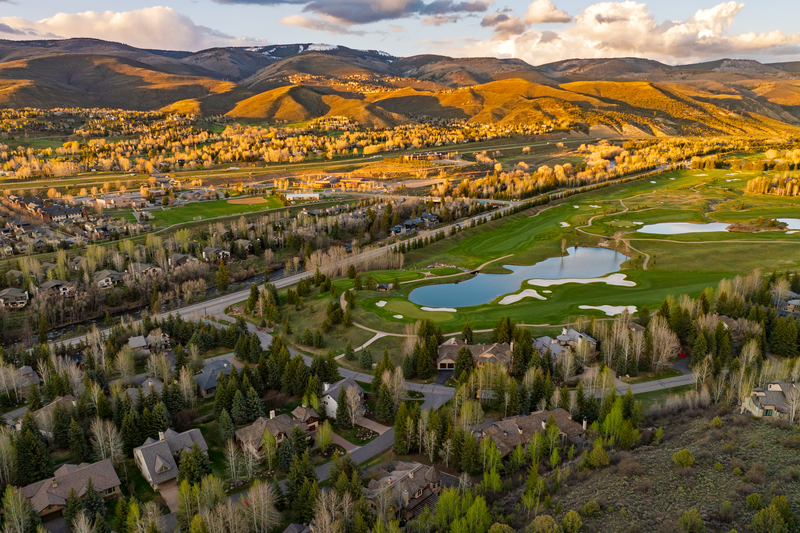
FAQ
How does a cost segregation study improve cash flow in the first year?
A cost segregation study reclassifies 20% to 40% of your property’s components into shorter depreciation periods, letting you take larger deductions in year one instead of spreading them across decades. This slashes your tax bill immediately, keeping more cash in your account to reinvest in acquisitions, renovations, or debt paydown.
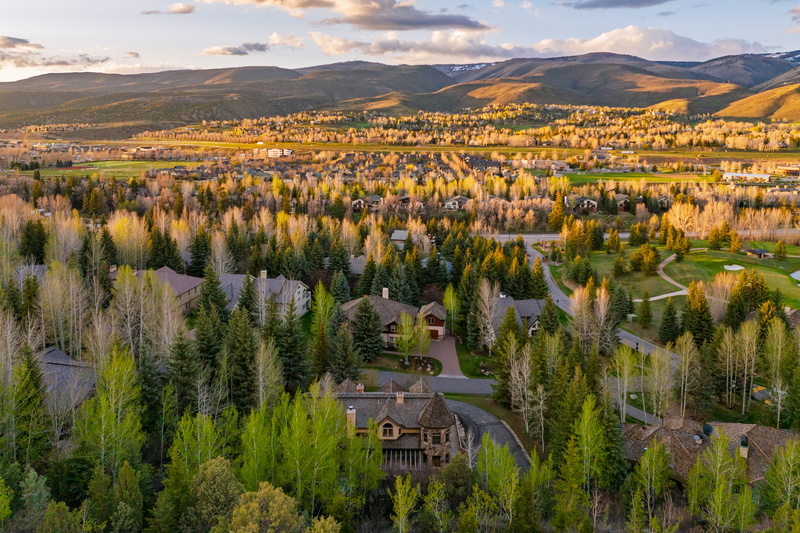
What is a lookback study and can I use it on properties I’ve owned for years?
A lookback study recaptures all missed depreciation deductions from the date you placed your property in service, delivering them as a one-time catch-up adjustment in the current tax year through IRS Form 3115. There’s no time limit—you can reclaim deductions on properties held for five, ten, or fifteen years without amending prior returns.
When should I commission a cost segregation study for my vacation rental?
The best time is within your first year of acquisition when documentation is fresh and you can capture maximum first-year deductions. If you’ve completed renovations exceeding $200,000, commission a study immediately after completion to capture accelerated deductions on that improvement spend separately from your original purchase.
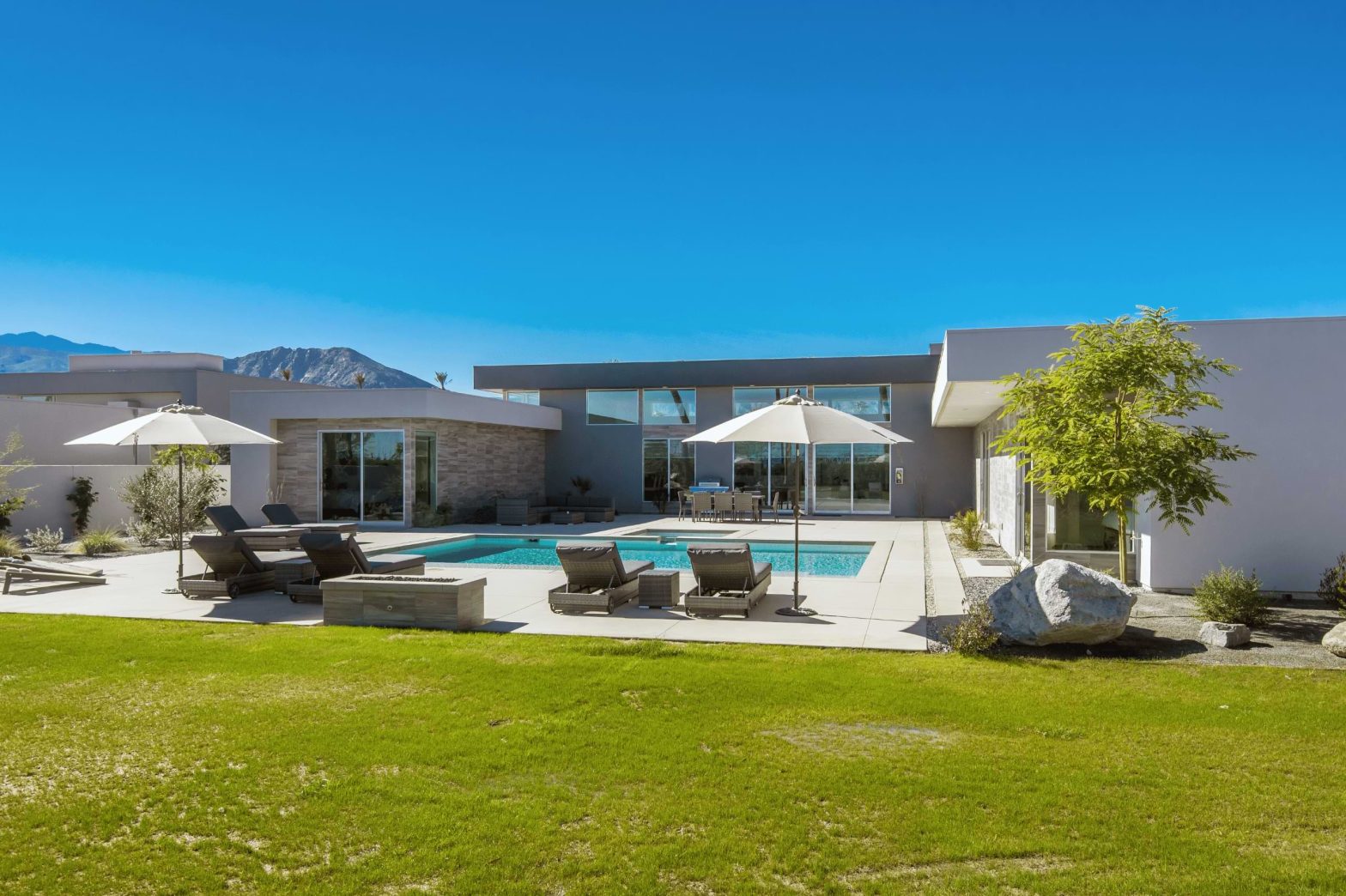
Which property features in luxury vacation rentals qualify for accelerated depreciation?
High-end finishes like custom cabinetry, specialized lighting systems, upgraded appliances, and luxury bathroom fixtures typically qualify for 5 or 7-year depreciation. Property improvements including pools, outdoor kitchens, fire pits, and landscaping qualify as 15-year land improvements, while decorative elements like crown molding and accent walls can be separated from structural components.
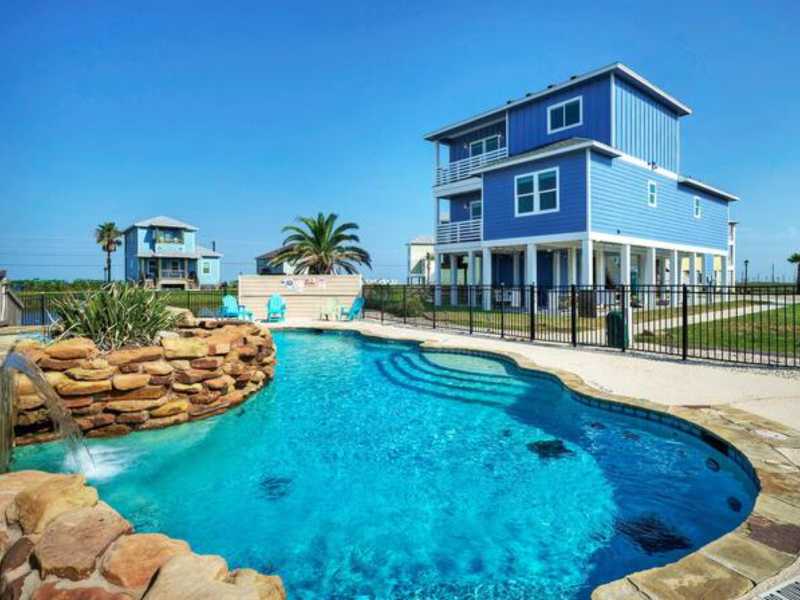
How does the 2026 tax landscape make cost segregation more valuable?
The One Big Beautiful Bill Act permanently restored 100% bonus depreciation for qualified property placed in service after January 19, 2025. You can now deduct 100% of reclassified short-life assets in year one instead of the 60% available in 2024, creating substantially larger first-year cash flow improvements that are no longer subject to future phase-downs.