Summer’s here and the need to jump into an ice-cold pool has never been stronger. With record-breaking heat, the last thing you’d want to do on your annual vacay is to sit inside and wish you had a nice cool body of water.
Lucky for you, these stays come with the coolest pools of all (a bit biased, eh?). Put on your swimmies, dive into this roundup of ever-enticing pools and you’ll see why we’ve deemed these homes the best of the water-world – because that’s totally a thing.
1. Barton – Austin, TX
3 Bedrooms | Sleeps 8 Guests
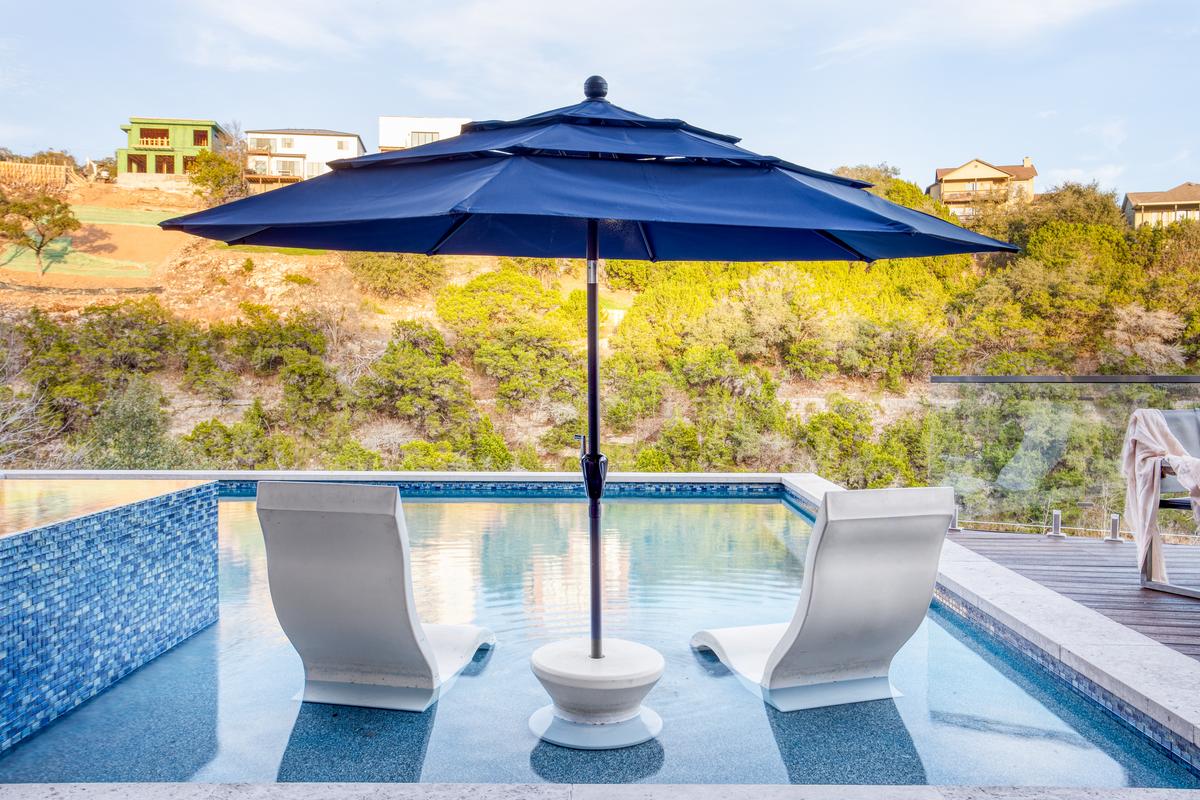
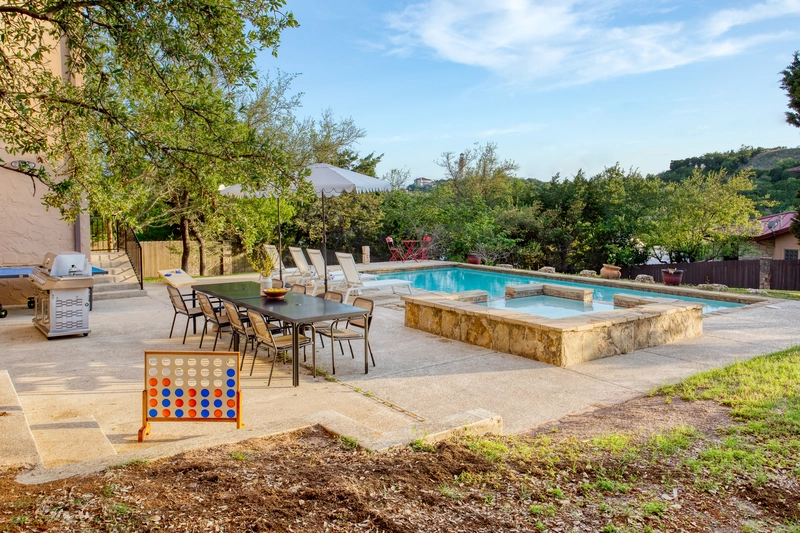
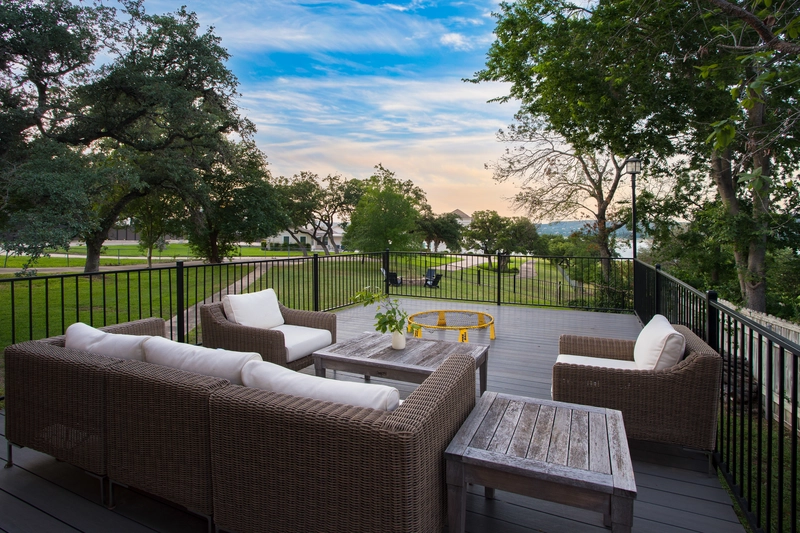
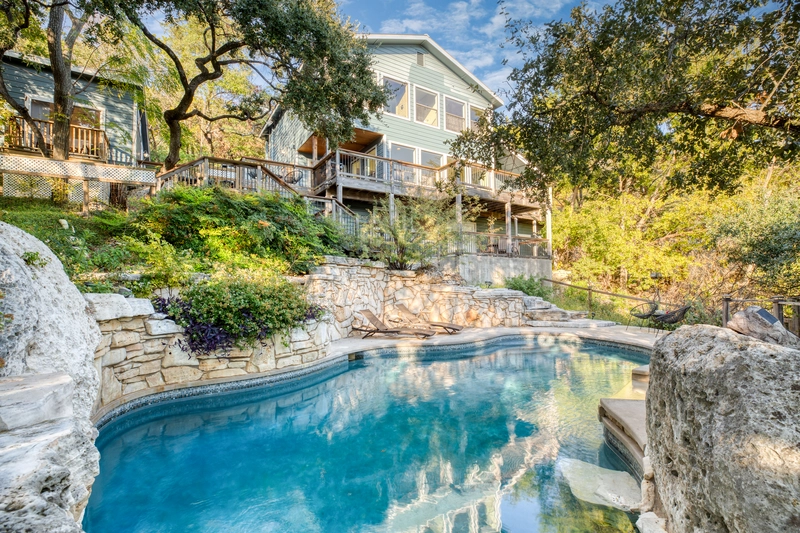
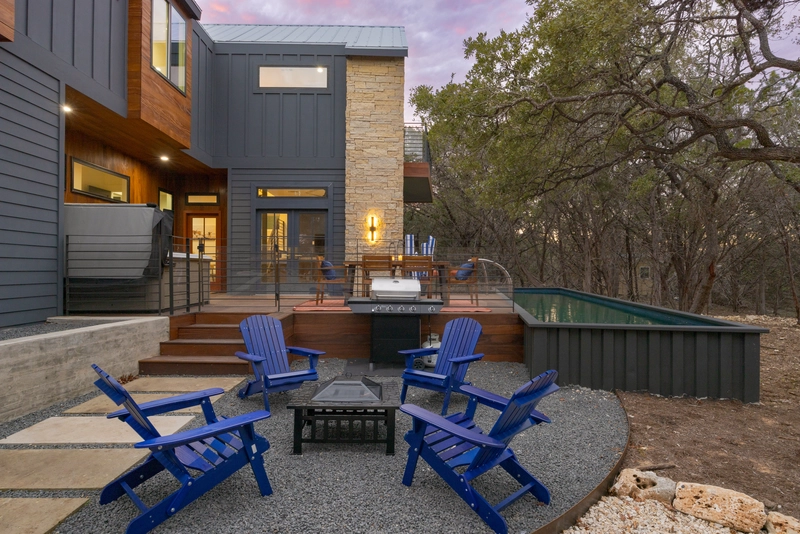
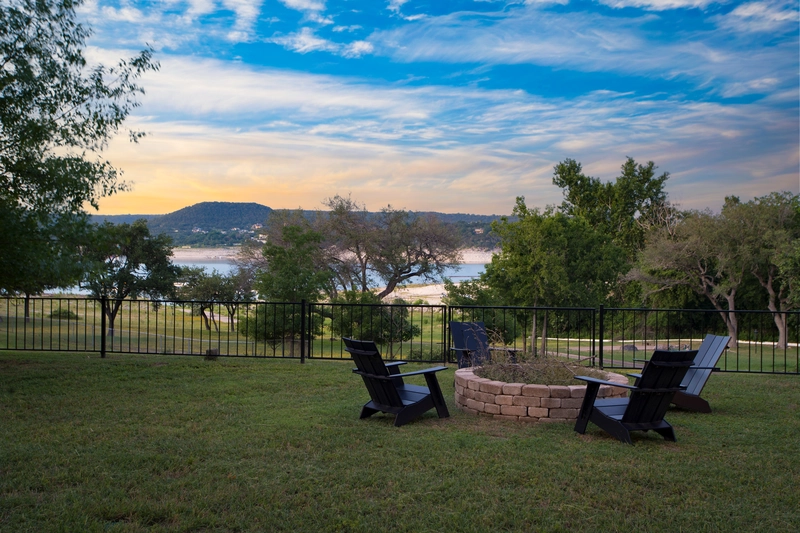
Views for days! This Austin stay is located right outside the city on the luscious Lake Travis. Get ready to get your cool-toned color palette goin’ on because the blue of this pool at Barton pairs ever-so-nicely with the bright green of Lake T.
Best Features:
Baja shelf pool
Hot tub for relaxing
Built-in outdoor grill for cooking
Fire pit for evening gatherings
Ping pong table for indoor fun
Living room patio with TV access for watching sports
Nearby Attractions:
Steiner Ranch Steakhouse
River Place Nature Trail Canyon Trailhead
Colorado River
Barton Creek Habitat Nature Preserve
Austin Zoo
Lake Travis
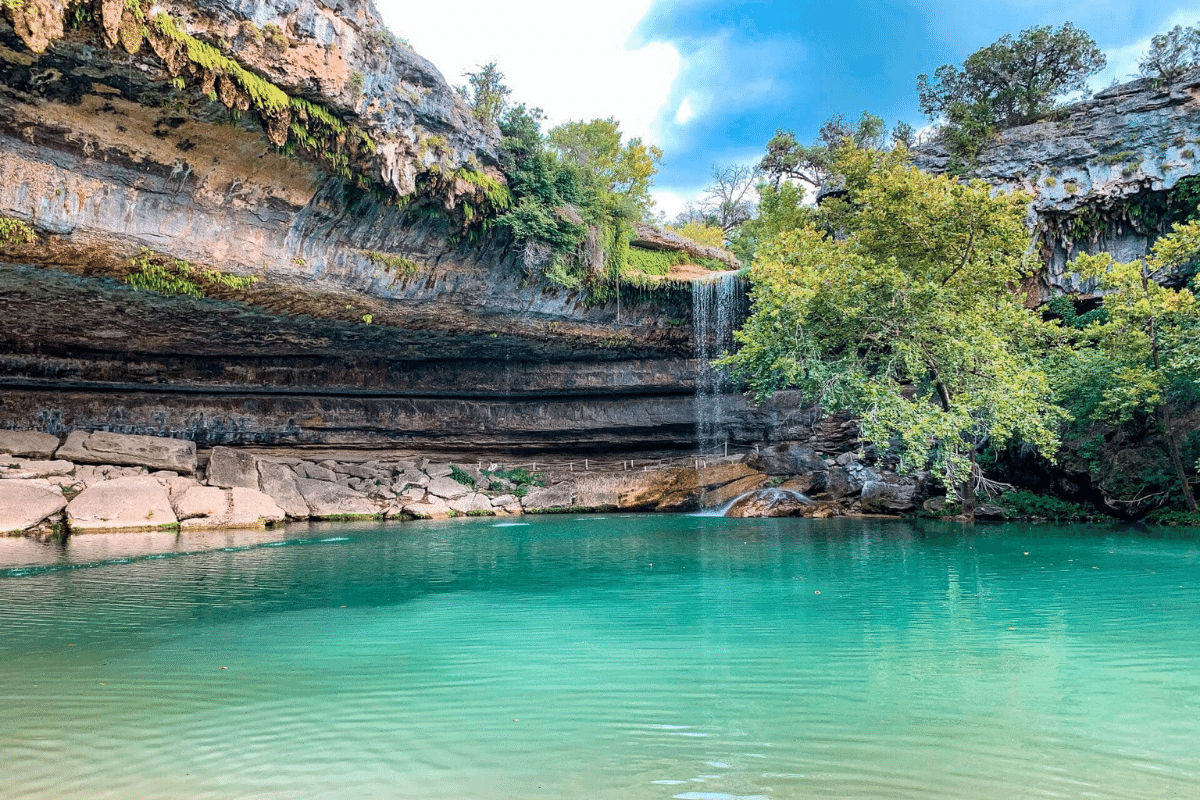
Hamilton Pool Preserve
Rudy’s BBQ
Oasthouse Gastropub
Jefeberto’s Taco Shack
Don’t miss out on the best things to do in Austin—each destination lets you experience unique adventures for an unforgettable getaway.
2. Sunriver – Sunriver, OR
5 Bedrooms | Sleeps 12 Guests
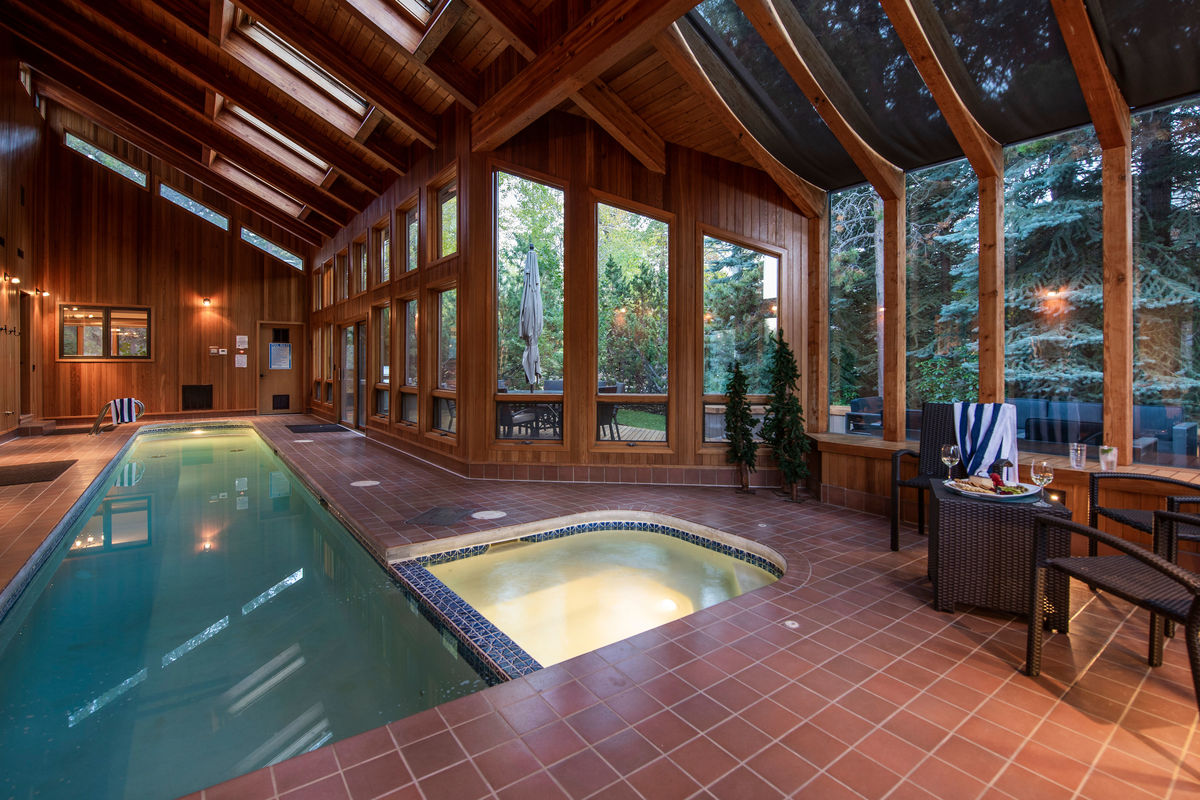
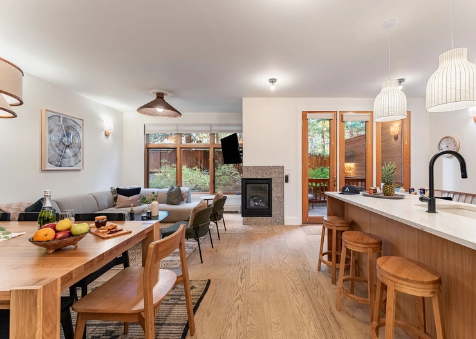
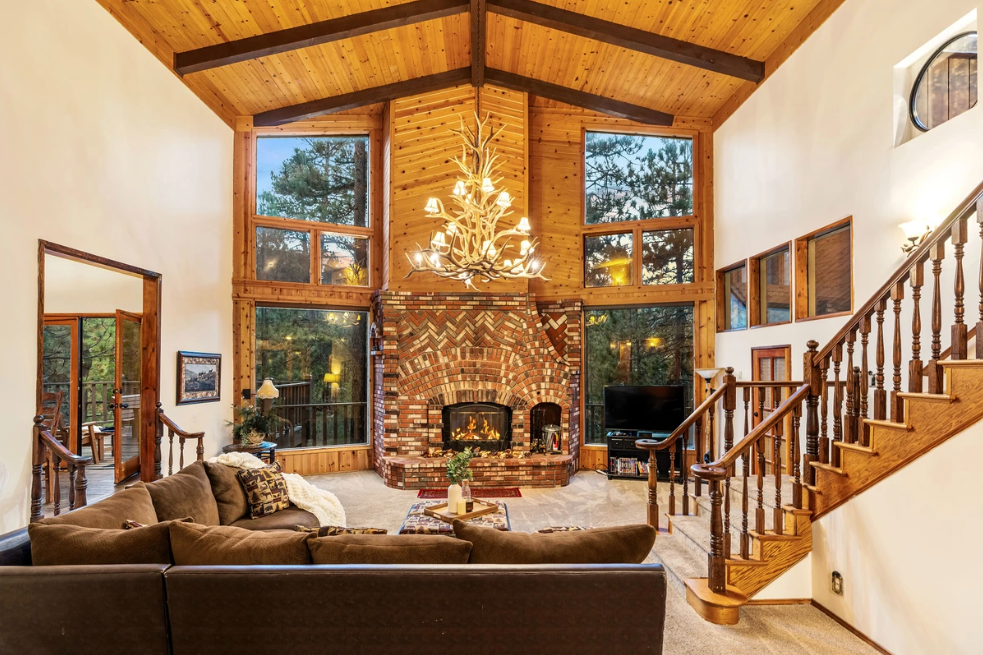
Outdoor pools are cool and all, but have you ever met an indoor pool this nice? Sunriver comes with a perfectly sized lap pool with floor-to-ceiling windows that provide you with an ideal view of the Central Oregon sky when you’re getting in that much-needed night swim-in.
Best Features:
Indoor lap pool for year-round swimming
Spa area for relaxation
Stunning hardwood floors and stone wall finishes for warmth and comfort
Unobstructed views of Mount Bachelor
Floor-to-ceiling windows for Instagrammable forest views
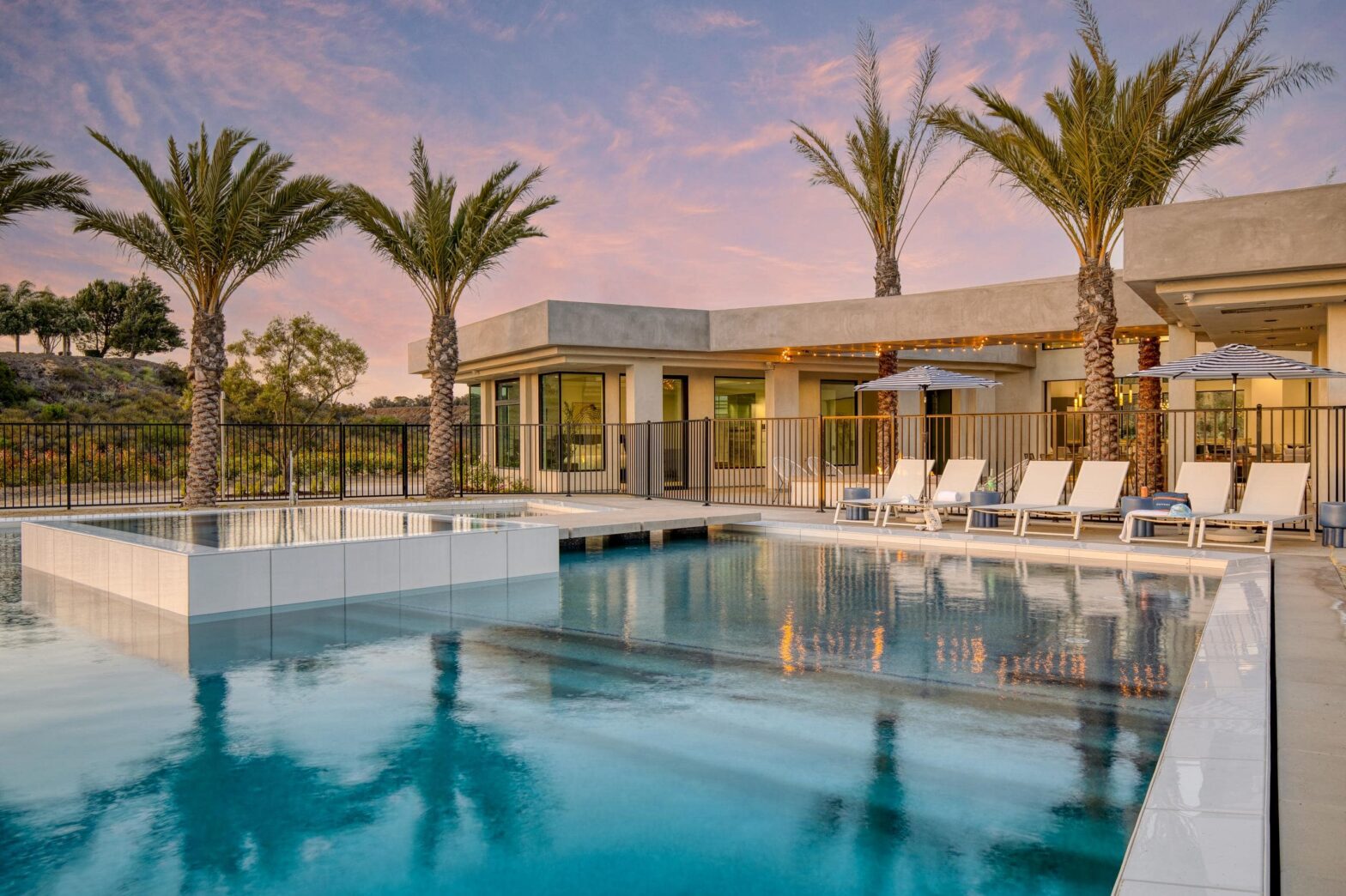
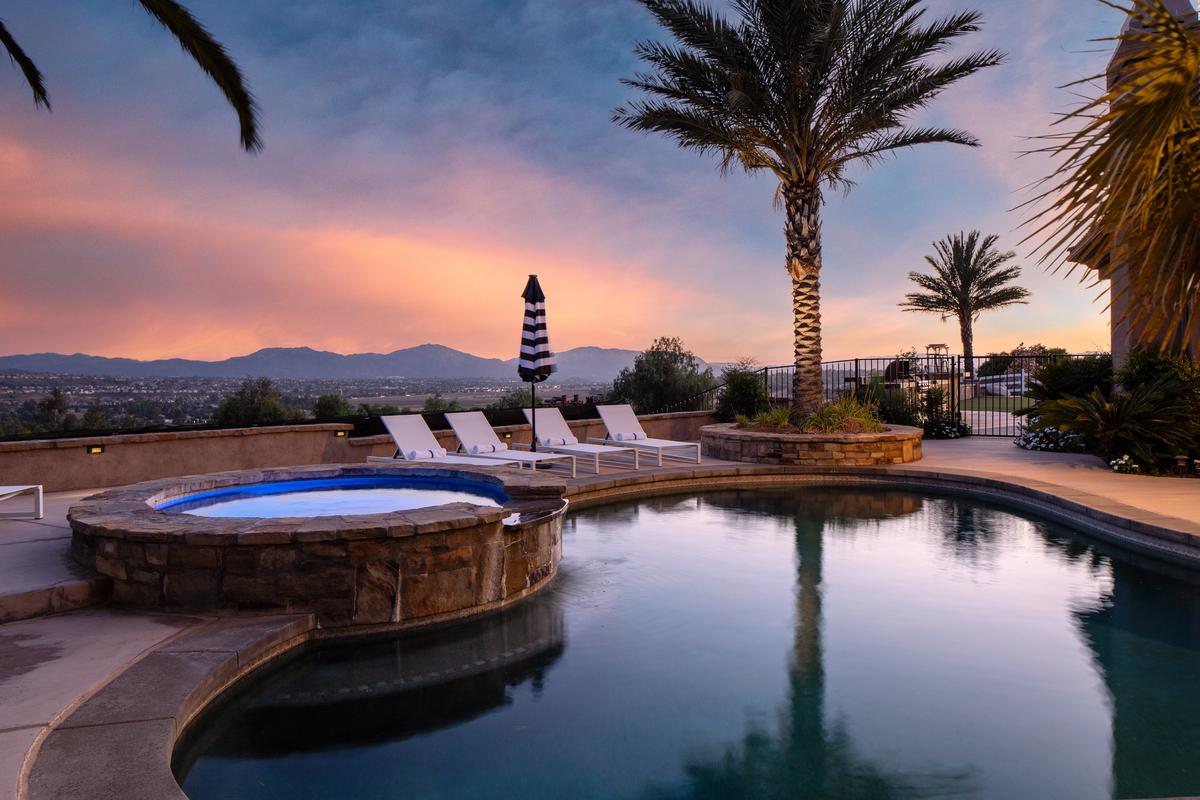
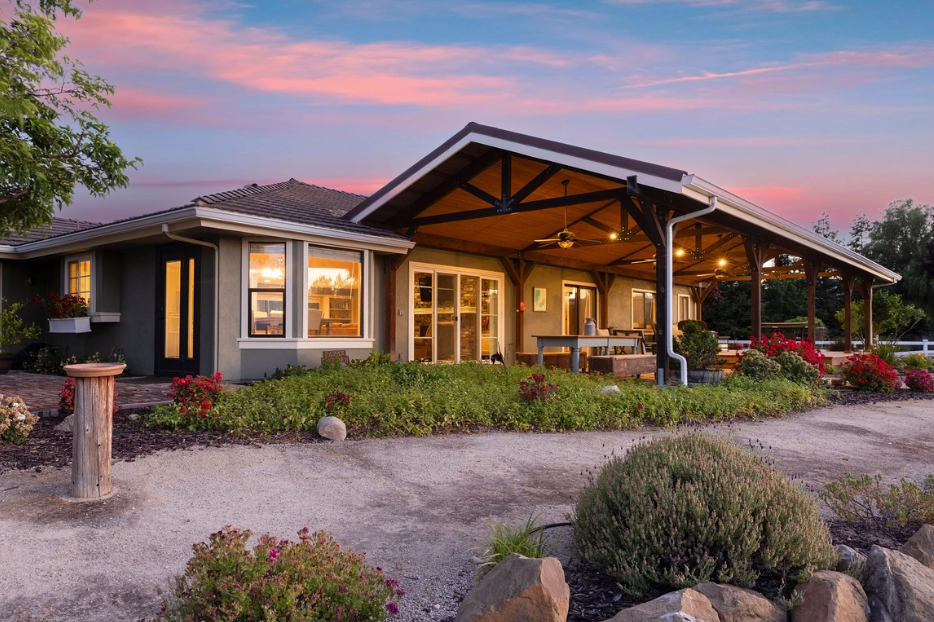
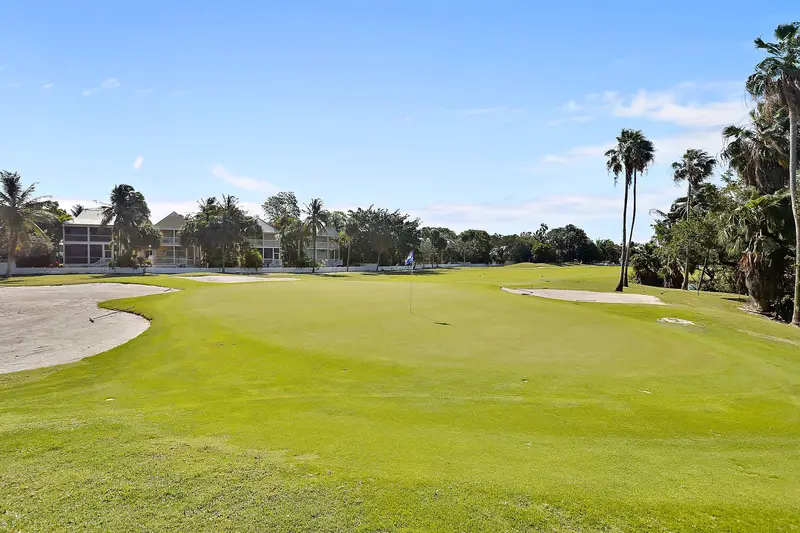
Deep in the hills of Temecula, you’ll find a tucked-away gem known as Sangiovese, and we’re not just talking about the wine. This stay comes complete with one of the coolest pools – situated next to your personal putt-putt course, al fresco dining, and a view we’ll just have to promise looks even better in person.
Best Features:
Pool and hot tub
Billiards table for indoor fun
Mini putting green equipped with mini golf putters (metal putters not allowed)
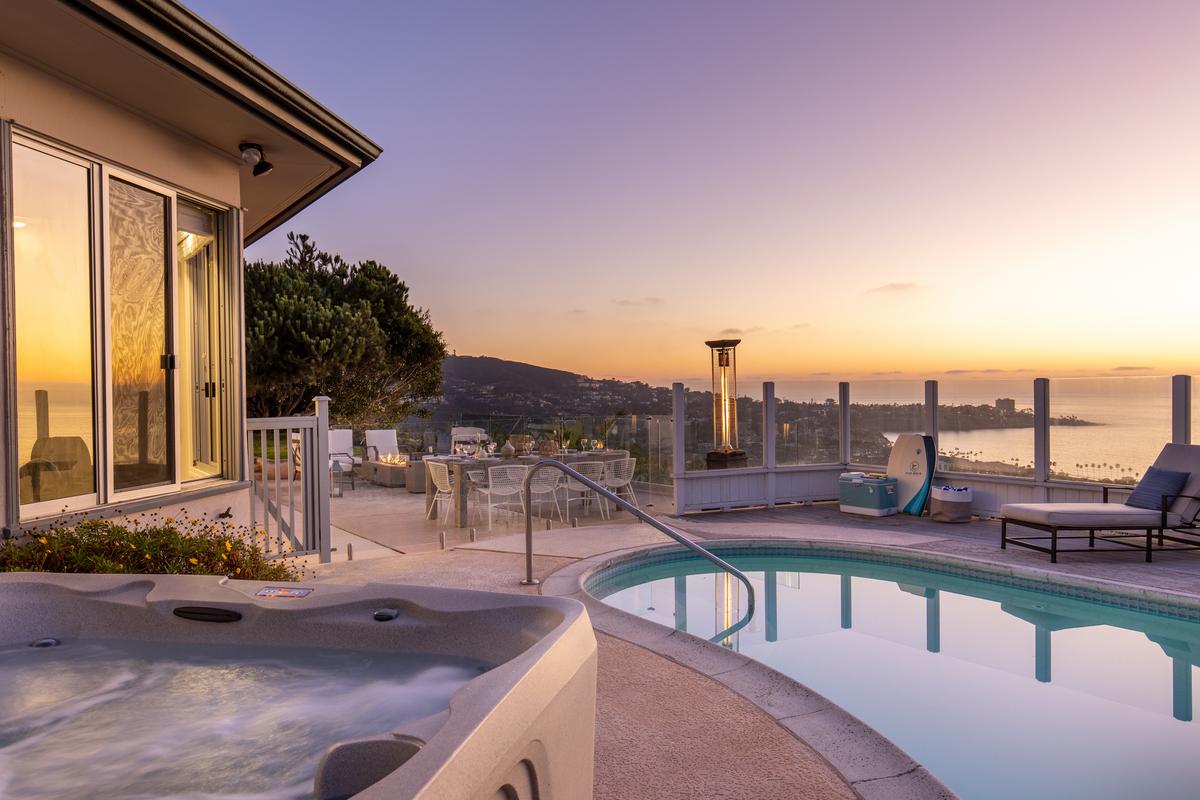
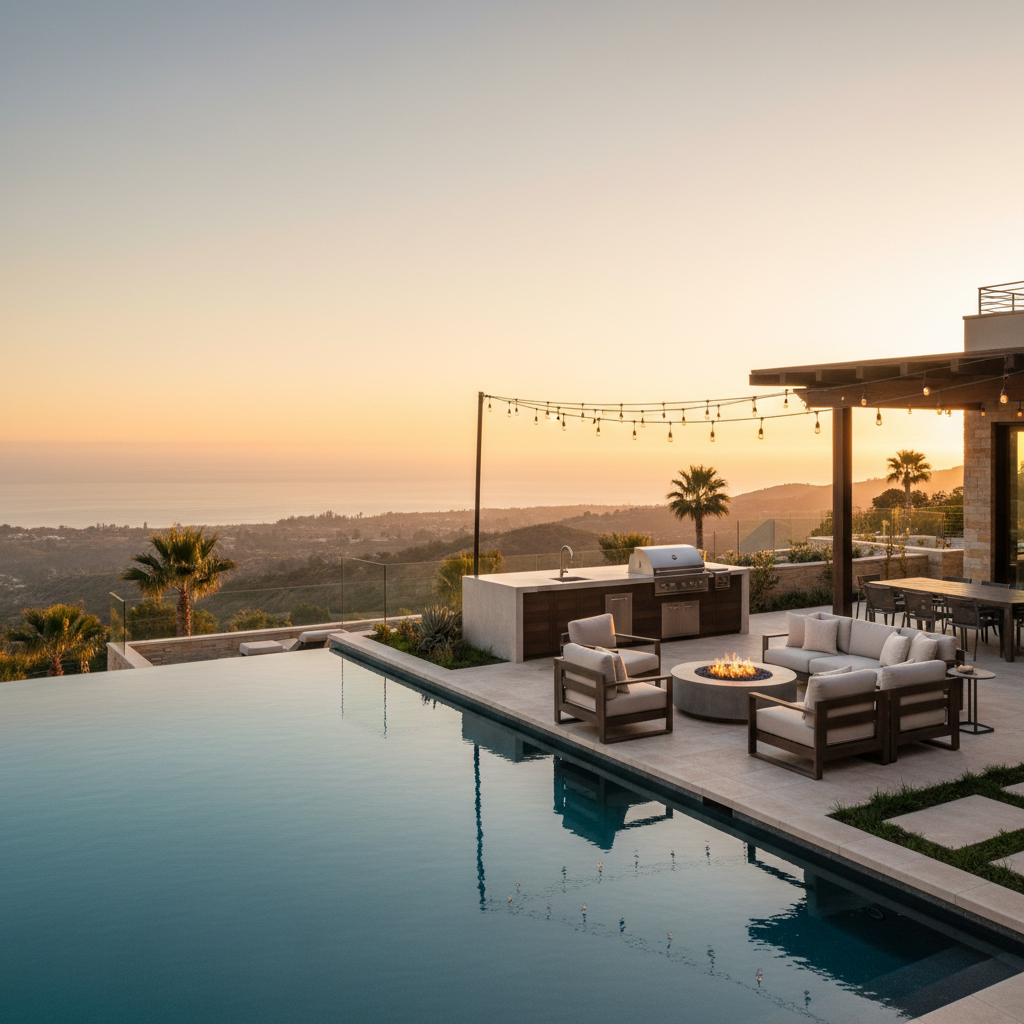
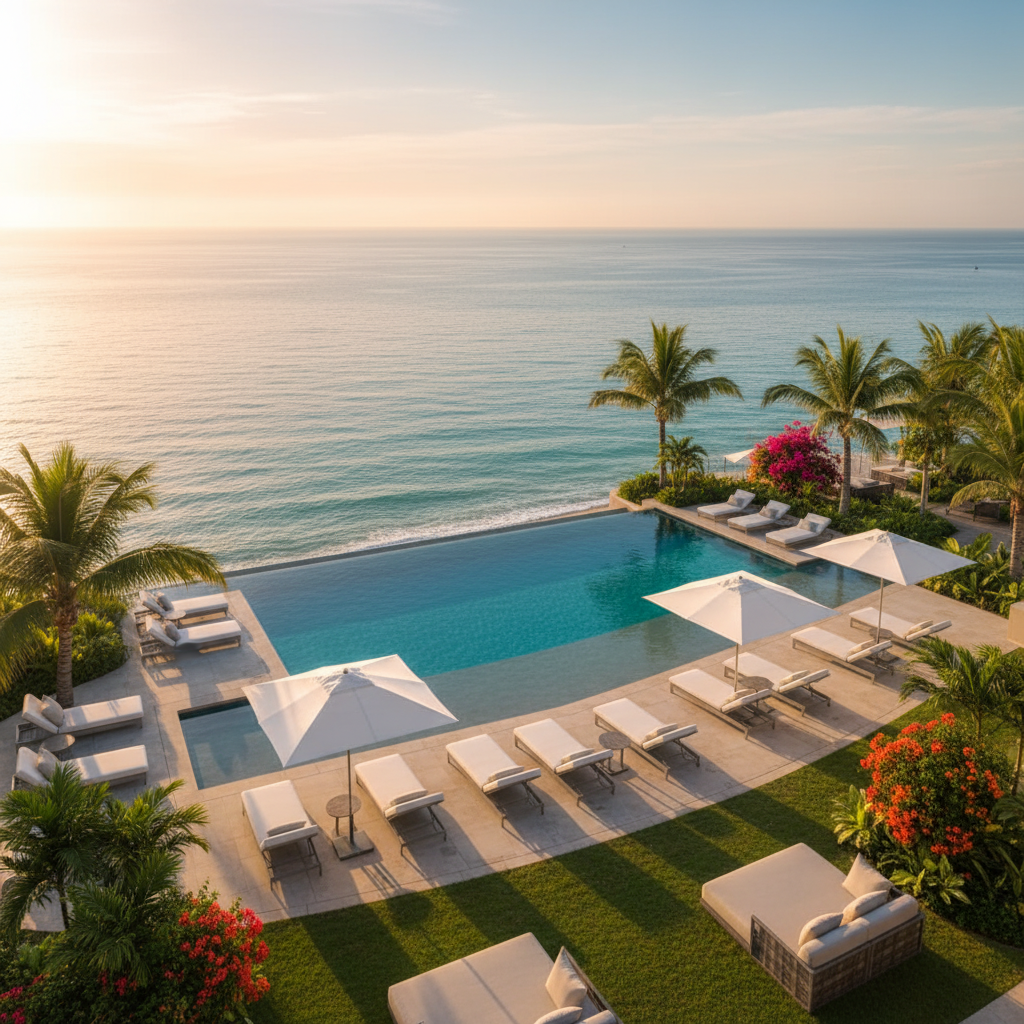
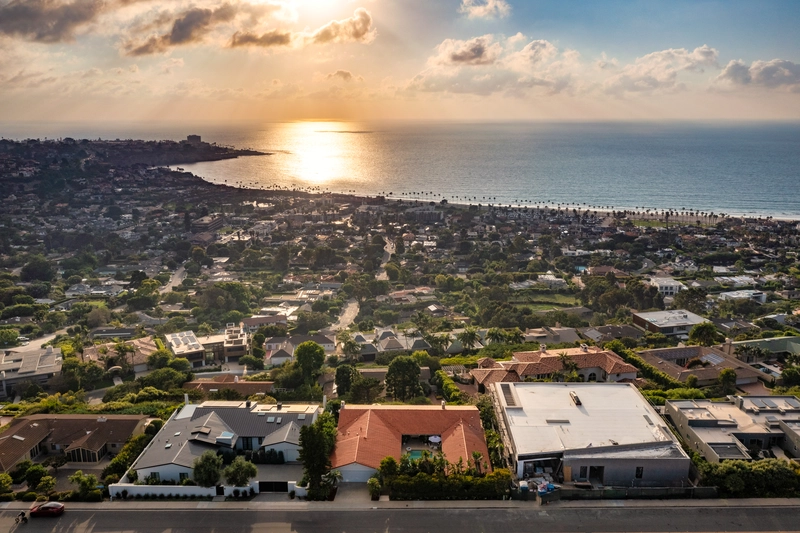
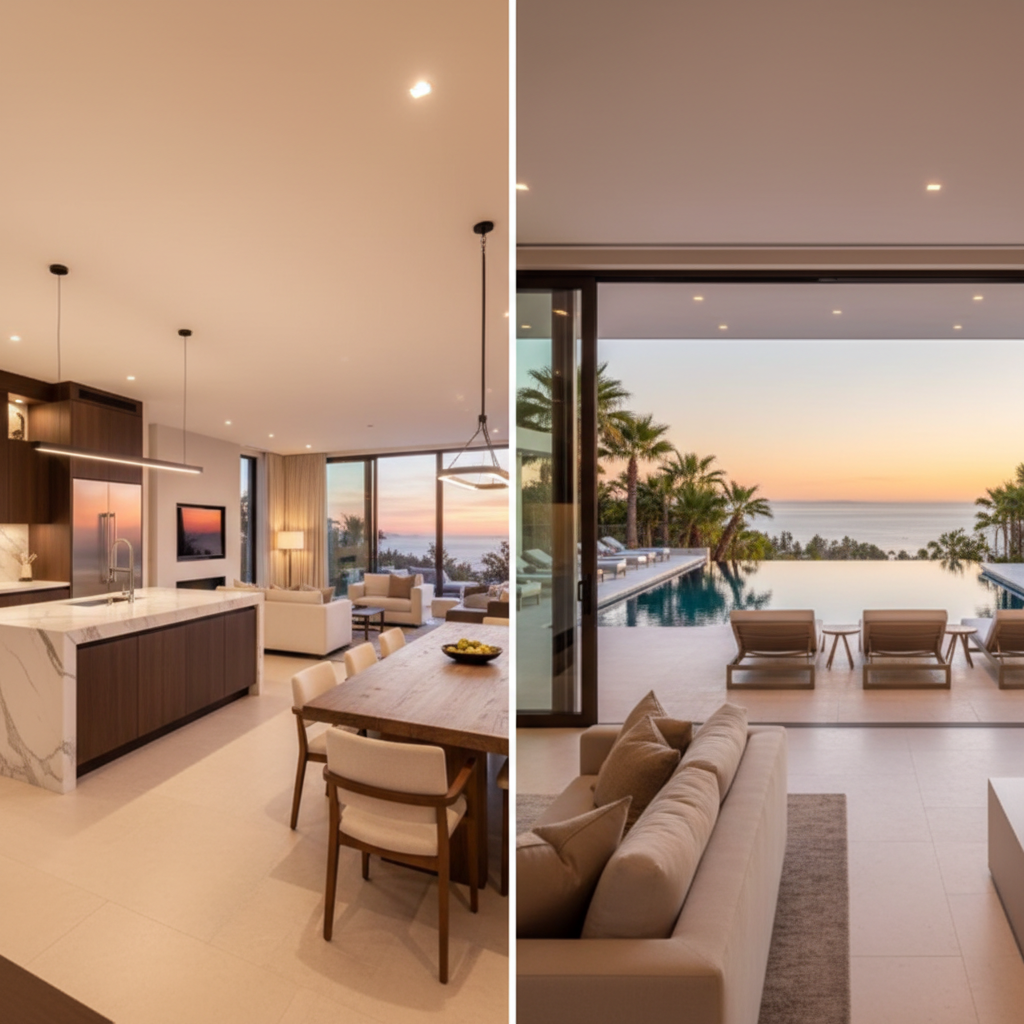
Pool or ocean? With Vista, you get both. This home features a pool surrounded by glass panels that deliver the most picture-perfect views of a San Diego beach sunset. When you’re ready for a switch-up, drive down the street for front-row beach access. It’s a water sign’s dream come true.
Best Features:
Swimming pool for relaxation and enjoyment
Separate hot tub for soaking and relaxation
Fire pit for gathering and warmth during evenings
Hammock for lounging and relaxation
Bocce set available for outdoor games
Expansive entertainer’s patio for memorable gatherings
Nearby Attractions:
Herringbone (seafood restaurant)
Scripps Beach
La Jolla Shores Park (beach, surfing lessons, scuba diving)
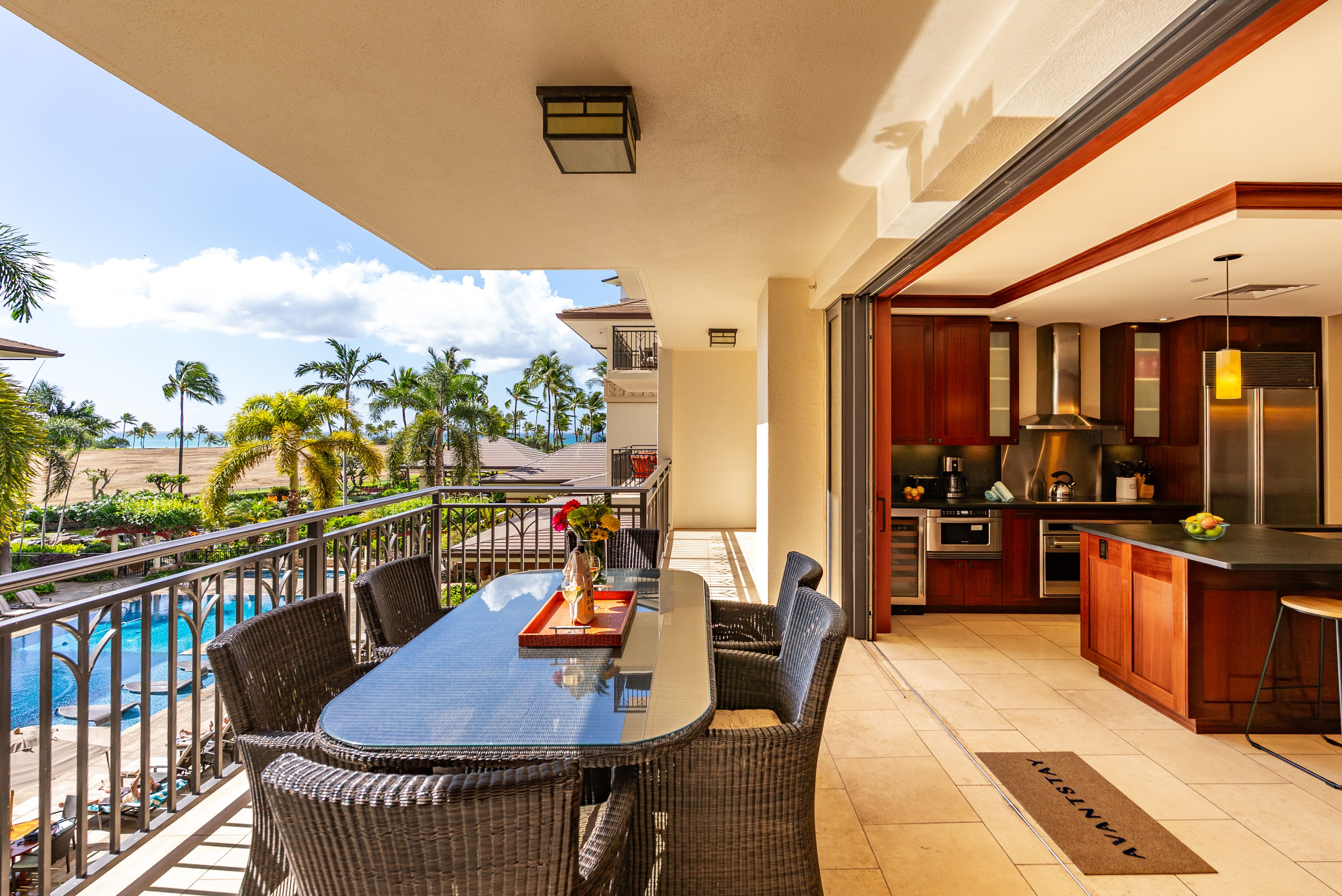
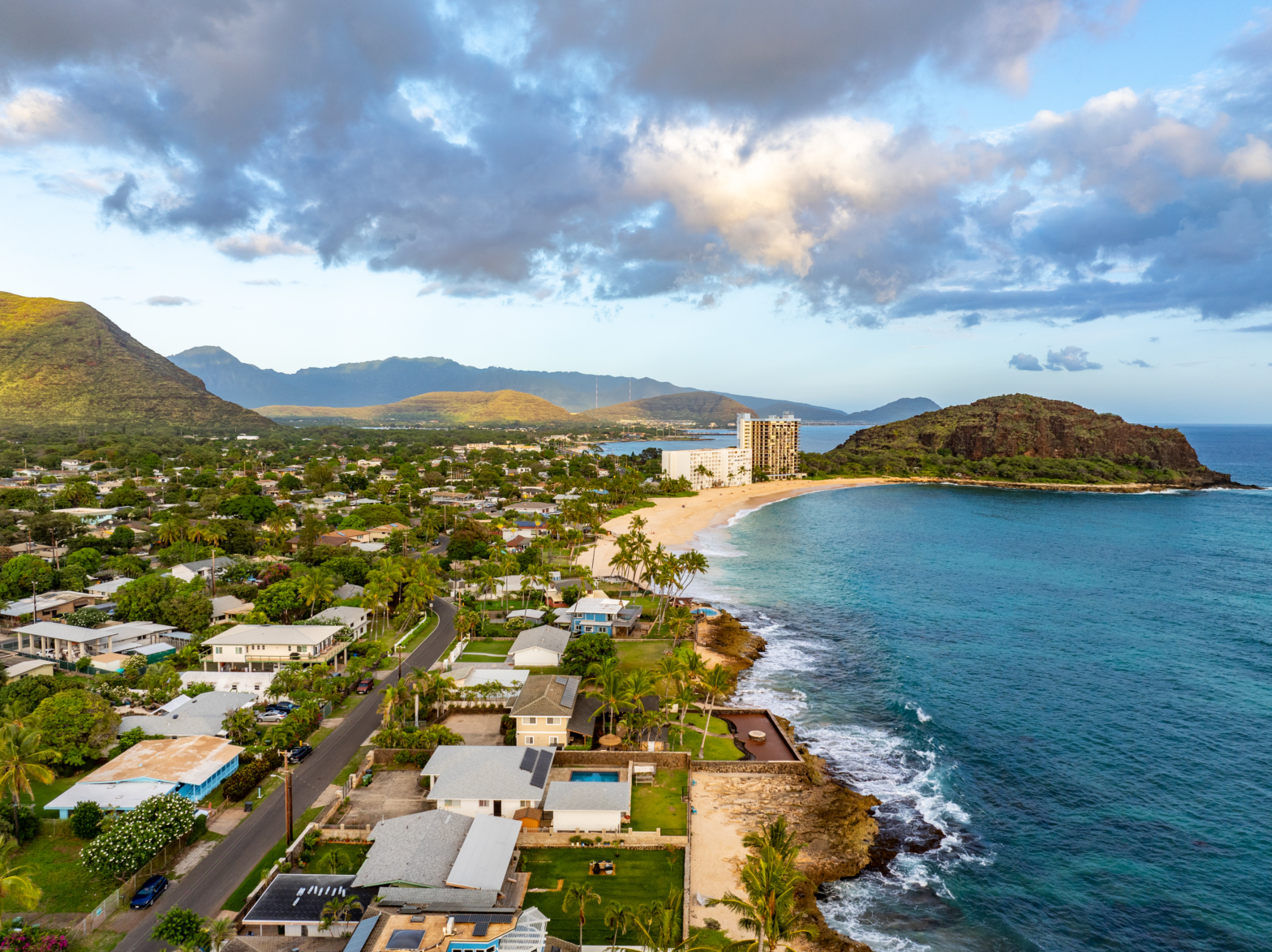
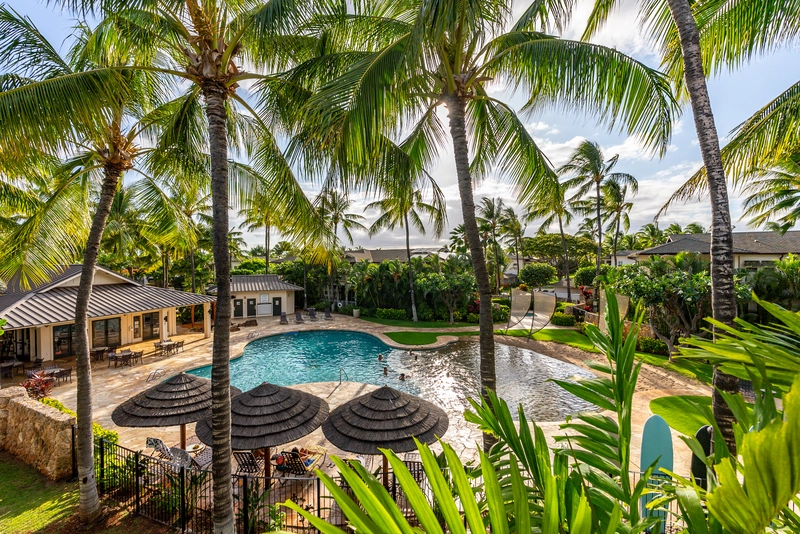
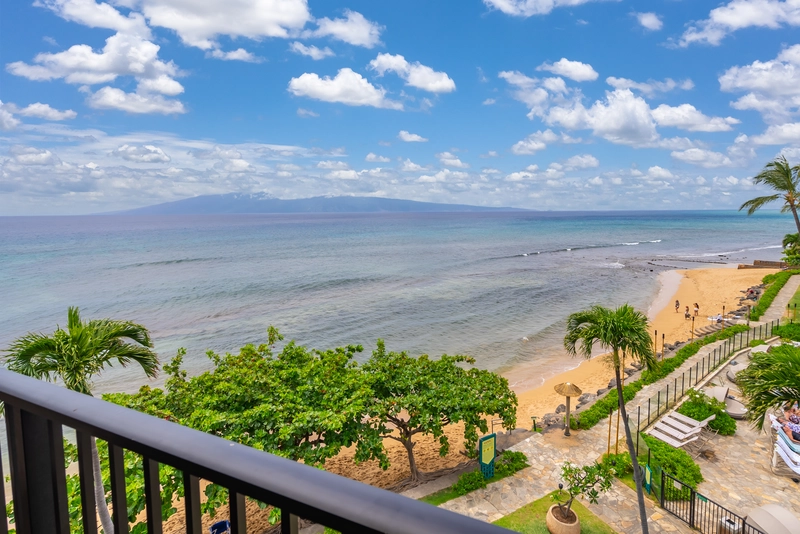
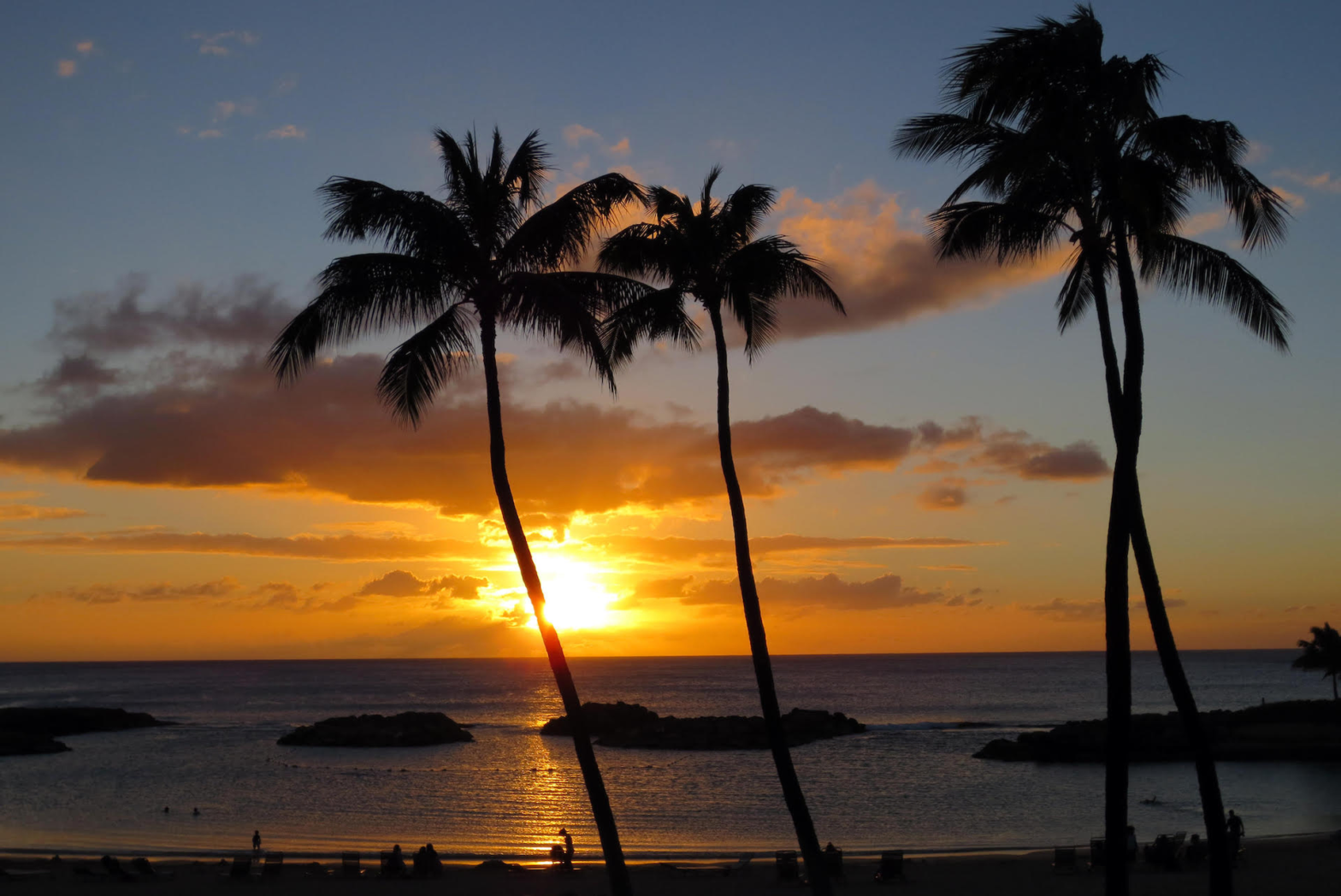
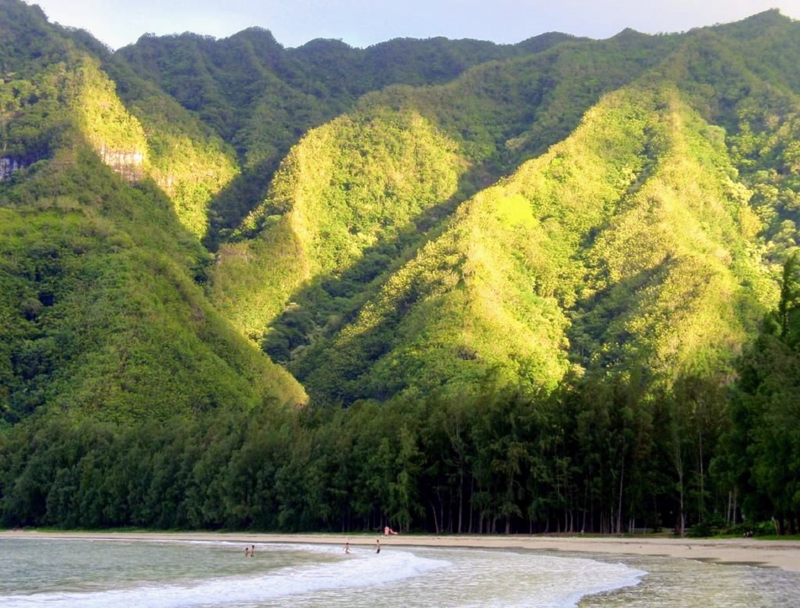
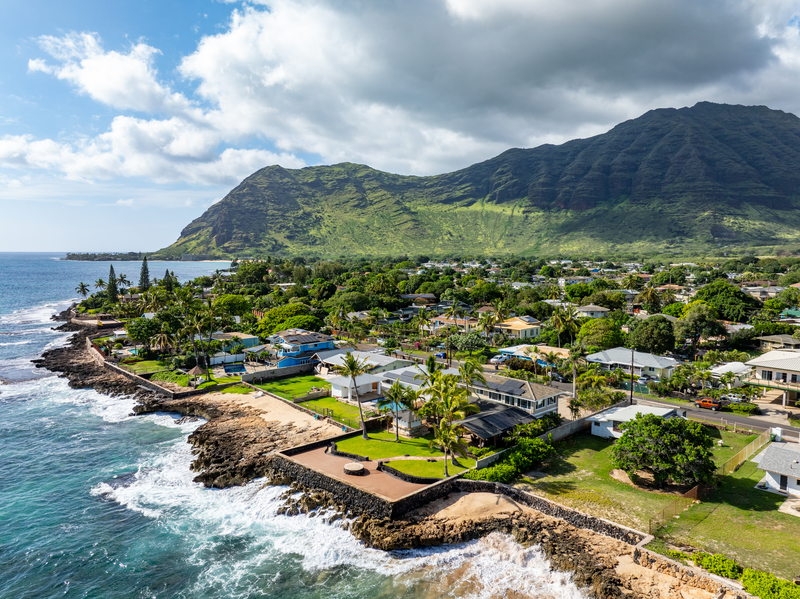
Settle into island living at Hale Hoaloha, a Kapolei retreat that pairs tropical garden surroundings with all the resort-style perks of Oahu’s west side. Days here flow easily: morning swims in the communal pool, afternoons under the palms, and evenings with the trade winds carrying the scent of plumeria. With pristine beaches, golf, and luaus all within minutes, this home is a perfect basecamp for either a quick island escape or an extended Hawaiian chapter.
Best Features:
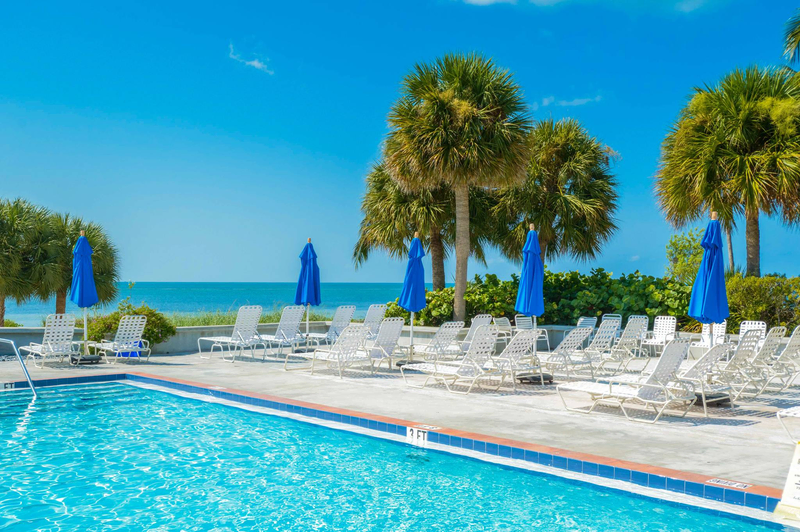
Access to a sparkling communal pool and resort-style recreation areas
Tropical Kapolei setting with lush garden surroundings
Walking distance to Oahu’s west-coast beaches
Outdoor dining and lounge area perfect for sunset gatherings
Nearby Attractions:
Ko Olina Golf Club
Paradise Cove Luau
Lanikuhonua Lagoon
Kapolei Commons
Wet’n’Wild Hawaii Water Park
Chief’s Luau
Never run out of activities while you are in Hawaii! Read on our recommendation for the 51 best things to do in Oahu during your stay!
6. Monarch – Destin, FL
8 Bedrooms | Sleeps 24 Guests
Night swims just got an upgrade in Destin. Swim away that sunburn in Monarch’s pool complete with brighter than ever LED lights. It’s 5 o’clock somewhere, so no judgment on whenever you decide to wake up the next morning, hop back into the pool and swim over to the swim-up bar for another round of Mai Tais.
Best Features:
Baja shelf pool for relaxation
Hot tub for soaking
Outdoor kitchen equipped with TV for alfresco dining
Get ready to bask in sunshine and splashes at Ramsey! Nestled just a hop away from the lively atmosphere of Austin, this trendy retreat boasts a stunning pool that’s calling your name. Dive into a refreshing dip surrounded by vibrant greenery and soak up those rays.
Best Features:
Swimming pool with lounge chairs for relaxation
Jacuzzi for unwinding after a day of exploration
Fire pit for cozy evenings and sharing stories
Game of cornhole available for entertainment
Nearby Attractions:
Renowned local bars and restaurants
Lake Travis
Live music venues throughout Austin
Shopping along South Congress Ave
Vibrant art scene celebrating the quirky culture of Austin
Local foods are always part of the experience! We found these 21 restaurants in Austin that you may add to your list.
8. Flagler’s Oasis – Key West, FL
2 Bedrooms | Sleeps 4 Guests
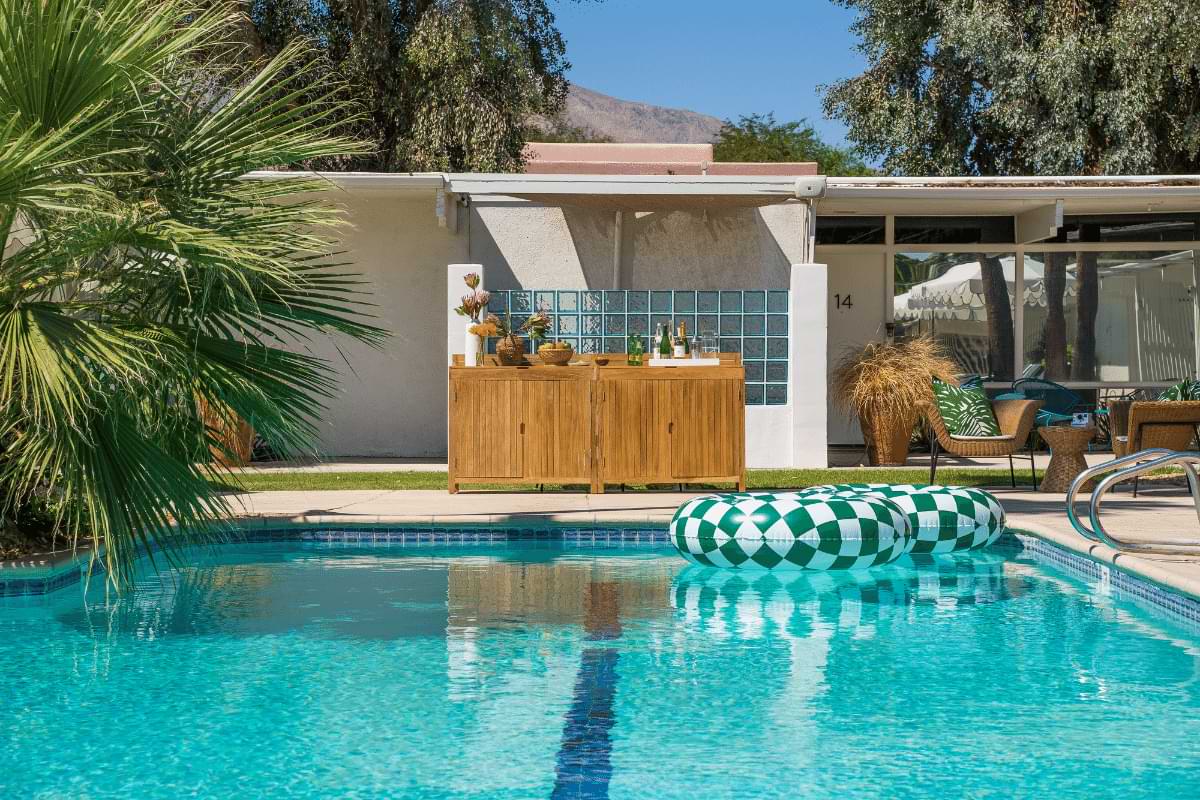
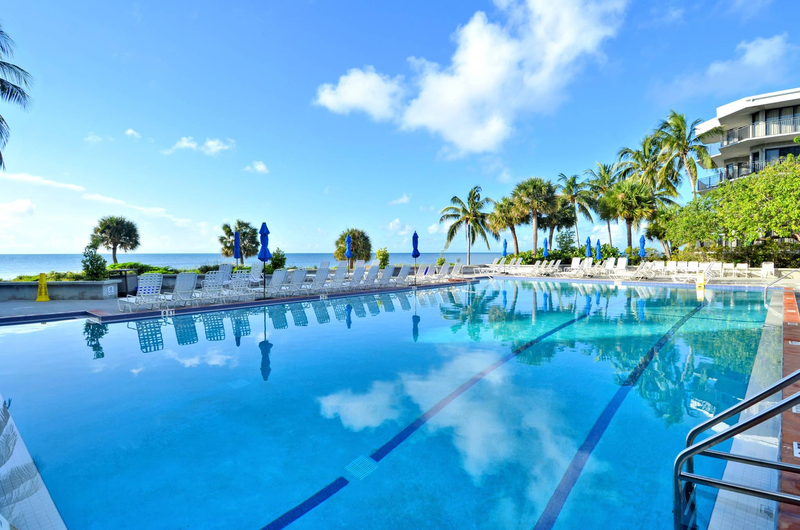
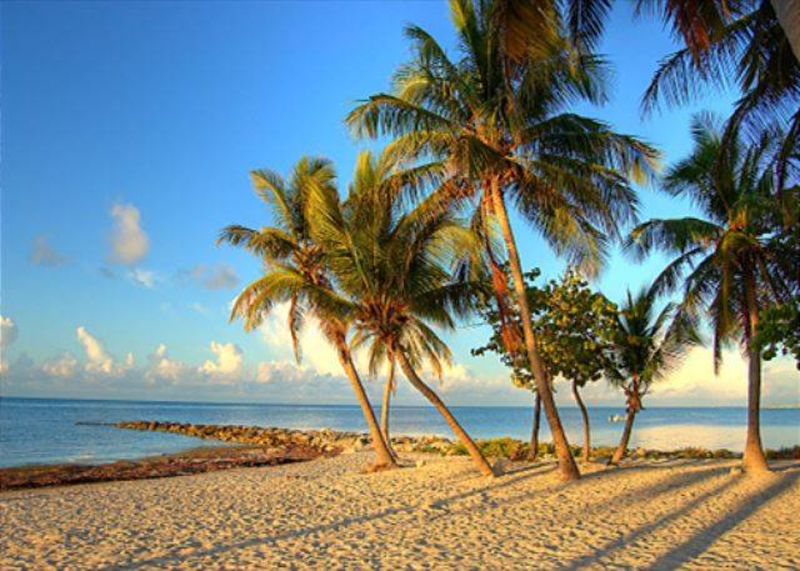
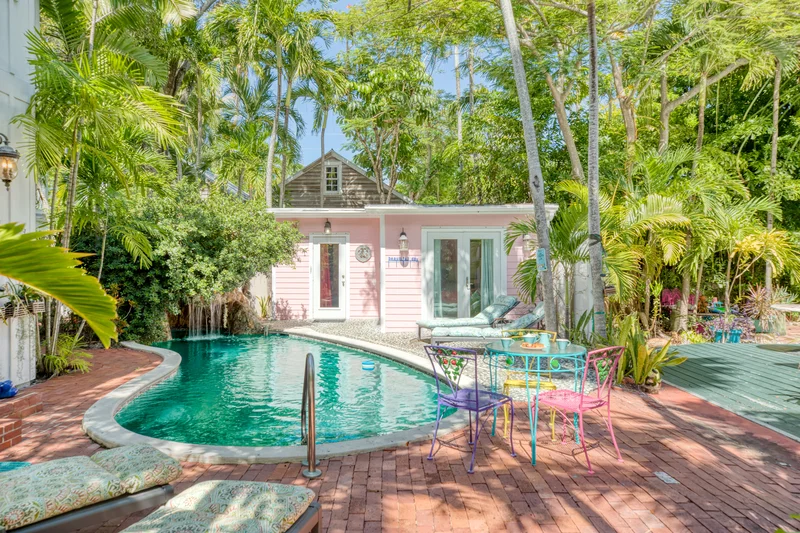
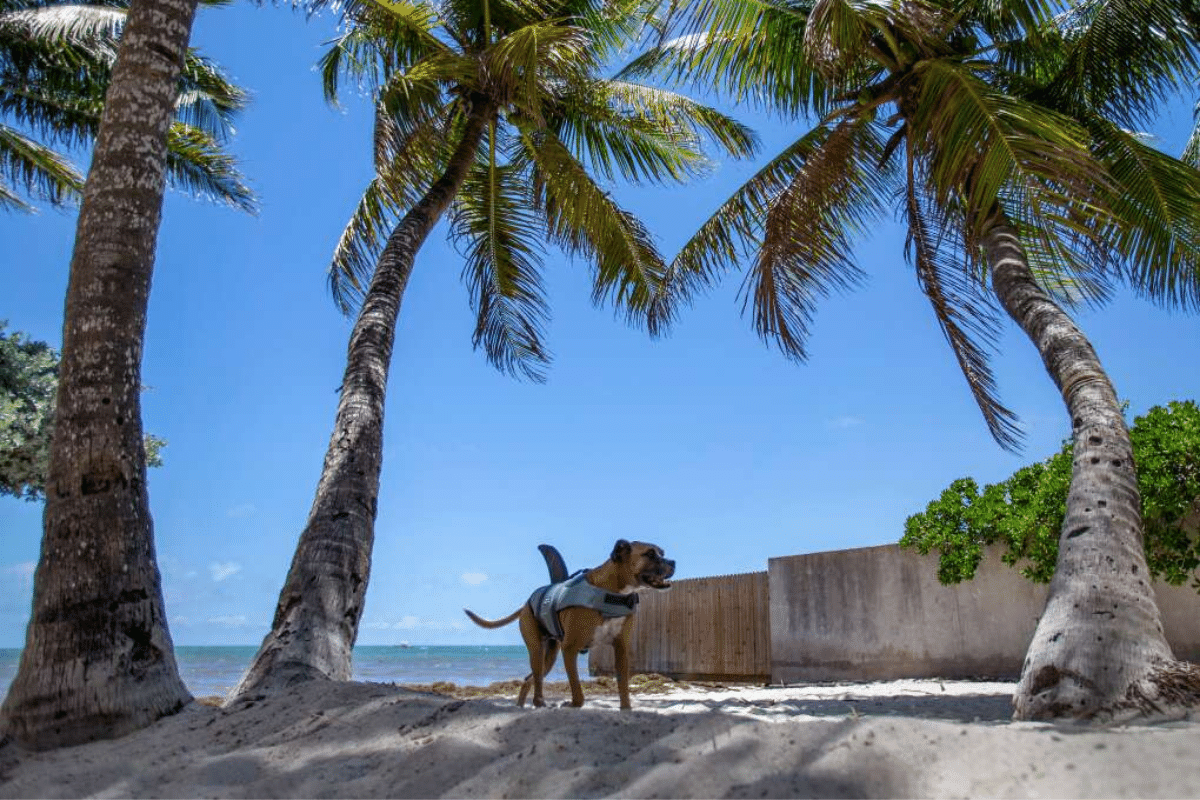
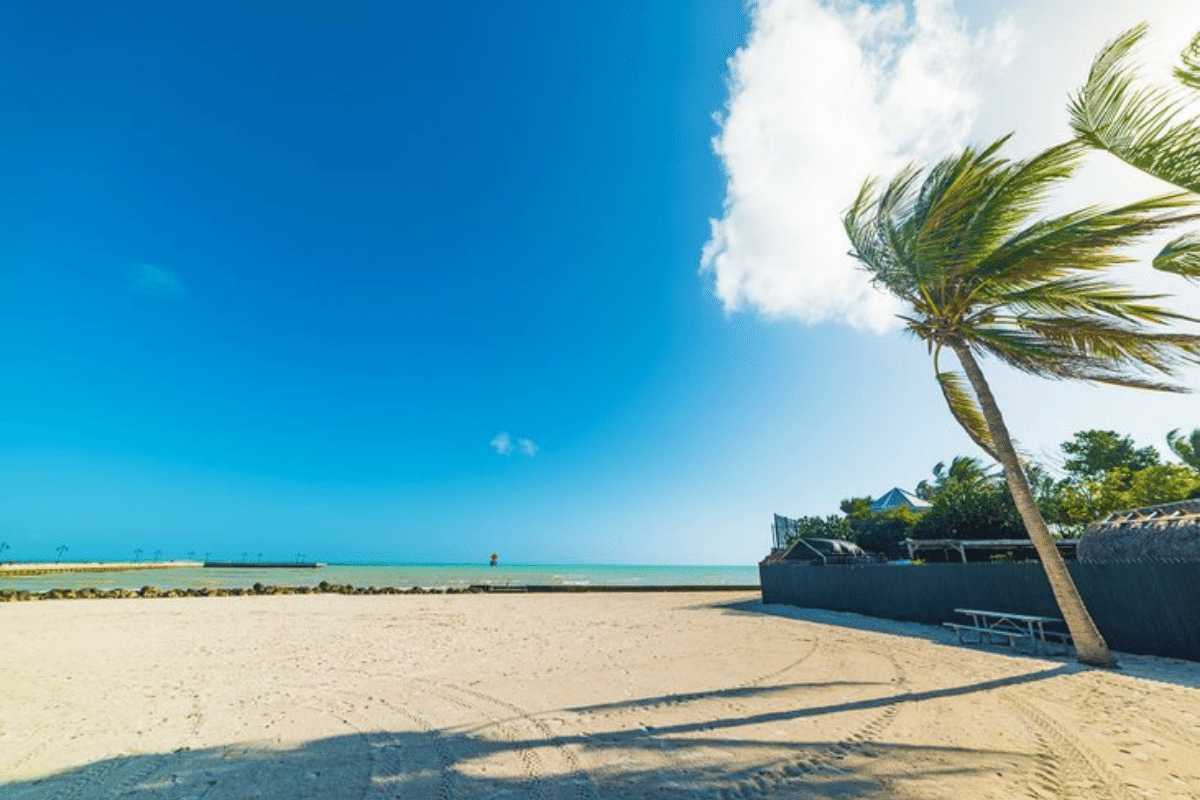
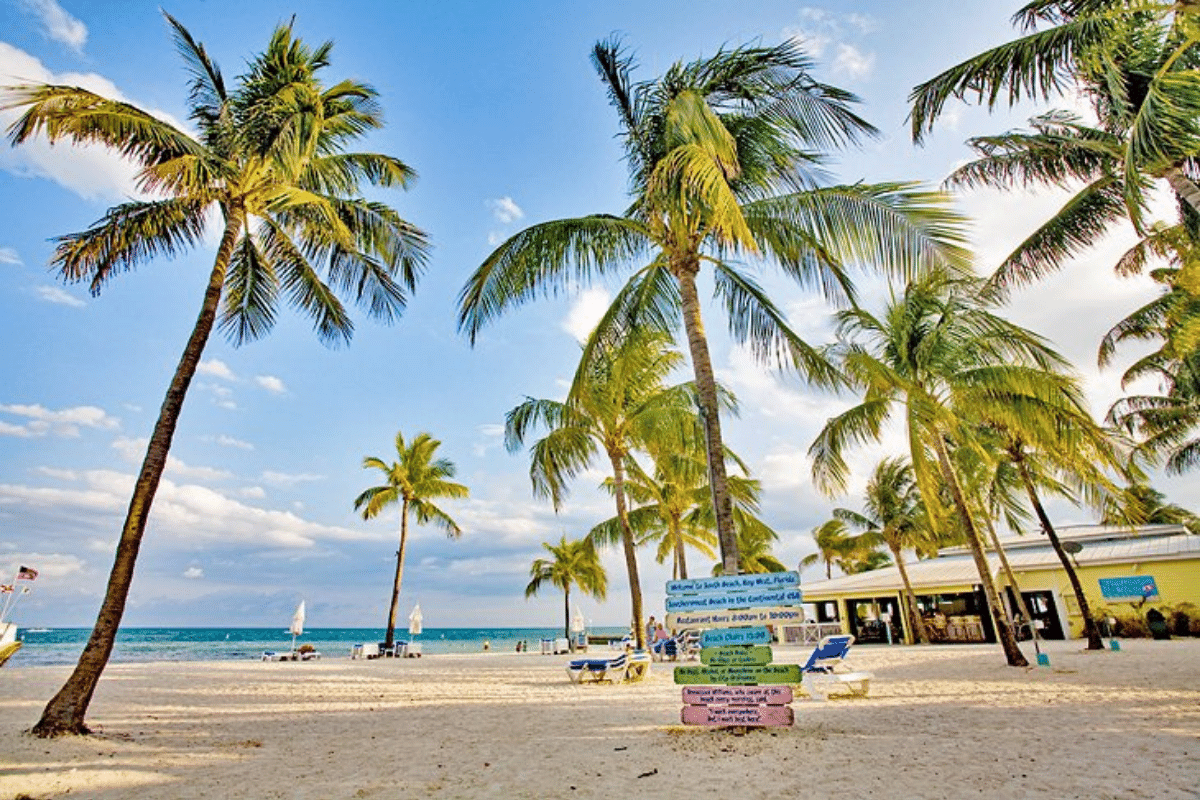
Ahoy, beach bums in Key West! Flagler’s Oasis is your personal slice of paradise that features a pool perfectly framed by swaying palms and the gentle sound of waves crashing nearby. Sip on a frozen drink as you float on a pool float, and come evening to unwind under the stars.
Best Features:
Fenced outdoor space and pool for privacy
Large 10×12-foot steel-roof gazebo for outdoor dining and entertaining
Pool area with lounge chairs for sunbathing and dining sets for additional seating
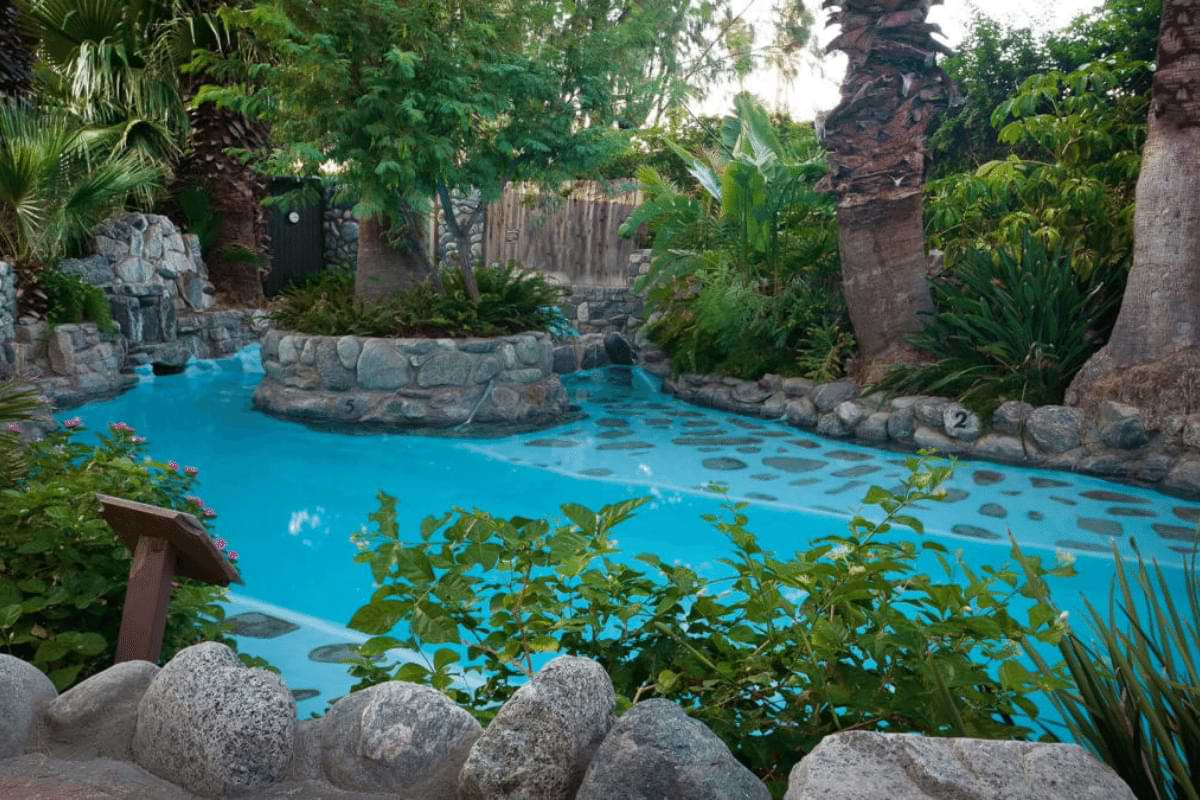
Deep lagoon-style pool with an adjacent waterfall-sitting pool
*Please note this house can only be rented for 28 days and above only.
9. WaterColor 75 – Santa Rosa Beach, FL
5 Bedrooms | Sleeps 13 Guests
Splash into serenity at WaterColor 75! A coastal retreat at Emerald Coast where pristine white sands meet a luxurious experience. Lounge on your private deck with a chilled drink in hand, while your loved ones splash around in the sparkling water. Just a short stroll to the beach, your summer days here are bound to be filled with blissful memories and sun-kissed fun.
Best Features:
Private heated pool for relaxation and enjoyment
Outdoor fireplace for cozy evenings
Access to the WaterColor Beach Club (for a fee) with multiple levels of expansive spaces
Close proximity to pristine white beaches along the iconic 30A coastline
Nearby Attractions:
The Big Chill 30A
Gulf Place Plaza
Camp Helen State Park and Henderson Beach State Park
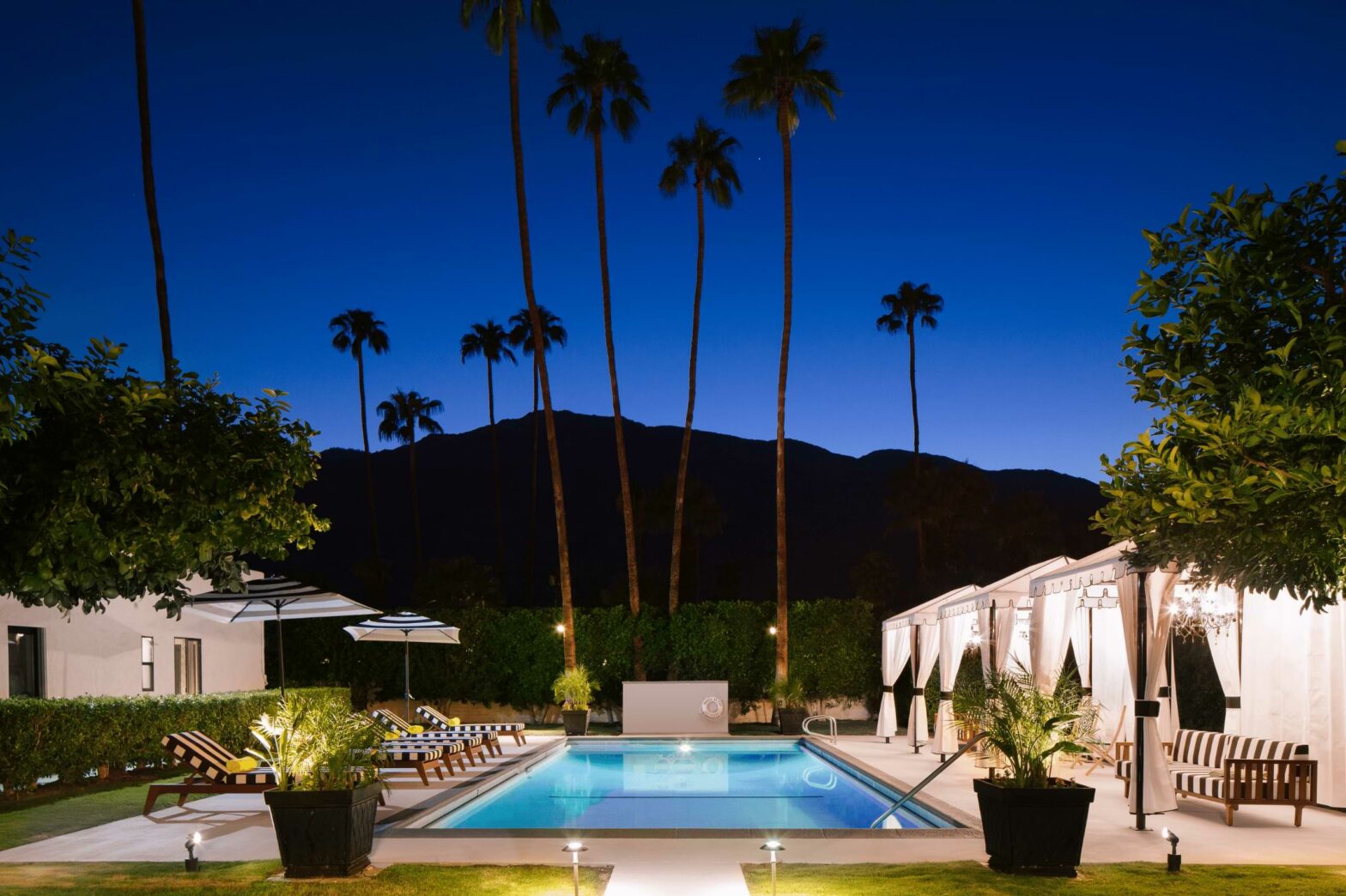
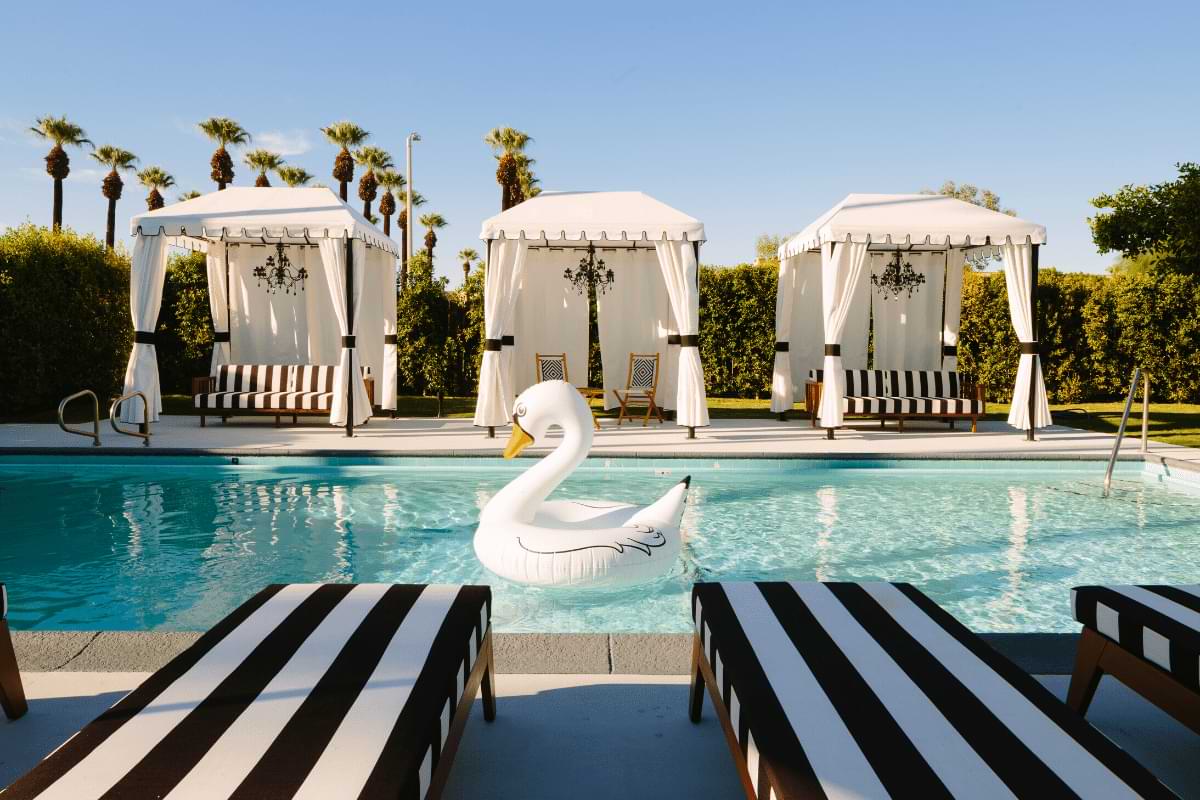
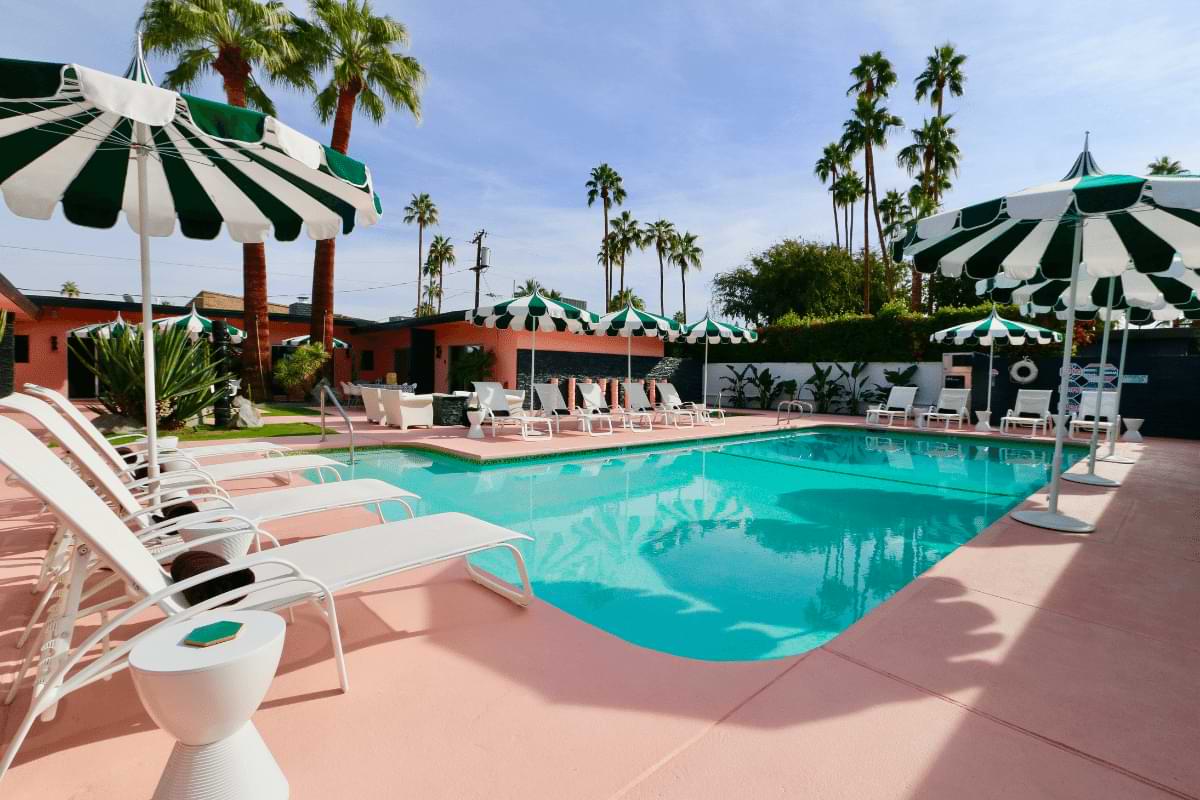
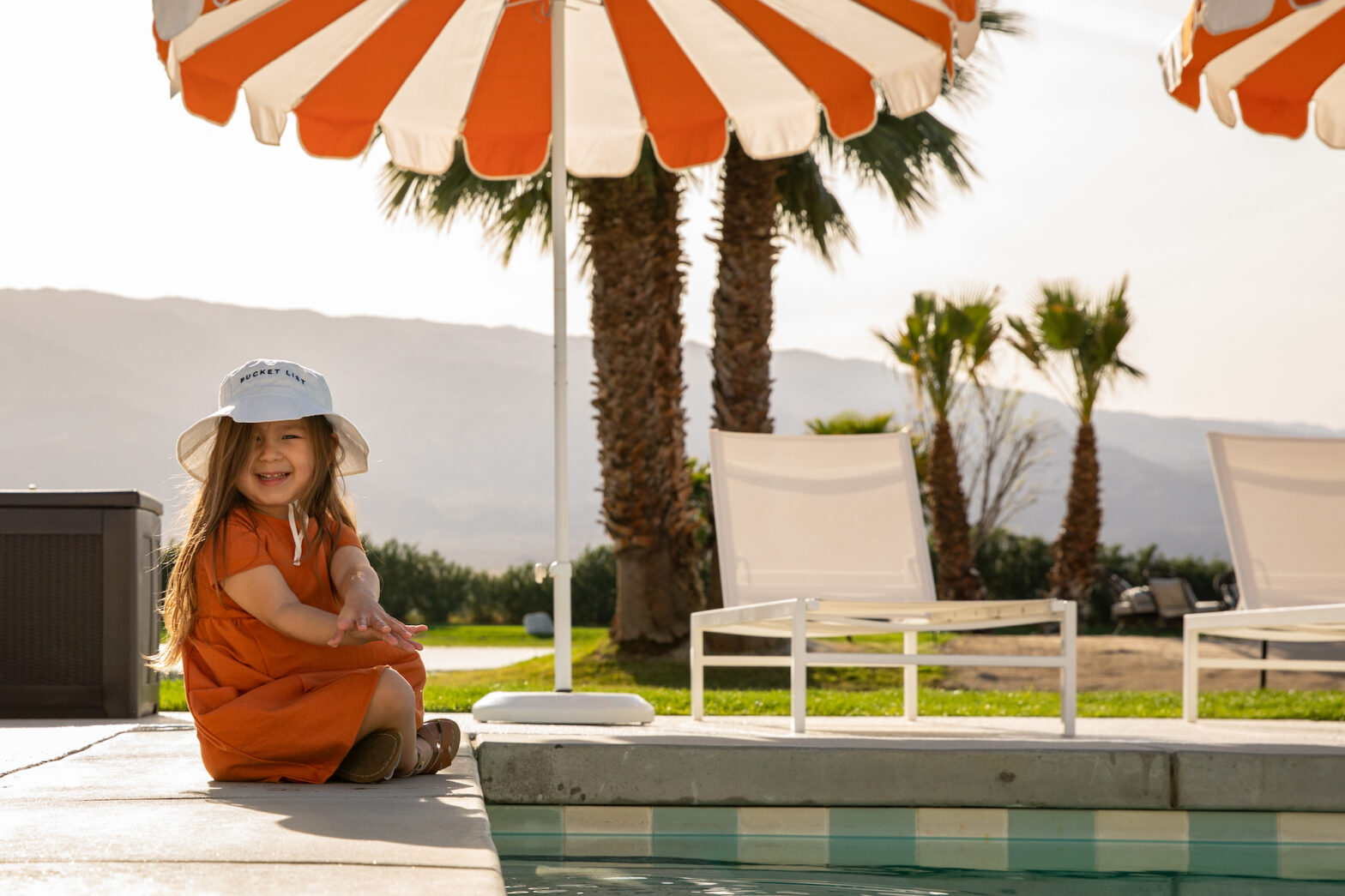
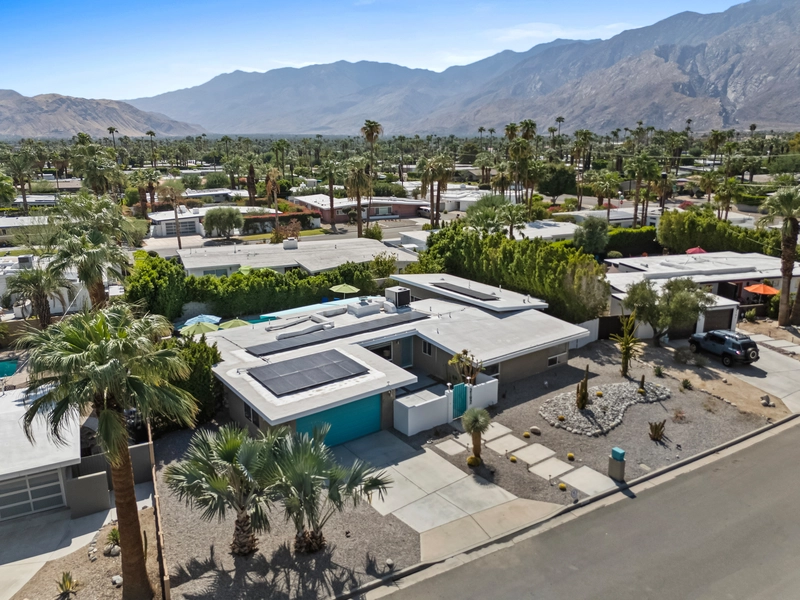
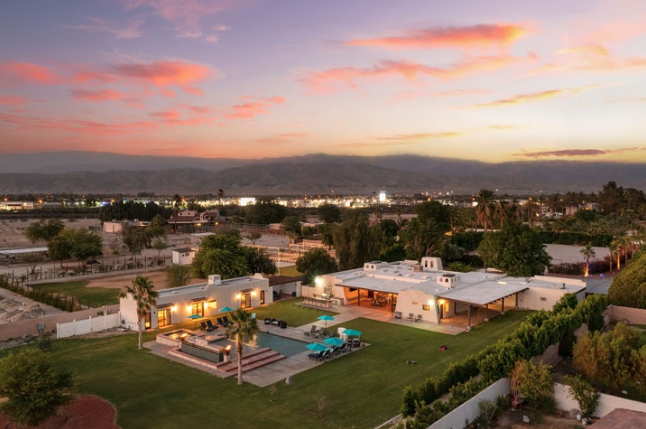
Calling all sun seekers! Yellowjacket is your ultimate desert escape, blending modern chic with retro flair. Dive into the shimmering pool, perfect for those hot Palm Springs afternoons. As the sun sets, gather around the outdoor fire pit and soak in the vibrant desert sky.
Best Features:
Private pool for lounging and enjoyment
Hot tub for relaxation under the stars
Chic electric firepit for cozy gatherings
Covered outdoor dining table for al fresco meals
Lawn games provided, including ladder ball and cornhole
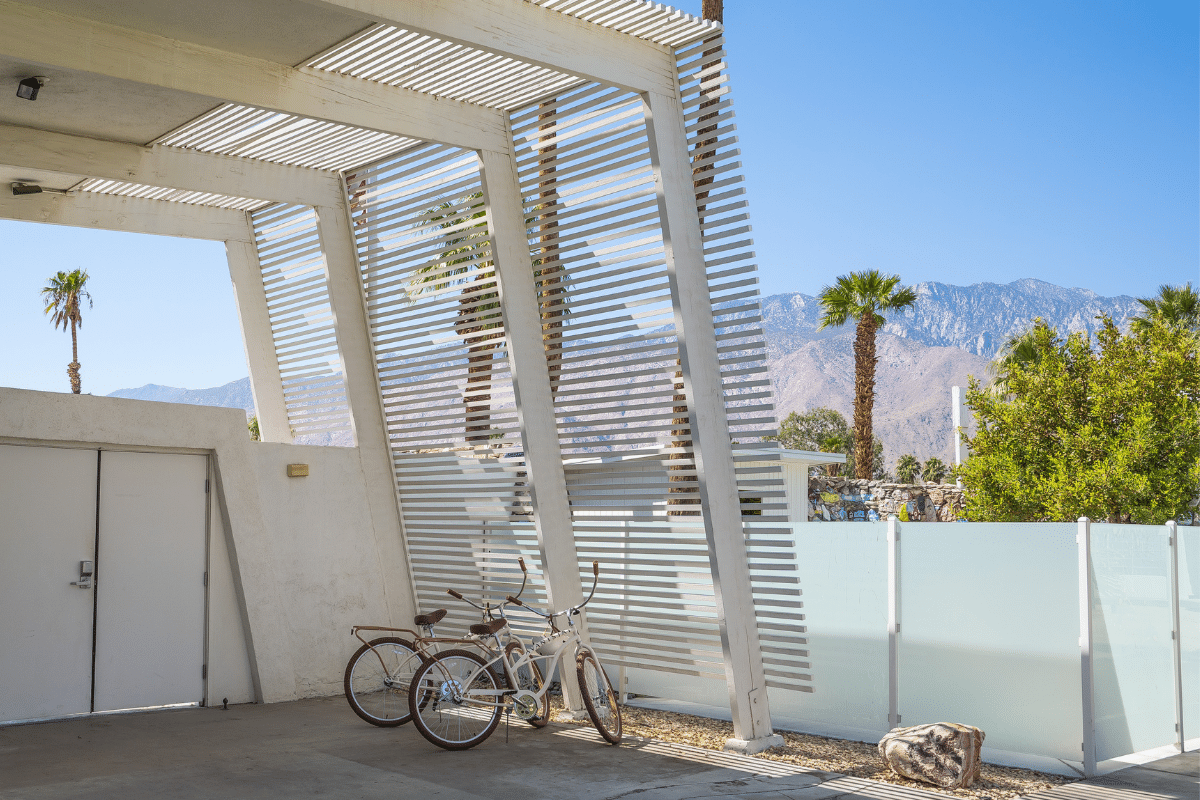
Four bikes and helmets available for leisurely rides around the area
Get ready for endless days of fun, relaxation, and unforgettable moments! Our house rentals with pools provide the perfect setting for both relaxation and fun. Here are some enjoyable activities to consider during your stay.
Pool Games and Entertainment: Enjoy classic pool games such as water volleyball or pool basketball. Inflatable toys, floats, and loungers enhance the fun for both kids and adults.
Water Activities: Some of our other rentals may offer pool-related activities such as paddleboarding or aquatic aerobics. If the property has a larger pool, consider organizing a mini swim meet or water polo game.
BBQ and Outdoor Dining: Many of our vacation homes are equipped with outdoor grills or kitchens. Plan a barbecue night with family and friends, complete with poolside dining for a relaxed and enjoyable atmosphere.
Evening Pool Gatherings: Take advantage of the evenings by hosting a by-the-pool gathering with relaxation stations, string lights, and music. A peaceful evening swim under the stars can also be a magical experience.
Relaxation and Wellness: Use your time by the pool for relaxation. Bring books, practice yoga, or even hire a massage therapist for poolside services. Don’t forget to take breaks under a shaded area or an umbrella!
Beat the Heat and Soak Up Some Sun!
Find the perfect home for your summer retreat! From the vibrant landscapes of California to tropical paradises in Hawaii, there’s a dream house with a cool pool waiting for you! Browse our website to learn more.
Calling all future Serena Williams and Rafael Nadal—it’s time to make your way to your private tennis court and serve all season at these AvantStay homes.
If you’re a seasoned player or just in it for the backhanded compliments, staying at a vacation rental with a private tennis court adds a whole new level of luxury (and cardio) to your getaway.
Whether you’re just out here serving looks or you consider yourself a pro, these homes come complete with all you need to get your head in the game. From sunrise rallies to sunset soaks in the hot tub, these handpicked AvantStay homes are more than just a place to sleep—they’re your group’s private clubhouse, where tennis, pickleball, and post-match cocktails all come standard.
Meet you at the courts!
1. Starlight Estate – Coachella Valley, CA
Sleeps 20 guests with 8 bedrooms
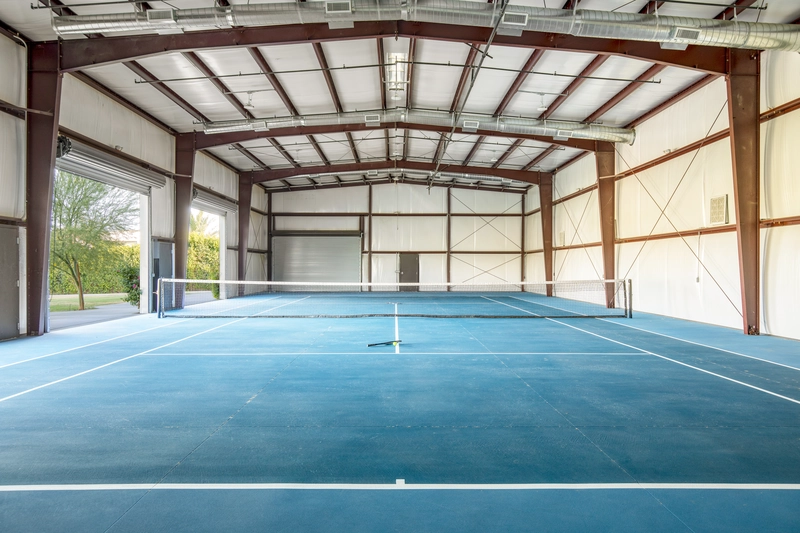
With a luxurious vacation house like Starlight Estate, you truly will live it up at this private stay nestled in the San Jacinto mountains – featuring an indoor tennis court with air-conditioning, a pool with waterfalls, a fire pit, plenty of seating, and bold Southern California interiors.
🎾 Why You’ll Love Starlight Estate:
You’ll love Starlight Estate for its rare amenities and expansive layout that’s made to impress big groups any time of year. Plus, there are lots of best things to do in Coachella Valley!
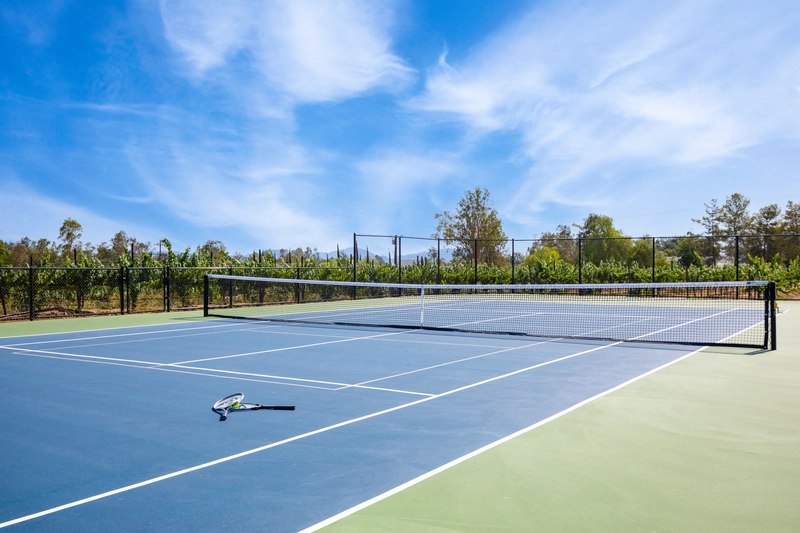
2. Fortuna Del Norte – The Tennis Ranch – Temecula, CA
Sleeps 20+ guests with 8 bedrooms
Game, set, match—The Tennis Ranch brings full-on country club energy to the heart of Temecula wine country. Centered around a private tennis court, this sprawling ranch-style estate is built for friendly competition that turns into all-day hangs. Between matches, cool off in the pool, gather for shaded outdoor lounging, or pour a glass from a nearby vineyard and settle in for sunset. Equal parts active and indulgent, this is where tennis mornings turn into wine-soaked afternoons—and no one’s in a rush to leave the court.
🎾 Why You’ll Love Fortuna Del Norte:
With its dedicated tennis setup, expansive outdoor spaces, and seamless indoor-outdoor flow, it feels like your own private sports club—perfect for groups that want to rally, relax, and repeat.
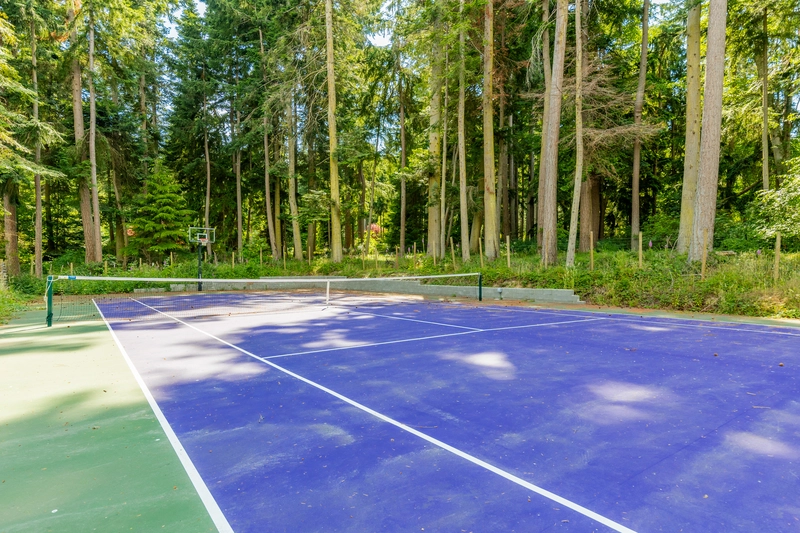
Another round, you say? Maybe tennis, a round of drinks, or looking for things to do while on Whidbey Island? Then, cheers to the good life at Orca Ridge, with the best of both worlds, gorgeous surroundings, and an inviting hot tub for relaxing after an intense game.
🎾 Why You’ll Love Orca Ridge on Resort Road:
Ideal for groups craving coastal calm with a green twist, as for its private tennis court, beach access, and jaw-dropping 180° Puget Sound views.
4. Villa Verdot – Temecula, CA
Sleeps 10 guests with 6 bedrooms
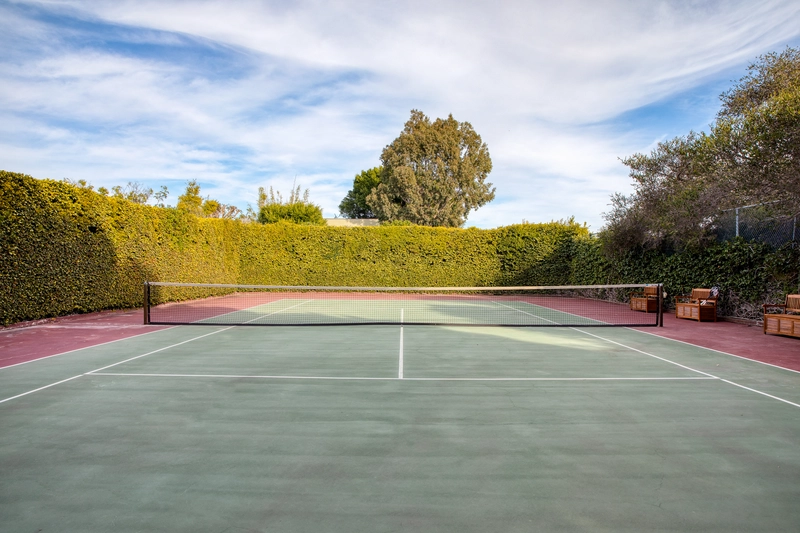
Enjoy the lush, green surroundings Villa Verdot has to offer after a nice, long game of tennis at your private court. Take a dip in the pool, swing on the hammock, or cozy up for some fireside chat while you fully immerse yourself in the wonders of wine country, Temecula.
🎾 Why You’ll Love Villa Verdot:
Because nothing says “wine country luxury” like your own tennis court, poolside palapa, private casita, and a game room fit for grown-up kids at heart.
This one’s for the pros, aside from the 30 best things to do in Malibu. Next time you’re looking for an active vacay – think Dume Point. This coastal oasis comes complete with your very own outdoor pool, private tennis court, badminton net, and so much more.
🎾 Why You’ll Love Dume Point:
This Malibu gem serves sunshine, surf, and sports vibes, and that golden-hour glow that you only get once you are on the coast.
6. Buena Vista – Coachella Valley, CA
Sleeps 20 guests with 9 bedrooms
WoulThe tennis court isn’t even the best part of Buena Vista! This sprawling 40+ acres estate is just 10 minutes from the Polo Fields. It just doesn’t stop with its freshwater lake, saloon-style wet bar, bonfire area, bocce ball, horseshoe rings, and al fresco dining area for your whole group.
🎾 Why You’ll Love Buena Vista:
With a beach-entry lagoon, pickleball, paddle boats, and a saloon-style bar, this serves a full-court press on fun for retreats, events, and beyond.
💡 Maybe you want to take it a step further and have your wedding here… We don’t blame you. Click here for more info on AvantStay events.
7. The Pond Estate – Palm Springs, CA
Sleeps 20 guests with 11 bedrooms
If Gatsby had a desert compound in Palm Springs, this would be The Pond Estate. An oasis with 3 homes, own pond, tennis court, indoor & outdoor pools, and a game house big enough to host its own tournament. Host a yoga retreat or hop between saunas and spas. Indeed, iconic.
🎾 Why You’ll Love The Pond Estate:
For upscale group getaways or retreats, this ultra-luxe private compound pairs beautifully with your team retreat or total relaxation plans.
Name a better group getaway than Bravo—we’ll wait. This private desert playground has a Tulum-inspired style with a next-level lagoon-style beach pool with a swim-up island bar, private tennis and pickleball courts, basketball, a soccer field, and two dreamy guest casitas!
🎾 Why You’ll Love Bravo:
The estate’s dramatic mountain backdrop and proximity to the music grounds make golden hour unforgettable, whether you’re toasting on the lawn or dancing barefoot under the desert sky.
As standard as the pool, spa, tennis, pickleball courts, and 3-hole golf setup, Mesquite38 is your private wellness retreat that sits on nearly 4 acres of serene Coachella Valley. A place for hot air balloon rides, sound baths, chef-led restaurants, and stargazing sessions.
🎾 Why You’ll Love Mesquite38:
Between the stargazing fire pit, private pickleball courts, and custom event programming, this desert hideaway turns your group stay into a five-star retreat.
Our Tennis Traveler’s Guide: Know Before You Hit the Court
Did you know that a full match can burn up to 600 calories an hour? But even casual rallies offer great exercise and a whole lot of fun—no pro-level skills are required to play this sport.
Tennis is one of the most social and low-impact sports you can enjoy on vacation, making it a perfect activity for groups of all skill levels.
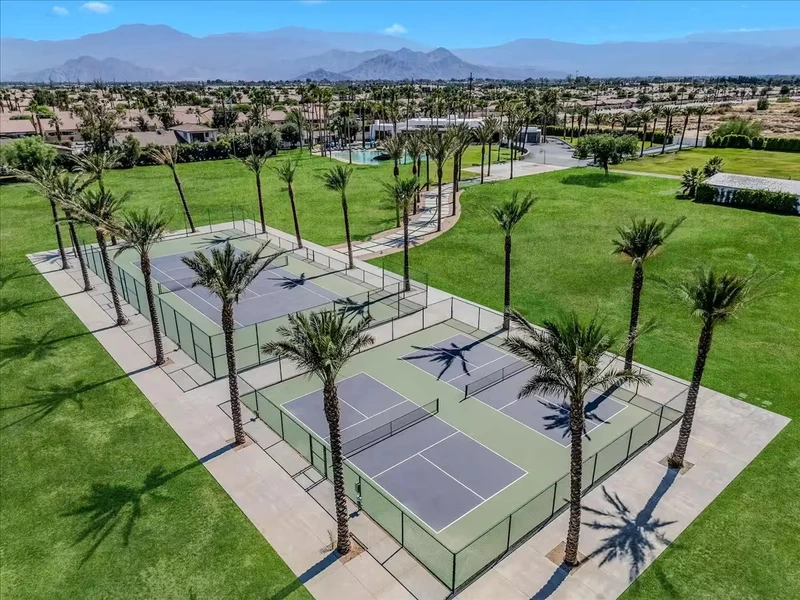
Many of our AvantStay homes also feature multi-use courts that double for pickleball or basketball, so everyone in your group can get in on the action, no matter their sport of choice.
What to Pack for a Tennis Getaway:
Tennis Racket & Balls – While some homes may have equipment, we recommend bringing your own rackets and balls for comfort and consistency.
Non-Marking Tennis Shoes – These tennis shoes are usually required on most courts to protect the surface (and your ankles).
Athletic Apparel – Make sure to pack breathable fabrics, hats, and sweatbands go a long way in warmer destinations.
Sunscreen & Water Bottle – Do not forget sun and dehydration protection, especially if you’re headed to Coachella Valley, Palm Springs, or Arizona.
A Small Towel or Wristbands – We all know the feeling of slimy hands. And with wristbands, it really helps for wiping off sweat between sets.
Even More Amenities
We have so much more to offer when it comes to extraordinary amenities. Check out these other posts where we dive into more of what makes AvantStay a cut above the rest:
If you’re looking for a beautiful and historic region to explore in New York, look no further than Hudson Valley. This region, which encompasses the area along the Hudson River from New York City to Albany, is known for its scenic beauty, rich history, and diverse cultural offerings. Whether you’re a foodie, a history buff, or an outdoor enthusiast, there’s something for everyone in Hudson Valley. Here are the top 17 things to do in this incredible region, plus a bonus tip on where to stay for the ultimate experience.
Enjoy the Scenic Beauty
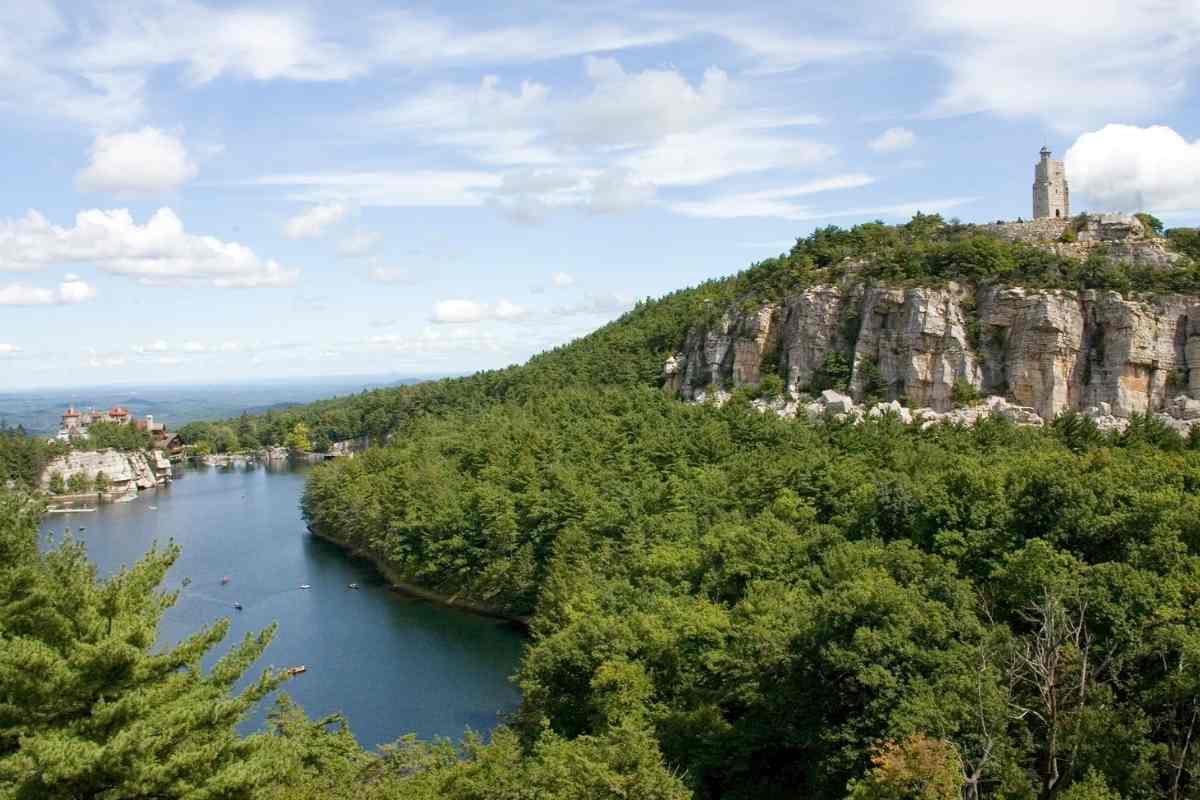
Hudson Valley is known for its breathtaking natural beauty, and there are plenty of ways to enjoy it. One of the best ways is to visit Mohonk Preserve, which offers over 8,000 acres of scenic beauty and hiking trails. Take a stroll or a challenging hike, and soak in the stunning views. For a different kind of scenery, head to the Shawangunk Wine Trail, where you can take a scenic drive through rolling hills and vineyards.
Source: Condé Nast Traveler
Take a Hot Air Balloon Ride
For a truly unique and unforgettable experience, take a hot air balloon ride over the Hudson Valley. Get a bird’s-eye view of the stunning landscape as you float over the rolling hills and scenic vistas. This is an experience you’ll never forget.
Visit Historical and Cultural Attractions
Hudson Valley is home to a wealth of historic sites and cultural attractions. For example, you can visit the Franklin D. Roosevelt Presidential Library and Museum to learn about one of the most influential presidents in American history.
Source: National Park Service
Explore Art and Culture
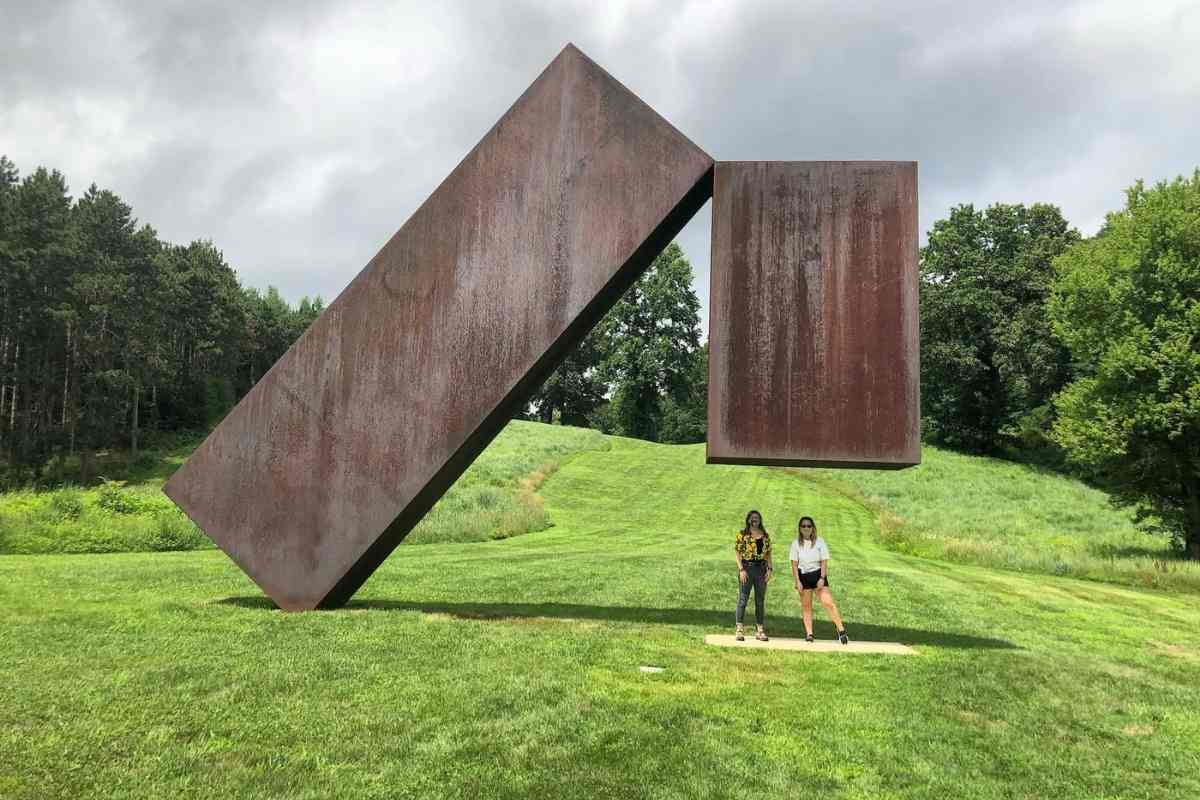
Hudson Valley is also known for its vibrant arts and culture scene. Check out Dia:Beacon, a contemporary art museum that showcases some of the most cutting-edge art in the world. Attend a concert at the Bardavon 1869 Opera House, which has been entertaining audiences since the 19th century. For a truly unique outdoor experience, explore the Storm King Art Center, an outdoor sculpture park that features over 100 sculptures by some of the most celebrated artists in the world.
Food and Drink
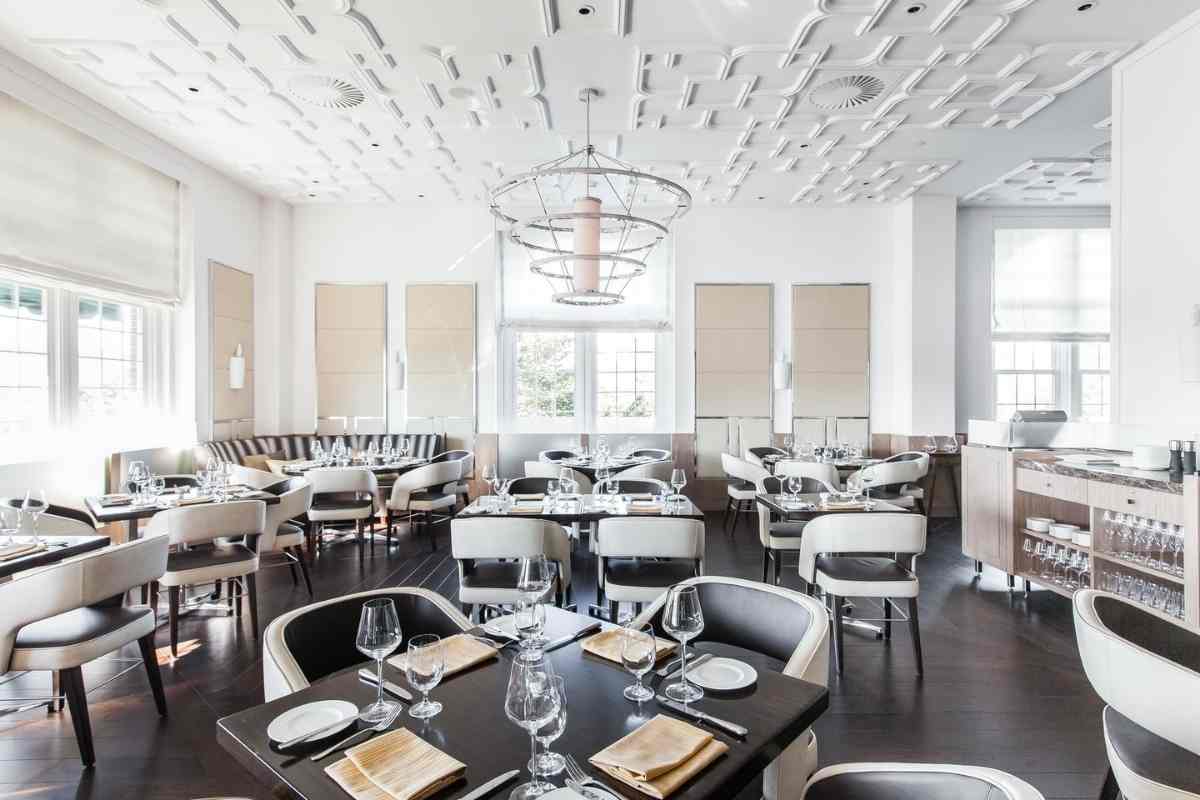
Hudson Valley is home to a thriving food and drink scene, with a focus on locally sourced ingredients and craft beverages. One of the must-visit destinations is the Culinary Institute of America, where you can enjoy a gourmet meal in a stunning setting. For beer lovers, check out the Hudson Valley Brewery, which offers a wide range of locally sourced craft beer. And for a unique experience, visit the historic Woodstock Farm Sanctuary, where you can meet rescued farm animals and learn about sustainable agriculture.
Source: Chronogram
Outdoor Activities
If you’re an outdoor enthusiast, you’ll love Hudson Valley. Take a kayak tour of the Hudson River to experience the stunning scenery up close. Go horseback riding through the Catskill Mountains for a unique perspective on the landscape. And visit the Dutchess County Fairgrounds for a variety of outdoor events throughout the year, including the Dutchess County Fair.
Visit the Storm King Art Center
The Storm King Art Center is an open-air museum located in the Hudson Valley that showcases large-scale sculptures and installations from some of the most prominent artists in the world. The 500-acre landscape is also perfect for a leisurely walk or a picnic.
Source: Courtney in the Middle Seat
Take a Food Tour
The Hudson Valley is renowned for its farm-to-table cuisine and a food tour is a perfect way to sample the region’s culinary delights. Take a walking tour of Poughkeepsie, explore the Hudson Valley Food Hall, or enjoy a farm-to-table dinner at a local restaurant.
Tour the Vanderbilt Mansion National Historic Site
Located in Hyde Park, the Vanderbilt Mansion National Historic Site is a must-see attraction for history buffs. The mansion, which was once home to the Vanderbilt family, features lavish interiors, manicured gardens, and stunning views of the Hudson River.
Source: I Love NY
Go Wine Tasting
The Hudson Valley is home to a growing number of wineries and vineyards, many of which offer tours and tastings. Take a scenic drive through the valley and sample some of the region’s best wines.
Visit the Walkway Over the Hudson
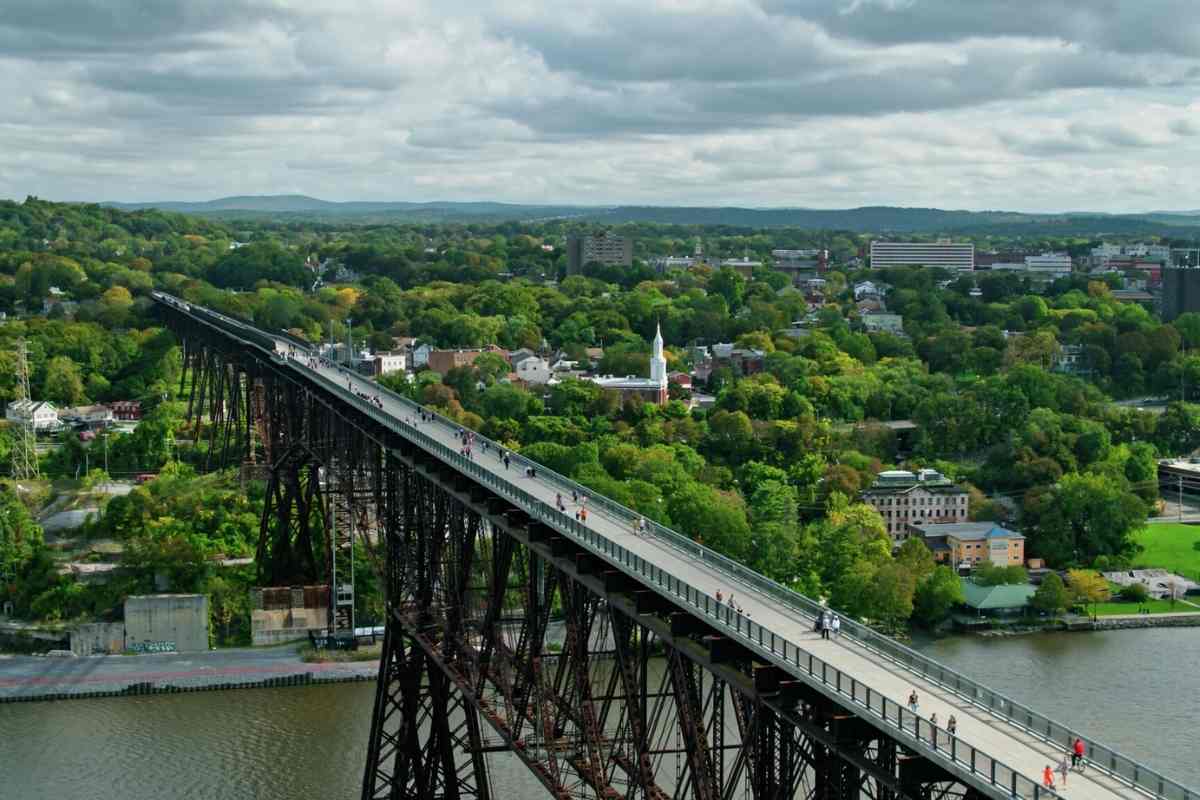
The Walkway Over the Hudson is a pedestrian bridge that spans the Hudson River, connecting Poughkeepsie to Highland. The bridge offers stunning views of the river and the surrounding landscape and is a popular spot for walkers, runners, and cyclists.
Source: Times Union
Explore Historic Rhinebeck
Rhinebeck is a charming town in the Hudson Valley that is home to historic architecture, unique shops, and delicious restaurants. Visit the Beekman Arms & Delamater Inn, America’s oldest continuously operating hotel, and explore the town’s many galleries and boutiques.
Go Kayaking or Canoeing
Explore the Hudson River by kayak or canoe and take in the stunning scenery from the water. There are many outfitters in the region that offer rentals and guided tours.
Source: Hudson Valley Magazine
Visit the Olana State Historic Site
Olana is a historic estate located in Hudson, NY, that was once the home of the artist Frederic Edwin Church. The estate features stunning views of the Hudson River and the Catskill Mountains, as well as a Persian-inspired house and a landscaped park.
Take a Hike
The Hudson Valley is home to many beautiful hiking trails, ranging from easy strolls to challenging hikes. Some popular options include the Mohonk Preserve, Bear Mountain State Park, and the Catskill Mountains.
Source: Wikipedia
Attend a Festival or Event
The Hudson Valley is home to many festivals and events throughout the year, celebrating everything from music and art to food and culture. Some popular events include the Hudson Valley Wine & Food Fest, the Dutchess County Fair, and the Clearwater Festival.
Booking Vacation Rentals in Hudson Valley
For those traveling in groups, vacation rentals are the best way to go. They offer plenty of room for everyone to spread out, private pools and hot tubs, and outdoor space to enjoy the beautiful Hudson Valley weather. If you’re looking for your best options, AvantStay has stellar vacation rentals in Hudson Valley, with properties that range from cozy cottages to spacious estates like Shakespeare on the Hudson.
In conclusion, the Hudson Valley is a beautiful region that offers something for everyone. Whether you’re interested in history, art, outdoor activities, or just relaxing in the countryside, you’re sure to find plenty to do in this stunning part of New York State.
Desert oasis. Party town. Festival hotspot. Tranquil sanctuary. Culinary destination. Palm Springs is all of these things and more. That’s why it’s an ideal destination when you and your crew need to press pause on the day-to-day and spend time recharging by the pool. Explore the best things to do in Palm Springs, and be sure to pack your sunscreen and a stylish pair of shades. Palm Springs is a mecca for sun worshippers or anyone longing to feel a few rays on their shoulders before tucking themselves away in a cabana with a colorful drink in hand.
The arid getaway’s aesthetic evokes the Hollywood glamour of yesteryear with its glassy mid-century modern houses and breathtaking Spanish villas with red Terracotta tile roofs tucked away in the hillsides.
This picturesque locale truly comes alive in the summer with festivals like Coachella and Stagecoach kicking its already vibrant party scene into overdrive. So don’t be surprised if you see many bachelorette parties in Palm Springs. Of course, if your vibe is more low-key, Palm Springs is the perfect place to spend time not doing much of anything besides relaxing by the pool with your favorite people.
Hotel El Cid by AvantStay
Adrenaline-pumping activities
1. Palm Springs Aerial Tramway
Catch a thrilling ride on the Palm Springs Aerial Tramway in a glassed-in vessel that rises 2.5 miles straight up Chino Canyon in 10 minutes flat. Views from the top are astounding, and there are hiking trails, dining options, and a museum to visit.
2. Agua Caliente Casino
Gaming tables, live entertainment, and slot machines tempt adults at the Agua Caliente Casinos in both Palm Springs and Rancho Mirage. Profits support the Agua Caliente Band of the Cahuilla Indians, keeping their community and culture vibrant into the 21st century.
3. Coachella Music Festival
Attend the country’s largest music festival: Coachella. Held annually in Indio, a town about 30 minutes from Palm Springs, one pricey ticket gets you several days of top-rated musical entertainment for the young and young at heart – and the hungry. For festival pass holders, Outstanding In The Field sets a long table in the tranquil hideaway of the VIP Rose Garden. This intimate area allows you to take refuge (and a seat) at the festival while you mingle with other guests over a full-service, four-course, family-style meal, a cocktail, and some regional wine. Dinner is served around sunset. Tickets for this dinner are priced separately and seating is reserved.
4. Indian Canyons Trails
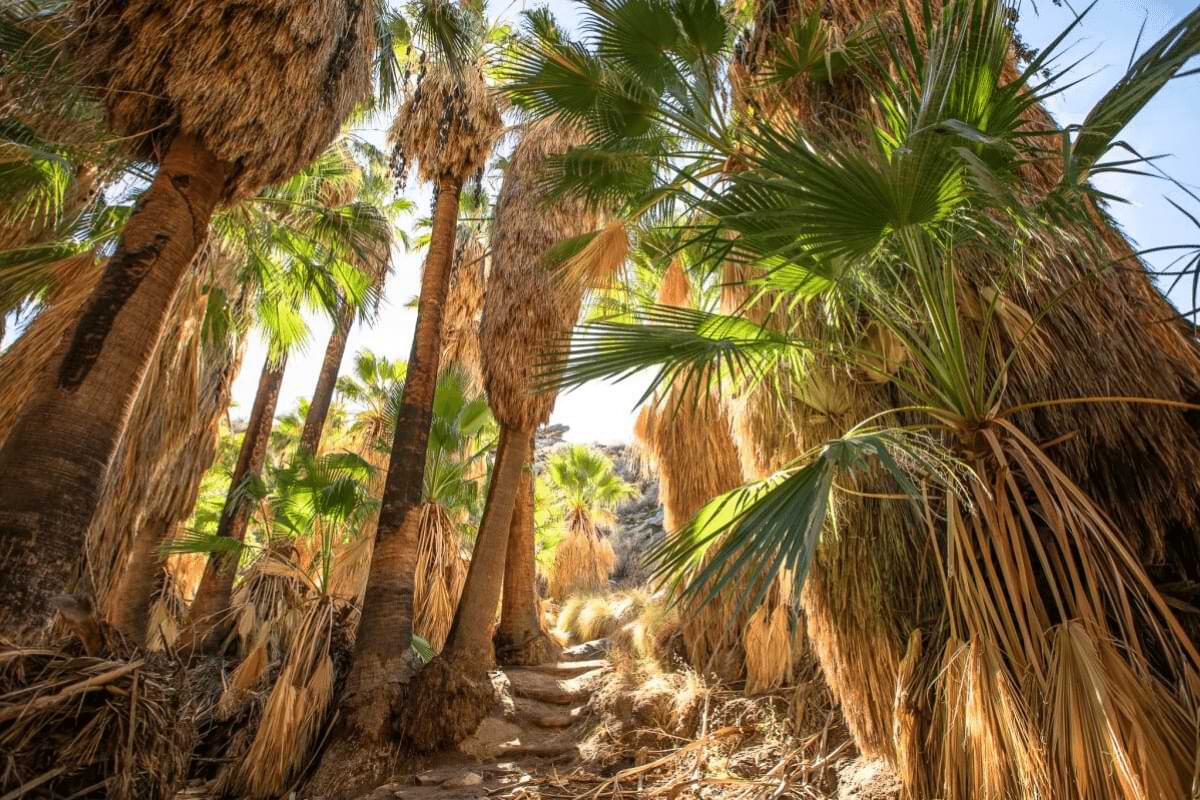
Hike at any of the groups of trails at Indian Canyons. Just nine miles south of town, these easy and well-marked hiking paths run along a stream bed and boast shade from the heat, thanks to giant palm trees. Tahquitz Canyon in particular is one of the most beautiful and culturally sensitive areas of the Agua Caliente Indian Reservation and is home to a spectacular, seasonal 60-foot waterfall, rock art, ancient irrigation systems, native wildlife, and plants. This Canyon is sacred to the Agua Caliente Band of Cahuilla Indians.
Source: Visit Greater Palm Springs
5. Bike Palm Springs
Put the pedal to the metal, or better yet, rent an electric bicycle at Bike Palm Springs. With flat terrain and multiple bike paths, Palm Springs is ideal for this mode of transportation. City maps, bike locks, and helmets come with an hourly rental cost.
6. Stagecoach Festival
Crazy about country music? You’ll want to attend Stagecoach Festival, the country’s largest country music festival, held over three days in April in Coachella Valley. Other festivals hosted here range from pedigree dog shows and polo matches to BBQ competitions and Cabazon Indian Pow-Wows.
7. BMW Performance Center
Take the wheel at the BMW Performance Center for a fun thing – and an unforgettable experience. This is a great way to sample several BMW vehicles. Take the wheel of a BMW X vehicle as you follow an instructor through a challenging off-road course. Then, head to the track and rotate between various BMW vehicles, driving each through tight corners and fast straightaways. Finally, buckle up in the passenger seat for a hot lap with an instructor as they drift and accelerate around the track.
8. Red Jeep Tours
Take a Red Jeep Tours open-air jeep ride for an engaging, entertaining, and educational journey with a highly-trained naturalist tour guide at the wheel.
Source: Palm Springs Life
Find your zen
9. Cholla Cactus Garden
Catch the sunrise from the Cholla Cactus Garden in Joshua Tree National Park, a major attraction located about 40 miles from Palm Springs. Take the quarter-mile trail to a 10-acre patch containing more than 20 varieties of cacti, with evocative names like Groundcherry and Cheesebush, and watch the desert sky come to life.
10. State Fare Bar and Kitchen
Savor sunsets at the lounge in The Ritz-Carlton’s State Fare Bar and Kitchen in nearby Rancho Mirage (just turn up Frank Sinatra Drive). Located on a bluff 700 feet above the valley, there is no better place to sip a cocktail and build your own pizza while the sky turns pink and purple in the distance.
11. Rancho Mirage Library and Observatory
Stargaze at the Rancho Mirage Library and Observatory. This is a complimentary night-time activity that will thrill adults and kids alike. Located adjacent to the town’s public library, there’s a full-time astronomer onsite nightly.
12. Desert Hot Springs
Take the plunge into Desert Hot Springs. Thermal mineral waters have sprung up from the earth surrounding the San Andreas Fault for hundreds of years. Dozens of local resorts offer day passes to soak in the waters which are known to cure joint aches and arthritis, migraines, depression, and low energy.
Source: Visit Greater Palm Springs
Where to gawk
13. Palm Springs Celebrity Tours
Book a Celebrity Homes guided tour with Palm Springs Celebrity Tours and gawk at the residences of Cary Grant, Marilyn Monroe, Katherine Hepburn, Elvis, Sinatra, and Dean Martin from the comfort of a Land Rover. Guides will spill juicy details of the owners’ lives (and loves) here along the way.
14. Palm Springs Historical Society
The Palm Springs Historical Society provides a handful of well-priced, in-depth tours by foot or by bike, including the storied Las Palmas neighborhood to see where Judy Garland, Gene Autry, Lena Horne, Kirk Douglas, and Dinah Shores lived and played.
15. Palm Springs Walking Tour
Take a walking tour of Palm Springs. Download the GPSmyCity app on your phone and follow the map for sightseeing at its best. You’ll log about 4.5 miles and will see a lot in those three hours.
16. Palm Springs Art Museum
Get cultured at the Palm Springs Art Museum, whose collection includes 12,000 modern and contemporary works. It’s free on Thursdays, second Sundays, and for those under 18.
17. Architecture Tours
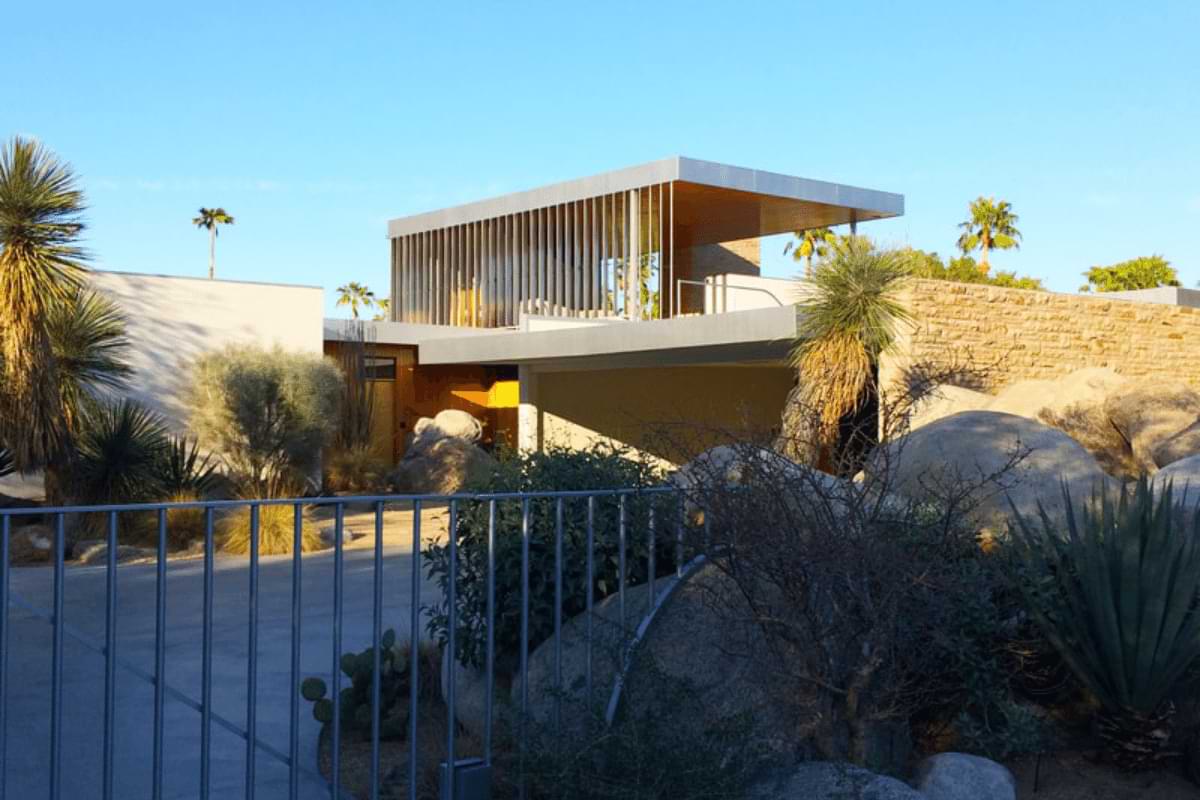
Be awed by an architecture tour. There are numerous local operators to choose from, including Palm Springs Mod Squad, and you can customize tours by your interest level, budget, and available time.
Source: Palm Springs Mod Squad
18. Sunnylands
Scope out Sunnylands, a 200-acre property built by Walter and Lenore Annenberg. Tour their historic estate, ride a shuttle around the extensive grounds, learn about native birds, and stroll through a garden whose colorful blooms were inspired by the couple’s Post-Impressionist art collection. Advance tickets are required.
19. Palm Springs Air Museum
Treat yourself to a visit at the Palm Springs Air Museum, home to one of the world’s largest collections of flyable aircraft from WWII, Korea, and Vietnam, displayed in a hangar that lets you get up close and personal with the planes. Here, you’ll have access to exhibits, activities, air shows, and the opportunity to take a one-hour ride in one of four vintage airplanes, priced from $200 to $5,000.
Moorten Botanical Garden is a privately-owned arboretum created to share the beauty and extraordinary varieties of desert plants with visitors. The Moortens are desert plant specialists happy to invite you to their residence estate. There’s something of interest for everyone here, with glistening crystals, colorful rocks, ancient fossils, and pioneer and gold mining relics. Classic collections on display include more than 3,000 varieties of plants designed in concentrated habitats along a nature trail.
Source: The Horticult
22. The Shag Store
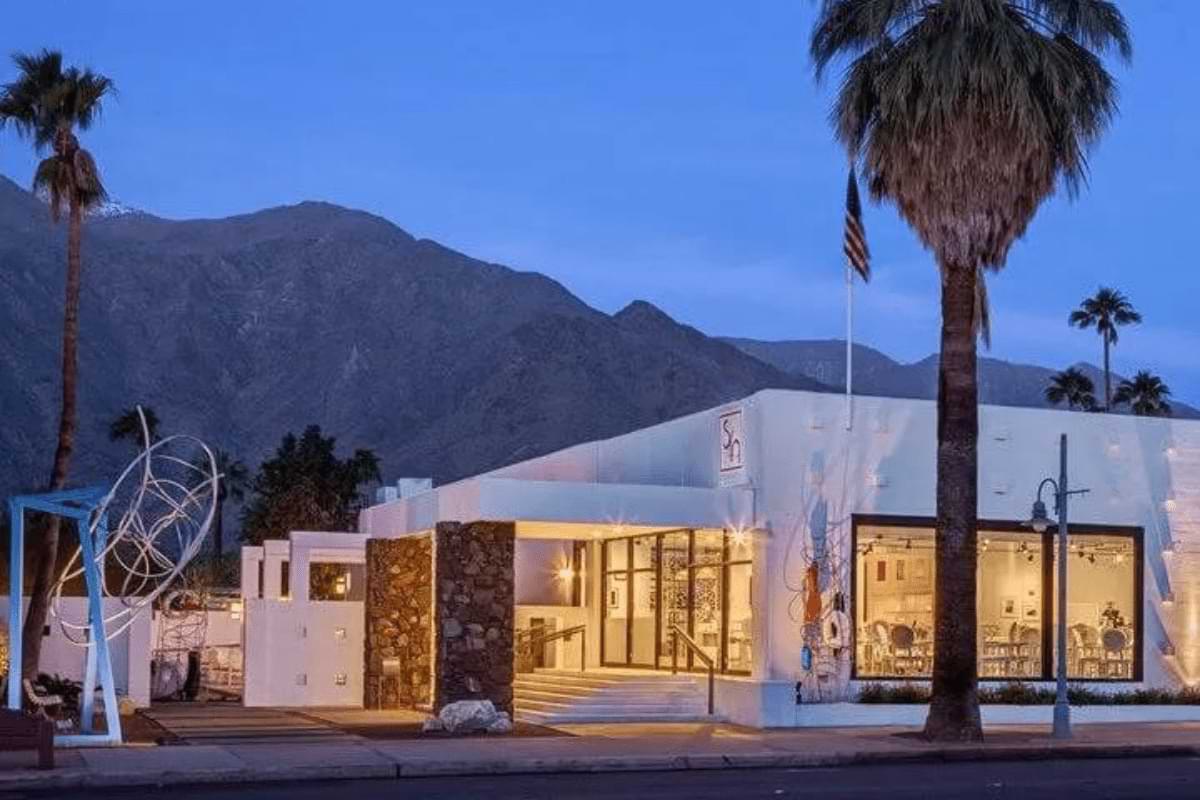
The Shag Store is an art gallery and retail space located in the Palm Springs Uptown Design District, dedicated exclusively to the artist Josh Agle Shag and his distinctive artistic style that draws on his sly sense of humor. The store offers prints, original art, merchandise, and unique products that capture the spirit of desert modernism.
23. Windmill Tour
The best place to catch a breeze may be on a Windmill Tour. These giant wind turbines are an iconic symbol as you arrive in the Coachella Valley. Take a self-driving windmill tour or off-road bike tour to explore the evolution of wind turbines on a private wind farm. The tour allows you to exit at each stop and guides you with a curated video.
Source: Palm Springs Windmill Tours
Best places to eat in Palm Springs
24. Johannes
Reserve your seat for dinner at Johannes. Named for its chef-owner, who hails from the Tyrolean Alps, this stylish downtown outpost is ideal for indulging in Austrian classics like wiener schnitzel or Jager beef steak.
25. Le Vallauris
Splurge at Le Vallauris on Tahquitz Canyon Way. Its terrace was constructed around a stand of mature shade trees to keep diners cool. Try the three-course prix fixe menu for $97 and peruse the options on the 22-page wine list. If you prefer to dine al fresco, the garden patio is perfectly romantic, situated among Lupe Ficus trees and the scent of the sweet desert air.
26. La Quinta Brewing Company Taproom
Quaff a cold one at La Quinta Brewing Company Taproom. This local microbrewery offers a dozen or so beers that rotate seasonally. Look for Poolside Blonde, Even Par, or Sundaze Session IPA. Go at Happy Hour most weekdays from 3-5 pm to enjoy $2 off per glass.
27. Eight4Nine Restaurant and Lounge
Eight4Nine Restaurant and Lounge is located in the fashionable Uptown Design District of Palm Springs and is open for lunch, dinner, or weekend brunch. Dishes like the Five Spice Duck Confit with Jerusalem artichoke puree, port, and damson sauce and dessert of Brandini Toffee S’Mores Fondue with house-made marshmallow, locally-made Brandini toffee, Callebaut chocolate, graham crackers, and mixed berries are sure to get your mouth watering.
Source: Gay Desert Guide
Best spots to shop
28. Shopping For Her
From quirky independent boutiques to designer outlets, Palm Springs has an amazing variety of things to buy. Relax and stroll northbound on Indian Palms Street, then southbound on Palm Canyon Drive. Don’t miss the chance to scoop up a new warm-weather frock at Elizabeth & Prince, Revenge Boutique, Oooh La La consignments, and Blonde.
29. Shopping For Him
For him, try on the Wil Stiles men’s department, referred to as a “steroid boost in the sport of competitive dressing.” Mod-patterned, cotton short-sleeved shirts reminiscent of Piccadilly Circus sell for about $140.
30. Spa Treatments
Save your skin. The Palm Springs dry air and sunshine call for a stop at one of the dozens of day spas scattered throughout Palm Springs. Be sure to treat yourself to a skin tune-up. Peruse the selection of serious facials at Organic Glow Skin Studio, with treatments that range from $50-$100.
31. Palm Springs VillageFest
The Palm Springs VillageFest in Coachella Valley is the place to be on Thursday nights. This street fair features arts, crafts, food, and entertainment within the beautiful downtown Palm Springs
The Monkey Tree Hotel by AvantStay
Best golf courses in Palm Springs
32. Rancho Las Palmas Country Club
The golf course at Rancho Las Palmas Country Club requires membership, but if you like your bogey with a side of palm trees, lakes, rolling terrain, and views of the San Jacinto Mountains, you’ll want to sign up. These three 9-hole courses were designed by the best in the business. Call for tee times and get there early to enjoy a breakfast of Brioche French Toast or Tofu Scramble at the club’s onsite restaurant, BluEmber.
33. Nicklaus Tournament Golf Course
If you’re booked to stay at AvantStay’s Fowler rental in Coachella Valley, golf is just beyond this vibrant home. In fact, it overlooks the famous Nicklaus Tournament Golf Course and Santa Rosa mountains. You don’t have to be a member to play golf in this 2,000-acre golf and lifestyle community in La Quinta. You might even spot a few high-profile celebrities, PGA tour pros, and quite possibly a U.S. President. Many have enjoyed this golf course with 109 holes of championship golf on six legendary courses.
The Marley Hotel by AvantStay
If you’re in need of an exciting getaway in a warm, spirited city, Palm Springs is the perfect vacation spot for you. From highly-anticipated events like Coachella & the Stagecoach Festival to breathtaking gardens and sprawling golf courses, this place is sure to introduce you to something new. See for yourself by booking with one of AvantStay’s Palm Spring hotels.
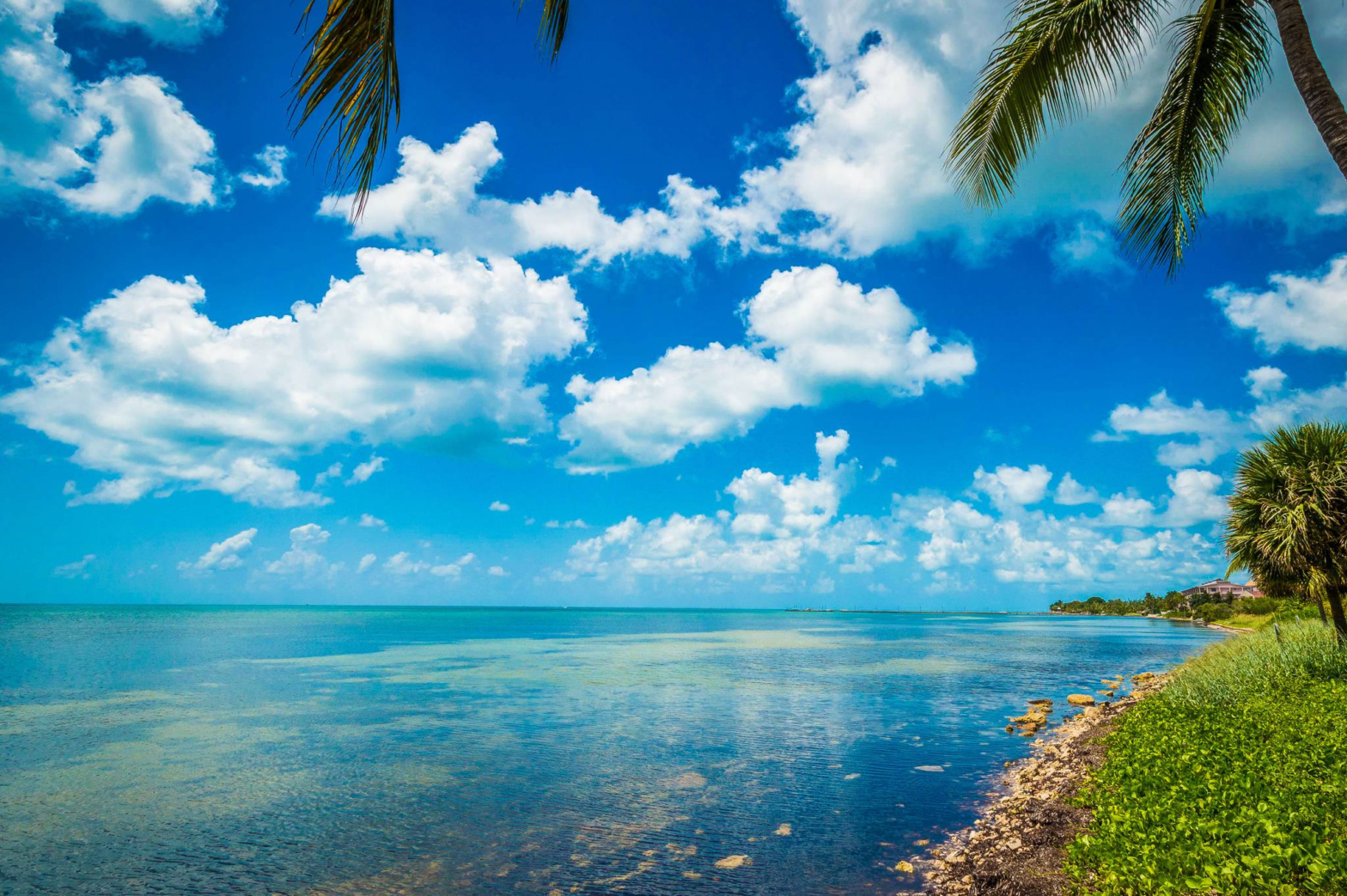
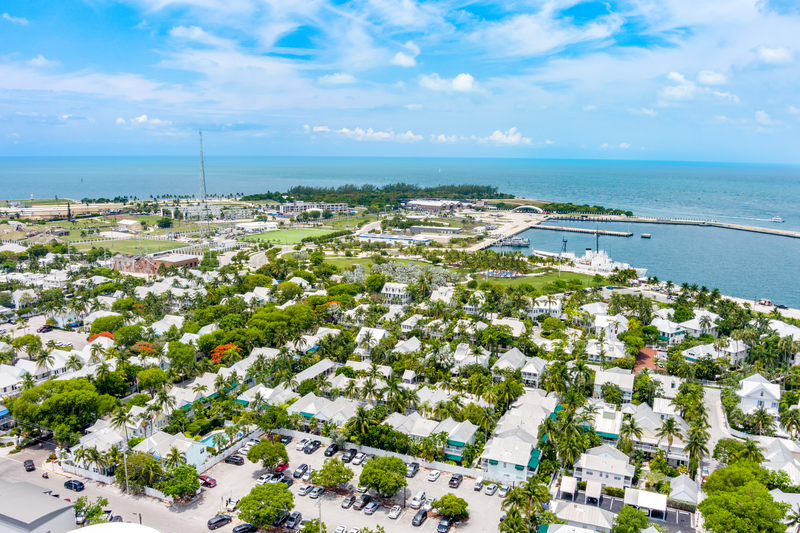
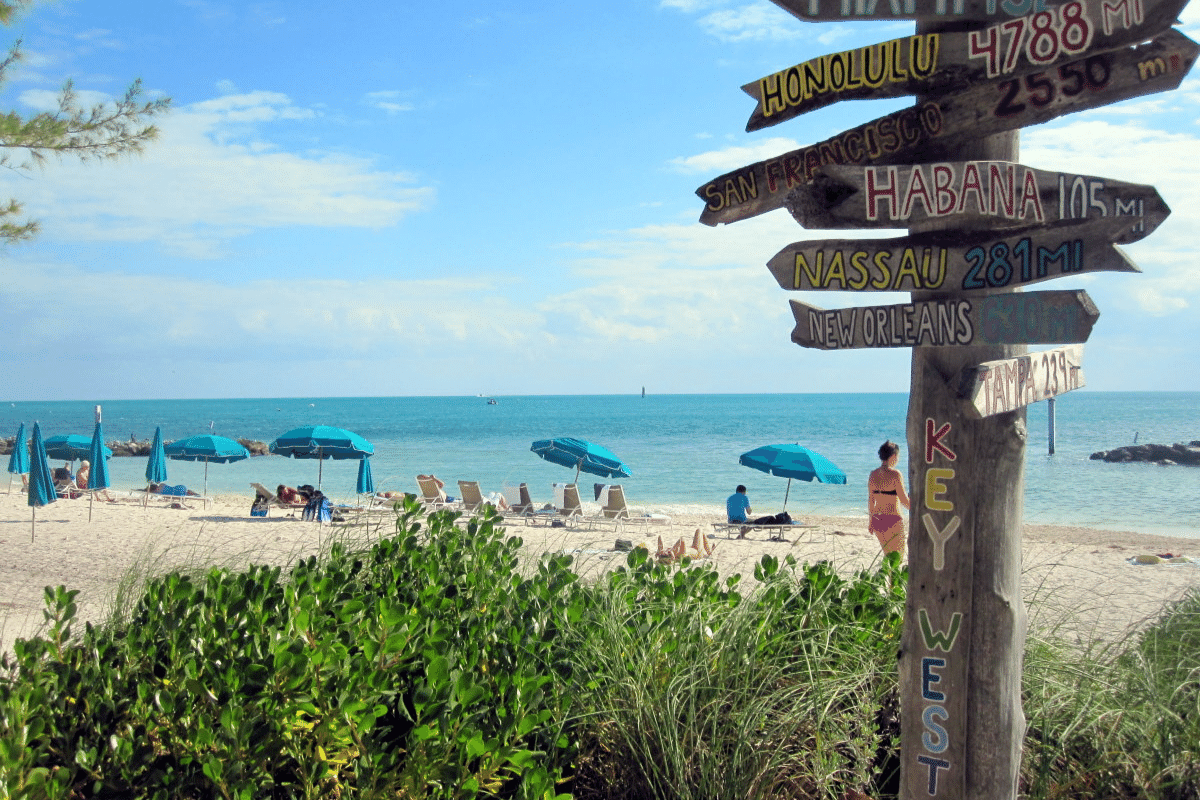
The Conch Republic isn’t just a nickname here. Key West floats at America’s southernmost point where the Atlantic meets the Gulf, historic Conch houses line narrow streets, and roosters roam freely like they own the place.
This 2×4-mile island built its reputation on shipwreck salvaging and literary legends while evolving into a laid-back beach destination that surprises even frequent Florida visitors.
From Mallory Square’s nightly sunset celebration to the Hemingway Home’s six-toed cats, the island offers adventures without ever feeling overwhelming.
If you’re snorkeling the coral reefs, bar-hopping down Duval Street, or simply watching Key West’s quirky characters pass by, this Florida Key delivers tropical paradise at an easy pace.
This guide breaks down the perfect Key West itinerary, whether for a quick weekend escape or a full week exploring the southernmost city.
Planning your trip? Check out our guide on the best time to visit Key West for ideal weather and events before building your itinerary.
2 Days in Key West: 48 Hours Island Sprint
This fast-paced itinerary works for travelers driving through the Florida Keys or Miami visitors extending their trip. You’ll experience Key West’s most iconic moments without spreading yourself thin. Perfect for couples seeking romance or groups wanting maximum tropical vibes packed into one power weekend.
Day 1: Old Town and Duval Street
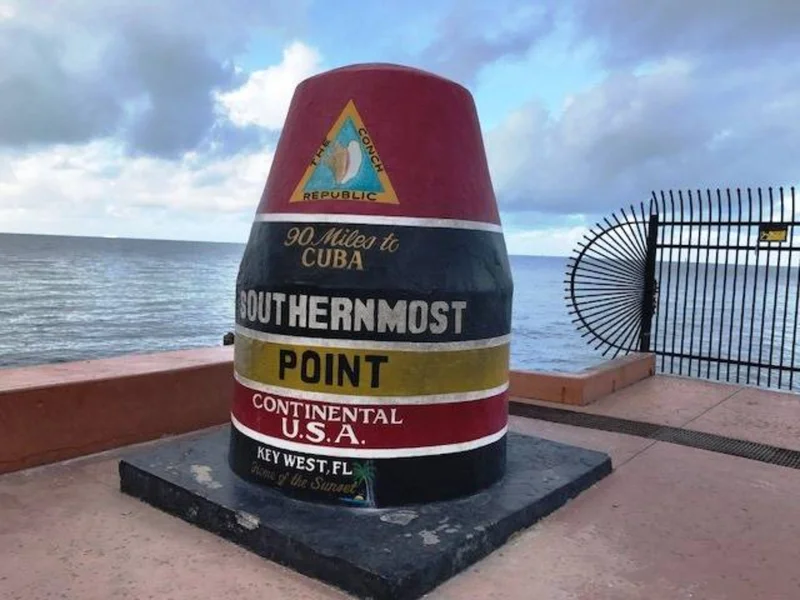
Morning: Start at the Southernmost Point buoy for photos marking just 90 miles to Cuba. Walk to the Hemingway Home and Museum for tours starting at 9 AM. The author’s former residence features six-toed cats, descendants of his original pets. The Spanish Colonial house and lush gardens capture old Key West character.
Lunch: Blue Heaven on Thomas Street serves Caribbean-inspired cuisine in a funky outdoor garden setting. Their shrimp and grits and lobster Benedict earn raves. Chickens and roosters wander the property freely.
Afternoon: Walk Duval Street exploring its mile of bars, shops, and galleries. Stop at the Key West Butterfly and Nature Conservatory for a climate-controlled butterfly habitat. Browse local galleries and grab Key lime pie at Kermit’s Key West Key Lime Shoppe. The tart-sweet pie represents authentic Florida Keys flavor.
Evening: Head to Mallory Square by 5:30 PM for the nightly sunset celebration. Street performers, artists, and crowds gather watching the sun sink into the Gulf. Dinner at Latitudes on Sunset Key requires a quick boat ride from the Westin dock. The island restaurant delivers upscale seafood with water views. Return to Duval for nightlife at Sloppy Joe’s or the Green Parrot.
Day 2: Water Adventures and History
Morning: Book a morning snorkel tour to the coral reefs. Multiple operators depart from the Historic Seaport, taking you to protected waters teeming with tropical fish and coral formations. The clear water and marine life create unforgettable underwater scenes. Tours typically run 3-4 hours, including equipment and instruction.
Lunch: Half Shell Raw Bar at the Historic Seaport serves fresh seafood in a casual waterfront setting. Their conch fritters and peel-and-eat shrimp represent classic Keys dining.
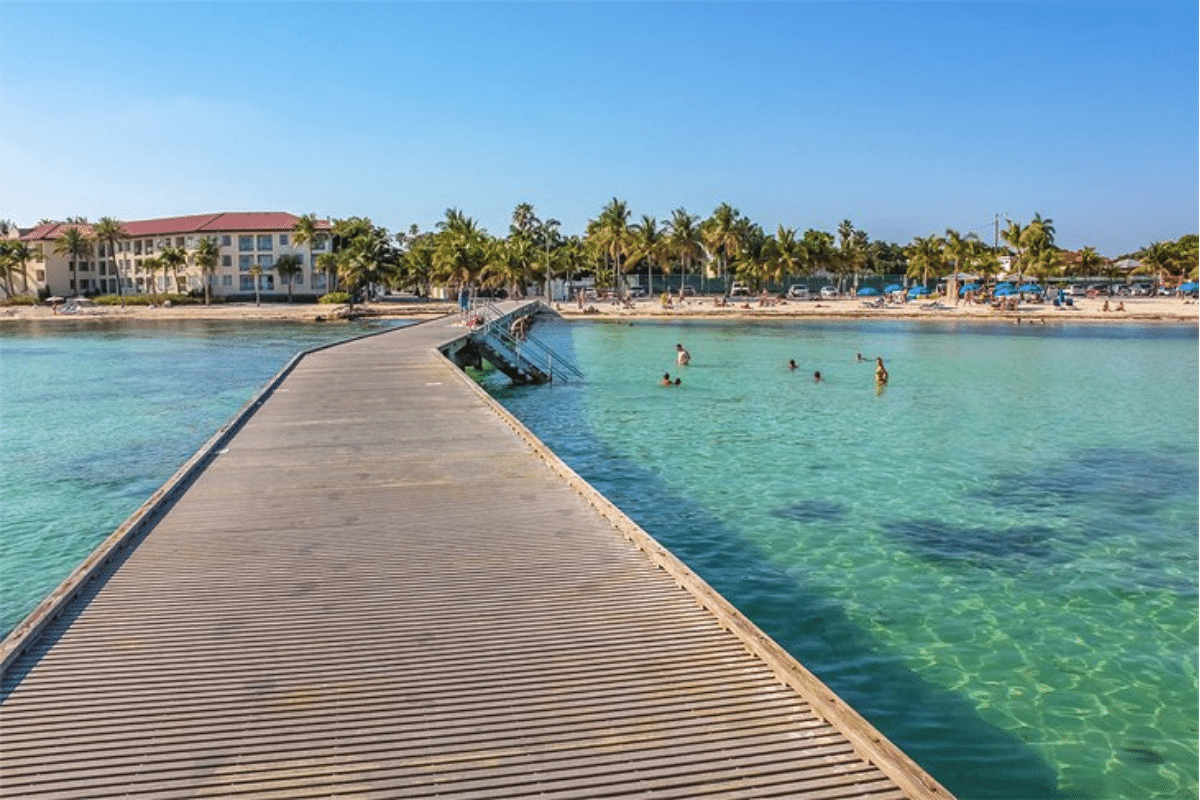
Afternoon: Visit Fort Zachary Taylor State Park for beach time and snorkeling right off the shore. The fort’s Civil War history interests history buffs, while the beach attracts swimmers and sunbathers. The underwater reef here rivals tour spots without the boat ride.
Evening: Final sunset from Smathers Beach, Key West’s longest stretch of sand. Dinner at Santiago’s Bodega for Spanish tapas, or El Meson de Pepe for Cuban cuisine. Toast your quick Key West escape with a mojito or rum runner.
Three days capture Key West’s essence perfectly for first-time visitors or groups celebrating special occasions. This itinerary balances water activities with cultural experiences, making it ideal for bachelorette parties, anniversaries, or friend reunions. You’ll experience the island’s unique character from historic sites to beach bars.
Day 1: Historic Key West
Morning: Breakfast at The Cafe for creative morning fare in a funky outdoor space. Tour the Harry S. Truman Little White House, where the president spent 175 days during his term. The guided tours reveal 1940s White House operations and Truman’s relaxed Key West visits.
Afternoon: Walk through the Key West Cemetery, where above-ground tombs and humorous epitaphs create quirky character. One famous marker reads “I Told You I Was Sick.” Continue to Fort East Martello Museum and Gardens, housing Robert the Doll, supposedly haunted. The Civil War fort’s towers provide elevated island views.
Lunch: Cuban Coffee Queen food truck serves authentic Cuban sandwiches and strong espresso. Multiple locations make it convenient for on-the-go eating.
Evening: Sunset from Mallory Square with street performers and artists. Dinner at Seven Fish, a tiny restaurant serving outstanding seafood with Asian influences. Their fish specials change daily based on fresh catches. Reservations are essential for this local favorite. End at Duval Street bars sampling Key West’s famous nightlife.
Day 2: Water World
Morning: Full-day sailing and snorkeling catamaran tour to the reef. These popular excursions include breakfast, lunch, unlimited drinks, and all snorkel gear. The calm morning seas make for comfortable sailing. Swimming with tropical fish and exploring coral formations creates highlight memories.
Afternoon: Your tour returns mid-afternoon. Relax at your rental’s pool or walk to the nearby beaches in Key West. The full day on the water delivers plenty of sun exposure and activity without additional planning.
Evening: Casual dinner at Garbo’s Grill food truck on Caroline Street. This tiny spot serves fish tacos and Cuban-Korean fusion dishes, earning a cult following. Simple picnic tables and friendly service capture Key West’s laid-back vibe. Walk Duval Street afterward for live music venues.
Day 3: Island Exploring
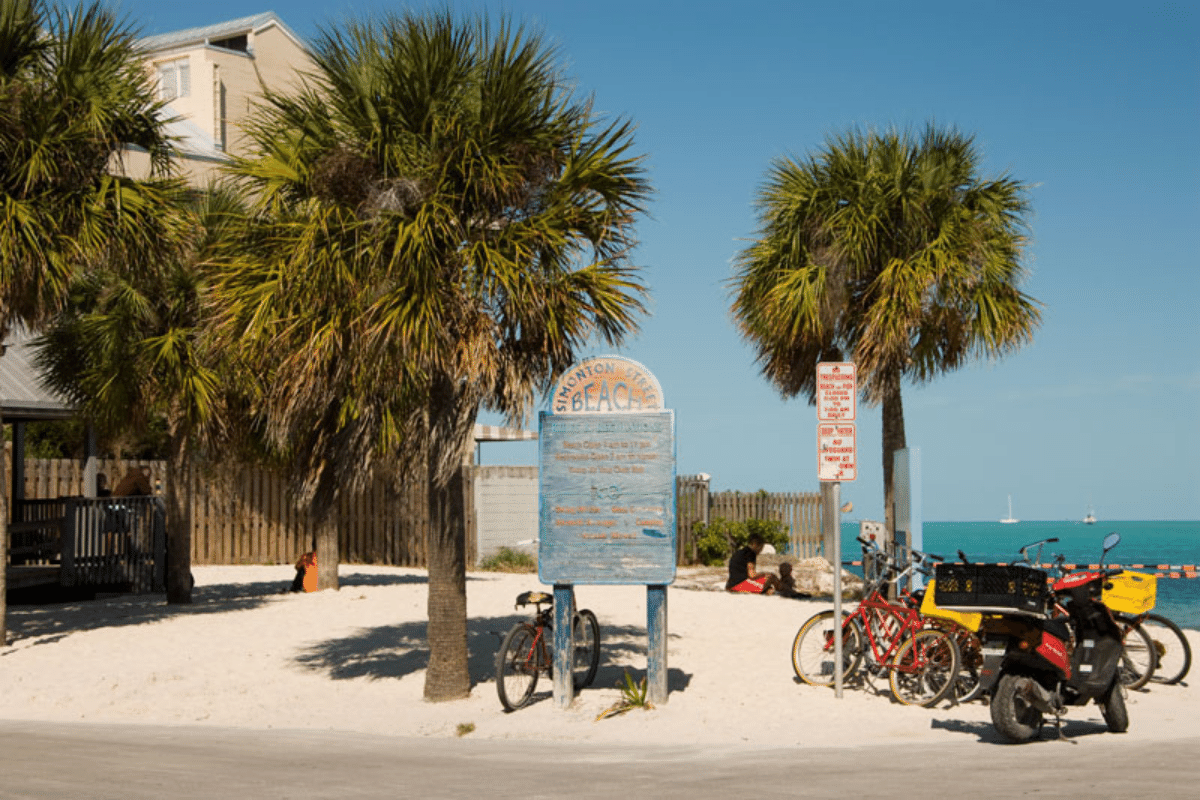
Morning: Rent bikes or scooters and explore the island independently. Key West’s compact 2×4-mile size makes biking perfect for getting around. Ride through residential neighborhoods, admiring Conch houses with their pastel colors and gingerbread trim. Stop at Higgs Beach for swimming.
Lunch: Grab lunch at B.O.’s Fish Wagon, another food truck institution serving grouper sandwiches and conch fritters since 1980.
Afternoon: Visit the Key West Aquarium, seeing local marine life including sharks, stingrays, and sea turtles. The touch tanks let you interact with sea creatures. Continue to the Shipwreck Museum, learning about Key West’s salvaging history through interactive exhibits and costumed guides.
Evening: Final sunset from Mallory Square, if you can’t get enough, or try Sunset Pier for bar atmosphere. Farewell dinner at Hot Tin Roof at Ocean Key Resort for waterfront fine dining. The rooftop views and fresh seafood menu suit celebration dinners. Toast three days in the Conch Republic.
Four days lets you dig deeper into Key West’s water activities while hitting cultural sites. This works perfectly for families with kids or groups wanting both adventure and beach relaxation. You’ll balance famous spots with local experiences that residents actually know.
Day 1: Downtown Deep Dive
Morning: Start at Blue Heaven for brunch in their famous garden setting. The fresh fruit pancakes and eggs Benedict fuel exploration. Walk to the Hemingway Home for morning tours before the heat intensifies. The house and gardens reveal the author’s Key West life from 1931-1939.
Afternoon: Explore Duval Street’s shops, galleries, and bars. Stop at the Key West Aloe factory store for locally-made skin products. Visit the Custom House Museum showcasing local art and history in a beautifully restored 1891 building.
Lunch: El Siboney serves authentic Cuban food in a no-frills setting off the tourist path. Their ropa vieja and moros y cristianos represent real Cuban home cooking.
Evening: Sunset sailboat cruise with Danger Charters or Fury Water Adventures. The two-hour sail includes champagne and snacks while watching the sunset from the water. Dinner afterward at Latitudes, requiring the Sunset Key ferry, or try the Cafe Sole for French-Caribbean fusion in an intimate setting.
Day 2: Reef and Beach Day
Morning: Book a morning dive or snorkel trip to Looe Key Reef, considered one of America’s best coral reefs. The pristine reef 7 miles offshore teems with tropical fish, sea turtles, and occasional dolphins. Dive shops offer both scuba and snorkel options for all experience levels.
Lunch: Pack lunch for the boat or grab food after returning to shore.
Afternoon: Spend the afternoon at Fort Zachary Taylor State Park. The beach here combines calm swimming with excellent snorkeling right off the sand. The Civil War fort provides historical interest when you need a beach break. Rent chairs and umbrellas or bring your own gear.
Evening: Dinner at Louie’s Backyard for upscale island dining on the water. The oceanfront deck and fresh seafood attract both tourists and locals celebrating special occasions. Their Key lime pie is legendary. End with drinks at the Green Parrot, Key West’s oldest bar with live music nightly.
Day 3: Day Trip to Dry Tortugas
Morning: Early ferry departure (typically 8 AM) to Dry Tortugas National Park. The 70-mile journey west takes 2.5 hours aboard a high-speed catamaran. The remote park encompasses Fort Jefferson, pristine beaches, and incredible snorkeling. The Civil War fort rises dramatically from the turquoise water.
Afternoon: Explore the fort’s hexagonal walls and chambers, snorkel the moat and nearby reefs, or simply relax on the beach. The park’s isolation means crystal-clear water and abundant marine life. Tours include breakfast, lunch, and all snorkel gear. The narrated boat ride provides Key’s history and marine life explanations.
Evening: Return to Key West around 5:30 PM, exhausted but amazed. A simple dinner near your rental or delivery lets you recover from the full day. The Dry Tortugas trip ranks as most visitors’ highlight despite requiring a full-day commitment.
Day 4: Local Life
Morning: Sleep in after yesterday’s early start. Leisurely breakfast at Harpoon Harry’s for waterfront casual dining. Rent kayaks or paddleboards, exploring the mangroves and backcountry waters. Several outfitters offer guided eco-tours explaining the ecosystem’s importance.
Lunch: Stock Island’s Matt’s Stock Island Kitchen serves creative New American cuisine at the Marina. The mahi-mahi and Key West pink shrimp showcase local seafood.
Afternoon: Visit the Key West Tropical Forest & Botanical Garden for native plants and butterflies in a quiet natural setting. Or tour the Key West Lighthouse, climbing 88 steps for panoramic island views. The keeper’s quarters museum explains lighthouse history.
Evening: Final sunset at Mallory Square, joining locals and tourists for the nightly ritual. Farewell dinner at Michaels Restaurant for an upscale American steakhouse, or Salute! on the Beach for Italian cuisine with sand-in-your-toes dining. Toast four days knowing you’ve experienced Key West beyond the Duval Street party scene.
5 Days in Key West: The Complete First-Timer’s Journey
Five days reveal Key West beyond the postcards and give time to appreciate why people move here for the lifestyle. Perfect for families planning vacations or couples wanting a thorough exploration without rushing. This pace lets you experience the island’s full range from water sports to lazy beach afternoons.
Day 1: Island Orientation
Morning: Conch Tour Train or Old Town Trolley provides narrated tours explaining Key West history and pointing out major sites. The 90-minute tours offer hop-on-hop-off convenience, making them perfect orientation tools. Learn about wreckers, Hemingway, and the Conch Republic’s quirky independence.
Lunch: Stop at DJ’s Clam Shack in the Historic Seaport for clam chowder and seafood baskets in a waterfront setting.
Afternoon: Walk Duval Street end-to-end, exploring its full mile. Browse galleries showing local artists’ work, including tropical paintings and photography. Stop at Fast Buck Freddie’s for Key West souvenirs and gifts. The historic building houses quirky merchandise across multiple themed rooms.
Evening: Sunset from Mallory Square, experiencing the nightly celebration. Dinner at Pier House Resort’s Chart Room Bar for casual waterfront dining, or Bagatelle for romantic fine dining in a Victorian house. End with a ghost tour learning about Key West’s haunted history and colorful characters.
Day 2: Hemingway and History
Morning: Start at the Hemingway Home before crowds arrive. The guided tours run continuously throughout the day, but mornings offer cooler temperatures and smaller groups. The house, writing studio, and gardens capture 1930s Key West when the author lived and worked here.
Lunch: Thirsty Mermaid on Caroline Street serves tacos and fresh seafood in a funky outdoor space with swings at the bar.
Afternoon: Visit the Harry S. Truman Little White House, learning about the president’s Key West retreats. The preserved 1890 home shows how Truman conducted government business while vacationing. Continue to the Custom House Museum for rotating art exhibitions and local history displays.
Evening: Dinner at Azur Restaurant for Mediterranean-inspired cuisine in an elegant setting. Their fresh fish and creative preparations earn consistent praise. End at Sunset Pier for drinks with live music and water views.
Day 3: Water Adventures
Morning: Book a full-day sailing and snorkel catamaran to the reef. Multiple companies offer similar trips, including Fury, Sebago, and Danger Charters. The tours provide breakfast, lunch, unlimited drinks, and all equipment. Swimming with tropical fish and exploring coral formations creates unforgettable experiences.
Afternoon: Your tour returns mid-afternoon. Relax poolside or at the beach, letting the sun and rum drinks wear off. The full day on the water delivers plenty of activity and exposure.
Evening: Casual dinner at Pepe’s Cafe, Key West’s oldest restaurant since 1909. Their steaks and seafood in a historic setting attract locals and visitors. The outdoor garden and indoor dining rooms maintain an old Key West atmosphere. Walk off dinner, strolling residential streets, admiring Conch architecture.
Day 4: Dry Tortugas Expedition
Morning: Early departure for Dry Tortugas National Park aboard Yankee Freedom ferry. The 2.5-hour journey west reaches this remote park accessible only by boat or seaplane. The massive Fort Jefferson rises from turquoise water, creating dramatic views. The hexagonal fort covers 16 acres on Garden Key.
Afternoon: Explore the fort’s dark passageways and gun emplacements, snorkel the moat and nearby reefs teeming with fish, or relax on the pristine beach. The park’s isolation, 70 miles from Key West, means crystal-clear water and minimal crowds. Tours include breakfast, lunch, and snorkel gear.
Evening: Return to Key West around 5:30 PM. Simple dinner and early bed after the long day. The Dry Tortugas trip requires a full-day commitment but delivers once-in-a-lifetime experiences.
Day 5: Beach and Chill
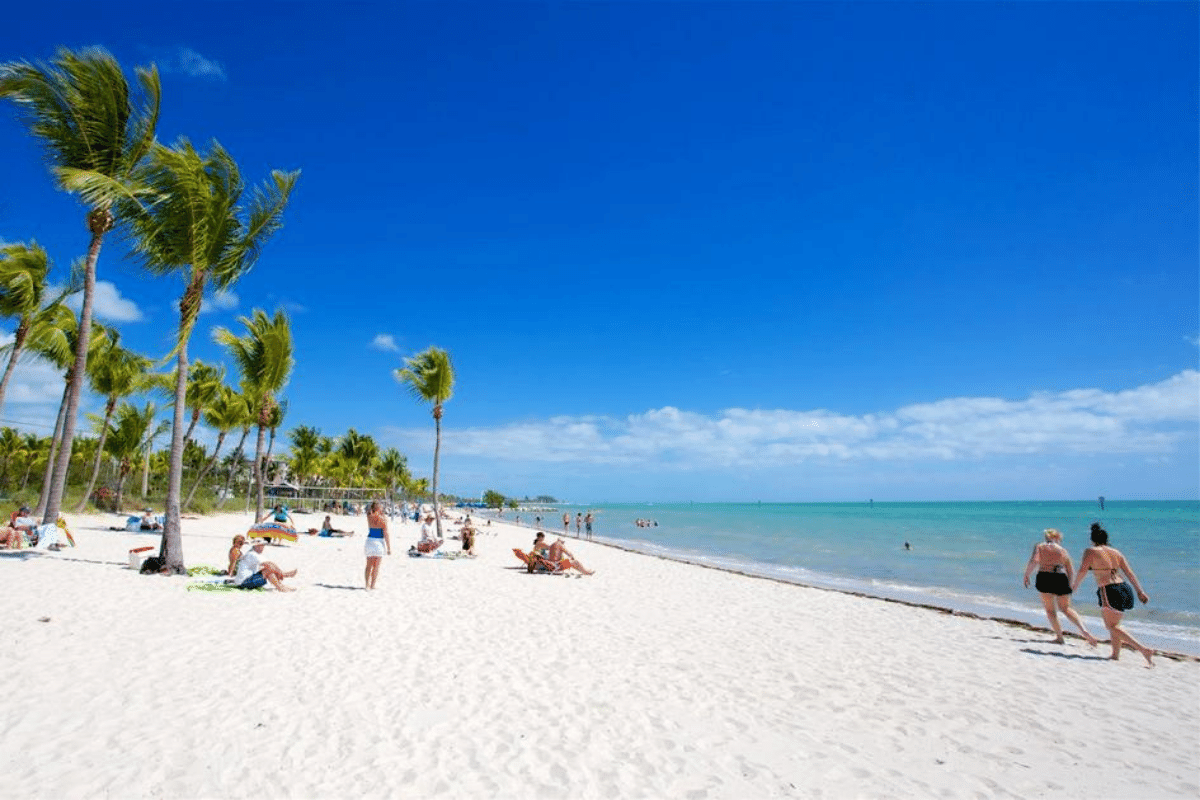
Morning: Sleep in after yesterday’s adventure. Brunch at Banana Cafe for French crepes and Key West atmosphere. Spend the morning at Smathers Beach, the island’s longest stretch of sand. Rent jet skis, paddleboards, or beach chairs. The wide beach rarely feels crowded.
Lunch: Picnic on the beach with takeout from nearby restaurants or food trucks.
Afternoon: Kayak tour through the mangroves with Blue Planet Kayak or similar outfitter. The guided eco-tours explain the ecosystem while paddling through narrow channels. Wildlife sightings might include herons, ibis, and occasional sharks in shallow water.
Evening: Final sunset at Mallory Square or from your favorite discovered spot. Farewell dinner at Cafe Marquesa for upscale New American cuisine in an intimate setting. The seasonal menu highlights local ingredients with creative preparations. Toast five days knowing you’ve experienced Key West comprehensively.
Best Homes to Stay for a 5-Day Key West Adventure:
A full week lets you settle into Key West’s rhythm, discovering why artists and escapists choose this tiny island despite hurricane risks and high costs. This itinerary works for remote workers, extended families, or water enthusiasts wanting complete immersion. You’ll have time to revisit favorite spots and venture to other Keys.
Days 1-5: Follow the 5-Day Itinerary
Start with the comprehensive five-day plan covering history, water adventures, and beaches. This foundation ensures you experience Key West’s essential character before exploring deeper.
Day 6: Keys Road Trip
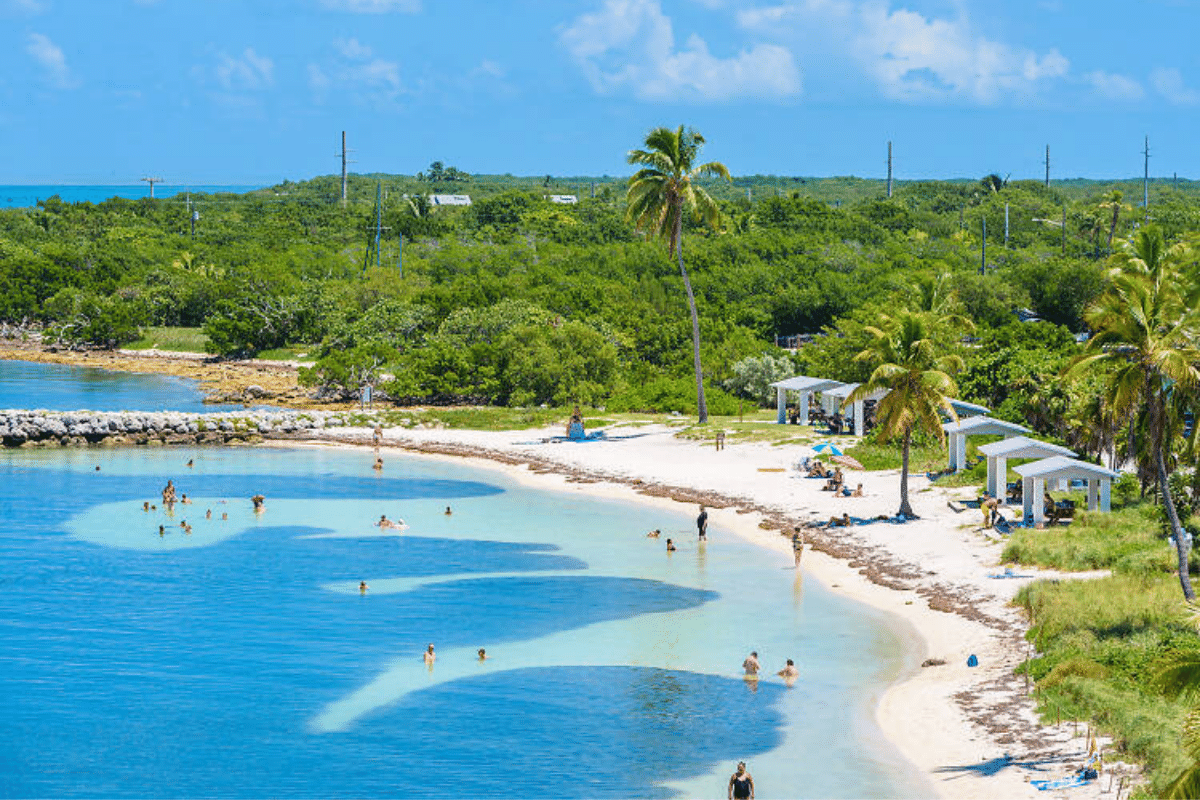
Morning: Drive north through the Florida Keys on Overseas Highway (US 1). Stop at Bahia Honda State Park (Mile Marker 37) for stunning beaches and the old Bahia Honda Rail Bridge ruins. The park’s Sandspur Beach ranks among Florida’s best with turquoise water and soft sand.
Lunch: Grab lunch at No Name Pub on Big Pine Key. This dive bar serves pizza and burgers in an authentic Keys atmosphere that locals love.
Afternoon: Continue to John Pennekamp Coral Reef State Park in Key Largo (Mile Marker 102). The first underwater park in the US offers glass-bottom boat tours, snorkeling, and diving. The Christ of the Abyss underwater statue creates unique photo opportunities. Return south, stopping at various Mile Markers, exploring small Keys communities.
Evening: Back in Key West, dinner at Tavern N Town for upscale casual dining off Duval Street. The neighborhood restaurant serves creative American fare that locals frequent regularly.
Day 7: Your Choice Day
Morning: Sleep in, enjoying a leisurely breakfast at a favorite spot discovered during the week. Final morning activity at your preferred beach or attraction. Maybe it’s one more snorkel trip, paddleboard rental, or simply beach lounging with a book.
Afternoon: Last-minute shopping for Key lime products, rum, and local art. The Truman Annex neighborhood offers quieter browsing than Duval Street. Or bike residential streets photographing colorful Conch houses and roosters.
Lunch: Final meal at Blue Heaven, B.O.’s Fish Wagon, or your personal favorite.
Evening: Sunset from Mallory Square one last time, appreciating the nightly ritual. Splurge on a farewell dinner at Latitudes on Sunset Key or Cafe Marquesa. Toast seven days knowing you’ve experienced the Conch Republic beyond tourism. End with drinks at the Green Parrot or wherever live music calls you.
Best Homes to Stay for a 7-Day Key West Experience:
Ten days transform Key West from a destination to a temporary home. This extended stay suits digital nomads, sabbatical travelers, or anyone craving complete island immersion. You’ll establish routines, discover secret beaches, and venture across the Florida Keys, exploring the island chain comprehensively.
Days 1-7: Follow the 7-Day Itinerary
Complete the week-long plan, ensuring comprehensive Key West coverage from historic sites to water adventures. By day seven, you’ll know your favorite restaurants and bars.
Day 8: Islamorada and Upper Keys
Morning: Drive to Islamorada (Mile Marker 80), the sportfishing capital. Visit Robbie’s Marina to feed tarpon from the dock. These massive fish swarm in feeding frenzies, creating exciting wildlife encounters. Continue to Windley Key Fossil Reef Geological State Park, exploring ancient coral formations.
Lunch: Lazy Days Restaurant in Islamorada serves waterfront seafood and island atmosphere.
Afternoon: Snorkel or dive at Molasses Reef, one of the Keys’ best coral reefs. Several dive shops in Islamorada offer trips to multiple reef sites. The clear water and abundant marine life rival Key West’s spots. Return stopping at various viewpoints and beaches along Overseas Highway.
Evening: Back in Key West, casual dinner near the rental or simple takeout after a full driving day.
Day 9: Marathon and Middle Keys
Morning: Drive to Marathon (Mile Marker 50), visiting the Turtle Hospital. This rehabilitation facility rescues and treats injured sea turtles. Guided tours explain conservation efforts and let you see patients recovering. The educational tours run four times daily by reservation.
Afternoon: Continue to Sombrero Beach, Marathon’s beautiful public beach with palm trees and calm water. The reef offshore provides excellent snorkeling right from the beach. Or visit Crane Point Museum and Nature Center, exploring hardwood hammock trails and a butterfly garden.
Lunch: Keys Fisheries in Marathon serves dockside seafood, including their famous lobster reuben.
Evening: Return to Key West for the final night. Dinner at your absolute favorite spot discovered during ten days, or splurge at Seven Fish or Cafe Sole one more time. Reflect on ten days knowing you’ve experienced the Keys beyond typical tourism.
Day 10: Favorite Spots and Farewell
Morning: Return to favorite breakfast spot for final Key West morning. Maybe it’s Blue Heaven’s chickens, Cuban Coffee Queen’s espresso, or somewhere you discovered independently. Final beach time at Fort Zachary Taylor or Smathers Beach, soaking in the tropical atmosphere.
Lunch: Last Key lime pie at Kermit’s or your preferred shop. You’ve earned strong opinions about Key West’s signature dessert.
Afternoon: Last-minute exploring or souvenir shopping. Duval Street shops offer everything from tacky t-shirts to fine art. Or simply sit at Mallory Square watching the world pass by, appreciating the laid-back island pace.
Evening: Sunset from Mallory Square or your personal favorite spot. Farewell dinner at Louie’s Backyard, Latitudes, or Cafe Marquesa, depending on celebration level and budget. Toast ten days knowing you’ve truly experienced the Conch Republic beyond the party reputation.
Best Homes to Stay for a 10-Day Key West Immersion:
If you have extra time or are looking for other things to do in Key West, consider exploring these places to make your trip even more memorable.
Day Trips Beyond Key West
Everglades National Park: Two hours north, this UNESCO World Heritage Site protects sawgrass marshes and mangrove forests. Airboat tours show alligators and wading birds in their natural habitat. The park’s unique ecosystem contrasts dramatically with the Keys’ island character.
Miami: Three hours north via Overseas Highway, Miami offers an urban contrast to Key West’s small-town vibe. South Beach’s Art Deco district, Wynwood’s street art, and Little Havana’s Cuban culture make for worthy day trips.
Key Largo: One hour north (Mile Marker 100), this largest Florida Key features John Pennekamp Coral Reef State Park. The underwater preserve offers outstanding snorkeling and diving with glass-bottom boat tours for non-swimmers.
Hidden Key West Gems
Key West Cemetery: The above-ground tombs and humorous epitaphs create quirky character. Self-guided walking reveals interesting residents and funny markers like “I Told You I Was Sick.” Free to explore daily.
Fort East Martello: This Civil War fort houses museums, gardens, and Robert the Haunted Doll. The towers provide elevated island views that tourists miss. Admission benefits the Key West Art & Historical Society.
The Key West Butterfly and Nature Conservatory: Climate-controlled habitat houses hundreds of butterflies from around the world. The peaceful garden with a waterfall provides an escape from Duval Street energy. Birds and flowers add to the tropical atmosphere.
Not sure where to stay? Check out our curated lists of top Airbnbs in Key West for neighborhood-specific recommendations.
Getting Around Key West
Key West’s compact 2×4-mile size makes getting around easy compared to mainland cities. Most visitors walk, bike, or use scooters to explore the island. Understanding transportation options helps maximize beach time while minimizing hassle.
Biking and Scooters: The flat terrain and short distances make biking perfect for Key West exploring. Dozens of rental shops offer beach cruisers, electric bikes, and scooters. Expect $15-25 daily for bikes, $35-60 for scooters. Bike lanes on major streets provide some protection from cars. Lock bikes securely as theft occurs.
Walking: Old Town’s compact layout makes walking viable for most attractions. Duval Street stretches one mile from the Gulf to the Atlantic side. However, August heat and afternoon thunderstorms make walking challenging. Distances to outlying areas like Smathers Beach or Fort Zachary Taylor require wheels or rides.
Rental Cars: Not necessary for Key West proper, but useful for Keys road trips. Limited parking and one-way streets make cars more hassle than help on the island. If driving from Miami, consider returning the rental at Key West Airport and exploring the island car-free.
Taxis and Rideshare: Taxis wait at major hotels and can be hailed on Duval Street. Uber and Lyft operate with decent availability. Expect $8-15 for cross-island trips. However, short distances often make walking or biking faster during high traffic times.
Pedicabs: Bicycle taxis cruise Duval Street, offering rides. Negotiate prices before riding, as no meters exist. These work well for short trips when feet hurt from walking.
Where to Stay in Key West
Choosing the right home base shapes your entire Key West experience. AvantStay offers premium vacation rentals across the island’s best locations. From Old Town historic homes to beachside condos, our curated collection positions you perfectly for exploring the Conch Republic.
Why Choose AvantStay
Unlike traditional vacation rentals, AvantStay properties are professionally managed with consistent quality standards. Every home features thoughtful design, high-end furnishings, and modern amenities, making your stay comfortable and memorable.
Our Key West homes span from central Old Town to quieter residential neighborhoods, ensuring you’re positioned for whatever Key West experience you’re seeking.
Concierge Services and Upgrades
AvantStay’s personal concierge service elevates your vacation beyond simple accommodation. We handle the details so you can focus on experiencing Key West’s tropical magic.
Mid-Stay Cleaning: Keep your space fresh during extended stays, so you can relax without worrying about upkeep during your island adventure.
Bring Your Pets: AvantStay encourages time spent with loved ones, and pets are no exception. We offer pet-friendly properties where your furry family members are welcome.
Private Chef: Elevate your dining experience with a personal chef creating island-inspired cuisine featuring fresh seafood without restaurant waits.
Stocked Fridge: Skip the grocery store hassle and let us handle the shopping. Send us your list or select from our curated packages featuring tropical fruits and local products.
Transportation: Need a ride to the airport, Dry Tortugas ferry, or Keys road trips? We arrange reliable transportation throughout your stay, exploring Key West stress-free.
Find Local Child Care: Traveling with kids, but want adults-only sunset sails? We help you find and hire local sitters with detailed profiles, references, and reviews.
In-Home Massage: Perfect after snorkeling and beach days, indulge in ultimate relaxation without leaving your rental with spa-quality treatments.
Rent Baby Gear: Traveling with a baby doesn’t mean packing your entire nursery. Rent cribs, strollers, car seats, beach toys, and more.
For other requests, rentals, or special occasion setups, our concierge team handles whatever makes your Key West vacation exceptional.
Book Through the AvantStay App
Download the AvantStay app to browse properties, manage bookings, and access concierge services all in one place. The app provides 24/7 support, check-in details, local recommendations, and direct messaging with our team.
Before you dive into turquoise waters and explore Duval Street, a little preparation goes a long way to avoid mistakes for your Key West trip. These essential travel tips will help you feel at ease while having the best Key West experience.
Getting To and From Key West
Key West International Airport (EYW) sits on the island’s east side with direct flights from major cities, including Miami, Fort Lauderdale, Atlanta, and Charlotte. The small airport makes arrivals easy compared to mainland hubs. Most visitors either fly directly or drive the Overseas Highway from Miami or Fort Lauderdale.
Airport Transportation: The tiny airport sits 4 miles from Old Town. Taxis wait outside baggage claim, charging a flat $15-20 to downtown hotels. Uber and Lyft pick up outside arrivals with similar pricing. Several hotels offer free shuttle service. Rental cars are available, but unnecessary for island exploring unless planning Keys road trips.
Driving from Miami: The scenic 3.5-4 hour drive along Overseas Highway (US 1) crosses 42 bridges connecting the island chain. Stop at various Mile Markers, exploring different Keys. Book accommodation with parking, as street parking is limited downtown. Consider a one-way rental returning the car upon Key West arrival.
Ferry Service: Key West Express operates high-speed ferry from Fort Myers and Marco Island (seasonal). The boats carry passengers only, no vehicles. The scenic cruise takes 3.5 hours each way, making day trips possible, though overnight stays work better.
Packing for Key West
Year-Round Essentials: Reef-safe sunscreen (Key West bans harmful chemicals), swimsuits (bring multiple), flip-flops and water shoes, light breathable clothing, sun hat and sunglasses, and a light rain jacket for afternoon showers. Casual dress prevails even at nicer restaurants. Bring your own snorkel gear if you plan frequent reef trips.
Winter (December-March): Peak season brings perfect weather with 70-80°F days and minimal rain. Pack light layers for occasional cooler evenings. This is the driest season and the prime tourist time, meaning higher prices and crowded attractions. Book everything well ahead.
Summer (June-September): Hot and humid with 85-90°F temperatures and afternoon thunderstorms. Hurricane season runs from June through November, though direct hits are rare. Pack rain gear and prepare for sudden downpours. Rates drop significantly, making summer attractive for budget travelers who can handle the heat.
Spring/Fall (April-May, October-November): Shoulder seasons offer warm weather with fewer crowds. Occasional rain possible, but generally pleasant conditions. Spring brings spring breakers in March, while fall sees fewer tourists. These seasons balance good weather with reasonable prices.
Practical Key West Preparation
Island Time: Key West operates on a relaxed island schedule. Restaurants open late for breakfast, close between lunch and dinner, and stay open late for nightlife. Service can be slow but rarely rude. Embrace the pace rather than fighting it.
Roosters and Chickens: Feral chickens roam freely throughout Key West, protected by ordinance. They crow at all hours, not just dawn. Light sleepers should pack earplugs. Feeding chickens is illegal as it attracts them to areas and makes them aggressive.
Costs: Key West is expensive. Expect $20-35 for casual meals, $50-100 for nice dinners, $8-12 for beers, and $12-18 for cocktails. Attractions range from free beaches to $200 for Dry Tortugas trips. Groceries at local markets cost 30-50% more than mainland prices.
Reservations: Book popular restaurants like Blue Heaven, Latitudes, and Louie’s Backyard days or weeks ahead, especially for sunset times. Dry Tortugas ferry sells out during peak season. Snorkel tours and water activities book up quickly from November through April.
Hurricane Season: June through November brings hurricane risk, though Key West rarely receives direct hits. Monitor weather forecasts if visiting during this period. Most hotels and rentals offer hurricane evacuation policies. Mandatory evacuations happen occasionally when storms approach.
Reef Protection: Key West’s coral reefs are protected by law. Don’t touch, stand on, or remove coral or marine life. Use reef-safe sunscreen only, as harmful chemicals damage these fragile ecosystems. Violations result in hefty fines. Follow the snorkel and dive guides’ instructions carefully.
Water Safety: Strong currents exist at some beaches and snorkel sites. Always check conditions before entering water. Jellyfish appear seasonally. Watch for red flags indicating dangerous conditions. Never snorkel alone and stay aware of boat traffic when swimming.
More Questions About Your Key West Trip?
Planning a Florida Keys adventure involves countless details, and we’re here to help. Whether you need recommendations for family-friendly properties, locations near beaches, or homes with specific amenities, our team can answer questions and guide your booking process.
Contact us via:
Email: experience@avantstay.com
Phone: (833) 442-8268
Let the Conch Republic Welcome You
Turquoise water stretching to the horizon, roosters crowing at sunrise, that first bite of authentic Key lime pie. The sunset applause at Mallory Square, six-toed cats lounging at Hemingway’s, tropical fish darting through coral reefs like living rainbows.
The memories you create here will absolutely become the stories you’ll tell for years. Key West is the perfect place for beach lovers, snorkelers, history buffs, and adventurers seeking a tropical escape without leaving the United States.
Pack your boots, bring your appetite, and get ready to two-step your way through the Live Music Capital of the World. Whether you’re here to chase brisket dreams, catch a band under the stars, or simply kick back with friends and a cold drink in hand, Austin has got you covered.
From food truck tacos to riverfront sunsets, this city knows how to mix chill vibes with big energy. And with events like Austin City Limits, SXSW, and backyard BBQs happening year-round, the only thing better than the music and mouthwatering eats is having the perfect place to stay.
We’ve rounded up 8 amazing homes that put you close to the action—whether that means firing up the grill, soaking in a hot tub with Hill Country views, or pregaming with your crew before heading to Rainey Street. These aren’t just houses; they’re your backstage pass to an unforgettable Texas escape.
Emos
Sleeps up to 6 guests
Say hi to Emos! This is a tall, modern building in Austin where you can live in a cool condo and enjoy lots of fun things. This home is a safe, fun, and stylish place to stay in that is close to everything exciting in the city!
Your Home: This condo unit has 2 bedrooms, 3 beds, and 1 bathroom. The rooms are stylish and comfortable. You can bring your pet, and there’s 24/7 valet parking, so your car is always safe.
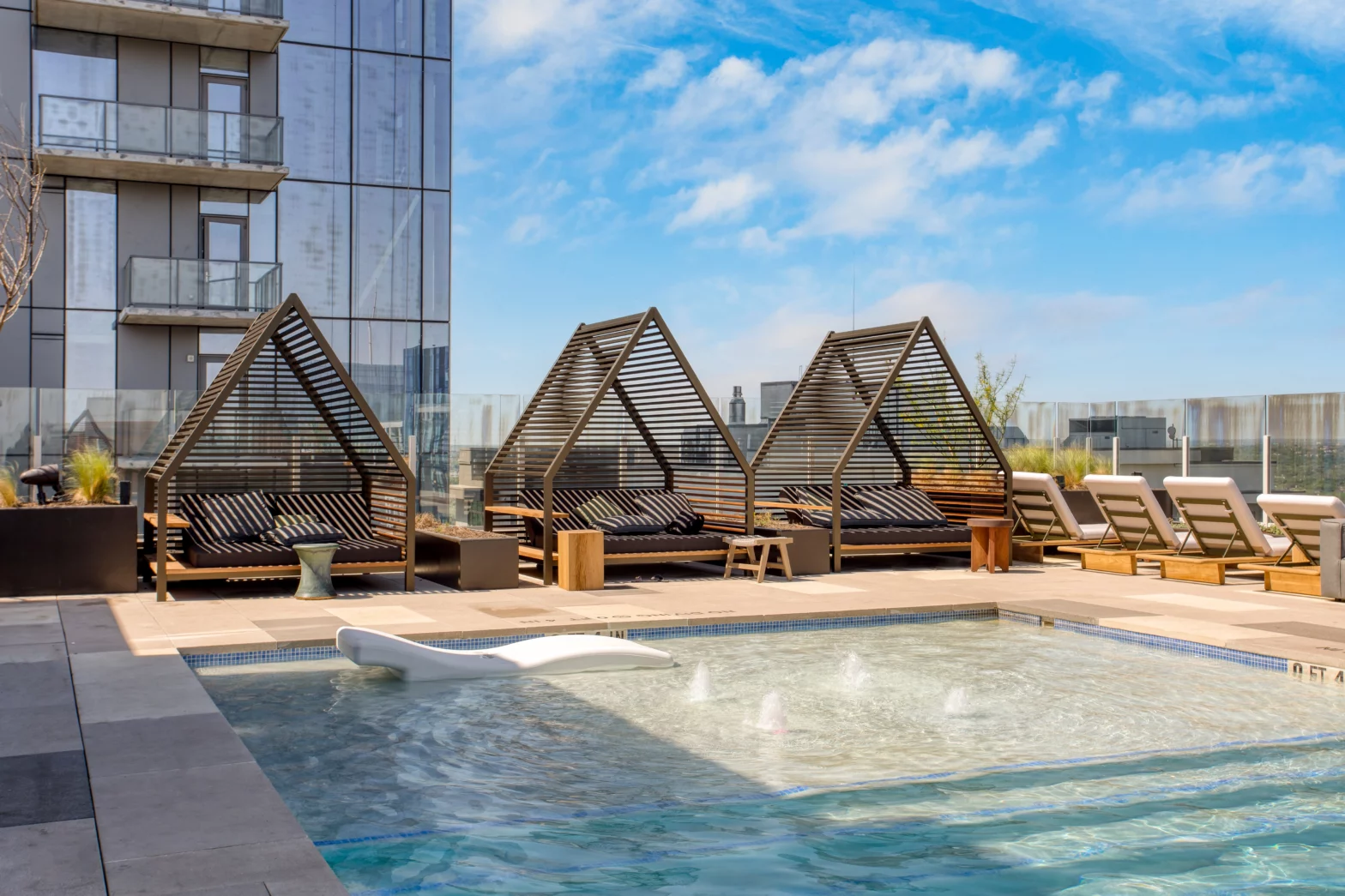
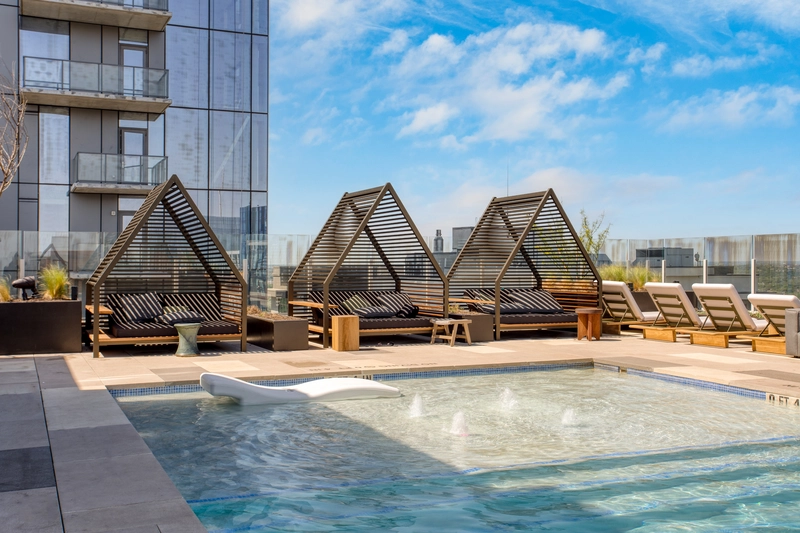
What’s Inside? Emos is 33 stories high and has awesome things like a rooftop pool with great views, a hot tub, a gym, a yoga room, and even a dog park on the 10th floor for your pets.
Where is it? Emos is right in the middle of Austin. You can easily walk to downtown, Sixth Street, where there are lots of music and food, and the Rainey Street Food Truck Lot.
What’s nearby? You’re close to the best BBQ, live music, and cool places like Icenhauer’s, ACL Live, and the Ann and Roy Butler Hike and Bike Trail.
🤠 Why You Will Love Emos
You’ll love Emos because it’s not just a place to stay, but it’s an experience. A place where you can relax and hang out with your loved ones and even pets! With everything you need to feel at home, it makes every day feel like a VIP adventure.
If you want to see more places like Emos, check out other condos at Natiivo:
Perched above the Colorado River, Hudson brings together classic design, fun things to do, and peaceful vibes. A beautiful and elegant home with views that’ll make you stop and stare. Whether you’re here to relax or play, Hudson has a little something for everyone.
Your Home: Hudson has 5 bedrooms, 6 beds, and 3.5 bathrooms. There’s space for 5 cars—2 in the garage and 3 in the driveway. It is pet-friendly and also comes with a pack n’ play crib and high chair.
What’s Inside? A pool table, an air hockey table, and a bar area with tabletop bowling and connect four games. There’s a private pool with outdoor sun loungers, a BBQ grill, and alfresco dining setup.
Where Is It? This home overlooks the Colorado River, so you’ll get nature and quiet while still being a drive away from downtown, where music, BBQ, and quirky shops are waiting for you.
What’s Nearby? You’re near the best parts of Austin—like Lake Travis, The Oasis, and world-famous BBQ spots. If you’re into food and music, this location gives you easy access to it all.
🤠 Why You Will Love Hudson
Hudson is charming for its calm, classy feel and unforgettable views. It’s great for anyone who wants to enjoy the best parts of Texas—slow days, big skies, and good company. Play games, take a dip, cook dinner while watching the river, or just unwind with your favorite people.
Haus of Z is a cool and comfy home that is modern and stylish, right in the busy East Riverside part of Austin. It is a great home base to enjoy Austin’s music, food, and outdoor adventures. This big home is perfect for families, friends, or groups who want to have fun and feel comfortable while exploring the city.
Your Home: The house has 4 big bedrooms, 6 beds, and 4.5 bathrooms. There’s an extra bed in the living room, so there’s plenty of space for everyone. 2 cars can park, and an EV charger is available.
What’s Inside? A bright and open living room with a big comfy sleeper sofa, a smart TV, and a nice dining table. The kitchen has everything you need. There’s an elevator, washer, and dryer available.
Where Is It? Haus of Z is close to all the fun things in Austin. You can stroll by Lady Bird Lake or check out the music and bars on Rainey Street and South Congress Avenue.
What’s Nearby? You’re just a short drive from some of Austin’s best BBQ places like Franklin Barbecue and Rudy’s BBQ. If you like nature, you can visit River Place Nature Trail and Barton Creek Preserve.
🤠 Why You Will Love Haus of Z
Room for everyone to have fun together and still find quiet when you want it. The comfy beds and private bathrooms make it super easy to feel at home. And being close to Austin’s best music, food, and outdoor fun means there’s always something exciting to do.
Welcome to Travis, a peaceful lakefront home right on the shores of Lake Travis. This cozy getaway is best for families or small groups who want to relax, enjoy the water, and soak up the natural beauty of Austin.
Your Home: This home has 3 bedrooms, 4 beds, and 2 bathrooms. There’s a king, queen, and a bunk bed. You’ll have everything you need for a family trip, like a pack n’ play crib and a high chair.
What’s Inside? Big stone fireplace and soft couches in the living room. Fully equipped kitchen with high-end appliances. Deck with outdoor lounge seating. Big yard along a sparkling lake with a fire pit.
Where Is It? Travis is right by Lake Travis, so you can enjoy swimming, boating, or just relaxing by the water. It’s also close to the Colorado River and just a drive away from downtown Austin.
What’s Nearby? You’re near fun spots like Steiner Ranch Steakhouse, Barton Creek Habitat Nature Preserve, and some of the best BBQ in town, like Best Dam BBQ Joint.
🤠 Why You Will Love Travis
Bringing together everything great about Texas—peaceful lake views, good food close by, and plenty of room to relax with the people you love. Roasting marshmallows by the fire or jumping into the lake on a hot afternoon, this is a little slice of Texas paradise that feels just right.
A beautiful lakeview home that’s made for good times and great memories, hello to Dawson. Perched above Lake Travis, this house has everything you need for a weekend of fun, such as splashing in the pool, grilling on the deck, or just kicking back with your loved ones.
Your Home: It has 4 bedrooms, 6 beds, and 2.5 bathrooms. One of the bedrooms is in a separate guest house, you’ll have room to park 3–4 cars, and a pack n’ play and high chair for little ones, too.
What’s Inside? Bright and open layout with big windows, hardwood floors, and comfy seating. Modern kitchen, bathtub with unbeatable views. There’s a private pool, a ping pong table, and a BBQ grill.
Where Is It? Just by Lake Travis, so you can spend your days boating, swimming, or checking out nearby parks. You can also head into town for live music, shopping, or tacos on South Congress.
What’s Nearby? You’re close to awesome places like The Oasis, Bob Wentz Park, and Hippie Hollow Park. May it be barbecue, boats, or just watching the sun set over the lake, this area never runs out!
🤠 Why You Will Love Dawson
It is a lovable house because it’s made for lakeside living, which Texas does best. Epic lake views to a poolside setup, this home is a spot for good times to roll, and the BBQ never ends. Soaking in the tub or tossing a bean bag on the lawn is all part of the fun.
Just 40 minutes from downtown Austin, Maverick is a super stylish home tucked away in the trees for a mix of peaceful nature and modern design. It is a great spot for groups who want to relax, have fun, and enjoy the best of Texas.
Your Home: Maverick has 4 bedrooms, 5 beds, and 3.5 bathrooms. 2 king, 1 queen, and a fun bunk bed for the kids. It’s great for families or big groups, and you can park 3–4 cars with an EV charger.
What’s Inside? Cool industrial-style interior design. Kitchen with barstools. A game room with foosball and shuffleboard. Private pool, hot tub, and fire pit. Big outdoor deck with outdoor dining setup.
Where Is It? Located in a quiet, private area surrounded by trees, but Austin is just a quick drive away. You’ll be close enough to enjoy music, food, and fun—yet far enough to feel like you’re on your own.
What’s Nearby? Want a drink or a local bite? Head to Rainey Street or Austin Beerworks for some local flavor. You’re also not that far from spots like Zilker Park, Lake Travis, and South Congress.
🤠 Why You Will Love Maverick
Having your own private lodge in the woods, but with all the cool things Austin is known for, just a short drive away. It’s made for pool hangs, game nights, BBQ dinners, and hot tub sessions under the stars. A kind of place where you instantly feel peace and privacy
If you are looking for a peaceful spot at the end of a quiet street yet right in the middle of Austin, head over to Clarksburg. With plenty of space inside and out, your family or groups of friends can have a fun, relaxing getaway with all the comforts of home.
Your Home: This one has 3 bedrooms, 4 beds, and 2 bathrooms. One of the rooms has bunk beds, which is perfect for kids or anyone who wants to keep it casual. There’s space to park 4 cars.
What’s Inside? Bright and cheerful living room with a fireplace and a big TV. Big kitchen island and dining area. Private patio with BBQ grill, ping pong table, and cornhole game can be found outside.
Where Is It? This location makes it easy to do it all with Franklin’s BBQ, Rainey Street, and Austin Beerworks nearby. You’re also not far from Lady Bird Lake and Zilker Park. You’re also near the city’s famous live music venues.
What’s Nearby? Clarksburg is a short ride to South Congress Avenue for cool shops and food trucks, and Barton Creek Greenbelt for a hike. From Barton Creek to riverfront strolls, we have a guide to Austin hiking where it’s worth lacing up for.
🤠Why You Will Love Clarksburg
Easygoing, homey, and made for good times, Clarksburg is where you can fire up the grill, laugh over games in the yard, and then chill out in the cozy living room. With its quiet location and close-to-everything feel, it’s a true Texas retreat that brings the best of Austin.
Perfect mix of peaceful and convenient—close enough to enjoy all the fun stuff in the city, but far enough away to relax and take it easy. Wagon Wheel is a cozy and modern home just 20 minutes from the heart of Downtown Austin.
Your Home: This house has 2 bedrooms, 2 beds, and 2 bathrooms. There’s a small office workspace and a cool loft layout. You can park 2 small cars, and this home is pet-friendly.
What’s Inside? Comfy living room with a brand-new TV, a dining table for 4, and a big kitchen island where you can make snacks. There’s a private, fenced yard and a back patio where you can relax.
Where Is It? Wagon Wheel is in a great spot—just a short drive to downtown, and about an 8-minute drive to The Domain, where there are tons of shopping and food, and grocery stores like Whole Foods.
What’s Nearby? You’ll be close to Q2 Stadium, Top Golf, and Walnut Creek Park for outdoor adventures. Also, some of Austin’s best BBQ, like Franklin’s, and cool spots like Zilker Park and Rainey Street.
🤠 Why You Will Love Wagon Wheel
It is a peaceful place and outside of the buzz. You can start your day in the yard with a cup of coffee, then head into town for live music, BBQ, or a stroll through South Congress. It’s comfy, convenient, and gives you the best of both worlds in true Texas style.
💡 Only got a day? We’ll help you make it count. Read our best guide for spending your 24 Hours in Austin, TX.
Why Austin Is the Perfect Vacation Spot
1. Live Music Around Every Corner 🎶
They don’t call it the Live Music Capital of the World for nothin’. From huge festivals like Austin City Limits to impromptu sets on Rainey Street or South Congress, the city has music for every vibe—country, indie, blues, or EDM.
Austin’s BBQ scene is legendary. Think slow-smoked brisket, fall-off-the-bone ribs, and tangy sauces. Don’t miss spots like Franklin’s, Terry Black’s, or food truck gems hidden across the city. Warning: you’ll be thinking about it long after your trip!
3. Lakes, Trails & Outdoor Fun 🌞
Whether you’re paddling across Lady Bird Lake, cliff-jumping into Lake Travis, or hiking Barton Creek Greenbelt, Austin’s got sunshine and scenery for days. It’s the kind of place where your playlist is birdsong by day and bass drops by night.
4. Food Trucks, Tacos & Tasty Everything 🌮
Beyond BBQ, Austin’s food scene is straight-up fire. Tacos at breakfast, ramen by lunch, and gourmet donuts after dinner? Yes, please. There are over 1,000 food trucks in the city, and most of them are chef’s kiss good.
Austin isn’t just a destination—it’s a whole mood. From bat-watching under Congress Bridge to vintage shopping on South Congress and mural hunting downtown, this city celebrates quirkiness. Come as you are, leave with stories you’ll tell forever.
Before the whirlwind of the holidays sweeps in, November offers the perfect window to pause, breathe, and recharge. It’s that sweet spot between fall and winter—a time to step away, reflect, and indulge in some well-earned rest.
If you’re escaping solo, planning a wellness-focused weekend with friends, or organizing a chill couples’ trip, these seven destinations are ideal for a peaceful November reset. From serene desert hideaways to woodsy retreats and beachside bliss, every location on this list is best enjoyed in November.
And every stay is made even better with AvantStay, your best vacation rental home that’s designed for style, comfort, and connection, is just a click away.
What Makes November Unique for U.S. Travel?
November is one of the most underrated months for a domestic getaway. Weather patterns begin to shift across the country, offering a variety of climates depending on your mood. In the West and Southwest, desert regions like Joshua Tree and Sedona become blissfully mild which makes it perfect for hiking and outdoor wellness.
While in the Northeast, places like the Hudson Valley or Berkshires showcase the final notes of fall before the snow begins to fall. This month also marks the end of the harvest season, particularly in wine regions such as Paso Robles, where vineyards glow gold and tastings feel intimate and unhurried.
Meanwhile, tropical destinations like Maui provide warm beach escapes without the bustle of winter crowds. It’s also a strategic travel period: school is in session, most people are waiting for December holidays, and rates tend to be more favorable.
Whether you’re seeking warm sunshine, crisp mountain air, or quiet countryside, November is a sweet spot for relaxed, intentional travel.
1. Sedona, Arizona
Sedona is a soul-soothing dream in November. With perfect temps in the 60s and fewer crowds than peak spring, it’s the ultimate destination for hiking red rocks, practicing sunrise yoga, or indulging in spa days with a desert backdrop. The town’s vortex energy and glowing sunsets only add to its rejuvenating vibe.
Reset Ideas: Meditation walks, energy healing sessions, peaceful red rock views
Top Things to Do:
Hike Cathedral Rock Trail or Bell Rock Pathway for panoramic desert views
Visit Chapel of the Holy Cross for spiritual reflection and stunning architecture
Book a massage or energy session at Sedona’s famous New Day Spa
Where to Stay:Cathedral View– a modern desert gem with sweeping views, cozy interiors, and spaces designed for group connection.
As the last leaves fall and the air turns crisp, Hudson Valley becomes the definition of cozy calm. November here means quiet trails, local wine tasting, antique hunting, and soaking in a deep tub with a view of golden hills. It’s peaceful, picturesque, and perfect for a pre-holiday exhale.
Reset Ideas: Farm-to-table dining, peaceful woodlands, art museums, cozy evenings by the fire
Top Things to Do:
Sip local vintages at Millbrook Vineyards or Whitecliff Winery
Wander Storm King Art Center’s large-scale sculptures
Browse charming shops and antique stores in Rhinebeck or Hudson
Where to Stay:Catskill Park Farm – a rustic farmhouse-like home that is secluded and has sweeping countryside views of Windham.
November is harvest season in Paso Robles—meaning less heat, fewer crowds, and cozy tastings in some of California’s most underrated wineries. Think golden vineyard views, olive oil samplings, and long lunches under the sun. It’s California wine country without the scene, and that’s exactly the point.
Reset Ideas: Wine tasting, country roads, hot springs, al fresco brunches
Top Things to Do:
Tour the unique wineries of Adelaida District and taste bold reds
Soak in the natural mineral waters at River Oaks Hot Springs Spa
Dine at Il Cortile for refined Italian cuisine with a local twist
Where to Stay:Olive Ranch – a beautiful ranch-style home with the best vineyard views, paired with spacious dining areas to gather and relax.
If you’re craving silence, stargazing, and a minimalist reset, Joshua Tree in November is one of the best go-to choices. The weather is cool and clear, ideal for hiking, bouldering, or simply slowing down under a million stars. The area’s off-grid feel makes it easy to unplug and recharge.
Reset Ideas: Desert silence, night skies, sunrise hikes, architectural daydreams
Top Things to Do:
Explore Hidden Valley or Barker Dam trails in Joshua Tree National Park
Catch a cosmic show at the Andromeda Society’s Sky’s The Limit Observatory
Shop for artisan goods in downtown Joshua Tree’s quirky boutiques
Where to Stay:Good Vibes Only – a cozy, serene retreat in the desert surrounded by calm, peace, and atmosphere for a good midnight yap with your crew.
The Berkshires in late fall are made for slow mornings, artsy afternoons, and comfort-food dinners. November here brings early snowflakes, peaceful country roads, and an off-season calm perfect for self-care and reconnection. Museums, indie bookstores, and mountain walks round out the experience.
Reset Ideas: Fireside chats, slow drives, creative inspiration, local culture
Top Things to Do:
Visit The Clark Art Institute or MASS MoCA for art immersion
Take a nature walk through Pleasant Valley Wildlife Sanctuary
Cozy up with cider and apple pie from a roadside farmstand
Where to Stay: Beaver Creek – a peaceful Stockbridge retreat surrounded by gardens and wooded hills. Spend the afternoon exploring nearby trails or the Norman Rockwell Museum, then return for a slow dinner and a cozy evening by the wood-burning fireplace.
Sometimes, recharging means trading sweaters for swimsuits. In November, Maui offers warm breezes, soft sand, and fewer tourists than in high season. This is the time for reading beachside, paddleboarding at sunrise, and enjoying the aloha spirit before the holidays ramp up.
Want lakes, forests, and wide-open skies? Central Oregon offers all three, with a chill vibe that’s ideal for November resets. Spend your days on quiet trails, soaking in natural hot springs, or watching the mist roll in from your deck. It’s rustic beauty with just enough polish.
Reset Ideas: Crisp mountain air, deep forest walks, hot cocoa moments, total tranquility
Top Things to Do:
Hike along the Deschutes River Trail or Smith Rock State Park
Soak at McCredie or Belknap Hot Springs
Explore downtown Bend’s breweries and local shops
Where to Stay:River Meadows – a nature-framed hideaway perfect for writing, hiking, or doing absolutely nothing.
With school back in session and the holiday hustle not yet in full swing, November offers a uniquely calm window for travel. You’ll find empty trails, quiet cafés, and relaxed vibes across destinations that usually buzz with activity.
Perfect Weather in Many Regions
November hits the sweet spot for weather—desert destinations cool to a crisp glow, the tropics enjoy breezy warmth, and mountain towns are cozy without the snowstorms. Whether you’re craving warm sunshine or sweater weather, you’ll find it this month.
Great Rates and Better Availability
As a shoulder season across much of the country, November brings deals that make indulgent getaways even more appealing. Think lower nightly rates, greater availability, and prime properties that would be booked solid just weeks later.
You Deserve It
After months of juggling work, routines, and responsibilities, November is your permission slip to slow down. Before the shopping lists and social calendars take over, a few peaceful days away can reset your mind and set the tone for a more meaningful holiday season.
What to Pack for a November Getaway
November travel calls for thoughtful packing based on your destination’s climate. From snowy peaks to sunny shores, here’s a quick guide to help you prepare for every kind of escape:
For Mountain & Countryside Destinations
Pack layers like thermal tops, flannel shirts, and cozy sweaters
Bring a warm jacket, scarf, and waterproof boots for crisp hikes and chilly evenings
Don’t forget gloves, a beanie, and thicker socks if you’re heading somewhere with early snowfall
For Desert Destinations
Lightweight layers for warm days and cooler nights
Sun protection essentials like sunglasses, hats, and SPF
A light jacket or hoodie for evening temperatures
For Tropical Escapes
Swimsuits, flip flops, and breezy resort wear
Reef-safe sunscreen and a reusable water bottle
A lightweight rain jacket or poncho (November can bring short tropical showers)
Whatever your destination, consider bringing a journal, your favorite book, or self-care tools to help make your November reset even more restorative.
Ready to Recharge?
There’s no better time than November to unplug and reset in a destination built for peace. Whether you crave a desert sunrise, a wine country weekend, or a cabin in the woods, AvantStay homes offer the perfect space to recharge your way.
Explore AvantStay to find your pre-holiday sanctuary and book your November escape today!
Heading south for winter means leaving your home behind for months at a time. This annual migration brings sunshine and warmth but also requires serious preparation to protect your property. From winterizing pipes to securing doors and windows, the tasks add up quickly when you’re planning an extended absence.
Forgetting even small details can lead to big problems while you’re away. A frozen pipe can cause thousands in water damage, while piled-up mail signals to burglars that nobody’s home. That’s why having a complete checklist matters so much for snowbirds preparing to leave.
Our guide to winter home maintenance offers additional tips for protecting your property. Ready to prep your home like a pro? Follow this complete snowbird checklist to leave confidently knowing your property stays safe all winter long.
Your Complete Snowbird Prep Guide
We’ve organized this checklist into easy sections covering everything you need before heading south. Jump to any section below to focus on specific preparation tasks.
Want a printable version to reference while preparing your home for a long vacation? Download our comprehensive snowbird checklist PDF to keep handy as you work through each preparation task.
This downloadable guide includes all phases from exterior winterization to final departure with checkboxes for easy tracking.
Home Security & Winterization
Protecting your property from cold damage and break-ins ranks as the most important preparation step when leaving your home. And taking the time to secure your home now prevents costly problems and gives you peace of mind all winter.
Secure Your Home
Make sure your home is safe, energy-efficient, and ready while you’re away. Here are a few simple steps to protect your home during your absence.
1. Set Temperature & Appliances
Set your thermostat to 55°F minimum to prevent pipes from freezing without wasting energy. This temperature keeps your home warm enough while significantly reducing heating bills. Additionally, unplug small appliances and electronics to reduce fire risks.
2. Check Locks & Timers
Check all windows and doors to ensure locks work properly while adding extra security measures where needed. Install timers on lights and TVs to create the appearance that someone’s home, programming them for different times throughout the evening.
3. Notify Trusted Contacts
Notify trusted contacts or neighbors about your departure dates and leave emergency contact information with them. Ask someone reliable to check on your property weekly, looking for signs of problems like broken windows or unusual activity. Meanwhile, some snowbirds also notify local police through non-emergency lines about extended absences.
4. Secure Valuables
Store jewelry, important documents, and firearms in a quality safe or bank safety deposit box. Cover mail slots and remove “Welcome” mats that give burglars places to check for hidden keys. These simple steps eliminate obvious signs that your home sits empty.
Maintain Exterior Perimeters
Your home’s outside appearance tells potential burglars whether anyone’s watching the property. Start by trimming bushes and trees that block windows, since overgrown landscaping provides cover for break-ins. Then mow your lawn short and arrange for regular snow removal service so your property doesn’t look abandoned.
5. Fix Doors & Windows
Reinforce all exterior doors with deadbolts and strike plates secured with 3-inch screws that reach into wall studs. Standard short screws make doors easy to kick in, while longer screws create much stronger barriers. Lock all windows and add dowels or security pins to sliding doors for extra protection.
6. Upgrade Doorbell & Locks
Consider upgrading to smart locks and doorbell cameras like Ring or Nest that let you monitor your home remotely. These systems send instant alerts when someone approaches while letting you see and speak to visitors from anywhere. Additionally, cover ground-floor windows with curtains or shutters so burglars can’t see inside.
7. Make The House Look Lived-In
Create the appearance of daily activity so your home doesn’t look empty while you’re away. Simple, subtle cues can help deter unwanted attention. A lived-in look adds an extra layer of security without much effort. Here’s how to do it:
Use light timers throughout the house on random patterns, not predictable schedules
Leave some blinds partially open since completely dark houses look vacant
Set a radio or TV on a timer to create noise, suggesting someone’s home
Forward mail through USPS so envelopes don’t pile u,p advertising your absence
Have a Security Plan
Installing a complete security system with cameras, doorbell monitors, and professional monitoring helps contact the police if alarms trigger. And having a security plan or systems in place provides real-time oversight even when you’re thousands of miles away.
8. Follow Outdoor Security Basics
Having visible security measures deters most opportunistic burglars who prefer easier targets. The small investment in basic maintenance and lighting pays off by protecting your much larger investment. These security basics could be:
Clear debris from gutters to prevent ice dams and roof leaks
Secure ladders, tools, and equipment in your locked garage
Remove or cover valuable items like grills, bikes, and patio furniture
Install motion-sensor lights around entry points on dusk-to-dawn timers
9. Invest in a Smart Home
Smart home systems let you control thermostats, lights, and appliances remotely while checking live camera feeds anytime. Use smart plugs for lamps and appliances so you can control them from your phone and create varied lighting patterns. Many modern systems today also send alerts about temperature changes, water leaks, or unusual motion.
10. Assign a Keyholder
Designate a trusted neighbor or property manager as a keyholder who can respond quickly if problems arise.For extended absences, you can even consider hiring a property management company for regular inspections.
Pre-Departure Cleaning Checklist
Deep cleaning before you leave prevents pests, mold, and unpleasant odors from developing while you’re away. Nobody wants to return home after months in paradise only to face a disaster caused by neglect.
11. Clean the Living Room & Kitchen
Remove all open food from pantries (snacks attract pests)
Disinfect remotes, light switches, and frequently touched surfaces
Dust thoroughly and vacuum under furniture where crumbs attract pests
Empty the refrigerator completely; wipe down all interior surfaces
Clean oven, stovetop, microwave, and dishwasher
Run dishwasher empty with cleaner; leave door slightly open
Take out all trash and recyclables; clean the bins themselves
Wipe inside the trash disposal and deodorize the drains
Leave baking soda or moisture absorbers in the fridge and cabinets
12. Disinfect Bedrooms & Bathrooms
Strip and wash all bed linens before storing them clean
Vacuum floors; check drawers and closets for forgotten food
Scrub toilets, showers, sinks, and mirrors thoroughly
Leave closet doors slightly open for air circulation
Place moisture absorbers in closets or storage rooms
Plug drains to prevent sewer odors
Leave toilet lids closed after cleaning
13. Tidy the Laundry Area
Clean the washing machine and dryer to prevent mildew smells
Clean the lint trap and dryer vent
Stock basic cleaning supplies for house sitters
Leave the washer door open to prevent mold buildup
14. Maintain the Outdoor Area
Mop all hard floors; sweep patios and porches
Winterize pool/hot tub or arrange maintenance service
Shake out doormats to remove food debris
Store outdoor cushions to prevent mildew
Check exterior drains for debris
For more information, we have a vacation rental cleaning checklist that provides professional-grade standards similar to what we use and follow when we clean AvantStay properties. By following this guide, your home stays pristine during your absence.
Mail & Utilities Management
Managing mail and services while away prevents pileups that advertise your absence while helping you avoid unnecessary expenses. Taking care of these tasks before leaving saves hassles and money.
How to Manage Mail and Packages While You’re Away
15. Sign Up for USPS Services
The simplest option comes through free mail hold for 3-30 days at your local post office. For longer trips, Premium Forwarding Service costs $23.50 per week and forwards mail to your temporary address for up to six months. Sign up for Informed Delivery to receive daily email previews of incoming mail.
16. Get a Virtual Mailbox Service
Services like Anytime Mailbox or Traveling Mailbox charge $15-50 monthly and provide mail scanning through phone apps. You can view, forward, or shred items remotely, handling important mail without physical forwarding. This eliminates junk before it piles up at your home.
17. Redirect Package Deliveries
Redirect package deliveries to prevent boxes from piling up while you’re away. Unattended packages signal an empty home and can attract theft. A few quick changes help keep your deliveries secure and your absence discreet. You can do this by:
Redirecting your Amazon orders to Amazon Hub Lockers or store pickup
Using free UPS/FedEx package hold services at their locations
Asking trusted neighbors to collect packages that slip through
How to Manage Utilities While You’re Away
18. Notify Your Utility Companies
Contact all of your utility companies to notify them of your extended absence and explore options for reducing service. Many providers offer smart meter monitoring that alerts you to unusual usage patterns, suggesting leaks or problems. While you need electricity and gas for heating, you can also often pause cable, internet, and garbage collection.
19. Set up Auto Payments
Set up automatic bill payments for essential utilities so nothing gets shut off while you’re away. Keep one credit card dedicated to these autopay bills and monitor it regularly through your bank’s app.
20. Designate an Emergency Contact
Leave emergency contact information with utility companies and designate a local person who can handle urgent issues. Share their information with utility companies so problems can be addressed quickly and any emergencies can be managed without delay.
Finances & Legal Prep
Getting your financial and legal affairs in order helps prevent problems while you’re away. And preparing ahead ensures peace of mind and a smooth return home. These tasks are especially important for long-term absences.
21. Manage Bills & Banking
Reviewing your accounts ahead of time ensures all bills are covered while you’re away. You should:
Set up automatic payments for mortgage, utilities, insurance, and subscriptions to avoid late fees
Review bank accounts to ensure autopay covers several months
Notify your bank and credit cards about travel dates to prevent fraud alerts
Set up alerts or reminders to monitor payments remotely
22. Review Insurance & Documents
Check your home insurance and add riders if needed, since standard coverage often doesn’t protect unoccupied homes. You can also:
Add extended absence rider to homeowner’s policy (often required after 30 days)
Carry insurance cards and policy documents in physical and digital formats
Make digital copies of your passport, driver’s license, and health insurance cards
Store copies in secure cloud storage for access anywhere
23. Prepare Pet Care
Whether your pets will travel with you or stay behind, plan ahead to ensure their safety and comfort. Preparing now avoids last-minute stress and ensures their needs are met. You can:
Arrange boarding or pet-sitting if pets stay home
Prepare travel documents, carriers, and medications if your pets will travel with you
Leave detailed care instructions and emergency contacts for whoever is responsible for your pets
Vehicle & Travel Prep
Whether driving south or flying to a warm destination, preparing your vehicle and travel arrangements ensures a safe arrival. This gives you plenty of time before departure day.
24. Prepare Your Vehicle for Road Safety
Schedule an oil change and complete a vehicle inspection at least two weeks before leaving
Have your mechanic check tires, brakes, fluids, and battery to catch any problems
Pack an emergency kit including jumper cables, flares, first aid supplies, blankets, water, and snacks
Download offline maps for your route in case you lose cell service during the drive
Ensure your roadside assistance membership stays current throughout your trip
25. Get Ready for Air Travel
Print boarding passes and travel documents ahead of time as backup in case digital versions fail
Pack essential medications, important documents, and one change of clothes in your carry-on bag
Arrive at the airport with extra time since winter weather can cause unexpected delays and longer security lines
Program emergency contact numbers into your phone for quick access
Book overnight stops in advance, especially if traveling with pets who need regular breaks
Packing Essentials for Warm Destinations
Light, versatile clothing works best for snowbird destinations where temperatures range from 50-75°F. Some warm destinations will still have cooler mornings and evenings, so layers matter more than heavy coats for these conditions.
26. Pack Light Clothing
You can mix and match swimsuits, shorts, t-shirts, and light long-sleeved shirts. Include one light sweater or fleece for cooler days, a rain jacket for storms, and comfortable walking shoes, plus sandals.
27. Bring Health Items
Bring a three-month supply of prescription medications plus extra refills in case you can’t get home on schedule. Pack a first-aid kit, sunscreen, insect repellent, and over-the-counter medicines you regularly use. Remember sunglasses, reading glasses, and hearing aids, since replacing these items creates hassles.
27. Haul Tech & Personal Items
Don’t forget device chargers, power banks, and a laptop or tablet for staying connected. Download smart home apps to monitor your northern property remotely. You can also include personal comfort items like your favorite coffee mug, books, hobby supplies, and anything that makes you feel at home.
Final Walkthrough Before Departure
Your last day before leaving requires careful attention to final details. Walk through your home, room by room, checking that you’ve completed every task. With everything secured and checked, you can finally head south with confidence knowing your home is protected.
28. Check Safety & Systems
Test smoke detectors and CO alarms one final time
Confirm HVAC filters were changed recently
Set all light and TV timers; verify they’re working properly
Double-check the thermostat if it’s set to 55°F minimum
Confirm smart home controls work through your phone
29. Lock Up Your Home
Lock all doors and windows, then check each one twice
Leave keys and garage openers with your trusted contact
Provide detailed emergency instructions and contact information
Avoid social media posts about your trip until you return
30. Complete Final Steps
Take photos or video of your home’s condition for insurance documentation if problems arise
Turn off main water valves if you’ll be gone several months, or at a minimum, know where shutoffs are located
Review your checklist one last time to ensure nothing was forgotten
What is Snowbirding?
Snowbirding describes the lifestyle of traveling to warmer climates during winter months, typically from October through March or April. Most snowbirds are retirees between the ages of 50-70 who own or rent seasonal homes in southern states.
Why People Snowbird?
The tradition started decades ago when retirees discovered they could escape harsh northern winters with dangerous ice and heavy snow. Beyond avoiding cold weather, snowbirds enjoy active lifestyles with golf, beach activities, and outdoor recreation, which are impossible in frozen northern climates. Many eventually become permanent residents in their southern destinations after years of seasonal migration.
What are the Popular Snowbirding Destinations?
Florida, Arizona, Texas, California, and South Carolina are the top choices for winter travelers. These regions offer mild temperatures that make outdoor activities like golf and hiking comfortable all year long.
Frequently Asked Questions About Snowbirding
How long do snowbirds typically stay away?
Most stay 3-4 months, aligning with peak cold (Dec-Mar). Shorter 4-8 week trips suit families with school schedules or part-time remote work.
Is it safe to leave my home empty for months?
Yes, your home stays safe if you use smart locks, cameras, and timers to create a lived-in look. Many travelers successfully leave for months by having a trusted neighbor or property manager to perform regular property checks.
What temperature should I leave my house at in winter?
Maintain your thermostat at a minimum of 55°F to prevent your plumbing from freezing and bursting. This setting gives the warmth needed to protect the pipes inside your walls.
Should I tell anyone I’ll be gone?
Notify a few trusted contacts and provide them with emergency info, but keep the news off social media. Selective notification ensures you’re not alerting the general public.
Do I need to buy a second home, or can I rent?
Rent first to test destinations, plus it’s flexible and has lower risk. Monthly rates also drop 20-40% off-season. At AvantStay, we offer snowbird rentals that you can stay in for months.
Start Your Snowbird Season with AvantStay
Proper preparation makes the difference between a worry-free winter and constant stress about problems back home. Following this comprehensive checklist ensures your property stays protected while you enjoy sunshine and warmth. Plus, the time invested in preparation pays off through months of peace of mind.
Find Your Perfect Snowbirding Home with AvantStay
Your snowbird experience deserves accommodations that feel like home while providing resort-quality amenities. If you prefer beachfront condos, desert retreats, or golf course properties, AvantStay has the right snowbirding homes that transform your winter escape from ordinary to extraordinary.
If you’re heading south for the winter, let AvantStay professionally manage your property while you are away. We are your trusted property management company, handling everything from guest bookings to turning your empty home into a high-performing vacation rental that earns you passive income.
Converting your home into a short-term rental can unlock serious income potential, but the tax planning needs to happen before you accept your first guest. Understanding 1031 exchange rules becomes critical if you want to defer capital gains taxes down the road when you sell or exchange the property. The challenge is proving to the IRS that you’re operating a legitimate investment property and not just using your vacation home occasionally for rental income. We’re walking you through the conversion process, safe harbor requirements, and documentation strategies that keep your 1031 exchange qualification protected in 2026.
TLDR:
You can defer capital gains taxes by exchanging residential property for short-term rentals under IRC Section 1031.
Revenue Procedure 2008-16 requires 14+ rental days yearly and limits personal use to 14 days or 10% of rental days.
Convert your primary residence by removing belongings, listing at market rates, and renting for 12-24 months before exchanging.
Track every rental day, personal use, and maintenance visit to prove investment intent during IRS audits.
AvantStay manages 2,300+ properties with tech-driven operations that document compliance and maximize rental income for owners.
Understanding IRC Section 1031 for Short-Term Rental Properties
IRC Section 1031 allows property owners to defer capital gains taxes when exchanging one investment property for another of like-kind. For short-term rental owners, this tax strategy can be powerful, but qualification depends on proving investment intent rather than personal use.
The IRS considers real property held for investment or business use as like-kind to other real property held for the same purpose. This means you can exchange a long-term residential rental for a short-term vacation rental, or even raw land for a fully operational Airbnb property. The key is that both properties must be held for productive use in a trade or business or for investment.
Short-term rentals qualify when you can demonstrate genuine investment intent. This means treating the property as a business asset, not a personal vacation home that occasionally generates rental income. The IRS looks at factors like rental activity, personal use days, and whether you’re actively seeking tenants to determine if your property qualifies as investment real estate under Section 1031.
Revenue Procedure 2008-16: The Safe Harbor Rules for Vacation Rentals
Revenue Procedure 2008-16 created a safe harbor that removes much of the ambiguity around vacation rental qualification for 1031 exchanges. If you meet these specific criteria, the IRS will treat your property as investment real estate, regardless of personal use questions.
The safe harbor requires three conditions over a 24-month period:
Requirement
Specification
Holding Period
Own the property for at least 24 months after acquisition
Minimum Rental
Rent to others at fair market value for at least 14 days in each 12-month period
Personal Use Limit
Your personal use cannot exceed the greater of 14 days or 10% of total rental days in each 12-month period
These rules apply both before and after the exchange. If you’re relinquishing a property, you need to satisfy these requirements in the 24 months before the exchange. For replacement property, the same 24-month compliance period starts on the acquisition date.
The 10% calculation can work in your favor. If you rent your property for 200 days in a year, you can use it personally for up to 20 days while still maintaining safe harbor status.
Converting Your Primary Residence Into a 1031-Eligible Investment Property
Converting your primary residence into a rental requires ending all personal use immediately. Move out completely and list the property at fair market rates based on comparable short-term rentals in your area with professional management support. Below-market rates to friends or family signal weak business intent.
The seasoning period is critical. Rev Proc 2008-16 requires 24 months of rental activity total, but you need substantial rental history before initiating the exchange. Plan for at least 12 months of documented rental operations before starting the 45-day identification period. Save rental agreements, advertising materials, payment records, and property manager correspondence to prove legitimate business use and maximize your rental income.
The 45-Day and 180-Day Exchange Timelines
The 1031 exchange clock starts when you close on your relinquished property. You have 45 calendar days to identify replacement properties in writing to your qualified intermediary, with no extensions.
You can identify up to three properties of any value, or unlimited properties if their combined value doesn’t exceed 200% of your sale price. Submit identification via email, fax, or certified mail before midnight on day 45.
You must close on at least one identified property within 180 days of selling your relinquished property. When converting to short-term rental use, account for inspections, financing, and permit timelines. Missing either deadline terminates your exchange and triggers immediate capital gains tax.
Documentation and Record-Keeping Best Practices
Keep signed rental agreements for every guest with dates, rates, and terms for your rental property. Schedule E tax forms provide the IRS’s primary record of rental income and expenses, filed annually with detailed breakdowns of cleaning fees, maintenance costs, utilities, and management fees.
Property management contracts prove you operated as a business rather than personal residence. Your rental day log should reconcile booking confirmations, payment deposits, and calendar records. Track personal use days separately with dates and reasons for each visit.
Store repair invoices, insurance policies, and marketing materials. Keep documentation for at least seven years after completing your exchange. Digital backups in cloud storage organized by tax year protect against lost paperwork and simplify audit preparation.
Avoiding Common Pitfalls: Related Party Transactions and Vesting Issues
Related party exchanges trigger special scrutiny. If you exchange property with a family member, business partner, or entity you control, both parties must hold their acquired properties for at least two years after the exchange. Sell or dispose of the property within that window, and the IRS disqualifies the entire exchange, creating taxable gain retroactive to the original transaction date.
Vesting creates similar traps. The entity that sells the relinquished property must be identical to the entity acquiring the replacement property. If you sell as an individual but take title to your new short-term rental in an LLC, the exchange fails. Many property owners form LLCs for liability protection without realizing this breaks the 1031 chain. Set up your ownership structure before starting the exchange, not during the 180-day window.
The post-exchange conversion timeline matters too. If you complete a 1031 exchange then immediately convert your replacement property into a primary residence or significantly increase personal use, the IRS may argue you never held genuine investment intent. Let your short-term rental operate as a business for at least 12 months post-exchange before changing its use or occupancy patterns.
How Professional Property Management Supports 1031 Qualification With AvantStay
Professional property management removes much of the compliance burden when converting residential real estate into 1031-qualified short-term rentals. We operate every property at arm’s length from the owner, creating clear separation between personal use and investment activity that the IRS expects in exchange qualification.
Our revenue management algorithm prices properties at fair market rates based on thousands of data points including local events, seasonal demand, and competitive analysis. This eliminates any appearance of sweetheart deals or below-market family rentals that jeopardize exchange status. The Lighthouse owner portal provides real-time documentation of every rental day, occupancy rate, and revenue dollar, creating the audit trail needed to prove Revenue Procedure 2008-16 compliance.
The institutional-grade operations we bring extend beyond basic compliance. Our exclusive Marriott Bonvoy partnership drives consistent guest demand, helping you meet the 14-day minimum rental requirement in each 12-month period. Award-winning design services transform properties into assets that command premium ADR, maximizing returns while you maintain the rental activity thresholds required for Section 1031 eligibility.
When you’re executing a 1031 exchange into short-term rental property, working with us means you’re establishing documented investment intent from day one.
Final Thoughts on Converting Properties Into 1031-Eligible Short-Term Rentals
Success with 1031 exchanges for vacation rentals depends on treating your property as a business asset from day one. The Revenue Procedure 2008-16 safe harbor gives you clear benchmarks, but your rental logs, fair market pricing, and limited personal use prove investment intent when it matters. Professional property management creates the arm’s length operation and documentation trail that supports your exchange qualification.
FAQ
How long should I operate my converted primary residence as a short-term rental before attempting a 1031 exchange?
Most tax advisors recommend operating the property as an active rental for 12 to 24 months after conversion to establish clear investment intent. During this period, maintain detailed records of rental activity, guest bookings, and business expenses to create documentation proving the property’s shift from personal residence to investment asset.
Can I use my short-term rental property personally and still qualify for a 1031 exchange?
Yes, but your personal use cannot exceed 14 days per year OR 10% of total rental days, whichever is greater. If you rent the property for 200 days annually, you can use it personally for up to 20 days while maintaining 1031 eligibility under Revenue Procedure 2008-16’s safe harbor rules.
What happens if I miss the 45-day identification deadline during my exchange?
Missing the 45-day deadline by even one day disqualifies your entire 1031 exchange, triggering immediate capital gains taxes on your sold property. The IRS grants no extensions for any reason, so work with your qualified intermediary early and identify potential replacement properties well before the deadline.
Do I need to hold my replacement short-term rental for a specific time period after completing the exchange?
While no specific holding period is legally mandated, you should operate your replacement property as an active rental business for at least 12 months post-exchange before changing its use. Converting to personal use immediately after the exchange signals lack of investment intent and may trigger IRS scrutiny that disqualifies your tax deferral.
What documentation do I need to prove my short-term rental qualifies as investment property?
Maintain daily rental logs tracking guest names and rates, personal use days, maintenance activities, and vacant periods available for rent. Save all booking confirmations, rental agreements, payment receipts, Schedule E tax filings, and property management contracts to demonstrate genuine business operation and compliance with safe harbor requirements during an IRS audit.
This article provides general information for educational purposes only and does not constitute tax or legal advice.
As the leading vacation rental management company, we understand what matters to homeowners: maximized revenue, best-in-class care, and transparency–all of which we deliver with our proprietary tech suite. Our tech-enabled platform is built for hospitality and puts you in complete control.
AvantStay homeowners stay in the know with our owner portal and operational apps that provide property insights, work order management visibility, activate an elevated guest experience, and more. Keep reading to discover how our vertically integrated software platform takes vacation rental management to the next level!
Lighthouse
With Lighthouse, our digital owner portal, you can easily access reservations, work orders, statement details, and view your home’s performance dashboard. You can even book a stay for yourself or friends and family!
Features:
Points of contact information
Availability calendar
Active listings
Property and performance level statistics
Owner/friends and family stays
Work order details/status
Owner documents
Stay
Stay, our booking platform, focuses on discoverability while providing a seamless guest booking experience. Potential guests can browse property pages featuring a gallery view of your home’s interior and exterior, highlighting its experiential aspects and unique qualities.
Features:
Home info and room details
Amenities and experiential features
House rules
Local area info
Guest wallets for redeeming travel credits
“Book now, pay later” options
Butler
The Butler app makes it simple to manage guest bookings. Guests can view entry instructions, requests upgrades and experiences, read house manuals, find local recommendations, or contact our 24/7 support team all from their phones. You’ll never have to deal with another late-night guest request again!
Features:
Booking overviews
Entry information
House manuals
Value-added service requests
Voyage
Voyage provides our internal team with insights and details for each home, enabling us to provide an excellent level of service to both owners and guests. Voyage allows us to manage listings and reservations, monitor revenue in real-time, and gives visibility into the unique characteristics of each home.
Features:
Reservation details
Market and property level statistics
Booking channel statistics and ratings
Revenue and performance projections
Fresh
We’re able to keep a pulse on quality control with our dedicated vendor management app, Fresh. This app is integrated into our operational processes and systems and serves as a hub for all field operations ticketing, scheduling, and dispatching—the enhanced level of quality and service for your home that AvantStay is known for.
Features:
Housekeeping schedules
Cleaning and inspection checklists
Cleaning reviews
Workflow documentation
Forward-thinking vacation rental management
Choosing a vacation rental management company that can evolve with changing guest preferences and travel booking trends is key to your success as a homeowner. Why not partner with the fastest-growing and top-rated hospitality brand in the industry?
Technology underpins our entire business, from the customer journey to internal operations, allowing us to scale seamlessly and provide a superior experience for homeowners and guests. Our proprietary tech suite powers bookings, operationalizes in-field management and activates an elevated atmosphere for guests. We take care of all the work to maximize your home’s income so you can sit back and reap the rewards—it’s that simple.
Going to Lake Tahoe for a peaceful escape from the city, but not sure when’s the best time to go? Check out this guide we have for Lake Tahoe.
This pristine alpine lake straddling California and Nevada is breathtaking year-round, but depending on what kind of experience you’re after, whether it’s world-class skiing, crystal-clear summer swimming, or peaceful autumn colors, some seasons shine more than others.
Let’s walk you through Lake Tahoe’s seasons, monthly weather patterns, events, and activities, and even help you find the perfect place to stay. Whether you’re into skiing, swimming, or simply soaking in those iconic mountain lake views, here’s how to choose the best time to visit Lake Tahoe and start planning your best trip.
About Lake Tahoe, California
Lake Tahoe is famous for its crystal-clear alpine waters, towering Sierra Nevada peaks, and year-round outdoor recreation opportunities. Sitting at 6,224 feet elevation, this massive lake experiences four distinct seasons, offering everything from world-class skiing in winter to pristine swimming and hiking in summer.
Lake Tahoe Travel Seasons at a Glance
Understanding Lake Tahoe’s seasonal patterns will help you plan the perfect getaway. Here’s a quick overview of what to expect throughout the year.
High Seasons: June to August and December to February
These are Lake Tahoe’s peak times when weather conditions align perfectly with seasonal activities. Summer brings warm days perfect for water sports and hiking, while winter delivers reliable snowfall for skiing and snowboarding. Expect larger crowds and higher prices, but also ideal conditions for your chosen activities.
Shoulder Seasons: March to May and September to November
These transitional periods offer milder weather and fewer crowds. Spring brings wildflower blooms and comfortable hiking temperatures, while fall showcases stunning autumn colors and crisp, clear days perfect for scenic drives and outdoor photography.
Quieter Periods: Late Fall and Early Spring
These times offer the best deals and smallest crowds, though weather can be unpredictable with potential for rain or snow.
Why Visit Lake Tahoe?
If you’re wondering whether Lake Tahoe is worth visiting, the answer is absolutely yes. Lake Tahoe captivates visitors with its pristine alpine waters, dramatic mountain peaks, world-class ski resorts, and endless outdoor recreation opportunities.
The area offers everything from challenging hiking trails and water sports to cozy lakefront dining, scenic gondola rides, and award-winning ski slopes. Plus, Lake Tahoe’s high elevation gives it a unique four-season mountain climate that makes it comfortable year-round.
There’s something truly magical about Lake Tahoe, whether it’s the crystal-clear blue waters, snow-capped peaks, or endless outdoor adventures. From skiing and snowboarding to kayaking and mountain biking, there’s always something exciting happening around the lake.
Your Month-by-Month Guide to Lake Tahoe
Lake Tahoe in January: Deep powder snow, peak ski season, cozy fireside evenings
Lake Tahoe in February: Reliable snowfall, winter sports paradise, intimate atmosphere
Lake Tahoe in March: Spring skiing, longer days, shoulder season deals
Lake Tahoe in April: Wildflower blooms begin, hiking trails open, mild temperatures
Lake Tahoe in May: Perfect spring weather, fewer crowds, ideal for sightseeing
Lake Tahoe in June: Summer begins, swimming season starts, warm sunny days
Lake Tahoe in July: Peak summer, perfect lake temperatures, busy beaches
Lake Tahoe in August: Warmest weather, festival season, ideal for water sports
Lake Tahoe in September: Comfortable temperatures, autumn colors begin, fewer crowds
Lake Tahoe in October: Fall foliage peaks, crisp air, harvest season
Lake Tahoe in November: Quiet season, early snow possible, budget-friendly deals
Lake Tahoe in December: Winter wonderland begins, holiday celebrations, ski season starts
When Is the Best Time of the Year to Visit Lake Tahoe?
The best time to visit Lake Tahoe depends on your preferred activities. For summer activities like swimming, hiking, and water sports, visit from June to September when temperatures reach the 70s and 80s. For winter sports like skiing and snowboarding, visit from December to March when the area receives over 500 inches of annual snowfall.
Visiting in Spring (March to May)
Spring is one of Lake Tahoe’s most beautiful and underrated seasons. With wildflower blooms, comfortable hiking weather, and fewer crowds than summer, it’s an ideal time for those seeking a peaceful mountain escape.
Spring temperatures from March to May range from the 40s to the 70s, making the weather perfect for hiking, scenic drives, and exploring the area’s natural beauty without the summer crowds.
Spring weather is ideal for exploring hiking trails like the Tahoe Rim Trail, Eagle Falls, or Emerald Bay without summer crowds. The moderate temperatures make outdoor photography particularly enjoyable, and it’s perfect weather for scenic drives around the lake.
Many visitors enjoy mountain biking the extensive trail system or taking the gondola at Heavenly for panoramic lake views. You can also visit charming lakeside towns like Tahoe City and South Lake Tahoe for shopping and dining.
Lake Tahoe Events in Spring
WinterWonderGrass Tahoe (late March/early April) — Electronic music festival with stunning alpine backdrop
Spring Skiing Events (March-April) — Final ski competitions and spring skiing celebrations
Earth Day Celebrations (April) — Environmental awareness events around the lake
Local Eats in Lake Tahoe During Spring
Spring brings fresh seasonal ingredients to Lake Tahoe’s restaurant scene. Look for dishes featuring spring vegetables, fresh trout, and local produce at spots like Evan’s American Gourmet Cafe or The Lone Eagle Grille. Many restaurants offer lakeside patios to take advantage of the pleasant spring weather.
Lake Tahoe Travel Tips During Spring
Spring weather can be unpredictable, so pack layers including warm jackets for cool mornings and lighter clothes for afternoon warmth. Some higher elevation trails may still have snow, so check conditions before heading out.
Book accommodations in advance as spring is becoming increasingly popular with visitors seeking to avoid summer crowds while still enjoying pleasant weather.
Visiting in Summer (June to August)
Summer is Lake Tahoe’s most popular season, offering warm weather perfect for water activities, hiking, and outdoor adventures. With temperatures reaching the high 70s and low 80s, it’s ideal for swimming in the crystal-clear alpine waters.
Summer months from June through September offer sunny days with temperatures comfortably between 70°F and 80°F, with 90% of days having sunshine, making it perfect for any outdoor activity from hiking to boat rides.
Summer is perfect for water activities like swimming, kayaking, paddleboarding, and boating on the pristine lake waters. Popular beaches include Sand Harbor, Kings Beach, and Pope Beach for swimming and sunbathing.
Hiking trails like Eagle Falls to Eagle Lake, Cascade Falls, and portions of the Tahoe Rim Trail offer stunning views and comfortable temperatures. The Gondola at Heavenly provides breathtaking panoramic views without the hiking effort.
Lake Tahoe Events in Summer
Lake Tahoe Shakespeare Festival (July-August) — Outdoor theater performances with stunning lake backdrops
Concours d’Elegance (August) — Classic wooden boat show at Tahoe Yacht Club
Summer Concert Series (June-August) — Various outdoor concerts around the lake
Local Eats in Lake Tahoe During Summer
Summer dining focuses on fresh, light fare and lakeside dining experiences. Many restaurants feature outdoor patios with lake views. Popular spots like Gar Woods Grill & Pier offer famous rum runners while dining over the water. Food trucks and casual eateries become popular for beach days and hiking adventures.
Lake Tahoe Travel Tips During Summer
Summer is peak season, so book accommodations, restaurants, and activities well in advance. Arrive at popular beaches and hiking trails early to avoid crowds and secure parking.
Pack sunscreen, hats, and plenty of water as the high altitude intensifies UV exposure. Even on warm days, lake water remains quite cold (60s-70s), so consider wetsuits for extended swimming.
Visiting in Fall (September to November)
Fall in Lake Tahoe offers some of the most spectacular scenery of the year with golden aspen groves, crisp mountain air, and comfortable temperatures. It’s considered one of the best times to visit for those seeking beautiful weather with fewer crowds than summer.
Fall months from September to November provide pleasant weather, with temperatures ranging from the 50s to the 70s, creating ideal conditions for hiking, scenic drives, and outdoor photography.
Fall weather is perfect for hiking with comfortable temperatures and stunning autumn colors. The cooler air makes longer hikes more enjoyable, and the changing aspens create a golden backdrop for photography.
Scenic drives around the lake are spectacular, with Highway 89 and the loop around Lake Tahoe offering breathtaking views of fall foliage against the deep blue lake. It’s also an excellent time for mountain biking and exploring the area’s many trails.
Lake Tahoe Events in Fall
Kokanee Salmon Festival (September-October) — Celebrating the annual salmon run at Taylor Creek
Autumn Food & Wine Festival (September) — Showcasing local cuisine and regional wines
Oktoberfest Celebrations (September-October) — German-style festivals in various lakeside communities
Harvest Moon Celebrations (October) — Special dining events and moonlit activities
Local Eats in Lake Tahoe During Fall
Fall harvest brings hearty comfort foods to menus throughout the Lake Tahoe area. Look for dishes featuring seasonal ingredients like wild mushrooms, local game, and warming spices at restaurants like Freshies Restaurant or Jake’s on the Lake. Many establishments feature cozy fireplaces perfect for the cooler weather.
Lake Tahoe Travel Tips During Fall
Fall offers some of the best photography opportunities, so bring your camera for the golden aspen groves and crystal-clear reflections on the lake. Pack layers as temperature swings between day and night can be significant.
This is still a popular season, so book accommodations in advance, especially for weekend visits during peak fall color season in late September and early October.
Visiting in Winter (December to February)
Winter transforms Lake Tahoe into a world-class winter sports destination with reliable snowfall and pristine mountain conditions. With over 500 inches of snow annually and over 300 sunny days, Lake Tahoe ski resorts are a dream destination.
Winter offers some of the most dramatic scenery as snow blankets the surrounding peaks while the deep blue lake remains unfrozen, creating stunning contrasts perfect for photography and outdoor adventures.
Winter is dominated by world-class skiing and snowboarding at resorts like Palisades Tahoe, Heavenly, and Northstar. Cross-country skiing and snowshoeing offer quieter ways to explore the snowy landscape.
Ice skating, sledding, and scenic gondola rides provide family-friendly winter activities. Many visitors enjoy cozy evenings by the fireplace in lakeside lodges and restaurants.
Lake Tahoe Events in Winter
SnowGlobe Music Festival (December/January) — Major electronic music festival in the snow
Winter Wine & Food Classic (January) — Culinary celebrations at various resorts
Polar Bear Swim (January 1) — Brave souls take a New Year’s dip in the lake
Winter Carnival Events (February) — Snow sculptures, winter games, and family activities
Local Eats in Lake Tahoe During Winter
Winter menus feature hearty stews, warming soups, and comfort foods perfect for après-ski dining. Popular spots like Fire Sign Cafe and The Red Hut serve hearty breakfasts perfect for fueling ski days. Hot chocolate and warming beverages become staples after outdoor activities.
Lake Tahoe Travel Tips During Winter
Pack warm layers, waterproof gear, and proper winter footwear. Carry tire chains as they’re often required on mountain roads during storms. Book ski equipment rentals and lessons in advance during peak periods.
Winter offers some of the most dramatic photography opportunities with snow-covered peaks reflected in the deep blue lake waters.
Best Time of the Year to Visit Lake Tahoe (By Interest)
Lake Tahoe’s diverse activities and stunning mountain setting make timing your visit crucial for the best experience. Each season offers distinct advantages, and knowing when to visit Lake Tahoe depends on your priorities and preferences.
Here are key criteria to help make your decision easier based on your travel intent:
Winter months and early spring offer the most solitude, especially on weekdays, while still providing excellent skiing conditions and dramatic snowy scenery.
For Perfect Weather: June to September and April to May
Best Time to Visit Lake Tahoe for Best Weather
These periods offer the most comfortable temperatures for outdoor activities, with summer providing warm lake conditions and late spring offering mild hiking weather.
For Skiing: December to March
Best Time to Visit Lake Tahoe for Skiing and Winter Sports
Reliable snowfall occurs from late November to early April, with ski slopes generally open from early December until late March, providing consistent powder conditions for winter sports enthusiasts.
For Activities: July to September
Best Time to Visit Lake Tahoe for Swimming and Water Activities
Summer months offer the warmest lake temperatures and ideal conditions for swimming, boating, kayaking, and other water sports in the crystal-clear alpine waters.
For Hiking: May to October
Best Time to Visit Lake Tahoe for Hiking and Outdoor Activities
These months provide comfortable temperatures and accessible hiking trails, with late spring through early fall offering the best conditions for exploring Lake Tahoe’s extensive hiking network.
For Festivals & Events: July, August, September, and December
Best Time to Visit Lake Tahoe for Festivals and Events
Peak summer months host major music festivals and outdoor events, while winter brings holiday celebrations and winter festivals to the lake communities.
For Fall Foliage: Late September to Early October
Best Time to Visit Lake Tahoe for Fall Colors
Autumn brings spectacular golden aspen groves and crisp, clear days perfect for scenic drives and photography of the lake’s stunning fall foliage.
For Budget Travel: November to March and April to May
Best Time to Visit Lake Tahoe for Lower Prices
Off-peak seasons offer significant savings on accommodations and activities, with spring providing particularly good value for pleasant weather and fewer crowds.
Lakeview — Stunning lakefront home featured in Emmy award-winning TV show.
Cherry Hills — Modern mountain home with a deck to breathe in the mountain air.
Cedar Hollow Retreat — Warm wood cabin among the pines on Tahoe’s West Shore, made for families.
Tamarack— Classic alpine chalet with expansive decks reminiscent of European mountain lodges.
Bear Americana — Cabin for crisp mountain air and peaceful mornings.
Create Your Lake Tahoe Itinerary
Need help creating your Lake Tahoe itinerary? Take your Lake Tahoe experience to the next level and let us handle the details of your trip! We have a concierge team that can take care of all of these for you.
Simply contact us, or you may also download the AvantStay App to book additional experiences, get trip tips, and manage your stay all in one place.
To learn more about activities to add to your Lake Tahoe trip, check out our guide on the best things to do in Lake Tahoe for the great indoors and outdoors.
Ready to Plan Your Lake Tahoe Trip?
No matter when you choose to visit, Lake Tahoe’s alpine beauty and crystal-clear waters will captivate you. Whether you’re seeking powder skiing, summer swimming, or peaceful autumn colors, this mountain paradise delivers unforgettable experiences year-round.
Just don’t forget your camera and make it unforgettable by staying with AvantStay. We have the perfect lakefront home base waiting for you. Book with AvantStay today and discover how beautiful vacations can be when you travel in perfect harmony with the seasons.
FAQs
Is Lake Tahoe expensive to visit?
Lake Tahoe can be pricey, especially during peak seasons (summer and winter holidays) when lodging and activities are in high demand. However, you can visit on a budget by traveling during shoulder seasons (spring and fall), booking vacation rentals with kitchens to save on dining, and enjoying free activities like hiking, scenic drives, and beach access.
How busy does Lake Tahoe get?
Peak seasons (summer and winter holidays) see the largest crowds, especially at popular beaches and ski resorts. For fewer crowds, visit during shoulder seasons or weekdays. Early morning visits to popular attractions help avoid the busiest periods.
When should you avoid Lake Tahoe?
Holiday weekends and peak summer months (July-August) are the busiest and most expensive times. Winter storms can also make travel challenging with road closures and chain requirements, so check weather conditions before traveling during winter months.
St. Augustine, Florida, is America’s oldest city that locals proudly call the “Ancient City.” It is a place where centuries-old cobblestone streets wind past Spanish colonial buildings. Horse-drawn carriages clip-clop beside modern cafes, and where Atlantic Ocean beaches stretch just minutes from historic fortresses.
Here you’ll walk through the massive stone walls of Castillo de San Marcos, a 350-year-old fortress. St. George Street comes alive with street performers, unique shops, and restaurants serving everything from Spanish tapas to Southern comfort food. The beaches of Anastasia State Park offer pristine sand dunes and great surfing just a short drive from downtown.
The subtropical climate here means warm weather most of the year. But choosing the right time matters. Summer months can feel sticky and hot with afternoon thunderstorms. Winter brings perfect temperatures and clear skies. Spring and fall offer comfortable weather with different crowd levels.
Want to figure out the perfect time for your visit? Check out when to visit St. Augustine and what each season brings to this historic coastal gem.
About St. Augustine, FL
St. Augustine sits on Florida’s northeast coast where the Matanzas River meets the Atlantic Ocean. Founded in 1565, it’s the oldest continuously inhabited European-established settlement in the United States. The city mixes historic charm with beach town vibes perfectly.
The subtropical climate means summers are hot, oppressive, and mostly cloudy, while winters are cool and partly cloudy, with wet weather year-round. Temperatures typically range from 48°F to 90°F throughout the year. You’ll enjoy over 220 sunny days annually, making outdoor activities possible almost any time you visit.
Rain falls throughout the year, with the wettest period lasting from June through October when there’s over a 40% chance of wet days. The driest months run from October through June. This means you can count on some rain during your stay, but it rarely ruins entire days.
St. Augustine Travel Seasons at a Glance
Here’s when tourists flock to the Ancient City and when you’ll have more space to explore.
Peak Times: March to May and October to December
Spring and fall bring the most pleasant weather with temperatures between 65°F and 80°F, making these the busiest tourist seasons. Hotel rates climb, and popular attractions see long lines.
Great Times: January to February and September
These months offer good weather with manageable crowds. You’ll find decent hotel deals and shorter waits at major historic sites while still enjoying comfortable temperatures.
Quieter Times: June to August
Summer heat and humidity keep some visitors away, meaning better deals on accommodations. Perfect beach weather makes up for the sticky conditions, and many indoor attractions offer cool relief.
Why Visit St. Augustine?
This coastal city offers much more than just history lessons. You can explore the Old Jail Museum and hear ghost stories, then walk to the beach for swimming and surfing. The Lightner Museum showcases amazing collections in a former luxury hotel from the 1800s.
The food scene here rocks. From fresh seafood at waterfront restaurants to Spanish-inspired dishes that reflect the city’s heritage, every meal tells a story. Different areas have their own feel. The historic district buzzes with tourists and street music. The beaches feel relaxed and laid-back.
St. Augustine loves outdoor adventures. You can take boat tours through salt marshes, bike along scenic coastal routes, or just relax on white sand beaches. The city sits right on the water, so you’re always close to ocean breezes and water activities.
The climate allows year-round outdoor fun. Even summer offers great early morning beach walks and evening strolls through the historic district when temperatures cool down.
Your Month-by-Month Guide to St. Augustine
St. Augustine in January: Cool and comfortable, fewest tourists, perfect for museums and historic sites
St. Augustine in February: Mild weather, still quiet, great for walking tours and outdoor dining
St. Augustine in March: Warming up, spring break crowds, wildflowers bloom in parks
St. Augustine in April: Beautiful weather, busy season begins, ideal for everything
St. Augustine in May: Warm and pleasant, festival season peaks, excellent temperatures
St. Augustine in June: Summer heat starts, more humid, great beach weather begins
St. Augustine in July: Hot and muggy, afternoon storms, perfect for swimming
St. Augustine in August: Hottest month, most rain, best time for beach activities
St. Augustine in September: Heat continues, fewer crowds, comfortable evenings return
St. Augustine in October: Perfect fall weather, busy again, ideal for outdoor activities
St. Augustine in November: Cool and dry, fewer tourists, excellent walking weather
St. Augustine in December: Mild winter, holiday decorations, pleasant all day
When Is the Best Time to Visit St. Augustine?
The best time to visit St. Augustine is March through May and October through November when temperatures stay in the comfortable 65°F to 80°F range. These months offer ideal weather for walking historic streets, exploring outdoor attractions, and enjoying beach time without extreme heat. You’ll get sunny skies, gentle ocean breezes, and perfect conditions for everything St. Augustine offers.
These periods give you the classic St. Augustine experience – pleasant days, cool evenings, and weather that makes every activity enjoyable.
Visiting in Spring (March to May)
Spring in St. Augustine brings some of the year’s most delightful weather. Days warm to the mid-70s to mid-80s while nights stay cool in the 50s and 60s. The historic district fills with blooming flowers, and the beaches start feeling warm enough for swimming.
This is perfect weather for exploring the city on foot. Historic tours feel comfortable, outdoor dining becomes enjoyable, and beach visits are pleasant without being overwhelming.
Spring weather makes every outdoor activity shine. Walking tours through the historic district feel comfortable all day. The beaches at Anastasia State Park and St. Augustine Beach offer great conditions for swimming, surfing, and beach walking.
Boat tours become really enjoyable, and the many outdoor restaurants and cafes feel perfect for long meals with friends and family.
St. Augustine Events in Spring
Easter Festival (March/April) – Historic celebrations throughout the city
Spring Arts & Crafts Festival (March) – Local artists showcase work outdoors
St. Augustine Music Festival (March) – Classical music performances in historic venues
Celtic Festival (March) – Irish music, dancing, and food celebration
Rhythm & Ribs Festival (April) – BBQ competition with live music
Local Eats in St. Augustine During Spring
Spring weather makes outdoor dining irresistible. Historic restaurants with patios become perfect spots for trying local seafood and Spanish-inspired dishes. The comfortable temperatures make it fun to walk between different neighborhoods and sample various restaurants.
St. Augustine Travel Tips During Spring
Spring brings busy crowds, especially during spring break in March and April. Book hotels early and make dinner reservations in advance. Pack layers since mornings can be cool but afternoons warm up quickly. This is peak season, so expect higher prices and more people at popular attractions.
Visiting in Summer (June to August)
Summer gets hot and humid with temperatures reaching the upper 80s to low 90s most days. The hottest month is August with average highs of 89°F and lows of 75°F. This is also the wettest time of year, with August seeing an average of 18 wet days.
But if you love beach weather and don’t mind afternoon thunderstorms, summer offers the best ocean conditions of the year.
Summer is perfect for beach activities. The Atlantic Ocean reaches its warmest temperatures, making swimming, surfing, and water sports ideal. When it gets too hot, duck into air-conditioned museums like the Lightner Museum or take indoor tours of historic sites.
Many restaurants have covered patios with fans to keep you comfortable, and evening activities become more popular as temperatures drop.
St. Augustine Events in Summer
Fourth of July Celebration (July) – Fireworks over Matanzas Bay
Summer Music Series (June-August) – Free concerts in historic venues
Pirate Gathering (June) – Costumed fun and pirate reenactments
Ghost Tours Peak Season (June-August) – Evening tours when it’s cooler
Local Eats in St. Augustine During Summer
Summer dining focuses on fresh, cold dishes and tropical drinks. Think ceviche, cold gazpacho, frozen cocktails, and lots of fresh seafood. Many restaurants offer special summer hours with later seating when temperatures cool down.
St. Augustine Travel Tips During Summer
Book accommodations with good air conditioning and pools. Plan indoor activities during the hottest part of the day (11 AM to 4 PM). Bring an umbrella for afternoon storms. Summer offers better hotel deals, so you can afford nicer places with resort amenities.
Visiting in Fall (September to November)
Fall brings relief from summer humidity and marks the return of perfect St. Augustine weather. September still feels warm, but October and November offer some of the year’s most comfortable conditions. Days are warm and pleasant, while nights become cool and perfect for outdoor activities.
Tourist crowds haven’t reached winter peak levels yet, so you’ll find good deals and manageable crowds at attractions.
Fall weather brings back comfortable conditions for walking tours and outdoor exploration. The historic district becomes enjoyable for long strolls, and beach visits feel pleasant without summer’s intense heat.
This is perfect weather for boat tours, outdoor dining, and exploring the many parks and natural areas around the city.
St. Augustine Events in Fall
Fall Festival (October) – Harvest celebration with local crafts and food
Halloween Ghost Tours (October) – Spooky tours through haunted locations
Nights of Lights Setup (November) – Preparation for holiday light displays
Thanksgiving Events (November) – Historic celebrations and special dinners
Local Eats in St. Augustine During Fall
Fall weather makes outdoor dining enjoyable again. Restaurant patios reopen for comfortable evening meals, and the pleasant temperatures make it fun to explore different neighborhoods and their unique dining scenes.
St. Augustine Travel Tips During Fall
Fall offers excellent weather with moderate crowds through October and November. September can still feel quite warm and humid, so early fall requires summer precautions. Pack light layers since days are warm but evenings can be cool.
Visiting in Winter (December to February)
Winter brings St. Augustine’s most perfect weather conditions. Temperatures stay mild with sunny days in the upper 60s to low 70s and cool nights in the 40s and 50s. This is also the driest time of year, with November having the fewest wet days at just 6.3 days with precipitation.
This is peak tourist season when visitors from cold climates come to escape winter, so expect the highest prices and largest crowds.
Winter weather is perfect for every activity St. Augustine offers. Historic walking tours feel comfortable all day, outdoor dining is pleasant for lunch and dinner, and beach visits are enjoyable even if swimming feels a bit cool.
This is ideal weather for exploring the many outdoor attractions, taking boat tours, and spending entire days outside without weather concerns.
St. Augustine Events in Winter
Nights of Lights (December-January) – Millions of lights illuminate the historic district
New Year’s Celebration (December) – Historic countdown in the plaza
Chocolate Festival (February) – Sweet celebration at Whetstone Chocolates
Local Eats in St. Augustine During Winter
Winter weather makes every outdoor dining experience perfect. Restaurant patios are at their most comfortable, and the pleasant temperatures make it enjoyable to walk around and try restaurants throughout the different parts of the city.
St. Augustine Travel Tips During Winter
Winter is the most expensive and crowded time to visit. Book everything well in advance, especially during the Nights of Lights season. Pack layers since mornings can be cool, but afternoons warm up nicely. This is the best time for first-time visitors who want guaranteed good weather.
Best Time of the Year to Visit St. Augustine (By Interest)
Here’s when to visit based on what matters most to you:
For Fewer Crowds: June to August and Weekdays Year-Round
Best Time to Visit St. Augustine for Fewer People
The summer months have fewer tourists due to the heat and humidity. Visiting Tuesday through Thursday, any time of year, means shorter lines at attractions and less crowded restaurants and historic sites.
For Perfect Weather: March to May and October to November
Best Time to Visit St. Augustine for Ideal Temperatures
These months offer the best conditions with temperatures between 65°F and 80°F, clear skies, and minimal rainfall. Perfect for every outdoor activity St. Augustine offers.
For Beach Activities: May to September
Best Time to Visit St. Augustine for Swimming and Beach Fun
The warmest months with the best ocean temperatures. Water temperatures peak in August at 82°F, making swimming, surfing, and water sports most enjoyable during this period.
For Historic Tours: October to April
Best Time to Visit St. Augustine for Walking and Sightseeing
Cooler months provide comfortable conditions for walking tours through the historic district and exploring outdoor attractions without excessive heat and humidity.
For Photography: December to February and October to November
Best Time to Visit St. Augustine for Great Pictures
The clearest skies occur from late September through early June, with the best lighting conditions for photography during these drier months.
For Cheaper Prices: June to August and January to February
Best Time to Visit St. Augustine on a Budget
Summer heat means lower hotel rates and restaurant deals. Early winter also offers good deals before peak season begins in March.
For Events and Festivals: March to April and December
Best Time to Visit St. Augustine for Special Events
Spring brings festival season with outdoor celebrations, while December features the famous Nights of Lights holiday display.
Where to Stay in St. Augustine
Find amazing vacation homes that capture St. Augustine’s historic coastal charm. These properties offer beautiful locations near beaches and historic sites, plus all the amenities you need for the perfect Ancient City getaway. Here are some incredible St. Augustine vacation homes you can book with AvantStay:
Vilano Villa – A stunning 7-bedroom home just six minutes from Surfside Park Beach and downtown St. Augustine.
Blue Hour – Perfectly designed house in a good location to capture those magical coastal sunsets.
Cottagecore Coast – Cozy coastal cottage that has an intimate back patio perfect for gathering together.
Serenity at Surfside – Just minutes from Vilano Beach and the cobblestone streets of America’s oldest city.
Haven Grove – Your peaceful retreat with convenient access to St. Augustine’s historic attractions.
Create Your St. Augustine Itinerary
Ready to plan your historic coastal adventure? Let our team help you set up everything for your St. Augustine escape! We can arrange ghost tours, historic site tickets, boat tour reservations, and unique local experiences that show you the real Ancient City.
Just contact us or download the AvantStay App to book extra activities, get recommendations from locals, and manage your entire trip through one simple app.
Want more ideas for historic fun? Check out our guide to the best things to do in St. Augustine. And if you’re interested in exploring more of Florida’s coast, look at our guides to other historic coastal destinations.
Plan Your St. Augustine Adventure
No matter when you visit, St. Augustine’s rich history, beautiful beaches, charming cobblestone streets, and warm Southern hospitality will create memories that last forever. The city offers the perfect mix of educational discovery and coastal relaxation. Every visit brings new stories and authentic historic experiences.
Your perfect St. Augustine vacation home is waiting for you. Book with AvantStay today and discover how amazing historic getaways can be when you experience St. Augustine’s legendary charm, culture, and coastal beauty.
FAQs
Is St. Augustine expensive to visit?
St. Augustine can be costly during peak season from March through May and October through December when hotels charge premium rates because of perfect weather and high demand from tourists seeking to experience America’s oldest city. However, you can save considerable money during the summer months when you’ll find great hotel deals, restaurant specials, and fewer crowds, while still enjoying excellent beach weather and indoor historic attractions.
How crowded does St. Augustine get?
Peak season brings heavy crowds, especially during major events like Nights of Lights and spring festivals, when historic sites, popular restaurants, and St. George Street get packed with visitors. For a more relaxed experience, visit during the summer months or explore during weekdays when there are fewer tourists and shorter waits at attractions.
When to avoid St. Augustine?
Summer months from June to August bring intense heat and humidity that can make walking tours through the historic district uncomfortable during midday hours. However, this is actually perfect weather for beach activities and air-conditioned indoor attractions. Peak winter months from December to March see the highest prices and biggest crowds because of perfect weather. Still, St. Augustine’s year-round mild climate and diverse mix of indoor and outdoor activities make it a great destination any time if you plan for the season and know what to expect.
Golden sand dunes and endless Pacific waves along California’s Central Coast. Coastal dreams come alive in a charming beach town just three hours from Los Angeles and four hours from San Francisco.
Every month brings unique adventures to Pismo Beach, California’s classic coastal destination known for wide sandy beaches. The iconic Pismo Beach Pier stretches into the Pacific Ocean, offering spectacular sunset views and excellent fishing opportunities.
You can start your morning walking the famous Pismo Pier while watching surfers catch waves, then spend your afternoon exploring the best local restaurants serving fresh Pacific seafood and local wines.
The area has stunning natural attractions, while downtown streets are lined with surf shops, art galleries, and cozy cafes that capture the essence of California beach culture. Monarch butterflies create magical moments when thousands migrate through the area each winter, while the nearby wine country offers world-class tastings just minutes from the beach.
The best time to visit Pismo Beach is September through November and April through May, when fall and spring offer comfortable temperatures, fewer crowds, and clear skies. The Mediterranean climate provides pleasant weather throughout most of the year. Summer delivers peak beach conditions with warm temperatures perfect for swimming and surfing, while winter offers mild weather, excellent for exploring and outdoor activities.
The laid-back atmosphere defines every corner of this Central Coast gem. And if you want to learn more about Pismo Beach and its most incredible coastal moments, let’s explore each season to help you plan your perfect Central Coast adventure.
About Pismo Beach, CA
Pismo Beach stretches along California’s Central Coast as a classic beach town known for wide sandy beaches, famous sand dunes, and authentic small-town California charm. The community combines relaxed beach vibes with outdoor adventures, creating an atmosphere that draws families, surfers, and nature lovers year-round.
The Mediterranean climate features warm, dry summers and mild, wet winters, with temperatures typically varying from 42°F to 76°F throughout the year. The period of September through November is widely considered ideal for visiting, offering warm temperatures in the 70s and 80s, while spring months provide equally comfortable conditions.
The town enjoys miles of pristine beaches perfect for swimming, surfing, and beachcombing. Activities include Central Coast golfing, ATV rides through the dunes, horseback riding, surfing, bodyboarding, and fishing, while the award-winning boardwalk provides scenic ocean walks year-round.
Pismo Beach Travel Seasons at a Glance
Here’s when beach lovers visit and when you can find peaceful shores and quiet coastal moments.
Peak Times: June Through August and Holiday Weekends
Summer attracts the largest crowds as June through August represent the busiest season for tourism in Pismo Beach, with lodging and accommodations costing more than usual. Families fill beachfront rentals and oceanside restaurants during these warm months, perfect for swimming and water activities.
Great Value Times: April Through May and September Through November
Spring provides relaxing vacation opportunities with comfortable temperatures and blooming wildflowers. Fall delivers some of the year’s most pleasant weather with warm days, cool evenings, and excellent conditions for all outdoor activities while avoiding summer crowds.
Peaceful Times: December Through March and Mid-Week Visits
Winter months offer the most tranquil beach experiences with mild temperatures perfect for walking, exploring, and outdoor adventures. Weekday visits any time of year provide peaceful beach strolls and easier access to restaurants without weekend crowds.
Why Visit Pismo Beach?
Pismo Beach offers authentic California beach experiences with miles of wide sandy beaches perfect for surfing, swimming, and beach activities. The town features the famous Oceano Dunes, one of the few places in California where you can drive and ride ATVs directly on the beach sand.
The area maintains a genuine small-town character with locally-owned shops, family restaurants, and a welcoming community atmosphere. Fresh seafood restaurants serve locally-caught fish, crab, and the famous Pismo clams while offering stunning ocean views.
Annual events include the Pismo Beach Clam Festival, a community tradition since 1946 that attracts generations of families and visitors for three days of celebration. The Pismo Beach Monarch Butterfly Grove hosts over 10,000 butterflies annually, creating one of nature’s most spectacular displays during the winter months.
Your Month-by-Month Guide to Pismo Beach
Pismo Beach in January: Cool but comfortable weather, peaceful beaches, great for nature walks
Pismo Beach in February: Mild temperatures, monarch butterfly viewing season, fewer crowds
Pismo Beach in March: Spring awakening, warming weather, wildflowers beginning to bloom
Pismo Beach in April: Perfect spring conditions, comfortable beach weather, ideal for outdoor activities
Pismo Beach in May: Excellent temperatures, beach season starts, and end of shoulder season pricing
Pismo Beach in June: Summer begins, warm beach weather, family vacation season starts
Pismo Beach in July: Peak summer warmth, busy beaches, perfect swimming conditions
Pismo Beach in August: Hottest summer weather, warmest ocean temperatures, peak tourist season
Pismo Beach in September: Early fall perfection, warm ocean water, fewer families, ideal weather
Pismo Beach in October: Outstanding fall weather, comfortable temperatures, peaceful beaches
Pismo Beach in November: Cool but pleasant, excellent outdoor weather, quiet atmosphere
Pismo Beach in December: Mild winter start, holiday decorations, tranquil coastal setting
When Is the Best Time to Visit Pismo Beach?
September through November and April through May represent the best times to visit, offering comfortable temperatures, fewer crowds, and excellent weather conditions. For peak beach experiences, summer months provide warm temperatures perfect for swimming and water sports.
The best months for good weather include March through November, with the warmest months being June through October. Spring and fall shoulder seasons combine pleasant weather with reduced crowds and better value.
Visiting in Fall (September to November)
Fall provides some of the year’s most pleasant conditions, with September through November offering warm temperatures in the 70s and 80s and fewer crowds. Ocean temperatures remain warm from summer heat, while air temperatures become more comfortable for outdoor activities.
This shoulder season combines excellent weather with reduced crowds and often provides the best overall value for coastal vacations.
Pismo Beach Weather in Fall
September: 65°F to 78°F | About 0.5 inches of rain
October: 60°F to 75°F | About 1 inch of rain
November: 52°F to 70°F | About 2 inches of rain
Things to Do in Pismo Beach During Fall
Beach activities continue through October with warm ocean temperatures and comfortable air conditions. The sand dunes provide excellent ATV and horseback riding weather with lower humidity and consistent temperatures.
Fall offers perfect conditions for hiking, cycling, and exploring the Pismo Preserve and nearby coastal areas. The pier becomes less crowded while maintaining excellent fishing and sightseeing opportunities.
Pismo Beach Events in Fall
Pismo Beach Clam Festival – Annual community celebration with food and entertainment
Harvest Festivals – Celebrating local agriculture and wine country
Monarch Butterfly Migration – Beginning of the spectacular butterfly season
Classic Car Shows – Automotive enthusiasts gathering on the beach
Food Scene in Fall
Restaurants feature seasonal menus celebrating local harvest and fresh seafood. Outdoor dining remains popular with comfortable temperatures and stunning fall sunsets. Many establishments offer special wine dinners highlighting nearby Central Coast wineries.
Fall Travel Tips
September and October offer the best combination of pleasant weather and manageable crowds. Pack light layers for temperature differences between day and evening. Fall provides excellent photography opportunities with clear skies and dramatic lighting. Hurricane activity doesn’t affect this California coastal region.
Visiting in Spring (March to May)
Spring represents one of the ideal times to visit, with temperatures gradually warming from the 60s in March to the comfortable 70s and low 80s by May. This season combines perfect weather with manageable crowds before summer peak season arrives.
Wildflowers bloom throughout the coastal hills while ocean temperatures begin warming to comfortable levels for swimming and water activities.
Pismo Beach Weather in Spring
March: 50°F to 70°F | About 3 inches of rain
April: 55°F to 72°F | About 2 inches of rain
May: 60°F to 75°F | About 1 inch of rain
Things to Do in Pismo Beach During Spring
Beach activities become increasingly popular as temperatures warm and ocean conditions improve for surfing, swimming, and water sports. The famous sand dunes offer perfect conditions for ATV adventures and horseback riding with comfortable temperatures.
Spring provides excellent hiking weather in the Pismo Preserve and nearby areas, while the pier offers great fishing conditions and stunning sunset views.
Pismo Beach Events in Spring
Spring Wildflower Walks – Guided tours through blooming coastal hills
Surf Competitions – Taking advantage of excellent spring wave conditions
Easter Celebrations – Family-friendly beach events and activities
Farmers Market Expansion – Outdoor markets with local produce and crafts
Food Scene in Spring
Restaurants expand outdoor seating as the weather becomes perfect for patio dining with ocean views. Spring menus feature fresh local seafood and seasonal ingredients, while beachside cafes reopen patios overlooking the Pacific.
Spring Travel Tips
Book accommodations early, as spring offers excellent value before summer rates begin. Pack light layers for daily temperature variations. Spring provides optimal conditions for outdoor adventures and beach activities. Parking becomes easier before summer crowds arrive.
Visiting in Summer (June to August)
Summer delivers peak beach season, with June through August being the busiest tourist months, featuring warm temperatures perfect for swimming, surfing, and all beach activities. Ocean water reaches its warmest temperatures of the year.
This season features the most active beaches, a family-friendly atmosphere, and peak vacation vibes with all attractions and activities operating at full capacity.
Pismo Beach Weather in Summer
June: 60°F to 75°F | About 0.5 inches of rain
July: 62°F to 76°F | About 0.2 inches of rain
August: 62°F to 76°F | About 0.3 inches of rain
Things to Do in Pismo Beach During Summer
Beach activities dominate summer experiences with swimming, surfing, boogie boarding, and beach volleyball. The sand dunes offer perfect conditions for ATV adventures, while horseback riding along the beach becomes a popular sunset activity.
Charter fishing trips target summer species, while kayak tours explore sea caves and coastal wildlife. The pier provides excellent fishing and sightseeing opportunities with long daylight hours.
Pismo Beach Events in Summer
Fourth of July Celebrations – Beach fireworks and patriotic festivities
Summer Concert Series – Live music at various beach venues
Surf Contests – Professional and amateur competitions
Beach Volleyball Tournaments – Competitive events on the sand
Food Scene in Summer
Beachfront restaurants maximize outdoor seating with ocean breezes and sunset views. Summer menus emphasize fresh seafood, light fare, and refreshing drinks perfect for warm-weather dining. Ice cream shops and beach snack vendors become essential stops during hot beach days.
Summer Travel Tips
Book accommodations well in advance, as summer represents peak season with the highest demand and prices. Arrive early at popular beaches for parking and good spots. Pack sun protection and light clothing for warm, dry conditions. Make restaurant reservations ahead for weekend visits.
Visiting in Winter (December to February)
Winter showcases Pismo Beach’s mild climate advantages with comfortable temperatures perfect for outdoor exploration, beach walks, and sightseeing without summer heat. Average temperatures remain pleasant throughout the winter months, making outdoor activities enjoyable year-round.
This season offers the most peaceful beach experiences with uncrowded shores, easy parking, and optimal conditions for nature photography and wildlife observation along the coastline.
Pismo Beach Weather in Winter
December: 45°F to 65°F | About 3 inches of rain
January: 42°F to 60°F | About 3 inches of rain
February: 45°F to 65°F | About 3 inches of rain
Things to Do in Pismo Beach During Winter
Winter brings the spectacular Monarch Butterfly Grove experience, with over 10,000 butterflies creating an amazing natural display from November through February. Beach walks become incredibly peaceful with miles of shoreline available for shell collecting and bird watching.
Nature activities include hiking in the Pismo Preserve, exploring tide pools at low tide, and taking scenic drives along the coast to nearby Shell Beach and Avila Beach areas.
Pismo Beach Events in Winter
Monarch Butterfly Festival – Celebrating the winter migration spectacle
Holiday Light Displays – Festive decorations throughout downtown
Winter Farmers Markets – Local produce and crafts
New Year’s Beach Walks – Traditional celebrations with mild weather
Food Scene in Winter
Restaurants focus on comfort foods and warm dishes perfect for cooler evenings, featuring fresh seafood and local ingredients. Many establishments offer cozy indoor dining with ocean views and fireplaces for chilly nights.
Winter Travel Tips
Pack layers for temperature changes between morning and evening. Winter offers the best value for accommodations and dining. Take advantage of peaceful beaches for long walks and photography. Most outdoor activities remain available due to the mild Mediterranean climate.
Best Time of the Year to Visit Pismo Beach (By Interest)
Choose your ideal timing based on what draws you most to this charming coastal destination:
Best Time for Pismo Beach Swimming and Water Sports
June through September provides the warmest temperatures and most comfortable ocean conditions, perfect for swimming, surfing, and all beach activities with optimal summer weather.
For Ideal Outdoor Conditions: Shoulder Seasons
Best Time for Pismo Beach Hiking and Adventures
April through May and September through October offer perfect weather for hiking, ATV adventures, horseback riding, and exploring with comfortable temperatures and minimal precipitation.
For Avoiding Crowds: Off-Season Peace
Best Time for Peaceful Pismo Beach
December through March provides the most tranquil beach experiences with mild temperatures, uncrowded shores, and easy access to restaurants and attractions without peak season crowds.
For Best Overall Value: Spring and Fall
Best Time for Affordable Pismo Beach
April and May, plus September through November, offer the best combination of comfortable weather, fewer crowds, and excellent value before and after peak summer pricing.
For Family Activities: Extended Summer
Best Time for Pismo Beach Family Fun
May through September provides the warmest weather, most family-oriented activities, and optimal beach conditions when all attractions and water activities operate at full capacity.
For Nature and Wildlife: Butterfly Season
Best Time for Pismo Beach Natural Experiences
November through February offers the spectacular Monarch Butterfly Grove experience with over 10,000 butterflies, while year-round wildlife viewing includes dolphins, seabirds, and marine life.
For Photography and Scenic Beauty: Year-Round Appeal
Best Time for Pismo Beach Stunning Views
All seasons offer unique photographic opportunities from winter’s peaceful beaches to summer’s vibrant activity, spring’s wildflowers, and fall’s perfect lighting conditions.
Where to Stay in Pismo Beach
Experience exceptional beachfront homes that capture Pismo Beach’s coastal lifestyle – beach access, ocean views, and luxury amenities that enhance every moment of your Central Coast getaway. Here are some spectacular Pismo Beach homes you can book with AvantStay:
Sunset Serenity – If you want a laid-back beachy vibe, this is a stunning coastal home just a short walk from the beach. It has a rooftop patio where you can gather and relax.
Casa do Sol – Everything you need for a perfect getaway can be found at this charming beachside home. With Pismo Beach Pier just a short stroll away, too!
Happy Bottom Beach House – This is the home that is perfectly tailored for group travel. It has a bright and welcoming space designed for relaxation and fun.
Strand Way A & B – Two oceanfront homes where you can have your own private slice of beachfront paradise while still being ideal for larger families and groups.
Newport Oasis – Pismo & Grover Beach, Village of Arroyo Grande, grocery stores, local shops, and neighborhood restaurants are all within walking distance from this home.
Create Your Pismo Beach Itinerary
Ready to plan your Central Coast adventure? Let our team help you organize everything for your Pismo Beach getaway! We can arrange ATV rentals, restaurant reservations, activity bookings, and authentic experiences that showcase the real character of this incredible coastal destination.
Just contact us or download the AvantStay App to book activities, get local recommendations, and manage your entire Pismo Beach experience through one convenient platform.
Plan Your Pismo Beach Adventure
No matter which season calls to you, Pismo Beach’s wide sandy beaches, famous sand dunes, authentic small-town character, and genuine California coastal charm create memories that last forever. This destination perfectly balances beach relaxation with outdoor adventure and cultural experiences. Every visit reveals new discoveries and authentic Central Coast experiences.
Your perfect Pismo Beach vacation home awaits. Book with AvantStay today and discover how incredible coastal getaways become when you experience Pismo Beach’s legendary charm, natural beauty, and Central Coast magic.
FAQs
Is Pismo Beach expensive to visit?
Pismo Beach costs significantly more during peak summer months from June through August when families fill every beachfront rental and oceanside restaurant. Hotels and dining establishments charge higher rates because demand increases for perfect beach weather and water activities. But visit during shoulder seasons in spring or fall, and you’ll find great deals on coastal homes while still enjoying comfortable weather and access to most activities.
How crowded does Pismo Beach get?
Peak summer months bring substantial crowds, especially July and August, when beaches become busy and popular restaurants need advance reservations. However, Pismo Beach’s miles of wide sandy beaches provide plenty of space even during busy periods. Spring and fall shoulder seasons offer fewer crowds with excellent weather, while winter months provide the most peaceful coastal experiences.
When should I avoid Pismo Beach?
There really isn’t a bad time to visit Pismo Beach since the Mediterranean climate provides comfortable conditions year-round for different activities. Summer can be crowded for some visitors, while winter offers milder temperatures perfect for hiking and outdoor exploration. The key is matching your visit to seasonal activities – come for beach fun in summer, outdoor adventures in spring and fall, or peaceful relaxation in winter. The area rarely experiences severe weather, making it a reliable destination throughout the year.
best time to visit austinCompile your fave songs to your playlist as you step into Austin: the live music capital of the world! This Texas city is where you’ll get new and cool ideas. You’ll find friendly southern people, amazing music venues, and the best barbecue joints everywhere you look.
Austin is famous for big festivals like South by Southwest (SXSW) and Austin City Limits. The city has the old Texas traditions where you can enjoy food trucks, music festivals, and beautiful parks and lakes all in one place.
Austin feels different each season. And when you visit matters because each time of year offers different fun things to do. You might want to come for festival season or when the weather is perfect for swimming at Barton Springs Pool.
Maybe you want to try the famous food scene, hear live music on Sixth Street, or relax by Lady Bird Lake. Here’s everything you need to know about when to visit Austin for the best Texas trip ever.
We’ll tell you about each season, the weather each month, cool events, and fun things to do, even if you are just staying for 24 hours! Plus, we’ll help you find the perfect place to stay!
About Austin, TX
Austin is the capital city of Texas. It’s the fourth biggest city in the state. People know Austin for the saying “Keep Austin Weird” and its amazing music scene. The city sits in Central Texas next to the Colorado River. Austin has over 400 places to hear live music – more than any other city in the world!
Each part of Austin is different. East Austin is trendy and hip. Westlake Hills is fancy and upscale. Every neighborhood has its own personality.
Austin gets hot in summer and stays mild in winter. Temperatures usually go from 43°F to 97°F during the year. The city gets lots of sunshine. It’s not as humid as other Texas cities. Austin gets most of its rain in spring and fall. Summers are hot and dry.
Austin Travel Seasons at a Glance
Learning when Austin gets busy helps you pick the best time for your trip. Here’s when lots of people visit and when it’s quieter.
Peak Times: March and October
March has the SXSW festival. October has the Austin City Limits Music Festival. These are the busiest months for visitors. Hotels book up months early and cost the most money. The city becomes a music lover’s dream during these times.
Great Times: April to May and September to November
These months have great weather and not too many crowds. Spring has beautiful wildflowers blooming everywhere. Fall has perfect weather for being outside without the super-hot summer heat.
Quieter Times: December to February
Winter has fewer tourists and the best hotel deals. Some outdoor activities might be limited because it’s cooler. This is great for checking out Austin’s museums and cozy music venues.
Why Visit Austin?
Austin has way more than just great barbecue and live music, though those are awesome. This city mixes old Texas ways with new cool stuff. Everyone can find something they like here. You can visit great museums like the Blanton Museum of Art or swim in the natural Barton Springs Pool.
The food here goes way beyond Texas barbecue. You’ll find everything from creative food trucks to the fanciest and best restaurants in Austin. Each neighborhood is different. South First has vintage shops and art galleries. East Austin has trendy bars and restaurants.
Austin loves the outdoors. The city has over 300 miles of trails, lots of parks, and water fun on Lady Bird Lake. You’re always close to nature, even in the city center. Austin is also the gateway to the Texas Hill Country with its pretty landscapes and cute small towns.
The weather is good for outdoor activities all year round. There are festivals, farmers’ markets, and outdoor concerts happening every season.
Your Month-by-Month Guide to Austin
Austin in January: Cool winter weather, fewer people, cozy music venue time
Austin in February: Weather gets milder, still quiet, great for museums
Austin in March: SXSW festival excitement, spring weather, huge crowds
Austin in April: Beautiful spring days, wildflower season, perfect temperatures
Austin in June: Summer heat starts, swimming season begins, longer days
Austin in July: Hottest weather, best swimming weather, summer festivals
Austin in August: Still really hot, busy season, perfect for water activities
Austin in September: Weather gets cooler, fewer crowds, great for hiking
Austin in October: ACL Festival time, perfect fall weather, busy time
Austin in November: Comfortable weather, holiday prep, beautiful days
Austin in December: Cool winter weather, holiday events, quiet season
When Is the Best Time to Visit Austin?
The best time to visit Austin is April through May and September through November. During these times, temperatures stay between the 60s and 80s. This makes it perfect for walking around the city and visiting outdoor places. You get nice weather, not too many crowds, and great conditions for everything you want to do.
These shoulder seasons give you lots of good things like fewer crowds, cheaper hotels, and better weather for experiencing everything Austin offers.
Visiting in Spring (March to May)
Spring is when Austin looks its best. The city wakes up from winter with perfect weather and beautiful wildflowers everywhere. It gets up to about 80°F during the day and rarely goes below 50°F at night. It doesn’t rain too much.
This is perfect weather for Austin’s outdoor attractions. You can hike trails around Zilker Park or listen to live music outside. The nice temperatures make spring great for trying food trucks, eating on patios, and going to rooftop bars without the crazy summer heat.
Spring weather makes everything in Austin more fun. Swimming at Barton Springs Pool feels great. Hiking trails in Austin are perfect without the summer heat. Food truck gatherings and outdoor markets do really well in the nice weather.
The comfortable temperatures make spring perfect for checking out different areas. You can explore Downtown Austin, East Austin’s trendy spots, and shop on South Congress. Spring evenings are great for outdoor music, rooftop dining, and sunset kayaking on Lady Bird Lake.
Austin Events in Spring
SXSW (March) – Huge music, film, and tech festival that takes over the city
Austin Food + Wine Festival (April) – Celebration of Austin’s amazing food scene
Eeyore’s Birthday Party (April) – Weird Austin tradition in Pease Park
Wildflower Days Festival (April) – Celebrating Texas Hill Country’s famous bluebonnets
Local Eats in Austin During Spring
Spring has perfect weather for trying Austin’s famous food scene outside. Food truck areas and outdoor dining patios are ideal. The comfortable temperatures make it easy to hop between different neighborhoods. You can try everything from breakfast tacos to world-famous barbecue.
Austin Travel Tips During Spring
Spring brings lots of visitors, especially during SXSW. Book hotels and popular attractions early. Pack layers because temperatures can change from morning to afternoon. This is a great time for first-time visitors to experience everything Austin has to offer.
Visiting in Summer (June to August)
Summer brings hot Texas weather. It regularly gets to the mid-90s during the day and stays in the comfortable 70s at night. It barely rains at all in July and August. You get the longest days for sightseeing and the best weather for water activities.
Summer has perfect swimming weather and lots of outdoor music festivals. But it also brings really hot weather and higher hotel prices. You get long days and sunny skies for outdoor adventures.
Summer activities focus on Austin’s water attractions and air-conditioned places. Barton Springs Pool stays a refreshing 68-70°F all year, making it perfect for hot summer days. Lady Bird Lake has kayaking, paddleboarding, and boat tours with beautiful city views.
The hot weather is great for swimming. Many outdoor music venues have misting systems to keep crowds cool. Summer’s long days let you pack in water activities, indoor cultural attractions, and evening entertainment after the heat goes down.
Austin Events in Summer
Austin Summer Music Series (June-August) – Free outdoor concerts in parks
Bat Fest (August) – Celebrating Austin’s famous Congress Bridge bats
Hot Sauce Festival (August) – Spicy food celebration in East Austin
Austin International Drag Festival (July) – Colorful celebration of drag culture
Local Eats in Austin During Summer
Summer dining focuses on refreshing foods perfect for hot weather. Many restaurants have expanded outdoor seating with misters and fans. Food trailers create perfect casual dining experiences. This is the best time for Austin’s famous frozen margaritas and ice-cold beer.
Austin Travel Tips During Summer
Summer requires booking hotels early because lots of people visit. Pack lightweight, breathable clothes and always carry water. Plan indoor activities during the hottest hours (noon to 4 PM). Save outdoor exploring for mornings and evenings.
Visiting in Fall (September to November)
Fall is one of Austin’s best seasons, especially September through November. The weather gets more comfortable with moderate temperatures, lower humidity, and manageable crowds. This season has some of Austin’s most perfect conditions with beautiful weather and reasonable tourist levels.
Fall keeps comfortable temperatures perfect for all outdoor activities. The really hot summer heat starts to go away. The season offers great value with moderate crowds and gorgeous weather for exploring the city.
Fall has great conditions for all Austin activities. Swimming weather continues into October. Hiking becomes more pleasant as temperatures cool down. Cultural attractions and breweries are perfect for visiting without summer crowds.
The stable weather makes fall perfect for exploring neighborhoods. You can do music venue crawls on Sixth Street or shopping trips on South Congress. Fall evenings are perfect for outdoor dining and catching live music with amazing weather.
Austin Events in Fall
Austin City Limits Music Festival (October) – Major two-weekend music festival in Zilker Park
Formula 1 United States Grand Prix (October) – World-class car racing at Circuit of the Americas
Austin Film Festival (October) – Celebrating independent movies and screenwriting
Dia de los Muertos (November) – Day of the Dead celebrations throughout the city
Local Eats in Austin During Fall
Fall dining shows off seasonal ingredients and comfortable outdoor dining weather. Restaurant patios have perfect conditions. Farmers’ markets feature autumn produce. The pleasant weather makes it easy to explore Austin’s diverse neighborhoods and their unique food.
Austin Travel Tips During Fall
Fall offers great weather and crowd balance, though October gets busy with ACL Festival. Pack light layers for temperature changes throughout the day. Take advantage of shoulder season pricing and less crowded attractions during non-festival weekends.
Visiting in Winter (December to February)
Winter brings mild conditions with average temperatures from the 40s to the upper 60s. The city gets its wettest season, but still has mostly pleasant weather. This season offers unique experiences like holiday celebrations and cozy indoor music venues.
Winter has comfortable temperatures for locals and visitors. You get crisp, clear days perfect for sightseeing and cultural activities. The season offers great value with smaller crowds and lower hotel rates.
Winter activities take advantage of mild temperatures and clear air. Museums and indoor attractions become especially appealing. Hiking trails offer comfortable conditions without summer heat. Many outdoor activities are still possible during Austin’s mild winter days.
The comfortable conditions make winter perfect for exploring breweries, music venues, and shopping areas. Winter evenings are cozy for intimate music experiences and comfort food dining.
Austin Events in Winter
Trail of Lights (December) – Zilker Park holiday light display
New Year’s Eve Party (December) – Downtown celebration with live music
Carnaval Brasileiro (February) – Brazilian carnival celebration
Austin Marathon (February) – Major running event through the city
Local Eats in Austin During Winter
Winter dining features hearty comfort foods and cozy restaurant experiences throughout Austin’s neighborhoods. Many places offer special winter menus. The mild weather still allows for enjoyable patio dining on warmer days.
Austin Travel Tips During Winter
Winter offers great value with smaller crowds and reasonable hotel rates. Pack layers for temperature changes and light rain gear for occasional showers. Take advantage of cultural events and indoor attractions during the cooler season.
Best Time of the Year to Visit Austin (By Interest)
Austin’s diverse attractions and generally good climate make timing important for getting the most out of specific experiences. Here’s when to visit based on what you want to do:
For Smallest Crowds: January to February and Weekdays Year-Round
Best Time to Visit Austin for Fewest Crowds
The winter months give the most space at popular attractions. Visiting Tuesday through Thursday during any season helps you avoid weekend crowds at music venues and tourist spots.
For Perfect Weather: April to May and September to November
Best Time to Visit Austin for Ideal Weather
These times offer the best temperatures, moderate rainfall, and great air quality without summer heat or winter’s occasional cool spells.
For Water Activities: May to October
Best Time to Visit Austin for Swimming and Water Sports
Warmest temperatures and minimal rainfall make these months perfect for Barton Springs Pool, Lady Bird Lake activities, and swimming hole adventures in nearby Hill Country.
For Festival Experiences: March and October
Best Time to Visit Austin for Major Events
SXSW in March and Austin City Limits in October are Austin’s biggest cultural events. They bring international attention and incredible music lineups to the city.
For Outdoor Activities: March to May and September to November
Best Time to Visit Austin for Hiking and Outdoor Fun
Comfortable temperatures and lower humidity create perfect conditions for exploring Austin’s parks, trails, and outdoor attractions without extreme heat.
For Best Value: December to February and November
Best Time to Visit Austin for Budget Travel
Off-peak times offer big savings on hotels and attractions while still giving great weather and experiences.
For Food Scene: March to May and September to November
Best Time to Visit Austin for Culinary Experiences
Perfect outdoor dining weather, farmers market season, and comfortable temperatures for food truck hopping and restaurant crawling throughout the city.
Where to Stay in Austin
Find places to stay that perfectly capture Austin’s unique mix of southern hospitality and modern luxury. These places have stunning views and amazing amenities. Here are five incredible Austin vacation homes you can rent with AvantStay:
Barton – A hilltop retreat just above the peaceful Colorado River.
Paramount Place – An impressive 11,000 sq. ft. modern home in the heart of Austin.
Hudson – European-inspired home with stunning Colorado River views.
Vice – Modern high-rise living with luxury amenities near Sixth Street nightlife.
Travis – Lakefront sanctuary on Lake Travis with direct water access.
Create Your Austin Itinerary
Ready to plan your Texas adventure? Let our experienced team handle every detail of your Austin experience! Our concierge service can arrange music venue tours, restaurant reservations, and unique local experiences that show you the real Austin.
Simply contact us or download the AvantStay App to book additional experiences, get insider tips from locals, and manage your entire stay through one easy platform.
For more inspiration on island activities, explore our comprehensive guide to the best things to do in Austin.
Ready to Plan Your Austin Adventure?
No matter when you choose to visit, Austin’s incredible music scene, amazing food culture, and friendly atmosphere will create unforgettable memories. The city’s perfect combination of Texas tradition and innovative spirit means every visit offers new discoveries and authentic experiences.
We have the ideal Austin sanctuary waiting for you. Book with AvantStay today and discover how incredible Texas adventures can be when you experience Austin’s legendary music, food, and culture.
FAQs
Is Austin expensive to visit?
Austin can be costly during peak festival times (March for SXSW, October for ACL) when hotel prices go way up because of high demand and limited rooms. However, you can find great value during winter months (December-February) when you’ll get lower rates, smaller crowds, and mild weather perfect for exploring the city’s cultural attractions.
How crowded does Austin get?
Peak seasons bring big crowds, especially during major festivals when downtown areas, popular restaurants, and music venues can become very busy. For more relaxed experiences, visit during shoulder seasons (April-May, September-November) or explore Austin’s diverse neighborhoods and lesser-known attractions during weekdays.
When to avoid Austin?
March and October bring the biggest crowds and highest prices because of SXSW and Austin City Limits festivals, though these events also offer incredible cultural experiences. Summer months (June-August) have intense heat that can make outdoor activities challenging during midday hours. However, Austin’s generally pleasant climate and vibrant culture make it an enjoyable destination year-round with proper planning and realistic expectations about weather and crowds.
The beautiful beach town of Manzanita offers a variety of fantastic restaurants to satisfy any palate. Enjoy dinner for two at a romantic bistro, pop into a coffee shop for a morning latte and scone on the way to the beach, or relax in the evening with a glass of pinot noir at a local winery.
We all know how tiring it can be to cook a meal every night of the week. If you don’t feel like doing a pile of dishes while you’re visiting the Oregon Coast, you’re in luck!
Whatever you’re craving, these Manzanita restaurants will have you coming back for more! Here are some of AvantStay’s favorites.
A Local’s Guide to the Best Dining in Manzanita
The Pacific Northwest dining culture is truly a foodie’s playground. Throughout our region, you’ll find creative chefs using the excellent local ingredients we have available here, with bountiful farm-to-table options to choose from. Many of the restaurants in Manzanita and other small beach towns along the Oregon Coast support this culture. In fact, did you know that there are practically no chain restaurants in Manzanita?
With such a wide variety of excellent options to choose from, we know it can be difficult to decide where to dig in first. To help you make the most of your visit, we asked some of our local team members for their tips on the best new restaurants in Manzanita. Check out their recommendations below!
Salmonberry Saloon
If you’re looking for dining with a view, head to Salmonberry Saloon. While technically not in Manzanita, it’s worth the 10 minute drive to Wheeler to enjoy the beautiful setting. When you visit Salmonberry Saloon, you’ll find outdoor seating on the deck that overlooks the water and, if you prefer indoor seating, a view from every table! It’s the perfect place to go to watch the activity in the bay like kayaks, paddleboarders, and fishing and crabbing boats going out to sea. Salmonberry Saloon offers a full bar with happy hour and appetizer menu. You’ll also find a lot of seafood options. Best of all, Salmonberry Saloon sources their ingredients locally and buys all produce, fish, and wine from local producers.
Source: Portland Monthly
Yolk
Located in the famed Blackbird location on Laneda Avenue that sadly closed down in recent years, Yolk has ushered in something new to the Manzanita breakfast scene. Perfect for a casual breakfast or lunch, Yolk offers excellent service, a friendly atmosphere, and a laidback setting. When you visit, you’ll have your choice of seating. For a quick trip before heading off to explore, sit at the convenient counter. Or, if you’d like to stay and linger over a cup of coffee, you may also sit down at a table.
When you visit, we recommend the egg scramble with fresh veggies and cheese. It is excellent and comes with a choice of housemade potatoes or salad greens. And, you won’t want to leave without trying a sweet treat. Yolk makes their own breads, muffins, pastries! In addition to their breakfast offerings, Yolk also has a lunch menu and is open until 2 pm.
Bread and Ocean
Bread and Ocean is another great staple of Manzanita dining. Traditionally, it’s best known as a bakery and deli that offers lunch options like salads, sandwiches, baked goods, and desserts. But, now it is offering something new! Bread and Ocean is also open on Friday and Saturday nights for dinner, serving freshly made comfort food. Yum!
In addition, Bread and Ocean recently expanded their seating options, so there’s more room to bring your whole crew. As in the past, Bread and Ocean is still a delicious and fresh deli counter for breakfast and lunch orders. You’ll find to-die-for fresh bread made onsite. Insider tip – fresh gluten-free bread and treats are available, too.
When you visit, know that it can be a long wait to order and it may take a while to get your food. So, come when you aren’t rushed and can enjoy a leisurely experience and a bit of people watching. Perfect for a lazy vacationer’s day!
Left Coast Siesta
In the mood for Mexican? Look no further than Left Coast Siesta. The relaxed atmosphere, large portions, and one-of-a-kind hot sauce bar make this place one of the best Manzanita restaurants. Enjoy a gourmet twist on Mexican comfort food like burritos, enchiladas, quesadillas, and tacos. Or, kick back and munch on chips with salsa and guacamole. Left Coast Siesta is open every day of the week except Monday.
The Mighty Thai
Get your Thai food fix at this authentic spot tucked away in an inconspicuous location on the outskirts of Manzanita. Enjoy traditional Thai offerings including pad Thai, pad basil, three varieties of curry, and even some Vietnamese options like the Mighty Pho. Vegetarians will love the veggie-forward menu including pad spicy eggplant and avocado fried rice.
Neah-Kah-Nie Bistro
Perfect for date night, Neah-Kah-Nie Bistro offers a romantic atmosphere that makes dinner on the Coast even more special. The Bistro menu features everything from appetizers and small plates to rotating dinner specials. If available, order the fresh Cajun-spiced Dover Sole with creamy goat cheese polenta and Oregon Bay shrimp. It’s absolutely delicious!
Insider tip: if you’re planning to visit this popular Manzanita restaurant, we recommend making reservations in advance.
San Dune Pub
Recently named one of the top 10 best bars outside of Portland by Thrillist, this bare-bones pub doesn’t rely on overstated decor or complex cocktails. Order one of their 17 beers on draft and get cozy around the stone fireplaces while listening to some of Oregon’s best live music. Sports fans can enjoy their favorite game on one of the five big-screen TVs, or check out the charming back patio. Offering an eclectic food menu, San Dune Pub is famous for their Tuesday night baby back rib special. You can also try the smoked salmon chowder or the oyster burger for a delicious taste of something different.
The Winery at Manzanita
Spend your evening sipping a locally-made wine in the romantic courtyard of this newly established winery. The Winery at Manzanita offers a fantastic ambiance and it’s a great place to sit outside and sip a glass of wine. At the Winery at Manzanita, guests are encouraged to roast s’mores over outdoor fire pits or enjoy turkey and avocado sandwiches, yam and kale wraps, and grass-fed burgers for dinner. (If the weather is less than ideal, try different wine varietals in the cedar-shingled tasting room.) Stop by in the morning to take in the ocean view from the second-floor patio over an Oregon-roasted cup of coffee and a pastry or breakfast sandwich.
MacGregors Whiskey Bar
Located just three blocks from the beach, MacGregor’s Whiskey Bar offers an exceptional selection of whiskeys from around the world and an incredible food and cocktail menu to match! Highlights include the charcuterie boards, of which they have five, and their delicious desserts. MacGregor’s offers outdoor seating with a fire pit, and they are open a bit later than most restaurants in town. It’s the perfect place to visit for a late-night drink!
Searching for Local Goods to Use in Cooking at Home?
Our area is also rich with options for locally sourced produce, meats, and more. If you’d like to cook a fresh meal at home, or in one of our Oregon Coast vacation rentals during your Manzanita vacation, consider visiting The Little Apple Grocery and Deli or the Summer Farmer’s Market on Friday nights, 5-8 pm. Both places offer great local coastal products, food, and a true taste of the Oregon Coast.
Experience the Best of Oregon Coast Dining and Stay with AvantStay
If you’re searching for a secluded hideaway on the Oregon Coast, our Manzanita vacation rentals have just what you need. You can spend the day indulging, then return to a peaceful home-away-from-home with all the amenities you’re used to. Comfortable bedrooms, spacious living areas, and spectacular views are just some of the things you’ll enjoy during your stay. We look forward to having you!
When it comes to visiting the American South it doesn’t get any better or more authentic than Charleston, South Carolina. Flanked by barrier islands, beaches, palmetto palms, and ancient live oaks, Charleston is one of the most historic cities in America while also serving up thriving modern art, culture, foodie, music, and festival scene.
For visitors and residents alike there’s a constant and endlessly evolving list of fun things to do year-round. Architecture connoisseurs will marvel at the impeccably-preserved historic homes along King Street and “Rainbow Row”. History buffs can travel back in time at The Charleston Museum and house museums like Boone Hall Plantation to learn about America’s Antebellum era or visit historic sites like Fort Sumter National Monument where America’s Civil War began. Culinary aficionados will relish in the city’s famous Southern cuisine dished out by some of the most acclaimed chefs in the USA feasting on grouper, grits, fried green tomatoes, and hush puppies.
Outside of downtown, the Charleston area is also an oasis of adventure and natural history. Nearby Folly Beach and Sullivan’s Island are two of the best places on America’s East Coast to surf and swim in the Atlantic Ocean, fly a kite, or work on your tan. Watersports enthusiasts can deep-sea fish, jet ski, paddleboard, charter a sailboat, or birdwatch from a kayak. And if golf or tennis are your things, South Carolina’s “Holy City” never runs short on options with 17 championship golf courses within a short drive of downtown, several of which are right on the ocean rivaling Pebble Beach.
There’s no ideal time to visit Charleston SC. It’s a little hot and humid in the summer; a little cool in the winter. But the city’s consistently temperate climate makes it the perfect place to visit year-round. So, whenever you’re planning on passing through here are 32 of the best things to do while you’re in town to make sure that you savor everything that one of America’s most historic and vibrant cities has to offer.
1. The Battery
The Battery is historic Charleston’s southernmost point and one of the city’s most iconic and photographed spots adjacent to White Point Garden near the end of King Street that runs through the center of the city. Originally built as a defensive seawall, it’s now a pedestrian promenade with the ocean on one side and some of the city’s most stunning and historic homes on the other.
Whenever you’re in Charleston, it’s the perfect location to watch the sunrise or sunset, read a book, take an after dinner walking tour, or just feel the Charleston Harbor breezes on your face.
2. French Quarter
Originally settled by French Huguenots in the 1680s, the French Quarter is Charleston’s most historic and romantic neighborhood, wedged into the southeast corner of the city. The dozens of churches dating back to the Huguenots’ arrival are interspersed with many of Charleston’s top galleries and restaurants, making it the center of the city’s arts and foodie scene.
With local attractions and landmarks like Waterfront Park, The Doc Street Theater, the Charleston City Market, the South Carolina Historical Society, and the Old Slave Mart Museum, you could easily spend an entire day here and not run out of things to see or do.
3. Joe Riley Waterfront Park
12-acre Waterfront Park is Charleston’s largest open space and one of the most visited parks in South Carolina. It’s also its most photographed—with breathtaking views of the Lowcountry sunrises and sunsets over the Cooper River, a waterfront esplanade, and the iconic Pineapple Fountain, an elaborate, multi-tiered water feature in the shape of its namesake fruit.
Waterfront Park also has walking trails, public gardens, and two public piers perfect for fishing or relaxing that offer stunning views of the Ravenel Bridge, Fort Sumter National Monument, and Charleston Harbor. For families traveling with kids, Waterfront Park’s two fountains are the perfect spot to cool off on hot summer days. If you’re into urban green space don’t miss Marion Square and White Point Garden parks while you’re in town either.
4. Old Exchange and Provost Dungeon
Charleston’s Old Exchange and Provost Dungeon has had more lives than most cats, having served originally as a prison during the American Revolution and eventually also as a customs house, public market, and meeting house over the past 250 years.
Architecturally and historically it’s an iconic Charleston landmark steeped in South Carolina’s past and is an essential part of almost every walking tour and carriage tour of the city. The top two floors feature exhibits where you can take a self-guided tour, and make sure not to miss the guided tour of the dungeon in the cellar.
5. Old Slave Mart Museum
Charleston is at once both a powerful and painful symbol of America’s history. The city played a key role in the country’s settlement, the American Revolution, and the writing of the Constitution. But it was also one of the epicenters of America’s slave trade.
The Old Slave Mart Museum in Charleston’s French Quarter is an emotional and thought-provoking reminder of that history both good and bad, featuring exhibits, informative displays, and staff who can trace their own histories back to Charleston’s original slave population.
6. Explore Gullah-Geechee Culture
During South Carolina’s Colonial era, many enslaved Africans were isolated on islands and coastal plantations and as a result developed their own customs and culture, many of which still exist today.
One of the most celebrated of these is the Gullah-Geechee, who over time developed their own art, traditions, recipes, and even their own language. Learning about Gullah-Geechee culture is essential to understanding Charleston’s place in American history so don’t miss out on one of the many Gullah tours in Charleston that will take you back in time to explore their roots through some of Charleston’s most historic landmarks like the Old Jail, the Philip Simmons House, and the Slave & Free Blacks Cemetery at Bethel United Church.
7. Charleston City Market
The cultural heart of Charleston and one of the oldest public markets in America, the Charleston City Market is home to more than 300 pop-up vendors serving up arts and crafts, jewelry, local food, and fresh farm-to-table fruits, vegetables, and meat after first opening its doors in the 1790s.
The market spans four downtown Charleston city blocks in the French Quarter and is nestled inside several architecturally significant brick buildings that are a sight to behold in their own right. There’s zero chance you’ll leave here with your stomach empty or something memorable to bring back home, and definitely don’t miss checking out the sweetgrass baskets which Charleston’s Gullah-Geechee artisans have been weaving for more than 300 years.
8. Hit The Beach
One of the best parts about historic Charleston is that you can get in your car and drive in any direction south or east of the city and have your toes in the sand of some of the best Atlantic Coast beaches in the Southeast in less than an hour.
Folly Beach and Sullivan’s Island are two of the most scenic and popular with both locals and visitors. But don’t miss out on Bull Island, Kiawah Island, and the Isle of Palms either which are a little further away but worth every minute of the drive since you’ll have more of the sun and sand to yourself and endless fun things to do.
9. Angel Oak
Live oaks are to South Carolina what redwoods are to California—ancient, iconic, and awe-inspiring. And Angel Oak on John’s Island is the granddaddy of them all, estimated to be more than 400 years old, and one of the largest live oaks in the South at 67’ high and 28’ wide at the base.
Angel Oak Tree Park where this magnificent tree is located is a scenic 25-minute drive from downtown Charleston across the Ashley River and also offers a picnic area and a gift shop and there’s no admission charge. If you’re a photographer of any level Angel Oak is a must-shoot.
10. Nathaniel Russell House
Charleston’s colorful and ornate Antebellum (pre-Civil War) architecture has always been one of the city’s main draws for visitors and residents alike. So, if you’re into history, architecture, design, or photography, it doesn’t get more iconic than the Nathaniel Russell House.
Russell was a successful slave trader and merchant who came to Charleston in the late 1700s and with his fortune built one of the city’s most magnificent homes at the time along Meeting Street in 1808. Today, his house is considered to be one of the finest examples of Neoclassical architecture in the South. Along with a tour here don’t miss the Aiken-Rhett House Museum nearby.
11. Rainbow Row
Every city has one street that every visitor wants to photograph. In Charleston that street is Rainbow Row, just a few blocks from Waterfront Park. Originally built in 1740 by merchants who ran stores on the ground floor and lived above them, this cluster of 13 pastel pink, yellow, purple, and blue houses along East Bay Street is today a Mecca for historic architecture lovers.
The origin of Rainbow Row is still debated. Some believe that the homes were painted brightly for drunk sailors to find their way home at night. Another theory is that each color served as a calling card for what each store was selling. Either way, you can’t come to Charleston without stopping at Rainbow Row for some photographs or a selfie.
12. The Charleston Museum
South Carolina’s Lowcountry around Charleston has been at the center of American history since the nation’s earliest roots and epitomizes the melting pot of cultures, customs, religions, and backgrounds that makes the United States the diverse democracy it is.
The Charleston Museum, the oldest museum in the U.S. founded in 1773, pays tribute to South Carolina’s eclectic and influential past through rotating and permanent exhibits, collections, educational programs, and events housed in several historic buildings including Lowcountry History Hall, The Armory, and the Bunting Natural History Gallery.
13. Gibbes Museum of Art
If you talk to any Charleston local, one of the first things they’ll tell you about their city is that it’s had one of America’s best under-the-radar, up-and-coming arts scenes for decades—despite being better known for its historic sites, beaches, and sightseeing.
In addition to the dozens of downtown boutique galleries, the Gibbes Museum of Art is where Charleston’s art scene begins and ends. The Museum houses several permanent collections that feature 18th and 19th-century American paintings as well as the Charleston Renaissance along with regularly rotating exhibits showcasing the city’s vibrant contemporary art.
14. Take A Carriage Tour Of Downtown Charleston
Like touring New York City’s Central Park in a horse and buggy, stepping back in time and taking an old-fashioned horse-drawn carriage ride around historic Charleston’s 30-block downtown is one of the most relaxing ways to experience everything the city has to offer. Carriage tours are offered all day as well as at night with knowledgeable guides who can tell you all about the history of Charleston’s most important historic and colorful landmarks, historic homes, parks, gardens, streets, and museums. For couples or honeymooners, it’s also hard to beat a moonlight carriage ride when it comes to romance. Charleston’s central intersection of King Street and Market Street is a great place to start.
15. Downtown Charleston On Foot
If you prefer hoofing it on your own for exercise and taking things at your own pace instead of a horse-drawn carriage tour, one of Charleston’s most beloved pastimes is simply walking around. At any time of year, you’ll always see people meandering around downtown Charleston’s historic streets or just standing on the corner taking in the historic homes and the views up and down King Street, Market Street, and Meeting Street.
There are several self-guided walking tours that are available online if you search for “Charleston self-guided walking tours” as well as various organized, guided walking tours that will take you to all of downtown Charleston’s top historic sites and points of interest.
16. Restaurant Walk
You can’t visit Charleston without an appetite. The city’s long been one of the South’s epicenters for BBQ and Lowcountry cuisine and has also recently put itself on the map as one of America’s up-and-coming foodie hotspots with dozens of acclaimed chefs from New York and Chicago making the dash for warmer weather and Southern hospitality.
So, after a long day on the water or for no other reason than tantalizing your tastebuds, take the time to savor Charleston’s wide array of restaurants on foot which range from food trucks to fancy French bistros serving everything from fresh fish and Southern fried chicken to shrimp and grits and fried oysters. Your taste buds will thank you.
17. Ravenel Bridge
Once you’ve sampled Charleston’s tantalizing culinary range if you’re tempted to work off any of those extra calories the Ravenel Bridge over the Cooper River from downtown Charleston to Mount Pleasant is one of the best places in the city to take a long walk, run, or bike ride.
With a dedicated 6-mile roundtrip pedestrian and bike section offering unparalleled views of downtown Charleston and the surrounding Lowcountry and barrier islands, Ravenel Bridge is also an architectural and engineering marvel to behold and the third longest cable-stayed bridge in the Western Hemisphere.
18. Haunted Charleston
Second to being one of America’s most romantic and charming cities, Charleston is also renowned for being one of the country’s most haunted and mysterious—given its tumultuous 300-year history through the American Revolution, the Civil War, and as an epicenter of America’s slave trade.
So, if you fancy the paranormal don’t miss out on one of Charleston’s famous hair-raising ghost tours where you can learn about the Charleston area’s darker side including ghost pirates, poltergeists, and spooky, supernatural landmarks. To get your hair really standing up on your neck, take one of these tours at night under a full moon.
19. Get Out On The Water
No visit to Charleston and Lowcountry South Carolina would be complete without getting out on the water if watersports are your passion. There’s literally nothing you can’t do here when it comes to the ocean, rivers, and aquatic adventure and it’s impossible to run out of fun things to do.
Charter a deep-sea fishing boat and head out into the open ocean to try your luck catching a trophy marlin or mahi mahi. Or stay closer to shore to jig for triggerfish and red snapper. For those who prefer self-locomotion to power boats, you’ll also find endless opportunities to paddleboard, kayak, sail, or kite surf in the hundreds of miles of rivers, creeks, and wetlands in every direction outside of downtown Charleston.
20. Charleston Harbor Sightseeing Tour
It’s hard for most visitors to decide what’s more impressive about Charleston’s Harbor: its scale and size, its historical significance, or its sheer beauty hemmed in by beaches and barrier islands leading out to the Atlantic Ocean.
A harbor sightseeing tour on a boat like the Carolina Belle Ferry is the best way for you to decide for yourself, while also taking in some of the best views of downtown Charleston from the water. Usually lasting 1 ½ hours, you’ll also get up-front-and-personal views of some of Charleston’s other iconic landmarks like Fort Sumter National Monument, the USS Yorktown, and the Ravenel Bridge.
21. H.L. Hunley Submarine
Charleston’s place in America’s Civil War is as embedded in the city’s history as its arts, culture, and food. So, for U.S. and history aficionados, a visit to see the H.L Hunley Submarine should be on every Charleston bucket list.
A former confederate submarine turned exhibit and educational experience, the Hunley has the distinction of being the first submarine to ever successfully sink an enemy (Union) ship during wartime. Today, it’s one of the best places in the South for families and kids to learn about South Carolina’s role in the Civil War as well as explore nautical history. Located in North Charleston, it’s a short trip from the peninsula.
22. Caw Caw Interpretive Center
It’s impossible to visit Charleston and South Carolina’s Lowcountry without being captivated by its birds and wildlife. So, if you’re looking to get some time outdoors and immerse yourself in nature, the Caw Caw Interpretive Center in Ravenel 10 minutes from downtown Charleston is a must-visit.
Managed as a low-impact wildlife preserve, Caw Caw was once home to rice plantations carved from cypress swamps and is now an interpretive park featuring six miles of nature trails with exhibits, elevated boardwalks through wetlands, birding lookout spots, and environmental and cultural programs for kids.
23. Magnolia Plantation And Gardens
Magnolia Plantation and Gardens is Charleston’s most historic and visited plantation in addition to Drayton Hall and Boone Hall Plantation—nearly 400 years old and the oldest public garden in the USA, having opened its doors to visitors back in 1870.
Though Southern plantations are rightly known for their connection with slavery, they also played an outsized role in America’s economic development and helped shape the U.S. into the global power it is today. Magnolia Plantation’s 464 acres and buildings give visitors a rare opportunity to experience what plantation life was like, the impact plantations had on American politics and the economy, and also includes a maze, a small zoo, a conservatory, a cafe, and a theatre where visitors can watch a 30-minute film about the plantation’s history.
24. The Charleston Tea Garden
There are hundreds of tea gardens in the world—mostly in Asia, Africa, and South America. But there’s only one in America like the Charleston Tea Garden. So, if you’re a tea lover or simply want to spend some time outside while visiting the Charleston area and immersing yourself in the Lowcountry, spend a few hours wandering through Charleston Tea Garden’s hundreds of thousands of tea plants surrounded by ancient live oaks and cypress swamps.
Located on Wadmalaw Islands 20 minutes from downtown Charleston, the Charleston Tea Garden also offers educational programs to learn about the tea-making process, a gift shop, a trolley tour—and, of course, tea.
25. Charleston Fossil Adventures
If you’re still looking for more things to do outside—especially if you’re coming to visit the Charleston area with kids and need something fun and unique to keep them occupied—check out Charleston Fossil Adventures.
Regularly voted the top outdoor activity in Charleston, kids are immersed in Lowcountry paleontology through a variety of fossil hunts and interactive programs and have the chance to discover ancient shark teeth, bones, and hunt for other hidden natural treasures that they can take home with them all while learning about South Carolina’s pre-historic past.
26. Charleston Fun Park
Speaking of kids, if they need more exhilaration during the day while you gear up for your Charleston Harbor sunset tour and a night out restaurant hopping, don’t pass up the chance to tire them out at Charleston Fun Park.
Featuring a high-speed go-kart track, 36 holes of mini-golf, an outdoor axe throwing arena, bumper cars, a full arcade, and a virtual reality roller coaster—plus classic boardwalk, theme park food like hot dogs, soft pretzels, and ice cream (and adult beverages for parents)—Charleston Fun Park definitely lives up to its reputation as one of the city’s most exciting tourist attractions and its motto that “The Party Starts Here”.
27. Sullivan’s Island
Historic Charleston is revered as one of the USA’s most romantic cities surrounded by islands. And arguably the most beautiful and pristine of them all is Sullivan’s Island located 20 minutes east of downtown Charleston since the locals in this small oceanfront town have vowed to keep it that way.
Sullivan’s Island doesn’t have any major hotel chains or resorts and is governed by a strict preservation plan so development is limited, the beaches are pristine, and the vibe is distinctly local. For all its effort to remain low key, however, Sullivan’s Island boasts a thriving restaurant scene with everything from pubs to fine dining as well as all the watersports offerings like kayaking and jet skiing that you can handle.
28. Cypress Gardens
Ancient cypress swamps are synonymous with South Carolina’s Lowcountry outside of downtown Charleston. And there’s no better place to immerse yourself in what these magnificent wetlands look and feel like than Cypress Gardens.
Visitors can spend the day exploring the historic gardens, kayaking, visiting the Butterfly House, or taking a swamp boat ride through miles of tall bald cypress and tupelo trees mirrored in the dark, black water looking for birds and turtles—and avoiding the alligators!
29. Fort Sumter National Monument
Few places hold a more important place in American history than Fort Sumter National Monument, an island fort in Charleston Harbor. On April 12, 1861, Confederate forces attacked Fort Sumter which was controlled by the U.S. (Union) Army, and two days later, the fort surrendered marking the beginning of America’s 5-year Civil War.
Today, Fort Sumter National Monument is run by the National Park Service and open to the public who can visit by ferry from Liberty Square or Patriot’s Point and learn all about the Fort’s place in American history, see the original cannons on site, and tour the nearly 200-year old fort all while taking in breathtaking views of downtown Charleston, Sullivans Island, and the main harbor channel out to the Atlantic Ocean.
30. Charles Towne Landing State Historic Site
There’s no place that better symbolizes South Carolina and the Charleston area’s place in the history of the USA than Charles Towne Landing State Historic Site, where British settlers first landed on American soil back in 1670.
Now a protected site with over 80 acres of manicured gardens, Charleston’s only zoo, an Instagram-worthy alley of towering live oaks, and more than 6 miles of walking trails, Charles Towne is the perfect place to step back into America’s Colonial past while immersing yourself in Lowcountry nature in an impeccably-preserved centuries-old village.
31. South Carolina Aquarium
South Carolina’s Atlantic coastline is synonymous with sea life so no visit to downtown Charleston would be complete without a trip to the South Carolina Aquarium.
Home to more than 5,000 different aquatic animals ranging from sharks and stingrays to sea turtles and horseshoe crabs, it’s the perfect place for families and kids to learn about South Carolina’s diverse underwater ecosystem and its inhabitants through interactive touch tanks and educational programs. If you’re visiting the Charleston area in the summer it’s also the ideal location to beat the heat during the day when it gets a little hot and humid and you’ve already got a sunburn from the beach.
32. Patriot’s Point Naval And Maritime Museum
Patriot’s Point Naval And Maritime Museum is one of the only places in America where visitors can board and experience an actual U.S. Navy aircraft carrier and get a hands-on history lesson about the Navy’s history, traditions, and core values.
Centered around the USS Yorktown which was one of America’s first aircraft carriers built during World War II, Patriot’s Point Museum in Mount Pleasant is also home to a fleet of National Historic Landmark ships, a Cold War Memorial, and the only Vietnam Experience Exhibit in the U.S., along with hosting one of the largest education and overnight camping programs in the country for kids.
If you’ve always booked regular Airbnbs and trying managed rentals for the first time, the experience feels closer to a luxury hotel that gives you an entire home. You’ll notice the difference immediately in how communication works, how problems get solved, and how the property itself was designed for groups instead of adapted from someone’s actual house. Everything from cleaning standards to smart home tech to concierge services operates on repeatable systems instead of depending on a single host’s personal standards and availability.
TLDR:
Managed rentals follow hotel-like protocols with standardized cleaning checklists and separate inspectors between stays
You get 24/7 support teams who dispatch local maintenance within hours vs. individual host availability
Smart locks, high-speed WiFi, and noise monitoring come standard across all properties
Butler app handles everything from check-in codes to booking private chefs and grocery stocking
AvantStay manages 2,300+ group-optimized properties with consistent quality across 65+ markets
Understanding What a Managed Vacation Rental Actually Means
When you book a managed vacation rental, you’re working with a hospitality company that owns or directly manages every property in its portfolio. Think of it like the difference between staying at a hotel chain versus renting someone’s spare bedroom.
At AvantStay, we directly manage all our properties. We control everything from the interior design to the cleaning schedule to the tech installed in each home. There’s no individual homeowner deciding whether to restock essentials or respond to your late-night question about the thermostat.
Regular Airbnb listings are typically run by individual hosts who each set their own standards, creating inconsistent experiences from one booking to the next.
Feature
Managed Vacation Rentals (AvantStay)
Traditional Airbnb Listings
Cleaning Standards
Structured 100-point checklists with separate quality inspectors between every stay, plus quarterly audits to identify maintenance needs early
Individual hosts clean themselves or hire local cleaners without standardized checklists, inspection layers, or audit schedules
Guest Support
24/7 dedicated support teams who dispatch local field teams within hours, with trained hospitality professionals responding immediately through the Butler app
Support depends entirely on individual host availability and willingness to help after hours, with response times ranging from minutes to days
Technology & Amenities
Standardized smart locks, high-speed WiFi coverage, Ring cameras, NoiseAware sensors, and centralized app with all property information and troubleshooting guides
Inconsistent tech setups that vary by property, with unpredictable WiFi speeds and limited smart home features depending on host investment
Property Design
Purpose-built for groups by professional design teams with multiple equal-quality primary suites, oversized dining tables, and experiential features like game rooms and outdoor kitchens
Often someone’s actual home adapted for rental use, with personal furniture choices and layouts designed for daily family life instead of group vacations
Concierge Services
Hotel-style services bookable through app including private chefs, fridge stocking, mid-stay cleaning, and curated local experiences from vetted providers with upfront pricing
Rarely offer concierge options beyond basic recommendations, requiring guests to research, vet, schedule, and coordinate any additional services themselves
Pricing Transparency
Total pricing displayed upfront with all mandatory fees included during search, showing nightly rates, cleaning fees, and service charges before checkout
Variable fee structures set by individual hosts, with cleaning fees ranging from $50 to $500+ and potential surprise charges for pets, extra guests, or early check-in
Quality Consistency
Standardized protocols and training across 2,300+ properties in 65+ markets, with institutional accountability to HOAs and municipalities
Quality depends entirely on each host’s personal standards, availability, and individual operating preferences with no consistency between bookings
The Booking Experience and Pre-Arrival Communication
After you book with a managed vacation rental company, you’ll receive structured, automated communication at specific intervals leading up to your trip. We send property details immediately, check-in instructions three days before arrival, and reminders about ID verification requirements.
You’ll download a dedicated mobile app (our Butler app) where everything lives in one place: your reservation details, property manual, digital concierge access, and smart lock codes. ID verification happens through a secure third-party service before you can access check-in information.
With individual Airbnb hosts, communication style varies wildly. Some send detailed guides, others go silent until check-in day. You might get instructions via email, text, or the Airbnb app depending on the host’s preference.
Cleanliness Standards and Quality Control
Managed vacation rentals operate with structured, repeatable cleaning protocols similar to hotel operations. At AvantStay, teams follow detailed checklists between every stay, covering everything from baseboards to ceiling fans.
After cleaning, a separate inspector verifies standards before your arrival. This two-step approach catches issues a solo host might miss. Quarterly audits identify maintenance needs early, from grout discoloration to worn linens.
Individual Airbnb hosts typically clean themselves or hire local cleaners working without oversight. There’s no standardized checklist, inspection layer, or audit schedule. Quality depends entirely on that host’s personal standards and availability between bookings.
On-Site Technology and Smart Home Features
AvantStay properties come equipped with smart locks that generate unique entry codes for each reservation, removing the need for key exchanges or lockbox searches. High-speed WiFi covers entire floor plans, while Ring cameras monitor entry points and NoiseAware sensors track sound levels without recording conversations. Properties like Sunsets on Shoreline at Lake Norman showcase these standardized technology features across our portfolio.
The Butler app puts appliance instructions, WiFi passwords, and troubleshooting guides on your phone, so you won’t need to search for paper binders or contact anyone about basic questions.
Most Airbnb hosts install inconsistent tech setups. While some add smart locks, supporting features vary by property, leaving you with unpredictable WiFi speeds and limited smart home access.
Guest Support and Problem Resolution
Managed vacation rental companies staff dedicated support teams around the clock. When something breaks or a question comes up at 2 a.m., you’re reaching trained hospitality professionals who can dispatch maintenance or answer questions immediately through the Butler app.
We route urgent requests to local field teams who can arrive on-site within hours. Non-urgent issues get logged and resolved during your stay without requiring you to coordinate anything. Response protocols don’t depend on a single person’s schedule or willingness to help after hours.
Individual Airbnb hosts operate on their own timelines. Some respond within minutes, others take hours or days. Many outsource support to co-hosts or cleaning companies, creating confusion about who handles what.
Amenities, Services, and Add-On Options
Managed vacation rentals come with hotel-style concierge services you can book through your app. Arrange private chefs for group dinners, pre-arrival fridge stocking with your grocery list, mid-stay cleaning for longer stays, and curated local experiences like wine tastings or guided hikes. These services come from vetted providers with upfront pricing and instant booking.
Standard Airbnb listings rarely offer concierge options beyond basic recommendations. You’ll research, vet, schedule, and coordinate any additional services yourself.
Pricing Structure and What’s Included
Managed vacation rentals display total pricing upfront, breaking down nightly rates, cleaning fees, and service charges before checkout. The price you see during search includes all mandatory fees, so there’s no surprise costs when you’re ready to book.
Individual Airbnb hosts set their own fee structures. Cleaning fees range from $50 to $500+ depending on the host’s preference, not property size. Some hosts charge pet fees, extra guest fees, or early check-in surcharges.
For groups, per-person economics matter more than total cost. A property at $2,000 per night split eight ways comes to $250 per person, while booking four hotel rooms at $400 each costs $200 per person but limits shared space and group time together.
Property Design and Group-Friendly Layouts
Managed vacation rentals are designed by professional teams who think about how groups actually use space. Our in-house designers create layouts around shared experiences, with furniture arrangements that encourage conversation and oversized dining tables that seat your entire group at once.
You’ll find multiple primary suites with equal quality instead of one nice bedroom and several afterthoughts. Bathrooms get distributed to minimize morning traffic jams. Living areas flow into outdoor spaces where fire pits, pools, and outdoor kitchens extend your gathering space.
Experiential features like game rooms, pickleball courts, and poker tables create spaces worth posting about and reasons to stay at the property instead of constantly searching for off-site entertainment.
Regular Airbnb listings often feel like someone’s actual home adapted for rental use, with personal furniture choices and layouts built for daily family life instead of group vacations.
Check-In and Check-Out Procedures
Managed vacation rentals operate with fixed check-in and check-out windows that give cleaning crews predictable turnaround time between guests. Standard check-in starts at 4 p.m., check-out ends at 10 a.m. Early arrivals or late departures require advance requests through the app with availability based on same-day booking gaps.
Your security deposit gets authorized on your card before arrival and releases automatically 7-14 days after departure unless damage occurs. Check-out instructions arrive via app the night before departure, with minimal expectations: trash in bins, dishes in dishwasher, doors locked.
Individual Airbnb hosts set their own timing and requirements. Some request extensive pre-departure cleaning while charging full cleaning fees.
What to Know About House Rules and Policies
Managed vacation rental companies maintain standardized policies across all properties to protect neighbor relationships and preserve operating permits. Occupancy limits align with bedroom counts and get tracked through noise sensors and smart lock data that identify unauthorized guests.
Pet policies differ by property but display clearly during booking, with allowed properties charging consistent fees and cleaning surcharges.
Party restrictions get enforced through decibel monitoring and local teams who respond to noise complaints the same evening. Institutional relationships with HOAs and municipalities create accountability individual hosts don’t typically face.
Violating occupancy or noise rules can trigger immediate reservation termination without refund.
How AvantStay Delivers the Managed Vacation Rental Experience
We operate over 2,300 properties across 65+ markets with consistent quality standards. Every home follows the same 100-point cleaning checklist, uses identical smart home tech, and connects to the same Butler app where you access concierge services in Palm Springs or Nashville. Properties like Polo Villas Sands in the Coachella Valley and 7C Mariners Walk in Coastal Charleston showcase how our design standards create exceptional group experiences across different markets.
Our in-house design team creates spaces purpose-built for groups, with multiple primary suites that give everyone equal accommodations. Dining tables seat your full group, kitchens stock the tools you need for group meals, and experiential features create reasons to spend time together at the property.
Final Thoughts on the Managed Vacation Rental Experience
You now understand what sets professionally managed properties apart from individual host listings. When you choose a managed vacation rental, you’re getting hotel-level consistency with the space and privacy your group needs. The structured approach to cleaning, technology, support, and amenities creates a different experience than hoping each individual host meets your standards. Your next group trip deserves reliable service without the guesswork.
How long before my arrival will I receive check-in instructions?
You’ll receive detailed check-in instructions three days before your arrival through the Butler app, including smart lock codes, property manuals, and ID verification requirements.
Can I book a private chef or other services during my stay?
Yes, you can arrange private chefs, fridge stocking, mid-stay cleaning, massages, and curated local experiences directly through the Butler app with vetted providers and upfront pricing.
What happens if something breaks or I need help at 2 a.m.?
Our 24/7 support team responds immediately through the Butler app and can dispatch local field teams to your property within hours for urgent maintenance issues.
How does pricing work for groups compared to booking multiple hotel rooms?
When you split the total nightly rate among your group, the per-person cost often beats hotels—a $2,000/night property divided eight ways comes to $250 per person while four hotel rooms at $400 each costs $200 per person but without shared gathering space.
What’s included in the cleaning fee and security deposit?
The cleaning fee covers a professional team following a 100-point checklist between every stay, plus a separate quality inspection before your arrival. Your security deposit authorization releases automatically 7-14 days after checkout unless damage occurs.
You’ve kept your rating above 4.8 for months, but the Superhost requirements in 2026 keep resetting every quarter, and you’re realizing that one bad review or missed message window can undo everything. The 90% response rate becomes impossible when inquiries come in during work meetings or overnight, and you can’t predict when a guest will leave a lower rating no matter how perfect the stay seemed. Maintaining Superhost status takes more than good hosting: it requires systems that remove the single points of failure most solo hosts can’t avoid on their own.
TLDR:
You need a 4.8 rating, 90% response rate within 24 hours, 10+ stays, and under 1% cancellations to qualify each quarter
Superhosts earn 64% more on average than regular hosts due to better search visibility and booking conversion
The 24-hour response requirement creates gaps when you’re offline, traveling, or managing properties solo
Professional management maintains Superhost status by handling messages 24/7 and preventing low ratings through consistent quality control
AvantStay manages 2,300+ properties with full-service operations that protect Superhost metrics while you earn premium returns
Understanding Airbnb Superhost Status in 2026
Airbnb Superhost status is the program’s highest recognition for hosts who deliver exceptional guest experiences. It tells potential guests you’re in the top tier of property managers on the site.
Airbnb reviews every host quarterly, looking at your performance over the previous 365 days. If you meet all the criteria during that rolling year, you earn the badge for the next three months. Then the clock resets, and you qualify again.
For guests browsing hundreds of listings in a single market, that Superhost badge acts as a filter. It signals reliability, responsiveness, and quality before they even click on your property. In the US, 34% of Airbnb hosts have earned Superhost status, making it more competitive than many hosts realize. In 2026, with more hosts competing for the same bookings, this distinction carries real weight.
The badge also unlocks perks that go beyond visibility, but first you need to understand exactly what Airbnb requires you to achieve each quarter.
The Four Core Requirements You Must Meet
Airbnb measures four specific metrics to determine Superhost eligibility, and you must hit all of them during your evaluation period:
Requirement
Minimum Threshold
Measurement Period
What It Means for You
Overall Rating
4.8 stars or higher
Average across all reviews in the past 365 days
You need consistently excellent reviews with minimal margin for error. A single 3-star review can drop your average below the threshold and cost you the badge.
Response Rate
90% within 24 hours
All guest messages received in the past 365 days
You must reply to at least 9 out of every 10 inquiries within one day, including nights, weekends, and holidays. Missing messages during personal time directly threatens your status.
Completed Stays
10 stays or 100 nights
Total bookings completed in the past 365 days
You need active hosting volume to qualify. This confirms the badge only goes to hosts with enough data to prove consistent performance across multiple guests.
Cancellation Rate
Less than 1%
Host-initiated cancellations in the past 365 days
Even one cancellation can disqualify you if you only hosted 10 stays. Emergency maintenance or personal issues create impossible choices between guest experience and your metrics.
Airbnb runs Superhost evaluations four times per year on fixed dates: January 1, April 1, July 1, and October 1. On each date, the algorithm reviews your performance over the previous 365 days and determines whether you meet all four requirements.
You don’t apply for the badge or submit anything manually. If you qualify, Airbnb awards the status automatically and displays it on your listing for the next three months. If you fall short on even one metric, you lose the badge until the next evaluation cycle.
This rolling assessment means every booking matters year-round, including periods well before review dates.
Financial Impact: What Superhosts Actually Earn
The earnings difference between Superhosts and regular hosts is measurable. According to Key Data Dashboard’s analysis, Superhosts earn 64% more on average than hosts without the badge.
That gap comes from occupancy, not pricing. Superhosts don’t necessarily charge higher nightly rates than their competitors in the same market. Instead, they book more nights throughout the year because their listings appear more often in search results and convert browsers into bookers at higher rates.
The badge acts as a trust signal that reduces booking friction. Guests scrolling through dozens of similar properties will choose the Superhost listing over an identical home without the designation. This preference shows up in your calendar as fewer gaps between reservations.
For a property earning $50,000 annually, a 64% increase would add $32,000 in revenue, making the effort to meet response time and rating thresholds worthwhile for your portfolio.
Beyond the Badge: Additional Superhost Benefits
The revenue increase attracts most hosts, but Superhost status delivers several practical perks that compound over time.
Search visibility matters most. When guests filter results to show only Superhosts, your listing appears while competitors vanish. Risk-averse travelers use this filter regularly, connecting you with bookings you’d otherwise miss.
Priority customer support lets you skip standard queues when contacting Airbnb. This counts during urgent situations like last-minute cancellations or payment disputes where fast resolution protects your ability to rebook those dates.
Airbnb provides Superhosts with a $100 annual travel coupon for personal bookings and a 20% bonus on referral payments when recruiting new hosts.
These advantages stack with core earnings growth. The travel credit reduces personal trip expenses, priority support safeguards your calendar from disruptions, and the search filter connects you with qualified guests who value quality above all else.
Why Maintaining Superhost Status Is Harder Than Achieving It
Earning the badge once doesn’t guarantee you’ll keep it. Airbnb resets the clock every quarter, recalculating your metrics against the full 365-day window. Fall short on any single requirement, and the badge disappears immediately.
Response rates slip easily when you take personal time or manage properties alongside a full-time job. Missing messages for 48 hours during a family vacation can drop your 24-hour response rate below 90% if inquiries pile up.
Your rating average offers no cushion. A single 3-star review from an unreasonable guest can pull a 4.85 average down to 4.78, costing you the badge despite dozens of perfect stays. You can’t delete bad reviews or appeal subjective complaints.
Unexpected maintenance issues force difficult decisions. When an HVAC system fails the day before check-in, canceling the reservation protects the guest experience but pushes your cancellation rate above 1%. Either choice damages your standing.
The 24/7 Response Rate Challenge
The response rate clock never stops. Guests send booking inquiries at 11 PM on Saturdays, 6 AM on holidays, and during your workday when you’re in meetings. That 24-hour window starts the moment their message arrives, not when you can check your phone.
Airbnb’s automated quick replies help, but they don’t count toward your response rate unless you customize them for each guest. Saved messages work better because you can answer common questions with a single tap, though you still need to open the app and send something within a day.
The 90% threshold leaves almost no margin for error. If you receive 100 inquiries in a year, you can only miss nine before losing Superhost status. A weekend away without phone service or a busy work week where messages slip through costs you the badge.
How Professional Management Solves the Superhost Equation
Professional management companies take on the day-to-day workload that can make or break your Superhost status. When you work with a service like AvantStay, you’re shifting responsibility for the tasks that directly impact your quarterly performance.
Guest messages get handled by teams working around the clock, so responses go out at 2 AM or during holidays when you’d normally be offline. Your response rate holds steady because coverage never drops.
Quality control becomes repeatable instead of random. Managers inspect properties between stays, spot maintenance problems before guests check in, and resolve issues that would otherwise turn into poor ratings. When cleaning follows the same checklist every time, you skip the inconsistency that creates lower reviews.
This structure removes single points of failure. If one team member is out, another covers without interruption to service. Your metrics stay protected because the system doesn’t rely on one person being available.
Why AvantStay Properties Consistently Achieve Superhost Status
We list our properties on Airbnb alongside 60+ other distribution channels, and our portfolio consistently holds Superhost status. The results aren’t accidental. They’re built into how we run every property.
Our 24/7 support team handles guest messages around the clock, keeping response rates above 90% without requiring you to monitor your phone. The Butler app routes communications to team members working around the clock, so replies go out at 3 AM or on Christmas morning when you wouldn’t be available.
Ratings stay high because our 100-point cleaning checklist runs between every stay, catching issues before guests arrive. When the same standards apply to every turnover, you avoid the variability that creates 3-star reviews.
Cancellations rarely happen because we staff local field teams who fix problems fast. An HVAC failure gets resolved within hours instead of forcing you to cancel and lose your status. You capture the 64% earnings advantage Superhosts enjoy while we handle the daily work that protects your badge each quarter.
Final Thoughts on Achieving Superhost Recognition
Most hosts know what Airbnb Superhost status requires but underestimate how hard it is to maintain those standards for 365 straight days. One weekend without phone coverage or a single HVAC failure can wipe out months of perfect performance. If you’d rather collect the revenue advantage than manage midnight messages, our vacation rental management teams already run the systems that keep Superhost badges active across our entire portfolio. You get the earnings boost without turning your rental into a second full-time job.
How long does it take to earn Airbnb Superhost status?
You need to build up at least 10 completed stays or 100 total nights within a 365-day period before Airbnb evaluates you for the badge. Once you hit those numbers and meet all four requirements, the algorithm reviews your performance during the next quarterly evaluation (January 1, April 1, July 1, or October 1).
What happens if I drop below a 4.8 rating for just one month?
Airbnb looks at your average rating across the full 365-day window, not individual months. One bad review can hurt your overall average, but strong reviews from the rest of the year can keep you above the 4.8 threshold when evaluation day arrives.
Can I still be a Superhost if I cancel a reservation due to emergency repairs?
A single cancellation might not disqualify you if your total cancellation rate stays below 1% of all bookings. However, if you only hosted 10 stays in the past year, one cancellation puts you at 10% and you lose the badge until the next evaluation cycle.
Does the 24-hour response requirement include nights and weekends?
Yes. The clock starts the moment a guest sends a message, regardless of when it arrives. You need to reply to 90% of all messages within 24 hours, including inquiries that come in at midnight on Saturday or during holidays.
Why do Superhosts earn 64% more than regular hosts?
The earnings difference comes from booking frequency rather than higher prices. Your listing appears in filtered searches that only show Superhosts, and the badge acts as a trust signal that makes guests more likely to book your property over similar options without the designation.
The question isn’t whether to book your vacation rental early or late. When you should reserve depends on season, because summer properties vanish by spring while off-season inventory stays flexible into the final weeks before arrival. A six-bedroom mountain house for Christmas books nine months ahead, but that same property in October might still be available with six weeks to go. Your travel dates, group size, and destination all shift the timeline, and mistiming your booking means either overpaying as rates climb or losing your first-choice property to someone who understood the pattern. The difference between a smart reservation and a costly mistake comes down to matching your search window to the season you’re targeting.
TLDR:
Book 60-90 days ahead for summer and large group rentals; smaller properties allow 30-45 days
Winter holidays fill by October; spring/fall shoulder seasons offer 30-60 day booking windows
Festival weekends require 6+ months advance booking; urban stays work with just 6 weeks notice
Flexible pricing increases rates 15-20% as peak dates approach but drops during slow periods
AvantStay manages 2,300+ group-focused luxury homes with 60-day cancellation protection
How Property Size Impacts Your Booking Timeline
The number of bedrooms you need shapes when you should book. Smaller properties move fast and can be booked closer to your trip, while large homes require earlier planning.
One-bedroom rentals are booked an average of 41 days before check-in. By contrast, six-bedroom properties are typically reserved 83 days out. That’s nearly double the lead time.
Why the gap? Coordinating calendars for eight or ten people takes longer than planning a couples’ weekend. Larger groups need time to collect deposits, agree on dates, and get everyone’s commitment.
If you’re traveling with a friend group or extended family and need four bedrooms or more, start your search at least two to three months ahead. For smaller stays, six weeks gives you enough runway to find great options.
Rates can drop 15-20% as managers fill calendar gaps; works best for small groups with flexible schedules during non-peak periods
Summer Season Booking Windows
Summer rentals book earlier than any other season. Peak months fill fast because families coordinate around school breaks and vacation days cluster in the same weeks.
If you’re targeting a beach house, lakefront property, or mountain retreat for summer, start looking four to six months ahead. Popular coastal markets like Destin, 30A, and San Diego see inventory shrink quickly once spring arrives. The best properties with pools and waterfront access get reserved first.
Waiting until May or June to book a July vacation leaves you with limited options and higher rates. Demand peaks in summer, and pricing follows suit. Properties that cost $300 per night in April can jump to $500 or more once peak season hits.
The sweet spot for summer bookings is February through early April. You’ll have the widest selection, better pricing, and time to coordinate your group without pressure. If you need a large home for a family reunion or friend trip, that early window matters even more.
Winter Holiday Booking Strategy
Winter holidays follow a distinct booking pattern tied to fixed calendar dates. Thanksgiving, Christmas, and New Year’s create concentrated demand for specific weekends, making early reservations critical for securing your preferred property.
Among travelers planning winter holiday trips, 47% book 1-3 months ahead, while 24% reserve 4-6 months out. Another 18% wait until less than a month before departure. This creates a rolling wave of reservations starting in late summer.
Christmas and New Year’s rentals fill first, often by October. Mountain destinations like Lake Tahoe, Breckenridge and Park City see especially early activity as ski season overlaps with holiday travel.
For December holidays, start searching in August or September. Thanksgiving requires a two-month lead time, though three months provides better selection and helps you avoid price increases closer to arrival dates.
Spring and Fall Shoulder Season Timing
Spring and fall offer shorter booking windows with more flexibility. These seasons sit between peak demand periods, creating less pressure to reserve months ahead.
Most shoulder season travelers book 30 to 60 days before arrival. Inventory stays available longer, and rates drop as property managers adjust pricing to fill gaps between high seasons.
Spring breaks are the exception. March and April see concentrated demand around school calendars, particularly in warm weather markets like Palm Springs and Scottsdale. If your dates overlap with spring break weeks, start two to three months early.
Fall weekends around foliage season in destinations like the Berkshires or Hudson Valley also tighten up. Leaf-peeping drives occupancy in September and October, so mountain and countryside properties need earlier attention.
Outside those pockets, shoulder seasons reward flexible travelers. You can book closer to departure, secure better rates, and still land well-appointed properties that would cost far more during peak periods.
The Last Minute Booking Advantage
Last-minute bookings have become more common as travelers lean into spontaneity. Properties that remain unbooked within two weeks of arrival often see price drops as managers work to fill calendar gaps instead of leaving nights empty.
One in five guests now book within two weeks of their trip. This shift creates real savings for flexible travelers who can pack quickly and adjust plans on short notice. Rates can drop 15-20% or more when departure dates approach and occupancy remains low.
The catch is availability. Popular properties and peak season dates rarely go unbooked. Last-minute deals appear most often during shoulder seasons, midweek stays, and in markets with deeper inventory where competition drives down pricing to capture bookings.
If you can travel with minimal notice and your dates are flexible, checking inventory one to two weeks out gives you access to discounted rates that earlier bookers never see.
This strategy works best for smaller groups who can move fast. Couples and small families have more options than parties of eight who need matching bedroom counts and specific amenities.
Special Events and Festival Planning
Major festivals and events flip normal booking patterns. When Coachella, Stagecoach, or Formula 1 hit the calendar, standard timelines no longer apply.
Properties near big events fill six months or more before arrival. Music festivals, major sporting weekends, and conferences create demand spikes that compress inventory fast. Coachella Valley homes for April festival weekends often book the previous October. Nashville properties during CMA Fest reserve by February.
The same pattern repeats across markets. Austin during South by Southwest, Miami during Art Basel, and Scottsdale during the Phoenix Open all see accelerated booking windows. Wait too long and you’re left with whatever’s available at inflated rates.
Check event calendars before locking dates. If your trip overlaps with a marquee event, treat it like peak holiday season and start your search early. Six months gives you choice. Two months leaves you scrambling.
Urban Destinations vs. Leisure Markets
Urban destinations work on shorter booking windows than leisure markets. City properties in Nashville, Austin, and Los Angeles see average reservations 30 to 45 days out, driven by business travelers and weekend getaways planned closer to departure.
Beach and mountain destinations require longer lead times. Coastal markets and ski towns attract vacation-focused travelers who book 60 to 90 days ahead, coordinating time off and group schedules well in advance.
If you’re booking a city stay for a concert, conference, or quick escape, six weeks gives you plenty of options. For leisure destinations where relaxation and scenery drive the trip, start three months early to secure the property you want.
How Flexible Pricing Affects Your Booking Decision
Vacation rental pricing changes constantly based on demand, and understanding these patterns helps you time your booking for the best value. AI pricing engines analyze demand signals, local events, and competitor rates to adjust prices daily or even hourly.
During peak periods, prices climb as your target dates approach. Properties that cost $400 per night three months out may hit $600 or more as availability tightens. The algorithm detects shrinking inventory and raises rates to capture maximum revenue from remaining demand.
Shoulder seasons reverse this pattern. When occupancy stays soft, prices often drop closer to arrival. You might see 15 to 20% reductions as property managers fill empty nights over holding out for higher rates.
The decision comes down to risk tolerance. Booking early during high-demand periods locks in availability and prevents price increases. Waiting during slower seasons can save money but risks losing your preferred property if someone else books first.
Booking Through AvantStay for Group Travel
When you’re planning group travel with AvantStay, booking windows matter even more. Our properties are built for groups of eight or more, with four to ten bedrooms designed around shared experiences. These larger homes fill faster than smaller rentals, particularly in high-demand markets like Palm Springs, Nashville, Lake Tahoe, and 30A Florida.
For peak seasons, plan to book 60 to 90 days ahead. Our Voyage pricing engine analyzes demand across 75 to 150+ micro-seasons per property, tracking everything from local events to flight patterns. Rates adjust as occupancy changes, so booking early locks in better pricing before those algorithms push rates higher.
Our 60-day cancellation policy gives your group breathing room. Coordinating schedules across ten friends or three generations takes time, and that flexibility helps when someone’s dates shift or plans change. The properties themselves reward early planning, with award-winning interiors, heated pools, game rooms, and outdoor kitchens that book fast.
Final Thoughts on Securing Your Perfect Rental
Timing a vacation rental booking comes down to reading demand signals for your specific trip. High season destinations and large group properties reward early planning while quieter periods let you play the waiting game. Your flexibility with dates and property features gives you more control than any calendar guideline. Start your search when you know where and when you’re going, then book when you find the right fit at a price that works.
How far ahead should you book a vacation rental for summer?
Start searching four to six months before your summer trip, especially for beach or lakefront properties. Coastal markets fill quickly once spring arrives, and booking by February through early April gives you the best selection and pricing before peak season rates kick in.
When is the best time to find last-minute vacation rental deals?
You’ll find the best last-minute deals during shoulder seasons (spring and fall) and for midweek stays, typically booking one to two weeks before arrival. Rates can drop 15-20% when properties remain unbooked close to check-in, though this works best for smaller groups with flexible travel dates.
Why do larger vacation rentals require longer booking windows?
Larger properties book nearly twice as far in advance because coordinating schedules for eight or more people takes longer than planning a couples’ trip. Six-bedroom homes typically reserve 83 days out versus 41 days for one-bedroom rentals, giving groups time to collect deposits and confirm everyone’s commitment.
How early should you book for Coachella or other major festivals?
Book properties near major festivals at least six months ahead. Festival weekends like Coachella, Stagecoach, and Formula 1 fill faster than normal peak seasons, with the best homes often reserved by October for the following April.
What’s AvantStay’s cancellation policy for group bookings?
AvantStay requires 60 days’ notice for a full refund, giving your group flexibility when coordinating schedules across multiple travelers. This policy helps when someone’s dates shift or plans change during the planning process.
Hotels show you that attractive $150 nightly rate, but the group pricing math for 10 people in hotel rooms tells a story they’d rather you skip. You need multiple rooms, each one carries the full nightly rate plus its own fees, and suddenly your weekend getaway costs $3,000 before anyone orders breakfast. Let’s walk through what you’re actually paying when hotels charge by the room instead of by the group.
TLDR:
Hotels charge per room, not per person—10 people need 4-5 rooms at $171 each, totaling $3,024+ for 3 nights.
Resort fees ($33/room/night) and parking ($44/night) multiply across every room you book.
Vacation rentals charge one rate per property—a $600/night home costs just $60 per person for 10 guests.
AvantStay manages 2,300+ group-optimized properties with multiple bedrooms, full kitchens, and no hidden fees.
Why Hotels Charge Per Room (Not Per Person)
Hotels sell rooms, not beds. When you book a standard hotel room, the base rate covers double occupancy. That works for couples, but the model breaks down fast for groups.
Most hotel rooms max out at 2-4 guests depending on the property. Some allow rollaway beds or sleeper sofas, but occupancy limits are strict. For 10 people, you need at least 3-5 separate rooms to stay within fire code and avoid cramming bodies into spaces not designed for them.
Here’s where it gets expensive. That $200 nightly rate you spotted online? Multiply it by five rooms. You’re suddenly at $1,000 per night before resort fees, parking charges, or breakfast costs enter the picture. The per-room pricing structure was designed for business travelers and couples, not friend groups celebrating birthdays or families planning reunions.
Hotels don’t advertise group totals upfront because the numbers look brutal. They showcase the attractive single-room rate and leave you to calculate the real damage when you’re already halfway through booking.
The Math No One Shows You: 10 People Need 3-5 Hotel Rooms
Let’s break down the actual room count for 10 travelers. Standard hotel rooms list maximum occupancy at four people, but that usually means two adults plus two kids on a pullout sofa or rollaway cot. For 10 adults who want actual beds and personal space, you’re looking at a minimum of three rooms if everyone tolerates tight quarters.
More realistically? Four to five rooms. Here’s why that number climbs: friend groups want separate sleeping areas, families with teenagers need privacy, and sharing bathroom space among four adults gets old fast after day one.
The financial reality hits hard. The average mid-range hotel in the U.S. costs $171 per night. Four rooms at that rate means $684 per night. Five rooms pushes you to $855 nightly. Over a three-night weekend, you’re spending $2,055 to $2,565 just on base room rates.
That’s the starting point. Before resort fees. Before parking. Before anyone orders room service or uses the minibar. The math scales fast because each room carries its own full nightly charge, turning what looked like an affordable $171 rate into a four-figure group expense.
The Hidden Fee Avalanche: What Gets Added to Each Room
Base room rates are only the beginning. Hotels tack on fees that most travelers discover at checkout, and each one gets multiplied by your total room count.
Resort fees average $33 per day at properties that charge them. These cover pool access, WiFi, gym entry, and other amenities you’d assume were included. Book four rooms for your group of 10? That’s $132 in resort fees every single night.
Parking fees hit just as hard. The average hotel parking charge has reached $44 per night. If your group arrives in three cars, you’re paying $132 daily just to park. Some hotels charge per room instead of per vehicle, making the damage worse.
Add occupancy taxes, tourism fees, and facility charges that vary by city. Each line item applies to every room you book. That four-room setup with resort and parking fees? You’re adding $264 per night in fees alone. Over three nights, that’s $792 in charges that never appeared in your initial search results. The advertised rate becomes almost meaningless once the fee multiplication kicks in.
Extra Person Charges: The Fee Most Groups Miss
Many groups try to save money by booking fewer rooms and squeezing more people into each one. Hotels count on this, and they charge accordingly.
Once you exceed the standard two-person occupancy, extra guest fees kick in. These charges range from $20 to $50 per additional adult per night. Book three rooms instead of five to save money? You’ll likely pay $25 per extra person, per night, per room.
Run the numbers for 10 people crammed into three rooms. That’s at least four extra adults beyond standard double occupancy across your booking. At $30 per person nightly, you’re adding $120 per night in extra occupancy fees. Over a three-night stay, that’s $360 in charges that erase most of your room-reduction savings.
The worst part? These fees often don’t show up during online booking. You find out at check-in when the front desk tallies your actual guest count and updates your bill. The money you thought you saved by cramming into fewer rooms vanishes into per-person surcharges that stack up fast.
What a 3-Night Trip Actually Costs: Real Numbers for 10 People
Let’s add it all up for a standard weekend getaway. You’re booking four hotel rooms for 10 people, three nights, at that $171 average rate. Here’s what the actual receipt looks like:
That’s the conservative estimate. Choose a property in a major city or tourist destination where room rates run $250+ per night, and you’re easily pushing $4,000 to $4,500 for the same three-day trip.
The $171 rate that seemed reasonable when you searched? It accounted for just 17% of your actual spending. Nobody budgets for a group trip by multiplying everything by four or five, but that’s exactly how hotel economics work. The per-person cost comes out to $302 each for three nights of accommodation alone, before anyone buys a meal or books an activity.
The Per-Person Cost Comparison Hotels Don’t Want You to Do
Hotels train you to think in room rates, not per-person costs. That’s intentional. When you flip the math, the economics look very different.
Take that $3,024 total from the previous section. Divide it by 10 people over three nights. You’re paying $101 per person, per night, just for a hotel room. No kitchen. No shared living space. No outdoor area where your group can hang out together without paying for another hotel amenity.
Now picture a vacation rental. One property, one nightly rate for everyone. A $900-per-night home for 10 people works out to $90 per person. You get a full kitchen, multiple bathrooms, a living room everyone can use at the same time, and often a pool or backyard with space for everyone. The total stays fixed whether you bring 8 or 12 people.
The hotel industry doesn’t advertise per-person pricing because it exposes how quickly their model becomes expensive for groups. Vacation rentals flip that equation.
How AvantStay Changes the Math for Groups of 10
We built our properties to solve this exact problem. When you book an AvantStay home for 10 people, you’re paying one nightly rate for the entire property. No room multiplication. No per-person upcharges. No hidden parking fees for each vehicle.
Our portfolio includes over 2,300 properties across 65+ markets, most with 4-6 bedrooms and occupancy for 10-16 guests. Everyone stays under one roof with multiple primary suites, so you’re not drawing straws for who gets stuck on the pullout couch. Full kitchens mean you can cook group breakfasts instead of spending $25 per person at the hotel restaurant.
The per-person math flips in your favor immediately. A $600-per-night home split 10 ways costs $60 per person. Even at $750 nightly, you’re at $75 per person. The gap widens over longer trips because you’re not paying resort fees on five separate rooms or parking charges that multiply by your room count.
Group travel shouldn’t require a spreadsheet to track which room owes what. One property, one price, split however many ways you need.
Final Thoughts on the True Cost of Hotel Stays for Groups
The per-room pricing structure makes sense until you need space for 10 people and watch the real hotel room costs stack up across four or five separate bookings. Every fee gets multiplied, every amenity gets charged per room, and the advertised rate becomes almost meaningless. Vacation rentals flip that equation so your group pays one price for one property. You can stop doing mental math about room assignments and start planning the actual trip.
FAQ
How much do hotels actually charge for a group of 10 people?
For 10 people, you’ll need 4-5 hotel rooms at an average of $171 per night, totaling around $3,024 for three nights after adding resort fees ($33/room/day), parking ($44/night per car), and extra person charges ($30/night). Your per-person cost comes to roughly $101 per night.
What are resort fees and why do they multiply my costs?
Resort fees are mandatory daily charges (averaging $33) that hotels add to each room for amenities like WiFi, pool access, and gym entry. When you book multiple rooms for your group, these fees multiply—four rooms means $132 in resort fees every night, adding $396 to a three-night stay.
Why is renting one vacation home cheaper than booking multiple hotel rooms?
A vacation home charges one flat rate for the entire property regardless of guest count. A $900/night home for 10 people costs $90 per person, compared to $101+ per person in hotels. You also avoid multiplied resort fees, parking charges, and extra person fees while gaining shared spaces and a full kitchen.
Do hotels charge extra if more than two people stay in one room?
Yes, most hotels charge $20-$50 per additional adult beyond standard double occupancy. If you try to save money by booking three rooms instead of five for 10 people, you’ll pay extra guest fees that can add $360 or more to your three-night stay, erasing most savings.
How many hotel rooms do 10 adults actually need?
You need a minimum of 3-5 hotel rooms for 10 adults who want actual beds and personal space. While hotels list maximum occupancy at four people per room, that typically means two adults plus two children on a pullout sofa—not a comfortable setup for adult groups traveling together.
Your group’s spending three hours in a text thread debating which restaurants can fit everyone, who’s responsible for the grocery run, and whether anyone knows where to rent a high chair in a city none of you have visited before. In-home concierge services have basically made that entire conversation obsolete. You can arrive to a fully stocked kitchen, confirmed dinner reservations, and all the baby gear waiting at the property without anyone in your group becoming the default trip planner. The shift from vacation rentals as just a place to stay to properties that actually manage your whole experience is happening faster than most people realize.
TLDR:
In-home concierge services let you request private chefs, grocery stocking, and massage through your phone instead of waiting at a hotel desk
Group travel economics make these services cheaper: a $300 chef dinner split 8 ways costs $37.50 per person versus $60-80 restaurant meals each
Multi-generational trips grew 17% in 2025, driving demand for services that handle dietary needs and activities for all ages simultaneously
AvantStay manages 2,300+ properties with 24/7 Butler app access for real-time concierge requests across all vacation homes
What In-Home Concierge Services Actually Include in 2026
In-home concierge services in vacation rentals have moved far beyond leaving a binder of restaurant recommendations on the kitchen counter. In 2026, these services blend the personal touch of a luxury hotel concierge with the convenience of on-demand apps.
The core offerings cover three categories: pre-arrival prep, in-stay services, and experience curation. Pre-arrival services include grocery and fridge stocking, so you arrive to a fully loaded kitchen tailored to your group’s preferences. In-stay services range from private chef dinners and in-home massage to mid-stay cleaning and baby gear rental for families traveling with young kids, while setting clear house rules keeps operations running smoothly.
Experience curation has become the differentiator. You can book curated local activities like wine tastings, guided hikes, or hot air balloon rides without spending hours researching options. Services also provide 24/7 support for everything from troubleshooting the hot tub to arranging last-minute reservations.
What makes this different from hotel concierge desks is the digital-first approach. You’re not waiting in a lobby or calling a front desk. Every request happens through your phone, with responses that typically arrive within minutes instead of hours.
Why Travelers Now Choose Personalized Services Over Standard Amenities
The shift is real: travelers today care less about whether a property has a pool table and more about whether someone can stock their favorite wine before they arrive. The vacation rental booking decision has moved from “what does this place have?” to “what can this place do for me?”
Vacation rental statistics from 2025 show that experience-driven travel has become the primary decision factor for bookings, outweighing traditional amenity checklists. A hot tub and fire pit are baseline expectations now. What separates properties is the ability to personalize the stay around your group’s needs.
This matters most for travelers who’ve stayed in dozens of beautiful homes and realize they all start to look similar. The pool is nice, but what you remember is the private chef who prepared a farm-to-table dinner or the pre-arranged wine tasting that didn’t require an hour of group text planning.
Privacy plays into this too. You’re choosing vacation rentals over hotels partly to avoid lobbies and crowds. Personalized services let you keep that privacy while still getting the service level you’d expect from a five-star resort.
How Digital Concierge Technology Is Replacing Traditional Front Desks
The vacation rental industry’s biggest challenge has always been the missing front desk. You get space and privacy, but you lose the person who can fix things at 9 PM or book you a dinner reservation.
Digital concierge apps close that gap. Butler functions as your pocket concierge: check-in instructions appear three days before arrival, property manuals live in-app, and service requests go directly to local teams who respond in real-time. Smart locks eliminate key exchanges, while ID verification happens on your phone instead of at a lobby desk.
The tech stack extends into the property itself. Smart home devices keep operations running without requiring on-site staff. When you request a private chef or mid-stay cleaning through the app, the request routes directly to vetted local partners who show up on schedule.
What Affluent Travelers Expect From Concierge Services in Vacation Rentals
Affluent travelers measure vacation rentals against five-star resort standards, expecting the same service quality with more space and privacy. Their focus goes beyond property features to the people and systems behind each stay.
The priorities that matter most include 24/7 responsiveness when issues arise, access to local specialists who can source specialty items or unique experiences, and teams with deep destination knowledge that extends beyond typical tourist recommendations. These guests want the chef locals talk about, not the one with the most social media followers.
Pre-arrival customization has become a dealbreaker instead of a bonus, especially when traveling to destinations like St Augustine where seasonal planning matters. Experience-driven travel with curated amenities and concierge services now drives luxury vacation rental growth. High-net-worth travelers expect homes to adapt to their preferences before they arrive, with requests handled proactively instead of reactively.
Local expertise often outweighs square footage in booking decisions. A well-connected concierge team that knows which marina has the best boat rentals or which wine tour avoids crowds delivers more value than extra bedrooms without insider access.
The Rise of Professionally Managed Vacation Rentals Over Peer-to-Peer Listings
The peer-to-peer listing model works fine until something goes wrong at 8 PM on a Saturday. Vacation rental booking patterns in 2025 revealed that six-bedroom properties saw 12.61% booking growth while five-bedroom properties grew 10.65%, showing a clear pattern: more bedrooms drive higher occupancy as extended families, friend groups, and multi-generational travelers seek shared experiences with built-in privacy.
But larger properties create complexity that individual hosts can’t manage alone. A six-bedroom home sleeping 16 guests, whether it’s a lakeside cabin in California or a beachfront property, needs industrial-grade cleaning protocols, real-time maintenance response, and concierge teams who can handle requests at scale. One family wants a private chef while another needs baby gear delivered. That requires systems beyond what a responsive host can deliver.
Vertically integrated operators control the entire service chain from property prep to checkout, meaning dedicated cleaning teams follow standardized protocols, maintenance issues get resolved by in-house technicians within hours, and concierge requests route to vetted local partners who’ve been trained on the brand’s service standards. The result is consistency across every property in the portfolio, whether you’re booking a mountain cabin or a beachfront villa.
How Concierge Services Solve the Biggest Pain Points of Group Vacation Planning
Group vacation planning typically fails at three predictable points: the pre-trip coordination chaos, the day-one scramble, and the mid-stay logistics breakdown. Concierge services eliminate each failure point before it surfaces.
Pre-trip, someone in your group text becomes the de facto planner, spending hours researching restaurants that can seat 12, comparing car services that fit your group size, and tracking down reliable baby gear rental companies in an unfamiliar city. Concierge services shift these tasks to local specialists who already know which restaurants have private dining rooms and which rental companies deliver on time.
The day-one scramble hits when you arrive hungry with no groceries, uncertain about dinner plans, and facing a group debate about how to split the first grocery run. Pre-arrival stocking and confirmed reservations mean you walk into a ready home instead of immediate decision fatigue.
Mid-stay logistics breakdowns happen when half the group wants a wine tour while the other half wants to stay at the property, or when someone’s dietary restrictions weren’t communicated to the restaurant you waited three weeks to book. Concierge teams handle split itineraries and dietary accommodations as routine requests instead of group emergencies, keeping everyone happy without requiring a designated trip manager to solve every problem.
Why Multi-Generational Travel Is Driving Concierge Service Adoption
Multi-generational trips create logistical challenges that traditional accommodations struggle to handle. When traveling with toddlers, teenagers, parents, and grandparents, each generation needs different things simultaneously.
Forty-seven percent of travelers in 2025 chose multi-generational trips, representing a 17% jump from 2024. That growth shows families realizing that shared homes work better than separate hotel rooms. It also reveals the complexity: grandparents need ground-floor bedrooms and grab bars, kids need high chairs and gates, teenagers want privacy, and parents need meal planning help.
Concierge services solve these friction points before they start. Pre-arrival grocery stocking accounts for dietary restrictions across three generations. Activity coordination books both gentle wine tastings in destinations like Temecula for grandparents and zip-lining for teenagers, scheduled so no one compromises. Accessibility features like wheelchair ramps or shower benches get installed before arrival instead of becoming day-one problems.
The Impact of Experience-Driven Travel on Vacation Rental Bookings
Booking behavior has shifted from “where should we stay?” to “what can we do there?” Properties with built-in experience coordination now close bookings faster and command higher rates than comparable homes offering only amenities.
The change shows up clearest in milestone trips and corporate retreats. Bachelor parties booking Coachella Valley properties near Joshua Tree aren’t choosing based on pool size alone. They’re booking because concierge teams can arrange private golf outings and restaurant buyouts without the group needing to research unfamiliar cities. Corporate retreat planners select properties where experience coordinators handle team-building activities and catered dinners, eliminating the HR manager’s side job as trip planner.
Curated local access drives premium pricing because it solves the “what now?” problem that derails group trips, from year-round activities in Telluride to coastal experiences. Properties offering vetted wine tours, guided hikes, or wellness sessions convert browsers into bookers by answering the planning question before it gets asked.
How AvantStay Delivers Hotel-Level Concierge in Every Property
We’ve built our concierge approach around a simple insight: you shouldn’t have to choose between the service of a luxury hotel and the space of a vacation rental. The Butler app puts hotel-level concierge access in your pocket across all 2,300+ properties we manage.
Every service request happens in-app. You can arrange private chef dinners, pre-arrival fridge stocking, mid-stay cleaning, in-home massage, or baby gear rental without making phone calls or waiting for email replies. Requests route directly to our local teams and vetted partners who respond in real-time, typically within minutes.
The difference from peer-to-peer listings comes down to control. We manage every property directly across 2,300+ properties, so our teams know each home’s layout, local vendor relationships, and your needs before you arrive. You’re accessing our entire service infrastructure built for group travel, whether you’re eight friends in Palm Springs or a corporate retreat in Nashville.
The Economics of Concierge Services for Group Travel
The reality of group travel math is straightforward: a $300 private chef dinner split eight ways costs $37.50 per person. Compare that to eight separate restaurant meals at $60-80 each, plus the coordination headache of getting everyone to agree on a place and time.
The same logic applies across concierge services. A $150 grocery stocking service for a four-night stay breaks down to $18.75 per person for a group of eight. You’ve eliminated the first-day grocery store run and the debate about who’s paying for what. A $200 mid-stay cleaning fee becomes $25 per person, cheaper than the time cost of arguing about whose turn it is to do dishes.
Service
Total Cost
Cost Per Person (Group of 8)
Traditional Alternative
Alternative Cost Per Person
Savings Per Person
Private Chef Dinner
$300
$37.50
Restaurant meal
$60-80
$22.50-42.50
Grocery Stocking (4 nights)
$150
$18.75
Group grocery run + coordination time
$25-35
$6.25-16.25
Mid-Stay Cleaning
$200
$25
DIY cleaning + household disputes
Time cost varies
Stress reduction
Baby Gear Rental Package
$120
$15
Bringing equipment or local rental research
$50+ baggage fees or time cost
$35+
Curated Wine Tour (private)
$400
$50
Public tour + transportation
$75-100
$25-50
Here’s where the economics get interesting: hotels force you to multiply everything by room count. Four hotel rooms at $250 per night equals $1,000 nightly. A vacation rental with concierge services keeps everyone under one roof and turns every add-on into a shared cost.
Final Thoughts on Concierge Services Redefining Vacation Rentals
In-home concierge services have changed what vacation rentals can deliver, closing the gap between private homes and luxury resorts. You keep the benefits of shared space and privacy while gaining access to the kind of personalized service that used to require a five-star hotel. Pre-arrival stocking, private chefs, curated activities, and 24/7 support mean your group focuses on the trip instead of logistics. The economics make sense when costs split across your entire group.
How do you request concierge services during your stay?
All concierge requests happen through the Butler app on your phone—whether you need a private chef, mid-stay cleaning, or grocery stocking. Most requests get responses within minutes, not hours, and route directly to local teams who handle everything from scheduling to execution.
What’s the cost breakdown for private chef services with a large group?
A $300 private chef dinner split among eight guests costs just $37.50 per person, compared to $60-80 per person at restaurants. The same split-cost logic applies to most concierge services, making them more economical than coordinating separate activities or dining out.
Can concierge teams handle dietary restrictions for multi-generational groups?
Yes, concierge services coordinate meals and grocery stocking that account for different dietary needs across all ages—from toddler-friendly snacks to gluten-free options for adults. You communicate preferences before arrival, and everything gets handled without day-one grocery store debates.
When should you book experience add-ons like wine tours or private activities?
Book curated experiences as early as possible during your reservation process to secure preferred time slots and availability. Pre-booking through concierge teams saves hours of research and guarantees vetted local partners instead of relying on random internet reviews.
What makes digital concierge different from traditional hotel front desks?
Digital concierge operates 24/7 through your phone without lobby waits or phone calls. You access check-in instructions three days before arrival, submit service requests in real-time, and connect with local teams instantly—all while maintaining the privacy that makes vacation rentals appealing.
Check your last utility bill for your vacation rental and look at the periods between bookings. You paid to keep an empty house at 72 degrees, maintain hot water nobody used, and power lights in vacant rooms. As a property owner, these costs eat directly into your bottom line—especially when entire properties sit empty for days or weeks between guest stays. Smart energy automation drops your property into low-power mode after checkout and brings it back online before the next guest arrives, cutting utility expenses without manual adjustments.
TLDR:
Smart thermostats cut HVAC costs by 8% annually through automated setback schedules.
Water heater automation eliminates 26% of standby energy losses during vacant periods.
Occupancy sensors and smart lighting prevent waste across entire properties between bookings.
Energy monitoring systems catch equipment failures before they drive up utility bills.
AvantStay manages 2,300+ properties with tech-enabled automation for hands-off energy control.
Smart Thermostat Automation for HVAC Efficiency
Smart thermostats let you control heating and cooling costs without constantly adjusting settings between bookings. According to ENERGY STAR, smart thermostats can reduce heating and cooling costs by around 8% annually, which adds up when your properties sit vacant between guest stays.
The real value comes from automated setback schedules. Program your thermostat to drop temperatures during winter vacancies or raise them during summer gaps, then automatically return to comfortable levels before guests arrive.
Geofencing detects when guests actually arrive at your property and adjusts climate settings accordingly, so you’re not heating or cooling an empty home while waiting for check-in.
Remote control capabilities mean you can respond to last-minute bookings or weather changes from anywhere. If a cold snap hits and pipes are at risk, bump up the heat from your phone. If a guest checks out early, switch to energy-saving mode immediately.
Automated Water Heater Management to Reduce Standby Losses
Water heaters consume energy around the clock just to keep water hot, even when no one’s using it. Standby losses account for roughly 26% of total water heating energy in existing homes, making this a major target for cost savings in vacant vacation rentals.
Timer-based controllers offer the simplest automation. Set your water heater to power down during gaps between bookings and turn back on 2-3 hours before check-in. This works well if you have predictable booking patterns.
Smart water heater controllers connect to your property management system and automatically adjust based on actual booking data, so there’s no manual programming between guests. Some models learn typical heat-up times for your specific tank size and calculate when to start heating based on check-in schedules.
Tankless water heaters eliminate standby losses entirely by heating water on demand. While the upfront cost is higher, you’ll never waste energy maintaining a 40-50 gallon tank at temperature when your property sits empty between stays.
Smart Lighting Systems with Occupancy Sensors
Occupancy sensors automatically cut power to lights in empty rooms, which matters more in vacation rentals since entire properties sit dark between bookings. Motion-activated fixtures prevent waste when guests forget to flip switches before checkout, and they add convenience that improves reviews.
Schedule-based automation syncs lighting with your booking calendar. Lights stay off during vacancies, then turn on 30 minutes before check-in to create a welcoming arrival. You can program exterior lights for dusk-to-dawn operation during occupied periods and minimal overnight lighting during gaps.
Smart bulbs and switches let you control every fixture remotely through a single app. If guests report a problem, verify whether lights are malfunctioning or just turned off at the wrong switch. Create automated “away” patterns that cycle lights on and off during vacancies to deter break-ins.
Integration with property management software eliminates manual scheduling. When a booking enters your system, lighting schedules adjust automatically based on check-in and checkout times.
Automated Climate Zoning for Multi-Room Properties
Climate zoning heats or cools specific areas of larger properties instead of treating the entire home as one unit. Since HVAC systems account for approximately 48% of total household energy usage, this targeted approach delivers real savings in properties with 5+ bedrooms.
Zone controllers add motorized dampers to ductwork and separate thermostats for different areas. Set master suites to stay comfortable while keeping guest bedrooms at minimal temperatures during vacancies, then bring all zones online before check-in.
Configure zones based on actual guest behavior. Common areas like kitchens and living rooms need climate control during waking hours, while bedrooms only need it overnight. Basement entertainment spaces or detached guest houses can run on completely separate schedules.
Occupancy-based zoning adapts automatically when guests use fewer bedrooms than your property offers. Door sensors trigger zone activation only when needed, preventing waste while keeping the entire property accessible.
Smart Power Strips and Plug Controllers to Eliminate Vampire Loads
Electronics continue drawing power even when turned off or in standby mode. Vampire loads consume between 5% and 10% of total residential electricity, which means you’re paying to power devices that aren’t being used whenever your property sits empty.
Smart power strips let you schedule complete shutdowns of entertainment centers, kitchen appliances, and office equipment between guest stays. Instead of individual devices trickling power in standby mode, cut everything at once through app-based scheduling.
Focus on high-priority targets first: coffee makers, TVs, cable boxes, and gaming consoles that draw standby power continuously. Desktop computers, printers, and chargers left plugged in also waste energy between bookings. Smart plugs on window AC units, space heaters, and decorative lighting prevent accidental operation when properties are vacant.
Schedule-based controllers eliminate manual switching. Program outlets to cut power at checkout time and restore it two hours before the next guest arrives.
Some smart strips include individual outlet control, letting you keep security systems or internet routers powered while shutting down everything else. This gives you granular control without compromising property monitoring during gaps.
Energy Monitoring Systems with Automated Alerts
Real-time energy monitoring gives you visibility into exactly where and when your properties consume power. Whole-home monitors install at the electrical panel and track usage by circuit, showing you which appliances or systems drive spikes in consumption.
Automated alerts catch problems before they escalate. If your HVAC system suddenly starts drawing more power than baseline, you’ll receive a notification within hours instead of discovering a malfunctioning compressor on the next utility bill. The same applies to water heaters running continuously due to failed thermostats or refrigerators struggling with dirty coils.
Portfolio-level dashboards let you compare energy consumption across multiple properties. Identify which homes consistently run higher costs and investigate whether the issue is inefficient equipment, poor insulation, or incorrect automation settings.
Track ROI on energy investments for your vacation rental by measuring actual consumption before and after installing automation systems. Quantifiable data beats estimates when deciding which properties justify smart thermostat installations or HVAC upgrades.
Integration with Property Management Software for Seamless Automation
Property management software connects your smart devices to booking calendars, creating automated workflows that adjust energy settings based on occupancy status. When a guest checks out, your PMS triggers thermostats, water heaters, lighting, and plugs to switch into vacancy mode without manual intervention.
What to Look for in Energy-Focused PMS Features
Choose a PMS that offers native integrations with major smart home brands like Ecobee, Nest, and Lutron. The best systems let you set custom rules for different scenarios: vacancy mode reduces heating and cooling to minimal levels, turnover mode activates climate control a few hours before arrival to ensure properties are guest-ready without wasting energy during extended gaps. Look for systems that provide energy consumption reports across your entire portfolio, helping you identify which properties need equipment upgrades and track actual ROI on automation investments.
Energy System
Automation Method
Potential Savings
Best For
HVAC (Smart Thermostats)
Automated setback schedules, geofencing, remote control via PMS integration
8% annual reduction in heating and cooling costs
All vacation rentals, especially properties with extended vacancy periods between bookings
Water Heaters
Timer-based controllers, smart controllers synced to booking calendar, tankless systems
26% reduction in standby energy losses during vacant periods
Properties with predictable booking patterns or integrated property management systems
Lighting
Occupancy sensors, schedule-based automation, smart bulbs with PMS integration
Eliminates waste from lights left on in vacant rooms and properties
Multi-room properties and homes with frequent guest turnover
Climate Zoning
Motorized dampers with zone controllers, occupancy-based sensors
Up to 48% reduction by targeting specific areas instead of whole-home conditioning
Large properties with 5+ bedrooms or homes with detached guest spaces
Electronics (Vampire Loads)
Smart power strips, scheduled plug controllers with individual outlet control
5-10% of total electricity by eliminating standby power consumption
Properties with extensive entertainment systems, kitchen appliances, and office equipment
Energy Monitoring
Whole-home monitors with circuit-level tracking and automated alerts
Catches equipment failures drawing 40%+ excess power before utility bills spike
Multi-property portfolios requiring centralized oversight and ROI tracking
Final Thoughts on Managing Vacant Property Energy Use
Vacation home energy management delivers the best ROI when you stop thinking about individual devices and start building automated workflows that respond to your booking calendar. These systems cut utility costs while reducing the operational overhead of managing vacant periods—which matters more as your portfolio grows beyond a handful of properties. Focus on quick wins first (thermostats and water heaters represent 75%+ of potential savings), then add layers like lighting schedules and plug controls once you’ve proven ROI on initial investments.
AvantStay’s vacation rental management connects your smart devices to booking data automatically, so energy settings adjust without requiring constant oversight.
FAQ
How much can you actually save by automating your vacation rental’s energy management?
Smart thermostats alone can cut heating and cooling costs by around 8% annually, while eliminating vampire loads saves another 5-10% of total electricity usage. Combined with automated water heater management (which addresses the 26% of energy lost to standby heating), most property owners see 20-30% reductions in utility expenses across vacant periods.
What’s the best starting point for energy automation in a multi-property portfolio?
Start with smart thermostats since HVAC represents roughly 48% of total energy consumption in vacation homes. Once you have climate control dialed in, add smart water heater controllers and power strips to target standby losses—these deliver quick ROI and require minimal installation complexity.
When should your automated systems switch from vacancy mode to guest-ready settings?
Program thermostats and water heaters to activate 2-3 hours before check-in so your property reaches comfortable temperatures without wasting energy during extended vacant periods. Lighting can turn on 30 minutes before arrival to create a welcoming atmosphere while minimizing unnecessary runtime.
Can energy monitoring systems actually catch equipment problems before they spike your bills?
Yes—whole-home monitors track consumption by circuit and send alerts when systems draw abnormally high power. You’ll get notified within hours if your HVAC suddenly pulls 40% more energy due to a failing compressor, catching the issue before it destroys your next utility bill or requires emergency repairs between guest stays.
What PMS features matter most for hands-off energy automation?
Look for native integrations with major smart home brands like Ecobee, Nest, and Lutron, plus the ability to create custom rules that trigger automatically based on booking status. API access lets you connect less common devices, while portfolio-level energy reports help you identify which properties need attention and track actual savings over time.
Are you a foodie searching for the best Fort Myers restaurants? We’ve created a list of the top places to eat in the Fort Myers area just for you.
Fort Myers is a city filled with delicious restaurants and the food scene is fresh, authentic, and totally tasty. Make your trip memorable by sampling the best dishes from the Gulf Coast, from spicy Cajun fried shrimp to decadent po’boy sandwiches.
This list isn’t just for tourists—locals will enjoy it too! We’ll reveal Fort Myers restaurants that are hidden gems throughout the city. Wherever you decide to stop and grab a bite, you’ll love the hearty seafood and regional recipes.
Farmer’s Market
Farmer’s Market is a casual restaurant with Southern cuisine. It’s a great place to go for a hearty Florida-style lunch or to stop by and enjoy a quick dessert and coffee.
The restaurant is in the Southward Village neighborhood, near Dunbar Park, and the spot is just slightly south of the downtown area. It has an authentic southwest Florida feel. This restaurant is a local institution you won’t want to miss.
Farmer’s Market is the oldest restaurant in the county and the menu is tried and true. You can try a fried green tomato and bacon club sandwich or go for a fried chicken plate with homemade bread.
Bonefish Grill
Bonefish Grill is among the best restaurants in the Fort Myers area. It’s a seafood joint with a casual atmosphere, and you’ll feel right at home in this cozy space.
The restaurant is in South Fort Myers, near Cape Coral. It has a perfect location if you’re touring Lakes Park or visiting the Fort Myers beach on a sunny day.
Cool off with a chilled housemade cocktail or try a house wine during happy hour. The entrees are fun and innovative, ranging from calamari with Asian sauce to shrimp tacos with lime cream. The restaurant also offers daily specials, so check their online specials menu to see what’s on for that day.
The Lodge
The Lodge is a funky dining experience with a rustic atmosphere. The space feels like a ski lodge in the mountains even though it’s a Fort Myers restaurant! You can relax with cozy furniture, fake views of the mountains, and hearty food. The ambiance will make you forget the heat outside when you escape for some sports TV.
Their primary cuisine is BBQ with bar food bites. You can order bottomless mac and cheese, pulled pork sandwiches, and Texas-style beef brisket. Pour beers yourself from the restaurant’s taps, or have the staff whip up a fancy cocktail like the Dark and Stormy rum. There’s no better way to beat the heat!
Capone’s Coal-Fired Pizza
Capone’s Coal Fired Pizza is a jazz-themed Italian restaurant in the heart of downtown Fort Myers. It has a prohibition-era vibe, making you feel as though you’ve stepped into 1920s Chicago.
The restaurant has historical treasures decorating the walls, from authentic 1920s and 1930s clothing to newspaper clippings. The immersive pizzeria is quite popular, so you might consider booking a reservation ahead of time.
Coal-fired pizza isn’t the only thing on the menu. Try classy Italian eats like a meatball sub or fettuccine alfredo. If you want something with a southern influence, consider the Cajun chicken pasta with scallions and cream sauce.
KJ’s Steakhouse
KJ’s Steakhouse is a cheerful restaurant in the Page Park area. It has burgers, beer, steaks, and more, and the spot is ideal for a fun night out.
The restaurant has a secret spice blend and a unique cooking process that makes their steaks one-of-a-kind. Some dishes have a southern touch, like the chicken and waffles plate and the pecan chicken salad, and others draw inspiration from Asian and coastal flavors.
You can check out the western burger with BBQ sauce, bacon, and cheddar, or try an ahi tuna salad. Don’t forget a triple chocolate brownie for dessert!
CIBO
Head to Cape Coral and check out CIBO, an upscale Italian restaurant with modern cuisine. It’s on Camelot Dr, near the golf club, and you can sit down with a plate of contemporary Italian eats after a day at the Cape Coral beach.
If you’re staying at one of our waterfront locations in Cape Coral, this restaurant is just across the bridge. You can order Italian classics like traditional ravioli or penne sausage with chicken. Try angel hair pasta with mushrooms for a vegan option.
CIBO isn’t just an Italian eatery. It’s also one of the best seafood restaurants in the area. Try charred octopus, local little neck clams, and buttery scallops with basil oil.
The Veranda
The Veranda is an upscale restaurant with a refined Southern flair. It has an intimate, dimly-lit atmosphere, and the spot is ideal for couples or small groups of friends.
This Fort Myers staple has been in the city for decades, and locals and tourists love it. The restaurant is in a historic 1900s-era building and the decor is vintage and cozy. There’s a piano bar, a courtyard garden, and an outstanding wine menu. Most people dress in formal attire, and we recommend calling in a reservation.
Appetizers include southern grit cakes, grilled mushrooms, and pan-seared scallops. Try a New York strip steak off the entrée menu or sample seafood choices like sea bass and salmon.
Clam Bake
If you’re looking for New England seafood in Fort Myers, The Clam Bake might be perfect for you. It’s a laidback seafood house with a welcoming atmosphere and the recipes are all authentic New England coastal foods.
This spot is popular with tourists but locals love it too, and the restaurant is fun for a quick bite after a long day touring the city or hanging out at the beach. It’s close to many of our properties, including the Seahorse and the White Tiger.
The lobster roll is a favorite and you can’t go wrong with fried shrimp. The food and welcoming staff create a fantastic atmosphere, and if you’re a New England Patriots fan, you can watch the games on TV.
Izzy’s Fish and Oyster
Head downtown to Izzy’s Fish and Oyster for a fine dining seafood experience. It’s one of the only spots in town with a raw bar and you can sample oysters, scallops, grouper, and more at this laidback spot.
The restaurant has a modern environment and trendy global menu items, like Spanish octopus, Caribbean coconut rice with pineapple, and Greek Mahi Mahi. Or, go for a Southern classic and try a shrimp po’boy. Don’t forget to add a side of garlic-whipped potatoes!
The Krab Hut
The Krab Hut is a trendy little restaurant with casual vibes. It serves fried southern seafood, chicken, and salads. There are plenty of vegetarian options and kid-friendly meals, so everyone in your group will be satisfied.
The restaurant is in the southern area of Fort Myers, and it’s great for a quick takeout pickup. It has all the best dishes from the Gulf Coast, and you can try spicy Cajun or creamy southern menu items.
Order chicken wings by the piece or get a big crab boil to share. Try a dinner basket and you can choose your favorite meats and seafood, including scallops, flounder, and catfish.
McGregor Cafe
McGregor Cafe is a cute little bistro south of the Fort Myers Country Club. It’s on McGregor Blvd and serves tasty American food with a southern flair.
The restaurant lets you enjoy the beautiful Florida weather with an outdoor patio and you can have a draft beer underneath the shady trees. The brunch menu is a local favorite—we recommend the quiche of the day with a side of grits. Also, try a French dip sandwich with roast beef and truffle fries.
Bruno’s of Brooklyn
Bruno’s of Brooklyn brings a New York City vibe to Fort Myers. It’s an Italian restaurant that focuses on the cuisine of Sicily, and the menu ranges from vodka penne to eggplant parmesan. The meatball lasagna comes from a 70-year-old family recipe, and the dish has a hearty serving of mozzarella.
The small space has a cozy atmosphere and welcoming staff, making Bruno’s of Brooklyn an intimate and formal dining experience. If you have any gluten-free members of your group, ask the team and they’ll be happy to help.
Coya’s Artisanal Ice Cream
A day in sunny Fort Myers wouldn’t be complete without going out for ice cream! Coya’s Artisanal Ice Cream is the best in the city, with trendy flavors, unique toppings, and original recipes. It has Mexican cuisine desserts and this family-owned spot brings an authentic touch to the space.
The fresh ingredients at Coya’s include strawberries, kiwi, mangos, and coconut, and you can make your ice cream any way you like it. Try their housemade cookies if you’re not a fan of ice cream.
Mud Bugs Cajun Kitchen
Mud Bugs Cajun Kitchen is a fun restaurant with cheerful energy. It’s on Sanibel Island, not far from Estero, and the little eatery is a quick drive from our Coco Mango property.
The restaurant is a great place to enjoy live music. Head up to the top level to listen to local bands, or stay below for a quieter environment.
The outdoor bar features Cajun Bloody Marys, domestic beers, and mojitos. The baked scallops with garlic butter are fantastic, and we also recommend the blackened grouper fish.
Osteria Celli
If you like traditional Italian food, Osteria Celli might be for you. It’s a rustic spot with an open kitchen, and you can watch the chefs cook your food while you sit at the bar.
Osteria Celli uses classic Italian recipes that go back generations. Try a cozy pasta dish, potato gnocchi, or a light chicken pate. We recommend finishing your evening with a fluffy tiramisu and an Italian espresso.
King’s Kitchen and Bar
King’s Kitchen and Bar is a casual lunch restaurant in the heart of downtown Fort Myers. It’s funky and modern, and you’ll find Central American influences on classic dishes.
The Caribbean-inspired fried green plantains are delicious, and so are the hearty empanadas. For a light, refreshing dish, consider trying the Baja fish wrap or Cuban bowl with pico de gallo.
Oasis
Oasis is a no-frills American restaurant in downtown Fort Myers near Bennett Hart Park. The spot serves homey breakfast dishes, burgers, and seafood entrees.
The staff is friendly and accommodating, and pets are welcome on the outdoor patio. Order a fish and chips basket, a grilled cheeseburger, or a chicken tenders plate with coleslaw. There’s a fantastic kids’ menu for the little ones in your group, and they can choose from pancakes, chicken nuggets, and peanut butter sandwiches.
Ford’s Garage
Ford’s Garage is in the city’s bustling heart, near the Caloosahatchee riverfront. It specializes in drinks and you can choose from over 180 varieties of craft beer.
The restaurant is cozy and friendly with a real southern vibe. You can watch sports on the TV with friends, enjoy a drink, and admire the fun Ford car-themed decor.
Burgers are the main star at this relaxed eatery, and you’ll see nearly a dozen car-themed burgers on the menu. Try a High-Octane Burger with guacamole or a Model A Burger with applewood smoked bacon.
Check out the bar food menu for small bites like soft pretzels, firestone shrimp, pulled pork nachos, and more. Additionally, you can sample southern comfort food like homemade meatloaf or hand-battered chicken tenders.
Three Fishermen
For a casual spot right on the waterfront, check out Three Fishermen. It’s on the ground floor of the Best Western hotel, and it’s great for locals or anyone staying at our rental locations.
Enjoy a walk in beautiful North Shore Park before enjoying a seafood comfort meal at this cozy spot. It’s an open-air restaurant, so you can watch the waves and listen to gulls caw as you eat your meal.
The hush puppies are a southern classic you can’t miss, and we also recommend the crabmeat salad sandwich. Visit during happy hour to take advantage of the all-you-can-eat shrimp special.
Colleoni’s Italian Ristorante
Colleoni’s Italian Ristorante is a regional Italian restaurant near the McGregor area. It has a bistro feel with cafe menu items ranging from ciabatta sandwiches to smoked tomato bisque. The restaurant is inside a quaint little shopping area, and you can check out the local boutiques while waiting for a table.
Pair an Italian wine with your meal, or try a draft beer. We recommend a red wine with a plate of veal cutlets and a side of arugula salad.
Colleoni’s is famous for its excellent dessert menu. Try a Crema de Cogne, a decadent chocolate dish with almond biscuits and light, fluffy cream. Black bread pudding is another popular dish with notes of cream and chocolate.
Blanc
Blanc is an upscale restaurant in the McGregor neighborhood of Fort Myers. The global menu draws from French, Latin, and Asian cuisines, and you can sample everything from Waygu beef sliders to roasted garlic lamb.
The trendy restaurant won the Golden Spoon award in 2019, and the spot has been a staple for Fort Myers locals and tourists. You can order an Almost Entree plate to share with the whole table or get an assortment of shareable dishes.
Conclusion
Whether you’re visiting or local to Fort Myers, we guarantee you’ll enjoy these fantastic restaurants. The city is great for finding delicious dishes and there’s something for everyone, from classic Italian to casual crab boils.
If you’re staying at one of our top-rated Fort Myers properties, these restaurants are just a hop and a skip away. You can spend a day at the beach, tour historical sites downtown, or see one of the city’s iconic parks and finish at one of the best Fort Myers restaurants.
Are you looking to plan the perfect family vacation with a toddler? With AvantStay, you can enjoy a stress-free vacation with your little one in some of the most beautiful destinations across the United States. Our kid-friendly vacation homes have high chairs and a pack & play available, so you don’t need to worry about packing these big and bulky items.
When you stay with us, you get to enjoy add-ons like a personal chef or fridge stocking on arrival, so that you don’t have to waste time dragging your kids to the grocery store to stock up on snacks. You can also choose to add on a poolside massage—because we can bet you need one after running after your little one!
Let’s take a look at just a few of our favorite toddler-friendly AvantStay homes that are perfect for traveling families.
Escape to the breathtaking beauty of the Rockies at Twin Creeks Ranch, a 25-acre family-friendly paradise just a short drive from Aspen. This luxurious home is the perfect destination for families with toddlers, offering endless outdoor adventures, from exploring the private lake to picnicking by the creek.
Little ones will adore the outdoor playhouse and teepee, while parents can unwind by the cozy fire pit or enjoy the ranch’s array of games. With spacious bedrooms, a fully equipped guest house, and ample room to roam, this is the ultimate home for a memorable family getaway surrounded by nature.
Bring your toddlers to Sunny Pond and enjoy a “Hacienda feels” vacation among the trees and the lake in the stunning Berkshires. With a vast yard featuring a mini island with a natural fire pit and hammock in front of the lake, there are plenty of ways for everyone to unwind. A playroom stocked with toys, books, and games for children to play will surely be loved by your kiddos!
Unwind in the gym or enjoy movie nights in the theater room. The sprawling lawns feature a playground, a swimmable pond with pedal boats, and a cozy fire pit for s’mores and storytelling. With seven comfortable bedrooms and a guest house available for extra guests, this house is the ultimate family getaway for relaxation in a stunning natural setting.
We know parents want a safe and fun place for their little adventurers, and Shadow Mountain is it! A magical Orlando getaway with toddlers is a dream come true, with Disney just a few drives away. This stylish and playful retreat isn’t just a vacation home; it’s a total toddler’s paradise!
Designed with kids in mind, get ready to play as the custom-built playroom is complete with a slide and a super-secret loft, perfect for hours of giggles and games. Do not forget the themed rooms in this house with their own immersive rendered themes — from the Lego room with dual twin beds to a Marvel room with full-wall murals to a jungle room with a canopied full-size bed. We still have a lot of other kid-friendly homes in our inventory! Check out 9 family-friendly Orlando Airbnbs with themed rooms & games for more options!
Game Farm Villa — Hudson Valley, New York
Bounce into fun, and your tots squeal with delight as you head over to Game Farm Villa. The recreation room is an absolute blast, boasting turf and two whole bounce houses for endless bouncing, giggling, and joyful leaps, come rain or shine! And that’s not all – there’s tons of space for other games, too, so the fun never stops!
This sprawling 12,000 sq ft estate is nestled in the scenic Catskill Mountains of the Hudson Valley. With 10 acres of lush landscape, including waterfalls and a private pond, outdoor exploration is indeed a must. Interested in other things to do in and around the Hudson Valley? Read our guide on the 16 things to do while in Hudson Valley for an unforgettable experience!
SeaGrove — Manzanita, Oregon
Come to SeaGrove for a fun-filled family vacation in Oregon! Surrounded by the beautiful coastal forest of Manzanita, this charming house offers plenty of exciting activities for kids and adults. Indeed, the bee’s knees, as we’re talking a huge 4-bedroom house plus a cozy 2-bedroom carriage house, so there’s room for everyone.
Think cozy vibes, lake views peeking through the pines, and enjoy cozy nights by the fire pit, toasting marshmallows and sharing stories under the stars. Kiddos will adore the bunk room, and you’ll love having two kitchens to make snack time a breeze after a day of building sandcastles. And hey, if you need a little “me time,” we got your back with add-on services like in-home massages!
Firefly Mountain Suites is a stunning buyout of six one-bedroom condos that can cater up to 36 guests. It is a dream retreat for families traveling with toddlers. Each condo can comfortably sleep up to 6 guests and offers plenty of room for little ones to explore, play, and rest. Whether it’s your toddler’s first vacation or your annual mountain escape, parents will definitely love the ease of staying in a home designed with families in mind.
Toddlers will also be thrilled with the kid-friendly perks, like a fun game room with arcade machines and playground with a climbing wall, slide, swings, and playhouse. This home has a safe outdoor area where the whole family can enjoy the fresh mountain air.
Get ready for endless fun and relaxation at Chalet All Day, the perfect lakeside retreat designed for families with toddlers! Located in the beautiful Arrowhead Lake community in the Poconos, this spacious 4-bedroom home is packed with kid-friendly amenities that your toddlers will squeal with joy.
The Arrowhead Lake community is also filled with activities your toddlers will love. From having a private deck with a kayak to playgrounds with slides, there’s plenty to explore right outside your door! And when you want to venture further with the whole fam, there are other exciting attractions that you can visit for more adventure.
Let the kids run free at Cooperage, a spacious wine country retreat that’s perfect for families traveling with toddlers. Set on a scenic vineyard property, this home offers wide-open outdoor space where little ones can safely explore, play, and burn off energy throughout the day. The expansive yard—complete with a private field—creates the ideal setup for everything from morning playtime to sunset strolls with the whole family.
Inside, the home’s open layout and multiple gathering areas make it easy to keep everyone comfortable, whether it’s snack time, nap time, or winding down after a full day outdoors. Peaceful, private, and just minutes from town, Cooperage strikes the perfect balance between relaxed wine country living and a stress-free stay for families with young kids.
Barranco — Whidbey Island, Washington
Barranco is a peaceful, tucked-away paradise on Whidbey Island. Nestled in one of the most secluded spots, this enchanting waterfront home is practically built for families with tiny tots who want to have a blast and relax! Because we know how important it is for the little ones to have their own special space to play and explore, this house has a super-fun children’s corner.
The indoor recreation area is also a treasure trove of fun with a pool table, foosball, ping pong, shuffleboard, and air hockey! With a spacious main house featuring 3 bedrooms and 2 bathrooms, plus a detached apartment for additional guests, think giggles, gentle breezes, and maybe even a little nap time for everyone (fingers crossed!).
We always aim to provide the perfect retreat for an exceptional stay on the island; however, if you are still planning your itinerary, you may want to check out the 18 things to do on Whidbey Island to get more ideas.
Red Fish Blue Mountain — Santa Rosa Beach, Florida
Say hello to Red Fish Blue Mountain – the perfect 4-bedroom vacation home for families with toddlers on the Emerald Coast. This coastal home is located in the tranquil community of Blue Mountain Beach with a private lanai and a large patio. Plus, you’ll love the community’s enclosed playground, where your toddlers can safely explore and make new friends!
Take advantage of the exclusive private beach access just a block away, reserved for guests of Red Fish Village Condominiums, where the kids can run their hearts out. Delight in a community pool that offers a fantastic spot for splashing around together. Keep the fun going with the seasonal tram service that whisks you to the beach with ease!
Relaxing on the beach and just having some quality time with your family is surely enough, but if you are looking for other activities to do while on the shore, here are the best things to do while on the Emerald Coast.
—
These are just a few of our homes that are great for toddlers. Check out all of our homes here and book your family-friendly AvantStay home today to start making memories that will last a lifetime.
Safety First: Essential Safety Tips for Your Toddler-Friendly Vacation
We understand that when you’re traveling with toddlers, safety is the top priority. By taking these precautions, you can create a safe and enjoyable vacation experience for your whole family. Here are some essential tips to ensure a worry-free getaway:
Choose Rentals with Safety Features
Whenever possible, select a vacation rental (e.g. with a fenced pool). For added protection, especially when at the beach or on boats, have your toddler wear a U.S. Coast Guard-approved life vest. Ensure the vest fits snugly and is appropriate for your child’s weight and size. This is a crucial first step in preventing accidental drownings.
Have Active Supervision
Always maintain close, constant supervision of your toddler whenever they are near any body of water, including pools, hot tubs, lakes, and beaches. Designate a “water watcher” – an adult who is solely focused on supervising the children and is not distracted by phones, conversations, or other activities.
Teach Basic Safety
Even toddlers can learn some basic water safety rules. Teach them to never go near the water without an adult, to stay away from strangers, and what to do if they get lost.
Childproof Your Rental
Before you even unpack, take some time to childproof your vacation rental. This may involve:
Covering electrical outlets with safety caps.
Securing furniture that could tip over, such as bookshelves, TVs, and lamps.
Removing or securing blind and curtain cords to prevent strangulation hazards.
Stowing away cleaning products, laundry pods, and other potentially hazardous materials out of reach and sight.
Checking for and removing any small objects that could be choking hazards.
Pack a Well-Stocked First-Aid Kit
Be prepared for minor bumps, scrapes, and illnesses by bringing a comprehensive first-aid kit that your child may require.
Familiarize Yourself with the Property
Upon arrival, take a few minutes to familiarize yourself with the layout of the rental property. Identify all exits, including alternate escape routes in case of a fire. Note any potential hazards, such as stairs, balconies, or uneven surfaces.
Never Go without Travel Insurance
Consider purchasing travel insurance to protect your family in case of unexpected events. Travel insurance can provide coverage for almost anything depending on your insurance type.
Start Making Lifelong Memories with Your Kids
Traveling with toddlers doesn’t have to be stressful—let AvantStay make it easy and unforgettable! From homes with playrooms and treehouses to private beaches and fenced pools, our vacation rentals are designed with your little ones in mind.
Focus on family fun and creating core memories with your tots. Book with us today!
Austin’s legendary live music, bountiful outdoor activities, breakfast tacos, and eclectic arts, culture & food scenes make it one of the best places to visit in Texas year-round.
It’s often said there’s “No Place Like Texas”. There’s also no place in Texas like Austin. The Lone Star State’s capitol is renowned for almost everything that the rest of Texas is not: street art, food trucks, clothing-optional swimming holes, sightseeing, murals, and a funky individualism that’s earned the city the slogan “Keep Austin Weird”.
Lying at the western axis of the state’s big city triangle (the other two being Houston and Dallas-Fort Worth), Austin’s never been fueled by the big oil, cattle ranch stereotypes most people think of when they envision “Texas”. Being an Austinite means embracing contradictions: honky tonks next to skyscrapers, bats under bridges, old-timers drinking with tech CEOs, BBQ and French bistros, and tacos served all day.
At Austin’s heart is its legendary live music and nightlife scene. There are more music venues per capita in Austin than anywhere else in the country, giving it the reputation as the “Live Music Capital of the World”. Austin City Limits is one of the longest-running music TV shows in the U.S., and the annual festival of the same name along with South by Southwest (SXSW) are two of the preeminent multi-day music events in America.
Austin’s also world-famous for its museums, state parks, and endless outdoor activities including the Bullock Texas State History Museum, the Texas Memorial Museum, Umlauf Sculpture Garden and Museum, Zilker Park, Lady Bird Lake, Mount Bonnell, the LBJ (Lyndon B. Johnson) Presidential Library and Museum, and the Blanton Art Museum at the University of Texas. Austin’s funky vibe and buzzing downtown are also energized by the university’s 51,000 year-round students.
So, whatever brings you to Longhorn country for a weekend or if you already live here full-time, here are 31 top fun things to do in Austin to rock out, eat big, drink deep, savor a little Texas culture and history, and most importantly—stay weird.
1. Texas State Capitol
The Texas State Capitol building is the largest capitol building in the U.S. and visiting it is one of the top fun things to do when you visit Austin. Architecturally, it’s a masterpiece of workmanship, reflecting the attention to detail in its Italian Renaissance dome, tiled rotunda, stone carvings, and red granite facade that was characteristic of the era when it was built back in 1888 before Austin’s skyline bloomed with gleaming glass high rises. Visitors can take a free 30-minute guided tour seven days a week or explore on their own, dive into Texas history at the Visitors Center next door, or discover more than 22 acres of magnificently manicured grounds outside.
2. Cool Off At Barton Springs Pool
Austin’s hot in summer (temperatures hover in the mid-90s). The good news is that there’s no lack of natural and manmade swimming holes to cool off. Barton Springs Pool is one of Austin’s most famous, located just east of downtown across the Colorado River in 358-acre Zilker Park. Barton’s pool spans three acres and is fed by the fourth largest spring in Texas delivering a constant in-flow of 67-70 degree water. The pool is open from 5:00 am to 10:00 pm daily and entrance fees are $2 – $4 for children (resident and non-resident respectively) and $5 – $9 for adults. Note for families: women may swim topless at the pool so be forewarned.
3. Feast On BBQ
Few things scream Texas more than barbeque—and Austin is home to some of the best BBQ joints in America. One of the most famous is The Salt Lick, which has three locations in the city. Their brisket, ribs, sausage, and pulled pork are slow-cooked in pits in Austin’s Hill Country and are award-winning. Austin’s other iconic BBQ joint is Franklin Barbeque, which frequently has lines extending all the way down the street. In the ten years since it opened, Franklin’s has been featured on Anthony Bourdain’s show “No Reservations”, served lunch to Barak Obama, and received a James Beard Foundation Award.
4. Tour A Local Distillery
Texas isn’t quite as famous for its whiskies, bourbons, vodkas, and gins as Kentucky. But over the past decade, Austin has put itself on the map for its up-and-coming, grain-to-glass spirits scene. Between downtown Austin and Hill Country just east of the city, there are more than two dozen distilleries that utilize local grains, botanicals, and other ingredients to stay true to their Texan roots, while also offering tours and tastings that are almost as enjoyable as the old-fashioned cocktails they serve up. Many also feature food trucks and live music. Still, Austin Whiskey Co., Dripping Springs Distillery, and Treaty Oak Distilling are local favorites.
5. Quench Your Thirst At A Craft Brewery
Austin’s legendary music combined with its recent influx of newcomers, hipsters, and Millennials has inspired an upstart craft brewery scene that’s quickly becoming one of America’s most prolific, rivaling places like Boston, Portland, and Philadelphia. Most of Austin’s local breweries are located in some of the city’s coolest buildings and also boast top-notch kitchens since food and beer naturally go hand in hand. A few of Austin’s best-known, can’t-miss breweries include Austin Beer Garden Brewing, Austin Beerworks, Hold Out Brewing, Jester King Brewery, Live Oak Brewing, and Meanwhile Brewing.
6. Sneak Into A Speakeasy
Chic-shady is the phrase many locals use to describe Austin’s infamous hidden bar scene centered downtown and around East Austin. Some speakeasies require memberships and door codes. Some only allow walk-ins when the red light is on over the door. And even if you can get a reservation at the others, most will kick you out after your allotted time (typically 2 hours). What you will find behind all of the speakeasies’ non-descript doors, however, are the best bartenders and cocktails in Austin. Midnight Cowboy, Small Victory, Here Nor There, and the Milonga Room are a few of the local favorites.
7. Watch The Congress Bridge Bats
Bat-watching probably wouldn’t rank on most people’s “best things to do” lists when visiting Austin. But it’s become one of the city’s most popular pastimes. For reasons only a chiropterologist (a person who studies bats) would understand, the Congress Avenue Bridge over Lady Bird Lake is home to the largest urban bat colony (Mexican Free-Tailed bats specifically) in North America. And every night at dusk from spring through early fall up to 1.5 million of them take to the air in swirling swarms against the sky eating up to nine tons of mosquitos, flies, wasps, and moths in a few hours. You can watch the bats from the Butler Hike & Bike Trail, the bridge itself, or from a boat, kayak, or paddleboard on Lady Bird Lake below. Just make sure you arrive early.
8. Stay At The Driskill
Manhattan has The Plaza. North Carolina has The Biltmore. And when it comes to historic hotels in Austin there’s no place more regal and architecturally significant than The Driskill at the corner of Sixth Street and Brazos Street. A Romanesque Revival masterpiece dating back to 1886, it’s the oldest hotel in the city and is steeped in Texas history and lore (LBJ and Lady Bird went on their first date here back in 1934). Today, with its original marble floors, gilded columns, and stained glass, the Driskill is still one of Austin’s best places to stay. The Driskill Bar is not to be missed either.
9. Play Chicken Shit Bingo
A little bit further down the cultural food chain but no less uniquely Austin (and definitively “weird”) is Chicken Shit Bingo, hosted at The Little Longhorn Saloon in North Austin every Sunday afternoon over a cold beer and live music. While its origins are still debated, this iconic Austin pastime draws visitors and locals alike who, for a small donation for entry, can spend a few hours watching chickens’ rear-ends as they do their business on a giant, caged-in bingo board. The cheering crowd can get raucous when the beer and cider start flowing and the chickens get going, so this is definitely one of Austin’s most Instagram-worthy experiences.
10. Visit The Umlauf Sculpture Garden And Museum
To say that Charles Umlauf’s (1911-1994) home and sculpture studio is a paradise in the city would be an understatement for Austin. Just blocks from downtown, Umlauf’s six-acre property on the south bank of Blanton Creek, which he gifted to the city along with more than 60 of his sculptures back in 1984, is today one of Austin’s open space crown jewels. Now known as the Umlauf Sculpture Garden and Museum Umlauf’s former home is set among landscaped ponds, native plants, fern gardens, and moss-covered live oaks where adults can explore Umlauf’s works in wood, terracotta, bronze, and marble while kids go on guided “safari” tours.
11. Take In Some Street Art At HOPE Outdoor Gallery
Austin’s HOPE Outdoor Gallery is a temple to Austin’s street art (“I Love You So Much” made the city famous). Since 2010, every inch of this abandoned construction site has been spray-painted with everything from cartoon characters to cats in space. Today, visitors and locals gather here to see the new art or add some of their own, while also taking part in the classes, dinner parties, and different events the Gallery puts on. The original HOPE Outdoor Gallery downtown closed in 2019. A new, bigger, better 18-acre HOPE community art park and cultural events center is slated to open later this year which will include a rooftop bar, art supply store, event space, community walls, local vendors, and food trucks.
12. Get Thrifty On Guadalupe Street
The last neighborhood where I lived in Philadelphia was famous for its vintage thrifting and antique shopping for everything from furniture and tuxedos to Homer Simpson statues. I’d often meet people coming from as far away as Brooklyn. Austin’s strip of stores around W. 29th Street and Guadalupe Street is equally legendary and quickly becoming a destination in itself. You can thrift here, bargain hunt, and shop for vintage clothes at the half-dozen shops that carry mostly used threads. When the weather’s nice most of the stores also usually spill over onto the sidewalks so Guadalupe quickly becomes way more social than just the shopping until you drop.
13. Catch A Flick (and an Old-Fashioned) At Alamo Drafthouse
Every city has “institutions”. And if there’s one in Austin that almost everyone would agree on it’s the Alamo Drafthouse. Started by two Rice University grads back in 1997 in the Warehouse District in an old parking garage, this place is part cinema house, part restaurant, and bar and was one of the first places in the country to popularize the watch-eat-drink hybrid model. Renowned for its inventive festivals, and the balance of blockbusters and indy films, while also hosting other events year-round, the Alamo Drafthouse has since expanded in and outside of Austin. But its roots will always be here.
14. Take A Dip At Hamilton Pool
If there’s one thing Austin and its surrounding Hill Country is known for, it’s swimming holes—and Hamilton Pool is one of the finest, most picturesque places in the great State of Texas to cool off and while away an afternoon. Located on a 234-acre nature preserve and the result of the collapse of an underground river a thousand years ago, Hamilton Pool has geography all its own with a waterfall, a massive overhanging roof, deep green jade water, and a beach. Just remember to plan ahead. If you’re visiting between April and September you’ll need to reserve a 4-hour time slot.
15. Stay Cool At Deep Eddy Pool
Deep Eddy Pool was built in 1915 by a man named A.J. Eilers, Sr. who bought the land surrounding the swimming hole and envisioned building a natural, spring-fed swimming pool just minutes from downtown. Eponymously named for a distinct eddy that forms by a large boulder in the pool, Deep Eddy is the oldest swimming pool in Texas and is one of the most popular swimming areas in the city where kids can wade, parents can swim laps, and there are also events like poolside movies in summer. The pool is open from 8:00 am to 8:00 pm daily and adult passes are $5 – $9/day for a resident and non-resident respectively (kids under 12 are $2 and $4).
16. Go On A Taco Crawl
Few activities pay homage to Austin’s illustrious Tex-Mex culinary history better than a city-wide taco tour, whether you’re a long-time local or just in town for the weekend. Somehow, some time ago Austin also got famous for its breakfast tacos—since just feasting on them for lunch and dinner isn’t enough. Veracruz All Natural which has several locations is a longtime Austinites’ favorite, along with Tacodeli and Torchy’s Tacos, which started as a food truck and now has over 50 locations. Bring your patience to your taco crawl as well as your appetite though—the lines at some of these joints are as famous as the tacos.
17. Rock Out At The White Horse
Every great southern city seems to have a legendary honky tonk or live music venue called the White Horse. And Austin doesn’t disappoint on this front (take that Nashville . . .). The White Horse in East Austin is one of the city’s coolest live music venues and hosts live music and bands every day of the week pretty much non-stop. It’s also one of Austin’s top taco spots including an excellent breakfast taco menu for some of the best late-night/early-morning eating in the city. There’s also whiskey on tap and free dance lessons Tuesday through Saturday. Any questions?
18. Get Aquatic On Lady Bird Lake
One of the city’s top destinations for outdoor and watersports activities, Lady Bird Lake is actually a dammed-up section of the Colorado River just east of downtown Austin adjacent to the Roy G. Guerrero Colorado River Metro Park. It’s the ideal place especially in summer to beat the heat, chill with your friends and family, pack up a picnic, go canoeing, paddleboarding, or kayaking, or take a sunset river cruise since the views of Austin’s skyline are second to none. The Ann and Roy Butler Hike-and-Bike Trail also runs over 10 miles around the lake so you’ve got picture-perfect urban terrain for a long walk, run, or ride.
19. Visit Hill Country
Unless you’re a hunter, many visitors don’t think of Texas for its nature and the outdoors. The Hill Country west of Austin will very quickly convince you otherwise. Hill Country’s undulating landscape, big skies, stunning sunsets, and technicolor spring flower blooms will take your breath away. There are also many fun things to do on the more culinary and cultural side of things. Dripping Springs, Texas is a picture-perfect Texas frontier throw-back town and Fredericksburg is home to more than 45 wineries and vineyards as well as several state parks, historic sites, bed & breakfasts, and swimming holes.
20. Boat (And Catch A Sunset) On Lake Travis
Lake Travis is to Austin what Lake Mead is to Las Vegas—an original flood-control reservoir on the Colorado River that’s now one of the best places for locals and visitors to boat, fish, waterski, wakeboard, and engage in dozens of other watersports and outdoor activities just 15 miles from downtown. There are several boat rental operations on both sides of the lake that can get you out on the water or take you out on a Texas-sized sunset cruise, and also don’t miss the Oasis with its multi-patio deck overlooking the lake, unparalleled views, a massive restaurant, and multiple bars and breweries. (Note: Lake Austin is pretty great for boating also).
21. Hike Up Mount Bonnell
If Lake Travis hasn’t satisfied your thirst for Austin’s outdoors, put on your hiking shoes and hoof it up the roughly 600’ to the top of Mount Bonnell in 5.1-acre Covert Park just northwest of downtown. This limestone escarpment over the Colorado River faces both east and west, offering spectacular sunrise and sunset views as well as one of the best panoramas of downtown Austin’s skyline in the city. If you’re driving park at the north end of Covert Park and a trail will lead you south along the top of the cliff. This is one of Austin’s top spots for a romantic picnic or an outdoor date.
22. Circuit of The Americas
The Circuit of The Americas opened in 2012 to great fanfare and remains one of the top attractions in Austin. Home to the Formula One United States Grand Prix, the Motorcycle Grand Prix of the Americas, and the IndyCar Classic among several other racing events, this 5.5 kilometers, serpentine race track is a marvel of engineering and geometry, specifically built to offer spectators clear lines of sight from almost every viewing angle. It’s also one of the only Formula One tracks that you can drive or see artists like Metallic or Kayne West at the Austin 360 Amphitheater when there’s not a race going on.
23. Attend A Longhorn’s Football Game
With its 51,000+ students and 1,438-acre campus, the University of Texas is a destination in itself when you’re visiting Austin. And its Division I NCAA football team, the Longhorns—who have won four NCAA football championships over the years—is a powerhouse. So, if you’re a sports fan it doesn’t get any better than tailgating and watching a game during football season. U of T’s Darrell K Royal-Texas Memorial Stadium can house more than 100,000+ crazed hometown fans and is one of the ten largest stadiums in the world in any sport. Just learn how to do the “Hook ’em Horns” hand signal beforehand before you go.
24. Take A Stroll Along South Congress Avenue
If you want to shop, stroll, or saunter while you’re visiting Austin, South Congress Avenue—a.k.a. “SoCo”—is the place to do it. This six-lane boulevard consists of five, funky walkable blocks southwest of downtown that is home to some of Austin’s best locally-grown boutiques, galleries, bars, restaurants, and live music. Allens Boots, one of Austin’s iconic purveyors of Texas western wear and boots is here, where caiman belly boots can go for $2,000, along with famous costume stores like Lucy in Disguise with Diamonds. SoCo since 2010 has also been at the epicenter of Austin’s famed food truck scene so it’s one of the best places in the city for foodies.
25. Rainey Street
On the subject of funky, keep-it-weird neighborhoods, Rainey Street is another one of Austin’s most unique and eccentric. Rooted in historic craftsman architecture from the 1930s and re-invigorated by a thriving bar, live music, and entertainment scene, Rainey Street is a pageantry of food trucks, patio lights, boutique-chic restaurants, speakeasies, and buzzing bars. It gets crowded here and on the weekends it’s definitely more touristy than local. But if you want to get a slice of Austin’s ultra-hip, up-and-coming nightlife scene this is the spot.
26. Jam Out At Austin City Limits
There’s nothing quite as legendary in Austin when it comes to live music than PBS’s Austin City Limits (ACL). The longest-running music television show dating back to 1974, ACL has hosted the likes of Bob Dylan, Janis Joplin, Jimi Hendrix, and Neil Young at the peak of their careers and introduced a new artist to America every week for the past fifty years. The 2,750-person, new venue, ACL Live At Moody Theater built in 2011 as part of a $300 million mixed-use downtown development, is also reputed to have some of the best acoustics of any stage between Austin and Nashville.
27. South By Southwest (SXSW)
Hands down South By Southwest a.k.a. SXSW is one of the grandest and most celebrated live music festivals in the world. It’s also an art, cultural, and culinary celebration of Austin and its off-beat vibe which now attracts hundreds of thousands of people to the city every March. First started in 1987, the event frequently features more than 2,000 musical acts from over 40 countries at venues around the city but also includes panel discussions, talks by venture capitalists, workshops with tech leaders, and exhibits showcasing emerging start-ups and technologies—for which Austin is becoming well known.
28. Bullock Texas State History Museum
If you want to learn about Texas’s history as well as the state’s contributions to America and the world this is the place to start. Located behind a big Texas star a few blocks south of the Texas State Capitol Building, the Bullock Texas State History Museum is one of Austin’s top destinations for families, locals, and visitors featuring exhibits on the area’s pre-history 16,000 years ago all the way up to rodeos, ranching, oil and gas drilling, and space exploration today. Exhibits include a real-life NASA Mission Control console from the 1960s as well as the largest IMAX theatre in the state.
29. Blanton Museum of Art
The University of Texas’s Blanton Museum of Art is the envy of almost every other American city. It’s one of the city’s most renowned cultural attractions, one of the largest university art museums in the U.S., and an architectural icon unto itself. The museum houses more than 18,000 works of European, contemporary American, and Latin American art along with rare pieces by Veronese, Rubens, Parmigianino, Simon Vouet, Yayoi Kusama, Natalie Frank, and Nina Katchadourian. It’s also wrapped in limestone panels from Alicante, Spain, 33 stained glass windows mouth-blown in Germany, and Carrera tiles from around the world. If you’re an art or architectural lover, this is an Austin can’t-miss.
30. Zilker Park
Zilker Park is Austin’s pre-eminent oasis in the city with more than 350 acres of open space, gardens, events (it hosts Austin City Limits), outdoor activities, and fun things to do year-round. Anchored by the confluence of Barton Creek and the Colorado River, the park was given to the city by politician and philanthropist Andrew Jackson Zilker in 1918 and now includes volleyball and disc golf areas, the Hillside Theater for summer plays, the Austin Science and Nature Center, the Zilker Botanical Garden, and the Lady Bird Lake Trail. The views of Austin’s skyline from here are also jaw-dropping.
31. LBJ Presidential Library and Museum
Before George H.W. and George W. Bush, it was Lyndon B. Johnson who made Texas famous for breeding American Presidents. So for American history aficionados or anyone interested in learning more about the pivotal years in the U.S. between 1963 – 1969 when landmark legislation like the Voting Rights and Civil Rights Acts were passed when Johnson was President, there is no more sacred shrine. The museum has exhibits about the JFK assassination and delves into complicated issues like social justice as well as international conflicts like the Vietnam War. The museum also includes the original presidential limousine and a replica of LBJ’s Oval Office.
The Gathering Place isn’t just a nickname here. Oahu brings together volcanic mountains, world-class surfing, and a cultural melting pot that defines modern Hawaii. This island houses Honolulu’s urban energy while maintaining pristine beaches and rural North Shore vibes just 40 minutes away.
From Pearl Harbor’s solemn history to Waikiki’s endless beaches, the island offers adventures for every traveler type. Whether you’re hiking Diamond Head at sunrise, learning to surf on gentle Waikiki waves, or watching massive winter swells pound the North Shore, Oahu delivers island paradise without ever feeling too remote.
This guide breaks down the perfect Oahu itinerary, whether for a quick stopover between islands or a full week exploring Hawaii’s most visited destination.
Planning your trip? Check out our guide on the best time to visit Oahu for ideal weather and events before building your itinerary.
2 Days in Oahu: 48 Hours Island Sprint
This fast-paced itinerary works for travelers island-hopping through Hawaii or business visitors extending their trip. You’ll experience Oahu’s most iconic moments without spreading yourself thin. Perfect for couples wanting Instagram-worthy beaches and cultural history packed into one power weekend.
Day 1: Waikiki and Diamond Head
Morning: Start with sunrise at Diamond Head Crater. The 0.8-mile hike takes 40 minutes up with stunning Honolulu and Pacific views from the summit. Reservations are required, so book weeks ahead. Return to Waikiki for breakfast at Heavenly Island Lifestyle for acai bowls and local coffee.
Afternoon: Hit Waikiki Beach for swimming and surfing lessons. Dozens of surf schools line the beach, offering beginner-friendly waves. Duke Kahanamoku Beach and Queen’s Beach offer calmer waters than the main Waikiki stretch. Rent a board or simply float in the warm Pacific.
Lunch: Giovanni’s Shrimp Truck near the beach serves garlic shrimp plates that represent local food truck culture. Or grab poke bowls at Ahi Assassins for fresh raw fish.
Evening: Sunset at Magic Island Lagoon next to Ala Moana Beach Park. The protected lagoon creates perfect swimming, and the grassy park hosts locals with picnics and slack key guitar. Dinner at Duke’s Waikiki for beachfront dining with live Hawaiian music. Their hula pie dessert is legendary.
Day 2: Pearl Harbor and North Shore
Morning: Drive to Pearl Harbor for the USS Arizona Memorial. Free but requires advance reservations at recreation.gov. The somber memorial honors the 1,177 sailors killed during the December 7, 1941, attack. Allow 2-3 hours, including the documentary film and boat ride to the memorial.
Lunch: Head north, stopping at Haleiwa town for lunch at Haleiwa Joe’s. Their coconut shrimp and Mai Tais capture North Shore casual dining perfectly.
Afternoon: Continue to the famous North Shore beaches. Waimea Bay offers summer swimming and winter surf spectating. Sunset Beach and Pipeline draw pro surfers from November through February. Stop at Ted’s Bakery for haupia (coconut) cream pie, a North Shore tradition.
Evening: Return to Waikiki, stopping at Dole Plantation for pineapple ice cream. Final dinner at Marukame Udon for authentic Japanese udon noodles at affordable prices. The line moves quickly despite wrapping around the block.
Three days capture Oahu’s essence perfectly for first-time visitors or groups celebrating special occasions. This itinerary balances beach time with cultural experiences, making it ideal for honeymoons, anniversaries, or friend reunions. You’ll experience the island’s diverse character from urban Honolulu to the rural windward coast.
Day 1: Honolulu and Waikiki Culture
Morning: Breakfast at Koko Head Cafe in Kaimuki for creative island-style brunch. Their cornflake French toast and scallop hash showcase local ingredients with global techniques. Walk off breakfast, exploring the neighborhood’s local shops.
Afternoon: Tour Iolani Palace downtown, America’s only royal palace. Guided tours reveal the Hawaiian monarchy’s history before the 1893 overthrow. Continue to Bishop Museum for comprehensive Polynesian and Hawaiian cultural exhibits. The planetarium show explains traditional wayfinding navigation.
Lunch: Helena’s Hawaiian Food serves authentic local cuisine in a no-frills setting. Their laulau, pipikaula, and poi represent traditional Hawaiian flavors. This James Beard Award winner maintains recipes passed through generations.
Evening: Sunset catamaran cruise from Waikiki Beach with cocktails and whale watching (December-April). Dinner at Roy’s Waikiki for Hawaiian fusion cuisine from Chef Roy Yamaguchi. End with drinks at RumFire for beachfront lounging with fire pits.
Day 2: Windward Coast Adventure
Morning: Drive over the Pali Highway, stopping at the Nuuanu Pali Lookout for dramatic windward coast views. Continue to Kailua Beach, consistently rated among Oahu’s best beaches. The turquoise water and soft white sand create postcard scenery. Rent kayaks to paddle to the Mokulua Islands offshore.
Lunch: Kalapawai Cafe in Kailua serves sandwiches and salads perfect for beach picnics. Or grab lunch at Buzz’s Original Steakhouse for beachfront casual dining since 1962.
Afternoon: Drive to Lanikai Beach for the famous pillbox hike. The 30-minute climb offers sweeping coastal views with turquoise water below. Continue north to Kualoa Ranch for ATV tours, horseback riding, or movie site tours through valleys featured in Jurassic Park and Lost.
Evening: Return via the scenic coastal route, stopping at Chinaman’s Hat viewpoint. Dinner at Mud Hen Water in Kaimuki offers innovative Hawaiian cuisine in a neighborhood setting. Their poke and local fish preparations showcase island flavors.
Day 3: North Shore and Cultural Sites
Morning: Drive directly to North Shore for breakfast at Haleiwa Beach House. Walk through Haleiwa town exploring surf shops, shave ice stands, and art galleries. This former sugar plantation town maintains authentic North Shore character.
Afternoon: Visit the Polynesian Cultural Center in Laie. This full-day experience showcases Pacific Island cultures through villages, demonstrations, and an evening luau show. Book the Ali’i Luau package for the best seating and buffet. If you skip PCC, explore North Shore beaches and snorkel at Shark’s Cove.
Lunch: Giovanni’s Shrimp Truck or Romy’s Kahuku Prawns for the famous North Shore shrimp experience. Eat at picnic tables while chickens roam.
Evening: Sunset at Sunset Beach, watching surfers tackle winter waves or swimmers enjoy summer calm. Return to Waikiki, stopping at Ted’s Bakery for chocolate haupia pie. Final dinner at Sushi Sho for omakase-style Japanese fine dining.
Four days lets you dig deeper into Oahu’s distinct regions while hitting major attractions. This works perfectly for families with kids or groups wanting both adventure and beach relaxation. You’ll balance famous spots with local neighborhoods that residents actually frequent.
Day 1: Waikiki and Diamond Head
Morning: Sunrise hike at Diamond Head (reservations required). The crater trail rewards early risers with panoramic views before the heat intensifies. Breakfast at Bogart’s Cafe in Chinatown for local-style plate lunches adapted for breakfast.
Afternoon: Waikiki Beach time with surfing lessons or simply swimming. Walk to the Duke Kahanamoku statue for photos and learn about Hawaii’s legendary Olympic swimmer and surfing ambassador. Browse the Royal Hawaiian Center for Hawaiian crafts and free hula shows.
Lunch: Marukame Udon for affordable, authentic Japanese noodles. The line moves despite its length.
Evening: Attend a luau at either Paradise Cove or Toa Luau. These cultural shows include the imu ceremony, traditional dances, and a feast featuring kalua pig, poi, and haupia. Book ahead for the best seating. The luaus typically run 5-9 PM.
Day 2: Pearl Harbor and History
Morning: Pearl Harbor National Memorial, starting with the USS Arizona (free, requires reservations). The Battleship Missouri offers add-on tickets to explore the deck where Japan surrendered, ending WWII. Allow 4-5 hours for the complete Pearl Harbor experience, including the USS Bowfin submarine and aviation museum.
Lunch: Nico’s Pier 38 near the harbor serves fresh fish plates and poke bowls. Their furikake ahi is outstanding, and portions are generous.
Afternoon: Drive to downtown Honolulu for the Iolani Palace tour if you missed it earlier. Walk through Chinatown’s markets, herbalists, and lei shops. Foster Botanical Garden offers peaceful tropical plant collections in the middle of the city.
Evening: Dinner at The Pig and the Lady for modern Vietnamese-Hawaiian fusion. Chef Andrew Le’s creative menu changes seasonally but always surprises. End with craft cocktails at Bar Leather Apron, a hidden speakeasy requiring reservations.
Day 3: Windward Oahu
Morning: Drive to the windward side via Pali Highway. Stop at Valley of the Temples for the replica Byodo-In Temple nestled against dramatic cliffs. The peaceful grounds and koi ponds create a meditative atmosphere.
Lunch: Keneke’s Grill in Kaneohe for local plate lunches. Their loco moco and kalua pork represent authentic Hawaiian comfort food.
Afternoon: Kailua Beach for swimming, kayaking to Flat Island, or stand-up paddleboarding. The beach park facilities and calm waters make this family-friendly. Or drive to Lanikai for the pillbox hike offering Instagram-worthy coastal views.
Evening: Return, stopping at Kailua town for window shopping and dinner at Moke’s Bread and Breakfast. Yes, breakfast for dinner works perfectly here. Their macadamia nut pancakes and liliko butter are legendary. Or try Kalapawai Market for sandwiches and local vibes.
Day 4: North Shore and Central Oahu
Morning: Drive to Dole Plantation for the pineapple express train and maze. Tourist-heavy, but kids love it. Continue to North Shore, stopping at Laniakea Beach to see Hawaiian green sea turtles basking on the sand.
Lunch: Haleiwa for shrimp trucks and town exploring. Food trucks line Kamehameha Highway, serving various shrimp preparations. Giovanni’s is most famous, but the lines are longest. Try Romy’s or Fumi’s for shorter waits.
Afternoon: Visit Waimea Valley with botanical gardens and waterfall swimming. The easy paved path leads to a waterfall where swimming is allowed in the pool below. Lifeguards on duty and life jackets provided. Continue to Shark’s Cove for snorkeling when seas are calm (summer only).
Evening: Sunset at Sunset Beach, then dinner at Haleiwa Beach House overlooking the harbor. Fresh fish and Mai Tais as the sun sets over the Pacific. Return to Waikiki via H-2 and H-1 freeways for faster evening travel.
5 Days in Oahu: The Complete First-Timer’s Journey
Five days reveal Oahu beyond Waikiki beaches and give you time to appreciate why Hawaii is called paradise. Perfect for families planning vacations or couples wanting to have a thorough exploration without rushing. This pace lets you experience the island’s full range, from urban Honolulu to rural countryside.
Day 1: Waikiki Foundations
Morning: Breakfast at Musubi Cafe Iyasume for authentic Japanese musubi and bentos. Walk to Waikiki Beach for swimming before crowds arrive. The section fronting the Royal Hawaiian Hotel offers prime people-watching.
Afternoon: Surfing lesson with one of Waikiki’s many surf schools. The gentle rolling waves provide perfect learning conditions. Even complete beginners typically stand up within the first hour. Waikiki’s surf instructors pioneered modern surf tourism and maintain high teaching standards.
Lunch: Duke’s Waikiki for beachfront casual dining. Their fish tacos and burgers satisfy post-surf hunger perfectly.
Evening: Walk the Waikiki Beach Walk shopping and dining area. Dinner at Hula Grill Waikiki for Hawaiian regional cuisine with sunset views. End with fire knife dancing and a hula show at various Waikiki hotels offering free performances.
Day 2: History and Culture
Morning: Pearl Harbor early arrival (7 AM) beats crowds. Tour the USS Arizona Memorial, USS Bowfin submarine, and Battleship Missouri. The complete Pearl Harbor experience requires 4-5 hours. Each exhibit reveals different aspects of WWII Pacific theater history.
Lunch: Nico’s Pier 38 for poke bowls and fresh fish plates near Pearl Harbor. Local families and fishermen eat here regularly.
Afternoon: Downtown Honolulu for the Iolani Palace tour and the Hawaii State Capitol. Walk through historic Kawaiahao Church and Mission Houses Museum. Foster Botanical Garden offers tropical plant collections if you need green space.
Evening: Chinatown exploration, including dinner at The Pig and the Lady. This innovative restaurant blends Vietnamese and Hawaiian flavors, creating unique dishes. Walk through Chinatown’s bars afterward with craft cocktails at Manifest or Bar Leather Apron.
Day 3: Windward Paradise
Morning: Drive over Pali Highway, stopping at the lookout. The windswept cliffs offer dramatic coastal views. Continue to Kailua Beach for morning swimming and kayaking. Flat Island offshore makes a worthy kayaking destination with seabirds nesting.
Lunch: Kalapawai Cafe in Kailua for sandwiches and locally-sourced ingredients. Eat on the patio watching beachgoers pass.
Afternoon: Lanikai pillbox hike for turquoise water views with the Mokulua Islands offshore. The steep 30-minute climb is rewarded with panoramic windward coast scenery. Drive north to Kualoa Ranch for ATV tours, horseback riding, or simply admiring the dramatic mountain scenery.
Evening: Sunset at Kualoa Regional Park with Chinaman’s Hat island offshore. Return to Waikiki, stopping for dinner at Highway Inn in Kakaako for traditional Hawaiian food. Their kalua pork and lomi salmon represent authentic island flavors.
Day 4: North Shore Adventures
Morning: Early drive to North Shore via H-2. Stop at Dole Plantation if traveling with kids. Continue to Haleiwa for breakfast at Haleiwa Beach House overlooking the harbor. The açaí bowls and omelets fuel North Shore exploring.
Afternoon: Beach hopping between Waimea Bay, Sunset Beach, and Pipeline. Winter brings massive surf competitions while summer offers calm swimming. Snorkel at Sharks Cove or Three Tables when the seas are flat (May-September). The lava rock formations create protected pools teeming with tropical fish.
Lunch: Shrimp trucks for the quintessential North Shore experience. Giovanni’s, Romy’s, or Fumi’s all serve excellent garlic shrimp plates.
Evening: Sunset at Sunset Beach, then explore Haleiwa town’s surf shops and galleries. Dinner at Ted’s Bakery for plate lunches, or splurge at Haleiwa Joe’s for seafood and steaks. Don’t skip Ted’s haupia cream pie either way.
Day 5: Southeast Oahu and Relax
Morning: Drive the scenic southeast coast to Hanauma Bay Nature Preserve (reservations required, closed Mondays and Tuesdays). This protected marine sanctuary offers outstanding snorkeling with hundreds of tropical fish species. Arrive early as daily visitor caps fill quickly.
Lunch: Kono’s on the North Shore has a Hawaii Kai location for casual breakfast-lunch plates. Or grab local food trucks near Sandy Beach.
Afternoon: Continue the coastal loop past Sandy Beach, Halona Blowhole, and Makapuu Lighthouse Trail. The easy paved trail offers whale watching viewpoints in winter. Finish at Waimanalo Beach, Oahu’s longest stretch of white sand, and a local favorite, rarely crowded.
Evening: Return to Waikiki for sunset beach time and final dinner at Roy’s or Azure at the Royal Hawaiian. These upscale restaurants showcase Hawaii regional cuisine with Pacific Rim influences. Toast your Oahu adventure with signature cocktails, watching waves lap the shore.
A full week lets you settle into Oahu’s rhythm, discovering why locals defend this island despite tourism pressures. This itinerary works for remote workers, extended families, or anyone wanting a thorough exploration beyond tourist zones. You’ll have time to revisit favorite beaches and venture into residential neighborhoods.
Days 1-5: Follow the 5-Day Itinerary
Start with the comprehensive five-day plan covering Waikiki, Pearl Harbor, the windward coast, and the North Shore. This foundation ensures you experience Oahu’s essential character before exploring deeper.
Day 6: Central Oahu and West Side
Morning: Breakfast at Liliha Bakery for their famous Coco Puffs and local plate lunches. Multiple locations make this convenient. Drive central Oahu through pineapple fields and past Schofield Barracks.
Afternoon: Visit the Waianae Coast (west side), often overlooked by tourists. Makaha Beach offers excellent surfing and local character. Ko Olina Lagoons provide protected swimming in man-made coves surrounded by resorts. Paradise Cove hosts one of Oahu’s better luaus if you haven’t attended one yet.
Lunch: Monkeypod Kitchen in Ko Olina for farm-to-table cuisine and craft cocktails. Their fish tacos and burgers capture island casual dining.
Evening: Sunset at Electric Beach near the power plant. The warm water discharge attracts tropical fish and occasional dolphins, making this a popular snorkel and dive site. Dinner back in Honolulu at Mud Hen Water or MW Restaurant for innovative local cuisine.
Day 7: Your Choice Day
Morning: Sleep in and enjoy a leisurely breakfast at your favorite spot discovered during the week. Maybe return to Koko Head Cafe or try Morning Glass Coffee for acai bowls and local coffee.
Afternoon: Options abound for your final day. Revisit your favorite beach, explore neighborhoods you haven’t fully seen, or simply relax poolside. Manoa Falls Trail offers easy rainforest hiking if you want more adventure. The 1.6-mile round trip leads to a 150-foot waterfall.
Lunch: Rainbow Drive-In for authentic local plate lunches. This Waikiki institution, since 1961 served generous portions of loco moco, teriyaki chicken, and chili with rice.
Evening: Final sunset at your favorite beach, then splurge on dinner at La Mer or Senia for upscale Hawaiian regional cuisine. These award-winning restaurants showcase why Hawaii’s culinary scene rivals anywhere. End with drinks at Sky Waikiki rooftop bar for panoramic city and ocean views.
Ten days transform Oahu from a destination to a temporary home. This extended stay suits digital nomads, sabbatical travelers, or anyone craving complete island immersion. You’ll establish routines, discover secret surf breaks, and experience Oahu’s rhythm beyond tourist timelines.
Days 1-7: Follow the 7-Day Itinerary
Complete the week-long plan, ensuring comprehensive Oahu coverage from Waikiki to North Shore. By day seven, you’ll know your favorite beaches and restaurants.
Day 8: Neighbor Island Day Trip
Morning: Catch an early morning flight to Maui or the Big Island for a day trip exploring another Hawaiian island. Inter-island flights run hourly and take just 30-45 minutes. Rent a car at the destination airport. Maui’s Road to Hana or Big Island’s Volcano National Park make worthy day trips, though both deserve longer stays.
Afternoon: Explore your chosen island’s highlights before catching a late afternoon flight back to Oahu. The day trip reveals Hawaii’s island diversity, with each offering distinct character and landscapes.
Evening: Return to Oahu exhausted but enriched. A simple dinner near your rental or delivery lets you rest and process the full day of exploring.
Day 9: Local Neighborhoods
Morning: Explore the Kaimuki neighborhood with breakfast at Koko Head Cafe or Town. This residential area features local restaurants, vintage shops, and the historic Kaimuki Theatre. Walk Waialae Avenue, discovering why locals love living here.
Lunch: Ono Seafood for excellent poke bowls and ahi poke. This tiny shop serves what many consider Oahu’s best poke using sustainably caught fish.
Afternoon: Visit the Shangri La Museum of Islamic Art, Culture & Design (tours by reservation only). Doris Duke’s former estate showcases Islamic art collections in a stunning oceanfront setting. Tours run Wednesdays through Saturdays with advance booking essential.
Evening: Sunset at Diamond Head Beach Park or Kaimana Beach, locals’ favorites, avoiding Waikiki crowds. Final dinner at MW Restaurant for chef Wade Ueoka’s creative tasting menus. The intimate space and ever-changing menu showcase Hawaii’s seasonal ingredients.
Day 10: Favorite Spots and Farewell
Morning: Return to your favorite beach for the final ocean time. Maybe it’s Kailua’s turquoise waters, Lanikai’s perfect sand, or a North Shore spot you discovered. Savor knowing these waters have become familiar friends.
Lunch: Final plate lunch at Rainbow Drive-In or Helena’s Hawaiian Food. You’ve earned opinions about Hawaiian food by now.
Afternoon: Last-minute shopping for Hawaiian products at the Made in Hawaii Festival, if timing works, or browse local boutiques for island-made goods. Visit spots you meant to see but didn’t prioritize. Or simply sit at Waikiki Beach watching tourists discover what you’ve known all week.
Evening: Sunset from Magic Island with a local picnic, watching Friday evening fireworks if it’s Friday. Farewell dinner at La Mer, House Without A Key, or your personal favorite discovered during the ten days. Toast Oahu, knowing you’ve truly experienced the Gathering Place beyond tourism.
If you have extra time or are looking for other things to do in Oahu, consider exploring these places to make your trip even more memorable.
Day Trips and Adventures
Skydiving: Pacific Skydiving and Skydive Hawaii offer tandem jumps over Oahu’s North Shore. The views encompass turquoise water, dramatic mountains, and endless Pacific horizons.
Helicopter Tours: Paradise Helicopters and Blue Hawaiian offer doors-off flights revealing Oahu’s hidden valleys, waterfalls, and coastal cliffs inaccessible by land. Sacred Falls and Stairway to Heaven appear from above.
Submarine Tour: Atlantis Submarines dives 100 feet below Waikiki, exploring artificial reefs and shipwrecks. The family-friendly adventure reveals underwater Hawaii without getting wet.
Hidden Gems Worth Finding
Koko Crater Trail: This brutal 1,048-step railway climb rewards summit views encompassing southeast Oahu. The abandoned WWII railway track straight up the crater tests fitness but delivers panoramic payoff.
Manoa Chocolate: Hidden in Kaimuki, this bean-to-bar chocolate factory offers tours showing cacao processing from Hawaiian-grown beans. Tastings include single-origin chocolates showcasing terroir.
Kaena Point Trail: Oahu’s westernmost point, accessed via a 5-mile round-trip coastal hike, reveals monk seals, albatross nests, and dramatic surf crashing against lava cliffs. The sacred spot feels remote despite proximity to Honolulu.
Not sure where to stay? Check out our curated lists of top Airbnbs in Oahu for neighborhood-specific recommendations.
Getting Around Oahu
Oahu covers 597 square miles with concentrated urban Honolulu and spread-out rural areas. Transportation planning helps maximize beach time and minimize traffic frustration. Most visitors rent cars, though Waikiki stays walkable.
Rental Cars: Strongly recommended for exploring beyond Waikiki. Book well ahead as availability tightens during peak seasons. Expect $50-120 daily, depending on vehicle type. Traffic on the H-1 freeway gets heavy during rush hours (6-9 AM and 3-7 PM). Allow extra time for North Shore drives, which take a minimum of 90 minutes from Waikiki despite being only 40 miles.
Public Transportation: TheBus serves the entire island for $3 per ride or $7.50 day pass. Routes connect major areas, but schedules limit spontaneity. The bus works for budget travelers staying in Waikiki and visiting specific destinations. However, beach equipment and coolers make bus travel impractical.
Rideshare: Uber and Lyft operate throughout Oahu with good availability in urban areas. Expect $25-50 from Waikiki to North Shore, $15-25 to the windward side. Service to remote beaches may be limited. Surge pricing affects beach communities during weekends and peak times.
Biki Bikes: Honolulu’s bike share program offers stations throughout urban areas. The $5 per 30-minute or $25 monthly pass works for short trips. However, Hawaii’s heat and hills make biking challenging for casual riders.
Walking: Waikiki, Ala Moana, and downtown Honolulu stay walkable. However, distances between neighborhoods require transportation. Beach hopping and attractions exploring necessitate either a rental car or expensive rideshare costs.
Where to Stay in Oahu
Choosing the right home base shapes your entire Oahu experience. AvantStay offers premium vacation rentals across Oahu’s best locations. From Waikiki condos to North Shore houses, our curated collection positions you perfectly for island exploring.
Why Choose AvantStay
Unlike traditional vacation rentals, AvantStay properties are professionally managed with consistent quality standards. Every home features thoughtful design, high-end furnishings, and modern amenities, making your stay comfortable and memorable.
Our Oahu rentals span from Waikiki’s urban beach energy to quiet residential neighborhoods, ensuring you’re positioned for whatever Hawaiian experience you’re seeking.
Concierge Services and Upgrades
AvantStay’s personal concierge service elevates your vacation beyond simple accommodation. We handle the details so you can focus on experiencing Oahu’s aloha spirit.
Mid-Stay Cleaning: Keep your space fresh during extended stays, so you can relax without worrying about upkeep during your Hawaiian adventure.
Bring Your Pets: AvantStay encourages time spent with loved ones, and pets are no exception. We offer pet-friendly properties where your furry family members are welcome.
Private Chef: Elevate your dining experience with a personal chef creating island-inspired cuisine without restaurant waits.
Stocked Fridge: Skip the grocery store hassle and let us handle the shopping. Send us your list or select from our curated packages featuring Hawaiian snacks and tropical fruits.
Transportation: Need a ride to the airport, North Shore, or Pearl Harbor? We arrange reliable transportation throughout your stay exploring Oahu stress-free.
Find Local Child Care: Traveling with kids but want adults-only beach time? We help you find and hire local sitters with detailed profiles, references, and reviews.
In-Home Massage: Perfect after surfing and hiking, indulge in ultimate relaxation without leaving your rental.
Rent Baby Gear: Traveling with a baby doesn’t mean packing your entire nursery. Rent cribs, strollers, car seats, beach toys, and more.
For other requests, rentals, or special occasion setups, our concierge team handles whatever makes your Oahu vacation exceptional.
Book Through the AvantStay App
Download the AvantStay app to browse properties, manage bookings, and access concierge services all in one place. The app provides 24/7 support, check-in details, local recommendations, and direct messaging with our team.
Before you paddle out and catch waves, a little preparation goes a long way. These essential travel tips will help you feel at ease while having the best Oahu experience.
Getting To and From Honolulu Airport
Daniel K. Inouye International Airport (HNL) serves as Oahu’s main gateway with direct flights from the mainland US, Asia, and inter-island connections. The open-air design reminds you immediately that you’ve arrived in the tropics.
Airport Transportation: Rideshare pickup zones are clearly marked outside baggage claim. Expect $35-50 to Waikiki, $60-80 to North Shore. Roberts Hawaii Express Shuttle offers shared rides for around $20 per person to Waikiki hotels. Rental cars require a shuttle to an off-site facility where all major companies operate.
Rental Cars: Book months ahead during peak seasons (December-March, June-August). Prices fluctuate wildly based on demand, reaching $150+ daily during shortages. Inspect vehicles thoroughly and photograph existing damage before leaving the lot. Most companies offer unlimited mileage.
Packing for Oahu
Year-Round Essentials: Reef-safe sunscreen (Hawaii bans harmful chemicals), swimsuits (bring multiple), water shoes for rocky entries, light layers for air-conditioned spaces, comfortable walking shoes or hiking sandals, and a reusable water bottle. Bring your own snorkel gear if you plan frequent ocean time, as rentals add up.
Dry Season (April-October): Temperatures stay warm, 75-88°F with minimal rain. Pack lightweight clothes, sun protection, and maybe one light jacket for restaurants. The tradewinds keep things comfortable despite the heat.
Wet Season (November-March): Hawaii’s “winter” brings more rain, especially on windward sides. Pack a light rain jacket and long pants for cooler evenings. Temperatures range from 65-80°F. Whale watching season, from December to April, makes binoculars worthwhile. North Shore surf is massive from November to February for spectating.
Practical Oahu Preparation
Time Zone: Hawaii operates on Hawaii-Aleutian Standard Time, three hours behind Pacific Time during standard time and five hours behind during daylight saving. Hawaii doesn’t observe daylight saving time, so the gap increases by an hour in summer.
Ocean Safety: Respect warning signs at beaches. Hawaii’s powerful waves and currents cause drowning deaths annually. Red flags mean stay out of the water. Never turn your back on the ocean as rogue waves sweep people off rocks. Rip currents are common at many beaches. If caught, swim parallel to shore rather than fighting directly back.
Costs: Oahu is expensive. Expect $20-35 for casual meals, $50-100 for nice dinners, $8-12 for local beers, and $15-20 for cocktails. Groceries cost 30-50% more than mainland prices. Activities range from free beach time to $200+ for boat tours and helicopter rides. Budget accordingly and consider grocery shopping for breakfast and lunch to save money.
Reservations: Book everything far ahead during peak seasons. Popular restaurants require reservations weeks in advance. Hanauma Bay requires parking reservations through their website. Diamond Head parking and entry need separate recreation.gov reservations. Pearl Harbor USS Arizona tickets book months ahead for popular times.
Reef-Safe Sunscreen: Hawaii bans sunscreens containing oxybenzone and octinoxate that damage coral reefs. Buy reef-safe brands before arriving or at island stores. Mineral sunscreens with zinc oxide and titanium dioxide are allowed. Violations result in fines, and more importantly, harmful sunscreens damage the reefs you’re visiting.
Respect the Land: Hawaiian culture emphasizes respect for aina (land). Don’t remove lava rocks, coral, or sand from beaches. Stay on marked trails to protect native plants. Don’t trespass on private property even if Instagram photos suggest otherwise. Many “secret” spots require crossing private land illegally.
More Questions About Your Oahu Trip?
Planning a Hawaiian vacation involves countless details, and we’re here to help. Whether you need recommendations for family-friendly properties, beachfront homes, or rentals with specific amenities, our team can answer questions and guide your booking process.
Contact us via:
Email: experience@avantstay.com
Phone: (833) 442-8268
Your Oahu Story Starts Here
Waves rolling onto Waikiki sand, sunrise painting Diamond Head volcanic red, that first bite of garlic shrimp on the North Shore. The Pacific horizon stretches endlessly from a windward beach, sea turtles surfacing for air, plumeria blossoms carried on tradewinds.
The memories you create here will absolutely become the stories you’ll tell for years. Oahu is the perfect place for families, honeymooners, surfers, and adventurers seeking authentic Hawaiian experiences.
The confetti has been swept away, the champagne glasses are clean, and that familiar feeling of possibility fills the air. January isn’t just the start of a new year—it’s your chance to kick off twelve months of incredible adventures, and there’s no better way to begin than with an unforgettable getaway.
If you are still looking for the best place to get you started with the new year, these 8 destinations are the perfect places to travel to for your next winter getaway. Plus, with post-holiday deals and fewer crowds, you’ll find both great value and plenty of space to breathe.
Each destination features our spacious AvantStay vacation rental homes designed for group getaways, with cozy fireplaces for mountain retreats, sparkling pools for desert escapes, and open-concept spaces perfect for planning your year of adventures ahead.
Experience adventure, relaxation, and that fresh-start energy that makes January travel so special. Whether you’re dreaming of trading snow boots for flip-flops or embracing the winter wonderland in all its glory, January offers some of the year’s best travel opportunities.
1. Key West, Florida
Key West in January is pure tropical bliss while the rest of the country shivers. With average temperatures in the comfortable 70s and minimal rainfall, it’s the perfect time to explore this laid-back island and its beaches. The busy tourist season hasn’t quite hit full swing yet, so you’ll have more space to soak up the sunset and try out the best bars and restaurants in the area.
Top Activities:
Snorkel or dive in crystal-clear waters at John Pennekamp Coral Reef State Park
Watch the famous sunset celebration at Mallory Square
Take a glass-bottom boat tour to see tropical fish and coral reefs
Explore the historic downtown area and the Ernest Hemingway House
Where to Stay:Paradise Point – For the perfect island escape with unobstructed views of the Key West Golf Club course.
Desert dreams do come true in Palm Springs, where January brings perfect weather for poolside lounging and outdoor adventures. With sunny skies and temperatures, it’s no wonder this mid-century modern oasis is a favorite escape. The desert landscape provides a stunning backdrop for hiking, spa days, and those Instagram-worthy poolside moments.
Top Activities:
Ride the Palm Springs Aerial Tramway for breathtaking desert and mountain views
Explore the colorful boutiques and galleries along Palm Canyon Drive
Hike the Indian Canyons trails surrounded by towering palm trees
Relax at world-class spas and enjoy outdoor dining under the stars
Where to Stay:Azul Oasis – A luxurious desert retreat with a sparkling pool, a fire pit to gather around, and modern amenities.
Golf courses stay green, hiking trails beckon, and the desert landscape shows off its winter beauty in Scottsdale. January brings ideal weather for outdoor activities, with warm days perfect for exploring and cool evenings ideal for fire pit conversations. This desert destination combines luxury resorts, world-class golf, and stunning natural beauty.
Top Activities:
Play golf on championship courses with mountain backdrops
Hike Camelback Mountain or explore the McDowell Mountain Regional Park
Browse the galleries and shops in Old Town Scottsdale
Take a hot air balloon ride over the Sonoran Desert at sunrise
Where to Stay:Red Rock – With the panoramic views of Arizona’s red rock mountains and even sitting on a 3-acre land, it is, however, just 10 minutes away from Old Town Scottsdale.
While humpback whales migrate to warmer waters, you can too. Maui in January offers perfect weather for beach days, whale watching, and exploring the island’s natural wonders. The trade winds keep things comfortable, and the winter season brings some of the most spectacular whale watching opportunities of the year.
Top Activities:
Go whale watching to see humpback whales in their winter habitat
Drive the scenic Road to Hana with its waterfalls and black sand beaches
Watch the sunrise from Haleakala National Park
Snorkel at Molokini Crater or explore the beaches of Wailea
Where to Stay:Wailea Ike – Your go-to sanctuary for breathtaking ocean vistas and a truly private, calming ambiance.
👉 Planning a tropical escape? Browse our Maui travel guide for the ultimate Hawaiian adventure.
5. Park City, Utah
Fresh powder, fewer crowds, and that crisp mountain air make Park City a January paradise for winter sports enthusiasts. The ski season is in full swing, but the holiday rush has passed, giving you more space on the slopes and cozy après-ski moments. Historic Main Street twinkles with winter charm, and the mountain town energy is infectious.
Top Activities:
Ski or snowboard at Park City Mountain Resort or Deer Valley
Explore the galleries and restaurants along Historic Main Street
Take a scenic winter sleigh ride through snowy mountain trails
Enjoy spa treatments and hot tubs after days on the slopes
Where to Stay:Powder Pointe – Close to Canyons Village, this home has incredible mountain views and is near the Cabriolet Gondola.
Champagne powder and alpine magic await in Vail, where January delivers some of the season’s best skiing conditions. The European-inspired village creates a magical winter atmosphere, and the legendary back bowls offer world-class skiing for every skill level. After the holidays, you’ll find more intimate mountain moments and better deals.
Top Activities:
Ski Vail’s famous back bowls and perfectly groomed runs
Stroll through Vail Village’s charming pedestrian areas
Enjoy fine dining and luxury shopping in the heart of the village
Take a romantic horse-drawn sleigh ride through snow-covered meadows
Where to Stay:Vail Vista – A modern mountain condo with stunning views of the Colorado Rockies, with easy access to Vail’s winter wonderland.
Perfect weather year-round reaches its peak in San Diego, where January brings sunny skies and comfortable temperatures ideal for outdoor adventures. While the rest of the country bundles up, you can enjoy beaches, hiking trails, and rooftop dining with ocean views. From the best beaches in San Diego to the best things to do, this place can offer something for every traveler.
Top Activities:
Explore Balboa Park’s museums, gardens, and the famous San Diego Zoo
Relax on the beaches of La Jolla and watch sea lions at Children’s Pool
Take a sunset cruise in San Diego Bay
Hike Torrey Pines State Natural Reserve for stunning coastal views
Where to Stay:Cove Watch – One of our best vistas, where you can enjoy unobstructed and unparalleled views of La Jolla’s shoreline.
January in Austin means mild temperatures, perfect for exploring the city’s famous music scene, food trucks, and outdoor spaces. The weather is ideal for walking tours, outdoor festivals, and enjoying the city’s vibrant cultural offerings. Plus, if you plan on hiking in Austin, you’ll avoid the intense summer heat while still enjoying plenty of sunshine.
Top Activities:
Explore the live music venues on 6th Street and in the Red River District
Take a food tour featuring Austin’s famous BBQ and food truck scene
Paddleboard or kayak on Lady Bird Lake
Visit the State Capitol and explore the many parks and green spaces
Where to Stay:Travis – Nestled just by the shore of Lake Travis, you can escape the city’s eclectic spirit and energy at this lakefront home.
Wellness and New Year’s Resolutions on Your January Holiday Trip
January is a natural time for renewal; a chance to set intentions, embrace healthy routines, and start the year with a positive mindset. Taking a holiday trip this month can be the perfect way to blend relaxation, adventure, and self-improvement. However, here’s more on how you can also prioritize wellness and stay committed to your resolutions while traveling:
Embrace Wellness Experiences
Spa Retreats and Wellness Resorts
Treat yourself to spa therapies, hot springs, or wellness-focused resorts. These experiences help you unwind, detox, and recharge after the holiday rush. Take it to the next level with AvantStay’s in-home massage services, where you can decompress with professional spa treatments in the comfort and privacy of your vacation rental.
Outdoor Activities
Take advantage of winter sports like skiing, snowshoeing, or hiking in crisp mountain air. For tropical destinations, enjoy swimming, beach walks, or yoga by the sea. Physical activity not only boosts your mood but also keeps you energized.
Yoga and Mindfulness
Start your mornings with yoga or meditation. Many hotels and resorts offer classes, or you can follow your own routine. Mindfulness practices help you stay present and reduce stress during your travels.
Keep Your Resolutions on Track
Healthy Eating
Savor local cuisine, but make balanced choices. Look for fresh produce, lean proteins, and whole grains. Pack healthy snacks for excursions and stay hydrated throughout your trip. Make it even easier with AvantStay’s private chef services and pre-stocked fridge options—you can arrive at your vacation home with nutritious meals and prepared for your group, so you can focus on enjoying your wellness journey without the meal planning stress.
Stay Active
Incorporate movement into your itinerary. Choose accommodations with fitness centers or pools, walk or bike to explore new places, or plan group activities that get everyone moving.
Reflect and Set Intentions
Use your holiday as a time for personal reflection. Journal your thoughts, read inspiring books, or set aside quiet moments to clarify your goals for the year ahead.
Connect with Others
Traveling with loved ones? Plan group wellness activities—such as hikes, healthy cooking sessions, or attending a local fitness class—to strengthen bonds and support each other’s goals. For the ultimate wellness experience, consider adding AvantStay’s IV drip therapy services to help your group recover from travel fatigue, boost energy levels, and maintain optimal hydration throughout your adventure.
A Wellness-Focused Trip with AvantStay
Prioritizing wellness and your New Year’s resolutions while on a January holiday trip not only enhances your travel experience but also sets a strong foundation for the year ahead.
Whether you seek relaxation, adventure, or personal growth, a mindful approach ensures you return home refreshed, motivated, and ready to embrace the new year.
Pack Smart: Bring comfortable workout clothes, a reusable water bottle, and any wellness tools you use at home (like a yoga mat or resistance bands).
Set Realistic Goals: Aim for progress, not perfection. Allow flexibility in your routine, and celebrate small victories.
Balance Indulgence and Wellness: Enjoy special treats in moderation, but balance them with nourishing meals and physical activity.
Experience a New Year getaway that becomes more than just a trip and the beginning of your year of adventures with AvantStay. Download the AvantStay app now to learn more about our Concierge services.
Start Your Year of Adventures
January isn’t just about escaping winter and New Year’s resolutions. It’s also about taking action, creating the experiences that will define your year, and embracing the possibilities that come with a fresh start.
If you’re carving fresh powder down mountain slopes, watching whales breach in tropical waters, or discovering new cities under perfect blue skies, January is the ideal month to set the tone for 1 year of incredible adventures.
Ready to make January unforgettable? Start planning your New Year escape and book with AvantStay today for the perfect adventure-ready home.
Plan Your Year-Round Adventures with AvantStay
Why stop at January? Our monthly destination guides help you plan epic getaways throughout the year, ensuring every season brings new adventures and unforgettable experiences.
Hotels trained travelers to think in rooms, but that logic breaks down the moment you travel with a group. Four hotel rooms at $300 each quickly become a $1,200 nightly bill before parking, resort fees, or meals, and everyone still ends up scattered across hallways with no place to spend time together. A better way to think about how to travel in luxury without paying hotel prices is to focus on entire properties instead of individual rooms. When a full villa with a pool, kitchen, and shared living space costs $2,000 per night, splitting it eight ways drops the cost to $250 per person while giving your group the kind of space hotels rarely provide. That simple math is why more travelers now book large homes through modern vacation rental services when planning group trips.
TLDR:
Split an $800/night villa 8 ways and pay $100/person vs. $150/person for separate hotel rooms.
Travel April-May or September-November for lower airfare and vacation rental rates.
Full kitchens can cut food costs substantially when you cook breakfast and lunch instead of dining out for every meal.
Capital One Venture X cardholders earn 5X miles plus $100 credits on AvantStay bookings.
Certain vacation rental companies manage 2,300+ group-optimized homes with hotel-grade service at vacation rental prices.
Travel During Shoulder Season for Better Rates
Timing your trip can save as much money as choosing the right property. Shoulder season (April through May and September through November in the Northern Hemisphere) delivers the pricing advantage most travelers overlook.
Right now, airfare to Europe costs far less during shoulder season compared to peak summer months. That gap applies to more than flights. Vacation rentals, local tours, and even restaurant reservations become easier to book and cheaper to pay for when you avoid the June-August rush.
The weather during shoulder season is often better than peak season anyway. September in Palm Springs means perfect pool weather without the 115-degree heat. May in Nashville gives you festival season without the July humidity. You get the same destination with fewer crowds, lower prices, and more availability at luxury properties that would otherwise be booked solid.
If your schedule allows any flexibility, shoulder season is the single fastest way to upgrade your accommodations without spending more money.
Use Credit Card Travel Benefits and Loyalty Programs
Premium travel credit cards turn everyday spending into luxury accommodations. The right card strategy can cover hundreds, sometimes thousands, of dollars in travel costs you’d otherwise pay out of pocket.
Cards like Chase Sapphire Reserve or Capital One Venture X offer more than points. You get annual travel credits (up to $300), airport lounge access, and earning rates that multiply on travel purchases. Capital One Venture X cardholders booking through Capital One Travel earn 5X miles on AvantStay properties and receive $100 experience credits per stay. That’s real money back on a booking you were making anyway.
Marriott Bonvoy opens another angle. With 160 million members, the program lets you earn and redeem points on AvantStay stays through Homes & Villas by Marriott. You’re collecting hotel points while booking entire vacation homes.
The gap between retail price and points-based bookings is where luxury becomes accessible. A $2,000 property might cost 100,000 points you earned over six months of groceries and gas.
Cut Food Costs With Full Kitchens and Shared Meals
Restaurants add up faster than most travelers realize. Three meals a day at $100 per person means a four-night trip costs $1,200 per person just for food. That’s often more than the accommodation itself.
Vacation rentals flip that equation. A full kitchen means you control when to splurge and when to save. Cook breakfast and lunch, then go out for dinner. You’ve cut a large portion of your food budget while still enjoying the local restaurant scene. For a group of eight, cooking some meals in the home can lower food spending considerably compared to eating every meal at restaurants.
The kitchens in luxury vacation rentals aren’t basic apartment-style setups. Think chef-grade appliances, oversized islands, and pantries stocked with cooking essentials. When you’re splitting grocery costs across eight people, a $200 Costco run becomes $25 per person and feeds everyone for two days.
Group cooking turns into part of the experience. Someone grills by the pool, someone else preps a charcuterie board, and you’re spending a fraction of what restaurant bills would run while actually spending more time together. That’s where the hidden value lives.
Choose Destinations with Strong Value Propositions
Location choice matters as much as property type. Some destinations deliver luxury experiences at half the cost of their famous counterparts, without compromising quality.
Consider Port Aransas, Texas instead of Miami Beach. You get Gulf Coast beaches, fresh seafood, and waterfront properties where $2,500 per night buys a compound that would run $6,000 in South Florida. Same ocean views, better value. The Berkshires in Massachusetts offer estate-style homes with mountain access for less than comparable properties in Aspen or Jackson Hole.
Cabo San Lucas brings another angle. The peso-to-dollar exchange rate means your money goes further on everything from groceries to spa services, while the properties themselves match California coastal luxury.
The per-person math only works if everyone pays their share. The difference between a smooth group trip and an awkward money situation comes down to how you structure cost-splitting from the start.
Set clear expectations before anyone books. Decide who’s paying for what, when payments are due, and how you’ll handle shared expenses like groceries or a private chef. Apps like Splitwise or Venmo make real-time tracking simple. One person books the property, everyone Venmos their portion within 48 hours. No chasing people down three weeks later.
Larger groups unlock properties that seem out of reach. A 10-bedroom estate at $4,000 per night sounds wild until you split it among 20 people. Suddenly you’re at $200 per person for a compound with a pool, hot tub, game room, and enough space that nobody feels cramped. At that scale, adding a private chef ($800) or guided wine tour ($600) costs $30 to $40 per person.
The group size sweet spot sits between 8 and 16 people. Big enough to access serious properties, small enough that coordination stays manageable. Past 16, you’re looking at estate buyouts and event-level logistics, but the per-person economics get even better.
Book Vacation Rentals Instead of Multiple Hotel Rooms
Hotels charge by the room. Vacation rentals charge by the property. For groups, that one shift in pricing structure changes everything about what you can afford.
When eight friends book a weekend getaway, hotel logic says you need four rooms at around $300 each per night. You’re looking at $1,200 nightly before taxes, parking fees, resort charges, and the awkward logistics of splitting up across different floors. Per person? You’re paying $150 just for a place to sleep, and nobody gets a living room.
Now consider the same group in a vacation rental. A $2,000-per-night villa split eight ways comes to $250 per person. You’re spending $100 more than the hotel, but you’re getting an entire house with a pool, a chef’s kitchen, outdoor space, and enough room that everyone actually wants to hang out together. 83% of travelers share costs with friends or family to access more luxurious accommodations or activities.
The per-person math is what makes luxury group travel possible. Split the right way, vacation rentals deliver amenities that would cost thousands per night at a hotel.
Accommodation Type
Nightly Rate
Group Size
Cost Per Person
Amenities Included
Hotel (4 Rooms)
$1,200
8 people
$150
4 separate rooms, no shared space
Luxury Vacation Rental
$2,000
8 people
$250
Entire villa, pool, chef’s kitchen, living areas
Premium Vacation Rental
$3,200
16 people
$200
Estate home, multiple pools, outdoor kitchen, game room
Hotel (8 Rooms)
$2,400
16 people
$150
8 separate rooms, no shared space
Experience Luxury Through AvantStay’s Group-Optimized Properties
Every strategy in this guide comes together when you book properties designed for groups. That’s where we come in.
We manage 2,300+ properties across 65+ markets with the same quality control hotels promise but vacation rental pricing. Each home goes through our award-winning design team, follows the same 100-point cleaning checklist, and comes with 24/7 support through the Butler app. You get hotel consistency without hotel room rates.
Properties designed for group travel. Multiple primary suites mean couples don’t fight over who gets the good room. Oversized dining tables seat 12 to 16. Experiential amenities like pools, hot tubs, game rooms, and outdoor kitchens give everyone space to spread out or come together.
Add our concierge services and the gap between vacation rentals and luxury hotels disappears. Book a private chef through the app, arrange grocery stocking before you arrive, or schedule mid-stay cleaning. You’re getting five-star service in a home that costs a fraction of booking multiple hotel rooms.
The Marriott Bonvoy partnership and Capital One Travel integration mean you earn points and miles just like hotel stays. You’re building rewards on properties where eight people sleep under one roof for less than two hotel rooms would cost.
What is shoulder season and why does it make luxury travel more affordable?
Shoulder season (April-May and September-November in the Northern Hemisphere) offers lower airfare and reduced vacation rental rates compared to peak summer months, giving you the same destinations with better weather, fewer crowds, and wider availability at luxury properties.
Can I earn hotel points when booking vacation rentals?
Yes, through Marriott Bonvoy’s Homes & Villas partnership with AvantStay, you can earn and redeem points on vacation rental stays just like traditional hotel bookings, while Capital One Venture X cardholders earn 5X miles plus $100 experience credits per AvantStay booking.
How much money can a full kitchen save on a group trip?
Cooking breakfast and lunch while dining out for dinner cuts food costs by 60%. For eight people on a four-night trip, that’s saving $5,760 versus eating all meals at restaurants, dropping costs from $9,600 to $3,840 total.
Have you ever imagined waking up to the sound of gentle waves and tropical trade winds? Welcome to Oahu! Vibrant coral reefs, ancient volcanic mountains, and the spirit of aloha embrace every visitor who sets foot on this Pacific paradise.
This tropical island transforms subtly throughout the year, offering visitors different experiences based on when they choose to explore its diverse landscapes. Oahu and the greater Hawaiian Islands present an extraordinary destination that perfectly balances natural wonder with modern comfort.
However, each season brings unique advantages to this island paradise, from whale watching opportunities to perfect surfing conditions. Whether you’re seeking world-class surfing, snorkeling adventures, or simply relaxing on the pristine beaches of Oahu, here’s your complete guide to choosing the best time to visit Oahu and creating your ultimate Hawaiian escape.
About Oahu, HI
Oahu sits in the heart of the Pacific Ocean as Hawaii’s most populous island, home to the state capital, Honolulu, and the famous Waikiki Beach. This remarkable island features diverse microclimates, from the lush Windward Coast to the dry leeward shores, creating unique experiences across its 597 square miles.
The island’s tropical location creates a climate where summers are hot, oppressive, and dry; winters are comfortable and humid; and it is windy and mostly clear year-round, with temperatures typically varying from 68°F to 87°F and rarely going below 63°F or above 89°F. The surrounding waters maintain comfortable temperatures year-round, perfect for swimming, snorkeling, and surfing.
Oahu Travel Seasons at a Glance
Understanding Oahu’s seasonal rhythms helps you plan the perfect island vacation. Here’s your essential seasonal breakdown.
High Seasons: December to March and June to August
These periods bring the largest crowds due to winter escapes and summer vacations, resulting in higher accommodation rates and busier beaches. Winter offers excellent whale watching, while summer provides optimal ocean conditions and extended daylight hours.
Shoulder Seasons: April to May and September to November
These months provide the best overall balance with excellent weather, manageable crowds, and reasonable pricing. The shoulder seasons of early April, May, September, and early October are considered optimal times to visit Oahu.
Low Season: January (post-holidays)
Post-holiday January offers the quietest period with the best accommodation deals, though the weather remains excellent. This brief low season provides intimate island experiences with minimal crowds.
Why Visit Oahu?
Oahu’s appeal extends beyond its world-famous beaches and tropical climate. This island paradise offers transformative experiences that blend ancient Hawaiian culture with modern resort amenities. The island serves as home to Pearl Harbor, Diamond Head Crater, and countless natural wonders that showcase Hawaii’s geological and cultural heritage.
The destination presents world-class surfing on the North Shore, where winter swells create legendary waves that attract surfers from around the globe. Snorkeling opportunities abound in protected bays like Hanauma Bay, where tropical fish and coral reefs create underwater wonderlands accessible to all skill levels.
Oahu’s cultural richness flourishes through authentic luaus, traditional Hawaiian music, and local cuisine that blends Polynesian, Asian, and American influences. The island’s diverse landscapes range from rainforest hikes to volcanic crater walks, providing adventures for every type of traveler.
The Hawaiian Islands’ near-shore water temperatures remain comfortable throughout the year, with an average water temperature of 74°F (23.3°C) and a summer high of 80°F (26.7°C). This consistency makes Oahu perfect for year-round water activities and beachside relaxation.
Oahu in September: Excellent weather returns, crowds decrease, ideal conditions
Oahu in October: Perfect temperatures, hurricane season ends, outstanding weather
Oahu in November: Comfortable climate, winter swells begin, rainy season starts
Oahu in December: Cool winter weather, holiday crowds, whale season begins
When Is the Best Time to Visit Oahu?
The absolute best time to visit Oahu is during the shoulder seasons, specifically April, May, September, and October, when you’ll find the best overall weather, lowest statewide rates, and fewest visitors on-island. These periods offer optimal combinations of excellent weather, manageable crowds, and reasonable accommodation prices.
The ideal times to visit Oahu are from mid-April to early June or between September and mid-December, when attractions are less crowded and you can enjoy smoother tourism flow with fewer tourists at popular spots like Waikiki Beach and the USS Arizona Memorial.
Visiting in Spring (March to May)
Spring showcases Oahu at its most beautiful when trade winds provide natural air conditioning and temperatures reach perfect levels for all outdoor activities. This season offers ideal conditions for beach activities, hiking, and cultural exploration without the intense heat of summer or winter crowds.
During spring months, average high temperatures hover around 83°F with average lows around 69°F, creating comfortable conditions throughout the day and evening. The pleasant weather makes spring perfect for experiencing Oahu’s diverse landscapes and attractions.
Spring weather makes every Oahu activity more enjoyable. Beach conditions are perfect with comfortable air and water temperatures, while hiking trails offer excellent conditions without summer’s intense heat. Snorkeling becomes ideal as the waters warm and visibility improves.
The comfortable temperatures make spring perfect for exploring cultural sites like Pearl Harbor, Polynesian Cultural Center, and historic downtown Honolulu. Spring’s pleasant evenings create ideal conditions for sunset beach walks and outdoor dining experiences.
Oahu Events in Spring
Cherry Blossom Festival (March-April) – Japanese cultural celebration
Easter Sunrise Service (March-April) – Traditional service at Diamond Head
Lei Day (May 1) – Hawaiian cultural celebration of lei making
Spring Break Activities (March-April) – Various beach and cultural events
Local Eats in Oahu During Spring
Spring brings perfect weather for outdoor dining throughout Oahu. Beachside restaurants showcase ocean views, while local food trucks offer authentic Hawaiian cuisine. The comfortable temperatures make it ideal for exploring Oahu’s diverse culinary scene, from poke bowls to traditional plate lunches.
Oahu Travel Tips During Spring
Spring attracts many visitors, so book accommodations and popular activities in advance. Pack light layers for trade wind variations and reef-safe sunscreen for ocean activities. This is excellent timing for first-time visitors to experience Oahu’s full range of attractions.
Visiting in Summer (June to August)
Summer offers ideal weather for everything from Honolulu’s beach life to the North Shore’s adventures, with temperatures around 85°F. This season brings less rain and the chance for outdoor activities like snorkeling and hiking, despite the crowds.
Summer in Oahu presents peak conditions for water activities and beach enjoyment, though it also brings the year’s largest crowds and highest accommodation rates. The season offers maximum daylight hours and consistently excellent ocean conditions.
Summer activities center around Oahu’s incredible beaches and water sports. Surfing conditions are excellent on the South Shore, while snorkeling and diving offer perfect visibility. The calm ocean conditions make summer ideal for stand-up paddleboarding, kayaking, and sailing.
Extended daylight hours allow for full days of beach activities followed by sunset experiences and evening entertainment. Summer’s dry conditions create perfect hiking weather for trails like Diamond Head and Koko Head.
Oahu Events in Summer
Fourth of July Celebrations (July) – Fireworks and beach festivities
Summer Concert Series (June-August) – Various outdoor venues
Beach Volleyball Tournaments (June-August) – Professional and amateur events
Local Eats in Oahu During Summer
Summer dining focuses on fresh, tropical cuisine perfect for hot weather. Shave ice becomes essential, while fresh fish and tropical fruits reach peak season. Beachside bars and restaurants offer refreshing drinks and light meals ideal for summer heat.
Oahu Travel Tips During Summer
Summer requires advance booking for accommodations and popular activities due to high demand. Pack reef-safe sunscreen, light clothing, and water gear for optimal beach experiences. Consider early morning activities to avoid peak crowds at popular attractions.
Visiting in Fall (September to November)
Fall provides some of Oahu’s most perfect conditions, combining excellent weather with decreasing crowds as summer visitors depart. This season offers ideal temperatures, clear skies, and comfortable ocean conditions without peak season intensity.
Fall maintains pleasant temperatures with highs around 83°F and lows around 69°F, while hurricane season officially ends in November, providing more stable weather patterns for outdoor activities.
Fall provides excellent conditions for all Oahu activities. Beach weather remains perfect, while hiking becomes more comfortable as temperatures moderate. Snorkeling and diving offer excellent visibility with fewer crowds at popular spots.
The season’s stable weather makes fall ideal for island exploration, from scenic drives to cultural site visits. Fall evenings provide perfect conditions for sunset viewing and outdoor dining experiences.
Oahu Events in Fall
Aloha Festivals (September) – Statewide Hawaiian cultural celebration
Kona Coffee Cultural Festival (November) – Celebrating Hawaiian coffee culture
Makahiki Season (October-February) – Traditional Hawaiian harvest season
Local Eats in Oahu During Fall
Fall dining showcases harvest season ingredients and comfortable outdoor dining weather. Local farmers’ markets feature tropical fruits and vegetables, while restaurants offer special menus highlighting seasonal Hawaiian cuisine.
Oahu Travel Tips During Fall
Fall offers excellent weather-crowd balance with manageable visitor levels. Pack light layers for trade wind variations and take advantage of shoulder season pricing. This is optimal timing for photography and outdoor activities.
Visiting in Winter (December to February)
Winter brings slightly cooler temperatures with average highs around 78°F and average lows around 65°F, making it perfect for mainland visitors escaping cold climates. This season offers unique experiences like whale watching and large winter swells on the North Shore.
Mid-December to March represents peak tourist season in Hawaii, though it’s still a great time to visit to escape winter weather elsewhere. Winter provides comfortable temperatures and special seasonal experiences unavailable during other periods.
Winter activities center around unique seasonal experiences. Whale watching season runs from January to March, offering incredible opportunities to see humpback whales. North Shore surfing reaches peak conditions with massive winter swells.
The comfortable temperatures make winter perfect for hiking, cultural site visits, and beach activities without extreme heat concerns. Winter evenings provide cozy conditions for indoor cultural experiences and dining.
Oahu Events in Winter
Humpback Whale Season (December-April) – Premier whale watching opportunities
Vans Triple Crown of Surfing (November-December) – World-class surfing competitions
New Year’s Celebrations (December-January) – Tropical holiday festivities
Chinese New Year (January-February) – Cultural celebrations in Chinatown
Local Eats in Oahu During Winter
Winter dining features comfort foods perfect for cooler evenings, though temperatures remain tropical. Holiday-themed menus and special seasonal ingredients create unique Hawaiian winter dining experiences.
Oahu Travel Tips During Winter
Winter represents peak season with the highest prices and largest crowds. Book accommodations well in advance and expect premium rates. Pack light layers for trade wind variations and take advantage of unique seasonal activities.
Best Time of the Year to Visit Oahu (By Interest)
Oahu’s consistent tropical climate makes timing important for optimizing specific experiences. Understanding your priorities helps determine the perfect timing for your island adventure:
For Less Crowd: January (Post-Holidays), May, and September
Best Time to Visit Oahu for Smallest Crowds
Post-holiday January and shoulder season months provide maximum solitude with excellent weather conditions and significant savings on accommodations and activities.
For Perfect Weather: April to May and September to October
Best Time to Visit Oahu for Perfect Weather
These months deliver ideal temperatures, minimal precipitation, and excellent ocean conditions without peak season crowds or weather extremes.
For Surfing: Winter (North Shore) and Summer (South Shore)
Best Time to Visit Oahu for Surfing
Winter brings massive swells to the North Shore for expert surfers, while summer provides gentle waves on the South Shore perfect for beginners and longboarding.
For Snorkeling/Diving: April to October
Best Time to Visit Oahu for Snorkeling and Diving
Warmer water temperatures and excellent visibility make these months optimal for underwater activities, with calm conditions and abundant marine life.
For Whale Watching: January to March
Best Time to Visit Oahu for Whale Watching
Humpback whale migration creates spectacular viewing opportunities during these months, with whales visible from shore and on boat tours throughout the islands.
For Best Value: April to May and September to October
Best Time to Visit Oahu for Best Value
Shoulder seasons offer excellent weather combined with reasonable accommodation rates and fewer crowds, providing optimal value for island vacations.
For Photography: April to May and September to November
Best Time to Visit Oahu for Photography
Perfect lighting conditions, comfortable temperatures, and excellent weather create ideal circumstances for capturing Oahu’s natural beauty and cultural experiences.
Where to Stay in Oahu
Discover accommodations that perfectly capture Oahu’s island paradise lifestyle while providing modern luxury and breathtaking Pacific Ocean views. Here are five exceptional Oahu vacation homes available to rent with AvantStay:
Alaula – Spacious Mākaha home with a large yard, beach gear, and minutes from Makaha Beach and west-coast hiking trails.
Moana Vista – An oceanfront Hawaiian retreat sitting on one of the best snorkeling reefs.
Pakele Oahu – Sophisticated island sanctuary with tropical outdoor area to gather.
Le’ale’a – Designed for relaxation with access to a communal pool and other amenities.
Elevated Island Living – Modern condo including resort-style amenities and feeling more like home.
Create Your Oahu Itinerary
Ready to plan your island paradise escape? Let our experienced team handle every detail of your Oahu experience! Our concierge service can arrange snorkeling tours, cultural experiences, and unique island adventures.
Simply contact us or download the AvantStay App to book additional experiences, receive insider island tips, and manage your entire stay through one convenient platform.
For more inspiration on island activities, explore our comprehensive guide to the best things to do in Oahu.
Ready to Plan Your Oahu Adventure?
No matter when you choose to visit, Oahu’s pristine beaches and vibrant island culture will create lasting memories. The island’s perfect blend of natural beauty and Hawaiian hospitality ensures every visit offers relaxation and discovery.
We have the perfect tropical sanctuary waiting for your arrival. Book with AvantStay today and discover how extraordinary island vacations can be when you experience Oahu’s timeless aloha spirit and endless Pacific beauty.
FAQs
Is Oahu expensive to visit?
Oahu can be costly during peak seasons (December-March and June-August) when accommodations command premium prices due to high demand. However, excellent value exists during shoulder seasons (April-May and September-October) when you’ll find lower rates, fewer crowds, and perfect weather conditions.
How busy does Oahu get?
Peak seasons bring significant crowds, particularly at popular attractions like Waikiki Beach, Pearl Harbor, and Diamond Head. For more peaceful experiences, visit during the shoulder seasons or explore less crowded areas like the Windward Coast and North Shore during weekdays.
When to avoid Oahu?
Hurricane season (June-November) brings potential weather disruptions, though actual hurricanes are rare. Holiday periods (Christmas, New Year’s, Spring Break) create peak crowds and maximum prices. However, Oahu’s consistent tropical climate makes it enjoyable year-round with proper planning and realistic expectations.
Key West, the westernmost of the Florida Keys islands, is an amazing vacation destination with beautiful beaches between the Atlantic Ocean and the Gulf of Mexico. The white sands, palm trees, coral reefs, water sports rentals, beautiful sunrises, and sparkling blue water make Key West a great place to relax.
Key West can make for an exciting stop on a trip to Florida, as it is easy to travel to from places like Fort Jefferson, Fort Lauderdale, and Miami. It is a popular travel destination, so make sure you plan your trip early, especially if you want to visit during the summer months.
Since Key West is an island, it is surrounded by sand and ocean. With so many options of beaches to choose from, it is sometimes hard to know which ones are the best, even if you’re a local of the area.
So, we’ll give you the 7 best Key West beaches to make your stay as relaxing and fun as possible. The best beaches have everything, from nature to history, to clear, blue waters that you won’t be able to help but jump into.
Fort Zachary Taylor Historic Park beach
State park beaches are some of the best to visit because they have high standards of maintenance. States often try to protect their nature, scenery, and wildlife, and Fort Zachary Taylor Historic Park beach is no exception.
This beach is a great place to relax and lay in the sun, but it also provides guests with the possibility of practicing water sports like swimming and snorkeling. There is lots of well-preserved coral at this beach, so it is ideal for those who enjoy looking at ocean wildlife.
If you get hungry during your beach day, you can always bring food for a picnic, but the beach also has food available for purchase. You can also rent a hut for a day if you prefer a private place to relax.
Be aware, though, that many parts of this beach are a bit rocky. So, it is best to be careful where you decide to place your things. It is also best to wear shoes on many parts of the beach or to invest in water shoes if you plan on swimming in the ocean.
This beach is also an ideal location for history buffs. Fort Zachary Taylor is a great place to learn about Civil War history.
The beach is located close to Key West’s downtown area, Duval Street. It is also within walking distance of gorgeous condos that you can rent for the duration of your stay.
Since the beach is a state park, you will have to pay for entrance, but it is well worth it to enjoy the gorgeous ocean and preserve the wildlife there.
Smathers beach
Smathers beach is the largest beach in Key West. Although it is extremely popular and tends to attract crowds, the large size of the beach makes it, so there is plenty of space to spread out.
The beach is public, meaning you can access it for free. You may have to pay for other things, like parking, paddle boards, umbrellas, and food.
Smathers beach is a typical sandy beach, perfect for building sandcastles and relaxing in the sun. The water is clear and shallow, so it’s the perfect place to bring the whole family to swim and look at sea creatures that might come near the shore.
The scenery is gorgeous, and it is exactly what you would expect from a Florida beach. The sand is soft, the water is crystal clear, and palm trees are always swaying in the breeze. If you’re looking for a tropical getaway, Smathers beach is perfect for you.
Because Smathers beach is so large, it is easy to book accommodations that are close to it. Many homes in Key West are located right next to this beach, and many are available as vacation rentals.
Higgs Memorial beach park
Higgs Memorial beach park is more than a gorgeous beach. The park also includes a dog park, pier, restaurant, and historic site.
This is another white sand Key West beach with crystal clear waters, so it’s perfect for swimming and jet skiing. If you like to play sports, you can usually find a beach volleyball game on the sand. Or, if sports aren’t your thing, soak up the sun and sit at the picnic tables.
Higgs beach itself is public, and parking is free, so you can make enjoying your day there inexpensive. If you want to splurge a little bit, there is a sit-down restaurant on-site, so you can enjoy a little break from the sand if you desire.
Located close to the beach area are monuments that memorialize many enslaved African Americans buried in the cemetery near the site.
This larger beach and park is also an ideal place to anchor yourself. Many see it as their primary destination on a trip to Key West, so you may desire to stay near the beach to make sure you see all it has to offer.
Simonton beach
Simonton beach is a smaller beach near Mallory Square and isn’t as popular as some of the other ones on this list. However, that may work in your favor. There tend to be fewer crowds here than at some of the more well-known beaches.
While most of Key West’s beaches are located on its south shore, this one is located on the northwest side of the island. So, if you’re looking to explore more of Key West’s natural beaches, this beach is great to try.
This beach is sandy with a few rocks, and the water is clear, making the beach-going experience very relaxing. There is no need to worry about seaweed and trash here.
The only downside to such a secluded beach is that you have to be extra careful when swimming, as fewer people are around to assist with emergencies.
There is a pier with restaurants nearby, so you have plenty of food options if you get hungry while taking a swim at this hidden gem.
Dog beach
If you enjoy bringing your furry friends with you on vacation, Dog beach is the perfect place for you. Dogs have the run of this beach, so they are free to run around and frolic in the waves. Owners are welcome to do the same.
The beach has plenty of shady areas where you and your pup can cool off on warm days. There’s also a restaurant very close to the beach. So, you can stop for a bite to eat after letting your dog run around.
This beach is small and in a more secluded area, so it can be a bit difficult to find. If you’re ever having trouble finding the location, other dog owners can help guide you.
It’s important to note that this beach is very much a dog beach. There will be lots of pups running around, so those without canine companions may not find the area enjoyable.
County beach
If you’re looking for smaller beaches, County beach may be the perfect stop for your trip. Like Simonton beach and Rest beach, this beach is another hidden gem. Like many of the beaches on this list, it is a public beach, so you won’t have to pay for a more private experience.
County beach is close to Rest beach and Higgs Memorial beach but is the least known of the three. So, if you find that the other two become too crowded, County beach is the perfect place to dodge the multitudes of visitors.
You can sit in your beach chair and enjoy the soft sand and views of gorgeous palm trees and water while relaxing away from the crowds.
South Beach
South beach is most famous for being the place where Tennessee Williams swam every day. It’s also the smallest beach in Key West and the southernmost beach in the continental United States.
It’s located at the end of Duval Street and very close to the city center. There’s a cafe nearby where you can grab some food or walk a little further and pick one of the seafood restaurants since coolers aren’t allowed.
Chairs are available to rent, but there aren’t any public restrooms.
Bahia Honda state park
You have access to much more than a beach at Bahia Honda State Park. The activities available are endless, such as boating, snorkeling, bird watching, kayaking, yoga, swimming, or paddling. So you certainly won’t be bored, and there’s something for everyone.
The state park is equipped for people with disabilities, and there are restaurants, public restrooms, and a shower station. Pets are allowed, and if you are a fan of RVs, you can park your vehicle here.
Bahia Honda is perfect for those who love the beach and nature and don’t enjoy just lying in a beach towel all day.
Final thoughts
Hopefully, knowing about the many beautiful beaches in Key West has made you excited to plan your visit to the beautiful island. Or, if you’re a local, we hope we have given you some new beaches to try out on a day trip.
Whether you’re looking to see nature, want to go parasailing, want to explore the nature trails, want to have fun splashing around in the water, or want to lay out on soft sand, the beaches of Key West have it all. There is truly something for every beach lover on the island.